


Abstract
Hospital outpatient environmental assessments have traditionally focused on technical compliance. However, favorable objective assessment results do not necessarily mean that patients perceive or evaluate the environment positively. This cross-sectional observational study examines the association between objectively assessed physical environmental quality and patient satisfaction, as well as the potential mediating roles of perceived environment and social support in this relationship. Physical environmental quality was assessed in ten hospitals in Harbin, China, across patient-relevant functional spaces identified through interviews with 25 outpatients. A questionnaire survey yielded 294 valid responses, capturing patients’ satisfaction, social support, perceived environment, and mental status. Statistical analyses were the conducted to examine the relationships among these variables. The findings indicate that physical environmental quality was positively associated with patient satisfaction (β = 0.406, p < 0.001). In a parallel mediation model, the specific indirect associations through perceived environment and social support were 0.068 and 0.165, respectively, yielding a total indirect association of 0.233. Mental status moderated the association between social support and patient satisfaction, such that the indirect association was weaker among patients with poorer mental status, as indicated by higher scores, and stronger among those with better mental status, as indicated by lower scores. The findings suggest that technical compliance provides a useful baseline for environmental assessment, while patient-reported evidence offers complementary insights into the effectiveness of the physical environment from the patient’s perspective.
1. Introduction
Hospital outpatient departments are complex, high-intensity care environments in which architectural conditions, service processes, information flows, and interpersonal interactions converge. In China, the healthcare system recorded 10.58 billion medical consultations in 2025 [1], placing sustained pressure on outpatient departments as a primary interface between hospitals and the public. Under these conditions, environmental quality is increasingly important for both healthcare delivery and patient experience. Research shows that outpatient environmental quality is associated with patients’ physical comfort, movement efficiency, access to information, communication with healthcare providers, psychological security, and overall care experience [2,3,4]. As patient-centred care has gained prominence, healthcare policies and design standards have increasingly emphasized environments that respond to patients’ needs and experiences [5]. This transition raises a question for environmental assessment: are favorable environmental assessment results associated with better patient experience?
Healthcare environmental assessment has advanced, but most approaches remain oriented toward physical and technical indicators. Elf et al. [6], in a systematic investigation of 23 instruments for assessing healthcare environments, found that environmental quality was more commonly defined in terms of technical criteria than post-occupancy functionality and suitability. None of the reviewed instruments satisfied all criteria for methodological robustness, and many were developed under earlier models of healthcare delivery that were insufficiently aligned with contemporary patient-centred care. Similarly, Leitner and Santos [7], based on a systematic review of 83 studies, showed that healthcare environmental assessment largely focused on physical attributes such as spatial conditions, lighting, acoustic comfort, materials, and energy performance. Although such indicators are essential for characterizing environmental conditions, favorable physical performance does not necessarily indicate that patients experience the environment positively.
Recent evidence highlights the distinction between environmental compliance and environmental effectiveness. Yang et al. [5] reported only a moderate correspondence between objectively measured indoor environmental quality and users’ subjective perceptions in healthcare facilities. Compliance with regulatory thresholds did not consistently result in more positive environmental experiences, and the strength of this correspondence varied across acoustic, thermal, visual, and indoor air-quality conditions. Byrne et al. [8] reached a related conclusion, showing that healthcare environments described as patient-centred often emphasized aesthetics and patient satisfaction while giving less attention to patient engagement, participation, and other dimensions of patient-centred care. Together, these findings suggest that technically acceptable environments are not necessarily experienced as supportive or beneficial. Environmental assessment should therefore examine whether favorable results are associated with meaningful patient outcomes and through which mechanisms, alongside compliance with predefined standards.
Three limitations in the existing literature are particularly relevant. First, studies of healthcare environments often focus on individual functional units because environmental standards, measurement protocols, and performance criteria are generally defined for specific types of spaces [2,9]. However, outpatient visits typically involve multiple interconnected spaces, including entrances, registration areas, waiting areas, consultation rooms, examination facilities, payment areas, and pharmacies. Patients are therefore exposed to a combination of environmental conditions across these spaces rather than to the conditions of a single isolated unit. An integrated multi-space assessment is consequently needed to characterize the overall environmental quality of outpatient settings more comprehensively.
Second, many studies examine individual environmental attributes, such as acoustic conditions, lighting, thermal comfort, or spatial configuration, rather than evaluating physical environmental quality as an integrated condition [10,11]. Although this approach helps identify effects of particular variables, patients are simultaneously exposed to multiple environmental conditions. An outpatient department with satisfactory lighting may still be experienced negatively if it is excessively noisy, crowded, difficult to navigate, or thermally uncomfortable. Favorable performance on a single indicator therefore cannot represent the overall environmental quality experienced across the outpatient journey. Integrating multiple physical dimensions is necessary to determine whether more favorable assessment results are associated with better patient evaluations.
Third, the mechanisms linking objectively assessed environmental quality to patient outcomes remain insufficiently understood. Physical, perceptual, and social dimensions are rarely examined together within a single analytical structure [10,12,13,14]. Patient experience is unlikely to be determined by physical conditions alone. Patients interpret and evaluate environmental conditions through perceptual processes, while interactions with healthcare staff, access to information, and social support may further shape their evaluation of care. Appointment systems and timely procedural information, for example, may reduce uncertainty and perceived crowding, and facilitate navigation through outpatient services. Interpersonal and informational support may likewise alter how physical environmental conditions are associated with patient satisfaction. Patient characteristics may further condition these relationships. Examining these relationships therefore requires attention to physical conditions and the perceptual and social pathways through which patients experience them.
Addressing these limitations requires a shift from indicator-oriented assessment toward a more impact-oriented evaluation of environmental effectiveness. A patient-centred evaluation asks whether favorable objective assessment results accompany better patient outcomes, through which pathways, and for which patient groups. Accordingly, this cross-sectional observational study examines the association between objectively assessed physical environmental quality and patient satisfaction using data from ten hospitals in Harbin, China. Objective field measurements were conducted across patient-relevant functional spaces identified from interviews, and eight physical indicators were integrated into an overall physical environmental quality score. Patient questionnaires were employed to assess perceived environment, social support, mental status (conceptualized as a temporary visit-related state), and patient satisfaction. The analysis estimates two statistical indirect associations through perceived environment and social support and tests mental status as a boundary condition of the social-support association.
2. State of the Art Overview and Pathway Development
Patient-centred outpatient environmental assessment requires examining how objective environmental conditions relate to patient outcomes. Physical environmental quality represents the objectively measurable conditions to which patients are exposed, but these conditions are not necessarily experienced uniformly. Patients interpret environmental conditions through perceptual processes and encounter them within social and service contexts that may facilitate or constrain support, communication, and access to information [15,16]. Patient satisfaction can therefore be treated as an evaluative outcome indicating whether favorable physical environmental conditions are accompanied by more positive patient experiences. The following sections examine the direct relationship between physical environmental quality and patient satisfaction, two potential pathways through perceived environment and social support, and the extent to which the social-support pathway varies with patients’ mental status.
2.1. Physical Environmental Quality and Patient Satisfaction
The physical environment refers to the ambient, architectural, and interior characteristics of a healthcare setting that constitute the immediate environmental conditions experienced by its users [2,12,17]. In outpatient departments, these conditions encompass thermal, acoustic, luminous, spatial, and indoor air-quality characteristics, together with environmental features related to accessibility, spatial layout, and facility configuration.
Previous studies have consistently shown that these environmental conditions are associated with patients’ healthcare experiences. Appropriate thermal and ventilation conditions contribute to physical comfort and environmental acceptability [18,19], while excessive noise can interfere with communication and increase psychological strain [20]. Lighting conditions influence visual comfort and spatial perception, whereas spatial layout affects patients’ ability to locate services and move efficiently through unfamiliar healthcare environments [2,21]. Other environmental features, including greenery, visual stimulation, seating arrangements, and waiting-area design, may further affect patients’ mood, perceived waiting conditions, and emotional responses [10,22].
The present analysis considers both individual indicators and their combined contribution to environmental conditions throughout the outpatient journey [15]. Patients are simultaneously exposed to multiple environmental dimensions as they move through interconnected functional spaces [23]. Physical environmental quality is therefore treated as an integrated form of environmental exposure rather than as a collection of independent attributes [17]. When these conditions collectively support comfort, accessibility, orientation, communication, and psychological security, patients are more likely to evaluate their outpatient experience positively. Accordingly, physical environmental quality is expected to be positively associated with patient satisfaction.
H1.
Physical environmental quality in outpatient departments is positively associated with patient satisfaction.
2.2. Perceived Environment as a Perceptual Pathway
Objective environmental conditions may be associated with patient experience through indirect pathways. Patients receive, interpret, and evaluate environmental stimuli through perceptual and cognitive processes [5]. The perceived environment refers to patients’ subjective appraisal of environmental conditions, including perceptions of comfort, safety, accessibility, privacy, and overall environmental suitability [9].
The distinction between objectively measured conditions and subjective environmental perception is central to understanding why favorable assessment results do not always correspond to equally favorable patient evaluations. Individuals exposed to similar physical conditions may evaluate them differently because environmental perception is influenced by previous experience, expectations, health status, personal characteristics, and sensory sensitivity [13,24]. Differences between objectively measured and perceived thermal conditions provide a typical example. Consequently, compliance with environmental standards does not necessarily mean that patients perceive the environment as comfortable, supportive, or suitable for their needs.
Nevertheless, objective physical conditions provide the stimuli from which these perceptions are formed. Lighting, noise, spatial density, privacy, seating conditions, signage, and accessibility can influence patients’ evaluations of environmental comfort, safety, and suitability. Perceived privacy and safety, for example, have been associated with reduced psychological stress in healthcare settings [25], while seating comfort, background sound, and information provision can influence perceived waiting conditions and subsequent evaluations of care [26]. Fenko and Loock [10] similarly showed that sensory perceptions of healthcare environments are related to patients’ emotional responses.
These findings suggest that the association between physical environmental quality and patient satisfaction may operate partly through patients’ subjective interpretation of the environment. Perceived environment therefore represents a potential perceptual pathway.
H2.
The association between physical environmental quality and patient satisfaction includes a significant indirect association through perceived environment.
2.3. Social Support as a Social Pathway
Patient experience in outpatient departments is shaped by perceptions of physical conditions and the social interactions and supportive resources available within the healthcare environment [8,23]. Social support refers to the extent to which individuals perceive that informational, emotional, instrumental, and interpersonal assistance is available when needed [27,28].
Although social support is inherently relational, the physical environment can provide or restrict the conditions in which supportive interactions occur [8,29,30]. Seating, companion facilities, privacy, accessible information points, spatial legibility, and manageable crowding do not constitute social support by themselves. They can, however, make it easier for patients to seek information, communicate with staff, remain accompanied, and receive practical or emotional assistance. The proposed pathway therefore concerns environmental affordances for support rather than a claim that physical quality directly creates supportive relationships.
For example, excessive noise and crowding may interfere with communication among patients, companions, and healthcare professionals. Insufficient acoustic or visual privacy may discourage discussion of sensitive information and weaken trust in patient-provider interactions [8,25]. Conversely, clear signage, accessible information points, appropriate waiting spaces, and well-organized service areas may facilitate access to information and assistance, and reduce uncertainty [23]. Environments perceived as legible, safe, and respectful may also strengthen patients’ willingness to seek help and engage with available supportive resources.
Social support is associated with patient evaluations through reduced uncertainty, improved communication, access to information, companionship, and feelings of being cared for and respected [8,29]. Favorable physical environmental conditions may therefore accompany higher patient satisfaction partly when they enable these interpersonal and informational processes. This is a proposed statistical pathway that requires temporal testing.
H3.
The association between physical environmental quality and patient satisfaction includes a significant indirect association through social support.
2.4. The Moderating Role of Mental Status in the Social Support Pathway
The association between social support and patient satisfaction may vary across patients. Temporary mental states can shape attention, information processing, help-seeking, and responses to environmental cues. In this study, mental status is conceptualized as a temporary visit-related state rather than a stable personality or patient characteristic. The measure captures anxiety, sensitivity, and related symptoms reported during the outpatient visit [31].
Patients with poorer mental status may process information and supportive interactions differently from patients with better mental status. Informational assistance, companionship, reassurance, and effective communication remain relevant resources during healthcare encounters [32], but the degree to which patients can use or benefit from these resources may vary with their temporary mental state. This person-environment perspective positions moderation as substantive heterogeneity in responses rather than only a statistical interaction.
The direction of this moderation cannot be assumed from theory alone. Poorer mental status could increase the need for support, but it could also attenuate the association if anxiety, sensitivity, or related symptoms make information, communication, or companionship less effective in shaping satisfaction. The empirical analysis therefore tests whether the social-support association differs across mental-status levels.
If moderation is present, the indirect association through social support should also vary with mental status. Mental status is therefore treated as a boundary condition on the social-support pathway, without assuming a causal or stable individual characteristic.
H4.
Mental status, conceptualized as a temporary visit-related state, moderates the association between social support and patient satisfaction.
2.5. Integrated Pathway Model
The literature-based hypotheses specify a patient-centred pathway model for examining how favorable physical environmental assessment results are associated with patient satisfaction (Figure 1). Physical environmental quality represents the objectively assessed environmental conditions, while patient satisfaction is the evaluative outcome. Perceived environment and social support represent two potential indirect pathways, and mental status is a patient-level boundary condition of the social-support association.
Figure 1.
Conceptual model of the pathways linking physical environmental quality to patient satisfaction.
Because outpatient visits typically involve multiple interconnected functional spaces, this study adopts an integrated multi-space assessment rather than evaluating individual units in isolation. Within this spatial scope, multiple physical environmental dimensions are assessed jointly to characterize overall environmental quality during the visit. This approach enables examination of whether environmental conditions across commonly encountered outpatient spaces are associated with patients’ evaluations.
The proposed pathway structure distinguishes four analytical elements: objectively assessed physical environmental quality; potential perceptual and social indirect pathways represented by perceived environment and social support; patient heterogeneity represented by mental status; and patient satisfaction. The empirical analysis estimates associations among these elements using objective field measurements and concurrent patient-reported data.
3. Empirical Examination of the Proposed Pathways
3.1. Data Collection
To examine the proposed relationships, this study integrated objective environmental measurements, patient-journey interviews, questionnaire surveys, and hospital-level background information. Data were collected from ten hospitals in Harbin, the capital of Heilongjiang Province, China. Harbin was selected because an ongoing collaborative project provided access for field measurement and patient recruitment. The ten hospitals were the institutions for which access to both forms of data could be secured during the study period; they do not represent all hospitals in Harbin and were not selected as a probability sample. The sample included three traditional Chinese medicine hospitals and seven general hospitals. Their variation in establishment date, floor area, number of outpatient departments, bed capacity, and staffing provided heterogeneous environmental and organizational settings for the analysis [33].
Detailed characteristics of the participating hospitals are presented in Figure 2. All selected hospitals had operated for at least 30 years and were considered operationally stable. Recently established hospitals were excluded to reduce potential confounding associated with unstable environmental conditions during early stages of operation. The sample also covered hospitals of markedly different scales. Hospital 8, the smallest facility, contained 12 outpatient departments and primarily served nearby communities, whereas Hospital 10 provided healthcare services at the provincial level. This variation allowed examination of the proposed relationships across diverse outpatient environments.
Figure 2.
Baseline characteristics of the ten participating hospitals.
To account for potential differences in hospital characteristics that may influence patient satisfaction, three hospital-level control variables were included in the analysis, including hospital grade, hospital size, and medical orientation. Hospital grade, determined through periodic assessments by relevant government authorities, reflects the hospital’s overall clinical capabilities and management standards. Hospital size was measured by the number of employees, serving as a proxy for the hospital’s operational scale and capacity to provide healthcare services. Medical orientation was categorized as traditional Chinese medicine or Western medicine to capture potential differences in institutional care models and management approaches. These variables were included to account for observable differences across hospitals that may be associated with patients’ healthcare experiences and satisfaction.
Because the principal physical-environment indicators, particularly signage and spatial layout, were stable during the study period and varied mainly between hospitals, hospital fixed effects would absorb the between-hospital variation required to estimate their associations with patient satisfaction. The models therefore did not include hospital fixed effects or a hospital random effect. Instead, hospital grade, hospital size, and medical orientation were included as observable hospital-level controls.
Data collection consisted of four components. First, publicly available information from hospital websites and mobile applications was collected to characterize each institution, including establishment date, floor area, hospital grade, bed capacity, staff size, and outpatient service volume. Second, in-depth interviews were conducted to identify patient journeys and determine the functional units most relevant to environmental exposure. Third, objective environmental data were obtained through field measurements across these functional units. Finally, patient-reported data on perceived environment, social support, mental status, and patient satisfaction were collected through questionnaire surveys. These data enabled comparison of objective environmental quality with patient-reported responses and testing of the pathways proposed in Section 2.
3.1.1. Objective Assessment of Physical Environmental Quality
The objective assessment of physical environmental quality was guided primarily by the Code for Design of General Hospital (GB 51039-2014 [34]), a mandatory Chinese national standard that specifies environmental requirements for hospital outpatient departments and served as the principal benchmark for field measurements. Complementary criteria were drawn from the Standard for Lighting Design of Buildings (GB 50034-2013 [35]), the Design Code for Heating, Ventilation and Air Conditioning of Civil Buildings (GB 50736-2012 [36]), the Indoor Air Quality Standard (GB/T 18883-2022 [37]), and the Visual Design Standard for Functional Units of Primary Health Care Facilities (WS/T 809-2022 [38]). These standards informed the selection and measurement of indicators related to lighting, thermal and humidity conditions, indoor air quality, and environmental signage. Relevant academic studies, including Shepley et al. [39], Yuan et al. [40], Gong [41], Haq and Luo [42], and Tzeng and Huang [43], provided additional support for the indicator framework. Based on these standards and studies, eight indicators were selected to assess physical environmental quality, including illuminance level, noise level, relative humidity, carbon dioxide concentration, air temperature, signage system, waiting-area crowdedness, and spatial layout (see Table 1). Collectively, these indicators represent the thermal, acoustic, luminous, air-quality, spatial, informational, and crowding-related dimensions of the outpatient environment.
Table 1.
Basis for indicator selection and measurement methods.
- (1)
- Defining environmental measure points through interviews regarding the patient journey
Consistent with the patient-centred pathway perspective outlined in Section 2.5, the spatial boundary of objective environmental assessment was defined according to the functional units actually encountered by patients during outpatient visits, rather than the full set of spaces specified in architectural standards. Although GB 51039-2014 [34] identifies 27 functional units in outpatient departments, most, including doctors’ changing rooms, sluice rooms, and storage areas, are not directly accessible to patients.
To identify the patient-relevant exposure boundary, in-depth interviews were conducted with 25 outpatients across the ten participating hospitals. Patients were asked to describe their care journeys and the functional units visited during the outpatient process. Based on visit frequency and relevance to patients, ten functional units were selected for environmental assessment, including the hospital lobby, waiting zone, consultation room, pharmacy pickup department, registration department, information/triage desk, cashier, laboratory/testing department, nurse station, and treatment room (see Table 2). These interconnected spaces captured physical environmental quality across the patient journey and were therefore prioritized in the selection of measurement points.
Table 2.
Functional units specified in GB 51039-2014 [34] and visited by the 25 outpatients.
- (2)
- Field measurement procedures
As described above, eight indicators were used to assess physical environmental quality in hospital outpatient departments. Six time-varying indicators, including illuminance, noise level, relative humidity, carbon dioxide concentration, air temperature, and waiting-area crowdedness, were measured hourly from 9:00 a.m. to 5:00 p.m. at two to four points in each selected functional unit. For analysis, observations from each hospital and hour were grouped into hospital-hour measurement blocks, and each time-varying indicator was independently converted to a score ranging from 1 to 5 within each block. Signage and spatial layout were treated as relatively stable attributes and retained as hospital-level scores rather than being assessed separately for each hour. Field assessments were conducted during two one-week periods in November and December. Illuminance meters, sound level meters, carbon dioxide loggers, hygrometers, and thermometers were used to obtain direct environmental measurements, while signage, seating capacity, and other relevant spatial features were evaluated through structured field observations. Table 1 summarizes the measurement methods, reference standards, and recommended values for all eight indicators.
For illuminance, noise level, relative humidity, carbon dioxide concentration, and air temperature, measurements were obtained at each observation point using the corresponding instruments. Following Liu et al. [44], the compliance rate for each indicator was calculated separately within each hospital-hour measurement block by dividing the number of measurement-point observations that met the recommended value by the total number of observations for that indicator within the same block. Each indicator was then assigned a score of 1, 2, 3, 4, or 5 when its compliance rate fell within [0, 0.2), [0.2, 0.4), [0.4, 0.6), [0.6, 0.8), or [0.8, 1.0], respectively [44]. For example, if 40 illuminance observations were obtained for Hospital X during a particular hourly block and 32 met the recommended value of more than 300 lx, the compliance rate would fall within [0.8, 1.0], resulting in an illuminance score of 5 for that hospital-hour block.
The signage systems of the ten hospitals were evaluated through 20 structured field observations. At each hospital, two researchers independently conducted one structured observation. National standards WS/T 809-2022 [38] and GB 51039-2014 [34] specify the types and requirements of signage for different functional units in outpatient departments. During the site visits, each designated location requiring signage was examined for compliance with these standards. A Signage Index was calculated for each hospital by dividing the number of locations equipped with compliant signage by the total number of locations at which signage was required. Hospitals were assigned signage scores according to the following intervals: [0, 0.2) = 1, [0.2, 0.4) = 2, [0.4, 0.6) = 3, [0.6, 0.8) = 4, and [0.8, 1.0] = 5. For example, if signage was required at 40 locations in a hospital under WS/T 809-2022 and GB 51039-2014 and 32 of those locations met the applicable requirements, the Signage Index would fall within [0.8, 1.0], resulting in a signage score of 5 for that hospital.
In accordance with WS/T 809-2022 [38] and GB 51039-2014 [34], outpatient departments should provide waiting areas for patients. Following Gong [41], waiting-area crowdedness was assessed in relation to seating capacity. Within each hospital-hour measurement block, saturation was recorded at an observation point when the number of waiting patients equaled or exceeded the number of available seats. Crowdedness was calculated as the proportion of waiting-area observations in which saturation occurred relative to the total number of waiting-area observations within the same block. Each block was assigned a crowdedness score according to the following intervals: [0.8, 1.0] = 1, [0.6, 0.8) = 2, [0.4, 0.6) = 3, [0.2, 0.4) = 4, and [0, 0.2) = 5.
The overall spatial layout of each outpatient department was evaluated using the Intelligibility metric derived from Space Syntax theory [42]. Intelligibility indicates the extent to which the overall spatial configuration can be understood from the visual and spatial information available at individual locations and is commonly used to predict navigability and wayfinding ease [42]. A hospital was assigned a spatial-layout score of 1, 2, 3, 4, or 5 when its Intelligibility value fell within [0, 0.2), [0.2, 0.4), [0.4, 0.6), [0.6, 0.7), or [0.7, 1.0], respectively [42]. Depthmap (V0.8.0) software was used to analyze the spatial configuration of the CAD drawings for the ten hospitals and calculate the corresponding Intelligibility values.
The national standards referenced in this study assess outpatient environments primarily according to whether individual indicators satisfy applicable baseline requirements and do not prescribe differences in their relative importance. Accordingly, equal weights were assigned to all eight indicators to avoid imposing unsupported priorities. Each questionnaire respondent was matched to the hospital-hour measurement block that most closely corresponded to the reported visit period. The scores for the six time-varying indicators were obtained from the matched hospital-hour block, while the signage and spatial-layout scores were drawn from the corresponding stable hospital-level assessments. The arithmetic mean of the eight scores constituted the patient-related physical environmental quality measure used in the analysis. Because individual routes and the time spent in specific functional units were not recorded, this measure represents an approximate, time-matched hospital-hour environmental profile rather than a precise reconstruction of each patient’s exposure during the visit.
3.1.2. Patient-Reported Measures
During the two-week field measurement period, patient-reported data on perceived environment, social support, mental status, and patient satisfaction were collected concurrently. All four constructs were measured using established or adapted scales with five-point Likert response formats. Perceived environment was assessed using items adapted from the Perceived Hospital Environment Quality Indicators (PHEQIs) developed by Andrade et al. [9], together with measures employed by Yan [45] and Zheng [46]. This construct captured patients’ subjective evaluations of the outpatient environment in terms of spatial layout, supporting facilities, and environmental comfort.
Social support was measured using items based on Andrade and Devlin [47] and supplemented by Xie [48]. The items focused on patients’ perceptions of the emotional and informational support available during outpatient care, particularly the support facilitated by relevant environmental and service conditions. This construct represented the proposed social pathway linking physical environmental quality to patient satisfaction.
Mental status was measured using selected items derived from the Symptom Checklist-90 (SCL-90). These items assessed anxiety, sensitivity, and related symptoms experienced during the outpatient visit, including nervousness, restlessness, depressed mood, pain-related discomfort, and pessimism about anticipated health status [49]. Higher scores indicated more pronounced symptoms and, consequently, poorer mental status. The construct was interpreted as a temporary visit-related state rather than a stable psychological trait, personality characteristic, or psychiatric diagnosis.
Patient satisfaction was assessed using a scale adapted from Zhang [4] for Chinese outpatient settings. The scale covered overall satisfaction with the outpatient experience, satisfaction with the outpatient environment, willingness to revisit the hospital, and willingness to recommend the hospital to others. Patient satisfaction served as the final evaluative outcome in the pathway analysis.
Demographic and visit-related characteristics were also collected as control variables, including gender, age, marital status, educational attainment, type of outpatient department attended, self-perceived health status, and medical costs. These variables were included because previous research suggests that patient characteristics and healthcare circumstances may be associated with environmental perceptions and satisfaction [50,51].
Questionnaires were administered in both online and paper-based formats, primarily in pharmacy waiting areas and near outpatient-department exits. At these locations, patients had generally completed most or all stages of their visits and were therefore able to evaluate the overall outpatient environment. Of the 320 questionnaires distributed, 294 were valid, yielding a valid response rate of 92%.
The preliminary interviews and questionnaire survey served distinct purposes. Interviews with 25 outpatients were used to identify the functional units commonly encountered during outpatient visits and thereby determine where environmental measurements should be conducted. In contrast, the 294 questionnaire respondents were not followed through the hospital, and neither their individual routes nor the time spent in each functional unit was recorded. Questionnaire completion time and reported visit duration were therefore used to identify the hospital-hour measurement block that most closely corresponded to each respondent’s reported visit period. Each respondent’s physical environmental quality score was derived from the six time-varying indicator scores in the matched hospital-hour block and the two stable hospital-level scores for signage and spatial layout. The resulting measure represented an approximate, time-matched hospital-hour environmental profile rather than a precise reconstruction of the respondent’s sequence of unit-specific exposures. Although this approach minimized interference with normal outpatient care, it may have introduced exposure misclassification, as discussed in Section 5.4.
3.2. Data Analysis and Pathway Testing
The analysis examined the association between physical environmental quality and patient satisfaction, together with the proposed perceptual and social pathways. Objective environmental measurements were linked to patient-reported measures of perceived environment, social support, mental status, and patient satisfaction. The analysis proceeded in four stages.
First, the reliability and construct validity of the four patient-reported measures were evaluated. Cronbach’s α was used to assess internal consistency, while confirmatory factor analysis (CFA) was used to examine construct validity. Because perceived environment, social support, mental status, and patient satisfaction were measured concurrently using the same questionnaire, the hypothesized four-factor model was compared with competing three-factor and one-factor models. Heterotrait–monotrait ratio (HTMT) analysis was also conducted to assess discriminant validity. These analyses examined whether the four constructs were empirically distinguishable.
Second, descriptive statistics were calculated to characterize the distributions of the main study variables and summarize both objectively assessed physical environmental quality and patient-reported evaluations.
Third, independent-samples t-tests and one-way analyses of variance were conducted to examine whether perceived environment, social support, mental status, and patient satisfaction differed across patient groups. Independent-samples t-tests were used for binary characteristics, whereas one-way analyses of variance were applied to characteristics with more than two categories. These analyses were intended to identify potential heterogeneity in patients’ environmental perceptions, psychological responses, and evaluations of care.
Finally, regression-based pathway analyses were conducted to test the proposed hypotheses. The association between physical environmental quality and patient satisfaction was first estimated to test H1. Perceived environment and social support were then entered simultaneously into a parallel mediation model to estimate their specific indirect associations while accounting for their shared variance, corresponding to H2 and H3. Mental status was subsequently tested as a moderator of the association between social support and patient satisfaction, and conditional indirect associations were estimated to test H4. Hospital-level and individual-level characteristics were included as control variables throughout the pathway analyses. Given the observational and cross-sectional design, all coefficients were interpreted as direct, indirect, and conditional associations within the statistical models rather than as causal effects.
4. Results
4.1. Reliability and Validity Analysis
To ensure the validity and reliability of objective environmental measurements, data were collected using standardized measurement procedures and appropriate instruments. Multiple measurement points were established within each functional unit to account for spatial variations and reduce the potential influence of localized conditions. The selection of indicators and their acceptable ranges was guided by relevant national standards and the existing literature, thereby providing a consistent and evidence-based basis for evaluating environmental conditions. These procedures helped enhance the representativeness, accuracy, and comparability of the measurement results.
The patient-reported constructs were evaluated for reliability and validity using Cronbach’s α and CFA. The Cronbach’s α values for perceived environment, social support, mental status, and patient satisfaction were 0.947, 0.878, 0.925, and 0.924, respectively. All values exceeded the commonly accepted threshold of 0.70, indicating satisfactory internal consistency [52,53].
The CFA results are presented in Table 3. For all constructs, χ2/df values were below 3, RMSEA values were below 0.10, and the GFI, AGFI, CFI, IFI, and TLI values exceeded 0.80. These results indicate an acceptable level of construct validity [52,53].
Table 3.
Construct validity of patient-reported variables.
Convergent validity was further assessed using average variance extracted (AVE) and composite reliability (CR). As shown in Table 4, all AVE values exceeded 0.50 and all CR values exceeded 0.80, supporting satisfactory convergent validity of the measurement model [52].
Table 4.
Convergent validity of patient-reported variables.
To assess discriminant validity and examine potential overlap among the measured variables, we conducted CFA and assessed the HTMT ratios. As shown in Table 5, the four-factor CFA model achieved acceptable fit in terms of RMSEA and SRMR, both of which were below the commonly accepted threshold of 0.08. Although the CFI and TLI values fell below the conventional threshold of 0.90, they met the more lenient criterion of 0.85, suggesting a reasonable, albeit not optimal, model fit. Nevertheless, the four-factor model fit the data significantly better than both the three-factor model, in which perceived physical environment and social support were combined (Δχ2 = 56.85, Δdf = 3, p < 0.001), and the single-factor model (Δχ2 = 979.20, Δdf = 6, p < 0.001). These comparisons provide evidence that the four-factor structure offers a better representation of the data than the alternative models. Taken together, the results support the relative adequacy of the four-construct structure, suggesting that discriminant validity is generally acceptable, although the overall model fit does not indicate a strong distinction among the variables.
Table 5.
Fit indices for the four-factor CFA model and competing models.
The HTMT results, presented in Table 6, provide additional evidence regarding discriminant validity. The HTMT ratios for all variable pairs were below the more stringent threshold of 0.85, except for perceived physical environment and social support, which yielded an HTMT value of 0.873. Although this value exceeds the stringent threshold, it remains below the more lenient threshold of 0.90, which is sometimes adopted when assessing conceptually related constructs. This finding suggests a certain degree of measurement overlap between perceived physical environment and social support. Taken together with the CFA results, the HTMT findings suggest that the overall discriminant validity of the four-construct measurement model is acceptable, and the four-factor model provides a better representation of the data than the alternative models. However, the distinction between perceived physical environment and social support remains less than optimal, warranting caution in interpreting these two variables as entirely distinct.
Table 6.
Results of HTMT test.
4.2. Descriptive Statistics
Figure 3 presents the distributions of the five variables examined in the pathway analysis. The patient-related physical environmental quality scores ranged from 2.500 to 4.130, with a mean of 3.278 (SD = 0.663). Overall, the participating hospitals demonstrated moderate to relatively high performance against the physical environmental benchmarks used in this study, although meaningful variation remained across outpatient visits.
Figure 3.
Distribution of the key variables.
Perceived environment ranged from 1 to 5 and had an SD of 0.738. Physical environmental quality had an SD of 0.663, but the two standard deviations are not directly comparable because the objective and patient-reported scores were constructed from different indicators and scales. The distributions are therefore presented only as descriptive summaries and do not, by themselves, show that patients experienced identical physical conditions differently.
Social support had a mean score of 3.629 (SD = 0.676). Informational support (M = 3.716, SD = 0.625) was rated higher than emotional support (M = 3.454, SD = 0.935), suggesting that informational resources were more consistently available than emotionally supportive conditions across outpatient visits.
Mental status had a mean score of 2.485 (SD = 0.785), indicating variation in anxiety, sensitivity, and related symptoms during outpatient visits; higher scores indicate poorer mental status. Patient satisfaction had a mean score of 3.543 (SD = 0.722), reflecting a generally positive but heterogeneous evaluation of the outpatient experience.
4.3. Differences Across Patient Groups
Independent-samples t-tests and one-way analysis of variance were conducted to examine whether patient characteristics were associated with differences in perceived environment, social support, mental status, and patient satisfaction. Gender was examined using an independent-samples t-test, while marital status, age, education level, type of outpatient department attended, self-perceived health status, and medical costs were examined using one-way ANOVA.
As shown in Table 7, gender, marital status, age, education level, and type of outpatient department attended were not significantly associated with any of the four patient-reported variables. In contrast, self-perceived health status was significantly associated with perceived environment and mental status. Medical costs were significantly associated with perceived environment, social support, mental status, and patient satisfaction.
Table 7.
Results of t-tests and ANOVA.
These results indicate that patient-reported environmental and psychological responses are not homogeneous across individuals. In particular, self-perceived health status and financial burden appear to be relevant sources of heterogeneity in how patients perceive and evaluate outpatient environments. These differences support examining both average associations and variation across patient groups.
4.4. Testing of the Proposed Pathways
4.4.1. Association Between Physical Environmental Quality and Patient Satisfaction
The association proposed in H1 was first examined using multiple regression analysis. Two models were estimated, as shown in Table 8. Model 1 included only the control variables at hospital level and individual level, whereas Model 2 additionally included physical environmental quality. The explanatory power of the model increased after physical environmental quality was added, with R2 increasing from 0.093 to 0.145. Physical environmental quality was positively and significantly associated with patient satisfaction (β = 0.406, t = 4.075, p < 0.001). H1 was therefore supported. This result indicates that more favorable objective environmental assessment results were accompanied by higher patient satisfaction.
Table 8.
Association between physical environmental quality and patient satisfaction (using regression).
The remaining analyses examine whether this association operates partly through perceptual and social pathways.
4.4.2. Perceived Environment and Social Support as Mediating Pathways
A parallel mediation model was estimated using bootstrapping with the PROCESS macro for SPSS (V19) (Table 9), with hospital-level and individual-level characteristics included as controls. The specific indirect association between physical environmental quality (PEQ) and patient satisfaction through perceived environment was 0.068, accounting for 16.75% of the total association, with a 95% bootstrap confidence interval (CI) of [0.011, 0.163]. The specific indirect association through social support was 0.165, representing 40.53% of the total association, with a 95% bootstrap CI of [0.082, 0.268]. The total indirect association was 0.233, accounting for 57.29% of the total association, with a 95% bootstrap CI of [0.135, 0.336]. The difference between the two specific indirect associations was not statistically significant (PE − SS = −0.097, 95% bootstrap CI [−0.275, 0.051]). These results support two statistically significant indirect associations but do not establish causal mediation or show that one pathway is stronger than the other.
Table 9.
Results of the parallel mediation analysis.
4.4.3. Mental Status as a Boundary Condition of the Social Support Pathway
A moderated mediation model was subsequently estimated to examine whether the association between social support and patient satisfaction varied according to patients’ mental status (Figure 4 and Table 10). The path from physical environmental quality to social support was statistically significant (standardized coefficient = 0.446, p < 0.001), as was the path from social support to patient satisfaction (standardized coefficient = 0.678, p < 0.001). The direct path from physical environmental quality to patient satisfaction also remained significant (standardized coefficient = 0.168, p = 0.004).
Figure 4.
Structural model for testing moderated mediation. Note: In the diagram, ellipses represent the variables in the path analysis, rectangles represent the indicators of the measured variables, and small circles represent residuals. The notation used for the indicators and residuals does not affect the results of parameter estimation.
Table 10.
Structural model estimates.
The interaction between social support and mental status was significant (standardized coefficient = −0.265, p < 0.001), indicating that the association between social support and patient satisfaction became weaker as the mental-status score increased (indicating poorer mental status). H4 was therefore supported.
Bootstrapping examined whether the indirect association between physical environmental quality and patient satisfaction through social support varied across mental status. The conditional indirect associations were 0.233, 0.302, and 0.372 at high, mean, and low mental-status scores, respectively. For all three levels, the bias-corrected and percentile 95% confidence intervals excluded zero.
Higher mental-status scores indicate more pronounced symptoms and poorer mental status. Accordingly, the pattern of 0.233 at a high score and 0.372 at a low score shows that the social-support indirect association was weaker, not stronger, among patients with poorer mental status. Pairwise differences in the conditional indirect associations were statistically significant.
These findings indicate that the statistical association between favorable physical environmental conditions and patient satisfaction is not uniform across levels of mental status. The cross-sectional data do not establish why poorer mental status attenuated the social-support association; this pattern requires replication and longitudinal or experimental investigation.
5. Discussion
5.1. From Environmental Performance to Patient Outcomes
This study examined whether favorable hospital outpatient environmental assessment results are associated with higher patient satisfaction and how this relationship operates. Physical environmental quality was positively associated with patient satisfaction, consistent with previous evidence that thermal, acoustic, luminous, spatial, and air-quality conditions influence healthcare experience [15,54].
This finding reinforces the distinction between environmental performance and environmental effectiveness. Technical compliance provides an essential baseline, but it does not establish whether patients experience the environment as comfortable, accessible, understandable, or supportive. Previous studies similarly report discrepancies between objectively measured conditions and subjective evaluations, partly because environmental responses vary across individuals and contexts [21,55]. This study further investigates the potential mechanisms through which physical environmental quality is associated with patient satisfaction, with particular attention to the cognitive and social pathways underlying this relationship.
The integrated multi-space assessment extends this interpretation by defining the measurement boundary around the functional units commonly identified in interviews with 25 outpatients rather than around a single isolated room. This boundary incorporates multiple patient-relevant spaces but does not reconstruct the individual routes of the 294 questionnaire respondents. Inniss et al. [23], for example, showed that accessibility, anxiety, social interaction, positive distraction, and perceived safety are influenced by conditions across the broader outpatient environment. Favorable environmental assessment results should therefore be interpreted in relation to patient outcomes while acknowledging the approximate nature of the exposure linkage.
5.2. Potential Perceptual and Social Pathways Linking Environment to Patient Satisfaction
The parallel mediation results identify two statistically significant indirect associations through perceived environment and social support. The indirect association through perceived environment suggests that objectively favorable conditions and patient evaluations are related partly through perceptions of comfort, accessibility, safety, privacy, and environmental suitability. This interpretation is consistent with research showing that subjective evaluations vary with health status, expectations, sensory sensitivity, and psychological condition [9,10,55]. The cross-sectional model does not establish a causal sequence.
Evidence from specific patient groups supports this interpretation. Yildirim Balkan et al. [56], for example, found that child-friendly visual interventions were associated with lower preoperative anxiety. Such evidence suggests that objective standards and patient-reported perceptions should be treated as complementary rather than interchangeable forms of evidence.
The indirect association through social support suggests that the built environment may be related to patient satisfaction partly by enabling or constraining communication, information access, companionship, privacy, and interpersonal assistance. This interpretation distinguishes social support from physical comfort: environmental features are treated as conditions that can facilitate supportive processes, not as support itself. Song and Hong [30] showed that patient-caregiver dynamics influence hospital design performance, while Byrne et al. [8] emphasized participation, information access, control, and interpersonal relationships in person-centred healthcare environments.
The informational component of social support is particularly relevant in outpatient settings. Clear signage, information desks, procedural guidance, digital appointment systems, and navigation assistance can reduce uncertainty and facilitate patient movement. Physical and digital information systems should therefore complement, rather than replace, interpersonal assistance. Physical conditions, information provision, and interpersonal care are therefore interdependent.
Mental status conditioned the social-support pathway in the opposite direction to our earlier interpretation. The indirect association was weaker at higher mental-status scores (poorer mental status) and stronger at lower scores (better mental status). One possible interpretation is that poorer mental status attenuates the extent to which available social and informational support is reflected in satisfaction, but the cross-sectional data cannot test this explanation. Longitudinal or experimental studies are needed before treating mental status as a causal boundary condition.
The ANOVA results also suggest that self-perceived health status and medical costs may contribute to heterogeneity in environmental and psychological responses. Together with the pathway models, these findings indicate that the association between objective environmental quality and patient satisfaction includes perceptual and social indirect associations and varies across patients.
5.3. Contributions to Patient-Centred Environmental Assessment
One contribution to healthcare environmental assessment concerns its spatial boundary. The 25 interviews identified the functional units commonly encountered during outpatient visits, allowing measurement across multiple interconnected spaces rather than one isolated room. For the 294 questionnaire respondents, however, the environmental score was an approximate hospital-level profile matched to the reported visit period; it was not a precise patient-visit exposure record. The contribution is therefore a patient-informed assessment boundary and time-matched environmental approximation, not individual route tracking.
A further extension concerns the interpretation of environmental assessment results. By linking objective physical conditions with perceived environment, social support, and patient satisfaction, the study shows that technically favorable conditions and positive patient experience should not be treated as equivalent. Because objectively measured conditions and subjective experience may diverge [21], combining both forms of evidence provides a more complete basis for judging environmental effectiveness.
This approach is consistent with broader developments in environmental impact assessment. Pazhoor et al. [57] argue that conventional assessment often under-represents human values and experience, while Brombal et al. [58] call for greater integration of relational, emotional, and experiential dimensions alongside objectively measurable indicators. The present study applies a similar logic to healthcare environments by connecting environmental performance with patient-centred responses.
The analysis also incorporates potential indirect pathways and patient heterogeneity into environmental assessment. Perceived environment and social support represent two statistical indirect associations, while mental status represents a boundary condition of the social-support association. These results help organize objective exposure, patient-reported processes, heterogeneity, and outcomes, but they do not validate a causal pathway.
This distinction also has practical value. Poor objective performance points to deficiencies in physical conditions, whereas discrepancies between objective performance and patient perception may indicate unmet experiential needs. Likewise, weak social support may reveal problems in information access, communication, privacy, spatial organization, or companion support. Environmental assessment can therefore support compliance assessment and help identify where problems occur, through which patient-reported processes they are associated with outcomes, and which groups may require greater support.
For hospital environmental management, this means that physical improvements should be coordinated with information systems, service organization, and supportive interpersonal conditions. Clear signage, companion facilities, privacy-sensitive spaces, digital information infrastructure, accessible information points, and staff assistance can be treated as interconnected components of environmental performance rather than separate services. Where meaningful differences among patient groups are identified, universal baseline standards can also be complemented by targeted resources for patients with greater perceptual, physical, or psychological vulnerability.
5.4. Limitations and Future Research Directions
First, the study combines cross-sectional questionnaire data with environmental measurements collected during the same field period. The temporal order among perceived environment, social support, mental status, and patient satisfaction cannot be established, and alternative directions among these variables remain plausible. The mediation and moderated-mediation results therefore describe statistical indirect associations rather than validated causal mechanisms. Longitudinal, quasi-experimental, or experimental research is needed to test temporal ordering and causal pathways.
Second, patients were nested within ten hospitals, but the models did not include hospital fixed effects or random effects. Observable hospital grade, size, and medical orientation were controlled, yet unobserved hospital characteristics and within-hospital dependence may remain. The main physical-environment measures also varied mainly between hospitals, which limited the use of hospital fixed effects. Future studies with more hospitals should use designs and multilevel models that can separate patient-level and hospital-level variation.
Third, Harbin and the ten participating hospitals were selected through project access rather than probability sampling. The sample does not provide full coverage of Harbin hospitals. Harbin’s cold climate, hospital design, crowding patterns, patient expectations, and service norms may differ from those in other cities and health systems. The observed associations may be transferable as hypotheses about patient-centred assessment, but their magnitudes should not be generalized without further evidence. Multi-city and cross-regional studies are needed.
Fourth, the 25 patient-journey interviews were used to identify common functional units for measurement, whereas the 294 questionnaire respondents were not tracked through individual routes. Linking measurements by hospital and reported visit period therefore provides only an approximate environmental profile and may misclassify unit-specific exposure and duration. Future research could combine time-stamped route records, wearable sensors, or consented indoor positioning with repeated environmental measurements.
Fifth, all patient-reported constructs were measured concurrently in the same questionnaire. Although the four-factor CFA and HTMT results supported treating the constructs separately, the overlap between perceived environment and social support was not negligible, and common method bias cannot be excluded. The mental-status measure also captures feelings during the visit and should not be interpreted as a stable patient trait. Future studies should use temporally separated measures, multiple data sources, and additional validation of the construct boundaries.
6. Conclusions
This cross-sectional study examined whether favorable hospital outpatient environmental assessment results were associated with patient satisfaction. It linked an approximate, time-matched measure of patient-related physical environmental quality with perceived environment, social support, mental status, and patient satisfaction.
More favorable physical environmental quality was associated with higher patient satisfaction. The parallel mediation model identified significant indirect associations through perceived environment and social support. Mental status moderated the social-support association, with a weaker indirect association at higher mental-status scores (poorer mental status) and a stronger indirect association at lower scores (better mental status).
These findings support considering patient-reported evidence alongside technical environmental assessment. Compliance remains a necessary baseline, but the present associations do not show that physical conditions cause patient satisfaction or establish a validated sequence of perceptual and social mechanisms.
The results suggest possible perceptual and social pathways that require longitudinal or experimental testing. Future multi-city studies with direct route and duration measurement, more hospitals, and multilevel designs are needed before the findings can be generalized or interpreted causally.
Author Contributions
Conceptualization, T.Y. and Y.L.; methodology, J.G.; software, Y.L.; validation, T.Y. and Y.L.; formal analysis, J.G.; investigation, T.Y.; resources, T.Y.; data curation, T.Y.; writing—original draft preparation, T.Y. and Y.L.; writing—review and editing, T.Y. and Y.L.; visualization, Y.L.; supervision, T.Y.; project administration, T.Y.; funding acquisition, T.Y. All authors have read and agreed to the published version of the manuscript.
Funding
This research was funded by the National Natural Science Foundation of China, grant number 72401074 and Guangdong Basic and Applied Basic Research Foundation, grant number 2021A1515110461.
Institutional Review Board Statement
Ethical review was waived because the study relied exclusively on anonymized, non-sensitive questionnaire data and met the exemption criteria in Article 32 of the Measures for the Ethical Review of Life Sciences and Medical Research Involving Human Beings. The study involved no harm to participants and did not involve sensitive personal information or commercial interests.
Data Availability Statement
The data that support the findings of this study are available from the corresponding author upon reasonable request.
Acknowledgments
We acknowledge that assistive AI tools were used occasionally throughout the manuscript for proofreading and language polishing. Their use was limited to improving clarity and grammar, and AI generated no substantive content, data analysis, or conceptual contribution. The authors take full responsibility for the scholarly content of this article.
Conflicts of Interest
The authors declare no conflicts of interest.
Abbreviations
The following abbreviations are used in this manuscript:
| AGFI | Adjusted Goodness-of-Fit Index |
| AIC | Akaike Information Criterion |
| ANOVA | Analysis of Variance |
| AVE | Average Variance Extracted |
| BIC | Bayesian Information Criterion |
| CAD | Computer-Aided Design |
| CFA | Confirmatory Factor Analysis |
| CFI | Comparative Fit Index |
| CI | Confidence Interval |
| CR | Composite Reliability |
| C.R. | Critical Ratio |
| df | Degrees of Freedom |
| ENT | Ear, Nose, and Throat |
| GB | Chinese National Standard |
| GB/T | Recommended Chinese National Standard |
| GFI | Goodness-of-Fit Index |
| HTMT | Heterotrait–Monotrait Ratio |
| IFI | Incremental Fit Index |
| PE | Perceived Environment |
| PEQ | Physical Environmental Quality |
| PHEQIs | Perceived Hospital Environment Quality Indicators |
| RMSEA | Root Mean Square Error of Approximation |
| SCL-90 | Symptom Checklist-90 |
| SD | Standard Deviation |
| S.E. | Standard Error |
| SPSS | Statistical Package for the Social Sciences |
| SRMR | Standardized Root Mean Square Residual |
| TLI | Tucker–Lewis Index |
| WS/T | Recommended Health Industry Standard |
References
- National Bureau of Statistics of China. Statistical Communiqué of the People’s Republic of China on the 2025 National Economic and Social Development. 28 February 2026. Available online: https://www.stats.gov.cn/english/PressRelease/202602/t20260228_1962661.html (accessed on 14 September 2026).
- Campos Andrade, C.; Lima, M.L.; Pereira, C.R.; Fornara, F.; Bonaiuto, M. Inpatients’ and outpatients’ satisfaction: The mediating role of perceived quality of physical and social environment. Health Place 2013, 21, 122–132. [Google Scholar] [CrossRef] [Scilit] [PubMed]
- Lv, Y.; Xue, C.; Ge, Y.; Ye, F.; Liu, X.; Liu, Y.; Zhang, L. Analysis of factors influencing inpatient and outpatient satisfaction with the Chinese military health service. PLoS ONE 2016, 11, e0151234. [Google Scholar] [CrossRef] [Scilit] [PubMed]
- Zhang, Z. Outpatient Experience Measurement of Comprehensive Public Hospital in China. Master’s Thesis, Huazhong University of Science and Technology, Wuhan, China, 2016. [Google Scholar]
- Yang, J.; Wu, Y.; Ng, S.T. From compliance to perception: A systematic review and quantitative synthesis of indoor environmental quality in healthcare facilities. Results Eng. 2026, 29, 109534. [Google Scholar] [CrossRef] [Scilit]
- Elf, M.; Nordin, S.; Wijk, H.; McKee, K.J. A systematic review of the psychometric properties of instruments for assessing the quality of the physical environment in healthcare. J. Adv. Nurs. 2017, 73, 2796–2816. [Google Scholar] [CrossRef] [Scilit] [PubMed]
- Leitner, D.S.; Santos, A.d.P.L. Performance evaluation in healthcare buildings: A systematic literature review. Ambiente Construído 2022, 22, 143–165. [Google Scholar] [CrossRef] [Scilit]
- Byrne, A.-L.; Hall, A.; Cutmore, E.; Mulvogue, J. Beyond satisfaction: Person-centred care and the physical environment revisited—An integrative review. Nurs. Open 2026, 13, e70395. [Google Scholar] [CrossRef] [Scilit] [PubMed]
- Andrade, C.C.; Lima, M.L.; Fornara, F.; Bonaiuto, M. Users’ views of hospital environmental quality: Validation of the Perceived Hospital Environment Quality Indicators (PHEQIs). J. Environ. Psychol. 2012, 32, 97–111, Correction in J. Environ. Psychol. 2015, 43, 238–239.. [Google Scholar] [CrossRef] [Scilit]
- Fenko, A.; Loock, C. The influence of ambient scent and music on patients’ anxiety in a waiting room of a plastic surgeon. HERD 2014, 7, 38–59. [Google Scholar] [CrossRef] [Scilit] [PubMed]
- Juliá Nehme, B.; Torres Irribarra, D.; Cumsille, P.; Yoon, S.Y. Waiting room physical environment and outpatient experience: The spatial user experience model as analytical tool. J. Inter. Des. 2021, 46, 27–48. [Google Scholar] [CrossRef] [Scilit]
- Dijkstra, K.; Pieterse, M.; Pruyn, A. Physical environmental stimuli that turn healthcare facilities into healing environments through psychologically mediated effects: Systematic review. J. Adv. Nurs. 2006, 56, 166–181. [Google Scholar] [CrossRef] [Scilit] [PubMed]
- Dunkel, A. Visualizing the perceived environment using crowdsourced photo geodata. Landsc. Urban Plan. 2015, 142, 173–186. [Google Scholar] [CrossRef] [Scilit]
- Xie, H.; Tian, Y.; Xiao, K.; Lv, W.; Liu, C. Environmental noise exposure and natural sound intervention in hospital interventional therapy rooms: Effects on patient perception, physiological and psychological outcomes. Build. Environ. 2025, 280, 113149. [Google Scholar] [CrossRef] [Scilit]
- Li, Y.; Zhang, H.; Shen, X.; Sun, B.; Qu, K. Evaluating building performance and patient well-being in healthcare facilities: A literature review of environmental quality and design strategies. J. Build. Eng. 2024, 98, 111031. [Google Scholar] [CrossRef] [Scilit]
- Yang, F.; Zhang, Y.; Wang, C.; Yuan, J. An interdisciplinary mixed-methods systematic review of multidimensional factors shaping the outpatient waiting experience. BMC Health Serv. Res. 2026, 26, 969. [Google Scholar] [CrossRef] [Scilit] [PubMed]
- Elf, M.; Lipson-Smith, R.; Kylén, M.; Saa, J.P.; Sturge, J.; Miedema, E.; Nordin, S.; Bernhardt, J.; Anåker, A. A systematic review of research gaps in the built environment of inpatient healthcare settings. HERD 2024, 17, 372–394. [Google Scholar] [CrossRef] [Scilit] [PubMed]
- Alotaibi, B.S.; Lo, S.; Southwood, E.; Coley, D. Evaluating the suitability of standard thermal comfort approaches for hospital patients in air-conditioned environments in hot climates. Build. Environ. 2020, 169, 106561. [Google Scholar] [CrossRef] [Scilit]
- Guan, R.; Lu, J.; Peng, Z.; Ma, S.; Deng, W.; Zhang, Z.; Beccarelli, P.; He, T. Thermal comfort of healthcare facilities in China: A review. Build. Environ. 2024, 265, 111927. [Google Scholar] [CrossRef] [Scilit]
- Vilar, J.M.G.; Rubí, J.M. Noise suppression by noise. Phys. Rev. Lett. 2001, 86, 950–953. [Google Scholar] [CrossRef] [Scilit] [PubMed]
- Frontczak, M.; Wargocki, P. Literature survey on how different factors influence human comfort in indoor environments. Build. Environ. 2011, 46, 922–937. [Google Scholar] [CrossRef] [Scilit]
- Zhou, T.; Wu, Y.; Meng, Q.; Kang, J. Influence of the acoustic environment in hospital wards on patient physiological and psychological indices. Front. Psychol. 2020, 11, 1600. [Google Scholar] [CrossRef] [Scilit] [PubMed]
- Inniss, R.; Palityka, D.; Henley, S.M.D.; Chrysikou, E.; Woodward, S. How is the built environment of a contemporary outpatient department experienced? A systematic review of qualitative evidence. HERD 2026. advance online publication. [Google Scholar] [CrossRef] [Scilit]
- Matozinhos, F.P.; Mendes, L.L.; Gomes, C.S.; Pessoa, M.C.; Velásquez-Meléndez, G. Association between the perceived environment and overweight in adults. Ann. Nutr. Metab. 2015, 67, 349. [Google Scholar]
- Grieb, S.M.; Kerrigan, D.; Tepper, V.; Ellen, J.; Sibinga, E. The clinic environment as a form of social support for adolescents and young adults living with HIV. AIDS Patient Care STDs 2018, 32, 208–213. [Google Scholar] [CrossRef] [Scilit] [PubMed]
- Qi, Y.; Yan, Y.; Lau, S.S.; Tao, Y. Evidence-based design for waiting space environment of pediatric clinics—Three hospitals in Shenzhen as case studies. Int. J. Environ. Res. Public Health 2021, 18, 11804. [Google Scholar] [CrossRef] [Scilit] [PubMed]
- Cobb, S. Presidential address-1976: Social support as a moderator of life stress. Psychosom. Med. 1976, 38, 300–314. [Google Scholar] [CrossRef] [Scilit] [PubMed]
- Tarkka, M.-T.; Paavilainen, E.; Lehti, K.; Åstedt-Kurki, P. In-hospital social support for families of heart patients. J. Clin. Nurs. 2003, 12, 736–743. [Google Scholar] [CrossRef] [Scilit] [PubMed]
- Shannon, M.M.; Lipson-Smith, R.; Elf, M.; White, M.; Olver, J.; Yang, T.; Bernhardt, J. Exploration of hospital room design on emotions, activity, and social connections after stroke: A qualitative study of patient experiences using virtual reality. Disabil. Rehabil. 2025, 47, 4496–4505. [Google Scholar] [CrossRef] [Scilit] [PubMed]
- Song, Y.; Hong, S.W. Impact of patient-caregiver social dynamics simulation on the analysis of patient-centric hospital design performance. Autom. Constr. 2025, 177, 106364. [Google Scholar] [CrossRef] [Scilit]
- Daboul, R.; Aboulkher, M.G.; Ataya, J.; Hamdi, M.; Mackieh, R. Association between mental health status and patient satisfaction: A cross-sectional study in three Damascus hospitals, Syria. BMJ Public Health 2025, 3, e001822. [Google Scholar] [CrossRef] [Scilit] [PubMed]
- Jamshidi, N.; Mehravar, F.; Alizadeh-Khoei, M.; Etesam, F. Investigating the relationships between social support and hospital anxiety-depression with quality of life in geriatric cancer outpatients under oncology treatments. BMC Geriatr. 2025, 25, 834. [Google Scholar] [CrossRef] [Scilit] [PubMed]
- Jovanović, N.; Miglietta, E.; Podlesek, A.; Malekzadeh, A.; Lasalvia, A.; Campbell, J.; Priebe, S. Impact of the hospital built environment on treatment satisfaction of psychiatric in-patients. Psychol. Med. 2022, 52, 1969–1980. [Google Scholar] [CrossRef] [Scilit] [PubMed]
- GB 51039-2014; Code for Design of General Hospital. Ministry of Housing and Urban-Rural Development of the People’s Republic of China: Beijing, China, 2014.
- GB 50034-2013; Standard for Lighting Design of Buildings. Ministry of Housing and Urban-Rural Development of the People’s Republic of China: Beijing, China, 2013.
- GB 50736-2012; Design Code for Heating, Ventilation and Air Conditioning of Civil Buildings. Ministry of Housing and Urban-Rural Development of the People’s Republic of China: Beijing, China, 2012.
- GB/T 18883-2022; Standards for Indoor Air Quality. State Administration for Market Regulation and Standardization Administration of China: Beijing, China, 2022.
- WS/T 809-2022; Visual Design Standard for Functional Units of Primary Health Care Facilities. National Health Commission of the People’s Republic of China: Beijing, China, 2022.
- Shepley, M.M.; Joyce, K.; Ashour, M.; Radmanesh, N.; Gao, Y.; Liu, Z.; Shao, Y.C.; Thai, J. Staff, patient, and designer perspectives on outpatient rehabilitation therapy environments: A pilot study. HERD 2026, 19, 184–207. [Google Scholar] [CrossRef] [Scilit] [PubMed]
- Yuan, F.; Yao, R.; Sadrizadeh, S.; Li, B.; Cao, G.; Zhang, S.; Zhou, S.; Liu, H.; Bogdan, A.; Croitoru, C.; et al. Thermal comfort in hospital buildings—A literature review. J. Build. Eng. 2022, 45, 103463. [Google Scholar] [CrossRef] [Scilit]
- Gong, H. Comprehensive Hospital Outpatient Space Design Research Based on Patient Space-Time Behavior Analysis: Take Beijing as an Example. Master’s Thesis, Beijing University of Civil Engineering and Architecture, Beijing, China, 2024. [Google Scholar]
- Haq, S.; Luo, Y. Space syntax in healthcare facilities research: A review. HERD 2012, 5, 98–117. [Google Scholar] [CrossRef] [Scilit] [PubMed]
- Tzeng, S.-Y.; Huang, J.-S. Spatial forms and signage in wayfinding decision points for hospital outpatient services. J. Asian Archit. Build. Eng. 2009, 8, 453–460. [Google Scholar] [CrossRef] [Scilit]
- Liu, Y.; Wang, Z.; Zhang, Z.; Hong, J.; Lin, B. Investigation on the indoor environment quality of health care facilities in China. Build. Environ. 2018, 141, 273–287. [Google Scholar] [CrossRef] [Scilit]
- Yan, H. A Study on the Measurement and Enhancement of Outpatient Satisfaction in Public Hospitals. Master’s Thesis, Huazhong Agricultural University, Wuhan, China, 2022. [Google Scholar]
- Zheng, J. Research on Air Environment of Waiting Spaces in General Hospital in Winter Cities. Master’s Thesis, Harbin Institute of Technology, Harbin, China, 2020. [Google Scholar]
- Andrade, C.C.; Devlin, A.S. Stress reduction in the hospital room: Applying Ulrich’s theory of supportive design. J. Environ. Psychol. 2015, 41, 125–134. [Google Scholar] [CrossRef] [Scilit]
- Xie, S. Psychosocially Supportive Design in Hospital Waiting Environment from the Perspective of Affordance. Master’s Thesis, East China University of Science and Technology, Shanghai, China, 2022. [Google Scholar]
- Grande, T.L.; Newmeyer, M.D.; Underwood, L.A.; Williams, C.R. Path analysis of the SCL-90-R: Exploring use in outpatient assessment. Meas. Eval. Couns. Dev. 2014, 47, 271–290. [Google Scholar]
- Batbaatar, E.; Dorjdagva, J.; Luvsannyam, A.; Savino, M.M.; Amenta, P. Determinants of patient satisfaction: A systematic review. Perspect. Public Health 2017, 137, 89–101. [Google Scholar] [CrossRef] [Scilit] [PubMed]
- Fang, L.; Zhang, W.; Du, N.; Yang, L.; Li, G.; Zhao, R.; Cao, J.W. The study about the evaluation of day surgery effect based on improving patients’ satisfaction. Chin. Hosp. 2015, 19, 16–18. [Google Scholar]
- Hair, J.F.; Black, W.C.; Babin, B.J.; Anderson, R.E. Multivariate Data Analysis, 8th ed.; Cengage: Andover, UK, 2019. [Google Scholar]
- Ringle, C.M.; Sarstedt, M.; Mitchell, R.; Gudergan, S.P. Partial least squares structural equation modeling in HRM research. Int. J. Hum. Resour. Manag. 2020, 31, 1617–1643. [Google Scholar] [CrossRef] [Scilit]
- Ackley, A.; Olanrewaju, O.I.; Oyefusi, O.N.; Enegbuma, W.I.; Olaoye, T.S.; Ehimatie, A.E.; Ukpong, E.; Akpan-Idiok, P. Indoor environmental quality (IEQ) in healthcare facilities: A systematic literature review and gap analysis. J. Build. Eng. 2024, 86, 108787. [Google Scholar] [CrossRef] [Scilit]
- Yang, J.; Wu, Y.; Ng, S.T. Occupant-centric indoor assessments and control solutions in healthcare facilities: A critical review of restorative perception. Results Eng. 2025, 27, 106010. [Google Scholar] [CrossRef] [Scilit]
- Yildirim Balkan, Z.; Yesildag, E.; Taylan, E. Does child-friendly design reduce preoperative anxiety in pediatric surgery patients? HERD 2025, 18, 125–136. [Google Scholar] [CrossRef] [Scilit] [PubMed]
- Pazhoor, S.; Pandey, S.; Palmer, D.A.; Timilsina, B.; Huang, Y.; Zhang, Y.; Gaire, B.; Timilsina, B.; Marasini, R.; Harder, M.K. Towards making EIA more human-centric: Demonstration in Nepal of a values crystallization approach to capture local shared values for scoping use. Environ. Impact Assess. Rev. 2025, 110, 107697. [Google Scholar] [CrossRef] [Scilit]
- Brombal, D.; Foggin, M.; Pearson, K.R.; Del Bene, D.; Cui, M.; Moriggi, A.; Razmkhah, A.; Wainwright, A.L.; Peterson, C.; Kolipaka, S.; et al. Life beyond the checklist: Revitalizing the potential of environmental impact assessments through co-creation. Environ. Impact Assess. Rev. 2026, 118, 108219. [Google Scholar] [CrossRef] [Scilit]
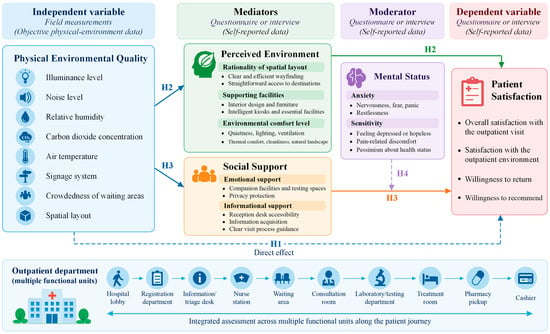
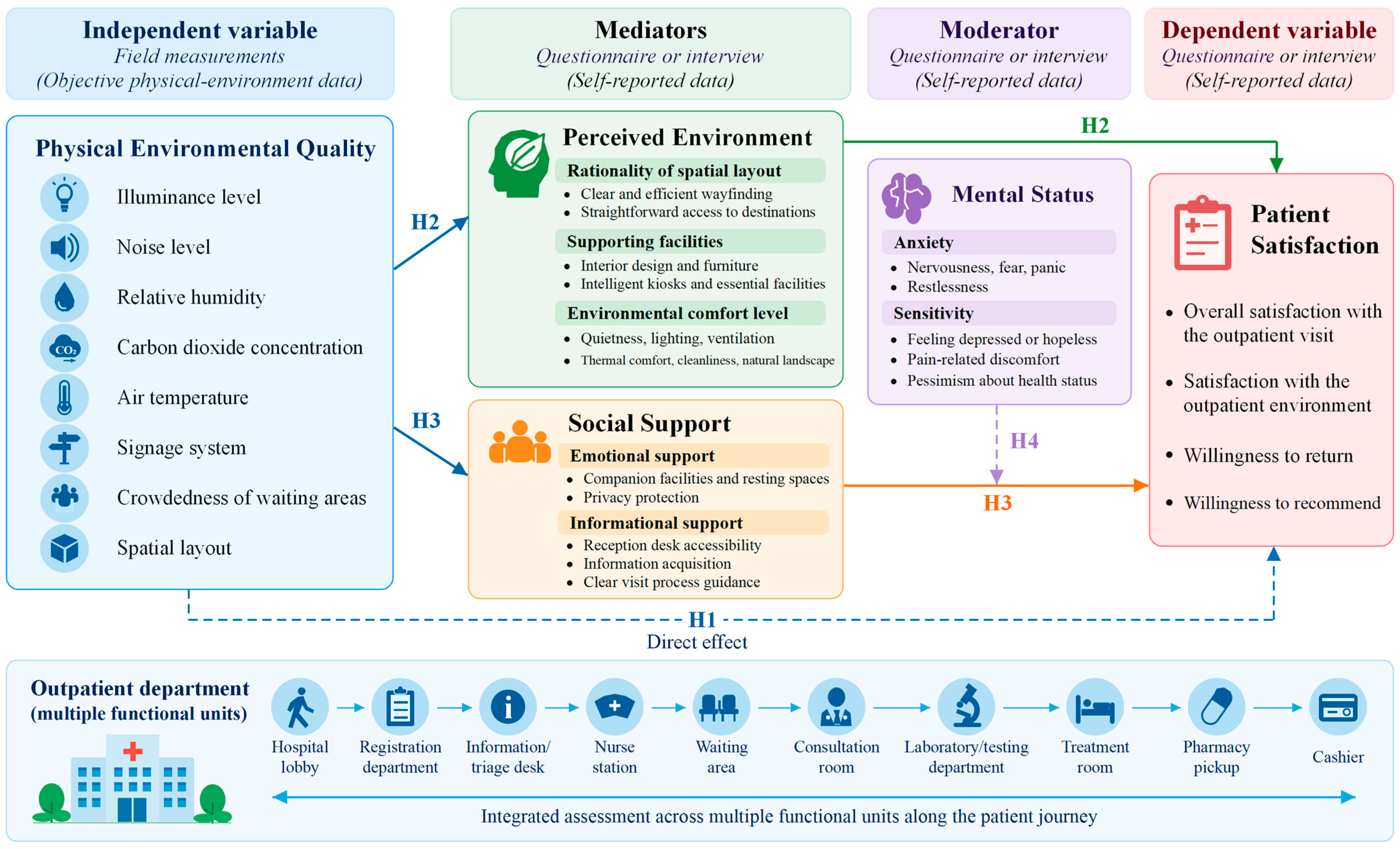
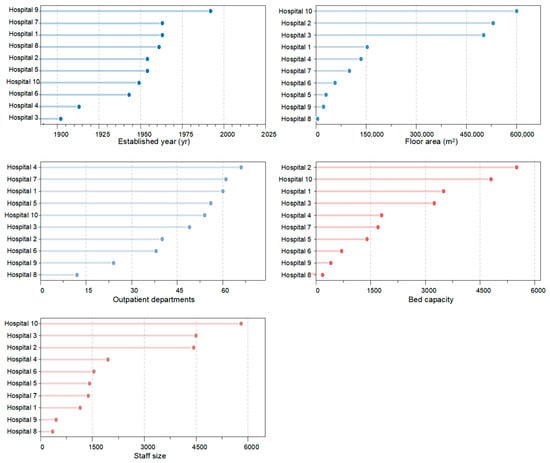
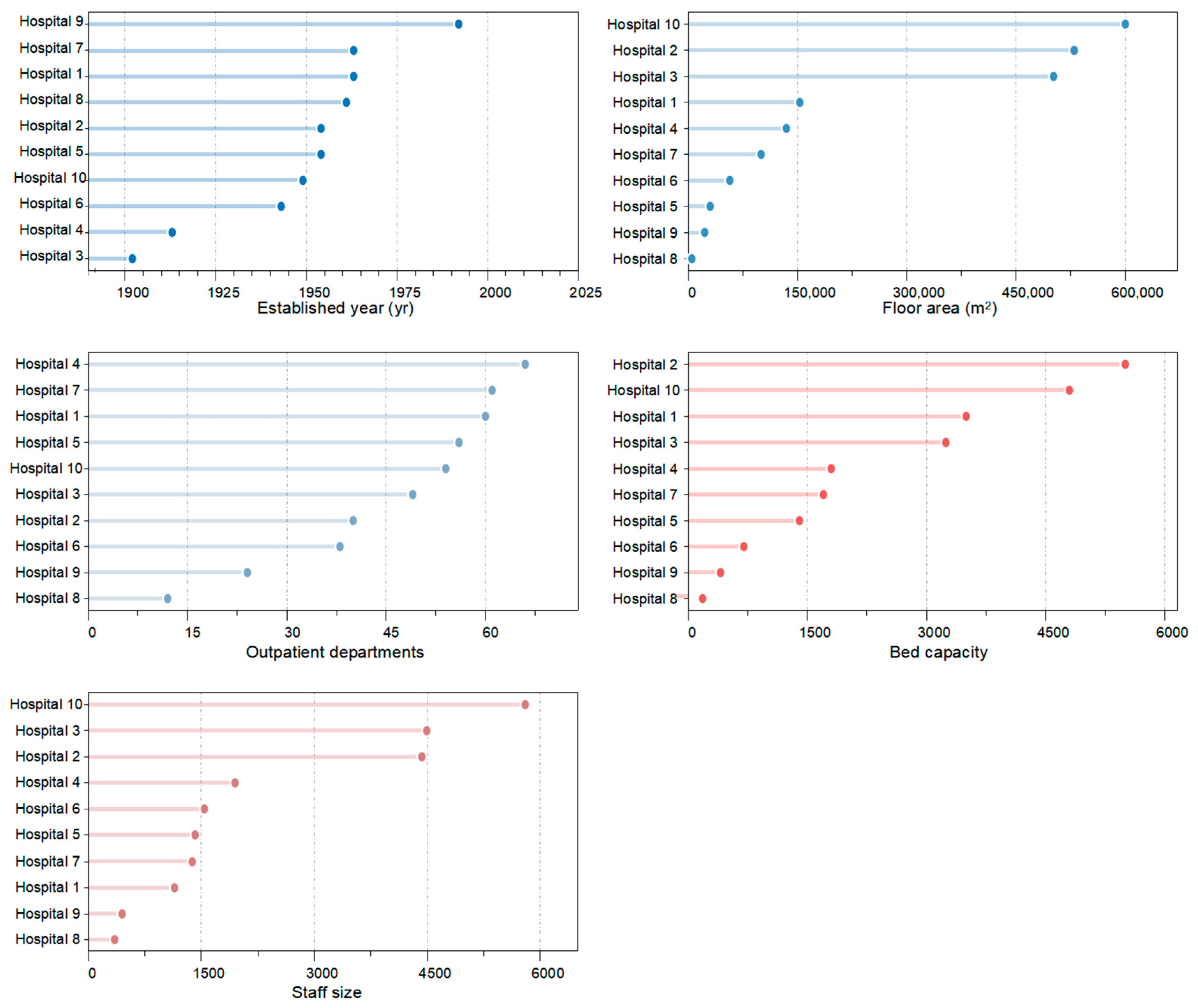
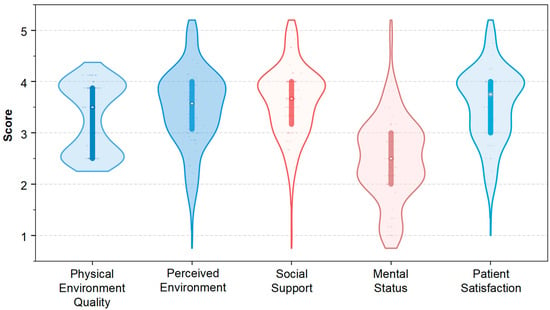
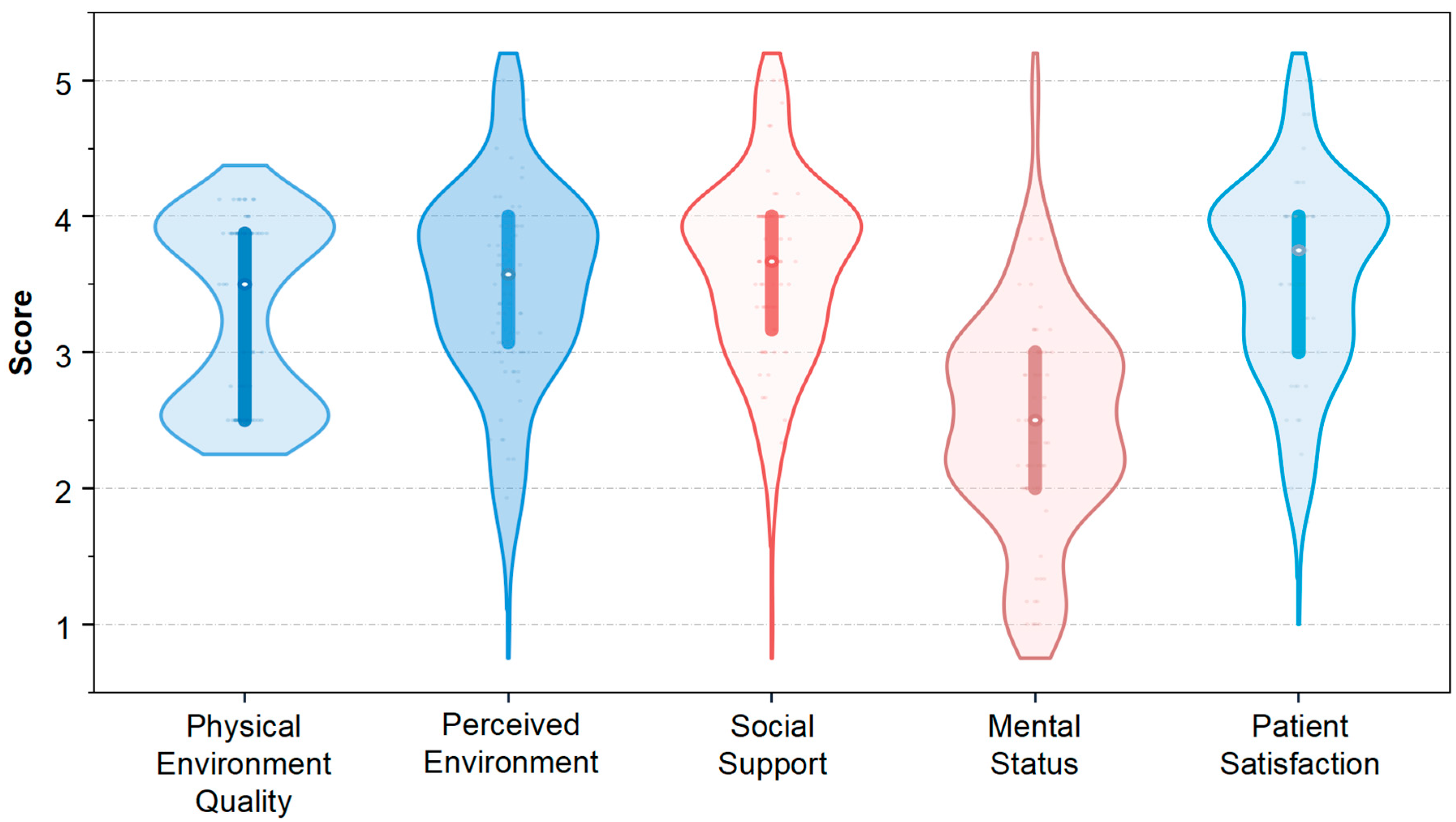
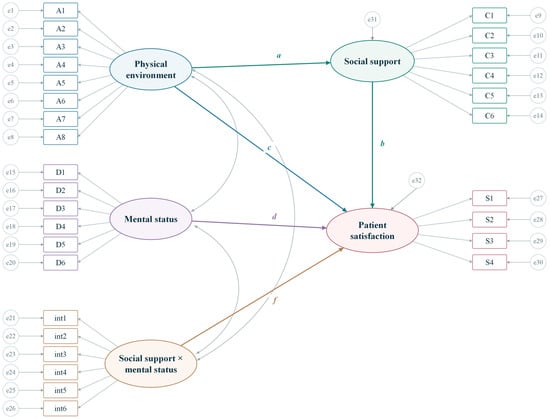
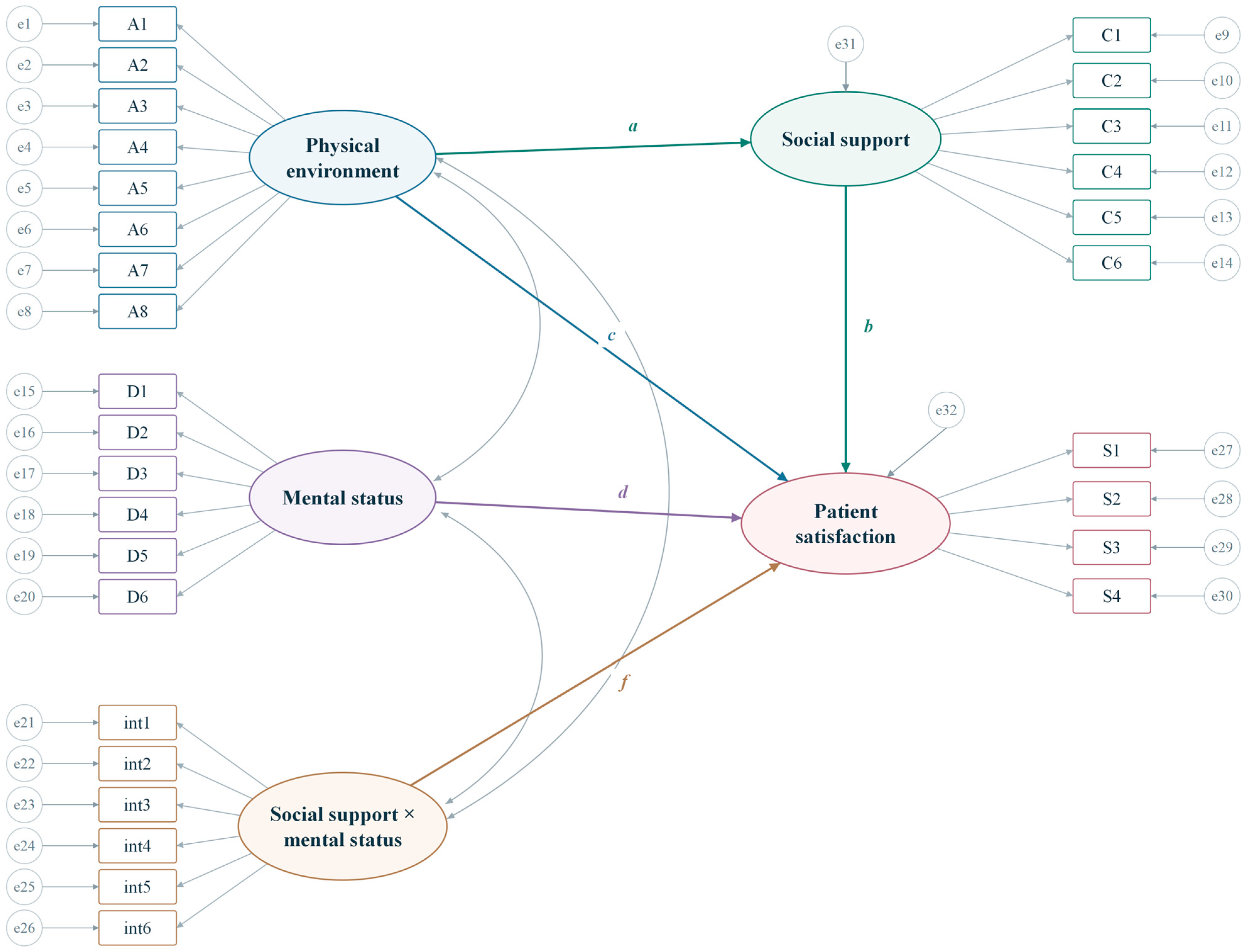

Disclaimer/Publisher’s Note: The statements, opinions and data contained in all publications are solely those of the individual author(s) and contributor(s) and not of MDPI and/or the editor(s). MDPI and/or the editor(s) disclaim responsibility for any injury to people or property resulting from any ideas, methods, instructions or products referred to in the content. |
© 2026 by the authors. Licensee MDPI, Basel, Switzerland. This article is an open access article distributed under the terms and conditions of the Creative Commons Attribution (CC BY) license.