


Abstract
Currently, building envelopes are evolving from simple passive shields to smart systems. They control the exchange of energy, air, and moisture within the cavities of buildings. This comprehensive review attempts to investigate the potential performance outcomes resulting from the integration of photovoltaic/thermal systems (PV/Ts), phase change materials (PCMs), and heat pumps (HPs). After the screening process, 153 documents were selected to be synthesized, including 64 primary peer-reviewed publications, 20 standards, and 69 reviews or methodological articles. The results from experimental, field, and numerical studies have shown that cavity integration techniques are effective in achieving photovoltaic cooling, recovering useful heat, reducing heat flux, and supporting heat pump operation. Specifically, annual simulations showed a 6.5% reduction in heating electricity and coefficient of performance (COP) improvements of 22–26%, whereas short-term experiments reported COP gains of 3.3% on average and up to 8.6%. Hybrid (solar/thermal and waste heat recovery) system studies reported that combined heating and cooling energy can be saved by more than 50%. Yet, these results substantially varied with climate, cavity configuration, baseline system, control strategy, averaging period, and auxiliary energy usage. In general, PCM-integrated ventilated cavities can reduce summer heat gains while supporting controlled heat storage and release. However, in extreme weather conditions, application of PCMs may not be effective since complete phase transitions cannot be achieved. Therefore, future studies are recommended to focus on climate-responsive designs, validated hygrothermal models and controls, regulatory compliance, and life-cycle assessments.
1. Introduction
1.1. The Evolution of the Building Envelope
The building envelope has historically served as a static barrier to separate indoor spaces from the external environment. This provides structural integrity, thermal insulation, and weather protection. However, conventional static envelopes have limited capacity to adaptively regulate heat, airflow, and moisture transport in response to changing conditions. Airflow and moisture transport are defined by the movement of air and fluid (vapor, liquid, or ice) in the cavity, respectively. Therefore, conventional buildings strongly influence heating and cooling demand [1,2,3,4]. Improving building energy efficiency has become a key component of international climate policy, as indicated in the European Union’s net zero energy building (nZEB) requirements and China’s carbon neutrality target for 2060 [5,6].
As a result, building envelopes are increasingly becoming active and adaptive systems. They can substantially reduce the thermal and electrical energy demands [7,8]. Current research therefore increasingly focuses on dynamic, multifunctional building envelopes that actively manage air, heat, and moisture flow over time. As a result, air cavities become purposefully ventilated spaces within the wall/ façade assemblies [9]. At the same time, they function as thermal buffers, moisture-control airflow channels, and platforms for integrated energy conversion technologies. The idea of the “active building envelope” therefore exhibits a genuine shift in thinking, recasting the envelope from a passive insulation layer into an active component of the building’s energy system [10,11,12].
Rather than adding renewable systems on top of a conventional façade, many contemporary approaches embed these technologies directly into the envelope. The integration provides an additional pathway toward low-carbon and carbon-neutral construction. This shift includes BIPV, solar-air and solar thermal collectors, ventilated and double-skin façades, and adaptive PCM-based layers. Conventional façade surfaces can be redesigned as active interfaces that modulate solar gains, precondition air ventilation, and contribute to on-site electricity [13,14,15]. This transformation aligns with international net-zero-energy and net-zero-carbon agendas.
1.2. The Anatomy of the Air Cavity
Air cavities are functional layers within building envelopes whose geometry and operating mode influence hygrothermal properties and the durability of adjacent materials. They are flexible, acting as mediators for the link between the external environment and the internal room.
- Thermal regulation in airflow: Air cavities support both active and passive thermal control. In active mode, fans/blowers can draw/push air through the cavity with the help of solar-heated air, which is more effective in winter. For example, cavity air can preheat the ventilation air that the heat pump uses as an input. In passive operation, solar heating and buoyancy can drive airflow through appropriately connected cavities. The air becomes buoyant and rises, allowing the façade to “breathe out” warm air in summer without any mechanical input [3].
- Thermal buffering: A ventilated cavity also acts as a thermal buffer zone between the outdoor climatic conditions and the conditioned interior. By maintaining an intermediate-temperature air layer, the cavity may reduce the temperature difference across the principal insulation layer under favorable operating conditions. This may lower heat flux and peak loads on the heating, ventilating, and air conditioning (HVAC) system [16]. If cavity openings are controlled seasonally, the cavity may reduce winter heat loss and summer overheating under favorable conditions. When the cavity is coupled to a heat pump, any resulting improvement in source-air temperature may increase heating COP. This benefit must be evaluated at the system level, including fan electricity, defrost operation, auxiliary heating, and control energy. Mathematically, COP is expressed as the ratio of useful thermal energy output to the electrical work input required to drive the system.
- Moisture management: The air cavity can also protect envelope materials and assemblies. It provides drainage and ventilation paths that allow infiltrated rainwater to drain and dry out. Heat transfer across a cavity results from conduction, convection, and radiation. Cavity depth, surface temperature, airflow pattern, and surface optical properties are some of the critical factors that influence the effective thermal transmittance of the complete wall assembly. Among these, building cavities significantly influence heat exchange with the environment [17]. For integrated cavity systems, intelligent tools should therefore complement rather than replace validated physical models and safety-critical control logic [18,19].
1.3. Objectives, Rationale and Research Questions
Existing studies are limited, since they have particularly focused on ventilated/double-skin façades, BIPV/T systems, solar chimneys, PCM-based envelopes, or adaptive insulation alone. These approaches limit understanding of the physical and functional interface of the integrated cavity. As a result, it becomes difficult to figure out the relationships between heat, air, and moisture flow, energy conversion and storage, and HVAC systems.
Moving beyond reviews of individual technologies, this review establishes the cavity as a common physical interface and clearly shows the opportunities and limitations of integrations. It combines fundamental physical transport processes with the application of active, passive, and hybrid technologies. Finally, it evaluates different approaches that have been used across different climates, geometries, control strategies, and modeling methods. The review answers the following core questions:
- What physical mechanisms control the coupled heat, airflow, and moisture transport through integrated building cavities?
- What are the benefits and drawbacks of system integration in relation to energy, humidity, and comfort under various climates and seasons?
- What methods should be used to address cavity performance issues, and how should uncertainties and validation of these methods be addressed?
- Why do different researchers obtain contradictory outcomes?
- How should promising research setups be implemented into practical building systems?
2. Review Methodology
2.1. Review Design and Scope
This review used a structured comprehensive-review methodology to identify, screen, critically appraise, and narratively synthesize evidence on integrated building-envelope cavity systems. The review covered experimental, field-monitoring, numerical, and coupled system studies concerning ventilated cavities, BIPV/T systems, phase change materials, heat pumps, and associated heat, airflow, and moisture processes. Regulatory standards, guidance documents, and previous review articles were used to provide technical or regulatory context but were not treated as primary performance evidence.
2.2. Information Sources and Search Dates
Web of Science was searched on 21 May 2026, and ScienceDirect was searched on 2 June 2026. The final update search for both sources was conducted on 11 August 2026. The searches covered records published from 1 January 2009 to 11 August 2026 (Table 1). No records published after the final search date were considered for inclusion.
Table 1.
Database, terms/keywords, and research articles’ search outcome.
2.3. Database-Specific Search Strategies
The search was implemented as a series of pairwise and multiconcept searches rather than as a requirement that every record contains all five concept groups. Each search combined the building-envelope cavity block with at least one integration or performance block. The results of all search combinations were exported and merged before duplicate removal. The implemented search strings are:
- (“ventilated facade” OR “ventilated façade” OR “air cavity” OR “double-skin facade” OR “double-skin façade” OR “building envelope cavity” OR “ventilated wall”)
- (“BIPV/T” OR “BIPVT” OR “PV/T” OR “building-integrated photovoltaic thermal”)
- (“air-source heat pump” OR “air source heat pump” OR “ASHP” OR “heat pump”)
- (“phase change material” OR “PCM” OR “thermal energy storage”)
- (“building energy” OR “energy performance” OR “airflow” OR “ventilation” OR “moisture” OR “hygrothermal” OR “heat transfer”)
2.4. Eligibility Criteria
Eligibility was determined by using predefined concept groups rather than by counting individual keyword occurrences. To be eligible, a study had to address (i) a building-envelope air cavity or functionally equivalent ventilated-envelope system and (ii) at least one additional targeted concept: photovoltaic/thermal integration, heat pump coupling, phase change thermal storage, coupled heat–air–moisture transport, or cavity-related energy-performance evaluation. Consequently, a publication was not required to contain every term appearing in the search strategy. Search terms were used for retrieval, whereas eligibility was determined through content-based assessment during screening.
2.5. Record Management and Duplicate Removal
All retrieved records were exported from Web of Science and ScienceDirect into Mendeley. Duplicate records were initially identified using DOI. Records without a DOI were compared using normalized title, first-author surname, publication year, and journal/conference title. Automatically identified duplicates were checked manually before removal. Conference and journal versions were not considered duplicates when they contained substantively different methods/results; when the journal article represented an expanded version of the same study, the more complete version was retained for performance synthesis. This procedure removed 1703 duplicate records, leaving 2327 unique records for screening.
2.6. Screening and Study Selection
One reviewer independently screened titles and abstracts against the eligibility criteria. The remaining two reviewers were involved in evaluating the records. The full texts of potentially eligible studies were screened in the same manner. Disagreements were resolved through discussion. Reasons for exclusion were recorded at the full-text stage.
2.7. Data Extraction
The searches identified 4030 records. After removal of 1703 duplicates, 2327 unique records underwent title and abstract screening. At this stage, 643 records were excluded because they did not satisfy the language, publication-type, date, or broad subject-scope criteria, leaving 1684 records for detailed title and abstract eligibility assessment. A further 1531 records were excluded because they did not examine a building-envelope cavity together with at least one additional targeted concept. Full texts were sought for 153 records. Of these, 89 were excluded because of the absence of original technical evidence, resulting in 64 included studies (Figure 1).
Figure 1.
Flowchart of the literature search and selection process.
2.8. Evidence-Quality and Reliability Assessment
The included evidence consisted of experimental, field-monitoring, numerical, and coupled modeling studies. Risk-of-bias tools, which were used for evaluating studies, could not be applied to the entire body of evidence. Thus, the review performed a reliability check of each study by means of design-specific criteria. It was aimed at assessing the confidence that could be placed in reported performance outcomes.
Reliability categories were used to qualify the narrative synthesis. They were not used to calculate combined effects because substantial heterogeneity existed in climates, building types, cavity configurations, controls, baselines, averaging periods, and system boundaries. Numerical studies without independent validation and short-duration experiments were retained to identify mechanisms and design trends. Yet, their reported performance values were not interpreted as broadly transferable estimates.
2.9. Synthesis of Performance Metrics
Performance results were collected along with their averaging period, operating condition, climate, and system boundary. Thermal efficiency, heat recovery efficiency, electrical efficiency, COP, and energy savings were considered as different performance measures. Hence, instantaneous/test period average/seasonal/annual COPs and heating/cooling/total HVAC electricity/whole-building energy savings were noted separately. In cases where any of the auxiliary fan or pump electricity, defrost energy, control electricity, and PV electricity credits were not mentioned clearly in the study, it was considered an incomplete or unclear system boundary. Since the included studies were diverse, percentage results were summarized narratively and were not combined as effect estimates.
To characterize the thematic coverage of the review, the eligible primary studies were grouped according to their dominant technical contribution. The classification was used to structure the subsequent narrative synthesis and does not represent reliability/ quality ranking (Figure 2).
Figure 2.
Distribution of the included primary studies by dominant evidence category. Of the 64 studies, 40 examined ventilated or double-skin façades, 20 examined BIPV/T-, solar-air-, or heat-pump-integrated envelopes, and 4 focused primarily on PCM- or thermal-storage-integrated envelopes. Each study was assigned to one dominant category to avoid double counting.
3. Fundamentals of Cavity Heat and Moisture Transfer
3.1. Modes of Heat Transfer
Heat transfer in the cavity is a combination of conduction, convection, and radiation phenomena. Their relative influence depends on the geometry of the cavity. For example, forced-convection heat transfer is often estimated using correlations such as Dittus–Boelter or Gnielinski, provided that geometric and flow-regime parameters are important to predict its performance [17,20]. The convective heat-transfer coefficient (hc) also plays a significant role in system performance.
Wind speed and incident radiation strongly affect cavity Nusselt numbers (Nu), which connect convective to conductive heat transfer [21,22]. Heat exchange through radiation in cavities is linearized using the radiative heat-transfer coefficient (hr) [6]. Studies by Vuong et al. [23] and Fu et al. [24] show that increasing the channel’s internal emissivity from 0.1 to 0.9 can increase useful thermal output by 10–15%.
3.2. Moisture Dynamics
Moisture behavior is a coupled phenomenon of air and heat transfer. It is the main cause of condensation, mold growth, and corrosion that affect overall durability. However, cavities are the main path for vapor diffusion and drying, which makes condensation less likely to occur. Condensation occurs when temperature differences and humidity levels in the airstream reach the dew point. In winter, indoor air leaking into the building through the cavities may cool to the dew point. Conversely, during summer, warm, humid air can condense on cold surfaces inside the building [25].
Recent studies have focused on how these spaces are actively managed and how active airflow control can reduce moisture risk by stabilizing conditions. According to C. Zhang et al. [16] and Hailu et al. [26], porous insulation layers reduce condensation risk in exhaust air insulation walls (EAIWs). This exfiltration strategy smooths temperature gradients and provides a continuous drying airflow through the assembly (shown in Figure 3). Likewise, in ventilated façades, the cavity plays a similar protective role as a drained, back-ventilated space. In rainscreen construction, the cavity forms part of the drainage and drying strategy, while open-joint claddings allow infiltrated water and vapor to escape rather than accumulate [27,28]. Experimental and simulation work by Aparicio-Fernandez et al. [3] and Ibane-Puy et al. [29] also show that ventilated cavities can maintain surface temperatures above the dew point in winter. Since heat and moisture transport depend strongly on climate, recent studies have tried to apply reversible/seasonally adaptable airflow strategies. These strategies can switch among inward, outward, and bypass modes to support year-round moisture-safe operation [30].
Figure 3.
Building-integrated photovoltaic/thermal (BIPV/T) configuration integrated with ASHP [26].
3.3. Aerodynamics
The cavity airflow is usually divided into three categories: natural, forced, and mixed convection. Natural convection does not need any mechanical fan power. In particular, it is effective in tall cavities where stack pressures generate substantial flow rates [3]. The stack effect is represented by the Rayleigh number (Ra), which represents the ratio of the buoyancy force to viscous dissipation. For high aspect ratio cavities, natural convection becomes turbulent, increasing heat transfer at velocities of 0.1 to 0.3 m/s in solar-air heaters [31].
4. Classification and Configurations of Integrated Building Cavities
4.1. Passive Ventilated Cavity Strategies
4.1.1. Passive Solar Heating
Trombe walls are well-established passive solar systems used for space heating and, in ventilated configurations, natural ventilation [32]. A Trombe wall consists of three layers, namely the glazing layer, air cavity, and the storage wall. Solar energy passes through the glazing layer and warms up the air cavity and the wall surface. The stored heat is passed on to the interior environment through convection and conduction. In recent years, PCMs, PV systems, and controlled air pathways have considerably enhanced the efficiency of Trombe systems [33,34,35].
Duzcan and Kara [36] evaluated PCM-integrated Trombe walls against traditional constructions and found that they can reduce annual heating energy use by 11.9–34.3%. This occurs because the PCM layer absorbs excess solar heat during the day and then releases it slowly in the evening and at night (Figure 4). If thermal efficiencies are 58–66%, a Trombe wall provides 25–44% of the total heating needs. Since these systems may overheat during summer, seasonal shading, bypass ventilation, or closure strategies are required.
Figure 4.
Trombe wall design: (a) Summer Season, (b) Winter Season.
Solar chimneys use similar physical principles but prioritize ventilation over direct thermal storage [37]. Increasing the height of the sun-heated vertical cavity creates buoyancy-driven pressure differences, thereby increasing the potential for buoyancy-driven ventilation [38]. In cold periods, preheated air can be utilized for space heating, but hot weather conditions require suitably designed inlets and outlets that enable the chimney to exhaust hot air from inside the house.
The greenhouse effect can substantially increase cavity temperature under high solar exposure. When a weakly ventilated cavity combines with high-transmittance glazing and a high-absorptance interior surface, air temperatures within the cavity can rise by 20–40 °C. The key design task is to balance these gains against the need to prevent overheating and maintain comfort across seasonal variations.
4.1.2. Passive Cooling Strategies
Passive cooling strategies use temperature differences in airflow to reduce cooling energy usage. During night purge ventilation, cool nighttime air removes heat stored in the building fabric and cavity system [39,40].
The effectiveness of natural cross-ventilation depends strongly on cavity geometry, inlet and outlet areas, and prevailing wind conditions. Therefore, open-joint rainscreen façades can support exterior ventilation and drying. They support continuous passive airflow that limits solar heat buildup in summer while still allowing the cavity to dry out in winter [17,28,41].
Stack-effect cooling uses buoyancy forces to reverse the usual winter (chimney) effect. The warm air rises and exits through the upper part of the building. Conversely, cool (dense) air enters from the lower end of the building. In raised buildings, the resulting pressure differences can drive significant airflow without a fan. Vertical cavities/solar chimneys can significantly reduce cooling demands. It is suitable for cool nights and moderate daytime temperatures. It may also enhance evaporative/hybrid-ventilation strategies where climatic conditions are suitable.
Table 2 compares selected quantitative studies according to their evidence type, baseline, temporal basis, metric, and reported outcome. The studies used different climates, configurations, operating conditions, assessment periods, and system boundaries. Therefore, their results were treated as separate metrics.
Table 2.
Performance evidence for cavity-integrated envelope systems.
4.1.3. Structural Configurations
Airflow patterns and thermal performance depend heavily on the ventilated façade’s structural geometry [47]. Open-joint rainscreen openings can facilitate pressure control if the cavity and openings are appropriately designed. This can moderate pressure differences and support drainage and ventilation to keep the cavity dry. Whereas closed-joint systems create a dead air space that provides thermal insulation with limited drying and heat dissipation.
Comparisons of open- and closed-joint configurations have yielded important design insights; for example, Sanjuan C, S et al. [48] studied open-joint façades in sunny outdoor conditions. The results showed that natural airflow velocities ranged from 0.1 m/s to 0.25 m/s, and temperatures increased by 30–35 °C above ambient. As a result, the heating loads are reduced by 10–15% in winter. However, open joints increase thermal losses during cloudy periods and require careful balancing of ventilation rates.
In contrast, closed-joint systems offer higher thermal resistance (U-values of 0.1 W/m2·K) under optimal conditions [16]. However, they generally offer less ventilation-assisted drying and heat rejection than open/mechanically ventilated cavities. To overcome these drawbacks, hybrid configurations are suggested, as they offer a flexible and promising approach to developing a dynamic envelope [42].
4.2. Active Heating and Cooling Systems
4.2.1. Forced Ventilation Cavities
Forced ventilation cavities can provide more controllable airflow and closer HVAC integration than naturally ventilated cavities [49]. This results from mechanical fans that maintain controlled airflow rates. The cavity acts as an active energy-management component [50,51]. Choi et al. [43] studied fan-assisted BIPV/T systems under winter conditions, achieving thermal efficiencies of 30–33% and outlet air temperatures of 25–30 °C. Under the tested operating conditions, variable-flow operation produced an average COP improvement of 3.3% and a maximum improvement of 8.6% relative to the study metrics. These short-term experimental results should not be interpreted as annual system-level improvements [16,43].
The performance of these systems depends heavily on airflow-rate design, duct geometry, and pressure-drop management. Although higher airflow can increase total heat removal, it may lower outlet-air temperature and thereby reduce the usefulness of the recovered heat. For this reason, Delisle and Kummert [52] reported favorable channel velocities of approximately 0.1–0.5 m/s for the investigated collector configurations. Other studies by Rounis et al. [53] and L. Xu et al. [54] found that wind-induced pressure fluctuations can cause inlet flow variations of 15–25%. However, a well-designed inlet can reduce this to less than 5%.
For cavities filled with porous materials, pressure losses can be examined using Darcy’s law. Using this relation, Z. Zhang et al. [55] and Hailu et al. [26] demonstrated a 40–50 mm thick porous layer at an exfiltration velocity of approximately 0.00286 m/s. The results showed reduced total energy and improved heat recovery while affecting the required fan power (Figure 5). Variable-speed fans with PID controllers have a significant role in real-time adjustment of airflow. They can regulate solar radiation, cavity temperature, and heating demand. This indicates that control strategies should incorporate weather forecasts, heating/cooling demand, humidity, and equipment constraints. It helps turn the building envelope into a responsive, energy-efficient thermal boundary [42,56].
Figure 5.
Schematic diagram of air exfiltration through a porous layer.
4.2.2. Exhaust Air Recovery
Exhaust air recovery systems may be particularly valuable in buildings with substantial ventilation demand. These systems recover thermal energy from exhaust air before it is discharged outdoors [57]. The exhaust air insulation wall (EAIW) is a new heat-recovery approach that uses porous material to recover heat from exhaust air before releasing it to the outside environment [58]. Figure 6 shows indoor air flowing through a porous layer, while the inner wall surface temperature stays near the indoor environment. The thickness and exfiltration rate of the porous materials play a dominant role in preventing heat conduction. C. Zhang et al. [16] showed that the daily total heat gain of the EAIW can be approximately eliminated for an exfiltration rate of 0.005 m/s. Another numerical study by Zhang C. et al. [30] shows the influence of thickness on energy output. As per this specific study, the optimal thicknesses of the porous material component are 40 mm and 50 mm, achieving minimum annual overall energy consumption of 0.51 kWh/m2 and 0.48 kWh/m2, respectively [30].
Figure 6.
Schematic heat and airflow paths through an air-permeable porous layer in an exhaust air insulation wall.
These integrated methods have several advantages over traditional air-to-air heat exchangers. They require no extra ductwork and allow localized heat recovery in each conditioned zone [6,59].
Soudian and Berardi [42] used MICRO-V façades and achieved an 81% heat-recovery efficiency. The study used a bidirectional design to enable efficient counterflow heat exchange between fresh and exhaust streams. Similarly, J. Xu et al. [60] and Yan et al. [54] developed a hybrid PV/T wall with dual air channels and PCM. The evaluated configuration achieved reported thermal efficiencies of 55–57% and maintained indoor temperature within approximately 0.5–1.2 °C of the setpoint under the tested conditions. Despite these strong results, designing an efficient EAIW requires careful trade-offs. For example, pressure losses within the porous layer increase the fan’s power demand, and in extremely cold climates, condensation risks need close attention.
4.2.3. Heat Pump Integration
Integrating air-source heat pumps with building-envelope cavities is an emerging area of research in energy efficiency. By using cavity air as the heat source/sink, ASHP performance can be improved. Cavity design, climate conditions, and control strategies are key factors influencing a heat pump’s COP [61]. Depending on the weather conditions, the cavity acts as a moisture-control and thermal buffer (potentially warmer source air in sunny winter conditions) [62].
Reported COP improvements were strongly dependent on the system and averaging period [63]. For example, Hailu et al. [26] reported a simulated heating COP increase from 4.2 to 5.3, equivalent to 26.2%, under the investigated cold-climate operating conditions relative to the specified reference configuration. Choi et al. [43] reported a 3.3% average and 8.6% maximum increase during selected experimental operating periods. Kamel et al. [11] reported an annual simulated heating COP increase from 2.74 to 3.35, approximately 22%, relative to a conventional ASHP configuration. The study also shows that preheated air from BIPV/T collectors reduced electricity demand for space heating by 20% (Figure 7).
Figure 7.
Scheme of the integration of BIPV/T–ASHP and thermal energy storage systems [11].
Recent research has explored different configurations in which the cavity serves as a thermal-storage medium [64]. For example, Dannemand et al. [65] reported COP values of 3.8–4.2 for the investigated PVT-assisted heat pump configuration, compared with the traditional one. The corresponding percentage difference was 15–20%.
4.3. Materials and Integration
4.3.1. Integration of Photovoltaic Modules
Building-integrated photovoltaic/thermal systems are an important development in multifunctional building-envelope design [66,67]. The system can generate electricity and heat simultaneously by mounting PV modules directly in the building envelope (Figure 8). Airflow removes heat from the rear surface of the PV modules, thereby reducing cell temperature. The warm air can then be used for space heating, acting as a preheated source air stream for heat pumps [68,69,70].
Figure 8.
Integration of BIPV/T with a multispeed heat pump (MSHP) [23].
BIPV/T systems can be opaque/semitransparent, solid-backed with PV cells embedded in glass [71]. Because opaque systems absorb all solar radiation, they achieve higher thermal efficiency, unlike semitransparent systems, which sacrifice some thermal performance for daylighting gains and a better architectural look [23]. The reviewed configurations reported thermal efficiencies of approximately 30–40% and electrical efficiencies of 10–15%.
The preferred cavity depth (50 mm to 150 mm) depends on airflow mode, geometry, climate, pressure drop, and design objective. This balance involves effective heat transfer and structural requirements. Meanwhile, air velocities between 0.5 m/s and 1.5 m/s have been found to provide adequate cooling of PV modules [53,72,73]. Since they disturb the boundary layer and promote turbulence in the flow, internal features (baffles/turbulators) can further improve heat transfer by 20–30%. According to Rounis et al. [53], multiple-inlet BIPV/T designs can achieve higher electrical (1%) and thermal (14–25%) efficiencies than single-inlet systems, as shown in [53].
4.3.2. Solar/Thermal Systems
Building façades with solar-air collectors are important for space heating. Their simplicity is especially suitable for cold climates [74]. Specifically, unglazed transpired collectors (UTCs) are a simple, cost-effective method in which cladding absorbs solar radiation and preheats air drawn through the perforations [75,76]. Choi et al. [43] examined air-type PV/T collectors with outlet temperatures (5–10 °C). They achieved thermal efficiencies of 30%, higher than conventional designs. This disrupts boundary layers and increases turbulence, enhancing convective heat transfer [43,77].
Despite their greater complexity, hybrid (solar/thermal and waste heat recovery) systems can achieve thermal efficiencies of 50–60% [78]. However, freeze protection, condensation control, and leakage remain concerns, particularly in cold climates.
4.3.3. Phase Change Materials (PCMs)
PCMs can absorb and release latent heat during their phase change. This process can moderate cavity temperatures, delay heat transfer, and shift thermal loads. As a result, it increases the latent thermal-storage capacity of building-envelope systems. In an integrated ventilated cavity, PCM charging and discharging occur during the day and night, respectively. PCMs used for building applications are often selected with transition ranges near expected operating temperatures, frequently between 20 and 30 °C, with a storage thickness of 10–20 mm. Researchers use various techniques to prevent leaks and ensure durability. Typically, paraffin waxes, salt hydrates, and bio-based materials are macro-encapsulated in panels/tubes for this purpose [79].
Research by de Gracia et al. [44] showed that PCM-integrated ventilated façades can lower the heating demand by 30–40%. Other recent studies have evaluated multitemperature PCMs and strategic placements. For example, Ke et al. [80] found that internal placement is more suitable for cold climates, whereas exterior placement is better in warm seasons. The liquid fraction, which represents the proportion of melted PCM, is another critical issue. As stated in Li et al. [81], 70–90% of PCM Trombe walls melted on sunny winter days. The PCM required approximately 4–6 h after sunset to solidify.
PCMs store excess solar heat during the day and release it at night. In warm-season operation, night ventilation can regenerate the PCM by promoting solidification [44]. Figure 9 shows the operational modes of ventilated façades with PCM.
Figure 9.
Operational modes of ventilated façade: (a) PCM Solidification Period, (b) PCM Melting Period, (c) Overheating Prevention Period, (d) Nighttime Ventilation.
5. Modeling and Performance Evaluation Techniques
There is no simulation platform that resolves airflow, heat transfer, moisture, thermal storage, PV generation, HVAC operation, and controls with equal detail and computational efficiency. Model selection should therefore be based on research questions rather than an assumed hierarchy of accuracy [82,83].
5.1. Computational Fluid Dynamics
Computational fluid dynamics (CFD) has become an essential tool for analyzing complex airflow and heat-transfer behavior within building cavities. It can model variable airflow, including laminar and turbulent flows. In particular, the k–ω-based and transition shear stress transport (SST) models may improve the ability to predict flow regimes from laminar to fully turbulent flow [84]. Studies by Ioannidis et al. [21] used CFD to develop Nusselt number correlations for BIPV/T cavities under both forced and natural convection. The results showed that existing correlations for smooth ducts underpredicted heat transfer by 20–50%. This is because of the PV module geometry and flow disturbances. The CFD-derived correlations reportedly produced errors below 10% over Reynolds numbers of 10,000–26,000 for the evaluated geometry and boundary conditions.
Additionally, CFD can optimize cavity geometry for uniform flow distribution. Specifically, Rounis et al. [53] studied multiple inlet BIPV/T systems and showed that inlet spacing and size influence flow distribution. In a well-optimized design, the flow uniformity is within 5% across the cavity, compared to 30% in a conventional design. Other studies have integrated CFD with building energy simulation to understand the interaction between cavity airflow and full-building thermal performance. This coupled approach enables accurate prediction of energy savings and thermal comfort, accounting for the dynamic behavior of cavity systems [85].
5.2. Whole-Building Energy Simulation
Whole-building energy simulation (BES) tools can represent cavity systems in annual building energy assessments. Among those, TRNSYS and EnergyPlus are the most widely used platforms. They provide component models for ventilated façades, BIPV/T systems, and PCM integrations. For instance, TRNSYS Type 567 and Type 568 model glazed and unglazed BIPV/T systems, respectively. These help to estimate cavity performance under realistic climate conditions and operational schedules.
EnergyPlus includes a wide range of cavity models from simple resistance–capacitance networks to detailed airflow networks. The Airflow Network model simulates natural and forced ventilation in cavities. However, these models require careful selection of input parameters, specifically convective heat-transfer coefficients. Vuong et al. [23] modified EnergyPlus to include improved BIPV/T models with variable emissivity and multi-inlet configurations, enabling parametric analysis of these design variables.
Validation studies have shown that whole-building simulations can achieve reasonable accuracy when calibrated with experimental data. For example, R. S. Kamel and Fung [86] verified that the TRNSYS model of a BIPV/T–ASHP system reported normalized error measures of approximately 5–10% for selected outputs. These are promising performance indicators when compared with field measurements. Calibration is particularly important for uncertain parameters (surface emissivities and thermal resistances). The key differences among simulation software include the ability to simulate transient heat transfer, moisture transport, and multiphysics coupling. Additionally, they differ in their support for PV/T, PCM, HP modeling, and Python/API integration. Rather than using a single software package, coupling multiple packages can yield good accuracy. However, these approaches are computationally expensive and complex. The actual runtimes depend on model detail and hardware (Table 3).
Table 3.
Modeling capabilities and validation requirements.
5.3. Field Studies and Experimental Validation
Field studies are essential for validating simulation models and demonstrating the real-world performance of cavity systems. Bock M. [4] reported on the Building Active Steel Skin Envelope (BASSE) project, which installed BIPV/T systems in a temperate climate residential building. This installation consists of 35 panels and generates 3321.14 kWh/year, which is 30.4% efficiency, and the heat pump COP is 4.1–4.6. The system reduced building heating loads by 34.3% in cold climates. de Gracia et al. [20] investigated a PCM-integrated ventilated façade, which reduced electrical energy consumption for space heating by 19–26% under severe winter conditions. The PCM provided thermal storage, which optimized the performance by eliminating peak heating demand (2–4 h).
Long-term monitoring studies provide insights into system durability and the effectiveness of ventilated-façade control. The tested MICRO-V façade achieved a reported heat-recovery effectiveness of 81% under the evaluated operating conditions [42]. However, this effectiveness should not be interpreted as annual HVAC energy savings or evidence of long-term PCM performance. Additionally, solar radiation also influenced cavity temperatures more than ambient conditions.
5.4. Climate-Specific Performance Strategies
Cold-climate evidence should not be generalized to hot–humid/hot–arid operation. For example, solar-warmed cavity air can support heating-mode ASHP operation in cold climates but may reduce cooling-system performance if supplied to a condenser in hot conditions. PCM performance also depends on whether local day–night conditions permit repeated melting and solidification. Natural ventilation must also be evaluated psychrometrically in humid climates because thermally enhanced air may still introduce excessive moisture.
A Canadian modeling study reported a 6.5% reduction in space-heating electricity for one BIPV/T-ASHP configuration, but this is a cold-climate modeled outcome rather than a transferable universal result [23]. Table 4 shows strategies, risks, and control techniques for cavities under different climate conditions.
Table 4.
Strategies, risks, and control techniques for cavities under different climate conditions.
5.5. Regulatory Compliance, Codes, and Approval Requirements
Integrated cavity systems may simultaneously function as exterior walls. They may therefore be subject to building, fire, structural, energy, moisture, acoustic, product-certification, inspection, and maintenance requirements. Therefore, they must fulfill the regulatory domains (Table 5).
Table 5.
Regulatory domains and their approval evidence.
Building-integrated cavities may not only meet mandatory envelope energy criteria. They should also ensure predicted energy savings or COP improvements. Overall thermal transfer value (OTTV), residential thermal transfer value (RTTV), effective U-factor, and building performance are some of these criteria. The OTTV summary sheet incorporated the U-value, glazing area and type, shading coefficient, and absorptivity. But OTTV cannot directly quantify HVAC electrical consumption, PV electrical production, fan electrical consumption, control effectiveness, and heat pump COP. Conversely, lower simulated annual energy does not automatically establish OTTV compliance. Different countries have different jurisdictions and approval routes. For example, Canada and the United States of America use the National Energy Code of Canada for Buildings (NECB) and the American Society of Heating, Refrigerating and Air-Conditioning Engineers (ASHRAE) or the International Energy Conservation Code (IECC), as shown in Table 6.
Table 6.
Country-based jurisdictions and their approval routes.
5.6. Code Compliance and Regulation
Because integrated cavities may be regulated simultaneously as façade, fire-safety, structural, energy, moisture-control, acoustic, electrical, and mechanical systems, they must pass through research evidence to approved pathways. The relevant authority having jurisdiction must also accept this evidence through the procedure it establishes (Table 7).
Table 7.
From research evidence to approved and operational cavity systems.
5.7. Integrated Evaluation Matrix
The full life of an integrated cavity cover is evaluated, from installation through operation, maintenance, and replacement. Aside from energy efficiency and comfort considerations, moisture safety, auxiliary power, cost, and commissioning should also be considered. Accessibility of clean and replacement components, and cost and carbon lifecycle evaluation, should also be taken into consideration [123]. As shown in Table 8, the system is only viable if its benefits remain greater than its costs and environmental impacts.
Table 8.
Whole-life performance framework for integrated cavity systems.
6. Contradictory Findings and Their Sources
Most apparent contradictions are conditional or methodological rather than disagreements in fundamental physics. A finding should be classified as a genuine trade-off only when the same design variable improves one objective while reducing another under comparable conditions.
6.1. Energy Consumption
One of the most debated themes is the effect of ventilated cavities and double-skin façades on the overall building energy use. A double-skin façade cavity can serve as a thermal buffer, control moisture, minimize heat transfer, and provide passive ventilation. Multiclimate assessments by Aksamija [134] show that double-skin façades perform better as thermal buffers compared to traditional curtain wall systems. However, some other reviews are more cautious regarding the double-skin façade, as they claim that it is very sensitive to the design process, procurement, and control systems. For instance, poor coordination of glass, shading, cavity depth, ventilation slots, and controls might cause overheating, an uncertain payback period, and a gap between simulations and real performance. Additionally, a cavity that performs well as a heat-retaining buffer in cold and temperate climates may behave as a solar heat trap in hot climates unless shading and exhaust ventilation are carefully managed [49,134,135].
6.2. Natural Ventilation
Another controversial issue arises regarding the effectiveness of natural ventilation in building cavities. Some studies emphasize buoyancy-driven ventilation, where solar radiation heats the cavity air, increasing stack pressure and improving heat extraction. Other studies state that wind pressure can affect the flow pattern, particularly at extremely high exterior wind speeds. As a result, if the model assumes buoyancy is the dominant force, it may overestimate solar-cavity performance. This provides an explanation for why certain experiments and CFD studies demonstrate that there are successful results for ventilation flow, whereas other studies demonstrate poor or reversed airflows [136,137]. Such results may not contradict the fundamental laws of physics but rather the boundary conditions used.
6.3. Cavity Geometry
Suggestions also vary regarding cavity width and geometric configuration. Some studies report that narrower cavities can enhance convective heat-transfer coefficients and heat recovery. This enhancement makes them useful in heating-dominated applications. Alternatively, several studies show that wider cavities may increase air movement, reduce overheating, and improve façade ventilation. Related disagreements appear in BIPV/T systems also. If the air gap is within the optimum range, increasing the air gap behind photovoltaic panels can lower module temperature and improve electrical efficiency. Research on solar chimneys also showed a similar pattern. Larger dimensions may strengthen airflow, but excessive air gaps can reduce air velocity and weaken the stack effect [138,139,140].
6.4. Phase Change Materials
PCM performance studies in integrated cavities present mixed conclusions. The PCM-assisted Trombe wall and ventilated cavity wall systems tend to avoid overheating, delay heat transfer, transfer cooling loads, and keep room temperature stable. As stated by Liu et al. [141], the integration of PCM in a ventilated Trombe wall helps to reduce the annual cooling energy use by 20.8% in Changsha, China. But some research works have also reported that the efficacy of PCM may be constrained when it does not completely solidify at night. As a result, PCM integration may be highly effective in climates with effective day–night temperature swings, but less successful in climates where the PCM remains partially melted for prolonged periods [142,143]. The disagreement therefore lies not in whether PCM works but in whether the local climate and control strategy allow it to complete its thermal cycle.
6.5. Solar Chimneys
The solar chimney is often referred to as a promising passive ventilation technique. However, there is no unified opinion on how effective the technology is. Some of the studies reveal that the solar chimney significantly boosts natural ventilation owing to transformation of the solar energy into buoyant flows. However, review studies also show contradictions in experimental findings. Solar chimney performance depends strongly on geometry, absorber material, inclination angle, cavity depth, thermal mass, PCM integration, and outdoor conditions. Liu et al. [140] found that a combined solar chimney system combining an inclined-roof chimney with a Trombe-wall configuration could perform better. At the same time, their results showed that different modes suit different ambient-temperature ranges. This indicates that an optimized design for summer ventilation may not be ideal for winter heating or air preheating [144]. Thus, contradictions in solar chimney studies often arise because researchers compare systems designed for different seasonal objectives and performance targets.
6.6. Building-Integrated Photovoltaic/Thermal Cavities
BIPV/T cavity systems introduce another crucial trade-off. Increasing ventilation to the back side of the PV panels reduces panel temperature and improves electricity production efficiency. Rising cell temperatures reduce PV performance, causing a direct drop in electrical output. Therefore, studies on BIPV/T systems often highlight the value of air ventilation, water circulation, or PCM integration for controlling PV temperature. However, the extracted heat can be either advantageous or problematic depending on how the system is integrated into the building. Heat recovery can be utilized for space heating/air preheating in winter but not in summer. The same heated cavity in summer will cause increased energy usage, and the temperature can go beyond the threshold if it is not properly exhausted or insulated from the indoor environment. Thus, research that examines the electrical efficiency of PV may provide positive results, while whole-building studies may show fewer or even conditional benefits due to the thermal effect and auxiliary energy consumption. Ventilating the cavity can lower module temperature and improve electrical efficiency because PV performance generally decreases as cell temperature rises [67,138,139,145].
6.7. Modeling Uncertainty
A final major source of disagreement comes from modeling methods. CFD and other numerical simulations are valuable because they can capture detailed airflow, temperature, radiation, and convective heat transfer processes inside cavities. However, simulation results can vary significantly depending on the model’s input. They depend on model dimensions (2- or 3-dimensional), the turbulence model, radiation treatment, mesh generation, and boundary conditions. According to Melgaard et al. [137], CFD studies of double-skin façades still lack consistent validation and benchmarking practices. In several cases, models are proven only against temperature measurements. As a result, two studies may claim validation while producing different airflow estimates [135] because they use different validation variables or assumptions. Therefore, the contradiction is methodological rather than purely physical and is not directly comparable across studies. Table 9 summarizes the causes of disagreements in integrated cavity studies.
Table 9.
Causes of disagreement in integrated cavity studies.
7. Challenges, Research Gaps, and Future Directions
7.1. Simulation and Validation Constraints
In integrated cavities, a single modeling software cannot comprehensively describe all the hygrothermal properties and control processes. For instance, CFD can model the detailed airflow and heat-transfer dynamics. However, it cannot capture whole-building hygrothermal behavior. Coupling such computational tools improves process coverage but creates challenges in boundary exchange, time-step synchronization, convergence, and computational cost. Moreover, many models are validated only against temperature [114]. Future studies should use common benchmark cases and validate temperature, airflow, pressure, heat flux, moisture, PV output, auxiliary energy, and control operation against independent measurements.
7.2. Climate-Specific Evidence
Existing evidence is concentrated on cold and temperate climates, with fewer multiseason studies in hot–humid and hot–arid regions. This limits the transferability of reported performance. A cavity that supports solar preheating and ASHP operation in a cold climate may increase cooling demand in a hot climate, while ventilation that promotes drying in one location may introduce moisture in another. PCM performance also depends on whether local conditions permit complete melting and solidification [95,150]. Future research should compare systems across representative climates using consistent buildings, baselines, controls, metrics, and system boundaries.
7.3. Design and Control Complexity
Most studies focused on a single outcome, for example, PV electric generation, thermal efficiency, COP, or peak-load reduction. However, they lack a common framework for cavity design. For example, airflow may improve PV cooling but reduce useful outlet-air temperature. Also, larger PV coverage may reduce daylight, and fire/acoustic treatments may restrict airflow [115,151]. Therefore, future assessments recommend integrating energy, moisture, daylighting, comfort, safety, fan power, cost, and carbon through multiobjective optimization.
7.4. Maintenance and Lifecycle Performance
In most studies, maintenance, reliability, and replacements are rarely included in performance assessments. However, components like fans, dampers, filters, sensors, controllers, PV connections, and PCM containers should be incorporated because they have shorter service lives than the façade itself [151,152]. Therefore, future studies should assess not only the maintenance access but also cavity cleaning, fire-stop inspection, component replacement, system downtime, performance degradation, embodied carbon, lifecycle cost, and end-of-life recovery.
7.5. Research Performance and Practical Implementation
Simulations or laboratory performances do not prove that a cavity system is fit for building use. It needs full-scale research to explain how the expected performance will change when the cavity system has been incorporated with structural support, drainage, fire protection, acoustics, electricity, and maintenance. The major practical gap is the absence of a validated pathway connecting experimental performance to reliable occupied-building operation. Therefore, researchers should follow pathways from research performance to practical implementation pathways, such as performance research, design optimization, certification, approval, construction, and commissioning.
8. Limitations of the Review
8.1. Database Coverage
The search was limited to Web of Science and ScienceDirect. Although these sources cover a substantial portion of the relevant building energy and envelope literature, studies indexed exclusively in other databases or reported in non-indexed conference proceedings, theses, and technical reports may have been missed.
8.2. Language and Publication-Type Restrictions
The restriction to English-language and selected peer-reviewed publication types may have excluded relevant regional studies and reports. Publication bias is also possible because systems producing favorable results may be more likely to be published than systems showing neutral or adverse performance.
8.3. Heterogeneity of the Included Evidence
The included studies have substantial heterogeneity in climate, building type, cavity geometry, orientation, flow cavity, control strategy, and reference system. Experimental studies ranged from short controlled tests to multiweek campaigns. Numerical studies had steady-state, seasonal, or annual simulations. Such heterogeneity did not allow for statistical combinations and direct comparisons of the results.
9. Conclusion and Recommendations
9.1. Conclusions
This review has explored the recent advancements in integrated building-envelope cavities. It emphasizes their ability to create thermal buffers, solar energy harvesting, PV cooling, moisture control, thermal energy storage, ventilation, and HVAC operations. Yet, no literature provides universally applicable values for energy savings, COP enhancement, solar energy harvesting, and peak-load reductions. Based on these findings, the review concludes that:
- Cavity ventilation is useful only where there is heat recovery and rejection, photovoltaic cooling/drying without excessive heat loss, moisture transfer, or use of auxiliary power.
- Cavity geometry cannot be assessed using a single rule. The best cavity width depends on the design goal: heat recovery, passive cooling, PV temperature reduction, indoor comfort, or ventilation enhancement.
- PCM can shift and attenuate loads when its transition range matches cavity conditions and complete regeneration occurs.
- BIPV/T systems involve a trade-off among PV cooling, outlet-air temperature, thermal recovery, fan energy, shading, and daylighting.
- Cavity-assisted ASHPs benefit when cavity air provides a useful source-temperature advantage after fan power, defrost, auxiliary heating, and control are included.
- Simulation accuracy is highly dependent on the model, variables, climate, and operating mode.
- Finally, the applications of predictive control and digital twins have significant importance for physical-model validation, fault conditions, and fail-safe operation.
9.2. Recommendations
- Future researchers are recommended to prioritize real-world safety by carefully evaluating heat, air, and moisture dynamics. Additionally, it needs careful integration of fire and electrical protection and ensuring a default to safe states during unexpected failures.
- To make sure that the design process succeeds from the laboratory setting to the construction process, researchers must comply with relevant codes and employ certified materials.
- To get accurate results, future studies should conduct multiseason field monitoring, clearly separate actual experimental results from computer simulations, track background auxiliary energy use, and finally validate metrics against standardized baselines.
- Investigations must look beyond initial operations. It is recommended to evaluate total lifecycle costs and carbon footprints, considering realistic maintenance and failure scenarios and designing components for end-of-life disassembly and recycling.
- Lastly, researchers suggested the creation and use of predictive control systems and digital twins that will stay safe and grounded in physical reality and human involvement.
Author Contributions
Conceptualization, F.T. and P.M.; methodology, A.A.M., F.T. and P.M.; investigation, A.A.M., F.T. and P.M.; writing—original draft preparation, A.A.M.; writing—review and editing, F.T. and P.M.; supervision, F.T. and P.M. All authors have read and agreed to the published version of the manuscript.
Funding
This research was funded by the University of Victoria, Simon Fraser University, and the BC Housing Professorship Program awarded to the second author.
Data Availability Statement
No new datasets were generated. The evidence synthesized in this review is available in the cited literature; the screening and extraction records are available from the corresponding author upon reasonable request.
Declaration of generative AI and AI-assisted technologies in the manuscript preparation process
During preparation of this manuscript, the authors used ChatGPT-5.6 (to enhance the quality of the original figures) and Microsoft 365 Copilot (https://copilot.com/zh-hans/, accessed on 22 October 2026) for language editing. The authors have reviewed and edited the output and take full responsibility for the content of this publication.
Conflicts of Interest
The authors declare no conflicts of interest.
Abbreviations
The following abbreviations are used in this manuscript:
| API | Application Programming Interface | ASHP | Air-Source Heat Pump |
| BASSE | Building Active Steel Skin Envelope | ASHRAE | American Society of Heating, Refrigerating and Air-Conditioning Engineers |
| BES | Building Energy Simulation | BEC | Building Energy Code |
| BISAH | Building-Integrated Solar-Air Heater | BIPV | Building-Integrated Photovoltaics |
| BIPV/T | Building-Integrated Photovoltaic/Thermal | CFD | Computational Fluid Dynamics |
| COMIS | Conjunction of Multizone Infiltration Specialists | COP | Coefficient of Performance |
| EAIW | Exhaust Air Insulation Wall | EP | EnergyPlus |
| EPBD | Energy Performance of Buildings Directive | FMI | Functional Mock-up Interface |
| GHG | Greenhouse Gas | hc | Convective Heat-Transfer Coefficient |
| hr | Radiative Heat-Transfer Coefficient | HRV | Heat-Recovery Ventilator |
| IECC | International Energy Conservation Code | HVAC | Heating, Ventilation, and Air Conditioning |
| MPC | Model Predictive Control | LCA | Life-Cycle Assessment |
| NECB | National Energy Code of Canada for Buildings | MSHP | Multispeed Heat Pump |
| nZEB | Nearly Zero Energy Building | Nu | Nusselt Number |
| OTTV | Overall Thermal Transfer Value | O&M | Operation and Maintenance |
| PID | Proportional–Integral–Derivative | PCM | Phase Change Material |
| PIV | Particle Image Velocimetry | PV/T | Photovoltaic/Thermal |
| PV | Photovoltaic | RH | Relative Humidity |
| Ra | Rayleigh Number | SST | Shear Stress Transport |
| RTTV | Residential Thermal Transfer Value | UTC | Unglazed Transpired Collector |
| TRNSYS | Transient System Simulation Tool | WUFI | Heat and Moisture Transport Simulation Software |
| VLT | Visible-Light Transmittance |
References
- Ng, L.C.; Payne, W.V. Energy Use Consequences of Ventilating a Net-Zero Energy House. Appl. Therm. Eng. 2016, 96, 151–160. [Google Scholar] [CrossRef] [Scilit] [PubMed]
- Alsagri, A.S.; Alrobaian, A.A. Analysis and Performance Prediction of a Building Integrated Photovoltaic Thermal System with and without Phase Change Material. Energy 2024, 310, 133249. [Google Scholar] [CrossRef] [Scilit]
- Aparicio-Fernández, C.; Vivancos, J.L.; Ferrer-Gisbert, P.; Royo-Pastor, R. Energy Performance of a Ventilated Façade by Simulation with Experimental Validation. Appl. Therm. Eng. 2014, 66, 563–570. [Google Scholar] [CrossRef] [Scilit]
- Bock, M. A Building Integrated Solar Thermal Collector with Active Steel Skins. Energy Build. 2019, 201, 134–147. [Google Scholar] [CrossRef] [Scilit]
- Aelenei, L.; Pereira, R.; Ferreira, A.; Gonçalves, H.; Joyce, A. Building Integrated Photovoltaic System with Integral Thermal Storage: A Case Study. Energy Procedia 2014, 58, 172–178. [Google Scholar] [CrossRef] [Scilit]
- Akhan, H.; Eryener, D. Building Integrated Solar Air Heating with Waste Heat Utilization. Energy Convers. Manag. 2018, 157, 136–145. [Google Scholar] [CrossRef] [Scilit]
- Li, B.; Yue, W.; Tariku, F. Applicability of a Heat Recovery Ventilator Retrofit in a Vancouver Residential House. Energies 2025, 18, 1820. [Google Scholar] [CrossRef] [Scilit]
- Nawari, N.O. A generalized adaptive framework for automating code-compliance checking. Buildings 2019, 9, 86. [Google Scholar] [CrossRef] [Scilit]
- Bomberg, M.; Romanska-Zapala, A.; Santos, P. The 4th Industrial Revolution Brings a Change in the Design Paradigm for New and Retrofitted Buildings. Energies 2023, 16, 1993. [Google Scholar] [CrossRef] [Scilit]
- Favoino, F.; Overend, M.; Jin, Q. The Optimal Thermo-Optical Properties and Energy Saving Potential of Adaptive Glazing Technologies. Appl. Energy 2015, 156, 1–15. [Google Scholar] [CrossRef] [Scilit]
- Kamel, R.; Ekrami, N.; Dash, P.; Fung, A.; Hailu, G. BIPV/T+ASHP: Technologies for NZEBs. Energy Procedia 2015, 78, 424–429. [Google Scholar] [CrossRef] [Scilit]
- Sultan, S.M.; Efzan, M.N.E. Review on Recent Photovoltaic/Thermal (PV/T) Technology Advances and Applications. Sol. Energy 2018, 173, 939–954. [Google Scholar] [CrossRef] [Scilit]
- Abojela, Z.R.K.; Desa, M.K.M.; Sabry, A.H. Current Prospects of Building-Integrated Solar PV Systems and the Application of Bifacial PVs. Front. Energy Res. 2023, 11, 1164494. [Google Scholar] [CrossRef] [Scilit]
- Bigaila, E.; Athienitis, A.K. Modelling and Simulation of a Photovoltaic/Thermal Air Collector Assisting a Façade Integrated Small Scale Heat Pump with Radiant PCM Panel. Energy Build. 2017, 149, 298–309. [Google Scholar] [CrossRef] [Scilit]
- Yu, Z.; Liu, F.; Sui, W.; Wang, R.; Zhang, C.; Dong, X.; Xu, X. A Novel Earth-to-Air Heat Exchanger-Assisted Ventilated Double-Skin Façade for Low-Grade Renewable Energy Utilization in Transparent Building Envelopes. Buildings 2025, 15, 3655. [Google Scholar] [CrossRef] [Scilit]
- Zhang, C.; Wang, J.; Li, L.; Gang, W. Dynamic Thermal Performance and Parametric Analysis of a Heat Recovery Building Envelope Based on Air-Permeable Porous Materials. Energy 2019, 189, 116361. [Google Scholar] [CrossRef] [Scilit]
- Colinart, T.; Noel, H.; Batard, M.; Fuentes, A.; Magueresse, A.; Glouannec, P. Air Preheating Potential with High Opaque Ventilated Façade under Natural and Forced Convection. J. Phys. Conf. Ser. 2021, 2069, 012023. [Google Scholar] [CrossRef] [Scilit]
- Ibrahim, A.; Alsukkar, M.; Xu, Y.; Hermaputi, R.L.; Yin, S.; Xiao, Y. The Potential of Large Language Models for Sustainable Building Performance: A Review of Applications, Evaluation Practices, and Reliability. Energy Sustain. Dev. 2026, 95, 102104. [Google Scholar] [CrossRef] [Scilit]
- Alsukkar, M.; Ibrahim, A.; Eltaweel, A. Multi-Objective Optimization of Daylighting Systems for Energy Efficiency and Thermal–Visual Comfort in Buildings: A Review. Build. Environ. 2026, 288, 113921. [Google Scholar] [CrossRef] [Scilit]
- De Gracia, A.; Navarro, L.; Castell, A.; Ruiz-Pardo, Á.; Álvarez, S.; Cabeza, L.F. Experimental Study of a Ventilated Façade with PCM during Winter Period. Energy Build. 2013, 58, 324–332. [Google Scholar] [CrossRef] [Scilit]
- Ioannidis, Z.; Rounis, E.D.; Athienitis, A.; Stathopoulos, T. Double Skin Façade Integrating Semi-Transparent Photovoltaics: Experimental Study on Forced Convection and Heat Recovery. Appl. Energy 2020, 278, 115647. [Google Scholar] [CrossRef] [Scilit]
- Ekrami, N. Building Integrated Thermal Energy Storage Systems. Ph.D. Thesis, Toronto Metropolitan University, Toronto, ON, Canada, 2023. [Google Scholar] [CrossRef] [Scilit]
- Vuong, E.; Fung, A.S.; Kumar, R. Performance Enhancement of a Building-Integrated Photovoltaic/Thermal System Coupled with an Air Source Heat Pump. Energies 2025, 18, 12. [Google Scholar] [CrossRef] [Scilit]
- Fu, Y.; Xu, W.; Wang, Z.; Zhang, S.; Chen, X.; Du, X. Numerical Study on Comprehensive Energy-Saving Potential of BIPV Façade under Useful Energy Utilization for High-Rise Office Buildings in Various Climatic Zones of China. Sol. Energy 2024, 270, 112387. [Google Scholar] [CrossRef] [Scilit]
- Gondal, I.A. Design and Experimental Analysis of a Solar Thermoelectric Heating, Ventilation, and Air Conditioning System as an Integral Element of a Building Envelope. Build. Serv. Eng. Res. Technol. 2019, 40, 220–236. [Google Scholar] [CrossRef] [Scilit]
- Hailu, G.; Dash, P.; Fung, A.S. Performance Evaluation of an Air Source Heat Pump Coupled with a Building-Integrated Photovoltaic/Thermal (BIPV/T) System under Cold Climatic Conditions. Energy Procedia 2015, 78, 1913–1918. [Google Scholar] [CrossRef] [Scilit]
- Hu, Y.; Heiselberg, P.K.; Johra, H.; Guo, R. Experimental and Numerical Study of a PCM Solar Air Heat Exchanger and Its Ventilation Preheating Effectiveness. Renew. Energy 2020, 145, 106–115. [Google Scholar] [CrossRef] [Scilit]
- Finch, G.; Straube, J.; Genge, C. Air Leakage within Multi-Unit Residential Buildings: Testing and Implications for Building Performance. In Proceedings of the Canadian Conference on Building Science and Technology, Montréal, QC, Canada, 6–8 May 2009; pp. 529–544. [Google Scholar]
- Ibáñez-Puy, M.; Sacristán Fernández, J.A.; Martín-Gómez, C.; Vidaurre-Arbizu, M. Development and Construction of a Thermoelectric Active Façade Module. J. Façade Des. Eng. 2015, 3, 15–25. [Google Scholar] [CrossRef] [Scilit]
- Zhang, C.; Xiao, F.; Wang, J. Design Optimization of Multi-Functional Building Envelope for Thermal Insulation and Exhaust Air Heat Recovery in Different Climates. J. Build. Eng. 2021, 43, 103151. [Google Scholar] [CrossRef] [Scilit]
- Kamel, R.S.; Fung, A.S. Modelling, Simulation and Feasibility Analysis of Residential BIPV/T+ASHP System in Cold Climate—Canada. Energy Build. 2014, 82, 758–770. [Google Scholar] [CrossRef] [Scilit]
- Intertek. The Role of Air Barriers in Modern Construction. Available online: https://www.intertek.com/blog/2025/02-25-air-barriers-in-modern-construction/ (accessed on 13 August 2026).
- Waterson, M.; Hunt, G.R. Night Cooling by Hybrid Ventilation—Analytical Predictions of the Purge Time. Build. Serv. Eng. Res. Technol. 2024, 45, 561–588. [Google Scholar] [CrossRef] [Scilit]
- Evola, G.; Marletta, L.; Sicurella, F. Simulation of a Ventilated Cavity to Enhance the Effectiveness of PCM Wallboards for Summer Thermal Comfort in Buildings. Energy Build. 2014, 70, 480–489. [Google Scholar] [CrossRef] [Scilit]
- Saadon, S.; Gaillard, L.; Giroux-Julien, S.; Ménézo, C. Simulation Study of a Naturally-Ventilated Building Integrated Photovoltaic/Thermal (BIPV/T) Envelope. Renew. Energy 2016, 87, 517–531. [Google Scholar] [CrossRef] [Scilit]
- Duzcan, A.; Kara, Y.A. Optimization of a Multi-Generation Renewable Energy Supply System for a Net-Zero Energy Building with PCM-Integrated Trombe Wall. J. Energy Storage 2025, 134, 117966. [Google Scholar] [CrossRef] [Scilit]
- Martin-Escudero, K.; Salazar-Herran, E.; Campos-Celador, A.; Diarce-Belloso, G.; Gomez-Arriaran, I. Solar Energy System for Heating and Domestic Hot Water Supply by Means of a Heat Pump Coupled to a Photovoltaic Ventilated Façade. Sol. Energy 2019, 183, 453–462. [Google Scholar] [CrossRef] [Scilit]
- He, G.; Lv, D. Distributed Heat Absorption in a Solar Chimney to Enhance Ventilation. Sol. Energy 2022, 238, 315–326. [Google Scholar] [CrossRef] [Scilit]
- Ibáñez-Puy, M.; Martín-Gómez, C.; Bermejo-Busto, J.; Sacristán, J.A.; Ibáñez-Puy, E. Ventilated Active Thermoelectric Envelope (VATE): Analysis of Its Energy Performance When Integrated in a Building. Energy Build. 2018, 158, 1586–1592. [Google Scholar] [CrossRef] [Scilit]
- Bhadra, S. Thermodynamic Investigation of an Integrated Air-Based Solar Collector–Air Source Heat Pump System (ASC–ASHP) for Domestic Hot Water and Residential Space Heating in Cold Climates. Master’s Thesis, University of Calgary, Calgary, AB, Canada, 2025. Available online: https://prism.ucalgary.ca. (accessed on 9 August 2026).
- Ke, W.; Ji, J.; Xu, L.; Yu, B.; Tian, X.; Wang, J. Numerical Study and Experimental Validation of a Multi-Functional Dual-Air-Channel Solar Wall System with PCM. Energy 2021, 227, 120434. [Google Scholar] [CrossRef] [Scilit]
- Soudian, S.; Berardi, U. Experimental Performance Evaluation of a Climate-Responsive Ventilated Building Façade. J. Build. Eng. 2022, 61, 105233. [Google Scholar] [CrossRef] [Scilit]
- Choi, H.U.; Kim, Y.B.; Son, C.H.; Yoon, J.I.; Choi, K.H. Experimental Study on the Performance of Heat Pump Water Heating System Coupled with Air Type PV/T Collector. Appl. Therm. Eng. 2020, 178, 115427. [Google Scholar] [CrossRef] [Scilit]
- De Gracia, A.; Navarro, L.; Castell, A.; Ruiz-Pardo, Á.; Álvarez, S.; Cabeza, L.F. Thermal Analysis of a Ventilated Façade with PCM for Cooling Applications. Energy Build. 2013, 65, 508–515. [Google Scholar] [CrossRef] [Scilit]
- Sánchez, M.N.; Giancola, E.; Blanco, E.; Soutullo, S.; Suárez, M.J. Experimental Validation of a Numerical Model of a Ventilated Façade with Horizontal and Vertical Open Joints. Energies 2020, 13, 146. [Google Scholar] [CrossRef] [Scilit]
- Pastori, S.; Mereu, R.; Mazzucchelli, E.S.; Passoni, S.; Dotelli, G. Energy Performance Evaluation of a Ventilated Façade System through CFD Modelling and Comparison with International Standards. Energies 2021, 14, 193. [Google Scholar] [CrossRef] [Scilit]
- Ning, H.; Liang, F.; Wu, H.; Qiu, Z.; Fan, Z.; Xu, B. Research on the Operating Performance of a Combined Heat and Power System Integrated with Solar PV/T and Air-Source Heat Pump in Residential Buildings. Buildings 2025, 15, 2564. [Google Scholar] [CrossRef] [Scilit]
- Sanjuan, C.; Sánchez, M.N.; Heras, M.R.; Blanco, E. Experimental Analysis of Natural Convection in Open Joint Ventilated Façades with 2D PIV. Build. Environ. 2011, 46, 2314–2325. [Google Scholar] [CrossRef] [Scilit]
- Rubina, A.; Uher, P.; Vrána, J.; Novotný, M.; Nespěšný, O.; Skřek, D.; Šuhajdová, E.; Vystrčil, J.; Formánek, M. Heat Flow through a Façade with a Controlled Ventilated Gap. Buildings 2023, 13, 817. [Google Scholar] [CrossRef] [Scilit]
- Shi, J.; Quan, Z.; Wang, L.; Wang, Y.; Ren, H.; Zhao, Y. Performance of a BAPVT Modules Coupled TEHR Unit Fresh Air System Based on Micro Heat Pipe Array. Appl. Therm. Eng. 2024, 236, 121690. [Google Scholar] [CrossRef] [Scilit]
- Ibrahim, A.; Alsukkar, M.; Wang, L.; Hermaputi, R.L.; Dong, Y.; Yin, S.; Xiao, Y.; Hu, P. Targeting Integrated Daylighting Comfort in Deep Office by Multi-Objective Optimization Using Partial Vertical Deployment of Adaptive Corrugated Shadings. Energy Built Environ. 2026, 7, 1556–1570. [Google Scholar] [CrossRef] [Scilit]
- Delisle, V.; Kummert, M. A Novel Approach to Compare Building-Integrated Photovoltaics/Thermal Air Collectors to Side-by-Side PV Modules and Solar Thermal Collectors. Sol. Energy 2014, 100, 50–65. [Google Scholar] [CrossRef] [Scilit]
- Rounis, E.D.; Athienitis, A.K.; Stathopoulos, T. Multiple-Inlet Building Integrated Photovoltaic/Thermal System Modelling under Varying Wind and Temperature Conditions. Sol. Energy 2016, 139, 157–170. [Google Scholar] [CrossRef] [Scilit]
- Yan, T.; Luo, Y.; Xu, T.; Wu, H.; Xu, X.; Li, J. Experimental Study of the Coupled Wall System of Pipe-Encapsulated PCM Wall and Nocturnal Sky Radiator for Self-Activated Heat Removal. Energy Build. 2021, 241, 110964. [Google Scholar] [CrossRef] [Scilit]
- Zhang, Z.; Jin, H.; Zhao, Y.; Tu, Z.; Li, H.; Zhang, J.; Li, X. A Research Review Based on the Combined Supply Technology of PV/T and Air Source Heat Pumps. In Proceedings of the 2025 International Conference of Clean Energy and Electrical Engineering (ICCEEE 2025); IEEE: Piscataway, NJ, USA, 2025. [Google Scholar] [CrossRef] [Scilit]
- Zuazua-Ros, A.; Martín-Gómez, C.; Ibáñez-Puy, E.; Vidaurre-Arbizu, M.; Gelbstein, Y. Investigation of the Thermoelectric Potential for Heating, Cooling and Ventilation in Buildings: Characterization Options and Applications. Renew. Energy 2019, 131, 229–239. [Google Scholar] [CrossRef] [Scilit]
- Jia, X.; Ma, G.; Zhou, F.; Liu, S.; Wu, G.; Sui, Q. The Applicability and Energy Consumption of a Parallel-Loop Exhaust Air Heat Pump for Environment Control in Ultra-Low Energy Building. Appl. Therm. Eng. 2022, 210, 118292. [Google Scholar] [CrossRef] [Scilit]
- Liu, Y.; Ma, J.; Zhou, G.; Zhang, C.; Wan, W. Performance of a Solar Air Composite Heat Source Heat Pump System. Renew. Energy 2016, 87, 1053–1058. [Google Scholar] [CrossRef] [Scilit]
- Diaz de Garayo, S.; Martínez, A.; Aranguren, P.; Astrain, D. Prototype of an Air to Air Thermoelectric Heat Pump Integrated with a Double Flux Mechanical Ventilation System for Passive Houses. Appl. Therm. Eng. 2021, 190, 116801. [Google Scholar] [CrossRef] [Scilit]
- Xu, J.; Zhao, Y.; Quan, Z.; Wang, G.; Wang, J. Air–Water Dual-Source Heat Pump System with New Composite Evaporator. Appl. Therm. Eng. 2018, 141, 483–493. [Google Scholar] [CrossRef] [Scilit]
- Li, Y.; Sun, J.; Lian, J.; Nawaz, K. Deep Learning-Based Digital Twins for Heat Pumps. Energy Convers. Manag. 2026, 352, 121112. [Google Scholar] [CrossRef] [Scilit]
- Fröhlingsdorf, T.; Kremer, M.; Müller, D. Simulative Design Method for Decentral Air Handling Unit Including Air-to-Air Heat Pump. E3S Web Conf. 2025, 672, 03012. [Google Scholar] [CrossRef] [Scilit]
- Hepbasli, A.; Biyik, E.; Ekren, O.; Gunerhan, H.; Araz, M. A Key Review of Wastewater Source Heat Pump (WWSHP) Systems. Energy Convers. Manag. 2014, 88, 700–722. [Google Scholar] [CrossRef] [Scilit]
- Boussenah, H.; Bourouis, A.; AlZahrani, A.A.; Omara, A.; Djimli, S. Parametric Analysis of a Metal Foam-Based PVT Collector Coupled with a Ventilated Room for Building Heating. Int. J. Heat Fluid Flow 2025, 116, 109985. [Google Scholar] [CrossRef] [Scilit]
- Dannemand, M.; Perers, B.; Furbo, S. Performance of a Demonstration Solar PVT Assisted Heat Pump System with Cold Buffer Storage and Domestic Hot Water Storage Tanks. Energy Build. 2019, 188–189, 46–57. [Google Scholar] [CrossRef] [Scilit]
- Delisle, V.; Kummert, M. Cost-Benefit Analysis of Integrating BIPV-T Air Systems into Energy-Efficient Homes. Sol. Energy 2016, 136, 385–400. [Google Scholar] [CrossRef] [Scilit]
- Qian, Y.; Ji, J.; Xie, H.; Jia, H.; Meng, H.; Li, J.; Mu, Y. Performance Investigation of Multi-Functional Series-Connected Building-Integrated Photovoltaic/Thermal System and Analysis of Its Multi-Objective Optimization Design Strategy. Build. Environ. 2024, 266, 112126. [Google Scholar] [CrossRef] [Scilit]
- Xu, S.; Wang, X.; Song, Z.; Tang, Y.; Ji, J. Design, Experimental Testing, and Numerical Investigation of a Ventilated Semi-Transparent Photovoltaic Façade Integrated with Supply-Air Conditioning in Summer. Renew. Energy 2026, 263, 125415. [Google Scholar] [CrossRef] [Scilit]
- Kim, J.H.; Kim, S.M.; Kim, H.Y.; Kim, J.T. Demonstration Performance Evaluation of an Air-Based PVT-Assisted Air-Source Heat Pump System. Energies 2026, 19, 736. [Google Scholar] [CrossRef] [Scilit]
- Lee, S.; Ito, R. Development and Verification of an Airflow-Type Photovoltaic-Integrated Shading Device on Building Façades. Appl. Energy 2025, 383, 125292. [Google Scholar] [CrossRef] [Scilit]
- Pantic, S.; Candanedo, L.; Athienitis, A.K. Modelling of Energy Performance of a House with Three Configurations of Building-Integrated Photovoltaic/Thermal Systems. Energy Build. 2010, 42, 1779–1789. [Google Scholar] [CrossRef] [Scilit]
- Van Dessel, S.; Foubert, B. Active Thermal Insulators: Finite Elements Modelling and Parametric Study of Thermoelectric Modules Integrated into a Double Pane Glazing System. Energy Build. 2010, 42, 1156–1164. [Google Scholar] [CrossRef] [Scilit]
- Lamnatou, C.; Smyth, M.; Chemisana, D. Building-Integrated Photovoltaic/Thermal (BIPVT): LCA of a Façade-Integrated Prototype and Issues about Human Health, Ecosystems, Resources. Sci. Total Environ. 2019, 660, 1576–1592. [Google Scholar] [CrossRef] [Scilit] [PubMed]
- Talvik, M.; Kalamees, T.; Ilomets, S. Measured Hygrothermal Performance of Energy-Activated Façade in Cold Climate. J. Build. Phys. 2025, 49, 261–287. [Google Scholar] [CrossRef] [Scilit]
- Lee, H.; Ozaki, A.; Choi, Y.; Iqbal, M. Performance Improvement Plan of Air Circulation-Type Solar Heat-Storage System Using Ventilated Cavity of Roof. Energies 2021, 14, 1606. [Google Scholar] [CrossRef] [Scilit]
- Diwania, S.; Agrawal, S.; Siddiqui, A.S.; Singh, S. Photovoltaic–Thermal (PV/T) Technology: A Comprehensive Review on Applications and Its Advancement. Int. J. Energy Environ. Eng. 2020, 11, 33–54. [Google Scholar] [CrossRef] [Scilit]
- Liu, R.; Duan, W.; He, G.; Wang, Q. Development of Wall-Integrated Solar Energy Technologies. Energies 2025, 18, 952. [Google Scholar] [CrossRef] [Scilit]
- Gagliano, A.; Tina, G.M.; Aneli, S.; Chemisana, D. Analysis of the Performances of a Building-Integrated PV/Thermal System. J. Clean. Prod. 2021, 320, 128876. [Google Scholar] [CrossRef] [Scilit]
- Li, A.; Duan, S.; Han, R.; Wang, C. Investigation on the Dynamic Thermal Storage/Release of the Integrated PCM Solar Wall Embedded with an Evaporator. Renew. Energy 2022, 200, 1506–1516. [Google Scholar] [CrossRef] [Scilit]
- Ke, W.; Ji, J.; Zhang, C.; Xie, H.; Tang, Y.; Wang, C. Effects of the PCM Layer Position on the Comprehensive Performance of a Built-Middle PV-Trombe Wall System for Building Application in the Heating Season. Energy 2023, 267, 126562. [Google Scholar] [CrossRef] [Scilit]
- Li, C.; Li, N.; Tan, X.; Yongga, A.; Long, J.; Shen, X. Prediction of Evaporation Temperature in Air-Water Heat Source Heat Pump Based on Artificial Neural Network. J. Build. Eng. 2024, 98, 111036. [Google Scholar] [CrossRef] [Scilit]
- Heibati, S.; Maref, W.; Saber, H.H. Assessing the Energy, Indoor Air Quality, and Moisture Performance for a Three-Story Building Using an Integrated Model, Part Three: Development of Integrated Model and Applications. Energies 2021, 14, 5648. [Google Scholar] [CrossRef] [Scilit]
- Feng, J.; Ling, Z.; Huang, J.; Fang, X.; Zhang, Z. Experimental Research and Numerical Simulation of the Thermal Performance of a Tube-Fin Cold Energy Storage Unit Using Water/Modified Expanded Graphite as the Phase Change Material. Energy Storage Sav. 2022, 1, 71–79. [Google Scholar] [CrossRef] [Scilit]
- Ciampi, G.; Spanodimitriou, Y.; Scorpio, M.; Rosato, A.; Sibilio, S. Energy Performance of PVC-Coated Polyester Fabric as Novel Material for the Building Envelope: Model Validation and a Refurbishment Case Study. J. Build. Eng. 2021, 41, 102437. [Google Scholar] [CrossRef] [Scilit]
- Roeleveld, D.; Hailu, G.; Fung, A.S.; Naylor, D.; Yang, T.; Athienitis, A.K. Validation of a Computational Fluid Dynamics (CFD) Model of a Building Integrated Photovoltaic/Thermal (BIPV/T) System. Energy Procedia 2015, 78, 1901–1906. [Google Scholar] [CrossRef] [Scilit]
- Kamel, R.S.; Fung, A.S. Case Study on Cost Saving and GHG Emission Reduction from Coupling Air Source Heat Pump with Photovoltaic/Thermal Collector. In Proceedings of the ASME 2014 8th International Conference on Energy Sustainability, Boston, MA, USA, 30 June–2 July 2014. V001T08A001. [Google Scholar] [CrossRef] [Scilit]
- U.S. Department of Energy. EnergyPlus: Whole-Building Energy Simulation Program and Capabilities; U.S. Department of Energy: Washington, DC, USA, 2026. [Google Scholar]
- U.S. Department of Energy. EnergyPlus Engineering Reference: AirflowNetwork Model, Version 25.2; U.S. Department of Energy: Washington, DC, USA, 2025. [Google Scholar]
- Standard 140-2023; Method of Test for Evaluating Building Performance Simulation Software. ASHRAE: Atlanta, GA, USA, 2023. Available online: https://webstore.ansi.org/standards/ashrae/ansiashraestandard1402023?srsltid=AU7gw4VNVbTTjXVq-V3SZ3SnPHRp4yWUnsoKb2KuFZk_ZmhiZTvHJTMB (accessed on 25 September 2026).
- Fraunhofer Institute for Building Physics. WUFI: Transient Coupled Heat- and Moisture-Transport Modelling and Validation Resources; Fraunhofer IBP: Stuttgart, Germany; Available online: https://wufi.de/en/ (accessed on 25 September 2026).
- Dols, W.S.; Wang, L.; Emmerich, S.J.; Polidoro, B.J. Development and application of an updated whole-building coupled thermal, airflow and contaminant transport simulation program (TRNSYS/CONTAM). J. Build. Perform. Simul. 2015, 8, 326–337. [Google Scholar] [CrossRef] [Scilit]
- Modelica Association Project FMI. Functional Mock-Up Interface Specification, Version 3.0.2; Modelica Association: Lund, Sweden, 2024; Available online: https://fmi-standard.org/docs/3.0.2/ (accessed on 22 October 2026).
- IEA EBC Annex 60. Co-Simulation and Model Exchange Using the FMI Standard; Lawrence Berkeley National Laboratory: Berkeley, CA, USA, 2017. [Google Scholar]
- Kim, D.; Braun, J.E.; Cliff, E.M.; Borggaard, J.T. Development, Validation and Application of a Coupled Reduced-Order CFD Model for Building Control Applications. Build. Environ. 2015, 93, 97–111. [Google Scholar] [CrossRef] [Scilit]
- Cuce, P.M.; Cuce, E. Ventilated Facades for Low-Carbon Buildings: A Review. Processes 2025, 13, 2275. [Google Scholar] [CrossRef] [Scilit]
- ISO/TC 205; Building Environment Design: Scope and Standards Portfolio. International Organization for Standardization: Geneva, Switzerland, 2026. Available online: https://www.iso.org/committee/54740.html (accessed on 25 September 2026).
- ASTM International. Building and Construction Industry Standards and Solutions; ASTM International: West Conshohocken, PA, USA, 2026; Available online: https://www.astm.org/industries/construction (accessed on 25 September 2026).
- Agarwal, G. Fire Performance Evaluation of Building Integrated Photovoltaic (BIPV) Façade Systems; Technical Report RW000606; FM: Norwood, MA, USA, 2025; Available online: https://www.fm.com/-/media/project/publicwebsites/fm/files/resources/research-technical-reports/2025_agarwal_bipv_fire_performance_evaluation_public_release_format_final.pdf (accessed on 25 September 2026).
- National Research Council Canada. National Building Code of Canada 2025; National Research Council Canada: Ottawa, ON, Canada, 2025. [Google Scholar]
- National Research Council Canada. National Energy Code of Canada for Buildings 2025; NRC: Ottawa, ON, Canada, 2025.
- ISO 17772-1:2017; Energy Performance of Buildings: Indoor Environmental Input Parameters for Design and Assessment. ISO: Geneva, Switzerland, 2017. Available online: https://www.iso.org/obp/ui/es/#iso:std:iso:17772:-1:ed-1:v1:en (accessed on 25 September 2026).
- Ko, Y.; Aram, M.; Zhang, X.; Qi, D. Fire Safety of Building-Integrated Photovoltaic Systems: Regulatory Gaps for Solar Façades. FPE eXTRA 2022, 77. Available online: https://www.sfpe.org/publications/fpemagazine/fpeextra/fpeextra2022/fpeextraissue77 (accessed on 25 September 2026).
- Standard 202-2024; The Commissioning Process Requirements for New Buildings and New Systems. ASHRAE: Atlanta, GA, USA, 2024.
- ASTM Committee E06. Performance of Buildings Standards, Including Envelope Air and Water Testing; ASTM International: West Conshohocken, PA, USA; Available online: https://na.eventscloud.com/website/89692/E06/ (accessed on 25 September 2026).
- Chan, A.L.S.; Chow, T.T. Calculation of overall thermal transfer value (OTTV) for commercial buildings constructed with naturally ventilated double skin façade in subtropical Hong Kong. Energy Build. 2014, 69, 14–21. [Google Scholar] [CrossRef] [Scilit]
- Buildings Department. PNAP APP-67: Energy Efficiency of Buildings and OTTV Control; Buildings Department, Hong Kong Special Administrative Region Government: Kowloon, Hong Kong, 2021. Available online: https://www.bd.gov.hk/doc/en/resources/codes-and-references/practice-notes-and-circular-letters/pnap/APP/APP067.pdf (accessed on 25 September 2026).
- Buildings Department. PNAP APP-156: Design and Construction Requirements for Energy Efficiency of Residential Buildings; Buildings Department, Hong Kong Special Administrative Region Government: Kowloon, Hong Kong, 2021. Available online: https://www.bd.gov.hk/doc/en/resources/codes-and-references/practice-notes-and-circular-letters/pnap/APP/APP156.pdf (accessed on 25 September 2026).
- Electrical and Mechanical Services Department, Hong Kong SAR. Code of Practice for Energy Efficiency of Building Services Installation (BEC 2024 Edition). 2024. Available online: https://www.emsd.gov.hk/beeo/sc/pee/TG-EAC_2024_Add2026.pdf (accessed on 25 September 2026).
- Canadian Board for Harmonized Construction Codes. National Model Codes: Provincial and Territorial Adoption and Applicability; National Research Council of Canada: Ottawa, ON, Canada, 2025. Available online: https://www.emsd.gov.hk/beeo/en/pee/TG-BEC_2024.pdf (accessed on 25 September 2026).
- U.S. Department of Energy. ANSI/ASHRAE/IES Standard 90.1 Performance-Based Compliance: Energy Cost Budget and Performance Rating Method Submittal Review Manual; Building Energy Codes Program, U.S. Department of Energy: Washington, DC, USA, 2021. Available online: https://www.energycodes.gov/technical-assistance/software-tools/performance-based-compliance (accessed on 25 September 2026).
- Building Energy Codes Program. COMcheck: Commercial and High-Rise Residential Code Compliance Software; U.S. Department of Energy: Washington, DC, USA. Available online: https://www.energycodes.gov/technical-assistance/software-tools/comcheck (accessed on 25 September 2026).
- European Parliament; Council of the European Union. Directive (EU) 2024/1275 of the European Parliament and of the Council of 24 April 2024 on the energy performance of buildings (recast). Off. J. Eur. Union 2024, L 2024/1275, 1–68. Available online: http://data.europa.eu/eli/dir/2024/1275/oj (accessed on 22 October 2026).
- European Commission. Energy Performance of Buildings Directive: Transposition and National Implementation Guidance; Directorate-General for Energy, European Commission: Brussels, Belgium, 2025. Available online: https://energy.ec.europa.eu/topics/energy-efficiency/energy-performance-buildings/energy-performance-buildings-directive_en (accessed on 25 September 2026).
- Ċurpek, J.; Čekon, M.; Šikula, O.; Junaid, M.F. Challenges in BIPV/PCM Façade Systems: Pathways Toward Numerical Modelling and Simulation Approaches; Littlewood, J., Howlett, R.J., Jain, L.C., Eds.; Springer: Singapore, 2023; Volume 336, pp. 291–300. [Google Scholar] [CrossRef] [Scilit]
- Biloria, N.; Makki, M.M.; Abdollahzadeh, N.A. Multi-Performative Façade Systems: Real-Time Adaptive BIPV Shading for Energy Generation and Visual Comfort. Front. Built Environ. 2023, 9, 1119696. [Google Scholar] [CrossRef] [Scilit]
- National Research Council Canada. How the Canadian Construction Materials Centre Determines Code Compliance; NRC: Ottawa, ON, Canada.
- UL Solutions. Building Envelope Services: Testing, Certification and Advisory Services. Northbrook, IL, USA. Available online: https://www.ul.com/industries/building-technologies-and-construction/building-envelope-services (accessed on 25 September 2026).
- UL Solutions. Building Integrated Photovoltaic (BIPV) System Testing and Certification; UL Solutions: Northbrook, IL, USA; Available online: https://www.ul.com/services/building-integrated-photovoltaic-bipv-system-testing-and-certification (accessed on 25 September 2026).
- ASTM International. Annual Book of ASTM Standards: Volume 04.11 and 04.12 Building Constructions; Committee E06; ASTM International: West Conshohocken, PA, USA, 2026; Available online: https://www.astm.org/membership-participation/technical-committees/committee-e06 (accessed on 25 September 2026).
- BC Housing. Building Commissioning Guidelines; BC Housing: Burnaby, BC, Canada, 2025. [Google Scholar]
- Jain, N.; Burman, E.; Mumovic, D.; Davies, M. Managing Energy Performance in Buildings from Design to Operation Using Modelling and Calibration. Build. Serv. Eng. Res. Technol. 2021, 42, 517–531. [Google Scholar] [CrossRef] [Scilit]
- Shi, X.; Si, B.; Zhao, J.; Tian, Z.; Wang, C.; Jin, X.; Zhou, X. Magnitude, Causes, and Solutions of the Performance Gap of Buildings: A Review. Sustainability 2019, 11, 937. [Google Scholar] [CrossRef] [Scilit]
- Kumar, R.; Dekin, A.; Prince, M.; Froese, T.; Mukhopadhyaya, P. Integrated Building Form and Structural Strategies for Sustainable and Resilient Residential Buildings. Sustain. Cities Soc. Adv. 2026, 2, 100075. [Google Scholar] [CrossRef] [Scilit]
- ISO 15686-5:2017; Buildings and Constructed Assets: Service Life Planning, Part 5: Life-Cycle Costing. ISO: Geneva, Switzerland, 2017.
- BC Housing. Design Guidelines and Construction Standards; BC Housing: Burnaby, BC, Canada, 2025. [Google Scholar]
- ISO 15686-1:2011; Buildings and Constructed Assets: Service Life Planning, Part 1: General Principles and Framework. ISO: Geneva, Switzerland, 2011. Available online: https://www.iso.org/obp/ui/#iso:std:iso:15686:-1:ed-2:v1:en:fn:5 (accessed on 25 September 2026).
- U.S. Environmental Protection Agency. Moisture Control Guidance for Building Design, Construction and Maintenance; EPA 402-F-13053; U.S. EPA: Washington, DC, USA, 2013. [Google Scholar]
- Engineers and Geoscientists British Columbia. Professional Practice Guidelines: Building Enclosure Engineering Services, Version 2.0; EGBC: Burnaby, BC, Canada, 2020. [Google Scholar]
- National Fire Protection Association. NFPA 80: Standard for Fire Doors and Other Opening Protectives; NFPA: Quincy, MA, USA, 2025; Available online: https://www.nfpa.org/codes-and-standards/nfpa-80-standard-development/80 (accessed on 25 September 2026).
- ISO 10140-1:2021; Acoustics: Laboratory Measurement of Sound Insulation of Building Elements, Part 1. ISO: Geneva, Switzerland, 2021. Available online: https://www.en-standard.eu/bs-en-iso-10140-1-2021-acoustics-laboratory-measurement-of-sound-insulation-of-building-elements-application-rules-for-specific-products/?srsltid=AU7gw4XH5hqJuh_8Jrd860T4yFCGpCbXh-gEu7rVE4F1H06YDeNetkEM (accessed on 25 September 2026).
- ISO 14025:2026; Environmental Statements and Programmes for Products—Environmental Product Declarations (EPDs). International Organization for Standardization: Geneva, Switzerland, 2026.
- EN 15978:2026; Sustainability of Construction Works—Assessment of Environmental Performance of Buildings—Requirements and Guidance. European Committee for Standardization: Brussels, Belgium, 2026.
- ASHRAE Technical Committee 7.3. Operation, Maintenance and Cost Management; ASHRAE: Atlanta, GA, USA; Available online: https://tpc.ashrae.org/Functions?cmtKey=eff611f0-c3f1-4c2b-b986-06b428e4a4b8 (accessed on 25 September 2026).
- Aksamija, A. Thermal, Energy and Daylighting Performance of Double Skin Façades in Different Climates. J. Façade Des. Eng. 2018, 6, 1–39. [Google Scholar] [CrossRef]
- Pomponi, F.; Piroozfar, P.A.E.; Southall, R.; Ashton, P.; Farr, E.R.P. Energy Performance of Double-Skin Façades in Temperate Climates: A Systematic Review and Meta-Analysis. Renew. Sustain. Energy Rev. 2016, 54, 1525–1536. [Google Scholar] [CrossRef] [Scilit]
- Naddaf, M.S.; Baper, S.Y. The role of double-skin facade configurations in optimizing building energy performance in Erbil city. Sci. Rep. 2023, 13, 8394. [Google Scholar] [CrossRef] [Scilit] [PubMed] [PubMed Central]
- Melgaard, S.P.; Nikolaisson, I.T.; Zhang, C.; Johra, H.; Larsen, O.K. Double-Skin Façade Simulation with Computational Fluid Dynamics: A Review of Simulation Trends, Validation Methods and Research Gaps. Build. Simul. 2023, 16, 2307–2331. [Google Scholar] [CrossRef] [Scilit]
- Tang, Y.; Ji, J.; Zhang, C.; Tian, X. Electrical-Thermal-Daylight Analysis of an Innovative Semi-Transparent Photovoltaic Curtain Wall System Integrated with a Primary Return Air System in the Heating Season. Energy 2025, 334, 137655. [Google Scholar] [CrossRef] [Scilit]
- Dai, Y.; Bai, Y. Performance Improvement for Building Integrated Photovoltaics in Practice: A Review. Energies 2021, 14, 178. [Google Scholar] [CrossRef] [Scilit]
- Liu, H.; Li, P.; Yu, B.; Zhang, M.; Tan, Q.; Wang, Y.; Zhang, Y. Contrastive Analysis on the Ventilation Performance of a Combined Solar Chimney. Appl. Sci. 2022, 12, 156. [Google Scholar] [CrossRef] [Scilit]
- Liu, X.; Zhou, Y.; Zhang, G. Numerical Study on Cooling Performance of a Ventilated Trombe Wall with Phase Change Materials. Build. Simul. 2018, 11, 677–694. [Google Scholar] [CrossRef] [Scilit]
- Xu, L.; Ji, J.; Cai, J.; Ke, W.; Tian, X.; Yu, B.; Wang, J. A Hybrid PV Thermal (Water or Air) Wall System Integrated with Double Air Channel and Phase Change Material: A Continuous Full-Day Seasonal Experimental Research. Renew. Energy 2021, 173, 596–613. [Google Scholar] [CrossRef] [Scilit]
- Soares, N.; Costa, J.J.; Gaspar, A.R.; Santos, P. Review of Passive PCM Latent Heat Thermal Energy Storage Systems towards Buildings’ Energy Efficiency. Energy Build. 2013, 59, 82–103. [Google Scholar] [CrossRef] [Scilit]
- Khanal, R.; Lei, C. Solar Chimney—A Passive Strategy for Natural Ventilation. Energy Build. 2011, 43, 1811–1819. [Google Scholar] [CrossRef] [Scilit]
- Yang, T.; Athienitis, A.K. A Review of Research and Developments of Building-Integrated Photovoltaic/Thermal (BIPV/T) Systems. Renew. Sustain. Energy Rev. 2016, 66, 886–912. [Google Scholar] [CrossRef] [Scilit]
- Ovadiuc, E.-P.; Calotă, R.; Năstase, I.; Bode, F. Integration of Phase-Change Materials in Ventilated Façades: A Review Regarding Fire Safety and Future Challenges. Fire 2024, 7, 244. [Google Scholar] [CrossRef] [Scilit]
- Qin, M.; Belarbi, R.; Aït-Mokhtar, A.; Nilsson, L.-O. Coupled heat and moisture transfer in multi-layer building materials. Constr. Build. Mater. 2009, 23, 967–975. [Google Scholar] [CrossRef] [Scilit]
- Modelica Association Project FMI. Functional Mock-Up Interface for Co-Simulation, Version 1.0.1. 2017. Available online: https://fmi-standard.org/assets/releases/FMI_for_CoSimulation_v1.0.1.pdf (accessed on 22 October 2026).
- Kovačević, J.; Li, C.; Förderer, K.; Çakmak, H.K.; Hagenmeyer, V. Improving Reduced-Order Building Modelling: Integration of Occupant Patterns for Reducing Energy Consumption. In Proceedings of ACM e-Energy 2024; ACM: New York, NY, USA, 2024. [Google Scholar] [CrossRef] [Scilit]
- Andreeva, D.; Nemova, D.; Kotov, E. Multi-Skin Adaptive Ventilated Façade: A Review. Energies 2022, 15, 3447. [Google Scholar] [CrossRef] [Scilit]
- Mateo-Elgueda, F.; Rivera, M.; Su, Y.; del Campo-Hitschfeld, M.L. State-of-the-Art of Adaptive BIPV Designs: A Systematic Review of Algorithmic Control and the Energy–Comfort Nexus. Electronics 2026, 15, 3200. [Google Scholar] [CrossRef] [Scilit]
- Albinius, N.; Rau, B.; Riedel, M.; Ulbrich, C. A Comprehensive Case Study of a Full-Size BIPV Façade. Energies 2025, 18, 1293. [Google Scholar] [CrossRef] [Scilit]
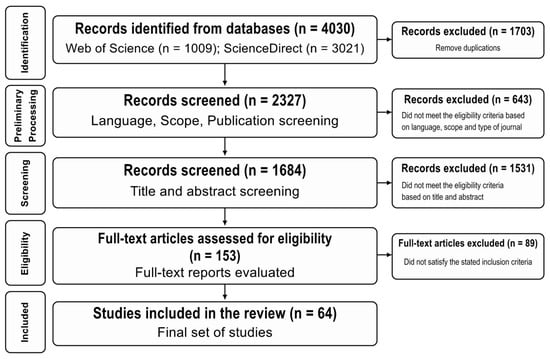
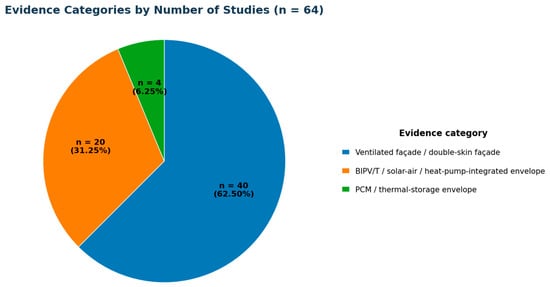
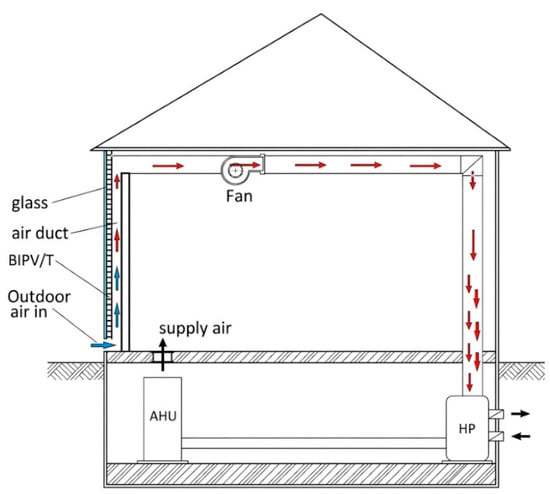
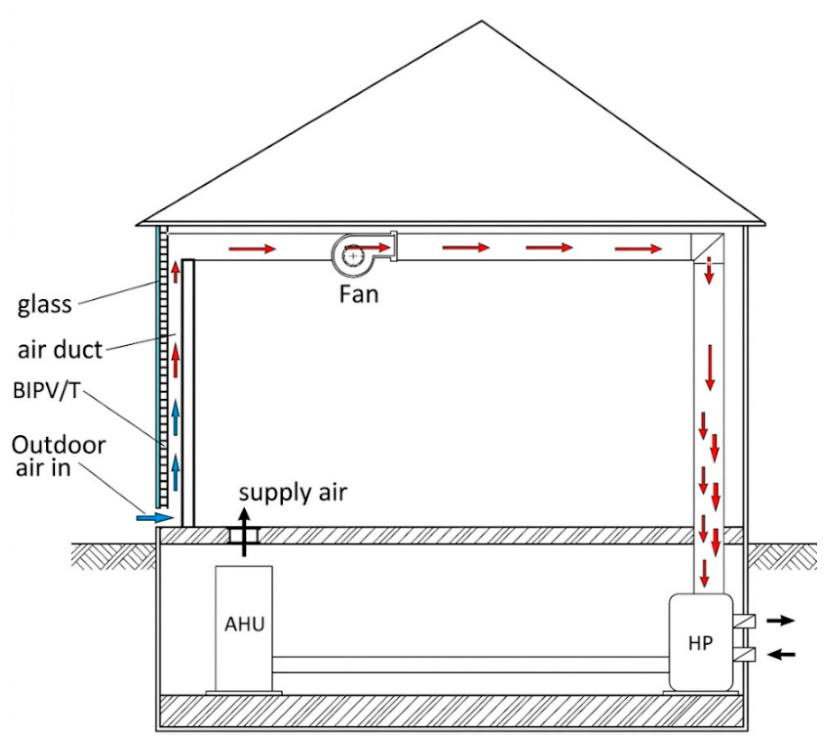
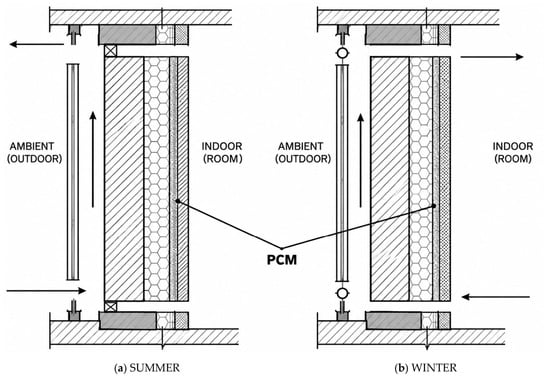
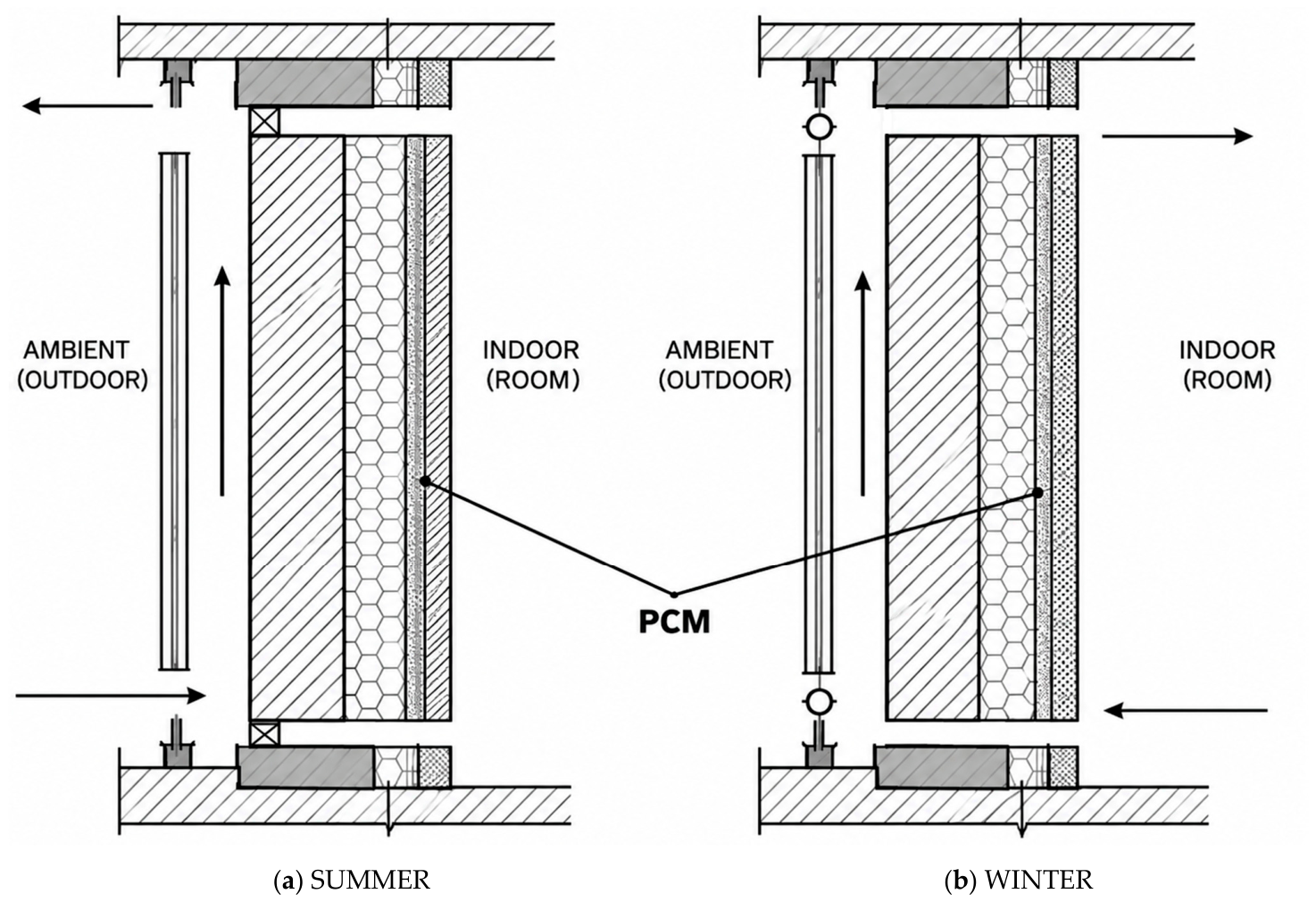
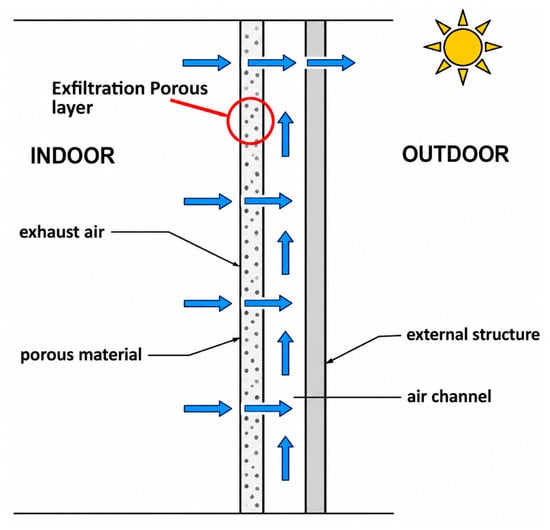
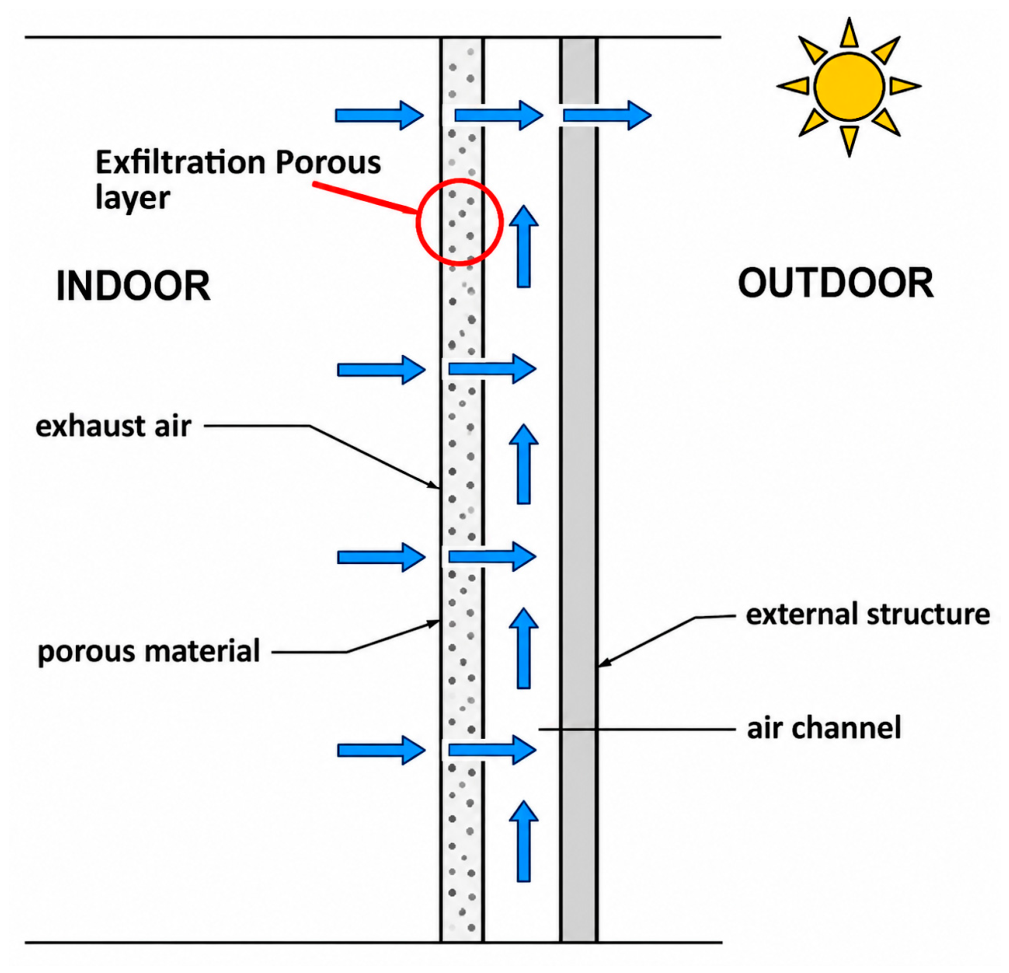
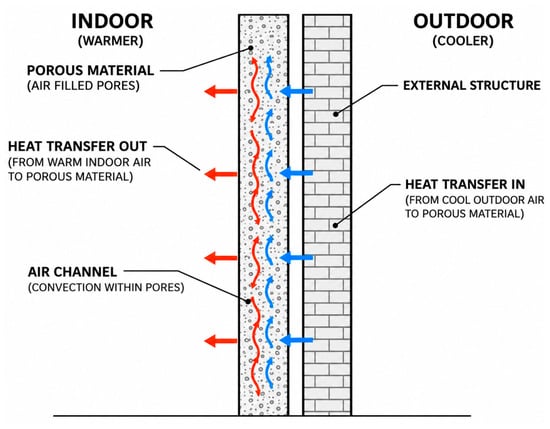
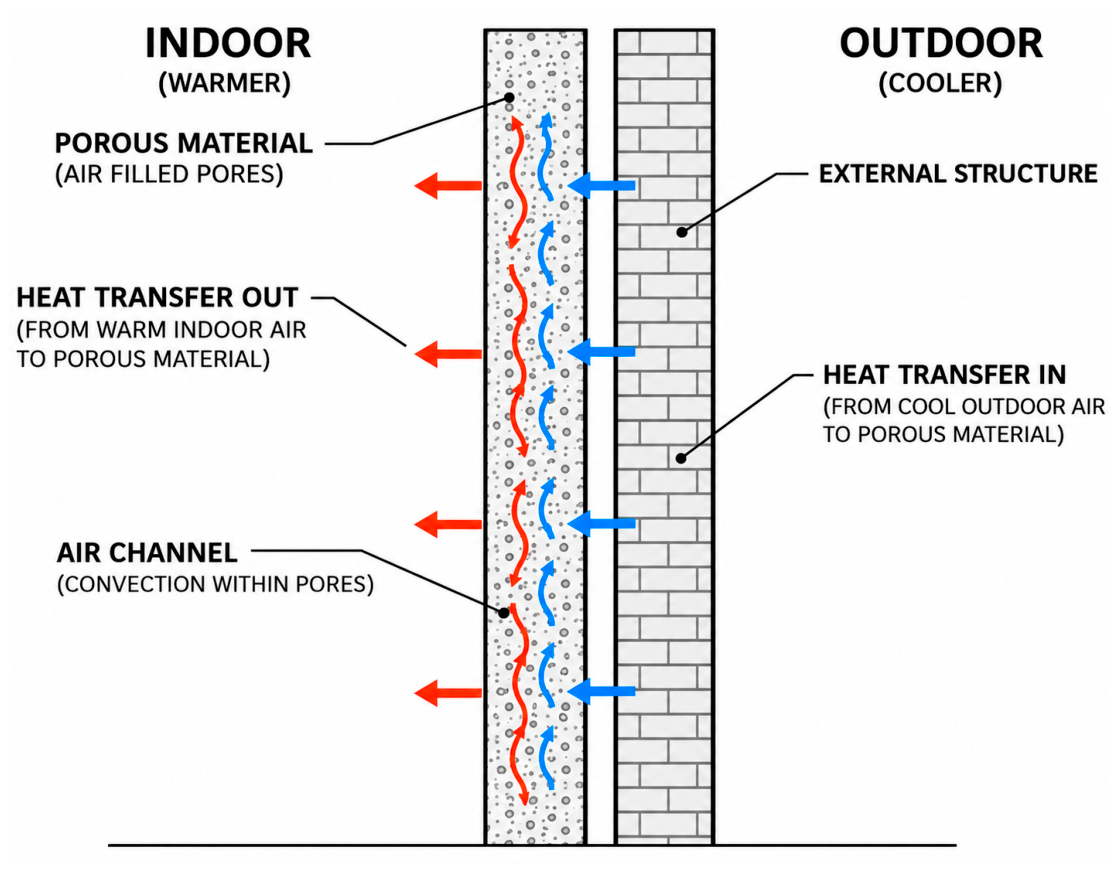
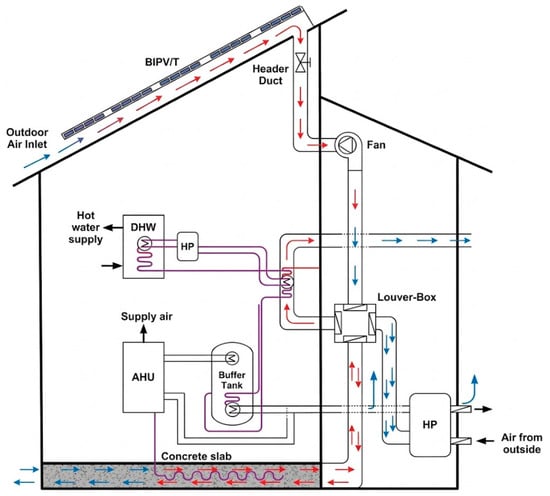
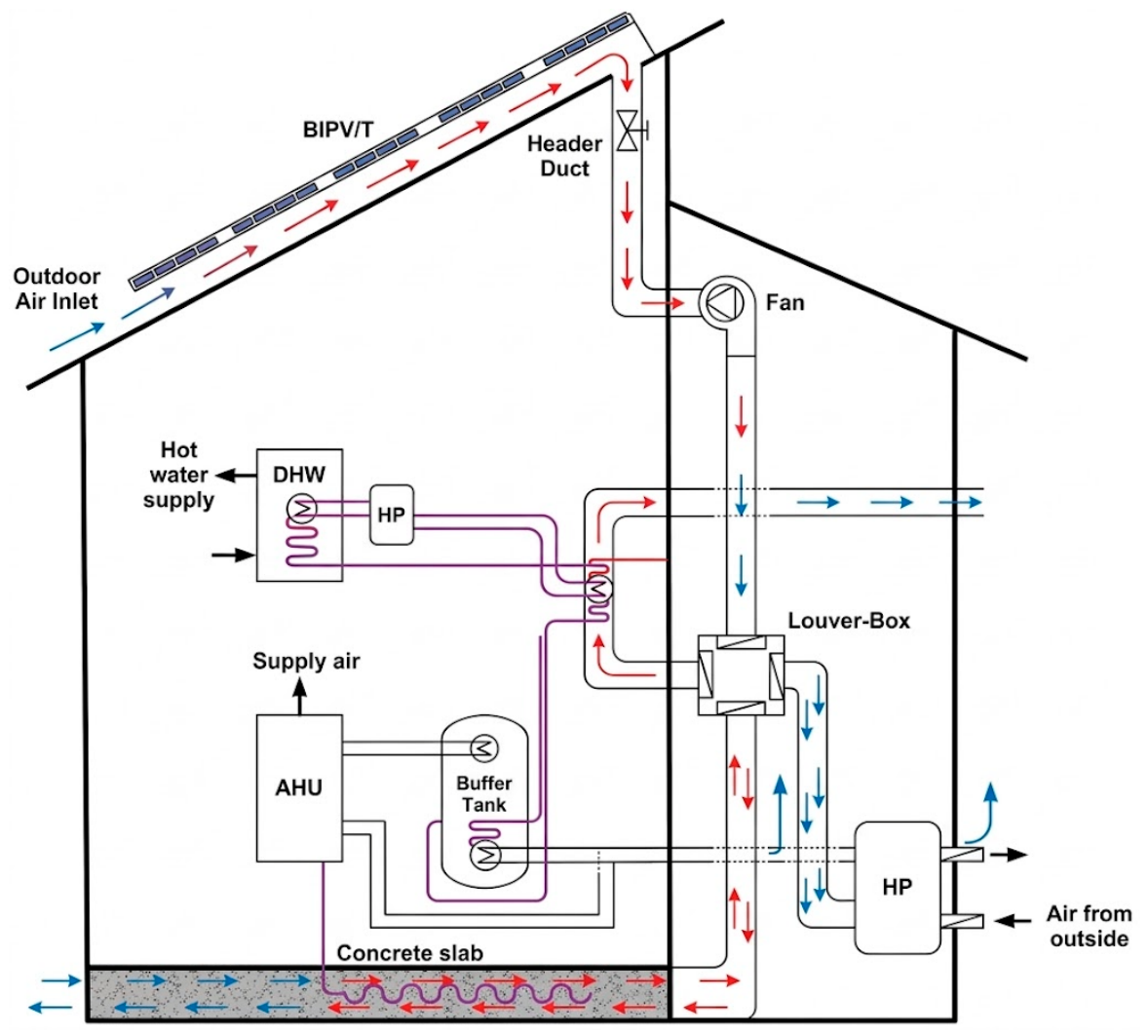
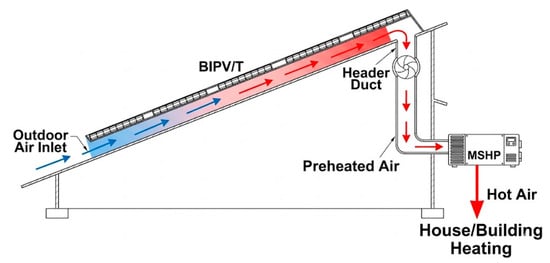
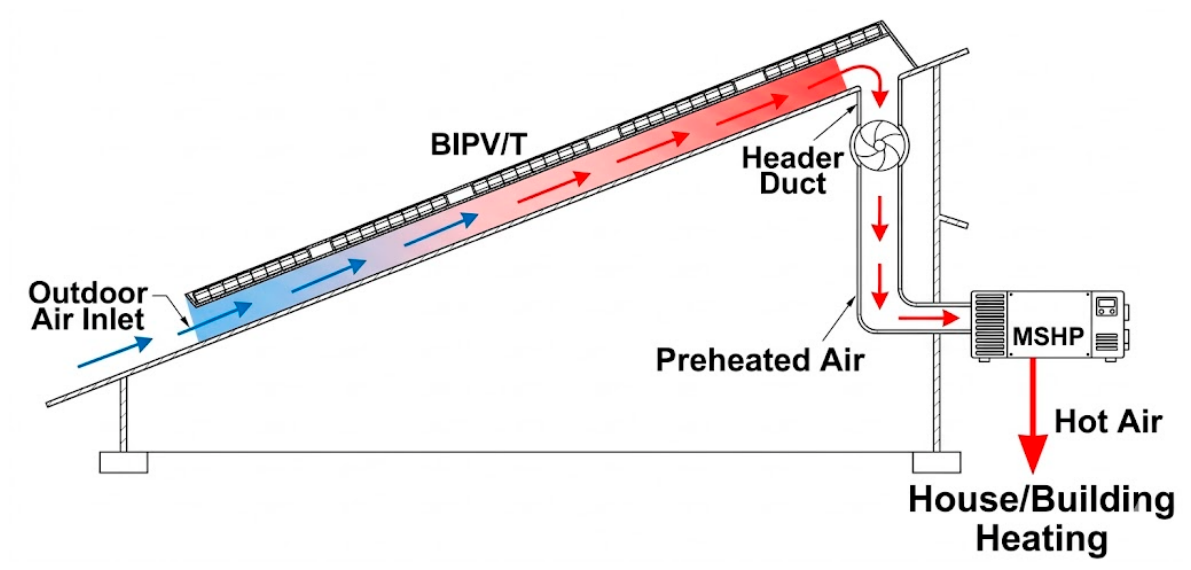
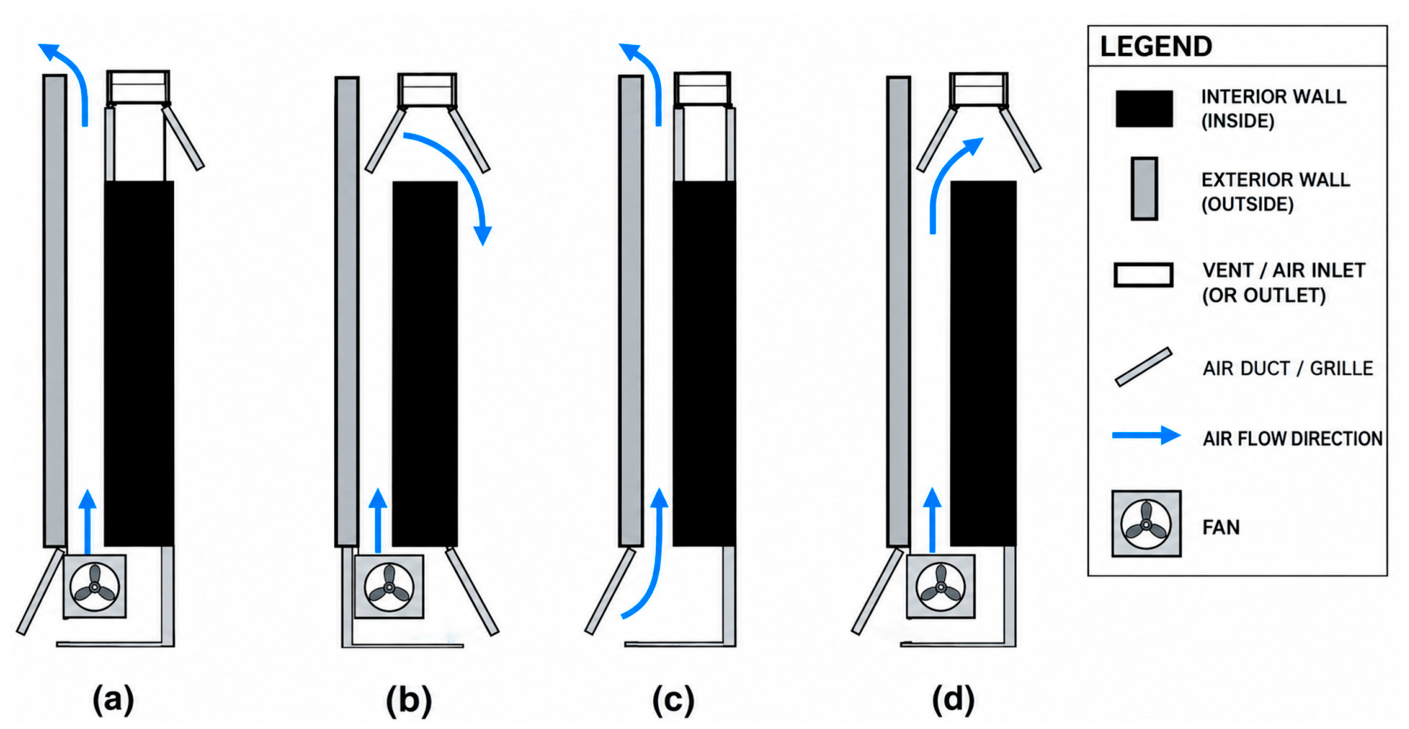

Disclaimer/Publisher’s Note: The statements, opinions and data contained in all publications are solely those of the individual author(s) and contributor(s) and not of MDPI and/or the editor(s). MDPI and/or the editor(s) disclaim responsibility for any injury to people or property resulting from any ideas, methods, instructions or products referred to in the content. |
© 2026 by the authors. Licensee MDPI, Basel, Switzerland. This article is an open access article distributed under the terms and conditions of the Creative Commons Attribution (CC BY) license.