


Abstract
Age-related changes in vision, cognition, and mobility can make it difficult for older adults to navigate nursing home environments. Effective wayfinding therefore depends not only on spatial configuration and conventional or digital information, but also on recognisable environmental features and the lighting and colour conditions that make these cues perceptible. However, evidence concerning these elements is scattered across several disciplines and has rarely been examined in relation to residents’ broader environmental experiences or perceptions of the institution. This scoping review brings together the relevant literature by examining the scope, research methods, and evaluation approaches of nursing home wayfinding research, with particular attention to lighting and colour. Following the PRISMA-ScR guidelines, the 46 included studies primarily focused on functional outcomes, such as information recognition, navigation performance, and spatial orientation, while systematic investigations of broader environmental experiences, including independence, emotional responses, sense of belonging, and well-being, remained limited. Although some studies have begun to explore the potential relationship between wayfinding design and brand perception, a causal relationship between wayfinding design and brand-related outcomes has not yet been established. The effects of wayfinding design are influenced by multiple environmental design elements. Among these, lighting and colour have mostly been examined through qualitative descriptions, with limited quantitative investigation and insufficient evidence from real nursing home settings. Therefore, this review proposes a conceptual framework linking wayfinding design elements, functional performance, environmental experience, and brand perception. In addition, quantitative evidence on lighting and colour parameters from related fields was synthesized to provide transferable references for wayfinding design in nursing home settings.
1. Introduction
Population ageing has become a global concern. According to the World Health Organisation, by 2030, one in six people worldwide will be aged 60 years or older [1]. In China, 310.31 million people were aged 60 years or older at the end of 2024, accounting for 22.0% of the national population [2]. In response to population ageing and increasingly diverse needs among older adults, the Chinese government has introduced national measures to develop the silver economy and improve older people’s well-being [3]. Against this background, demand for nursing home services is rising, and competition among nursing homes is gradually extending beyond basic care capacity to encompass service quality, the residential environment, and the overall user experience.
Wayfinding in nursing homes can be challenging for older adults due to age-related declines in sensory and cognitive abilities. Compared with younger adults, older adults commonly experience declines in cognitive functioning and spatial-navigation ability [4]. Visual impairment, cognitive decline, and reduced physical mobility may also make environmental information and signage more difficult to use [5]. In particular, age-related visual changes, including reduced contrast sensitivity, impaired vision under low illumination, and slower visual processing speed, may limit their ability to recognise and interpret visual cues in everyday environments [6]. In addition, declines in cognitive and neurological functions may impair their ability to process spatial information and make effective navigation decisions in unfamiliar settings [7]. Previous research has shown that ageing is associated with declines in spatial learning and cognitive mapping abilities, which may compromise older adults’ wayfinding performance [8]. As a result, older adults may require more time and cognitive effort to complete navigation tasks and are more likely to experience difficulties such as getting lost [9]. Spatial disorientation and wayfinding difficulties have been documented in nursing homes and during indoor–outdoor transitions [10,11]. Wayfinding-related anxiety is particularly evident in older adults with early-stage Alzheimer’s disease [12]. Moreover, age-related functional limitations and accumulated stressors may contribute to elevated perceived stress among older adults, further increasing their psychological burden when coping with environmental challenges [13].
Age-inclusive wayfinding design is therefore particularly important: systems designed specifically for older adults can provide a better user experience. Moreover, unlike settings such as metro stations, airports, and hospitals, where visits are relatively brief and task-oriented, nursing homes are places in which older adults live for extended periods. Their wayfinding systems must therefore do more than support spatial navigation [14]; they should also facilitate environmental cognition, independent living, emotional attachment, and quality of life [15].
Wayfinding design supports users in understanding their surroundings, determining directions, and reaching destinations through spatial organisation, circulation systems, and architectural and graphic communication [16]. Relevant environmental factors include floor plan configuration, paths, nodes, and landmarks, together with informational cues such as signage and maps [17]. Environmental features such as artwork, furniture, and information counters can also provide information for identifying locations and making route choices [18]. In nursing homes, these design elements also need to accommodate residents’ perceptual and cognitive abilities, with lighting and colour included among the design measures that support wayfinding [14].
A review focusing on nursing home residents with dementia examined how floor plan design and environmental cues supported wayfinding [14]. A general review of indoor wayfinding covered a broader range of environmental factors but excluded studies testing technologies and studies involving certain user groups, including people with visual impairments [17]. Existing reviews thus address multiple wayfinding design elements, but differ in their populations, settings, and coverage of technologies. These differences indicate a need to bring together evidence on signage, colour, lighting, landmarks and environmental cues, spatial layout, and digital tools within a common framework of nursing home wayfinding design, clarifying how these elements have been investigated and evaluated.
Within this overall scope, the research methods and evaluation approaches used to investigate lighting and colour warrant particular attention. A review of residential environments for people with dementia and sight loss summarised design recommendations concerning colour, contrast, and lighting, while identifying a fragmented evidence base and limitations in study quality [19]. A systematic review of indoor lighting also identified differences in research methods, descriptions of lighting conditions, and participant characteristics. Missing information on measurement and exposure limited the interpretation and comparison of findings [20]. These findings provide a rationale for examining the methodological and evaluative basis of lighting- and colour-related evidence. In nursing home wayfinding research, further systematic mapping is needed to clarify which research methods have been used, how lighting and colour have been described or measured, which indicators have been used to evaluate associated outcomes, and which aspects have been examined quantitatively or qualitatively.
Alongside design elements and their evaluation, the role of wayfinding information in shaping impressions of nursing homes also warrants examination. Servicescape theory suggests that environmental features, including signs, symbols, and furnishings, can communicate information about a service setting and contribute to users’ impressions of an organisation [21]. Brand research identifies associations linked to a brand in users’ memory as a basis for understanding brand image [22]. Residents’ and visitors’ encounters with wayfinding information and their experiences of using wayfinding systems therefore provide a theoretical basis for examining nursing home environments from a brand perception perspective. However, the relevant reviews differ in what they evaluated: the nursing home wayfinding review focused on spatial orientation, whereas outcomes such as family satisfaction in the facility design review related to the overall facility and model of care. A servicescape review examined relationships between environmental cues, perceived service quality, satisfaction, and recommendation intentions, while emphasising the need for evaluation dimensions appropriate to specific service contexts [23]. These reviews do not directly establish the extent to which nursing home wayfinding evidence addresses institutional impressions and brand associations, or how these concepts have been defined and evaluated. It is therefore necessary to examine whether the relevant literature directly investigates institutional image or brand perception and to distinguish these concepts from related outcomes such as satisfaction and perceived service quality.
In response to these issues, this scoping review aims to systematically map the design elements, research methods, and evaluation indicators used in nursing home wayfinding research. It draws on direct evidence from nursing homes and findings from other settings judged potentially transferable, while distinguishing these sources in the synthesis. Within this overall mapping, particular attention is given to the description and evaluation of lighting- and colour-related factors. The review also examines reported outcomes from a brand perception perspective, assessing the extent to which existing evidence addresses users’ impressions of nursing homes and their brand perceptions, while distinguishing these concepts from related outcomes such as satisfaction and perceived service quality.
2. Methods
Research on wayfinding design in nursing homes spans architecture, environmental design, gerontology, vision science, human factors, and service research, and involves diverse methodologies. A scoping review was selected because this approach is particularly suitable for emerging and heterogeneous research fields with unclear conceptual boundaries. It enables mapping of existing evidence, clarification of key concepts, identification of research gaps, and structured synthesis of fragmented findings [24]. The methodological approach was further informed by the Joanna Briggs Institute (JBI) guidance for scoping reviews, which emphasizes transparent study selection, evidence mapping, and data extraction [25]. This review followed the framework proposed by Arksey and O’Malley [26] and further refined by Levac et al. [27], comprising five key stages: (1) identifying the study question; (2) identifying relevant studies; (3) selecting studies; (4) charting the data; and (5) collating, summarizing, and reporting the results. The PRISMA-ScR guidelines were also followed to ensure transparent reporting [28].
2.1. Research Questions
RQ1. Which design elements of wayfinding design have been examined in nursing homes, and what are the characteristics of this body of research?
RQ2. Which research methods and evaluation indicators have been used to investigate wayfinding design, particularly lighting- and colour-related factors, and to what extent have these factors been examined quantitatively or qualitatively?
RQ3. To what extent has existing research linked wayfinding design elements with user satisfaction and experience in nursing homes?
RQ4. What evidence does existing research provide regarding the relationship between wayfinding-related experience and institution-related perceptions, and what research gaps and future directions remain?
2.2. Search Strategy and Selection of Studies
2.2.1. Search Strategy
The literature search was conducted in the Web of Science database. Boolean operators (AND and OR) were used to combine three core domains: (1) wayfinding and spatial-orientation concepts; (2) nursing home, long-term care, and older-adult concepts; and (3) visual-environmental, perceptual, experiential, and institution-related concepts. The detailed search strings: TS = (wayfinding OR signage OR “sign system” OR “environmental graphic design” OR “visual cue*” OR “spatial orientation”) AND TS = (“nursing home*” OR “elderly care” OR “long-term care” OR “senior living” OR “care home*” OR geriatric OR elder* OR “older adult*”) AND TS = (color* OR colour* OR light* OR visual OR environment* OR design OR perception OR experience OR satisfaction OR brand OR loyalty). The search terms and their Boolean relationships are summarized in Table 1.
Table 1.
Search terms.
The relative recall approach described by Sampson [29] was used to assess the search strategy. A benchmark set was assembled from reviews closely related to the topic. Candidate studies were assessed against the eligibility criteria, and their indexing in the Web of Science Core Collection was verified. Relative recall was calculated as the number of benchmark studies retrieved by the full search strategy divided by the total number of eligible benchmark studies. The 95% confidence interval was calculated using the Wilson score method [30]. The full search strategy retrieved 28 of the 35 benchmark studies, yielding a relative recall of 80.0% (28/35; Wilson 95% CI: 64.1–90.0%). The source reviews and retrieval status of individual studies are reported in Table S3.
2.2.2. Eligibility Criteria
The specific exclusion and inclusion criteria for the literature screening are shown in Table 2.
Table 2.
Inclusion and exclusion criteria for study selection.
Initial screening conducted from 5 to 7 May 2026 identified few studies conducted directly in nursing homes. Because findings on wayfinding design for older adults in other settings may also inform nursing-home design, the setting-based exclusion criterion was revised. Studies conducted in other settings were eligible only when their findings were judged transferable to nursing-home wayfinding. The revised criterion was included in the protocol registered on the Open Science Framework on 14 May 2026 https://osf.io/8kc2e/ (accessed on 25 October 2026). The other prespecified eligibility criteria, search terms, and data-charting domains remained as stated in the registered protocol. Registration occurred after the initial search and screening. After registration, the search was rerun between 18 and 26 May, followed by data extraction. All retrieved records were rescreened using the revised eligibility criteria. Thus, all final inclusion decisions were made using the same criteria.
For studies conducted outside actual nursing homes, including VR studies, transferability was assessed by identifying whether at least one specific finding or design implication could inform nursing-home wayfinding, and by examining how differences in settings, tasks, and participants might limit its application. Studies with such a finding or implication were documented in Supplementary Table S2. Where these differences required design adaptation or testing with residents, transferability was considered conditional. Inclusion in Supplementary Table S2 does not establish effectiveness in nursing homes.
2.2.3. Study Selection
All retrieved records were imported into Zotero (version 9.0.6) reference-management software, where duplicates were removed automatically. The deduplicated records were then uploaded to Rayyan for screening. Study selection was conducted by a single reviewer in two stages. First, titles and abstracts were screened to exclude clearly irrelevant records. Second, the full texts of potentially eligible articles were assessed against the predefined eligibility criteria. Both stages were completed by the same reviewer. To verify study selection, the 391 deduplicated records were numbered in their original order, and 79 records (20.2%) were randomly selected using a fixed seed of 20261018. Their titles and abstracts were independently screened by a second reviewer, and the decisions were compared with those retained by the first reviewer. Disagreements were resolved through discussion, and eight records were selected for full-text screening by consensus. The second reviewer then independently assessed these eight full texts, with inclusion decisions identical to those of the first reviewer. The study selection process is presented in Figure 1. The formal scoping synthesis comprised the 46 sources identified through the prespecified search and selection process. Additional publications cited in the Discussion were used only to contextualise the findings and were not treated as included sources of evidence.
Figure 1.
PRISMA flowchart of the study selection process.
2.2.4. Data Charting and Synthesis of Results
Data charting was conducted by one researcher using a predesigned Microsoft Excel 2021 form. The form captured bibliographic and methodological information (authors, publication year, journal, study design, setting, participants, and sample size), wayfinding design elements (e.g., signage, colour, landmarks, and digital wayfinding), lighting and colour variables (e.g., illuminance, colour temperature, and hue), and environmental experience variables (e.g., satisfaction, brand image, and customer experience). Design strategies and principles relevant to this review were also recorded. For verification, the included studies were numbered in their Supplementary Table S1 order, and 10 were randomly selected using a fixed seed of 20261018. A second reviewer checked the extracted data for these studies against their full texts. Any proposed corrections were recorded and resolved through discussion before the final extraction table was updated. Detailed characteristics and extracted data for all included studies are provided in Supplementary Table S1. Secondary publications were checked against primary studies also included in the review. Identified overlaps were documented in Supplementary Table S4, and repeated findings were attributed to the underlying primary studies in the synthesis.
No formal critical appraisal of the included sources of evidence was conducted because the purpose of this scoping review was to map the extent, characteristics, and methodological approaches of a heterogeneous evidence base rather than to determine the certainty of evidence or intervention effectiveness. Each included study was read multiple times to ensure a comprehensive understanding of its content. Relevant data were extracted and organized in structured tables, enabling comparison across studies, thematic identification, and classification.
3. Results
3.1. Characteristics and Orientations of the Included Evidence
A total of 392 records were identified through the database search. After duplicates were removed and title-and-abstract screening and full-text assessment were completed, 46 studies were included in the review. These comprised studies conducted in nursing homes and studies from other settings with findings judged potentially transferable to nursing-home wayfinding. Analysis of participant characteristics shows that 26 studies focused on older adults with health conditions, including dementia and cognitive impairment, with Alzheimers’ disease receiving particular attention within the dementia literature. The studies are grouped into two research orientations: function-oriented wayfinding design research (n = 29) and environmental-experience-oriented research (n = 17). The basis for this classification is summarized in Table 3. Sources were classified as function-oriented when their primary aim or central findings concerned sign comprehension, route finding, spatial orientation, or spatial memory. Sources primarily addressing comfort, perceived safety, autonomy, satisfaction, or sense of belonging were classified as environmental-experience-oriented. Reviews and conceptual publications that did not measure these outcomes were classified according to their central arguments and design implications. When a source addressed both orientations, its primary category was determined by its stated aim and the findings given greatest emphasis. Study-level classifications are reported in Supplementary Table S1. The distribution of research themes across the two orientations is illustrated in Figure 2. The numbers on the colour scale indicate how many included studies were assigned to each theme in the outer ring. Current research concentrates primarily on functional outcomes. Although wayfinding design is increasingly being investigated from an environmental-experience perspective, studies integrating wayfinding with lighting conditions, user satisfaction, and institutional branding remain limited.
Table 3.
Research orientations in nursing home wayfinding research.
Figure 2.
Distribution of research themes across the two research orientations.
3.2. Wayfinding Research Focused on Functional Performance
The function-oriented research is more prevalent among the included studies (n = 29). Research within this orientation focuses on navigation and wayfinding performance, examining whether individual wayfinding design factors can provide clear directional guidance. The principal aim of function-oriented research is to improve navigation accuracy and reduce disorientation and cognitive confusion among older adults.
3.2.1. Key Wayfinding Design Elements
Colour
Older adults with dementia experience reduced contrast sensitivity and impaired colour discrimination. Yellowing of the crystalline lens diminishes the ability to distinguish blue and green [31], whereas discrimination of yellow and red hues remains relatively stable among healthy older adults. Older adults distinguish red and yellow more readily than green, violet, and blue. Consequently, increasing attention is paid to the supportive role of colour in wayfinding within nursing home environments. Studies in virtual healthcare and senior-living environments suggest that colour or colour-rich visual cues may influence navigation performance [4,13,32]. In care-and-attention homes, perceived colour contrast between rooms was associated with residents’ memory outcomes [33]. A hospital survey documented older adults’ perceptions of signage colours and suggested that colour could improve spatial legibility and reduce confusion during navigation [5].
In a care home study, family carers reported that colour-coded areas helped residents locate bedroom corridors [34] and identify their rooms [35]. Colour differentiation was also proposed in an acute-care dementia unit [36] and discussed in subsequent reviews [37,38,39]. From a memory perspective, stronger colour contrast between rooms improves short-term memory and spatial recall [33], while also supporting route memory and cognitive-map formation [4]. One theoretical framework proposed that colour vividness increases the perceptual salience of wayfinding information, whereas familiarity increases its cognitive salience [32,40].
Older adults may prefer visually salient colours, typically those that are highly saturated or vivid [41]. Because colour affects the perception of boundaries and detail as well as contrast sensitivity, studies consistently emphasized stronger colour contrast between text and background and between spatial zones to improve environmental legibility. Experimental evidence suggests that older adults respond more rapidly to positive-polarity displays, such as dark symbols on a light background. Black–white and red–yellow combinations have also been recommended [39]. Although individual signs require strong contrast, the wayfinding system as a whole should use a coordinated colour scheme to create a consistent visual impression [5].
Some studies reported that older adults prefer highly saturated and warm-toned environments [5,41]. Experimental findings also show that neutral colours, such as grey and beige, impair wayfinding performance. Both warm-toned and cool-toned environments outperform neutral palettes, although the two conditions do not differ significantly [4]. These findings involve different tasks and settings and do not establish a universally preferable colour scheme for nursing homes.
Lighting Conditions
Visual functioning gradually declines with age, manifesting in reduced light sensitivity, blurred vision, and greater susceptibility to glare. Older adults have smaller pupils and therefore receive less retinal illumination; their contrast sensitivity and colour discrimination also decline. Consequently, they require higher levels of illumination [37]. Appropriate lighting can compensate for age-related visual impairment [39] by supporting visual perception and helping older adults identify signs and environmental cues, thereby improving navigation. Bright and sufficiently uniform lighting supports visual perception and the detection of wayfinding cues [37,39,42]. In group homes, higher lighting ratings were associated with better staff-rated wayfinding ability among residents [43]. Mitigating glare and shadows contributes to a more comfortable and safer visual environment [44].
Signage
Age-related cognitive decline and visual impairment can substantially affect older adults’ ability to orient themselves in space [45,46]. Older adults navigate less efficiently, take longer to reach destinations, and are more likely to become lost [5,47]. They also have greater difficulty integrating information and make more errors [46]. Perceptual changes further influence wayfinding performance, while becoming lost can cause confusion, stress, and mental fatigue [13]. Effective signage systems can therefore reduce confusion, improve spatial orientation, support independent navigation [48,49], compensate for memory decline, and reduce mobility-related safety risks [33].
Accordingly, researchers commonly recommend large, bold typefaces [46] and clear sans-serif fonts to improve legibility and recognition. Arial, Helvetica, and Frutiger have been recommended for English text, while FZHeiTi and Microsoft YaHei have been suggested for Chinese text [5]. These specific font recommendations were drawn from a hospital signage study and were not tested in nursing homes in that study. Typographic layout also affects how older adults interpret information. Compared with text-only signs, graphic signs are generally easier to understand and remember [33,45,50]. Current recommendations emphasize familiar graphics, anthropomorphic or pictographic symbols, and the avoidance of complex information to improve recognizability [33]. Accurate semantic descriptions can further improve comprehension [45], while simplified graphics reduce cognitive burden [46]. Although most studies conclude that graphic signs are easier for older adults to understand and remember, one study suggested that declining sensitivity to sign size, graphics, and colour may lead older adults to rely more on textual than graphic information when determining direction [5]. Sign dimensions should nevertheless be sufficiently large [33].
Because older adults often walk with a downward gaze, have a narrower visual field, and experience reduced visual sensitivity, studies generally recommend placing signs close to their eye level to improve visibility and information recognition. Sign placement should also remain consistent throughout the environment [49].
Landmarks and Environmental Cues
Older adults with dementia have diminished route-recognition and cognitive-mapping abilities. They may struggle to determine direction and hesitate at turns, increasing the risk of becoming lost [51]. Abstract directional information also raises cognitive load and makes wayfinding more difficult. Consequently, older adults often rely on salient environmental reference points for orientation and route memory [13].
Multiple studies show that environmental landmarks in nursing homes can support spatial orientation and navigation. Experiments indicate that spatial cues and assistive technologies improve destination-location accuracy, while salient landmarks help older adults distinguish similar places and key areas, remember routes, form cognitive maps [52] and signal the next action [53]. Examples include colour-coded walls, continuous handrails, visual features at corridor ends, distinctive furniture [49], and staff members [39,42]. Beyond standardized environmental cues, personalized, familiar, and personally meaningful elements prove effective as wayfinding interventions [36]. Examples include displaying a resident’s portrait and name on the door, using “memory boxes” containing photographs and other meaningful objects, and providing personal identifiers; these measures improve residents’ ability to recognise their own rooms [34,48]. Such personalized landmarks not only support navigation but can also foster familiarity and reduce anxiety.
Existing studies generally agree that placing visual cues at key decision points helps older adults confirm their current location and develop route memory [13,44]. Relevant locations include corridor intersections, entrances to residents’ rooms, and corridor ends.
Spatial Layout
Older adults with cognitive impairment or dementia may have difficulty recalling routes and processing visual information. Complex, multilevel layouts therefore increase wayfinding difficulty [13]. Even when the underlying layout is not complex, insufficient spatial differentiation can exacerbate wayfinding problems. Many nursing homes, for example, have long and featureless corridors [48], excessive circulation space [38], monotonous and repetitive layouts, similar views, and poorly differentiated routes [37].
Wayfinding performance is shaped first by spatial layout and spatial organisation and only subsequently by signage. When the layout is poorly designed, signage and other design elements cannot fully compensate [44]. Evidence regarding specific layout configurations remains inconsistent. One study found that looped circulation avoids dead ends and is therefore easier for older adults to navigate [36]. Another experiment, however, showed that looped routes require users to plan actively, placing greater demands on older adults’ spatial cognition and increasing disorientation [13]. A review reported that residents showed less spatial disorientation in L- and H-shaped layouts [54]. For residents with moderate or severe dementia, straight corridors were associated with better orientation than corridors with a change in direction [55]. Square layouts may also increase difficulty because they require frequent directional changes. Symmetrical layouts can aid navigation when their two sides are visibly differentiated, but identical sides may produce disorientation and getting lost [36]. A circulation-based analysis further found that older adults performed better in corridor-based routes under a specific experimental condition [13]. Room geometry also provided an additional orientation cue [56].
The environmental competence–press framework proposes that stronger environmental support for orientation enables individuals to achieve better wayfinding performance [48]. The concept of “complete visual access” likewise suggests that people can locate a destination more easily when it is visible from their current position [57]. Spatial layout therefore affects navigation by determining destination visibility. Open-plan layouts can improve visual access and facilitate wayfinding. Conversely, turns, intersections, and dead-end corridors make navigation more difficult when destinations are not visible, and decision points can themselves become sources of confusion. Locating a kitchen or dining room where the route changes direction can provide a meaningful memory anchor for navigation [39].
In summary, spatial layout affects older adults’ navigation primarily by reducing spatial complexity, strengthening spatial distinctiveness, and improving visual access to destinations. However, findings on specific layout configurations are drawn from observations in care settings, reviews, and a virtual hospital experiment, and require further testing in actual nursing homes, as summarized in Table 4.
Table 4.
Potential advantages and limitations of spatial layouts.
3.2.2. Digital Wayfinding Systems
Although conventional wayfinding elements, including signs, colour, and landmarks, can support older adults’ navigation, static and passive environmental information may be insufficient for people with cognitive impairment. Traditional nursing home care models also rely heavily on staff to monitor residents continuously; digital technologies may reduce this institutional burden and relieve caregiver pressure. Researchers have therefore introduced indoor positioning, augmented reality, and intelligent voice interaction to provide navigation support. Assistive technologies are regarded as important compensatory interventions for spatial-orientation impairments in older adults with cognitive decline. Systems combining visual prompts, voice instructions, and positioning devices can improve destination-finding and support independent activity among people with dementia [52]. The synthesized findings on digital wayfinding systems are presented in Table 5.
Table 5.
Types, reported benefits, and limitations of digital wayfinding systems for older adults.
Digital signage provides electronic maps, reminders, activity schedules, announcements, and other navigational cues in senior living facilities. Although such displays may support wayfinding, the usability of digital signage can be limited by designs that do not adequately address older adults’ perceptual and cognitive needs. Reported barriers include language differences, visual impairment, information overload, repetitive or inconsistent content, poor visibility under bright conditions, and glare in darker spaces. Digital signage should therefore present concise information, appropriate language options, high visual legibility, and carefully controlled luminance and contrast [42].
Indoor positioning and navigation-assistance systems can provide dynamic route guidance based on the user’s current location, thereby reducing cognitive load. Tseng and colleagues developed a care-management and guided-safety system using ultra-wideband positioning, improving both static and dynamic indoor positioning accuracy. A smartwatch served as the primary guidance and interaction device, recording walking trajectories and related information in real time. Digital landmarks at key locations delivered image, text, and voice prompts to help older adults with cognitive impairment locate destinations and navigate routes [51].
Augmented reality (AR) overlays digital information onto the physical environment, providing more direct visual guidance. Compared with conventional tools, AR can improve older adults’ navigation performance, acquisition of spatial knowledge, spatial cognition, and cognitive-map formation while reducing cognitive load [58]. Qiu and colleagues developed and evaluated the NavMarkAR system, which uses smart glasses to place AR landmarks in real environments; experiments showed that it effectively supported wayfinding and cognitive-map development among older adults [59]. However, AR navigation interfaces are not yet sufficiently age-inclusive. Wang and colleagues found that guidance delivered by a virtual AR character made wayfinding easier, while optimised interface layouts improved gaze efficiency [60].
Unlike visually presented wayfinding information, voice navigation reduces the cognitive resources devoted to visual search and memory. Nagata and colleagues found that voice navigation was comparable to conventional maps in navigation efficiency but reduced fatigue and increased relaxation among older adults [61]. Clearer voice instructions and easier route selection were associated with higher overall usability [62]. Intelligent voice assistants can also provide real-time walking directions, route confirmation, reminders, and environmental information through personalized interaction [63].
Overall, digital wayfinding research extends navigation beyond reliance on physical environmental elements, such as signs and colour, toward digitally assisted and personalized interaction. Nevertheless, most studies remain at the prototype or experimental stage, and evidence regarding long-term effectiveness and user acceptance is insufficient. Beyond usability, digital wayfinding systems raise questions about privacy, consent, and autonomy. Indoor positioning systems can record residents’ movements and activities and alert caregivers when they deviate from an intended route [51,64]. Their use requires clear limits on monitoring, data access, and retention, as well as consent procedures suited to residents with cognitive impairment. A hospital study using location tracking described surrogate consent and staff observation for signs of residents’ dissent or discomfort [65]. Cognitive accessibility also matters: older AR users reported confusion from overlapping prompts and information overload, while technical malfunctions sometimes forced navigation tasks to restart [59]. A conceptual review suggested matching navigation aids to users’ needs: detailed maps may burden memory, while step-by-step guidance may aid travel without improving spatial learning [7]. The burden of wearing devices and the availability of physical cues or staff assistance when technology fails require further evaluation. Privacy and error recovery were also identified as concerns for voice assistants [63]. Although tracking may support safety, whether continuous monitoring or redirection restricts residents’ autonomy remains untested in nursing homes.
3.3. Wayfinding Research Focused on Environmental Experience
In function-oriented research, wayfinding design research focuses on navigation efficiency and wayfinding performance. Effectiveness is evaluated using measures such as wayfinding time, error rate, dwell time, task-completion rate, walking speed [58,60,64,65], navigation accuracy, route length, sign-interpretation time, fixation percentage, and fixation duration [41]. By contrast, environmental-experience-oriented research extends beyond objective wayfinding efficiency and incorporates environmental psychology to examine the overall experience of the wayfinding environment. Effectiveness measures consequently expand to include subjective outcomes such as satisfaction, quality of life [15,49], well-being, and anxiety, assessed through validated scales, observation, questionnaires, and interviews [34,36,42]. Within this orientation, wayfinding design is intended not only to help older adults reach destinations but also to increase independence through environmental support. Even as physical functioning declines, a supportive environment enables older adults to continue managing everyday activities and, after physiological and safety needs are met, to pursue higher-order needs such as belonging, dignity, independence, and personal growth [37]. These outcomes contribute to autonomy, quality of life [42], and well-being [38].
3.3.1. Wayfinding Design and Independence
Because cognitive decline and impaired spatial orientation progressively undermine their ability to live independently, older adults with dementia become increasingly dependent on others. Fear of becoming lost may also lead some older adults to remain at home or avoid particular areas, ultimately restricting their activity and independence [42].
Signage, colour, lighting, landmarks, and digital wayfinding technologies help older adults obtain environmental information more effectively, thereby improving spatial orientation and mobility. By reducing confusion and uncertainty during navigation, wayfinding design can strengthen autonomy and the capacity for independent living. Signage is associated with older adults’ social relationships and cognitive functioning [66]. Satisfaction with signage has been associated with physical health, independence, and activities of daily living, although these associations do not establish that signage design caused these broader outcomes [44]. As important spatial cues, landmarks help older adults recognise locations and develop environmental knowledge. Handrails, for example, can serve as navigational references, reduce search-related confusion, and support mobility [33]. Colour and lighting conditions further influence how environmental information is perceived and used. Colour is an important environmental cue: using different colours to code individual rooms can facilitate navigation while creating a comfortable, welcoming, and relaxed interior, thereby encouraging residents with dementia to enter communal spaces and participate in more social activities [66]. Stronger colour contrast can also improve navigability and comprehension, supporting both independence and safety [44]. Lighting is an important condition for older adults to perceive environmental cues. Age-related visual changes, including reduced visual acuity and contrast sensitivity, can make wayfinding more difficult and increase the need for higher lighting levels [37]. In a qualitative study of senior living facilities, residents reported difficulties navigating poorly lit areas; the study recommended adequate lighting alongside appropriately sized objects and signage to support older adults with visual impairments [42]. Similarly, a realist synthesis identified bright natural and artificial lighting as a condition that helps care home residents, including those with visual impairments, detect wayfinding cues [39]. Together, wayfinding design may help older adults move around with less confusion and less reliance on others, supporting greater independence in everyday life. The overall logic is illustrated in Figure 3.
Figure 3.
Relationship of wayfinding design and independence.
3.3.2. Wayfinding Design and Emotional Experience
When they become lost, older adults may experience fear, worry, distrust, delusional thoughts, or anger. Effective wayfinding design can alleviate anxiety and fear during navigation and enhance perceived safety. Intelligent conversational voice assistants may reduce loneliness through interaction, support daily health and independent living, facilitate social participation, and enable safe, independent, and accessible mobility [63]. Their potential to reduce loneliness through interaction is a broader function and has not been established as an effect of voice-based wayfinding.
Beyond improving navigation efficiency, wayfinding design can also promote positive environmental experiences through colour [36]. Different colours elicit different psychological responses: blue may create a sense of calm, green is associated with nature and relaxation, and red and orange can make a room feel smaller and warmer [67].
Lighting conditions also play an important role in shaping emotional experiences within nursing home environments. In care settings, lighting conditions have been associated with residents’ emotional responses, comfort, perceived safety, and well-being [66]. These broader outcomes were not isolated from the effects of lighting on wayfinding. The same study was also discussed by Engelen et al. [38]. By reducing excessive shadows and providing sufficient visual comfort, appropriate lighting can create a safer and more familiar atmosphere. Lighting conditions were also associated with fewer sleep disturbances [68]. A homelike lighting environment may further strengthen feelings of comfort and familiarity, which are important for reducing anxiety and supporting residents’ emotional well-being. However, lighting preferences and responses may vary among individuals, suggesting the need for personalised lighting approaches [44].
Wayfinding environments can create a “sense of home” by incorporating visually meaningful personal cues, such as personalized signs, artwork, and furniture, thereby increasing environmental familiarity. Such deinstitutionalized design can improve emotional comfort while strengthening feelings of safety and trust in the environment [34]. Personally meaningful cues can evoke pleasant memories and function as reminiscence therapy for people with dementia, enhancing well-being while preserving self-esteem, identity, and individuality [42,69]. A sense of home can, in turn, strengthen the emotional connection between older adults and their place of residence and foster a sense of belonging [66]. Mazzei and colleagues further argued that even when a newly constructed care unit offers improved functions and amenities, it may fail to meet the psychological needs of older adults with dementia if it lacks a sense of home [36]. Navigation difficulties may also produce deeper psychological consequences. Becoming lost can threaten personal identity and existential security, for example, when a disoriented resident enters another resident’s room [42]. Evidence suggests that satisfaction with signage, finishes, furniture, and related environmental features shapes evaluations of the setting and may further support physical health, independence, activities of daily living, social relationships, and cognitive functioning. Mazzei and colleagues likewise emphasized that nursing home environments should foster belonging while improving care quality and quality of life [36]. However, the specific relationship between these broader environmental features and route navigation requires further investigation.
Notably, some wayfinding studies moved beyond environmental experience to examine older adults’ identity and the congruence between personal values and the environment. Chee argued that familiarity and comfort can help older adults perceive the environment as consistent with their identity, beliefs, and lifestyle, thereby reducing anxiety and stress arising from uncertainty [42]. Chaudhury and Xu observed that negative perceptions of nursing homes are widespread among older Asian adults: such settings are often regarded as institutional, lacking in privacy and support, and uncomfortable. Rather than being perceived as homes, they may be viewed as hospitals, with residents regarded as patients [15]. Similar arguments appear in research on other age-friendly environments. In an airport context, Bosch and Gharaveis found that wayfinding design could preserve the dignity of older travelers, improve their travel experience, enhance institutional image, and thereby increase profitability [37]. Collectively, these studies suggest that wayfinding design does more than support navigation and communicate information; it may also contribute to place identity and emotional value.
4. Discussion
4.1. Beyond Navigation Performance: The Broader Role of Wayfinding Design
The findings summarized in Section 3.3 suggest that wayfinding design may be relevant to residents’ broader environmental experience, although these connections have been studied less directly than navigation performance. Figure 4 maps the key wayfinding design elements identified in the included studies to their reported functional and environmental-experience outcomes.
Figure 4.
Mapping of wayfinding design elements to functional and environmental-experience outcomes.
Notably, some studies have begun to examine older adults’ identity and the congruence between personal values and the environment. Nursing homes must not only meet functional and emotional needs but also help residents maintain their sense of self and way of life. This suggests that research priorities extend beyond helping older adults find their way toward helping them sustain identity and personal values within the environment. The scope of wayfinding research may therefore extend beyond functional and environmental-experience concerns toward broader brand perception. Although few studies explicitly investigate wayfinding design in nursing homes from a branding perspective, the value congruence and institutional image addressed in the existing literature are closely related to brand experience. Future wayfinding systems may thus move beyond their conventional role as navigation tools to become media through which nursing homes create brand image and communicate brand values.
4.2. An Integrated Conceptual Framework from Functional Performance to Brand Perception
4.2.1. Connections Between Wayfinding Design and Branding
Brand-related findings in the included literature can be divided into two categories. The first comprises studies that address core branding concerns without explicitly invoking brand-marketing concepts. Their main concerns include nursing-home image, the potential implications of airport travel experience for institutional image and financial performance, and identity–environment fit and competitiveness in senior living [15,37,42]. The second category comprises studies of environmental experience that may inform future research on brand perception, although they did not directly measure it. These studies addressed satisfaction, deinstitutionalized design, and personalised cues [34,36,48,66], but the reported experiences were not measures of institutional trust or brand perception. Residents’ satisfaction with wayfinding should be considered a distinct outcome. The included studies did not test whether length of residence or familiarity with the environment affects this satisfaction, or whether it predicts institutional trust or brand image.
External marketing theories and conceptual frameworks can provide useful perspectives for understanding and guiding wayfinding design in nursing homes. Bitner’s (1992) servicescape framework comprises three dimensions: ambient conditions; spatial layout and functionality; and signs, symbols, and artifacts [21]. Together, these dimensions of the physical environment trigger customers’ cognitive, emotional, and physiological responses and ultimately shape approach or avoidance behaviour. In other words, users infer intangible service quality from the tangible physical environment [70,71]. When mapped onto nursing homes, each component of wayfinding design constitutes environmental evidence. Lighting and environmental colour belong to ambient conditions; the spatial arrangement of signs belongs to spatial layout and functionality; and signs, colour, and digital presentation technologies belong to signs, symbols, and artifacts. Therefore, servicescape theory provides a framework for integrating fragmented design elements into tangible environmental evidence of intangible service quality. The application of this theory in nursing home wayfinding design is illustrated in Figure 5.
Figure 5.
Application of Bitner’s servicescape model to nursing home wayfinding design.
Brand touchpoint theory provides another connection between wayfinding design and branding: users’ perceptions of a brand do not arise from a single element but accumulate through interactions across all points of contact with the brand [72]. Homburg, Jozić, and Kuehnl (2017) emphasized the coordination of brand touchpoints so that each conveys consistent brand information at both cognitive and emotional levels [73]. Applied to wayfinding design, text, graphics, colour, lighting, and related elements are not isolated variables; they are physical touchpoints through which a nursing home brand reaches older users. The objective is therefore not merely to optimise each element independently, but to determine whether all elements work together across a continuous spatial experience to communicate a coherent brand perception. Future research may also identify and test additional theoretical frameworks.
4.2.2. Conceptual Model
Based on the evidence summarized above, an integrated framework linking design elements, functional performance, environmental experience, and brand perception was developed in this review, as shown in Figure 6. The framework primarily concerns older residents as users of nursing-home wayfinding systems. Residents and family members may also act as consumers when choosing or paying for care. Before a placement decision, either group may be considered prospective purchasers; visitors may also take on this role if they are considering the institution for themselves or a family member. These stakeholder categories therefore overlap. The framework is described in detail below: first, design elements, including signage, colour, landmarks, spatial layout, lighting, and digital wayfinding, shape visual-information recognition, cognitive load, spatial orientation, route memory, and navigation performance, thereby determining the functional performance of the wayfinding system. Clear and supportive wayfinding may reduce disorientation, confusion, and anxiety during navigation while supporting safety and independence. Its proposed links to identity, self-esteem, overall well-being, and quality of life require further testing. These environmental experiences may become important evidence through which users evaluate service quality, professionalism, reliability, and the overall image of a nursing home, thereby contributing to brand perception. Furthermore, positive brand perceptions may potentially influence subsequent behavioural intentions, such as willingness to recommend, willingness to pay, and customer loyalty. In applying this framework, wayfinding design should give priority to residents’ rights, preferences, dignity, safety, autonomy, and quality of life. A consistent institutional image should not displace personalised room cues or familiar features that help residents recognise their surroundings. Likewise, reducing requests for assistance should not be pursued by unnecessarily restricting residents’ movement. Loyalty, willingness to pay, and institutional competitiveness are potential downstream outcomes, not measures of residents’ well-being. Where these objectives conflict, residents’ needs and preferences should guide design decisions.
Figure 6.
Conceptual model linking wayfinding design and brand perception.
The evidence base is strongest for the design elements–functional performance pathway: the included studies provide substantial empirical evidence from navigation time, error rate, task-completion rate, spatial memory, and eye-tracking indicators. Studies show that residents with dementia can use appropriate environmental cues to support spatial orientation. The following theoretical account and recent trial are cited as contextual evidence; they were not among the 46 included sources. Consistent with the person–environment fit model in ecological gerontology, which emphasizes that individuals’ ability to function depends on the compatibility between their capabilities and the environment, age-related declines in navigation ability may be compensated for by improving the age-friendliness of environmental design [74]. This theoretical proposition is supported by a recent cluster randomized controlled trial, in which age-friendly signage and distinctive environmental cues improved several aspects of wayfinding performance among residents with impaired wayfinding competence in long-term care communities [75].
The evaluation of physical environmental design in residential care extends from functional outcomes to broader dimensions of resident experience, including quality of life, mood, depression, and behavioural responses [76]. The studies supporting this pathway were cited for contextual interpretation and were not among the 46 sources included in the scoping synthesis. First, independence and autonomy represent the outcomes most directly connected with wayfinding function. Passini et al. regarded wayfinding as a major prerequisite for mobility and, consequently, for independence and personal autonomy [10]. Similarly, Leung et al. found that navigation-supportive lighting was associated with basic activities of daily living, while colour-related environmental features were associated with independence [77]. Second, wayfinding design is also related to emotional experience. Passini et al. observed that wayfinding barriers were accompanied by apprehension and anxiety-related reactions [10], while Wiener and Pazzaglia suggested that appropriately positioned landmarks may reassure users that they are following the correct route and have the potential to reduce spatial anxiety [74]. Beyond these direct wayfinding cues, lighting influences positive and negative emotions, sleep disturbance, and mobility [68]. Other visual-environmental factors, including space, windows, furniture, and colour, also influence emotional and behavioural symptoms [78]. Third, environmental experience extends beyond emotional comfort to residents’ sense of home. Visual environmental features such as distinctive doors and spatial differentiation are associated with a homelike feeling [78]. However, functional wayfinding interventions may also involve trade-offs: although effective signage can facilitate orientation, highly institutional forms of signage may detract from residents’ sense of being at home. Residents may instead prefer personal environmental cues, meaningful images, and memorable spaces. Therefore, an important challenge is to develop wayfinding systems that support navigation without compromising the homelike character of residential care environments [74]. At a broader level, wayfinding ability is conceptualised as important for well-being and quality of life. Wiener and Pazzaglia argued that effective spatial navigation supports independent living, autonomy, and well-being [74]. Overall, the reviewed evidence links wayfinding most directly to navigation, independence, and anxiety during route finding. Findings on sleep, broader emotional responses, sense of home, and quality of life largely concern the overall built environment or care context. Evidence from the broader environment informs the proposed framework but does not establish that improved wayfinding produces those outcomes.
The proposed link between environmental experience and brand-related outcomes is contextualised using studies from healthcare and hospitality settings that were not included in the scoping synthesis. Environmental experience may be related to patients’ satisfaction with the healthcare setting. In medical settings, positive emotional responses predict satisfaction with the clinic [79]. Similarly, experiential attributes such as perceived safety, comfort, and intuitive navigation are relevant to patients’ evaluations of treatment quality and overall satisfaction. Signage and intuitive navigation were also identified by 40.1% of respondents as relevant to perceived treatment quality and overall satisfaction [80]. Satisfaction may subsequently extend to broader brand perception, particularly institutional trust and image. Studies in healthcare settings consistently show that satisfaction positively predicts trust in the healthcare provider or institution [81,82], with Han and Hyun reporting a particularly strong relationship between satisfaction and trust in the clinic (β = 0.779, p < 0.01) [81]. Satisfaction is also positively associated with hospital image, brand awareness, and brand loyalty [83]. Similar findings were reported in broader service contexts, where satisfaction positively influenced corporate image [84]. Corporate image itself incorporates both functional and emotional evaluations, while servicescape characteristics are also directly associated with corporate image formation [84,85]. Such brand perception may further influence subsequent behavioural responses. Trust in the healthcare institution is positively associated with revisit intention and patient loyalty [81,82], while corporate image is similarly linked to greater customer loyalty [84]. Complementary evidence also suggests that positive environmental experiences may influence patients’ subsequent choices and willingness to pay. Drawing on supportive design theory, one study found that hospital-room features promoting a sense of control, positive distraction, and social support were associated with improved physical and psychological well-being, which in turn increased patients’ likelihood of choosing hotel-like hospital rooms and their willingness to pay a premium for them [86]. A growing body of research provides evidence supporting the pathway from environmental information and physical environmental features to user experience and subsequent behavioural outcomes. Drawing on environmental information theory, Chen proposed that environmental information shapes wayfinding behaviour, which subsequently influences customer experience, satisfaction, and loyalty [87]. Extending this perspective to healthcare environments, Suess and Mody identified wayfinding as an integral component of healthcare servicescape and demonstrated that environmental features contribute to patients’ service experiences and satisfaction, which are further associated with behavioural responses such as loyalty intention and willingness to pay [88]. Consistently, Kim and Moon showed that servicescape elements influence users’ cognitive and emotional responses, including perceived service quality and pleasure-feeling, thereby shaping behavioural intentions [89]. Park et al. demonstrated that servicescape influences behavioural intentions through a sequential process involving positive affect and satisfaction, suggesting that environmental features affect user responses not only through functional evaluations but also through emotional experiences [90]. Together, these studies provide empirical and theoretical support for the pathway that environmental design elements influence user responses through cognitive and emotional experiences, ultimately affecting satisfaction and behavioural outcomes.
Taken together, these studies provide a growing body of evidence supporting the pathway from environmental experience to satisfaction and broader institution-related perceptions, and subsequently to behavioural outcomes such as loyalty, revisit intention, choice, and willingness to pay. However, existing evidence for this pathway is derived predominantly from healthcare and hospitality settings, and much of it concerns relationships among experiential evaluation, satisfaction, institutional image, and trust rather than directly testing how environmental experience shapes brand perception. Direct empirical examination of this pathway in nursing home environments remains scarce. Future studies should therefore investigate whether and how wayfinding-related environmental experiences contribute to residents’ and families’ perceptions of nursing home image, quality, and trust. Despite increasing attention to lighting and colour in wayfinding research, existing evidence remains fragmented and largely qualitative. Examining these limitations may help identify priorities for future quantitative investigations.
4.3. Limitations of Lighting and Colour Research and the Trend Toward Quantification
4.3.1. Current State of Lighting and Colour Research
This review finds that research on wayfinding design and research on lighting conditions remain largely separate in nursing home settings. Wayfinding studies mainly examine signage, colour, landmarks, and digital technologies and evaluate outcomes such as wayfinding time, success rate, and error rate. Lighting research, by contrast, tends to focus on circadian rhythms, visual comfort, and emotion as part of architectural or environmental design, using indicators such as illuminance, light reflectance value, and colour temperature. Few studies investigate relationships between specific lighting parameters and wayfinding-system performance. Furthermore, although lighting and colour theoretically interact, they are generally studied independently in nursing home wayfinding. Colour research emphasizes colour psychology, colour coding, and preference, with little attention to the coordination of lighting and colour. Nevertheless, the increasing use of measurable lighting parameters provides a basis for more precise evaluation, although applying these measures to wayfinding in actual nursing homes presents methodological challenges. Studying older adults in their usual care environments makes lighting and other environmental conditions difficult to control [31], while virtual environments allow design variables to be changed more readily [4]. In long-term care, physical, social, and organisational factors also overlap, making the effect of an individual design feature difficult to isolate [54]. These challenges may help explain why quantitative field studies directly testing lighting and colour against wayfinding outcomes remain limited, where they do not establish the reasons behind every study’s methodological choice.
As the field has developed, lighting research increasingly shifts from experiential descriptors such as “bright” and “comfortable” toward quantitative evaluation using illuminance (lux), correlated colour temperature (CCT), and related parameters [44]. Some studies proposed specific values. For example, a 75-year-old may require four times as much light as a 25-year-old, while exposure to at least 1000 lux for 2–3 h may improve sleep and reduce agitation, cognitive decline, and depressive symptoms [38]. To limit glare, colours with light reflectance values (LRVs) above 65% were recommended [67]. Other research suggested at least 500 lux for ambient lighting and up to 2000 lux in activity areas [37]. Research on colour in nursing homes mainly focuses on hue. Findings indicate poorer discrimination of blue and green and better discrimination of red and yellow. Quantifiable parameters such as lightness and saturation are rarely examined; instead, the literature relies largely on descriptive terms such as “vivid” and “high contrast”.
Beyond their role in wayfinding, a coordinated colour scheme and lighting approach may contribute to a recognisable institutional image and influence how residents and families perceive a nursing home. This proposed relationship has not been directly tested in the included nursing-home wayfinding studies and requires evaluation alongside legibility, comfort, safety, and residents’ preferences.
4.3.2. Trends in Lighting and Colour Research
Evidence from other fields may be transferable to wayfinding design in nursing homes. The present analysis finds that lighting research primarily focuses on illuminance, colour temperature, and luminance, whereas colour research extends to hue, saturation, and lightness but is dispersed across colour science, vision science, human factors, and related disciplines. Studies of lighting–colour interaction mainly examine the two- or three-way relationships among illuminance, luminance, and colour.
Parameters in Lighting Research
Wang (2020) found that increasing illuminance from 300 to 500 lx improved reading speed among older adults, whereas increasing it from 500 to 1000 lx produced no significant additional benefit [91]. In a study of daylight in nursing home architecture, Fu (2022) identified 600–800 lx as the optimal range for reading comfort, with 700 lx rated most favorably [92]. Tuaycharoen (2020) found that 500 lx combined with a correlated colour temperature (CCT) of 6500 K improved wayfinding evaluations in a virtual-reality corridor representing a nursing home [93]. Across these heterogeneous tasks, favorable illuminance levels reported in the three studies overlapped approximately within the 500–800 lx range. However, Tuaycharoen was the only study conducted in a nursing home context with wayfinding as the task. Wang and Fu examined reading speed and comfort, respectively, making their evidence more applicable to the subtask of reading wayfinding signs than to overall navigation efficiency. An unexpected finding warrants further investigation: Wang reported the poorest visual performance at 750 lx.
Wang (2020) and Tuaycharoen (2020) both found that higher colour temperatures supported older adults’ visual performance: 6500 K outperformed 3000 K and 2700 K in reading and virtual-reality corridor-wayfinding tasks [91,93]. Wang nevertheless found no significant difference between 6500 K and 5000 K [91]. Shi (2025) reported that colour temperatures above 6300 K supported visual comfort and positive emotion, but the optimal conditions differed by outcome: visual comfort was highest below 300 lx and above 6300 K, whereas pleasure was highest above 1000 lx and above 6300 K [94]. The illuminance level below 300 lx conflicts with the 500 lx recommendation for corridors in nursing homes. Shi et al. also noted that subjective responses to lighting vary with building type and spatial scale [94]. Quantitative findings on correlated colour temperature are summarized in Table 6. All numerical values are provisional research reference values, not general recommendations for nursing-home wayfinding. Their applicability to wayfinding in actual nursing homes requires further testing with residents.
Table 6.
Summary of quantitative CCT studies.
Parameters in Colour Research
Wang et al. (2026) and Boedeker et al. (2022) reported a broadly consistent order of colour preference among older adults: orange, green, red, yellow, blue, cyan, and violet [95,96]. Wang further identified green as the only colour strongly preferred by both older and younger adults [95]. Four pairs were particularly prone to confusion: yellow/white, blue/green, dark blue/black, and violet/dark red [96]. Lightness contrast is essential to the legibility of wayfinding signs for older adults. Akizuki and Inoue (2009) found that when luminance contrast was at least 0.5, the independent contributions of hue and saturation to recognition could be disregarded [97]. Individual differences in colour vision became apparent only when luminance contrast fell below 0.5. Zhang et al. (2024) recommended a luminance contrast of at least 60% and an NCS colour contrast of at least 6 [98]. The authors explicitly described these as operational values intended to support design efficiency rather than experimentally validated, universally applicable physiological thresholds. Saturation appears to have the weakest effect. Liu and Wang identified an optimal saturation range of 31.75–41.25% [99]. Van Leeuwen et al. found that older adults’ physiological arousal responses to saturation tended to flatten, suggesting that increasing saturation does not necessarily attract their attention more effectively [100].
Analysis of Lighting–Colour Relationships
Using eye-tracking experiments, Zhong et al. (2023) established functions matching the optimal display luminance of red, yellow, and green types with ambient illuminance ranging from 200 to 1000 lx [101]. The findings are potentially transferable: the interaction between the luminance of self-luminous text and ambient illuminance could inform LED wayfinding signs in nursing homes. However, the study did not restrict participants to older adults, so its applicability to this population remains to be validated. Quan et al. (2025) found that coloured light boxes were less legible than achromatic ones at a low background luminance of 7 cd/m2, but more legible at a high background luminance of 34 cd/m2 [102]. Differences among colours were also pronounced at 34 cd/m2, and text luminance had a greater effect on legibility than light-box colour. Because all participants were younger adults, the numerical findings cannot be transferred directly. Future studies should validate these parameters with older adults in actual nursing home environments.
5. Conclusions
This scoping review synthesized evidence on wayfinding design in nursing homes, with particular attention to lighting and colour. It examined how wayfinding elements contribute to functional performance and environmental experience and explored their potential relationship with brand perception. Based on the current evidence, the following conclusions can be drawn.
- (1)
- Wayfinding in nursing homes is shaped by multiple environmental elements rather than signage alone. Signage, landmarks, spatial layout, colour, lighting, and digital technologies collectively support environmental understanding, spatial orientation, and mobility. Signage is the most extensively studied, while evidence on lighting, colour, and digital guidance remains limited.
- (2)
- Existing research primarily focuses on functional outcomes, including information recognition, spatial orientation, navigation accuracy, and mobility. Fewer studies examine broader experiences such as independence, emotional comfort, familiarity, belonging, and well-being. Wayfinding design may therefore support not only navigation but also older adults’ overall living experience.
- (3)
- An integrated pathway linking design conditions, functional performance, environmental experience, and brand perception was developed from the reviewed evidence. Although direct evidence from nursing homes remains limited, studies in healthcare and hospitality settings suggest that environmental experiences may influence institutional evaluation, trust, satisfaction, and behavioural intentions. However, this framework has not yet been validated. Future research should test these links in nursing homes and seek feedback from residents, family caregivers, staff, dementia advocates, designers, and lighting specialists to assess whether the framework reflects practical needs and whether its design implications are feasible.
- (4)
- Research on lighting and colour remains fragmented and largely qualitative. Future studies should adopt quantitative and reproducible approaches and clearly report parameters such as illuminance, luminance, correlated colour temperature, hue, lightness, saturation, and contrast. Numerical values reported to date should not be treated as established standards for nursing-home wayfinding systems. Field studies involving residents in actual nursing homes should be prioritised, with navigation, environmental experience, safety, and brand-related outcomes clearly defined. Such research could support the development of design guidance suited to nursing-home settings. However, whether coordinated lighting and colour also contribute to nursing-home brand perception remains a question for future research.
The limitations of the study are as follows: first, the search covered only the Web of Science database and was restricted to English-language, peer-reviewed publications; relevant studies published in other languages or indexed elsewhere may therefore have been missed. Second, 26 of the 46 included studies focused on older adults with dementia or cognitive impairment. This high proportion may have biased the review toward the specific needs of older adults with cognitive decline. Third, screening and data extraction were initially conducted by one reviewer. Although approximately 20% of records and included studies were subsequently checked by a second reviewer, omissions or inconsistent interpretations in the unchecked material may remain.
Supplementary Materials
The following supporting information can be downloaded at: https://www.mdpi.com/article/10.3390/buildings16214384/s1, Table S1: Characteristics of the included studies; Table S2: Transferability assessment of studies conducted outside nursing homes; Table S3: Benchmark studies and their retrieval by the search strategy; Table S4: Overlap between secondary publications and primary studies included in the review; PRISMA-ScR checklist.
Author Contributions
Conceptualization, S.Y.; Methodology, Q.Z. and L.Z.; Investigation, Q.Z. and M.L.; Formal Analysis, M.L.; Writing—Original Draft Preparation, Q.Z.; Writing—Review and Editing, S.Y. and L.Z.; Supervision, L.Z.; Project Administration, S.Y. All authors have read and agreed to the published version of the manuscript.
Funding
This research was supported by Science Research Project of Hebei Education Department (No. CXZX2026072). Funding information for the included sources of evidence was not extracted. The funder had no role in the study design, data collection and analysis, manuscript preparation, or the decision to publish.
Data Availability Statement
The original contributions presented in this study are included in the article. Further inquiries can be directed to the corresponding author.
Conflicts of Interest
The authors declare no conflicts of interest.
References
- World Health Organization. Ageing and Health. Available online: https://www.who.int/news-room/fact-sheets/detail/ageing-and-health (accessed on 3 August 2026).
- National Bureau of Statistics of China. Statistical Communiqué of the People’s Republic of China on the 2024 National Economic and Social Development. Available online: https://www.stats.gov.cn/english/PressRelease/202502/t20250228_1958822.html (accessed on 3 August 2026).
- General Office of the State Council of the People’s Republic of China. Opinions on Developing the Silver Economy and Improving the Well-Being of Older People; General Office of the State Council: Beijing, China, 2024.
- Süzer, Ö.K.; Olguntürk, N. The Aid of Colour on Visuospatial Navigation of Elderly People in a Virtual Polyclinic Environment. Color Res. Appl. 2018, 43, 872–884. [Google Scholar] [CrossRef] [Scilit]
- Deng, L.; Zhang, B.; Shi, G.; Zhang, C. Elderly Users’ Perceptions of Signage Systems from Tertiary Hospitals in Guangzhou. Heliyon 2024, 10, e25003. [Google Scholar] [CrossRef] [Scilit] [PubMed]
- Owsley, C. Aging and Vision. Vis. Res. 2011, 51, 1610–1622. [Google Scholar] [CrossRef] [Scilit] [PubMed]
- Weisberg, S.M.; Ebner, N.C.; Seidler, R.D. Getting LOST: A Conceptual Framework for Supporting and Enhancing Spatial Navigation in Aging. Wiley Interdiscip. Rev. Cogn. Sci. 2024, 15, e1669. [Google Scholar] [CrossRef] [Scilit] [PubMed]
- Wiener, J.M.; de Condappa, O.; Hölscher, C. Do You Have to Look Where You Go? Gaze Behaviour during Spatial Decision Making. In Expanding the Space of Cognitive Science: Proceedings of the 33rd Annual Meeting of the Cognitive Science Society; Carlson, L., Hoelscher, C., Shipley, T.F., Eds.; The Cognitive Science Society: Austin, TX, USA, 2011; pp. 1583–1588. [Google Scholar]
- Moffat, S.D. Aging and Spatial Navigation: What Do We Know and Where Do We Go? Neuropsychol. Rev. 2009, 19, 478–489. [Google Scholar] [CrossRef] [Scilit] [PubMed]
- Passini, R.; Pigot, H.; Rainville, C.; Tétreault, M.-H. Wayfinding in a Nursing Home for Advanced Dementia of the Alzheimer’s Type. Environ. Behav. 2000, 32, 684–710. [Google Scholar] [CrossRef] [Scilit]
- Zuo, Y.; Zhou, J. Reducing Younger and Older Adults’ Spatial Disorientation during Indoor-Outdoor Transitions: Effects of Route Alignment and Visual Access on Wayfinding. Behav. Brain Res. 2024, 465, 114967. [Google Scholar] [CrossRef] [Scilit] [PubMed]
- Davis, R.; Veltkamp, A. Wayfinding Strategies and Spatial Anxiety in Older Adults with and Without Alzheimer’s Disease. Res. Gerontol. Nurs. 2020, 13, 91–101. [Google Scholar] [CrossRef] [Scilit] [PubMed]
- Pouyan, A.E.; Ghanbaran, A.H.; Hosseinzadeh, A.; Shakibamanesh, A. The Elderly Wayfinding Performance in an Informative Healthcare Design Indoors. J. Build. Eng. 2024, 87, 108843. [Google Scholar] [CrossRef] [Scilit]
- Marquardt, G. Wayfinding for People with Dementia: A Review of the Role of Architectural Design. HERD Health Environ. Res. Des. J. 2011, 4, 75–90. [Google Scholar] [CrossRef] [Scilit] [PubMed]
- Chaudhury, H.; Xu, M. The Role of the Built Environment on the Quality of Life for Residents in Long-Term Care Facilities in Asia: A Scoping Review. Innov. Aging 2022, 6, igac045. [Google Scholar] [CrossRef] [Scilit] [PubMed]
- Passini, R. Wayfinding Design: Logic, Application and Some Thoughts on Universality. Des. Stud. 1996, 17, 319–331. [Google Scholar] [CrossRef] [Scilit]
- Jamshidi, S.; Ensafi, M.; Pati, D. Wayfinding in Interior Environments: An Integrative Review. Front. Psychol. 2020, 11, 549628. [Google Scholar] [CrossRef] [Scilit] [PubMed]
- Pati, D.; Harvey, T.E.; Willis, D.A.; Pati, S. Identifying Elements of the Health Care Environment That Contribute to Wayfinding. HERD Health Environ. Res. Des. J. 2015, 8, 44–67. [Google Scholar] [CrossRef] [Scilit] [PubMed]
- Bowes, A.; Dawson, A.; Greasley-Adams, C.; McCabe, L. Design of Residential Environments for People with Dementia and Sight Loss: A Structured Literature Review. Br. J. Vis. Impair. 2016, 34, 225–237. [Google Scholar] [CrossRef] [Scilit]
- Goudriaan, I.; van Boekel, L.C.; Verbiest, M.E.A.; van Hoof, J.; Luijkx, K.G. Dementia Enlightened?! A Systematic Literature Review of the Influence of Indoor Environmental Light on the Health of Older Persons with Dementia in Long-Term Care Facilities. Clin. Interv. Aging 2021, 16, 909–937. [Google Scholar] [CrossRef] [Scilit] [PubMed]
- Bitner, M.J. Servicescapes: The Impact of Physical Surroundings on Customers and Employees. J. Mark. 1992, 56, 57–71. [Google Scholar] [CrossRef] [Scilit]
- Keller, K.L. Conceptualizing, Measuring, and Managing Customer-Based Brand Equity. J. Mark. 1993, 57, 1–22. [Google Scholar] [CrossRef] [Scilit]
- Han, J.; Kang, H.-J.; Kwon, G. A Systematic Underpinning and Framing of the Servicescape: Reflections on Future Challenges in Healthcare Services. Int. J. Environ. Res. Public Health 2018, 15, 509. [Google Scholar] [CrossRef] [Scilit] [PubMed]
- Munn, Z.; Peters, M.D.J.; Stern, C.; Tufanaru, C.; McArthur, A.; Aromataris, E. Systematic Review or Scoping Review? Guidance for Authors When Choosing between a Systematic or Scoping Review Approach. BMC Med. Res. Methodol. 2018, 18, 143. [Google Scholar] [CrossRef] [PubMed]
- Peters, M.D.J.; Godfrey, C.; McInerney, P.; Munn, Z.; Tricco, A.C.; Khalil, H. Chapter 11: Scoping Reviews. In JBI Manual for Evidence Synthesis; Aromataris, E., Munn, Z., Eds.; JBI: Adelaide, Australia, 2020. [Google Scholar] [CrossRef] [Scilit]
- Arksey, H.; O’Malley, L. Scoping Studies: Towards a Methodological Framework. Int. J. Soc. Res. Methodol. 2005, 8, 19–32. [Google Scholar] [CrossRef] [Scilit]
- Levac, D.; Colquhoun, H.; O’Brien, K.K. Scoping Studies: Advancing the Methodology. Implement. Sci. 2010, 5, 69. [Google Scholar] [CrossRef] [Scilit] [PubMed]
- Tricco, A.C.; Lillie, E.; Zarin, W.; O’Brien, K.K.; Colquhoun, H.; Levac, D.; Moher, D.; Peters, M.D.J.; Horsley, T.; Weeks, L.; et al. PRISMA Extension for Scoping Reviews (PRISMA-ScR): Checklist and Explanation. Ann. Intern. Med. 2018, 169, 467–473. [Google Scholar] [CrossRef] [Scilit] [PubMed]
- Sampson, M.; Zhang, L.; Morrison, A.; Barrowman, N.J.; Clifford, T.J.; Platt, R.W.; Klassen, T.P.; Moher, D. An Alternative to the Hand Searching Gold Standard: Validating Methodological Search Filters Using Relative Recall. BMC Med. Res. Methodol. 2006, 6, 33. [Google Scholar] [CrossRef] [Scilit] [PubMed]
- Wilson, E.B. Probable Inference, the Law of Succession, and Statistical Inference. J. Am. Stat. Assoc. 1927, 22, 209–212. [Google Scholar] [CrossRef]
- Delcampo-Carda, A.; Torres-Barchino, A.; Serra-Lluch, J. Chromatic Interior Environments for the Elderly: A Literature Review. Color Res. Appl. 2019, 44, 381–395. [Google Scholar] [CrossRef] [Scilit]
- Davis, R.; Ohman, J.M.; Weisbeck, C. Salient Cues and Wayfinding in Alzheimer’s Disease Within a Virtual Senior Residence. Environ. Behav. 2017, 49, 1038–1065. [Google Scholar] [CrossRef] [Scilit] [PubMed]
- Leung, M.-Y.; Wang, C.; Kwok, T.C.Y. Effects of Supporting Facilities on Memory Loss among Older People with Dementia in Care and Attention Homes. Indoor Built Environ. 2020, 29, 438–448. [Google Scholar] [CrossRef] [Scilit]
- Innes, A.; Kelly, F.; Dincarslan, O. Care Home Design for People with Dementia: What Do People with Dementia and Their Family Carers Value? Aging Ment. Health 2011, 15, 548–556. [Google Scholar] [CrossRef] [Scilit] [PubMed]
- Alam, S.; Kim, D. Navigating the Maze: Caregivers Perception on Design Elements to Improve Wayfinding for Older Adults with Dementia in Long-Term Care Facilities. HERD Health Environ. Res. Des. J. 2023, 16, 132–145. [Google Scholar] [CrossRef] [Scilit] [PubMed]
- Mazzei, F.; Gillan, R.; Cloutier, D. Exploring the Influence of Environment on the Spatial Behavior of Older Adults in a Purpose-Built Acute Care Dementia Unit. Am. J. Alzheimer’s Dis. Other Dement. 2014, 29, 311–319. [Google Scholar] [CrossRef] [Scilit] [PubMed]
- Bosch, S.J.; Gharaveis, A. Flying Solo: A Review of the Literature on Wayfinding for Older Adults Experiencing Visual or Cognitive Decline. Appl. Ergon. 2017, 58, 327–333. [Google Scholar] [CrossRef] [Scilit] [PubMed]
- Engelen, L.; Rahmann, M.; de Jong, E. Design for Healthy Ageing: The Relationship Between Design, Well-Being, and Quality of Life: A Review. Build. Res. Inf. 2022, 50, 19–35. [Google Scholar] [CrossRef] [Scilit]
- Hock, E.S.; Waters-Harvey, B.; Griffiths, A.W.; Fisher, E.; Backhouse, T.; Cunha, I.; Scott, S.; Giebel, C.; Jones, L.; Mehta, J.; et al. Strategies to Support Safe Wandering in Care Homes for Older Adults–What Works, for Whom, and in Which Circumstances?: A Realist Synthesis. Int. J. Nurs. Stud. 2026, 176, 105347. [Google Scholar] [CrossRef] [Scilit] [PubMed]
- Davis, R.L.; Therrien, B.A. Cue Color and Familiarity in Place Learning for Older Adults. Res. Gerontol. Nurs. 2012, 5, 138–148. [Google Scholar] [CrossRef] [Scilit] [PubMed]
- Davis, R.; Sikorskii, A. Eye Tracking Analysis of Visual Cues during Wayfinding in Early Stage Alzheimer’s Disease. Dement. Geriatr. Cogn. Disord. 2020, 49, 91–97. [Google Scholar] [CrossRef] [Scilit] [PubMed]
- Chee, S. Navigating the Twilight Years: Supporting Older Adults’ Orientation and Wayfinding in Senior Living Facilities. Arch. Gerontol. Geriatr. 2023, 115, 105135. [Google Scholar] [CrossRef] [Scilit] [PubMed]
- Netten, A. The Effect of Design of Residential Homes in Creating Dependency among Confused Elderly Residents: A Study of Elderly Demented Residents and Their Ability to Find Their Way around Homes for the Elderly. Int. J. Geriatr. Psychiatry 1989, 4, 143–153. [Google Scholar] [CrossRef] [Scilit]
- Ghamari, M.; Suvish; Dehkordi, A.A.; See, C.H.; Sami, A.; Yu, H.; Sundaram, S. Dementia Friendly Buildings—Approach on Architectures. Buildings 2025, 15, 385. [Google Scholar] [CrossRef] [Scilit]
- Deng, L.; Wang, W.; Li, P. Effects of Age and Cognitive Features on Comprehension of Healthcare Symbols in Hospitals in Guangzhou. Sci. Rep. 2025, 15, 20128. [Google Scholar] [CrossRef] [Scilit] [PubMed]
- Wang, C.; Chen, Y.; Zheng, S.; Liao, H. Gender and Age Differences in Using Indoor Maps for Wayfinding in Real Environments. ISPRS Int. J. Geo-Inf. 2019, 8, 11. [Google Scholar] [CrossRef] [Scilit]
- Caspi, E. Wayfinding Difficulties among Elders with Dementia in an Assisted Living Residence. Dementia 2014, 13, 429–450. [Google Scholar] [CrossRef] [Scilit] [PubMed]
- Davis, R.; Weisbeck, C. Creating a Supportive Environment Using Cues for Wayfinding in Dementia. J. Gerontol. Nurs. 2016, 42, 36–44. [Google Scholar] [CrossRef] [Scilit] [PubMed]
- Leung, M.-Y.; Wang, C.; Famakin, I.O. Integrated Model for Indoor Built Environment and Cognitive Functional Ability of Older Residents with Dementia in Care and Attention Homes. Build. Environ. 2021, 195, 107734. [Google Scholar] [CrossRef] [Scilit]
- Wu, J.; Liu, X.; Lu, C.; Yu, S.; Jiao, D.; Ye, X.; Zhu, Y. A Design Framework of Medical Wayfinding Signs for the Elderly: Based on the Situational Cognitive Commonness. Int. J. Environ. Res. Public Health 2022, 19, 13885. [Google Scholar] [CrossRef] [Scilit] [PubMed]
- Tseng, W.S.-W.; Wong, W.-K.; Shih, C.-C.; Su, Y.-S. Building a Care Management and Guidance Security System for Assisting Patients with Cognitive Impairment. Sustainability 2020, 12, 10516. [Google Scholar] [CrossRef] [Scilit]
- Caffò, A.O.; Hoogeveen, F.; Groenendaal, M.; Perilli, A.V.; Picucci, L.; Lancioni, G.E.; Bosco, A. Intervention Strategies for Spatial Orientation Disorders in Dementia: A Selective Review. Dev. Neurorehabil. 2014, 17, 200–209. [Google Scholar] [CrossRef] [Scilit] [PubMed]
- O’Malley, M.; Innes, A.; Wiener, J.M. Decreasing Spatial Disorientation in Care-Home Settings: How Psychology Can Guide the Development of Dementia Friendly Design Guidelines. Dementia 2017, 16, 315–328. [Google Scholar] [CrossRef] [Scilit] [PubMed]
- Chaudhury, H.; Cooke, H.A.; Cowie, H.; Razaghi, L. The Influence of the Physical Environment on Residents with Dementia in Long-Term Care Settings: A Review of the Empirical Literature. Gerontologist 2018, 58, e325–e337. [Google Scholar] [CrossRef] [Scilit] [PubMed]
- Marquardt, G.; Schmieg, P. Dementia-Friendly Architecture: Environments That Facilitate Wayfinding in Nursing Homes. Am. J. Alzheimer’s Dis. Other Dement. 2009, 24, 333–340. [Google Scholar] [CrossRef] [Scilit] [PubMed]
- Caffò, A.O.; Lopez, A.; Spano, G.; Serino, S.; Cipresso, P.; Stasolla, F.; Savino, M.; Lancioni, G.E.; Riva, G.; Bosco, A. Spatial Reorientation Decline in Aging: The Combination of Geometry and Landmarks. Aging Ment. Health 2018, 22, 1372–1383. [Google Scholar] [CrossRef] [Scilit] [PubMed]
- Fleming, R.; Purandare, N. Long-Term Care for People with Dementia: Environmental Design Guidelines. Int. Psychogeriatr. 2010, 22, 1084–1096. [Google Scholar] [CrossRef] [Scilit] [PubMed]
- Man, S.S.; Su, P.; Xiao, C.; Yun, H.; Chan, A.H.S. Effectiveness of Augmented Reality Technology in Improving Navigation Performance: A Systematic Review and Meta-Analysis. Ergonomics 2026, 69, 1983–1998. [Google Scholar] [CrossRef] [Scilit] [PubMed]
- Qiu, Z.; Ashour, M.; Zhou, X.; Kalantari, S. NavMarkAR: A Landmark-Based Augmented Reality (AR) Wayfinding System for Enhancing Older Adults’ Spatial Learning. Adv. Eng. Inform. 2024, 62, 102635. [Google Scholar] [CrossRef] [Scilit]
- Wang, Y.; Jiang, C.; Luo, P. Optimizing AR Pedestrian Navigation Interface Design: Factors Influencing Cognitive Load in Elderly Users. Int. J. Hum.-Comput. Interact. 2026, 42, 5505–5529. [Google Scholar] [CrossRef] [Scilit]
- Nagata, C.; Ota, T.; Sumida, Y.; Isomura, Y.; Shimizu, Y.; Yamamoto, T.; Chen, C. Comparing Voice-Only Navigation and Paper Maps in Middle-Aged and Older Adults: A Randomized Crossover Field Study of Wayfinding, Mood, Usability, and Text-Mined User Experiences. Sci. Rep. 2026, 16, 1103. [Google Scholar] [CrossRef] [Scilit] [PubMed]
- Ferri-Molla, I.; Bazazian, D.; Varga, M.N.; Linares-Pellicer, J.; Silvestre-Cerdà, J.A. Vertex: A Semantic Graph-Based Indoor Navigation System with Vision-Language Landmark Verification. Sensors 2026, 26, 2031. [Google Scholar] [CrossRef] [Scilit] [PubMed]
- Bokolo Jnr, A. Examining the Use of Intelligent Conversational Voice-Assistants for Improved Mobility Behavior of Older Adults in Smart Cities. Int. J. Hum.-Comput. Interact. 2025, 41, 3867–3888. [Google Scholar] [CrossRef] [Scilit]
- Tseng, W.S.; Fang, J. A Device Designed to Improve Care and Wayfinding Assistance for Elders with Dementia. Sustainability 2022, 14, 11076. [Google Scholar] [CrossRef] [Scilit]
- Shum, L.C.; Arora, T.; Karam, Y.; Cockburn, A.; Khan, S.S.; Iaboni, A. Door Decals for Wayfinding and Redirection: A Quality Improvement Project Involving the Use of Clinical Real-Time Location Systems for Evaluation of Environmental Design Changes. Innov. Aging 2025, 9, igaf020. [Google Scholar] [CrossRef] [Scilit] [PubMed]
- Leung, M.-Y.; Wang, C.; Chan, I.Y.S. A Qualitative and Quantitative Investigation of Effects of Indoor Built Environment for People with Dementia in Care and Attention Homes. Build. Environ. 2019, 157, 89–100. [Google Scholar] [CrossRef] [Scilit]
- Olson, N.L.; Albensi, B.C. Dementia-Friendly “Design”: Impact on COVID-19 Death Rates in Long-Term Care Facilities Around the World. J. Alzheimer’s Dis. 2021, 81, 427–450. [Google Scholar] [CrossRef] [Scilit]
- Leung, M.-Y.; Wang, C.; Wei, X. Structural Model for the Relationships between Indoor Built Environment and Behaviors of Residents with Dementia in Care and Attention Homes. Build. Environ. 2020, 169, 106532. [Google Scholar] [CrossRef] [Scilit]
- Oliver, A.; Wildschut, T.; Redhead, E.S.; Parker, M.O.; Sharif, S.; Wood, A.P.; Sedikides, C.; Cheston, R. Benefits of Nostalgic Landmarks for People Living with Alzheimer’s Disease. J. Alzheimer’s Dis. 2024, 102, 683–702. [Google Scholar] [CrossRef] [Scilit]
- Bitner, M.J. Evaluating Service Encounters: The Effects of Physical Surroundings and Employee Responses. J. Mark. 1990, 54, 69–82. [Google Scholar] [CrossRef] [Scilit]
- Baker, J.; Parasuraman, A.; Grewal, D.; Voss, G.B. The Influence of Multiple Store Environment Cues on Perceived Merchandise Value and Patronage Intentions. J. Mark. 2002, 66, 120–141. [Google Scholar] [CrossRef] [Scilit]
- Lemon, K.N.; Verhoef, P.C. Understanding Customer Experience Throughout the Customer Journey. J. Mark. 2016, 80, 69–96. [Google Scholar] [CrossRef] [Scilit]
- Homburg, C.; Jozić, D.; Kuehnl, C. Customer Experience Management: Toward Implementing an Evolving Marketing Concept. J. Acad. Mark. Sci. 2017, 45, 377–401. [Google Scholar] [CrossRef] [Scilit]
- Wiener, J.M.; Pazzaglia, F. Ageing- and Dementia-Friendly Design: Theory and Evidence from Cognitive Psychology, Neuropsychology and Environmental Psychology Can Contribute to Design Guidelines That Minimise Spatial Disorientation. Cogn. Process. 2021, 22, 715–730. [Google Scholar] [CrossRef] [Scilit]
- Davis, R.; Calkins, M.; Sikorskii, A.; Brush, J. A Cluster Randomized Controlled Trial of Visual Cues, Signage, and Spaced-Retrieval for Wayfinding within Long-Term Care Communities. Gerontologist 2025, 65, gnaf052. [Google Scholar] [CrossRef] [Scilit] [PubMed]
- Harrison, S.L.; Dyer, S.M.; Laver, K.E.; Milte, R.K.; Fleming, R.; Crotty, M. Physical Environmental Designs in Residential Care to Improve Quality of Life of Older People. Cochrane Database Syst. Rev. 2022, 2022, CD012892. [Google Scholar] [CrossRef] [Scilit] [PubMed]
- Leung, M.-Y.; Sieh, L.; Yin, R. An Integrated Model for Luminous Environment and Quality of Life of Older People in Care and Attention Homes. Build. Environ. 2023, 244, 110821. [Google Scholar] [CrossRef] [Scilit]
- Leung, M.-Y.; Wang, C.; Li, L. Impact of Indoor Visual Environment on Emotional and Behavioral Symptoms of Older People with Dementia. Build. Environ. 2024, 265, 111980. [Google Scholar] [CrossRef] [Scilit]
- Kim, M.; Koo, D.-W.; Shin, D.-J.; Lee, S.-M. From Servicescape to Loyalty in the Medical Tourism Industry: A Medical Clinic’s Service Perspective. Inq. J. Health Care Organ. Provis. Financ. 2017, 54, 0046958017746546. [Google Scholar] [CrossRef] [Scilit] [PubMed]
- Kulińska, J.; Grzebieluch, J. The Image of Healthcare Institutions in the Opinion of Patients—Evaluation of Factors Influencing the Assessment of Public Hospitals. Healthcare 2026, 14, 1690. [Google Scholar] [CrossRef] [Scilit] [PubMed]
- Han, H.; Hyun, S.S. Customer Retention in the Medical Tourism Industry: Impact of Quality, Satisfaction, Trust, and Price Reasonableness. Tour. Manag. 2015, 46, 20–29. [Google Scholar] [CrossRef] [Scilit]
- Liu, S.; Li, G.; Liu, N.; Wu, H. The Impact of Patient Satisfaction on Patient Loyalty with the Mediating Effect of Patient Trust. Inq. J. Health Care Organ. Provis. Financ. 2021, 58, 00469580211007221. [Google Scholar] [CrossRef] [Scilit] [PubMed]
- Kim, K.H.; Kim, K.S.; Kim, D.Y.; Kim, J.H.; Kang, S.H. Brand Equity in Hospital Marketing. J. Bus. Res. 2008, 61, 75–82. [Google Scholar] [CrossRef] [Scilit]
- Kandampully, J.; Hu, H. Do Hoteliers Need to Manage Image to Retain Loyal Customers? Int. J. Contemp. Hosp. Manag. 2007, 19, 435–443. [Google Scholar] [CrossRef] [Scilit]
- Nguyen, N. The Collective Impact of Service Workers and Servicescape on the Corporate Image Formation. Int. J. Hosp. Manag. 2006, 25, 227–244. [Google Scholar] [CrossRef] [Scilit]
- Suess, C.; Mody, M.A. Hotel-like Hospital Rooms’ Impact on Patient Well-Being and Willingness to Pay: An Examination Using the Theory of Supportive Design. Int. J. Contemp. Hosp. Manag. 2018, 30, 3006–3025. [Google Scholar] [CrossRef] [Scilit]
- Chen, C.-T. Decoding the Environmental Information Pathway: Wayfinding, Crowding, and Customer Loyalty in Transit-Oriented Shopping Malls. Sustain. Futures 2025, 10, 101088. [Google Scholar] [CrossRef] [Scilit]
- Suess, C.; Mody, M. The Influence of Hospitable Design and Service on Patient Responses. Serv. Ind. J. 2018, 38, 127–147. [Google Scholar] [CrossRef] [Scilit]
- Kim, W.G.; Moon, Y.J. Customers’ Cognitive, Emotional, and Actionable Response to the Servicescape: A Test of the Moderating Effect of the Restaurant Type. Int. J. Hosp. Manag. 2009, 28, 144–156. [Google Scholar] [CrossRef] [Scilit]
- Park, J.-Y.; Back, R.M.; Bufquin, D.; Shapoval, V. Servicescape, Positive Affect, Satisfaction and Behavioral Intentions: The Moderating Role of Familiarity. Int. J. Hosp. Manag. 2019, 78, 102–111. [Google Scholar] [CrossRef] [Scilit]
- Wang, Y.; Huang, H.; Chen, G. Effects of Lighting on ECG, Visual Performance and Psychology of the Elderly. Optik 2020, 203, 164063. [Google Scholar] [CrossRef] [Scilit]
- Fu, Y.; Wu, Y.; Gao, W.; Hui, R. The Effect of Daylight Illumination in Nursing Buildings on Reading Comfort of Elderly Persons. Buildings 2022, 12, 214. [Google Scholar] [CrossRef] [Scilit]
- Tuaycharoen, N. Lighting to Enhance Wayfinding for Thai Elderly Adults in Nursing Homes. J. Daylighting 2020, 7, 25–36. [Google Scholar] [CrossRef] [Scilit]
- Shi, S.; Yang, Y.; Yu, J.; Zeng, Y.; Lin, B. Effects of Eye Illuminance and Correlated Color Temperature on Subjective Visual Comfort, Mood, and Alertness in High-Space Buildings. Build. Environ. 2025, 283, 113382. [Google Scholar] [CrossRef] [Scilit]
- Wang, G.; Fu, Y.; Liao, J. A Comparative Study on Color Preferences Affecting Visual Comfort in Living Spaces: Seniors versus Younger Adults. Build. Environ. 2026, 299, 114695. [Google Scholar] [CrossRef] [Scilit]
- Boedeker, S.; Halstenberg, E.; Schulz, P.; Beblo, T.; Kreisel, S.; Driessen, M.; Toepper, M. Impaired Color Discrimination in Alzheimer Disease Dementia. Alzheimer Dis. Assoc. Disord. 2022, 36, 22–28. [Google Scholar] [CrossRef] [Scilit] [PubMed]
- Akizuki, Y.; Inoue, Y. Effects of Three Color Factors on Recognizable Threshold of Form Perception Taking into Account Individual Differences of Visual Abilities. J. Light Vis. Environ. 2009, 33, 88–100. [Google Scholar] [CrossRef] [Scilit]
- Zhang, E.; Zhao, W.; Wu, Y.; Chen, F.; Xia, Y. An Intelligent Signage Color Configuration Workflow Base on Universal Design. In Proceedings of the 2024 17th International Convention on Rehabilitation Engineering and Assistive Technology (i-CREATe), Shanghai, China, 23–26 August 2024; pp. 1–6. [Google Scholar] [CrossRef] [Scilit]
- Liu, B.; Wang, C. Elderly-Centric Chromatics: Unraveling the Color Preferences and Visual Needs of the Elderly in Smart APP Interfaces. Int. J. Hum.-Comput. Interact. 2025, 41, 3527–3536. [Google Scholar] [CrossRef] [Scilit]
- Van Leeuwen, J.E.P.; McDougall, A.; Mylonas, D.; Suárez-González, A.; Crutch, S.J.; Warren, J.D. Pupil Responses to Colorfulness Are Selectively Reduced in Healthy Older Adults. Sci. Rep. 2023, 13, 22139. [Google Scholar] [CrossRef] [Scilit] [PubMed]
- Zhong, G.; Niu, Z.; Zhu, M.; Guo, H. Research on the Influence of Variable Information Markers on Recognition Based on Eye Movement Features. Hebei J. Ind. Sci. Technol. 2023, 40, 462–469. [Google Scholar] [CrossRef]
- Quan, L.; Zhang, X.; Wang, B.; Li, Y.; He, Y. The Effect of Colour and Luminance on the Lightbox Wayfinding Sign Legibility in Metro Stations. SAGE Open 2025, 15, 21582440251379606. [Google Scholar] [CrossRef] [Scilit]
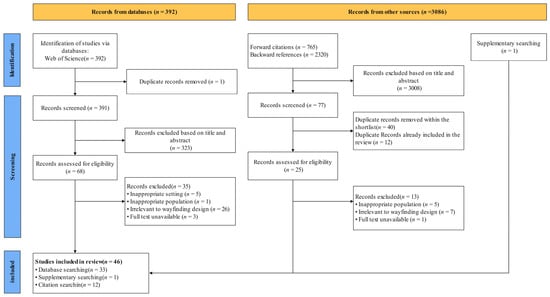
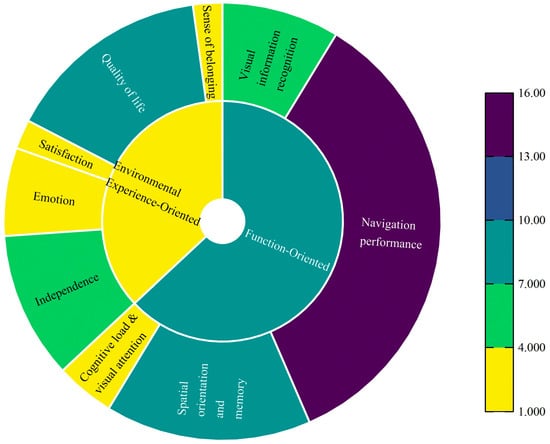
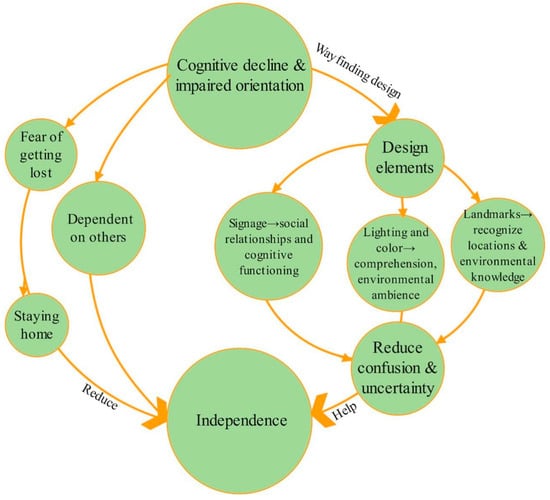
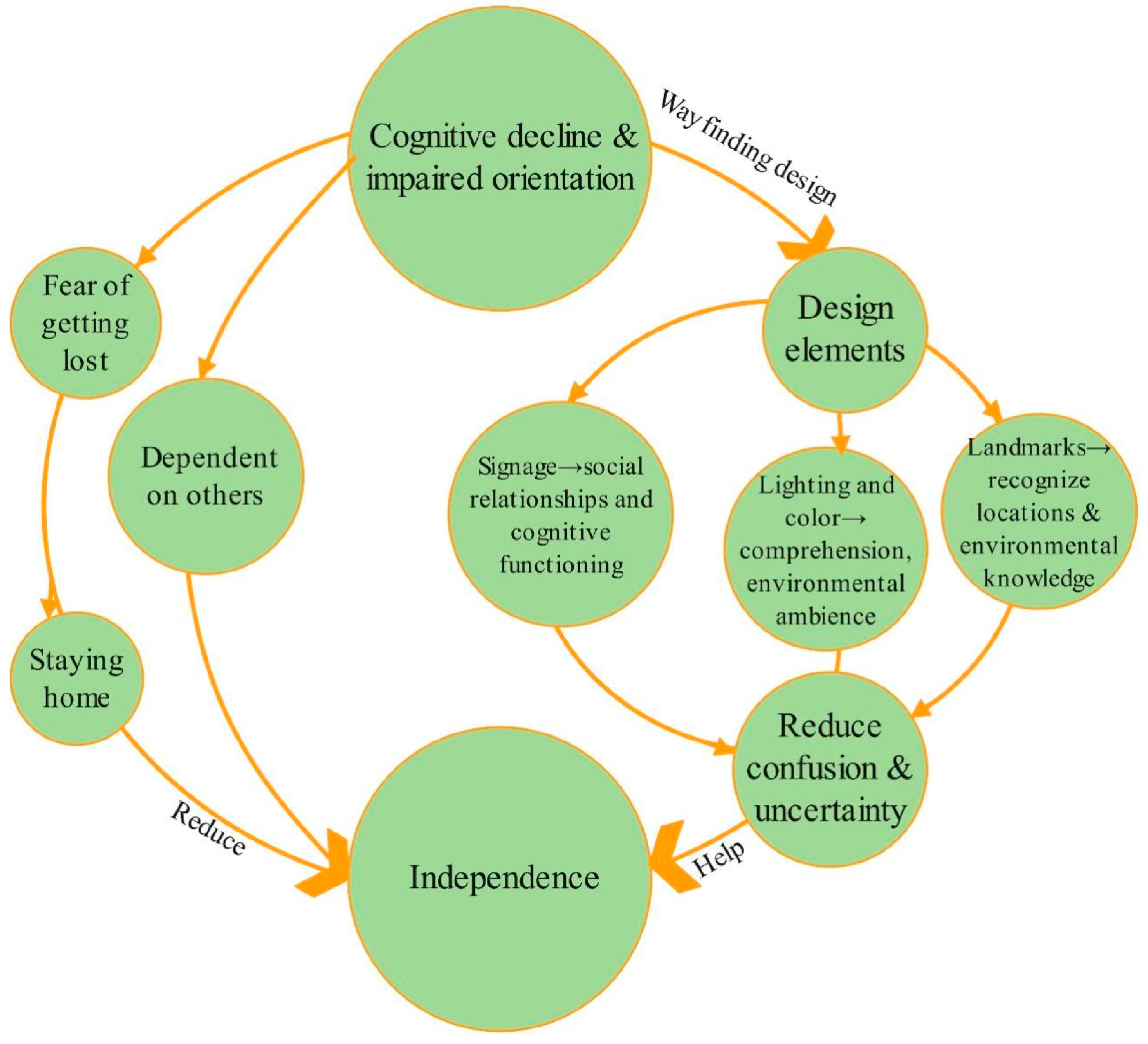
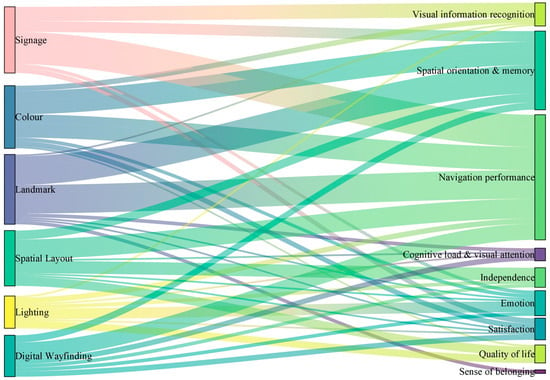
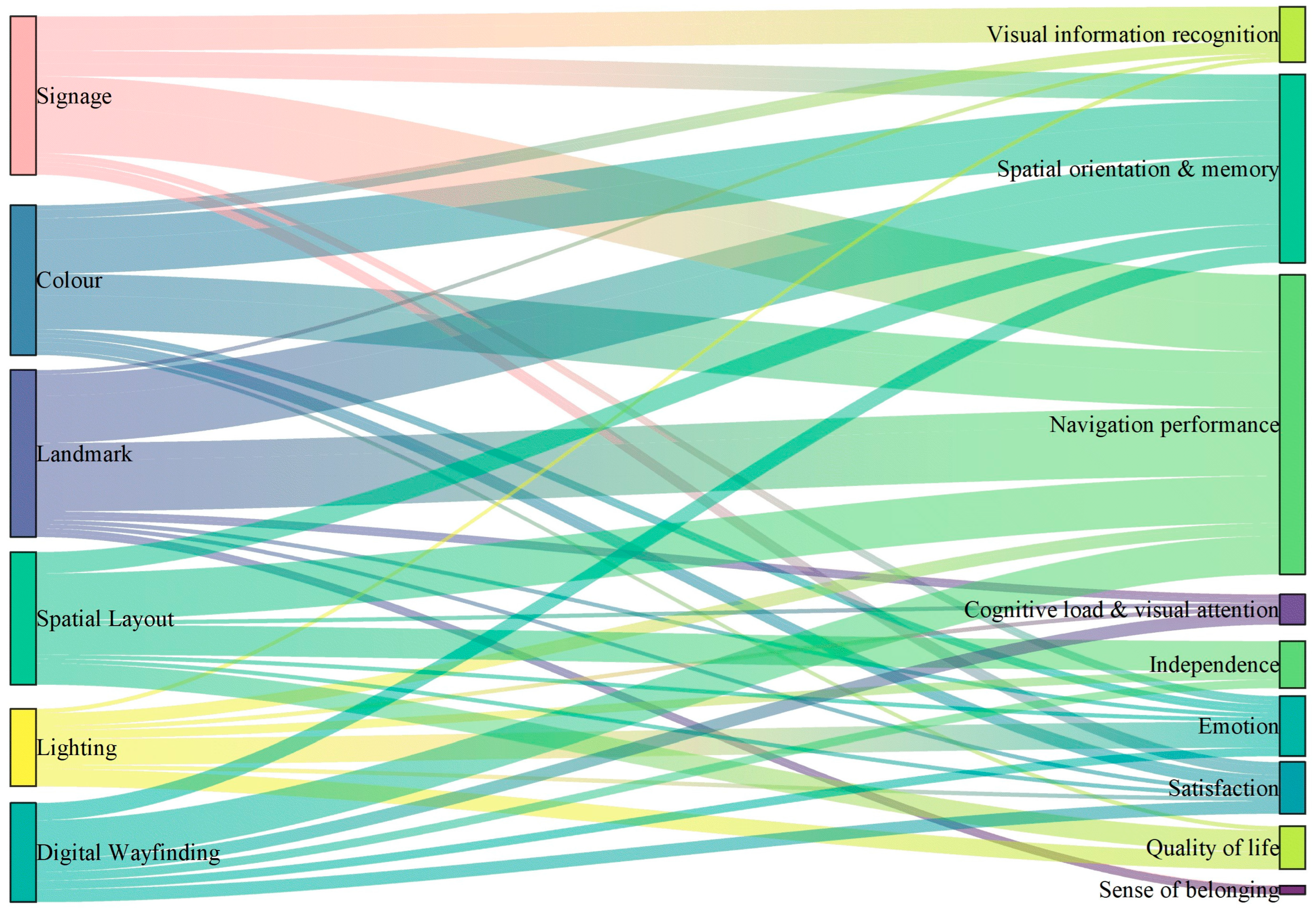
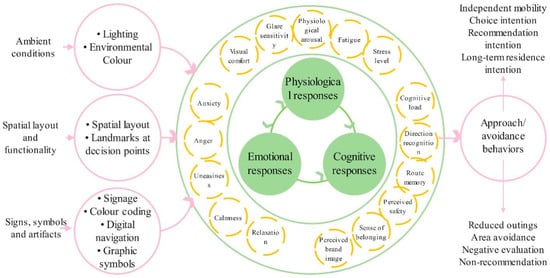
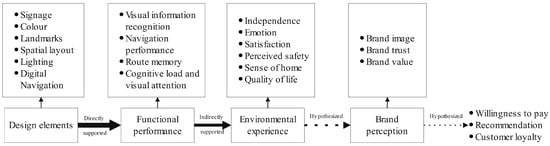

Disclaimer/Publisher’s Note: The statements, opinions and data contained in all publications are solely those of the individual author(s) and contributor(s) and not of MDPI and/or the editor(s). MDPI and/or the editor(s) disclaim responsibility for any injury to people or property resulting from any ideas, methods, instructions or products referred to in the content. |
© 2026 by the authors. Licensee MDPI, Basel, Switzerland. This article is an open access article distributed under the terms and conditions of the Creative Commons Attribution (CC BY) license.