


Abstract
Construction projects are increasingly characterized by uncertainty, interdependence, organizational fragmentation, technological integration, and evolving interactions that challenge the assumptions of traditional linear project management approaches. This study provides a systematic and integrative understanding of complexity in construction project management by identifying its principal dimensions, dynamic behaviors, management approaches, and implications for project performance. A systematic literature review was conducted and reported in accordance with the PRISMA 2020 guidelines, using Scopus as the primary bibliographic database and a supplementary literature update, resulting in a final evidence base of 136 unique sources. Descriptive and bibliometric analyses were complemented by a qualitative synthesis of the reviewed literature. The findings indicate that construction project complexity can be interpreted through five interconnected dimensions: structural, organizational, technological, contextual, and dynamic complexity. Dynamic project behavior is particularly associated with feedback loops, time delays, non-linear relationships, emergence, and evolving interactions among project components. The review further indicates that complexity does not determine project performance independently; rather, outcomes emerge from the interaction between project complexity, dynamic system behavior, and the managerial capacity to coordinate, interpret, and adapt to changing conditions. Lean-oriented approaches, systems thinking, System Dynamics, socio-technical perspectives, governance mechanisms, BIM, and simulation-based approaches provide complementary mechanisms for addressing different aspects of complexity. Based on these findings, an integrative framework is proposed linking project complexity, dynamic project behavior, management approaches and organizational capabilities, and project performance through recursive feedback relationships. The study concludes that complexity should be treated as an inherent characteristic of construction project systems and managed through systemic, adaptive, and integrative approaches rather than through simplification or deterministic control alone.
1. Introduction
The construction industry is characterized by uncertainty, interdependence, organizational fragmentation, technological integration, and continuous interaction among multiple stakeholders, processes, and contextual conditions. Unlike repetitive production environments, construction projects are generally unique, temporally constrained, and strongly influenced by the specific conditions under which they are designed and executed [1,2,3]. These characteristics limit the extent to which project behavior can be understood exclusively through linear and reductionist approaches and have encouraged the interpretation of construction projects as complex systems in which interactions among components contribute to emergent and non-linear behavior [3,4,5,6].
Early research on project complexity focused primarily on structural characteristics. Baccarini conceptualized complexity through differentiation and interdependency and distinguished between organizational and technological complexity [7]. Gidado subsequently emphasized that construction complexity also involves the difficulty of executing individual components and the interactions involved in bringing them together into an organized workflow [8]. Subsequent research progressively broadened this structural interpretation. Bakhshi et al. [9] reviewed the development of the project complexity construct and showed that complexity had evolved beyond simple measures of size or technical difficulty toward a multidimensional concept. Padalkar and Gopinath [10] further distinguished complexity from uncertainty, arguing that although the two concepts are closely related, they should not be treated as equivalent. In the construction context, Luo et al. [11] mapped the development of construction project complexity research and identified an increasing emphasis on organizational, stakeholder, and contextual factors. Together, these studies indicate that project complexity is better interpreted as the interaction of multiple dimensions than as a single project attribute.
Complexity-oriented perspectives further suggest that construction projects should be understood as evolving systems rather than static configurations established at project initiation. Feedback mechanisms, time delays, non-linear relationships, changing interactions, and emergent effects may influence how project conditions develop over time [12,13,14,15]. From this perspective, project outcomes cannot always be inferred directly from individual activities or initial plans because decisions and disturbances occurring in one part of the project may propagate through interconnected technical, organizational, and managerial processes. Complexity theory, complex adaptive systems, systems thinking, and related perspectives therefore provide conceptual foundations for examining project behavior beyond conventional assumptions of stable and proportional cause–effect relationships [9,16,17,18].
Several theoretical and methodological approaches have been applied to these challenges. Systems thinking and System Dynamics have been used to represent feedback structures and temporal interactions [12,13]. Lean-oriented perspectives emphasize production flow, coordination, and variability [19,20,21]. Actor-Network Theory and socio-technical approaches focus on relationships among heterogeneous actors, technologies, and organizational arrangements [22,23], while agent-based modeling and other simulation approaches provide mechanisms for exploring interaction-driven and emergent behavior [24]. Digital technologies such as Building Information Modeling (BIM) further contribute to information integration and coordination in complex construction environments [25,26,27]. Together, these research streams demonstrate the multidisciplinary nature of complexity-oriented construction management [28].
Several reviews have subsequently examined the development of complexity research in construction and project management (see Table 1) [29]. Luo et al. [11] used bibliometric evidence to identify research trends in construction project complexity, while Hu et al. [30] examined the transition from construction megaproject management toward broader complex project management. Ghaleb et al. [31] combined scientometric analysis with a systematic review to map the intellectual structure of construction project complexity research, and Lafhaj et al. [32] provided a more recent synthesis of complexity-related studies in construction projects. These studies have substantially improved the understanding of complexity factors and research trends; however, they primarily organize the field around factors, themes, or research development rather than explaining how complexity dimensions interact with dynamic project behavior, managerial responses, and performance. However, the literature remains conceptually dispersed across research streams that often examine different aspects of complexity independently. Studies addressing complexity dimensions, dynamic system behavior, management approaches, organizational responses, and project performance do not always provide an integrated explanation of how these elements relate to one another. Consequently, an important research need remains to connect these perspectives within a common conceptual structure capable of explaining not only what generates complexity but also how complexity contributes to dynamic project behavior, how management approaches interact with these dynamics, and how these relationships influence project outcomes.
Table 1.
Representative studies on complexity in construction and project management and their contribution to the research gap.
The present review addresses this unresolved connection. Its originality lies not in proposing another inventory of complexity factors but in integrating four domains that have largely been examined separately: the underlying dimensions of project complexity, the dynamic behavior generated by their interactions, the management approaches and organizational capabilities used to respond to these conditions, and the resulting implications for project performance. The resulting framework therefore shifts the focus from identifying what makes a project complex to explaining how complexity is translated into project behavior and how managerial responses may influence that process.
This gap is particularly relevant because complexity should not necessarily be interpreted as an inherently negative project characteristic. Some forms of complexity arise from legitimate technical, organizational, or functional project requirements, whereas others may result from avoidable fragmentation, redundant processes, or ineffective coordination [33]. Similarly, complex conditions do not inevitably result in poor project performance. Their consequences depend partly on the ability of project organizations to recognize interdependencies, coordinate heterogeneous actors, interpret changing system conditions, and adapt management responses as the project evolves [14,34,35,36]. Understanding these relationships requires moving beyond approaches that examine complexity factors in isolation toward a systemic perspective that integrates project conditions, dynamic behavior, managerial responses, and performance.
Accordingly, this study conducts a systematic literature review to develop an integrative understanding of complexity in construction project management. Specifically, the study seeks to: (i) characterize the development and conceptual structure of the research field through descriptive and bibliometric analysis; (ii) identify and synthesize the principal dimensions and sources of complexity and the dynamic behaviors associated with complex construction project systems; (iii) examine the management approaches and organizational capabilities discussed in the literature and their relationship with project performance; and (iv) propose an integrative conceptual framework linking project complexity, dynamic project behavior, management approaches and organizational capabilities, and project performance. In contrast to previous reviews centered primarily on complexity factors, classifications, or research trends, the present study focuses on the relationships among complexity conditions, dynamic project behavior, management responses, and performance.
By integrating these elements, the study contributes to the existing literature in two ways. First, it consolidates dispersed theoretical and methodological perspectives into a common structure for interpreting construction projects as complex and evolving systems. Second, it proposes a framework in which project performance is not treated as a direct consequence of complexity alone but as an emergent outcome of the interaction between complexity conditions, dynamic system behavior, managerial responses, and feedback generated throughout project implementation. This perspective provides a conceptual basis for future empirical research and for the development of management approaches better aligned with the systemic nature of contemporary construction projects.
2. Methodology
2.1. Research Design and Review Protocol
This study employed a Systematic Literature Review (SLR) to examine how complexity theory and related complexity-based perspectives have been conceptualized and applied within construction project management. The review was conducted and reported in accordance with the PRISMA 2020 (Preferred Reporting Items for Systematic Reviews and Meta-Analyses) guidelines [37], which were used to structure the identification, screening, eligibility, and inclusion stages of the study selection process. PRISMA 2020 was adopted because the review required an explicit and traceable procedure for documenting how the initial search results were progressively screened and reduced to the final evidence base. Its use also facilitated the consistent reporting of identification, retrieval, eligibility, and inclusion decisions across the different stages of the review. The completed PRISMA 2020 checklist is provided in Checklist S1.
Prior to the literature search, the review procedure was defined to establish the database, search strategy, document-type restrictions, screening process, eligibility criteria, bibliometric analysis, and qualitative synthesis. This structured procedure was adopted to maintain consistency and traceability throughout the identification, selection, and analysis of the studies included in the review.
2.2. Data Source and Search Strategy
Scopus was selected as the primary bibliographic database because the scope of the review spans construction management, engineering, project management, and complexity-related research, including journal and conference literature. Its coverage of engineering and construction-related publications made it suitable for the interdisciplinary scope of the review, and previous reviews of construction project complexity have also used Scopus as their principal bibliographic source [31,38]. A single primary database was used to maintain a consistent metadata structure for the descriptive and bibliometric analyses, particularly for the subsequent VOSviewer (version 1.6.21) analysis. Web of Science represents a valid alternative bibliographic source; however, it was not included as a second primary database in the predefined review procedure. The implications of this choice are acknowledged in the limitations of the study.
The search was conducted on 20 January 2026 using a combination of keywords structured around three core conceptual domains: (i) project management, (ii) complexity-related theories and approaches, and (iii) the construction industry and AEC context. The three-domain structure was selected to balance breadth and thematic relevance. Project-management terms ensured that the retrieved literature addressed the management of temporary or project-based systems; complexity-related terms captured the theoretical perspectives central to the review; and construction/AEC terms restricted the search to the intended sectoral context. The use of alternative terms within each domain was intended to accommodate differences in terminology across engineering, construction, and project-management publications. The final Boolean search string was:
(“project management” OR “project planning” OR “project execution” OR “project control” OR “project delivery” OR “construction project management” OR “management of construction projects”) AND (“complexity theory” OR “complexity science” OR “complex systems theory” OR “complex systems” OR “complex adaptive system” OR “complex adaptive systems” OR “chaos theory” OR “chaos model” OR “systems theory” OR “systems analysis”) AND (“construction industry” OR “construction sector” OR “construction projects” OR “building industry” OR “AEC”)
No restrictions were applied regarding publication year. The primary database search focused on journal and conference literature; during full-text synthesis and corpus reconciliation, a bounded set of foundational scholarly and professional sources was also retained when it provided directly transferable theoretical content on systems, complexity, chaos, project management, or organizational behavior. This broader theoretical subset was used for qualitative interpretation and was not treated as construction-specific empirical evidence.
The primary Scopus search yielded 320 records. After screening, eligibility assessment, and final duplicate reconciliation, 135 unique sources were retained from the original evidence base. A supplementary update conducted on 31 August 2026 identified one additional directly relevant study published after the original search date, resulting in a final evidence base of 136 unique sources.
2.3. Study Selection Process
The study selection process was structured and reported using the PRISMA 2020 flow diagram, covering the identification, screening, full-text assessment, and final inclusion of studies. The complete selection process is summarized in Figure 1.
Figure 1.
PRISMA 2020 flow diagram for the primary Scopus selection (n = 135). One additional study was incorporated through the supplementary update, yielding a final evidence base of 136 unique sources. ** Records were excluded manually during title and abstract screening; no automation tools were used.
Identification phase
The initial Scopus search yielded 320 records. The initial search strategy was intentionally broad in order to maximize sensitivity and reduce the risk of omitting potentially relevant studies across the interdisciplinary fields of construction, project management, and complexity research. Consequently, the 320 records retrieved at the identification stage were not expected to constitute the final evidence base. During record reconciliation, 9 duplicate records were removed. A further 102 records did not satisfy the predefined eligibility filters established before screening, while 7 records were removed because of incomplete bibliographic metadata. These removals preceded title and abstract screening and therefore should not be interpreted as loss of eligible evidence but as part of the predefined selection procedure. Following these steps, 202 records proceeded to title and abstract screening.
Screening phase
The titles and abstracts of the 202 remaining records were reviewed to determine their relevance to construction project management and the application of complexity-related theories. During title and abstract screening, 40 records were excluded because their primary subject matter did not address construction/AEC complexity or provide a transferable complexity-related contribution consistent with the review objectives. Consequently, 162 reports were sought for retrieval.
Of these, 16 reports could not be retrieved because of access limitations, resulting in 146 full-text reports being assessed for eligibility.
Eligibility and inclusion phase
The 146 full-text reports were assessed according to the predefined inclusion and exclusion criteria described in Section 2.4. At this stage, 5 reports were excluded because they did not adequately address the construction or AEC context, while 6 were excluded because the treatment of complexity lacked sufficient conceptual or theoretical relevance to the objectives of the review.
Following the primary selection and duplicate-reconciliation process, 135 unique sources were retained. Because the original database search was conducted on 20 January 2026, a supplementary literature update was performed on 31 August 2026. One recently published study directly addressing construction project complexity, organizational processes, logistics, and performance was incorporated into the qualitative synthesis [39]. The final evidence base therefore comprised 136 unique sources. An extended summary and traceability of the included sources is provided in Table S1. The supplementary study was not retrospectively added to the original Scopus bibliometric dataset used for Figure 2, Figure 3 and Figure 4.
Figure 2.
Documents by publication year extracted from the original Scopus dataset. No publication-year restriction was applied to the search.
Figure 3.
Documents by country or territory extracted from Scopus.
Figure 4.
Network visualization of keyword co-occurrence in the reviewed literature generated using VOSviewer. Node size represents the frequency of keyword occurrence, while link thickness represents the strength of co-occurrence relationships. Colors represent clusters generated by VOSviewer. Based on the dominant terms within each cluster, the clusters were interpreted as follows: red (safety, sociotechnical systems, and human factors); green (project performance, costs, uncertainty, and quality management); blue (complexity, complex adaptive systems, and construction management); yellow (information management, BIM, and digital integration); purple (modeling, planning, and financial analysis); and orange (construction processes, system dynamics, and sustainability-related aspects).
2.4. Inclusion and Exclusion Criteria
The inclusion and exclusion criteria were established to ensure that the selected sources were relevant to the relationship between complexity and construction project management and provided sufficient conceptual, theoretical, empirical, or methodological content for the purposes of the review. Because complexity theory is inherently interdisciplinary, the review distinguished construction-specific evidence from a bounded set of foundational and transferable complexity sources used only for qualitative interpretation. Because the search terms combine broad concepts from project management, systems theory, complexity science, and construction, the initial search was designed to favor sensitivity over specificity. The subsequent screening and eligibility stages were therefore necessary to distinguish studies that merely contained overlapping terminology from sources that made a substantive contribution to the objectives of the review.
Studies were included when they
- Addressed construction project management, construction projects, Architecture, Engineering, and Construction (AEC) systems, or provided a clearly transferable theoretical contribution to understanding complexity in project and organizational systems;
- Explicitly discussed or applied complexity-related perspectives, including complexity theory, complex systems, complex adaptive systems (CAS), chaos theory, systems theory, or closely related systemic approaches;
- Were identifiable scholarly or professionally relevant sources, principally journal articles and conference papers, with a limited number of monographs, theses, book chapters, and professional sources retained when they provided foundational or otherwise non-redundant theoretical content;
- Provided a substantive contribution through conceptual frameworks, empirical findings, theoretical discussions, or analytical and modeling approaches, including System Dynamics (SD), agent-based modeling (ABM), network analysis, or related methods.
Studies were excluded when they:
- Did not address construction/AEC and did not provide a clearly transferable theoretical mechanism relevant to complexity-informed project management;
- Focused primarily on other domains without a defensible conceptual connection to project complexity, systems behavior, organizational adaptation, or management under complexity;
- Referred to complexity only superficially, without sufficient conceptual or theoretical development relevant to the objectives of the review;
- Lacked a substantive theoretical, empirical, or methodological contribution to the analysis of complexity;
- Lacked sufficient provenance, analytical content, or relevance to support either the construction-specific synthesis or the bounded theoretical interpretation.
Foundational systems and complexity sources were retained to support concepts such as hierarchy, emergence, non-linearity, adaptation, and chaos [40,41,42,43,44,45]. These sources provide theoretical foundations and were not interpreted as construction-specific empirical findings.
Transferable project and organizational studies were retained when they provided directly applicable interpretations of project complexity, strategic change, learning, leadership, organizational form, planning, or complexity management [46,47,48,49,50,51,52,53,54,55,56,57,58,59,60,61,62,63,64,65,66,67,68,69,70,71,72,73,74,75,76]. Their role in the review is conceptual and interpretive rather than construction-specific empirical validation.
Extended scholarly works addressing construction or architectural complexity were retained only where they provided non-redundant theoretical or methodological content relevant to the synthesis [77,78,79].
2.5. Data Analysis and Synthesis
The final evidence base of 136 unique sources was analyzed through two complementary components: descriptive and bibliometric analysis and qualitative synthesis. This combined strategy was selected because the objectives of the review required both a structural characterization of the research field and an interpretation of the relationships among complexity concepts, project behavior, management approaches, and performance. The descriptive and bibliometric analyses were used to examine how the field has developed and how its main concepts are related, whereas the qualitative synthesis was used to interpret the substantive theoretical and managerial contributions of the included sources.
First, descriptive bibliometric information extracted from the Scopus dataset was used to characterize the evolution and geographical distribution of the literature. The analysis considered publication trends over time and the distribution of documents by country or territory, providing an overview of the development and international scope of research on complexity in construction project management. The descriptive bibliometric analyses and the VOSviewer network were based on the Scopus-derived records from the original search and were not retrospectively recalculated after the supplementary 2026 update.
Second, keyword co-occurrence analysis was selected because it allows frequently associated concepts to be examined relationally rather than only through publication counts or isolated keyword frequencies. The resulting network visualization was used to identify relationships among frequently associated concepts and to examine the thematic configuration of the field. In the visualization, node size represents the frequency of occurrence of terms, links indicate co-occurrence relationships, and colors represent thematic clusters identified within the network.
In parallel with the bibliometric analysis, the 136 sources in the final evidence base were qualitatively synthesized to identify recurrent conceptual and managerial themes related to complexity in construction project management. The synthesis focused on the conceptualization of construction projects as complex systems; the dimensions and sources of project complexity; dynamic and non-linear project behavior; management approaches under complexity; the relationship between complexity and project performance; and the integration of these perspectives into a broader understanding of construction project management.
The bibliometric and qualitative components were interpreted jointly to provide both a structural overview of the research field and an integrative synthesis of its main theoretical and managerial contributions. Recent publications consulted during manuscript revision were used to contextualize the discussion of the findings but were not incorporated retrospectively into the predefined evidence base or the bibliometric analyses.
3. Results
The results are presented in two complementary stages. First, the descriptive and bibliometric analyses characterize the temporal, geographical, and conceptual structure of the reviewed literature. Second, the qualitative synthesis identifies the principal dimensions of project complexity, the dynamic behaviors associated with complex construction systems, the management approaches used to address these conditions, and their relationship with project performance. The final subsection integrates these findings into the proposed conceptual framework.
3.1. Descriptive Analysis
The temporal distribution of publications addressing complexity in construction project management reveals a clear increase in research activity over time, as illustrated in Figure 2. The series begins in 1974 because this is the earliest publication year represented in the Scopus-derived bibliometric dataset. No lower publication-year limit was imposed as part of the search strategy. During the earliest period represented in the dataset, publications were sporadic, with relatively few contributions appearing annually. This pattern indicates that complexity-related perspectives initially occupied a limited position within construction and project management research.
From the early 2000s onward, the number of publications begins to increase, indicating a gradual expansion of academic interest in the topic. This growth becomes more evident during the following decade, as complexity-related concepts are increasingly represented within the reviewed literature.
A more pronounced increase is observed from approximately 2013 onward, followed by a particularly marked expansion after 2018. The annual number of publications reaches its highest level in 2024, with approximately 27 documents represented in the dataset.
A lower number of publications is observed for 2025 compared with the preceding year. Given that the literature search was conducted on 20 January 2026, this difference should be interpreted cautiously, as database indexing and metadata availability may influence the number of records retrieved for the most recent publication period. Overall, the temporal distribution demonstrates a sustained expansion of research addressing complexity within construction project management, particularly during the last decade.
The geographical distribution of publications on complexity in construction project management shows a broad international participation, as illustrated in Figure 3. China, the United States, and the United Kingdom represent the countries with the highest publication output within the reviewed dataset, indicating a comparatively strong concentration of research activity in these regions.
A second group of countries, including Australia and Iran, also shows a notable number of publications, while additional contributions are distributed across regions such as Hong Kong, Canada, South Korea, Egypt, and the Russian Federation.
This geographical pattern indicates that research on complexity in construction project management is not confined to a single national or regional context. Instead, the reviewed literature reflects a geographically diverse research landscape involving both established and emerging research communities.
Overall, the distribution of publications confirms the international scope of the field and suggests that complexity-related approaches to construction project management have attracted sustained academic attention across multiple geographical contexts. At the same time, the concentration of publications in a limited number of countries indicates that the development of the field remains uneven, highlighting opportunities for broader cross-regional research and comparative studies.
The keyword co-occurrence network generated using VOSviewer provides an overview of the conceptual structure of the literature included in the review, as illustrated in Figure 4. The terms “project management”, “construction industry”, and “construction projects” occupy central positions within the network and exhibit numerous connections with other terms, indicating their relevance as organizing concepts within the reviewed literature.
Terms related to systems-oriented perspectives, particularly “system theory” and “system dynamics”, are closely connected with concepts such as “modeling”, “simulation”, and “control system analysis”. These relationships indicate a thematic association between construction project management and analytical approaches concerned with system interactions, feedback mechanisms, and project behavior.
The network also reveals several distinguishable thematic clusters. One cluster includes terms such as “construction projects”, “costs”, “uncertainty analysis”, and “quality control”, indicating an association between project complexity and performance-related concerns. Related terms, including “cost–benefit analysis” and “profitability”, further connect this cluster with economic and decision-making dimensions of construction projects.
Another cluster is structured around “information management”, “building information modeling”, and “automation”, together with terms such as “supply chains”, “resource allocation”, and “architectural design”. This configuration indicates the presence of a research stream concerned with information integration, digital technologies, coordination, and resource management within construction environments.
A further cluster brings together terms such as “complexity”, “complex adaptive systems”, and “lean construction”. Their co-occurrence indicates a conceptual relationship between complexity-based perspectives and production-oriented approaches to construction management. Related terms such as “innovation” and “production engineering” further suggest connections between complexity, production systems, and organizational or process transformation.
The network additionally contains a cluster associated with “safety”, “accident prevention”, and “sociotechnical systems”, highlighting the presence of human, organizational, and safety-related perspectives within the literature. Other terms related to “simulation”, “risk assessment”, “planning”, and “mathematical models” represent analytical and computational approaches used to examine project processes, uncertainty, and system behavior.
Taken together, the co-occurrence structure demonstrates that research on complexity in construction project management encompasses multiple interconnected thematic areas, including systems thinking and dynamic modeling, project performance and uncertainty, digital information management, production-oriented approaches, and socio-technical and safety perspectives. Rather than representing isolated research streams, the connections among these clusters provide a bibliometric basis for the broader integrative synthesis developed in the subsequent sections of this review.
3.2. Construction Projects as Complex Systems
A consistent finding across the reviewed literature is the recognition of construction projects as complex systems characterized by multiple interdependent elements, dynamic interactions, uncertainty, non-linearity, and emergent behavior [3,11,15,32,80,81,82,83,84,85]. Construction differs from conventional repetitive production environments because projects are generally unique, executed under specific site and contextual conditions, and delivered through temporary organizational arrangements involving multiple participants [3,86]. These characteristics create interaction patterns that cannot be adequately understood by considering individual project components in isolation.
From this perspective, construction projects cannot be represented solely as linear sequences of independent activities governed by stable cause–effect relationships. Project complexity arises not only from the number and variety of elements involved but also from the interdependencies and interactions among tasks, organizations, technologies, stakeholders, and contextual conditions [7,11]. Consequently, project outcomes emerge from interconnected processes whose combined behavior may differ from what would be expected by examining each component separately [14]. This systemic interpretation challenges management approaches based primarily on decomposition, prediction, and centralized control, particularly when project conditions are uncertain and continuously evolving [15,19,20].
Complexity-oriented research further emphasizes the non-linear nature of construction systems. Under complex conditions, relatively small changes in project conditions may propagate through interconnected processes and produce effects that are disproportionate to the original disturbance [4,18,87,88]. Concepts derived from complexity and chaos perspectives therefore highlight the limits of assuming proportional relationships between managerial actions and project outcomes. Rather than behaving as completely predictable systems, construction projects may exhibit instability, emergence, and evolving patterns of interaction that reduce the effectiveness of purely deterministic forms of prediction and control [15,88].
Feedback mechanisms constitute another important feature of complex construction systems. Decisions concerning resources, scheduling, productivity, information, and rework may interact recursively, generating reinforcing or balancing effects that influence subsequent project behavior [12,13,25,89]. System Dynamics research has been particularly relevant for examining these relationships because it represents feedback structures, delays, and cumulative effects over time [13,89,90,91]. From this perspective, cost overruns, schedule delays, productivity losses, and rework should not necessarily be interpreted as isolated events but as potential outcomes of interconnected processes evolving throughout the project lifecycle.
The socio-technical character of construction further increases its complexity, particularly when projects are interpreted across broader built-environment and lifecycle relationships [22,23,92,93]. Complexity therefore arises from the interaction of technical systems with organizational structures, governance arrangements, stakeholder relationships, and collaborative processes. This interpretation shifts attention from individual project elements toward the relationships connecting actors, processes, technologies, and organizational arrangements.
The reviewed literature also indicates that project trajectories are influenced by previous decisions, initial conditions, and accumulated interactions. Early choices regarding design, organizational arrangements, contracting, governance, or resource allocation can condition the range of alternatives available during subsequent stages of project development [15,94]. However, these trajectories are not necessarily deterministic: complex project systems may evolve through different pathways as actors adapt their decisions and interactions to changing conditions [94]. This combination of historical influence and adaptive evolution reinforces the interpretation of construction projects as systems that develop over time rather than as static configurations established at project initiation.
Taken together, the reviewed evidence supports the identification of construction projects as complex socio-technical systems whose behavior emerges from the interaction of structural, organizational, technological, and contextual conditions over time [3,11,15,95]. This finding provides the conceptual basis for the dimensions examined in the following subsection. Effective management under these conditions therefore requires more than increasingly detailed planning and control. It also requires the capacity to interpret system interactions, recognize emerging patterns, coordinate distributed actors, and adapt managerial responses as project conditions evolve [15,19,34,95].
3.3. Dimensions and Sources of Project Complexity
The reviewed literature consistently characterizes project complexity as a multidimensional construct that extends beyond purely technical difficulty [7,9,11,32,96,97,98,99,100,101]. Foundational work by Baccarini conceptualized project complexity in terms of differentiation—the number and diversity of project elements—and interdependency—the relationships among those elements—and distinguished between organizational and technological complexity [7]. This structural interpretation established an important basis for subsequent research, which progressively incorporated additional dimensions related to uncertainty, organizational arrangements, dynamic interactions, and the project context [9,10,11,102].
One of the most important developments in this literature is the distinction between structural and dynamic complexity [35]. Structural complexity concerns the configuration of the project system, including the number and diversity of tasks, organizations, stakeholders, technologies, and interfaces, together with the interdependencies among them [7,35,86]. Dynamic complexity, in contrast, refers to the evolution of these relationships over time and to the effects generated by changing conditions, feedback processes, delays, and interactions among project variables [12,13,35]. This distinction indicates that project complexity cannot be understood solely from the number of components present at a given moment, since project behavior also depends on how relationships and conditions evolve throughout implementation. Structural complexity concerns the configuration of the project system, including the number and diversity of tasks, organizations, stakeholders, technologies, and interfaces, together with the interdependencies among them [7,35,86,103,104].
Uncertainty constitutes another important element in the conceptualization of project complexity. The literature shows that complexity and uncertainty are closely related but should not necessarily be treated as equivalent concepts [10,102]. Uncertainty may arise from incomplete information, changing project conditions, ambiguous objectives, or unpredictable interactions, while complexity concerns the structure and behavior of the interconnected project system. Their interaction can intensify managerial difficulties, particularly when changes in one part of the project propagate through multiple interdependent elements.
Organizational complexity represents a further major dimension of construction projects. Construction typically involves temporary multi-organizational arrangements composed of clients, designers, contractors, subcontractors, consultants, regulatory institutions, and other stakeholders whose responsibilities, objectives, and decision-making processes are distributed across the project organization [7,34,36,105,106,107,108]. Complexity therefore arises not only from the number of participating organizations but also from the interfaces, dependencies, communication processes, governance arrangements, and potentially conflicting objectives connecting them. These organizational interactions reinforce the interpretation of construction projects as socio-technical systems in which technical and organizational components cannot be analyzed independently [22,23].
Technological complexity is also recognized as an important source of project complexity. Baccarini identified technological complexity as one of the fundamental dimensions of project complexity, while subsequent studies have examined how the diversity, novelty, and interdependence of technologies influence project organization and management [7,86,109]. Technological complexity becomes particularly relevant when projects require the integration of multiple technical systems, specialized knowledge, or technologies whose interfaces create additional coordination requirements. Its effects, however, are closely connected with organizational capacity, since technological components must be coordinated through project structures, processes, and decision-making arrangements.
The construction literature additionally distinguishes between necessary and unnecessary complexity [33]. Necessary complexity refers to complexity that is inherent in achieving the intended project purpose or accommodating legitimate project requirements, whereas unnecessary complexity is associated with arrangements, processes, or interactions that add difficulty without corresponding value. This distinction is important because it shifts the managerial objective away from eliminating complexity altogether. Instead, management should distinguish between complexity that must be accommodated and complexity that can potentially be reduced, reorganized, or prevented [19,33].
Contextual factors constitute another source of complexity because construction projects operate within specific physical, institutional, economic, regulatory, and stakeholder environments [11,32,98,110]. These external conditions interact with internal project structures and may change during project implementation, influencing decision-making, resource requirements, stakeholder relationships, and project constraints. Contextual complexity therefore cannot be treated as separate from structural, organizational, or dynamic complexity, since external conditions may alter the relationships among project components over time.
Subsequent studies have operationalized this multidimensional interpretation through project complexity factors, indicators, assessment frameworks, and management strategies [86,103,104,110,111,112].
Taken together, the reviewed literature supports an interpretation of construction project complexity as the interaction of five broad dimensions: structural, dynamic, organizational, technological, and contextual complexity [7,11,32,35]. These dimensions are analytically distinguishable but not independent. Structural configurations create interdependencies; organizational arrangements determine how actors coordinate those interdependencies; technologies introduce additional interfaces and specialized requirements; contextual conditions constrain and modify project behavior; and dynamic interactions cause all of these elements to evolve over time. The qualitative synthesis therefore identifies five broad and interconnected dimensions of construction project complexity: structural, organizational, technological, contextual, and dynamic complexity. These dimensions constitute the first domain of the integrative framework developed in Section 3.7.
3.4. Dynamic Behavior and Non-Linear Project Processes
A central theme across the reviewed literature is the recognition that construction projects evolve through dynamic and interconnected processes that cannot always be adequately represented through linear cause–effect relationships [3,4,12,13,35,113,114,115]. Traditional planning approaches typically decompose projects into individual activities and assume that their combined execution can be predicted from predefined relationships among tasks. Complexity-oriented perspectives, however, emphasize that project behavior also depends on interactions among decisions, resources, organizations, information flows, and changing conditions over time [12,13,14].
Feedback mechanisms and time delays are particularly important in explaining this dynamic behavior. Decisions made at one stage of a project may influence subsequent conditions, which in turn affect later decisions and processes, creating recursive relationships that can reinforce or counteract previous effects [12,13,89]. Rework, productivity changes, resource constraints, scheduling decisions, and information delays may therefore become interconnected rather than remaining isolated management problems [13,25,89]. The cumulative effects generated by these interactions help explain why apparently localized changes can propagate throughout the project system and influence cost, schedule, and operational performance.
Within this context, System Dynamics (SD) represents one of the most relevant approaches identified in the reviewed literature for examining dynamic construction project behavior [12,13,89,90,91,116,117]. SD focuses on feedback structures, time delays, and the evolution of system variables, allowing relationships among project components to be represented over time. Rather than analyzing individual events independently, this approach enables the examination of how managerial decisions and project conditions interact to generate broader patterns of system behavior [13,90]. Applications within construction management have addressed project performance, planning policies, delays, organizational behavior, and other interconnected project processes [89,90,91,118].
An important implication of this systems-oriented perspective is that project responses may be non-linear. Changes in one project variable do not necessarily generate proportional changes in project outcomes because their effects depend on interactions with other elements of the system [4,12,13]. Feedback relationships may amplify, delay, compensate for, or redirect the effects of managerial interventions. Consequently, apparently beneficial actions may produce unexpected outcomes when their indirect and delayed effects are considered at the system level. This characteristic limits the explanatory capacity of approaches based exclusively on isolated variables or direct causal relationships.
Chaos theory and non-linear systems perspectives provide a complementary conceptual interpretation of this behavior [4,45,87,119,120,121]. Within this perspective, deterministic systems may nevertheless exhibit behavior that is difficult to predict when they are highly sensitive to initial conditions and governed by non-linear interactions. Research addressing construction production has used this perspective to describe construction processes as potentially deterministic but non-periodic, emphasizing variability and instability in production flows [121]. These contributions do not imply that construction projects behave randomly, but rather that deterministic relationships can generate trajectories whose future states become increasingly difficult to predict as interactions accumulate.
Emergence constitutes another relevant characteristic of dynamic project systems. System-level outcomes may arise from interactions among project actors and components without being directly attributable to a single decision or element [14,15]. This perspective is particularly evident in research examining construction projects as complex adaptive systems, where local interactions, adaptation, and changing relationships contribute to the evolution of overall project behavior [15]. Consequently, project performance should be understood not only as the execution of predefined plans but also as an evolving outcome generated through multiple interacting processes.
Agent-based modeling (ABM) provides a complementary analytical perspective for examining these interaction-driven processes. The reviewed literature identifies ABM as an approach capable of representing heterogeneous actors and their interactions within Architecture, Engineering, and Construction environments [24]. By modeling actors or entities with individual behavioral rules and allowing their interactions to generate system-level patterns, ABM provides a means of exploring emergence, decentralized interaction, and adaptive behavior. In this respect, it complements system-level approaches such as System Dynamics by focusing more explicitly on interactions among individual agents within the project system.
The temporal dimension of complexity further implies that the state of a project at any given moment is influenced by previous decisions and accumulated interactions. Early choices concerning design, contracting, resources, organizational arrangements, or project governance may alter subsequent project conditions and constrain or enable later alternatives [15,94]. At the same time, complex project systems remain capable of adaptation, meaning that project trajectories may change as actors respond to emerging conditions. Dynamic complexity therefore involves both historical influence and continuous system evolution.
Overall, the reviewed literature indicates that construction project behavior cannot be adequately understood through static representations alone. Feedback mechanisms, time delays, non-linear relationships, emergence, and evolving interactions contribute to project outcomes over time [12,13,14,15,90]. Dynamic modeling approaches such as System Dynamics, together with complementary approaches such as agent-based modeling, provide analytical mechanisms for exploring these relationships and their potential consequences. Their principal contribution lies not in eliminating uncertainty or predicting project behavior with certainty, but in improving understanding of how interconnected processes may generate different system-level outcomes under changing conditions.
Accordingly, the synthesis identifies feedback, time delays, non-linearity, emergence, and evolving interactions as the principal mechanisms characterizing dynamic project behavior across the reviewed literature.
3.5. Management Approaches Under Complexity
The reviewed literature indicates that conventional project management approaches based predominantly on decomposition, prediction, and centralized control face important limitations when applied to complex project environments [18,19,34,46,47,76,88,122,123]. These approaches remain important for establishing project objectives, schedules, responsibilities, and control mechanisms, but their effectiveness may decrease when project behavior is strongly influenced by uncertainty, changing interactions, feedback processes, and distributed decision-making. Complexity-oriented perspectives therefore do not necessarily imply abandoning traditional project management practices but rather extending them with approaches that provide greater capacity for adaptation, systemic interpretation, and response to evolving project conditions [19,34,124,125,126].
Lean Construction represents one of the management perspectives associated with this transition toward a more production- and interaction-oriented understanding of construction projects [16,19,20,21,126]. Rather than considering construction exclusively as the execution of predefined tasks, Lean-oriented approaches emphasize production flow, coordination, reduction in avoidable variability, and continuous improvement. These characteristics are relevant to complexity management because they direct attention toward relationships among activities and actors rather than toward isolated project components [19,21]. From a complexity perspective, Lean practices can therefore contribute to structuring project interactions and reducing avoidable disturbances while preserving the capacity to respond to changing project conditions [19,21,127].
The Last Planner System (LPS) provides a more specific example of this interaction between Lean-oriented management and dynamic project behavior. Research integrating LPS with Building Information Modeling (BIM) and System Dynamics illustrates how planning reliability, information availability, workflow conditions, and operational practices may interact over time [25]. Rather than eliminating complexity, such approaches seek to improve coordination and increase the reliability of production processes within environments where project conditions remain variable and interconnected.
Systems thinking and System Dynamics (SD) provide another major approach to managing project complexity [13,89,90,91,128]. Their principal contribution lies in shifting managerial attention from isolated activities toward relationships, feedback mechanisms, delays, and system-level consequences. System Dynamics models can support the examination of how management interventions propagate through interconnected project variables and how decisions intended to improve one aspect of performance may generate indirect effects elsewhere in the system [89,129,130,131]. This perspective promotes a more systemic interpretation of managerial decisions by considering both immediate and delayed consequences.
Socio-technical perspectives provide a complementary understanding of complexity management because construction projects depend on interactions among people, organizations, technologies, documents, and institutional arrangements. Actor-Network Theory (ANT), in particular, has been proposed as a lens for examining project complexity through the relationships connecting heterogeneous human and non-human actors [22]. From this perspective, project management involves more than allocating activities and controlling technical processes; it also involves establishing, negotiating, and maintaining relationships through which project objectives, information, technologies, and decisions become coordinated. Research on collaboration in construction similarly emphasizes that the behavior of the project system emerges from interconnected social and technical relationships [23].
Governance and decision-making structures constitute another important component of complexity management. Complex projects frequently involve distributed authority, multiple organizations, competing objectives, and decisions that cannot be fully centralized [36,106,132]. Research on project governance under complexity therefore emphasizes the need to combine coordination mechanisms with sufficient flexibility for actors to respond to emerging conditions. Systemic governance approaches similarly suggest that command-and-control mechanisms and network-based forms of governance may need to coexist rather than function as mutually exclusive alternatives [133]. This balance between coordination and distributed responsiveness becomes particularly relevant when information and decision-making capacity are dispersed throughout the project organization.
Digital technologies can further support the management of complexity by improving the availability, integration, and coordination of project information. Building Information Modeling (BIM), for example, has been examined as a mechanism for supporting construction project management through improved information representation and coordination [26]. More recent research also explores BIM-based frameworks for adaptive construction scheduling under uncertainty [27]. In addition, the combination of BIM with Lean-oriented practices and dynamic analysis illustrates how digital information environments may support the interpretation and coordination of interconnected project processes [25]. These technologies should nevertheless be understood as enabling mechanisms rather than as means of eliminating complexity itself.
Agent-based modeling (ABM) represents another analytical approach relevant to complexity-informed management. Research in Architecture, Engineering, and Construction has examined ABM as a means of representing heterogeneous actors, decentralized interactions, and emergent system behavior [24]. Such models can support exploratory analysis of how local decisions and behavioral rules may generate broader project-level consequences. This makes ABM particularly relevant when managerial questions involve distributed decision-making, adaptation, and interaction among multiple actors.
Taken together, the reviewed literature suggests that no single management approach is sufficient to address all dimensions of construction project complexity. Lean-oriented practices focus primarily on production flow, coordination, and variability; systems thinking and System Dynamics address feedback structures and temporal interactions; socio-technical and Actor-Network perspectives emphasize relationships among heterogeneous actors; governance approaches address distributed authority and decision-making; and digital and simulation-based tools enhance the capacity to represent, coordinate, and explore complex project conditions [13,19,22,24,25,34,36,133].
Complexity management should therefore be understood as the development of complementary managerial capabilities rather than the adoption of a single prescribed methodology. Effective management requires the ability to recognize interdependencies, interpret system behavior, coordinate heterogeneous actors, maintain information flows, and adapt decisions as project conditions evolve. In this sense, complexity-informed project management extends traditional planning and control by incorporating systemic understanding, learning, coordination, and adaptive response.
The principal result is therefore not the identification of a single preferred management methodology but the recognition that different complexity conditions require complementary management approaches and organizational capabilities.
3.6. Complexity and Project Performance
The reviewed literature indicates a consistent relationship between project complexity and project performance, particularly in relation to cost, schedule, quality, risk, and coordination outcomes [7,11,86,98]. Higher levels of interdependence, uncertainty, organizational fragmentation, and dynamic interaction can increase the difficulty of planning, coordinating, and controlling construction projects [10,102,105,106]. However, the literature does not support interpreting complexity as an inherently negative condition. Rather, its effect on project performance depends on how project organizations recognize, interpret, and respond to complex conditions.
This distinction is important because projects with similar levels of complexity may experience different outcomes depending on their managerial and organizational arrangements. Research on structural and dynamic complexity shows that the consequences of complexity depend not only on the characteristics of the project system but also on the capacity of management to respond appropriately to changing interactions and conditions [34,35]. From this perspective, project performance is influenced by the degree of alignment between the complexity of the project environment and the management mechanisms used to address it.
Emergence provides an important conceptual explanation for this relationship. Research on project systems suggests that performance outcomes may emerge from interactions among project components rather than being determined solely by individual variables or predefined plans [14]. Decisions concerning resources, coordination, governance, information, and project organization may interact over time, generating system-level consequences that are difficult to anticipate from isolated actions. Performance should therefore be understood as an evolving outcome of multiple interconnected processes rather than exclusively as the result of compliance with an initial project plan.
This perspective also helps explain why conventional performance management may be insufficient under highly complex conditions. Traditional project management typically evaluates performance against predefined objectives, schedules, budgets, and quality requirements. These indicators remain essential, but complexity-oriented perspectives suggest that they should be complemented by continuous interpretation of changing project conditions, interactions, and emerging risks [14,19,36]. The ability to detect changes and adjust managerial responses becomes increasingly important when project behavior is influenced by feedback, uncertainty, and distributed decision-making.
The reviewed literature further highlights the importance of adaptive managerial and organizational capabilities. Research on complex and megaproject environments similarly emphasizes the relationship between complexity attributes and the competencies required to manage them [34,134]. Complexity management research emphasizes the need to understand project conditions, reduce avoidable complexity where possible, and respond appropriately to complexity that cannot be eliminated [34]. Similarly, governance-oriented studies indicate that complex projects require coordination mechanisms capable of balancing control with distributed responsiveness [36,133]. These perspectives suggest that adaptability, organizational learning, responsiveness, and the capacity to reorganize project interactions are relevant mechanisms through which organizations can cope with complex project environments. Recent empirical evidence from construction firms in Bolivia and Brazil likewise indicates that stronger performance-related relationships are concentrated among managerial, strategic-logistical, and operational processes, while formal organizational characteristics display comparatively limited direct associations with performance-related variables [39].
Complexity may also generate opportunities rather than only constraints. Projects involving innovation, technological integration, multiple specialized actors, or novel organizational arrangements may require a certain degree of complexity to achieve their objectives [33,34,109,135]. The distinction between necessary and unnecessary complexity is therefore particularly relevant to project performance [33]. Necessary complexity may support functionality, innovation, or project value, whereas unnecessary complexity may introduce avoidable coordination burdens, redundant processes, or additional uncertainty. The managerial challenge is therefore not simply to minimize complexity but to distinguish between complexity that contributes to project objectives and complexity that unnecessarily increases system difficulty.
A recurrent theme across the reviewed literature is that performance problems may arise when management approaches are poorly aligned with the behavior of the project system. Linear planning and control mechanisms may become less effective when project conditions are characterized by strong feedback, non-linearity, uncertainty, and changing interdependencies [12,13,19,136]. Under such conditions, rigid responses may fail to account for indirect or delayed effects, potentially amplifying coordination problems, rework, or schedule and cost impacts.
Governance and decision-making processes therefore play an important role in mediating the relationship between complexity and project outcomes [36,106,133]. Complex project environments frequently require coordination among multiple organizations and stakeholders while simultaneously allowing localized actors to respond to emerging information. Effective governance consequently depends on the capacity to maintain strategic alignment without suppressing the flexibility required for adaptation.
Taken together, the reviewed literature suggests that project performance should not be interpreted as a direct function of complexity alone. Rather, outcomes emerge from the interaction between project complexity, dynamic project behavior, organizational and managerial capabilities, and the approaches used to coordinate and adapt the project system [14,34,35,36]. Complexity may therefore produce different performance consequences depending on whether the project organization is capable of understanding interdependencies, coordinating actors, responding to changing conditions, and distinguishing necessary complexity from avoidable complexity.
This interpretation shifts the managerial objective from attempting to eliminate complexity toward achieving an appropriate fit between project conditions and management capacity. In this sense, effective performance management in complex construction projects requires both conventional planning and control mechanisms and complementary capabilities for systemic interpretation, coordination, learning, and adaptive response. This finding supports the interpretation of project performance as an emergent outcome mediated by managerial and organizational capacity rather than as a direct consequence of complexity alone.
3.7. Toward an Integrative Understanding of Complexity in Construction
The synthesis of the reviewed literature indicates that complexity in construction project management cannot be adequately explained through isolated factors or a single theoretical perspective [7,11,32,35,137]. These dimensions influence one another and collectively shape the behavior of the project system, reinforcing the interpretation of construction projects as interconnected and evolving systems rather than as collections of independent activities.
Based on the findings developed in Section 3.2, Section 3.3, Section 3.4, Section 3.5 and Section 3.6, an integrative framework is proposed to organize the principal relationships identified across the reviewed literature. The framework distinguishes four interconnected analytical domains: (i) project complexity, (ii) dynamic project behavior, (iii) management approaches and organizational capabilities, and (iv) project performance. These domains should not be interpreted as a strictly linear sequence. Rather, they represent interacting components of a project system connected through multiple feedback relationships.
The first domain concerns the underlying dimensions of project complexity. Structural complexity arises from the number, diversity, and interdependence of project elements; organizational complexity results from multi-actor arrangements, distributed responsibilities, and coordination interfaces; technological complexity reflects the diversity, novelty, and integration requirements of technical systems; and contextual complexity derives from the physical, institutional, regulatory, economic, and stakeholder environment in which the project is implemented [7,11,32,86]. Dynamic complexity operates across these dimensions by capturing how their relationships change over time through feedback, delays, uncertainty, and evolving interactions [12,13,35].
The second domain represents the dynamic behavior generated by these interconnected dimensions. Feedback mechanisms, time delays, non-linear relationships, emergence, and sensitivity to changing project conditions may cause local events or decisions to propagate throughout the project system [12,13,14,15]. Consequently, project behavior cannot always be inferred directly from the characteristics of individual components or from the initial project plan. Outcomes emerge progressively as technical, organizational, and contextual elements interact throughout project implementation.
The third domain concerns the managerial and organizational mechanisms used to respond to this behavior. The reviewed literature indicates that complexity cannot be effectively addressed through a single management methodology. Lean-oriented approaches contribute primarily through production flow, coordination, and the reduction in avoidable variability [19,21,25]; systems thinking and System Dynamics support the interpretation of feedback structures and temporal interactions [13,89,90]; socio-technical and Actor-Network perspectives emphasize relationships among heterogeneous actors and technologies [22,23]; governance approaches address distributed authority and decision-making [36,133]; and digital and simulation-based approaches can improve information integration and support the exploration of alternative system behaviors [24,26,27].
Across these approaches, the literature points toward a common set of managerial requirements: recognizing interdependencies, maintaining effective information and coordination mechanisms, interpreting emerging system behavior, learning from evolving conditions, and adapting management responses when project circumstances change [19,34,36,39]. Management capacity therefore acts as an important interface between the complexity of the project system and its eventual performance.
The fourth domain concerns project performance. Complexity can influence cost, schedule, quality, risk, coordination, and other project outcomes, but the reviewed literature suggests that these effects are not determined by complexity alone [11,14,34,35]. Similar levels of project complexity may generate different outcomes depending on how effectively project organizations identify interactions, coordinate actors, interpret changing conditions, and adapt their responses. Project performance should therefore be understood as an emergent result of the interaction between project complexity, dynamic system behavior, and managerial capacity.
This interpretation also reinforces the distinction between necessary and unnecessary complexity [33]. Some forms of complexity are intrinsic to the functionality, innovation, technical requirements, or organizational structure of a project and therefore cannot or should not be eliminated. Other forms may arise from avoidable fragmentation, redundant processes, poor coordination, or inappropriate organizational arrangements. Complexity-informed management consequently requires both the capacity to accommodate necessary complexity and the ability to identify and reduce unnecessary complexity where feasible.
Figure 5 summarizes the proposed integrative framework. Structural, organizational, technological, and contextual dimensions constitute the primary sources and conditions of project complexity. Their interactions over time generate dynamic behavior characterized by feedback, delays, non-linearity, and emergence. Management approaches and organizational capabilities interact with these dynamics and influence how complexity is translated into project outcomes. Performance, in turn, generates new information and feedback that may alter managerial decisions and project conditions, reinforcing the recursive nature of the system.
Figure 5.
Integrative framework linking the dimensions of project complexity, dynamic project behavior, management approaches and organizational capabilities, and project performance. The framework represents these domains as interconnected rather than strictly linear, emphasizing feedback, adaptation, and the evolving relationships among project conditions, managerial responses, and outcomes.
The proposed framework therefore moves beyond a deterministic interpretation in which complexity is treated as a direct antecedent of poor project performance. Instead, it conceptualizes construction project management as a continuous process of interaction among complexity conditions, dynamic behavior, managerial responses, and emerging outcomes. From this perspective, effective project management does not depend exclusively on increasing control or reducing complexity but on developing an appropriate fit between the characteristics of the project system and the organization’s capacity to interpret, coordinate, and adapt to them.
This integrative understanding does not replace conventional planning, scheduling, monitoring, or control practices. Rather, it situates these practices within a broader systemic perspective in which planning and control coexist with feedback, learning, adaptation, distributed decision-making, and continuous interpretation of project behavior. The principal contribution of the framework is therefore to connect previously fragmented perspectives on project complexity within a common structure that can support both future empirical research and the development of complexity-informed management approaches for construction projects.
4. Discussion
4.1. Positioning the Findings Within Recent Research
Recent research provides further support for the multidimensional interpretation of complexity developed in this review, while also showing how some dimensions are becoming more specialized. Recent work on megaproject organization design, for example, describes project organizations as multilevel and multiphase systems whose internal and external boundaries evolve throughout the project lifecycle [138]. This observation is consistent with the organizational and dynamic dimensions identified in the present review, particularly the view that organizational complexity is shaped not only by the number of participating actors but also by changing interfaces, responsibilities, and interdependencies.
Recent developments in complexity measurement also reinforce the need to move beyond single-factor representations of complex construction projects. Jin [139] proposed a measurement framework for mega construction projects covering technical, organizational, goal, environmental, cultural, and information complexity. Although this classification is more detailed than the five dimensions synthesized in the present study, there is substantial conceptual overlap. Technical and organizational complexity correspond directly with two of the dimensions identified here, while environmental and cultural factors can be interpreted within the broader contextual dimension. Goal and information complexity, in turn, illustrate how particular project settings may require finer-grained operational measures. This comparison suggests that the dimensions proposed in this review should be understood as broad analytical domains rather than as a closed taxonomy.
Recent reviews also indicate that the management of project complexity is increasingly connected with digital information, organizational learning, and data-supported decision-making. A systematic review of machine-learning applications in construction project management used systems theory, complexity theory, and dynamic capabilities as complementary theoretical foundations and emphasized feedback-based applications across planning, execution, and monitoring activities [140]. Similarly, recent research on knowledge sharing in construction project management highlights the importance of organizational mechanisms, learning, digital technologies, governance, and cross-organizational coordination [141]. These developments extend, rather than replace, the management approaches identified in this review. They suggest that technological integration is becoming increasingly intertwined with the organizational capabilities required to interpret information, coordinate distributed actors, and adapt project decisions under changing conditions.
4.2. Theoretical Interpretation of the Findings
The findings suggest that one of the main difficulties in the study of construction project complexity lies in treating complexity, project behavior, management practices, and performance as separate analytical problems. Much of the reviewed literature provides valuable explanations of individual dimensions of complexity, specific management approaches, or particular project outcomes. However, these elements become more informative when they are considered as parts of the same project system. The framework proposed in this review therefore does not introduce an additional classification of complexity factors; rather, it organizes existing knowledge around the relationships through which complexity conditions influence project behavior and managerial responses.
This distinction is important because the presence of complexity does not, by itself, explain project performance. Structural interdependence, organizational fragmentation, technological integration, or contextual uncertainty can increase coordination requirements, but their consequences depend on how these conditions evolve and how the project organization responds to them. Previous research has already shown that project complexity is multidimensional [7,11,34,35], while studies based on System Dynamics and complex adaptive systems have demonstrated the importance of feedback, delays, adaptation, and emergent behavior [13,14,15,89,90]. The present synthesis connects these perspectives by positioning dynamic project behavior as the mechanism through which underlying complexity conditions become relevant to management and performance.
This interpretation also helps reconcile apparently different views of complexity in the literature. Some studies emphasize complexity as a source of difficulty, uncertainty, or coordination burden, whereas others regard it as an inherent feature of projects that can also support innovation, specialization, and value creation. The distinction between necessary and unnecessary complexity [33] is particularly useful in this regard. Complexity that results from legitimate technical, functional, or organizational requirements cannot simply be removed without affecting the project itself. By contrast, complexity generated by fragmented responsibilities, redundant processes, poorly defined interfaces, or ineffective information flows may be reduced through managerial intervention. The relevant question is therefore not whether complexity is desirable or undesirable, but whether the organization is able to distinguish, accommodate, and manage different forms of complexity.
A further implication concerns the role of management capacity. The reviewed evidence indicates that management approaches should not be interpreted as external controls imposed on an otherwise stable project system. They form part of the system and can themselves alter project interactions. Planning decisions, governance arrangements, information structures, coordination mechanisms, and digital technologies may change the way actors interact and may consequently modify subsequent project behavior. This recursive relationship provides the theoretical basis for the feedback links represented in the proposed framework. Performance outcomes may influence later decisions and resource allocations, just as managerial responses may amplify or attenuate the effects of existing project conditions.
4.3. Implications for Construction Project Management
From a managerial perspective, the findings indicate that complexity should first be diagnosed before a management response is selected. Different sources of complexity create different coordination requirements. A project dominated by technological interfaces may require stronger information integration and technical coordination, whereas a project characterized by organizational fragmentation may depend more heavily on governance arrangements, communication mechanisms, and clearly defined interfaces between organizations. Projects affected by strong dynamic complexity may require greater attention to feedback, changing conditions, and the delayed consequences of managerial decisions.
This interpretation cautions against applying complexity-oriented tools as universal solutions. Lean Construction, BIM, System Dynamics, governance mechanisms, and simulation-based approaches address different aspects of the project system and should therefore be selected according to the nature of the problem being managed. Lean-oriented practices may improve production flow and reduce avoidable variability [19,20,21,127], while BIM can support information integration and coordination [25,26,27]. System Dynamics is particularly useful when feedback relationships and time-dependent effects are central to the management problem [13,89,90,91]. Governance and socio-technical perspectives become more relevant where decision-making authority, organizational interfaces, and stakeholder relationships represent major sources of complexity [22,23,36,133].
The findings also suggest that complexity management requires capabilities that extend beyond formal planning and control. Recognizing interdependencies, maintaining reliable information flows, interpreting emerging behavior, coordinating distributed actors, and adjusting decisions as project conditions change are recurring requirements across the reviewed literature. These capabilities do not replace conventional project controls. Cost, schedule, quality, and risk management remain necessary. Their effectiveness, however, may depend on whether managers are able to interpret deviations as part of a wider system of interactions rather than as isolated events.
For construction organizations, this means that the assessment of project complexity should ideally be linked to the design of the project organization and its management processes. Complexity assessment at project initiation can help identify potential coordination demands, but reassessment during implementation is equally important because project conditions and relationships change over time. A static complexity assessment may therefore be insufficient for projects characterized by significant uncertainty, stakeholder change, technological integration, or evolving contractual relationships. Periodic reassessment can provide a basis for adjusting governance, information flows, resource allocation, and coordination mechanisms as the project develops.
Based on the relationships synthesized in the framework, a complexity-informed management process can be described as an iterative sequence rather than as a one-time assessment. First, the project organization identifies the dominant sources of complexity across structural, organizational, technological, contextual, and dynamic dimensions. Second, it examines how these conditions interact through dependencies, feedback mechanisms, delays, and changing relationships. Third, management approaches and organizational capabilities are selected or adjusted according to the dominant complexity conditions and the behavior observed in the project system. Fourth, project performance is monitored not only through conventional cost, schedule, quality, and risk indicators, but also through changes in coordination, information flow, and emerging system behavior. Finally, the resulting information is used to reassess project conditions and adapt management responses as the project evolves. This process reflects the recursive structure of the proposed framework and should be interpreted as a management logic derived from the review rather than as a prescriptive or empirically validated protocol.
4.4. Limitations and Future Research
Several limitations should be considered when interpreting the findings of this review. First, Scopus was used as the primary database for the systematic search in order to maintain a consistent bibliographic dataset across the screening, descriptive, and bibliometric stages. Although Scopus provides broad coverage of engineering, construction, and project management research, the use of a single primary database means that publications indexed exclusively in other sources, including Web of Science, may not have been identified. The resulting evidence base should therefore be interpreted as a structured representation of the literature retrieved under the predefined search protocol rather than as an exhaustive record of all research on construction project complexity. The relatively broad initial search resulted in the exclusion of a substantial number of records during the successive eligibility stages. This reflects the deliberate use of sensitive search terms spanning construction, project management, systems theory, and complexity science. To reduce the possibility of arbitrary selection, inclusion and exclusion were based on predefined criteria, and the reasons for record removal were documented across the PRISMA stages.
Second, the interdisciplinary nature of complexity required the inclusion of a bounded group of foundational and transferable sources outside construction-specific empirical research. These sources were retained because they provide theoretical mechanisms relevant to concepts such as emergence, non-linearity, systems behavior, adaptation, and organizational complexity. Their contribution to the synthesis is therefore conceptual rather than direct empirical evidence about construction projects. This distinction should be considered when interpreting the proposed framework.
Third, the five dimensions identified in the review are intended as broad analytical domains rather than as a universal or mutually exclusive taxonomy. Individual studies may define or operationalize complexity differently, and some factors can reasonably be associated with more than one dimension. For example, information-related complexity may involve technological, organizational, and dynamic characteristics simultaneously. The proposed classification should consequently be regarded as a synthesis intended to support interpretation and further operationalization.
Finally, the integrative framework proposed in this study is derived from the synthesis of the reviewed literature and has not yet been empirically tested as a complete model. Future research should therefore examine the relationships among project complexity, dynamic behavior, managerial capabilities, and project performance using empirical data from different construction contexts. Particular attention should be given to identifying measurable indicators for each domain, examining feedback relationships over time, and determining whether different combinations of complexity and management capacity are associated with different project outcomes. Longitudinal studies, comparative project analyses, System Dynamics models, and other simulation-based approaches may be particularly useful for examining these relationships.
5. Conclusions
This systematic literature review examined how complexity has been conceptualized and managed within construction project management and synthesized the evidence into an integrative framework. Based on 136 unique sources, the review shows that construction project complexity is best understood as a multidimensional condition arising from the interaction of structural, organizational, technological, contextual, and dynamic elements.
The findings indicate that these dimensions should not be interpreted independently. Structural interdependencies, organizational interfaces, technological integration, and contextual conditions interact over time through feedback, delays, uncertainty, and changing relationships. Dynamic project behavior therefore represents a key mechanism through which underlying complexity conditions influence project processes and managerial decision-making.
A central conclusion of the review is that complexity does not determine project performance in a direct or deterministic manner. Similar levels of project complexity may lead to different outcomes depending on the capacity of project organizations to identify interdependencies, maintain coordination, interpret changing conditions, and adapt management responses. Project performance is therefore better understood as an emergent outcome of the interaction between project complexity, dynamic system behavior, and managerial and organizational capacity.
The integrative framework proposed in this study organizes these relationships into four connected domains: project complexity, dynamic project behavior, management approaches and organizational capabilities, and project performance. Its principal contribution lies in linking research streams that have often been examined separately. Rather than presenting another classification of complexity factors, the framework provides a structure for understanding how different forms of complexity are translated into project behavior and how managerial responses can influence that process.
The review also has practical implications for construction management. Complexity should not be approached exclusively as a condition to be reduced. Some forms of complexity are inherent in project functionality, specialization, innovation, or organizational requirements, whereas others arise from avoidable fragmentation, redundant processes, weak coordination, or poorly defined interfaces. Effective complexity management therefore requires distinguishing between complexity that must be accommodated and complexity that can be reduced or reorganized. It also requires selecting management responses according to the nature of the project conditions rather than relying on a single universal methodology.
Overall, the findings support a broader conclusion: effective construction project management under complexity depends less on eliminating complexity than on achieving an appropriate fit between project conditions, system behavior, and managerial capacity. Complexity management should therefore be understood as a continuous process of diagnosis, interpretation, coordination, monitoring, and adaptation rather than as the application of a fixed set of control mechanisms. Conventional planning, scheduling, monitoring, and control remain essential, but their effectiveness depends on how well they are combined with the capacity to recognize interdependencies, interpret feedback, coordinate distributed actors, and respond to changing conditions. This generalization provides the central basis for the proposed framework and for its future empirical testing across different construction contexts.
Supplementary Materials
The following supporting information can be downloaded at: https://www.mdpi.com/article/10.3390/buildings16214227/s1, Table S1: Extended summary and traceability of the 136 sources included in the systematic review; Checklist S1: PRISMA 2020 checklist. The references included in Table S1 correspond to references [1,2,3,4,5,6,7,8,9,10,11,12,13,14,15,16,17,18,19,20,21,22,23,24,25,26,27,28,29,30,31,32,33,34,35,36,38,39,40,41,42,43,44,45,46,47,48,49,50,51,52,53,54,55,56,57,58,59,60,61,62,63,64,65,66,67,68,69,70,71,72,73,74,75,76,77,78,79,80,81,82,83,84,85,86,87,88,89,90,91,92,93,94,95,96,97,98,99,100,101,102,103,104,105,106,107,108,109,110,111,112,113,114,115,116,117,118,119,120,121,122,123,124,125,126,127,128,129,130,131,132,133,134,135,136,137] in the main manuscript.
Author Contributions
Conceptualization, A.I.N., W.A.A.O. and A.G.T.A.; methodology, A.I.N., W.A.A.O., A.G.T.A. and O.P.C.; validation, V.B.-B. and O.P.C.; formal analysis, A.I.N., W.A.A.O. and A.G.T.A.; investigation, W.A.A.O., V.B.-B., A.I.N. and O.P.C.; resources, V.B.-B. and O.P.C.; writing—original draft preparation, A.G.T.A., V.B.-B. and W.A.A.O.; writing—review and editing, W.A.A.O. and O.P.C.; visualization, A.G.T.A. and A.I.N.; supervision, V.B.-B. and O.P.C. All authors have read and agreed to the published version of the manuscript.
Funding
This research received no external funding.
Data Availability Statement
The original contributions presented in this study are included in the article. Further inquiries can be directed to the corresponding author.
Acknowledgments
The authors thank the Universidad Católica Boliviana San Pablo, the Fundación Universitaria Los Libertadores and Universidade Tecnológica Federal do Paraná.
Conflicts of Interest
The authors declare no conflicts of interest.
References
- Bertelsen, S. Complexity—Construction in a new Perspective. In Proceedings of the IGLC-11—11th Annual Conference of the International Group for Lean Construction, Blacksburg, VA, USA, 22–24 July 2003; The International Group for Lean Construction: Munich, Germany, 2003; pp. 1–12. [Google Scholar]
- Murguia, D.; Urbina, A. Complex production systems: Non-linear and non-repetitive projects. In IGLC 2018—Proceedings of the 26th Annual Conference of the International Group for Lean Construction: Evolving Lean Construction Towards Mature Production Management Across Cultures and Frontiers; The International Group for Lean Construction: Munich, Germany, 2018; pp. 858–868. [Google Scholar] [CrossRef] [Scilit]
- Fernández-Solís, J.L. The systemic nature of the construction industry. Archit. Eng. Des. Manag. 2008, 4, 31–46. [Google Scholar] [CrossRef] [Scilit]
- Thiétart, R.A.; Forgues, B. Chaos Theory and Organization. Organ. Sci. 1995, 6, 19–31. [Google Scholar] [CrossRef] [Scilit]
- Pantazis, E.; Gerber, D.J. Beyond geometric complexity: A critical review of complexity theory and how it relates to architecture engineering and construction. Archit. Sci. Rev. 2019, 62, 371–388. [Google Scholar] [CrossRef] [Scilit]
- Mikkelsen, M.F. The Complex Project Complexity—Identification of Five Ideal Research Types. J. Mod. Proj. Manag. 2020, 7, 1–24. Available online: https://journalmodernpm.com/manuscript/index.php/jmpm/article/view/JMPM02201 (accessed on 21 October 2026).
- Baccarini, D. The concept of project complexity—A review. Int. J. Proj. Manag. 1996, 14, 201–204. [Google Scholar] [CrossRef] [Scilit]
- Gidado, K.I. Project complexity: The focal point of construction production planning. Constr. Manag. Econ. 1996, 14, 213–225. [Google Scholar] [CrossRef] [Scilit]
- Bakhshi, J.; Ireland, V.; Gorod, A. Clarifying the project complexity construct: Past, present and future. Int. J. Proj. Manag. 2016, 34, 1199–1213. [Google Scholar] [CrossRef] [Scilit]
- Padalkar, M.; Gopinath, S. Are complexity and uncertainty distinct concepts in project management? A taxonomical examination from literature. Int. J. Proj. Manag. 2016, 34, 688–700. [Google Scholar] [CrossRef] [Scilit]
- Luo, L.; He, Q.; Jaselskis, E.J.; Xie, J. Construction Project Complexity: Research Trends and Implications. J. Constr. Eng. Manag. 2017, 143, 04017019. [Google Scholar] [CrossRef] [Scilit]
- Chapman, R.J. The role of system dynamics in understanding the impact of changes to key project personnel on design production within construction projects. Int. J. Proj. Manag. 1998, 16, 235–247. [Google Scholar] [CrossRef] [Scilit]
- Xu, X.; Zou, P.X.W. System dynamics analytical modeling approach for construction project management research: A critical review and future directions. Front. Eng. Manag. 2021, 8, 17–31. [Google Scholar] [CrossRef] [Scilit]
- Zhu, J.; Mostafavi, A. Discovering complexity and emergent properties in project systems: A new approach to understanding project performance. Int. J. Proj. Manag. 2017, 35, 1–12. [Google Scholar] [CrossRef] [Scilit]
- Daniel, E.; Daniel, P.A. Megaprojects as complex adaptive systems: The Hinkley point C case. Int. J. Proj. Manag. 2019, 37, 1017–1033. [Google Scholar] [CrossRef] [Scilit]
- Bertelsen, S.; Koskela, L. Avoiding and managing chaos in projects. In Proceedings of the 11th Annual Conference of the International Group for Lean Construction, Blacksburg, VA, USA, 22–24 July 2003. [Google Scholar]
- Saynisch, M. Beyond frontiers of traditional project management: An approach to evolutionary, self-organizational principles and the complexity theory—Results of the research program. Proj. Manag. J. 2010, 41, 21–37. [Google Scholar] [CrossRef] [Scilit]
- Daniel, P.A.; Daniel, C. Complexity, uncertainty and mental models: From a paradigm of regulation to a paradigm of emergence in project management. Int. J. Proj. Manag. 2018, 36, 184–197. [Google Scholar] [CrossRef] [Scilit]
- Bertelsen, S.; Koskela, L. Approaches to managing complexity in project production. In Proceedings of the 13th Annual Conference of the International Group for Lean Construction, Sydney, Australia, 19–21 July 2005. [Google Scholar]
- Biton, N.; Howell, G. The journey of lean construction theory review and reinterpretation. In Proceedings of the 21st Annual Conference of the International Group for Lean Construction (IGLC-21); The International Group for Lean Construction: Munich, Germany, 2013; pp. 125–132. [Google Scholar]
- Saurin, T.A.; Rooke, J.; Koskela, L. A complex systems theory perspective of lean production. Int. J. Prod. Res. 2013, 51, 5824–5838. [Google Scholar] [CrossRef] [Scilit]
- Sage, D.; Dainty, A.; Brookes, N. How actor-network theories can help in understanding project complexities. Int. J. Manag. Proj. Bus. 2011, 4, 274–293. [Google Scholar] [CrossRef] [Scilit]
- Sujan, S.F.; Kiviniemi, A.; Jones, S.; Wheatcroft, J.; Hjelseth, E.; Mwiya, B.; Alhava, O.; Haavisto, A. Holistic methodology to understand the complexity of collaboration in the construction process. In eWork and eBusiness in Architecture, Engineering and Construction, Proceedings of the 12th European Conference on Product and Process Modelling, ECPPM 2018; CRC Press/Balkema: Leiden, The Netherlands, 2018; pp. 127–134. [Google Scholar] [CrossRef] [Scilit]
- Mazzetto, S. Interdisciplinary Perspectives on Agent-Based Modeling in the Architecture, Engineering, and Construction Industry: A Comprehensive Review. Buildings 2024, 14, 3480. [Google Scholar] [CrossRef] [Scilit]
- Karaz, M.; Teixeira, J.M.C.; do Amaral, T.G. Mitigating Making-Do Practices Using the Last Planner System and BIM: A System Dynamic Analysis. Buildings 2024, 14, 2314. [Google Scholar] [CrossRef] [Scilit]
- Liu, Y.; Zub, A.T. Research on the Application of BIM Technology in the Efficiency and Effectiveness of Construction Project Management. J. Phys. Conf. Ser. 2020, 1574, 012081. [Google Scholar] [CrossRef] [Scilit]
- Gandomkar Armaki, M.E.; Shirzadi Javid, A.A.; Omrani, S. Dynamic BIM-Driven Framework for Adaptive and Optimized Construction Projects Scheduling Under Uncertainty. Buildings 2025, 15, 3004. [Google Scholar] [CrossRef] [Scilit]
- Abujder Ochoa, W.A.; Málaga, M.A.S.; Rojas, M.D.L.; Torrico Arce, A.G.; Neto, A.I. The theory of complexity and construction management: An analysis of perception and impact on the construction industry in Brazil and Bolivia. E3S Web Conf. 2024, 579, 03003. [Google Scholar] [CrossRef] [Scilit]
- de Rezende, L.B.; Blackwell, P.; Gonçalves, M.D.P. Research focuses, trends, and major findings on project complexity: A bibliometric network analysis of 50 years of project complexity research. Proj. Manag. J. 2018, 49, 42–56. [Google Scholar] [CrossRef] [Scilit]
- Hu, Y.; Chan, A.P.C.; Le, Y.; Jin, R. From Construction Megaproject Management to Complex Project Management: Bibliographic Analysis. J. Manag. Eng. 2015, 31, 04014052. [Google Scholar] [CrossRef] [Scilit]
- Ghaleb, H.; Alhajlah, H.H.; Bin Abdullah, A.A.; Kassem, M.A.; Al-Sharafi, M.A. A Scientometric Analysis and Systematic Literature Review for Construction Project Complexity. Buildings 2022, 12, 482. [Google Scholar] [CrossRef] [Scilit]
- Lafhaj, Z.; Rebai, S.; AlBalkhy, W.; Hamdi, O.; Mossman, A.; Alves Da Costa, A. Complexity in Construction Projects: A Literature Review. Buildings 2024, 14, 680. [Google Scholar] [CrossRef] [Scilit]
- Pennanen, A.; Koskela, L. Necessary and Unnecessary Complexity in Construction. In Proceedings of the 1st International Conference on Built Environment Complexity (BECON 2005), Liverpool, UK, 11–14 September 2005. [Google Scholar]
- Maylor, H.; Turner, N. Understand, reduce, respond: Project complexity management theory and practice. Int. J. Oper. Prod. Manag. 2017, 37, 1076–1093. [Google Scholar] [CrossRef] [Scilit]
- Brady, T.; Davies, A. Managing structural and dynamic complexity: A tale of two projects. Proj. Manag. J. 2014, 45, 21–38. [Google Scholar] [CrossRef] [Scilit]
- Pitsis, T.S.; Sankaran, S.; Gudergan, S.; Clegg, S.R. Governing projects under complexity: Theory and practice in project management. Int. J. Proj. Manag. 2014, 32, 1285–1290. [Google Scholar] [CrossRef] [Scilit]
- Page, M.J.; McKenzie, J.E.; Bossuyt, P.M.; Boutron, I.; Hoffmann, T.C.; Mulrow, C.D.; Shamseer, L.; Tetzlaff, J.M.; Akl, E.A.; Brennan, S.E.; et al. The PRISMA 2020 statement: An updated guideline for reporting systematic reviews. BMJ 2021, 372, n71. [Google Scholar] [CrossRef] [Scilit] [PubMed]
- Abujder Ochoa, W.A.; Iarozinski Neto, A. Application of complexity theory in construction industry: A review. Int. J. Dev. Res. 2022, 12, 54254–54259. Available online: https://www.journalijdr.com/sites/default/files/issue-pdf/24094.pdf (accessed on 21 October 2026).
- Abujder Ochoa, W.A.; Chacón Quiroga, D.A.; García Mendivil, S.J.; Rivero Chavez, M.; Taborga Guzmán, D.; Iarozinski Neto, A.; Palma Calabokis, O. Complexity and Construction Management: An Integrated Analysis of Logistics, Organizational Processes, and Productivity. Buildings 2026, 16, 3406. [Google Scholar] [CrossRef] [Scilit]
- Lloyd, S. Complex Systems: A Review. In ESD Internal Symposium; Massachusetts Institute of Technology: Cambridge, MA, USA, 2002. [Google Scholar]
- Minati, G.; Pessa, E.; Licata, I. Second Generation General System Theory: Perspectives in Philosophy and Approaches in Complex Systems; MDPI: Basel, Switzerland, 2017. [Google Scholar] [CrossRef] [Scilit]
- Plüss, G. Complejidad: Teoría y Método. Bachelor’s Thesis, Universidad de Chile, Santiago, Chile, 2006. [Google Scholar]
- Simon, H.A. La arquitectura de la complejidad: Los sistemas jerárquicos. In Las Ciencias de Lo Artificial, 3rd ed.; Pomares: Mexico City, Mexico, 2006. [Google Scholar]
- Lorenz, E.N. The Essence of Chaos; University of Washington Press: Seattle, WA, USA, 1993. [Google Scholar]
- Singh, H.; Singh, A. Principles of Complexity and Chaos Theory in Project Execution: A New Approach to Management. Cost. Eng. 2002, 44, 23–33. [Google Scholar]
- Jaafari, A. Project Management in the Age of Complexity and Change. Proj. Manag. J. 2003, 34, 47–57. [Google Scholar] [CrossRef] [Scilit]
- Koerner, M.; Klein, L. ‘Project Management to Run’ Projects as difference-towards a next practice of complex project management. In Proceedings of the 22nd IPMA World Congress, Roma, Italy, 9–11 November 2008. [Google Scholar]
- McElroy, M.W. Integrating complexity theory, knowledge management and organizational learning. J. Knowl. Manag. 2000, 4, 195–203. [Google Scholar] [CrossRef] [Scilit]
- Pundir, A.K.; Pundir, A.; Ganapathy, G.; Sambandam, N. Towards a complexity framework for managing projects. Emerg. Complex. Organ. 2007, 9, 1. [Google Scholar] [CrossRef] [Scilit]
- Wilberg, J.; Elezi, F.; Tommelein, I.D.; Lindemann, U. Using a Systemic Perspective to Support Engineering Change Management. Procedia Comput. Sci. 2015, 61, 287–292. [Google Scholar] [CrossRef] [Scilit]
- Zink, T. Strategies for planning complex systems development. In Proceedings of the PMI® Global Congress 2015, North America, Orlando, FL, USA, 11–13 October 2015; Available online: https://www.pmi.org/learning/library/complex-system-development-strategy-9943 (accessed on 20 January 2026).
- Cooke-Davies, T.; Cicmil, S.; Crawford, L.; Richardson, K. We’re not in Kansas anymore, Toto: Mapping the strange landscape of complexity theory, and its relationship to project management. Proj. Manag. J. 2007, 38, 50–61. [Google Scholar] [CrossRef] [Scilit]
- Smith, A.C.T.; Graetz, F. Complexity theory and organizing form dualities. Manag. Decis. 2006, 44, 851–870. [Google Scholar] [CrossRef] [Scilit]
- Liu, K.; Sun, L.; Tan, S. Modelling complex systems for project planning: A semiotics motivated method. Int. J. Gen. Syst. 2006, 35, 313–327. [Google Scholar] [CrossRef] [Scilit]
- Poveda-Bautista, R.; Diego-Mas, J.A.; Leon-Medina, D. Measuring the Project Management Complexity: The Case of Information Technology Projects. Complexity 2018, 2018, 6058480. [Google Scholar] [CrossRef] [Scilit]
- Taghipour, M.; Shamami, N.; Lotfi, A.; Parvaei, S. Evaluating Project Planning and Control System in Multi-project Organizations under Fuzzy Data Approach Considering Resource Constraints (Case Study: Wind Tunnel Construction Project). Management 2020, 3, 29–46. [Google Scholar]
- Menon, S.A.; Muchnick, M.; Butler, C.; Pizur, T. Complexity Theory: Insights from a Canadian ERP Project Implementation. Int. J. Bus. Manag. 2019, 14, 84. [Google Scholar] [CrossRef] [Scilit]
- Cristóbal, J.R.S. Complexity in Project Management. Procedia Comput. Sci. 2017, 121, 762–766. [Google Scholar] [CrossRef] [Scilit]
- Adoko, M.T.; Mazzuchi, T.A.; Sarkani, S. Developing a Cost Overrun Predictive Model for Complex Systems Development Projects. Proj. Manag. J. 2016, 46, 111–125. [Google Scholar] [CrossRef] [Scilit]
- Houchin, K.; MacLean, D. Complexity theory and strategic change: An empirically informed critique. Br. J. Manag. 2005, 16, 149–166. [Google Scholar] [CrossRef] [Scilit]
- Guo, X.; Vogel, D.; Zhou, Z.; Zhang, X.; Chen, H. Chaos theory as a lens for interpreting blogging. J. Manag. Inf. Syst. 2009, 26, 101–128. [Google Scholar] [CrossRef] [Scilit]
- Keene, A. Complexity theory: The changing role of leadership. Ind. Commer. Train. 2000, 32, 15–18. [Google Scholar] [CrossRef] [Scilit]
- Smith, A.C.T.; Humphries, C.E. Complexity Theory as a Practical Management Tool: A Critical Evaluation. Organ. Manag. J. 2004, 1, 91–106. [Google Scholar] [CrossRef] [Scilit]
- Vasconcelos, F.C.; Ramirez, R. Complexity in business environments. J. Bus. Res. 2011, 64, 236–241. [Google Scholar] [CrossRef] [Scilit]
- Barbosa, W.; Crispim, S.F. As Teorias do Caos e da Complexidade na Gestão Estratégica. In Proceedings of the Simpósio de Excelência em Gestão e Tecnologia—SEGeT, Rio de Janeiro, Brazil, 16–18 October 2006. [Google Scholar]
- San Cristóbal, J.R.; Carral, L.; Diaz, E.; Fraguela, J.A.; Iglesias, G. Complexity and project management: A general overview. Complexity 2018, 2018, 4891286. [Google Scholar] [CrossRef] [Scilit]
- Gajić, S.; Palčič, I. A new framework for complexity analysis in international development projects—Results from a Delphi study. Adv. Prod. Eng. Manag. 2019, 14, 225–238. [Google Scholar] [CrossRef] [Scilit]
- Tywoniak, S.; Ika, L.; Bredillet, C. A Pragmatist Approach to Complexity Theorizing in Project Studies: Orders and Levels. Proj. Manag. J. 2021, 52, 298–313. [Google Scholar] [CrossRef] [Scilit]
- Vieira, E.J.; Martins, H.C.; Gonçalves, C.A. Aplicabilidade da Teoria do Caos a Organizações. Gestão Soc. 2014, 8, 517–540. [Google Scholar] [CrossRef] [Scilit]
- Zolin, R.; Turner, R.; Remington, K. A model of project complexity: Distinguishing dimensions of complexity from severity. In Proceedings of the 9th International Research Network on Organizing by Projects (IRNOP) Conference, Berlin, Germany, 11–13 October 2009. [Google Scholar]
- Bakhshi, J.; Ireland, V.; Corral de Zubielqui, G. Exploring project complexities: A critical review of the literature. In Proceedings of the AIPM National 2015 Conference, Hobart, Australia, 11–14 October 2015. [Google Scholar]
- Mikkelsen, M.F. Perceived project complexity: A survey among practitioners of project management. Int. J. Manag. Proj. Bus. 2021, 14, 680–698. [Google Scholar] [CrossRef] [Scilit]
- Anselmo, E. Modelo de Gestão Não-Linear: A teoria do Caos e Complexidade Aplicada à Gestão de Empresas de Alto Crescimento em Ambientes Dinâmicos e Imprevisíveis. Ph.D. Thesis, Universidade de São Paulo, São Paulo, Brazil, 2005. [Google Scholar]
- Charrel, P.-J.; Galarreta, D. (Eds.) Project Management and Risk Management in Complex Projects: Studies in Organizational Semiotics; Springer: Dordrecht, The Netherlands, 2007. [Google Scholar] [CrossRef] [Scilit]
- DeliverMyStrategy, “Complexity Theory and Project Delivery. Available online: https://www.delivermystrategy.com.au/science-and-dms/applied-science-complexity-theory/ (accessed on 30 September 2025).
- Cicmil, S.; Cooke-Davies, T.; Crawford, L.; Richardson, K. Exploring the Complexity of Projects: Implications of Complexity Theory for Project Management Practice; Project Management Institute: Newtown Square, PA, USA, 2009. [Google Scholar]
- Castillo Campoverde, T.O. Multidimensional Analysis of the Interaction between the Organization, Management Practices and Performance in Construction. Ph.D. Thesis, Pontificia Universidad Católica de Chile, Santiago, Chile, 2018. [Google Scholar]
- Wood, H.L. Modelling Project Complexity at the Pre-Construction Stage. Ph.D. Thesis, University of Brighton, Brighton, UK, 2010. [Google Scholar]
- Obon San José, D. La Arquitectura de la Complejidad: Fundamentos para el Método Transdisciplinar. Ph.D. Thesis, Universitat Politècnica de Catalunya, Barcelona, Spain, 2017. [Google Scholar]
- Gidado, K.; Wood, H. Project Complexity in Construction. In Proceedings of the International Construction Conference; RICS COBRA: Dublin, Ireland, 2008; pp. 1–3. [Google Scholar]
- Xiao, C.; Fernandez-Solis, J.L. Are Building Construction Delivery Systems Complicated or Complex? In Proceedings of the Construction Research Congress, San Juan, Puerto Rico, 31 May–2 June 2016. [Google Scholar]
- Bertelsen, S. Construction as a complex system. In Proceedings of the 11th Annual Conference of the International Group for Lean Construction, Blacksburg, VA, USA, 22–24 July 2003. [Google Scholar]
- Wood, H.; Gidado, K. An overview of complexity theory and its application to the construction industry. In Proceedings of the 24th Annual ARCOM Conference, Cardiff, UK, 1–3 September 2008; Association of Researchers in Construction Management: London, UK, 2008; pp. 677–686. [Google Scholar]
- Allen, P.M. The importance of complexity for the research agenda in the built environment. Archit. Eng. Des. Manag. 2008, 4, 5–14. [Google Scholar] [CrossRef] [Scilit]
- Mihić, M.M.; Dodevska, Z.A.; Todorović, M.L.; Obradović, V.L.; Petrović, D.C. Reducing risks in energy innovation projects: Complexity theory perspective. Sustainability 2018, 10, 2968. [Google Scholar] [CrossRef] [Scilit]
- Xia, B.; Chan, A.P.C. Measuring complexity for building projects: A Delphi study. Eng. Constr. Archit. Manag. 2012, 19, 7–24. [Google Scholar] [CrossRef] [Scilit]
- Serdar Ulubeyli, B.; Volkan, A. Chaos Theory Applications in Construction Project Management. In Proceedings of the Atlas International Conference on Research in Applied Sciences, Konya, Türkiye, 9–10 March 2023; Available online: www.atlasconference.org (accessed on 27 January 2026).
- Bertelsen, S. Construction management in a complexity perspective. In Proceedings of the 1st International SCRI Symposium, Salford, UK, 30–31 March 2004. [Google Scholar]
- Ogunlana, S.O.; Li, H.; Sukhera, F.A. System Dynamics Approach to Exploring Performance Enhancement in a Construction Organization. J. Constr. Eng. Manag. 2003, 129, 528–536. [Google Scholar] [CrossRef] [Scilit]
- Liu, M.; Le, Y.; Hu, Y.; Xia, B.; Skitmore, M.; Gao, X. System dynamics modeling for construction management research: Critical review and future trends. J. Civ. Eng. Manag. 2019, 25, 730–741. [Google Scholar] [CrossRef] [Scilit]
- Zhang, Y.; Zhang, S. Research on the System Dynamics Mechanism of Project Management. In Proceedings of the International Conference on Construction and Real Estate Management 2016; American Society of Civil Engineers: Reston, VA, USA, 2016; pp. 502–507. [Google Scholar]
- Garzón, G.C.; Panzza, S.M.B.; Castañeda, J.H.A.; Castillo, P.A.R. The Theory of Complexity, the New Paradigm of Expression and Content of Architecture. Rev. Gest. Soc. Ambient. 2024, 18, e08254. [Google Scholar] [CrossRef] [Scilit]
- Rooke, J.; Molloy, E.-M.; Sinclair, M.; Koskela, L.; Siriwardena, M.; Kagioglou, M.; Siemieniuch, C. Models and metaphors: Complexity theory and through-life management in the built environment. Archit. Eng. Des. Manag. 2008, 4, 47–57. [Google Scholar] [CrossRef] [Scilit]
- Kapsali, M. Equifinality in Project Management Exploring Causal Complexity in Projects. Syst. Res. Behav. Sci. 2013, 30, 2–14. [Google Scholar] [CrossRef] [Scilit]
- Mamédio, D.F.; Meyer, V. Managing project complexity: How to cope with multiple dimensions of complex systems. Int. J. Manag. Proj. Bus. 2020, 13, 727–744. [Google Scholar] [CrossRef] [Scilit]
- Abbas, H.F.; Erzaij, K.R. Study of the complexity factors associated with the theory of complexity in Iraqi construction projects. Period. Eng. Nat. Sci. 2019, 7, 2034–2044. [Google Scholar] [CrossRef] [Scilit]
- Wood, H.; Ashton, P. The factors of project complexity. In Proceedings of the 18th CIB World Building Congress, Salford, UK, 10–13 May 2010; pp. 69–80. [Google Scholar]
- Dao, B.; Kermanshachi, S.; Shane, J.; Anderson, S.; Hare, E. Identifying and Measuring Project Complexity. Procedia Eng. 2016, 145, 476–482. [Google Scholar] [CrossRef] [Scilit]
- Wood, H.; Ashton, P. Factors of Complexity in Construction Projects. In Proceedings of the 25th Annual ARCOM Conference, Nottingham, UK, 7–9 September 2009; Association of Researchers in Construction Management: London, UK, 2009; Volume 2, pp. 857–866. [Google Scholar]
- Girmscheid, G.; Brockmann, C. The Inherent Complexity of Large Scale Engineering Projects. Proj. Perspect. 2008, 29, 22–26. [Google Scholar] [CrossRef] [Scilit]
- Wood, H.L.; Piroozfar, P.; Farr, E.R.P. Understanding Complexity in the AEC Industry. In Proceedings of the 29th Annual ARCOM Conference, Reading, UK, 2–4 September 2013; Association of Researchers in Construction Management: London, UK, 2013; Volume 2, pp. 859–869. [Google Scholar]
- Vidal, L.A.; Marle, F. Understanding project complexity: Implications on project management. Kybernetes 2008, 37, 1094–1110. [Google Scholar] [CrossRef] [Scilit]
- Kermanshachi, S.; Dao, B.; Shane, J.; Anderson, S. Project Complexity Indicators and Management Strategies—A Delphi Study. Procedia Eng. 2016, 145, 587–594. [Google Scholar] [CrossRef] [Scilit]
- Dao, B.; Kermanshachi, S.; Shane, J.; Anderson, S.; Hare, E. Exploring and Assessing Project Complexity. J. Constr. Eng. Manag. 2017, 143, 04016126. [Google Scholar] [CrossRef] [Scilit]
- Aritua, B.; Smith, N.J.; Bower, D. Construction client multi-projects—A complex adaptive systems perspective. Int. J. Proj. Manag. 2009, 27, 72–79. [Google Scholar] [CrossRef] [Scilit]
- Shi, Q.; Zhu, J.; Hertogh, M.; Bosch-Rekveldt, M.; Sheng, Z. Exploring Decision-Making Complexity in Major Infrastructure Projects: A Case Study from China. Proj. Manag. J. 2020, 51, 617–632. [Google Scholar] [CrossRef] [Scilit]
- Maylor, H.; Vidgen, R.; Carver, S. Managerial Complexity in Project-Based Operations: A Grounded Model and Its Implications for Practice. Proj. Manag. J. 2008, 39, S15–S26. [Google Scholar] [CrossRef] [Scilit]
- Abbas, H.F.; Erzaij, K.R. Organizing Multi Construction Projects Using Complexity Theory Approach. J. Crit. Rev. 2020, 7, 2777–2784. Available online: https://jcreview.com/archives/volume-7/issue-10 (accessed on 21 October 2026).
- Camci, A.; Kotnour, T. Technology Complexity in Projects: Does Classical Project Management Work? In Proceedings of the 2006 Technology Management for the Global Future-PICMET 2006 Conference; IEEE: New York, NY, USA, 2006; pp. 9–13. [Google Scholar]
- Gransberg, D.D.; Shane, J.S.; Strong, K.; del Puerto, C.L. Project Complexity Mapping in Five Dimensions for Complex Transportation Projects. J. Manag. Eng. 2013, 29, 316–326. [Google Scholar] [CrossRef] [Scilit]
- Bolzan de Rezende, L.; Denicol, J.; Blackwell, P.; Kimura, H. The main project complexity factors and their interdependencies in defence projects. Proj. Leadersh. Soc. 2022, 3, 100050. [Google Scholar] [CrossRef] [Scilit]
- Wood, H.L.; Ashton, P. Modelling Project Complexity. In Proceedings of the 26th Annual ARCOM Conference, Leeds, UK, 6–8 September 2010; Association of Researchers in Construction Management: London, UK, 2010; pp. 1111–1120. [Google Scholar]
- Cardona-Meza, L.S.; Olivar-Tost, G. Modeling and Simulation of Project Management through the PMBOK® Standard Using Complex Networks. Complexity 2017, 2017, 4791635. [Google Scholar] [CrossRef] [Scilit]
- Son, J.W. Complexity and Dynamics in Construction Project Organizations. Sustainability 2022, 14, 13599. [Google Scholar] [CrossRef] [Scilit]
- Ahmadi, A.; Golabchi, M. Complexity Theory in Construction Project Time Management. Int. Res. J. Appl. Basic Sci. 2013, 6, 538–542. [Google Scholar]
- Ding, Z.; Zhu, M.; Tam, V.W.Y.; Yi, G.; Tran, C.N.N. A system dynamics-based environmental benefit assessment model of construction waste reduction management at the design and construction stages. J. Clean. Prod. 2018, 176, 676–692. [Google Scholar] [CrossRef] [Scilit]
- Bugalia, N.; Maemura, Y.; Ozawa, K. A system dynamics model for near-miss reporting in complex systems. Saf. Sci. 2021, 142, 105368. [Google Scholar] [CrossRef] [Scilit]
- Goodarzi, H.; Ehsanifar, M.; Mirhosseini, S.M.; Mazaheri, H. A Combined Modeling Approach for Delay Management in Construction Projects Based on a Two-objective Mathematical Model and System Dynamics. Int. J. Eng. Trans. A Basics 2025, 38, 945–963. [Google Scholar] [CrossRef] [Scilit]
- Galacgac, J.; Singh, A. Implications of Chaos Theory in Management Science. Chaotic Model. Simul. 2016, 4, 515–527. [Google Scholar]
- Lu, X.; Clements-Croome, D.; Viljanen, M. Integration of chaos theory and mathematical models in building simulation. Part I: Literature review. Autom. Constr. 2010, 19, 447–451. [Google Scholar] [CrossRef] [Scilit]
- Fernandez-Solis, J.L. Building construction: A deterministic non-periodic flow—A case study of chaos theories in tracking production flow. Archit. Eng. Des. Manag. 2013, 9, 21–48. [Google Scholar] [CrossRef] [Scilit]
- Koskela, L.; Howell, G. The underlying theory of project management is obsolete. In Proceedings of the PMI Research Conference 2002: Frontiers of Project Management Research and Applications, Seattle, WA, USA, 14–17 July 2002; Project Management Institute: Newtown Square, PA, USA, 2002; pp. 293–302. [Google Scholar]
- Kiridena, S.; Sense, A. Profiling Project Complexity: Insights from Complexity Science and Project Management Literature. Proj. Manag. J. 2016, 47, 56–74. [Google Scholar] [CrossRef] [Scilit]
- He, Q.; Jiang, W.; Li, Y.; Le, Y. The study on paradigm shift of project management based on complexity science-project management innovations in Shanghai 2010 EXPO construction program. In Proceedings of the 2009 IEEE International Conference on Industrial Engineering and Engineering Management; IEEE: New York, NY, USA, 2009; pp. 603–607. [Google Scholar]
- Patil, D.T.; Patil, A. Effectiveness of Complexity Science in Managing Complexity in Construction Projects. J. Crit. Rev. 2020, 7, 265–275. [Google Scholar] [CrossRef] [Scilit]
- Sohi, A.J.; Hertogh, M.; Bosch-Rekveldt, M.; Blom, R. Does Lean & Agile Project Management Help Coping with Project Complexity? Procedia Soc. Behav. Sci. 2016, 226, 252–259. [Google Scholar] [CrossRef] [Scilit]
- Ramírez-Valenzuela, A.; Gamarra-Díaz, G.G.; Erazo-Rondinel, A.A. Proposal Model for the Management of Construction Based on Flows—A Complex Adaptive System. In Proceedings of the 29th Annual Conference of the International Group for Lean Construction (IGLC29)—Lean Construction in Crisis Times: Responding to the Post-Pandemic AEC Industry Challenges; Department of Engineering, Civil Engineering Division, Pontificia Universidad Catolica del Peru: Lima, Peru, 2021; pp. 859–869. [Google Scholar] [CrossRef] [Scilit]
- Pham, C.P.; Nguyen, P.T.; Phan, P.T. Application of the Grey System Theory in Construction Management: A Case Study of Construction Paint Supplier Evaluation and Selection Criteria. Eng. Technol. Appl. Sci. Res. 2022, 12, 9087–9091. [Google Scholar] [CrossRef] [Scilit]
- Raouf, A.; Al-Ghamdi, S.G. Impact of Project Delivery Systems on Cost Overruns of Green Building Projects: System Dynamics Approach. In Proceedings of the International Conference on Sustainable Infrastructure 2019: Leading Resilient Communities Through the 21st Century; American Society of Civil Engineers: Reston, VA, USA, 2019; pp. 371–379. [Google Scholar] [CrossRef] [Scilit]
- Shafieezadeh, M.; Kalantar Hormozi, M.; Hassannayebi, E.; Ahmadi, L.; Soleymani, M.; Gholizad, A. A system dynamics simulation model to evaluate project planning policies. Int. J. Model. Simul. 2020, 40, 201–216. [Google Scholar] [CrossRef] [Scilit]
- Li, L.; Zhang, C.; Li, H.M. Application of System Dynamics to Strategic Project Management. In Proceedings of the First International Conference on Information Science and Engineering; IEEE: New York, NY, USA, 2009. [Google Scholar]
- Lu, Y.; Wang, M.; Zhang, Z.; Liu, K. System design of behavior right configuration in construction project management. Appl. Mech. Mater. 2012, 174–177, 2898–2901. [Google Scholar] [CrossRef] [Scilit]
- Gorod, A.; Hallo, L.; Nguyen, T. A Systemic Approach to Complex Project Management: Integration of Command-and-Control and Network Governance. Syst. Res. Behav. Sci. 2018, 35, 811–837. [Google Scholar] [CrossRef] [Scilit]
- Nyarirangwe, M.; Babatunde, O.K. Megaproject complexity attributes and competences: Lessons from it and construction projects. Int. J. Inf. Syst. Proj. Manag. 2019, 7, 77–99. [Google Scholar] [CrossRef] [Scilit]
- Eber, W. Managing Construction Projects: Developing Complexity into Complicatedness. IOP Conf. Ser. Earth Environ. Sci. 2019, 323, 012097. [Google Scholar] [CrossRef] [Scilit]
- Richardson, K.A. Managing Complex Organizations: Complexity Thinking and the Science and Art of Management. Emerg. Complex. Organ. 2008, 10, 13. [Google Scholar]
- Austin, S.; Newton, A.; Steele, J.; Waskett, P. Modelling and managing project complexity. Int. J. Proj. Manag. 2002, 20, 191–198. [Google Scholar] [CrossRef] [Scilit]
- Zani, C.M.; Denicol, J.; Broyd, T. Organisation design in megaprojects: A systematic literature review and research agenda. Int. J. Proj. Manag. 2024, 42, 102634. [Google Scholar] [CrossRef] [Scilit]
- Jin, S. Measuring complexity in mega construction projects: Fuzzy comprehensive evaluation and grey relational analysis. Eng. Constr. Archit. Manag. 2026, 33, 284–317. [Google Scholar] [CrossRef] [Scilit]
- Sadeghi, S.; Niu, C.; Marjani, T.; Lotfi, R. Machine learning-enabled construction project management: Systematic review, comparative performance synthesis and implementation framework. Built Environ. Proj. Asset Manag. 2026, 16, 461–483. [Google Scholar] [CrossRef] [Scilit]
- Liu, X.; Zang, J.; Zhang, S.; Lin, L. Recent Advances in Knowledge Sharing for Construction Project Management: Opportunities, Challenges, and Future Research Directions. Systems 2026, 14, 896. [Google Scholar] [CrossRef] [Scilit]
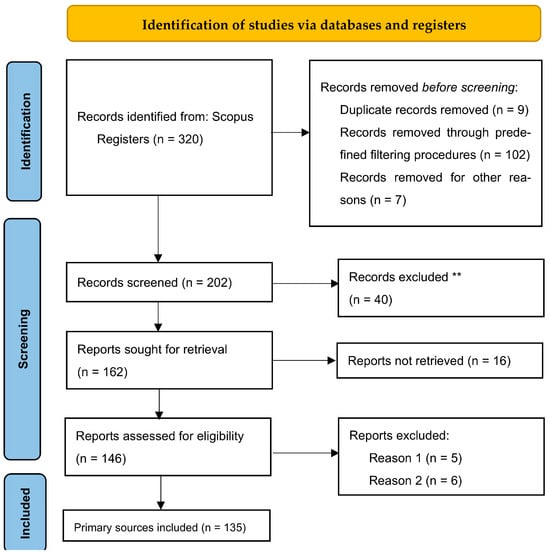
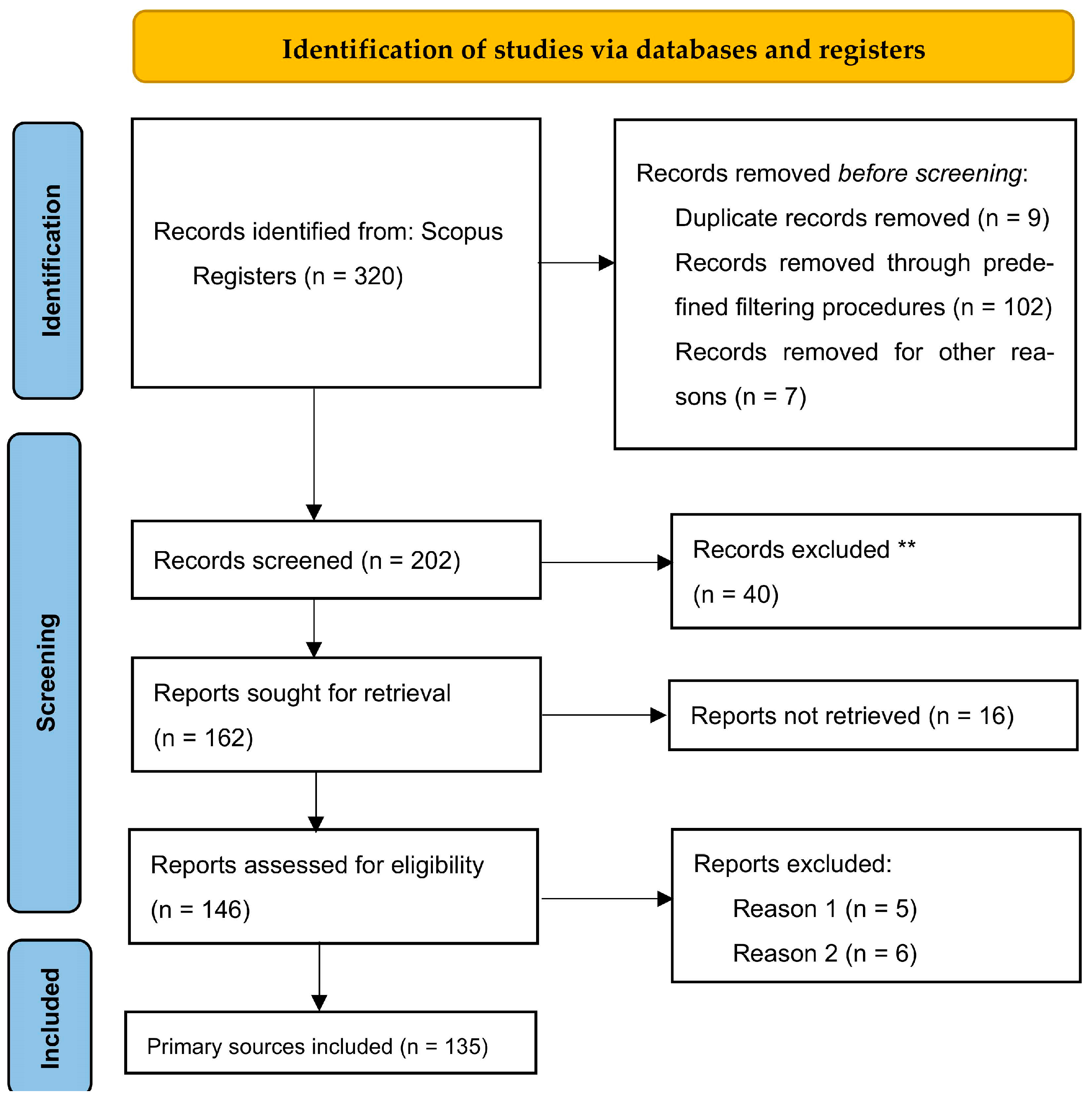
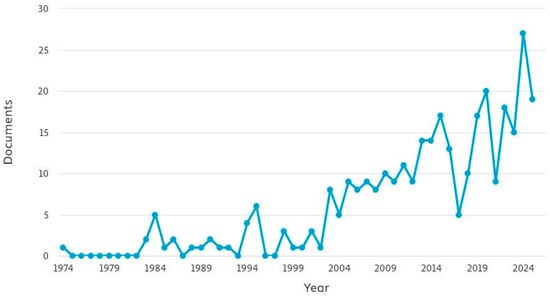
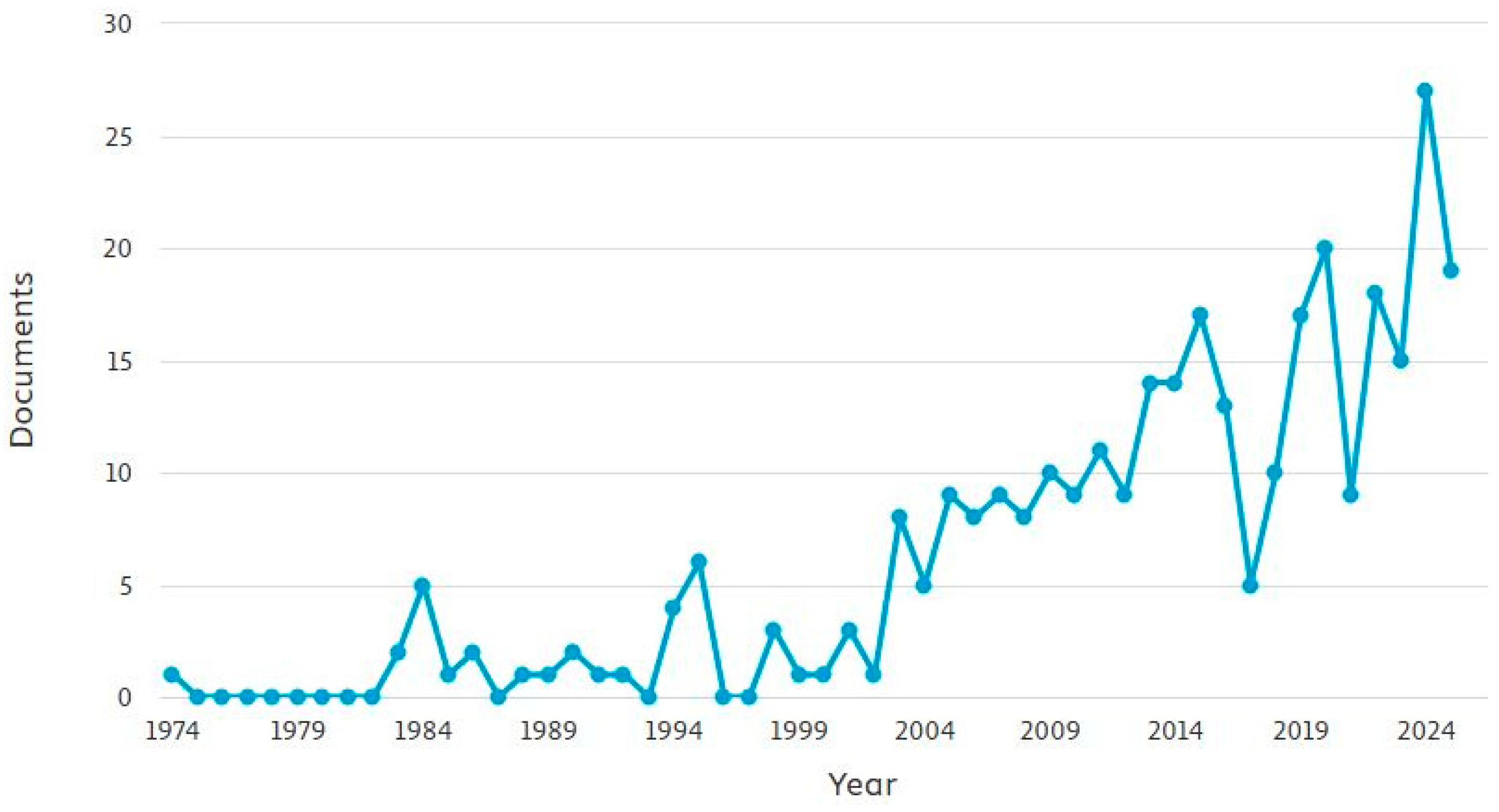
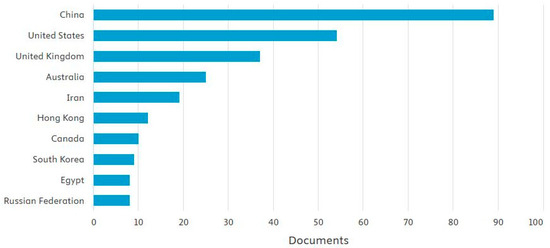
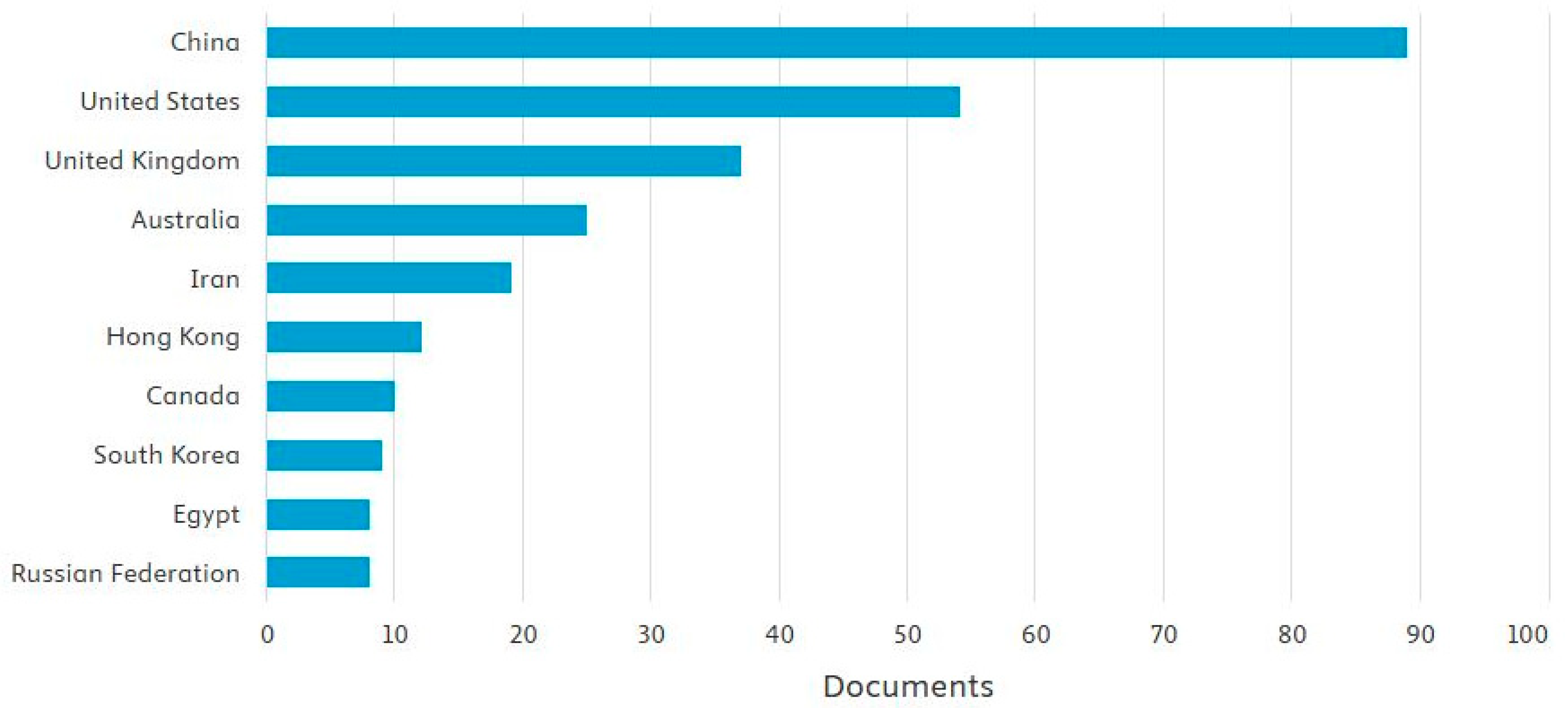
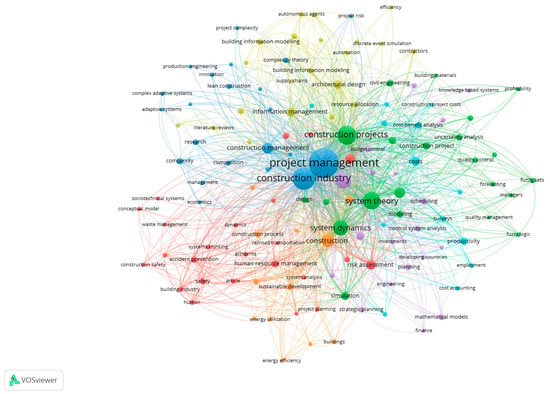
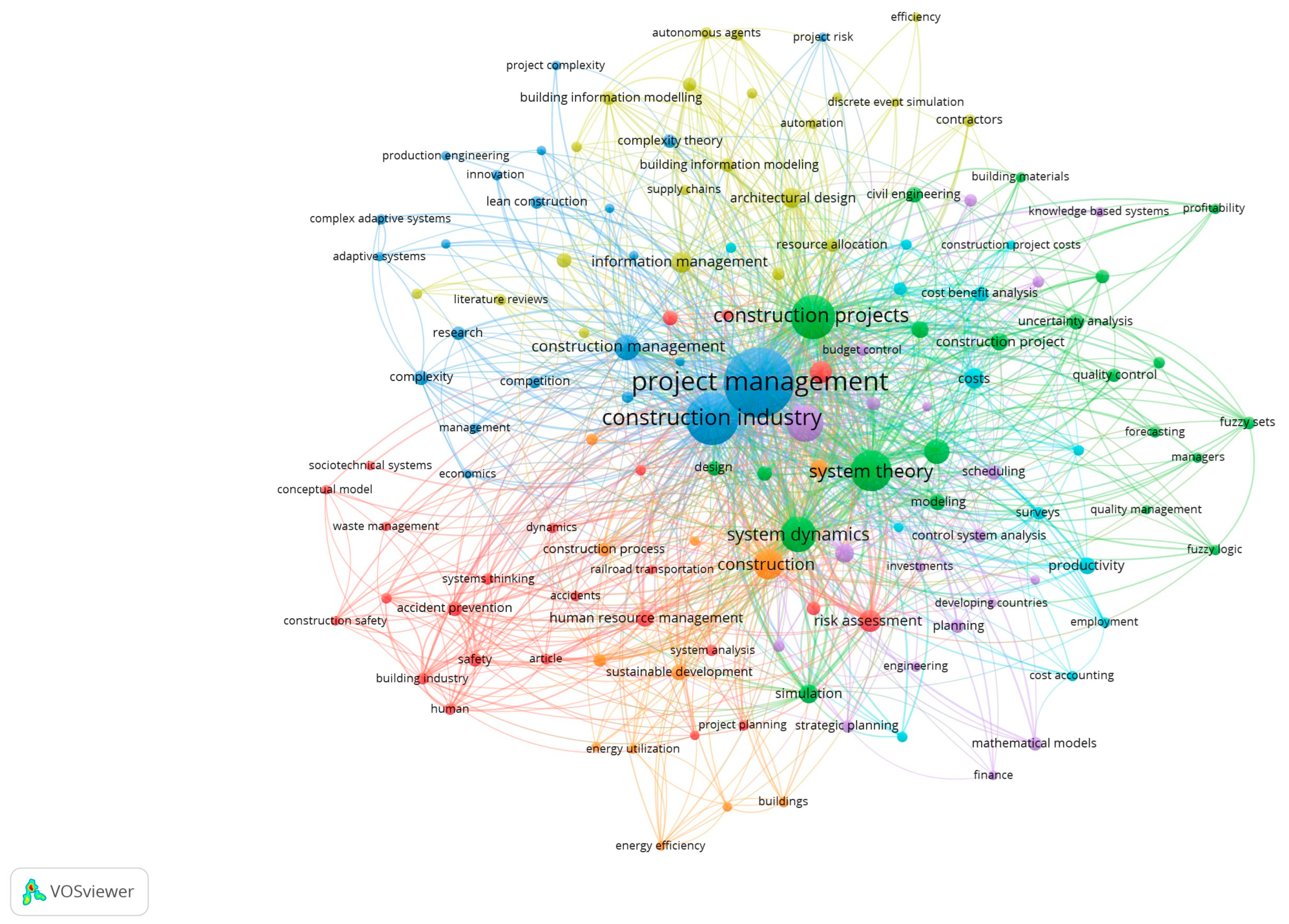
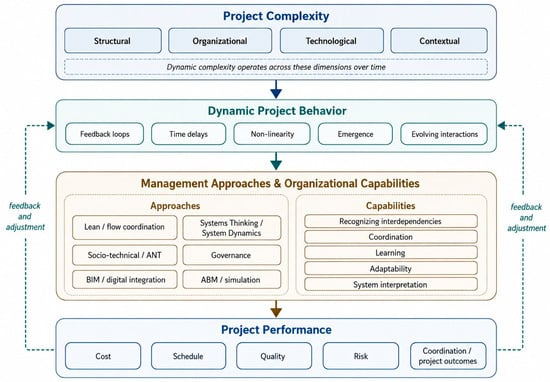
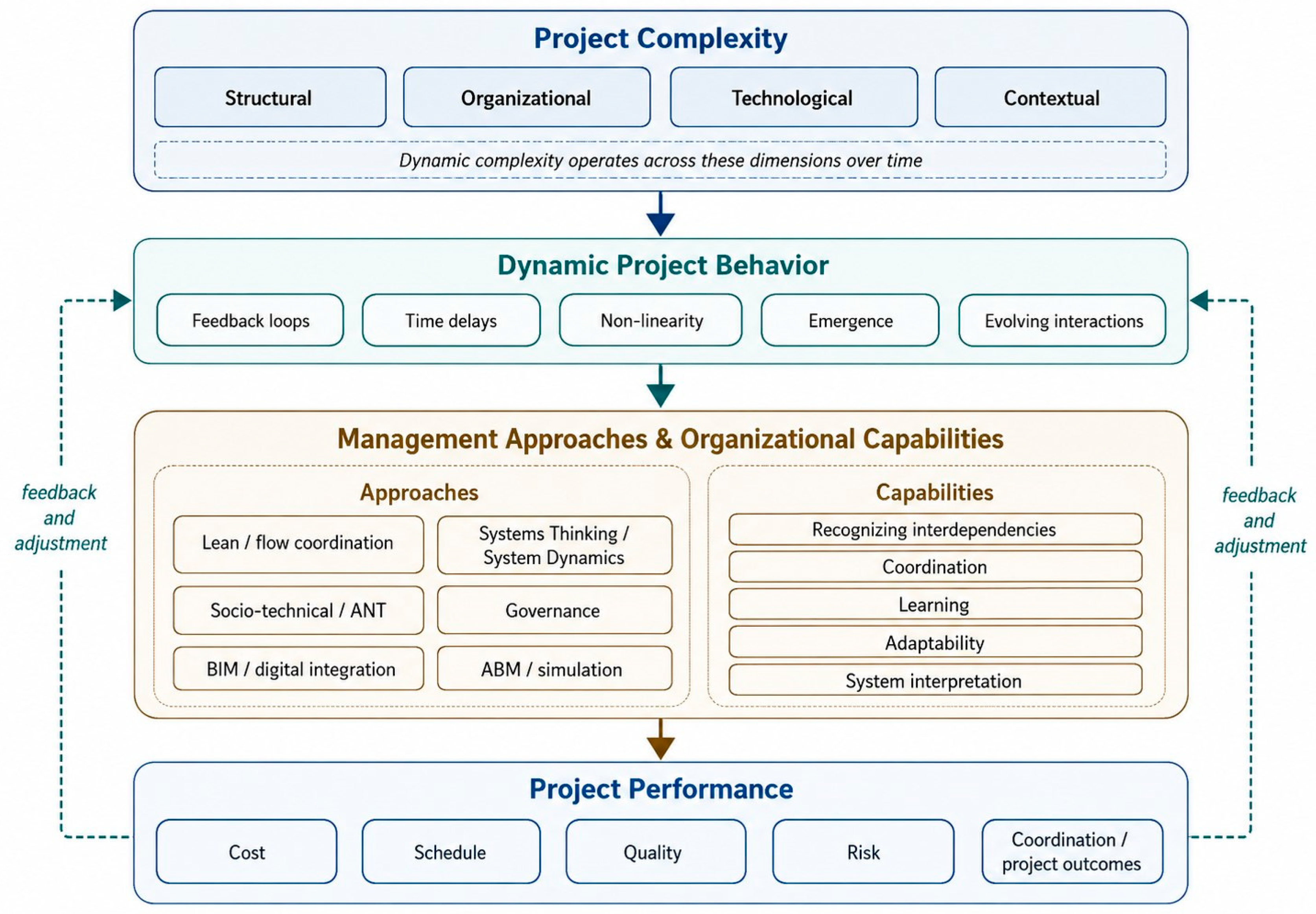

Disclaimer/Publisher’s Note: The statements, opinions and data contained in all publications are solely those of the individual author(s) and contributor(s) and not of MDPI and/or the editor(s). MDPI and/or the editor(s) disclaim responsibility for any injury to people or property resulting from any ideas, methods, instructions or products referred to in the content. |
© 2026 by the authors. Licensee MDPI, Basel, Switzerland. This article is an open access article distributed under the terms and conditions of the Creative Commons Attribution (CC BY) license.