


Abstract
Research on climate adaptation in informal settlements has largely examined responses to individual climate hazards or isolated adaptation initiatives, providing limited understanding of how climate-relevant practices are configured across the urban fabric. This study examines the adaptive relevance and modes of production of socio-spatial practices across housing, public space and road infrastructure in Maputo, Mozambique, and develops adaptive urban space as a socio-spatial analytical concept. The study adopts an embedded mixed-methods case-study design based on six purposively selected blocks in six informal neighbourhoods, combining 169 paired household surveys and technical housing assessments, semi-structured interviews, field observations, public-space mapping and documentary evidence. The empirical analysis focuses on flooding and intense rainfall, heat stress and erosion. The findings show that incremental housing transformation was mainly household-led, while basic urban services were predominantly institutionally or commercially provided. Documented co-production was clearest in selected public-space and road-upgrading initiatives where residents participated meaningfully in planning or implementation. The adaptive relevance of observed practices varied across domains, ranging from directly evidenced climate-related interventions to practices with potential adaptive functions and wider enabling conditions. The proposed framework uses adaptive urban space as an integrative socio-spatial lens connecting adaptive relevance, mode of production and spatial domain, without treating adaptive capacity or adaptation effectiveness as directly measured outcomes.
1. Introduction
Climate change is increasingly affecting urban areas worldwide, exacerbating existing socio-economic inequalities and intensifying the vulnerability of urban populations [1,2,3,4,5,6,7]. The increasing frequency and intensity of extreme weather events [8] have reinforced the need to better understand locally grounded adaptation responses, particularly in contexts where formal planning and state-led interventions face significant implementation challenges [9,10].
These challenges are particularly evident in African cities, where a large proportion of the urban population resides in informal settlements [11,12]. Although Africa contributed only 7% of global greenhouse gas emissions between 1950 and 2019 [13], its urban populations disproportionately experience the impacts of climate change [14,15,16]. Informal settlements are widely recognised as highly vulnerable environments due to deficits in infrastructure, services, and environmental conditions [17,18]. At the same time, they constitute the dominant mode of urban production in many cities of the Global South [19], reflecting the limited capacity of formal housing and planning systems to respond to the needs of low-income populations [20].
Historically, policy responses towards informal settlements have frequently been based on eradication, relocation, or large-scale upgrading programmes [21]. However, the limitations of such approaches have increasingly shifted attention towards locally driven processes of regeneration, community participation, and collaboration among multiple urban actors [22]. In the context of climate change, understanding how residents and local stakeholders adapt their environments through everyday practices has become particularly relevant [23,24,25,26]. Nevertheless, climate adaptation planning continues to pay limited attention to local knowledge, lived experience, and the adaptive strategies developed by residents facing recurrent environmental hazards such as flooding, extreme heat, and drought [27].
Existing studies have generated important insights into climate adaptation in informal settlements, focusing on specific projects, community infrastructure, social capital, housing improvements, and flood adaptation measures [28,29,30,31,32,33,34]. While these contributions have advanced understanding of particular dimensions of adaptation, they provide limited evidence on how adaptation practices emerge, interact, and evolve across different components of the urban fabric. In particular, insufficient attention has been given to how climate-relevant practices with different modes of production are spatially configured across housing, public space and road infrastructure, and how these configurations relate to multiple environmental pressures at the micro-scale of informal settlements [35,36].
This study examines climate-relevant socio-spatial practices across housing, public space and road infrastructure in the informal settlements of Maputo. It considers both the adaptive relevance of observed practices and the different ways in which they are produced, including household-led action, co-production, institutional provision and hybrid processes. Rather than assuming that all incremental urban improvements constitute climate adaptation, the study examines how these practices are distributed and combined across different components of the urban fabric.
The main objective is to examine how climate-relevant practices and their modes of production are distributed and combined across housing, public space and road infrastructure and to use this evidence to develop adaptive urban space as a socio-spatial analytical concept. The study addresses two research questions:
RQ1. What climate-relevant practices, enabling conditions and wider urban improvements are observed across housing, public space and road infrastructure, and through which modes of production are they implemented?
RQ2. How do these practices and modes of production coexist and interact across the urban fabric, and what socio-spatial configurations do they reveal for understanding adaptive urban space?
The remainder of the article is organised as follows. Section 2 reviews the literature and develops the conceptual framework. Section 3 presents the study context and methodology. Section 4 reports the empirical findings, while Section 5 discusses their theoretical and policy implications. Section 6 concludes by summarising the main contributions, limitations, and directions for future research.
2. Literature Review
2.1. Informal Settlements as Sites of Incremental Urban Production
Informal settlements, referred to by different terms across academic and policy contexts, constitute a distinctive mode of urban production and spatial regulation [37]. Their emergence is shaped by complex socio-economic, political and environmental processes [34], reflecting broader patterns of urbanisation in the Global South where unequal access to land, housing and urban services influences opportunities for urban inclusion and exclusion [38,39].
Early studies predominantly framed informal settlements through their physical, legal and socio-economic deficiencies [40] (p. 57), contributing to deficit-oriented and often pejorative representations [41] that portrayed these areas as spaces of disorder and crisis while obscuring their role as spaces of everyday life and social reproduction [42]. More recent scholarship has challenged this perspective by recognising informal settlements not merely as urban problems [43,44] but also as important mechanisms through which low-income populations secure access to housing, livelihoods and urban opportunities beyond the formal market [45].
From this perspective, informal settlements can be understood as processes of incremental and adaptive urban production [19,46]. Through self-planning, self-construction and continuous spatial transformation, residents actively shape the built environment according to changing needs, aspirations and resource availability [17]. These processes generate diverse urban forms and socio-spatial configurations [47], ranging from highly precarious settlements [48] to relatively consolidated orthogonal layouts [49] and organically developed neighbourhoods characterised by strong community networks and social capital [50].
The diversity of informal settlements extends beyond their physical form. Pedestrian-oriented mobility systems [51], relatively low ecological footprints [52], urban agriculture practices [53] and mixed-use spatial arrangements [45] illustrate how residents continuously adapt urban environments to local conditions. These characteristics challenge conventional dichotomies between formal and informal urbanisation [54] and reinforce the importance of understanding informal settlements as dynamic processes of urban transformation rather than as fixed spatial categories [19].
2.2. Climate Adaptation Beyond Top-Down Approaches
Climate change is intensifying environmental risks worldwide through rising temperatures, sea-level rise, flooding, cyclones, droughts and water scarcity [5,54]. These impacts disproportionately affect populations living in informal settlements, where environmental exposure intersects with socio-economic vulnerability [55].
The vulnerability of informal settlements is shaped by multiple factors, including weak governance structures, occupation of environmentally sensitive areas, inadequate infrastructure, overcrowded housing conditions and limited access to basic urban services [18,56,57,58]. Rapid urbanisation across the Global South further compounds these challenges, often exceeding the capacity of public institutions to provide infrastructure and implement effective adaptation measures [59].
Conventional adaptation strategies have frequently relied on top-down planning approaches and technical interventions [60]. While these approaches play an important role in reducing climate risks, they often overlook the knowledge, experiences and adaptive practices developed by residents through everyday interactions with environmental hazards [28]. Consequently, increasing attention has been directed towards understanding locally grounded forms of adaptation and their contribution to urban resilience [39,61].
Locally grounded adaptive responses often develop through learning, experimentation and adjustment in response to recurrent environmental disturbances [28]. Adaptation often involves both successful and unsuccessful responses, generating practical knowledge that informs future actions and shapes resilience over time [16]. Understanding how everyday socio-spatial practices relate to adaptation is therefore important for identifying locally appropriate responses and avoiding maladaptive outcomes [19,62].
Recognising the role of local knowledge does not imply replacing formal adaptation strategies. Rather, it highlights the need to understand how different forms of knowledge, resources and actions interact in the production of adaptive urban environments. This perspective raises important questions regarding the relationship between self-produced adaptation practices, collective efforts and institutional interventions in shaping adaptation outcomes in informal settlements.
2.3. Locally Initiated, Institutional and Co-Produced Adaptation
A growing body of research has examined climate adaptation in informal settlements from multiple perspectives. Existing studies have generated valuable insights into housing adaptation, community infrastructure, social capital, urban agriculture, flood management and local collective action.
Several studies emphasise the importance of local initiatives and collective action. Bisaga et al. [53] highlight the contribution of urban agriculture to local adaptation while stressing the need for institutional support to ensure its long-term sustainability. Similarly, Rivero-Villar [63] demonstrates how solidarity among residents strengthens collective organisation and facilitates responses to environmental challenges.
Research on housing adaptation reveals the incremental nature of environmental responses in informal settlements. Jones [30] shows that housing transformations are driven by changing household needs related to space, privacy, lighting and ventilation, resulting in continuous modifications of the built environment. Likewise, Parvin et al. [34] identify land tenure security as an important factor influencing investments in housing repair and recovery before and after environmental shocks.
Other studies have examined adaptation through community projects and infrastructure interventions. Collado & Wang [33] argue that upgrading initiatives can simultaneously address socio-economic concerns and enhance environmental resilience. However, Muchiri & Opiyo [5] identify important limitations, including inadequate funding, weak stakeholder coordination, reoccupation of hazardous areas and deficiencies in basic infrastructure systems. These constraints often undermine the long-term effectiveness of adaptation initiatives.
Research on flood adaptation further demonstrates the importance of locally driven responses. Amoako [28] and Rodrigues [64] document how deficiencies in state interventions have stimulated a range of self-produced adaptation practices, including housing modifications, community drainage systems, local evacuation networks and temporary shelters. These practices reveal sophisticated forms of local environmental knowledge and adaptation capacity [32]. Nevertheless, adaptation outcomes are not uniformly positive. Zehra et al. [62], studying the Maxaquene neighbourhood in Maputo, Mozambique, show how incremental settlement expansion can also increase vulnerability by obstructing natural drainage systems and intensifying flood risks.
Collectively, these studies demonstrate that adaptation in informal settlements emerges through a combination of individual initiatives, collective action and external support. However, they also reveal significant variation in adaptation processes and outcomes across different contexts.
2.4. Research Gap and Conceptual Framework
The literature reviewed in Section 2.1, Section 2.2 and Section 2.3 points to three related limitations. First, research on informal urban production demonstrates the incremental and heterogeneous transformation of housing and urban space, but its relationship with climate adaptation is not always made explicit [19,20,37,47]. Second, climate-adaptation studies provide important evidence on household responses, flooding, housing, community action and upgrading, but these themes are often examined through particular hazards, sectors or projects rather than across interconnected components of the urban fabric [28,30,32,33,53,62]. Third, studies increasingly recognise local knowledge, community action and multi-actor collaboration, yet less attention has been given to how locally initiated practices, institutional provision and co-produced interventions coexist and interact spatially within the same settlement [18,65,66,67]. These limitations leave an important gap in understanding adaptation as a socio-spatial process that operates simultaneously across housing, public space and road infrastructure. Table 1 summarises these literature strands, the limitations identified for this study and the corresponding response of the proposed framework.
Table 1.
Synthesis of the literature strands informing the research gaps and conceptual framework.
An important analytical distinction is required between climate adaptation and general processes of incremental urban improvement. Everyday changes to housing, public space or infrastructure are not considered adaptive solely because they improve living conditions. Their adaptive relevance depends on the evidence linking an observed practice to a climate-related pressure and to an identifiable physical, spatial or social mechanism through which exposure or sensitivity may be reduced, coping may be supported, or the ability to respond may be strengthened. This distinction allows incremental urban transformation to be examined without assuming that all improvements constitute climate adaptation. To address these gaps, this study adopts a socio-spatial perspective that examines climate-relevant practices together with the different modes through which urban interventions are produced.
Self-produced adaptation refers to locally initiated practices that are primarily implemented by households, residents or community groups through their own decisions, knowledge, labour and resources [24,69,70]. Co-produced adaptation refers to practices in which residents or community organisations and external actors have meaningful roles in planning, decision-making, implementation, management or maintenance [65,66,67,68,71]. The presence of several actors or the provision of an external service does not, by itself, constitute co-production.
Self-produced and co-produced practices are not treated as strictly mutually exclusive. They may overlap or occur sequentially when a locally initiated practice later receives external support, or when an externally initiated intervention develops into a collaborative process in which residents influence decisions or implementation. Where both modes were substantively present, the intervention was treated as a hybrid or sequential process rather than being forced into a single category.
Adaptive urban space is used here as a socio-spatial analytical concept rather than as a direct measure of adaptive capacity or adaptation effectiveness. It refers to the spatial configurations associated with the accumulation, coexistence and interaction of climate-relevant practices, enabling conditions and different modes of urban production across housing, public space and road infrastructure.
The concept is related to, but distinct from, established approaches in the adaptation literature. Adaptive capacity refers to the ability of people, communities or systems to adjust to climate-related pressures [72]. Incremental adaptation, in the climate-adaptation literature, refers to adjustments that seek to maintain the main functions or trajectory of an existing system, whereas transformational adaptation involves more fundamental change in response to climate risk [36]. This use of “incremental” differs from incremental urban production, which describes the gradual transformation of the built environment through successive household and community actions [19,73,74]. Adaptive urban space does not assume that incremental urban production constitutes incremental adaptation; instead, the adaptive relevance of observed practices is assessed separately according to the criteria defined in Section 3.3. Community-based adaptation emphasises locally grounded and community-centred responses [18,75], whereas the proposed concept also considers institutional provision and interactions involving different actors and spatial domains. Urban co-production concerns collaborative relationships between communities and external actors [65,66,67,68]; within the proposed framework, co-production is therefore one mode of urban production rather than a synonym for adaptive urban space.
The added value of adaptive urban space is therefore integrative and spatial. It connects the adaptive relevance of practices, their modes of production and the parts of the urban fabric in which they occur. The concept does not assume that every urban improvement is adaptive or that the presence of a practice demonstrates increased adaptive capacity. Instead, it provides a framework for examining how climate-relevant practices and wider enabling conditions are spatially configured and related within informal settlements.
The framework therefore combines three analytical dimensions: (i) the adaptive relevance of observed socio-spatial practices; (ii) their mode of production; and (iii) the spatial domain in which they occur. These dimensions are examined across housing, public space and road infrastructure. Their different combinations are used to identify socio-spatial configurations that constitute the empirical basis for the concept of adaptive urban space (Figure 1). The framework also recognises that these configurations may influence future practices and actor relationships over time, while their effects on adaptive capacity remain an analytical proposition rather than a directly measured outcome of this study.
Figure 1.
Conceptual framework for analysing adaptive urban space in informal settlements. Solid arrows indicate the analytical relationships examined empirically. Dashed arrows indicate potential feedback over time and the theoretical relationship between adaptive urban space and conditions relevant to adaptive capacity. Adaptive capacity was not directly measured in this study.
3. Study Context, Materials, and Methods
3.1. Study Area Context
Maputo, the capital of Mozambique (Figure 2), has a population of 1,122,607 inhabitants and covers approximately 346 km2 across seven urban districts and 63 neighbourhoods; together with the municipalities of Matola, Boane and Marracuene, it forms the Maputo Metropolitan Area, which has approximately three million inhabitants and accounts for nearly 30% of the country’s urban population [76].
Figure 2.
Study area and urban context of Maputo.
The city represents a particularly relevant case for investigating climate adaptation in contexts of urban informality. Located on the southeast coast of Africa and characterised by a tropical climate, Maputo is increasingly exposed to climate-related hazards, including flooding, intense rainfall events, coastal storms, heat stress and erosion [64]. These hazards form part of Maputo’s wider climate context, but the empirical analysis focuses primarily on flooding and intense rainfall, heat stress and erosion. These were the climate-related pressures for which the field evidence provided identifiable socio-spatial responses. Other hazards relevant to Maputo’s broader climate context were not assessed through specific indicators and are therefore not treated as separate empirical dimensions of the analysis. These pressures disproportionately affect residents of informal settlements, locally known as caniço, where environmental vulnerability intersects with socio-economic constraints and limited infrastructure provision [77].
Historically, Maputo has been characterised by a dual urban structure [78], comprising a planned and consolidated urban core (cimento) developed during the colonial period and a surrounding system of predominantly informal settlements (caniço) where most of the population resides [56,79]. These settlements constitute the dominant mode of urban expansion and are characterised by continuous processes of incremental transformation driven largely by residents themselves [80].
Maputo constitutes an information-rich case for this study because it combines: (i) diverse informal settlement morphologies [81]; (ii) significant exposure to climate-related pressures [82]; (iii) varying levels of state and non-state intervention [83]; and (iv) ongoing household-led, institutional and collaborative urban transformation [84,85]. These characteristics provide a suitable context for examining how climate-relevant practices, modes of production and socio-spatial conditions are configured across informal settlements.
3.2. Research Design
This study adopted an embedded mixed-methods case study design [86]. The six selected study blocks formed the intensive case units within which quantitative, spatial, qualitative and documentary evidence was combined. The design was embedded because different sources of evidence addressed complementary aspects of the same case-study questions rather than constituting separate independent studies.
Guided by the conceptual framework in Section 2.4, the analysis considered three complementary dimensions: (i) the adaptive relevance of observed practices; (ii) their mode of production and the actors involved; and (iii) the spatial domain in which they occurred. The interaction of these dimensions was subsequently examined through the socio-spatial configurations identified across housing, public space and road infrastructure. The analytical role and integration of the different data sources are described in Section 3.4 and Section 3.5.
3.3. Operationalisation of Key Concepts
The field instruments were designed to record physical interventions, actors, environmental conditions and socio-spatial characteristics relevant to the conceptual framework. For the analysis reported here, these observations were subsequently assessed according to explicit criteria for adaptive relevance and mode of production. To distinguish climate adaptation from general housing consolidation and urban improvement, the adaptive relevance of each practice was assessed using three elements: the climate-related pressure concerned, the adaptive mechanism associated with the practice, and the type of empirical evidence supporting this relationship.
A practice was classified as a directly evidenced climate-related practice when the available data linked it to an identified climate-related pressure and a clear adaptive mechanism. Evidence could derive from participant accounts, beneficiary surveys, interviews, field observations or project documentation. Where a physical or spatial practice had a plausible adaptive mechanism but the available evidence did not demonstrate a direct relationship with a climate-related pressure, it was described as having a potential adaptive function. Interventions for which no specific climate-related mechanism could be established were treated as general urban or housing improvements or, where relevant, as enabling conditions. Practices whose adaptive effects depended strongly on their design or context were classified as context-dependent.
The household survey documented perceptions of environmental conditions, including drainage problems, flooding and thermal discomfort, while the technical housing assessment recorded physical characteristics such as construction materials, ventilation, shading, vegetation and external-surface conditions. However, the instruments did not systematically ask households to attribute each housing modification to a specific climate-related pressure. The presence of a physical feature was therefore not treated, by itself, as evidence that it constituted climate adaptation.
Explicit reference to climate change by participants was not required, since everyday responses to environmental pressures may occur without being described in climate terminology. However, adaptive relevance was not inferred solely from an assumed benefit. This approach distinguishes the broader process of incremental urban transformation from the more specific analytical category of climate adaptation.
The mode of production was assessed separately from adaptive relevance. A practice was classified as self-produced when the available evidence indicated that households, residents or locally organised groups initiated and primarily implemented it through their own decisions, knowledge, labour or resources [19,34,70,75]. A practice was classified as co-produced only where the evidence showed meaningful involvement of both residents or community organisations and external actors in planning, decision-making, implementation, management or maintenance [66,87,88,89].
Institutional or commercial provision was treated separately where infrastructure or services were mainly planned and delivered by public, private or external organisations and residents were primarily users or beneficiaries. Consultation alone was not considered sufficient evidence of co-production unless the available evidence indicated that residents influenced decisions, design or implementation. Where locally initiated and externally supported processes overlapped or occurred sequentially, the intervention was classified as hybrid or sequential.
These categories describe how an intervention was produced and are independent of its adaptive relevance. For example, an institutionally provided service may function as an enabling condition without constituting co-produced adaptation, while a co-produced intervention may contain both climate-related measures and wider urban improvements. Where the available evidence was insufficient to demonstrate collaboration, the intervention was not classified as co-produced.
Adaptive relevance and mode of production were treated as independent analytical dimensions. Their combinations were examined across housing, public space and road infrastructure to identify the socio-spatial configurations used to analyse adaptive urban space. Adaptive urban space was therefore not treated as a direct measure of adaptive capacity or adaptation effectiveness. Table 2 summarises the decision rules for adaptive relevance, while Supplementary Table S3 provides their practice-level application.
Table 2.
Analytical decision rules for assessing the adaptive relevance of observed practices.
3.4. Case Selection, Sampling and Data Collection
Data collection combined primary and secondary sources to document observed socio-spatial practices, environmental conditions, actors and intervention processes relevant to the analytical framework. Secondary sources included municipal reports, project documentation, grey literature, maps, websites and other unpublished materials relating to adaptation initiatives in Maputo.
Data collection was undertaken in two sequential phases. Phase I comprised case selection and research preparation. The intensive case-study unit was the neighbourhood block rather than the neighbourhood as a whole. Six blocks, each located in a different neighbourhood, were purposively selected as a contrasting set of socio-spatial cases rather than as a statistically representative sample. Selection considered urban morphology, settlement history, the concentration of low-income populations, exposure to climate-related pressures and geographical distribution across Maputo.
The morphological comparison was informed by Dovey and Kamalipour’s framework for distinguishing informal and formal urban morphologies [47], while the socio-economic context of the selected areas was supported by city-level evidence on urban poverty in Maputo [90]. One block was selected in each of Xipamanine, Chamanculo B, Mafalala, Urbanização, Munhuana and Luís Cabral (Figure 3). The six cases were selected collectively to provide contrasting socio-spatial conditions for intensive comparison rather than to represent the statistical distribution of informal settlements across Maputo. For the typological comparison, urban design and architectural production were treated as separate dimensions and classified as Formal (F), Mixed (M) or Informal (I), following the morphological approach described above [47]. The first component of each code refers to the configuration of streets and plots, while the second refers to architectural production. The six blocks were selected to cover six different combinations of these dimensions (I/M, I/I, M/M, M/I, F/M and F/I). These codes represent analytical combinations of urban and architectural production rather than an overall ranking of settlement informality. Table 3 summarises the typological characteristics and sample composition of the six intensive case-study blocks. Research instruments were then prepared, municipal authorisation was obtained and relevant secondary documentation was compiled.
Figure 3.
Location and socio-spatial classification of the six purposively selected case-study blocks in Maputo.
Table 3.
Typological characteristics and sample composition of the six intensive case-study blocks.
Phase II comprised fieldwork conducted between May and August 2023. The household component consisted of 169 completed surveys distributed across the six study blocks. Within each selected block, households were approached in the field according to their availability during the survey period. This constituted a non-probability, availability-based recruitment strategy. A local university student and neighbourhood leaders facilitated access to the study areas and field administration. Neighbourhood leaders did not nominate or select participating households; their role was limited to facilitating access and field administration. Household inclusion itself depended on the availability and willingness of residents encountered during fieldwork. The questionnaire was administered preferably to an adult household member aged 18 years or over.
Each completed household survey was paired with a technical and spatial assessment of the same dwelling, resulting in 169 paired survey–assessment records. The technical assessment documented construction materials, physical characteristics, environmental conditions and spatial features and was complemented, where necessary, by photographic documentation and planimetric or altimetric sketches. Because households that declined participation or were absent at the time of fieldwork were not systematically recorded, a formal household response rate could not be calculated.
The qualitative component included semi-structured interviews with 11 neighbourhood secretaries. Six were from the neighbourhoods containing the six intensive study blocks, while five were from contiguous informal neighbourhoods. The additional neighbourhoods were included on the basis of spatial proximity to the intensive cases, allowing the interviews to provide contextual evidence beyond the selected blocks. Three municipal technicians or other experts were also interviewed to provide institutional and technical perspectives on urban interventions and implementation processes.
A separate group of 15 beneficiary households was included from the Habitat Project street-widening intervention. During a field visit to the intervention area, beneficiary households were approached according to their availability. The visit was accompanied by the local block leader, who facilitated access to the intervention area. The total number of beneficiary households within the intervention area was not recorded during the study; therefore, a sampling fraction or response rate could not be calculated. The 15 participants were used specifically to examine participant-reported experiences of the upgrading process and its perceived effects. This beneficiary group was analysed separately from the 169-household survey sample and was not intended to provide a statistically representative assessment of all project beneficiaries.
For public space, an additional city-scale mapping exercise identified 118 public spaces across 20 informal neighbourhoods to document their distribution, physical characteristics and upgrading initiatives. Numeric area data were available for 117 of these spaces; one record lacked a usable area value and was therefore excluded only from the area-based classification. This broader spatial coverage complemented, rather than constituted part of, the six-block intensive case analysis. It was used specifically to contextualise the distribution and characteristics of public spaces and upgrading initiatives because such interventions are spatially dispersed and comparatively scarce. Findings from this wider mapping exercise were analysed descriptively and were not treated as directly comparable with household-level findings from the six study blocks. The data-collection instruments used in the study are provided in Supplementary Methods S1. These include the household questionnaire, the technical and spatial housing assessment sheet, the interview guides and the Habitat Project beneficiary instrument. The instruments were used in Portuguese; English translations are provided in the Supplementary Materials for reader accessibility.
3.5. Data Analysis and Mixed-Methods Integration
Analysis was conducted in two stages. First, each source was analysed according to its specific analytical purpose. Second, evidence from the different sources was brought together through a common integration framework. The analytical framework distinguished adaptive relevance, mode of production and spatial domain, while also recording the actors involved, implementation processes and socio-spatial conditions associated with each intervention. Quantitative analysis was descriptive. Frequencies and percentages derived from the 169 paired household survey and technical-assessment records were used to describe housing conditions and the distribution of observed practices across the six study blocks. Comparisons between blocks were interpreted descriptively because the cases were purposively selected, household recruitment was non-probabilistic and sample sizes were unequal. No inferential statistical tests were used to establish associations or causal relationships.
For the housing analysis, each observed practice was recorded as a binary indicator (1 = present; 0 = absent) for each of the 169 paired dwelling records. The frequency of each practice was calculated as the number of dwellings in which the practice was recorded divided by 169. Because several practices could occur within the same dwelling, the percentages reported for different practices are not mutually exclusive and do not sum to 100%. Overall frequencies were calculated from the pooled 169 dwelling records rather than by averaging neighbourhood-level percentages. Neighbourhood-level percentages were calculated using the full number of paired records in each study block: Xipamanine (n = 30), Chamanculo B (n = 30), Mafalala (n = 27), Urbanização (n = 30), Munhuana (n = 21) and Luís Cabral (n = 31). The underlying counts, denominators and percentages for each housing practice, both overall and by study block, are reported in Supplementary Table S2.
The public-space inventory comprised 118 mapped spaces across 20 informal neighbourhoods. Area-based analysis used the 117 spaces for which a numeric area value was available. Other public-space characteristics were analysed using the available observations for each variable. The underlying space-level records, area categories and recorded physical characteristics are provided in Supplementary Table S5. Evidence from the separate group of 15 Habitat Project beneficiaries was also analysed separately and used to describe participant-reported experiences and perceived effects of the street-widening intervention. Neither dataset was treated as statistically comparable with the 169-household sample. Semi-structured interviews were documented using two procedures, depending on participant consent. Six interviews were audio-recorded with participants’ permission. For the remaining interviews, written notes were taken during the interview because participants did not consent to audio recording. The audio-recorded interviews were transcribed using a transcription workflow in Google Colaboratory. All interviews were conducted and reviewed in Portuguese; no translation was required for the qualitative analytical process. Quotations reproduced in English in the manuscript were translated from Portuguese by the first author during manuscript preparation. The qualitative review was conducted by the first author.
The interview material was reviewed qualitatively rather than subjected to a formal thematic analysis. A structured framework-based review was used to organise evidence relevant to the research questions while retaining the contextual role of the interviews. The main analytical categories were derived from the conceptual framework and included: climate-related pressure; observed practice or intervention; adaptive relevance; actors and mode of production; implementation or governance process; spatial domain; and reported benefits, limitations or outcomes. The framework was used to organise rather than restrict the qualitative material. Relevant observations that did not fit the initial analytical categories were retained where they added context, challenged an emerging interpretation or indicated a limitation of the framework. Particular attention was given to evidence that differed from patterns identified in household surveys, technical assessments, field observations or project documents. Project documents and field notes were reviewed using the same analytical categories where applicable. Because the qualitative review was conducted by one researcher, intercoder agreement was not assessed. Consistency was instead supported by applying the same analytical framework across the qualitative material. The framework matrix used to organise the qualitative and documentary evidence is provided in Supplementary Table S1.
Mixed-methods integration was based on comparison rather than numerical pooling of the different datasets. Evidence was treated as convergent when independent sources supported the same empirical pattern; as complementary when one source added contextual or process information to a pattern identified in another source; and as divergent when sources provided different or conflicting indications. Divergent evidence was retained rather than removed or resolved through majority agreement, and the corresponding interpretation was qualified where necessary.
Each source was interpreted according to the type of evidence it could support. Household surveys provided participant-reported information; technical assessments and field observations documented physical and spatial conditions; interviews provided contextual and process-based accounts; beneficiary responses documented perceived project effects; and project documents provided evidence on intervention design, actors and implementation. Triangulation was therefore used to assess the consistency, complementarity and limits of interpretations across sources rather than to treat one source as automatically validating another. Table 4 summarises the data sources, their primary analytical roles and their contribution to mixed-methods integration.
Table 4.
Data sources and their roles in the mixed-methods design 2.
3.6. Ethical Considerations
Formal institutional ethics committee or institutional review board approval was not obtained before the 2023 fieldwork. The study was non-interventional and involved minimal-risk surveys and interviews concerning socio-spatial conditions, environmental pressures and urban interventions. Municipal authorisation was obtained before fieldwork commenced. This authorisation permitted access and fieldwork in the study areas and is distinguished here from formal institutional research ethics review.
Participation was voluntary, and oral informed consent was obtained before each survey or interview. Participants were informed about the purpose of the research, the voluntary nature of participation, their right to decline or withdraw, and the confidential treatment of the information provided. Survey and interview records were anonymised and handled confidentially. No sensitive medical information was collected.
Photographic documentation was used to record physical and spatial conditions. Consent to participate in a survey or interview was not treated as consent for publication of a recognisable photograph. All field photographs included in the manuscript were reviewed for photographic ethics. Where people were present, all visible facial features, including those of minors, were fully obscured so that individuals cannot be identified.
4. Results
The results are presented by spatial domain. Within each domain, descriptive survey or spatial evidence is combined with qualitative, observational and documentary evidence where these sources provide relevant contextual or process information. Because the datasets differ in scale, unit of analysis and analytical purpose, cross-source integration is interpretative rather than statistical.
4.1. Housing
Housing transformation was widespread across the six study blocks, but the observed practices differed in adaptive relevance. The analysis therefore reports their frequency separately from their classification under the criteria defined in Section 3.3.
4.1.1. Incremental Housing Practices and Their Adaptive Relevance
The household survey and technical housing assessment identified ten recurrent categories of incremental housing transformation (Figure 4): replacement of temporary construction materials; housing expansion; shaded outdoor spaces; internal and external wall finishes; weather-protection elements; permeable external surfaces; tree planting and vegetation preservation; floor elevation; natural ventilation and daylight; and access to basic urban services. These practices were assessed according to the adaptive-relevance criteria defined in Section 3.3 rather than being treated automatically as climate adaptation.
Figure 4.
Typology of observed incremental housing practices assessed for adaptive relevance. Orange highlights in the schematic insets identify the housing element associated with each illustrated practice; the colour does not indicate adaptive-relevance classification.
For the quantitative analysis, interior and exterior wall finishes were recorded as separate indicators, while access to basic urban services was analysed separately and is reported in Section 4.1.2. The ten housing-practice indicators used in Figure 5 and Figure 6 are reported in Supplementary Table S2.
Figure 5.
Frequency of observed incremental housing practices across the 169 assessed dwellings. Percentages are based on all 169 paired dwelling records. Multiple practices could occur within the same dwelling.
Figure 6.
Distribution of observed incremental housing practices across the six selected study blocks. Values represent the percentage of assessed dwellings in each block in which each practice was recorded. Percentages were calculated separately using the corresponding block sample sizes shown in the legend. Multiple practices could occur within the same dwelling. The underlying counts, denominators and percentages are provided in Supplementary Table S2.
Several practices occurred within the same dwelling, reflecting the incremental character of housing transformation. As one neighbourhood secretary observed, “As time goes by, some residents have improved their property” (Interviewee 5).
The distribution of individual housing practices provides a more detailed description of incremental housing transformation (Figure 5). Housing expansion was recorded in 158 of 169 dwellings (93.5%), while replacement of temporary construction materials was recorded in 154 of 169 (91.1%). Natural ventilation was identified in 135 dwellings (79.9%), followed by interior wall finishes (112/169; 66.3%), floor elevation (111/169; 65.7%), exterior wall finishes (97/169; 57.4%), arborisation (91/169; 53.8%), shaded or covered outdoor spaces (86/169; 50.9%) and permeable external surfaces (79/169; 46.7%). Weather-protection elements were recorded in 65 of 169 dwellings (38.5%). Because several practices could occur within the same dwelling, these percentages are not mutually exclusive.
The high frequencies of housing expansion and material replacement do not, in themselves, demonstrate climate adaptation. These practices mainly reflect incremental housing transformation and consolidation. By contrast, floor elevation, natural ventilation, shading, vegetation and permeable external surfaces have potential adaptive relevance because they may respond to flooding, rainfall or heat-related pressures. However, their effects on environmental performance were not directly measured. Interior and exterior wall finishes were treated as context-dependent or general housing improvements because their adaptive relevance depends on material and construction characteristics. Weather-protection elements were treated as having a potential adaptive function where they could reduce exposure to rainfall or heat, although their performance was not directly measured. The full pressure–mechanism–evidence classification of the observed practices is provided in Supplementary Table S3.
The frequency of observed housing practices varied across the six study blocks (Figure 6; Supplementary Table S2). Replacement of temporary construction materials was recorded in 80% of dwellings in Xipamanine and in all assessed dwellings in Mafalala and Munhuana. Housing expansion ranged from 87% in Xipamanine to 100% in Urbanização and Munhuana. Greater variation was observed in other practices. Permeable external surfaces ranged from 10% in Munhuana to 71% in Luís Cabral, while arborisation ranged from 29% to 97% in the same blocks. Weather-protection elements were recorded in 17% of dwellings in Chamanculo B, compared with 57% in Xipamanine and 62% in Munhuana.
These findings describe differences in the frequency of observed housing practices rather than differences in adaptation performance or adaptive capacity. Given the purposive selection of the study blocks, non-probability household recruitment and descriptive analytical approach, the results do not establish whether urban morphology, household resources or land conditions explain these patterns. No causal relationships should therefore be inferred.
4.1.2. Institutional Service Provision and Enabling Conditions
Alongside household-led housing transformation, residents depend on wider systems of institutional and commercial service provision. These services were analysed separately from co-produced interventions because the available evidence documents service access and providers but does not demonstrate meaningful resident participation in their planning, delivery or management. Where relevant, they are therefore treated as enabling conditions rather than as co-produced practices. All 169 surveyed households reported access to electricity. Potable-water access was reported by 163 of 169 households (96.4%), while 168 of 169 (99.4%) reported access to primary solid-waste collection. All surveyed dwellings reported access to a sanitation facility; septic tanks were recorded in 160 of 169 dwellings (94.7%), with the remaining households using other sanitation arrangements. These values describe service access and should not be interpreted as measures of co-production or climate-adaptation performance.
Residents nevertheless recognised the importance of these services for everyday living conditions. As one interviewee noted, “Everyone has their own tap in their house” (Interviewee 2). This evidence demonstrates the importance and availability of basic services, but not co-production itself. Electricity, water, waste collection and sanitation are therefore treated here as institutional or commercial service provision that may create enabling conditions for household-level adaptation.
4.2. Public Space
Public spaces were analysed as a distinct spatial domain because some of their physical characteristics and upgrading interventions may have adaptive relevance in relation to heat, stormwater and other environmental pressures. The identified spaces and projects also served social, recreational and economic purposes. The analysis therefore distinguishes potential climate-related functions from wider urban benefits and does not treat every public-space improvement as evidence of climate adaptation.
4.2.1. Existing Public-Space Characteristics with Potential Adaptive Relevance
The public-space inventory identified 118 spaces across 20 informal neighbourhoods in Maputo (Figure 7; Supplementary Table S5). Numeric area data were available for 117 spaces. Of these, 58 (49.6%) had an area below 500 m2, 20 (17.1%) were between 500 and less than 1000 m2, and 39 (33.3%) had an area of 1000 m2 or more. Smaller spaces commonly included residual open areas and former fountain sites, while several larger spaces were associated with recreational football grounds. Markets, community gathering spaces and multifunctional uses occurred across the mapped public-space network.
Figure 7.
Area classification of public spaces mapped across 20 informal neighbourhoods in Maputo. The inventory comprised 118 public spaces, of which 117 had usable area data and were classified into three size categories: below 500 m2 (n = 58), 500 to less than 1000 m2 (n = 20), and 1000 m2 or more (n = 39). One space without usable area data was excluded from the area-based classification. The underlying space-level records and area classifications are provided in Supplementary Table S5. Source: Prepared by the authors using field data, data from [91], and Google aerial imagery, 2023.
Field observations showed that most mapped public spaces contained limited formal infrastructure and relatively few environmental design features. Arborisation was recorded in 34 of 118 spaces (28.8%), while urban furniture was present in 23 of 118 (19.5%). Only 6 of 118 spaces (5.1%) had public lighting. Predominantly natural, grassed or agricultural surfaces were recorded in 114 of 118 spaces (96.6%). These surfaces may support stormwater infiltration, although their permeability and drainage performance were not directly measured. Denominators are reported separately because one mapped space lacked a usable numeric area value, although its other physical characteristics were recorded.
Self-produced physical transformation of public space was less evident than household-led transformation in the housing domain. Residents actively appropriated and used these spaces, but the study did not systematically assess the factors that limited larger physical transformations. Collective land arrangements, financial constraints and institutional responsibilities provide relevant contextual considerations but were not independently tested as explanatory factors.
4.2.2. Public-Space Upgrading Initiatives and Adaptive Relevance
Eight public-space upgrading initiatives were documented (Figure 8; Table 5). They differed in their potential adaptive relevance and modes of production. Features such as drainage, permeable surfaces, shading and vegetation may have climate-related functions, depending on their design and local conditions. Lighting, recreation, commercial facilities and other amenities were considered wider urban benefits rather than direct evidence of climate adaptation.
Figure 8.
Public-space upgrading initiatives: (A) small recreational area for children; (B) public square; (C) community centre; (D) public space with a disused fountain; (E) micro-seating area; (F) shade structure made from recycled plastic at a disused fountain; (G) multifunctional public space; and (H) playground. Photographs are presented to document the physical and spatial characteristics of the interventions. All visible facial features have been fully obscured so that individuals cannot be identified.
Table 5.
Adaptive relevance and mode of production of the documented public-space upgrading initiatives 3.
The initiatives involved different combinations of municipal authorities, universities, development organisations and local communities. They were classified as co-produced only where the evidence showed meaningful resident involvement in priorities, design, implementation or management; otherwise, they were treated as institutionally or externally supported. Detailed project characteristics are provided in Supplementary Table S4.
4.2.3. Collaborative Governance and Evidence of Co-Production
Among the documented initiatives, the interventions undertaken in Chamanculo C provide the clearest evidence of co-production. Implemented through partnerships involving the Governments of Brazil and Italy, the Municipal Council of Maputo, the Italian Agency for Development Cooperation (AICS), AVSI Foundation and Architecture Without Borders (ASF), these projects adopted participatory planning approaches in which local residents actively contributed to identifying priorities, defining functions and shaping the final design of public spaces.
The interventions incorporated locally identified priorities and included features with different forms of adaptive relevance. Permeable pavements, shading and vegetation had potential climate-related functions, while material reuse and multifunctional facilities supported wider social and functional uses. The upgraded spaces accommodated children’s recreation, neighbourhood meetings, informal commerce and everyday interaction. These observations show how features with potential adaptive functions can coexist with other urban improvements, without demonstrating their environmental performance. This case shows that co-production involves more than the presence of multiple organisations: residents participated in shaping priorities and spatial decisions alongside external actors. It therefore provides empirical support for treating co-production as a governance process based on meaningful collaboration rather than as a synonym for externally supported upgrading.
4.2.4. Observed Functions and Implementation Limitations
Field observations and project documentation identified several intended or potential functions of the public-space interventions. Lighting was associated with evening use and perceived safety, while permeable surfaces and drainage features had potential stormwater-management functions. Recycled materials were used in several initiatives, and multifunctional spaces accommodated recreation, community interaction and, in some cases, informal commerce. These findings describe documented features, intended functions and reported benefits, rather than independently measured environmental or social outcomes.
Permanent shading was documented in four of the eight identified upgrading initiatives. This shows that shading features with potential relevance to thermal comfort were included in some initiatives, although their effects on local temperatures and users’ thermal comfort were not measured. Field observations also recorded physical deterioration in several upgraded spaces, alongside signs of limited maintenance and intensive everyday use.
The long-term adaptive potential of these public spaces may depend not only on project implementation but also on sustained governance arrangements supporting maintenance, community stewardship and institutional coordination after project completion.
4.3. Road Infrastructure
Road infrastructure showed a combination of locally initiated practices and externally supported upgrading, including documented cases of co-production. Evidence in this domain included drainage and erosion-control measures with direct climate relevance, together with paving, lighting, street widening and sanitation interventions whose adaptive relevance depended on their function and context.
4.3.1. Locally Initiated Road Practices and Adaptive Relevance
Field observations identified several locally initiated interventions in neighbourhood streets (Figure 9), including informal drainage channels, erosion-control measures using locally available materials, periodic drainage clean-ups, plot-front paving and locally organised public lighting.
Figure 9.
Locally initiated and externally supported practices in road infrastructure. Captions: locally initiated practices—(A) natural drainage ditch and (B) erosion-control measures; externally supported upgrading—(C) paving and drainage construction in George Dimitrov; documented co-produced upgrading—(D) street widening in Chamanculo C as part of the Habitat Project.
These practices addressed different local conditions. Drainage channels, erosion-control measures and drainage-related maintenance were treated as directly evidenced climate-related practices where field evidence linked them to flooding or erosion. Paving was classified as context-dependent, while public lighting was treated as a general infrastructure improvement unless a specific climate-related function was demonstrated.
These observations show that residents undertake localised interventions in the street environment rather than acting only as beneficiaries of public investment. However, the observed practices were spatially fragmented and did not provide a standardised basis for assessing their overall effect on neighbourhood accessibility or flood risk. Broader street functioning also involved collective and institutional action.
4.3.2. Institutional and Co-Produced Road Upgrading
The study identified several externally supported road and infrastructure upgrading initiatives that complemented locally initiated practices. These included road paving, public lighting, open and closed drainage systems, street widening and sanitation upgrading. The presence of public institutions, development organisations or other external actors was not treated automatically as evidence of co-production. Co-production was identified only where the available evidence showed meaningful resident participation in decisions or implementation. Among the documented experiences, the Habitat Project in Chamanculo C provides the clearest evidence of co-produced road upgrading. Implemented between 2015 and 2023 by Architecture Without Borders (ASF), AVSI Foundation, WASH partners, and the Municipal Council of Maputo and funded by the Italian Agency for Development Cooperation (AICS), the project adopted an integrated upgrading strategy that simultaneously addressed mobility, flood management, housing improvement, sanitation and land tenure regularisation.
Approximately 3.5 km of roads were widened to a minimum width of 3 m. The intervention was designed to improve accessibility and drainage conditions, while beneficiary responses reported perceived improvements in both accessibility and flood-related conditions. Importantly, physical upgrading was accompanied by negotiated resettlement arrangements intended to limit social disruption. Rather than relocating affected households outside the neighbourhood, demolished structures were reconstructed within the same residential plots whenever possible. As one participant explained, “If a room wall was lost, it could be outfitted or another one was built in the same yard where the space existed.” (Interviewee 6). This arrangement illustrates how the upgrading process combined physical intervention with efforts to preserve existing social networks and neighbourhood continuity.
The road-upgrading process also involved participatory governance mechanisms alongside the physical infrastructure works. The Habitat Project employed multidisciplinary teams that engaged residents throughout planning and implementation. Visual communication materials, public meetings and continuous negotiations facilitated community understanding of proposed interventions while allowing local knowledge to inform design decisions.
Participation extended beyond consultation. Residents actively negotiated road alignments, compensation mechanisms and construction sequencing, and these negotiations informed solutions intended to balance technical requirements with everyday neighbourhood conditions. This level of participation provides evidence of co-production because residents influenced decisions that affected the design and implementation of the upgrading process. This evidence shows that actor relationships and participation form part of the socio-spatial configurations examined through the concept of adaptive urban space.
4.3.3. Beneficiary-Reported Outcomes and Challenges
The separate survey of 15 Habitat Project beneficiary households indicated generally positive perceptions of the street-widening intervention, although responses varied. Regarding climate adaptation, 11 of the 15 beneficiaries reported some or significant improvement, two reported little improvement and two reported none. Regarding perceived flood-related conditions, 12 beneficiaries reported some or significant improvement, one reported no change and two reported worsening conditions.
Accessibility received the most consistently positive assessment: all 15 beneficiaries reported improvement. Thirteen of the 15 beneficiaries were satisfied with the intervention, while two were dissatisfied. These findings reflect beneficiaries’ reported perceptions of improvements in accessibility and flood-related conditions, rather than independently measured changes in infrastructure performance, flood risk or adaptive capacity.
The responses also showed some disagreement about implementation and outcomes. Participants raised concerns about construction quality, compensation and temporary disruption, while responses concerning community participation and future climate preparedness were more varied. Retaining these divergent views is important because the intervention was not experienced uniformly by all beneficiaries.
Outside the documented intervention area, field observations also identified locally initiated drainage, erosion-control and street-maintenance practices. These observations show that institutional upgrading and local action coexist within the road domain, but the study does not provide a standardised measure with which to compare their relative effectiveness.
4.4. Cross-Domain Socio-Spatial Patterns
The three spatial domains showed distinct patterns of intervention, modes of production and community participation. In housing, incremental transformation was mainly household-led, involving dwelling expansion, material replacement and other physical modifications. Basic urban services were predominantly provided through institutional or commercial systems rather than through documented co-production. Public-space upgrading involved both co-produced and institutionally or externally supported initiatives. Among the eight documented initiatives, meaningful resident participation in identifying priorities and shaping spatial decisions was established in Chamanculo C (sites A–E), while comparable participation was not established for the other initiatives (Table 5). Road infrastructure combined locally initiated drainage, erosion-control and maintenance practices with externally supported upgrading. The Habitat Project provided evidence of co-production through residents’ participation in decisions concerning road alignments, compensation and implementation.
Adaptive relevance also varied across the observed practices and was assessed separately from their modes of production. In housing, floor elevation, natural ventilation, shading, vegetation and permeable external surfaces had potential or context-dependent adaptive functions. In public spaces, shading, vegetation, permeable surfaces and drainage-related features had identifiable or potential climate-related functions alongside wider social and recreational uses. In road infrastructure, locally initiated drainage and erosion-control practices had clearer documented links to flooding and erosion. The Habitat Project was designed to improve accessibility and drainage, and beneficiaries reported improvements in accessibility and flood-related conditions. However, these perceptions do not constitute independent evidence of improved infrastructure performance or reduced climate risk.
The cross-domain comparison is interpretative because the evidence differs in scale, coverage and unit of analysis. Housing findings were based mainly on 169 paired household surveys and technical assessments, while public-space findings combined an inventory of 118 mapped spaces, including 117 with available area data, and eight documented upgrading initiatives. Road-infrastructure findings relied primarily on field observations, interviews, project documentation and the separate survey of 15 Habitat Project beneficiaries. The comparison therefore identifies differences in socio-spatial practices, modes of production and adaptive relevance rather than ranking the three domains by adaptation effectiveness or adaptive capacity.
5. Discussion
The findings show that climate-relevant practices are embedded within wider processes of housing transformation, service provision, public-space upgrading and infrastructure development. Across the three domains, these processes involved different combinations of household-led action, institutional provision and documented co-production, while their adaptive relevance ranged from directly evidenced climate-related practices to potential functions and wider enabling conditions. This integrated perspective extends studies that have examined specific hazards, spatial sectors or individual adaptation initiatives separately [28,30,32,33,34,62,92,93].
5.1. Adaptive Urban Space as a Socio-Spatial Configuration
The empirical value of adaptive urban space lies in examining climate-relevant practices together rather than as isolated measures. In Maputo, household-led transformations were concentrated mainly in housing, institutional provision shaped access to basic services, and documented co-production was most evident in selected public-space and road-upgrading initiatives. Their adaptive relevance also differed, indicating that no single production mode or spatial domain constitutes an adaptation pathway in itself.
This configuration-based interpretation extends research that has examined housing improvement, flood responses, community action and upgrading as separate areas of adaptation [28,30,63,64]. It provides a common socio-spatial frame while maintaining the distinction between observed urban transformation and demonstrated adaptation performance. Adaptive urban space may therefore identify conditions relevant to adaptation, but it does not represent a direct measure of adaptive capacity or climate-risk reduction.
5.2. Household-Led Transformation and Differentiated Socio-Spatial Conditions
Household-led transformation was widespread but spatially uneven. Expansion and material replacement mainly reflected incremental housing consolidation, whereas floor elevation, natural ventilation, shading, vegetation and permeable external surfaces had clearer potential adaptive functions. Their distribution varied across the six study blocks, but these differences cannot be interpreted as rankings of adaptive capacity or attributed causally to morphology, household resources or land tenure.
The findings therefore extend research on incremental housing transformation and self-help construction by distinguishing the process of urban consolidation from the climate relevance of particular practices. The key analytical question is not whether incremental transformation is inherently adaptive, but which practices have identifiable climate-related functions and under what socio-spatial conditions they occur [19,34,73,94].
5.3. Relations Between Self-Production, Institutional Provision and Co-Production
The findings support a clear distinction between self-production, institutional provision and co-production. Household-led practices were most evident in housing, while electricity, water, waste collection and sanitation were mainly provided through institutional or commercial systems. These services may provide enabling conditions for adaptation, but service provision alone does not constitute co-production.
Documented co-production was clearest where residents influenced priorities, design or implementation alongside external actors, particularly in selected public-space and road-upgrading initiatives in Chamanculo C. Self-production and co-production may also overlap sequentially when locally initiated practices later receive institutional support or externally initiated interventions develop into collaborative arrangements.
This interpretation extends studies that have treated autonomous household adaptation [75,95], community-based initiatives [5,18,75] and externally supported upgrading [96,97] as relatively distinct processes. The Maputo evidence suggests that these modes can coexist at different spatial scales. Their analytical value therefore lies in understanding their relationships without assuming either that all local action is adaptation or that all external intervention is co-production.
5.4. Theoretical Contribution
The main theoretical contribution of this study is the development of adaptive urban space as a socio-spatial analytical concept for examining climate adaptation in informal settlements. This proposition builds on research showing that informal settlements are shaped through incremental housing transformation, self-help practices and community responses, while climate-adaptation research has often examined housing, flooding, collective action and settlement upgrading as relatively distinct areas of analysis [5,33,34,75]. Adaptive urban space brings these strands into a common framework without assuming that all forms of incremental urban change constitute climate adaptation.
The concept does not replace established approaches such as adaptive capacity, incremental adaptation, community-based adaptation or urban co-production. Adaptive capacity concerns the ability of people, communities or systems to adjust to climate-related pressures [72]. Incremental approaches emphasise the gradual and cumulative character of housing and urban transformation [19,73,74,94]. Community-based adaptation highlights locally grounded knowledge, organisation and action [18,75,98], while co-production focuses on collaborative relations between communities and external actors in the production of services, infrastructure or adaptation responses [65,66,67,68]. Adaptive urban space differs from these concepts by focusing on how practices with different adaptive relevance and different modes of production are spatially configured across interconnected components of the urban fabric.
This socio-spatial focus extends research that has examined housing transformation, collective action, public-space production and infrastructure provision separately [73,84,99,100,101]. The Maputo evidence shows that household-led transformation, institutional service provision, externally supported upgrading and documented co-production coexist across the urban fabric, while the adaptive relevance of individual practices also varies.
The contribution is therefore not a new measure of adaptive capacity or adaptation effectiveness, but a framework for analysing how practices with different climate relevance and modes of production are spatially configured. Comparative and longitudinal research is needed to test whether similar configurations occur in other informal-settlement contexts and how they change over time.
5.5. Planning and Policy Implications
The findings suggest that planning for climate adaptation in informal settlements should move beyond a simple distinction between formal public intervention and informal community action. Planning frameworks could identify locally initiated practices with demonstrated or potential adaptive relevance and consider how these can be supported or coordinated with broader upgrading programmes, while avoiding the assumption that all self-produced urban change constitutes climate adaptation.
A second implication concerns the spatial scale at which adaptation is planned and implemented. The findings show that climate-relevant practices and enabling conditions are distributed across housing, public spaces and local infrastructure at dwelling, block and street scales. Neighbourhood-scale planning alone may therefore overlook important socio-spatial variation at finer scales. Planning instruments could benefit from recognising these differences and directing interventions towards locally identified conditions and priorities rather than applying uniform upgrading models.
A final implication concerns institutional arrangements that enable collaboration without replacing local agency. The clearest documented cases of co-production involved residents and external organisations contributing different forms of knowledge, resources or decision-making capacity. Because effectiveness was not independently measured, these cases should be understood as collaborative arrangements rather than evidence that one governance model performs better than another.
5.6. Limitations and Future Research
The findings should be interpreted within the scope of an intensive embedded mixed-methods case study designed to support analytical rather than statistical generalisation. The six study blocks were purposively selected to provide contrasting socio-spatial cases and therefore do not constitute a statistically representative sample of Maputo’s informal settlements. Within each block, household recruitment was non-probabilistic and based on participant availability during fieldwork. Participation was uneven across the six cases, ranging from 21 to 31 completed household surveys, and refusals or households absent during fieldwork were not systematically recorded. A formal response rate could therefore not be calculated. These factors may have introduced selection bias related to household availability and willingness to participate. The quantitative analysis was descriptive, and no inferential statistical tests were conducted. Differences observed between study blocks should therefore not be interpreted as statistically significant or as evidence of causal relationships.
A second limitation concerns the classification of everyday urban transformation as climate adaptation. Many observed practices serve several purposes and may respond simultaneously to household needs, urban consolidation and environmental pressures. The analysis therefore distinguishes directly evidenced climate-related practices from interventions with potential adaptive functions, general urban improvements, enabling conditions and context-dependent practices. The study did not directly measure the environmental performance of individual interventions, reductions in climate risk or changes in adaptive capacity. Their presence should therefore not be interpreted as evidence of adaptation effectiveness.
The evidence base also differed across the three spatial domains. Housing analysis relied mainly on 169 paired household surveys and technical assessments, while public-space analysis combined an inventory of 118 mapped public spaces across 20 informal neighbourhoods, with numeric area data available for 117 spaces, and selected upgrading initiatives. Road-infrastructure evidence relied more strongly on field observations, project documentation, interviews and a separate survey of 15 Habitat Project beneficiaries. Cross-domain findings therefore represent an interpretative synthesis rather than a quantitative comparison based on equivalent units or measurements. The Habitat Project beneficiary evidence is also subject to selection limitations because the 15 households were recruited according to availability during one field visit, and the total number of beneficiary households in the intervention area was not recorded. The beneficiary findings should therefore be interpreted as contextual participant-reported evidence rather than as representative project-level estimates.
The qualitative component has additional limitations. Six interviews were audio-recorded and transcribed, while the remaining interviews were documented through written notes because participants did not consent to audio recording. The level of detail therefore differed across interviews. The material was reviewed by the first author using a structured framework-based procedure rather than a full thematic analysis or independent coding by several researchers. The qualitative evidence was used mainly to contextualise, explain and qualify patterns identified through other sources.
Finally, the study is cross-sectional and captures the observed practices and interventions at a particular stage of urban transformation. Incremental housing change, infrastructure provision, governance arrangements and climate-related pressures continue to evolve over time. Longitudinal research would be needed to examine how the identified socio-spatial configurations change, whether particular practices remain in place and how their environmental performance develops. Comparative studies in other cities would also be valuable for testing and refining the concept of adaptive urban space under different institutional, socio-economic and environmental conditions.
6. Conclusions
This study examined how climate-relevant socio-spatial practices and different modes of urban production are configured across housing, public space and road infrastructure in Maputo’s informal settlements. Household-led transformation was most evident in housing, institutional or commercial provision characterised basic urban services, and documented co-production was clearest in selected public-space and road-upgrading initiatives. Adaptive relevance also varied: drainage and erosion-control measures provided some of the clearest evidence of direct climate-related functions, while several housing and public-space practices had potential or context-dependent functions.
The principal contribution is adaptive urban space as a socio-spatial analytical lens connecting adaptive relevance, mode of production and spatial domain. The concept does not represent a direct measure of adaptive capacity or adaptation effectiveness; rather, it provides a framework for examining how climate-relevant practices and wider enabling conditions are configured across the urban fabric. Beyond Maputo, comparative and longitudinal research is needed to test and refine the framework under different institutional, socio-economic and environmental conditions in other Global South cities characterised by extensive informality and incremental urbanisation.
Supplementary Materials
The following supporting information can be downloaded at: https://www.mdpi.com/article/10.3390/buildings16214214/s1, Supplementary Methods S1: English translations of the Portuguese-language data-collection instruments used in the study, including the household questionnaire, technical and spatial housing assessment sheet, interview guides and Habitat Project beneficiary instrument; Supplementary Table S1: Framework matrix used to organise qualitative and documentary evidence; Supplementary Table S2: Counts, denominators and percentages of observed housing practices across the six study blocks; Supplementary Table S3: Practice-level application of the adaptive-relevance classification across housing, public space and road infrastructure; and Supplementary Table S4: Detailed characteristics, actors, adaptive relevance and modes of production of the documented public-space upgrading initiatives; and Supplementary Table S5: Inventory, area classifications and recorded physical characteristics of 118 mapped public spaces across 20 informal neighbourhoods in Maputo.
Author Contributions
Conceptualization, H.B.S., F.B.A. and C.P.d.V.; Methodology, H.B.S., F.B.A. and C.P.d.V.; Software, H.B.S.; Validation, H.B.S., F.B.A. and C.P.d.V.; formal analysis, H.B.S., F.B.A. and C.P.d.V.; investigation, H.B.S., F.B.A. and C.P.d.V.; resources, H.B.S. and F.B.A.; data curation, H.B.S.; writing—original draft, H.B.S.; writing—review & editing, H.B.S., F.B.A. and C.P.d.V.; visualization, H.B.S.; supervision, F.B.A. and C.P.d.V.; project administration, H.B.S. and F.B.A.; funding acquisition, H.B.S. and F.B.A. All authors have read and agreed to the published version of the manuscript.
Funding
This work was financially supported by the base funding allocated by the FCT/MCTES (PIDDAC) to CITTA—Research Centre for Territory, Transports and Environment (UIDB/04427/2020); Hazrat Bilale Salamagy was funded by the Foundation for Science and Technology (FCT) through the Ph.D. Scholarship PD/BD/150625/2020.
Institutional Review Board Statement
Formal institutional ethics committee or institutional review board approval was not obtained for this study. The research was non-interventional and involved minimal-risk surveys and interviews concerning socio-spatial practices, environmental conditions and urban interventions in informal settlements. Municipal authorisation was obtained before fieldwork commenced; this authorisation permitted access to the study areas and is distinct from formal institutional research ethics review. Participation was voluntary, and oral informed consent was obtained from all participants before data collection. The study collected household-level and spatial information required for the socio-spatial analysis. These records were anonymised and treated confidentially, and the individual-level dataset is not publicly shared because detailed spatial information could increase the risk of re-identification. No sensitive medical information was collected. These procedures are described in Section 3.6, “Ethical Considerations”, of the manuscript.
Informed Consent Statement
Verbal informed consent was obtained from all participants prior to participation. Verbal rather than written consent was used in view of the field-based, non-interventional and minimal-risk nature of the study. Before participation, participants were informed about the purpose of the research, the voluntary nature of their participation and the confidential treatment of the information provided. Consent to participate in the research was not treated as consent for publication of recognisable photographs. For all photographs retained in the manuscript, visible facial features, including those of minors, were fully obscured so that individuals cannot be identified.
Data Availability Statement
The data-collection instruments and Supplementary analytical tables supporting this study are provided in the Supplementary Materials. The individual-level research data are not publicly deposited because they derive from human-participant research and include detailed household and spatial information. Further information may be requested from the corresponding author, subject to confidentiality and ethical considerations.
Conflicts of Interest
The authors declare no conflicts of interest.
References
- Gran Castro, J.A.; Ramos De Robles, S.L. Climate change and flood risk: Vulnerability assessment in an urban poor community in Mexico. Environ. Urban. 2019, 31, 75–92. [Google Scholar] [CrossRef] [Scilit]
- IPCC. Summary for policy makers. In Climate Change 2014: Impacts, Adaptation, and Vulnerability; Cambridge University Press: New York, NY, USA, 2014. [Google Scholar] [CrossRef] [Scilit]
- Klinsky, S.; Mavrogianni, A. Climate justice and the built environment. Build. Cities 2020, 1, 412–428. [Google Scholar] [CrossRef] [Scilit]
- Makuwira, J. Marginal Voices, Resilient Acts: Urban Marginality and Responses to Climate-Related Events in Lilongwe City Informal Settlements. Urban Forum 2022, 33, 51–64. [Google Scholar] [CrossRef] [Scilit]
- Muchiri, C.N.; Opiyo, R.O. Community adaptation strategies in Nairobi informal settlements: Lessons from Korogocho, Nairobi-Kenya. Front. Sustain. Cities 2022, 4, 932046. [Google Scholar] [CrossRef] [Scilit]
- Birkmann, J.; Liwenga, E.; Pandey, R.; Boyd, E.; Djalante, R.; Gemenne, F.; Leal Filho, W.; Pinho, P.F.; Stringer, L.; Wrathall, D. Poverty, Livelihoods and Sustainable Development. In Climate Change 2022: Impacts, Adaptation and Vulnerability. Contribution of Working Group II to the Sixth Assessment Report of the Intergovernmental Panel on Climate Change; Cambridge University Press: New York, NY, USA, 2022; pp. 1171–1274. [Google Scholar] [CrossRef] [Scilit]
- Shahid, M.; Rana, I.A.; Jamshed, A.; Najam, F.A.; Ali, A.; Aslam, A. Quantifying the role of social capital for enhancing urban resilience against climate crisis: Empirical evidence from formal and informal settlements of Pakistan. Cities 2022, 130, 103851. [Google Scholar] [CrossRef] [Scilit]
- IFRC. World Disasters Report 2020: Come Heat or High Water. International Federation of Red Cross and Red Crescent Societies, 2020. Available online: https://www.ifrc.org/sites/default/files/2021-05/20201116_WorldDisasters_Full.pdf (accessed on 9 December 2024).
- Satterthwaite, D.; Archer, D.; Colenbrander, S.; Dodman, D.; Hardoy, J.; Mitlin, D.; Patel, S. Building Resilience to Climate Change in Informal Settlements. One Earth 2020, 2, 143–156. [Google Scholar] [CrossRef] [Scilit]
- Shi, L.; Chu, E.; Anguelovski, I.; Aylett, A.; Debats, J.; Goh, K.; Schenk, T.; Seto, K.C.; Dodman, D.; Roberts, D.; et al. Roadmap towards justice in urban climate adaptation research. Nat. Clim. Change 2016, 6, 131–137. [Google Scholar] [CrossRef] [Scilit]
- UNDESA. World Urbanization Prospects the 2018 Revision; United Nations Department of Economic and Social Affairs: New York, NY, USA, 2019. [Google Scholar] [CrossRef] [Scilit]
- UN-Habitat. World Cities Report 2020: The Value of Sustainable Urbanization. 2020. Available online: https://unhabitat.org/world-cities-report-2020-the-value-of-sustainable-urbanization (accessed on 9 December 2024).
- IPCC. Summary for Policymakers. In Climate Change 2023: Synthesis Report. Contribution of Working Groups I, II and III to the Sixth Assessment Report of the Intergovernmental Panel on Climate Change; Arias, P., Bustamante, M., Elgizouli, I., Flato, G., Howden, M., Méndez-Vallejo, C., Pereira, J.J., Pichs-Madruga, R., Rose, S.K., Saheb, Y., Eds.; IPCC: Geneva, Switzerland, 2023; pp. 1–34. [Google Scholar] [CrossRef] [Scilit]
- ILO. Women and Men in the Informal Economy: A Statistical Picture. 2018. Available online: https://www.ilo.org/wcmsp5/groups/public/---dgreports/---dcomm/documents/publication/wcms_626831.pdf (accessed on 9 December 2024).
- Pandey, R.; Alatalo, J.M.; Thapliyal, K.; Chauhan, S.; Archie, K.M.; Gupta, A.K.; Jha, S.K.; Kumar, M. Climate change vulnerability in urban slum communities: Investigating household adaptation and decision-making capacity in the Indian Himalaya. Ecol. Indic. 2018, 90, 379–391. [Google Scholar] [CrossRef] [Scilit]
- Roy, M.; Shemdoe, R.; Hulme, D.; Mwageni, N.; Gough, A. Climate change and declining levels of green structures: Life in informal settlements of Dar es Salaam, Tanzania. Landsc. Urban Plan. 2018, 180, 282–293. [Google Scholar] [CrossRef] [Scilit]
- Corburn, J.; Njoroge, P.; Weru, J.; Musya, M. Urban Climate Justice, Human Health, and Citizen Science in Nairobi’s Informal Settlements. Urban Sci. 2022, 6, 36. [Google Scholar] [CrossRef] [Scilit]
- Fox, A.; Ziervogel, G.; Scheba, S. Strengthening community-based adaptation for urban transformation: Managing flood risk in informal settlements in Cape Town. Local Environ. 2021, 28, 837–851. [Google Scholar] [CrossRef] [Scilit]
- Kamalipour, H.; Dovey, K. Incremental production of urban space: A typology of informal design. Habitat Int. 2020, 98, 102133. [Google Scholar] [CrossRef] [Scilit]
- Jones, P. Distance and proximity matters: Understanding housing transformation through micro-morphology in informal settlements. Int. J. Hous. Policy 2020, 21, 169–195. [Google Scholar] [CrossRef] [Scilit]
- Amado, M.P.; Ramalhete, I.; Amado, A.R.; Freitas, J.C. Regeneration of informal areas: An integrated approach. Cities 2016, 58, 59–69. [Google Scholar] [CrossRef] [Scilit]
- Raposo, I. Intervir nas margens do urbano, o papel da academia. In Espaços Vividos e Espaços Construídos: Estudos Sobre a Cidade—Revista no 5, Volume no1: Observar e Intervir no Local; FCT—Fundação para a Ciência e Tecnologia, Ministério da Educação e Ciência: Lisbon, Portugal, 2017; pp. 29–39. Available online: https://biblioteca.fa.ulisboa.pt/index.php/biblioteca-digital/revistas-academicas-e-cientificas?view=article&id=297:espacos-vividos-e-espacos-construidos-v1n4-2&catid=43 (accessed on 9 December 2024).
- Alda-Vidal, C.; Olazabal, M. A review of everyday urban adaptations: What they are and how they can advance progress in adaptation. Glob. Environ. Change 2025, 95, 103081. [Google Scholar] [CrossRef] [Scilit]
- Dodman, D.; Hayward, B.; Pelling, M.; Castan Broto, V.; Chow, W.; Chu, E.; Dawson, R.; Khirfan, L.; McPhearson, T.; Prakash, A.; et al. Cities, Settlements and Key Infrastructure. Climate Change 2022: Impacts, Adaptation, and Vulnerability. Contribution of Working Group II to the Sixth Assessment Report of the Intergovernmental Panel on Climate Change. In Climate Change 2022—Impacts, Adaptation and Vulnerability; Cambridge University Press: New York, NY, USA, 2022; pp. 907–1040. [Google Scholar] [CrossRef] [Scilit]
- Shand, W.; Raido, M. Community-led Climate Adaptation in Informal Settlements: Dar es Salaam, Tanzania Study Areas. 2025. Available online: https://www.iied.org/22632g (accessed on 28 January 2026).
- Rusca, M.; Leck, H.; Lawanson, T.; Anokye, P.A.; Mukwaya, P., I; Biza, A.; Moda, C.; Ndezi, T.; Sverdlik, A. Grassroots Climate Adaptation in African Cities: Reconfiguring Risk Through Everyday Practices. SSRN. 2026. Available online: https://papers.ssrn.com/sol3/papers.cfm?abstract_id=6506338 (accessed on 28 July 2026).
- Fayombo, O.O. Discursive constructions underlie and exacerbate the vulnerability of informal urban communities to the impacts of climate change. Clim. Dev. 2021, 13, 293–305. [Google Scholar] [CrossRef] [Scilit]
- Amoako, C. Emerging grassroots resilience and flood responses in informal settlements in Accra, Ghana. GeoJournal 2018, 83, 949–965. [Google Scholar] [CrossRef] [Scilit]
- Hermanus, L.; Andrew, S. Community-Centred Infrastructure Design Process for Resilience Building in South African Informal Settlements: The ‘Genius of Space’ Solid Waste and Greywater Infrastructure Project. Case Stud. Environ. 2018, 2, 1–10. [Google Scholar] [CrossRef] [Scilit]
- Jones, P. Housing Resilience and the Informal City. Artic. J. Reg. City Plan. 2017, 28, 129. [Google Scholar] [CrossRef] [Scilit]
- Mukherji, A. Resilience at the margins: Informal housing recovery in Bachhau, India, after the 2001 Gujarat quake. Int. J. Hous. Policy 2018, 18, 266–289. [Google Scholar] [CrossRef] [Scilit]
- Mulligan, J.; Harper, J.; Kipkemboi, P.; Ngobi, B.; Collins, A. Community-responsive adaptation to flooding in Kibera, Kenya. Proc. Inst. Civ. Eng. Eng. Sustain. 2017, 170, 268–280. [Google Scholar] [CrossRef] [Scilit]
- Núñez Collado, J.R.; Wang, H.H. Slum upgrading and climate change adaptation and mitigation: Lessons from Latin America. Cities 2020, 104, 102791. [Google Scholar] [CrossRef] [Scilit]
- Parvin, A.; Mostafa, A.; Syangadan, R. Disaster adaptive housing upgrading: Insights from informal settlements in Bangladesh and Nepal. J. Hous. Built Environ. 2023, 38, 2129–2149. [Google Scholar] [CrossRef] [Scilit]
- Castro, B.; Sen, R. Everyday Adaptation: Theorizing climate change adaptation in daily life. Glob. Environ. Change 2022, 75, 102555. [Google Scholar] [CrossRef] [Scilit]
- Pelling, M.; O’Brien, K.; Matyas, D. Adaptation and transformation. Clim. Change 2014, 133, 113–127. [Google Scholar] [CrossRef] [Scilit]
- Roy, A. Urban Informality: The Production and Regulation of Space. Int. Encycl. Soc. Behav. Sci. Second Ed. 2015, 24, 818–822. [Google Scholar] [CrossRef] [Scilit]
- Roy, A. Why India Cannot Plan Its Cities: Informality, Insurgence and the Idiom of Urbanization. Plan. Theory 2009, 8, 76–87. [Google Scholar] [CrossRef] [Scilit]
- Ziervogel, G. Climate urbanism through the lens of informal settlements. Urban Geogr. 2021, 42, 733–737. [Google Scholar] [CrossRef] [Scilit]
- UN-Habitat. World Cities Report 2016: Urbanization and Development—Emerging Futures; United Nations: New York, NY, USA, 2016. [Google Scholar] [CrossRef] [Scilit]
- Lilford, R.J.; Oyebode, O.; Satterthwaite, D.; Melendez-Torres, G.J.; Chen, Y.-F.; Mberu, B.; Watson, I.S.; Sartori, J.; Ndugwa, R.; Caiaffa, W.; et al. Improving the health and welfare of people who live in slums. Lancet 2017, 389, 559–570. [Google Scholar] [CrossRef] [Scilit]
- Roy, A. Slumdog Cities: Rethinking Subaltern Urbanism. Int. J. Urban Reg. Res. 2011, 35, 223–238. [Google Scholar] [CrossRef] [Scilit]
- Iranmanesh, A.; Kamalipour, H. A configurational morphogenesis of incremental urbanism: A comparative study of the access network transformations in informal settlements. Cities 2023, 140, 104444. [Google Scholar] [CrossRef] [Scilit]
- Sclar, E.D.; Northridge, M.E. Slums, Slum Dwellers, and Health. Am. J. Public Health 2011, 93, 1381. [Google Scholar] [CrossRef] [Scilit]
- Agheyisi, J.E. Informal Land Delivery and Tenure Security Institutions in Benin City, Nigeria. Urban Forum 2020, 31, 1–20. [Google Scholar] [CrossRef] [Scilit]
- Roy, D.; Lees, M. Understanding resilience in slums using an agent-based model. Comput. Environ. Urban Syst. 2020, 80, 101458. [Google Scholar] [CrossRef] [Scilit]
- Dovey, K.; Kamalipour, H. Informal/Formal Morphologies. In Mapping Urbanities; Routledge: London, UK, 2017; pp. 223–248. [Google Scholar] [CrossRef] [Scilit]
- Turok, I.; Borel-Saladin, J. The theory and reality of urban slums: Pathways-out-of-poverty or cul-de-sacs? Urban Stud. 2018, 55, 767–789. [Google Scholar] [CrossRef] [Scilit]
- Salamagy, H.B.I.I. A Sustentabilidade Ambiental dos Bairros Autoproduzidos de Maputo; Universidade do Porto: Porto, Portugal, 2019; Available online: https://repositorio-aberto.up.pt/handle/10216/121812 (accessed on 9 December 2024).
- Surya, B.; Saleh, H.; Suriani, S.; Sakti, H.H.; Hadijah, H.; Idris, M. Environmental Pollution Control and Sustainability Management of Slum Settlements in Makassar City, South Sulawesi, Indonesia. Land 2020, 9, 279. [Google Scholar] [CrossRef] [Scilit]
- Geyer, H.S. Can informality help create smart, sustainable cities? The vibrancy of self-organised informal settlements in Cape Town. GeoJournal 2022, 88, 2471–2489. [Google Scholar] [CrossRef] [Scilit]
- Kovacic, Z.; Giampietro, M. Between theory and quantification: An integrated analysis of metabolic patterns of informal urban settlements. Energy Policy 2017, 100, 377–386. [Google Scholar] [CrossRef] [Scilit]
- Bisaga, I.; Parikh, P.; Loggia, C. Challenges and Opportunities for Sustainable Urban Farming in South African Low-Income Settlements: A Case Study in Durban. Sustainability 2019, 11, 5660. [Google Scholar] [CrossRef] [Scilit]
- Ronchi, S.; Arcidiacono, A. Adopting an Ecosystem Services-Based Approach for Flood Resilient Strategies: The Case of Rocinha Favela (Brazil). Sustainability 2019, 11, 4. [Google Scholar] [CrossRef] [Scilit]
- Pasquini, L.; van Aardenne, L.; Godsmark, C.N.; Lee, J.; Jack, C. Emerging climate change-related public health challenges in Africa: A case study of the heat-health vulnerability of informal settlement residents in Dar es Salaam, Tanzania. Sci. Total Environ. 2020, 747, 141355. [Google Scholar] [CrossRef] [Scilit]
- Boyd, E.; Ensor, J.; Broto, V.C.; Juhola, S. Environmentalities of urban climate governance in Maputo, Mozambique. Glob. Environ. Change 2014, 26, 140–151. [Google Scholar] [CrossRef] [Scilit]
- Du, J.; Greiving, S. Reclaiming On-Site Upgrading as a Viable Resilience Strategy-Viabilities and Scenarios through the Lens of Disaster-Prone Informal Settlements in Metro Manila. Sustainability 2020, 12, 10600. [Google Scholar] [CrossRef] [Scilit]
- Afroza, P.; Ashraful, A.A.F.M.; Rumana, A. A built environment perspective on adaptation in urban informal settlements, Khulna, Bangladesh. In Urban Poverty and Climate Change; Routledge: London, UK, 2016; pp. 73–91. [Google Scholar] [CrossRef] [Scilit]
- Bai, X.; Dawson, R.J.; Ürge-Vorsatz, D.; Delgado, G.C.; Barau, A.S.; Dhakal, S.; Dodman, D.; Leonardsen, L.; Masson-Delmotte, V.; Roberts, D.C.; et al. Six research priorities for cities and climate change. Nature 2018, 555, 23–25. [Google Scholar] [CrossRef] [Scilit]
- Jabeen, H.; Guy, S. Fluid engagements: Responding to the co-evolution of poverty and climate change in Dhaka, Bangladesh. Habitat Int. 2015, 47, 307–314. [Google Scholar] [CrossRef] [Scilit]
- Olazabal, M.; Chu, E.; Castán Broto, V.; Patterson, J. Subaltern forms of knowledge are required to boost local adaptation. One Earth 2021, 4, 828–838. [Google Scholar] [CrossRef] [Scilit]
- Zehra, D.; Mbatha, S.; Campos, L.C.; Queface, A.; Beleza, A.; Cavoli, C.; Achuthan, K.; Parikh, P. Rapid flood risk assessment of informal urban settlements in Maputo, Mozambique: The case of Maxaquene A. Int. J. Disaster Risk Reduct. 2019, 40, 101270. [Google Scholar] [CrossRef] [Scilit]
- Rivero-Villar, A. Longitudinal resilience building in self-help settlements: Achieving transformations to unlock adaptations. Geoforum 2021, 122, 152–163. [Google Scholar] [CrossRef] [Scilit]
- Rodrigues, C.U. Climate change and DIY urbanism in Luanda and Maputo: New urban strategies? Int. J. Urban Sustain. Dev. 2019, 11, 319–331. [Google Scholar] [CrossRef] [Scilit]
- Ostrom, E. Crossing the great divide: Coproduction, synergy, and development. World Dev. 1996, 24, 1073–1087. [Google Scholar] [CrossRef] [Scilit]
- Ferrari, S.G.; Kaesehage, K.; De Narvaez, S.C.; Bain, A.A. Adaptation strategies for people: Mitigating climate-change-related risks in low-income and informal urban communities through co-production. J. Br. Acad. 2021, 9, 7–37. [Google Scholar] [CrossRef] [Scilit]
- Dannevig, H.; Korsbrekke, M.H.; Hovelsrud, G.K. Advancements of sustainable development goals in co-production for climate change adaptation research. Clim. Risk Manag. 2022, 36, 100438. [Google Scholar] [CrossRef] [Scilit]
- Mitlin, D. With and beyond the state—Co-production as a route to political influence, power and transformation for grassroots organizations. Environ. Urban. 2008, 20, 339–360. [Google Scholar] [CrossRef] [Scilit]
- Turner, J.F.C. Housing by People: Towards Autonomy in Building Environments. 1976. Available online: https://library.uniteddiversity.coop/Ecological_Building/Housing_By_People-Towards_Autonomy_in_Building_Environments.pdf (accessed on 28 January 2026).
- Tuihedur Rahman, H.M.; Albizua, A.; Soubry, B.; Tourangeau, W. A framework for using autonomous adaptation as a leverage point in sustainable climate adaptation. Clim. Risk Manag. 2021, 34, 100376. [Google Scholar] [CrossRef] [Scilit]
- Munenzon, D.; Hines, G.D. Co-Production for Equitable Governance in Community Climate Adaptation: Neighborhood Resilience in Houston, Texas. Urban Plan. 2024, 9, 7338. [Google Scholar] [CrossRef] [Scilit]
- Flórez Bossio, C.; Ford, J.; Labbé, D. Adaptive capacity in urban areas of developing countries. Clim. Change 2019, 157, 279–297. [Google Scholar] [CrossRef] [Scilit]
- Reyes, A.; Sletto, B.; Cos, C.A.C. ‘I built it with my own hands:’ A method to assess heterogeneity of housing quality in consolidated informal settlements. Cities 2024, 152, 105207. [Google Scholar] [CrossRef] [Scilit]
- Izar, P. Meanings of Self-Building: Incrementality, Emplacement, and Erasure in Dar es Salaam’s Traditional Swahili Neighborhoods. Urban Plan. 2022, 7, 305–320. [Google Scholar] [CrossRef] [Scilit]
- Bhanye, J. A review study on community-based flood adaptation in informal settlements in the Global South. Discov. Sustain. 2025, 6, 595. [Google Scholar] [CrossRef] [Scilit]
- INE. Anuario Estatistico Maputo Cidade. Maputo. 2019. Available online: https://www.ine.gov.mz/en/d/anuario-estatistico-maputo-cidade-2021-final-1 (accessed on 9 December 2024).
- Lage, J. As Formalidades do ‘Informal’. Da Autoprodução à Produção Social Do Habitat. Um Olhar Sobre os Bairros Pericentrais de Maputo; Faculdade de Arquitetura da Universidade do Porto: Porto, Portugal, 2023. [Google Scholar]
- Bertelsen, B.E.; Tvedten, I.; Roque, S. Engaging, transcending and subverting dichotomies: Discursive dynamics of Maputo’s urban space. Urban Stud. 2013, 51, 2752–2769. [Google Scholar] [CrossRef] [Scilit]
- Melo, V.D.P. The Production of Urban Peripheries For and By Low-Income Populations at the Turn of the Millennium: Maputo, Luanda and Johannesburg. J. South. Afr. Stud. 2016, 42, 619–641. [Google Scholar] [CrossRef] [Scilit]
- Lage, J. The struggle for access to essential infrastructures in self-produced pericentral neighborhoods of Maputo. Afr. Geogr. Rev. 2021, 40, 288–308. [Google Scholar] [CrossRef] [Scilit]
- Viana, D.L. (Auto)Organização e Forma Urbana: Combinando Diferentes Abordagens Morfológicas na Análise de Maputo Relatório de Pós-Doutoramento; Faculdade de Engenharia da Universidade do Porto: Porto, Portugal, 2015. [Google Scholar]
- Broto, V.C.; Ensor, J.; Boyd, E.; Allen, C.; Seventine, C.; Macucule, D.A. Participatory Planning for Climate Compatible Development in Maputo, Mozambique Planeamento Participativo Para o Desenvolvimento Compatível Com o Clima em Maputo, Moçambique; UCL Press: London, UK, 2015. [Google Scholar]
- Jorge, S.; Melo, V. Processos e Dinâmicas de Intervenção no Espaço Peri-urbano: O caso de Maputo. Cad. De Estud. Afr. 2014, 27, 55–77. [Google Scholar] [CrossRef] [Scilit]
- Chilaule, R.; Mottelson, J. Informal infrastructure provision: Self-organized street paving in Maputo, Mozambique. Habitat Int. 2025, 161, 103405. [Google Scholar] [CrossRef] [Scilit]
- António, M. Complementing or Conflicting Rationalities? How Self-Production Practices in Collective Spaces Can Shape Urban Planning: Insights from Maputo City. In Planning Cities in Africa; The Urban Book Series; Springer: Cham, Switzerland, 2022; pp. 193–215. [Google Scholar] [CrossRef] [Scilit]
- Yin, R.K. Case Study Research: Design and Methods, 4th ed.; SAGE Publications: Thousand Oaks, CA, USA, 2009; Available online: https://books.google.pt/books?hl=en&lr=&id=FzawIAdilHkC&oi=fnd&pg=PR1&ots=l_6V7imW_x&sig=yCPbtI-xO5bQlkd8K_wOHq7Od2I&redir_esc=y#v=onepage&q&f=false (accessed on 9 December 2024).
- McEvoy, D.; Tara, A.; Vahanvati, M.; Ho, S.; Gordon, K.; Trundle, A.; Rachman, C.; Qomariyah, Y. Localized nature-based solutions for enhanced climate resilience and community wellbeing in urban informal settlements. Clim. Dev. 2024, 16, 600–612. [Google Scholar] [CrossRef] [Scilit]
- Zhao, N.; He, S.; Liu, Y.; Rui, G.; Wang, S. Conflict-mediation, consensus-building, and co-production: Three models of co-governance in China’s neighborhood regeneration. Trans. Plan. Urban Res. 2024, 3, 401–419. [Google Scholar] [CrossRef] [Scilit]
- Chu, E.; Anguelovski, I.; Carmin, J.A. Inclusive approaches to urban climate adaptation planning and implementation in the Global South. Clim. Policy 2016, 16, 372–392. [Google Scholar] [CrossRef] [Scilit]
- World Bank. Maputo Urban Poverty and Inclusive Growth. Maputo. 2017. Available online: https://openknowledge.worldbank.org/server/api/core/bitstreams/3584001b-57bf-5274-b2e5-7a0e56aa363d/content (accessed on 9 December 2024).
- CMM. Componente 1: Melhoria Integrada dos Assentamentos Informais Diagnóstico Integrado. Maputo. 2021. Available online: http://ptum.cmmaputo.gov.mz/wp-content/uploads/2022/03/DIAGNOSTICO_INTEGRADO_COMPONENTE-1_V2i.pdf (accessed on 9 December 2024).
- Amoako, C.; Inkoom, D.K.B. The production of flood vulnerability in Accra, Ghana: Re-thinking flooding and informal urbanisation. Urban Stud. 2018, 55, 2903–2922. [Google Scholar] [CrossRef] [Scilit]
- Tauhid, F.A.; Zawani, H. Mitigating Climate Change Related Floods in Urban Poor Areas: Green Infrastructure Approach. J. Reg. City Plan. 2018, 29, 98–112. [Google Scholar] [CrossRef] [Scilit]
- Rabbaniyah, H.I.; Almadina, A.F.; Sarif, N.K.M. Housing as a Process: Transformations of Incremental Houses in Informal Settlements. Sinektika J. Arsit. 2026, 23, 132–141. [Google Scholar] [CrossRef] [Scilit]
- Dangol, N.; Carrasco, S. Residents’ self-initiatives for flood adaptation in informal riverbank settlements of Kathmandu. Int. J. Disaster Risk Reduct. 2019, 40, 101156. [Google Scholar] [CrossRef] [Scilit]
- Meredith, T.; MacDonald, M. Community-supported slum-upgrading: Innovations from Kibera, Nairobi, Kenya. Habitat Int. 2017, 60, 1–9. [Google Scholar] [CrossRef] [Scilit]
- Denaldi, R.; Cardoso, A.L. Slum Upgrading beyond incubation: Exploring the dilemmas of nation-wide large scale policy interventions in Brazil’s growth acceleration programme (PAC). Int. J. Urban Sustain. Dev. 2021, 13, 530–545. [Google Scholar] [CrossRef] [Scilit]
- Opoku-Boateng, E.; Agyei, F.; Asibey, M.O.; Mintah, F. Climate change resilience and social capital: Insights from informal urban neighbourhoods in Kumasi, Ghana. Cities 2024, 152, 105234. [Google Scholar] [CrossRef] [Scilit]
- Zapata Campos, M.J.; Kain, J.H.; Oloko, M.; Scheinsohn, M.; Stenberg, J.; Zapata, P. Residents’ collective strategies of resistance in Global South cities’ informal settlements: Space, scale and knowledge. Cities 2022, 125, 103663. [Google Scholar] [CrossRef] [Scilit]
- Kamalipour, H. Shaping Public Space in Informal Settlements: A Case Study. Sustainability 2023, 15, 3781. [Google Scholar] [CrossRef] [Scilit]
- Gagakuma, D.; Mejía, G.; Ichii, R. Beyond self-help: The spatial logics of insurgent infrastructure in urban Ghana. Habitat Int. 2026, 168, 103675. [Google Scholar] [CrossRef] [Scilit]
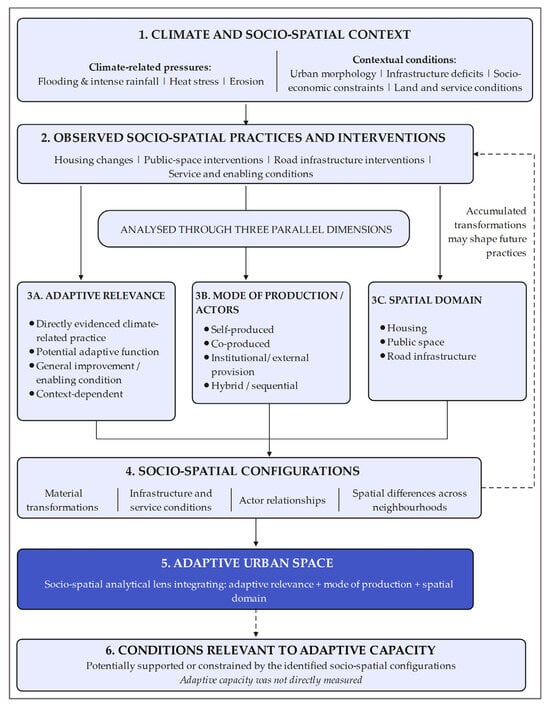
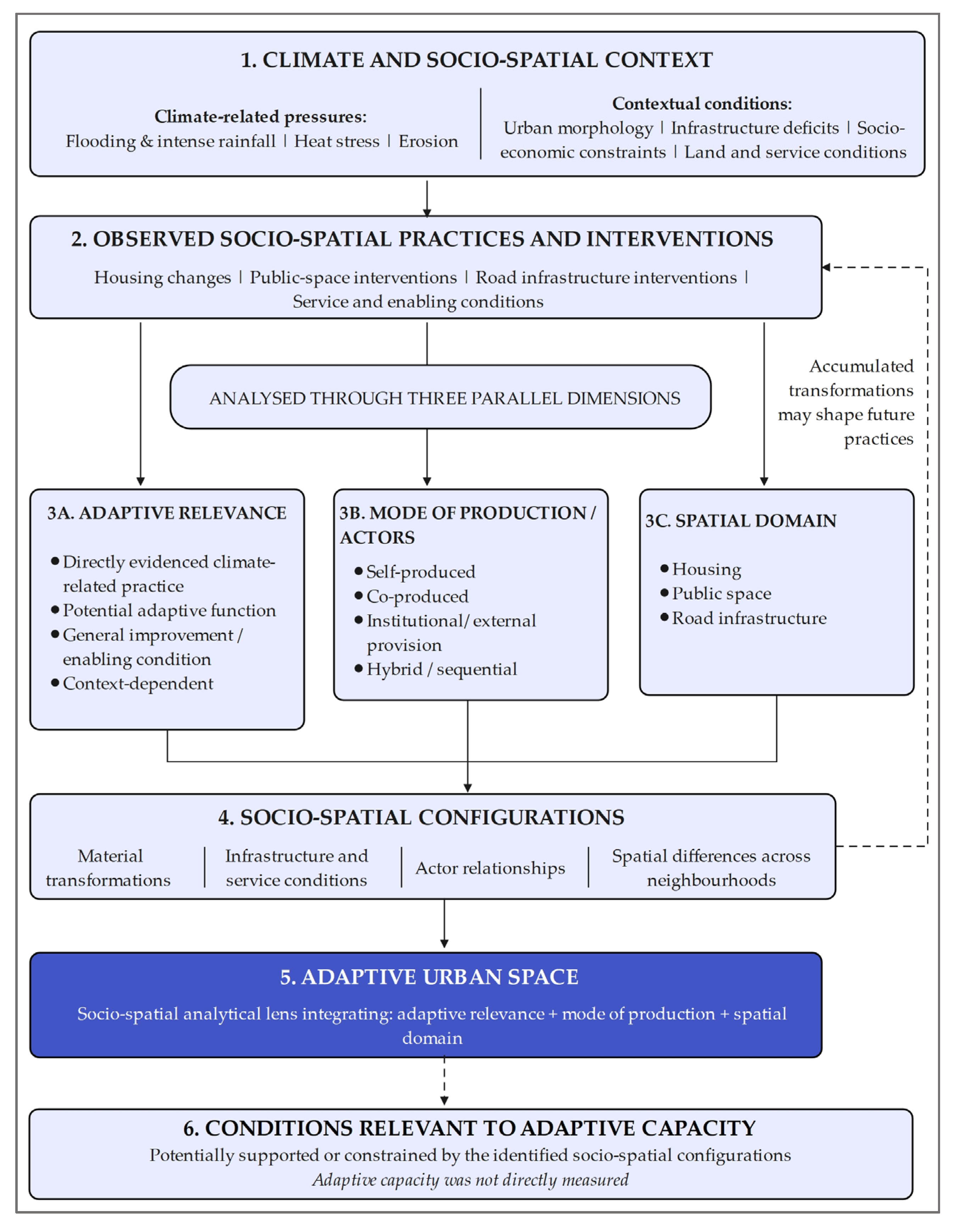
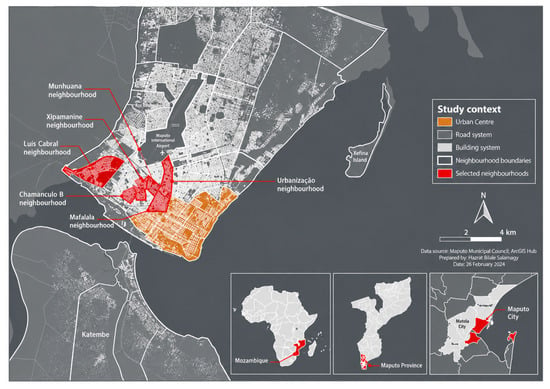
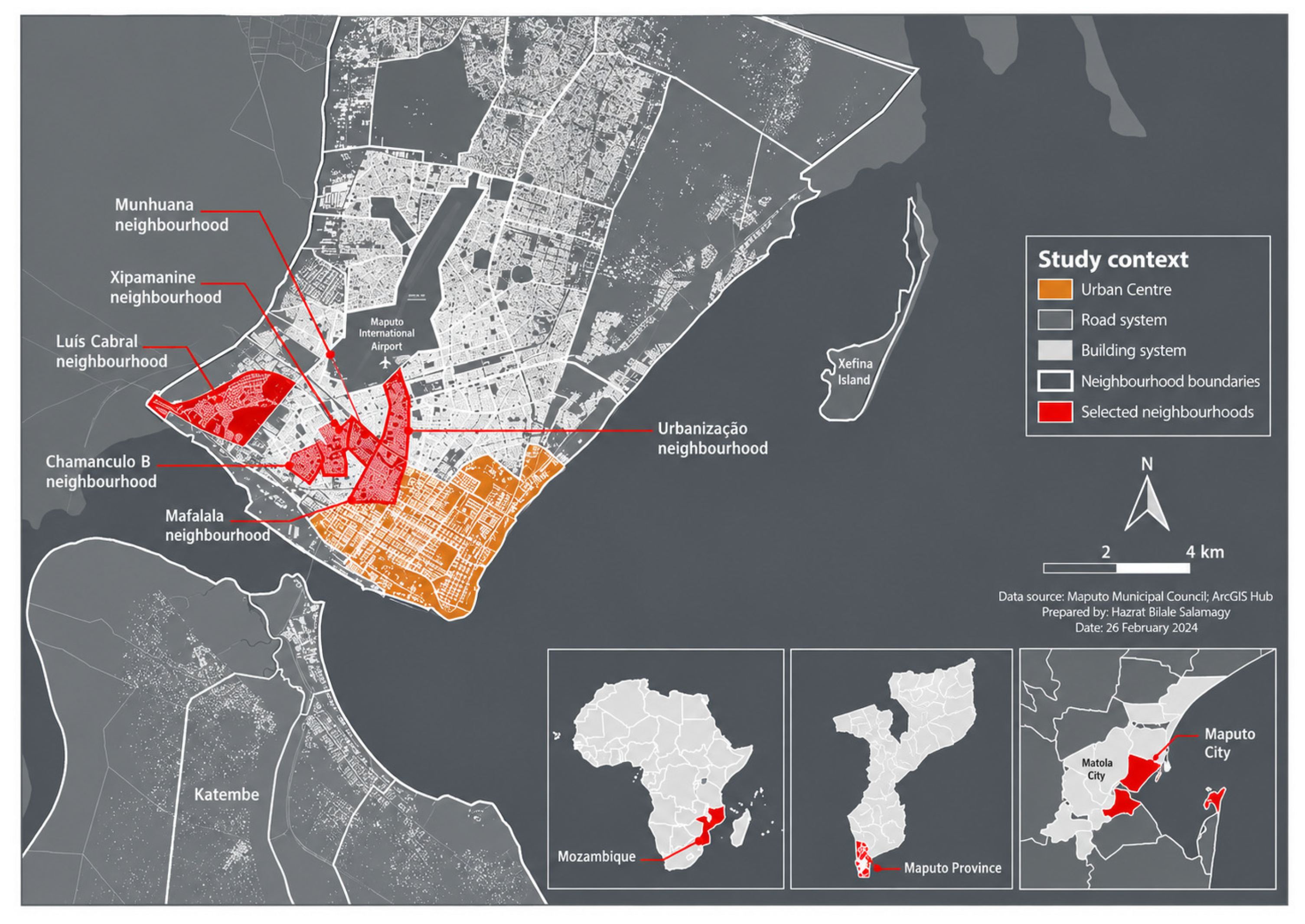
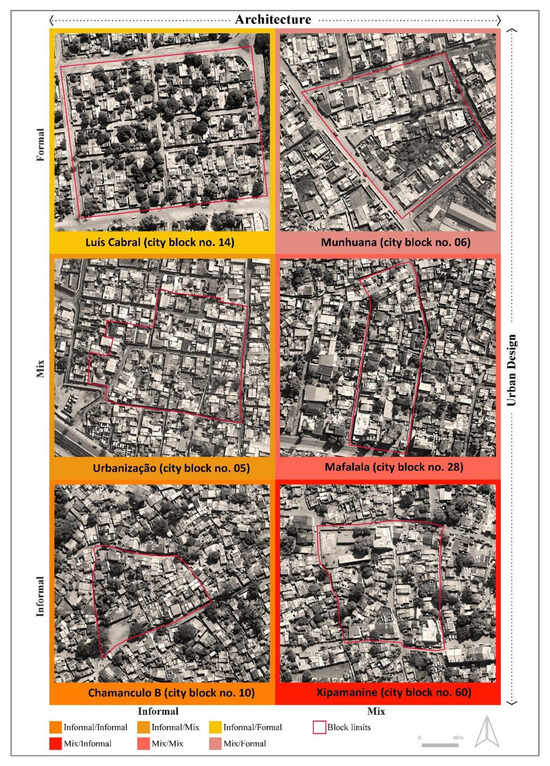
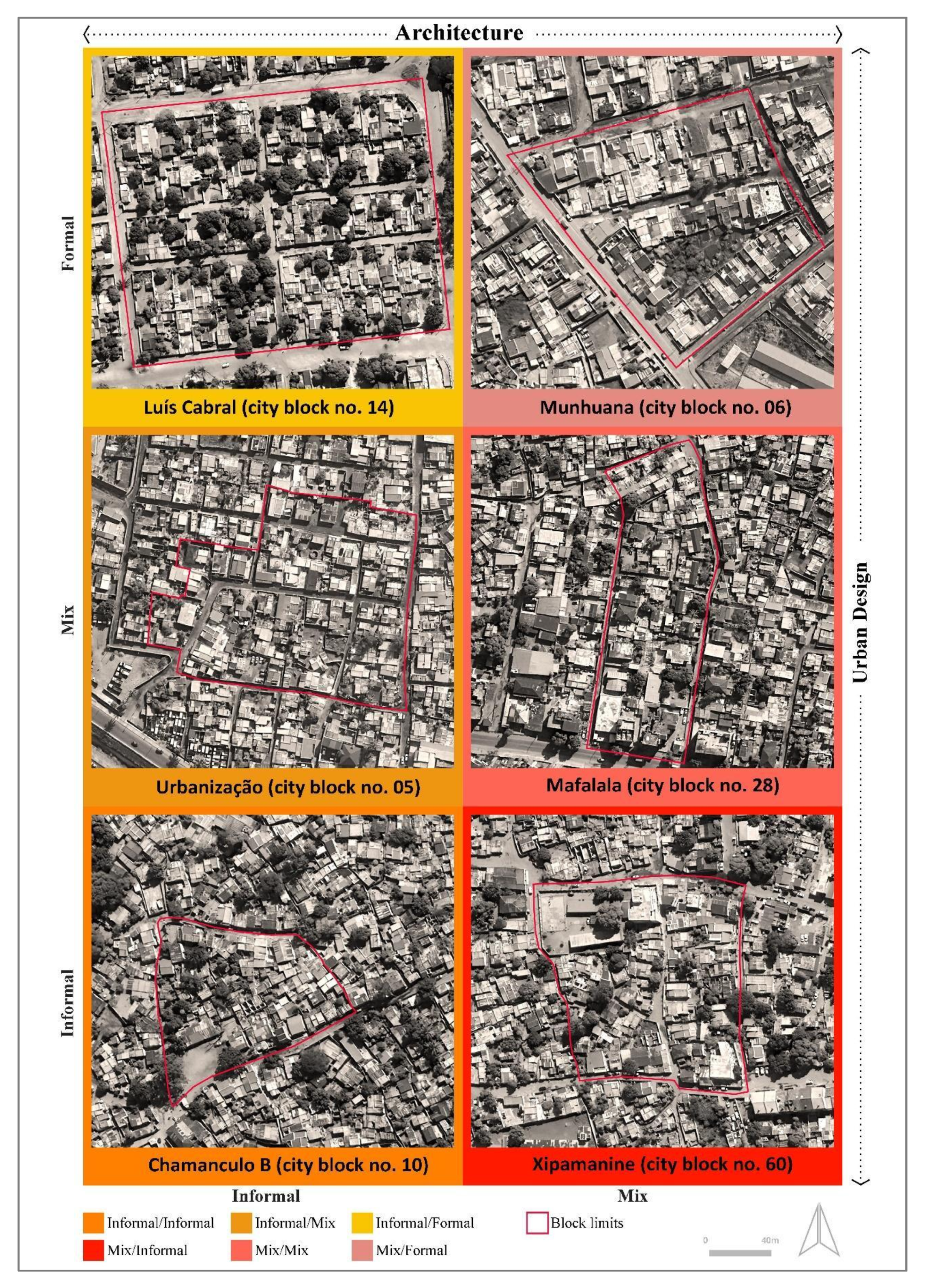
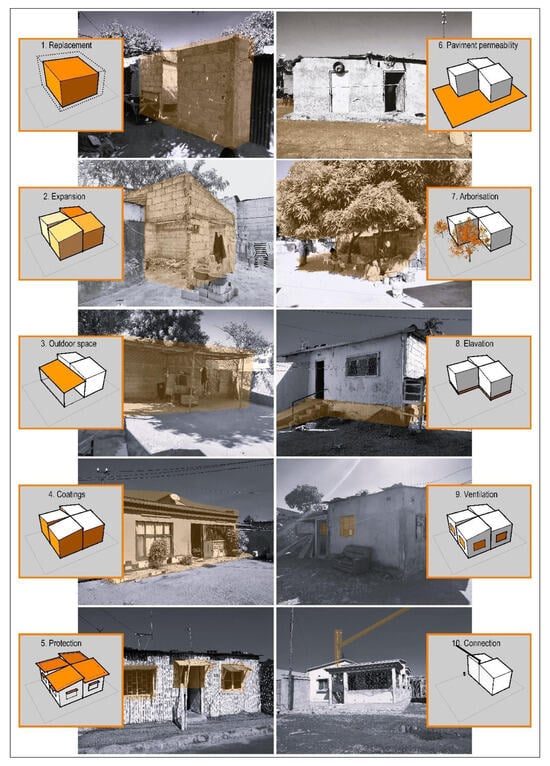
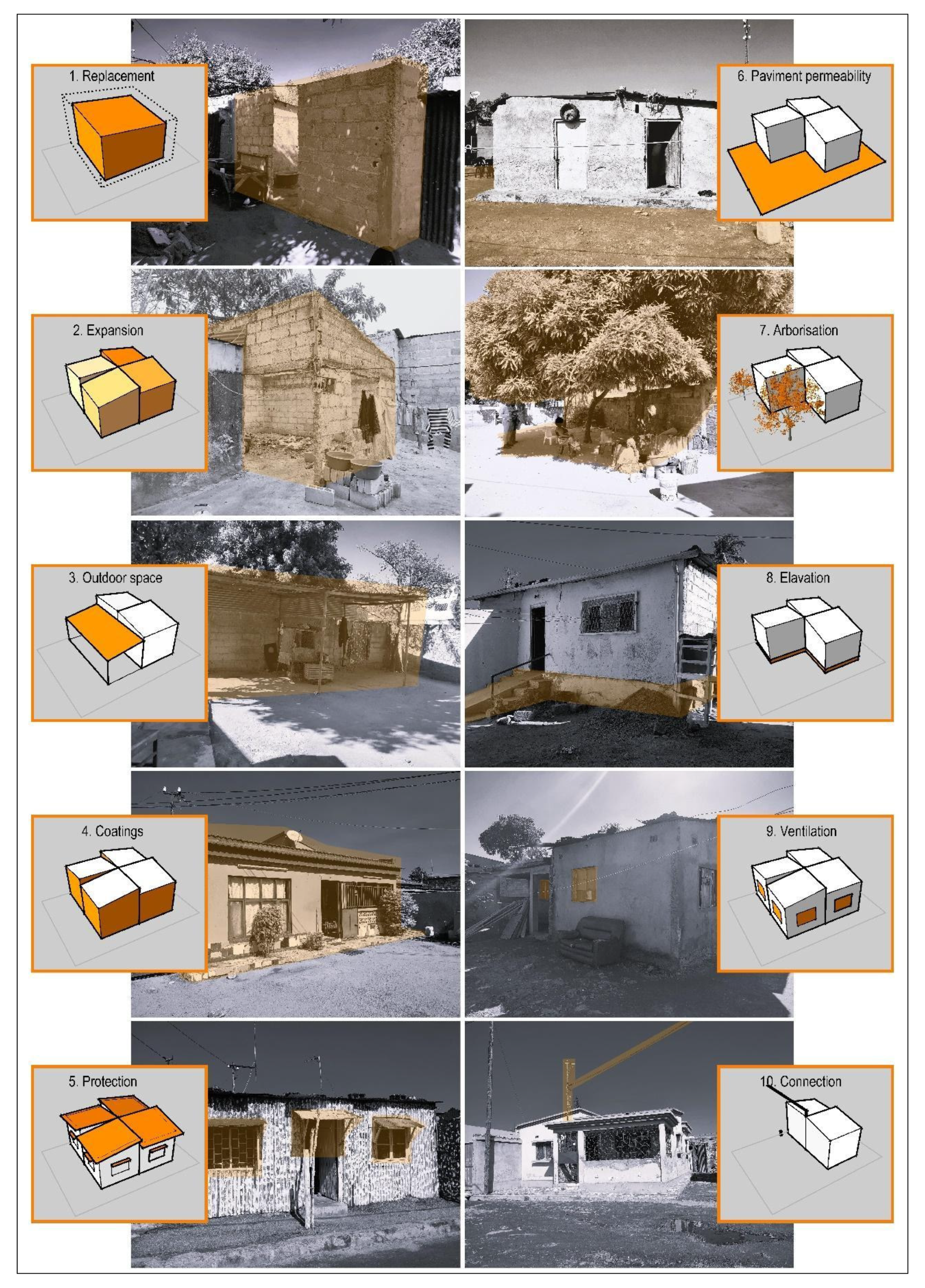
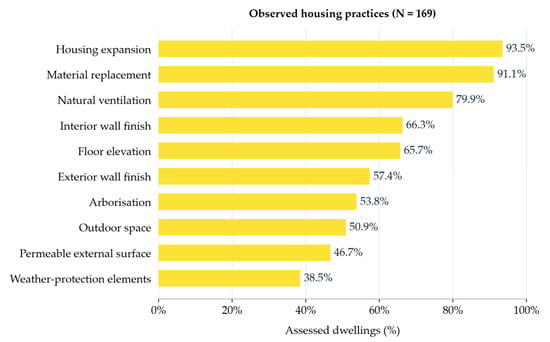
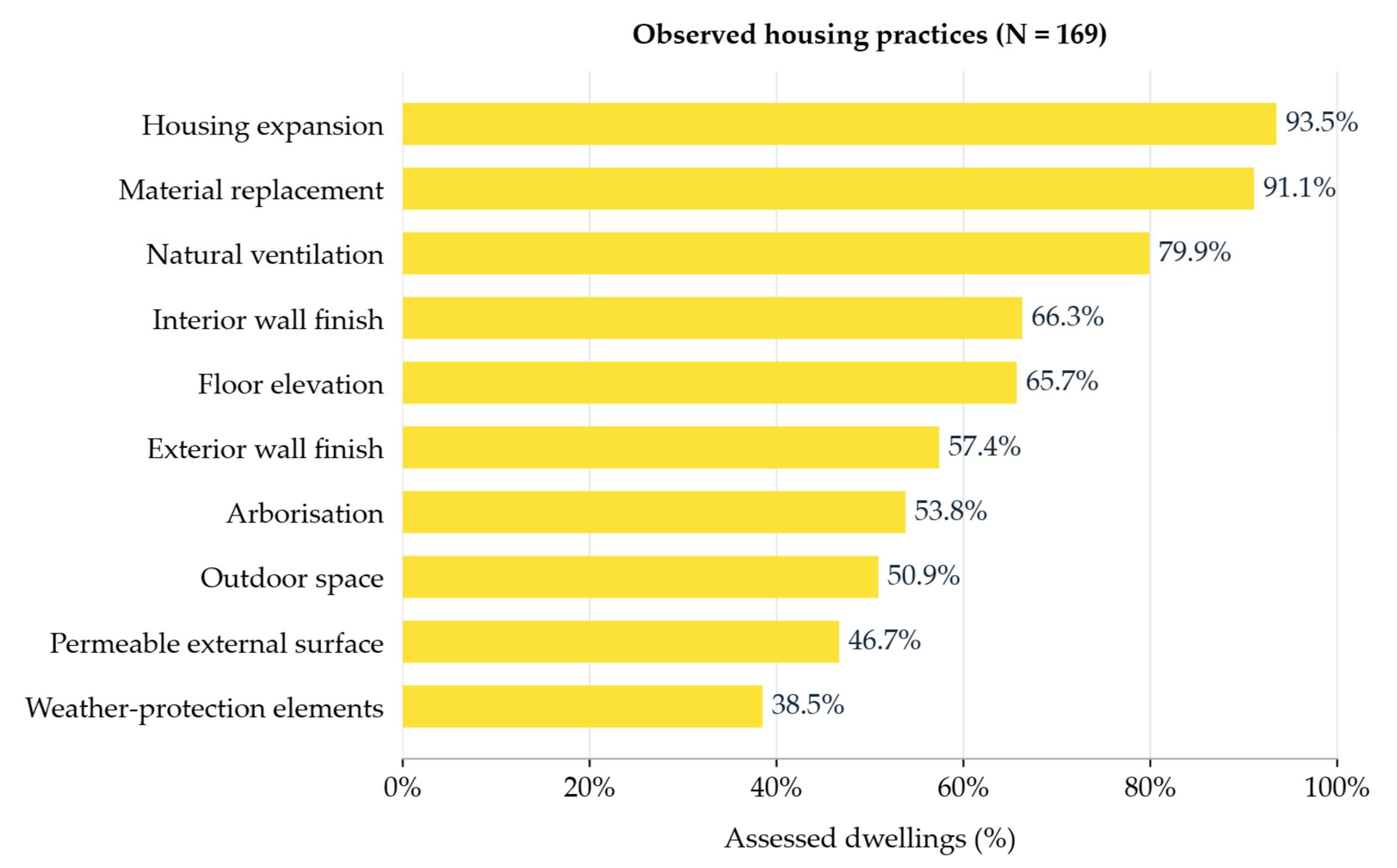
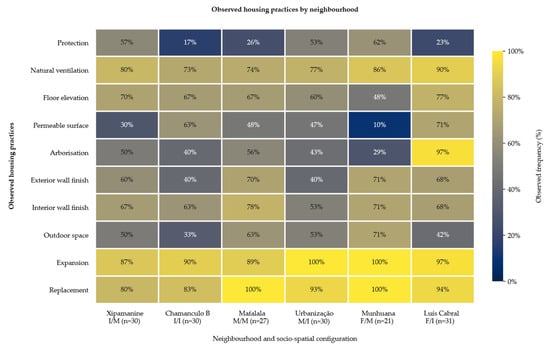
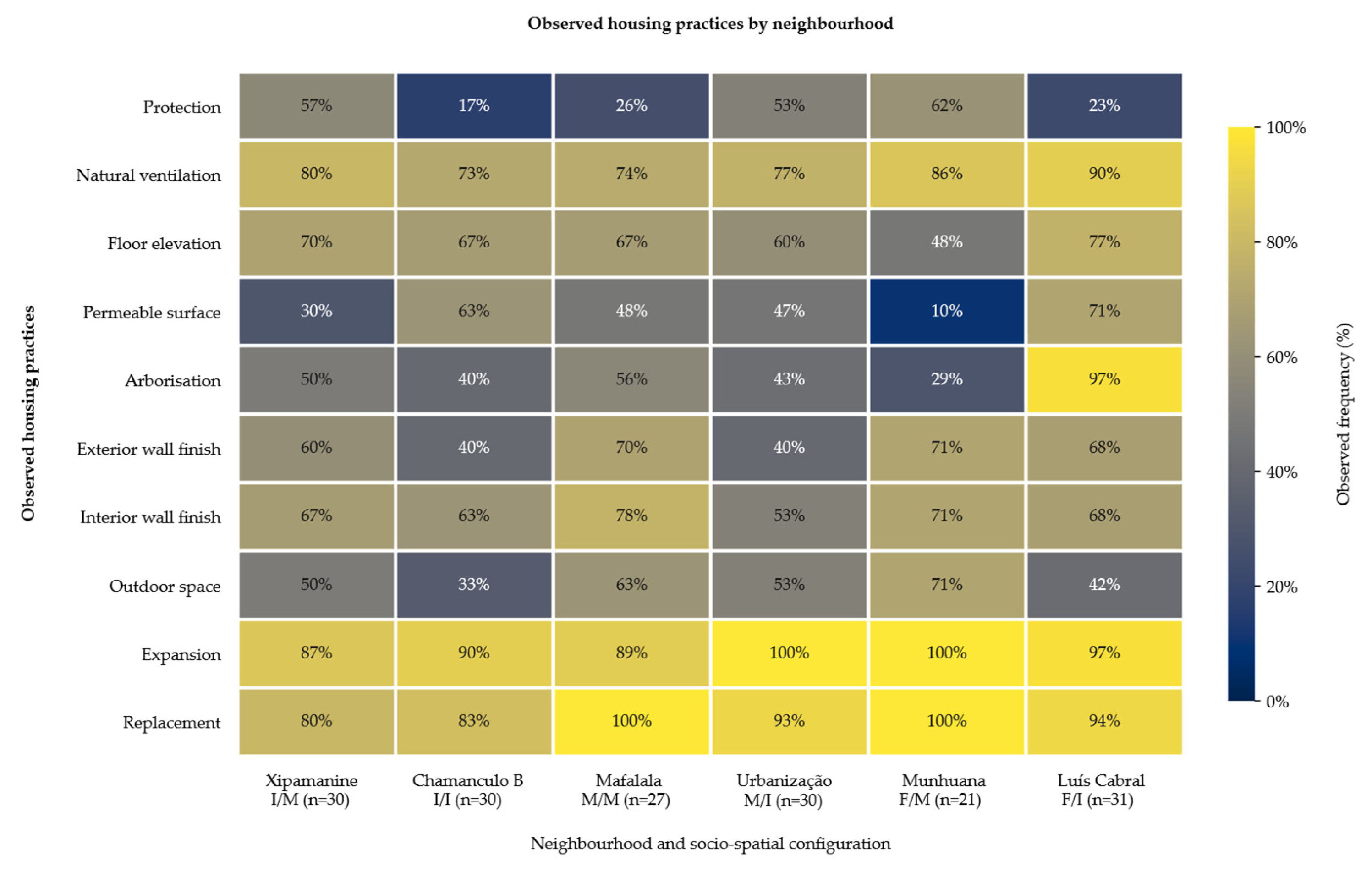
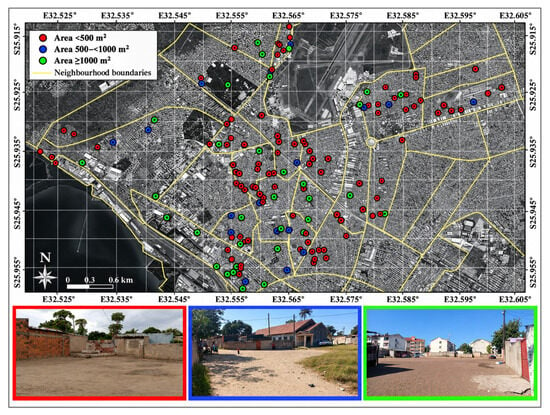
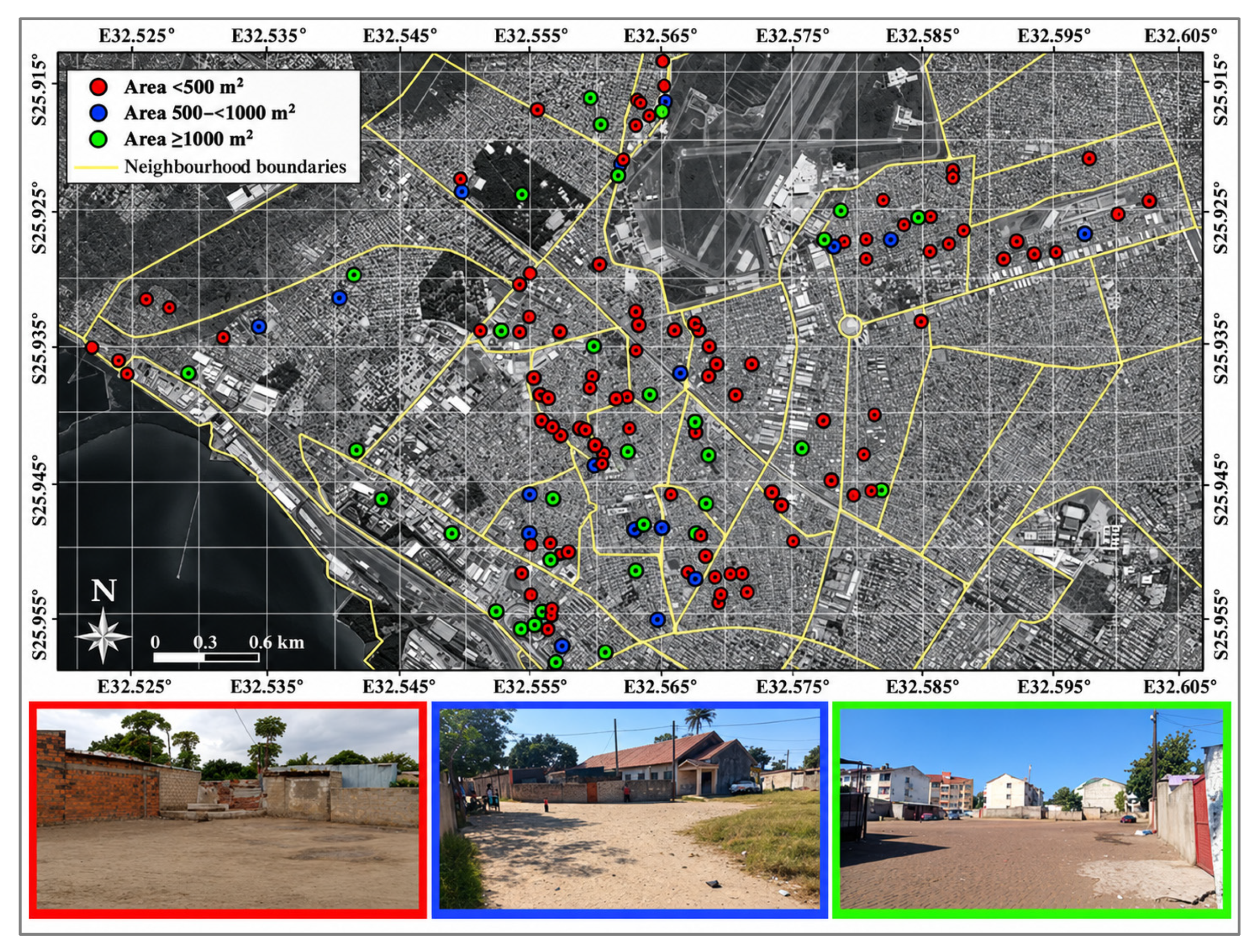
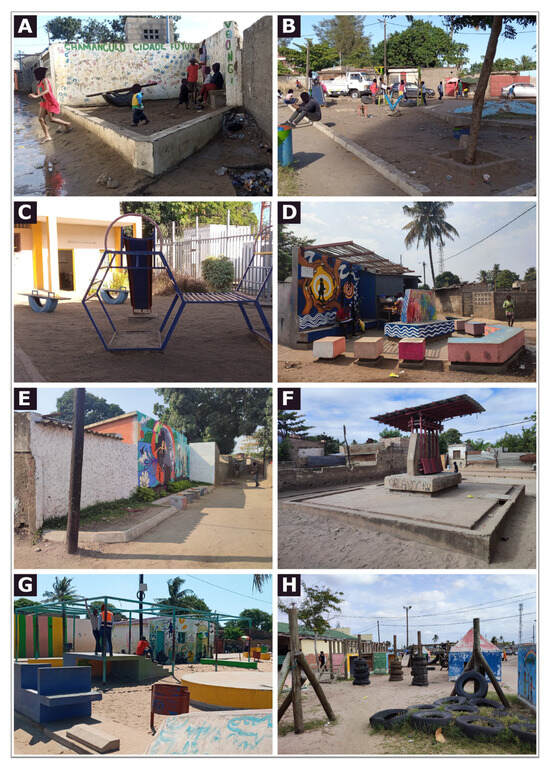
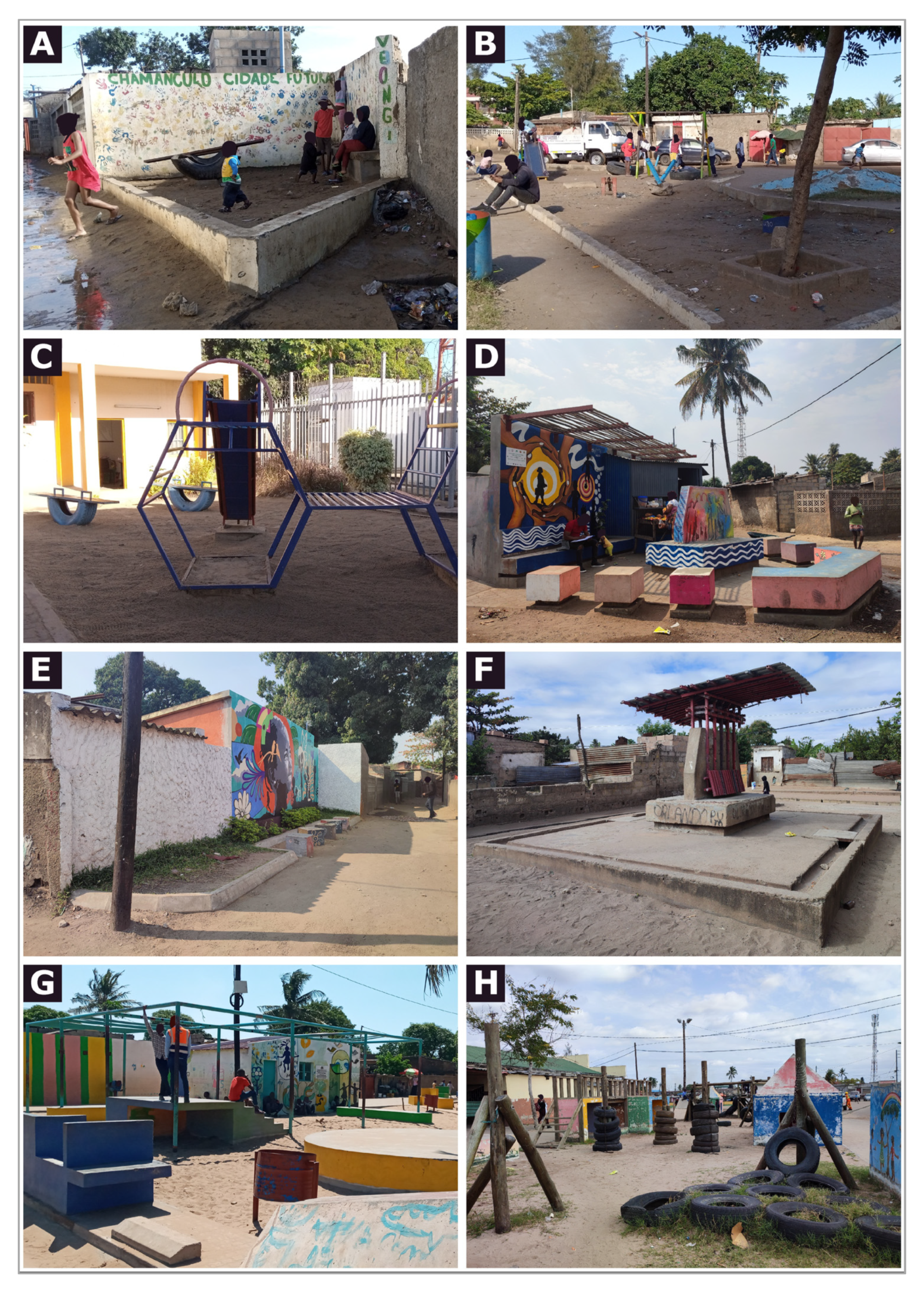
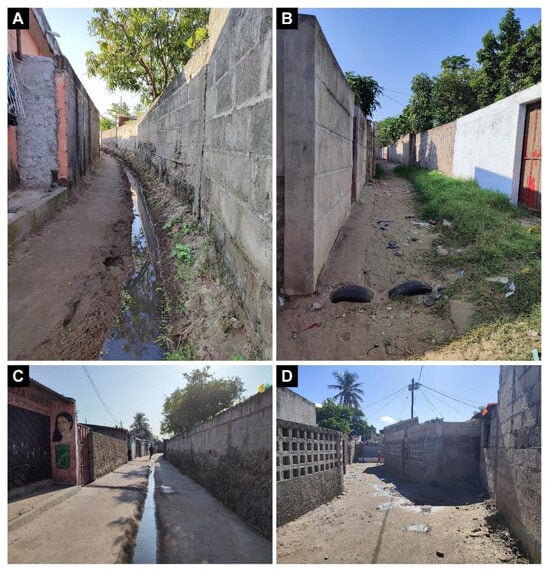
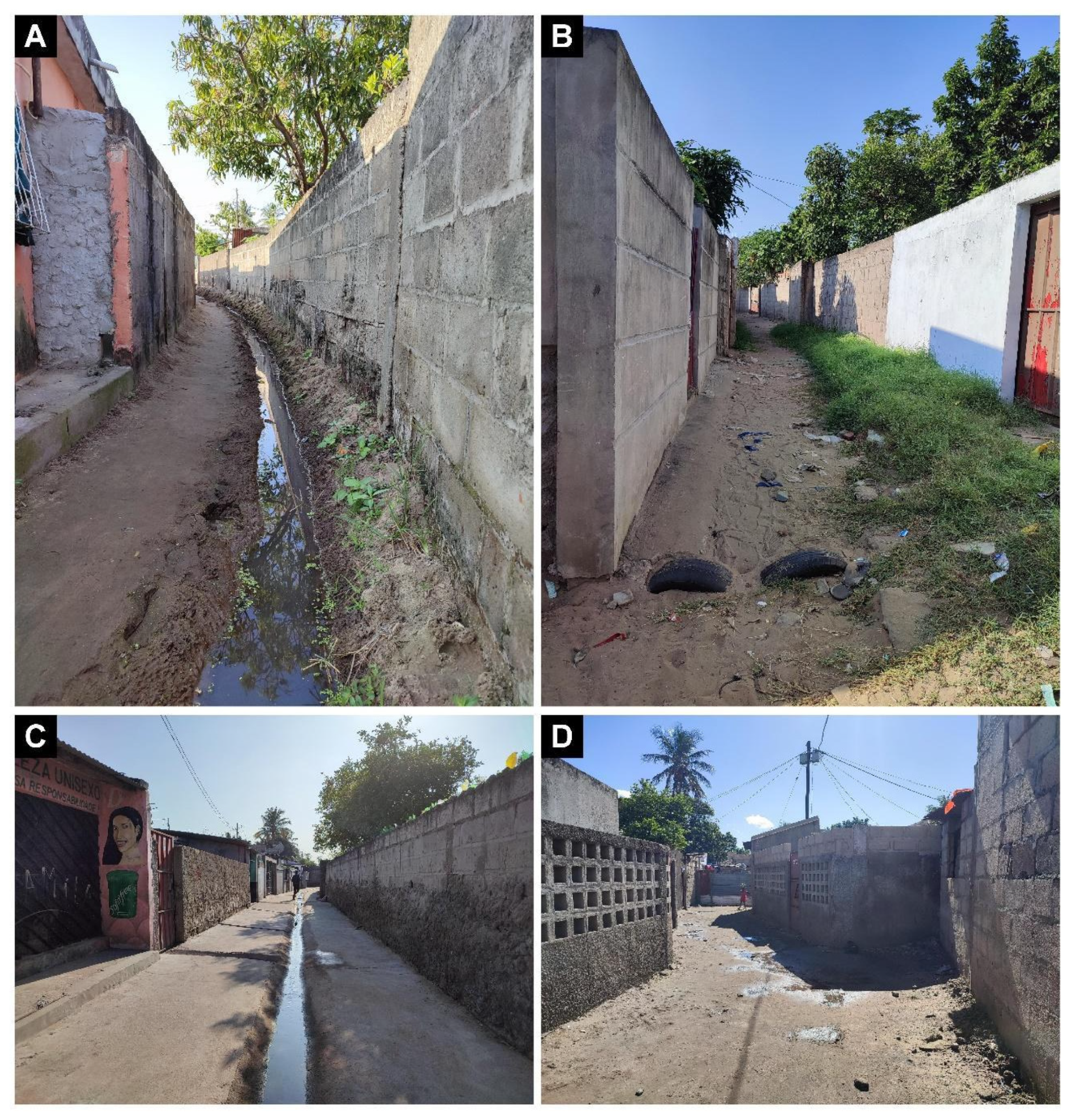

Disclaimer/Publisher’s Note: The statements, opinions and data contained in all publications are solely those of the individual author(s) and contributor(s) and not of MDPI and/or the editor(s). MDPI and/or the editor(s) disclaim responsibility for any injury to people or property resulting from any ideas, methods, instructions or products referred to in the content. |
© 2026 by the authors. Licensee MDPI, Basel, Switzerland. This article is an open access article distributed under the terms and conditions of the Creative Commons Attribution (CC BY) license.