


Abstract
Employee wellbeing is increasingly investigated in relation to physical workplace environments, yet assessment approaches remain heterogeneous across disciplines and research contexts. This review examined how employee wellbeing is operationalised and assessed in real-world workplaces and how different types of measurement are used together. A combined bibliometric and systematic review was conducted using Scopus and Web of Science, and the systematic component was reported in accordance with PRISMA 2020. The bibliometric corpus comprised 306 publications, while 19 empirical studies were included in the systematic synthesis. Self-report assessment was used in all included studies (100%), physiological measurements in 36.8%, environmental measurements in 47.4%, and formal cognitive task-based assessment in 5.3%. Ten studies (52.6%) reported more than one type of measurement; nine (47.4%) included at least two types referring to the same employees or an overlapping subgroup during concurrent or explicitly linked periods. Six studies (31.6%) reported at least three types of measurement. Considerable heterogeneity was found in the constructs, instruments, and modality combinations employed. Environmental measures primarily characterised workplace conditions or exposures, whereas physiological indicators captured complementary employee responses rather than direct measures of wellbeing. The findings highlight the need for transparent assessment approaches that distinguish measures of wellbeing from contextual, physiological, environmental, and performance-related measures and clearly report how different modalities are combined.
1. Introduction
In recent years, wellbeing, broadly associated with “living well” or “leading a good life,” has received increasing attention in academic research and policy discussions. Terms such as “wellbeing,” “happiness,” and “quality of life” are often used in related contexts and are closely associated with concepts of health and comfort [1]. The World Health Organization (WHO) defines health as “a state of complete physical, mental, and social wellbeing and not merely the absence of disease or infirmity” [2,3,4]. Similarly, the OECD framework recommends assessing subjective wellbeing through three main components: life evaluation, referring to the cognitive assessment of one’s life; affect, referring to emotional states; and eudaimonia, referring to a sense of meaning and purpose [5]. Together, these perspectives highlight the multidimensional nature of wellbeing, encompassing psychological, physical, and social dimensions.
Given that people spend a substantial proportion of their daily lives indoors [6,7], built environments, particularly workplaces, represent important settings in which wellbeing can be experienced and assessed. In response to increasing attention to occupant health and wellbeing, building standards and certification systems such as the WELL Building Standard and Fitwel, together with occupational guidance such as ISO 45003, have incorporated criteria addressing physical and psychological wellbeing in occupational and built-environment settings [8,9,10].
Interest in employee wellbeing has also increased in relation to organisational performance, sustainability, and Environmental, Social, and Governance (ESG) considerations. Organisations subject to sustainability-reporting requirements are increasingly expected to consider their social and environmental impacts on people, including aspects related to employee health and wellbeing [11]. In parallel, workplace wellbeing research has expanded beyond a predominantly risk-oriented perspective focused on negative outcomes, such as illness, injuries, and absenteeism, to include positive dimensions of employee experience and functioning. Psychological wellbeing has been positively associated with job performance [12], while broader research has highlighted the relevance of wellbeing to productive functioning and policy outcomes [13,14].
Within built-environment research, employee wellbeing is frequently investigated in relation to indoor environmental quality (IEQ), workplace design, and characteristics of the physical work environment. IEQ encompasses multiple domains, including indoor air quality (IAQ), thermal, visual, and acoustic conditions. Poor IAQ, uncomfortable temperatures, inadequate lighting, and excessive noise have been associated with health symptoms, discomfort, and reduced cognitive performance [15,16,17,18,19,20,21]. Workplace layout, visual characteristics, biophilic design features such as indoor plants and window views, and broader building conditions have also been investigated in relation to employee wellbeing [22,23,24,25].
Previous syntheses have provided important insights into the relationship between the built environment and employee health and wellbeing but have generally approached the topic from the perspective of environmental characteristics and their associations with occupant outcomes. Altomonte et al. [1] highlighted the conceptual and practical challenges involved in defining, measuring, and promoting wellbeing in the built environment. Colenberg et al. [24] systematically reviewed relationships between interior office characteristics and physical, psychological, and social wellbeing, while Bergefurt et al. [25] examined the physical office workplace as a resource for mental health and identified both workplace characteristics and the measures used in previous research. More recently, Zhang et al. [17] synthesised associations between perceived indoor environmental characteristics and mental wellbeing, cognitive performance, productivity, and satisfaction. Collectively, these contributions demonstrate both the breadth of workplace wellbeing research and the heterogeneity of constructs, outcomes, and measurement approaches employed.
Two recent reviews further clarify the various aspects investigated and the related methodologies. Jarden et al. [26] systematically reviewed wellbeing instruments developed or psychometrically validated for workers and appraised their measurement properties using the COSMIN framework (COnsensus-based Standards for the selection of health Measurement Instruments). Their review addressed the validity, reliability, and suitability of worker wellbeing instruments rather than the broader assessment architectures adopted in studies of physical workplace environments. Grasso-Cladera et al. [27] reviewed methodologies used to investigate relationships among indoor environmental quality, physiological dynamics, and psychological wellbeing in real-life built-environment contexts, with particular emphasis on physiological measurement. Although closely related to the present multimodal measurement perspective, that review encompassed multiple indoor settings and did not specifically examine how subjective, physiological, environmental/contextual, and cognitive task-based modalities are distinguished and combined within employee wellbeing assessment protocols in real-world workplaces.
Improved IEQ and green-building characteristics have been associated with outcomes such as reduced health symptoms, enhanced productivity, and improved cognitive performance [28,29,30]. However, environmental and design characteristics primarily represent exposure or contextual conditions and should be distinguished from the indicators used to assess employee wellbeing itself.
Assessing employee wellbeing is methodologically complex because the construct is multidimensional and can be operationalised through heterogeneous assessment approaches. Existing workplace studies employ a wide range of assessment methods, parameters, indicators, and tools [31,32,33,34,35,36,37,38,39,40,41,42,43,44,45,46,47,48,49]. Subjective self-report instruments are commonly used to assess psychological wellbeing, perceived health, mood, stress, satisfaction, happiness, and other dimensions of employee experience. Physiological measurements, including heart rate variability, skin conductance, blood pressure, electroencephalography, cortisol, and sleep-related indicators, can provide complementary information on bodily responses associated with wellbeing-related states [35,36,38,39,41,42,44]. Cognitive task-based assessments may characterise aspects of task-related cognitive performance while environmental monitoring, including measurements of temperature, humidity, CO2, particulate matter, noise, and illuminance, is frequently incorporated to characterise the physical conditions under which employee responses are assessed [32,35,38,41,42,43,44,47].
This review identifies the methods used to assess employee wellbeing in real-world physical workplaces and examines how self-report, physiological, environmental and cognitive task-based measures are used together. Its focus is on assessment methods, rather than on the effects of workplace characteristics on wellbeing. The review addresses the following research questions:
- Which aspects of employee wellbeing are assessed in real-world workplace studies?
- Which methods, tools, parameters, and indicators are used, and what do they measure or describe?
- How are self-report, physiological, environmental, and cognitive task-based measures used together in these studies?
A combined bibliometric and systematic review approach was used to address these questions. The bibliometric analysis provides an overview of the research landscape, while the systematic review examines the methods used in the eligible empirical studies.
2. Materials and Methods
The systematic review component of this study was reported in accordance with the PRISMA 2020 guidelines to ensure transparency in the identification, screening, eligibility assessment, and selection of studies [50]. A combined bibliometric and systematic review approach was adopted. The bibliometric analysis was used to provide a contextual overview of the broader research landscape in which workplace wellbeing assessment has developed, whereas the systematic review was used to identify and analyse the methods, parameters, indicators, and tools employed to assess employee wellbeing in real-world workplace settings.
2.1. Search Strategy and Bibliographic Dataset
The literature search was conducted in Scopus and Web of Science on 25 July 2025. The search strategy was structured around four conceptual domains: (1) workplace environments, (2) wellbeing, (3) assessment and measurement, and (4) spatial/design context. Terms within each domain were combined using the Boolean operator OR, while the four domains were combined using AND (Table 1). The inclusion of the spatial/design domain reflected the specific scope of the review, which focused on employee wellbeing assessment in relation to the physical workplace and built environment rather than on the broader organisational or occupational wellbeing literature.
Table 1.
Search strategy.
The complete database-specific search strategies were as follows:
Scopus:
(TITLE-ABS-KEY (“workplace*” OR “work place*” OR “work environment*” OR office* OR “workspace*” OR “work space*”) AND TITLE-ABS-KEY (“wellbeing” OR “well-being” OR “well being”) AND TITLE-ABS-KEY (assessment* OR measure* OR evaluation* OR metric*) AND TITLE-ABS-KEY (space* OR layout*)) AND PUBYEAR > 2015 AND PUBYEAR < 2026 AND (LIMIT-TO (DOCTYPE, “ar”) OR LIMIT-TO (DOCTYPE, “re”)) AND (LIMIT-TO (LANGUAGE, “English”) OR LIMIT-TO (LANGUAGE, “Italian”)).
Web of Science:
TS = (“workplace*” OR “work place*” OR “work environment*” OR “office*” OR “workspace*” OR “work space*”) AND TS = (“wellbeing” OR “well-being” OR “well being”) AND TS = (assessment* OR measure* OR evaluation* OR metric*) AND TS = (space* OR layout*) AND PY = (2016–2025) AND (DT = (“Article”) OR DT = (“Review”)) AND (LA = (“English”) OR LA = (“Italian”)).
The searches were restricted a priori to journal articles and reviews published between 2016 and 2025 and written in English or Italian. Because the search was conducted on 25 July 2025, publications from 2025 represent records indexed up to the search date and do not constitute a complete calendar year. Reviews were retained in the initial bibliometric corpus but were subsequently excluded during systematic screening because the systematic review component was restricted to original empirical studies.
Records retrieved from Scopus and Web of Science were exported and merged into a single dataset. DOI information was used as a matching identifier when available. Records without DOI information were retained and deduplicated using alternative bibliographic fields, including title, authors, publication year, and source. Potential cross-database duplicates with missing or discordant DOI strings were resolved using these bibliographic fields. The initial search yielded 502 records. Before screening, 195 duplicate records were removed. One additional record, indexed as an article but corresponding to a book chapter, was removed because it did not meet the predefined publication-type criterion. The resulting bibliographic corpus comprised 306 unique publications. This dataset was used both for the bibliometric analysis and as the starting dataset for systematic screening. The complete 306-publication bibliographic corpus is provided in Supplementary Table S1.
2.2. Bibliometric Analysis
Bibliometric analysis was conducted on the 306-publication corpus to characterise the temporal, geographical, disciplinary, journal-level, and thematic structure of research at the intersection of workplace environments, wellbeing, assessment, and spatial/design research.
Microsoft Excel was used for database cleaning and harmonisation and for descriptive analyses of publication year, country, disciplinary category, and journal. Publications from 2025 were retained and displayed separately for completeness but were excluded from interpretation of the temporal publication trend because the search was conducted in July 2025 and therefore represented an incomplete publication year.
Country/territory-level publication patterns were based on the corresponding-author affiliation. For counting purposes, each publication was assigned to a single country/territory, including publications involving co-authors from multiple countries. The indexed correspondence address was used when available; where this information was unavailable, indexed affiliation information was used, with manual bibliographic verification for unresolved cases. Country/territory labels were harmonised to merge equivalent labels and remove formatting variants. Countries/territories contributing at least three publications were retained for graphical representation. For the regional summary presented in Section 3, countries/territories were grouped into North America, South America, Europe, Asia, Oceania, and Africa, with Australia and New Zealand grouped under Oceania. Disciplinary classification was conducted at journal level. Each journal was assigned a single harmonised disciplinary category based on the subject classifications provided by Scopus and Web of Science. Where multiple database-specific subject categories were available, a single primary category was retained during the data-harmonisation process so that each journal contributed once to the disciplinary analysis. The same harmonised category was then applied consistently to all publications from that journal. Categories represented by at least two publications were retained for graphical representation. Journal names were similarly harmonised where necessary to account for alternative naming conventions across databases, and journals contributing at least three publications were retained for graphical representation. Verification of the bibliometric outputs is provided in Supplementary Table S2.
Author-keyword co-occurrence analysis was conducted in VOSviewer, version 1.6.20 [51], using the full-counting method. Author keywords were selected as the unit of analysis, and a minimum occurrence threshold of three publications was applied. Before construction of the final network, keywords were harmonised by the authors using a thesaurus to merge spelling and hyphenation variants, abbreviations, singular and plural forms, and closely equivalent lexical variants, while conceptually distinct terms were retained separately. Examples included “well-being” and “wellbeing”, “IAQ” and “indoor air quality”, “IEQ” and “indoor environmental quality”, “daylighting” and “daylight”, “offices” and “office”, “office buildings” and “office building”, and alternative forms of “post-occupancy evaluation”. Network construction used association-strength normalisation. Clustering was performed using the default VOSviewer resolution of 1.00 and a minimum cluster size of one. All keywords meeting the predefined occurrence threshold were retained. The resulting algorithmic clusters were subsequently interpreted descriptively on the basis of their dominant terms and conceptual relationships and were considered in relation to broader thematic domains. Bibliometric analyses were intended to provide a descriptive mapping of the broader research landscape rather than to assess the effectiveness of workplace interventions or establish causal relationships among workplace characteristics, employee responses, and wellbeing outcomes. Accordingly, temporal trends, publication distributions, and keyword co-occurrence patterns were interpreted descriptively. Further details on keyword harmonisation and network analysis settings are provided in Supplementary Table S5.
2.3. Systematic Review and Study Selection
The 306 unique publications comprising the bibliometric corpus constituted the starting dataset for the systematic review. The bibliometric analysis was conducted on the complete 306-publication corpus, whereas the systematic review provided a focused methodological synthesis of the 19 empirical studies that met the eligibility criteria. Study selection was conducted in two sequential phases independently by two reviewers using predefined eligibility criteria. Eligibility decisions at both stages were agreed through discussion.
During the first phase, titles and abstracts were screened to identify original empirical studies investigating employee wellbeing and its assessment within workplace settings. Studies were considered potentially eligible when they involved workers or employees; examined physical, psychological, social, or work-related dimensions relevant to employee wellbeing in relation to a workplace context; and reported assessment methods or measurement approaches relevant to these dimensions.
Records were excluded during title and abstract screening when they were conducted exclusively in laboratory or simulated environments; focused exclusively on remote work, teleworking, or working from home; did not directly assess physical, psychological, social, or work-related dimensions relevant to employee wellbeing; did not involve workers or employees; or represented publication types outside the empirical scope of the systematic review, including reviews and other non-empirical publications.
During the second phase, full texts of potentially eligible reports were retrieved through available university library services and assessed against the predefined eligibility criteria. Reports for which the full text could not be retrieved were recorded as unavailable.
To be included in the final systematic analysis, studies were required to include at least one employee-level assessment relevant to wellbeing with an identifiable methodological basis, such as an established or previously described self-report instrument, an adaptation explicitly traceable to such a basis, or an established or standardised physiological or cognitive task-based assessment of an employee response relevant to wellbeing. Study-specific measures could be retained when adequately described but did not independently determine eligibility. Environmental measurements and employee ratings of workplace conditions did not, by themselves, satisfy this eligibility criterion. Studies were excluded when the only potentially qualifying employee-level assessment consisted of newly developed ad hoc questions or measures without a traceable methodological basis.
Studies were excluded at full-text assessment if they did not specifically assess employee wellbeing; did not include an empirical assessment component in a real-world workplace context; involved only students or other non-worker populations; or relied exclusively on insufficiently specified ad hoc indicators such that the wellbeing construct and its assessment approach could not be clearly identified. The methodological status of the instruments was recorded during data extraction. The numbers of records identified, screened, assessed for eligibility, excluded with reasons, and ultimately included in the systematic review were documented using the PRISMA 2020 flow diagram and are reported in Section 3. The completed PRISMA 2020 checklist is provided in the Supplementary Materials. The complete screening and eligibility log is provided in Supplementary Table S3.
2.4. Data Extraction, Classification and Synthesis
Data from each study included in the systematic review were extracted using a structured framework specifically designed to characterise how employee wellbeing was operationalised and assessed. Data extraction and classification were conducted collaboratively by two reviewers, with decisions agreed through discussion.
Extracted information included study location; study objective or relationship investigated; study duration; sample size and participant characteristics; workplace setting; study design; assessment methods; measured wellbeing dimensions; parameters and indicators; measurement tools and instruments; relevant workplace or environmental factors; comparison conditions, where applicable; and reported outcomes. Established or previously described instruments were distinguished descriptively from modified, adapted, study-specific, or non-established measures. This classification was used to quantify the extent and patterns of co-occurrence and combination of assessment modalities within individual publications; it did not imply that data from different modalities were necessarily integrated analytically. The review recorded which instruments were used and which types of measurement were reported in each publication; it did not evaluate or rank the instruments’ psychometric properties. For studies included in the systematic review, country referred to the location of the empirical study rather than author affiliation. This differed from the bibliometric geographical analysis, in which publications were assigned according to the country of affiliation of the corresponding author.
Assessment measures were classified according to their methodological role within each study into four principal modalities. Subjective or self-reported measures comprised wellbeing, psychological health, stress, mood, satisfaction, perceived health, social constructs, self-reported productivity or work performance, and other employee-reported questionnaires, scales, diaries, or items. Physiological measures comprised cardiovascular, neurophysiological, endocrine, electrodermal, sleep-related, and other indicators of employee bodily responses. Environmental or contextual measures comprised objective measurements of workplace conditions, including temperature, humidity, CO2, particulate matter, volatile organic compounds, noise, air velocity, and illuminance. Cognitive task-based measures comprised formal cognitive or performance tasks administered to participants, such as tasks assessing attention or executive function.
This classification explicitly distinguished the methodological role of each modality. Subjective instruments represented the principal means of directly assessing employees’ perceived or experienced wellbeing-related constructs and also included other employee-reported outcomes relevant to the study objectives. Physiological measurements provided complementary information on bodily responses. Environmental measurements characterised workplace exposures or contextual conditions and were therefore not treated as direct measures of wellbeing. Cognitive task-based measures provided complementary information on task-related performance and were distinguished from self-reported productivity or performance, which were classified as subjective measures.
For descriptive synthesis, measures within each modality were additionally grouped into broader assessment domains according to the type of construct or response assessed. Self-reported variables were grouped by content into four broad categories: psychological, physical/health-related, social/relational, and work-related. These categories were used to organise the variables assessed in the studies, not to define dimensions of employee wellbeing. Supplementary Table S4 distinguishes variables used to assess wellbeing from those describing perceived workplace conditions or other potential influences on wellbeing, and from those assessing performance. Variables within the same category should therefore not all be interpreted as direct measures of wellbeing. Physiological measures were grouped into cardiovascular responses, neurophysiological/electrodermal responses, endocrine responses, and sleep or other physiological states. Environmental measurements were grouped into indoor air quality, thermal conditions, and visual or acoustic conditions. Formal cognitive task-based measures were grouped under cognitive performance. For domain-level frequencies, each study was counted once within a given domain, irrespective of the number of individual indicators or instruments used to assess that domain. Because individual studies could contribute to more than one domain, domain-level frequencies were not mutually exclusive and were therefore not expected to sum to the total number of included studies.
Each publication was classified according to the combination of measurement types it reported: self-report, physiological, environmental and cognitive task-based measures. Each publication contributed to one combination only, regardless of whether the measurements referred to the same employees or assessment periods. We also recorded whether at least two types of measurement referred to the same employees, or to an identifiable overlapping subgroup, during concurrent or explicitly linked assessment periods. This was termed participant-aligned multimethod assessment. In publications with several study components, this criterion could be met within an individual component. Meeting the criterion did not imply that all measurements reported in the publication referred to the same participants or were analysed together (Section 3; Supplementary Table S4).
Within studies classified as environmental/contextual, the temporal characteristics of environmental measurement were additionally recorded. Continuous or repeated monitoring was distinguished from single-point or audit-based environmental assessment where this information was explicitly reported.
A narrative and descriptive synthesis was conducted across the final sample of 19 included studies. Frequencies and proportions were calculated for assessment modalities, assessment domains, indicators, instruments, and modality combinations. The synthesis distinguished the types of measurement reported in each publication from their use with the same employees during concurrent or explicitly linked assessment periods.
Comparison conditions and reported associations or effect estimates were recorded where relevant to characterising individual studies; however, they were not used to derive pooled intervention effects. No meta-analysis was conducted because the aim of the review was to characterise assessment methodologies rather than intervention effectiveness, and because the included studies showed substantial heterogeneity in wellbeing constructs, measurement instruments, samples, workplace contexts, study designs, durations, and comparison conditions. Consequently, the synthesis focused on methodological patterns, measurement coverage, publication-level modality combinations, and participant alignment rather than on pooled effect magnitude or causal inference.
A formal risk-of-bias, methodological quality, or psychometric quality appraisal was not undertaken because such judgements were not required to address the review questions, which focused on the presence, characteristics, and combination of assessment methodologies rather than on estimates of intervention effectiveness or causal effects. Accordingly, frequencies of assessment methods, instruments, and modality combinations were interpreted descriptively and were not treated as indicators of methodological quality, psychometric validity, reliability, appropriateness, or superiority. Detailed screening decisions, operational coding rules, study-level modality assignments, and bibliometric harmonisation procedures are provided in the Supplementary Materials.
The review was not registered, and no formal review protocol was prepared.
During manuscript preparation, generative artificial intelligence (ChatGPT 5.6 Sol, OpenAI) was used to assist with translation, language refinement, and text restructuring. All scientific decisions, data extraction, classification, analyses, and interpretation of results were performed by the authors.
3. Results
The results are presented in two complementary stages. First, the bibliometric analysis describes the broader research landscape identified by the search strategy. Second, the systematic review focuses on the 19 eligible empirical studies and examines how employee wellbeing was operationalised and assessed in workplace research.
3.1. Bibliometric Characteristics of the Research Landscape
3.1.1. Annual Publication Trend
The temporal analysis showed a progressive increase in publication activity over the period examined. Between 2016 and 2024, 265 publications were identified, increasing from 6 papers in 2016 to 57 in 2024. Publication activity increased notably from 2020 onwards, with 33 publications in 2020, 37 in 2021, 39 in 2022, 45 in 2023, and 57 in 2024 (Figure 1).
Figure 1.
Annual publication counts (2016–2025). Source: Authors’ own elaboration.
An additional 41 publications were identified for 2025. These records were retained in the overall bibliometric corpus and are shown separately in Figure 1 for completeness. Because the literature search was conducted on 25 July 2025, the 2025 publication count represents only a partial year and was therefore excluded from the interpretation of the temporal trend.
3.1.2. Geographical Distribution
The geographical analysis retained countries/territories contributing at least three publications, resulting in 276 publications distributed across 28 countries/territories (Figure 2).
Figure 2.
Geographical distribution of publications. Source: Authors’ own elaboration.
The United States contributed the largest number of publications (n = 50), followed by the United Kingdom (n = 37), Italy (n = 21), Australia (n = 19), China (n = 16), and Spain (n = 14). Canada and India each contributed nine publications; Japan and Malaysia eight each; and the Netherlands, Singapore, and South Korea seven each. The remaining countries/territories each contributed between three and six publications. Within this subset, Europe accounted for 110 publications (39.9%), followed by Asia with 74 (26.8%), North America with 59 (21.4%), Oceania with 24 (8.7%), and South America with nine (3.3%). No African country reached the predefined threshold of three publications. Overall, the distribution indicates broad international contributions to research on workplace wellbeing assessment, with the largest shares associated with corresponding-author affiliations in Europe, Asia, and North America.
3.1.3. Disciplinary Categories and Journals
After application of the minimum threshold of two publications per disciplinary category, 304 publications were represented across 15 harmonised categories (Figure 3). Construction and Building was the most frequently represented category (n = 77, 25.3%), followed by Public, Environmental and Occupational Health (n = 49, 16.1%), Medicine and Veterinary (n = 32, 10.5%), Environmental Sciences (n = 22, 7.2%), and Psychology (n = 20, 6.6%). Additional representation was observed in Social Science (n = 17), Business and Management (n = 15), Architecture and Urban Studies and Landscape, Planning, Forestry and Geography (n = 14 each), Multidisciplinary Sciences (n = 12), Computer Science (n = 10), Physics (n = 9), Engineering (n = 8), Transportation (n = 3), and Neuroscience (n = 2). The distribution demonstrates the multidisciplinary character of the literature identified by the search strategy.
Figure 3.
Distribution of publications by journal research category and disciplinary scope. Source: Authors’ own elaboration.
At journal level, application of the minimum threshold of three publications retained 113 publications distributed across 14 journals (Figure 4). Building and Environment was the most frequently represented journal (n = 31), followed by the International Journal of Environmental Research and Public Health (n = 14), Sustainability (n = 11), Buildings (n = 10), Energy and Buildings (n = 8), and Urban Forestry & Urban Greening (n = 6). The remaining journals each contributed between three and five publications.
Figure 4.
Distribution of publications by journal. Source: Authors’ own elaboration.
3.1.4. Author-Keyword Co-Occurrence
The author-keyword co-occurrence analysis was conducted on the full bibliometric corpus of 306 publications. Following thesaurus harmonisation and application of the minimum occurrence threshold of three publications, 68 keywords were retained in the final network (Figure 5). The resulting network comprised 283 links with a total link strength of 367.
Figure 5.
Author-keyword co-occurrence network for research on workplace, wellbeing, assessment, and spatial/design contexts. Source: Authors’ own elaboration.
VOSviewer identified nine algorithmic keyword clusters. At a broader interpretive level, the dominant terms and conceptual relationships across the network were descriptively considered in relation to three interconnected thematic areas: workplace wellbeing, health and performance; indoor environmental quality and comfort; and workplace design and the built environment. These broader thematic areas represent an author-level descriptive interpretation and do not correspond one-to-one to the algorithmic clusters.
Prominent wellbeing, health, and work-related terms included wellbeing, workplace, mental health, health, COVID-19, productivity, resilience, stress, performance, job satisfaction, and public health. Environmental and comfort-related terms included thermal comfort, indoor environmental quality, indoor air quality, daylight, visual comfort, acoustic comfort, noise, occupant satisfaction, and post-occupancy evaluation. Design- and built-environment-related terms included office building, office environment, built environment, workplace design, biophilic design, green space, neuroarchitecture, and sustainability.
Among the most frequently occurring keywords were wellbeing (n = 43), workplace (n = 20), thermal comfort (n = 19), indoor environmental quality (n = 17), COVID-19 and indoor air quality (n = 16 each), mental health (n = 15), and health (n = 14).
The resulting network illustrates the thematic proximity of wellbeing-related, environmental, and design-oriented research. Because keyword co-occurrence represents the frequency with which terms appear together within publications, links between nodes should not be interpreted as evidence of causal relationships.
3.2. Study Selection and Characteristics
A total of 502 records were identified through database searching, including 263 records from Scopus and 239 from Web of Science. Before screening, 195 duplicate records and one record corresponding to an ineligible publication type were removed, leaving 306 unique records for title and abstract screening. Following title and abstract screening, 275 records were excluded and 31 reports were sought for retrieval. One report could not be retrieved, leaving 30 reports for full-text eligibility assessment. Eleven reports were excluded at full-text assessment because they did not provide a workplace-specific employee wellbeing assessment or a separable employee-level wellbeing outcome (n= 6), were conducted exclusively in a laboratory setting (n = 1), or relied exclusively on newly developed ad hoc questions or questionnaires without an established or adequately documented measurement basis for the direct employee-level wellbeing assessment (n = 4). Nineteen studies met the eligibility criteria and were included in the systematic review (Figure 6).
Figure 6.
PRISMA 2020 flow diagram of the study selection process. Source: Authors’ own elaboration.
The 19 included studies were published between 2016 and 2025 and covered workplace settings in Europe, Asia, North America, and Australia. Among studies reporting a single overall analytic sample, sample sizes ranged from 11 to 2335 participants. Study designs and sampling structures varied considerably, including cross-sectional surveys, repeated assessments, and studies comprising multiple component-specific subsamples. Assessment periods ranged from single-session field studies to investigations extending over approximately one year.
The studies were conducted in a variety of workplace contexts, including open-plan offices, activity-based workplaces, shared and cellular offices, healthcare workspaces, high-rise offices, underground workplaces, and offices characterised by specific environmental or material conditions. Several studies incorporated controlled comparisons or experimental components alongside or within assessments conducted in real workplace environments. The main study characteristics and assessment methods are summarised in Table 2, while detailed study-level information is provided in Supplementary Table S6.
Table 2.
Characteristics and assessment methods of the studies included in the systematic review.
3.3. Assessment Modalities Used to Evaluate Employee Wellbeing
Subjective or self-reported assessment was used in all 19 included studies (100%). This modality comprised established questionnaires and scales as well as adapted or study-specific items and self-assessment diaries. Self-reported measures addressed psychological wellbeing, perceived health, mood, stress, satisfaction, happiness, fatigue, social relationships, work-related experiences, and perceived productivity or performance.
Seven studies (36.8%) complemented self-reported assessment with physiological measurements. Physiological indicators included heart rate and heart rate variability, blood pressure, electroencephalographic activity, skin conductance, salivary and hair cortisol, pupil response, body or skin temperature, and sleep-related measures. Cardiovascular responses, particularly heart rate and heart rate variability, represented the most recurrent group of physiological indicators.
Objective environmental measurements were reported in nine studies (47.4%). Seven studies explicitly reported continuous or repeated environmental monitoring, representing 77.8% of studies with environmental measurements and 36.8% of all included studies. Environmental parameters included temperature, relative humidity, CO2, particulate matter, volatile organic compounds, illuminance, noise, air velocity, and other indoor environmental quality indicators. These measures characterised workplace conditions or exposure contexts rather than employee wellbeing itself.
Formal cognitive task-based assessment was identified in one study (5.3%), which used the Stroop Colour-Word Task to assess attentional performance. Productivity and work performance were otherwise predominantly assessed through employee-reported measures and were therefore classified within the subjective/self-report modality rather than as a separate cognitive task-based modality.
3.4. Assessed Variables, Parameters, and Indicators
Self-reported measures addressed psychological aspects in 19 studies, physical/health-related aspects in 9, social/relational aspects in 9, and work-related aspects in 13 (Figure 7). These frequencies indicate the number of studies that assessed at least one variable in each category, not the number that directly measured wellbeing in that category. Each study was counted once per category and could contribute to more than one category. Psychological assessment included target constructs such as general or mental wellbeing, affect and mood, stress and anxiety, happiness, life satisfaction, eudaimonic wellbeing, and recovery. Established instruments included the WHO-5 Well-Being Index, the Short Warwick-Edinburgh Mental Well-being Scale (SWEMWBS), the Flourishing Index, the Satisfaction with Life Scale, the Profile of Mood States, the Perceived Stress Scale, and State-Trait Anxiety measures, alongside study-specific or adapted assessment approaches.
Figure 7.
Measurement architecture, publication-level combinations and participant-aligned multimethod assessment in workplace wellbeing studies. Source: Authors’ own elaboration.
Physical/health-related assessment content included perceived or general health, respiratory and other health symptoms, sleep quality, and fatigue.
Social/relational assessment content included target constructs such as belonging, loneliness, and social relationships, as well as contextual or relational workplace perceptions such as communication, workplace interaction, teamwork, and supervisor support. Work-related assessment content included target wellbeing-related constructs such as job or workplace satisfaction, engagement, need for recovery, and work–life balance; contextual perceptions or potential determinants such as workload, autonomy, and privacy; and self-reported productivity or performance as performance/function-related outcomes. Among physiological assessments, cardiovascular responses were represented in five studies, sleep or other physiological states in four, endocrine responses in two, and neurophysiological/electrodermal responses in one. Measures included heart rate and heart rate variability, blood pressure, EEG and skin conductance, salivary and hair cortisol, actigraphy, body or skin temperature, and pupillary responses.
Environmental assessment covered thermal conditions in seven studies, visual or acoustic conditions in seven, and indoor air quality in four. Subjective perceptions of environmental conditions, including thermal, visual, acoustic, and indoor-air-quality satisfaction, were distinguished from objective measurements of temperature, humidity, CO2, particulate matter, volatile organic compounds, illuminance, noise, and air velocity. Objective environmental parameters were interpreted as contextual or exposure variables rather than direct indicators of employee wellbeing.
Formal cognitive performance was comparatively uncommon and was represented by the Stroop Colour-Word Task in one study.
Overall, the studies did not operationalise employee wellbeing through a uniform set of dimensions or indicators. Instead, assessment content varied according to study objectives, theoretical framing, and workplace context.
3.5. Assessment Tools and Instruments
A wide variety of assessment instruments was identified across the 19 studies, indicating substantial methodological heterogeneity in both the constructs assessed and the measurement technologies employed.
Self-reported assessment represented the most diverse category. General wellbeing was assessed using instruments such as the WHO-5 Well-Being Index, Flourishing Index, SWEMWBS, Satisfaction with Life Scale, and other multidimensional or construct-specific measures. Additional instruments targeted mood, perceived stress, anxiety, fatigue, sleep, recovery, health status, job satisfaction, environmental satisfaction, and work-related experiences. Several studies combined established instruments with adapted or study-specific questionnaires, scales, diaries, or individual items. The frequency with which an instrument appeared in the reviewed literature was not interpreted as evidence of stronger psychometric properties or greater methodological suitability.
Physiological assessment was conducted using wearable, portable, and instrument-based technologies. These included heart rate and HRV monitors, blood-pressure devices, EEG and electrodermal sensors, cortisol assessments using salivary or hair samples, pupillometry, temperature measurements, and actigraphy. No single physiological indicator or instrument was common to all seven studies incorporating physiological assessment.
Environmental assessment similarly involved a heterogeneous range of sensors and monitoring systems for air quality, particulate matter, temperature, humidity, noise, lighting, air velocity, and other IEQ parameters. The specific combinations of environmental parameters differed substantially between studies.
Formal cognitive assessment was represented by the Stroop Colour-Word Task, while self-reported productivity and performance measures were incorporated within questionnaire or diary-based assessment.
The heterogeneity of instruments reflected both the multidimensional nature of employee wellbeing and substantial variation in how individual studies operationalised their assessment objectives.
3.6. Combination of Assessment Modalities
Beyond the individual instruments employed, the studies differed substantially in the extent to which multiple assessment modalities were reported within the same publication.
Nine of the 19 studies (47.4%) reported self-reported assessment only. The remaining 10 studies (52.6%) reported self-report together with at least one additional physiological, environmental, or cognitive task-based measure.
Physiological measurements were reported in seven studies (36.8%) and environmental measurements in nine (47.4%). Five studies (26.3%) reported exactly three types of measurement: self-report, physiological and environmental. Zhang et al. [39] reported all four types (5.3%). Thus, six studies (31.6%) reported at least three types of measurement.
Reporting several types of measurement in one publication did not necessarily mean that they referred to the same employees and assessment periods. In nine studies (47.4%), at least two types of measurement referred to the same employees, or to an identifiable overlapping subgroup, during concurrent or explicitly linked periods.
Whyte et al. [41] met this criterion within individual study components, rather than through a single sample covering the entire publication. For example, in the construction-worker component, questionnaires and hair cortisol measurements were collected from overlapping participants at baseline and at the three-month follow-up. Whyte et al. was therefore included among these nine studies without assuming that all measurements reported in the publication belonged to one common assessment protocol. Tan et al. [47] was included among the ten publications reporting multiple measurement types, but not among the nine meeting the participant-and-timing criterion (Supplementary Table S4). No study relied exclusively on physiological, environmental, or cognitive task-based measures to assess employee wellbeing.
Overall, no recurring standardised protocol combining different types of measurement was identified. Rather, the reviewed literature was characterised by universal use of self-reported assessment combined, in a substantial proportion of studies, with heterogeneous physiological, environmental, or cognitive task-based measures.
4. Discussion
4.1. Research Landscape and Workplace Contexts of Employee Wellbeing Assessment
This review examined how employee wellbeing is operationalised and assessed in workplace research, with particular attention to the assessment modalities, parameters, indicators, and tools employed and to the extent to which different measurement approaches are combined.
The bibliometric analysis indicates that research at the intersection of workplace environments, wellbeing, assessment, and spatial/design considerations expanded considerably between 2016 and 2024 and was distributed across multiple disciplinary domains. At a broader descriptive level, the keyword network reflected the convergence of workplace wellbeing, health and performance; indoor environmental quality and comfort; and workplace design and the built environment. These broader thematic areas represent an interpretive synthesis of the network rather than a one-to-one correspondence with the algorithmic keyword clusters. This multidisciplinary structure is consistent with previous literature showing that workplace wellbeing is investigated across environmental, architectural, health, psychological, and organisational perspectives [1,17,24,25].
Previous reviews have primarily organised this literature around workplace characteristics and their relationships with employee outcomes. Colenberg et al. [24], for example, examined evidence relating office layout, furniture, lighting, greenery, control, and noise to physical, psychological, and social wellbeing. Bergefurt et al. [25] similarly considered physical workplace characteristics in relation to mental-health indicators, while Zhang et al. [17] focused specifically on associations between perceived indoor environmental characteristics and mental wellbeing, cognitive performance, productivity, and satisfaction. Altomonte et al. [1], from a broader built-environment perspective, highlighted the continuing conceptual and methodological challenges involved in defining, measuring, and promoting occupant wellbeing.
The present review complements these perspectives by shifting the analytical focus from which workplace characteristics are associated with wellbeing outcomes to how employee wellbeing itself is assessed within such studies. The 19 included studies addressed a wide range of physical workplace contexts, including indoor environmental quality, lighting and daylight, office configuration, activity-based and flexible workplaces, natural elements and plants, window views, material characteristics, and underground or above-ground workspaces. These workplace characteristics generally represented contextual, design, or exposure variables rather than measures of wellbeing themselves.
This distinction is central to the interpretation of the literature. Workplace characteristics describe the conditions under investigation, whereas employee wellbeing is operationalised predominantly through subjective experiences and health-related constructs, complemented in some studies by physiological responses and cognitive task-based measures. The reviewed literature therefore reflects multiple methodological roles operating within the same assessment protocol rather than a single causal sequence from environment to wellbeing.
4.2. Subjective Measures as the Core of Employee Wellbeing Assessment
The most consistent finding of the systematic review was the central role of subjective assessment. All 19 included studies used questionnaires, established or study-specific scales, individual items, or self-assessment diaries to evaluate at least one employee-level wellbeing-related construct. This predominance is consistent with the experiential nature of constructs such as psychological wellbeing, mood, stress, satisfaction, happiness, perceived health, belonging, loneliness, and quality of working life.
The universal presence of self-report assessment should be interpreted as a characteristic of the included literature rather than as evidence that self-report is sufficient, or methodologically preferable, for all dimensions of employee wellbeing.
The diversity of wellbeing constructs identified in the present review is consistent with observations in previous workplace reviews. Colenberg et al. [24] found considerable variation in the health and wellbeing aspects examined across studies of interior office space, with physical wellbeing receiving comparatively greater attention. Bergefurt et al. [25] similarly adopted multiple mental-health indicators to capture both positive and negative dimensions, illustrating that workplace wellbeing research does not rely on a single common outcome definition. Zhang et al. [17] further considered mental wellbeing alongside satisfaction, productivity, and cognitive performance, highlighting the frequent coexistence of wellbeing-related and function-related outcomes within the same literature. The present findings extend these observations by showing that heterogeneity occurs not only in the constructs selected but also in the measurement modalities and instruments through which those constructs are operationalised.
These findings also complement Jarden et al. [26], who focused on the psychometric properties of worker wellbeing instruments and noted the absence of a single gold-standard measure. The present review addresses a different level of analysis by examining how subjective instruments are positioned within broader workplace assessment protocols.
At the same time, the construct labelled as wellbeing varied considerably across studies. Some investigations employed general or multidimensional wellbeing instruments, including the WHO-5 Well-Being Index, the Short Warwick-Edinburgh Mental Well-being Scale, and the Flourishing Index, whereas others focused on more specific constructs such as stress, mood, job satisfaction, fatigue, recovery, life satisfaction, engagement, or social relationships. Consequently, the use of common wellbeing terminology did not necessarily imply measurement of an equivalent construct across studies.
Several studies also combined established instruments with adapted or study-specific measures addressing workplace satisfaction, environmental perception, office configuration, privacy, communication, productivity, or other context-dependent constructs. Such measures can improve the contextual relevance of an assessment protocol, particularly when the research question concerns characteristics that are not adequately represented by general wellbeing scales. However, extensive reliance on study-specific measures may reduce comparability and make it more difficult to establish whether similarly labelled outcomes represent the same underlying construct.
These findings support the need for explicit conceptual alignment between the wellbeing dimension of interest and the instrument selected. Rather than identifying a single questionnaire that should be applied across all workplace contexts, the findings support selecting measures that are conceptually aligned with the target wellbeing construct and, where relevant, supported by appropriate evidence regarding their validity and reliability for the intended population and context. The present review did not appraise these psychometric properties.
4.3. Complementary Role of Physiological and Environmental Measures
Although subjective assessment was universal, seven studies (36.8%) also incorporated physiological measurements. These included heart rate and heart rate variability, blood pressure, electroencephalographic activity, skin conductance, salivary and hair cortisol, pupil response, body or skin temperature, and sleep-related measures.
Physiological indicators provide information that differs conceptually from self-reported wellbeing. They describe bodily states or responses potentially associated with stress, arousal, recovery, sleep, or other wellbeing-related processes, but they should not be regarded as direct objective equivalents of psychological wellbeing. Measures such as HRV, cortisol, EEG activity, or pupil response require interpretation in relation to the measurement context, individual characteristics, timing, and the specific psychological or health-related construct under investigation.
A comparable distinction applies to environmental measurements. Nine studies (47.4%) reported at least one objective environmental measurement; seven explicitly reported continuous or repeated environmental monitoring. These measurements included temperature, humidity, air velocity, CO2, particulate matter, volatile organic compounds, illuminance, noise, and related IEQ indicators. Their methodological role was to characterise workplace conditions or exposure contexts rather than to measure employee wellbeing directly.
This distinction also helps refine the interpretation of findings reported in previous built-environment research. Altomonte et al. [1] emphasised that understanding wellbeing in buildings requires consideration of multiple environmental and human factors and identified measurement as a continuing challenge for the field. Zhang et al. [17], in turn, synthesised associations between perceived indoor environmental characteristics and outcomes including mental wellbeing, productivity, satisfaction, and cognitive performance. The present review adds a complementary methodological distinction by separating employees’ subjective evaluations of environmental conditions from objective environmental monitoring, and by distinguishing both from measures of employee wellbeing itself. This prevents measured parameters such as CO2, temperature, illuminance, or noise from being interpreted as objective wellbeing indicators simply because they are collected alongside employee-level outcomes.
Grasso-Cladera et al. [27] similarly highlighted heterogeneity in physiological and self-report approaches across real-life indoor built-environment research. The present review narrows this perspective to employee studies in real-world workplaces and additionally distinguishes environmental/contextual and cognitive task-based modalities when quantifying publication-level modality combinations and participant alignment.
The reviewed studies can therefore be understood as combining different measurement roles. Environmental measures characterise context or exposure; physiological measures characterise selected bodily responses; and subjective measures assess employees’ perceived or experienced wellbeing-related constructs. Cognitive task-based measures provide an additional source of information on task-related cognitive performance.
These roles are complementary but not interchangeable. Their combined use can provide a richer characterisation of workplace conditions and employee responses when each measure is selected for a clearly defined purpose and when interpretation remains consistent with what the indicator can validly support.
4.4. Multimethod Assessment and Methodological Heterogeneity
Multiple assessment modalities were reported in a substantial proportion of the included literature. At publication level, nine studies (47.4%) relied exclusively on self-report, whereas 10 studies (52.6%) reported self-report together with at least one additional measurement type. Six studies (31.6%) reported at least three types of measurement. Nine studies (47.4%) met the criterion concerning participants and assessment periods defined in Section 2.4. This distinction indicates that the co-occurrence of multiple modalities within a publication should not automatically be interpreted as their application to the same participants or during aligned assessment periods. Five studies (26.3%) reported self-report, physiological, and environmental measures, while one study (5.3%) reported all four types.
Previous reviews have already demonstrated substantial methodological diversity in workplace and built-environment research. Colenberg et al. [24] reported considerable variation in study designs and methods across research on interior office space and employee health, while Bergefurt et al. [25] identified heterogeneous measures across physical workplace and mental-health research. Zhang et al. [17] likewise reported inconsistency in the evidence relating environmental characteristics to cognitive performance. These observations indicate that methodological heterogeneity is not unique to the present sample but represents a broader characteristic of workplace wellbeing research.
The present review extends this evidence by examining heterogeneity specifically at the level of assessment architecture. Rather than treating all collected variables as equivalent wellbeing measures, the analysis distinguishes subjective assessments of employee experience from physiological responses, objective environmental/contextual measurements, and cognitive task-based assessment, and quantifies publication-level modality combinations and participant alignment. From this perspective, multimethod assessment should not be interpreted simply as the accumulation of a larger number of variables. Its methodological value depends on whether the selected measures address distinct and theoretically relevant components of the research question.
No recurring standardised protocol combining different types of measurement was identified. This finding does not imply that all workplace studies should adopt an identical battery of instruments. Instead, it suggests a need to balance comparability with context sensitivity: greater consistency in the definition and assessment of core wellbeing constructs could facilitate comparison and replication, while complementary physiological, environmental, or cognitive task-based measures could remain adaptable to the workplace context and study objective.
Such an approach is compatible with the broader call for more coherent approaches to wellbeing measurement in the built environment [1], while addressing a more specific methodological gap: how different sources of evidence should be selected, distinguished, and combined when employee wellbeing is assessed in real-world workplaces.
4.5. Implications for Research and Practice
The findings suggest that workplace wellbeing assessment may benefit from a structured approach in which each measure is selected according to a clearly defined conceptual and methodological role.
First, future studies should explicitly define the wellbeing construct or dimension being assessed. Broad references to “employee wellbeing” may conceal substantial differences between psychological wellbeing, stress, satisfaction, fatigue, perceived health, social wellbeing, or other constructs. Clear construct definition is therefore necessary before instruments and indicators are selected.
Second, studies should distinguish measures that directly target employees’ perceived wellbeing-related experiences from complementary physiological, environmental, and cognitive task-based indicators. When perceived or experienced wellbeing is the construct of interest, self-report instruments that directly target the defined construct provide the most direct assessment of employees’ perceived experience and should, where possible, be selected with reference to appropriate evidence of validity and reliability for the target population and context. Physiological measurements instead describe bodily responses, while environmental measurements characterise workplace conditions and exposures. Third, the inclusion of physiological or objective environmental measurements should be driven by the research question rather than by an assumption that greater objectivity necessarily implies greater methodological robustness. Such measures add value when they contribute distinct and interpretable information that complements the primary wellbeing construct.
Fourth, multimethod assessment requires attention to temporal alignment. Environmental parameters may be recorded continuously, physiological responses may be measured at comparatively high temporal resolution, and self-report instruments may refer to periods ranging from immediate experience to several weeks. The timing and reference period of each measure should therefore be explicitly reported and aligned as closely as possible with the research question.
Fifth, reporting should provide sufficient methodological detail to support replication. At minimum, studies should clearly report the sample and participant characteristics; real-world workplace setting; comparison group or condition, where applicable; wellbeing constructs; measures, parameters, and indicators; instruments and their methodological status; assessment duration and frequency; timing and alignment of different modalities; and effect sizes when associations or intervention effects are evaluated. Reporting effect sizes alongside statistical significance would improve interpretation and comparison across studies.
For practitioners and organisations, the findings indicate that workplace wellbeing should not be inferred from environmental sensors alone, nor should a single employee survey necessarily be expected to characterise all relevant aspects of workplace experience. Environmental monitoring describes physical conditions, whereas employee-level assessment is necessary to understand how these conditions are perceived or reflected in wellbeing-related responses. The appropriate combination of methods should therefore be determined by the purpose of the assessment, the workplace context, and the construct of interest.
4.6. Limitations and Future Directions
Several limitations should be considered when interpreting this review. First, the systematic analysis included 19 studies. The reported frequencies should therefore be interpreted as descriptive characteristics of the included literature rather than as definitive prevalence estimates for the wider field of occupational or organisational wellbeing research. Because the broad assessment-content domains may include variables serving different conceptual roles, the corresponding frequencies should be interpreted as descriptive measures of assessment coverage rather than as prevalence estimates of specific wellbeing outcomes.
Second, the search was restricted a priori to publications from 2016 to 2025. Assessment methods developed or applied before this period were consequently outside the review scope. In addition, because the database search was conducted on 25 July 2025, coverage of the final publication year was necessarily incomplete. Publications from 2025 were retained in the overall bibliometric corpus and systematic screening when available at the search date, but the 2025 count was not interpreted as a complete annual publication output.
Third, the search was conducted in Scopus and Web of Science and was restricted to journal articles and reviews published in English or Italian. Relevant studies indexed exclusively in other databases, published in other languages, or available only as grey literature may therefore have been omitted.
Fourth, the search strategy deliberately incorporated terms relating to workplace spatial characteristics and design. This was consistent with the focus on employee wellbeing assessment within the physical workplace and built environment but may have excluded studies focused on specific environmental conditions, such as lighting, noise, ventilation, or thermal conditions, or on related outcomes such as stress, mood, fatigue, or sleep, when these were not explicitly indexed using wellbeing and spatial/design terminology. The findings therefore describe assessment practices within the retrieved corpus and should not be interpreted as an exhaustive inventory of methods used in physical workplace research.
Fifth, the included studies differed substantially in sample size, workplace context, study design, duration, assessment frequency, measured constructs, comparison conditions, and instruments. This heterogeneity limited direct methodological comparison across studies. Quantitative pooling of intervention effects was not undertaken because estimation of intervention effectiveness was outside the scope of the review and would, in any case, have been inappropriate given the heterogeneity of the included studies.
The bibliometric analyses were also influenced by predefined harmonisation and thresholding decisions. In particular, author-keyword co-occurrence patterns depend on the terminology used by the original publications, the thesaurus-based harmonisation of lexical variants, and the minimum occurrence threshold applied. VOSviewer clusters are algorithmically derived, while the broader thematic areas discussed in this review represent a descriptive interpretation by the authors. Accordingly, the keyword network should be viewed as a map of thematic structure within the retrieved corpus rather than as a definitive taxonomy of workplace wellbeing research.
Finally, no formal risk-of-bias or psychometric quality appraisal of the identified instruments was conducted. The review therefore describes which measures were used and how they were incorporated into assessment protocols, but does not establish their validity, reliability, responsiveness, or comparative suitability. Consequently, the frequency with which a measurement approach appeared in the literature should not be interpreted as evidence of superior methodological or psychometric quality.
Further research could also investigate the feasibility of a parsimonious core assessment framework for workplace wellbeing research. Such a framework could include a clearly defined subjective wellbeing measure, selected with reference to appropriate evidence of validity and reliability for the target population and context, as a common component, while allowing complementary physiological, environmental, or cognitive task-based measures, together with context-specific subjective constructs, to be selected according to the study objective and workplace context. This approach may improve comparability and replicability while retaining the methodological flexibility required for a multidimensional construct such as employee wellbeing.
5. Conclusions
This combined bibliometric and systematic review provides a structured overview of the methods used to assess employee wellbeing in real-world physical work environments. All 19 studies used self-report measures. Across the reviewed studies, these addressed wellbeing and health, perceptions of workplace conditions, and self-reported performance.
Physiological measurements were incorporated in 36.8% of the studies, while 47.4% included at least one objective environmental measurement. These modalities fulfilled complementary but conceptually distinct methodological roles: physiological measures characterised employee bodily responses, whereas environmental measurements described workplace conditions or exposures rather than wellbeing itself. Formal cognitive task-based assessment was identified in only one study (5.3%).
Of the 19 publications included in the systematic review, 52.6% reported more than one type of measurement and 31.6% reported at least three types. In 47.4% of the studies, at least two types of measurement referred to the same employees or an overlapping subgroup during concurrent or explicitly linked assessment periods. Among these studies, no recurring standardised protocol for combining different types of measurement was identified. The studies varied substantially in the variables assessed, the instruments used and the combinations of measurements. These findings reinforce the importance of distinguishing between measures that directly assess employees’ perceived or experienced wellbeing-related constructs and complementary physiological, environmental, and cognitive task-based measures. Although these sources of information can provide complementary evidence, they should not be treated as interchangeable indicators of employee wellbeing.
Rather than supporting a single universally applicable measurement protocol, the review indicates the value of a structured and context-sensitive approach centred on clearly defined measures of the target wellbeing construct, selected with reference to appropriate evidence of validity and reliability for the intended population and context. Complementary physiological, environmental, or cognitive task-based measures should be selected according to their relevance to the research question and workplace context. Future research should improve consistency in the definition and reporting of wellbeing constructs, strengthen the temporal and conceptual alignment of multimethod measurements, and evaluate the validity, reliability, feasibility, participant burden, and real-world applicability of different assessment approaches.
The development and empirical evaluation of a parsimonious core framework for employee wellbeing assessment, while retaining flexibility for context-specific measures, could improve comparability, replicability, and methodological transparency across studies and support more rigorous investigation of employee wellbeing in real-world workplace settings.
Supplementary Materials
The following supporting information can be downloaded at https://www.mdpi.com/article/10.3390/buildings16214212/s1: Table S1: Final bibliometric corpus used for the descriptive bibliometric analyses (n = 306); Table S2: Verification of bibliometric outputs reported in Figure 1, Figure 2, Figure 3 and Figure 4; Table S3: Record-level screening and eligibility log for the systematic review and Figure 6; Table S4: Study-level coding matrix underlying the methodological synthesis and Figure 7 (n = 19); Table S5: Keyword harmonisation, final VOSviewer network items, and primary analysis settings underlying Figure 5; Table S6: Detailed characteristics, assessment procedures, and reported findings of studies included in the systematic review; PRISMA 2020 Checklist: completed reporting checklist. References [52,53,54,55] are cited in the Supplementary Materials.
Author Contributions
Conceptualization, A.P., G.S. and N.F.; methodology, A.P., G.S. and N.F.; validation, G.S., N.F. and A.F.; formal analysis, A.P.; investigation, A.P. and G.S.; resources, A.P. and G.S.; data curation, A.P.; writing—original draft preparation, A.P. and G.S.; writing—review and editing, A.P., A.F. and N.F.; visualization, A.P.; supervision, G.S., N.F. and A.F.; funding acquisition, G.S. All authors have read and agreed to the published version of the manuscript.
Funding
This research was partially funded by Erica S.r.l.; no grant number was assigned.
Data Availability Statement
The data supporting the findings of this study are provided in the Supplementary Materials, including the final bibliometric corpus, record-level screening and eligibility log, study-level methodological coding matrix, and keyword harmonisation and VOSviewer analysis data. No new participant-level data were generated in this study.
Conflicts of Interest
The authors declare no conflicts of interest. The funding sponsors had no role in the design of the study; in the collection, analyses, or interpretation of data; in the writing of the manuscript, and in the decision to publish the results.
Abbreviations
The following abbreviations are used in this manuscript:
| Abbreviation | Definition |
| BP | Blood pressure |
| COG | Cognitive task-based |
| DOI | Digital Object Identifier |
| EEG | Electroencephalography |
| ENV | Environmental/contextual |
| ESG | Environmental, Social, and Governance |
| HRV | Heart rate variability |
| IAQ | Indoor air quality |
| IEQ | Indoor environmental quality |
| OECD | Organisation for Economic Co-operation and Development |
| PH | Physiological |
| PMV | Predicted mean vote |
| PRISMA | Preferred Reporting Items for Systematic Reviews and Meta-Analyses |
| RH | Relative humidity |
| SBS | Sick building syndrome |
| SR | Subjective/self-report |
| VOC | Volatile organic compounds |
| WHO | World Health Organization |
References
- Altomonte, S.; Allen, J.; Bluyssen, P.M.; Brager, G.; Heschong, L.; Loder, A.; Schiavon, S.; Veitch, J.A.; Wang, L.; Wargocki, P. Ten questions concerning well-being in the built environment. Build. Environ. 2020, 180, 106949. [Google Scholar] [CrossRef] [Scilit]
- World Health Organization. Basic Documents: Forty-Ninth Edition (Including Amendments Adopted up to 31 May 2019); World Health Organization: Geneva, Switzerland, 2020. [Google Scholar]
- World Health Organization. Ottawa Charter for Health Promotion; World Health Organization: Geneva, Switzerland, 1986. [Google Scholar]
- World Health Organization. The Jakarta Declaration on Leading Health Promotion into the 21st Century; WHO/HPR/HEP/4ICHP/BR/97.4; World Health Organization: Geneva, Switzerland, 1997. [Google Scholar]
- OECD. OECD Guidelines on Measuring Subjective Well-Being; OECD Publishing: Paris, France, 2013. [Google Scholar] [CrossRef] [Scilit]
- Fissore, V.I.; Fasano, S.; Puglisi, G.E.; Shtrepi, L.; Astolfi, A. Indoor Environmental Quality and Comfort in Offices: A Review. Buildings 2023, 13, 2490. [Google Scholar] [CrossRef] [Scilit]
- St-Jean, P.; Clark, O.G.; Jemtrud, M. A review of the effects of architectural stimuli on human psychology and physiology. Build. Environ. 2022, 219, 109182. [Google Scholar] [CrossRef] [Scilit]
- International WELL Building Institute. WELL Building Standard v2. Available online: https://www.wellcertified.com/ (accessed on 27 August 2026).
- Center for Active Design. Reference Guide for the Fitwel Certification System: Workplace, Fitwel v2.1; Center for Active Design: New York, NY, USA, 2021; Available online: https://www.fitwel.org/resources/fitwel-v21 (accessed on 27 August 2026).
- ISO 45003:2021; Occupational Health and Safety Management—Psychological Health and Safety at Work—Guidelines for Managing Psychosocial Risks. International Organization for Standardization (ISO): Geneva, Switzerland, 2021.
- European Parliament; Council of the European Union. Directive (EU) 2022/2464 of the European Parliament and of the Council of 14 December 2022 amending Regulation (EU) No 537/2014, Directive 2004/109/EC, Directive 2006/43/EC and Directive 2013/34/EU, as regards corporate sustainability reporting. Off. J. Eur. Union 2022, 65, 15–80. [Google Scholar]
- Isham, A.; Mair, S.; Jackson, T. Worker wellbeing and productivity in advanced economies: Re-examining the link. Ecol. Econ. 2021, 184, 106989. [Google Scholar] [CrossRef] [Scilit]
- Diener, E.; Seligman, M.E.P. Beyond money: Toward an economy of well-being. Psychol. Sci. Public Interest 2004, 5, 1–31. [Google Scholar] [CrossRef] [Scilit] [PubMed]
- Graham, C.; Laffan, K.; Pinto, S. Well-being in metrics and policy. Science 2018, 362, 287–288. [Google Scholar] [CrossRef] [Scilit] [PubMed]
- Kawakubo, S.; Sugiuchi, M.; Arata, S. Office thermal environment that maximizes workers’ thermal comfort and productivity. Build. Environ. 2023, 233, 110092. [Google Scholar] [CrossRef] [Scilit]
- Deng, Z.; Dong, B.; Guo, X.; Zhang, J. Impact of indoor air quality and multi-domain factors on human productivity and physiological responses: A comprehensive review. Indoor Air 2024, 2024, 5584960. [Google Scholar] [CrossRef] [Scilit]
- Zhang, X.; Du, J.; Chow, D. Association between perceived indoor environmental characteristics and occupants’ mental well-being, cognitive performance, productivity, satisfaction in workplaces: A systematic review. Build. Environ. 2023, 246, 110985. [Google Scholar] [CrossRef] [Scilit]
- Felgueiras, F.; Mourão, Z.; Moreira, A.; Gabriel, M.F. Indoor environmental quality in offices and risk of health and productivity complaints at work: A literature review. J. Hazard. Mater. Adv. 2023, 10, 100314. [Google Scholar] [CrossRef] [Scilit]
- Sakellaris, I.; Saraga, D.; Mandin, C.; de Kluizenaar, Y.; Fossati, S.; Spinazzè, A.; Cattaneo, A.; Mihucz, V.; Szigeti, T.; de Oliveira Fernandes, E.; et al. Association of subjective health symptoms with indoor air quality in European office buildings: The OFFICAIR project. Indoor Air 2021, 31, 426–439. [Google Scholar] [CrossRef] [Scilit] [PubMed]
- Zamani, M.E.; Jalaludin, J.; Shaharom, N. Indoor air quality and prevalence of sick building syndrome among office workers in two different offices in Selangor. Am. J. Appl. Sci. 2013, 10, 1140–1147. [Google Scholar] [CrossRef] [Scilit]
- Nag, P.K. Sick building syndrome and other building-related illnesses. In Office Buildings: Health, Safety and Environment; Springer: Singapore, 2019; pp. 53–103. [Google Scholar] [CrossRef] [Scilit]
- Vasquez, N.G.; Rupp, R.F.; Andersen, R.K.; Toftum, J. Occupants’ responses to window views, daylighting and lighting in buildings: A critical review. Build. Environ. 2022, 219, 109172. [Google Scholar] [CrossRef] [Scilit]
- Yin, J.; Yuan, J.; Arfaei, N.; Catalano, P.J.; Allen, J.G.; Spengler, J.D. Effects of biophilic indoor environment on stress and anxiety recovery: A between-subjects experiment in virtual reality. Environ. Int. 2020, 136, 105427. [Google Scholar] [CrossRef] [Scilit] [PubMed]
- Colenberg, S.; Jylhä, T.; Arkesteijn, M. The relationship between interior office space and employee health and well-being—A literature review. Build. Res. Inf. 2021, 49, 352–366. [Google Scholar] [CrossRef] [Scilit]
- Bergefurt, L.; Weijs-Perrée, M.; Appel-Meulenbroek, R.; Arentze, T. The physical office workplace as a resource for mental health—A systematic scoping review. Build. Environ. 2022, 207, 108505. [Google Scholar] [CrossRef] [Scilit]
- Jarden, R.J.; Siegert, R.J.; Koziol-McLain, J.; Bujalka, H.; Sandham, M.H. Wellbeing measures for workers: A systematic review and methodological quality appraisal. Front. Public Health 2023, 11, 1053179. [Google Scholar] [CrossRef] [Scilit] [PubMed]
- Grasso-Cladera, A.; Arenas-Perez, M.; Wegertseder-Martinez, P.; Vilina, E.; Mattoli-Sanchez, J.; Parada, F.J. Neuroscientific insights into the built environment: A systematic review of empirical research on indoor environmental quality, physiological dynamics, and psychological well-being in real-life contexts. Int. J. Environ. Res. Public Health 2025, 22, 824. [Google Scholar] [CrossRef] [Scilit] [PubMed]
- Thatcher, A.; Milner, K. Is a green building really better for building occupants? A longitudinal evaluation. Build. Environ. 2016, 108, 194–206. [Google Scholar] [CrossRef] [Scilit]
- Felgueiras, F.; Cunha, L.; Mourão, Z.; Moreira, A.; Gabriel, M.F. A systematic review of environmental intervention studies in offices with beneficial effects on workers’ health, well-being and productivity. Atmos. Pollut. Res. 2022, 13, 101513. [Google Scholar] [CrossRef] [Scilit]
- Allen, J.G.; MacNaughton, P.; Satish, U.; Santanam, S.; Vallarino, J.; Spengler, J.D. Associations of cognitive function scores with carbon dioxide, ventilation, and volatile organic compound exposures in office workers: A controlled exposure study of green and conventional office environments. Environ. Health Perspect. 2016, 124, 805–812. [Google Scholar] [CrossRef] [Scilit] [PubMed]
- Ernst, K.; Heisen, C.; Tokuyama, M.A.; Bharani, K.L. Making housestaff feel at home: Impact of workspace interventions on anatomic pathology trainee wellness. Acad. Pathol. 2025, 12, 100170. [Google Scholar] [CrossRef] [Scilit] [PubMed]
- Parhizkar, H.; Taddei, P.; Weziak-Bialowolska, D.; McNeely, E.; Spengler, J.D.; Cedeño Laurent, J.G. Objective indoor air quality parameters and their association to respiratory health and well-being among office workers. Build. Environ. 2023, 246, 110984. [Google Scholar] [CrossRef] [Scilit]
- Fukawa, Y.; Ohba, M.; Akamatsu, N.; Onoda, R.; Ikeuchi, K.; Minami, K.; Takahashi, N.; Watanabe, F.; Iida, T.; Kaneko, Y.; et al. Influence analysis of environmental factors on the subjective well-being of office workers in Japan: A structural equation modeling approach. Build. Environ. 2024, 262, 111827. [Google Scholar] [CrossRef] [Scilit]
- Arata, S.; Sugiuchi, M.; Yazawa, R.; Funatsu, H.; Kawakubo, S. Effects of perceived office environment on the subjective well-being of workers: Insights from a structural equation modeling analysis. Build. Environ. 2025, 267, 112180. [Google Scholar] [CrossRef] [Scilit]
- Felgueiras, F.; Mourão, Z.; Moreira, A.; Gabriel, M.F. Multi-domain indoor environmental quality and worker health, well-being, and productivity: Objective and subjective assessments in modern office buildings. Build. Environ. 2025, 282, 113320. [Google Scholar] [CrossRef] [Scilit]
- Elsadek, M.; Liu, B.; Xie, J. Window view and relaxation: Viewing green space from a high-rise estate improves urban dwellers’ wellbeing. Urban For. Urban Green. 2020, 55, 126846. [Google Scholar] [CrossRef] [Scilit]
- Chmiel, M. Loneliness, office space arrangement and mental well-being of Gen Z PR professionals. Falling into the trap of an agile office? J. Commun. Manag. 2025, 29, 379–400. [Google Scholar] [CrossRef] [Scilit]
- Jiao, D.; Zhao, M.; Tang, J.; Lu, D. Impact of office light environment on mental health interventions for employees: An investigative analysis. Work 2025, 81, 2207–2214. [Google Scholar] [CrossRef] [Scilit] [PubMed]
- Zhang, G.; Li, T.; Cui, Y.; Ren, T.H. The restorative effects of working individually in a vegetated office space: A crossover controlled experimental study in real-life workplace setting. Work 2025, 81, 3070–3082. [Google Scholar] [CrossRef] [Scilit] [PubMed]
- Mache, S.; Servaty, R.; Harth, V. Flexible work arrangements in open workspaces and relations to occupational stress, need for recovery and psychological detachment from work. J. Occup. Med. Toxicol. 2020, 15, 5. [Google Scholar] [CrossRef] [Scilit] [PubMed]
- Whyte, S.; Kaburagi, R.; Gan, V.; Candido, C.; Avazpour, B.; Fatourehchi, D.; Chan, H.F.; Dong, Y.; Dulleck, U.; Finlay, S.; et al. Exploring the benefits of mass timber construction in the workplace: A novel primer for research. Buildings 2024, 14, 2072. [Google Scholar] [CrossRef] [Scilit]
- Suryo, M.S.; Ichinose, M.; Kuroda, Y.; Alkhalaf, H. An investigation of indoor environment quality on occupants’ thermal responses, health, and productivity: A study based on physiological data in occupied office space. Buildings 2024, 14, 3562. [Google Scholar] [CrossRef] [Scilit]
- Mateo-Cecilia, C.; Navarro-Escudero, M.; Escrig-Meliá, T.; Estreder, Y. Creating office spaces in the Mediterranean. The importance of well-being, health and performance of office users. Inf. Constr. 2018, 70, e235. [Google Scholar] [CrossRef] [Scilit]
- Lee, J.; Boubekri, M. Impact of daylight exposure on health, well-being and sleep of office workers based on actigraphy, surveys, and computer simulation. J. Green Build. 2020, 15, 19–42. [Google Scholar] [CrossRef] [Scilit]
- Otterbring, T.; Pareigis, J.; Wästlund, E.; Makrygiannis, A.; Lindström, A. The relationship between office type and job satisfaction: Testing a multiple mediation model through ease of interaction and well-being. Scand. J. Work Environ. Health 2018, 44, 330–334. [Google Scholar] [CrossRef] [Scilit] [PubMed]
- Haapakangas, A.; Hallman, D.M.; Mathiassen, S.E.; Jahncke, H. Self-rated productivity and employee well-being in activity-based offices: The role of environmental perceptions and workspace use. Build. Environ. 2018, 145, 115–124. [Google Scholar] [CrossRef] [Scilit]
- Tan, Z.; Roberts, A.C.; Lee, E.H.; Kwok, K.-W.; Car, J.; Soh, C.K.; Christopoulos, G. Transitional areas affect perception of workspaces and employee well-being: A study of underground and above-ground workspaces. Build. Environ. 2020, 179, 106840. [Google Scholar] [CrossRef] [Scilit]
- Lindberg, C.M.; Tran, D.T.; Banasiak, M.A. Individual differences in the office: Personality factors and work-space enclosure. J. Archit. Plan. Res. 2016, 33, 105–120. [Google Scholar]
- Franssila, H.; Kirjonen, A. Impact of activity-based work environments on knowledge work performance—Quasi-experimental study in governmental workplaces. J. Corp. Real Estate 2022, 24, 190–207. [Google Scholar] [CrossRef] [Scilit]
- Page, M.J.; McKenzie, J.E.; Bossuyt, P.M.; Boutron, I.; Hoffmann, T.C.; Mulrow, C.D.; Shamseer, L.; Tetzlaff, J.M.; Akl, E.A.; Brennan, S.E.; et al. The PRISMA 2020 statement: An updated guideline for reporting systematic reviews. BMJ 2021, 372, n71. [Google Scholar] [CrossRef] [Scilit] [PubMed]
- van Eck, N.J.; Waltman, L. Software survey: VOSviewer, a computer program for bibliometric mapping. Scientometrics 2010, 84, 523–538. [Google Scholar] [CrossRef] [Scilit] [PubMed]
- Andersson, K. Epidemiological approach to indoor air problems. Indoor Air 1998, 8, 32–39. [Google Scholar] [CrossRef] [Scilit]
- Xanthopoulou, D.; Bakker, A.B.; Demerouti, E.; Schaufeli, W.B. Work engagement and financial returns: A diary study on the role of job and personal resources. J. Occup. Organ. Psychol. 2009, 82, 183–200. [Google Scholar] [CrossRef] [Scilit]
- Lindberg, P.; Anderzén, I.; Gustafsson, S.; Karlsson, T.; Strömberg, A. The birth, rise and success (or fall?) of an intervention project: GodA—A project set up to test a model of the prerequisites for a healthy workplace. Presented at the Third Wellbeing at Work Conference, Copenhagen, Denmark, 26–28 May 2014. [Google Scholar]
- Palvalin, M. How to measure impacts of work environment changes on knowledge work productivity—Validation and improvement of the SmartWoW tool. Meas. Bus. Excell. 2017, 21, 175–190. [Google Scholar] [CrossRef] [Scilit]
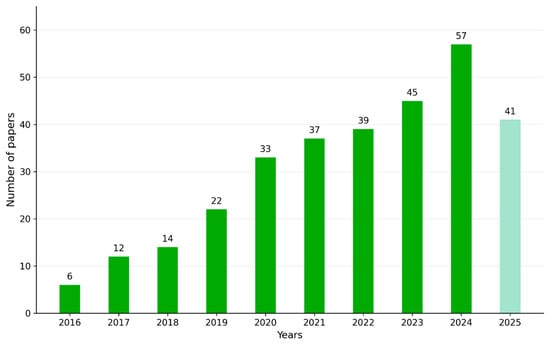
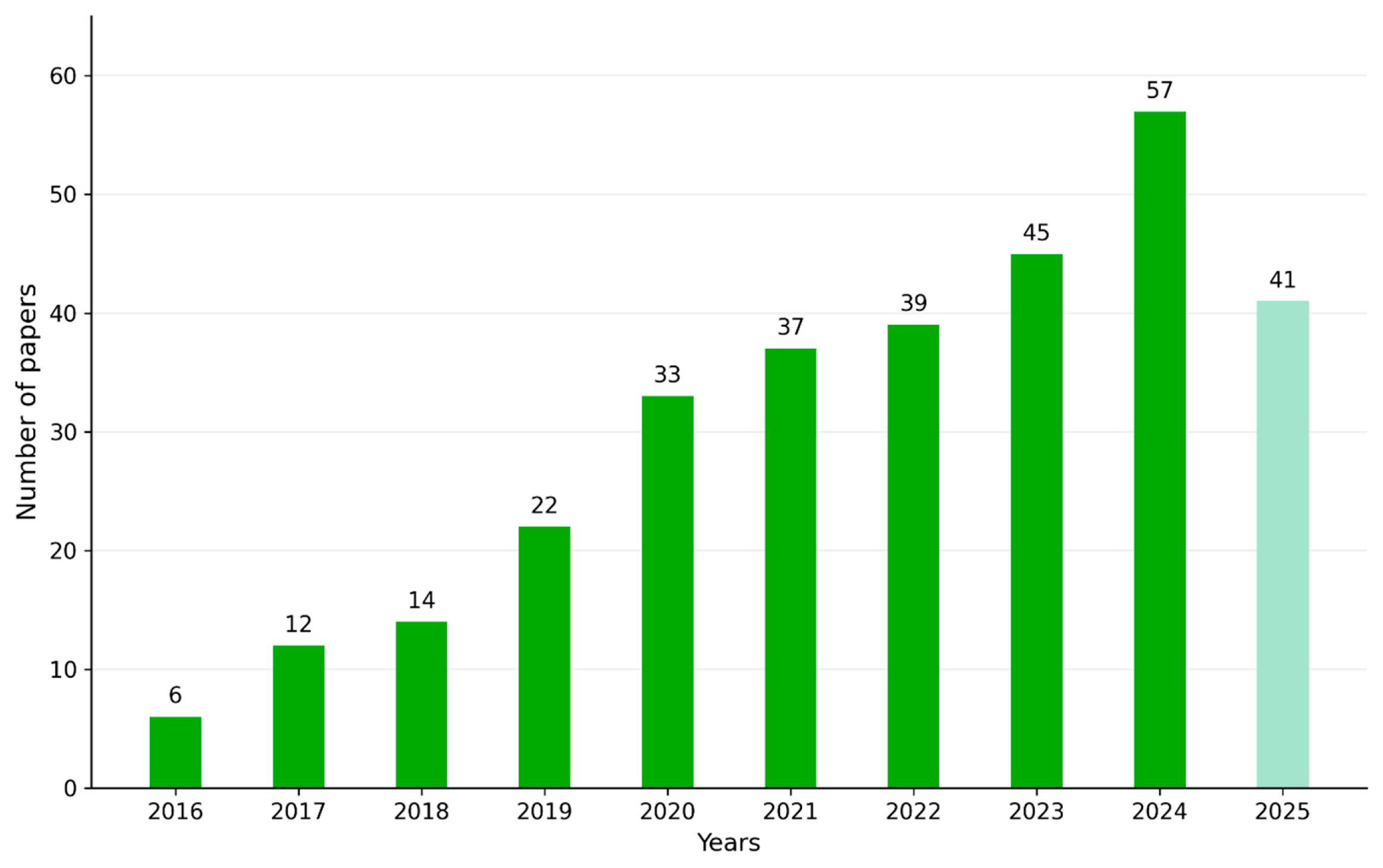
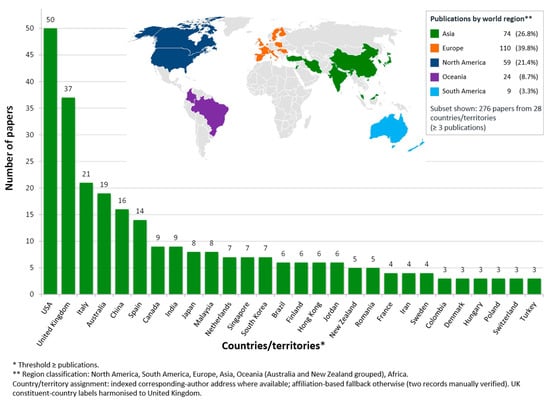
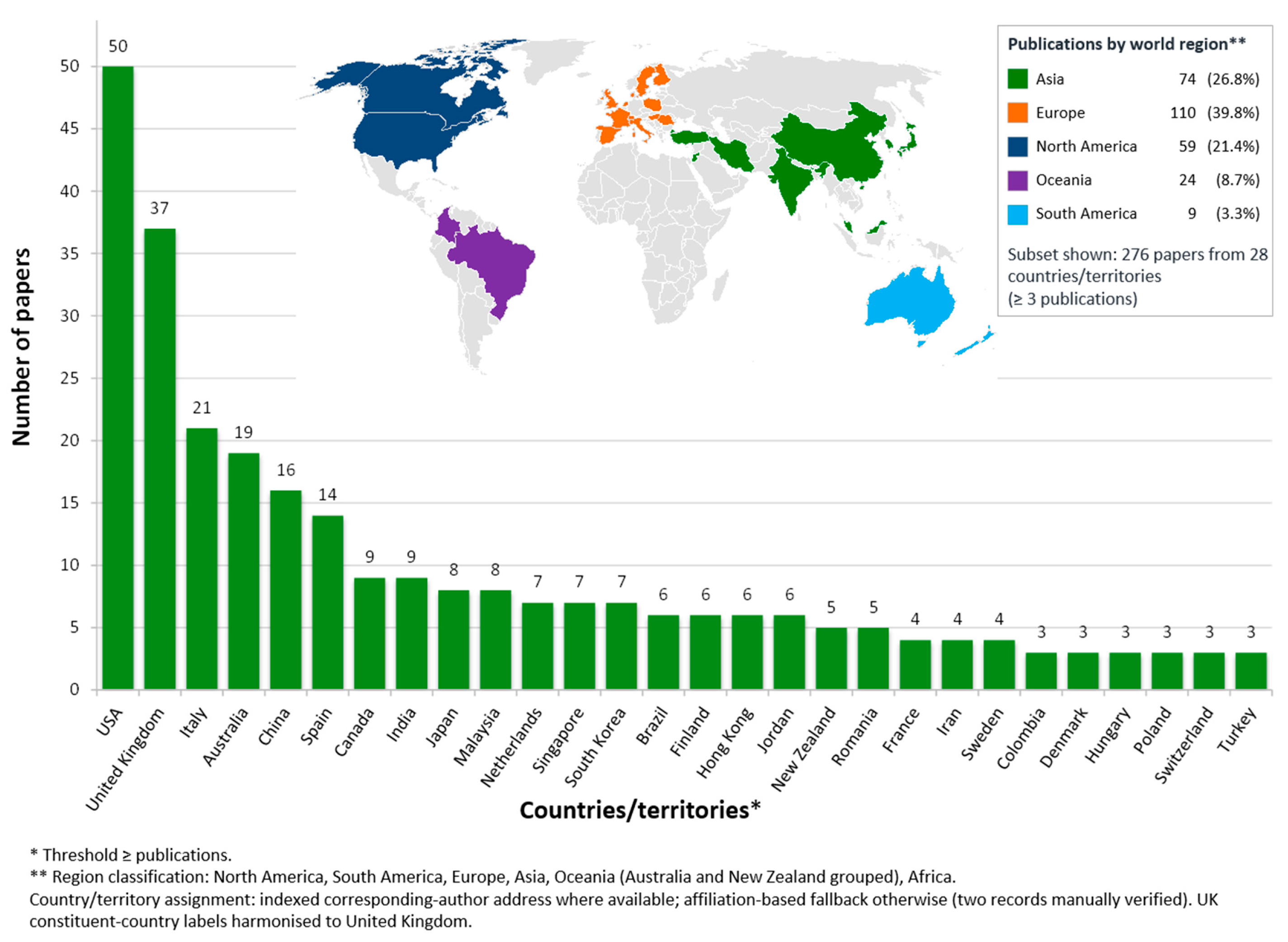
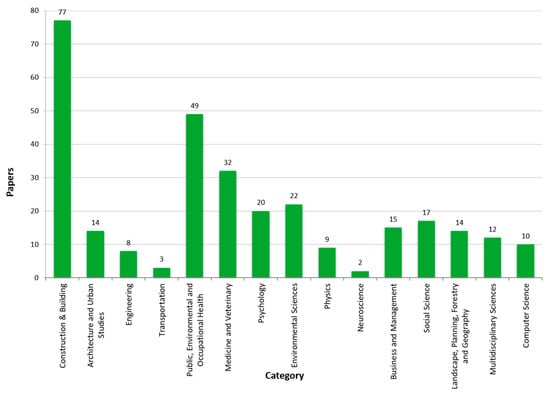
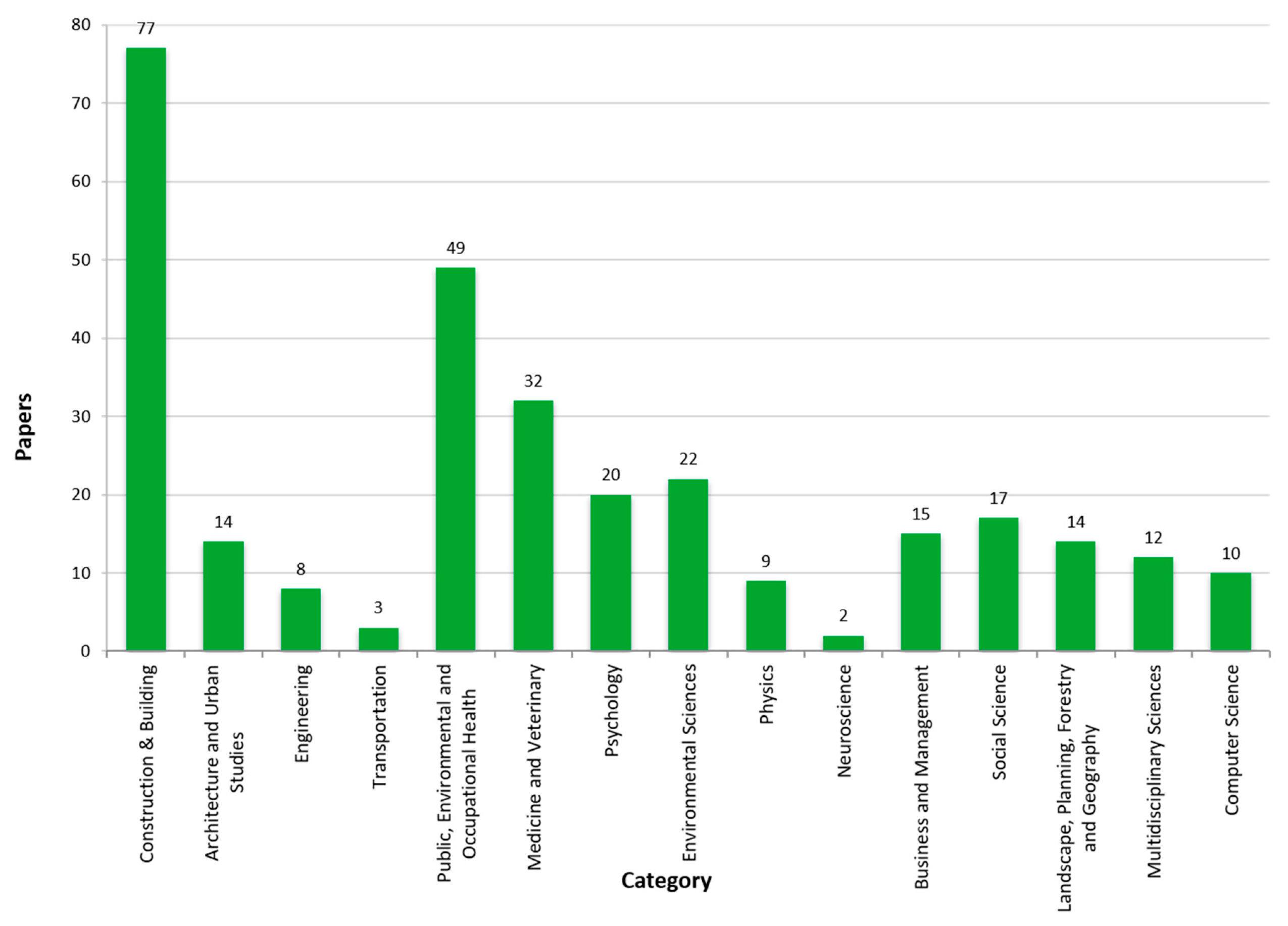
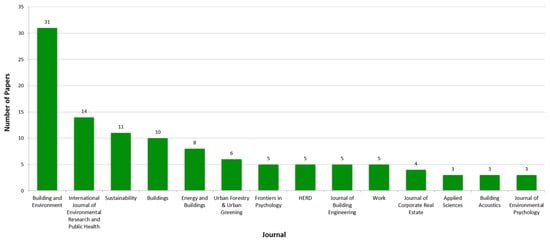
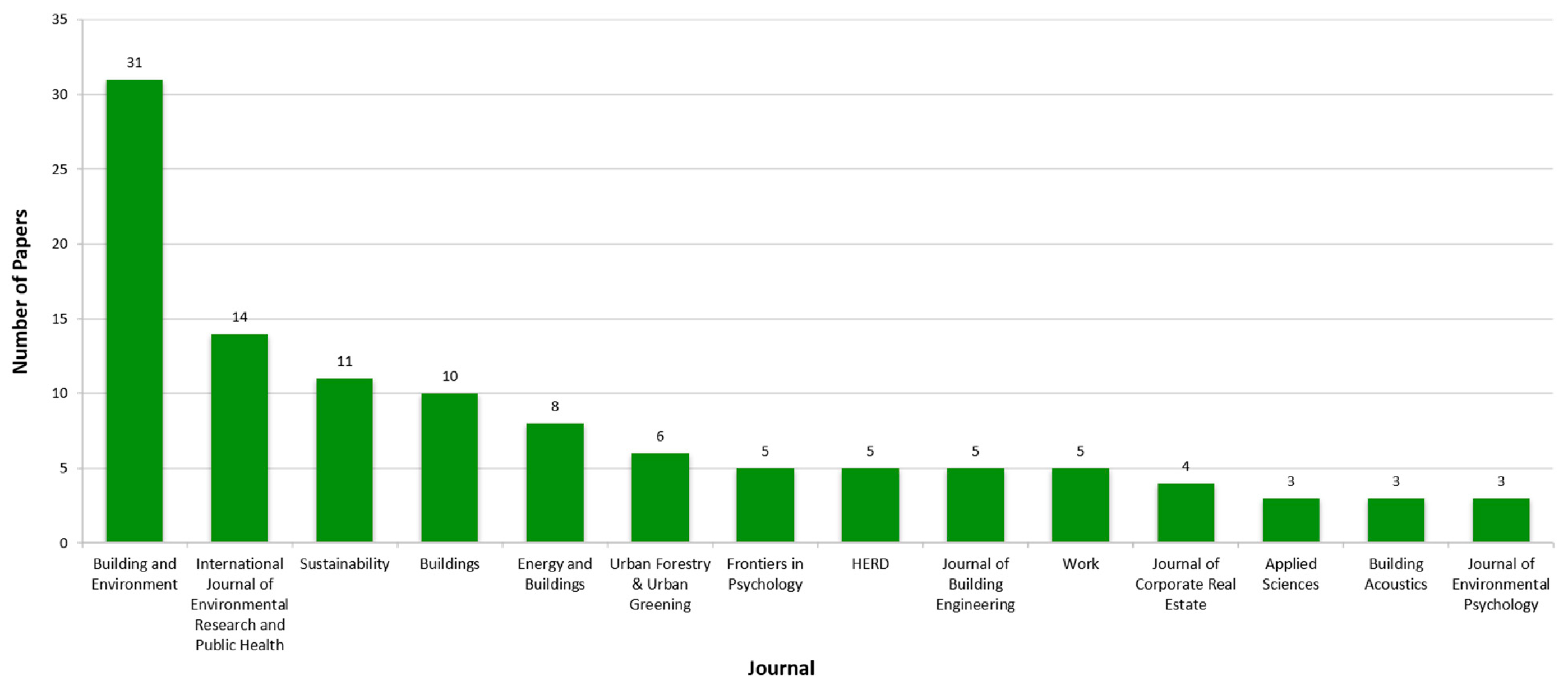
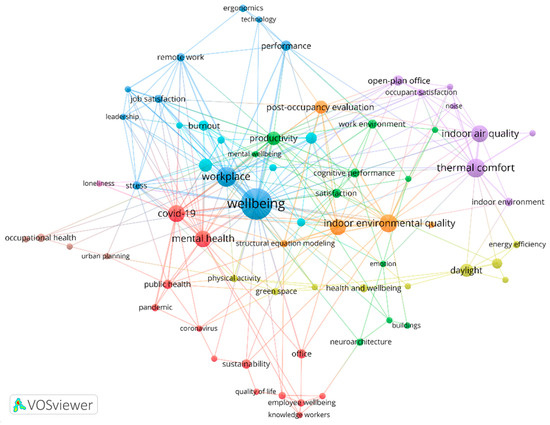
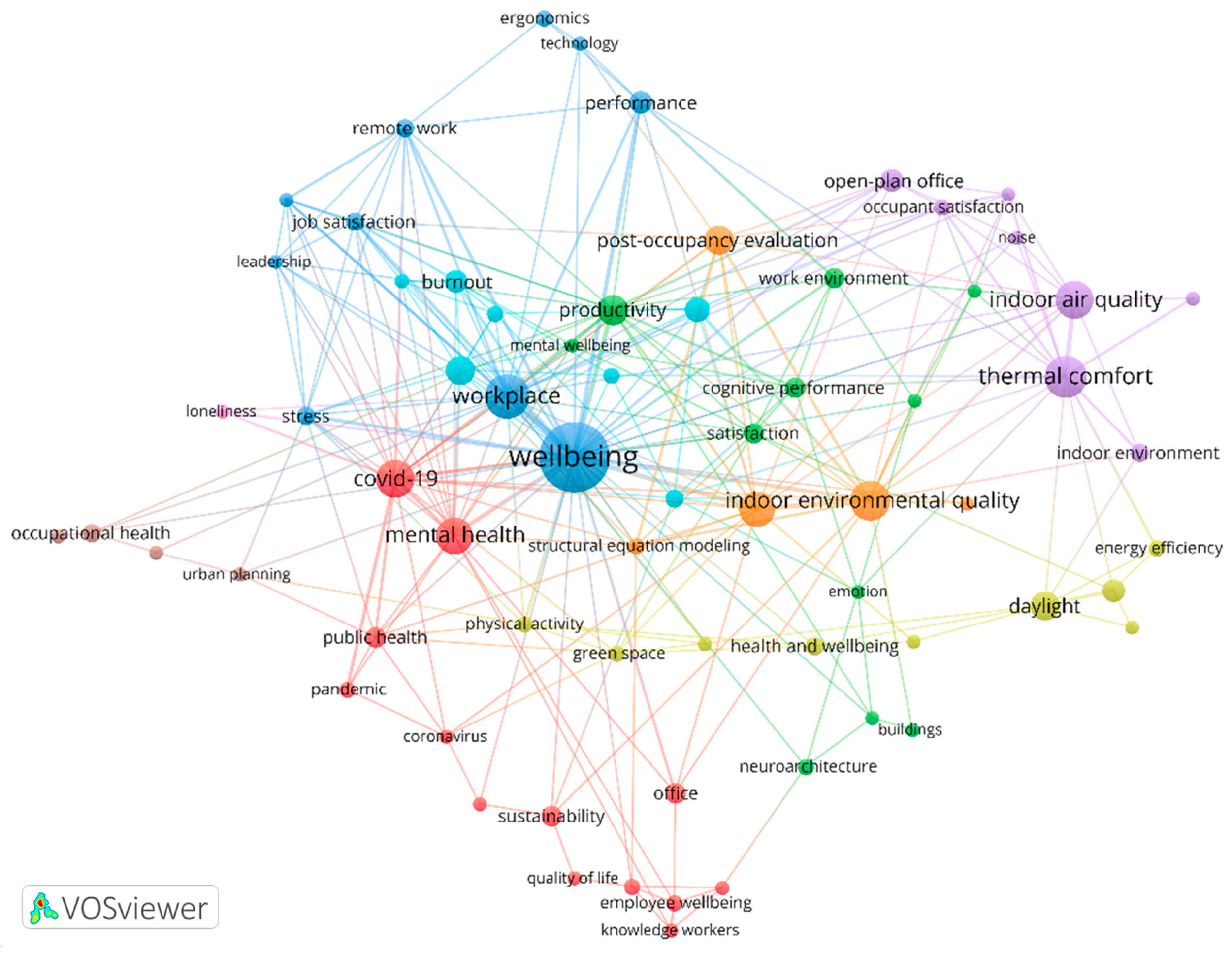
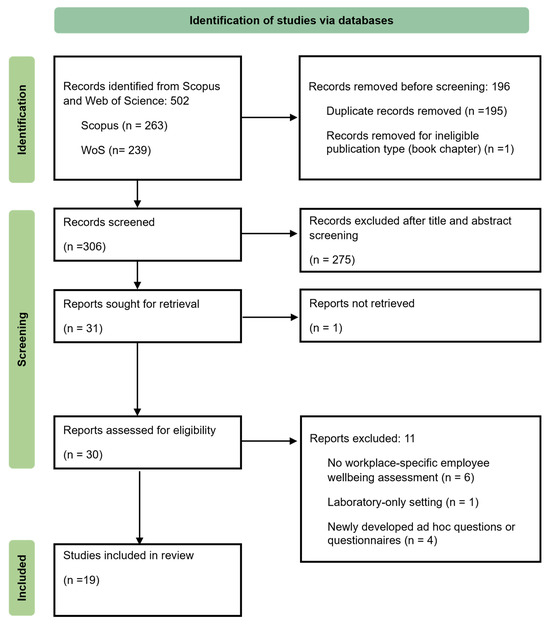
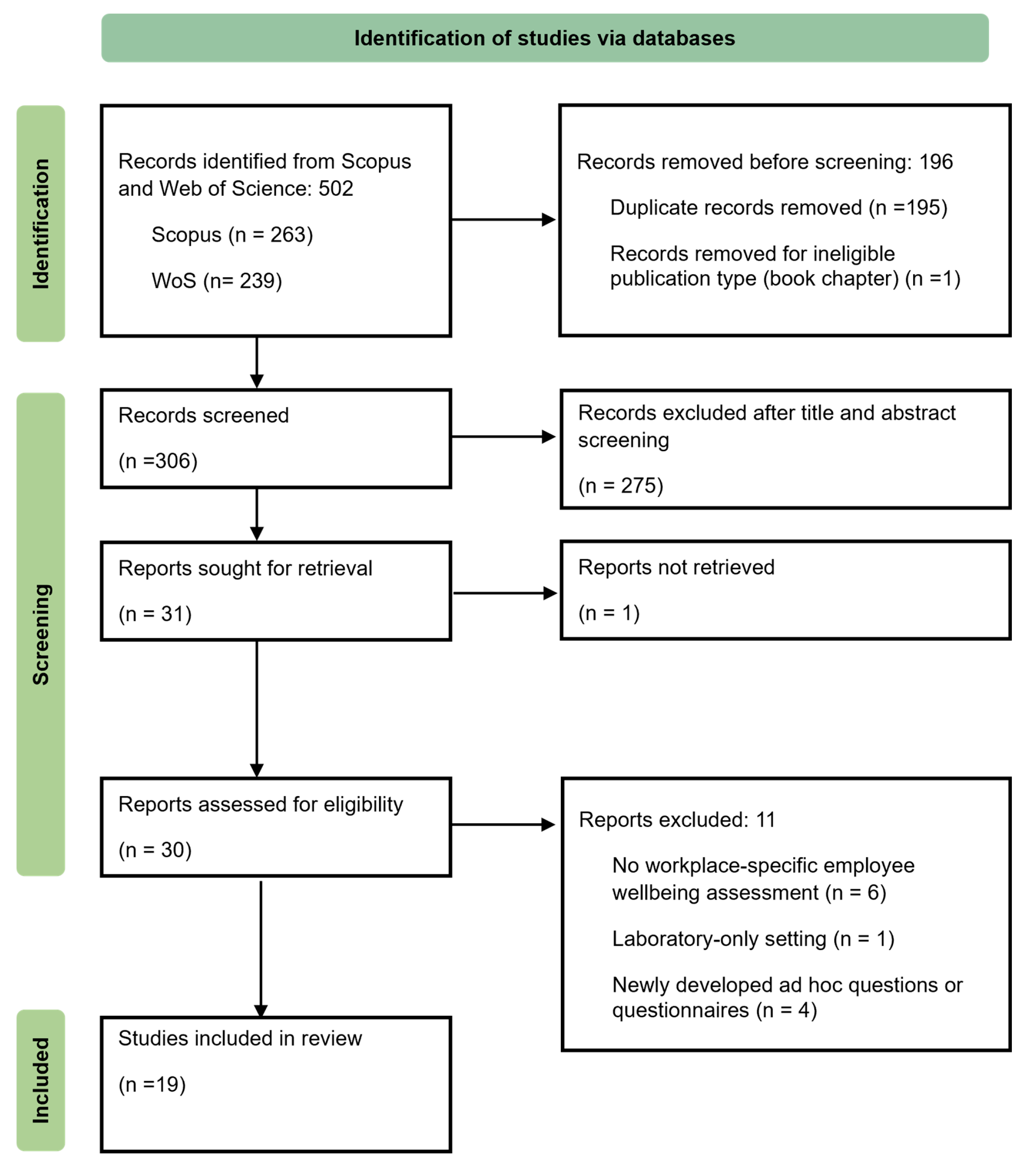
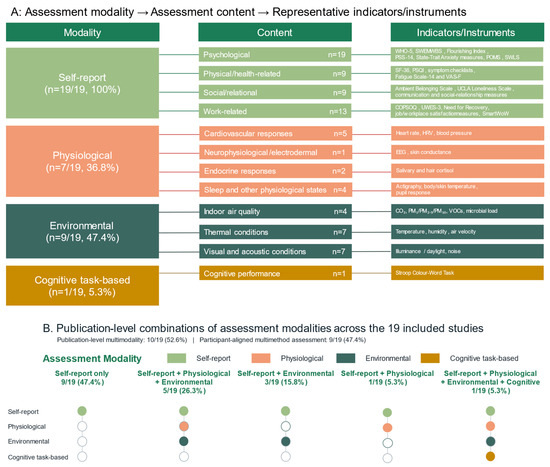

Disclaimer/Publisher’s Note: The statements, opinions and data contained in all publications are solely those of the individual author(s) and contributor(s) and not of MDPI and/or the editor(s). MDPI and/or the editor(s) disclaim responsibility for any injury to people or property resulting from any ideas, methods, instructions or products referred to in the content. |
© 2026 by the authors. Licensee MDPI, Basel, Switzerland. This article is an open access article distributed under the terms and conditions of the Creative Commons Attribution (CC BY) license.