


Abstract
The European building stock is subject to two simultaneous demands: the decarbonisation targets set by the climate agenda and the persistent threat of seismic hazard. A large fraction of this stock consists of unreinforced masonry (URM) that is both structurally vulnerable and energy-inefficient, yet structural and energy upgrades have historically been implemented as separate, uncoordinated interventions. Post-earthquake surveys indicate that energy-only retrofits are themselves susceptible to seismic loss, motivating integrated solutions based on multifunctional materials. Inorganic-matrix composites have emerged as a promising externally bonded solution, combining seismic strengthening with the fire resistance and, particularly for lime-based matrices, the vapour permeability that organic fibre-reinforced polymers lack. This review addresses modification of the inorganic matrix as a route to a single dual-function composite, in contrast to reviews organised around reinforcement type. Based on a structured search of Scopus and Web of Science, the literature is organised by matrix-modification strategy, including mineral and lightweight aggregates, geopolymer and alkali-activated binders, and bio-based aggregates and natural-fibre systems. The reported thermal conductivity, compressive strength and testing scale of each family are synthesised and compared, together with the number of specimens underlying the reported mechanical gains. A pervasive thermo-mechanical trade-off emerges as the governing design constraint: modifications that lower thermal conductivity also tend to reduce compressive strength, stiffness and frequently bond capacity. By mapping the literature onto a thermal-versus-seismic test matrix, the review reveals that the dual-function cell, representing studies that combine thermal characterisation with seismic testing of the same modified system at masonry-element scale (wallet, wall or frame), remains nearly empty, with only three studies identified. The vapour permeability of dense alkali-activated matrices, accelerated ageing, economic feasibility and the context-dependence of environmental benefits are also critically discussed. Addressing this gap will require performance-based mix design, interface engineering, standardised durability protocols, life-cycle costing, and full-scale experimental and numerical validation across a range of climatic and seismic regions.
1. Introduction
The building stock in Europe is subject to two demands of comparable urgency: the climate emergency and the persistent threat of seismic hazard. Roughly 85% of European buildings were constructed before 2001, and around half before 1970, meaning that the majority pre-dates modern seismic and energy provisions and is responsible for both elevated seismic vulnerability and high operational energy demand [1,2]. A substantial share of the existing European building stock is unreinforced masonry (URM) [3], a typology characterised by low tensile strength, brittle in- and out-of-plane failure mechanisms [4,5], and poor envelope performance arising from uninsulated walls and uncontrolled air leakage [6,7]. This concern is particularly acute across the moderate-to-high seismic hazard regions of southern and southeastern Europe, where URM represents a substantial fraction of the building stock, approximately 35% in Romania, 39% in Greece, 49% in Portugal, and 57% in Italy [3]. The renovation of this stock is therefore central to the European Commission strategy for climate neutrality, now embodied in the recast Energy Performance of Buildings Directive (EU) 2024/1275, which sets a zero-emission building stock target for 2050 [8], but it raises a difficult balance between preservation and modernisation, particularly where heritage value must be retained. Accordingly, multi-criteria methodologies that balance seismic, energy and cost performance have been proposed for heritage buildings in seismic regions [9].
Historically, seismic strengthening and energy-efficiency upgrades have been applied as independent and uncoordinated interventions, governed by unrelated regulatory frameworks and delivered by different trades [1,10]. Investigations of damage from recent earthquakes have shown that this separation is not merely inefficient but counterproductive; energy-only retrofits are themselves highly vulnerable to seismic actions and may lose their function entirely once the structure is damaged, while purely seismic interventions neglect thermal transmittance, airtightness and hygrothermal comfort [7,11]. Applying an energy-only retrofit to a seismically vulnerable masonry building can therefore strand the energy investment when the building is seismically damaged [12]. These observations have driven a transition from independent retrofits towards combined strategies that simultaneously satisfy structural safety and thermal performance requirements. Early proposals for combined or integrated approaches range from financial decision-making frameworks in which energy-efficiency and seismic-resilience benefits are translated into common investment variables [13], later systematised into dedicated reviews of combined seismic-resilience and energy-efficiency assessment methods and sustainability rating protocols [14], to technique-level assessments quantifying how conventional strengthening measures affect the thermal behaviour of existing reinforced concrete (RC) buildings [15], and the masonry walls of historical buildings [10]. Such integration, however, depends on multifunctional materials that deliver mechanical, thermal and environmental performance within a single, externally applied system that minimises disruption to occupants and preserves heritage aesthetics [12,16]. The conceptual frame itself continues to evolve. Under the mandate of Working Group 15 of the European Association for Earthquake Engineering, integrated retrofitting is increasingly recast in life-cycle-thinking (LCT) terms, in which structural and energy upgrading are jointly optimised against environmental, economic and social impacts across the entire building life cycle [17].
Inorganic matrix composites (IMCs), known in the literature as textile-reinforced mortar (TRM), fabric-reinforced cementitious matrix (FRCM) or composite-reinforced mortar (CRM), have emerged as the leading externally bonded solution for URM intervention [18]. A conventional IMC consists of a high-strength textile of carbon, glass, basalt or steel embedded in a cementitious or lime-based mortar matrix. The transition from organic fibre-reinforced polymers (FRP) to IMCs is driven by clear technical advantages for masonry: the epoxy resins used in FRP suffer from low fire resistance and poor vapour permeability, whereas inorganic matrices are non-combustible and allow for substrate breathability, preventing the moisture entrapment that drives material degradation [19]; this advantage is best established for lime-based matrices and must be verified for denser binders (Section 4.2). IMCs also offer better mechanical and hygrothermal compatibility with weak and historic substrates, reducing the risk of substrate damage in conservation-sensitive contexts [20].
Two complementary routes have been pursued to make IMCs serve both structural and energy functions. The first, a more mature route, combines a structural TRM layer with a discrete thermal-insulation layer in a multi-layer (layered) system [20,21]. The second, a more recent route, modifies the inorganic matrix itself so that a single layer contributes simultaneously to strengthening and to thermal insulation, thereby reducing the required thickness of the discrete insulation layer [22]. The latter route is the focus of this review.
Recent reviews have mainly addressed integrated retrofitting from an envelope- or system-level perspective. Filippou et al. [23] reviewed integrated envelope interventions based primarily on seismic-strengthening composites combined with thermal-insulation layers and on mortar- and timber-based prefabricated panels. More broadly, Calò et al. [24] classified synergistic structural–thermal envelope solutions according to the degree of interaction between their structural and energy functions, ranging from separate and combined configurations to integrated and unified systems. The latter category partly overlaps conceptually with the single-system objective considered here. However, these reviews do not take modification of the inorganic matrix itself, namely its binder chemistry, aggregate phase and resulting material properties, as the primary organising axis. A closely related body of work by Penazzato et al. [25,26,27,28,29,30] has instead developed and characterised lime-based matrices and composite systems specifically aimed at balancing mechanical strength and thermal insulation. Building on these developments, the present review broadens the matrix-level perspective across different modification strategies and examines how their thermal benefits interact with the mechanical and structural requirements of seismic strengthening. The differences in scope between these reviews and the present one are summarised in Table 1. Whereas previous reviews are organised by retrofit system, assessment method, degree of structural–thermal interaction or reinforcement type, the present review takes the inorganic matrix as its organising axis, compiles the thermal and mechanical data reported for each modification family together with their experimental basis, and maps the evidence by test scale.
Table 1.
Scope of previous reviews on integrated seismic and energy retrofitting compared with the present review.
Against this background, the novelty of the present review lies in establishing the inorganic matrix itself as the central link between thermal enhancement and seismic strengthening, thereby connecting material-level modification with its consequences for composite behaviour and experimental validation at masonry-element scale.
This review pursues three main objectives. First (O1), it organises the recent literature on thermally enhanced IMCs by matrix-modification strategy and summarises the reported thermal and mechanical performance of each family. Second (O2), it articulates the thermo-mechanical trade-off as the governing design principle that recurs across all strategies and quantifies its severity using comparable data. Third (O3), it maps the corpus onto a thermal-versus-seismic test matrix to expose where the evidence base is strongest and where it is essentially absent, identifying the priorities for future research and the requirements for translating laboratory results into validated retrofit practice. Within O3, the environmental, durability and economic conditions that govern this translation are also examined.
2. Review Methodology
This review combines a structured literature search with a thematic synthesis and an original analytical framework. The guiding research question was formulated as follows: across the strategies used to modify the inorganic matrix of TRM/FRCM/CRM systems, what thermal and mechanical performance has been demonstrated, at what test scale, and to what extent have the two functions been validated jointly on the same system?
The literature search was conducted in the Scopus and Web of Science Core Collection databases; the initial search was performed in July 2026 and was updated on 3 October 2026 during the revision of the manuscript. The search was applied to titles, abstracts and keywords (Scopus field TITLE-ABS-KEY; Web of Science field TS) using two Boolean strings: (S1) (“textile reinforced mortar” OR TRM OR FRCM OR “fabric reinforced cementitious matrix” OR “composite reinforced mortar” OR “inorganic matrix composite*” OR “fibre reinforced mortar” OR “fiber reinforced mortar”) AND (“thermal conductivity” OR “thermal insulat*” OR “energy retrofit*” OR “energy efficien*” OR “seismic and energy” OR “integrated retrofit*”) AND (masonry OR “masonry infill*”); and (S2) (mortar OR plaster OR render) AND (geopolymer OR “alkali-activated” OR perlite OR “expanded glass” OR lightweight OR cork OR “rice husk” OR coffee OR biochar OR “natural fib*” OR jute OR hemp OR flax OR “phase change material*”) AND (“thermal conductivity” OR “thermal insulat*”) AND (masonry OR retrofit* OR strengthening). The database search was complemented by backward and forward citation screening of the included studies and of recent reviews, and by targeted screening of European Commission technical reports on integrated retrofitting. The search results were further screened and filtered according to their relevance to masonry structures and masonry-infilled RC structures, with priority given to studies addressing masonry substrates, masonry walls, masonry buildings, masonry infills, and masonry-related retrofit applications. The search was restricted primarily to peer-reviewed journal articles, conference proceedings and authoritative technical reports written in English and published predominantly between 2011 and 2026, with foundational older sources retained where relevant.
Studies were included if they reported experimental or numerical results on modified inorganic matrices intended for masonry retrofitting and characterised at least one of thermal performance, mechanical performance or environmental performance. Studies that addressed only the textile or fibre reinforcement, only conventional unmodified mortars, or applications unrelated to masonry envelopes were excluded except where needed to establish context. The resulting corpus was classified by matrix-modification strategy into three families: (a) mineral and lightweight inorganic aggregates; (b) geopolymer and alkali-activated binders; (c) bio-based aggregates and natural-fibre systems. Each study was additionally coded according to two binary dimensions: whether it reported thermal characterisation, and whether it reported seismic (cyclic, in-plane or out-of-plane) testing at masonry-element scale (wallet, wall or frame, as defined in Table 2) rather than at material or coupon scale only. This coding defines the two-by-two research-gap matrix presented in Section 5.2, which provides the analytical basis for the central argument of the review.
Table 2.
Definition of the test scales used in this review.
The updated search returned 220 records in Scopus and 184 in Web of Science. Records were screened for relevance first by title and abstract and then by full text against the inclusion criteria given below, and the database results were complemented by citation screening and technical reports. As this is a structured narrative review rather than a systematic review, the number of records excluded at each screening stage was not recorded. The final corpus comprises 101 cited sources. Of these, 18 primary studies on thermally modified matrices or IMC systems were coded in the thermally characterised cells of the research-gap matrix (Section 5.2); four further studies that combine modified matrices with seismic testing or analysis are discussed separately in Section 5.2; and the remaining sources provide background on conventional TRM/FRCM, integrated retrofitting, insulation materials, durability, environmental assessment and cost.
Because the same specimen type is labelled differently across studies (e.g., “panel”, “wallet” or “wall”), the test scales used throughout this review are defined in Table 2, and studies are classified according to these criteria rather than to the labels used in the original publications. The term masonry-element scale is used collectively for the wallet, wall and frame scales, i.e., for tests in which the retrofit system acts on a masonry substrate under seismic-relevant loading.
Because research on dual-function IMCs is still concentrated in a small number of laboratories, the corpus was also checked for over-representation of individual research groups. Closely related publications by the same group are cited only where each contributes distinct data (e.g., mortar-, composite- and design-level results in [25,27,28,29,30]), and the corpus was supplemented with studies from independent groups addressing comparable systems (e.g., [38,39,40,41,42,43]), so that each matrix family and each cell of the research-gap matrix is supported, wherever possible, by evidence from more than one group. Some concentration nonetheless remains in the most specialised topics, such as bio-based lime matrices designed specifically as TRM matrices; this reflects the current state of the field and is acknowledged as a limitation of the evidence base.
3. From Layered Retrofitting Systems to Dual-Function IMCs
3.1. Mechanical Behaviour and Matrix Selection
The mechanical performance of an IMC is strongly governed by its matrix composition, which makes the choice of binder a primary design parameter for both strength and durability. Cement-based matrices develop high compressive strength but are often too stiff for traditional masonry, producing stress concentrations and interface cracking through mechanical stiffness incompatibility [44]. Lime-based matrices, especially those formulated with natural hydraulic lime (NHL), have lower stiffness but are more compatible, more ductile and more vapour-permeable, making them better suited to weak or historic substrates [45]. Alkali-activated and geopolymer matrices represent a rapidly developing third option, offering potentially reduced embodied carbon (depending on precursor sourcing and activator type; Section 6.1) and, in several cases, markedly lower thermal conductivity than conventional binders, although their performance remains sensitive to precursor chemistry, activator composition and curing conditions, which complicates reproducibility and standardisation [22].
The structural effectiveness of IMC strengthening arises from the synergy between the textile and the matrix, which enables stress redistribution through multiple cracking and progressive load transfer rather than brittle failure. The tensile response of the IMC composites can be interpreted within the framework of ACK theory and divided into three main stages [46,47], as shown in Figure 1. In stage I, the composite behaves linearly until the mortar develops its first macro-crack. Stage II follows as additional cracks progressively form throughout the matrix. In stage III, cracking is complete and the material returns to a linear response, with further loading simply widening the existing cracks while the textile alone carries the applied load. Each stage is governed by a different mechanism: stage I by the mortar’s stiffness and strength, stage II by the bond behaviour between textile and mortar, and stage III by the effective stiffness of the fabric [47].
Figure 1.
Tensile behaviour of IMC composites (adapted from [46]).
Cyclic tests on URM walls strengthened with IMC report substantial increases in shear strength, stiffness retention and deformation capacity [48]. Within the studies compiled in this review (Section 5.1), in-plane capacity gains range from about 7% to 130% for masonry wallets under diagonal compression, depending strongly on matrix strength [33,38], are of the order of 70–83% for alkali-activated and geopolymer-based TRM at masonry-element scale [35,49], and exceed 500% for very weak walls [50]; out-of-plane capacity gains of about 135–340% relative to unreinforced walls have been reported for TRM with or without insulation [34]. These values depend on textile type, anchorage detailing, substrate quality and matrix properties and rest on few specimens per configuration (Section 5.1); they should therefore be regarded as indicative rather than representative design values [32]. Out-of-plane strengthening is particularly effective when the reinforcement is placed eccentrically with respect to the wall thickness, increasing the lever arm between the textile and the masonry compression zone [34].
3.2. Layered TRM–Insulation Systems: Practice and Limitations
The first and most technically mature route to a dual-function envelope combines a structural TRM layer with a discrete thermal-insulation layer. Depending on structural and construction constraints, the TRM may be applied directly on the masonry, on the external face of the insulation, or on both faces of the insulation [20], as illustrated in Figure 2. In this arrangement, the insulation reduces thermal transmittance while the TRM provides seismic resistance through its tensile capacity. In-plane cyclic tests on medium-size walls have shown that TRM jacketing can be combined effectively with insulation to substantially increase wall capacity, and, importantly for constructability, that the exact position of the TRM relative to the insulation does not strongly affect the in-plane response provided that proper bonding between layers is achieved [21]. Under out-of-plane loading, placing the IMC over the insulation layer has been reported to improve capacity by 200–340% relative to an unreinforced wall, while the cracked system retains residual stiffness and energy-dissipation capacity [20,34]. On the thermal side, the insulation provides conventional U-value reductions in line with energy regulations, and the IMC skin improves airtightness (reductions in air infiltration of up to 78% have been reported) while protecting the insulation from mechanical damage; this concept has now been validated at full building scale on a five-storey prototype [36].
Figure 2.
Schematic view of combination of IMCs with thermal insulation systems on one side of the masonry wall.
Design guidance for these layered systems is also beginning to consolidate. Penazzato et al. [27] formulated the integrated retrofit as a coupled design problem, deriving threshold values and target ranges for the mechanical and thermal parameters of each layer from code requirements and previous applications, and examining the combined use of TRM with thermal insulators through theoretical analysis supported by material testing. A key implication of that framework is that increasing the thermal contribution of the structural mortar layer reduces the performance required from the dedicated insulation layer, enabling the use of less efficient but more sustainable insulants and a reduction in the total thickness of the insulation layer.
Despite their maturity, layered systems carry intrinsic limitations. The multiple interfaces between substrate, insulation and IMC create potential weak planes vulnerable to debonding under cyclic loading, as shown in Figure 3, a failure mode repeatedly observed when no mechanical anchorage is provided [20,36]. Conversely, the connectors or anchors introduced to prevent debonding can act as localised thermal bridges and complicate hygrothermal behaviour, especially where metallic anchors are used without thermal breaks [51]. The added envelope thickness can be problematic in dense urban settings with strict façade-alignment constraints and in heritage buildings where visual impact must be minimised. Petrochemical insulants such as expanded and extruded polystyrene (EPS, XPS) carry high embodied carbon and poor fire performance; mineral wool improves fire and environmental behaviour but remains energy-intensive to produce, and bio-based insulants demand more careful detailing for moisture control [16]. Life-cycle assessment indicates that the carbon payback period of synthetic insulation systems, the time needed for operational savings to offset production and installation emissions, is considerably longer than for bio-based alternatives [36]. Finally, the strong mechanical or chemical bonding required for monolithic layer integration makes end-of-life separation and recycling extremely difficult, limiting circularity.
Figure 3.
Debonding and damage observed in the composite retrofit system at building-prototype scale: (a,b) representative views [36].
The palette of candidate insulation layers is gradually widening beyond petrochemical products towards low-cost agricultural by-products. Reed-based claddings are a recent example: panels of whole giant reed and crushed common reed have measured thermal conductivities as low as 0.081 and 0.054 W/(m·K) respectively, below conventional EPS/gypsum claddings, and building simulations of a retrofitted residential case study indicate heating-energy reductions of around 61–63%, with the crushed-reed panels 35% slimmer and 51% cheaper than the whole-reed alternative and offering straightforward dismantling and recycling at end of life [52]. Such materials strengthen the environmental and economic case for layered retrofitting, but they are developed for energy-only applications; without structural integration, they remain exposed to the same seismic hazard that motivated integrated intervention in the first place [11,52].
Systematic reviews of bio-based insulation materials confirm that this palette now extends well beyond agricultural fibres. Bio-composite insulators have reported thermal conductivities from roughly 0.016 to 0.1 W/(m·K) depending on feedstock and processing, rivalling synthetic products, although the evidence base is weakened by non-standardised testing methods and incomplete reporting that currently prevent quantitative pooling of results [53]. Mycelium-based composites are a notable emerging family: hemp- and flax-mycelium formulations achieve conductivities of about 0.040–0.058 W/(m·K) at densities near 100 kg/m3—on par with rock wool and glass wool—while being grown from organic waste streams, but their low mechanical strength, moisture sensitivity and unresolved fire and durability characterisation confine them, for now, to non-structural insulation layers within layered systems rather than to dual-function matrices [54].
3.3. The Thermally Enhanced Dual-Function Matrix Concept
In response to these limitations, a smaller but growing body of work has explored multi-purpose composite mortars in which the matrix also contributes to thermal insulation, so that a single layer performs both structural and thermal functions. The longer-term objective of this approach is to reduce the dependence on a dedicated insulation layer and, where sufficient thermal performance can be achieved, potentially eliminate it altogether. In less demanding cases, the thermally enhanced matrix may instead allow the required insulation thickness to be minimised, thereby reducing the overall thickness of the integrated retrofit system. Complete elimination of the insulation layer would additionally reduce the number of interfaces and simplify construction. Several strategies have been proposed to enhance inorganic matrices thermally: replacing ordinary Portland cement with geopolymer or alkali-activated binders; incorporating mineral and lightweight aggregates such as expanded perlite and expanded glass; introducing bio-based aggregates such as rice husk, cork and coffee biochar; embedding phase-change materials (PCMs) for latent thermal storage; and adding natural fibres for combined crack control and thermal resistance [22,55]. The Scanning Electron Microscopy (SEM) images (Figure 4) help explain why binder choice matters beyond chemistry alone.
Figure 4.
Micrographs illustrating matrix/fibre interactions in (a) an NHL-based IMC and (b) a geopolymer-based IMC, with schematic yarn cross-sections showing the filament surfaces exposed to the matrix; NHL = natural hydraulic lime mortar, GPM = geopolymer mortar (adapted from [6]).
In NHL-based composites, the fabric and matrix behave as two distinct phases with minimal contact, whereas in geopolymer-based composites (GPM, geopolymer mortar, in Figure 4) the fine fly-ash particles allow the matrix to penetrate the yarns and envelop the external filaments, producing a larger contact area, a more uniform stress distribution across filaments, and higher post-cracking ductility and energy dissipation that can partially compensate for lower peak strength [6,22].
However, all the above-mentioned strategies are constrained by a single recurring obstacle. Enhancing the thermal insulation of an inorganic matrix almost always requires increased porosity or the incorporation of low-density aggregates, and these same modifications reduce mechanical performance, namely compressive strength, elastic modulus and, in some cases, bond strength [56]. This is the thermo-mechanical trade-off, and it is the organising principle of the analysis that follows: the central design challenge of dual-function IMCs is not achieving thermal performance or mechanical performance by itself, but reconciling the two parameters within a matrix that must still transfer stress reliably between the textile and the masonry under seismic loads.
4. Matrix Modification Strategies
According to the tabulated design values of EN 1745, conventional cement- and lime-based mortars have thermal conductivity (λ) values typically in the range of 0.6–1.2 W/(m·K), depending on dry density—far higher than dedicated insulation materials [57]. Reducing this conductivity by modifying the matrix, while preserving sufficient mechanical performance for seismic retrofit, is the objective shared by the three strategies discussed below. Thermal characterisation itself requires methodological care: transient plane source and steady-state measurements agree well for low-density insulating mortars but diverge appreciably for denser mixtures with higher thermal inertia, so reported λ values should always be interpreted alongside the measurement method used [28].
4.1. Mineral and Lightweight Inorganic Aggregates
The most direct way to lower matrix conductivity is to replace dense natural sand with lightweight or porous mineral aggregates, reducing density and the associated heat transfer without adding a separate insulation layer. Expanded perlite, valued for its highly porous microstructure, has been studied extensively as an insulating plaster aggregate; partial substitution of natural sand with expanded perlite has been reported to reduce thermal conductivity by approximately 50–55% depending on the substitution ratio [37]. In the reference study, NHL-based plasters with 25–40% perlite achieved conductivities from 0.118 down to 0.059 W/(m·K), with the embodied energy of the applied layer decreasing as perlite content increased; importantly, in-situ monitoring of a demonstration building and hygrothermal simulations showed that real operating conditions—chiefly moisture uptake—raise the effective conductivity by 26–30% above laboratory values, a correction that should be applied when translating laboratory λ figures into expected retrofit performance [37].
Expanded glass aggregates achieve comparable reductions—generally greater than 50%—while retaining compressive strengths above 8 MPa, which keeps them within the range usable for structural matrices [22]. Independent studies on cement-based lightweight mortars have shown that expanded perlite also alters fresh-state behaviour, mechanical strength and durability-related properties, so that its thermal benefit must be weighed against these effects [58]. Natural volcanic aggregates, such as pumice, provide more moderate insulating benefits but tend to preserve stronger mechanical performance owing to favourable matrix–aggregate bonding. Recycled and industrial-waste aggregates, such as crushed ceramic waste, offer smaller thermal gains but largely retain the mechanical properties of conventional mortars, representing a conservative option where strength cannot be compromised [56].
These aggregate options have recently been compared systematically within a single lime-based mortar family designed explicitly as a TRM matrix for integrated retrofitting. Screening coffee-based products, rice husk, perlite and cork granules as partial sand replacements at dosages of 5–20% by weight, Penazzato et al. [27] found that perlite mixtures offered the best balance between thermal and mechanical performance, making them the preferred candidates for the structural matrix, while cork delivered the largest thermal gains and was proposed instead as an eco-friendly thermal render in a multi-layer arrangement. A companion experimental campaign on the thermal properties of the same class of multi-purpose mortars, using the transient plane source (TPS) method, quantified the influencing parameters: partial replacement of the binder with metakaolin reduced thermal conductivity and diffusivity by up to 50% and 40% respectively; cork granules reduced conductivity by about 50% and diffusivity by up to 80%, and dry bulk density emerged as the governing variable, correlated with conductivity through a clear exponential trend [28]. That study also showed that increasing lightweight-aggregate dosage generally reduces volumetric heat capacity, so the resulting mortars gain insulating potential but lose thermal-storage capacity, a distinction that matters for the dynamic behaviour of retrofitted envelopes [28].
A related development couples lightweight mineral aggregates with dispersed fibre reinforcement to attack both sides of the trade-off simultaneously. A fibre-reinforced thermal-insulating concrete developed for the integrated seismic and energy retrofit of existing rural buildings combined 0.3% basalt fibres with a 40% replacement of aggregate by glass microspheres: the fibres raised the toughness index by 78% while barely affecting thermal behaviour, and the microspheres reduced thermal conductivity by about 30%, to 0.204 W/(m·K) [59]. The spherical microspheres produced a more uniform void distribution—and markedly better moisture resistance—than irregular perlite particles, with less than 5% conductivity increase after 48-h water immersion versus 12% for perlite mixtures, while adhesion to brick and concrete substrates exceeded 1.0 MPa [59]. Field deployment in rural demonstration projects with long-term performance monitoring supports the practicality of the “one material, dual effect” approach, and its explicit decoupling strategy—fibres for mechanical toughness, engineered voids for thermal resistance—offers a transferable design principle for IMC matrices [59].
At system level, the same trade-off was quantified independently by Borri et al. [38], who embedded glass-FRP grids in low-strength thermal-insulating lime-based mortars applied to solid-brick masonry panels. The reinforced mortars reached thermal conductivities of about 0.09–0.11 W/(m·K), and a 45 mm coating reduced the thermal transmittance of a conventional wall by 34–45%. Under diagonal compression, however, the shear-capacity gain was only 7% with the weakest mortar (mean fc ≈ 0.7 MPa), rising to between about 57% and 118% only with stronger mortars (fc up to 2.7 MPa), one of which had a markedly higher conductivity (≈0.21 W/(m·K)) [38]. Because thermal and mechanical performance were measured on the same retrofit systems, this study provides one of the few direct, system-level quantifications of the thermo-mechanical trade-off. Across this class of materials, mineral lightweight aggregates currently provide the most balanced combination of thermal and mechanical performance among the available matrix-modification options, which is why they remain the default choice where structural demand is significant, provided that matrix strength is kept above the level at which adhesion and stress transfer become limiting.
A distinct sub-strategy embeds phase-change materials (PCMs) in the matrix to provide latent thermal-energy storage rather than reduced steady-state conductivity. Analytical–numerical studies of PCM-enhanced geopolymer and cement TRM/FRCM systems applied to masonry piers of prevalent Italian URM typologies have introduced design frameworks that target seismic capacity and energy efficiency simultaneously, illustrating how the matrix can be engineered for dynamic thermal behaviour while still serving as a strengthening layer [55].
Parallel work from the same research group has integrated cementitious composites and PCMs into integrated retrofit packages [60] and developed enthalpy-based numerical models that solve the Stefan phase-change problem across multilayer stone-masonry walls. The models were validated against laboratory tests on retrofit systems incorporating EPS boards, natural fibres, thermal mortars and PCMs, and applied to case-study climates in Italy, Argentina and Germany, where they predicted reductions in undesired heat loads and gains in thermal storage capacity [61]. Such simulation capability matters because the PCM benefit is strongly climate-dependent, making numerical assessment an essential complement to material testing, while elevated cost and implementation complexity remain the principal barriers to PCM deployment [60,61].
Material-scale evidence clarifies how PCM incorporation interacts with the aggregate phase. Alvarez-Rodriguez et al. impregnated a paraffin-based and two bio-based ester PCMs into natural-aggregate, recycled-concrete-aggregate and lightweight-aggregate mortars, showing that absorption is governed jointly by PCM viscosity and matrix porosity. The high-viscosity paraffin was best absorbed by the porous lightweight mortar, whereas the low-viscosity esters penetrated denser matrices more readily [62]. PCM integration improved thermal inertia in all mortars, but with a trade-off against increased thermal conductivity; the most favourable combinations were those—such as ester PCMs in natural-aggregate mortar, with a conductivity penalty of only about 3–8%—in which the inertia gain outweighed the conductivity rise. Notably, PCM impregnation also increased the compressive and flexural strength of the lightweight-aggregate mortar by up to 15%, making it one of the few thermal modifications that can improve rather than degrade mechanical performance [62].
Encapsulation offers an alternative to impregnation. Rubio-Aguinaga et al. [63] integrated a microencapsulated bio-based PCM derived from vegetable oils and other organic wastes of the agri-food sector, directly into fresh air-lime rendering mortars at dosages of 5–20%, using a polycarboxylate-ether superplasticizer and a starch-based adhesion booster to counteract the workability, cracking and adhesion problems that PCM additions typically cause. The optimised renders remained workable and crack-free, the microcapsules dispersed homogeneously through the lime matrix, and dosages up to 10% increased compressive strength, whereas the highest dosage (20%) degraded it. Thermal testing confirmed a marked improvement in thermal efficiency, supporting the use of such bio-based latent-storage renders within retrofit systems [63]. Together with the impregnation results above, this research suggests that moderate PCM content can add dynamic thermal function at little or no mechanical cost that is a rare favourable corner of the trade-off space [62,63].
4.2. Geopolymer and Alkali-Activated Binders
Modifying the binder rather than the aggregate offers a route to simultaneously lower conductivity and embodied carbon. Geopolymer binders, derived from precursors such as fly ash or metakaolin, belong to the broader family of alkali-activated materials (AAM) and are well suited to multi-purpose composites because they can incorporate large volumes of lightweight or recycled aggregate and can carry lower embodied carbon than ordinary Portland cement, particularly when industrial by-products are used as precursors, although the magnitude of the saving depends on activator type and dosage, precursor sourcing and the system boundaries adopted [64,65]. Experimental work on lightweight geopolymer-based IMC systems has reported thermal-conductivity reductions of up to about 50% relative to NHL-based IMCs while retaining mechanical strength sufficient for seismic retrofit, using fly-ash and metakaolin precursors combined with expanded glass aggregates in a cement-free formulation aligned with circular-economy principles [22]. The microstructural penetration of the geopolymer matrix into the textile yarns, noted above, further improves post-cracking behaviour relative to lime-based systems [6].
These binder-level advantages have been carried through to complete fabric-reinforced systems. A fabric-reinforced geopolymer mortar (FRGM) combining an AR-glass fabric with a fly-ash–metakaolin geopolymer incorporating expanded glass aggregates was designed explicitly so that the fabric supplies tensile strength while the matrix provides thermal resistance. A thin FRGM layer applied to a masonry vault mock-up insulated more effectively than the much thicker traditional infill it replaced [66]. Clay-brick masonry panels under diagonal compression have shown that an NHL-based FRCM increased shear capacity by 129% with a 74.5% gain in ductility, whereas the geopolymer-based system achieved a lower capacity gain (72%) but a far larger ductility increment (516%), with a matrix density roughly 33% below that of the NHL mortar [33]. The same research exposed two recurring vulnerabilities: NHL-based layers tended to detach from the substrate regardless of the embedded fabric, and when a highly insulating lime matrix of very low strength (λ ≈ 0.1 W/(m·K), fc < 1 MPa) was used, adhesion became the limiting factor and significant shear gains were obtained only with stronger matrices—a direct, system-level expression of the thermo-mechanical trade-off [33]. The same pattern was found independently for glass-FRP-reinforced thermal lime mortars (Section 4.1) [38].
Critically for this review, the alkali-activated approach is one of the few matrix-modification strategies to have been tested at masonry-element scale under seismic-relevant loading. A study of AAM-based TRM applied to beam-type URM walls subjected to in- and out-of-plane cyclic tests reported load-bearing capacity increases of up to about 70%, while a combined energy-and-seismic configuration incorporating XPS insulation increased energy-dissipation capacity by at least eight times in both loading directions [49]. The same work, however, surfaced a significant durability concern: the fresh AAM mortar had a severe degrading effect on the styrene-butadiene-rubber-coated glass-fibre textile, quantified through tensile testing and confirmed at the microscopic scale by Scanning Electron Microscopy (SEM) and Energy Dispersive X-ray Spectroscopy (EDS) analysis [49]. This degradation was visually documented in SEM images comparing a virgin (unexposed) glass-fibre roving with one immersed in the alkaline activating solution for three days, see Figure 5, where white spots and surface microcracks appear on the SBR coating, indicating early-stage chemical attack that could allow hydroxyl ions to penetrate and damage the underlying glass fibres. Comparative studies of cementitious versus alkali-activated textile-reinforced mortars for combined energy and seismic upgrading reinforce the view that the AAM approach is promising but that activator chemistry, curing and textile–matrix compatibility must be controlled before systematic application [6]. Alkali-activated matrices may also exhibit greater shrinkage and efflorescence than conventional binders, with direct consequences for bond and durability [64].
Figure 5.
SEM images of SBR-coated glass-fibre roving (a) before and (b) after 3-day exposure to the alkaline activator solution (adapted from [49]).
Element-scale evidence for the alkali-activated route is also extending beyond load-bearing masonry to masonry-infilled RC frames. In-plane cyclic tests on 1:2.5-scale infilled frames retrofitted with a sandwich of two basalt-textile TRM layers embedding a metakaolin-based geopolymer mortar and an EPS insulation core reported maximum-load increases of 82.6% and 77.0% in the push and pull directions, together with a 23.2% gain in initial stiffness relative to the control frame [35]. By replacing the OPC binder of earlier TRM–insulation frame tests with a geopolymer, this work extends the combined seismic–energy concept to the infill typology while lowering the carbon footprint of the binder [35].
Out-of-plane evidence for geopolymer TRM combined with insulation is also available. Cholostiakow et al. [39] tested twelve clay-brick masonry walls retrofitted with cement- or metakaolin-based geopolymer TRM, with glass or basalt textiles, either alone or combined with a 30 mm EPS layer. The insulated configurations reached capacities about 49–87% higher than the corresponding TRM-only walls, owing to the increased lever arm; geopolymer TRM with basalt textiles matched or exceeded its cement-based counterpart, whereas geopolymer TRM with glass textiles failed prematurely by fibre rupture, again pointing to textile–matrix compatibility as the controlling issue for alkali-activated systems [39].
A further property that cannot be taken for granted in alkali-activated matrices is vapour permeability. The compatibility argument for IMCs rests largely on the breathability of inorganic matrices (Section 1), yet the reaction products of geopolymer and alkali-activated binders—sodium aluminosilicate hydrate gel in fly-ash and metakaolin systems and calcium (sodium) aluminosilicate hydrate in slag-rich systems—typically form a refined, poorly connected pore network of high tortuosity [67,68]. Gas-permeability measurements on metakaolin-based geopolymer mortars have returned intrinsic permeabilities about four times lower than those of OPC mortars [69], and OPC mortars are themselves considerably less vapour-open than NHL mortars [45]. A dense alkali-activated layer applied over a moisture-laden historic substrate may therefore restrict outward drying, shifting the condensation plane towards the substrate–matrix interface and promoting interstitial condensation, salt accumulation and freeze–thaw damage behind the composite—the same moisture-entrapment mechanism for which epoxy-based FRP is criticised [19]. Two factors moderate this concern. First, the lightweight and porous aggregates used in thermally enhanced formulations increase total and connected porosity and can be expected to reduce vapour-diffusion resistance, so that the thermal and hygric objectives partly align. Second, pore connectivity in geopolymers depends strongly on mix composition, and more open formulations are also more prone to efflorescence driven by alkali leaching [68], so increasing openness is not without durability cost.
Despite its relevance, the water-vapour diffusion resistance factor (μ) is seldom reported for alkali-activated IMC matrices. For example, a lightweight alkali-activated slag plaster developed for the structural and energy upgrading of poor-quality masonry was characterised for thermal conductivity (≈0.35 W/(m·K)), compressive strength (≈8 MPa), shrinkage, capillary absorption and pull-off adhesion, but not for vapour permeability [64]. It is therefore recommended that μ be measured for every candidate matrix (EN 1015-19 [70] or EN ISO 12572 [71]) and compared with the limit of μ ≤ 15 specified in EN 998-1 for thermal-insulating rendering mortars [72], and that coupled heat-and-moisture simulations of the substrate–composite assembly (EN 15026 [73]) be used to verify that the drying capacity of the wall is preserved.
4.3. Bio-Based Aggregates and Natural-Fibre Systems
The third matrix-modification strategy pursues low embodied carbon and low conductivity by valorising agricultural and bio-based by-products as aggregates, and by introducing natural fibres as dispersed reinforcement or as textiles. Bio-based aggregates such as rice husk, cork granules, wood particles and coffee biochar can combine low embodied carbon (subject to the accounting assumptions discussed in Section 6.1) with low thermal conductivity, frequently below 0.31 W/(m·K) [74,75]. The mechanism is visible microstructurally: scanning-electron imaging of rice-husk-ash (RHA) mortars shows that the number and size of pores increase with RHA content, lowering conductivity at the cost of strength [74]. Incorporating burnt RHA into ordinary-Portland-cement mortar has been reported to reduce thermal conductivity by up to 62% while maintaining compressive strength above 7 MPa [74], whereas NHL mortars with untreated or ground rice husk achieve larger conductivity reductions of 59–68% but at much lower and highly rate-dependent strengths of the order of 1 MPa [30]. Coffee biochar offers conductivity reductions of roughly 66–77% with strengths in the 5–10 MPa range, again dependent on substitution rate, alongside embodied-carbon benefits from waste valorisation, though high substitution weakens the matrix and high water absorption can impair workability and durability [25,76]. Independent studies of biochar in cement mortar have reported that low dosages can preserve or improve compressive strength and reduce water permeability while sequestering carbon [43], indicating that this dosage dependence is not specific to lime matrices.
Cork-modified matrices have also been designed explicitly for structural retrofit applications beyond load-bearing masonry. Buda and Pucinotti [77] developed natural hydraulic lime (NHL 5) mortars incorporating 15% and 30% cork granules as partial sand replacement for the combined seismic and energy retrofit of RC infill walls, a typology whose out-of-plane failures carry high repair costs and life-safety risk. At 30% cork incorporation, the thermal conductivity fell to 0.39 W/(m·K) and the compressive strength dropped by about 42% relative to the reference product, yet the mortar still satisfied the CS II classification of EN 998-1 for plastering mortars, while the lime binder preserved vapour permeability and resistance to condensation and mould [77]. Independent studies on cement–cork mortars for thermal-bridge correction similarly report a linear decrease in thermal conductivity with increasing cork content, with mechanical properties governed not only by the low density of cork but also by the interaction of cork extractives with cement hydration [42]. The extension of thermally enhanced matrices to infill envelopes broadens the potential application field of dual-function IMCs beyond the masonry typologies that dominate the literature.
The bio-based approach has also begun to progress from mortar scale to composite scale. A novel CRM system combining a lime-based matrix incorporating coffee biochar with a commercial pre-impregnated glass-fibre mesh has been characterised through tensile testing of its components and of composite coupons [29]. The coupons exhibited the trilinear strain-hardening response predicted by the ACK theory of multiple fracture, confirming the theoretical compatibility between the thermally enhanced matrix and the mesh; embedding in the mortar also suppressed the untwisting phenomena that reduced the capacity of the bare twisted yarns by around 18%, so that the composite performed almost equivalently in the two mesh directions [29]. These results indicate that a bio-based, thermally enhanced matrix can sustain the stress-transfer mechanisms required of a structural composite, although pull-out and bond testing remain necessary next steps.
Incorporating natural fibres, as natural-fibre textile-reinforced mortar (NFTRM) or as dispersed reinforcement, further improves the environmental and thermal profile of multi-purpose composites. Fibres such as jute, hemp and flax have low embodied energy, are renewable, and contribute to both crack control and thermal resistance. Masonry wallets reinforced with NFTRM systems have shown meaningful increases in lateral load capacity together with reductions in thermal transmittance, demonstrating the potential of bio-based reinforcement for integrated retrofit [31]. Independent studies have characterised vegetal-fabric FRCM composites at coupon scale [41] and flax-TRM overlays on masonry walls under in-plane cyclic loading [40], confirming the structural potential of natural textiles, although without thermal characterisation.
Parallel research on multi-purpose lime-based mortars has shown that lightweight bio-based aggregates can substantially improve thermal performance; for example, a 10% replacement with coffee grounds reduced thermal conductivity and thermal diffusivity by approximately 48% and 53%, respectively, relative to the reference mortar [28]. Within this family, the environmental benefits are the most pronounced of the three, but so are the trade-offs; the strength penalties are the most severe and the durability risks the most acute, as discussed in Section 6.1 and Section 6.2.
The most comprehensive demonstration of the natural-fibre route to date combines jute nets (25 × 12.5 mm2 mesh), jute-fibre diatons and a jute-fibre-reinforced composite mortar (1% fibre by dry mortar weight) applied to masonry walls. The strengthened walls achieved an increase of more than 500% in load-bearing capacity under in-plane cyclic loading with crack patterns tracked by digital image correlation (DIC), while a 36% reduction in thermal transmittance was measured on separate 0.9 × 0.7 × 0.25 m wall samples retrofitted with the same system [50]. Because the structural and thermal gains were measured on the same retrofit system (albeit on different specimens), this jute-based NFTRM system is one of the few genuinely dual-function data points in the literature, and it demonstrates that wall-scale validation of combined performance is practicable with low-cost natural materials [50]. The wall-scale results rest on systematic component-level development: tensile testing of hand-fabricated jute nets showed the denser 25 × 12.5 mm2 configuration to be about 36% stiffer and to dissipate roughly 60% more strain energy than a 25 × 25 mm2 alternative, while composite mortars incorporating about 12% recycled jute fibre reclaimed from net-fabrication offcuts and tested specimens achieved thermal conductivities of 0.110–0.121 W/(m·K), adding an internal circularity loop to the system [78].
5. The Thermo-Mechanical Trade-Off and Dual-Function Research Gap
5.1. The Thermo-Mechanical Trade-Off
Considered together, the three types of matrix-modification strategies reveal the trade-off that defines the field. Table 3 summarises the reported thermal conductivity, compressive strength and test scale of representative modified IMC systems. Read across the rows, the table shows a consistent inverse relationship: the strategies that achieve the largest reductions in conductivity—NHL with rice husk, coffee biochar—are also those that report the lowest and most variable compressive strength, whereas the strategies that retain usable strength—expanded glass, RHA in OPC—deliver more modest thermal gains. No single system in the comparison simultaneously achieves both very low conductivity and high mechanical strength. The jute-based NFTRM entry is a partial outlier because its thermal value is a system-level reduction in thermal transmittance rather than a matrix conductivity, but it points in the same direction: large structural gains were achieved with a moderate thermal enhancement [50]. Quantitatively, matrix-level reductions in λ of 50–77% are associated with compressive strengths of only about 1–10 MPa, and at system level a thermal lime matrix with fc ≈ 0.7 MPa produced a shear-capacity gain of only 7%, whereas stronger matrices achieved 57–129% [33,38].
Table 3.
Comparative overview of representative modified IMC systems: reported thermal and mechanical performance and test scale.
The observed trade-off has a clear physical basis. Lowering conductivity requires introducing pores or low-density inclusions into the matrix, and porosity and stiffness are inversely related: the same voids that impede heat flow also reduce the load-bearing cross-section and the elastic modulus. For an IMC the consequence is not limited to peak strength. A more compliant matrix changes the load-sharing mechanism between fibre and matrix, alters cracking behaviour under cyclic load, and can reduce the bond and anchorage on which out-of-plane capacity depends. Even where a thermally enhanced mortar still meets nominal minimum strength requirements, its reduced stiffness may shift the failure mode in ways that are not captured by a compressive-strength figure alone. This is why the matrix must be designed against a balanced set of objectives: adequate compressive strength and bond for stress transfer, but not excessive stiffness that compromises out-of-plane capacity and substrate compatibility [6,31]. PCM impregnation constitutes a partial exception: because the PCM occupies existing pore space rather than creating new voids, it raises thermal inertia—and in porous lightweight mortars can even increase compressive and flexural strength by up to 15%—at the cost of a modest rise in conductivity rather than a loss of strength [62]. Latent-storage approaches therefore circumvent the steady-state trade-off rather than resolving it, and dynamic thermal metrics such as diffusivity, heat capacity and inertia should complement λ in the evaluation of dual-function matrices [28,62].
The trade-off is also why test scale matters so much for this field, and why mechanical strength measured on a mortar cube is a weak proxy for seismic performance. The mechanical consequences of matrix modification—load redistribution, interface debonding, post-cracking dissipation—only become visible when the modified system is tested as a reinforced wall under representative cyclic demand.
The comparability of the reported mechanical gains also requires care. The percentages quoted in Section 3 and Section 4 originate from tests with very different specimen types, loading protocols and sample sizes. Table 4 summarises the experimental basis of the main gains reported for thermally relevant IMC systems. Most studies tested only one or two specimens per configuration, and for the strengthened specimens dispersion is reported, where at all, only for constituent materials or control specimens [38,39]. Given the typical scatter of masonry shear and flexural strength, differences of a few tens of percent between studies, or between configurations within a study, cannot be regarded as statistically significant. The gains should therefore be compared in terms of order of magnitude and failure mode rather than as precise values, and future studies should test at least three nominally identical specimens per configuration and report mean values with coefficients of variation.
Table 4.
Experimental basis of the mechanical gains reported for thermally relevant IMC systems.
5.2. The Dual-Function Research Gap
To characterise the evidence base more precisely, each study in the reviewed corpus was coded along the two binary dimensions introduced in Section 2: whether it reported thermal characterisation, and whether it reported seismic-relevant testing at masonry-element scale (wallet, wall or frame; Table 2). Thermal characterisation here refers to direct assessment of the thermal behaviour of the matrix, composite, or retrofit system, rather than the mere use of an insulation product with a manufacturer-reported thermal conductivity. Likewise, element-scale seismic testing refers to experimental testing of masonry wallets, walls or infilled frames under seismic-relevant loading, in which the substrate–retrofit interaction is represented, and therefore excludes material- and coupon-scale tests as well as purely analytical or numerical investigations. The resulting two-by-two matrix (Table 5) makes the structure of the experimental evidence explicit and provides the analytical support for identifying the dual-function research gap.
Table 5.
Research-gap matrix mapping the reviewed corpus by thermal characterisation and element-scale (wallet, wall or frame) seismic testing.
The resulting distribution is strongly asymmetric. The upper-right quadrant, N-Y (cell 1-2), represents the extensive and well-established literature on conventional TRM/FRCM seismic strengthening of masonry, including studies on in-plane and out-of-plane behaviour, anchorage and debonding. As this body of literature falls outside the principal scope of the present review, Table 5 reports only representative studies [18,19,32,40,79,80,81,82,83,84].
The upper-left quadrant, N–N (cell 1-1), contains studies that provide neither thermal characterisation nor element-scale seismic validation. These typically concern conventional mortar properties, durability, or other supporting material-level investigations.
The lower-left quadrant, Y-N (cell 2-1), is also well populated. Most matrix-modification studies relevant to the dual-function concept provide thermal and mechanical characterisation at material or coupon scale, but do not progress to experimental seismic validation of the same thermally characterised retrofit system at masonry-element scale [22,25,27,28,29,30,37,59,62,63,64,66,74,77,78]. The two largest bodies of evidence therefore occupy opposite sides of the matrix: one demonstrates seismic performance at element scale without a thermal dimension, whereas the other demonstrates thermal functionality without corresponding element-scale seismic validation.
The lower-right quadrant, Y–Y (cell 2-2), represents the critical dual-function target, in which the same retrofit system is experimentally validated for both thermal and seismic performance at masonry-element scale. Within the scope adopted in this review, only three studies fulfil both requirements [33,38,50], all at wallet or small-wall scale: diagonal-compression tests on NHL- and geopolymer-FRCM panels combined with thermal testing of the same panel configurations [33]; diagonal-compression and thermal-conductivity tests on glass-FRP-reinforced thermal lime mortars [38]; and in-plane cyclic tests on jute-NFTRM walls, with thermal transmittance measured on separate samples of the same system [50]. These studies therefore provide the closest experimental evidence of integrated dual-function behaviour, but the reduced number of studies confirms that validation at masonry-element scale, and in particular at wall and building scale, re-mains at an early stage.
A closely related analytical and numerical study [55] further supports the feasibility of this concept but does not satisfy the experimental criterion adopted for the Y–Y cell. For example, PCM-enhanced GTRM/FRCM has been investigated through an analytical–numerical framework in which masonry-pier seismic capacity was estimated analytically, while thermal behaviour was evaluated using transient heat-transfer modelling and building-energy simulation. Although such an approach provides an important bridge between material development and structural application, the absence of experimental seismic validation at element scale prevents its classification in the Y–Y cell.
Some recent studies [35,39,49] have also incorporated modified inorganic mortars, either alone or in combination with separate insulation layers, to pursue a dual-function retrofit approach. However, these studies are not included or classified in Table 5 because their experimental assessment has remained primarily focused on seismic or mechanical performance, while the thermal behaviour of the modified mortar or composite itself has not been directly characterised. Notably, the layered systems represented in this cell achieve dual functionality by assigning the structural and thermal functions to separate physical layers; the single-layer thermally enhanced matrices that are the subject of Section 4 are largely absent from this quadrant.
The gap is therefore not merely one of quantity, but also of integration and validation scale. Thermally enhanced inorganic matrices are increasingly being developed to reduce the need for dedicated insulation and, ultimately, to enable a single-layer retrofit capable of delivering both mechanical and thermal functions. Such systems could reduce the additional interfaces inherent to layered solutions. Yet they have seldom progressed from material- or coupon-level characterisation to experimental element-scale seismic validation, where load-transfer mechanisms, cracking, debonding, failure modes, and composite–substrate interaction can be assessed directly. This constitutes a key finding of the present review and an important path for future research.
6. Environmental Performance, Durability and Future Research Directions
6.1. Environmental Performance and Durability
Assessed on a life-cycle basis, integrated seismic-energy strategies can offer advantages over separated interventions [13,26], although their magnitude depends on seismic hazard, climate and the assumptions of the assessment, as well as on binder and aggregate choices. Because cement production is a major source of global CO2 emissions, reducing binder-related embodied carbon is a central goal. Alkali-activated and geopolymer mortars can lower embodied carbon relative to cement-based mortars, particularly when fly ash or slag is used as precursor [64]. However, published comparisons range from savings of less than 10% [85] to considerably larger reductions, and other impact categories may increase, because the production of alkaline activators (notably sodium silicate) can dominate the footprint and the results are sensitive to the allocation of burdens to by-product precursors, transport distances and the functional unit [65]. Aggregate substitution can reinforce this effect: lightweight, recycled and bio-based aggregates can reduce density, embodied energy and reliance on virgin resources, although energy-intensive expansion processes (e.g., for perlite and expanded glass) and transport must be included in the balance. Life-cycle assessments report meaningful embodied-carbon reductions for perlite-based plasters on a cradle-to-site basis [37], while life-cycle-oriented evaluation of spent coffee grounds indicates that their incorporation into mortar can provide environmental benefits beyond material substitution, including those associated with diversion from conventional waste-management routes [76]. More recently, a cradle-to-gate life-cycle assessment of spent-coffee-ground biochar mortars reported reductions in net greenhouse-gas emissions of approximately 10–24%, depending on the replacement level and biochar production conditions [86]. For bio-based constituents, the result also depends on how biogenic carbon is accounted for (e.g., the −1/+1 versus 0/0 conventions), on the system boundaries (cradle-to-gate versus cradle-to-grave) and on end-of-life assumptions, which can change the sign as well as the magnitude of the reported benefit [87]. Comparable environmental benefits have also been reported for other agricultural residues. Replacing 30% by weight of river sand with open-burnt rice husk ash reduces the greenhouse-gas emissions of mortar production by about 13% per kg and its cost by about 4%, while cutting thermal conductivity by up to 62% [74], and reed-based claddings valorise an agricultural by-product into a retrofit material that is cheaper than conventional EPS/gypsum solutions and offers a faster return on investment [52]. T Within these caveats, the indicative environmental ranking of the three approaches is broadly the inverse of their mechanical performance ranking, further highlighting this central trade-off. However, this relationship should be verified on a case-by-case basis through life-cycle assessments using harmonised functional units and consistent system boundaries.
Durability, by contrast, is where the thermally enhanced strategies are weakest and the evidence thinnest. The service life of a retrofitted system depends on the long-term integrity of both the embedded reinforcement and the matrix. Uncoated natural fibres in NFTRM systems are vulnerable to biological deterioration, moisture absorption and alkaline attack from the surrounding matrix, which can cause significant strength loss if the fibres are untreated. Surface treatments, mineral coatings and hybrid reinforcement have been proposed to mitigate such effects, but long-term experimental evidence remains scarce. For alkali-activated matrices, the shrinkage, efflorescence and textile-degradation issues discussed in Section 4.2 [49,64] add to these concerns. Highly absorptive bio-aggregates such as rice husk raise additional concerns for freeze–thaw and moisture durability [30]. Pre-processing offers partial mitigation: grinding the husk reduces the open porosity and capillary absorption of the hardened mortar relative to untreated husk and is therefore expected to improve durability, at the cost of slightly poorer thermal performance [30]. Practitioner-oriented reviews further document field failures of TRM driven not by materials but by workmanship, for example debonding of a glass-TRM layer applied in discontinuous stages and then subjected to ordinary thermal cycling, underlining that durability is a function of application quality as much as of mix design [32].
Underlying all these aspects is the absence of standardised durability-testing protocols for integrated seismic-energy systems. Most existing work concentrates on short-term mechanical behaviour, and sustainability assessments often cover only early life-cycle stages with inconsistent methodologies [53,54], which together prevent robust evaluation of long-term performance across the diverse climatic and seismic conditions in which these systems would be deployed. The lab-to-field discrepancy in thermal conductivity documented for perlite-based plasters (Section 4.1) [37] illustrates the limits of laboratory-only characterisation.
6.2. Accelerated Ageing of Bio-Based and Alkali-Activated Matrices
Because service lives of several decades cannot be reproduced in real time, accelerated ageing is the only practical means of ranking candidate matrices before field deployment. For conventional IMCs, qualification frameworks already prescribe environmental conditioning followed by mechanical testing: the European Assessment Document for externally bonded composite systems with inorganic matrix [88] and the AC434 acceptance criteria [89] include exposures such as alkaline and saline solutions, humidity and freeze–thaw cycles, and dedicated studies have quantified the residual tensile and bond performance of glass FRCM after such exposures [90,91]. For masonry substrates, salt crystallisation is particularly critical: combined rising-damp and salt-crystallisation cycles markedly reduced the bond capacity of FRCM–brick joints and altered their failure mode, and the composition of the mortar matrix governed the resistance of the system to salt damage [92,93]. These protocols were, however, developed for structural composites with conventional matrices, and their extension to thermally modified matrices raises three specific issues.
First, freeze–thaw resistance is governed by pore structure and water uptake, both of which are altered by matrix modification. Lightweight and bio-based aggregates increase open porosity and capillary absorption [30,58], and freeze–thaw damage in alkali-activated systems has been shown to accumulate progressively with the number of cycles [94]. Freeze–thaw protocols adapted from stone and mortar testing (e.g., EN 12371 [95]) should therefore be applied to saturated matrix specimens and composite coupons rather than to dry specimens only.
Second, salt crystallisation interacts with the chemistry of alkali-activated matrices, whose pore solutions are rich in free alkalis that can migrate and form efflorescence or subflorescence [64,68], and with the high pore volume of lightweight and bio-based matrices, which can store salts transported from the masonry. Salt-crystallisation cycling—adapted, for example, from EN 12370 [96] or from the rising-damp procedure proposed for FRCM–masonry joints [92]—is therefore essential for matrices intended for damp or salt-laden historic substrates.
Third, wetting–drying cycles are the most aggressive exposure for natural fibres and plant-based aggregates. In alkaline cementitious matrices, repeated wetting and drying promote the migration of hydration products into the fibre cell walls, leading to fibre mineralisation and embrittlement in addition to alkaline degradation of hemicellulose and lignin [97]. Analogous alkaline attack on polymer-coated glass textiles has been observed in fresh AAM matrices [49]. Wetting–drying and alkaline conditioning should therefore be applied to both the matrix and the reinforcement, for bio-based and alkali-activated systems alike.
To the authors’ knowledge, none of the thermally enhanced matrices reviewed in Section 4 has yet been subjected to an ageing protocol after which thermal conductivity, mechanical properties, bond and vapour permeability were re-measured on the same specimens. Since in-situ moisture uptake substantially raised the effective conductivity of a perlite plaster (Section 4.1) [37], the thermal performance of an aged, moist matrix may differ markedly from its dry laboratory value. A minimal protocol for dual-function matrices should therefore combine freeze–thaw, salt-crystallisation and wetting–drying cycling with measurements of λ, fc, tensile and bond behaviour, and vapour permeability before and after conditioning.
6.3. Economic Aspects
Cost is a decisive factor in the feasibility of any retrofit, yet it is rarely addressed in the materials literature on dual-function IMCs. At building level, executing seismic and energy works in a single intervention allows scaffolding, site set-up, finishing works and disruption to occupants to be shared. For the Italian context, the total cost of combined seismic and energy renovation has been estimated at about 100–230 €/m3 of building volume (roughly 30,000–70,000 € for a 100 m2 apartment), with payback periods of about 10–11 years when national tax incentives and energy savings are taken into account [98]. At European scale, including expected seismic losses in the assessment reduces the cost-effectiveness of energy-only renovation in high-hazard regions and strengthens the economic case for combined retrofitting [99], in line with the common-currency approach proposed by Calvi et al. [13].
At wall level, an integrated cost analysis for Italian masonry buildings compared insulation panels, transverse connectors, FRP-reinforced plasters and FRP nets across investment scenarios of 100–350 €/m2, and showed that the optimal solution depends on the local balance between climatic severity and seismic hazard, thermal measures being more important in cold climates and structural measures in high-seismicity areas [100]. Iso-cost analyses of masonry façades further indicated that solutions improving both structural and energy behaviour justify the investment better than single-purpose interventions [101].
At material level, the cost of an IMC is governed mainly by the textile and by labour, since the system is hand-applied in successive layers; in layered systems, insulation boards and anchors add further material and labour costs. Matrix modification acts in opposite directions. Agricultural residues and industrial by-products can reduce material cost: replacing 30% of river sand with open-burnt rice husk ash reduced mortar cost by about 4% [74], and reed-based claddings were reported to be cheaper than conventional EPS/gypsum solutions [52]. By contrast, PCMs carry an elevated cost [60,61], and alkaline activators, which dominate the environmental footprint of geopolymers [65], also add to material cost. The largest potential saving of a single-layer dual-function matrix lies in the reduced number of layers, interfaces, trades and application steps, but none of the studies reviewed reports a complete cost (materials, labour and maintenance) of a thermally enhanced matrix system against an equivalent layered solution. Life-cycle costing that combines construction and maintenance costs with energy savings and expected annual seismic losses is therefore identified as a further research need (Section 6.4).
6.4. Research Gaps and Future Directions
Comparing the two routes to integrated retrofit, neither is unambiguously superior. Layered TRM–insulation systems benefit from technical maturity, predictable structural behaviour, compatibility with established insulation products and demonstrated full-scale performance, but they suffer from interface vulnerability, added thickness, thermal bridging at anchors and limited end-of-life circularity. Single-layer thermally enhanced composites promise material efficiency, fewer interfaces and potentially lower embodied carbon, but they confront the thermo-mechanical trade-off directly, face acute durability uncertainties, and lack standardisation. The analysis performed suggests that the choice between them is, for now, application-specific, and that the more important task is to advance the thermally enhanced route to the point where it can be evaluated on equal evidentiary terms with layered construction.
Four research priorities follow directly from the research-gap matrix developed above.
First, performance-based mix design is required to treat thermal conductivity, compressive strength, stiffness and bond as a coupled set of objectives rather than optimising any one in isolation; the goal is to identify, for each matrix family, the substitution levels that minimise conductivity while retaining stiffness, strength and bond necessary for seismic load transfer.
Second, interface engineering, comprising textile coatings compatible with aggressive matrices, fibre treatments for bio-based reinforcement, and detailing that avoids thermal bridges, must be developed in parallel with the matrices themselves, since AAM–textile incompatibility and NFTRM degradation are interface phenomena rather than bulk-property effects.
Third, standardised durability protocols are needed to subject integrated systems to the coupled effects of moisture, thermal cycling and mechanical demand over representative timescales, including the freeze–thaw, salt-crystallisation and wetting–drying cycles discussed in Section 6.2, with thermal, hygric and mechanical properties re-measured after ageing, so that short-term laboratory strength can be related to in-service performance.
Fourth, and critically, the dual-function matrix cell must be populated: thermally enhanced single-layer matrices must be tested as strengthened walls under in- and out-of-plane cyclic loading and ultimately validated through full-scale experiments and calibrated numerical models capable of extrapolating behaviour across the climatic and seismic regions in which the building stock actually stands. Encouragingly, several intermediate stages of this validation process have already been demonstrated: tensile characterisation of complete bio-based CRM coupons has confirmed matrix–textile compatibility and pseudo-ductile multiple cracking prior to wall-scale testing [29], while the three dual-function studies identified in Section 5.2 have demonstrated that combined structural and thermal verification of a single system at element scale is feasible [33,38,50].
Pursuing these research priorities will require closer integration of materials science, structural engineering and building physics than the current literature reflects, together with consistent life-cycle accounting, building on the LCT taxonomies and combined assessment methods now available [14,17], so that the environmental case for bio-based and alkali-activated systems can be weighed against their mechanical and durability costs on a common basis. In parallel, life-cycle costing of thermally enhanced single-layer systems against equivalent layered solutions (Section 6.3) is needed to demonstrate their economic, and not only technical, viability to practitioners. The potential benefits are equally substantial: a validated, single-layer, low-carbon composite that simultaneously strengthens and insulates would remove the principal practical objections to integrated retrofitting and offer a scalable means of upgrading a vast and vulnerable building stock.
7. Conclusions
This review examined matrix-modification strategies for dual-function inorganic-matrix composites in the integrated seismic and energy retrofitting of masonry buildings. In contrast to previous reviews organised primarily around reinforcement systems or integrated retrofit technologies, the present study was organised around the inorganic matrix composite and assessed how changes in binder, aggregate type and bio-based constituents influence thermal, mechanical, environmental and durability performance. The principal conclusions are organised below according to the three objectives (O1–O3) stated in Section 1:
- Objective O1—Classification and comparative performance of matrix-modification strategies:
- (1)
- Two complementary routes towards integrated seismic–energy retrofitting can be distinguished. The more mature route combines a structural TRM/FRCM layer with a separate thermal-insulation layer, whereas the emerging matrix-modification route seeks to increase the thermal contribution of the structural composite itself. In the near term, this second route is more realistically expected to reduce the thermal demand on, and consequently the required thickness of, the dedicated insulation layer. In the longer term, sufficiently effective thermally enhanced matrices may enable single-layer systems in which a separate insulation layer and its associated interfaces can be avoided.
- (2)
- Three matrix-modification families were identified: mineral and lightweight inorganic aggregates, geopolymer and alkali-activated binders, and bio-based aggregates and natural-fibre systems. Mineral and lightweight aggregates currently provide the most balanced combination of thermal improvement and mechanical retention. Geopolymer and alkali-activated matrices may offer additional potential for reducing embodied carbon and thermal conductivity, but their performance remains strongly dependent on precursor chemistry, curing conditions and textile–matrix compatibility. Bio-based systems provide particularly strong opportunities for waste valorisation, circularity and low thermal conductivity, but generally exhibit greater reductions in strength and greater uncertainty regarding long-term durability. For alkali-activated matrices, the vapour permeability commonly attributed to inorganic matrices cannot be assumed, because their dense, tortuous microstructure may restrict drying; this property is rarely reported and should be measured alongside thermal and mechanical properties.
- Objective O2—Thermo-mechanical trade-off:
- (3)
- A thermo-mechanical trade-off is the governing design constraint across almost all matrix-modification strategies. Most modifications that lower thermal conductivity, through porosity or low-density inclusions, also tend to reduce compressive strength, stiffness and bond, thereby altering seismic load-transfer and failure mode. This trade-off, rather than thermal or mechanical performance in isolation, is the defining design problem of the field. Quantitatively, matrix-level conductivity reductions of 50–77% coincide with com-pressive strengths of only about 1–10 MPa, and at system level a thermal lime matrix with fc ≈ 0.7 MPa yielded a shear gain of only 7%, against 57–129% for stronger matrices. Because most mechanical gains rest on one or two specimens per configuration without reported scatter, these values are indicative.
- Objective O3—Experimental evidence, research gaps and translation into practice:
- (4)
- The scale of experimental validation remains a major limitation. The research-gap matrix shows that conventional TRM/FRCM seismic strengthening is already supported by extensive element- and building-scale evidence, while thermally enhanced mortars are widely characterised at material scale. However, very few studies combine direct thermal characterisation with experimental seismic validation of the same retrofit system at masonry-element scale: only three such studies were identified, all at wallet or small-wall scale, leaving the critical dual-function evidence base sparsely populated.
- (5)
- Environmental benefits are promising but are less consistently quantified than thermal and mechanical performance. Alkali-activated binders, recycled lightweight aggregates and bio-based constituents can reduce embodied impacts and valorise waste streams, but available life-cycle assessments remain heterogeneous, and the reported benefits depend strongly on composition, sourcing, processing and system boundaries, so they should not be generalised. Durability represents an even larger uncertainty, particularly for natural fibres, highly absorptive bio-aggregates and alkali-activated matrices interacting with polymer-coated textiles. Long-term exposure to moisture, thermal cycling, freeze–thaw action, chemical attack and repeated mechanical loading remains insufficiently investigated; no thermally enhanced matrix has yet been characterised for thermal, hygric and mechanical performance after accelerated freeze–thaw, salt-crystallisation and wetting–drying ageing. Economic evidence is similarly scarce: building- and wall-level analyses support combined interventions in seismic regions, but no complete cost comparison between thermally enhanced single-layer and layered systems is yet available.
- (6)
- Closing this scientific gap requires four coordinated advances: (a) performance-based mix design that couples thermal and mechanical objectives; (b) interface engineering matched to aggressive matrices and bio-based fibres; (c) standardised accelerated-ageing protocols for the coupled moisture–thermal–mechanical environment; and (d) full-scale experimental and numerical validation across the relevant climatic and seismic regions. Life-cycle costing against layered alternatives is needed in parallel to establish economic viability.
Thermally enhanced IMC systems remain a promising route to multifunctional retrofit solutions that concurrently improve structural safety, energy efficiency and sustainability. Their translation into practice for the masonry building stock now depends less on further material-scale thermal gains than on validating modified matrices as complete structural-thermal systems under realistic seismic and environmental demand. Meeting that challenge would convert a well-characterised laboratory concept into a deployable technology for the vast and vulnerable building stock that most needs it.
For practitioners and standard-writing bodies, the research-gap matrix developed in this review offers a practical benchmark: a thermally modified matrix should not be regarded as retrofit-ready on the basis of material-scale thermal and mechanical data alone, but only once it has also been documented under element-scale seismic loading and accelerated ageing. Bridging materials science, structural engineering and building physics around this shared benchmark is likely to be the most direct route to closing the dual-function research gap identified here.
Author Contributions
Conceptualisation: A.A.H., S.T. and D.V.O.; methodology, investigation and writing original draft: A.A.H.; review and editing: F.P., S.T. and D.V.O.; supervision: F.P., S.T. and D.V.O. All authors have read and agreed to the published version of the manuscript.
Funding
This work was supported by FCT/MCTES under the R&D Unit Institute for Sustainability and Innovation in Structural Engineering (ISISE), references UID/4029/2025, UID/PRR/04029/2025 and UID/PRR2/04029/2025, and under the Associate Laboratory Advanced Production and Intelligent Systems ARISE, reference LA/P/0112/2020. This research was also co-financed by the European Regional Development Fund (FEDER) through the Northern Regional Program 2021–2027 (NORTE 2030), Portugal 2030, and by national funds through the R&D project “EcoRehabPanel: Development of prefabricated panels with functional and mechanical gradation towards a more efficient and sustainable rehabilitation of the built environment”, project no. 42689, operation code NORTE2030-FEDER-02718000.
Data Availability Statement
No new data were created or analyzed in this study. Data sharing is not applicable to this article.
Acknowledgments
During the preparation of this manuscript, the authors used ChatGPT (OpenAI, image-generation functionality; exact model version not specified) for the purpose of creating the schematic illustration presented as Figure 2. The authors have reviewed and edited the output and take full responsibility for the content of this publication.
Conflicts of Interest
The authors declare no conflicts of interest. The funders had no role in the design of the study; in the collection, analyses or interpretation of data; in the writing of the manuscript; or in the decision to publish the results.
Abbreviations
The following abbreviations are used in this manuscript:
| Composites | |
| IMC/IMCs | Inorganic-Matrix Composite(s) |
| TRM | Textile-Reinforced Mortar |
| GTRM | Geopolymer TRM |
| FRCM | Fabric-Reinforced Cementitious Matrix |
| FRGM | Fabric-Reinforced Geopolymer Mortar |
| GPM | Geopolymer Mortar |
| FRP | Fibre-Reinforced Polymer(s) |
| NFTRM | Natural-Fibre Textile-Reinforced Mortar |
| Materials and Aggregates | |
| EPS | Expanded Polystyrene |
| XPS | Extruded Polystyrene |
| PCM/PCMs | Phase-Change Material(s) |
| RHA | Rice-Husk-Ash |
| OBRHA | Open-Burnt Rice Husk Ash |
| NHL | Natural Hydraulic Lime |
| OPC | Ordinary Portland Cement |
| AAM | Alkali-Activated Materials |
| AR-glass | Alkali-Resistant Glass |
| SBR | Styrene-Butadiene-Rubber (Coating) |
| Structural and Technical Terms | |
| URM | Unreinforced Masonry |
| RC | Reinforced Concrete |
| ACK | Aveston–Cooper–Kelly Theory |
| DIC | Digital Image Correlation |
| TPS | Transient Plane Source Method |
| SEM | Scanning Electron Microscopy |
| EDS | Energy-Dispersive Spectroscopy |
| LCT | Life-Cycle Thinking |
| EAD | European Assessment Document |
| Symbols | |
| λ | Thermal Conductivity (W/m·K) |
| fc | Compressive Strength (MPa) |
| μ | Water-Vapour Diffusion Resistance Factor (–) |
| U | Thermal Transmittance (W/m2·K) |
References
- Ademovic, N.; Formisano, A.; Penazzato, L.; Oliveira, D.V. Seismic and Energy Integrated Retrofit of Buildings: A Critical Review. Front. Built Environ. 2022, 8, 963337. [Google Scholar] [CrossRef] [Scilit]
- Pohoryles, D.A.; Bournas, D.A. iRESIST+ Innovative Seismic and Energy Retrofitting of the Existing Building Stock. Publications Office of the European Union.: Luxembourg, 2021. [CrossRef]
- Landolfo, R.; Formisano, A.; Di Lorenzo, G.; Di Filippo, A. Classification of European Building Stock in Technological and Typological Classes. J. Build. Eng. 2022, 45, 103482. [Google Scholar] [CrossRef] [Scilit]
- Lourenço, P.B.; Mendes, N.; Ramos, L.F.; Oliveira, D.V. Analysis of Masonry Structures without Box Behavior. Int. J. Archit. Herit. 2011, 5, 369–382. [Google Scholar] [CrossRef] [Scilit]
- Quagliarini, E.; Maracchini, G.; Clementi, F. Uses and Limits of the Equivalent Frame Model on Existing Unreinforced Masonry Buildings for Assessing Their Seismic Risk: A Review. J. Build. Eng. 2017, 10, 166–182. [Google Scholar] [CrossRef] [Scilit]
- Longo, F.; Cascardi, A.; Lassandro, P.; Aiello, M.A. Energy and Seismic Drawbacks of Masonry: A Unified Retrofitting Solution. J. Build. Pathol. Rehabil. 2021, 6, 31. [Google Scholar] [CrossRef] [Scilit]
- Pohoryles, D.A.; Kallioras, S.; Bournas, D.A. The Effect of Seismic Damage on the Heating Energy Demand of Buildings: A Combined Experimental Study. J. Build. Eng. 2025, 114, 114303. [Google Scholar] [CrossRef] [Scilit]
- European Parliament and Council of the European Union. Directive (EU) 2024/1275 of the European Parliament and of the Council of 24 April 2024 on the Energy Performance of Buildings (Recast); Publications Office of the European Union: Luxembourg, 2024; Volume L 2024/1275. [Google Scholar]
- Güleroğlu, S.K.; Karagüler, M.E.; Kahraman, İ.; Umdu, E.S. Methodological Approach for Performance Assessment of Historical Buildings Based on Seismic, Energy and Cost Performance: A Mediterranean Case. J. Build. Eng. 2020, 31, 101372. [Google Scholar] [CrossRef] [Scilit]
- De Vita, M.; Mannella, A.; Sabino, A.; Marchetti, A. Seismic Retrofit Measures for Masonry Walls of Historical Buildings, from an Energy Saving Perspective. Sustainability 2018, 10, 984. [Google Scholar] [CrossRef] [Scilit]
- Belleri, A.; Marini, A. Does Seismic Risk Affect the Environmental Impact of Existing Buildings? Energy Build. 2016, 110, 149–158. [Google Scholar] [CrossRef] [Scilit]
- Bournas, D.A. Concurrent Seismic and Energy Retrofitting of RC and Masonry Building Envelopes Using Inorganic Textile-Based Composites Combined with Insulation Materials: A New Concept. Compos. Part B Eng. 2018, 148, 166–179. [Google Scholar] [CrossRef] [Scilit]
- Calvi, G.M.; Sousa, L.; Ruggeri, C. Energy Efficiency and Seismic Resilience: A Common Approach. In Multi-Hazard Approaches to Civil Infrastructure Engineering; Springer International Publishing: Berlin/Heidelberg, Germany, 2016; pp. 165–208. ISBN 978-3-319-29713-2. [Google Scholar]
- Menna, C.; Felicioni, L.; Negro, P.; Lupíšek, A.; Romano, E.; Prota, A.; Hájek, P. Review of Methods for the Combined Assessment of Seismic Resilience and Energy Efficiency towards Sustainable Retrofitting of Existing European Buildings. Sustain. Cities Soc. 2022, 77, 103556. [Google Scholar] [CrossRef] [Scilit]
- Manfredi, V.; Masi, A. Seismic Strengthening and Energy Efficiency: Towards an Integrated Approach for the Rehabilitation of Existing RC Buildings. Buildings 2018, 8, 36. [Google Scholar] [CrossRef] [Scilit]
- Pohoryles, D.A.; Bournas, D.A.; Da Porto, F.; Caprino, A.; Santarsiero, G.; Triantafillou, T.C. Integrated Seismic and Energy Retrofitting of Existing Buildings: A State-of-the-Art Review. J. Build. Eng. 2022, 61, 105274. [Google Scholar] [CrossRef] [Scilit]
- Passoni, C.; Caruso, M.; Felicioni, L.; Negro, P. The Evolution of Sustainable Renovation of Existing Buildings: From Integrated Seismic and Environmental Retrofitting Strategies to a Life Cycle Thinking Approach. Bull. Earthq. Eng. 2024, 22, 6327–6357. [Google Scholar] [CrossRef] [Scilit]
- Papanicolaou, C.; Triantafillou, T.C.; Lekka, M. Externally Bonded Grids as Strengthening and Seismic Retrofitting Materials of Masonry Panels. Constr. Build. Mater. 2011, 25, 504–514. [Google Scholar] [CrossRef] [Scilit]
- Parisi, F.; Iovinella, I.; Balsamo, A.; Augenti, N.; Prota, A. In-Plane Behaviour of Tuff Masonry Strengthened with Inorganic Matrix-Grid Composites. Compos. Part B Eng. 2013, 45, 1657–1666. [Google Scholar] [CrossRef] [Scilit]
- Triantafillou, T.C.; Karlos, K.; Kefalou, K.; Argyropoulou, E. An Innovative Structural and Energy Retrofitting System for URM Walls Using Textile Reinforced Mortars Combined with Thermal Insulation: Mechanical and Fire Behavior. Constr. Build. Mater. 2017, 133, 1–13. [Google Scholar] [CrossRef] [Scilit]
- Triantafillou, T.C.; Karlos, K.; Kapsalis, P.; Georgiou, L. Innovative Structural and Energy Retrofitting System for Masonry Walls Using Textile Reinforced Mortars Combined with Thermal Insulation: In-Plane Mechanical Behavior. J. Compos. Constr. 2018, 22, 04018029:1–04018029:15. [Google Scholar] [CrossRef] [Scilit]
- Longo, F.; Lassandro, P.; Moshiri, A.; Phatak, T.; Aiello, M.A.; Krakowiak, K.J. Lightweight Geopolymer-Based Mortars for the Structural and Energy Retrofit of Buildings. Energy Build. 2020, 225, 110352. [Google Scholar] [CrossRef] [Scilit]
- Filippou, C.; Oliveira, D.V.; Dionysios, B.A.; Lourenço, P.B. Integrated Seismic and Energy Interventions on Building Envelopes Using Advanced Composite and Prefabricated Panels: A State-of-the-Art Review. Dev. Built Environ. 2026, 27, 100940. [Google Scholar] [CrossRef] [Scilit]
- Calò, S.; Cascardi, A.; Di Leto, M.; La Mendola, L.; Aiello, M.A. Synergistic Approaches to Structural and Thermal Retrofitting via External Envelopes for Existing Buildings: A State-of-Knowledge. Energy Build. 2026, 367, 117709. [Google Scholar] [CrossRef] [Scilit]
- Penazzato, L.; Illampas, R.; Teixeira, J.C.; Oliveira, D.V. Development and Characterisation of Lime-Based Mortars Incorporating Coffee-Based Products for Integrated Seismic and Energy Retrofitting. MATEC Web Conf. 2024, 403, 03005. [Google Scholar] [CrossRef] [Scilit]
- Penazzato, L.; Illampas, R.; Oliveira, D.V. The Challenge of Integrating Seismic and Energy Retrofitting of Buildings: An Opportunity for Sustainable Materials? Sustainability 2024, 16, 3465. [Google Scholar] [CrossRef] [Scilit]
- Penazzato, L.; Illampas, R.; Teixeira, J.C.; Oliveira, D.V. Integrated Retrofit: Design Parameters and Development of a Thermal Efficient TRM Matrix. In Proceedings of the 18th World Conference on Earthquake Engineering; International Association for Earthquake Engineering, Milan, Italy, 30 June–5 July 2024; pp. 1–13. [Google Scholar]
- Penazzato, L.; Cosentino, L.; Turco, C.; Mateus, R.; Oliveira, D.V. Thermal Properties of Multi-Purpose Mortar Mixtures: Experimental Characterization and Influencing Parameters. J. Build. Eng. 2025, 116, 114701. [Google Scholar] [CrossRef] [Scilit]
- Penazzato, L.; Illampas, R.; Oliveira, D.V. Composite Behaviour of an Innovative CRM System with a Bio-Based Matrix Suitable for Integrated Seismic and Energy Renovation of Masonry Buildings. In Proceedings of the Mechanics of Masonry Structures Strengthened with Composite Materials; Springer Nature Switzerland: Cham, Switzerland, 2025; Volume 753, pp. 387–401. [Google Scholar]
- Penazzato, L.; Sakhizada, M.; Illampas, R.; Teixeira, J.C.; Imbimbo, M.; Oliveira, D.V. Development of an Eco-Friendly Lime-Based Mortar Suitable for Integrated Retrofitting: Thermophysical and Mechanical Characterization. In Proceedings of the REHABEND 2024 Euro-American Congress—Construction Pathology, Rehabilitation Technology and Heritage Management; University of Cantabria: Gijón, Spain, 2024; pp. 1842–1851. [Google Scholar]
- Majumder, A.; Stochino, F.; Valdes, M.; Concu, G.; Pepe, M.; Martinelli, E. Sustainable Masonry Retrofitting and Upgrading Techniques: A Review. Fibers 2025, 13, 68. [Google Scholar] [CrossRef] [Scilit]
- Cascardi, A.; Koutas, L.N.; De Santis, S.; Ghiassi, B.; Micelli, F.; Aiello, M.A.; Triantafillou, T.C. Textile-Reinforced Mortar (TRM) for Retrofitting Masonry Structures: Advantages, Challenges and Future Potential. Mater. Struct./Mater. et Constr. 2026, 59, 38. [Google Scholar] [CrossRef] [Scilit]
- Longo, F.; Cascardi, A.; Lassandro, P.; Aiello, M.A. Thermal and Seismic Capacity Improvements for Masonry Building Heritage: A Unified Retrofitting System. Sustainability 2021, 13, 1111. [Google Scholar] [CrossRef] [Scilit]
- Karlos, K.; Tsantilis, A.; Triantafillou, T.C. Integrated Seismic and Energy Retrofitting System for Masonry Walls Using Textile-Reinforced Mortars Combined with Thermal Insulation: Experimental, Analytical, and Numerical Study. J. Compos. Sci. 2020, 4, 189. [Google Scholar] [CrossRef] [Scilit]
- Monastiridou, M.; Cholostiakow, S.; Papakonstantinou, C.; Koutas, L. Structural and Energy Retrofitting of Masonry-Infilled RC Frames Subjected to in-Plane Cyclic Loading. In RILEM Bookseries; Springer Science and Business Media B.V.: Berlin/Heidelberg, Germany, 2026; Volume 67, pp. 836–845. [Google Scholar]
- Kallioras, S.; Bournas, D.; Koutas, L.; Molina, F.J. Integrated Seismic and Energy Retrofitting of Masonry-Infilled RC Buildings with Textile-Reinforced Mortar and Thermal Insulation: Full-Scale Tests on a Five-Story Prototype. J. Build. Eng. 2024, 98, 111006. [Google Scholar] [CrossRef] [Scilit]
- Fenoglio, E.; Fantucci, S.; Serra, V.; Carbonaro, C.; Pollo, R. Hygrothermal and Environmental Performance of a Perlite-Based Insulating Plaster for the Energy Retrofit of Buildings. Energy Build. 2018, 179, 26–38. [Google Scholar] [CrossRef] [Scilit]
- Borri, A.; Corradi, M.; Sisti, R.; Buratti, C.; Belloni, E.; Moretti, E. Masonry Wall Panels Retrofitted with Thermal-Insulating GFRP-Reinforced Jacketing. Mater. Struct. 2016, 49, 3957–3968. [Google Scholar] [CrossRef] [Scilit]
- Cholostiakow, S.; Skyrianou, I.; Koutas, L.; Papakonstantinou, C. Out-of-Plane Performance of Structurally and Energy Retrofitted Masonry Walls: Geopolymer versus Cement-Based Textile-Reinforced Mortar Combined with Thermal Insulation. Open Res. Eur. 2023, 3, 186. [Google Scholar] [CrossRef] [Scilit]
- Trochoutsou, N.; Di Benedetti, M.; Pilakoutas, K.; Guadagnini, M. In-Plane Cyclic Performance of Masonry Walls Retrofitted with Flax Textile–Reinforced Mortar Overlays. J. Compos. Constr. 2022, 26, 04022049. [Google Scholar] [CrossRef] [Scilit]
- Mercedes, L.; Gil, L.; Bernat-Maso, E. Mechanical Performance of Vegetal Fabric Reinforced Cementitious Matrix (FRCM) Composites. Constr. Build. Mater. 2018, 175, 161–173. [Google Scholar] [CrossRef] [Scilit]
- Brás, A.; Leal, M.; Faria, P. Cement-Cork Mortars for Thermal Bridges Correction. Comparison with Cement-EPS Mortars Performance. Constr. Build. Mater. 2013, 49, 315–327. [Google Scholar] [CrossRef] [Scilit]
- Gupta, S.; Kua, H.W.; Low, C.Y. Use of Biochar as Carbon Sequestering Additive in Cement Mortar. Cem. Concr. Compos. 2018, 87, 110–129. [Google Scholar] [CrossRef] [Scilit]
- Angiolilli, M.; Gregori, A.; Pathirage, M.; Cusatis, G. Fiber Reinforced Cementitious Matrix (FRCM) for Strengthening Historical Stone Masonry Structures: Experiments and Computations. Eng. Struct. 2020, 224, 111102. [Google Scholar] [CrossRef] [Scilit]
- Pugliese, D.; Alecci, V.; Romano, R.; Stipo, G.; De Stefano, M.; Nanni, A. Innovative and Sustainable Composite Material for the Seismic and Energetic Upgrade of Historic Masonry Buildings. Fibers 2023, 11, 76. [Google Scholar] [CrossRef] [Scilit]
- Ghiassi, B. Mechanics and Durability of Textile Reinforced Mortars: A Review of Recent Advances and Open Issues. RILEM Tech. Lett. 2019, 4, 130–137. [Google Scholar] [CrossRef] [Scilit]
- Dalalbashi, A.; Ghiassi, B.; Oliveira, D.V. A Multi-Level Investigation on the Mechanical Response of TRM-Strengthened Masonry. Mater. Struct./Mater. et Constr. 2021, 54, 224. [Google Scholar] [CrossRef] [Scilit]
- Kouris, L.; Bournas, D.A.; Pohoryles, D.A.; Valsamos, G.; Savvas, T.; Maduta, C. Seismic plus Energy Upgrading of Masonry Buildings Using Advanced Materials; Publications Office of the European Union: Luxembourg, 2024. [Google Scholar]
- Azdejkovic, L.D.; Triantafillou, T.C.; Papanicolaou, C.; Miranda de Lima, L. Application of Alkali-Activated Materials (AAM) in Seismic and Combined Energy and Seismic Retrofitting of Beam-Type Masonry Walls: In- and out-of-Plane Behavior. Eng. Struct. 2025, 334, 120207. [Google Scholar] [CrossRef] [Scilit]
- Majumder, A.; Stochino, F.; Frattolillo, A.; Valdes, M.; Martinelli, E. Strengthening of Masonry Walls Using Jute Fiber: Merging Structural and Thermal Upgrading/Retrofitting. Procedia Struct. Integr. 2026, 78, 364–371. [Google Scholar] [CrossRef] [Scilit]
- Valluzzi, M.R.; Saler, E.; Vignato, A.; Salvalaggio, M.; Croatto, G.; Dorigatti, G.; Turrini, U. Nested Buildings: An Innovative Strategy for the Integrated Seismic and Energy Retrofit of Existing Masonry Buildings with CLT Panels. Sustainability 2021, 13, 1188. [Google Scholar] [CrossRef] [Scilit]
- Kortam, N.M.; Abdelkader, M.; El-Hady, A.A.; Darwish, E.A. The Potential Use of Reed as Cost-Efficient Thermal Insulation Wall Claddings for Residential Energy Retrofitting in Egypt. Ain Shams Eng. J. 2025, 16, 103803. [Google Scholar] [CrossRef] [Scilit]
- Pawłosik, D.; Cebrat, K.; Brzezicki, M. Exploring Advancements in Bio-Based Composites for Thermal Insulation: A Systematic Review. Sustainability 2025, 17, 1143. [Google Scholar] [CrossRef] [Scilit]
- Ashraf, M.U.; Hzami, A.; Alghamri, R.; Khattab, T.; Abu Rayash, A. Systematic Review of Mycelium-Based Composites as Sustainable Insulators for Carbon-Neutral Building Envelopes. Int. J. Sustain. Eng. 2026, 19, 2665914. [Google Scholar] [CrossRef] [Scilit]
- FathiAzar, A.; Zanjani, M.; Peralta, I.; Cattari, S.; De Angeli, S.; Fachinotti, V.; Caggiano, A.; Lagomarsino, S. Integrated Seismic and Energy Retrofitting of Masonry Elements Strengthened with PCM-Enhanced GTRM/FRCM Systems. MATEC Web Conf. 2024, 403, 05007. [Google Scholar] [CrossRef] [Scilit]
- Ferrández, D.; Zaragoza-Benzal, A.; Pastor Lamberto, R.; Santos, P.; Michalak, J. Optimizing Masonry Mortar: Experimental Insights into Physico-Mechanical Properties Using Recycled Aggregates and Natural Fibers. Appl. Sci. 2024, 14, 6226. [Google Scholar] [CrossRef] [Scilit]
- EN 1745:2020; Masonry and Masonry Products—Methods for Determining Thermal Properties. CEN European Committee for Standardization: Brussels, Belgium, 2020.
- Lanzón, M.; García-Ruiz, P.A. Lightweight Cement Mortars: Advantages and Inconveniences of Expanded Perlite and Its Influence on Fresh and Hardened State and Durability. Constr. Build. Mater. 2008, 22, 1798–1806. [Google Scholar] [CrossRef] [Scilit]
- Wang, S.; Wei, Y.; Liu, D.; Liu, C.; Li, J.; Tee, K.F. Research and Application of Fiber-Reinforced Thermal Insulating Concrete for Seismic and Energy-Efficient Retrofitting of Existing Rural Buildings. In Civil Engineering and Smart Structure Technology; Advances in Transdisciplinary Engineering; IOS Press: Amsterdam, The Netherlands, 2026; Volume 86, pp. 324–333. ISBN 978-1-64368-642-4. [Google Scholar]
- Zanjani, M.M.K.; Peralta, I.; Fachinotti, V.D.; Caggiano, A. Integrated Structural and Energy Retrofitting Based on Cementitious Composites and Phase Change Materials. In RILEM Bookseries; Springer Science and Business Media B.V.: Berlin/Heidelberg, Germany, 2024; Volume 48, pp. 570–588. [Google Scholar]
- Zanjani, M.M.K.; Peralta, I.; Rossi, M.; Mohit, M.; Fachinotti, V.D.; Bournas, D.; Caggiano, A. Thermal Energy Storage of Integrated Energy and Structural Retrofitting Systems for Masonry Walls: Cases Studies and Numerical Assessments. In RILEM Bookseries; Springer Science and Business Media B.V.: Berlin/Heidelberg, Germany, 2024; Volume 48, pp. 589–600. [Google Scholar]
- Alvarez-Rodriguez, M.; Lopez-Arias, M.; Velay-Lizancos, M.; Alonso-Martinez, M. Impact of the Phase Change Material (PCM) Integration on the Mortar’s Thermal Inertia: The Role of the Aggregates and PCM Types. Constr. Build. Mater. 2025, 470, 140642. [Google Scholar] [CrossRef] [Scilit]
- Rubio-Aguinaga, A.; Fernández, J.M.; Navarro-Blasco, Í.; Álvarez, J.I. Green Way of Improving the Thermal Efficiency of Mortars by the Addition of Biobased Phase Change Materials. MATEC Web Conf. 2024, 403, 03007. [Google Scholar] [CrossRef] [Scilit]
- Coppola, L.; Coffetti, D.; Crotti, E.; Marini, A.; Passoni, C.; Pastore, T. Lightweight Cement-Free Alkali-Activated Slag Plaster for the Structural Retrofit and Energy Upgrading of Poor Quality Masonry Walls. Cem. Concr. Compos. 2019, 104, 103341. [Google Scholar] [CrossRef] [Scilit]
- Habert, G.; d’Espinose de Lacaillerie, J.B.; Roussel, N. An Environmental Evaluation of Geopolymer Based Concrete Production: Reviewing Current Research Trends. J. Clean. Prod. 2011, 19, 1229–1238. [Google Scholar] [CrossRef] [Scilit]
- Longo, F.; Cascardi, A.; Lassandro, P.; Aiello, M.A. A New Fabric Reinforced Geopolymer Mortar (FRGM) with Mechanical and Energy Benefits. Fibers 2020, 8, 49. [Google Scholar] [CrossRef] [Scilit]
- Provis, J.L.; Myers, R.J.; White, C.E.; Rose, V.; van Deventer, J.S.J. X-Ray Microtomography Shows Pore Structure and Tortuosity in Alkali-Activated Binders. Cem. Concr. Res. 2012, 42, 855–864. [Google Scholar] [CrossRef] [Scilit]
- Zhang, Z.; Provis, J.L.; Reid, A.; Wang, H. Fly Ash-Based Geopolymers: The Relationship between Composition, Pore Structure and Efflorescence. Cem. Concr. Res. 2014, 64, 30–41. [Google Scholar] [CrossRef] [Scilit]
- El Dandachy, M.E.; Hassoun, L.; El-Mir, A.; Khatib, J.M. Effect of Elevated Temperatures on Compressive Strength, Ultrasonic Pulse Velocity, and Transfer Properties of Metakaolin-Based Geopolymer Mortars. Buildings 2024, 14, 2126. [Google Scholar] [CrossRef] [Scilit]
- EN 1015-19:1998; Methods of Test for Mortar for Masonry—Part 19: Determination of Water Vapour Permeability of Hardened Rendering and Plastering Mortars. CEN European Committee for Standardization: Brussels, Belgium, 1998.
- EN ISO 12572:2016; Hygrothermal Performance of Building Materials and Products—Determination of Water Vapour Transmission Properties—Cup Method. CEN European Committee for Standardization: Brussels, Belgium, 2016.
- EN 998-1:2016; Specification for Mortar for Masonry—Part 1: Rendering and Plastering Mortar. CEN European Committee for Standardization: Brussels, Belgium, 2016.
- EN 15026:2007; Hygrothermal Performance of Building Components and Building Elements—Assessment of Moisture Transfer by Numerical Simulation. CEN European Committee for Standardization: Brussels, Belgium, 2007.
- Selvaranjan, K.; Gamage, J.C.P.H.; De Silva, G.I.P.; Navaratnam, S. Development of Sustainable Mortar Using Waste Rice Husk Ash from Rice Mill Plant: Physical and Thermal Properties. J. Build. Eng. 2021, 43, 102614. [Google Scholar] [CrossRef] [Scilit]
- Roychand, R.; Kilmartin-Lynch, S.; Saberian, M.; Li, J.; Zhang, G.; Li, C.Q. Transforming Spent Coffee Grounds into a Valuable Resource for the Enhancement of Concrete Strength. J. Clean. Prod. 2023, 419, 138205. [Google Scholar] [CrossRef] [Scilit]
- La Scalia, G.; Saeli, M.; Miglietta, P.P.; Micale, R. Coffee Biowaste Valorization within Circular Economy: An Evaluation Method of Spent Coffee Grounds Potentials for Mortar Production. Int. J. Life Cycle Assess. 2021, 26, 1805–1815. [Google Scholar] [CrossRef] [Scilit]
- Buda, R.; Pucinotti, R. Natural Lime–Cork Mortar for the Seismic and Energetic Retrofit of Infill Walls: Design, Materials, and Method. Appl. Sci. 2024, 14, 7503. [Google Scholar] [CrossRef] [Scilit]
- Majumder, A.; Stochino, F.; Frattolillo, A.; Valdes, M.; Gatto, G.; Martinelli, E. Sustainable Retrofitting Solutions: Evaluating the Performance of Jute Fiber Nets and Composite Mortar in Natural Fiber Textile Reinforced Mortars. Sustainability 2024, 16, 1175. [Google Scholar] [CrossRef] [Scilit]
- Prota, A.; Marcari, G.; Fabbrocino, G.; Manfredi, G.; Aldea, C. Experimental In-Plane Behavior of Tuff Masonry Strengthened with Cementitious Matrix–Grid Composites. J. Compos. Constr. 2006, 10, 223–233. [Google Scholar] [CrossRef] [Scilit]
- Papanicolaou, C.; Triantafillou, T.C.; Karlos, K.; Papathanasiou, M. Textile-Reinforced Mortar (TRM) versus FRP as Strengthening Material of URM Walls: In-Plane Cyclic Loading. Mater. Struct./Mater. et Constr. 2007, 40, 1081–1097. [Google Scholar] [CrossRef] [Scilit]
- Papanicolaou, C.G.; Triantafillou, T.C.; Papathanasiou, M.; Karlos, K. Textile Reinforced Mortar (TRM) versus FRP as Strengthening Material of URM Walls: Out-of-Plane Cyclic Loading. Mater. Struct./Mater. et Constr. 2008, 41, 143–157. [Google Scholar] [CrossRef] [Scilit]
- Babaeidarabad, S.; De Caso, F.; Nanni, A. Out-of-Plane Behavior of URM Walls Strengthened with Fabric-Reinforced Cementitious Matrix Composite. J. Compos. Constr. 2014, 18, 04013057. [Google Scholar] [CrossRef] [Scilit]
- Akhoundi, F.; Silva, L.M.; Vasconcelos, G.; Lourenço, P. Out-of-Plane Strengthening of Masonry Infills Using Textile Reinforced Mortar (TRM) Technique. Int. J. Archit. Herit. 2023, 17, 310–325. [Google Scholar] [CrossRef] [Scilit]
- Zargaran, M.; Attari, N.K.A.; Azadvar, N. Seismic Behavior of Infill and Nonstructural Masonry Walls Strengthened with Textile Reinforced Mortar. Constr. Build. Mater. 2025, 458, 139691. [Google Scholar] [CrossRef] [Scilit]
- Turner, L.K.; Collins, F.G. Carbon Dioxide Equivalent (CO2-e) Emissions: A Comparison between Geopolymer and OPC Cement Concrete. Constr. Build. Mater. 2013, 43, 125–130. [Google Scholar] [CrossRef] [Scilit]
- Jo, S.; Son, Y.; Jeon, J.; Kim, T.; Lee, W. Spent Coffee Grounds Biochar as Cement Substitute: Pyrolysis Temperature Effects on Mortar Performance and Life Cycle GHG Emissions. J. Build. Eng. 2026, 129, 116839. [Google Scholar] [CrossRef] [Scilit]
- Hoxha, E.; Passer, A.; Saade, M.R.M.; Trigaux, D.; Shuttleworth, A.; Pittau, F.; Allacker, K.; Habert, G. Biogenic Carbon in Buildings: A Critical Overview of LCA Methods. Build. Cities 2020, 1, 504–524. [Google Scholar] [CrossRef] [Scilit]
- EAD 340275-00-0104; Externally-Bonded Composite Systems with Inorganic Matrix for Strengthening of Concrete and Masonry Structures. EOTA European Organisation for Technical Assessment: Brussels, Belgium, 2018.
- AC434; Acceptance Criteria for Masonry and Concrete Strengthening Using Fabric-Reinforced Cementitious Matrix (FRCM) and Steel Reinforced Grout (SRG) Composite Systems. ICC Evaluation Service ICC-ES: Brea, CA, USA, 2018.
- Nobili, A. Durability Assessment of Impregnated Glass Fabric Reinforced Cementitious Matrix (GFRCM) Composites in the Alkaline and Saline Environments. Constr. Build. Mater. 2016, 105, 465–471. [Google Scholar] [CrossRef] [Scilit]
- Donnini, J. Durability of Glass FRCM Systems: Effects of Different Environments on Mechanical Properties. Compos. Part B Eng. 2019, 174, 107047. [Google Scholar] [CrossRef] [Scilit]
- Franzoni, E.; Gentilini, C.; Santandrea, M.; Carloni, C. Effects of Rising Damp and Salt Crystallization Cycles in FRCM-Masonry Interfacial Debonding: Towards an Accelerated Laboratory Test Method. Constr. Build. Mater. 2018, 175, 225–238. [Google Scholar] [CrossRef] [Scilit]
- Franzoni, E.; Santandrea, M.; Gentilini, C.; Fregni, A.; Carloni, C. The Role of Mortar Matrix in the Bond Behavior and Salt Crystallization Resistance of FRCM Applied to Masonry. Constr. Build. Mater. 2019, 209, 592–605. [Google Scholar] [CrossRef] [Scilit]
- Fu, Y.; Cai, L.; Wu, Y. Freeze–Thaw Cycle Test and Damage Mechanics Models of Alkali-Activated Slag Concrete. Constr. Build. Mater. 2011, 25, 3144–3148. [Google Scholar] [CrossRef] [Scilit]
- EN 12371:2010; Natural Stone Test Methods—Determination of Frost Resistance. CEN European Committee for Standardization: Brussels, Belgium, 2010.
- EN 12370:2020; Natural Stone Test Methods—Determination of Resistance to Salt Crystallisation. CEN European Committee for Standardization: Brussels, Belgium, 2020.
- Wei, J.; Meyer, C. Degradation Mechanisms of Natural Fiber in the Matrix of Cement Composites. Cem. Concr. Res. 2015, 73, 1–16. [Google Scholar] [CrossRef] [Scilit]
- La Greca, P.; Margani, G. Seismic and Energy Renovation Measures for Sustainable Cities: A Critical Analysis of the Italian Scenario. Sustainability 2018, 10, 254. [Google Scholar] [CrossRef] [Scilit]
- Pohoryles, D.A.; Maduta, C.; Bournas, D.A.; Kouris, L.A. Energy Performance of Existing Residential Buildings in Europe: A Novel Approach Combining Energy with Seismic Retrofitting. Energy Build. 2020, 223, 110024. [Google Scholar] [CrossRef] [Scilit]
- Mistretta, F.; Stochino, F.; Sassu, M. Structural and Thermal Retrofitting of Masonry Walls: An Integrated Cost-Analysis Approach for the Italian Context. Build. Environ. 2019, 155, 127–136. [Google Scholar] [CrossRef] [Scilit]
- Giresini, L.; Paone, S.; Sassu, M. Integrated Cost-Analysis Approach for Seismic and Thermal Improvement of Masonry Building Façades. Buildings 2020, 10, 143. [Google Scholar] [CrossRef] [Scilit]
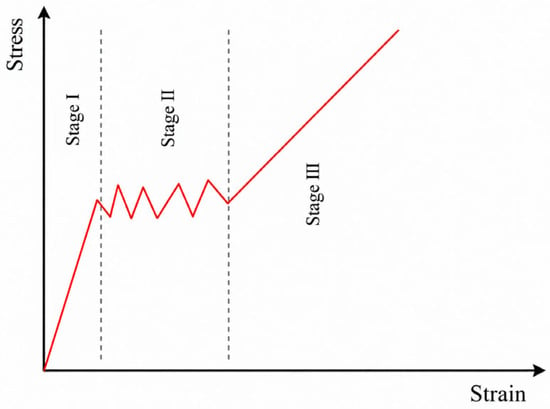
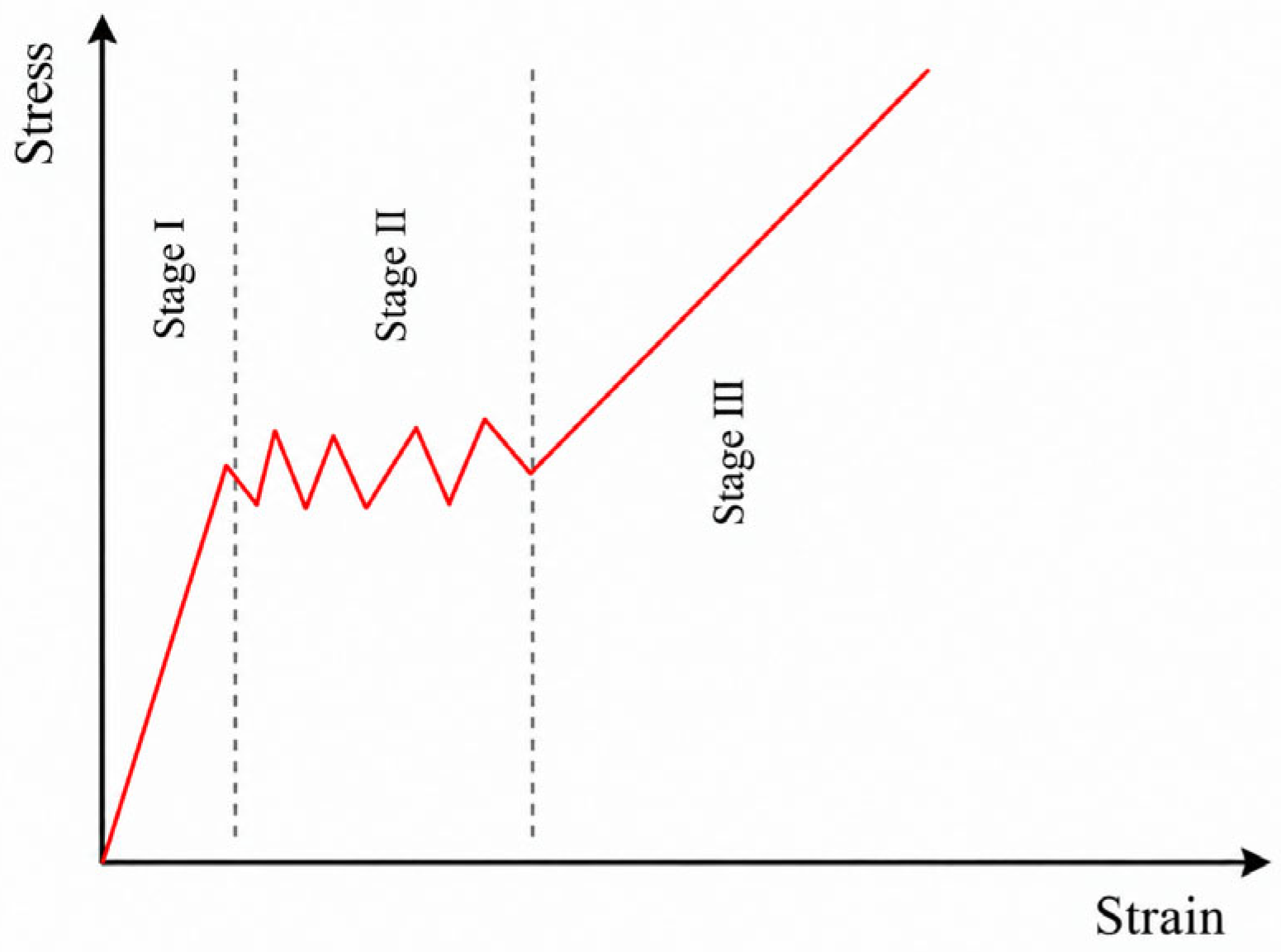
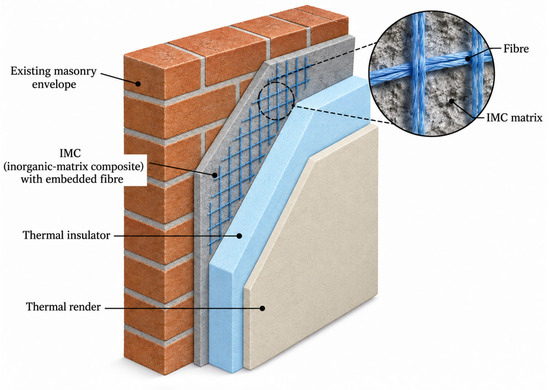
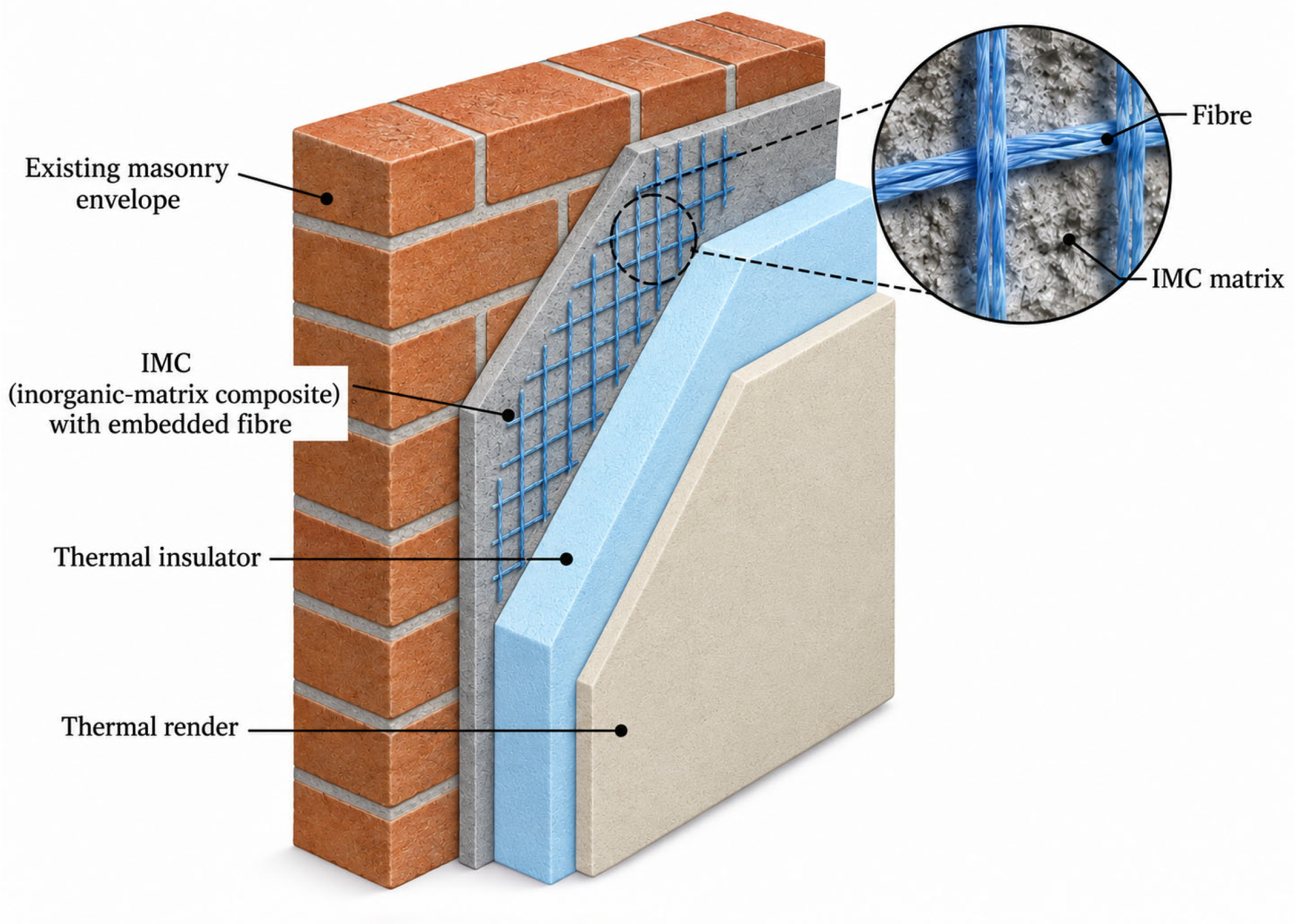
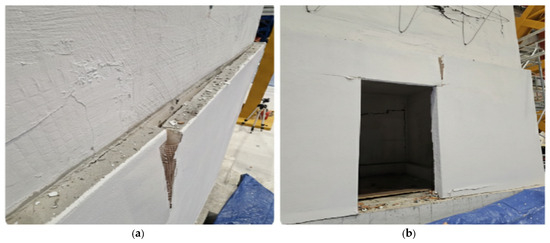
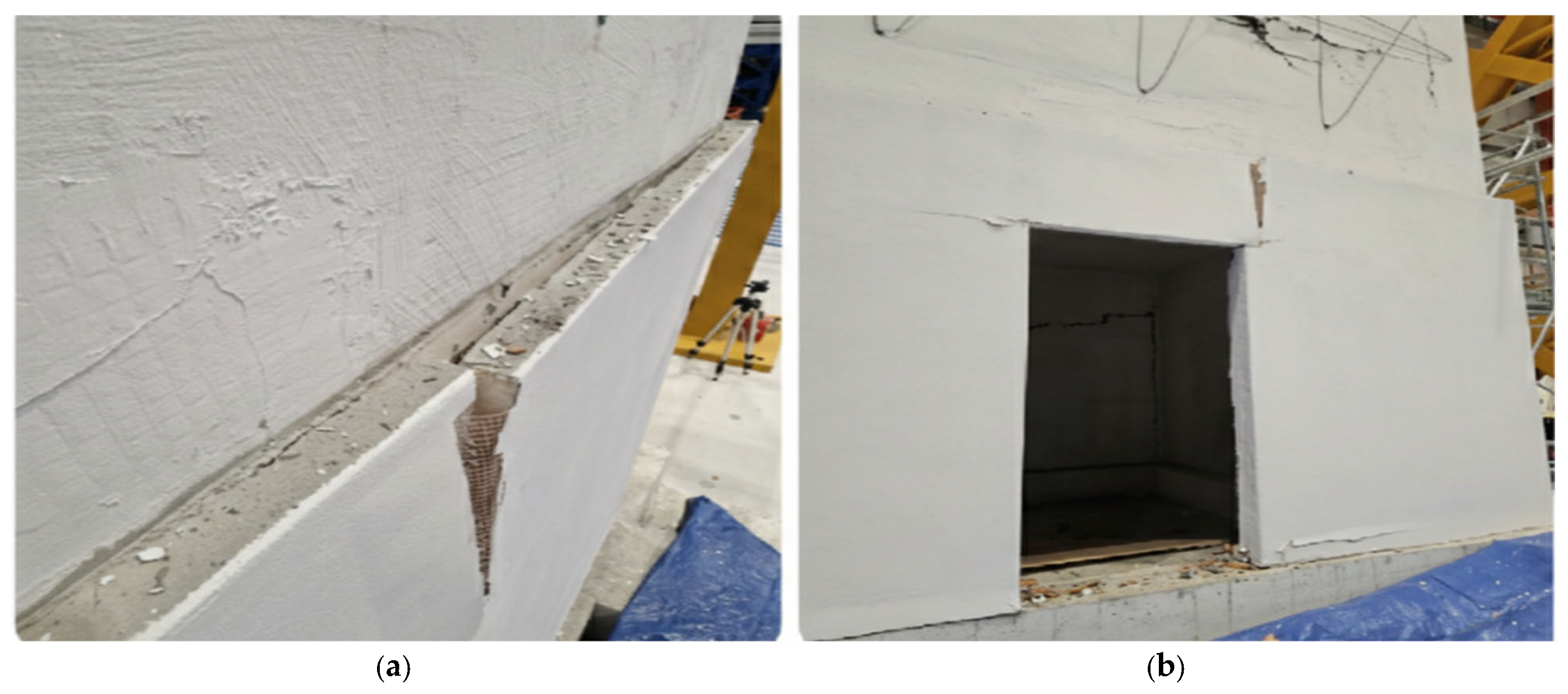
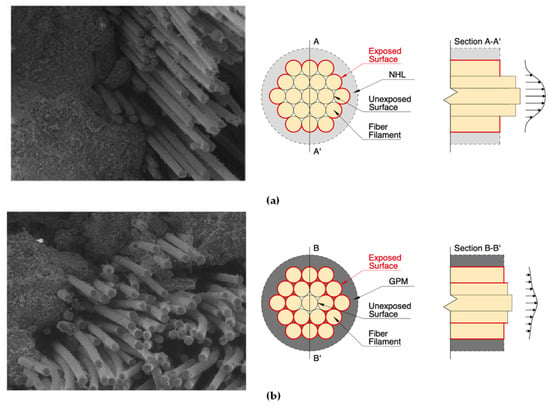
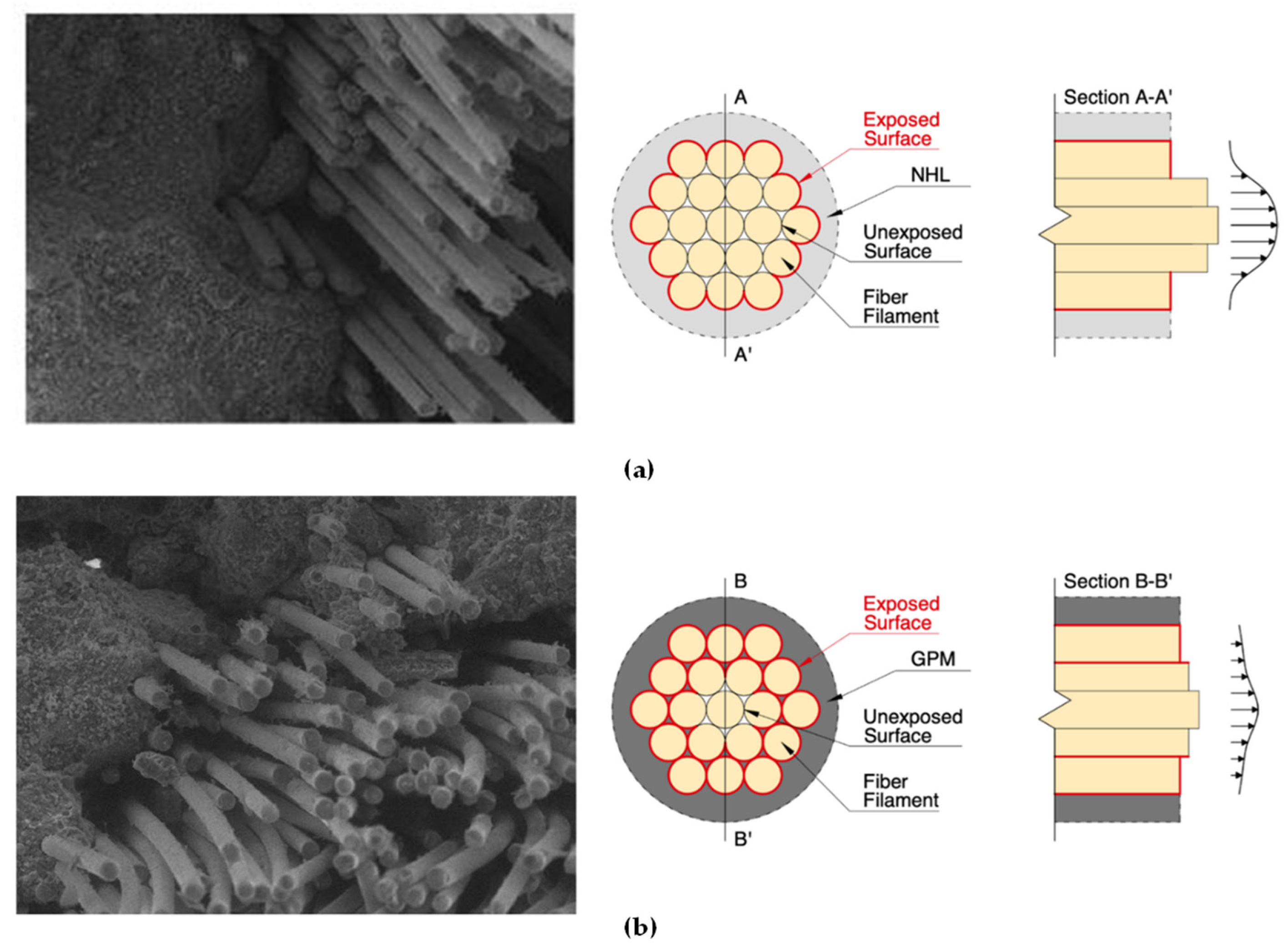
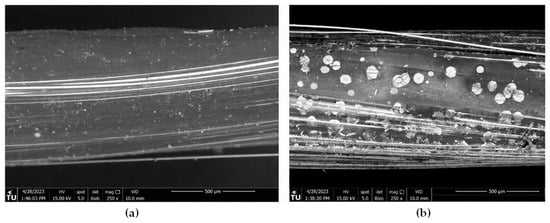
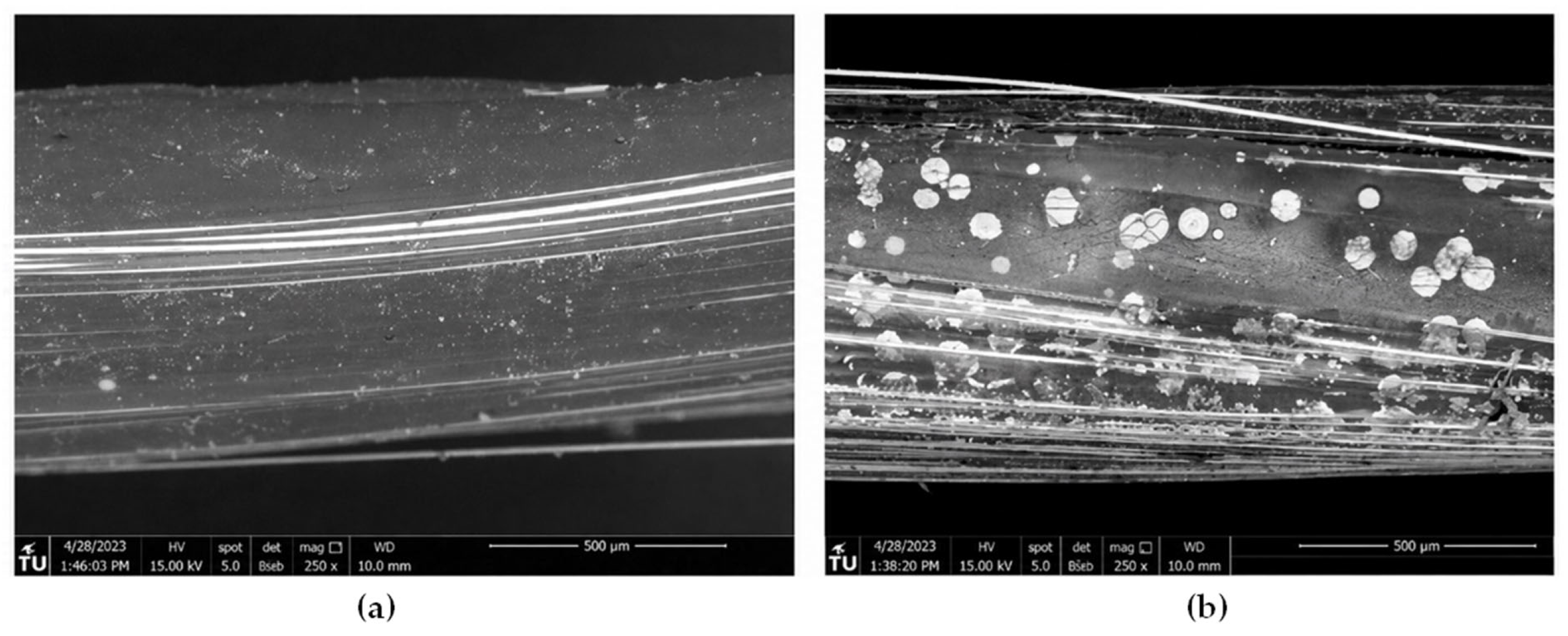

Disclaimer/Publisher’s Note: The statements, opinions and data contained in all publications are solely those of the individual author(s) and contributor(s) and not of MDPI and/or the editor(s). MDPI and/or the editor(s) disclaim responsibility for any injury to people or property resulting from any ideas, methods, instructions or products referred to in the content. |
© 2026 by the authors. Licensee MDPI, Basel, Switzerland. This article is an open access article distributed under the terms and conditions of the Creative Commons Attribution (CC BY) license.