


Abstract
Wood-wool cement boards (WWCBs) are multifunctional construction products whose reliable manufacture depends on sufficiently rapid and reproducible cement setting in the presence of lignocellulosic constituents. Soluble wood-derived compounds can retard cement hydration, causing delayed setting, insufficient early matrix cohesion, and increased production variability. Chemical accelerators are therefore important process-control agents; however, evidence concerning their effects on hydration, wood–cement compatibility, durability, and WWCB manufacture remains fragmented across different material systems and experimental conditions. This structured critical review compares calcium chloride (CaCl2), a conventional wood–cement accelerator, with calcium formate [Ca(HCOO)2], a chloride-free alternative. Literature identified through systematic database searches was critically synthesized according to evidence directness, distinguishing direct WWCB studies, other lignocellulosic composites, wood-free cementitious systems, and mechanistic evidence. Accelerator effects, process comparability, and durability implications were evaluated to separate direct WWCB findings from mechanistic transfer. The evidence base is substantially stronger for CaCl2 in overcoming wood-induced retardation, whereas Ca(HCOO)2 is well established as an accelerator in conventional cementitious systems but remains insufficiently characterized directly in WWCBs. Current evidence therefore does not support universal superiority of either accelerator. A controlled comparison is proposed in which dosages are first matched at a functionally equivalent process point (FEPP) before mechanical performance, moisture-related behaviour, ionic transport, and assembly-level compatibility are evaluated. By linking accelerator selection with manufacturing reliability, product performance, and durability requirements, this review provides an application-oriented framework for developing and specifying WWCB construction products and supporting their reliable integration into building assemblies.
1. Introduction
Cement-bonded wood composites sit at the boundary of two material systems that are each well understood individually but are not naturally compatible with one another chemically. Wood is a hygroscopic, anisotropic, and chemically heterogeneous lignocellulosic material, whereas Portland cement is a reactive, strongly alkaline mineral binder whose service properties develop through a series of simultaneous hydration reactions [1,2,3,4,5]. It is precisely this contrast that allows WWCB to simultaneously achieve low mass, open porosity, good sound absorption, and fire resistance, but that also makes control of early setting critical for stable industrial production [6,7,8,9,10].
A wood-wool cement board is defined as a rigid product made of long wood shavings—wood wool—bound by an inorganic binder and compressed to final thickness. The European standard EN 13168 covers factory-made wood-wool products for thermal insulation and distinguishes single-layer from composite products [11,12]. Typical densities of conventional WWCB panels are approximately 300–600 kg/m3, and the structure is highly porous; depending on fiber geometry, density, thickness, and air layer, this morphology enables effective sound absorption [8,13,14].
In practical terms, WWCB production requires the cement phase to set sufficiently quickly around the wood strands so that, after forming and pressing, a stable board is obtained. The problem arises because soluble wood components can adsorb onto the surface of clinker phases, complex calcium ions, and delay the nucleation of calcium silicate hydrate (C–S–H) and calcium hydroxide [2,3,4,5,15,16,17,18]. The consequences are a prolonged setting time, weaker early matrix cohesion, greater sensitivity to process variation, and, in the worst case, an unusable composite.
For this reason, mineralization procedures, wood leaching, and chemical accelerators have long been investigated in wood–cement composites [2,3,4,5]. EN 934-2 defines concrete admixtures [19] but does not document the history of wood pretreatment. Calcium chloride is one of the most effective and least expensive conventional accelerators and has improved compatibility and mechanical properties in numerous studies of wood–cement composites [20,21,22,23,24,25]. Its effectiveness is nevertheless not the only criterion. The chloride ion has particular significance in cement materials because of its potential to depassivate steel, its interaction with hydration products, its migration with moisture, and the constraints it imposes in systems containing metal fasteners or reinforcement [26,27,28,29,30,31].
Calcium formate is a chloride-free accelerator that, in cement chemistry, is regarded as a salt of formic acid capable of shortening setting time and increasing early strength, although it is generally a less aggressive accelerator than CaCl2 [32,33,34,35]. For WWCB, this distinction is particularly relevant: the product does not necessarily require maximum early compressive strength, as structural concrete does, but rather reliable early setting combined with preserved porosity, wood–cement adhesion, moisture stability, acoustic function, and long-term durability.
The industrial relevance of the topic is confirmed by the fact that WWCB continues to be developed as an acoustic, thermal, and multifunctional building product. The Croatian context is particularly relevant here: Šipušić et al. analyzed the porosity of boards from regular production at FRAGMAT H d.o.o. and showed that porosity and pore distribution can be quantified by combining the Archimedes method with digital image analysis [14]. That work does not provide a comparison of accelerators, but it offers direct evidence that porosity control in industrially relevant WWCB is measurable and important for linking binder chemistry to the functional properties of the board.
Against this background, the applied objective of this review is to establish an evidence-based basis for accelerator selection in the manufacture of wood-wool cement boards, considering not only cement-hydration kinetics but also production reliability, early board integrity, durability, and the requirements associated with the use of WWCBs as construction products. The core research question is therefore: can existing knowledge from two separate bodies of literature—wood–cement composites containing CaCl2 and cementitious systems containing Ca(HCOO)2—be integrated into a scientifically grounded and application-oriented framework for accelerator selection in WWCB manufacture? To address this question, the objectives are: (i) to explain the chemical basis of wood–cement incompatibility; (ii) to critically compare CaCl2 and Ca(HCOO)2 in terms of acceleration mechanisms, process efficiency, performance trade-offs, and durability-related constraints; (iii) to relate accelerator-induced changes in early hydration and compatibility to key WWCB product properties; (iv) to identify the principal limitations and evidence gaps in the existing literature; and (v) to define an experimental validation framework for a controlled head-to-head comparison under functionally equivalent processing conditions, without assuming the superiority of either accelerator. In this way, the review connects the materials-science basis of accelerator action with the practical requirements of reproducible WWCB manufacture, product performance, and durable integration into building assemblies.
Representative industrial wood-wool cement board products and layered configurations are shown in Figure 1, illustrating the heterogeneous product forms and construction-product context considered in this review.
Figure 1.
Representative wood-wool cement board (WWCB) products and configurations from FRAGMAT: (a) industrially manufactured WWCB-based elements in a production environment; (b) representative layered composite elements showing wood-wool cement facing layers and insulating cores; and (c) examples of WWCB product configurations illustrating differences in layer composition and internal structure. Photographs provided by FRAGMAT.
Unlike general reviews of wood–cement compatibility or reviews of chemical accelerators in conventional cementitious systems, the present work explicitly separates evidence according to its directness of transfer to WWCBs and introduces the concept of a functionally equivalent process point for accelerator comparison. This distinction prevents findings obtained in wood-free cement systems from being interpreted as direct evidence for WWCBs and enables the available literature to be organized into established findings, transferable mechanistic evidence, and unresolved hypotheses. The resulting research gap is therefore formulated as the absence of a controlled comparison between CaCl2 and Ca(HCOO)2 within the same wood-wool–cement matrix under equivalent process conditions.
2. Methodology of the Critical Literature Review
A key methodological decision is that CaCl2 and Ca(HCOO)2 are not treated as equivalent at equal mass percentage. In this review, a functionally equivalent process point (FEPP) is defined as a condition at which two accelerator formulations reach the same predefined production-relevant kinetic or mechanical threshold, within a prespecified experimental tolerance, while wood source, cement type, water-to-cement ratio, board density, curing conditions, and other non-accelerator variables are held constant. For future head-to-head validation, the primary FEPP criterion should preferably be calorimetric, such as the time required to reach a predefined fraction of cumulative heat release or the time to the main heat-flow maximum; a secondary process criterion, such as minimum cohesion required for safe demoulding, should confirm practical manufacturability. An initial relative equivalence margin of ±10% for the prespecified primary metric is proposed as a testable starting point, not as a universal standard. This approach avoids a chemically weak equal-mass comparison and provides a more defensible basis for subsequent comparison of long-term properties. The literature bodies consulted and their limitations for transfer to WWCB are summarized in Table 1.
Table 1.
Overview of the literature bodies consulted and their limitations for transfer to WWCB.
This distinction is chemically important because equal mass fractions do not correspond to equal molar quantities or equal calcium-ion input. The molar masses of anhydrous CaCl2, CaCl2·2H2O, and Ca(HCOO)2 are approximately 111.0, 147.0, and 130.1 g mol−1, respectively. On a mass basis, anhydrous CaCl2 therefore supplies approximately 17% more moles of Ca2+ per gram than calcium formate, whereas CaCl2·2H2O supplies approximately 12% less. A rigorous head-to-head comparison should therefore distinguish at least three dosage bases: (i) equal mass of accelerator per mass of cement, representing the conventional formulation basis; (ii) chemically normalized dosing, such as equal molar Ca2+ input, with the salt form explicitly reported; and (iii) functionally equivalent dosing, in which each accelerator is independently adjusted to achieve a predefined production-relevant response. Equal-mass and chemically normalized conditions provide useful reference points, whereas functional equivalence is considered the primary basis for subsequent comparison of finished WWCB performance. The salts also differ markedly in water solubility at ambient temperature: representative values are approximately 74.6 g CaCl2 [36] and 16.6 g Ca(HCOO)2 [37] per 100 g water at 20 °C; the CaCl2 value is converted from 74.5 g per 100 mL water using the density of water at 20 °C. This difference is a practical process constraint when mineralizer solutions are sprayed or soaked onto wood wool: calcium formate may require a larger liquid volume, a more concentrated/slurried dosing strategy, or dry addition to the binder, any of which can alter effective water availability. Accordingly, salt form, solution concentration, total added water, and point of application must be reported explicitly.
The following outcomes are predefined for comparison: time to the main calorimetric peak, cumulative heat, initial/final setting time, early process cohesion, MOR, MOE, internal bond, density and porosity, water absorption and dimensional stability, ionic mobility, compatibility with metal fasteners, acoustic and thermal function, and long-term durability. The heterogeneity of formulations precludes a statistically defensible meta-analysis; results are therefore synthesized according to direction of effect, evidence directness, and process comparability.
The review was designed as a structured systematic critical review without statistical meta-analysis. The research question was: what are the demonstrated and probable effects of CaCl2 and Ca(HCOO)2 on the hydration, processing window, and service properties of wood-wool cement boards, and where does direct evidence end and mechanistic extrapolation begin? The literature search was rerun on 20 September 2026 in Scopus and Web of Science using five search sets specified for the revised search (S1–S5). S1 captured the WWCB and broader wood-cement context; S2 and S3 targeted calcium chloride (CaCl2) and calcium formate [Ca(HCOO)2], respectively, in wood- or lignocellulosic-cement systems; and S4 and S5 applied parallel searches for CaCl2 and calcium formate in cement-hydration systems. Scopus searches used TITLE-ABS-KEY and Web of Science searches used Topic (TS). Supplementary Search Strategy S5 transcribes the retained Scopus expressions and one Web of Science expression (S3). For the other four Web of Science sets, the available search note specifies the field-substitution rule but does not preserve the executed history; S5 supplies reconstructed TS expressions, explicitly labelled as such. The recorded per-set yields do not independently verify the exact historical Web of Science syntax. No restrictions were applied with respect to publication year, language, subject area, or document type at the database-search stage.
The updated searches identified 3153 records, comprising 1686 records from Scopus and 1467 records from Web of Science. Records from the five search sets were merged and deduplicated using DOI as the primary identifier and normalized title as a fallback when a DOI was unavailable. This procedure removed 1155 duplicate records and yielded 1998 unique records for record-level screening.
Screening was performed as a staged record-level evidence-selection procedure based on titles, abstracts, keywords, bibliographic metadata, and, where available during the revision, additional publisher or open-access source information. Records were considered potentially relevant when they addressed: (i) WWCBs or other cement-bonded lignocellulosic systems relevant to wood–cement compatibility, hydration, processing, or product performance; or (ii) the effects of CaCl2 or calcium formate in cementitious systems providing mechanistically transferable evidence concerning hydration, setting, early strength, phase development, microstructure, durability, or related outcomes. Of the 1998 unique records screened, 1818 were not advanced beyond the initial title/abstract/metadata relevance assessment because they did not provide sufficiently direct evidence for the predefined synthesis question. The remaining 180 high-priority records underwent stricter record-level eligibility adjudication. During this stage, secondary reviews, conference-level records without a study-specific experimental report, clearly out-of-scope material or application systems, and records lacking sufficient direct relevance to the predefined evidence synthesis were excluded. Following the final evidence audit, 56 records were excluded or consolidated during strict eligibility adjudication, including two duplicate database records consolidated to their canonical publications and one clearly secondary state-of-the-art assessment. The final record-level registry therefore comprised 124 retained records, including studies used only as contextual evidence.
The review protocol was not prospectively registered in PROSPERO or OSF; therefore, no registration number is reported. Study selection was not conducted as a prospectively planned independent duplicate-screening exercise, and a defensible inter-rater reliability statistic cannot be reconstructed retrospectively. Cohen’s κ is therefore not reported. This limitation is stated explicitly rather than inferring agreement from post hoc consensus. For studies retained for synthesis, a structured record-level registry was compiled in Supplementary Table S1. For each retained record, the registry reports the study identifier, bibliographic information, database search-set membership, evidence-directness classification, and the documented selection/evidence basis available during the revision audit. Search-set membership alone was not treated as evidence that CaCl2 or Ca(HCOO)2 was an experimental variable, and information not established from the available record was not inferred. Because the revision dataset consisted principally of database records and abstracts rather than a prospectively documented full-text retrieval corpus, the number of failed full-text retrievals cannot be reconstructed reliably; no retrospective number is invented. This is a methodological limitation of the present review and is reflected in the PRISMA reporting. The complete database-specific S1–S5 expressions and yields are provided in Supplementary Search Strategy S5; four WoS expressions are reproduced from the retained search note’s stated field-wrapper substitution and require confirmation against the original WoS search history, if retained.
Evidence was evaluated along two conceptually separate dimensions: (i) directness of transfer to WWCBs and (ii) methodological interpretability. Evidence directness was classified as Level A (direct WWCB evidence), Level B (evidence from another cement-bonded wood or lignocellulosic composite), Level C (evidence from wood-free cement paste, mortar, or concrete), or Level D (mechanistic hypothesis derived by integrating evidence from the preceding levels). The A–D hierarchy therefore describes proximity to the target WWCB system and not methodological quality, certainty, or risk of bias. A Level A study may be more directly applicable to WWCBs than a Level C study while simultaneously providing less complete experimental reporting.
Methodological interpretability was consequently considered separately using predefined appraisal domains covering raw-material or material-system characterization, accelerator definition and dosage basis, presence of an appropriate reference/control, curing and conditioning conditions, formulation and density descriptors, replication/statistical reporting, and identification of the principal test method or standard. No numerical quality score was calculated because the included evidence spans substantially different material systems, experimental objectives, and test designs for which a single validated scoring scale would imply a degree of comparability that is not supported by the evidence.
The two dimensions were interpreted jointly during synthesis. High directness strengthens applicability to WWCBs, whereas adequate methodological reporting strengthens confidence that the reported effect can be interpreted and reproduced. Neither dimension alone was considered sufficient for a claim of accelerator superiority. Where information required for an appraisal domain was unavailable, no methodological judgement was inferred from incomplete information.
2.1. Descriptive Methodological Appraisal
Because evidence directness does not capture methodological quality, the included experimental literature was also considered through a descriptive reporting-quality lens. The appraisal domains were: (i) characterization of the lignocellulosic raw material or cementitious system; (ii) explicit definition of accelerator dosage and dosage basis; (iii) presence of a reference or control formulation where applicable; (iv) reporting of curing or conditioning conditions; (v) reporting of mixture proportions, specimen density, or other formulation descriptors relevant to interpretation; (vi) reporting of replicate number, variability, or statistical treatment where applicable; and (vii) identification of the principal test method, standard, or measurement procedure. These domains were defined to structure consideration of methodological interpretability and were not converted into a numerical score.
Because the included experimental studies differ substantially in material system, scale, test method, and experimental objective, a domain-level methodological-appraisal framework was defined rather than a single numerical study score. Where sufficient source-level information was available, the framework permits consideration of low concern, some concern, or high concern; where the available information was insufficient for a defensible judgement, the domain was treated as not established. No methodological judgement was inferred solely from database metadata or evidence-directness classification. Supplementary Table S3 provides the corresponding methodological-appraisal traceability matrix and identifies records for which source-level verification would be required before a formal study-level judgement could be assigned.
Particular attention was given to variables capable of confounding comparisons between CaCl2 and Ca(HCOO)2, including wood source, binder composition, dosage basis, water content, density, curing conditions, and test age. Methodological interpretability was considered separately from evidence directness and was used conservatively in the narrative synthesis only where the necessary source-level information was available. The methodological-appraisal framework is summarized in Table 2.
Table 2.
Methodological-appraisal framework applied independently of the A–D evidence-directness classification.
The methodological-appraisal domains were specified to distinguish evidence directness from the completeness of methodological reporting; a complete record-by-record risk-of-bias appraisal was not performed. However, the record-level evidence registry did not provide sufficient source-level information to assign a defensible domain-level risk-of-bias judgement to every retained record. Accordingly, methodological characteristics were not inferred when they could not be established from the available source information. Supplementary Table S3 documents the appraisal domains and identifies where source-level verification would be required before a formal study-level judgement could be assigned. This approach preserves the distinction between evidence directness and methodological interpretability without retrospectively assigning unsupported quality ratings.
2.2. Sensitivity Analysis
Because the evidence base encompasses different material systems and levels of evidence directness, a qualitative sensitivity assessment was used to examine whether the principal interpretations depended disproportionately on indirect evidence. This assessment did not involve statistical pooling. Instead, the interpretation was considered under progressively more restrictive evidence-directness conditions.
Two evidence-directness restrictions were examined. Scenario 1 considered eligible Level A–C evidence, with Level D reserved for mechanistic interpretation. Scenario 2 restricted WWCB-performance interpretation to Levels A and B. A third, methodologically interpretable core was defined conceptually but could not be adjudicated study by study because the necessary source-level information was unavailable for many records. It is therefore not a completed methodological-quality sensitivity analysis (Supplementary Table S4).
Restriction to Levels A and B preserved the main evidence-gap interpretation: no controlled head-to-head WWCB study of CaCl2 and Ca(HCOO)2 was identified. Mechanistic conclusions about formate depend substantially on Level C wood-free evidence. Robustness to methodological quality remains provisional because Scenario 3 could not be completed; the conclusion that neither salt has established product-level superiority rests chiefly on the absence of direct comparative WWCB evidence, rather than on a completed quality-based sensitivity test.
The review and its revised reporting were structured with reference to the PRISMA 2020 statement. A completed PRISMA 2020 checklist is provided in the Supplementary Materials, with the corresponding manuscript section, table, figure, or supplementary item identified for each applicable reporting item. Items that are not applicable to the present qualitative materials-science review are identified explicitly rather than omitted. Supplementary Table S1 identifies all 124 retained records, including contextual records that do not directly inform the target-salt comparison; not every registry record is cited in the main narrative. Supplementary Tables S3 and S4 provide, respectively, the methodological-appraisal traceability matrix and the qualitative sensitivity-analysis traceability matrix. Supplementary Search Strategy S5 distinguishes transcribed expressions from reconstructed Web of Science expressions; the latter cannot be authenticated as verbatim executed queries without the original database history. The literature search and synthesis protocol is summarized in Table 3.
Table 3.
Transparent literature search and synthesis protocol.
PRISMA 2020 Transparency of Source Selection. The updated searches identified 3153 records (Scopus, n = 1686; Web of Science, n = 1467). After removal of 1155 duplicate records, 1998 unique records underwent title/abstract/metadata screening. Of these, 1818 were not advanced after the initial relevance triage and 180 high-priority records underwent stricter record-level eligibility adjudication. Following the second-round eligibility audit, 56 records were excluded or consolidated during this stage because they were secondary or non-primary sources, clearly outside the predefined material or application scope, conference-level records without a study-specific experimental report, or insufficiently direct for the predefined synthesis question. The final record-level registry comprised 124 unique records of varying relevance and evidence directness (Supplementary Table S1); this is not a count of verified target-salt experiments. Standards, textbooks, patents, and broader contextual sources cited elsewhere in the manuscript were not counted in this 124-record registry. The review protocol was not prospectively registered in PROSPERO or OSF. Independent duplicate screening was not prospectively implemented; consequently, Cohen’s κ is not reported. Because full-text retrieval was not systematically documented for every retained record, no retrospective report-retrieval, failed-retrieval, or full-text eligibility counts are presented. These limitations are reported explicitly in the completed PRISMA 2020 checklist rather than reconstructed after the fact. R0213 was reclassified as Level A after its WWCB application was confirmed from the publisher abstract. The seven records removed between the earlier 131-record registry and the final 124-record registry are identified in a retrospective audit appended to Supplementary Table S1. The stated eligibility reasons are based on the available bibliographic metadata and should not be interpreted as contemporaneous exclusion decisions or full-text assessments. The literature identification and evidence-selection process is shown in Figure 2.
Figure 2.
Record-level flow of literature identification and evidence selection in the updated review, adapted from the PRISMA 2020 reporting framework. The diagram reflects the documented screening and evidence-selection procedure based on bibliographic records, abstracts, and available source information. Because a complete corpus of full-text reports was not systematically retrieved for all retained records, full-text retrieval and eligibility counts are not reported. Arrows indicate the sequence of record processing and selection. Blue boxes denote identification and screening stages, the peach box denotes excluded or consolidated records, and the green box denotes the retained evidence registry.
3. The WWCB Material System and Wood–Cement Compatibility
3.1. Structure and Function of WWCBs
WWCB is not “lightweight concrete with wood fibers,” but a hierarchically porous composite. Long, ribbon-like wood-wool particles form a spatial network, while the mineral binder coats the fibers and creates contact bridges at their crossing points. Mechanical behavior therefore depends on the continuity of the cement coating, adhesion to the wood, the number of contact points, fiber geometry, and board density [3,13,14]. Increasing the cement content can increase stiffness and strength, but at the same time increases density and embodied carbon, and may reduce the open porosity important for acoustic absorption.
The acoustic behavior of WWCB arises from its high porosity, flow resistivity, and tortuosity. Botterman et al. showed that sound absorption can be described using porous-medium models, and that density, wood-wool width, board thickness, and the air gap behind the board strongly determine the result [13]. This means that a chemical additive should not be evaluated on strength alone: if a change in hydration kinetics leads to a thicker mineral film, greater pore closure, or a different pressing behavior, acoustic characteristics can change as well. A more recent analysis of industrial WWCB further confirms that porosity is not merely a descriptive quantity, but a central parameter governing density, mechanical, transport, thermal, and acoustic properties [14].
Thermal function is linked to low density, air within the pores, and a relatively small proportion of solid mineral phase. Porosity simultaneously affects mechanical, thermal, and transport properties, which is why more recent studies emphasize the need to link porosity with density, modulus, permeability, and thermal conductivity [14]. This multifunctionality makes simple optimization toward a single variable—for example, setting time—insufficient.
The fire resistance of WWCB largely results from the mineralization of the wood strands and the protective role of the inorganic binder. The cement coating reduces the wood’s direct exposure to flame, and the open structure and mineral phase alter heat transfer. At the same time, the actual reaction-to-fire classification depends on the composition, density, thickness, and surface treatment of the specific product, and cannot be inferred solely from the fact that the binder is cementitious [14,38]. Biological durability is also one of the advantages of mineral-bonded boards. Studies of WWCB have shown good resistance to termites, attributed to mineralization and the altered availability of the wood phase [39]. However, durability under moisture cycling is not solely a biological issue: repeated swelling and shrinkage of the wood, capillary transport through the cement film, and possible dissolution of soluble salts can progressively alter the interfacial zone.
3.2. Wood-Induced Retardation of Cement Hydration
The interpretation of these phenomena also relies on the fundamental chemistry of Portland cement: the development of C–S–H, portlandite, and aluminate hydrate phases, together with their relationship to the pore solution and microstructure, provides the basis for understanding how organic inhibitors and chemical accelerators alter the early reaction of the binder [40,41,42].
3.2.1. Extractives, Sugars, and Alkaline Degradation
The most consistent finding in the literature is that wood–cement compatibility is not a property of “wood” in general, but a combination of wood species, the part of the stem, storage conditions, soluble-substance content, particle geometry, wood/cement ratio, cement type, and temperature [3,4,5,15,16,18,20,43]. Some softwood species show good compatibility, while certain hardwood species or heartwood can strongly inhibit setting.
Sugars and other water-soluble organic constituents are among the most important contributors to wood-induced cement retardation. Their action cannot be attributed to a single mechanism. Saccharides and other oxygen-containing organic compounds can interact with Ca2+ in the pore solution, thereby modifying the ionic conditions required for precipitation of early hydration products. At the same time, adsorption of organic species on clinker or newly forming hydrate surfaces can interfere with dissolution, nucleation, and crystal growth. In particular, inhibition or “poisoning” of C–S–H nucleation sites provides a mechanistic explanation for the prolonged induction period frequently observed when cement hydrates in the presence of lignocellulosic leachates [6,7].
The chemical environment is additionally dynamic because the highly alkaline cement pore solution can degrade susceptible lignocellulosic constituents, particularly hemicellulose-derived carbohydrates, generating lower-molecular-weight soluble species whose retarding action may differ from that of the original wood extractives. Consequently, wood–cement incompatibility should be regarded as the combined outcome of the initial soluble-extractive composition, alkaline degradation during mixing and early hydration, adsorption and complexation reactions, and the resulting disturbance of hydrate nucleation and growth. The relative importance of these mechanisms depends on wood species, storage and pretreatment, extractive composition, wood/cement ratio, cement chemistry, temperature, and water availability.
At the molecular level, the principal inhibitory species include reducing sugars, soluble carbohydrates, phenolic extractives, and alkaline-degradation products of hemicelluloses. Their effects are consistent with adsorption on clinker and nascent hydrate surfaces, interference with C-S-H nucleation and growth, and complexation of Ca2+ in the pore solution [6,7,44]. This mechanistic picture explains why calcium-bearing accelerators can partly compensate for lignocellulosic inhibition: increasing calcium availability and accelerating hydrate nucleation can shorten the prolonged induction period, although the magnitude of the response remains dependent on wood chemistry, cement composition, temperature, and water availability. These mechanisms should therefore be treated as a coupled chemical explanation rather than as evidence that any single accelerator will perform identically across wood batches.
For this reason, the same nominal formulation can yield different process kinetics if the felling season, storage time, heartwood content, or prior wetting changes. Kochová et al. showed that even local degradation of seemingly similar spruce raw material can change compatibility and the mechanical outcome [10]. For industrial WWCB, this means the accelerator must also serve as a “process buffer”: its value lies not only in shortening the average setting time, but in reducing the sensitivity of the process to biomass variability.
3.2.2. Measurement of Wood–Cement Compatibility
The most common approach is based on temperature-rise or isothermal calorimetry. Maximum temperature, time to maximum, total heat released, or a derived wood–cement compatibility index are compared against a reference cement paste [3,4,15,45]. Such methods quickly reveal retardation, but are not sufficient on their own, since changes in exothermic behavior and mechanical strength are not necessarily perfectly correlated.
For WWCB, a combination of calorimetry and board testing is therefore appropriate. Calorimetry answers the question “has hydration been triggered, and how fast?”, while MOR, MOE, and internal bond answer the question “has the resulting microstructure effectively bonded the wood-wool network?”. Density, water absorption, swelling, sorption, permeability, and microscopic analysis of the interfacial zone are additionally required. This multi-level validation is precisely what matters when comparing CaCl2 and Ca(HCOO)2: an accelerator that produces an earlier thermal peak does not automatically yield the best board after 28 days or after moisture cycling.
These observations demonstrate that accelerator selection cannot be considered independently of the broader WWCB production system. Wood characteristics, cement composition, accelerator formulation and dosage, manufacturing conditions, resulting board structure, and service-performance requirements interact in determining the reliability and final performance of the construction product. Figure 3 summarizes these relationships using an Ishikawa framework and highlights the accelerator system as one controllable component within the wider production–structure–performance chain.
Figure 3.
Ishikawa diagram summarizing the principal material, chemical, manufacturing, structural, and service-related factors governing reliable wood-wool cement board (WWCB) production and performance, with particular emphasis on the accelerator system and the comparison between calcium chloride (CaCl2) and calcium formate [Ca(HCOO)2].
Matoski et al. [22] compared calcium chloride, magnesium chloride, aluminium sulfate, and sodium silicate in wood-dust–cement panels. Calcium formate was not among the tested accelerators; their results therefore cannot support an inference about formate performance.
Figure 4 illustrates the competition between wood-induced retardation and the action of calcium-based accelerators.
Figure 4.
Conceptual representation of the competition between the retarding action of wood extractives and the action of calcium-based accelerators. The scheme is the authors’ own synthesis of mechanisms drawn from the literature [2,3,4,5,17,18,20,21,22,23,32,33].
4. Evidence on Calcium Chloride and Calcium Formate
4.1. Calcium Chloride in Wood–Cement Composites
CaCl2 has historically served as the reference accelerator in cement-based and wood–cement composites. Its main advantages are its strong acceleration of early-age reactions and relatively low cost. In WWCBs and related panel products, several studies have demonstrated improvements in compatibility and strength at dosages of several percent by mass of cement, although the optimum dosage depends on the wood species, pretreatment method, wood-to-cement ratio, and binder type [20,21,22,23,24,25,46,47,48,49,50,51,52].
Ashori et al. [8] investigated WWCBs made from eucalyptus and poplar using CaCl2 at 5% and 8% by mass of cement and reported MOR, MOE, and internal-bond results that depended on the investigated formulation variables. An unaccelerated control has not been established from the source information verified for this review; therefore, the study is treated as direct evidence of CaCl2 use and dosage variation in WWCB, rather than as a controlled estimate of improvement relative to an accelerator-free formulation. In other cement-bonded boards, dosages of approximately 2–3% are frequently reported as effective, although some studies have employed higher dosages [21,22,23,24,25]. Such variability indicates that the optimum dosage is not a universal material constant.
From a mechanistic perspective, CaCl2 affects several coupled processes during early cement hydration. Dissolution of the salt rapidly increases the concentrations of Ca2+ and Cl− in the pore solution and modifies its ionic environment. Experimental and thermodynamic studies of Portland-cement systems indicate that CaCl2 accelerates silicate hydration and can increase supersaturation with respect to C–S–H, thereby promoting earlier nucleation and growth of hydration products. In wood-containing systems, this kinetic acceleration is particularly relevant because the cementitious phase must overcome the competing retarding effects of soluble organic compounds before sufficient early cohesion develops.
Chloride is not, however, chemically inert within the hydrating binder. In addition to remaining partly mobile in the pore solution, Cl− can interact with aluminate-containing hydration products and become incorporated into chloride-bearing AFm phases, including Friedel’s salt [53]. The partitioning between free and bound chloride therefore evolves with hydration and depends on cement composition, particularly the available aluminate phases and competing anions such as sulfate. This distinction is important for WWCBs because the accelerator simultaneously affects early hydration kinetics and the subsequent inventory and mobility of chloride within a porous, moisture-responsive composite.
The acceleration observed in conventional cement systems provides a mechanistic basis for the effectiveness of CaCl2 in wood–cement composites, but the magnitude of this effect cannot be transferred quantitatively without accounting for the lignocellulosic phase. Wood-derived retarders, water redistribution, wood/cement ratio, and cement composition modify the pore-solution environment and may therefore alter both the required CaCl2 dosage and the resulting hydrate assemblage.
However, chloride is not a chemically neutral “carrier” of calcium. Within the cementitious matrix, it can participate in the formation of chloride-bearing AFm phases and may remain partially mobile in the pore solution. If the product or assembly contains steel, chlorides are a major factor contributing to depassivation and localized corrosion [26,27,28,29,30,31]. Although WWCB itself is often unreinforced, in practical applications it may be attached using screws, anchors, or metal profiles, or incorporated into multilayer construction systems. Consequently, the assessment of CaCl2 should consider the entire building assembly rather than the laboratory board alone.
Another relevant aspect is moisture transport. CaCl2 is a highly soluble and hygroscopic salt. It is not justified to assume automatically that all CaCl2 introduced during manufacturing will remain in a free state or cause adverse effects, because a fraction of the chloride becomes incorporated into hydration phases and the pore solution evolves during hydration. Nevertheless, for a porous and hygroscopic composite such as WWCB, it is reasonable to investigate ion migration and leaching under cycles of relative humidity and wetting, particularly when use under exterior or semi-exposed conditions is being considered.
The broader body of research on wood–cement composites confirms that the effect of CaCl2 should be evaluated together with the pretreatment of lignocellulosic raw materials and their chemical compatibility with cement. In wood-powder panels, chloride-based additives exhibited the best overall performance among the accelerators compared, with the combination of wood powder and CaCl2 providing the best result within the chloride group [22]. In bamboo-wool composites, CaCl2 improved dimensional stability and flexural strength while reducing water absorption, although the results also depended on board density [24]. Studies involving sunflower stalks, oil palm, Amazonian wood species, rubberwood, construction waste wood, Eucalyptus saligna, and dhainchi further demonstrate that chemical additives and pretreatments can substantially modify compatibility as well as the physical and mechanical properties of wood–cement composites; however, the optimum treatment combination is not universal across all lignocellulosic raw materials [46,47,48,49,50,51,52].
Mechanistic studies help explain this dependence on the raw material. NMR monitoring of hydration, calorimetry, and cement-paste investigations have shown that wood-derived extractives and compounds alter the kinetics of setting and hydration [54,55]. In Acacia mangium and other wood–cement systems, various compounds and chemical additives intended to improve compatibility have been investigated, together with their effects on hydration and strength development [56,57]. Classical studies addressing hardwood pretreatment, inhibitory compounds originating from heartwood, compressive strength as an indicator of compatibility, and chemically modified fibres further confirm that compatibility assessment should account for both extractive chemistry and the measurable response of the cementitious system [44,58,59,60,61].
The properties of the final composite are not governed solely by early-age hydration. Studies addressing dimensional stability and water absorption, coconut-fibre pretreatment, extraction of inhibitory substances, and comparisons among wood species demonstrate that the composition and treatment of the lignocellulosic phase influence the subsequent performance of the composite [61,62,63,64]. Proposed compatibility indices aim to quantify these differences more reliably [45]. For WWCB specifically, findings showing that heartwood can adversely affect the mechanical properties of the board [65], whereas the orientation of wood strands can improve flexural performance [66], are particularly relevant. Therefore, any apparent advantage of one accelerator should not be attributed solely to salt chemistry unless wood species, pretreatment, density, strand geometry, and board-forming conditions are simultaneously controlled.
4.2. Calcium Formate as a Chloride-Free Alternative
Calcium formate is the calcium salt of formic acid and belongs to the group of monocarboxylate accelerators. In cementitious systems, it is known as an accelerator of setting and early strength development without introducing chloride ions [32,33,34,35]. Compared with CaCl2, its effect is often less pronounced; however, this relative “moderation” may be technologically advantageous when the objective is to achieve sufficiently rapid setting without excessively shortening the workable time or introducing a chloride burden.
The literature on neat cement pastes and mortars indicates that the formate ion affects dissolution and precipitation processes during early hydration and can shorten both the initial and final setting times. Its effect depends on cement chemistry, C3A/C3S contents, alkali and sulfate levels, temperature, and dosage. Therefore, Ca(HCOO)2 should not be regarded as a simple 1:1 mass-based substitute for CaCl2. An equal mass dosage does not imply an equal concentration of active ions, identical kinetics, or equivalent interactions with organic extractives. More recent results for C3S confirm that calcium formate addition shortens setting time, increases early heat release, and improves early strength, while simultaneously highlighting the dependence of its effectiveness on mineralogy and dosage [34]. In aluminate-rich systems, the formation of a calcium aluminate formate phase has been reported, demonstrating that the effect of formate cannot be reduced solely to “faster C–S–H formation” and that, in certain formulations, a trade-off with early strength may occur [67].
For wood–cement systems, the most important question is whether formate can sufficiently rapidly counteract the functional effects of retardation. Direct evidence for WWCB remains extremely scarce. In the updated record-level evidence set, one retained lignocellulosic-cement study explicitly incorporated calcium formate as one component of a combined chemical treatment, but no isolated calcium-formate arm or controlled head-to-head WWCB study comparing CaCl2 with Ca(HCOO)2 was identified. Accordingly, the review does not treat the existence of calcium-formate use in other material systems as direct evidence of WWCB performance. This represents a key methodological consideration of the present study: the current argument in favour of Ca(HCOO)2 is based on a combination of (a) the well-established cement chemistry of a chloride-free accelerator, (b) the general requirement for accelerated hydration in WWCBs, and (c) the avoidance of chloride-related risks, rather than on a large body of direct experimental evidence for WWCBs.
This situation does not diminish the scientific relevance of the topic; on the contrary, it makes it particularly suitable for a targeted comparative study. If Ca(HCOO)2, at a realistic industrial dosage, can achieve a similar degree of hydration, sufficient early cohesion, and equivalent or improved long-term stability, then its higher cost or somewhat slower kinetics may be justified by the associated reduction in risk. Conversely, if it cannot overcome the retardation caused by a particular wood species without requiring an excessively high dosage, CaCl2 will remain the more rational choice for that process. The answer must therefore be determined experimentally and on a formulation-specific basis.
The acceleration mechanism of Ca(HCOO)2 should not be interpreted solely as an increase in Ca2+ concentration. Formate ions participate in the early cement-hydration environment and can influence both silicate and aluminate reactions. Studies of silicate-containing systems associate calcium formate with shortened induction periods and accelerated early hydration, although the magnitude of this response depends strongly on dosage, binder composition, and curing conditions. Consequently, the response cannot be assumed to scale linearly with the nominal mass fraction of calcium formate.
The aluminate reaction provides an additional mechanistic distinction. In C3A–gypsum systems, calcium formate has been shown to modify early C3A hydration and AFt formation, while the subsequent evolution of AFt, AFm, and other aluminate hydrates depends on sulfate availability. Formate can also participate directly in the formation of calcium-aluminate–formate hydrate phases. These observations demonstrate that Ca(HCOO)2 is not simply a chloride-free analogue of CaCl2: substitution of Cl− by HCOO− changes the chemical interactions with the hydrating binder and can alter the hydrate assemblage.
For WWCB application, these mechanisms remain predominantly transferable mechanistic evidence rather than direct proof of behaviour in wood-wool–cement matrices. The presence of wood-derived organic compounds, variable moisture availability, and a different pore-solution environment may modify the response observed in wood-free cement pastes. The effects of Ca(HCOO)2 on silicate and aluminate hydration should therefore be treated as a mechanistic basis for experimental validation rather than as evidence that a given dosage will produce the same response in WWCB.
Recent literature further demonstrates that the performance of Ca(HCOO)2 is strongly dependent on the mineralogical and binder system. In C3A–gypsum systems, formate can participate in the formation of specific formate-containing hydrate phases and alter early aluminate chemistry [67,68,69]. In cements containing fly ash and/or slag, changes in hydration kinetics, early strength, and microstructure have been reported, although the magnitude and even the beneficial nature of these effects depend on binder composition, dosage, and curing conditions [70,71,72,73,74]. Calcium formate has also been investigated as a means of accelerating early hydration at low temperatures [75]. These findings broaden the mechanistic basis for understanding formate action but still represent Level C evidence because they do not involve wood wool.
A similar process dependence is observed in alkali-activated and low-clinker binders. Ca(HCOO)2 has been investigated as an auxiliary activator in CaO-activated slag and alkali-silicate-activated slag systems [76,77,78], as well as in sulfoaluminate cement [79], Portland-cement concrete [35], supersulfated cements [80,81,82], and ultra-low-clinker systems [83]. Overall, the results confirm its potential to accelerate hydration and early strength development, while simultaneously demonstrating that the mechanism of action and optimum dosage vary with binder chemistry. Consequently, a dosage established for one cementitious system cannot be transferred directly to WWCBs.
Additional studies on reactive powder concrete, activated slag, steam-cured systems, and UHPC indicate that formate can also influence workability, porosity, and microstructural development [84,85,86,87]. Under cold conditions, it has also been combined with electrical curing to promote early strength development [88]. For long-term assessment, studies examining chloride penetration and the corrosion behaviour of mortars containing calcium formate are particularly relevant [89,90]. These findings caution that the fact that formate itself does not introduce chloride does not automatically imply that every formate-containing system will exhibit superior durability; changes in pore structure and transport properties must still be verified experimentally.
For a direct comparison between the two accelerators, a study on slag-based UHPC is particularly relevant because Ca(HCOO)2 and CaCl2 were compared within the same binder system, with formate producing a more favourable microstructural response in that specific system [91]. However, this result does not constitute evidence of its superiority in WWCBs. Furthermore, combining formate with other activators may produce antagonistic effects: in high-volume fly-ash systems, the combination of hydrated lime and formate accelerated setting but reduced strength compared with the individual additions [92]. Such findings support the use of a functionally equivalent process point as the basis for comparison, rather than assuming that a higher setting rate alone is sufficient for accelerator selection.
In Mahzabin et al. [60], wood fibres were treated with an equal-amount mixture of calcium formate, magnesium chloride, and sodium silicate at a total chemical dosage of 3% by cement mass (approximately 1% of each salt by cement mass, as inferred from the reported equal amounts). Treated and untreated wood-fibre–cement matrices were compared at three wood-to-cement ratios. Density, water absorption, compressive strength, and flexural strength under moisture conditioning were measured; chemical treatment and mixture ratio affected the outcomes, with the 40:60 wood/cement ratio showing the highest reported 28-day compressive strength among treated mixtures. Because the three salts were applied together, the contribution of calcium formate cannot be isolated. This is classified as Level B evidence for a formate-containing combined treatment, not verified evidence for the effect of calcium formate alone in WWCB. Although the report calls its fibres wood wool and includes board flexural tests, it primarily describes a wood-fibre cement matrix with cube specimens for the reported compression comparison; this registry uses Level A for studies explicitly focused on WWCB products. The boundary between these categories is acknowledged rather than treated as a measure of study quality.
4.3. Direct Comparison of CaCl2 and Ca(HCOO)2
The most important conclusion to be drawn from Table 4 is not that one additive is the “winner”, but rather that the two options optimize different types of risk. CaCl2 primarily optimizes hydration kinetics and cost, whereas Ca(HCOO)2 may potentially optimize chloride-related safety and compatibility with a broader range of building assemblies. For a board used as an acoustic lining in a dry interior environment without chloride-sensitive metallic components, the benefit of eliminating chlorides may be relatively limited. In contrast, for a board incorporated into a multilayer system containing metal profiles, screws, a reinforced layer, or exposed to moisture, the same criterion may become decisive.
Table 4.
Evidence-based comparison of calcium chloride and calcium formate for use in wood-wool cement boards (WWCBs).
The literature also indicates that a comparison based solely on 24 h strength may be misleading. WWCB is a porous composite in which an appropriate balance must be achieved between sufficient binder availability at interfacial contact points and preservation of the open porous structure. Excessively rapid reactions may shorten the available time for homogenization and coating of the wood wool, particularly at elevated temperatures or lower w/c ratios. Consequently, the processing window—the period between the initial contact of water and cement and the subsequent forming/pressing operation—is as important as the formal setting time.
A third distinction is that chloride and formate ions may interact differently with organic molecules originating from wood. For CaCl2, a substantial empirical evidence base demonstrates its frequent effectiveness in compensating for wood-induced inhibition. For Ca(HCOO)2, such specific interactions with compounds leached from wood wool have not yet been sufficiently characterized. Future research should therefore extend beyond comparisons of the finished boards and include analyses of the pore solution, isothermal calorimetry, and the chemistry of wood-derived leachates.
4.3.1. Evidence Directness Matrix
The matrix summarizes where the comparison is supported by direct WWCB evidence and where it relies on transfer from related material systems or on mechanistic inference. It represents a central argument of this review: CaCl2 is supported by a stronger WWCB-specific evidence base, whereas Ca(HCOO)2 has a strong foundation in cement chemistry but lacks sufficient direct comparative evidence in WWCB systems. The A–D classes indicate directness of transfer only and should not be interpreted as a ranking of methodological quality.
The registry comprises 124 unique records following deduplication and eligibility adjudication, including both target-salt experiments and contextual studies. Because membership in a target-salt search set does not by itself demonstrate that CaCl2 or Ca(HCOO)2 was an experimental variable, the revised registry does not convert search-set membership into study-level salt counts. Instead, Supplementary Table S1 now records a conservative evidence-purpose audit category and distinguishes records in which a target salt is explicit in the title from records for which target-salt experimental status requires source-level verification beyond the registry title. This more conservative treatment preserves the central evidence-gap conclusion without overstating record-level certainty: evidence for an isolated calcium-formate effect in lignocellulosic/WWCB systems remains unestablished by the verified Mahzabin study, and no controlled head-to-head WWCB comparison of CaCl2 and Ca(HCOO)2 was identified.
Registry-based descriptive breakdown (Supplementary Table S1): 4 records are Level A (WWCB/wood wool), 74 Level B (other lignocellulosic cement composites), and 46 Level C (wood-free cementitious systems). A title audit identifies CaCl2 in 16 titles (2 Level B, 14 Level C) and calcium formate in 33 titles (all Level C); one Level C title names both salts, leaving 48 unique salt-explicit titles and 76 titles that do not establish either target salt. These are bibliographic signals, not counts of verified experiments. A targeted source check confirms CaCl2 as an experimental variable in at least one Level A record (Ashori et al. [8]; R0218), six Level B records (R0065, R0241, R0433, R0075, R0485, R0671), and two Level C records (R0888, R0909). It confirms isolated calcium formate experiments in three Level C records (R0888, R1524, R1545), but no isolated formate arm at Levels A or B; Mahzabin et al. [60] (R0697) instead tested a three-salt treatment at Level B. R0888 investigates both salts in a wood-free system and is counted under each salt, not as a WWCB head-to-head study. Thus, 12 distinct registry records have source-checked target-salt status, 43 further titles explicitly name a target salt but lack study-level source verification in this audit, and 69 remaining records have no title-explicit or source-verified target-salt status. The latter records inform wood–cement compatibility, mechanistic transfer or broader application context to varying degrees, and cannot be treated collectively as accelerator experiments. The confirmed counts are lower bounds, not an exhaustive verification of all 124 records. No controlled CaCl2-versus-Ca(HCOO)2 comparison in WWCB was identified.
Cross-classification by material system and target-salt verification status further clarifies the registry. The 12 distinct source-verified target-salt records comprise 1 Level A, 7 Level B, and 4 Level C records. The 43 additional records naming a target salt in the title but lacking study-level source verification comprise 1 Level B and 42 Level C records. The remaining 69 records comprise 3 Level A and 66 Level B records; neither their titles nor the completed targeted source checks establish target-salt experimental status. These latter records concern WWCB or related lignocellulosic cement systems and may provide compatibility or application context, but they are not counted as verified accelerator experiments. Thus, the registry distinguishes material-system relevance from verified participation in the target-salt comparison. Table 5 summarizes the evidence directness for CaCl2 and Ca(HCOO)2 in the context of WWCB.
Table 5.
Evidence directness matrix for CaCl2 and Ca(HCOO)2 in the context of WWCB (A = direct WWCB evidence; B = other wood–cement composites; C = wood-free cementitious systems; D = hypothesis).
4.3.2. Representative Quantitative Evidence
To complement the qualitative synthesis, representative quantitative evidence was extracted from studies that reported both (i) an explicitly defined accelerator dosage or formulation variable and (ii) at least one numerical outcome directly relevant to hydration, setting, mechanical performance, porosity, moisture response, or ion transport. The purpose is not to calculate a pooled effect size, but to show where quantitative comparison is possible and where conclusions still depend primarily on qualitative or mechanistic evidence. Differences in wood species, cement composition, w/c ratio, board density, curing conditions, and test protocols preclude reliable normalization across the evidence base.
Selection for this table is outcome-driven rather than conclusion-driven: inclusion reflects the availability of an explicit formulation variable together with a numerical outcome relevant to the review question, not whether a study supports either accelerator. Table 6 summarizes representative quantitative evidence relevant to the comparison of the two accelerators.
Table 6.
Extractable quantitative evidence relevant to accelerator comparison, distinguishing direct/near-direct lignocellulosic evidence from transferred cement-system evidence.
The quantitative evidence map further demonstrates why Ca(HCOO)2 cannot be regarded as a direct substitute for CaCl2. For chloride, WWCB-specific evidence is available, whereas most quantitative data for formate remain at Level C. At the same time, recent advances in cement chemistry indicate that formate can affect both silicate and aluminate reactions [34,67]. Therefore, future comparative studies of WWCBs should simultaneously assess calorimetric behaviour and the properties of the finished boards.
5. Board Performance and Industrial Implications
5.1. Mechanical Properties and the Interfacial Zone
The mechanical properties of WWCBs arise from their hierarchical structure rather than solely from the strength of the cement paste. MOR depends on the ability of the wood network to transfer tensile stresses and on the quality of the cementitious bridges; MOE is strongly influenced by density and geometry; and internal bond strength is sensitive to local coating defects and adhesion [3,13,20]. An accelerator may improve all three properties if it effectively overcomes hydration retardation; however, excessive dosage or excessively rapid setting may adversely affect material homogeneity.
Quiroga et al. demonstrated that wood treatments can improve chemical compatibility without necessarily maximizing mechanical properties simultaneously [94]. This provides an important analogy for accelerator selection: an improved calorimetric compatibility index alone is not sufficient evidence of superior board performance. When comparing CaCl2 and Ca(HCOO)2, not only the mean MOR but also its coefficient of variation should be considered, because an industrially desirable additive should reduce variability among boards.
5.2. Moisture, Dimensional Stability, and Ion Transport
Wood wool absorbs and releases moisture, whereas the cementitious phase contains both capillary and gel pores. Cyclic changes in relative humidity can therefore generate differential dimensional changes at the wood–cement interface and modify transport pathways within the board. Increasing board density and the continuity of the cementitious coating may reduce water uptake and dimensional changes, but these modifications can also affect the open pore structure responsible for the thermal and acoustic functions of WWCBs. Accelerator selection should consequently be considered within this coupled moisture–structure–performance relationship rather than as an isolated chemical variable.
For CaCl2-containing systems, durability must distinguish total chloride from the fraction that remains mobile after hydration and ageing. Chloride may be present in pore solution, adsorbed by C-S-H, or incorporated in AFm phases such as Friedel’s salt. This binding is not necessarily permanent: carbonation changes the hydrate assemblage, decreases chloride-binding capacity, and can destabilize chloride-bearing phases, thereby changing the mobile/bound chloride balance [53,95]. This is especially relevant to porous WWCB, where the thin cement coating and ready access of CO2 and moisture make carbonation a plausible service-ageing mechanism that should be tested directly rather than inferred from dense concrete.
The corresponding assembly-level corrosion scenario also differs from conventional reinforced concrete. WWCB commonly interacts with screws, anchors, profiles, and galvanized components at discrete contacts. Moisture accumulation, soluble ions, and crevice-like contact conditions can govern corrosion of fasteners in wood-based assemblies; studies of metal fasteners in treated wood demonstrate the strong coupling between moisture, ionic environment, and corrosion rate [96,97]. For WWCB, chloride-containing boards should therefore be assessed using representative fastener materials and realistic humidity/wetting cycles, rather than assuming that reinforced-concrete chloride thresholds transfer directly.
Moisture-related effects of the accelerator itself also require consideration. CaCl2 is strongly hygroscopic, so residual mobile salt can alter local moisture conditions; more generally, soluble salts can modify sorption behaviour and the amount of liquid water available at interfaces. Because WWCB thermal conductivity and dimensional response are moisture-dependent, accelerator selection may indirectly influence thermal performance, swelling/shrinkage, and fastener exposure. A direct comparison should therefore couple sorption and water-uptake measurements with dimensional stability, thermal conductivity at controlled moisture states, and ionic leaching or extract conductivity.
For Ca(HCOO)2, the absence of chloride removes a chloride-specific corrosion driver but does not establish superior long-term durability. Formate participates in aluminate hydration, and the stability of formate-bearing phases during carbonation and repeated wetting/drying has not been established directly for WWCB. Possible redistribution or consumption of formate in a moist bio-based composite should therefore be treated as an open research question rather than assumed to be benign [67,68,69].
A durability-oriented head-to-head comparison should therefore subject boards produced at functionally equivalent process points to the same conditioning history. Recommended observations include water absorption, dimensional changes, sorption response, repeated relative-humidity and wetting–drying cycles, and quantification of mobile ionic species in leachates. Where metallic components are relevant to the intended application, representative fastener-corrosion screening should be added. Carbonation should also be monitored because progressive changes in cement-phase chemistry may influence pore structure, alkalinity, ion binding, and consequently the long-term transport environment.
Accordingly, the durability question is not simply whether CaCl2 contains chloride whereas Ca(HCOO)2 does not. The relevant engineering comparison is whether boards manufactured to an equivalent early-age process requirement retain acceptable moisture stability, ionic compatibility, mechanical integrity, and assembly-level performance throughout the intended exposure conditions. Direct WWCB evidence remains necessary before either accelerator can be assigned a general durability advantage.
5.3. Fire and Acoustic Performance
There is insufficient evidence to predict the reaction-to-fire classification of WWCBs solely on the basis of selecting either CaCl2 or Ca(HCOO)2. Any likely effect would be indirect: changes in hydration may alter the amount and continuity of the mineral coating, the bound-water content, and porosity. Consequently, any claim regarding the fire-performance advantage of one accelerator over the other would require standardized testing of the specific product.
A similar consideration applies to acoustic performance. Models indicate that porosity, airflow resistivity, tortuosity, density, and fibre geometry are the dominant parameters [13,98]. Standardized measurement follows established protocols [99,100]. For acoustic performance, sound absorption should be measured using standardized procedures such as ISO 354, with subsequent single-number rating where appropriate according to ISO 11654. Reaction-to-fire performance likewise cannot be inferred from accelerator chemistry and should be established through the applicable European testing and classification framework, including EN 13501-1 for classification. If the accelerator formulation is modified without altering board density or morphology, the resulting acoustic differences may be small. Conversely, if the modified hydration kinetics enable different pressing conditions or a lower cement content, the effect may become significant. Acoustic performance should therefore be included, at minimum, as a control criterion when optimizing the formulation.
5.4. Sustainability and Industrial Implications
The environmental profile of WWCBs is determined primarily by mineral-binder content, process energy, wood source, and transportation rather than by the accelerator alone. LCA studies indicate that cement contributes substantially to embodied emissions, whereas recycled wood and lower-clinker binders can reduce selected impacts [9,101,102]. An accelerator may indirectly influence environmental performance through its effect on production efficiency, although this contribution cannot be quantified from the present evidence base. For example, a formulation that enables shorter conditioning, reduces rejected production, or permits lower binder demand could reduce impacts per functional unit; conversely, any such advantage could be offset by higher accelerator dosage, increased cement demand, or longer processing requirements. These possibilities should therefore be regarded as testable process-level hypotheses rather than demonstrated environmental benefits of either accelerator. A cradle-to-gate sensitivity analysis would become meaningful only after functionally equivalent process conditions have been established. Sustainability should be evaluated for a defined functional unit, such as 1 m2 of board of specified thickness meeting required mechanical, acoustic, thermal, and fire-performance criteria, rather than inferred solely from the absence or presence of chloride ions. Table 7 compares the two accelerators according to criteria relevant to WWCB performance and industrial application.
Table 7.
Critical comparison of accelerators according to criteria relevant to WWCBs.
6. Research Gaps and Framework for Accelerator Comparison
6.1. The Research Gap and Testable Comparison
The available WWCB and wood–cement evidence is more directly informative for CaCl2, whereas most isolated Ca(HCOO)2 evidence comes from wood-free cement systems. Mahzabin et al. [60] establish only a formate-containing mixed treatment in a related wood-fibre matrix. The unresolved question is whether the two salts, applied separately at dosages producing the same predefined early process response with the same wood wool and cement, yield different board properties and durability. Future work should establish a functionally equivalent process point (FEPP) with calorimetry and early cohesion, then compare mechanical, moisture, ion-transport and assembly-level outcomes across independent wood batches. Figure 5 presents the proposed multi-criteria framework for accelerator selection in WWCB production.
Figure 5.
Proposed multi-criteria framework for accelerator selection in wood-wool cement boards. The framework distinguishes between raw material, binder, accelerator, processing, performance, and the final decision.
6.2. Multi-Criteria Framework for Accelerator Selection
The proposed selection framework begins with wood source, moisture and extractives, leachate pH and conductivity, followed by binder characterization and explicit recording of accelerator form and dosage basis. CaCl2 and Ca(HCOO)2 should then be dosed independently in the same wood-wool–cement mixture to reach a prespecified FEPP. The primary metric may be time to the main calorimetric peak or, when the curve is broad or multimodal, time to a defined fraction of 72 h cumulative heat. Secondary early-cohesion and safe-demoulding criteria should be checked before board properties are compared. A ±10% margin for the chosen primary metric is a proposed starting tolerance, not an established standard [93]. Equal-mass and equal-molar-Ca2+ formulations should remain reference arms. After establishing the FEPP with one characterized wood batch, the kinetic response, early cohesion and 28-day board properties should be repeated using an independent batch to test sensitivity to biomass variability. The application-specific decision should also consider moisture exposure, metal fasteners, durability and the intended thermal and acoustic function; the proposed framework does not rank either salt universally.
6.3. Experimental Validation Framework
The proposed validation framework should distinguish mechanistic tests used to establish accelerator equivalence from standardized product-level tests used to verify the resulting WWCB performance. EN 13168 provides the construction-product framework for factory-made wood-wool thermal-insulation products [11]. Bending behaviour should be linked to EN 12089 [12]; sound absorption should be measured in a reverberation room according to ISO 354 and rated according to ISO 11654 [99,100]; reaction-to-fire performance should be classified according to EN 13501-1 using the applicable underlying fire-test data [38]. These standards do not replace the mechanistic FEPP tests; rather, they define whether a chemically optimized formulation still satisfies the functional requirements expected of a construction product. Table 8 summarizes the proposed experimental validation framework for a direct comparison of CaCl2 and Ca(HCOO)2 in WWCBs.
Table 8.
Recommended experimental validation framework for a direct comparison of CaCl2 and Ca(HCOO)2 in WWCBs.
For all standardized product-level tests, specimen conditioning, geometry, replicate number, applicable evaluation criterion, and any deviation from the cited standard should be reported explicitly. Standards are used here to define reproducible product-level verification, whereas FEPP establishment remains a mechanistic and process-equivalence procedure rather than a standardized product test.
The framework is intentionally tiered. Core validation establishes whether the two accelerators can achieve comparable processing and mechanical performance under controlled conditions. Mechanistic and durability testing is then used to explain differences in hydration, moisture response, and ion transport, while functional and assembly-level testing determines whether formulation changes affect the intended building-product performance. A rigorous design should include a control without accelerator, two to three CaCl2 dosages, and two to three Ca(HCOO)2 dosages while maintaining identical cement, wood wool, w/c ratio, board density, and conditioning regime. Blocking by wood batch is recommended to distinguish additive effects from inherent biomass variability; inclusion of a second batch from another season or supplier lot would provide an additional test of robustness.
6.4. Limits of Permissible Conclusions
The evidence does not establish product-level superiority of either salt in WWCB. Chloride-free chemistry alone cannot demonstrate improved fire, thermal, acoustic or assembly durability performance, and equal mass dosage does not establish functional equivalence. Related lignocellulosic cement composites illustrate the importance of extractives, moisture and interface quality [46,52,60,62,63], but their results are contextual rather than a direct CaCl2–Ca(HCOO)2 comparison in WWCB.
7. Discussion
Wood wool alters the pore-solution chemistry and water balance, so accelerator effects must be interpreted for the entire wood–cement formulation. CaCl2 has a broader application-proximate evidence base [20,21,22,23,24,25], while calcium formate has stronger evidence in wood-free hydration studies. The one verified lignocellulosic formate record applies three additives together [60], precluding attribution to formate. Accordingly, no head-to-head WWCB superiority or long-term durability ranking follows from the present studies. The directness hierarchy describes relevance to WWCB, not risk of bias; source-level reporting was insufficient to complete the methodological-quality sensitivity scenario (Supplementary Tables S3 and S4). Different wood species, salt dosages, densities and curing conditions also prevent quantitative pooling. The proposed FEPP and controlled board-level validation address these limitations without assuming transfer from paste or mortar to WWCB.
From a methodological-appraisal perspective, the principal cross-study limitation is incomplete comparability across experimental systems. Wood source and pre-treatment, accelerator dosage basis, curing regime, board density, and statistical reporting are not uniformly described across the literature. Consequently, numerical differences between studies should not be interpreted as direct effect-size differences unless the underlying formulation and test conditions are sufficiently comparable. This is one reason the present review emphasizes direction of effect, evidence directness, and process comparability rather than pooled numerical ranking.
Comparison with Previous Reviews
Previous reviews describe wood–cement compatibility and conventional cement accelerators separately. This review maps their transferability to WWCB, separates evidence directness from methodological interpretability, and proposes a functionally equivalent process comparison before finished-board testing. Studies of other plant fibres and bio-aggregates help identify potential confounders, but do not establish salt-specific WWCB performance.
8. Conclusions
8.1. Scientific and Materials-Science Conclusions
Based on the evidence critically evaluated in this review, the following scientific conclusions can be drawn:
- (1)
- Wood–cement compatibility remains the fundamental early-age constraint in WWCB manufacture. Soluble wood-derived compounds and their alkaline degradation products can interfere with cement hydration, making the early development of the cementitious matrix strongly dependent on wood characteristics, binder composition, processing conditions, and the accelerator system.
- (2)
- The available evidence supports CaCl2 as an effective accelerator in wood–cement systems, with a substantially stronger body of application-relevant evidence than is currently available for Ca(HCOO)2. By contrast, the accelerating action of Ca(HCOO)2 is well documented in conventional cementitious systems, but its performance in WWCBs remains insufficiently characterized by direct experimental evidence. Consequently, the current evidence base is insufficient to conclude that either accelerator is universally superior for WWCB manufacture.
- (3)
- Nominal mass dosage alone is not an adequate basis for a scientifically controlled comparison between CaCl2 and Ca(HCOO)2. Differences in molar mass, salt form, solubility, ionic contribution, and accelerator–binder interactions can produce different process responses at the same mass dosage. Comparative experiments should therefore distinguish equal-mass, chemically equivalent, and functionally equivalent dosing approaches.
- (4)
- A functionally equivalent process point (FEPP) provides an application-oriented basis for future head-to-head comparison. Accelerator dosages should first be matched using predefined production-relevant kinetic and/or early mechanical criteria before the resulting boards are compared in terms of mechanical, hygrothermal, transport, and durability-related properties.
- (5)
- Accelerator effects cannot be interpreted independently of the complete wood–cement system. Wood source and variability, cement composition, moisture conditions, accelerator application, curing regime, board density, porosity, and wood–cement interfacial development represent interacting variables that should be controlled or explicitly reported in comparative studies.
8.2. Engineering and Practical Implications
- (1)
- Accelerator selection for industrial WWCB production should be treated as a multi-criteria engineering decision rather than as the maximization of hydration rate alone. Reliable setting and demoulding must be considered together with board integrity, process reproducibility, moisture response, functional performance, durability, and manufacturing constraints.
- (2)
- The durability implications of accelerator selection should be evaluated at both product and building-assembly levels. In particular, the presence, mobility, and binding of chloride should be considered together with moisture exposure and compatibility with screws, anchors, profiles, or other metallic components rather than inferred directly from conventional reinforced-concrete exposure scenarios.
- (3)
- The chloride-free character of Ca(HCOO)2 is potentially relevant for WWCB applications but should not itself be interpreted as evidence of superior product durability. Its effects on pore structure, moisture transport, dimensional stability, long-term hydration products, and assembly-level performance require direct experimental verification in WWCBs.
- (4)
- For construction-product development, accelerator optimization should preserve the multifunctional character of WWCBs. Improvements in early processing should therefore not be considered independently of mechanical integrity, porosity, thermal and acoustic performance, moisture behaviour, durability, and applicable building-product requirements.
8.3. Priorities for Future Research
- (1)
- The first priority is to establish functionally equivalent accelerator dosages under WWCB-relevant conditions. Isothermal calorimetry using actual wood wool and/or representative wood-wool leachates should be combined with predefined kinetic indicators to determine comparable process points for CaCl2 and Ca(HCOO)2. Equal-mass and chemically equivalent dosage conditions should be retained as reference comparisons.
- (2)
- The second priority is direct manufacture and testing of WWCBs at the established equivalent process points. Boards should be produced under controlled density, moisture, pressing, and curing conditions and evaluated using early process indicators together with mechanical properties such as MOR, MOE, and internal bond strength. Replication across at least a second wood batch would help determine whether accelerator performance is robust to natural biomass variability.
- (3)
- The third priority is durability and assembly-level validation. Hygrothermal ageing and moisture cycling should be combined with measurements of dimensional stability, mobile-ion transport, and compatibility with representative metallic fasteners. Subsequent validation should extend to thermal and acoustic performance to determine whether accelerator-induced changes in matrix development or porosity affect the multifunctional performance expected from WWCB construction products.
- (4)
- Durability validation should include accelerated carbonation before and after moisture cycling, followed by assessment of chloride/formate redistribution, extract conductivity or ion analysis, and representative fastener exposure. Galvanized and/or stainless-steel fasteners should be tested in contact with the board under controlled humidity or wetting cycles so that assembly-level compatibility is evaluated directly rather than inferred from reinforced-concrete corrosion literature [95,96,97].
- (5)
- Taken together, the current evidence supports a shift from asking which accelerator is universally “better” toward determining which accelerator and dosage provide the required processing response while satisfying the mechanical, hygrothermal, durability, and building-product requirements of the intended WWCB application. A controlled FEPP-based comparison provides a testable route for resolving this question without extrapolating beyond the direct evidence currently available.
Supplementary Materials
The following supporting information can be downloaded at: https://www.mdpi.com/article/10.3390/buildings16193976/s1, Table S1. Record-level evidence registry (n = 124). Table S2. PRISMA 2020 reporting checklist mapped to the revised manuscript. Table S3. Methodological appraisal traceability matrix for the retained evidence registry. Table S4. Qualitative sensitivity-analysis traceability matrix. The complete Scopus and Web of Science search expressions and per-set yields are listed in Supplementary Search Strategy S5, with four WoS expressions labelled as reconstructed from the retained substitution rule rather than confirmed verbatim search-history exports.
Author Contributions
Conceptualization, P.P. and B.S.; methodology, P.P.; investigation and data curation, P.P.; writing—original draft preparation, P.P.; writing—review and editing, P.P., B.S., T.V. and D.A.; supervision, B.S.; industrial-context review, D.A. All authors have read and agreed to the published version of the manuscript.
Funding
The article processing charge was funded through the WWWall-E project (project number PK.1.1.13.0055) at University North.
Data Availability Statement
No new experimental datasets were generated in this study. The bibliographic search records and the registry of the 124 unique records retained in the record-level evidence registry are documented in the review materials and Supplementary Table S1. The completed PRISMA 2020 reporting checklist is provided as Supplementary Table S2. The review protocol was not prospectively registered in PROSPERO or OSF.
Conflicts of Interest
Author Dražen Antolić was employed by the company FRAGMAT H d.o.o., Sveti Križ Začretje, Croatia. The remaining authors declare that the research was conducted in the absence of any commercial or financial relationships that could be construed as a potential conflict of interest.
References
- Bullard, J.W.; Jennings, H.M.; Livingston, R.A.; Nonat, A.; Scherer, G.W.; Schweitzer, J.S.; Scrivener, K.L.; Thomas, J.J. Mechanisms of Cement Hydration. Cem. Concr. Res. 2011, 41, 1208–1223. [Google Scholar] [CrossRef] [Scilit]
- Jorge, F.C.; Pereira, C.; Ferreira, J.M.F. Wood-Cement Composites: A Review. Holz Roh Werkst. 2004, 62, 370–377. [Google Scholar] [CrossRef] [Scilit]
- Frybort, S.; Mauritz, R.; Teischinger, A.; Müller, U. Cement Bonded Composites—A Mechanical Review. BioRes 2008, 3, 602–626. [Google Scholar] [CrossRef] [Scilit]
- Karade, S.R. Cement-Bonded Composites from Lignocellulosic Wastes. Constr. Build. Mater. 2010, 24, 1323–1330. [Google Scholar] [CrossRef] [Scilit]
- Fan, M.; Ndikontar, M.K.; Zhou, X.; Ngamveng, J.N. Cement-Bonded Composites Made from Tropical Woods: Compatibility of Wood and Cement. Constr. Build. Mater. 2012, 36, 135–140. [Google Scholar] [CrossRef] [Scilit]
- Kochova, K.; Schollbach, K.; Gauvin, F.; Brouwers, H.J.H. Effect of Saccharides on the Hydration of Ordinary Portland Cement. Constr. Build. Mater. 2017, 150, 268–275. [Google Scholar] [CrossRef] [Scilit]
- Thomas, N.L.; Birchall, J.D. The Retarding Action of Sugars on Cement Hydration. Cem. Concr. Res. 1983, 13, 830–842. [Google Scholar] [CrossRef] [Scilit]
- Ashori, A.; Tabarsa, T.; Azizi, K.; Mirzabeygi, R. Wood–Wool Cement Board Using Mixture of Eucalypt and Poplar. Ind. Crops Prod. 2011, 34, 1146–1149. [Google Scholar] [CrossRef] [Scilit]
- Berger, F.; Gauvin, F.; Brouwers, H.J.H. The Recycling Potential of Wood Waste into Wood-Wool/Cement Composite. Constr. Build. Mater. 2020, 260, 119786. [Google Scholar] [CrossRef] [Scilit]
- Kochova, K.; Caprai, V.; Gauvin, F.; Schollbach, K.; Brouwers, H.J.H. Investigation of Local Degradation in Wood Stands and Its Effect on Cement Wood Composites. Constr. Build. Mater. 2020, 231, 117201. [Google Scholar] [CrossRef] [Scilit]
- EN 13168:2012+A1:2015; Thermal Insulation Products for Buildings—Factory Made Wood Wool (WW) Products—Specification. CEN: Brussels, Belgium, 2015.
- EN 12089; Thermal Insulating Products for Building Applications—Determination of Bending Behaviour. CEN: Brussels, Belgium, 2013.
- Botterman, B.; Doudart De La Grée, G.C.H.; Hornikx, M.C.J.; Yu, Q.L.; Brouwers, H.J.H. Modelling and Optimization of the Sound Absorption of Wood-Wool Cement Boards. Appl. Acoust. 2018, 129, 144–154. [Google Scholar] [CrossRef] [Scilit]
- Šipušić, J.; Ercegović, M.; Brleković, F. Porosity of acoustic wood-wool cement board. Eng. Power 2022, 17, 18–24. [Google Scholar]
- Pasca, S.A.; Hartley, I.D.; Reid, M.E.; Thring, R.W. Evaluation of Compatibility between Beetle-Killed Lodgepole Pine (Pinus Contorta Var. Latifolia) Wood with Portland Cement. Materials 2010, 3, 5311–5319. [Google Scholar] [CrossRef] [Scilit]
- Moslemi, A.A.; Garcia, J.F.; Hofstrand, A.D. Effect of various treatments and additives on wood-Portland cement-water systems. Wood Fiber Sci. 1983, 15, 164–176. [Google Scholar]
- Weatherwax, R.C.; Tarkow, H. Effect of wood on the setting of Portland cement. For. Prod. J. 1964, 14, 567–570. [Google Scholar]
- Phillips, D.R.; Hse, C.Y. Effect of cement/wood ratios and wood storage conditions on hydration temperature, hydration time, and compressive strength of wood-cement mixtures. Wood Fiber Sci. 1987, 19, 262–268. [Google Scholar]
- EN 934-2; Admixtures for Concrete, Mortar and Grout—Part 2: Concrete Admixtures—Definitions, Requirements, Conformity, Marking and Labelling. CEN: Brussels, Belgium, 2012.
- Moslemi, A.A.; Pfister, S.C. The influence of cement/wood ratio and cement type on bending strength and dimensional stability of wood-cement composite panels. Wood Fiber Sci. 1987, 19, 165–175. [Google Scholar]
- Papadopoulos, A.N. Mechanical Properties and Decay Resistance of Hornbeam Cement Bonded Particleboards. Res. Lett. Mater. Sci. 2008, 2008, 379749. [Google Scholar] [CrossRef] [Scilit][Green Version]
- Matoski, A.; Hara, M.M.; Iwakiri, S.; Casali, J.M. Influence of Accelerating Admixtures in Wood-Cement Panels: Characteristics and Properties. Acta Sci. Technol. 2013, 35, 655–660. [Google Scholar] [CrossRef] [Scilit][Green Version]
- Brahmia, F.Z.; Horváth, P.G.; Alpár, T.L. Effect of Pre-Treatments and Additives on the Improvement of Cement Wood Composite: A Review. BioRes 2020, 15, 7288–7308. [Google Scholar] [CrossRef] [Scilit]
- Karliati, T.; Alpian, A.; Supriyati, W.; Sulistyono, S.; Dungani, R. Effect of Catalysts and Density of Bamboo Wool Cement Board on Physical and Mechanical Properties. Drv. Ind. 2025, 76, 263–273. [Google Scholar] [CrossRef] [Scilit]
- Dorn, T.; Blask, O.; Stephan, D. Acceleration of Cement Hydration—A Review of the Working Mechanisms, Effects on Setting Time, and Compressive Strength Development of Accelerating Admixtures. Constr. Build. Mater. 2022, 323, 126554. [Google Scholar] [CrossRef] [Scilit]
- Ramachandran, V.S. Concrete Admixtures Handbook: Properties, Science and Technology, 2nd ed.; Noyes Publications: Park Ridge, NJ, USA, 1995. [Google Scholar]
- Hewlett, P.; Liska, M. Lea’s Chemistry of Cement and Concrete, 5th ed.; Butterworth-Heinemann: Oxford, UK, 2019. [Google Scholar]
- Dodson, V.H. Concrete Admixtures; Van Nostrand Reinhold: New York, NY, USA, 1990. [Google Scholar]
- Angst, U.; Elsener, B.; Larsen, C.K.; Vennesland, Ø. Critical Chloride Content in Reinforced Concrete—A Review. Cem. Concr. Res. 2009, 39, 1122–1138. [Google Scholar] [CrossRef] [Scilit]
- Glass, G.K.; Buenfeld, N.R. The Presentation of the Chloride Threshold Level for Corrosion of Steel in Concrete. Corros. Sci. 1997, 39, 1001–1013. [Google Scholar] [CrossRef] [Scilit]
- Marcos-Meson, V.; Michel, A.; Solgaard, A.; Fischer, G.; Edvardsen, C.; Skovhus, T.L. Corrosion Resistance of Steel Fibre Reinforced Concrete—A Literature Review. Cem. Concr. Res. 2018, 103, 1–20. [Google Scholar] [CrossRef] [Scilit]
- Singh, N.B.; Abha, K. Effect of Calcium Formate on the Hydration of Tricalcium Silicate. Cem. Concr. Res. 1983, 13, 619–625. [Google Scholar] [CrossRef] [Scilit]
- Heikal, M. Effect of Calcium Formate as an Accelerator on the Physicochemical and Mechanical Properties of Pozzolanic Cement Pastes. Cem. Concr. Res. 2004, 34, 1051–1056. [Google Scholar] [CrossRef] [Scilit]
- Wang, Y.; Jia, J.; Zhang, D.; Gao, X. New Insights into the Effect of Calcium Formate on the Hydration Process of Tricalcium Silicate. J. Mater. Civ. Eng. 2025, 37, 04025258. [Google Scholar] [CrossRef] [Scilit]
- Gebler, S. Evaluation of calcium formate and sodium formate as accelerating admixtures for Portland cement concrete. J. Am. Concr. Inst. 1983, 80, 439–444. [Google Scholar] [CrossRef] [Scilit]
- National Center for Biotechnology Information. PubChem Compound Summary for CID 5284359, Calcium Chloride. Available online: https://pubchem.ncbi.nlm.nih.gov/compound/5284359 (accessed on 25 September 2026).
- IUPAC-NIST. Calcium Formate–Water Solubility Data. IUPAC-NIST Solubility Database, NIST Standard Reference Database 106. Available online: https://srdata.nist.gov/solubility/sol_detail.aspx?sysID=73_17 (accessed on 25 September 2026).
- EN 13501-1; Fire Classification of Construction Products and Building Elements—Part 1: Classification Using Data from Reaction to Fire Tests. CEN: Brussels, Belgium, 2018.
- Garcia, C.M.; Eusebio, D.A.; San Pablo, M.R.; Villena, E.M. Resistance of Wood Wool Cement Board to the Attack of Philippine Termites. Insects 2011, 3, 18–24. [Google Scholar] [CrossRef] [Scilit]
- Taylor, H.F.W. Cement Chemistry, 2nd ed.; Thomas Telford: London, UK, 1997. [Google Scholar]
- Mehta, P.K.; Monteiro, P.J.M. Concrete: Microstructure, Properties, and Materials, 4th ed.; McGraw-Hill Education: New York, NY, USA, 2014. [Google Scholar]
- Scrivener, K.L.; Juilland, P.; Monteiro, P.J.M. Advances in understanding hydration of Portland cement. Cem. Concr. Res. 2015, 78, 38–56. [Google Scholar] [CrossRef] [Scilit]
- Vaickelionis, G.; Vaickelioniene, R. Cement hydration in the presence of wood extractives and pozzolan mineral additives. Ceram.-Silik. 2006, 50, 115–122. [Google Scholar]
- Yasuda, S.; Iwase, Y.; Seguchi, Y.; Takemura, T.; Matsushita, Y. Manufacture of wood-cement boards. V. Cement-hardening inhibitory components of sugi heartwood and behavior of catechol as a simple inhibitor model with vicinal phenolic hydroxyl groups in cement paste. Mokuzai Gakkaishi 1992, 38, 52–58. [Google Scholar]
- Karade, S.R.; Irle, M.; Maher, K. Assessment of Wood-Cement Compatibility: A New Approach. Holzforschung 2003, 57, 672–680. [Google Scholar] [CrossRef] [Scilit]
- Yel, H. Effect of Alkaline Pre-Treatment and Chemical Additives on the Performance of Wood Cement Panels Manufactured from Sunflower Stems. J. Build. Eng. 2022, 52, 104465. [Google Scholar] [CrossRef] [Scilit]
- Sudarmanto; Juwono, A.L.; Subyakto; Budiman, I.; Lubis, M.A.R.; Kusumah, S.S.; Kusumaningrum, W.B.; Adi, D.S. Effect of Cold-Water Treatment and Hydrothermal Carbonization of Oil-Palm-Trunk Fibers on Compatibility with Cement for the Preparation of Cement-Bonded Particleboard. Wood Mater. Sci. Eng. 2022, 17, 979–988. [Google Scholar] [CrossRef] [Scilit]
- Castro, V.G.D.; Azambuja, R.D.R.; Parchen, C.F.A.; Iwakiri, S. Influência de Aditivos Químicos Na Produção de Compósitos Madeira-Cimento de Duas Espécies Tropicais Da Amazônia. Ciênc. Florest. 2019, 29, 1343–1353. [Google Scholar] [CrossRef] [Scilit]
- Iwakiri, S.; Trianoski, R.; Weber, A.M.; Bianchi Junior, E.A.; Pereira, G.F.; Bueno, J.A.; Cechin, L.; Raia, R.Z. Efeitos do tratamento de partículas e aceleradores de endurecimento na produção de painéis cimento-madeira de hevea brasiliensis [Effects of particles treatments and cement accelerator admixture in the wood cement panel production]. Floresta 2017, 47, 289–296. [Google Scholar]
- Wang, L.; Chen, S.S.; Tsang, D.C.W.; Poon, C.S.; Shih, K. Value-Added Recycling of Construction Waste Wood into Noise and Thermal Insulating Cement-Bonded Particleboards. Constr. Build. Mater. 2016, 125, 316–325. [Google Scholar] [CrossRef] [Scilit]
- Castro, V.G.; Braz, R.L.; Azambuja, R.R.; Loiola, P.L.; Iwakiri, S.; Matos, J.L.M. PAINÉIS CIMENTO-MADEIRA DE Eucalyptus Saligna COM DIFERENTES ADITIVOS QUÍMICOS E MÉTODOS DE FORMAÇÃO. Floresta 2014, 45, 349–360. [Google Scholar] [CrossRef] [Scilit]
- Islam, S.; Das, A.K.; Ahmed, K.; Shams, I. Effects of CaCl2 and NaHCO3 on the Physical and Mechanical Properties of Dhaincha (Sesbania Aculeata) Cement-Bonded Particleboard. J. Indian Acad. Wood Sci. 2013, 10, 81–85. [Google Scholar] [CrossRef] [Scilit]
- Suryavanshi, A.K.; Scantlebury, J.D.; Lyon, S.B. Mechanism of Friedel’s Salt Formation in Cements Rich in Tri-Calcium Aluminate. Cem. Concr. Res. 1996, 26, 717–727. [Google Scholar] [CrossRef] [Scilit]
- Cheumani, Y.A.M.; Ndikontar, M.; De Jéso, B.; Sèbe, G. Probing of Wood–Cement Interactions during Hydration of Wood–Cement Composites by Proton Low-Field NMR Relaxometry. J. Mater. Sci. 2011, 46, 1167–1175. [Google Scholar] [CrossRef] [Scilit]
- Nazerian, M.; Gozali, E.; Dahmardeh, M. The Influence of Wood Extractives and Additives on the Hydration Kinetics of Cement Paste and Cement-Bonded Particleboard. J. Appl. Sci. 2011, 11, 2186–2192. [Google Scholar] [CrossRef] [Scilit][Green Version]
- Semple, K.E.; Cunningham, R.B.; Evans, P.D. Manufacture of wood-cement composites from Acacia mangium: Mechanistic study of compounds improving the compatibility of Acacia mangium heartwood with Portland cement. Wood Fiber Sci. 2004, 36, 250–259. [Google Scholar]
- Wei, Y.M.; Zhou, Y.G.; Tomita, B. Study of Hydration Behavior of Wood Cement-Based Composite II: Effect of Chemical Additives on the Hydration Characteristics and Strengths of Wood-Cement Composites. J. Wood Sci. 2000, 46, 444–451. [Google Scholar] [CrossRef] [Scilit]
- Lee, A.W.C.; Short, P.H. Pretreating hardwood for cement-bonded excelsior board. For. Prod. J. 1989, 39, 68–70. [Google Scholar]
- Lee, A.W.C.; Hong, Z. Compressive strength of cylindrical samples as an indicator of wood-cement compatibility. For. Prod. J. 1986, 36, 87–90. [Google Scholar]
- Mahzabin, S.; Hamid, R.; Badaruzzaman, W.H.W. Evaluation of chemicals incorporated wood fibre cement matrix properties. J. Eng. Sci. Technol. 2013, 8, 385–398. [Google Scholar]
- Wei, Y.M.; Zhou, Y.G.; Tomita, B. Hydration Behavior of Wood Cement-Based Composite I: Evaluation of Wood Species Effects on Compatibility and Strength with Ordinary Portland Cement. J. Wood Sci. 2000, 46, 296–302. [Google Scholar] [CrossRef] [Scilit]
- Ferraz, J.M.; Del Menezzi, C.H.S.; Souza, M.R.; Okino, E.Y.A.; Martins, S.A. Compatibility of Pretreated Coir Fibres (Cocos nucifera L.) with Portland Cement to Produce Mineral Composites. Int. J. Polym. Sci. 2012, 2012, 1–7. [Google Scholar] [CrossRef] [Scilit]
- Boadu, K.B.; Antwi-Boasiako, C.; Ofosuhene, L. Solvent Extraction of Inhibitory Substances from Three Hardwoods of Different Densities and Their Compatibility with Cement in Composite Production. J. Indian Acad. Wood Sci. 2018, 15, 140–148. [Google Scholar] [CrossRef] [Scilit]
- Tabarsa, T.; Ashori, A. Dimensional Stability and Water Uptake Properties of Cement-Bonded Wood Composites. J. Polym. Environ. 2011, 19, 518–521. [Google Scholar] [CrossRef] [Scilit]
- Semple, K.; Evans, P.D. Adverse effects of heartwood on the mechanical properties of wood-wool cement boards manufactured from radiata pine wood. Wood Fiber Sci. 2000, 32, 37–43. [Google Scholar]
- Cabangon, R.J.; Cunningham, R.B.; Evans, P.D. Manual strand orientation as a means of improving the flexural properties of wood-wool cement boards in the Philippines. For. Prod. J. 2002, 52, 53–59. [Google Scholar]
- Xu, Y.; He, T.; Ma, X.; Yang, R. New Insights into the Effect of Calcium Formate on Hydration Process of C3A-AF-Gp System: Formation C3A∙Ca(HCOO)2·11H2O Phase. Constr. Build. Mater. 2022, 351, 128941. [Google Scholar] [CrossRef] [Scilit]
- Wang, Y.; Jia, J.; Zhang, D. Influence of Low Concentration Calcium Formate on the Hydration Process of Tricalcium Aluminate-Gypsum System. J. Sustain. Cem.-Based Mater. 2026, 15, 159–166. [Google Scholar] [CrossRef]
- Wang, Y.; Geng, J.; Zhai, T. Influence of Calcium Formate on the Hydration of Tricalcium Aluminate–Gypsum Systems. J. Mater. Civ. Eng. 2026, 38, 04026031. [Google Scholar] [CrossRef] [Scilit]
- Hemalatha, T.; Arthi, K.; Mapa, M. Effect of Calcium Formate on Hydration Mechanism of Cement Fly Ash Blends. ACI Mater. J. 2019, 116, 51–59. [Google Scholar] [CrossRef] [Scilit]
- Zhou, Z.; Sofi, M.; Zhong, A.; Shahpasandi, A.; Sarabia, M.C.; Mendis, P. Effects of Calcium Formate on Early-Age Strength and Microstructure of High-Volume Fly Ash Cement Systems. Mag. Concr. Res. 2021, 73, 1283–1295. [Google Scholar] [CrossRef] [Scilit]
- Wang, Y.; Jia, J.; Cao, Q.; Gao, X. Effect of Calcium Formate on the Compressive Strength, and Hydration Process of Cement Composite Containing Fly Ash and Slag. J. Build. Eng. 2022, 50, 104133. [Google Scholar] [CrossRef] [Scilit]
- Derakhshani, A.; Ghadi, A.; Vahdat, S.E. Study of the Effect of Calcium Nitrate, Calcium Formate, Triethanolamine, and Triisopropanolamine on Compressive Strength of Portland-Pozzolana Cement. Case Stud. Constr. Mater. 2023, 18, e01799. [Google Scholar] [CrossRef] [Scilit]
- Lanlan, Z.; Junpeng, M.; Hainan, L.; Yinlong, N.; Yunong, L.; Zhidong, X.; Zhixin, W.; Xiangxiang, H. Influence of calcium formate/nano C-S-H composite on early hydration of fly ash-cement system under steam curing. Bull. Chin. Ceram. Soc. 2022, 41, 3154–3161. [Google Scholar]
- Zhang, F.; Bai, Y.; Cai, Y. Effect of Calcium Formate on Early Hydration of Cement at 5 °C. Mater. Rep. 2021, 35, 10055–10061. [Google Scholar] [CrossRef]
- Yum, W.S.; Suh, J.-I.; Jeon, D.; Oh, J.E. Strength Enhancement of CaO-Activated Slag System through Addition of Calcium Formate as a New Auxiliary Activator. Cem. Concr. Compos. 2020, 109, 103572. [Google Scholar] [CrossRef] [Scilit]
- Jin, Y.; Stephan, D.; Lu, Z. The Effects of Calcium Formate on the Early Hydration of Alkali Silicate Activated Slag. Mater. Struct. 2019, 52, 37. [Google Scholar] [CrossRef] [Scilit]
- Pîrvan, A.-A.; Lothenbach, B.; Schröder, M.; Schwendinger, M.; Yammine-Malesys, J.; Winnefeld, F. Enhancing Slag Reaction in Cement Blends Using Calcium Formate and Sodium Metasilicate Activators. Cem. Concr. Compos. 2025, 164, 106215. [Google Scholar] [CrossRef] [Scilit]
- Ma, B.; Zhu, Y.; Hu, D.; Li, H. Influence of calcium formate on sulphoaluminate cement hydration and harden process at early age. J. Funct. Mater. 2013, 44, 1763. [Google Scholar] [CrossRef]
- Ma, J.; Bai, X.; Sun, J.; Wu, P.; Yu, Z.; Xia, B. The Role of Calcium Formate in Supersulfated Cement: A Multiscale Study on Hydration Mechanisms, Pore Structure and Environmental Benefits. Process Saf. Environ. Prot. 2026, 205, 108250. [Google Scholar] [CrossRef] [Scilit]
- Geng, C. THE EFFECT OF CALCIUM FORMATE ON THE PERFORMANCE OF SUPERSULFATED CEMENT. Ceram.-Silik. 2024, 68, 216–224. [Google Scholar] [CrossRef] [Scilit]
- Geng, C.; Liu, B.; Sun, G.; Chen, H.; Hou, P.; Li, Q.; Jiao, R.; An, H.; Cheng, X. New Insight into the Role of Alkaline Activator in the Hydration of Supersulfated Cement and the Regulation Effect of Calcium Formate. Constr. Build. Mater. 2025, 463, 140108. [Google Scholar] [CrossRef] [Scilit]
- Zhou, Z.; Chen, B.; Ahmad, M.R. Ultra-Low Clinker Cementitious Binders with Enhanced Early Strength via Ca(OH)2 and Calcium Formate Activation. Constr. Build. Mater. 2025, 493, 143276. [Google Scholar] [CrossRef] [Scilit]
- Šuleková, N.; Šoukal, F.; Novotný, R.; Sedlačík, M.; Švec, J.; Másilko, J.; Ptáček, P.; Bocian, L.; Hajzler, J.; Marko, M. Influence of Alkali Metal Formates and Calcium Formate on Workability, Hydration and Basic Properties of Reactive Powder Concrete. J. Therm. Anal. Calorim. 2025, 150, 1149–1168. [Google Scholar] [CrossRef] [Scilit]
- Rashad, A.M.; Khalil, M.H.; Shaltout, A.M. Calcium Formate as a Modifier Agent for Calcium Hydroxide-Activated Slag Cement. J. Eng. Appl. Sci. 2025, 72, 183. [Google Scholar] [CrossRef] [Scilit]
- Li, H.; He, L.; Wan, H.; Zhou, L.; Chen, H.; Li, A. Effect of Calcium Formate/Nano C-S-H Composite on Early Hydration and Microstructure of the GGBS-Cement System under Steam Curing. ZKG 2024, 77, 42–47. [Google Scholar] [CrossRef] [Scilit]
- Dong, J.; Wu, H.; Xie, S.; Shang, X.; Shi, Z.; Tu, Z.; Zhou, P.; Zhang, T. Impact of Calcium Formate and Anhydrous Sodium Sulfate on the Flowability, Mechanical Properties, and Hydration Characteristics of UHPC. J. Build. Eng. 2024, 96, 110534. [Google Scholar] [CrossRef] [Scilit]
- Yang, Z.; Mao, J.; Li, B.; Li, S.; Qian, W.; Li, H.; Ren, J. Early Strength Development of Mortar with Addition of Calcium Formate and Electric Field Curing in Cold Climates. Mag. Concr. Res. 2024, 76, 20–36. [Google Scholar] [CrossRef] [Scilit]
- Ben, X.; Jiang, L.; Guo, M.-Z.; Meng, Y.; Chen, L.; Jin, W.; Wang, F. Chloride Erosion Resistance of Calcium Formate Incorporated Cement Mortar under Chloride Attack. Constr. Build. Mater. 2022, 314, 125611. [Google Scholar] [CrossRef] [Scilit]
- Song, Q.; Wang, Q.; Li, Z.; Xu, S.; Zhao, Y.; Zhang, R. Study on Corrosion Resistance of Hydrophobic Early Strength Mortar Containing Calcium Formate. Constr. Build. Mater. 2022, 358, 129367. [Google Scholar] [CrossRef] [Scilit]
- Oinam, Y.; Dahal, M.; Mesfin, M.; Park, S.; Kim, H.-K.; Pyo, S. On Improved Microstructure Properties of Slag-Based UHPC Incorporating Calcium Formate and Calcium Chloride. J. Build. Eng. 2024, 90, 109551. [Google Scholar] [CrossRef] [Scilit]
- Zhou, Z.; Sofi, M.; Lu, J.; Zhang, Z.; Pasbakhsh, P.; Mendis, P. Antagonistic Effects of Hydrated Lime and Calcium Formate on Early-Age Strength in High Volume Fly Ash Composites: Mechanisms and Engineering Implications. J. Compos. Sci. 2025, 9, 476. [Google Scholar] [CrossRef] [Scilit]
- Caprai, V.; Gauvin, F.; Schollbach, K.; Brouwers, H.J.H. Influence of the Spruce Strands Hygroscopic Behaviour on the Performances of Wood-Cement Composites. Constr. Build. Mater. 2018, 166, 522–530. [Google Scholar] [CrossRef] [Scilit]
- Quiroga, A.; Marzocchi, V.; Rintoul, I. Influence of Wood Treatments on Mechanical Properties of Wood–Cement Composites and of Populus Euroamericana Wood Fibers. Compos. Part B Eng. 2016, 84, 25–32. [Google Scholar] [CrossRef] [Scilit]
- Saillio, M.; Baroghel-Bouny, V.; Barberon, F. Chloride Binding in Sound and Carbonated Cementitious Materials with Various Types of Binder. Constr. Build. Mater. 2014, 68, 82–91. [Google Scholar] [CrossRef] [Scilit]
- Zelinka, S.L.; Rammer, D.R. Corrosion Rates of Fasteners in Treated Wood Exposed to 100% Relative Humidity. J. Mater. Civ. Eng. 2009, 21, 758–763. [Google Scholar] [CrossRef] [Scilit]
- Zelinka, S.L.; Rammer, D.R.; Stone, D.S. Electrochemical Corrosion Testing of Fasteners in Extracts of Treated Wood. Corros. Sci. 2008, 50, 1251–1257. [Google Scholar] [CrossRef] [Scilit]
- Burd, A.N. Acoustic Applications of Wood Wool Cement Slabs. Appl. Acoust. 1984, 17, 439–451. [Google Scholar] [CrossRef] [Scilit]
- ISO 354. Acoustics—Measurement of Sound Absorption in a Reverberation Room; International Organization for Standardization: Geneva, Switzerland, 2003. [Google Scholar]
- ISO 11654; Acoustics—Sound Absorbers for Use in Buildings—Rating of Sound Absorption. International Organization for Standardization: Geneva, Switzerland, 1997.
- Koh, C.H.; Luo, Y.; Gauvin, F.; Schollbach, K. Utilization of Geopolymer in Wood Wool Insulation Boards: Design Optimization, Development and Performance Characteristics. Resour. Conserv. Recycl. 2024, 204, 107510. [Google Scholar] [CrossRef] [Scilit]
- Koh, C.H.; Gauvin, F.; Schollbach, K.; Brouwers, H.J.H. Evaluating Environmental Impacts of Geopolymer and Straw-Based Wood Wool Cement Boards. Constr. Build. Mater. 2025, 458, 139636. [Google Scholar] [CrossRef] [Scilit]
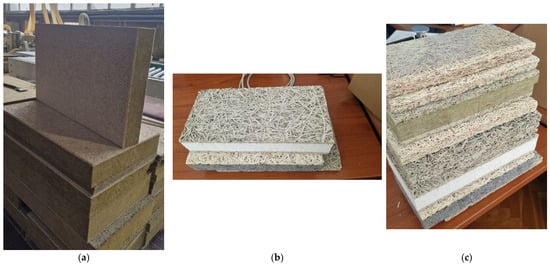
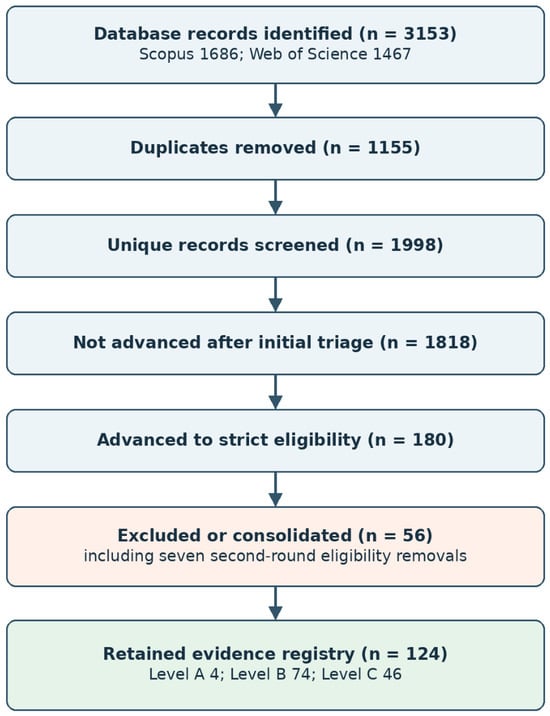
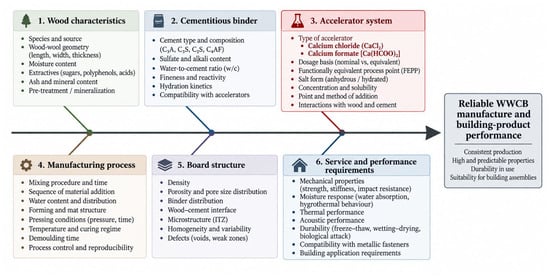
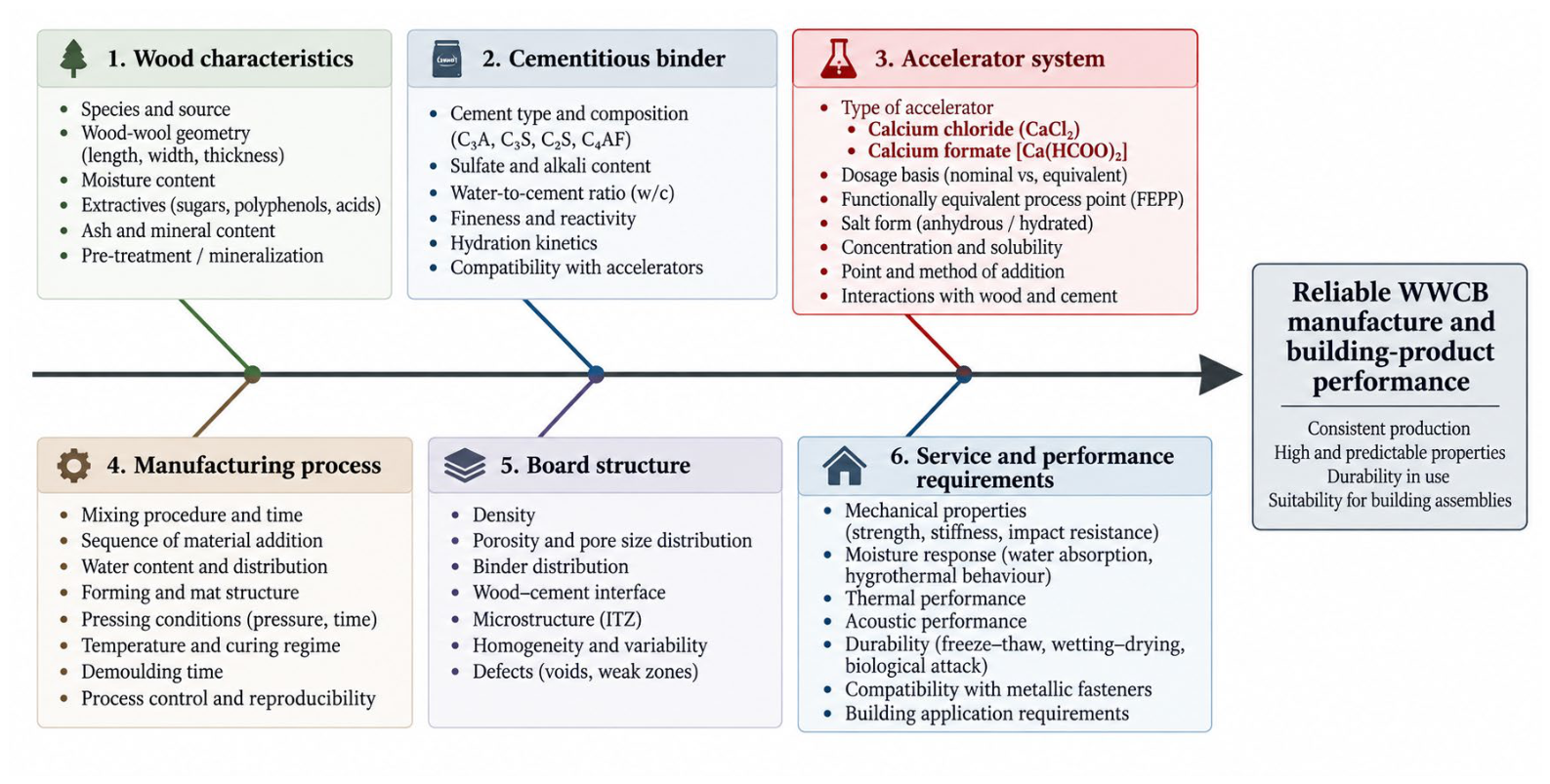
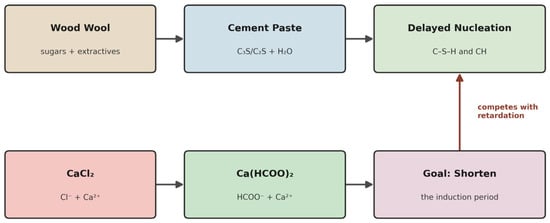
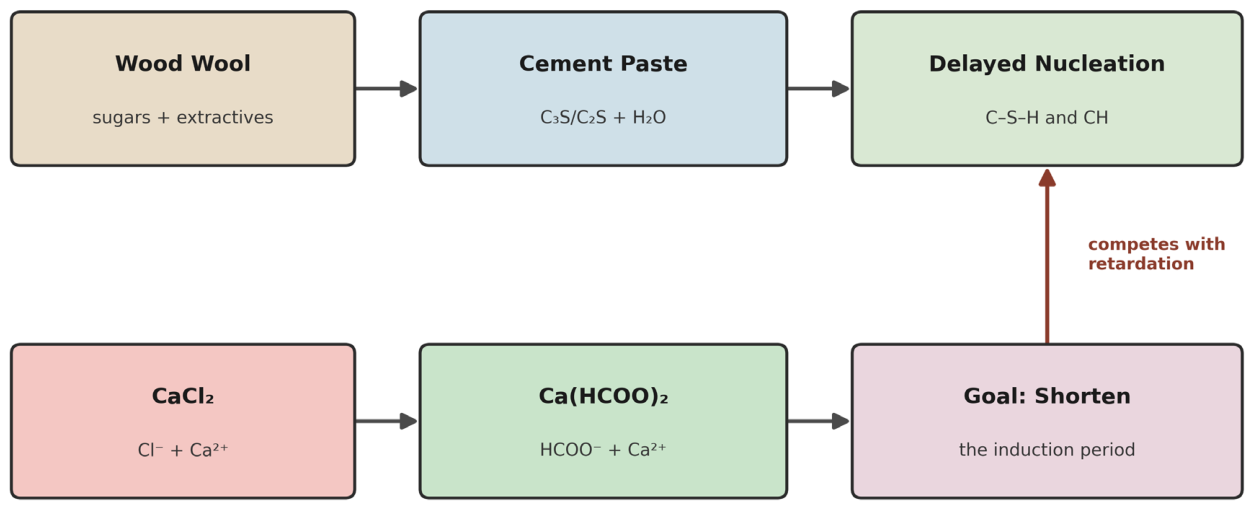
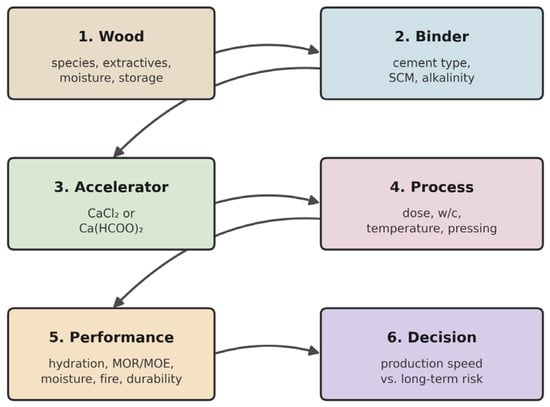
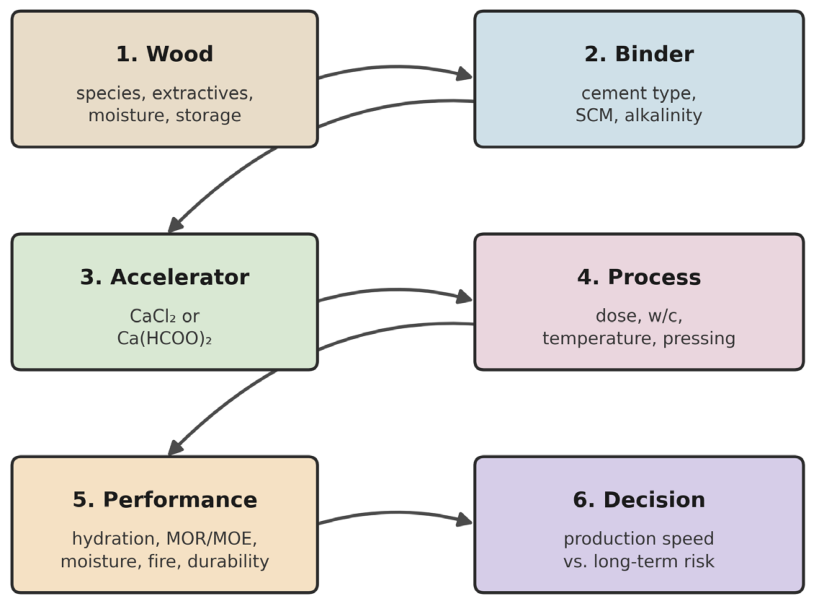

Disclaimer/Publisher’s Note: The statements, opinions and data contained in all publications are solely those of the individual author(s) and contributor(s) and not of MDPI and/or the editor(s). MDPI and/or the editor(s) disclaim responsibility for any injury to people or property resulting from any ideas, methods, instructions or products referred to in the content. |
© 2026 by the authors. Licensee MDPI, Basel, Switzerland. This article is an open access article distributed under the terms and conditions of the Creative Commons Attribution (CC BY) license.