


Abstract
With the rapid development of artificial intelligence (AI) technologies, machine learning (ML) has been widely applied in concrete material design, performance prediction, and intelligent structural engineering. Compared with traditional empirical approaches, ML can efficiently establish complex nonlinear relationships among concrete mix proportions, environmental factors, and performance indicators, thereby improving prediction efficiency, reducing experimental costs, and enabling multi-objective optimization of mix proportions. This paper systematically reviews the recent research progress of ML technologies in the field of concrete engineering, with particular emphasis on typical algorithms, including supervised learning, unsupervised learning, and reinforcement learning. Their applications in predicting workability, mechanical properties, durability performance, and mix proportion optimization are comprehensively summarized. In addition, recent advances in ML applications for crack detection and digital twin technologies are also discussed. Moreover, deep learning and computer vision (CV) technologies have significantly promoted the development of crack identification and structural health monitoring, whereas the integration of digital twin and Internet of Things (IoT) technologies has further expanded the application of ML in smart infrastructure. Finally, the current challenges associated with data quality, model interpretability, and engineering applications are summarized, and future research directions are discussed. Overall, by linking algorithm choice to specific concrete performance-prediction tasks, this review clarifies the conditions under which ML delivers reliable results and provides a structured reference for both researchers and practitioners. The comparative analysis indicates that ensemble tree-based models—particularly random forest and gradient-boosting variants such as XGBoost—together with well-tuned neural networks consistently achieve the highest predictive accuracy across most concrete properties, with reported test-set coefficients of determination commonly between 0.90 and 0.99, whereas limited data availability, inconsistent validation protocols, and restricted model interpretability remain the principal obstacles to engineering deployment.
1. Introduction
Concrete, composed of appropriate proportions of cement, coarse aggregates, fine aggregates, and chemical admixtures, is one of the most widely used materials in civil engineering. With the increasing application of novel cementitious materials, composite fibers, and chemical admixtures [1,2,3,4,5,6,7,8,9], the physical, mechanical, and workability properties of concrete have become increasingly complex and variable. The rapid development of the construction industry has imposed higher requirements on concrete performance prediction and mix proportion design, prompting extensive and in-depth research worldwide [10,11,12]. However, the complexity of influencing factors renders traditional experimental approaches inefficient, time-consuming, and costly, making them difficult to satisfy the demands of modern intelligent construction [13,14,15].
In recent years, Artificial Intelligence (AI) technologies have been widely applied in key fields such as image and speech recognition [16,17,18,19], medical diagnosis [20,21,22], and autonomous driving [23,24,25]. Within the construction industry, AI and ML have likewise been integrated across the project lifecycle—including building information modeling (BIM), construction automation and robotics, project scheduling and cost estimation, structural design, and automated defect detection—supporting a broad transition toward digital and intelligent construction. The strength of this interest is reflected in the rapid growth of related research output and the accelerating adoption of intelligent solutions in engineering practice over the past decade. Building on these developments, ML has provided particularly innovative and effective approaches for predicting the performance of concrete materials. Numerous studies have demonstrated that, owing to their superior capability in handling nonlinear problems, ML techniques exhibit significantly higher accuracy and efficiency than conventional models in predicting key concrete properties, including fresh properties, mechanical strength, and durability performance [26,27,28,29,30,31,32,33,34,35]. At the same time, ML methods can substantially reduce experimental costs and shorten research and development cycles. For instance, ML has been successfully employed for the high-precision prediction of compressive strength (CS), flexural strength, rheological parameters, chloride ion diffusion, and freeze–thaw deterioration, while also providing reliable decision support for multi-objective optimization of concrete mix proportions.
Although numerous review studies have systematically summarized the applications of ML in concrete research, several significant limitations still exist in the current literature. Most existing reviews primarily focus on a single algorithm or a specific performance aspect, while overlooking the influence of other critical parameters and underlying microscopic mechanisms. In addition, insufficient attention has been paid to the integration of advanced algorithms, such as eXtreme Gradient Boosting (XGBoost), Light Gradient Boosting Machine (LightGBM), and Long Short-Term Memory (LSTM) networks, with practical engineering demands. Furthermore, key issues related to model interpretability, data quality, and generalization capability have not yet been comprehensively and systematically summarized.
Against this background, the distinctive contribution of the present review, relative to previously published surveys, lies in three respects. First, whereas most prior reviews are organized around a single property (e.g., compressive strength) or a single algorithm family, this review adopts a property-spanning structure that connects fresh-state behavior, hardened mechanical properties, multi-mechanism durability, mix-proportion optimization, and structural-scale applications such as crack monitoring and digital twins within a unified analytical framework. Second, beyond cataloguing reported accuracies, this review critically examines the methodological soundness of the underlying studies—dataset size and quality, validation protocols, the risk of data leakage, and the credibility of the very high R2 values frequently reported in the literature—issues that are often overlooked in earlier surveys. Third, this review explicitly addresses emerging but underexplored directions, including interpretability techniques beyond SHAP, uncertainty quantification, physics-informed and hybrid modeling, transfer learning, and automated machine learning, thereby providing a forward-looking research roadmap rather than a purely retrospective summary.
To address the abovementioned research gaps, this study presents a comprehensive review of ML applications in concrete performance prediction and optimization. Figure 1 illustrates the methodological framework of this review. The main contributions of this study are summarized as follows:
- (1)
- Unlike previous reviews that mainly focused on specific ML techniques or particular concrete types, this review systematically summarizes the applications of ML in fresh concrete properties, hardened mechanical properties, durability performance, intelligent mix proportion optimization, crack monitoring, and digital twin technologies. Various types of concrete are also covered, including Normal Concrete (NC), Ultra-High-Performance Concrete (UHPC), Self-Compacting Concrete (SCC), and 3D-printed concrete (3DPC).
- (2)
- The implementation principles of several representative ML algorithms are briefly introduced, while the characteristics of supervised learning, unsupervised learning, and reinforcement learning are comprehensively reviewed. The applicability, advantages, and limitations of different algorithms are systematically discussed.
- (3)
- The current challenges associated with the application of ML technologies in the field of concrete are systematically summarized, including critical issues such as data quality, overfitting, generalization capability, and model interpretability. Furthermore, valuable recommendations for future research and development are proposed.
This review is based on experimental data and mainstream ML and heuristic optimization methods reported in high-quality journal publications over the past decade. The aim of this study is to provide useful references for researchers intending to apply ML technologies in the field of concrete engineering, thereby promoting the development of high-performance, low-carbon, and intelligent concrete materials.
Review Methodology and Scope
To ensure transparency and reproducibility, the literature underpinning this review was collected following a structured protocol adapted from the Preferred Reporting Items for Systematic Reviews and Meta-Analyses (PRISMA) guidelines. Four bibliographic databases—Scopus, Web of Science Core Collection, IEEE Xplore, and ScienceDirect—were searched, supplemented by forward and backward citation tracking of key papers. The search combined two groups of keywords using Boolean operators: a materials group (“concrete” OR “cementitious material” OR “mortar” OR “UHPC” OR “self-compacting concrete” OR “3D-printed concrete”) and a methodological group (“machine learning” OR “deep learning” OR “artificial neural network” OR “ensemble learning” OR “surrogate model” OR “data-driven”), further refined with task-specific terms such as “compressive strength”, “durability”, “rheology”, “mix design optimization”, “crack detection”, and “digital twin”. The scope is centered on Portland-cement-based concrete and mortar; closely related cementitious systems, such as alkali-activated and geopolymer binders, are cited only where the corresponding studies illustrate ML methodologies that transfer directly to conventional concrete, and their chemically distinct nature is acknowledged accordingly.
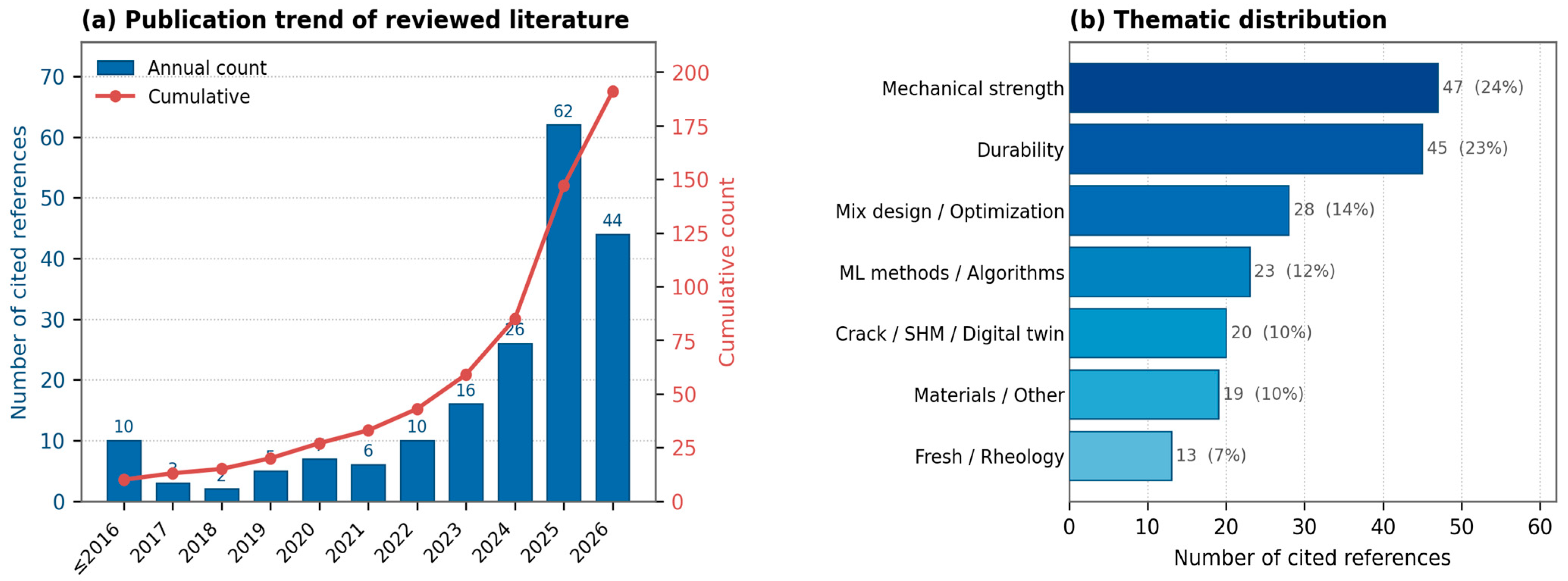
The search was restricted to peer-reviewed journal articles and high-quality conference papers published between 2015 and 2025. Studies were included if they (i) applied one or more ML or heuristic-optimization algorithms to the prediction or optimization of concrete properties, or to the structural monitoring of concrete elements, and (ii) reported at least one quantitative performance metric (e.g., R2, RMSE, MAE, or classification accuracy) or a clearly described optimization outcome. Studies were excluded if they (i) addressed materials outside the scope of cement-based composites, (ii) employed ML only peripherally without reporting model performance, (iii) were duplicates or non-archival, or (iv) lacked sufficient methodological detail for assessment. After de-duplication, title and abstract screening, and full-text evaluation, approximately 190 studies were retained for in-depth analysis. The corresponding study-selection process is summarized in Figure 1 as a PRISMA-style flow diagram, which reports the number of records identified, screened, excluded, and finally included. The temporal and thematic profile of the retained corpus is summarized in Figure 2: the cited literature is strongly concentrated in the most recent years—over half of the dated references were published in 2025–2026—and spans the full range of application areas reviewed here, with mechanical-strength, durability, and mix-design studies accounting for the largest shares.
Figure 1.
Research methodology of this review and PRISMA-style flow diagram of the study-selection process (records identified, screened, excluded, and finally included).
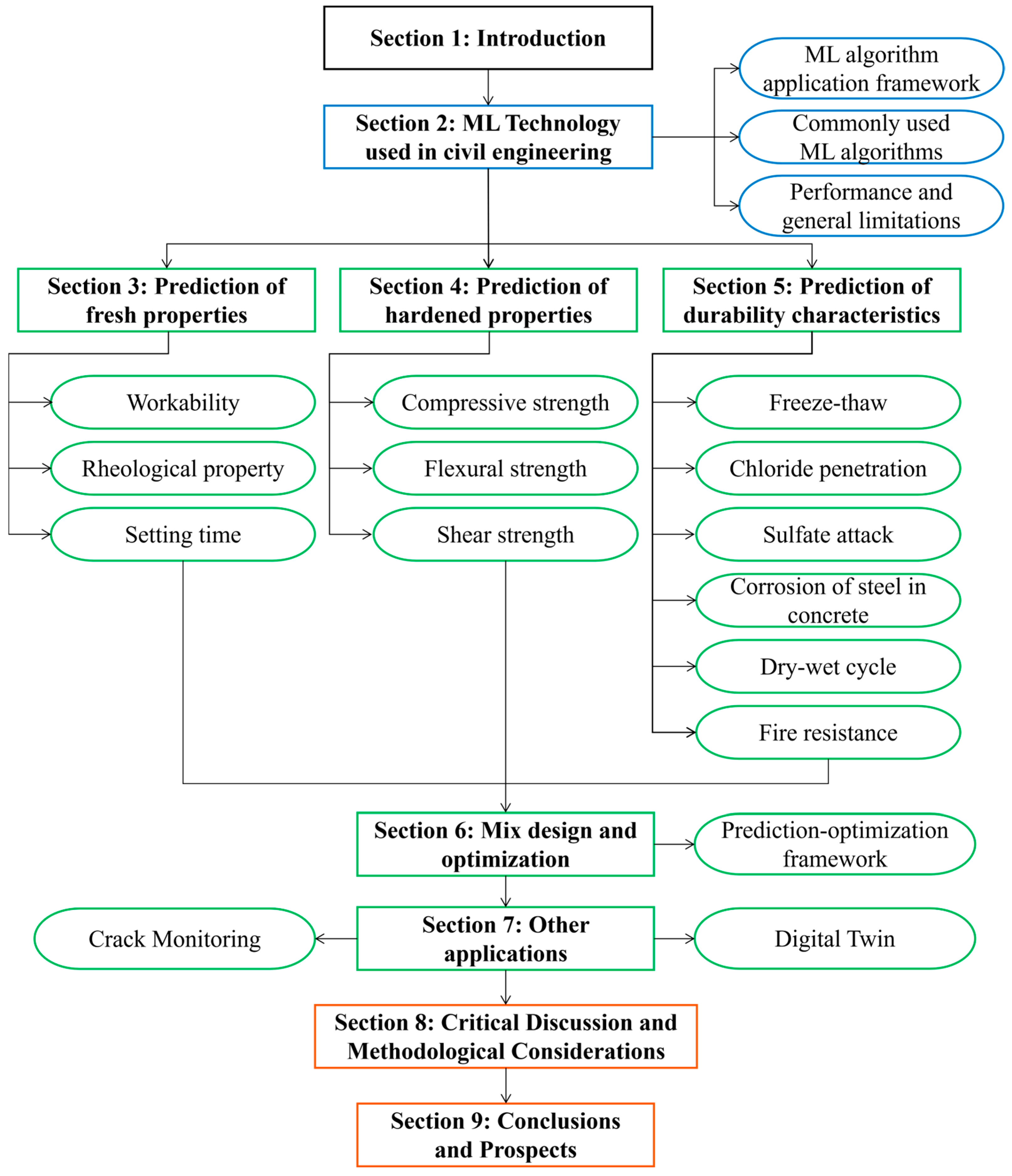
Figure 2.
Bibliometric overview of the literature underpinning this review (191 dated references): (a) annual and cumulative number of cited references from 2016 to 2026, showing the marked acceleration of research output in recent years; (b) thematic distribution of the cited studies across the principal application areas covered in this review.
2. ML Technology Used in Civil Engineering
2.1. ML Algorithm Application Framework
ML technologies have been increasingly applied in the field of civil engineering, particularly in predicting the performance characteristics of cement-based materials and optimizing concrete mix proportions, thereby improving material performance and extending the service life of structures. As illustrated in Figure 3, various ML methods have been successfully employed in concrete engineering; the figure presents the principal application framework of ML algorithms.
Figure 3.
Application framework of ML in the field of concrete engineering.
As shown in Figure 3, the three learning paradigms are presented as parallel application workflows that share a common five-stage structure. Each workflow proceeds from (i) data collection—gathering raw-material, experimental, monitoring, or image and spectroscopy data—through (ii) data preprocessing, comprising cleaning, missing-value handling, normalization, and feature engineering; (iii) the core learning algorithms specific to each paradigm; (iv) model training, output, or convergence together with the associated evaluation or visualization; and finally (v) the resulting engineering applications and insights. The supervised-learning workflow additionally requires data labeling and is oriented toward performance prediction and evaluation; the unsupervised-learning workflow operates on unlabeled data for pattern discovery, clustering, and dimensionality reduction; and the reinforcement-learning workflow is framed around an agent–environment interaction loop driven by reward feedback, supporting mix-proportion optimization and intelligent decision-making. As summarized in the legend, the three paradigms are distinguished by colour according to their respective roles.
Supervised learning operates on labeled datasets to infer a functional mapping between input variables and their corresponding outputs, enabling outcome prediction for novel data. It accomplishes two primary tasks: classification, which assigns data to predefined categories, and regression, which predicts continuous output values. This paradigm encompasses a range of established algorithms, such as Support Vector Machine (SVM), Decision Tree (DT), Random Forest (RF), Neural Networks, and Linear Regression (LR).
The core objective of unsupervised learning is to discover inherent patterns and structures directly from unlabeled data. Its three primary tasks are clustering, dimensionality reduction, and anomaly detection—that is, grouping similar data points into clusters, reducing data redundancy, and identifying outliers in the dataset. Common algorithms include k-Means Clustering, Autoencoders, Principal Component Analysis (PCA), and Association Rules.
The core idea of reinforcement learning is to enable the model to learn via trial-and-error interactions with the environment. That is, the agent executes actions within the environment, and the environment provides “rewards” or “punishments” in return. By constantly adjusting the model strategy, the “cumulative rewards” are maximized. Commonly used algorithms include Deep Q-Networks (DQNs) and Proximal Policy Optimization (PPO) algorithms.
In the field of civil engineering, supervised learning relies on labeled experimental and engineering monitoring data to accurately establish nonlinear mapping relationships among material compositions, structural parameters, mechanical properties, and durability indicators. It is widely applied in concrete strength prediction, performance evaluation, damage classification, and accurate result forecasting. In contrast, unsupervised learning does not require labeled samples and mainly focuses on identifying the intrinsic distribution patterns and correlations within datasets. It is primarily used for data denoising, anomaly detection, feature dimensionality reduction, redundancy elimination, and automatic sample clustering, thereby facilitating data preprocessing and pattern discovery for subsequent modeling tasks. Reinforcement learning, guided by the optimization of objective functions, iteratively searches for optimal solutions under multiple constraints and has been extensively employed in multi-objective concrete mix proportion optimization, dynamic regulation of construction parameters, and intelligent decision-making throughout the structural life cycle.
A variety of ML algorithms have been widely employed, including Deep Learning (DL), SVM, RF, XGBoost, PCA, and Genetic Algorithm (GA), among others. The application workflow of each ML method is fundamentally derived from its distinct data processing and computational mechanisms. Supervised learning focuses on predictive modeling based on labeled datasets. Unsupervised learning emphasizes the discovery of intrinsic patterns, enabling outlier removal, data denoising, feature dimensionality reduction, and sample clustering. In contrast, reinforcement learning focuses on optimization under predefined constraints, aiming to achieve single or multi-objective optimization.
2.2. Commonly Used ML Algorithms
Support Vector Machine (SVM), proposed by Cortes and Vapnik [36], is a supervised learning model based on the principle of structural risk minimization, aiming to improve prediction accuracy by minimizing generalization error. The fundamental idea of SVM is to map input vectors into a high-dimensional feature space through a nonlinear transformation function, where an optimal separating hyperplane is constructed to maximize the margin between two classes of samples [37], as illustrated in Figure 4 [38]. In its regression form (support vector regression, SVR), illustrated in Figure 4, the parameter ε defines an ε-insensitive tube around the fitted function: prediction errors smaller than ε incur no penalty, whereas only deviations beyond this margin contribute to the loss. The width of ε therefore governs the trade-off between the flatness of the model and its tolerance to deviation—a larger ε yields a smoother, sparser model with fewer support vectors but coarser fitting, while a smaller ε captures finer detail at the risk of overfitting.
Figure 4.
Schematic view of SVR algorithm [38].
The RF algorithm is an ensemble method that combines a Classification and Regression Tree (CART)—a typical binary decision tree—with the Bagging technique, and is widely applied to prediction and feature selection tasks [39]. RF constructs multiple decision trees via random sampling, resulting in inherent uncertainty among individual trees. This characteristic enhances the overall model’s generalization capability and robustness [40,41]. The underlying principle of this is illustrated in Figure 5.
Figure 5.
Schematic diagram of the RF model.
The Artificial Neural Networks (ANNs) simulate the interconnected structure of neurons in the human brain and construct multilayer network models, which mainly consist of an input layer, one or more hidden layers, and an output layer. In particular, the hidden layers can be stacked in multiple levels [42], as illustrated in Figure 6. Through the Forward Propagation and Back Propagation (BP) algorithm, ANNs dynamically adjust network weights to iteratively approximate the nonlinear mapping between inputs and outputs. Common ANN architectures include Radial Basis Function (RBF) and BP networks.
Figure 6.
Schematic view of ANN algorithm.
The PCA is one of the most widely used and well-established feature extraction methods [43]. Its core idea is to identify the directions of maximum variance in the data and use them as principal components to represent the original features [44]. The robustness of PCA can be further improved by adopting alternative norm-based distance metrics (e.g., L1-norm PCA). It should be emphasized that PCA is not a predictive model but an unsupervised dimensionality-reduction and feature-engineering technique; in concrete applications it therefore serves as a preprocessing step whose reduced components are fed into a downstream regression or classification model, rather than producing property predictions directly.
K-Means is one of the most fundamental and commonly used algorithms in data mining. It does not require predefined class labels and can automatically cluster samples based on their inherent data distribution [45]. It has been widely applied in computer vision (CV) and pattern recognition tasks, such as color image segmentation [46], as well as in constructing models for evaluating land surface changes using remote sensing images [47]. As an unsupervised clustering algorithm, K-Means likewise does not predict concrete properties directly; it is used to group similar samples, reveal latent data structure, or partition the design space, and is therefore typically employed as an exploratory or preprocessing step prior to supervised modeling.
GA is an evolutionary computation method inspired by Darwin’s principle of natural selection, simulating the process of biological evolution [48], as shown in Figure 7. At its core, GA implements a “survival of the fittest” mechanism to preserve advantageous genes and eliminate inferior ones. The algorithm searches for an optimal or near-optimal solution within the solution space by iteratively evaluating the fitness of candidate solutions. Through successive generations, solutions with higher fitness are assigned greater selection probability. Crossover and mutation operators are then applied stochastically to produce offspring with potentially enhanced adaptability, ultimately converging toward an optimal solution [49].
Figure 7.
Schematic view of GA algorithm.
By simulating bird flock foraging, Particle Swarm Optimization (PSO) uses the information sharing of individuals in the swarm to change the whole swarm’s movement from disorder to order in space, with all individuals obtaining the global optimal solution through each update iteration [50,51]. The underlying principle of PSO is illustrated in Figure 8.
Figure 8.
Schematic view of PSO algorithm.
The Non-dominated Sorting Genetic Algorithm II (NSGA-II) is a second-generation multi-objective optimization algorithm developed based on the framework of the GA [52]. NSGA-II inherits the advantages of parallel search and Pareto-optimal solution searching from the original NSGA, while introducing an elitist preservation strategy to improve both the search efficiency and distribution diversity of the Pareto solution set [53]. In addition, a fast non-dominated sorting strategy is adopted, which significantly reduces computational complexity [54]. For multi-objective problems, NSGA-II is generally better suited than single-objective GA or PSO to balancing trade-offs among mechanical properties, durability, production cost, and carbon emissions, as it yields a well-distributed Pareto front rather than a single solution.
Light Gradient Boosting Machine (LightGBM), proposed by Ke et al., is a histogram-based gradient-boosting framework that grows trees leaf-wise rather than level-wise. Through gradient-based one-side sampling and exclusive feature bundling, it achieves training speed and memory efficiency markedly superior to conventional boosting, while maintaining high accuracy on large, high-dimensional tabular datasets. These characteristics make LightGBM increasingly attractive for concrete datasets containing numerous mixture and environmental variables, and several recent studies summarized in the following sections report accuracy competitive with or superior to XGBoost in strength and durability prediction.
Categorical Boosting (CatBoost), developed by Prokhorenkova et al., is a gradient-boosting algorithm that introduces ordered boosting and an efficient native treatment of categorical features, thereby mitigating the prediction shift and target leakage that can arise during training. It typically requires limited hyperparameter tuning and exhibits robust performance on the small-to-medium datasets that are common in concrete research. As reflected in several studies discussed in the following sections, CatBoost frequently attains the best or near-best accuracy for compressive strength, shear strength, and chloride-penetration prediction.
Beyond tree-based ensembles, more expressive deep architectures are beginning to enter concrete and materials informatics. Graph Neural Networks (GNNs) represent materials or microstructures as graphs of interacting entities (e.g., atoms, phases, or aggregate particles), enabling the learning of structure-property relationships that are difficult to encode with fixed-length feature vectors. Transformer-based architectures, originally developed for sequence modeling, leverage self-attention to capture long-range dependencies and have shown promise for sequential monitoring data, multivariate sensor streams, and image-based crack analysis. Although applications of GNNs and Transformers in concrete engineering remain at an early stage, they constitute a rapidly emerging direction that is revisited in Section 8.
2.3. ML Algorithm Performance and General Limitations
ML employs algorithms to analyze data, extract patterns, and make informed decisions or predictions based on the insights it has gained from the data [55]. ML algorithms have been widely applied in the prediction of concrete hardened properties [56], mechanical properties [57], and durability performance [58,59]. In addition, they have also been employed in mix proportion design and optimization [60], defect identification and structural health monitoring [61,62], as well as microstructural analysis [63]. As shown in Table 1, different ML algorithms are suitable for different applications in concrete engineering. RF as a supervised ensemble learning algorithm, exhibits excellent stability in multivariable concrete performance prediction and is less prone to overfitting. However, its fitting capability is relatively weaker than gradient boosting algorithms when dealing with highly nonlinear microscopic correlation data, and its training speed is comparatively slower for large-scale datasets. PCA can effectively reduce the dimensionality of multidimensional concrete mix proportion parameters, thereby simplifying the input structure of subsequent prediction models. PCA features fast computational speed and low computational cost, but it cannot directly perform mechanical property prediction. PSO can rapidly and iteratively determine the optimal concrete mix proportion under multiple constraints, including strength, workability, and cost; however, it is susceptible to falling into local optimum solutions.
Table 1.
Comparison of different ML algorithms.
Researchers have adopted various evaluation metrics to quantitatively assess the predictive accuracy of ML algorithms in the field of concrete engineering, including the coefficient of determination (R2), Mean Absolute Error (MAE), Root Mean Square Error (RMSE), and Mean Absolute Percentage Error (MAPE).
Model interpretability has become a critical issue that restricts the engineering application of ML in concrete materials. Most ML models, especially ensemble and DL, are often regarded as “black boxes” with poor transparency. To address this problem, interpretable ML tools such as SHAP (SHapley Additive exPlanations) have been widely adopted to quantify the contribution of each input feature and reveal the intrinsic relationship between mixture parameters and concrete performance.
SHAP analysis can effectively identify the dominant factors, such as water-binder ratio, cement content, curing age, and environmental exposure time, and visualize the positive/negative effects of each variable, revealing the interaction mechanisms among multiple factors. By providing transparent and physically meaningful explanations, SHAP effectively improves the reliability and engineering acceptance of ML models, which is essential for promoting the practical application of data-driven methods in structural engineering and construction projects. Model interpretability continues to pose a substantial challenge. Although post hoc interpretation methods such as SHAP have been increasingly adopted, a considerable number of existing studies still lack transparent and systematic explanations for model decision-making processes.
Nevertheless, SHAP is not without limitations that are particularly relevant to concrete datasets. Because exact Shapley-value computation is exponential in the number of features, practical implementations rely on approximations (e.g., KernelSHAP or TreeSHAP) whose attributions can become unstable. More importantly, the most common variants assume approximate feature independence, whereas concrete mixture variables are strongly correlated—for example, water, binder, and the water-to-binder ratio, or the proportions of different supplementary cementitious materials. SHAP may therefore distribute importance among collinear inputs in a manner that is sensitive to the chosen background distribution and that does not necessarily reflect physical causality. Reported feature rankings should accordingly be interpreted with caution and, where possible, cross-checked against domain knowledge and complementary techniques.
To provide a more complete picture, the interpretability toolbox should extend beyond SHAP. Local Interpretable Model-agnostic Explanations (LIME) approximate model behavior locally with a simple surrogate and offer instance-level insight, although their explanations can be sensitive to the sampling scheme. Partial Dependence Plots (PDP) and Individual Conditional Expectation curves visualize the marginal effect of one or two features, while Accumulated Local Effects (ALE) plots correct the bias that PDPs exhibit under correlated inputs and are thus better suited to concrete mixture data. Permutation feature importance provides a model-agnostic global ranking based on the loss increase after shuffling a feature, and counterfactual explanations identify the minimal change in inputs required to alter a prediction—information that is directly actionable for mix-design decisions. Comparing the agreement among several of these methods yields a more robust and trustworthy assessment of model behavior than reliance on any single technique, and is recommended as good practice for future concrete ML studies.
3. ML to Predict Concrete Fresh Properties
Fresh concrete properties, also referred to as fresh-state concrete properties, describe the characteristics of concrete from the completion of mixing to the onset of initial setting and hardening. These properties are generally characterized by key indicators such as workability, rheological properties, stability, and setting time. Fresh properties play a critical role in determining construction quality, the mechanical performance of hardened concrete structures, and long-term durability.
3.1. Workability
Workability is the most fundamental comprehensive property of fresh concrete, referring to the ability of concrete to resist segregation and bleeding while uniformly and densely filling formworks during mixing, transportation, casting, and vibration processes. At present, different testing methods are generally adopted for different types of concrete. For NC, slump tests and flow table tests are commonly used. For SCC, tests such as the T500 flow time test, V-funnel test, L-box test, and U-box test are widely employed. For low-workability concrete, the Vebe consistency test is typically adopted.
These traditional field testing methods are simple to operate and highly intuitive, making them conventional approaches for on-site quality control in engineering practice. However, most of these methods are post-casting offline inspections with considerable time lag, making it difficult to achieve early prediction and precise regulation. Therefore, increasing attention has been directed toward the development of ML models capable of predicting concrete workability before mixing or during the mixing process.
Zeng [66] collected 218 sets of workability data for High-Performance Concrete (HPC) and developed a RF model with parameter optimization to predict the L-box ratio and segregation rate of concrete. The results demonstrated that the proposed model exhibited satisfactory accuracy in predicting the passing ability and segregation resistance of concrete. Other ML methods have also been employed for predicting concrete workability. Zhang et al. [67] developed a hybrid interpretable ML model integrating RF, XGBoost, Support Vector Regression (SVR), and several optimization algorithms, including Sparrow Search Algorithm (SSA), PSO, Grey Wolf Optimizer (GWO), GA, and Whale Optimization Algorithm (WOA), to predict the slump flow of SCC. Among these models, the SSA-RF model achieved the highest prediction accuracy, with R2 values of 0.967 and 0.958 for the two predicted slump-flow indicators on the test set. Furthermore, SHAP and Partial Dependence Plot (PDP) analyses confirmed that the model was consistent with the mechanical and rheological mechanisms of SCC, as illustrated in Figure 9. The results indicated that higher fine-aggregate content and superplasticizer-to-binder ratio (SP/B) could improve flowability through lubrication effects and rheological modification.
Figure 9.
SHAP summary plots for global feature contributions in the SSA-RF model [67].
As illustrated by the SHAP summary plots in Figure 9, SHAP quantifies the contribution of each input feature by assigning it a Shapley value—the average marginal change in the model output when that feature is added across all possible combinations of the remaining features. In the summary plot, features are ranked vertically by their mean absolute Shapley value, which measures global importance, while each point represents one sample; its horizontal position gives the signed effect on the prediction and its colour encodes whether the underlying feature value is high or low. This representation simultaneously reveals the magnitude, direction, and dispersion of each mix parameter’s influence—for the SSA-RF model it identified the fine-aggregate content and the superplasticizer-to-binder ratio as the dominant positive contributors to slump flow—and, by exposing how the effect of one parameter changes with the value of another, it helps uncover the internal interactions between mixture proportions and concrete properties.
In recent years, various AI-based prediction models have been gradually applied to the intelligent prediction of concrete workability. By establishing high-precision nonlinear intelligent prediction models, key workability indicators, such as slump and flowability, can be rapidly predicted before the actual mixing process, thereby effectively preventing construction-related problems, including segregation, bleeding, and insufficient flowability. Nevertheless, large, standardized, and publicly accessible datasets remain scarce; apart from a few emerging open datasets [72], most studies still rely on small, privately compiled datasets. The limited size and standardization of available data therefore remain a major bottleneck that constrains the training accuracy, generalization, and cross-study comparability of these models.
3.2. Rheological Property
Rheological behavior is a key fresh-state characteristic for evaluating the construction adaptability and mixing uniformity of fresh concrete. It is widely used in the quality control of pumping concrete, UHPC, and special engineering mixtures [73,74,75]. Flowability characterizes the comprehensive ability of fresh concrete to overcome internal friction under self-weight or external shear and to continuously and stably spread and fill available space. It directly reflects the lubrication effect of the cement paste and the interlocking degree between aggregates [76].
At present, conventional empirical tests such as slump and flow spread can only provide a qualitative assessment of flow behavior, while failing to reveal the underlying flow mechanisms. Therefore, refined rheological characterization has become a mainstream research direction. Existing studies commonly model fresh concrete as a Bingham (non-Newtonian) fluid, using yield stress (YS) and plastic viscosity as key quantitative parameters to accurately correlate with pumping resistance, wall slip behavior in pipelines, and formwork filling performance [77]. In addition, recent advanced studies have incorporated multiple auxiliary parameters, including water film thickness [78], lubrication-layer rheological effects [79], dynamic shear response [80], and flow velocity gradient compatibility [81]. These factors are further coupled with mineral admixture interaction mechanisms and admixture synergy effects, thereby improving the refined evaluation framework of concrete flow behavior and addressing the limitations of traditional single-test methods in terms of accuracy and adaptability to complex conditions.
In practical engineering applications, due to the highly complex and multi-component nature of concrete, single rheological models are often insufficient to fully capture the evolution of flow behavior, which may lead to prediction deviations and poor construction adaptability. To address this issue, many researchers have developed hybrid predictive models based on multiple ML algorithms, including XGBoost [70], K-nearest Neighbors (KNN) [64], Recurrent Neural Networks (RNN, including stacked LSTM) [68], and RF [71]. These approaches significantly improve the prediction accuracy and real-time control efficiency of fresh concrete rheological parameters, providing reliable data-driven support and technical guidance for the full-process construction of special concrete, including on-site casting, continuous pumping, and precision forming. As shown in Table 2, numerous scholars have conducted research on the rheological property of concrete.
Table 2.
Examples of ML used in rheological property.
To investigate the fluidity and rheological properties of fresh cement-based materials, Liu et al. [82] employed ML algorithms including SVR, XGBoost, RF, LR and CatBoost, coupled with the PSO algorithm, to achieve high-precision prediction of three key workability indicators: fluidity, dynamic YS, and plastic viscosity. Finally, SHAP and PDPs were adopted to quantitatively analyze the effects of each input variable on the workability performance of cement-based materials.
Gao et al. [83] developed an ensemble model integrating XGBoost and neural networks to predict the static yield stress, dynamic yield stress, and plastic viscosity of 3DPC using 19 mix proportion parameters. SHAP were further employed to enhance model interpretability. The results showed that the proposed model achieved R2 values of 0.917, 0.908, and 0.959 for the three rheological parameters, respectively, outperforming traditional rheological models. In addition, the model was capable of accurately predicting rheological properties for previously unexplored mix designs.
Geng et al. [84] proposed a dual-path framework that integrates a Physics-Informed Equation (PIE) with ML. The PIE was embedded into a Convolutional Neural Network (CNN) to construct a Physics-Informed CNN (PICNN) model for predicting the YS and plastic viscosity (PV) of 3DPC. Meanwhile, a PIE-based database combined with a RF model was used to predict extrusion speed (ES), and a formula for printing speed (PS) was further derived. The results indicated that the PICNN model achieved R2 values of 0.98 and 0.95 for predicting YS and PV, respectively, while the RF model achieved an R2 of 0.98 for the training set and 0.92 for the test set in predicting ES. Experimental validation demonstrated that the proposed framework enabled accurate matching between material rheological properties and printing parameters, with mean errors of only 3.53% for single-layer printing and 4.68% for multi-layer printing. This provides a physically interpretable and efficient approach for high-precision intelligent control of 3D concrete printing.
3.3. Setting Time
Setting time is an important time-dependent parameter that characterizes the transition of fresh concrete from a plastic state to a hardened state. It directly affects the construction working window, casting continuity, and the quality of structural formation. Traditional evaluation methods, such as the Vicat needle test or the penetration resistance method, are widely used; however, they often suffer from limitations such as strong subjectivity in manual operation and the inability to achieve real-time monitoring.
From a mechanistic perspective, the setting process of concrete is primarily governed by the hydration kinetics of cement, and is simultaneously influenced by multiple factors, including water-to-binder ratio [85], type and content of mineral admixtures [86], chemical admixtures (e.g., retarders and SP) [87,88], as well as environmental temperature and humidity conditions [89,90]. Due to the strong nonlinear coupling among these factors, traditional empirical models or single-mechanism analytical approaches are generally insufficient to accurately predict setting time.
In recent years, various AI prediction models have been gradually applied to the accurate prediction and mechanism analysis of concrete setting time. Anis et al. [91] developed a dataset containing mix proportion, temperature, and time parameters to investigate the pumpability and solidification behavior of geopolymer materials used for oil well cementing. Multiple models, including Logistic Regression, Probit Regression, DT, RF, and SVM, were employed for both classification and regression tasks. The results showed that the DT model achieved an AUC (Area Under the Curve) of 0.991 and an accuracy of 0.986 in classification tasks, while reaching an R2 value of 0.95 in regression tasks, demonstrating high predictive accuracy for the pumpable state of geopolymer materials. Zhang et al. [92] focused on alkali-activated fly ash-slag cementitious materials and collected 616 sets of uniaxial compressive strength (UCS) data and 278 sets of final setting time (FST) data. A RF model was developed and further optimized using a GA, resulting in a GA-RF hybrid predictive framework. The model achieved R2 values of 0.932 and 0.997 for UCS and FST, respectively, significantly outperforming Back Propagation Neural Network (BPNN), SVM, Logistic Regression, and Multiple Linear Regression models. Feature importance analysis indicated that curing time and water content were the dominant factors influencing CS, while the Na/Al ratio and water content primarily governed the FST.
4. ML to Predict Concrete Hardened Properties
4.1. Compressive Strength
Compressive strength (CS) is one of the key mechanical indicators for characterizing the hardened properties of concrete. Among the various influencing factors, the water-to-binder ratio is widely recognized as the dominant parameter governing concrete CS. It is also jointly affected by multiple factors, including the type and content of cementitious materials, aggregate gradation, mineral admixtures, chemical admixtures, and curing conditions.
Traditional testing methods for CS mainly include standard cube compression tests, ultrasonic rebound methods, and core drilling tests. Although these methods are highly reliable, they generally suffer from limitations such as long testing cycles, high cost, and the inability to provide rapid feedback. Against this background, the development of high-precision nonlinear predictive models based on ML algorithms has gradually become an important technical approach for predicting and optimizing the hardened performance of concrete. As shown in Table 3, numerous scholars have made predictions regarding CS.
Table 3.
Examples of ML used in CS.
Javid et al. [93] selected seven input parameters, including curing age, workability, density, ambient temperature, internal concrete temperature, cubic mold type, and cylindrical mold type, to predict CS as the output variable using ML models. The results indicated that the CatBoost model achieved the best predictive performance. Based on the optimal model, a user-friendly web-based graphical user interface (GUI) was further developed, providing a practical tool for mix design optimization and strength prediction of fiber-reinforced concrete for both researchers and engineering practitioners.
Alqurashi [94] considered ten input variables, including cement, slag, fly ash, water, water-to-binder ratio, water-to-cement ratio, SP content, SP-to-cement ratio (SPCR), coarse aggregate, and fine aggregate, with concrete CS and flowability (Flow) as output targets for ML modeling. The results showed that the Multi-Expression Programming (MEP) model achieved the best predictive accuracy, with an R2 of 0.951 and a low RMSE of 1.656 MPa for CS prediction. Figure 10 shows the distribution chart of the prediction error of the CS of the MEP model. Meanwhile, SHAPanalysis identified the water-to-binder ratio and slag content as the key influencing factors.
Figure 10.
Distribution map of the prediction error of CS for the MEP model [94].
A large number of studies have been conducted on the prediction of CS for concrete and grouting materials using ML methods. Through algorithm comparison, hybrid-model development, and metaheuristic optimization, these studies have demonstrated the effectiveness of various ML approaches in capturing the nonlinear relationships between material parameters and CS. In particular, hybrid models such as XGBoost and SVR, optimized using Bayesian optimization and grid search techniques, exhibit significantly higher accuracy than traditional single models [95,96]. Meanwhile, RF and SVR generally show superior overall predictive performance across most material systems [31,97,98,99]. In addition, some studies have employed SHAP to quantify the influence of key variables [100,101], and further combined model outputs to propose mix proportion optimization strategies, providing a solid methodological foundation for accurate prediction and intelligent design of concrete CS.
Related studies generally employ mix proportion parameters as input variables to establish nonlinear mapping relationships for CS prediction. The results indicate that most ML models achieve satisfactory predictive accuracy with R2 values exceeding 0.80, while ensemble models generally obtain average R2 values above 0.90, demonstrating higher reliability and robustness.
From the perspective of model comparison, traditional linear models (e.g., LR) rely on the assumption of linear relationships between variables and therefore struggle to capture the complex multi-factor coupling effects in concrete materials, resulting in relatively low prediction accuracy. Although nonlinear models (e.g., Nonlinear Regression, NLR) improve fitting capability to some extent, they still fail to fully represent high-dimensional nonlinear relationships. In contrast, models such as SVM, ANN, RF, gradient boosting methods (e.g., XGBoost and Gradient Boosting Regression, GBR), and Gene Expression Programming (GEP) can effectively capture complex interactions among input variables, achieving generally higher predictive accuracy. Among them, ensemble learning models further reduce prediction variance through multi-model fusion mechanisms, thereby enhancing generalization capability and exhibiting lower dispersion and higher stability across different datasets.
4.2. Flexural Strength
Flexural strength, as an important indicator reflecting the crack resistance and flexural performance of concrete, exhibits more complex mechanical behavior and higher variability than CS, and is often influenced by multiple interacting parameters. Therefore, ML methods, owing to their advantages in multivariate nonlinear modeling, have become an important technical approach for predicting flexural strength.
Existing studies on flexural strength prediction mainly focus on different concrete systems, including NC, Steel Fiber Reinforced Concrete (SFRC), 3DPC, and UHPC. The selection of input variables varies significantly across different concrete types. For NC, commonly used input parameters include water-to-binder ratio, cement content, mineral admixtures, and chemical admixtures. In SFRC [102], key variables typically include fiber volume fraction, fiber length, diameter, and aspect ratio. For 3DPC, additional factors such as viscosity-modifying agents (VMA), printing direction, and interlayer interface effects must be considered. In UHPC [103,104], due to its highly complex composition, more microstructural parameters are generally introduced, including multiple powder materials and fiber characteristics, to improve model accuracy.
Based on 63 concrete samples containing metakaolin, Zhang et al. [105] predicted flexural strength using four ML models: ANN, SVR, Gradient Boosting Decision Tree (GBDT), and XGBoost. The results showed that the XGBoost model delivered the best performance in testing.
Huang et al. [65] adopted two complementary algorithms, Ridge Regression (RR) and Quantile Regression (QR), and performed hyperparameter tuning using the Sled Dog Optimizer (SDO) to develop the RRSD and QRSD models. These were then integrated via a Bayesian model averaging approach to construct a hybrid ensemble model, RSQS, for predicting the flexural, compressive, and tensile strengths of steel-fiber-reinforced concrete (SFRC).
Sun et al. [106] employed six ML models to predict the flexural strength of UHPC. The results indicated that the XGBoost model achieved the best predictive performance. Through feature importance analysis, key influencing parameters were identified. Furthermore, an Analytical Hierarchy Process (AHP) was integrated to comprehensively evaluate 50,000 randomly generated mix designs, enabling intelligent optimization of UHPC mix proportions with objectives oriented toward low cost and low carbon emissions.
Iqbal et al. [107] developed a Tree-Structured Parzen Estimator (TPE)-optimized XGBoost model to predict the flexural strength of fly ash-based 3DPC. The proposed model achieved an R2 greater than 0.997 for flexural strength prediction. The study also confirmed that a fly ash content of 5–7.5% can enhance both the mechanical and durability properties of 3DPC. In addition, a SHAP-based interpretable GUI was developed to support engineering applications, as shown in Figure 11.
Figure 11.
GUI coupled with SHAP explanation for flexural strength prediction [107].
Zhang et al. [108] compared five ML models for predicting the mechanical properties of 3DPC. The results showed that the RF model achieved the best performance, with R2 values ranging from 0.96 to 0.98 for both compressive and flexural strength predictions, significantly outperforming other models. The study also identified the water-to-binder ratio as the most critical feature influencing strength.
4.3. Shear Strength
Shear strength, as one of the key indicators in structural safety assessment [109], is directly related to the development of diagonal cracks, failure modes, and load-carrying capacity of structural members. Existing studies mainly focus on systems such as reinforced concrete beams, fiber-reinforced concrete members, and high-performance concrete structures. The selection of input variables varies considerably among different studies, but commonly includes parameters such as concrete CS, effective height, shear-span ratio, reinforcement configuration, and reinforcement yield strength [110,111,112,113]. In fiber-reinforced systems [114], additional factors such as fiber volume fraction and fiber type must also be considered.
Shear strength is primarily governed by the initiation and propagation of diagonal cracks, and its influencing factors include concrete matrix strength, aggregate interlock effect, reinforcement anchorage performance, and structural parameters such as shear-span ratio. In recent years, feature importance analyses have shown that reinforcement ratio and concrete CS are generally the dominant factors affecting shear strength [115], while reinforcement ratio and stirrup parameters also play significant roles in enhancing shear capacity. Compared with CS prediction, shear strength is more sensitive to structural geometric parameters and loading conditions, which is one of the major reasons for the higher prediction difficulty.
Yang et al. [116] established an experimental database containing 563 shear-failure samples of UHPC beams. Parameters such as cross-sectional area, shear-span ratio, and fiber volume fraction were selected as inputs, and the training process is illustrated in Figure 12. The predictive performances of single models, ensemble models, and DL models were systematically compared and evaluated. The results demonstrated that hyperparameter-optimized ensemble models, including CatBoost, XGBoost, LightGBM, and GBR, significantly outperformed single DT models as well as DL models such as Multilayer Perceptron (MLP), Deep Neural Network (DNN), and Residual Network (ResNet). Among them, the CatBoost model achieved the best performance, with an R2 of 0.95 on the test dataset.
Figure 12.
Training process of each ML model [116].
Chen et al. [117] developed a framework integrating explainable Artificial Intelligence (XAI), probabilistic shear strength modeling, and image processing techniques. A total of 41 damage-related features were extracted to train four different models. The results showed that the Gaussian Process Regression (GPR) model significantly outperformed the other three models. Furthermore, SHAP analysis revealed that median shear strength, pixel intensity characteristics, and image-derived geometric features had a significant influence on the prediction results. The proposed framework enables non-contact, interpretable shear-strength assessment of reinforced concrete beams with uncertainty quantification.
In a study on predicting the shear performance of stud connectors in steel-UHPC composite structures, Qi et al. [35] developed prediction models using ten ML methods, including RF, AdaBoost, KNN, and SVR. Evaluation metrics showed that RF achieved the highest prediction accuracy, with mean R2, RMSE, and MAE values of 0.98, 5 kN, and 3.6 kN, respectively. When dealing with numerous input parameters, hybridizing multiple models can achieve higher prediction accuracy than models relying on a single algorithm.
A large number of studies have achieved relatively high-precision prediction of concrete shear strength using ML methods. However, due to the complex failure mechanisms of shear behavior, the high dispersion of experimental data, and significant differences among various structural types, the generalization capability of existing models across different datasets still requires further improvement. Future research should focus on expanding standardized databases, strengthening the coupled modeling of structural and material parameters, and promoting the deep integration of data-driven approaches with structural mechanics theories, in order to enhance the engineering applicability and reliability of predictive models.
5. ML to Predict Concrete Durability Characteristics
Large concrete structures are designed for service lives often exceeding one hundred years, making durability a critical performance metric closely tied to long-term structural integrity and lifecycle costs. ML can establish relationships among material composition, environmental factors, and durability performance, thereby enabling the prediction and optimization of the long-term service behavior of concrete. At present, commonly used ML models for predicting concrete durability include ANN, SVM, RF, XGBoost, GBDT, and DL methods. The overall modeling process typically consists of four steps: data collection and preprocessing, selection of input and output variables, model training and validation, and performance evaluation.
With the development of XAI, SHAP method has been widely used to analyze the importance of individual input variables on model outputs, thereby quantifying the contribution of each factor [118]. According to existing research findings, factors such as the water-to-binder ratio, mineral admixture content, pore structure, curing conditions, and environmental exposure parameters have a significant influence on concrete durability.
5.1. Freeze–Thaw
Freeze–thaw cycles are one of the primary causes of durability deterioration in concrete structures in cold regions. Under repeated freezing and thawing actions, the pore water within concrete expands upon freezing, leading to continuous propagation of microcracks, which ultimately results in mass loss, strength degradation, and a reduction in dynamic elastic modulus. ML models have shown strong capability in capturing nonlinear deterioration behavior under cyclic freeze–thaw conditions [119,120,121,122]. To investigate the deterioration law of concrete durability under the coupled action of sulfate attack and freeze–thaw cycles, Qin et al. [123] explored the influence mechanism of fly ash content and salt solution concentration on concrete damage, developing a service life prediction model for concrete based on the XGBoost algorithm. As shown in Table 4, a large number of scholars have conducted research on the Freeze–thaw property of concrete.
Table 4.
Examples of ML used in freeze–thaw.
In recent years, interpretable ML has gradually become a research hotspot. To investigate the freeze–thaw resistance durability of solid waste-based alkali-activated cementitious materials, Wei et al. [124] developed and validated prediction models including BP, GA-BP, SVM, RF, RBF, and LSTM. The results demonstrated that the SVM model achieved the optimal predictive performance. Using the SHAP approach, the analysis revealed that Al2O3, SiO2, and water glass modulus were critical factors governing shrinkage, whereas CaO, water-cement ratio, water content, and Al2O3 played decisive roles in determining freeze–thaw resistance.
Furthermore, ML has been widely applied to study concrete frost resistance [128,129,130,131]. Wu et al. [125] employed the Recursive Feature Elimination (RFE) algorithm to identify six mix proportion factors with the most significant influence on frost resistance as input variables. These were then integrated with an RF algorithm to construct an RF-RFE model for predicting frost resistance. Kang et al. [126] compared six algorithms for predicting the salt-frost resistance of recycled aggregate concrete (RAC). Their results indicated that the PSO-BPNN algorithm performed best in predicting the CS, relative dynamic elastic modulus, and mass loss rate of RAC after exposure to combined salt and freezing conditions.
With the development of ML techniques, Li et al. [127] generated a large database containing 8096 data samples using ML methods and proposed the use of microencapsulated phase change material (PCM) concrete to mitigate freeze–thaw damage, providing a new research perspective for the optimal design of frost-resistant concrete.
5.2. Chloride Penetration
Chloride ion penetration is one of the primary causes of steel reinforcement corrosion, thereby reducing the durability of structures, and this issue is particularly significant in marine environments. At present, models for chloride ion penetration based on input parameters can be generally classified into three categories. The first category uses the proportions of mix constituents as input variables. The second category incorporates environmental conditions as input parameters. The third category employs measured concrete properties as inputs, such as the chloride diffusion coefficient. Numerous researchers have developed models for chloride diffusion and service life prediction [132,133,134,135,136].
Some studies have shown that SVM models can achieve higher predictive accuracy than ANN models when the amount of training data is limited [137,138]. Mamaghani et al. [139] applied multiple ML algorithms—including LR, RF, and XGBoost—and constructed a Voting Regressor that combined them to quantitatively describe the spatiotemporal evolution of concrete’s chloride ion content. Luo et al. [140] developed a model to predict chloride ion concentrations using three ensemble learning algorithms (XGBoost, LightGBM, and CatBoost) and two DL algorithms (LSTM and BiLSTM), with hyperparameters optimized via the PSO algorithm. As shown in Figure 13, the LightGBM model achieved the best fitting performance. To predict the chloride diffusion behavior of HPC in real marine service environments, Tang et al. [141] developed five ML models, namely LightGBM, CatBoost, XGBoost, RF, and ANN, based on the dataset from a 10-year in situ marine exposure test conducted in Zhanjiang. The results demonstrated that, among the evaluated algorithms, CatBoost demonstrated superior robustness and accuracy.
Figure 13.
Radar charts of the five models’ evaluation indicators [140]: (a) R2; (b) MAE; (c) RMSE; (d) MAPE.
In addition, RAC has also become a current research hotspot. Gao et al. [142] considered six influencing factors, including the carbonation of recycled coarse aggregate (RCA), RCA replacement ratio, bending load level, carbonation time and temperature of RCA, and recycled concrete fine aggregate replacement ratio. Electrical flux was used as the indicator to evaluate the chloride ion penetration resistance of RAC. The results showed that the XGBoost model exhibited the best predictive performance. Numerous studies have demonstrated that the water-to-binder ratio, mineral admixture content, and pore structure are key factors influencing chloride ion penetration resistance, while the incorporation of silica fume can significantly improve the resistance of concrete to chloride ion ingress [143].
5.3. Sulfate Attack
Sulfate attack refers to the process in which sulfate ions penetrate into the pores of concrete and react with hydration products to form highly expansive compounds, leading to expansion, cracking, and strength degradation. It is one of the common factors contributing to the deterioration of concrete durability, and has been extensively studied in the literature [144,145,146,147,148]. At present, the application of ML in sulfate attack research mainly focuses on predicting the effects of different mineral admixtures and recycled materials on sulfate resistance [149,150].
Alani et al. [151] employed the Evolutionary Polynomial Regression (EPR) method to predict the mass loss of concrete specimens subjected to sulfate attack. Cement, aggregates, water, admixtures, and solution pH were used as input variables, while mass loss was taken as the output. The developed EPR model was further compared with an ANN model. The results showed that the EPR model achieved slightly higher accuracy than the ANN model. In addition, the optimal mix proportion range was identified based on the model, confirming that the water-to-binder ratio is a key parameter controlling sulfate-induced deterioration. Liu et al. [152] developed a SVM model to predict the sulfate resistance coefficient of concrete using seven input variables. The results indicated that the average prediction error for both training sets was below 7%, demonstrating that the SVM model can effectively predict the sulfate resistance coefficient, even with a relatively small number of training samples.
Currently, research on sulfate attack prediction is gradually shifting from traditional static prediction toward intelligent monitoring and service-life assessment, providing new technical approaches for structural health monitoring of reinforced concrete structures [153].
5.4. Corrosion of Steel in Concrete
Reinforcement corrosion leads to a reduction in steel cross-sectional area, cracking of concrete, and a decrease in the load-bearing capacity of reinforced concrete structures. More critically, durability deterioration of reinforced concrete structures often accelerates steel corrosion, creating a feedback loop that further intensifies degradation. As a result, this critical issue has attracted extensive research interest worldwide [154,155,156,157].
At present, researchers mainly predict the durability performance of concrete by estimating parameters such as corrosion current density, corrosion rate, and corrosion-induced cracking time. The input variables typically include chloride ion concentration, concrete cover thickness, water-to-binder ratio, concrete electrical resistivity, and environmental humidity. Salami et al. [158] developed a corrosion potential prediction model using five ML algorithms, including LR, ANN, SVR, KNN, and RF, which can further be used to derive the subsequent corrosion rate. Tan et al. [159] established a RF-based model to predict the residual bond-strength ratio at the Fiber Reinforced Polymer (FRP)-concrete interface under simulated marine environments. Using SHAP analysis, they identified exposure duration as the most influential factor affecting durability in this context.
5.5. Dry-Wet Cycle
During repeated wetting-drying cycles, the internal pore structure of materials continuously evolves, leading to volume deformation, microcrack propagation, and strength degradation. In particular, in harsh environments such as marine conditions and saline soils, wet-dry cycles often act synergistically with chloride attack, sulfate attack, and freeze–thaw actions, thereby accelerating material deterioration.
At present, research on wet-dry cycles mainly focuses on strength degradation, crack evolution, and micro-damage mechanisms of materials. Huang et al. [160] investigated the effects of different dosages of lime and basalt fibers on the CS and crack evolution characteristics of red clay. They developed four ML models, including Bidirectional Long Short-Term Memory (BiLSTM), Gated Recurrent Unit (GRU), XGBoost, and Relevance Vector Regression (RVR). In addition, PSO and the Sparrow Search Algorithm (SSA) were introduced to optimize model hyperparameters and further improve prediction accuracy. The results demonstrated that the SSA-optimized RVM model not only achieved very low prediction errors but also effectively predicted crack propagation behavior of red clay under wet-dry cycling conditions.
Sun et al. [161] aimed to investigate the strength characteristics and curing mechanism of solidified marine silt (LGF-MSS) under dry-wet cycles. Based on 624 sets of experimental data, they developed a general UCS prediction model under wet-dry cycle conditions by integrating the XGBoost framework with five optimization algorithms, including the WOA, PSO, SSA, GWO, and Fruit Fly Optimization Algorithm (FOA). This model was used to predict the UCS of LGF-MSS under dry-wet cycles, and the prediction performance of the hybrid model was evaluated using R2, RMSE, and MAE. The results showed that SSA-XGBoost demonstrated excellent prediction accuracy and model fitting ability.
5.6. Fire Resistance
With the continuous increase in population density, the number of high-rise buildings and underground structures has also grown significantly, and the fire resistance performance of concrete structures under fire exposure has gradually attracted increasing attention from researchers [162,163]. Over the past two decades, research on fire resistance performance has steadily increased [164], as shown in Figure 14. Due to the highly nonlinear thermo-mechanical behavior of concrete under fire conditions [165], traditional theoretical models struggle to achieve accurate predictions. Therefore, ML techniques have been widely applied in studies of fire resistance performance. As shown in Table 5, many scholars have conducted research on the fire resistance performance of concrete.
Figure 14.
Number of publications on fire resistance research from 2007 to 2025 [164].
Table 5.
Examples of ML used in fire resistance.
Currently, ML methods are mainly used to predict parameters such as residual CS, spalling depth, and fire resistance of concrete under high-temperature conditions. Zhao et al. [166] developed an XGBoost model to predict the fire performance of concrete-filled steel tubular (CFST) columns, selecting nine input variables. The results showed that cross-sectional area and load ratio are the most critical factors influencing fire resistance performance. Noman et al. [167] developed an ANN model to predict the fire resistance of reinforced concrete (RC) and CFST columns. The model achieved R values of 0.9229 and 0.9943 for RC and CFST columns, respectively, outperforming traditional empirical models. Parameter analysis indicated that load eccentricity, applied load, cross-sectional area, and column height significantly affect fire resistance, and CFST columns exhibit better fire performance than RC columns.
Bhatt et al. [168] collected experimental data on fire resistance of fiber-reinforced polymer (FRP)-strengthened RC beams and applied three algorithms—SVR, RF, and DNN—for prediction. After feature selection and parameter optimization, the DNN model achieved the highest accuracy, with R and R2 values of 0.96 and 0.91, respectively.
Sirisena et al. [169] investigated fire-induced spalling in tunnel linings using ensemble learning methods, including CatBoost, RF, LightGBM, and XGBoost, to predict spalling depth. Among these, the XGBoost model performed best, achieving an R2 of 0.815, and polypropylene fiber content was identified as a key factor influencing fire resistance.
With the development of DL, CNNs have also been applied to high-temperature damage identification. Chen et al. [170] successfully predicted the CS of fiber-reinforced concrete under 900 °C using an improved CNN model, enabling automatic feature extraction and fusion of multiple inputs and further enhancing prediction capability for high-temperature performance.
ML has been widely applied to predict the durability performance of concrete under freeze–thaw cycles, chloride and sulfate attack, fire exposure, and wet-dry cycling. However, most existing studies focus on single deterioration mechanisms, while predictions under multiple coupled degradation conditions remain relatively insufficient.
6. Machine Learning for Mix Design and Optimization
In recent years, ML has become an important research tool in the field of concrete mix design and performance optimization, as shown in Table 6. Traditional approaches to optimizing mix proportions rely on extensive laboratory testing, which demands considerable time, labor, and material resources [171]. Compared with traditional methods, ML approaches significantly improve prediction efficiency, reduce test costs, and enable multi-objective optimization.
Table 6.
Examples of ML used in mix design and optimization.
At present, research on concrete mix proportion design using ML typically adopts a two-stage prediction-optimization framework—which first employs ML to map mix proportions to concrete performance and then applies optimization algorithms to search for the optimal mixture—overcomes the limitations of conventional design methods and offers a novel pathway for concrete production. Researchers worldwide have adopted this ML-based approach to optimize concrete mix designs, as summarized in Table 6, developing a series of corresponding predictive models. It systematically summarizes the typical ML algorithms and corresponding input-output variables adopted for the intelligent optimization of concrete materials.
This two-stage framework can be formalized as follows. Let the vector x denote the controllable mix-proportion and process variables (e.g., the contents of cement, water, aggregates, and admixtures, together with curing parameters), and let y denote the target performance indicators (e.g., compressive strength, a durability index, cost, and carbon emissions). The first (surrogate-modeling) stage establishes a data-driven model that approximates the underlying but unknown mapping from composition to performance:
where the model with trainable parameters θ (here denoted with a circumflex to indicate an estimate) approximates the true mapping. Given a dataset of N experimental samples, the parameters are obtained by minimizing an empirical loss L (for example, the mean squared error):
In the second (optimization) stage, the calibrated surrogate replaces costly physical experiments inside an optimization loop, in which a search or metaheuristic algorithm explores the feasible design space Ω to identify the mixture that best satisfies the design goals. For a single objective—for instance, minimizing cost subject to a strength requirement—the problem is:
where g is a scalar objective constructed from the predicted properties, and the constraint vector collects the engineering requirements (e.g., minimum strength, and workability and dosage bounds). When several competing objectives must be balanced simultaneously—such as strength, durability, cost, and carbon emissions—the problem becomes multi-objective:
whose solution is not a single point but a set of Pareto-optimal mixtures, none of which can be improved in one objective without degrading another. Algorithms such as NSGA-II are widely used to approximate this Pareto front, after which a decision-maker selects the final design according to project priorities. This formulation makes explicit that the accuracy of the first-stage surrogate directly bounds the reliability of the optimum identified in the second stage.
At present, the most widely used ML algorithms in concrete mix proportion design and optimization include ANN, BPNN, RF, SVM/SVR, XGBoost, and DNN. Among them, RF and XGBoost generally exhibit high predictive accuracy in most studies due to their strong nonlinear fitting capability and superior generalization performance. In contrast, ANN and DL models demonstrate clear advantages in handling complex high-dimensional datasets. Meanwhile, multi-objective optimization algorithms have also been extensively applied, including GA, PSO, NSGA-II, and Adaptive Evolutionary Particle Swarm Optimization (AEPSO).
Liu et al. [69] first employed a BPNN to model the relationship between mix proportions and concrete performance, and then introduced a Monte-Carlo direct optimization algorithm to minimize cost. As illustrated in Figure 15, this approach successfully designed a concrete mixture satisfying target requirements for slump, 7- and 28-day CS, and cost, ultimately establishing a direct optimization design model and developing applicable software. Wu et al. [172] developed a hybrid model combining RF and NSGA-II, using the chloride permeability coefficient (CPC) and 28-day CS as performance indicators while also incorporating cost as an optimization objective. Their experimental results demonstrated high prediction accuracy and effective multi-objective mixture optimization, offering valuable guidance for engineering practice. Vairagade et al. [173] integrated ML models—including RF, Gradient Boosting Machine (GBM), and DNN—with PCA, Partial Least Squares (PLS), and bio-inspired optimization algorithms to predict compressive and tensile strength, elastic modulus, and durability. They subsequently employed bio-inspired algorithms such as GA and PSO to optimize the concrete mix design.
Figure 15.
Flowchart of mix proportion optimization design [69].
A large number of researchers have applied ML methods to the optimization design of recycled concrete and green concrete. Zhang et al. [40] investigated the influence of recycled coarse and fine aggregate replacement ratios on the CS of self-compacting recycled concrete using a RF Regression (RFR) model. Through feature importance analysis, it was found that cement content is the key factor affecting CS. Kalman Šipoš et al. [174] proposed a quantitative mix proportion optimization model for ready-mixed recycled brick aggregate concrete (RBAC), focusing on CS as the objective and using cement content, water–cement ratio, and recycled aggregate replacement rate as key parameters, thereby providing a new conceptual framework for RBAC research and application.
ML has also been widely applied in the development and optimization of novel functional concrete. Han et al. [175] used an RF algorithm to predict the CS and dry density of recycled plastic aggregate concrete and applied the RF model to optimize the mix proportions. Ma et al. [176] applied a SVM model to predict the CS of steel-fiber-reinforced recycled concrete based on raw material proportions and integrated a GA to derive an optimal mixture set balancing CS and cost.
With the advancement of research, multi-objective optimization of mix proportions has gradually become an important research direction in intelligent concrete design. Ren et al. [177] proposed a HPC mix-design optimization method based on RF and an AEPSO algorithm, targeting CS, carbon emissions, and unit production cost. This method achieved intelligent multi-objective optimization of HPC proportions, as shown in Figure 16. Compared with traditional single-objective optimization methods that focus only on extreme values such as “maximum strength” or “minimum cost”, multi-objective optimization places greater emphasis on balancing different performance indicators. In practical engineering applications, mechanical properties, durability, production cost, and carbon emissions often exhibit significant trade-offs. Therefore, identifying Pareto-optimal solutions has become a key research focus. Among various optimization algorithms, NSGA-II is the most widely used due to its ability to efficiently generate Pareto front solutions and support decision-makers in selecting optimal schemes based on engineering requirements. Compared with traditional GA and PSO, NSGA-II demonstrates superior performance in balancing mechanical properties, durability, economic cost, and environmental impact.
Figure 16.
Intelligent optimization design process for HPC mix proportion [177].
In recent years, Life Cycle Assessment (LCA) has been increasingly introduced into concrete mix proportion optimization studies. Dabbaghi et al. [178] employed a Deep Belief Network (DBN) to predict the mechanical properties of lightweight concrete (LWC), and integrated it with an LCA-based multi-objective optimization framework. The study simultaneously minimized environmental impact and life-cycle cost while maximizing compressive and tensile strength, achieving a sustainable lightweight concrete design. The optimal replacement ratio of Lightweight Expanded Clay Aggregate (LECA) was determined using a GA. The results demonstrated that the proposed method can significantly reduce environmental burdens while maintaining satisfactory mechanical performance.
For the coordinated optimization of durability and low-carbon performance, Yuan et al. [179] utilized four ML algorithms—BPNN, RF, SVR, and XGBoost—to predict the CS and CPC of manufactured sand concrete (MSC). By integrating CPC, CS, and unit cost into a tri-objective fitness function, they performed multi-objective optimization using the NSGA-II. The results demonstrated that the multi-algorithm, cost-aware XGBoost-NSGA-II optimization framework offers advantages in prediction accuracy, reliability, and production economy. Liu et al. [180] further conducted a quantitative analysis of chloride ion resistance and carbonation resistance of recycled concrete and developed a multi-objective optimization framework combining NSGA-II and the Technique for Order Preference by Similarity to Ideal Solution (TOPSIS). This approach achieved a comprehensive balance among strength, durability, and cost.
However, most existing studies still primarily focus on short-term objectives such as CS, workability, and economic cost, while relatively insufficient attention has been given to long-term durability, life-cycle carbon emissions, and service environmental adaptability. In addition, significant differences in data sources, experimental conditions, and evaluation criteria among studies have limited the generalization capability of the developed models.
7. Other Applications
7.1. Crack Monitoring
Beyond predicting intrinsic material properties, ML is also increasingly applied to assessing the in-service condition of concrete itself. The most direct example is the automated detection and quantification of concrete cracking, which is a primary manifestation of material deterioration and a key determinant of durability and service life; the following discussion is therefore confined to ML methods that characterize cracking and damage of the concrete material, rather than to general structural health monitoring. The initiation and propagation of concrete cracks are generally closely associated with loading conditions, environmental exposure, temperature variations, and material deterioration. Traditional crack detection methods mainly rely on manual inspection and contact-based measurements, which are not only inefficient but also highly influenced by subjective experience and on-site environmental conditions. In recent years, intelligent crack monitoring based on ML and Computer Vision (CV) technologies has gradually become an important research direction in civil engineering [181,182,183,184].
At present, the applications of ML in crack monitoring mainly include crack detection, segmentation, width measurement, and classification. Among them, CNNs, Transformer-based networks, and object detection models are widely used for crack image feature extraction and damage recognition [185].
Chen et al. [186] developed an intelligent concrete crack classification framework integrating image preprocessing, feature extraction, model training, and safety assessment, as shown in Figure 17. An improved OTSU threshold segmentation algorithm based on sliding window and local statistical analysis was also proposed. The results demonstrated that the improved OTSU method outperformed the traditional approach in both high-resolution and low-resolution images.
Figure 17.
Workflow of Crack Detection and Classification Using Improved OTSU and SVM [186].
In the field of crack semantic segmentation, Zhang et al. [187] proposed an improved Coordinate Attention-enhanced SegFormer model (CA-SegFormer) for concrete crack segmentation. The model can accurately identify fine cracks under complex background conditions, and its segmentation performance significantly outperforms traditional CNN models and classical semantic segmentation networks.
In addition to two-dimensional image-based recognition, three-dimensional crack modeling and automated measurement have also become important research hotspots. Deng et al. [188] developed a systematic framework integrating CV and Simultaneous Localization and Mapping (SLAM) for crack segmentation, 3D reconstruction, and automated measurement. They further proposed a 3D crack reconstruction method combining Visual-Inertial LiDAR Fusion with SLAM optimization.
Moreover, ML has also been applied to the study of microcrack evolution and material damage mechanisms. Zeng et al. [189] investigated the self-shrinkage-induced microcracking of UHPC by developing a ML-stereology-based crack quantification method. The study examined the compensating effect of nanocellulose on the high shrinkage of UHPC, providing a theoretical basis for shrinkage control and microcrack regulation in UHPC.
Overall, ML technologies are driving the transformation of concrete crack monitoring from traditional manual inspection toward intelligent, automated, and digital approaches. However, existing studies still face challenges such as limited dataset scale, poor adaptability to complex field environments, and insufficient model generalization capability. Future research should further promote the integration of multi-source sensing data and the application of lightweight deep learning models in crack monitoring to achieve real-time intelligent monitoring and long-term structural health management of concrete structures.
7.2. Digital Twin
The core concept of Digital Twin is to construct, in virtual space, a synchronized digital replica of a physical entity through real-time data acquisition and monitoring enabled by AI algorithms, thereby achieving structural state perception and performance prediction. Due to the time-dependent characteristics of concrete structures during service, traditional finite element analysis and empirical models are often insufficient to meet real-time monitoring requirements. Therefore, ML, when integrated with Digital Twin technology, has gradually been applied to construction monitoring, damage identification, pathology diagnosis, and structural health management of concrete structures.
At present, the integration of ML and Digital Twin mainly follows three directions: (1) real-time sensing and mapping based on sensor data; (2) rapid prediction of structural responses using ML models; and (3) intelligent damage diagnosis combining Building Information Modeling (BIM), image recognition, and DL techniques.
Wang et al. [190] developed a Digital Twin model for asphalt concrete compaction by integrating Digital Twin technology with SmartRock software. They investigated the relationship between void volume fraction (VVF) and coarse aggregate movement during compaction and established a ML-enhanced Digital Twin framework. By inputting angular variation signals from SmartRock into the model, real-time monitoring and prediction of the compaction process were achieved.
Beyond construction monitoring, Digital Twin technology has also been widely applied in structural seismic performance prediction. Kuria et al. [191] proposed a Digital Twin-based ML framework for RC shear walls to predict nonlinear pushover responses. The model achieved a maximum R2 of 0.996 on the test set, and the prediction time for a single specimen pushover curve was less than 2 s, significantly improving the efficiency of traditional nonlinear seismic analysis.
Poorghasem et al. [192] developed a damage detection system based on distributed fiber optic sensing and generative ML, enabling automatic detection and prediction of cracks and corrosion. The system could predict crack initiation 7 min in advance and detect reinforcement corrosion trends up to 21 h earlier. The study further integrated a BIM visualization platform to enable real-time structural warning and dynamic optimization of sensing parameters. However, the framework lacked real-time visualization capabilities and could not perform dynamic finite element analysis of structures. Liu et al. [193] proposed an automatic crack interpretation method for distributed fiber optic strain data, achieving crack detection, localization, quantification, and visualization through sliding window segmentation and feature mapping. This method enables high-precision interpretation of sensing data and supports real-time monitoring and dynamic updating of large-scale structural cracks.
Guzmán-Torres et al. [194] combined Digital Twin technology with transfer learning to evaluate the performance of six CNN models, including VGG-16 and ResNet50, for concrete salt damage identification. The results showed that the fine-tuned VGG-16 model achieved an accuracy of 95%, enabling automated identification and objective assessment of salt-induced deterioration in concrete structures.
To move beyond a superficial description, it is useful to make the integration framework underlying ML-enabled Digital Twins explicit. A typical architecture comprises four interacting layers: (i) a sensing layer, in which embedded and distributed sensors—strain gauges, fiber-optic cables, accelerometers, and corrosion and temperature probes—continuously acquire physical measurements from the structure; (ii) a data-transmission and storage layer, in which IoT gateways and edge or cloud platforms aggregate, synchronize, and pre-process the heterogeneous data streams; (iii) a modeling layer, in which ML models, often coupled with BIM and finite element representations, perform state estimation, damage identification, and response or service-life prediction, and are continuously updated as new data arrive; and (iv) a decision-support layer, in which the resulting predictions drive visualization dashboards, automated alerts, and maintenance or control recommendations that feed back to operators or actuators. The principal technical challenges in realizing this framework include reliable bidirectional real-time data exchange between the physical and virtual entities, robustness to missing or noisy sensor data, and the computational efficiency required for online updating. Making these layers and challenges explicit distinguishes a genuine Digital Twin from a static numerical model and frames the integration tasks that future research must address.
Overall, Digital Twin technology is driving the evolution of concrete research from static analysis to dynamic and real-time system modeling. ML significantly enhances the data processing capability, predictive accuracy, and real-time responsiveness of Digital Twin systems, enabling full life-cycle intelligent management of complex structures. Future research should further integrate ML, BIM, the Internet of Things (IoT), distributed sensing technologies, and Digital Twin platforms, and establish a unified data-driven framework to advance intelligent operation and maintenance of concrete structures and smart infrastructure development.
8. Critical Discussion and Methodological Considerations
8.1. Comparative Performance of ML Algorithms Across Concrete Applications
The preceding sections summarize a large body of individual studies; this subsection synthesizes their findings into general, comparative observations. Across fresh-state, hardened, and durability tasks, a consistent pattern emerges: gradient-boosting ensembles (XGBoost, LightGBM, and CatBoost) and Random Forest most frequently achieve the highest accuracy on the tabular, mixed-scale datasets typical of concrete research, with reported test-set R2 commonly in the range of 0.90 to 0.98. Among these, CatBoost and XGBoost tend to lead on small-to-medium datasets owing to their regularization and ordered-boosting strategies, whereas LightGBM offers comparable accuracy at lower computational cost on larger datasets. Classical linear and ridge models remain useful as interpretable baselines but underfit the strongly nonlinear, multi-factor coupling that governs concrete behavior. Support Vector Regression is competitive on small datasets but is sensitive to kernel and hyperparameter choices. Neural networks and deep architectures (MLP, CNN, and RNN/LSTM) become advantageous mainly when data are abundant or when the input is high-dimensional or sequential—for example, time-series rheology, image-based crack data, or sensor streams—whereas on small tabular datasets they are frequently outperformed by ensembles and are more prone to overfitting.
Two further regularities are worth noting. First, hybrid pipelines that couple a predictor with a metaheuristic for hyperparameter tuning (e.g., PSO-, GWO-, WOA-, or SSA-optimized models) consistently improve accuracy over their un-tuned counterparts, although the gains are often modest relative to the additional computational cost. Second, the best algorithm is task-dependent rather than universal: structural-scale targets such as shear strength and fire resistance, which depend on geometry and loading and exhibit higher data dispersion, are intrinsically harder to predict than mixture-driven targets such as compressive strength, and the ranking of models therefore varies with the problem. Table 7 summarizes the major algorithm families along the dimensions most relevant to practitioners—computational cost, interpretability, data requirements, and characteristic strengths and limitations—to support informed model selection.
Table 7.
Operational comparison of major ML algorithm families for concrete applications, including computational cost, interpretability, data requirements, key strengths, and limitations.
To complement the qualitative comparison in Table 7 and to provide the quantitative synthesis requested, Table 8 consolidates representative best-reported performance metrics drawn from the studies reviewed in Section 3, Section 4, Section 5 and Section 6. All values are reproduced as reported in the corresponding original studies. Several patterns are evident: gradient-boosting models (CatBoost, XGBoost, and their optimized variants) and Random Forest recur as the best-performing methods across compressive, flexural, shear, durability, and mix-design tasks, with test-set R2 values typically between 0.90 and 0.99; physics-informed and hybrid models achieve comparably high accuracy while improving interpretability; and the more challenging structural-scale targets, such as shear strength and fire resistance, tend to show somewhat lower or more variable accuracy, consistent with Section 8.1. It must be emphasized, however, that these metrics originate from heterogeneous datasets with differing sizes, splits, and validation protocols, so they indicate broad tendencies rather than a controlled head-to-head benchmark; the caveats of Section 8.2 and Section 8.3 apply.
Table 8.
Quantitative summary of representative best-reported ML performance metrics across concrete applications (values as reported in the cited studies).
8.2. Dataset Size, Quality, and the Risk of Data Leakage
The reliability of any data-driven model is bounded by the quality of its training data, and several data-related issues recur across the reviewed literature. Concrete datasets are frequently small (often only a few hundred records), imbalanced in their coverage of the design space, and assembled from heterogeneous sources with differing materials, curing regimes, specimen geometries, and test standards. Missing values, measurement noise, and inconsistent units further degrade data quality, while the absence of standardized reporting hampers the pooling of datasets across studies. These factors inflate the risk of overfitting and reduce the confidence that can be placed in point estimates of accuracy; reporting confidence intervals for performance metrics (for example, through repeated cross-validation or bootstrapping) and quantifying the sensitivity of feature-importance rankings to data perturbations would substantially strengthen future work.
A more subtle but critical issue is data leakage, which can artificially inflate predictive performance. In concrete studies, leakage commonly arises in three ways: (i) performing feature scaling, imputation, or feature selection on the full dataset before splitting, so that information from the test set influences training; (ii) treating multiple specimens cast from the same batch, or repeated measurements on the same mixture at different ages, as independent samples that are then split across training and test sets; and (iii) including strongly correlated or near-redundant inputs—for example, water, binder, and the water-to-binder ratio simultaneously, or curing age together with age-dependent derived features—that encode the target indirectly. Such leakage helps explain some of the implausibly high accuracies reported in the literature. Preprocessing should be fitted on the training partition only, grouped or blocked splitting should be used when records share a common origin, and feature redundancy should be examined explicitly.
8.3. Generalization, External Validation, and the Credibility of Reported Accuracies
Most reviewed studies evaluate models using random train-test splits or k-fold cross-validation on a single dataset. Although appropriate for estimating in-distribution performance, this practice tends to overstate real-world generalization, because engineering deployment requires extrapolation to new materials, mixtures, and environments that may lie outside the training distribution. Reported R2 values exceeding 0.95 should therefore be interpreted critically: when they are obtained on small datasets with random splits and without leakage control, they often reflect favorable in-distribution fitting rather than genuine robustness. To provide more credible evidence of generalization, future studies should (i) reserve a truly independent external dataset—ideally from a different laboratory, project, or time period—for final evaluation; (ii) adopt nested cross-validation so that hyperparameter tuning does not contaminate the performance estimate; and (iii) report performance under distribution shift, for instance by training on one material system and testing on another. Such protocols are essential before ML predictions are relied upon for safety-critical quantities.
8.4. Uncertainty Quantification for Safety-Critical Predictions
Conventional ML models in concrete research overwhelmingly produce deterministic point predictions, which are insufficient for safety-critical decisions such as the shear capacity of structural members or the fire resistance of columns. Modern engineering practice increasingly requires that predictions be accompanied by a quantified measure of confidence. Several complementary approaches are applicable: Gaussian Process Regression and Bayesian neural networks yield posterior predictive distributions directly; ensemble-based methods, including the bootstrap aggregation already inherent in Random Forest, deep ensembles, and Monte Carlo dropout, provide practical estimates of epistemic uncertainty; and conformal prediction offers distribution-free prediction intervals with finite-sample coverage guarantees that can be wrapped around any base model. Reporting calibrated prediction intervals rather than single values would allow engineers to propagate model uncertainty into reliability-based design and risk assessment, and is a particularly important direction for shear-strength and fire-resistance applications, where the consequences of error are severe.
8.5. Physics-Informed and Hybrid Modeling
A promising response to the data-scarcity and extrapolation limitations of purely data-driven models is the integration of physical knowledge with ML. Physics-Informed Neural Networks (PINNs) embed governing equations or constitutive constraints into the loss function, so that predictions remain consistent with established mechanics even where data are sparse; physics-guided feature engineering encodes mechanistic descriptors (such as maturity functions for hydration or diffusion-based descriptors for chloride transport) as inputs; and hybrid or residual models use ML to correct the discrepancy between a physical model and observations. Relative to black-box models, such approaches typically offer improved data efficiency, more reliable extrapolation beyond the training range, and greater robustness under coupled or multi-hazard conditions, while also enhancing physical interpretability. As illustrated by the physics-informed CNN for 3D-printing rheology discussed in Section 3.2, embedding domain equations can simultaneously improve accuracy and engineering trust; broader adoption of physics-informed strategies across strength, durability, and structural-response prediction represents a key future direction.
8.6. Transfer Learning, Foundation Models, and Automated Machine Learning
Because high-quality experimental data are costly to obtain, techniques that reduce data requirements are especially valuable for concrete engineering. Transfer learning reuses representations learned on a data-rich source task to accelerate learning on a related, data-scarce target task—for example, adapting a model trained on normal concrete to a new mixture family, or fine-tuning vision models pretrained on large image corpora for crack detection, as several monitoring studies already demonstrate. Looking further ahead, large pretrained foundation models for materials and for vision-language tasks may enable few-shot prediction and cross-domain knowledge transfer, although their application in civil engineering remains nascent and warrants careful validation.
In parallel, Automated Machine Learning (AutoML) frameworks automate model selection, hyperparameter optimization, and feature preprocessing, lowering the barrier to entry for practitioners without specialized ML expertise and improving the reproducibility and fairness of model comparisons. Applied judiciously—with the leakage and validation safeguards discussed above—AutoML can provide strong, well-tuned baselines for concrete property prediction and free researchers to concentrate on data quality, feature design, and physical interpretation.
8.7. Empirical Equations, Finite Element Models, and ML: A Comparative Perspective
It is useful to situate ML alongside the two established paradigms for predicting concrete properties. Empirical and code-based equations are transparent, computationally trivial, and embody decades of engineering consensus, but they are calibrated to limited datasets and lose accuracy for novel materials or coupled conditions. Finite element and other mechanistic models capture the underlying physics and provide field-level information such as stress, temperature, and moisture distributions, but they require detailed constitutive parameters, are computationally expensive, and can be difficult to calibrate for highly heterogeneous materials. ML models offer superior accuracy and speed for interpolation within the trained domain and naturally accommodate many interacting variables, yet they extrapolate poorly, demand substantial data, and are often opaque. These paradigms are therefore complementary rather than competing: ML can serve as a fast surrogate for expensive simulations, mechanistic models can generate physically consistent training data, and the physics-informed and hybrid schemes discussed in Section 8.5 seek to combine the strengths of all three.
A recurring question is whether ML should be regarded as a complement to established methods or as a standalone alternative. On current evidence, ML is best positioned as a complementary tool that augments—rather than replaces—standardized physical testing, code-based equations, and mechanistic simulation. Its dependence on the quantity and representativeness of training data, its limited ability to extrapolate beyond the training domain, and the interpretability and accountability concerns noted above mean that it cannot yet assume sole responsibility for safety-critical decisions, and no design code presently sanctions purely data-driven verification. For well-bounded, data-rich tasks—such as rapid mix-proportion screening, early-age strength estimation, and the pre-selection of candidate designs prior to confirmatory testing—ML can already function as a near-standalone decision-support tool. A realistic trajectory is therefore one of staged adoption, in which ML progressively takes on more autonomous roles as larger standardized datasets, rigorous external validation, reliable uncertainty quantification, and supporting standards mature.
8.8. Multimodal Data and Emerging Architectures
The data modalities used in concrete research are diversifying beyond tabular mixture parameters. Scanning electron microscopy and X-ray computed tomography images characterize microstructure and pore networks; acoustic-emission and ultrasonic signals capture damage evolution; and embedded or distributed sensors, including fiber-optic and IoT devices, generate continuous monitoring streams. Exploiting these heterogeneous sources calls for architectures suited to each modality—convolutional and graph networks for images and microstructures, and recurrent and Transformer models for sequential and sensor data—together with multimodal fusion strategies that combine them. As noted in Section 2.2, Graph Neural Networks and Transformers are particularly well positioned for these tasks, and their integration with multimodal data represents a significant opportunity to move from isolated property prediction toward holistic, structure-aware models of concrete performance.
8.9. Reinforcement Learning: Established Applications Versus Conceptual Possibilities
Reinforcement learning (RL) is frequently mentioned as a tool for mix-design and construction-process optimization, but it is important to distinguish demonstrated applications from conceptual proposals. In practice, the great majority of reviewed mix-optimization studies do not employ RL in its sequential decision-making sense; instead, they couple a trained predictor with a population-based metaheuristic such as GA, PSO, or NSGA-II to search a static design space. Genuine RL—in which an agent learns a policy through trial-and-error interaction with an environment—has so far seen only limited, largely exploratory use, for example in the real-time control of construction or printing parameters, where a true sequential-decision setting and a reliable reward signal exist. Recognizing this distinction clarifies the current state of the art: metaheuristic-assisted optimization is well established, whereas RL for concrete remains an emerging possibility that requires realistic simulators or instrumented processes to mature.
8.10. Generative AI, Large Language Models, and AI Agents
The methods reviewed above are predominantly discriminative models trained for specific prediction or optimization tasks. A rapidly emerging and complementary direction is the use of generative artificial intelligence, large language models (LLMs), and autonomous AI agents, which are beginning to reshape research workflows across civil and materials engineering (see, e.g., the recent perspective on large language models and AI agents for cementitious materials [195]). Several roles can be anticipated in the concrete context. Generative models, including generative adversarial networks, variational autoencoders, and diffusion models, can augment scarce experimental datasets, synthesize plausible mixtures or microstructure images, and support inverse design by proposing candidate mix proportions that meet target properties. LLMs can mine and structure the vast, unstructured literature and technical reports of the field, assist in feature and hypothesis generation, translate natural-language design requirements into modeling pipelines, and lower the expertise barrier for practitioners. Building on these capabilities, AI agents that couple an LLM reasoning core with external tools—predictive models, optimizers, databases, and even laboratory automation—can orchestrate multi-step tasks such as retrieving data, training and validating a surrogate, running a multi-objective optimization, and reporting the result. These technologies remain nascent in concrete engineering and raise important concerns regarding factual reliability, hallucination, reproducibility, and the need for domain-specific validation; nevertheless, they represent a significant and fast-moving opportunity that warrants dedicated attention in future work.
8.11. Knowledge-Graph-Based Approaches
A further emerging direction is the use of knowledge graphs to represent and exploit the structured domain knowledge of concrete science. A knowledge graph encodes entities—materials, constituents, mix parameters, processes, properties, and mechanisms—together with the typed relationships among them, providing a machine-readable representation that complements purely numerical models (see, e.g., the recent knowledge-graph study for construction materials [196]). Reported and prospective benefits for concrete engineering include structured knowledge representation that integrates heterogeneous experimental, literature, and standards data; mechanism discovery through link prediction and reasoning over composition–process–property relationships; explainable prediction, in which graph-based reasoning yields transparent, traceable justifications that address the black-box limitations discussed in Section 2.3; knowledge-guided material design, in which the graph constrains and informs the search for new mixtures; and intelligent decision-making, in which the graph underpins recommendation and question-answering systems for engineers. Coupling knowledge graphs with the data-driven and physics-informed models discussed above—and, increasingly, with the LLMs and agents of Section 8.10—offers a promising route toward systems that combine data, mechanism, and codified expert knowledge, and constitutes a valuable direction for enhancing both the completeness and the trustworthiness of ML in concrete engineering.
9. Conclusions and Prospects
This paper provides a systematic review of the application of ML technologies in the field of concrete, covering key areas such as fresh properties, hardened properties, durability performance, mix proportion optimization and crack monitoring. Based on the findings of this study, the following main conclusions can be drawn.
9.1. Conclusions
- (1)
- A variety of ML techniques have been successfully applied in the field of concrete. Ensemble learning models, due to their strong nonlinear fitting capability, high predictive accuracy, and good generalization performance, have become the most widely used methods in concrete performance prediction and optimization.
- (2)
- This paper summarizes the general framework of ML applications in concrete engineering, briefly introduces the principles of several commonly used algorithms, and analyzes their applicability under different conditions.
- (3)
- ML can effectively capture the complex relationships among concrete mix proportions, environmental conditions, and performance indicators. Moreover, most existing models report an R2 above 0.90 on their respective test sets; as discussed in Section 8; however, such values should be interpreted in light of dataset size and validation protocol.
- (4)
- Ensemble learning models generally outperform single models in terms of prediction accuracy and generalization ability. In addition, the integration of ML with optimization algorithms enables multi-objective optimization of concrete strength, durability, cost, and carbon emissions.
- (5)
- XAI, CV, and Digital Twin technologies have gradually been applied in concrete research, significantly enhancing automated detection capabilities in both the manufacturing and deterioration stages of concrete structures.
9.2. Limitations
Although ML has achieved significant progress in the field of concrete, several limitations still exist in current research. For instance, issues related to data quality, dataset size, and data consistency remain major constraints that limit model performance. Meanwhile, most ML models still suffer from the “black-box” problem, which to some extent restricts their acceptance and reliability in engineering applications.
In addition, the majority of existing studies are based primarily on laboratory-generated data. However, concrete performance in real engineering practice is also influenced by environmental conditions, construction processes, and other complex factors. Therefore, the generalization ability of current models across different engineering scenarios still needs further improvement.
Furthermore, the practical application of ML in engineering still faces several challenges, including difficulties in obtaining high-quality monitoring data, high computational resource requirements, lack of unified data standards and engineering codes, and insufficient integration with existing design and construction systems.
Beyond these technical constraints, the application of predictive modelling to concrete also raises ethical and accountability considerations that merit explicit attention. Because ML predictions can inform decisions affecting structural safety, the opacity of black-box models complicates the assignment of responsibility when a prediction proves incorrect, and over-reliance on automated outputs may erode engineering judgement. Training data compiled from limited sources or particular regions can embed systematic biases that propagate into predictions for materials or conditions that are under-represented, raising fairness and reliability concerns. Transparent reporting of model assumptions, data provenance, and uncertainty—together with interpretable explanations and human oversight of safety-critical decisions—is therefore essential if such models are to be deployed responsibly in engineering practice.
9.3. Future Perspectives
In the future, ML in the field of concrete still holds significant potential for development, and several key directions deserve further attention. (1) Efforts should be made to promote data sharing and standardization by establishing large-scale, high-quality, standardized, and open-access databases, thereby improving model reliability and generalization capability. (2) Research on XAI should be strengthened to enhance the transparency and engineering trustworthiness of ML models. (3) Since concrete structures in real engineering practice are often subjected to multiple coupled deterioration mechanisms such as chloride attack, freeze–thaw cycles, and sulfate attack, it is necessary to develop long-term durability prediction models under multi-factor interactions. (4) The deep integration of ML with Digital Twin technology, IoT, and BIM should be further promoted to enable real-time structural state updating, service life prediction, and predictive maintenance of concrete structures.
Under the “dual-carbon” background, researchers should pay more attention to the application of ML in low-carbon concrete, solid waste utilization, and life-cycle carbon emission optimization, and develop multi-objective optimization frameworks that simultaneously consider mechanical performance, durability, cost, and carbon emissions.
In addition, further advances in DL, generative artificial intelligence, and automated construction technologies are expected. Reinforcement learning, generative design, robotic construction, and 3D printing technologies have the potential to significantly improve construction efficiency and intelligence level of concrete structures, thereby promoting the development of smart construction.
Future research should also promote interdisciplinary collaboration among AI researchers, materials scientists, and structural engineers, while establishing unified industry standards and evaluation systems. This is of great significance for advancing the integration of civil engineering, materials science, and AI, and for enabling the standardized and engineering-oriented application of ML technologies in concrete engineering.
In summary, translating these directions into practice calls for concrete and prioritized actions. In the near term, the field would benefit most from (i) adopting standardized data-reporting templates and contributing to shared, version-controlled open databases; (ii) making leakage-aware validation—group-wise data splitting, training-only preprocessing, and the use of independent external test sets—a default requirement rather than an exception; and (iii) routinely reporting calibrated uncertainty intervals and multi-method interpretability analyses alongside point predictions. In the medium term, priority should be given to physics-informed and hybrid models that improve extrapolation, to transfer-learning and AutoML pipelines that lower data and expertise barriers, and to benchmark datasets and challenge problems that enable fair, reproducible comparison across studies. Pursuing these specific steps would move the field from demonstrating that ML can fit concrete data toward delivering models that are trustworthy, transferable, and ready for safety-critical engineering use.
Author Contributions
K.H.: writing—original draft preparation, writing—review and editing; Y.Y.: project administration, Conceptualization; Y.W.: methodology, writing—review and editing, formal analysis, resources; J.Z.: investigation, data curation, visualization; Y.L.: supervision, funding acquisition. All authors have read and agreed to the published version of the manuscript.
Funding
This research was funded by the Open Research Fund of the Key Laboratory of Water Engineering Materials, Ministry of Water Resources, grant number EMF202513 and the International Science and Technology Cooperation Project of Henan Province, project number 241111521200.
Data Availability Statement
The original contributions presented in this study are included in the article. Further inquiries can be directed to the corresponding authors.
Acknowledgments
This research was supported by the Open Research Fund of the Key Laboratory of Water Engineering Materials, Ministry of Water Resources (Grant No. EMF202513), which provided essential experimental facilities and technical guidance for material characterization. We also gratefully acknowledge the financial support from the International Science and Technology Cooperation Project of Henan Province (Project No. 241111521200), which facilitated the international collaborative research and data exchange critical to this study.
Conflicts of Interest
The authors have no conflicts to declare.
References
- Long, Z.; Long, G.; Peng, L.; Zhang, Y.; Wang, L.; Wang, X.; Wang, J.; Shangguan, M.; Tang, Z.; He, J. Acoustic emission-based flexural fracture analysis of polyethylene fiber reinforced ultra-high performance concrete under low vacuum environment. Constr. Build. Mater. 2025, 501, 144333. [Google Scholar] [CrossRef] [Scilit]
- Quanchang, R.; Zhe, N.; Jian, G.; Lei, Y. Damage evolution of basalt fiber-reinforced ultra-rapid hardening concrete based on acoustic emission monitoring. Constr. Build. Mater. 2025, 501, 144331. [Google Scholar] [CrossRef] [Scilit]
- Ma, Y.-X.; Du, P.; Tan, K.H. Buckling behaviour of fibre-reinforced normal and ultra-high-performance concrete-encased CFST composite columns. Eng. Struct. 2025, 345, 121551. [Google Scholar] [CrossRef] [Scilit]
- Wang, E.; Wu, X.; Li, G.; Xiao, J. Mechanical properties of steel-Sisal hybrid fiber reinforced recycled concrete. J. Shenyang Univ. (Nat. Sci.) 2025, 37, 428–436. [Google Scholar] [CrossRef]
- Yang, R.; Wang, L.; Chen, P.; Xu, Y.; Chen, Z. Dynamic mechanical characteristics and damage fracture mechanism of steel fiber concrete discs under SHPB high and low energy impact splitting. J. Vib. Shock 2025, 44, 231–243+294. [Google Scholar] [CrossRef]
- Zhang, G.; Zhang, Y.; Lin, S.; He, G. Optimization research on mix proportion of low-carbon concrete with solid waste-based cementitious materials. Build. Struct. 2025, 55, 47–54. [Google Scholar] [CrossRef]
- Ni, W.; Li, Q.; Ju, Y. The production and application of solid waste-based cementing material concrete and its low-carbon development. Mineral. Petrol. 2025, 45, 31–41. [Google Scholar] [CrossRef]
- Ahed, H.; Talha, J.M.; Samer, B.; Salah, A.; Bashar, A.; Maan, H. Generalized trial mix design approach for concrete with various cementitious constituents. J. Mater. Civ. Eng. 2026, 38, 04025493. [Google Scholar] [CrossRef] [Scilit]
- Younis, S.; El Basha, M.M.; Mokhtar, G. Towards sustainable high-strength concrete: A ternary blend of alternative cementitious materials. Results Eng. 2025, 28, 107781. [Google Scholar] [CrossRef] [Scilit]
- Dao, D.V.; Ly, H.-B.; Trinh, S.H.; Le, T.-T.; Pham, B.T. Artificial intelligence approaches for prediction of compressive strength of geopolymer concrete. Materials 2019, 12, 983. [Google Scholar] [CrossRef] [Scilit] [PubMed]
- Ly, H.-B.; Pham, B.T.; Dao, D.V.; Le, V.M.; Le, L.M.; Le, T.-T. Improvement of ANFIS model for prediction of compressive strength of manufactured sand concrete. Appl. Sci. 2019, 9, 3841. [Google Scholar] [CrossRef] [Scilit]
- Su, Y.; Gong, W.; Liu, C.; Zhang, J. Mix ratio design and mechanical properties of phosphogypsum lightweight aggregsate concrete based on machine learning. Bull. Chin. Ceram. Soc. 2025, 44, 1656–1665. [Google Scholar] [CrossRef]
- Azimi, S.M.; Britz, D.; Engstler, M.; Fritz, M.; Mücklich, F. Advanced steel microstructural classification by Deep Learning Methods. Sci. Rep. 2018, 8, 2128. [Google Scholar] [CrossRef] [Scilit] [PubMed]
- Saha, S.K.; Pradhan, S.; Barai, S.V. Use of machine learning based technique to X-ray microtomographic images of concrete for phase segmentation at meso-scale. Constr. Build. Mater. 2020, 249, 118744. [Google Scholar] [CrossRef] [Scilit]
- Yang, G.; Yang, L. Prediction and comparative study of concrete mechanical properties based on multiple machine learning models. China Concr. Cem. Prod. 2025, 345, 34–40. [Google Scholar] [CrossRef]
- Lee, J.; Murthy, D.; Ouellette, R.; Anand, T.; Kong, G. Identification and classification of images in e-cigarette-related content on TikTok: Unsupervised machine learning image clustering approach. Subst. Use Misuse 2025, 60, 677–683. [Google Scholar] [CrossRef] [Scilit] [PubMed]
- Hu, Y.; Yu, H.; Wu, S.; Ao, N.; Kan, Q.; Wu, Z.; Kang, G. Machine learned mechanical properties prediction of additively manufactured metallic alloys: Progress and challenges. Chin. J. Theor. Appl. Mech. 2024, 56, 1892–1915. [Google Scholar] [CrossRef]
- Fuku, K.; Yoshida, T. Unsupervised machine learning-based image recognition of raw infrared spectra: Toward chemist-like chemical structural classification and beyond numerical data. J. Chem. Inf. Model. 2025, 65, 3176–3185. [Google Scholar] [CrossRef] [Scilit] [PubMed]
- Liu, T.; Zhang, M.; Li, Z.; Dou, H.; Zhang, W.; Yang, J.; Wu, P.; Li, D.; Mu, X. Machine learning-assisted wearable sensing systems for speech recognition and interaction. Nat. Commun. 2025, 16, 2363. [Google Scholar] [CrossRef] [Scilit] [PubMed]
- Jones, W.S.; Farrow, D.J. One-class support vector machines for detecting population drift in deployed machine learning medical diagnostics. Sci. Rep. 2025, 15, 12157. [Google Scholar] [CrossRef] [Scilit] [PubMed]
- Wu, H.; Wang, H.; Wang, L.; Luo, X.; Zou, D. Application progress and challenges of artificial intelligence in organoid research. China Oncol. 2024, 34, 210–219. [Google Scholar] [CrossRef]
- Du, J.; Zheng, Q.; Luo, J.; Nie, B.; Xiong, W.; Liu, Y.; Zhou, T. Advances in pipelined dialogue system research and its application in medical field. Sci. Technol. Eng. 2024, 24, 2187–2200. [Google Scholar] [CrossRef]
- Zhao, Z.X. National Key Research and Development Program of China (2021YFB2501200). Research progress in testing and evaluation technologies for autonomous driving. J. Traffic Transp. Eng. 2023, 23, 10–77. [Google Scholar] [CrossRef]
- Li, N.; Xin, C. Urban logistics distribution routing optimization of “vehicle-drone” based on clustering-Floyd-genetic algorithm. Sci. Technol. Eng. 2024, 24, 9186–9193. [Google Scholar] [CrossRef]
- Huang, J.; Liu, T.; Hu, Y.; He, Z.; Hu, L. Assessment and recognition of driver situation awareness in conditional autonomous driving: Integrating cognitive psychology and machine learning. J. Ind. Inf. Integr. 2025, 47, 100894. [Google Scholar] [CrossRef] [Scilit]
- Fan, D.; Yu, R.; Fu, S.; Yue, L.; Wu, C.; Shui, Z.; Liu, K.; Song, Q.; Sun, M.; Jiang, C. Precise design and characteristics prediction of Ultra-High Performance Concrete (UHPC) based on artificial intelligence techniques. Cem. Concr. Compos. 2021, 122, 104171. [Google Scholar] [CrossRef] [Scilit]
- Abellan-Garcia, J.; Fernández-Gómez, J.; Iqbal Khan, M.; Abbas, Y.M.; Pacheco-Bustos, C. ANN approach to evaluate the effects of supplementary cementitious materials on the compressive strength of recycled aggregate concrete. Constr. Build. Mater. 2023, 402, 132992. [Google Scholar] [CrossRef] [Scilit]
- Li, S.; He, R.; Wu, Y.; Yang, Y.; Wu, G. Machine learning-assisted acoustic emission localization of simulated wire-break events in prestressed strands of high-speed railway box girders. Adv. Eng. Inform. 2026, 73, 104531. [Google Scholar] [CrossRef] [Scilit]
- Rahman, S.K.; Al-Ameri, R. Structural assessment of Basalt FRP reinforced self-compacting geopolymer concrete using artificial neural network (ANN) modelling. Constr. Build. Mater. 2023, 397, 132464. [Google Scholar] [CrossRef] [Scilit]
- Chen, Q.; Ma, R.; Jiang, Z.; Wang, H. Compressive strength prediction and mix proportion design of UHPC based on GA-BP Neural Network. J. Build. Mater. 2020, 23, 176–183+191. [Google Scholar] [CrossRef]
- Si, W. Research on mechanical properties and impermeability of fiber reinforced shotcrete based on random forest algorithm. Concrete 2022, 397, 36–40. [Google Scholar] [CrossRef]
- Wu, Y.; Wang, Y.; Li, D.; Zhang, J. Two-step detection of concrete internal condition using array ultrasound and deep learning. NDT E Int. 2023, 139, 102945. [Google Scholar] [CrossRef] [Scilit]
- Li, N.; Yang, Z.; Ma, W.; Li, H.; Wang, H. Prediction of compressive strength of SAP concrete based on CatBoost algorithm. Highw. Transp. Inn. Mongol. 2023, 5, 1–6. [Google Scholar] [CrossRef]
- Wu, Y.; Li, S. Damage degree evaluation of masonry using optimized SVM-based acoustic emission monitoring and rate process theory. Measurement 2022, 190, 110729. [Google Scholar] [CrossRef] [Scilit]
- Qi, J.; Du, Y.; Li, L.; Han, Y.; Li, M.; Yi, Z.; Zou, W. Research on the shear capacity of stud in steel⁃UHPC composite structure based on machine learning. J. Southeast Univ. (Nat. Sci. Ed.) 2025, 55, 146–153. [Google Scholar] [CrossRef]
- Cortes, C.; Vapnik, V. Support-vector networks. Mach. Learn. 1995, 20, 273–297. [Google Scholar] [CrossRef] [Scilit]
- He, X.; Wang, J.; Zhao, C. Development status of compressive strength prediction of concrete based on machine learning. Constr. Mach. Equip. 2024, 55, 209–215+264. [Google Scholar] [CrossRef]
- Li, Y.; Shen, J.; Lin, H.; Li, H.; Lv, J.; Feng, S.; Ci, J. The data-driven research on bond strength between fly ash-based geopolymer concrete and reinforcing bars. Constr. Build. Mater. 2022, 357, 129384. [Google Scholar] [CrossRef] [Scilit]
- Wu, X.; Liu, X.; Wang, H.; Chen, H.; Gao, F.; Huang, H. Prediction of impermeability of concrete based on Random Forest and Support Vector Machine. Bull. Chin. Ceram. Soc. 2021, 40, 829–835+844. [Google Scholar] [CrossRef]
- Zhang, Z.; Gan, N.; Liu, W.; Ding, J.; Cai, D. Prediction of compressive strength of self-compacting recycled concrete based on Random Forest. Henan Sci. 2024, 42, 1773–1783. [Google Scholar] [CrossRef]
- Tian, S.; Zhang, X. Random forest classification of land cover information of urban areas in arid regions based on TH-1 data. Remote Sens. Nat. Resour. 2016, 28, 43–49. [Google Scholar] [CrossRef]
- Zhu, X.; Chen, W. The prediction model of concrete compressive strength based on machine learning algorithm. Shandong Chem. Ind. 2020, 49, 227–230. [Google Scholar] [CrossRef]
- Gao, B.; Zhang, J. Research on concrete crack detection technology based on principal component analysis. Guangdong Build. Mater. 2026, 42, 52–55. [Google Scholar] [CrossRef]
- Hu, Y. Research on crack detection of concrete based on two-dimensional principal component analysis algorithm. J. Optoelectron. Laser 2025, 36, 638–645. [Google Scholar] [CrossRef]
- Zhu, L.; Dang, F.; Ding, W.; Zhang, L. Analysis on meso-scale damage of concrete using CT images and K-Means clustering algorithm. J. Hydroelectr. Eng. 2019, 38, 37–45. [Google Scholar] [CrossRef]
- Hettiarachchi, R.; Peters, J.F. Voronoï region-based adaptive unsupervised color image segmentation. Pattern Recognit. 2017, 65, 119–135. [Google Scholar] [CrossRef] [Scilit]
- Leichtle, T.; Geiß, C.; Lakes, T.; Taubenböck, H. Class imbalance in unsupervised change detection—A diagnostic analysis from urban remote sensing. Int. J. Appl. Earth Obs. Geoinf. 2017, 60, 83–98. [Google Scholar] [CrossRef] [Scilit]
- Holland, J.H.; Reitman, J.S. Cognitive systems based on adaptive algorithms. ACM SIGART Bull. 1977, 63, 49. [Google Scholar] [CrossRef] [Scilit]
- Zhang, N.; Li, P.; Li, Q.; Zhao, Z.; Gao, T. Sectional optimization for sandwich tubes by using GA-ANN algorithm. Acta Mater. Compos. Sin. 2025, 43, 4344–4359. [Google Scholar] [CrossRef]
- Hu, H.; Ge, J.; Wei, Y. Optimization Strategy for Electric Vehicle Charging Based on Improved Multi-objective Particle Swarm Optimization. J. Electr. Eng. 2025, 20, 261–270. [Google Scholar] [CrossRef]
- Zhao, J.; Hua, L.; Wang, Y. Study on axial compressive load bearing capacity of concrete-filled double-skin steel tubular columns based on Particle Swarm Optimization BP Neural Network. Prog. Steel Build. Struct. 2024, 26, 45–52. [Google Scholar] [CrossRef]
- Tang, J.; Yu, Q. Study on optimization of concrete-filled steel tubular arch bridges based on improved NSGA-II algorithm. Eng. Constr. 2026, 58, 39–45. [Google Scholar] [CrossRef]
- Pant, M.; Snasel, V.; Verma, S. A comprehensive review on NSGA-II for multi-objective combinatorial optimization problems. IEEE Access 2021, 9, 57757–57791. [Google Scholar] [CrossRef] [Scilit]
- Liu, S.; Wang, L.; Yao, Z. Base station distribution method of ground-based pseudolite system based on NSGA-II algorithm. Appl. Res. Comput. 2020, 37, 1839–1843. [Google Scholar] [CrossRef]
- Luo, D.; Wang, K.; Wang, D.; Sharma, A.; Li, W.; Choi, I.H. Artificial intelligence in the design, optimization, and performance prediction of concrete materials: A comprehensive review. npj Mater. Sustain. 2025, 3, 14. [Google Scholar] [CrossRef] [Scilit]
- Behnood, A.; Golafshani, E.M. Machine learning study of the mechanical properties of concretes containing waste foundry sand. Constr. Build. Mater. 2020, 243, 118152. [Google Scholar] [CrossRef] [Scilit]
- Anand, P.; Pratap, S. Enhancing the mechanical performance of sustainable high-performance concrete using thermally treated natural fibers: Experimental evaluation and machine learning-based predictive modeling. Constr. Build. Mater. 2025, 493, 143187. [Google Scholar] [CrossRef] [Scilit]
- Xiao, L.; Lu, X.; Huang, T.; Lv, Y.; Peng, M.; Miao, C.; Sun, W.; Wan, C. Hybrid SSA-LSTM based mechanical property degradation prediction for corroded steel wires of long-span cable supported bridges. Case Stud. Constr. Mater. 2025, 23, e05488. [Google Scholar] [CrossRef] [Scilit]
- Chen, H.; Cao, Y.; Liu, Y.; Qin, Y.; Xia, L. Enhancing the durability of concrete in severely cold regions: Mix proportion optimization based on machine learning. Constr. Build. Mater. 2023, 371, 130644. [Google Scholar] [CrossRef] [Scilit]
- Nguyen, M.H.; Nguyen, M.H.; Huynh, T.M.T.; Huynh, P.N.; Mai, A.D.; Nguyen, V.H.; Nguyen, D.T.; Do, V.H. A mix design–supporting multi-objective optimization framework for ultra-high-performance concrete balancing mechanical strength, workability, cost efficiency, and carbon emission criteria. Case Stud. Constr. Mater. 2026, 24, e06043. [Google Scholar] [CrossRef] [Scilit]
- Kim, S.-K.; Su, R. Advanced machine learning based surface defect detection systems. Results Eng. 2026, 30, 110511. [Google Scholar] [CrossRef] [Scilit]
- Siahkouhi, M.; Rashidi, M.; Mashiri, F.; Aslani, F.; Pazouki, G.; Ayubirad, M.S. Bridge health monitoring via self-sensing concrete sensors (SSCSs): A numerical and machine learning approach. Structures 2026, 88, 111913. [Google Scholar] [CrossRef] [Scilit]
- Yedla, N.; Jungalwala, K. Microstructure analysis and stress predictions in Al thin foils: A CNN coupled ANN study on the tensile and shear deformations. Mol. Simul. 2026, 52, 347–365. [Google Scholar] [CrossRef] [Scilit]
- Iqbal, M.; Nazar, S.; Yang, J.; Mahmoud, H.A. Integrated machine learning and response surface methodology for comprehensive rheological characterization of low-carbon binders. Case Stud. Constr. Mater. 2025, 22, e04475. [Google Scholar] [CrossRef] [Scilit]
- Huang, H.; Lei, L.; Xu, G.; Cao, S.; Ren, X. Machine learning approaches for predicting mechanical properties of steel-fiber-reinforced concrete. Mater. Today Commun. 2025, 45, 112149. [Google Scholar] [CrossRef] [Scilit]
- Zeng, J.; Wen, D.; Long, W.; Luo, Q.; Cheng, B. Machine learning approaches for predicting workability of high-performance concrete. Concrete 2025, 426, 6–10+16. [Google Scholar] [CrossRef]
- Zhang, J.; Wang, Z.; Shen, S.; Sheng, S.; He, H.; He, C. Hybrid Explainable Machine Learning Models with Metaheuristic Optimization for Performance Prediction of Self-Compacting Concrete. Buildings 2026, 16, 225. [Google Scholar] [CrossRef] [Scilit]
- Tian, A.; Gu, Y.; Wei, Z.; Miao, J.; Liu, X.; Jiang, L. Elucidating Rheological Properties of Cementitious Materials Containing Fly Ash and Nanosilica by Machine Learning. Nanomaterials 2024, 14, 1700. [Google Scholar] [CrossRef] [Scilit] [PubMed]
- Liu, G.; Chen, B.; Wang, S.; Zheng, Z.; He, G. Optimization of concrete mixture on the basis of artificial neural network and Monte-Carlo techniques. J. Hydroelectr. Eng. 2003, 83, 45–53. [Google Scholar] [CrossRef]
- Zhou, X.; Duan, F.; Liu, W.; Shi, C.; Xie, B.; Yao, Z. Research on prediction of rheological properties of steel-polypropylene fiber UHPC mortar based on ensemble machine learning. Constr. Build. Mater. 2025, 472, 140833. [Google Scholar] [CrossRef] [Scilit]
- Li, H.; Liu, J.; Yu, C.; Qin, X.; Zhou, X.; Yang, Y.; Zhang, J. Quantify the effects of applied shear rate on measured rheological parameters of concrete based on machine learning. J. Build. Eng. 2025, 99, 111532. [Google Scholar] [CrossRef] [Scilit]
- Cenik, H. Comprehensive Concrete Slump and Strength Dataset. 2023. Available online: https://www.kaggle.com/datasets/huseyincenik/cement-slump/data (accessed on 20 May 2026).
- Mandal, R.; Panda, S.K.; Nayak, S. Rheology of Concrete: Critical Review, recent Advancements, and future prospectives. Constr. Build. Mater. 2023, 392, 132007. [Google Scholar] [CrossRef] [Scilit]
- Wallevik, O.H.; Wallevik, J.E. Rheology as a tool in concrete science: The use of rheographs and workability boxes. Cem. Concr. Res. 2011, 41, 1279–1288. [Google Scholar] [CrossRef] [Scilit]
- Khayat, K.H.; Meng, W.; Vallurupalli, K.; Teng, L. Rheological properties of ultra-high-performance concrete—An overview. Cem. Concr. Res. 2019, 124, 105828. [Google Scholar] [CrossRef] [Scilit]
- Chidiac, S.E.; Maadani, O.; Razaqpur, A.G.; Mailvaganam, N.P. Controlling the quality of fresh concrete—A new approach. Mag. Concr. Res. 2000, 52, 353–363. [Google Scholar] [CrossRef] [Scilit]
- Yu, C.; Hong, J.; Liu, J. Influence of Rheological Behavior on the Performance of Super High Pumping Concrete. China Concr. Cem. Prod. 2018, 263, 1–6. [Google Scholar] [CrossRef]
- Li, Z.Y.; Chu, S.H.; Qian, S.Z. Physical-chemical modeling of alkali-activated calcined marine clay via particle packing and reactivity. J. Build. Eng. 2026, 118, 114881. [Google Scholar] [CrossRef] [Scilit]
- Wu, M.; Chen, F.; Yin, X.; Li, A.; Wu, N. Analytical prediction and experimental validation of wet shotcrete pumping using various rheological models. Mater. Struct. 2026, 59, 33. [Google Scholar] [CrossRef] [Scilit]
- Jalota, S.; Suthar, M. Performance evaluation of binders and bituminous concrete mixes modified with anti-stripping agents and polypropylene fibre. Road Mater. Pavement Des. 2025, 26, 3138–3160. [Google Scholar] [CrossRef] [Scilit]
- Eik, M.; Papenfuss, C. Velocity gradients of concrete mass reconstructed based on measured fibre orientations in hardened concrete. Compos. Struct. 2019, 225, 111008. [Google Scholar] [CrossRef] [Scilit]
- Liu, Y.; Mohammed, Z.M.A.; Ma, J.; Xia, R.; Fan, D.; Tang, J.; Yuan, Q. Machine Learning Driven Fluidity and Rheological Properties Prediction of Fresh Cement-Based Materials. Materials 2024, 17, 5400. [Google Scholar] [CrossRef] [Scilit] [PubMed]
- Gao, J.; Wang, C.; Li, J.; Chu, S.H. Data-driven rheological model for 3D printable concrete. Constr. Build. Mater. 2024, 447, 137912. [Google Scholar] [CrossRef] [Scilit]
- Geng, S.Y.; Cheng, B.Y.; Long, W.J.; Luo, Q.L.; Dong, B.Q.; Xing, F. Co-driven physics and machine learning for intelligent control in high-precision 3D concrete printing. Autom. Constr. 2025, 176, 106294. [Google Scholar] [CrossRef] [Scilit]
- Lu, P.; Yang, Y.; Zhao, Q.; Liu, Z.; Wu, C. Low-carbon 3D-printed geopolymer ultra-high-strength concrete enabled by soda residue: Sustainable development and environmental impact assessment. J. Build. Eng. 2026, 123, 115922. [Google Scholar] [CrossRef] [Scilit]
- Hu, D.; Wang, S.; Ma, L.; Lu, S.; Shen, T. The effect of desulfurization manganese residue powder on the workability, mechanical properties, and durability of concrete: A comprehensive study. Case Stud. Constr. Mater. 2026, 24, e05881. [Google Scholar] [CrossRef] [Scilit]
- Li, H.; Luo, A.; Zhang, X.; Ma, X.; Han, J.; Cui, B.; Chen, W. Optimization of One-Part Alkali-Activated Concrete for Extrusion-Based 3D Printing Through Integrated Performance Evaluation. Buildings 2026, 16, 1021. [Google Scholar] [CrossRef] [Scilit]
- Huang, J.; Luo, Q.; Hu, Z.; Tang, J.; Yan, Y.; Liu, J. Performance driven density functional theory insights into functional group dependent calcium ion complexation mechanisms of cement retarders. Constr. Build. Mater. 2026, 513, 145427. [Google Scholar] [CrossRef] [Scilit]
- Jan, P.; Beata, Ł.; Patrycja, M. The Influence of the Acceleration Admixture Type and Composition of Cement on Hydration Heat and Setting Time of Slag Blended Cement. Materials 2022, 15, 2797. [Google Scholar] [CrossRef] [Scilit] [PubMed]
- Chen, S.; Zhao, H.; Chen, Y.; Huang, D.; Chen, Y.; Chen, X. Experimental study on interior relative humidity development in early-age concrete mixed with shrinkage-reducing and expansive admixtures. Constr. Build. Mater. 2020, 232, 117204. [Google Scholar] [CrossRef] [Scilit]
- Anis, H.; Mahmoud, K.; Hassan, H.; Bassam, E.-G.; Rania, Z. Prediction of geopolymer pumpability and setting time for well zonal isolation—Using machine learning and statistical based models. Heliyon 2023, 9, e17925. [Google Scholar] [CrossRef] [Scilit] [PubMed]
- Zhang, M.; Zhang, C.; Zhang, J.; Wang, L.; Wang, F. Effect of composition and curing on alkali activated fly ash-slag binders: Machine learning prediction with a random forest-genetic algorithm hybrid model. Constr. Build. Mater. 2023, 366, 129940. [Google Scholar] [CrossRef] [Scilit]
- Javid, A.; Kamali, H.; Toufigh, V. Compressive strength prediction of fiber-reinforced concrete under varied temperature conditions using machine learning. Constr. Build. Mater. 2025, 504, 144648. [Google Scholar] [CrossRef] [Scilit]
- Alqurashi, M. Data-Driven Insights into Concrete Flow and Strength: Advancing Smart Material Design Using Machine Learning Strategies. Buildings 2025, 15, 2244. [Google Scholar] [CrossRef] [Scilit]
- Wu, Y.; Cai, D.; Gu, S.; Jiang, N.; Li, S. Compressive strength prediction of sleeve grouting materials in prefabricated structures using hybrid optimized XGBoost models. Constr. Build. Mater. 2025, 476, 141319. [Google Scholar] [CrossRef] [Scilit]
- Wu, Y.; Zhou, Y. Hybrid machine learning model and Shapley additive explanations for compressive strength of sustainable concrete. Constr. Build. Mater. 2022, 330, 127298. [Google Scholar] [CrossRef] [Scilit]
- Poudel, S.; Gautam, B.; Bhetuwal, U.; Kharel, P.; Khatiwada, S.; Dhital, S.; Sah, S.; KC, D.; Kim, Y.J. Prediction of Compressive Strength of Sustainable Concrete Incorporating Waste Glass Powder Using Machine Learning Algorithms. Sustainability 2025, 17, 4624. [Google Scholar] [CrossRef] [Scilit]
- Dai, Z.; Chen, J.; Zhou, X. Compressive strength prediction of UHPC based on machine learning regression model. China Concr. Cem. Prod. 2023, 332, 23–27+33. [Google Scholar] [CrossRef]
- Zhou, Y.; Zhao, C.; Huang, Y.; Zhu, L.; Cheng, M. Research on Prediction of Concrete Compressive Strength Based on Machine Learning Technology. J. Anyang Inst. Technol. 2022, 21, 91–95. [Google Scholar] [CrossRef]
- Khan, H.; Ali, M.M.; Ahmad, J.; Irfan, S. Multi-objective optimisation of sustainable concrete incorporating solar module waste using an integrated machine learning and NSGA-II framework. Case Stud. Constr. Mater. 2026, 24, e06107. [Google Scholar] [CrossRef] [Scilit]
- Tekreeti, M.A.; Jahromi, A.B. Synergistic Surface Treatments for Sustainable Recycled Aggregate Concrete: Experimental Performance and Machine Learning Prediction of Compressive Strength with an Interactive Online Interface. Sustainability 2026, 18, 3541. [Google Scholar] [CrossRef] [Scilit]
- Yang, H.; Li, F.; Yang, Q.; Chai, W.; Li, M. Flexural toughness characteristic of steel fiber reinforced concrete under high temperatures: Experimental, numerical, and machine learning study. Mater. Today Commun. 2026, 51, 114805. [Google Scholar] [CrossRef] [Scilit]
- Bolbolvand, M.; Tavakkoli, S.M.; Alaee, F.J. Prediction of compressive and flexural strengths of ultra-high-performance concrete (UHPC) using machine learning for various fiber types. Constr. Build. Mater. 2025, 493, 143135. [Google Scholar] [CrossRef] [Scilit]
- Tovar, J.D.E.; García, J.A.; Gómez, J.F. Predicting and Unraveling Flexural Behavior in Fiber-Reinforced UHPC Through Based Machine Learning Models. J. Compos. Sci. 2025, 9, 333. [Google Scholar] [CrossRef] [Scilit]
- Zhang, H.; Wang, B.; Jia, Y.; Jiao, H.; Wang, Z. Regression prediction of flexural strength of metakaolin concrete. In Proceedings of the 10th Architectural Structure Technology Exchange Conference, Wuhan, China, 20–21 March 2025; p. 5. [Google Scholar]
- Sun, C.; Wang, K.; Liu, Q.; Wang, P.; Pan, F. Machine-Learning-Based Comprehensive Properties Prediction and Mixture Design Optimization of Ultra-High-Performance Concrete. Sustainability 2023, 15, 15338. [Google Scholar] [CrossRef] [Scilit]
- Iqbal, I.; Inqiad, W.B.; Kasim, T.; Besklubova, S.; Adil, M.M.; Rahman, M. Strength characterisation of fly ash blended 3D printed concrete enhanced with explainable machine learning. Case Stud. Constr. Mater. 2026, 24, e05682. [Google Scholar] [CrossRef] [Scilit]
- Zhang, Y.; Cui, S.; Yang, B.; Wang, X.; Liu, T. Research on 3D printing concrete mechanical properties prediction model based on machine learning. Case Stud. Constr. Mater. 2025, 22, e04254. [Google Scholar] [CrossRef] [Scilit]
- Zhu, J.; Wang, L.; Zhuang, L.; Zhang, X.; Song, X. Experimental study on shear behavior of steel-ultra-high performance concrete-normal concrete composite girders. J. Build. Struct. 2026, 47, 146–159. [Google Scholar] [CrossRef]
- Wu, Y.; Xu, W.; Chen, J.; Liu, J.; Wu, F. Prediction of the Shear Strengths of New–Old Interfaces of Concrete Based on Data-Driven Methods Through Machine Learning. Buildings 2025, 15, 3137. [Google Scholar] [CrossRef] [Scilit]
- Wei, J.; Chen, B.; Jia, B.; Gao, Z.y.; Xia, P.; Peng, K.D.; Ren, J.; Ji, X.H.; Sui, Z.J. Automated ensemble learning for shear strength prediction in marine reinforced concrete slabs: A self-optimizing stacked framework. Case Stud. Constr. Mater. 2025, 23, e05243. [Google Scholar] [CrossRef] [Scilit]
- Mehta, V.; Jang, S.H.; Chey, M.H. Predictive framework for shear strength and failure modes of exterior reinforced concrete beam–column joints using machine learning. Struct. Concr. 2025, 27, 1549–1580. [Google Scholar] [CrossRef] [Scilit]
- Wang, C.; Zou, X.; Sneed, L.H.; Zhang, F.; Zheng, K.; Xu, H.; Li, G. Shear strength prediction of FRP-strengthened concrete beams using interpretable machine learning. Constr. Build. Mater. 2023, 407, 133553. [Google Scholar] [CrossRef] [Scilit]
- Jesika, R.; Sakil, A.K.; Imtiaz, K.N.; Kamrul, I.; Sujith, M. Data-driven shear strength prediction of steel fiber reinforced concrete beams using machine learning approach. Eng. Struct. 2021, 233, 111743. [Google Scholar] [CrossRef] [Scilit]
- La, H.; Luat, N.V.; Lee, K.; Nguyen, T. Uncertainty-aware prediction of shear strength in reinforced concrete deep beams using quantile machine learning and explainable artificial intelligence. Structures 2026, 84, 110907. [Google Scholar] [CrossRef] [Scilit]
- Yang, K.; Xu, J.; Ni, X. Machine-Learning-Based Probabilistic Model and Design-Oriented Formula of Shear Strength Capacity of UHPC Beams. Materials 2025, 18, 4800. [Google Scholar] [CrossRef] [Scilit] [PubMed]
- Chen, Q.; Li, B. Explainable artificial intelligence (XAI)-driven probabilistic image-based structural health monitoring of reinforced concrete beams with shear reinforcements. Autom. Constr. 2025, 180, 106549. [Google Scholar] [CrossRef] [Scilit]
- Wang, Q.; Dai, R.; Zhang, H.; Zheng, H.; Liang, X. Machine learning-based prediction method for drying shrinkage of recycled aggregate concrete. J. Build. Eng. 2024, 96, 110493. [Google Scholar] [CrossRef] [Scilit]
- Zhang, K.; Zhang, Y.; Jiang, X. Research on Strength Damage Prediction Model of Freeze-Thaw Sandstone Based on Machine Learning. Min. Res. Dev. 2026, 46, 133–141. [Google Scholar] [CrossRef]
- Pan, L.; Fu, Y.; Wang, Y. Intelligent Prediction Method for Freeze–Thaw Performance of Fly Ash Concrete. J. Chin. Ceram. Soc. 2026, 54, 793–810. [Google Scholar] [CrossRef]
- Gao, S.; Gu, Z.; Xiong, X.; Wang, C. Influence Mechanism of Rock Compressive Mechanical Properties Under Freeze-Thaw Cycles: Insights from Machine Learning. Big Data Cogn. Comput. 2025, 9, 323. [Google Scholar] [CrossRef] [Scilit]
- Sun, Y.-D.; Li, C.; Bi, Q.-Y.; Li, J.-W.; Huang, J.-K.; Shi, M.-Y.; Cui, H.-Z. A machine learning-assisted method for evaluating the strength of silty clay solidified with industrial waste under freeze-thaw cycles. Constr. Build. Mater. 2025, 493, 143070. [Google Scholar] [CrossRef] [Scilit]
- Qin, Y.; Xue, C.; Li, Y.; Zhou, H. Durability and lifespan predictions of hydraulic concrete under salt freezing coupling effect. J. Hydroelectr. Eng. 2024, 43, 110–122. [Google Scholar] [CrossRef]
- Wei, W.; Ding, Y.; Zhou, Y.; Wang, J.; Wang, Y. Machine Learning Prediction and Feature Impact Analysis of Durability Performance of Solid Waste-Alkali Activated Cementitious Materials. J. Wuhan Univ. Technol. 2025, 40, 1330–1348. [Google Scholar] [CrossRef] [Scilit]
- Wu, X.; Zheng, S.; Feng, Z.; Chen, B.; Qin, Y.; Xu, W.; Liu, Y. Prediction of the frost resistance of high-performance concrete based on RF-REF: A hybrid prediction approach. Constr. Build. Mater. 2022, 333, 127132. [Google Scholar] [CrossRef] [Scilit]
- Kang, T.; Liang, Y.; Liang, Y.; Wang, F.; Zhou, J. Prediction of Salt-Freeze Resistance of Recycled Aggregate Concrete Based on Multiple Machine Learning Models. Mater. Rep. 2025, 39, 24100032. [Google Scholar] [CrossRef]
- Li, H.-W.-X.; Lyngdoh, G.; Krishnan, N.M.A.; Das, S. Machine learning guided design of microencapsulated phase change materials-incorporated concretes for enhanced freeze-thaw durability. Cem. Concr. Compos. 2023, 140, 105090. [Google Scholar] [CrossRef] [Scilit]
- Dai, J.; Zhang, Z.; Yang, X.; Wang, Q.; He, J. Machine learning prediction of concrete frost resistance and optimization design of mix proportions. J. Intell. Fuzzy Syst. 2025, 48, 47–72. [Google Scholar] [CrossRef] [Scilit]
- Dai, J.; Zhang, Z.; Dong, X.; He, J.; Yang, X.; Wang, Q. Prediction of frost resistance and multiobjective optimisation of low-carbon concrete on the basis of machine learning. Mater. Today Commun. 2024, 40, 109525. [Google Scholar] [CrossRef] [Scilit]
- Zhang, Y.; Zhu, B.; Li, J.; Wang, Q.; Hu, K. Experimental and machine learning study on mechanical properties and frost resistance of nano-TiO2 modified steel fiber reinforced concrete. J. Build. Eng. 2024, 98, 111207. [Google Scholar] [CrossRef] [Scilit]
- Wang, X.; Zhang, H.; Yin, L.; Yan, C.; Liu, S.; Yin, D. Frost resistance of steel fiber geopolymer concrete studied via the machine learning method. Structures 2025, 73, 108444. [Google Scholar] [CrossRef] [Scilit]
- Degefa, A.B.; Mesfin, W.M.; Kim, H.K.; Park, S. Machine learning-driven prediction of chloride resistance and service life estimation in blended cement concrete. J. Build. Eng. 2026, 121, 115568. [Google Scholar] [CrossRef] [Scilit]
- Wang, W.; Lv, Q.; Zhang, Y. A machine learning-assisted framework for simulating chloride diffusion in concrete under sustained loading. Ocean Eng. 2026, 355, 125156. [Google Scholar] [CrossRef] [Scilit]
- Kumar, D.R.; Kumar, S.; Senjuntichai, T.; Kaewunruen, S. Hybrid explainable machine learning models for predicting rapid chloride penetration test and sorptivity of self-compacting concrete with fly ash and silica fume under thermal exposure. Eng. Struct. Civ. Eng. 2026, 20, 96–126. [Google Scholar] [CrossRef] [Scilit]
- Nam, W.S.; Hwang, J.Y.; Yim, H.J. Methodology for time-dependent prediction of chloride diffusion in marine concrete structures using integrated Machine learning and global sensitivity analysis. Adv. Eng. Inform. 2026, 69, 103875. [Google Scholar] [CrossRef] [Scilit]
- Ullah, I.; Alabduljabbar, H.; Javed, M.F.; Alaskar, A.; Khan, W.U.; Ahmad, F. Estimating the surface chloride concentration of marine concrete utilizing advanced hybrid machine learning models. Sci. Rep. 2025, 15, 40442. [Google Scholar] [CrossRef] [Scilit] [PubMed]
- Parichatprecha, R.; Nimityongskul, P. Analysis of durability of high performance concrete using artificial neural networks. Constr. Build. Mater. 2009, 23, 910–917. [Google Scholar] [CrossRef] [Scilit]
- Song, H.-W.; Kwon, S.-J. Evaluation of chloride penetration in high performance concrete using neural network algorithm and micro pore structure. Cem. Concr. Res. 2009, 39, 814–824. [Google Scholar] [CrossRef] [Scilit]
- Mamaghani, M.A.; Koutromanos, I.; Hebdon, M.; Wollmann, C.R. Quantitative description of chloride ingress in concrete using machine learning algorithms. Constr. Build. Mater. 2025, 467, 140209. [Google Scholar] [CrossRef] [Scilit]
- Luo, D.; Han, J.; Wang, T.; Li, F.; Niu, D. Machine learning-based prediction model for chloride ion concentration in internal curing concrete. J. Build. Struct. 2024, 45, 507–519. [Google Scholar] [CrossRef]
- Tang, B.; Cao, N.; Yang, H.; Wang, W. Prediction of Chloride Diffusion Behavior in Concrete: Based on 10-Year Marine Exposure Tests and Machine Learning Methods. J. Build. Mater. 2026, 29, 1–15. [Google Scholar]
- Gao, P.; Song, Y.; Wang, J.; Yang, Z.; Wang, K.; Yuan, Y. Prediction Model for the Chloride Ion Permeability Resistance of Recycled Aggregate Concrete Based on Machine Learning. Buildings 2024, 14, 3608. [Google Scholar] [CrossRef] [Scilit]
- Khan, M.I. Predicting properties of High Performance Concrete containing composite cementitious materials using Artificial Neural Networks. Autom. Constr. 2012, 22, 516–524. [Google Scholar] [CrossRef] [Scilit]
- Xie, B.; Yuan, J.; Jiang, C.-J. Experimental study on the mechanical properties of C30 molybdenum tailings concrete after high-temperature and sulfate corrosion. Heliyon 2024, 10, e40323. [Google Scholar] [CrossRef] [Scilit] [PubMed]
- Cui, Y.; Yu, C.; Peng, B.; Xu, Z.; Guo, Z.; Zhou, H. Research on Anticorrosion Technical Measures for Railway Tunnels in Coupled Environment of Strong Acid and Multiple Corrosion. Railw. Stand. Des. 2025, 69, 280–287. [Google Scholar] [CrossRef]
- Zhu, H.; Hou, T.; Chen, J. Concrete Modulus Evolution in Multiple Chemical Corrosion Processes. Chin. J. Solid Mech. 2025, 46, 473–487. [Google Scholar] [CrossRef]
- Hou, T.; Bao, Y.; Chen, J. Mechanical-Chemical Model of Concrete Strength Under Seawater Corrosion. Chin. Q. Mech. 2025, 46, 485–497. [Google Scholar] [CrossRef]
- Peng, S.; Min, T.-R.; Peng, S.; Xie, X.-Q.; Yao, Y.-K.; Jia, Y.-S. Compression behavior of CFRP-confined recycled aggregate concrete under combined effects of sulfate corrosion and freeze-thaw cycles. Constr. Build. Mater. 2025, 473, 141064. [Google Scholar] [CrossRef] [Scilit]
- Bamshad, A.; Hakamian, I.; Manouchehri, N.; Bamshad, O.; Fallah Shirvani, M. Robust supervised learning algorithm for predicting long-term sulfate corrosion resistance of reinforced recycled aggregate concrete. Case Stud. Constr. Mater. 2026, 24, e06090. [Google Scholar] [CrossRef] [Scilit]
- Bian, Y.; Xiang, W.; Zhang, Q.; Wu, T.; Wang, J.; Hui, D. Upcycled geopolymer concrete incorporating GFRP waste powder: Sulfate resistance and machine learning-based strength prediction. Dev. Built Environ. 2026, 26, 100900. [Google Scholar] [CrossRef] [Scilit]
- Alani, A.M.; Faramarzi, A. An evolutionary approach to modelling concrete degradation due to sulphuric acid attack. Appl. Soft Comput. 2014, 24, 985–993. [Google Scholar] [CrossRef] [Scilit]
- Liu, L.; Zhao, Y.; Ren, W.; Li, Z. Prediction model of sulfate resistance coefficient of concrete based on SVM. J. Hebei Univ. Technol. 2024, 53, 71–75. [Google Scholar] [CrossRef]
- Sonker, M.; Shanker, R. Prediction of durability of the concrete using electro-mechanical impendence technique: An experimental and machine learning approaches. Asian J. Civ. Eng. 2024, 26, 701–717. [Google Scholar] [CrossRef] [Scilit]
- Zhao, G.; Yuan, C.; Chen, Z.; Fang, Y.; Wang, C.; Bao, L.; Ding, S.; Wei, F. Durability of cast-in-situ concrete with partial replacement of coarse aggregate by iron tailings under complex combined corrosion of sulfates and chlorides. Constr. Build. Mater. 2026, 512, 145351. [Google Scholar] [CrossRef] [Scilit]
- Liu, D.; Liu, C.; Zhang, H.; Cui, M.; He, C.; Wang, J. Optimizing Machine Learning with SSA and PSO for Anchor Bolt-Grout Bond Strength Prediction. Materials 2026, 19, 906. [Google Scholar] [CrossRef] [Scilit] [PubMed]
- Wang, Z.; Xu, H.; Zhang, M.; Li, T.; Zhao, X. Effect of V/Si and Co/Si Co-doping on AlFeNi-based HEAs Using Machine Learning with SHAP Explainability. J. Mater. Eng. Perform. 2026. Advance online publication. [Google Scholar] [CrossRef] [Scilit]
- Huang, Q.; Cao, Y.; Moses, A.; Wang, H.; Li, W.; Jiao, C.; Chen, D. Machine learning with local outlier factor for predicting the electrochemical corrosion behavior of rare-earth-doped Mg alloys in chloride ions. J. Mater. Sci. 2026, 61, 4290–4314. [Google Scholar] [CrossRef] [Scilit]
- Salami, B.A.; Rahman, S.M.; Oyehan, T.A.; Maslehuddin, M.; Al Dulaijan, S.U. Ensemble machine learning model for corrosion initiation time estimation of embedded steel reinforced self-compacting concrete. Measurement 2020, 165, 108141. [Google Scholar] [CrossRef] [Scilit]
- Tan, X.; Huang, L. Durability analysis of interfacial bond strength between FRP bars and concrete in simulated marine environment. Concrete 2025, 425, 79–84+90. [Google Scholar] [CrossRef]
- Huang, S.; Wang, X.; Wang, J.; Zhao, Y. Study on the compressive strength, fracture characteristics and intelligent prediction model of lime-granite fiber-modified red clay under wet-dry cycle conditions. Adv. Eng. Sci. 2026. Advance online publication. [Google Scholar]
- Sun, Y.-D.; Li, C.; Bi, Q.-Y.; Li, J.-W.; Zhang, J.-L.; Lu, X.-Y.; Yang, Y. Experimental study and machine learning prediction on compressive strength of industrial waste- solidified marine soft soil under dry-wet cycles. Case Stud. Constr. Mater. 2025, 23, e04943. [Google Scholar] [CrossRef] [Scilit]
- Li, Q.; Ren, Y.; Xia, H.; Liu, Y.; Li, Y.; Huang, H.; Shi, D. A review on the engineering performance and durability of geopolymer concrete under extreme conditions: High-temperature, carbonation, and freeze-thaw resistance. J. Build. Eng. 2026, 125, 116191. [Google Scholar] [CrossRef] [Scilit]
- Xu, J.; Xu, J.; Sheng, Y.; Xie, T.; Wang, Z.; Elchalakani, M. Database-enabled machine learning framework for predicting fire performance in reinforced concrete columns: Focus on fire resistance, spalling behavior, and comparative evaluation against existing codes. Structures 2026, 88, 111794. [Google Scholar] [CrossRef] [Scilit]
- Liu, C.; Wu, X.; Du, J. Fire Resistance of Steel-Reinforced Concrete Columns: A Review of Ordinary Concrete to Ultra-High Performance Concrete. Buildings 2026, 16, 24. [Google Scholar] [CrossRef] [Scilit]
- Liu, J. Analysis of Thermal Stress of Concrete at High Temperature and Its Influencing Factors. Master’s Thesis, Beijing Jiaotong University, Beijing, China, 2023. [Google Scholar]
- Zhao, X.-Y.; Chen, J.-X.; Wu, B. An interpretable ensemble-learning-based open source model for evaluating the fire resistance of concrete-filled steel tubular columns. Eng. Struct. 2022, 270, 114886. [Google Scholar] [CrossRef] [Scilit]
- Noman, M.; Salman, M.; Ullah, M.; Faizan, M.; Ahmed, A. Predicting fire resistance of reinforced concrete (RC) and concrete-filled steel tubular (CFST) columns through machine learning. Innov. Infrastruct. Solut. 2026, 11, 66. [Google Scholar] [CrossRef] [Scilit]
- Bhatt, P.P.; Sharma, N.; Kodur, V.K.R.; Naser, M.Z. Machine learning approach for predicting fire resistance of FRP-strengthened concrete beams. Struct. Concr. 2024, 26, 4143–4165. [Google Scholar] [CrossRef] [Scilit]
- Sirisena, G.; Jayasinghe, T.; Gunawardena, T.; Zhang, L.; Mendis, P.; Mangalathu, S. Machine learning-based framework for predicting the fire-induced spalling in concrete tunnel linings. Tunn. Undergr. Space Technol. 2024, 153, 106000. [Google Scholar] [CrossRef] [Scilit]
- Chen, H.; Yang, J.; Chen, X. A convolution-based deep learning approach for estimating compressive strength of fiber reinforced concrete at elevated temperatures. Constr. Build. Mater. 2021, 313, 125437. [Google Scholar] [CrossRef] [Scilit]
- Chen, Y.; Fu, Q. Research progress on mixture optimization of concrete based on machine learning and metaheuristic algorithms. Acta Mater. Compos. Sin. 2024, 41, 5824–5851. [Google Scholar] [CrossRef]
- Wu, X.; Wang, L.; Chen, H.; Feng, Z.; Qin, Y.; Xu, W. Multi-Objective Optimization of High-Performance Concrete Durability Mix Ratio Based on RF-NSGA II. Mater. Rep. 2022, 36, 115–121. [Google Scholar] [CrossRef]
- Vairagade, V.S.; Bahoria, B.V.; Isleem, H.F.; Shelke, N.; Mungle, N.P. Strength and durability predictions of ternary blended nano-engineered high-performance concrete: Application of hybrid machine learning techniques with bio-inspired optimization. Eng. Appl. Artif. Intell. 2025, 148, 110470. [Google Scholar] [CrossRef] [Scilit]
- Kalman Šipoš, T.; Miličević, I.; Siddique, R. Model for mix design of brick aggregate concrete based on neural network modelling. Constr. Build. Mater. 2017, 148, 757–769. [Google Scholar] [CrossRef] [Scilit]
- Han, S.H.; Khayat, K.H.; Park, S.; Yoon, J. Machine learning-based approach for optimizing mixture proportion of recycled plastic aggregate concrete considering compressive strength, dry density, and production cost. J. Build. Eng. 2024, 83, 108393. [Google Scholar] [CrossRef] [Scilit]
- Ma, X.; Xu, C. Mix Proportion Optimization of Steel Fiber Recycled Concrete Based on SVM. Chongqing Archit. 2023, 22, 61–64. [Google Scholar] [CrossRef]
- Ren, Q.; Li, W.; Li, M.; Yang, L.; Zhang, M.; Shen, Y. Multi-objective intelligent optimization design and analysis method for mix proportion of hydraulic high performance concrete. J. Hydraul. Eng. 2022, 53, 98–108. [Google Scholar] [CrossRef]
- Dabbaghi, F.; Tanhadoust, A.; Nehdi, M.L.; Nasrollahpour, S.; Dehestani, M.; Yousefpour, H. Life cycle assessment multi-objective optimization and deep belief network model for sustainable lightweight aggregate concrete. J. Clean. Prod. 2021, 318, 128554. [Google Scholar] [CrossRef] [Scilit]
- Yuan, Z.; Zheng, W.; Qiao, H. Machine learning based optimization for mix design of manufactured sand concrete. Constr. Build. Mater. 2025, 467, 140256. [Google Scholar] [CrossRef] [Scilit]
- Liu, K.; Zheng, J.; Xie, W.; Dong, S.; Duan, Z. Mixture Design Method of Recycled Aggregate Concrete Based on Machine Learning. J. Hunan Univ. (Nat. Sci.) 2023, 50, 88–96. [Google Scholar] [CrossRef]
- Zhu, Z.; Chen, Z. Study on machine vision-based automated detection method for surface cracks in bridge concrete. Cement, 2026; Advance online publication. [CrossRef]
- Wahab Sait, A.R.; Sankaranarayanan, S.; Yu, Y. Vision transformers- Kolmogorov–Arnold networks-based consumer driven surface cracks classification model. Sci. Rep. 2026, 16, 9183. [Google Scholar] [CrossRef] [Scilit] [PubMed]
- Qingyi, W.; Lingyun, G.; Bo, C. A real-time detection model for underwater dam cracks via machine vision. Eng. Appl. Artif. Intell. 2026, 167, 113942. [Google Scholar] [CrossRef] [Scilit]
- Cai, R.; Li, J.; Tan, Y.; Shou, W.; Butera, A. Automated Geometric Quantification of Building Exterior Wall Cracks Based on Computer Vision. J. Perform. Constr. Facil. 2024, 38, 04024015. [Google Scholar] [CrossRef] [Scilit]
- Sun, H.; Zhang, T.; Yu, M.; Ren, S.; Wang, D. Cross-layer context boundary guided network for crack segmentation. Constr. Build. Mater. 2025, 498, 143975. [Google Scholar] [CrossRef] [Scilit]
- Chen, W.; Peng, Z.; Chen, X.; Zhao, L.; Xu, T.; Li, Q.; Huang, X.; Kannangara, K. Concrete Crack Detection and Classification Methods Based on Machine Vision and Deep Learning. Sensors 2026, 26, 2381. [Google Scholar] [CrossRef] [Scilit] [PubMed]
- Zhang, H.; Ullah, N.; Sharhan, A.; Duan, Y. CA-SegFormer: An improved coordinate attention-enhanced model for crack segmentation in concrete structures. Case Stud. Constr. Mater. 2025, 23, e05492. [Google Scholar] [CrossRef] [Scilit]
- Deng, P.; Yao, J.; Li, C.; Wang, S.; Li, X.; Ojha, V.; He, X. 3D modeling and automated measurement of concrete cracks via segment anything refinement and visual inertial LiDAR fusion. Comput.-Aided Civ. Infrastruct. Eng. 2026, 45, 100019. [Google Scholar] [CrossRef] [Scilit]
- Zeng, X.; Deng, Q.; Li, S.; Gao, H.; Yu, Q. Effects of autogenous shrinkage microcracks on UHPC: Insights from a machine learning based crack quantification approach. Constr. Build. Mater. 2024, 428, 136400. [Google Scholar] [CrossRef] [Scilit]
- Wang, X.; Wang, N.; Zhang, Y.; Wang, H.; Wang, C.; Bello, M.S.; Tong, J. Correlating aggregate kinematics and void volume variation through SmartRock for digital twin monitoring of asphalt concrete compaction. Constr. Build. Mater. 2025, 490, 142490. [Google Scholar] [CrossRef] [Scilit]
- Kuria, K.K.; Kegyes-Brassai, O. Digital twin-based machine learning framework for predicting nonlinear seismic response of reinforced concrete shear walls using analytical data. Sci. Rep. 2025, 16, 3081. [Google Scholar] [CrossRef] [Scilit] [PubMed]
- Poorghasem, S.; Liu, Y.; Jiang, Z.; Chen, J.; Bao, Y. Machine learning-based automatic detection and prediction of cracks and corrosion using spatiotemporal measurements from distributed fiber optic sensors. Autom. Constr. 2026, 181, 106679. [Google Scholar] [CrossRef] [Scilit]
- Liu, Y.; Bao, Y. Automatic interpretation of strain distributions measured from distributed fiber optic sensors for crack monitoring. Measurement 2023, 211, 112629. [Google Scholar] [CrossRef] [Scilit]
- Guzmán-Torres, J.A.; Domínguez-Mota, F.J.; Alonso Guzmán, E.M.; Tinoco-Guerrero, G.; Tinoco-Ruíz, J.A.; Domínguez-Mota, F.J.; Alonso Guzmán, E.M.; Tinoco-Guerrero, G.; Tinoco-Ruíz, J.G. A digital twin approach based method in civil engineering for classification of salt damage in building evaluation. Math. Comput. Simul. 2025, 233, 433–447. [Google Scholar] [CrossRef] [Scilit]
- Guo, P.; Jiang, Z.; Meng, W.; Bao, Y. Multi-agent collaboration for knowledge-guided data-driven design of ultra-high-performance concrete (UHPC) incorporating solid wastes. Cem. Concr. Compos. 2025, 164, 106230. [Google Scholar] [CrossRef] [Scilit]
- Guo, P.; Meng, W.; Bao, Y. Knowledge graph-guided data-driven design of ultra-high-performance concrete (UHPC) with interpretability and physicochemical reaction discovery capability. Constr. Build. Mater. 2024, 430, 136502. [Google Scholar] [CrossRef] [Scilit]
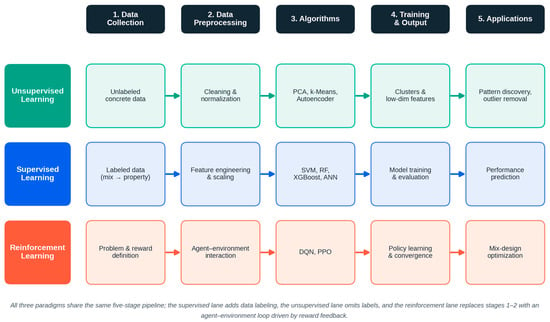
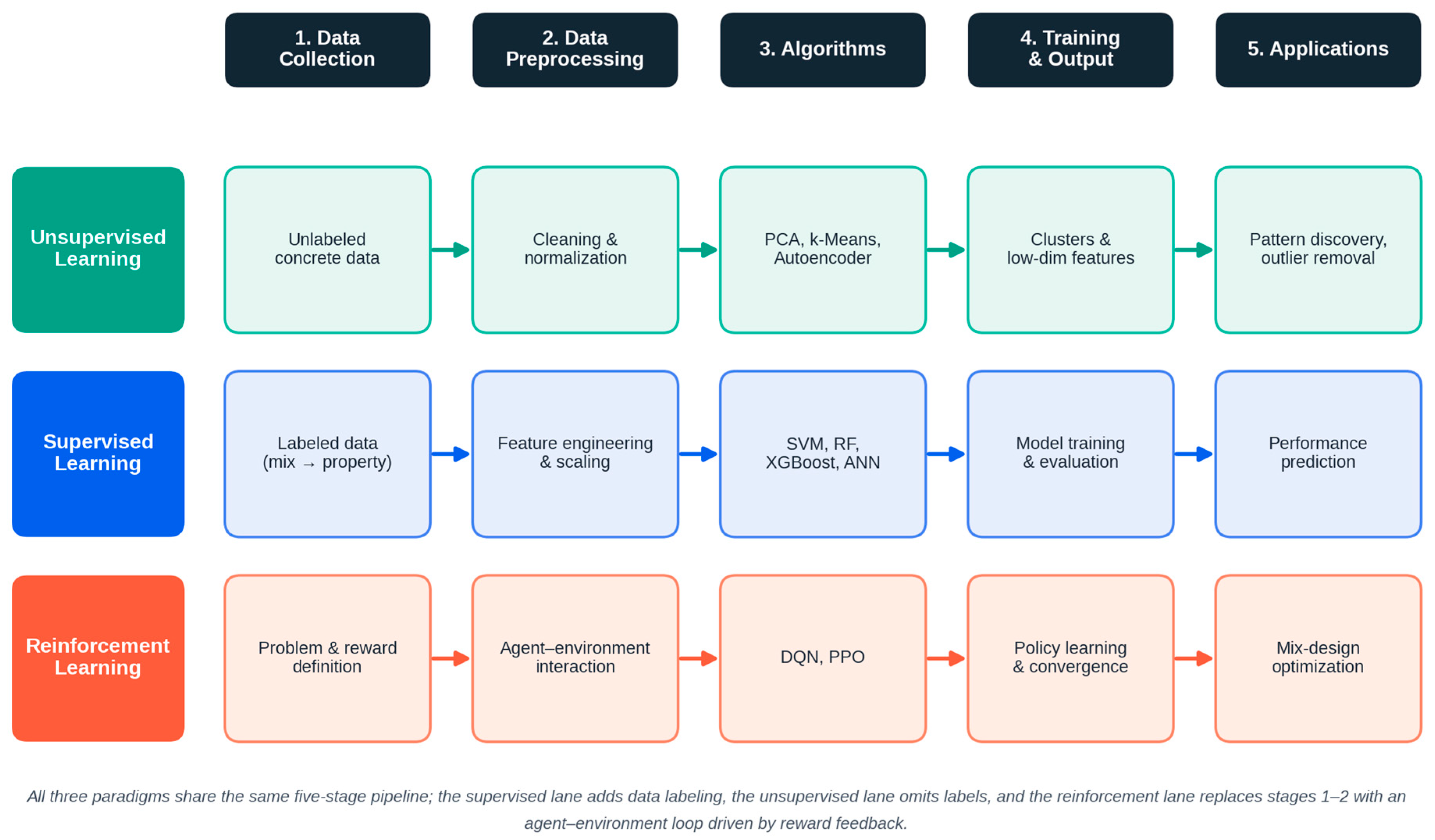
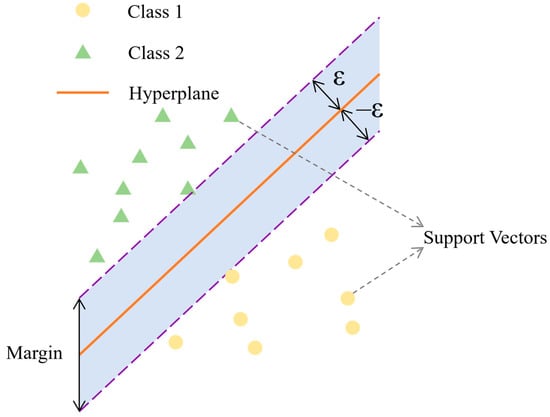
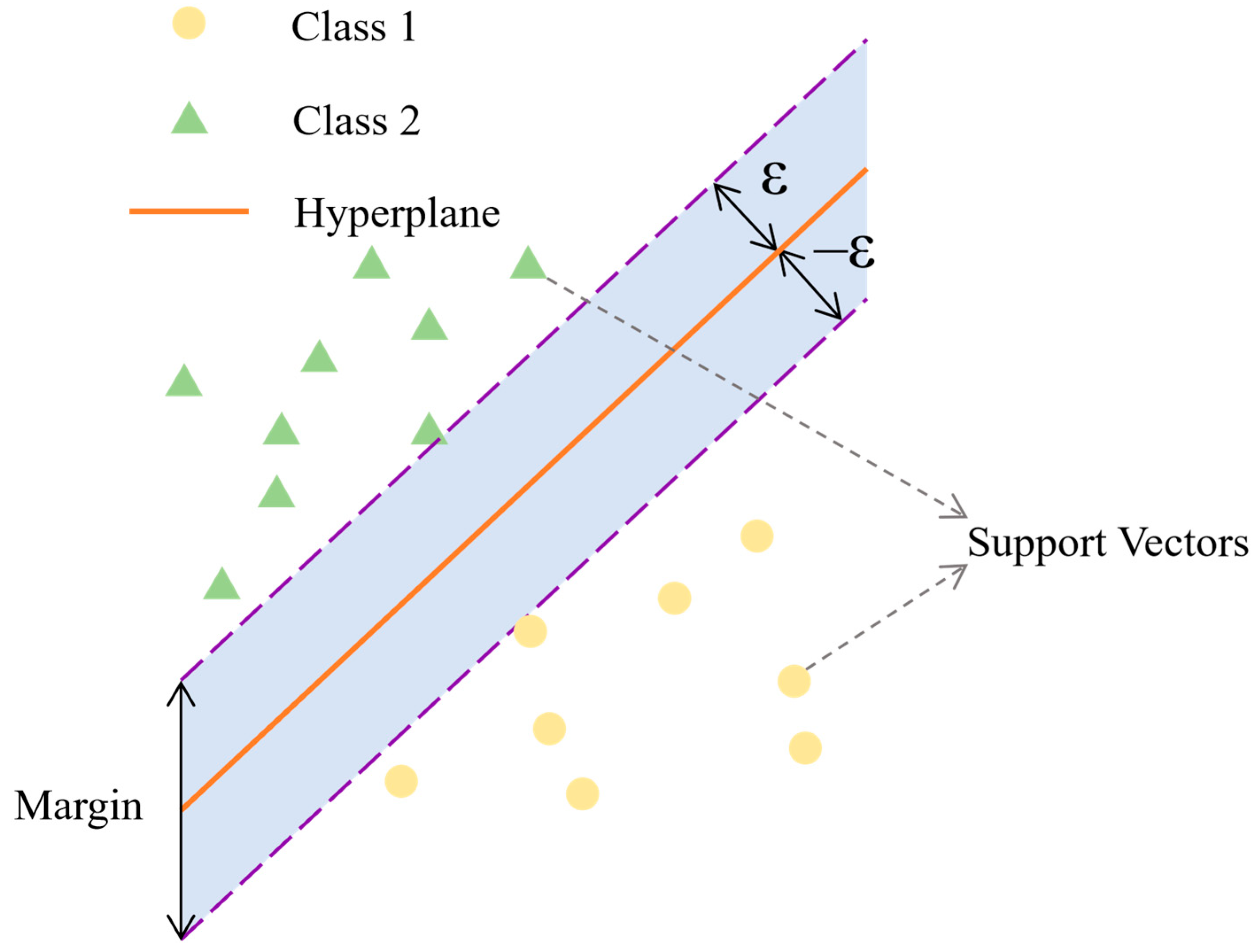
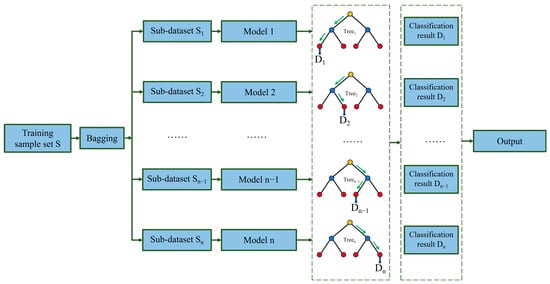
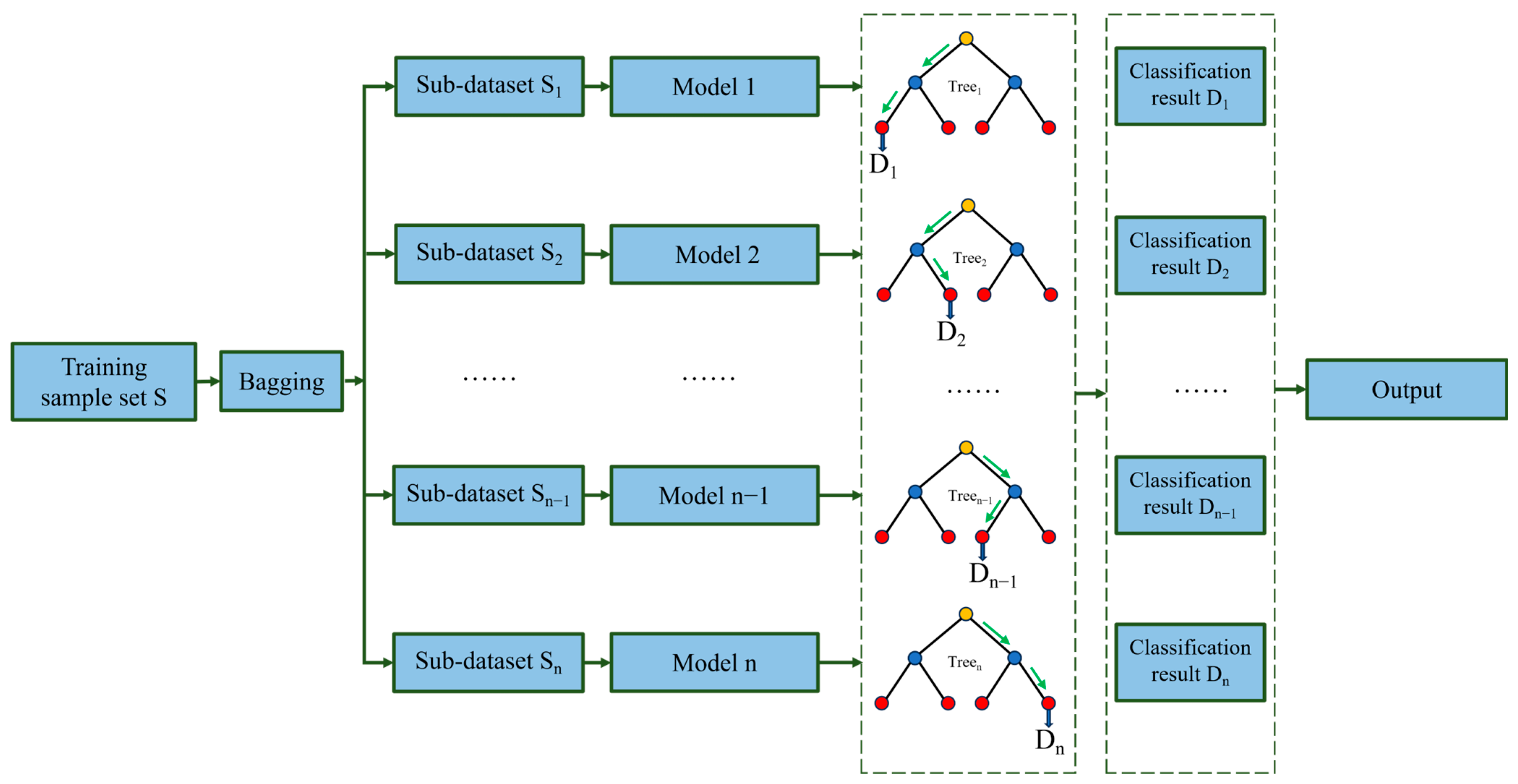
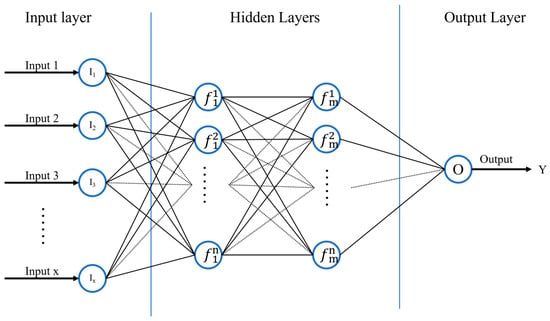
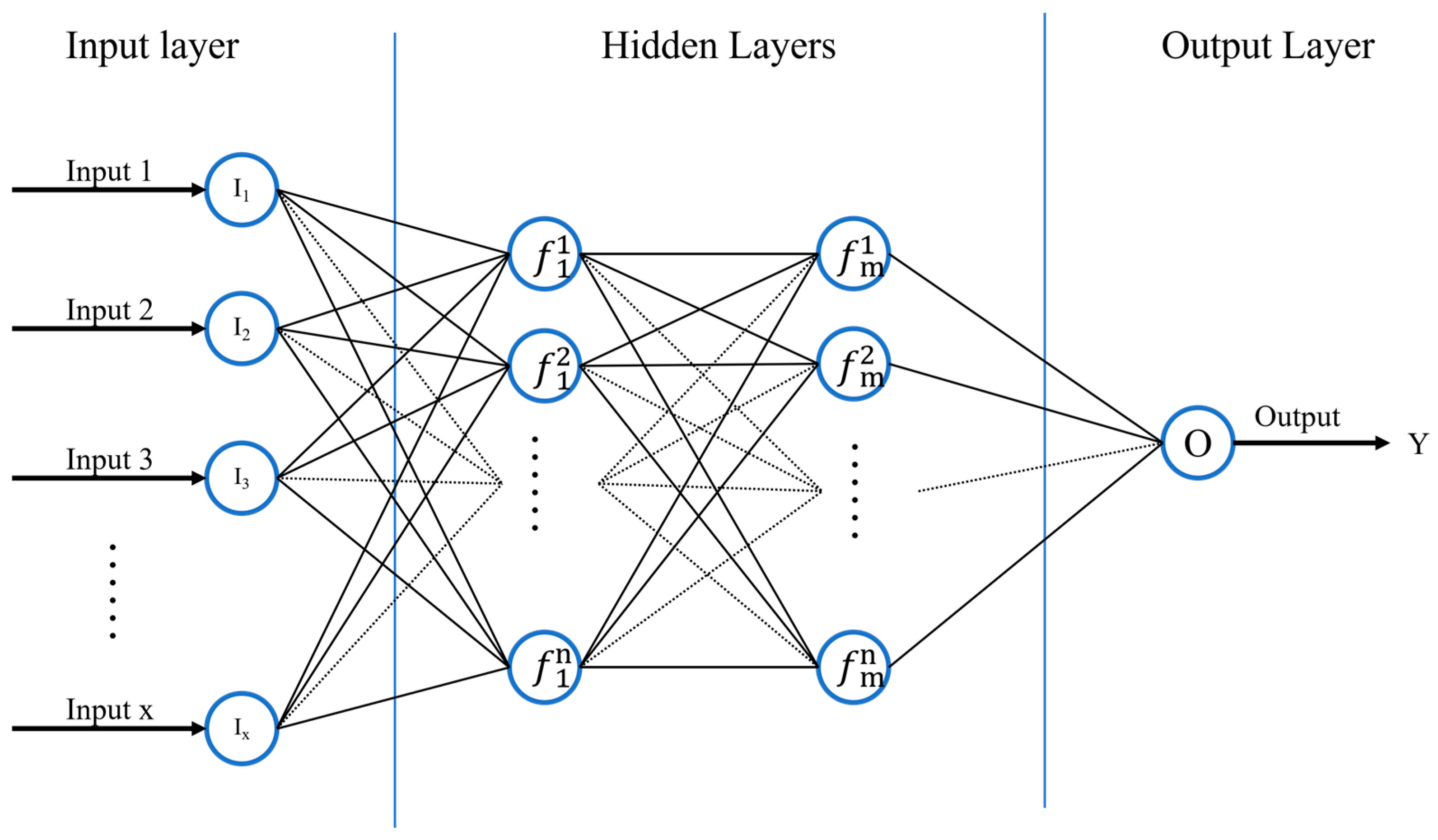
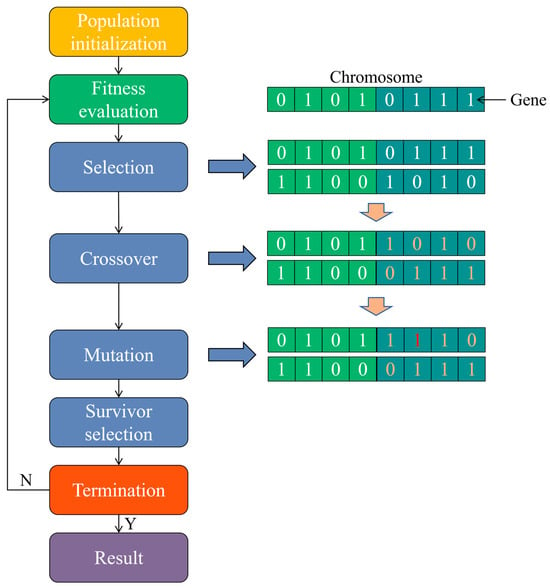
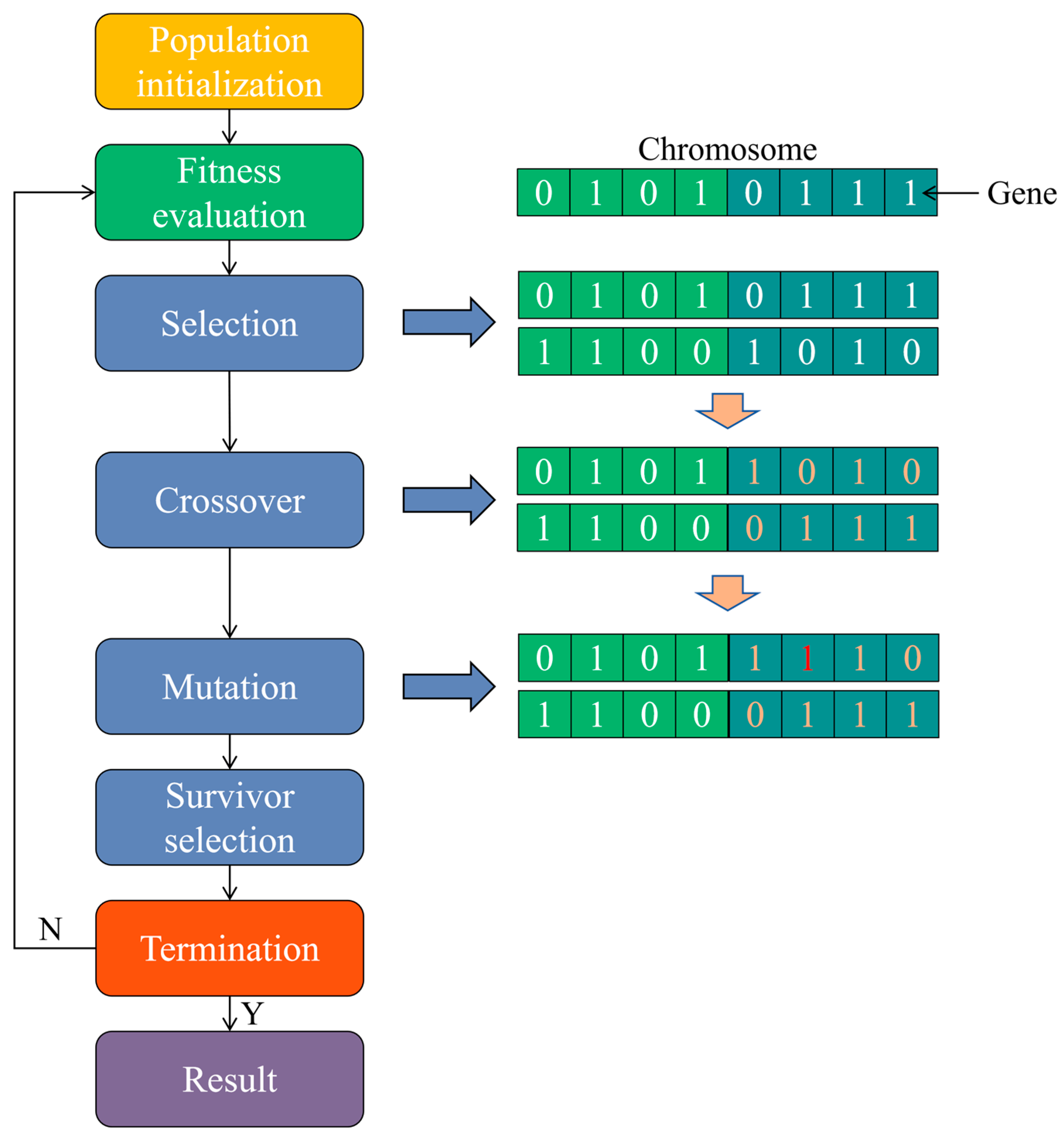
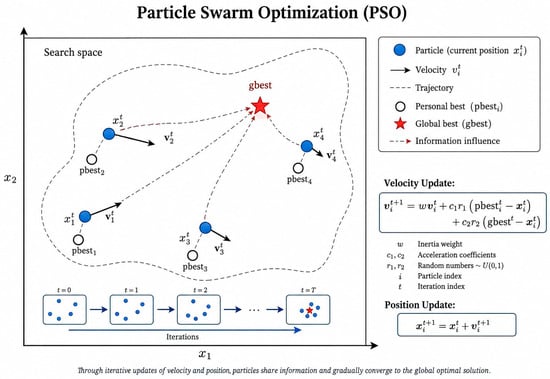
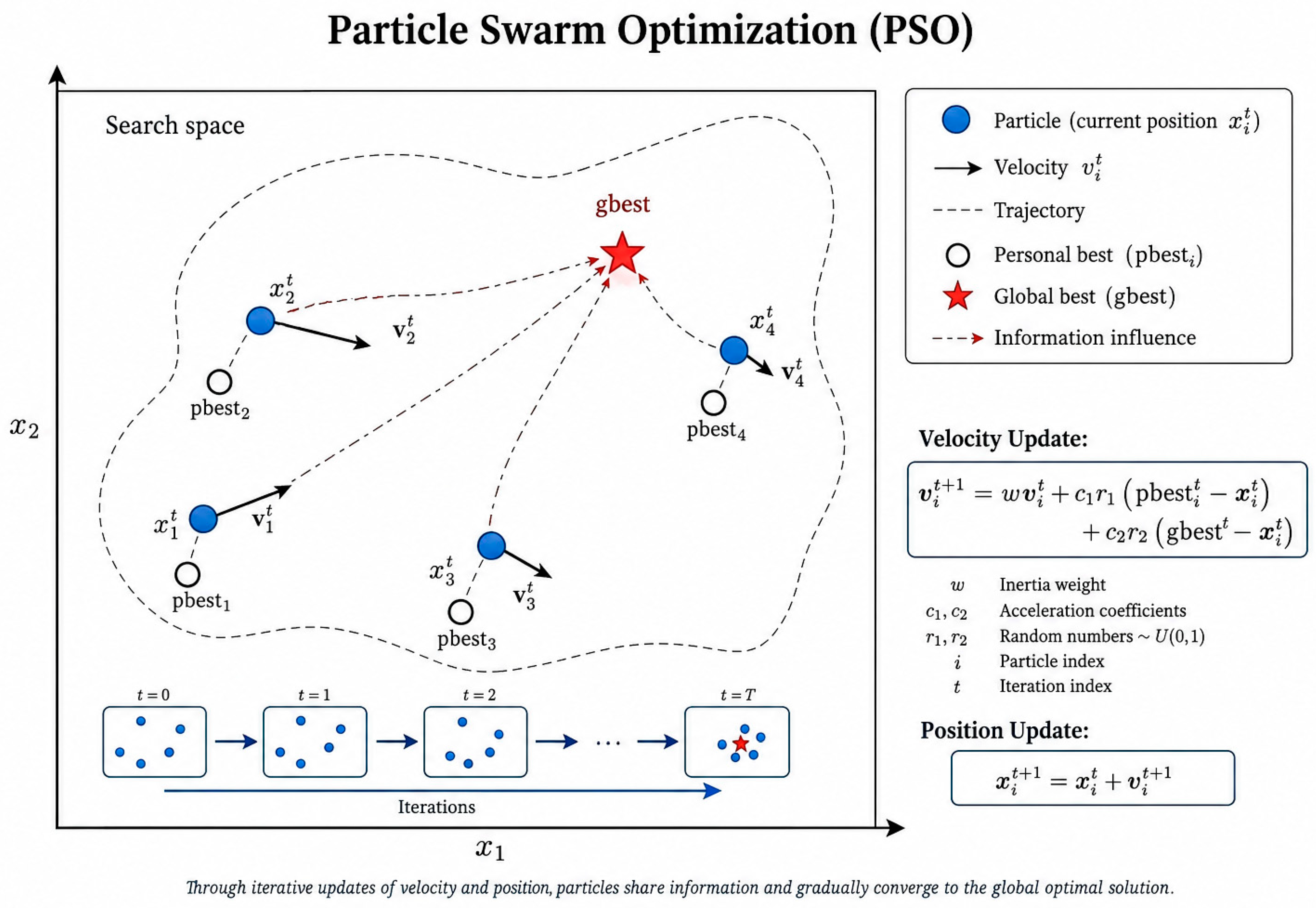
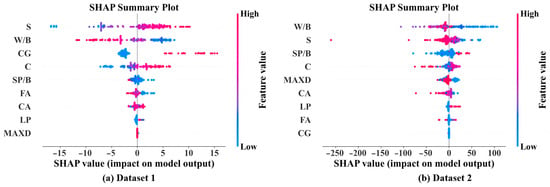
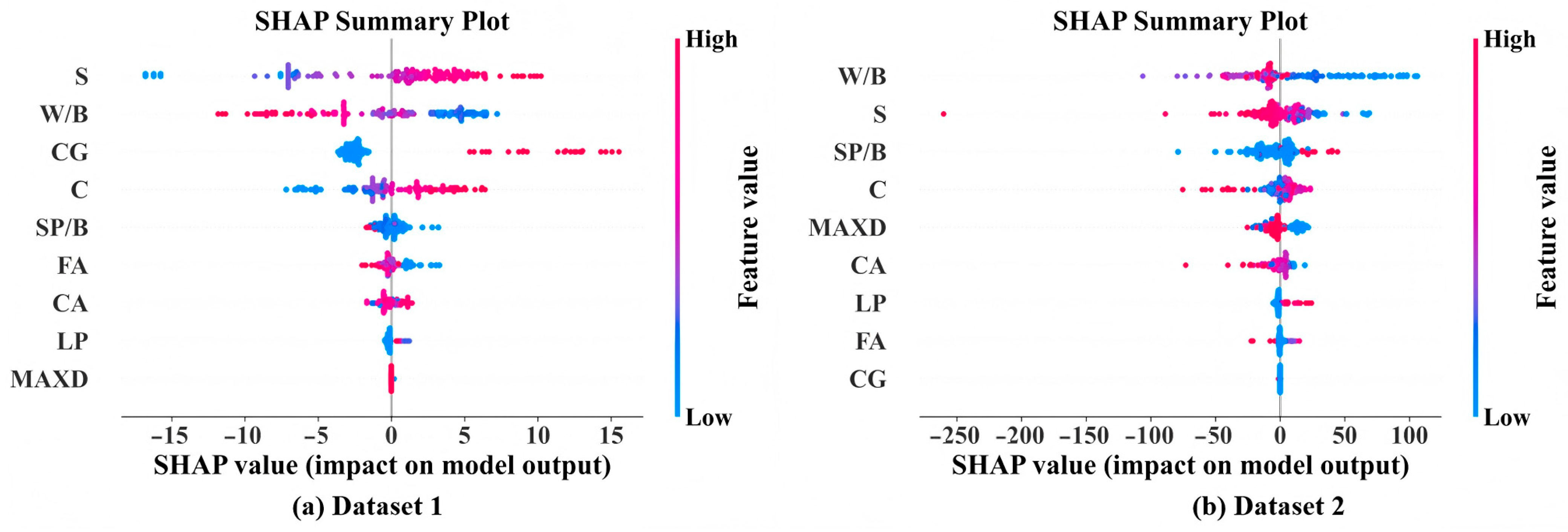
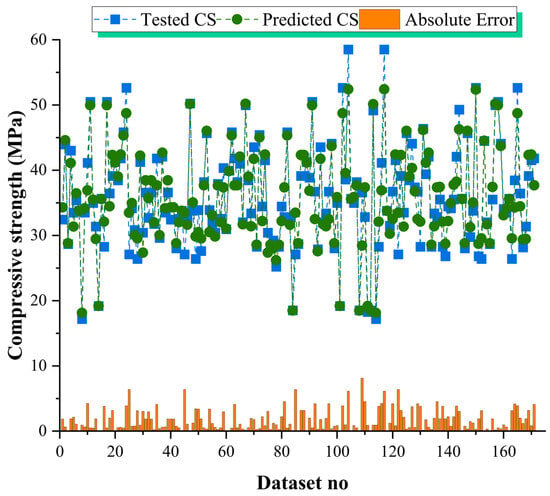
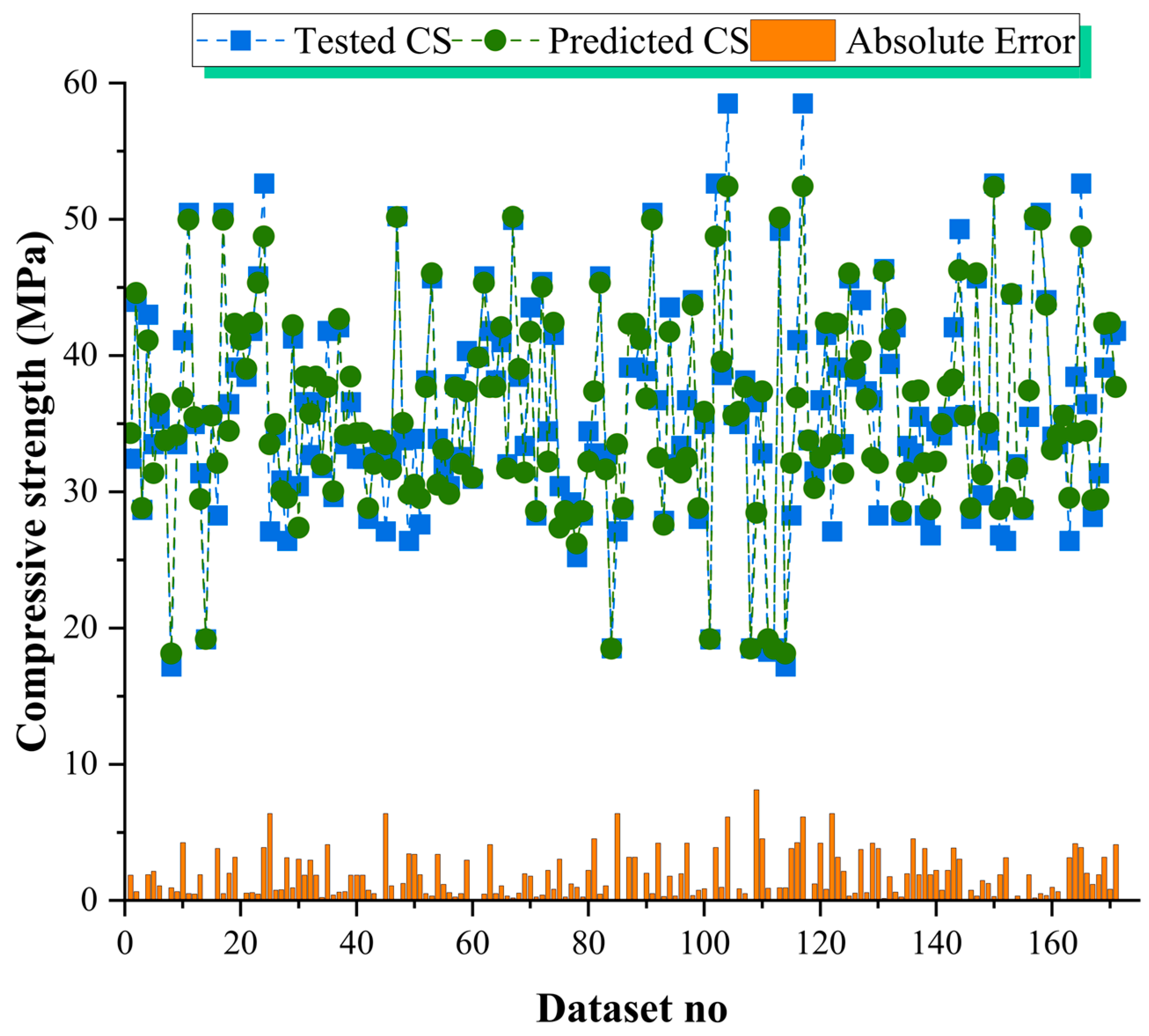
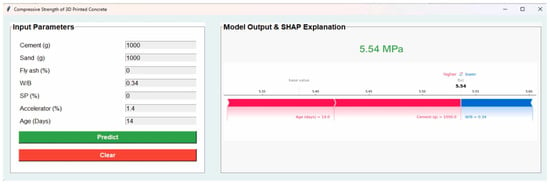
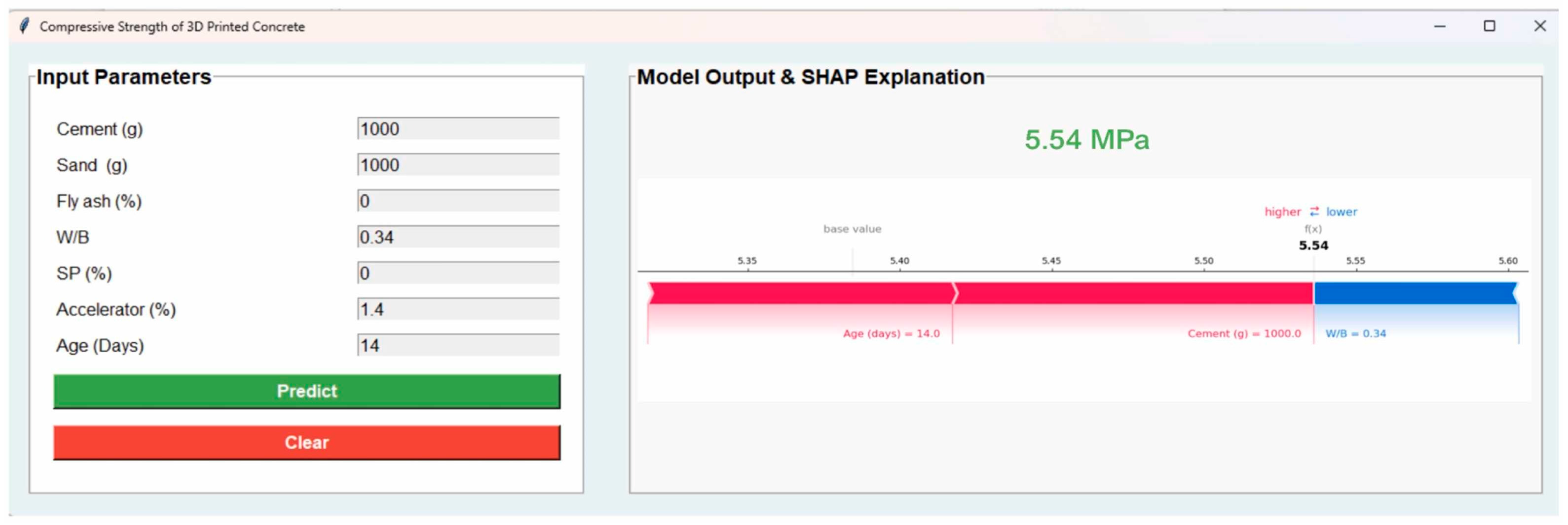
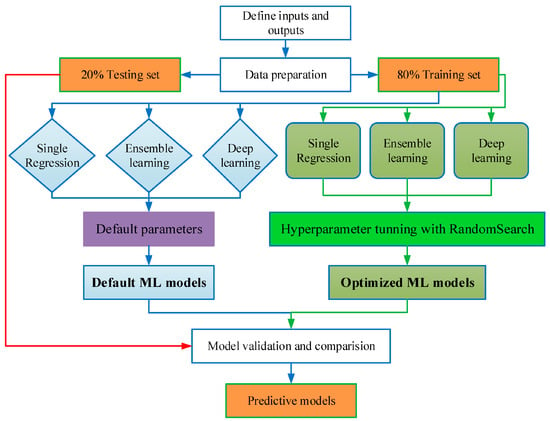
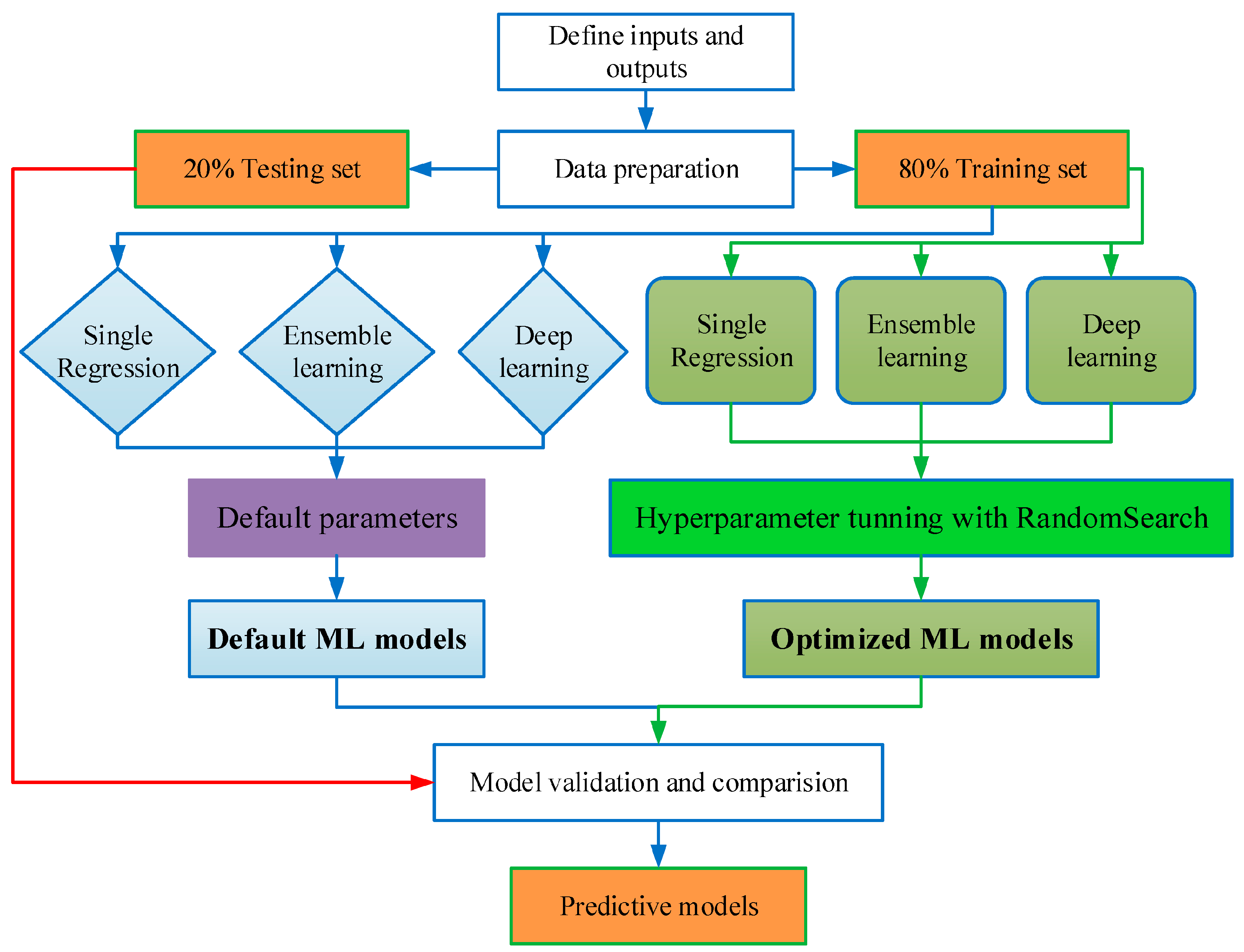
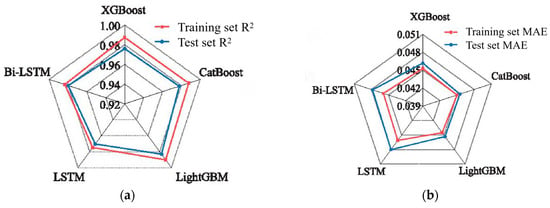
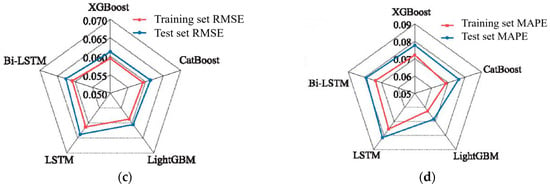
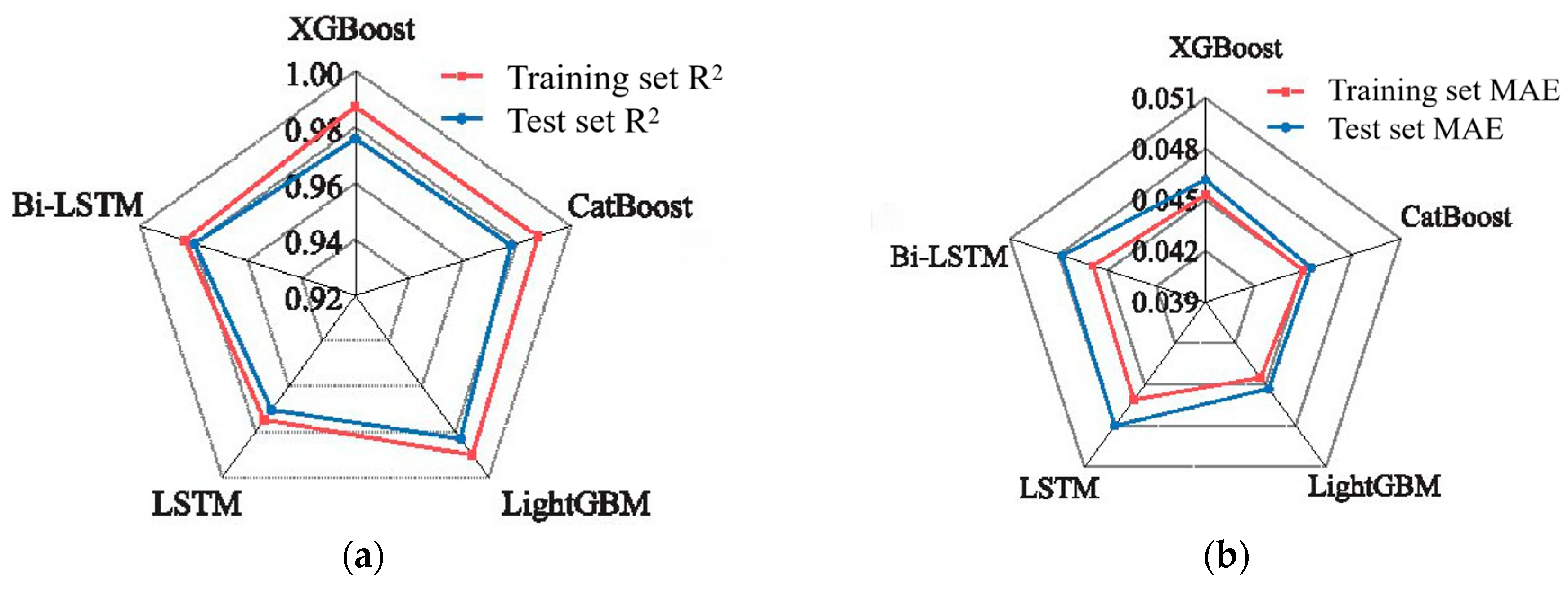
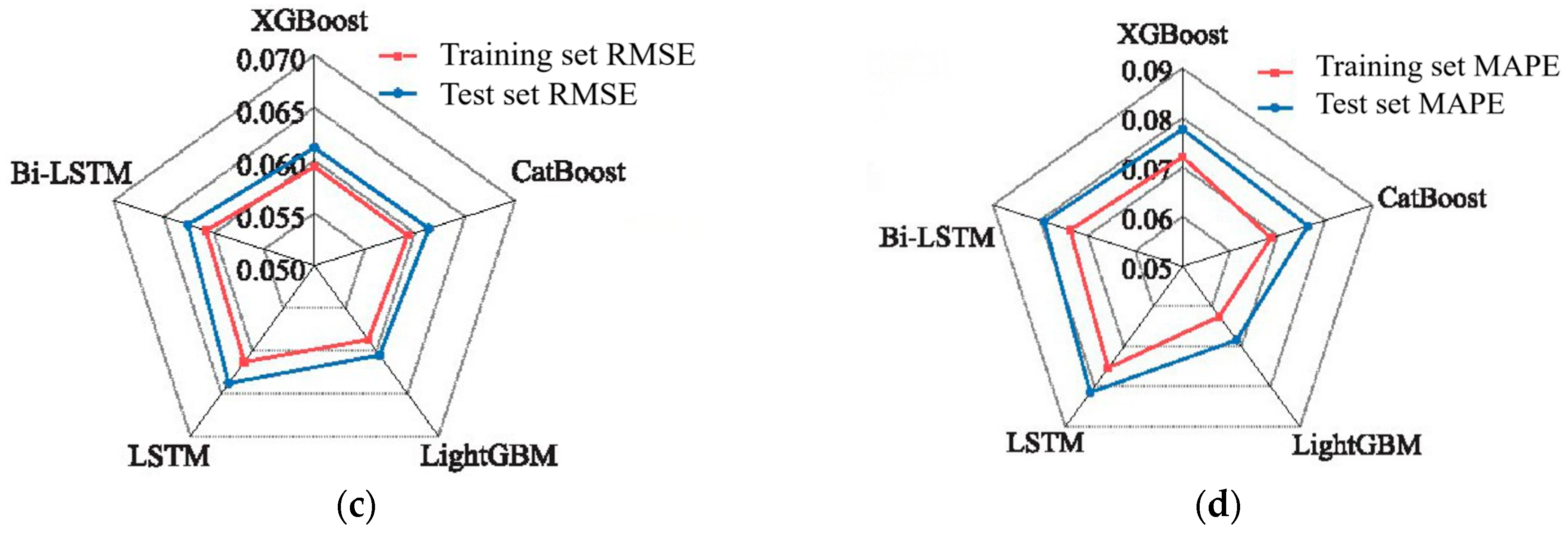
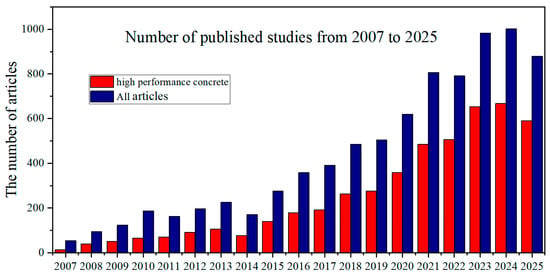
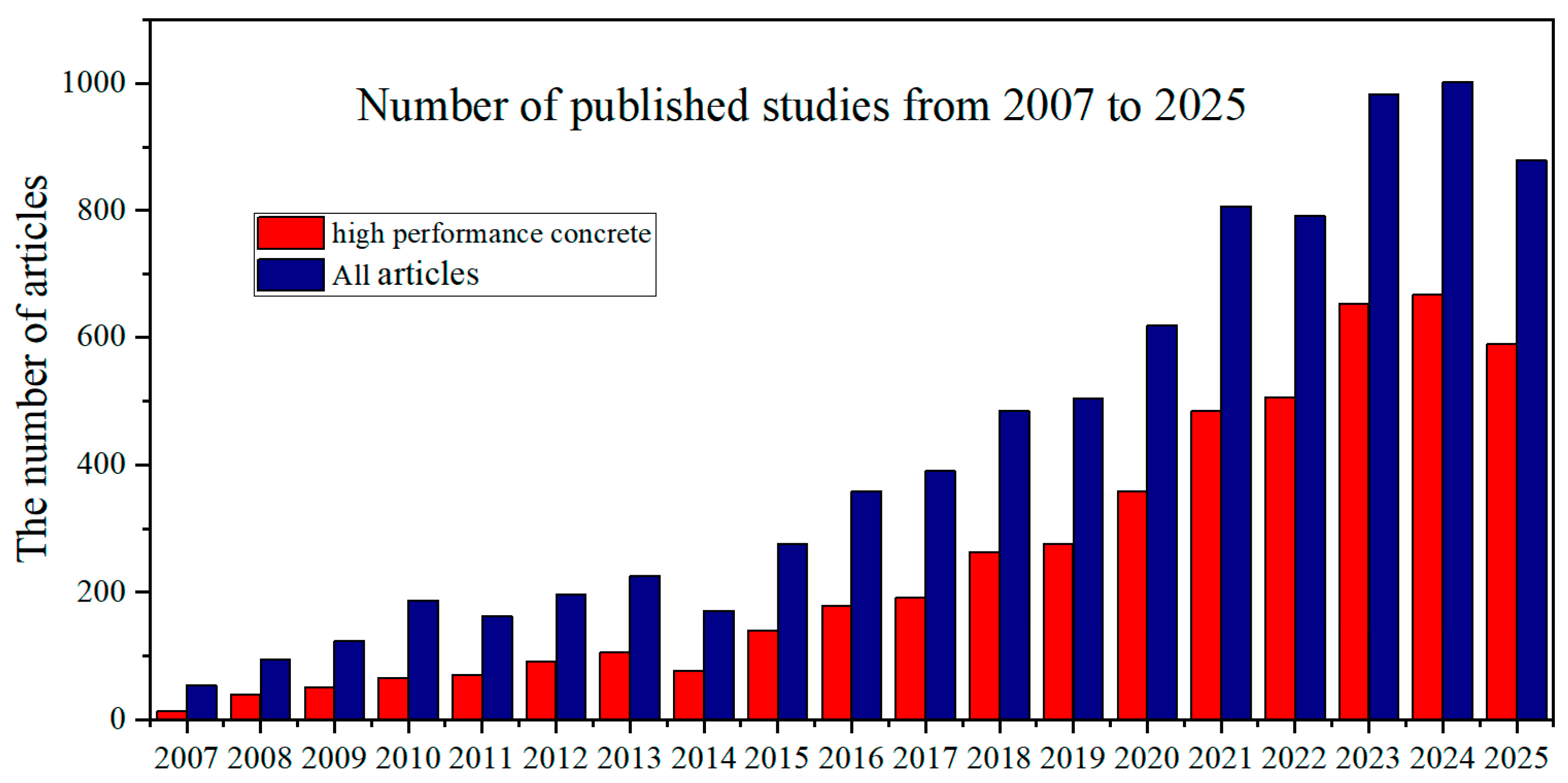
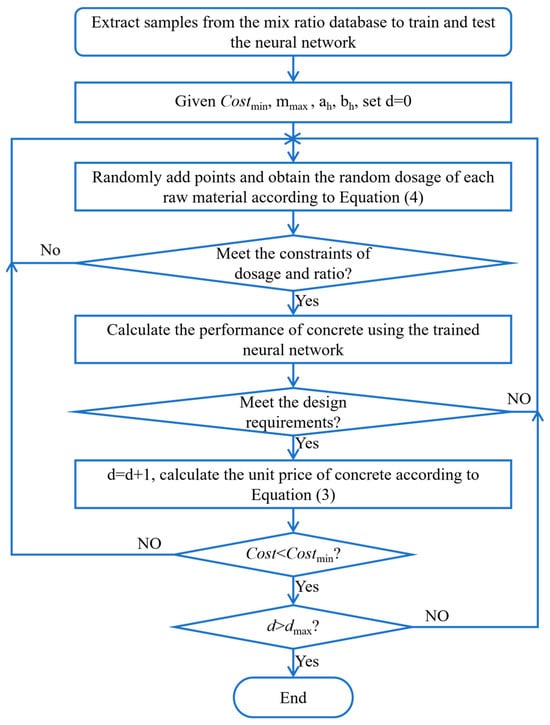
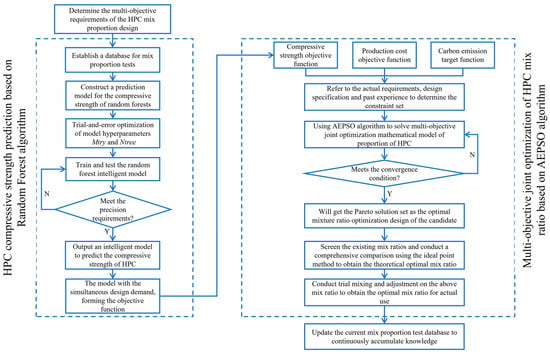
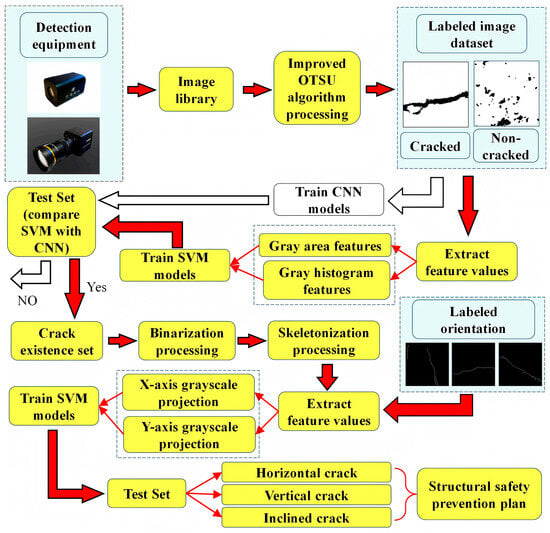
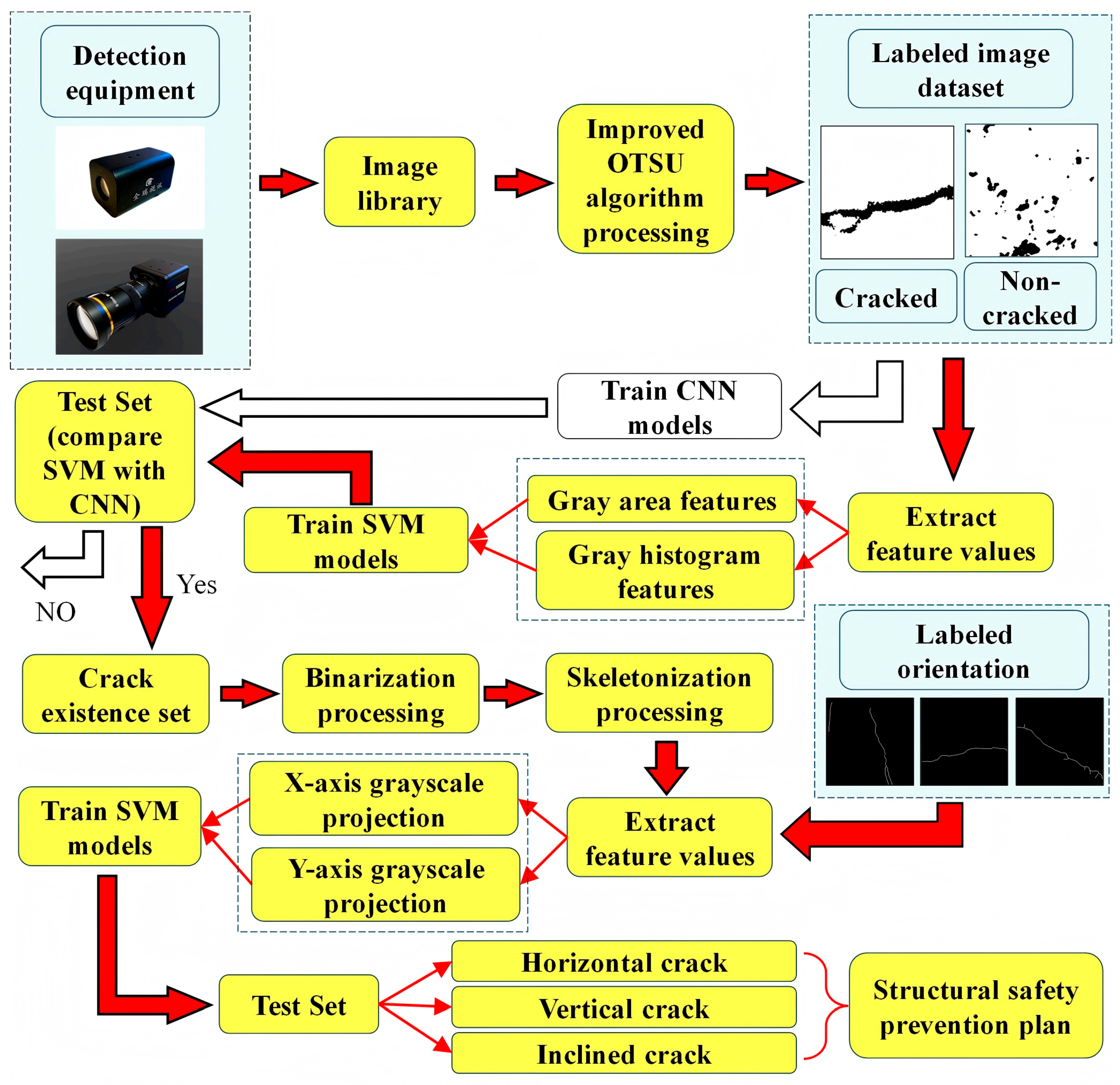

Disclaimer/Publisher’s Note: The statements, opinions and data contained in all publications are solely those of the individual author(s) and contributor(s) and not of MDPI and/or the editor(s). MDPI and/or the editor(s) disclaim responsibility for any injury to people or property resulting from any ideas, methods, instructions or products referred to in the content. |
© 2026 by the authors. Licensee MDPI, Basel, Switzerland. This article is an open access article distributed under the terms and conditions of the Creative Commons Attribution (CC BY) license.