


Abstract
Eventfulness is a core dimension of soundscape perception, reflecting cues of activity, social interaction, and dynamic change in the built environment. Although previous studies have examined variables related to eventfulness, evidence remains fragmented across contexts, terminology, and analytical levels, limiting its use in soundscape evaluation and design. This study aims to synthesize and structure the influencing factors of eventfulness perception in built-environment soundscapes. A systematic review was conducted using Web of Science and Scopus, and 79 relevant studies were selected following the PRISMA procedure. Variables, terms, and findings related to eventfulness were extracted and analyzed through grounded theory coding. The results indicate that eventfulness perception is shaped by four core categories: context, sound sources, acoustic environment, and auditory sensation. Over time, research has shifted from sound-related factors toward a broader contextualized understanding, with sound sources remaining the most recurrent explanatory basis and contextual factors expanding markedly but remaining dispersed in evidence. Although variation in contextual definitions, terminology, and measurement protocols limits direct cross-study comparison, the proposed four-category framework provides a coherent structure for organizing existing evidence and highlights the need for more systematic empirical research across diverse built-environment settings.
1. Introduction
Sound is an important medium through which humans perceive the world. However, with industrial development, urban regeneration, and the increasing intensity of spatial use, the negative impacts of noise in architectural and urban spaces on health, daily life, and ecology have become increasingly evident [1]. Consequently, early research and practice concerning sound were largely centered on noise control, with a primary focus on physical indicators such as sound pressure level. Yet sound experience in real environments is not determined solely by sound pressure level, and a single physical acoustic indicator is insufficient to fully explain individuals’ overall perception and evaluation of the acoustic environment in public spaces. To address this limitation, soundscape research has shifted attention from noise control based mainly on physical acoustic indicators toward human perception in specific contexts, providing an important basis for understanding acoustic environments in relation to environmental quality, spatial experience, public well-being, and the construction of high-quality human settlements [2,3,4].
1.1. Research Foundations of Soundscape Perceptual Dimensions
As soundscape research has continued to advance, perceptual dimensions have become important tools for describing and comparing experiences of acoustic environments. The structure of soundscape perception is commonly identified by extracting latent dimensions from a wide range of soundscape descriptors through semantic evaluation and statistical dimensionality-reduction methods. Axelsson et al. identified three principal components of soundscape perception, namely pleasantness, eventfulness, and familiarity [5], while Cain et al. proposed comparable dimensions of calmness and vibrancy [6]. The ISO 12913 series of standards subsequently further established pleasantness and eventfulness as the two core axes of the soundscape perception model, organizing eight attributes—pleasant, vibrant, eventful, chaotic, annoying, monotonous, uneventful, and calm—into a circumplex structure [7,8]. Within this framework, pleasantness primarily represents the positive or negative evaluation of soundscape experience, whereas eventfulness primarily reflects the degree of activity and dynamic change in the environment. Attributes such as vibrant, chaotic, monotonous, and calm can thus be understood as combined states generated by the two core axes in different directions. The pleasantness–eventfulness model therefore provides a standardized basis for soundscape perceptual evaluation [9].
Other perceptual dimensions, including familiarity, appropriateness, restorativeness, and overall soundscape quality, have also been examined to capture aspects such as prior experience, place-function congruence, health and well-being, environmental preference, and overall evaluation [5,10,11,12]. These dimensions indicate that soundscape perception is not determined by a single affective judgment alone, but is jointly shaped by multiple aspects, including evaluative judgment, environmental dynamics, place congruence, and individual experience. Among them, eventfulness is distinctive because it directly concerns the perceived activity, change, and vitality of a setting. This makes eventfulness especially relevant to built-environment soundscapes, where acoustic experience is closely linked to spatial use, social interaction, and environmental dynamics.
1.2. Importance of Research on Soundscape Eventfulness Perception
Eventfulness perception is a key dimension for understanding the dynamic characteristics of built-environment soundscapes. Unlike pleasantness, which primarily reflects the positive or negative evaluation of soundscape experience, eventfulness is more directly related to activity cues, crowd behavior, social interaction, and spatial vitality within the environment [13,14]. As a form of perceptual information that is continuously present in the built environment, sound not only conveys the physical characteristics of sound sources, but also signals the activities taking place within a setting and their intensity [15]. Therefore, examining eventfulness perception can help explain how people judge whether a space is active, rich, or monotonous, while also clarifying the relationship between soundscape experience and patterns of place use.
In recent years, eventfulness perception has increasingly been used to interpret soundscape experiences in public spaces, open spaces, and various architectural environments. In activity-intensive settings, such as squares, commercial streets, and transport spaces, a moderate level of eventfulness may help enhance spatial vitality and the sense of social presence [13,16]. By contrast, in residential areas, office spaces, healthcare and wellness environments, or settings intended to support restorative experiences, excessively high eventfulness may increase perceived chaos, annoyance, or psychological burden [12,17,18]. Therefore, eventfulness cannot be interpreted simply as either desirable or undesirable. Its perceptual value depends on whether the level and type of activity conveyed by the soundscape are consistent with spatial function, user activities, and place expectations [16]. Eventfulness perception is also closely related to sound source organization, spatial layout, and the management of behavioral activities. Human sounds, traffic sounds, natural sounds, music, and other activity-related sound sources may influence people’s judgments of environmental dynamics in different ways [19,20]. Spatial form, visual information, activity density, and place function may also affect how sounds are noticed, identified, and evaluated [21,22]. In addition, the interpretation of eventfulness may vary with individual experience, linguistic semantics, and sociocultural background, especially when standardized descriptors such as eventful/uneventful are translated into non-English contexts [23,24,25]. These findings indicate that eventfulness is not a direct response to acoustic stimulation alone, but a context-sensitive perceptual construct formed through the interaction between sound sources, acoustic conditions, spatial settings, and sociocultural interpretation.
Among the principal dimensions of soundscape perception examined in existing research, pleasantness primarily reflects the positive or negative evaluation of soundscape experience [5]. Familiarity is more closely associated with listeners’ prior experience, sound source recognition, and their familiarity with the acoustic environment [26]. Appropriateness emphasizes the degree of congruence between the acoustic environment and place functions [21], whereas restorativeness and overall soundscape quality are more closely linked to health and well-being, environmental preference, and overall evaluation [12]. In contrast, eventfulness focuses on the degree of activity, dynamic change, and the level of vitality conveyed by a soundscape. It is precisely this characteristic that gives eventfulness a distinctive and irreplaceable explanatory role in built-environment soundscape research. Eventfulness not only shapes how people perceive a space as active, rich, or monotonous, but also helps explain why the same acoustic environment may be interpreted as “vibrant” in one setting yet “chaotic and annoying” in another.
1.3. Research Questions and Objectives
Eventfulness has become an unavoidable core dimension in soundscape evaluation, yet its formation mechanisms and influencing factors remain dispersed, implicit, and insufficiently integrated. Without a systematic synthesis of the relevant studies, the explanatory role of eventfulness across different built environments is difficult to compare accurately, and its application in soundscape evaluation, spatial design, and standardized measurement may remain largely descriptive. To address this issue, this study aims to systematically review the existing evidence related to eventfulness perception and clarify its basic components, thereby providing a classification framework for future research that further examines its underlying mechanisms. Accordingly, this study seeks to address the following questions:
Question 1: What factors influence eventfulness perception?
Question 2: How can these influencing factors be classified to provide a structured basis for future research on eventfulness perception?
Question 3: How can the resulting framework of influencing factors be applied to support eventfulness-oriented soundscape research in built environments?
2. Materials and Methods
This study first employed a systematic review to collect data, followed by grounded theory coding logic to analyze and integrate the collected data. The systematic review provided a clearly defined literature scope and traceable data sources for the coding analysis, while grounded theory was used to summarize, compare, and conceptually integrate the dispersed variables and conditions identified in the included studies. This systematic review was reported in accordance with the PRISMA 2020 statement where applicable. The completed PRISMA 2020 checklist is provided as Supplementary Table S1. No review protocol was prospectively registered for this study.
2.1. Data Collection for the Systematic Review
The literature identification and screening process is shown in Figure 1. In this study, Web of Science and Scopus were used for literature retrieval. Because “eventful” and “eventfulness” have rarely been treated as independent research topics and are not consistently used as keywords in soundscape studies, the database search was designed to retrieve broader soundscape affective-quality literature first, rather than to rely only on eventfulness-related terms. To ensure the comprehensiveness of the literature search, this study expanded the retrieval scope to include the affective quality dimensions of soundscape perception. The selected literature types included articles, dissertation theses, review articles, meeting papers, conference papers, and book chapters. Accordingly, the search strategy used in Web of Science was: (TS = (soundscape)) AND (TS = (eventful* OR evaluation* OR perception* OR quality*)), with the publication-date range set from 1 January 1940 to 1 January 2026. The search strategy used in Scopus was: (TITLE-ABS-KEY (soundscape)) AND (TITLE-ABS-KEY (eventful* OR evaluation* OR perception* OR quality*)), with the publication-year filter set as PUBYEAR > 1940 AND PUBYEAR < 2026. The final search was completed in January 2026. The studies ultimately included in this review were published between 2010 and 2025.
Figure 1.
Literature identification, screening, and inclusion process based on the PRISMA procedure.
All records retrieved from the two databases were imported into EndNote 20 reference management software for unified management. Duplicate records were first screened using EndNote’s duplicate detection function, mainly by matching information such as title, author, publication year, journal source, and DOI. For records with slight differences in title wording or incomplete bibliographic information, manual checking was further conducted to avoid the erroneous removal of relevant studies. The initial search yielded a total of 4429 records including 1225 records from Web of Science and 3204 records from Scopus. After removing duplicates, 3382 records were retained. Through title and abstract screening, 3158 records unrelated to the measurement of affective dimensions of soundscape perception were excluded, leaving 224 records for the next stage.
To ensure that the selected literature was directly relevant to the research focus, the inclusion and exclusion criteria were defined according to the extent to which each study addressed eventfulness perception and reported analyzable evidence. Specifically, studies were included if they met the following criteria: (1) the study involved eventfulness or its standardized measurement; (2) the study reported variables, conditions, contexts, or comparative results related to eventfulness; and (3) the study provided specific analyses related to eventfulness, regardless of whether the results were statistically significant. Correspondingly, studies were excluded if they met any of the following criteria: (1) the study did not involve eventfulness or its standardized measurement; (2) the study did not report variables, conditions, contexts, or comparative results related to eventfulness; or (3) the study did not provide specific analyses related to eventfulness.
Based on these criteria, 113 full-text reports were excluded under Criterion 1, 11 were excluded under Criterion 2, and a further 21 were excluded under Criterion 3. Ultimately, 79 studies were included in this review.
After the final corpus of 79 studies had been determined, a keyword co-occurrence analysis was conducted using VOSviewer 1.6.20 as a supplementary and exploratory step [27]. Given the relatively small size of the corpus, the purpose of this analysis was not to infer a stable bibliometric structure of the field, but to provide a descriptive overview of recurrent keyword associations within the included studies and to support the subsequent grounded theory coding. The bibliographic records of the 79 included studies were exported from Scopus in CSV format, and the analysis was based on all keywords provided in the Scopus records. To retain recurrent themes while avoiding excessive fragmentation, the minimum occurrence threshold for keyword inclusion was set to four. Adjacent thresholds were also checked during preprocessing: a threshold of three retained more low-frequency terms and produced a relatively dense network, whereas a threshold of five generated a more restrictive network and reduced the visibility of several context-related and cross-modal terms. Therefore, a threshold of four was adopted to balance thematic coverage and visual clarity. Before visualization, a thesaurus file was used to merge synonymous terms, spelling variants, singular and plural forms, and conceptually equivalent expressions. The complete list of merged keyword entries is provided in Table A2.
Figure 2 presents the keyword co-occurrence network of the 79 included studies after thesaurus-based cleaning and synonym merging. The resulting network contained 53 keywords distributed across four clusters. The most frequent and strongly connected terms included soundscape (occurrences = 66; total link strength = 354), acoustic noise (24; 166), perception (18; 125), acoustics (17; 111), noise pollution (16; 122), acoustic environment (14; 82), auditory perception (13; 94), urban area (12; 96), noise (11; 88), public space (11; 61), sound source (10; 80), and urban planning (10; 83). At the same time, several built-environment- and cross-modal-related terms also appeared in the network, including virtual reality (9; 66), audio–visual (8; 46), residential environment (7; 58), housing (6; 53), roads and streets (5; 37), human activity (4; 32), audio–visual interaction (4; 35), and urban park (4; 35). These values suggest that built-environment settings, activity-related conditions, and audio–visual conditions have been discussed in relation to soundscape perception, but their connections remain relatively dispersed rather than forming a single dominant research focus. By contrast, eventfulness itself appeared less frequently as a keyword (5; 22), with a total link strength close to that of pleasantness (4; 21).
Figure 2.
VOSviewer-based keyword co-occurrence network showing the thematic structure of the 79 included studies. Node size indicates keyword occurrence frequency, link thickness indicates co-occurrence strength, and different colors represent clusters automatically generated by VOSviewer based on keyword co-occurrence relationships.
Taken together, these keyword patterns show that the eventfulness-related literature is embedded in a broader soundscape research landscape rather than organized around eventfulness as a clearly independent thematic center. The dominant terms are still associated with acoustic and noise-related issues, urban and public-space settings, sound sources, and general perceptual evaluation. Although built-environment-, audio–visual-, and activity-related terms are also visible in the network, their relatively scattered positions and generally lower link strengths suggest that these dimensions have been addressed separately across studies rather than integrated into a unified explanation of eventfulness perception. This pattern is consistent with the observation that eventfulness-related research remains relatively dispersed and provides a preliminary conceptual reference for the subsequent grounded theory coding.
2.2. Stage Classification of Eventfulness Research
In addition to the 79 studies included for grounded theory coding, a supplementary backward reference search identified three standards, one protocol, and one international initiative that were closely related to soundscape eventfulness. Since these documents are primarily normative, methodological, or initiative-oriented materials rather than empirical studies reporting specific influencing factors of eventfulness, they were not included in the subsequent grounded theory coding. Instead, they were used as supplementary background documents to clarify the development of concept formation, measurement standardization, and cross-cultural adaptation of soundscape eventfulness. These documents are listed separately in Table 1.
Table 1.
Supplementary background documents related to the development and evolution of soundscape eventfulness.
Through a systematic review of the relevant literature, the development of “eventfulness” in the field of soundscape research can be divided into three stages, as shown in Figure 3. Eventfulness was first introduced into the soundscape field in 2010, after which scholars gradually began to investigate this dimension. However, before 2015, related studies remained very limited. In 2015, research on eventfulness experienced a modest increase. A close reading of the literature shows that many scholars during this period referred to the ISO 12913-1 standard, which was published in 2014 and included content related to eventfulness.
Figure 3.
Annual publication trends in research on soundscape eventfulness, with key milestones such as important related documents and the stage-wise evolution of the role of eventfulness within the soundscape perceptual dimension framework.
“Concept Introduction Stage”: In 2010, Axelsson et al. selected 189 adjectives, along with their synonyms and antonyms, from Swedish, and then asked 30 participants to ultimately identify 116 adjectives. Through principal component analysis, the researchers identified three main components of urban outdoor soundscapes: pleasantness, eventfulness, and familiarity. Based on the two-dimensional emotion model centered on “pleasantness” and “arousal” that had already been proposed in the field of psychology [31], they developed the pleasantness–eventfulness model for the field of soundscape research [5]. This model provided a theoretical framework for future soundscape research and practice, clarified the core dimensions of perception, and demonstrated how these dimensions could be quantitatively measured using attribute scales. Subsequently, a number of researchers also verified the accuracy of this model through experiments [19,32,33,34,35].
“Standardization Stage”: Subsequently, in 2012, Axelsson and his Swedish research team proposed the Swedish Soundscape Quality Protocol (SSQP) based on the pleasantness–eventfulness model [28]. This protocol structured the two major dimensions into eight descriptive categories, thereby providing a unified semantic framework for subjective evaluation. The eight-category descriptor model was later incorporated into the standard in 2018. Thereafter, the ISO 12913 series of standards further established the global status of eventfulness. In ISO 12913-1, “eventfulness” was defined as the “activation dimension” of emotional responses to soundscape [29]. ISO/TS 12913-2 incorporated the eight-dimensional SSQP model into standardized questionnaires and soundwalk assessments [7]. ISO/TS 12913-3 further formalized its quantification through mathematical modeling and a two-dimensional coordinate system [8]. As a result, eventfulness developed from a “descriptive adjective” into the second principal axis of soundscape quality assessment, together with pleasantness forming the core structure of the international framework for soundscape perception. Although scholars in the field of soundscape studies have not yet provided an explicit definition of the term “eventfulness,” ISO/TS 12913-3 states that “an eventful environment is full of human activity” [8].
“Theoretical Expansion Stage”: Before 2020, eventfulness was primarily treated as an independent principal component orthogonal to pleasantness. However, subsequent studies began to examine eventfulness in greater depth and found that it has significant interaction effects with other dimensions. For example, a moderate level of eventfulness can enhance pleasantness and restorativeness, whereas excessively high or low eventfulness may lead to perceptual discomfort or monotony [34]. Meanwhile, eventfulness has also been found to mediate the relationship between pleasantness and soundscape appropriateness, serving as a key psychological mechanism for evaluating environments as “active yet pleasant” [11]. Other researchers have found a synergistic relationship between eventfulness and visual information; when high eventfulness is inconsistent with visual semantics, it may reduce pleasantness and perceived congruence [36]. On this basis, Aletta et al. further promoted the cross-linguistic adaptation of standardized attribute descriptors such as eventful/uneventful through the translation of soundscape descriptors into 18 languages and listening experiments, enabling eventfulness to develop from a perceptual descriptor in the English-language context into a measurable dimension that can be compared across different linguistic and cultural backgrounds [30]. This line of research indicates that the theoretical development of eventfulness is reflected not only in its interaction mechanisms with dimensions such as pleasantness, restorativeness, and appropriateness, but also in the cross-cultural expansion of its measurement tools and semantic framework. Therefore, contemporary soundscape research increasingly treats eventfulness as an interactive dimension that connects emotion, cognition, semantic interpretation, and contextual perception. Through its interactions with pleasantness, restorativeness, appropriateness, visual context, and other factors, eventfulness jointly shapes the overall perception and psychological coherence of environmental experience.
2.3. Adaptation of Grounded Theory and Coding Process
Although existing studies have discussed factors influencing eventfulness perception from various perspectives, these factors are scattered across different research paradigms, experimental contexts, and variable systems. They lack stable and consistent classification criteria and have not yet formed a clear structured framework. Therefore, based on the systematic review, this study introduces grounded theory to conduct systematic coding and categorization of the findings from primary studies, thereby revealing the internal relationships among factors and helping to construct a more integrative explanatory framework.
Grounded theory can be adapted to systematic reviews because its coding procedures provide a structured means of organizing, comparing, and conceptually integrating published literature. Previous studies have combined systematic review with grounded theory to synthesize evidence obtained through systematic searches [37,38]. In qualitative soundscape research, grounded theory has also established a solid basis of application, with studies using this method to analyze interviews, textual materials, and open-ended questionnaire data in order to explore the underlying structure of soundscape experience [39,40,41,42,43,44,45,46]. In this study, published literature was treated as textual data and analyzed through iterative coding, constant comparison, category refinement, and saturation assessment. Theoretical saturation was evaluated by examining whether successive rounds of literature retrieval generated new core categories, substantially altered category properties or boundaries, or changed the relationships among categories [47,48,49]. To reduce potential omissions and progressively test the stability of the coding framework, supplementary searches were conducted in December 2024, July 2025, and January 2026. By the December 2024 search, all four L3 core categories and 13 L2 categories had already been identified. The two subsequent searches added further coding records and several L1 initial concepts, but generated no new L2 or L3 categories and did not alter the established relationships among the categories. These results indicate that the classification framework had reached theoretical saturation at the category level within the defined scope of this review. This scope-bounded saturation does not imply that future research cannot further enrich specific lower-level concepts, but indicates that additional evidence no longer changed the current core category structure. Therefore, the results should be understood as an inductively developed and theoretically saturated classification framework within the present evidence base, while its lower-level concepts and contextual applications may continue to be refined as new studies become available.
To enhance the credibility and traceability of the coding analysis, this study advanced the coding process through collaborative coding among researchers, cross-checking of coding results, constant comparison, and analytical memo writing (Figure 4). First, the first author conducted open coding of variables, conditions, comparative results, and explanatory statements related to eventfulness perception in the included literature, thereby generating initial conceptual labels. Subsequently, the second author independently reviewed the concepts and their classification rationale, and cross-checked the initial coding, concept merging, and category assignment, with particular attention to the similarities and differences among concepts as well as the boundaries between categories. For items with ambiguous boundaries or disagreements in classification, the two authors engaged in continuous discussion by repeatedly revisiting the original texts, comparing similar and contrasting cases, revising category definitions, and recording discussion memos until consensus was reached. Therefore, the final categories were not directly determined by a single researcher, but were developed through initial coding, independent review, cross-checking, and negotiated revision. This process did not treat agreement as the sole criterion for judgment. This is because the present study adopted an open and inductive coding approach, in which initial concepts often needed to be continuously revised, merged, and elevated through constant comparison, rather than being assigned only once within a predefined and closed codebook. Accordingly, this study focused more on whether the two researchers could reach a traceable interpretive consensus on conceptual meanings, category boundaries, and hierarchical assignment through repeated reading of the original texts, comparison of similar and contrasting cases, and discussion based on analytical memos. Through this process, the study sought to improve the stability of category construction, the clarity of conceptual relationships, and the transparency of the analytical process as far as possible [50,51,52,53]. Finally, through repeated refinement between open coding and axial coding, a framework of core categories was developed.
Figure 4.
Collaborative coding and category development process.
Specifically, the coding of influencing factors of soundscape eventfulness perception was conducted as follows (Figure 5).
Figure 5.
Three-level grounded theory coding process for influencing factors of eventfulness perception based on evidence from the systematic review. Only representative L1 initial concepts and L2 categories are shown in the figure; the complete coding framework is provided in Tables 3–6.
In the open coding stage (L1), the initial analytical materials consisted of content related to changes in eventfulness perception extracted from the 79 included studies. Specifically, the analysis focused on variable names, experimental conditions, comparative dimensions, and the authors’ interpretations of the results. During coding, the “smallest meaningful unit capable of independently expressing an influencing factor of eventfulness or an explanatory relationship” was used as the basic unit of analysis. Each initial code retained information on its source literature, research setting, research method, and relevant explanatory context, and was repeatedly checked against the original text during the axial coding and selective coding stages. For similar factors derived from different spatial types, experimental conditions, or sociocultural backgrounds, this study merged them only at the conceptual level, rather than interpreting them as having the same mechanism of action or the same direction of effect. Relevant content in the literature was extracted item by item and assigned initial labels. For example, many studies found that “human voices” were related to eventfulness; therefore, this study directly extracted “human voices” as an original code. In some studies, expressions such as “historical sounds with local characteristics, such as sounds of folk activities and handicraft production” were mentioned. To make the expression concise while preserving the original meaning, these were extracted as “historical sound sources.” Through this process, a large number of relatively independent initial labels were obtained, providing a basis for subsequently identifying similarities, differences, and potential relationships among concepts.
After the initial labels were generated through open coding, the axial coding stage (L2) further integrated these dispersed concepts to identify the associations among different labels in terms of their attributes, objects of influence, and conceptual connotations. This study did not mechanically merge labels based solely on superficial lexical similarity, but instead considered three criteria for integration. First, the analysis considered whether different labels referred to the same type of object of influence. For example, although human sounds, traffic sounds, mechanical sounds, and music differ in expression, they all refer to specific sound sources generated by human vocal agents or human activities, and therefore can be integrated as objects of the same type. By contrast, although “crowd density” or “number of people engaged in activities” is also related to “people,” these labels describe the state of place use rather than specific sound sources, and thus should not be classified into the same category. Second, the analysis considered whether these labels performed similar explanatory functions in the original studies. For example, the above-mentioned human-related sounds were generally used in different studies to represent the manifestation of activities, social interaction, or dynamic changes in the environment, and therefore played similar roles in explaining eventfulness perception. Conversely, if certain items also involved “people” but were mainly used in the studies to describe crowding, social context, or patterns of use, their explanatory function had already changed. Therefore, they could not be merged merely because of semantic proximity. Third, the analysis considered whether these labels were located at similar conceptual levels. For example, sound pressure level, spectral components, and sound pressure level variability are all specific measurement indicators of the physical characteristics of the acoustic environment. Since they belong to a similar conceptual level, they can be further integrated into “physical acoustic parameters.” By contrast, although loudness, sharpness, roughness, and fluctuation strength are also used to describe sound characteristics, they belong to psychoacoustic representations after perceptual processing. Therefore, they should be distinguished from the former and should not be incorporated into the same intermediate-level category. The initial results of open coding and axial coding are presented in Table A1.
At the selective coding stage (L3), this study used existing classification systems of soundscape perception factors as theoretical references. Relevant understandings concerning sound objects, environmental conditions, individual perception, and contextual factors were compared and integrated, while the specific indicators identified through the systematic review were further examined through constant comparison and inductive reorganization. By merging similar concepts, distinguishing overlapping content, and reorganizing dispersed expressions, the influencing factors that were originally scattered across different studies were gradually condensed into several higher-level categories with internal conceptual connections.
Early soundscape models mainly started from a systemic and holistic perspective, incorporating sounds, spaces, users, and environmental conditions into the same analytical framework, and emphasizing that the formation of soundscape experience depends on the co-existence of multiple types of elements [54]. Subsequent studies gradually incorporated factors such as activity patterns, temporal conditions, place attributes, and demographic background into the analysis, making the relationship among “people–activity–place” an inherent component of soundscape experience rather than an auxiliary variable [55,56]. On this basis, the differences among various models began to be reflected mainly in classification granularity and hierarchical organization. Some studies focused on distinguishing among sound objects, the physical environment, and human dimensions [57], while others further emphasized the distinction between auditory and non-auditory factors [15]. Within the ISO framework, this distinction was further standardized into four interrelated but boundary-differentiated dimensions: context, sound sources, acoustic environment, and auditory sensation. This clarification made the structural differences among sound sources, the objective acoustic environment, subjective auditory sensation, and higher-level contextual conditions more explicit [29]. Thereafter, the distinction between descriptors and indicators further reinforced the analytical-level difference between acoustic environment and auditory sensation [10]. Meanwhile, the further definition of soundscape context clearly categorized non-acoustic components into two directions: spatial–physical attributes and socio–cultural attributes [58]. Overall, existing studies have gradually converged on a core understanding: soundscape-related factors can be organized around several dimensions, including sound objects, environmental representations, perceptual outcomes, and contextual conditions.
Based on this understanding, the dispersed concepts identified during the axial coding stage (L2) were further integrated in this study into four core categories: context, sound sources, acoustic environment, and auditory sensation. This classification framework was also checked against the three-round literature search process. When the final corpus was retrospectively organized according to the three search cut-off dates, the December 2024 search covered 69 studies and generated 192 original coding records. At this stage, the coding results had already covered all four L3 core categories and all 13 L2 categories, with 71 L1 initial concepts identified. The July 2025 supplementary search added five studies and 18 coding records, together with eight new L1 initial concepts, increasing the cumulative totals to 74 studies, 210 coding records, and 79 L1 initial concepts, without generating any new L2 or L3 categories. The January 2026 final search added a further five studies and 18 coding records. Only one additional L1 initial concept was identified, while no new L2 or L3 categories were generated. The final corpus therefore comprised 79 studies, 228 original coding records, 80 L1 initial concepts, 13 L2 categories, and four L3 core categories. These results indicate that the four core categories and their intermediate-level structure had already become stable before the final search round, while the later searches primarily enriched the range of specific factors and the evidence accumulated within the established framework. To enhance the transparency of the coding analysis, this study presents selected representative cases to illustrate the stepwise inductive paths, including the L1 initial concept from the original literature, namely the meaning units and corresponding concepts identified in the source studies, the L2 category, and the final L3 core category. The classification rationale for each step is also explained (Figure 6).
Figure 6.
Selected coding examples of influencing factors of eventfulness perception from L1 initial concept to L3 core categories.
3. Influencing Factors of Eventfulness Perception
3.1. Overall Distribution of Core Categories
After completing the systematic coding and analysis of the 79 studies, this study ultimately constructed a framework of influencing factors of eventfulness perception consisting of four core categories: context, sound sources, acoustic environment, and auditory sensation. To further clarify the evidence base and distributional characteristics of the different factors within this framework, this study compared the four core categories from three aspects: factor breadth, accumulation of coding records, and research coverage. Table 2 summarizes the number of L2 categories and L1 initial concepts, the number of original coding records, the number of studies involved, research coverage rate, defined as the number of studies involved divided by the total number of studies, and average coding density, defined as the number of original coding records divided by the number of L1 initial concepts, for each core category. Context contained 45 different L1 initial concepts, accounting for 56.25% of all L1 initial concepts, making it the category with the broadest factor scope. However, its 69 coding records accounted for only 30.3% of all records, with an average coding density of 1.53. Sound sources contained 21 L1 initial concepts and generated 97 coding records, accounting for 42.5% of all records. This category covered 47 studies, with a research coverage rate of 59.5%, both of which were the highest among the four core categories. Acoustic environment contained only six L1 initial concepts, but generated 29 coding records, with an average coding density of 4.83, the highest among the four categories. Auditory sensation contained eight L1 initial concepts and generated 33 coding records, with an average coding density of 4.13.
Table 2.
Number of categories, research coverage rate, and coding density of the four core influencing factors of eventfulness perception.
To further examine changes in the four categories of factors across different research stages, this study analyzed them at two levels: the number of original coding records and the number of L1 initial concepts. Among these, the number of original coding records mainly reflects the frequency with which a given category of factors appears in the literature and the degree of evidence accumulation. During the Concept Introduction Stage, seven coding records were generated, with context, sound sources, acoustic environment, and auditory sensation accounting for 0, 3, 3, and 1 records, respectively. During the Standardization Stage, 55 coding records were generated, with the four categories accounting for 19, 19, 11, and 6 records, respectively. During the Theoretical Expansion Stage, 166 coding records were generated, with the four categories accounting for 50, 75, 15, and 26 records, respectively. Sound sources and context were tied for the largest number of coding records during the Standardization Stage, whereas sound sources had the largest number during the Theoretical Expansion Stage, while the number of coding records for context increased from 0 in the Concept Introduction Stage to 50 in the Theoretical Expansion Stage (Figure 7).
Figure 7.
Changes in the number of original coding records of the four core influencing factors across different developmental stages.
In addition to the number of original coding records, the number of L1 initial concepts better reflects the degree of diversity in the internal composition of each category of factors. During the Concept Introduction Stage, seven different L1 initial concepts were involved, with context, sound sources, acoustic environment, and auditory sensation accounting for 0, 3, 3, and 1 L1 initial concepts, respectively, respectively. During the Standardization Stage, 31 different L1 initial concepts were involved, with the four corecategories accounting for 16, 8, 4, and 3 L1 initial concepts, respectively, respectively. During the Theoretical Expansion Stage, 66 different L1 initial concepts were involved, with the four core categories accounting for 36, 19, 4, and 7 L1 initial concepts, respectively, respectively (Figure 8). As research has developed, the number of L1 initial concepts involved in context, sound sources, and auditory sensation has increased, whereas acoustic environment involved only four different L1 initial concepts in both the Standardization Stage and the Theoretical Expansion Stage.
Figure 8.
Changes in the number of L1 initial concept of the four core influencing factors across different developmental stages.
Overall, context showed the greatest factor breadth but the lowest average coding density. Acoustic environment showed the narrowest factor breadth but the highest average coding density. Sound sources showed relatively high factor breadth, average coding density, and the largest research coverage rate, whereas auditory sensation had relatively limited factor breadth and research coverage. These results indicate that the four core categories exhibit different distributional characteristics in terms of factor scope, accumulation of coding records, and research coverage.
3.2. Context
In the three-level coding results of this study, context is the core category with the most extensive hierarchical structure. This category contains seven L2 categories and 45 L1 initial concepts, corresponding respectively to “visual sense,” “architectural space,” “place type,” “social context,” “individual characteristics,” “cultural background,” and “time” (Table 3). Compared with the other three core categories, context contains the largest number of subordinate categories. It should be noted that, although these factors involve different levels, including spatial, social, individual, cultural, and temporal dimensions, their commonality does not lie in having the same attributes. Rather, none of them directly describes sound sources, the acoustic environment, or auditory sensation; instead, they define the external or individual conditions under which eventfulness perception occurs. In terms of their objects of influence, visual sense, architectural space, place type, social context, and time mainly describe the external scene and activity state in which sounds are perceived, whereas individual characteristics and cultural background mainly describe differences among perceivers. Therefore, grouping these heterogeneous factors into the context category is based on their shared functional position within the soundscape perception framework, rather than on the assumption that their conceptual meanings are completely homogeneous. In terms of the internal composition of the L2 categories under context, visual sense contains 16 L1 initial concepts, making it the subcategory with the largest number of indicators within context. Individual characteristics contain nine L1 initial concepts; architectural space, social context, and cultural background each contain five L1 initial concepts; place type contains four L1 initial concepts; and time contains only one L1 initial concept. This distribution indicates that existing studies have mainly focused on visual cues, individual differences, and spatial and sociocultural conditions when examining context, whereas temporal variables have received relatively limited attention and have not yet formed a systematic body of evidence. At the same time, although the context category includes a relatively large number of different factors, most of them have been examined separately in only a small number of studies. This indicates that context has a broad factor scope, while the relationships among its different factors have not yet been repeatedly verified to the same extent.
Table 3.
Structure of L1 initial concepts, L2 categories, and the L3 core category of contextual influencing factors of eventfulness perception, with corresponding references.
The visual-sense category includes 16 L1 initial concepts: visual simplicity [59], visual quality of the environment [60,61], vegetation [62], water features [62], visual scene elements [63,64,65,66], landscape satisfaction [67], green view index and playground view index [68], visual perception [61], visual complexity [69], visual landscape satisfaction [70], scene realism [71], natural landscape [72], greenery satisfaction [73], environmental cleanliness [73], and sky visibility [73]. This subcategory not only contains the largest number of indicators, but most of them are also directly related to visual information. These factors do not directly generate sound. Instead, they influence individuals’ judgments of whether activities exist in the environment, whether such activities are salient, and whether they are coordinated with the current place by shaping visual cues, spatial boundaries, and the overall characteristics of the scene. However, their effects do not exhibit a consistent direction. Visual cues indicating people or activity are generally associated with stronger eventfulness. For example, the visual presence of people was positively correlated with eventfulness [64], and a higher playground view index increased eventfulness [68]. In contrast, the green view index had a negative effect on eventfulness [68], while greenery satisfaction, environmental cleanliness, and sky visibility were negatively correlated with eventfulness [73]. Among them, the relationship between visual landscape satisfaction and eventfulness perception is also affected by space type. This relationship is significant in cultural leisure spaces and commercial spaces, but not in residential spaces [70]. This finding provides direct evidence of the internal relationships among contextual factors. Specifically, space type does not merely function as an independent background variable, but may also serve as a conditional factor shaping the relationship between visual landscape satisfaction and eventfulness perception. Traffic sound can further moderate the effects of particular window views and visual characteristics [69]. Therefore, the heterogeneity of visual effects may depend on whether a visual element provides cues of human activity, creates an orderly or natural scene, and remains congruent with the accompanying sounds and functions of the place.
Architectural space contains five L1 initial concepts: sense of enclosure [59], spatial type [74], different geometric forms of concert halls [75], acoustic metawindows [76], and space openness [73]. For example, the surrounding sound in a vineyard-form concert hall was perceived as more eventful than that in a shoebox-form hall [75]. In contrast, applying an acoustic metawindow reduced perceived eventfulness by approximately 8%, accompanied by reductions in loudness and middle- to high-frequency sound components [76]. Space openness was also negatively correlated with eventfulness in tourism villages [73]. However, an urban-morphology model explained only a limited proportion of the variance in eventfulness, and its authors suggested that indicators of human activities and building functions should be incorporated to improve prediction [74]. Therefore, architectural form may influence eventfulness partly by changing acoustic transmission and partly by shaping the activities and sound sources expected within the space.
Place type contains four L1 initial concepts: place function [16,35,74], location type [62,77,78,79], community type [80], and settlement type [81]. Although the number of indicators in this subcategory is relatively small, its role is fundamental. These variables mainly define the functional attributes and usage patterns of the environment, such as commercial and residential locations, religious precincts, parks and squares, open and gated communities, and cities, towns, and villages. They do not necessarily directly change acoustic characteristics, but they may alter people’s expectations regarding activity density and the appropriateness of events in the environment. Therefore, they constitute important background conditions for eventfulness perception. Place-related effects are not necessarily unidirectional. Urbanity, represented by the difference between commercial and residential settings, significantly affected eventfulness [62], while eventfulness also varied among shopping, transportation, recreational, work, and residential situations [78]. Settlement type further interacted with sound category: city residents perceived natural sounds as more uneventful and less vibrant than village residents, whereas responses to human sounds differed less across settlement types [81]. These findings indicate that place type may influence eventfulness by determining which sound sources and activities are expected and how they are interpreted.
Social context includes five L1 initial concepts: population density [77], social environments [82], social interaction [78,83], human activities [78,84], and occupational status [85], mainly describing population density, activity patterns, interaction states, and social roles within particular settings. Existing studies indicate that there is no consistent unidirectional pattern within this subcategory. In environments with higher population density, individuals usually perceive stronger eventfulness [77]. However, the results concerning social interaction were inconsistent. In an experience-sampling study, eventfulness was highest when participants were interacting with others and lowest when they were alone [78]. In contrast, a study of public-space users found that people visiting in groups perceived the soundscape as less eventful than solitary users [83]. This difference may arise from how social interaction was operationalized: active interaction during everyday activities may itself provide salient event cues, whereas group companionship in public spaces may redirect attention away from the surrounding acoustic environment. The influence of occupational status is also inconsistent. For example, unemployment is associated with higher eventfulness perception, whereas retirement is associated with lower eventfulness perception [85]. This suggests that social context does not operate simply through “more people,” but rather influences judgments of eventfulness through the combined effects of social roles, interaction patterns, and states of place use.
Individual characteristics include nine L1 initial concepts: emotional stability [86], preference [87], tolerance [87], extraversion [83,86], mental health [85], gender [83,85], age [32,83,85], visual impairment [88], and aural diversity [17]. Preference and tolerance were positively correlated with eventfulness perception, whereas emotional stability was negatively correlated with it. The findings concerning extraversion were heterogeneous. One study associated extraversion with stronger eventfulness [86], whereas another found that extraverted participants perceived lower eventfulness indirectly because they were more likely to visit public spaces in groups [83]. The negative correlation between mental health and eventfulness perception was observed only in the male sample [85]. Age also showed opposite directions of influence. Deng et al. [32] found that age was positively correlated with eventfulness, whereas Erfanian et al. [85] reported a negative effect. Visual impairment was associated with lower eventfulness scores than those reported by non-visually impaired participants [88], while people with aural diversity showed significantly higher eventfulness perception [17]. Overall, the current evidence supports the existence of group differences in eventfulness perception, but does not yet establish a stable direction of effect that can be generalized across settings.
Cultural background includes five L1 initial concepts: nationality [19,32,89,90], visiting frequency [32], education [85,91,92,93], language [94,95,96,97], and ethnonational differences [25]. Several cross-national studies have found significant differences in eventfulness perception among people from different countries. An increase in visiting frequency may also enhance eventfulness perception. In that study, the same research design was applied in Croatia and China, but the association between visiting frequency and eventfulness was observed only in the Chinese sample [32]. Regarding education, studies have found that people with higher levels of education or a music-related educational background tend to report higher levels of eventfulness perception [85,91,92,93]. Language constitutes an additional source of variation because the semantic meanings of eventful, uneventful, vibrant, and related descriptors may not remain identical after translation. English and Indonesian descriptors produced different ratings for eventful and uneventful [94], and subsequent Indonesian and Thai validation studies also identified differences in calculated or stimulus-specific eventfulness scores between language groups [96,97]. Moreover, even populations sharing Bahasa Melayu exhibited ethnonational differences, particularly for water-related stimuli and the vibrant descriptor [25]. The observed cultural heterogeneity may arise not only from cultural values, spatial familiarity, and sample composition, but also from linguistic semantics and the measurement instruments used to represent eventfulness.
Time corresponds to only one L1 initial concept, namely daytime variation [98]. Although this subcategory currently has the least evidence, existing research has shown temporal differences in eventfulness perception in urban forests, with eventfulness scores in the morning being higher than those in the afternoon. This indicates that although temporal variables have not yet been fully developed in the existing literature, their influence on eventfulness perception has already begun to emerge, leaving room for further exploration in future research.
3.3. Sound Sources
Among the four core categories, sound sources contain three L2 categories and 21 L1 initial concepts, second only to context, making it another relatively well-developed category in current research on eventfulness perception. In terms of the internal structure of sound sources, human-related sounds include nine L1 initial concepts, natural sounds include six L1 initial concepts, and sound source composition includes six L1 initial concepts. This indicates that existing studies mainly focus on two types of sound-source-related factors: one refers to specific sound sources that can be directly identified, while the other refers to compositional indicators that reflect the structural characteristics of the overall sound source configuration. Among them, human-related sounds account for the largest share of L1 initial concepts within the sound-source category. This suggests that research on eventfulness perception primarily focuses on sound objects that are most easily recognized as indicating that “some activity is taking place” (Table 4).
Table 4.
Structure of L1 initial concepts, L2 categories, and the L3 core category of sound-source influencing factors of eventfulness perception, with corresponding references.
Within the L2 categories of sound sources, human-related sounds represent the subcategory with the most concentrated evidence. This subcategory includes nine L1 initial concepts: human sounds [5,16,17,22,32,35,59,60,61,68,70,74,80,81,82,87,99,100,101,102,103,104,105,106,107,108,109,110,111], traffic sounds [16,22,35,59,65,69,80,87,99,101,102,105,109,112,113], mechanical or technological sounds [32,67,70,85,103,106,107,110,114], construction sounds [113], wind turbine noise [91], signal sounds [104], historical sound sources [87], music [16,22,32,74,87,103,106,110,115], and the type of unmanned aircraft systems noise event [116]. Among them, human sounds and traffic sounds appear most frequently in the included studies, indicating that the current understanding of eventfulness is still largely based on the judgment of whether human activities can be perceived. In most cases, human-related sounds are positively correlated with eventfulness perception. Examples of divergent findings include the study by Jeon and Hong [59], which found that the identification of traffic noise in urban parks was negatively correlated with eventfulness perception. However, the authors noted that, within the evaluative dimensions of park soundscapes, “eventfulness” is more closely associated with natural sounds and human activity sounds. The presence of traffic noise may suppress this experience, thereby reducing scores on the eventfulness perception dimension. In addition, Li et al. [103] argued that mechanical sounds have a significant negative effect on eventfulness perception. The authors pointed out that when mechanical sounds dominate, participants’ evaluations of eventfulness perception decrease, because they consider “eventfulness” to reflect “richness and interesting variation” rather than monotonous and oppressive noise. By comparison, although construction sounds and signal sounds can also enhance eventfulness perception, they have been examined in far fewer studies, suggesting that these indicators remain more at the level of supplementary evidence. Evidence on unmanned aircraft system noise further indicates that the effect of mechanical sounds may depend on event type, altitude, and background sound level, with take-off and landing events and lower-altitude events producing stronger perceptual effects, particularly in relatively quiet environments [116]. The authors suggested that background ambience may mask or moderate the perceptual influence of unmanned aircraft noise. Music and historical sound sources further indicate that eventfulness perception does not depend entirely on immediate physical activities, but may also be influenced by scene atmosphere, cultural associations, and memory evocation. Overall, these inconsistent findings suggest that human-related sounds do not uniformly enhance eventfulness. Their effects may depend on whether they are interpreted as meaningful and varied activity cues or as dominant and intrusive sound sources, as well as on their temporal pattern, detectability, background masking, and contextual appropriateness.
Natural sounds include six L1 initial concepts: birdsong [109,117,118], water sounds [32,69,87,91,101,112,117], wind sounds [32], animal sounds, for which the original studies did not further specify the exact types [32,66,67], geophysical sounds, including sea waves, wind, trees, water, and rain [67], and natural sounds [16,35,99,100,102,110,114], which may include water sounds, wind sounds, birdsong, insect sounds, and other similar sources. The number of initial concepts in this category is smaller than that of human-related sounds. In these studies, birdsong and animal sounds were considered to be positively correlated with eventfulness. The effects of water sounds were inconsistent. Most studies found that water sounds were positively correlated with eventfulness [87,91,101,112,117], whereas another study reported the opposite result [32]. Moreover, the effect of water sounds can be moderated by the accompanying visual scene and traffic conditions. For example, traffic sound and road views jointly affected the relationship between water sounds and eventfulness in an indoor residential setting [69]. Wind sounds were found to be positively correlated with eventfulness perception in China, but negatively correlated with it in Croatia [32]. Geophysical sounds were also associated with the spatial and temporal distribution of eventfulness in a scenic area, but their independent direction of influence has not yet been repeatedly examined [67]. In some other studies, natural sound sources were not further differentiated, but they were generally considered to be negatively correlated with eventfulness. Taken together, these findings suggest that the influence of natural sounds depends less on their simple classification as “natural” and more on whether they are perceived as salient activity cues or as background environmental sounds, which may vary with visual conditions, temporal variation, sound-source dominance, cultural context, and place expectations.
Indicators related to sound source composition include six L1 initial concepts: number of sound events [119], sound source ratios [63], bioacoustic index [98], number of sound sources [103,106], normalized difference soundscape index [120], and birdsong diversity [33,91]. Compared with the previous two subcategories, these indicators no longer emphasize the presence of a single sound source, but instead explain eventfulness perception from the perspectives of overall composition, richness, and diversity. Count- and diversity-based indicators, including the number of sound events, the number of sound sources, birdsong diversity, and the bioacoustic index, were generally positively associated with eventfulness, suggesting that a greater variety of identifiable acoustic events may strengthen the perception that “something is happening.” By contrast, sound source ratios produced source-specific effects, as different proportions of traffic, human, water, and other environmental components were associated with different levels of eventfulness and overall environmental assessment. The normalized difference soundscape index showed an inverted U-shaped relationship, indicating that eventfulness may be stronger at intermediate values rather than increasing continuously with acoustic diversity. Taken together, these findings suggest that sound-source composition influences eventfulness through both richness and balance: greater diversity may enhance perceived activity, but its effect depends on the relative composition of sound sources and may weaken at extreme values.
3.4. Acoustic Environment
In this study, acoustic-environment factors refer to the physical sound phenomena formed jointly by all sound sources in the environment and their propagation conditions. These factors are mainly represented by physical acoustic parameters that can directly describe the energy, frequency distribution, and temporal variation in sound signals. This category focuses on the physical characteristics of sound before auditory processing, rather than on the perceived intensity or auditory texture formed after individuals hear the sound.
Compared with context and sound sources, the hierarchical structure of acoustic environment is the most concentrated. It contains only one L2 category and six L1 initial concepts, namely physical acoustic parameters (L2), together with spectral components [5,19,35,59,121], sound pressure level [5,19,20,35,74,86,89,99,101,105,111,122,123,124], sound pressure level variability [5,19,35,101,103,111,125], Speech transmission index [79], perceptually salient sound-pattern variability [125], and median amplitude [120] (Table 5). In terms of quantity, acoustic environment has the narrowest factor breadth among the four core categories. This indicates that although existing studies generally acknowledge that physical acoustic conditions influence eventfulness perception, the physical indicators that have been consistently incorporated into analysis remain relatively limited, and the research focus has not yet developed into a richer multidimensional structure.
Table 5.
Structure of L1 initial concepts, the L2 categories, and the L3 core category of acoustic-environment influencing factors of eventfulness perception, with corresponding references.
From the perspective of internal composition, sound pressure level and its variability occupy a central position. Among the six L1 initial concepts, sound pressure level and sound pressure level variability directly correspond to sound intensity and its temporal changes, and currently constitute the main sources of physical acoustic evidence. By comparison, spectral components, speech transmission index, perceptually salient sound-pattern variability, and median amplitude have been examined in fewer studies. Existing research on the physical representation of eventfulness therefore still mainly focuses on “how strong the sound is” and “how obvious the changes are,” although attention has begun to extend to speech transmission, temporal-frequency structure, and more complex acoustic patterns.
Within spectral components, the proportion of high-frequency components is positively correlated with eventfulness perception [5,19,35,59]. The inclusion of Fan et al. [121] further supports the use of spectral information in the automatic recognition of eventfulness. Sound pressure level variability has generally been positively associated with eventfulness perception, whereas the relationships of sound pressure level and median amplitude with eventfulness have varied across studies and samples. However, it should be noted that Jeon et al. [19], in their comparative study of France, Korea, and Sweden, found that sound pressure level was positively correlated with eventfulness perception only in the Korean sample, while the same result was not observed in the French or Swedish samples. Other studies conducted in urban spaces, restaurants, residential environments, and protected natural areas also indicate that the contribution of sound pressure level may change with place function, sound-source composition, and the range of sound levels represented in the sample [74,101,123,124,125]. Thus, a higher sound level does not necessarily result in a proportionally stronger perception of eventfulness across all environments. Perceptually salient sound-pattern variability and sound pressure level variability were identified as important acoustic predictors of eventfulness, although their predictive relationships differed between relatively quiet soundscapes and datasets covering the full sound-level range [125].
Speech transmission index represents another type of physical condition because it describes the extent to which speech information is preserved under different room-acoustic conditions. The effects of Speech transmission index on soundscape evaluation interacted with environment and language, and eventfulness did not show a simple correspondence with perceived speech intelligibility [79]. The authors therefore emphasized that room-acoustic parameters should not be interpreted independently of environmental type, background sounds, and listener language. This result indicates that improved transmission of an acoustic event does not necessarily produce a uniform change in eventfulness, because the meaning and relevance of the transmitted information remain context-dependent.
Median amplitude should also not be interpreted as having a universally positive linear relationship with eventfulness. Zhong et al. [120] found that ecoacoustic indicators, including median amplitude, contributed more strongly to the prediction of eventfulness-related descriptors than to several pleasantness-related descriptors. However, most relationships between the primary ecoacoustic indicators and soundscape perception were nonlinear. The authors explained that median amplitude mainly reflected the influence of anthropogenic sounds in the examined urban environment, while other indices represented biological sounds only within particular ranges. These findings suggest that median amplitude may function as a useful predictive feature in specific environmental datasets, but should not be regarded as a stable linear indicator of eventfulness across different contexts.
Therefore, based on the current evidence, spectral components and temporal-variability indicators show relatively consistent relationships with eventfulness, whereas the effects of sound pressure level and median amplitude appear to be more dependent on the study context, sample, and analytical method.
3.5. Auditory Sensation
In this study, auditory-sensation factors refer to the intensity, frequency-related texture, and temporal variation characteristics formed at the perceptual level after the physical characteristics of sound are processed by the human auditory system. They include psychoacoustic parameters describing perceived intensity, spectral texture, and temporal modulation, as well as subjective auditory indicators such as perceived speech intelligibility. Accordingly, auditory sensation is distinguished from both objective acoustic parameters and broader affective evaluations of the soundscape.
The auditory-sensation category contains two L2 categories and eight L1 initial concepts (Table 6). The psychoacoustic-parameter category includes loudness [5,20,35,59,86,89,101,105,111,121,122,125], loudness variability [35,111], fluctuation strength [101,103,105,106,122,126], sharpness [105,111,122,126], tonality [101,122], roughness [68,101,105,122,126], and short-term psychoacoustic annoyance [111]. The subjective auditory perception indicator category includes speech intelligibility attribute [127]. The number of indicators is higher than that of acoustic environment, but markedly lower than those of context and sound sources. This indicates that existing studies have begun to focus on the manifestation of eventfulness perception at the level of subjective perception. However, the development of this direction remains limited and has not yet formed a hierarchical complexity comparable to that of context and sound sources.
Table 6.
Structure of L1 initial concepts, the L2 categories, and the L3 core category of auditory-sensation influencing factors of eventfulness perception, with corresponding references.
Loudness is the indicator with the most substantial evidence accumulation and is also the core focus of current research on auditory sensation. Its frequency of occurrence is markedly higher than that of other psychoacoustic parameters, indicating that, at the level of subjective perception, researchers still primarily focus on “how strong the sound sounds.” Most studies associate higher loudness with stronger eventfulness [5,35,59,86,101,105,122]. Loudness has also been incorporated into automatic recognition and nonlinear prediction models of eventfulness [121,125]. However, evidence from lockdown conditions and relatively quiet indoor soundscapes indicates that the relationship between loudness and eventfulness varies with sound-source composition and intensity range [122,125]. By comparison, although loudness variability, fluctuation strength, sharpness, tonality, and roughness have also been included in the discussion, the number of related studies is considerably smaller. This suggests that current research on auditory sensation is still mainly based on intensity perception, while attention to sound texture, frequency characteristics, and modulation properties remains in an expanding stage.
The available evidence indicates that stronger modulation and more prominent frequency characteristics have generally been associated with higher eventfulness, although the direction and strength of these relationships vary among settings. In an indoor soundscape study, eventful and annoying soundscapes exhibited higher sharpness, fluctuation strength, and roughness than pleasant soundscapes [126]. Similarly, a study in protected natural areas found that tonality, roughness, and fluctuation strength were positively associated with eventfulness [101]. In that study, tonality and fluctuation strength were closely related to the presence of human voices. The authors therefore cautioned that these parameters may partly function as proxies for particular sound sources rather than exerting completely independent effects. Other studies reported different patterns. In a predictive model of urban soundscapes, loudness, roughness, and tonality were relatively strongly correlated with eventfulness, whereas fluctuation strength showed only a weak correlation and sharpness showed no significant correlation [122]. Lu et al. [68] also found that roughness had a negative effect on eventfulness in a residential audiovisual experiment, contrary to the positive relationship reported in indoor and protected-natural-area settings [101,126]. These differences may arise because the same psychoacoustic characteristic can be generated by different sources. For example, roughness or fluctuation may indicate human voices and distinct activity events in one environment but continuous traffic or mechanical interference in another. Accordingly, the effects of these indicators depend on sound-source identity, background masking, place function, and the range of parameter values represented in the sample. Short-term psychoacoustic annoyance is the only composite psychoacoustic indicator included in this category and integrates loudness, sharpness, fluctuation strength, and roughness [111]. Because it is acoustically derived and does not incorporate listeners’ opinions or emotional and cognitive evaluations, it should not be interpreted as a direct measure of subjective annoyance or eventfulness.
In addition, both acoustic environment and auditory sensation are based on environmental sounds, and therefore some indicators may correspond to one another. However, they do not belong to the same analytical category. For example, sound pressure level describes the physical level of sound energy, whereas loudness describes the perceived intensity formed after this energy has undergone frequency weighting and auditory processing. Spectral components describe the objective distribution of sound energy across different frequencies, whereas sharpness and tonality reflect how this frequency structure is represented at the auditory level. Sound pressure level variability describes the physical range of temporal changes in sound, whereas fluctuation strength and roughness characterize the auditory modulation sensations produced by different rates of change. Therefore, the two types of indicators may be interrelated, but they cannot substitute for one another. Acoustic environment constitutes the physical input for the formation of auditory sensation, while auditory sensation represents the perceptual representation of this physical input after auditory weighting.
4. Discussion
4.1. Structural Characteristics of the Core Factors
According to the results of the grounded theory analysis, eventfulness is shaped by four core categories: context, sound sources, acoustic environment, and auditory sensation. However, these factors differ not only in their hierarchical structures, but also in their evidence-distribution characteristics. As shown in Figure 9, the four core categories show clear differences in factor breadth, average coding density, and research coverage rate. These differences indicate that the current evidence base for eventfulness perception has not accumulated evenly across categories.
Figure 9.
Comparison of factor breadth, average coding density, and research coverage rate among the four core influencing factors.
Among these categories, the extensive development of context is the most noteworthy feature of the current framework. On the one hand, contextual factors contain the largest number of L1 initial concepts and show a relatively high research coverage rate, indicating that recent research on eventfulness has clearly moved beyond single acoustic explanations and has incorporated non-acoustic factors such as visual cues, spatial attributes, social interaction, individual characteristics, and cultural experience into the analytical scope. This suggests that eventfulness is increasingly understood as a contextualized perceptual judgment. Whether a sound is perceived as indicating that “something is happening” depends not only on the sound itself, but also on the place in which the sound occurs, the state of activity, its social meaning, and the experiential background of the perceiver. On the other hand, the average coding density of context is only 1.53, the lowest among the four categories, indicating that contextual evidence is broad at the category level but dispersed across numerous specific factors. Compared with factors such as human sounds, traffic sounds, sound pressure level, and loudness, which have appeared repeatedly across multiple studies, many contextual variables have still only been proposed or examined separately in a small number of studies. Their directions of effect and boundaries of applicability have not yet reached stable conclusions. Therefore, the context category simultaneously shows the characteristics of “extensive development” and “dispersed evidence.” The former reflects the expansion of theoretical perspectives, whereas the latter reflects the insufficiency of evidence accumulation for individual contextual factors.
Compared with the context category, the acoustic environment category presents an opposite evidence-distribution profile. It contains only six L1 initial concepts and has a research coverage rate of 25.3%, mainly concentrated on physical acoustic indicators such as sound pressure level, spectral components, and sound pressure level variability. However, these factors have clearly defined measurement objects and relatively stable operationalization methods. Therefore, although the acoustic environment category does not appear large in Figure 9, it shows a relatively high degree of conceptual stability. It represents a type of factor in eventfulness research that was established earlier, is easier to measure, and can be more consistently applied across different studies. This characteristic of a “narrower scope but more stable structure” forms a clear contrast with the context category, which shows a “broader scope but more dispersed evidence.”
Sound sources and auditory sensation indicate two relatively stable explanatory pathways in existing research. The sound sources category shows that specific sound objects remain among the factors repeatedly discussed in studies of eventfulness perception. Sound source types such as human sounds, traffic sounds, mechanical sounds, and natural sounds are usually associated with the state of activity, spatial function, or place meaning in the environment, and are therefore often used to explain differences in eventfulness across different settings. By comparison, the auditory sensation category contains eight L1 initial concepts and has the lowest research coverage rate (21.5%), but its average coding density remains relatively high at 4.13. This indicates that the related evidence is concentrated on a limited set of perceptual indicators. Existing studies have not relied solely on physical acoustic indicators such as sound pressure level and spectral components, but have further examined the relationships between eventfulness and psychoacoustic or subjective auditory attributes such as loudness, loudness variability, sharpness, roughness, fluctuation strength, tonality, and speech intelligibility.
Taken together, these differences in evidence distribution and hierarchical structure suggest that the framework should not be used as a fixed set of rules for simply increasing or reducing eventfulness, but as a reference for translating different types of factors into context-sensitive design considerations in built-environment soundscapes. As further illustrated in Figure 10, the four core categories are not simply parallel groups of variables but represent different aspects of soundscape experience: context organizes the spatial, social, cultural, temporal, and individual conditions in which sounds are perceived; sound sources represent the perceptible carriers of environmental activities; and acoustic environment and auditory sensation describe measurable sound characteristics and their perceptual interpretation, respectively. The relatively concentrated acoustic-environment category may first help define the measurable acoustic conditions of a site, including sound pressure level, spectral composition, temporal variability, and speech transmission. Architectural-space factors, such as spatial layout, enclosure, materials, and boundary conditions, can then be considered within the context category as potential means of modifying these acoustic conditions. Sound sources can be treated as the main carriers of perceived activity, and their arrangement should be coordinated with spatial function, activity nodes, circulation routes, and visual scenes. Auditory sensation provides a perceptual check by reminding designers to examine how these arrangements are experienced in terms of loudness, sharpness, roughness, fluctuation, tonality, and speech intelligibility, rather than relying only on physical acoustic indicators. Meanwhile, the broad but dispersed evidence for contextual factors indicates that design decisions should be calibrated according to visual conditions, architectural space, place type, social context, individual characteristics, cultural background, and time of use, rather than translated into universal prescriptions. Therefore, eventfulness-oriented soundscape design in built environments should be understood as a coordinated process of acoustic conditioning, sound-source arrangement, perceptual evaluation, and contextual adaptation, while its specific mechanisms and practical effects still require further empirical testing and post-occupancy evaluation.
Figure 10.
Three-level classification framework of influencing factors of soundscape eventfulness perception based on grounded theory; the size of each dot represents the number of original coding records for the corresponding category or indicator.
4.2. Framework Positioning and Theoretical Linkages
The four core categories identified in this study—context, sound sources, acoustic environment, and auditory sensation—are highly consistent with the conceptual framework of soundscape proposed in ISO 12913-1. ISO 12913-1 emphasizes that soundscape is not a direct reflection of the physical attributes of the acoustic environment, but a perceptual outcome formed when individuals sense, interpret, and understand the acoustic environment within a specific context [29]. The influencing factors identified from the eventfulness-related literature in this study can still be organized within this general structure, further indicating that the ISO framework provides a suitable theoretical basis for positioning the factors associated with specific perceptual dimensions such as eventfulness.
However, the ISO framework and the framework developed in this study do not focus on exactly the same analytical level. The ISO 12913 series mainly establishes the common concepts, terminology, and evaluative basis for soundscape research, explaining the relationships among context, sound sources, the acoustic environment, and human perception at an overall level. By contrast, this study further focuses on eventfulness perception and examines how these higher-level components are manifested as specific factors in existing empirical studies. In other words, ISO provides the general structure for understanding the process of soundscape perception, whereas this study further organizes the variable content and hierarchical relationships involved in eventfulness research within that structure.
In this study, this ISO-based structure was further subdivided into intermediate categories and specific factors that can be used for the analysis of eventfulness. Based on the coding results of the 79 included studies, the four core categories were divided into 13 L2 categories and 80 L1 initial concepts. In particular, context was no longer treated as a single background condition, but was further differentiated into several aspects, including visual senses, architectural space, place type, social context, individual characteristics, cultural background, and time. Sound sources were divided into human-related sounds, natural sounds, and sound source composition; acoustic environment was organized around physical acoustic parameters; and auditory sensation comprised psychoacoustic parameters and subjective auditory perception indicators. Therefore, while retaining the overall structure of the ISO framework, this framework further translates it into a multi-level factor system applicable to eventfulness research.
This study also supplements the evidence distribution of different factors. By comparing the number of L1 initial concepts, the number of original coding records, research coverage rate, and average coding density, it can be seen that the four categories of factors have accumulated to different degrees in existing research. Context covers the broadest range of factors, but most specific factors appear in only a small number of studies. Sound sources show relatively high factor breadth and research coverage. Acoustic environment involves a more concentrated set of indicators, but these indicators show a higher degree of recurrence. Auditory sensation has already formed a certain research basis, but its research coverage remains relatively limited. Further stage-wise comparison also indicates that eventfulness research is gradually expanding from a focus on sound sources and acoustic characteristics to spatial, individual, and sociocultural contexts. Accordingly, this study not only presents the range of factors that may be involved in eventfulness perception, but also reveals the current degree of evidence concentration and developmental differences among different factors.
Therefore, the framework developed in this study is not intended to replace the ISO 12913 conceptual framework, but rather to provide a further refinement specifically for eventfulness perception. The strong correspondence between the two reflects the applicability of the overall ISO structure to specific soundscape dimensions. The main contribution of this study lies in linking this structure with existing empirical evidence on eventfulness, thereby forming a factor system with clear hierarchical levels and evidence distribution. For future research, this framework can help incorporate variables with inconsistent names and hierarchical levels across different studies into a common structure. It also provides a basis for variable selection, cross-context comparison, and further examination of the relationships among influencing factors.
4.3. Research Evolution and Shifts in Focus
Based on the quantitative results presented in Section 3.1, the influencing factors of eventfulness perception did not develop synchronously or evenly across the four core categories. Instead, they followed different expansion paths as research on soundscape eventfulness progressed through different stages. The three stages of Concept Introduction, Standardization, and Theoretical Expansion represent not only the development of the concept of eventfulness itself, but also shifts in the research focus and methodological approaches used to examine its influencing factors. The historical evolution of soundscape research helps explain why the current classification framework shows structural differences among categories, while the coding results further reveal changes in the theoretical emphasis and methodological orientation of soundscape research at different stages.
During the Concept Introduction Stage, eventfulness had just been established as one of the core dimensions in the structure of soundscape perception. The main task of related studies at this stage was to identify this perceptual dimension and clarify its relationships with dimensions such as pleasantness and familiarity, rather than to systematically explain its influencing mechanisms. Seven original coding records were generated during this stage, with sound sources and acoustic environment each accounting for three records, auditory sensation accounting for one record, and contextual factors not yet appearing. This indicates that, at the starting point of eventfulness research, researchers mainly focused on sound itself and its basic perceptual manifestations. Eventfulness was treated more as a measurement dimension within the structure of soundscape perception, rather than as a complex perceptual process that needed to be explained through spatial, social, cultural, and individual conditions.
During the Standardization Stage, 55 original coding records were generated. Context and sound sources each accounted for 19 records, followed by acoustic environment with 11 records and auditory sensation with six records. At the L1 level, context contained 16 factors, sound sources eight, acoustic environment four, and auditory sensation three. These results indicate that, as eventfulness became incorporated into standardized soundscape evaluation, research expanded beyond the initial identification of the perceptual dimension toward comparisons involving sound sources, physical acoustic conditions, and contextual variables. The emergence and rapid diversification of contextual factors during this stage also laid the foundation for the broader contextual expansion observed in later research.
The Theoretical Expansion Stage shows a more pronounced expansion of influencing factors. A total of 166 original coding records were generated during this stage, markedly exceeding the numbers in the previous two stages. Sound sources remained the category with the largest number of records, reaching 75, indicating that the relationship between eventfulness and environmental activity cues continued to receive sustained attention. Context increased to 50 records and 36 L1 initial concepts, making it the category with the broadest range of factor types. This indicates that recent research on eventfulness has moved beyond simply asking “which sounds lead to eventfulness perception” and has increasingly shifted toward asking “under what spatial, social, cultural, and individual conditions these sounds are perceived as eventful.” The inclusion of factors such as visual information, space type, social interaction, cultural background, visiting experience, individual characteristics suggests that eventfulness has gradually been understood as a contextualized perceptual judgment.
At the same time, the acoustic environment category did not expand to the same extent during the Theoretical Expansion Stage. Although it generated 15 original coding records, the number of L1 initial concepts remained four, the same as in the Standardization Stage. This indicates that acoustic-environment factors were not substantially expanded in later research, but instead remained within a relatively stable and concentrated range of indicators. In other words, the defining feature of the acoustic environment category is not the continuous increase in factor types, but the sustained use and repeated discussion of a small number of core indicators. This is related to the fact that acoustic-environment variables had already established a stable operational basis relatively early through acoustic measurement methods and standardized evaluation systems. Therefore, within the current framework, acoustic environment shows the characteristic of having a relatively narrow scope but clear boundaries. The auditory sensation category, by contrast, shows a gradually strengthening trend. During the Concept Introduction Stage, this category appeared only to a limited extent. In the Standardization Stage, psychoacoustic parameters such as loudness and sharpness began to be used as intermediate variables between the acoustic environment and subjective evaluation. During the Theoretical Expansion Stage, the number of original coding records increased to 26 and the number of L1 initial concepts increased to seven. This suggests that, as eventfulness research has shifted from purely acoustic description toward the explanation of perceptual mechanisms, researchers have begun to pay greater attention to how the physical acoustic environment is transformed into eventfulness perception through auditory processing.
Taken together, the three stages show that research on the influencing factors of eventfulness perception has evolved from a primary focus on sound-related factors, to multi-factor comparison within standardized evaluation, and then to broader contextual and perceptual explanations. This process also indicates that the formation of the current classification framework has been directly shaped by the historical development of soundscape research. The acoustic environment category is relatively narrow and shows concentrated evidence accumulation because it had already developed a relatively clear indicator system through early acoustic measurement and standardized evaluation. The sound sources category shows strong continuity because eventfulness has a relatively direct conceptual connection with environmental activity cues. The auditory sensation category has gradually strengthened because researchers have begun to focus on the processing pathway from acoustic characteristics to subjective perception. The context category has become the largest category in the current framework because the Theoretical Expansion Stage has continuously incorporated spatial, social, cultural, and individual factors into the explanation of eventfulness. Therefore, the structural differences within the framework of influencing factors of eventfulness perception essentially reflect differences in when different types of factors entered the research agenda, how consistently they have been operationalized, and how much evidence has accumulated.
4.4. Limitations and Future Research Directions
Because this study used grounded theory to code the variables, experimental conditions, comparative dimensions, and explanatory statements reported in existing literature, the complex contexts of the original studies may have been simplified when they were coded as L1 initial concepts and subsequently reclassified. Differences also exist among studies in terms of spatial types, sample structures, measurement methods, and statistical analytical approaches. Therefore, the direction and effect size of the same factor in different studies may not be directly comparable. Although this study sought to improve the stability of category construction through multiple rounds of coding, cross-checking, and constant comparison, the coding process inevitably involved researchers’ interpretive judgments regarding conceptual boundaries and category relationships.
Another point requiring caution is that eventfulness was not always operationalized in completely identical ways across the included studies. Although ISO 12913 and the SSQP provide a common conceptual and descriptor framework, studies may differ in scale range, response anchors, scoring procedures, and data-collection protocols, such as soundwalks, on-site questionnaires, laboratory listening tests, or audio–visual simulations. Since this review focuses on identifying and structuring influencing factors rather than comparing measurement protocols, these methodological differences were not treated as a separate coding dimension. Therefore, cross-study differences in the reported relationships between influencing factors and eventfulness should be interpreted with caution.
Moreover, the number of coding records, research coverage rate, and average coding density used in this study describe the distribution and recurrence of evidence rather than its methodological quality or effect strength. The included studies were not weighted according to sample size, research design, methodological quality, or statistical robustness. Therefore, a factor that appears frequently in the literature should not necessarily be interpreted as having a stronger or more reliable effect on eventfulness perception.
Future research should further use the classification framework proposed in this study to develop more targeted empirical questions. Since some factors showed inconsistent associations with eventfulness across the included studies, subsequent research should not simply treat the four categories as independent predictors with fixed effects, but should examine the conditions under which these relationships may change. A possible next step is to use appropriately designed empirical studies and analytical approaches, such as multilevel models or structural equation modeling, to test whether associations involving individual factors such as age or visiting experience vary across place functions, cultural backgrounds, or activity states, and whether auditory sensations statistically mediate the relationship between acoustic-environment indicators and eventfulness perception. On this basis, controlled audio–visual or virtual reality experiments could be used to further isolate key boundary conditions, for example, whether the associations between natural sounds such as water or wind and eventfulness depend on corresponding visual, functional, or activity-related cues. Finally, ecological momentary assessment (EMA), combined with mobile questionnaires, on-site acoustic measurements, location tracking, and activity-state records, could extend these questions to real everyday environments by examining whether social factors such as crowd density or social interaction influence eventfulness differently when users observe activities in a place compared with when they actively participate in them. In this way, future studies could extend the present classification framework toward the examination of boundary conditions and cross-level pathways, while avoiding premature causal generalization based on the current review evidence.
5. Conclusions
This study combined systematic review with grounded theory to summarize and integrate variables, terminology, and research findings related to eventfulness perception in built-environment soundscape research. Based on 79 included studies and 228 original coding records, 80 L1 initial concepts were organized into 13 L2 categories and four L3 core categories: context, sound sources, acoustic environment, and auditory sensation. On this basis, a structured classification framework of influencing factors was proposed. This framework does not attempt to reduce eventfulness perception to the outcome of a single acoustic variable. Instead, it understands eventfulness as a perceptual dimension formed through the combined effects of contextual interpretation, sound source characteristics, acoustic environmental conditions, and auditory processing. Compared with existing soundscape frameworks, this study further refines the hierarchical structure of factors related to eventfulness perception and identifies differences among categories in terms of evidence breadth, coding density, and research coverage. These findings help clarify which factors currently have a relatively stable literature basis and which factors remain at an exploratory stage.
From the perspective of evidence distribution, the four core categories show different states of knowledge accumulation. Sound-source factors have relatively high research coverage, indicating that specific sound objects remain an important entry point for explaining eventfulness perception. Acoustic-environment factors include fewer indicators, but show a higher coding density, suggesting that physical acoustic parameters such as sound pressure level and spectral components have already formed a relatively stable measurement basis. Auditory-sensation factors are positioned between the objective acoustic environment and subjective eventfulness perception, reflecting the perceptual attributes formed after sound has undergone auditory processing. Contextual factors cover the broadest range, involving multiple levels such as space, society, individuals, culture, and time. However, their internal evidence remains relatively dispersed, and their directions of effect and cross-context stability have not yet been fully verified.
Overall, this study provides a structured analytical reference for eventfulness-oriented soundscape evaluation and design in architectural and urban built environments. The proposed framework suggests that eventfulness should not be considered only through sound level control or isolated sound-source types, but should be examined in relation to spatial function, activity patterns, sound-source organization, acoustic conditions, auditory experience, user expectations, cultural background, and time of use. In this sense, the framework may help built-environment researchers and designers identify relevant factors that should be considered when examining whether and how strongly a soundscape is perceived as eventful across diverse built-environment settings. At the same time, by distinguishing the four categories of context, sound sources, acoustic environment, and auditory sensation, and by comparing their evidence breadth, coding density, and research coverage, this study clarifies which types of factors have been more consistently examined and which remain more exploratory. These findings may support more systematic variable selection, cross-context comparison, and hypothesis formulation in subsequent empirical studies of architectural and urban soundscapes. However, because the framework was derived from a literature-based synthesis rather than direct empirical testing of design interventions in specific built-environment settings, its causal relationships, contextual applicability, and practical effects still require further verification through field investigations, controlled experiments, and post-occupancy evaluations.
Supplementary Materials
The following supporting information can be downloaded at: https://www.mdpi.com/article/10.3390/buildings16142746/s1, Table S1: PRISMA 2020 Checklist.
Author Contributions
Conceptualization, D.W. and S.W.; Methodology, D.W. and S.S.; Validation, D.W., Y.Y. and S.W.; Formal Analysis, S.S. and S.L.; Investigation, S.S. and S.L.; Resources, D.W. and S.W.; Data Curation, S.S. and S.L.; Writing—Original Draft Preparation, D.W., S.S. and S.L.; Writing—Review & Editing, D.W., Y.Y. and S.W.; Visualization, S.S. and S.L.; Supervision, D.W., Y.Y. and S.W.; Project Administration, S.W. All authors have read and agreed to the published version of the manuscript.
Funding
This research was funded by the Project of the Hunan Provincial Philosophy and Social Science Foundation, “Collection of Soundscape Data and Study of Soundscape Characteristics in Historic Urban Areas of Changsha”, grant number 21YBQ052.
Data Availability Statement
The data supporting the findings of this study are available within the article and Appendix A.
Conflicts of Interest
The authors declare no conflicts of interest.
Appendix A
Table A1.
Preliminary concept extraction and axial coding of influencing factors of eventfulness perception.
Table A2.
Keyword merging rules used in the VOSviewer thesaurus.
References
- World Health Organization Regional Office for Europe. Burden of Disease from Environmental Noise: Quantification of Healthy Life Years Lost in Europe; WHO Regional Office for Europe: Copenhagen, Denmark, 2011.
- Ratcliffe, E. Sound and soundscape in restorative natural environments: A narrative literature review. Front. Psychol. 2021, 12, 570563. [Google Scholar] [CrossRef] [Scilit] [PubMed]
- Aletta, F.; Oberman, T.; Kang, J. Associations between positive health-related effects and soundscapes perceptual constructs: A systematic review. Int. J. Environ. Res. Public Health 2018, 15, 2392. [Google Scholar] [CrossRef] [Scilit] [PubMed]
- Kang, J. Soundscape in city and built environment: Current developments and design potentials. City Built Environ. 2023, 1, 1. [Google Scholar] [CrossRef] [Scilit]
- Axelsson, Ö.; Nilsson, M.E.; Berglund, B. A principal components model of soundscape perception. J. Acoust. Soc. Am. 2010, 128, 2836–2846. [Google Scholar] [CrossRef] [Scilit] [PubMed]
- Cain, R.; Jennings, P.; Poxon, J. The development and application of the emotional dimensions of a soundscape. Appl. Acoust. 2013, 74, 232–239. [Google Scholar] [CrossRef] [Scilit]
- ISO/TS 12913-2:2018; Acoustics—Soundscape—Part 2: Data Collection and Reporting Requirements. International Organization for Standardization: Geneva, Switzerland, 2018.
- ISO/TS 12913-3:2019; Acoustics—Soundscape—Part 3: Data Analysis. International Organization for Standardization: Geneva, Switzerland, 2019.
- Aletta, F.; Torresin, S. Adoption of ISO/TS 12913-2:2018 Protocols for Data Collection From Individuals in Soundscape Studies: An Overview of the Literature. Curr. Pollut. Rep. 2023, 9, 710–723. [Google Scholar] [CrossRef] [Scilit]
- Aletta, F.; Kang, J.; Axelsson, Ö. Soundscape descriptors and a conceptual framework for developing predictive soundscape models. Landsc. Urban Plan. 2016, 149, 65–74. [Google Scholar] [CrossRef] [Scilit]
- Fang, X.; Aletta, F.; Mitchell, A.; Oberman, T.; Kang, J. Determining factors for the appropriateness of soundscapes: A cross-sectional large-sample study in London (UK). J. Acoust. Soc. Am. 2024, 156, 3588–3607. [Google Scholar] [CrossRef] [Scilit] [PubMed]
- Payne, S.R.; Guastavino, C. Exploring the Validity of the Perceived Restorativeness Soundscape Scale: A Psycholinguistic Approach. Front. Psychol. 2018, 9, 2224. [Google Scholar] [CrossRef] [Scilit] [PubMed]
- Aletta, F.; Kang, J. Towards an Urban Vibrancy Model: A Soundscape Approach. Int. J. Environ. Res. Public Health 2018, 15, 1712. [Google Scholar] [CrossRef] [Scilit] [PubMed]
- Guo, X.; Jiang, S.Y.; Liu, J.; Chen, Z.; Hong, X.C. Understanding the Role of Visitor Behavior in Soundscape Restorative Experiences in Urban Parks. Forests 2024, 15, 1751. [Google Scholar] [CrossRef] [Scilit]
- Kang, J.; Aletta, F.; Gjestland, T.T.; Brown, L.A.; Botteldooren, D.; Schulte-Fortkamp, B.; Lercher, P.; van Kamp, I.; Genuit, K.; Fiebig, A. Ten questions on the soundscapes of the built environment. Build. Environ. 2016, 108, 284–294. [Google Scholar] [CrossRef] [Scilit]
- Hong, J.Y.; Jeon, J.Y. Comparing associations among sound sources, human behaviors, and soundscapes on central business and commercial streets in Seoul, Korea. Build. Environ. 2020, 186, 107327. [Google Scholar] [CrossRef] [Scilit]
- West, B.; Deuchars, A.; Ali-MacLachlan, I. Office soundscape assessment: A model of acoustic environment perception in open-plan offices. J. Acoust. Soc. Am. 2024, 156, 2949–2959. [Google Scholar] [CrossRef] [Scilit] [PubMed]
- Lenzi, S.; Lindborg, P.; Spagnol, S.; Kamphuis, D.; Özcan, E. Perceived quality of a nighttime hospital soundscape. Noise Mapp. 2024, 11, 20240010. [Google Scholar] [CrossRef] [Scilit]
- Jeon, J.Y.; Hong, J.Y.; Lavandier, C.; Lafon, J.; Axelsson, Ö.; Hurtig, M. A cross-national comparison in assessment of urban park soundscapes in France, Korea, and Sweden through laboratory experiments. Appl. Acoust. 2018, 133, 107–117. [Google Scholar] [CrossRef] [Scilit]
- Lenzi, S.; Sadaba, J.; Lindborg, P. Soundscape in Times of Change: Case Study of a City Neighbourhood During the COVID-19 Lockdown. Front. Psychol. 2021, 12, 570741. [Google Scholar] [CrossRef] [Scilit] [PubMed]
- Tan, J.K.A.; Lau, S.-K.; Hasegawa, Y. The effects of aural and visual factors on appropriateness ratings of residential spaces in an urban city. In Proceedings of the 50th International Congress and Exposition on Noise Control Engineering, Washington, DC, USA, 1–5 August 2021; pp. 5314–5326. [Google Scholar]
- Jeon, J.Y.; Jo, H.I. Effects of audio-visual interactions on soundscape and landscape perception and their influence on satisfaction with the urban environment. Build. Environ. 2020, 169, 106544. [Google Scholar] [CrossRef] [Scilit]
- Watcharasupat, K.N.; Jaratjarungkiat, S.; Lam, B.; Jitwiriyanont, S.; Ooi, K.; Ong, Z.-T.; Pichetpan, N.; Akaratham, K.; Suthiwan, T.; Rojtinnakorn, M.; et al. Quantitative evaluation approach for translation of perceptual soundscape attributes: Initial application to the Thai Language. Appl. Acoust. 2022, 200, 108962. [Google Scholar] [CrossRef] [Scilit]
- van den Bosch, K.A.; Fitzpatrick, D.W.; Luhr, T.C.; Orlik, N.B.; Sarampalis, A. Creating a common language for soundscape research: Translation and validation of Dutch soundscape attributes. Appl. Acoust. 2023, 212, 109545. [Google Scholar] [CrossRef] [Scilit]
- Lam, B.; Chieng, J.; Ooi, K.; Ong, Z.-T.; Watcharasupat, K.N.; Hong, J.Y.; Gan, W.-S. Crossing the linguistic causeway: Ethnonational differences on soundscape attributes in Bahasa Melayu. Appl. Acoust. 2023, 214, 109675. [Google Scholar] [CrossRef] [Scilit]
- Francomano, D.; Gonzalez, M.I.R.; Valenzuela, A.E.J.; Ma, Z.; Raya Rey, A.N.; Anderson, C.B.; Pijanowski, B.C. Human-nature connection and soundscape perception: Insights from Tierra del Fuego, Argentina. J. Nat. Conserv. 2022, 65, 126110. [Google Scholar] [CrossRef] [Scilit]
- Van Eck, N.J.; Waltman, L. Software survey: VOSviewer, a computer program for bibliometric mapping. Scientometrics 2010, 84, 523–538. [Google Scholar] [CrossRef] [Scilit] [PubMed]
- Axelsson, Ö.; Nilsson, M.E.; Berglund, B. The Swedish soundscape-quality protocol. J. Acoust. Soc. Am. 2012, 131, 3476. [Google Scholar] [CrossRef] [Scilit]
- ISO 12913-1:2014; Acoustics—Soundscape—Part 1: Definition and Conceptual Framework. International Organization for Standardization: Geneva, Switzerland, 2014.
- Aletta, F.; Mitchell, A.; Oberman, T.; Kang, J.; Khelil, S.; Bouzir, T.A.K.; Berkouk, D.; Xie, H.; Zhang, Y.; Zhang, R.; et al. Soundscape descriptors in eighteen languages: Translation and validation through listening experiments. Appl. Acoust. 2024, 224, 110109. [Google Scholar] [CrossRef] [Scilit]
- Russell, J.A. A circumplex model of affect. J. Personal. Soc. Psychol. 1980, 39, 1161–1178. [Google Scholar] [CrossRef] [Scilit]
- Deng, L.; Kang, J.; Zhao, W.; Jambrošić, K. Cross-National Comparison of Soundscape in Urban Public Open Spaces between China and Croatia. Appl. Sci. 2020, 10, 960. [Google Scholar] [CrossRef] [Scilit]
- Hong, X.-C.; Wang, G.-Y.; Liu, J.; Song, L.; Wu, E.T.Y. Modeling the impact of soundscape drivers on perceived birdsongs in urban forests. J. Clean. Prod. 2021, 292, 125315. [Google Scholar] [CrossRef] [Scilit]
- Guo, X.; Liu, J.; Albert, C.; Hong, X.-C. Audio-visual interaction and visitor characteristics affect perceived soundscape restorativeness: Case study in five parks in China. Urban For. Urban Green. 2022, 77, 127738. [Google Scholar] [CrossRef] [Scilit]
- Jeon, J.Y.; Hwang, I.H.; Hong, J.Y. Soundscape evaluation in a Catholic cathedral and Buddhist temple precincts through social surveys and soundwalks. J. Acoust. Soc. Am. 2014, 135, 1863–1874. [Google Scholar] [CrossRef] [Scilit] [PubMed]
- Van Renterghem, T.; Lippens, A. The audio-visual incongruency asymmetry. Natural sounds in an urban visual setting are more relaxing than urban sounds in visual nature. Urban For. Urban Green. 2024, 101, 128514. [Google Scholar] [CrossRef] [Scilit]
- Luca, M.; Nuttall, J.; Emilion, J.; Postings, T. Systematic review and grounded theory as a mixed method to develop a framework for counselling skills competencies. Couns. Psychother. Res. 2022, 22, 98–107. [Google Scholar] [CrossRef] [Scilit]
- Erçakmak Osma, U.B.; Dökmeci Yörükoğlu, P.N. Indoor Soundscape Intervention (ISI) Criteria for Architectural Practice: A Systematic Review with Grounded Theory Analysis. Acoustics 2025, 7, 46. [Google Scholar] [CrossRef] [Scilit]
- Wolfswinkel, J.F.; Furtmueller, E.; Wilderom, C.P. Using grounded theory as a method for rigorously reviewing literature. Eur. J. Inf. Syst. 2013, 22, 45–55. [Google Scholar] [CrossRef] [Scilit]
- Chen, Z.; Jin, M.; Zuo, Y.; Ding, P.; Shi, X. The Effect of Soundscape on Sense of Place for Residential Historical and Cultural Areas: A Case Study of Taiyuan, China. Buildings 2024, 14, 1394. [Google Scholar] [CrossRef] [Scilit]
- Yan, W.; Meng, Q.; Yang, D.; Li, M.M. Developing a theory of tranquility in urban public open spaces for future designs. Appl. Acoust. 2024, 217, 109824. [Google Scholar] [CrossRef] [Scilit]
- Bowers, A.W.; Creamer, E.G. Core principles of grounded theory in a systematic review of environmental education for secondary students. Int. J. Soc. Res. Methodol. 2021, 24, 713–726. [Google Scholar] [CrossRef] [Scilit]
- Acun, V.; Yilmazer, S. Combining Grounded Theory (GT) and Structural Equation Modelling (SEM) to analyze indoor soundscape in historical spaces. Appl. Acoust. 2019, 155, 515–524. [Google Scholar] [CrossRef] [Scilit]
- Zhang, H.; Kang, J. Acoustic needs of older people in the outdoor environment of residential communities: A case study in China. Int. J. Acoust. Vib. 2022, 27, 106–111. [Google Scholar] [CrossRef] [Scilit]
- Liu, F.; Kang, J. A grounded theory approach to the subjective understanding of urban soundscape in Sheffield. Cities 2016, 50, 28–39. [Google Scholar] [CrossRef] [Scilit]
- Acun, V.; Yilmazer, S. A grounded theory approach to investigate the perceived soundscape of open-plan offices. Appl. Acoust. 2018, 131, 28–37. [Google Scholar] [CrossRef] [Scilit]
- Corbin, J.; Strauss, A. Basics of Qualitative Research: Techniques and Procedures for Developing Grounded Theory, 4th ed.; SAGE Publications: Thousand Oaks, CA, USA, 2015. [Google Scholar]
- Nelson, J. Using conceptual depth criteria: Addressing the challenge of reaching saturation in qualitative research. Qual. Res. 2017, 17, 554–570. [Google Scholar] [CrossRef] [Scilit]
- Timonen, V.; Foley, G.; Conlon, C. Challenges when using grounded theory: A pragmatic introduction to doing GT research. Int. J. Qual. Methods 2018, 17, 1–10. [Google Scholar] [CrossRef] [Scilit]
- Glaser, B.G. The constant comparative method of qualitative analysis. Grounded Theory Rev. 2008, 7, 3–12. [Google Scholar]
- Birks, M.; Chapman, Y.; Francis, K. Memoing in qualitative research: Probing data and processes. J. Res. Nurs. 2008, 13, 68–75. [Google Scholar] [CrossRef] [Scilit]
- Cascio, M.A.; Lee, E.; Vaudrin, N.; Freedman, D.A. A team-based approach to open coding: Considerations for creating intercoder consensus. Field Methods 2019, 31, 116–130. [Google Scholar] [CrossRef] [Scilit]
- Charmaz, K.; Thornberg, R. The pursuit of quality in grounded theory. Qual. Res. Psychol. 2021, 18, 305–327. [Google Scholar] [CrossRef] [Scilit]
- Kang, J. Urban Sound Environment; CRC Press: Boca Raton, FL, USA, 2006. [Google Scholar]
- Herranz-Pascual, K.; Aspuru, I.; García, I. Proposed conceptual model of environmental experience as framework to study the soundscape. In Proceedings of the 39th International Congress on Noise Control Engineering 2010, INTER-NOISE 2010, Lisbon, Portugal, 13–16 June 2010; pp. 2245–2253. [Google Scholar]
- Jennings, P.; Cain, R. A framework for improving urban soundscapes. Appl. Acoust. 2013, 74, 293–299. [Google Scholar] [CrossRef] [Scilit]
- Özçevik, A.; Yüksel Can, Z. A Study on the Documentation and Analysis of the Urban Acoustical Environment in Terms of Soundscape. Megaron 2012, 7, 129–142. [Google Scholar]
- Zhang, R.; Ma, H.; Wang, C.; Zhang, Y.; Kang, J. Soundscape and its context: A framework based on a systematic review. J. Acoust. Soc. Am. 2025, 157, 4417–4436. [Google Scholar] [CrossRef] [Scilit] [PubMed]
- Jeon, J.Y.; Hong, J.Y. Classification of urban park soundscapes through perceptions of the acoustical environments. Landsc. Urban Plan. 2015, 141, 100–111. [Google Scholar] [CrossRef] [Scilit]
- Hong, J.Y.; Jeon, J.Y. Influence of urban contexts on soundscape perceptions: A structural equation modeling approach. Landsc. Urban Plan. 2015, 141, 78–87. [Google Scholar] [CrossRef] [Scilit]
- Abdul Hamid, N.H.; Zainal Abdullah, M.E.; Othmani, N.I.; Mohamed, S.A.; Yeo, L.B.; Wan Mohamad, W.S.N.; Ramlee, N.; Ujang, N. Visual perception factors on the soundscape of urban shopping streets: Environmental factors. IOP Conf. Ser. Earth Environ. Sci. 2023, 1167, 012047. [Google Scholar] [CrossRef] [Scilit]
- Lugten, M.; Karacaoglu, M.; White, K. A VR experiment testing the effects of fountain sound and visible vegetation on soundscape quality in areas exposed to aircraft noise. In Proceedings of the INTER-NOISE 2017: 46th International Congress and Exposition on Noise Control Engineering, Hong Kong, China, 27–30 August 2017; pp. 3682–3690. [Google Scholar]
- Jo, H.I.; Jeon, J.Y. Overall environmental assessment in urban parks: Modelling audio-visual interaction with a structural equation model based on soundscape and landscape indices. Build. Environ. 2021, 204, 108166. [Google Scholar] [CrossRef] [Scilit]
- Tan, J.K.A.; Hasegawa, Y.; Lau, S.-K.; Tang, S.-K. The effects of visual landscape and traffic type on soundscape perception in high-rise residential estates of an urban city. Appl. Acoust. 2022, 189, 108580. [Google Scholar] [CrossRef] [Scilit]
- Latini, A.; Torresin, S.; Oberman, T.; Di Giuseppe, E.; Aletta, F.; Kang, J.; D’Orazio, M. Virtual reality application to explore indoor soundscape and physiological responses to audio-visual biophilic design interventions: An experimental study in an office environment. J. Build. Eng. 2024, 87, 108947. [Google Scholar] [CrossRef] [Scilit]
- Zhao, W.; Kang, J.; Xu, H.P.; Zhang, Y.F. Relationship between contextual perceptions and soundscape evaluations based on the structural equation modelling approach. Sustain. Cities Soc. 2021, 74, 103192. [Google Scholar] [CrossRef] [Scilit]
- Chen, Z.; Zhu, T.-Y.; Liu, J.; Hong, X.-C. Before Becoming a World Heritage: Spatiotemporal Dynamics and Spatial Dependency of the Soundscapes in Kulangsu Scenic Area, China. Forests 2022, 13, 1526. [Google Scholar] [CrossRef] [Scilit]
- Lu, Y.; Hasegawa, Y.; Tan, J.K.A.; Lau, S.K. Effect of audio-visual interaction on soundscape in the urban residential context: A virtual reality experiment. Appl. Acoust. 2022, 192, 108717. [Google Scholar] [CrossRef] [Scilit]
- Lu, Y.; Tan, J.K.A.; Hasegawa, Y.; Lau, S.-K. The interactive effects of traffic sound and window views on indoor soundscape perceptions in the residential area. J. Acoust. Soc. Am. 2023, 153, 972–989. [Google Scholar] [CrossRef] [Scilit] [PubMed]
- Ye, J.; Li, S.; Chen, Y.; Ma, Y.; Chen, L.; He, T.; Zheng, Y. A Study of the Effects of Historical Block Context on Soundscape Perception. Buildings 2024, 14, 621. [Google Scholar] [CrossRef] [Scilit]
- Yang, M.; Heimes, A.; Vorländer, M.; Schulte-Fortkamp, B. Comparison of subjective evaluations in virtual and real environments for soundscape research. J. Acoust. Soc. Am. 2024, 155, 3715–3729. [Google Scholar] [CrossRef] [Scilit] [PubMed]
- Zhou, Z.; Tian, J.; Zhu, Y.; Kang, J. Impact of visual factors on soundscapes in pedestrian spaces along trunk roads. Transp. Res. Part D Transp. Environ. 2025, 139, 104583. [Google Scholar] [CrossRef] [Scilit]
- Zhou, Z.; Han, X.; Zhou, Y.; Kang, J. Soundscape and Influencing Audio-Visual Factors of Tourism Villages in Northern China. Int. J. Acoust. Vib. 2025, 30, 87–101. [Google Scholar] [CrossRef] [Scilit]
- Hong, J.Y.; Jeon, J.Y. Relationship between spatiotemporal variability of soundscape and urban morphology in a multifunctional urban area: A case study in Seoul, Korea. Build. Environ. 2017, 126, 382–395. [Google Scholar] [CrossRef] [Scilit]
- Erdoğu, H.İ.; Yılmazer, S. Understanding the effect of geometric forms on indoor soundscape assessment: A case study in CSO concert halls in Ankara, Turkey. In Proceedings of the 50th International Congress and Exposition on Noise Control Engineering, Washington, DC, USA, 1–5 August 2021; pp. 1963–1969. [Google Scholar]
- Fusaro, G.; Kang, J.; Asdrubali, F.; Chang, W.-S. Assessment of acoustic metawindow unit through psychoacoustic analysis and human perception. Appl. Acoust. 2022, 196, 108885. [Google Scholar] [CrossRef] [Scilit]
- de Ulhôa Carvalho, M.L.; Engel, M.S.; Fazenda, B.M.; Davies, W.J. Evaluating the perceived affective qualities of urban soundscapes through audiovisual experiments. PLoS ONE 2024, 19, e0306261. [Google Scholar] [CrossRef] [Scilit] [PubMed]
- Steffens, J.; Steele, D.; Guastavino, C. Situational and person-related factors influencing momentary and retrospective soundscape evaluations in day-to-day life. J. Acoust. Soc. Am. 2017, 141, 1414–1425. [Google Scholar] [CrossRef] [Scilit] [PubMed]
- Kitapci, K.; Galbrun, L. Perceptual analysis of the speech intelligibility and soundscape of multilingual environments. Appl. Acoust. 2019, 151, 124–136. [Google Scholar] [CrossRef] [Scilit]
- Zhu, P.S.; Liu, X.D.; Lu, X.D.; Guo, F.; Tao, W.Q.; Han, X.D. Soundscape Evaluation Comparison of Outdoor Activity Space Between Gated and Open Communities. Front. Psychol. 2021, 12, 707477. [Google Scholar] [CrossRef] [Scilit] [PubMed]
- Papadakis, N.M.; Aletta, F.; Kang, J.; Oberman, T.; Mitchell, A.; Aroni, I.; Stavroulakis, G.E. City, town, village: Potential differences in residents soundscape perception using ISO/TS 12913-2:2018. Appl. Acoust. 2023, 213, 109659. [Google Scholar] [CrossRef] [Scilit]
- Axelsson, Ö. How to measure soundscape quality. In Proceedings of the Euronoise 2015 Conference, Maastricht, The Netherlands, 31 May–3 June 2015; pp. 1477–1481. [Google Scholar]
- Tarlao, C.; Steffens, J.; Guastavino, C. Investigating contextual influences on urban soundscape evaluations with structural equation modeling. Build. Environ. 2021, 188, 107490. [Google Scholar] [CrossRef] [Scilit]
- Lee, J.S.L.; Hosni, N.; Rusli, N.; Abdul Ghani, N. Soundscape Perception and Preference in the context of Malaysian Urban Parks. IOP Conf. Ser. Earth Environ. Sci. 2023, 1274, 012022. [Google Scholar] [CrossRef] [Scilit]
- Erfanian, M.; Mitchell, A.; Aletta, F.; Kang, J. Psychological well-being and demographic factors can mediate soundscape pleasantness and eventfulness: A large sample study. J. Environ. Psychol. 2021, 77, 101660. [Google Scholar] [CrossRef] [Scilit]
- Lindborg, P.; Friberg, A. Personality Traits Bias the Perceived Quality of Sonic Environments. Appl. Sci. 2016, 6, 405. [Google Scholar] [CrossRef] [Scilit]
- Liu, J.; Yang, L.; Xiong, Y.; Yang, Y. Effects of soundscape perception on visiting experience in a renovated historical block. Build. Environ. 2019, 165, 106375. [Google Scholar] [CrossRef] [Scilit]
- Vida, J.; Almagro, J.A.; García-Quesada, R.; Aletta, F.; Oberman, T.; Mitchell, A.; Kang, J. Urban Soundscape Assessment by Visually Impaired People: First Methodological Approach in Granada (Spain). Sustainability 2021, 13, 13867. [Google Scholar] [CrossRef] [Scilit]
- Dökmeci Yörükoğlu, P.N.; Türker Bayrak, Ö.; Akbulut Çoban, N.; Erçakmak Osma, U.B. Evaluation of the Turkish soundscape circumplex model, and the effects of sound source dominance, sequence, and gender on the perceived affective quality. Appl. Acoust. 2024, 223, 110072. [Google Scholar] [CrossRef] [Scilit]
- Honda, K.; Trieu, B.L.; Nguyen, T.L.; Zhang, W. A preliminary investigation on soundscape perception based on a soundwalk through open spaces of Matsue City, Japan. In Proceedings of the 49th International Congress and Exposition on Noise Control Engineering, Seoul, Republic of Korea, 23–26 August 2020; pp. 3568–3579. [Google Scholar]
- Chen, Z.; von Haaren, C. Urban dwellers’ perceptions of soundscapes and landscapes: Impacts of birdsongs and noises, and moderation by demographic characteristics. Urban For. Urban Green. 2025, 108, 128838. [Google Scholar] [CrossRef] [Scilit]
- Song, B.; Gong, C.; Gao, Y.; Ke, Y.; Wang, Z.; Lin, R.; Cai, Y. Music Literacy and Soundscape Perception: A Study Based on the Soundwalk Method of Soundscapes. Int. J. Environ. Res. Public Health 2022, 19, 8471. [Google Scholar] [CrossRef] [Scilit] [PubMed]
- Song, B.; Zhang, H.; Du, J.; Na, N.; Xu, Y.; Kang, J. The Influence of General Music Education on the Perception of Soundscape. Int. J. Acoust. Vib. 2024, 29, 86–94. [Google Scholar] [CrossRef] [Scilit]
- Sudarsono, A.S.; Setiasari, W.; Sarwono, S.J.; Nitidara, N.P.A. The development of standard perceptual attributes in Indonesian for soundscape evaluation: Result from initial study. J. Appl. Sci. Eng. 2022, 25, 215–222. [Google Scholar] [CrossRef]
- Vida, J.; Almagro, J.A.; García-Quesada, R.; Aletta, F.; Oberman, T.; Mitchell, A.; Kang, J. Soundscape attributes in Spanish: A comparison with the English version of the protocol proposed in Method A of the ISO/TS 12913-2. Appl. Acoust. 2023, 211, 109516. [Google Scholar] [CrossRef] [Scilit]
- Sudarsono, A.S.; Sarwono, S.J.; Nitidara, N.P.A.; Hidayah, N. The implementation of soundscape attributes in Indonesian: A case study of soundwalk. Appl. Acoust. 2024, 216, 109786. [Google Scholar] [CrossRef] [Scilit]
- Watcharasupat, K.N.; Ooi, K.; Lam, B.; Ong, Z.T.; Jaratjarungkiat, S.; Gan, W.S. Validating Thai translations of perceptual soundscape attributes: A non-Procrustean approach with a Procrustes projection. Appl. Acoust. 2024, 221, 109999. [Google Scholar] [CrossRef] [Scilit]
- Bian, Q.; Zhang, C.; Wang, C.; Yin, L.; Han, W.; Zhang, S. Evaluation of Soundscape Perception in Urban Forests Using Acoustic Indices: A Case Study in Beijing. Forests 2023, 14, 1435. [Google Scholar] [CrossRef] [Scilit]
- Xie, Z.X.; Lu, X.D.; Ma, J.J.; Tao, W.Q.; Xu, B.; Zhang, X.H.; Zhang, W.; Zhu, P.S.; Xie, M. Assessing the spatial variation of soundscape perception in high-density urban mountain parks. Build. Simul. 2025, 18, 3357–3372. [Google Scholar] [CrossRef] [Scilit]
- Papadakis, N.M.; Aletta, F.; Stavroulakis, G.E. Interrelationships between soundscape attributes and sound categories. J. Acoust. Soc. Am. 2025, 158, 878–892. [Google Scholar] [CrossRef] [Scilit] [PubMed]
- Oberman, T.; Latini, A.; Aletta, F.; Gozzi, G.; Kang, J.; Torresin, S. Human sounds and associated tonality disrupting perceived soundscapes in protected natural areas. Sci. Rep. 2025, 15, 28759. [Google Scholar] [CrossRef] [Scilit] [PubMed]
- Lu, X.D.; Tang, J.; Zhu, P.S.; Guo, F.; Cai, J.; Zhang, H.C. Spatial variations in pedestrian soundscape evaluation of traffic noise. Environ. Impact Assess. Rev. 2020, 83, 106399. [Google Scholar] [CrossRef] [Scilit]
- Li, M.; Han, R.; Xie, H.; Zhang, R.; Guo, H.; Zhang, Y.; Kang, J. Mandarin Chinese translation of the ISO-12913 soundscape attributes to investigate the mechanism of soundscape perception in urban open spaces. Appl. Acoust. 2023, 215, 109728. [Google Scholar] [CrossRef] [Scilit]
- Cao, J.; Kang, J. Effect of human sound component on the sociability of urban public spaces—A case study in Sheffield, UK. Humanit. Soc. Sci. Commun. 2024, 11, 1523. [Google Scholar] [CrossRef] [Scilit]
- Qin, J.; Zhang, Q.; Wang, Y.; Wang, L.; Ma, Y. Impact of acoustic indicators on soundscape perception and physiological indicators in the transit-oriented developments (TODs). Sustain. Cities Soc. 2025, 130, 106653. [Google Scholar] [CrossRef] [Scilit]
- Li, M.; Guo, H.; Han, R.; Zhang, Y.; Kang, J. Multiple regression model for soundscape perception in urban open spaces based on ex-situ experiments with audios from 27 localities. In Proceedings of the 24th International Congress on Acoustics, Gyeongju, Republic of Korea, 24–28 October 2022; pp. 1–7. [Google Scholar]
- Guo, X.; Liu, J.; Chen, Z.; Hong, X.-C. Harmonious Degree of Sound Sources Influencing Visiting Experience in Kulangsu Scenic Area, China. Forests 2023, 14, 138. [Google Scholar] [CrossRef] [Scilit]
- Jo, H.I.; Jeon, J.Y. Quantification of Visual Attention by Using Eye-Tracking Technology for Soundscape Assessment Through Physiological Response. Int. J. Environ. Res. Public Health 2024, 21, 1478. [Google Scholar] [CrossRef] [Scilit] [PubMed]
- Ma, Y.; Tang, H.; Zhou, X. Research on the Characteristics and Influencing Factors of Spatial Soundscape Perception in University Campuses: Guizhou University as an Example. In Proceedings of the 2023 International Conference on Green Building, Civil Engineering and Smart City; Guo, W., Qian, K., Tang, H., Gong, L., Eds.; Lecture Notes in Civil Engineering; Springer: Singapore, 2024; Volume 328, pp. 607–620. [Google Scholar]
- Louwers, G.; Pont, S.; Gommers, D.; van der Heide, E.; Özcan, E. Sonic ambiances through fundamental needs: An approach on soundscape interventions for intensive care patients. J. Acoust. Soc. Am. 2024, 156, 2376–2394. [Google Scholar] [CrossRef] [Scilit] [PubMed]
- Rimskaya-Korsakova, L.K.; Kanev, N.G.; Komkin, A.I.; Shulyapov, S.A. Soundscapes in the Urban Environment: Audiovisual Perception and Objective Control. Acoust. Phys. 2024, 70, 1040–1050. [Google Scholar] [CrossRef] [Scilit]
- Rådsten-Ekman, M.; Axelsson, Ö.; Nilsson, M.E. Effects of Sounds from Water on Perception of Acoustic Environments Dominated by Road-Traffic Noise. Acta Acust. United Acust. 2013, 99, 218–225. [Google Scholar] [CrossRef] [Scilit]
- Medvedev, O.; Shepherd, D.; Hautus, M.J. The restorative potential of soundscapes: A physiological investigation. Appl. Acoust. 2015, 96, 20–26. [Google Scholar] [CrossRef] [Scilit]
- Erfanian, M.; Oberman, T.; Chait, M.; Kang, J. Loudness and Sound Category: Their Distinct Roles in Shaping Perceptual and Physiological Responses to Soundscapes. eNeuro 2025, 12, ENEURO.0146-0125.2025. [Google Scholar] [CrossRef] [Scilit] [PubMed]
- Steele, D.; Fraisse, V.; Bild, E.; Guastavino, C. Bringing music to the park: The effect of Musikiosk on the quality of public experience. Appl. Acoust. 2021, 177, 107910. [Google Scholar] [CrossRef] [Scilit]
- Green, M.C.; Lotinga, M.J.B.; Torija, A.J. Shaping future soundscapes: Affective impact of unmanned aircraft systems noise in urban environments. J. Acoust. Soc. Am. 2025, 158, 2763–2778. [Google Scholar] [CrossRef] [Scilit] [PubMed]
- De Coensel, B.; Vanwetswinkel, S.; Botteldooren, D. Effects of natural sounds on the perception of road traffic noise. J. Acoust. Soc. Am. 2011, 129, EL148–EL153. [Google Scholar] [CrossRef] [Scilit] [PubMed]
- Pellegatti, M.; Visentin, C.; Torresin, S.; Babich, F.; Prodi, N. Effects of natural sounds on students’ learning and classroom soundscape. In Proceedings of the Forum Acusticum 2023, Torino, Italy, 11–15 September 2023; p. 0091. [Google Scholar]
- Xu, C.; Kang, J. Soundscape evaluation: Binaural or monaural? J. Acoust. Soc. Am. 2019, 145, 3208–3217. [Google Scholar] [CrossRef] [Scilit] [PubMed]
- Zhong, B.; Xie, H.; Zhang, Z.; Wen, Y. Non-linear effects of ecoacoustic indices on urban soundscape assessments based on gradient boosting decision trees in summer Chongqing, China. Build. Environ. 2025, 278, 112984. [Google Scholar] [CrossRef] [Scilit]
- Fan, J.; Thorogood, M.; Riecke, B.E.; Pasquier, P. Automatic recognition of eventfulness and pleasantness of soundscape. In Proceedings of the 10th Audio Mostly Conference, Thessaloniki, Greece, 7–9 October 2015; pp. 1–6. [Google Scholar]
- Mitchell, A.; Oberman, T.; Aletta, F.; Kachlicka, M.; Lionello, M.; Erfanian, M.; Kang, J. Investigating urban soundscapes of the COVID-19 lockdown: A predictive soundscape modeling approach. J. Acoust. Soc. Am. 2021, 150, 4474–4488. [Google Scholar] [CrossRef] [Scilit] [PubMed]
- Tarlao, C.; Fernandez, P.; Frissen, I.; Guastavino, C. Influence of sound level on diners’ perceptions and behavior in a Montreal restaurant. Appl. Acoust. 2021, 174, 107772. [Google Scholar] [CrossRef] [Scilit]
- Steffens, J.; Wilczek, T.; Weinzierl, S. Junk Food or Haute Cuisine to the Ear?—Investigating the Relationship Between Room Acoustics, Soundscape, Non-Acoustical Factors, and the Perceived Quality of Restaurants. Front. Built Environ. 2021, 7, 676009. [Google Scholar] [CrossRef] [Scilit]
- Versümer, S.; Blättermann, P. Predicting real indoor soundscapes based on auditory and non-auditory factors across different loudness ranges with linear and nonlinear models. In Proceedings of the 53rd International Congress and Exposition on Noise Control Engineering, Nantes, France, 25–29 August 2024; pp. 3882–3892. [Google Scholar]
- Algargoosh, A.; Astrom, H.; Alrasheed, H. Psychoacoustic metrics and affective responses in indoor soundscapes: Implications for restorative soundscapes. In Proceedings of the 53rd International Congress and Exposition on Noise Control Engineering, Nantes, France, 25–29 August 2024; pp. 5687–5693. [Google Scholar]
- Kitapci, K.; Galbrun, L. Subjective speech intelligibility and soundscape perception of English, Polish, Arabic and Mandarin. In Proceedings of the INTER-NOISE 2015: 44th International Congress and Exposition on Noise Control Engineering, San Francisco, CA, USA, 9–12 August 2015; pp. 1667–1675. [Google Scholar]
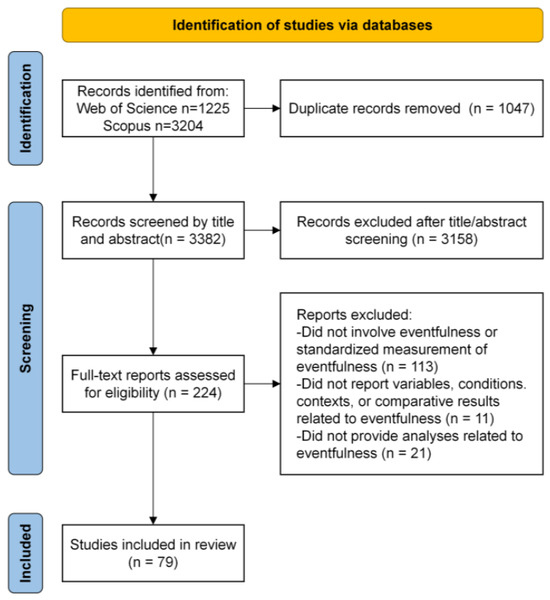
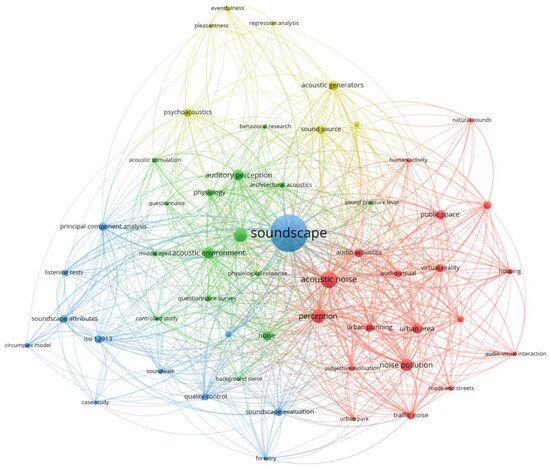
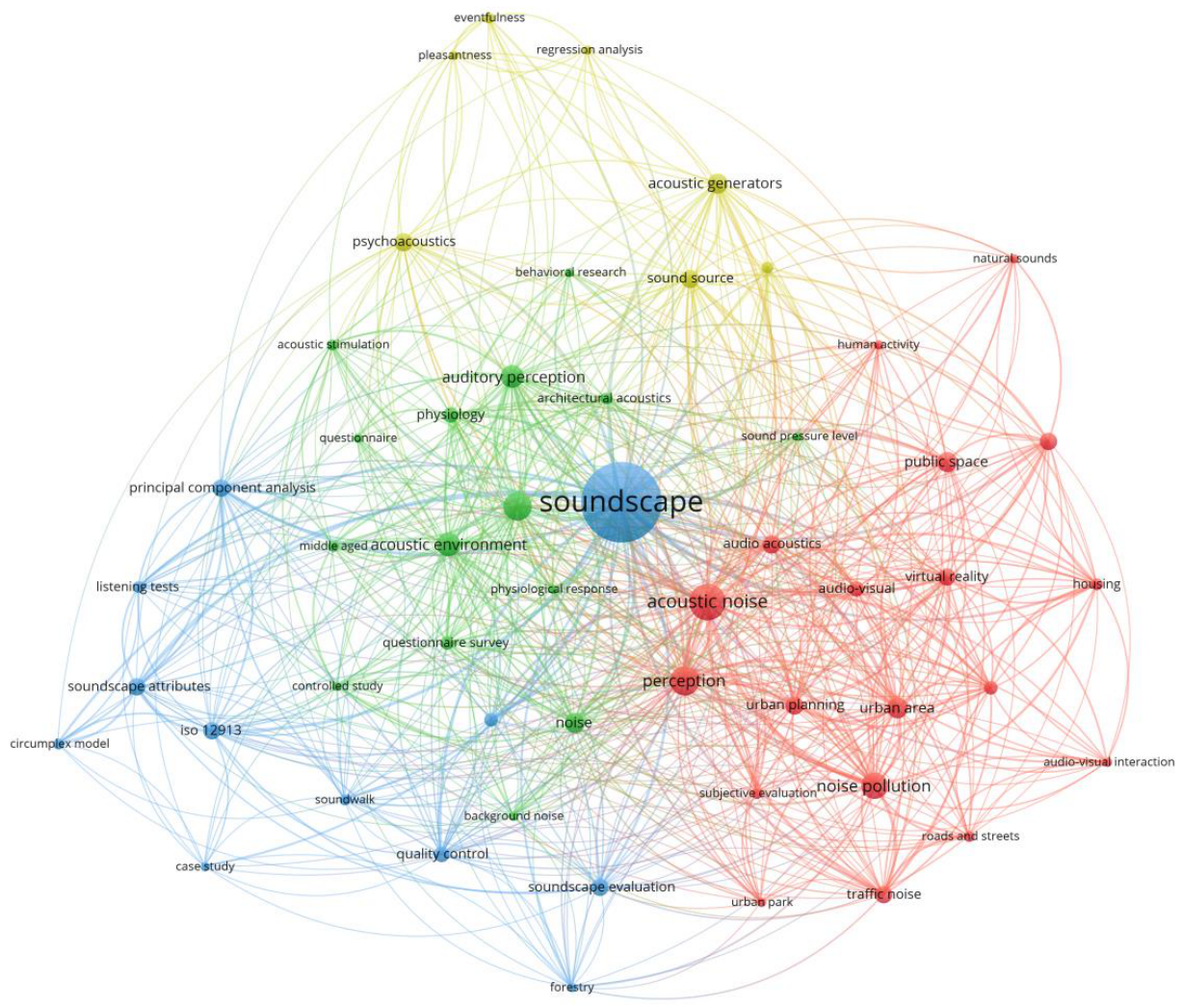
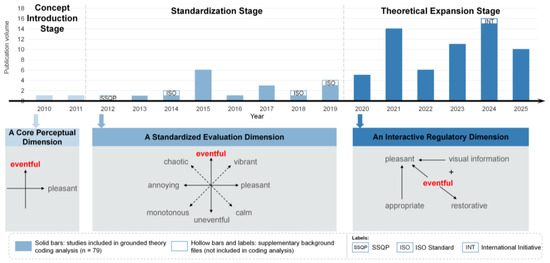
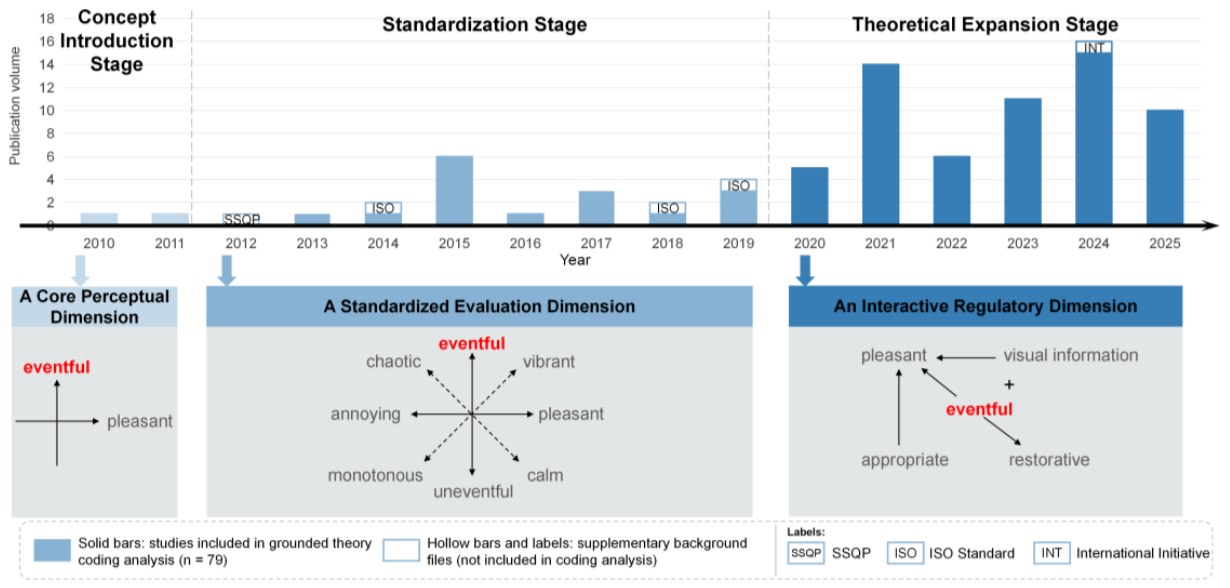
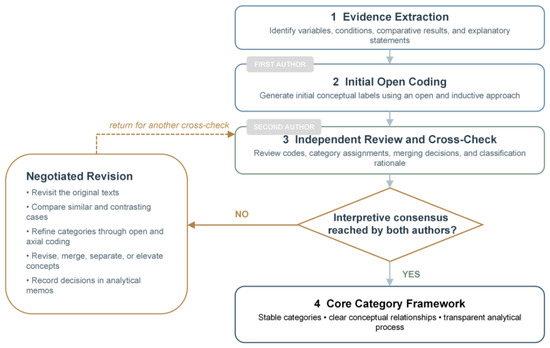
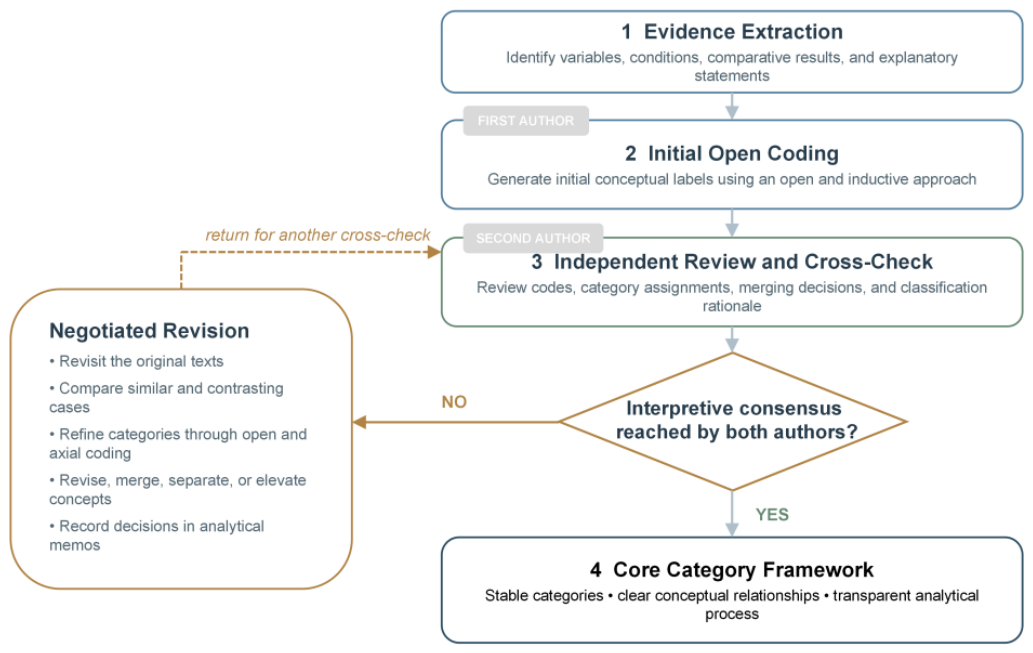
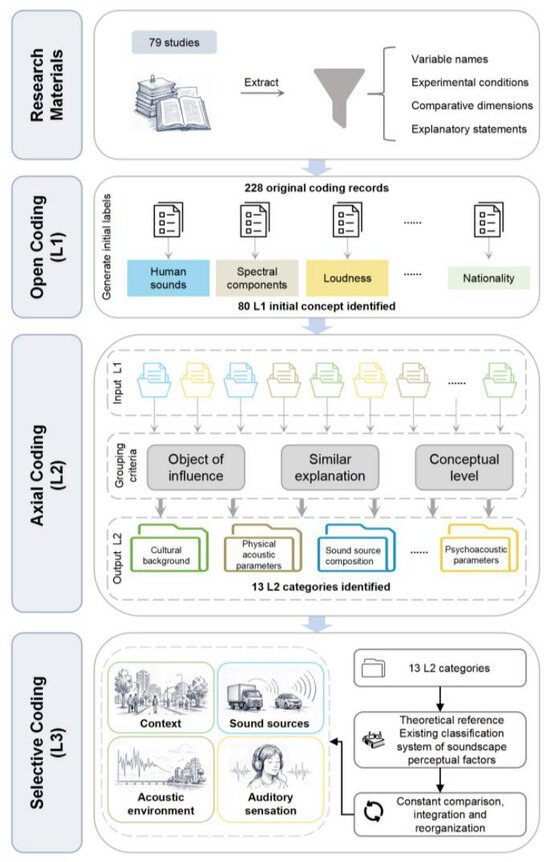
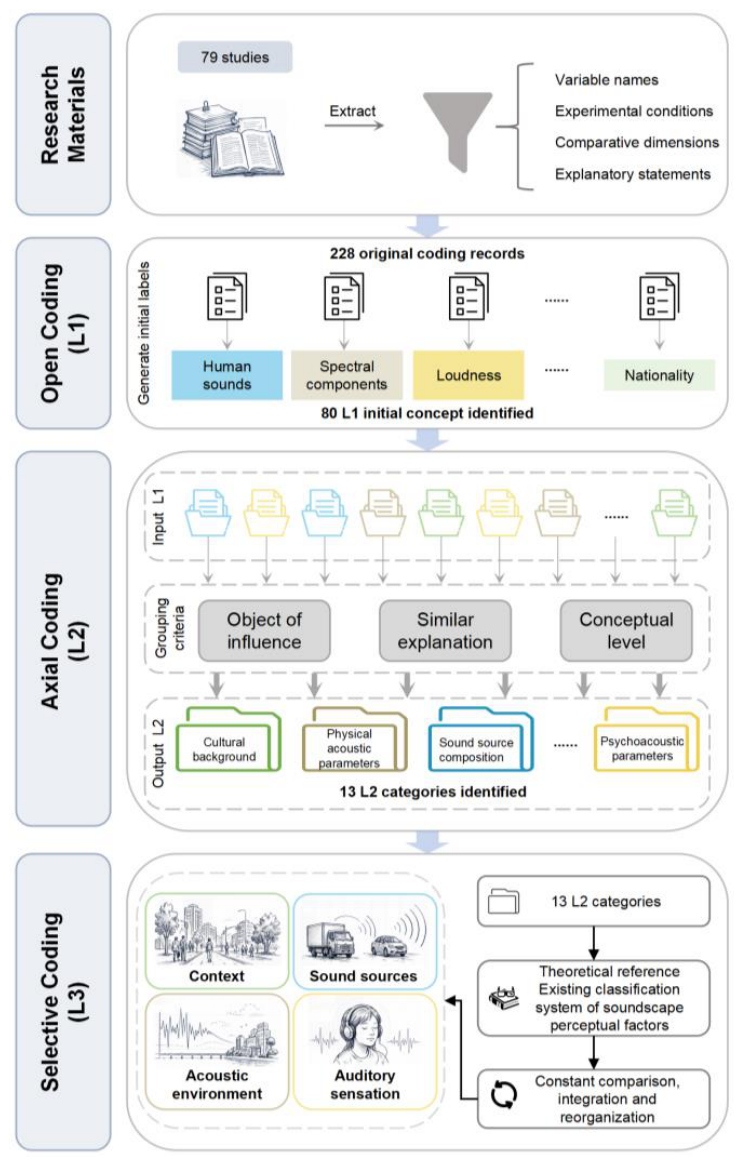
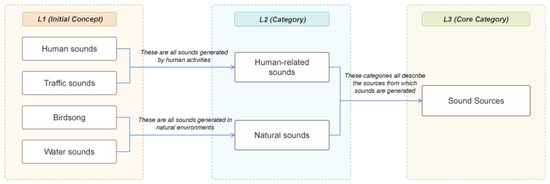
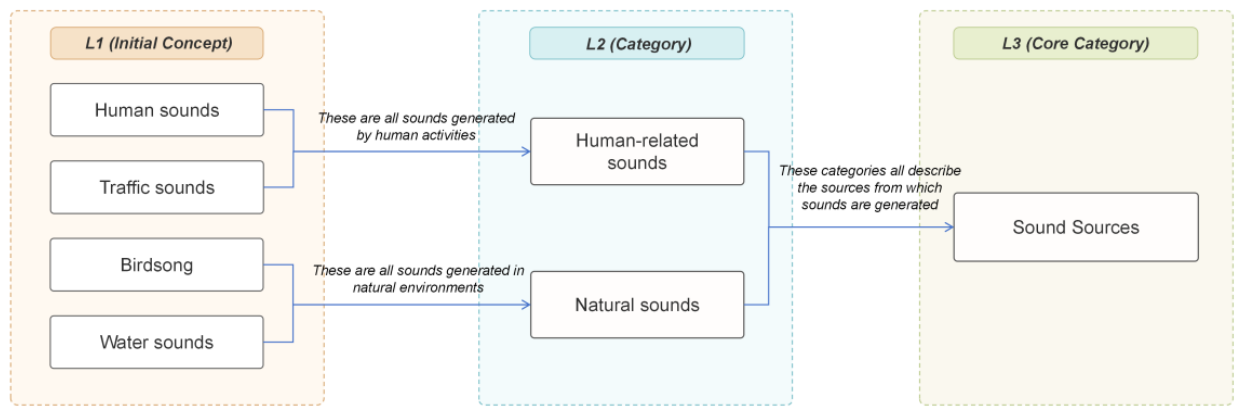
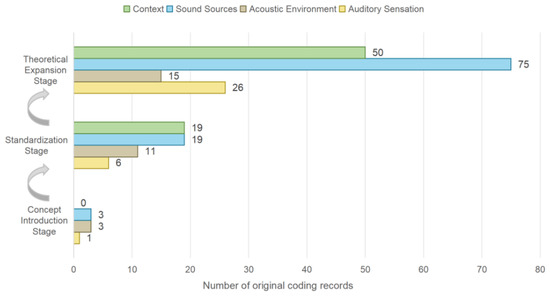
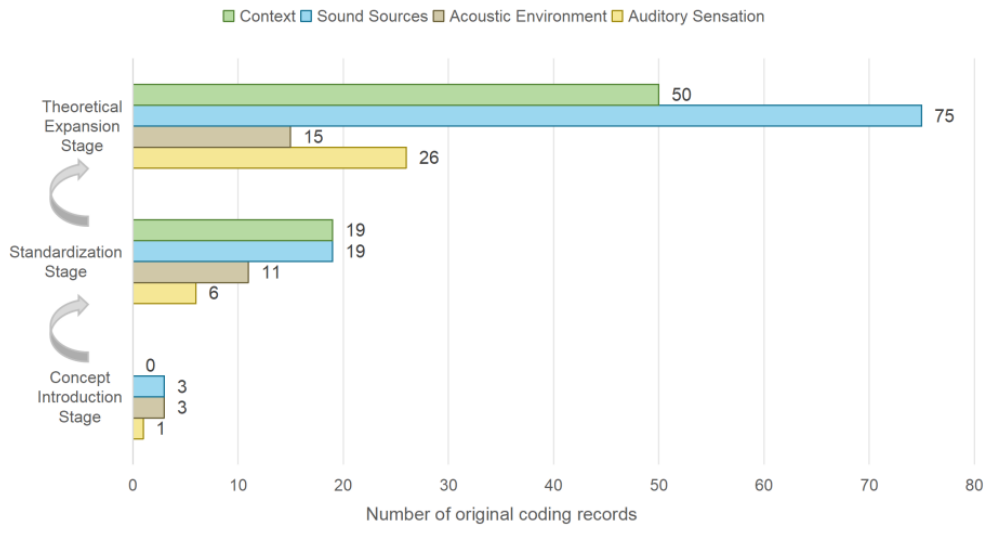
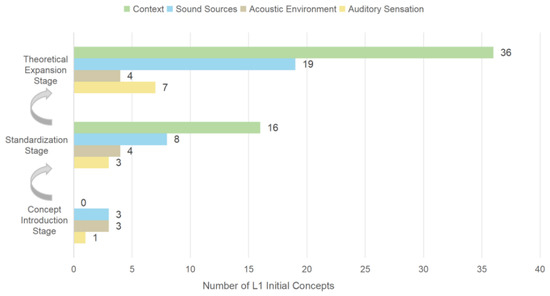
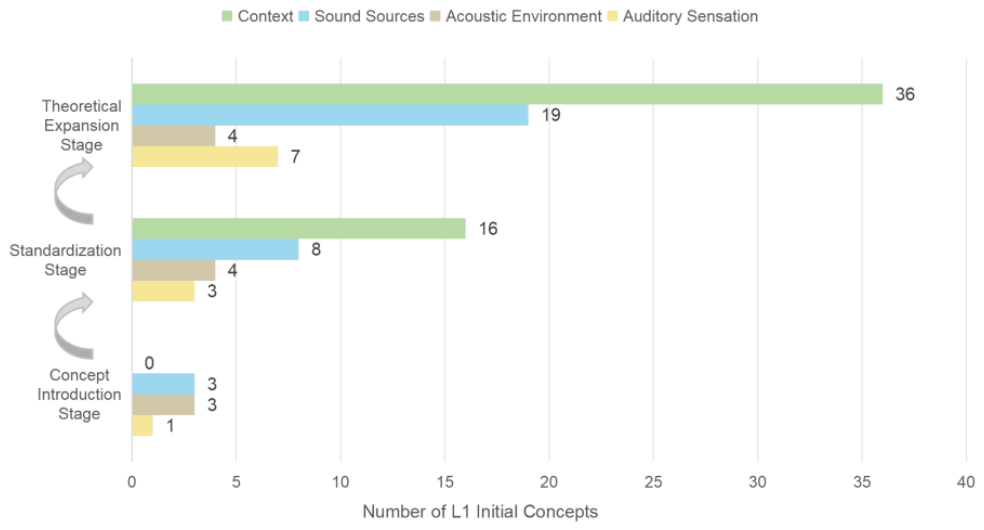
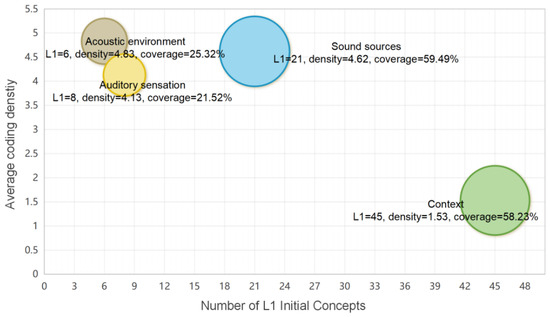
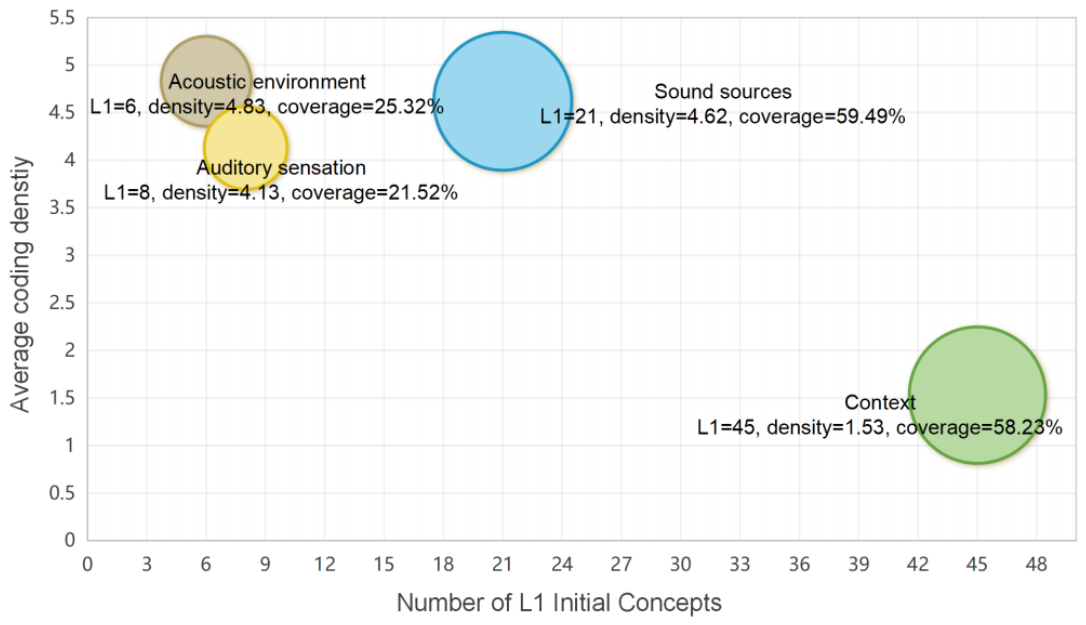
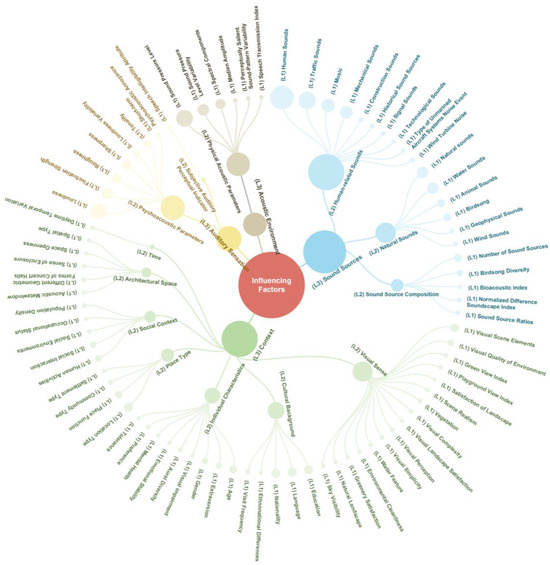
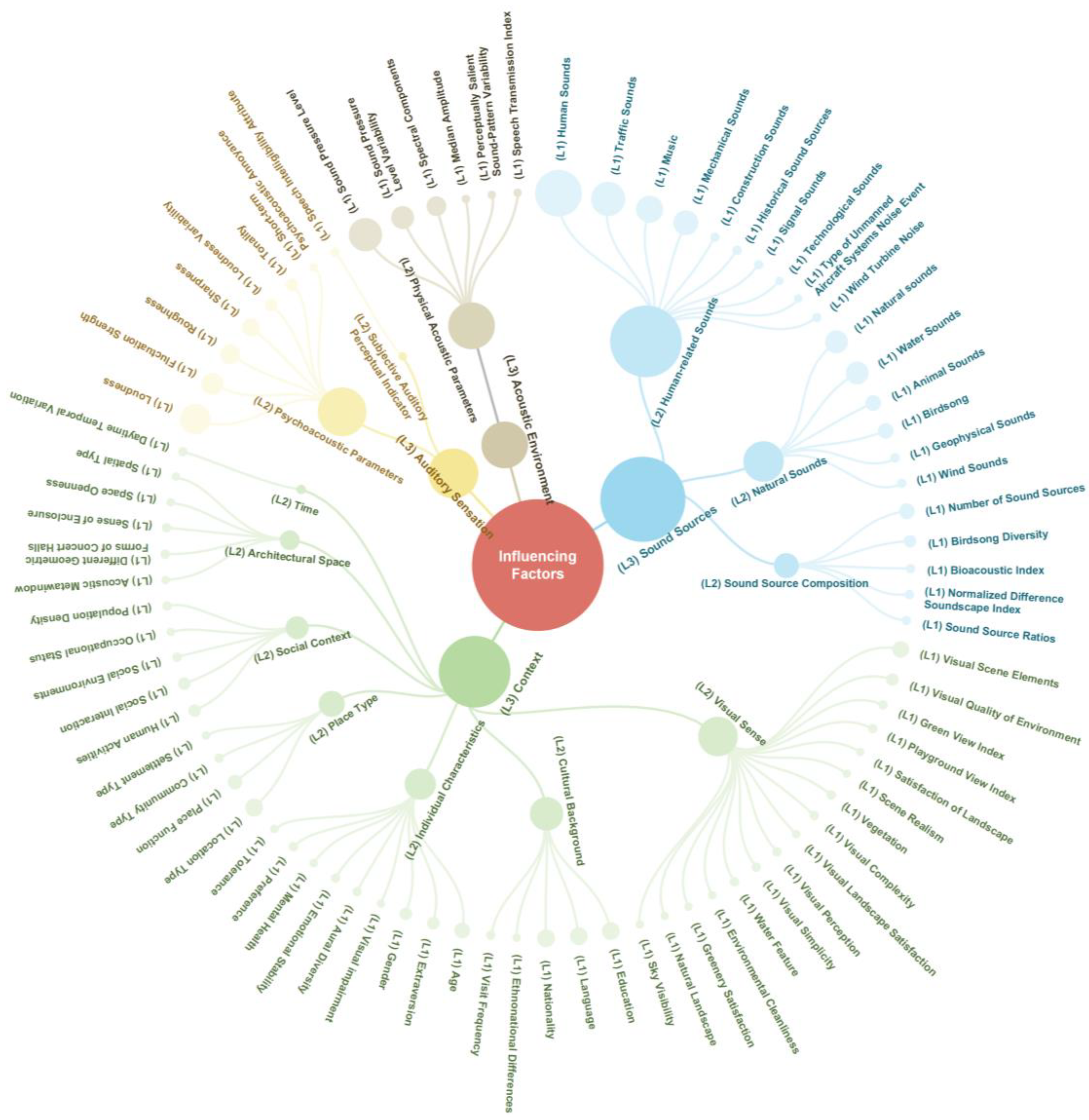

Disclaimer/Publisher’s Note: The statements, opinions and data contained in all publications are solely those of the individual author(s) and contributor(s) and not of MDPI and/or the editor(s). MDPI and/or the editor(s) disclaim responsibility for any injury to people or property resulting from any ideas, methods, instructions or products referred to in the content. |
© 2026 by the authors. Licensee MDPI, Basel, Switzerland. This article is an open access article distributed under the terms and conditions of the Creative Commons Attribution (CC BY) license.