


Abstract
As night tourism has become a key driver of the nighttime economy in Chinese cities, urban lighting landscapes—as core attractions for night tourism—call for systematic investigation into the relationship between their development effectiveness and visitor experience. However, existing studies have primarily focused on design strategies or economic value, lacking in-depth exploration of visitor experience based on large-scale online review data. Furthermore, the integrated analysis of sentiment analysis and topic modeling for online reviews remains insufficient, making it difficult to uncover the dimensional differences underlying different sentiment types. Therefore, this study employs a hybrid BERT-LDA model to conduct a collaborative analysis of 45,768 valid tourism online reviews covering 30 urban lighting landscapes in China. First, the pre-trained Bidirectional Encoder Representations from Transformers (BERT) model identified the sentiment orientation of each review. Subsequently, the Latent Dirichlet Allocation (LDA) model extracted latent topics from positive and negative reviews separately. Research findings indicate that tourists generally hold positive attitudes toward urban lighting landscapes. Specifically, five positive topics and three negative topics were extracted from the review corpus. This study fills a research gap in the field of urban lighting landscapes and reveals the underlying demands of Chinese tourists regarding such landscapes from a demand-side perspective, thereby providing a decision-making basis for optimizing the planning and design of urban lighting landscapes.
1. Introduction
Night tourism plays a pivotal role in urban tourism, not only meeting the demand for nighttime activities but also enriching tourists’ evening experiences, enhancing residents’ quality of life, and contributing to the vitality of the city’s nighttime economy [1]. With the development of night tourism, urban lighting landscapes—as the core attraction shaping the city’s nocturnal environment and attracting tourists—have also rapidly evolved [2,3]. The number of lighting landscape projects, such as light festivals, urban lighting projects, and immersive lighting shows, has surged dramatically [4].
While experiencing rapid development, numerous problems have also surfaced [5]. Unlike independent commercial night tourism products such as night markets and themed performances, urban lighting landscapes are systematic spatial features integrated into public urban spaces—including buildings, streets, and waterfronts—serving multiple functions such as basic illumination, cultural dissemination, and tourism attraction. Their visitor evaluations are closely tied to the aesthetic perception of light and shadow, atmospheric resonance, and cultural storytelling within urban environments, making them a worthy subject for targeted and independent research [6,7]. The root cause of these issues lies in planning and design decisions that often rely on subjective judgments from the supply side, failing to systematically understand tourists’ actual experiences, emotional responses, and value expectations. Therefore, studying tourists’ perceptions and evaluations of lighting landscapes from their perspective is of urgent theoretical value and practical significance for optimizing product design, enhancing service quality, and promoting industry development.
In recent years, with the rise of online travel agencies like Ctrip, Tongcheng Travel, and Mafengwo, tourists increasingly share their travel experiences online. This vast volume of User-Generated Content forms a perception database for urban lighting landscapes [8]. These tourism online reviews, as authentic voices of tourist self-expression, convey rich experiential information and emotional attitudes, providing researchers with an unprecedented data foundation for understanding collective preferences and experiential pain points at a macro level. Nevertheless, efficiently and accurately extracting sentiment tendencies and uncovering underlying topics from massive text volumes remains a challenge for traditional research methods.
Existing research still has three notable limitations: studies in the field of urban lighting landscapes have primarily focused on economic value, design strategies, and case studies, lacking empirical support based on large-scale online reviews of tourist experiences from the demand side; integrated topic–sentiment analysis of tourism online reviews generally suffers from insufficient methodological precision and a disconnect between the two analyses, making it difficult to uncover thematic differences underlying different sentiments; and there is currently a lack of collaborative research applying high-precision text mining methods to the field of lighting landscapes. To address these research gaps, this study proposes a collaborative analysis of tourism online reviews using a BERT-LDA hybrid model. The BERT model, leveraging pre-trained deep semantic representations, can fully capture implicit and complex emotions in the Chinese context, significantly improving sentiment classification accuracy; the unsupervised LDA topic model can automatically process massive amounts of review text to objectively and efficiently extract latent semantic topics; the combined approach enables a deep integration of topic mining and sentiment analysis. After accurately identifying the sentiment polarity of each review, we perform targeted topic mining on positive and negative reviews separately. This approach clearly reveals the thematic differences behind distinct sentiment tendencies and addresses the long-standing fragmentation issue between sentiment analysis and topic analysis in existing research. Based on this, this study proposes two core research questions (RQs):
RQ1.
What is the overall emotional tendency of tourists toward urban lighting landscapes?
RQ2.
What are the key dimensions underlying the positive and negative sentiments of tourists regarding the urban lighting landscape?
The answers to these questions will provide empirical evidence and decision-making guidance from the demand side to optimize the planning and design of urban lighting landscapes, enhance the quality of the visitor experience, and promote the development of urban night tourism.
2. Literature Review
2.1. Night Tourism
Night tourism, as an emerging field in tourism research, has garnered significant scholarly attention in recent years. However, the academic community has yet to establish a unified definition for night tourism. Most scholars define it as the diverse tourism activities undertaken by tourists and residents at tourist destinations between sunset and sunrise, encompassing sightseeing, entertainment, dining, cultural experiences, and other forms [1,9,10,11,12]. Concurrently, scholars emphasize that night tourism is not merely general tourism activities occurring at night, nor is it a simple extension of daytime tourism patterns [13]. The night itself and the tourism resources of the destination are crucial to the planning, management, and experiential aspects of night tourism [14]. While daytime shared spaces foster a sense of belonging rooted in functional needs, nighttime belonging is more emotional and exclusive, often stemming from cultural identification and self-expression [15,16,17].
Regarding the classification of night tourism activities, Wen (2007) was the first to categorize them into performance-based, participatory, and scenic types [18]. Performance-based activities primarily focus on performing arts events, scenic types emphasize viewing nighttime landscapes, while participatory activities concentrate on dining, shopping, and entertainment. Cao (2008) expanded this framework by introducing an integrated category, which emphasizes designing comprehensive night tourism itineraries [19]. Gu (2013) further refined the classification, identifying five global models based on worldwide practices: the leisure district model, the scenic area night tour model, the tourism performance model, the folk festival model, and the light art model [20]. Zhang (2022) categorized night tourism by economic form into excursionistic, cultural immersion, and host–guest leisure [21]. Tang & Xiao (2022) classified night tourism by development carriers: natural landscapes, urban cultural landscapes, commercial leisure activities, and cultural festival events [22].
Regarding night tourism experiences, scholars have focused more on specific attractions. Research indicates that nighttime ambience, psychological factors, age, and nationality are key determinants of tourist experience and evaluation [10,23]. Multisensory experiences, pleasure, and emotional engagement influence the immersive quality of night tourism [24]. In product development, studies reveal that landscape design for night tourism is crucial for extending tourist dwell time and boosting nighttime spending [25]. By prioritizing emotional, sensory, and behavioral experience design in night tourism products, it is possible to effectively enhance tourist arousal, deliver memorable travel experiences, and ultimately increase their willingness to revisit [26].
2.2. Urban Lighting Landscape
Wu Shuoxian (2017) introduced the concept of “lightscape” [27]. As a particular type of visual landscape, lighting landscapes refer to landscapes primarily composed of light, shadow, and their changes, causing strong visual impressions—including natural lighting landscapes, artificial lighting landscapes, and their composites [28]. With the development of night tourism, the role of lighting in cities has transcended basic illumination functions [29]. As the core form of artistic and systematic lighting applications, lighting landscapes have become vital tools for attracting tourists, promoting cultural tourism, driving nighttime economic growth, and enhancing city branding [30]. First, lighting landscapes enhance nighttime environmental quality, boosting tourists’ sense of security and comfort while encouraging participation in nighttime activities [13]. Second, by creating unique visual experiences, lighting landscapes imbue everyday urban settings—such as buildings and streets—with fresh appeal, fulfilling tourists’ desire for “non-routine” environments [31]. Finally, on a cultural level, lighting landscapes can highlight a destination’s cultural identity while reshaping the city’s image [32]. For instance, events like “Light Night” in Birmingham, Leeds, and Liverpool, UK, transform streets and squares into entertainment venues through lighting. Coordinating building illuminations with firework displays leverages light resources to reshape the city’s nighttime visual experience, thereby redefining the urban landscape [33].
Lighting landscapes serve as key elements in creating a night tourism ambience, directly influencing tourists’ emotional states and behavioral intentions [4,10,25]. Inappropriate lighting design not only diminishes the appeal of nighttime environments but also significantly degrades the quality of tourist experiences [34]. To optimize night tourism offerings and enhance tourist experiences, a group of scholars has conducted detailed research on lighting landscape design strategies. They found that lighting design should prioritize coordination, diversity, and safety. It should integrate topics and activities, update designs seasonally and for festivals, and incorporate interactive and participatory elements to maintain tourist engagement and interest [35]. Lighting landscape design must balance technological innovation with cultural significance, effectively integrating a city’s rich heritage into the lighting experience [36]. It is also crucial to prevent the homogenization of urban nightscapes caused by standardized lighting practices [37].
In its developmental stages, early lighting landscape design prioritized visual impact, relying on high brightness, dynamic colors, and large-scale installations to enhance landmark attributes [29], yet it generally overlooked the issue of light pollution [38]. In recent years, the design philosophy of lighting landscapes has gradually shifted toward sustainable lighting, emphasizing a balanced approach between energy efficiency and ecological conservation through multiple pathways, such as technological optimization, planning controls, and ecological coordination [39,40]. Despite LED technology reducing energy consumption by 30% to 50%, urban lighting landscapes still face dual controversies over energy usage and ecological disruption [41].
2.3. Tourism Online Reviews
The explosive growth of travel information driven by the development of the internet and social media has led to an increasing tendency among travel consumers to share their travel experiences through online channels such as social media, travel agencies, and blogs. Scholars have utilized tourism online reviews to explore topics including the impact on tourist behavior and decision-making [42,43], tourist experiences and satisfaction [44,45], and the image of travel destinations [46,47].
2.3.1. Tourist Sentiment Analysis
Tourist affect refers to the emotional experience of tourists throughout their journey regarding whether objective elements meet their needs [48]. Studying tourists’ emotions during travel activities is crucial for a better understanding of their emotional experiences and behaviors and for in-depth research into practical issues such as experience enhancement, affective marketing, and destination marketing management [49,50]. The primary tasks of tourist sentiment analysis include topic extraction, opinion holder identification, review scope determination, and sentiment polarity analysis [51]. There are primarily three types of sentiment analysis methods: statistical sentiment analysis, machine learning-based sentiment analysis, and deep learning-based sentiment analysis. Statistical methods mainly rely on sentiment dictionaries and semantic rules, achieving sentiment classification through lexical matching and rule-based inference [52]. For example, SentiStrength utilizes vocabulary from MySpace [53]. Currently, many sentiment dictionaries are manually created. Manual methods require human intervention to annotate dictionaries, a process that typically demands significant time and labor costs. Moreover, sentiment dictionaries specifically developed for social media reviews of Chinese tourist destinations remain scarce [54]. Therefore, to overcome the limitations of dictionary-based methods, researchers have begun adopting machine learning approaches such as Support Vector Machines (SVM), Naive Bayes, N-gram models, and Artificial Neural Networks (ANN) [55]. It is commonly believed that ANN methods can yield optimal results, but they are extremely computationally intensive [56]. SVM and Naive Bayes models require fewer class annotations for training and are widely favored for their fast performance [57]. However, machine learning methods require manual annotation of word features, and limited corpora inevitably constrain performance, resulting in classification accuracy that fails to meet requirements [51]. With the advancement of natural language processing (NLP) technology, Google introduced the deep learning-based NLP model BERT in 2018. Leveraging the Transformer’s exceptional feature extraction capabilities, BERT learns bidirectional encoder representations of words [58]. Deep learning automatically learns features through multiple layers of nonlinear processing without requiring manual feature engineering. It can capture semantic levels within text and understand contextual relationships [59]. Therefore, the BERT model can more accurately capture users’ emotional tendencies, enhance the precision of sentiment classification [60,61], and categorize more nuanced emotions [62], emerging as a novel approach for exploring tourists’ emotional states within travel reviews [63,64,65].
2.3.2. Topic Modeling
Topic modeling can extract topic features from massive reviews to identify core attributes of interest to tourists [66]. The field of topic modeling follows a clear evolutionary trajectory, beginning with foundational approaches such as Latent Semantic Indexing [67] and probabilistic Latent Semantic Indexing [68] and later advancing through the introduction of LDA [69]. This was followed by temporal and online models such as the Dynamic Topic Model [70] and Online LDA [71], as well as models like the Embedded Topic Model [72] and the Biterm Topic Model [73] that integrate Word Embeddings and NLP technologies. Among these, the LDA model is currently the most widely used [74], particularly in the analysis of tourism online reviews [75]. For instance, it can be employed to identify the core dimensions of tourist interest across various attractions in Phuket [76]; analyze tourist satisfaction with hotels [66]; explore key factors influencing the quality of tourist experiences [77]; and analyze tourists’ perceptions of a destination’s image [54], as well as how that image evolves [78].
2.4. Research Gap
In summary, the design of urban lighting landscapes has attracted the attention of researchers. Existing studies provide valuable insights for this paper, but research gaps remain. First, most existing studies on urban lighting landscapes focus on their economic value at night, theoretical design strategies, or specific case studies. There are no studies based on online evaluation data of lighting landscapes, and there is a lack of in-depth research on visitor experiences and emotional feedback regarding urban lighting landscapes. Second, as shown in Table 1, in previous “topic–sentiment” integrated analysis of online reviews, the sentiment analysis component typically employed traditional shallow methods such as the dictionary method or SnowNLP [79,80], or directly utilized the user star ratings provided by online review platforms to analyze the sentiment of reviews [77,81]. However, user star ratings may be subject to varying personal standards, malicious negative reviews, and inconsistencies between ratings and text content—all of which constitute noise that could affect subsequent topic analysis results. Finally, some past studies treated sentiment analysis and topic analysis as independent modules, failing to integrate the two dimensions and thus unable to uncover the topic differences that underlie distinct sentiments.
Table 1.
Summary of the literature and variables used.
Therefore, this study adopts a combined BERT-LDA model paired with multi-platform Chinese data to specifically address the aforementioned research gaps. At the sentiment analysis level, the BERT model can fully capture implicit emotions and complex sentiments within the Chinese context, improving sentiment classification accuracy and avoiding the crude bias associated with directly using star ratings as a substitute for sentiment analysis. At the topic analysis level, LDA’s unsupervised modeling can automatically process massive volumes of review text, reducing labor costs and subjective bias. The combined approach enables deep integration between topics and sentiment, resolving the issue of fragmentation between these two types of analysis observed in previous studies.
3. Research Design and Methods
3.1. Research Framework
The overall research methodology for this study is illustrated in Figure 1. First, review data from online travel agencies were collected and preprocessed. Subsequently, the BERT model was employed for sentiment classification. Next, the LDA model was applied to perform topic mining on the themes within positive and negative travel reviews. Finally, a collaborative analysis of sentiment and topics in tourist reviews was conducted to reveal tourists’ emotional inclinations toward urban lighting landscapes, identify which elements receive positive evaluations, and identify which issues tend to trigger negative sentiments, and explore the underlying causes of these emotions.
Figure 1.
Research Framework.
3.2. Data Collection and Data Processing
To construct a comprehensive and high-quality review dataset, this study selected prominent online travel agencies in China—Ctrip, Tongcheng Travel, and Mafengwo—based on their extensive user base and high visibility. A stratified purposive sampling method was used to select the sample; first, the list of National Night Culture and Tourism Consumption Agglomeration Zones served as the initial sample pool. Second, the selection ensured a balanced geographical distribution across the four major regions—East China, North China, South China, and Southwest China—while covering five major types of light-based attractions: light festivals, landmark lighting landscapes, urban nightscape lighting projects, immersive real-scene performances, and lighting-themed districts. Finally, within the above stratification framework, we ranked all candidate projects by the total number of valid reviews across the three platforms and selected the top 30 projects with the largest review volume as the final research samples. This sampling method not only guaranteed the geographical and typological representativeness of the samples, but also ensured that each sample had a sufficient scale of review data.
The study utilized a Python (v3.12) web crawler to collect online review data for the above samples from 1 January 2023, to 31 August 2025. A total of 45,768 reviews were initially obtained; after removing invalid and duplicate reviews, 43,286 valid reviews were retained, with a total text volume of 5.928 million characters. Among these, Ctrip accounted for 18,742 valid reviews, Tongcheng Travel for 14,365, and Mafengwo for 12,661.
Reviews collected by online travel agencies often contain irrelevant information such as HTML tags, emojis, and meaningless repetitive text. We first used Python’s data processing libraries Pandas (v2.3.3) and NumPy (v2.0.2) to remove unrecognizable characters, special symbols, and punctuation from the text, resulting in cleaner, more standardized, and easier-to-process textual data. Next, we utilized the Python Chinese word segmentation library jieba to perform segmentation on the review texts. Finally, we filtered out high-frequency vocabulary lacking substantive descriptive value for the topic. The preprocessed data served as the analytical subject for subsequent research.
3.3. BERT Sentiment Analysis Model
This study employs the BERT model to analyze the sentiment orientation of online reviews about urban lighting landscapes. Fundamentally, BERT is a neural network language model based on the Transformer architecture, which facilitates bidirectional deep encoding of textual data [58]. The BERT model performs sentiment analysis through a two-stage process of pre-training and fine-tuning (Figure 2). During the pre-training phase, BERT develops general language comprehension capabilities by completing two core tasks: Masked Language Model and Next-Sentence Prediction. In the fine-tuning phase, the pre-trained model parameters are updated using text annotated with sentiment polarity, enabling the pre-trained BERT model to adapt to specific downstream tasks.
Figure 2.
The two core steps of the BERT model.
In this study, the pre-trained BERT-Base-Chinese model was employed as the foundational framework for sentiment analysis. This model, pre-trained on a large-scale Chinese corpus, has acquired rich linguistic knowledge and contextual semantic representations, providing a robust basis for downstream sentiment classification tasks. To address the task of sentiment classification in tourism online reviews, this study used the publicly available Chinese three-class sentiment dataset “sentiment analysis training set” for model fine-tuning. The dataset’s training set comprises a total of 105,000 authentic user reviews of cultural and tourism attractions, with the validation and test sets each containing 15,000 reviews. The samples cover visitor evaluations of a wide range of scenic spots and cultural and tourism projects. The vocabulary, colloquial expressions, and evaluative sentence patterns in this dataset are highly consistent with the urban lighting landscape reviews collected in this study. This high domain similarity effectively reduces the semantic bias between general pre-training corpora and the target nighttime lighting landscape texts. During the model training phase, the underlying pre-trained weights were frozen, and the upper fully connected classification output layer was fine-tuned. Using positive, neutral, and negative as the three sentiment labels, the model underwent iterative training using the cross-entropy loss function and the Adam optimizer. The model’s classification accuracy was monitored in real time using a validation set, and after the loss converged, the optimal model weights were saved, ultimately achieving fine-grained sentiment polarity classification for tourism online reviews.
For the model configuration, the maximum input sequence length was set to 128 tokens after balancing the average length of user reviews and computational efficiency. During fine-tuning, the initial learning rate was set to 2 × 10⁻⁵, a standard value in BERT optimization, to ensure stable convergence while mitigating training instability. Upon completion of training, the model’s performance was rigorously evaluated using Precision, Recall, and F1-Score metrics to comprehensively assess its effectiveness in sentiment analysis of textual reviews.
3.4. LDA Topic Model
LDA is a three-layer Bayesian probabilistic model used for latent topic mining in document collections [69]. Figure 3 illustrates the framework of the LDA topic model. M denotes the total number of documents in the corpus, N denotes the number of words within a specific document, and K denotes the pre-defined total number of topics. The parameter α denotes the Dirichlet prior for the document–topic distribution, controlling the mixture proportions of each topic within a single document. Similarly, β denotes the Dirichlet prior for the topic–word distribution, controlling the distribution preferences of each word within a single topic. θi denotes the document–topic multinomial distribution for document i, indicating the probability distribution across different topics within that document. φk represents the topic–word multinomial distribution for topic k, representing the probability distribution of different words within that topic. zij is the topic assignment, the word j in the document i, indicating the topic to which that word belongs. wij is the specific word j in the document i.
Figure 3.
The framework of the LDA topic model.
The generative process of LDA is characterized by a sequential hierarchy of dependencies from prior distributions to latent variables and finally to the observed variables. First, for each topic k, a sample is drawn from the Dirichlet prior β to generate its topic–word distribution φk. Next, for each document i, a sample is drawn from the Dirichlet prior α to generate its document–topic distribution θi. Then, for each word j in document i, a topic assignment zij is sampled from θi, and finally, the specific word wij is generated by sampling from the corresponding topic–word distribution φzij.
Before topic mining, it is typically necessary to first determine the number of topics within a document. The closer the estimated number of topics aligns with reality, the more accurate the model’s topic mining results will be. This study employs the topic perplexity and topic coherence metrics to determine the optimal number of topics. Perplexity serves as an indicator of the model’s generalization capability, reflecting the certainty with which topics are mapped to individual words. Lower perplexity indicates reduced uncertainty, which is advantageous for topic clustering in the topic model [69]. Its formula is:
where D denotes the entire document collection, Wd denotes all words in document d, p(Wd) is the word occurrence probability calculated based on the model, and Nd is the number of words in document d.
Coherence represents whether the high-frequency words corresponding to each topic are semantically consistent. It assesses a topic’s semantic coherence by measuring the co-occurrence of words within the topic, providing a complementary perspective to perplexity [83]. Its formula is:
where represents the list of M top words within topic k, D(v) denotes the number of tourism online reviews containing word v, and D(v, v′) indicates the number of tourism online reviews where words v and v′ co-occur at least once.
Upon model training completion, the top 10 weighted words from each topic are extracted as keywords. These are then combined with the original review context to interpret the topic’s meaning and assign a topic name, facilitating subsequent analysis.
4. Result
4.1. Sentiment Analysis
To investigate RQ 1, we input the preprocessed dataset into the BERT model for sentiment classification. First, we pretrained the BERT model using an open-source tourism online review sentiment classification dataset and evaluated its Precision, Recall, and F1-Score metrics post-training. Through computation, the BERT model demonstrated strong performance on both positive and negative labels, achieving F1-scores of 93.46% and 93.97%, respectively (Table 2). This indicates that the model possesses high accuracy and generalization capabilities when performing sentiment analysis on urban lighting landscape review texts.
Table 2.
Precision, Recall, and F1 Score of the BERT Model.
After applying the BERT model to classify sentiment in the text dataset, the results yielded 32,213 positive reviews, 5089 neutral reviews, and 5984 negative reviews. The sentiment distribution of online reviews for 30 lighting landscapes is shown in Figure 4. Positive reviews accounted for the highest proportion at 74.42%, indicating that most users hold an affirmative and appreciative attitude toward the city’s lighting landscapes. Neutral reviews accounted for 11.76%, reflecting that some users offered more objective assessments without pronounced emotional bias. Negative reviews constituted 13.83%, indicating that a certain number of users still harbor dissatisfaction and negative views toward urban lighting landscapes.
Figure 4.
Sentiment distribution in online reviews of 30 urban lighting landscapes.
According to Table 3, among the five light festival types, light festivals received the highest average proportion of positive evaluations at 84.90%. However, it also exhibited the largest standard deviation among the five types. The Glow Shenzhen Light Festival garnered the highest proportion of positive reviews at 97.15%, while the Zigong China Lantern Festival registered the lowest at just 71.68%. Immersive real-scene performances had the highest average negative review rate among all lighting landscape types. The negative review rate for the Hangzhou Impression West Lake reached as high as 21.31%.
Table 3.
Distribution of tourist review sentiments (average proportion and standard deviation) by five types of urban lighting landscapes.
4.2. Topic Mining
To investigate RQ 2: What dimensions underpin tourists’ positive and negative emotions toward urban lighting landscapes? We conducted LDA topic modeling analyses on positive and negative reviews within the entire text dataset to comprehensively explore tourists’ focal points regarding positive and negative emotions toward urban lighting landscapes.
Using the formulas for Perplexity and Coherence, we computed these metrics for both positive and negative reviews. Figure 5 shows the results for the positive reviews. As the number of topics increased from 1 to 5, perplexity decreased. Beyond five topics, perplexity fluctuated slightly without significant improvement, indicating the model’s complexity had reached its limit. The inflection point occurred at 5 topics, where perplexity reached its minimum value of 180.62, indicating the optimal model fit. Simultaneously, coherence peaked at 0.5283, signifying strong word associations within topics and thus achieving high interpretability.
Figure 5.
(a) The perplexity calculation results for positive reviews. (b) The coherence calculation results for positive reviews.
To determine the optimal number of topics, we visualized the LDA topic model results for 5 topics using the pyLDAvis library (v2.1.2). The visualization showed that the circles representing each topic were relatively dispersed, with only minor overlap between topics 3 and 4 (Figure 6). This indicated high distinguishability and independence among the topics, clear semantic boundaries, and improved model interpretability. Consequently, the final number of topics for the positive reviews on urban lighting landscapes was set to five.
Figure 6.
Visualization of LDA topic model results when the number of topics is 5.
Figure 7 displays the perplexity and coherence results for the negative reviews. The perplexity reached its minimum (147.08) at three topics, indicating the optimal model fit. Beyond this point, perplexity increased steadily, suggesting overfitting due to excessive topic granularity. In terms of topic coherence, the 3-topic configuration achieved a high score of 0.3849. Although the highest coherence occurred at six topics, it coincided with a notable rise in perplexity, signaling a clear overfitting risk.
Figure 7.
(a) The perplexity calculation results for negative reviews. (b) The coherence calculation results for negative reviews.
We further employed pyLDAvis for visualization. As shown in Figure 8a, when the number of topics was 3, the three topic circles exhibited clear separation with no overlap, confirming the model’s soundness and the topics’ distinctiveness. In contrast, the 6-topic visualization (Figure 8b) reveals substantial overlap between Topic 1 and Topic 6, implying shared vocabulary and ambiguous semantic boundaries. Therefore, the optimal number of topics for negative reviews was determined to be 3.
Figure 8.
Visualization of LDA topic model results. (a) Number of topics is 3. (b) Number of topics is 6.
After executing the LDA model with a predetermined number of topics, we obtained the topic–word matrix and the document–topic matrix. The topic–word matrix contained each topic from positive and negative sentiment reviews, along with its corresponding keywords. The top 10 keywords with the highest weights for each topic were shown in Table 4.
Table 4.
Topics of Positive and Negative Reviews—Keyword List.
4.3. Topic Naming and Analysis
Topic modeling is effective for processing large text datasets, yet interpreting topics still relies on human judgment. For instance, Topic 2 in positive reviews can be summarized as “multisensory experiences” based on keywords like “feel,” “food,” and “view.” However, keywords alone may sometimes be insufficient to grasp a topic’s meaning. Therefore, this study first extracted the top 10 core keywords by weight for each topic from the topic–word matrix generated by LDA to preliminarily categorize semantic domains. Second, typical comments with the highest proportion for each topic were selected from the document–topic matrix, and the thematic connotations were verified in the context of the original text. Finally, two researchers independently named the topics and assigned semantic codes; any discrepancies were resolved through collective discussion to reach a consensus, thereby avoiding the bias associated with a single subjective judgment. By following the three steps above, we abstracted the five positive topics and three negative topics into interpretive factors for tourist review sentiment orientation, and further analyzed the specific factors under each topic (Appendix A).
4.3.1. Topics of Positive Reviews
Analysis of positive topics reveals that tourists’ favorable emotions toward urban lighting landscapes primarily revolve around five topics: spatial carriers, multisensory experiences, performance quality, service & cost-effectiveness, and lighting artistry.
- Topic 1: Spatial carriers. Frequent mentions of terms like “architecture,” “park,” and “plaza” in positive reviews indicate that light installations are often situated within spaces bearing historical memories or regional characteristics. These spatial carriers themselves embody rich historical contexts or local cultural traits. Reviews featuring words such as “culture,” “history,” and “theme” further demonstrate tourists’ appreciation for how the light installations’ topics closely align with the architectural styles, historical narratives, and regional cultures of their spatial hosts. The tangible cultural representation in light installations not only enhances the visual appeal of their spatial carriers at night but also reactivates historical context and regional culture through visual and emotional means, transforming them into contemporary emotional experiences. This journey from visual enjoyment to cultural identification constitutes the process of forming and strengthening local identity.
- Topic 2: Multisensory experiences. This topic highlights the experiential enhancement achieved through the functional integration of light installations with diverse settings. First, combining lighting landscapes with consumption spaces like night markets and food streets allows tourists to engage in shopping and culinary activities while appreciating the lights, significantly enriching the overall tourism experience. Second, the vibrant nocturnal urban environments created by light installations allow tourists to deeply immerse themselves in local life, fulfilling the profound need for authentic cultural experiences during travel. Finally, the integration of light installations with historical reenactment settings—through recreating historical nightscapes and offering period costume experiences—constructs immersive scenarios that transcend time and space, further enhancing the uniqueness of the experience.
- Topic 3: Performance quality. Tourists’ positive emotional feedback regarding the performing arts within the light installations primarily stems from three aspects: ① Synergistic multimedia effects: The integration of water screens, lighting, projections, and sound creates powerful visual impact and dynamic artistic effects, delivering a breathtaking audiovisual experience. ② Professionalism of the performance team: The actors’ expertise and captivating performances received widespread recognition from tourists. ③ Reasonableness of program design: The duration and scheduling of performances were scientifically arranged, featuring diverse and rich formats. The content balanced cultural depth with entertainment value, achieving dual functions of cultural dissemination and leisure enjoyment.
- Topic 4: Service & cost-effectiveness. Service convenience and perceived experiential value form the core evaluation of this topic. Regarding service, tourists affirmed the convenience of online ticketing and ticket collection processes for the light show and its supporting projects. In terms of value for money, the pricing of light show tickets and additional projects was deemed reasonable. A positive service experience and perceived value not only directly evoke positive emotions among tourists but also generate a high willingness to revisit.
- Topic 5: Lighting artistry. Tourist praise for the creativity and diversity of the lighting landscape design converged on three key aspects: ① The design seamlessly blends innovative concepts with striking visual effects, while its varied forms enhance its aesthetic appeal. ② The spatial integration of light installations with waterfront architecture creates a landscape imagery distinct from daytime views, expanding the temporal and spatial dimensions of the experience. ③ Innovative combinations of light installations with intangible cultural heritage elements like “Da Tiehua” performances create distinctive event settings, while dedicated photo spots precisely cater to tourists’ desire for social sharing.
4.3.2. Topics of Negative Reviews
Analysis of three topics in negative reviews reveals that tourists’ critical feedback on urban lighting landscapes primarily centers on three topics: crowd management, operational management, and value perception gap.
- Topic 1: Crowd management. Night tourism products centered around lighting landscapes typically exhibit distinct festive, seasonal, and time-sensitive characteristics. This time-sensitive nature causes all potential tourists to concentrate their visits within an extremely short window, resulting in highly concentrated visitor demand within narrow time windows that easily overwhelms crowd management systems. Failures in crowd control manifest primarily as dual issues: excessive flow overload and service process disruptions. Terms like “overcrowded” and “line up” reflect issues arising when tourist numbers exceed capacity thresholds: excessive congestion, prolonged wait times, and overcrowded viewing areas directly undermine tourist comfort and safety. Reviews about “convenient” and “seats” reveal spatial configuration issues stemming from traffic overload: inadequate viewing area planning, insufficient viewing spots, closure of certain functional zones, and insufficient ticket windows. Additionally, the chaotic design of key movement routes, such as ticket inspection and shuttle connections, coupled with a lack of effective staff guidance, further exacerbates disorder in passenger flow organization.
- Topic 2: Operational management. Systemic deficiencies in on-site operational management constitute a major source of negative tourist experiences, characterized by cascading failures across multiple service dimensions. At the supporting infrastructure level, issues such as irrational surges in accommodation pricing during peak seasons and excessive distances between attractions and lodging were prominent. Meanwhile, on-site communication support has obvious shortcomings. Scenic areas lack targeted emergency solutions for high visitor flow scenarios, such as deploying temporary signal towers or expanding network capacity. This deficiency directly leads to weak or interrupted mobile phone signals during peak periods. Regarding consumption regulation, widespread dissatisfaction was triggered by disordered add-on charges, opaque tiered pricing structures, and artificially inflated commodity prices. The overemphasis on the commercial aspect of lighting landscapes as mere “internet-famous photo spots” created a perception that commercial gain was prioritized over experiential value. Pertaining to service quality, personnel demonstrated poor attitudes, slow response times, and uneven professional competence. In terms of fundamental administration, critical public services, including traffic control, crowd management, and environmental sanitation, were notably deficient. Service disruptions, such as last-minute performance cancellations without timely notification, further exacerbated the negative experience.
- Topic 3: Value perception gap. Through analyzing reviews on this topic, we found that the significant gap between tourists’ actual experiences and their psychological expectations is the primary cause of their perceived value discrepancy. Regarding lighting landscape effects, the lighting design has not met the expected standards. There is an excessive emphasis on the “internet-famous photo spots” function of the lighting landscape, resulting in a noticeable gap between the mobile phone photography experience and the visual experience with the naked eye. This diminishes the perception of the lighting landscape’s true aesthetic value. Regarding content conveyance, some light shows featured weak narrative structures and shallow exploration of cultural depth, failing to satisfy tourists’ expectations for cultural richness. The cultural value emphasized in the promotions starkly contrasted with the superficial content delivered. Regarding price perception, admission fees and ancillary costs far exceeded reasonable ranges, with chaotic pricing across different ticketing agencies. Opaque practices like forced consumption and hidden fees were widespread. These issues ultimately led to a perceived imbalance between quality and price.
5. Conclusions and Implications
5.1. Conclusions and Discussion
This study conducted sentiment analysis and topic mining on 45,768 online tourism reviews by tourists, revealing the complex perceptions and evaluation structures of tourists toward emerging tourist attractions such as urban lighting landscapes. Specific conclusions are as follows:
From the results of sentiment analysis, tourists hold an overall positive attitude toward urban lighting landscapes. This finding aligns with the rapid growth of night tourism, confirming the market appeal and development potential of lighting landscapes as core carriers of night tourism. However, significant evaluation disparities exist across different types of lighting landscapes. Light festivals achieved the highest average positive rating but also exhibited the highest standard deviation, indicating the greatest evaluation volatility. Cross-analysis with negative sentiment topics revealed that the experience quality of these short-term, highly immersive light festivals is susceptible to factors like event planning, organizational management, and venue suitability [84]. Immersive real-scene performances, which recorded the highest average negative rating, face a “high expectations-high disappointment” dilemma. Due to high ticket prices and extensive promotion, tourists develop elevated psychological expectations. When the cultural depth, technical effects, or program arrangement of the performances fail to meet these expectations, it often triggers intense disappointment and value questioning [85].
Regarding review topics, positive tourist feedback centers on five key areas: cultural ambience, multifaceted viewing experiences, performance quality, service value for money, and distinctive lighting artistry. Negative sentiments primarily revolve around overcrowding, service management, and cost-effectiveness. When viewed by landscape type, there are certain differences in the focus of visitor evaluations for the five categories of urban lighting landscapes: Positive evaluations of light festivals center on the festive atmosphere and the creativity of the lighting art, while negative experiences are most prominently characterized by short-term overcrowding; positive reviews of immersive real-scene performances focus on the audiovisual effects of the shows, whereas negative feedback mostly revolves around value for money and narrative content. The strengths of lighting-themed districts lie in their multisensory, leisurely atmosphere, while their weaknesses center on commercialization and operational order; evaluations of landmark lighting landscapes and urban nightscape lighting projects are generally more balanced, with pain points in the visitor experience being relatively scattered.
Tourists’ evaluations extend beyond simple likes or dislikes, reflecting deeper perceptions of the medium’s characteristics [86] and cultural expression [87]. Through these topics, we can clearly identify the core trends in the demands of China’s urban residents and tourists regarding future urban lighting landscapes:
- ①
- Tourists’ positive evaluations are highly concentrated on the creative transformation of urban spaces through lighting. In Positive Topic 1, “spatial carriers” and Topic 5 “lighting artistry” lighting transcends basic illumination functions. By highlighting architectural details, reshaping landscape contours, and creating illusions where water and light intertwine, lighting transforms familiar urban spaces into ceremonial and dramatic “non-daily” domains [31]. On the one hand, this transformation satisfies tourists’ expectation of a visual spectacle. On the other hand, it revitalizes local history and culture through light-and-shadow narratives, allowing tourists to form emotional bonds and cultural identity with the destination during their on-site visit [26,84]. This aligns with the findings of Chen et al. (2020), who discovered that the educational experiences gained during visits satisfy tourists’ cultural fulfillment and sense of belonging, thereby fostering their affection and respect for the night tourism activity [87]. The frequent appearance of keywords like “culture,” “history,” and “theme” in positive topics starkly contrasts with the disappointment expressed in negative themes regarding “insufficient cultural substance” and “weak narrative threads.” This profoundly reflects tourists’ growing emphasis on the cultural authenticity and depth of cultural content in tourism experiences.
- ②
- Positive Topic 2, “multisensory experiences”, demonstrates that lighting landscapes serve as powerful tools for creating ambience and evoking specific emotions [88]. When integrated with night markets, performances, and social activities, lighting landscapes transform fragmented nighttime events into a cohesive, immersive narrative. This provides contextual support for consumption behaviors like dining, shopping, and socializing, thereby establishing a complete nighttime consumption ecosystem. Meanwhile, the dissatisfaction expressed in negative Topic 2—“operational management”—regarding “formulaic viral photo spots” and “ubiquitous costume-change photo services” reflects how excessive commercialization in scenic areas can make the environment feel inauthentic and staged. This undermines tourists’ perception of authenticity, harming their immersive experience and overall satisfaction [89]. This aligns with Pine & Gilmore’s (1998) experience economy theory [90]. They argue that exceptional experiences require designing environments, themes, and narratives to create profound immersion, enabling tourists to temporarily forget reality and feel fully present in the moment. This indicates that contemporary tourists’ nighttime travel demands have shifted from basic lighting and visual appreciation toward pursuing complex immersive experiences that deliver deep happiness [91]. They expect lighting landscapes to transform urban nighttime spaces into immersive, multidimensional settings that blend historical ambience, local life, artistic aesthetics, and social interaction [92]—enabling a complete presence of body and mind through temporary escape from daily routines [10].
- ③
- Negative Topic 1, “crowd management”, and negative Topic 2, “operational management”, expose the disconnect between planning, design, and operational management in many current lighting landscape projects. Lighting landscapes inherently concentrate tourists in specific times and spaces, causing demand to surge within extremely short periods. Yet many projects adopt operational models based on daytime scenic areas or ordinary public spaces, lacking contingency plans and capacity building for the unique scenarios of large crowds, high density, and short-term gatherings. Simultaneously, lighting landscape designs often prioritize creating optimal viewing points and visual focal points without concurrently planning matching tourist capacity, evacuation routes, queueing spaces, or contingency plans. Keywords like “overcrowded” and “wait in line” in negative reviews directly stem from this lack of capacity forecasting during the design phase.
- ④
- Both Positive Topic 4 and negative Topic 3 involve tourist reviews on the pricing and value-for-money of night tourism products, reflecting tourists’ sensitivity to perceived value during night tourism. Research indicates that tourists do not solely pursue low prices or high quality, but rather seek a balance between price and quality [93]. Reviews indicate that tourists are willing to pay for high-quality nighttime social experiences, but they will leave negative feedback when prices are excessive or quality fails to match expectations. The underlying demand is for landscape design, performance quality, and on-site services to justify their expenditure, avoiding ambiguous fees, hidden charges, and poor value for money—all while pursuing a sense of fair pricing [94].
In summary, tourists’ demand for urban lighting landscapes is undergoing a transformation: shifting from superficial sightseeing to deep cultural immersion, from singular visual enjoyment to multi-sensory experiences, and from indiscriminate consumption to rational, personalized spending. This necessitates that future urban lighting projects in China shift from a focus on creating simple visual displays to a balanced approach that integrates cultural depth, artistic expression, technological support, and service coordination—only then can they meet the diverse and sophisticated experiential needs of visitors.
5.2. Theoretical and Practical Implications
This study makes several significant theoretical contributions. First, this study expands the methodological and analytical perspectives of research on night tourism experiences. The BERT-LDA hybrid analytical framework adopted in this study is universally applicable to online review data across different languages and regions, providing a replicable methodology for research on visitor experiences of lighting landscapes in other parts of the world [66]. Second, it conducts a synergistic analysis of tourists’ sentiment toward urban lighting landscapes and the topics of their reviews. This addresses the limitations of previous studies, which often focused solely on economic value or design strategies, revealing from the demand side the multidimensional perceptual structure of tourists’ perceptions of urban lighting landscapes. Simultaneously, the research deepens theoretical understanding of lighting landscapes as a key attraction in night tourism [89,95]. Through topic analysis, it reveals that lighting landscapes function not only as visual landscapes but also as cultural transmission media, spatial reshaping tools, and immersive experience triggers, enriching the theoretical framework of night tourism research. Finally, the study explores the evolving trends in tourists’ night tourism demands, demonstrating that their expectations for lighting landscapes are shifting from simple visual appreciation toward cultural depth and immersive experiences, and from homogeneous consumption toward rational value judgments.
Starting from the perspective of visitor demand, this study systematically identifies the shared experiences and common pain points associated with urban lighting landscapes. It provides precise demand-side information to support the full-cycle sustainable development of urban lighting landscapes, as reflected in four core dimensions.
First, it supports the intensive, low-carbon, and sustainable development of urban lighting landscapes. By identifying visitors’ core concerns regarding lighting landscapes, this study guides developers to move away from an extensive, high-brightness, large-scale, and homogenized approach. Instead, resources should be allocated to elements genuinely valued by visitors, such as cultural light-and-shadow expression and immersive scene construction. This targeted investment can avoid the energy waste and light pollution risks caused by ineffective lighting projects, and promote the shift in urban lighting landscapes toward low-carbon, intensive development.
Second, it supports the long-term, sustainable transmission of cultural essence. The study confirms that local cultural significance is the core driver of a lighting landscape’s enduring appeal. This conclusion can guide cities away from short-term, “fast-food”-style “viral” lighting renovation approaches, encouraging them to deeply explore the translation of local culture through light and the integration of multisensory experiences [96,97], while balancing artistic and commercial considerations [24]. This approach fosters the creation of lighting landscape IPs with enduring vitality, extends the lifecycle of these landscapes, reduces resource waste caused by frequent iterations and renovations, and enables the dynamic transmission and long-term dissemination of local culture through lighting landscapes as a medium [75].
Third, it supports the sustainable adaptation of spatial layouts to accommodate visitor flows. Given the inherent characteristics of high spatiotemporal concentration of visitor flows in lighting landscapes, the pain points in large-scale visitor experiences revealed by this study can guide the preemptive determination of spatial carrying capacity thresholds during the planning phase [98], systematically optimizing viewing zones, evacuation routes, and the sequencing of light and shadow performances to balance visitor distribution both spatially and temporally [99], thereby reducing the impact of high-density visitor flows on the order of the lighting environment and the quality of the landscape space, and ensuring the long-term, stable operation of lighting landscapes.
Fourth, it supports a sustainable and healthy balance of operational value. The study clarifies the logic behind the “experience quality–price” trade-off for visitors [100,101], which can support operators in establishing a multi-departmental collaborative night tourism support system [102] and a smart visitor flow management platform [103,104], while refining price regulatory mechanisms and dynamic ticketing strategies. Through refined operations, unnecessary management costs are reduced, and a balance is struck between commercial development and experiential value. This not only enhances visitors’ perception of value but also guides the industry toward a shift from an extensive model of scale expansion to an intensive model focused on quality improvement, thereby promoting the long-term, healthy development of the urban lighting landscape industry.
5.3. Limitations and Future Research
This study still has several limitations that require further refinement and expansion in future research. First, regarding data sources, the research data was drawn exclusively from three domestic online travel platforms. The sample consisted primarily of young travelers willing to express themselves online, making it difficult to comprehensively cover non-active online groups such as elderly travelers and local leisure travelers. In addition, multiple factors may affect the reliability of the analysis results. These include potentially inauthentic content in online reviews, demographic differences across platform users, and inconsistent content moderation mechanisms among different platforms. Second, regarding the methodological framework, sentiment classification relied solely on the BERT-Base, Chinese pre-trained model. No systematic comparative validation was conducted against similar BERT variants (such as ALBERT and RoBERTa [105,106]) or emerging text mining methods like graph neural networks (GNNs). Furthermore, no cross-sectional performance comparisons were made with traditional benchmark methods—such as the sentiment lexicon approach, SnowNLP, and conventional machine learning models—resulting in insufficient quantitative evidence to demonstrate the superiority of the proposed method. Finally, regarding the scope of the study and the boundaries of its conclusions, this research primarily focuses on analyzing common experiential themes in the lighting landscapes of Chinese cities and does not conduct an in-depth comparison of differences in visitor evaluations across different regions or types of lighting landscapes. Furthermore, the study’s conclusions are derived from the Chinese context; given the significant differences in industry development stages, sociocultural contexts, and environmental protection priorities among different countries, the specific thematic conclusions of this study cannot be directly generalized to other nations.
To address these limitations, future research could proceed in three directions: First, expand the dimensions and sources of data by combining questionnaire surveys, in-depth interviews, and multi-platform review data to construct a more comprehensive and multidimensional picture of visitor perceptions. Second, optimize the analytical framework by conducting comparative experiments with various benchmark methods and cutting-edge models to validate the performance advantages of the BERT-LDA framework. Additionally, introduce graph neural networks to enhance the ability to capture textual structural relationships and subtle emotional cues, and employ dynamic topic models or time-slice analysis to explore the temporal evolution of themes. Third, deepen research into specific scenarios by conducting comparative analyses of lighting landscape experiences across different types and regions to refine the scenario applicability of research conclusions. When conditions permit, explore cross-national, multi-scenario comparisons to further expand the scope of applicability of the research findings.
Author Contributions
Conceptualization, X.C. and M.T.; methodology, M.T.; software, M.T.; validation, X.C. and M.T.; formal analysis, M.T.; investigation, M.T.; resources, X.C.; data curation, M.T.; writing—original draft preparation, M.T.; writing—review and editing, X.C.; visualization, M.T.; supervision, Q.H.; project administration, Q.H.; funding acquisition, X.C. All authors have read and agreed to the published version of the manuscript.
Funding
This research was funded by the key laboratory of the ministry of culture and tourism funding project, grant number MCT STE Document No. 73 (2022); and the public digital culture service research project of the national centre for public cultural development, ministry of culture and tourism under, grant number GGSZWHFW2025-003.
Data Availability Statement
The raw data supporting the conclusions of this article will be made available by the authors on request.
Conflicts of Interest
The authors declare no conflicts of interest.
Abbreviations
The following abbreviations are used in this manuscript:
| LDA | Latent Dirichlet Allocation |
| BERT | Bidirectional Encoder Representations from Transformers |
Appendix A
Table A1.
Positive review topics and representative reviews.
Table A2.
Negative review topics and representative reviews.
References
- Evans, G. Hold Back the Night: Nuit Blanche and All-Night Events in Capital Cities. Curr. Issues Tour. 2012, 15, 35–49. [Google Scholar] [CrossRef] [Scilit]
- Navaraj, P.; Inkarojrit, V. Beyond Illumination: Stakeholder Perspectives on Urban Lighting Master Planning for Chiang Mai Old City, Thailand. Sustainability 2024, 16, 9411. [Google Scholar] [CrossRef] [Scilit]
- Zielinska-Dabkowska, K.M.; Bobkowska, K. Rethinking Sustainable Cities at Night: Paradigm Shifts in Urban Design and City Lighting. Sustainability 2022, 14, 6062. [Google Scholar] [CrossRef] [Scilit]
- Xiao, R.; Tao, M.C.; Cai, X.Y. Research on the Construction Status and Development Strategies of Urban Lighting Shows in China. Urban. Archit. 2020, 17, 167–169. [Google Scholar]
- Wei, Y.; Wang, Y.; Wang, J.; Yuan, Q.; Huang, W. International Experiences of Urban Landscape Lighting and Its Inspirations for China. Chin. Illum. Eng. J. 2015, 26, 1–6. [Google Scholar]
- Zhang, Y.F.; Li, X.Y.; Zhu, H.Y. Generation Mechanism of Tourist Well-Being in the Context of Digital Empowerment of Cultural Tourism Scenarios: Taking the “Night Tour on Jinjiang River” Project in Chengdu as an Example. J. Sichuan Norm. Univ. (Soc. Sci. Ed.) 2025, 52, 108–118+204. [Google Scholar]
- Ren, L.L.; Liu, M.K.; Deng, X.G.; Liang, L.-J.; Zeng, X.-h. “Person-Memories-Scapes”: A Study of the Intrinsic Mechanism of Cultural Integration into Night Tourism. Hum. Geogr. 2024, 39, 160–170. [Google Scholar]
- Orlikowski, W.J.; Scott, S.V. What Happens When Evaluation Goes Online? Exploring Apparatuses of Valuation in the Travel Sector. Organ. Sci. 2014, 25, 868–891. [Google Scholar] [CrossRef] [Scilit]
- Wang, X.; Lai, I.K.W.; Wang, K. Do Young Women Travellers Really Consider the Risk of Sexual Harassment During Night Travel? Evening Travel vs Midnight Travel. Tour. Rev. 2022, 78, 58–71. [Google Scholar] [CrossRef] [Scilit]
- Li, R.; Li, Y.-Q.; Liu, C.-H.; Ruan, W.-Q. How to Create a Memorable Night Tourism Experience: Atmosphere, Arousal and Pleasure. Curr. Issues Tour. 2021, 25, 1817–1834. [Google Scholar] [CrossRef] [Scilit]
- Song, H.; Kim, M.; Park, C. Temporal Distribution as a Solution for Over-Tourism in Night Tourism: The Case of Suwon Hwaseong in South Korea. Sustainability 2020, 12, 2182. [Google Scholar] [CrossRef] [Scilit]
- Yue, C.; Jing, Y.D. A Review of Night Tourism Research in China. Tour. Forum 2013, 6, 71–76. [Google Scholar]
- Eldridge, A.; Smith, A. Tourism and the Night: Towards a Broader Understanding of Nocturnal City Destinations. J. Policy Res. Tour. Leis. Events 2019, 11, 371–379. [Google Scholar] [CrossRef] [Scilit]
- Edensor, T. The Gloomy City: Rethinking the Relationship Between Light and Dark. Urban Stud. 2013, 52, 422–438. [Google Scholar] [CrossRef] [Scilit]
- Eldridge, A. Strangers in the Night: Nightlife Studies and New Urban Tourism. J. Policy Res. Tour. Leis. Events 2019, 11, 422–435. [Google Scholar] [CrossRef] [Scilit]
- Chevrier, M.H. Nocturnal Ritual Activities in Tourist Development of Pilgrimage Cities. J. Policy Res. Tour. Leis. Events 2019, 11, 436–454. [Google Scholar] [CrossRef] [Scilit]
- Charman, A.; Govender, T. The Creative Night-Time Leisure Economy of Informal Drinking Venues. Int. J. Urban Reg. Res. 2020, 44, 793–808. [Google Scholar] [CrossRef] [Scilit]
- Wen, T. Study on the Urban Night Tourism Products. Urban Probl. 2007, 8, 42–45. [Google Scholar]
- Cao, X.X. Research on Countermeasures in Development of Cities’ Night Tourism in China. Inq. Econ. Issues 2008, 8, 125–128. [Google Scholar]
- Gu, Z.X. Concepts and Types of Urban Night Tourism Product. Urban Probl. 2013, 11, 98–102. [Google Scholar] [CrossRef]
- Zhang, R.; Chen, S.; Xu, S.; Law, R.; Zhang, M. Research on the Sustainable Development of Urban Night Tourism Economy: A Case Study of Shenzhen City. Front. Sustain. Cities 2022, 4, 870697. [Google Scholar] [CrossRef] [Scilit]
- Tang, C.; Xiao, X. Advances and Prospects in Nighttime Tourism Research Home and Abroad. Hum. Geogr. 2022, 37, 21–29. [Google Scholar] [CrossRef]
- Li, F.; Su, Q. The Roles of Novelty Seeking and Food Authenticity in Youth Travellers’ Decision-Making Process at Night Markets: An Application of a Model of Goal-Directed Behaviour. Curr. Issues Tour. 2021, 25, 2322–2337. [Google Scholar] [CrossRef] [Scilit]
- Fang, D.; Zhao, Z.; Xiong, C. What Leads to an Immersive Night Tourism Experience? The Relevance of Multi-Sensory Stimuli, Emotional Involvement, and Delight. Asia Pac. J. Tour. Res. 2024, 29, 31–46. [Google Scholar] [CrossRef] [Scilit]
- Ruan, W.; Jiang, G.; Li, Y.; Zhang, S. Night Tourscape: Structural Dimensions and Experiential Effects. J. Hosp. Tour. Manag. 2023, 55, 108–117. [Google Scholar] [CrossRef] [Scilit]
- Kong, Y.Q.; Kwon, Y.J.; Girish, V.G.; Lee, C.K.; Reisinger, Y. The Impact of Destination Brand Experience on Arousal, Memorable Tourism Experience, and Revisit Intention: Gyeongbok Palace Night Tour. Asia Pac. J. Tour. Res. 2024, 29, 1063–1078. [Google Scholar] [CrossRef] [Scilit]
- Wu, S. Main Points of Lightscape. South Archit. 2017, 3, 4–6. [Google Scholar]
- Wu, S. Main Points for “Lightscape”: A New Discipline. Sci. China Tech. Sci. 2019, 62, 702–706. [Google Scholar] [CrossRef] [Scilit]
- Pérez Vega, C.; Zielinska-Dabkowska, K.M.; Hölker, F. Urban Lighting Research Transdisciplinary Framework—A Collaborative Process with Lighting Professionals. Int. J. Environ. Res. Public Health 2021, 18, 624. [Google Scholar] [CrossRef] [Scilit] [PubMed]
- Zielinska-Dabkowska, K.M. Night in a Big City. Light Festivals as a Creative Medium Used at Night and Their Impact on the Authority, Significance and Prestige of a City. In The Role of Cultural Institutions and Events in the Marketing of Cities and Regions; Domański, T., Ed.; Lodz University Press: Lodz, Poland, 2016; pp. 63–90. [Google Scholar] [CrossRef] [Scilit]
- Jiang, G.; Li, Y.; Ruan, W.; Zhang, S. Night Tourscape in Streets: Scale Development and Validation. J. Hosp. Tour. Manag. 2024, 61, 350–360. [Google Scholar] [CrossRef] [Scilit]
- Shaw, R. Aesthetics of the night-time city. In The Nocturnal City, 1st ed.; Routledge: London, UK, 2018. [Google Scholar] [CrossRef] [Scilit]
- Jiwa, S.; Andres Coca-Stefaniak, J.; Blackwell, M.; Rahman, T. Light Night: An “Enlightening” Place Marketing Experience. J. Place Manag. Dev. 2009, 2, 154–166. [Google Scholar] [CrossRef] [Scilit]
- Derrien, M.M.; Stokowski, P.A. Discursive Constructions of Night Sky Experiences: Imagination and Imaginaries in National Park Visitor Narratives. Ann. Tour. Res. 2020, 85, 103038. [Google Scholar] [CrossRef] [Scilit]
- Zhang, L.; Li, X.; Guo, Y. Research on the Influencing Factors of Spatial Vitality of Night Parks Based on AHP–Entropy Weights. Sustainability 2024, 16, 5165. [Google Scholar] [CrossRef] [Scilit]
- Qiu, J.; Cai, W.; Song, J.; Zhang, H.; Li, Y. A Study on the Evolution of lighting landscapes in the Beijing Road Historic and Cultural Zone, Guangzhou, China. Buildings 2025, 15, 3636. [Google Scholar] [CrossRef] [Scilit]
- Jakle, J.A. City Lights: Illuminating the American Night; Johns Hopkins University Press: Baltimore, MD, USA, 2001. [Google Scholar]
- Stone, T. Light Pollution: A Case Study in Framing an Environmental Problem. Ethics Policy Environ. 2017, 20, 279–293. [Google Scholar] [CrossRef] [Scilit]
- Zielinska-Dabkowska, K.M.; Xavia, K. Global Approaches to Reduce Light Pollution from Media Architecture and Non-Static, Self-Luminous LED Displays for Mixed-Use Urban Developments. Sustainability 2019, 11, 3446. [Google Scholar] [CrossRef] [Scilit]
- Zielinska-Dabkowska, K.M. Healthier and Environmentally Responsible Sustainable Cities and Communities. A New Design Framework and Planning Approach for Urban Illumination. Sustainability 2022, 14, 14525. [Google Scholar] [CrossRef] [Scilit]
- Zissis, G. Energy Consumption and Environmental and Economic Impact of Lighting: The Current Situation. In Handbook of Advanced Lighting Technology; Springer: Cham, Switzerland, 2017; pp. 921–933. [Google Scholar] [CrossRef] [Scilit]
- Johanes, R.; Pinem, A.A.; Hidayanto, A.N.; Shihab, M.R. What Features of Online Review Affects Readers’ Intention to Travel? In Proceedings of the 2016 International Conference on Advanced Computer Science and Information Systems (ICACSIS), Malang, Indonesia, 15–16 October 2016. [Google Scholar] [CrossRef] [Scilit]
- Su, L.; Yang, Q.; Swanson, S.R.; Chen, N.C. The Impact of Online Reviews on Destination Trust and Travel Intention: The Moderating Role of Online Review Trustworthiness. J. Vacat. Mark. 2021, 28, 406–423. [Google Scholar] [CrossRef] [Scilit]
- Wu, J.; Yang, T. Service Attributes for Sustainable Rural Tourism from Online Comments: Tourist Satisfaction Perspective. J. Destin. Mark. Manag. 2023, 30, 100822. [Google Scholar] [CrossRef] [Scilit]
- Sun, X.; Wang, Z.; Zhou, M.; Wang, T.; Li, H. Segmenting Tourists’ Motivations via Online Reviews: An Exploration of the Service Strategies for Enhancing Tourist Satisfaction. Heliyon 2024, 10, e23539. [Google Scholar] [CrossRef] [Scilit] [PubMed]
- Ren, G.; Hong, T. Investigating Online Destination Images Using a Topic-Based Sentiment Analysis Approach. Sustainability 2017, 9, 1765. [Google Scholar] [CrossRef] [Scilit]
- Guo, X.; Wang, Y.; Tao, J.; Guan, H. Identifying Unique Attributes of Tourist Attractions: An Analysis of Online Reviews. Curr. Issues Tour. 2023, 27, 479–497. [Google Scholar] [CrossRef] [Scilit]
- Chen, G.; Li, M. Research on Tourist Emotions: Development Process, Topical Themes, Theories, and Methodology. Tour. Trib. 2020, 35, 99–116. [Google Scholar]
- Yin, X.; Jung, T. Analysing the Causes of Tourists’ Emotional Experience Related to Tourist Attractions from a Binary Emotions Perspective Utilising Machine Learning Models. Asia Pac. J. Tour. Res. 2024, 29, 699–718. [Google Scholar] [CrossRef] [Scilit]
- Rahmani, K.; Gnoth, J.; Mather, D. A Psycholinguistic View of Tourists’ Emotional Experiences. J. Travel Res. 2018, 58, 192–206. [Google Scholar] [CrossRef] [Scilit]
- Pang, B.; Lee, L.; Vaithyanathan, S. Thumbs up? Sentiment Classification using Machine Learning Techniques. In Proceedings of the Conference on Empirical Methods in Natural Language Processing (EMNLP 2002), Philadelphia, PA, USA, 6–7 July 2002. [Google Scholar]
- Afzaal, M.; Usman, M.; Fong, A.C.M.; Fong, S. Multiaspect-Based Opinion Classification Model for Tourist Reviews. Expert Syst. 2019, 36, e12371. [Google Scholar] [CrossRef] [Scilit]
- Nowacki, M.; Niezgoda, A. Identifying Unique Features of the Image of Selected Cities Based on Reviews by TripAdvisor Portal Users. Scand. J. Hosp. Tour. 2020, 20, 503–519. [Google Scholar] [CrossRef] [Scilit]
- Li, X.; Zhang, Y.; Mei, L. Analyzing Online Reviews of Foreign Tourists to Destination Attractions in China: A Novel Text Mining Approach. Asia Pac. J. Tour. Res. 2023, 28, 647–666. [Google Scholar] [CrossRef] [Scilit]
- Ye, Q.; Zhang, Z.; Law, R. Sentiment Classification of Online Reviews to Travel Destinations by Supervised Machine Learning Approaches. Expert Syst. Appl. 2009, 36, 6527–6535. [Google Scholar] [CrossRef] [Scilit]
- Kirilenko, A.P.; Stepchenkova, S.O.; Kim, H.; Li, X. Automated Sentiment Analysis in Tourism: Comparison of Approaches. J. Travel Res. 2017, 57, 1012–1025. [Google Scholar] [CrossRef] [Scilit]
- Alaei, A.R.; Becken, S.; Stantic, B. Sentiment Analysis in Tourism: Capitalizing on Big Data. J. Travel Res. 2017, 58, 175–191. [Google Scholar] [CrossRef] [Scilit]
- Devlin, J.; Chang, M.-W.; Lee, K.; Toutanova, K. BERT: Pre-training of Deep Bidirectional Transformers for Language Understanding. In Proceedings of the 2019 Conference of the North American Chapter of the Association for Computational Linguistics: Human Language Technologies, Minneapolis, MN, USA, 2–7 June 2019. [Google Scholar] [CrossRef] [Scilit]
- Zhang, L.; Wang, S.; Liu, B. Deep Learning for Sentiment Analysis: A Survey. Wiley Interdiscip. Rev. Data Min. Knowl. Discov. 2018, 8, e1253. [Google Scholar] [CrossRef] [Scilit]
- Dashtipour, K.; Gogate, M.; Li, J.; Jiang, F.; Kong, B.; Hussain, A. A Hybrid Persian Sentiment Analysis Framework: Integrating Dependency Grammar Based Rules and Deep Neural Networks. Neurocomputing 2020, 380, 1–10. [Google Scholar] [CrossRef] [Scilit]
- Viñán-Ludeña, M.S.; de Campos, L.M. Discovering a Tourism Destination with Social Media Data: BERT-Based Sentiment Analysis. J. Hosp. Tour. Technol. 2022, 13, 907–921. [Google Scholar] [CrossRef] [Scilit]
- Srivastava, D.; Mishra, N. Social Media Sentiment Analysis using Deep Learning: Review. In Proceedings of the 2024 International Conference on Signal Processing and Advance Research in Computing, Lucknow, India, 12–13 September 2024. [Google Scholar] [CrossRef] [Scilit]
- Chu, M.; Chen, Y.; Yang, L.; Wang, J. Language Interpretation in Travel Guidance Platform: Text Mining and Sentiment Analysis of TripAdvisor Reviews. Front. Psychol. 2022, 13, 1029945. [Google Scholar] [CrossRef] [Scilit] [PubMed]
- Xu, W.; Yu, C.; Zhang, C.; Liu, Y.; Zhang, H.; Li, M. Recovery of Hotels from the Crises: Evidence from Tourists’ Emotional Changes by Deep Learning Sentiment Analysis. Asia Pac. J. Tour. Res. 2025, 30, 537–552. [Google Scholar] [CrossRef] [Scilit]
- Li, H.; Li, W.; Zhao, J.; Yu, P.; Huang, Y. A Sentiment Analysis Approach for Travel-Related Chinese Online Review Content. PeerJ Comput. Sci. 2023, 9, e1538. [Google Scholar] [CrossRef] [Scilit] [PubMed]
- Guo, Y.; Barnes, S.J.; Jia, Q. Mining Meaning from Online Ratings and Reviews: Tourist Satisfaction Analysis Using Latent Dirichlet Allocation. Tour. Manag. 2017, 59, 467–483. [Google Scholar] [CrossRef] [Scilit]
- Deerwester, S.; Dumais, S.T.; Furnas, G.W.; Landauer, T.K.; Harshman, R. Indexing by Latent Semantic Analysis. J. Am. Soc. Inf. Sci. 1990, 41, 391–407. [Google Scholar] [CrossRef]
- Hofmann, T. Probabilistic Latent Semantic Indexing. In Proceedings of the 22nd Annual International ACM SIGIR Conference on Research and Development in Information Retrieval; Association for Computational Linguistics: Berkeley, CA, USA, 1999. [Google Scholar] [CrossRef] [Scilit]
- Blei, D.M.; Ng, A.Y.; Jordan, M.I. Latent Dirichlet Allocation. J. Mach. Learn. Res. 2003, 3, 993–1022. [Google Scholar]
- Blei, D.M.; Lafferty, J.D. Dynamic Topic Models. In Proceedings of the 23rd International Conference on Machine Learning (ICML), Pittsburgh, PA, USA, 25–29 June 2006. [Google Scholar] [CrossRef] [Scilit]
- Hoffman, M.D.; Blei, D.M.; Bach, F. Online Learning for Latent Dirichlet Allocation. In Proceedings of the 24th International Conference on Neural Information Processing Systems (NIPS), Vancouver, BC, Canada, 6–9 December 2010. [Google Scholar]
- Dieng, A.B.; Ruiz, F.J.R.; Blei, D.M. Topic Modeling in Embedding Spaces. Trans. Assoc. Comput. Linguist. 2020, 8, 439–453. [Google Scholar] [CrossRef] [Scilit]
- Yan, X.; Guo, J.; Lan, Y.; Cheng, X. A Biterm Topic Model for Short Texts. In Proceedings of the 22nd International Conference on World Wide Web (WWW), Rio de Janeiro, Brazil, 13–17 May 2013. [Google Scholar] [CrossRef] [Scilit]
- Churchill, R.; Singh, L. The Evolution of Topic Modeling. ACM Comput. Surv. 2022, 54, 1–35. [Google Scholar] [CrossRef] [Scilit]
- Li, N.; Xie, Z.; Zhang, G.; Hao, Z.; Xiang, Z. Topic Classification of Tourist Online Reviews Based on LDA: A Case Study of the Forbidden City. Inf. Eng. 2017, 3, 55–63. [Google Scholar]
- Taecharungroj, V.; Mathayomchan, B. Analysing TripAdvisor Reviews of Tourist Attractions in Phuket, Thailand. Tour. Manag. 2019, 75, 550–568. [Google Scholar] [CrossRef] [Scilit]
- Shang, Z.; Luo, J. Topic Modelling for Wildlife Tourism Online Reviews: Analysis of Quality Factors. Curr. Issues Tour. 2023, 26, 2317–2331. [Google Scholar] [CrossRef] [Scilit]
- Kim, K.; Park, O.; Barr, J.; Yun, H. Tourists’ Shifting Perceptions of UNESCO Heritage Sites: Lessons from Jeju Island-South Korea. Tour. Rev. 2019, 74, 20–29. [Google Scholar] [CrossRef] [Scilit]
- Balcioğlu, Y.S.; Çelik, A.A.; Altındağ, E. Shadows of the past: An insight into dark tourism through online reviews and experiences. J. Tour. Cult. Change 2025, 23, 126–151. [Google Scholar] [CrossRef] [Scilit]
- Zhang, X.; Cheng, L.; Ma, G. Eliciting eudaimonic well-being in the tourism experiential space: Evidence from online reviews. Tour. Manag. 2024, 105, 104955. [Google Scholar] [CrossRef] [Scilit]
- Riswanto, A.L.; Kim, S.; Kim, H.-S. Analyzing Online Reviews to Uncover Customer Satisfaction Factors in Indian Cultural Tourism Destinations. Behav. Sci. 2023, 13, 923. [Google Scholar] [CrossRef] [Scilit] [PubMed]
- Li, N.; Yang, X.; Wong, I.A.; Law, R.; Xu, J.Y.; Zhang, B. Automating Tourism Online Reviews: A Neural Network Based Aspect-Oriented Sentiment Classification. J. Hosp. Tour. Technol. 2023, 14, 1–20. [Google Scholar] [CrossRef] [Scilit]
- Mimno, D.; Wallach, H.; Talley, E.; Leenders, M.; McCallum, A. Optimizing Semantic Coherence in Topic Models. In Proceedings of the 2011 Conference on Empirical Methods in Natural Language Processing (EMNLP), Edinburgh, UK, 27–31 July 2011. [Google Scholar]
- Giordano, E.; Ong, C. Light Festivals, Policy Mobilities and Urban Tourism. Tour. Geogr. 2017, 19, 699–716. [Google Scholar] [CrossRef] [Scilit]
- Zhou, M.; Wang, X. An Analysis of the Relationship Linking Immersive Tourism Experiencescape and Emotional Experience to Tourists’ Behavioral Intentions. Sustainability 2024, 16, 7598. [Google Scholar] [CrossRef] [Scilit]
- Pan, W.; Du, J. Impacts of Urban Morphological Characteristics on Nocturnal Outdoor Lighting Environment in Cities: An Empirical Investigation in Shenzhen. Build. Environ. 2021, 192, 107587. [Google Scholar] [CrossRef] [Scilit]
- Chen, N.; Wang, Y.; Li, J.; Wei, Y.; Yuan, Q. Examining Structural Relationships Among Night Tourism Experience, Lovemarks, Brand Satisfaction, and Brand Loyalty on “Cultural Heritage Night” in South Korea. Sustainability 2020, 12, 6723. [Google Scholar] [CrossRef] [Scilit]
- Edensor, T. Light Design and Atmosphere. Vis. Commun. 2015, 14, 331–350. [Google Scholar] [CrossRef] [Scilit]
- Cao, Q.; Zhang, J.; Li, C.; So, K.K.F. From Tradition to Transaction: The Effect of Commercialization on Tourism Experience in Cultural Heritage Attractions. J. Hosp. Tour. Manag. 2025, 63, 98–111. [Google Scholar] [CrossRef] [Scilit]
- Gilmore, J.H.; Pine, J. Welcome to the Experience Economy. Harv. Bus. Rev. 1998, 76, 97–105. [Google Scholar]
- Zhang, T.; Wu, M. The Constitution of Tourism Well-Being Based on a Grounded Theory Analysis of Internet Travel Blogs. Tour. Trib. 2014, 29, 51–61. [Google Scholar]
- Chen, H.; Rahman, I. Cultural Tourism: An Analysis of Engagement, Cultural Contact, Memorable Tourism Experience and Destination Loyalty. Tour. Manag. Perspect. 2018, 26, 153–163. [Google Scholar] [CrossRef] [Scilit]
- Christou, P.; Pericleous, K.; Papatheodorou, A. Dazzled by the Strobe Lights: Tourism Experience and Complexity in the Night-Time Economy. J. Hosp. Tour. Manag. 2022, 52, 452–458. [Google Scholar] [CrossRef] [Scilit]
- Çakıcı, A.C.; Akgündüz, Y.; Yıldırım, O. The Impact of Perceived Price Justice and Satisfaction on Loyalty: The Mediating Effect of Revisit Intention. Tour. Rev. 2019, 74, 443–462. [Google Scholar] [CrossRef] [Scilit]
- Zmyslony, P.; Pawlusiński, R. Tourism and the Night-Time Economy: The Perspective Article. Tour. Rev. 2020, 75, 194–197. [Google Scholar] [CrossRef] [Scilit]
- Krishna, A. An Integrative Review of Sensory Marketing: Engaging the Senses to Affect Perception, Judgment and Behavior. J. Consum. Psychol. 2011, 22, 332–351. [Google Scholar] [CrossRef] [Scilit]
- Pottie-Sherman, Y.; Hiebert, D. Authenticity with a Bang: Exploring Suburban Culture and Migration Through the New Phenomenon of the Richmond Night Market. Urban Stud. 2013, 52, 538–554. [Google Scholar] [CrossRef] [Scilit]
- Camatti, N.; Bertocchi, D.; Carić, H.; van der Borg, J. A Digital Response System to Mitigate Overtourism. The Case of Dubrovnik. J. Travel Tour. Mark. 2020, 37, 887–901. [Google Scholar] [CrossRef] [Scilit]
- Enseñat-Soberanis, F.; Frausto-Martínez, O.; Gándara-Vázquez, M. A Visitor Flow Management Process for Touristified Archaeological Sites. J. Herit. Tour. 2019, 14, 340–357. [Google Scholar] [CrossRef] [Scilit]
- Wang, X.; Fan, Z.P.; Li, H. Investigating the Discriminatory Pricing Strategy of Theme Parks Considering Visitor’s Perceptions. Asia Pac. J. Tour. Res. 2021, 26, 1–14. [Google Scholar] [CrossRef] [Scilit]
- Hu, T.; Chen, H. Little-Known Leisure Places: Chinese Tourists’ Preferences for Visiting Niche Tourism Destinations. Asia Pac. J. Tour. Res. 2023, 28, 1261–1278. [Google Scholar] [CrossRef] [Scilit]
- Zubiaga, M.; Izkara, J.L.; Gandini, A.; Alonso, I.; Saralegui, U. Towards Smarter Management of Overtourism in Historic Centres Through Visitor-Flow Monitoring. Sustainability 2019, 11, 7254. [Google Scholar] [CrossRef] [Scilit]
- Yang, G.; Han, Y.; Gong, H.; Zhang, T. Spatial-Temporal Response Patterns of Tourist Flow under Real-Time Tourist Flow Diversion Scheme. Sustainability 2020, 12, 3478. [Google Scholar] [CrossRef] [Scilit]
- Gretzel, U.; Sigala, M.; Xiang, Z.; Koo, C. Smart Tourism: Foundations and Developments. Electron. Mark. 2015, 25, 179–188. [Google Scholar] [CrossRef] [Scilit]
- Wang, S. Development of an automated transformer-based text analysis framework for monitoring fire door defects in buildings. Sci. Rep. 2025, 15, 43910. [Google Scholar] [CrossRef] [Scilit] [PubMed]
- Wang, S. Graph neural network–driven text classification for fire-door defect inspection in pre-completion construction. Sci. Rep. 2025, 15, 44382. [Google Scholar] [CrossRef] [Scilit] [PubMed]
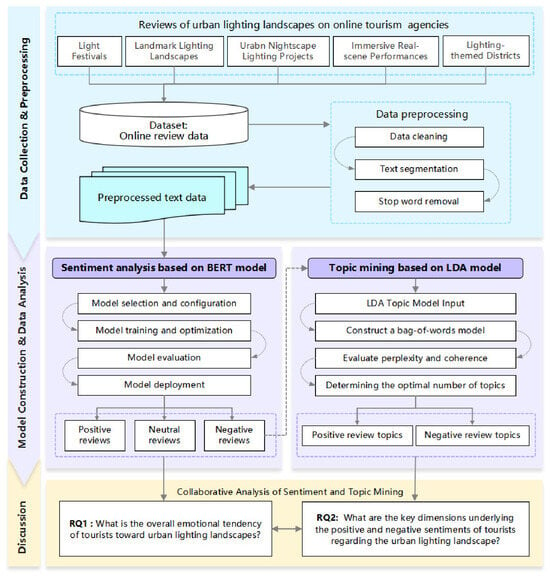
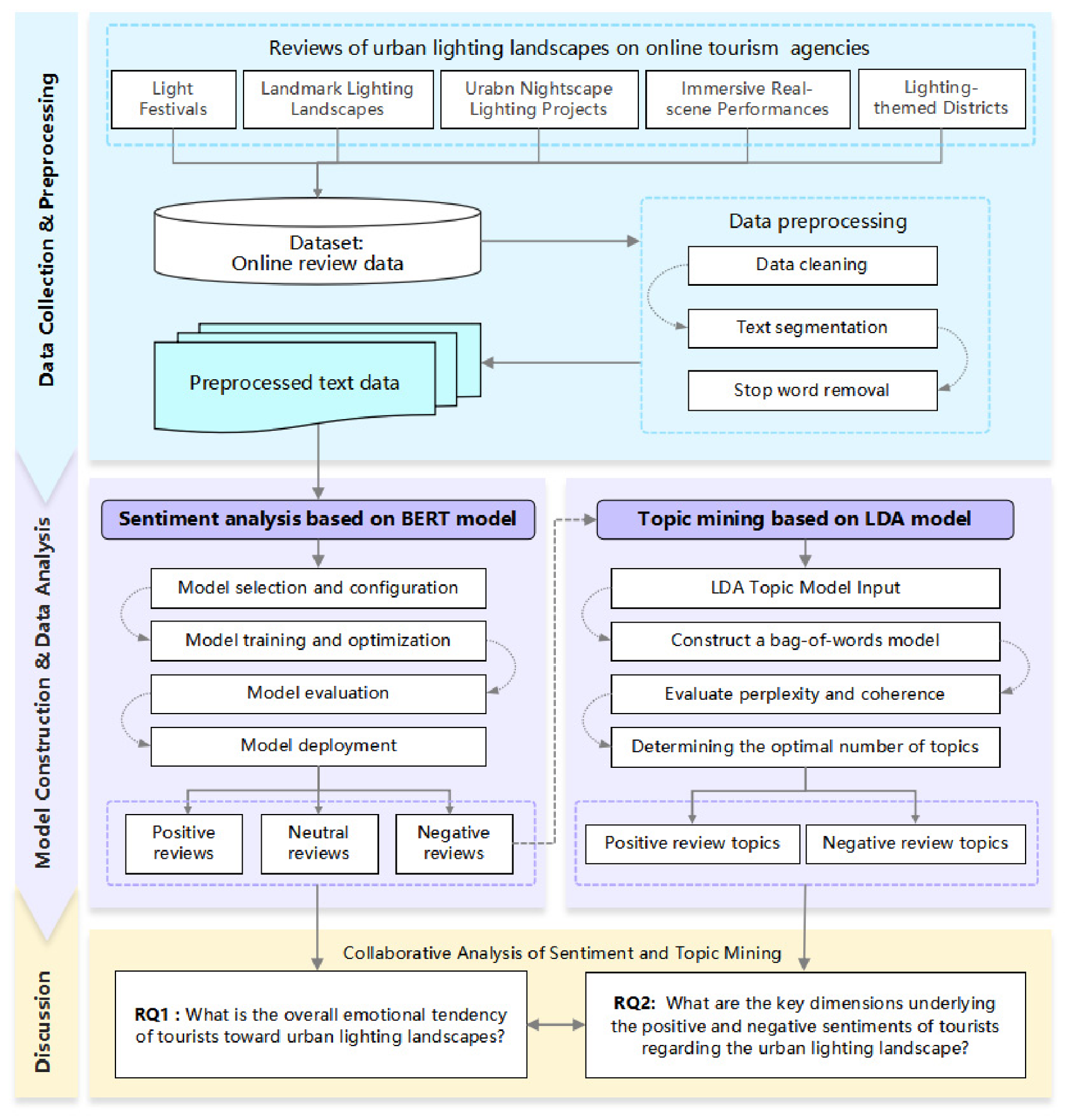
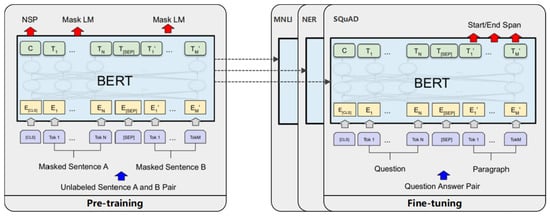
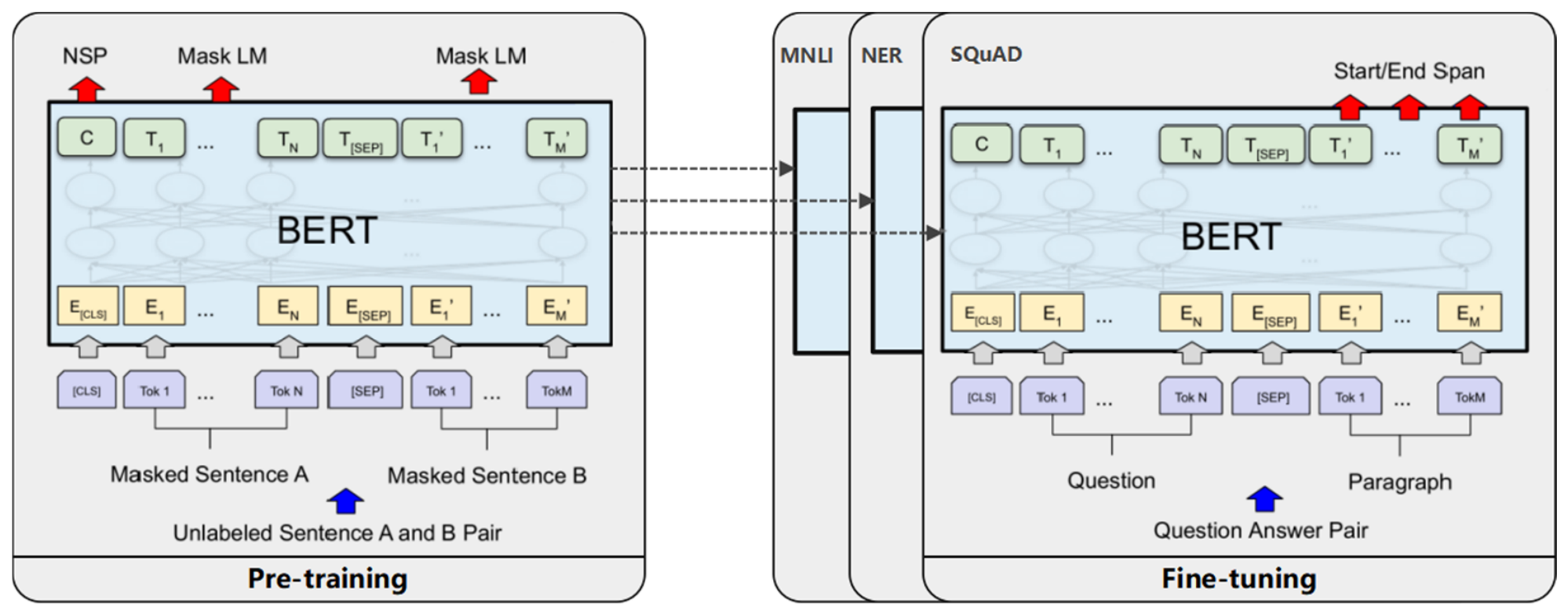
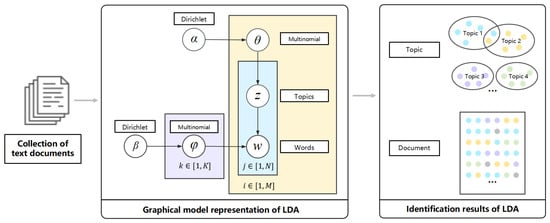
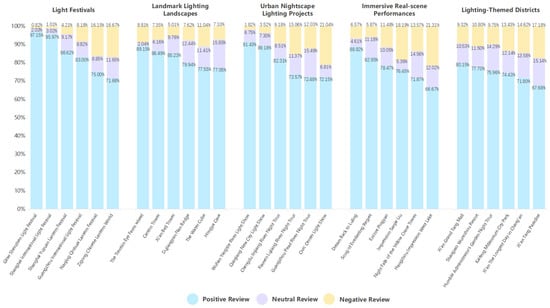
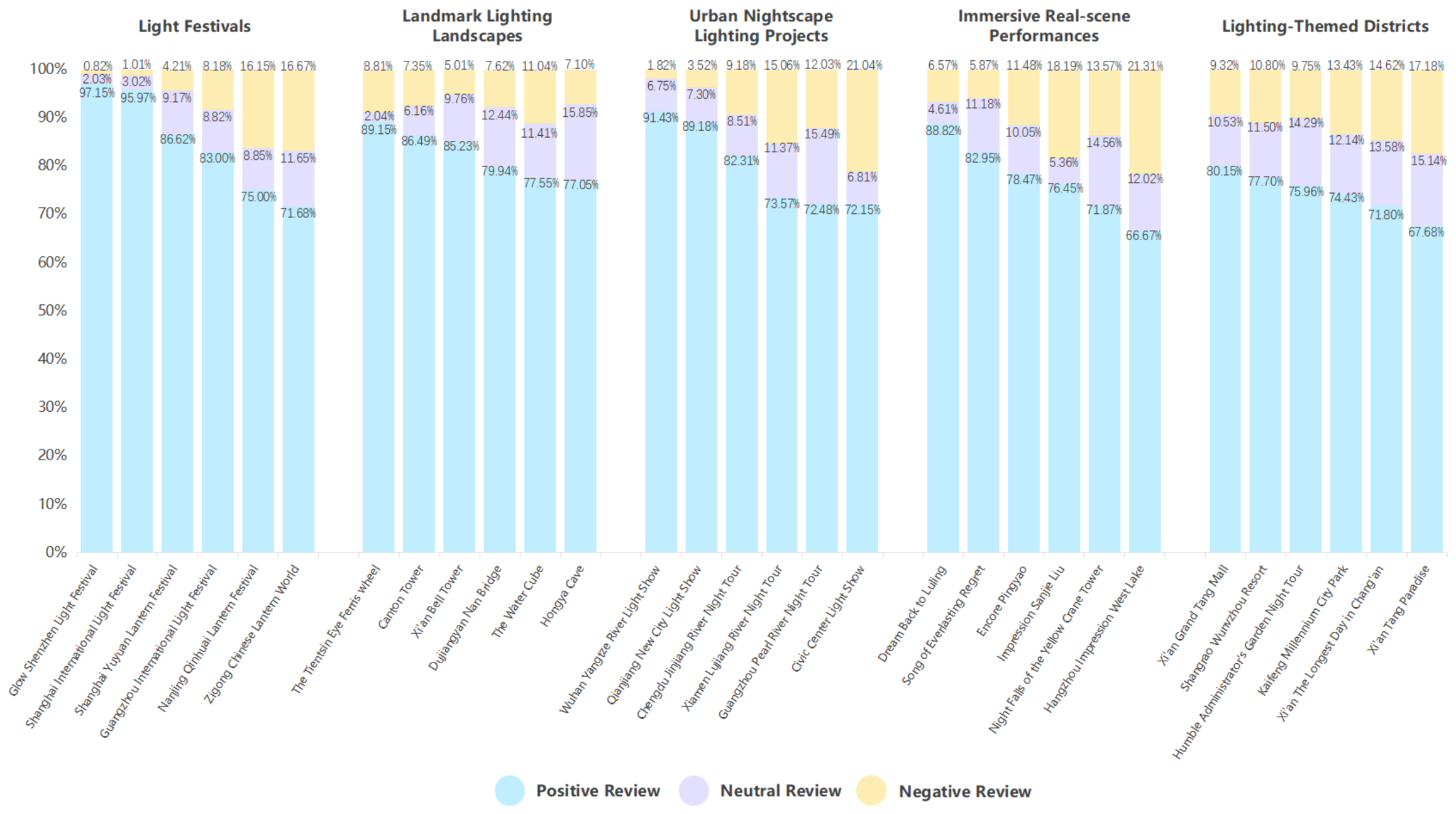
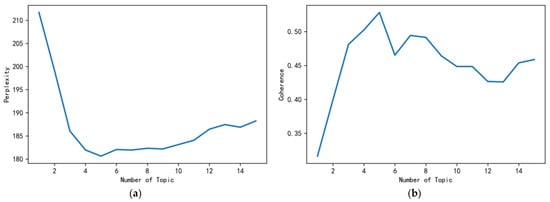
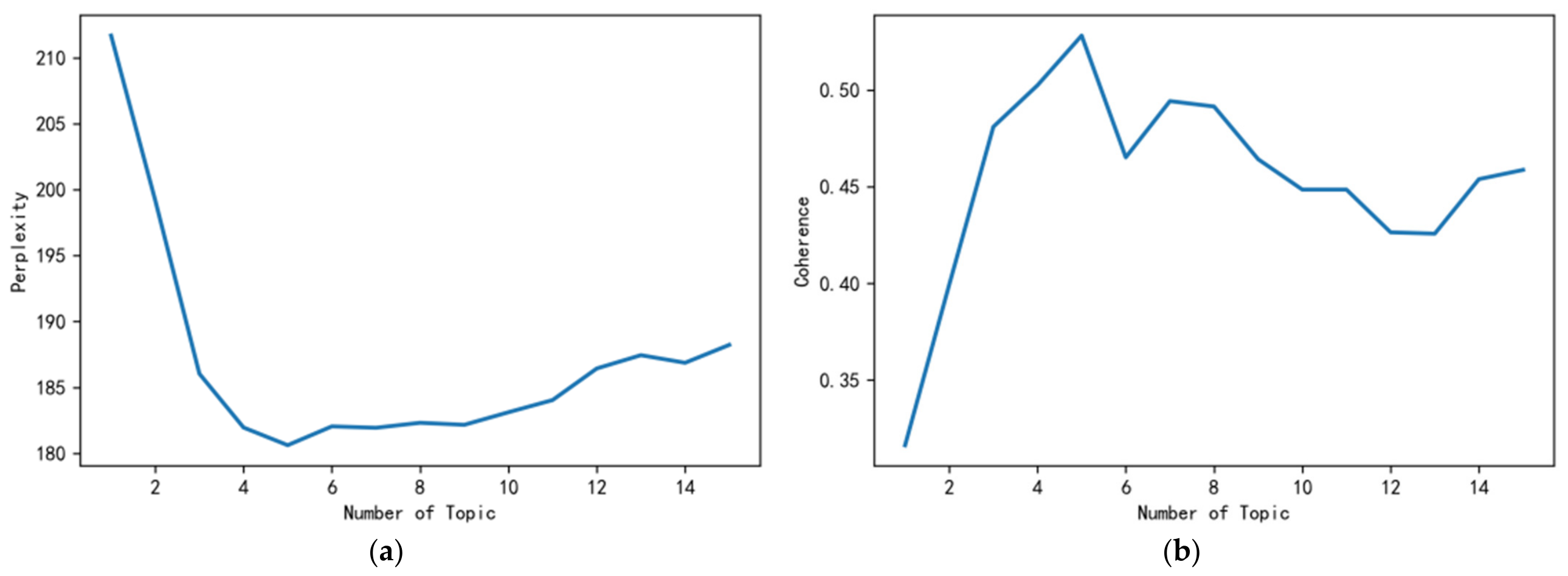
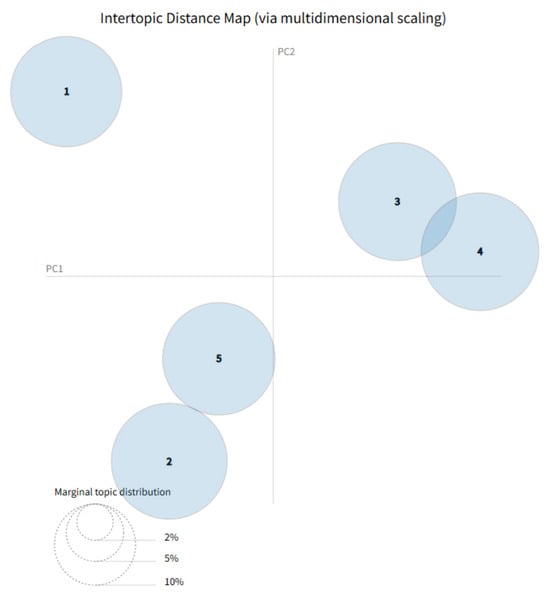
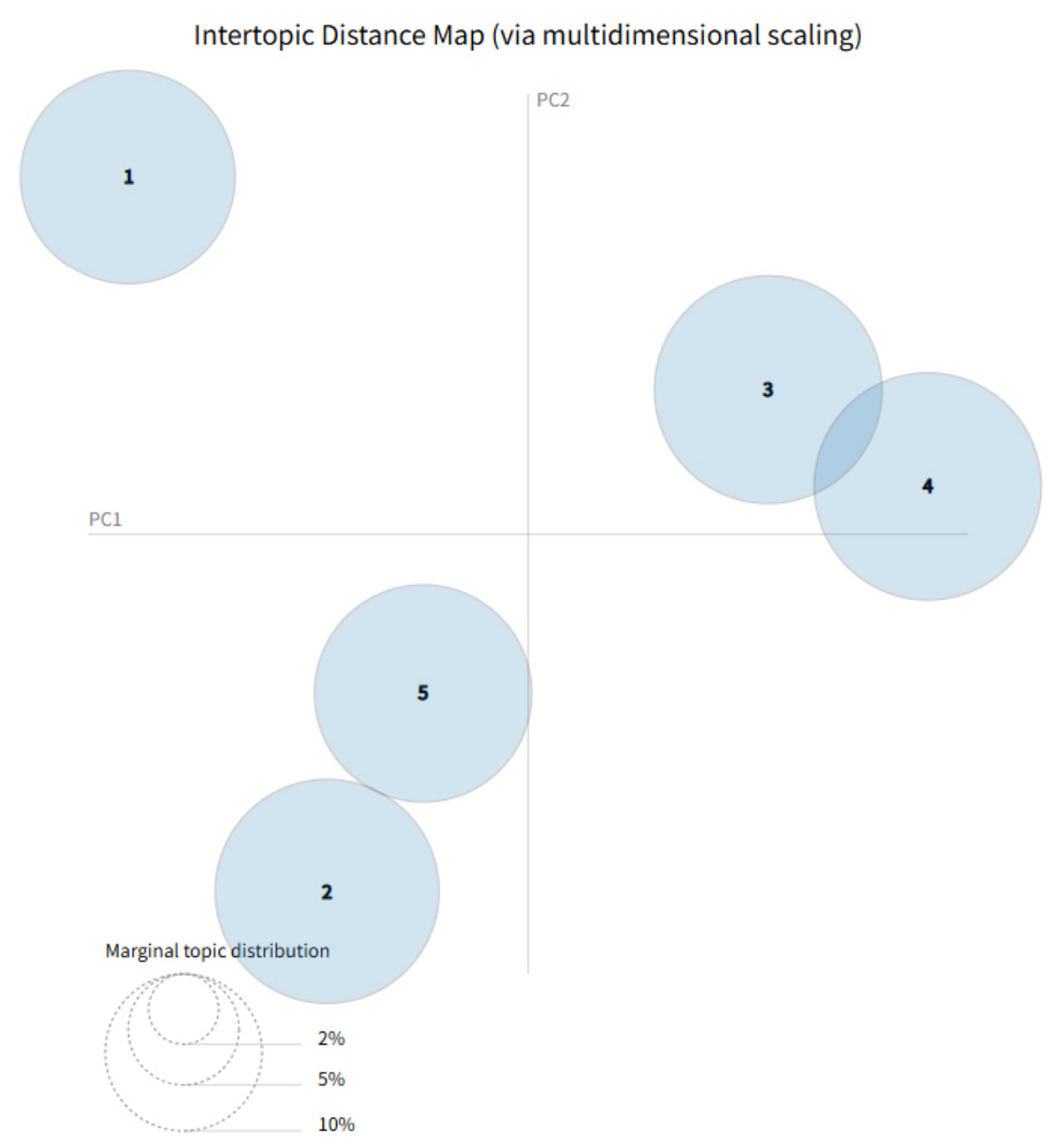
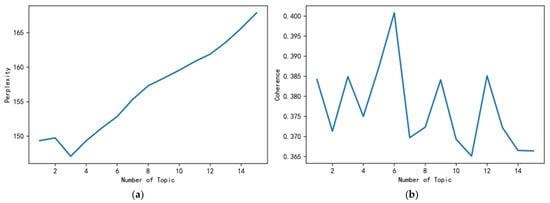
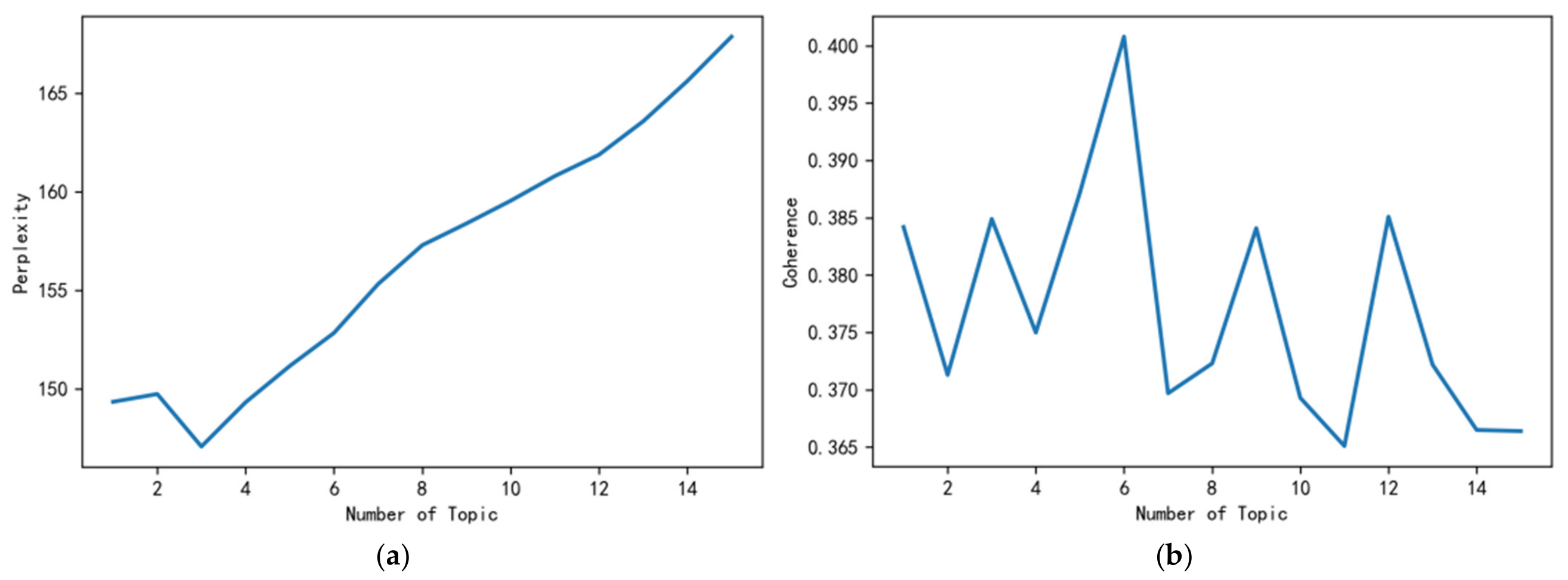
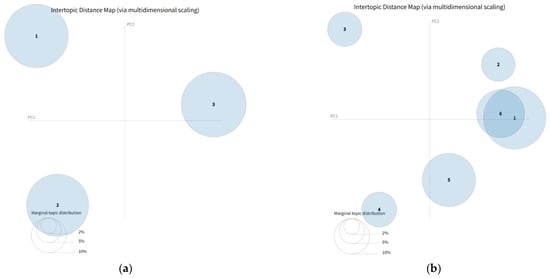
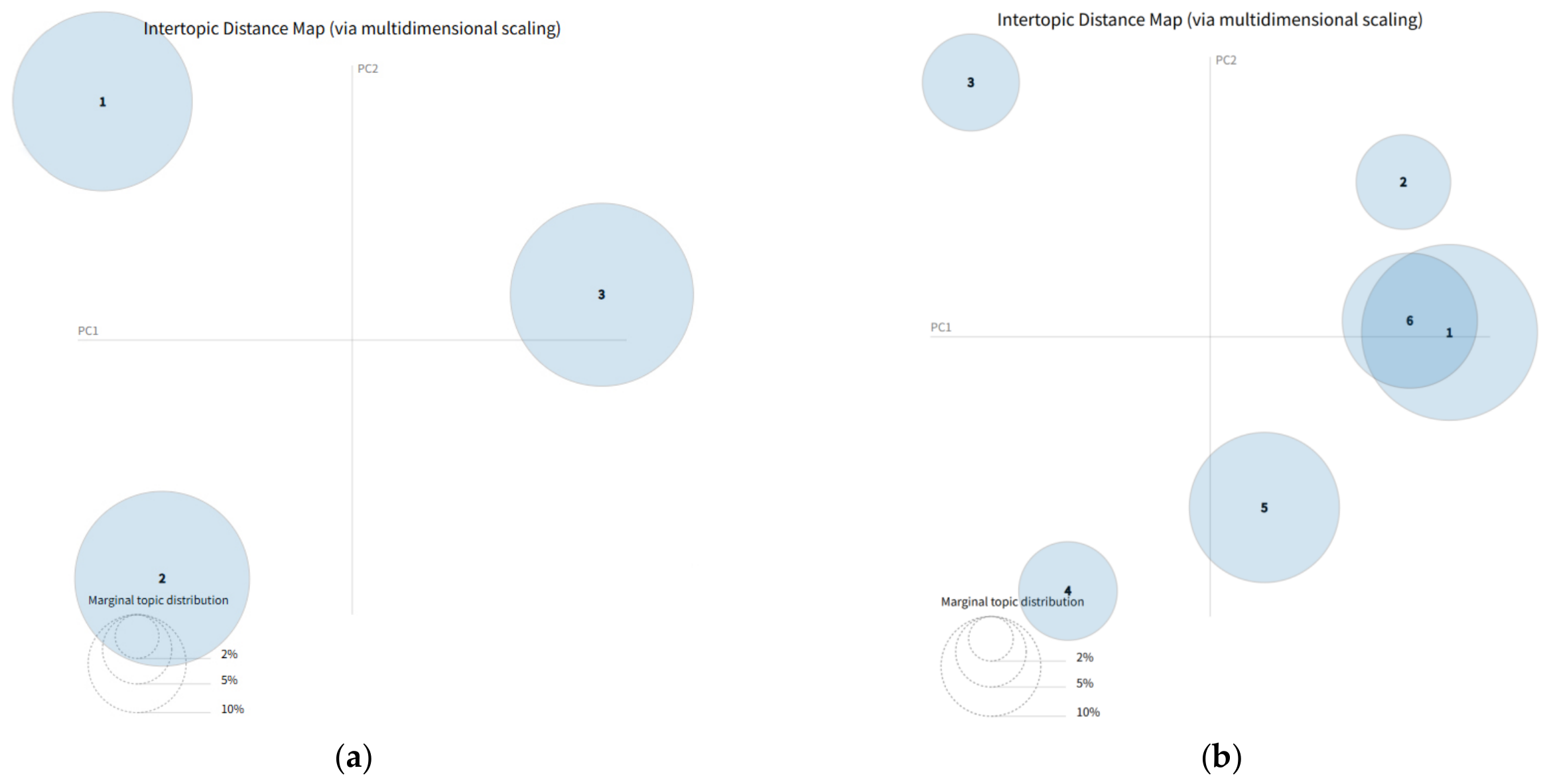

Disclaimer/Publisher’s Note: The statements, opinions and data contained in all publications are solely those of the individual author(s) and contributor(s) and not of MDPI and/or the editor(s). MDPI and/or the editor(s) disclaim responsibility for any injury to people or property resulting from any ideas, methods, instructions or products referred to in the content. |
© 2026 by the authors. Licensee MDPI, Basel, Switzerland. This article is an open access article distributed under the terms and conditions of the Creative Commons Attribution (CC BY) license.