Article

Investigation into the Corrosion Wear Resistance of CoCrFeNiAlx Laser-Clad Coatings Mixed with the Substrate

School of Materials Engineering, Shanghai University of Engineering Science, Shanghai 201620, China
*
Author to whom correspondence should be addressed.
Metals 2022, 12(3), 460; https://doi.org/10.3390/met12030460
Submission received: 8 February 2022 / Revised: 6 March 2022 / Accepted: 8 March 2022 / Published: 9 March 2022

Abstract

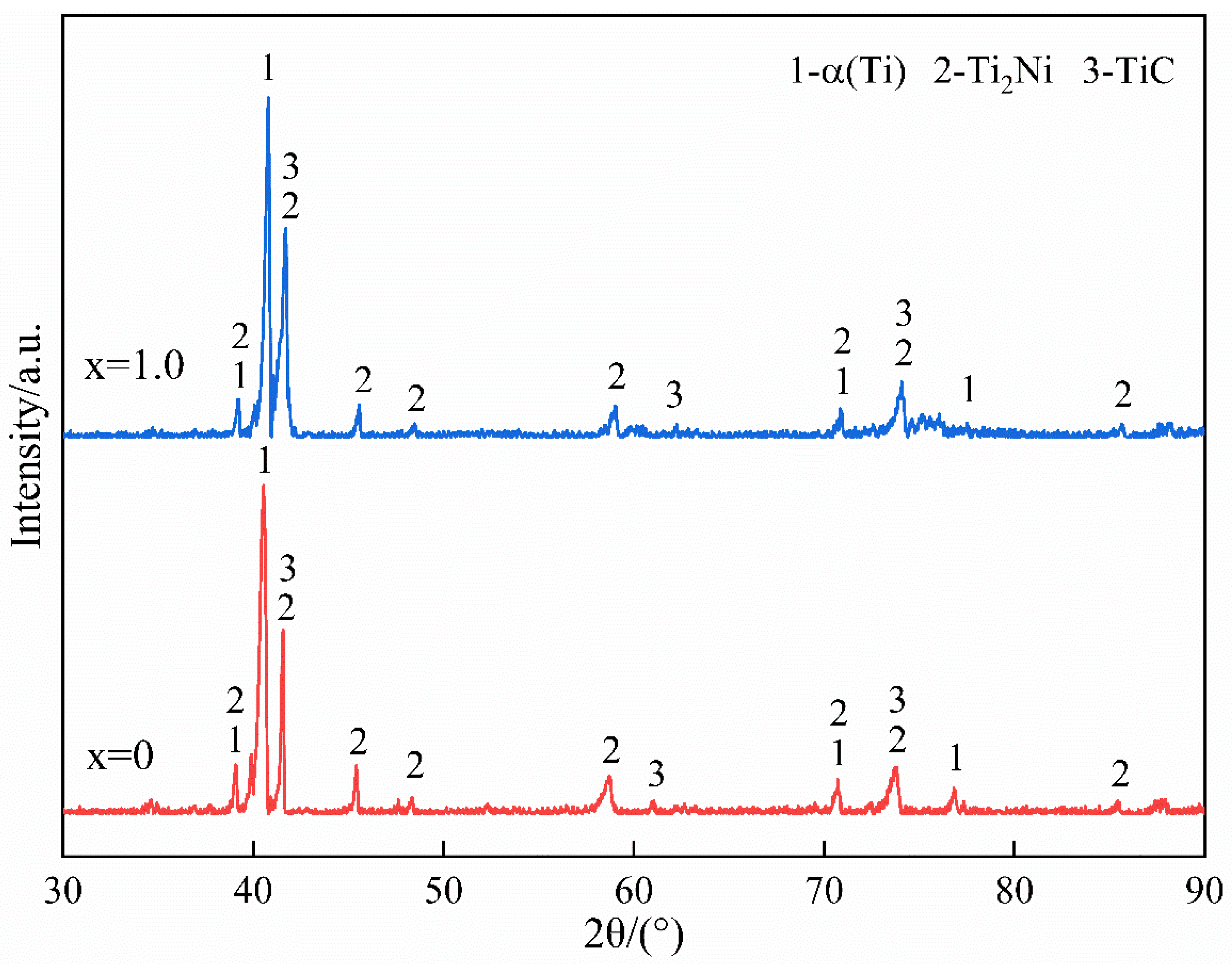
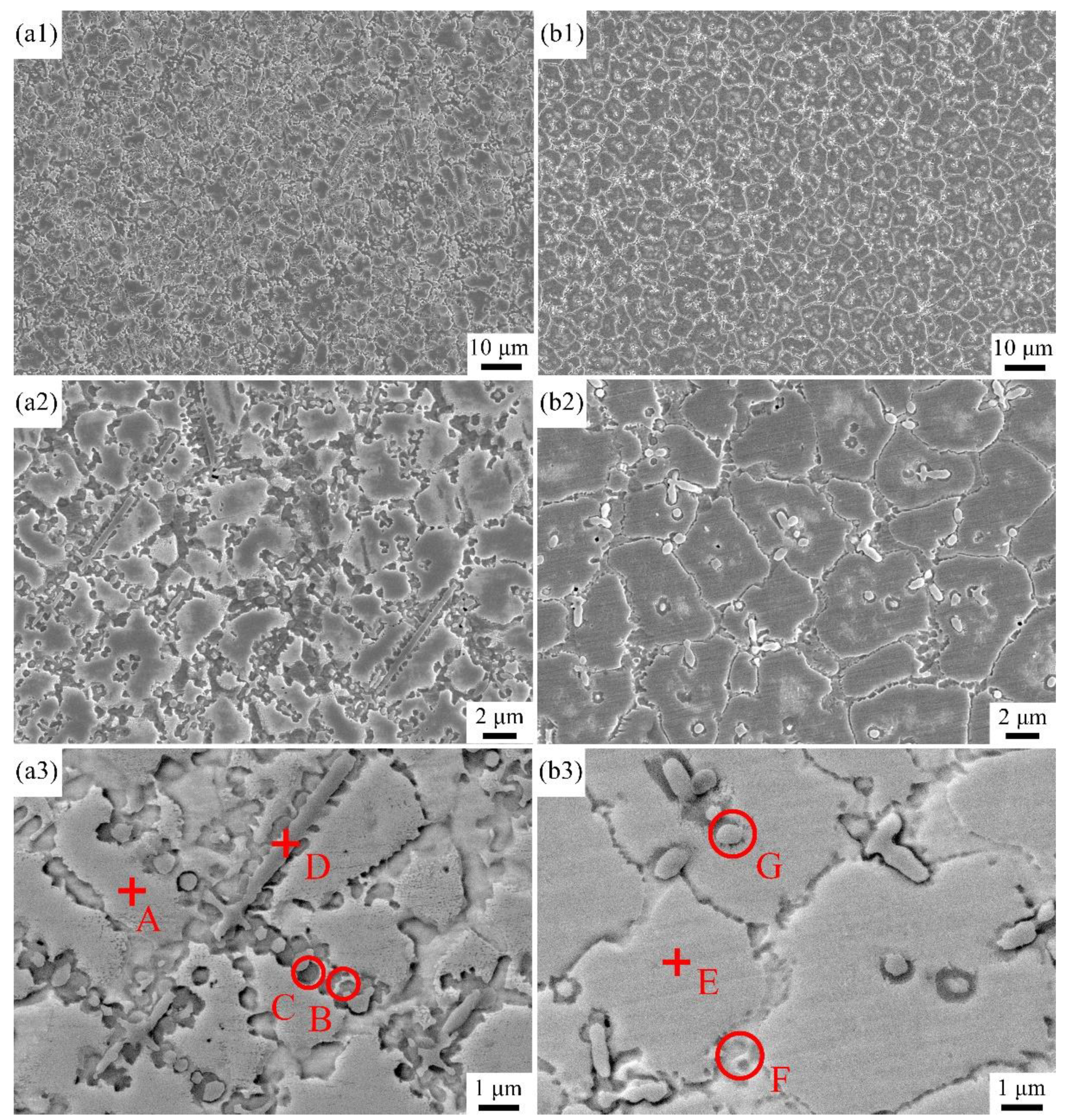
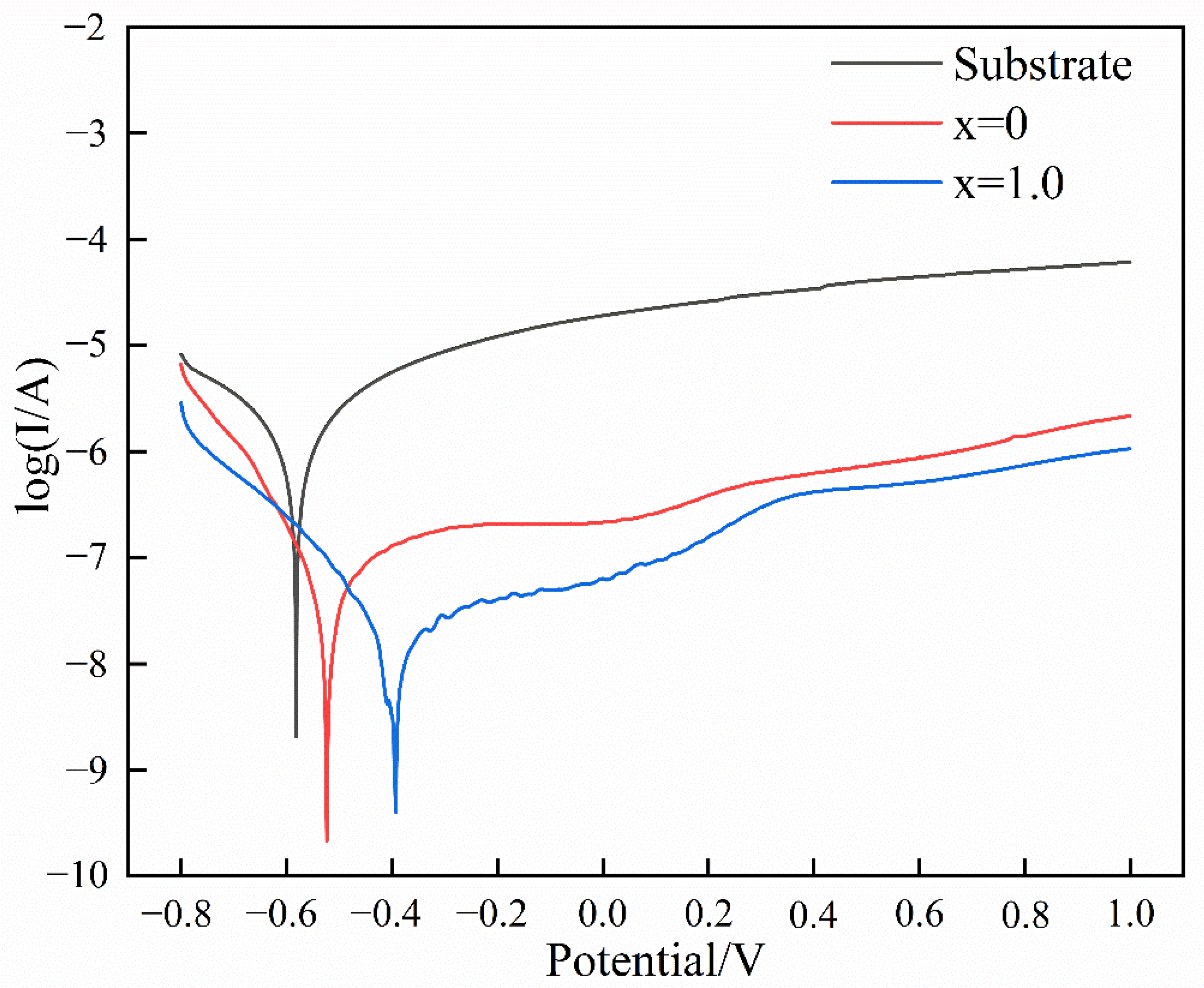
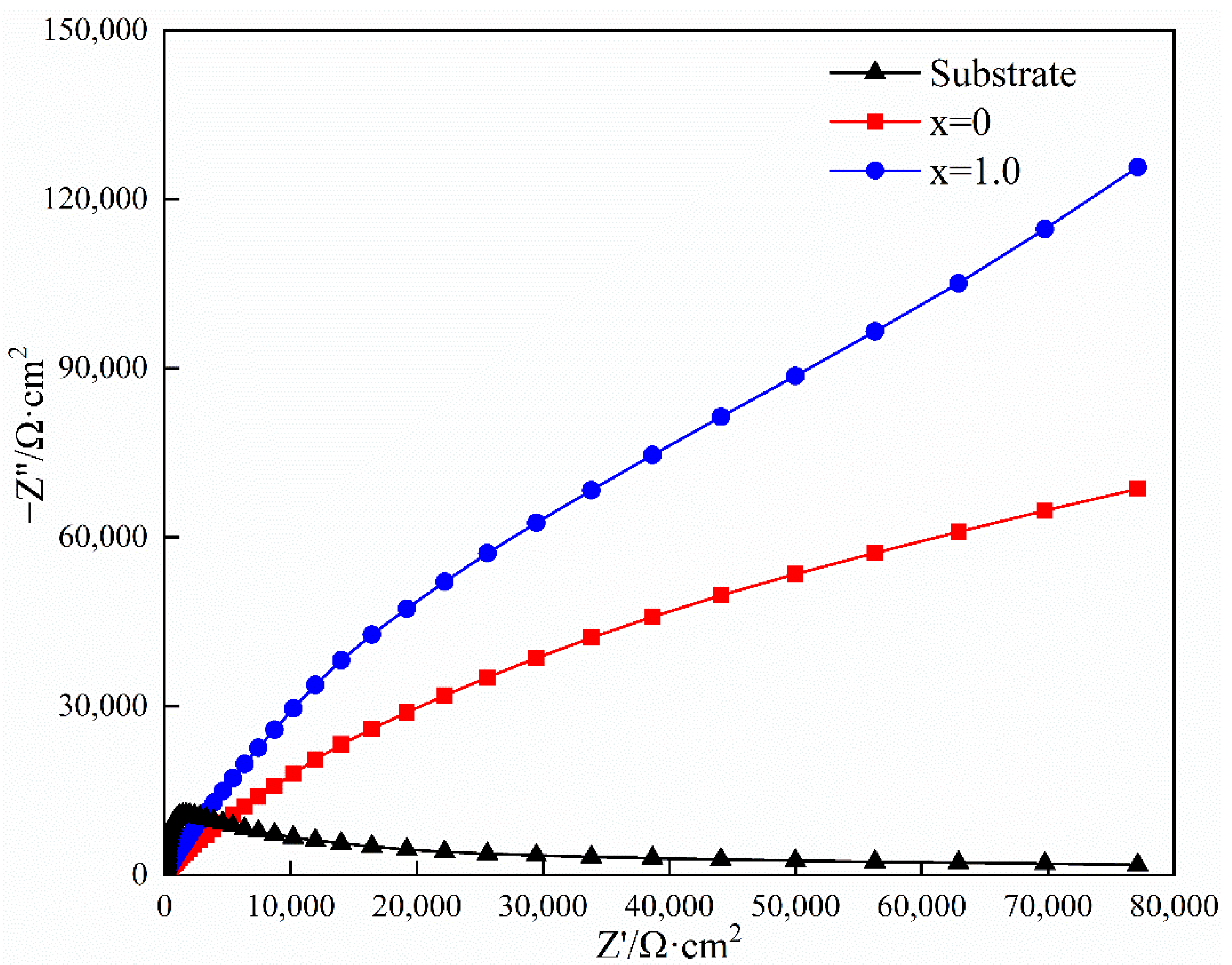
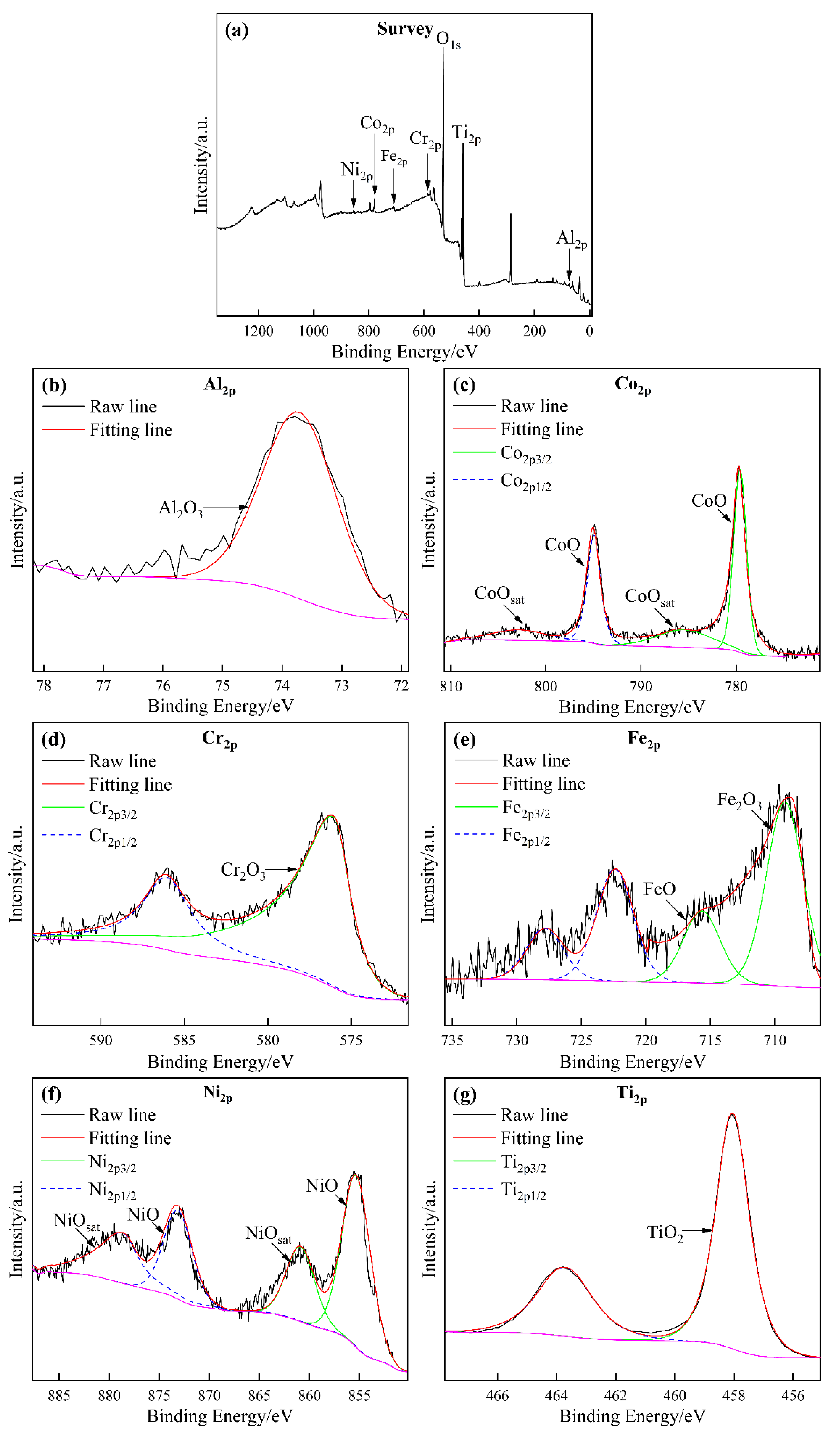
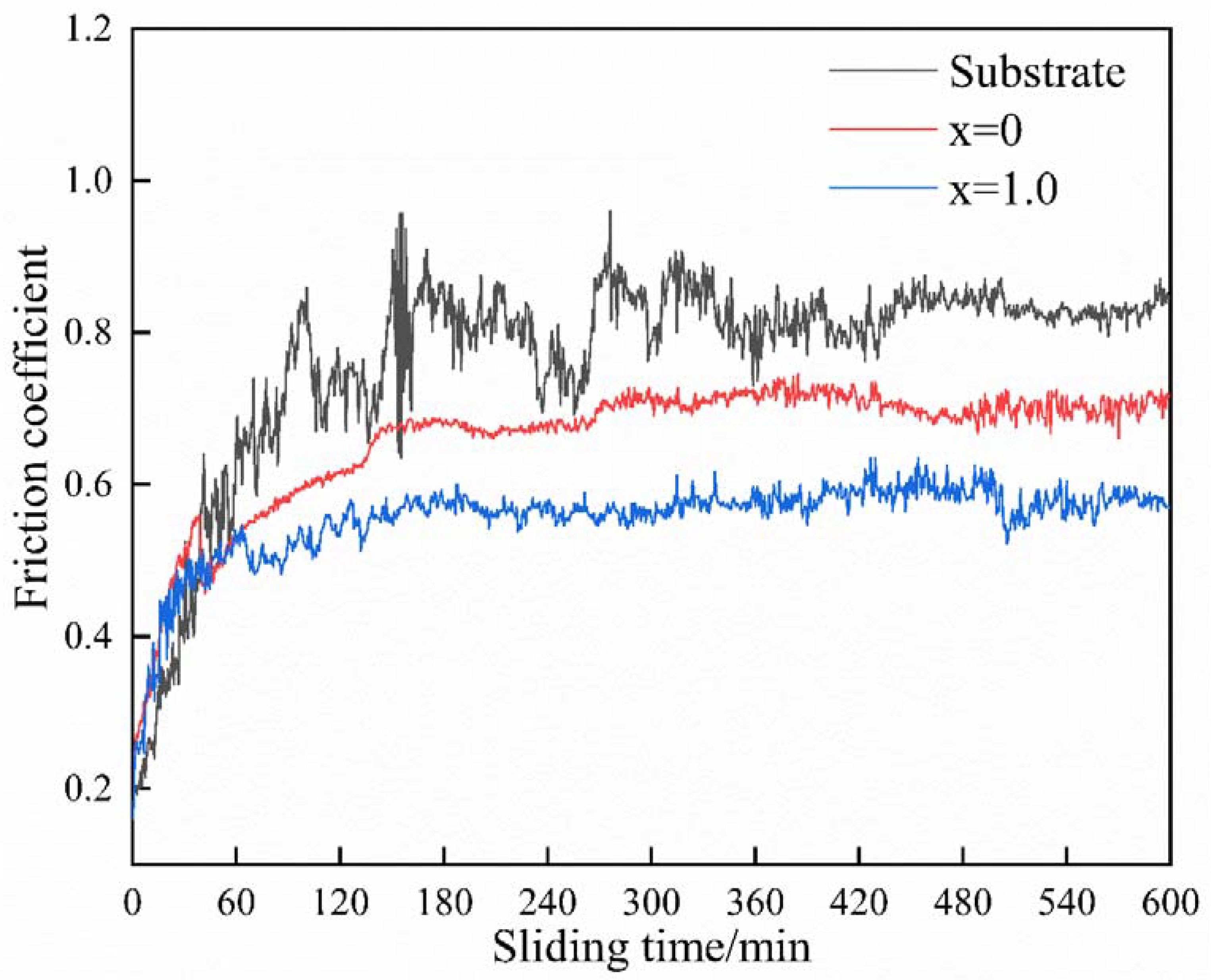
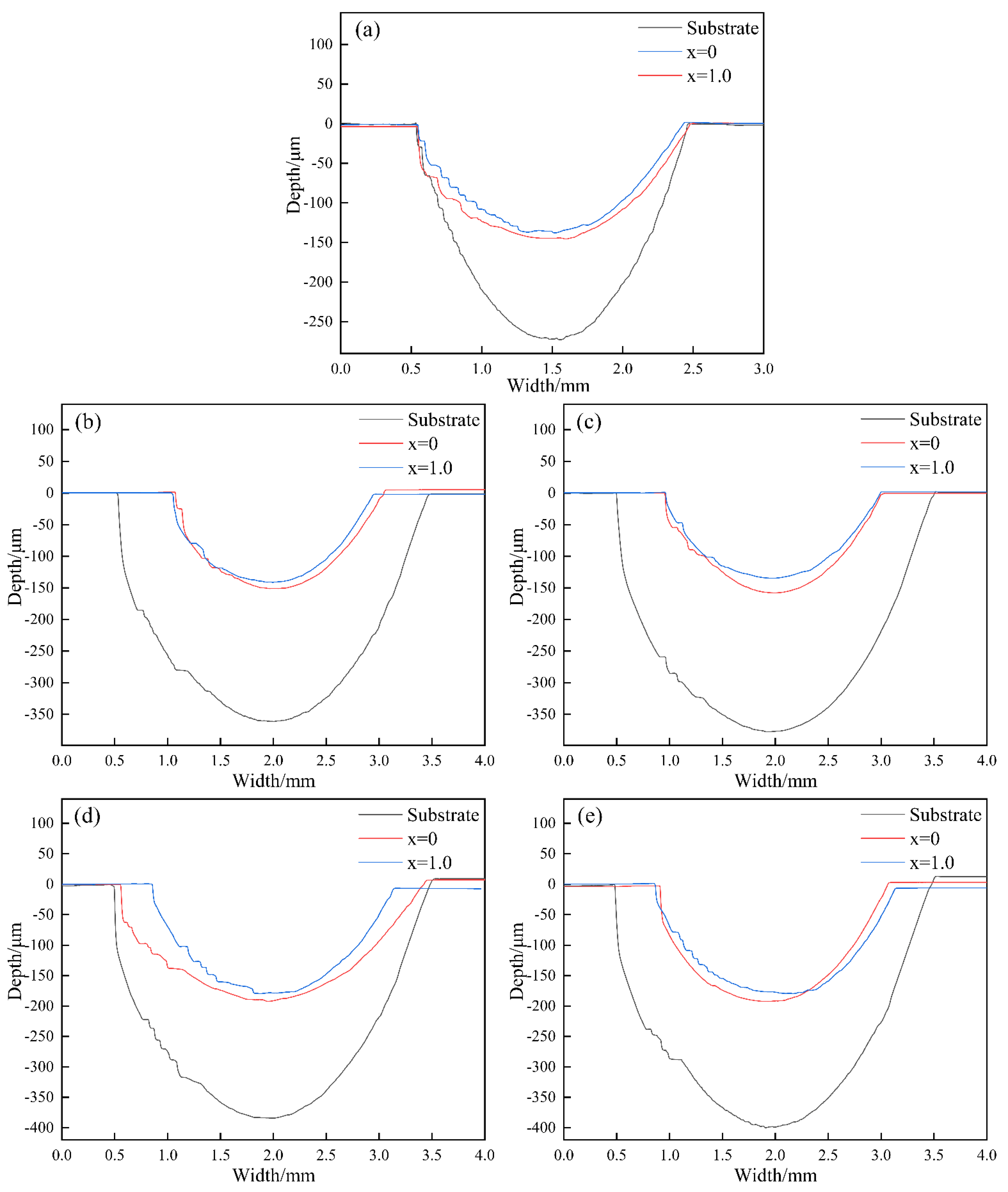
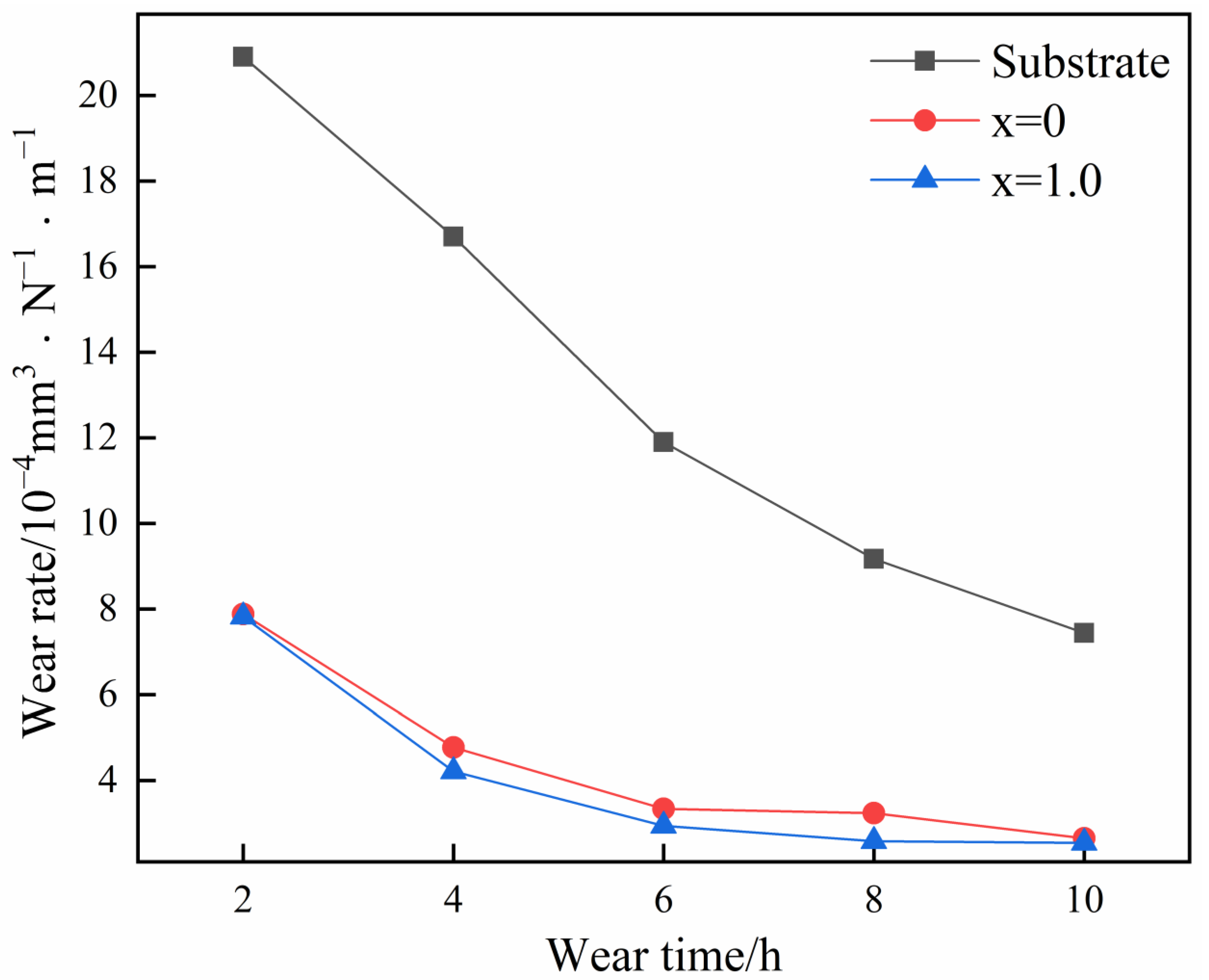
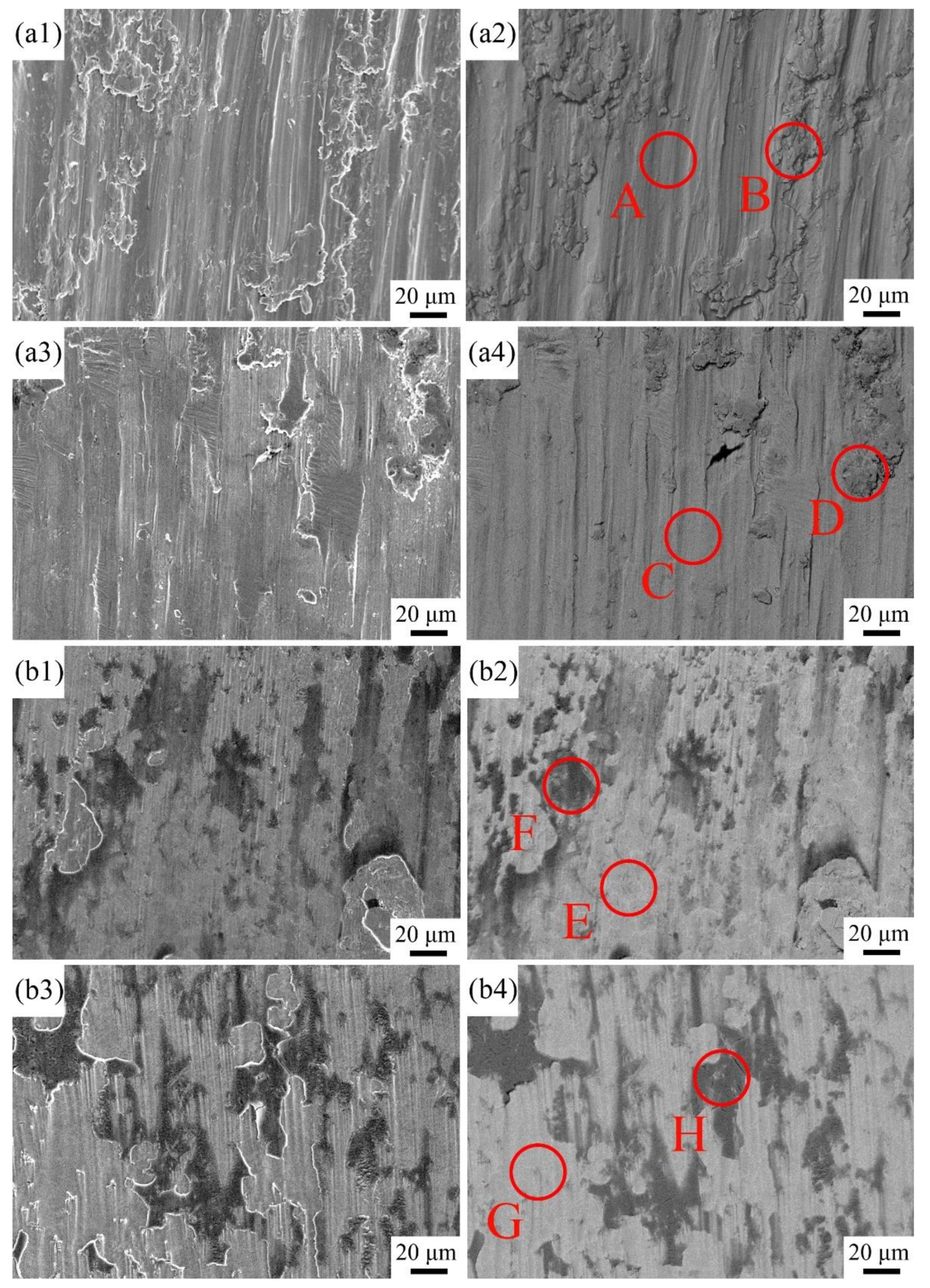
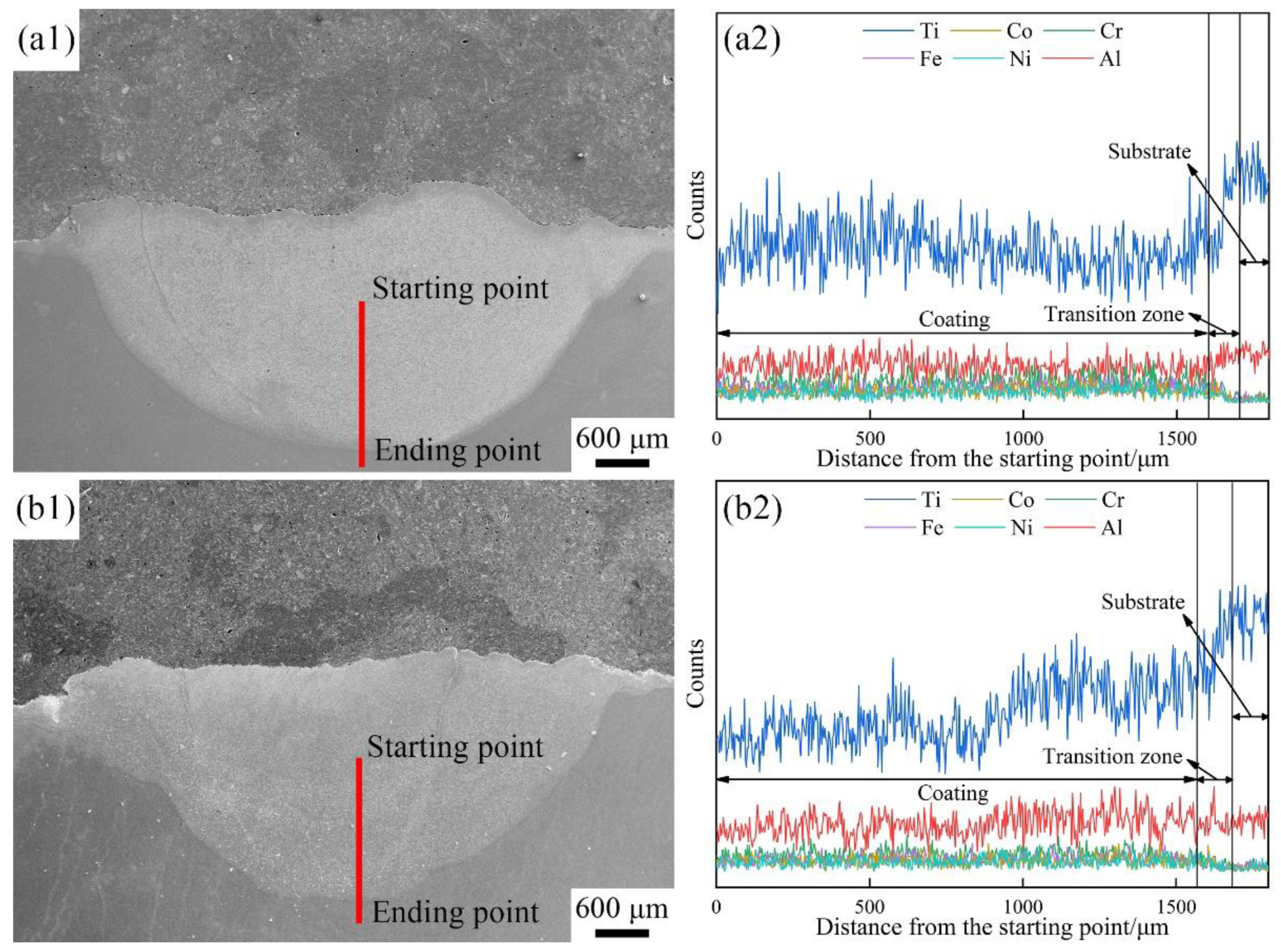
CoCrFeNiAlx (x = 0 and 1.0) high-entropy alloy coatings were synthesized on Ti6Al4V via laser cladding to improve their corrosion and wear resistance under corrosive conditions. Results indicated that the coating (CoCrFeNi) was largely composed of irregular primary α(Ti) and honeycomb-like eutectics of α(Ti) + Ti2Ni as the matrix, with TiC dendrites as the reinforcement. When Al was introduced into the cladding material, irregular α(Ti) grains were transformed into equiaxed grains, besides which the area fraction in eutectics was considerably reduced, and TiC dendrites were also transformed into spherical particles. Compared with the coating without Al, the introduction of Al contributed to the improvement in corrosion resistance because corrosion potential was enhanced from −0.524 V to −0.393 V, whereas corrosion current density and steady current density were reduced from 2.249 × 10⁻⁷ A·cm−2 and 1.021 × 10⁻⁶ A·cm−2 to 1.260 × 10⁻⁷ A·cm−2 and 2.506 × 10⁻⁷ A·cm−2, respectively. The substrate was still at the break-in stage during a long-term sliding of 10 h because its wear rate exhibited an approximately linear reduction tendency (2.09 × 10⁻³ mm3·N−1·m−1 for 2 h and 7.44 × 10⁻⁴ mm3·N−1·m−1 for 10 h). With respect to the coatings, they transitioned from the break-in stage into the stable wear stage when the sliding duration exceeded 4 h, during which a comparatively stable wear rate of 2.88 × 10⁻⁴ mm3·N−1·m−1 was obtained. The wear mechanism of the substrate was identified as slight microcutting and serious oxidation for the long-term sliding of 10 h. It changed into a combination of slight microcutting, serious oxidation, and moderate brittle debonding for the coatings. Generally speaking, the introduction of Al can refine the microstructure and improve the microstructural uniformity. Moreover, the passive film can be formed more rapidly on the coating surface and presents higher stability when introducing Al. Finally, the introduction of Al also promotes the coating to enter into the stable wear stage more rapidly and causes the decrease in friction coefficient and wear rate.
Keywords: laser cladding; Ti6Al4V; HEA coating; microstructure; corrosion wear resistance laser cladding; Ti6Al4V; HEA coating; microstructure; corrosion wear resistance