


Abstract
Social media has become a central arena for informal learning and civic participation, yet its capacity to convert exposure into meaningful sustainability engagement remains uncertain. This study examines the role of social media in enhancing awareness of the Sustainable Development Goals (SDGs) among Arab youth and explores how digital platforms function as spaces for informal learning. A cross-sectional quantitative survey was administered to 370 respondents aged 17–45 across several Arab countries (primarily the United Arab Emirates, Egypt, Jordan, and Algeria—countries selected because they are among the region’s most digitally connected societies and jointly represent the Gulf, Levantine, and North African sub-regions), measuring social media usage patterns, levels of SDG awareness, and forms of digital engagement; the data were analysed using descriptive statistics and inferential statistics (Pearson correlations, t-tests, and one-way ANOVA) that tested four hypotheses derived from an integrated research model. The findings show that visually oriented platforms, particularly Instagram, Snapchat, and TikTok, dominate youth media consumption, and that social media is the leading source of SDG-related information for the majority of respondents. However, engagement remains largely passive, confined to viewing, liking, and resharing content, revealing a persistent gap between awareness and active participation. The hypothesis tests confirm this pattern: SDG awareness is strongly associated with digital engagement (r = 0.71, p < 0.001), whereas breadth of platform use plays only a marginal role (r = 0.11, p = 0.044) and membership in sustainability-focused online groups confers no significant awareness advantage. Drawing on Uses and Gratifications Theory and Knowledge Management Theory, the study introduces the Digital Awareness–Engagement Conversion Model (DAECM), which conceptualizes the staged transition from digital exposure to engagement and advocacy. The results underline the need for interactive, localised, and youth-centred digital strategies that can translate passive awareness into sustained sustainability action. Given the non-probability sampling design, the findings are interpreted as exploratory.
1. Introduction
Sustainability, defined as economic prosperity in harmony with social justice and environmental protection [1], has assumed a leading position on the global development agenda. The 2030 Agenda for Sustainable Development and its 17 Sustainable Development Goals (SDGs) provide a global blueprint for confronting interconnected crises such as poverty, inequality, climate change, and the erosion of peace. With the rise of digital technologies, and social media in particular, the circulation of sustainability-related information has become increasingly pivotal for raising awareness and mobilising public engagement around these issues [2,3].
Platforms such as Instagram, Facebook, Twitter (X), Snapchat, and YouTube have been transformed into powerful instruments for mobilising communities, sharing information, and enabling collaboration among government bodies, NGOs, youth groups, and civil society [4]. Above all, these platforms transcend political and geographical boundaries, creating online spaces where people convene to discuss, debate, and act on sustainability issues. As the Media Development Investment Fund argues, independent and participatory media “drive progress towards the SDGs by providing access to information (Target 16.10) and a platform for citizens’ voices” [5].
Youth, in particular, hold significant potential for advancing sustainable development. Young people in the Arab world are among the most intensive users of digital communication, which positions them firmly as actors capable of shaping sustainability narratives and practices [6]. Across many contexts, young people have used social media as sites of learning, mobilisation, and innovation around the SDGs. Evidence from Malaysia, Southeast Asia, and the Philippines underscores the importance of youth engagement in e-participation, policy advocacy, and community-based projects [7,8].
Yet, for all its promise, several studies indicate that young people’s engagement with sustainability content tends to be superficial. Users frequently encounter sustainability messages but rarely move beyond shallow forms of interaction, such as liking or resharing, without deeper reflection or activism [6]. These raise pressing questions about the role of social media in sustainability literacy, the depth of understanding among young people, and the translation of awareness into action.
A growing body of empirical work emerging from the Arab university context points to a paradox: although youth use social media intensively, this exposure does not necessarily translate into deep sustainability awareness or engagement. Studies reveal widespread use of platforms such as WhatsApp, Instagram, Snapchat, and Twitter (X) alongside differential trust and selective information checking, indicating that mere digital exposure is insufficient to generate meaningful engagement with the SDGs [9,10].
Recent empirical studies from the Arab region reinforce this picture and provide the immediate context for the present study. Surveys of Arab university students show that social media have become their primary source of climate-change information, although trust in, and verification of, such content varies considerably [10]. Comparative evidence from secondary-school students in the UAE and Lebanon reveals uneven levels of SDG awareness across national contexts [11], and a study of Iraqi university students reports only moderate familiarity with sustainable-development concepts [12]. Research from Algeria demonstrates that visually driven platforms such as YouTube and TikTok now shape how young people encounter public-affairs content [13], while evidence from Saudi Arabia indicates that social media messages are most persuasive when they are visually rich and socially endorsed [14]. Analyses of the COP28 digital campaigns similarly document the growing sophistication of institutional sustainability communication directed at Arab audiences [9]. Collectively, these studies confirm both the centrality of social media in Arab young people’s information environment and the persistent shallowness of their sustainability engagement, underscoring the need for the systematic, multi-country assessment undertaken here.
As digital ecosystems play an ever-larger role in shaping knowledge and behaviour, understanding how Arab youth access, interpret, and engage with SDG-related content becomes increasingly important. This study addresses that need by investigating the contribution of social media to raising Arab youth’s awareness of the SDGs. Drawing on Uses and Gratifications Theory (UGT) and Knowledge Management Theory (KMT), social media are conceptualized both as a need-fulfilling communication space and as an open knowledge-sharing system.
This research contributes to the scarce literature on digital sustainability communication in the Arab region by offering empirical insights into online platform use, awareness patterns, the influence of institutions and influencers, and engagement practices. It also advances a new theoretical model, the Digital Awareness–Engagement Conversion Model (DAECM), that outlines the pathways through which digital media saturation may translate into deeper engagement and lasting change.
This study seeks to identify the role of social media in promoting the SDGs among Arab youth by addressing the following research questions:
- RQ1. To what extent are Arab youth aware of the 17 Sustainable Development Goals (SDGs)?
- RQ2. To what extent do individual and institutional social media platforms contribute to raising Arab youth’s awareness of the SDGs?
2. Literature Review
2.1. Youth Engagement and the Sustainable Development Goals
Engaging young people is central to realising the SDGs. Young people, who account for more than 40% of the world’s population, are fundamental actors in social change, innovation, and sustainable development [15]. Nevertheless, Acosta et al. [16] argue that decision-making privileges tend to be reserved for adults rather than youth, denying the latter a voice in sustainable governance. Studies across Africa, Asia, and Europe stress the importance of empowering young people through education, participatory governance, and digital inclusion if this group is to contribute effectively to the SDGs [17,18,19,20].
Mulero et al. [15] found that embedding SDG-focused materials in formal education positively influenced the awareness and behavioural change of secondary-school students. Similarly, Borojević et al. [21] reported that young people in the Western Balkans scored highest on SDGs related to poverty and hunger reduction and access to health care, suggesting a humanitarian emphasis within their sustainability values. These results underscore the significance of both formal and informal learning in nurturing sustainability-focused attitudes [22,23].
2.2. Social Media as a Catalyst for Sustainable Development
The digital age has reshaped the production, distribution, and consumption of knowledge about sustainability. Social media outlets constitute a dynamic forum for information sharing, civic engagement, and environmental activism. Singh and Singh [4] argue that platforms such as Facebook, Instagram, and Twitter (X) are effective in mobilising collective action, raising awareness, and facilitating multi-actor collaboration around the SDGs [24,25]. Through features such as hashtags, live sessions, and interactive posts, users become participants in rather than spectators of sustainability communication [26]. The communicative power of these platforms is amplified by their multimedia affordances: studies of news websites show that the strategic combination of text, image, video, and infographics strengthens audience attention and comprehension [27]. More recently, institutional climate-communication campaigns have begun to deploy multimedia and artificial-intelligence-assisted tools to shape engagement, as evidenced by analyses of the COP28 digital campaigns [9], while the alignment of advertising formats, digital payment systems, and environmental, social, and governance (ESG) criteria demonstrates how sustainable value can be created within social-media ecosystems [28,29].
Pabian and Pabian [6] contend, however, that despite its promise, social media remains underused as a systematic knowledge-management tool. Their large-scale survey showed that while young users frequently encounter sustainability content, they engage with it mainly at a surface level, liking or sharing rather than creating original narratives or building analytical argumentation. This gap between discovery and deep involvement signals the need for strategic frameworks that maximise the educational role of social media.
At the same time, a balanced reading of the literature must acknowledge that social media are not unambiguously benign for sustainability communication. A substantial body of work shows that the same platforms are used to challenge sustainable behaviours and to portray sustainability initiatives as misleading or fraudulent. Lyon and Montgomery [30] demonstrate how social media both expose and amplify accusations of corporate greenwashing, while Seele and Gatti [31] show that greenwashing allegations—whether substantiated or not—erode the credibility of legitimate sustainability messaging. Anti-sustainability and climate-sceptic narratives likewise circulate widely online, competing directly with SDG-related content for young users’ attention. These counter-currents imply that exposure to sustainability content on social media occurs within a contested discursive environment, a consideration taken into account in the interpretation of the present findings.
Earlier studies by Kumar and Aggarwal [2] likewise established that social media drives sustainability through eco-friendly marketing, paperless communication, and e-campaigns, while Al Sheikh and Al Serhan [3] highlighted the role of digital media in advancing sustainable development in the Arab world. Taken together, these findings indicate that social media functions both as a communicative infrastructure and as an educational ecosystem linking individual actions to global sustainability targets.
2.3. Institutional and Educational Drivers of SDG Awareness
Educational institutions play a fundamental role in shaping young people’s perception and understanding of sustainability. Zamora-Polo et al. [32] found that university students possess a fair awareness of the SDGs, especially environment-related goals, and emphasised the need to incorporate sustainability knowledge into curricula [12]. Likewise, Saha and Kayal [33] observed that although many higher-education students had never heard the term “SDGs,” they nonetheless participated in sustainability-driven activities across social media platforms. Carpenter et al. [34] similarly documented the multiple roles that social media play in promoting sustainability within higher education.
De Luca et al. [35] extended this reasoning by examining how institutions and firms use social media to support the SDGs [36]. Their cross-national study found that content linked to Gender Equality (SDG 5), Climate Action (SDG 13), and Partnerships for the Goals (SDG 17) generated the greatest stakeholder involvement. In Southeast Asia, Mohd Yusof et al. [7] linked citizen empowerment with SDG 11 (Sustainable Cities and Communities) [37].
These findings highlight the importance of both institutional communication and student-led digital initiatives in establishing sustainability as part of public common sense and in translating awareness into concrete action.
2.4. Transnational Networks and Global Youth Collaboration
Beyond the nation-state, transnational youth networks (TYNs) have been identified as key vehicles for advancing the SDGs through public diplomacy and collective advocacy [16]. These networks harness digital platforms to connect young leaders globally, enabling them to share information, organise action, and shape international policy agendas. Similarly, Mohd Yusof et al. [7] and Tuan Ismail et al. [38] note that online spaces have become the modern, interactive settings in which a new form of “digital citizenship” can be practised by young people [39].
Through these transnational and regional partnerships, social media shifts from being a mere communication mechanism toward becoming an empowerment site that helps youth co-construct solutions to environmental and social problems. This is directly aligned with SDG 17, which centres on partnerships and the involvement of youth in global development.
2.5. Social Media and SDG Awareness in the Arab Context
A small but growing body of research has examined sustainability communication in Arab societies specifically. Al Sheikh and Al Serhan [3] highlighted the potential of digital media to advance sustainable development across the Arab world, and Alqawasmi et al. [10] found that social media play a central role in shaping climate-change awareness among Arab university students, albeit with uneven levels of trust and information verification. Abou Okdeh [11] compared SDG awareness among secondary-school students in the UAE and Lebanon and documented marked cross-national differences, while Salman et al. [12] reported only moderate awareness of sustainable-development concepts among Iraqi university students. Studies of Algerian youth show that visually driven platforms such as YouTube and TikTok have become primary arenas for encountering public-affairs content [13], and evidence from Saudi Arabia confirms that visually rich, socially endorsed content is the most persuasive format for young Arab audiences [14]. At the institutional level, analyses of the COP28 digital campaigns illustrate how organisations in the region increasingly deploy multimedia and AI-assisted tools to foster engagement with climate and sustainability agendas [9].
Nevertheless, these Arab-context studies remain fragmented. Most focus on a single country or on a single issue (typically climate change), rely on student samples, and stop at describing awareness levels without modelling the pathway from digital exposure to engagement. In particular, no study to date has compared the contribution of individual versus institutional social media platforms to SDG awareness across several Arab countries simultaneously. The present study is positioned to address precisely this lacuna, which also explains its regional—rather than single-country—focus.
2.6. Synthesis and Research Gap
Across global contexts, the reviewed studies converge on the view that social media enhances SDG-related awareness, participation, and advocacy [4,6,35]. However, they also reveal persistent challenges, including superficial engagement, limited knowledge transfer, and unequal access to digital resources [2,17].
Despite extensive research across Western, Asian, and African regions, a clear gap persists in understanding how Arab youth, among the world’s most digitally connected populations, use social media to acquire, interpret, and disseminate knowledge about the SDGs. Few studies have empirically examined the comparative effectiveness of individual versus institutional social media platforms in shaping SDG awareness in the Arab world [11].
More precisely, the gap addressed by this study is threefold. First, a geographic–contextual gap: despite the Arab region containing some of the world’s most digitally connected youth populations, systematic multi-country evidence on how they use social media to learn about the SDGs is still lacking (Section 2.5). Second, a comparative–analytical gap: the relative contribution of individual platforms (personal accounts, influencers, youth-led initiatives) versus institutional platforms (official pages of governments, NGOs, universities, and international organisations) to SDG awareness has not been empirically examined in the Arab context. Third, a theoretical gap: existing Arab-context studies are largely descriptive and atheoretical, offering no integrated model of how digital exposure is converted into engagement. Addressing these three gaps jointly constitutes the rationale and the intended contribution of the present study.
This research addresses that gap by investigating how Arab youth engage with social media to understand and promote the SDGs, using a quantitative approach that links digital participation with levels of sustainability awareness and knowledge dissemination.
2.7. Theoretical Framework
This research is grounded in two complementary theoretical bases:
Uses and Gratifications Theory (UGT). Initially developed in communication research, UGT assumes that people actively seek out media to satisfy needs for information, entertainment, or social connection. For the Arab youth examined here, social media serves not only as a means of entertainment but also as an instrument for information gathering and self-expression around global challenges. Singh and Singh [4] and De Luca et al. [35] find that the interactive affordances of social media comment sections, multimedia storytelling, and influencer campaigns fulfill youths’ needs for engagement, belonging, and civic participation.
Knowledge Management Theory (KMT). Developed by Nonaka and Takeuchi [40], this framework focuses on the creation, transfer, and exploitation of knowledge within social and technical systems. Applied to sustainability, it implies that social media constitute a digital “knowledge ecology” in which tacit awareness can be converted into explicit knowledge and shared across networks [6]. This view aligns with Mulero et al. [15] and Borojević et al. [21], who identify education and cooperation as key mechanisms for transforming awareness into governance.
Integrating these models, the present study frames social media as a need-satisfying communication space and a knowledge-management hub that jointly shape how Arab youth relate to and advocate for the Sustainable Development Goals.
2.8. Linking the Literature to the Current Study
Cumulatively, the reviewed literature makes a strong case for the transformative role of social media in unlocking youth engagement within the framework of sustainable development. Earlier studies [4,6,35] provided evidence of the effectiveness of digital platforms for sustainability knowledge dissemination and civic engagement. Nevertheless, this work has been conducted primarily in Western or Asian settings, leaving the Arab region largely unexplored.
Building on these findings, the present study treats Arab youth as a distinct target group whose digital behaviour and socio-cultural context may yield different perceptions of sustainability. It considers both personal and organisational social media platforms and compares their impact on SDG awareness. In doing so, it operationalises the UGT premise that audiences use information to seek understanding and form identities, alongside the KMT premise that explains how awareness is created, disseminated, and converted into sustainable practice.
Therefore, in addition to filling a geographic and contextual void, this study makes a theoretical contribution by integrating a communication and knowledge-management approach into the analysis of SDG awareness among Arab youth.
It is anticipated that the findings will inform policymakers, educators, and sustainability communicators about opportunities to use social media as a platform for meaningful, youth-led sustainable development in the Arab world.
2.9. Proposed Research Model and Hypotheses
Synthesising the theoretical framework (Section 2.7) and the empirical evidence reviewed above, this study proposes an integrated research model, illustrated in Figure 1. The model conceptualises SDG awareness as its central construct. Grounded in UGT, motivated media use is expected to generate informational gratifications: the more intensively young people use social media, the greater their exposure to, and awareness of, SDG-related content [4,35]. The model further distinguishes two supply-side channels of sustainability content—individual platforms (personal accounts, influencers, and youth-led initiatives) and institutional platforms (official pages of governments, NGOs, universities, and international organisations); in the present study, engagement with the institutional channel is operationalised through membership in organised, sustainability-focused online groups and communities [11,35]. Grounded in KMT, awareness is in turn expected to be converted into engagement: users who hold explicit knowledge of the SDGs are more likely to share, discuss, and act upon sustainability content [6,40]. Finally, consistent with prior evidence of demographic variation in sustainability literacy [15,32], demographic characteristics (gender, age group, educational level, and country of study) are modelled as grouping variables.
Figure 1.
The proposed integrated research model linking social media use, SDG awareness, and digital engagement. Note: Solid arrows represent the hypothesised relationships (H1–H3); the dashed box and arrow denote demographic group-ing variables (H4). Colours are illustrative only.
Accordingly, the following hypotheses were formulated and tested:
H1.
The intensity of social media use is positively associated with Arab youth’s awareness of the SDGs.
H2.
Arab youth who are members of organised sustainability-focused online groups (institutional platforms) report significantly higher SDG awareness than non-members.
H3.
SDG awareness is positively associated with digital engagement with sustainability content.
H4.
The level of SDG awareness differs significantly across demographic groups (gender, age group, educational level, and country of study).
3. Materials and Methods
This study adopted a quantitative, descriptive approach, complemented by inferential hypothesis testing, to assess Arab youth’s awareness of, attitudes toward, and behaviour in using social media to promote the SDGs. A quantitative descriptive design was selected because it allows data to be generalised statistically across a large, geographically diverse population and provides insight into broad trends [4,41]. Following the approach of Pabian and Pabian [6] to the study of sustainability knowledge management among young people, this design supports a systematic exploration of how social media can foster awareness of, and engagement with, global development goals.
3.1. Population and Sampling
The study population comprised Arab people aged between 17 and 45 years from various Arab countries, with diverse educational levels and backgrounds. Respondents were drawn primarily from the United Arab Emirates, Egypt, Jordan, and Algeria, together with a smaller number from other Arab states (see Section 4.4). These countries were selected because they are among the region’s most digitally connected societies, they jointly represent the Gulf, Levantine, and North African sub-regions, and they were accessible through the research team’s academic networks, which provided the initial recruitment seeds. Although international bodies frequently define youth as ages 15–24, broader operational definitions are common in the region: the African Youth Charter, ratified by several Arab states including Egypt and Algeria, defines youth as ages 15–35 [42], and a number of Arab national youth strategies extend the category further. The term “youth” is therefore used here in this extended regional sense; as reported in Section 4.1, more than 70% of respondents are under 35 years of age, and older respondents (35–45) were retained in order to capture the wider digitally active young-adult population. The implications of this choice are acknowledged in Section 6.2. Because participants were geographically dispersed and naturally embedded in digital environments, a snowball sampling approach was adopted. This method, widely used in the literature on digital engagement and sustainability communication [4,6], began with Arab university students in higher-education institutions, who were then invited to share the survey link across their networks of peers, colleagues, and followers, allowing the sample to grow organically. Recruitment proceeded in two stages: seed participants were first approached through university mailing lists and official student social media groups in the participating countries, and each respondent was then invited, at the end of the questionnaire, to forward the survey link to peers within the target age range. Only complete responses from respondents aged 17–45 residing in Arab countries were retained for analysis.
A total of 370 usable questionnaires were obtained. This sample size approximates the 384 respondents recommended for a 95% confidence level with a ±5% margin of error [43], indicating that the achieved sample is statistically sound for exploratory descriptive research at this scale. Krejcie and Morgan’s [43] table indicates that 384 cases are sufficient for an effectively infinite population; the 370 usable responses obtained here therefore reach 96.4% of that benchmark. Because snowball sampling is non-probabilistic, no formal a priori power analysis was conducted; instead, the sample was benchmarked against this widely used criterion, and the resulting constraints on generalisability are acknowledged explicitly in Section 6.2.
3.2. Data Collection Instrument
A structured online questionnaire was used to collect data and was disseminated through social media platforms popular among Arab youth, including Facebook, Twitter (X), Instagram, Snapchat, and WhatsApp. The questionnaire was designed to measure participants’ familiarity with the SDGs and their engagement with sustainability-related messages on social media.
The instrument comprised two main parts:
- Part one focused on participants’ demographic data, patterns of social media use, and self-reported knowledge of the 17 SDGs.
- Part two assessed the contribution of social media through personal accounts, influencers, and youth-led initiatives, as well as organizational platforms such as the official pages of governments, NGOs, universities, and international organizations, to raising awareness of SDG-related challenges and encouraging engagement.
All questionnaire items were fixed-choice and rated on a five-point Likert-type scale ranging from 1 (Strongly Disagree) to 5 (Strongly Agree). The instrument captured respondents’ perceptions of the informational, educational, and behaviour-change potential of social media with respect to the SDGs.
The items were developed and refined from established measures employed in prior research on sustainability communication and digital engagement [6,32] to ensure both conceptual relevance and cultural appropriateness for an Arab audience.
3.3. Development of the Measurement Items
The measurement items were developed in three steps. First, an initial item pool was generated from validated instruments used in prior research on sustainability communication, SDG literacy, and digital engagement [4,6,32], covering three domains: patterns of social media use, awareness of the SDGs, and the perceived contribution of individual and institutional platforms. Second, the items were adapted to the Arab context by adjusting platform examples, institutional references, and wording to reflect the media environment of the participating countries. Third, the items were critically reviewed and refined by the author team—senior faculty specialised in communication and media studies—to ensure the clarity, relevance, and cultural appropriateness of each item before full deployment; the internal consistency of the resulting scales was subsequently verified statistically (Section 3.5). The final instrument comprised the two parts described in Section 3.2, with all attitudinal items rated on a five-point Likert-type scale.
3.4. Measurement of SDG Awareness
Participants’ awareness of the SDGs was measured with a five-item Likert scale similar to those applied in previous studies on sustainability literacy [32]. The items assessed awareness of the SDG framework, familiarity with specific goals, and the perceived importance of sustainability actions. Scores ranged from 1 (Strongly Disagree) to 5 (Strongly Agree), with higher scores reflecting greater awareness and understanding of the SDGs.
3.5. Reliability and Validity of the Instrument
Internal consistency of the SDG awareness scale was good, with a Cronbach’s alpha above 0.80, an acceptable threshold. The final questionnaire also demonstrated adequate construct validity, as all items loaded onto their intended domains. The measurement construct was consistent with existing sustainability-literacy measures [4,32], supporting the appropriateness of the instrument for the study objectives.
3.6. Inferential Analysis Strategy
Although the present study relied primarily on a cross-sectional descriptive survey design, the instrument was structured to permit inferential analysis, and, in response to the reviewers’ recommendations, the revised analysis operationalises this design directly. Composite mean scores were computed for SDG awareness (four items capturing the informational and educational contribution of social media to respondents’ knowledge of the SDGs; Cronbach’s α = 0.88) and digital engagement (three items covering information sharing, sustained following of sustainability content, and behavioural response; Cronbach’s α = 0.80); the item concerning information sharing was assigned to the engagement composite rather than the awareness composite to avoid content overlap between the two constructs. Usage intensity was operationalised as the number of social media platforms a respondent regularly uses, and membership in sustainability-focused online groups served as the indicator of engagement with institutional platforms. The hypotheses formulated in Section 2.9 were then tested using Pearson product–moment correlations (H1 and H3), independent-samples t-tests (H2 and the gender comparison in H4), and one-way ANOVA with Tukey post hoc comparisons where indicated (H4). The significance level was set at p < 0.05, and effect sizes (Cohen’s d, η2, and r) are reported alongside each test.
3.7. Data Analysis
Statistical analyses were performed using IBM SPSS (version 28.0). Consistent with the exploratory, descriptive orientation of the study, the analysis relied mainly on descriptive techniques (frequencies, percentages, means, and standard deviations) to capture demographic information as well as patterns of social media use, awareness, and engagement with the SDGs. This is in line with the methodological approach commonly adopted in sustainability and digital-engagement studies [4,6], where mapping patterns and revealing current trends is a central objective. These descriptive analyses were complemented by the inferential procedures described in Section 3.6, the results of which are reported in Section 4.14. Descriptive statistics were therefore deemed the most appropriate means of addressing the research questions and producing a clear profile of how social media shapes SDG awareness among Arab youth.
3.8. Ethical Considerations
The research adhered to international ethical guidelines. Participation was voluntary, and respondents provided informed consent before completing the questionnaire. All responses were anonymous and confidential, and the data were used solely for academic purposes.
The study was also guided by ethical principles of transparency and access to information, in line with SDG Target 16.10, which affirms public access to information and the protection of fundamental freedoms under the law [5].
4. Results
This section presents the empirical findings based on survey data collected from 370 participants. The results are organised thematically and reported using descriptive statistics, including frequencies and percentages.
4.1. Gender and Age Group
The respondent profile is predominantly young: 41.1% are aged 17–25, and a further 29.2% fall within the 26–34 age group, meaning that more than 70% of the sample is under 35 years old. Around one-fifth (19.5%) are aged 35–44, while only 10.3% are 45 or above. The gender distribution is almost balanced, with 52.2% females and 47.8% males (Table 1).
Table 1.
Gender crosstabulation with age group.
4.2. Gender and Study Programme
As shown in Table 2, 81.6% of students are enrolled in the social sciences, with a higher proportion of females (85%) than males (78%). The natural or applied sciences account for only 18.4%, with males slightly overrepresented (22% compared with 15%). Overall, the distribution is heavily skewed toward the social sciences.
Table 2.
Gender crosstabulation with the study programme.
4.3. Gender and Educational Level
Most respondents (62.7%) are pursuing or hold a Bachelor’s degree, followed by 19.2% at the Master’s level and 18.1% at the graduate or postgraduate level (Table 3). Males dominate the Bachelor’s category (70.6%), while females are more strongly represented at the Master’s (23.8%) and graduate (20.7%) levels. The sample thus reflects a predominantly undergraduate population with meaningful representation of advanced degrees.
Table 3.
Gender crosstabulation with educational level.
4.4. Gender and Country of Study
Respondents are concentrated in the UAE (53.5% of the sample), where males are more represented (62.1%) than females (45.6%). Egypt follows at 21.1% with an equal gender share, and Jordan at 13.5% with a higher proportion of women (17.1% versus 9.6%). Smaller shares come from Algeria (5.4%) and other Arab countries (6.6%). The dataset, therefore, reflects extensive engagement from Gulf and Levantine backgrounds, as well as gendered differences across countries (Table 4).
Table 4.
Gender crosstabulation with country of study.
4.5. Frequency of Use of Major Social Media Platforms
Instagram is the most widely used platform (30.9%), followed by Snapchat (20.6%), with TikTok and Facebook equally important (16.5% each). Smaller shares are accounted for by Twitter (X) (8.0%), LinkedIn (4.2%), and other platforms (3.1%), as illustrated in Figure 2.
Figure 2.
Participants’ frequency of use of major social media platforms. Note. n = 370. Percentages are based on the total sample of respondents. Platform labels follow current naming (e.g., Twitter/X).
4.6. Areas of Interest on Social Media
Social issues are the dominant area of interest (16.1%), followed by entertainment and games (13.4%), cultural matters and art (13.2%), and respondents’ own fields of specialisation (12.9%). Other sizeable categories include professional development (11.9%) and lifestyle and fashion (11.4%). Scientific innovation (9.0%), business and commerce (6.7%), and environmental or sustainability issues (5.5%) are among the least appealing topics. Taken together, the results indicate that Arab youth gravitate toward social and cultural content, with environmental sustainability featuring far less prominently among their digital preferences (Table 5).
Table 5.
Participants and areas of interest on social media.
4.7. Online Group Membership
Only a small minority of participants (10.3%) belong to online groups dedicated to environmental protection, sustainability, or climate issues, whereas the vast majority (89.7%) do not. This points to extremely low engagement of Arab youth in sustainability-focused online communities (Figure 3).
Figure 3.
Online group membership. Note. n = 370. Percentages are of the total sample; totals may not equal 100% due to rounding.
4.8. Membership in Online Organizations
Participants’ membership in online organisations follows a varied but environmentally oriented pattern. The greatest representation is found in UNESCO (16%) and the World Health Organization (10%), indicating strong trust in global bodies connected with the SDG framework, particularly in education (SDG 4) and health (SDG 3). Regionally based entities such as the Arab Union for Sustainable Development (6%) and the Arab Union for Youth and Environment (6%) also attract significant, though regionally confined, participation.
Environmentalist groups account for 44% of memberships, including Climate Change (4%) and associations such as Friends of the Environment, Pollution and Marine Environment, and Save Nature, each cited by around 4%. This pattern underscores the intermediary role of environmental protection in fostering involvement with sustainability. At the same time, science-focused media organisations, National Geographic and Discovery Channel (both 4%), show that young people are increasingly drawn to visual, data-driven ways of learning. Overall, the results indicate that Arab youth are more attracted to global and environment-oriented organisations than to regional or educational ones (Table 6).
Table 6.
Membership organisations.
4.9. Nature of Participation in Online Groups
The most common form of engagement in SDG-related online groups is supporting pages by liking them (33.3%), followed by posting photos and videos (23.5%) and commenting on or resharing content (22.2%). In contrast, more cognitively demanding behaviours, such as writing original posts (11.7%) or actively promoting environmental and sustainability awareness (9.8%), are much less frequent. This distribution suggests that most youth involvement is characterised by low-effort, expressive engagement rather than sustained content creation or advocacy (Table 7).
Table 7.
Nature of participation in an online group.
4.10. Knowledge of the SDGs
With regard to self-reported knowledge of the SDGs, a slight majority (56.5%) report being somewhat knowledgeable about the SDGs, while only 26.5% report having good knowledge of them. In contrast, 17% report only limited familiarity with the SDGs (Figure 4).
Figure 4.
Knowledge of the SDGs. Note. n = 370. Percentages are of the total sample; totals may not equal 100% due to rounding.
4.11. Sources of Knowledge About the SDGs
Social media (30.5%) is the most frequent channel through which participants learn about the SDGs, closely followed by lectures (29.6%). Traditional media such as radio and television (16.8%) and newspapers (13.1%) are of secondary importance, with books slightly less used (11.5%). Notably, the questionnaire itself (10.4%) was identified as a source of information about the SDGs, indicating that participation in the research process served as a form of experiential learning (Figure 5).
Figure 5.
Sources of knowledge about the SDGs. Note. n = 370. Percentages are based on the total sample of respondents.
4.12. SDGs of Interest to Participants
Arab youth prioritise human-welfare goals, particularly No Poverty (12.9%), Good Health and Well-being (12.1%), and Zero Hunger (10.7%). Environmental objectives such as energy conservation (10.2%) and Clean Water and Sanitation (7.4%) received moderate attention, while goals related to global cooperation and biodiversity (e.g., SDGs 17, 12, 14, and 15) ranked lowest (Table 8).
Table 8.
SDGs that interest the participants.
4.13. Perceived Role of Social Media in Promoting the SDGs
Respondents express a high level of agreement regarding social media’s role in SDG promotion. For example, 87.0% agreed or strongly agreed that social media is a source of information for understanding the SDGs (42.7% strongly agree; 44.3% agree), and 88.9% agreed or strongly agreed that it helps in educating people about the SDGs (41.1% strongly agree; 47.8% agree), as detailed in Table 9.
Table 9.
Role of social media.
4.14. Hypothesis Testing
To test the hypotheses formulated in Section 2.9, composite mean scores were computed as described in Section 3.6 (Cronbach’s α = 0.88 for SDG awareness and α = 0.80 for digital engagement; see Section 3.5 and Section 3.6). Table 10 summarises the results of the hypothesis tests, and the following paragraphs report each test in detail.
Table 10.
Summary of hypothesis-testing results.
H1 was examined with a Pearson product–moment correlation between social media usage intensity (the number of platforms regularly used; M = 2.42, SD = 1.21) and SDG awareness (M = 4.23, SD = 0.65). The correlation was positive but weak, r(368) = 0.105, p = 0.044; H1 was therefore supported, albeit with a small effect size, indicating that broader platform use is associated with only marginally higher awareness.
H2 was examined with an independent-samples t-test comparing members of sustainability-focused online groups (n = 38, M = 4.32, SD = 0.67) with non-members (n = 332, M = 4.22, SD = 0.65). The difference was not statistically significant, t(368) = 0.92, p = 0.359, Cohen’s d = 0.16; H2 was not supported. Membership in organised sustainability communities was thus not associated with higher SDG awareness, a finding consistent with the predominantly passive character of group participation described in Section 4.9.
H3 was examined with a Pearson correlation between SDG awareness and digital engagement (M = 3.97, SD = 0.75). The association was strong and positive, r(368) = 0.705, p < 0.001, providing clear support for H3. A supplementary multiple regression predicting engagement from usage intensity and awareness jointly confirmed this pattern, R2 = 0.50, F(2, 367) = 181.53, p < 0.001: awareness was a strong positive predictor (B = 0.81, t = 18.95, p < 0.001), whereas usage intensity added no explanatory power beyond it (t = −0.01, p = 0.994).
H4 was examined with an independent-samples t-test (gender) and one-way ANOVA (age group, educational level, and country of study). Male respondents reported significantly higher SDG awareness (M = 4.31, SD = 0.65) than female respondents (M = 4.16, SD = 0.65), t(368) = 2.33, p = 0.020, d = 0.24. By contrast, awareness did not differ significantly by age group, F(3, 366) = 1.38, p = 0.250, η2 = 0.011, educational level, F(2, 367) = 1.91, p = 0.150, η2 = 0.010, or country of study, F(4, 365) = 2.30, p = 0.059, η2 = 0.025; as none of the ANOVAs reached significance, post hoc tests were not required. H4 was therefore only partially supported, with gender emerging as the sole significant grouping variable.
5. Discussion
This section interprets the findings in relation to the theoretical framework and the existing literature. Overall, the results highlight the complementarity of Uses and Gratifications Theory (UGT) and Knowledge Management Theory (KMT). While UGT helps explain why Arab youth engage with social media (informational, social, and identity-based gratifications), KMT clarifies how such engagement can enable knowledge diffusion, co-creation, and, when supported by participatory structures, collective sustainability learning and advocacy.
5.1. Platform Ecology and Content Preferences
The dominance of image- and video-based platforms reflects Arab youth’s preference for visually engaging and socially expressive media [14]. This aligns with UGT, as such platforms satisfy needs for interaction, identity expression, and experiential learning [44]. Their interactive and multimedia features enhance participatory storytelling, positioning them as effective tools for sustainability communication [5,35]. Evidence on the use of multimedia in news websites [27] and on multimedia- and AI-assisted institutional campaigns [9] similarly shows that richer visual formats heighten attention and engagement [13].
From a KMT perspective, these platforms facilitate the transformation of tacit awareness into shareable knowledge. However, their entertainment-oriented nature may limit deeper learning, highlighting the need for high-quality, strategically designed content to strengthen engagement and knowledge internalization.
The findings further reveal that social and entertainment content dominate youth interests, while sustainability-related topics remain marginal. This reflects a global pattern in which exposure to sustainability content does not necessarily lead to meaningful engagement [6,32]. Consequently, an awareness–engagement gap persists, in which youth display social awareness but limited environmental engagement.
Addressing this gap requires integrating sustainability into youth-oriented digital culture through interactive, localized, and participatory strategies that align with young people’s interests and media-consumption patterns.
5.2. Community Participation and Engagement Depth
Despite the technical ease of joining sustainability-focused online groups, such groups may be perceived as less relevant, attractive, or impactful, representing lost opportunities for peer learning, civic mobilization, and youth-led advocacy in digital spaces.
From a UGT perspective, the findings indicate that Arab youth use social media more for social interaction and entertainment than for civic or environmental purposes [4,7]. These hedonic gratifications address short-term emotional states but may divert attention from the deeper, goal-oriented dimensions of digital participation.
From a KMT standpoint, the low number of participants reflects the limited institutionalization of environmental knowledge sharing in digital ecosystems. Online communities can serve as important nodes for converting tacit environmental concern into explicit, shareable, and actionable knowledge [6]. Their underuse suggests that the core processes of knowledge transfer, socialisation, externalization, and internalisation remain underdeveloped, constraining collective learning.
These findings echo earlier research that underscores the passive nature of young people’s digital involvement. Pabian and Pabian [6] showed that social media may increase the visibility of sustainability issues; likewise, De Luca et al. [35] found that the success of online SDG communities depends on formal partnerships and key influencers [45,46]. In the Arab world, civic or political internet use remains episodic and event-driven rather than sustained.
Notably, the prominence of UNESCO and the WHO highlights the role of perceived credibility and institutional legitimacy as enablers of engagement. The high level of membership in environmental organisations (44%) suggests that environmentally oriented themes are the primary conduit through which sustainability knowledge is disseminated. However, the limited affiliation with governance- or economy-focused SDG organisations reveals a knowledge gap in which environmental education advances more quickly than institutional and economic literacy [15,32]. Comparable institutional dynamics are evident in how organisations align communication, advertising, and ESG within social-media ecosystems [28].
The data suggest a hierarchy of engagement in which globally organised initiatives dominate regional or local ones, probably owing to the visibility, legitimacy, and reach of international institutions. The comparatively weak activity around Arab-oriented institutions, despite cultural proximity, points to a communication and localisation deficit. To encourage greater regional participation, institutions need to develop locally grounded, youth-friendly, interactive, and visually driven digital outreach that mirrors the communication styles of global players.
Even the relatively frequent posting of photos and videos signals identity performance and aesthetic self-expression rather than political advocacy for sustainability.
Pabian and Pabian [6] noted that liking and sharing can substitute for meaningful activism, blunting civic consequences. De Luca et al. [35] likewise observed that youth interaction with SDG-aligned content remains purely symbolic when it is not accompanied by an institutional feedback loop or participatory structure. Within the Arab region, Nasrullah [17] found that social-media mobilisation is typically episodic and event-centred, driven by trends rather than sustained civic participation. The present findings fit this broader pattern of digital participation among Arab youth: wide but shallow, and rooted more in social connection than in civic mobilisation.
The results thus reveal a persistent participation–impact gap, in which high exposure to sustainability content coincides with low levels of meaningful engagement. This divide is symptomatic of an attention economy oriented toward symbolic action rather than reflective participation. In KMT terms, such trends impede collective learning, as social media remains a broadcasting medium rather than an interactive knowledge ecology.
5.3. SDG Literacy and Learning Pathways
The data reveal a wide knowledge–understanding discrepancy: most respondents have some idea of the SDGs but lack analytical or practical knowledge of them. This result exemplifies what Pabian and Pabian [6] call the “informational illusion,” confirming that exposure does not equate to literacy. Left unchallenged, social media provide comfort and familiarity but not fluency in sustainability.
Although general awareness of the SDGs is relatively widespread, comprehensive or in-depth knowledge is not; only about one-quarter of respondents demonstrate high familiarity with the SDG framework.
From a UGT and media-effects standpoint, these findings suggest that young audiences’ consumption of sustainability content yields surface-level satisfaction of informational gratifications without deep cognitive processing or enduring learning [4,7].
Through the KMT lens, the data reveal an incomplete knowledge-transformation process. Social media support the socialisation and combination phases well, but fall short at the internalisation stage, where knowledge becomes meaningful for behaviour [6]. Thus, although digital media are effective tools for dissemination, they have not yet fostered genuine competence and understanding of sustainability.
These patterns are consistent with international studies highlighting disparities in SDG knowledge among youth. Zamora-Polo et al. [32] and Mulero et al. [15] note that many young people are aware of the SDGs but grasp individual goals and their interconnections only superficially [47]. In the Arab world, social media often serve as a platform for disseminating rather than co-creating sustainability knowledge [17], with users passively consuming rather than actively participating.
To raise SDG literacy and shift the focus from passive knowledge to deep comprehension, schools and policymakers should embrace interactive, localised, and experiential modes of learning. Key recommendations include:
- Gamified learning modules on platforms such as Instagram and TikTok that fuse entertainment with sustainability education.
- Short “micro-learning” campaigns on university and NGO websites that provide brief, visually engaging introductions to each of the SDGs.
- Influencer partnerships that make global sustainability aspirations locally relevant and action-inspiring.
The findings show that digital media in general, and social platforms in particular, are the main gateways to SDG exposure, surpassing conventional mass media and even traditional educational sources.
Interpreted through UGT, these results indicate that Arab youth increasingly rely on social media to meet their informational and cognitive sustainability needs. The immediacy, accessibility, and visual interactivity of digital platforms make them preferred spaces for encountering complex global frameworks such as the SDGs [4,7]. The closely aligned figures for social media and lectures (30.5% versus 29.6%) suggest a growing convergence between formal classroom learning and informal online engagement, working in tandem rather than in opposition.
From a KMT perspective, this pattern shows that the sustainability-knowledge system is hybrid. If lectures and books represent codified knowledge institutionalized in organisations, social media constitute a community-based, dynamic knowledge ecosystem that accelerates the flow of ideas, socialisation, and peer interaction [6]. Nonetheless, the relatively low orientation toward deep textual sources such as books may indicate that youth learning remains heavily focused on fast-consumption visual resources at the expense of analytical depth.
Internationally, a common thread across studies is that digital media are becoming integral to sustainability communication. Zamora-Polo et al. [32] observe that university students increasingly learn online rather than from textbooks or lectures. Similarly, De Luca et al. [35] show that institution-led campaigns on Instagram and Twitter (X) are significantly more efficient at reaching and engaging youth than traditional outreach. Yet, as Pabian and Pabian [6] caution, such learning is often superficial because it targets recognition rather than understanding. Within the Arab world, Nasrullah [17] described social media as a “substitute civic classroom” that compensates for the limited inclusion of environmental education in formal curricula.
Two complementary learning pathways, therefore, emerge: social media sparks awareness, while formal education provides structured learning. This combination carries contradictory potential. The predominance of social media risks promoting fragmented, shallow learning, while the scarcity of books or academic material signals a deficit in deep sustainability knowledge. The declining influence of traditional media further reflects a generational shift toward digital-first learning.
5.4. SDG Priorities and Selective Sustainability Literacy
From a UGT perspective, youth favour SDGs that reflect personal and community realities, whereas less tangible goals such as partnerships or biodiversity appear less relevant or accessible [48].
Within the KMT framework, this pattern reveals partial knowledge internalisation awareness coupled with a limited understanding of complex, systemic issues [6]. Such selective sustainability literacy [41] is shaped more by emotional appeal and media visibility than by integrated comprehension.
Consistent with global findings [15,32], youth worldwide and in the Arab region emphasise humanitarian over ecological concerns [49]. This reflects a human-centric bias and a gap between social empathy and ecological understanding, indicating incomplete knowledge transformation under KMT.
5.5. Perceived Role of Social Media in SDG Promotion
Within UGT, social media serve multiple functions: Arab youth use digital platforms not only for leisure but also as sources of information and value-laden learning [4,7]. From a KMT perspective, social media functions as a platform for knowledge conversion, enabling socialisation and externalisation [40]. However, comparatively low levels of content creation result in weak internalisation, as awareness does not translate into advocacy, supporting the “consumption–advocacy gap” identified by Pabian and Pabian [6].
The results are consistent with international evidence [6,7,35]. Nevertheless, the abundance of passive interaction indicates that people become aware rather than directly involved, paralleling the global trend toward symbolic activism, or “clicktivism.” At the same time, the strong consensus on social media’s role in promoting environmentally friendly behaviour suggests growing behavioural internalisation, as repeated online exposure shapes everyday eco-friendly habits [41].
In sum, social media serve not only as a medium of information but also as a transformative knowledge ecosystem capable of enhancing sustainability literacy, influencing pro-environmental behaviour, and galvanising youth toward collective SDG action.
5.6. Situating the Findings in a Regional and Global Context
Read alongside the emerging body of regional scholarship, the present results form part of a consistent Arab pattern rather than an isolated case. Studies of Emirati and Lebanese secondary-school students [11], Iraqi university students [12], and Arab university audiences engaging with climate-related content [10] report the same configuration observed here: high social-media penetration alongside broad but shallow awareness, a marked preference for visually driven platforms, and a humanitarian rather than ecological emphasis. The dominance of image- and video-based platforms echoes evidence from Algeria, where YouTube and TikTok are central to how young people encounter public-affairs content [13], and from Saudi Arabia, where the persuasive force of social media is strongest when content is visually rich and socially endorsed [14]. Taken together, these regional findings suggest that the awareness–action gap documented in this study is structural across Arab youth contexts and is reinforced by a shared localisation deficit, in which globally produced content circulates more readily than regionally grounded, Arabic-language sustainability messaging.
Situated in a wider global frame, the findings both converge with and diverge from international evidence. The gap between exposure and deep understanding mirrors patterns reported among Malaysian youth, where new-media use advances SDG awareness without guaranteeing sustained engagement [39], among Spanish university students [32], and in broader youth samples [15]. Comparative work on educators is equally instructive: assessments of Ghanaian [47] and Vietnamese [22] teachers reveal that even those formally responsible for sustainability education often hold fragmentary SDG knowledge, implying that the literacy deficit observed among Arab youth is not merely a by-product of informal learning but reflects a systemic weakness in how the goals are taught and mediated. The distinctive feature of the Arab case is therefore not the existence of the awareness–action gap, which is global, but its particular drivers: a comparatively weak institutional and Arabic-language digital presence, a strong humanitarian bias, and an engagement culture oriented toward expressive rather than participatory action. This comparative reading reinforces the study’s central argument that closing the gap requires not more exposure, but better-designed, localised, and participatory knowledge pathways.
5.7. Summary in Relation to the Research Questions
Regarding the first research question, how much Arab youth know about the 17 SDGs, the results show a modest level of awareness. Most participants reported only partial familiarity, while a substantial proportion claimed fair knowledge. Deeper understanding, however, remains uneven, with young people showing greater interest in human-welfare goals.
This trend indicates that general knowledge of the SDGs is well entrenched, but specialist or comprehensive knowledge may still be lacking.
In response to the second research question, the role of individual and institutional social media platforms in promoting SDG awareness, the findings indicate that social media are the primary means by which Arab youth access sustainability-related information. Image- and video-sharing platforms such as Instagram, Snapchat, and TikTok had the greatest impact on exposure to SDG content among young people.
The study also advances the Digital Awareness–Engagement Conversion Model (DAECM), which systematises these insights and maps the transition from exposure on digital platforms to opportunities for engagement and action. The hypothesis-testing results reported in Section 4.14 provide an initial inferential complement to this descriptive picture.
Overall, the results confirm that social media play an underutilised role in promoting SDG awareness among Arab youth. Opportunities to drive deeper learning, engagement, and long-term advocacy remain largely untapped. These findings point to an awareness–engagement gap and the need for more interactive, localised, and youth-centred digital initiatives.
5.8. The Proposed Digital Awareness–Engagement Conversion Model (DAECM)
The Digital Awareness–Engagement Conversion Model (DAECM) proposed in this work constitutes a distinctive theoretical contribution, integrating the present empirical evidence with UGT and KMT as theoretical foundations. The model describes a six-stage process through which Arab youth discover, process, and act upon sustainability content on social media. Passive exposure to visual, influencer-mediated content is only the starting point; subsequent stages involve attention build-up, cognitive activation, and information translation, that is, the movement from simple awareness toward systematic knowledge. At the heart of the model lies the Engagement Choice Point, the most critical juncture identified in the survey data, at which many young people remain confined to consumptive behaviours such as liking, viewing, or resharing without progressing to participatory engagement, let alone advocacy. The gap between knowledge and action exposes the shortcomings of digital sustainability communication to date and signals the need for more interactive, localised, and youth-oriented measures. The DAECM thus offers a dynamic, holistic account of both the affordances and the limitations of social media as drivers of SDG literacy in the Arab region, serving as a reference for the design of future sustainability-engagement initiatives. In line with the reviewers’ observations, the DAECM is advanced here as a conceptually grounded framework whose core pathways receive an initial empirical examination through the hypothesis tests reported in Section 4.14, which indicate that awareness—rather than sheer exposure—is the pivotal antecedent of engagement (r = 0.705), exactly as the model’s Engagement Choice Point implies; full structural validation—for example, through structural equation modelling on larger and more representative samples—remains a priority for future research.
As summarised in Figure 6, the DAECM conceptualises the staged transition from passive exposure to active engagement and advocacy.
Figure 6.
Proposed Digital Awareness–Engagement Conversion Model (DAECM).
6. Conclusions
This study has shown that social media is a crucial but ambivalent means of advancing the SDGs among Arab youth. Visual-driven networks such as Instagram, Snapchat, and TikTok are the main entry point to engaging sustainability content, and most respondents recognise social media’s value in informing them about the SDGs and environmental issues. This confirms social media’s status as a leading informal learning space in the Arab world.
Nevertheless, interaction with SDG content remains largely passive. Young people mostly view, like, or reshare posts, while only a small minority create original content, join environmental groups, or sustain volunteer action over time. Through the lens of UGT, social media effectively satisfy informational, social, and self-expression needs. From a KMT perspective, however, while social media enable dissemination and sharing, information is not necessarily translated into internalised pro-sustainability attitudes and behaviours.
These tensions produce a persistent awareness–action gap. Arab youth demonstrate relatively strong knowledge of humanitarian goals focused on human welfare (such as poverty, health, and hunger) but show limited awareness of long-term, systemic goals addressing root causes (such as responsible consumption, partnerships, and biodiversity). This selective literacy mirrors the online framing of sustainability content as well as broader socio-cultural and economic realities in the region.
A primary contribution of this research is the development of the Digital Awareness–Engagement Conversion Model (DAECM), which maps how exposure to sustainability content can, under supportive communicative conditions, become deeper engagement, knowledge internalisation, and ultimately pro-sustainability action. The model foregrounds the role of interactive, participatory, and culturally grounded digital pathways in bridging the awareness–action gap.
Realising the full potential of social media for sustainable development, therefore, requires a shift away from top-down communication toward youth-centred digital ecosystems. Strategic partnerships among universities, NGOs, international institutions, and social media influencers can extend reach and credibility, while localised edutainment formats, campaigns, and digital communities can help young people become recognised agents of change rather than passive recipients of sustainability knowledge. Because the study is cross-sectional and non-probabilistic, causality cannot be inferred; the findings should accordingly be interpreted as exploratory; however, the results provide an initial guide for longitudinal and intervention research examining how digital socialisation can drive real progress toward the SDGs in Arab communities.
6.1. Practical Recommendations
Several practical recommendations follow from this study to strengthen the role of social media in raising awareness of, and engagement with, the SDGs among Arab youth:
- Amplify institutional digital presence. Universities, NGOs, and government bodies should expand their footprints on the visual platforms (Instagram, TikTok, Snapchat) most frequented by youth.
- Create youth-targeted sustainability content. Organisations should develop age-appropriate, visually attractive, and narrative-driven content that communicates SDG messages more effectively to young audiences.
- Collaborate with influencers. Because influencers strongly shape perceptions of sustainability, partnering with trusted environmental and educational influencers can keep SDG content top of mind.
- Encourage participation. Digital campaigns should embed clear calls to action that move young people beyond awareness toward involvement in sustainability groups, challenges, content creation, and micro-volunteering.
- Embed the SDGs in curricula. Arab universities should incorporate SDG-related modules or activities to deepen understanding and application.
- Promote digital literacy and critical-evaluation skills. Strengthening young people’s ability to evaluate online sustainability content supports meaningful engagement and reduces the spread of misinformation.
- Scale up regional cooperation. Collaboration among Arab states can amplify sustainability messaging and support cross-border learning and collective action.
6.2. Limitations and Future Research Directions
This study has several limitations. Its cross-sectional, non-probability (snowball) design does not allow causal inference; the observed associations between social media use and SDG knowledge are correlational rather than causal. Moreover, the sample was drawn predominantly from the United Arab Emirates, limiting the generalizability of the findings to other Arab youth. In addition, the snowball procedure is inherently subject to homophily: because respondents recruited peers from within their own networks, the sample over-represents socially similar individuals. This is most visible in its educational composition—all respondents hold, or are currently pursuing, a higher-education qualification—so the findings cannot be generalised to Arab young people outside higher education, who are not meaningfully represented in the sample. The sample also spans a broad age range (17–45); although more than 70% of respondents are under 35 years of age and an extended regional definition of youth was adopted (Section 3.1), the presence of older respondents means that the results should not be read as describing youth in the narrower international (15–24) sense. For all of these reasons, the findings reported here—including the empirical evidence offered for the DAECM—should be interpreted as exploratory, and a new round of data collection with broader and more representative samples from each participating country would provide a stronger empirical basis for the study’s conclusions. Future studies should employ longitudinal or experimental designs and more representative sampling strategies to replicate and extend these results.
A further limitation concerns the depth of the statistical modelling. Although the revised analysis tests the study’s hypotheses through bivariate inferential procedures (correlations, t-tests, and ANOVA; Section 4.14), multivariate techniques such as regression or structural equation modelling were beyond the scope of this exploratory study. Future research is strongly encouraged to apply multivariate and longitudinal models to validate the proposed DAECM, compare demographic groups, and test the directionality and strength of the relationships between digital engagement and SDG awareness.
Author Contributions
Conceptualization, R.A.A. and R.A.; Methodology, R.A. and A.K.; Software, A.K.; Validation, R.A.A., R.A. and A.K.; Formal analysis, A.K.; Investigation, R.A.A. and R.A.; Resources, G.A.E.R.; Data curation, A.K.; Writing—original draft, R.A.A. and R.A.; Writing—review & editing, A.K. and G.A.E.R.; Visualization, R.A.; Supervision, G.A.E.R.; Project administration, R.A.A. All authors have read and agreed to the published version of the manuscript.
Funding
This research received no external funding.
Institutional Review Board Statement
Ethical review and approval were waived for this study because it involved a fully anonymous, voluntary online survey of consenting adults, collected no identifying or sensitive personal data, and posed no more than minimal risk to participants, in line with the applicable institutional guidelines. The study was conducted in accordance with the Declaration of Helsinki.
Informed Consent Statement
Informed consent was obtained from all subjects involved in the study.
Data Availability Statement
The data presented in this study are available on request from the corresponding author. The data are not publicly available due to privacy considerations.
Acknowledgments
During the preparation of this manuscript, the authors used a generative AI assistant for language editing, reference formatting, and document layout. The authors have reviewed and edited the output and take full responsibility for the content of this publication.
Conflicts of Interest
The authors declare no conflicts of interest.
Abbreviations
The following abbreviations are used in this manuscript:
| SDGs | Sustainable Development Goals |
| UGT | Uses and Gratifications Theory |
| KMT | Knowledge Management Theory |
| DAECM | Digital Awareness–Engagement Conversion Model |
| ESG | Environmental, Social, and Governance |
References
- Simonis, U.E. The Age of Sustainable Development. Int. J. Soc. Econ. 2017, 44, 2500–2502. [Google Scholar] [CrossRef] [Scilit]
- Kumar, A.; Aggarwal, R.; Vennila, A. Sustainable development through social media tools. J. Manag. 2018, 5, 47–51. [Google Scholar]
- Al Sheikh, H.E.; Al Serhan, F.A. Role of digital media in achieving sustainable development in the Arab world. Saudi J. Humanit. Soc. Sci. 2022, 7, 177–187. [Google Scholar] [CrossRef] [Scilit]
- Singh, P.; Singh, S. Understanding social media application for sustainable development goals. Int. J. Res. Granthaalayah 2024, 12, 109–127. [Google Scholar] [CrossRef] [Scilit]
- Media Development Investment Fund (MDIF). The Role of Media: Driving Change Towards the SDGs; MDIF: New York, NY, USA, 2023. [Google Scholar]
- Pabian, A.; Pabian, B. Role of social media in managing knowledge of the young generation in the sustainability area. Sustainability 2023, 15, 6008. [Google Scholar] [CrossRef] [Scilit]
- Mohd Yusof, M.I.; Tuan Ismail, T.N.; Ab Rahman, F.A.; Yusof, R.; Mohd Zain, M.A. Social media analysis on Malaysian youth participation in Sustainable Development Goals (SDGs) activities. In Proceedings of the 1st International e-Conference on Green and Safe Cities 2022 (IeGRESAFE), Virtual, 20–21 September 2022; pp. 553–569. [Google Scholar]
- Bastida, E.L.; Tabia, F.G.; Oliquino, C.S.; Maurillo, M.C.A.; Denzo, J.D.R.; Miel, J.S. Creating an SDG-oriented youth engagement plan: An action research. Asia-Pac. Soc. Sci. Rev. 2024, 24, 4. [Google Scholar] [CrossRef] [Scilit]
- Abdallah, R.A.-Q.; Saboune, F. Platforms, multimedia, and AI-mediated engagement in institutional climate communication: Evidence from COP28 digital campaigns. Online J. Commun. Media Technol. 2026, 16, e202630. [Google Scholar] [CrossRef] [Scilit]
- Alqawasmi, A.; Taha, S.; Alsalhi, N. The role of social media in shaping climate change (CC) awareness among Arab university students. Fonseca J. Commun. 2024, 28, 275–290. [Google Scholar]
- Abou Okdeh, H.K.M.K. Bridging perspectives: A comparative study of Sustainable Development Goals awareness among secondary school students in the UAE and Lebanon. Arab J. Sci. Publ. 2026, 9, 13. [Google Scholar]
- Salman, H.M.; Abdul Amir, A.H.; Mohammed, H.F.; Mohammad Ali, F.R.; Farhan, F.A. A study of awareness of sustainable development concepts among Iraqi university students. Eur. J. Innov. Stud. Sustain. 2026, 2, 200–206. [Google Scholar] [CrossRef] [Scilit] [PubMed]
- Boutaleb, H.; Lemhel, N. The role of YouTube and TikTok platforms in shaping political awareness among Algerian youth: A survey-based analytical study. Sci. Educ. Innov. Context Mod. Probl. 2026, 9, 1–13. [Google Scholar] [CrossRef] [Scilit]
- Alsulami, B.; Salam, A.; Alhassan, E.; Ibrahem, J.; Alawfi, Y. The impact of social media factors on buying behaviour among Saudi Arabian youth: The role of content quality, brand management, and social media usage. Int. J. Bus. Manag. 2026, 21, 156. [Google Scholar] [CrossRef] [Scilit]
- Mulero, L.; Grau, D.; Cunill, J.; Fàbregas, A.; Rossell, J.M. Promoting and prioritizing the Sustainable Development Goals in young people. Sustainability 2024, 16, 10813. [Google Scholar] [CrossRef] [Scilit]
- Acosta, M.; Szlamka, Z.; Mostajo-Radji, M.A. Transnational youth networks: An evolving form of public diplomacy to accelerate the Sustainable Development Goals. SocArXiv 2020, in press. [Google Scholar] [CrossRef] [Scilit]
- Nasrullah, N. The role of youth in programme achievement Sustainable Development Goals (SDGs). Al-Irfan J. Arab. Lit. Islam. Stud. 2022, 5, 246–266. [Google Scholar] [CrossRef] [Scilit]
- Adri, K.; Rahmat, H.K.; Ramadhani, R.M.; Najib, A.; Priambodo, A. Analisis penanggulangan bencana alam dan Natech guna membangun ketangguhan bencana dan masyarakat berkelanjutan di Jepang. NUSANTARA J. Ilmu Pengetah. Sos. 2020, 7, 361–374. [Google Scholar] [CrossRef] [Scilit]
- Sreepadi, S.; Kunnampalli, J. Empowering youth for a sustainable future: Climate change awareness and education in higher secondary schools of Kerala, India. J. Geogr. Sci. Educ. 2026, 4, 127–144. [Google Scholar] [CrossRef] [Scilit]
- Jaiswal, S.; Sinha, S.; Sinha, P.N.; Meher, K. Advancing youth empowerment through education for sustainable development: A literary overview with focus on India. Arch. Curr. Res. Int. 2026, 26, 370–378. [Google Scholar] [CrossRef] [Scilit]
- Borojević, T.; Petrović, N.; Radaković, J.A.; Glomazić, H.; Radojičić, M.; Milenković, N.; Maletič, D.; Maletič, M. Youth participation for sustainable value creation: The role and prioritization of SDGs. Sustainability 2023, 15, 16456. [Google Scholar] [CrossRef] [Scilit]
- Huynh, H.G.; Nguyen, T.H. Education for sustainable development awareness, attitudes, and actions: A quantitative study of in-service teachers in Vietnam. Vietnam J. Educ. 2026, 10, 60–70. [Google Scholar] [CrossRef] [Scilit]
- Maldo, J.O. Awareness on Sustainable Development Goals and employee development program implementation: Basis for enhancement plan. Int. J. Multidiscip. Res. Growth Eval. 2026, 7, 171–177. [Google Scholar] [CrossRef] [Scilit]
- Ali, M.A.; Sood, R.S.; Divya. Role of media in promoting Sustainable Development Goals. Asian Think. 2023, 5, 30–35. [Google Scholar]
- Ali, M.S. The role of social media and digital marketing optimization in enhancing sustainable tourism destination promotion. IOSR J. Bus. Manag. 2026, 28, 42–56. [Google Scholar] [CrossRef] [Scilit]
- Singh, A.; Sood, R.S. From Physicswallah to SDGs: Evaluating the effectiveness of anime-based storytelling in promoting sustainable development awareness among Indian youth. J. Asia Entrep. Sustain. 2026, 22, 543–552. [Google Scholar] [CrossRef] [Scilit]
- Abdallah, R.; Abokhoza, R.; Aissani, R. The use of multimedia in newspapers: A study on the websites of Emirati newspapers. Stud. Media Commun. 2024, 12, 241–252. [Google Scholar] [CrossRef] [Scilit]
- Abdallah, R.; Saboune, F.; Halawani, L.; Alhasan, K. Sustainable social media advertising and monetisation: Digital payments, consumer behaviour, and ESG governance. Sustainability 2026, 18, 4613. [Google Scholar] [CrossRef] [Scilit]
- Pandey, L.K.; Singh, R.; Singh, A. Adopting social media payment platforms: A systematic literature review and future research agenda. Acad. Mark. Stud. J. 2025, 29, 1–20. [Google Scholar] [CrossRef] [Scilit]
- Lyon, T.P.; Montgomery, A.W. Tweetjacked: The impact of social media on corporate greenwash. J. Bus. Ethics 2013, 118, 747–757. [Google Scholar] [CrossRef] [Scilit]
- Seele, P.; Gatti, L. Greenwashing revisited: In search of a typology and accusation-based definition incorporating legitimacy strategies. Bus. Strategy Environ. 2017, 26, 239–252. [Google Scholar] [CrossRef] [Scilit]
- Zamora-Polo, F.; Sánchez-Martín, J.; Corrales-Serrano, M.; Espejo-Antúnez, L. What do university students know about Sustainable Development Goals? A realistic approach to the reception of this UN programme amongst the youth population. Sustainability 2019, 11, 3533. [Google Scholar] [CrossRef] [Scilit]
- Saha, R.; Kayal, S. Role of social media in creation of awareness for sustainable development goal in higher education. Int. J. Commun. Media Stud. 2019, 9, 131–142. [Google Scholar] [CrossRef] [Scilit]
- Carpenter, S.; Takahashi, B.; Cunningham, C.; Lertpratchya, A.P. The roles of social media in promoting sustainability in higher education. Int. J. Commun. 2016, 10, 4863–4881. [Google Scholar]
- De Luca, F.; Iaia, L.; Mehmood, A.; Vrontis, D. Can social media improve stakeholder engagement and communication of Sustainable Development Goals? A cross-country analysis. Technol. Forecast. Soc. Change 2022, 177, 121525. [Google Scholar] [CrossRef] [Scilit]
- Koca, G.; Taflan, A.; Jarada, M. Social media content analysis within the framework of the Sustainable Development Goals: The case of Bilecik Municipality. BSEU J. Soc. Sci. 2026, 11, 72–86. [Google Scholar]
- Peráček, T.; Kaššaj, M. Strategic management of urban services using artificial intelligence in the development of sustainable smart cities—Managerial and legal challenges. Sustainability 2026, 18, 582. [Google Scholar] [CrossRef] [Scilit]
- Tuan Ismail, T.N.; Mohd Yusof, M.I.; Ab Rahman, F.A.; Harsono, D. Youth and their knowledge on the Sustainable Development Goals (SDGs). Environ.-Behav. Proc. J. 2022, 7, 329–335. [Google Scholar] [CrossRef] [Scilit]
- Jaya, J.; Mohamed, S.S.; Hashim, M.H.; Tunjungsari, H.K. The role of new media in advancing SDG awareness in Malaysia: A study of youth engagement. Humanit. J. 2026, 3, e2026004. [Google Scholar] [CrossRef] [Scilit]
- Nonaka, I.; Takeuchi, H. The Knowledge-Creating Company: How Japanese Companies Create the Dynamics of Innovation; Oxford University Press: New York, NY, USA, 1995. [Google Scholar]
- Muyed, G.M.M.D.D.; Mallik, S.K.; Datta, D. Environmental awareness and youth engagement in achieving the Sustainable Development Goals. Am. J. Environ. Econ. 2025, 4, 185–191. [Google Scholar] [CrossRef] [Scilit]
- African Union. African Youth Charter; African Union: Addis Ababa, Ethiopia, 2006. [Google Scholar]
- Krejcie, R.V.; Morgan, D.W. Determining sample size for research activities. Educ. Psychol. Meas. 1970, 30, 607–610. [Google Scholar] [CrossRef] [Scilit]
- Sahu, K.K.; Keshariya, S.S. Effectiveness of social media advertising on consumer engagement. Int. Sci. J. Eng. Manag. 2025, 4, 1–11. [Google Scholar] [CrossRef] [Scilit]
- Muhyidin; Anwar, S.; Rizki, S.M.; Purwanti, A.; Khoer, R.A. The role of da’wah influencers in enhancing religious and social literacy among the young Muslim generation: A literature review. Strat. Int. J. Soc. Issues 2026, 3, 25–36. [Google Scholar] [CrossRef] [Scilit]
- Sun, Y.; Wu, D.; He, H. What is the impact of social media on consumer’s green response? Consider the impact of green advertising, online interpersonal influence, and online celebrity endorsement. J. Theor. Appl. Electron. Commer. Res. 2026, 21, 47. [Google Scholar] [CrossRef] [Scilit]
- Ahovi, E.; Quansah, F. Assessing Ghanaian pre-tertiary teachers’ knowledge of the sustainable development goals. Sustain. Earth Rev. 2026, 9, 4. [Google Scholar] [CrossRef] [Scilit]
- Septiana, N.; Kumenaung, D.S.A.; Faruqi, F.; Hendryadi, H. Social influence, self-awareness, and social media in sustainable fashion purchase intention among Generation Z: The role of perceived value. J. Account. Manag. Econ. Res. 2026, 4, 71–82. [Google Scholar] [CrossRef] [Scilit]
- Musa, I.; Ishaka, I. Assessing the impact of the Sustainable Development Goals on poverty reduction among women and youths in Abuja, Nigeria. Int. J. Account. Manag. Econ. Rev. 2026, 2, 260–277. [Google Scholar] [CrossRef] [Scilit]
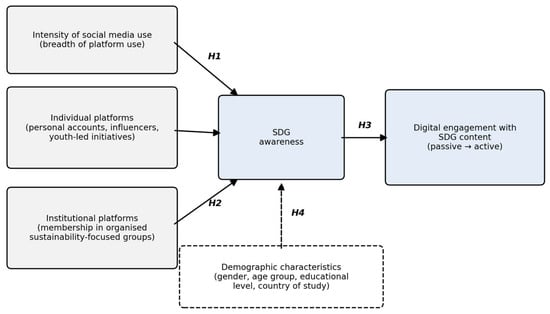
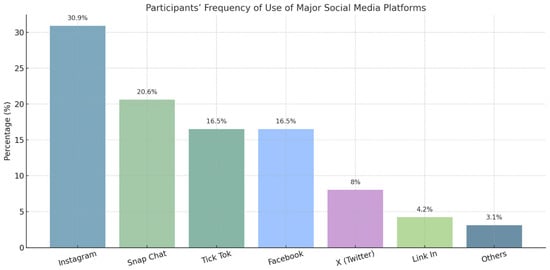
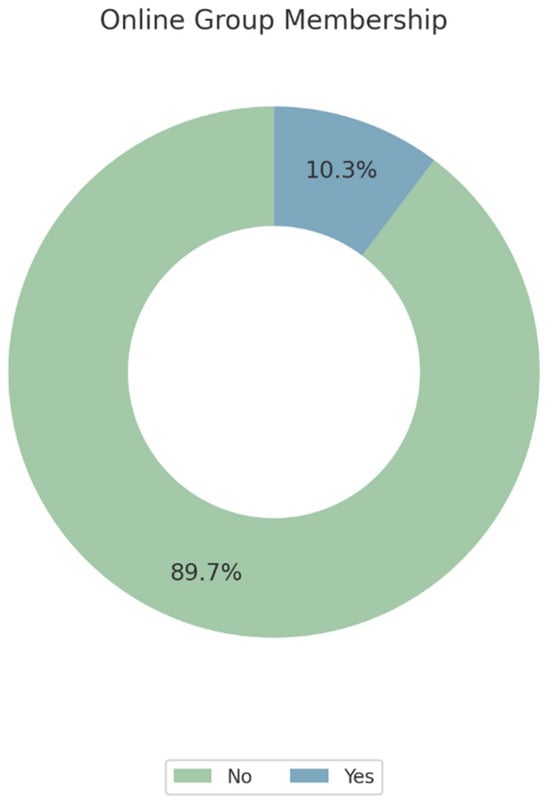
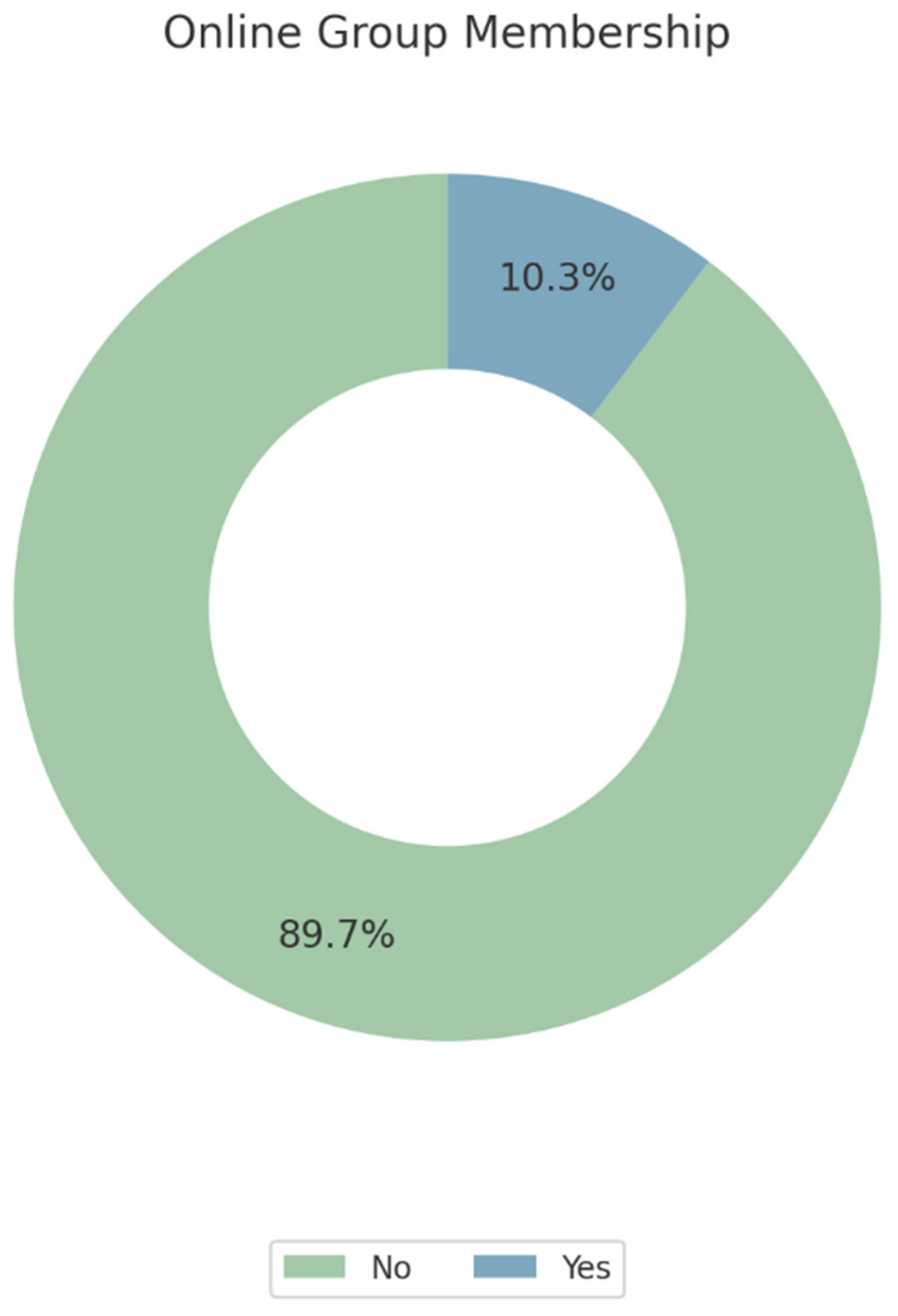
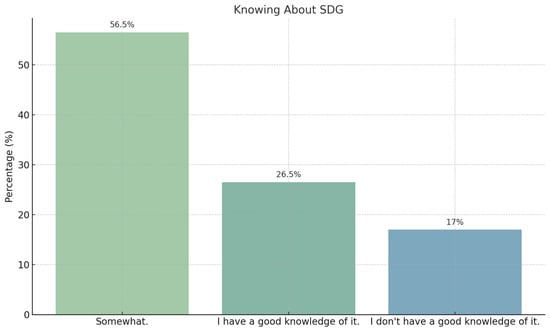
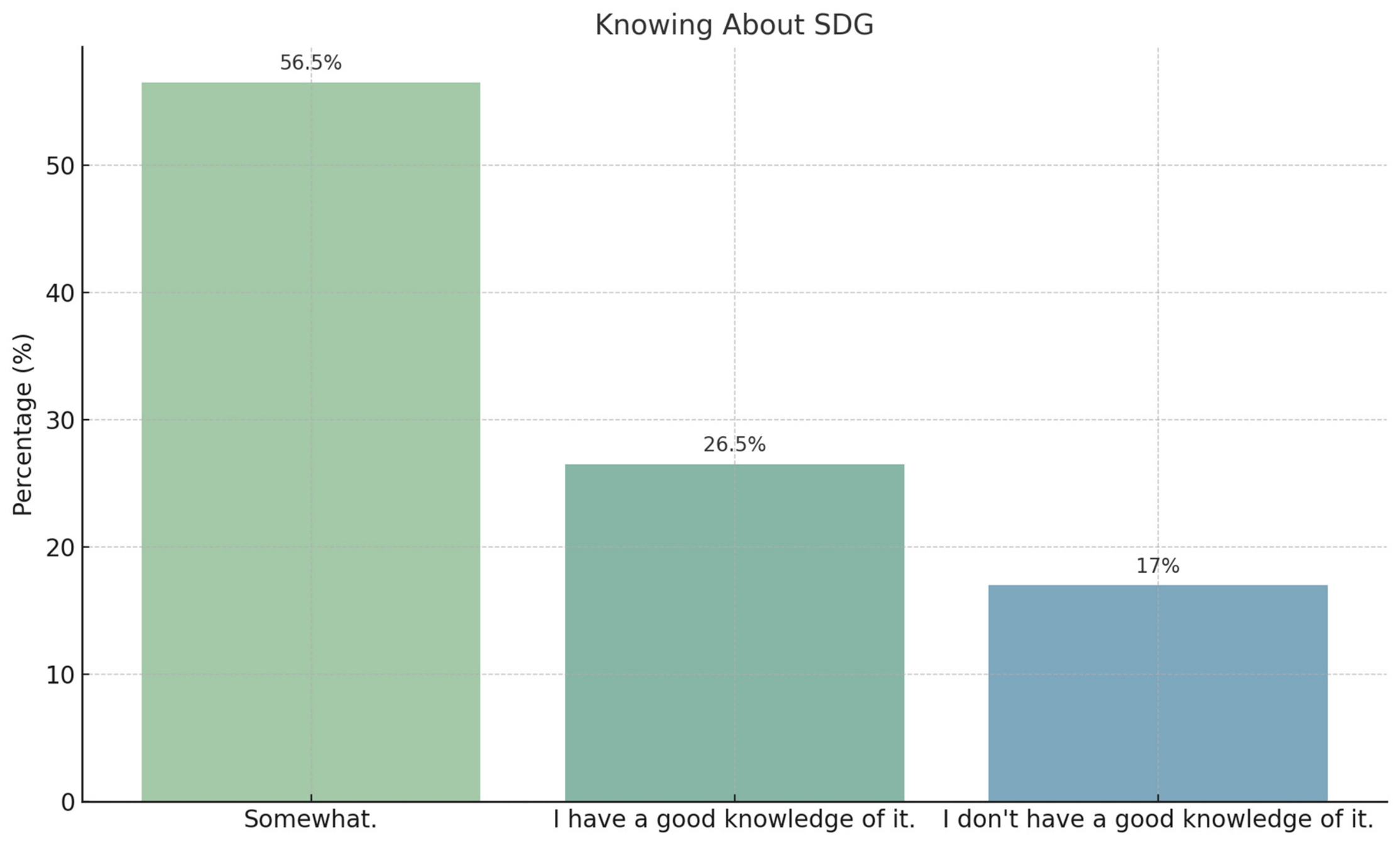
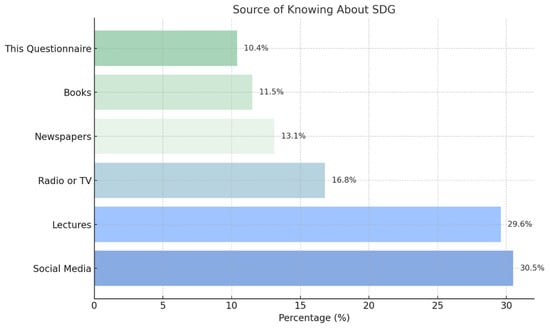
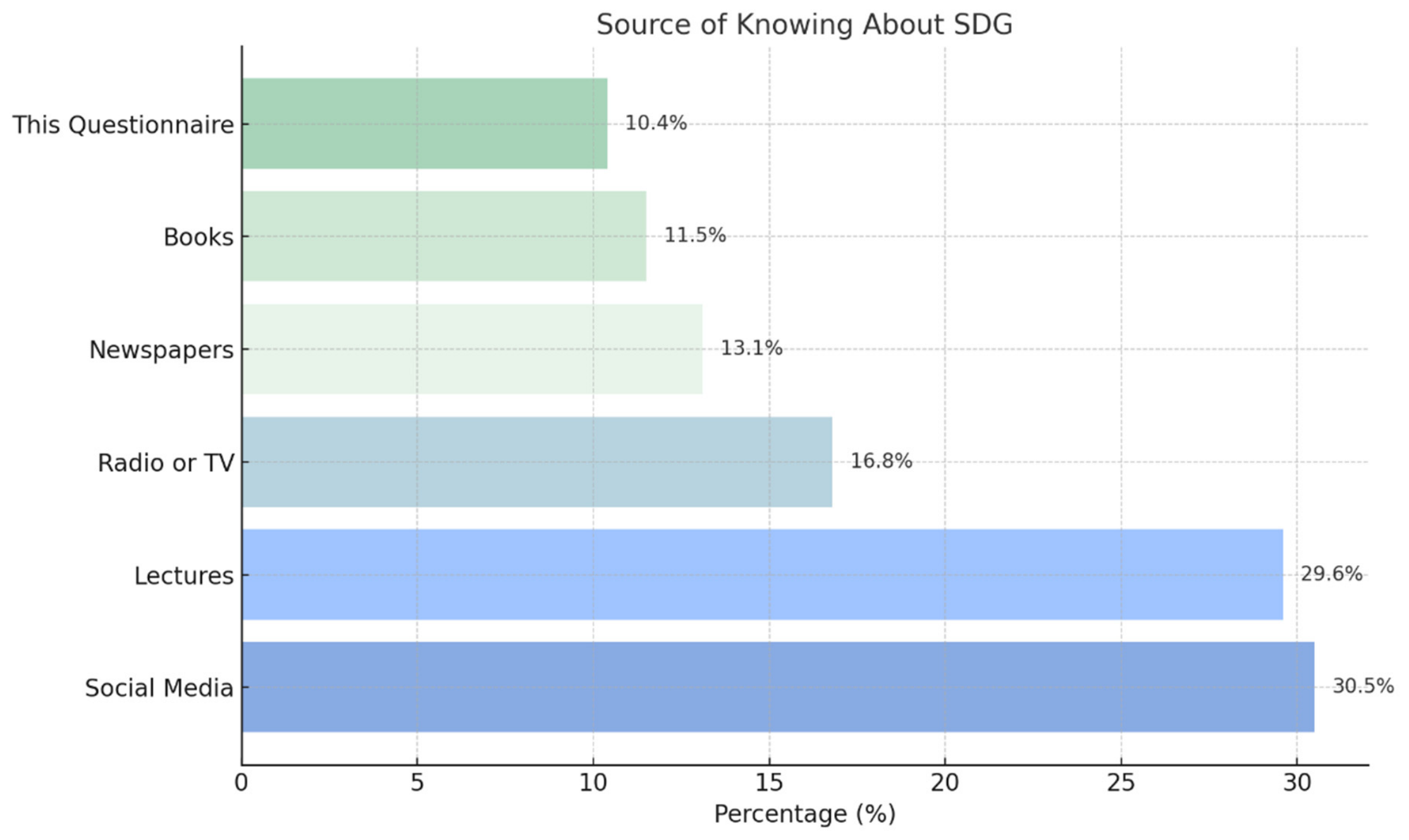
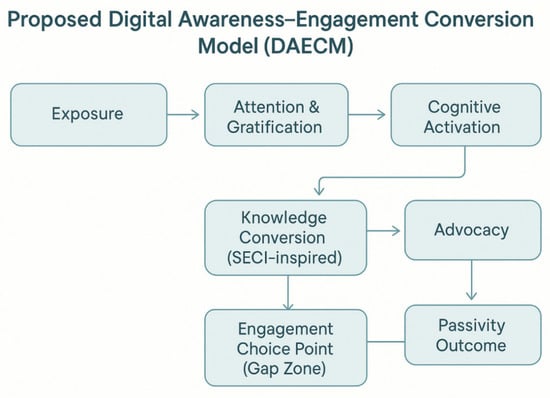
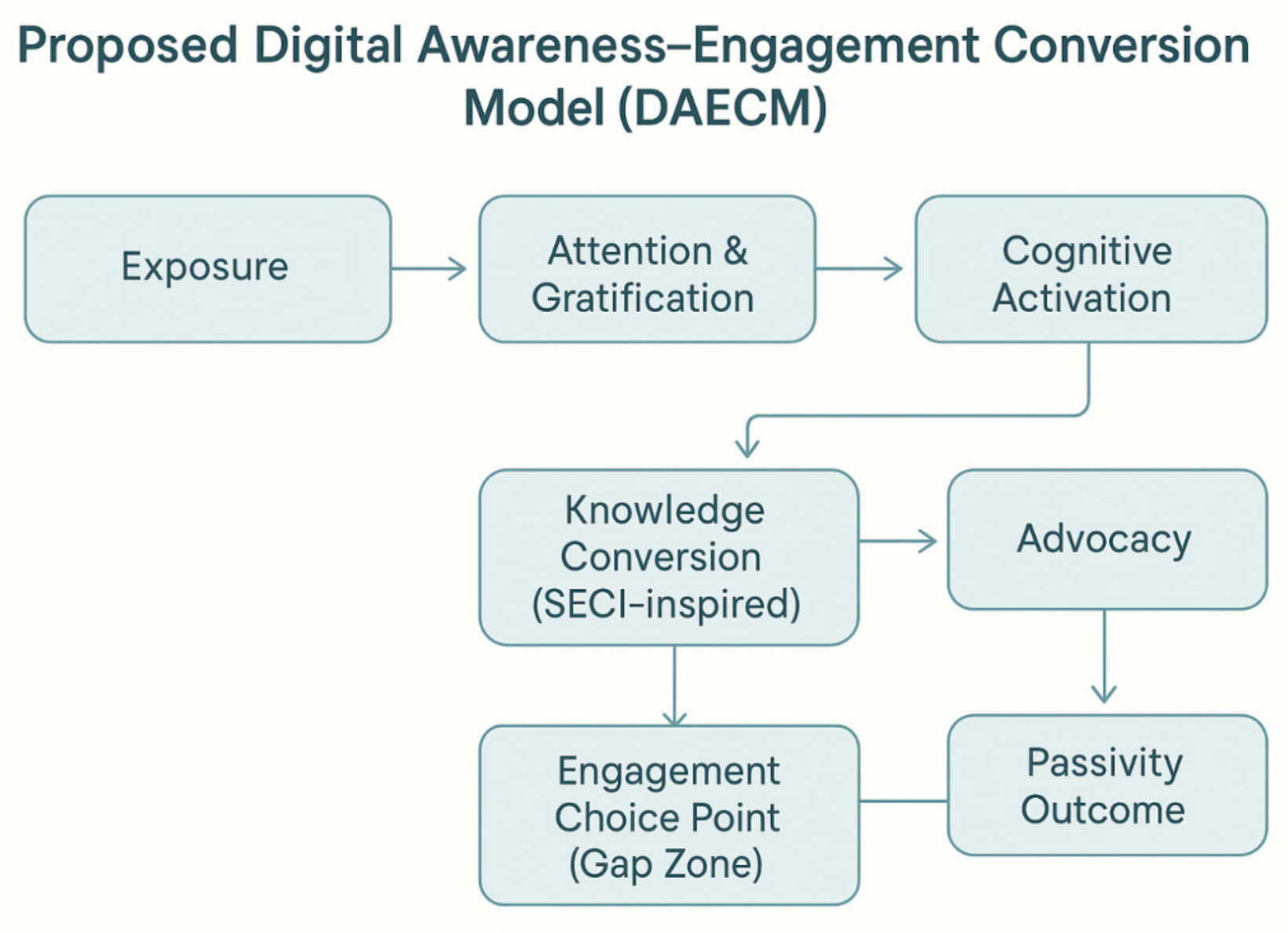

Disclaimer/Publisher’s Note: The statements, opinions and data contained in all publications are solely those of the individual author(s) and contributor(s) and not of MDPI and/or the editor(s). MDPI and/or the editor(s) disclaim responsibility for any injury to people or property resulting from any ideas, methods, instructions or products referred to in the content. |
© 2026 by the authors. Licensee MDPI, Basel, Switzerland. This article is an open access article distributed under the terms and conditions of the Creative Commons Attribution (CC BY) license.