


Abstract
Generative Artificial Intelligence (GenAI) is reshaping educational practice while raising pedagogical, ethical, and professional challenges. This study examined Spanish teachers’ self-reported GenAI tool use, perceived knowledge, perceptions and attitudes, and training-related experiences and orientations. A quantitative cross-sectional survey was conducted with 838 teachers from primary, secondary, vocational, and higher education, recruited through non-probability convenience sampling. Data were collected using an adapted and extended 47-item questionnaire comprising three scales derived from CAPIAG-P and a nine-item modality-based GenAI Tool Use scale developed for this study. Internal consistency was good to excellent (Cronbach’s α = 0.827–0.930). Descriptive statistics, Holm-adjusted non-parametric comparisons, Dunn–Holm post hoc tests, effect sizes, and hierarchical multiple regression with HC3 robust standard errors were applied. Use was concentrated mainly on text-to-text applications, whereas perceived GenAI knowledge was moderate. Teachers positively evaluated several educational applications but expressed reservations about critical thinking, educational quality, and replacement of the teaching role. They reported limited previous training and strong agreement with predefined pedagogical and ethical professional-development priorities. Perceived GenAI knowledge was most strongly associated with tool use, followed by perceptions and attitudes; training was not independently associated with use. The final model explained 42.0% of the variance. This pattern remained in a sensitivity analysis excluding knowledge items with the clearest behavioral overlap, although explained variance decreased to 37.7%. Holm-adjusted group differences by sex, school ownership, and teaching level were small, while none remained by age or experience. The findings support equitable institutional provision and continuous, pedagogically and ethically grounded professional development.
1. Introduction
The recent emergence of Artificial Intelligence (AI) in educational contexts has triggered a rapid transformation of teaching practices and the ways in which students access, process, and produce knowledge. Within this broader phenomenon, Generative Artificial Intelligence (GenAI), represented by systems such as ChatGPT, Gemini, Copilot, and DALL·E, has gained particular relevance [1] due to its capacity to automatically generate texts, images, summaries, explanations, and other multimodal resources based on human instructions (prompts). This technological capability, grounded in large-scale language models and advanced deep learning architectures, is redefining the role of educational technology and creating new opportunities for pedagogical innovation [2,3].
At the international level, organizations such as UNESCO [4] have warned that the expansion of GenAI in education requires urgent frameworks to ensure its safe, equitable, and human-centered integration, prioritizing ethics, transparency, and teacher professional development. Similarly, the OECD [5] highlights that educational systems are facing a profound digital transformation in which governance, institutional support, and teacher training play decisive roles in enabling the pedagogically meaningful use of AI.
From an educational perspective, GenAI presents notable opportunities, including support for academic writing, instructional resource generation, lesson planning, and personalized student guidance [6,7]. However, its implementation also introduces critical challenges related to the reliability and potential biases of generated content, data protection, risks of technological dependency, and implications for authorship, assessment, and academic integrity [8,9]. These concerns are particularly relevant in educational environments where balancing learning facilitation with the development of higher-order cognitive skills, such as critical thinking and self-regulation, is essential.
In this context, teachers play a central role. Beyond technological availability, the effective integration of GenAI depends on factors such as teachers’ knowledge, attitudes toward technology, perceived usefulness, concerns associated with its use, and confidence in the outputs generated by these systems. Recent research suggests that teachers’ perceptions of GenAI are often mixed, combining interest in its pedagogical potential with ethical and methodological concerns, particularly in the absence of sufficient institutional guidance or training [10]. Moreover, the rapid societal adoption of these systems intensifies the need for advanced digital literacy. Prior studies indicate that insufficient preparation may lead to superficial or pedagogically misaligned uses, reinforcing the urgency of designing professional development programs focused on key competencies, including educational prompting, critical evaluation of AI-generated outputs, and the prevention of inappropriate practices [11].
In Spain, teachers’ adoption of GenAI takes place within an institutionally differentiated educational system. Teaching sectors differ in their educational purposes, organizational structures, professional demands, and opportunities for technological engagement. School ownership also distinguishes between public, state-funded private (concertado), and fully private institutions, which may differ in organizational autonomy, access to technological resources, leadership support, and professional development opportunities. Educational sector and school ownership should therefore be considered not merely as demographic characteristics, but as contextual indicators of the institutional conditions under which teachers engage with GenAI. However, these variables do not directly measure institutional resources or support and should be interpreted as contextual proxies [12,13].
In Spain, although interest in GenAI within education has grown considerably, there remains a need for large-scale quantitative and comparative studies that jointly examine essential teacher-related variables, such as self-reported use, perceived knowledge, attitudes/perceptions, and perceived training level, while also considering differences across sociodemographic and professional factors [14,15]. This approach is consistent with contemporary educational research, which emphasizes the importance of understanding emerging pedagogical practices through contextualized and evidence-based perspectives.
Although previous studies have documented teachers’ preference for text-based GenAI tools, limited preparation, and concerns about ethical use, less is known about how these dimensions operate jointly across the institutionally differentiated Spanish educational system. The contribution of this study lies in examining self-reported GenAI use, perceived knowledge, perceptions and attitudes, and training within a large sample spanning four educational sectors and different forms of school ownership. In addition to describing these dimensions, the study estimates the adjusted associations of teacher-related characteristics, educational sector, and school ownership with self-reported GenAI use. This approach situates GenAI adoption within its social and institutional context while recognizing that teaching level and school ownership are contextual proxies rather than direct measures of institutional resources or organizational support.
The aim of this study is to examine Spanish teachers’ self-reported GenAI use, perceived GenAI knowledge, perceptions and attitudes, and perceived training level across different educational sectors and institutional contexts. In addition, the study examines the joint association of teachers’ perceived GenAI knowledge, perceptions and attitudes, training level, and sociodemographic and institutional characteristics to their self-reported use of GenAI tools. Based on this framework and the general objective, the following research questions are proposed:
RQ1. What is the level of teachers’ use of GenAI tools (GTU) in their teaching practice?
RQ2. What level of perceived GenAI knowledge (GKN) do teachers report?
RQ3. What perceptions and attitudes toward GenAI (PAG) do teachers report regarding its integration into teaching and learning processes?
RQ4. What level of GenAI training do teachers report, and to what extent do they agree with the professional development priorities included in the GTL scale?
RQ5. Are there significant differences in GTU, GKN, PAG, and GTL according to teachers’ sex, age, teaching level, professional experience, and school ownership?
RQ6. To what extent are teachers’ perceived GenAI knowledge, perceptions and attitudes, training level, and sociodemographic and institutional characteristics jointly associated with their self-reported use of GenAI tools?
1.1. GenAI in Education: Concept, Evolution, and Applications
Generative Artificial Intelligence (GenAI) is a subset of AI capable of producing synthetic content in formats such as text, images, video, audio, and code from human instructions expressed in natural language [16,17,18]. Unlike earlier AI approaches focused mainly on classification, detection, or prediction, GenAI generates new outputs by learning patterns and structures from large datasets [19]. This capability has placed GenAI at the center of debates concerning creativity, authorship, and technological mediation.
Generative models identify statistical regularities in extensive datasets and use them to produce outputs that emulate the coherence of human-generated content [20]. Text-generating systems, for example, use natural language processing and deep learning to predict word sequences based on their preceding context [21]. Tools such as ChatGPT have consequently popularized an interaction model based on natural-language dialogue and iterative prompting. The introduction of GenAI into educational environments has been widely interpreted as a potential paradigm shift, given its capacity to intervene in critical stages of the teaching–learning process, including explanation, guided practice, feedback, formative assessment, and instructional resource creation [16]. Ref. [14] argues that GenAI is prompting a reconsideration of traditional educational paradigms by operating at the intersection of advanced technology and pedagogy, thus requiring integrative approaches that incorporate the perspectives of teachers, students, institutional decision-makers, and technical developers.
GenAI’s relevance has been observed across teaching levels, although its impact has been particularly pronounced in higher education, where its rapid adoption has reshaped practices associated with academic production, self-regulated learning, and assessment [22]. In this setting, GenAI functions both as a cognitive support tool and as a source of tension for established academic norms concerning originality and competence, fueling debates about whether education can revert to a pre-GenAI landscape [17].
Educational applications of GenAI include the creation of guidelines, rubrics, explanations, exercises, and multimodal materials [23]. GenAI can also function as a conversational tutor by answering questions, suggesting activities, guiding learning, and providing recommendations adapted to students’ interests, pace, and learning needs [24,25]. These opportunities coexist with concerns about the reliability of generated information, student overreliance, ethical use, authorship, and assessment [26,27]. Consequently, GenAI integration requires a critical perspective that recognizes the probabilistic nature and inherent uncertainty of its outputs [28,29,30].
1.2. Integration of GenAI into Teaching Practice: Perceptions, Attitudes, and Influencing Factors
Teachers are central to GenAI adoption because its integration depends not only on technological availability but also on how they evaluate its pedagogical value within their professional and institutional contexts. Studies generally report favorable attitudes, particularly regarding lesson preparation, material creation, instructional planning, productivity, and time savings [31,32,33]. However, these attitudes coexist with concerns about assessment, ethics, academic legitimacy, time constraints, and limited technological knowledge [34]). Supportive conditions for experimentation and professional learning may facilitate more reflective and pedagogically grounded practices [35]. Teachers’ use, perceived knowledge, and attitudes toward GenAI may vary according to sociodemographic and professional characteristics. Previous studies have examined differences associated with sex, age, teaching modality, and professional experience, although findings regarding sex remain inconclusive [31,36]. In Spain, some studies have identified sex-related differences in perceived AI knowledge and use, while others suggest that age and disciplinary background may be more relevant [37,38]. Older teachers have also reported lower familiarity with GenAI in some contexts [39].
Age has been associated with perceived relevance, expectations, and ethical-social evaluations among pre-service teachers, while teaching-level comparisons have generally produced mixed results [40,41]. Technology-acceptance research also considers age, sex, and professional experience as potential moderating variables, however, structural factors such as school ownership remain underexplored, despite their possible relationship with access to resources, institutional digital culture, and support for pedagogical innovation [42].
1.3. Digital Competence and Teacher Training in GenAI: Needs and Challenges
Meaningful GenAI integration requires teacher preparation that combines technical, pedagogical, critical, and ethical dimensions [43,44]. Although many educators possess basic digital skills, difficulties remain in pedagogical integration, critical evaluation, and the formulation of precise and instructionally aligned prompts [45,46]. Teacher preparation should therefore extend beyond procedural knowledge to include AI-mediated communication, instructional design, evaluation of generated outputs, and reflective and ethically grounded practices [47,48]. Teacher preparation is also conditioned by institutional support and the availability of clear regulatory frameworks. In their absence, GenAI adoption may depend largely on individual initiative and informal experimentation, limiting systematic integration into teaching and assessment [49,50,51]. This reinforces the need for structured and continuous professional development in teacher-specific AI competencies [52]. In response to evolving technological demands, scholars have argued that traditional models of digital competence may be insufficient to capture the complexities introduced by AI systems. Emerging frameworks propose the inclusion of algorithmic competence, defined as the capacity to understand how algorithms and AI systems operate, influence decision-making processes, and are applied responsibly in educational contexts [53]. This perspective integrates conceptual dimensions, such as data management, critical thinking, digital pedagogy, and assessment, with human-centered dimensions, including ethics, professional collaboration, organizational communication, and reflective practice. Such an approach shifts the focus from the mere use of tools toward broader considerations of AI governance in education [54].
Concurrently, the literature warns that GenAI technologies may exacerbate existing educational inequalities if teacher training and access to digital resources are not addressed through inclusive and equity-oriented strategies. Studies have identified generational gaps between students and educators, as well as disparities linked to digital literacy and unequal access to advanced technological tools, particularly in developing educational systems [55]. Additional concerns include technological and gender-related digital divides, data privacy risks, algorithmic transparency, and the potential reproduction of systemic biases, further underscoring the urgency of ethical and critically oriented teacher education in GenAI [56,57].
1.4. Theoretical Framework for GenAI Adoption
This study draws on technology-acceptance perspectives to interpret teachers’ adoption of GenAI. The Technology Acceptance Model (TAM) identifies perceived usefulness and perceived ease of use as central determinants of attitudes and behavioral intentions [58]. The Unified Theory of Acceptance and Use of Technology (UTAUT) extends this model by incorporating performance expectancy, effort expectancy, social influence, and facilitating conditions [59]. These perspectives suggest that teachers’ adoption depends on their evaluation of the technology and the organizational conditions supporting its use. In the context of GenAI, teachers’ knowledge may contribute to their ability to understand how these technologies operate, assess generated outputs, and identify pedagogically appropriate applications. Perceptions and attitudes reflect teachers’ evaluation of the usefulness, opportunities, risks, and educational implications of GenAI. Training may function as a facilitating professional resource by providing the technical, pedagogical, and ethical competencies required for meaningful integration.
In this study, teacher training is conceptualized as a professional-development continuum rather than exclusively as the amount of formal training previously completed. This continuum encompasses participation in training activities, access to and evaluation of current provision, dispositions toward continuous professional learning, collaboration with colleagues, expectations regarding future training, and perceived transfer to teaching practice [60]. From a UTAUT perspective, these elements may be understood as interconnected aspects of the facilitating professional conditions surrounding teachers’ engagement with GenAI [59]. Accordingly, the training construct examined in this study represents teachers’ overall positioning within this professional-learning context rather than an objective measure of training hours, qualifications, or demonstrated competence. Similarly, teaching level and school ownership may represent institutional contexts in which access to technological resources, organizational support, professional development, and expectations regarding innovation are unequally distributed. Previous research has shown that teachers’ acceptance of GenAI is associated with perceived usefulness, professional preparedness, confidence, social influence, and facilitating conditions [36,61]. TAM and UTAUT are used in this study as interpretive frameworks rather than as complete measurement models. The questionnaire was not specifically designed to operationalize every construct included in these theories, such as behavioral intention, effort expectancy, or social influence. Consequently, the study does not seek to validate TAM or UTAUT or to test causal hypotheses derived from them. Instead, these frameworks support the examination of how perceived GenAI knowledge, perceptions and attitudes, training, sociodemographic characteristics, and institutional factors are jointly associated with teachers’ self-reported GenAI use. This conceptual approach provides the basis for RQ6 and for the hierarchical regression model employed in the study.
2. Materials and Methods
2.1. Research Design
This study adopted a quantitative approach employing a non-experimental, descriptive, and cross-sectional survey design [62]. This methodological framework focuses on examining and characterizing the attributes of a population or phenomenon as they naturally occur, without manipulation of variables. The primary purpose of this design is to provide a structured and systematic account of the phenomenon under investigation, enabling the identification of patterns, tendencies, and relationships within the collected data.
Such designs are particularly suitable for capturing participants’ perceptions, behaviors, and self-reported practices in real-world contexts. Furthermore, the use of a survey-based cross-sectional design facilitates the generation of standardized and comparable data, thereby enhancing the interpretability of findings and their alignment with prior research in similar domains [63].
2.2. Objectives and Variables
To address the research objective, five sociodemographic and institutional grouping variables were considered: (i) sex (male and female); (ii) age (under 31 years, 31–40 years, 41–50 years, 51–60 years, and over 60 years); (iii) teaching level (primary education, secondary education, vocational education and training, and higher education); (iv) school ownership (public or state-funded private/private); and (v) professional experience (less than 6 years, 6–10 years, 11–15 years, 16–20 years, and more than 20 years) (see Figure 1).
Figure 1.
Sociodemographic and institutional variables and study dimensions included in the analyses. GenAI: generative artificial intelligence; GTU: GenAI Tool Use; GKN: Perceived GenAI Knowledge; PAG: Perceptions and Attitudes toward GenAI; GTL: GenAI Training Level. Colors distinguish categories for visual clarity only and do not indicate relationships between variables and dimensions.
The inclusion of school ownership as a grouping variable reflects the structural characteristics of the Spanish educational system, which is primarily organized around public schools and state-funded private schools (concertados), alongside fully private institutions. Although state-funded private schools are privately managed, they receive public funding and are required to follow the national curriculum and regulatory framework. This distinction is particularly relevant when examining differences in technological adoption and access to institutional resources.
Four study dimensions were examined: (i) GenAI Tool Use (GTU), which assessed the self-reported frequency and types of GenAI applications used by teachers in their instructional practice; (ii) Perceived GenAI Knowledge (GKN), which assessed teachers’ self-reported understanding of GenAI principles, functionalities, and educational affordances; (iii) Perceptions and Attitudes toward GenAI (PAG), which examined teachers’ evaluations, beliefs, and dispositions regarding its integration into teaching and learning processes; and (iv) GenAI Training Level (GTL), which assessed the training received and participants’ level of agreement with predefined professional development priorities for the pedagogically appropriate use of these technologies. These dimensions represent self-reported practices and perceived levels of knowledge, attitudes, and training. They should therefore not be interpreted as direct measures of teachers’ classroom behavior or objectively demonstrated competencies. In the non-parametric group comparisons, GTU, GKN, PAG, and GTL were treated as outcome dimensions, whereas sex, age, teaching level, school ownership, and professional experience were used as grouping variables. In the hierarchical multiple regression conducted to address RQ6, GTU was specified as the dependent variable, while GKN, PAG, GTL, and the sociodemographic and institutional characteristics were included as predictors. Figure 1 summarizes the variables and study dimensions included in these analyses.
2.3. Data Collection Instrument
Data were collected through Google Forms (Google LLC, Mountain View, CA, USA; web-based application without a publicly specified version number) using a 47-item questionnaire partly based on the previously validated Questionnaire on Teachers’ Knowledge, Attitudes, and Perceptions toward Generative Artificial Intelligence (CAPIAG-P) [64]. The Perceived GenAI Knowledge (GKN; 10 items), Perceptions and Attitudes toward GenAI (PAG; 13 items), and GenAI Training Level (GTL; 15 items) scales were derived from CAPIAG-P. The GenAI Tool Use scale (GTU; 9 items) was incorporated for the present study to assess engagement with broad families of GenAI applications classified according to their input and output modalities [65]. Consequently, the present 47-item questionnaire represents an adapted and extended version of CAPIAG-P rather than a direct administration of the original validated instrument. Prior to completing the questionnaire, participants were presented with an informed consent statement outlining the purpose of the study, the voluntary nature of participation, the anonymous and confidential treatment of data, and the right to withdraw at any time without penalty. Participants were also informed that the data would be used exclusively for scientific research purposes.
The instrument consisted of two sections: (1) sociodemographic and professional variables (five items), and (2) measurement scales assessing the study constructs. Specifically, the questionnaire evaluated four key dimensions related to GenAI: GenAI Use (GTU; 9 items), Perceived GenAI Knowledge (GKN; 10 items), Perceptions and Attitudes toward GenAI (PAG; 13 items), and GenAI Training Level (GTL; 15 items). GTU and GKN were treated as conceptually related but distinct constructs. GTU assessed the self-reported frequency of engagement with nine families of GenAI applications, whereas GKN assessed teachers’ perceived understanding of GenAI principles, recent developments, ethical implications, output evaluation, and educational applications. Nevertheless, some GKN items included procedural or behaviorally framed content that could overlap with self-reported tool use. This potential overlap was therefore examined through a sensitivity analysis described in Section 2.5. Items were rated using five-point Likert-type scales, with response anchors adapted to the conceptual focus of each dimension. For GTU and GKN, responses indicated the degree of self-reported use or perceived knowledge, respectively: 1 = Not at all (Nada), 2 = A little (Poco), 3 = Somewhat (Algo), 4 = Quite a lot (Bastante), and 5 = Very much (Mucho). For PAG and GTL, responses indicated participants’ level of agreement with each statement: 1 = Strongly disagree (Totalmente en desacuerdo), 2 = Disagree (En desacuerdo), 3 = Neither agree nor disagree (Indiferente), 4 = Agree (De acuerdo), and 5 = Strongly agree (Totalmente de acuerdo). Higher scores represented greater self-reported use for GTU, greater perceived knowledge for GKN, stronger overall endorsement of the perceptions, beliefs, and attitudes included in PAG, and stronger agreement with the training-related statements included in GTL. Consistent with the source CAPIAG-P instrument, the item concerning the possible future replacement of the teacher’s role was retained in its original direction. The original instrument does not identify it as a negatively worded or reverse-scored item and conceptualizes the PAG dimension broadly as encompassing perceived benefits, challenges, practices, and potential impacts of GenAI. Consequently, the PAG composite should not be interpreted as a strictly unidirectional measure in which every higher item score necessarily indicates a more favorable evaluation of GenAI.
The GTL composite was based on a broad conceptualization of GenAI-related teacher preparation. Its 15 items cover previous training experiences, perceptions of the availability and quality of current provision, professional knowledge sharing, perceived transfer to teaching practice, and orientations toward future professional development. These components were aggregated because they represent interconnected aspects of teachers’ engagement with the GenAI professional-learning environment and were included within the training dimension of the source CAPIAG-P instrument. Therefore, GTL should be interpreted as a broad composite of self-reported training-related experiences, evaluations, and professional-development orientations, rather than as a direct measure of the quantity or quality of training received.
Accordingly, the instrument assessed participants’ self-reported practices and perceptions rather than their directly observed classroom performance or behavioral competencies. The complete Spanish-language questionnaire, including the participant information and electronic informed consent statement, sociodemographic and professional variables, item wording, and response scales, is provided as Questionnaire S1 in the Supplementary Materials.
The GTU items were designed to assess engagement with broad families of GenAI applications rather than proficiency in each individual technical task. Accordingly, related functions sharing the same input–output modality were grouped within a single category. For example, information retrieval, translation, summarization, and text correction were included within the text-to-text category. This structure follows the modality-based classification underpinning the instrument and reduces questionnaire length and participant burden while preserving its focus on general patterns of GenAI use. Moreover, ethical understanding and ethical training were assessed through separate items and dimensions: understanding the ethical implications of GenAI was included in GKN, whereas the need for training in ethical and responsible educational use was assessed within GTL.
Internal consistency was assessed separately for each scale because the questionnaire comprises four conceptually distinct constructs. Cronbach’s alpha was α = 0.827 for GenAI Tool Use (GTU), α = 0.930 for Perceived GenAI Knowledge (GKN), α = 0.896 for Perceptions and Attitudes toward GenAI (PAG), and α = 0.873 for GenAI Training Level (GTL). These coefficients indicate good to excellent internal consistency for the four scale scores in the present sample [66]. An overall alpha was not interpreted because aggregating all 47 items would assume a single underlying construct, which is inconsistent with the multidimensional structure of the questionnaire.
The internal consistency coefficient obtained for GTL supports the reliability of the composite score in the present sample but does not, by itself, establish that all training-related items constitute a strictly unidimensional latent construct. Separate subscale scores were not calculated because the source instrument does not provide independently validated scoring structures for the different components represented within GTL. Defining such subdimensions retrospectively would have introduced post hoc, data-dependent constructs without prior theoretical and psychometric validation.
2.4. Participants
A non-probability convenience sampling procedure was employed. Recruitment sought to include practicing teachers from four predefined educational groups—primary education, secondary education, vocational education and training, and higher education—to capture the heterogeneity of teaching contexts within the Spanish educational system. However, participants were not randomly selected from a defined sampling frame, and no proportional allocation or fixed quotas were applied across these groups. Consequently, the sample should not be considered statistically representative of the entire Spanish teaching population. Because recruitment was non-probabilistic and no complete sampling frame was available, no formal target sample size based on population representativeness was established. All eligible questionnaires completed during the data-collection period were included in the final sample.
Data were collected between November 2025 and February 2026. The research team contacted the directors of educational institutions, who were asked to distribute the Google Forms questionnaire link among their teaching staff. Participation was anonymous and voluntary. Because recruitment was mediated by school directors and the questionnaire link could be forwarded to teaching staff, the total number of teachers who received or accessed the link could not be established. Furthermore, Google Forms recorded only submitted questionnaires and did not provide a reliable count of individuals who began but did not complete the questionnaire. Consequently, neither the response rate nor the completion rate could be calculated. A total of 838 completed questionnaires were received and included in the analyses. Responses to all items analyzed in the study were mandatory; therefore, the final dataset contained no missing values, and no missing-data imputation or case deletion was required. Because the questionnaire link was distributed through institutional directors, more than one respondent may have participated from the same institution. However, to preserve participant and institutional anonymity, no school or institution names, identification codes, or other cluster identifiers were collected. The link could also be forwarded among teaching staff beyond the institutions initially contacted. Consequently, the number of institutions ultimately represented and the distribution of respondents across institutions could not be determined from the available data.
For contextual purposes, the sample distribution was compared with current approximate figures for the Spanish teaching workforce. Recent advance statistics indicate that Spain has more than 806,000 teachers in non-university education and approximately 135,000 in the university system. Available estimates suggest approximately 260,000 primary education teachers—around 200,000 women and 60,000 men—315,000 secondary and vocational education and training teachers—approximately 175,000 women and 140,000 men—and 135,000 higher education teachers—approximately 60,000 women and 75,000 men [12,67]). In the study sample, primary education teachers represented 21.1%, secondary and vocational education and training teachers jointly represented 57.2%, and higher education teachers represented 21.7%. These figures suggest that primary education teachers were comparatively underrepresented, whereas secondary and vocational education and training teachers were overrepresented. Higher education teachers also had a somewhat greater presence in the sample than would be expected from the approximate national figures. The sample included 58.7% women and 41.3% men, a distribution broadly consistent with the available aggregate estimates, although male teachers were somewhat more represented. These comparisons are only approximate because official statistical categories do not correspond exactly to the mutually exclusive teaching levels used in the questionnaire. Moreover, some teachers may teach across more than one teaching level and may therefore be included in overlapping official records. Consequently, this comparison should not be interpreted as demonstrating the statistical representativeness of the sample. Table 1 presents their sociodemographic and professional characteristics.
Table 1.
Sociodemographic characteristics of the sample.
The sample was predominantly composed of female teachers (58.7%), with male teachers representing 41.3% of participants. Most respondents were employed in public educational institutions (85.1%), while 14.9% worked in state-funded private or private schools. In terms of age distribution, the largest groups were teachers aged 51–60 years (34.0%) and 41–50 years (33.5%), indicating strong representation of mid- to late-career professionals. Participants were relatively evenly distributed across teaching levels, with secondary education teachers constituting the largest subgroup (37.5%). Regarding professional experience, a substantial proportion of respondents reported more than 20 years of professional experience (39.5%).
2.5. Data Analysis
Data analysis was conducted using statistical procedures in IBM SPSS Statistics (Version 25; IBM Corp., Armonk, NY, USA). Initially, a descriptive analysis of the study dimensions was performed, as these were measured on Likert-type scales. Central tendency and dispersion measures were calculated, including the mean (M), variance (V), and standard deviation (SD), in order to characterize response distributions across the study dimensions.
Subsequently, non-parametric univariate group comparisons were conducted separately for each study dimension. The selection of non-parametric procedures was justified by the fact that the data distributions did not meet the normality assumptions required for parametric testing. The normality of the four composite scores was assessed using the Kolmogorov–Smirnov test with Lilliefors significance correction. Significant departures from normality were observed for all four dimensions: GTU, D(838) = 0.132, p < 0.001; GKN, D(838) = 0.045, p < 0.001; PAG, D(838) = 0.057, p < 0.001; and GTL, D(838) = 0.075, p < 0.001. Accordingly, non-parametric procedures were selected for the bivariate group comparisons. Specifically, the Mann–Whitney U test was applied to sex and school ownership, as both grouping variables comprised two independent groups. The Kruskal–Wallis H test was employed for age, teaching level, and professional experience, as these grouping variables comprised more than two independent groups. To address the multiple-comparison issue arising from testing four study dimensions, the Holm procedure was applied separately within each grouping-variable family to adjust the four omnibus p-values corresponding to GTU, GKN, PAG, and GTL. Statistical significance was evaluated using the Holm-adjusted p-values. When a Holm-adjusted Kruskal–Wallis test remained statistically significant, Dunn’s pairwise comparisons with Holm correction were conducted to identify the groups that differed. Effect sizes for the overall group comparisons were estimated using the absolute rank-biserial correlation (∣rrb∣) for Mann–Whitney U tests and epsilon-squared (ε2) for Kruskal–Wallis H tests. Absolute rank-biserial correlations were also calculated for the significant Dunn–Holm pairwise comparisons.
To address RQ6, a hierarchical multiple linear regression analysis was conducted with GTU as the dependent variable. Predictors were entered in three successive blocks. Model 1 included sex, age, and professional experience; Model 2 added teaching level and school ownership; and Model 3 incorporated perceived GenAI knowledge (GKN), perceptions and attitudes toward GenAI (PAG), and GenAI training level (GTL). Female teachers, participants younger than 31 years, teachers with less than six years of professional experience, primary education teachers, and teachers working in public institutions were used as reference categories. Categorical predictors with more than two groups were represented by dummy variables.
Because some GKN items contained procedural or behavioral content potentially overlapping with GTU, a sensitivity analysis was conducted using a restricted GKN score. GKN Items 2, 6, 7, 9, and 10, referring respectively to knowing how to use GenAI, discussing its educational impact with colleagues, researching GenAI as a learning resource, using GenAI to create educational materials, and reading academic research on GenAI applications, were excluded. The restricted score retained five items focused on perceived conceptual knowledge, awareness of recent developments, ethical understanding, evaluation of generated outputs, and knowledge of personalized educational applications. The restricted GKN score showed good internal consistency (α = 0.884). The hierarchical regression was then repeated using the same block structure, covariates, reference categories, and HC3 robust standard errors, replacing the original GKN composite with the restricted score.
The assumptions of the regression analysis were examined through residual diagnostics, Variance Inflation Factors (VIF), and Cook’s distance. Heteroscedasticity and non-normality of residuals were detected; therefore, HC3 robust standard errors and 95% confidence intervals were used for coefficient-level inference. HC3 robust standard errors were used to address heteroscedasticity but do not account for possible dependence among teachers from the same institution. Because no institutional identifiers were collected, the extent of within-institution clustering could not be evaluated, and cluster-robust standard errors or multilevel models could not be estimated. No observation presented a Cook’s distance greater than 1, and the VIF values did not indicate extreme multicollinearity. Changes in explained variance across the three blocks were assessed using changes in R2 and the corresponding F-change statistics. Given the cross-sectional design, the regression coefficients were interpreted as adjusted statistical associations and not as evidence of causal or temporal relationships. All analyses were performed using a 95% confidence level (α = 0.05), which served as the criterion for statistical significance.
3. Results
3.1. Self-Reported GenAI Use and Perceived GenAI Knowledge
The self-reported results for the GTU (Table 2) indicate that text-to-text applications represent the most frequently used category among teachers (M = 3.33). This finding suggests that GenAI is primarily employed to support routine academic and instructional tasks, such as translation, summarization, information retrieval, and text correction. Moderate levels of use were observed for text-to-image (M = 2.21) and text-to-science applications (M = 2.13), pointing to an emerging adoption of tools associated with visual content creation and AI-assisted academic search.
Table 2.
Descriptive analysis of GTU items.
In contrast, more specialized or technically demanding applications exhibited low usage levels, with mean scores approaching the lower bound of the scale. These include text-to-video, text-to-code, text-to-audio, image-to-text, and text-to-3D modalities (M ranging from 1.22 to 1.55). Overall, the findings indicate that teachers’ GenAI engagement is largely concentrated on general-purpose and easily deployable tools, whereas advanced or multimodal applications have not yet been systematically integrated into everyday teaching practice.
The results for GKN (Table 3) indicate a moderate level of teachers’ perceived GenAI knowledge, predominantly oriented toward practical aspects. The item with the highest mean score corresponds to teachers’ self-reported ability to evaluate the quality of GenAI-generated outputs (M = 3.22), suggesting that respondents perceive themselves as relatively competent in critically assessing the responses produced by these systems. Slightly lower mean values were observed for knowledge of GenAI fundamentals (M = 3.08) and general operational use (M = 3.03), indicating functional familiarity sufficient for typical educational applications.
Table 3.
Descriptive analysis of GKN items.
Conversely, items associated with scientific updating, academic engagement, and research-related activities yielded lower mean scores. In particular, reading academic research on GenAI (M = 2.14), keeping up with recent developments (M = 2.41), and conducting personal investigations into its educational use (M = 2.49) reflect limited involvement in systematic scholarly practices. Collectively, these findings suggest that teachers’ self-reported GenAI knowledge is primarily oriented toward practical and evaluative aspects, whereas dimensions related to scientific literacy, educational research, and professional knowledge exchange appear less developed.
3.2. Perceptions, Attitudes, and Training Level in GenAI
The item-level results for PAG (Table 4) show that teachers evaluated several educational applications of GenAI positively, particularly those related to student learning support. However, the pattern was not uniformly favorable across all statements and included reservations regarding critical thinking, educational quality, and the possible replacement of the teaching role. The item with the highest mean score corresponds to the perception that GenAI helps address students’ linguistic barriers (M = 3.63), indicating a notably positive evaluation of its usefulness in contexts involving linguistic diversity and inclusive education. Relatively high mean values were also observed for perceptions that students benefit from GenAI use (M = 3.29), that GenAI adapts to individual learning needs (M = 3.23), that it enhances student motivation (M = 3.18), and that it contributes to students’ preparation for workplace challenges (M = 3.12). These findings suggest that teachers associate GenAI with positive effects on functional and applied dimensions of learning.
Table 4.
Descriptive Analysis of PAG Items.
In contrast, lower mean scores were observed for items associated with more complex cognitive processes and broader educational transformations. Specifically, the perceived contribution of GenAI to the development of critical thinking received a comparatively lower evaluation (M = 2.34), as did the perception that GenAI has improved educational quality relative to traditional resources (M = 2.71). Additionally, the statement suggesting that GenAI-based technologies may replace the teacher’s role in the future obtained the lowest mean score within the dimension (M = 2.00), reflecting general disagreement. This pattern indicates that teachers predominantly conceptualize GenAI as a supportive instructional resource rather than a substitute for professional teaching functions.
The results for the GTL (Table 5) indicate a perceived insufficiency in the training received to date, accompanied by high levels of agreement with the professional development priorities included in the questionnaire. The lowest mean scores were observed for items associated with prior training experiences, including having received specific training in GenAI (M = 2.46), participation in professional development activities (M = 2.48), and the perceived adequacy of currently available training opportunities (M = 2.08). These findings suggest that teachers perceive notable limitations in both the availability and effectiveness of structured training initiatives in this domain.
Table 5.
Descriptive Analysis of GTL Items.
In contrast, the highest mean values were concentrated on items reflecting training expectations and perceived needs. Teachers expressed particularly strong agreement with the importance of addressing ethical and responsible uses of GenAI in training programs (M = 4.47), adapting training to the specific requirements of different educational levels (M = 4.16), and including competencies related to the creation and adaptation of instructional materials (M = 4.22). Continuous professional development across the teaching career was also highly valued (M = 3.87), alongside moderate support for mandatory training initiatives (M = 3.58). Overall, these results reveal a clear discrepancy between training received and training expected, indicating that while teachers recognize the relevance of GenAI for their professional practice (M = 3.41), they emphasize the need for systematic, context-sensitive, and pedagogically oriented training frameworks.
3.3. Differences According to Sex, Age, Teaching Level, School Ownership, and Professional Experience
To examine differences across sociodemographic and institutional groups, Mann–Whitney U and Kruskal–Wallis H tests were conducted separately for the four study dimensions (Table 6). Given the number of comparisons, the Holm procedure was applied within each grouping-variable family across GTU, GKN, PAG, and GTL. The interpretation of statistical significance was based on the Holm-adjusted p-values.
Table 6.
Results of inferential data analysis.
For sex, statistically significant differences remained after adjustment for self-reported GenAI Tool Use (GTU; U = 74,369.50, pHolm = 0.005) and Perceived GenAI Knowledge (GKN; U = 71,304.00, pHolm < 0.001). Male participants reported higher mean scores than female participants for both GTU (M = 1.88 vs. M = 1.73) and GKN (M = 2.94 vs. M = 2.67). No statistically significant sex differences were found for Perceptions and Attitudes toward GenAI (PAG; pHolm = 0.774) or GenAI Training Level (GTL; pHolm = 0.774).
For school ownership, statistically significant differences remained for GTU (U = 37,061.50, pHolm = 0.010) and GTL (U = 37,683.00, pHolm = 0.017). Teachers working in state-funded private or private institutions reported higher mean scores than those working in public institutions for both GTU (M = 1.98 vs. M = 1.76) and GTL (M = 3.58 vs. M = 3.42). No statistically significant differences were identified for GKN (pHolm = 0.173) or PAG (pHolm = 0.214).
For age, the initially significant unadjusted difference in GKN (H = 10.224, p = 0.037) did not remain statistically significant after the Holm correction (pHolm = 0.147). No age-related differences were found for GTU (pHolm = 0.302), PAG (pHolm = 0.263), or GTL (pHolm = 0.272). Therefore, none of the four study dimensions differed significantly across age groups after adjustment for multiple comparisons.
For teaching level, the Holm-adjusted Kruskal–Wallis tests remained statistically significant for Perceived GenAI Knowledge (GKN; H = 22.420, pHolm < 0.001) and Perceptions and Attitudes toward GenAI (PAG; H = 12.726, pHolm = 0.016). By contrast, the differences in self-reported GenAI Tool Use (GTU; H = 8.888, pHolm = 0.062) and GenAI Training Level (GTL; H = 8.261, pHolm = 0.062) were no longer statistically significant after adjustment. Dunn–Holm post hoc comparisons were subsequently conducted for GKN and PAG to identify the teaching-level groups that differed (Table 7).
Table 7.
Effect sizes for group comparisons across the study dimensions.
Finally, no statistically significant differences according to professional experience were identified for GTU (pHolm = 1.000), GKN (pHolm = 0.884), PAG (pHolm = 0.793), or GTL (pHolm = 1.000).
As shown in Table 7, the effect-size estimates indicate that the practical magnitude of the group differences was generally limited. Small effects were observed for sex in GTU (∣rrb∣ = 0.126) and GKN (∣rrb∣ = 0.162), as well as for school ownership in GTU (∣rrb∣ = 0.168) and GTL (∣rrb∣ = 0.154). Differences according to teaching level were small for GKN (ε2 = 0.023) and PAG (ε2 = 0.012), but negligible for GTU and GTL. Effect sizes associated with age and professional experience were negligible across all four dimensions. Overall, none of the comparisons produced moderate or large effects. Therefore, although some differences remained statistically significant after the Holm adjustment, they should be interpreted as modest variations between groups rather than as substantial differences in teachers’ self-reported GenAI use, perceived GenAI knowledge, perceptions and attitudes, or perceived training level.
The Dunn–Holm post hoc comparisons (Table 8) identified four statistically significant pairwise differences according to teaching level. Primary education teachers reported lower Perceived GenAI Knowledge (GKN) than secondary education teachers (pHolm = 0.018, ∣rrb∣ = 0.146), vocational education and training teachers (pHolm = 0.003, ∣rrb∣ = 0.222), and higher education teachers (pHolm < 0.001, ∣rrb∣ = 0.283). For Perceptions and Attitudes toward GenAI (PAG), primary education teachers reported higher scores than secondary education teachers (pHolm = 0.002, ∣rrb∣ = 0.190). No other pairwise comparisons reached statistical significance after the Holm correction. All significant pairwise differences showed small effect sizes, indicating that their practical magnitude was limited.
Table 8.
Significant Dunn–Holm post hoc comparisons according to teaching level.
3.4. Factors Associated with GenAI Tool Use
To address RQ6, a hierarchical multiple regression analysis was conducted to examine the joint contribution of sociodemographic, professional, institutional, and teacher-related variables to self-reported GenAI tool use. As shown in Table 9, the sociodemographic variables entered in Model 1 explained 2.3% of the variance in GTU, R2 = 0.023, adjusted R2 = 0.013, ΔR2 = 0.023, Fchange (9, 828) = 2.20, p = 0.020. The addition of teaching level and school ownership in Model 2 produced a statistically significant increase of 1.9% in explained variance, R2 = 0.043, adjusted R2 = 0.028, ΔR2 = 0.019, Fchange (4, 824) = 4.18, p = 0.002.
Table 9.
Hierarchical multiple regression analysis of factors associated with GenAI tool use. (A) Model Summary. (B) Final Model Coefficients.
The inclusion of GKN, PAG, and GTL in Model 3 substantially improved the model, adding 37.7% to the explained variance, ΔR2 = 0.377, Fchange (3, 821) = 177.66, p < 0.001. The final model explained 42.0% of the variance in teachers’ self-reported GTU, R2 = 0.420, adjusted R2 = 0.408. GKN emerged as the strongest positive predictor of GTU (B = 0.364, HC3 SE = 0.027, β = 0.540, p < 0.001, 95% CI [0.312, 0.416]), followed by PAG (B = 0.199, HC3 SE = 0.030, β = 0.247, p < 0.001, 95% CI [0.141, 0.257]). By contrast, GTL was not independently associated with GTU after adjustment for the remaining variables (B = −0.024, HC3 SE = 0.038, β = −0.026, p = 0.529, 95% CI [−0.097, 0.050]).
Regarding institutional characteristics, teachers working in state-funded private or private institutions reported higher GTU than those working in public institutions (B = 0.134, HC3 SE = 0.056, β = 0.076, p = 0.017, 95% CI [0.024, 0.244]). Vocational education and training teachers reported lower GTU than primary education teachers (B = −0.145, HC3 SE = 0.053, β = −0.091, p = 0.007, 95% CI [−0.249, −0.040]). The remaining sociodemographic and professional predictors were not statistically significant in the adjusted model.
Sensitivity Analysis of the GKN–GTU Association
A sensitivity analysis was conducted to examine whether the strong association between GKN and GTU could be explained by overlapping procedural or behavioral item content. The restricted five-item GKN score maintained good internal consistency (α = 0.884). When this score replaced the original GKN composite, it remained the strongest factor associated with GTU (B = 0.299, HC3 SE = 0.025, β =0.466, t = 12.04, p < 0.001, 95% CI [0.250, 0.348]). PAG also remained positively associated with GTU (B = 0.203, HC3 SE = 0.030, β = 0.251, t = 6.71, p < 0.001, 95% CI [0.143, 0.262]), whereas GTL remained non-significant (B = 0.026, HC3 SE = 0.038, β = 0.029, t = 0.69, p = 0.493, 95% CI [−0.048, 0.100]). The sensitivity model explained 37.7% of the variance in GTU (R2 = 0.377, adjusted (R2 = 0.364, representing an increase of 33.4% over the institutional model, ΔR2 = 0.334, Fchange (3,821) =146.51), (p < 0.001). The complete results of the sensitivity analysis are presented in Table 10.
Table 10.
Sensitivity analysis using the restricted GKN score.
The standardized coefficient for GKN decreased from β = 0.540 in the primary model to β = 0.466 in the sensitivity model, and the explained variance decreased from 42.0% to 37.7%. This attenuation indicates that overlapping content contributed to part of the original association. However, restricted GKN remained the strongest correlate of GTU after removing the items most closely related to behavior, indicating that the association was not entirely attributable to item overlap.
4. Discussion
The findings of this study provide deeper insight into the role that GenAI is beginning to play in teaching practice, offering empirically grounded evidence for ongoing debates on its educational integration. Consistent with recent literature, the results indicate that teachers’ engagement with GenAI cannot be understood solely as a matter of technological adoption, but rather as a multifaceted phenomenon that should be examined in relation to pedagogical, cognitive, ethical, and institutional factors [14,51].
Regarding RQ1 (level of GenAI use), the results reveal a pattern of selective adoption characterized by the predominant use of text-to-text applications. This behavior aligns with prior studies suggesting that teachers initially integrate tools perceived as functional, versatile, and technically accessible [31,32]. As noted by [17], GenAI is primarily incorporated as instrumental support for existing cognitive tasks rather than as a driver of profound pedagogical transformation. The limited use of multimodal or technically specialized applications suggests that adoption may be associated not only with technological availability but also with teachers’ familiarity, confidence, and professional preparedness.
Concerning RQ2 (Perceived GenAI Knowledge), the findings indicate a moderate level of self-reported knowledge oriented more toward practical and evaluative dimensions than toward conceptual or research-based understanding. This result is consistent with the characterization of GenAI as a rapidly diffusing technology often learned through autonomous exploration and experiential use [20]. However, the comparatively low scores in scientific updating and educational research suggest a gap between technological expansion and systematic academic engagement with the theoretical foundations and limitations of GenAI. This tendency has been highlighted in recent scholarship emphasizing that AI literacy must extend beyond functional knowledge to include a critical understanding of generative models, their biases, and their probabilistic nature [11,68].
In relation to RQ3, the item-level findings show positive evaluations of several educational applications of GenAI, consistent with studies documenting generally positive teacher attitudes toward these technologies [42]. However, PAG encompasses perceptions, beliefs, practices, and prospective expectations that are not uniformly valenced. The coexistence of positive perceptions with reservations regarding critical thinking and educational quality reflects the ambivalence widely reported in the literature. GenAI appears to simultaneously evoke expectations of pedagogical enhancement and concerns related to cognitive superficiality and technological dependency [9]. Particularly noteworthy is the strong disagreement with the notion that GenAI could replace teachers, reinforcing interpretations that frame these systems as complementary tools within pedagogical models centered on human mediation and professional judgment [4].
The results associated with RQ4 indicate that teachers perceived the training received to date as insufficient and reported high levels of agreement with the predefined professional development priorities included in the GTL scale, particularly continuous, context-sensitive, pedagogical, and ethically grounded training. These findings should not be interpreted as an exhaustive identification of teachers’ training needs, as participants evaluated options established in advance by the questionnaire rather than generating their own priorities through open-ended responses. This pattern mirrors international evidence identifying teacher preparation as a central challenge for the effective integration of AI in education [51,52]. As argued by [44], GenAI-related training should not be restricted to technical competencies but must incorporate pedagogical, critical, and ethical dimensions. The prominence of ethical concerns observed among participants further underscores the importance of fostering responsible and reflective uses of AI technologies in educational contexts. From a sociological perspective, the gap between the training received and participants’ agreement with the proposed training priorities should not be interpreted solely as an individual competence deficit. It may also reflect unequal access to professional learning opportunities, institutional guidance, dedicated time, technological resources, and organizational support. Teachers’ capacity to develop GenAI-related competencies is therefore partly conditioned by the professional environments in which they work. Recent international frameworks emphasize that effective AI integration requires structured and continuous professional development that combines technical, pedagogical, ethical, and human-centered competencies [13,69]). Likewise, existing research identifies an imbalance between the growing demand for AI integration and the professional development opportunities available to teachers [70]. Consequently, relying primarily on individual initiative or self-directed learning may reproduce existing inequalities, as not all teachers have equivalent opportunities to access sustained, high-quality, and context-sensitive training.
Addressing RQ5, the results retained after the Holm correction indicate modest differences according to sex, school ownership, and teaching level, whereas no statistically significant differences remained according to age or professional experience. Male teachers reported higher self-reported GenAI tool use and perceived GenAI knowledge than female teachers. Although previous studies have also examined sex-related differences in teachers’ GenAI knowledge and use, the available evidence remains inconclusive [31,36]. Teachers in state-funded private or private institutions reported higher GenAI tool use and training-level scores than those in public institutions. However, the corresponding effect sizes were small, and these differences should not be interpreted as evidence of substantial disparities between groups.
For teaching level, the corrected omnibus differences remained statistically significant only for perceived GenAI knowledge and perceptions and attitudes toward GenAI. The Dunn–Holm comparisons showed that primary education teachers reported lower perceived GenAI knowledge than secondary, vocational education and training, and higher education teachers. Primary education teachers also reported higher overall PAG composite scores than secondary education teachers. Given the heterogeneous content of PAG, this difference should be interpreted as greater overall endorsement of the statements included in the dimension rather than as an unequivocally more favorable attitude toward GenAI. These results are consistent with previous research suggesting that teachers’ engagement with GenAI may vary according to educational sector, professional context, and the perceived relevance of these technologies to their teaching practice [40,41]. Nevertheless, all statistically significant pairwise effects were small, indicating limited practical differences between educational sectors.
These findings suggest that teachers’ engagement with GenAI may vary across institutional contexts, although teaching level and school ownership constitute contextual proxies rather than direct measures of institutional resources, leadership, technological infrastructure, or organizational support. This cautious interpretation is consistent with research emphasizing that access to resources, institutional digital culture, professional development, and organizational support may condition the educational integration of emerging technologies [13,42]. The large sample may also have increased the sensitivity of the statistical tests to relatively small differences. This interpretation is consistent with the hierarchical regression results: sociodemographic variables accounted for 2.3% of the variance in self-reported GTU, while teaching level and school ownership accounted for an additional 1.9%. Accordingly, the findings should be interpreted as modest associations rather than as evidence of substantial institutional disparities or causal mechanisms.
Regarding RQ6, the regression findings provide a more integrated explanation of teachers’ GenAI adoption. Perceived GenAI knowledge was the strongest factor associated with self-reported tool use, followed by perceptions and attitudes. This finding is consistent with technology acceptance perspectives suggesting that adoption depends not only on technological access but also on users’ understanding of the technology, their perceived ability to use it, and their evaluation of its professional and pedagogical value [36,61]. The substantial increase in the proportion of variance accounted for after incorporating GKN, PAG, and GTL suggests that these teacher-related variables were more strongly associated with self-reported use than the sociodemographic characteristics included in the preceding models. This result also aligns with previous research identifying teachers’ familiarity, confidence, and professional preparedness as relevant conditions for the pedagogically meaningful integration of GenAI [34,35].
The magnitude of the GKN–GTU association should nevertheless be interpreted in light of possible content overlap. Some items in the original GKN scale refer to procedural knowledge or activities that are conceptually close to tool use. Consistent with this concern, the standardized GKN coefficient decreased from β = 0.540 to β =0.466, and the explained variance decreased from 42.0% to 37.7% when the items with the clearest behavioral content were excluded. However, the restricted GKN score remained the strongest factor associated with GTU. This finding suggests that item overlap contributed to the magnitude of the original association but did not fully account for it. Teachers who perceived themselves as more knowledgeable about GenAI concepts, recent developments, ethical implications, output evaluation, and personalized educational applications also reported more frequent tool use. Given the cross-sectional self-report design, the direction of this association cannot be established: greater perceived knowledge may be associated with more frequent use, repeated use may contribute to greater perceived knowledge, or both may develop reciprocally.
The absence of an independent association between the overall GTL composite and GTU requires careful interpretation. GTL represents a broad combination of previous training experiences, assessments of current provision, professional-development orientations, knowledge sharing, and perceived transfer to practice. Consequently, the composite should not be interpreted as an objective indicator of the amount of training received or as evidence of demonstrated professional competence. Its heterogeneous content may also help explain why it was not independently associated with self-reported tool use after perceived knowledge and perceptions and attitudes were included in the regression model. Some of its components may relate differently to use: previous training and access to provision concern teachers’ current circumstances, whereas support for continuous or mandatory training and agreement with future priorities reflect professional-development orientations. The regression coefficient therefore represents the adjusted association of the overall training-related composite with tool use and does not reveal the specific contribution of each component. Nevertheless, this finding does not indicate that teacher training is irrelevant, as professional development has consistently been identified as a central requirement for effective AI integration in education [51,52]. The relationship between training and use may partly operate through the knowledge, confidence, and attitudes that teachers develop. This interpretation is consistent with research emphasizing that GenAI training should move beyond technical instruction and promote pedagogical, critical, and ethical competencies [44,47]. However, the cross-sectional design does not allow these possible indirect relationships to be tested. Future longitudinal or structural equation modeling studies should examine whether particular components of professional development contribute to GenAI adoption directly or indirectly through improvements in teachers’ knowledge, confidence, and pedagogical attitudes.
The adjusted institutional findings also reinforce the interpretation of GenAI adoption as a socially situated process. The higher use reported by teachers in state-funded private and private institutions persisted after controlling for teacher-related and sociodemographic characteristics, suggesting that institutional environments may provide differentiated opportunities for technological engagement. Previous research indicates that organizational capacity, institutional policies, leadership support, and professional empowerment can shape the implementation of emerging technologies in educational settings [49,50]. Similarly, the lower adjusted use among vocational education and training teachers indicates that GenAI adoption may vary according to the professional demands, organizational priorities, and technological cultures of different educational sectors. These results support the argument that structural and institutional conditions should be considered alongside individual acceptance factors [42]. Nevertheless, the observed associations should not be interpreted as causal effects of school ownership or teaching level.
These results clarify the study’s contribution beyond confirming previously documented descriptive tendencies. While the predominance of text-to-text applications, perceived insufficiency of training, and demand for ethical guidance are consistent with earlier research, the present study examines how perceived GenAI knowledge, perceptions and attitudes, training, and institutional characteristics operate jointly within a large multi-level sample of Spanish teachers. The contribution therefore lies in moving beyond isolated descriptive tendencies by estimating the relative association of individual and institutional factors with self-reported GenAI use. At the same time, the small or negligible effect sizes indicate that the group differences remaining statistically significant after the Holm correction should not be interpreted as substantial practical inequalities. Overall, the results show that positive evaluations of several educational applications of GenAI coexist with reservations concerning other pedagogical and professional implications, perceived insufficiency of training, and modest differences in self-reported use and training according to school ownership and in perceived knowledge and PAG scores across teaching levels. As the study did not directly measure barriers, these findings cannot establish whether training-related or institutional conditions constitute barriers to GenAI integration or whether they are more influential than attitudinal factors. Instead, the observed patterns identify training provision and institutional context as relevant areas for further investigation and educational support. In this regard, coherent educational policies, clear regulatory frameworks, and sustained professional development may contribute to promoting critical, ethical, and pedagogically aligned uses of GenAI [71,72].
5. Conclusions
This study provides evidence of an emerging pattern of self-reported GenAI use among the participating Spanish teachers. Engagement was selective and concentrated primarily on text-to-text applications associated with instrumental tasks. This pattern is consistent with an early and mainly functional form of GenAI integration. However, the cross-sectional self-report design does not allow the extent of pedagogical transformation produced by these technologies to be established.
Teachers report a moderate and largely practice-oriented level of perceived GenAI knowledge. At the item level, they positively evaluated several educational applications of GenAI, particularly those related to functional support for teaching and learning. However, persistent reservations remain regarding the reliability of generated content, its implications for critical thinking, and broader ethical considerations. Consistently, participants reject the notion of technological replacement of the teaching role, reinforcing the interpretation of GenAI as a complementary tool within pedagogical frameworks centered on human mediation and professional judgment.
A notable finding was the discrepancy between the limited training reported by teachers and their high agreement with the professional development priorities included in the questionnaire. After adjustment for multiple comparisons, modest differences remained according to sex, school ownership, and teaching level, whereas no statistically significant differences remained according to age or professional experience. School ownership was associated with self-reported GenAI tool use and training-level scores, while teaching-level differences remained for perceived GenAI knowledge and perceptions and attitudes. Dunn–Holm comparisons showed that primary education teachers reported lower perceived GenAI knowledge than teachers in the other three educational sectors and higher overall PAG composite scores than secondary education teachers. The latter difference represents greater overall endorsement of the heterogeneous statements included in PAG and should not be interpreted as an unequivocally more favorable attitude. However, all statistically significant group differences showed small effects and should therefore be interpreted cautiously.
The hierarchical regression showed that perceived GenAI knowledge was the factor most strongly associated with self-reported GenAI tool use, followed by perceptions and attitudes. This association remained substantial in the sensitivity analysis after excluding GKN items with the clearest procedural or behavioral overlap with tool use, although its magnitude and the model’s explained variance were reduced. The persistence of the association supports the robustness of the finding, although it should still be interpreted cautiously because both constructs were measured through self-report. GenAI training level was not independently associated with tool use after adjustment for the remaining predictors. Teachers working in state-funded private or private institutions reported higher adjusted levels of use than those working in public institutions, whereas vocational education and training teachers reported lower adjusted use than primary education teachers. Nevertheless, these findings represent statistical associations and should not be interpreted as causal effects because of the study’s cross-sectional design.
This study presents several limitations that should be considered when interpreting the results. First, its cross-sectional design precludes causal inferences and does not allow changes in teachers’ engagement with GenAI to be examined over time. Second, reliance on self-reported data may introduce recall inaccuracies, social desirability effects, and differences in participants’ self-assessment. The questionnaire measured teachers’ reported use, perceived knowledge, perceptions and attitudes, and perceived training level rather than their directly observed classroom practices or demonstrated competencies. Consequently, the findings should not be interpreted as objective evidence of teachers’ actual behavioral competencies in integrating GenAI into classroom practice. Third, the non-probability convenience sampling procedure and voluntary participation may have introduced coverage and self-selection biases. Because participants were not randomly selected from a defined sampling frame and the response rate could not be calculated, the sample cannot be considered statistically representative of the entire Spanish teaching population. Consequently, the generalization of the findings beyond the participating teachers should be approached with caution.
The recruitment procedure may also have produced institutional clustering because multiple respondents could have participated from the same school or institution. As institutional identifiers were not collected, the number of participating institutions, cluster sizes, and intraclass correlations could not be determined. Consequently, the independence of observations could not be fully evaluated, and cluster-robust or multilevel analyses were not possible. HC3 robust standard errors correct for heteroscedasticity but not for within-institution dependence. If meaningful clustering was present, the standard errors may have been underestimated and the statistical significance of some associations may have been overstated. Future studies should use anonymous institutional codes, report the number and size of participating clusters, estimate intraclass correlations, and apply cluster-robust standard errors or multilevel models when appropriate.
Although three scales were derived from the previously validated CAPIAG-P and all four scale scores showed adequate internal consistency, the dimensional structure of the adapted and extended 47-item questionnaire was not independently evaluated through factor analysis in the present study. Therefore, the reported reliability coefficients provide evidence of internal consistency but should not be interpreted as establishing the construct validity of the resulting instrument. An additional limitation concerns the breadth of the GTL composite. Although its items showed adequate internal consistency, they encompass conceptually distinguishable aspects, including training previously received, perceived availability and quality of current provision, professional-development orientations, knowledge sharing, and perceived effects on practice. The composite was retained to preserve the training dimension of the source instrument and to represent teachers’ overall engagement with their professional-learning context. Nevertheless, it should not be interpreted as a strictly unidimensional or objective measure of training level. Future studies should examine its dimensional structure and prospectively validate separate subscales addressing previous training, access to and quality of provision, professional-development priorities, and transfer to teaching practice.
A further interpretive limitation concerns the breadth and directionality of the PAG composite. The dimension includes evaluations of educational benefits, reported practices, professional-role beliefs, and prospective expectations. In accordance with the source CAPIAG-P instrument, the item concerning the possible future replacement of the teacher’s role was retained in its original direction because it assesses an expectation about technological and professional change rather than an unequivocally unfavorable attitude. Consequently, higher PAG scores indicate greater overall endorsement of the statements included in the dimension but should not be interpreted as a strictly unidirectional measure of favorability. Future studies should examine whether educational evaluations, professional practices, and beliefs about changes in the teaching role constitute distinguishable subdimensions.
Moreover, the questionnaire was designed to identify general patterns of self-reported GenAI use, perceived GenAI knowledge, perceptions and attitudes, and perceived training rather than to provide a fine-grained or performance-based diagnosis of specific digital competencies. Consequently, the grouped application categories do not allow separate identification of teachers’ strengths or weaknesses in individual tasks such as information retrieval, translation, or text correction. Future research could complement this approach with more granular and performance-based measures of technical, pedagogical, and ethical competencies.
Future research should therefore employ longitudinal and mixed-method designs that combine questionnaires with interviews, focus groups, or open-ended questions. Self-reported findings should also be complemented with classroom observations, performance-based assessments, GenAI usage records, and other objective indicators of pedagogical practice. These approaches would provide a more comprehensive understanding of the evolution of GenAI adoption, the effects of targeted teacher training, differences across institutional contexts, and the relationship between GenAI and complex cognitive processes, including critical thinking, self-regulation, and learning assessment.
Supplementary Materials
The following supporting information can be downloaded at: https://www.mdpi.com/article/10.3390/soc16110389/s1, Questionnaire S1: Questionnaire on teachers’ GenAI tool use, perceived GenAI knowledge, perceptions and attitudes toward GenAI, and training-related experiences and orientations, including participant information and electronic informed consent, sociodemographic and professional variables, item wording, and response scales.
Author Contributions
Conceptualization, J.L.C.-G. and D.T.P.Y.; methodology, J.L.C.-G. and A.D.S.; software, J.L.C.-G.; validation, J.L.C.-G. and A.D.S.; formal analysis, J.L.C.-G. and A.D.S.; investigation, J.L.C.-G.; resources, J.L.C.-G.; data curation, J.L.C.-G.; writing—original draft preparation, J.L.C.-G., A.D.S., D.T.P.Y. and Z.N.; writing—review and editing, J.L.C.-G., A.D.S., D.T.P.Y. and Z.N.; visualization, J.L.C.-G.; supervision, J.L.C.-G.; project administration, J.L.C.-G. All authors have read and agreed to the published version of the manuscript.
Funding
This research received no external funding.
Institutional Review Board Statement
Ethical review and approval were waived for this study because it was a non-interventional educational study involving the voluntary completion of an anonymous questionnaire without the collection of personal, sensitive, health-related, or identifying data. The study fell outside the scope of Spanish Law 14/2007 on Biomedical Research, while the anonymous information collected was handled in accordance with Recital 26 of Regulation (EU) 2016/679. The relevant ethical principles of the Declaration of Helsinki were observed, and informed consent was obtained from all participants.
Informed Consent Statement
Informed consent was obtained from all subjects involved in the study.
Data Availability Statement
The original data presented in this study are openly available in Zenodo at https://zenodo.org/records/18669402 (accessed on 14 October 2026).
Conflicts of Interest
The authors declare no conflicts of interest.
Abbreviations
The following abbreviations are used in this manuscript:
| AI | Artificial Intelligence |
| GenAI | Generative Artificial Intelligence |
| UNESCO | United Nations Educational, Scientific and Cultural Organization |
| OECD | Organization for Economic Co-operation and Development. |
| TAM | Technology Acceptance Model |
| UTAUT | The Unified Theory of Acceptance and Use of Technology |
| GTU | GenAI Tool Use |
| GKN | Perceived GenAI Knowledge |
| PAG | Perceptions and Attitudes toward GenAI |
| GTL | GenAI Training Level |
| CAPIAG-P | Questionnaire on teachers’ knowledge, attitude and perception of GenAI |
| VIF | Variance Inflation Factors |
References
- Loero, L.J.G. Una experiencia sistematizada: La inteligencia artificial, ¿aliada en la enseñanza o amenaza para el futuro? Rev. Multidiscip. Voces Am. Caribe 2024, 1, 327–358. [Google Scholar] [CrossRef] [Scilit]
- Aparicio-Gómez, O.-Y.; Aparicio-Gómez, W.-O. Innovación educativa con sistemas de aprendizaje adaptativo impulsados por inteligencia artificial. Rev. Int. Pedagog. Innov. Innov. Educ. 2024, 4, 343–363. [Google Scholar] [CrossRef] [Scilit]
- Serrano, J.L.; Moreno-García, J. Inteligencia artificial y personalización del aprendizaje: ¿Innovación educativa o promesas recicladas? Edutec. Rev. Electrón. Tecnol. Educ. 2024, 89, 1–17. [Google Scholar] [CrossRef] [Scilit]
- Miao, F.; Holmes, W. Guidance for Generative AI in Education and Research; UNESCO: Paris, France, 2023; Available online: https://unesdoc.unesco.org/ark:/48223/pf0000386693 (accessed on 5 March 2026).
- Bo, N.S.W. OECD digital education outlook 2023: Towards an effective education ecosystem. Hung. Educ. Res. J. 2024, 15, 284–289. [Google Scholar] [CrossRef] [Scilit]
- Pizones Bejarano, C.P.; Fernández Scagliusi, M.V.; Martínez Pérez, S.; Miravete Gracia, M. El papel de la inteligencia artificial generativa en la creación de recursos educativos. Educ. Comun. Rev. Investig. Fac. Humanid. 2025, 13, 64–73. [Google Scholar] [CrossRef] [Scilit]
- Maturana, A.J. Inteligencias artificiales generativas y prácticas de escritura académica en la educación superior: Un estado del arte desde aportes publicados en América Latina en 2022–2023. RAES Rev. Argent. Educ. Super. 2025, 17, 98–113. Available online: https://revistas.untref.edu.ar/index.php/raes/article/view/2159 (accessed on 15 March 2026).
- Cabanillas-García, J.L. International trends and influencing factors in the integration of artificial intelligence in education with the application of qualitative methods. Informatics 2025, 12, 61. [Google Scholar] [CrossRef] [Scilit]
- Gallent-Torres, C.; Zapata-González, A.; Ortego-Hernando, J.L. El impacto de la inteligencia artificial generativa en educación superior: Una mirada desde la ética y la integridad académica. RELIEVE Rev. Electrón. Investig. Eval. Educ. 2023, 29, 2. [Google Scholar] [CrossRef] [Scilit]
- Michel-Villarreal, R.; Vilalta-Perdomo, E.; Salinas-Navarro, D.E.; Thierry-Aguilera, R.; Gerardou, F.S. Challenges and opportunities of generative AI for higher education as explained by ChatGPT. Educ. Sci. 2023, 13, 856. [Google Scholar] [CrossRef] [Scilit]
- O’Dea, X. Generative AI: Is it a paradigm shift for higher education? Stud. High. Educ. 2024, 49, 811–816. [Google Scholar] [CrossRef] [Scilit]
- Ministerio de Educación, Formación Profesional y Deportes. Estadística de las Enseñanzas No Universitarias: Estadística del Profesorado. Curso 2025–2026. Datos Avance; Ministerio de Educación, Formación Profesional y Deportes: Madrid, Spain, 2026; Available online: https://www.educacionfpydeportes.gob.es/servicios-al-ciudadano/estadisticas/no-universitaria/profesorado/estadistica/2025-2026-da.html (accessed on 10 June 2026).
- OECD. OECD Digital Education Outlook 2023: Towards an Effective Digital Education Ecosystem; OECD Publishing: Paris, France, 2023. [Google Scholar] [CrossRef] [Scilit]
- García-Peñalvo, F.J. Inteligencia artificial generativa y educación: Un análisis desde múltiples perspectivas. Educ. Knowl. Soc. 2024, 25, e31942. [Google Scholar] [CrossRef] [Scilit]
- Niño, S.A.; Castellanos, J.C.; López, M.L.; Parra, K.L. Inteligencia artificial en la formación universitaria: Una revisión de estudios centrados en la opinión de los estudiantes. Form. Univ. 2025, 18, 107–124. [Google Scholar] [CrossRef] [Scilit]
- Caldeiro, G. Inteligencia artificial generativa y educación: Hacia un nuevo paradigma. Faro. Rev. Digit. Docencia Univ. 2024, 1, 22–43. Available online: https://revistaelfaro.uflo.edu.ar/index.php/elfaro/article/view/15 (accessed on 14 October 2026).
- Sánchez Mendiola, M.; Carbajal Degante, E. La inteligencia artificial generativa y la educación universitaria: ¿Salió el genio de la lámpara? Perf. Educ. 2023, 45, 70–86. [Google Scholar] [CrossRef] [Scilit]
- Santana Toala, J.A.; Ponce Merino, S.R.; Orlando González, S.P.; Molina Pinargote, F.M.; Hoppe Chara, S.D.; Bajaña Muñiz, D.J.; Sánchez Carvajal, G.D. La Inteligencia Artificial Generativa Aplicada a Procesos de Enseñanza del Inglés en la Educación Superior; Editorial Internacional Runaiki. 2025. Available online: https://runaiki.es/index.php/runaiki/article/view/136 (accessed on 14 October 2026).
- González-Pérez, L.I.; García-Peñalvo, F.J.; Argüelles-Cruz, A.J. Analíticas del aprendizaje basadas en datos e inteligencia artificial en la educación superior: Una revisión sistemática. IEEE Rev. Iberoam. Tecnol. Aprendiz. 2025, 20, 440–451. [Google Scholar] [CrossRef] [Scilit]
- Tramallino, C.P.; Zeni, A.M. Avances y discusiones sobre el uso de inteligencia artificial en educación. Educación 2024, 33, 29–54. [Google Scholar] [CrossRef] [Scilit]
- Puentes-Aguillón, O.E.; Fernández-Morales, F.H.; Niño-Vega, J.A. La inteligencia artificial y sus posibilidades en la educación básica: Una experiencia con docentes en ejercicio. Gest. Desarro. Libre 2025, 10, 19. [Google Scholar] [CrossRef] [Scilit]
- Shikina, A. Artificial intelligence tools effectively developing self-directed learning, increasing students’ autonomy and motivation in Uzbekistan. UC J. ELT Linguist. Lit. J. 2025, 6, 1–21. [Google Scholar] [CrossRef] [Scilit]
- Casar Corredera, J.R. Inteligencia artificial generativa. An. Real. Acad. Doct. Esp. 2023, 8, 475–489. [Google Scholar] [CrossRef] [Scilit]
- Cabanillas-García, J.L. The application of active methodologies in Spain: An investigation of teachers’ use, perceived student acceptance, attitude, and training needs across various educational levels. Educ. Sci. 2025, 15, 210. [Google Scholar] [CrossRef] [Scilit]
- Park, M.; Kim, S.; Lee, S.; Kwon, S.; Kim, K. Empowering personalized learning through a conversation-based tutoring system with student modeling. In Proceedings of the Extended Abstracts of the CHI Conference on Human Factors in Computing Systems, Honolulu, HI, USA, 11–16 May 2024; pp. 1–10. [Google Scholar] [CrossRef] [Scilit]
- Álvarez Herrero, J.F. Opinión del alumnado universitario de educación sobre el uso de la IA en sus tareas académicas. Eur. Public Soc. Innov. Rev. 2024, 9, 1–18. [Google Scholar] [CrossRef] [Scilit]
- de Leal, D.M. Aprender y enseñar en la universidad: IA generativa en los procesos de evaluación. Experior 2024, 3, 59–69. [Google Scholar] [CrossRef] [Scilit]
- Campoverde Cajas, E.A.; Campoverde Castro, M.P. Desafíos y oportunidades de la inteligencia artificial en la educación superior ecuatoriana. Cienc. Lat. Rev. Científica Multidiscip. 2025, 9, 2684–2704. [Google Scholar] [CrossRef] [Scilit]
- Darwin; Rusdin, D.; Mukminatien, N.; Suryati, N.; Laksmi, E.D.; Marzuki. Critical thinking in the AI era: An exploration of EFL students’ perceptions, benefits, and limitations. Cogent Educ. 2024, 11, 2290342. [Google Scholar] [CrossRef] [Scilit]
- Karroum, S.Y.A.; Elshaiekh, N.E.M.; Al-Hijji, K.Z. Exploring the role of artificial intelligence in education: Assessing advantages and disadvantages for learning outcomes and pedagogical practices. Int. J. Innov. Res. Eng. Multidiscip. Phys. Sci. 2024, 12, 231000. [Google Scholar] [CrossRef] [Scilit]
- Perezchica-Vega, J.E.; Sepúlveda-Rodríguez, J.A.; Román-Méndez, A.D. Inteligencia artificial generativa en la educación superior: Usos y opiniones de los profesores. Eur. Public Soc. Innov. Rev. 2024, 9, 1–20. [Google Scholar] [CrossRef] [Scilit]
- Rojas-Paucar, W.; Chávez-Garcés, E.M.; Chávez, D.A.R.; Ancalla, H.C. Percepción y experiencias docentes en el uso de la inteligencia artificial generativa en la educación superior. Sci. Res. J. CIDI 2025, 6, 22–37. [Google Scholar] [CrossRef]
- Taveras Sánchez, B.Y.; Figueroa Figueroa, R. Percepción sobre la inteligencia artificial de docentes en formación de República Dominicana. Comunicar 2025, 83, 115–127. [Google Scholar] [CrossRef]
- García-Sánchez, O.V. Percepciones docentes sobre el uso de inteligencia artificial generativa en la educación superior: Un estudio cualitativo en la Universidad Autónoma de Sinaloa. Praxis 2025, 21, 773–792. [Google Scholar] [CrossRef] [Scilit]
- González Laz, H.E.; Marcillo Almeida, B.L.; Tapia Amores, A.C.; Hernández Aráuz, V.Y. Uso eficiente de la IA en el aula: Claves para que los profesores mejoren su metodología y la interacción educativa. Sage Sphere Int. J. 2025, 2, 3. [Google Scholar] [CrossRef] [Scilit]
- Padilla Piernas, J.M.; Martín-García, M.d.M. Impacto y perspectivas de la inteligencia artificial generativa en la educación superior: Un estudio sobre la percepción y adopción docente usando el modelo AETGE/GATE. Eur. Public Soc. Innov. Rev. 2024, 9, 1–21. [Google Scholar] [CrossRef] [Scilit]
- Cedeño, B.E.; Sánchez-Vera, F. Integración de la inteligencia artificial en la educación superior. Rev. Iberoam. Cienc. Tecnol. Soc. 2024, 19, 117–139. [Google Scholar] [CrossRef] [Scilit]
- Sotelo Martín, J.A. Utilización de la inteligencia artificial en educación superior universitaria en España. Comunicar 2025, 82, 152–166. [Google Scholar] [CrossRef]
- Bravo, M.; Bilbao, G.; Gerías, M.; Arriagada, M.P. Inteligencia Artificial Generativa y ChatGPT: Oportunidades y Desafíos Para la Educación; Policy Brief No. 4; Universidad del Desarrollo: Santiago, Chile, 2023; pp. 1–8. Available online: https://educacion.udd.cl/files/2023/07/policy-brief_n4.pdf (accessed on 10 March 2026).
- Pinto-Llorente, A.M.; Izquierdo-Álvarez, V.; Dolcet-Negre, M.M. Autopercepción y utilidad de la inteligencia artificial generativa en docentes en formación. RIED—Revista Iberoam. Educ. A Distancia 2026, 29, 111–132. [Google Scholar] [CrossRef] [Scilit]
- Ramírez Martinell, A.; Casillas Alvarado, M. Percepciones docentes sobre la inteligencia artificial generativa: El caso mexicano. Rev. Paraguaya Educ. Distancia 2024, 5, 44–55. [Google Scholar] [CrossRef] [Scilit]
- Vera, F. Integración de la inteligencia artificial generativa en la educación superior. Transformar 2023, 4, 36–46. [Google Scholar] [CrossRef] [Scilit]
- Akanzire, B.N.; Nyaaba, M.; Nabang, M. Generative AI in teacher education: Teacher educators’ perception and preparedness. J. Digit. Educ. Technol. 2025, 5, e2508. [Google Scholar] [CrossRef] [Scilit]
- Tipantuña, M.R.G.; Jiménez, D.M.C.; Pilatasig, L.M.C.; Guanoluisa, A.M.C. Uso pedagógico de la inteligencia artificial generativa en la formación docente. Polo Conoc. 2025, 10, 1976–1991. [Google Scholar] [CrossRef] [Scilit]
- De la Cruz Martínez, G.; Pablo Martínez, Y.J.; Eslava Cervantes, A.L. Integration of generative AI for personalized teacher support in instructional design. In Proceedings of the 18th International Conference of Education, Research and Innovation (ICERI 2025), Seville, Spain, 10–12 November 2025; pp. 7159–7168. [Google Scholar] [CrossRef] [Scilit]
- Pimentel, H.E.G.; Chacón, A.M.; Pimentel, C.E.G. Competencias digitales del profesorado en tiempos de inteligencia artificial: Diagnóstico y desafíos en la formación inicial docente. Rev. Latinoam. Calid. Educ. 2025, 2, 74–80. [Google Scholar] [CrossRef] [Scilit]
- Luis Grados, C.A. Competencia digital docente: Una revisión sistemática de la literatura. RIDE Rev. Iberoam. Investig. Desarro. Educ. 2024, 14, e653. [Google Scholar] [CrossRef] [Scilit]
- Ruiz Muñoz, G.F.; Vasco Delgado, J.C. Integración de las tecnologías de la información y la comunicación y la inteligencia artificial en la formación docente. Rev. Investig. Tecnol. Inf. 2025, 13, 60–70. [Google Scholar] [CrossRef] [Scilit]
- Ayanwale, M.A.; Omeh, C.B.; Oyeniran, F.M.; Kanu, C.C. Ethical compliance and institutional policy support for artificial intelligence integration in African TVET education: A structural equation modeling approach. PLoS ONE 2025, 20, e0335747. [Google Scholar] [CrossRef] [Scilit]
- Du, Y.; Jamil, H.; Abdullah Kamal, S.S.L. Beyond Technological Determinism: Institutional Capacity and Faculty Empowerment Driving Digitalizing in Higher Education—Evidence from Northwest China; SSRN Scholarly Paper No. 5603649; Social Science Research Network: Rochester, NY, USA, 2025. [Google Scholar] [CrossRef] [Scilit]
- Kasneci, E.; Sessler, K.; Küchemann, S.; Bannert, M.; Dementieva, D.; Fischer, F.; Gasser, U.; Groh, G.; Günnemann, S.; Hüllermeier, E.; et al. ChatGPT for good? On opportunities and challenges of large language models for education. Learn. Individ. Differ. 2023, 103, 102274. [Google Scholar] [CrossRef] [Scilit]
- Zawacki-Richter, O.; Marín, V.I.; Bond, M.; Gouverneur, F. Systematic review of research on artificial intelligence applications in higher education: Where are the educators? Int. J. Educ. Technol. High. Educ. 2019, 16, 39. [Google Scholar] [CrossRef] [Scilit]
- De Obesso Arias, M.; Pérez-Rivero, C.A.; Núñez-Canal, M. Competencia digital y competencia algorítmica en la era de la inteligencia artificial: “AlComEdu”, un enfoque integral para gestionar la estrategia y el marketing de las instituciones de educación superior. Zona Próxima 2025, 42, 128–149. [Google Scholar] [CrossRef] [Scilit]
- Muammar, S.; Hashim, K.F.B.; Panthakkan, A. Evaluation of digital competence level among educators in UAE higher education institutions using Digital Competence of Educators (DigCompEdu) framework. Educ. Inf. Technol. 2023, 28, 2485–2508. [Google Scholar] [CrossRef] [Scilit]
- García Gutiérrez, G.F.; Tapia Guerrero, J.A.; Mejía Peralta, C.E.; Egüez Cevallos, R.C. Uso de inteligencia artificial generativa como herramienta de apoyo académico en la innovación pedagógica universitaria. Rev. Soc. Front. 2025, 5, e955. [Google Scholar] [CrossRef] [Scilit]
- Conde-Ruiz, J.I.; Ganuza Fernández, J.J.; García, M.; Victoria Lanzón, C. AI and digital technology: Gender gaps in higher education. CESifo Econ. Stud. 2024, 70, 244–270. [Google Scholar] [CrossRef] [Scilit]
- Young, E.; Wajcman, J.; Sprejer, L. Mind the gender gap: Inequalities in the emergent professions of artificial intelligence and data science. New Technol. Work Employ. 2023, 38, 391–414. [Google Scholar] [CrossRef] [Scilit]
- Davis, F.D. Perceived usefulness, perceived ease of use, and user acceptance of information technology. MIS Q. 1989, 13, 319–340. [Google Scholar] [CrossRef] [Scilit]
- Venkatesh, V.; Morris, M.G.; Davis, G.B.; Davis, F.D. User acceptance of information technology: Toward a unified view. MIS Q. 2003, 27, 425–478. [Google Scholar] [CrossRef] [Scilit]
- Opfer, V.D.; Pedder, D. Conceptualizing teacher professional learning. Rev. Educ. Res. 2011, 81, 376–407. [Google Scholar] [CrossRef] [Scilit]
- Flores Portillo, M.d.L.; Machin-Mastromatteo, J.D.; Tarango, J. Propuesta metodológica para analizar la aceptación, uso e integración de la inteligencia artificial generativa en instituciones de educación superior. AULA Rev. Humanid. Cienc. Soc. 2026, 72, 49. [Google Scholar] [CrossRef]
- Peker, H. Conducting a non-experimental design quantitative study and the application of partial least squares structural equation modeling. In Research Methods in Language Teaching and Learning; John Wiley & Sons: Hoboken, NJ, USA, 2022; pp. 230–252. [Google Scholar] [CrossRef] [Scilit]
- Cabanillas-García, J.L.; Sánchez-Gómez, M.C.; del Brío-Alonso, I. Voices of researchers: Ethics and artificial intelligence in qualitative inquiry. Information 2025, 16, 938. [Google Scholar] [CrossRef] [Scilit]
- López Ros, S.P.; Cascales Martínez, A.; Gomariz Vicente, M.Á. Cuestionario Sobre el Conocimiento, Actitud y Percepción del Profesorado Hacia la Inteligencia Artificial Generativa: CAPIAG-P Profesorado; Universidad de Murcia: Murcia, Spain, 2024; Available online: http://hdl.handle.net/10201/141368 (accessed on 10 October 2025).
- eLearning Innovation Center. Famílies d’IA Generatives Segons la Tipologia; Universitat Oberta de Catalunya: Barcelona, Spain, 2023; Available online: https://hdl.handle.net/10609/148821 (accessed on 15 October 2025).
- Canu, M.; Duque Escobar, I.M. Sobre el coeficiente alpha de Cronbach y su interpretación en la evaluación educativa. In Proceedings of the Encuentro Internacional de Educación en Ingeniería (EIEI ACOFI 2017), Cartagena de Indias, Colombia, 26–29 September 2017; Available online: https://acofipapers.org/index.php/eiei/article/view/608 (accessed on 14 October 2026).
- Ministerio de Ciencia, Innovación y Universidades. Estadística de Personal de las Universidades; Ministerio de Ciencia, Innovación y Universidades: Madrid, Spain, 2026; Available online: https://www.ciencia.gob.es/Ministerio/Estadisticas/SIIU/Personal.html (accessed on 10 June 2026).
- Holmes, W.; Bialik, M.; Fadel, C. Artificial intelligence in education. In Data Ethics: Building Trust: How Digital Technologies Can Serve Humanity; Globethics Publications: Geneva, Switzerland, 2023; pp. 621–653. [Google Scholar] [CrossRef] [Scilit]
- Miao, F.; Cukurova, M. AI Competency Framework for Teachers; UNESCO: Paris, France, 2024; Available online: https://unesdoc.unesco.org/ark:/48223/pf0000391104 (accessed on 5 March 2026).
- Tan, X.; Cheng, K.S.; Ling, M.H.A. Artificial intelligence in teaching and teacher professional development: A systematic review. Comput. Educ. Artif. Intell. 2025, 8, 100355. [Google Scholar] [CrossRef] [Scilit]
- Ossiannilsson, E.; Cazarez, R.L.U.; Goode, C.; Mansour, C.; Gusmao, C.M.G.D. Artificial intelligence use to empower the implementation of OER and the UNESCO OER recommendation. Open Prax. 2024, 16, 137–157. [Google Scholar] [CrossRef] [Scilit]
- Svoboda, P. Digital competencies and artificial intelligence for education: Transformation of the education system. Int. Adv. Econ. Res. 2024, 30, 227–230. [Google Scholar] [CrossRef] [Scilit]
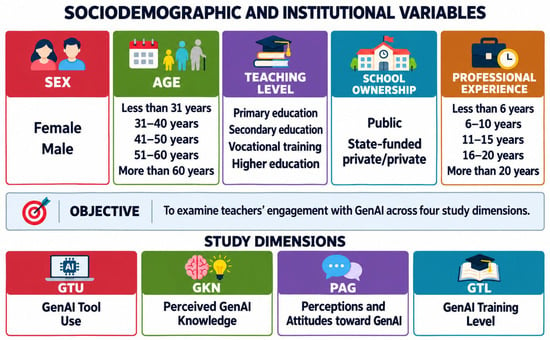
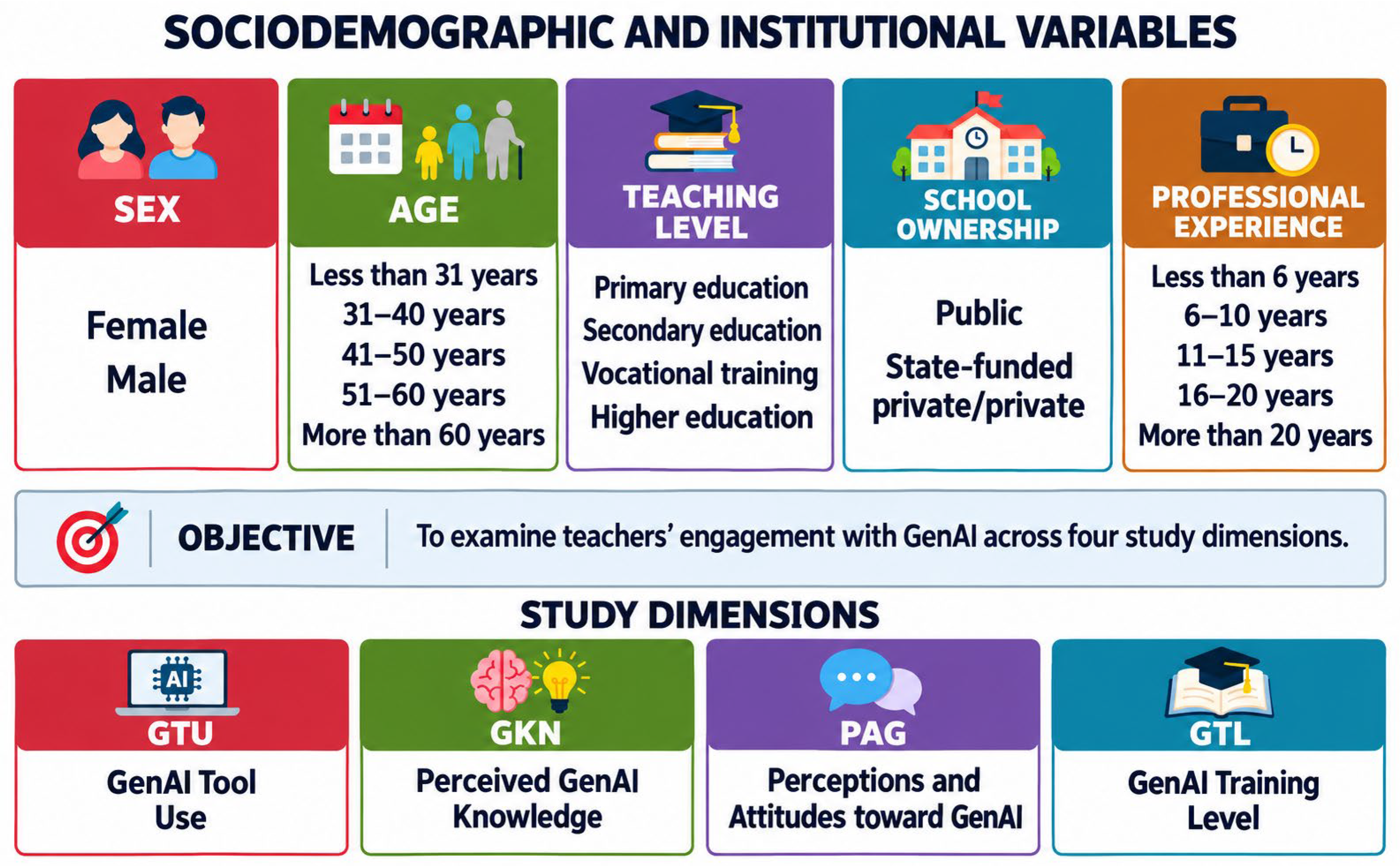

Disclaimer/Publisher’s Note: The statements, opinions and data contained in all publications are solely those of the individual author(s) and contributor(s) and not of MDPI and/or the editor(s). MDPI and/or the editor(s) disclaim responsibility for any injury to people or property resulting from any ideas, methods, instructions or products referred to in the content. |
© 2026 by the authors. Licensee MDPI, Basel, Switzerland. This article is an open access article distributed under the terms and conditions of the Creative Commons Attribution (CC BY) license.