


Abstract
This study examined the associations between quality of work life (QWL) needs and employee engagement (WE), while investigating the moderating role of digital transformation (DT) among university employees. Guided by the theoretical framework of Social Exchange Theory (SET) and the Job Demands–Resources (JD-R) model, data were collected from 400 university employees using a structured online questionnaire and analyzed through Partial Least Squares Structural Equation Modeling (PLS-SEM). The findings indicate that aesthetic, economic, family, health and safety, and knowledge needs were positively associated with employee engagement, with health and safety needs demonstrating the strongest association. In contrast, social needs showed a significant negative association with employee engagement, whereas esteem needs and self-actualisation needs did not. Digital transformation significantly moderates the relationships between economic and family needs and employee engagement, as well as between self-actualisation needs and employee engagement. The results further suggest that higher levels of digital transformation were associated with weaker employee engagement among those reporting stronger self-actualisation needs. Overall, the findings contribute to a better understanding of how different QWL dimensions relate to employee engagement in digitally evolving university environments and suggest that the associations between QWL needs and employee engagement may vary across levels of digital transformation.
1. Introduction
While there is no universal definition of quality of working life (QWL), professionals and scholars agree in general that QWL is a term that describes the employee’s wellbeing, and that QWL differs from job satisfaction (e.g., [1,2,3,4,5,6]). QWL differs from employee job satisfaction in that the latter is operationalised as one of several expected consequences (i.e., family life balance, social life, leisure life, or financial life). Thus, the stream focus of QWL is outside job satisfaction only. It concerns the effects of the workplace on job satisfaction, satisfaction in non-work life settings, and overall life satisfaction, subjective well-being, and personal happiness. The concept of QWL has transformed over the last fifty years, becoming multidimensional and considering psychological well-being, organisational support, and digital dynamics rather than physical working conditions. Preliminary pioneering studies by Walton [7] described QWL in terms of objective organizational compensation, including fair remunerations, safe and healthy working environments, growth prospects, and social assimilation. Building on this structural perspective, Sinval et al. [8] theorised QWL as employees’ satisfaction stemming from the gratification of diverse needs, starting with the basics of health and safety and moving up to higher levels of esteem and self-actualisation. The focus of modern scholarship then shifted to the subjective assessment. Brooks and Anderson [9] stated that QWL is established by employees’ perceptions of organisational support, emotional well-being, and autonomy. More recently, Rai and Maheshwari [10] have placed QWL as a strategic organizational competence, whereas Al-Hawary et al. [11] have positioned the construct as an essential dimension in technologically motivated workplaces, which also incorporate the management of technostress, digital competence, and institutional digital support.
Although the Quality of Work Life framework proposed by Sinval et al. [8] is grounded in broader needs-based theories of human motivation, it represents a distinct conceptual model that focuses specifically on employees’ satisfaction of work-related needs across multiple dimensions of the workplace. Accordingly, the present study adopts Sinval et al.’s framework [8] as its primary theoretical foundation rather than Maslow’s hierarchy of needs [12]. The seven quality-of-work-life dimensions examined in this study are therefore conceptualized as interrelated aspects of employees’ work experiences rather than hierarchical stages of motivation. Consequently, the development of the hypotheses and the interpretation of the findings are consistently based on the needs-based Quality of Work Life framework.
Employee Engagement is described as a positive, satisfactory work-related mood characterised by vitality, commitment, and preoccupation. It differs from job satisfaction, which reflects a psychological active investment in positions within an organisation. The most seminal definition by Kahn [13] considered engagement as the mobilisation of organisational members’ selves to their work positions in the physical, cognitive, and emotional domains. Based on this, Schaufeli et al. [14] further developed engagement as a measurable construct, which includes Vigor (energy and resilience), Dedication (enthusiasm and significance), and Absorption (complete engagement in work). This 3D model is the most common for assessing engagement in academic research and is used in the current study. Although Saks [15] also makes a distinction between job and organizational engagement, recent research by Albrecht et al. [16] emphasizes that in online settings, engagement is becoming a factor of the quality of digital leadership, the effectiveness of virtual communication, and the sufficiency of the technological support frameworks offered by the company.
Digital Transformation (DT) is a concept that describes the essential redesign of organisational processes, culture, and value delivery in the strategic adoption of digital technologies. One should not confuse DT with similar notions: digitisation is the transformation of analogue information into digital form, digitalisation is the application of digital technologies to enhance current processes, and digital transformation is a system-wide change that fundamentally alters the way an institution functions and creates value [17]. In post-secondary education, DT is the coordinated use of digital technologies to transform administrative and service-provision processes. Bond et al. [18] stated that this involves the adoption of Enterprise Resource Planning (ERP) systems, workflow automation, and performance dashboards. Such tools have a significant impact on how administrative personnel conduct their work, socialise, and perform their functions within the organisation. In the last 10 years, digital transformation has become a major characteristic of contemporary organisations in both the public and private sectors [17]. The rapid development of digital technologies, cloud computing, artificial intelligence, big data analytics, and collaborative digital platforms has changed the way organisations work, communicate, and deliver services [19]. These trends have affected organisational structures, management practices, and work processes, and have redefined the way work is done and how employees relate in the workplace [20]. The use of digital systems is becoming a common practice among employees in modern working environments. Organisational life now features digital communication methods, automated workflows, and remote or hybrid work arrangements that have minimised reliance on physical work environments and fixed hours [21]. Consequently, the conventional time, place, and job role boundaries have been redefined, which adds to the new work organization and employee engagement trends [22]. Although digital transformation promises greater flexibility, efficiency, and accessibility, its effects on employees’ quality of life are multidimensional. Digital tools can also help achieve work–life balance, as they make work arrangements more flexible and informative, and facilitate communication and collaboration [21]. On the other hand, the higher use of digital technologies can lead to greater work pressures, a blurring of work and personal life, and constant exposure of staff to connectivity. These conditions can lead to other adverse effects like technostress, digital overload, and burnout [21,23]. These opposite results suggest that the impacts of the digital transformation on QWL are not homogeneous and can be different depending on the way digital initiatives are developed and handled in companies.
Higher education settings in Saudi Arabia (SA) are presently undergoing a significant digital transformation guided by the objectives of Saudi Arabia 2030 Vision, which highlight digital innovation, human capital, and the enhancement of educational quality [24]. Universities in Saudi Arabia are progressively investing in digital transformation practices to reform administrative processes and academic practices, enhance operational efficiency, and improve employee productivity and operational competitiveness [25]. Despite these initiatives, university employees continue to face growing professional challenges related to technological adaptation, workload, workplace ambiguity, and work–life imbalance, all of which may adversely affect their level of work engagement [26]. Engaged staff are more dedicated, energetic, and emotionally invested in their work, thereby increasing institutional efficacy, innovation, quality, and managerial sustainability [27]. Sustaining high levels of employee engagement in the university setting poses a substantial challenge, particularly in a fast-changing work setting characterised by rising digitalisation and structural demands [26].
Previous studies have widely acknowledged the importance of investigating QWL as a key determinant of positive employee outcomes. According to the framework developed by M. Joseph Sirgy et al. [28], QWL is multidimension construct with seven distinctive needs related to employees’ satisfaction of (1) health and safety (H&SN), (2) economic and family needs (E&FN), (3) social needs (SN), (4) esteem needs (EN), (5) actualization needs (AN), (6) knowledge needs (KN), and (7) aesthetic needs (ASN). Although prior literature has examined the correlations between QWL and employee behaviour across different settings, few empirical studies have examined how these multidimensional QWL dimensions are associated with employee engagement in Saudi Arabian universities. Additionally, while digital transformation (DT) has become a deliberate priority in higher education context, the current literature offers insufficient evidence regarding its expected moderating role in weakening or strengthening the associations between QWL and employee engagement. DT might enhance employees’ workplace experiences through improved communication systems, flexible work settings, greater data availability, and streamlined processes. On the contrary, unsuccessful DT practices might generate technological resistance and stress, possibly declining levels of employee engagement. Accordingly, this study adopts a balanced perspective by recognizing that digital transformation encompasses both enabling and constraining characteristics, thereby examining how these contrasting aspects shape the associations between employees’ quality of work life and work engagement. Despite its expanding significance, limited research has empirically investigated DT as a contextual factor that can influence the efficacy of QWL policies in higher education context.
Despite the growing body of research on quality of work life, digital transformation, and work engagement, important theoretical gaps remain. First, existing studies have predominantly examined quality of work life either as a unidimensional construct or through selected aspects of employees’ work experiences, providing limited understanding of how the multidimensional needs-based Quality of Work Life framework proposed by Sirgy et al. operates in contemporary digitally transformed workplaces. Second, while digital transformation has increasingly been recognised as an important organisational context, previous research has largely focused on its direct associations with employee outcomes, with comparatively little attention to whether it changes the strength of relationships among different quality-of-work-life dimensions and work engagement. Addressing this gap is theoretically important because digital transformation fundamentally reshapes employees’ work environments, communication patterns, learning opportunities, and job demands, potentially altering the relative importance of different psychological needs. Accordingly, the present study extends the existing literature by simultaneously examining the seven dimensions of the Quality of Work Life framework and investigating digital transformation as a contextual moderator of their associations with work engagement. In doing so, the study contributes to a more nuanced understanding of employee engagement in increasingly digitalized organizational environments. Consequently, this research aims to explore how the 7 dimensions of QWL are associated with employee engagement in Saudi Arabian universities, while testing whether DT can strengthen the link between QWL and employee engagement. Accordingly, this study investigates the direct associations between the seven dimensions of quality of work life (health and safety, economic and family, social, esteem, self-actualization, knowledge, and aesthetic needs) and employee engagement, while examining whether digital transformation moderates these relationships among university employees in Saudi Arabia. Based on the integrated perspectives of Social Exchange Theory and the Job Demands–Resources model, the study proposes that QWL dimensions constitute organisational resources associated with employee engagement, and that these associations may vary across different levels of digital transformation. The findings indicate that only four QWL dimensions —health and safety, economic and family, knowledge, and aesthetic needs—were positively associated with employee engagement, whereas digital transformation significantly moderated only the relationships involving economic and family needs and self-actualisation needs. These findings contribute to the literature by providing a multidimensional examination of QWL within digitally transforming universities, extending the application of Social Exchange Theory and the Job Demands–Resources model to higher education, and demonstrating that the relationship between QWL and employee engagement is contingent upon the digital work environment.
2. Theoretical Background and Hypotheses Development
This research is based mainly on “Social Exchange Theory” (SET) [29,30] and the “Job Demands-Resources Model” (JD-R model) [31,32], which together provide a robust theoretical base for understanding how QWL can improve employee engagement in a DT university setting. According to SET, employees can develop positive behaviour and attitudes when they recognise that their organisation values their well-being and meets their professional and personal requirements [33]. When organisations offer supportive working environments, fair compensation, career development opportunities, and a positive social context, employees are more likely to reciprocate with stronger emotional attachment, higher motivation, and greater engagement in their work. In higher education settings, employees with high levels of QWL tend to experience psychological commitment and attachment to their institutions, thereby increasing their engagement. Accompanying SET, the JD-R model argued that employee engagement arises when organisations provide adequate job resources that help employees achieve work goals, minimise work-related stress, and foster professional growth [34]. QWL seven dimensions (health and safety, social life, esteem, knowledge, self-actualization, family, and aesthetic) can represent main organizational resources that can reinforce vigor, dedication, and absorption, which are the key dimensions of work engagement [35]. Several pieces of empirical evidence have consistently shown that reasonable compensation systems, supportive work settings, growth opportunities, and healthy relationships can significantly enhance employee engagement across various organisational contexts [36,37,38]. The current study operationalizes QWL through Sirgy et al. [28] seven needs: (1) health and safety, (2) economic and family, (3) social, (4) esteem, (5) actualization, (6) knowledge, and (7) aesthetic. Each dimension is presumed to correlate differently to employee engagement between university employees in Saudi Arabia.
From the JD-R model perspective, each dimension of quality of work life represents a valuable job resource that may foster employees’ motivational processes and, consequently, be associated with higher work engagement. Complementing this view, Social Exchange Theory suggests that employees who perceive these resources as organisational support are likely to reciprocate by engaging more fully in their work.
Health and safety needs describe employees’ perceptions of their physical safety, emotional security, workload stability, and overall well-being in the workplace [39]. Staff who work in safe and healthy conditions tend to experience lower stress and greater emotional comfort, which can foster their dedication and enthusiasm toward their work [40]. As per JD-R theory, a secure working environment serves as an organisational resource that minimises strain and maximises motivational outcomes, such as work engagement. In the university context, staff who feel safe at work, have a manageable workload, and receive emotional support tend to demonstrate higher persistence and vigour at work. Prior studies have shown that workplace safety and staff overall well-being can be positively associated with engagement levels [15,41]. Therefore, the following hypothesis is introduced:
Hypothesis H1.
Health and safety needs are positively associated with employee engagement among university employees.
Economic and family needs are associated with satisfaction with company compensation, financial security, and work–life balance [8]. Staff who feel equal in salaries and other financial benefits and who can successfully balance work and family duties tend to feel psychologically connected to their organisations. SET proposed that when organizations offer promising economic environment and provide adequate support for employees’ family duties, employees respond with robust engagement and commitment. In a university context, competitive rewards and flexible strategies might strengthen employees’ willingness to contribute beyond formal job requirements. Previous research has shown that compensation equity and work–life balance can significantly improve employee engagement and firm commitment [42,43]. Consequently, the following hypothesis is proposed:
Hypothesis H2.
Economic and family needs are positively associated with employee engagement among university employees.
Social needs describe the feelings of belonging, interpersonal connections, collaboration, and social communication within the working environment [8]. Positive social interactions can create supportive organisational environments that reinforce collaboration, confidence, and a psychological bond to work. Within higher education settings, interpersonal relationships among faculty members and administrative employees can play a significant role in forming workplace experiences. Staff who experience social support from coworkers and supervisors tend to exhibit higher engagement because social connections increase the emotional meaningfulness of work. Previous evidence showed that supportive social environments can confidently predict employee engagement [13,44,45]. Although previous research has consistently shown that satisfying employees’ social needs promotes work engagement through stronger interpersonal relationships, collaboration, and organisational support, emerging evidence suggests this relationship may be more complex in digitally transformed workplaces. Increasing reliance on digital communication platforms, AI-supported collaboration tools, and hybrid or remote work arrangements may alter how employees experience workplace social interactions. While digital technologies facilitate communication and collaboration, they may also contribute to communication overload, virtual interaction fatigue, reduced interpersonal connection, and blurred boundaries between work and personal life. Consequently, some scholars have argued that excessive digitally mediated social interaction may not always translate into greater employee engagement, particularly when employees perceive frequent virtual communication as cognitively demanding or disruptive to task accomplishment. Nevertheless, because the predominant theoretical and empirical evidence continues to support the beneficial role of social relationships in fostering employee engagement, the present study proposes a positive association, while acknowledging that alternative patterns may emerge in highly digitalised organisational contexts. Therefore, the following hypothesis is introduced:
Hypothesis H3.
Social needs are positively associated with employee engagement among university employees.
Esteem needs describe staff perceptions of respect, recognition, gratitude, and organizational status [8]. Acknowledgement and recognition from managers and peers increase staff self-confidence and perceived organisational value, which can strengthen their psychological attachment to work. According to SET, recognition satisfies employees’ emotional need for competence, thereby enhancing engagement and intrinsic motivation. In university settings, employees who feel valued and respect tend to demonstrate enthusiasm and dedication. Previous evidence confirmed that recognition and organizational support can significantly improve employee engagement [16,46]. Consequently, the following hypothesis is proposed:
Hypothesis H4.
Esteem need is positively associated with employee engagement among university employees.
Actualization needs describe staff opportunities for individual growth, autonomy, creativity, and self-realization [8]. Staff who recognise opportunities to appreciate their potential tend to encounter intrinsic motivation and meaningfulness at workplace. Universities are knowledge-intensive organizations where potential opportunities for innovation, autonomy, and professional achievement are exceptionally important. Staff who can provide ideas, contribute to decision-making, and attain professional aspirations are expected to exhibit stronger engagement. Previous studies have demonstrated that opportunities for self-actualization and autonomy can positively be associated with employee engagement [47,48]. Hence, the following hypothesis is introduced:
Hypothesis H5.
Self-Actualization needs can be positively associated with employee engagement among university employees.
Knowledge needs describe the opportunities for professional development, learning, training, and cognitive growth. Constant learning opportunities can equip employees to enhance their competencies and remain adaptable to the continuously changing nature of organisations, particularly in digitally transforming educational settings. In Saudi Arabian universities, DT initiatives require staff to continually update their professional skills. Staff who recognise strong learning opportunities tend to feel competent and self-motivated, which increases engagement [49]. Prior research has shown that training and professional development can significantly increase employee engagement [50,51]. Hence, the following hypothesis is introduced:
Hypothesis H6.
Knowledge needs can be positively associated with employee engagement among university employees.
Aesthetic needs describe staff perceptions of work attractiveness and pleasant physical settings. A well-structured work environment can contribute to staff emotional comfort, work satisfaction, and psychological well-being. In a higher education setting, modern, comfortable facilities, offices, and aesthetically pleasing campuses might positively impact staff motivation and mood. Previous literature argued that an attractive workplace setting can improve staff’s positive emotions and work behaviour, including engagement. Previous studies have supported the link between workplace aesthetics and positive employee outcomes [52,53]. Hence, the following hypothesis is proposed:
Hypothesis H7.
Aesthetic needs can be positively associated with employee engagement among university employees.
Digital transformation (DT) has emerged as a strategic competitive advantage for several organisations, particularly in higher education, aiming to enhance functional effectiveness, organisational flexibility, an innovative environment, and the quality of provided services [16]. DT refers to integrating modern digital technologies, such as artificial intelligence (AI), cloud computing, and automated platforms, into organisational functions and employee roles to improve performance and adaptability [54]. In university settings, DT can reshape administrative procedures, communication methods, and knowledge-sharing policies, thereby impacting important outcomes, such as employee engagement. Building on the JD-R model, digital transformation is conceptualized as a contextual organizational condition that may influence the extent to which quality-of-work-life resources are translated into work engagement. Accordingly, digital transformation is proposed as a boundary condition that may strengthen or weaken these associations.
Recent evidence shows that DT can enhance employees’ emotional and structural empowerment, adaptability, work effectiveness, and innovative capacity, thereby increasing work engagement and other positive behavioural outcomes [55]. Additionally, digital technologies can help minimise operational inefficiencies, facilitate collaboration, enhance organisational transparency, and improve employees’ work experience [56]. Subsequently, DT may serve as a contextual factor that strengthens the positive correlations between QWL and employee engagement [57]. With regard to health and safety needs (H&SN), DT can enhance employees’ psychological and physical well-being through smart work procedures, automated systems, and adaptable work practices that minimise workload stress and operational challenges [58]. Employees working in digitally based universities might therefore experience greater engagement when they observe supportive and safe working conditions [59]. Likewise, DT can strengthen the impact of economic and family needs (EFN) satisfaction on engagement by enabling work–life balance through remote work technologies, virtual interaction techniques, and flexible scheduling policies [49]. Digital work environments offer employees greater flexibility in managing their personal and professional duties, which improves their psychological attachment to work. DT might also strengthen the association between SN satisfaction and employee engagement. DT platforms, collaborative practices, and virtual communication tools enhance organisational interactions, knowledge sharing, and teamwork among university employees [60]. Such ST strengthen employees’ sense of attachment and interpersonal support, thereby strengthening the positive association between social needs (SN) and engagement. Additionally, digital institutions can enhance recognition and feedback systems, allowing universities to reward employees’ voluntary contributions more transparently and efficiently [61]. Subsequently, the positive impact of esteem needs (EN) satisfaction on employee engagement might become stronger in a highly digitalised setting, where employees recognise a greater level of organisational support, appreciation, and visibility.
Additionally, DT can create several opportunities for autonomy, innovation, creativity, and empowerment, thereby strengthening the impact of satisfaction of self-actualisation needs (SAN) on employee engagement. Employees enrolled in digitally based universities might feel more empowered to contribute to decision-making processes, initiate innovative ideas, and pursue personal growth, which might foster their enthusiasm and dedication in the workplace [62]. Similarly, DT is mostly relevant to knowledge needs (KS) satisfaction because digital technologies can accelerate constant learning, operational training, virtual development procedures, and access to structural knowledge resources [63]. Finally, DT might strengthen the association between satisfaction of aesthetic needs (ASN) and employee engagement. Employees who work in aesthetically appealing, technologically advanced settings tend to experience positive attachment to and motivation for their work duties [64]. Although digital transformation has frequently been conceptualised as an organisational resource with direct implications for employee attitudes and behaviours, the present study adopted a different theoretical perspective, positioning it as a contextual boundary condition. Drawing on the Job Demands–Resources (JD-R) framework, organisational resources may not only directly influence employee outcomes but also shape how other workplace resources are translated into work engagement. Digital transformation fundamentally reshapes employees’ work environments by changing communication patterns, work processes, learning opportunities, autonomy, and technology-related demands. As a result, the extent to which employees’ quality-of-work-life needs are associated with work engagement may depend on the organization’s level of digital transformation. Rather than assuming that digital transformation uniformly enhances employee engagement, the present study proposes that it may strengthen, weaken, or alter the associations between quality-of-work-life dimensions and work engagement depending on the organizational digital context. Therefore, digital transformation is conceptualized as a moderating variable that defines the conditions under which employees’ psychological needs are more or less strongly associated with work engagement. Furthermore, although digital transformation is widely recognized as an organizational resource that enhances communication, flexibility, learning opportunities, and work efficiency, recent research also suggests that its influence is not uniformly beneficial. Digital transformation may simultaneously create new job demands, including technostress, information overload, continuous connectivity, digital fatigue, and blurred work–life boundaries, all of which may influence employees’ work experiences and psychological well-being. From the perspective of the Job Demands–Resources (JD-R) model, digital transformation therefore represents a complex organizational context in which technology may operate as both a resource and a demand. Consequently, the extent to which employees’ quality-of-work-life needs are associated with work engagement may vary across organisations’ levels of digital transformation. Consequently, digital transformation may simultaneously represent the “bright side” by facilitating access to resources that support employees’ work experiences while also reflecting the “dark side” when technology-related demands interfere with employees’ ability to satisfy their quality-of-work-life needs. This dual perspective provides the theoretical foundation for examining digital transformation as a contextual moderator that can strengthen or weaken the associations between quality-of-work-life dimensions and work engagement.
While the dominant stream of previous research generally suggests that digital transformation facilitates favourable workplace outcomes, the coexistence of enabling and constraining mechanisms indicates that its moderating role may not always be positive. This perspective provides a broader theoretical foundation for examining digital transformation as a contextual boundary condition that influences the association between quality of work life and work engagement. Based on the above argument, DT is expected to act as a moderator, strengthening the positive associations among the seven dimensions of QWL and employee engagement among university employees in Saudi Arabia. Therefore, the set of hypotheses below are introduced:
Hypothesis H8a–H8g.
Digital transformation can moderate the relationships between the seven dimensions of QWL and employee engagement.
It is worth noting that, despite the potential challenges associated with digital transformation, the present study formulates directional hypotheses based on the predominant evidence suggesting that digitally enabled workplaces generally provide greater organizational resources that facilitate employees’ work experience and engagement. However, alternative patterns of moderation remain theoretically plausible and are considered when interpreting the empirical findings.
3. Materials and Methods
3.1. Study Measure
Quality of Work Life was measured with the widely employed scale, first coined and validated by M. Joseph Sirgy, David Efraty, Phillip Siegel, and Dong-Jin Lee [28], to evaluate employees’ perceptions of how work can satisfy seven important personal needs. The scale demonstrated good psychometric properties in previous studies, similar to those reported in [65,66,67,68]. The scale has seven dimensions to measure the quality of work life; each dimension has three items, for a total of 21 variables. The seven dimensions are distinctive and complete each other. They are named (1) health and safety needs (H&SN), economic and family needs (EFN), social needs (SN), esteem needs (EN), self-actualization needs (SAN), Knowledge needs (KN), and aesthetic needs (ASN). Employee engagement was operationalised using the shortened version of the Utrecht Work Engagement Scale [69] with 9 items. Sample item is “At my work, I feel bursting with energy”. Moreover, digital transformation was measured using five variables derived from previous studies on organisational digitalisation and digital transformation capacities (e.g., [17,70,71]). Sample item is “Our university extensively adopts modern digital technologies in its academic and administrative operations”. In the present study, digital transformation is conceptualised as employees’ perceptions of the organisation’s broader digital transformation processes, rather than the mere availability of digital technologies or technological infrastructure. Specifically, the adopted measurement scale captures the extent to which digital technologies are integrated into organisational work processes, communication, collaboration, information sharing, and operational practices, thereby shaping employees’ day-to-day work experiences. Accordingly, the construct reflects employees’ perceptions of the organisation’s digital work environment and the extent to which digital transformation has been embedded in organisational practices. All the scales were evaluated on 5-item Likert scale (1 “completely disagree”; 5 “completely agree”). To warrant that the scales have sufficient and adequate content validity, 20 experts (10 employees and 10 academics) were assigned to evaluate the scale questions. They confirmed that all questions are clear, relevant, clear, and easily understood. Accordingly, no adjustments were required. Additionally, the proposed questionnaire was translated using the back-translation process to guarantee linguistic precision. The original version (English version) was translated into Arabic by a bilingual expert, and an independent scholar afterwards translated the Arabic version back into English. Both versions of the questionnaire were compared to verify conceptual consistency and semantic equivalence before the final circulation of the questionnaire.
3.2. Data Collection Process and Sample Size
Employees at four universities in Saudi Arabia’s eastern region were targeted: King Faisal University (KFU, approximately 2900 employees), Imam Abdulrahman Bin Faisal University (IAU, 4700 employees), Prince Mohammad Bin Fahd University (PMU, approximately 1000 employees), and University of Hafr Al Batin (UHB, approximately 2300 employees). A structured electronic questionnaire was created and administered through email and WhatsApp to the administrative personnel of the targeted universities. This online data collection method was chosen for its accessibility, efficiency, and ability to contact the targeted respondents within a specified period. The selection of participants was based on a list of administrative employees obtained through coordination with the human resources departments at the targeted universities. The process of data collection was carried out within a duration of about two and a half months. Reminder messages to non-responding employees were also sent during the middle of the data collection period to motivate them to participate and achieve a satisfactory response rate. A total of 400 responses were obtained and surpasses the threshold of 384 as suggested by Krejcie and Morgan [72]. In addition to the sample size criteria proposed by Krejcie and Morgan [72], the adequacy of the final sample was also assessed in accordance with established guidelines for PLS-SEM. Following the widely adopted 10-times rule suggested by Hair et al. [73], the minimum required sample size should be at least ten times the largest number of structural paths directed toward any endogenous construct in the model. In the proposed structural model, the endogenous construct Work Engagement receives 7 direct effects and 7 interaction effects; therefore, the minimum recommended sample size was [10 × 14] observations. The final sample of 400 respondents substantially exceeded this requirement, confirming that the dataset is adequate for estimating the proposed PLS-SEM model and providing sufficient statistical power for hypothesis testing. All answers were anonymous, and participants were informed that their information would be used only for academic research, which ensured the confidentiality and voluntary nature of their participation.
A total of 600 employees were invited to participate in the study through an online survey. Of these, 450 questionnaires were returned, yielding a response rate of 75%. Prior to analysis, the returned questionnaires were carefully screened to ensure data quality. Responses were included only if participants met the study eligibility criteria, namely being employed within the target four universities. Questionnaires containing substantial missing data, incomplete responses, or duplicate submissions, were excluded from the final dataset. Following this screening process, 400 valid questionnaires were retained for the subsequent analyses. To assess the potential influence of non-response bias, an early–late respondent comparison was conducted following the approach recommended by [74]. The results indicated no statistically significant differences between early and late respondents across the principal demographic variables and study constructs, suggesting that non-response bias is unlikely to have materially affected the findings.
As all data were collected using a single self-report survey, common method bias (CMB) was assessed using Harman’s single-factor test. The unrotated exploratory factor analysis revealed that the first factor accounted for 35% of the total variance, which is below the recommended threshold of 50%, suggesting that common method bias is unlikely to pose a substantial threat to the study’s findings [75,76]. In addition, collinearity was assessed by examining variance inflation factor (VIF) values for all predictor constructs; all values fell below the recommended threshold of 5.0, indicating the absence of problematic multicollinearity. All constructs were modelled as reflective latent variables, consistent with their theoretical definitions and the use of established reflective measurement scales.
Table 1 presents the demographic characteristics of the study sample, comprising 400 respondents. Regarding age, the results show that the largest group of respondents is aged 30–40 years, representing 52% (208 respondents) of the sample. This is followed by the 41–50-year age group, with 30.5% (122 respondents). Meanwhile, 9% (36 respondents) are under 30 years old, and 8.5% (35 respondents) are over 50 years old.
Table 1.
Demographics of participants.
In terms of education level, the majority of respondents hold a bachelor’s degree, accounting for 87.5% (350 respondents) of the sample. This is followed by those with postgraduate studies at 6% (24 respondents), diploma holders at 4% (16 respondents), and secondary school graduates at 2.5% (10 respondents). In terms of years of experience, the highest percentage is 5–9 years, with 37.5% (150 respondents). This is then followed by those with 10–15 years’ experience at 35% (140 respondents). Also, 16% (64 respondents) have over 15 years of experience, and 11.5% (46 respondents) have less than 5 years of experience. Finally, with respect to position level, the majority of respondents (83.5%, 334 respondents) occupy middle or lower management positions or are executive employees, whereas 16.5% (66 respondents) hold senior management positions.
3.3. Data Analysis Methods
The current study justified and evaluated a model with seven exogenous latent variables (QWL), one endogenous latent variable (WE), and one moderating latent variable (DT), using a total sample of 400 participants. The current model has three main features that make “Partial Least Squares Structural Equation Modeling” (PLS-SEM) the best approach for data analysis. These features are (1) its complex nature, (2) its predictive approach, and (3) the existence of a moderating path [77]. PLS-SEM with SmartPLS (version 4) was used in a two-stage analysis [78]. The testes the psychometric properties of the employed scale with regard to convergent validity through several metrics such as “factor loadings” (FL), “Cronbach’s alpha” (a), “composite reliability” (C.R.), and “average variance extracted” (AVE). Additionally, discriminant validity (DV) was evaluated with both the “Fornell–Larcker criterion” and the “heterotrait–monotrait ratio” (HTMT). The second stage tested the research hypotheses in the structural model by inspecting the significance of the path coefficients (β), the “coefficient of determination” (R2), “predictive relevance” (Q2), and t-values based on a bootstrapping with 5000 iterations [79].
4. Results
4.1. Stage One: Testing the Measurement Model
As shown in Table 2, the “standardized factor loadings” (SFL) for all scale items ranged from 0.754 to 0.982, exceeding the acceptable threshold of 0.70 and indicating adequate reliability [80]. Furthermore, as depicted in Table 2, all factors have AVE values that exceed the recommended value of 0.50; hence, the internal consistency of the variables was confirmed. All C.R. (0.844 to 0.980) and Cronbach’s alpha (0.756 to 0.969) values were all above the suggested values (>0.07). All the previous evidence confirmed that the study scale has adequate convergent validity and reliability. Although a small number of constructs exhibited composite reliability values approaching or slightly exceeding 0.95, the corresponding items were retained because they were derived from previously validated measurement instruments and represent theoretically meaningful facets of the constructs. Consequently, item retention was guided by both theoretical justification and psychometric evidence. Likewise, to inspect DV, two corresponding techniques were estimated: the “Fornell–Larcker criterion” (Table 3) and the “heterotrait–monotrait ratio” (HTMT) (Table 4). The Fornell–Larcker test showed that the square root of each latent factor’s AVE exceeded its correlations with other factors in the model [76]. Additionally, all HTMT values were found to be below the suggested value of 0.85 [81], providing further evidence of an acceptable DV.
Table 2.
Psychometric properties of the study full scale.
Table 3.
Fornell–Larcker Table.
Table 4.
HTMT table.
4.2. Stage Two: Hypothesis Testing in the Structural Model
The results of the R2 indicated that the seven dimensions of QWL in the developed can explain 60% of the variance in employee’s engagement in work (work engagement) work engagement. “Variance Inflation Factor” (VIF) scores, as shown in Table 2, were inspected to evaluate multicollinearity; all values were below the suggested threshold of 5.0, indicating the absence of multicollinearity [76]. Likewise, the Q2 “Stone–Geisser” score of predictive relevance was found to be above zero for work engagement (Q2 = 0.503), which is an acceptable and good level as per [78]. Furthermore, the “standardized root means square residual” (SRMR) as a measure of goodness of fit (GoG) was found to be is 0.033 (acceptable threshold should be <0.08) signaling acceptable GoF [79]. The “Normed Fit Index” (NFI) was found to equal 0.932, (>0.9), indicating acceptable GoF [47]. The previous results confirmed the adequacy of GoF, model validity, and reliability; consequently, hypotheses can be evaluated using metrics such as “β values, t-values, and p-values” (Henseler et al. [82]).
As shown in Table 5, four out of seven QWL needs were found to have a direct significant association with employees’ engagement in work (WE). More specifically, HS to WE (β = 0.415, t = 6.292, p < 0.001), EFN to WE (β = 0.137, t = 2.619, p < 0.01), KN to WE (β = 0.277, t = 3.541, p < 0.001), and ASN to WE (β = 0.172, t = 3.016, p < 0.01), supporting H1, H2, H6 and H7. However, three out of QWL needs failed to be positively and significantly associated with WE. Specifically, SN to WE (β = −0.176, t = 2.855, p < 0.01), EN to WE (β = 0.023, t = 0.404, p = 0.687), and SAN to WE (β = −0.036, t = 0.689, p = 0.491), hence rejecting H3, H4, and H5, see Table 5 and Figure 1.
Table 5.
Hypotheses assessment results.
Figure 1.
Study model. Note: SAN: Self-Actualization needs, ASN: aesthetic needs, KN: Knowledge needs, HS: health and safety needs, EFN: economics and family needs, SN: social needs, EN: esteem needs.
Regarding the moderate paths. The model was structured to explore the moderating effects of DT in the direct relationships between seven QWL needs and WE. The moderation effect was estimated using the PLS-SEM approach, which allows moderation analysis to be conducted regardless of whether the moderator is modelled as a latent construct or an observed variable. In the present study, Digital Transformation was operationalized as a latent construct, and its moderating effect was examined using the interaction-term approach implemented in SmartPLS 4. The interaction construct was generated following the standard PLS-SEM procedure, and its significance was assessed using the bootstrapping procedure with 5000 resamples. As shown in Figure 2, the slope analysis indicated that DT did not significantly moderate the impact of five QWL needs on WE. However, DT can significantly (but with a negative sing) moderate the association between EFN and WE (β = −0.157, t = 2.613, p < 0.01) and between SAN and WE (β = −0.111, t = 2.117, p < 0.05). The slope plot indicated that the association between self-actualisation (QWL need) and work engagement varies significantly by DT level. At high levels of DT (+1 SD), represented by the green line, SAN shows a negative association with work engagement. Particularly, as SAN grows, work engagement declines when DT is high.
Figure 2.
Slope analysis output of the moderation effects of DI in the relationship between SAN and WE, and between EFN and WE.
5. Discussion and Implications
The current study explored the direct relationships between seven QWL needs, as guided by Sirgy et al. [28] pivotal need framework, and employee engagement in work (WE). The findings indicated that four of the seven QWL needs (HS, KN, ASN, and EFN) had a statistically significant positive association with employee engagement. The strongest relationship with work engagement (WE) was with health and safety needs (HS), suggesting that employees’ psychological and physical security is a foundational guide to their work engagement. If employees recognise the work setting as a threatening environment to their psychological or physical well-being, their ability to deploy emotional, cognitive, and physical resources in their work is fundamentally compromised. There is a wealth of empirical evidence for this association. Juba [83] argued that workplace health, safety, and wellness conditions showed a significant and positive association with overall productivity and employee engagement. Likewise, Chawla et al. [84] indicated that wellness programs serve as a primary engagement mechanism, particularly during times of disruption. This result supported the argument that universities must consider occupational health not as a conformity obligation but as a long-term engagement investment [46].
Knowledge needs (KN) were ranked 2nd in predicting work engagement. This finding is consistent with a growing body of sources highlighting the importance of permanent learning to WE. Mohammad et al. [85] argued that continuous learning in organisations can improve employee engagement in the workplace through work resilience, highlighting that knowledge acquisition can act as a motivational capacity that maintains employees’ commitment. Additionally, Jia-Jun and Hua-Ming [86] indicated that career growth can positively be associated with WE. The strong association between KN and WE underscores the strategic significance of development and learning as drivers a sustained workforce commitment and engagement. Furthermore, in this study, aesthetic needs (ASN) were found to have a significant association with WE. Empirical research corroborates this relationship. Mohammad et al. [85] found that WE can significantly mediate the association between creative and affective performance, signalling bidirectional support between a creativity-enabling setting and an engaged environment. Likewise, a study by Gonlepa et al. [87] demonstrated that creative engagement in the workplace can be positively correlated with employees’ feelings of meaning and their subsequent investment in their positions. From a broader perspective, HR procedures that empower employees with creative latitude and autonomy have been shown to improve work engagement. The current result that ASN can significantly predict WE suggests that universities should pay attention not only to operational work conditions but also to the creative and expressive quality of the work (as a dimension of QWL), which can guide WE.
Economic and family needs (EFN) also showed a significant positive correlation with WE. When EFN is unfulfilled, employees tend to face financial anxiety that deters psychological factors from an engaged work attitude. Ongoing evidence confirmed these results [60]. Employees whose basic workplace needs (including EFN) are substantially unfulfilled tend to be highly disengaged. Luna-Arocas et al. [88] further found that pay satisfaction can partially mediate the association between talent management procedures and work commitment. The comparatively smaller coefficient of EFN relative to KN and HS might mirror the deep-rooted phenomenon of diminishing returns in motivational research: once economic and family needs are sufficiently met, their marginal influence on engagement is reduced by higher-order needs [89], though their significance remains theoretically and practically meaningful.
Despite significant associations between several QWL dimensions and WE, the current study also found that three QWL needs (SN, EN, and SAN) failed to show a significant positive association with WE. More particularly, social needs (SN) demonstrated a significant but negative correlation with WE, whereas esteem needs (EN) and self-actualisation needs (SAN) failed to show a statistically significant association. These results offer important practical and theoretical insights into the changing nature of WE within the DT work setting. First, the results showed that SN were negatively correlated with WE, contrary to the hypothesised relationship. This surprising finding might reflect the changing nature of workplace relations under DT settings. The growing reliance on AI technologies, remote work arrangements, and digital communication might undermine the conventional positive role of workplace socialisation in improving WE. In a digitally rigorous context, extreme social interaction might occasionally disrupt, cause communication overload, or lead to psychological exhaustion, thereby minimising employees’ capacity to remain emotionally and cognitively engaged in their duties. Recent research suggests that digital communication conditions might decrease the quality of personal relationships and increase reactions of social fatigue, even at higher communication rates [90]. Additionally, research on remote work indicated that employees gradually prefer autonomy and flexibility over social interaction in a digital environment [91]. Thus, the observed adverse association between SN and WE in this study might indicate that SN is becoming less focal or even counterproductive to WE in a highly digitalised working environment. Second, esteem needs (EN) showed no significant association with WE. This result suggested that recognition, prestige, status, and external appreciation might no longer serve as focal drivers of employee engagement in settings characterised by rapid DT. One possible interpretation of that result is that employees progressively originate engagement from intrinsic motives of work, such as learning and development, safety, and meaningful work conditions, rather than from extrinsic motives or social acknowledgement. Previous research has similarly documented that recognition in the workplace alone might not adequately predict WE unless complemented by developmental support and emotional empowerment [16]. Third, self-actualisation needs (SAN) did not significantly correlate with WE. This result might imply that employees undergoing DT are more worried about fulfilling direct operational, safety, and flexibility needs than about higher-order individual growth or self-fulfilment needs. This explanation is supported by recent research suggesting that employees confronting technologically disruptive settings often focus primarily on coping mechanisms and adaptive capabilities rather than strategic self-development goals [17,92].
The results of the current study, interestingly, showed that DT, as a moderating variable, failed to moderate five of the seven relationships explored significantly. However, unexpectedly DT significantly and adversely (negative sign) moderated the association between EFN and WE, as well as between SAN and WE. These results offer an important understanding of the complex role of DT in modelling employees’ emotional engagement and outcomes in the modern workplace. This result suggests that the positive association between EFN and WE is weaker in settings with high DT. One probable interpretation is that a digitally transformed environment regularly blurs the boundaries between work and personal life through continual connectivity, online working conditions, and technology-driven communication challenges. Although DT might offer flexibility and functional effectiveness, it can concurrently strengthen work intensification, duty overload, and work–family imbalance, thereby weakening the positive association between EFN and WE. This explanation aligns with previous studies indicating that digital work settings repeatedly increase employees’ feelings of work interference with family life and contribute to psychological exhaustion and decline in WE [90,91].
More notably, the slope analysis displayed that DT can significantly and negatively moderated the association between SAN and WE. Particularly, at high levels of DT, SAN showed a negative association with WE. This result indicated that employees with higher needs for growth, creativity, and autonomy become less engaged when working in highly digitised organisational settings. This result might be interpreted by the psychological and structural outcomes of DT initiatives. Highly digitised workplace environments often rely on consistent systems, automation, data-based monitoring, and highly structured technological mechanisms, which might decrease employees’ recognition of personal control and autonomy. Employees with SAN regularly request opportunities for independence, creativity, and self-expression. However, digitally transformed workplace systems might limit these higher emotional needs by prioritising efficiency, performance tracking, and standardisation over individual growth and intrinsic motives. As discussed by Vial [17], DT profoundly redesigns organizational procedures and employee capabilities, frequently generating tensions between technological proficiency and human-based work values. Recent research on digital remote work settings similarly indicated that extensive dependence on DT might adversely impact on employees’ well-being, work motivation, and creativity, particularly when employees observe minimized control over their work duties [92]. These unexpected relationships may be attributable to alternative explanations, such as contextual factors or the conditional nature of the estimated effects, and should therefore be interpreted with caution.
5.1. Theoretical Implications
From a theoretical lens, the results of the current study contributed to the growing literature on QWL and employee engagement in work (WE) by challenging the proposition that all aspects of employee needs can positively impact engagement. While well-established motivational theories of Maslow’s hierarchy of needs argue that social, esteem, and self-actualisation needs are vital for higher levels of motivation, the current results indicate that the digital work environment may alter the relative significance of these higher needs. The findings consequently support more changing and context-reliant explanations of employee motivational needs and WE. Furthermore, the results contributed to DT literature by highlighting that a technologically based environment might reshape employees’ emotional priorities and workplace opportunities. The results can also enrich the JD-R framework by suggesting that not all company resources function equally as engagement drivers under DT settings. In particular, resources related to safety, knowledge, and economic needs appear to be more influential than higher-level needs (i.e., social, esteem, and self-actualisation). Furthermore, the results extended QWL theory by applying it to the DT setting, where employees’ needs develop beyond conventional organisational concerns to encompass psychological safety, digital adaptability, and continuous development and learning.
5.2. Practical Implications
University leaders should recognise that traditional engagement mechanisms, based mainly on social communication, societal recognition, and self-actualisation, might not always yield the intended results in a digitally transformed environment. Instead, universities should strengthen practical and adaptive capacities that directly support university employees in operating successfully in technologically based environments. Additionally, universities should handle digital interactions carefully to avoid social connection overload, interaction fatigue, and excessive virtual communication. Furthermore, university leaders should act beyond symbolic recognition and offer university employees more concrete developmental support, including training programs, emotional support, and flexible work hours. Finally, university leaders should acknowledge that employees undergoing DT might prioritise job security, skill development, and work–family balance over higher-level self-actualisation needs. Therefore, universities should highlight digital competence, employee adaptability, and well-being as focal engagement policies.
6. Limitations and Future Research Opportunities
This research has several limitations that must be recognised when interpreting its results. First, a cross-sectional research design might prevent causal inference about the associations between the seven QWL needs dimensions and WE. A longitudinal research design is preferred in future studies to confirm the causal nature of the tested relationship. Second, the proposed model evaluated only the direct relationships between the seven QWL dimensions and WE; other mediating or moderating variables, such as job satisfaction, gender, personality traits, leadership style, and employee empowerment, can be considered. Third, the dependence on a single source of data collection at a single point in time can cause common method variance bias (CMB). Using multiple research designs, such as field experiments or collecting objective data, is preferred to reduce the likelihood of CMB. Finally, the current study sample focused on university employees, which might limit the generalizability of the results across other contexts (industry, country). Replicating the current study model in other contexts can yield more robust and valid results. Future research should also expand the QWL–WE framework to acknowledge the rising prevalence of hybrid and remote work practices and the incorporation of AI into university activities, both of which can fundamentally reshape the circumstances in which QWL needs can be met.
7. Conclusions
This study investigated the associations between seven employees’ psychological needs, digital transformation, and work engagement, thereby contributing to the growing body of research on employee behaviour in increasingly digitalized workplaces. The results demonstrated that psychological needs are differentially associated with work engagement and that digital transformation is associated with variations in the strength of these relationships. These findings contributed to the literature by highlighting the complex interplay between individual psychological factors and organizational digitalization in shaping employees’ work experiences. The study also identified several results that diverged from theoretical expectations, particularly the negative association between social needs and work engagement and the negative moderating role of digital transformation. Rather than representing definitive explanations, these findings should be interpreted as conditional associations within the proposed structural model. One possible explanation is that the changing nature of digitally enabled work environments may influence how employees experience and satisfy their psychological needs, although additional research is required to better understand these relationships. Overall, this study extended existing knowledge by demonstrating that the relationships among psychological needs, digital transformation, and work engagement are more nuanced than previously assumed. The findings underscored the importance of investigating these constructs simultaneously to better understand employee experiences in contemporary organizations undergoing digital transformation.
Author Contributions
Conceptualization, K.E.A.A.A.-b.; Methodology, I.A.E.; Investigation, I.A.E.; Resources, I.A.E.; Data curation, I.A.E.; Writing—original draft, K.E.A.A.A.-b. and I.A.E.; Writing—review & editing, K.E.A.A.A.-b. and I.A.E.; Visualization, I.A.E.; Supervision, I.A.E.; Project administration, I.A.E.; Funding acquisition, I.A.E. All authors have read and agreed to the published version of the manuscript.
Funding
This work was supported by the Deanship of Scientific Research, Vice Presidency for Graduate Studies and Scientific Research, King Faisal University, Saudi Arabia [Project No. KFU262771].
Institutional Review Board Statement
The study was conducted in accordance with the Declaration of Helsinki and approved by King Faisal University (Project identification code KFU 262771) on 25 April 2025.
Informed Consent Statement
Informed consent was obtained from all subjects involved in the study due to privacy and ethical reasons.
Data Availability Statement
The data presented in this study is available on request from the corresponding author.
Acknowledgments
This study is based on a project undertaken within the MBA programme at the Department of Management, College of Business Administration, King Faisal University. The authors gratefully acknowledge the support and guidance received throughout this work. The authors also sincerely thank all participants for their time and valuable contributions to the study, and a consent form was obtained from all participants.
Conflicts of Interest
The authors declare no conflicts of interest.
References
- Sirgy, M.J. The Psychology of Quality of Life: Wellbeing and Positive Mental Health; Social Indicators Research Series; Springer International Publishing: Cham, Switzerland, 2021; Volume 83. [Google Scholar]
- Champoux, J.E. A Sociological Perspective on Work Involvement. Int. Rev. Appl. Psychol. 1981, 30, 65–86. [Google Scholar] [CrossRef] [Scilit]
- Martel, J.-P.; Dupuis, G. Quality of Work Life: Theoretical and Methodological Problems, and Presentation of a New Model and Measuring Instrument. Soc. Indic. Res. 2006, 77, 333–368. [Google Scholar] [CrossRef] [Scilit]
- Walton, R.E.; Davis, L.E.; Cherns, A.B. Quality of Working Life: Problems, Projects and the State of the Art; Praeger Publishers: New York, NY, USA, 1975. [Google Scholar]
- Efraty, D.; Sirgy, M.J. The Effects of Quality of Working Life (QWL) on Employee Behavioral Responses. Soc. Indic. Res. 1990, 22, 31–47. [Google Scholar] [CrossRef] [Scilit]
- Sirgy, M.J. Handbook of Quality-of-Life Research: An Ethical Marketing Perspective; Springer Science & Business Media: Berlin/Heidelberg, Germany, 2001; Volume 8. [Google Scholar]
- Walton, R.E. Quality of Working Life: What Is It? Sloan Manag. Rev. 1973, 15, 1. Available online: https://www.proquest.com/scholarly-journals/quality-working-life-what-is/docview/206798773/se-2 (accessed on 18 May 2026).
- Sinval, J.; Sirgy, M.J.; Lee, D.J.; Marôco, J. The quality of work life scale: Validity evidence from Brazil and Portugal. Appl. Res. Qual. Life 2020, 15, 1323–1351. [Google Scholar] [CrossRef] [Scilit]
- Brooks, B.A.; Anderson, M.A. Defining Quality of Nursing Work Life. Nurs. Econ. 2005, 23, 319–326. Available online: https://www.proquest.com/scholarly-journals/defining-quality-nursing-work-life/docview/236935149/se-2 (accessed on 18 May 2026). [PubMed]
- Rai, A.; Maheshwari, S. Exploring the Mediating Role of Work Engagement between the Linkages of Job Characteristics with Organizational Engagement and Job Satisfaction. Manag. Res. Rev. 2021, 44, 133–157. [Google Scholar] [CrossRef] [Scilit]
- Al-Hawary, S.I.S.; Aladwan, S.I.; Hunitie, M.F.A.; Alqahtani, M.M.; Al-Husban, D.A.O.; Al-Husban, N.; Al-hawajreh, K.M. The Role of Employee Empowerment on Work Engagement at Telecommunication Sector in Jordan. In Information and Communication Technology in Technical and Vocational Education and Training for Sustainable and Equal Opportunity; Khamis Hamdan, R., Hamdan, A., Alareeni, B., Khoury, R.E., Eds.; Technical and Vocational Education and Training: Issues, Concerns and Prospects; Springer Nature: Singapore, 2024; Volume 39, pp. 447–459. [Google Scholar]
- Maslow, A.; Lewis, K.J. Maslow’s Hierarchy of Needs. Salenger Inc. 1987, 14, 987–990. [Google Scholar] [CrossRef] [Scilit] [PubMed]
- Kahn, W.A. Psychological Conditions of Personal Engagement and Disengagement At Work. Acad. Manag. J. 1990, 33, 692–724. [Google Scholar] [CrossRef] [Scilit] [PubMed]
- Schaufeli, W.B.; Martinez, I.M.; Pinto, A.M.; Salanova, M.; Bakker, A.B. Burnout and engagement in university students: A cross-national study. J. Cross-Cult. Psychol. 2002, 33, 464–481. [Google Scholar]
- Saks, A.M. Antecedents and Consequences of Employee Engagement. J. Manag. Psychol. 2006, 21, 600–619. [Google Scholar] [CrossRef] [Scilit]
- Albrecht, S.L.; Bakker, A.B.; Gruman, J.A.; Macey, W.H.; Saks, A.M. Employee Engagement, Human Resource Management Practices and Competitive Advantage: An Integrated Approach. J. Organ. Eff. People Perform. 2015, 2, 7–35. [Google Scholar] [CrossRef] [Scilit]
- Vial, G. Understanding Digital Transformation: A Review and a Research Agenda. In Managing Digital Transformation; Routledge: London, UK, 2021; pp. 13–66. [Google Scholar]
- Bond, M.; Marín, V.I.; Dolch, C.; Bedenlier, S.; Zawacki-Richter, O. Digital Transformation in German Higher Education: Student and Teacher Perceptions and Usage of Digital Media. Int. J. Educ. Technol. High. Educ. 2018, 15, 48. [Google Scholar] [CrossRef] [Scilit]
- Brennen, J.S.; Kreiss, D. Digitalization. In The International Encyclopedia of Communication Theory and Philosophy; Jensen, K.B., Rothenbuhler, E.W., Pooley, J.D., Craig, R.T., Eds.; Wiley: Hoboken, NJ, USA, 2016; pp. 1–11. [Google Scholar]
- Davenport, T.H.; Westerman, G. Digital Transformation. Harv. Bus. Rev. 2018, 2, 6. [Google Scholar]
- OECD. Development Co-Operation Report 2020. OECD 2020. Available online: https://www.oecd.org/en/publications/development-co-operation-report-2020_f6d42aa5-en.html (accessed on 18 May 2026).
- WEF. Annual Report 2020–2021. Available online: https://www.weforum.org/publications/annual-report-2020-2021/ (accessed on 18 May 2026).
- Wu, T.-J.; Zhang, R.-X.; Zhang, Z. Navigating the Human-Artificial Intelligence Collaboration Landscape: Impact on Quality of Work Life and Work Engagement. J. Hosp. Tour. Manag. 2025, 62, 276–283. [Google Scholar] [CrossRef] [Scilit]
- Alamri, M. Higher Education in Saudi Arabia. J. High. Educ. Theory Pract. 2011, 11, 88–91. [Google Scholar]
- Alotaibi, N.S. The Significance of Digital Learning for Sustainable Development in the Post-COVID19 World in Saudi Arabia’s Higher Education Institutions. Sustainability 2022, 14, 16219. [Google Scholar] [CrossRef] [Scilit]
- Khan, M.A.; Rehman, A.; Shah, A.A.; Abbas, S.; Alharbi, M.; Ahmad, M.; Ghazal, T.M. Navigating the Future of Higher Education in Saudi Arabia: Implementing AI, Machine Learning, and Big Data for Sustainable University Development. Discov. Sustain. 2025, 6, 495. [Google Scholar] [CrossRef] [Scilit]
- Elshaer, I.A.; Ghanem, M.; Azazz, A.M.S. An Unethical Organizational Behavior for the Sake of the Family: Perceived Risk of Job Insecurity, Family Motivation and Financial Pressures. Int. J. Environ. Res. Public Health 2022, 19, 6541. [Google Scholar] [CrossRef] [Scilit] [PubMed]
- Sirgy, M.J.; Efraty, D.; Siegel, P.; Lee, D.-J. A New Measure of Quality of Work Life (QWL) Based on Need Satisfaction and Spillover Theories. Soc. Indic. Res. 2001, 55, 241–302. [Google Scholar] [CrossRef] [Scilit]
- Adams, J.S. Inequity In Social Exchange. In Advances in Experimental Social Psychology; Academic Press: Cambridge, MA, USA, 1965; Volume 2, pp. 267–299. [Google Scholar]
- Rida, P.; Karalis Noel, T.; Miles, M.L. STEM Postdoc Mentoring: A Social Exchange Theory-Based Conceptual Framework. Mentor. Tutoring Partnersh. Learn. 2023, 31, 208–227. [Google Scholar] [CrossRef] [Scilit]
- Bakker, A.B.; Demerouti, E. The Job Demands-Resources Model: State of the Art. J. Manag. Psychol. 2007, 22, 309–328. [Google Scholar] [CrossRef] [Scilit]
- Hobfoll, S.E.; Halbesleben, J.; Neveu, J.-P.; Westman, M. Conservation of Resources in the Organizational Context: The Reality of Resources and Their Consequences. Annu. Rev. Organ. Psychol. Organ. Behav. 2018, 5, 103–128. [Google Scholar] [CrossRef] [Scilit]
- Blau, P.M. Justice in Social Exchange. Sociol. Inq. 1964, 34, 193–206. [Google Scholar] [CrossRef] [Scilit]
- Bakker, A.B.; Demerouti, E. Job Demands–Resources Theory: Taking Stock and Looking Forward. J. Occup. Health Psychol. 2017, 22, 273. [Google Scholar] [CrossRef] [Scilit] [PubMed]
- Schaufeli, W.B.; Salanova, M.; González-Romá, V.; Bakker, A.B. The Measurement of Engagement and Burnout: A Two Sample Confirmatory Factor Analytic Approach. J. Happiness Stud. 2002, 3, 71–92. [Google Scholar] [CrossRef] [Scilit]
- Chauhan, R.; Ghosh, P.; Rai, A.; Singh, R. Improving In-Role and Extra-Role Performances with Rewards and Recognition. Manag. Res. Rev. 2018, 41, 902–919. [Google Scholar] [CrossRef] [Scilit]
- Karatepe, O.M.; Olugbade, O.A. The Effects of Work Social Support and Career Adaptability on Career Satisfaction and Turnover Intentions. J. Manag. Organ. 2017, 23, 337–355. [Google Scholar] [CrossRef] [Scilit]
- Alqarni, S.A.Y. Quality of Work Life as a Predictor of Work Engagement among the Teaching Faculty at King Abdulaziz University. Int. J. Humanit. Soc. Sci. 2016, 6, 118–135. [Google Scholar]
- Kuzmina, O.; Searle, D. Health and Safety Performance of UK Universities and How to Improve It. Saf. Health Work 2024, 15, 139–146. [Google Scholar] [CrossRef] [Scilit] [PubMed]
- Innstrand, S.T.; Banks, C.; Maslach, C.; Lowenstein, C. Healthy Universities: Exploring the Relationship between Psychosocial Needs and Work-Related Health among University Employees. J. Workplace Behav. Health 2023, 38, 103–126. [Google Scholar] [CrossRef] [Scilit] [PubMed]
- May, D.R.; Gilson, R.L.; Harter, L.M. The Psychological Conditions of Meaningfulness, Safety and Availability and the Engagement of the Human Spirit at Work. J. Occup. Organ. Psychol. 2004, 77, 11–37. [Google Scholar] [CrossRef] [Scilit]
- Gupta, N.; Sharma, V. Exploring Employee Engagement—A Way to Better Business Performance. Glob. Bus. Rev. 2016, 17, 45S–63S. [Google Scholar] [CrossRef] [Scilit]
- Anitha, J. Determinants of Employee Engagement and Their Impact on Employee Performance. Int. J. Product. Perform. Manag. 2014, 63, 308–323. [Google Scholar] [CrossRef] [Scilit]
- Breevaart, K.; Bakker, A.; Hetland, J.; Demerouti, E.; Olsen, O.K.; Espevik, R. Daily Transactional and Transformational Leadership and Daily Employee Engagement. J. Occup. Organ. Psychol. 2014, 87, 138–157. [Google Scholar] [CrossRef] [Scilit]
- Rich, B.L.; Lepine, J.A.; Crawford, E.R. Job Engagement: Antecedents and Effects on Job Performance. AMJ 2010, 53, 617–635. [Google Scholar] [CrossRef] [Scilit]
- Bakker, A.B.; Schaufeli, W.B.; Leiter, M.P.; Taris, T.W. Work Engagement: An Emerging Concept in Occupational Health Psychology. Work Stress 2008, 22, 187–200. [Google Scholar] [CrossRef] [Scilit]
- Shuck, B.; Wollard, K. Employee Engagement and HRD: A Seminal Review of the Foundations. Hum. Resour. Dev. Rev. 2010, 9, 89–110. [Google Scholar] [CrossRef] [Scilit]
- Deci, E.L.; Ryan, R.M. The “What” and “Why” of Goal Pursuits: Human Needs and the Self-Determination of Behavior. Psychol. Inq. 2000, 11, 227–268. [Google Scholar] [CrossRef] [Scilit]
- Alhubaishy, A.; Aljuhani, A. The Challenges of Instructors’ and Students’ Attitudes in Digital Transformation: A Case Study of Saudi Universities. Educ. Inf. Technol. 2021, 26, 4647–4662. [Google Scholar] [CrossRef] [Scilit] [PubMed]
- Aktar, A.; Pangil, F. Mediating Role of Organizational Commitment in the Relationship between Human Resource Management Practices and Employee Engagement: Does Black Box Stage Exist? Int. J. Sociol. Soc. Policy 2018, 38, 606–636. [Google Scholar]
- Agarwal, U.A. Linking Justice, Trust and Innovative Work Behaviour to Work Engagement. Pers. Rev. 2014, 43, 41–73. [Google Scholar] [CrossRef] [Scilit]
- Hanaysha, J. Testing the Effects of Employee Engagement, Work Environment, and Organizational Learning on Organizational Commitment. Procedia-Soc. Behav. Sci. 2016, 229, 289–297. [Google Scholar] [CrossRef] [Scilit]
- Vischer, J.C. The Effects of the Physical Environment on Job Performance: Towards a Theoretical Model of Workspace Stress. Stress Health 2007, 23, 175–184. [Google Scholar] [CrossRef] [Scilit]
- Bharadwaj, A.; El Sawy, O.A.; Pavlou, P.A.; Venkatraman, N. Digital Business Strategy: Toward a next Generation of Insights. MIS Q. 2013, 37, 471–482. [Google Scholar] [CrossRef] [Scilit]
- Ye, D.; Xu, B.; Wei, B.; Zheng, L.; Wu, Y.J. Employee Work Engagement in the Digital Transformation of Enterprises: A Fuzzy-Set Qualitative Comparative Analysis. Humanit. Soc. Sci. Commun. 2024, 11, 35. [Google Scholar] [CrossRef] [Scilit]
- Leontes, N.I.; Mitonga-Monga, J. Decoding the Impact of Digital Paradigms on Human Capital Efficacies: An Empirical Exploration of Digital Transformation as a Moderator in Work Engagement Frameworks. Int. J. Bus. Ecosyst. Strategy 2024, 6, 79–90. [Google Scholar] [CrossRef] [Scilit]
- Verhoef, P.C.; Broekhuizen, T.; Bart, Y.; Bhattacharya, A.; Dong, J.Q.; Fabian, N.; Haenlein, M. Digital Transformation: A Multidisciplinary Reflection and Research Agenda. J. Bus. Res. 2021, 122, 889–901. [Google Scholar] [CrossRef] [Scilit]
- Elshaer, I.A.; Kooli, C.; Azazz, A.M.; Alyahya, M.; Fayyad, S.; Mohamed, G.A.A.E. Generative AI Adoption and Students’ Creativity: The Roles of Enhanced Learning, Learning Engagement, and Ethical Risk. Societies 2026, 16, 270. [Google Scholar] [CrossRef] [Scilit]
- Jang, S.H.; Lee, C.W. Digital Entrepreneurial Orientation, Technology Absorptive Capacity, and Digital Innovation on Business Performance. Systems 2025, 13, 300. [Google Scholar] [CrossRef] [Scilit]
- Dukhaykh, S.; Al-Humaid, N.; Al-Ajlan, N. The Impact of Digital Transformation on Turnover Intention: The Mediating Role of Employee Engagement. Sustainability 2026, 18, 6243. [Google Scholar] [CrossRef] [Scilit]
- Abdulrahim, H.; Mabrouk, F. COVID-19 and the Digital Transformation of Saudi Higher Education. Asian J. Distance Educ. 2020, 15, 291–306. [Google Scholar]
- Elshaer, I.A.; Kooli, Y.; Kooli, C.; Alyahya, M. Digital Transformation in the Sports Industry and Football Fans’ Mental Health: Evidence from Saudi Arabia. Societies 2026, 16, 286. [Google Scholar] [CrossRef] [Scilit]
- Li, Y.; Wang, S.; Khaskheli, M.B. Integrating Artificial Intelligence into Service Innovation, Business Development, and Legal Compliance: Insights from the Hainan Free Trade Port Era. Systems 2024, 12, 463. [Google Scholar] [CrossRef] [Scilit]
- Kumar, P.; Kumar, S. Digital Horizons in Special Education: Pioneering Transformational Technologies for Individuals with Visual Impairments. 2024. Available online: https://books.google.com.sa/books?id=XAgJEQAAQBAJ&lpg=PA64&ots=L98anILoV9&lr&hl=ar&pg=PA64#v=onepage&q&f=false (accessed on 15 July 2026).
- Elshaer, I.A. Front-Line Hotel Employees Mental Health and Quality of Life Post COVID-19 Pandemic: The Role of Coping Strategies. Heliyon 2023, 9, e16915. [Google Scholar] [CrossRef] [Scilit] [PubMed]
- Alyahya, M.A.; Elshaer, I.A.; Azzaz, A.M.S.; Sobaih, A.E.E. The Impact of Self-Stigma on the Quality of Life Among University Students with Disabilities: The Moderating Role of Perceived Emotional Support. J. Disabil. Res. 2025, 4, 1–11. [Google Scholar] [CrossRef] [Scilit]
- Elshaer, I. Investment in The Sports Industry in Saudi Arabia and Its Impact on the Quality of Life of Football Fans. J. Law Sustain. Dev. 2023, 11, e2236. [Google Scholar] [CrossRef] [Scilit]
- Elshaer, I.A.; Sobaih, A.E.E.; Alyahya, M.; Azzaz, A.M.S.; Khan, M.A. Unlocking Potential: The Impact of Emotional Intelligence on Quality of Life and Academic Success of Students with Disabilities. Front. Psychol. 2025, 16, 1659221. [Google Scholar] [CrossRef] [Scilit] [PubMed]
- Schaufeli, W.B.; Bakker, A.B.; Salanova, M. Utrecht Work Engagement Scale-9. Educ. Psychol. Meas. 2006. [Google Scholar] [CrossRef] [Scilit]
- Buhalis, D.; Leung, D.; Lin, M. Metaverse as a Disruptive Technology Revolutionising Tourism Management and Marketing. Tour. Manag. 2023, 97, 104724. [Google Scholar] [CrossRef] [Scilit]
- Plekhanov, D.; Franke, H.; Netland, T.H. Digital transformation: A review and research agenda. Eur. Manag. J. 2023, 416, 821–844. [Google Scholar] [CrossRef] [Scilit]
- Krejcie, R.V.; Morgan, D.W. Determining Sample Size for Research Activities. Educ. Psychol. Meas. 1970, 30, 607–610. [Google Scholar] [CrossRef] [Scilit]
- Hair, J.F.; Hult, G.T.M.; Ringle, C.M.; Sarstedt, M. A Primer on Partial Least Squares Structural Equation Modeling (PLS-SEM); Sage Publications: Thousand Oaks, CA, USA, 2021. [Google Scholar]
- Armstrong, J.S.; Overton, T.S. Estimating Nonresponse Bias in Mail Surveys. J. Mark. Res. 1977, 14, 396–402. [Google Scholar] [CrossRef] [Scilit]
- Lindell, M.K.; Whitney, D.J. Accounting for Common Method Variance in Cross-Sectional Research Designs. J. Appl. Psychol. 2001, 86, 114–121. [Google Scholar] [CrossRef] [Scilit] [PubMed]
- Daoud, J.I. Multicollinearity and Regression Analysis; IOP Publishing: Bristol, UK, 2017; Volume 949, p. 012009. [Google Scholar]
- Hair, J.F., Jr.; Hult, G.T.M.; Ringle, C.M.; Sarstedt, M.; Danks, N.P.; Ray, S. Partial Least Squares Structural Equation Modeling (PLS-SEM) Using R: A Workbook; Springer Nature: Berlin/Heidelberg, Germany, 2021. [Google Scholar]
- Chin, W.W. How to Write Up and Report PLS Analyses. In Handbook of Partial Least Squares; Esposito Vinzi, V., Chin, W.W., Henseler, J., Wang, H., Eds.; Springer: Berlin/Heidelberg, Germany, 2010; pp. 655–690. [Google Scholar]
- Leguina, A. A Primer on Partial Least Squares Structural Equation Modeling (PLS-SEM). Int. J. Res. Method Educ. 2015, 38, 220–221. [Google Scholar] [CrossRef] [Scilit]
- Sarstedt, M.; Ringle, C.M.; Hair, J.F. Partial Least Squares Structural Equation Modeling. In Handbook of Market Research; Homburg, C., Klarmann, M., Vomberg, A., Eds.; Springer International Publishing: Cham, Switzerland, 2022; pp. 587–632. [Google Scholar]
- Henseler, J.; Sarstedt, M. Goodness-of-Fit Indices for Partial Least Squares Path Modeling. Comput. Stat. 2013, 28, 565–580. [Google Scholar] [CrossRef] [Scilit]
- Henseler, J.; Ringle, C.M.; Sinkovics, R.R. The Use of Partial Least Squares Path Modeling in International Marketing. In New Challenges to International Marketing; Sinkovics, R.R., Ghauri, P.N., Eds.; Advances in International Marketing; Emerald Group Publishing Limited: Bingley, UK, 2009; Volume 20, pp. 277–319. [Google Scholar]
- Juba, O.O. Impact of Workplace Safety, Health, and Wellness Programs on Employee Engagement and Productivity. Int. J. Health Med. Nurs. Pract. 2024, 6, 12–27. [Google Scholar] [CrossRef] [Scilit]
- Chawla, S.; Sareen, P.; Gupta, S. Wellness Programs an Employee Engagement Technique Pre and during Pandemic: A Systematic Literature Review. Electrochem. Soc. Trans. 2022, 107, 3505–3521. [Google Scholar] [CrossRef] [Scilit]
- Mohammad, S.; Sağsan, M.; Şeşen, H. The Impact of “Learning Organizations” on Innovation: The Mediating Role of “Employee Resilience” and Work Engagement. Sage Open 2024, 14, 21582440241289185. [Google Scholar] [CrossRef] [Scilit]
- Jia-Jun, Z.; Hua-Ming, S. The Impact of Career Growth on Knowledge-Based Employee Engagement: The Mediating Role of Affective Commitment and the Moderating Role of Perceived Organizational Support. Front. Psychol. 2022, 13, 805208. [Google Scholar] [CrossRef] [Scilit] [PubMed]
- Gonlepa, M.K.; Dilawar, S.; Amosun, T.S. Understanding Employee Creativity from the Perspectives of Grit, Work Engagement, Person Organization Fit, and Feedback. Front. Psychol. 2023, 13, 1012315. [Google Scholar] [CrossRef] [Scilit] [PubMed]
- Luna-Arocas, R.; Danvila-Del Valle, I.; Lara, F.J. Talent Management and Organizational Commitment: The Partial Mediating Role of Pay Satisfaction. Empl. Relat. Int. J. 2020, 42, 863–881. [Google Scholar] [CrossRef] [Scilit]
- Herzberg, F.I. Work and the Nature of Man; World Publishing: Cleveland, OH, USA, 1966. [Google Scholar]
- Wang, B.; Liu, Y.; Qian, J.; Parker, S.K. Achieving Effective Remote Working During the COVID-19 Pandemic: A Work Design Perspective. Appl. Psychol. 2021, 70, 16–59. [Google Scholar] [CrossRef] [Scilit] [PubMed]
- Molino, M.; Ingusci, E.; Signore, F.; Manuti, A.; Giancaspro, M.L.; Russo, V.; Zito, M.; Cortese, C.G. Wellbeing Costs of Technology Use during COVID-19 Remote Working: An Investigation Using the Italian Translation of the Technostress Creators Scale. Sustainability 2020, 12, 5911. [Google Scholar] [CrossRef] [Scilit]
- Tarafdar, M.; Cooper, C.L.; Stich, J. The Technostress Trifecta—Techno Eustress, Techno Distress and Design: Theoretical Directions and an Agenda for Research. Inf. Syst. J. 2019, 29, 6–42. [Google Scholar] [CrossRef] [Scilit]
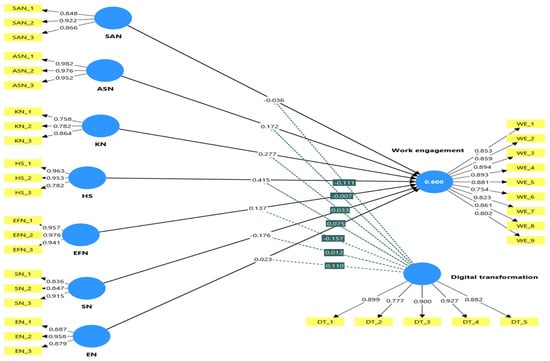
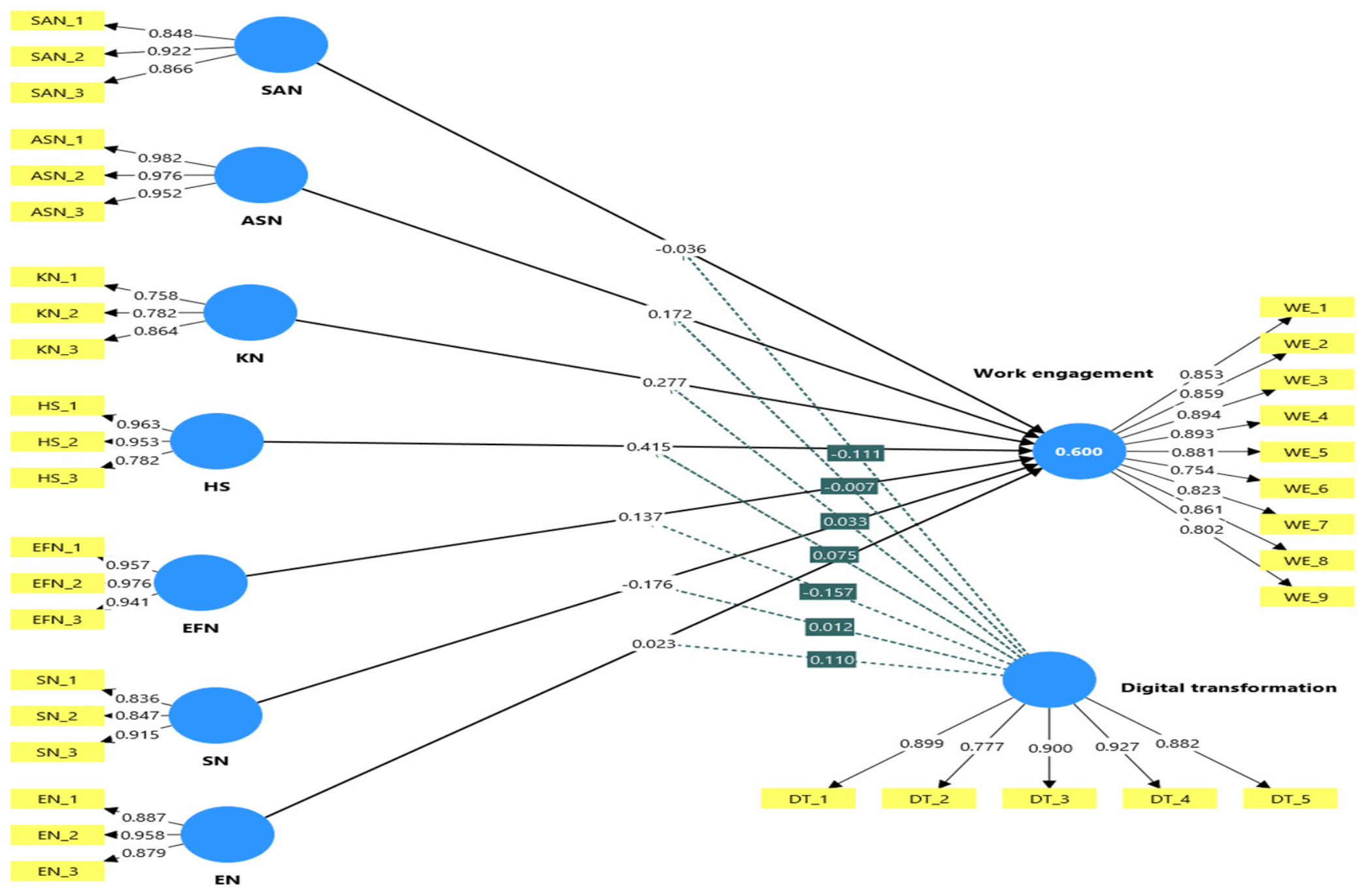
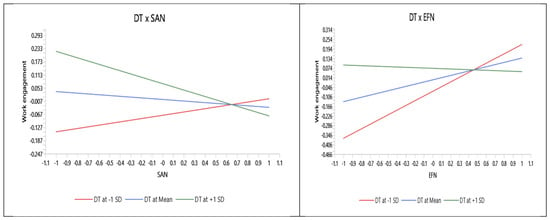
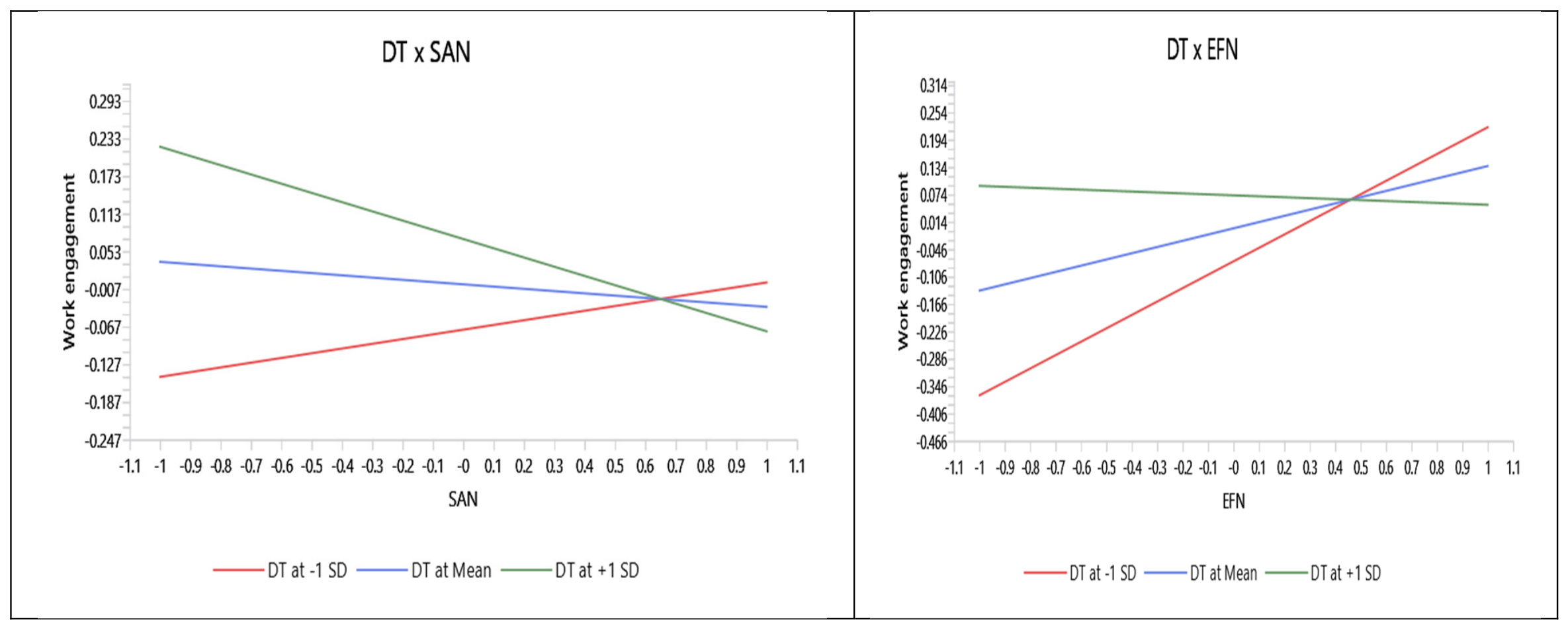

Disclaimer/Publisher’s Note: The statements, opinions and data contained in all publications are solely those of the individual author(s) and contributor(s) and not of MDPI and/or the editor(s). MDPI and/or the editor(s) disclaim responsibility for any injury to people or property resulting from any ideas, methods, instructions or products referred to in the content. |
© 2026 by the authors. Licensee MDPI, Basel, Switzerland. This article is an open access article distributed under the terms and conditions of the Creative Commons Attribution (CC BY) license.