


Abstract
Artificial intelligence is fundamentally reshaping work in hospitality and tourism, yet limited research has examined how employees’ AI readiness is associated with psychological and behavioral outcomes with sustainability implications. Drawing on Conservation of Resources Theory, this study investigates the relationships between employee AI readiness, digital thriving at work, service innovation behavior, and sustainable work behavior, with particular attention to the mediating roles of digital thriving and service innovation behavior. Data were collected from 482 employees in five-star hotels and travel agencies and analyzed using PLS-SEM. The findings reveal that AI readiness is positively associated with digital thriving and service innovation behavior. Digital thriving is positively associated with both service innovation behavior and sustainable work behavior, while service innovation behavior is positively associated with sustainable work behavior. Furthermore, digital thriving partially mediates the relationships between AI readiness and both service innovation behavior and sustainable work behavior. In contrast, the proposed indirect effect of digital thriving on sustainable work behavior through service innovation behavior is not statistically significant. The model explains 74% of the variance in sustainable work behavior, indicating substantial explanatory power. These findings highlight an employee-centered resource perspective in which AI readiness is associated with positive psychological and behavioral outcomes relevant to sustainable work. The study contributes to research on AI-driven workplace transformation by demonstrating the importance of employee capabilities and psychological resources in understanding sustainable work behavior, with implications for SDGs 8, 9, 12, and 13. Practically, the findings emphasize investment in employee AI readiness, support for digital thriving, and the integration of service innovation with sustainability objectives in hospitality and tourism organizations. The cross-sectional design and reliance on self-reported data highlight the need for longitudinal and multi-source research across diverse contexts. The study’s originality lies in integrating technological, psychological, and behavioral perspectives within a COR-based framework to explain how AI readiness is associated with sustainable employee behavior.
1. Introduction
Artificial intelligence (AI) is rapidly reshaping the nature of work, employee capabilities, and service delivery across tourism and hospitality [1]. Unlike earlier waves of digitalization that primarily automated specific operational activities, contemporary AI technologies increasingly influence how employees acquire information, make decisions, interact with customers, generate ideas, and redesign their work practices [2]. This transformation is particularly consequential for hospitality and tourism, where service outcomes depend heavily on employees’ ability to combine technological resources with human judgment, interpersonal skills, and adaptive behavior [3]. The emergence of Industry 5.0 and Society 5.0 further emphasizes the need to integrate advanced technologies with human capabilities rather than treating technological transformation as an exclusively technical process [4,5,6]. Accordingly, the question is no longer simply whether hospitality organizations adopt AI, but whether employees are sufficiently prepared to work productively and sustainably with AI.
Employee AI readiness represents an important starting point in this transformation. Readiness reflects employees’ preparedness to understand, accept, and effectively engage with AI-enabled technologies, and therefore extends beyond the mere availability of technological infrastructure [7]. Importantly, however, AI readiness should not be interpreted as a uniform resource whose consequences are identical across all hospitality and tourism jobs. The resource value of AI depends partly on what employees actually do with the technology and whether AI primarily augments existing activities or automates standardized tasks. For example, AI may support employees by accelerating information search, language translation, personalization, forecasting, or decision support, while in highly standardized activities it may also automate substantial portions of previously human-performed work. Accordingly, the resource consequences of AI readiness may vary with task complexity, interaction intensity, functional responsibility, and employees’ professional expertise. The present study does not empirically estimate these occupational contingencies; rather, it examines the aggregate employee-level relationship between AI readiness and positive work outcomes and treats occupational heterogeneity as an important boundary condition for future research.
Implementation should also be differentiated by job profile. In highly standardized functions, managers should focus on identifying which activities can be safely augmented or automated while preserving appropriate human oversight. In interaction-intensive functions, AI should primarily be positioned as a decision-support and preparation resource rather than a replacement for relational service. This distinction is particularly relevant across reservations, front office, revenue management, sales, housekeeping, food and beverage, human resources, and managerial roles.
Previous research has linked technology readiness with employees’ adaptive performance, suggesting that employees who are better prepared to engage with new technologies may possess greater capacity to adjust their behaviors and performance to changing work requirements [8]. In tourism and hospitality, AI readiness has similarly emerged as an important organizational and employee-level issue, with recent research highlighting the importance of digital self-efficacy, psychological safety, AI literacy, organizational support, and broader organizational readiness in shaping employees’ responses to AI [9,10,11,12,13]. Recent systematic–quantitative evidence in tourism and hospitality shows that employees’ STARA (smart technology, artificial intelligence, robotics, and algorithms) competencies and techno-eustress significantly enhance AI adoption performance when supported by self-efficacy and organizational backing [14]. This line of work underlines that AI readiness is not merely infrastructural but deeply rooted in individual capabilities and psychological responses to technology, reinforcing the present study’s emphasis on employee-level readiness as a critical resource for navigating AI-enabled change [15]. Research has also shown that resistance to change can undermine AI readiness, whereas leadership and high-performance work systems can facilitate employees’ preparedness for AI-enabled transformation [16]. Thus, AI readiness can be viewed as an employee resource that potentially enables individuals to approach technological change with greater confidence and behavioral capacity.
The importance of employee readiness becomes even more apparent in hospitality and tourism because technological transformation occurs within highly dynamic service environments [17]. Employees are expected to adapt to smart technologies while maintaining service quality, responding to customer needs, and continuously adjusting their work practices. Evidence from hospitality and tourism indicates that employee readiness remains a significant challenge in the adoption of smart technologies, reinforcing the importance of workforce capabilities in determining whether technological investments translate into meaningful organizational outcomes [18]. Similarly, workforce-readiness research emphasizes the development of future-oriented talent as an important requirement for hospitality organizations facing technological and environmental change [19]. Recent work on digital readiness in hospitality further suggests that technological preparedness can support talent transformation, indicating that employee readiness may constitute a foundational resource for navigating digitally changing work environments [17]. These arguments are consistent with evidence that AI capabilities and digital dynamic capabilities can contribute to sustainability-related outcomes when organizations possess the knowledge and innovation capabilities necessary to translate technology into productive action [20,21].
However, AI readiness alone may not fully explain why some employees flourish in technology-intensive environments while others merely adapt to them. An important missing mechanism concerns employees’ psychological experience of working with digital technologies. In this regard, digital thriving at work offers a particularly useful explanation. Thriving refers to a psychological state characterized by the simultaneous experience of vitality and learning, reflecting employees’ sense that they are energized by and developing through their work [22]. The thriving literature has increasingly positioned this construct as an important explanation for employee well-being, innovative behavior, and adaptation. Reviews of the literature indicate that thriving is associated with multiple antecedents and consequences relevant to contemporary work environments [23,24]. More recent research has extended this discussion into digitally intensive contexts, examining how employees can thrive amid digital work, AI-enabled environments, and changing work arrangements [25,26,27].
The relationship between technological readiness and thriving is especially relevant because employees who feel prepared to engage with AI may be better positioned to experience technology as a source of capability rather than as a threat to existing resources. Recent empirical evidence has begun to connect AI readiness directly with thriving at work. Chen et al. [28], for example, examined the relationship between AI readiness and thriving among Chinese nurses, while Rafaqat et al. [29] investigated why employees thrive with AI by focusing on cognitive and proactive responses to technology. Related hospitality research has shown that digital empowering leadership can foster digital work engagement through mechanisms involving self-efficacy and thriving [30], while research on AI awareness in hotels has demonstrated the importance of psychological empowerment and digital mindset in explaining innovative behavior [31]. Similarly, AI awareness has been linked to eustress, task crafting, and employee adaptation in hotel settings, suggesting that employees’ psychological and behavioral responses to AI can transform technological change into a source of energy and capability [32]. These findings collectively suggest that employee readiness may have consequences that extend beyond technology adoption by shaping how employees experience and respond to digitally transformed work.
This possibility is theoretically consistent with Conservation of Resources (COR) Theory [33,34]. COR Theory proposes that individuals are motivated to acquire, retain, protect, and build resources because resources are fundamental to effective functioning and adaptation. Resources may include personal capabilities, knowledge, energy, psychological states, social support, and other conditions that help individuals cope with demanding environments [35,36]. From this perspective, technological transformation can be interpreted as a resource-relevant context. AI may impose new demands on employees, but employees’ readiness to engage with AI can simultaneously provide knowledge, competence, confidence, and adaptive capacity. Such resources can generate additional resources through positive resource-investment processes. COR research in hospitality has already demonstrated the usefulness of this perspective for understanding employee behavior and performance under changing organizational conditions [37,38].
Within this resource-based logic, digital thriving can represent an important psychological manifestation of resource gain. Employees who possess sufficient technological preparedness may experience greater learning and vitality because they can engage with AI-enabled work with greater confidence and fewer resource losses. Thriving is itself relevant to innovation because energized and learning-oriented employees are more likely to explore alternative ways of performing their work and respond proactively to changing demands. Empirical studies have repeatedly connected thriving with innovative behavior. Thriving has been found to mediate relationships between organizational practices and innovative behavior in hotels [39], while other studies have linked thriving directly to innovative work behavior [40,41,42]. Human capital and digital innovation research similarly suggests that thriving can serve as a mechanism through which employees’ capabilities are translated into readiness for digital innovation [43]. These findings provide a strong basis for proposing that AI readiness may stimulate digital thriving, which in turn facilitates employees’ willingness and ability to innovate in service contexts.
Service innovation behavior constitutes a particularly important behavioral outcome in hospitality and tourism [44]. Service organizations depend on employees who can identify opportunities, generate new service ideas, experiment with alternative approaches, and implement improvements in customer-facing activities [45]. Service innovation is therefore not restricted to technological invention; it also encompasses employees’ behavioral contribution to developing and implementing new or improved ways of delivering services. Research in hotels has emphasized the role of organizational culture, employee behavior, and performance in explaining service innovation [44]. Other studies have demonstrated that HR practices can encourage hotel employees’ service innovative behavior, with creative self-efficacy strengthening this process [46]. Leadership and psychological resources have also been identified as important antecedents of innovative service behavior, including inclusive leadership, psychological empowerment, innovative climate, and supportive leadership [47,48].
The increasing integration of AI provides another pathway through which service innovation behavior may emerge. AI technologies can facilitate information search, experimentation, problem solving, personalization, and service design, potentially expanding employees’ opportunities to develop new service solutions. Kong et al. [49] demonstrated that AI can contribute to hospitality employee innovation through mechanisms involving exploration, AI trust, and proactive personality. More recent evidence indicates that explainable AI can influence frontline employees’ service innovation, emphasizing the importance of how employees cognitively and behaviorally interact with AI technologies [50]. Research on AI adoption and innovative behavior in tourism likewise suggests that technological adoption and employee innovation are increasingly intertwined in digital tourism environments [51]. Empirical research in tourism and hospitality further suggests that AI-enabled marketing and agile branding strategies can drive competitive and sustainable performance when organizations harness digital capabilities responsibly [52,53]. These findings underscore that AI adoption, when embedded in broader innovation logics, can support not only service creativity but also more durable, sustainability-oriented value propositions in tourism markets [53]. Thus, AI readiness may provide employees with the confidence and capabilities necessary not only to use AI but also to convert AI-enabled resources into innovative service behaviors.
Importantly, the resource perspective suggests that AI readiness may influence service innovation through two complementary pathways. First, readiness can have a direct behavioral effect by preparing employees to interact effectively with AI and exploit its possibilities. Second, readiness can generate psychological resources in the form of vitality and learning, reflected in digital thriving, which subsequently encourages innovative behavior. This distinction is important because technological preparedness does not necessarily translate automatically into innovation. Employees must also possess the psychological energy and developmental orientation needed to invest their resources in experimentation and change. Evidence that thriving can connect organizational and human-capital resources with innovative behavior supports this mediating logic [39,42,43]. Accordingly, examining digital thriving as a mechanism between AI readiness and service innovation provides a more resource-sensitive explanation of how employees convert technological preparedness into innovative action.
The ultimate outcome considered in the present study is sustainable work behavior. Sustainability in hospitality and tourism increasingly depends not only on organizational strategies, technologies, and environmental management systems, but also on employees’ everyday behavior [54]. Sustainable work behavior involves employees’ willingness to act in ways that support the long-term environmentally oriented sustainable workplace behavior of their workplaces [55]. Research has examined factors that motivate employees toward sustainable behavior, emphasizing the importance of organizational and psychological conditions that encourage employees to incorporate sustainability into their daily activities [56]. More recent studies have connected digitalization, employee well-being, learning orientation, and sustainable economic behavior, suggesting that technological transformation can have sustainability implications through employee-level processes [57]. Similarly, research on sustainable innovation emphasizes the role of workplace well-being and digital capability in creating conditions conducive to more responsible and cleaner forms of organizational activity [58].
The relationship between innovation and sustainability is particularly relevant to hospitality and tourism. Innovative employees may identify more efficient ways to use resources, redesign service processes, reduce waste, respond to environmental concerns, and develop practices that balance service quality with sustainability objectives [59]. Evidence indicates that innovative behaviors and employee creativity can contribute to sustainable competitive advantage [60]. Green innovative service behavior has also been associated with leadership and empowerment processes in hospitality organizations [47,48], while sustainable leadership has been shown to foster green innovative work behavior through psychological empowerment and self-efficacy [61]. At the organizational level, digital dynamic capabilities, green knowledge management, and green technology innovation have also been linked to sustainability performance [20]. Together, these findings imply that innovation can constitute a behavioral bridge between technological transformation and sustainability.
From a COR perspective, digital thriving may also contribute directly to sustainable work behavior because thriving employees possess both energy and learning resources that can be invested in behaviors extending beyond immediate task requirements. Employees who feel energized and continue to learn may be more willing to devote personal resources to behaviors that create longer-term value for their organizations and stakeholders. Research on social sustainability has similarly emphasized the role of thriving and knowledge-sharing cultures in supporting sustainable organizational outcomes [62]. Evidence concerning employee well-being and digital competence further suggests that positive employee states and digital capabilities can jointly support innovative and sustainable outcomes [57,58]. Therefore, digital thriving may serve not only as a precursor to service innovation but also as a direct psychological resource supporting sustainable work behavior.
The proposed model consequently views service innovation behavior as a second resource-conversion mechanism. When employees thrive digitally, they may possess greater energy and learning capacity to experiment with new service practices. These innovative behaviors can subsequently be invested in sustainable work practices, creating a resource-generating sequence from AI readiness to thriving, innovation, and sustainability. This reasoning is compatible with COR’s emphasis on resource investment and resource gain spirals [33,36]. Employees who begin with technological resources may accumulate psychological resources through thriving and then translate those resources into innovative behavioral resources that contribute to sustainable outcomes. Such perspective extends existing research that has examined thriving and innovation separately by integrating them into one employee-centered pathway.
The importance of this integrated perspective is reinforced by the broader shift toward human-centered digital transformation. AI and digital transformation can create opportunities for sustainable development, but their organizational consequences depend substantially on how people respond to technological change [63,64]. The transition toward Industry 5.0 similarly emphasizes a closer relationship between advanced technology, human capabilities, learning, and sustainable development [4,6]. Consequently, an employee-centered examination of AI readiness is particularly valuable because technological adoption at the organizational level does not guarantee that employees will use AI in innovative or sustainable ways. The socio-technical perspective emerging in recent hospitality research further highlights the need to consider adoption, empowerment, and stakeholder capabilities alongside technological development [65].
Despite these developments, several important gaps remain. First, much of the emerging AI literature in hospitality has concentrated on AI adoption, organizational readiness, technological capabilities, or employee outcomes, whereas less attention has been devoted to understanding how individual AI readiness is linked with positive psychological and behavioral outcomes at work [9,11,12]. Second, although thriving research increasingly recognizes the importance of digital work and AI, the role of digital thriving as a mechanism linking employee AI readiness with service innovation remains insufficiently integrated into hospitality research [25,28,39]. Third, service innovation and sustainability have often been investigated as related but distinct outcomes, leaving room to examine whether employees’ innovative service behavior provides a behavioral pathway through which digital resources ultimately contribute to sustainable work behavior. Fourth, although COR Theory has been used to explain employee adaptation, innovative behavior, and sustainable performance, its resource-gain logic has not been sufficiently applied to an integrated AI readiness-thriving-innovation-sustainability chain in hospitality and tourism [37,38].
Drawing on COR Theory, the study proposes that employees’ AI readiness constitutes an initial technological and personal resource that stimulates digital thriving at work. Digital thriving is expected to encourage service innovation behavior, while both thriving and service innovation are expected to foster sustainable work behavior. The model therefore proposes not only direct relationships between AI readiness, thriving, innovation, and sustainability, but also two important indirect mechanisms: digital thriving as a mediator between AI readiness and service innovation and between AI readiness and sustainable work behavior, and service innovation as a mediator between digital thriving and sustainable work behavior. In doing so, the study conceptualizes sustainability not as a purely organizational or technological outcome, but as the endpoint of a resource-based employee process.
2. Literature Review and Hypotheses Development
2.1. Conservation of Resources (COR) Theory
Conservation of Resources (COR) Theory provides the overarching theoretical foundation for explaining how employees respond to AI-enabled transformation. According to Hobfoll [33], individuals are motivated to acquire, retain, protect, and build resources because resources are essential for maintaining well-being and effective functioning. Resources encompass not only tangible assets but also personal characteristics, psychological states, knowledge, skills, social relationships, and other conditions that facilitate adaptation to demanding circumstances. When individuals possess sufficient resources, they are better positioned to invest them in activities that generate additional resources. Conversely, resource loss can create stress and constrain employees’ capacity to respond effectively to changing work demands [34,36].
COR Theory is particularly relevant to AI-enabled workplaces because technological transformation can simultaneously create resource gains and resource losses [66]. AI may provide employees with knowledge, decision support, information-processing capacity, and opportunities for learning, thereby functioning as a resource-enhancing technology. At the same time, AI may automate standardized activities, alter established routines, increase uncertainty, or reduce employees’ perceived control over previously human-performed tasks. The consequences therefore depend partly on whether AI is experienced primarily as an augmenting resource that extends human capabilities or as a substituting technology that replaces particular activities. From a COR perspective, augmentation may initiate resource-gain processes, whereas perceived substitution may create resource-loss concerns [67]. The present study focuses empirically on the resource-gain side of this relationship while recognizing the augmentation-substitution distinction as an important boundary condition.
A central principle of COR Theory is that resources can generate additional resources. Employees who possess an initial resource may use it to obtain further psychological or behavioral resources, producing a resource-gain process [35,36]. Applied to the present study, employee AI readiness represents an initial technological and personal resource. This resource is expected to facilitate digital thriving, characterized by employees’ simultaneous experience of vitality and learning, which can subsequently encourage service innovation behavior. Service innovation, in turn, can provide a behavioral route through which employees contribute to sustainable work behavior. The proposed model therefore reflects a resource-gain sequence in which AI readiness initiates a chain extending from psychological thriving to innovative behavior and ultimately to sustainability-oriented behavior.
The same process may also contain a resource-loss pathway. When employees repeatedly rely on automated recommendations for standardized decisions, opportunities to exercise underlying professional knowledge may decline. Over time, excessive dependence on AI could therefore weaken some routines, problem-solving capabilities, or forms of tacit knowledge, even when short-term productivity increases. COR theory permits this more ambivalent interpretation because resource investment can produce gains in some resources while simultaneously creating vulnerabilities in others. The present study does not measure deskilling, but recognizing this possibility prevents AI readiness from being interpreted as an inherently positive or universally resource-generating condition.
2.2. Employee AI Readiness and Digital Thriving at Work
Employee AI readiness refers to employees’ preparedness to engage effectively with artificial intelligence in their work. It reflects an employee’s capacity and willingness to cope with AI-enabled changes and to use AI-related technologies within the work environment. Recent research has increasingly recognized AI readiness as an important employee-level issue [10]. Studies have examined AI readiness in relation to employee capabilities, digital self-efficacy, psychological safety, AI literacy, organizational support, and broader organizational preparedness [9,10,11,13]. In hospitality specifically, organizational and external e-readiness have been associated with AI adoption, while employee readiness remains an important challenge in smart-technology implementation [12,18].
AI can also function as a workplace-integrated learning resource. Employees may use AI to clarify procedures, interpret unfamiliar information, support language-related tasks, formulate customer responses, explore alternative solutions, and obtain immediate explanations of work processes. In this sense, AI represents not only an object that employees must learn to use but also a medium through which learning resources can be acquired. This distinction is particularly relevant in hospitality and tourism, where heterogeneous qualification levels, employee mobility, and operational demands can make accessible workplace learning valuable. From a COR perspective, AI-supported learning may transform an initial technological resource into additional knowledge and capability resources, thereby providing one possible explanation for the association between AI readiness and digital thriving.
From a COR perspective, AI readiness constitutes a potentially valuable personal resource because it equips employees with the psychological and capability-related resources required to navigate technological change. Employees who feel prepared for AI may perceive technological change as more manageable and may be better able to direct their resources toward learning and productive engagement [14]. Abdul Hamid [8] provides related evidence by showing the relevance of employees’ technology readiness to adaptive performance. In the hospitality context, recent research has similarly emphasized digital readiness as a catalyst for workforce and talent transformation [17]. AI readiness may therefore provide employees with a resource base from which further positive psychological resources can develop.
Digital thriving at work provides an appropriate mechanism for capturing this resource-development process. Thriving is characterized by a combination of vitality and learning, representing a positive psychological state in which employees feel energized while simultaneously developing their knowledge and capabilities [22]. Research has established thriving as an important construct for understanding employee well-being, adaptation, and positive work outcomes [23,24]. Emerging research has increasingly examined thriving in digitally transformed work environments, including contexts involving AI and remote digital work [25,26].
AI readiness should facilitate thriving because employees who are prepared to work with AI are more likely to possess the resources necessary to learn and remain energized during technological change. Recent empirical evidence provides direct support for this general relationship. Chen et al. [28] examined the relationship between AI readiness and thriving at work, while Rafaqat et al. [29] explored the cognitive and proactive processes through which employees thrive with AI. Within hospitality, Hasanein and Khairy [30] found that digital empowering leadership can foster digital work engagement through self-efficacy and thriving, while Hasanein et al. [32] demonstrated that AI awareness can stimulate positive employee responses involving eustress, task crafting, and adaptation. These findings suggest that technology-related preparedness and positive psychological states can be closely interconnected. Under COR Theory, employees who possess technological readiness can invest this resource in learning and adapting to AI-enabled work, thereby generating additional psychological resources. Digital thriving can consequently emerge as a resource-gain outcome of AI readiness. Therefore:
H1.
Employee AI readiness has a positive effect on digital thriving at work.
2.3. Employee AI Readiness and Service Innovation Behavior
Service innovation behavior describes employees’ efforts to generate, promote, and implement new or improved ideas, practices, and approaches in service delivery [68]. It is particularly important in hospitality and tourism because employees interact directly with customers and are therefore well positioned to identify service problems and opportunities for improvement [69]. Service innovation research in hotels has emphasized the combined importance of organizational culture, employee behavior, and performance in explaining innovation [44]. Employee-level research has further demonstrated that HR practices can influence service innovative behavior, with creative self-efficacy strengthening employees’ innovative responses [46].
AI readiness may provide employees with the technological and psychological resources required to engage in service innovation [70]. Prepared employees are more likely to understand how AI can be incorporated into existing work processes and may be better positioned to experiment with AI-enabled solutions. AI can provide employees with access to information, analytical support, content generation, personalization capabilities, and alternative approaches to solving service problems [71]. Consequently, employees who are ready to engage with AI may have greater capacity to identify opportunities for service improvement.
Existing hospitality research provides growing evidence for a relationship between AI-related capabilities and employee innovation. Kong et al. [49] showed that AI can enhance hospitality employee innovation through exploration, AI trust, and proactive personality. Khairy and Salama [31] found that AI awareness contributes to innovative behavior through psychological empowerment and digital mindset, while Li and Zong [50] demonstrated the relevance of explainable AI to frontline employees’ service innovation. Research in tourism has also connected AI adoption and innovative behavior with employee performance in digitally based tourism environments [51].
From a COR perspective, AI readiness represents a resource that employees can invest in innovation-oriented activities. Employees with greater readiness may experience lower resource costs when experimenting with AI and may therefore have more resources available for generating and implementing new service ideas [72]. Rather than viewing AI readiness solely as a prerequisite for technology adoption, the present study proposes that it can directly facilitate employees’ innovative service behavior. Hence:
H2.
Employee AI readiness has a positive effect on service innovation behavior.
2.4. Digital Thriving at Work and Service Innovation Behavior
Thriving employees possess two complementary resources: vitality, which provides energy for action, and learning, which provides the capacity to develop and apply new knowledge [22]. These characteristics make thriving particularly relevant to innovative behavior. Innovation requires employees to move beyond established routines, explore alternatives, acquire new knowledge, and persist when new ideas encounter obstacles [73]. Employees who are simultaneously energized and learning-oriented may therefore be particularly capable of engaging in service innovation.
The relationship between thriving and innovation has received empirical support across organizational contexts. Riaz et al. [40] examined the relationship between thriving at work and innovative behavior, while Liu et al. [41] demonstrated the importance of thriving in explaining innovative work behavior. More recently, Akhtar et al. [39] found that thriving mediates the relationship between high-performance human resource practices and innovative behavior in the hotel industry. Masyhuri et al. [43] similarly identified thriving as an important mechanism linking human capital with readiness for digital innovation.
In hospitality-specific research, Wu et al. [42] showed that thriving at work forms part of the mechanism underlying hotel employees’ service innovation performance, alongside change-oriented organizational citizenship behavior. This evidence is important because it suggests that thriving is not merely associated with general employee well-being but can be translated into concrete innovation-related behaviors within hotel service environments.
COR Theory provides an explanation for why thriving should encourage service innovation. Vitality represents an energetic resource that enables employees to invest effort, whereas learning provides a knowledge-related resource that facilitates experimentation and problem solving. Employees who thrive can therefore invest these resources in developing and implementing new service ideas [74]. Such investment may generate further resources through improved service performance, learning, and recognition. Accordingly:
H3.
Digital thriving at work has a positive effect on service innovation behavior.
2.5. Digital Thriving at Work and Sustainable Work Behavior
Sustainable work behavior represents employees’ voluntary and work-related actions that contribute to the long-term environmentally oriented sustainable workplace behavior of their workplaces [75]. Employees are central to sustainability because organizational sustainability strategies ultimately require behavioral enactment at the operational level. Research has consequently examined the conditions under which employees become motivated to engage in sustainable behavior [56].
Thriving may encourage sustainable work behavior because sustainable action often requires employees to invest personal effort beyond immediate task requirements [76]. Employees who experience vitality may possess greater energy to engage in sustainability-oriented activities, while learning provides the cognitive resources necessary to understand and adopt new sustainable practices [77]. Thus, thriving can provide employees with both the motivational energy and learning capacity required for sustainability-oriented behavior.
This argument is consistent with research connecting thriving with broader sustainability-related outcomes. Gormezoglu et al. [62] highlighted the role of thriving within organizational social sustainability and emphasized the importance of knowledge-sharing cultures. Research on digitalization has likewise linked employee well-being and learning orientation with sustainable economic behavior [57]. Li and binti Norman [58] further identified workplace well-being and digital capability as relevant elements in the development of sustainable innovation. COR Theory suggests that employees possessing greater psychological resources are more capable of investing those resources in behaviors that generate longer-term organizational value. Digital thriving therefore provides a resource foundation from which employees can engage in sustainability-oriented work behavior. Accordingly:
H4.
Digital thriving at work has a positive effect on sustainable work behavior.
2.6. Service Innovation Behavior and Sustainable Work Behavior
Innovation and sustainability are increasingly interconnected in hospitality and tourism [78]. Service organizations face simultaneous pressures to improve customer experiences, remain competitive, reduce resource consumption, and respond to environmental and social expectations [79]. Employees’ innovative behaviors can help organizations reconcile these demands by generating new approaches to service delivery and operational processes. Previous research has established a connection between innovative behavior and sustainability-related outcomes. Nasifoglu Elidemir et al. [60] showed that innovative behaviors and employee creativity can contribute to sustainable competitive advantage. In hospitality, green innovative service behavior has been associated with inclusive leadership and employee-level psychological resources [47], while supportive leadership can promote green innovative work behavior through innovative climate and psychological empowerment [48]. Khairy et al. [61] similarly demonstrated the importance of sustainable leadership, psychological empowerment, and self-efficacy in promoting green innovative work behavior in hotels.
At a broader organizational level, digital dynamic capabilities, green knowledge management, and green technology innovation have been associated with sustainability performance [20]. Shahid et al. [21] further showed that AI capabilities can contribute to sustainable firm performance through innovative work behavior. These findings suggest that innovation can operate as a behavioral mechanism through which technological and organizational resources are converted into sustainability-related outcomes. From a COR perspective, service innovation behavior represents an active form of resource investment. Employees who develop and implement new service practices may generate more efficient processes, improved resource utilization, and solutions that support long-term organizational sustainability. Innovation can therefore transform employee resources into behaviors with broader sustainability consequences. Hence:
H5.
Service innovation behavior has a positive effect on sustainable work behavior.
2.7. The Mediating Role of Digital Thriving at Work
The preceding arguments suggest that employee AI readiness can influence service innovation through digital thriving. Although AI readiness can directly provide employees with technological resources that support innovation [80], its effects may also depend on whether employees experience positive psychological states while working with AI. Readiness equips employees to engage with AI, while thriving supplies the energy and learning resources needed to convert that preparedness into innovative behavior [81].
This mechanism is consistent with COR Theory’s resource-gain logic. AI readiness represents an initial resource. Employees can invest this resource in learning and adapting to AI-enabled work, thereby experiencing greater vitality and learning. These thriving resources can subsequently be invested in experimentation, idea generation, and implementation of new service practices. Evidence that thriving mediates relationships between organizational resources and innovation supports this resource-conversion logic [39,43]. Hospitality research also directly connects thriving with hotel employees’ service innovation performance [42]. Thus, digital thriving is expected to explain part of the process through which AI readiness becomes service innovation. The proposed mediation recognizes that technological readiness is not necessarily sufficient to generate innovative behavior; employees must also have the psychological resources to invest in innovation. Therefore:
H6.
Digital thriving at work mediates the positive relationship between employee AI readiness and service innovation behavior.
AI readiness may also contribute to sustainable work behavior through digital thriving. The logic underlying this relationship is different from a simple technology-to-sustainability relationship. Employees who are ready to work with AI may acquire technological and psychological resources that enable them to learn, remain energized, and adapt to changing work requirements [82]. These resource gains may subsequently encourage employees to invest effort in sustainability-oriented behaviors.
COR Theory predicts that resource gains can create further resource investment and positive behavioral consequences [33,36]. AI readiness therefore provides the initial resource, while digital thriving represents an intermediate psychological resource that can be invested in sustainable work practices. Research linking employee well-being, learning orientation, digital capability, and sustainability provides support for this broader resource-based argument [57,58]. The literature on thriving also suggests that vitality and learning can extend beyond immediate performance outcomes toward broader positive organizational consequences [23,62]. Accordingly, the present study proposes that digital thriving will partially explain how AI readiness is linked with sustainable work behavior. Hence:
H7.
Digital thriving at work mediates the positive relationship between employee AI readiness and sustainable work behavior.
2.8. The Mediating Role of Service Innovation Behavior
The final mediation proposed in the model concerns the transformation of digital thriving into sustainable work behavior through service innovation. Thriving provides employees with vitality and learning, but these psychological resources do not necessarily produce sustainability-oriented behavior automatically [77]. Employees must translate their energy and learning into concrete workplace actions. Service innovation behavior provides one such behavioral mechanism.
Thriving employees are more likely to explore new approaches, generate ideas, and experiment with alternative ways of delivering services [40,41]. In hospitality, thriving has been linked specifically to service innovation performance [42]. At the same time, innovative behavior can contribute to sustainability by facilitating new practices and solutions that support long-term organizational performance [60]. Research linking AI capabilities and innovative work behavior with sustainable firm performance further strengthens the argument that innovation can operate as a bridge between technology-related resources and sustainability [21,83]. From a COR perspective, this represents a resource-investment sequence. Digital thriving provides employees with energy and learning resources, which are invested in service innovation. Service innovation then becomes a behavioral resource that can generate more efficient, adaptive, and sustainability-oriented work practices. Therefore, service innovation is expected to mediate the relationship between digital thriving and sustainable work behavior. Thus,
H8.
Service innovation behavior mediates the positive relationship between digital thriving at work and sustainable work behavior.
2.9. Relationship with Sustainability and Sustainable Development Goals (SDGs)
Sustainability in tourism and hospitality increasingly depends on employees’ everyday actions rather than on isolated, top-down initiatives, making sustainable work behavior a critical bridge between organizational strategy and the United Nations Sustainable Development Goals (SDGs). Recent empirical evidence shows that corporate social responsibility (CSR), when aligned with employees’ values, can activate green intrinsic motivation and personal environmental norms, thereby stimulating energy-specific sustainable behaviors in hotels and advancing SDGs related to affordable and clean energy, responsible consumption and production, and climate action [84]. Similarly, environmental transformational leadership has been found to foster energy-saving behaviors through green passion and altruism, illustrating how leadership and employee-level psychological mechanisms translate into SDG-consistent outcomes in tourism and hospitality [85]. Within this evolving landscape, the present study positions employee AI readiness, digital thriving, and service innovation behavior as complementary drivers of sustainable work behavior. When employees feel technologically prepared and psychologically energized, they are more likely to redesign service processes, reduce waste, and integrate environmental and social considerations into their routine practices, thereby supporting SDGs 8 (decent work and economic growth), 9 (industry, innovation, and infrastructure), 12 (responsible consumption and production), and 13 (climate action). In emerging tourism economies, sustainability transitions in tourism and hospitality are increasingly framed as strategic investments that simultaneously enhance competitiveness and align with the SDGs, suggesting that AI-enabled, human-centered resource-gain processes can become a pivotal pathway for regenerative and inclusive tourism development [86]. From a regional perspective, these arguments suggest that for tourism economies across the Middle East and North Africa (MENA), they also align with the research, development, and innovation priorities, reinforcing that human resource development and technological advancement are complementary priorities. Investment in AI technologies and investment in workforce capabilities are more productively treated as complementary rather than competing development priorities [87].
2.10. Study Framework
Grounded in Conservation of Resources (COR) Theory, the study proposes resource gain process through which employee AI readiness is transformed into innovative and sustainable work behavior in hospitality and tourism organizations. AI readiness is conceptualized as a foundational technological resource that equips employees with confidence, knowledge, and capability to work productively with AI-enabled systems. In turn, this resource base is expected to fuel digital thriving at work—a state of simultaneous vitality and learning—thereby creating psychological resources that encourage experimentation, idea generation, and proactive adaptation. These psychological resources are translated into service innovation behavior, defined as employees’ discretionary efforts to develop and implement new or improved service practices that enhance value for guests and organizations. Finally, innovative service behavior is posited to contribute to sustainable work behavior, whereby employees integrate environmental, social, and long-term organizational considerations into their everyday actions at work. The framework, therefore, models sustainable work behavior as the distal outcome of a resource spiral starting from AI readiness, flowing through digital thriving and service innovation, and culminating in more sustainable patterns of employee conduct. The theoretical framework of the study is illustrated below in Figure 1.
Figure 1.
The theoretical framework of the study.
The proposed framework examines the direct relationships among employee AI readiness, digital thriving, service innovation behavior, and sustainable work behavior, together with the specific indirect roles of digital thriving and service innovation behavior. Although these relationships may theoretically form a resource-conversion process, the present study does not empirically test a serial mediation pathway.
3. Methods
3.1. Measurement Instruments
The study employed previously validated measurement scales to operationalize the four focal constructs. The instruments were selected based on their established psychometric properties and were adapted, where necessary, to suit the hospitality and tourism work context in Egypt. All items were assessed using a five-point Likert scale ranging from 1 = strongly disagree to 5 = strongly agree.
Employee AI readiness (AIR) was measured using 12 items adapted from the Technology Readiness Index developed by Parasuraman [88] and subsequently applied by Blaique et al. [10]. The scale captures employees’ readiness to embrace and use AI-based technologies in their work. Illustrative items include “AI offers me greater control over my work” and “AI makes me more productive in my job”. It is important to clarify that this operationalization captures employees’ perceived preparedness and capability-oriented orientation toward AI rather than objective AI competence, frequency of AI use, or actual technical proficiency. Some items also reflect perceived functional value associated with AI use. Accordingly, AI readiness is interpreted in this study as a subjective employee-level readiness orientation rather than as a direct behavioral or objective measure of AI competence.
Digital thriving at work (DTAW) was assessed using 10 items derived from Porath et al. [22] and recently applied in a hospitality context by Hasanein and Khairy [30]. The scale captures employees’ experiences of learning, vitality, and positive functioning when working with digital technologies. Example items include “At work, I find myself learning often when using digital technologies” and “At work, I continue to learn more and more over time through digital systems and tools”.
Service innovation behavior (SIB) was measured using six items adapted from Baradarani and Kilic [44]. The scale assesses employees’ tendency to generate, promote, and implement new ideas, techniques, and methods for improving service delivery. Sample items include “At work, I seek new service techniques and methods” and “At work, I sometimes propose my creative ideas and try to convince others”.
Sustainable work behavior (SWB) was assessed using seven items developed by Temminck et al. [56]. The measure captures employee discretionary workplace behaviors that support environmental sustainability. Representative items include “I make suggestions to improve the organization’s environmental performance” and “I am willing to speak up when policies or rules do not contribute to the achievement of the organization’s environmental goals”.
3.2. Sample and Data Collection
Data were collected from full-time employees in five-star hotels and Category-A travel agencies in Greater Cairo, Egypt. These sectors were chosen due to their service-oriented environments, emphasizing the importance of emerging technologies, continuous learning, service innovation, and sustainable practices. This setting also allows the estimated structural relationships to be compared between two types of tourism and hospitality organizations.
According to the Egyptian Ministry of Tourism and Antiquities [89], Greater Cairo contained 30 five-star hotels and 1666 Category-A travel agencies. The study employed a two-stage sampling procedure: initial judgmental sampling identified participating organizations, followed by convenience sampling to recruit eligible employees within those organizations, with prior approval obtained before administering questionnaires. The study gathered 482 valid questionnaires from employees at 24 five-star hotels and 60 Category-A travel agencies, targeting participants with a minimum of one year of relevant work experience to ensure sufficient familiarity with their organizational environment and workplace technologies; this criterion was an eligibility threshold rather than an assumption that respondents possessed equivalent levels of accumulated professional or tacit knowledge.
The translated instruments were reviewed by bilingual experts in tourism and hospitality research to ensure linguistic accuracy and cultural appropriateness. Strict confidentiality was guaranteed, with no personal identifiers (e.g., names) collected beyond demographic details. The study adhered to the Declaration of Helsinki and all applicable ethical regulations for social science research involving human participants. Participation was entirely voluntary, and written informed consent was secured from all respondents prior to data collection. The consent form clearly explained the research purpose, the voluntary nature of participation, the right to withdraw at any time without penalty, and the measures ensuring anonymity and confidentiality. Participants were informed that their data would be stored securely in aggregated form and used exclusively for academic analysis. Finally, they were assured that no foreseeable risks were associated with taking part in the study.
3.3. Data Analysis
The analysis utilized Partial Least Squares Structural Equation Modeling (PLS-SEM) via WarpPLS 8.0 to explore a theoretically specified model with interrelated latent constructs and both direct and indirect relationships [90]. The study comprised two stages: first, evaluating the measurement model for reliability and validity through indicators like Cronbach’s alpha, composite reliability, average variance extracted, and evaluating convergent and discriminant validity. Second, the structural model was assessed by analyzing path coefficients, coefficients of determination, and effect sizes, complemented by model-fit and quality indices recommended by Kock [91] to ensure overall model quality.
The mediation effects were analyzed using a bootstrapping method based on Preacher and Hayes [92], establishing significance through bootstrapped confidence intervals. An indirect effect was deemed significant if the 95% confidence interval excluded zero. This method evaluated how digital thriving at work and service innovation behavior mediate the impact of employee AI readiness on subsequent outcomes. Additionally, a multigroup analysis (MGA) was conducted to test whether the estimated structural path coefficients differed significantly between employees in five-star hotels and those in Category-A travel agencies. Because measurement invariance across the two groups was not formally assessed, the MGA was used solely to detect statistically significant differences in individual path coefficients. It was not used to infer that the model, or the mechanisms it represents, is equivalent across the two settings.
3.4. Common Method Bias
Because all focal constructs were measured from the same respondents using a self-administered questionnaire at a single point in time, common method variance (CMV) represents a potential source of bias. To mitigate this concern at the data-collection stage, several procedural safeguards were implemented, including assuring respondents of anonymity and confidentiality, emphasizing that participation was voluntary, and carefully administering the questionnaire to reduce evaluation apprehension and response-related biases.
In addition to these procedural safeguards, statistical diagnostics were conducted to assess whether the data exhibited indications of substantial common method bias. Harman’s single-factor test was used to examine whether a single factor accounted for a dominant proportion of the covariance among the study variables. Full-collinearity VIF diagnostics were also examined as an additional diagnostic approach. The results did not indicate a dominant single-factor pattern or problematic full collinearity. However, these statistical diagnostics should not be interpreted as demonstrating that CMV is absent or that it has been definitively ruled out. Rather, they provide only supplementary evidence regarding the potential presence of common method bias.
Accordingly, the possibility of residual CMV cannot be completely excluded, particularly given the cross-sectional, self-report nature of the study. The findings should therefore be interpreted with appropriate caution, and future research could strengthen causal inference and further address this concern by incorporating temporal separation, multiple data sources, objective measures, or longitudinal research designs.
4. Results
4.1. Participants’ Profile
Table 1 summarizes the demographic and professional characteristics of the 482 participants. The sample was predominantly male (59.34%), while females represented 40.66%. Regarding age, the largest group was participants aged 30–45 years (45.23%), followed by those aged 18–30 years (34.02%), whereas 20.75% were over 45 years old. Most respondents held a bachelor’s degree (63.69%), while 19.92% had a high school education and 16.39% held a master’s or doctoral degree. In terms of workplace, 59.96% of participants were employed in hotels, compared with 40.04% working in travel agencies. All respondents reported at least one year of work experience, indicating that the sample comprised participants with relevant professional exposure [93].
Table 1.
Participants’ profile (N = 482).
4.2. Measurement Model
Table 2 presents the psychometric assessment of the study constructs. All indicators demonstrate acceptable factor loadings, ranging from 0.689 to 0.872, supporting the adequacy of the measurement items. The VIF values, which range from 1.328 to 2.984, remain within acceptable limits, indicating no serious multicollinearity concerns. The constructs also show strong internal consistency, with composite reliability values between 0.885 and 0.940 and Cronbach’s alpha coefficients ranging from 0.848 to 0.930. Furthermore, the AVE values range from 0.551 to 0.671, exceeding the recommended threshold of 0.50 and thereby indicating satisfactory convergent validity.
Table 2.
Results of psychometric properties.
Table 3 reports the Fornell–Larcker criterion for assessing discriminant validity. The square root of AVE for each construct, shown on the diagonal, is higher than its correlations with the other constructs, supporting satisfactory discriminant validity. Specifically, the diagonal values range from 0.742 to 0.819, whereas the inter-construct correlations range from 0.506 to 0.582. These findings indicate that each construct captures a distinct concept from the other variables in the measurement model.
Table 3.
Fornell–Larcker criterion.
Table 4 presents the HTMT ratios as an additional assessment of discriminant validity. The reported HTMT values range from 0.757 to 0.835, remaining below the commonly accepted threshold of 0.90. This provides further evidence that the four constructs are empirically distinguishable and that discriminant validity is adequately established.
Table 4.
Heterotrait–Monotrait (HTMT) ratios.
4.3. Model Fit
Appendix A indicates that the proposed model achieves satisfactory overall fit and quality based on Kock’s [91] recommended criteria. The APC, ARS, and AARS are all statistically significant (p < 0.001), supporting the adequacy of the model’s structural relationships and explanatory power. Both AVIF (2.684) and AFVIF (2.654) fall below the recommended thresholds, indicating that multicollinearity is not a concern. The GoF value of 0.628 exceeds the criterion for a large effect, suggesting strong overall explanatory and predictive performance. In addition, the SPR, RSCR, SSR, and NLBCDR values are all 1.000, meeting or exceeding their respective benchmarks and indicating satisfactory model quality, with no evidence of substantial Simpson’s paradox instances or statistical suppression effects. These indices are reported solely as model-quality diagnostics. Because the data are cross-sectional, neither these indices nor any other model-fit statistic can establish the causal direction of the hypothesized relationships. The structural paths are therefore interpreted as theoretically grounded associations rather than as evidence of causality.
4.4. Intraclass Correlation Coefficients and Multi-Group Analysis
To assess the potential influence of organizational clustering, an intraclass correlation coefficient (ICC) analysis was conducted, treating the organization as the clustering unit. The sample comprised 482 respondents nested within 84 organizations, including 24 hotels and 60 travel agencies. As reported in Table 5, the ICC values were 0.044 for sustainable work behavior (SWB), 0.106 for digital thriving at work (DTAW), and 0.099 for service innovation behavior (SIB). These results indicate that approximately 4.4%, 10.6%, and 9.9% of the variance in SWB, DTAW, and SIB, respectively, is attributable to between-organization differences, whereas the majority of the variance occurs within organizations. Thus, the findings suggest relatively limited to modest organizational-level clustering, with DTAW and SIB exhibiting somewhat greater between-organization variance than SWB. Although the hierarchical structure of the data is acknowledged, the relatively modest ICC values suggest that organizational-level clustering accounts for only a limited proportion of the total variance in the endogenous constructs. Future research could employ multilevel modeling to examine organization-level effects more explicitly, particularly where organizational-level predictors or mechanisms are theoretically relevant.
Table 5.
Intraclass Correlation Coefficients (ICCs) for Endogenous Variables by Organization.
In addition, Table 6 presents the multigroup analysis comparing the estimated structural path coefficients of employees in five-star hotels and travel agencies. Although the path coefficients differ numerically across the two groups, none of these differences reaches statistical significance (p > 0.05). The largest observed difference concerns the AIR → SIB relationship (Δβ = 0.132, p = 0.064), followed by the relationship between AI readiness and digital thriving at work (Δβ = 0.122, p = 0.076); both remain statistically nonsignificant. The differences for DTAW → SIB, DTAW → SWB, and SIB → SWB are considerably smaller and likewise nonsignificant.
Table 6.
Multigroup analysis: differences in estimated structural path coefficients between five-star hotels and travel agencies.
These results should be read narrowly. Measurement invariance across the two groups was not established. Without it, a nonsignificant difference in a path coefficient cannot be taken to mean that the constructs carry the same meaning or that the relationships operate in the same way in both settings. The multigroup analysis therefore supports only one conclusion: no statistically significant differences were detected between the estimated structural path coefficients of the two groups. Given the moderate subgroup sizes (n = 289 and n = 193), the analysis may also have limited power to detect small between-group differences.
4.5. Structural Model and Hypotheses Testing
Table 7 and Figure 2 summarize the structural model and hypothesis-testing results. All five proposed direct relationships are statistically supported, with positive path coefficients and p < 0.01. AI readiness shows strong positive effects on both digital thriving at work (β = 0.79, f2 = 0.621) and service innovation behavior (β = 0.70, f2 = 0.585). Digital thriving at work also has a positive effect on service innovation behavior (β = 0.18, f2 = 0.134) and a stronger effect on sustainable work behavior (β = 0.64, f2 = 0.536), while service innovation behavior positively contributes to sustainable work behavior (β = 0.26, f2 = 0.202). The model explains 62% of the variance in digital thriving at work, 72% in service innovation behavior, and 74% in sustainable work behavior, indicating substantial explanatory power. Overall, the findings provide satisfactory empirical support for the proposed structural relationships.
Table 7.
Direct effects.
Figure 2.
Final results of the study.
Table 8 reports the mediation effects using the bootstrapping approach proposed by Preacher and Hayes [92]. The results indicate that two of the three hypothesized indirect effects are statistically significant, as their 95% bootstrapped confidence intervals do not include zero. Specifically, digital thriving at work (DTAW) significantly mediates the relationship between AI readiness (AIR) and service innovation behavior (SIB), with an indirect effect of 0.142 and a 95% bootstrapped confidence interval of [0.079, 0.205]. Similarly, digital thriving at work significantly mediates the relationship between AI readiness and sustainable work behavior (SWB), with an indirect effect of 0.506 and a 95% bootstrapped confidence interval of [0.423, 0.588]. These findings support H6 and H7, respectively. The mediation effects are classified as partial, indicating that the respective direct effects remain significant alongside the indirect effects.
Table 8.
Bootstrapped Confidence Interval for the Mediation Effects.
In contrast, the indirect effect of service innovation behavior in the relationship between digital thriving at work and sustainable work behavior is not statistically significant. The indirect effect is 0.047, with a 95% bootstrapped confidence interval of [−0.018, 0.111], which includes zero. The corresponding t-value (1.418) also does not indicate a statistically significant indirect effect. Therefore, H8 is not supported, and the results do not provide evidence that service innovation behavior mediates the relationship between digital thriving at work and sustainable work behavior.
5. Discussion
This study examined how employee AI readiness is associated with sustainable work behavior through digital thriving at work and service innovation behavior. The findings support a resource-conversion perspective in which AI readiness functions as an important personal and technological resource that is positively associated with digital thriving, service innovation behavior, and sustainable work behavior. The mediation results further indicate that digital thriving provides significant indirect pathways linking AI readiness with both service innovation behavior and sustainable work behavior. However, the proposed indirect pathway from digital thriving through service innovation behavior to sustainable work behavior was not statistically supported. Rather than viewing AI readiness only as a prerequisite for technology adoption, the results suggest that its value lies partly in how it helps employees respond constructively to digitally transformed work.
AI readiness was strongly associated with digital thriving at work, indicating that employees who are better prepared to use AI are more likely to experience digital work through greater learning and vitality. This finding is consistent with research linking AI readiness with thriving [28,29], technology readiness with adaptive performance [8], and digital readiness with workforce transformation in hospitality [17]. Related studies also show that AI awareness can generate positive responses such as eustress, task crafting, and adaptation [32], while digital empowering leadership can foster self-efficacy and thriving [30].
AI-use competence should also be distinguished from validation competence. An employee may know how to formulate prompts, retrieve information, or use an AI-supported system without possessing sufficient professional knowledge to determine whether the resulting recommendation is accurate or appropriate. This distinction is particularly important for pricing, reservation conditions, contractual statements, payments, data protection, complaint resolution, and safety-sensitive decisions. Consequently, AI readiness should not be interpreted as equivalent to autonomous decision competence. Human oversight, professional validation, and clear responsibility attribution remain necessary when AI outputs affect consequential service or operational decisions.
From the perspective of COR Theory, AI readiness can be understood as a valuable personal resource that reduces the demands associated with technological change and facilitates the acquisition of further resources [33,34,36]. Employees who feel capable of working with AI may experience less uncertainty and expend fewer resources coping with unfamiliar technologies. This leaves them better able to invest energy in learning and productive engagement. Because thriving reflects both vitality and learning [22], AI readiness can help employees move beyond merely coping with digital transformation toward benefiting psychologically from it. This interpretation is consistent with research positioning thriving as an important resource in contemporary workplaces [23,24,25] and reinforces the importance of human-centered approaches to technological transformation [4,6].
AI readiness was also positively associated with service innovation behavior. Employees who are prepared to work with AI appear better able to identify new service opportunities, solve problems, test alternatives, and implement improved service practices. This supports previous evidence linking AI with employee innovation through exploration, trust, and proactive behavior [49], psychological empowerment and digital mindset [31], and explainable AI [50]. Similar patterns have also been observed in tourism settings where AI adoption and innovative behavior increasingly intersect [51]. These findings extend the broader service innovation literature that emphasizes employee behavior, organizational culture, HR practices, and creative self-efficacy as important foundations of innovation [44,46].
Importantly, AI readiness appears to provide an immediate functional resource for innovation. Employees who possess the skills and confidence needed to use AI can invest these resources directly in experimentation and service improvement. This interpretation aligns with COR Theory, which emphasizes that resources can be invested to generate additional resources and positive outcomes [35,36]. However, the finding does not imply that AI automatically creates innovation. Prior research highlights the potential double-edged effects of AI on employee innovation [70] and the continuing importance of competencies and employee development for successful AI adoption [80]. AI readiness therefore creates favorable conditions for innovation rather than guaranteeing it.
Digital thriving also contributed positively to service innovation behavior. This finding is consistent with research linking thriving with innovative work behavior [40,41], showing its mediating role between HR practices and innovation in hotels [39], connecting human capital with digital innovation readiness [43], and supporting service innovation performance among hotel employees [42]. Thriving contributes to innovation because vitality supplies the energy required to move beyond established routines, while learning helps employees acquire and apply new knowledge [22]. Both are central to exploration, experimentation, and persistence in innovation [73]. The findings therefore suggest that AI readiness and digital thriving operate as complementary resources, combining technological capability with psychological energy and learning capacity [5,6].
Digital thriving also emerged as a central antecedent of sustainable work behavior. This extends research on sustainable employee behavior by highlighting the importance of psychological resources alongside organizational policies and practices [55,56]. It also aligns with studies connecting thriving with social sustainability and knowledge-sharing cultures [62], digitization with sustainable behavior through well-being and learning orientation [57], and workplace well-being and digital capability with sustainable innovation [58].
This relationship can be explained by the discretionary nature of sustainable work behavior. Employees often need to invest additional effort in identifying waste, improving work practices, learning more sustainable procedures, and supporting environmental or social objectives. Such behaviors are less likely when employees feel depleted by technological change. Thriving provides the energy and learning capacity required to engage in these behaviors. The finding therefore reinforces the idea that sustainability in hospitality is enacted through employees’ everyday decisions and actions rather than through technologies and formal policies alone [54,75]. It also fits the human-centered orientation of Industry 5.0, which connects technological development with employee well-being and sustainability [4,6].
Service innovation behavior also supported sustainable work behavior, suggesting that innovation provides a behavioral route toward sustainability. Employees who continuously rethink service processes may be more likely to identify opportunities to reduce resource consumption, improve efficiency, and integrate sustainability into customer service. This finding is consistent with research linking innovation and creativity with sustainable competitive advantage [60], green innovative behavior in hospitality [47,48,61], and digital and green innovation capabilities with sustainability performance [20]. It also supports evidence that innovative work behavior can connect AI capabilities with sustainable firm performance [21].
The mediation findings further clarify the mechanisms underlying the observed relationships. Digital thriving at work partially mediated the relationship between AI readiness and service innovation behavior, indicating that technological preparedness is associated with innovation both directly and through employees’ positive psychological experience of digitally enabled work. This finding extends research identifying thriving as a mechanism linking organizational resources with innovation [39,43] and complements evidence connecting thriving with service innovation performance [42]. Digital thriving also partially mediated the relationship between AI readiness and sustainable work behavior, suggesting that AI readiness is associated with sustainable work behavior partly through employees’ learning and vitality during digital transformation. This pattern is consistent with COR Theory’s resource accumulation and investment logic [33,35,36] and with research connecting digitalization, employee well-being, learning orientation, and sustainable behavior [57]. In contrast, the proposed indirect effect of digital thriving at work on sustainable work behavior through service innovation behavior was not statistically significant, as its bootstrapped 95% confidence interval included zero. Thus, H8 was not supported, indicating that the significant direct relationship between service innovation behavior and sustainable work behavior does not, by itself, establish a mediating pathway from digital thriving to sustainable work behavior through service innovation.
These findings also broaden existing discussions of AI and sustainability. AI is commonly associated with sustainability through improved efficiency and decision-making capabilities [63,64]. The present study identifies an additional employee-centered pathway. AI can contribute to sustainability when employees possess the readiness and psychological resources needed to use technological change productively. Thus, the human experience of AI is not separate from sustainability outcomes but forms part of the process through which technological transformation affects sustainable behavior.
The findings support a broader resource-gain perspective, although they do not establish a single sequential mediation chain. AI readiness is positively associated with digital thriving, service innovation behavior, and sustainable work behavior, while digital thriving provides significant indirect pathways between AI readiness and both service innovation behavior and sustainable work behavior. Service innovation behavior is also positively associated with sustainable work behavior. However, the nonsignificant indirect effect through the sequence of digital thriving and service innovation behavior indicates that these relationships should not be interpreted as evidence of a statistically established sequential resource-conversion process. Instead, the findings suggest that AI readiness may generate multiple interconnected but empirically distinct resource pathways through which employees can experience and enact positive work outcomes. This interpretation remains broadly consistent with COR Theory, which proposes that personal and contextual resources can generate further resource gains and facilitate positive behavioral outcomes [36].
Finally, the multigroup analysis did not detect statistically significant differences between the estimated structural path coefficients for employees in five-star hotels and those in travel agencies. This result calls for a cautious reading. Because measurement invariance across the two groups was not established, the analysis cannot show that respondents in both settings interpreted the constructs equivalently, nor that the proposed relationships operate through the same mechanism in each Within the present data, the finding indicates only that organizational type was not associated with statistically significant differences in the estimated paths. Whether employee readiness and workforce capabilities play comparable roles across hospitality and tourism organizations remains an open question. It is best addressed through formal invariance testing and larger subgroup samples [18,19].
Taken together, the significant specific indirect effects indicate that digital thriving at work represents a significant mechanism linking AI readiness with service innovation behavior and sustainable work behavior. In contrast, the indirect effect involving service innovation behavior as a mediator between digital thriving at work and sustainable work behavior was not statistically significant. Because these indirect effects were examined separately, the findings should not be interpreted as evidence of a statistically established sequential mediation process. Further, the positive associations observed in the present study should not be interpreted as evidence that AI is experienced positively under all organizational conditions. Where employees perceive AI primarily as a mechanism for labor substitution, technological change may instead activate concerns about job insecurity, replaceability, technostress, or loss of control. Such perceptions may reduce the resources available for learning and vitality and could therefore weaken the positive association between AI readiness and digital thriving. Future studies should explicitly model these resource-loss pathways alongside the resource-gain pathways examined here.
6. Study Implications
6.1. Theoretical Implications
This study offers several theoretical implications for understanding the employee-level consequences of AI-enabled transformation in hospitality and tourism. First, the study applies and contextually elaborates Conservation of Resources (COR) Theory in the emerging context of AI-enabled hospitality and tourism work. Rather than proposing a fundamentally new COR mechanism, the findings show how AI readiness can be understood as an employee-level technological resource that is positively associated with psychological and behavioral resources. This contextualization connects COR’s resource-investment logic with AI-enabled work, digital thriving, service innovation, and environmentally oriented sustainable work behavior.
Second, the study advances the conceptualization of AI readiness beyond technology adoption. The findings demonstrate that AI readiness has consequences for how employees experience and enact digital transformation. Its strong relationship with digital thriving indicates that readiness is not simply a technical capability but also a resource that can shape employees’ psychological functioning at work. By linking AI readiness with vitality and learning, the study connects technological preparedness with the broader thriving literature [22] and shows how AI-related resources can contribute to positive employee experiences.
Third, the study identifies digital thriving as an important psychological mechanism linking AI readiness with employee outcomes. The mediation results indicate that digital thriving partially transmits the relationships between AI readiness and both service innovation behavior and sustainable work behavior. Thus, thriving is not treated merely as a desirable well-being outcome but also as a psychological resource through which employees’ technological preparedness is associated with positive work behaviors. This extends previous research connecting thriving with innovation [39,40,41] by demonstrating its relevance within AI-enabled hospitality and tourism work.
Fourth, the study integrates technological, psychological, and behavioral perspectives by showing that AI readiness is positively associated with sustainability through both a direct relationship and an indirect pathway through digital thriving. The significant mediation effect of digital thriving indicates that sustainability outcomes cannot be fully understood in terms of technological capability alone, because employees’ psychological experience of digitally enabled work also matters. At the same time, service innovation behavior is positively associated with sustainable work behavior, although the proposed indirect pathway from digital thriving through service innovation behavior to sustainable work behavior was not statistically supported. This distinction contributes to emerging research on AI and sustainability [63,64] by highlighting an employee-centered pathway through which AI-related capabilities can be associated with sustainable behavior without assuming a statistically established sequential mediation process.
Finally, the study offers an initial comparative insight for hospitality and tourism research by examining the proposed relationships among employees in both five-star hotels and travel agencies. The multigroup analysis detected no statistically significant differences between the estimated path coefficients of the two groups. However, because measurement invariance was not established, this result does not demonstrate that the relationships are stable across settings or that a common mechanism operates in both. It instead provides a starting point for future comparative research that formally tests measurement invariance before comparing structural relationships across tourism and hospitality subsectors.
Overall, the study advances a human-centered theoretical perspective in which AI readiness represents an important technological and personal resource, digital thriving represents psychological resource development, and service innovation represents a distinct positive behavioral outcome. The findings suggest that these resources and behaviors are interconnected, but they do not establish a statistically significant sequential pathway from AI readiness through digital thriving and service innovation to sustainable work behavior.
6.2. Practical Implications
The findings provide several practical implications for hospitality and tourism organizations seeking to implement AI while supporting employee well-being, service innovation, and sustainable work behavior. First, organizations should treat employee AI readiness as a strategic workforce capability rather than merely a technical training requirement. AI implementation should therefore be accompanied by targeted development initiatives that strengthen employees’ AI knowledge, confidence, problem-solving skills, and ability to integrate AI into everyday service tasks. Such initiatives can help employees adapt to technological change and engage with AI more constructively.
Second, managers should create working conditions that support digital thriving. The positive relationship between AI readiness and digital thriving, together with the relationship between digital thriving and sustainable work behavior, indicates that employees’ vitality and learning should be considered important outcomes of digital transformation. Organizations can support digital thriving by providing continuous learning opportunities, sufficient time to adapt to new technologies, opportunities to experiment with AI, and managerial support during periods of technological change. AI implementation should not simply increase technological demands without providing employees with the resources required to manage them effectively.
Third, organizations should deliberately connect AI readiness with service innovation. Employees who are prepared to use AI should be encouraged to identify new applications, experiment with AI-supported solutions, and contribute ideas for improving customer experiences and operational processes. Managers can establish structured idea-sharing mechanisms, employee innovation forums, pilot projects, and recognition systems that encourage useful experimentation and implementation. This approach can help transform AI readiness from an individual capability into a practical source of service innovation.
Fourth, the findings highlight the importance of connecting service innovation with sustainable work behavior. Hospitality and tourism organizations should encourage employees to consider sustainability when redesigning service processes rather than treating innovation and sustainability as separate objectives. AI-supported innovations may be directed toward reducing resource consumption, minimizing waste, improving operational efficiency, and maintaining service quality. In this way, the significant positive relationship between service innovation behavior and sustainable work behavior suggests that organizations can encourage employees to consider sustainability when redesigning service processes.
Fifth, managers should distinguish technological efficiency from employee and customer outcomes. An AI-supported process may improve speed, reduce waiting time, or facilitate routine transactions, but these operational gains do not automatically guarantee better service experiences. Hospitality organizations should therefore assess AI applications not only in terms of efficiency but also in terms of their effects on employee learning, vitality, innovation, and the quality of human service interactions. In high-contact hospitality settings, AI should be designed to complement rather than unnecessarily replace meaningful human interaction.
Finally, AI transformation should follow a human-centered implementation approach. Managers should evaluate AI initiatives according to both technological outcomes and their consequences for employees’ capacity to learn, remain energized, innovate, and engage in sustainable work practices. The relationships identified in this study suggest that organizational value from AI is more likely to emerge when technological investment is accompanied by investment in the human capabilities required to use that technology effectively. For hotels and travel agencies, this implies that AI implementation should be approached as an organizational transformation process involving technology, employee development, service innovation, and sustainability rather than as a stand-alone technology adoption project.
6.3. Policy and Regional Development Implications
The findings have broader policy relevance in light of the national development visions and transformation agendas across the Arab and Gulf region, which increasingly emphasize digital transformation, artificial intelligence, innovation, human-capital development, competitiveness, and sustainability. The positive relationships identified between AI readiness, digital thriving, service innovation, and sustainable work behavior suggest that tourism transformation policies should not focus solely on technological infrastructure. Instead, they should combine AI investment with workforce development, continuous learning, digital competencies, and organizational support that enable employees to use emerging technologies effectively. Such an integrated approach may help translate AI adoption into service innovation while supporting productive and sustainable employment, in line with SDG 8 (Decent Work and Economic Growth) and SDG 9 (Industry, Innovation and Infrastructure).
The findings also highlight the potential role of AI-enabled service innovation in supporting sustainable tourism development and the broader sustainability objectives reflected in regional national visions. Tourism policies and industry initiatives could encourage AI applications that improve operational efficiency, optimize resource use, reduce waste, and support environmentally responsible work practices, thereby contributing to SDG 12 (Responsible Consumption and Production) and SDG 13 (Climate Action). Overall, the study suggests that achieving the broader objectives reflected in regional national visions requires alignment between technological advancement, human-capital development, service innovation, and sustainability. Although specific national priorities and implementation mechanisms may differ across the region, the findings provide a sector-specific perspective on how employee AI readiness can contribute to digitally capable, innovative, and more sustainable hospitality and tourism sectors.
7. Limitations and Future Research
This study has several limitations that also suggest directions for future research. First, the research model focuses on AI readiness, digital thriving, service innovation behavior, and sustainable work behavior. Although the model explains substantial variance in the endogenous constructs, other relevant mechanisms and boundary conditions may exist. Future studies could extend the model by examining variables such as AI self-efficacy, AI anxiety, AI-supportive leadership, or digital learning climate to provide a more comprehensive explanation of employee responses to AI.
Second, the cross-sectional design limits firm conclusions about temporal causality. Although the proposed relationships are theoretically grounded, the temporal ordering among AI readiness, digital thriving, service innovation behavior, and sustainable work behavior cannot be established from cross-sectional data. Future research should employ longitudinal or time-lagged designs to test the theoretically proposed resource-conversion pathway more rigorously.
Third, the study relies primarily on employee self-reported data, which may introduce common method and perceptual biases. Future research could combine employee responses with supervisor assessments, objective indicators of AI use, or organizational sustainability measures. Multi-source designs would provide stronger evidence for the behavioral relationships proposed in the model.
Fourth, although educational level was collected descriptively, the present study did not examine educational background, vocational qualification, or hierarchical position as moderators. Future research should use theoretically specified multigroup or interaction analyses to determine whether AI readiness has different consequences across operational, supervisory, and managerial positions. Future research should also move beyond global self-reported AI readiness by combining employee perceptions with objective indicators such as frequency of AI use, proportion of tasks automated or augmented, task complexity, error rates, productivity, customer evaluations, and supervisor-rated performance. Multigroup or moderation analyses should also compare departments, hierarchical levels, educational backgrounds, and professional experience where sufficiently large and theoretically meaningful subgroups are available.
Another limitation concerns customer-contact intensity. The present study does not distinguish between employees whose work is predominantly transactional and those whose roles involve sustained interpersonal interaction. Future research could examine whether customer-contact intensity moderates the consequences of AI readiness and whether AI generates different outcomes when it prepares human interaction, supports it, or substitutes for it. A further opportunity concerns the ordering of the proposed mechanisms. The theoretical framework suggests that AI readiness may be associated with digital thriving, which may subsequently be related to service innovation behavior and, in turn, sustainable work behavior. The present study, however, tested the specific indirect effects of digital thriving and service innovation behavior separately and did not estimate their combined serial mediation effect. Future research could examine this pathway using longitudinal or multi-wave data and bootstrapped serial mediation analysis. Such designs would provide stronger evidence regarding temporal ordering and would help determine whether digital thriving precedes service innovation behavior in the proposed resource-conversion process. A further opportunity concerns the ordering of the proposed mechanisms. The theoretical framework suggests that AI readiness may be associated with digital thriving, which may subsequently be related to service innovation behavior and, in turn, sustainable work behavior. The present study tested the specific indirect effects of digital thriving and service innovation behavior separately. The indirect effect through the proposed DTAW → SIB → SWB pathway was not statistically significant, and the study did not estimate a combined serial mediation model linking AI readiness, digital thriving, service innovation behavior, and sustainable work behavior. Future research could examine this theoretically proposed sequence using longitudinal or multi-wave data and formally test serial mediation with bootstrapped indirect effects. Such designs would provide stronger evidence regarding temporal ordering and would help determine whether digital thriving precedes service innovation behavior in the proposed resource-conversion process.
Finally, the study examined employees in five-star hotels and travel agencies using a non-probability sampling approach. Although the multigroup analysis detected no statistically significant differences between the estimated path coefficients of the two groups, measurement invariance across five-star hotels and travel agencies was not assessed. The multigroup results therefore cannot be taken as evidence that the model or its underlying mechanisms are equivalent across the two settings, and the findings may not generalize to other tourism and hospitality settings or national contexts. Future comparative studies should first establish measurement invariance, for example, through the measurement invariance of composite models (MICOM) procedure, before interpreting between-group differences or similarities in structural relationships. Future research should replicate the model across different tourism subsectors, organizational contexts, and countries, while also considering both resource-gain and resource-loss pathways associated with AI adoption. Future research should therefore focus on testing the model longitudinally, using broader and more diverse samples and multi-source data, while incorporating additional psychological and organizational mechanisms that may explain when AI readiness produces positive or negative employee outcomes.
Author Contributions
Conceptualization: H.A.K., H.E.M.T., A.A.A.A. and H.A.M.A.; Data curation: H.A.K., H.E.M.T., A.A.A.A. and H.A.M.A.; Formal analysis: H.A.K., H.E.M.T., A.A.A.A. and H.A.M.A.; Funding acquisition: H.A.K., H.E.M.T., A.A.A.A. and H.A.M.A.; Investigation: H.A.K., H.E.M.T., A.A.A.A. and H.A.M.A.; Methodology: H.A.K., H.E.M.T., A.A.A.A. and H.A.M.A.; Project administration: H.A.K., H.E.M.T., A.A.A.A. and H.A.M.A.; Resources: H.A.K., H.E.M.T., A.A.A.A. and H.A.M.A.; Software: H.A.K., H.E.M.T., A.A.A.A. and H.A.M.A.; Supervision: H.A.K., H.E.M.T., A.A.A.A. and H.A.M.A.; Validation: H.A.K., H.E.M.T., A.A.A.A. and H.A.M.A.; Visualization: H.A.K., H.E.M.T., A.A.A.A. and H.A.M.A.; Writing—original draft: H.A.K., H.E.M.T., A.A.A.A. and H.A.M.A.; Writing—review & editing: H.A.K., H.E.M.T., A.A.A.A. and H.A.M.A. All authors have read and agreed to the published version of the manuscript.
Funding
This study is supported via funding from Prince Sattam Bin Abdulaziz University, Saudi Arabia (Project number: PSAU/2026/02/45287).
Institutional Review Board Statement
The study was conducted in accordance with the Declaration of Helsinki and approved by the Ethics Committee of the Faculty of Tourism and Hotels, University of Sadat City (protocol code REC/FTH/USC/223/2025 and date of approval: 10 December 2025).
Informed Consent Statement
Informed consent was obtained from all subjects involved in this study.
Data Availability Statement
The information provided in this research can be obtained by contacting the corresponding author.
Acknowledgments
The authors extend their appreciation to Prince Sattam bin Abdulaziz University for funding this research work through the project number (PSAU/2026/02/45287).
Conflicts of Interest
The authors declare no conflicts of interest. The funders had no role in the design of the study; in the collection, analyses, or interpretation of data; in the writing of the manuscript, or in the decision to publish the results.
Appendix A
Table A1.
Model fit and quality indices based on Kock’s [91] criteria.
References
- Gursoy, D. Artificial intelligence (AI) technology, its applications and the use of AI powered devices in hospitality service experience creation and delivery. Int. J. Hosp. Manag. 2025, 129, 104212. [Google Scholar] [CrossRef] [Scilit]
- Naeem, W.; Butt, M.A.; Javeid, U. The influence of artificial intelligence automation on employee productivity, job redesign, and organizational performance in service industries. Soc. Sci. Rev. Arch. 2026, 4, 2534–2552. [Google Scholar] [CrossRef] [Scilit]
- Park, H.; Lee, M.; Back, K.J. A critical review of technology-driven service innovation in hospitality and tourism: Current discussions and future research agendas. Int. J. Contemp. Hosp. Manag. 2023, 35, 4502–4534. [Google Scholar] [CrossRef] [Scilit]
- Al Mubarak, M. Sustainably developing in a digital world: Harnessing artificial intelligence to meet the imperatives of work-based learning in Industry 5.0. Dev. Learn. Organ. Int. J. 2023, 37, 18–20. [Google Scholar] [CrossRef] [Scilit]
- Kumar, S.; Verma, A.K.; Mirza, A. Digital Transformation, Artificial Intelligence and Society: Opportunities and Challenges; Springer: Singapore, 2024. [Google Scholar]
- Ziatdinov, R.; Atteraya, M.S.; Nabiyev, R. The fifth industrial revolution as a transformative step towards Society 5.0. Societies 2024, 14, 19. [Google Scholar] [CrossRef] [Scilit]
- Kumar, J.; Rani, M.; Rani, G.; Rani, V. Unveiling employee readiness for artificial intelligence adoption: Empirical insight from the perspective of the banking sector. J. Sci. Technol. Policy Manag. 2025; ahead of print. [CrossRef]
- Abdul Hamid, R. The role of employees’ technology readiness, job meaningfulness and proactive personality in adaptive performance. Sustainability 2022, 14, 15696. [Google Scholar] [CrossRef] [Scilit]
- Asonge, L. Artificial intelligence readiness and service innovation performance in hospitality: The role of employee digital self-efficacy and psychological safety. Int. J. Soc. Sci. Educ. Res. 2026, 12, 16–28. [Google Scholar] [CrossRef] [Scilit]
- Blaique, L.; Kertechian, K.S.; Farah, A. Assessing employees’ readiness for AI: The case of ChatGPT in the Dubai Government. Int. J. Public Sect. Manag. 2026; ahead of print. [CrossRef] [Scilit]
- Chang, W.; Swift, A.W.; Shulga, L.V. Artificial intelligence (AI) preparedness in hospitality: A framework and research agenda for building organizational capacities. Int. J. Contemp. Hosp. Manag. 2026, 38, 1237–1256. [Google Scholar] [CrossRef] [Scilit]
- Hafeez, M.H.; Kokash, H.A.; Ahsan, M.N.; Tariq, B.; Shah Alam, S. Organizational and external e-readiness, AI adoption in hospitality industry: Empirical study. J. Qual. Assur. Hosp. Tour. 2026, 1–25. [Google Scholar] [CrossRef] [Scilit]
- Shoaib, M.M.; Gaber, O.H.; Elseteha, M.A. AI literacy and hotel employees’ readiness for responsible generative AI adoption: The mediating role of algorithmic fairness and the moderating role of organizational support. J. Tour. Hotels Herit. 2026, 12, 80–101. [Google Scholar] [CrossRef] [Scilit]
- Ahmed, H.A.; Fayyad, S.; Al-Romeedy, B.S.; Abdelghani, A.A.A. The role of STARA competencies in driving AI adoption performance in tourism and hospitality: A systematic-quantitative synthesis of dual mediation analysis of self-efficacy and techno-eustress. Res. J. Adv. Humanit. 2025, 6, 1–24. [Google Scholar] [CrossRef]
- Ahmed, H.A.M.; Fayyad, S.; Al-Romeedy, B.S.; Abdelghani, A.A.A. From commitment to action: The mediating effect of environmental identity in green buying, with eco-conscious behavior as a moderator. Adm. Sci. 2025, 15, 303. [Google Scholar] [CrossRef] [Scilit]
- Li, C.; Ashraf, S.F.; Amin, S.; Safdar, M.N. Consequence of resistance to change on AI readiness: Mediating–moderating role of task-oriented leadership and high-performance work system in the hospitality sector. SAGE Open 2023, 13, 21582440231217731. [Google Scholar] [CrossRef] [Scilit]
- Emon, M.M.H.; Ahmed, M. Digital readiness as a catalyst for talent transformation in hospitality. In Talent Management in Hotels and Hospitality; IGI Global Scientific Publishing: Hershey, PA, USA, 2026; pp. 461–502. [Google Scholar]
- Thakur, N.; Sharma, C. Employee readiness and challenges in adopting smart technology in hospitality and tourism industry: Evidence from India. In Smart Operations and Enhancing Guest Experience in the Hospitality Industry; IGI Global Scientific Publishing: Hershey, PA, USA, 2026; pp. 241–270. [Google Scholar]
- Hussain, S.; Soni, G.; Shekhar; Sharma, S. Workforce readiness: Industry insights on building future-ready talent for hospitality. Worldw. Hosp. Tour. Themes 2026, 18, 83–103. [Google Scholar] [CrossRef] [Scilit]
- Al-Husain, R.A.; Jasim, T.A.; Mathew, V.; Al-Romeedy, B.S.; Khairy, H.A.; Mahmoud, H.A.; Liu, S.; El-Meligy, M.A.; Alsetoohy, O. Optimizing sustainability performance through digital dynamic capabilities, green knowledge management, and green technology innovation. Sci. Rep. 2025, 15, 24217. [Google Scholar] [CrossRef] [Scilit] [PubMed]
- Shahid, M.K.; Mahmood, K.; Altayyar, R.S.; Abdullah, H. Role of AI capabilities in sustainable firm performance: Mediating role of innovative work behavior and the moderating effect of environmental dynamism. Int. J. Product. Perform. Manag. 2026, 75, 651–671. [Google Scholar] [CrossRef] [Scilit]
- Porath, C.; Spreitzer, G.; Gibson, C.; Garnett, F.G. Thriving at work: Toward its measurement, construct validation, and theoretical refinement. J. Organ. Behav. 2012, 33, 250–275. [Google Scholar] [CrossRef] [Scilit]
- Shahid, S.; Muchiri, M.K.; Walumbwa, F.O. Mapping the antecedents and consequences of thriving at work: A review and proposed research agenda. Int. J. Organ. Anal. 2021, 29, 78–103. [Google Scholar]
- Merkuž, A.; Zupic, I.; Mihelič, K.K. Thriving at work: State of the art and looking towards to enhanced employee well-being in the future. Econ. Bus. Rev. 2024, 26, 196–221. [Google Scholar] [CrossRef] [Scilit]
- Jiang, Z.; Huo, M.L.; Jones, J.; Cheng, Z.; Manoharan, A.; Spoehr, J. Thriving in future work: Knowledge management and innovation perspectives. Knowl. Manag. Res. Pract. 2025, 23, 1–12. [Google Scholar] [CrossRef] [Scilit]
- Yu, L.; Zhu, X.; Ren, H. Navigating the digital frontier: Thriving in remote work through AI and human connection. J. Bus. Manag. 2025, 30, 4–25. [Google Scholar] [CrossRef] [Scilit]
- Batra, S. (Ed.) Thriving in the Workplace: Inclusivity, Digital Work, and Well-Being; Springer: Cham, Switzerland, 2026. [Google Scholar]
- Chen, X.; Ding, W.; Wang, X.; Wang, Y.; Ma, S.; Tao, M. Artificial intelligence readiness and its relationship with thriving at work among Chinese nurses: A latent profile analysis. Front. Public Health 2026, 14, 1885808. [Google Scholar] [CrossRef] [Scilit] [PubMed]
- Rafaqat, F.A.; Khan, H.; Khan, H. Why employees thrive with AI: A moderated mediation analysis of cognitive and proactive responses to technology. Crit. Rev. Soc. Sci. Stud. 2026, 4, 5464–5478. [Google Scholar] [CrossRef] [Scilit]
- Hasanein, A.M.; Khairy, H.A. Shaping digital work life in hotels: How digital empowering leadership fosters digital work engagement through self-efficacy and thriving. Societies 2026, 16, 245. [Google Scholar] [CrossRef] [Scilit]
- Khairy, H.A.; Salama, W.M. The influence of AI awareness on innovative behavior in hotel enterprises through psychological empowerment and digital mindset. Discov. Sustain. 2026. [Google Scholar] [CrossRef] [Scilit]
- Hasanein, A.M.; Khairy, H.A.; Al-Romeedy, B.S.; Albarq, A.N. Working smarter with AI in hotel industry: How awareness fuels eustress, task crafting, and adaptation. Societies 2026, 16, 36. [Google Scholar] [CrossRef] [Scilit]
- Hobfoll, S.E. Conservation of resources: A new attempt at conceptualizing stress. Am. Psychol. 1989, 44, 513–524. [Google Scholar] [CrossRef] [Scilit] [PubMed]
- Hobfoll, S.E.; Shirom, A. Conservation of resources theory: Applications to stress and management in the workplace. In Handbook of Organizational Behavior, 2nd ed.; Golembiewski, R.T., Ed.; Marcel Dekker: New York, NY, USA, 2001; pp. 57–80. [Google Scholar]
- Doane, L.S.; Schumm, J.A.; Hobfoll, S.E. The positive, sustaining, and protective power of resources: Insights from conservation of resources theory. In Handbook of Social Resource Theory: Theoretical Extensions, Empirical Insights, and Social Applications; Törnblom, K., Kazemi, A., Eds.; Springer: New York, NY, USA, 2012; pp. 301–310. [Google Scholar]
- Hobfoll, S.E.; Halbesleben, J.; Neveu, J.P.; Westman, M. Conservation of resources in the organizational context: The reality of resources and their consequences. Annu. Rev. Organ. Psychol. Organ. Behav. 2018, 5, 103–128. [Google Scholar] [CrossRef] [Scilit]
- Cheng, X.M.; Lyu, Y.; Ye, Y. Linking organizational exploitation to extra-role behaviors: A conservation of resources perspective. Int. J. Contemp. Hosp. Manag. 2023, 35, 1109–1124. [Google Scholar] [CrossRef] [Scilit]
- Rashid, A.; Rasheed, R.; Albhirat, M.M.; Amirah, N.A. Conservation of resources for sustainable performance in tourism. J. Tour. Manag. Res. 2024, 11, 123–139. [Google Scholar] [CrossRef] [Scilit]
- Akhtar, M.W.; Karatepe, O.M.; Rescalvo-Martin, E.; Rizwan, M. Thriving at work as a mediator between high-performance human resource practices and innovative behavior in the hotel industry: The moderating role of self-enhancement motive. Int. J. Hosp. Manag. 2024, 123, 103897. [Google Scholar] [CrossRef] [Scilit]
- Riaz, S.; Xu, Y.; Hussain, S. Understanding employee innovative behavior and thriving at work: A Chinese perspective. Adm. Sci. 2018, 8, 46. [Google Scholar] [CrossRef] [Scilit]
- Liu, Y.; Xu, S.; Zhang, B. Thriving at work: How a paradox mindset influences innovative work behavior. J. Appl. Behav. Sci. 2020, 56, 347–366. [Google Scholar] [CrossRef] [Scilit]
- Wu, C.M.; Chen, T.J.; Wang, Y.C. Formation of hotel employees’ service innovation performance: Mechanism of thriving at work and change-oriented organizational citizenship behavior. J. Hosp. Tour. Manag. 2023, 54, 178–187. [Google Scholar] [CrossRef] [Scilit]
- Masyhuri, M.; Sudiro, A.; Prabandari, S.P.; Kurniawati, D.T. Human capital and readiness for digital innovation: The mediating role of thriving at work and the moderating role of perceived organizational support. J. Behav. Sci. 2024, 19, 30–43. [Google Scholar]
- Baradarani, S.; Kilic, H. Service innovation in the hotel industry: Culture, behavior, performance. Serv. Ind. J. 2018, 38, 897–924. [Google Scholar] [CrossRef] [Scilit]
- Enz, C.A. Strategies for the implementation of service innovations. Cornell Hosp. Q. 2012, 53, 187–195. [Google Scholar] [CrossRef] [Scilit]
- Mashi, M.S.; Subramaniam, C.; Johari, J.; Hassan, Z.; Suleiman Abubakar, S. HR practices and hotel employee service innovative behavior: The moderating role of creative self-efficacy. J. Qual. Assur. Hosp. Tour. 2022, 23, 1623–1651. [Google Scholar] [CrossRef] [Scilit]
- Asghar, M.; Gull, N.; Xiong, Z.; Shu, A.; Faraz, N.A.; Pervaiz, K. The influence of inclusive leadership on hospitality employees’ green innovative service behavior: A multilevel study. J. Hosp. Tour. Manag. 2023, 56, 347–355. [Google Scholar] [CrossRef] [Scilit]
- Jameel, A.; Sahito, N.; Guo, W.; Hussain, A.; Kanwel, S.; Khan, S. The influence of supportive leadership on hospitality employees’ green innovative work behavior: The mediating role of innovative climate and psychological empowerment. Front. Psychol. 2025, 16, 1565408. [Google Scholar] [CrossRef] [Scilit] [PubMed]
- Kong, H.; Yin, Z.; Chon, K.; Yuan, Y.; Yu, J. How does artificial intelligence (AI) enhance hospitality employee innovation? The roles of exploration, AI trust, and proactive personality. J. Hosp. Mark. Manag. 2024, 33, 261–287. [Google Scholar] [CrossRef] [Scilit]
- Li, X.; Zong, Q. How does explainable AI affect service innovation of frontline employees? A moderated chain mediation model. Int. J. Contemp. Hosp. Manag. 2026, 38, 1172–1191. [Google Scholar] [CrossRef] [Scilit]
- Zhou, Y.; Plaikaew, S. The influence of artificial intelligence adoption and innovative behavior on the performance of employee in tourism industry in digital-based economy era. Procedia Multidiscip. Res. 2025, 3, 3. [Google Scholar]
- Zaki, K.; Abdelghani, A.A.A.; Ahmed, H.A.M.; Abdelfadel, T.; Abusalim, E.; Ahmed, K.; Abuzaid, A.E.; Elnagar, A.K. Work decently: AI-driven marketing strategies for a competitive edge in tourism. Res. J. Adv. Humanit. 2025, 6, 64. Available online: https://royalliteglobal.com/advanced-humanities/article/view/1970/894 (accessed on 5 August 2026).
- Abdelghani, A.A.A.; Al-Romeedy, B.S.; Emam, M.E.S.; Hussein, H.; Zamil, A.M.A.; Ahmed, H.A.M. Egyptian tourism SMEs in the digital era: Agile marketing and branding as catalysts for sustainable marketing performance. GeoJ. Tour. Geosites 2026, 64, 436–449. [Google Scholar] [CrossRef] [Scilit]
- Chou, C.J. Hotels’ environmental policies and employee personal environmental beliefs: Interactions and outcomes. Tour. Manag. 2014, 40, 436–446. [Google Scholar] [CrossRef] [Scilit]
- Pellegrini, C.; Rizzi, F.; Frey, M. The role of sustainable human resource practices in influencing employee behavior for corporate sustainability. Bus. Strategy Environ. 2018, 27, 1221–1232. [Google Scholar] [CrossRef] [Scilit]
- Temminck, E.; Mearns, K.; Fruhen, L. Motivating employees towards sustainable behaviour. Bus. Strategy Environ. 2015, 24, 402–412. [Google Scholar] [CrossRef] [Scilit]
- Alkish, I.; Iyiola, K.; Alzubi, A.B.; Aljuhmani, H.Y. Does digitization lead to sustainable economic behavior? Investigating the roles of employee well-being and learning orientation. Sustainability 2025, 17, 4365. [Google Scholar] [CrossRef] [Scilit]
- Li, Q.; binti Norman, A.A. Enhancing sustainable innovation through workplace well-being and digital capability: A systematic literature review toward responsible and cleaner consumption. Clean. Responsible Consum. 2025, 18, 100305. [Google Scholar] [CrossRef] [Scilit]
- Horng, J.S.; Liu, C.H.; Chou, S.F.; Tsai, C.Y.; Chung, Y.C. From innovation to sustainability: Sustainability innovations of eco-friendly hotels in Taiwan. Int. J. Hosp. Manag. 2017, 63, 44–52. [Google Scholar] [CrossRef] [Scilit]
- Nasifoglu Elidemir, S.; Ozturen, A.; Bayighomog, S.W. Innovative behaviors, employee creativity, and sustainable competitive advantage: A moderated mediation. Sustainability 2020, 12, 3295. [Google Scholar] [CrossRef] [Scilit]
- Khairy, H.A.; Salama, W.M.; Baquero, A.; Suliman, M.A. Innovative pathways to sustainable management in hotels: How sustainable leadership drives green innovative work behavior through psychological empowerment and self-efficacy. Sustainability 2026, 18, 1291. [Google Scholar] [CrossRef] [Scilit]
- Gormezoglu, Z.; Sahin, S.; Toker, K. The power of thriving: How social sustainability in organizations relies on a culture of knowledge sharing. SAGE Open 2024, 14, 21582440241295817. [Google Scholar] [CrossRef] [Scilit]
- Goralski, M.A.; Tan, T.K. Artificial intelligence and sustainable development. Int. J. Manag. Educ. 2020, 18, 100330. [Google Scholar] [CrossRef] [Scilit]
- Raman, M.S.; Koppa, K.B.; Gupta, V.C.; Bhat, V.A.; Aradhya, S.G.B.; Selvakumar, P. Digital transformation and sustainability: Artificial intelligence and sustainable development. In Effects of Digitalization and Circular Economy on Sustainable Policy and Climate Change Prevention; IGI Global Scientific Publishing: Hershey, PA, USA, 2025; pp. 69–96. [Google Scholar]
- Bakir, S.; Dogru, T.; Bilgihan, A.; Wu, L.; Gursoy, D. Beyond readiness: A socio-technical framework of AI democratization, adoption, and stakeholder empowerment in hospitality and tourism. Int. J. Hosp. Manag. 2027, 140, 104813. [Google Scholar] [CrossRef] [Scilit]
- Yang, Y.; Chi, M.; Bi, X.; Xu, Y. Challenge or catalyst? How employees’ artificial intelligence awareness affects their innovative behaviour in the workplace. Behav. Inf. Technol. 2026, 1–17. [Google Scholar] [CrossRef] [Scilit]
- Wu, Z.; Gan, H.; Zhang, L.; Hussain, W.M.H.W.; Ali, S.H.M. Driving sustainable innovation outcomes through employee AI collaboration with the mediating role of sustainable career capacities. Sci. Rep. 2026, 16, 12832. [Google Scholar] [CrossRef] [Scilit] [PubMed]
- Li, M.; Hsu, C.H. A review of employee innovative behavior in services. Int. J. Contemp. Hosp. Manag. 2016, 28, 2820–2841. [Google Scholar] [CrossRef] [Scilit]
- Khairy, H.A.; Lee, Y.M.; Al-Romeedy, B.S. Leader STARA competence and green competitiveness in tourism and hotel enterprises: Leveraging green creativity and human capital. J. Hosp. Tour. Insights 2025, 8, 2338–2358. [Google Scholar] [CrossRef] [Scilit]
- Yin, M.; Jiang, S.; Niu, X. Can AI really help? The double-edged sword effect of AI assistant on employees’ innovation behavior. Comput. Hum. Behav. 2024, 150, 107987. [Google Scholar] [CrossRef] [Scilit]
- George, A.S.; George, A.H.; Martin, A.G. ChatGPT and the future of work: A comprehensive analysis of AI’s impact on jobs and employment. Partn. Univers. Int. Innov. J. 2023, 1, 154–186. [Google Scholar]
- Burhan, Q.; Fatima, U. Digital leadership’s impact: Shaping innovative work behavior through the sequential mediation of AI intentions and career resilience using a dyadic approach. Leadersh. Organ. Dev. J. 2025, 46, 1041–1055. [Google Scholar] [CrossRef] [Scilit]
- De Jong, J.P.J. Individual Innovation: The Connection between Leadership and Employees’ Innovative Work Behavior; EIM: Amsterdam, The Netherlands, 2007; pp. 145–150. [Google Scholar]
- Gong, D.; Ho, J.A.; Ramachandran, S.; Basha, N.K. Building an adaptable workforce for healthcare: The role of service oriented high-performance work systems, thriving at work and self-efficacy. Asian Bus. Manag. 2026, 25, 239–265. [Google Scholar] [CrossRef] [Scilit]
- Saifulina, N.; Carballo-Penela, A.; Ruzo-Sanmartín, E. Sustainable HRM and green HRM: The role of green HRM in influencing employee pro-environmental behavior at work. J. Sustain. Res. 2020, 2, e200026. [Google Scholar] [CrossRef] [Scilit]
- Spreitzer, G.; Porath, C. Creating sustainable performance. Harv. Bus. Rev. 2012, 90, 92–99. [Google Scholar] [PubMed]
- Liu, X.; Lin, Z.; Sun, Y. Where there is a thriving, there is a green way: Cultivating employee green creativity through green HRM and creative leadership. Empl. Relat. 2024, 46, 1826–1842. [Google Scholar] [CrossRef] [Scilit]
- Liu, S.Q.; Bilgihan, A.; Kandampully, J. The intersection of technology, sustainability and consumer experiences in hospitality and tourism for new horizons. J. Hosp. Tour. Horiz. 2025, 1, 87–109. [Google Scholar] [CrossRef] [Scilit]
- Moliner, M.Á.; Monferrer, D.; Estrada, M.; Rodríguez, R.M. Environmental sustainability and the hospitality customer experience: A study in tourist accommodation. Sustainability 2019, 11, 5279. [Google Scholar] [CrossRef] [Scilit]
- Chiekezie, N.R.; Obiki-Osafiele, A.N.; Agu, E.E. Preparing the workforce for AI technologies through training and professional development for future readiness. World J. Eng. Technol. Res. 2024, 3, 1–18. [Google Scholar] [CrossRef] [Scilit]
- Qian, J.; Chen, J.; Zhao, S. “Remaining Vigilant” while “Enjoying Prosperity”: How artificial intelligence usage impacts employees’ innovative behavior and proactive skill development. Behav. Sci. 2025, 15, 465. [Google Scholar] [CrossRef] [Scilit] [PubMed]
- Ibrampur, N.V.; Kandasamy, L.; Alam, A.S. Road map for integrating artificial intelligence and emotional intelligence; employee well-being, agile work flow to achieve organization resilience. In Roadmap of Impactful Organizations: Innovation, Resilience, Agility, and Flexibility; Springer Nature Switzerland: Cham, Switzerland, 2026; pp. 219–241. [Google Scholar]
- Abdelghani, A.A.A.; Fayyad, S.; Khairy, H.A.; Ahmed, H.A.M. Perceived leader favoritism and non-green behavior in tourism and hospitality organizations: The mediating role of malicious envy and the moderating effect of organizational injustice. Adm. Sci. 2025, 15, 469. [Google Scholar] [CrossRef] [Scilit]
- Meng, Z.; Bhatti, S.M.; Naveed, R.T.; Kanwal, S.; Adnan, M. Green sustainability in the hotel sector: The role of CSR, intrinsic green motivation, and personal environmental norms. PLoS ONE 2024, 19, e0295850. [Google Scholar] [CrossRef] [Scilit] [PubMed]
- He, J.; Zaman, U. Sustainable sojourns: Fostering sustainable hospitality practices to meet UN-SDGs. PLoS ONE 2024, 19, e0307469. [Google Scholar] [CrossRef] [Scilit] [PubMed]
- Belkaid, O.; Kummitha, H.R. Artificial intelligence in sustainable tourism development: A critical review of governance and managerial implications. Discov. Sustain. 2026, 7, 803. [Google Scholar] [CrossRef] [Scilit]
- Research, Development and Innovation Authority (RDIA). Researchers & Innovators Guidebook; RDIA: Riyadh, Saudi Arabia, 2024. Available online: https://rdia.gov.sa (accessed on 2 August 2026).
- Parasuraman, A. Technology Readiness Index (TRI): A multiple-item scale to measure readiness to embrace new technologies. J. Serv. Res. 2000, 2, 307–320. [Google Scholar]
- Egyptian Ministry of Tourism and Antiquities. Hotel and Tourism Companies and Establishments: Directory of Hotel Establishments and Tourism Companies; Ministry of Tourism and Antiquities: Cairo, Egypt, 2022. Available online: https://mota.gov.eg/ar/ (accessed on 8 August 2026).
- Sarstedt, M.; Ringle, C.M.; Hair, J.F. Partial least squares structural equation modeling. In Handbook of Market Research; Homburg, C., Klarmann, M., Vomberg, A., Eds.; Springer International Publishing: Cham, Switzerland, 2021; pp. 587–632. [Google Scholar]
- Kock, N. WarpPLS User Manual: Version 7.0; ScriptWarp Systems: Laredo, TX, USA, 2021. [Google Scholar]
- Preacher, K.J.; Hayes, A.F. Asymptotic and resampling strategies for assessing and comparing indirect effects in multiple mediator models. Behav. Res. Methods 2008, 40, 879–891. [Google Scholar] [CrossRef] [Scilit] [PubMed]
- Morrison, E.W. Newcomer information seeking: Exploring types, modes, sources, and outcomes. Acad. Manag. J. 1993, 36, 557–589. [Google Scholar] [CrossRef] [Scilit]
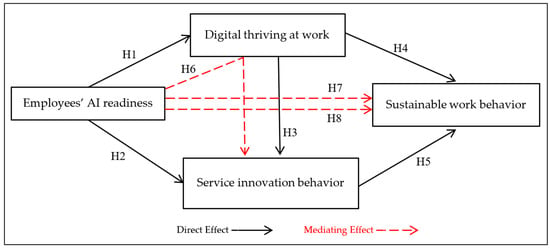
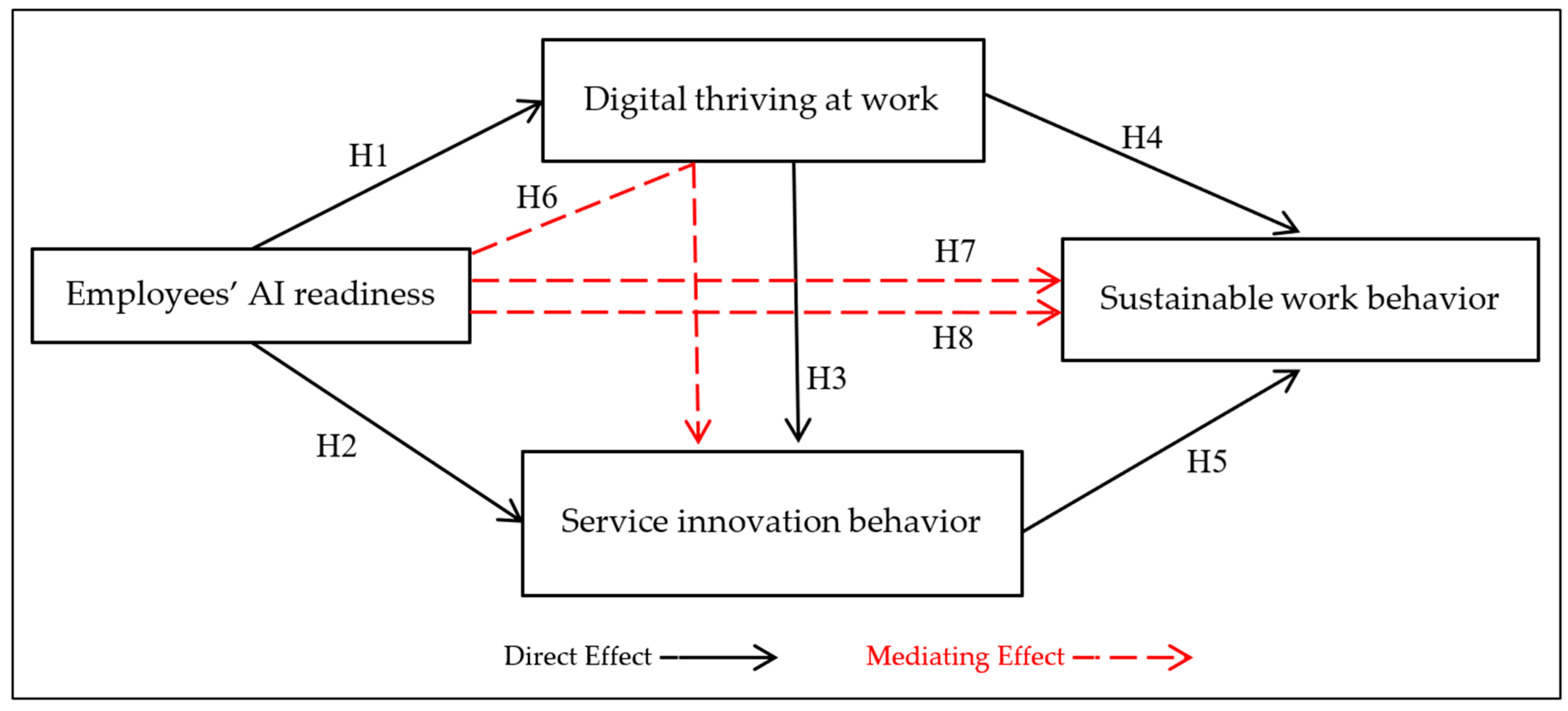
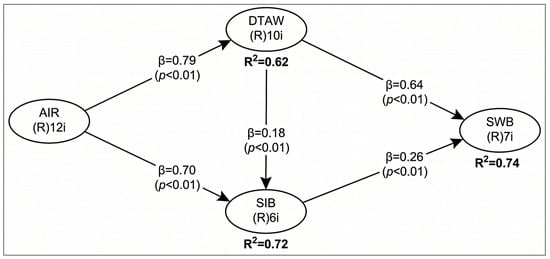
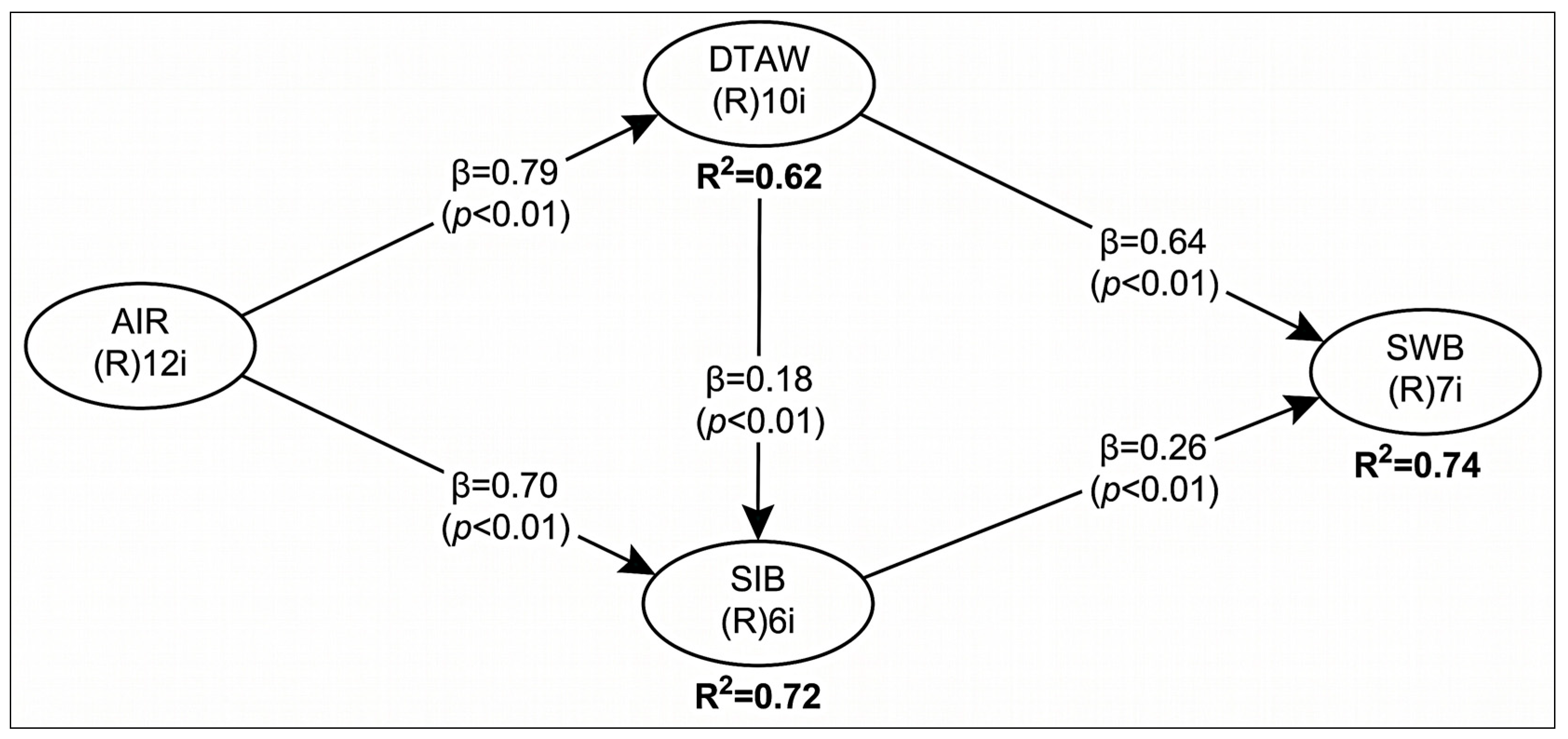

Disclaimer/Publisher’s Note: The statements, opinions and data contained in all publications are solely those of the individual author(s) and contributor(s) and not of MDPI and/or the editor(s). MDPI and/or the editor(s) disclaim responsibility for any injury to people or property resulting from any ideas, methods, instructions or products referred to in the content. |
© 2026 by the authors. Licensee MDPI, Basel, Switzerland. This article is an open access article distributed under the terms and conditions of the Creative Commons Attribution (CC BY) license.