


Abstract
Background: Tracking technologies are used to quantify movement demands in indoor sports, although differences in measurement principles and analytical procedures limit comparisons. This systematic review synthesized their measurement properties, methodological characteristics, and sport-specific applications across indoor training and competition settings. Methods: PubMed, Scopus, and Web of Science Core Collection were searched to 22 August 2026, supplemented by citation searching. Two reviewers independently screened records and full texts. No protocol was prospectively registered or published. Results: After screening 1419 records and assessing 67 full texts, 71 reports representing 68 identifiable datasets were included. Twenty reports examined validity, reliability, agreement, or technology comparison, and 51 were applied reports. The methodological subset comprised 12 LPS/IPS evaluations, six multimodal comparisons, and two video or computer-vision evaluations. Handball and basketball contributed the most reports, although this distribution may partly reflect the search terms. Position, distance, and velocity were measured more consistently than acceleration, deceleration, changes of direction, and ball-tracking variables. Applied findings varied by playing position, competitive context, match period, and analytical procedures. Conclusions: Tracking technologies provide valuable information on indoor-sport demands, but outputs from different systems are not necessarily interchangeable. Sport-specific validation, standardized procedures, and transparent reporting are required to improve interpretation and comparability.
1. Introduction
Time–motion analysis is used to characterize the volume, intensity, and temporal distribution of athletes’ movements during training and competition [1]. Traditionally based on manual or video-based classification of locomotor activities, this approach increasingly relies on electronic tracking systems capable of generating continuous time-series data on position, distance, velocity, and acceleration [2,3]. These measurements contribute to the characterization of external load, the comparison of training drills with match demands, and the contextualization of activity according to playing position or game phase [4,5]. However, their interpretation depends on the measurement technology, data-processing procedures, and operational definitions applied [6,7].
Global navigation satellite systems, particularly the global positioning system (GPS), are widely used to track athlete movement in outdoor environments; however, signal attenuation and obstruction limit their applicability inside buildings and sports halls. Commercial devices marketed as GPS or GNSS units frequently incorporate accelerometers, gyroscopes, and other inertial sensors that can quantify external-load variables independently of satellite reception. These devices may therefore provide relevant inertial information in indoor environments, and GPS-derived estimates have also been used as comparators in methodological studies of movement classification. Nevertheless, satellite-derived positional measures must be distinguished from inertial metrics and cannot be assumed to be equivalent to position estimates obtained using LPS/UWB systems. Indoor tracking therefore commonly relies on positioning systems that use locally installed infrastructure, such as anchors, antennas, or reference nodes, to estimate athletes’ coordinates within a defined area [8,9]. The term indoor positioning system (IPS) encompasses different technological solutions, whereas a local positioning system (LPS) refers to a system operating within a delimited environment; ultra-wideband (UWB), in turn, is a radiofrequency technology implemented in many LPS rather than an equivalent category. UWB-based systems can provide high-frequency positional data suitable for tracking rapid movements in indoor sports, although their measurement performance depends on system architecture, anchor geometry, calibration procedures, tag placement, data processing, and the speed and complexity of the movement performed [7,10].
Evidence from validation studies suggests that UWB-based LPSs can provide valid and reliable estimates of position, distance, and velocity during indoor sport-specific tasks, particularly under controlled and predominantly linear movement conditions [6,7]. However, measurement error tends to increase during rapid movements, changes of direction, and trajectories performed near the boundaries of the tracking area. Acceleration and deceleration estimates are generally less consistent because they are derived from successive positional measurements, meaning that positional noise may be amplified when velocity changes rapidly [10]. These estimates are also sensitive to sampling frequency and the procedures used to derive, filter, and clean the data [11,12]. Consequently, validity findings obtained for a specific system and protocol should not be generalized to other devices, installations, movement patterns, or sporting contexts.
Video-based analysis provides an alternative approach for quantifying movement without requiring athletes to wear tracking devices and allows movement patterns to be examined retrospectively in relation to technical actions and tactical context [3,13]. Video-based methods range from manual notational analysis and semi-automated digitization to multicamera systems and markerless computer-vision models capable of estimating player position and movement variables [2,14]. However, their measurement quality depends on factors such as camera configuration, spatial calibration, player occlusion, image quality, and the algorithms used to detect and track athletes. Although recent computer-vision systems have shown promising agreement with reference technologies, much of this evidence comes from controlled tasks and proof-of-concept studies rather than competitive settings [14,15]. Therefore, video-based and local positioning methods should be considered complementary approaches whose suitability depends on the research question, sporting context, and required outcome variables.
Previous reviews have described the applications of tracking systems in team sports and have emphasized the need to interpret their outputs according to the technological and sport-specific context [1,16]. Reviews focusing on measurement properties have also shown that validity depends on the characteristics of the system, reference method, and validation protocol, and that outputs generated by different technologies should not be assumed to be interchangeable [6,17,18]. Evidence syntheses addressing wearable microtechnology and the processing of acceleration and deceleration data have identified substantial methodological heterogeneity and incomplete reporting of data-processing procedures [11,19]. At the sport- and population-specific level, previous reviews have documented variation in measurement practices, external-load definitions, and intensity thresholds in basketball [20,21], as well as in elite handball and Paralympic sports [22,23]. However, this evidence remains fragmented according to technology, sport, population, or methodological purpose. The present review addresses this fragmentation by mapping positioning, inertial, notational, and video-based approaches within a common indoor-sport framework and by explicitly separating studies evaluating measurement properties from those applying these technologies to characterize sport-specific demands. Its contribution is therefore integrative and incremental rather than based on the claim that these methodological concerns have not previously been identified.
Accordingly, this systematic review addressed the following question: What evidence is available on the validity, reliability, methodological characteristics, and sport-specific applications of positioning, inertial, notational, and video-based technologies for time–motion and external-load analysis in indoor sports? The population of interest comprised athletes participating in indoor sports and technical or sport-specific validation models directly applicable to these athletes. The concepts examined included positioning, inertial, notational, and video-based measurement of locomotor and external-load outcomes, together with their measurement properties and practical applications. The context encompassed indoor training, competition, simulation, and validation environments. The general objective was to systematically identify, characterize, and synthesize the available evidence in this field. More specifically, the review aimed to describe the sports, populations, contexts, technologies, outcomes, measurement properties, methodological procedures, practical applications, and evidence gaps represented in the available literature.
2. Materials and Methods
This systematic review was conducted using systematic evidence-synthesis methods and reported in accordance with the Preferred Reporting Items for Systematic Reviews and Meta-Analyses 2020 statement (PRISMA 2020) [24,25]. The completed PRISMA 2020 checklist is provided as Supplementary Material. A protocol for this review was not prospectively registered or published. Consequently, methodological decisions made or refined after the review commenced are reported explicitly in Section 2.4 and acknowledged in the Limitations section. A systematic review approach with narrative synthesis was used to identify, characterize, and synthesize the available evidence; classify the included reports according to sport, population, measurement technology, outcome variables, and study purpose; and identify gaps requiring further investigation. Given the heterogeneity of the study designs, measurement technologies, units of analysis, speed and acceleration thresholds, sampling frequencies, and data-processing procedures, the findings were summarized using descriptive numerical analysis and narrative synthesis rather than statistical pooling.
For data charting and evidence synthesis, the measurement technologies were classified according to their underlying measurement principles [8,26]. Local positioning systems (LPSs) were defined as systems that estimate position within a delimited area using locally installed infrastructure, such as anchors, antennas, or reference nodes. Ultra-wideband (UWB) was considered a radiofrequency ranging technology implemented in some LPS rather than an equivalent system category, whereas indoor positioning system (IPS) was treated as a broader term encompassing solutions based on UWB, Bluetooth, radiofrequency, or other locally available signals. Global positioning system (GPS) was classified as a satellite-based positioning technology. Inertial measurement units (IMU) were defined as wearable sensors that measure linear acceleration and angular velocity, from which movement- and load-related variables may subsequently be derived. Video-based methods included manual notational analysis, digitization, multicamera reconstruction, and computer-vision approaches that derive movement information from optical observations. Multimodal systems were classified according to all relevant measurement components, and when commercial terminology was ambiguous, classification was based on the measurement principle described in the original publication. Outcomes obtained using different measurement principles or processing procedures were not considered directly interchangeable.
2.1. Search Strategy
A systematic literature search was conducted in PubMed, Scopus, and Web of Science Core Collection from database inception to 22 August 2026. These databases were selected to provide coverage of the biomedical, sport-science, and multidisciplinary technological literature relevant to the objectives of the review. The search methods were reported with reference to the PRISMA-S recommendations [27].
The search strategies used free-text terms related to indoor sports, positioning and tracking technologies, and time-motion or external-load outcomes. Searches were conducted in the title and abstract fields in PubMed, the title, abstract, and keyword fields in Scopus, and the corresponding topic fields in Web of Science Core Collection. The syntax was adapted to the search interface of each database. No language, publication-date, or study-design restrictions were applied during the electronic searches. The complete search strings, search dates, and numbers of records retrieved from each database are provided in Supplementary Table S1.
The electronic database search was supplemented by backward reference searching of the included reports and relevant reviews and by forward citation searching of potentially relevant publications. Reports identified through these supplementary methods were assessed using the same eligibility criteria as records retrieved from the electronic databases. The platform and date of each individual forward citation search were not documented prospectively, which limits the reproducibility of this component of the search.
2.2. Eligibility Criteria
Studies were eligible when they: (i) reported original, peer-reviewed research published in English or Spanish; (ii) involved athletes participating in sports predominantly practiced in indoor facilities or used a technical or sport-specific experimental model directly applicable to the validation of athlete, wheelchair, or sports-equipment tracking in these settings; (iii) used a radiofrequency-based positioning system, including UWB or Bluetooth Low Energy where specified, GNSS/GPS, inertial sensors, optical or video-based tracking, or notational analysis to quantify movement; and (iv) reported at least one time-motion, locomotor, or external-load outcome, including total or relative distance, speed, acceleration, deceleration, time spent in locomotor or speed categories, changes of direction, or movement trajectories. Studies tracking the position, trajectory, or velocity of a ball or another sport-specific implement were also eligible when these outcomes were obtained using a tracking technology directly applicable to the indoor-sport context. Studies conducted during official or friendly matches, training sessions, sport-specific simulations, or controlled validation protocols were considered eligible. Positional data were not required; therefore, studies using inertial sensors alone were eligible when they reported a relevant movement or external-load outcome. No restrictions were imposed regarding participants’ sex, age, competitive level, or year of publication. Reviews, meta-analyses, editorials, conference abstracts or proceedings, dissertations, book chapters, technical studies without a direct indoor-sport application, studies involving exclusively outdoor sports, and studies reporting only physiological outcomes without a movement, time-motion, external-load, or tracked sport-object variable were excluded.
2.3. Study Selection and Data Extraction
All records retrieved from PubMed, Scopus, and Web of Science Core Collection were exported, collated, and deduplicated before screening. Of the 3027 database records identified, 1452 duplicates and 156 conference records, identified from document type and bibliographic information, were removed, leaving 1419 records for title and abstract screening. P.A. and J.A.-V. independently screened the titles and abstracts and subsequently assessed the potentially eligible full-text reports. Disagreements were resolved through discussion and, when necessary, consultation with A.B.-S. Agreement statistics were not calculated because the individual screening decisions and disagreement records required for their retrospective calculation were not retained. Following reassessment of the eligibility decisions during peer review, ten additional reports were included. Consequently, 1352 records were excluded during title and abstract screening, and 67 full-text reports were retrieved and assessed. No report was excluded at full-text assessment for failing to meet the eligibility criteria. One report was removed because it had been retracted (Lyu and Zhang, 2021; doi:10.1155/2021/3803387), leaving 66 database-derived reports. Five additional reports were identified through citation and reference searching, yielding a final total of 71 reports representing 68 identifiable unique datasets (Figure 1).
Figure 1.
Flow diagram of the study-selection process.
Data were charted using a standardized form developed for this review. P.A. performed the initial data charting, and J.A.-V. independently verified the extracted information against the full texts. Disagreements or uncertainties were resolved through discussion and, when necessary, consultation with A.B.-S. The charting form was pilot-tested on a subset of reports and refined before extraction of the complete dataset. The information charted included publication characteristics, sport and sample, study purpose, measurement technology, system configuration, measured outcomes, reference or comparator method, principal findings, and methodological information relevant to the interpretation of validity, reliability, agreement, or technology-comparison results. Linked publications were grouped at the dataset level whenever participant, competition, sample-size, and data-collection information indicated that the same underlying dataset had been used. Accordingly, the 71 included reports represented 68 identifiable unique datasets.
For each report, the measurement technology was classified according to the underlying measurement principle described in the full text rather than solely according to the commercial terminology used by the authors. Systems were categorized as UWB or another radiofrequency-based positioning system, Bluetooth Low Energy positioning, GNSS/GPS, inertial sensing, or optical/video-based tracking. Commercial system names and sampling frequencies were recorded when reported. When the specific radiofrequency protocol underlying an LPS or IPS could not be established, the system was classified as a radiofrequency-based positioning system and the protocol was reported as unspecified. For integrated devices containing both GNSS and inertial sensors, outcomes were attributed to the signal from which they were derived whenever this information was available.
For reports employing more than one measurement technology, data were charted at the outcome level rather than assigning all findings from a report to a single technological category. Each outcome was attributed to the primary signal from which it was calculated. Spatial coordinates and variables derived from successive coordinates were classified as LPS/UWB-, IPS-, or GPS-derived outcomes; accelerometer-based composite metrics were classified as IMU-derived outcomes; and coordinates or movement categories obtained from image analysis or observation were classified as video- or notation-derived outcomes. Accordingly, acceleration and deceleration calculated from successive LPS positions were retained as positioning-system outcomes rather than classified as IMU measures. When an outcome was generated through explicit algorithmic integration of signals from more than one technology and the separate contribution of each signal could not be determined, it was categorized as a fused or multimodal output. Simultaneous use or comparison of two technologies was not considered sensor fusion unless their signals were explicitly combined to generate a single outcome. A report could therefore contribute findings to more than one technology category, although it was counted only once in the overall report totals.
2.4. Methodological Appraisal and Evidence Synthesis
Owing to heterogeneity in study design, population, technology, outcome definition, reference method, and data-processing procedures, the evidence was synthesized descriptively and no meta-analysis was undertaken. Reports were classified according to their primary objective as validation, reliability, or technology-comparison reports, or as applied sport-demand reports. Each report was counted only once in these overall categories. Validation and comparison reports were additionally characterized according to the reference or comparator method, task complexity, sample or experimental unit, reported validation statistics, calibration and synchronization procedures, sampling frequency, device placement, installation geometry, filtering or processing procedures, and principal methodological limitations. This structured methodological appraisal was used to contextualize the findings of the validation and technology-comparison reports. A formal risk-of-bias assessment was not undertaken because no single validated appraisal instrument was considered applicable across the heterogeneous study purposes and designs included. The results of this assessment are presented in Supplementary Table S3.
The principal quantitative measurement-performance estimates were charted according to technology and outcome. These included positional and distance errors, relative errors, coefficients of variation, intraclass correlation coefficients, classification accuracy, and agreement or association statistics. Because the studies used different criterion measures, tasks, system configurations, processing procedures, and statistical indices, the estimates were not statistically pooled. Instead, they were presented as study-specific values or ranges. Terms such as “acceptable” or “valid” were avoided unless they reflected criteria defined by the original authors, and numerical estimates were reported whenever available. No universal threshold of acceptable measurement error was imposed by this review.
For multimodal reports, findings were synthesized separately for each technology-specific outcome whenever the originating signal could be identified. Comparisons were categorized as criterion validation, between-system agreement, convergent association, or fused-signal classification. Criterion validation required comparison with a directly measured or higher-order reference method. Comparisons between two field-based technologies were interpreted as evidence of agreement, whereas correlations between conceptually related but differently derived variables were interpreted as convergent association. Simultaneous use of two technologies was not considered sensor fusion unless their signals were explicitly combined to generate a single outcome. When explicit signal integration was reported and the individual technological contributions could not be separated, the resulting outcome was categorized as fused or multimodal.
Because no a priori protocol was available, methodological decisions made or refined after the review commenced were treated as post hoc and are reported transparently. These comprised the removal of conference records before screening; the classification of reports into validation, reliability, or technology-comparison studies and applied sport-demand studies; clarification of the treatment of GPS-labelled devices and the distinction between their satellite-derived and inertial outputs; inclusion of technical validation models without athlete samples when directly relevant to indoor-sport measurement; and grouping of linked reports at the dataset level. Decisions introduced during peer review included the targeted reassessment and inclusion of ten previously excluded or overlooked reports, the structured methodological assessment of the 20 validation and comparison reports, the quantitative summary of measurement-performance estimates, and the addition of a minimum reporting checklist. All study counts and evidence summaries were recalculated following these changes.
3. Results
3.1. General Characteristics and Classification of the Reports
The revised synthesis included 71 reports published between 2011 and 2026, representing 68 identifiable unique datasets. Twenty reports examined validity, reliability, agreement, or technology comparison and 51 were applied reports. At report level, handball contributed 21 reports and basketball 16, followed by ice hockey (n = 8), futsal (n = 7), badminton and volleyball (n = 4 each), multisport indoor validation (n = 4), wheelchair basketball (n = 3), and one report each in fencing, netball, wheelchair court sports, and combined handball/football validation. Two linked-report groups were identified: Manchado et al. [28] and Pueo et al. [29], who analysed complementary outcomes from the 2020 European Men’s Handball Championship; and three García-Sánchez et al. reports based on the same cohort of 22 female players monitored across 13 official matches [30,31,32]. Table 1 distinguishes validation and applied reports; Table 2 summarizes the main evidence groups; Supplementary Table S2 provides report-level study characteristics, measurement technologies, and principal findings; and Supplementary Table S3 presents the structured methodological assessment of the 20 validation, reliability, and technology-comparison reports.
Table 1.
Distribution of the included reports by sport or study category.
Table 2.
Summary of technological validation findings and sport-specific applications of time–motion analysis in indoor sports.
3.2. Validity and Reliability of the Technologies
The structured methodological assessment of the 20 validation, reliability, and technology-comparison reports is presented in Supplementary Table S3. The strength of the measurement evidence differed according to the reference method and study design. Several studies used laboratory-grade optical motion capture, directly measured distances, timing gates, surveyed reference positions, or a robotic reference device. These approaches provided comparatively stronger criterion-related evidence. Other reports compared two field-based technologies or examined associations among position-derived and accelerometer-derived metrics. These studies provided evidence of agreement or convergent validity but could not, by themselves, establish criterion validity or interchangeability. Statistical approaches also varied considerably and included absolute and relative errors, root mean square error, typical error of estimate, coefficients of variation, intraclass correlation coefficients, correlations, regression models, and Bland–Altman analyses. Calibration and system geometry were generally reported more consistently than filtering, proprietary algorithms, or detailed signal-processing procedures. Common methodological limitations included small samples, controlled rather than competitive movement tasks, evaluation in a single venue, incomplete reporting of processing procedures, and limited assessment under congested multiplayer conditions [7,9,10,33,34,35,36,37,38,39].
Across these reports, measurement performance varied according to system configuration, reference-node geometry, sensor placement, sampling frequency, movement speed, trajectory complexity, and filtering procedures. Table 3 provides a quantitative summary of the principal measurement-performance estimates reported for LPS/UWB, IMU-based, and video-based approaches. Reported positional errors for LPS/UWB systems included approximately 0.08–0.09 m, 0.21 m, and 0.37 m under different experimental conditions [9,33,38]. Alt et al. [12] reported indoor relative typical errors of estimate ranging from 1.2% to 7.1%, with results partly dependent on the filtering procedure applied. Pino-Ortega et al. [40] also evaluated an eight-antenna UWB configuration and reported generally small differences during controlled indoor trajectories, with the observed reliability characterized as acceptable by the original authors. For combined UWB and IMU approaches, action-classification accuracy ranged from 76% to 99% across the activities evaluated [45]. In video-based systems, Zheng et al. [14] reported coefficients of variation below 5% for most outcomes and intraclass correlation coefficients of 0.97–1.00 for speed during controlled basketball tasks, whereas Chatzinikolaou et al. [15] reported correlations of 0.66–0.92 between computer-vision and LPS-derived outcomes. In addition, a repeated-measures correlation of 0.781 was reported between the accelerometer-derived PlayerLoad and Dynamic Stress Load metrics [42]. However, correlations and classification accuracy represent different measurement properties from criterion error and should not be interpreted as evidence of direct agreement or interchangeability.
Table 3.
Quantitative summary of measurement performance reported for the principal tracking technologies.
Overall, position, total distance, and velocity were measured more consistently than acceleration, deceleration, and rapid change-of-direction variables. Nevertheless, the quantitative estimates shown in Table 3 should be interpreted as study-specific results rather than as directly comparable or pooled thresholds because the studies differed substantially in their reference methods, movement tasks, outcome definitions, system configurations, filtering procedures, and statistical analyses. Consequently, no universal threshold of acceptable measurement error could be established for any of the evaluated technologies.
3.3. Multimodal Comparisons: IMU, GPS, and Combined Systems
The multimodal reports were synthesized according to the signal source used to generate each outcome rather than assigning all variables from a report to a single technology. Position, distance, and velocity derived from spatial coordinates were classified as LPS/UWB-, IPS-, or GPS-derived outcomes, whereas PlayerLoad, Dynamic Stress Load, and other composite measures calculated from accelerometer signals were classified as IMU-derived outcomes. Acceleration and deceleration variables calculated from successive positional coordinates were retained within the positioning-system category. When video or subjective notation was used, the resulting coordinates or locomotor classifications were treated as video- or notation-derived outcomes. Outputs were classified as fused or multimodal only when signals from more than one technology were explicitly combined within the analytical procedure and their individual contributions could not be separated.
Within this framework, García-Sánchez et al. compared LPS-derived locomotor variables with accelerometer-derived external-load metrics in women’s handball [31], while García et al. examined the convergent association between the accelerometer-derived PlayerLoad and Dynamic Stress Load metrics [42]. Heishman et al. [43] evaluated associations between IPS-derived distance and IMU-derived PlayerLoad measures, and Van der Slikke et al. [44] compared wheelchair speed profiles obtained using an indoor LPS and a wheel-mounted IMU. Vleugels et al. [45] used UWB positioning and IMU information to support location tracking and activity recognition in ice hockey. Dogramaci et al. [41] compared locomotor classifications obtained through subjective notational analysis with GPS-derived estimates. These reports provided evidence of association, agreement, or classification performance, depending on their analytical design, but did not demonstrate that outputs from the different technologies were equivalent.
Overall, the multimodal evidence indicates that technologies based on different measurement principles provide complementary rather than interchangeable information. Positioning systems primarily characterize spatial displacement and its derivatives, whereas IMUs quantify body or device acceleration and generate composite load metrics through manufacturer- or algorithm-specific processing. Statistical correlations between these outcomes indicate that they may vary together but do not establish measurement agreement. Interpretation of multimodal studies should therefore consider the originating signal, device placement, synchronization procedure, sampling frequency, filtering method, outcome definition, and whether the signals were analyzed separately or explicitly fused.
3.4. Video-Based Analysis and Computer Vision
The video-based approaches identified in this review ranged from subjective notational analysis to deep-learning and markerless motion-capture systems. Subjective notational analysis was characterized by the original authors as having acceptable reliability for classifying athletes’ movement patterns, although its estimates did not fully agree with those obtained using GPS tracking, indicating that the two methods should not be considered interchangeable [41]. More recent computer-vision approaches showed promising feasibility and accuracy for estimating variables such as distance, velocity, jump-related outcomes, and acceleration counts when compared with reference technologies or predefined movement tasks [14,15]. However, this evidence was derived primarily from controlled single-player tasks and proof-of-concept applications in basketball. Consequently, the available findings do not yet establish the validity or interchangeability of markerless video-based systems under competitive conditions involving multiple players, occlusions, rapid interactions, and complex movement trajectories.
3.5. Applications for Characterizing Sport-Specific Demands
Across the applied studies, the external-load and movement profiles reported for basketball, netball, and handball were strongly dependent on the sporting and analytical context. In basketball, differences were associated with age category, playing position, starter status, game quarter, seasonal period, physical fitness, and the duration of the time window used to identify peak demands [3,46,47,48,49,50,51]. The netball evidence also showed position-specific differences in the movement demands of elite match play [54]. In handball, the reported demands varied according to playing position, age and sex of the sample, match phase, opponent and other contextual factors, while additional studies examined fatigue responses, pre-match warm-up activities, defensive formations, throwing actions, and the automatic identification of player orientation and game phases [4,28,29,30,32,55,56,57,58,59,60,61,62]. Ortega-Becerra et al. [60] reported distance, speed, acceleration, and deceleration outcomes obtained using a GPS-based wearable during indoor handball matches. The study was retained to document the applied use of this technology, but its findings were not interpreted as evidence supporting the validity of satellite-derived positioning indoors. Collectively, these studies broaden the description of sport-specific demands and illustrate the influence of contextual and methodological choices on the reported outcomes. However, because their primary purpose was to characterize performance rather than evaluate measurement properties, their findings should not be interpreted as evidence of the validity, reliability, or interchangeability of the technologies employed.
3.6. Applications in Ice Hockey, Volleyball, Futsal, Badminton, Fencing, and Wheelchair Sports
In ice hockey, the reported external-load demands varied according to sex, competitive context, session type, movement intensity, and the thresholds used to identify high-intensity accelerations. Scrimmages and official matches produced different load profiles, while maximum speed and acceleration capacity influenced the interpretation of individual match demands [68,69,70,71,72]. The study examining carbohydrate mouth rinsing was retained because it used LPS-derived time–motion variables to evaluate changes in on-ice performance during an acute intervention; accordingly, it was classified as an applied experimental study rather than as evidence of technological validity [73]. In volleyball, movement demands differed according to playing role, match outcome, and the relationship between training and competition loads [5,74,75,76]. Futsal studies described positional differences, competitive-level differences, match demands, microcycle loads, and the most demanding passages of play [2,77,78,79,80]. In badminton, internal- and external-load measures varied according to sex, match type, and playing modality [82,83,84,85], whereas the fencing study combined movement and thermoregulatory measures to characterize the demands of épée competition [86]. Finally, the two applied wheelchair-sport reports examined competition demands, speed profiles, sex and functional-classification differences, and the influence of environmental conditions [87,88]. Separately, Van der Slikke et al. [44] compared methods for quantifying wheelchair mobility and was therefore classified as a validation or technology-comparison report rather than an applied sport-demand report.
4. Discussion
This systematic review synthesized 71 reports representing 68 identifiable unique datasets examining the use of positioning, inertial, notational, and video-based technologies for time-motion and external-load analysis in indoor sports. The evidence comprised two conceptually distinct but complementary areas: methodological studies evaluating the validity, reliability, agreement, or comparability of measurement technologies, and applied studies using these technologies to characterize sport-specific movement demands. The principal finding was that these systems provide valuable information about athletes’ positioning and movement profiles, but the resulting variables cannot be assumed to be equivalent across technologies. Differences in measurement principles, system configuration, sampling frequency, installation and calibration procedures, sensor placement, data processing, movement thresholds, and sporting context influence both the values obtained and their interpretation. Consequently, findings from applied studies should be interpreted within the specific technological and methodological conditions under which they were generated and should not be considered indirect evidence of device validity.
4.1. Validity, Reliability, and Technology Comparisons
The evidence mapped in this review supports previous observations that local positioning systems, particularly those based on UWB technology, can provide useful estimates of position, distance, and velocity in indoor-sport environments [6,17]. However, their measurement performance was dependent on the system configuration, reference-node geometry, calibration procedures, sampling frequency, filtering method, sensor placement, and characteristics of the movement being assessed. Errors generally increased during high-speed movements, accelerations, decelerations, rapid changes of direction, and ball-tracking tasks, indicating that satisfactory performance for total distance or average velocity cannot be generalized to more mechanically demanding variables [7,9,10,12,33,34,35,36,37,38,39,40]. The structured methodological assessment also showed that the strongest evidence was obtained when systems were compared with optical motion capture, surveyed positions, timing gates, or directly measured trajectories. Nevertheless, much of this evidence was derived from small samples, controlled tasks, and single installations, which limits its transferability to competitive environments.
The quantitative synthesis presented in Table 3 should be interpreted as evidence of protocol dependency rather than as a ranking of technologies. Positional-error estimates varied across reference systems, movement tasks, and installation configurations [9,12,33], whereas studies of combined UWB–IMU and video-based approaches used classification accuracy, reliability, or association statistics [14,15,45]. These metrics represent different measurement properties and cannot be combined into a universal performance threshold. Differences between studies may therefore reflect the criterion method, task complexity, system configuration, filtering procedure, or statistical approach rather than the superiority of one technology over another.
Comparisons among LPS, IMU, GPS, notational analysis, and video-based methods also showed that statistical associations between outputs do not necessarily indicate agreement or interchangeability. Metrics such as distance, Player Load, Dynamic Stress Load, and time spent in locomotor categories are generated from different signals and processing procedures and may represent distinct dimensions of external load [31,41,42,44,45]. Computer-vision and markerless motion-capture systems represent promising alternatives because they can reduce the need for wearable devices; nevertheless, the available evidence remains largely limited to controlled tasks and proof-of-concept applications, and their performance under congested, multi-player competitive conditions requires further investigation [14,15]. These findings are consistent with previous syntheses reporting heterogeneous validation reference systems [18], lower confidence in rapidly changing acceleration and deceleration signals, incompletely reported processing procedures [11,19], and wide variation in basketball intensity thresholds [20,21]. The present cross-sport synthesis extends those observations by showing that the same comparability problem recurs across handball, ice hockey, futsal, racket sports, wheelchair sports, and video-based systems. Differences between studies and reviews are therefore most plausibly attributable to scope, eligibility criteria, measurement principles, reference methods, and outcome definitions rather than to any technology performing uniformly across settings.
4.2. Applications for Characterizing Sport-Specific Demands
The applied evidence indicates that group-level averages may conceal substantial variation in sport-specific movement demands. Differences associated with age category, playing position, starter status, match period, game phase, opponent, fatigue, and competitive context suggest that external-load data should be interpreted in relation to the characteristics of both the athlete and the sporting situation [3,4,28,29,30,32,46,47,48,49,50,51,54,55,56,57,58,59,60,61,62]. The studies examining peak-demand scenarios also showed that the magnitude of the reported demands depends on the duration of the analytical time window, highlighting the need to report this methodological decision explicitly [47,48]. One study showed that positioning-derived information could be linked to ball-related technical and tactical outcomes, including throwing velocity, court location, throwing zone, and effectiveness [29]. This report was included as a sport-specific application of tracking technology rather than as evidence concerning player locomotor load. Nevertheless, most of the available studies were observational and context-specific; therefore, their findings should not be interpreted as evidence of causal relationships, technological validity, or universal reference values for a sport.
The applied findings should also be interpreted in relation to previous sport-specific reviews rather than as universal reference values. Reviews of basketball have documented considerable variation in monitoring practices, intensity thresholds, and exposure definitions [20,21], which is consistent with the present finding that time window, normalization, and processing choices influence the reported demands. Similarly, García-Sánchez et al. [22] showed that playing position, match phase, and competitive context affect physical-demand estimates in elite handball. Differences in the number or distribution of studies between these reviews and the present synthesis are likely explained by their sport-specific scope and broader inclusion of measurement approaches, whereas the current review was restricted to technologies used for indoor time–motion and external-load analysis.
The limited wheelchair-sport evidence identified in the present review is consistent with the technological and reporting heterogeneity described in Paralympic sport [23]. Van der Slikke et al. [89] emphasized the versatility of wheelchair-mounted inertial sensors while noting that LPS or image-based systems are required to provide positional context. Weizman et al. [90] similarly identified substantial variation in sensor type, placement, sampling frequency, and measured outcomes. These reviews included a broader range of wheelchair sports, laboratory assessments, and performance variables than the present review. Therefore, differences in the apparent volume of evidence reflect eligibility criteria and review scope rather than conflicting conclusions. Evidence in ice hockey, volleyball, futsal, badminton, and fencing remained more fragmented, limiting comparisons with established sport-specific reference frameworks.
Taken together, the findings indicate that the usefulness of tracking technologies depends not only on their measurement properties but also on the transparency and consistency with which the assessment protocol is reported. At a minimum, studies should provide sufficient information on the system, acquisition protocol, installation, calibration, synchronization, device placement, signal processing, outcome definitions, intensity thresholds, exposure time, and data-quality procedures. A practical summary of these requirements is provided in Supplementary Table S4, aligned with the methodological considerations reported in previous reviews of positioning-system validation, acceleration and deceleration processing, and basketball load monitoring [11,18,20]. Without this information, it is difficult to determine whether differences between studies reflect genuine variations in sporting demands or arise from technological and methodological decisions. These considerations are consistent with previous reviews and conceptual frameworks emphasizing the need for sport-specific validation, standardized reporting, and cautious comparison of outputs generated by different tracking technologies [1,6,16]. Accordingly, evidence concerning technological validity and reliability should remain clearly differentiated from studies applying these systems to describe competitive or training demands.
4.3. Practical Applications
Based on the evidence mapped in this review and the authors’ expert interpretation, the following practical recommendations are proposed. Practitioners should select tracking technologies for which validity and reliability have been demonstrated under movement patterns and environmental conditions that resemble the sport-specific context in which they will be used. For longitudinal monitoring, the system version, installation configuration, calibration procedure, device placement, sampling frequency, and data-processing settings should remain consistent across sessions. Although this practice was not directly evaluated across the included reports, assigning the same wearable unit to each athlete is proposed as an expert practical recommendation to limit potential unit-to-unit variation. Absolute values should be reported alongside measures normalized to exposure time, with clear definitions of total and effective playing time. Comparisons involving speed or locomotor zones should only be performed when equivalent thresholds and classification procedures have been applied, and individualized thresholds should be considered when appropriate. Average match or training demands should be interpreted together with peak-demand scenarios because aggregated values may underestimate the most demanding periods of play. Finally, external-load data should be contextualized according to playing position, competitive level, match period, game phase, tactical situation, and the characteristics of the athlete. Outputs from different technologies should be treated as complementary sources of information rather than as directly interchangeable measures. To support methodological transparency, reproducibility, and comparison across studies, Table S4 presents a minimum reporting checklist for research using positioning, inertial, and video-based tracking technologies in indoor sports.
4.4. Strengths and Limitations
This review has several methodological strengths. Titles, abstracts, and full-text reports were independently assessed by two reviewers, with disagreements resolved through discussion and consultation with a third reviewer. Complete database-specific search strategies and retrieval counts are provided in Supplementary Table S1, and database searching was supplemented by backward and forward citation searching. Data charting used a standardized, pilot-tested form, with the initial extraction independently verified against the full texts. The distinction between validation, reliability, and technology-comparison reports and applied sport-demand reports also allowed measurement evidence to be interpreted separately from the practical use of these technologies. Linked reports were identified where possible, and results are presented as 71 reports representing 68 identifiable unique datasets.
Several limitations should nevertheless be acknowledged. The review protocol was not prospectively registered or published, although post hoc decisions are reported in Section 2.4. PubMed, Scopus, and Web of Science Core Collection were searched, but SPORTDiscus and engineering-focused databases such as IEEE Xplore were not included. The search used free-text terms and a restricted list of named sports and technology-related expressions, and the platform and dates used for forward citation searching were not documented prospectively. The identification of ten additional eligible reports during peer review indicates that retrieval and initial screening were probably incomplete. Although these reports were incorporated and all evidence summaries were recalculated, a complete de novo rescreening was not undertaken; consequently, additional eligible reports may have been missed. Linked publications were grouped when identifiable, but unrecognized dataset overlap may remain. GPS-labelled devices were retained to document their applied use or inertial-derived outcomes indoors, but satellite-derived positional findings should not be interpreted as evidence of indoor GPS validity. Data were initially charted by one reviewer and independently verified by a second rather than extracted independently in duplicate. Finally, the methodological assessment was descriptive rather than a formal risk-of-bias evaluation, and heterogeneity in reference methods, tasks, processing procedures, and statistical indices prevented meta-analysis and universal measurement-performance thresholds.
5. Conclusions
This systematic review synthesized evidence from 71 reports representing 68 identifiable unique datasets examining the validity, reliability, methodological characteristics, and sport-specific applications of positioning, inertial, and video-based technologies for time–motion and external-load analysis in indoor sports. Local positioning systems, particularly those based on UWB technology, generally provided useful estimates of position, distance, and velocity; however, their measurement performance depended on system configuration, installation geometry, calibration, sensor placement, data-processing procedures, movement speed, and trajectory complexity. Greater caution is required when interpreting accelerations, decelerations, rapid changes of direction, and ball-tracking variables, for which measurement errors were generally larger or less consistent. Applied studies demonstrated the potential of LPS, IMU, notational analysis, and video-based methods to characterize movement demands according to playing position, competitive level, match period, game phase, and tactical context. Nevertheless, differences in measurement principles, outcome definitions, speed thresholds, exposure-time calculations, and analytical procedures limit comparisons across studies and prevent the assumption that outputs from different technologies are interchangeable. Future research should prioritize standardized reporting, sport- and task-specific validation, evaluation under representative competitive conditions, and improved coverage of sports and athlete populations infrequently represented in this review. However, their apparent underrepresentation should be interpreted cautiously because retrieval may have been influenced by the restricted list of named sports used in the search.
Supplementary Materials
The following supporting information can be downloaded at https://www.mdpi.com/article/10.3390/sports14110514/s1, Table S1: Complete original database search strategies; Table S2: Characteristics, measurement procedures, and principal findings of the 71 included reports [2,3,4,5,7,9,10,12,14,15,28,29,30,31,32,33,34,35,36,37,38,39,40,41,42,43,44,45,46,47,48,49,50,51,52,53,54,55,56,57,58,59,60,61,62,63,64,65,66,67,68,69,70,71,72,73,74,75,76,77,78,79,80,81,82,83,84,85,86,87,88]. Table S3: Descriptive methodological assessment of the 20 validation, reliability, and technology-comparison reports [7,9,10,12,14,15,31,33,34,35,36,37,38,39,40,41,42,43,44,45]. Table S4: Minimum reporting checklist for studies using tracking technologies in indoor sports [11,18,20]. PRISMA 2020 Checklist: Completed Preferred Reporting Items for Systematic Reviews and Meta-Analyses 2020 checklist.
Author Contributions
Conceptualization: P.A. and J.A.-V.; data curation: P.A., M.R.-d., A.B.-S. and J.A.-V.; formal analysis: P.A., A.B.-S. and J.A.-V.; funding acquisition: M.R.-d.; methodology: P.A., J.S.-I., J.A.-V. and A.B.-S.; project administration: J.A.-V.; software: A.B.-S., J.A.-V. and P.A.; supervision: J.A.-V.; validation: P.A., A.B.-S. and J.A.-V.; visualization: P.A. and M.R.-d.; writing—original draft preparation: P.A.; writing—review and editing: A.B.-S., M.R.-d., J.A.-V. and J.S.-I. All authors have read and agreed to the published version of the manuscript.
Funding
This research received support through a predoctoral fellowship awarded by the University of Castilla-La Mancha under its Plan Propio de I+D+I and co-financed by the European Social Fund (grant no. 2020-PREDUCLM-16702).
Institutional Review Board Statement
Not applicable.
Informed Consent Statement
Not applicable.
Data Availability Statement
The original contributions presented in this study are included in the article/Supplementary Materials. Further inquiries can be directed to the corresponding author.
Acknowledgments
The authors would like to thank Diane Schofield (Associate of the Chartered Institute of Linguists no. 31814) for the English language review.
Conflicts of Interest
The authors declare no conflicts of interest.
Abbreviations
The following abbreviations are used in this manuscript:
| 3D | Three-dimensional |
| DSL | Dynamic Stress Load |
| GPS | Global positioning system |
| HR | Heart rate |
| HSR | High-speed running |
| IMU | Inertial measurement unit |
| IPS | Indoor positioning system |
| LPS | Local positioning system |
| PRISMA | Preferred Reporting Items for Systematic Reviews and Meta-Analyses |
| RPE | Rating of perceived exertion |
| UWB | Ultra-wideband |
References
- Torres-Ronda, L.; Beanland, E.; Whitehead, S.; Sweeting, A.; Clubb, J. Tracking Systems in Team Sports: A Narrative Review of Applications of the Data and Sport Specific Analysis. Sports Med. Open 2022, 8, 15. [Google Scholar] [CrossRef] [Scilit] [PubMed]
- Dogramaci, S.N.; Watsford, M.L.; Murphy, A.J. Time-motion analysis of international and national level futsal. J. Strength Cond. Res. 2011, 25, 646–651. [Google Scholar] [CrossRef] [Scilit] [PubMed]
- Gervasi, M.; Mennelli, G.; Patti, A.; Sisti, D.; Venerandi, R.; Benelli, P.; Peña, E.F. A video-based time-motion analysis of an elite male basketball team during a season: Game demands according to player position, game quarter, and actual time played. Int. J. Perform. Anal. Sport. 2024, 24, 269–284. [Google Scholar] [CrossRef] [Scilit]
- Lefèvre, T.; Guignard, B.; Karcher, C.; Reche, X.; Font, R.; Komar, J. A deep dive into the use of local positioning system in professional handball: Automatic detection of players’ orientation, position and game phases to analyse specific physical demands. PLoS ONE 2023, 18, e0289752. [Google Scholar] [CrossRef] [Scilit] [PubMed]
- Altundag, E.; Akyildiz, Z.; Lima, R.; Castro, H.d.O.; Çene, E.; Akarçeşme, C.; Miale, G.; Clemente, F.M. Relationships between internal and external training load demands and match load demands in elite women volleyball players. Proc. Inst. Mech. Eng. P J. Sports Eng. Technol. 2025, 239, 98–107. [Google Scholar] [CrossRef] [Scilit]
- Pino-Ortega, J.; Oliva-Lozano, J.M.; Gantois, P.; Nakamura, F.Y.; Rico-González, M. Comparison of the validity and reliability of local positioning systems against other tracking technologies in team sport: A systematic review. Proc. Inst. Mech. Eng. P J. Sports Eng. Technol. 2022, 236, 73–82. [Google Scholar] [CrossRef] [Scilit]
- Serpiello, F.R.; Hopkins, W.G.; Barnes, S.; Tavrou, J.; Duthie, G.M.; Aughey, R.J.; Ball, K. Validity of an ultra-wideband local positioning system to measure locomotion in indoor sports. J. Sports Sci. 2018, 36, 1727–1733. [Google Scholar] [CrossRef] [Scilit] [PubMed]
- Alarifi, A.; Al-Salman, A.; Alsaleh, M.; Alnafessah, A.; Al-Hadhrami, S.; Al-Ammar, M.A.; Al-Khalifa, H.S. Ultra Wideband Indoor Positioning Technologies: Analysis and Recent Advances. Sensors 2016, 16, 707. [Google Scholar] [CrossRef] [Scilit] [PubMed]
- Luteberget, L.S.; Spencer, M.; Gilgien, M. Validity of the Catapult ClearSky T6 Local Positioning System for Team Sports Specific Drills, in Indoor Conditions. Front Physiol. 2018, 9, 115. [Google Scholar] [CrossRef] [Scilit] [PubMed]
- Fleureau, A.; Lacome, M.; Buchheit, M.; Couturier, A.; Rabita, G. Validity of an ultra-wideband local positioning system to assess specific movements in handball. Biol. Sport. 2020, 37, 351–357. [Google Scholar] [CrossRef] [Scilit] [PubMed]
- Ellens, S.; Middleton, K.; Gastin, P.B.; Varley, M.C. Techniques to derive and clean acceleration and deceleration data of athlete tracking technologies in team sports: A scoping review. J. Sports Sci. 2022, 40, 1772–1800. [Google Scholar] [CrossRef] [Scilit] [PubMed]
- Alt, P.S.; Baumgart, C.; Ueberschar, O.; Freiwald, J.; Hoppe, M.W. Validity of a Local Positioning System during Outdoor and Indoor Conditions for Team Sports. Sensors 2020, 20, 5733. [Google Scholar] [CrossRef] [Scilit] [PubMed]
- Barris, S.; Button, C. A review of vision-based motion analysis in sport. Sports Med. 2008, 38, 1025–1043. [Google Scholar] [CrossRef] [Scilit] [PubMed]
- Zheng, W.; Zhang, M.; Dong, R.; Qiu, M.; Wang, W. Feasibility and Accuracy of an RTMPose-Based Markerless Motion Capture System for Single-Player Tasks in 3x3 Basketball. Sensors 2025, 25, 4003. [Google Scholar] [CrossRef] [Scilit] [PubMed]
- Chatzinikolaou, A.; Kansizoglou, I.; Gasteratos, A.; Pistikos, G.; Papavasilopoulos, I.; Kaddas, P.; Pantazis, D.; Aggelakis, P.; Balampanos, D.; Dendrinos, A.; et al. Proof of Concept for a Deep-Learning Computer-Vision System to Quantify External Load in Basketball: Comparison with Local Positioning Systems. Algorithms 2026, 19, 464. [Google Scholar] [CrossRef] [Scilit]
- Ferraz, A.; Duarte-Mendes, P.; Sarmento, H.; Valente-Dos-Santos, J.; Travassos, B. Tracking devices and physical performance analysis in team sports: A comprehensive framework for research-trends and future directions. Front. Sports Act. Living 2023, 5, 1284086. [Google Scholar] [CrossRef] [Scilit] [PubMed]
- Rico-González, M.; Los Arcos, A.; Clemente, F.M.; Rojas-Valverde, D.; Pino-Ortega, J. Accuracy and Reliability of Local Positioning Systems for Measuring Sport Movement Patterns in Stadium-Scale: A Systematic Review. Appl. Sci. 2020, 10, 5994. [Google Scholar] [CrossRef] [Scilit]
- Luteberget, L.S.; Gilgien, M. Validation methods for global and local positioning-based athlete monitoring systems in team sports: A scoping review. BMJ Open Sport Exerc Med. 2020, 6, e000794. [Google Scholar] [CrossRef] [Scilit] [PubMed]
- Crang, Z.L.; Duthie, G.; Cole, M.H.; Weakley, J.; Hewitt, A.; Johnston, R.D. The Validity and Reliability of Wearable Microtechnology for Intermittent Team Sports: A Systematic Review. Sports Med. 2021, 51, 549–565. [Google Scholar] [CrossRef] [Scilit] [PubMed]
- Russell, J.L.; McLean, B.D.; Impellizzeri, F.M.; Strack, D.S.; Coutts, A.J. Measuring Physical Demands in Basketball: An Explorative Systematic Review of Practices. Sports Med. 2021, 51, 81–112. [Google Scholar] [CrossRef] [Scilit] [PubMed]
- Tuttle, M.C.; Power, C.J.; Dalbo, V.J.; Scanlan, A.T. Intensity Zones and Intensity Thresholds Used to Quantify External Load in Competitive Basketball: A Systematic Review. Sports Med. 2024, 54, 2571–2596. [Google Scholar] [CrossRef] [Scilit] [PubMed]
- García-Sánchez, C.; Navarro, R.M.; Karcher, C.; de la Rubia, A. Physical Demands during Official Competitions in Elite Handball: A Systematic Review. Int. J. Environ. Res. Public Health 2023, 20, 3353. [Google Scholar] [CrossRef] [Scilit] [PubMed]
- Stieler, E.; de Mello, M.T.; Lôbo, I.L.; Gonçalves, D.A.; Resende, R.; Andrade, A.G.; Lourenço, T.F.; Silva, A.A.; Andrade, H.A.; Guerreiro, R.; et al. Current Technologies and Practices to Assess External Training Load in Paralympic Sport: A Systematic Review. J. Sport Rehabil. 2023, 32, 635–644. [Google Scholar] [CrossRef] [Scilit] [PubMed]
- Page, M.J.; McKenzie, J.E.; Bossuyt, P.M.; Boutron, I.; Hoffmann, T.C.; Mulrow, C.D.; Shamseer, L.; Tetzlaff, J.M.; Akl, E.A.; Brennan, S.E.; et al. The PRISMA 2020 statement: An updated guideline for reporting systematic reviews. BMJ 2021, 372, n71. [Google Scholar] [CrossRef] [Scilit] [PubMed]
- Page, M.J.; Moher, D.; Bossuyt, P.M.; Boutron, I.; Hoffmann, T.C.; Mulrow, C.D.; Shamseer, L.; Tetzlaff, J.M.; Akl, E.A.; Brennan, S.E.; et al. PRISMA 2020 explanation and elaboration: Updated guidance and exemplars for reporting systematic reviews. BMJ 2021, 372, n160. [Google Scholar] [PubMed]
- Liu, J.; Huang, G.; Hyypaa, J.; Li, J.; Gong, X.; Jiang, X. A survey on location and motion tracking technologies, methodologies and applications in precision sports. Expert Syst. Appl. 2023, 229, 120492. [Google Scholar] [CrossRef] [Scilit]
- Rethlefsen, M.L.; Kirtley, S.; Waffenschmidt, S.; Ayala, A.P.; Moher, D.; Page, M.J.; Koffel, J.B.; PRISMA-S Group. PRISMA-S: An Extension to the PRISMA Statement for Reporting Literature Searches in Systematic Reviews. Syst. Rev. 2021, 10, 39. [Google Scholar] [CrossRef] [Scilit] [PubMed]
- Manchado, C.; Pueo, B.; Chirosa-Rios, L.J.; Tortosa-Martínez, J. Time-Motion Analysis by Playing Positions of Male Handball Players during the European Championship 2020. Int. J. Environ. Res. Public Health 2021, 18, 2787. [Google Scholar] [CrossRef] [Scilit] [PubMed]
- Pueo, B.; Tortosa-Martínez, J.; Chirosa-Rios, L.J.; Manchado, C. Throwing performance by playing positions of male handball players during the European Championship 2020. Scand. J. Med. Sci. Sports 2022, 32, 588–597. [Google Scholar] [CrossRef] [Scilit] [PubMed]
- García-Sánchez, C.; Caro Serrano, Á.; Cordoves Peinado, R.; Nieto-Acevedo, R.; Nieto, M.M.; de la Rubia, A. Not all players warm up the same: Position-specific external load during standardized pre-match protocol in women’s handball. Front. Sports Act. Living 2026, 8, 1881325. [Google Scholar] [CrossRef] [Scilit] [PubMed]
- García-Sánchez, C.; Nieto-Acevedo, R.; Martínez-Rubio, C.; Marquina, M.; Navarro, R.M.; de la Rubia, A. Association between LPS data and accelerometer-based metrics: Breaking antennas dependency for external load monitoring in women’s handball. Int. J. Perform. Anal. Sport. 2026, 26, 447–461. [Google Scholar] [CrossRef] [Scilit]
- García-Sánchez, C.; Navarro, R.M.; Mon-López, D.; Nieto-Acevedo, R.; Cañadas-García, E.; de la Rubia, A. Do all matches require the same effort? Influence of contextual factors on physical demands during official female handball competitions. Biol. Sport. 2024, 41, 145–154. [Google Scholar] [CrossRef] [Scilit] [PubMed]
- Blauberger, P.; Marzilger, R.; Lames, M. Validation of Player and Ball Tracking with a Local Positioning System. Sensors 2021, 21, 1465. [Google Scholar] [CrossRef] [Scilit] [PubMed]
- Figueira, B.; Gonçalves, B.; Folgado, H.; Masiulis, N.; Calleja-González, J.; Sampaio, J. Accuracy of a Basketball Indoor Tracking System Based on Standard Bluetooth Low Energy Channels (NBN23®). Sensors 2018, 18, 1940. [Google Scholar] [CrossRef] [Scilit] [PubMed]
- Gamble, A.S.D.; Bigg, J.L.; Pignanelli, C.; Nyman, D.L.E.; Burr, J.F.; Spriet, L.L. Reliability and validity of an indoor local positioning system for measuring external load in ice hockey players. Eur. J. Sport Sci. 2023, 23, 311–318. [Google Scholar] [CrossRef] [Scilit] [PubMed]
- Hulka, K.; Strniste, M.; Prycl, D. Accuracy and reliability of Sage Analytics tracking system based on UWB technology for indoor team sports. Int. J. Perform. Anal. Sport. 2020, 20, 800–807. [Google Scholar] [CrossRef] [Scilit]
- Leser, R.; Schleindlhuber, A.; Lyons, K.; Baca, A. Accuracy of an UWB-based position tracking system used for time-motion analyses in game sports. Eur. J. Sport Sci. 2014, 14, 635–642. [Google Scholar] [CrossRef] [Scilit] [PubMed]
- Perrat, B.; Smith, M.J.; Mason, B.S.; Rhodes, J.M.; Goosey-Tolfrey, V.L. Quality assessment of an Ultra-Wide Band positioning system for indoor wheelchair court sports. Proc. Inst. Mech. Eng. P J. Sports Eng. Technol. 2015, 229, 81–91. [Google Scholar] [CrossRef] [Scilit]
- Ridolfi, M.; Vandermeeren, S.; Defraye, J.; Steendam, H.; Gerlo, J.; De Clercq, D.; Hoebeke, J.; De Poorter, E. Experimental Evaluation of UWB Indoor Positioning for Sport Postures. Sensors 2018, 18, 168. [Google Scholar] [CrossRef] [Scilit] [PubMed]
- Pino-Ortega, J.; Bastida-Castillo, A.; Gomez-Carmona, C.D.; Rico-Gonzalez, M. Validity and reliability of an eight antennae ultra-wideband local positioning system to measure performance in an indoor environment. Sports Biomech. 2024, 23, 145–155. [Google Scholar] [CrossRef] [Scilit] [PubMed]
- Dogramaci, S.N.; Watsford, M.L.; Murphy, A.J. The reliability and validity of subjective notational analysis in comparison to global positioning system tracking to assess athlete movement patterns. J. Strength Cond. Res. 2011, 25, 852–859. [Google Scholar] [CrossRef] [Scilit] [PubMed]
- García, F.; Vicens-Bordas, J.; Dawson, L.; Jaward, M.H.; Espasa Labrador, J.; Beato, M. Assessing the Relationship and Convergent Validity of Player Load and Dynamic Stress Load in Basketball: A Multivariable Regression Analysis. Int. J. Sports Physiol. Perform. 2026, 21, 49–57. [Google Scholar] [CrossRef] [Scilit] [PubMed]
- Heishman, A.; Peak, K.; Miller, R.; Brown, B.; Daub, B.; Freitas, E.; Bemben, M. Associations Between Two Athlete Monitoring Systems Used to Quantify External Training Loads in Basketball Players. Sports 2020, 8, 33. [Google Scholar] [CrossRef] [Scilit] [PubMed]
- Van der Slikke, R.M.A.; Mason, B.S.; Berger, M.A.M.; Goosey-Tolfrey, V.L. Speed profiles in wheelchair court sports; comparison of two methods for measuring wheelchair mobility performance. J. Biomech. 2017, 65, 221–225. [Google Scholar] [CrossRef] [Scilit] [PubMed]
- Vleugels, R.; Van Herbruggen, B.; Fontaine, J.; De Poorter, E. Ultra-Wideband Indoor Positioning and IMU-Based Activity Recognition for Ice Hockey Analytics. Sensors 2021, 21, 4650. [Google Scholar] [CrossRef] [Scilit] [PubMed]
- Askow, A.T.; Jennings, W.; Jagim, A.R.; Fields, J.B.; Beaudoin, R.G.; Sanchez, G.M.; Weeks, J.E.; Oliver, J.M.; Jones, M.T. Athlete External Load Measures Across a Competitive Season in High School Basketball. J. Strength Cond. Res. 2023, 37, 2206–2212. [Google Scholar] [CrossRef] [Scilit] [PubMed]
- García, F.; Vicens-Bordas, J.; Espasa-Labrador, J.; Peña, J.; Calleja-González, J. Comparing Average and Peak Physical Demands and Well-Being Status During Basketball Back-to-Back Games. Appl. Sci. 2024, 14, 11374. [Google Scholar] [CrossRef] [Scilit]
- Irid, Y.; Hutin, J.; Toussaint, J.F.; Sedeaud, A. Exploring the most demanding scenarios in elite youth basketball: A comprehensive analysis across playing positions and time windows. Biol. Sport. 2025, 42, 37–47. [Google Scholar] [CrossRef] [Scilit] [PubMed]
- Rodríguez-Fernández, A.; Ramírez-Campillo, R.; Raya-González, J.; Castillo, D.; Nakamura, F.Y. Is physical fitness related with in-game physical performance? A case study through local positioning system in professional basketball players. Proc. Inst. Mech. Eng. P J. Sports Eng. Technol. 2023, 237, 188–196. [Google Scholar] [CrossRef] [Scilit]
- Sosa, C.; Lorenzo, A.; Trapero, J.; Ribas, C.; Alonso, E.; Jimenez, S.L. Specific Absolute Velocity Thresholds during Male Basketball Games Using Local Positional System; Differences between Age Categories. Appl. Sci. 2021, 11, 4390. [Google Scholar] [CrossRef] [Scilit]
- Vazquez-Guerrero, J.; Fernandez-Valdes, B.; Jones, B.; Moras, G.; Reche, X.; Sampaio, J. Changes in physical demands between game quarters of U18 elite official basketball games. PLoS ONE 2019, 14, e0221818. [Google Scholar] [CrossRef] [Scilit] [PubMed]
- Reina, M.; Garcia-Rubio, J.; Ibanez, S.J. Activity Demands and Speed Profile of Young Female Basketball Players Using Ultra-Wide Band Technology. Int. J. Environ. Res. Public Health 2020, 17, 1477. [Google Scholar] [CrossRef] [Scilit] [PubMed]
- Salazar, H.; Castellano, J.; Svilar, L. Differences in External Load Variables Between Playing Positions in Elite Basketball Match-Play. J. Hum. Kinet. 2020, 75, 257–266. [Google Scholar] [CrossRef] [Scilit] [PubMed]
- Brooks, E.R.; Benson, A.C.; Fox, A.S.; Bruce, L.M. Physical movement demands of elite-level netball match-play as measured by an indoor positioning system. J. Sports Sci. 2020, 38, 1488–1495. [Google Scholar] [CrossRef] [Scilit] [PubMed]
- Bauer, J.; Muehlbauer, T.; Venzke, J.; Schäfer, R.; Platen, P.; Gruber, M. In-game monitoring of adolescent handball players: A preliminary examination of associations between external load parameters and objective and subjective fatigue markers. Front. Sports Act. Living 2026, 8, 1765225. [Google Scholar] [CrossRef] [Scilit] [PubMed]
- Cardinale, M.; Whiteley, R.; Hosny, A.A.; Popovic, N. Activity Profiles and Positional Differences of Handball Players During the World Championships in Qatar 2015. Int. J. Sports Physiol. Perform. 2017, 12, 908–915. [Google Scholar] [CrossRef] [Scilit] [PubMed]
- Eler, N.; Akalın, T.C.; Eler, S.; Joksimovic, M. Data-Driven External-Load Analytics: Integrating Cluster Analysis and ACWR Monitoring in Elite Handball. J. Hum. Kinet. 2026, 101, 119–132. [Google Scholar] [CrossRef] [Scilit] [PubMed]
- Manchado, C.; Martínez, J.T.; Pueo, B.; Tormo, J.M.C.; Vila, H.; Ferragut, C.; Sánchez, F.S.; Busquier, S.; Amat, S.; Ríos, L.J.C. High-Performance Handball Player’s Time-Motion Analysis by Playing Positions. Int. J. Environ. Res. Public Health 2020, 17, 6768. [Google Scholar] [CrossRef] [Scilit] [PubMed]
- Mikalonytė, R.; Paulauskas, R. The Changes in Physical Demands between Game Parts of Junior Female Handball Players. Pedagogika 2020, 138, 80–95. [Google Scholar] [CrossRef] [Scilit]
- Ortega-Becerra, M.; Belloso-Vergara, A.; Pareja-Blanco, F. Physical and Physiological Demands During Handball Matches in Male Adolescent Players. J. Hum. Kinet. 2020, 72, 253–263. [Google Scholar] [CrossRef] [Scilit] [PubMed]
- Saal, C.; Rheinsberg, P.; Baumgart, C.; Brochhagen, J.; Hoppe, M.W. How different defensive formations affect physical match demands in the German Handball-Bundesliga: A comparison of the attacking and defending team. Front. Sports Act. Living 2026, 8, 1811523. [Google Scholar] [CrossRef] [Scilit] [PubMed]
- Zapardiel, J.C.; Asín-Izquierdo, I.; Manchado, C.; Marcos-Jorquera, D.; Gilart-Iglesias, V.; Lozano, D. Competitive profile analysis according to playing positions of female handball players during the European Championship 2020. Int. J. Perform. Anal. Sport. 2024, 24, 568–586. [Google Scholar] [CrossRef] [Scilit]
- Font, R.; Karcher, C.; Reche, X.; Carmona, G.; Tremps, V.; Irurtia, A. Monitoring external load in elite male handball players depending on playing positions. Biol. Sport. 2021, 38, 475–481. [Google Scholar] [CrossRef] [Scilit] [PubMed]
- Guignard, B.; Karcher, C.; Reche, X.; Font, R.; Komar, J. Contextualizing Physical Data in Professional Handball: Using Local Positioning Systems to Automatically Define Defensive Organizations. Sensors 2022, 22, 5692. [Google Scholar] [CrossRef] [Scilit] [PubMed]
- Carton-Llorente, A.; Lozano, D.; Gilart Iglesias, V.; Jorquera, D.M.; Manchado, C. Worst-case scenario analysis of physical demands in elite men handball players by playing position through big data analytics. Biol. Sport. 2023, 40, 1219–1227. [Google Scholar] [CrossRef] [Scilit] [PubMed]
- Fleureau, A.; Rabita, G.; Leduc, C.; Buchheit, M.; Lacome, M. Peak Locomotor Intensity in Elite Handball Players: A First Insight Into Player Position Differences and Training Practices. J. Strength Cond. Res. 2023, 37, 432–438. [Google Scholar] [CrossRef] [Scilit] [PubMed]
- Saal, C.; Baumgart, C.; Wegener, F.; Ackermann, N.; Solter, F.; Hoppe, M.W. Physical match demands of four LIQUI-MOLY Handball-Bundesliga teams from 2019-2022: Effects of season, team, match outcome, playing position, and halftime. Front. Sports Act. Living 2023, 5, 1183881. [Google Scholar] [CrossRef] [Scilit] [PubMed]
- Bielmann, C.; Fischer-Sonderegger, K.; Söhnlein, Q.; Taube, W.; Tschopp, M. Assessing High-Intensity Acceleration Efforts Using Local Positioning System—Introducing the Concept of the Relative Acceleration Threshold to Ice Hockey. Sports 2026, 14, 62. [Google Scholar] [CrossRef] [Scilit] [PubMed]
- Byrkjedal, P.T.; Luteberget, L.S.; Bjørnsen, T.; Ivarsson, A.; Spencer, M. Simulated Game-Based Ice Hockey Match Design (Scrimmage) Elicits Greater Intensity in External Load Parameters Compared With Official Matches. Front. Sports Act. Living 2022, 4, 822127. [Google Scholar] [CrossRef] [Scilit] [PubMed]
- Douglas, A.S.; Kennedy, C.R. Tracking In-Match Movement Demands Using Local Positioning System in World-Class Men’s Ice Hockey. J. Strength Cond. Res. 2020, 34, 639–646. [Google Scholar] [CrossRef] [Scilit] [PubMed]
- Gamble, A.S.D.; Bigg, J.L.; Nyman, D.L.E.; Spriet, L.L. Local Positioning System-Derived External Load of Female and Male Varsity Ice Hockey Players During Regular Season Games. Front Physiol. 2022, 13, 831723. [Google Scholar] [CrossRef] [Scilit] [PubMed]
- Gamble, A.S.D.; Thompson, K.M.A.; Bigg, J.L.; Pignanelli, C.; Spriet, L.L.; Burr, J.F. Investigating the Relevance of Maximal Speed and Acceleration in Varsity-Level Female Ice Hockey Players. Int. J. Sports Physiol. Perform. 2024, 19, 496–504. [Google Scholar] [CrossRef] [Scilit] [PubMed]
- Nyman, D.L.E.; Gamble, A.S.D.; Bigg, J.L.; Boyd, L.A.; Vanderheyden, A.J.; Spriet, L.L. Carbohydrate Mouth-Rinsing Improves Overtime Physical Performance in Male Ice Hockey Players During On-Ice Scrimmages. Front Nutr. 2022, 9, 792708. [Google Scholar] [CrossRef] [Scilit] [PubMed]
- Hank, M.; Zahalka, F.; Maly, T. Comparison of spikers’ distance covered in elite female volleyball. Sport Sci. 2015, 8, 102–106. [Google Scholar]
- Mroczek, D.; Januszkiewicz, A.; Kawczyński, A.S.; Borysiuk, Z.; Chmura, J. Analysis of male volleyball players’ motor activities during a top level match. J. Strength Cond. Res. 2014, 28, 2297–2305. [Google Scholar] [CrossRef] [Scilit] [PubMed]
- Mroczek, D.; Pawlik, D. Action distance as a predictor of winning and losing matches at FIVB Volleyball Men’s World Championship. Balt. J. Health Phys. Act. 2023, 15, 5. [Google Scholar] [CrossRef] [Scilit]
- Illa, J.; Fernandez, D.; Reche, X.; Carmona, G.; Tarrago, J.R. Quantification of an Elite Futsal Team’s Microcycle External Load by Using the Repetition of High and Very High Demanding Scenarios. Front. Psychol. 2020, 11, 577624. [Google Scholar] [CrossRef] [Scilit] [PubMed]
- Illa, J.; Fernandez, D.; Reche, X.; Serpiello, F.R. Positional Differences in the Most Demanding Scenarios of External Load Variables in Elite Futsal Matches. Front. Psychol. 2021, 12, 625126. [Google Scholar] [CrossRef] [Scilit] [PubMed]
- Illa, J.; Alonso, O.; Serpiello, F.R.; Hodder, R.; Reche, X. External Load Demands and Positional Differences in Elite Futsal Using UWB Technology. Apunt. Educ. Fis. Deport. 2021, 145, 53–59. [Google Scholar]
- Serrano, C.; Felipe, J.L.; Garcia-Unanue, J.; Ibañez, E.; Hernando, E.; Gallardo, L.; Sanchez-Sanchez, J. Local Positioning System Analysis of Physical Demands during Official Matches in the Spanish Futsal League. Sensors 2020, 20, 4860. [Google Scholar] [CrossRef] [Scilit] [PubMed]
- Spyrou, K.; Freitas, T.T.; Marin-Cascales, E.; Herrero-Carrasco, R.; Alcaraz, P.E. External match load and the influence of contextual factors in elite futsal. Biol. Sport. 2022, 39, 349–354. [Google Scholar] [CrossRef] [Scilit] [PubMed]
- Abdullahi, Y.; Coetzee, B.; van den Berg, L. Relationships Between Results of an Internal and External Match Load Determining Method in Male, Singles Badminton Players. J. Strength Cond. Res. 2019, 33, 1111–1118. [Google Scholar] [CrossRef] [Scilit] [PubMed]
- Bisschoff, C.; Coetzee, B.; Esco, M.R. Relationship between heart rate, heart rate variability, heart rate recovery and global positioning system determined match characteristics of male elite African badminton players. Int. J. Perform. Anal. Sport. 2016, 16, 881–897. [Google Scholar] [CrossRef] [Scilit]
- Rojas-Valverde, D.; Gómez-Carmona, C.D.; Fernández-Fernández, J.; García-López, J.; García-Tormo, V.; Cabello-Manrique, D.; Pino-Ortega, J. Identification of games and sex-related activity profile in junior international badminton. Int. J. Perform. Anal. Sport. 2020, 20, 323–338. [Google Scholar] [CrossRef] [Scilit]
- Rojas-Valverde, D.; Rico-González, M.; Giménez-Egido, J.M.; Pino-Ortega, J. Physical fitness and conditioning in badminton school matches: A comparison between modalities and sexes. Int. J. Perform. Anal. Sport. 2021, 21, 51–60. [Google Scholar] [CrossRef] [Scilit]
- Oates, L.W.; Price, M.J.; Bottoms, L.M. Thermoregulatory demands of épée fencing during competition. Temperature 2024, 11, 373–386. [Google Scholar] [CrossRef] [Scilit] [PubMed]
- Grossmann, F.; Flueck, J.L.; Roelands, B.; Meeusen, R.; Mason, B.; Perret, C. Characteristics of Official Wheelchair Basketball Games in Hot and Temperate Conditions. Int. J. Environ. Res. Public Health 2022, 19, 1250. [Google Scholar] [CrossRef] [Scilit] [PubMed]
- Snyder, L.; Goods, P.S.R.; Galna, B.; Peiffer, J.J.; Balloch, A.; Peeling, P.; Binnie, M.J.; Scott, B.R. Competition demands of elite wheelchair basketball athletes assessed with local positioning system and inertial measurement units. Front. Sports Act. Living 2026, 8, 1873335. [Google Scholar] [CrossRef] [Scilit] [PubMed]
- Van der Slikke, R.M.A.; Sindall, P.; Goosey-Tolfrey, V.L.; Mason, B.S. Load and performance monitoring in wheelchair court sports: A narrative review of the use of technology and practical recommendations. Eur. J. Sport Sci. 2023, 23, 189–200. [Google Scholar] [CrossRef] [Scilit] [PubMed]
- Weizman, Y.; Bäumker, L.; Fuss, F.K. Application of Sensor Technology in Wheelchair Sports for Real-Time Data Collection during Training and Competition and for Assessment of Performance Parameters: A Systematic Review and Future Directions. Sensors 2024, 24, 6343. [Google Scholar] [CrossRef] [Scilit] [PubMed]
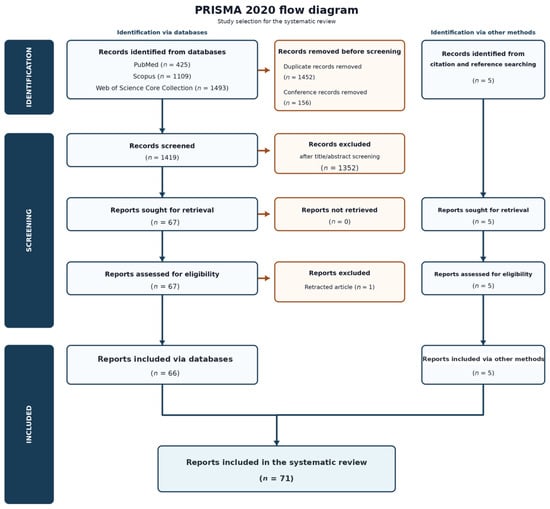
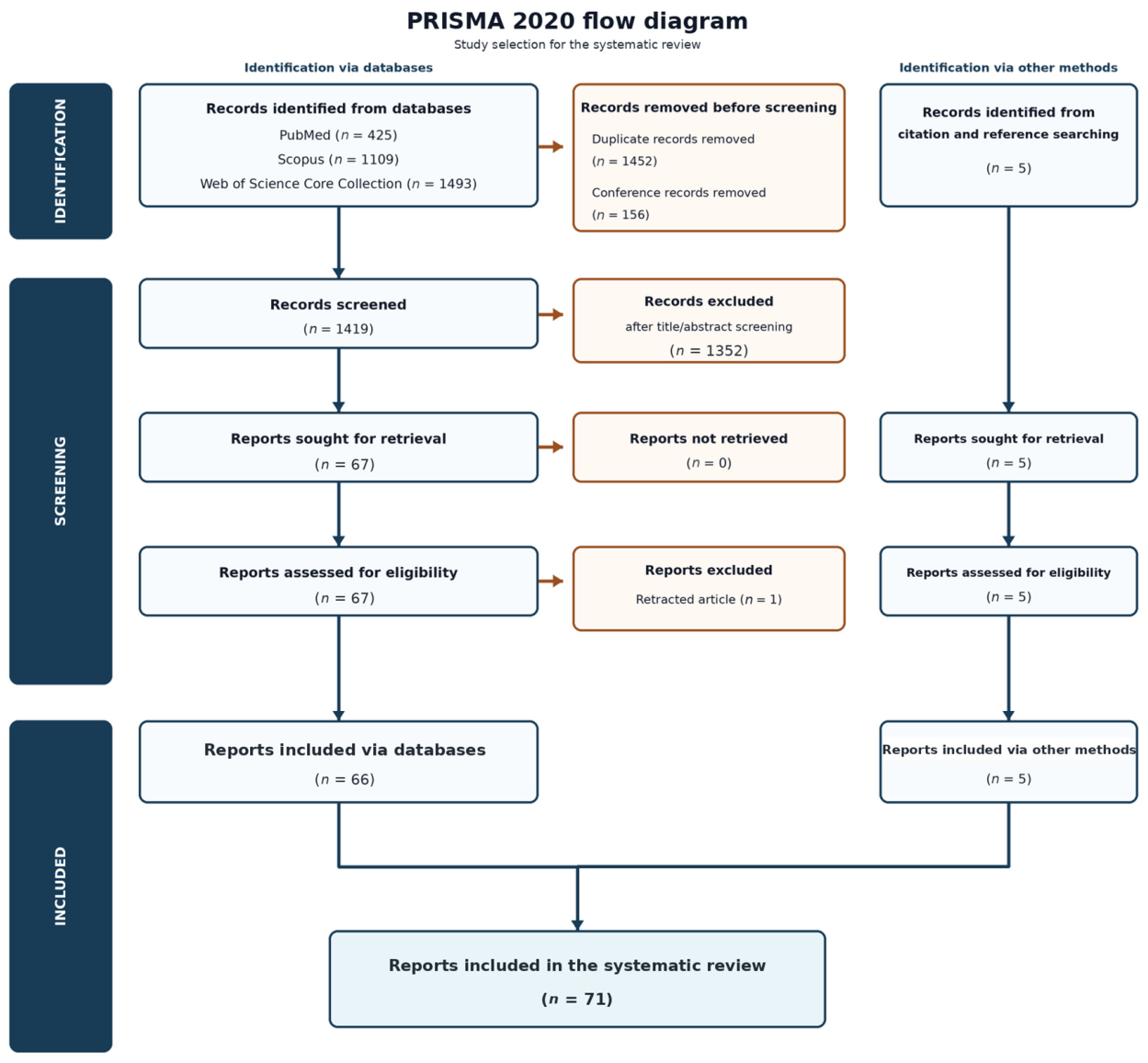

Disclaimer/Publisher’s Note: The statements, opinions and data contained in all publications are solely those of the individual author(s) and contributor(s) and not of MDPI and/or the editor(s). MDPI and/or the editor(s) disclaim responsibility for any injury to people or property resulting from any ideas, methods, instructions or products referred to in the content. |
© 2026 by the authors. Licensee MDPI, Basel, Switzerland. This article is an open access article distributed under the terms and conditions of the Creative Commons Attribution (CC BY) license.