


Simple Summary
Silba adipata has recently emerged as an economically important pest of fig crops in several regions outside its native distribution. Current knowledge of this species remains limited and scattered across diverse sources. In this review, we synthesize the available information on S. adipata with the aim of providing an integrated overview of its status as an agricultural pest. We summarize its geographical distribution, its spread beyond its presumed area of origin and examine current knowledge of the biology, ecology, and behavioral traits of S. adipata that are relevant to its interaction with fig production systems. Existing management and control strategies are reviewed, including cultural, chemical and biorrational approaches, highlighting their strengths and limitations. We identify key knowledge gaps and research priorities that must be addressed to improve the development of effective, sustainable, and biorational management strategies for this invasive pest.
Abstract
The presence of Silba adipata in countries outside its native range has raised increasing concern among fig (Ficus carica L.) producers due to its growing economic importance. Information on this lonchaeid remains scarce and is frequently fragmented across regional reports, technical documents, and isolated scientific studies. The lack of consolidated and reliable knowledge on S. adipata, together with its sporadic impacts on figs and frequent confusion with closely related species, has hindered the development of effective and sustainable management strategies. Here, we provide a comprehensive synthesis of the current geographic distribution of S. adipata and its expansion into new areas, addressing diagnostic aspects and potential misidentifications reported in the literature that have the potential to confound distribution records and assessments of its pest status. We critically review current knowledge of the biology, ecology, and behavior of S. adipata, together with existing and emerging management and control approaches, including cultural practices, monitoring tools, mass trapping strategies, and biological- and chemical-based tactics. The strengths and limitations of these approaches are discussed in the context of their applicability to fig production systems. Advancing the management of S. adipata requires not only accurate species identification and evaluation of conventional control methods, but also a deeper understanding of its ecology and sexual behavior. Addressing these knowledge gaps will be essential for the development of innovative, effective, and environmentally sustainable management strategies for this emerging pest.
1. Introduction
The fig, Ficus carica L. (Moraceae), native to the Middle East and Mediterranean region, is considered one of the oldest domesticated fruit crops. This plant now has a worldwide distribution owing to its ability to adapt to a wide range of climatic conditions and soil types, particularly in tropical and subtropical regions. Consequently, fig production is widespread in countries such as Turkey, Greece, Iran, Egypt, Morocco, and Spain, as well as in the Americas (e.g., USA, Mexico, Colombia, Ecuador, Peru, and Argentina) and Asia (e.g., China, India, and Japan) [1]. Botanically, the fig is a syconium, a fleshy hollow structure containing numerous tiny, inverted flowers that develop into small fruits (achenes) following pollination. Figs have attracted growing interest due to their health and nutrition properties, which include antioxidants, fiber, magnesium, potassium, calcium, and vitamins D and K [2].
Some dipteran species are among the most important pests of figs worldwide, including some tephritids, drosophilids and lonchaeids [3,4]. One of the most important pests affecting figs is the black fig fly, Silba adipata McAlpine, 1956 (Diptera: Lonchaeidae) [5]. Similar to its host plant, S. adipata is considered native to the Mediterranean basin and the Middle East. The fly was first detected in Italy by Savastano in 1915 [6], who at the time mis-identified it as Lonchaea aristella Becker, 1902 and referred to it colloquially as the “black fig fly”, a name still used to this day. Subsequently, biological and morphological information was provided by Silvestri [7], again using the name L. aristella, representing the earliest detailed study of this species. Several decades later, McAlpine [5] corrected this taxonomic error and formally described the fly as Silba adipata.
This insect has been reported throughout much of the Mediterranean region of Europe, southwestern Asia, and North Africa (Figure 1), including France, Spain (Iberian Peninsula, Canary Islands, and Balearic Islands), Portugal, Italy, Malta, Slovenia, Croatia, Montenegro, Serbia, Bulgaria, Cyprus, Greece, Republic of Türkiye, Ukraine, Syria, Jordan, Iran, Iraq, Israel, Egypt, Morocco, Tunisia, Libya and Algeria [7,8,9,10,11,12,13,14]. Outside its native range S. adipata was first reported as an exotic pest in South Africa in 2007 [15], in Mexico in 2020 [16], and subsequently in California, USA [17] (Figure 1). To date, there is no confirmed evidence of its establishment in Central or South America, despite the presence of fig production in these regions.
Figure 1.
Native range of S. adipata (dark orange) and recently invaded areas (pale orange).
Reports of S. adipata in Asia east of Iran remain highly uncertain. Although Raz [18] mentioned its presence in Japan, no primary reference supports this record, and recent taxonomic reviews of Silba species in Japan do not include S. adipata [19,20]. Similarly, the occurrence of S. adipata infesting Ficus variegata Blume and Capsicum spp. in Indonesia remains particularly questionable. Merta et al. [21] reported genetic data for specimens identified as S. adipata in this country; however, the reported COI gene sequence identity (89%) falls well below commonly accepted thresholds for species-level confirmation. Moreover, these sequences were not deposited in GenBank, precluding independent verification and clarification.
Notably, the presence of several previously undescribed Silba species in Asia has been reported including Silba lashker MacGowan & Razak, 2012 from north-west India whose larvae are also found in F. carica [22]. Silba ishigaki MacGowan & Okamoto, 2013 has been found infesting F. variegata in Japan and Taiwan [19], Silba ischnopoda MacGowan & Compton, 2018 in mature male figs of the dioecious Ficus ischnopoda Miq. in Thailand and Cambodia [23] and Silba capsicarum McAlpine, 1956 on the island of Java, Indonesia [24]. Reports of S. adipata populations in south-west Asia are therefore likely to be misidentifications given the taxonomic complexity of the genus. This issue warrants further investigation using integrative taxonomic approaches. In contrast, S. adipata was conclusively detected and genetically confirmed (100% COI gene sequence identity) in shipments of figs from Turkey that were intercepted at the port of Zhuhai, Guangdong Province, China in 2018; however, to date, the species has not become established in China [25].
In light of the ongoing geographic expansion of this species and the increasing impact on fig cultivation, this review aims to provide a comprehensive synthesis of its status as an agricultural pest, critically examining current knowledge of its biology, ecology, and behavior in order to inform present and future management strategies for this invasive pest.
2. Invasion and Establishment in New Geographic Areas
The introduction, establishment, and subsequent spread of S. adipata into new geographic regions appear to follow a relatively rapid unnoticed invasion pattern, as evidenced by its detection in South Africa, Mexico, and the United States. In South Africa, Giliomee et al. [15] (2007) reported the simultaneous detection of S. adipata in five local municipalities along the southwestern coast, separated by several tens of kilometers. This spatial pattern suggests that the fly had been present for some time prior to detection, likely overlooked because it was initially regarded as a secondary invader of figs. This delay likely facilitated its establishment and early dispersal prior to its formal identification as an exotic pest [15] (Giliomee et al., 2007).
In Mexico, following its initial detection in central Mexico in 2020 (municipality of Ayala, Morelos State), and in accordance with the International Plant Protection Convention, a national surveillance and eradication program was implemented, initially classifying S. adipata as a transient actionable pest. However, once phytosanitary surveillance activities were initiated, the species was simultaneously detected in traps placed in fig orchards located in distant regions of the country, including in the States of Puebla, Aguascalientes, Coahuila, Michoacán, Hidalgo, and the State of Mexico [26]. Due to the large distances between detected sites, this pattern strongly suggests that S. adipata had become established in Mexico prior to its official detection and had likely begun its expansion several years earlier. The fly continues to expand its distribution across fig-producing areas of the country and was detected in 2022 in the coastal state of Veracruz, the third largest fig-producing region in Mexico [27].
A similar situation was observed in the United States, where the initial detection of S. adipata by employees of the California Department of Food and Agriculture was reported simultaneously in seven counties along the Pacific coast of southern California. To date, the fly has not been reported colonizing the main fig-producing areas located further north in Merced and Madera counties in California’s Central Valley [17].
The rapid invasion of S. adipata is noteworthy, given its strict monophagy and exclusive association with F. carica. Although the precise introduction pathways into South Africa and the Americas remain unknown, the movement of infested figs is considered one of the primary dispersal mechanisms and likely explains the rapid spread of this pest into fig-producing regions. As S. adipata preferentially infests small figs, dispersal might also occur via the transport of nursery plants that occasionally bear small, but already infested figs. In Mexico, evidence suggests that the introduction of S. adipata into the fig-producing region of Tatatila, Veracruz State, in 2022 occurred through the transport of used sacks from fig plantations in the neighboring state of Puebla, which unknowingly contained fly larvae or pupae [28].
3. Taxonomy and Identification
The black fig fly is a small, glossy dark hairy fly with a blue-black coloration, measuring approximately 3.5–4.5 mm in body length, with entirely black legs, and closed wings extending beyond the tip of the abdomen. The brick red eyes are characteristic of this species. In the Neotropics these red eyes immediately allow the observer to differentiate S. adipata from fig-infesting species of the lonchaeid genus Neosilba Waddill & Weems, 1978 which have brown eyes. Species identification is based primarily on male genital morphology, together with additional diagnostic characters that have been widely provided and illustrated in several studies [5,7,11,29,30,31,32,33]. The morphology of eggs, larvae and pupae have also been described and illustrated in detail [7,34,35,36].
Taxonomic identification within the family Lonchaeidae (Diptera) is inherently challenging due to the high degree of external morphological similarity among closely related species [11,31]. Silba Macquart, 1851 (Lonchaeinae: Lonchaeini) is a genus comprising some 121 described species, distributed predominantly in the Afrotropical, Indomalayan and Australasia-Oceania realms, with relatively few representatives in the Palearctic [37]. Only one rather doubtful species is attributed to this genus and two introduced species are known from the Americas where species of the sister genus Neosilba are predominant.
Silba adipata was formally described by McAlpine [5] based on a male holotype from Italy. This clarified the taxonomic confusion that had surrounded this species for several decades. Silba adipata had been previously mis-identified as Lonchaea aristella now considered to be a junior synonym of Silba virescens Macquart, 1851 another species common in the Mediterranean area. McAlpine [5] further noted that one of the paratype specimens of S. adipata had been previously described as Lonchaea = Silba gibbosa (de Meijere, 1910) collected in Sudan in 1915, again underlining the taxonomic difficulties in determining species of this genus.
Molecular studies of Silba species remain limited, which hinders reliable species-level identification using genetic tools. Currently, the GenBank database includes sequence data for only two members of the genus; Silba fumosa (Egger, 1862) and S. adipata. Although considerable sequence information is available for the mitochondrial cytochrome oxidase genes of S. fumosa, the available genetic information for S. adipata is largely restricted to the mitochondrial cytochrome oxidase subunit I (COI) gene, a maternally transmitted gene commonly used for DNA barcoding in insects [38]. Phylogenetic analysis of COI gene sequences of S. adipata specimens collected from figs in Israel, Turkey, and Mexico cluster within a single, well-supported genetic clade, providing strong statistical support for their conspecific status [27].
It is noteworthy that several studies from researchers in Egypt and Iraq have reported on the biology and management of S. virescens infesting figs [39,40,41]. This again probably has its origins in past taxonomic confusion when Lonchaea = Silba aristella, the junior synonym of S. virescens, was the name applied to S. adipata in earlier publications. Silba virescens, which has been reared on several occasions from shoots, stalks and ears of maize and from the stems of sugarcane seems to have a very different and more varied larval ecology. As S. adipata is considered monophagous, and in the absence of molecular data for S. virescens, it seems likely that the records of S. virescens in figs in Egypt and Iraq represent misidentifications, although specific studies are needed for clarification.
4. Crop Damage
Silba adipata primarily infests small, immature figs, although mature syconia may occasionally be attacked [42], particularly after the harvest when the availability of small figs declines. The mean diameter of infested parthenocarpic figs cultivated in Mexico ranges from 2.3 to 3.0 cm in diameter (between 10 and 13 g) [27,36,43]. Infested figs can be distinguished from healthy figs, although signs of infestation vary across fig varieties and with the stage and severity of the infestation. In general, a purple discoloration is observed as a characteristic sign of larval infestation (Figure 2A,B). This discoloration may be localized on the lateral surface of the fig (Figure 2A) or concentrated around the ostiole (Figure 2B). This coloration is more evident as larval development progresses or as the number of larvae within the fig increases [27]. However, Abbes et al. [8] reported that such purple color changes are absent in fig varieties that remain green at maturity. Consistent with this observation, we have observed that no discoloration of the ‘Brown Turkey’ variety was frequent if the infestation comprised just one or two larvae (Figure 2C) [27].
Figure 2.
Different patterns of infested figs of the Brown Turkey variety with main reddish coloration (A) in the whole fig, (B) around the ostiole or (C) an infested fig with very little coloration but with an evident larval exit hole.
Infested figs are typically abscised prematurely, resulting in substantial economic losses. The magnitude of crop losses varies widely and is largely influenced by cultivar, season, and production region. According to their pollination mechanisms, figs are divided into four types: (i) male figs known as ‘Caprifig’, which are non-edible figs that act as a source of pollen, (ii) “Smyrna” which are female figs that require pollination by the fig wasp, Blastophaga psenes L. (caprification) for fig production, (iii) San Pedro figs that produce brebas which are parthenogenetic figs produced in spring time and pollinated figs at the end of summer, and (iv) common figs, which are facultative parthenocarpic figs producing both unpollinated and pollinated syconia. Infestation by S. adipata has been documented across all fig types, including common figs, brebas, female figs, and male figs. In Tunisia, the prevalence of infestation ranges from 1% to 88%, with infestation of 70–80% or more in several breba, pollinated fig, and male fig varieties [8]. In Turkey, the prevalence of fruit drop ranges from 20% to 64% in the Smyrna cultivars ‘Sirlop’ and ‘Black Bursa’ [44]. Similarly, infestation of between 2% and 90% of the syconia has been reported in the parthenocarpic varieties ‘Black Mission’ [36,43] and ‘Brown Turkey’ [27] in Mexico.
5. Biology and Ecology
5.1. Life Cycle
The life cycle of S. adipata begins when the female alights on a fig, locates the ostiole, and inserts her ovipositor to deposit eggs in small, concealed clusters beneath the ostiolar scales. The number of eggs laid is influenced by fig availability but typically varies between 1 and 8 eggs per fig and only exceeds this when the availability of oviposition sites is limited [27,36,42]. Exceptionally, a maximum of 22 and 63 pupae from a single fig, probably from different females, were reported by Lasa et al. [27] and Katsoyannos [42], respectively. Eggs hatch within three to eight days [7] and the larvae excavate the tissues of the syconium, initially feeding around the ostiole and at the base of the receptacle (pulp) before feeding within the remainder of the fig. Larval feeding galleries are typically brown, large, and irregular in shape, and frequently contain larval frass (Figure 3). This feeding activity commonly induces premature abscission of infested syconia, with only a small proportion of infested figs remaining attached to the tree [8]. Upon reaching their full development, larvae exit the fig to pupate in the soil, leaving conspicuous exit holes, even in figs that remain attached to the tree (Figure 2C). The larval exit hole is usually located in the central-lower part of the fig (Figure 3A), although occasionally it can be found near the pedunculus [27]. Larval development takes place entirely within the fig, lasting approximately 22–29 days in spring and 7–22 days in summer [34,36]. Pupation within the syconium has been reported only rarely [36,42].
Figure 3.
Silba adipata larva (A) exiting the fig, and (B) larval feeding results in brown galleries with larval frass in infested figs.
Larvae of this species usually move by curling into a loop and adopting a leaping behavior, similar to that described for the Mediterranean fruit fly Ceratitis capitata (Wiedemann, 1824) (Diptera: Tephritidae) [45]. Larvae burrow into the soil to pupate. For S. virescens, pupation depths of 2–4 cm, and occasionally 5–6 cm, have been reported across different soil types. Pupae experimentally buried at depths outside this range, or in soils with high salinity or excessive moisture, experienced high mortality [39] (Abdullah and Al-Azawi 1992). The pupal stage lasts approximately 9–10 days and appears to be of similar duration during the spring and summer [36,42], but can increase to 16 days in the autumn [34]. As with most insects, the overall duration of the life cycle, from egg to adult, is temperature-dependent and generally ranges from 18 to 25 days under favorable climatic conditions and 40–50 days at cooler temperatures [7,34,42]. Although comparative studies on the fly’s developmental duration across different cultivars are lacking, the mean time to adult emergence from infested figs collected in the field (following natural oviposition), and maintained under similar laboratory conditions (24–25 °C), ranged from 17 to 19 days in the ‘Brown Turkey’ cultivar [25] and 24–26 days in ‘Black Mission’ [36].
It is important to mention that the larval exit holes of S. adipata could be utilized by opportunistic species of lonchaeids for their development. In contrast to S. adipata oviposition in the ostiole (Figure 4A), Neosilba spp. females have been observed ovipositing inside the exit holes of S. adipata larvae (Figure 4B). In Mexico, several Neosilba species, including Neosilba batesi (Curran, 1932), Neosilba glaberrima (Wiedemann, 1830) Neosilba flavitarsis MacGowan and Lasa, 2025 and Neosilba recurva MacGowan and Lasa, 2025 were registered emerging from fruits previously infested by S. adipata [27,46]. The life cycle of these Neosilba species has not been studied but adults emerged about 10–15 days later than S. adipata, a temporal lag related to the later infestation of figs by the Neosilba species.
Figure 4.
Oviposition behavior of (A) Silba adipata at the ostiole and (B) Neosilba sp. in a larval exit hole left by previous S. adipata infestation of figs in Veracruz, Mexico.
In Europe, S. adipata is thought to overwinter primarily as pupae in the soil [47], with adult emergence occurring in the early spring. The lower lethal temperature for overwintering stages has not been experimentally determined, but available evidence suggests that the pupae can tolerate winter temperatures slightly below −3 °C, although a persistent cold period could significantly reduce springtime populations [34]. Silba adipata has been reported from lowland regions ranging from sea level up to approximately 1000 m a.s.l. in parts of Europe and in California (USA), whereas in Mexico the fly is largely restricted to fig-producing areas at higher elevations, typically around 1800–2000 m a.s.l.
Adult longevity in S. adipata can exceed 6 weeks under controlled conditions. Laboratory adult longevity was greater for females (98 days) than for males (78 days) in flies reared from ‘Brown Turkey’ figs [48] which was longer than reported for flies reared from the ‘Black Mission’ variety (45–55 days for both sexes) [36]. Based on the development of the reproductive organs, males appear to reach sexual maturity within a few days, whereas females require at least 2–3 weeks to achieve sexual maturity, and only do so when protein is consumed during this period [48]. Females that consumed only carbohydrates failed to achieve sexual maturity, as indicated by their ovarian development, which remained almost unchanged from that observed at emergence. Females exhibit an ovarian load of approximately 20–24 eggs [48], which is considerably lower than that (>1000 eggs) reported for many tephritids [49]. Protein intake required for sexual maturation has been a fundamental biological trait exploited in the management of tephritid pests, forming the basis for the development of monitoring attractants and control strategies such as mass trapping and toxic bait applications [50,51,52]. It seems likely that similar approaches may be applied to the monitoring and control of S. adipata (see Section 6).
5.2. Feeding, Mating and Oviposition Behavior
The activity of S. adipata adult flies appears to follow a bimodal daily pattern, with two main peaks—one at dawn, before incident sunlight reaches the canopy, and a second at dusk [34,42]. According to Katsoyannos [42], fly activity initiates at dawn at temperatures above 18 °C. We have observed similar activity patterns in greenhouse experiments in which fly activity is concentrated during the early and mid-morning (07:00–11:00 h) and declines sharply as temperatures increase beyond 25–26 °C or incident sunlight exceeds 5000 lux, followed by an additional period of activity in the late afternoon (15:00–17:00 h) approximately 1–2 h before dusk [53].
Adults have been reported to feed on the juice exuding from overripe figs attached to the trees, and more frequently on droplets of fresh or dried milky fig-tree sap that is exuded when unripe figs or leaves are injured [42]. In the absence of overripe figs, adults have been observed feeding on the exudates of fig wax scales and other insects and have been observed visiting ornamental flowers or around fruit crops [42]. As mentioned above, fig latex has been reported to be highly attractive to this pest [34,36,42,48]. A highly effective method for detecting S. adipata involves releasing latex by breaking tender shoots of the fig plant [42]. Groups of five or more adult flies may aggregate to feed on latex droplets, with no aggressive interactions observed despite close physical proximity during feeding [34].
Latex remains attractive even after drying, up to one day after its release [42]. Both males and females are attracted to fresh latex droplets, with longer-lived females exhibiting higher responsiveness and greater latex consumption at the onset of sexual maturity (aged 20 days). Latex is a complex aqueous suspension of secondary metabolites comprising terpenoids, alkaloids, tannins, phytosterols, enzymes and proteins present in fruits, leaves and stems, that is secreted in appreciable quantities to protect the plant against external threats [54]. The reasons for attraction to latex in S. adipata are unclear. Flies deprived of protein showed increased attraction to latex compared to flies fed a protein-rich diet [48]. However, despite containing some amino acids (cysteine, leucine, ornithine, serine, tryptophan, and tyrosine), latex has a low overall protein content [55], suggesting that attraction to latex is not primarily related to protein requirements. In some tephritid species, the consumption of highly attractive plant-specific compounds has been associated with enhanced sexual behavior and stimulation of oviposition [56,57].
Despite frequent observations of S. adipata adults feeding on carbohydrate-rich substances, there are no reports of protein consumption by this pest in the field, even though protein intake is required for sexual maturation. In natural environments, protein sources are often scarce, and other dipteran species have been reported to acquire proteins from bird feces [58], pollen [59] or from microbial communities [60].
The movement of adults in the crop canopy has been noted but has not been studied in detail. Adult flies exhibit rapid, zig-zag flight with unpredictable trajectories, followed by a marked deceleration immediately before landing [34,42]. The presence of many flies in the same area, which can be observed on consecutive days, suggests some gregarious behavior for this species [34]. Further studies are required to confirm this pattern, particularly given its potential implications for the efficacy of monitoring and control strategies. In the field, detection is facilitated by inspecting the outer canopy leaves in shaded or partially shaded areas, especially on young shoots and tender leaves, where adults are commonly found on the abaxial leaf surface, presumably to avoid direct solar radiation [34].
The mating behavior of this species remains largely unknown, although as in other lonchaeid species, it is considered likely to involve adult swarming behavior often carried out in sunny, sheltered glades several meters above ground level [61]. As reported by Katsoyannos [42] and confirmed through our three years of field observations and laboratory rearing of S. adipata from infested figs, no mating activity was observed either in the field or under cage conditions in the laboratory, even when stimuli such as ripe or unripe figs and leaves were introduced into the cages. To date, only a single mating swarm has been documented in the field for S. adipata [62], and only one copulating pair has been reported and photographed [34]. Understanding the mating behavior of this species is a key step in our ability to continuously rear the fly in controlled laboratory or greenhouse conditions, which would greatly facilitate detailed studies on the biology and behavior of this species.
Female flies have been observed ovipositing throughout the day, but mostly during the afternoon and until dusk [42]. After a characteristic zig-zag flight, females land on the fig, locate the ostiole and insert the ovipositor between the surrounding scales. Oviposition involves brief probing movements, after which females walk around the ostiole to lay additional eggs on the same fig, typically changing orientation by 90–180° between successive bouts of egg laying [42]. This sequence is repeated multiple times, resulting in eggs being deposited in small, closely spaced clusters beneath the scales of the ostiole.
To date, there are no confirmed records of infestation on host plants other than F. carica. The paratype adult reportedly collected from eggplant (Solanum melongena L.) [5] is a female specimen and, lacking the clear specific characters found in the male genitalia, its identity is questionable until established by DNA sequencing. More recently, the occurrence of S. adipata in chili peppers has been reported in Indonesia [63,64]. However, these records also remain questionable, as they most likely correspond to S. capsicarum, a morphologically similar species previously described infesting peppers on the island of Java, Indonesia [24]. The low genetic similarity (89% COI sequence identity) reported by Merta et al. [19] supports the notion that the specimens from peppers are not S. adipata.
Anecdotal reports indicate an oviposition preference for some specific fig varieties, although no systematic comparisons have been published. In other species of fruit flies, oviposition preference can be related to fruit size, color, firmness, ripeness, skin texture, ostiole width and structure, water content, chemical composition and host-associated microbes [8,65,66]. A significant reduction in oviposition was observed by S. adipata in pollinated compared to unpollinated figs in the facultatively parthenocarpic “Brown Turkey” variety [67]. This was correlated with variation in organic volatile compounds emitted by pollinated and unpollinated figs with some compounds (geranyl acetone, hydrocinnamaldehyde, α-thujene, terpinene-4-ol, δ-elemene and α-terpineol) only present in unpollinated figs. These findings suggest that the application or manipulation of specific compounds could potentially reduce oviposition levels, an aspect that warrants further investigation studies.
5.3. Population Dynamics
Although information from different geographic regions remains limited, S. adipata is generally considered to complete four to six generations per year [27,34,68]. The population dynamics appear broadly consistent across regions, with pronounced population increases occurring in mid-summer, particularly in July and August [18,27]. Following the winter period, population densities are usually very low and require two to three generations to rebuild. As temperatures increase, adult activity resumes, with the first detections of adults reported in late February in southern Spain [69] and during the first half of March in southwestern France [34] and Veracruz, Mexico [70]. The initial detections of damaged figs are commonly observed in April, which are likely caused by adults that emerged in March [7]. The last adult detections in the field tend to occur in November and December, when figs are no longer available [27,34,69]. Nevertheless, in central Mexico, where pruning practices promote substantial autumn fig production, S. adipata has been reported infesting figs during the winter period, from November to February when diurnal and nocturnal temperatures are typically around 22 and 2 °C, respectively [32,71].
6. Monitoring and the Response to Traps and Attractants
Attractant type and trap color have been among the most important factors considered for improving trap efficacy and specificity in many tephritid fruit flies [72], whereas trap and attractant combinations have been addressed in only a few studies involving Lonchaeidae. Monitoring of S. adipata, has mainly been performed using liquid attractants in traps previously developed for tephritids such as the glass McPhail trap (Figure 5A) [42], the plastic McPhail trap with a yellow base (Figure 5B) [34], the Multilure trap (Figure 5C) [73], the Tephri trap (Figure 5D) [74,75], or cheap handmade traps constructed from modified plastic (PET) bottles with three or four holes of 0.5–0.6 mm in the side of each bottle (Figure 5E) [76,77]. Modified cups of 1 L, with different variations in the access holes, have also been proposed [43,73]. In contrast to liquid traps, visual sticky traps have not been widely used for this pest, probably due to weak response to colors and the low efficacy previously reported by a yellow Rebell® sticky trap, when compared with ammonium-baited traps (Figure 5F) [42].
Figure 5.
Different model traps used to monitor S. adipata: (A) glass McPhail, (B) plastic McPhail, (C) Multilure, (D) Tephri trap, (E) handmade bottle trap and (F) Rebell sticky trap.
Laboratory assays that tested a range of colors (red, orange, yellow, blue, violet, white, and black) revealed no significant differences in fly attraction, although marginally higher capture rates were recorded for orange and yellow. Similarly, under field conditions, yellow and orange colors applied to the lower section of plastic bottle traps did not improve trap performance compared with white or transparent traps when baited with torula yeast [76].
Food attractants based on ammonium salts such as ammonium sulfate, diammonium phosphate and ammonium acetate at 2% and 4% (wt/wt) concentration have been employed for S. adipata monitoring [34,42,75,76,77]. Gaseous ammonia released by these traps may be used by flies as an indicator of protein availability, which is essential for sexual maturation of S. adipata females, as has also been reported for other tephritid flies [50,78,79]. A 2% ammonium sulfate solution was as effective as a 4% solution, but slightly more effective than 4% diammonium phosphate solution [77]. Under laboratory conditions, ammonium sulfate was more attractive than ammonium acetate when tested at equivalent concentrations, although attraction levels were similar when the concentration of ammonium acetate was reduced. We previously postulated that the lower attraction to higher concentrations of ammonium acetate could be related to the production of small amounts of acetic acid from the acetate component of the solution, which may be repellent to S. adipata [76]. Further experiments are required to confirm this hypothesis given that the response of this fly to fermented products that release acetic acid, is, in general, weak. There is also evidence that some fruit flies avoid acidic environments, as they do not associate them with viable food or protein sources [80].
In a study on the Mediterranean fruit fly, the capture of S. adipata adults was reported in a dry trap baited with Biolure®, a blend of ammonium acetate, putrescine and methylamine but with low captures when compared to hydrolyzed proteins [74]. In laboratory assays evaluating individual or combined organic compounds (hexanol, hexanal, hexyl acetate, heptanal, octanal, nonanol, and nonanal), only hexanol elicited a consistently high attractive response in S. adipata [68]. Subsequent field studies showed that hexanol alone was not more effective than a 2% ammonium sulfate solution in the capture of flies, but the combination of 2% ammonium sulfate solution with hexanol increased captures by approximately 56% compared with ammonium sulfate solution alone. In contrast, a field study in central Mexico indicated that the mixture of ammonium sulfate and hexanol was not more effective than ammonium sulfate alone [77].
Due to the strong behavioral response of Silba adipata to fig latex, this substance has been recommended for field monitoring in an equal-parts mixture of fig branch extract and 0.3% ammonium sulfate solution [81]. Under field conditions, adult captures of S. adipata were approximately twice as high when latex was provided in an aqueous solution compared to its undiluted application on a cotton pad [42]. Two independent studies demonstrated that 2% ammonium sulfate solution supplemented with approximately 0.5–1 mL (ca. 10 drops) of fig latex was significantly more effective than ammonium sulfate solution alone [42,76]. Torula yeast tablets that are pelletized with borax were also a suitable attractant [76]. A major advantage of ammonium sulfate plus latex-based attractant mixtures under field conditions was the high specificity of the traps, reflected in the low capture of non-target insects and slightly lower capture of other lonchaeid species (Neosilba and Lonchaea), at least when compared with torula yeast + borax pellets [76].
Other food-based attractants widely used for tephritid flies have also been evaluated for S. adipata, including commercial protein hydrolysates, such as acid-hydrolyzed proteins (e.g., Buminal®, Atralat®, Captor 300®) and enzymatically hydrolyzed proteins such as CeraTrap® [43,75,76,77,82]. Acid-hydrolyzed proteins are commonly used in combination with borax following standard recommendations for tephritid pests [83] or have been tested with additives such as black molasses [82].
In Black mission fields, the capture of torula yeast + borax pellets was also superior to Atralat®, a hydrolyzed protein prepared with borax [43]. Experiments in Portugal indicated that traps containing a combination of 5% hydrolyzed protein, the tips of fig branches (3 cm long) and hexanol captured five-fold more adults than 5% diammonium phosphate solution with the same mixture of fig branches and hexanol [75]. One experiment also tested GF-120® (Dow AgroSciences), a spinosad bait lure based on proteins, sugars and 1% ammonium acetate, although this attractant had a lower capture when compared with 2% ammonium sulfate solution [77].
Hydrolyzed proteins combined with borax have also been used in McPhail traps to monitor the pitaya flower-bud fly, Dasiops saltans Townsend (Diptera: Lonchaeidae). The highest captures were obtained with maize hydrolyzed protein; however, specificity toward the lonchaeid was also low, as other Lonchaea and Neosilba species were frequently captured [84]. Ceratrap® and torula yeast pellets also captured high numbers of Lonchaea, Neosilba and Dasiops species [85].
Various homemade attractants, including fermented figs, fermented pineapple and pineapple juice have also been evaluated. Low overall capture rates and some inconsistency has been observed among experiments. In general, fermented attractants have low capture efficacy when compared to hexanol or torula yeast + borax pellets [43]. However, experiments conducted in autumn and winter, although characterized by low capture numbers, revealed that fermented ripe and unripe figs were more effective for detecting S. adipata than ammonium sulfate, torula yeast + borax pellets, or hydrolyzed protein [71]. In this case, the likely reduced availability of suitable figs, together with lower volatile emissions from torula-based traps and hydrolyzed protein under low temperatures, may have influenced the observed results.
Captures in most of the attractants, including ammonium sulfate, torula yeast + borax pellets, hydrolyzed protein + borax, hexanol, ammonium sulfate + hexanol, latex, and ammonium sulfate + latex, were female-biased, with females representing approximately 57–70% of the total captures [42,68,76,77]. In one experiment using latex as an attractant, the proportion of females increased to nearly 80% [42]. However, sex-specific responses varied seasonally, as captures were not female-biased during an experiment conducted in the rainy season using several attractants, including ammonium sulfate, torula yeast, hydrolyzed protein + borax, and ammonium sulfate + latex [76]. The physiological status of females has been less extensively studied; however, food-based attractants such as torula yeast + borax pellets and ammonium sulfate + fig latex have been reported to capture 76–90% immature females in Brown Turkey fig plantations [76], a finding that could have implications for the use of control tools targeted at females.
It is worth noting that many of the published studies lack a statistically robust experimental design involving adequate replication and trap rotation procedures. Also, these studies often report very low capture rates, so their results should be interpreted with obvious caution. In some cases, certain attractants (e.g., 2% ammonium sulfate, hexanol and torula yeast) have failed to capture adults in monitoring experiments, despite the confirmed presence of the pest in the orchard [86,87]. Consequently, robust conclusions regarding the comparative efficacy of some attractants remain difficult to establish, highlighting the need for further well-replicated and statistically robust studies conducted under laboratory and field conditions.
7. Control Strategies
7.1. Cultural Control
Of the cultural pest control practices available to growers, orchard sanitation through the systematic removal of infested figs, whether dropped on the ground or still attached to the plant, is considered one of the most effective measures for reducing pest pressure. In lonchaeids, which pupate in the soil near the host plant, unharvested and fallen figs can sustain local populations and promote continuous reinfestation. Therefore, infested figs must be properly destroyed, either by burial (~40 cm depth) or by exposure to solar heating in sealed black plastic bags to prevent adult emergence, as recommended for tephritid flies [72,88].
Abbes et al. [8] suggested the use of fruit bagging to reduce damage, although evidence supporting its application in fig production is still lacking. As fruit bagging is labor-intensive and costly, it may be a viable option for small-scale systems in countries with low labor costs or high-value production, such as fresh figs intended for export markets. When applied at early fruit developmental stages, bags act as a physical barrier that prevents oviposition. Fruit bagging cannot be used in caprifig or caprification-dependent fig varieties that require the entry of the pollinating wasp B. psenes for obvious reasons. However, nets with a mesh size of 2–2.5 mm may represent a feasible alternative, provided that the pollinating wasp can still enter the syconia covered by the net [8]. Further research is required to identify the most suitable bag or net materials as figs must be protected from S. adipata oviposition when they are still very small (~1.5–2.0 cm in diameter). Fruit bagging has been shown to significantly reduce the prevalence of infestation in several fruit fly systems and is compatible with organic and low-input production schemes [89].
Protected fig cultivation is gaining interest in order to extend fig production areas and to produce figs out of season [90]. In other regions, fig production under mesh coverings becomes necessary due to the lack of registered insecticides for the control of S. adipata and C. capitata, which can cause substantial losses [91]. Under greenhouse production, the use of double-door entry systems and the prompt repair of any openings in the mesh can substantially reduce pest entry and subsequent infestation. However, mite populations can become problematic in greenhouse production systems [92].
7.2. Chemical Control
Despite a paucity of studies using modern active ingredients, it appears clear that the application of broad-spectrum products often fails to provide useful levels of control of S. adipata [92]. This is because larvae are protected from spray applications inside the developing figs, so that the only stages vulnerable to chemical control are the adults, the final instar larvae as they exit the fig and the pupae in the soil.
Despite this, regular applications of the organophosphate triazophos reduced adult populations in Egypt [82] and current recommendations in Mexico include spray applications of diazinon when the figs are at a development stage of 20–30 days [93]. The organophosphates methidathion and dichlorvos were reported to provide effective control against this pest in Israel [18], whereas in France the only product approved for S. adipata control by direct application to fig plants is the pyrethroid deltamethrin, which is considered effective at reducing crop losses to this pest [34]. Others report Mexican growers applying spinosad, bifenthrin and diazinon alone or in mixtures at weekly intervals with generally unsatisfactory results [36]. Furthermore, the application of broad-spectrum insecticides in male fig varieties or in pollination-dependent cultivars should be carefully evaluated, given the potentially severe adverse effects on the pollinating wasp B. psenes [8].
Recent laboratory studies have highlighted the toxicity of spinosad and emamectin benzoate, two selective biorational insecticides derived from soil bacteria, against S. adipata adults [94]. If validated in field testing, these products could have potential for the development of toxic baits against this fly.
Previous laboratory studies indicated that soil applications of spinosad markedly reduced pupation, adult emergence and adult survival time in the tephritid Anastrepha ludens Loew, 1873 which also pupates in the soil [95]. Similarly, soil treatments using diazinon or fenvalerate provided control of S. virescens in fig plantations in Iraq [96]. Given these findings, it would be worthwhile field-testing soil treatments using modern biorational products against S. adipata.
The low effectiveness of spray applications against adults is also reflected in the historical literature involving the application of organophosphate and pyrethroid compounds to crops such as cassava [97,98], passionfruit [99], and peppers [100,101] against other species of lonchaeid pests. Botanical extracts of the Chinaberry tree, Melia azedarach (Meliaceae), have also demonstrated some insecticidal activity against other lonchaeid species, but with low efficacy [102].
For these reasons, integrated pest management strategies based on monitoring, cultural control, natural enemy conservation and the use of selective toxic baits are likely to prove more effective than standard chemical control approaches.
7.3. Biological Control
7.3.1. Predators
There is an almost complete absence of information on the natural enemies of S. adipata and a marked paucity of information from other lonchaeid species, which contrasts with a diversity of studies on tephritid flies. As lonchaeids and tephritids most probably share a number of enemies in common, we consider these likely to be of greatest importance as natural agents of mortality in S. adipata populations.
The principal vertebrate predator of S. adipata adults is likely to be insectivorous birds, whereas various invertebrate predators are expected to consume the adult flies, including spiders, dragonflies and predatory flies (Asilidae). For the most part, larvae have a physical refuge from predation during their development, and are only exposed to predators as they exit the syconium to pupate in the soil. As a result, final instar larvae and pupae risk predation from ants and predatory beetles (e.g., Carabidae, Staphylinidae). Ants may also remove S. adipata eggs from the ostiole or attack larvae while they are abandoning the fig or after falling to the ground to pupate [34]. Studies on tephritids have highlighted the importance of ants in the predation of pupae, including species in the genera Pheidole, Solenopsis, Pachycondyla, Pogonomyrmex and Tapinoma [103,104,105,106]. The soil dwelling stages of tephritids are more susceptible to ant predation when closer to the surface, when soil is drier and less compacted and when in close proximity to ant nests [107,108]. A similar range of natural enemies were reported for Dasiops inedulis Steyskal, 1980, a lonchaeid pest of passionfruit in Colombia, with ants and ground beetles the major predators in soil and spiders, vespid wasps and chrysopids (Neuroptera) the most abundant predators on host plants [109]. Similar findings are likely to hold true for S. adipata stages on plants and in the soil.
7.3.2. Parasitoids
The only parasitoid reported from S. adipata is the pteromalid Pachycrepoideus vindemmiae (Rondani, 1875), [42] which is a generalist endoparasitoid of pupae that also parasitizes tephritids, drosophilids and other species [110]. This species is also a facultative hyperparasitoid, so its use as a biocontrol agent has generated concerns over its ability to parasitize primary parasitoids [111]. Reports of parasitism of S. adipata in pepper crops in Indonesia [64,112] are likely to involve misidentification of the host as COI gene sequences indicated that the pepper pest was not closely related to S. adipata [21].
Despite rearing thousands of field-collected specimens of S. adipata from figs in Mexico, we have never observed parasitism [70]. Similarly, studies on this pest in South Africa reported the absence of parasitoids in field-collected figs infested by this fly [15]. In contrast, lonchaeids in other agricultural systems can be attacked by a diversity of parasitoids, although the prevalence of parasitism tends to be highly variable [113,114,115,116].
We believe that the absence of larval parasitoids of S. adipata is due to the protective effects of fig latex, which likely repels probing by the parasitoid’s ovipositor, resulting in the rapid termination of attempts at parasitism, even in species such as the braconid Diachasmimorpha longicaudata (Ashmead, 1905) that efficiently parasitizes tephritid larvae in infested fruit.
It is possible that soil-dwelling pupae of S. adipata may be susceptible to parasitism from several parasitoids that naturally attack tephritid pupae in soil, including species such as Eurytoma sivinskii Gates and Grissell 2004 (Eurytomidae), Dirhinus giffardii Silvestri, 1919 (Chalcididae), Melittobia digitata Dahms, 1984 (Eulophidae), Coptera haywardi (Ogloblin) and Trichopria anastrephae (Perkins, 1910) (Diapriidae) [117,118,119,120,121]. Detection of these parasitoids in S. adipata would involve sampling pupal populations in soil, an activity that has not be reported in the literature at present.
It is important to bear in mind that the abundance of invertebrate natural enemies and their functional importance as predators and parasitoids, will be highly dependent on the dose rate, frequency of application and class of pesticides used in fig production systems.
7.3.3. Pathogens
There are no records of pathogenic viruses isolated from S. adipata and there is currently no evidence that the pest can be controlled through the use of bacterial bioinsecticides, such as those based on Bacillus thuringiensis subsp. israelensis or Lysinibacillus sphaericus. As these types of products require ingestion of the bacterial pathogen, the protected feeding of larvae is likely to prevent the larvae from consuming lethal doses of these pathogens. Greater hope lies in the use of fungal and nematode entomopathogens that have shown promise in the control of tephritid pests.
To date, no fungal pathogens have been reported for S. adipata. Fungal pathogens such as Beauveria bassiana or Metarhizium anisopliae infect their hosts when conidia land on the host cuticle, germinate and penetrate the integument. Consequently, fungi can be used against dipterans in four main approaches: (i) As direct contact sprays onto the insects or the host plant on which they forage [122]; (ii) By placing conidia in powder formulations in bait stations in which flies become contaminated and subsequently transmit the conidia to other flies during mating, swarming or aggressive territorial contacts with conspecifics [123,124]; (iii) By applying conidia to soil beneath host plants so that burrowing larvae, pupae and emerging adults are contaminated by conidia that subsequently infect them [125,126]; (iv) By exploiting the endophytic habits of these pathogens as an alternative route for lethal infection of the pest [127].
Similarly, entomopathogenic nematodes, particularly species of Steinernema and Heterorhabditis, have demonstrated effectiveness against tephritids when applied to soil [128]. The soil textural characteristics, moisture and depth of the dipteran pupae influence the ability of the infective juvenile stages of the nematodes to locate and infect their hosts [129,130]. In this regard, it is surprising that S. adipata has failed to attract the interest of the insect pathologist community given the significant advances that have been achieved in the control of tephritid pests using entomopathogenic fungi and nematodes.
8. Mass Trapping
Mass-trapping systems for lonchaeids currently rely on food-based attractants (Section 6). The efficacy of mass-trapping depends not only on the attractant formulation but also on several operational factors, including trap density, spatial distribution, and lure replacement frequency. High trap densities are generally required to achieve population-level impacts, particularly in orchards with a history of infestation [52]. In Mexico, the deployment of 20 handmade PET bottle traps (~600 mL capacity) per hectare, baited with three torula yeast + borax pellets dissolved in 250 mL of water and placed in shaded areas at 15 m intervals, is recommended by the government phytosanitary authority to reduce S. adipata infestation [73]. Torula yeast + borax pellets degrade over time, particularly under warm field conditions. As a result, these attractants typically remain effective for only two to three weeks [72,83] and require regular maintenance to ensure consistent attraction and capture rates.
Recently, the dry FlyPack Ficus trap (SEDQ Healthy Crops S.L.), incorporating 0.015 g of deltamethrin impregnated in the trap cap, has been used in Spain in combination with an ammonium salt and hexanol packaged in separate long-release sachets, although information on its efficacy is not yet available. In this region, mass trapping deployment is recommended in June using a density of 80 traps per hectare that reportedly remains effective for up to 120 days [34]. The FlyPack Ficus trap is currently undergoing the registration process in France [131].
Quantitative information on the effectiveness of mass-trapping against S. adipata is lacking, but observations suggest that this approach could be very effective. Traps capture both sexes, with a higher proportion of immature females in the case of food attractants, which represents a key advantage for population suppression as females are trapped before they have begun to oviposit in the crop. For optimal efficacy, traps should be deployed early in the season, if possible, prior to the onset of fruit susceptibility in spring with the aim of intercepting the founder females and to reduce local population growth early in the season. Mass-trapping is a promising control strategy that can be improved with better attractants, but it is most effective when combined with complementary control tactics, particularly orchard sanitation.
9. Conclusions and Future Research Needs
The increasing economic relevance and invasive characteristics of S. adipata as a pest of fig production outside its native range highlight the urgent need for the development of effective and sustainable management strategies. Despite recent advances, current control options remain limited and are largely extrapolated from other fruit fly systems, underscoring substantial knowledge gaps that constrain the implementation of biorational, pest-specific approaches. Addressing these gaps requires a comprehensive understanding of the fly’s biology, behavior, and ecological interactions across different types of fig production systems, as well as a deeper evaluation of potential control strategies. The accurate taxonomic identification of the pest is essential to avoid confusion with morphologically similar species.
Understanding the biology and ecology of the fly is fundamental to the design of effective pest management programs. In particular, the fly’s mating behavior is a key void in our current understanding. Information on the conditions required by S. adipata to facilitate mating could provide valuable insights for the establishment of laboratory colonies under controlled conditions, which would expedite biological studies and the testing of effective control tools. These include the range of modern biological and selective insecticides, molecular approaches such as the use of RNAi [132], novel genetic control mechanisms [133], the role of the insect microbiome [134], and the possible characterization of species-specific pheromones or other tools related to the fly’s chemical ecology [135], all of which are promising avenues of research in the control of tephritid pests. Studies addressing the spatial dynamics of S. adipata populations within fig orchards, including their relationships with microhabitat conditions and potential aggregation mechanisms, are also necessary to identify areas of high vulnerability, allowing traps and other control tools to be used to greatest effect.
Accurate pest detection and population surveillance, together with an understanding of the spatial and temporal dynamics of pest populations within crops, are fundamental components of integrated pest management (IPM) strategies [136]. The effectiveness of these approaches depends largely on the reliability and reproducibility of pest responses to trap attractants, as well as on the selectivity of these attractants toward the target species and their minimal impact on non-target insects. Despite recent advances, many older studies on S. adipata attractants lack rigorous experimental designs, making robust conclusions regarding the efficacy of some lures difficult to establish. Current attractants used for lonchaeid flies are generally broad-spectrum food lures, which often show low selectivity and attract a wide range of non-target insects. Future research should focus on identifying and exploiting host-specific or host-associated semiochemicals, such as latex-derived compounds and hexanol, that mediate attraction in S. adipata. Advanced analytical approaches, including electroantennography coupled with gas chromatography or mass spectrometry, offer powerful tools to identify biologically relevant compounds. Further optimization should target methods to improve lure stability, longevity, and release rates under field conditions.
The susceptibility of S. adipata to pesticides has been poorly studied, likely due to difficulties in rearing this species under controlled conditions for laboratory toxicity tests. To date, no comprehensive information has been published on insecticide efficacy against this pest. Among the potential chemical control tactics, the use of toxic baits represents a particularly promising approach but remains largely unexplored. The relatively long pre-oviposition period of S. adipata offers a valuable window of opportunity to target adult females before egg laying occurs. This suggests that bait-based strategies combining attractants such as protein sources with selective insecticides could be especially effective. However, substantial knowledge gaps remain regarding effective bait formulations, active ingredients, application timing, spatial deployment, and potential impacts on non-target organisms. The development of selective toxic baits could substantially reduce reliance on cover sprays of broad-spectrum products and reduce the presence of pesticide residues in figs.
Current evidence suggests that effective biological control of S. adipata is most likely to rely on the conservation and enhancement of generalist natural enemies, particularly ants and ground-dwelling beetles that attack larvae and pupae in the soil. Classical parasitoid-based control appears limited, as larval parasitism is likely to be constrained by the protective role of fig latex, and no consistent field parasitism has been documented. In contrast, entomopathogenic fungi and nematodes emerge as the most promising biological control agents for inundative control, given their demonstrated efficacy against tephritid flies and their ability to infect soil-dwelling stages. Targeting pupae through soil applications or auto-inoculation + horizontal transmission strategies may therefore represent a key intervention. Future research should prioritize field-based evaluations of these pathogens and their integration with predator-compatible management practices.
Orchard sanitation remains a cornerstone of S. adipata management. Frequent removal and destruction of infested figs are essential to prevent rapid population growth and local reinfestation. Beyond figs removal, careful handling and movement of harvested figs and collection materials are critical, as these can inadvertently facilitate pest spread within and between production areas. At a broader scale, the movement of figs and plant material represents a significant phytosanitary risk and must be strictly controlled in regions where S. adipata is absent. Preventing the introduction of this pest into new areas through effective regulatory measures is therefore of paramount importance.
Continued research addressing these key areas will be essential to develop robust, sustainable, and effective management strategies capable of mitigating the growing impact of this serious pest on fig production in its native region and in production systems elsewhere in the world.
Author Contributions
Conceptualization, R.L., I.M., J.B. and T.W.; writing—original draft preparation, R.L. and TW; writing—review and editing, R.L., I.M., J.B. and T.W.; project administration, R.L.; funding acquisition, R.L. All authors have read and agreed to the published version of the manuscript.
Funding
This study was funded by the Secretaría de Ciencias, Humanidades, Tecnología e Innovación (SECIHTI), through project CBF-2025-I-3511 awarded to R.L.
Data Availability Statement
No new data were created or analyzed in this study. Data sharing is not applicable to this article.
Acknowledgments
We thank Ricardo Macías Díaz del Castillo and Laura Navarro for their valuable assistance in drafting and refining certain sections of the manuscript. Juan S. Gómez-Díaz provided logistical support to T.W. while preparing this manuscript.
Conflicts of Interest
The authors declare no conflicts of interest. The funders had no role in the writing of the manuscript, or in the decision to publish the results.
References
- Ferrara, G.; Mazzeo, A.; Colasuonno, P.; Marcotuli, I. Production and growing regions. In The Fig: Botany, Production and Uses; Sarkhosh, A., Yavari, A., Ferguson, L., Eds.; CAB International: Wallingford, UK, 2022; pp. 47–94. [Google Scholar]
- Mahmoudi, S.; Chawla, A. Fig and health. In The Fig: Botany, Production and Uses; Sarkhosh, A., Yavari, A., Ferguson, L., Eds.; CAB International: Wallingford, UK, 2022; pp. 421–450. [Google Scholar]
- Singh, S.; Li, Z.; Zhang, Y.; Grieshop, M.J.; Giliomee, J.; Massimino-Cocuzza, G.E.; Sandhu, R.K. Arthropod pests of fig and their management. In The Fig: Botany, Production and Uses; Sarkhosh, A., Yavari, A., Ferguson, L., Eds.; CAB International: Wallingford, UK, 2022; pp. 332–366. [Google Scholar]
- Ben-Yakir, D.; Costa, A. Pests of fig trees. In Advances in Fig Research and Sustainable Production; Flaishman, M.A., Aksoy, U., Eds.; CAB International: Wallingford, UK, 2022; pp. 259–278. [Google Scholar]
- McAlpine, J.F. Old world lonchaeids of the genus Silba Macquart (=Carpolonchaea Bezzi), with descriptions of six new species (Diptera: Lonchaeidae). Can. Entomol. 1956, 88, 521–544. [Google Scholar] [CrossRef] [Scilit]
- Turinetti, L. Sur la présence en France du Lonchaea aristella Beck. [Dipt. Lonchaeidae]. Bull. Soc. Entomol. Fr. 1921, 26, 195–196. [Google Scholar] [CrossRef] [Scilit]
- Silvestri, F. Sulla Lonchaea aristella Beck. (Diptera: Lonchaeidae) dannosa alle infiorescenze e fruttescenze del capririco e del fico. Boll. Lab. Zool. Gen. Agrar. R. Scuola Super. Agric. Portici 1917, 12, 123–146. [Google Scholar]
- Abbes, K.; Hafsi, A.; Harbi, A.; Mars, M.; Chermiti, B. The black fig fly Silba adipata (Diptera: Lonchaeidae) as an emerging pest in Tunisia: Preliminary data on geographic distribution, bioecology and damage. Phytoparasitica 2021, 49, 49–59. [Google Scholar] [CrossRef] [Scilit]
- Ebejer, M.J. The picture-winged flies and related families (Diptera, Tephritoidea) of the Maltese Islands. Bull. Ent. Soc. Malta 2015, 7, 73–91. [Google Scholar]
- MacGowan, I. Lonchaeidae Online. 2026. Available online: https://lonchaeidae.myspecies.info/key-genera (accessed on 10 January 2026).
- MacGowan, I.; Friedberg, A. The Lonchaeidae (Diptera) of Israel, with descriptions of three new species. Isr. J. Entomol. 2008, 38, 61–92. [Google Scholar]
- Radonjić, S.; Hrnčić, S. The black fig fly Silba adipata McAlpine (Diptera, Lonchaeidae), a little known fig pest in Montenegro. Agroznanje 2009, 10, 31–40. [Google Scholar]
- Rot, M.; Žežlina, I.; Jančar, M.; Seljak, G. Black fig fly (Silba adipata McAlpine, 1956 Diptera, Lonchaeidae) is present also in Slovenia. Zbornik predavanj in referatov 13. Slov. Posvetovanja Varstvu Rastl. Mednar. Udeležbo Rimske Toplice 2017, 7, 47–52. [Google Scholar]
- Umnov, M.P. The pests of the fig in the Crimea. Sov. Subtrop. 1940, 3, 41–45. [Google Scholar]
- Giliomee, J.H.; Venter, E.; Wohlfarter, M. Mediterranean black fig fly, Silba adipata McAlpine (Diptera: Lonchaeidae), recorded from South Africa. Afr. Entomol. 2007, 15, 383–384. [Google Scholar] [CrossRef] [Scilit]
- NAPPO, North American Plant Protection Organization. Available online: https://www.pestalerts.org/nappo/official-pest-reports/926/ (accessed on 15 January 2026).
- Britt, K.E.; Gordon, P.E.; Faber, B.A.; Rios, S.I.; Wilson, H. First report of black fig fly, Silba adipata (Diptera: Lonchaeidae), in the United States. J. Integr. Pest Manag. 2022, 13, 12. [Google Scholar] [CrossRef] [Scilit]
- Raz, D. The phenology of the black fig fly and its control. Acta Hortic. 1998, 380, 207–208. [Google Scholar] [CrossRef] [Scilit]
- MacGowan, I.; Okamoto, T. New species of Lonchaeidae (Diptera: Schizophora) from Japan and a re-evaluation of genus Setisquamalonchaea Morge. Entomol. Sci. 2013, 16, 196–202. [Google Scholar] [CrossRef] [Scilit]
- Arimoto, K.; MacGowan, I.; Su, Z.H. New data on lance flies (Diptera, Lonchaeidae) associated with figs (Moraceae, Ficus spp.) in Japan and Taiwan, with descriptions of two new species of the genus Silba Macquart. J. Asia-Pac. Entomol. 2020, 23, 364–370. [Google Scholar] [CrossRef] [Scilit]
- Merta, I.N.M.; Supartha, I.W.; Susila, I.W.; Yuliadhi, K.A. Current report of Silba adipata (Diptera: Lonchaeidae) attacking local fig (Ficus variegata) fruits in Bali: Molecular identification, invasion, and preference. IOP Conf. Ser. Earth Environ. Sci. 2024, 1346, 012012. [Google Scholar] [CrossRef] [Scilit]
- MacGowan, I.; Razak, N.; Rotheray, G.E.; Ahmad, I. A new species of fig-feeding Lonchaeidae (Diptera: Schizophora) from India and a checklist for the family in the Indian sub-continent. Zootaxa 2012, 3242, 47–52. [Google Scholar] [CrossRef] [Scilit]
- MacGowan, I.; Compton, S. A new species of Silba (Diptera; Lonchaeidae) associated with figs. Zootaxa 2018, 4455, 196–200. [Google Scholar] [CrossRef] [Scilit] [PubMed]
- MacGowan, I.; Rauf, A. Silba capsicarum (Diptera: Lonchaeidae), a newly recognized pest of chilli pepper in Java. J. Asia-Pac. Entomol. 2019, 22, 83–86. [Google Scholar] [CrossRef] [Scilit]
- Xu, M.; Lin, W. The First Intercept Report of Mediterranean Black Fig Fly, Silba adipata McAlpine (Diptera: Lonchaeidae) in Zhuhai Port. 2019; Unpublished. Available online: https://www.ncbi.nlm.nih.gov/nuccore/MK420468.1 (accessed on 15 January 2026).
- SENASICA. Silba adipata McAlpine, 1956 (Diptera: Lonchaeidae). Ficha Técnica 78. 2021. Available online: https://es.scribd.com/document/539683372/Ficha-Tecnica-Silba-Adipata (accessed on 15 January 2026).
- Lasa, R.; Navarro-de-la-Fuente, L.; MacGowan, I.; Williams, T. A complex of lance flies (Diptera: Lonchaeidae) infesting figs in Veracruz, Mexico, with the description of a new species. Insects 2025, 16, 458. [Google Scholar] [CrossRef] [Scilit]
- Córdova-García, R. (Fomento Agropecuario, Tatatila, Mexico). Personal communication, 2023.
- McAlpine, J.F. Manual of Neartic diptera, Volume 2. In Research Branch Agriculture Canada Monograph 28; Minister of Supply and Services: Ottawa, ON, Canada, 1957; pp. 675–1332. [Google Scholar]
- McAlpine, J.F.; Steyskal, G.C. A revision of Neosilba McAlpine with a key to the world genera of Lonchaeidae. Can. Entomol. 1982, 114, 105–137. [Google Scholar] [CrossRef] [Scilit]
- MacGowan, I.; Rotheray, G.E. Lonchaeidae. Manual of Afrotropical Diptera. In Manual of Afrotropical Diptera; Kirk-Spriggs, A.H., Sinclair, B.J., Eds.; Brachycera—Cyclorrhapha, excluding Calyptratae; Suricata 8; South African National Biodiversity Institute: Pretoria, South Africa, 2021; Volume 3, pp. 1587–1596. [Google Scholar]
- Bautista-Martínez, N.; Meraz-Álvarez, R.; Valdez-Carrasco, J.M.; López-Bautista, E. Black fig fly, Silba adipata McAlpine, in backyards of the State of Mexico. Southwest. Entomol. 2021, 46, 793–796. [Google Scholar] [CrossRef] [Scilit]
- SENASICA. Silba adipata McAlpine, 1956 (Diptera: Lonchaeidae). Ficha Técnica 78. Anexo II y III. 2021. Available online: https://www.gob.mx/cms/uploads/attachment/file/756119/Anexos_2_y_3_modificados_de_la_estrageia_Operativa_para_el_manejo_fitosanitario_de_Silba_adipata.pdf (accessed on 15 January 2026).
- Drouet, F. Silba adipata McAlpine. 2015. Available online: http://www.silba-adipata.fr/index.html (accessed on 22 January 2026).
- Juárez-Maya, M.; Morales-Galván, Ó.; Valdez-Carrasco, J.; Illescas-Salvador, D.; Gutierrez-Ruelas, J.; Illescas-Riquelme, C. Morphology of immature stages of the black fig fly Silba adipata (Diptera, Lonchaeidae). Biodivers. Data J. 2024, 12, e137798. [Google Scholar] [CrossRef] [Scilit]
- Paniagua-Jasso, E.; Tejeda-Reyes, M.A.; Martínez-Castillo, A.M.; Figueroa-de la Rosa, J.I.; García-Banderas, D.V.; Palma-Castillo, L.J.; Illescas-Riquelme, C.P.; Pineda-Guillermo, S. Bioecological parameters of the black fig fly, Silba adipata (Diptera: Lonchaeidae), collected from fig crops in Mexico. Insects 2024, 15, 883. [Google Scholar] [CrossRef] [Scilit]
- MacGowan, I. World catalogue of the family Lonchaeidae (Diptera, Cyclorrhapha, Acalyptratae). Zootaxa 2023, 5307, 1–96. [Google Scholar] [CrossRef] [Scilit] [PubMed]
- Hebert, P.D.N.; Cywinska, A.; Ball, S.L.; deWaard, J.R. Biological identifications through DNA barcodes. Proc. R. Soc. Lond. B 2003, 270, 313–321. [Google Scholar] [CrossRef] [Scilit]
- Abdullah, L.M.; Al-Azawi, A.F. Effect of some cultural practices on the fig fruit fly, Silba virescens (Maquart) in Iraq. Mesop. J. Agric. 1992, 24, 47–52. [Google Scholar]
- Abdullah, S.I.; Fandy, K.T. Effect of some attractive bait traps and independent factors in population density of fig fly fruit Silba virescens (MacQ.) (Lonchaeidae; Diptera) in Nineveh province Iraq. Arab J. Plant Prot. 2006, 24, 41–44. [Google Scholar]
- Awadallah, A.M.; Kira, M.T.; El-Borollosy, F.M.; Hashem, A.G. Some biological aspects on the fig fruit fly, Silba virescens Maquart. Agric. Res. Rev. 1982, 58, 239–246. [Google Scholar]
- Katsoyannos, B.I. Field observations on the biology and behavior of the black fig fly Silba adipata McAlpine (Diptera: Lonchaeidae), and trapping experiments. Z. Angew. Entomol. 1983, 95, 471–476. [Google Scholar] [CrossRef] [Scilit]
- Flores-Hernández, M.A. Biología y atrayentes alimenticios de la mosca negra del higo Silba adipata McAlpine (Diptera: Loncheaeidae). Master’s Thesis, Colegio de Postgraduados, Montecillo, Mexico, June 2022. [Google Scholar]
- Tutmuş, E.; Akşit, T. Siyah İncir Sineği’nin (Silba adipata Mcalpine, Diptera: Lonchaeidae) Aydın İlinde İncir Bahçelerinde Bulunma Oranı, Popülasyon Değişimi ve Bazı Biyolojik Özellikleri. Adü Ziraat Derg. 2021, 18, 311–319. [Google Scholar]
- Maitland, D.P. Locomotion by jumping in the Mediterranean fruit-fly larva Ceratitis capitata. Nature 1992, 355, 159–161. [Google Scholar] [CrossRef] [Scilit]
- MacGowan, I.; Navarro-de-la-Fuente, L.; Williams, T.; Lasa, R. A new species of Neosilba (Diptera: Lonchaeidae) associated with fig orchards in Mexico. Zootaxa 2025, 5583, 195–200. [Google Scholar] [CrossRef] [Scilit] [PubMed]
- Schewket, N. Die Feigeninsekten und die wesentlichsten Ursachen der Feigenfruchtfäule. J. Pest Sci. 1934, 10, 118–119. [Google Scholar] [CrossRef] [Scilit]
- Díaz-del-Castillo, R.; Córdova-García, G.; Pérez-Staples, D.; Birke, A.; Williams, T.; Lasa, R. Sexual development of Silba adipata (Diptera: Lonchaeidae): Effects of diet, ultraviolet light and fig latex. Insects 2025, 16, 495. [Google Scholar] [CrossRef] [Scilit]
- Carey, J.R.; Liedo, P.; Muller, H.G.; Wang, J.L.; Vaupel, J.W. Dual modes of aging in Mediterranean fruit fly females. Science 1998, 281, 996–997. [Google Scholar] [CrossRef] [Scilit]
- Epsky, N.D.; Kendra, P.E.; Schnell, E.Q. History and development of food-based attractants. In Trapping and the Detection, Control, and Regulation of Tephritid Fruit Flies; Shelly, T., Epsky, N.D., Jang, E.B., Eds.; Springer: New York, NY, USA, 2014; pp. 75–118. [Google Scholar]
- Mangan, R.L. Priorities in formulation and activity of adulticidal insecticide bait spray for fruit flies. In Trapping and the Detection, Control, and Regulation of Tephritid Fruit Flies; Shelly, T., Espky, N.D., Jang, E.B., Reyes-Flores, J., Vargas, R., Eds.; Springer: New York, NY, USA, 2014; pp. 423–456. [Google Scholar]
- Navarro-Llopis, V.; Vacas, S. Mass trapping for fruit fly control. In Trapping and the Detection, Control and Regulation of Tephritid Fruit Flies; Shelly, T.E., Epsky, N.D., Jang, E.B., Reyes-Flores, J., Vargas, R., Eds.; Springer: New York, NY, USA, 2014; pp. 145–175. [Google Scholar]
- Díaz-del-Castillo, R.; Córdova-García, G.; Pérez-Staples, D.; Birke, A.; Williams, T.; Lasa, R. Instituto de Ecología AC, Xalapa, Mexico. 2026; manuscript in preparation.
- Agrawal, A.A.; Konno, K. Latex: A model for understanding mechanisms, ecology, and evolution of plant defense against herbivory. Ann. Rev. Ecol. Syst. 2009, 40, 311–331. [Google Scholar] [CrossRef] [Scilit]
- Oliveira, A.P.; Silva, L.R.; Andrade, P.B.; Valento, P.; Silva, B.M.; Gonçalves, R.F.; Pereira, J.A.; Guedes de Pinho, P. Further insight into the latex metabolite profile of Ficus carica. J. Agric. Food Chem. 2010, 58, 10855–10863. [Google Scholar] [CrossRef] [Scilit]
- Ioannou, C.S.; Papadopoulos, N.T.; Kouloussis, N.A.; Tananaki, C.I.; Katsoyannos, B.I. Essential oils of citrus fruit stimulate oviposition in the Mediterranean fruit fly Ceratitis capitata (Diptera: Tephritidae). Physiol. Entomol. 2012, 37, 330–339. [Google Scholar] [CrossRef] [Scilit]
- Tan, K.H.; Nishida, R.; Jang, E.B.; Shelly, T.E. Pheromones, male lures, and trapping of tephritid fruit flies. In Trapping and the Detection, Control, and Regulation of Tephritid Fruit Flies; Shelly, T., Epsky, N., Jang, E., Reyes-Flores, J., Vargas, R., Eds.; Springer: New York, NY, USA, 2014; pp. 15–74. [Google Scholar]
- Mazor, M.; Gothilf, S.; Galun, R. The role of ammonia in the attraction of females of the Mediterranean fruit fly to protein hydrolysate baits. Entomol. Exp. Appl. 1987, 43, 25–29. [Google Scholar] [CrossRef] [Scilit]
- Mlynarek, J.J. Diptera pollinators. Curr. Biol. 2022, 32, R305–R306. [Google Scholar] [CrossRef] [Scilit] [PubMed]
- Lewis, M.T.; Hamby, K.A. Differential impacts of yeasts on feeding behavior and development in larval Drosophila suzukii (Diptera: Drosophilidae). Sci. Rep. 2019, 9, 13370. [Google Scholar] [CrossRef] [Scilit]
- McAlpine, J.F.; Munroe, D.D. Swarming of Lonchaeid flies and other insects, with descriptions of four new species of Lonchaeidae (Diptera). Can. Entomol. 1968, 100, 1154–1178. [Google Scholar] [CrossRef] [Scilit]
- Katsoyannos, B.I. Swarming of Lamprolonchaea smaragdi Walker (Diptera: Lonchaeidae) and a few other Diptera observed in Chios, Greece. Bull. Soc. Ent. Suisse 1983, 56, 183–185. [Google Scholar]
- Susila, I.W.; Supartha, I.W.; Bagus, I.G.N.; Liana, N.M.; Yudha, I.K.W.; Wiradana, P.A.; Jaiyah, L.A.; Nurhayati, H.; Soegianto, A. Composition, sex ratio, and population density of Silba adipata McAlpine (Diptera: Lonchaeidae) and Bactrocera dorsalis complex (Diptera: Tephritidae) in white chili (Capsicum frutescens L.) in Bali Province, Indonesia. Eco. Env. Cons. 2021, 27, S345–S349. [Google Scholar]
- Yuliadhi, K.A.; Merta, I.N.M.; Suriani, N.L.; Susila, I.W. Geographical distribution, population density, and fruit damage due to pest, Silba adipata McAlpine (Diptera: Lochaeidae) on cayenne pepper in Bali, Indonesia. IOP Conf. Ser. Earth Environ. Sci. 2024, 1346, 012016. [Google Scholar] [CrossRef] [Scilit]
- Balagawi, S. Influence of fruit traits on oviposition preference and offspring performance of Bactrocera tryoni (Froggatt) (Diptera: Tephritidae) on three tomato (Lycopersicon lycopersicum) cultivars. Aust. J. Entomol. 2005, 44, 97–103. [Google Scholar] [CrossRef] [Scilit]
- Guillén, L.; Monribot-Villanueva, J.L.; Guerrero-Analco, J.A.; Ortega, R.; Altúzar-Molina, A.; Mena, V.; Ruiz-May, E.; Aluja, M. Influence of sunlight incidence and fruit chemical features on oviposition site selection in mango by Anastrepha obliqua: Implications for management. Insects 2022, 13, 141. [Google Scholar] [CrossRef] [Scilit]
- Nawade, B.; Shaltiel-Harpaz, L.; Yahyaa, M.; Kabaha, A.; Kedoshim, R.; Bosamia, T.C.; Ibdah, M. Characterization of terpene synthase genes potentially involved in black fig fly (Silba adipata) interactions with Ficus carica. Plant Sci. 2020, 298, 110549. [Google Scholar] [CrossRef] [Scilit]
- Katsoyannos, B.I.; Guerin, P.M. Hexanol: A potent attractant for the black fig fly, Silba adipata. Entomol. Exp. Appl. 1984, 35, 71–74. [Google Scholar] [CrossRef] [Scilit]
- Costa, A. El cultivo de la higuera en el campo de Albatera; Ediciones Nobel, S.A., Ed.; Newton Publicaciones: Madrid, España, 2019; pp. 1–183. [Google Scholar]
- Lasa, R. (Instituto de Ecología AC, Xalapa, Mexico). Personal observation. 2025.
- Naranjo-Azcona, V.; Castrejón-Gómez, V.R. Evaluation of food attractants based on fig fruit for field capture of the black fig fly, Silba adipata (Diptera: Lonchaeidae). Fla. Entomol. 2025, 108, 20250023. [Google Scholar] [CrossRef] [Scilit]
- Lasa, R.; Rull, J.; Suárez, L.; Mello Garcia, F.R.; Williams, T.; Diaz-Fleischer, F. Monitoring and mass trapping of fruit flies (Diptera: Tephritidae) in the Americas. In Management of Fruit Flies in the Americas; Mello Garcia, F.R., Ed.; Springer: Cham, Switzerland, 2024; pp. 67–126. [Google Scholar]
- SENASICA. Estrategia operativa para el manejo fitosanitario de la mosca negra del higo, Silba adipata (Diptera: Lonchaeidae). 2021. Available online: https://www.gob.mx/cms/uploads/attachment/file/690628/Estrategia_operativa_mosca_del_higo_2021_compressed.pdf (accessed on 15 January 2026).
- Andrade, L.; Gonçalves, M.A.; Almeida, L.; Neves, M.A.; Pica, M.C. Ensaio de atrativos para a captura em massa de Ceratitis capitata (Diptera: Tephritidae) e Lonchaea aristella (Diptera: Lonchaeidae), na figueira. Boll. Mus. Mun. Funchal. Sup. 2008, 14, 5–12. [Google Scholar]
- Gonçalves, M.A. Evaluation of food attractants for the black fig fly in southern Portugal. Acta Hortic. 2021, 1310, 251–254. [Google Scholar] [CrossRef] [Scilit]
- Díaz-del-Castillo, R.; Córdova-García, G.; Pérez-Staples, D.; Birke, A.; Williams, T.; Lasa, R. Color and attractant preferences of the black fig fly, Silba adipata: Implications for monitoring and mass trapping of this invasive pest. Insects 2025, 16, 732. [Google Scholar] [CrossRef] [Scilit] [PubMed]
- Perales-Rosas, D.; Guillén-Sánchez, D.; Valle de la Paz, M.; Hernández-Pérez, R. Biological effectiveness of lures for monitoring Silba adipata in figs in Morelos, Mexico. Southwest. Entomol. 2021, 46, 991–1000. [Google Scholar]
- Lasa, R.; Williams, T. Does ammonia released from protein-based attractants modulate the capture of Anastrepha obliqua (Diptera: Tephritidae)? Insects 2021, 12, 156. [Google Scholar] [CrossRef] [Scilit] [PubMed]
- Mazor, M.; Peysakhis, A.; Reuven, G. Release rate of ammonia-a key component in the attraction of female Mediterranean fruit fly to protein-based food lures. IOBC/WPRS Bull. 2002, 25, 323–328. [Google Scholar]
- Biasazin, T.D.; Herrera, L.; Kimbokota, F.; Dekker, T. Diverging olfactory sensitivities to yeast volatiles reflect resource partitioning of tephritids and drosophilids. Front. Ecol. Evol. 2022, 10, 999762. [Google Scholar] [CrossRef] [Scilit]
- Pussard, R. The fig black fly, Lonchaea aristella Beck. C. R. Hebd. Seances Acad. Agric. Fr. 1950, 36, 144–145. [Google Scholar]
- Ismail, I.A.; Abdel-Rahman, R.S.; Abdel-Raheem, M.A. Utilization of certain plant extracts and entomopathogenic fungi for controlling the black fig fly, Lonchaea aristella on fig trees. Int. J. Chem. Tech. Res. 2016, 9, 35–42. [Google Scholar]
- IAEA (International Atomic Energy Agency). Trapping Guidelines for Area-Wide Fruit Fly Programmes; International Atomic Energy Agency: Vienna, Austria, 2018; p. 47. Available online: https://www.iaea.org/sites/default/files/trapping-guideline.pdf (accessed on 15 January 2026).
- Imbachi, K.; Quintero, E.; Manrique, M.; Kondo, T. Evaluación de tres proteínas hidrolizadas para la captura de adultos de la mosca del botón floral de la pitaya amarilla, Dasiops saltans Townsend (Diptera: Lonchaeidae). Cienc. Tecnol. Agropecu. 2012, 13, 159–166. [Google Scholar] [CrossRef] [Scilit]
- Harter-Marques, B.; de Freitas Michels, V.; Pereira, B.E.; Pereira, E.F. Evaluation of different food attractants for capture of Lonchaeidae (Diptera: Tephritoidea) in passion fruit orchard in southern Santa Catarina state, Brazil. Int. J. Trop. Insect Sci. 2021, 41, 1889–1892. [Google Scholar] [CrossRef] [Scilit]
- López-Bautista, E.; García-Sánchez, A.N.; Sierra-Gómez, U.A.; Tejeda-Reyes, M.A.; Illescas-Riquelme, C.P. Efecto nulo de trampas y cebos en la captura de la mosca negra del higo, Silba adipata. In Avances en Agricultura Sostenible y Cambio Climático, 1st ed.; Soto-Ortiz, R., Avilés-Marín, S.M., Brígido-Morales, J.G., Escobosa-García, M.I., Eds.; Astra Ediciones: Zapopan, Mexico, 2024; pp. 441–447. [Google Scholar]
- Queiroz, T.S.P. Caracterização, fenologia e caprificação da figueira cultivar Dauphine e captura em massa de mosco-do-figo. Master’s Thesis, Universidade de Lisboa, Lisboa, Portugal, 2019. [Google Scholar]
- De Faveri, S.; Vijaysegaran, S.; Cheesman, J. Area-Wide Management of Methyl Eugenol-Attracted Fruit Flies in Mango: A Systems Approach, ACIAR Monograph No. 222; Australian Centre for International Agricultural Research: Canberra, Australia, 2024.
- Frank, D.L. Evaluation of fruit bagging as a pest management option for direct pests of apple. Insects 2018, 9, 178. [Google Scholar] [CrossRef] [Scilit] [PubMed]
- Mars, S.; Zaouay, F. Protected cultivation of fig tree (Ficus carica L.) possibilities and limits. Acta Hortic. 2024, 1405, 35–40. [Google Scholar] [CrossRef] [Scilit]
- Wohlfarter, M.; Giliomee, J.H.; Venter, E.; Storey, S. A survey of the arthropod pests and plant parasitic nematodes associated with commercial figs, Ficus carica (Moraceae), in South Africa. Afr. Entomol. 2011, 19, 165–172. [Google Scholar] [CrossRef] [Scilit]
- Navarro, M.J.; Lluch, J.E.; Peña, M.; Bartual, J. Nuevos avances en el cultivo de la higuera. L’Agrària 2023, 4, 11–16. [Google Scholar]
- CESAVESIN. 28 September 2021. Available online: https://www.cesavesin.mx/mosca-negra-del-higo-biologia-habitos-prevencion-y-control/ (accessed on 15 January 2026).
- Navarro-de-la-Fuente, L.; Lasa, R.; Williams, T. Susceptibility of black fig fly Silba adipata (Diptera: Lonchaeidae) adults to spinosad, abamectin and emamectin benzoate by ingestion. J. Appl. Entomol. 2026; submitted.
- Williams, T.; Mercado, G.; Aluja, M. Can spinosad be effective for the integrated management of Anastrepha ludens (Diptera: Tephritidae) in soil and fallen fruit, and be compatible with the parasitoid Diachasmimorpha longicaudata (Braconidae)? Phytoparasitica 2021, 49, 73–82. [Google Scholar] [CrossRef] [Scilit]
- Al-Azawi, A.F.; Abdulla, L.M. Soil treatment with insecticides to control the fig fruit fly. In Proceedings of the 10th International Congress of Plant Protection 1983, Volume 2, Plant Protection for Human Welfare, Brighton, UK, 20–25 November 1983. [Google Scholar]
- Bellotti, A.C.; van Schoonhoven, A. World distribution, identification, and control of cassava pests. In Proceedings of the Symposium of the International Society for Tropical Root Crops; Cali, Colombia 1976; International Development Centre IRC: Ottawa, Canada, 1977; pp. 188–193. [Google Scholar]
- Franco, J.F.; Pulz, F.S.; Domiciano, N.L.; de Palma, V.; Dionízio, A.; Mariconi, F.A.M. Ensaio de campo de combate à “broca dos brotos da mandioca” Silba pendula (Bezzi, 1919). An. Soc. Entomol. Bras. 1976, 5, 209–215. [Google Scholar] [CrossRef] [Scilit]
- Wyckhuys, K.A.; Acosta, F.L.; Rojas, M.; Ocampo, J. The relationship of farm surroundings and local infestation pressure to pest management in cultivated Passiflora species in Colombia? Int. J. Pest Manag. 2010, 57, 1–10. [Google Scholar] [CrossRef] [Scilit]
- Hernández-Davila, A.G. Umbrales de acción para el control químico de la mosca del chile dulce Neosilba sp. (Diptera: Lonchaeidae). Master’s Thesis, Centro Agronómico Tropical de Investigación y Enseñanza CATIE, Turrialba, Costa Rica, 1989. Available online: https://repositorio.catie.ac.cr/handle/11554/5614 (accessed on 15 January 2026).
- Sánchez, A.; Blanco, H.; Calvo, G.; Shannon, P. Evaluación de cuatro insecticidas para el control de la mosca del chile Neosilba spp. (Diptera: Lonchasidae), bajo dos sistemas de manejo. Manejo Integr. Plagas 1991, 20–21, 57–61. [Google Scholar]
- Cardozo, O.E.; Jiménez, M.H. Insecticidas botánicos una alternativa para el control de la mosca del ají (Neosilba pendula) en la comunidad de San Pedro del Zapallar, Chuquisaca Bolivia. CienciAgro 2014, 3, 77–86. [Google Scholar]
- Campolo, O.; Palmeri, V.; Malacrinò, A.; Laudani, F.; Castracani, C.; Mori, A.; Grasso, D.A. Interaction between ants and the Mediterranean fruit fly: New insights for biological control. Biol. Control 2015, 90, 120–127. [Google Scholar] [CrossRef] [Scilit]
- Eskafi, F.M.; Kolbe, M.M. Predation on larval and pupal Ceratitis capitata (Diptera: Tephritidae) by the ant Solenopsis geminata (Hymenoptera: Formicidae) and others predators in Guatemala. Environ. Entomol. 1990, 19, 148–153. [Google Scholar] [CrossRef] [Scilit]
- Fernandes, W.D.; Sant’Ana, M.V.; Raizer, J.; Lange, D. Predation of fruit fly larvae Anastrepha (Diptera: Tephritidae) by ants in grove. Psyche 2012, 2012, 108389. [Google Scholar]
- Thomas, D.B. Predation on the soil inhabiting stages of the Mexican fruit fly. Southwest. Entomol. 1995, 20, 61–71. [Google Scholar]
- Abeijon, L.M.; Kruger, A.P.; Lutinski, J.A.; Garcia, F.R.M. Can ants contribute to the conservative biological control of the South American fruit fly. Biosci. J. 2019, 35, 941–948. [Google Scholar] [CrossRef] [Scilit]
- Aluja, M.; Sivinski, J.; Rull, J.; Hodgson, P.J. Behavior and predation of fruit fly larvae (Anastrepha spp.) (Diptera: Tephritidae) after exiting fruit in four types of habitats in tropical Veracruz, Mexico. Environ. Entomol. 2005, 34, 1507–1516. [Google Scholar] [CrossRef] [Scilit]
- Carrero, D.A.; Melo, D.; Uribe, S.; Wyckhuys, K.A. Population dynamics of Dasiops inedulis (Diptera: Lonchaeidae) and its biotic and abiotic mortality factors in Colombian sweet passionfruit orchards. J. Pest Sci. 2013, 86, 437–447. [Google Scholar] [CrossRef] [Scilit]
- Hogg, B.N.; Lee, J.C.; Rogers, M.A.; Worth, L.; Nieto, D.J.; Stahl, J.M.; Daane, K.M. Releases of the parasitoid Pachycrepoideus vindemmiae for augmentative biological control of spotted wing drosophila, Drosophila suzukii. Biol. Control 2022, 168, 104865. [Google Scholar] [CrossRef] [Scilit]
- Wang, X.G.; Messing, R.H. The ectoparasitic pupal parasitoid, Pachycrepoideus vindemmiae (Hymenoptera: Pteromalidae), attacks other primary tephritid fruit fly parasitoids: Host expansion and potential non-target impact. Biol. Control 2004, 31, 227–236. [Google Scholar] [CrossRef] [Scilit]
- Widaningsih, D.; Suriani, N.L.; Supartha, I.W. The role of Hymenoptera parasitoids as mortality factors of Silba adipata McAlpine on cayenne pepper plants: Parasitism and distribution patterns. IOP Conf. Ser. Earth Environ. Sci. 2024, 1346, 012013. [Google Scholar] [CrossRef] [Scilit]
- Coelho, J.B.; Duarte, L.M.M.; Silva, L.B. First report of Neosilba glaberrima (Wiedemann, 1830) (Diptera: Lonchaeidae) infesting corn (Zea mays L.) ears in organic farming system in the Neotropical region. EntomoBrasilis 2025, 18, e1126. [Google Scholar] [CrossRef] [Scilit]
- Nicácio, J.N.; Uchôa, M.A.; Faccenda, O.; Guimarães, J.A.; Marinho, C.F. Native larval parasitoids (Hymenoptera) of frugivorous Tephritoidea (Diptera) in south pantanal region, Brazil. Fla. Entomol. 2011, 94, 407–419. [Google Scholar] [CrossRef] [Scilit]
- Paranhos, B.J.; Nava, D.E.; Malavasi, A. Biological control of fruit flies in Brazil. Pesq. Agropec. Bras. 2019, 54, e26037. [Google Scholar] [CrossRef] [Scilit]
- Uchôa, M.A. Fruit flies (Diptera: Tephritoidea): Biology, host plants, natural enemies, and the implications to their natural control. In Integrated Pest Management and Pest Control—Current and Future Tactics; Larramendy, M.L., Soloneski, S., Eds.; InTech: Rijeka, Croatia, 2012; pp. 271–300. [Google Scholar]
- Aguiar-Menezes, E.L.; Menezes, E.B.; Silva, P.S.; Bittar, A.C.; Cassino, P.C.R. Native hymenopteran parasitoids associated with Anastrepha spp. (Diptera: Tephritidae) in Seropedica city, Río de Janeiro, Brazil. Fla. Entomol. 2001, 84, 706–711. [Google Scholar] [CrossRef] [Scilit]
- El-Husseini, M.M.; Agamy, E.A.; Saafan, M.H.; Abd El-Khalek, W.M. On the biology of Dirhinus giffardii (Silvestri) (Hymenoptera: Chalcididae) parasitizing pupae of the peach fruit fly, Bactrocera zonata (Saunders) (Diptera: Tephritidae) in Egypt. Egypt J. Biol. Pest Control 2008, 18, 391–396. [Google Scholar]
- González, J.M.; Aluja, M.; Cusumano, A.; Colazza, S.; Vinson, S.B. Evaluating the quality of the Mexican fruit-fly, Anastrepha ludens, as host for the parasitoid Melittobia digitata. Entomologia 2013, 1, e5. [Google Scholar]
- Mena-Correa, J.; Sivinski, J.; Gates, M.; Ramírez-Romero, R.; Aluja, M. Biology of Eurytoma sivinskii, an unusual Eurytomid (Hymenoptera) parasitoid of fruit fly (Diptera: Tephritidae) pupae. Fla. Entomol. 2008, 91, 598–603. [Google Scholar]
- Sivinski, J.; Vulinec, K.; Menezes, E.; Aluja, M. The bionomics of Coptera haywardi (Ogloblin) (Hymenoptera: Diapriidae) and other pupal parasitoids of Tephritid fruit flies (Diptera). Biol. Control 1998, 11, 193–202. [Google Scholar] [CrossRef] [Scilit]
- Shaurub, E.S.H. Review of entomopathogenic fungi and nematodes as biological control agents of tephritid fruit flies: Current status and a future vision. Entomol. Exp. Appl. 2023, 171, 17–34. [Google Scholar] [CrossRef] [Scilit]
- Toledo, J.; Campos, S.E.; Flores, S.; Liedo, P.; Barrera, J.F.; Villaseñor, A.; Montoya, P. Horizontal transmission of Beauveria bassiana in Anastrepha ludens (Diptera: Tephritidae) under laboratory and field cage conditions. J. Econ. Entomol. 2014, 100, 291–297. [Google Scholar] [CrossRef] [Scilit]
- Toledo, J.; Flores, S.; Campos, S.; Villaseñor, A.; Enkerlin, W.; Liedo, P.; Valle, Á.; Montoya, P. Pathogenicity of three formulations of Beauveria bassiana and efficacy of autoinoculation devices and sterile fruit fly males for dissemination of conidia for the control of Ceratitis capitata. Entomol. Exp. Appl. 2017, 164, 340–349. [Google Scholar] [CrossRef] [Scilit]
- Wilson, W.M.; Ibarra, J.E.; Oropeza, A.; Hernández, M.A.; Toledo-Hernández, R.A.; Toledo, J. Infection of Anastrepha ludens (Diptera: Tephritidae) adults during emergence from soil treated with Beauveria bassiana under various texture, humidity, and temperature conditions. Fla. Entomol. 2017, 100, 503–508. [Google Scholar] [CrossRef] [Scilit]
- Gava, C.A.T.; Tavares, P.F.D.S.; Gonçalves, J.S.; Paranhos, B.A.J. Applying local entomopathogenic fungi strains to the soil can control Ceratitis capitata (Diptera: Tephritidae) Wiedemann adults. Biocontrol Sci. Technol. 2020, 30, 103–115. [Google Scholar] [CrossRef] [Scilit]
- Vega, F.E. The use of fungal entomopathogens as endophytes in biological control: A review. Mycologia 2018, 110, 4–30. [Google Scholar] [CrossRef] [Scilit]
- Dolinski, C. Entomopathogenic nematodes against the main guava insect pests. BioControl 2016, 61, 325–335. [Google Scholar] [CrossRef] [Scilit]
- Toledo, J.; Ibarra, J.E.; Liedo, P.; Gómez, A.; Rasgado, M.A.; Williams, T. Infection of Anastrepha ludens (Diptera: Tephritidae) larvae by Heterorhabditis bacteriophora (Rhabditida: Heterorhabditidae) under laboratory and field conditions. Biocontrol Sci. Technol. 2005, 15, 627–634. [Google Scholar] [CrossRef] [Scilit]
- Toledo, J.; Rasgado, M.A.; Ibarra, J.E.; Gómez, A.; Liedo, P.; Williams, T. Infection of Anastrepha ludens following soil applications of Heterorhabditis bacteriophora in mango orchard. Entomol. Exp. Appl. 2006, 119, 155–162. [Google Scholar] [CrossRef] [Scilit]
- Anses 2023. FlyPack Ficus Trap. Available online: https://www.anses.fr/system/files/phyto/evaluations/FLYPACKFICUS_PAMM_2023-1765_PARTA.pdf (accessed on 18 January 2026).
- Maktura, G.C.; Paranhos, B.J.; Marques-Souza, H. RNAi in fruit flies (Diptera: Tephritidae): Successes and challenges. J. Appl. Entomol. 2021, 145, 740–756. [Google Scholar] [CrossRef] [Scilit]
- Liu, B.; Peng, L.; Nikolouli, K.; Tang, R.; Yadav, A.K.; Wu, Z.Z.; Yan, Y. Novel genetic controls and biotechnologies to facilitate the management of insect pests. Entomol. Gen. 2025, 45, 1533–1535. [Google Scholar] [CrossRef] [Scilit]
- Raza, M.F.; Yao, Z.; Bai, S.; Cai, Z.; Zhang, H. Tephritidae fruit fly gut microbiome diversity, function and potential for applications. Bull. Entomol. Res. 2020, 110, 423–437. [Google Scholar] [CrossRef] [Scilit] [PubMed]
- Scolari, F.; Valerio, F.; Benelli, G.; Papadopoulos, N.T.; Vaníčková, L. Tephritid fruit fly semiochemicals: Current knowledge and future perspectives. Insects 2021, 12, 408. [Google Scholar] [CrossRef] [Scilit] [PubMed]
- Murchie, A.K. Advances in techniques for trapping crop insect pests. In Advances in Monitoring of Native and Invasive Insect Pests of Crops; Fountain, M., Pope, T., Eds.; Burleigh Dodds Science Publishing: Cambridge, UK, 2023; pp. 3–46. [Google Scholar]
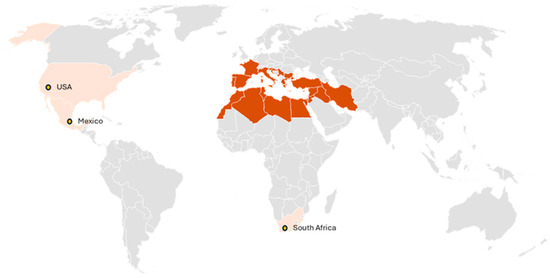
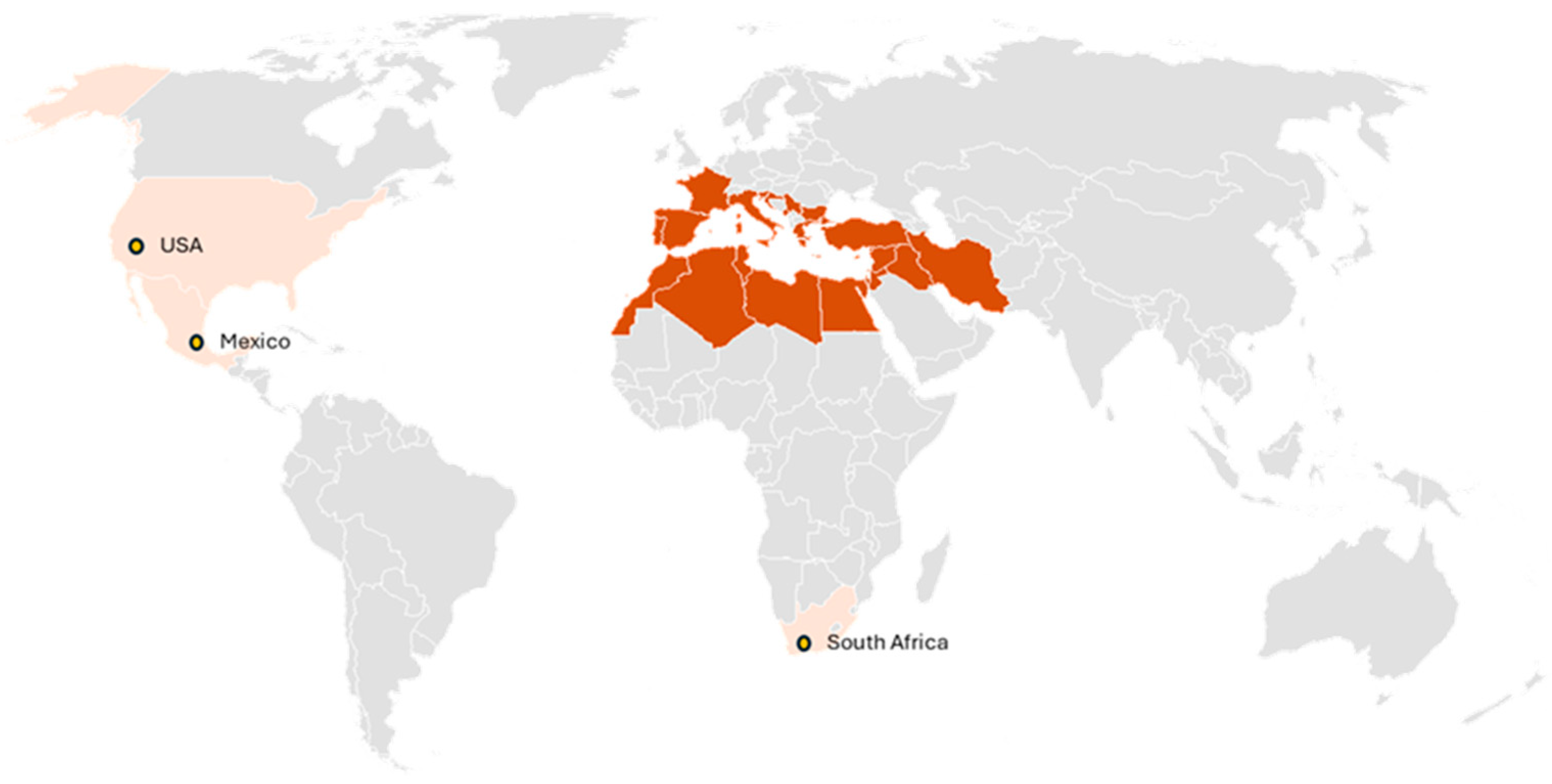
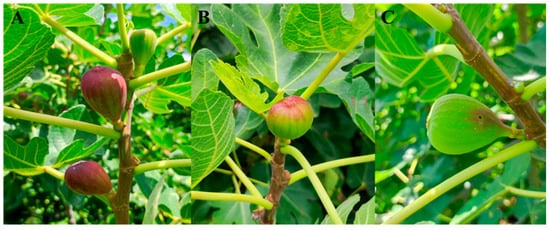
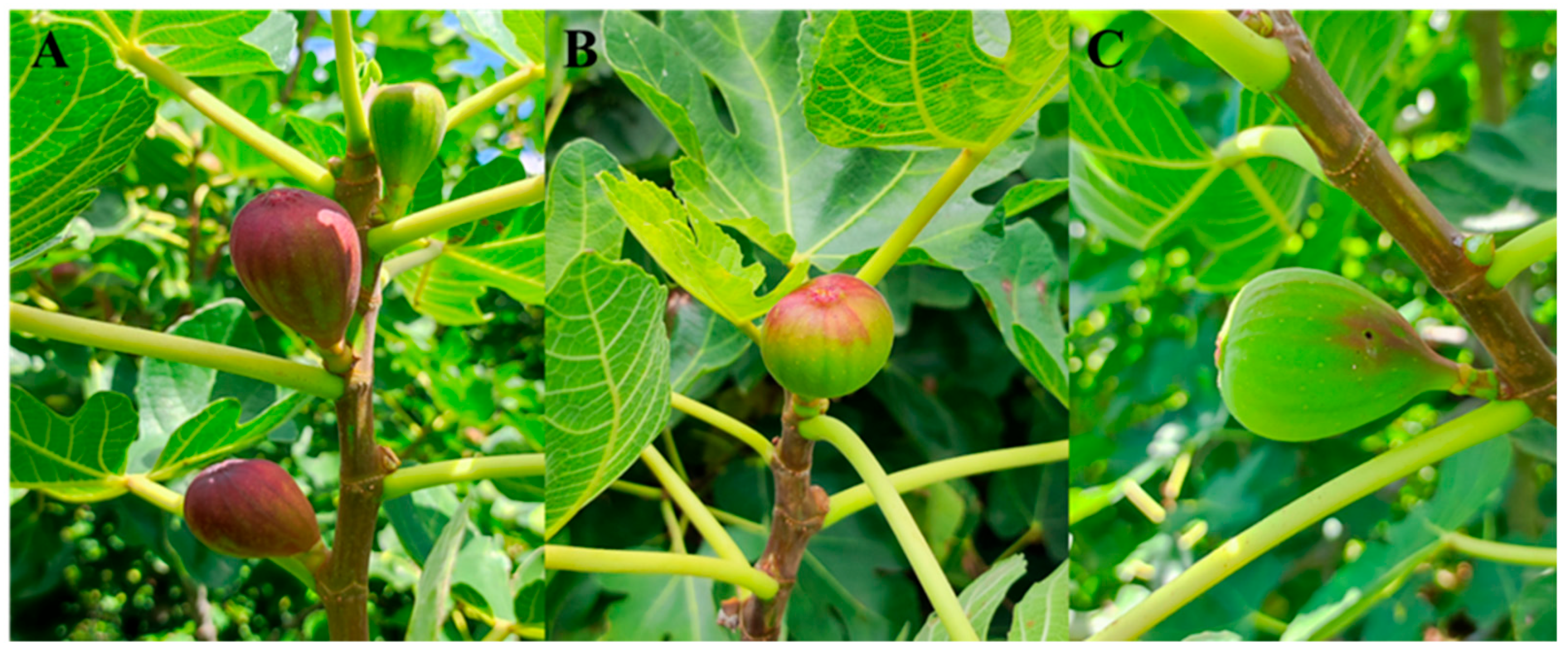
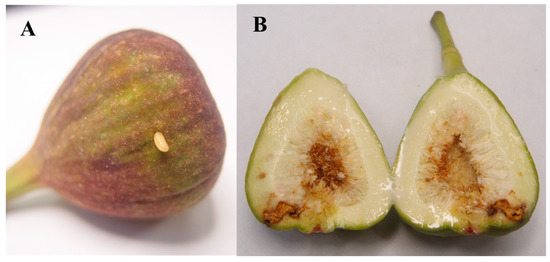
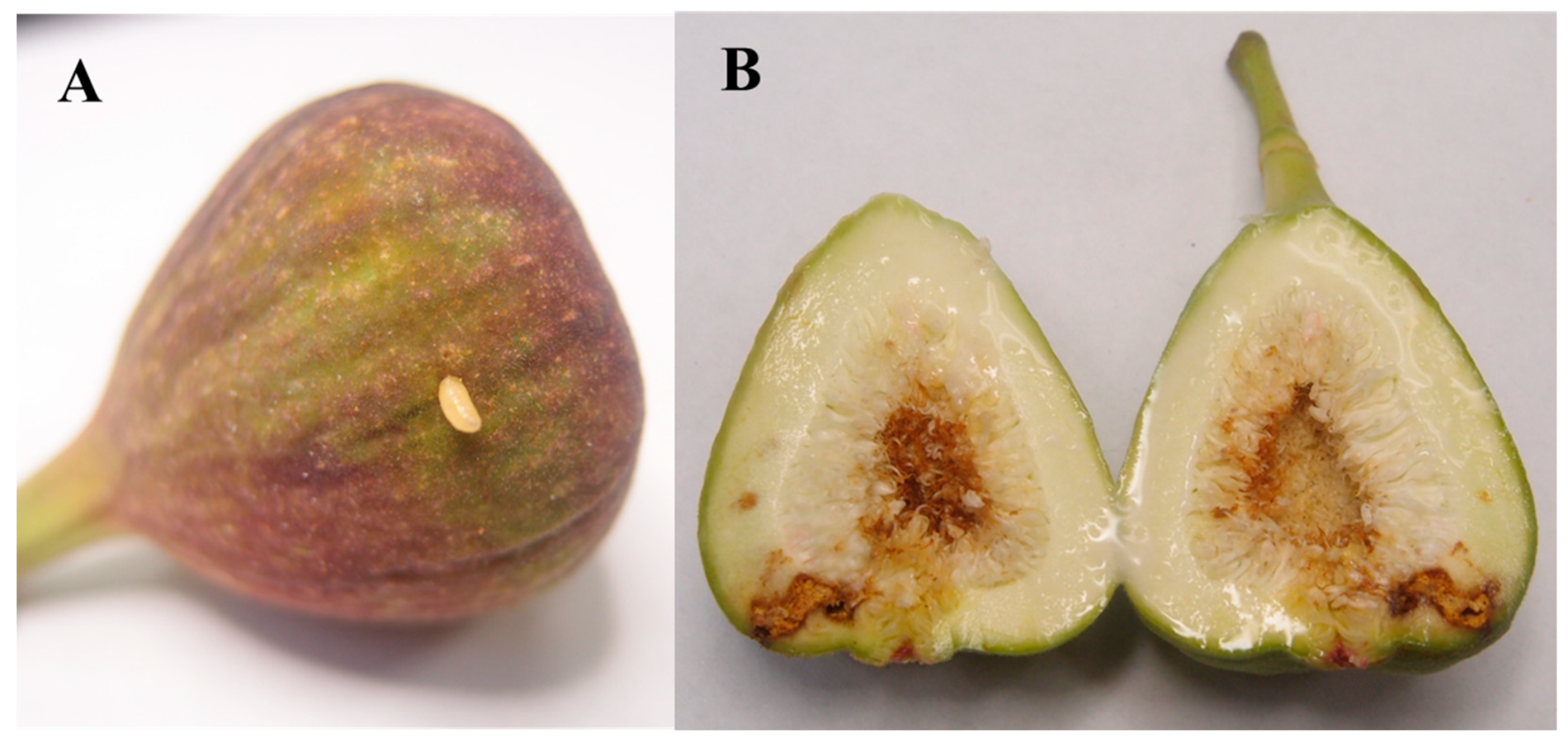
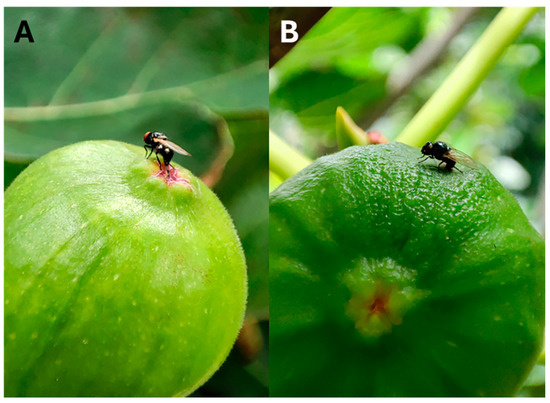
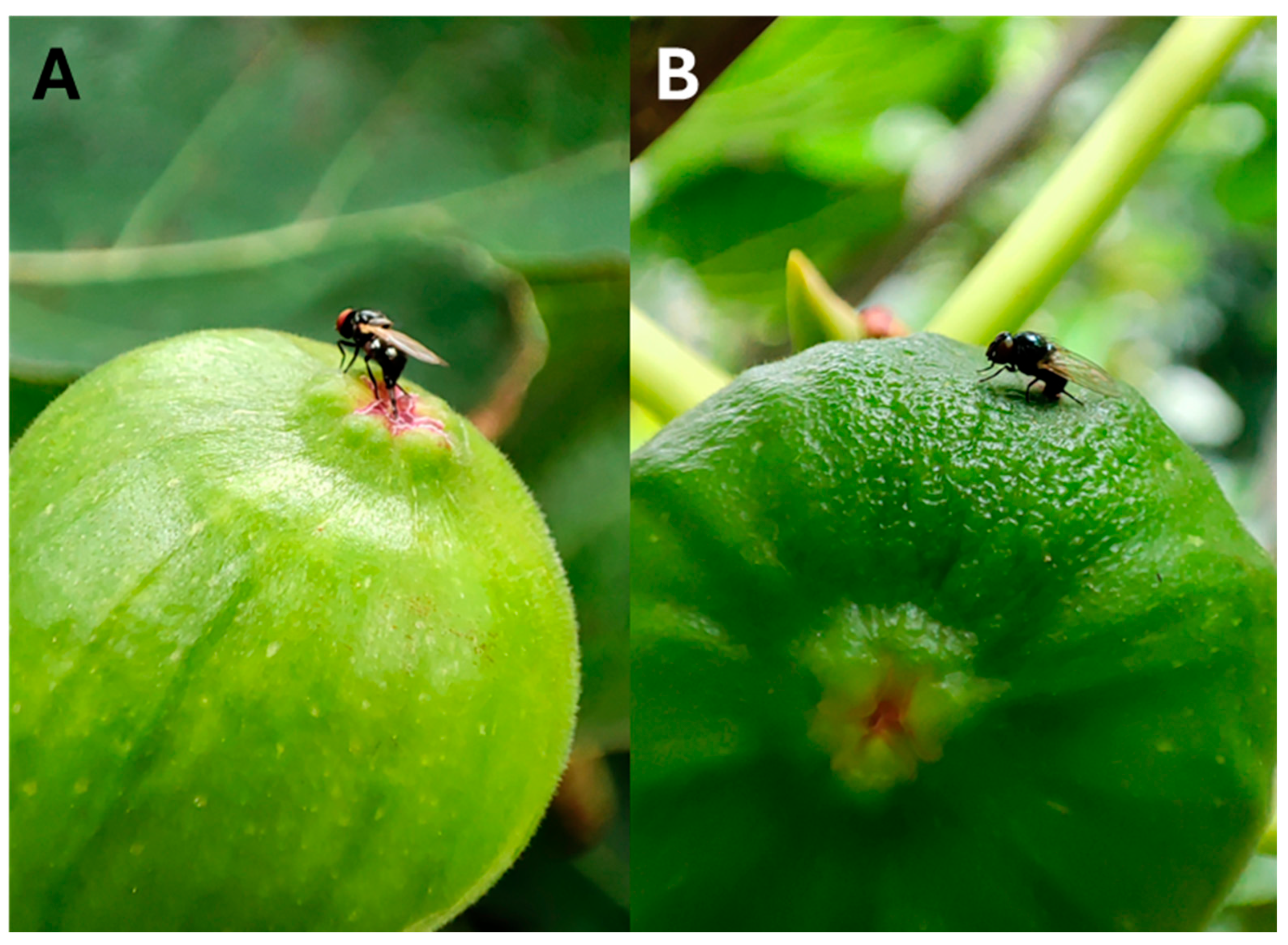
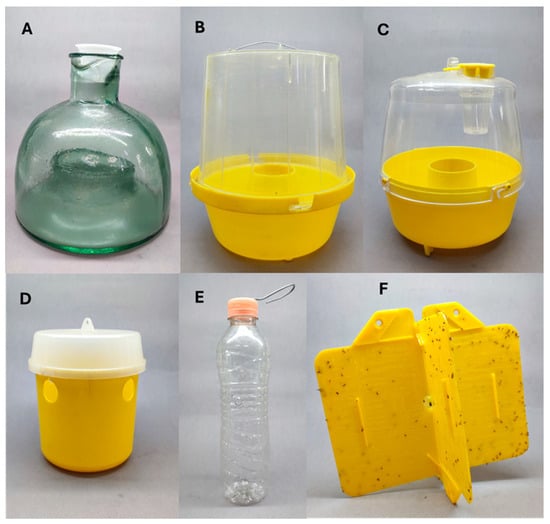
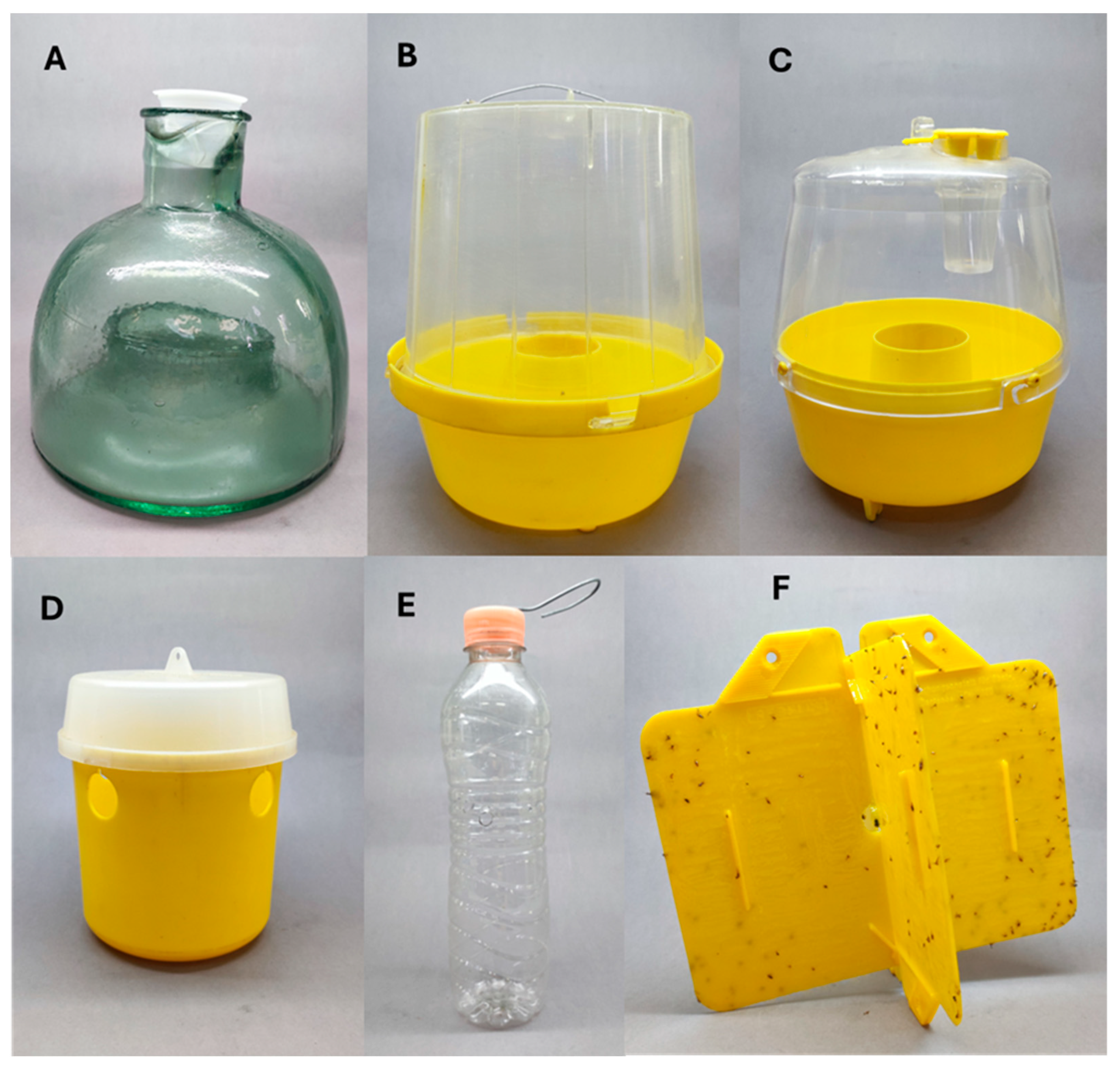
Disclaimer/Publisher’s Note: The statements, opinions and data contained in all publications are solely those of the individual author(s) and contributor(s) and not of MDPI and/or the editor(s). MDPI and/or the editor(s) disclaim responsibility for any injury to people or property resulting from any ideas, methods, instructions or products referred to in the content. |
© 2026 by the authors. Licensee MDPI, Basel, Switzerland. This article is an open access article distributed under the terms and conditions of the Creative Commons Attribution (CC BY) license.