


Simple Summary
Pollinators are essential for the reproduction of many wild plants and crops, but their populations are increasingly threatened by intensive agriculture and the loss of suitable habitats. This review examined whether areas of natural or managed vegetation within and around farmland, such as flower strips, field margins, hedgerows, grasslands and other semi-natural habitats, can help support pollinators. We reviewed 144 studies published between 2014 and 2025 and evaluated how these habitats affect pollinator abundance and diversity, as well as the factors that determine their effectiveness. Overall, these habitats generally supported more abundant and diverse pollinator communities, particularly where flowers and nesting resources were scarce. Their benefits depended strongly on the plant species present, habitat management, surrounding landscape and the time since establishment. Different habitat types also supported different pollinator groups, suggesting that maintaining a variety of habitats is more effective than relying on a single measure. However, increases in pollinator abundance and diversity did not always result in improved crop pollination or yield. These findings can help farmers and land managers design agricultural landscapes that better support pollinator conservation while maintaining productive and sustainable farming systems.
Abstract
This review evaluates the role of agroecological infrastructures, including flower strips, hedgerows, grasslands, field margins, and semi-natural habitats, in supporting pollinator communities within agricultural systems. A review following PRISMA guidelines was conducted using Scopus and Web Of Science databases, covering studies published between 2014 and 2025. A total of 144 studies met the inclusion criteria. Overall, agroecological infrastructures positively affected pollinator abundance, richness, and diversity, particularly in intensive agricultural landscapes where floral and nesting resources are limited. Flower strips were especially effective in enhancing wild bee and hoverfly populations by providing continuous floral resources, although their effects were often concentrated near field margins. Hedgerows and semi-natural habitats contributed to long-term pollinator persistence by offering nesting sites, microclimatic stability, and diverse floral resources. The effectiveness of these infrastructures was strongly influenced by floristic composition, management practices, landscape context, and time since establishment, with many studies reporting stronger effects after the second or third year. However, benefits for crop yield were inconsistent and frequently crop-specific. This review highlights the importance of integrating diverse agroecological infrastructures into farming systems to promote pollinator conservation and enhance ecosystem services while identifying major research gaps, particularly in Mediterranean agroecosystems.
1. Introduction
Pollination contributes to the reproduction of a substantial proportion of flowering plant species and to the production of many agricultural crops worldwide. It has been estimated that approximately 87% of flowering plant species depend, at least partially, on animal pollination for reproduction [1] and about 75% of the world’s leading food crops benefit from pollinator activity [2]. These contributions generate substantial ecological and economic benefits, supporting biodiversity conservation and agricultural production [3,4]. The global economic value of pollination services has been estimated at USD 195 billion to ~USD 387 billion annually [4]. Maintaining these benefits therefore depends on conserving diverse and functionally complementary pollinator communities capable of sustaining pollination services across agricultural landscapes.
However, growing evidence suggests that many pollinator populations have declined in abundance, distribution and diversity over recent decades [5,6,7]. Although the magnitude of these declines varies among taxa and geographic regions, concerns over pollinator conservation have increased substantially [3,8]. In Europe, for example, 8.9% of bee species are considered threatened [9], while butterfly distributions have declined by approximately 11% during a period of 25 years [10].
A wide range of insect taxa contribute to pollination in both natural and agricultural ecosystems, although their relative importance varies among habitats and plant species [3,11]. Among them, bees (Hymenoptera: Apoidea), comprising more than 20,000 described species worldwide [12], represent a major group of animal pollinators and are largely dependent on floral resources, particularly on pollen for larval provisioning [13]. In Europe alone, the most recent taxonomic checklist recognises 2187 wild bee species [14]. However, other insect groups, including hoverflies (Diptera), butterflies and moths (Lepidoptera), beetles (Coleoptera) and wasps (Hymenoptera), also contribute substantially to pollination services, particularly in specific crops and natural plant communities [11,15].
Pollinator species differ markedly in their morphology, foraging behaviour and degree of ecological specialization [16], resulting in substantial variation in the breadth of floral resources they exploit. While generalist pollinators forage on a wide range of flowering plant species, specialists rely on a more restricted subset of floral resources, reflecting differences in resource use and ecological niche breadth [17]. These functional differences influence how pollinator taxa respond to habitat management practices and determine their contribution to pollination across agricultural landscapes.
Agricultural intensification is widely recognized as one of the principal drivers of pollinator decline, with increasing evidence indicating that modern agricultural practices have profoundly altered pollinator communities worldwide [18,19]. The intensification of agriculture has been accompanied by the conversion of semi-natural habitats into simplified agricultural landscapes, increasing habitat fragmentation and the widespread use of agrochemicals, all of which have contributed to the decline in pollinator populations [3,18]. These changes reduce the availability of floral and nesting resources, increase pollinator exposure to multiple environmental stressors and ultimately affect the abundance, diversity and composition of pollinator communities, potentially compromising the pollination services that sustain both natural ecosystems and agricultural production [1,3].
The growing concern over pollinator decline has stimulated considerable efforts to identify agricultural management practices capable of reconciling food production with biodiversity conservation [19]. Consequently, increasing attention has been directed towards agricultural management practices aimed at restoring habitats and reducing the pressures contributing to pollinator decline [19]. At the same time, this has motivated the interest of the European Union, which has set targets, by 2030, to reverse pollinator decline and support pollinator populations [20].
Among the different habitat enhancement measures adopted in agricultural landscapes, flower strips are one of the most widely implemented agri-environmental practices in Europe [21]. Typically established along field margins, they consist of mixtures of native flowering species designed to provide floral resources for pollinators and other beneficial arthropods [22]. In addition, these habitats can enhance ecological connectivity within agricultural landscapes by increasing the availability of resources between cropped fields and surrounding semi-natural habitats [23]. More broadly, these habitats represent a key component of agroecological infrastructures [24], comprising semi-natural or managed habitats located within or adjacent to cultivated fields, such as flower strips, grass strips, hedgerows, woodland patches, field margins and other non-cropped elements [25] that contribute to increasing landscape heterogeneity within agricultural landscapes.
Agroecological infrastructures provide a wide range of ecological functions by supplying floral resources, nesting sites, shelter and ecological connectivity for pollinators and other beneficial arthropods [3]. Consequently, they contribute not only to biodiversity conservation through the maintenance of pollinator and natural enemy communities, but also to the maintenance of ecosystem services that support agricultural production, including pollination and natural pest control [19].
However, the efficacy of agroecological infrastructures is closely linked to the availability and continuity of the resources they provide. Their effectiveness depends not simply on the presence of flower strips, hedgerows, grasslands or woodland patches, but also on their intrinsic ecological quality [25], which determines their capacity to support functionally important groups, particularly pollinators and natural enemies. Factors such as floristic composition, vegetation structure, management practices and the surrounding landscape context strongly influence the ecological quality of these habitats and, consequently, their effectiveness in supporting pollinator communities and associated ecosystem services [25]. Previous reviews have mainly focused on flower strips established specifically to support pollinator communities within agricultural landscapes [21,26] and have consistently highlighted positive effects on the abundance and diversity of pollinators, emphasising the ecological value of flower-rich field margins as a means of enhancing habitat quality. However, their scope has largely been limited to a single type of habitat, whilst relatively little attention has been paid to other semi-natural habitats, additional pollinator groups and habitats consisting of spontaneous vegetation. Furthermore, the influence of factors such as floristic composition, habitat management, time since establishment and landscape context has often been examined within individual habitat types rather than across different habitat enhancement strategies.
Most studies have been conducted in annual cropping systems, whereas perennial tree crops have received comparatively less attention, despite offering substantial opportunities for the establishment of semi-natural habitats. Furthermore, although the Mediterranean Basin is recognised as one of the world’s major biodiversity hotspots [27,28], studies assessing the effectiveness of habitat enhancement measures in Mediterranean agroecosystems remain relatively scarce. As a result, our understanding of how different habitat enhancement measures perform in Mediterranean agricultural systems and perennial tree cropping systems remains limited.
Therefore, several important knowledge gaps remain. Addressing these gaps is essential for developing evidence-based management strategies that effectively support pollinator conservation while promoting resilient and sustainable agricultural systems.
Here, we critically reviewed the available scientific evidence on the role of agroecological infrastructures, including flower strips, hedgerows, field margins, grasslands, semi-natural habitats and woodland patches, in supporting pollinator communities and the ecosystem services associated with pollinator communities. Specifically, we evaluated how these practices influence pollinator abundance, richness, diversity and community composition, while assessing the importance of floristic composition, time since establishment, management practices and landscape context in determining their effectiveness. We also examined their effects on pollinator foraging and nesting. Finally, we discussed the economic implications of implementing these habitats, including their contribution to crop pollination, ecosystem service provision and the long-term sustainability of agricultural systems.
2. Methods
The review was conducted in accordance with the PRISMA guidelines, and the study selection process is summarized in Figure S1 [29].
To identify relevant studies on the effects of agroecological infrastructures on crops and pollinators, we conducted a literature search using the Scopus and Web Of Science Core Collection (WOS) databases (accessed on 1 July 2026). The search strategy was designed to retrieve studies investigating the principal habitat enhancement measures implemented within agricultural systems, while capturing the major pollinator groups and concepts related to habitat management and ecosystem services. Search terms were selected to maximise the retrieval of studies directly relevant to the objectives of the review while minimising the inclusion of literature unrelated to habitat enhancement practices.
The following search query was applied using the appropriate database-specific syntax: ((“flower strip*” OR “wildflower strip*” OR “field margin*” OR “flower-rich margin*” OR “sown margin*” OR “hedgerow*” OR “flower margin*” OR “grass strip*”) AND (“pollinator*” OR “bee*” OR “bumble bee*” OR “bumblebee*” OR “hoverfl*” OR “butterfl*” OR “lepidopter*” OR “hymenopter*” OR “wasp*” OR “beetle*” OR “coleopter*”) AND (“planting*” OR “habitat enhancement*” OR “biodiversity enhancement*” OR “habitat management*” OR “sustainable agriculture*” OR “agricultural landscape*” OR “ecosystem service*”)) This search initially yielded a total of 848 documents in Scopus and 1101 documents in Web Of Science. A series of inclusion and exclusion criteria were then applied to refine the dataset and ensure the relevance of the selected studies.
To provide an up-to-date synthesis of the available evidence, only studies published between 2014 and 2025 and written in English were considered. Publications not reporting original empirical data, including book chapters, conference papers, editorials and notes, were excluded during the screening process. In addition, the selection was limited to studies conducted explicitly in agricultural settings, excluding research carried out in urban, peri-urban, or natural ecosystems without crops, in order to focus on habitat applications within managed crop production systems. Duplicate records were removed using Rayyan [30].
Titles and abstracts were initially screened to exclude clearly irrelevant records. The remaining studies underwent full-text assessment according to predefined eligibility criteria. For each eligible study, information was extracted on habitat type, crop system, geographical location, pollinator group, study design and the main pollinator-related outcomes, including abundance, richness, diversity, community composition, foraging behaviour and nesting, where available. Studies also reporting the economic implications of habitat enhancement measures were considered when relevant to the objectives of the review. After full-text assessment and application of the eligibility criteria, 144 studies were ultimately included in the review.
3. Results
The selected studies are summarized in Table S1, which provides an overview of their main characteristics and principal findings.
Overall, the reviewed literature showed heterogeneous responses to agroecological infrastructures, with the direction and magnitude of the reported effects varying among infrastructure types, pollinator groups, response variables, crop systems and landscape contexts. The geographical and crop-specific distribution of the selected studies is presented in Figure 1.
Figure 1.
Distribution of the reviewed studies across crop categories and geographical areas. Crop categories were defined at the Group level according to the FAO Indicative Crop Classification Version 1.2 (ICC 1.2) [31]. For studies including crops belonging to more than one crop category, each study was proportionally allocated among the relevant categories so that its total contribution equalled one. “Other crops” includes cotton, flax and forage. “Agricultural landscapes” includes studies conducted in agricultural environments for which no specific crop was reported, as well as studies conducted in pastures, which were not assigned to a specific ICC 1.2 crop group.
Germany (n = 19) and the United States (n = 26) accounted for the largest number of publications across the different crop categories included in this review, whereas studies from other countries were less frequent and generally restricted to specific agricultural systems.
Figure 2 shows the geographical distribution of the reviewed studies across the macro-geographical regions considered in this review. The Mediterranean Basin accounted for 20.30% of the selected studies, while the remaining literature was distributed across the other geographical regions.
Figure 2.
Hierarchical distribution of the scientific literature analysed according to geographical location. The inner circle indicates the macro-geographical regions, while the outer circle shows the individual countries.
To provide an overall synthesis of the direction of pollinator responses to agroecological infrastructures, the effects reported in the reviewed studies were classified as positive, neutral or negative separately for each pollinator group assessed within each study. Thus, each study contributed one classification for each pollinator group assessed, and studies investigating multiple pollinator groups contributed multiple group-specific classifications. When different response variables for the same pollinator group within a study showed different directions of effect, these were retained as combined response categories (i.e., positive + neutral, positive + negative, neutral + negative, or positive + negative + neutral) (Table S2). Overall, exclusively positive responses were frequently reported for wild bees (53.4%), bumble bees (53.5%), Syrphidae (49.3%), Lepidoptera (46.2%) and honey bees (41.9%). Neutral responses were comparatively frequent for Diptera (36.8%) and Coleoptera (35.3%), while combined response categories accounted for 30.2% of responses for wild bees, 23.9% for bumble bees, 33.2% for Syrphidae, 35.9% for Lepidoptera and 29.8% for honey bees. Exclusively negative responses were generally uncommon (Table S2). When the same classifications were examined according to the main agroecological infrastructure categories, exclusively positive responses predominated across all categories, although their relative frequency varied (Table S3). They accounted for 70.8% of group-specific classifications for woody habitat enhancement, 65.5% for within-field vegetation enhancement and 61.5% for habitat enhancement schemes, compared with 47.4% for semi-natural herbaceous habitat enhancement, 43.8% for multiple strategies and 41.0% for floral resource enhancement. Floral resource enhancement showed the highest proportion of exclusively negative responses (10.7%) and a comparatively heterogeneous distribution across response categories. Combined response categories were also frequent for habitat enhancement schemes, within-field vegetation enhancement and multiple strategies, reflecting variation in the direction of different response variables assessed for the same pollinator group within individual studies.
The reviewed studies described a wide variety of agroecological infrastructures using different terminology and levels of detail. To provide a more consistent synthesis of the available evidence, the agroecological infrastructures reported in Table S1 were grouped into six main categories according to their predominant characteristics (Table 1). Studies evaluating agroecological infrastructures belonging to more than one category were classified as “Multiple strategies”. The category “Habitat enhancement schemes” includes broader approaches, such as Agri-environment schemes (AES) and Farming with Alternative Pollinators (FAP), that support the establishment or management of habitats for pollinators. For each category, representative agroecological infrastructures and the most frequently investigated response variables are summarized.
Table 1.
Summary of the main categories identified in the reviewed literature, including representative agroecological infrastructures and the most frequently investigated response variables associated with each category.
3.1. Agroecological Infrastructures Increase Pollinators
Agroecological infrastructure represents an effective method for promoting pollinator conservation by providing food sources and nesting habitats, especially in areas with high percentages of cultivated land. Although their effectiveness varies depending on the type of habitat, the landscape context and the pollinator community, numerous studies have highlighted positive effects on the abundance and diversity of pollinators. Among agroecological infrastructures, flower strips are the most extensively investigated and provide continuous floral resources, promoting higher bee abundance, particularly bumble bees, while increasing flower species richness and floral density [32,33]. Similar positive responses have been reported across different cropping systems, including citrus orchards [34], wheat fields [35] and mango orchards [36], where flower planting increased the abundance and diversity of bees and other pollinators despite differences in crop type and geographical context. A comparison between conventional management, conventional fields with flower strips and organic farming showed the highest local abundance and species richness of bumble bees in fields with flower strips, with intermediate values under organic management [37]. Beyond their immediate effects on flower visitors, flower strips may also contribute to longer-term population dynamics. Annual flower strips enhanced the abundance of bumble bee reproductive castes, particularly queens in the following spring, indicating positive carry-over effects on population growth [38]. The benefits of additional floral resources may also depend on their availability relative to pollinator density. Wild bee species richness increased with bloom density within wildflower strips, whereas lower wild bee abundance and richness were recorded on farms with managed honey bee hives, suggesting that floral resource availability relative to the number of foraging bees may influence their conservation value [39].
Positive responses are not restricted to flower strips but have also been documented in a wide range of agroecological infrastructures. Hedgerows with high woody plant diversity supported more bumble bees, while abundant understorey floral resources particularly benefited hoverflies, with these effects being strongest in intensively managed landscapes [40], while hedgerow gardens in avocado orchards supported greater bee species diversity and slightly higher abundance than surrounding control habitats [41]. Crop field margins supported higher wild bee abundance and species richness than perennial hayfields and natural habitats [42]. Artificial field defects established within oilseed rape fields increased the abundance and species richness of bees and butterflies compared with crop controls [43]. However, hoverflies showed no significant response to the habitat treatments in either study.
Among field-edge habitats, grass margins supported higher wild bee abundance and diversity than planted and remnant hedgerows, with both metrics positively associated with floral abundance and plant species richness [44].
Restored habitats also promoted richer pollinator communities in agricultural landscapes, particularly where floral resources were abundant and diverse. Re-established grasslands [45], native prairies [46], prairie strips [47] and green covers [48] consistently supported higher pollinator abundance and richness than conventionally managed habitats, although butterfly responses depended on habitat association, with grassland species more abundant in conservation grasslands and generalists more abundant in marginal grasslands [49]. Beyond changes in pollinator abundance and richness, prairie strips also enhanced the complexity of plant–bee interaction networks and improved body condition in several wild bee taxa, despite no significant differences in overall wild bee abundance or richness compared with field margins [50].
Pollinator responses differed among taxonomic groups and their specific ecological needs. Flower strips generally favoured hoverflies, whereas butterflies benefited more from extensively managed grasslands characterised by greater vegetation stability and lower management intensity [51]. This complementarity among agroecological infrastructures was also reported in Mediterranean vineyard agroecosystems, where different ecological infrastructure types supported distinct pollinator assemblages, with flower strips particularly benefiting pollinators through the availability of floral resources [52].
Evidence from different cropping systems indicates that increases in pollinator abundance do not necessarily translate into greater pollination within crops. In potato fields, pollinator abundance increased with floral cover in adjacent margins, but this effect did not extend into the crop interior [53] or improve crop yield and seed production in melon fields despite enhancing the abundance and richness of several wild pollinator groups [54]. Likewise, native flower strips in avocado orchards increased fly visitation and fruit production, whereas wild bees remained largely confined to the strips [55]. In contrast, adjacent wildflower strips increased pollinator visitation to strawberry flowers by approximately 25%, demonstrating that even relatively small flower plantings can increase pollinator visitation to nearby crops [56]. Evidence from different cropping systems indicates that appropriate field margin management can enhance pollination services by increasing the abundance of flower-visiting insects. This resulted in higher pod production, seed number and yield in beans, and increased seed set in buckwheat [57,58]. These findings highlight that the effectiveness of agroecological infrastructures depends not only on their ability to attract pollinators, but also on the extent to which pollinators move from these habitats into adjacent crops. The extent to which pollinators move from agroecological infrastructure into adjacent crops also varies depending on the groups of pollinators. Bumble bees, solitary bees and hoverflies showed declining visitation with increasing distance from field edges, whereas honey bees exhibited little or no spatial response [59,60]. Similarly, inter-row flower strips in almond orchards were mainly utilized by Osmia lignaria Say, 1837 nesting within 40 m of the strips, while also supporting a diverse assemblage of wild bees, confirming that the spatial configuration of floral resources strongly influences pollinator use of agroecological infrastructures [61]. Overall, these findings indicate that increases in pollinator abundance do not necessarily translate into enhanced crop pollination. The contribution of agroecological infrastructures to pollination services depends on species-specific foraging behaviour and the movement of pollinators from these habitats into adjacent crops.
Different agroecological infrastructures may also provide complementary resources for pollinator communities, with their effectiveness varying according to habitat characteristics and seasonal resource availability. In apple orchards, perennial flower strips and hedgerows offered complementary resources over time, with hedgerows supplying floral resources early in the season and flower strips supporting more abundant and species-rich bee communities later in the year [62]. Linear woody elements, such as hedgerows and woodland patches, also supported pollinator communities by providing floral resources, shelter and nesting sites, with particularly strong effects reported for hoverflies and mining bees [63]. This complementarity was also evident among semi-natural habitats, with hedgerows, forest edges and permanent grasslands supporting distinct wild bee communities and wooded habitats providing specific pollen resources and plant–bee interactions not recorded in grasslands [64].
The complementary role of different habitats was also evident when flower strips were compared with semi-natural habitats. Semi-natural grasslands generally supported more diverse pollinator communities and a wide range of specialist species, whereas flower strips mainly sustained abundant populations of generalist pollinators, particularly honey bees and bumble bees [65]. Likewise, semi-natural habitats supported more diverse wild bee communities and more complex plant–pollinator networks than sown flower strips, although no differences in network robustness were detected between the two habitat types [66], while in agricultural landscapes dominated by oilseed rape, wildflower strips increased the diversity and evenness of aculeate pollinator assemblages whereas semi-natural grasslands maintained higher pollinator abundance, highlighting the complementary role of both habitat types in supporting pollinator communities [67]. Rather than representing alternative conservation strategies, sown habitats and existing flower-rich patches supported complementary bee communities, with naturally established habitats providing additional floral resources for specialised species and extending resource availability throughout the season [68]. Spatial constraints further influence the provision of pollination services. In apple orchards, wild bees and hoverflies frequently remained restricted to flower-rich margins rather than moving into the crop interior [69]. However, this limited movement did not necessarily reduce pollination within crops. Adjacent flower strips and hedgerows provided floral resources throughout the season without reducing pollinator visitation to apple flowers [70]. Comparable responses were observed in other cropping systems. In courgette fields, greater wildflower species richness increased bumble bee abundance on crop flowers without reducing pollinator visitation, while also supporting higher abundance and species richness of solitary bees, particularly in landscapes with limited semi-natural habitat [71]. Nevertheless, greater proximity between crops and flower-rich habitats did not always translate into improved pollination services. On small diversified farms, reducing the distance between crops and wildflower strips did not increase bee visitation, pollination or crop yield, despite the presence of highly diverse wild bee communities [72]. Likewise, flower strips in strawberry systems enhanced pollination only in areas adjacent to field margins and did not increase pollination across the entire crop [73].
Overall, these findings suggest that agroecological infrastructures generally increase pollinator abundance and diversity, although their contribution to pollination services depends on species-specific responses and the spatial distribution of floral resources within agricultural landscapes.
3.2. Temporal Patterns of Agroecological Infrastructures
Among the various aspects influencing the effectiveness of agroecological infrastructures, ecological maturation, understood as the time elapsed since their establishment, plays a fundamental role. Long-term studies have shown that bee and butterfly richness may increase three- to fivefold after more than two years of habitat enhancement, whereas specialised bee species respond more slowly and only become significantly more abundant from the third year onwards [74]. These findings indicate that the ecological benefits of habitat enhancement may require several years to become fully established.
The transition from the initial attraction of pollinators to sustained population growth is gradual.
Flower strips containing highly attractive species may simply concentrate existing pollinators rather than support population growth, particularly for species with a single generation per year. Indeed, floral strips established in Canadian agricultural systems rapidly attracted bees and ground beetles only a few weeks after sowing, whereas syrphids remained more abundant in unmanaged margins [75]. Early responses were also observed in a Mediterranean melon system, where flower strips affected pollinator visitation rates to melon flowers during the first year after establishment, although no effects on crop productivity or quality were detected [76], whereas in sunflower fields, increased wild bee visitation and seed set emerged only in the second year after establishment [77]. However, responses continued to develop over longer time scales. Flower strips maintained high floral richness over three years while bee abundance increased progressively, with approximately twice as many bees recorded within adjacent crop fields bordered by flower strips than in control fields, while greater bee spillover into neighbouring crops was also reported [78].
Although flower strips can rapidly attract pollinators, the persistence of their effects depends on changes in floral resources and vegetation development over time. The abundance of honey bees, wild bees and hoverflies has been shown to decline after the second year, in parallel with reductions in floral abundance and flowering plant richness [79]. Differences in temporal responses were also observed among pollinator groups. Honey bees, mining bees and hoverflies declined as margins aged, whereas bumble bees, Lepidoptera and trap-nesting bees maintained stable or slightly increasing abundances, indicating that long-term management requirements vary among taxa [80]. However, temporal patterns were not always associated with reduced habitat quality during the establishment phase. For example, delaying flower strip establishment by four weeks did not reduce plant species richness or Shannon diversity, although earlier establishment resulted in greater flowering species richness during the first growing season [81]. Vegetation structure also influenced temporal responses. In Mediterranean agricultural systems, managed herbaceous margins supported higher bee abundance during the first year, whereas shrubby margins became more favourable to several bee groups during the second year [82]. Together, these studies indicate that temporal responses vary according to both pollinator taxa and the development of vegetation within agroecological infrastructures. Temporal responses also differed among pollinator groups. Comparable patterns were observed in restored grasslands, where newly established and old grasslands showed that wild bees, bumble bees and hoverflies benefited from newly established grasslands in terms of abundance and species richness, whereas butterflies were more abundant in old grasslands [83]. Consistent with this pattern, a six-year study on restored grasslands showed that newly established grasslands maintained higher wild bee richness and supported similar richness of hoverflies and butterflies compared with permanent grasslands, confirming that responses to habitat establishment vary among insect taxa [84].
Beyond changes in pollinator abundance and diversity, temporal patterns in agroecological infrastructures may also influence other ecological processes, including overwintering, nesting and population persistence. Wild bees, for instance, appear to require habitats characterised by greater temporal continuity for successful overwintering, while habitats subject to annual disturbances can act as ecological traps [85], whereas perennial wildflower strips subjected to annual mulching showed increasing wild bee and butterfly richness with age and generally higher abundance than reference field margins [86]. Habitat restoration may also promote pollinator persistence and colonisation over time [87], with maturing native hedgerows increasingly favouring floral specialists and cavity-nesting bees [88]. As habitats become established, they can also improve reproductive and nesting opportunities. It has been shown that flower strips improve the reproductive success of solitary bees by reducing foraging distances and increasing brood production [89], as well as providing nesting opportunities for ground-nesting species [90]. Together, these findings indicate that the temporal development of agroecological infrastructures influences not only pollinator abundance, but also ecological processes that contribute to the long-term persistence of pollinator populations.
The ecological benefits associated with habitat maturation do not always translate into immediate improvements in crop pollination or productivity. In UK cider apple orchards, perennial flower strips increased the visitation rate of wild insects, particularly non-Apis bees and flies, but this did not translate into increased fruit set [91]. Instead, fruit set was positively associated with wild insect richness and Andrena visitation, whereas pollinator richness remained higher near semi-natural habitats [91]. Comparable responses were reported in sweet cherry orchards, where wildflower strips increased visitor density, richness and diversity after anthesis, particularly in managed strips, although visitor density was not directly related to fruit set [92]. Nevertheless, pollinating insects were essential for fruit production, and pollination deficits were lower in orchards containing wildflower strips than in the control treatment.
The effectiveness of agroecological infrastructures over time is also influenced by habitat quality and resource availability. In apple orchards, flower strips specifically designed for pollinators and multifunctional mixtures both supported higher pollinator richness than control or open-nectar treatments and attracted pollinators alongside other beneficial arthropods [93]. Habitat quality also depended on the availability of resources beyond floral forage. Agricultural field margins supported bumble bee communities comparable to those occurring in semi-natural habitats, while bumble bee abundance and diversity increased with floral abundance, floral diversity, rodent holes and sandy soil texture [23]. Evidence from long-term experiments further suggests that these ecological benefits can be maintained without compromising agricultural production. In a farm-scale experiment conducted over six years, the conversion of 3–8% of arable land into wildlife habitats, including grass margins, wildflower patches and margins rich in pollen and nectar resources, maintained overall crop yield despite the reduction in cultivated area and increased faba bean yield [94].
Overall, these findings indicate that the long-term effectiveness of agroecological infrastructures depends not only on the time elapsed since their establishment, but also on the development of habitat conditions capable of supporting pollinators and associated ecosystem services.
3.3. Selection of Plant Species
Flower composition and flowering phenology play a central role in the design of agroecological infrastructures. Selecting annual, biennial and perennial species can increase the availability of floral resources within intensively cultivated landscapes while ensuring a more continuous supply of nectar throughout the season, particularly during periods of resource scarcity [95]. Accordingly, flower plantings designed to provide a succession of flowering species promoted higher pollinator abundance and wild bee richness than non-enhanced areas [96]. Likewise, diverse seed mixtures with complementary flowering phenologies enhanced pollinator abundance while maintaining floral resources throughout the growing season, highlighting the importance of species selection during the establishment of flower plantings [97,98].
The seasonal availability of floral resources also depends on surrounding vegetation. In buckwheat, the abundance of insects visiting crop flowers increased with the richness of co-flowering wild plants during autumn, whereas no relationship was observed during summer, indicating that the contribution of surrounding floral resources may vary according to seasonal flowering dynamics [99]. Comparable patterns were reported in a deciduous fruit orchard, where greater richness of flowering weeds and higher blooming cover were associated with increased flower visitor abundance, while the richness and blooming cover of hedgerow species also influenced plant–pollinator network structure [100]. Likewise, pollinator communities were more strongly associated with vegetation composition and flower richness than with habitat type alone, highlighting the importance of local habitat quality in determining pollinator occurrence [101,102]. Similarly, the cover and species richness of wild flowering plants growing in hedgerows were positively associated with the abundance of several flower-visiting insect groups, highlighting the importance of spontaneous floral resources alongside those provided by crop fields [103]. The effectiveness of sown flower mixtures also depends on their successful establishment. Under weedy conditions, higher seeding densities, particularly in mixtures combining grasses and flowering forbs, increased the establishment of sown species, promoted a greater abundance of flowering plants and consequently enhanced bee abundance [104].
The composition of seed mixtures is equally important, as increasing plant diversity does not necessarily maximise pollinator responses. Flower strips containing Phacelia tanacetifolia Benth. supported a higher richness of butterfly species and attracted a greater number of specialist pollinator species than P. tanacetifolia monocultures, whereas bee richness and abundance did not differ between the two planting types [105]. However, highly diverse mixtures generally provide a longer flowering period. Nevertheless, honey bees and bumble bees showed peak foraging activity in monocultures and mixtures with low diversity, whereas highly diverse mixtures received lower visitation rates despite their greater temporal stability [106]. Dominant flowering species were observed when these were included in highly diverse mixtures, indicating that greater plant richness was not associated with higher pollinator visitation under the conditions of that study [106]. In Mediterranean vineyards, high-diversity sown inter-row mixtures did not provide additional benefits for wild bee or hoverfly abundance compared with spontaneous vegetation, although both vegetated treatments outperformed tilled inter-rows [107].
Different flowering plant species produced contrasting responses in pollinator behaviour and crop visitation. In strawberry, Coriandrum sativum L. and Mentha arvensis L. attracted more flower visitors than the crop itself, resulting in fewer visits to strawberry flowers, whereas Myosotis arvensis (L.) increased pollinator diversity without reducing crop visitation. Despite these differences, the proportion of marketable fruit did not differ among treatments [108]. Species-specific preferences were also observed in tomato field margins, where Glebionis coronaria (L.) Cass. ex Spach, Anethum graveolens L. and Fagopyrum esculentum Moench mainly attracted wild bees, whereas Rapistrum rugosum (L.) All. attracted mainly honey bees. However, the number of wild bees visiting tomato flowers was not affected by the distance from the field margin, indicating no evidence of pollinator distraction under the conditions of the study [109]. Changes in pollinator distribution were also reported in faba bean, where annual flower strips modified the spatial distribution of bumble bees by increasing legitimate flower visits close to the strips, although they did not increase overall bumble bee densities or insect pollination benefits [110]. In contrast, supplementary flowering plants in kiwifruit orchards deterred Osmia bicornis (Linnaeus, 1758) and other pollinators away from the crop, reducing seed number and fruit dry matter [111].
A similar redistribution of flower visitors without consistent improvement in crop pollination was observed in avocado, where annual flower strips provided a refuge for honey bees and hoverflies and did not increase pollinator abundance on avocado flowers or fruit set [112]. Likewise, flower strips containing Brassica hirta Moench, Fagopyrum esculentum Moench and Lobularia maritima (L.) Desv. attracted beneficial insects but did not consistently increase cucumber yield, with significant benefits limited to plants adjacent to L. maritima [113].
Pollinator groups also differed in their preferences for floral resources. Bumble bees showed a clear preference for seed mixtures dominated by Fabaceae, whereas hoverflies were more strongly associated with Apiaceae [114]. Butterflies, however, showed no clear response to seed mixture type and were instead associated with local flower richness. In addition, the abundance of all flower-visiting insects, except butterflies, increased with the established cover or richness of sown flowering species. These responses were not restricted to sown flower strips. Larger or higher-quality flowers increased bumble bee abundance beyond the sown habitat, with positive effects detected in surrounding field margins across the wider landscape [115]. These benefits were strongest on farms containing larger or higher-quality flower strips, whereas responses of solitary bees remained more context-dependent. Species-specific associations were also reported in field margins, where restored margins supported higher bee abundance and diversity than non-restored margins, while shrubby and herbaceous margins differed in their bee community composition [116]. Honey bees and mining bees were positively associated with overall floral resource availability, whereas wild Apidae and Megachilidae were associated mainly with Lamiaceae occurring in shrubby margins [116]. Similar patterns were reported in vineyards, where native annual and perennial flowering mixtures increased pollinator abundance and species richness compared with areas without cover plants [117]. Responses differed among pollinator groups according to flower morphology and flowering phenology.
Not all flowering species contribute equally to supporting pollinator communities. In experimental seed mixtures, Achillea millefolium L., Anthemis tinctoria L., Chenopodium album L. and P. tanacetifolia together supported 81% of the recorded pollinator species, and the presence of these key species explained pollinator attraction better than overall plant species richness [118]. However, supporting diverse pollinator communities required more than selecting the most frequently visited flowering species. Although a small number of wildflower species supported a high richness of wild bees, additional flowering species contributed complementary bee assemblages, indicating that apparently redundant species may still play an important functional role in flower mixtures [119].
Pollinator preferences also differed among functional groups. Social bees preferentially foraged on clover plantings, whereas solitary bees were more frequently associated with wildflower plantings [120]. Likewise, native prairie mixtures and monocultures of Silphium integrifolium Michx. and S. perfoliatum L. supported the highest bee abundance and species richness, whereas Medicago sativa L. supported the highest abundance and richness of Lepidoptera [121]. Differences were also evident among bee conservation target groups, with rare bees, dominant wild crop-pollinating bees and managed honey bees relying on partly different sets of flowering species despite all responding positively to increasing plant species richness [122]. These findings emphasise that plant species selection influences not only pollinator abundance but also the composition of pollinator communities.
The selection of flowering species also influenced the effectiveness of habitat enhancement measures in agricultural systems. In coriander, a monospecific margin of Diplotaxis tenuifolia (L.) DC. attracted significantly more bees, hoverflies and beetles than a mixed margin while still increasing seed production [123]. In hazelnut orchards, native perennial species, including A. millefolium, Geum macrophyllum Willd. and Prunella vulgaris L., supported more abundant and diverse pollinator communities than commercially available cover crops, including Hordeum vulgare L., Avena sativa L. and Trifolium repens L., highlighting the value of native species for restoring pollinator communities in perennial cropping systems [124].
The practical application of plant species selection is exemplified by the Farming with Alternative Pollinators (FAP) approach, in which Marketable Habitat Enhancement Plants (MHEP) are selected to provide floral resources while maintaining economic returns for farmers [125]. Within this approach, MHEP are selected according to their attractiveness to pollinators, flowering phenology and farmers’ preferences, combining species with complementary floral traits and overlapping blooming periods to provide floral resources throughout the cropping season [126,127]. This approach has been successfully applied in several cropping systems. In faba bean, species such as flax, coriander, arugula, chia and canola were used as MHEP and shared flower visitors with the main crop while also hosting pollinator groups that did not meet their food requirements from faba bean alone [128]. Pollen analyses across faba bean and pumpkin systems further showed that MHEP contributed specific pollen resources, including coriander and canola for faba bean visitors and sunflower for pumpkin visitors, although FAP management did not significantly increase their overall dietary breadth or the number of pollen genera collected [129]. Evidence of complementary resource use was further supported by pollen analyses showing that wild bees frequently foraged on both native wildflower strips and adjacent peanut or cotton crops, indicating regular movement between these habitats throughout the growing season [130].
The importance of combining marketable flowering plants with surrounding wild vegetation was further highlighted by comparisons showing that, although FAP fields supported higher pollinator richness than conventional monocultures, 28% of the recorded pollinator species occurred exclusively on wild flowering plants, particularly thistles [131]. Across different crops and agro-climatic regions, FAP similarly increased wild pollinator abundance and richness at the whole-field level, although these benefits generally did not extend to the main crop and varied among crop types [132]. More recently, an evaluation across 31 trials in four Mediterranean agroecosystems using 27 MHEP identified several species that consistently supported higher abundance and diversity of flower visitors and natural enemies, while also being preferred by participating farmers [133]. Together, these studies demonstrate that effective plant species selection should consider not only the attractiveness of flowering species, but also complementary flowering phenologies, floral trait diversity and farmers’ preferences, thereby facilitating the practical implementation of agroecological infrastructures.
3.4. Evaluation of the Landscape Context
Beyond the agroecological infrastructure itself, the surrounding landscape context strongly influences pollinator communities and the effectiveness of habitat enhancement measures. In addition to plant species selection and flowering continuity, the composition of the surrounding landscape, including semi-natural habitats, grasslands, forests and uncultivated areas, contributes to shaping pollinator responses to agroecological infrastructures. Land-use intensification reduces habitat diversity and connectivity, simplifying plant–pollinator interaction networks, whereas local floral resource availability can partially mitigate these negative effects by supporting pollinator richness within agricultural landscapes [134]. However, the effectiveness of habitat enhancement measures varies according to landscape context. Restored hedgerows increased wild bee richness along field margins but did not consistently enhance pollination services in adjacent sunflower fields, indicating that the benefits of field-edge diversification depend on crop identity and landscape context [135].
However, local habitat enhancements alone do not necessarily guarantee positive responses across pollinator groups. In intensively managed landscapes, annual flower strips had limited effects on the abundance of solitary bees and wasps in the surrounding landscape [136]. The availability of suitable habitats in the surrounding landscape also influenced the effectiveness of local interventions. Wildflower areas established within landscapes containing semi-natural habitats and additional connected flowering habitats supported higher pollinator richness than isolated sites, highlighting the importance of landscape connectivity in enhancing the benefits of local habitat interventions [137]. Habitat quality further contributed to these responses. Hedgerow proximity interacted with floral diversity to enhance wild bee persistence and occupancy at more diverse sites, while colonisation was promoted by both local floral diversity and nearby hedgerows [138]. Differences in the quality of surrounding habitats were also reflected in pollinator activity, with foraging bumble bees being more abundant along hedgerow margins adjacent to roads than those bordering arable fields, associated with greater floral resource availability [139].
Different semi-natural habitats also contribute in complementary ways to sustaining wild bee communities across agricultural landscapes. Extensively managed meadows, flower strips, hedgerows and forest edges each supported distinct arthropod assemblages, indicating that no single habitat type provides all the resources required throughout the season [140,141]. A similar pattern was reported across the different habitats occurring within organic farms. Different low-input habitats, including meadows, pastures, herbaceous strips, flower strips and organic cereal fields, supported distinct wild bee assemblages, indicating that a mosaic of complementary habitats is required to maintain high wild bee diversity within agricultural landscapes [142]. Habitat complementarity also depended on the type of resources provided. Although hedgerows supply abundant floral resources for foraging bees, they do not necessarily enhance nesting habitat for ground-nesting species, suggesting that many bees use these habitats primarily for foraging while nesting elsewhere [143]. This distinction was also reflected in perennial wildflower strips, where landscape effects were stronger for solitary than social wild bees, with solitary bee richness and abundance associated with surrounding bare soil and woody structures [144]. Temporal complementarity between habitats was also reported, with within-field cover crop strips supporting wild bees earlier in spring and field margins becoming increasingly important in May and June [145]. Responses to surrounding landscape elements also differed among habitat types. Flower plantings and field margins benefited from nearby extensively managed grasslands and woodland edges, whereas near-natural grasslands responded more strongly to ruderal habitats [146]. Local flower richness consistently promoted bee communities across habitat types, while landscape composition influenced how different habitats contributed to overall diversity [140,146].
Pollinator responses to landscape composition also differed among taxonomic groups. Butterflies and syrphids showed contrasting responses to vegetation structure, with butterfly richness and abundance associated with herbaceous cover and plant species richness, whereas syrphid richness was similarly promoted by herbaceous vegetation and floral richness, but their abundance was more strongly associated with woody vegetation and landscape connectivity [147], whereas butterfly abundance also increased in landscapes with higher forest cover [148]. Hoverflies showed additional responses to the spatial arrangement of habitats, with their richness and abundance differing between hedgerows and nearby wheat fields [149]. Differences among pollinator groups were also reported at broader landscape scales, where bumble bees, solitary bees and hoverflies showed contrasting responses to habitat quantity, quality and floral resources [150].
Forest edges and grasslands within a 1 km radius supported higher pollinator abundance and richness than wildflower strips and sunflower monocultures, while proximity to forests and greater forest cover also enhanced bumble bee richness and abundance [151,152]. The positive influence of woody and semi-natural habitats was also observed in tropical agricultural systems, where increasing forest cover and the proximity of natural shrublands promoted wild bee communities, whereas flower flies were more strongly associated with landscape diversity and edge density [153,154]. The importance of forest habitats extended beyond foraging resources. Cavity-nesting insects have highlighted the importance of woody habitats as nesting and foraging resources within agricultural landscapes [155]. Responses to agricultural intensification further emphasised the importance of semi-natural habitats. Wild bee richness, abundance and functional diversity declined with increasing agricultural land cover, whereas semi-natural elements such as extensive grasslands, hedgerows and fallows, together with greater flower cover, promoted richer and more abundant wild bee communities. Species belonging to the family Colletidae were particularly sensitive to agricultural intensification and showed a strong association with semi-natural habitats [156]. Landscape simplification also modified bee community structure by increasing the dominance of a few generalist species, indicating that pollinator abundance alone may not adequately reflect changes in community diversity [157], while greater cover of mass-flowering oilseed rape was associated with lower bee richness and abundance within crop fields, with weaker effects of surrounding semi-natural habitat and no comparable response among non-bee pollinators [158]. Changes in landscape composition were reflected not only in pollinator communities but also in crop pollination. Greater forest cover within a 500 m radius increased wild pollinator abundance and functional richness in blueberry farms, with associated improvements in fruit size and yield, although responses differed between cultivars [159].
The effectiveness of local conservation measures also depended on the surrounding landscape. At the landscape scale, wild bee abundance and richness also increased with the area of local conservation interventions, while crop richness and crop evenness positively affected specific wild bee groups, whereas semi-natural habitat area and edge density showed no significant effects [160]. Landscape context also influenced the use of floral resources. A greater proportion of non-productive agri-environmental schemes, such as flower strips, was associated with higher plant species richness in bumble bee pollen loads, particularly in smaller fragmented grasslands [161]. Wildflower strips were more effective when floral resources were available in the surrounding landscape, although responses differed between solitary bees and bumble bees [162]. Their effectiveness also depended on their size and the surrounding landscape context. Smaller flower fields located in landscapes with a high proportion of semi-natural habitats promoted greater pollinator movement into adjacent oilseed rape fields, whereas larger flower fields were more effective in simplified landscapes with limited semi-natural habitat [163]. However, increasing the proportion of surrounding semi-natural habitats did not always enhance pollinator abundance within flower strips. A greater proportion of surrounding semi-natural habitats reduced insect abundance within flower strips, suggesting a dilution effect, whereas high-quality semi-natural habitats enhanced total insect and pollinator abundance [164]. Similarly, local habitat quality remained important. Perennial wildflower strips supported richer and more abundant wild bee communities when local habitat quality was high, particularly where flower-rich forb communities were maintained and grass cover remained low. Landscape heterogeneity further increased the occurrence of Red List species, highlighting the complementary roles of local habitat quality and surrounding landscape structure [165].
In Mediterranean olive groves, low-intensity ground cover management combined with greater landscape complexity promoted more diverse and less specialised plant–floral visitor interaction networks, highlighting the complementary importance of local floral resources and surrounding semi-natural habitats for maintaining resilient pollination networks [166]. Responses to landscape context also differed among pollinator groups. In strawberry fields, small wild bee abundance declined with increasing distance from forest or hedgerow margins towards the crop interior, whereas large bees and honey bees showed no comparable decline [167]. Landscape heterogeneity further promoted pollinator diversity. Agricultural landscapes characterised by smaller fields, longer field margins and structurally diverse crop mosaics supported higher bee and butterfly diversity than simplified monocultures [168]. The benefits of agri-environment schemes were also greater in structurally diverse landscapes. Bumble bee communities also responded to management, as species richness was higher in organically and environmentally friendly managed field margins than under conventional management, while flower cover was positively associated with all bumble bee groups [169]. Similarly, pollinator diversity increased with the proportion of semi-natural habitats and was consistently higher in landscapes maintaining small fields and extensive field margins than in consolidated agricultural landscapes [170]. In sunflower systems, both floral strips and semi-natural habitats supported higher taxonomic and functional diversity of wild bees than adjacent crop fields, with semi-natural habitats providing the greatest benefits [171]. These landscape effects influenced the performance of habitat enhancement measures. Wildflower strips depended on landscape context, promoting pollinator visitation and crop productivity in heterogeneous landscapes but showing no consistent benefits in simplified agricultural areas [172]. Likewise, flowering borders in strawberry fields enhanced bee visitation and fruit production primarily in landscapes with intermediate natural habitat cover, whereas their benefits were limited in highly simplified or highly natural landscapes [173].
Finally, orchard management practices also influenced the effectiveness of habitat enhancement measures. Landscape effects were not the only factors influencing the performance of habitat enhancement measures. In apple orchards, wildflower strips did not significantly affect bee abundance, richness or diversity, although hoverfly richness and diversity increased [174]. Overall, these findings indicate that pollinator responses should be evaluated at the landscape scale, as local increases in abundance may reflect the redistribution of individuals rather than true population growth [175].
4. Discussion
Overall, agroecological infrastructures generally support pollinator communities in agricultural landscapes. However, their effectiveness is highly context-dependent and varies according to habitat characteristics, landscape composition and the ecological requirements of different pollinator taxa. Consequently, no single habitat enhancement strategy consistently benefits all pollinator groups. Rather, maintaining a diversity of complementary habitats that provide floral resources, nesting sites and ecological connectivity is more likely to support diverse pollinator communities and the ecosystem services they provide [21,176].
The effectiveness of agroecological infrastructures depends largely on the landscape context in which they are established and on how they are managed. Their capacity to support pollinator communities is influenced not only by the presence of habitat elements, but also by factors such as habitat size, floristic composition, vegetation structure, management practices and the availability of surrounding semi-natural habitats [25,176]. Consequently, similar habitat enhancement measures may produce contrasting outcomes depending on local ecological conditions, highlighting the importance of adopting site-specific management strategies rather than relying on standardized conservation interventions.
These interacting factors help explain the considerable variability observed among studies and agricultural systems.
Among the factors influencing the success of agroecological infrastructures, landscape context appears to play a particularly important role. In structurally simple and intensively managed agricultural landscapes, habitat enhancement measures generally provide greater benefits by increasing the availability of floral resources and nesting opportunities. Conversely, in more heterogeneous landscapes already characterized by a high proportion of semi-natural habitats, the additional benefits of local interventions may be less pronounced, as pollinators can already exploit a wider range of resources across the landscape [176,177,178].
Differences in the ecology and behaviour of pollinator groups contribute to contrasting responses to agricultural habitats and management practices [15,179]. Different pollinator species may exploit complementary floral resources by visiting different flowers or inflorescences within the same plant, thereby improving the overall quality and quantity of pollination. In addition, non-bee pollinators often exhibit broader activity periods and can provide pollination services under weather conditions or at times of the day when bees are less active [11]. Pollinator responses to agricultural environments differ among taxa and crop systems because pollinator groups vary in their ecological traits, resource requirements, and life-history characteristics [15,179,180]. For example, bees generally show a stronger dependence on the availability of floral resources and nesting sites associated with surrounding semi-natural habitats, whereas non-bee pollinators appear less affected by increasing isolation from these habitats [11,15]. Despite their demonstrated contribution to crop pollination, the ecological role and management requirements of many non-bee pollinators remain poorly understood, highlighting an important research priority [15,179].
The geographical and crop-specific distribution of the selected studies (Figure 1) shows that Germany and the United States have produced the highest number of publications across the various crop categories included in this review. This pattern may partly reflect the implementation of agri-environmental policies and pollinator conservation programmes in these countries. In Germany, agri-environmental measures supported by the Common Agricultural Policy (CAP) have promoted the establishment of semi-natural habitats that benefit pollinators and biodiversity [21], whereas in the United States, the Conservation Reserve Program has encouraged the allocation of agricultural land to habitats providing floral and nesting resources for pollinators [181]. This concentration of research has substantially advanced current knowledge on agroecological infrastructures, but it also indicates that much of the available evidence has been generated under specific environmental, climatic and policy contexts.
Although studies conducted in the Mediterranean Basin accounted for 20.30% of the studies included in this review, this geographical region remains comparatively underrepresented considering its ecological importance. The Mediterranean Basin is recognized as one of the world’s biodiversity hotspots [27,28], characterized by exceptionally high levels of plant endemism and pollinator diversity.
The peculiar climatic conditions and the high floristic and faunistic biodiversity that characterize the Mediterranean basin suggest that this context represents a highly advantageous, yet structurally complex, environment for the experimentation of agroecological practices [182]. Unlike temperate zones, where environmental factors are more uniform, the Mediterranean Basin presents unique macro-climatic challenges, such as severe summer droughts and erratic rainfall patterns, which directly dictate the phenology of both crops and wild flora. This climatic distinctiveness means that the establishment, survival, and resource-provisioning window of agroecological infrastructures, such as flower strips or managed margins, are subjected to completely different ecological pressures [182].
Despite this, the Mediterranean Basin is still underexplored by the scientific literature regarding the use of agroecological infrastructure for the protection of pollinators [25].
Another important imbalance concerns the agricultural systems in which agroecological infrastructures have been implemented. Although many practices to support pollinators have proven effective, most studies have focused on herbaceous cropping systems (Figure 1). Conversely, arboreal cropping systems remain comparatively underrepresented, despite offering potentially favourable ecological conditions, including greater structural heterogeneity and longer growing seasons [183]. This imbalance in the literature limits the transferability of current knowledge to arboreal cropping systems. Furthermore, the interaction between cultivated trees, spontaneous vegetation and pollinating insects is inherently more complex than in annual cropping systems and remains comparatively less investigated.
The studies included in this review demonstrate that agroecological infrastructures can also provide important ecological benefits in arboreal cropping systems [32,55,61,62,68,69,70,91,92,93,112].
Landscape context plays a fundamental role in determining the effectiveness of agroecological infrastructures by influencing pollinator occurrence and the availability of nesting and floral resources [184]. Wooded areas and non-forest woody vegetation provide critical landscape features, offering nesting habitats, refuge during periods of floral scarcity, and non-floral materials used by around 32% of bee species for nest construction and protection [178,185]. Because many small-bodied bees have limited foraging ranges, the spatial proximity of woody habitats and other floral resources to crops is critical for maximizing the effectiveness of agroecological infrastructures [186].
This spatial constraint underlies the distance-dependent decline in the effectiveness of flower strips, where proximity directly influences their effectiveness on crop yields [177] and seed fertilisation [73]. Although flower strips provide significant support to pollinators in intensively managed agricultural landscapes [74], their effectiveness is strongly influenced by the surrounding landscape context and the availability of semi-natural habitats [176].
To maximize the benefits of agroecological infrastructures, conserving spontaneous vegetation along field margins represents an effective strategy for supporting pollinator diversity and complementing the ecological functions of sown flower strips [187]. However, the long-term effectiveness of these habitats depends on appropriate management. Rotational mowing regimes that leave portions of the vegetation temporarily unmown help maintain habitat heterogeneity and continuous floral resources throughout the season, thereby supporting a wider range of pollinator taxa [188,189,190,191].
The selection of plant species is equally important. Seed mixtures should be designed according to the ecological requirements of local pollinator communities, taking into account floral preferences, flowering phenology and the temporal continuity of floral resources, rather than relying solely on overall attractiveness [192,193,194,195,196,197]. Incorporating key resource plant species can support a broad range of pollinator taxa, including species of conservation concern [122], while the inclusion of rare arable plants may further diversify available floral resources and create additional ecological niches for wild bees [198].
Ensuring a continuous supply of floral resources throughout the growing season is equally important for sustaining pollinator communities. In Mediterranean agroecosystems, where summer floral resources are often limited, the inclusion of plant species with extended flowering periods can help bridge critical phenological gaps [199]. In addition to sown species, spontaneous plants and agricultural weeds can provide valuable nectar and pollen resources for a wide range of pollinators and should therefore be considered as complementary components of habitat management rather than systematically removed [200,201].
Beyond their role in supporting pollinators, agroecological infrastructures provide multiple ecosystem services. Semi-natural habitats contribute to biodiversity conservation, improve soil and water quality, and enhance the aesthetic value of agricultural landscapes [202]. Likewise, agri-environment schemes established for other conservation objectives may also provide substantial benefits for pollinators. For example, bird-targeted agri-environment schemes in Belgium were shown to supply abundant floral resources for flower-visiting insects [203]. Furthermore, increasing floral diversity within field margins can simultaneously enhance pollination and conservation biological control, contributing to reduced crop damage and improved crop productivity [204,205].
5. Conclusions
This review highlights the important role of agroecological infrastructures in supporting pollinator communities within agricultural landscapes. However, their effectiveness is highly context-dependent and influenced by landscape composition, habitat quality, specific management practices, ecological maturation over time and the ecological requirements of different pollinator groups. Crucially, an increase in pollinator abundance or richness within agroecological infrastructures does not automatically translate into enhanced crop pollination or increased yield within adjacent field interiors, as pollinator spillover depends heavily on species-specific foraging behaviour, spatial constraints, and crop identity.
Rather than relying on isolated or standardized interventions, integrating complementary habitat elements within agricultural landscapes appears to provide the greatest potential for supporting pollinator diversity and the ecosystem services they deliver. Sown flower strips offer rapid, high-density floral resources for generalist species, whereas permanent hedgerows, semi-natural habitats, and unmanaged field margins provide long-term stability, essential overwintering sites, and specialized resources for rare or oligolectic taxa. Furthermore, when selecting plant species, priority should be given to phenological complementarity, local adaptation and diversity of functional traits rather than simply species richness. The adoption of practical strategies, such as Marketable Habitat Enhancement Plants (MHEP) or rotational or meandering mowing regimes, can successfully address resource constraints whilst ensuring economic and operational viability for farmers.
At the same time, this review identifies three critical knowledge gaps that warrant future empirical investigation. First, a pronounced geographical and agricultural bias persists, as the current literature remains heavily focused on annual cropping systems, predominantly in Western Europe and North America; future research must therefore focus on Mediterranean agroecosystems, a global biodiversity hotspot exposed to severe climatic stressors, and on perennial tree crops, which remain under-represented despite their structural potential for long-term integration into the habitat.
Second, expanding the taxonomic breadth beyond bees is essential, as non-bee pollinators such as hoverflies, butterflies, and beetles require more in-depth study regarding their specific foraging, larval development, and nesting requirements in managed landscapes.
Finally, there is considerable uncertainty regarding the temporal and economic dynamics, as long-term studies evaluating habitat maturation beyond 3–5 years and comprehensive economic assessments evaluating the net cost–benefit balance of ecosystem services versus land take remain scarce.
Future research should expand beyond herbaceous cropping systems and the geographical regions currently dominating the literature, with greater attention to the Mediterranean Basin and arboreal agroecosystems, as well as to non-bee pollinators, which remain comparatively understudied. A more integrated understanding of how landscape context, habitat management and pollinator ecology interact will be essential for designing effective conservation strategies capable of reconciling agricultural production with biodiversity conservation.
Supplementary Materials
The following supporting information can be downloaded at: https://www.mdpi.com/article/10.3390/insects17100987/s1, Figure S1. The systematic screening of the relevant literature was conducted in accordance with PRISMA guidelines using studies retrieved from major scientific databases; Table S1. Overview of published studies assessing the effects of agroecological infrastructures on pollinator communities, sampling methods, and crop systems across different geographical regions; Table S2. Distribution of pollinator response directions to agroecological infrastructures across the studies included in the review, according to pollinator group; Table S3. Distribution of pollinator response directions to agroecological infrastructures across the studies included in the review, according to the main agroecological infrastructure category.
Author Contributions
Conceptualization, M.B. and G.M.; Methodology, M.B. and G.M.; Data Curation, M.B.; Writing—Original Draft Preparation, M.B.; Writing—Review & Editing, R.C., M.A.P.L. and G.M.; Visualization, M.B., R.C., M.A.P.L. and G.M.; Supervision, G.M.; Funding Acquisition, M.B., R.C., M.A.P.L. and G.M. All authors have read and agreed to the published version of the manuscript.
Funding
This research was funded by the project “Agroecology-inspired Strategies and Tools to Enhance Resilience and ecosystem services in tomato crop” (ASTER), Prima Section 2 2021-MULTI-TOPIC, the Agritech National Research Center, and received funding from the European Union Next-Generation EU (Piano Nazionale di Ripresa e Resilienza (PNRR)–Missione 4 Componente 2, Investimento 1.4–D.D. 1032 17/06/2022, CN00000022) and the European Union’s Horizon Europe research and innovation programme under grant agreement 101136611 (NextGenBioPest project). This research was partially funded by the International PhD Programme in Agricultural, Food and Environmental Science (XXXIX cycle), Di3A, University of Catania, Catania, Italy; PNRR scholarship (D.M. 118/2023, Investment 4.1—Research PNRR). Maria Augusta Pereira Lima was supported by CAPES Print program (Grant: 88887.571161/2020–00), CNPq, and FAPEMIG (BPQ 06544-24). This research was funded by the Piaceri Programme, project SOSIA, grant number 5A722192193.
Data Availability Statement
The raw data supporting the conclusions of this article will be made available by the authors on request.
Conflicts of Interest
The authors declare no conflicts of interest.
References
- Ollerton, J.; Winfree, R.; Tarrant, S. How many flowering Plants are pollinated by animals? Oikos 2011, 120, 321–326. [Google Scholar] [CrossRef] [Scilit]
- Klein, A.M.; Vaissière, B.E.; Cane, J.H.; Steffan-Dewenter, I.; Cunningham, S.A.; Kremen, C.; Tscharntke, T. Importance of pollinators in changing landscapes for world crops. Proc. R. Soc. B Biol. Sci. 2007, 274, 303–313. [Google Scholar] [CrossRef] [Scilit]
- IPBES. The Assessment Report of the Intergovernmental Science-Policy Platform on Biodiversity and Ecosystem Services on Pollinators, Pollination and Food Production; Potts, S.G., Imperatriz-Fonseca, V.L., Ngo, H.T., Eds.; Secretariat of the Intergovernmental Science-Policy Platform on Biodiversity and Ecosystem Services: Bonn, Germany, 2016; 552p. [Google Scholar] [CrossRef]
- Porto, R.G.; de Almeida, R.F.; Cruz-Neto, O.; Tabarelli, M.; Viana, B.F.; Peres, C.A.; Lopes, A.V. Pollination ecosystem services: A comprehensive review of economic values, research funding and policy actions. Food Secur. 2020, 12, 1425–1442. [Google Scholar] [CrossRef] [Scilit]
- Biesmeijer, J.C.; Roberts, S.P.M.; Reemer, M.; Ohlemüller, R.; Edwards, M.; Peeters, T.; Schaffers, A.P.; Potts, S.G.; Kleukers, R.; Thomas, C.D.; et al. Parallel declines in pollinators and insect-pollinated plants in Britain and the Netherlands. Science 2006, 313, 351–354. [Google Scholar] [CrossRef] [Scilit]
- Nieto, A.; Roberts, S.P.M.; Kemp, J.; Rasmont, P.; Kuhlmann, M.; García Criado, M.; Biesmeijer, J.C.; Bogusch, P.; Dathe, H.H.; De la Rúa, P.; et al. European Red List of Bees; Publications Office of the European Union: Luxembourg, 2014. [Google Scholar] [CrossRef]
- Rasmont, P.; Devalez, J.; Pauly, A.; Michez, D.; Radchenko, V.G. Ajouts à la liste de l’UICN des Abeilles sauvages d’Europe (Hymenoptera: Apoidea). Ann. Soc. Entomol. Fr. 2017, 53, 17–32. [Google Scholar] [CrossRef] [Scilit]
- Zattara, E.E.; Aizen, M.A. Worldwide occurrence records suggest a global decline in bee species richness. One Earth 2021, 4, 114–123. [Google Scholar] [CrossRef] [Scilit]
- Michez, D.; Boustani, M.; Sentil, A.; Benrezkallah, J.; De Manincor, N.; Wood, T.J.; Álvarez Fidalgo, P.; Aubert, M.; Bellotto, V.; Biella, P.; et al. Measuring the pulse of European Biodiversity using the Red List European—Red List of Bees; European Commission: Brussels, Belgium, 2026; xi + 176p. [Google Scholar] [CrossRef]
- van Swaay, C.; Warren, M.; Loïs, G. Biotope use and trends of European butterflies. J. Insect Conserv. 2006, 10, 189–209. [Google Scholar] [CrossRef] [Scilit]
- Rader, R.; Bartomeus, I.; Garibaldi, L.A.; Garratt, M.P.D.; Howlett, B.G.; Winfree, R.; Cunningham, S.A.; Mayfield, M.M.; Arthur, A.D.; Andersson, G.K.S.; et al. Non-bee insects are important contributors to global crop pollination. Proc. Natl. Acad. Sci. USA 2016, 113, 146–151. [Google Scholar] [CrossRef] [Scilit]
- Dorey, J.B.; Gilpin, A.-M.; Johnston, N.P.; Esquerré, D.; Hughes, A.C.; Ascher, J.S.; Orr, M.C. Estimating global bee species richness and taxonomic gaps. Nat. Commun. 2026, 17, 1762. [Google Scholar] [CrossRef] [Scilit]
- Michener, C.D. The Bees of the World, 2nd ed.; JHU Press: Baltimore, MD, USA, 2007; 913p. [Google Scholar]
- Ghisbain, G.; Rosa, P.; Bogusch, P.; Brau, T.; Carion, F.; De Manincor, N.; Devalez, J.; Dorchin, A.; Flaminio, S.; Greil, H.; et al. The new annotated checklist of the wild bees of Europe (Hymenoptera: Anthophila) version 2025. Zootaxa 2025, 5736, 1–126. [Google Scholar] [CrossRef] [Scilit]
- Rader, R.; Cunningham, S.A.; Howlett, B.G.; Inouye, D.W. Non-Bee Insects as Visitors and Pollinators of Crops: Biology, Ecology, and Management. Annu. Rev. Entomol. 2020, 65, 391–407. [Google Scholar] [CrossRef] [Scilit]
- Armbruster, W.S. The specialization continuum in pollination systems: Diversity of concepts and implications for ecology, evolution and conservation. Funct. Ecol. 2017, 31, 88–100. [Google Scholar] [CrossRef] [Scilit]
- Classen, A.; Eardley, C.D.; Hemp, A.; Peters, M.K.; Peters, R.S.; Ssymank, A.; Steffan-Dewenter, I. Specialization of plant–pollinator interactions increases with temperature at Mt. Kilimanjaro. Ecol. Evol. 2020, 10, 2182–2195. [Google Scholar] [CrossRef] [Scilit]
- Potts, S.G.; Biesmeijer, J.C.; Kremen, C.; Neumann, P.; Schweiger, O.; Kunin, W.E. Global pollinator declines: Trends, impacts and drivers. Trends Ecol. Evol. 2010, 25, 345–353. [Google Scholar] [CrossRef] [Scilit]
- Dicks, L.V.; Breeze, T.D.; Ngo, H.T.; Senapathi, D.; An, J.; Aizen, M.A.; Basu, P.; Buchori, D.; Galetto, L.; Garibaldi, L.A.; et al. A global-scale expert assessment of drivers and risks associated with pollinator decline. Nat. Ecol. Evol. 2021, 5, 1453–1461, Correction in Nat. Ecol. Evol. 2021, 5, 1462. https://doi.org/10.1038/s41559-021-01554-5. [Google Scholar] [CrossRef] [Scilit]
- European Commission. Communication from the Commission to the European Parliament, the Council, the European Economic and Social Committee and the Committee of the Regions: Revision of the EU Pollinators Initiative—A New Deal for Pollinators; COM (2023) 35 final; European Commission: Brussels, Belgium, 2023; Available online: https://eur-lex.europa.eu/legal-content/EN/TXT/PDF/?uri=CELEX:52023DC0035 (accessed on 18 May 2026).
- Haaland, C.; Naisbit, R.E.; Bersier, L.F. Sown wildflower strips for insect conservation: A review. Insect Conserv. Divers. 2011, 4, 60–80. [Google Scholar] [CrossRef] [Scilit]
- Kowalska, J.; Antkowiak, M.; Sienkiewicz, P. Flower Strips and Their Ecological Multifunctionality in Agricultural Fields. Agriculture 2022, 12, 1470. [Google Scholar] [CrossRef] [Scilit]
- Purvis, E.E.N.; Meehan, M.L.; Lindo, Z. Agricultural field margins provide food and nesting resources to bumble bees (Bombus spp.; Hymenoptera: Apidae) in Southwestern Ontario, Canada. Insect Conserv. Divers. 2020, 13, 219–228. [Google Scholar] [CrossRef] [Scilit]
- Lambion, J.; Franoux, L. Agroecological infrastructures to enhance the presence of natural enemies against aphids. Acta Hortic. 2017, 1164, 419–424. [Google Scholar] [CrossRef] [Scilit]
- Rosas-Ramos, N.; Baños-Picón, L.; Trivellone, V.; Moretti, M.; Tormos, J.; Asís, J.D. Ecological infrastructures across Mediterranean agroecosystems: Towards an effective tool for evaluating their ecological quality. Agric. Syst. 2019, 173, 355–363. [Google Scholar] [CrossRef] [Scilit]
- Lowe, E.B.; Groves, R.; Gratton, C. Impacts of field-edge flower plantings on pollinator conservation and ecosystem service delivery—A meta-analysis. Agric. Ecosyst. Environ. 2020, 310, 107290. [Google Scholar] [CrossRef] [Scilit]
- Vié, J.-C.; Hilton-Taylor, C.; Stuart, S.N. (Eds.) Wildlife in a Changing World: An Analysis of the 2008 IUCN Red List of Threatened Species; IUCN: Gland, Switzerland; Lynx Edicions: Barcelona, Spain, 2009. [Google Scholar]
- Mittermeier, R.A.; Robles Gil, P.; Hoffmann, M.; Pilgrim, J.; Brooks, T.; Goettsch Mittermeier, C.; Lamoreux, J.; Da Fonseca, G.A.B. Hotspots Revisited: Earth’s Biologically Richest and Most Endangered Terrestrial Ecoregions; CEMEX: Mexico City, Mexico, 2004; 390p. [Google Scholar]
- Page, M.J.; McKenzie, J.E.; Bossuyt, P.M.; Boutron, I.; Hoffmann, T.C.; Mulrow, C.D.; Shamseer, L.; Tetzlaff, J.M.; Akl, E.A.; Brennan, S.E.; et al. The PRISMA 2020 statement: An updated guideline for reporting systematic reviews. BMJ 2021, 372, n71. [Google Scholar] [CrossRef] [Scilit]
- Ouzzani, M.; Hammady, H.; Fedorowicz, Z.; Elmagarmid, A. Rayyan-a web and mobile app for systematic reviews. Syst. Rev. 2016, 5, 210. [Google Scholar] [CrossRef] [Scilit]
- Food and Agriculture Organization of the United Nations (FAO). World Programme for the Census of Agriculture 2030: Programme, Concepts and Definitions; FAO: Rome, Italy, 2026. [Google Scholar]
- Muñoz, A.E.; Amouroux, P.; Zaviezo, T. Native flowering shrubs promote beneficial insects in avocado orchards. Agric. For. Entomol. 2021, 23, 463–472. [Google Scholar] [CrossRef] [Scilit]
- Doublet, V.; Doyle, T.; Refoy, I.; Hedges, S.; Carvell, C.; Brown, M.J.F.; Wilfert, L. Increasing flower species richness in agricultural landscapes alters insect pollinator networks: Implications for bee health and competition. Ecol. Evol. 2022, 12, e9442. [Google Scholar] [CrossRef] [Scilit]
- Chuang, A.; Exilien, R.; Blaauw, B.; Liesenfelt, T.; Malfa, K.; Mallinger, R.; Martini, X.; Diepenbrock, L. Does Windbreak Enhancement With Floral Resources Increase Pollinator Communities in Citrus Orchards? J. Appl. Entomol. 2025, 149, 200–216. [Google Scholar] [CrossRef] [Scilit]
- Magagnoli, S.; Bosi, S.; Negri, L.; Dinelli, G.; Burgio, G.; Masetti, A. Flowering areas enhance insect pollinators and biological control agents in wheat intensive agro-ecosystems. Insect Conserv. Divers. 2024, 17, 884–893. [Google Scholar] [CrossRef] [Scilit]
- Windriyanti, W.; Rahmadhini, N.; Fernando, I.; Kusuma, R.M. Arthropods discovered on refugio flowering plants in Mangifera indica plantation. Biodiversitas 2023, 24, 4747–4754. [Google Scholar] [CrossRef] [Scilit]
- Geppert, C.; Hass, A.; Földesi, R.; Donkó, B.; Akter, A.; Tscharntke, T.; Batáry, P. Agri-environment schemes enhance pollinator richness and abundance but bumblebee reproduction depends on field size. J. Appl. Ecol. 2020, 57, 1818–1828. [Google Scholar] [CrossRef] [Scilit]
- Bommarco, R.; Lindström, S.A.M.; Raderschall, C.A.; Gagic, V.; Lundin, O. Flower strips enhance abundance of bumble bee queens and males in landscapes with few honey bee hives. Biol. Conserv. 2021, 263, 109363. [Google Scholar] [CrossRef] [Scilit]
- Angelella, G.M.; McCullough, C.T.; O’Rourke, M.E. Honey bee hives decrease wild bee abundance, species richness, and fruit count on farms regardless of wildflower strips. Sci. Rep. 2021, 11, 3202, Correction in Sci. Rep. 2021, 11, 17043. https://doi.org/10.1038/s41598-021-95368-x.. [Google Scholar] [CrossRef] [Scilit]
- Garratt, M.P.D.; Senapathi, D.; Coston, D.J.; Mortimer, S.R.; Potts, S.G. The benefits of hedgerows for pollinators and natural enemies depends on hedge quality and landscape context. Agric. Ecosyst. Environ. 2017, 247, 363–370. [Google Scholar] [CrossRef] [Scilit]
- Frankie, G.W.; Witt, S.L.; Pawelek, J.C.; Faber, B.; Coville, R.E.; Rizzardi, M.A.; Chase, M.H.; O’Sullivan, J.; Seltmann, K.C. Hedgerow Gardens Provide Floral Resources for Diverse Insect Visitors to Avocado Fowers in Southern California. J. Kans. Entomol. Soc. 2024, 96, 39–67. [Google Scholar] [CrossRef] [Scilit]
- Slupik, O.; McCune, F.; Watson, C.; Proulx, R.; Fournier, V. Response of bee and hoverfly populations to a land-use gradient in a Quebec floodplain. J. Insect Conserv. 2022, 26, 919–932. [Google Scholar] [CrossRef] [Scilit]
- Knapp, M.; González, E.; Štrobl, M.; Seidl, M.; Jakubíková, L.; Čížek, O.; Balvín, O.; Benda, D.; Teder, T.; Kadlec, T. Artificial field defects: A low-cost measure to support arthropod diversity in arable fields. Agric. Ecosyst. Environ. 2022, 325, 107748. [Google Scholar] [CrossRef] [Scilit]
- Clausen, M.A.; Elle, E.; Smukler, S.M. Evaluating hedgerows for wild bee conservation in intensively managed agricultural landscapes. Agric. Ecosyst. Environ. 2022, 326, 107814. [Google Scholar] [CrossRef] [Scilit]
- Hussain, R.I.; Brandl, M.; Maas, B.; Rabl, D.; Walcher, R.; Krautzer, B.; Entling, M.H.; Moser, D.; Frank, T. Re-established grasslands on farmland promote pollinators more than predators. Agric. Ecosyst. Environ. 2021, 319, 107543. [Google Scholar] [CrossRef] [Scilit]
- Paterson, C.; Cottenie, K.; MacDougall, A.S. Restored native prairie supports abundant and species-rich native bee communities on conventional farms. Restor. Ecol. 2019, 27, 1291–1299. [Google Scholar] [CrossRef] [Scilit]
- Kordbacheh, F.; Liebman, M.; Harris, M. Strips of prairie vegetation placed within row crops can sustain native bee communities. PLoS ONE 2020, 15, e0240354. [Google Scholar] [CrossRef] [Scilit]
- Ploeg, R.; Ballesteros, A.R.; Bartomeus, I.; Kleijn, D.; Scheper, J.; Alonso, E.V. Green covers effectively increase arthropod biodiversity in orchards, even at high management intensity. Agric. Ecosyst. Environ. 2025, 381, 109436. [Google Scholar] [CrossRef] [Scilit]
- Farhat, Y.A.; Janousek, W.M.; McCarty, J.P.; Rider, N.; Wolfenbarger, L.L.R. Comparison of butterfly communities and abundances between marginal grasslands and conservation lands in the eastern Great Plains. J. Insect Conserv. 2014, 18, 245–256. [Google Scholar] [CrossRef] [Scilit]
- Borchardt, K.E.; Kadelka, C.; Schulte, L.A.; Toth, A.L. An ecological networks approach reveals restored native vegetation benefits wild bees in agroecosystems. Biol. Conserv. 2023, 287, 110300. [Google Scholar] [CrossRef] [Scilit]
- Hussain, R.I.; Walcher, R.; Vogel, N.; Krautzer, B.; Rasran, L.; Frank, T. Effectiveness of flowers strips on insect’s restoration in intensive grassland. Agric. Ecosyst. Environ. 2023, 348, 108436. [Google Scholar] [CrossRef] [Scilit]
- Rosas-Ramos, N.; Baños-Picón, L.; Tormos, J.; Asís, J.D. The complementarity between ecological infrastructure types benefits natural enemies and pollinators in a Mediterranean vineyard agroecosystem. Ann. Appl. Biol. 2019, 175, 193–201. [Google Scholar] [CrossRef] [Scilit]
- Middleton, E.G.; Macrae, I.V.; Philips, C.R. Floral plantings in large-scale commercial agroecosystems support both pollinators and arthropod predators. Insects 2021, 12, 91. [Google Scholar] [CrossRef] [Scilit]
- Pérez-Marcos, M.; Ortiz-Sánchez, F.J.; López-Gallego, E.; Ibáñez, H.; Carrasco, A.; Sanchez, J.A. Effects of Managed and Unmanaged Floral Margins on Pollination Services and Production in Melon Crops. Insects 2023, 14, 296. [Google Scholar] [CrossRef] [Scilit]
- Muñoz, A.E.; Plantegenest, M.; Amouroux, P.; Zaviezo, T. Native flower strips increase visitation by non-bee insects to avocado flowers and promote yield. Basic Appl. Ecol. 2021, 56, 369–378. [Google Scholar] [CrossRef] [Scilit]
- Feltham, H.; Park, K.; Minderman, J.; Goulson, D. Experimental evidence that wildflower strips increase pollinator visits to crops. Ecol. Evol. 2015, 5, 3523–3530. [Google Scholar] [CrossRef] [Scilit]
- Elisante, F.; Ndakidemi, P.; Arnold, S.E.J.; Belmain, S.R.; Gurr, G.M.; Darbyshire, I.; Xie, G.; Stevenson, P.C. Insect pollination is important in a smallholder bean farming system. PeerJ. 2020, 8, e10102. [Google Scholar] [CrossRef] [Scilit]
- Nagano, Y.; Yokoi, T.; Taki, H.; Miyashita, T. Set-aside of grassland field margins enhances buckwheat pollination services in small-holder agricultural landscapes. Agric. Ecosyst. Environ. 2025, 387, 109628. [Google Scholar] [CrossRef] [Scilit]
- Woodcock, B.A.; Bullock, J.M.; McCracken, M.; Chapman, R.E.; Ball, S.L.; Edwards, M.E.; Nowakowski, M.; Pywell, R.F. Spill-over of pest control and pollination services into arable crops. Agric. Ecosyst. Environ. 2016, 231, 15–23. [Google Scholar] [CrossRef] [Scilit]
- Venturo, A.; González, E.; Štrobl, M.; Tajovský, K.; Skuhrovec, J.; Benda, D.; Seidl, M.; Dvořák, T.; Kadlec, T.; Knapp, M. A multi-taxa approach reveals contrasting responses of arthropod communities and related ecosystem services to field margin proximity and crop type. Agric. Ecosyst. Environ. 2024, 368, 109010. [Google Scholar] [CrossRef] [Scilit]
- Trostle, G.; Sugden, E.A.; McCabe, L.M.; Wilda, C. Utilization of inter-row flower strips by cultivated Blue Orchard Bees, Osmia lignaria (Hymenoptera: Megachilidae) and diverse wild bees during almond pollination. Environ. Entomol. 2025, 54, 1403–1411. [Google Scholar] [CrossRef] [Scilit]
- von Königslöw, V.; Fornoff, F.; Klein, A.M. Wild bee communities benefit from temporal complementarity of hedges and flower strips in apple orchards. J. Appl. Ecol. 2022, 59, 2814–2824. [Google Scholar] [CrossRef] [Scilit]
- Alison, J.; Botham, M.; Maskell, L.C.; Garbutt, A.; Seaton, F.M.; Skates, J.; Smart, S.M.; Thomas, A.R.C.; Tordoff, G.; Williams, B.L.; et al. Woodland, cropland and hedgerows promote pollinator abundance in intensive grassland landscapes, with saturating benefits of flower cover. J. Appl. Ecol. 2022, 59, 342–354. [Google Scholar] [CrossRef] [Scilit]
- Rivers-Moore, J.; Andrieu, E.; Vialatte, A.; Ouin, A. Wooded semi-natural habitats complement permanent grasslands in supporting wild bee diversity in agricultural landscapes. Insects 2020, 11, 812. [Google Scholar] [CrossRef] [Scilit]
- Rasran, L.; Diener, A.; Pachinger, B.; Bernhardt, K.G. Diversity of flower visiting insects in dry grasslands and vineyards close to the city of vienna with special focus on wild bees. Sociobiology 2018, 65, 603–611. [Google Scholar] [CrossRef] [Scilit]
- Hadrava, J.; Talašová, A.; Straka, J.; Benda, D.; Kazda, J.; Klečka, J. A comparison of wild bee communities in sown flower strips and semi-natural habitats: A pollination network approach. Insect Conserv. Divers. 2022, 15, 312–324. [Google Scholar] [CrossRef] [Scilit]
- Budrys, E.; Budrienė, A.; Lazauskaitė, M.; Skuja, J.A.; Skujienė, G. Wildflower Strips Increase Aculeate Pollinator Diversity but Not Abundance in Agricultural Landscapes with Rapeseed in Crop Rotations. Diversity 2025, 17, 263. [Google Scholar] [CrossRef] [Scilit]
- von Königslöw, V.; Mupepele, A.C.; Klein, A.M. Overlooked jewels: Existing habitat patches complement sown flower strips to conserve pollinators. Biol. Conserv. 2021, 261, 109263. [Google Scholar] [CrossRef] [Scilit]
- von Königslöw, V.; Fornoff, F.; Klein, A.M. Pollinator enhancement in agriculture: Comparing sown flower strips, hedges and sown hedge herb layers in apple orchards. Biodivers. Conserv. 2022, 31, 433–451. [Google Scholar] [CrossRef] [Scilit]
- Mupepele, A.C.; von Königslöw, V.; Bleile, A.M.; Fornoff, F.; Fründ, J.; Klein, A.M. Plant–pollinator interactions in apple orchards from a production and conservation perspective. Conserv. Sci. Pract. 2025, 7, e13280. [Google Scholar] [CrossRef] [Scilit]
- Knapp, J.L.; Shaw, R.F.; Osborne, J.L. Pollinator visitation to mass-flowering courgette and co-flowering wild flowers: Implications for pollination and bee conservation on farms. Basic Appl. Ecol. 2019, 34, 85–94. [Google Scholar] [CrossRef] [Scilit]
- Delphia, C.M.; O’Neill, K.M.; Burkle, L.A. Proximity to wildflower strips did not boost crop pollination on small, diversified farms harboring diverse wild bees. Basic Appl. Ecol. 2022, 62, 22–32. [Google Scholar] [CrossRef] [Scilit]
- Ganser, D.; Mayr, B.; Albrecht, M.; Knop, E. Wildflower strips enhance pollination in adjacent strawberry crops at the small scale. Ecol. Evol. 2018, 8, 11775–11784. [Google Scholar] [CrossRef] [Scilit]
- Buhk, C.; Oppermann, R.; Schanowski, A.; Bleil, R.; Lüdemann, J.; Maus, C. Flower strip networks offer promising long term effects on pollinator species richness in intensively cultivated agricultural areas. BMC Ecol. 2018, 18, 55. [Google Scholar] [CrossRef] [Scilit]
- Killewald, M.F.; Costamagna, A.C.; Lawley, Y.; Gulden, R.H.; Gibbs, J. Floral strips adjacent to Manitoba crop fields attract beneficial insects shortly after establishment regardless of management type or landscape context. Agric. For. Entomol. 2024, 26, 18–37. [Google Scholar] [CrossRef] [Scilit]
- Azpiazu, C.; Medina, P.; Adán, Á.; Sánchez-Ramos, I.; del Estal, P.; Fereres, A.; Viñuela, E. The role of annual flowering plant strips on a melon crop in central Spain. Influence on pollinators and crop. Insects 2020, 11, 66. [Google Scholar] [CrossRef] [Scilit]
- Ortega-Marcos, J.; Hevia, V.; García-Nieto, A.P.; González, J.A. Installing Flower Strips to Promote Pollinators in Simplified Agricultural Landscapes: Comprehensive Viability Assessment in Sunflower Fields. Land 2022, 11, 1720. [Google Scholar] [CrossRef] [Scilit]
- Killewald, M.F.; Costamagna, A.C.; Lawley, Y.; Gulden, R.H.; Gibbs, J. Floral strips increase the abundance and spillover of beneficial insects in rotational crop fields. Agric. For. Entomol. 2025, 27, 653–670. [Google Scholar] [CrossRef] [Scilit]
- Albrecht, M.; Knecht, A.; Riesen, M.; Rutz, T.; Ganser, D. Time since establishment drives bee and hoverfly diversity, abundance of crop-pollinating bees and aphidophagous hoverflies in perennial wildflower strips. Basic Appl. Ecol. 2021, 57, 102–114. [Google Scholar] [CrossRef] [Scilit]
- Brittain, C.; Benke, S.; Pecze, R.; Potts, S.G.; Peris-Felipo, F.J.; Vasileiadis, V.P. Flower Margins: Attractiveness over Time for Different Pollinator Groups. Land 2022, 11, 1933. [Google Scholar] [CrossRef] [Scilit]
- Westbrook, A.S.; Morris, S.H.; Stup, R.S.; Xia, R.H.; Coffey, R.E.; DiTommaso, A. Annual flower strips increase biodiversity even if planting is delayed. Ann. Appl. Biol. 2024, 185, 81–90. [Google Scholar] [CrossRef] [Scilit]
- Pérez-Marcos, M.; Ortiz-Sánchez, F.J.; Ibáñez, H.; Carrasco, A.; Sanchez, J.A. Managed and unmanaged floral margins for the conservation of bee communities in intensive agricultural areas. J. Nat. Conserv. 2023, 73, 126396. [Google Scholar] [CrossRef] [Scilit]
- Brandl, M.; Hussain, R.I.; Maas, B.; Rabl, D.; Pachinger, B.; Holzinger, W.; Krautzer, B.; Moser, D.; Frank, T. Improving insect conservation values of agri-environment schemes through diversified seed mixtures. Biol. Conserv. 2022, 269, 109530. [Google Scholar] [CrossRef] [Scilit]
- Peer, M.; Kratschmer, S.; Bürgler, M.; Hussain, R.I.; Rabl, D.; Walcher, R.; Schernhammer, T.; Maas, B.; Schuller, N.; Vogel, N.; et al. Development of insects in newly established grassland over six years: Increased conservation benefits through diverse plant communities. Agric. Ecosyst. Environ. 2024, 373, 109113. [Google Scholar] [CrossRef] [Scilit]
- Boetzl, F.A.; Krimmer, E.; Holzschuh, A.; Krauss, J.; Steffan-Dewenter, I. Arthropod overwintering in agri-environmental scheme flowering fields differs among pollinators and natural enemies. Agric. Ecosyst. Environ. 2022, 330, 107890. [Google Scholar] [CrossRef] [Scilit]
- Schmied, H.; Getrost, L.; Diestelhorst, O.; Maaßen, G.; Gerhard, L. Between perfect habitat and ecological trap: Even wildflower strips mulched annually increase pollinating insect numbers in intensively used agricultural landscapes. J. Insect Conserv. 2022, 26, 425–434. [Google Scholar] [CrossRef] [Scilit]
- M’Gonigle, L.K.; Ponisio, L.C.; Cutler, K.; Kremen, C. Habitat restoration promotes pollinator persistence and colonization in intensively managed agriculture. Ecol. Appl. 2015, 25, 1557–1565. [Google Scholar] [CrossRef] [Scilit]
- Kremen, C.; M’Gonigle, L.K. EDITOR’S CHOICE: Small-scale restoration in intensive agricultural landscapes supports more specialized and less mobile pollinator species. J. Appl. Ecol. 2015, 52, 602–610. [Google Scholar] [CrossRef] [Scilit]
- Ganser, D.; Albrecht, M.; Knop, E. Wildflower strips enhance wild bee reproductive success. J. Appl. Ecol. 2021, 58, 486–495. [Google Scholar] [CrossRef] [Scilit]
- Williams, N.M.; Buderi, A.; Rowe, L.; Ward, K. Wildflower plantings enhance nesting opportunities for soil-nesting bees. Ecol. Appl. 2024, 34, e2935. [Google Scholar] [CrossRef] [Scilit]
- Campbell, A.J.; Wilby, A.; Sutton, P.; Wäckers, F.L. Do sown flower strips boost wild pollinator abundance and pollination services in a spring-flowering crop? A case study from UK cider apple orchards. Agric. Ecosyst. Environ. 2017, 239, 20–29. [Google Scholar] [CrossRef] [Scilit]
- Mateos-Fierro, Z.; Garratt, M.P.D.; Fountain, M.T.; Ashbrook, K.; Westbury, D.B. The potential of wildflower strips to enhance pollination services in sweet cherry orchards grown under polytunnels. J. Appl. Ecol. 2023, 60, 1044–1055. [Google Scholar] [CrossRef] [Scilit]
- Campbell, A.J.; Wilby, A.; Sutton, P.; Wäckers, F. Getting more power from your flowers: Multi-functional flower strips enhance pollinators and pest control agents in apple orchards. Insects 2017, 8, 101. [Google Scholar] [CrossRef] [Scilit]
- Pywell, R.F.; Heard, M.S.; Woodcock, B.A.; Hinsley, S.; Ridding, L.; Nowakowski, M.; Bullock, J.M. Wildlife-friendly farming increases crop yield: Evidence for ecological intensification. Proc. R. Soc. B Biol. Sci. 2015, 282, 20151740. [Google Scholar] [CrossRef] [Scilit]
- Timberlake, T.P.; Vaughan, I.P.; Memmott, J. Phenology of farmland floral resources reveals seasonal gaps in nectar availability for bumblebees. J. Appl. Ecol. 2019, 56, 1585–1596. [Google Scholar] [CrossRef] [Scilit]
- Van Drunen, S.G.; Linton, J.E.; Kuwahara, G.; Ryan Norris, D. Flower plantings promote insect pollinator abundance and wild bee richness in Canadian agricultural landscapes. J. Insect Conserv. 2022, 26, 375–386. [Google Scholar] [CrossRef] [Scilit]
- Bihaly, Á.D.; Piross, I.S.; Pellaton, R.; Szigeti, V.; Somay, L.; Vajna, F.; Soltész, Z.; Báldi, A.; Sárospataki, M.; Kovács-Hostyánszki, A. Landscape-Wide Floral Resource Deficit Enhances the Importance of Diverse Wildflower Plantings for Pollinators in Farmlands. Agric. Ecosyst. Environ. 2024, 367, 108984. [Google Scholar] [CrossRef] [Scilit]
- Bryan, C.J.; Sipes, S.D.; Arduser, M.; Kassim, L.; Gibson, D.J.; Scott, D.A.; Gage, K.L. Efficacy of Cover Crops for Pollinator Habitat Provision and Weed Suppression. Environ. Entomol. 2021, 50, 208–221. [Google Scholar] [CrossRef] [Scilit]
- Nagano, Y.; Miyashita, T.; Taki, H.; Yokoi, T. Diversity of co-flowering plants at field margins potentially sustains an abundance of insects visiting buckwheat, Fagopyrum esculentum, in an agricultural landscape. Ecol. Res. 2021, 36, 882–891. [Google Scholar] [CrossRef] [Scilit]
- Vaca-Uribe, J.L.; Figueroa, L.L.; Santamaría, M.; Poveda, K. Plant richness and blooming cover affect abundance of flower visitors and network structure in Colombian orchards. Agric. For. Entomol. 2021, 23, 545–556. [Google Scholar] [CrossRef] [Scilit]
- Bartual, A.M.; Sutter, L.; Bocci, G.; Moonen, A.C.; Cresswell, J.; Entling, M.; Giffard, B.; Jacot, K.; Jeanneret, P.; Holland, J.; et al. The potential of different semi-natural habitats to sustain pollinators and natural enemies in European agricultural landscapes. Agric. Ecosyst. Environ. 2019, 279, 43–52. [Google Scholar] [CrossRef] [Scilit]
- Wix, N.; Reich, M.; Schaarschmidt, F. Butterfly richness and abundance in flower strips and field margins: The role of local habitat quality and landscape context. Heliyon 2019, 5, e01636. [Google Scholar] [CrossRef] [Scilit]
- Aviron, S.; Berry, T.; Leroy, D.; Savary, G.; Alignier, A. Wild plants in hedgerows and weeds in crop fields are important floral resources for wild flower-visiting insects, independently of the presence of intercrops. Agric. Ecosyst. Environ. 2023, 348, 108410. [Google Scholar] [CrossRef] [Scilit]
- Westbrook, A.S.; Stup, R.S.; Morris, S.H.; Ugine, T.A.; DiTommaso, A. Establishing flower strips near agricultural fields with minimal weed management. Agric. Ecosyst. Environ. 2024, 374, 109157. [Google Scholar] [CrossRef] [Scilit]
- Chvojka, T.; Hlaváček, A.; Bogusch, P. Rich assemblages of native pollinators profit from flowering strips with lacy phacelia (Phacelia tanacetifolia) and from monocultures of this plant. Basic Appl. Ecol. 2025, 88, 104–113. [Google Scholar] [CrossRef] [Scilit]
- Liira, J.; Jürjendal, I. Are bees attracted by flower richness? Implications for ecosystem service-based policy. Ecol. Indic. 2023, 154, 110927. [Google Scholar] [CrossRef] [Scilit]
- Rocher, L.; Melloul, E.; Blight, O.; Bischoff, A. Effects of sown and spontaneous inter-row vegetation on weeds and beneficial arthropods in vineyards. Basic Appl. Ecol. 2024, 81, 17–24. [Google Scholar] [CrossRef] [Scilit]
- Hodgkiss, D.; Brown, M.J.F.; Fountain, M.T. The effect of within-crop floral resources on pollination, aphid control and fruit quality in commercial strawberry. Agric. Ecosyst. Environ. 2019, 275, 112–122. [Google Scholar] [CrossRef] [Scilit]
- Kati, V.; Karamaouna, F.; Economou, L.; Mylona, P.V.; Samara, M.; Mitroiu, M.D.; Barda, M.; Edwards, M.; Liberopoulou, S. Sown wildflowers enhance habitats of pollinators and beneficial arthropods in a tomato field margin. Plants 2021, 10, 1003. [Google Scholar] [CrossRef] [Scilit]
- Raderschall, C.A.; Lundin, O.; Lindström, S.A.M.; Bommarco, R. Annual flower strips and honeybee hive supplementation differently affect arthropod guilds and ecosystem services in a mass-flowering crop. Agric. Ecosyst. Environ. 2022, 326, 107754. [Google Scholar] [CrossRef] [Scilit]
- Bordoni, A.; Lami, F.; Raffaele, G.; Lenzi, L.; Fiori, G.; Zanetti, F.; Morandi, B.; Sgolastra, F. Field trials to enhance kiwifruit production using Osmia bicornis and supplementary flowering plants. Bull. Insectol. 2024, 77, 307–318. [Google Scholar]
- Toukem, N.K.; Dubois, T.; Mohamed, S.A.; Lattorff, H.M.G.; Jordaens, K.; Yusuf, A.A. The effect of annual flower strips on pollinator visitation and fruit set of avocado (Persea americana Mill.) in Kenya. Arthropod-Plant Interact. 2023, 17, 19–29. [Google Scholar] [CrossRef] [Scilit]
- Quinn, N.F.; Brainard, D.C.; Szendrei, Z. Floral Strips Attract Beneficial Insects but Do Not Enhance Yield in Cucumber Fields. J. Econ. Entomol. 2017, 110, 517–524. [Google Scholar] [CrossRef] [Scilit]
- Scheper, J.; Bukovinszky, T.; Huigens, M.E.; Kleijn, D. Attractiveness of sown wildflower strips to flower-visiting insects depends on seed mixture and establishment success. Basic Appl. Ecol. 2021, 56, 401–415. [Google Scholar] [CrossRef] [Scilit]
- Jönsson, A.M.; Ekroos, J.; Dänhardt, J.; Andersson, G.K.S.; Olsson, O.; Smith, H.G. Sown flower strips in southern Sweden increase abundances of wild bees and hoverflies in the wider landscape. Biol. Conserv. 2015, 184, 51–58. [Google Scholar] [CrossRef] [Scilit]
- Sanchez, J.A.; Carrasco, A.; La Spina, M.; Pérez-Marcos, M.; Ortiz-Sánchez, F.J. How bees respond differently to field margins of shrubby and herbaceous plants in intensive agricultural crops of the mediterranean area. Insects 2020, 11, 26. [Google Scholar] [CrossRef] [Scilit]
- Peris-Felipo, F.J.; Santa, F.; Aguado, O.; Falcó-Garí, J.V.; Iborra, A.; Schade, M.; Brittain, C.; Vasileiadis, V.; Miranda-Barroso, L. Enhancement of the Diversity of Pollinators and Beneficial Insects in Intensively Managed Vineyards. Insects 2021, 12, 740. [Google Scholar] [CrossRef] [Scilit]
- Warzecha, D.; Diekötter, T.; Wolters, V.; Jauker, F. Attractiveness of wildflower mixtures for wild bees and hoverflies depends on some key plant species. Insect Conserv. Divers. 2018, 11, 32–41. [Google Scholar] [CrossRef] [Scilit]
- Burkle, L.A.; Delphia, C.M.; O’Neill, K.M. Redundancy in wildflower strip species helps support spatiotemporal variation in wild bee communities on diversified farms. Basic Appl. Ecol. 2020, 44, 1–13. [Google Scholar] [CrossRef] [Scilit]
- Venturini, E.M.; Drummond, F.A.; Hoshide, A.K.; Dibble, A.C.; Stack, L.B. Pollination reservoirs for wild bee habitat enhancement in cropping systems: A review. Agroecol. Sustain. Food Syst. 2017, 41, 101–142. [Google Scholar] [CrossRef] [Scilit]
- Butters, J.; Murrell, E.; Spiesman, B.J.; Kim, T.N. Native Flowering Border Crops Attract High Pollinator Abundance and Diversity, Providing Growers the Opportunity to Enhance Pollination Services. Environ. Entomol. 2022, 51, 492–504. [Google Scholar] [CrossRef] [Scilit]
- Sutter, L.; Jeanneret, P.; Bartual, A.M.; Bocci, G.; Albrecht, M. Enhancing plant diversity in agricultural landscapes promotes both rare bees and dominant crop-pollinating bees through complementary increase in key floral resources. J. Appl. Ecol. 2017, 54, 1856–1864. [Google Scholar] [CrossRef] [Scilit]
- Barbir, J.; Badenes-Pérez, F.R.; Fernández-Quintanilla, C.; Dorado, J. Can floral field margins improve pollination and seed production in coriander Coriandrum sativum L. (Apiaceae)? Agric. For. Entomol. 2015, 17, 302–308. [Google Scholar] [CrossRef] [Scilit]
- Brambila, A.; Haring, S.; Brown, A.; Lane-Massee, M.; Hallett, L.M. Native cover crops enhance biodiversity and ecosystem services in hazelnut orchards. J. Appl. Ecol. 2025, 62, 401–413. [Google Scholar] [CrossRef] [Scilit]
- Christmann, S.; Aw-Hassan, A.; Rajabov, T.; Khamraev, A.S.; Tsivelikas, A. Farming with alternative pollinators increases yields and incomes of cucumber and sour cherry. Agron. Sustain. Dev. 2017, 37, 24. [Google Scholar] [CrossRef] [Scilit]
- Bencharki, Y.; Christmann, S.; Lhomme, P.; Ihsane, O.; Sentil, A.; El Abdouni, I.; Hamroud, L.; Rasmont, P.; Michez, D. “Farming with alternative pollinators” approach supports diverse and abundant pollinator community in melon fields in a semi-arid landscape. Renew. Agric. Food Syst. 2023, 38, e6. [Google Scholar] [CrossRef] [Scilit]
- Bencharki, Y.; Michez, D.; Ihsane, O.; Reverté, S.; Aw-Hassan, A.; Smaili, M.C.; Ssymank, A.; Rasmont, P.; Christmann, S. “Farming with alternative pollinators” provides benefits also in large-scale fields. Acta Oecol. 2024, 122, 103978. [Google Scholar] [CrossRef] [Scilit]
- Sentil, A.; Lhomme, P.; Michez, D.; Reverté, S.; Rasmont, P.; Christmann, S. “Farming with Alternative Pollinators” approach increases pollinator abundance and diversity in faba bean fields. J. Insect Conserv. 2022, 26, 401–414. [Google Scholar] [CrossRef] [Scilit]
- Sentil, A.; Wood, T.J.; Lhomme, P.; Hamroud, L.; El Abdouni, I.; Ihsane, O.; Bencharki, Y.; Rasmont, P.; Christmann, S.; Michez, D. Impact of the “Farming with Alternative Pollinators” Approach on Crop Pollinator Pollen Diet. Front. Ecol. Evol. 2022, 10, 824474. [Google Scholar] [CrossRef] [Scilit]
- Olson, D.M.; Gibbs, J.; Schmidt, J.M. Wild bee pollinators foraging in peanut and cotton adjacent to native wildflower strips. Fla. Entomol. 2021, 104, 165–172. [Google Scholar] [CrossRef] [Scilit]
- Sentil, A.; Reverté, S.; Lhomme, P.; Bencharki, Y.; Rasmont, P.; Christmann, S.; Michez, D. Wild vegetation and ‘farming with alternative pollinators’ approach support pollinator diversity in farmland. J. Appl. Entomol. 2022, 146, 1155–1168. [Google Scholar] [CrossRef] [Scilit]
- Sentil, A.; Lhomme, P.; Reverté, S.; El Abdouni, I.; Hamroud, L.; Ihsane, O.; Bencharki, Y.; Rollin, O.; Rasmont, P.; Smaili, M.C.; et al. The pollinator conservation approach “Farming with Alternative Pollinators”: Success and drivers. Agric. Ecosyst. Environ. 2024, 369, 109029. [Google Scholar] [CrossRef] [Scilit]
- Christmann, S.; Bencharki, Y.; Sentil, A.; Smaili, M.C.; Ssymank, A.; Tsivelikas, A.; Aw-Hassan, A. Advantages of marketable habitat enhancement plants for pollinator protection notably in low-and middle-income countries. J. Environ. Manage. 2025, 389, 126088. [Google Scholar] [CrossRef] [Scilit]
- Tommasi, N.; Biella, P.; Guzzetti, L.; Lasway, J.V.; Njovu, H.K.; Tapparo, A.; Agostinetto, G.; Peters, M.K.; Steffan-Dewenter, I.; Labra, M.; et al. Impact of land use intensification and local features on plants and pollinators in Sub-Saharan smallholder farms. Agric. Ecosyst. Environ. 2021, 319, 107560. [Google Scholar] [CrossRef] [Scilit]
- Sardiñas, H.S.; Kremen, C. Pollination services from field-scale agricultural diversification may be context-dependent. Agric. Ecosyst. Environ. 2015, 207, 17–25. [Google Scholar] [CrossRef] [Scilit]
- Nilsson, L.; Klatt, B.K.; Smith, H.G. Effects of Flower-Enriched Ecological Focus Areas on Functional Diversity Across Scales. Front. Ecol. Evol. 2021, 9, 629124. [Google Scholar] [CrossRef] [Scilit]
- Warzecha, D.; Diekötter, T.; Wolters, V.; Jauker, F. Spatial configuration and landscape context of wildflower areas determine their benefits to pollinator α- and β-diversity. Basic Appl. Ecol. 2021, 56, 335–344. [Google Scholar] [CrossRef] [Scilit]
- Ponisio, L.C.; de Valpine, P.; M’Gonigle, L.K.; Kremen, C. Proximity of restored hedgerows interacts with local floral diversity and species’ traits to shape long-term pollinator metacommunity dynamics. Ecol. Lett. 2019, 22, 1048–1060. [Google Scholar] [CrossRef] [Scilit]
- Hanley, M.E.; Wilkins, J.P. On the verge? Preferential use of road-facing hedgerow margins by bumblebees in agro-ecosystems. J. Insect Conserv. 2015, 19, 67–74. [Google Scholar] [CrossRef] [Scilit]
- Maurer, C.; Sutter, L.; Martínez-Núñez, C.; Pellissier, L.; Albrecht, M. Different types of semi-natural habitat are required to sustain diverse wild bee communities across agricultural landscapes. J. Appl. Ecol. 2022, 59, 2604–2615. [Google Scholar] [CrossRef] [Scilit]
- Vajna, F.; Pellaton, R.; Molnár, C.; Soltész, Z.; Gallé-Szpisjak, N.; Bihaly, Á.D.; Báldi, A. Contrasting Patterns of Plants, Bees, Hoverflies and Spiders in Different Habitats in a Central European Agricultural Landscape. Ecol. Evol. 2024, 14, e70711. [Google Scholar] [CrossRef] [Scilit]
- Pfiffner, L.; Ostermaier, M.; Stoeckli, S.; Müller, A. Wild bees respond complementarily to ‘high-quality’ perennial and annual habitats of organic farms in a complex landscape. J. Insect Conserv. 2018, 22, 551–562. [Google Scholar] [CrossRef] [Scilit]
- Sardiñas, H.S.; Ponisio, L.C.; Kremen, C. Hedgerow presence does not enhance indicators of nest-site habitat quality or nesting rates of ground-nesting bees. Restor. Ecol. 2016, 24, 499–505. [Google Scholar] [CrossRef] [Scilit]
- Hellwig, N.; Schubert, L.F.; Kirmer, A.; Tischew, S.; Dieker, P. Effects of wildflower strips, landscape structure and agricultural practices on wild bee assemblages—A matter of data resolution and spatial scale? Agric. Ecosyst. Environ. 2022, 326, 107764. [Google Scholar] [CrossRef] [Scilit]
- Triquet, C.; Wezel, A.; Tolon, V.; Ferrer, A. Undestroyed winter cover crop strips support wild bee abundance and diversity in intensive cropping systems. Biodivers. Conserv. 2024, 33, 179–204. [Google Scholar] [CrossRef] [Scilit]
- Neumüller, U.; Burger, H.; Krausch, S.; Blüthgen, N.; Ayasse, M. Interactions of local habitat type, landscape composition and flower availability moderate wild bee communities. Landsc. Ecol. 2020, 35, 2209–2224. [Google Scholar] [CrossRef] [Scilit]
- Burgio, G.; Sommaggio, D.; Marini, M.; Puppi, G.; Chiarucci, A.; Landi, S.; Fabbri, R.; Pesarini, F.; Genghini, M.; Ferrari, R.; et al. The Influence of Vegetation and Landscape Structural Connectivity on Butterflies (Lepidoptera: Papilionoidea and Hesperiidae), Carabids (Coleoptera: Carabidae), Syrphids (Diptera: Syrphidae), and Sawflies (Hymenoptera: Symphyta) in Northern Italy Farmland. Environ. Entomol. 2015, 44, 1299–1307. [Google Scholar] [CrossRef] [Scilit]
- Toivonen, M.; Peltonen, A.; Herzon, I.; Heliölä, J.; Leikola, N.; Kuussaari, M. High cover of forest increases the abundance of most grassland butterflies in boreal farmland. Insect Conserv. Divers. 2017, 10, 321–330. [Google Scholar] [CrossRef] [Scilit]
- Földesi, R.; Kovács-Hostyánszki, A. Hoverfly (Diptera: Syrphidae) community of a cultivated arable field and the adjacent hedgerow near Debrecen, Hungary. Biologia 2014, 69, 381–388. [Google Scholar] [CrossRef] [Scilit]
- Maher, S.; Kelly, R.; Hodge, S.; O’hora, E.; Ruas, S.; Ahmed, K.D.; Rotchés-Ribalta, R.; Gormally, M.; Moran, J.; Huallacháin, D.Ó.; et al. Pollinator responses to farmland habitat features: One-size does not fit all. J. Pollinat. Ecol. 2024, 36, 29–46. [Google Scholar] [CrossRef] [Scilit]
- Vujanović, D.; Losapio, G.; Mészáros, M.; Popov, S.; Markov Ristić, Z.; Mudri Stojnić, S.; Jović, J.; Vujić, A. Forest and grassland habitats support pollinator diversity more than wildflowers and sunflower monoculture. Ecol. Entomol. 2023, 48, 421–432. [Google Scholar] [CrossRef] [Scilit]
- Sõber, V.; Leps, M.; Kaasik, A.; Mänd, M.; Teder, T. Forest proximity supports bumblebee species richness and abundance in hemi-boreal agricultural landscape. Agric. Ecosyst. Environ. 2020, 298, 106961. [Google Scholar] [CrossRef] [Scilit]
- Medeiros, H.R.; Martello, F.; Almeida, E.A.B.; Mengual, X.; Harper, K.A.; Grandinete, Y.C.; Metzger, J.P.; Righi, C.A.; Ribeiro, M.C. Landscape structure shapes the diversity of beneficial insects in coffee producing landscapes. Biol. Conserv. 2019, 238, 108193. [Google Scholar] [CrossRef] [Scilit]
- Wu, P.; Axmacher, J.C.; Li, X.; Song, X.; Yu, Z.; Xu, H.; Tscharntke, T.; Westphal, C.; Liu, Y. Contrasting effects of natural shrubland and plantation forests on bee assemblages at neighboring apple orchards in Beijing, China. Biol. Conserv. 2019, 237, 456–462. [Google Scholar] [CrossRef] [Scilit]
- Beyer, N.; Kulow, J.; Dauber, J. The contrasting response of cavity-nesting bees, wasps and their natural enemies to biodiversity conservation measures. Insect Conserv. Divers. 2023, 16, 468–482. [Google Scholar] [CrossRef] [Scilit]
- Ockermüller, E.; Kratschmer, S.; Hainz-Renetzeder, C.; Sauberer, N.; Meimberg, H.; Frank, T.; Pascher, K.; Pachinger, B. Agricultural land-use and landscape composition: Response of wild bee species in relation to their characteristic traits. Agric. Ecosyst. Environ. 2023, 353, 108540. [Google Scholar] [CrossRef] [Scilit]
- Mogren, C.L.; Rand, T.A.; Fausti, S.W.; Lundgren, J.G. The Effects of Crop Intensification on the Diversity of Native Pollinator Communities. Environ. Entomol. 2016, 45, 865–872. [Google Scholar] [CrossRef] [Scilit]
- Shaw, R.F.; Phillips, B.B.; Doyle, T.; Pell, J.K.; Redhead, J.W.; Savage, J.; Woodcock, B.A.; Bullock, J.M.; Osborne, J.L. Mass-flowering crops have a greater impact than semi-natural habitat on crop pollinators and pollen deposition. Landsc. Ecol. 2020, 35, 513–527. [Google Scholar] [CrossRef] [Scilit]
- Ramírez-Mejía, A.F.; Lomáscolo, S.; Blendinger, P.G. Hummingbirds, honeybees, and wild insect pollinators affect yield and berry quality of blueberries depending on cultivar and farm’s spatial context. Agric. Ecosyst. Environ. 2023, 342, 108229. [Google Scholar] [CrossRef] [Scilit]
- Kulow, J.; Thiele, J.; Westphal, C.; Dauber, J. Landscape-level effects of local conservation interventions on the abundance and diversity of wild bees in agricultural landscapes of Germany. Biodivers. Conserv. 2025, 34, 4853–4880. [Google Scholar] [CrossRef] [Scilit]
- Sloan, E.T.; Hannappel, I.; Hass, A.L.; Keller, A.; Librán-Embid, F.; Devalez, J.; Velado-Alonso, E.; Reitalu, T.; Westphal, C.; Jacquemyn, H. Floral resources in the surrounding landscape matrix augment plant species richness of bumblebee pollen loads in small, fragmented calcareous grasslands. Biol. Conserv. 2025, 310, 111379. [Google Scholar] [CrossRef] [Scilit]
- Scheper, J.; Bommarco, R.; Holzschuh, A.; Potts, S.G.; Riedinger, V.; Roberts, S.P.M.; Rundlöf, M.; Smith, H.G.; Steffan-Dewenter, I.; Wickens, J.B.; et al. Local and landscape-level floral resources explain effects of wildflower strips on wild bees across four European countries. J. Appl. Ecol. 2015, 52, 1165–1175. [Google Scholar] [CrossRef] [Scilit]
- Krimmer, E.; Martin, E.A.; Krauss, J.; Holzschuh, A.; Steffan-Dewenter, I. Size, age and surrounding semi-natural habitats modulate the effectiveness of flower-rich agri-environment schemes to promote pollinator visitation in crop fields. Agric. Ecosyst. Environ. 2019, 284, 106590. [Google Scholar] [CrossRef] [Scilit]
- Schoch, K.; Tschumi, M.; Lutter, S.; Ramseier, H.; Zingg, S. Competition and Facilitation Effects of Semi-Natural Habitats Drive Total Insect and Pollinator Abundance in Flower Strips. Front. Ecol. Evol. 2022, 10, 854058. [Google Scholar] [CrossRef] [Scilit]
- Schubert, L.F.; Hellwig, N.; Kirmer, A.; Schmid-Egger, C.; Schmidt, A.; Dieker, P.; Tischew, S. Habitat quality and surrounding landscape structures influence wild bee occurrence in perennial wildflower strips. Basic Appl. Ecol. 2022, 60, 76–86. [Google Scholar] [CrossRef] [Scilit]
- Cano, D.; Martínez-Núñez, C.; Pérez, A.J.; Alcántara, J.M.; Salido, T.; Rey, P.J. Intensive ground cover management and landscape simplification affect community-wide floral visitor-plant interactions in olive groves. Agric. Ecosyst. Environ. 2024, 373, 109124. [Google Scholar] [CrossRef] [Scilit]
- MacInnis, G.; Buddle, C.M.; Forrest, J.R.K. Small wild bee abundance declines with distance into strawberry crops regardless of field margin habitat. Basic Appl. Ecol. 2020, 44, 14–23. [Google Scholar] [CrossRef] [Scilit]
- Priyadarshana, T.S.; Lee, M.B.; Ascher, J.S.; Qiu, L.; Goodale, E. Crop heterogeneity is positively associated with beneficial insect diversity in subtropical farmlands. J. Appl. Ecol. 2021, 58, 2747–2759. [Google Scholar] [CrossRef] [Scilit]
- Marja, R.; Viik, E.; Mänd, M.; Phillips, J.; Klein, A.M.; Batáry, P. Crop rotation and agri-environment schemes determine bumblebee communities via flower resources. J. Appl. Ecol. 2018, 55, 1714–1724. [Google Scholar] [CrossRef] [Scilit]
- Shi, X.; Xiao, H.; Luo, S.; Hodgson, J.A.; Bianchi, F.J.J.A.; He, H.; van der Werf, W.; Zou, Y. Can landscape level semi-natural habitat compensate for pollinator biodiversity loss due to farmland consolidation? Agric. Ecosyst. Environ. 2021, 319, 107519. [Google Scholar] [CrossRef] [Scilit]
- Hevia, V.; Carmona, C.P.; Azcárate, F.M.; Heredia, R.; González, J.A. Role of floral strips and semi-natural habitats as enhancers of wild bee functional diversity in intensive agricultural landscapes. Agric. Ecosyst. Environ. 2021, 319, 107544. [Google Scholar] [CrossRef] [Scilit]
- Mota, L.; Hevia, V.; Rad, C.; Alves, J.; Silva, A.; González, J.A.; Ortega-Marcos, J.; Aguado, O.; Alcorlo, P.; Azcárate, F.M.; et al. Flower strips and remnant semi-natural vegetation have different impacts on pollination and productivity of sunflower crops. J. Appl. Ecol. 2022, 59, 2386–2397. [Google Scholar] [CrossRef] [Scilit]
- Grab, H.; Poveda, K.; Danforth, B.; Loeb, G. Landscape context shifts the balance of costs and benefits from wildflower borders on multiple ecosystem services. Proc. R. Soc. B Biol. Sci. 2018, 285, 20181102. [Google Scholar] [CrossRef] [Scilit]
- McKerchar, M.; Potts, S.G.; Fountain, M.T.; Garratt, M.P.D.; Westbury, D.B. The potential for wildflower interventions to enhance natural enemies and pollinators in commercial apple orchards is limited by other management practices. Agric. Ecosyst. Environ. 2020, 301, 107034. [Google Scholar] [CrossRef] [Scilit]
- Kleijn, D.; Linders, T.E.W.; Stip, A.; Biesmeijer, J.C.; Wäckers, F.L.; Bukovinszky, T. Scaling up effects of measures mitigating pollinator loss from local- to landscape-level population responses. Methods Ecol. Evol. 2018, 9, 1727–1738. [Google Scholar] [CrossRef] [Scilit]
- Scheper, J.; Holzschuh, A.; Kuussaari, M.; Potts, S.G.; Rundlöf, M.; Smith, H.G.; Kleijn, D. Environmental factors driving the effectiveness of European agri-environmental measures in mitigating pollinator loss—A meta-analysis. Ecol. Lett. 2013, 16, 912–920. [Google Scholar] [CrossRef] [Scilit]
- Blaauw, B.R.; Isaacs, R. Flower plantings increase wild bee abundance and the pollination services provided to a pollination-dependent crop. J. Appl. Ecol. 2014, 51, 890–898. [Google Scholar] [CrossRef] [Scilit]
- Requier, F.; Leonhardt, S.D. Beyond flowers: Including non-floral resources in bee conservation schemes. J. Insect Conserv. 2020, 24, 5–16. [Google Scholar] [CrossRef] [Scilit]
- Doyle, T.; Hawkes, W.L.S.; Massy, R.; Powney, G.D.; Menz, M.H.M.; Wotton, K.R. Pollination by hoverflies in the Anthropocene. Proc. R. Soc. B Biol. Sci. 2020, 287, 20200508. [Google Scholar] [CrossRef] [Scilit]
- Moquet, L.; Laurent, E.; Bacchetta, R.; Jacquemart, A.-L. Conservation of hoverflies (Diptera, Syrphidae) requires complementary resources at the landscape and local scales. Insect Conserv. Divers. 2018, 11, 72–87. [Google Scholar] [CrossRef] [Scilit]
- Otto, C.R.V.; Roth, C.L.; Carlson, B.L.; Smart, M.D. Land-use change reduces habitat suitability for supporting managed honey bee colonies in the Northern Great Plains. Proc. Natl. Acad. Sci. USA 2016, 113, 10430–10435. [Google Scholar] [CrossRef] [Scilit]
- Vogiatzakis, I.N.; Mannion, A.M.; Griffiths, G.H. Mediterranean ecosystems: Problems and tools for conservation. Prog. Phys. Geogr. 2006, 30, 175–200. [Google Scholar] [CrossRef] [Scilit]
- Simon, S.; Bouvier, J.C.; Debras, J.F.; Sauphanor, B. Biodiversity and pest management in orchard systems. A review. Agron. Sustain. Dev. 2010, 30, 139–152. [Google Scholar] [CrossRef] [Scilit]
- Öckinger, E.; Smith, H.G. Semi-natural grasslands as population sources for pollinating insects in agricultural landscapes. J. Appl. Ecol. 2007, 44, 50–59. [Google Scholar] [CrossRef] [Scilit]
- Bożek, M.; Denisow, B.; Strzałkowska-Abramek, M.; Chrzanowska, E.; Winiarczyk, K. Non-Forest Woody Vegetation: A Critical Resource for Pollinators in Agricultural Landscapes—A Review. Sustainability 2023, 15, 8751. [Google Scholar] [CrossRef] [Scilit]
- Venturini, E.M.; Drummond, F.A.; Hoshide, A.K.; Dibble, A.C.; Stack, L.B. Pollination Reservoirs in Lowbush Blueberry (Ericales: Ericaceae). J. Econ. Entomol. 2017, 110, 333–346, Correction in J. Econ. Entomol. 2017, 110, 1396. https://doi.org/10.1093/jee/tox074.. [Google Scholar] [CrossRef] [Scilit]
- Štefanić, E.; Rašić, S.; Panjković, B.; Kovačević, V.; Zim, D.; Antunović, S.; Štefanić, I. The role of weeds from field margins in supporting pollinators. J. Cent. Eur. Agric. 2020, 21, 602–608. [Google Scholar] [CrossRef] [Scilit]
- Meyer, S.; Unternährer, D.; Arlettaz, R.; Humbert, J.Y.; Menz, M.H.M. Promoting diverse communities of wild bees and hoverflies requires a landscape approach to managing meadows. Agric. Ecosyst. Environ. 2017, 239, 376–384. [Google Scholar] [CrossRef] [Scilit]
- Parmentier, L. “Three-strip management”: Introducing a novel mowing method in perennial flower strips and grass margins to increase habitat complexity and attractiveness for pollinators. J. Pollinat. Ecol. 2023, 34, 267–283. [Google Scholar] [CrossRef] [Scilit]
- Parmentier, L.; Vanderstappen, H.; Haesaert, G. Biodiverse Management of Perennial Flower Margins in Farmland: Meandering Mowing by ‘Three-Strip Management’ to Boost Pollinators and Beneficial. Insects 2024, 15, 953. [Google Scholar] [CrossRef] [Scilit]
- Nichols, R.N.; Wood, T.J.; Holland, J.M.; Goulson, D. Role of management in the long-term provision of floral resources on farmland. Agric. Ecosyst. Environ. 2022, 335, 108004. [Google Scholar] [CrossRef] [Scilit]
- Laha, S.; Chatterjee, S.; Das, A.; Smith, B.; Basu, P. Exploring the importance of floral resources and functional trait compatibility for maintaining bee fauna in tropical agricultural landscapes. J. Insect Conserv. 2020, 24, 431–443. [Google Scholar] [CrossRef] [Scilit]
- Mallinger, R.E.; Franco, J.G.; Prischmann-Voldseth, D.A.; Prasifka, J.R. Annual cover crops for managed and wild bees: Optimal plant mixtures depend on pollinator enhancement goals. Agric. Ecosyst. Environ. 2019, 273, 107–116. [Google Scholar] [CrossRef] [Scilit]
- Nichols, R.N.; Goulson, D.; Holland, J.M. The best wildflowers for wild bees. J. Insect Conserv. 2019, 23, 819–830. [Google Scholar] [CrossRef] [Scilit]
- Nichols, R.N.; Holland, J.M.; Goulson, D. Can novel seed mixes provide a more diverse, abundant, earlier, and longer-lasting floral resource for bees than current mixes? Basic Appl. Ecol. 2022, 60, 34–47. [Google Scholar] [CrossRef] [Scilit]
- Nichols, R.N.; Holland, J.M.; Goulson, D. A novel farmland wildflower seed mix attracts a greater abundance and richness of pollinating insects than standard mixes. Insect Conserv. Divers. 2023, 16, 190–204. [Google Scholar] [CrossRef] [Scilit]
- Benvenuti, S.; Mazzoncini, M.; Cioni, P.L.; Flamini, G. Wildflower-pollinator interactions: Which phytochemicals are involved? Basic Appl. Ecol. 2020, 45, 62–75. [Google Scholar] [CrossRef] [Scilit]
- Twerski, A.; Albrecht, H.; Fründ, J.; Moosner, M.; Fischer, C. Effects of rare arable plants on flower-visiting wild bees in agricultural fields. Agric. Ecosyst. Environ. 2022, 323, 107685. [Google Scholar] [CrossRef] [Scilit]
- Benvenuti, S.; Benelli, G.; Desneux, N.; Canale, A. Long lasting summer flowerings of Lythrum salicaria as honeybee-friendly flower spots in Mediterranean basin agricultural wetlands. Aquat. Bot. 2016, 131, 1–6. [Google Scholar] [CrossRef] [Scilit]
- Balfour, N.J.; Ratnieks, F.L.W. The disproportionate value of ‘weeds’ to pollinators and biodiversity. J. Appl. Ecol. 2022, 59, 1209–1218. [Google Scholar] [CrossRef] [Scilit]
- Marshall, E.J.P.; Brown, V.K.; Boatman, N.D.; Lutman, P.J.W.; Squire, G.R.; Ward, L.K. The role of weeds in supporting biological diversity within crop fields. Weed Res. 2003, 43, 77–89. [Google Scholar] [CrossRef] [Scilit]
- Wratten, S.D.; Gillespie, M.; Decourtye, A.; Mader, E.; Desneux, N. Pollinator habitat enhancement: Benefits to other ecosystem services. Agric. Ecosyst. Environ. 2012, 159, 112–122. [Google Scholar] [CrossRef] [Scilit]
- Ouvrard, P.; Jacquemart, A.L. Agri-environment schemes targeting farmland bird populations also provide food for pollinating insects. Agric. For. Entomol. 2018, 20, 558–574. [Google Scholar] [CrossRef] [Scilit]
- Balzan, M.V.; Bocci, G.; Moonen, A.C. Augmenting flower trait diversity in wildflower strips to optimise the conservation of arthropod functional groups for multiple agroecosystem services. J. Insect Conserv. 2014, 18, 713–728. [Google Scholar] [CrossRef] [Scilit]
- Balzan, M.V. Flowering banker plants for the delivery of multiple agroecosystem services. Arthropod-Plant Interact. 2017, 11, 743–754. [Google Scholar] [CrossRef] [Scilit]
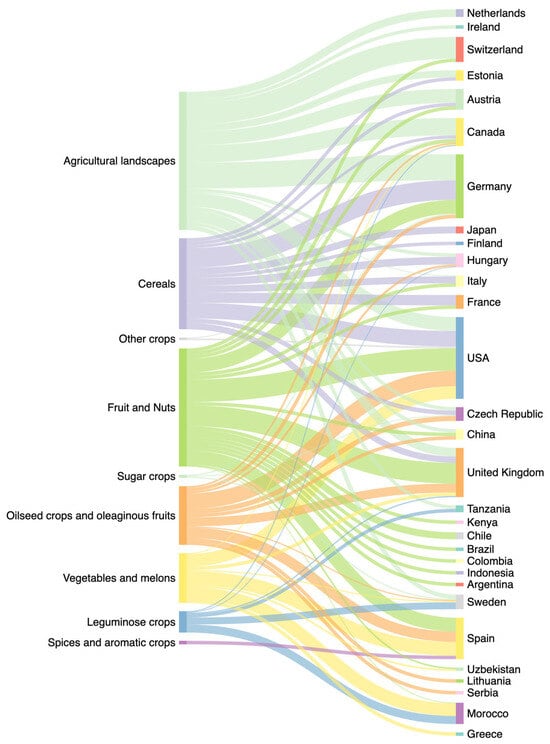
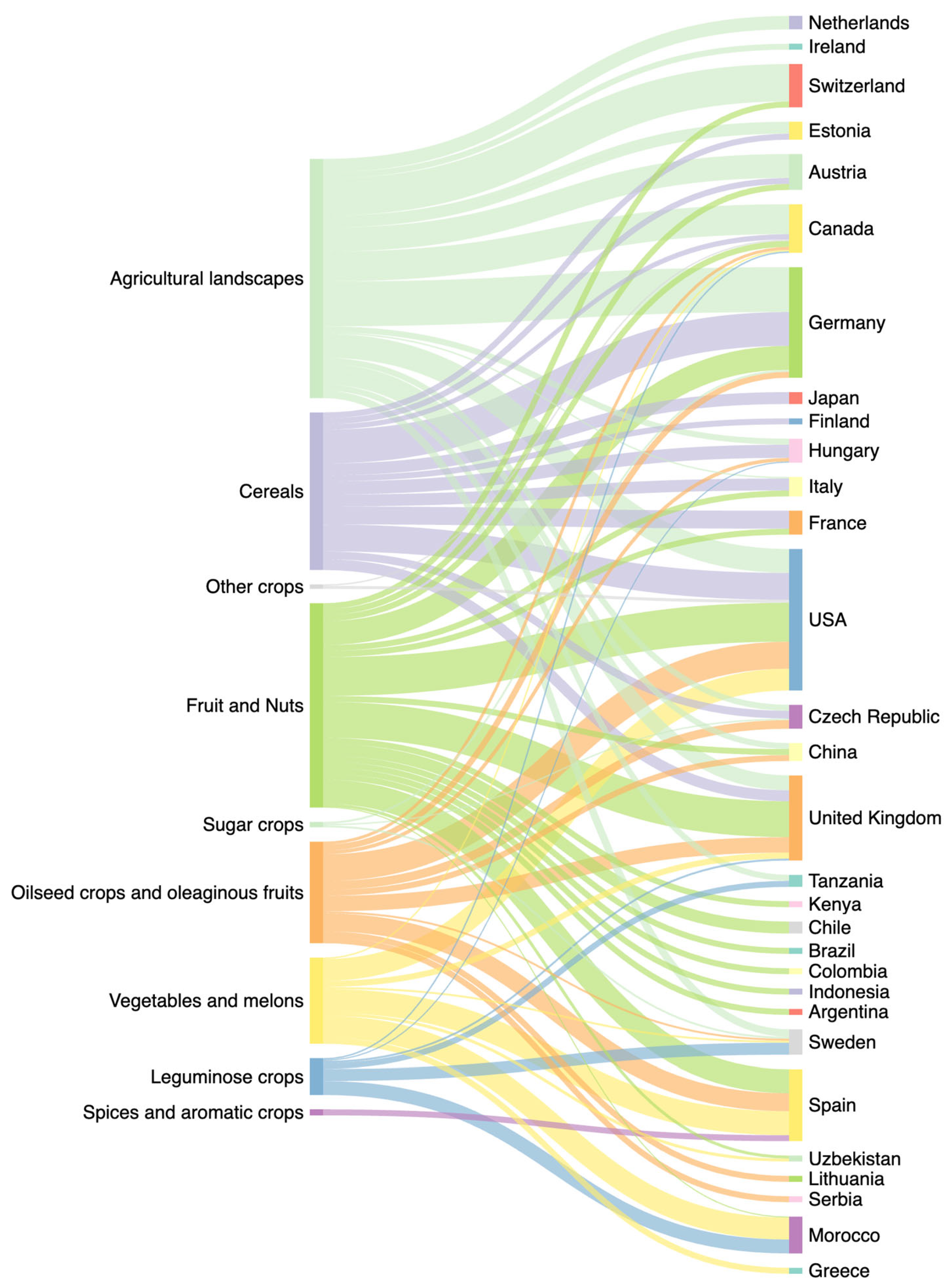
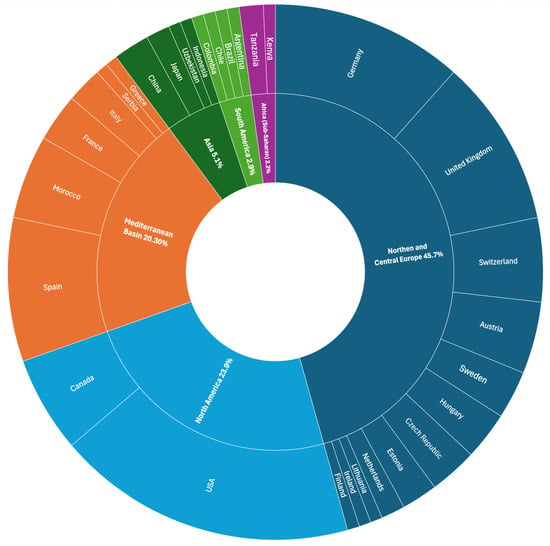
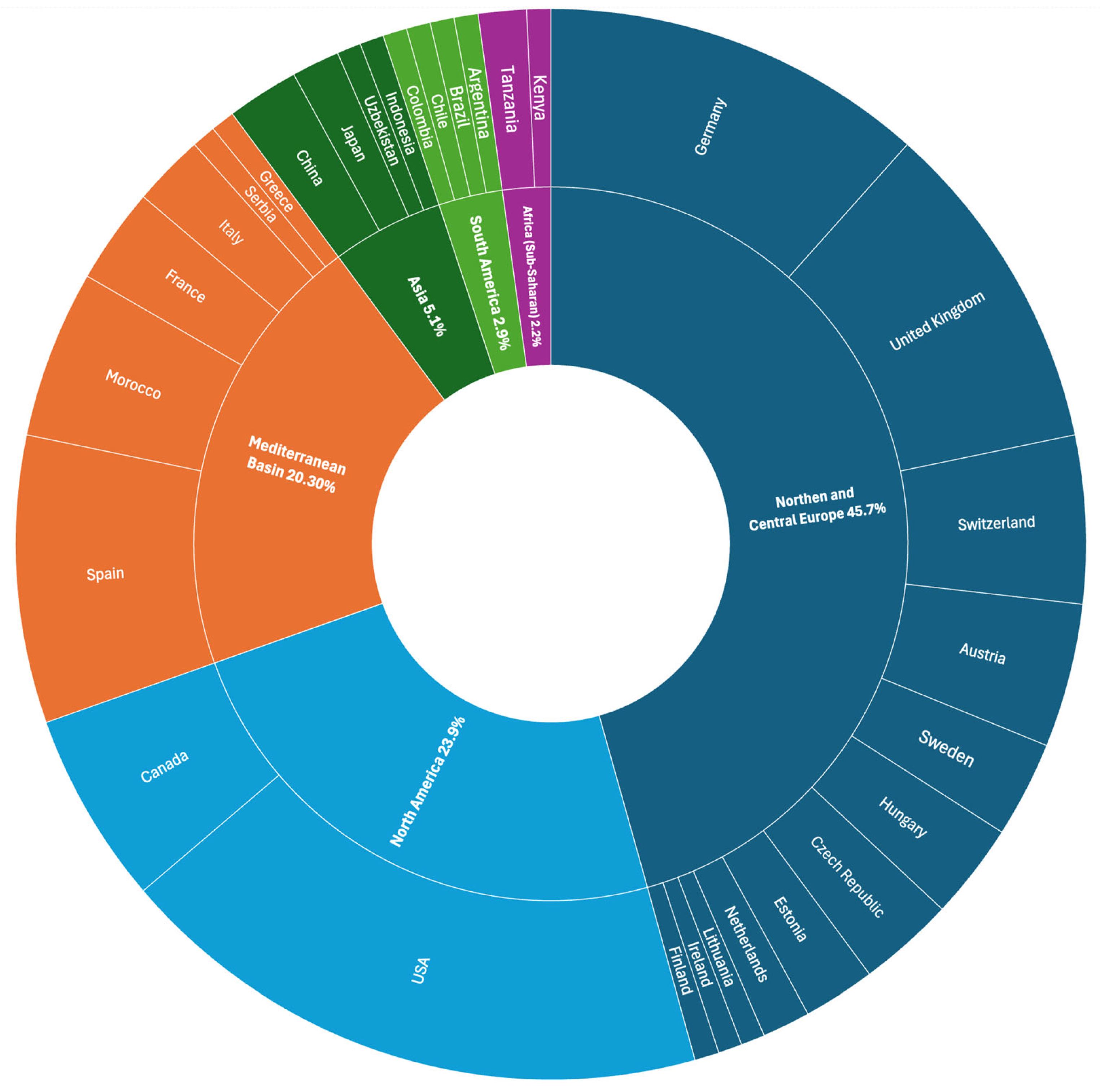

Disclaimer/Publisher’s Note: The statements, opinions and data contained in all publications are solely those of the individual author(s) and contributor(s) and not of MDPI and/or the editor(s). MDPI and/or the editor(s) disclaim responsibility for any injury to people or property resulting from any ideas, methods, instructions or products referred to in the content. |
© 2026 by the authors. Licensee MDPI, Basel, Switzerland. This article is an open access article distributed under the terms and conditions of the Creative Commons Attribution (CC BY) license.