


Abstract
Heart failure affects more than 64 million people worldwide and remains associated with high mortality and recurrent hospitalisation. Artificial intelligence (AI), including large language models (LLMs), is being evaluated across the care pathway, but evidence maturity varies by task. The aim of this narrative review was to appraise direct evidence for LLM applications in heart failure, distinguish it from supporting evidence for other AI methods and propose a risk-based framework for clinical evaluation and governance. The strongest direct LLM evidence concerns electronic health record extraction, document drafting, patient information and clinical trial endpoint adjudication. A small, randomised pilot evaluated supervised generative-AI-guided optimisation of guideline-directed medical therapy. Prospective case-finding and monitoring evidence largely concerns non-LLM AI. For conversational AI telemonitoring (a natural language interface with rule-based alerting), prospective evidence was limited to a single non-randomised controlled pilot. Performance depends on task definition, data completeness, human review and workflow adoption. Overall, LLMs can support clearly defined, supervised heart failure tasks, but current evidence does not justify autonomous high-stakes care. The evidence base is expanding but predominantly retrospective. Prospective trials, disease-specific benchmarks, equity assessment and regulatory engagement are prerequisites for safe clinical translation. Human oversight remains essential across all current-generation applications.
1. Introduction
Heart failure affects more than 64 million people worldwide, and its prevalence is rising as populations age and survival after ischaemic heart disease improves [1,2]. Prognosis remains poor, with approximately one in five patients readmitted within 30 days (all-cause 30 day readmission), although the rate depends on how readmission is defined [3,4,5]. Given the established improvement in outcomes, guidelines recommend rapid initiation and optimisation of multiple disease-modifying therapies [6]. The 2026 Second Universal Definition also emphasises trajectories of improvement, remission and recovery rather than treating ejection fraction as a static label, highlighting the diagnostic complexity and evolving definitions that any automated system must accommodate [7].
Artificial intelligence is being developed across cardiovascular imaging, physiological sensing, electronic health records and clinical decision support [8]. Large language models (LLMs) are a subset of AI designed to process and generate language. Their clinical relevance arises from the ability to transform unstructured text, combine retrieved evidence with patient context and generate structured outputs [9,10]. Transformer architecture uses self-attention to weigh each element of a sequence against every other, so distant elements are linked directly rather than through a long chain of sequential steps, which makes long-range dependencies easier to learn [11]. Two influential transformer developmental paths emerged: encoder models such as BERT (Bidirectional Encoder Representations from Transformers), primarily for language understanding, and autoregressive generative models such as GPT, designed for generative tasks [12,13]. General purpose and medically adapted LLMs have since achieved strong performance on medical knowledge benchmarks such as MedQA, MedMCQA and PubMedQA, although benchmark accuracy does not necessarily establish clinical utility [14,15,16].
In knowledge-intensive natural language processing (NLP) tasks, retrieval-augmented generation (RAG) supplies the model with relevant external documents when it generates a response, which grounds the response in those documents, and allows source citation. This can make it easier to trace outputs back to their sources, but it does not guarantee those outputs are clinically accurate [17]. Multimodal systems combine language with other data types such as images or physiological signals. In this review, we reserve ‘LLM evidence’ for studies in which a language model performs a substantive task. Studies using conventional machine-learning, clustering or sensor algorithms are described as supporting AI evidence.
Figure 1 summarises the evidence across the heart failure pathway, and Table 1 lists the key primary studies underpinning it, with the study design, cohort and our proposed classification of decision authority (based on Gu and Topol [18]).
Figure 1.
LLM applications across the heart failure care pathway. The first four stages follow the patient journey; documentation and communication and population surveillance are cross-cutting, system-level functions. AI: artificial intelligence; CMR: cardiac magnetic resonance; ECG: electrocardiogram; EHR: electronic health record; FMT: foundational medical therapy; HF: heart failure; HFpEF: heart failure with preserved ejection fraction; LLM: large language model; NLP: natural language processing. Created in BioRender. Henry, J. A. (2026) https://BioRender.com/8satijn, accessed on 8 November 2026.
In this narrative review, we examine where LLMs have direct heart failure evidence, where conclusions rely on adjacent evidence from non-LLM AI methods or non-HF populations and which governance requirements follow from the authority granted to a deployed system. We summarise the key studies by their area of application, appraise their findings and discuss the real-world limitations for integrating AI and LLMs within the heart failure care pathway. Because the field changes rapidly, model names and versions are reported where the source provided them.
Table 1.
Key studies providing direct or supporting AI and LLM evidence across the heart failure care pathway, ordered by pathway stage, with study design, cohort, principal findings, AI type, the decision authority held in each study and a proposed authority for future deployment, based on the framework in Figure 2 (adapted from Gu and Topol [18]). † Decision authority held by the AI in the study. Retrospective, vignette and benchmark studies, where outputs did not influence care, are classed as Observer. ‡ Highest decision authority we consider appropriate for future deployment of the application; deployment at this level would first require the evaluation described in Section 3.3. Supervised Agent applies only where outputs are reviewed by a clinician before use or are used for research only. “Not supported” indicates that current evidence does not support deployment in the task tested. No application is proposed for autonomous operation. Auto-MACE was validated in a non-HF (post-myocardial infarction) population and is included as adjacent evidence. AI: artificial intelligence; CEC: clinical events committee; CI: confidence interval; ECG: electrocardiogram; EF: ejection fraction; GDMT: guideline-directed medical therapy; HF: heart failure; HFH: heart failure hospitalisation; HFpEF: heart failure with preserved ejection fraction; HFrEF: heart failure with reduced ejection fraction; HR: hazard ratio; ICM: insertable cardiac monitor; IRR: incidence rate ratio; ITT: intention-to-treat; KCCQ-12: 12-item Kansas City Cardiomyopathy Questionnaire; LLM: large language model; MAFLD: metabolic-associated fatty liver disease; MI: myocardial infarction; NT-proBNP: N-terminal pro-B-type natriuretic peptide; OR: odds ratio; RAG: retrieval-augmented generation; RCT: randomised controlled trial; sHR: subdistribution hazard ratio.
Figure 2.
Decision-authority levels for AI in heart failure, with implementation type and example applications. Simplified to four levels from the six-level (L0–L5) framework of Gu and Topol [18]. No high-stakes heart failure application currently has sufficient evidence for autonomous operation. AI: artificial intelligence; FMT: foundational medical therapy; HF: heart failure; LLM: large language model. Created in BioRender. Henry, J. A. (2026) https://BioRender.com/hytga6k, accessed on 8 November 2026.
2. Methods
2.1. Literature Search
This narrative review was derived from a literature search of PubMed/MEDLINE from 1 January 2017 to 21 September 2026, as well as medRxiv and arXiv to review preprint publications from the same time period. Foundational methodological papers, reporting and clinical guidelines, and epidemiological sources were cited irrespective of publication date. Search terms combined heart failure parameters (e.g., heart failure, HFrEF, HFpEF, cardiomyopathy) with artificial intelligence terms (e.g., large language model, generative artificial intelligence, natural language processing, GPT, transformer, machine learning and deep learning). In addition to manual searches, Claude Opus 5.0 (Anthropic, PBC, San Francisco, CA, USA) with literature search connectors (ClinicalTrials.gov, PubMed, Consensus) was used to identify further candidate articles over the same period. Search outputs were manually validated. Statements in this review that evidence is absent or that a study is the first of its kind refer to studies identified by this search up to 21 September 2026.
2.2. Study Selection
Studies were eligible as primary evidence if they evaluated an AI-enabled method in a heart failure population or in heart failure-specific tasks, such as case-finding, diagnosis, phenotyping, treatment optimisation, monitoring, documentation, patient information and trial conduct. We considered studies as evidence for LLM/AI use when there was generation, extraction or classification of clinically relevant information. Two kinds of studies were classified as supporting LLM/AI evidence:
- Studies in which a language model served only as an interface around deterministic rules (for example, a conversational interface that converts patient speech into predetermined variables while alerting remains rule-based [26]).
- Studies of conventional machine learning, deep learning or sensor-based algorithms.
Table 1 presents a selection of key studies illustrating the range of evidence across the care pathway (Figure 1); it is not exhaustive. We prioritised randomised and prospective controlled studies, followed by the largest retrospective studies on real clinical data. AI studies were included where they provided the strongest available evidence for a stage, including trials with neutral findings. Benchmark studies illustrating safety or evaluation limitations relevant to deployment were also included. Where HF-specific evidence was absent or limited, studies from adjacent non-HF populations or general clinical tasks (e.g., emergency medicine reasoning, CMR reports from mixed or congenital cohorts, endpoint adjudication in post-myocardial infarction, acute coronary syndrome and peripheral artery disease trials and clinical summarisation) were included for contextual evaluation of transferable methods and failure modes. These studies are flagged in the text and Table 1 and were not used to establish HF-specific performance.
2.3. Use of AI-Enabled Tools and Reference Verification
Claude Opus 5.0 (Anthropic, San Francisco, USA) with connectors to ClinicalTrials.gov, PubMed and Consensus, was used to identify additional candidate studies. These were screened against the same eligibility criteria as the manually identified papers. All reported results and references were verified manually by the authors against the original publications.
3. Benchmarking and Governance
3.1. Decision Authority in Clinical AI
Decision authority describes the extent to which an AI-enabled function can shape or execute a health decision. Gu and Topol proposed six levels, from no AI decision authority to progressively greater authority [18]. Figure 2 provides an original heart failure-specific operationalisation of this principle rather than reproducing the published taxonomy. Unlike general frameworks, it simplifies the authority levels for clinical use and maps each to heart failure-specific implementation types and example applications. Section 3.3 proposes how the evidence required prior to utilisation could increase with authority level.
In heart failure, assigning appropriate authority varies by function because tasks do not carry equivalent consequences. Governance should therefore specify the target user, action, opportunity for meaningful review, abstention criteria, escalation route and audit trail for each function. A generic statement that a human is ‘in the loop’ is inadequate unless that person receives the output before action, has sufficient information to evaluate it, and has meaningful opportunity to change the outcome.
3.2. The Heart Failure Intelligent Agent Framework and Reporting Standards
Zhu and colleagues proposed a modular Heart Failure Intelligent Agent framework covering diagnostic support, phenotype and risk assessment, foundational medical therapy (FMT), device eligibility, worsening heart failure, transitional care and patient education [32]. The central safety principle is data dependency: a module should not issue a recommendation when required inputs are absent, stale or internally inconsistent. For FMT, minimum context commonly includes blood pressure, heart rate, renal function, serum potassium, current medication and dose, recent symptoms and contraindications. Figure 3 translates these principles into an original governed architecture.
Figure 3.
Governed architecture for LLM-enabled heart failure decision support. (A) A shared orchestration layer routes clinical tasks to seven HF-IA modules. (B) Each module checks required data before generating an output, matches decision-authority level to the task, and returns outcomes for audit and review. Modular HF-IA framework adapted from Zhu et al. [32]. HF: heart failure; HF-IA: Heart Failure Intelligent Agent; LLM: large language model. Created in BioRender. Henry, J. A. (2026) https://BioRender.com/3snntvk, accessed on 8 November 2026.
Evaluation should progress from component testing to longitudinal case replay, silent prospective validation and interventional studies. DECIDE-AI provides reporting guidance for early-stage clinical evaluation, while CONSORT-AI and SPIRIT-AI address AI intervention trials and protocols [33,34,35]. These standards improve transparency about data handling, human–AI interaction, errors and workflow. However, compliance does not replace independent validation or regulatory review.
Evaluation should also distinguish model-level, task-level and system-level validity. Model-level tests assess factuality, robustness and calibration under controlled inputs. Task-level tests assess whether the output meets a prespecified clinical purpose against an appropriate reference standard. System-level studies include interface design, clinician behaviour, latency, escalation, workload and outcomes after deployment. A model may pass the first two levels yet fail as a service because clinicians do not trust the output, alerts arrive too late, or downstream capacity is unavailable.
3.3. Applying the Frameworks in Practice
Figure 2 and Figure 3 are conceptual frameworks and have not been validated as assessment tools, but they could inform several practical applications. In procurement or local approval, an organisation could ask suppliers to state the intended decision-authority level (Figure 2), minimum input data and abstention criteria (Figure 3), how outputs are logged for audit, and the evidence supporting the claimed authority level. The evidence required should increase with authority: retrospective validation may be adequate for observer functions, whereas advisor and supervised-agent functions would warrant prospective and controlled evaluation, respectively. These declarations could sit within existing assurance processes and be revisited when a model, data source or authority level changes. In research, intended authority could be reported in evaluation protocols and evidence syntheses, as in Table 1.
The frameworks could be validated through structured expert review involving clinicians, clinical safety officers, patient representatives, and information-governance leads. Agreement between independent assessors could be tested by applying them to a common set of tools, and prospective use within local approval processes could assess whether they change approval decisions or identify additional hazards.
4. Identification and Case-Finding
4.1. Electrocardiogram-Based Identification
AI-enabled analysis of 12-lead electrocardiograms can identify patients likely to have left ventricular systolic dysfunction and prioritise echocardiography. This evidence relates to deep-learning ECG classifiers rather than LLMs but remains relevant since any system in which an LLM later contextualises or routes a classifier output will inherit the same adoption and implementation requirements.
In the EAGLE pragmatic cluster-randomised trial (n = 22,641; 120 primary-care teams), access to an AI-ECG result modestly increased new diagnoses of LVEF impairment (≤50%) within 90 days (2.1% vs. 1.6%; OR 1.32, 95% CI 1.01–1.61) [19]. The trial demonstrated increased short-term detection. Separately, the TRICORDER cluster-randomised trial of an AI-enabled stethoscope in 205 UK primary-care practices found no significant increase in heart failure detection (incidence rate ratio 0.94, 95% CI 0.86–1.02), with approximately 40% of practices abandoning device use by 12 months [20]. Together, these trials illustrate that regulatory clearance and favourable test-level accuracy do not guarantee population-level benefit or clinical adoption.
4.2. Electronic Health Record-Based Case Finding and Ambient AI
Electronic health records contain candidate signals of undiagnosed or undertreated heart failure in narrative notes, investigation reports, prescribing history and referral records. Examples include repeated breathlessness, loop-diuretic initiation, reduced ejection fraction without a coded diagnosis and elevated natriuretic peptide results without documented follow-up.
Clinical text creates recurrent extraction problems: local terminology, negation, temporality, copied-forward content and uncertain or historical diagnoses. A deployable system should define the target variable and time window, report performance at the patient and document level, test portability across sites and show which evidence supports each output. It should also distinguish model uncertainty from missing source data.
Workman and colleagues evaluated zero-shot GPT-4 extraction of heart failure symptoms and signs from 102 synthetic snippets derived from Veterans Health Administration notes. The best prompt achieved 90.6% precision, 100% recall and an F1 score of 95% [36]. However, synthetic snippets are designed to contain the target information but do not reproduce the signal-to-noise ratio, documentation variability or incidental findings of real clinical records, so these metrics are best interpreted as a performance ceiling. A 2026 scoping review of LLM-based HF information extraction from EHRs identified 10 studies but noted heterogeneous populations, variable prompt strategies and limited external validation [37].
Larger real-data evaluations are beginning to emerge. Ibrahim and colleagues compared a zero-shot LLM workflow with ICD-code, primary diagnosis and problem-list retrieval for identifying cardiovascular events, including heart failure exacerbation, across two cohorts at three US sites (n = 2258 and n = 1426) [38]. The LLM achieved the highest AUC for composite MACE in both cohorts, but for heart failure specifically, ICD-based retrieval remained competitive (AUC 0.882 vs. 0.873 in Cohort 1), suggesting that the incremental value of LLM extraction is task-dependent. In the DELIVER trial, an LLM-based pipeline extracted structured variables from heterogeneous unstructured documentation across a global multicentre HF trial, demonstrating feasibility for large-scale research data capture (Section 9.1) [29]. Bazoge and colleagues found that a smaller model with domain-pretraining outperformed a general purpose LLM (F1 0.878 vs. 0.80) for classifying acute HF hospitalisations from French clinical notes, indicating that locally deployable, task-specific models may match or exceed general-purpose LLMs for structured extraction [39].
Ambient documentation is generating commercial interest as a route to more consistent structured data capture at the point of care, but we identified no prospective study evaluating its effect on heart failure case finding. Ambient-AI documentation advantages in heart failure therefore remain speculative.
These results establish a proof of concept rather than proof of operational readiness. Future case-finding evaluations should construct the reference standard independently of the index system and report the full pathway including the denominator screened, proportion referred, proportion completing confirmatory echocardiography, positive predictive value and time from flag to diagnosis. The latter will be of particular importance given capacity constraints on echocardiography services in most healthcare systems. Ultimately, a case-finding pathway that generates referrals faster than the diagnostic pathway can process them may delay rather than accelerate diagnosis for patients who need it most.
5. Diagnosis and Phenotyping
5.1. LLM-Assisted Diagnostic Reasoning
We identified no prospective study of LLM-assisted diagnostic reasoning specifically in heart failure; the studies below were conducted in emergency and general medicine and are included for adjacent evidence. Emergency medicine studies provide mixed evidence. Williams and colleagues evaluated GPT-3.5 and GPT-4 recommendations for admission, radiology, and antibiotics from 10,000 emergency department notes, with both models performing worse than a resident physician across all three decision types [40]. Differential-diagnosis quality, however, was not assessed, which is perhaps a more relevant task for heart failure presentations (pure HF vs. multifactorial breathlessness). Hoppe and colleagues reported higher retrospective diagnostic accuracy for GPT-4 than emergency resident physicians across selected cases, but the vignette-like design was not used live in a clinical environment [41].
Randomised evidence on LLM-assisted clinical reasoning is limited and mixed. In a further vignette-based RCT of GPT-4, access did not significantly improve diagnostic reasoning scores compared with conventional resources (adjusted difference 2 percentage points, 95% confidence interval −4 to 8; p = 0.60) [42]. Subsequent work by the same group found that GPT-4 assistance did, however, improve management-reasoning scores [43]. The benefit from an LLM in an advisor role therefore appears to depend on the nature of the task and how clinicians use the output. Crucially, heart failure presentations involving multimorbidity, fluid status assessment and time-sensitive treatment decisions present challenges distinct from undifferentiated emergency cases, and prospective HF-specific studies are needed.
5.2. Automated Echocardiographic Analysis
Echocardiography is central to heart failure diagnosis, phenotyping and monitoring. Language models and vision-language models are being applied to two distinct tasks: report generation (text-to-text) and image interpretation (image-to-text or image-to-measurement). These tasks differ in their input modality, failure modes and regulatory pathway, and distinction should be maintained against established automated image quantification software (e.g., GE Healthcare Automated Function Imaging, Philips AutoSTRAIN, Siemens Healthcare eSie Measure/Left Ventricle) [44].
EchoGPT, a fine-tuned Llama-2 model, generated echocardiography impressions that were compared with cardiologist-written text; the model produced clinically acceptable reports, but evaluation was limited to a single institution and did not assess downstream diagnostic or management impact [22]. EchoGraph addressed a related but distinct task involving automated quality assessment of echocardiography reports [45]. Vision-language models (EchoCLIP and EchoPrime) extend this work to image-text retrieval and multi-view interpretation but remain at the research and development stage [46,47]. CardioBench evaluated echocardiography foundation models across eight public datasets and found inconsistent cross-dataset performance, underscoring that claims of generalisability require external validation in the intended clinical population [48].
Sun and colleagues took a different approach, using an LLM to convert standard echocardiography reports into patient-friendly language with longitudinal comparison to prior studies [49]. In the retrospective development stage (n = 60), clinicians rated report quality highly (mean 18.15/20), and one hallucination was identified. At the prospective stage at a specialist cardiology centre, 100 patients with chronic heart failure or prior myocardial infarction received both reports. STAI-6 anxiety scores rose after the conventional report and fell after the LLM-generated report (both p < 0.001). In exploratory subgroup analyses, patients with chronic HF or LVEF ≤ 40% rated the LLM report higher for addressing their concerns, while the largest anxiety reductions occurred in outpatients and older patients. This was the first echo-LLM study we identified to report patient-centred outcomes in a cardiac population, though the non-randomised sequential design cannot establish causation.
For deployment, a report-generation and an image-analysis component require separate validation. The image component needs testing against expert-derived measurements, which take into account different sites, scanners, acquisition protocols, rhythm types and demographic groups. The language component needs evaluation for contradiction, omission, unsupported inference and, crucially, a faithful communication of uncertainty. Patient-facing report generation introduces additional requirements, including readability across health-literacy levels, factual accuracy verified against validated sources, and assessment of whether the output influences patient behaviour or anxiety.
5.3. HFpEF and Data-Derived Phenotyping
Heart failure with preserved ejection fraction (HFpEF) remains diagnostically challenging because the criteria require symptoms or signs of heart failure with objective evidence of structural or functional abnormality or raised filling pressures, and recent consensus has moved beyond a single threshold [7]. In a guideline-anchored benchmark of four contemporary LLMs, errors were concentrated in treatment and drug-management questions. Across models, 13 of 48 treatment items contained critical errors compared with 20 of 272 items in the other domains (odds ratio 4.68; p < 0.001) [50]. This supports task-specific evaluation rather than a single aggregate accuracy score.
Lu and colleagues took a different approach, using a domain-tuned LLM (MedGuide-14B) to detect previously undiagnosed HFpEF from electronic health records in 24,011 patients with metabolic-associated fatty liver disease (MAFLD) across multiple centres. The model identified 4226 additional cases (17.6%) beyond the 3049 clinically diagnosed, with 90.4% confirmed on blinded validation (kappa 0.85; AUC 0.94 for clinically diagnosed HFpEF). The LLM-identified group had intermediate but clinically meaningful rehospitalisation rates (LLM-identified 55.6% vs. 67.2% clinically diagnosed vs. 38.4% non-HFpEF) and 48-month all-cause mortality (12.3% vs. 18.9% vs. 4.6%) [21]. This is the first study we identified in which an LLM detected undiagnosed HFpEF at scale with prognostically validated outcomes, though the retrospective multicentre design and restriction to the MAFLD population limit generalisability.
5.4. Cardiac Magnetic Resonance Integration
Cardiac magnetic resonance (CMR) provides tissue-characterisation and volumetric data central to cardiomyopathy assessment, but we identified no study that prospectively deployed an LLM within a CMR-to-treatment workflow in heart failure. Most of the CMR-LLM studies below used general CMR populations not selected for heart failure and are included as adjacent evidence.
The clearest near-term application is structured extraction from finalised reports. One study fine-tuned a Llama model to perform named entity recognition across 34 cardiovascular conditions, capturing findings alongside attributes such as certainty, severity and anatomical location [51]. A zero-shot evaluation of open-source LLMs (Llama 3, Gemma, Mistral, Mixtral) across 497 CMR reports extracted 14 cardiac function indicators, including biventricular ejection fraction. Compared with manual human annotation, a value was counted correct only if its unit was also correct and if it could be parsed into structured output: the best overall accuracy was 95.4% (Mixtral 8x7B), and the highest named-entity recognition accuracy was 99.8% (Llama 3 70B) [52]. These results suggest that open-sourced models can perform this task; however, no comparison with closed models was made. CMR-EXTR, a distilled Llama 3.2 1B model (GPT-OSS 20B teacher model), extracted 52 fields from CMR reports and achieved 89.55% report-level accuracy (variable-level accuracy 99.65%) in a test set (20% of 1100 single-centre reports) against labels derived from the teacher model with targeted human review. Per-field uncertainty scores that combine range plausibility and sample stability flagged internally inconsistent values for human review [53]. A hybrid pipeline combining regular expressions with an on-premises Llama-3.1–8B model achieved a median coverage of 1.00 (a measure of completeness rather than correctness) and a median F1 of 1.00 (95% CI 0.94–1.00) across 13 CMR variables in 430 patients with repaired tetralogy of Fallot against manual review by a paediatrician [54]. Within the decision-authority framework, extraction feeding research or registry entry can operate at the supervised agent level, while extraction informing real-time clinical decisions should remain at the advisor level until prospective validation is available.
As with echocardiography (Section 5.2), LLMs have also been evaluated on diagnostic classification from CMR report text. Wang and colleagues compared six general-purpose LLMs in classifying CMR reports into myocardial infarction, dilated cardiomyopathy and hypertrophic cardiomyopathy [55]. In direct reader comparison of 156 MINOCA reports classified into eight aetiological categories, an LLM reached 67.3% exact-match accuracy, comparable to junior and intermediate readers (both 68.6%) but lower than the expert reader (80.1%), with a high mean specificity (94.9%) and substantial agreement with the reference standard (ICC 0.84) [56]. Dilated cardiomyopathy and MINOCA-associated myocarditis frequently present as new heart failure; therefore, these classification tasks remain relevant to aetiological work-up, although neither cohort was selected for heart failure. CineScribe, a lightweight LLM trained on expert-annotated cine CMR reports, structured regional wall-motion abnormality findings with a macro-F1 of 0.92 and introduced a confidence score derived from token-level probabilities to flag ambiguous cases for senior review [57]. A separate study used a HIPAA-compliant LLM to label image quality across 1006 CMR examinations, confirmed by two radiologists, enabling analysis of pre-imaging predictors of nondiagnostic studies [58].
Direct interpretation of CMR images by multimodal LLMs is substantially less mature. One agentic pipeline separates perception from reasoning: a segmentation model extracts 17 clinically interpretable biomarkers from cine CMR, which a language model then uses for multiclass diagnosis; narrative reports are generated separately and audited by radiologists for numeric fidelity [59]. This separation limits hallucination risk and preserves auditability. End-to-end image interpretation remains premature. In a benchmark of 24 multimodal LLMs across 473,896 CMR slices (including cine, late gadolinium enhancement, perfusion, and T2), models frequently entered a ‘category-collapse failure mode,’ whereby models lost the ability to recognise and report diverse categories, instead frequently over-reporting abnormal categories such as non-ischaemic cardiomyopathy in structurally normal and ischaemic cases [60].
All CMR-LLM studies identified are retrospective, none enrol patients by heart failure status, and tissue-characterisation parameters relevant to infiltrative cardiomyopathies such as amyloidosis and Fabry disease have not been validated. Future work should apply the REFINE reporting guideline for foundation and large language model studies in medical imaging alongside SPIRIT-AI and CONSORT-AI [33,35,61]. Future studies should include field strength, sequence parameters, reference standards for each extracted field, and a pre-specified failure analysis plan.
6. Treatment and Optimisation
6.1. Medical Therapy Optimisation
Many patients with HFrEF do not receive all indicated drug classes or target doses, despite clear guideline recommendations and early treatment benefit [3,6]. Optimisation FMT, also termed guideline-directed medical therapy (GDMT), is therefore an attractive target but also a high-consequence task because recommendations depend on current physiology, contraindications and patient preference.
Previous use of deterministic decision support sets the benchmark for LLMs. In PROMPT-HF, a cluster-randomised trial of 1310 outpatients with HFrEF, a tailored EHR alert increased new GDMT class prescription at 30 days from 19% to 26% (adjusted relative risk 1.41, 95% CI 1.03–1.93) [62]. Alerts also doubled mineralocorticoid receptor antagonist prescribing in BETTER CARE-HF but failed to obtain a higher number of overall GDMT prescriptions at hospital discharge in PROMPT-AHF [63,64]. Rule-based alerts are cheap and sometimes effective, so an LLM must show incremental value over them. Its plausible advantage is access to narrative data, such as documented drug intolerance, which structured alerts cannot see.
Before an LLM can be trusted to propose a therapy change, it must first read the medication record correctly, and the evidence here is mixed. In 29,896 free-text prescription signatures from patients with HFrEF, GPT-4o extracted daily dose with an F1 of 0.98, but a rule-based parser reached 0.95 (overall performance between the two was not statistically significant) with higher positive predictive value, a substantially shorter run time and no per-query cost [65].
Assessment is similarly constrained. Six open-source models were asked to classify whether discharge medications in hospitalised heart failure patients met ESC recommendations; zero shot, few-shot and chain-of-thought prompting all performed poorly, and only task-specific fine-tuning lifted four models to an F1 of at least 0.90 [66]. Generation improves with staged adaptation: an open source model taken through domain pretraining, supervised fine tuning, reinforcement alignment and guideline retrieval raised its clinical score from 0.716 to 0.864 and reached a guideline score of 0.881 from 0.479 across 1087 retrospective HFrEF encounters, while conventional language overlap metrics fell as clinical quality increased [67].
These studies were retrospective, and none evaluated prescribing. Together, they indicate that prompting alone may suffice for narrow extraction, but judging guideline adherence and generating recommendations required task-specific adaptation, with cheaper deterministic alternatives potentially matching LLMs.
Putting this to the test, Helseth and colleagues deployed a GPT-5.2 workflow generating clinician-facing GDMT messages from EHR data at one US centre. In a pre-deployment review of 201 cases, cardiologists judged 97.9% of recommendations as clinically reasonable and 1% as unsafe; in a six-week single-arm pilot, recommendations were implemented at 13 of 56 visits (23%) [24]. The successor trial, TAILOR-HF (NCT07337577), is a provider-level cluster-randomised trial of advisory-only messages with GDMT optimisation within 30 days as the primary outcome that will be completed in 2027 [68].
6.2. Personalised Prescribing Support and Remote Titration
ASSIST-HF SIRIO is the first published randomised heart failure example we identified of supervised generative-AI-guided pharmacological management. Sixty patients with new diagnosis of HFrEF were randomised to twice-weekly virtual-assistant-guided care delivered by non-medical staff or standard care. The system used retrieval-augmented generation grounded in guidelines, hard-coded safety constraints and remote clinician oversight [69]. At 12 weeks, the intervention group had greater optimisation across GDMT classes, lower NT-proBNP and fewer hospitalisations, with no safety disagreements between the assistant and clinicians [25].
The result is promising but should be interpreted as a small, single-centre, open-label pilot rather than definitive evidence of effectiveness. The intervention bundled the language model with fortnightly contact, trained staff and specialist supervision. Larger multicentre trials should use cluster or factorial designs that separate the model’s contribution from contact intensity and protocolised follow-up and should report medication-specific recommendations, clinician overrides, adverse events, workload and cost.
LLMs may also support more personalised heart failure care. For better-tailored medication titration, LLMs could interpret free-text information such as drug intolerance, patient preference and reasons for historic dose reduction (Section 6.1). Through the identification of undiagnosed HFpEF [21] or cardiomyopathy aetiology from imaging reports [55,56], LLMs may also support phenotype-specific treatment adjustments. However, LLM errors persist in treatment-related questions [50], and no adequately powered trial has yet shown whether LLM-supported personalisation improves patient outcomes. Such applications would remain advisory, with clinician review of all recommendations.
6.3. Medication Safety and Diuretic Dosing
Aggregate classification metrics may conceal significant harms. A false-positive dose increase and a false-negative failure to treat fluid overload carry different risks. Medication studies should report precision, recall, calibration and error severity for each action class and then evaluate the full human–AI workflow. The HFpEF benchmark in Section 5.3, in which critical errors clustered in treatment questions, shows why a single accuracy score is insufficient [50].
Generative models may produce clinically important diagnostic and treatment errors, including unsupported or inappropriate recommendations [70]. Safety depends on how the model is constrained. When an unconstrained general model (GPT-5) managed 38 heart failure vignettes, cardiologists rated 16% of responses unsafe and 21% guideline-discordant, with errors concentrated in titration, device and advanced-therapy decisions [23]. Any system that proposes a diuretic or disease-modifying change should therefore confirm the minimum data context defined in Section 3.2, constrain outputs to a version-controlled guideline source and require accountable prescriber review before action.
Evaluation sets must include difficult cases, including acute kidney injury, hypotension, hyperkalaemia, frailty, pregnancy, palliative goals and temporary drug interruption, because performance on these cases determines safety more than performance on straightforward titration.
7. Monitoring and Deterioration Prediction
7.1. Telemonitoring and Wearable Sensors
Non-invasive telemonitoring has produced heterogeneous results because interventions differ in sensors, staffing, response protocols and patient selection. TIM-HF2 showed that a structured telemedical management programme in a defined population reduced days lost to unplanned cardiovascular admission or death and reduced all-cause mortality (hazard ratio 0.70, 95% confidence interval 0.50–0.96) [71]. Wearables can supply the signal through several modalities, including accelerometry, photoplethysmography, phonocardiography, thoracic bioimpedance and remote dielectric sensing, which we have appraised in detail elsewhere [72]. In LINK-HF, machine learning applied to chest-patch data detected impending heart failure hospitalisation with 76–88% sensitivity and 85% specificity at a median lead time of 6.5 days in 100 mostly male veterans [73].
One prospective non-randomised controlled pilot tested weekly automated phone calls from a certified conversational AI voice agent (LOLA, Tucuvi; EU MDR Class IIb) in 86 outpatients, compared with 40 consecutively recruited controls receiving usual care, achieving 91.7% call completion across 4272 scheduled calls [26]. Its language components were limited to automatic speech recognition and modules focused on natural language understanding, which mapped patients spoken answers into predefined symptom and vital-sign variables. The role of the LLM here was therefore limited to data capture, and performance was not reported separately. A deterministic protocol engine then governed the conversational flow, generating alerts when thresholds were met. The system generated 1962 alerts, but despite this, the nurse workload was modest at 2.4 min per patient per week. There were exploratory improvements in KCCQ-12 (+7.13 points, 95% CI 1.19–13.07) and in death or heart failure hospitalisation (HR 0.39, 95% CI 0.16–0.96), with heart failure hospitalisation alone being non-significant (sHR 0.43, 95% CI 0.16–1.13) [26]. Controls were recruited after the intervention cohort, and the groups differed at baseline (worse NYHA class and higher diuretic dose in the intervention group); as such, outcome signals are hypothesis-generating. Since HF nurses reviewed all alerts, and the HF clinical team retained treatment decisions, the incremental contribution of the language components cannot be separated from the structured follow-up programme built around it. Therefore, we classify this study as supporting rather than direct LLM evidence (Section 2.2): it demonstrates that a language-assisted interface with rule-based alerting can be deployed in HF care with high completion and patient satisfaction, but it does not establish the clinical performance of an LLM.
7.2. Implantable Device Analytics
The HeartLogic index is a non-LLM multisensor algorithm derived from implanted-device data, including heart sounds, thoracic impedance, respiration, night heart rate and activity. It combines changing signals into an alert for possible worsening heart failure [74]. In the MultiSENSE validation cohort, it had 70% sensitivity, a median warning of 34 days and 1.47 unexplained alerts per patient-year [74].
The first randomised data we identified come from a 160-patient pilot of patient-facing HeartLogic-triggered notifications, which reduced alert incidence (incidence rate ratio 0.78, 95% confidence interval 0.62–0.99) but was not powered for clinical outcomes, although it did demonstrate a favourable direction of effect [75]. In ALLEVIATE-HF, 711 patients with an insertable cardiac monitor were randomised to high-risk alerts triggering a centrally managed, nurse led, protocolised diuretic intervention or to standard care; the hierarchical composite was neutral (win ratio 0.79, 95% confidence interval 0.62–1.01, p = 0.06) [27].
There is therefore little evidence to show that prediction and lead time are sufficient grounds for deploying an alert pathway, whether or not a language layer sits alongside it.
7.3. Readmission/Mortality Prediction and Social Determinants
Readmission prediction illustrates the gap between discrimination and action. In a meta-analysis of 31 studies, machine-learning models achieved moderate discrimination for mortality (AUC 0.790) but poor discrimination for readmission (AUC 0.675), with study quality generally being low [76]. A systematic review of 58 heart failure prognostic models found 88% at high risk of bias, calibration reported for only seven, and few models meeting the standards required for clinical implementation [77]. Even an adequate model may not change care: in REVEAL-HF, a pragmatic trial of 3124 hospitalised patients, presenting a 1-year mortality estimate to clinicians using a logistic regression risk model (with ML-assisted feature selection) altered neither prescribing nor the composite of 30-day readmission and 1-year mortality (38.9% versus 39.3%, p = 0.89) [78]. Direct LLM prediction has not yet outperformed conventional models. In one pilot against logistic regression, two general-purpose models (GPT-4o and DeepSeek-R1, one shot) discriminated slightly worse on structured data in predicting 90-day death or rehospitalisation (AUC 0.59 for GPT, 0.56 for DeepSeek and 0.63 for conventional). Using ICU discharge summaries to predict 1-year mortality, GPT-4o was comparable to the conventional model (AUC 0.72 vs. 0.74, p = 0.31), but DeepSeek-R1 was not (AUC 0.67), and both were poorly reproducible on repeated prompting [79].
A multi-agent system (ClinNoteAgents) converted 3544 MIMIC-III discharge notes from 2065 patients into structured risk factors and clinician-style abstractions, achieving a conditional accuracy of at least 90% for oxygen saturations, respiratory rate and blood pressure. Readmission prediction was only moderately reduced despite 60–90% text reduction, with prediction worsening with increasing text reduction: raw discharge notes AUROC of 0.654 with logistic regression (LR), compared to an AUROC of 0.643 with LR with no-number summary (61.36% word reduction) and 0.574 for structural extraction summary (91.44% word reduction) [80]. In a related approach, in a pooled post hoc analysis of 1534 first heart failure hospitalisations from two global trials, an LLM extracted 16 admission features from unstructured records, and conventional adjusted Cox models related them to mortality [81].
A potentially more promising LLM role is data assembly. In a preprint, Fensore and colleagues used LLMs to annotate variables from two public social-determinants datasets and combined them with clinical features in 39,067 patients; the neighbourhood and built-environment subset modestly improved 30-day readmission prediction (AUROC from 0.617 to 0.645) [82]. The LLM therefore supported semantic data curation rather than directly predicting patient outcomes, with the downstream improvement assessed using conventional logistic regression. Future work should distinguish data harmonisation, text extraction and risk prediction and should test whether predictions change post-discharge care.
A language layer may reduce cognitive burden by converting multivariate trends into a concise chronology, but summarisation can also suppress weak signals or overstate causal interpretation. Any interface for this task should preserve access to raw trends, identify the observation window and separate measured data from generated explanation. Escalation logic should remain deterministic where a missed alert carries immediate risk. Prospective evaluation should compare the combined system with the underlying alert pathway to establish incremental value.
8. Clinical Documentation and Patient Information
8.1. Clinical Documentation
Adapted LLMs can produce high-quality clinical summaries in general clinical text summarisation benchmarks, but performance varies by note type, model and reference standard [83]. Studies of discharge and emergency department summaries show potential for drafting support while also identifying omissions and unsupported content that require clinician correction [84,85]. A fine-tuned open-source cardiology model received favourable expert assessments for progress-note-to-discharge-summary generation but did not demonstrate a reduction in real-world workflow errors [86]. GPT-4o simplified discharge summaries to a more accessible reading level and drafted lifestyle recommendations that experts rated as relevant, evidence-based and largely safe. However, reviewers also identified hallucinations that conflated past and present diagnoses and occasional omission of medication dose information. Only 70% of recommendations were judged adequately personalised [87]. These findings indicate that drafting support and patient-facing simplification are not interchangeable with clinical accuracy, and both require systematic verification rather than spot-checking.
Heart failure documentation requires accurate medication reconciliation, renal and electrolyte trends, follow-up arrangements and clear escalation advice. These high-consequence fields should be checked against structured source data before a summary is signed. The dose-omission and diagnosis-conflation errors described above illustrate the mechanism of this risk rather than an isolated failure. Ambient documentation may improve the capture of symptoms and decisions, but its effect on readmission, follow-up and patient understanding needs prospective evaluation.
8.2. Patient Information
Patient information is a separate task from clinician documentation. Four heart failure and cardiomyopathy-specific evaluations found variable accuracy, consistency, readability and alignment with authoritative online material when chatbots answered common patient questions [28,88,89,90]. These studies used static prompts and expert or guideline-based scoring rather than observing real patient decisions. A blinded comparison across six LLMs demonstrated that expert clinician ratings were consistently lower than automated grader scores for the same responses (3.79 vs. 4.58 of 5) despite low rates of overt confabulation. This potentially indicates that automated scoring alone may overstate clinical readiness [28]. A separate blinded comparison of GPT-4o, Claude 3.5 Sonnet and Gemini 1.5 Flash-002 across patient- and physician-framed cardiology prompts found that all three models performed better on general, patient-facing questions than on physician-oriented or post-diagnostic reasoning tasks, with none reaching consistently high accuracy across contexts [91]. Together, this evidence supports supervised drafting and usability research, not direct medication, symptom-triage or emergency advice.
Patient-facing evaluation should sample different health-literacy levels, languages, comorbidity profiles and ambiguous symptom descriptions. Outcomes should include factual accuracy, comprehension, calibrated expression of uncertainty, recognition of urgent deterioration, consistency across repeated prompts and appropriate signposting. Systems should disclose that the response is generated, identify the evidence source and date, avoid collecting unnecessary identifiable information and provide a clear route to a clinician. Harm testing should include plausible but incorrect premises, attempts to obtain dose changes and symptoms requiring urgent assessment. A physician-led red-teaming evaluation of four general-purpose chatbots on patient-posed medical questions found problematic response rates of 22–43% and outright unsafe responses in 5–13% of cases, including false reassurance about a cardiac-adjacent symptom, underscoring that this testing is not a theoretical precaution [92].
9. Population-Level Service Surveillance and Research
9.1. Identifying Care Gaps
We propose that population-level surveillance should begin with auditable, prespecified criteria such as reduced ejection fraction without a coded diagnosis, raised natriuretic peptides without follow-up or prior heart failure admission without documented FMT review. LLMs may identify contextual evidence missed by structured queries, but every flag requires a named clinical owner and a defined action pathway. The scale at which this is now feasible is illustrated by the DELIVER trial (353 sites in 20 countries), in which a direct LLM (o1-mini) extracted 51 structured variables from unstructured heart failure hospitalisation records. In 125 randomly selected validation dossiers, the pooled accuracy (averaged across all variable-dossier observations) was 0.96 (95% CI 0.95–0.97) against physician review, with a lower accuracy for some numeric biomarkers (e.g., BNP 0.74) [29]. This suggests that structured extraction can support population-level flagging with acceptable accuracy at scale, but the validation was retrospective and research-only, and accuracy on a single trial dataset does not establish performance for routine surveillance across heterogeneous local documentation practices.
The key implementation questions are data provenance, refresh frequency, false-positive burden, responsibility for review and equitable access to downstream testing. Evaluation should measure how many patients receive a clinically appropriate action and not only how many records the model flags. Systems should also monitor performance drift and subgroup-specific referral or treatment effects. Population-level surveillance also raises governance questions that are broader than technical accuracy. For example, intensified algorithmic attention can disproportionately affect populations already subject to greater monitoring, data collected for one surveillance purpose can be repurposed without renewed consent, and control over algorithmic insight can itself become a source of inequitable influence over care [93]. Programme design should therefore include co-designed governance and transparent, subgroup-level performance reporting alongside the operational metrics above.
Population-level extraction also supports clinical trial recruitment. In a randomised clinical trial at a US health system, an LLM tool (RECTIFIER) screened unstructured records for 4476 heart failure patients for trial eligibility. This reached eligibility determination significantly more rapidly than manual review (sub-distribution hazard ratio 1.78, 95% CI 1.54–2.06) and enrolled more patients (35 vs. 19) [30]. However, importantly, it carries the same governance requirements as care-gap surveillance, including auditable eligibility rule set, a named reviewer of AI-flagged cases, and monitoring who is offered trial participation.
9.2. Endpoint Adjudication at Scale
Direct LLM evidence is strongest in clinical trial adjudication, although the largest validation evidence comes from non-HF cardiovascular trials and is included as adjacent evidence. Auto-MACE provided confident adjudications for 69% of deaths, 46% of potential myocardial infarctions and 81% of potential strokes in PARADISE-MI, a post-myocardial infarction trial. Agreement with the clinical events committee among confident cases was 97%, 89% and 88%; across all cases, it was 86%, 76% and 84% [31]. ADAPT-CEC, derived in ODYSSEY OUTCOMES (acute coronary syndrome) and validated in EUCLID (peripheral artery disease), achieved its best reported performance with human review of the least-certain 30% of cases. The hybrid approach correctly classified 95.6% of endpoint events and outperformed ADAPT-CEC or GPT-4o alone [94]. Locally deployed open-source models also achieved high agreement for heart failure hospitalisation adjudication from single-centre discharge summaries, with substantial variation by model size and prompt structure [95]. A separate multicentre analysis evaluated LLM pre-adjudication from telephone follow-up vignettes [96]. These results support workload reduction through confidence-based triage, as opposed to total replacement of clinical events committees.
Operational deployment requires thresholds for automatic acceptance, mandatory review and model abstention. Thresholds should be estimated in an independent dataset and then monitored prospectively because event definitions, source documents and clinical practice change between trials. Audit samples must include accepted cases, not only those sent for review, to detect confident systematic error. Sponsors should retain versioned prompts, retrieval sources, model weights or identifiers and adjudication outputs so that decisions remain reproducible after a model update.
9.3. Governance of Retrospective Findings
Retrospective surveillance may identify untreated disease, delayed follow-up or preventable deterioration. Before analysis starts, organisations should define the purpose, lawful data use, information-governance review, recipient of findings and threshold for contacting a clinical team or patient. The existence of an algorithmic signal does not by itself establish a legal duty or prove preventable harm.
Research should evaluate how often retrospective findings are valid, actionable and previously unknown and whether acting on them improves care without widening inequity. Governance should include a route for false-positive correction, documentation of decisions and periodic review of whether the programme continues to provide net clinical benefit.
9.4. Research Synthesis and Evidence Curation
Heart failure research is already using AI (including LLMs) for tasks that were previously manual and slow. The DELIVER extraction pipeline processed unstructured records from 353 sites [29], Auto-MACE adjudicated cardiovascular events in PARADISE-MI [31], and RECTIFIER screened heart failure patients for trial eligibility [30]. More broadly, a systematic review of 63 studies found that LLMs perform well for abstract screening (median positive percent agreement 0.92) and data extraction (median accuracy 0.95) but poorly on tasks requiring judgement, such as risk of bias assessment [97]. In a prospective comparison across six systematic reviews, AI-assisted extraction was only marginally more accurate than human-only extraction (91.0% vs. 89.0%), with missed data, rather than fabrications, as the dominant error in both groups [98]. Whether these efficiencies hold for heart failure evidence synthesis, where phenotyping, medication context and multimorbidity add levels of complexity, has not yet been explored.
In manuscript preparation, LLM disclosure should follow established editorial guidance, and citation verification should be treated as a non-negotiable step in heart failure research.
10. Cross-Cutting Determinants
10.1. Safety, Hallucination and Evaluation
LLMs can generate fluent but incorrect content, and clinical performance changes with task framing, prompt and available context [70]. An audit of 111 million references identified an estimated 146,932 hallucinated citations in 2025 alone, concentrated in fields with rapid AI uptake [99]. Heart failure reviews and retrieval-augmented clinical systems that draw on contaminated literature can inherit those errors silently. In a blinded evaluation of six LLMs answering heart failure and cardiomyopathy questions, the mean confabulation avoidance (freedom from fabricated or inaccurate information) was 4.49 of 5, while the overall mean ratings were 3.79 for expert evaluators and 4.58 for automated graders [28]. The discrepancy supports expert assessment of clinically meaningful error rather than pure reliance on automated scoring.
Outputs can vary even when the same prompt is repeated, but repeatability has received limited attention in AI-in-heart failure studies [79,88]. For extraction and adjudication, variability can be reduced through fixed decoding settings, structured output formats and pooling outputs across repeated runs. For advisory and patient-facing use, inconsistency of generated responses is a safety concern if the same question receives different answers. For transparency and reproducibility, studies should therefore report model version, access date, decoding parameters, number of repeated runs, and agreement between runs.
Safety depends on deployment context. A physician-reviewed draft discharge summary carries a different risk from direct patient advice about diuretic dosing. Evaluation should identify who receives the output, what decisions it can shape, how quickly a reviewer can intervene and what happens when the model abstains or conflicts with source data [18].
10.2. Performance Benchmarking
Cardiology examination studies show that general LLMs can answer many knowledge questions, but such benchmarks are weak proxies for longitudinal care [100,101]. HFpEF testing shows that aggregate scores can conceal clinically important treatment errors [50]. A heart failure benchmark should therefore include extraction, diagnostic synthesis, FMT safety, multimorbidity, patient communication and abstention. It should use specialist adjudication, external sites, current guidelines and prespecified subgroup analyses.
Benchmark and validation results are also tied to the model version being tested. Because LLMs are developing so rapidly, the models evaluated in published studies are often superseded by the time of publication, as is the case for many studies covered in this review. Their results therefore show what LLMs can achieve on a given task, rather than how any current model will perform. Newer models may improve on these findings, but performance also depends on how a model is fine-tuned or adapted to the clinical context [39,66]. While specific accuracy figures should not be assumed to translate between models, the evaluation methods and types of error identified are more likely to transfer. Any new model should therefore be revalidated on a fixed, locally relevant test set before deployment (Section 10.3).
10.3. Equity and Regulatory Frameworks
The general medical literature documents risks from biased training data, race-based heuristics and uneven performance across groups [102]. Cardiovascular prevention reviews therefore recommend explicit governance, auditability and supervised deployment [103]. Heart failure-specific primary equity audits remain sparse. Prospective studies should report training-data composition and performance by sex, age, ethnicity, language, socioeconomic context and care setting where sample size permits, while avoiding unsupported biological interpretations of social categories.
A search of the FDA AI-enabled device list and MHRA resources on 10 September 2026 did not identify a heart failure-specific LLM device with marketing authorisation. The list is periodically updated, and the FDA notes that LLM functionality may not yet be comprehensively tagged [104]. The FDA’s August 2025 guidance addresses predetermined change control plans for AI-enabled device software [105]. In the UK, the MHRA describes the qualification and regulation of software and AI as medical devices and operates the AI Airlock regulatory sandbox [106,107]. Joint good machine learning practice principles emphasise representative data, human–AI team performance, clinically relevant testing, transparency and monitoring across the product lifecycle [108]. AI models now evolve faster than trial-based evidence and approval processes can keep up with, which is a case for adaptive tools such as predetermined change control plans and regulatory sandboxes, not for weaker oversight [107,108]. In the European Union, AI-enabled medical device software is regulated under the Medical Device Regulation (MDR) [109], and most such software is classed as high-risk under the AI Act [110].
Governance must continue after release. Organisations should maintain a register of intended uses, owners, model and prompt versions, connected data sources, performance thresholds and change approvals. Monitoring should cover data drift, missingness, abstention, override patterns, subgroup performance, incidents and near misses. Material changes to the model, retrieval corpus, interface or workflow should trigger proportionate revalidation. Users need a route to report errors, and patients need an explanation of how AI contributed when it materially influenced their care.
11. Gaps, Research Priorities and Limitations
Direct LLM evidence in heart failure remains concentrated in retrospective or small studies, with limited prospective, randomised controlled trial data. Five priorities follow:
- Prospective randomised trials with patient-level outcomes. Trials should compare LLM-enabled care with both usual care and strong deterministic decision support. Endpoints should match the intervention, for example, appropriate FMT change, safe monitoring, time to diagnosis or patient understanding, with workflow and harm outcomes reported, as well as efficacy.
- A heart failure-specific LLM benchmark. The benchmark should cover HFrEF and HFpEF, multimorbidity, temporal reasoning, EHR extraction, patient communication and medication safety. It should require source attribution, calibrated abstention, repeated-run consistency and clinically weighted error analysis.
- Multi-site equity evaluation. Studies should prespecify subgroup analyses, report representation and assess whether model errors or downstream actions differ across demographic, language and socioeconomic groups. Model cards should document intended use, excluded populations and known performance limits.
- Open and locally deployable evaluation. Local models may reduce external data transfer and enable audit, but they still require security, validation and lifecycle maintenance. Shared evaluation sets and federated analyses may improve reproducibility without centralising identifiable data. Furthermore, frontier proprietary models remain largely closed to independent research, making evaluation harder to reproduce.
- Structured regulatory and governance engagement. Developers should define the intended purpose, decision authority, accountable roles, audit requirements, update control and post-market monitoring before deployment. Regulatory authorisation should be treated as one component of an implementation evidence package, not as proof of clinical benefit.
As a narrative review, the selection of studies did not include a formal risk of bias assessment and instead involved author judgement. Preprints were included due to the pace of the field. Statements where evidence is absent or that a study is the first of its kind refer to studies identified by our search up to 21 September 2026; given the pace of the field, and the non-systematic search, relevant studies may have been missed or published since. Adjacent non-HF studies were included for context and may not transfer to HF populations. The available evidence largely comes from small, retrospective or single-centre studies that have heterogeneous populations and limited external validation, and long-term patient outcomes have rarely been reported. Many studies also examined LLM/AI models that have since been superseded. Finally, the decision authority levels in Table 1 were assigned by the authors and have not been independently validated.
12. Conclusions
LLMs now have credible heart failure applications in EHR extraction, clinical documentation, patient information and endpoint adjudication. Supervised AI-guided FMT optimisation has entered prospective evaluation, and an LLM-assisted conversational interface for telemonitoring has been tested in one prospective, non-randomised controlled pilot, while case-finding and monitoring evidence still relies mainly on other AI methods.
Current evidence supports LLMs assisting under significant human review. It does not yet support autonomous high-stakes decisions such as diagnosis, prescribing or monitoring. The safest near-term systems will confirm source data, retrieve version-controlled evidence, expose uncertainty, abstain when context is insufficient and route outputs to an accountable clinician before action.
Clinical translation now depends less on general benchmark scores than on application-specific benchmarks/frameworks, prospective comparative trials, disease-specific evaluation, workflow adoption, equity analysis and governance. Heart failure offers a demanding test case because decisions are longitudinal, multimodal and medication sensitive. Evaluation of deployed AI systems should focus on real outcome-based measures to inform the decision authority level achieved.
Author Contributions
Conceptualisation, J.F.D., T.J.J., E.P., A.S., and A.R.J.M.; investigation J.F.D., T.J.J., E.P., A.S., and A.R.J.M.; methodology, writing—original draft, J.F.D., T.J.J., E.P., A.S., and A.R.J.M.; writing—review and editing: J.F.D., T.J.J., E.P., A.S., M.E.E., N.G., J.A.H., A.J.M.L., O.J.R., P.L.P., and A.R.J.M.; visualisation, J.F.D., T.J.J. and E.P.; supervision, J.A.H., A.J.M.L., O.J.R., P.L.P., and A.R.J.M. All authors have read and agreed to the published version of the manuscript.
Funding
This research received no external funding.
Institutional Review Board Statement
Not applicable.
Informed Consent Statement
Not applicable.
Data Availability Statement
No new data were created or analyzed in this study. Data sharing is not applicable to this article.
Acknowledgments
During the preparation of this manuscript, the authors used Claude Opus 5.0 (Anthropic, San Francisco, USA) for the purposes of literature identification. The authors have reviewed, verified and edited the output and take full responsibility for the content of this publication.
Conflicts of Interest
The authors declare no conflicts of interest.
References
- Savarese, G.; Becher, P.M.; Lund, L.H.; Seferovic, P.; Rosano, G.M.C.; Coats, A.J.S. Global Burden of Heart Failure: A Comprehensive and Updated Review of Epidemiology. Cardiovasc. Res. 2023, 118, 3272–3287. [Google Scholar] [CrossRef] [Scilit] [PubMed]
- Khan, M.S.; Shahid, I.; Bennis, A.; Rakisheva, A.; Metra, M.; Butler, J. Global Epidemiology of Heart Failure. Nat. Rev. Cardiol. 2024, 21, 717–734. [Google Scholar] [CrossRef] [Scilit] [PubMed]
- Bozkurt, B.; Ahmad, T.; Alexander, K.; Baker, W.L.; Bosak, K.; Breathett, K.; Carter, S.; Drazner, M.H.; Dunlay, S.M.; Fonarow, G.C.; et al. HF STATS 2024: Heart Failure Epidemiology and Outcomes Statistics An Updated 2024 Report from the Heart Failure Society of America. J. Card. Fail. 2025, 31, 66–116. [Google Scholar] [CrossRef] [Scilit] [PubMed]
- Salimian, S.; Virani, S.A.; Roston, T.M.; Yao, R.J.R.; Turgeon, R.D.; Ezekowitz, J.; Hawkins, N.M. Impact of the Method of Calculating 30-Day Readmission Rate after Hospitalization for Heart Failure. Data from the VancOuver CoastAL Acute Heart Failure (VOCAL-AHF) Registry. Eur. Heart J.—Qual. Care Clin. Outcomes 2024, 10, 523–530. [Google Scholar] [CrossRef] [Scilit] [PubMed]
- Khan, H.; Greene, S.J.; Fonarow, G.C.; Kalogeropoulos, A.P.; Ambrosy, A.P.; Maggioni, A.P.; Zannad, F.; Konstam, M.A.; Swedberg, K.; Yancy, C.W.; et al. Length of Hospital Stay and 30-Day Readmission Following Heart Failure Hospitalization: Insights from the EVEREST Trial. Eur. J. Heart Fail. 2015, 17, 1022–1031. [Google Scholar] [CrossRef] [Scilit] [PubMed]
- Køber, L.; Adamo, M.; Ruwald, A.-C.; Tomasoni, D.; Anderson, L.J.; Andersson, C.; Brugts, J.J.; Chioncel, O.; Donal, E.; Ferdinandy, P.; et al. 2026 ESC Guidelines for the Management of Heart Failure. Eur. Heart J. 2026, 47, 5346–5457. [Google Scholar] [CrossRef] [Scilit] [PubMed]
- Walsh, M.N.; Kober, L.; Sliwa, K.; Adamo, M.; Agarwal, A.; Banerjee, A.; Bozkurt, B.; Cikes, M.; Damasceno, A.; Desai, A.S.; et al. AHA/ACC/ESC/WHF Expert Consensus Document: Second Universal Definition of Heart Failure (2026). JACC 2026, 88, 1797–1812. [Google Scholar] [CrossRef] [Scilit] [PubMed]
- Khera, R.; Oikonomou, E.K.; Nadkarni, G.N.; Morley, J.R.; Wiens, J.; Butte, A.J.; Topol, E.J. Transforming Cardiovascular Care With Artificial Intelligence: From Discovery to Practice. J. Am. Coll. Cardiol. 2024, 84, 97–114. [Google Scholar] [CrossRef] [Scilit] [PubMed]
- Clusmann, J.; Kolbinger, F.R.; Muti, H.S.; Carrero, Z.I.; Eckardt, J.-N.; Laleh, N.G.; Löffler, C.M.L.; Schwarzkopf, S.-C.; Unger, M.; Veldhuizen, G.P.; et al. The Future Landscape of Large Language Models in Medicine. Commun. Med. 2023, 3, 141. [Google Scholar] [CrossRef] [Scilit] [PubMed]
- Boonstra, M.J.; Weissenbacher, D.; Moore, J.H.; Gonzalez-Hernandez, G.; Asselbergs, F.W. Artificial Intelligence: Revolutionizing Cardiology with Large Language Models. Eur. Heart J. 2024, 45, 332–345. [Google Scholar] [CrossRef] [Scilit] [PubMed]
- Vaswani, A.; Shazeer, N.; Parmar, N.; Uszkoreit, J.; Jones, L.; Gomez, A.N.; Kaiser, L.; Polosukhin, I. Attention Is All You Need. Adv. Neural Inf. Process. Syst. 2017, 30, 5998–6008. [Google Scholar] [CrossRef] [Scilit]
- Devlin, J.; Chang, M.-W.; Lee, K.; Toutanova, K. BERT: Pre-Training of Deep Bidirectional Transformers for Language Understanding. In Proceedings of the 2019 Conference of the North American Chapter of the Association for Computational Linguistics: Human Language Technologies, Volume 1 (Long and Short Papers), Minneapolis, MN, USA, 2–7 June 2019; Association for Computational Linguistics: Stroudsburg, PA, USA, 2019; pp. 4171–4186. [Google Scholar]
- Brown, T.B.; Mann, B.; Ryder, N.; Subbiah, M.; Kaplan, J.; Dhariwal, P.; Neelakantan, A.; Shyam, P.; Sastry, G.; Askell, A.; et al. Language Models Are Few-Shot Learners. Adv. Neural Inf. Process. Syst. 2020, 33, 1877–1901. [Google Scholar]
- Gong, E.J.; Bang, C.S.; Lee, J.J.; Baik, G.H. Knowledge-Practice Performance Gap in Clinical Large Language Models: Systematic Review of 39 Benchmarks. J. Med. Internet Res. 2025, 27, e84120. [Google Scholar] [CrossRef] [Scilit] [PubMed]
- Singhal, K.; Azizi, S.; Tu, T.; Mahdavi, S.S.; Wei, J.; Chung, H.W.; Scales, N.; Tanwani, A.; Cole-Lewis, H.; Pfohl, S.; et al. Large Language Models Encode Clinical Knowledge. Nature 2023, 620, 172–180. [Google Scholar] [CrossRef] [Scilit] [PubMed]
- Singhal, K.; Tu, T.; Gottweis, J.; Sayres, R.; Wulczyn, E.; Amin, M.; Hou, L.; Clark, K.; Pfohl, S.R.; Cole-Lewis, H.; et al. Toward Expert-Level Medical Question Answering with Large Language Models. Nat. Med. 2025, 31, 943–950. [Google Scholar] [CrossRef] [Scilit] [PubMed]
- Lewis, P.; Perez, E.; Piktus, A.; Petroni, F.; Karpukhin, V.; Goyal, N.; Küttler, H.; Lewis, M.; Yih, W.; Rocktäschel, T.; et al. Retrieval-Augmented Generation for Knowledge-Intensive NLP Tasks. Adv. Neural Inf. Process. Syst. 2020, 33, 9459–9474. [Google Scholar]
- Gu, Y.; Topol, E.J. Decision Authority in Health AI. Nat. Health 2026. [Google Scholar] [CrossRef] [Scilit]
- Yao, X.; Rushlow, D.R.; Inselman, J.W.; McCoy, R.G.; Thacher, T.D.; Behnken, E.M.; Bernard, M.E.; Rosas, S.L.; Akfaly, A.; Misra, A.; et al. Artificial Intelligence–Enabled Electrocardiograms for Identification of Patients with Low Ejection Fraction: A Pragmatic, Randomized Clinical Trial. Nat. Med. 2021, 27, 815–819. [Google Scholar] [CrossRef] [Scilit] [PubMed]
- Kelshiker, M.A.; Bächtiger, P.; Petri, C.F.; Nakhare, S.; Mansell, J.; Chhatwal, K.; Alrumayh, A.; Zaman, J.; Shah, M.; Young, H.; et al. Triple Cardiovascular Disease Detection with an Artificial Intelligence-Enabled Stethoscope (TRICORDER) in the UK: A Cluster-Randomised Controlled Implementation Trial. Lancet 2026, 407, 704–715. [Google Scholar] [CrossRef] [Scilit] [PubMed]
- Lu, X.; Wang, X.; Liu, D.; Zhang, Z.; Zhang, Y.; Zhang, T.; Lu, D.; Kuang, S.; Lai, C.; Piao, F.; et al. Large Language Model Detects Previously Undiagnosed Heart Failure with Preserved Ejection Fraction in Patients with Metabolic-Associated Fatty Liver Disease: A Multicenter Cohort Study. PLoS Digit. Health 2026, 5, e0001317. [Google Scholar] [CrossRef] [Scilit] [PubMed]
- Chao, C.-J.; Banerjee, I.; Arsanjani, R.; Ayoub, C.; Tseng, A.; Delbrouck, J.-B.; Kane, G.C.; Lopez-Jimenez, F.; Attia, Z.; Oh, J.K.; et al. Evaluating Large Language Models in Echocardiography Reporting: Opportunities and Challenges. Eur. Heart J.—Digit. Health 2025, 6, 326–339. [Google Scholar] [CrossRef] [Scilit] [PubMed]
- Alnuwaysir, M.J.; Aljama, A.S.; Galib, A.K.A.; Aldawood, W.A.; AlRatrout, F.N.T.; AlSulaiman, R.S.; AlNasser, K.A.; Al-Hariri, M.T. Evaluating ChatGPT’s Adherence to Evidence-Based Heart Failure Guidelines: A Comparative Analysis Using the 2023 ESC and 2022 ACC/AHA/HFSA Recommendations. Acta Cardiol. 2026, 81, 532–538. [Google Scholar] [CrossRef] [Scilit] [PubMed]
- Helseth, R.; Badrouchi, S.; Cruz-Solbes, A.S.; Marti-Castellote, P.; Claggett, B.L.; Young, M.; Ho, J.; Myhre, P.L.; Brodeur, P.; Lewis, G.; et al. Large Language Model Recommendations for Heart Failure Therapy. J. Card. Fail. 2026. Online ahead of print. [Google Scholar] [CrossRef] [Scilit] [PubMed]
- Navarese, E.P.; Leader, J.H.; Markides, R.I.L.; Koolaji, S.; Kereiakes, D.J.; Kubica, J.; Isgender, M.; Lüscher, T.F.; Gorog, D.A. AI-Guided GDMT Optimization After HFrEF Hospitalization. JACC 2026, 88, 514–517. [Google Scholar] [CrossRef] [Scilit] [PubMed]
- Olivella, A.; Méndez Fernández, A.B.; García, E.G.; Torregimeno, A.O.; Ródenas-Alesina, E.; López, R.A.; Pelaez, T.M.; Soriano-Colomé, T.; Avilés, A.S.; Uribarri, A.; et al. Conversational AI for Remote Monitoring in Heart Failure: A Prospective Controlled Pilot Study. Eur. Heart J.—Digit. Health 2026, 7, ztag032. [Google Scholar] [CrossRef] [Scilit] [PubMed]
- Butler, J.; Kahwash, R.; Khan, M.S.; Zhang, D.; Dukes, J.W.; Reddy, M.; Basuray, A.; Gharib, E.; Gerritse, B.; Laechelt, A.; et al. Risk-Based Nurse-Managed Personalized Heart Failure Interventions. JACC 2026, 87, 3592–3607. [Google Scholar] [CrossRef] [Scilit] [PubMed]
- Reich, C.; Leverenz, J.; Brand, C.; Niemeier, L.; Branzei, I.; Yildirim, M.; Sedaghat-Hamedani, F.; Amr, A.; Frey, N.; Meder, B. Performance of Large Language Models in Delivering Accurate and Comprehensible Patient Information on Heart Failure and Cardiomyopathy. Front. Digit. Health 2026, 8, 1847603. [Google Scholar] [CrossRef] [Scilit] [PubMed]
- Badrouchi, S.; Marti-Castellote, P.M.; Foà, A.; Claggett, B.L.; Desai, A.S.; Xu, D.; Ho, J.E.; Ellinor, P.; Jhund, P.S.; McGrath, M.M.; et al. Artificial Intelligence to Extract Structured Details From Unstructured Medical Records in a Global Heart Failure Trial. JACC Heart Fail. 2026, 14, 102851. [Google Scholar] [CrossRef] [Scilit] [PubMed]
- Unlu, O.; Varugheese, M.; Shin, J.; Subramaniam, S.M.; Stein, D.W.J.; St Laurent, J.J.; Mailly, C.J.; McPartlin, M.J.; Wang, F.; Oates, M.F.; et al. Manual vs AI-Assisted Prescreening for Trial Eligibility Using Large Language Models—A Randomized Clinical Trial. JAMA 2025, 333, 1084. [Google Scholar] [CrossRef] [Scilit] [PubMed]
- Marti-Castellote, P.M.; Badrouchi, S.; Claggett, B.; Xu, D.; Maddah, M.; Khurshid, S.; Vardeny, O.; Lewis, E.F.; Jhund, P.S.; Desai, A.S.; et al. Using Artificial Intelligence to Adjudicate Major Adverse Cardiovascular Events in Clinical Trials. JACC 2026, 87, 1856–1866. [Google Scholar] [CrossRef] [Scilit] [PubMed]
- Zhu, W.; Peng, J.; Yan, Z.; Chen, Y.; Xu, J.; Zhang, L. Designing and Evaluating Large Language Model-Enabled Clinical Decision Support for Heart Failure: A Modular and Risk-Tiered Framework. Front. Digit. Health 2026, 8, 1730457. [Google Scholar] [CrossRef] [Scilit] [PubMed]
- Rivera, S.C.; Liu, X.; Chan, A.-W.; Denniston, A.K.; Calvert, M.J. Guidelines for Clinical Trial Protocols for Interventions Involving Artificial Intelligence: The SPIRIT-AI Extension. BMJ 2020, 370, m3210. [Google Scholar] [CrossRef] [Scilit] [PubMed]
- Vasey, B.; Nagendran, M.; Campbell, B.; Clifton, D.A.; Collins, G.S.; Denaxas, S.; Denniston, A.K.; Faes, L.; Geerts, B.; Ibrahim, M.; et al. Reporting Guideline for the Early Stage Clinical Evaluation of Decision Support Systems Driven by Artificial Intelligence: DECIDE-AI. BMJ 2022, 377, e070904. [Google Scholar] [CrossRef] [Scilit] [PubMed]
- Liu, X.; Cruz Rivera, S.; Moher, D.; Calvert, M.J.; Denniston, A.K.; The SPIRIT-AI and CONSORT-AI Working Group; SPIRIT-AI and CONSORT-AI Steering Group; Chan, A.-W.; Darzi, A.; Holmes, C.; et al. Reporting Guidelines for Clinical Trial Reports for Interventions Involving Artificial Intelligence: The CONSORT-AI Extension. Nat. Med. 2020, 26, 1364–1374. [Google Scholar] [CrossRef] [Scilit] [PubMed]
- Workman, T.E.; Ahmed, A.; Sheriff, H.M.; Raman, V.K.; Zhang, S.; Shao, Y.; Faselis, C.; Fonarow, G.C.; Zeng-Treitler, Q. ChatGPT-4 Extraction of Heart Failure Symptoms and Signs from Electronic Health Records. Prog. Cardiovasc. Dis. 2024, 87, 44–49. [Google Scholar] [CrossRef] [Scilit] [PubMed]
- Carter, J.; Anoruo, N.; Rehman, N.; Otaki, Y.; Lydston, M.; Burke, H.B. Use of Large Language Models to Extract Heart Failure Information from Electronic Health Records: A Scoping Review. Curr. Epidemiol. Rep. 2026, 13, 11. [Google Scholar] [CrossRef] [Scilit]
- Ibrahim, O.; Farina, J.; Pereyra Pietri, M.; Awad, K.; Abbas, M.T.; Scalia, I.G.; Sheashaa, H.; Abdelfattah, F.E.; Razaghi, M.; Villa Etchegoyen, C.C.; et al. Diagnostic Accuracy of Electronic Medical Record Retrieval Methods and a Large Language Model for Identifying Cardiovascular Events: A Multisite Retrospective Validation Study in a Medical System in the United States. BMJ Open 2026, 16, e116133. [Google Scholar] [CrossRef] [Scilit] [PubMed]
- Bazoge, A.; Wargny, M.; Constant Dit Beaufils, P.; Morin, E.; Daille, B.; Gourraud, P.-A.; Hadjadj, S. Assessing Large Language Models for Acute Heart Failure Classification and Information Extraction from French Clinical Notes. Comput. Biol. Med. 2025, 195, 110609. [Google Scholar] [CrossRef] [Scilit] [PubMed]
- Williams, C.Y.K.; Miao, B.Y.; Kornblith, A.E.; Butte, A.J. Evaluating the Use of Large Language Models to Provide Clinical Recommendations in the Emergency Department. Nat. Commun. 2024, 15, 8236. [Google Scholar] [CrossRef] [Scilit] [PubMed]
- Hoppe, J.M.; Auer, M.K.; Strüven, A.; Massberg, S.; Stremmel, C. ChatGPT With GPT-4 Outperforms Emergency Department Physicians in Diagnostic Accuracy: Retrospective Analysis. J. Med. Internet Res. 2024, 26, e56110. [Google Scholar] [CrossRef] [Scilit] [PubMed]
- Goh, E.; Gallo, R.; Hom, J.; Strong, E.; Weng, Y.; Kerman, H.; Cool, J.A.; Kanjee, Z.; Parsons, A.S.; Ahuja, N.; et al. Large Language Model Influence on Diagnostic Reasoning: A Randomized Clinical Trial. AMA Netw. Open 2024, 7, e2440969. [Google Scholar] [CrossRef] [Scilit] [PubMed]
- Goh, E.; Gallo, R.J.; Strong, E.; Weng, Y.; Kerman, H.; Freed, J.A.; Cool, J.A.; Kanjee, Z.; Lane, K.P.; Parsons, A.S.; et al. GPT-4 Assistance for Improvement of Physician Performance on Patient Care Tasks: A Randomized Controlled Trial. Nat. Med. 2025, 31, 1233–1238. [Google Scholar] [CrossRef] [Scilit] [PubMed]
- Myhre, P.L.; Grenne, B.; Asch, F.M.; Delgado, V.; Khera, R.; Lafitte, S.; Lang, R.M.; Pellikka, P.A.; Sengupta, P.P.; Vemulapalli, S.; et al. Artificial Intelligence-Enhanced Echocardiography in Cardiovascular Disease Management. Nat. Rev. Cardiol. 2026, 23, 164–182. [Google Scholar] [CrossRef] [Scilit] [PubMed]
- Chao, C.-J.; Delbrouck, J.-B.; Asadi, M.; Banerjee, I.; Farina, J.M.; Galasso, F.; Mahmoud, A.K.; Abbas, M.T.; Wang, Y.-C.; Arsanjani, R.; et al. EchoGraph System for Automated Quality Assessment of Echocardiography Reports. npj Digit. Med. 2025, 9, 28. [Google Scholar] [CrossRef] [Scilit] [PubMed]
- Christensen, M.; Vukadinovic, M.; Yuan, N.; Ouyang, D. Vision–Language Foundation Model for Echocardiogram Interpretation. Nat. Med. 2024, 30, 1481–1488. [Google Scholar] [CrossRef] [Scilit] [PubMed]
- Vukadinovic, M.; Chiu, I.-M.; Tang, X.; Yuan, N.; Chen, T.-Y.; Cheng, P.; Li, D.; Cheng, S.; He, B.; Ouyang, D. Comprehensive Echocardiogram Evaluation with View Primed Vision Language AI. Nature 2026, 650, 970–977. [Google Scholar] [CrossRef] [Scilit] [PubMed]
- Taratynova, D.; Aly, A.; Saeed, N.; Yaqub, M. CardioBench: Do Echocardiography Foundation Models Generalize Beyond the Lab? arXiv 2026, arXiv:2510.00520. [Google Scholar]
- Sun, Y.; Huang, C.; Kang, H.; Wu, K.; Jin, Z.; Chen, C.; Liao, M.; Ou, W.; Wang, B.; Chen, X.; et al. Development and Clinical Evaluation of a Large Language Model–Based System for Generating Patient-Friendly Echocardiography Reports: Two-Stage Retrospective Validation and Prospective Survey Study. J. Med. Internet Res. 2026, 28, e97136. [Google Scholar] [CrossRef] [Scilit] [PubMed]
- Taşkan, H.; Eşki, S.; Eravcı, Ö.; İliş, D.; Çakal, S. Guideline-Based Evaluation of Large Language Models in Heart Failure with Preserved Ejection Fraction. Bull. Cardiovasc. Acad. 2026, 4, 20–28. [Google Scholar] [CrossRef] [Scilit]
- Fang, M.Z.; Nakashima, M.; Singh, K.; Galvani, E.; Sun, X.; Sorathia, S.; Dorocak, K.; Kwon, D.; Nguyen, C.; Chen, D. Cardiac Magnetic Resonance Imaging-Large Language Model Meta AI: A Finetuned Large Language Model for Identifying Findings and Associated Attributes in Cardiac Magnetic Resonance Imaging Reports. J. Cardiovasc. Magn. Reson. 2025, 27, 101968. [Google Scholar] [CrossRef] [Scilit] [PubMed]
- Plagwitz, L.; Neuhaus, P.; Yildirim, K.; Losch, N.; Varghese, J.; Buscher, A. Zero-Shot LLMs for Named Entity Recognition: Targeting Cardiac Function Indicators in German Clinical Texts. In German Medical Data Sciences 2024; IOS Press: Amsterdam, The Netherlands, 2024; pp. 228–234. [Google Scholar]
- Yu, Y.; Martin, P.; Bu, Z.; Liu, Y.; Zheng, Y.-Y.; Simonetti, O.; Han, Y.; Xue, Y. Uncertainty-Aware Structured Data Extraction from Full CMR Reports via Distilled LLMs. In Proceedings of the 2026 IEEE 23rd International Symposium on Biomedical Imaging (ISBI), London, UK, 8–11 April 2026. [Google Scholar]
- Akbasli, I.T.; Beck, K.L.; Liou, W.; Du, S.; Nemer, G.; Baloglu, O.; Latifi, S.Q.; Marino, B.S.; Albahra, S.; Tandon, A. Hybrid Rule-Based and on-Premises LLM Pipeline for Extracting CMR and CPET Metrics from Free-Text Reports in Repaired Tetralogy of Fallot. medRxiv 2026, 2026.01.21.26344531. [Google Scholar] [CrossRef] [Scilit] [PubMed]
- Wang, L.; Peng, L.; Wan, Y.; Li, X.; Chen, Y.; Wang, L.; Gong, X.; Zhao, X.; Yu, L.; Zhao, S.; et al. Automated Cardiac Magnetic Resonance Interpretation Derived from Prompted Large Language Models. Cardiovasc. Diagn. Ther. 2025, 15, 726–737. [Google Scholar] [CrossRef] [Scilit] [PubMed]
- Károlyi, M.; Wilzeck, V.C.; Tramèr, L.; Groenhoff, L.; Von Spiczak, J.; Bigvava, T.; Alkadhi, H.; Manka, R. Etiologic Classification of Suspected MINOCA Using Cardiovascular Magnetic Resonance Reports: A Comparison of a Large Language Model and Human Readers. Int. J. Cardiovasc. Imaging 2026, 42, 1395–1406. [Google Scholar] [CrossRef] [Scilit] [PubMed]
- Villanueva Benito, G.; Descalzo, M.L.; Pujadas, S.; Fernandez, J.; Calandrelli, M.; Petrone, P. CineScribe: LLM-Based Detection and Mitigation of Ambiguity in Cine Cardiac Magnetic Resonance Reports. Comput. Biol. Med. 2026, 213, 111806. [Google Scholar] [CrossRef] [Scilit] [PubMed]
- Yu, H.; Bondarenko, M.; Nowroozi, A.; Lee, Y.J.; Serapio, A.; Kaveti, P.; Sohn, J.H. Pre-Imaging Clinical Factors Associated With Cardiac MR Image Quality Using Large Language Model-Enabled Data Extraction. J. Magn. Reson. Imaging 2026, 64, 565–578. [Google Scholar] [CrossRef] [Scilit] [PubMed]
- Mese, I.; Kocak, B. Glass-Box Agentic-Style Workflow for Multiclass Cine Cardiac Magnetic Resonance Imaging Classification with a Large Language Model. Diagn. Interv. Radiol. 2026. Online ahead of print. [Google Scholar] [CrossRef] [Scilit] [PubMed]
- Su, Z.; Zhang, H.; Gao, F.; Su, E.; Qu, T.; Guo, J.; Zhang, N.; Wang, H.; Zhou, Z.; Bo, K.; et al. CardioLens: Revealing the Clinical Reality Gap of MLLMs via Multi-Sequence Cardiac MRI Evaluations. arXiv 2026, arXiv:2606.00123. [Google Scholar]
- Mese, I.; Akinci D’Antonoli, T.; Bluethgen, C.; Bressem, K.; Cuocolo, R.; Chaudhari, A.; Tejani, A.S.; Isaac, A.; Ponsiglione, A.; Meddeb, A.; et al. Reporting Checklist for Foundation and Large Language Models in Medical Research (REFINE): An International Consensus Guideline. Diagn. Interv. Radiol. 2026. [Google Scholar] [CrossRef] [Scilit] [PubMed]
- Ghazi, L.; Yamamoto, Y.; Riello, R.J.; Coronel-Moreno, C.; Martin, M.; O’Connor, K.D.; Simonov, M.; Huang, J.; Olufade, T.; McDermott, J.; et al. Electronic Alerts to Improve Heart Failure Therapy in Outpatient Practice. J. Am. Coll. Cardiol. 2022, 79, 2203–2213. [Google Scholar] [CrossRef] [Scilit] [PubMed]
- Mukhopadhyay, A.; Reynolds, H.R.; Phillips, L.M.; Nagler, A.R.; King, W.C.; Szerencsy, A.; Saxena, A.; Aminian, R.; Klapheke, N.; Horwitz, L.I.; et al. Cluster-Randomized Trial Comparing Ambulatory Decision Support Tools to Improve Heart Failure Care. J. Am. Coll. Cardiol. 2023, 81, 1303–1316. [Google Scholar] [CrossRef] [Scilit] [PubMed]
- Ghazi, L.; Yamamoto, Y.; Fuery, M.; O’Connor, K.; Sen, S.; Samsky, M.; Riello, R.J.; Dhar, R.; Huang, J.; Olufade, T.; et al. Electronic Health Record Alerts for Management of Heart Failure with Reduced Ejection Fraction in Hospitalized Patients: The PROMPT-AHF Trial. Eur. Heart J. 2023, 44, 4233–4242. [Google Scholar] [CrossRef] [Scilit] [PubMed]
- Haaker, T.S.; Choi, J.S.; Nanjo, C.J.; Warner, P.B.; Abu-Hanna, A.; Kawamoto, K. Approaches for Extracting Daily Dosage from Free-Text Prescription Signatures in Heart Failure with Reduced Ejection Fraction: A Comparative Study. JAMIA Open 2024, 8, ooae153. [Google Scholar] [CrossRef] [Scilit] [PubMed]
- Dormosh, N.; Boonstra, M.; Abu-Hanna, A.; Asselbergs, F.W.; Calixto, I. Exploring the Potential of Large Language Models for Assessing Medication Adherence to the ESC Heart Failure Guidelines. JAMIA Open 2025, 8, ooaf155. [Google Scholar] [CrossRef] [Scilit] [PubMed]
- Liu, L.; Dong, C.; Ba, Y.; Yan, H.; Tang, X.; Sun, Y.; Chen, H.; Shi, B.; Yu, Q.; Zhang, S. Dynamic Alignment of Large Language Models for Evidence-Grounded Heart Failure Decision Support. Digit. Health 2026, 12, 20552076261487568. [Google Scholar] [CrossRef] [Scilit] [PubMed]
- Cunningham, J.W. Large Language Model-Generated Messages to Improve Guideline-Directed Medical Therapy in Heart Failure; clinicaltri-als.gov, 2026; Clinical Trial Registration No.: NCT07337577. Available online: https://clinicaltrials.gov/study/NCT07337577 (accessed on 21 September 2026).
- Navarese, E.P.; Leader, J.H.; Markides, R.I.L.; Koolaji, S.; Kereiakes, D.J.; Kubica, J.; Isgender, M.; Lüscher, T.F.; Gorog, D.A. Design and Architecture of a Generative-AI-Supported, Nonphysician-Delivered Model for GDMT Optimization in HFrEF. JACC Adv. 2026, 5, 102588. [Google Scholar] [CrossRef] [Scilit] [PubMed]
- Hager, P.; Jungmann, F.; Holland, R.; Bhagat, K.; Hubrecht, I.; Knauer, M.; Vielhauer, J.; Makowski, M.; Braren, R.; Kaissis, G.; et al. Evaluation and Mitigation of the Limitations of Large Language Models in Clinical Decision-Making. Nat. Med. 2024, 30, 2613–2622. [Google Scholar] [CrossRef] [Scilit] [PubMed]
- Koehler, F.; Koehler, K.; Deckwart, O.; Prescher, S.; Wegscheider, K.; Kirwan, B.-A.; Winkler, S.; Vettorazzi, E.; Bruch, L.; Oeff, M.; et al. Efficacy of Telemedical Interventional Management in Patients with Heart Failure (TIM-HF2): A Randomised, Controlled, Parallel-Group, Unmasked Trial. Lancet 2018, 392, 1047–1057. [Google Scholar] [CrossRef] [Scilit] [PubMed]
- Devin, J.; Powell, E.; McGagh, D.; Jones, T.; Wang, B.; Le Page, P.; Lewis, A.J.M.; Rider, O.J.; Mitchell, A.R.J.; Henry, J.A. Non-Invasive Wearable Technology to Predict Heart Failure Decompensation. JCM 2025, 14, 7423. [Google Scholar] [CrossRef] [Scilit] [PubMed]
- Stehlik, J.; Schmalfuss, C.; Bozkurt, B.; Nativi-Nicolau, J.; Wohlfahrt, P.; Wegerich, S.; Rose, K.; Ray, R.; Schofield, R.; Deswal, A.; et al. Continuous Wearable Monitoring Analytics Predict Heart Failure Hospitalization: The LINK-HF Multicenter Study. Circ. Heart Fail. 2020, 13, e006513. [Google Scholar] [CrossRef] [Scilit] [PubMed]
- Boehmer, J.P.; Hariharan, R.; Devecchi, F.G.; Smith, A.L.; Molon, G.; Capucci, A.; An, Q.; Averina, V.; Stolen, C.M.; Thakur, P.H.; et al. A Multisensor Algorithm Predicts Heart Failure Events in Patients With Implanted Devices. JACC Heart Fail. 2017, 5, 216–225. [Google Scholar] [CrossRef] [Scilit] [PubMed]
- Assad, J.; Briggs, N.E.; Lo, S.; Rajaratnam, R.; Femia, G.; Leung, D.; Dimitri, H. NOTIFY-HF. JACC Heart Fail. 2026, 14, 103184. [Google Scholar] [CrossRef] [Scilit] [PubMed]
- Xu, Z.; Hu, Y.; Shao, X.; Shi, T.; Yang, J.; Wan, Q.; Liu, Y. The Efficacy of Machine Learning Models for Predicting the Prognosis of Heart Failure: A Systematic Review and Meta-Analysis. Cardiology 2024, 150, 79–97. [Google Scholar] [CrossRef] [Scilit] [PubMed]
- Occhino, G.; Musa, A.; Andreano, A.; Magnoni, P.; Bussa, M.; Testa, D.; Zanfino, A.; Petrosino, M.; Valsecchi, M.G.; Bisceglia, L.; et al. Prognostic Models in Populations with Heart Failure: A Systematic Review and Meta-Analysis. Syst. Rev. 2026, 15, 99. [Google Scholar] [CrossRef] [Scilit] [PubMed]
- Ahmad, T.; Desai, N.R.; Yamamoto, Y.; Biswas, A.; Ghazi, L.; Martin, M.; Simonov, M.; Dhar, R.; Hsiao, A.; Kashyap, N.; et al. Alerting Clinicians to 1-Year Mortality Risk in Patients Hospitalized With Heart Failure: The REVEAL-HF Randomized Clinical Trial. JAMA Cardiol. 2022, 7, 905. [Google Scholar] [CrossRef] [Scilit] [PubMed]
- Shang, L.; Chen, Y.; Li, R.; Zhang, X.; Gao, M.; Hou, Y.; Zhang, G. Exploring the Prognostic Utility of Large Language Models versus Traditional Clinical Models in Heart Failure: A Pilot Study. Int. J. Surg. 2026, 112, 5778–5788. [Google Scholar] [CrossRef] [Scilit] [PubMed]
- Zhou, R.; Li, C.; Yang, C.; Lu, J. ClinNoteAgents: An LLM Multi-Agent System for Predicting and Interpreting Heart Failure 30-Day Readmission from Clinical Notes. AMIA Jt. Summits Transl. Sci. Proc. 2026, 2026, 594–603. [Google Scholar] [PubMed]
- Badrouchi, S.; Marti-Castellote, P.M.; Foà, A.; Claggett, B.L.; Desai, A.S.; Xu, D.; Ho, J.E.; Ellinor, P.; Jhund, P.S.; Mcgrath, M.M.; et al. Prognostic Significance of Large Language Model−Extracted Clinical Features at Admission for Heart Failure: Two Global Heart Failure Trials. J. Card. Fail. 2026, S1071916426002319. [Google Scholar] [CrossRef] [Scilit] [PubMed]
- Fensore, C.; Carrillo-Larco, R.M.; Patel, S.A.; Morris, A.A.; Ho, J.C. Large Language Models for Integrating Social Determinant of Health Data: A Case Study on Heart Failure 30-Day Readmission Prediction. arXiv 2024, arXiv:2407.09688. [Google Scholar]
- Van Veen, D.; Van Uden, C.; Blankemeier, L.; Delbrouck, J.-B.; Aali, A.; Bluethgen, C.; Pareek, A.; Polacin, M.; Reis, E.P.; Seehofnerová, A.; et al. Adapted Large Language Models Can Outperform Medical Experts in Clinical Text Summarization. Nat. Med. 2024, 30, 1134–1142. [Google Scholar] [CrossRef] [Scilit] [PubMed]
- Williams, C.Y.K.; Subramanian, C.R.; Ali, S.S.; Apolinario, M.; Askin, E.; Barish, P.; Cheng, M.; Deardorff, W.J.; Donthi, N.; Ganeshan, S.; et al. Physician- and Large Language Model-Generated Hospital Discharge Summaries: A Blinded, Comparative Quality and Safety Study. JAMA Intern. Med. 2025, 185, 818–825. [Google Scholar] [PubMed]
- Williams, C.Y.K.; Bains, J.; Tang, T.; Patel, K.; Lucas, A.N.; Chen, F.; Miao, B.Y.; Butte, A.J.; Kornblith, A.E. Evaluating Large Language Models for Drafting Emergency Department Encounter Summaries. PLoS Digit. Health 2025, 4, e0000899. [Google Scholar] [CrossRef] [Scilit] [PubMed]
- Jung, H.; Kim, Y.; Seo, J.; Choi, H.; Kim, M.; Han, J.; Kee, G.; Ko, S.; Kim, B.; Choi, B.; et al. Clinical Assessment of Fine-Tuned Open-Source LLMs in Cardiology: From Progress Notes to Discharge Summary. J. Healthc. Inform. Res. 2025, 9, 686–702. [Google Scholar] [CrossRef] [Scilit] [PubMed]
- Rust, P.; Frings, J.; Meister, S.; Fehring, L. Evaluation of a Large Language Model to Simplify Discharge Summaries and Provide Cardiological Lifestyle Recommendations. Commun. Med. 2025, 5, 208. [Google Scholar] [CrossRef] [Scilit] [PubMed]
- Kozaily, E.; Geagea, M.; Akdogan, E.R.; Atkins, J.; Elshazly, M.B.; Guglin, M.; Tedford, R.J.; Wehbe, R.M. Accuracy and Consistency of Online Large Language Model-Based Artificial Intelligence Chat Platforms in Answering Patients’ Questions about Heart Failure. Int. J. Cardiol. 2024, 408, 132115. [Google Scholar] [CrossRef] [Scilit] [PubMed]
- King, R.C.; Samaan, J.S.; Yeo, Y.H.; Mody, B.; Lombardo, D.M.; Ghashghaei, R. Appropriateness of ChatGPT in Answering Heart Failure Related Questions. Heart Lung Circ. 2024, 33, 1314–1318. [Google Scholar] [CrossRef] [Scilit] [PubMed]
- Anaya, F.; Prasad, R.; Bashour, M.; Yaghmour, R.; Alameh, A.; Balakumaran, K. Evaluating ChatGPT Platform in Delivering Heart Failure Educational Material: A Comparison with the Leading National Cardiology Institutes. Curr. Probl. Cardiol. 2024, 49, 102797. [Google Scholar] [CrossRef] [Scilit] [PubMed]
- Pierri, M.D.; Galeazzi, M.; D’Alessio, S.; Dottori, M.; Capodaglio, I.; Corinaldesi, C.; Marini, M.; Di Eusanio, M. Evaluating Large Language Models in Cardiology: A Comparative Study of ChatGPT, Claude, and Gemini. Hearts 2025, 6, 19. [Google Scholar] [CrossRef] [Scilit]
- Draelos, R.L.; Afreen, S.; Blasko, B.; Brazile, T.L.; Chase, N.; Desai, D.P.; Evert, J.; Gardner, H.L.; Herrmann, L.; House, A.V.; et al. Large Language Models Provide Unsafe Answers to Patient-Posed Medical Questions. npj Digit. Med. 2026, 9, 241. [Google Scholar] [CrossRef] [Scilit] [PubMed]
- Muller, S.H.A.; Van Delden, J.J.M.; Van Thiel, G.J.M.W.; Hypermarker Consortium. Towards Responsible Surveillance in Preventive Health Data-AI Research. PLoS Digit. Health 2025, 4, e0001146. [Google Scholar] [CrossRef] [Scilit] [PubMed]
- Vemulapalli, S.; Peña Guerra, K.; Wojdyla, D.; Jones, W.S.; Mahaffey, K.W.; Harrington, R.A.; Steg, P.G.; Schwartz, G.G.; Patel, M.R.; Lopes, R.D.; et al. Adaptive AI for Cardiovascular Event Adjudication: Cardiovascular Event Adjudication Across Different Definitions in the ODYSSEY OUTCOMES and EUCLID Trials. Circulation 2026, 153, 1694–1706. [Google Scholar] [CrossRef] [Scilit] [PubMed]
- Aggarwal, R.; Oseran, A.S.; Manrai, A.K.; Marinacci, L.X.; Bhatt, D.L.; Yeh, R.W.; Ho, J.E.; Rodman, A.; Wadhera, R.K. Performance of Local Large Language Models for Adjudicating Heart Failure Hospitalizations. Circulation 2026, 153, 1785–1787. [Google Scholar] [CrossRef] [Scilit] [PubMed]
- Shi, Z.; Wu, B.; Hu, B.; Zhong, J.; Li, Z.; Zhang, F.; Chen, Z.; Yang, C.; Guo, B.; Xu, Q.; et al. A Large Language Model for Clinical Outcome Adjudication from Telephone Follow-up Interviews: A Secondary Analysis of a Multicenter Randomized Clinical Trial. Nat. Commun. 2025, 17, 211. [Google Scholar] [CrossRef] [Scilit] [PubMed]
- Laignelot, F.; Martin, G.L.; Ossman, M.; Pingeon, O.; Boubaker, A.; Picovschi, E.; Kim, J.; Tannier, X.; Cohen, J.F.; Dechartres, A. Large Language Models Show Promising Performance for Some Systematic Review Tasks but Call for Cautious Implementation: A Systematic Review. J. Clin. Epidemiol. 2026, 194, 112221. [Google Scholar] [CrossRef] [Scilit] [PubMed]
- Gartlehner, G.; Kugley, S.; Crotty, K.; Viswanathan, M.; Dobrescu, A.; Nussbaumer-Streit, B.; Booth, G.; Treadwell, J.R.; Han, J.M.; Wagner, J.; et al. Artificial Intelligence–Assisted Data Extraction With a Large Language Model: A Study Within Reviews. Ann. Intern. Med. 2025, 178, 1763–1771. [Google Scholar] [CrossRef] [Scilit] [PubMed]
- Zhao, Z.; Wang, Y.; Stuart, T.; De Vaan, M.; Ginsparg, P.; Yin, Y. LLM Hallucinations in the Wild: Large-Scale Evidence from Non-Existent Citations. arXiv 2026, arXiv:2605.07723. [Google Scholar]
- Skalidis, I.; Cagnina, A.; Luangphiphat, W.; Mahendiran, T.; Muller, O.; Abbe, E.; Fournier, S. ChatGPT Takes on the European Exam in Core Cardiology: An Artificial Intelligence Success Story? Eur. Heart J.—Digit. Health 2023, 4, 279–281. [Google Scholar] [CrossRef] [Scilit] [PubMed]
- Milutinovic, S.; Petrovic, M.; Begosh-Mayne, D.; Lopez-Mattei, J.; Chazal, R.A.; Wood, M.J.; Escarcega, R.O. Evaluating Performance of ChatGPT on MKSAP Cardiology Board Review Questions. Int. J. Cardiol. 2024, 417, 132576. [Google Scholar] [CrossRef] [Scilit] [PubMed]
- Omiye, J.A.; Gui, H.; Rezaei, S.J.; Zou, J.; Daneshjou, R. Large Language Models in Medicine: The Potentials and Pitfalls: A Narrative Review. Ann. Intern. Med. 2024, 177, 210–220. [Google Scholar] [CrossRef] [Scilit] [PubMed]
- Ferreira Santos, J.; Dores, H. Large Language Models in Cardiovascular Prevention: A Narrative Review and Governance Framework. Diagnostics 2026, 16, 390. [Google Scholar] [CrossRef] [Scilit] [PubMed]
- U.S. Food and Drug Administration. Artificial Intelligence-Enabled Medical Devices; FDA: Silver Spring, MD, USA, 2026.
- U.S. Food and Drug Administration. Marketing Submission Recommendations for a Predetermined Change Control Plan for Artificial Intelligence-Enabled Device Software Functions; FDA: Silver Spring, MD, USA, 2025.
- AI Airlock: The Regulatory Sandbox for AIaMD. Available online: https://www.gov.uk/government/collections/ai-airlock-the-regulatory-sandbox-for-aiamd (accessed on 21 September 2026).
- Medical Devices: Software and Artificial Intelligence (AI). Available online: https://www.gov.uk/government/publications/software-and-artificial-intelligence-ai-as-a-medical-device (accessed on 21 September 2026).
- U.S. Food and Drug Administration. Good Machine Learning Practice for Medical Device Development: Guiding Principles; FDA: Silver Spring, MD, USA, 2025.
- European Union. Regulation (EU) 2017/745 of the European Parliament and of the Council of 5 April 2017 on Medical Devices, Amending Directive 2001/83/EC, Regulation (EC) No 178/2002 and Regulation (EC) No 1223/2009 and Repealing Council Directives 90/385/EEC and 93/42/EEC. Off. J. Eur. Union 2017, L 117, 1–175. Available online: https://eur-lex.europa.eu/eli/reg/2017/745/oj (accessed on 28 October 2026).
- European Union. Regulation (EU) 2024/1689 of the European Parliament and of the Council of 13 June 2024 Laying down Harmonised Rules on Artificial Intelligence and Amending Regulations (EC) No 300/2008, (EU) No 167/2013, (EU) No 168/2013, (EU) 2018/858, (EU) 2018/1139 and (EU) 2019/2144 and Directives 2014/90/EU, (EU) 2016/797 and (EU) 2020/1828 (Artificial Intelligence Act). Off. J. Eur. Union 2024, L 2024/1689, 1–144. Available online: http://data.europa.eu/eli/reg/2024/1689/oj (accessed on 28 October 2026).
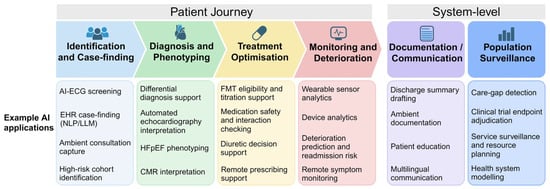
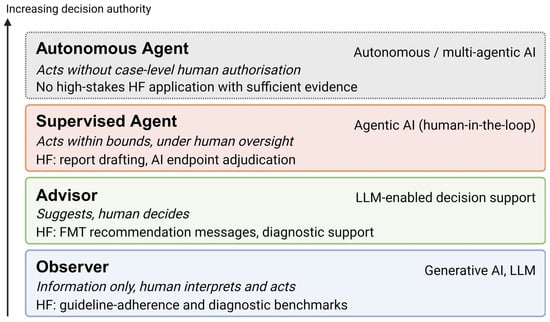
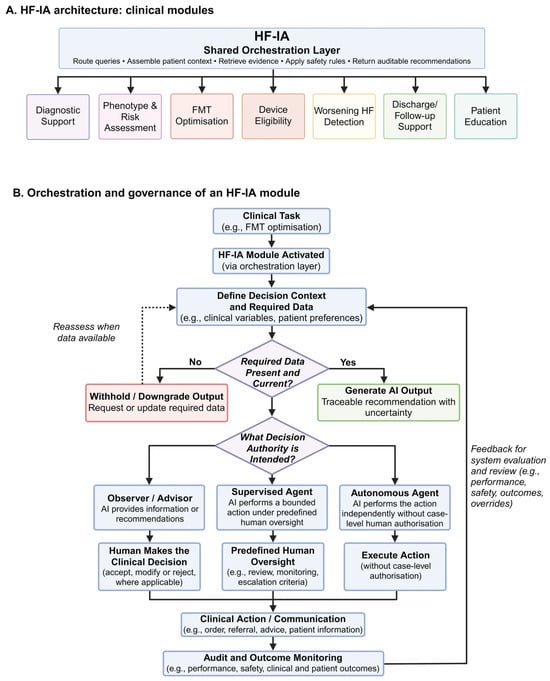
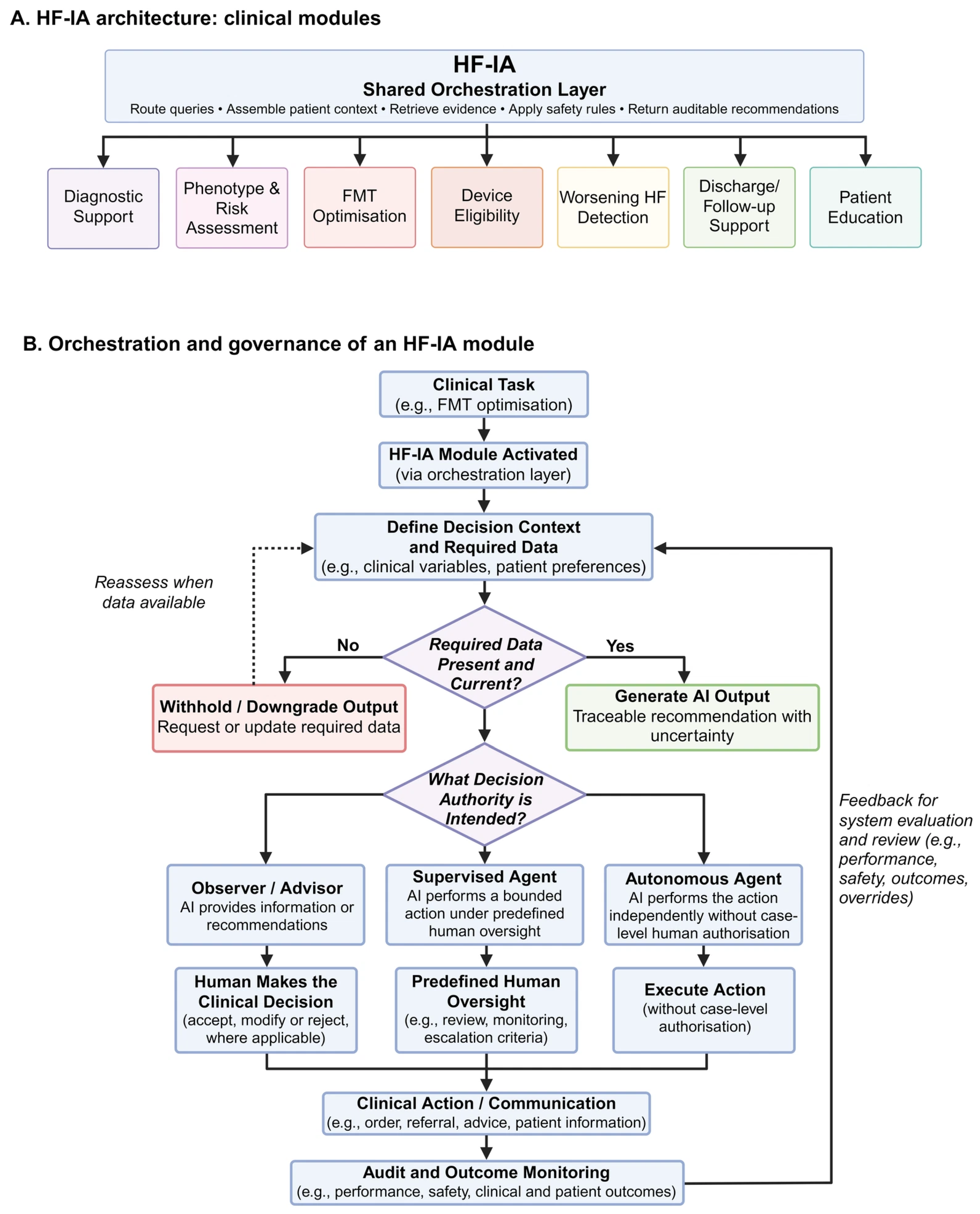
Disclaimer/Publisher’s Note: The statements, opinions and data contained in all publications are solely those of the individual author(s) and contributor(s) and not of MDPI and/or the editor(s). MDPI and/or the editor(s) disclaim responsibility for any injury to people or property resulting from any ideas, methods, instructions or products referred to in the content. |
© 2026 by the authors. Licensee MDPI, Basel, Switzerland. This article is an open access article distributed under the terms and conditions of the Creative Commons Attribution (CC BY) license.