


Abstract
Background/Objectives: Unequal organizational resource levels may present obstacles to accessing AI-assisted personalized medicine. The goal of this state-of-the-art literature review is to examine how current readiness and maturity assessments address academic, community, and safety net healthcare settings, and to identify gaps, enabling us to provide a basis for further development of new frameworks. Methods: A search of four major databases (PubMed; Scopus; Web of Science; CINAHL) was performed. In addition, a supplementary targeted search approach was employed to locate relevant assessment materials and previous foundational work. Our synthesis included an examination of the development, measurement, settings, and accessibility of assessments. Results: There were 97 reports in the final inventory of eligible reports. Our findings supported local planning more clearly than comparisons of scores across academic, community and safety net healthcare systems or predictions of personalized-care outcomes. We also identified eight areas for research priority: clinical pathway relevance, representation, institutional context, shared capabilities, organizational measurement, scoring and safety, comparative and outcome validation, and practical access. Conclusions: Further comparative studies are needed to evaluate how well the current assessments assist in decision-making regarding AI-assisted personalized medicine in different healthcare settings. This review serves as both a gap register and research agenda to initiate the process toward developing future maturity frameworks.
1. Introduction
Artificial intelligence (AI) has entered personalized care in recent years. Examples include estimating breast cancer risk from mammograms [1] and identifying patients with localized prostate cancer who may benefit from adding androgen deprivation therapy to radiotherapy [2]. Effectiveness in preventing and treating health problems is central to clinical deployment; however, the decision to implement AI is not solely based on outcomes. It needs to include organizational capabilities such as the availability of appropriate data, local evaluation, integrating AI into clinical workflow, and continuous monitoring of AI use [3]. Moreover, organizations must possess the infrastructure and resources to provide testing, interpretation, treatment, and post-treatment care based on the results of an AI-based model [3,4,5].
Organizational change readiness refers to an organization’s willingness to adopt a proposed change as well as the organization’s ability to implement that change [6,7]. Organizational maturity models depict the development of capabilities or practices [8]. Readiness, maturity, adoption, and improved patient care are distinct constructs [9]. This distinction is particularly relevant for personalized medicine, which often relies upon sophisticated technologies like AI, but some organizations may lack the requisite personnel, diagnostic capacity, and treatment pathways to utilize the resultant recommendations [4,5,10].
Each healthcare environment possesses its own set of resources and access to expertise. A US hospital study associated AI adoption with hospital characteristics and resources [11]. Similarly, a Canadian scan found that publicly reported clinical AI initiatives were concentrated in acute care and imaging [12]. Interviews conducted with California-based safety net organizations highlighted unmet needs and potential support from other organizations [13]. These studies described the conditions of implementation. Therefore, valid comparisons between hospitals and predictions of access to personalized care must include separate evaluation of readiness scores.
Therefore, this review seeks to answer three questions: (1) What dimensions, assessment units, and scoring methods exist in current AI maturity assessments, and how directly do they address personalized medicine? (2) What evidence supports the development of existing maturity assessment frameworks, their practical use and the measurements they employ, at the respondent, organizational or service level? (3) What gaps need to be addressed before these assessments can guide AI-assisted personalized medicine across academic, community and safety net settings?
The products of this review are a summary of selected developments, a synthesis of assessment practices, a setting-specific evidence matrix (Supplementary S2) and a gap register with a proposed research agenda.
This review examined organizational resources, the coverage and applicability of assessment evidence, the documentation of institutional roles and a comparison of assessment results across settings. Institutions that serve as academic centers, community providers and safety net organizations can share many roles [11,13,14]. Prior evidence specific to AI-assisted personalized medicine is delineated from broader AI assessments and non-AI models of delivering personalized medicine.
2. Materials and Methods
2.1. Design and Review Questions
This state-of-the-art review combined structured searching and interpretive synthesis to explore organizational AI assessment methods and identify gaps in research [15]. Data extraction covered the following characteristics (Supplement S1, Table S4):
- Assessment purpose.
- The dimensions being evaluated.
- How scores are generated.
- The process used to develop each assessment tool.
- How the assessment tool was evaluated.
- The healthcare setting it was used in and designed for.
- The practical accessibility.
Each assessment method was evaluated with reference to the purpose for which it was developed. Direct evidence on AI-assisted personalized medicine was differentiated from general assessments of AI and selected non-AI care delivery comparators. The synthesis consisted of a summary of selected developments, an assessment comparison, a setting-specific evidence matrix and a register of research gaps.
As a state-of-the-art review, this study is not a systematic review and was not prospectively registered. Publications were selected using structured searches and eligibility criteria. The assessments were compared by purpose, content and supporting evidence.
2.2. Sources and Searches
Scopus was initially searched on 2 August 2026. PubMed, Web of Science Core Collection and CINAHL were searched on 21 September 2026, when Scopus was searched again using the same search strings to align the search dates across databases (Supplement S1, Table S1). Two previously identified reports were included on 16 October after their full texts became available and eligibility was confirmed.
Searches combined AI, readiness or maturity, and healthcare terms and covered publications from 2021 onwards to capture only recent organizational AI assessments. Earlier sources provided background. Broad organizational terms were chosen to identify assessments relevant to personalized medicine and different healthcare settings.
No filters were used in relation to language, type of publication or open access. PubMed used an exact end-date filter, CINAHL used a month limit, and both Scopus and Web of Science used publication-year filters. The records returned reflect availability under those filters at the time of the search.
Supplementary database searches extended the terminology beyond readiness and maturity to preparedness, organizational capability and capacity. Targeted searches of publisher, repository, institutional and professional websites, with reference checking, located additional assessment materials and earlier foundational work. These sources supported interpretation and contextual comparison and were documented separately from the database-derived report count.
The register also records 99 web searches on 21 September 2026. Sources included HIMSS, DiMe, Fraunhofer SmartHospital.NRW, ACR, CHAI, NHS and government websites. The exact searches and institutional source routes are provided in Appendix A, Appendix B and Appendix C. Supplement S1 sets out the selection criteria and methodological details.
2.3. Eligibility and Selection
Eligible reports assessed AI-specific organizational readiness, maturity, capability or implementation suitability in healthcare providers, departments, services, delivery networks or public health delivery organizations. An organizational AI component within a larger questionnaire or project assessment was eligible so long as it could be distinguished from the remainder of the assessment. General digital assessments were eligible where either a distinct AI component existed or an AI adaptation was documented (Supplement S1, Table S2).
Eligible methods included questionnaires, interview-based assessments with specified organizational dimensions, anchored ratings, decision gates and instructed checklists. Proposed frameworks were eligible so long as their domains or prompts were explicitly intended to assess organizational AI preparedness. Outside the main inventory were general implementation advice, national policy readiness and product-only evaluations. Non-AI personalized-medicine models were retained as contextual comparisons. Related reports were retained when they supplied distinct eligible development, evaluation or application information. Protocols without completed eligible assessment findings were excluded. Completed assessments of projects awaiting deployment were eligible when they met the organizational AI criteria.
During the original review, screening, eligibility assessment, extraction and appraisal were conducted by one of the authors and subsequently reviewed by another. Disagreements were resolved through consultation with the remaining co-authors, with no independent duplicate review. We removed duplicate records using Zotero, version 10.0.3 (Digital Scholar, Falls Church, VA, USA), and maintained screening and extraction records in Microsoft Excel for Microsoft 365 (Microsoft Corporation, Redmond, WA, USA); version 2609 (build 20430.20182) was used for the final revision.
2.4. Extraction and Appraisal
Source provenance, the materials studied, assessment objectives, constructs, assessment units, organizational content, respondents, scoring methods, development, evaluation, setting and access were recorded (Supplement S1, Table S4). Separate records were maintained for respondents, organizations, reports and instruments. Reports were linked when a common framework or sample could be established. Academic affiliation, community provision, safety net function, rurality, resource constraints and shared capabilities were documented separately.
Documentation of an academic or university-affiliated provider role was required to establish academic status. Author affiliation alone did not suffice. Community provision required an explicit description of community-based or primary-care delivery. A safety net function required documentation of a role in serving underserved or inadequately insured populations. A provider could have more than one role; roles were not inferred solely from ownership, resources or location.
Personalized medicine was defined as using patient-specific molecular, imaging or clinical information to inform risk assessment or treatment [1,2,4]. An explicit application of AI to support personalized care was necessary to establish direct relevance. General AI assessments provided indirect evidence of potentially transferable capabilities.
Reports of the non-AI comparators assisted in establishing clinical pathway needs, but were not included within the 97 reports representing the organizational AI inventory. Their results were not used to validate AI readiness scores.
Content review, usability, respondent-level measurement, organizational reliability and prediction of later outcomes were evaluated separately. Reflective scales, composite indices and checklists were reviewed on the basis of their intended purposes [16,17,18]. Evaluation of staff-reported organizational measures required consideration of within-organization agreement and aggregation [7]. Adoption, sustained use and benefits to patients were viewed as separate outcomes [9].
The appraisal criteria and the conclusions supported by each type of evidence are outlined in Table S6 in Supplementary Material S1. Internal consistency, pilot testing and content review were treated as distinct components of validation. We also differentiated between reported findings, explicitly deferred evaluation, unreported information and information that could not be verified because study materials were unavailable. Validation status could not be verified where documentation was unavailable. No formal risk-of-bias score or common numerical quality score was applied.
2.5. Synthesis
An interpretive synthesis addressed the review questions through developments in the field and its tools, assessment approaches, applicability to particular settings and research priorities. Development samples, local applications, intended uses and independent evaluations were distinguished. PRISMA-Equity guided questions regarding representation and applicability [19]. Eight thematic research priorities resulted from recurring limitations in the examined evidence (Supplement S1, Table S7). Priorities were developed without numerical ranking or formal consensus.
Records linked to sources were grouped by evidence stream, assessment type and unit, and compared across content, scoring, development, evaluation, setting and practical access. The selected-tool tables provide an illustration of variation in these characteristics. These tables represent neither the entire 97-report inventory nor a quality ranking. The gap register illustrates how each thematic priority relates to the associated evidence gap and proposed evaluation work.
Equity-related appraisal distinguished settings represented in development or evaluation from those listed only as intended users. Rurality, resource constraints and shared capabilities were considered separately from academic status. Unreported information concerning settings remained unspecified.
3. Results
3.1. Search and Selection
Following removal of within-database duplicates, 15,365 records were retained: 3438 from PubMed, 6659 from Scopus, 4654 from Web of Science and 614 from CINAHL. Cross-database deduplication removed 7393 records, leaving 7972 for initial screening. Of these, 7607 were excluded and 365 underwent detailed assessment. Of the database reports assessed, 95 reports were determined to be eligible. The remaining 270 consisted of 263 reports which fell outside of the scope of the review, 5 companion reports providing no distinct assessment information, and 2 protocol reports. A publication-date check performed on 17 October 2026 resulted in excluding one report originally published online in 2020. Details related to this exclusion can be found in Supplementary Material S2 (record 12).
Within both the database searches and reference checks, there were a total of 367 reports assessed in detail. A total of 97 of those reports satisfied the eligibility criteria (Supplement S1, Table S3). Figure 1 summarizes the selection routes and their combined accounting.
Figure 1.
Combined selection accounting for database searches and reference following. Counts show records considered at different stages of the review and revision. Institutional and contextual materials are documented separately outside the 97-report inventory.
Eligible reports addressed hospital maturity models, organizational components of staff surveys, qualitative capability assessments, governance reviews and service-specific checklists. Relationships between reports concerning the same framework or implementation project were accounted for throughout the synthesis. Table 1 summarizes selected developments.
Table 1.
Selected developments in organizational readiness and personalized-medicine assessment.
3.2. Evidence Directly Relevant to Personalized Medicine
The Saudi molecular precision-medicine study reported 350 respondents, including 104 from hospitals or personalized-medicine units [31]. Its five-item construct of AI readiness was part of a larger questionnaire. The report described expert review, pilot testing and respondent-level measurement analyses. These samples represent individuals rather than independently assessed organizations. Prospective prediction of treatment selection, access and patient outcomes was not established.
RHAMI proposed 50 criteria normalized to a 100-point index and discussed precision-nutrition applications [32]. Complete criterion-level rules and weights were not available in the inspected report, neither was an organizational validation dataset. The proposed criteria can guide the development of precision-nutrition assessment content. RRI-MI and TRIAGE-AI added pathway-level examples in prostate imaging and urological oncology [34,35]. However, they still represent readiness criteria that have been proposed but have not established prediction of outcomes related to personalized care.
Some studies of non-AI personalized medicine provided care delivery comparators. After developing an integration framework, Agarwal and colleagues examined six institutions in three health systems [4,33] and found an association between integration scores and the use of targeted treatments in patients with metastatic non-small-cell lung cancer. The association between integration scores and trial enrollment in patients with triple-negative breast cancer was not statistically significant [33]. These results pertain to service integration.
Some non-AI personalized-medicine studies also reported on molecular tumor board coordination and the introduction of CAR T-cell therapy [5,10]. These contextual studies may help define clinical pathway questions for an AI assessment. Whether general AI capability and downstream testing, interpretation, treatment and follow-up are adequately captured together remains a question requiring direct evaluation.
3.3. Development of Organizational AI Assessments
Earlier studies on organizational readiness distinguished shared commitment to implement change from shared capability to do so [6,7]. There have been many healthcare maturity modeling efforts prior to current AI assessments. A 2020 review identified 68 models in 101 sources [20]. These foundations contributed to different approaches to assessing organizational conditions.
Pumplun et al. developed a clinic-based model consisting of three domains, twelve attributes and five levels of maturity after completing twenty-two interviews in two rounds involving fifteen and seven interviews [21]. Interviews were completed with participants representing eleven clinics and five suppliers in Germany and Switzerland. Responses were matched with descriptions of each level of maturity. In subsequent research, Weinert et al. described factors related to AI adoption and readiness in forty hospitals located in Germany, including fifteen classified as academic and twenty-five as nonacademic [22].
AI-RIH proposed six categories for research and specialty hospitals but did not construct an actual index, explicitly reserving this task for future work [23]. Separately documented SmartHospital.NRW materials described local development and a four-hospital pilot project, with 85 readiness items listed in the 2024 roadmap [24,30]. These institutional sources provide context outside the database report count.
Various models focus on governance and service orientation, including AIR-5D, HAIRA, PPTO and AINCRA [14,25,26,27,28]. AINCRA lists 69 attributes across five dimensions and five levels of maturity, with explicit roles for clinical partners. Krey et al. developed a web-based prototype with 6 dimensions, 36 success factors and 107 items. They noted that empirical hospital evaluation remained future work [29]. The QR code landing page did not include a functional link to an operational assessment tool at the time of examination.
Specialty assessments have been proposed for infection prevention, pediatrics, digital pathology and clinical trial operations [36,37,38,39]. Gültekin’s emergency-medicine correspondence argues that awareness alone is insufficient for readiness, which also requires governance structures, local validation, infrastructure and workflow integration [40]. Arnaout presented five organizational stages, from exploratory activity to an AI-driven organization, with staged requirements for governance, data, staff and investment [41]. The stages represent a conceptual framework.
Service-oriented frameworks address specific local implementation questions. The internal-medicine framework includes clinical responsibility, data, workflow, safety, evaluation and evidence verification [42]. TRIAGE-AI addresses clinical need, evidence, performance across sites, workflow compatibility, governance and decision impact [35]. A-GPS links assessment of local roles, workflow, training and monitoring along the implementation lifecycle [43]. These frameworks assess a defined service or deployment context and should not be viewed as interchangeable hospital-wide maturity measures.
3.4. Constructs and Scoring
Leadership, staff, data, technology, governance and implementation recur across assessments [21,25,26,27,28]. Each assessment defines these domains differently. For example, some tools focus on an organization’s resources while other tools focus on how staff perceive these. Some assessments combine the requirements of an AI-based system with those of its clinical partner [27,36,44].
Each model uses a different method for establishing scores. AIR-5D combines ratings with expert-derived weights. HAIRA establishes the highest level for which every domain meets its corresponding minimum requirements. Pumplun describes maturity for each attribute [21,25,28]. Krey uses the mean item score per dimension, with each of the six dimensions receiving equal weight [29]. Equal dimension weights do not imply equal global item weights when dimensions contain different numbers of items. Separate DiMe documentation describes binary items and domain-based interpretation [45]. Because these scoring rules differ, they cannot be pooled into a single readiness score.
Organizational measures are also found in broader staff surveys. Financial readiness was studied among 460 professionals from 16 hospitals selected as sampling clusters [46]. Institutional cyber-resilience was assessed among 94 Moroccan respondents [47], and organizational and change management constructs among 300 telemedicine stakeholders [48]. Seven organizational readiness items related to leadership, communication, policies, privacy, collaboration and openness to AI-related change were reported in a Jordanian study with 347 professionals [49]. Four AI items related to infrastructure, skilled resources, model development and shared use of outputs were reported in an Omani study with 116 respondents [50]. Respondents in these studies reported perceptions of organizational conditions.
A private-hospital study in Morocco evaluated five AI maturity dimensions on a 1–5 scale, using nine interviews and documentary evidence from three hospital groups [51]. A smart-hospital study in Iran used seven readiness dimensions to assess nine technologies in one hospital. This enabled its AI component to be distinguished from overall digital readiness [52]. AIM2 established 6 categories and 29 subfactors for healthcare AI marketplace readiness and employed expert methods to prioritize them [53].
Shah et al. [54] identified financial constraints, shortages of pediatric data and difficulties incorporating AI into existing workflows as obstacles to institutional deployment. They also identified vendor support and internal clinical champions as implementation enablers [54]. In their study, Bold et al. surveyed 305 radiologists regarding institutional AI acquisition and practice-related conditions [55]. According to Van Heerden et al., AI use in African pediatric oncology was limited, with substantial training, funding and infrastructure needs [56]. Individual responses provided information about institutional factors related to AI implementation. Organizational aggregation and comparability of scores remain unverified for these surveys (Supplement S1, Table S5).
Table 2 lists selected assessments, describing their scope, procedures and supporting evidence. Resources from DiMe and HIMSS provide contextual comparisons outside the 97-report inventory.
Table 2.
Selected organizational assessments: types, units and the evidence supporting their use.
3.5. Evidence from Evaluation
A number of the evaluation studies were concerned with different questions. For example, AINCRA used multiple development approaches, including focus-group work involving 18 experts. The authors noted that three of the 69 attributes received no comments and that qualitative maturity anchors provided some latitude for interpretation [27]. The development and weighting of AIR-5D involved ten experts; in addition, senior employee ratings were collected from six case organizations [28]. Repeated responses from three experts and consistency of pairwise judgments are insufficient to establish broad organizational measurement validity. The Canadian PPTO study was based on 13 interviews and three workshops with five senior leaders to gather data on local governance processes [14].
For the Model for ASsessing the value of Artificial Intelligence (MAS-AI), a one-round content-importance survey involved 95 respondents at four workshops in Denmark, Canada and Italy [57]. It supports stakeholder-perceived face and content relevance, subject to convenience recruitment, differing workshop formats and imputed domain ratings. A separate study applied MAS-AI to the BLOC-OP surgical scheduling project protocol at Azienda Ospedaliero-Universitaria Parma before clinical deployment [58]. This provides an example of local assessment beyond imaging.
Other approaches include a local readiness audit in From Code to Clinic and an institutional audit in the Algorithmic Compass framework [64,65]. A methodological review of machine learning implementation connects local data and workflow checks with multidisciplinary capability, governance, silent testing and monitoring [66].
At the respondent level, analyses addressed the four-item organizational readiness component completed by 394 nurses [67], the Egyptian survey with 387 valid responses [68], and the Pakistani AI capability adaptation with 150 doctors [44]. Content review, internal consistency, factor analysis and related statistical methods evaluated particular measurement properties. Interpreting results at the organizational level requires evidence of within-organization agreement and a justified basis for aggregation. Further evaluation is needed to establish comparable score meanings across institutional types and prediction of later implementation outcomes [7]. Respondent-level analyses also occurred in the studies from Jordan and Oman [49,50], although reporting inconsistencies limited interpretation of their numerical estimates. The earlier healthcare professional survey of 304 respondents reported nonsignificant findings for human capital [69].
The Taiwan smart-healthcare standard has three AI rating levels. Two raters evaluated 40 project applications, reporting AI agreement of κ = 0.34 [62]. The evaluations concerned projects, not 40 independent hospitals. The reported confidence interval and p-value were internally inconsistent, so these findings were not used to establish organizational reliability. The lowest tier in the US hospital adoption study combined zero scores with complete domain nonresponse and indicated no reported adoption [11]. Scoring unreported capabilities in published platform descriptions likewise does not confirm that those capabilities are absent from an organization [70].
Interpretation depends on scoring choices. RRI-MI uses 11 domains rated from 0 to 2, a total score from 0 to 22, and a veto for zero scores on critical safeguards. A hypothetical prostate imaging service illustrates the thresholds [34]. PARA uses five domains rated across four levels; each domain must reach at least level 3 for production readiness [63]. The hospital network example used simulated cases. Neither example validates deployment thresholds or demonstrates patient benefit. A secondary ONC-based report averaged three marginal governance percentages into an index [71]. This average cannot determine the proportion of hospitals meeting all three requirements.
Evidence supports structured local assessment more clearly than comparative rankings or prediction of clinical outcomes. Content review, feasibility, respondent-level reliability and a worked example address distinct questions. Prospective, pathway-specific evaluation is required before an assessment is used to predict equitable delivery of personalized care.
3.6. Applicability Across Healthcare Settings
The evidence covered different settings, but its form and strength varied. Some reports described development samples or local applications while others named intended settings without testing an assessment there. Table 3 distinguishes between these forms of evidence. It indicates where applicability is documented and where transfer remains uncertain.
Of the 97 eligible reports, 23 addressed academic settings. There were 18 reports addressing community-care settings. One report addressed a safety net setting. These settings were not mutually exclusive. Thirty-three reports addressed at least one of the three settings. The remaining sixty-four reports did not provide adequate documentation to determine whether one or more of the three settings was addressed.
Academic-setting evidence was found in fourteen empirical assessments, three local applications and six descriptions of intended use. Community-care evidence comprised five empirical assessments, three local applications and ten descriptions of intended use, with coverage extending to community pharmacy. The single safety net report described an empirical qualitative assessment.
3.6.1. Academic Affiliation and Overlapping Institutional Roles
The personalized-medicine integration framework was used by 153 institutions, including academic, community teaching and community non-teaching providers [4]. Recruitment covered institutions already delivering personalized medicine, and most were urban; thus, limited evidence is available on organizations preparing to introduce these services for the first time. The environmental scan obtained 36 responses from US Clinical and Translational Science Awards institutions, with 21 also representing an affiliated hospital [72]. This research network sample limits applicability to providers outside that network.
Academic affiliation was not consistently defined or reported. Weinert’s academic and nonacademic hospitals and the Canadian university-affiliated community system were studied using different approaches [14,22]. Comparison between those settings requires a common assessment with evidence of comparable score meaning. AI-RIH explicitly questioned the fit of research and teaching requirements for smaller non-teaching hospitals [23]. This concern identifies an applicability question for further study.
3.6.2. Community Provision and Organizational Resources
Resource differences extend beyond academic status. The US hospital analysis of resource proxies and adoption tiers did not establish a causal relationship or a validated maturity hierarchy [11]. In Morocco, an assessment was conducted in three private hospital groups selected for growth and technological development [51]. Their scores should not be generalized to other provider types, including public, rural and safety net providers.
3.6.3. Rural and Resource-Constrained Care
Respondents to the pediatric oncology survey (N = 138) came from 33 African countries. Six interviews investigated expectations in a single rural network in the wound-care study [56,73]. In total, N = 441 respondents participated in the World Health Organization (WHO) infection prevention survey; however, some data analyses combined AI with other digital technologies [74]. These data should not be interpreted as numbers or rates of AI-ready hospitals. Related Vestre Viken reports covered overlapping periods of the same implementation project; their interview counts were not aggregated [75].
PAIR, the Farmer 5S framework and the Somalia radiology checklist each identify institutional resource constraints [37,60,76]. RADIANT contains questions and indicators regarding infrastructure, data, integration, personnel, accountability and sustainability for radiology in the Global South [77]. A public mental-health proposal identifies stages of readiness, foundational capability, integration and equitable expansion [78]. Another mental-health review identifies eight readiness requirements with practical indicators and responsible actors [79]. These frameworks broaden intended use, although their thresholds and transfer from one setting to another still need evaluation.
3.6.4. Safety Net Function and Shared Capabilities
Shared support also changes the unit of assessment. The California safety net study used organizational questions informed by PPTO with 34 participants from 26 organizations: thirteen technical assistance providers, nine safety net organizations and four community-based organizations [13]. The study assessed organizational capabilities through a qualitative method. A separate data-sharing study provides context about interorganizational collaboration [80]. The inspected reports did not establish whether reliable external support warrants the same score as internal provision. An Ethiopian case extends the unit of assessment to a public health data organization, using data governance and FAIR criteria explicitly linked to AI deployment [81].
Table 3.
Settings represented in selected assessments and limits to their applicability.
4. Discussion
4.1. Evidence Coverage and the Limits of Current Assessment
This review identifies differences in organizational resources and in the coverage of assessment evidence. Existing approaches assess general capability, local governance or readiness for a specific deployment. Direct relevance to personalized medicine is more limited, and the connection between readiness ratings and clinical delivery requires further evaluation [11,13,14,22,31,32,34].
These findings describe the representation of academic, community and safety net settings in the literature. Comparisons of organizational readiness across these settings require comparable measures and scoring procedures.
Organizations should choose assessments primarily based on their intended clinical use. Assessments for risk prediction services, molecular tumor boards and treatment selection pathways have different requirements for data, expertise and downstream care [1,2,5]. An organization may be prepared to offer one defined service without meeting each of the requirements of a hospital-wide maturity model. Each assessment should indicate which decision and which component of the pathway it is intended to support.
Capability, adoption and patient benefit should be considered distinct outcomes [9]. While a service may successfully introduce AI, it may fail to improve access, treatment choice or patient outcomes. Studies should measure both implementation and the clinical consequences of acting on the assessment.
4.2. Matching Assessments to Healthcare Settings
When making comparisons, institutional roles, resources and service arrangements should be documented separately. Academic affiliation, community provision and safety net functions can overlap. Having research infrastructure may be essential for developing a model, but less relevant if a service is deploying a model developed by another organization [3,13,14,23]. Such distinctions should guide both the items selected for an assessment and how those items are interpreted.
Assessments for personalized medicine should ask whether testing, interpretation, treatment, follow-up and AI oversight are available locally, through a documented partnership, or not at all [3,4,5,10]. Shared provision also requires clearly defined responsibilities and reliable continuity. Whether internal and shared capabilities warrant equivalent scores remains an empirical question [13,80].
Assessments sensitive to resources should retain the safeguards needed for the intended clinical use. Local evaluation, accountability, monitoring and corrective action remain necessary. The ARCH-AI attestation form provides a practical example, asking radiology sites about governance, assessment of model performance on local data, user training and ongoing monitoring [82]. Domain profiles can help identify areas of weakness that could go unnoticed in a total score. As illustrated by HAIRA, RRI-MI and PARA, a weak essential domain can limit overall readiness [25,34,63]. Their thresholds still require testing for consistency and the consequences of misclassification.
Table 4 presents practical guidance for local assessment decisions, derived from the synthesis.
Table 4.
Practical steps for using an organizational AI assessment in a personalized-care pathway.
4.3. Capacity of Current Assessments
Some assessments have served as a structured basis for local planning. PPTO informed governance arrangements, while AINCRA evaluated content and usability with experts and potential users [14,27]. Such uses are valuable within their stated purposes.
Future studies should test whether assessment-guided actions affect implementation decisions, access or care. Researchers should document the support introduced after assessment, which could include training, shared services or investment. Such support may affect both later readiness and outcomes [83].
The evaluation process should align with the construct being assessed. For shared-perception scales, clear items and evidence supporting aggregation are required. Composite indices require justified weights, thresholds and rules for handling missing data. Checklists require relevant criteria and consistent application. Comparison across settings also requires evidence that scores from different settings have comparable meanings [7,17,18,84]. No single psychometric test can meet all these purposes.
4.4. Practical Access to Assessments
To use an assessment in practice, assessors must have access to its version, complete items, response options, scoring instructions and reuse conditions. Reported staff effort should include collecting evidence, consulting with others and completing the questionnaire [27,29]. This information allows organizations to judge whether conducting the assessment is feasible and to reproduce it.
Access to an article does not necessarily provide access to a usable assessment. Language, licensing, costs and any need for software or consultancy should also be documented before local use.
4.5. Gaps to Address Before Future Framework Development
The synthesis identifies eight research priorities: clinical pathway relevance, representation, institutional context, shared capabilities, organizational measurement, scoring and safety, comparative and outcome validation, and practical access (Table 5).
Table 5.
Evidence gaps and research needed to guide a future maturity assessment framework.
Early studies should define the assessment decision for a personalized-care pathway and evaluate whether current content covers it. Subsequent studies should examine item relevance, score interpretation and practical use across institutional roles and resource levels. Prospective studies should then test implementation, access and patient outcomes [4,7,9,17,18,84].
4.6. Limitations
This state-of-the-art review used structured searching and interpretative synthesis to document existing assessment practices and areas for further research. Its conclusions depend on how the authors categorized heterogeneous evidence. The search focused on organizational AI readiness. Selected non-AI personalized-medicine models provided comparisons of care delivery, whereas most eligible AI assessments addressed broader applications. Transferring these assessments to a defined personalized-care pathway would require empirical testing.
Assessment frameworks, units, settings and evaluation methods varied across studies. Comparisons were limited by small or purposively selected samples, self-report, incomplete descriptions of settings and institutions, overlapping institutional roles and internal reporting inconsistencies. Readiness estimates were not pooled, and no common numerical quality score or formal risk-of-bias score was derived.
Duplicate database entries were removed before screening. When multiple reports were related, those providing distinct eligible development, evaluation or application information were retained. Five companion reports lacking distinct assessment information were excluded. Families of related reports were identified when possible. The inventory cannot establish a definitive count of unique assessment instruments.
A single reviewer performed screening and data extraction; a second author subsequently checked the work. Independent duplicate assessment was not undertaken.
No language restrictions were placed on the search process. Reliance on English-indexed databases and targeted searches may have limited coverage of non-English evidence, gray literature and locally published assessment tools. Non-English documents did not undergo independent professional translation. Web search records preserve the queries, but not complete result counts or ranking sequences; this limits replication of the targeted web searches. Access restrictions affecting certain full texts and appendices limited verification of the assessment tools and supporting evidence.
The results reflect the tools and evidence available at the recorded search and access dates. Organizational AI assessment was evolving rapidly during 2026. Additional tools, revisions and validation studies published after those dates may alter the conclusions.
5. Conclusions
The 97 eligible reports represented the final inventory related to organizational AI assessment. These included questionnaires, qualitative assessments, maturity models and governance or deployment checklists.
Evidence remains inadequate to endorse common readiness rankings across academic, community and safety net settings or to infer personalized-care benefit from a high score. An organization’s capability should be examined alongside the intended clinical pathway, available shared support and downstream care.
The eight research priorities outline an agenda for developing and evaluating a maturity assessment framework for AI-assisted personalized medicine. The next stage is pathway-specific and cross-setting evaluation, with explicit safeguards, transparent scoring and prospective assessment of access and patient outcomes.
Supplementary Materials
The following supporting information is available at https://www.mdpi.com/article/10.3390/jpm16110545/s1: Supplementary Material S1: Review Methods, Search Strategies, and Evidence Assessment. Table S1: Database searches and records; Table S2: Eligibility criteria; Table S3: Final selection by identification route; Table S4: Structured extraction fields; Table S5: Materials examined and appraisal limits for three survey reports; Table S6: Operational appraisal matrix; Table S7: Derivation of the eight research priorities. Supplementary Material S2: Revised evidence audit, containing report-level screening, extraction, related-report links, setting-documentation codes and revision updates. Details of the 97 included reports are presented in Supplementary Material S2 [11,13,14,21,22,23,25,26,27,28,29,31,32,34,35,36,37,38,39,40,41,42,43,44,46,47,48,49,50,51,52,53,54,55,56,57,58,60,61,62,63,64,65,66,67,68,69,70,71,72,73,74,75,76,77,78,79,81,85,86,87,88,89,90,91,92,93,94,95,96,97,98,99,100,101,102,103,104,105,106,107,108,109,110,111,112,113,114,115,116,117,118,119,120,121,122,123]. The methodological sources retained in Supplementary Material S1 are listed in references [7,9,15,16,17,18,19,83,124,125]. Institutional sources documented in Appendix C are listed in references [126,127,128,129,130,131,132]. The questionnaire linked in Supplementary Material S2 (record 138) is provided in reference [133]. The publication-date exclusion discussed in Supplementary Materials S1 and S2 is documented in reference [134]. The companion-report comparisons in Supplementary Material S2 are documented in references [21,120,135,136,137,138].
Author Contributions
K.C. conducted screening, extraction, appraisal and synthesis. M.A. subsequently reviewed each stage. Disagreements were resolved with the other coauthors. M.G. contributed to the review methodology and the assessment of research gaps. V.Z. and M.A. reviewed the manuscript. All authors have read and agreed to the published version of the manuscript.
Funding
This research received no external funding.
Institutional Review Board Statement
Not applicable.
Informed Consent Statement
Not applicable.
Data Availability Statement
The screening and extraction records supporting this review are provided in Supplementary Material S2. The search strategies and methodological details are provided in Supplementary Material S1 and Appendix A, Appendix B and Appendix C.
Conflicts of Interest
The authors declare no conflict of interest.
Abbreviations
AI, artificial intelligence; AI-RIH, AI Readiness Index for Hospitals; AINCRA, AI Nursing Care Readiness Assessment; AMAM, Analytics Maturity Assessment Model; CINAHL, Cumulative Index to Nursing and Allied Health Literature; COSMIN, Consensus-based Standards for the Selection of Health Measurement Instruments; PPTO, people, process, technology and operations; RHAMI, Responsible Health AI Readiness and Maturity Index.
Appendix A. Exact Database Search Strategies
Below are the database search strategies employed during this review. Scopus searches using identical strings took place on 2 August and 21 September 2026. The retained execution log documents the September search and record counts. Each database combined baseline and supplementary terminology strategies.
Appendix A.1. PubMed on 21 September 2026
NCBI E-utilities. The search parameters specified a publication-date range from 1 January 2021 to 21 September 2026. The baseline search generated a total of 2750 records, while the supplementary search generated 826 records.
Appendix A.2. PubMed Baseline Search
(("Artificial Intelligence"[Mesh] OR "Machine Learning"[Mesh] OR "artificial intelligence"[tiab] OR "machine learning"[tiab] OR "deep learning"[tiab] OR "generative AI"[tiab] OR "large language model*"[tiab] OR AI[tiab]) AND (readiness[tiab] OR ready[tiab] OR maturit*[tiab]) AND ("Delivery of Health Care"[Mesh] OR "Health Facilities"[Mesh] OR "Hospitals"[Mesh] OR healthcare[tiab] OR "health care"[tiab] OR health[tiab] OR hospital*[tiab] OR clinic*[tiab] OR "primary care"[tiab] OR "health service*"[tiab])) AND ("2021/01/01"[Date - Publication]: "2026/09/21"[Date - Publication])
Appendix A.3. PubMed Supplementary Terminology Search
(("Artificial Intelligence"[Mesh] OR "Machine Learning"[Mesh] OR "artificial intelligence"[tiab] OR "machine learning"[tiab] OR "deep learning"[tiab] OR "generative AI"[tiab] OR "large language model*"[tiab] OR AI[tiab]) AND (preparedness[tiab] OR ((capabilit*[tiab] OR capacit*[tiab]) AND (organization*[tiab] OR organisation*[tiab] OR institution*[tiab] OR "health system*"[tiab] OR "health service*"[tiab]) AND (instrument*[tiab] OR checklist*[tiab] OR scorecard*[tiab] OR benchmark*[tiab] OR "assessment tool*"[tiab] OR "assessment framework*"[tiab] OR "assessment model*"[tiab] OR "capability model*"[tiab] OR "capacity model*"[tiab] OR "evaluation framework*"[tiab] OR "measurement framework*"[tiab] OR "measurement model*"[tiab] OR "assessment scale*"[tiab] OR "measurement scale*"[tiab]))) AND ("Delivery of Health Care"[Mesh] OR "Health Facilities"[Mesh] OR "Hospitals"[Mesh] OR healthcare[tiab] OR "health care"[tiab] OR health[tiab] OR hospital*[tiab] OR clinic*[tiab] OR "primary care"[tiab] OR "health service*"[tiab])) AND ("2021/01/01"[Date - Publication]: "2026/09/21"[Date - Publication])
Appendix A.4. Scopus on 21 September 2026 (Rerun)
Each baseline search replaced YYYY with each successive year from 2021 through 2026. The displayed and exported record counts for the respective years were 260, 309, 400, 568, 1308 and 2353. The supplementary query returned one CSV file containing 1673 records. Export fields included citation and bibliographic information, abstracts, keywords and references.
Appendix A.5. Scopus Baseline Search
TITLE-ABS-KEY(("artificial intelligence" OR "machine learning" OR "deep learning" OR "generative AI" OR "large language model*" OR AI) AND (readiness OR ready OR maturit*) AND (healthcare OR "health care" OR health OR hospital* OR clinic* OR "primary care" OR "health service*")) AND PUBYEAR = YYYY
Appendix A.6. Scopus Supplementary Terminology Search
TITLE-ABS-KEY(("artificial intelligence" OR "machine learning" OR "deep learning" OR "generative AI" OR "large language model*" OR AI) AND (preparedness OR ((capabilit* OR capacit*) AND (organization* OR organisation* OR institution* OR "health system*" OR "health service*") AND (instrument* OR checklist* OR scorecard* OR benchmark* OR "assessment tool*" OR "assessment framework*" OR "assessment model*" OR "capability model*" OR "capacity model*" OR "evaluation framework*" OR "measurement framework*" OR "measurement model*" OR "assessment scale*" OR "measurement scale*"))) AND (healthcare OR "health care" OR health OR hospital* OR clinic* OR "primary care" OR "health service*")) AND PUBYEAR > 2020 AND PUBYEAR < 2027
Appendix A.7. Web of Science Core Collection on 21 September 2026
Selection of editions: “All” (no specific subscribed editions were recorded). Baseline searches were done for individual publication years. All exported files of full-record text contained fewer than or equal to 1000 records. The native identifier was used to resolve duplicates found across different years.
Appendix A.8. Web of Science Baseline Search
TS=(("artificial intelligence" OR "machine learning" OR "deep learning" OR "generative AI" OR "large language model*" OR AI) AND (readiness OR ready OR maturit*) AND (healthcare OR "health care" OR health OR hospital* OR clinic* OR "primary care" OR "health service*")) AND PY=(2021-2026)
Appendix A.9. Web of Science Supplementary Terminology Search
TS=(("artificial intelligence" OR "machine learning" OR "deep learning" OR "generative AI" OR "large language model*" OR AI) AND (preparedness OR ((capabilit* OR capacit*) AND (organization* OR organisation* OR institution* OR "health system*" OR "health service*") AND (instrument* OR checklist* OR scorecard* OR benchmark* OR "assessment tool*" OR "assessment framework*" OR "assessment model*" OR "capability model*" OR "capacity model*" OR "evaluation framework*" OR "measurement framework*" OR "measurement model*" OR "assessment scale*" OR "measurement scale*"))) AND (healthcare OR "health care" OR health OR hospital* OR clinic* OR "primary care" OR "health service*")) AND PY=(2021-2026)
Appendix A.10. CINAHL Plus with Full Text on 21 September 2026
EBSCOhost. In CINAHL, XB denotes Title or Abstract; MH denotes an exact subject heading. Date range in the search interface: January 2021 through September 2026. Although the interface indicated Proximity mode, the search URL used searchMode=boolean. The interface had been configured so that related-word, equivalent-subject and full-text searching were all turned off. The Full Text and Peer Reviewed filters were not selected. There were fourteen detailed citation CSV files containing 499 baseline records and 154 supplementary records.
Appendix A.11. CINAHL Baseline Search
(XB ("artificial intelligence" OR "machine learning" OR "deep learning" OR "generative AI" OR "large language model*" OR AI) OR MH "Artificial Intelligence" OR MH "Machine Learning") AND XB (readiness OR ready OR maturit*) AND XB (healthcare OR "health care" OR health OR hospital* OR clinic* OR "primary care" OR "health service*")
Appendix A.12. CINAHL Supplementary Terminology Search
(XB ("artificial intelligence" OR "machine learning" OR "deep learning" OR "generative AI" OR "large language model*" OR AI) OR MH "Artificial Intelligence" OR MH "Machine Learning") AND XB (preparedness OR ((capabilit* OR capacit*) AND (organization* OR organisation* OR institution* OR "health system*" OR "health service*") AND (instrument* OR checklist* OR scorecard* OR benchmark* OR "assessment tool*" OR "assessment framework*" OR "assessment model*" OR "capability model*" OR "capacity model*" OR "evaluation framework*" OR "measurement framework*" OR "measurement model*" OR "assessment scale*" OR "measurement scale*"))) AND XB (healthcare OR "health care" OR health OR hospital* OR clinic* OR "primary care" OR "health service*")
Appendix B. Complete Supplementary Query Register
The supplementary query register includes all queries recorded on 21 September 2026, including repeated queries and original site operators. Each entry identifier represents a search operation. No retrieval or screening counts were recorded for individual queries.
Appendix B.1. Institutional and Professional Source Discovery
Table A1.
Recorded queries for institutional and professional source discovery.
Appendix B.2. Instrument and Personalized Medicine Discovery
Table A2.
Recorded queries for instrument and personalized medicine discovery.
Appendix B.3. Targeted Publication and Assessment Verification
Table A3.
Recorded queries for targeted publication and assessment verification.
Appendix B.4. Additional PMID Lookups
Table A4.
Additional recorded PMID lookups.
Appendix C. Institutional Candidate Sources and Handling
The 11 institutional profiles document candidate sources and the versions examined, assessment purposes and conditions of access. These profiles fall outside the ninety-seven-report inventory. Links to the source documents reviewed are provided. Operational availability and reuse terms are reported where verified.
Appendix C.1. G01 SmartHospital NRW AI Readiness Check
Fraunhofer IAIS and the SmartHospital.NRW consortium. An October 2022 whitepaper and a November 2024 companion roadmap describe an organizational AI readiness assessment. The 2024 readiness check was distinguished from the separate Smart Hospital Check. Completeness of the current spreadsheet and its reuse terms remain unverified.
https://www.iais.fraunhofer.de/content/dam/iais/publikationen/studien-und-whitepaper/2022/smarthospital-ki-readiness-check/KI-NRW-Whitepaper_SmartHospital_Web.pdf (accessed on 21 September 2026).
https://smarthospital.nrw/wp-content/uploads/2024/11/Whitepaper_SmartHospital_Vorgehensmodell_Web.pdf (accessed on 21 September 2026).
Appendix C.2. G02 HIMSS Analytics Maturity Assessment Model
HIMSS. An undated information document explains this analytics and AI maturity model, revised in 2024, including its personalized-analytics domain. Appraisal differentiated between verifying the organizational stage and validating the measurement model. The full current items and scoring documents were not obtained.
https://www.himss.org/maturity-models/amam/ (accessed on 21 September 2026).
https://cdn.sanity.io/files/sqo8bpt9/production/b0c1567fe4ceebd6672e7dedb66a1b9f4c86ad57.pdf (accessed on 21 September 2026).
Appendix C.3. G03 DiMe Health AI Maturity Model and Readiness Assessment
Digital Medicine Society. The public organizational AI maturity model and companion readiness assessment provide items and scoring information. Appraisal of organizational scores distinguished instrument evaluation from the survey informing broader resources.
https://dimesociety.org/ai-implementation-in-healthcare-playbook/ai-evaluation-readiness/health-ai-maturity-model/ (accessed on 21 September 2026).
https://dimesociety.org/ai-implementation-in-healthcare-playbook/ai-evaluation-readiness/health-ai-readiness-assessment/ (accessed on 21 September 2026).
Appendix C.4. G04 ACR ARCH AI
American College of Radiology. ARCH-AI Site Attestation Form marked April 2025. The form is a specialty-specific checklist for organizational assurance and recognition.
https://www.acr.org/data-science-and-informatics/ai-in-your-practice/arch-ai (accessed on 21 September 2026).
Appendix C.5. G05 Smart Hospital Maturity Model
SmartHospital.ai and CHIME-related initiative. The model addresses digital or smart-hospital maturity and incorporates AI. Changes in versions and incomplete current scoring documentation made appraisal difficult [126].
https://smarthospital.ai/smart-hospital-maturity-model-shmm/ (accessed on 21 September 2026).
Appendix C.6. G06 MITRE AI Maturity Model
MITRE. AI Maturity Model and Organizational Assessment Tool Guide, 2023. A general framework applicable across sectors, retained as a contextual comparator [127].
https://www.mitre.org/news-insights/publication/mitre-ai-maturity-model-and-organizational-assessment-tool-guide (accessed on 21 September 2026).
https://www.mitre.org/sites/default/files/2023-11/PR-22-1879-MITRE-AI-Maturity-Model-and-Organizational-Assessment-Tool-Guide.pdf (accessed on 21 September 2026).
Appendix C.7. G07 CHAI AI Governance Playbooks
Coalition for Health AI. The governance playbooks released in May 2026 provide implementation guidance. Participants from different organizational settings contributed to development [128].
https://www.chai.org/news/coalition-for-health-ai-chai-releases-comprehensive-governance-playbooks-to (accessed on 21 September 2026).
https://www.chai.org/workgroup/cross-cutting/ai-governance (accessed on 21 September 2026).
Appendix C.8. G08 AMA Governance Toolkit for Augmented Intelligence
American Medical Association. STEPS Forward governance toolkit, retained as implementation guidance. Introductory materials were available to the public, but access to the operational appendices was limited. A scored organizational readiness instrument remains unverified [129].
https://www.ama-assn.org/practice-management/digital-health/8-steps-position-your-health-system-ai-success (accessed on 21 September 2026).
https://edhub.ama-assn.org/steps-forward/module/2833560 (accessed on 21 September 2026).
Appendix C.9. G09 NSW Health Artificial Intelligence Framework
NSW Health Agency for Clinical Innovation. The government AI implementation framework, dated February 2026, was retained as context. Maturity scoring remains unverified [130].
https://aci.health.nsw.gov.au/ai-framework (accessed on 21 September 2026).
Appendix C.10. G10 Singapore Artificial Intelligence in Healthcare Guidelines
Singapore Ministry of Health and relevant agencies. AIHGle 2.0, dated March 2026. Lifecycle governance guidance was retained as context. Its validation requirements relate to AI models [131].
Appendix C.11. G11 PAHO and IDB Public Health Readiness Toolkit
Pan American Health Organization and Inter-American Development Bank. Artificial Intelligence in Public Health Readiness Assessment Toolkit, 2024. The toolkit uses a country or government assessment unit. It was excluded from the organizational instrument set and retained as policy context [132].
https://www.paho.org/en/documents/artificial-intelligence-public-health-readiness-assessment-toolkit (accessed on 21 September 2026).
https://www.paho.org/sites/default/files/2024-08/ai-ra-tool-rev-final-eng-aug-1_0.pdf (accessed on 21 September 2026).
References
- Yala, A.; Mikhael, P.G.; Strand, F.; Lin, G.; Smith, K.; Wan, Y.-L.; Lamb, L.; Hughes, K.; Lehman, C.; Barzilay, R. Toward robust mammography-based models for breast cancer risk. Sci. Transl. Med. 2021, 13, eaba4373. [Google Scholar] [CrossRef] [Scilit] [PubMed]
- Spratt, D.E.; Tang, S.; Sun, Y.; Huang, H.-C.; Chen, E.; Mohamad, O.; Armstrong, A.J.; Tward, J.D.; Nguyen, P.L.; Lang, J.M.; et al. Artificial Intelligence Predictive Model for Hormone Therapy Use in Prostate Cancer. NEJM Evid. 2023, 2, EVIDoa2300023. [Google Scholar] [CrossRef] [Scilit] [PubMed]
- Lekadir, K.; Frangi, A.F.; Porras, A.R.; Glocker, B.; Cintas, C.; Langlotz, C.P.; Weicken, E.; Asselbergs, F.W.; Prior, F.; Collins, G.S.; et al. FUTURE-AI: International consensus guideline for trustworthy and deployable artificial intelligence in healthcare. BMJ 2025, 388, e081554. [Google Scholar] [CrossRef] [Scilit] [PubMed]
- Agarwal, A.; Pritchard, D.; Gullett, L.; Amanti, K.G.; Gustavsen, G. A Quantitative Framework for Measuring Personalized Medicine Integration into US Healthcare Delivery Organizations. J. Pers. Med. 2021, 11, 196. [Google Scholar] [CrossRef] [Scilit] [PubMed]
- Hoffman-Peterson, A.; Marathe, M.; Ackerman, M.S.; Barnett, W.; Hamasha, R.; Kang, A.; Sawant, K.; Flynn, A.; Platt, J.E. Advancing maturity modeling for precision oncology. J. Clin. Transl. Sci. 2024, 8, e5. [Google Scholar] [CrossRef] [Scilit] [PubMed]
- Weiner, B.J. A theory of organizational readiness for change. Implement. Sci. 2009, 4, 67. [Google Scholar] [CrossRef] [Scilit] [PubMed]
- Shea, C.M.; Jacobs, S.R.; Esserman, D.A.; Bruce, K.; Weiner, B.J. Organizational readiness for implementing change: A psychometric assessment of a new measure. Implement. Sci. 2014, 9, 7. [Google Scholar] [CrossRef] [Scilit] [PubMed]
- Mettler, T. Maturity assessment models: A design science research approach. Int. J. Soc. Syst. Sci. 2011, 3, 81–98. [Google Scholar] [CrossRef] [Scilit]
- Proctor, E.; Silmere, H.; Raghavan, R.; Hovmand, P.; Aarons, G.; Bunger, A.; Griffey, R.; Hensley, M. Outcomes for Implementation Research: Conceptual Distinctions, Measurement Challenges, and Research Agenda. Adm. Policy Ment. Health Ment. Health Serv. Res. 2011, 38, 65–76. [Google Scholar] [CrossRef] [Scilit] [PubMed]
- Bramanti, S.; Carrabba, M.; Di Rocco, A.; Fabris, E.; Gastaldi, L.; Locatelli, P.; Tisi, M.C. Use of a maturity model for facilitating the introduction of CAR T-cell therapy—Results of the START CAR-T project. Glob. Reg. Health Technol. Assess. 2022, 9, 1–8. [Google Scholar] [CrossRef] [Scilit] [PubMed]
- Liu, L. Telehealth Scale and Artificial Intelligence Adoption Tiers Across Clinical and Operational Domains in US Hospitals: Cross-Sectional Study. J. Med. Internet Res. 2026, 28, e96762. [Google Scholar] [CrossRef] [Scilit] [PubMed]
- Tajirian, T.; Binstock, M. From Silos to Synergy: Mapping the Adoption and Interoperability Gaps of Clinical AI in Canadian Healthcare. Stud. Health Technol. Inform. 2026, 334, 103–107. [Google Scholar] [CrossRef] [Scilit] [PubMed]
- Kim, J.Y.; Thomas, C.; Kpodzro, J.S.; Hasan, A.; Patel, M.; Balu, S.; Sendak, M. Invisible AI Infrastructure for Safety-Net Healthcare Organizations. In Proceedings of the 2026 ACM Conference on Fairness, Accountability, and Transparency, Montreal, QC, Canada, 25–28 June 2026; ACM: New York, NY, USA, 2026; pp. 7450–7474. [Google Scholar] [CrossRef] [Scilit]
- Kim, J.Y.; Hasan, A.; Kueper, J.; Tang, T.; Hayes, C.; Fine, B.; Balu, S.; Sendak, M. Establishing organizational AI governance in healthcare: A case study in Canada. npj Digit. Med. 2025, 8, 522. [Google Scholar] [CrossRef] [Scilit] [PubMed]
- Barry, E.S.; Merkebu, J.; Varpio, L. State-of-the-art literature review methodology: A six-step approach for knowledge synthesis. Perspect. Med. Educ. 2022, 11, 281–288. [Google Scholar] [CrossRef] [Scilit] [PubMed]
- Mokkink, L.B.; Elsman, E.B.M.; Terwee, C.B. COSMIN guideline for systematic reviews of patient-reported outcome measures version 2.0. Qual. Life Res. 2024, 33, 2929–2939. [Google Scholar] [CrossRef] [Scilit] [PubMed]
- OECD; European Union; Joint Research Centre-European Commission. Handbook on Constructing Composite Indicators: Methodology and User Guide; OECD Publishing: Paris, France, 2008. [Google Scholar] [CrossRef] [Scilit]
- Bollen, K.A.; Bauldry, S. Three Cs in measurement models: Causal indicators, composite indicators, and covariates. Psychol. Methods 2011, 16, 265–284. [Google Scholar] [CrossRef] [Scilit] [PubMed]
- Welch, V.; Petticrew, M.; Petkovic, J.; Moher, D.; Waters, E.; White, H.; Tugwell, P.; The PRISMA-Equity Bellagio Group. Extending the PRISMA statement to equity-focused systematic reviews (PRISMA-E 2012): Explanation and elaboration. Int. J. Equity Health 2015, 14, 92. [Google Scholar] [CrossRef] [Scilit] [PubMed]
- Kolukısa Tarhan, A.; Garousi, V.; Turetken, O.; Söylemez, M.; Garossi, S. Maturity assessment and maturity models in health care: A multivocal literature review. Digit. Health 2020, 6, 2055207620914772. [Google Scholar] [CrossRef] [Scilit] [PubMed]
- Pumplun, L.; Fecho, M.; Wahl, N.; Peters, F.; Buxmann, P. Adoption of Machine Learning Systems for Medical Diagnostics in Clinics: Qualitative Interview Study. J. Med. Internet Res. 2021, 23, e29301. [Google Scholar] [CrossRef] [Scilit] [PubMed]
- Weinert, L.; Müller, J.; Svensson, L.; Heinze, O. Perspective of Information Technology Decision Makers on Factors Influencing Adoption and Implementation of Artificial Intelligence Technologies in 40 German Hospitals: Descriptive Analysis. JMIR Med. Inform. 2022, 10, e34678. [Google Scholar] [CrossRef] [Scilit] [PubMed]
- Schuessler, M.; Bärnighausen, T.; Jani, A. Organisational Readiness for the Adoption of Artificial Intelligence in Hospitals. In AI in eHealth: Human Autonomy, Data Governance and Privacy in Healthcare; Corrales Compagnucci, M., Lowery Wilson, M., Fenwick, M., Forgó, N., Bärnighausen, T., Eds.; Cambridge University Press: Cambridge, UK, 2022; pp. 334–377. [Google Scholar] [CrossRef] [Scilit]
- Nickel, K.; Milde, K.; Kremer, D.; Malich, C.; Antweiler, D.; Reibel, T.; Jovy-Klein, F.; Sander, J.; Bures, D.; Diehl, A. Bereit für das Smart Hospital? Werkzeuge zur Unterstützung der Digitalen Transformation für Krankenhäuser; Fraunhofer-Institut für Intelligente Analyse- und Informationssysteme IAIS: Sankt Augustin, Germany, 2022; Available online: https://www.iais.fraunhofer.de/content/dam/iais/publikationen/studien-und-whitepaper/2022/smarthospital-ki-readiness-check/KI-NRW-Whitepaper_SmartHospital_Web.pdf (accessed on 21 September 2026).
- Hussein, R.; Zink, A.; Ramadan, B.; Howard, F.M.; Hightower, M.; Shah, S.; Beaulieu-Jones, B.K. Advancing healthcare AI governance through a comprehensive maturity model based on systematic review. npj Digit. Med. 2026, 9, 236. [Google Scholar] [CrossRef] [Scilit] [PubMed]
- Kim, J.Y.; Hasan, A.; Balu, S.; Sendak, M. People process technology and operations framework for establishing AI governance in healthcare organizations. npj Digit. Med. 2026, 9, 224. [Google Scholar] [CrossRef] [Scilit] [PubMed]
- Seibert, K.; Domhoff, D.; Altona, J.; Jäger, S.; Bießmann, F.; Nowak, A.; Gubser, R.; Schulte-Althoff, M.; Fürstenau, D.; Pohle, J.; et al. Readiness Assessment for AI in Nursing Care Projects: Multimethods Study. JMIR Nurs. 2026, 9, e84148. [Google Scholar] [CrossRef] [Scilit] [PubMed]
- Mishra, V. Five Dimensions of AI Readiness (AIR-5D) Framework- A Preparedness Assessment Tool for Healthcare Organizations. Hosp. Top. 2024, 1–8. [Google Scholar] [CrossRef] [Scilit] [PubMed]
- Krey, M.; Schuppisser, S.; Filipovic, K.; Said, R.; Saban, L.; Uzdilli, M. Operationalizing Institutional AI Readiness in Hospitals: A Design Science Maturity Model. In Proceedings of the 2026 IEEE 14th International Conference on Healthcare Informatics (ICHI), Minneapolis, MN, USA, 1–3 June 2026; pp. 671–679. [Google Scholar] [CrossRef] [Scilit]
- Lückerath, D.; Albiez, D.; Reibel, T.; Jovy-Klein, F.; Sander, J.; Salge, T.-O.; Bures, D.; Antweiler, D.; Diehl, A.; Stead, S.; et al. Die Roadmap zum Smart Hospital: Ein Vorgehensmodell zur digitalen Transformation von Krankenhäusern; Fraunhofer-Institut für Intelligente Analyse- und Informationssysteme IAIS: Sankt Augustin, Germany, 2024; Available online: https://smarthospital.nrw/wp-content/uploads/2024/11/Whitepaper_SmartHospital_Vorgehensmodell_Web.pdf (accessed on 21 September 2026).
- El-Nakib, I.; Soliman, K. AI readiness for molecular precision medicine supply chains: Evidence from Saudi Arabia. Front. Digit. Health 2026, 8, 1910051. [Google Scholar] [CrossRef] [Scilit] [PubMed]
- Monlezun, D.J.; Marshall, G.; Omutoko, L.; Oduor, P.; Kokonya, D.; Rayel, J.; Sotomayor, C.; Sinyavskiy, O.; Aksamit, T.; MacKay, K.; et al. The Responsible Health AI Readiness and Maturity Index (RHAMI): Applications for a Global Narrative Review of Leading AI Use Cases in Public Health Nutrition. Nutrients 2026, 18, 38. [Google Scholar] [CrossRef] [Scilit] [PubMed]
- Agarwal, A.; Pritchard, D.; Winzeler, A.; Mohammed, H.; Brown, T.D.; Gustavsen, G.G. Improvements in Clinical Cancer Care Associated with Integration of Personalized Medicine. J. Pers. Med. 2024, 14, 997. [Google Scholar] [CrossRef] [Scilit] [PubMed]
- Alshreef, B.S. Deployer-side governance of medical imaging artificial intelligence: The regulatory readiness instrument (RRI-MI) for multi-jurisdictional and post-market compliance. Int. J. Med. Inform. 2026, 221, 106666. [Google Scholar] [CrossRef] [Scilit] [PubMed]
- Nafie, S. TRIAGE-AI: A clinician-facing implementation-readiness framework for evaluating artificial intelligence in cancer pathways. Int. J. Med. Inform. 2026, 220, 106623. [Google Scholar] [CrossRef] [Scilit] [PubMed]
- Gastaldi, S.; Tartari, E.; Satta, G.; Allegranzi, B. Advancing infection prevention and control through artificial intelligence: A scoping review of applications, barriers, and a decision-support checklist. Antimicrob. Steward. Healthc. Epidemiol. 2025, 5, e317. [Google Scholar] [CrossRef] [Scilit] [PubMed]
- Sezgin, E.; Boch, S. The pediatric AI readiness framework: Bridging evidence to practice in pediatric artificial intelligence. Front. Artif. Intell. 2026, 9, 1800047. [Google Scholar] [CrossRef] [Scilit] [PubMed]
- Yao, K.; Li, Z. A Lifecycle Framework for Digital Pathology Implementation: Integrating Infrastructure, Workflow, Regulatory Compliance, and AI Readiness for Sustainable Adoption. J. Clin. Transl. Pathol. 2026, 6, 80–86. [Google Scholar] [CrossRef] [Scilit]
- Wójcik, S.; Rulkiewicz, A.; Domienik-Karłowicz, J. Artificial Intelligence Readiness in Clinical Trial Operations: A Narrative Review and Site-Level Governance Framework. Healthcare 2026, 14, 2519. [Google Scholar] [CrossRef] [Scilit] [PubMed]
- Gültekin, M. Beyond awareness: Defining AI readiness in Emergency Medicine across health systems. Afr. J. Emerg. Med. 2026, 16, 101017. [Google Scholar] [CrossRef] [Scilit] [PubMed]
- Arnaout, A. Are You Leading an Artificial Intelligence-Capable Healthcare Organization? Healthc. Manag. Forum 2026, 39, 205–212. [Google Scholar] [CrossRef] [Scilit] [PubMed]
- Tirotta, D.; Di Bello, F.; Montagnani, A. Clinical governance of artificial intelligence in internal medicine: A literature-informed five-pillar framework for complex care. Intern. Emerg. Med. 2026, 21, 1933–1944. [Google Scholar] [CrossRef] [Scilit] [PubMed]
- Wi, C.-I.; Overgaard, S.; Malik, M.; Watson, D.; Sharma, D.; Le-Rademacher, J.; Kelleher, D.; Zheng, L.; Ohde, J.; Lynch, B.; et al. A lifecycle governance and learning health system framework for trustworthy, generalizable, and sustainable human-ai partnership in clinical practice: Lessons from the asthma-guidance and prediction system (A-GPS). J. Natl. Med. Assoc. 2026, 118, 789–816. [Google Scholar] [CrossRef] [Scilit] [PubMed]
- Bibi, M.; Tan, T.G.; Yao, H. Empirical Validation of Measurement Scales: AI Capabilities, Cybernetic Thinking, Organizational Ambidexterity, and Employee Wellbeing. Sage Open 2026, 16, 21582440251382640. [Google Scholar] [CrossRef] [Scilit]
- Digital Medicine Society. Health AI Readiness Assessment. Available online: https://dimesociety.org/ai-implementation-in-healthcare-playbook/ai-evaluation-readiness/health-ai-readiness-assessment/ (accessed on 21 September 2026).
- Sharma, A.; Sharma, B.K.; Bhatt, V. Artificial intelligence in healthcare logistics–moderating role of industry pressure and organisational readiness. J. Decis. Syst. 2025, 34, 2477335. [Google Scholar] [CrossRef] [Scilit]
- Mazouz, Y.; Benazzou, L. Human-Centric AI Cyber-Resilience in HealthTech: An Empirical Study in Moroccan Healthcare Organizations. In Proceedings of the 2026 1st International Conference on Human Centric Artificial Intelligence (ICHCAI), Halden, Norway, 27–28 May 2026; pp. 1–7. [Google Scholar] [CrossRef] [Scilit]
- Mehta, Y.; Nandan, D. AI-Driven Telemedicine Platforms: Strategic Adoption Models for Enhancing Healthcare Accessibility in Emerging Economies. In Proceedings of the 2025 2nd International Conference on Artificial Intelligence for Innovations in Healthcare Industries (ICAIIHI), Raipur, India, 4–5 December 2025; pp. 1–6. [Google Scholar] [CrossRef] [Scilit]
- Ahmad, A.; Alsubahi, N.; Alsmadi, A.A.; Alzahrani, A.A.; Alzubi, S.; Alkhateeb, M.; Alkhateeb, S.Y.; Abdallah, A. Healthcare Professionals’ Knowledge, Attitudes, and Organizational Readiness Towards Artificial Intelligence. In Artificial Intelligence in Business; Alshehadeh, A.R., El-Qirem, I.A., Elrefae, G.A., Eds.; Lecture Notes in Networks and Systems; Springer: Cham, Switzerland, 2026; Volume 1502, pp. 165–176. [Google Scholar] [CrossRef] [Scilit]
- Al-Balushi, H.A.; Singh, H.; Saleem, I. Unlocking sustainable performance in the health-care sector: The dynamic nexus of artificial intelligence, green innovation and green knowledge sharing. Soc. Bus. Rev. 2025, 20, 545–565. [Google Scholar] [CrossRef] [Scilit]
- Bourkha, B.; Abdeluahid, A. Artificial Intelligence in Hospital Management: Balancing Strategic Imitation and Contextual Innovation in Moroccan Private Hospitals. In Smart Medical, IoT & Artificial Intelligence; Ghoumid, K., Elmiad, A.K., Lazaar, M., Haddouch, K., Elmazria, O., Eds.; Lecture Notes in Networks and Systems; Springer: Cham, Switzerland, 2026; Volume 1845, pp. 235–249. [Google Scholar] [CrossRef] [Scilit]
- Ronaghi, M.H. Toward a model for assessing smart hospital readiness within the Industry 4.0 paradigm. J. Sci. Technol. Policy Manag. 2024, 15, 353–373. [Google Scholar] [CrossRef] [Scilit]
- Singh, J.; Mishra, V.; Kathuria, S.; Kharub, M. Demand-side dynamics of AI marketplace adoption: AIM2 prescriptive framework for healthcare. J. Enterp. Inf. Manag. 2026, 39, 355–380. [Google Scholar] [CrossRef] [Scilit]
- Shah, H.; Kelly, B.S.; Palasis, S.; Choi, Y.; Huisman, T.A.G.M.; Kan, E.; Sotardi, S.; Toh, L.; Telles, B.A.; Towbin, A.; et al. AI integration in pediatric radiology: Perspectives from international academic leaders. Eur. Radiol. 2026, 36, 8185–8196. [Google Scholar] [CrossRef] [Scilit] [PubMed]
- Bold, B.; Tokuda, B.; Kashif, M.S.; Fadzli, F.; Wee, N.K.; Kanwal, U.; Nguyễn, T.N.; Wah, N.P.S. Radiologists’ perceived value and readiness for artificial intelligence in value-based radiology: A multicountry survey. Jpn. J. Radiol. 2026, 44, 1299–1307. [Google Scholar] [CrossRef] [Scilit] [PubMed]
- van Heerden, J.; Sandri, L.; Geel, J. Artificial Intelligence in Pediatric Oncology in Africa: A Survey of Awareness, Use, and Readiness Amongst Healthcare Workers. Pediatr. Blood Cancer 2026, 73, e70253. [Google Scholar] [CrossRef] [Scilit] [PubMed]
- Fasterholdt, I.; Schrøder, J.S.; Hansen, L.H.; Bowen, J.M.; Gerdes, A.; Kidholm, K.; Haja, T.M.; Calabrò, F.; Cecchi, R.; Stanimirovic, A.; et al. Validity and transferability of Model for ASsessing the value of Artificial Intelligence (MAS-AI). Int. J. Med. Inform. 2026, 206, 106127. [Google Scholar] [CrossRef] [Scilit] [PubMed]
- Bellini, V.; Calabrò, F.; Bignami, E.; Haja, T.M.; Fasterholdt, I.; Rasmussen, B.S.B.; Cecchi, R. Applying the Model for Assessing the Value of AI (MAS-AI) Framework to Organizational AI: A Case Study of Surgical Scheduling Assessment in Italy. J. Med. Syst. 2025, 49, 108. [Google Scholar] [CrossRef] [Scilit] [PubMed]
- HIMSS. Why AMAM? Your Evaluation Framework for Analytics and AI. Available online: https://cdn.sanity.io/files/sqo8bpt9/production/b0c1567fe4ceebd6672e7dedb66a1b9f4c86ad57.pdf (accessed on 21 September 2026).
- Ali, R.M. Artificial Intelligence as a Radiology Gap-Filler in Somalia: A Narrative Review with a Pragmatic Implementation Framework. J. Healthc. Leadersh. 2026, 18, 632300. [Google Scholar] [CrossRef] [Scilit] [PubMed]
- Ganapam, M.M.; Venkata Anjani Kumar, G.; Kasa, M. Integrating Generative AI into Digital Transformation: A Unified Pilot-to-Production Framework for Key Economic Sectors. In Proceedings of the 2025 5th International Conference on Emerging Research in Electronics, Computer Science and Technology (ICERECT), Mandya, India, 12–13 September 2025; pp. 1–8. [Google Scholar] [CrossRef] [Scilit]
- Liao, H.H.; Rau, H.H.; Hsu, P.C.; Wang, P.C. Development of the Joint Commission of Taiwan’s Smart Healthcare Standard. J. Med. Syst. 2021, 45, 67. [Google Scholar] [CrossRef] [Scilit] [PubMed]
- Yergattikar, S. PARA: A Production Agentic Readiness Assessment Framework for Closing the Enterprise AI Deployment Gap. In Proceedings of the 2026 IEEE World AI IoT Congress (AIIoT), Seattle, WA, USA, 20–22 May 2026; pp. 454–459. [Google Scholar] [CrossRef] [Scilit]
- Savadkoohi, E.G.; Asadi, F.; Emami, H. From Code to Clinic: Bridging the Implementation Gap in AI-Based Clinical Decision Support. In Proceedings of the 2026 International Interdisciplinary Conference on Artificial Intelligence: Engineering, Health, Finance and Humanities (IICAI), Tehran, Iran, 31 May–1 June 2026; pp. 1–5. [Google Scholar] [CrossRef] [Scilit]
- Kalvakota, A.K.; Sharma, D.K. The Algorithmic Compass: Navigating Human-Centric Adoption in Future Healthcare Systems. In Proceedings of the 2025 IEEE 4th International Conference on Technology, Engineering, Management for Societal impact using Marketing, Entrepreneurship and Talent (TEMSMET), New Delhi, India, 8–10 October 2025; pp. 1–8. [Google Scholar] [CrossRef] [Scilit]
- Verma, A.A.; Trbovich, P.; Mamdani, M.; Shojania, K.G. Grand rounds in methodology: Key considerations for implementing machine learning solutions in quality improvement initiatives. BMJ Qual. Saf. 2024, 33, 121–131. [Google Scholar] [CrossRef] [Scilit] [PubMed]
- Fan, J.; Zhang, L.; Li, N.; Man, S. How the perceived substitution of AI technology hinders nurses’ innovation behavior: The mediating role of AI anxiety and human-AI cooperation intention and the moderating role of organizational AI readiness. BMC Nurs. 2025, 24, 832. [Google Scholar] [CrossRef] [Scilit] [PubMed]
- El-Naggar, M.A.; Al Nashily, D.H.; Abdulrahim, H.A.; Awad, A.; Hussain, Z.; Mohammad, A.A.S. Governing AI-driven digital transformation in public healthcare: Assessing administrative readiness and institutional capacity in Egypt’s health system. Front. Digit. Health 2026, 8, 1883794. [Google Scholar] [CrossRef] [Scilit] [PubMed]
- Mousa, H.; Al-Dubai, M. Impact of artificial intelligence capabilities on sustainable development in organizations: The mediator role of organizational creativity in the health sector of Saudi Arabia. Sci. Cult. 2025, 11, 641–655. Available online: https://sci-cult.net/index.php/cult/article/download/312/436/6875 (accessed on 21 September 2026).
- Maimaitiaili, M.; Jiamaliding, Y.; Dai, G.; Xiao, H.; Kuerbanjiang, W.; Yi, Y. Artificial Intelligence Platform Architecture for Hospital Systems: Systematic Review. J. Med. Internet Res. 2025, 27, e79788. [Google Scholar] [CrossRef] [Scilit] [PubMed]
- Anena, J.; Hasan, R. Towards sustainable hybrid intelligence in healthcare: Insights from predictive AI adoption in US hospitals. World J. Entrep. Manag. Sustain. Dev. 2026, 22, 419–432. [Google Scholar] [CrossRef] [Scilit]
- Idnay, B.; Xu, Z.; Adams, W.G.; Adibuzzaman, M.; Anderson, N.R.; Bahroos, N.; Bell, D.S.; Bumgardner, C.; Campion, T.; Castro, M.; et al. Environment scan of generative AI infrastructure for clinical and translational science. npj Health Syst. 2025, 2, 4. [Google Scholar] [CrossRef] [Scilit] [PubMed]
- Abejirinde, I.O.O.; Choon-Kon-Yune, I.; Johnson, R.; Ofonagoro, U.; Brookham, R. Monitoring and evaluation of an artificial intelligence-enhanced wound care intervention in a rural health network: Defining stakeholder expectations and shared priorities. Front. Digit. Health 2026, 8, 1774616. [Google Scholar] [CrossRef] [Scilit] [PubMed]
- Gastaldi, S.; Satta, G.; Tartari, E.; Mookerjee, S.; Allegranzi, B. Global adoption and readiness for artificial intelligence and digital health technologies in infection prevention and control: A World Health Organization global survey. J. Hosp. Infect. 2026, 173, 203–210. [Google Scholar] [CrossRef] [Scilit] [PubMed]
- Severinsen, G.H.; Silsand, L. Digital Maturity as a Precondition for Scaling AI in a Healthcare Infrastructure. Stud. Health Technol. Inform. 2026, 338, 181–185. [Google Scholar] [CrossRef] [Scilit] [PubMed]
- McCoy, L.G.; Bihorac, A.; Celi, L.A.; Elmore, M.; Kewalramani, D.; Kwaga, T.; Martinez-Martin, N.; Prôa, R.; Schamroth, J.; Shaffer, J.D.; et al. Building health systems capable of leveraging AI: Applying Paul Farmer’s 5S framework for equitable global health. BMC Glob. Public Health 2025, 3, 39. [Google Scholar] [CrossRef] [Scilit] [PubMed]
- Mahankali, S. Reimagining Radiology in the Artificial Intelligence Era: The Global South Radiology AI Implementation Framework. Indian J. Radiol. Imaging 2026, 36, 512–518. [Google Scholar] [CrossRef] [Scilit] [PubMed]
- Shalender, K.; Singla, B.; Singla, R. From access gaps to system readiness: A constraint-informed AI adoption framework for public mental health in low-resource settings. Ment. Health Soc. Incl. 2026, 1–12. [Google Scholar] [CrossRef] [Scilit]
- Ismail, M.F.; Yusoff, M.I.M.; Zulkifli, Z.; Saad, A.S.H.; Abidin, M.S.Z.; Rahim, A.I.A. Implementation Determinants for AI-Enabled Digital Mental Health Interventions Across Asian Mental Health Systems: A Scoping Review Using the Donabedian Model. Adm. Policy Ment. Health Ment. Health Serv. Res. 2026. [Google Scholar] [CrossRef] [Scilit] [PubMed]
- Youssef, A.; Ng, M.Y.; Long, J.; Hernandez-Boussard, T.; Shah, N.; Miner, A.; Larson, D.; Langlotz, C.P. Organizational Factors in Clinical Data Sharing for Artificial Intelligence in Health Care. JAMA Netw. Open 2023, 6, e2348422. [Google Scholar] [CrossRef] [Scilit] [PubMed]
- Assefa, S. Data Management Strategy for AI Deployment in Ethiopian Healthcare System. In Pan-African Conference on Artificial Intelligence; Girma Debelee, T., Ibenthal, A., Schwenker, F., Eds.; Communications in Computer and Information Science; Springer: Cham, Switzerland, 2023; Volume 1800, pp. 50–66. [Google Scholar] [CrossRef] [Scilit]
- American College of Radiology. ARCH-AI Site Attestation Form. 2025. Available online: https://edge.sitecorecloud.io/americancoldf5f-acrorgf92a-productioncb02-3650/media/ACR/Files/DSI/ARCH-AI-Attestation-Information_Final.pdf (accessed on 21 September 2026).
- Smith, J.D.; Li, D.H.; Rafferty, M.R. The Implementation Research Logic Model: A method for planning, executing, reporting, and synthesizing implementation projects. Implement. Sci. 2020, 15, 84. [Google Scholar] [CrossRef] [Scilit] [PubMed]
- Putnick, D.L.; Bornstein, M.H. Measurement invariance conventions and reporting: The state of the art and future directions for psychological research. Dev. Rev. 2016, 41, 71–90. [Google Scholar] [CrossRef] [Scilit] [PubMed]
- Kashyap, S.; Morse, K.E.; Patel, B.; Shah, N.H. A survey of extant organizational and computational setups for deploying predictive models in health systems. J. Am. Med. Inform. Assoc. 2021, 28, 2445–2450. [Google Scholar] [CrossRef] [Scilit] [PubMed]
- Ramdhani, Y.L.; Surendro, K. Development of AI Governance Model in Enterprises Based on CMMI Model Structure. In Proceedings of the 2022 International Conference on Information Technology Systems and Innovation (ICITSI), Bandung, Indonesia, 8–9 November 2022; pp. 145–150. [Google Scholar] [CrossRef] [Scilit]
- Fasterholdt, I.; Kjølhede, T.; Naghavi-Behzad, M.; Schmidt, T.; Rautalammi, Q.T.S.; Hildebrandt, M.G.; Gerdes, A.; Barkler, A.; Kidholm, K.; Rac, V.E.; et al. Model for ASsessing the value of Artificial Intelligence in medical imaging (MAS-AI). Int. J. Technol. Assess. Health Care 2022, 38, e74. [Google Scholar] [CrossRef] [Scilit] [PubMed]
- Ranjbar, A.; Mork, E.; Ravn, J.; Brøgger, H.; Myrseth, P.; Østrem, H.P.; Hallock, H. Managing Risk and Quality of AI in Healthcare: Are Hospitals Ready for Implementation? Risk Manag. Healthc. Policy 2024, 17, 877–882. [Google Scholar] [CrossRef] [Scilit] [PubMed]
- Pascoe, J.L.; Lu, L.; Moore, M.M.; Blezek, D.J.; Ovalle, A.E.; Linderbaum, J.A.; Callstrom, M.R.; Williamson, E.E. Strategic Considerations for Selecting Artificial Intelligence Solutions for Institutional Integration: A Single-Center Experience. Mayo Clin. Proc. Digit. Health 2024, 2, 665–676. [Google Scholar] [CrossRef] [Scilit] [PubMed]
- Bignami, E.; Darhour, L.J.; Franco, G.; Guarnieri, M.; Bellini, V. AI policy in healthcare: A checklist-based methodology for structured implementation. J. Anesth. Analg. Crit. Care 2025, 5, 56. [Google Scholar] [CrossRef] [Scilit] [PubMed]
- As’ad, M.; Faran, N. Digital maturity scores as gatekeepers for health AI: Useful proxy or false comfort? Bayl. Univ. Med. Cent. Proc. 2025, 38, 779–782. [Google Scholar] [CrossRef] [Scilit] [PubMed]
- Garcia, C.A.; Reed, K.A.; Lantz, E.; Day, P.; Zarella, M.D.; Hart, S.N.; Will, E.; Skiffington, J.G.; Rice, M.; Novak, D.A.; et al. Establishing a comprehensive artificial intelligence lifecycle framework for laboratory medicine and pathology: A series introduction. Am. J. Clin. Pathol. 2025, 164, 424–437. [Google Scholar] [CrossRef] [Scilit] [PubMed]
- El-Kassas, M.; Khalifa, R.; Medhat, M.A.; Yilmaz, Y.; Tumi, A.; Labidi, A.; Almattooq, M.; Sanai, F.M.; Elbadry, M.; Mohammed, M.O.; et al. Mapping artificial intelligence adoption in hepatology practice and research: Challenges and opportunities in MENA region. Front. Med. 2025, 12, 1630831. [Google Scholar] [CrossRef] [Scilit] [PubMed]
- Hart, S.N.; Day, P.L.; Garcia, C.A. Streamlining medical software development with CARE lifecycle and CARE agent: An AI-driven technology readiness level assessment tool. BMC Med. Inform. Decis. Mak. 2025, 25, 254. [Google Scholar] [CrossRef] [Scilit] [PubMed]
- Tjebane, M.M.; Ramabodu, M.S. A PLS-SEM analysis of people, management, and organisational culture influences on AI-driven hospital facilities management systems. Front. Built Environ. 2026, 11, 1717168. [Google Scholar] [CrossRef] [Scilit]
- Ren Kon, M.W.; Abisheganaden, J.; Ang, G.Y. Adoption of artificial intelligence in healthcare: A strategic transformation framework. Hong Kong J. Emerg. Med. 2026, 33, e70077. [Google Scholar] [CrossRef] [Scilit]
- Thannickal, J. AI as Core Infrastructure in Radiology: Moving Beyond Pilots to Operational Excellence. J. Imaging Inform. Med. 2026. [Google Scholar] [CrossRef] [Scilit] [PubMed]
- Palmieri, S.; Declerck, J.; Priou, S.; Lea, N.; Kalra, D. AI literacy in healthcare organisations: Implementing article 4 of the EU AI Act with M-SHALF. npj Health Syst. 2026, 3, 42. [Google Scholar] [CrossRef] [Scilit] [PubMed]
- Retzlaff, M.; Hollborn, H.; Omara, M.; Schierz, O. An exploratory survey of barriers and enablers of AI adoption in rural and urban dental practices in Mecklenburg-Western Pomerania, Germany. Sci. Rep. 2026, 16, 24705. [Google Scholar] [CrossRef] [Scilit] [PubMed]
- Suliman, A.; SeedAhmed, L.; Hussein, S.; Ali, S.; Ahmed, S.; Alkhider, A. Artificial intelligence for surgical care in war-torn sudan: Feasibility, barriers, and ethical perspectives from a conflict zone. Surg. Pract. Sci. 2026, 25, 100333. [Google Scholar] [CrossRef] [Scilit] [PubMed]
- Mukandayisenga, M.; Tabaro, J.; Chinene, B.; Adam, A.; Mecthilde, M.; Turatsinze, F.; Odumeru, E.A. Artificial intelligence in medical imaging: Utilization, challenges, and practitioner perceptions in Rwanda. J. Med. Imaging Radiat. Sci. 2026, 57, 102127. [Google Scholar] [CrossRef] [Scilit] [PubMed]
- Alamoudi, A.O.; Abdallah, Y.M. Artificial Intelligence Integration in Radiology in Saudi Arabia: A Cross-Sectional Survey of Workforce Readiness and Implementation Challenges. Healthcare 2026, 14, 2711. [Google Scholar] [CrossRef] [Scilit] [PubMed]
- Tănase, A.D.; Zaharia, C.; Dinu, Ș.; Mureșan, C.-O.; Bojoga, D.E.; Cosoroabă, R.-M.; Petrescu, E.L. Artificial Intelligence Legislation Literacy, Governance Readiness, and Adoption Intentions in Romanian Healthcare: A Cross-Sectional Study. Healthcare 2026, 14, 1867. [Google Scholar] [CrossRef] [Scilit] [PubMed]
- Al-Madah, R. Artifical Intelligence Readiness and its Impact on Clinical Decision Support and Operational Efficiency in Dental Care Centers in Saudi Arabia. Ann. Dent. Spec. 2026, 14, 30–39. [Google Scholar] [CrossRef] [Scilit]
- Dash, D.; Macalalad, J.; Lum, D.L.; Baker, M.W.; Dalsey, W.C.; Sangal, R.B.; Dayton, J.R.; Waseem, T.C.; Sikka, N.K.; Chu, A.L. Artificial Intelligence Readiness in Emergency Medicine: Expert Consensus Opinion for Preparing the Workforce. JACEP Open 2026, 7, 100503. [Google Scholar] [CrossRef] [Scilit] [PubMed]
- Addison, L.; Pooransingh, S.; De Freitas, L. Artificial intelligence-enabled early warning systems for public health preparedness: Perspectives of senior public health leaders in a Small Island Developing State. Front. Public Health 2026, 14, 1931303. [Google Scholar] [CrossRef] [Scilit] [PubMed]
- Giordani, C.; Di Pumpo, M.; Senarigo, F.; Zambon, C.; Valli, M.; Sbrogiò, L.G.; Milano, N.; Gusella, G.; Zampieri, T.; Allegro, F.; et al. Building AI-ready health systems: The AULSS6 (Padua, Italy) local health authority artificial intelligence implementation strategy. Ann. Ist. Super. Sanità 2026, 62, 87–90. [Google Scholar] [CrossRef] [Scilit] [PubMed]
- Bui, V.L.N.T. Building Ontario’s Health AI: A Learning System Approach. Stud. Health Technol. Inform. 2026, 334, 108–112. [Google Scholar] [CrossRef] [Scilit] [PubMed]
- Singh, P.; Das, S.; Babu, J.; Satsangi, A. Engineering Determinants of Artificial Intelligence Adoption in Indian Healthcare Systems: A Regression-Validated Institutional Readiness Model. Al-Nahrain J. Eng. Sci. 2026, 29, 384–391. [Google Scholar] [CrossRef] [Scilit]
- Jafri, L.; Majid, H.; Khan, A.H.; Kapadia, A.; Rehman, S.; Hilal, K.; Siddiqui, I.; Farooqui, A.; Ghias, K.; Rashid, N.; et al. Evidence-based action plan for integrating artificial intelligence in an academic medical centre-a multidisciplinary approach. PLoS ONE 2026, 21, e0346582. [Google Scholar] [CrossRef] [Scilit] [PubMed]
- Adefolalu, A.O. Feasibility-First Risk Management for Clinical AI: A Deterministic Systems Intelligence Framework for Release, Monitoring, Rollback and Withholding. Risk Manag. Healthc. Policy 2026, 19, 621924. [Google Scholar] [CrossRef] [Scilit] [PubMed]
- Vasireddy, R. From Policy to Pipelines: Closing the AI Governance Execution Gap. IEEE Access 2026, 14, 136267–136283. [Google Scholar] [CrossRef] [Scilit]
- Harrold, S.T. Health Care Analytics Challenges: A 3-Pillar Framework Connecting Analytics Maturity, Workforce Agility, and Technical Enablement. Interact. J. Med. Res. 2026, 15, e96541. [Google Scholar] [CrossRef] [Scilit] [PubMed]
- Iannello, J. Healthcare leadership in the modern age of artificial intelligence: Are we organizationally ready? Artif. Intell. Health 2026, 3, 71–76. [Google Scholar] [CrossRef] [Scilit]
- Oleribe, O.O.; Brash, M.; Tarfa, A.; Izurieta, R.; Taylor-Robinson, S.D. Healthcare Providers’ Perspectives on Generative Artificial Intelligence (GenAI) Adoption, Adaptation, Assimilation, and Use in the United States. Healthcare 2026, 14, 775. [Google Scholar] [CrossRef] [Scilit] [PubMed]
- Baadel, S.; Hassan, T.; Baadel, M.; Uzoka, F.-M. HyFrame-AI: A Conceptual Readiness Framework for Artificial Intelligence Adoption in Sub-Saharan African Healthcare. World Med. Health Policy 2026, 18, e70084. [Google Scholar] [CrossRef] [Scilit]
- Severinsen, G.-H.; Silsand, L.; Ellingsen, G.; Pedersen, R. Implementing a Commercial AI Fracture Detection Tool in Health Care Using the Non-Adoption, Abandonment, Scale-Up, Spread, and Sustainability Framework: A Formative Evaluation Study. JMIR Form. Res. 2026, 10, e72648. [Google Scholar] [CrossRef] [Scilit] [PubMed]
- Liaw, S.-T. Maturity, Safety, and Equity of AI-Enabled Systems and Triage in Integrated Primary Care. J. Med. Internet Res. 2026, 28, e97341. [Google Scholar] [CrossRef] [Scilit] [PubMed]
- Boruga, V.M.; Bratu, M.L.; Puenea, G.; Popa, D.; Popa, C.A.; Bogdan, I.G.; Savencu, C.E. Organizational Readiness, Perceived Usefulness, and Determinants of Artificial Intelligence Adoption in Romanian Medical Management and Pharmaceutical Marketing. Healthcare 2026, 14, 1714. [Google Scholar] [CrossRef] [Scilit] [PubMed]
- Tadesse, A.Z.; Zemede, B.L.; Shimber, E.T.; Kebede, S.; Fekele, Y.; Nsengiyumva, E.; Sultan, M.; Mohamud, M.F.Y.; Mdundo, W.; Manirafasha, L.A.; et al. Perception and challenges of artificial intelligence (AI) in Emergency Medicine: A multi-country study in Sub-Saharan Africa. Afr. J. Emerg. Med. 2026, 16, 100978. [Google Scholar] [CrossRef] [Scilit] [PubMed]
- Zahid, A.; Sharma, R.; Ahmed, R. Public Health Responsible AI Capability (PH-RAIC) Framework: A Conceptual Model for Integrating AI into Public Health Agencies. Healthcare 2026, 14, 1364. [Google Scholar] [CrossRef] [Scilit] [PubMed]
- Dennstädt, F.; Hastings, J.; Windisch, P.; Jovanovic, A.; Marić, T.Ž.; Brüningk, S.; Aebersold, D.M.; Knopf, A.; Cihoric, N. The EU AI Act: Implications and compliance guidance for healthcare facilities. Front. Digit. Health 2026, 8, 1808373. [Google Scholar] [CrossRef] [Scilit] [PubMed]
- Fanelli, G.N.; Ugolini, F.; Ginori, A.; Buccoliero, A.M.; Calcinai, A.; Carnevali, A.; Cassisa, A.; Cappelli, B.; Cattaneo, L.; Cerratani, D.; et al. Toward a regional digital pathology network in Tuscany: Current status and implementation roadmap. Virchows Arch. 2026, 489, 973–983. [Google Scholar] [CrossRef] [Scilit] [PubMed]
- Rethlefsen, M.L.; Kirtley, S.; Waffenschmidt, S.; Ayala, A.P.; Moher, D.; Page, M.J.; Koffel, J.B.; PRISMA-S Group. PRISMA-S: An extension to the PRISMA Statement for Reporting Literature Searches in Systematic Reviews. Syst. Rev. 2021, 10, 39. [Google Scholar] [CrossRef] [Scilit] [PubMed]
- McGowan, J.; Sampson, M.; Salzwedel, D.M.; Cogo, E.; Foerster, V.; Lefebvre, C. PRESS Peer Review of Electronic Search Strategies: 2015 Guideline Statement. J. Clin. Epidemiol. 2016, 75, 40–46. [Google Scholar] [CrossRef] [Scilit] [PubMed]
- SmartHospital.ai. Smart Hospital Maturity Model (SHMM). Available online: https://smarthospital.ai/smart-hospital-maturity-model-shmm/ (accessed on 21 September 2026).
- The MITRE Corporation. The MITRE AI Maturity Model and Organizational Assessment Tool Guide: A Path to Successful AI Adoption. 2023. Available online: https://www.mitre.org/sites/default/files/2023-11/PR-22-1879-MITRE-AI-Maturity-Model-and-Organizational-Assessment-Tool-Guide.pdf (accessed on 21 September 2026).
- Coalition for Health AI. AI Governance Playbooks. 2026. Available online: https://www.chai.org/workgroup/cross-cutting/ai-governance (accessed on 21 September 2026).
- Lozovatsky, M.; Thomas, M. Governance for Augmented Intelligence: Establish a Governance Framework to Implement, Manage, and Scale AI Solutions. American Medical Association, AMA STEPS Forward. 2025. Available online: https://edhub.ama-assn.org/steps-forward/module/2833560 (accessed on 21 September 2026).
- NSW Health, Agency for Clinical Innovation. Artificial Intelligence Framework. 2026. Available online: https://aci.health.nsw.gov.au/ai-framework (accessed on 21 September 2026).
- Ministry of Health, Singapore; Health Sciences Authority, Singapore. Artificial Intelligence in Healthcare Guidelines, Version 2.0. 2026. Available online: https://isomer-user-content.by.gov.sg/7/cb2b2af1-8b99-42ce-aa27-41223d4dff3d/MOH%20MHC%20Cir%200024_2026%20Annex%20A%20Updated%20MOH%20AI%20in%20Healthcare%20Guidelines%20%28AIHGle%202.0%29.pdf (accessed on 21 September 2026).
- Pan American Health Organization; Inter-American Development Bank. Artificial Intelligence in Public Health: Readiness Assessment Toolkit. 2024. Available online: https://www.paho.org/en/documents/artificial-intelligence-public-health-readiness-assessment-toolkit (accessed on 21 September 2026).
- Fan, J. Questionnaire (How Perceived Substitution of AI Technology Hinders Nurses’ Innovation Behavior).pdf; Version 1; figshare: London, UK, 2025. [Google Scholar] [CrossRef]
- Alami, H.; Lehoux, P.; Denis, J.-L.; Motulsky, A.; Petitgand, C.; Savoldelli, M.; Rouquet, R.; Gagnon, M.-P.; Roy, D.; Fortin, J.-P. Organizational readiness for artificial intelligence in health care: Insights for decision-making and practice. J. Health Organ. Manag. 2021, 35, 106–114. [Google Scholar] [CrossRef] [Scilit] [PubMed]
- Pumplun, L.; Fecho, M.; Wahl-Islam, N.; Buxmann, P. Machine Learning Systems in Clinics–How Mature Is the Adoption Process in Medical Diagnostics? In Proceedings of the 54th Hawaii International Conference on System Sciences, Online, 4–9 January 2021; pp. 6317–6326. [Google Scholar] [CrossRef] [Scilit]
- Terry, A.; Lizotte, D.; Brown, J.; Ryan, B.; Kueper, J.; Meredith, L.; Dang, J.; Stewart, M.; Zwarenstein, M.; Leger, D.; et al. Is primary health care ready for artificial intelligence? Stakeholder perspectives: Worth the risk as long as you do it well. Ann. Fam. Med. 2022, 20, 2905. [Google Scholar] [CrossRef] [Scilit] [PubMed]
- Terry, A.L.; Kueper, J.K.; Beleno, R.; Brown, J.B.; Cejic, S.; Dang, J.; Leger, D.; McKay, S.; Meredith, L.; Pinto, A.D.; et al. Is primary health care ready for artificial intelligence? What do primary health care stakeholders say? BMC Med. Inform. Decis. Mak. 2022, 22, 237. [Google Scholar] [CrossRef] [Scilit] [PubMed]
- Stassen, W. African emergency care systems: AI-aware but not AI-ready. Afr. J. Emerg. Med. 2026, 16, 100992. [Google Scholar] [CrossRef] [Scilit] [PubMed]
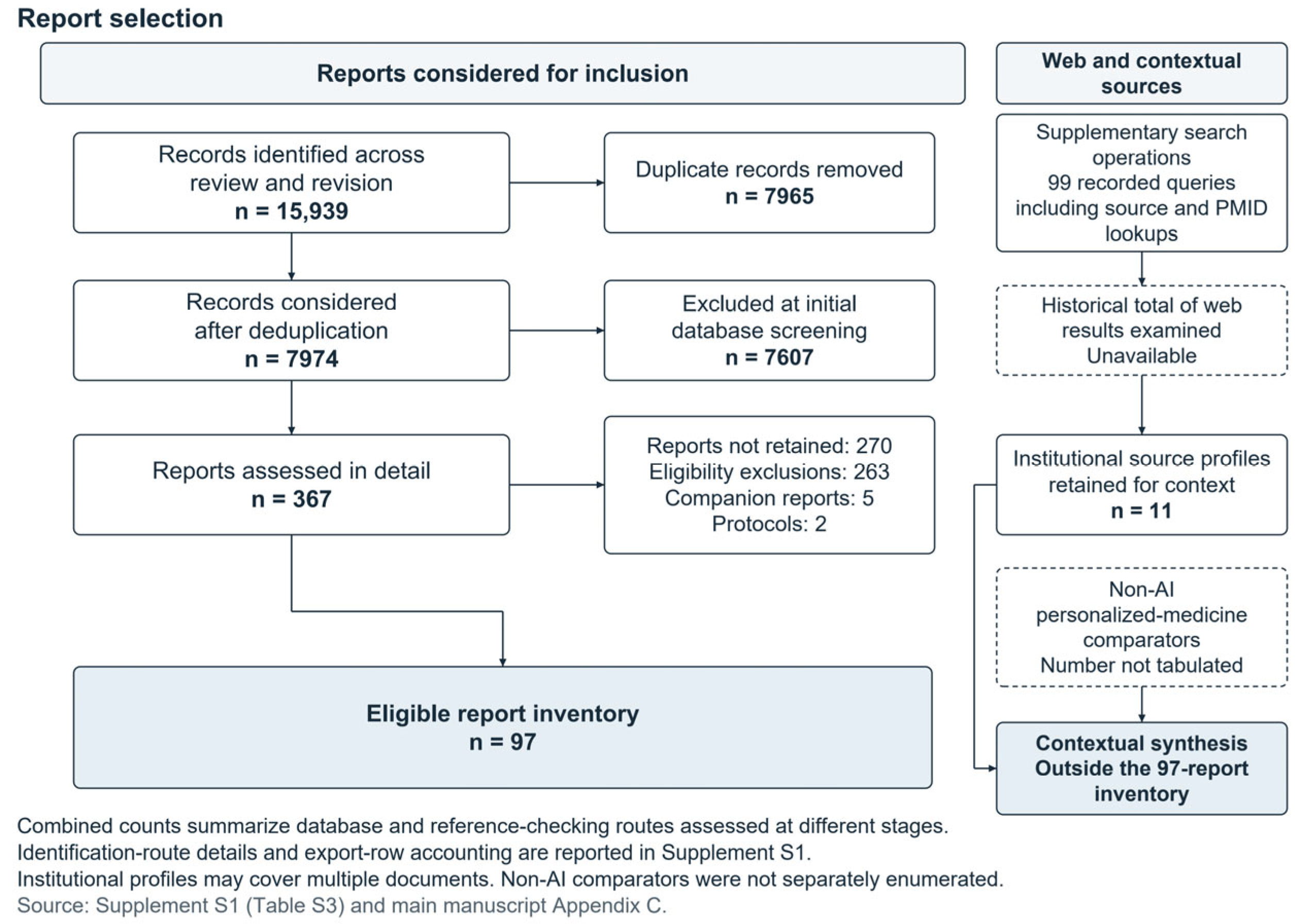

Disclaimer/Publisher’s Note: The statements, opinions and data contained in all publications are solely those of the individual author(s) and contributor(s) and not of MDPI and/or the editor(s). MDPI and/or the editor(s) disclaim responsibility for any injury to people or property resulting from any ideas, methods, instructions or products referred to in the content. |
© 2026 by the authors. Licensee MDPI, Basel, Switzerland. This article is an open access article distributed under the terms and conditions of the Creative Commons Attribution (CC BY) license.