


Abstract
Early ventricular arrhythmias (VA) after cardiac resynchronization therapy with defibrillator (CRT-D) implantation may indicate persistent arrhythmic vulnerability. We retrospectively studied 426 CRT-D recipients (2010–2025). Early treated VA was defined as ventricular tachycardia/fibrillation requiring anti-tachycardia pacing or shock within 180 days. Using 180- and 365-day landmark analyses, we examined subsequent treated VA and associations with left ventricular end-systolic volume (LVESV) reduction. Among 399 eligible patients, 19 had early VA, and 77 developed subsequent VA. Over the available follow-up, subsequent VA was observed in 52.6% of patients with early VA and 17.6% of those without early VA (unadjusted hazard ratio [HR], 3.87; 95% confidence interval [CI], 1.99–7.53; adjusted HR, 4.03; 95% CI, 1.95–8.31; p < 0.001). Early VA was not significantly associated with remodeling phenotype (p = 0.466). At the 365-day landmark (n = 357), subsequent VA occurred in 29.2%, 23.6%, 13.7%, and 12.3% of negative responders, non-responders, responders, and super-responders, respectively (p = 0.019). Early VA remained associated with subsequent VA (adjusted HR, 3.31; 95% CI, 1.54–7.10; p = 0.002), whereas greater LVESV reduction was associated with lower risk (HR, 0.90 per 10-percentage-point reduction; 95% CI, 0.84–0.96; p = 0.003). Early treated VA was associated with subsequent arrhythmic risk after adjustment for LV reverse remodeling.
1. Introduction
Cardiac resynchronization therapy (CRT) is an established treatment for appropriately selected patients with heart failure and electrical dyssynchrony, improving cardiac function and clinical outcomes while reducing heart-failure morbidity and mortality [1]. Beyond these benefits, CRT can induce substantial left ventricular (LV) reverse remodeling, which has been consistently associated with subsequent ventricular arrhythmic risk. In the MADIT-CRT population, greater reduction in left ventricular end-systolic volume (LVESV) after CRT-D was associated with a progressively lower risk of ventricular tachyarrhythmias; each incremental 10% reduction in LVESV was associated with an approximately 20% lower hazard of subsequent ventricular tachyarrhythmia [2].
The relationship between reverse remodeling and ventricular arrhythmias has also been demonstrated in other CRT-D populations. In the InSync ICD Italian Registry, ventricular arrhythmic events and shock therapies declined during follow-up, and patients demonstrating reverse remodeling had fewer recurrent ventricular arrhythmias than non-responders [3]. Similarly, a meta-analysis of six retrospective cohorts comprising 1740 CRT-D recipients showed that recovery of LV systolic function after CRT was associated with substantially lower rates of appropriate ICD therapy; among patients achieving an LVEF ≥ 45%, the estimated rate was 2.3 per 100 person-years [4]. Nevertheless, favorable remodeling does not abolish arrhythmic risk. In a cohort of 512 primary-prevention CRT-D recipients, super-responders experienced fewer appropriate ICD therapies during the first year; nevertheless, 23% received therapy for potentially life-threatening ventricular arrhythmias over long-term follow-up [5].
An important unresolved issue is the prognostic significance of ventricular arrhythmias occurring during the early period after CRT implantation, before the full extent of reverse remodeling can be assessed. Previous analyses have suggested that the association between CRT-D and ventricular arrhythmic risk may vary over time. In a MADIT-RIT substudy, a lower risk of sustained VT/VF with CRT-D compared with ICD therapy alone was observed beyond six months, but not during the first six months. However, formal evidence of a difference between the two periods was borderline (interaction p = 0.059) [6]. Furthermore, previous analyses evaluating arrhythmic risk after recovery of LV function have in some cases excluded ICD therapies occurring between CRT implantation and reassessment of ventricular function, effectively discounting events occurring during the remodeling period [4]. Reflecting this uncertainty, the recent EHRA international consensus statement on cardiac implantable electronic device upgrades and downgrades specifically identified the prognostic significance of ventricular arrhythmias occurring only early after CRT-D implantation, before recovery of LVEF, as an unresolved question and noted that this interval may represent a potential blanking period [7].
Whether an early treated ventricular arrhythmia therefore represents a transient event confined to the period preceding reverse remodeling or, conversely, identifies a patient with persistent arrhythmic vulnerability remains uncertain. We therefore investigated whether device-treated ventricular arrhythmias occurring within the first 180 days after CRT-D implantation were associated with subsequent treated ventricular arrhythmias beyond a 180-day landmark in a cohort including both de novo CRT-D recipients and patients undergoing CRT-D upgrade. We further examined the robustness of this association across alternative early-event windows, its relationship with subsequent ICD shock, and its prognostic information in relation to subsequent LV reverse remodeling.
2. Methods
2.1. Study Design and Population
We conducted a retrospective, single-center observational study of adult CRT-D patients managed at Onassis Cardiac Surgery Center, Athens, Greece, between 2010 and 2025. The analytic cohort was restricted to patients who underwent CRT-D implantation or upgrade at our institution, including both de novo recipients and patients upgraded from a previously implanted cardiac electronic device.
Patients were required to have ischemic or dilated cardiomyopathy, an available baseline echocardiographic examination, follow-up echocardiography within 12 months after CRT-D implantation, and consecutive institutional device-interrogation follow-up for ascertainment of ventricular arrhythmic events. Availability of baseline and first-year follow-up echocardiography was part of the eligibility criteria for the source CRT-D cohort. Post-CRT echocardiographic variables were not incorporated into the primary 180-day arrhythmic model because remodeling assessment was not uniformly completed before that landmark. Patients with cardiomyopathies other than ischemic or dilated cardiomyopathy were excluded. Cardiomyopathy etiology was obtained from the pre-existing institutional clinical database, in which patients had been classified as having ischemic or dilated cardiomyopathy (DCM) according to their documented clinical diagnosis. These classifications were retained without additional study-specific etiologic re-adjudication. DCM was analyzed as a single category without further etiologic or genetic subclassification.
Among 571 patients screened, 145 were excluded: 65 had undergone CRT-D implantation outside our institution, 9 had a cardiomyopathy other than ischemic or dilated cardiomyopathy, 23 lacked eligible baseline echocardiography, 19 lacked follow-up echocardiography, and 29 had insufficient institutional device follow-up for arrhythmic event ascertainment (21 de novo CRT-D patients and 8 CRT-D upgrade patients). The final source cohort comprised 426 patients, including 334 de novo CRT-D recipients and 92 upgrade recipients (Figure 1A). These source-cohort eligibility criteria were applied before the landmark definitions used in the present analysis.
Figure 1.
Study flow and landmark design. Panel (A): Patient selection from the initial screening of 571 CRT-D recipients to the source cohort (n = 426) and the populations eligible for the 180-day (n = 399), 365-day (n = 357), and 396-day (n = 349) landmark analyses. Panel (B): Schematic representation of the early treated VA exposure window (days 0–180), first-year echocardiographic assessment, and subsequent arrhythmic outcome follow-up. Outcome follow-up began after day 180 for the primary analysis, after day 365 for the remodeling analysis, and after day 396 for the conservative sensitivity analysis. The early-VA exposure window remained fixed at days 0–180 across all three analyses. The 396-day landmark provided an additional 31-day buffer to account for month-level resolution of echocardiographic timing.
For the primary 180-day landmark analysis, patients were required to have device follow-up extending beyond day 180. Twenty-seven patients did not meet this requirement, leaving 399 patients in the primary landmark cohort. Baseline characteristics of this population according to early-VA status are presented in Table 1.
Table 1.
Baseline characteristics of the primary 180-day landmark cohort according to early treated ventricular arrhythmia status.
For analyses incorporating reverse remodeling, device follow-up was required to extend beyond the corresponding later landmark. A total of 357 patients were eligible for the 365-day remodeling analysis, and 349 for the conservative 396-day sensitivity analysis (Figure 1A).
The study was conducted in accordance with the Declaration of Helsinki and was approved by the Institutional Ethics Committee of Onassis Cardiac Surgery Center (approval no. 803/2024).
2.2. Data Collection and Follow-Up
Demographic, clinical, electrocardiographic, echocardiographic, device-related, and arrhythmic data were retrospectively extracted from institutional records and device-interrogation reports.
Baseline variables included age, sex, heart-failure etiology, previous percutaneous coronary intervention or coronary artery bypass grafting, hypertension, diabetes mellitus, hyperlipidemia, atrial fibrillation phenotype, baseline conduction pattern, QRS duration, New York Heart Association functional class, LVEF, and LVESV.
Device-related variables included CRT-D implantation date, implantation strategy (de novo versus upgrade), previous device type among upgrade recipients, and available pre-upgrade ventricular arrhythmic history. For the descriptive analysis of implantation era, patients in the primary 180-day landmark cohort were categorized according to CRT-D implantation year into three periods: ≤2014, 2015–2019, and 2020–2025. The original ICD implantation indication (primary versus secondary prevention) was also retrieved and verified from institutional clinical records for all patients. For patients experiencing early treated VA, anti-arrhythmic medication before and after the first qualifying arrhythmic event was also retrieved from institutional clinical records. Subsequent therapeutic interventions, including VT catheter ablation, ICD reprogramming, and LV lead revision, were also reviewed. These treatment-related variables were summarized descriptively and were not included in the primary multivariable models.
Patients were followed from CRT-D implantation until the last available device interrogation. All available consecutive device-interrogation records and corresponding electrophysiologist-authored clinical reports were retrospectively reviewed for the ascertainment of device-treated ventricular arrhythmias. According to the institutional follow-up protocol, patients were routinely scheduled for device interrogation approximately every six months, with additional assessments performed when clinically indicated, including suspected arrhythmic events. However, although the available interrogation records were reviewed, the dates of individual interrogations were not separately retained in the analytic dataset, precluding reliable quantification of the total number and frequency of interrogations per patient. Initial VT and VF detection-zone rate thresholds were obtained from the first device interrogation. In the overall cohort (n = 426), the median VT-zone threshold was 167 bpm (IQR, 167–171 bpm), and the median VF-zone threshold was 200 bpm (IQR, 188–207 bpm). Detection durations and delays were not systematically available. As device-programming parameters were not recorded at every subsequent interrogation, longitudinal changes in detection zones could not be assessed across the entire cohort. However, for the 19 patients with early treated VA, the available interrogation records were specifically reviewed to assess whether VT/VF detection zones had been modified following the early event.
Device follow-up duration was calculated from CRT-D implantation to the last available interrogation. For time-to-event analyses, patients who did not experience the outcome of interest were censored at their last device-interrogation date. Exact dates of death were unavailable in the analytic dataset; consequently, death could not be modeled as a competing event.
2.3. Ventricular Arrhythmia Definitions
During routine device follow-up, arrhythmic episodes were evaluated by an electrophysiologist, with corresponding clinical reports documenting the nature of the detected arrhythmia and the delivered device therapy. For the present retrospective study, event classification was based on these electrophysiologist-authored reports, supported by available stored intracardiac electrograms and device-interrogation findings, rather than on automated device classifications alone. Only episodes documented as ventricular tachycardia or ventricular fibrillation receiving appropriate device therapy were included. Episodes attributed to atrial fibrillation with rapid ventricular response, other supraventricular arrhythmias, or inappropriate device detections were excluded.
For patients experiencing early treated VA, the timing of the first qualifying event relative to CRT-D implantation, arrhythmia morphology, and any clinically documented relationship with LV pacing were additionally extracted from the available electrophysiology reports.
A treated ventricular arrhythmia (VA) was defined as an episode clinically classified as VT or VF that resulted in ATP, shock, or ATP followed by shock. Aborted therapies were excluded from treated-VA endpoints.
The primary exposure, early treated VA, was defined as at least one treated VA occurring from CRT-D implantation through day 180, inclusive. Late VA was defined as treated VA occurring after day 180.
For descriptive analyses, patients were additionally categorized into mutually exclusive arrhythmic trajectories: no treated VA, early VA only, late VA only, or both early and late VA.
Multiple arrhythmic episodes in the same patient, including clustered therapies during ventricular arrhythmic storms, were retained in the event database but were not treated as statistically independent observations. All time-to-event analyses were conducted at the patient level using the first qualifying post-landmark event.
An early shock was defined as a shock-containing ventricular arrhythmia occurring within the first 180 days. Among ICD upgrade recipients, recent pre-upgrade VA was defined as a treated ventricular arrhythmia occurring within the 12 months preceding CRT-D upgrade.
2.4. Echocardiographic Assessment and Response Taxonomy
Baseline and follow-up LVEF and LVESV values were retrospectively obtained from a pre-existing institutional clinical dataset containing measurements recorded during routine echocardiographic assessments. Source echocardiographic images were not independently reviewed, and no ventricular measurements were repeated or centrally adjudicated for the purposes of this study. The original methods used to obtain LVEF and LVESV measurements could not be systematically verified. Follow-up echocardiographic timing was recorded at month-level resolution, with a median of 5.0 months after CRT-D implantation (IQR, 2.1–10.7 months) and a maximum recorded interval of 12 months. When multiple follow-up echocardiographic examinations were available, the examination closest to 6 months after CRT-D implantation was selected among those performed within the first 12 months. Examinations performed beyond 12 months were not considered eligible, and each patient contributed only one selected follow-up echocardiogram. Among the 426 selected examinations, 95 (22.3%) were recorded during the twelfth month after implantation (>11 to ≤12 months).
LVESV reduction was calculated as: LVESV reduction (%) = [(baseline LVESV − follow-up LVESV)/baseline LVESV] × 100.
Echocardiographic response was categorized into four phenotypes based on LVESV reduction: negative responder (less than 0%), non-responder (0% to less than 15%), responder (15% to less than 30%), and super-responder (≥30%).
The relationship between eventual echocardiographic response phenotype and the occurrence of early and late VA was first examined descriptively in the primary 180-day landmark cohort. Because echocardiographic response is a post-baseline variable and could be assessed after an early arrhythmic event, these comparisons were considered descriptive rather than temporally predictive.
To examine the association between first-year LV reverse remodeling and subsequent arrhythmic events, a separate 365-day landmark analysis was performed. Early-VA status remained defined exclusively by events occurring within the first 180 days, structural response was characterized from the follow-up echocardiogram obtained within the first year, and subsequent arrhythmic follow-up began at day 365 (Figure 1B).
Because follow-up echocardiographic timing was recorded at month-level rather than exact day-level resolution, an additional 396-day landmark analysis was performed as a conservative sensitivity analysis. This provided a 31-day buffer beyond the 365-day landmark to reduce potential temporal overlap between first-year echocardiographic assessment and subsequent arrhythmic follow-up (Supplementary Table S2, Panels A and B). To assess the impact of echocardiographic timing, additional post hoc sensitivity analyses were performed at the 396-day landmark, restricting the population to patients with follow-up echocardiography at ≥6 and ≥9 months after CRT-D implantation. The fully adjusted Cox model incorporating early VA, continuous LVESV reduction, age, sex, cardiomyopathy etiology, baseline LVEF, LBBB, and upgrade status was repeated in each subgroup.
2.5. Study Objectives and Outcomes
The primary objective was to determine whether treated VA occurring within the first 180 days after CRT-D implantation was associated with subsequent treated VA beyond day 180.
The primary outcome was time from the 180-day landmark to the first subsequent treated VT or VF requiring ATP and/or shock.
A major secondary objective was to evaluate the relationship between LV reverse remodeling and subsequent arrhythmic risk and to determine whether early VA retained prognostic information after structural response had been taken into account.
Additional secondary objectives included the prognostic significance of early shock, subsequent shock-containing VA, and potential differences between de novo and upgrade CRT-D recipients. The relationship between pre-upgrade arrhythmic history and subsequent post-CRT VA among upgrade recipients was examined exploratorily.
2.6. Landmark Analysis Framework
A landmark design was used to separate the early-VA exposure window from subsequent outcome follow-up and to address immortal-time bias associated with classifying arrhythmic events during follow-up (Figure 1B).
For the primary analysis, early-VA exposure was determined from events occurring between implantation and day 180. The 180-day cutoff was used as the primary definition of the early post-CRT period because it corresponds to the 6-month interval highlighted in prior CRT-D literature and precedes completion of reverse-remodeling assessment in a substantial proportion of patients. The cutoff was not selected by outcome-based optimization. Only patients whose device follow-up extended beyond day 180 entered the landmark cohort. Follow-up for the primary endpoint began at day 180 and continued until the first subsequent treated VA or censoring at the last device interrogation.
Alternative landmarks at 30, 90, 270, and 365 days were examined as sensitivity analyses. For each alternative cutoff, both exposure and subsequent outcome were redefined relative to that landmark. These analyses were intended to evaluate robustness of the primary association and not to identify an optimal arrhythmic blanking period (Supplementary Table S1). To address potential clustering of arrhythmic events around the 180-day landmark, a 30-day washout sensitivity analysis was performed. Early VA remained defined by events occurring during days 0–180. Patients with device follow-up ending on or before day 210 or treated VA during days 181–210 were excluded. Outcome follow-up began at day 210, and the original multivariable Cox model covariates were retained. The 365-day remodeling analysis was conceptually distinct from the alternative 365-day cutoff sensitivity analysis. In the latter, early-VA exposure was redefined to include events occurring through day 365, whereas in the remodeling analysis early VA remained restricted to days 0–180 and outcome follow-up began at day 365. Patients experiencing treated VA during days 181–365 were not automatically excluded from the principal remodeling analysis; a separate strict sensitivity analysis excluded these patients (Supplementary Table S1, Panel A; Supplementary Table S2, Panel B).
2.7. Statistical Analysis
Continuous variables are reported as mean ± standard deviation or median with interquartile range, as appropriate, and categorical variables as counts and percentages. No statistical imputation was performed.
Baseline characteristics in the primary landmark cohort were summarized according to early-VA status. Standardized mean differences were used to quantify between-group imbalance rather than hypothesis-testing p values (Table 1).
Subsequent VA proportions were compared using Fisher’s exact test. Event-free survival after the 180-day landmark was estimated using Kaplan–Meier methods, with pointwise 95% confidence intervals calculated using Greenwood’s formula and a log–log transformation. Survival curves were compared using the log-rank test (Figure 2).
Figure 2.
Subsequent treated ventricular arrhythmia according to early-VA status. Footnotes: Kaplan–Meier curves showing freedom from the first subsequent treated VA after the 180-day landmark in patients with and without early treated VA. Shaded areas represent pointwise 95% confidence intervals calculated using Greenwood’s formula with a log–log transformation. Vertical tick marks indicate censored observations. Numbers at risk are displayed below the plot. Estimates toward the end of follow-up should be interpreted cautiously because of the small number of patients remaining at risk in the early-VA group.
Cox proportional-hazards models with Efron handling of tied event times were used to estimate hazard ratios (HRs) and 95% confidence intervals (CIs). The primary unadjusted model included early-VA status alone. The adjusted model included early VA, age per 10-year increase, sex, heart-failure etiology, baseline LVEF per 5-percentage-point increase, LBBB, and de novo versus upgrade implantation (Table 2, Panel A). An additional multivariable Cox model was fitted incorporating the original ICD implantation indication (primary versus secondary prevention) alongside all covariates included in the primary adjusted model (Table 2, Panel B). Given the marked baseline imbalance in permanent atrial fibrillation according to early-VA status, an additional sensitivity model incorporated permanent atrial fibrillation alongside all covariates of the original adjusted Cox model. The two adjusted models, with and without permanent atrial fibrillation, are presented side by side in Table 2, Panel C.
Table 2.
Cox proportional-hazards models for subsequent treated ventricular arrhythmia after the 180-day landmark: (A) original unadjusted and multivariable models; (B) additional multivariable model adjusted for ICD prevention indication; (C) comparison of adjusted models with and without permanent atrial fibrillation.
As a sensitivity analysis, absolute change in LVEF (follow-up minus baseline) was assessed per 5-percentage-point increase at the 365-day landmark. A joint Cox model including early VA and LVEF change was followed by a fully adjusted model additionally incorporating age, sex, cardiomyopathy etiology, baseline LVEF, LBBB, and upgrade status (Supplementary Table S2, Panel C).
The four-class echocardiographic response taxonomy was analyzed descriptively with respect to early and late VA, whereas mutually exclusive arrhythmic trajectories were examined separately. Because the early-VA contingency table contained sparse cells, the global comparison across response phenotypes was validated using Monte Carlo resampling.
At the 365-day landmark, subsequent VA was compared across echocardiographic response phenotypes. Cox regression was used to estimate the hazard of subsequent VA for negative responders, non-responders, and responders using super-responders as the reference group. A joint categorical model including both early VA and response phenotype was also examined.
LVESV reduction was subsequently modeled as a continuous variable per 10-percentage-point greater reduction. A model containing early VA and LVESV reduction was followed by a fully adjusted model additionally including age, sex, heart-failure etiology, baseline LVEF, LBBB, and upgrade status.
Robustness of the primary association was examined using alternative landmarks, implantation-era adjustment, exclusion of upgrade recipients with previous appropriate VA, administrative censoring, boundary-event exclusion, profile-likelihood confidence intervals, patient-level bootstrap resampling, leave-one-patient-out jackknife analysis, alternative tie handling, flexible functional forms for continuous covariates, and proportional-hazards diagnostics (Supplementary Tables S1 and S6). To further assess potential small-sample bias associated with the limited number of patients with early treated VA, we performed an additional Firth-penalized Cox proportional-hazards analysis using the same seven covariates as the primary adjusted model. Firth’s correction was implemented by maximizing the Cox partial likelihood with a Jeffreys-information penalty, using Efron handling of tied event times. The 95% confidence interval was obtained from the penalized profile likelihood, and statistical significance was assessed using a penalized likelihood-ratio test (Supplementary Table S6, Panel A).
Remodeling findings were tested at the conservative 396-day landmark and in a stricter 365-day analysis excluding patients with treated VA during days 181–365 (Supplementary Table S2).
Shock-related outcomes and de novo versus upgrade subgroup analyses are presented in Supplementary Table S3. For implantation-strategy subgroup analyses, separate unadjusted Cox models were fitted in de novo and upgrade recipients. Formal effect modification was assessed using a pooled Cox model including early VA, upgrade status, and their interaction. An additional sensitivity analysis was performed using a Cox model stratified by implantation strategy, allowing separate baseline hazards for de novo and upgrade recipients. Upgrade-specific pre-CRT arrhythmic analyses are presented in Supplementary Table S4.
Exploratory clinical correlates of early VA were assessed within the primary 180-day landmark cohort, in whom early-VA status was fully ascertainable through day 180, using univariable logistic regression with Benjamini–Hochberg false-discovery-rate correction (Supplementary Table S5). These exploratory analyses were not used for covariate selection in the primary Cox model.
All tests were two-sided. A two-sided p < 0.05 was used for the primary analysis. Except for the Benjamini–Hochberg correction applied to the exploratory early-VA correlate screen, secondary, subgroup, and sensitivity analyses were not adjusted for multiplicity and should therefore be interpreted as supportive or hypothesis-generating. Statistical analyses were performed using Python 3.13.5, with NumPy 2.3.5, SciPy 1.17.0, statsmodels 0.14.6, and custom analysis scripts.
3. Results
3.1. Study Population
Among 571 patients screened, 145 were excluded according to the eligibility criteria, leaving 426 patients in the overall cohort, including 334 de novo CRT-D recipients and 92 upgrade recipients (Figure 1A). Median device follow-up from CRT-D implantation to the last available interrogation was 3.0 years (IQR, 1.4–6.7 years).
Twenty-seven patients had device follow-up ending on or before day 180 and were therefore excluded from the primary landmark analysis, leaving 399 patients, of whom 380 had no early treated VA and 19 experienced early treated VA within 180 days (Figure 1A). Baseline characteristics of the primary landmark population according to early-VA status are shown in Table 1. Patients with early VA were younger and more frequently had DCM, permanent atrial fibrillation, and upgrade CRT-D, although these comparisons were descriptive and several variables were imbalanced given the small size of the early-VA group. Regarding the original ICD implantation indication, 379 patients (95.0%) underwent defibrillator implantation for primary prevention and 20 (5.0%) for secondary prevention. Secondary prevention was documented in 1 of 19 patients (5.3%) with early treated VA and 19 of 380 patients (5.0%) without early VA. Regarding implantation era, among the 399 patients in the primary 180-day landmark cohort, 53 (13.3%) underwent CRT-D implantation in or before 2014, 136 (34.1%) during 2015–2019, and 210 (52.6%) during 2020–2025. Among patients with early treated VA (n = 19), the corresponding numbers were 7 (36.8%), 4 (21.1%), and 8 (42.1%), compared with 46 (12.1%), 132 (34.7%), and 202 (53.2%) among patients without early VA (n = 380), respectively.
Baseline characteristics are presented descriptively; hypothesis-testing p values were not used for between-group baseline comparisons. Absolute SMDs quantify the magnitude of between-group imbalance.
Among the 27 patients excluded from the primary landmark analysis because device follow-up ended on or before day 180, two had a documented treated VA before their last available interrogation. Because the early-VA exposure window was incompletely observed in this group, these frequencies were not directly comparable with those of the landmark-eligible cohort (Supplementary Table S1, Panel B).
3.2. Early VA and Subsequent Ventricular Arrhythmia
Among the 19 patients with early treated VA, none was receiving a specific anti-arrhythmic drug other than beta-blocker therapy before the index event. Following early VA, amiodarone was documented in 10 patients (52.6%), combined amiodarone and mexiletine therapy in 2 (10.5%), and no specific anti-arrhythmic medication in 7 (36.8%). No changes in VT/VF detection zones were identified following the index early VA among the 19 patients (0/19). No LV lead revisions were identified (0/19). Two patients subsequently underwent VT catheter ablation; in both cases, the procedure was performed after the first post-landmark treated VA and therefore did not precede the primary outcome.
The first early treated VA occurred at a median of 65 days after CRT-D implantation (range, 3–180 days). Four patients experienced their first event within 30 days, nine between days 31 and 90, and six between days 91 and 180. The index arrhythmia was monomorphic ventricular tachycardia in 15 patients (78.9%) and ventricular fibrillation in 4 (21.1%). No association between the documented early arrhythmic events and LV pacing was identified in the available clinical reports. Beyond the 180-day landmark, subsequent treated VA was observed in 10 of 19 patients with early VA (52.6%) and 67 of 380 patients without early VA (17.6%) over their available follow-up (Fisher exact p < 0.001). These percentages represent observed event proportions over variable follow-up durations, rather than cumulative risks estimated at a common time point.
The corresponding incidence rates were 20.1 and 5.0 events per 100 patient-years, respectively. Kaplan–Meier curves demonstrated significant separation between groups (log-rank p < 0.001; Figure 2). Median device follow-up after the 180-day landmark, measured to the last available device interrogation, was 4.10 years (IQR, 1.06–9.98) in patients with early treated VA and 2.72 years (IQR, 1.17–6.45) in those without early VA.
In unadjusted Cox regression, early treated VA was associated with a nearly four-fold higher hazard of subsequent VA (HR, 3.87; 95% CI, 1.99–7.53; p < 0.001).
After adjustment for age, sex, heart-failure etiology, baseline LVEF, LBBB, and de novo versus upgrade implantation, the association remained essentially unchanged (adjusted HR, 4.03; 95% CI, 1.95–8.31; p < 0.001) (Table 2, Panel A). Secondary prevention indication was independently associated with subsequent treated VA (adjusted HR, 2.61; 95% CI, 1.25–5.48; p = 0.011) (Table 2, Panel B).
The multivariable model included seven parameters: early VA, age, sex, cardiomyopathy etiology, baseline LVEF, LBBB, and upgrade status. The additional multivariable model (Table 2, Panel B) incorporated primary versus secondary ICD prevention indication alongside the original seven predictors. Age was modeled per 10-year increase and baseline LVEF per 5-percentage-point increase. Ischemic cardiomyopathy, male sex, non-LBBB conduction pattern, and de novo CRT-D implantation served as reference categories, as applicable. Tied event times were handled using the Efron approximation.
3.3. Echocardiographic Response and Arrhythmic Trajectories
Within the 399-patient primary landmark cohort, 82 patients were negative responders, 126 non-responders, 109 responders, and 82 super-responders (Table 3, Panel A; Figure 3A).
Table 3.
Echocardiographic response phenotype according to post-CRT ventricular arrhythmic trajectory in the 180-day landmark cohort.
Figure 3.
Echocardiographic response and ventricular arrhythmic risk. Panel (A) Proportions of patients with early treated VA (≤180 days) and late treated VA (>180 days) across echocardiographic response phenotypes in the 180-day landmark cohort. Panel (B) Proportion of patients with subsequent treated VA after the 365-day remodeling landmark according to echocardiographic response phenotype.
Early treated VA occurred in 6/82 negative responders (7.3%), 7/126 non-responders (5.6%), 4/109 responders (3.7%), and 2/82 super-responders (2.4%). Although a numerical gradient was observed, the global comparison was not statistically significant (Monte
Carlo p = 0.466). Given the small number of early VA patients and the variable timing of echocardiographic assessment, these findings were interpreted descriptively and do not establish the absence of an association between early VA and structural response (Table 3, Panel A; Figure 3A).
In contrast, late VA demonstrated a gradient across the response spectrum. Late VA occurred in 23/82 negative responders (28.0%), 30/126 non-responders (23.8%), 15/109 responders (13.8%), and 9/82 super-responders (11.0%; global p = 0.009) (Table 3, Panel A; Figure 3A).
Analysis of mutually exclusive arrhythmic trajectories showed that early VA was not confined to patients with poor subsequent remodeling. Among patients with early VA only, response phenotypes included negative response, non-response, and response, whereas among patients experiencing both early and late VA, two were ultimately classified as super-responders (Table 3, Panel B).
3.4. Reverse Remodeling and Subsequent Arrhythmic Risk
A total of 357 patients had device follow-up extending beyond day 365 and entered the principal remodeling landmark analysis. Sixteen had experienced early treated VA during the first 180 days, and 70 experienced treated VA after day 365. Subsequent treated VA occurred in 9/16 patients with early VA (56.3%) compared with 61/341 patients without early VA (17.9%).
A graded relationship was observed between echocardiographic response and subsequent VA. Events occurred in 21/72 negative responders (29.2%), 26/110 non-responders (23.6%), 14/102 responders (13.7%), and 9/73 super-responders (12.3%) (global p = 0.019) (Table 4, Panel A; Figure 3B).
Table 4.
Reverse remodeling and subsequent treated ventricular arrhythmia at the 365-day landmark.
Using super-responders as the reference group, negative responders had an approximately three-fold higher hazard of subsequent VA (HR, 3.01; 95% CI, 1.37–6.59; p = 0.006), while non-responders also had increased risk (HR, 2.33; 95% CI, 1.09–4.97; p = 0.029). Responders did not differ significantly from super-responders (HR, 1.31; 95% CI, 0.57–3.02; p = 0.531) (Table 4, Panel A; Figure 4).
Figure 4.
Early ventricular arrhythmia and reverse remodeling in relation to subsequent arrhythmic risk. Footnotes: Forest plot showing hazard ratios and 95% confidence intervals for early treated VA, echocardiographic response phenotype, and continuous LVESV reduction in the landmark analyses. Super-responders served as the reference category for the categorical remodeling analysis.
When early VA and the four-class echocardiographic taxonomy were entered in the same Cox model, early VA remained associated with subsequent VA (HR, 3.03; 95% CI, 1.49–6.14; p = 0.002). Negative responders (HR, 2.71; 95% CI, 1.23–5.98; p = 0.013) and non-responders (HR, 2.24; 95% CI, 1.05–4.78; p = 0.038) also remained at increased risk compared with super-responders (Table 4, Panel B).
When reverse remodeling was modeled continuously, early treated VA remained associated with subsequent VA (HR, 2.91; 95% CI, 1.44–5.89; p = 0.003), whereas each additional 10-percentage point reduction in LVESV was associated with a lower hazard of subsequent VA (HR, 0.88; 95% CI, 0.83–0.95; p < 0.001) (Table 4, Panel C).
After further adjustment for age, sex, heart-failure etiology, baseline LVEF, LBBB, and upgrade status, both associations persisted: early VA remained associated with subsequent VA (adjusted HR, 3.31; 95% CI, 1.54–7.10; p = 0.002), whereas greater LVESV reduction remained associated with lower risk (adjusted HR per 10-percentage-point reduction, 0.90; 95% CI, 0.84–0.96; p = 0.003) (Table 4, Panel C; Figure 4). Findings were directionally consistent when functional improvement was assessed using absolute change in LVEF rather than LVESV reduction. In the fully adjusted 365-day landmark model (N = 357; 70 events), early VA remained associated with subsequent treated VA (HR, 3.05; 95% CI, 1.41–6.60; p = 0.005), whereas each 5-percentage point increase in LVEF was associated with a lower hazard of subsequent VA (HR, 0.74; 95% CI, 0.62–0.89; p = 0.001) (Supplementary Table S2, Panel C).
3.5. Sensitivity and Robustness Analyses
The primary association remained directionally consistent across alternative landmark definitions. The hazard ratios for subsequent VA were 3.43 at the 90-day landmark, 3.37 at 270 days, and 3.81 at 365 days (all p < 0.001). At the 30-day landmark, only four patients had experienced early treated VA, resulting in an imprecise estimate (HR, 2.10; 95% CI, 0.51–8.57; p = 0.301) (Supplementary Table S1, Panel A).
In the 30-day washout analysis, 391 patients were included, of whom 18 had early treated VA, with 75 subsequent VA events. The association persisted in both unadjusted (HR, 3.56; 95% CI, 1.77–7.15; p < 0.001) and adjusted analyses (HR, 3.78; 95% CI, 1.78–8.06; p < 0.001) (Supplementary Table S1, Panel B). Among the 10 patients experiencing both early and late VA in the original cohort, the shortest interval between the last early and first late event was 71 days.
Additional adjustment for implantation year yielded an adjusted HR of 4.06 (95% CI, 1.97–8.37; p < 0.001). Excluding upgrade recipients with documented previous appropriate VA yielded an HR of 4.10 (95% CI, 2.11–8.00; p < 0.001). The association persisted after five-year administrative censoring, defined from the 180-day landmark (adjusted HR, 3.50; 95% CI, 1.58–7.76; p = 0.002), and after exclusion of the patient with an event occurring exactly on day 180 (HR, 3.50; 95% CI, 1.75–7.03; p < 0.001) (Supplementary Table S1, Panel B).
Permanent atrial fibrillation was more prevalent among patients with early treated VA than among those without early VA (57.9% vs. 25.0%; Table 1). In the original adjusted Cox model, early treated VA was associated with subsequent treated VA (HR, 4.03; 95% CI, 1.95–8.31; p < 0.001). After additional adjustment for permanent atrial fibrillation, this association remained statistically significant, although modestly attenuated (HR, 3.60; 95% CI, 1.67–7.74; p = 0.001) (Table 2, Panel C; Supplementary Table S6, Panel B). In the Firth-penalized Cox sensitivity analysis, early treated VA remained significantly associated with subsequent treated VA (HR, 4.15; 95% penalized profile-likelihood CI, 1.95–8.16; penalized likelihood-ratio p < 0.001), closely consistent with the primary adjusted Cox estimate (Supplementary Table S6, Panel A).
Profile-likelihood inference, patient-level bootstrap resampling, leave-one-patient-out analyses, alternative tie handling, and flexible modeling of continuous covariates yielded broadly consistent results. An adjusted early-VA-by-log(time) interaction test did not provide evidence of a monotonic time-varying association (p = 0.301), although this diagnostic does not establish the proportional-hazards assumption in every possible form (Supplementary Table S6, Panels A and B).
The remodeling findings were directionally consistent at the conservative 396-day landmark (N = 349; 68 subsequent VA events). Subsequent VA occurred in 28.2%, 23.6%, 14.1%, and 12.3% of negative responders, non-responders, responders, and super-responders, respectively (global p = 0.033) (Supplementary Table S2, Panel A). In the fully adjusted continuous model, early VA remained associated with subsequent VA (HR, 3.46; 95% CI, 1.60–7.45; p = 0.002), whereas greater LVESV reduction was associated with lower risk (HR, 0.89 per 10-percentage-point reduction; 95% CI, 0.83–0.96; p = 0.002) (Supplementary Table S2, Panel B; Figure 4).
Similar findings were obtained in the stricter 365-day analysis excluding patients with treated VA during days 181–365 (N = 346; 65 events). In the fully adjusted model, early VA was associated with subsequent VA (HR, 3.33; 95% CI, 1.40–7.89; p = 0.006), while greater LVESV reduction remained associated with lower risk (HR, 0.89; 95% CI, 0.83–0.96; p = 0.002) (Supplementary Table S2, Panel B). In echocardiographic timing-restricted analyses at the 396-day landmark, among patients assessed at ≥6 months (N = 166; 8 with early VA; 37 subsequent VA events), early VA remained associated with subsequent VA (adjusted HR, 3.83; 95% CI, 1.38–10.59; p = 0.010), while greater LVESV reduction was associated with lower risk (HR, 0.90 per 10-percentage-point reduction; 95% CI, 0.82–0.98; p = 0.019). Similar findings were observed among patients assessed at ≥9 months (N = 122; 6 with early VA; 28 events), with adjusted HRs of 4.60 (95% CI, 1.29–16.34; p = 0.018) for early VA and 0.89 (95% CI, 0.80–0.98; p = 0.017) for LVESV reduction (Supplementary Table S2, Panel D).
3.6. Shock-Related Outcomes
Thirty-six patients experienced shock-containing VA after the primary 180-day landmark. Early shock was associated with subsequent shock-containing VA (HR, 6.16; 95% CI, 1.86–20.44; p = 0.003) and with subsequent treated VA of any therapy type (HR, 3.12; 95% CI, 1.14–8.58; p = 0.027). Any early treated VA was also associated with subsequent shock-containing VA (HR, 2.71; 95% CI, 1.04–7.04; p = 0.041) (Supplementary Table S3, Panel A).
Among the 19 patients with early treated VA, subsequent VA occurred in 4/9 patients with versus 6/10 without early shock (Fisher p = 0.656), and in 1/4 patients with versus 9/15 without early VF (Fisher p = 0.303). These within-group comparisons were exploratory and substantially limited by the small sample sizes (Supplementary Table S3, Panel A).
3.7. De Novo Versus Upgrade CRT-D
Within the primary 180-day landmark cohort, early VA occurred more frequently among upgrade recipients than among de novo CRT-D recipients (9.5% [8/84] vs. 3.5% [11/315]; p = 0.038).
Within the primary landmark cohort, early VA was associated with subsequent VA among de novo recipients (HR, 4.49; 95% CI, 2.03–9.95; p < 0.001). A directionally similar but less precise association was observed among upgrade recipients (HR, 3.14; 95% CI, 0.89–11.02; p = 0.075).
In the pooled Cox interaction model, the estimated early-VA HRs were 4.37 for de novo recipients and 2.36 for upgrade recipients, yielding an interaction HR of 0.54 (95% CI, 0.12–2.39; p = 0.417). These estimates differ from the separately fitted subgroup HRs because the pooled model incorporates upgrade status as a covariate, whereas the subgroup models allow separate baseline hazards. In a Cox sensitivity analysis stratified by implantation strategy, the interaction HR was 0.70 (95% CI, 0.16–3.09; p = 0.635), consistent with the ratio of the separately fitted subgroup HRs. Neither approach demonstrated statistically significant interaction, although clinically meaningful heterogeneity cannot be excluded given the wide confidence intervals (Supplementary Table S3, Panel B).
3.8. Pre-Upgrade Ventricular Arrhythmias
Among the 92 CRT-D upgrade recipients, 44 had a pre-existing ICD, 42 a pacemaker, and 6 a CRT-p. Previous appropriate ICD therapy was therefore ascertainable only among patients with a pre-existing defibrillator. Six patients had documented prior appropriate ICD therapy or sustained VA, while four had experienced treated VA within the 12 months preceding CRT-D upgrade. Exploratory analyses suggested an association between documented pre-upgrade VA and subsequent arrhythmic events. However, only six patients had a history of prior appropriate ICD therapy or sustained VA, and four had documented treated VA within the preceding 12 months. Because device-treated VA could be ascertained only in patients with prior defibrillator capability, the findings were examined using ICD-restricted and device-capability-adjusted analyses and should be considered hypothesis-generating (Supplementary Table S4).
3.9. Exploratory Correlates of Early VA
In exploratory univariable analyses restricted to the 399-patient primary landmark cohort, younger age, dilated cardiomyopathy, and permanent atrial fibrillation remained associated with early VA after false-discovery-rate correction. Each 10-year increase in age was associated with lower odds of early VA (OR, 0.60; 95% CI, 0.41–0.88; nominal p = 0.009; q = 0.047), whereas dilated cardiomyopathy (OR, 6.95; 95% CI, 1.58–30.52; nominal p = 0.010; q = 0.047) and permanent atrial fibrillation (OR, 4.12; 95% CI, 1.61–10.56; nominal p = 0.003; q = 0.044) were associated with higher odds. QRS duration and upgrade status showed nominal associations but did not meet the FDR threshold. Given the limited number of early-VA events, no multivariable prediction model for early VA was constructed (Supplementary Table S5).
4. Discussion
In this study, device-treated ventricular arrhythmia occurring within the first 180 days after CRT-D implantation identified a small subgroup with substantially greater subsequent arrhythmic risk. Early VA was associated with an approximately four-fold higher hazard of subsequent treated VA beyond the 180-day landmark, and this association remained essentially unchanged after adjustment for baseline clinical characteristics. Early treated VA was observed across all four echocardiographic response categories, whereas the frequency of subsequent VA showed a graded relationship with the extent of LV reverse remodeling. In the 365-day landmark analysis, both early VA and LVESV reduction remained associated with subsequent treated VA when included in the same multivariable model. These findings suggest that early treated VA and structural reverse remodeling may provide complementary prognostic information, although their underlying biological relationships cannot be established from the present observational data. The early post-CRT period is particularly relevant because the anti-arrhythmic effect of CRT appears to evolve over time. In a MADIT-RIT substudy, a lower risk of sustained VT/VF with CRT-D was observed beyond six months, whereas no corresponding reduction was demonstrated during the first six months. However, the interaction between treatment and follow-up period did not reach conventional statistical significance (p = 0.059) [6].
The recent EHRA consensus on device upgrades and downgrades similarly identifies ventricular arrhythmias occurring before recovery of LV function as an unresolved prognostic issue and raises the possibility of an early post-CRT “blanking period” [7]. Our findings argue against considering treated VA during this interval as necessarily transient or prognostically neutral. Over the available follow-up, more than half of patients with early VA experienced another treated VA, compared with fewer than one fifth of those without early VA. These are observed event proportions rather than fixed-time risk estimates. The broadly consistent estimates across alternative landmark definitions provide supportive evidence for the observed association but do not establish an optimal cutoff, eliminate potential residual confounding, or validate early-VA status as a stand-alone clinical risk-stratification tool. Previous evidence also supports the prognostic significance of ventricular arrhythmias occurring during the early period after device implantation. Friedman et al. reported that shock therapy within 180 days after CRT-D implantation was associated with subsequent heart-failure hospitalization and mortality [8]. In an analysis of 1281 patients with LBBB from MADIT-CRT, Tankut et al. found that patients experiencing at least two ventricular tachyarrhythmia episodes during the first year had a higher subsequent probability of death, although their analysis evaluated different outcomes from the recurrent device-treated VA endpoint examined in our cohort [9]. More recently, Wang et al. investigated ventricular tachyarrhythmia recurrence after a first arrhythmic event in 789 primary-prevention ICD recipients from five clinical trials and reported a substantial risk of subsequent recurrence [10]. In a secondary-prevention ICD cohort with ischemic heart disease, Borleffs et al. also documented frequent recurrent ventricular arrhythmias during follow-up and identified baseline factors associated with life-threatening arrhythmic events [11]. Although these populations and endpoints are not directly comparable with ours, these findings support the broader clinical relevance of arrhythmic history, while the present study specifically examines treated VA during the first 180 days after CRT-D implantation in relation to subsequent events and LV reverse remodeling.
Our remodeling findings are consistent with established CRT literature. In MADIT-CRT, each additional 10% reduction in LVESV was associated with an approximately 20% reduction in subsequent ventricular tachyarrhythmic risk [2]. Similar relationships between reverse remodeling and lower ventricular arrhythmic burden have been reported in the InSync ICD registry [3] and in a meta-analysis of CRT-D recipients demonstrating lower rates of appropriate ICD therapy with recovery of LV function [4]. A larger meta-analysis by Yuyun et al. likewise found substantially lower VA risk among CRT responders and super-responders than among non-responders [12]. Definitions of CRT response and super-response vary across studies, including criteria based on LVESV reduction or recovery of LVEF. Consequently, comparisons of event rates between studies should be interpreted in the context of these differences.
In our cohort, subsequent VA after the 365-day landmark decreased from 29.2% among negative responders to 12.3% among super-responders, while greater LVESV reduction analyzed continuously remained associated with lower subsequent risk after multivariable adjustment. The association between early VA and later arrhythmic events persisted after accounting for LV reverse remodeling. Early VA was observed across all four first-year echocardiographic response categories, although the descriptive analysis did not demonstrate a statistically significant association between early VA and response phenotype. When early VA and continuous LVESV reduction were included in the same adjusted model, both retained associations with subsequent VA. This finding was consistent when ventricular functional improvement was assessed using change in LVEF rather than LVESV reduction, supporting the robustness of the association across complementary measures of CRT response. These findings should be interpreted alongside evidence emphasizing the importance of myocardial scar over echocardiographic response in determining arrhythmic risk. Linhart et al. studied 218 CRT recipients with cardiac magnetic resonance imaging and found that myocardial scar, but not echocardiographic CRT response, independently predicted malignant ventricular arrhythmias or sudden cardiac death [13]. Similarly, the GAUDI-CRT study highlighted the prognostic relevance of scar characteristics [14]. Although greater LVESV reduction was associated with lower subsequent treated VA risk in our cohort, these observations are not necessarily contradictory, given differences in study populations, endpoints, and available substrate characterization. Because myocardial scar burden and distribution were not systematically available in our dataset, we cannot determine whether the observed association with reverse remodeling is independent of the underlying arrhythmogenic substrate. This possibility warrants further investigation using dedicated imaging and electrophysiological data. Recent evidence further highlights the complex role of myocardial fibrosis in ventricular arrhythmogenesis. Pittorru et al. emphasized that the arrhythmogenic potential of myocardial fibrosis depends not only on scar burden but also on its distribution, structural heterogeneity, and associated electrophysiological alterations, supporting the integration of genetic profiling, cardiac magnetic resonance imaging, and electroanatomic mapping for improved risk stratification [15]. In CRT recipients, fibrotic substrate characteristics may plausibly influence both the effectiveness of electrical resynchronization, particularly in relation to LV lead positioning, and residual ventricular arrhythmic susceptibility despite favorable reverse remodeling. Therefore, the association between LVESV reduction and subsequent treated VA observed in our cohort should be interpreted in the context of potentially persistent underlying myocardial fibrosis. Because detailed fibrosis characterization, genetic data, and electroanatomic mapping were not systematically available, we could not determine the extent to which these substrate characteristics influenced the observed associations or modified the effects of CRT.An additional consideration is the possibility of CRT-induced pro-arrhythmia. Epicardial LV pacing, particularly within or adjacent to myocardial scar, may facilitate re-entrant ventricular tachycardia through altered ventricular activation and repolarization. Roque et al. described early CRT-related electrical storm associated with LV lead positioning within epicardial scar [16]. In our cohort, the index early arrhythmia was monomorphic VT in fifteen patients and VF in four, without a documented relationship to LV pacing in the available clinical reports. However, systematic assessment of pacing-dependent arrhythmia mechanisms and LV lead position relative to scar was not performed. Consequently, CRT-induced pro-arrhythmia cannot be definitively excluded, and early VA should not be assumed to represent progression of the underlying arrhythmogenic substrate.
The secondary analyses were directionally consistent with the primary findings. Early shock was associated with a markedly higher hazard of subsequent shock, while any early VA was associated with later shock-containing VA. These findings provide supportive evidence that the association was also observed for shock-containing outcomes. However, the small number of early shocks and the exploratory nature of these analyses preclude definitive conclusions regarding differences in prognostic significance between ATP-treated and shock-treated events.
Early VA was also more frequent among upgrade recipients than among de novo recipients. Nevertheless, the association between early and subsequent VA was directionally similar in both groups, and neither the pooled nor the stratified interaction analysis demonstrated statistically significant heterogeneity according to implantation strategy. However, the small number of patients with early VA and wide confidence intervals limit definitive between-group comparisons.
The interpretation of findings among upgrade recipients should also consider the BUDAPEST-CRT Upgrade randomized trial, which demonstrated improved clinical outcomes and reverse remodeling with CRT-D upgrade compared with ICD therapy in patients with heart failure, reduced LVEF, and substantial pre-existing RV pacing burden [17]. However, that trial addressed the clinical benefit of CRT upgrade rather than the prognostic significance or mechanism of early post-implantation ventricular arrhythmias. Moreover, our upgrade population included patients with different pre-existing device types and was not restricted to the BUDAPEST-CRT Upgrade eligibility criteria. Accordingly, our subgroup findings should remain exploratory and should not be interpreted as demonstrating equivalent arrhythmic effects across implantation strategies.
Among patients upgraded from ICD to CRT-D, Thijssen et al. reported a more favorable ventricular arrhythmic burden among echocardiographic responders than among non-responders [18]. The present findings may have implications for later risk reassessment after CRT-D. Favorable reverse remodeling is associated with lower ventricular arrhythmic risk but does not abolish it, as also demonstrated among CRT super-responders in previous studies [5,12]. This issue is particularly relevant when defibrillator need is reconsidered at generator replacement or potential CRT-D downgrade [7,19,20]. Nesti et al. reported that 8 of 103 CRT-D recipients (7.7%) experienced ventricular arrhythmias for the first time after generator replacement, indicating that freedom from previous VA does not reliably predict freedom from subsequent events [21]. Importantly, in our cohort, 67 of 380 patients (17.6%) without early treated VA experienced subsequent treated VA during their available follow-up beyond the 180-day landmark. Thus, although the presence of early VA identified patients with greater subsequent arrhythmic risk, its absence did not reliably identify a population free from future ventricular arrhythmias. This distinction is particularly relevant when considering CRT-D downgrade at generator replacement. The absence of early VA alone should not be considered sufficient evidence of low arrhythmic risk or used as an independent criterion for downgrading from CRT-D to CRT-P. Furthermore, our endpoint was device-treated VA rather than sudden cardiac death or mortality, and our study did not directly compare CRT-D with CRT-P.
The clinical implications of these findings should also be considered in the context of the ongoing debate regarding the incremental benefit of CRT-D over CRT-P. In the DANISH trial, primary-prevention ICD therapy reduced sudden cardiac death but did not significantly reduce all-cause mortality in patients with nonischemic systolic heart failure, a substantial proportion of whom received CRT [22]. Similarly, the observational component of the RESET-CRT project did not demonstrate a significant adjusted survival difference between CRT-P and CRT-D recipients [23]. More recently, the DECIDE-CRT nationwide observational study found no clear additional survival advantage with CRT-D among patients with nonischemic cardiomyopathy, although residual confounding could not be excluded [24]. These findings highlight the uncertainty surrounding the incremental survival benefit of defibrillator therapy in selected CRT populations. Importantly, our study included only CRT-D recipients and evaluated device-treated ventricular arrhythmias rather than mortality. Therefore, our findings may inform arrhythmic risk assessment but cannot establish the comparative effectiveness of CRT-D versus CRT-P or independently guide device selection or downgrading decisions.
Our data suggest that a history of early treated VA may provide additional information beyond subsequent LV remodeling. However, they do not establish that early VA should independently determine generator replacement, downgrade, anti-arrhythmic therapy, ablation, or device-programming decisions.
Several features strengthen the present analysis. The landmark approach separated the early-VA exposure period from subsequent outcome follow-up, and multiple therapies occurring in the same patient were not treated as independent observations. Reverse remodeling was excluded from the primary 180-day model because echocardiographic assessment was not uniformly completed by that landmark. Separate 365-day and 396-day analyses were used to examine reverse remodeling in relation to subsequent VA while accounting for the available temporal resolution of follow-up imaging. The primary association was examined across multiple sensitivity analyses, including alternative landmarks, implantation-era adjustment, administrative censoring, and alternative statistical procedures, which generally yielded directionally consistent estimates. However, these analyses relied on the same retrospective cohort and cannot eliminate selection bias, unmeasured confounding, or limitations in outcome ascertainment. Accordingly, their consistency should not be interpreted as external validation or evidence of clinical predictive performance.
Several limitations should be acknowledged. First, this was a retrospective, single-center observational study conducted at a tertiary referral center, with inherent susceptibility to selection bias, residual confounding, and limited external generalizability. Eligibility for the source cohort required baseline and first-year follow-up echocardiography, together with institutional device-interrogation follow-up. Consequently, patients with unavailable follow-up imaging, incomplete surveillance, early adverse events, or follow-up performed outside our institution may have been underrepresented. Importantly, although post-CRT echocardiographic measurements were not incorporated into the primary 180-day Cox model, the requirement for first-year echocardiographic availability may have introduced selection bias before construction of the landmark cohort. Insufficient institutional device follow-up also resulted in the exclusion of 21 de novo CRT-D patients and 8 upgrade patients during source-cohort selection, potentially introducing selection bias related to the availability and continuity of arrhythmic surveillance. Moreover, landmark eligibility necessarily restricted the analyses to patients remaining under observation beyond the corresponding cutoff. Thus, the reported associations apply to the selected post-landmark populations rather than to all patients undergoing CRT-D implantation. Although landmark analyses addressed immortal-time bias arising from the definition of early-VA exposure, they could not eliminate selection bias associated with cohort eligibility or subsequent follow-up. Although the reasons for exclusion were documented for all 145 patients excluded during initial screening, their baseline demographic and clinical characteristics were not systematically available in the analytic dataset. Therefore, a reliable comparison with the included cohort could not be performed. The requirement for follow-up echocardiography and continued institutional device surveillance may have preferentially selected patients with more stable clinical courses and consistent follow-up, potentially underrepresenting patients with early clinical deterioration or incomplete surveillance. This may have led to an underrepresentation of patients at higher clinical risk. However, the direction and magnitude of any resulting bias in the association between early and subsequent treated VA cannot be reliably determined.
Second, exact dates of death were unavailable in the analytical dataset, preventing the incorporation of death as a competing event. Consequently, the estimated event-free survival probabilities should not be interpreted as competing-risk-adjusted cumulative incidences of ventricular arrhythmia. Patients without documented subsequent treated VA were censored at their last available device interrogation, and informative censoring cannot be excluded, particularly if clinical deterioration, death, or discontinuation of institutional follow-up was associated with underlying arrhythmic risk. These limitations may have influenced the estimated absolute event probabilities and the observed associations.
Third, only 19 patients experienced early treated VA in the primary 180-day landmark cohort. Although the principal association remained consistent across multiple sensitivity analyses, the small exposed population limits statistical precision, particularly in subgroup comparisons, shock-related analyses, and models incorporating additional covariates. The limited number of exposed patients also reduces the power to detect potential effect modification and to distinguish differences in risk across clinical or echocardiographic subgroups. Although the initial ICD prevention indication was verified and included in an additional multivariable model, only 20 patients in the primary landmark cohort had received a defibrillator for secondary prevention. Therefore, estimates concerning this covariate should be interpreted cautiously given the limited subgroup size. Furthermore, most secondary, subgroup, and sensitivity analyses were not adjusted for multiple comparisons and should therefore be interpreted as supportive or hypothesis-generating rather than confirmatory. In particular, the absence of a statistically significant association between early VA and echocardiographic response phenotype does not establish the absence of a clinically relevant relationship.
Fourth, echocardiographic data were derived from a pre-existing institutional clinical dataset rather than from independent review or remeasurement of source images. The original image-acquisition and measurement methods used to derive LVEF and LVESV could not be systematically verified, and no centralized core-laboratory assessment or formal intraobserver and interobserver reproducibility analysis was performed. Consequently, variability in the original measurement techniques may have affected LVESV estimates and the classification of reverse-remodeling phenotypes, particularly among patients with LVESV changes close to the prespecified thresholds of 0%, 15%, and 30%. Moreover, echocardiographic assessments were performed at variable time points during routine clinical care, and their timing was available at month-level rather than exact day-level resolution. In the primary 180-day cohort, the follow-up echocardiogram could have preceded or followed an early ventricular arrhythmic event; therefore, associations between early VA and first-year echocardiographic response were interpreted descriptively. Although the 365-day remodeling landmark was designed to separate structural assessment from subsequent arrhythmic follow-up, exact temporal ordering could not be established with certainty for every examination. The additional 396-day landmark sensitivity analysis reduced potential temporal overlap but could not eliminate measurement uncertainty or selection bias. Although timing-restricted sensitivity analyses yielded directionally consistent findings, their interpretation is limited by the small number of early-VA patients and potential selection bias. These analyses cannot establish completion of reverse remodeling or overcome the absence of formal echocardiographic measurement reproducibility assessment.
Fifth, ventricular arrhythmic events were classified on the basis of electrophysiologist-authored clinical reports from routine device follow-up, supported by available intracardiac electrograms and device-interrogation findings, rather than automated device labels alone. Nevertheless, no independent, blinded, study-specific re-adjudication of all stored electrograms was performed; therefore, residual event misclassification cannot be entirely excluded. Although the morphology of the index early VA was documented, systematic mechanistic assessment of LV pacing-related pro-arrhythmia was not performed. Therefore, a causal relationship between CRT pacing and ventricular arrhythmogenesis cannot be definitively excluded. Furthermore, ICD programming was not standardized throughout the study period, and complete longitudinal information regarding arrhythmia-detection zones, therapy thresholds, effective biventricular pacing percentage, atrioventricular and interventricular timing optimization, and ventricular ectopic burden was not systematically available. Because the primary endpoint was device-treated VA rather than all sustained ventricular arrhythmias, event ascertainment may have been influenced by device programming and delivered-therapy thresholds in addition to the underlying arrhythmogenic substrate [25]. Adjustment for implantation era and the available sensitivity analyses could not fully account for this potential heterogeneity. Although all available consecutive device-interrogation records and electrophysiologist-authored clinical reports were reviewed for arrhythmic event ascertainment, the dates and total number of individual interrogations were not systematically retained in the analytic dataset. Therefore, adherence to the institutional six-month follow-up schedule and potential differences in interrogation frequency between patients with and without early treated VA could not be formally assessed. Additional clinically indicated interrogations may have resulted in differences in surveillance intensity, potentially influencing the ascertainment of device-treated ventricular arrhythmias.
Sixth, several potentially important determinants of ventricular arrhythmic risk and CRT response were not systematically available, including myocardial scar burden and heterogeneity, scar distribution, LV lead position relative to scar, venous anatomy, genetic substrate, and advanced echocardiographic measures of myocardial function. Although anti-arrhythmic medication and post-event therapeutic interventions were retrospectively reviewed among patients with early VA, comparable longitudinal treatment information was not systematically available for patients without early VA. Consequently, these treatment-related variables could not be incorporated into the multivariable models. Longitudinal changes in guideline-directed heart-failure therapy and device programming across the entire cohort also remained incompletely characterized. Residual confounding by these unmeasured or incompletely measured factors therefore remains possible. In addition, pre-upgrade device-treated ventricular arrhythmias could be reliably ascertained only in patients with previous defibrillator capability. Although ICD-restricted and device-capability-adjusted analyses were performed, the small number of exposed upgrade recipients and differences in pre-upgrade arrhythmia ascertainment limit the interpretation of these exploratory findings. Furthermore, the use of pre-existing institutional cardiomyopathy classifications without further DCM subclassification may have obscured differences in arrhythmic risk across underlying etiologic subtypes.
Finally, although early treated VA remained associated with subsequent arrhythmic events after adjustment for LV reverse remodeling and baseline clinical characteristics, the study did not formally evaluate incremental predictive discrimination, calibration, reclassification, or external predictive performance. Therefore, the findings support an additional prognostic association but do not establish a validated clinical risk-prediction strategy. Furthermore, the observational design precludes causal inference and cannot determine whether early treated VA directly contributes to subsequent arrhythmias or primarily reflects persistent underlying arrhythmogenic vulnerability. Accordingly, these findings should not be interpreted as evidence that early VA alone should determine ICD programming, anti-arrhythmic treatment, catheter ablation, generator replacement, or CRT-D downgrade decisions. Prospective multicenter studies incorporating standardized device programming, systematic arrhythmia adjudication, detailed imaging, competing-risk information, and external validation are needed to clarify the clinical implications of these associations.
5. Conclusions
Early treated ventricular arrhythmias within 180 days after CRT-D implantation were associated with a greater hazard of subsequent device-treated VA, including after adjustment for baseline clinical characteristics and LV reverse remodeling. However, during the available follow-up, subsequent treated VA was observed in 67 of 380 patients (17.6%) without early VA, indicating that the absence of early arrhythmias does not reliably identify a low-risk population. Early VA and structural remodeling may provide complementary prognostic information, but these findings do not establish a validated risk-stratification strategy or support CRT-D downgrade decisions based on early-VA status alone. Given the retrospective single-center design, limited number of exposed patients, and potential residual confounding, prospective multicenter validation is required before clinical application.
Supplementary Materials
The following supporting information can be downloaded at: https://www.mdpi.com/article/10.3390/life16121993/s1: Table S1: Sensitivity analyses of early treated VA and subsequent treated VA (Panels A and B); Table S2: Reverse-remodeling sensitivity analyses, including alternative landmark analyses and absolute LVEF-change models (Panels A–D); Table S3: Shock outcomes and implantation-strategy subgroups (Panels A and B); Table S4: Pre-upgrade arrhythmic history and post-CRT outcomes; Table S5: Exploratory baseline correlates of early treated VA; Table S6: Statistical robustness and model diagnostics (Panels A and B).
Author Contributions
Conceptualization, V.C.; methodology, V.C. and A.K.; software, V.C., G.F. and G.P.T.; validation, A.K., E.M.K., A.S., G.P., E.K., M.E., K.P.L., M.M., and G.E.K.; formal analysis, V.C., G.F., and G.P.T.; investigation, V.C., G.F., and G.P.T.; resources, A.K., G.P., P.M., M.E., and K.P.L.; data curation, V.C., G.F., and G.P.T.; writing—original draft preparation, V.C.; writing—review and editing, V.C. and A.K.; visualization, V.C. and A.K.; supervision, A.K., E.M.K., E.K., M.E., K.P.L., M.M., and G.E.K.; project administration, V.C., A.K., E.M.K., E.K., M.M., and G.E.K. All authors have read and agreed to the published version of the manuscript.
Funding
This research received no external funding.
Institutional Review Board Statement
The study was conducted in accordance with the Declaration of Helsinki and approved by the Institutional Ethics Committee of Onassis Cardiac Surgery Center (approval no. 803/2024, 23 May 2024).
Informed Consent Statement
The requirement for informed consent was waived for this retrospective analysis of pre-existing clinical data, which were analyzed in de-identified form.
Data Availability Statement
The data presented in this study are available from the corresponding author upon reasonable request.
Acknowledgments
The authors thank the clinical, echocardiography, and device follow-up teams of Onassis Cardiac Surgery Center for their contribution to patient care and data acquisition.
Conflicts of Interest
The authors declare no conflicts of interest.
Abbreviations
The following abbreviations are used in this manuscript:
| ATP | Anti-tachycardia pacing |
| CABG | Coronary artery bypass grafting |
| CI | Confidence interval |
| CRT | Cardiac resynchronization therapy |
| CRT-D | Cardiac resynchronization therapy with defibrillator capability |
| CRT-P | Cardiac resynchronization therapy with pacemaker |
| DCM | Dilated cardiomyopathy |
| EHRA | European Heart Rhythm Association |
| FDR | False discovery rate |
| HR | Hazard ratio |
| ICD | Implantable cardioverter-defibrillator |
| IQR | Interquartile range |
| LBBB | Left bundle branch block |
| LVEF | Left ventricular ejection fraction |
| LVESV | Left ventricular end-systolic volume |
| NYHA | New York Heart Association |
| OR | Odds ratio |
| PCI | Percutaneous coronary intervention |
| SMD | Standardized mean difference |
| VA | Ventricular arrhythmia |
| VF | Ventricular fibrillation |
| VT | Ventricular tachycardia |
References
- Køber, L.; Adamo, M.; Ruwald, A.-C.; Tomasoni, D.; Anderson, L.J.; Andersson, C.; Brugts, J.J.; Chioncel, O.; Donal, E.; Ferdinandy, P.; et al. 2026 ESC Guidelines for the management of heart failure. Eur. Heart J. 2026, 47, 5346–5457. [Google Scholar] [CrossRef] [Scilit] [PubMed]
- Barsheshet, A.; Wang, P.J.; Moss, A.J.; Solomon, S.D.; Al-Ahmad, A.; McNitt, S.; Foster, E.; Huang, D.T.; Klein, H.U.; Zareba, W.; et al. Reverse remodeling and the risk of ventricular tachyarrhythmias in the MADIT-CRT (Multicenter Automatic Defibrillator Implantation Trial–Cardiac Resynchronization Therapy). J. Am. Coll. Cardiol. 2011, 57, 2416–2423. [Google Scholar] [CrossRef] [Scilit] [PubMed]
- Di Biase, L.; Gasparini, M.; Lunati, M.; Santini, M.; Landolina, M.; Boriani, G.; Curnis, A.; Bocchiardo, M.; Vincenti, A.; Denaro, A.; et al. Antiarrhythmic effect of reverse ventricular remodeling induced by cardiac resynchronization therapy: The InSync ICD (Implantable Cardioverter-Defibrillator) Italian Registry. J. Am. Coll. Cardiol. 2008, 52, 1442–1449. [Google Scholar] [CrossRef] [Scilit] [PubMed]
- Chatterjee, N.A.; Roka, A.; Lubitz, S.A.; Gold, M.R.; Daubert, C.; Linde, C.; Steffel, J.; Singh, J.P.; Mela, T. Reduced appropriate implantable cardioverter-defibrillator therapy after cardiac resynchronization therapy-induced left ventricular function recovery: A meta-analysis and systematic review. Eur. Heart J. 2015, 36, 2780–2789. [Google Scholar] [CrossRef] [Scilit] [PubMed]
- van der Heijden, A.C.; Höke, U.; Thijssen, J.; Borleffs, C.J.W.; van Rees, J.B.; van der Velde, E.T.; Schalij, M.J.; van Erven, L. Super-responders to cardiac resynchronization therapy remain at risk for ventricular arrhythmias and benefit from defibrillator treatment. Eur. J. Heart Fail. 2014, 16, 1104–1111. [Google Scholar] [CrossRef] [Scilit] [PubMed]
- Stockburger, M.; Moss, A.J.; Olshansky, B.; Klein, H.; McNitt, S.; Schuger, C.; Daubert, J.P.; Goldenberg, I.; Ruwald, A.-C.H.; Merkely, B.; et al. Time-dependent risk reduction of ventricular tachyarrhythmias in cardiac resynchronization therapy patients: A MADIT-RIT sub-study. Europace 2015, 17, 1085–1091. [Google Scholar] [CrossRef] [Scilit] [PubMed]
- Keene, D.; Nielsen, J.C.; Burri, H.; Chavez-Gutierrez, C.A.; Deharo, J.C.; Drossart, I.; Ip, J.E.; Israel, C.W.; Johansen, J.B.; Kosztin, A.; et al. Cardiac implantable electronic device upgrades and downgrades: A Clinical Consensus Statement of the European Heart Rhythm Association (EHRA) of the ESC, the Asia Pacific Heart Rhythm Association (APHRS), Canadian Heart Rhythm Society (CHRS), Heart Rhythm Society (HRS), and the Latin American Heart Rhythm Society (LAHRS). Europace 2025, 27, euaf252. [Google Scholar] [CrossRef] [Scilit] [PubMed]
- Friedman, D.J.; Altman, R.K.; Orencole, M.; Picard, M.H.; Ruskin, J.N.; Singh, J.P.; Heist, E.K. Predictors of sustained ventricular arrhythmias in cardiac resynchronization therapy. Circ. Arrhythm. Electrophysiol. 2012, 5, 762–772. [Google Scholar] [CrossRef] [Scilit] [PubMed]
- Tankut, S.; Goldenberg, I.; Kutyifa, V.; Zareba, W.; Bragazzi, N.L.; McNitt, S.; Huang, D.T.; Aktas, M.K.; Younis, A. Cardiac resynchronization therapy and ventricular tachyarrhythmia burden. Heart Rhythm 2021, 18, 762–769. [Google Scholar] [CrossRef] [Scilit] [PubMed]
- Wang, M.; Goldenberg, I.; Younis, A.; Goldenberg, I.; Christof, M.; Huang, D.T.; McNitt, S.; Polonsky, B.; Kutyifa, V.; Zareba, W.; et al. Risk of recurrent ventricular tachyarrhythmia following the occurrence of a first ventricular arrhythmic event in patients with a primary prevention implantable cardioverter-defibrillator. Heart Rhythm 2025, 22, 2651–2660. [Google Scholar] [CrossRef] [Scilit] [PubMed]
- Borleffs, C.J.W.; van Erven, L.; Schotman, M.; Boersma, E.; Kies, P.; Borger van der Burg, A.E.; Zeppenfeld, K.; Bootsma, M.; van der Wall, E.E.; Bax, J.J.; et al. Recurrence of ventricular arrhythmias in ischaemic secondary prevention implantable cardioverter defibrillator recipients: Long-term follow-up of the Leiden out-of-hospital cardiac arrest study (LOHCAT). Eur. Heart J. 2009, 30, 1621–1626. [Google Scholar] [CrossRef] [Scilit] [PubMed]
- Yuyun, M.F.; Erqou, S.A.; Peralta, A.O.; Hoffmeister, P.S.; Yarmohammadi, H.; Echouffo Tcheugui, J.B.; Martin, D.T.; Joseph, J.; Singh, J.P. Risk of ventricular arrhythmia in cardiac resynchronization therapy responders and super-responders: A systematic review and meta-analysis. Europace 2021, 23, 1262–1274. [Google Scholar] [CrossRef] [Scilit] [PubMed]
- Linhart, M.; Doltra, A.; Acosta, J.; Borràs, R.; Jáuregui, B.; Fernández-Armenta, J.; Anguera, I.; Bisbal, F.; Martí-Almor, J.; Tolosana, J.M.; et al. Ventricular arrhythmia risk is associated with myocardial scar but not with response to cardiac resynchronization therapy. Europace 2020, 22, 1391–1400. [Google Scholar] [CrossRef] [Scilit] [PubMed]
- Acosta, J.; Fernández-Armenta, J.; Borràs, R.; Anguera, I.; Bisbal, F.; Martí-Almor, J.; Tolosana, J.M.; Penela, D.; Andreu, D.; Soto-Iglesias, D.; et al. Scar characterization to predict life-threatening arrhythmic events and sudden cardiac death in patients with cardiac resynchronization therapy: The GAUDI-CRT Study. JACC Cardiovasc. Imaging 2018, 11, 561–572. [Google Scholar] [CrossRef] [Scilit] [PubMed]
- Pittorru, R.; Kukavica, D.; Pierucci, N.; Llevadot-Sesmilo, J.; Bhagirath, P.; Trancuccio, A.; Corrado, D.; Porta-Sanchez, A.; Roca-Luque, I. Myocardial fibrosis as an arrhythmogenic substrate: Integrating genetics, imaging, and invasive electrophysiology for sudden death risk stratification. Heart Rhythm 2026, in press. [Google Scholar] [CrossRef] [Scilit] [PubMed]
- Roque, C.; Trevisi, N.; Silberbauer, J.; Oloriz, T.; Mizuno, H.; Baratto, F.; Bisceglia, C.; Sora, N.; Marzi, A.; Radinovic, A.; et al. Electrical storm induced by cardiac resynchronization therapy is determined by pacing on epicardial scar and can be successfully managed by catheter ablation. Circ. Arrhythm. Electrophysiol. 2014, 7, 1064–1069. [Google Scholar] [CrossRef] [Scilit]
- Merkely, B.; Hatala, R.; Wranicz, J.K.; Duray, G.; Földesi, C.; Som, Z.; Németh, M.; Goscinska-Bis, K.; Gellér, L.; Zima, E.; et al. Upgrade of right ventricular pacing to cardiac resynchronization therapy in heart failure: A randomized trial. Eur. Heart J. 2023, 44, 4259–4269. [Google Scholar] [CrossRef] [Scilit] [PubMed]
- Thijssen, J.; Borleffs, C.J.W.; Delgado, V.; van Rees, J.B.; Mooyaart, E.A.Q.; van Bommel, R.J.; van Erven, L.; Boersma, E.; Bax, J.J.; Schalij, M.J. Implantable cardioverter-defibrillator patients who are upgraded and respond to cardiac resynchronization therapy have less ventricular arrhythmias compared with nonresponders. J. Am. Coll. Cardiol. 2011, 58, 2282–2289. [Google Scholar] [CrossRef] [Scilit] [PubMed]
- Frey, S.M.; Brenner, R.; Theuns, D.A.; Al-Shoaibi, N.; Crawley, R.J.; Ammann, P.; Sticherling, C.; Kühne, M.; Osswald, S.; Schaer, B. Follow-up of CRT-D patients downgraded to CRT-P at the time of generator exchange. Front. Cardiovasc. Med. 2023, 10, 1217523. [Google Scholar] [CrossRef] [Scilit] [PubMed]
- Rordorf, R.; Cornara, S.; Klersy, C.; Savastano, S.; Vicentini, A.; Sanzo, A.; Petracci, B.; Ghio, S.; Oltrona Visconti, L.; De Ferrari, G.M. Incidence of appropriate anti-tachycardia therapies after elective generator replacement in patient with heart failure initially implanted with a defibrillator for primary prevention: Results of a meta-analysis. Int. J. Cardiol. 2019, 283, 122–127. [Google Scholar] [CrossRef] [Scilit] [PubMed]
- Nesti, M.; Ricciardi, G.; Pieragnoli, P.; Fumagalli, S.; Padeletti, M.; Perini, A.P.; Cavarretta, E.; Sciarra, L. Incidence of ventricular arrhythmias after biventricular defibrillator replacement: Impact on safety of downgrading from CRT-D to CRT-P. Minerva Cardiol. Angiol. 2022, 70, 447–454. [Google Scholar] [CrossRef] [Scilit] [PubMed]
- Køber, L.; Thune, J.J.; Nielsen, J.C.; Haarbo, J.; Videbæk, L.; Korup, E.; Jensen, G.; Hildebrandt, P.; Steffensen, F.H.; Bruun, N.E.; et al. Defibrillator implantation in patients with nonischemic systolic heart failure. N. Engl. J. Med. 2016, 375, 1221–1230. [Google Scholar] [CrossRef] [Scilit] [PubMed]
- Hadwiger, M.; Dagres, N.; Haug, J.; Wolf, M.; Marschall, U.; Tijssen, J.; Katalinic, A.; Frielitz, F.S.; Hindricks, G. Survival of patients undergoing cardiac resynchronization therapy with or without defibrillator: The RESET-CRT project. Eur. Heart J. 2022, 43, 2591–2599. [Google Scholar] [CrossRef] [Scilit] [PubMed]
- Selvaganesan, P.; Karnib, M.; Helmy, I.; Reddy, Y.N.V.; Rashid, I.; Osman, M.N.; Amuthan, R.; Vest, A.R.; Intini, A.; Fang, J.C.; et al. Cardiac resynchronization with or without defibrillator in nonischemic cardiomyopathy: A nationwide cohort study (DECIDE-CRT). Circ. Heart Fail. 2026, 19, e014213. [Google Scholar] [CrossRef] [Scilit]
- Wilkoff, B.L.; Fauchier, L.; Stiles, M.K.; Morillo, C.A.; Al-Khatib, S.M.; Almendral, J.; Aguinaga, L.; Berger, R.D.; Cuesta, A.; Daubert, J.P.; et al. 2015 HRS/EHRA/APHRS/SOLAECE expert consensus statement on optimal implantable cardioverter-defibrillator programming and testing. Europace 2016, 18, 159–183. [Google Scholar] [CrossRef] [Scilit] [PubMed]
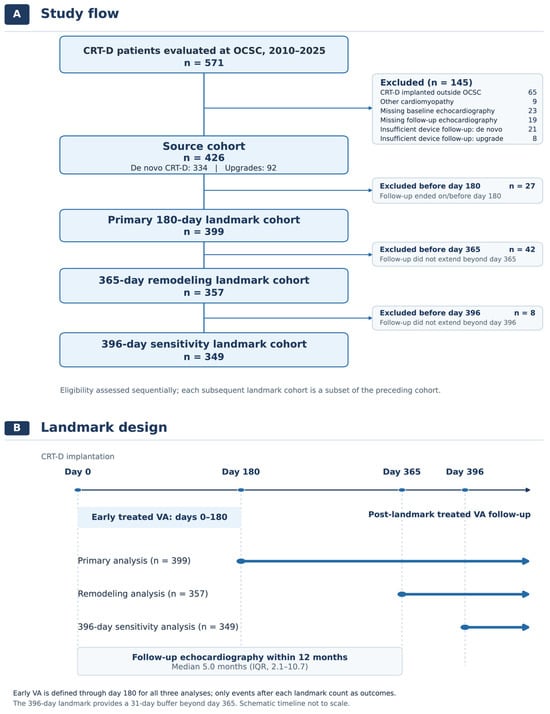
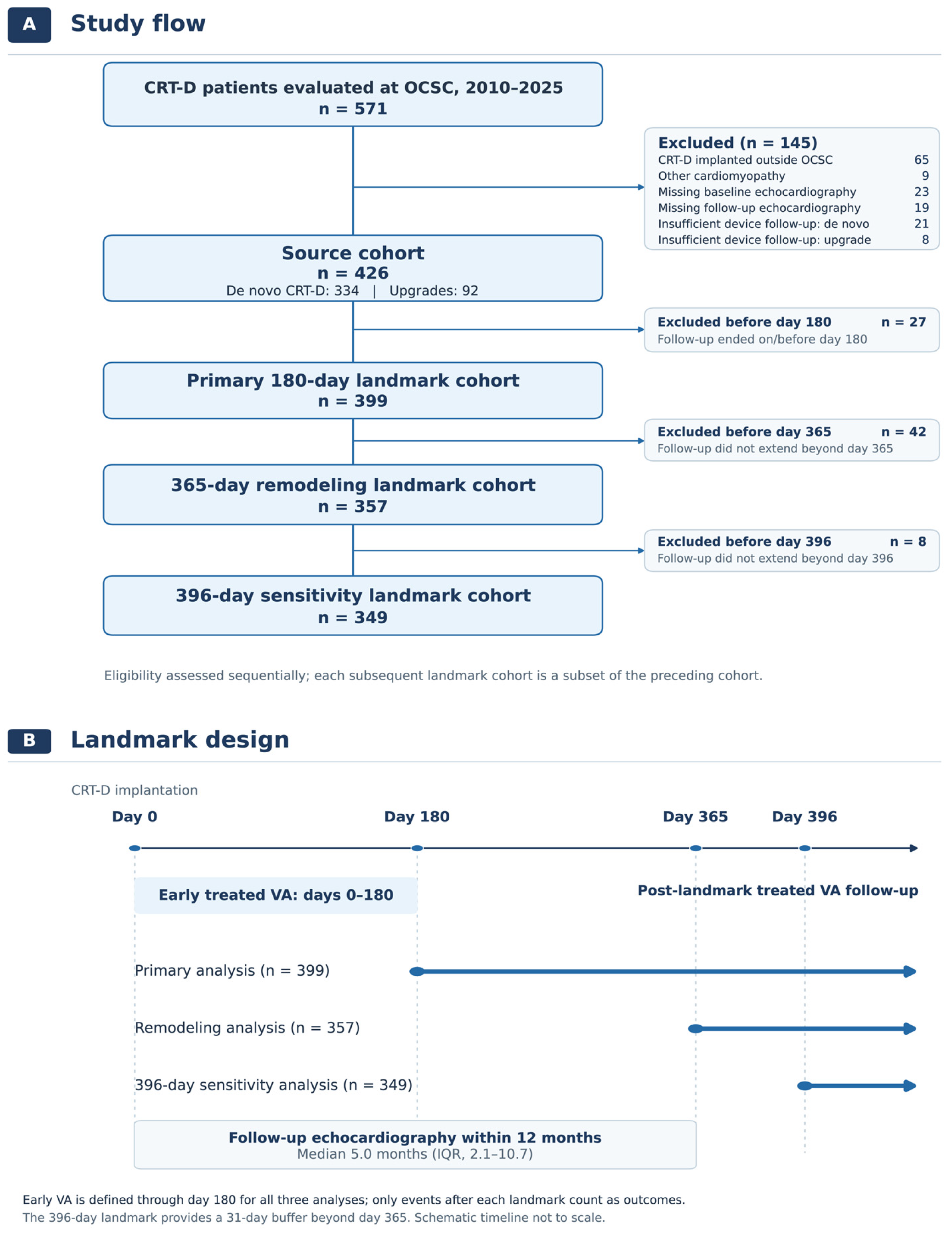
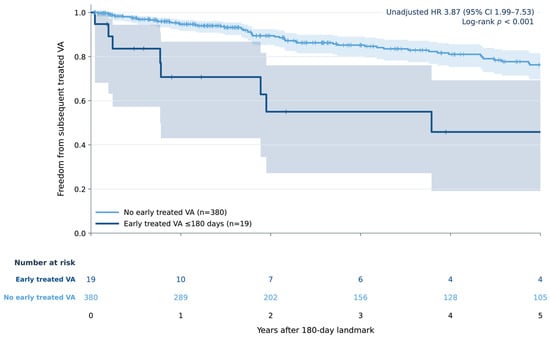
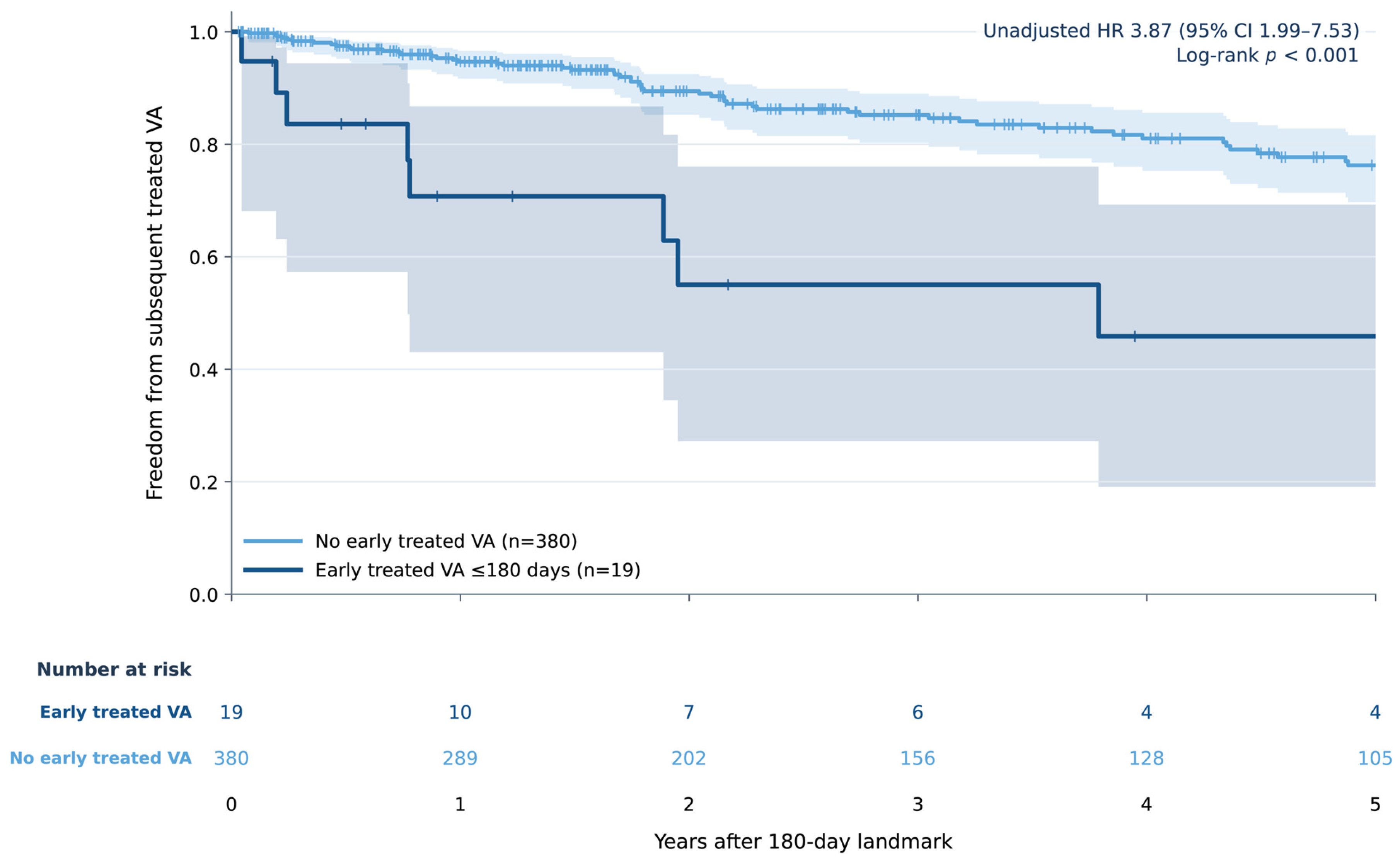
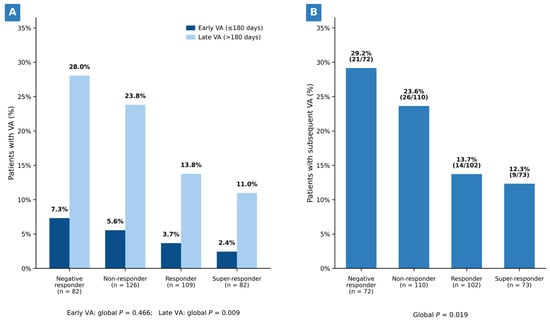
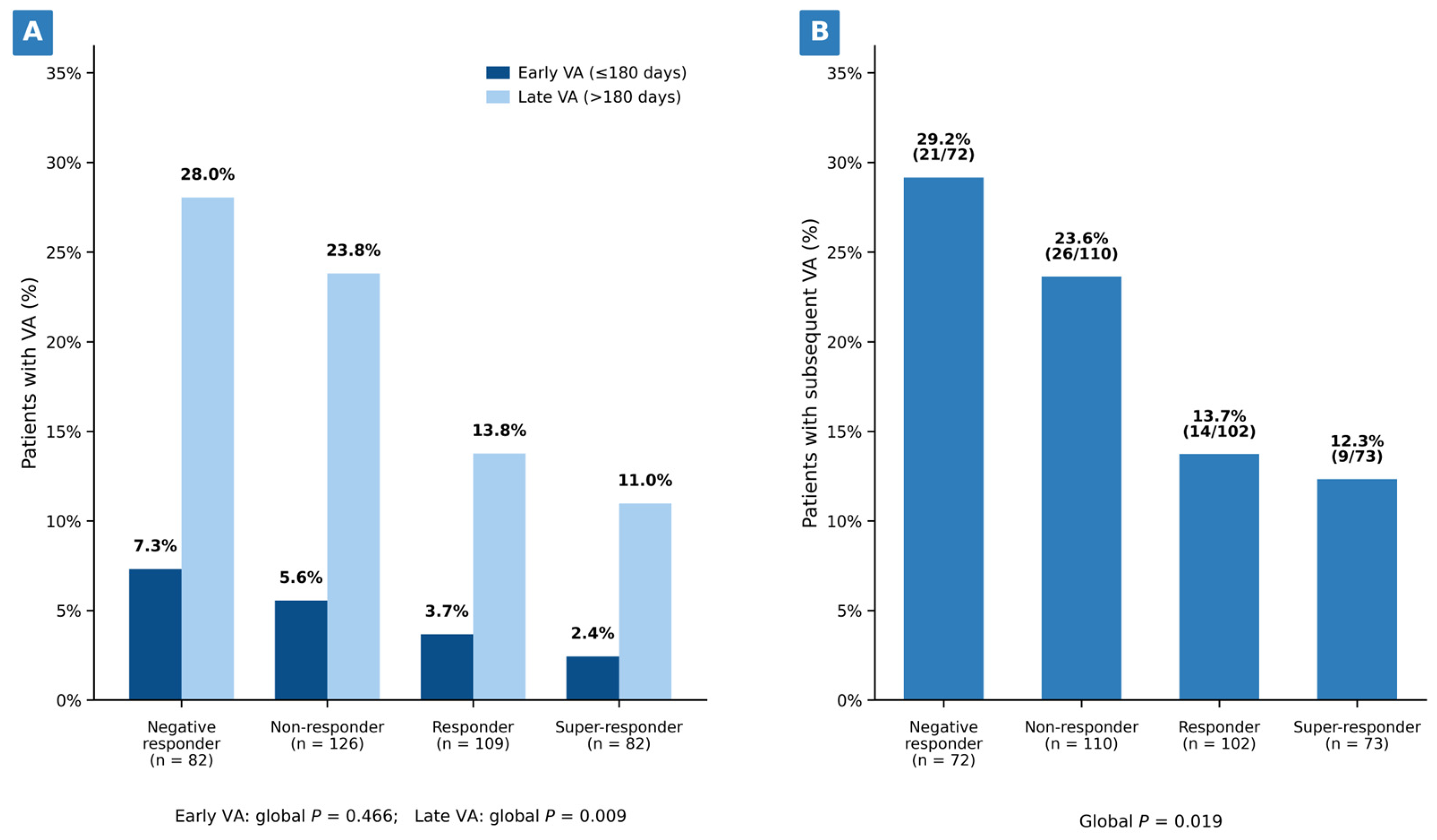
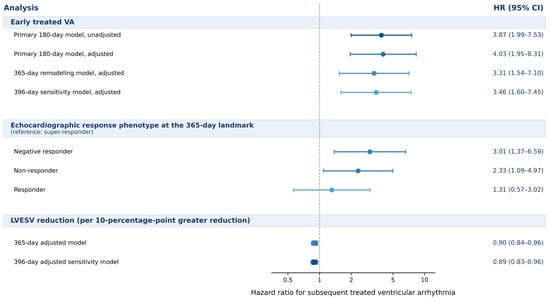
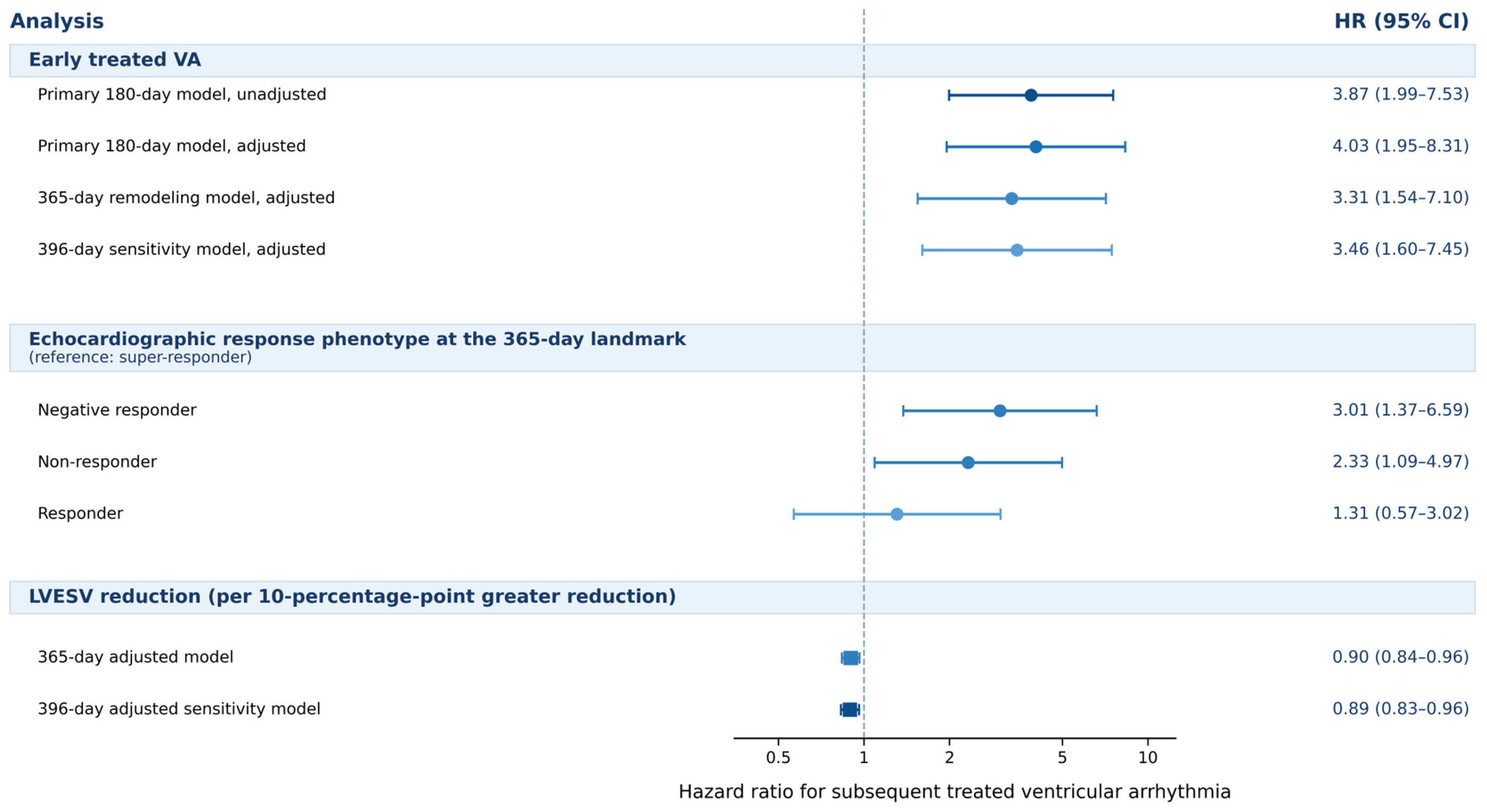

Disclaimer/Publisher’s Note: The statements, opinions and data contained in all publications are solely those of the individual author(s) and contributor(s) and not of MDPI and/or the editor(s). MDPI and/or the editor(s) disclaim responsibility for any injury to people or property resulting from any ideas, methods, instructions or products referred to in the content. |
© 2026 by the authors. Licensee MDPI, Basel, Switzerland. This article is an open access article distributed under the terms and conditions of the Creative Commons Attribution (CC BY) license.