


Abstract
This study integrates mineralogy, fluid-inclusion microthermometry, C–O isotope geochemistry, and Rb–Sr isotope systematics to constrain fluid–rock interaction in the Hekimhan and Kuluncak listvenites. The assemblages are dominated by dolomite, calcite, and quartz and commonly contain cerussite, tetrahedrite, galena, anglesite, pyrite, and chalcopyrite. Fluid inclusions homogenize at 285–417 °C and have salinities of 6.16–13.40 wt.% NaCl eq.; eutectic temperatures of −22.5 to −39.5 °C are consistent with fluids related to the H2O–NaCl–FeCl2 system. Carbonate δ13C VPDB values range from −4.54 to +4.31‰ and laboratory-reported δ18OVSMOW values from 22.15‰ to 31.95‰; calculated δ18OH2OVSMOW values range from +9.55‰ to +18.16‰, indicating heterogeneous fluid–rock interaction. Measured 87Sr/86Sr ratios range from 0.708696 to 0.711060 and 87Rb/86Sr from 0.011 to 3.534. The carbonate Rb–Sr regression yields 42 ± 17 Ma, with an initial 87Sr/86Sr ratio of 0.70871 ± 0.00046 and MSWD = 2.4. The 42 Ma central value falls within the Middle Eocene and is compatible with a Middle Eocene hydrothermal carbonation event, although the relatively large uncertainty and four-sample dataset warrant cautious interpretation. Trace-element enrichments in As–Cu–Ni–Pb–Sb, Pb–Cd, and Cu–Sr–Ba indicate localized metal redistribution. The integrated dataset supports structurally focused, multistage carbonation–silicification followed by metal-bearing hydrothermal overprinting under evolving physicochemical conditions.
1. Introduction
Listvenites have been widely investigated in Türkiye with respect to their geology, mineralogy, geochemistry, and associated mineralization. At Kaymaz (Eskişehir), gold mineralization is spatially associated with listvenitic alteration and hydrothermal fluid activity [1,2]. The Kaymaz deposit has consequently been described as a silica-listvenite-hosted gold system. In the Kütahya–Eskişehir region, magnesite-bearing listvenites are rich in carbonate minerals, particularly magnesite and dolomite, and are interpreted to have developed through serpentinization followed by carbonation of ultramafic rocks [3]. The Mihalıççık listvenites, within the İzmir–Ankara–Erzincan Suture Zone, formed in serpentinites through combined carbonatization and silicification [4], and low-temperature hydrothermal alteration has been linked to enrichment in Au and As [2]. Gemiköy (Kastamonu) listvenites of the North Anatolian Ophiolite Belt likewise developed within serpentinites and are characterized by quartz–dolomite assemblages and minor Au enrichment associated with sulfides [5]. In the Of–İkizdere area (Rize), listvenites occur along fault zones and contain arsenopyrite, pyrite, stibnite, quartz, and carbonate minerals; these alteration zones have been related to epigenetic Au mineralization [6]. The Gevaş (Van) listvenites formed by silicification and carbonation of serpentinites and contain dolomite, quartz, fuchsite, pyrite, and chalcopyrite together with enrichments in Au, Ag, and Sb [7]. Together with other Turkish occurrences, these deposits form part of the broader Neo-Tethyan ophiolitic framework, which includes supra-subduction-zone ophiolitic assemblages and records the progressive closure of Neotethys [8,9]. In the Narman (Erzurum) area, hydrothermal carbonatization of sheared and mylonitized serpentinite along thrust zones produced listvenites enriched in Hg, As, and Cr and locally associated with polymetallic mineralization [10]. Erzincan listvenites, approximately 295 km north of the study area, are similarly controlled by fault-related hydrothermal circulation and contain chromite, magnesite, and locally Ag enrichments [11]. In the Kızıldağ (Hatay) ophiolites, Upper Cretaceous thrusting promoted hydrothermal circulation through fracture networks and facilitated carbonation and silicification of ultramafic rocks. Pyrite, chalcopyrite, arsenopyrite, hematite, sphalerite, quartz, and free Au in oxidized zones reflect the metallogenic potential of these altered ultramafic systems [12,13]. Magnesite occurrences in the Çevlik (Hatay) area likewise formed within fractured ultramafic rocks and contain Co and Ni [14]. The Guleman ophiolites likewise host economically important ultramafic-related mineralization [15]. The Güvenç listvenites in the Hekimhan–Kuluncak region were first described in [16]. Subsequent work distinguished an earlier silica–carbonate listvenite (Type I) from a later carbonate-dominated listvenite (Type II) [17]. Higher Co, Cr, and Ni contents in serpentinites than Au and Ag, together with elevated Ba attributed to hydrothermal alteration, were reported for the Divriği and Hekimhan regions [18]. In the Divriği and Kuluncak ophiolitic complexes, Late Cretaceous alteration of serpentinite produced two principal listvenite types: silica–carbonate listvenite dominated by silica, calcite, dolomite, ankerite, and magnesite, and carbonate listvenite dominated by calcite, dolomite, ankerite, and magnesite with little additional silica. Both types commonly occur along thrust-related fluid pathways, whereas listvenites away from major faults record fluid flow through highly serpentinized, microfractured, and porous ultramafic rocks. These contrasting alteration styles imply differences in fluid composition, particularly in the relative contributions of SiO2, CO2, Ca, and H2O [17,18,19,20]. More broadly, listvenites are products of metasomatic alteration of mafic to ultramafic rocks, commonly following serpentinization [18,19,20,21,22], and fluid focusing along fractures may produce vein- and dike-like bodies extending hundreds of meters laterally and tens of meters in thickness [18]. Recent studies have refined isotope-based models for listvenite formation. An integrated O, C, H, Sr, and Rb isotope and fluid-inclusion study of Sayan–Baikal apoultrabasic metasomatites documented broad δ18O variability, carbonate δ13C values of approximately −2.8‰ to +2.8‰, 87Sr/86Sr ratios of 0.70702–0.70971, and low- to moderate-temperature homogenization ranges [23]. These data show that listvenite isotope signatures may record crustal or metamorphogenic fluid input, mineral-specific fractionation, and multistage fluid–rock interaction. In the Oman ophiolite, a ~4.5‰ range in δ26Mg among peridotites and alteration products was documented, with relatively heavy serpentine veins and isotopically lighter magnesite and dolomite [24]. This mineral-scale contrast demonstrates that isotope compositions can reflect reaction progress and co-precipitating mineral assemblages as strongly as initial source composition. Carbon and oxygen isotopes therefore require interpretation in the context of temperature, mineralogy, fractionation, reaction progress, and post-crystallization exchange. Mantle-derived carbon commonly occupies negative δ13C ranges [25], whereas sedimentary-carbonate buffering and devolatilization of mixed carbonate–silicate successions may produce more 13C-rich carbonate. Secular variation in marine carbonate compositions also precludes use of a single universal source field [26]. Oxygen isotopes are particularly sensitive to mineral-specific fractionation and temperature and cannot be uniquely attributed to meteoric input without independent constraints. Accordingly, integrated interpretation of textures, structural relationships, fluid inclusions, temperature information, and radiogenic isotopes is essential [23,24,27,28]. East-central Anatolia provides an appropriate setting in which to test these models because the Hekimhan–Kuluncak listvenites occur in Late Cretaceous ophiolitic mélanges and structurally prepared ultramafic rocks but are also adjacent to post-obduction sedimentary carbonate reservoirs and younger tectono-magmatic activity. Earlier regional studies emphasized thrusting, serpentinization, microfracturing, and contrasting silica–carbonate versus carbonate alteration styles [17,22,29], whereas more recent work highlights structurally controlled hydrothermal alteration and regional variability in listvenite genesis [30]. Two non-exclusive hypotheses are therefore considered: (i) transfer of deep or metamorphogenic carbon-bearing fluids through the ophiolitic system and (ii) post-obduction, fault-controlled carbonation accompanied by isotopic re-equilibration. In Oman listvenites and serpentinites, 87Sr/86Sr ratios of 0.7090–0.7145 and total-carbon δ13C values of −10.6‰ to +1.92‰ were reported; the radiogenic Sr together with underlying metasedimentary signatures was interpreted as evidence for sediment-derived carbon-bearing fluids transferred into the shallow mantle wedge [27]. High time-integrated fluid flux and sustained structural permeability have further been emphasized as requirements for extensive listvenitization [31]. The listvenites from eastern Egypt, interpreted to have formed through subduction-zone-related alteration of the Neoproterozoic mantle, average Sr concentrations of approximately 1131 ppm and average Rb contents of about 165 ppm were reported. In these listvenites, which were considered to have undergone autometamorphic alteration, magnesite was suggested to have been progressively transformed into dolomite and calcite in response to decreasing temperature. During ophiolite emplacement, hydrothermal fluids contaminated by continental crust were interpreted to have been silica-rich, and carbonation of serpentinites was reported to have produced silica–carbonate listvenites enriched in MnO, Sc, Cr, As, Sr, Cs, Ba, Pb, and U [32].
The Hekimhan–Kuluncak system has not previously been evaluated using an integrated dataset combining field relations, microchemistry, trace-metal geochemistry, C–O isotopes, and quantitative assessment of carbonate Rb–Sr regression quality. This study therefore integrates field observations, XRD, SEM–EDS, major- and trace-element geochemistry, fluid inclusions, C–O isotopes, and Rb–Sr data to reconstruct the fluid–rock interaction history of the Hekimhan–Kuluncak listvenites. The objectives are to (1) constrain mineralogical and analytical controls at the sample scale, (2) evaluate carbon sources and fluid evolution using C–O isotope systematics within a multiprocess framework, and (3) assess the significance and limitations of the carbonate Rb–Sr isotope array.
2. Geological Setting
The study area is located in Malatya Province, eastern Türkiye, within the Hekimhan and Kuluncak districts (Figure 1). Listvenite occurrences investigated in this study crop out in two distinct areas and are referred to hereafter as the Hekimhan and Kuluncak listvenites.
Figure 1.
Location map of the study area.
The lithological succession around Kuluncak includes deep-marine sedimentary rocks, ophiolitic blocks of variable size, tuffs, and basic submarine volcanic rocks [33]. The oldest exposed units comprise Permian dolomitic limestone, calcareous schist, phyllite, quartzite, and quartz schist [34]. Mesozoic strata form a thick succession dominated by neritic limestone, basaltic–spilitic dikes, ophiolitic rocks, and serpentinite (Figure 2A). From the Early Cretaceous onward, the succession includes clastic carbonates, shale, and conglomerate, locally passing into dolomitic limestone. The ophiolitic complex was tectonically emplaced over neritic limestone during the Late Cretaceous [35]. Ultramafic–mafic rock assemblages crop out as isolated bodies within the Upper Cretaceous succession and are interpreted as fragments of a genetically related ophiolitic mass subsequently disrupted by emplacement and later tectonism. In both Hekimhan and Kuluncak, the ultramafic and mafic units are cut by syenite–trachyte porphyries. These rocks are unconformably overlain by Eocene and Oligocene marine sedimentary units, with Oligocene–Early Miocene marine deposits locally associated with Miocene volcanism (Figure 2A) [36,37]. Paleocene–Eocene syenites occur between Kuluncak and Hasançelebi, whereas Lower–Middle–Upper Eocene siliciclastic–carbonate and marine clastic units crop out around Kuluncak and east of Hasançelebi. Numerous small trachyte intrusions occur throughout the study area and are overlain by siliceous, calcitic–carbonate units. These subvolcanic bodies locally form intrusive contacts with the listvenites, although tectonic contacts predominate. Because the trachyte intrusions are too small to be represented at 1:25,000 scale, they are not shown on the geological map in Figure 2A. Oligocene–Lower Miocene terrestrial siliciclastic units show lateral facies transitions with the marine succession, and Upper Pliocene basalt, andesite, and pyroclastic rocks crop out west of Güzelyurt [38].
Figure 2.
(A) Geological map of the study area, modified from MTA [37]. Representative field photographs of the studied listvenites. (B) Carbonate-rich altered blocks in Hekimhan. (C) Contact between a dark siliceous alteration zone and a lighter carbonate-rich vein/alteration zone in Hekimhan. (D) Carbonate-rich alteration developed within listvenitic rocks in Kuluncak; and (E) Oxidized, siliceous alteration characterized by reddish-brown coloration in Kuluncak.
The basement of the Hekimhan region, within the Eastern Taurus system, comprises Jurassic–Cretaceous neritic limestone and Cretaceous ophiolitic rocks [39]. Upper Cretaceous ultramafic–mafic rocks and associated siliciclastic–carbonate units crop out in the northern Hekimhan and Kuluncak areas and host the studied listvenitic alteration (Figure 2B–E). Figure 2B shows carbonate-rich rocks in Hekimhan; Figure 2C shows a dark siliceous zone in contact with a carbonate-rich alteration zone in Hekimhan; Figure 2D shows carbonate-rich alteration in Kuluncak; and Figure 2E shows oxidized and silicified alteration in Kuluncak. The Upper Cretaceous ophiolitic rocks in both areas belong to the Kuluncak ophiolitic mélange within the Taurus ophiolite belt, related to the northern branch of the Neo-Tethys [9,40]. Mantle tectonites include dunite, harzburgite, and serpentinite. Rodingites developed from gabbroic protoliths in the Kuluncak ophiolite [39], indicating Ca metasomatism during serpentinization. The studied listvenites occur within Upper Cretaceous and Eocene structural domains and are concentrated along fracture systems of variable scale.
3. Materials and Methods
The mineralogical and petrographic characteristics of listvenite samples collected from the Hekimhan and Kuluncak areas were investigated using thin-section petrography, polished-section microscopy, X-ray diffraction (XRD), and scanning electron microscopy coupled with energy-dispersive X-ray spectroscopy (SEM–EDS). Single-sided polished thin sections and polished sections were prepared from thirteen listvenite samples (L1-D1 to L13; Figure 2A) and examined under a polarizing microscope. The UTM ED50 coordinates of the sampling locations are provided in Table 1. Mineralogical analyses were conducted in the mineralogy laboratories of Fırat University, Karadeniz Technical University, and Munzur University.
Table 1.
Sample codes and locations in UTM ED50 coordinates.
3.1. XRD and SEM–EDS Characterization
Thirteen thin and polished sections were prepared in the Mineralogy Laboratory of Fırat University and examined using transmitted- and reflected-light polarizing microscopy in the Mineralogy Laboratories of Karadeniz Technical University. XRD analyses were performed on 5 g powdered samples (L1-D1, L4, L8, L9, L10, and L11) at MUNTEM (Munzur University Rare Earth Elements Application and Research Center, Tunceli) using a Rigaku MiniFlex 600 diffractometer with Cu Kα radiation. SEM–EDS observations were obtained from samples L1-D1 and L9 using electron images, elemental maps, and map-sum spectra acquired with an Oxford Instruments energy-dispersive X-ray system. The area archived as L1-D1 was examined at approximately 10 kV and 2400× magnification, whereas L9 was examined at 10 kV and approximately 2000× magnification. Map-sum spectra were used for semi-quantitative microchemical characterization. Area-averaged EDS signals were not used alone for definitive mineral identification but were interpreted together with field relationships, XRD data, and whole-rock geochemistry.
3.2. Fluid Inclusion Studies
Fluid-inclusion studies were conducted on two samples (L1-D1 and L9) using doubly polished thin sections. Eight fluid inclusions in quartz were examined from each sample. Microthermometric measurements were carried out at the Department of Geological Engineering, Karadeniz Technical University, using a Leica DMLP polarizing microscope equipped with a Linkam THMG-600 heating–freezing stage (−196 to 600 °C). Homogenization temperature (Th), eutectic temperature (Te), and final ice-melting temperature (Tm-ice) were measured on 20 μm-thick doubly polished sections. The stage was calibrated using synthetic fluid inclusions; repeated measurements yielded accuracies of ±3 °C for positive temperatures and ±0.2 °C for negative temperatures. Fluid-inclusion morphologies were classified using established petrographic criteria [41]. Salinities of liquid–vapor (L–V) inclusions were calculated from Tm-ice values using the published freezing-point-depression relationship [42]. Probable dissolved-salt systems were evaluated from measured eutectic temperatures (Te) using established eutectic-temperature criteria [43,44].
3.3. Major Oxide and Trace Element Analysis
Samples L4, L8, L12, and L13 were selected for major-oxide analysis by X-ray fluorescence (XRF), whereas samples L1-D1, L1-D2, L3, L5, L7, L8, L9, L10, and L11 were analyzed for trace elements by ICP–MS. The ICP–MS and XRF procedures are accredited by the Turkish Accreditation Agency (TÜRKAK) in accordance with TS EN ISO/IEC 17025. Samples for trace-element analysis were digested using concentrated HClO4, HCl, HNO3, and HF. Loss on ignition (LOI) was determined gravimetrically at 1050 °C. Major-oxide and trace-element analyses were performed at the Mineral Analysis and Technology Department of the General Directorate of Mineral Research and Exploration (MTA), Türkiye.
3.4. Carbon and Oxygen Isotopes
Samples L4, L5, L7, and L10 were selected for carbon- and oxygen-isotope analyses. Dolomite was analyzed in sample L4, whereas calcite was analyzed in samples L5, L7, and L10.
Analyses followed DZ/T 0184.27-2024 and were performed using a GasBench II–DELTA Q system. Calcite was analyzed from L5, L7, and L10, whereas dolomite was analyzed from L4. δ13C and δ18O values are reported relative to VPDB in per mil (‰). Quality control employed NBS-18, IAEA-603, GBW04405, and GBW04406 reference materials. A duplicate analysis of L7 differs from the primary measurement by only ~0.005‰ in δ13C and ~0.026‰ in δ18O and is therefore used solely as a repeatability check rather than plotted as a separate sample. Carbon- and oxygen-isotope analyses of carbonate minerals were performed by Wuhan Sample Solution Analytical Technology Co., Ltd (Wuhan, China). under report SPJZ (2026) P0275.
3.5. Rb–Sr Isotope Analysis
For the Rb–Sr analyses, three carbonate-dominated samples and one carbonate–silica sample were selected in order to evaluate compositional variations among listvenites with different mineralogical characteristics. Rb and Sr concentrations, 87Rb/86Sr and 87Sr/86Sr ratios, and reported 2σ uncertainties were obtained for carbonate samples L7, L10, L11, and L13. The laboratory isochron output yielded an age of 42 ± 17 Ma, an initial 87Sr/86Sr ratio of 0.70871 ± 0.00046, and MSWD = 2.4. Because the dataset comprises four carbonate samples, the regression result is evaluated together with sample distribution, petrographic context, and Sr-isotope heterogeneity rather than being treated as a direct age of ophiolite formation. Rb–Sr analyses were performed by Wuhan Shangpu Analysis Technology Co., Ltd (Wuhan, China). under report 2026-0715 using EJ/T 692-1992 and a Phoenix thermal ionization mass spectrometer. A summary of the samples and analytical methods used in this study is provided in Table 2.
Table 2.
Summary of samples and analytical methods used in this study.
4. Results
Thin-section photomicrographs of representative samples are shown in Figure 3. Quartz occurs as fine-grained aggregates, vein fillings, and intergrowths with carbonate minerals. Several listvenite samples contain abundant fine-grained quartz associated with carbonatization and silica-rich hydrothermal alteration. Sample L1-D1 contains granoblastic quartzite (Figure 3A), whereas L1-D2 contains a fine-grained siliceous matrix (Figure 3B). Thin quartz veins cut a calcite-rich matrix in L3 and L4 (Figure 3C,D). Opaque minerals occur within calcite-rich matrices in L5, L6, L7, and L8 (Figure 3E–H). Samples L9 and L10 contain carbonate, quartz, and opaque minerals (Figure 3I,J); L11 contains a quartz vein (Figure 3K); and L12 and L13 comprise metacarbonate-rich assemblages containing opaque minerals, calcite, and quartz (Figure 3L).
Figure 3.
Thin-section photomicrographs of the studied listvenites: (A) Granoblastic quartzite in L1-D1. (B) Fine-grained siliceous matrix in L1-D2. (C,D) Thin quartz veins within a calcite-rich matrix in L3 and L4. (E–H) Disseminated opaque minerals in calcite-rich matrices of L5, L6, L7, and L8. (I,J) Carbonate, quartz, and opaque minerals in L9 and L10. (K) Quartz vein in L11. (L) Metacarbonate-rich assemblages containing opaque minerals, calcite, and quartz in L12 and L13.
Figure 4 presents polished-section observations from samples L8 and L10. Cerussite and tetrahedrite occur in Figure 4A. Figure 4B shows cerussite replacing the margins of galena and locally filling cavities. Galena is characterized by high reflectance and prominent triangular to cubic cleavage pits. Oxidized cerussite occurs in association with galena and, locally, sphalerite where the sulfides are in direct contact (Figure 4C). Anglesite occurs as a dark-gray phase between pyrite and cerussite in Figure 4D. Pyrite, chalcopyrite, and cerussite are shown in Figure 4E, whereas Figure 4F shows galena and cerussite.
Figure 4.
Polished-section photomicrographs of sample L8: (A) Cerussite and tetrahedrite. (B) Cerussite and galena. (C) Galena, cerussite, and sphalerite. (D) Pyrite, cerussite, and anglesite. (E) Pyrite, chalcopyrite, and cerussite. (F) Galena and cerussite.
Fe-(hydroxy) oxides also occur within cerussite (Figure 5A). Cerussite occurs as a replacement product of galena and forms colorless to honey-brown crystals with a greasy luster, locally reaching 5 mm. Bipyramidal crystals display a (110) pseudohexagonal twin. Galena is shown in Figure 5B. Figure 5C illustrates a colloform replacement texture in which cerussite replaces galena. Fe oxides within cerussite display a brecciated appearance associated with later fracturing and mineral reprecipitation (Figure 5D). Figure 5E shows colloform-textured galena, consistent with episodic mineral precipitation from fluids of variable temperature and composition. Carbonate-rich listvenites in the study area are typically yellowish (Figure 5F). Quartzite veins within serpentinites in the Kuluncak area occupy fractures of variable size and locally host ore mineralization (Figure 5G). The observed mineral assemblages are interpreted to reflect metasomatic silicification and carbonatization focused along tectonic and intrusive contacts.
Figure 5.
Polished-section and field photographs from sample L10 and the study area: (A) Cerussite and Fe oxides. (B) Galena. (C) Colloform replacement texture involving galena and cerussite. (D) Cerussite and Fe oxides. (E) Colloform-textured galena in quartzite. (F) Carbonate-rich listvenite. (G) Quartzite veins within serpentinite.
4.1. XRD and SEM–EDS Results of the Hekimhan–Kuluncak Listvenites
XRD results for selected samples are presented in Figure 6. The identified ore-related phases include pyrite, chalcopyrite, and siderite. Tetrahedrite, galena, cerussite, sphalerite, anglesite, and Fe oxides were additionally identified in polished sections. The normalized XRD patterns indicate marked mineralogical variability among the analyzed samples. L1-D1 is quartz-dominant, with subordinate dolomite and ankerite. L4 and L8 are carbonate-dominant samples in which dolomite is the principal phase, accompanied by ankerite and minor quartz. L9 is characterized by a quartz–dolomite assemblage, with minor siderite and accessory pyrite and chalcopyrite. L10 is strongly calcite-dominant, whereas L11 is characterized by a quartz–dolomite assemblage with subordinate siderite and ankerite. These relative mineral abundances are based on the prominence and distribution of diagnostic XRD reflections and are therefore considered semi-quantitative rather than quantitative modal proportions. Overall, the gangue mineralogy is dominated by quartz, dolomite, ankerite, and calcite, with ore-related phases occurring locally within these quartz- and carbonate-rich assemblages.
Figure 6.
Normalized X-ray diffraction (XRD) patterns of the analyzed samples (L1-D1, L4, L8, L9, L10, and L11), showing the distribution of the main mineral phases. The detected phases are quartz (Qz), dolomite (Dol), ankerite (Ank), calcite (Cal), pyrite (Py), chalcopyrite (Ccp), and siderite (Sid). The symbol “/” denotes overlapping reflections.
SEM observations of L1-D1 document a silica-rich listvenite containing dolomite, quartz, and smectite (Figure 7A–H). The map-sum spectrum of L1-D1 (Figure 7J) contains Si (53.4 wt.%) and O (39.5 wt.%), with subordinate C (3.7 wt.%) and Al (2.7 wt.%) and very low Mg, Na, and Fe contents. This composition is consistent with a smectite-group clay mineral, probably saponite. Electron images show variable grain sizes and platy to locally coarse euhedral crystal aggregates; however, the area-averaged EDS composition does not permit unequivocal mineral-by-mineral identification. In contrast, L9 contains O 43.4 wt.%, Ca 24.6 wt.%, C 12.3 wt.%, Mg 12.0 wt.%, and Fe 7.3 wt.%, defining a Ca–Mg–Fe–C–O-rich microdomain (Figure 7I). L9 displays heterogeneous platy and locally fine acicular to rosette-like textures, and its very low Si and Al contents contrast strongly with L1-D1. The SEM–EDS data therefore independently support the occurrence of silica-dominant and carbonate-rich microchemical domains inferred from field observations.
Figure 7.
High-resolution SEM–EDS images of hydrothermal minerals in the listvenites: (A,B,I) carbonate-rich phase containing euhedral dolomite crystals; (C,J) silicified phase with well-crystallized quartz; (D) smectite showing typical thin, sheet-like morphology; (E,G) rhombohedral calcite crystals; (F) dolomite crystal in a fine-grained carbonate matrix; (H) acicular aragonite with characteristic radial fibrous habit.
4.2. Major-Oxide and Trace-Element Geochemistry
Major-oxide data reveal marked compositional heterogeneity among the analyzed samples. L4 represents a carbonate-rich end member with 27.2 wt.% CaO, 20.0 wt.% MgO, 35.53 wt.% LOI, and only 9.6 wt.% SiO2. L8 and L12 are quartz-rich dolomitic samples containing 21.7 and 23.4 wt.% SiO2 and 10.35 and 26.6 wt.% Fe2O3, respectively. L13 is compositionally distinct, with 53.9 wt.% SiO2, 19.0 wt.% Al2O3, and 5.0 wt.% Na2O. (Table 3). Trace-element data show pronounced As–Cu–Ni–Pb–Sb enrichment in L1-D1, L1-D2, and L7; Cr reaches 1743.8 ppm in L3; L8 is enriched in Pb and Cd; and L9 contains elevated Cu, Sr, and Ba (Table 4). Au was analyzed in two samples (L1-D1 and L8) but remained below the detection limit (<20 ppb). Polished-section observations indicate that cerussite and anglesite are supergene alteration products, whereas galena is a primary hydrothermal mineral. These minerals account for the high Pb and Sb concentrations. Although sphalerite was observed directly in the polished sections, the high Cd concentrations are consistent with diadochic substitution of Cd within the sphalerite crystal lattice.
Table 3.
Major-oxide concentrations (wt.%) and loss on ignition (LOI).
Table 4.
Trace-element concentrations (ppm); Au values marked with an asterisk are reported in ppb. Values preceded by “>” exceed the upper detection limit.
4.3. Fluid-Inclusion Data from the Hekimhan–Kuluncak Listvenites
The fluid inclusions were first classified genetically as primary or secondary based on established petrographic criteria [41]. Primary inclusions occur within earlier quartz domains, whereas secondary inclusions locally display necking-down textures. Following the genetic classification, inclusion morphology and phase constitution were recorded.
Quartz was selected for fluid-inclusion microthermometry in samples L1-D1 and L9. Inclusion petrography considered size, shape, vapor/liquid proportions, and the presence of solid or opaque mineral phases. L1-D1 contains predominantly euhedral inclusions, many of which are vapor-rich (Figure 8A,B). Secondary inclusions locally display necking-down textures (Figure 8C), and solid or opaque mineral phases occur in several inclusions (Figure 8D–F). L9 contains predominantly anhedral inclusions, including two-phase liquid-rich and solid-bearing inclusions (Figure 8G,J,M). The inclusions selected for microthermometric measurement include euhedral primary inclusions and liquid-dominant inclusions (V < L).
Figure 8.
Fluid-inclusion petrography in quartz from L1-D1 and L9. L1-D1: (A) vapor–liquid inclusions along the margin of a euhedral first-stage quartz crystal; (B) vapor-rich inclusion (V > L); (C) secondary inclusion showing necking down; (D) vapor-rich first-stage inclusion (V > L); (E,F) secondary liquid-rich inclusions (L > V). L9: (G) irregular inclusion containing two liquid domains and one vapor phase; (H) secondary liquid-rich inclusion (V < L); (I) two inclusions with contrasting vapor/liquid ratios; (J) solid-bearing inclusion (S); (K) inclusion with approximately equal vapor and liquid proportions; (L) irregular inclusion; and (M) liquid-rich inclusion associated with a cubic opaque crystal.
Microthermometric measurements were obtained from selected primary and secondary inclusions in samples L1-D1 and L9 (Figure 9A,B). Homogenization temperature (Th), final ice-melting temperature (Tm-ice), and eutectic temperature (Te) were measured. Salinity, dP/dT ratios, and bulk-fluid density (ρBULK) were calculated from the microthermometric data using published thermodynamic relationships [42,45] (Table 5). Salinity (wt.% NaCl equivalent) was calculated from freezing-point depression using the published equation [41], based on experimental data [46]:
Salinity (wt.% NaCl) = 0.00 + 1.78 θ − 0.0442θ2 + 0.000557 θ3
Figure 9.
Morphological characteristics and microthermometric measurements (°C) of fluid inclusions in (A) L1-D1 and (B) L9.
Table 5.
Fluid-inclusion microthermometric and calculated parameters. Salinity was calculated using [42]; dP/dT and ρBULK were evaluated using [45].
Here, θ is the freezing-point depression in degrees Celsius. The critical properties of H2O–NaCl solutions with salinities ≤ 30 wt.% NaCl and the relationship between salinity and critical temperature (Tc) were established in [47] as:
where φ is salinity in wt.% NaCl. These data indicate two-phase behavior up to at least 800 °C and 1.5 kbar for a 30 wt.% NaCl solution, encompassing the P–T conditions of many crustal magmatic–hydrothermal systems.
Tc (°C) = 374.1 + 8.800 φ + 0.1771 φ2 − 0.0211 φ 3 + 7.334 × 10⁻⁴ φ4
dT/dP (°C/kbar) = −38.38 + 0.90S − 0.0029S2
Primary and secondary fluid inclusions homogenize to the liquid phase. The measured Tm-ice values range from −3.8 to −9.5 °C, corresponding to salinities of 6.16–13.40 wt.% NaCl eq., with an average of 10.31 wt.% NaCl eq. (Table 5). The calculated pressure–temperature ratios range from 7.79 to 12.53, whereas measured eutectic temperatures (Te) range from −22.5 to −39.5 °C and are consistent with fluids related to the H2O–NaCl–FeCl2 system [43]. Bulk-fluid densities (ρBULK) range from 0.699 to 0.858 g cm−3, and calculated critical temperatures (Tc) range from 431 to 496 °C (Table 5).
4.4. C–O Isotope Results
Carbonate δ13C VPDB values range from −4.543‰ to +4.308‰, and laboratory-reported δ18OVPDB values range from −15.463‰ to −7.698‰. L10 calcite has the most negative δ13C VPDB value and the highest δ18O value, whereas L7 calcite is the most 13C-enriched sample at +4.308‰. L4 dolomite yields +2.646‰ δ13C and −8.508‰ δ18O VPDB, with an oxygen-isotope composition close to that of L7 but a lower δ13C VPDB value. L5 calcite has an intermediate δ13C value (+0.515‰) but a distinctly lower δ18O VPDB value of −15.463‰, approximately 7‰ lower than the other analyzed carbonates. The close agreement of the L7 duplicate confirms that the inter-sample differences exceed analytical repeatability. Table 6 reproduces the laboratory-reported VPDB, VSMOW, and apparent fluid δ18O values without recalculation. Equation (4) gives the conventional VPDB–VSMOW relationship cited for reference [48], whereas calcite–water fractionation considerations were evaluated using [49].
δ18O(VSMOW) = 1.03092 × δ18O(VPDB) + 30.92
Table 6.
C–O isotope compositions of carbonate minerals. The L7 duplicate was used only as a quality-control replicate.
4.5. Rb–Sr Isotope Results
The four carbonate samples span 87Rb/86Sr = 0.011–3.534 and 87Sr/86Sr = 0.708696–0.711060 (Table 7). The laboratory Rb–Sr isochron regression yielded 42 ± 17 Ma, with an initial 87Sr/86Sr ratio of 0.70871 ± 0.00046 and MSWD = 2.4. The central value of 42 Ma corresponds to the Middle Eocene. L13, with the highest 87Rb/86Sr value (3.534), provides strong leverage on the regression, whereas L7 and L11 define the low-Rb/Sr end of the array and show measurable variation in 87Sr/86Sr. Accordingly, the 42 ± 17 Ma result is retained as the laboratory-reported carbonate Rb–Sr age but is interpreted conservatively because of the relatively large uncertainty and limited four-sample dataset.
Table 7.
Carbonate Rb–Sr data and reported 2σ uncertainties for 87Sr/86Sr.
5. Discussion
5.1. Structural Controls and Mineralogy
The Hekimhan–Kuluncak listvenites record structurally focused hydrothermal alteration, principally silicification and carbonatization, within tectonically active zones that also localized mineralization. These structural pathways promoted fluid circulation during emplacement of the intrusions in the Middle Eocene and were repeatedly reactivated by fluids associated with different stages of ore formation. Thin-section petrography documents quartz veins, granoblastic quartz, and opaque minerals within calcite-rich assemblages, confirming mineralization in samples from both areas. Cerussite, tetrahedrite, galena, anglesite, pyrite, and chalcopyrite were identified as primary and/or supergene ore minerals. On the basis of the ore-mineral paragenesis, galena and chalcopyrite are interpreted as primary sulfides, whereas anglesite, cerussite, and tetrahedrite may represent later supergene products. The highest loss on ignition (LOI) values were recorded in samples L4, L12, and L8, respectively. The elevated LOI values in these samples are attributed to their relatively high carbonate contents, reflecting the release of CO2 from the system during heating. In contrast, sample L13 is characterized by a low LOI value, consistent with its high silica content (Table 3). The MgO contents of the samples are interpreted to reflect the transformation of magnesite into dolomite and calcite. The FeO contents, on the other hand, may be related to the partial involvement within the hydrothermal system of Fe-bearing fluids responsible for the regional formation of siderite and magnetite mineralization. The quartz-hosted fluid-inclusion and carbonate C–O isotope datasets represent different analytical targets and cannot be directly correlated on a stage-by-stage basis. They are therefore interpreted as complementary but independent constraints on hydrothermal evolution. For the Huoshaoyun deposit, wall-rock calcite values of δ13CVPDB range −0.30‰ to 2.60‰ and δ18O VSMOW range 13.20‰ to 25.60‰ were reported and the carbon and oxygen sources were related to the sedimentary succession [50]. In the present study, galena, cerussite, and anglesite are interpreted to record a related sequence of mineralogical transformation, with Pb retained within different mineral phases during progressive alteration. In skarn Pb–Zn mineralization, quartz-hosted fluid-inclusion homogenization temperatures of 197–450 °C were reported together with intense hydrothermal alteration, late-stage quartz, anhedral fahlerz, and cerussite formed by supergene alteration of galena [51]. In the Kuluncak area, Pb mineralization is interpreted to have developed at the trachyte–listvenite contact under pyrometasomatic conditions involving fluids of variable temperature, whereas cerussite, anglesite, and tetrahedrite record later supergene alteration.
The coexistence of sulfide, carbonate, and sulfate Pb-bearing minerals provides insight into the evolution of the depositional environment. The observed galena-to-cerussite replacement, including banded textures, records temporal changes in solution composition and physicochemical conditions (pH, Eh, and temperature) during mineral precipitation (Figure 4C and Figure 5C). Multistage mineral precipitation is common in carbonate-hosted Pb–Zn deposits and low-temperature hydrothermal vein systems. Colloform textures in galena and cerussite are consistent with episodic precipitation and replacement during evolving hydrothermal conditions, while the incorporation of carbonate phases reflects progressive interaction between ore fluids and carbonate-bearing host rocks. Comparable silicification and carbonatization of serpentinized ultramafic rocks have been documented in the Sugeçer area of Eastern Anatolia, where field, petrographic, and geochemical evidence indicates hydrothermal transformation of serpentinite to listvenite.
5.2. Major-Oxide and Trace-Element Geochemical Characteristics
The major-oxide compositions reveal pronounced lithochemical heterogeneity across the Hekimhan–Kuluncak listvenites: L4 represents a carbonate-rich end member (27.2 wt.% CaO, 20.0 wt.% MgO, and 35.53 wt.% LOI), whereas L13 is distinctly silica–alumina rich (53.9 wt.% SiO2 and 19.0 wt.% Al2O3), indicating variable intensities of carbonation and silicification (Table 3). Trace-element distributions are similarly heterogeneous, with As, Cu, Ni, and Pb reaching or exceeding the upper analytical limits in selected samples, while L8 shows pronounced Cd enrichment (387 ppm) and L9 is characterized by elevated Cu (1039.4 ppm), Sr (826.9 ppm), and Ba (>2000 ppm) (Table 4; Figure 10). The distribution shown in Figure 10 further demonstrates that metal enrichment is strongly sample-dependent rather than spatially or geochemically uniform, consistent with localized fluid–rock interaction and selective metal remobilization during successive hydrothermal events. The major-oxide and trace-element patterns support a structurally focused, multistage hydrothermal system superimposed on an ultramafic protolith, with variable degrees of carbonation, silicification, and metal redistribution across the studied listvenites (Table 3 and Table 4; Figure 10).
Figure 10.
Trace-element distribution in the analyzed Hekimhan–Kuluncak listvenites based on Table 4. Concentrations are shown in ppm on a logarithmic scale. Values reported as >2000 ppm are plotted at 2000 ppm and marked with upward triangles to indicate lower-bound concentrations; values reported as <0.1 ppm are plotted at 0.1 ppm and marked with downward triangles. Au is omitted because it was reported in ppb and was below the detection limit (<20 ppb) in the two analyzed samples.
For regional comparison, the Sugeçer listvenites were classified into Type I and Type II varieties on the basis of mineral assemblages [52]. In that scheme, Type I listvenites contain abundant carbonate minerals together with minor serpentine, chromite, and mariposite, whereas Type II listvenites are comparatively silicate-rich. Relative to serpentinites, the Sugeçer listvenites are enriched in Au, As, Cu, Ni, and Co and display chondrite-normalized LREE enrichment coupled with HREE depletion; this enrichment has been linked to tectonically focused hydrothermal transport [53]. The Kuluncak ophiolitic units form part of the East Anatolian ophiolite belt and comprise tectonically emplaced harzburgite, dunite, and serpentinite associated with Late Cretaceous closure of the Tethys Ocean [17]. Interaction between serpentinite and CO2-rich hydrothermal fluids along fault zones promoted listvenitization and redistributed Co, Ni, Cr, and As. Previous regional work noted that mineralization is more strongly developed in silicified listvenites than in carbonate-dominated varieties and attributed Co, Ni, Pb, As, Sb, and Ag enrichment to hydrothermal leaching and remobilization [29]. Carbonatization of serpentinized ultramafic rocks produced assemblages containing quartz, ankerite, siderite, and fuchsite, whereas As, Cr, Co, and Ni enrichment highlights the metallogenic significance of the alteration system [17].
REE + Nb + U + Zr + Li mineralization associated with the Upper Cretaceous–Lower Paleocene Kuluncak syenitoid, which intrudes the ophiolite north of Kuluncak, was investigated in [53]. REE concentrations were reported to increase by approximately two- to three-fold through hydrothermal alteration, argillization, contact metasomatism, and syn- to post-emplacement alteration of the syenite. Regional geochemical studies further indicate that ultramafic rocks and their alteration products are depleted in selected elements and oxides and that the ophiolitic protolith has MORB-related geochemical characteristics [17]. The oldest component of the Kuluncak ophiolitic mélange in the Güvenç area is the Late Cretaceous serpentinite/ultramafic mass, whereas the Hekimhan mélange is intruded by subvolcanic syenite and trachyte [22].
Previous work evaluated REE distributions in the listvenites in terms of fluid–rock interaction [54]. The reported data indicate LREE enrichment and suggest strong hydrothermal control on element mobility. The lack of a pronounced Eu anomaly, together with sample-scale variability in middle REE behavior, indicates heterogeneous fluid circulation and a strong structural influence from intrusive contacts, faults, and fractures. Gd anomalies calculated using [55] yield Gd/Gd* values of approximately 1.1–1.8, indicating relative Gd enrichment and differential mobility during hydrothermal alteration. Dy/Dy* values of approximately 0.9–1.2 similarly record local geochemical heterogeneity. These REE patterns are consistent with redistribution during successive carbonation and silicification stages. The possible occurrence of Ni-bearing phases such as garnierite and millerite may reflect hydrothermal remobilization of Ni from serpentinized ultramafic rocks and substitution involving Mg-bearing mineral phases. In the Hasançelebi area northwest of the study area, listvenites formed through interaction of Late Cretaceous serpentinite with CO2-rich fluids along faults and contain quartz, dolomite, ankerite, fuchsite, barite, scapolite, and sulfides. Reported geochemical signatures include enrichment in CaO, SiO2, and K2O, depletion in MgO and Fe2O3, and concentrations of Cu (351 ppm) and Au (743 ppb), indicating both geological and economic significance [56]. Comparable listvenites from Oman and Iran likewise record carbonation and silicification of serpentinized peridotite by CO2-rich hydrothermal fluids. The MgO depletion and CaO–SiO2 enrichment observed in Hekimhan are therefore consistent with a characteristic metasomatic signature of listvenitization [57].
5.3. Evolution of Hydrothermal Stages Using Fluid Inclusions
Fluid-inclusion data from quartz in L1-D1 and L9 indicate a multistage hydrothermal system characterized by variable temperatures and low to moderate salinities. Final ice-melting temperatures range from −3.8 to −9.5 °C, corresponding to salinities of 6.16–13.40 wt.% NaCl eq., with an average of 10.31 wt.% NaCl eq. (Table 5). The calculated pressure-related parameter ranges from 7.79 to 12.53, whereas eutectic temperatures range from −22.5 to −39.5 °C, consistent with fluids related to the H2O–NaCl–FeCl2 system [43]. Bulk-fluid densities range from 0.699 to 0.858 g cm−3, and calculated critical temperatures (Tc) range from 431 to 496 °C. Because calculated Tc values are systematically higher than measured homogenization temperatures (Th < Tc), the inclusions homogenized within the subcritical region of the H2O–NaCl system rather than at critical conditions. For inclusions homogenizing to the liquid phase (L + V → L), this relationship is consistent with bulk-fluid densities above the critical density; Tc therefore represents a composition-dependent thermodynamic limit rather than a trapping temperature.
Figure 11 summarizes the distribution of homogenization temperature and salinity for primary and secondary inclusions. The measured microthermometric data indicate distinct primary and secondary inclusion populations. In the Hekimhan sample L1-D1, primary inclusions have a mean Th of 376.45 °C and a mean salinity of 10.98 wt.% NaCl eq., whereas secondary inclusions yield a lower mean Th of 290.53 °C at a similar mean salinity of 11.03 wt.% NaCl eq. In the Kuluncak sample L9, primary inclusions have mean Th and salinity values of 330.23 °C and 9.52 wt.% NaCl eq., respectively, whereas secondary inclusions yield 302.70 °C and 8.00 wt.% NaCl eq. These results distinguish an earlier, generally higher-temperature primary inclusion population from a later, lower-temperature secondary population, although their salinity ranges partly overlap. The coexistence of vapor-rich and liquid-rich inclusions over overlapping temperature ranges may indicate heterogeneous trapping and/or fluid immiscibility, although this interpretation should be considered together with petrographic evidence. Comparable listvenite-related Au systems formed from NaCl–CO2–H2O ± CH4 fluids with low (~2 wt.% NaCl eq.) to moderate (8–16 wt.% NaCl eq.) salinities at 210–330 °C have been reported [58]. At the Kaymaz deposit, first-stage fluid-inclusion homogenization temperatures of 282–389 °C and second-stage values of 237–298 °C were reported, with salinities of 0.18–15.65 and 0.8–6.64 wt.% NaCl eq., respectively [59]. Their Th–salinity distribution was interpreted as isothermal mixing between two fluids.
Figure 11.
Three-dimensional representation of fluid-inclusion data showing relationships among salinity (wt.% NaCl eq.), inclusion type (primary and secondary), and homogenization temperature (Th, °C).
Figure 12 summarizes the microthermometric and thermodynamic relationships in the present dataset. The correlation between Th and salinity is weak (r = −0.340, p = 0.234), whereas Tc and the salinity-dependent pressure/isochore parameters show strong positive relationships with salinity (r = 0.999 and r = 0.985, respectively; p < 0.001). The calculated pressure–temperature pattern is consistent with variable trapping conditions during fluid evolution. Because several of these parameters are mathematically derived from salinity, these correlations are interpreted primarily as thermodynamic relationships rather than independent genetic evidence. Raman spectroscopy, LA-ICP-MS, and other in situ fluid-inclusion chemical analyses were not available for the present study; therefore, interpretations of dissolved species and fluid sources are treated as provisional and are constrained primarily by petrography, microthermometry, and the independent isotope dataset.
Figure 12.
Integrated fluid-inclusion microthermometric and thermodynamic characteristics of the analyzed inclusions in quartz crystals. (A) Homogenization temperature–salinity relationships within the H2O–NaCl system. Salinity was calculated from the freezing-point depression using Equation (1), S = 1.78θ − 0.0442θ2 + 0.000557θ3, where S is salinity in wt.% NaCl equivalent and θ is the absolute freezing-point depression in °C. (B) Variation in salinity with homogenization temperature (Th) for the analyzed inclusions. (C) Salinity-dependent critical temperature (Tc) calculated using Equation (2), Tc = 374.1 + 8.800ϕ + 0.1771ϕ2 − 0.0211ϕ3 + 7.334 × 10⁻⁴ϕ4, where ϕ represents salinity in wt.% NaCl. (D) Relationship between salinity and the calculated isochore slope. The salinity-dependent dT/dP parameter was evaluated using Equation (3), dT/dP = −38.38 + 0.90S − 0.0029S2, where S is salinity in wt.% NaCl and dT/dP is expressed in °C kbar−1; calculated dP/dT values derived from the H2O–NaCl thermodynamic model are shown separately in bar °C−1. (E) Calculated pressure at homogenization versus Th, defining a pressure range of approximately 64–309 bar.
5.4. The Evolution of the Hydrothermal Fluid from C–O Isotopes
The C–O isotope analyses were performed on carbonate minerals, whereas the fluid-inclusion measurements were obtained from quartz. Accordingly, the carbonate isotope data are evaluated independently and are not directly assigned to the primary or secondary quartz-hosted fluid-inclusion stages. The C–O isotope dataset is inconsistent with derivation from a single carbon reservoir or a single fluid–rock interaction history (Figure 13). The δ13C–δ18O data were evaluated using the marine–freshwater carbonate discrimination criterion [60]. Spearman rank analysis indicates a weak negative and statistically non-significant relationship between δ18O and δ13C (ρ = −0.400, p = 0.600; n = 4).
Figure 13.
δ13C–δ18O distribution of the studied carbonate samples. The dashed line represents the Z = 120 marine–freshwater discrimination boundary [59]. The Spearman rank correlation coefficient is shown in the figure.
The carbonate δ13C values (−4.54‰ to +4.31‰ VPDB) indicate a heterogeneous carbon reservoir rather than a single source. The relatively negative value of L10 is compatible with a contribution from deep-sourced CO2-bearing fluids, whereas the more positive values of L4 and L7 require stronger interaction with, or buffering by, 13C-rich carbonate-bearing lithologies. The Hekimhan–Kuluncak range is broader than the approximately −2.8‰ to +2.8‰ carbonate range reported for Sayan–Baikal listvenites [23], while part of the dataset overlaps the −10.6‰ to +1.92‰ total-carbon range reported for Oman listvenites and serpentinites [27]. These comparisons do not define a unique source because bulk-carbon and mineral-specific carbonate analyses are not directly equivalent; instead, they demonstrate that the positive Hekimhan–Kuluncak values require a substantial 13C-rich contribution or carbonate buffering. Late Maastrichtian and Early Eocene shallow-marine carbonates and carbonate–evaporite successions in the Hekimhan basin provide a geologically plausible external carbon reservoir, whereas the negative L10 value permits a deeper magmatic–hydrothermal, metamorphogenic, or mixed component.
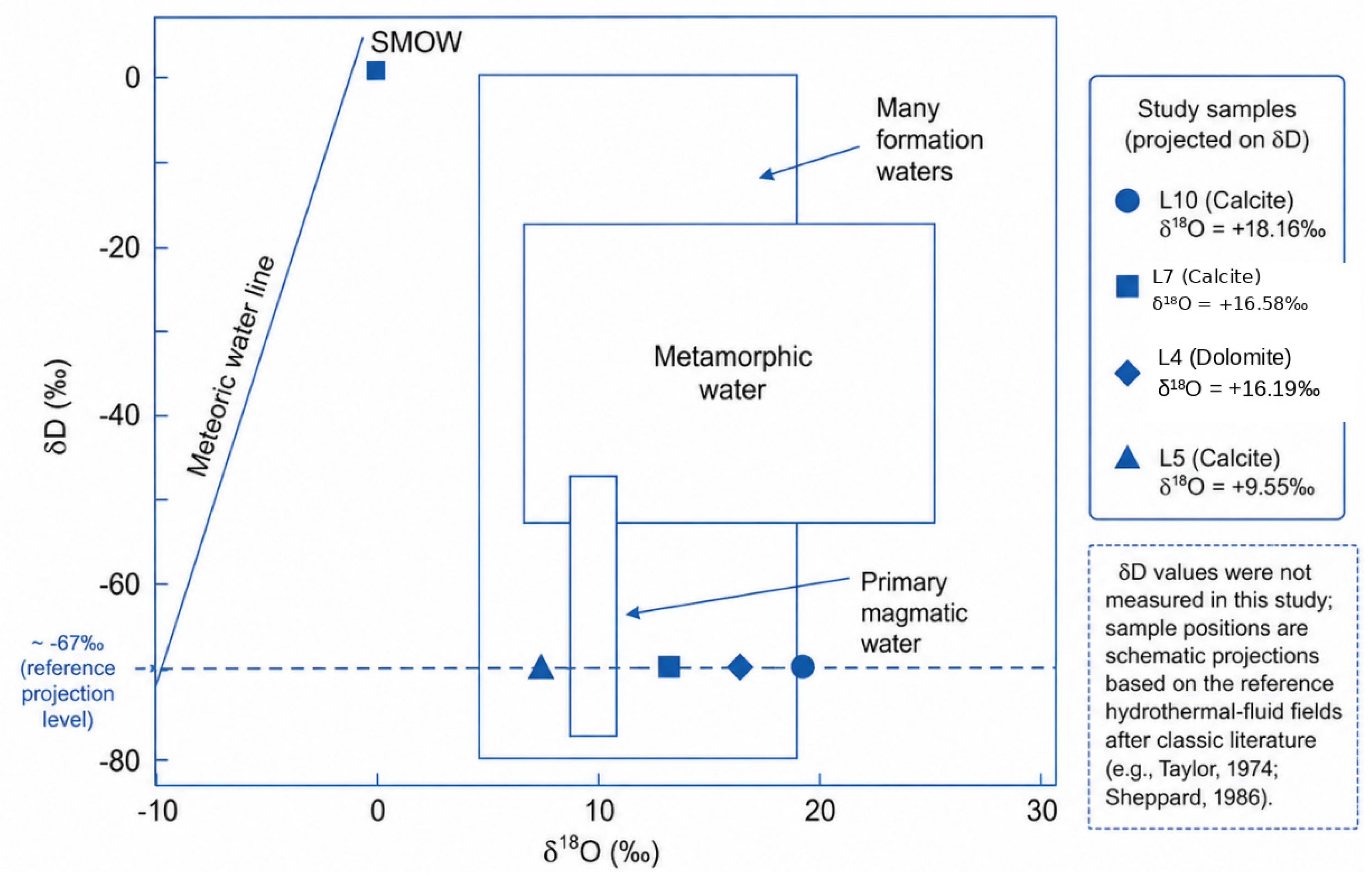
The oxygen-isotope data provide an independent record of fluid heterogeneity (Figure 14). L10, L4, and L7 cluster between approximately −7.7‰ and −8.6‰ δ18O VPDB, whereas L5 is markedly lower at −15.463‰; the close agreement between the L7 duplicate measurements demonstrates that this contrast exceeds analytical scatter. The δD–δ18O diagram is used only to compare the calculated apparent fluid δ18O values with literature-based hydrothermal and ophiolitic reference fields because δD was not measured in this study. Large oxygen-isotope variability in listvenite minerals has similarly been documented together with fluid-inclusion constraints indicating low- to moderate-temperature alteration and metamorphogenic fluid input [23]. Direct numerical comparison among studies must nevertheless account for differences in isotope scale, carbonate mineralogy, temperature, and analytical target. The process implication is robust: δ18O reflects the coupled effects of fluid composition, mineral-specific fractionation, temperature, water/rock ratio, and later isotopic exchange. Mineral-specific Mg-isotope fractionation documented in the Oman ophiolite reinforces this caution [24]. Accordingly, the anomalously low δ18O value of L5 may reflect higher-temperature precipitation, interaction with an 18O-depleted fluid, a higher fluid/rock ratio, or later re-equilibration; a uniquely meteoric interpretation is not justified.
The Hekimhan–Kuluncak data do not require a single end-member model. The coexistence of negative and positive δ13CvPDB values (−4.543‰ to +4.308 ‰), the anomalously low δ18OH2O and δ18OVPDB values of L5, field evidence for repeated fracturing, and Sr-isotope heterogeneity are more consistent with sequential or mixed fluid contributions during a prolonged tectono-magmatic history. The laboratory-reported apparent δ18OH2O values are +16.19‰ and +9.55‰ for the Hekimhan samples L4 and L5, respectively, and δ18OH2O +16.58‰ and +18.16‰ for the Kuluncak samples L7 and L10, respectively (Table 6). Thus, the apparent fluid values range δ18OH2O +9.55‰ to +18.16‰, and indicate isotopically heavy hydrothermal fluids. The higher values recorded by L10, L4, and L7 are consistent with extensive high-temperature fluid–rock interaction and isotopic buffering by carbonate- and silicate-bearing wall rocks, whereas the comparatively lower value of L5 may reflect weaker rock buffering or mixing with an isotopically lighter hydrothermal component. Such 18O enrichment is compatible with intense fluid–rock exchange during carbonation of ultramafic rocks and listvenite formation [31,61].
Figure 14.
δD–δ18OvSMOW diagram showing literature-based reference fields for hydrothermal and ophiolitic serpentinization-related waters [62,63,64]. Hydrogen isotope compositions were not determined for the Hekimhan–Kuluncak samples; therefore, the samples are projected only according to their laboratory-reported apparent fluid δ18O values, and no measured position is assigned along the δD axis. The approximate δDVSMOW range of −90‰ to −50‰ is shown solely as a comparative reference for ophiolitic serpentinization systems and should not be interpreted as an analytical result of this study.
5.5. Rb–Sr Isotope Systematics
The Rb–Sr dataset requires particular caution. The four carbonate samples span measured 87Sr/86Sr values of 0.708696–0.711060. This range overlaps the lower part of the 0.7090–0.7145 interval reported for Oman listvenites and serpentinites [27] and much of the 0.7094–0.7107 initial-ratio range reported for Pengco listvenites, although one Pengco sample reaches 0.7193 [65]. This overlap makes an external sedimentary or crustal Sr contribution plausible but does not demonstrate a common source. The laboratory regression for the Hekimhan–Kuluncak carbonates yields 42 ± 17 Ma, with an initial 87Sr/86Sr ratio of 0.70871 ± 0.00046 and MSWD = 2.4 (Figure 15). The central age of 42 Ma lies within the Middle Eocene and is geologically compatible with an Eocene episode of carbonate precipitation and hydrothermal circulation. However, the ±17 Ma uncertainty is broad, the regression is based on only four samples, and L13 exerts strong leverage because of its high 87Rb/86Sr ratio. The age is therefore interpreted as a carbonate-related Rb–Sr age consistent with Middle Eocene hydrothermal carbonation activity, rather than as the formation age of the ophiolitic protolith. Moreover, the age range is relatively broad and therefore cannot be regarded as a precise crystallization or formation age. Accordingly, it is interpreted only as a possible temporal constraint on listvenite formation.
Figure 15.
Rb–Sr isochron diagram for carbonate samples L7, L10, L11, and L13, reproduced from the laboratory regression output. The regression yields 42 ± 17 Ma, an initial 87Sr/86Sr ratio of 0.70871 ± 0.00046, and MSWD = 2.4. The 42 Ma central value falls within the Middle Eocene; the relatively large uncertainty and limited four-sample dataset warrant cautious geological interpretation.
Meaningful carbonate geochronology requires petrographic identification of the dated carbonate generation and explicit structural relationships between listvenite and cross-cutting veins [66]. In this context, the 42 ± 17 Ma Rb–Sr result is compatible with carbonate-vein crystallization, late-stage listvenitization/carbonatization, fault- and fracture-controlled hydrothermal circulation, and/or partial isotopic re-equilibration during a Middle Eocene hydrothermal event. The 42 Ma central value is therefore considered geologically consistent with Middle Eocene hydrothermal carbonation activity, while the broad analytical uncertainty prevents assigning the result as a precise age for all stages of listvenite formation. Recent listvenite literature provides two useful end-member models: sediment-derived carbon-bearing fluids transferred through a subduction-related system [27,31] and post-obductional, fault-controlled hydrothermal circulation [66].
An integrated five-stage model is proposed for the Hekimhan–Kuluncak system. First, supra-subduction-zone ultramafic rocks formed and were emplaced during the Late Cretaceous and were subsequently serpentinized and mechanically prepared by thrusting and fracturing. Second, CO2-rich fluids exploited these pathways and initiated carbonation. A deep metamorphogenic or sediment-derived component, analogous to the Oman model proposed in previous work [27,31], is plausible for at least part of the system, although the present data do not uniquely identify this source. The carbonate-rich composition of L4 and the Ca–Mg–Fe–C–O-rich L9 microdomain are consistent with substantial reaction progress. Third, Si-bearing fluids, or silica redistributed during reaction, produced localized silicified veins and patches; field relationships and the Si–O-dominant L1-D1 microdomain support this stage. Reaction-front migration and repeated renewal of permeability may allow these processes to overlap spatially while remaining temporally episodic [28].
A fourth stage involved local focusing of metal-rich and sulfide-bearing fluids. The As–Cu–Pb–Sb-rich L1/L1-D2/L7 samples and the Pb–Cd–S-rich L8 sample may reflect contact metasomatism, consistent with fluid-inclusion evidence for relatively high temperatures and low to moderate salinities. Sr–Pb–Hf systematics from Tibet [65] demonstrate that external material can enter listvenite systems through both fluid transport and fluid-assisted solid transfer; comparable processes remain plausible but unproven in Hekimhan–Kuluncak. Paleocene overthrusting, Eocene volcanism and collision-related deformation, and later strike-slip reactivation provide a long-lived tectonic framework for repeated reopening of fluid pathways.
The final stage involved open-system re-equilibration and near-surface oxidation. The very low δ18O value of L5 indicates that at least part of the carbonate population interacted strongly with a compositionally or thermally distinct fluid during or after initial carbonation. The Rb–Sr regression yields MSWD = 2.4, indicating more scatter than expected for an ideal single homogeneous population, while the measured Sr-isotope variability suggests that the analyzed carbonates may record some initial heterogeneity and/or more than one stage of fluid–rock interaction. This interpretation is consistent with recent isotope studies showing that listvenites may record mixed carbon reservoirs, crustal or sedimentary Sr–Pb input, mineral-specific fractionation, and carbonate generations associated with separate tectonic events [23,24,27,65,66]. The Hekimhan–Kuluncak listvenites are therefore interpreted as a structurally focused, multistage metasomatic–hydrothermal system that may combine deep fluid input with post-obduction circulation and later re-equilibration during the prolonged evolution of the Eastern Taurides.
6. Conclusions
The Hekimhan and Kuluncak listvenites record hydrothermal metasomatism dominated by silicification and carbonatization along fracture networks, tectonic zones, and syenite–listvenite contacts. Petrographic observations document opaque minerals associated with quartzite veins, granoblastic quartz, dolomite, and calcite in both areas. The identified ore minerals include cerussite, tetrahedrite, galena, anglesite, pyrite, and chalcopyrite. Fluid-inclusion data indicate a multistage hydrothermal system characterized by distinct primary and secondary inclusion populations. Primary fluid inclusions record a broader and generally higher homogenization-temperature range of 285–417 °C (mean 341.8 °C), whereas secondary inclusions are restricted to 285.9–302.7 °C (mean 293.6 °C). In contrast, their salinity ranges overlap substantially, with primary inclusions ranging from 6.16 to 13.40 wt.% NaCl eq. and secondary inclusions from 8.00 to 12.28 wt.% NaCl eq. Thus, the clearest distinction between the two inclusion generations is the decrease in homogenization temperature rather than a systematic change in salinity. The C–O isotope data do not support a single carbon or fluid source. L10 (−4.543‰ δ13C) is compatible with a negative deep or mixed carbon component, whereas L4 and L7 (+2.646 to +4.308‰) require stronger 13C-rich carbonate buffering or external carbon input. These carbonate data indicate heterogeneous fluid–rock interaction but cannot be assigned directly to the primary or secondary quartz-inclusion stages. The distinctly lower δ18O value of L5 relative to the other analyzed carbonates may record a different thermal/fluid history or later isotopic re-equilibration. The coexistence of galena, carbonate minerals, and sulfate minerals further indicates variable pH, Eh, and temperature during mineral precipitation. The observed galena-to-cerussite replacement textures and the coexistence of sulfide, carbonate, and sulfate minerals indicate changes in solution composition and physicochemical conditions during mineral precipitation. The measured 87Sr/86Sr range (0.708696–0.711060) is compatible with external sedimentary or crustal Sr input. The carbonate Rb–Sr regression yields 42 ± 17 Ma, an initial 87Sr/86Sr ratio of 0.70871 ± 0.00046, and MSWD = 2.4. The 42 Ma central value falls within the Middle Eocene and is compatible with a Middle Eocene hydrothermal carbonation event; however, the relatively large uncertainty and limited four-sample dataset require that this age be interpreted cautiously and not as the age of ophiolite formation.
Author Contributions
Conceptualization, C.T. and L.K.; methodology, C.T. and L.K.; formal analysis, C.T., L.K. and H.K.; investigation, C.T., L.K. and H.K.; resources, C.T., L.K. and H.K.; data curation, C.T., L.K. and H.K.; writing—original draft preparation, C.T., L.K. and H.K.; writing—review and editing, C.T., L.K. and H.K.; visualization, B.A. and Ö.N.A.; supervision, B.A. and Ö.N.A. All authors have read and agreed to the published version of the manuscript.
Funding
The authors gratefully acknowledge financial support from the Scientific and Technological Research Council (TÜBİTAK) under Project No. 125Y330 and the Fırat University Scientific Research Projects Coordination Unit (FÜBAP) under Project No. MF.25.163 and MF.25.137.
Data Availability Statement
The data supporting the findings of this study are available within the article.
Acknowledgments
We thank the laboratories of the General Directorate of Mineral Research and Exploration (Ankara, Türkiye), the Munzur University Rare Earth Elements Application and Research Center (Tunceli, Türkiye), and Karadeniz Technical University (Trabzon, Türkiye) for their support.
Conflicts of Interest
The authors declare no conflicts of interest. The funders had no role in the design of the study; in the collection, analysis, or interpretation of data; in the writing of the manuscript; or in the decision to publish the results.
References
- Toygar, O. Kaymaz (Eskişehir) altın Cevherleşmesi ile Ilişkili Hidrotermal Alterasyonların ASTER Görüntüleri ile Belirlenmesi. Master’s Thesis, Eskişehir Üniversitesi Fen Bilimleri Enstitüsü, Eskişehir, Türkiye, 2014; 116p. [Google Scholar]
- Yavuz, H.; Helvacı, C.; Demir, Y.; Kasapçı, C.; Uysal, İ. Preliminary findings on the mineralogical and fluid inclusion properties of Kaymaz (Eskişehir) gold deposit. In Proceedings of the European Current Research on Fluid Inclusions, Antalya, Turkey, 5–9 June 2013; Volume 22, pp. 109–111. [Google Scholar]
- Demirhan, M. Kümaş Genel Müdürlüğüne Ait Kütahya ve Eskişehir Yörelerinde Yeralan 5 Adet Manyezit Sahasının Prospeksiyon ve Detay Etüt Raporu; MTA Rapor No. 9173; Maden Tetkik ve Arama Genel Müdürlüğü: Ankara, Türkiye, 1991; 116p. [Google Scholar]
- Akbulut, M.; Pişkin, Ö.; Karayiğit, A.I. The genesis of the carbonatized and silicified ultramafics known as listvenites: A case study from the Mihalıççık region (Eskişehir), NW Turkey. Geol. J. 2006, 41, 557–580. [Google Scholar] [CrossRef] [Scilit]
- Genç, Ş.C.; Türkmen, İ.; Yiğitbaş, E. Gemiköy (Kastamonu) listvenitlerinin jeolojisi ve metal içeriği. Jeol. Müh. Derg. 1990, 36, 77–91. [Google Scholar]
- Yılmaz, A.; Altunsoy, M. Of–İkizdere (Rize) bölgesi listvenitlerinin oluşumu ve altın cevherleşmeleriyle ilişkisi. In Türkiye Jeoloji Kurultayı Bildirileri; TMMOB Jeoloji Mühendisleri Odası: Ankara, Türkiye, 2001; pp. 55–56. [Google Scholar]
- Çolakoğlu, A.R. Gevaş (Van) bölgesi listvenitlerinin petrografik ve jeokimyasal özellikleri. Yerbilim. Earth Sci. 2009, 30, 59–81. [Google Scholar]
- Parlak, O.; Robertson, A.H.F. The ophiolite-related Mersin Melange, southern Turkey: Its role in the tectonic-sedimentary setting of Tethys in the Eastern Mediterranean region. Geol. Mag. 2004, 141, 257–286. [Google Scholar] [CrossRef] [Scilit]
- Şengör, A.M.C.; Yılmaz, Y. Tethyan evolution of Turkey: A plate tectonic approach. Tectonophysics 1981, 75, 181–241. [Google Scholar] [CrossRef] [Scilit]
- Özkan, Y.Z.; Çağatay, A.; Altun, Y.; Acar, E.Ç. Geology and an approach to the genesis of the polymetallic mineralisation of the area around Karadağ (Erzurum–Narman). Jeol. Mühendisliği Derg. 1984, 8, 29–32. [Google Scholar]
- Çiftçi, Y. Geology, mineralogy and Au–PGE geochemistry of Kizildag listvenites (Refahiye–Erzincan). Istanb. Univ. Müh. Fak. Yerbilim. Derg. 2001, 14, 27–49. [Google Scholar]
- Özkoçak, M.O. Gold deposits and occurrences of the Amanos Mountain Range in the basin-and-range structure of Hatay. J. Geol. Eng. 1993, 42, 52–59. [Google Scholar]
- Yılmaz, Y.; Yiğitbaş, E.; Genç, Ş.C. Ophiolitic and metamorphic assemblages of southeast Anatolia and their significance in the geological evolution of the orogenic belt. Tectonics 1993, 12, 1280–1297. [Google Scholar] [CrossRef] [Scilit]
- Topak, Y. Determination of geological-geochemical properties of magnesite formations observed in Kızıldağ ophiolites (Arsuz–Çevlik, Hatay area). Çukurova Univ. J. Fac. Eng. 2021, 36, 369–380. [Google Scholar]
- Üşümezsoy, Ş. On the formation mode of the Guleman chromite deposits (Turkey). Mineral. Depos. 1990, 25, 89–95. [Google Scholar] [CrossRef] [Scilit]
- Yılmaz, S.; Boztuğ, D.; Öztürk, A. Stratigraphy and tectonics of the Hekimhan–Hasançelebi (NW Malatya) region. J. Eng. Fac. Cumhur. Univ. Ser. A Earth Sci. 1991, 8, 1–17, (In Turkish with English abstract). [Google Scholar]
- Uçurum, A. Geology, geochemistry, and evolution of the Divriği and Kuluncak ophiolitic mélanges, with reference to serpentinites in East-Central Turkey. Int. Geol. Rev. 2000, 42, 172–191. [Google Scholar] [CrossRef] [Scilit]
- Uçurum, A. Application of the correspondence-type geostatistical analysis on the Co, Ni, As, Ag and Au concentrations of the listwaenites from serpentinites in the Divrigi and Kuluncak ophiolitic mélanges. Turk. J. Earth Sci. 1998, 7, 87–96. [Google Scholar]
- Buisson, G.; Leblanc, M. Gold-bearing listvenites (carbonatized ultramafic rocks) in ophiolite complexes. In Metallogeny of Basic and Ultrabasic Rocks; Gallagher, M.J., Ixer, R.A., Neary, C.R., Prichard, H.M., Eds.; The Institution of Mining and Metallurgy: London, UK, 1986; pp. 121–132. [Google Scholar]
- Leblanc, M. Platinum-group elements and gold in ophiolitic complexes: Distribution and fractionation from mantle to oceanic floor. In Ophiolite Genesis and Evolution of the Oceanic Lithosphere; Peters, T.J., Nicolas, A., Coleman, R.G., Eds.; Kluwer Academic Publishers: Dordrecht, The Netherlands, 1991; pp. 231–260. [Google Scholar]
- Kashkai, M.A.; Allakhverdiev, S.H.I. Listvenites, Their Origin and Classification; Izdatelstvo Akademii Nauk Azerbaidzhanskoi SSR: Baku, Azerbaijan, 1965; 142p. [Google Scholar]
- Uçurum, A. Listwaenites in Turkey: Perspectives on formation and precious metal concentration with reference to occurrences in East–Central Anatolia. Ofioliti 2000, 25, 15–29. [Google Scholar]
- Rampilova, M.V.; Ripp, G.S.; Rampilov, M.O.; Damdinov, B.B.; Damdinova, L.B.; Posokhov, V.F. Isotope-geochemical features of apoultrabasic metasomatites of the Sayan-Baikal folded area. Russ. Geol. Geophys. 2021, 62, 1021–1035. [Google Scholar] [CrossRef] [Scilit]
- De Obeso, J.C.; Santiago Ramos, D.P.; Higgins, J.A.; Kelemen, P.B. A Mg isotopic perspective on the mobility of magnesium during serpentinization and carbonation of the Oman Ophiolite. J. Geophys. Res. Solid Earth 2021, 126, e2020JB020237. [Google Scholar] [CrossRef] [Scilit]
- Deines, P. The carbon isotope geochemistry of mantle xenoliths. Earth Sci. Rev. 2002, 58, 247–278. [Google Scholar] [CrossRef] [Scilit]
- Veizer, J.; Ala, D.; Azmy, K.; Bruckschen, P.; Buhl, D.; Bruhn, F.; Carden, G.A.F.; Diener, A.; Ebneth, S.; Goddéris, Y.; et al. 87Sr/86Sr, δ13C and δ18O evolution of Phanerozoic seawater. Chem. Geol. 1999, 161, 59–88. [Google Scholar] [CrossRef] [Scilit]
- De Obeso, J.C.; Kelemen, P.B.; Leong, J.A.M.; Menzel, M.D.; Manning, C.E.; Godard, M.; Cai, Y.; Bolge, L. Oman Drilling Project Phase 1 Science Party. Deep-sourced fluids for peridotite carbonation in the shallow mantle wedge of a fossil subduction zone: Sr and C isotope profiles of OmanDP Hole BT1B. J. Geophys. Res. Solid Earth 2022, 127, e2021JB022704. [Google Scholar] [CrossRef] [Scilit]
- Menzel, M.D.; Sieber, M.J.; Godard, M. From peridotite to listvenite—Perspectives on the processes, mechanisms and settings of ultramafic mineral carbonation to quartz–magnesite rocks. Earth Sci. Rev. 2024, 255, 104828. [Google Scholar] [CrossRef] [Scilit]
- Uçurum, A.; Larson, L.T. Geology, base-precious metal concentration and genesis of the silica–carbonate alteration (listvenites) from Late Cretaceous ophiolitic mélanges at central east Turkey. Chem. Erde 1999, 59, 77–104. [Google Scholar]
- Sarıfakıoğlu, E. Geochemistry and origin of listwaenites within the Northern Branch of Neo-Tethyan ophiolites, Turkey. J. Afr. Earth Sci. 2023, 197, 104748. [Google Scholar] [CrossRef] [Scilit]
- Kelemen, P.B.; de Obeso, J.C.; Leong, J.A.M.; Godard, M.; Okazaki, K.; Kotowski, A.J.; Manning, C.E.; Ellison, E.T.; Menzel, M.D.; Urai, J.L.; et al. Listvenite formation during mass transfer into the leading edge of the mantle wedge: Initial results from Oman Drilling Project Hole BT1B. J. Geophys. Res. Solid Earth 2022, 127, e2021JB022352. [Google Scholar] [CrossRef] [Scilit]
- Hamdy, M.M.; Lasheen, E.S.R.; Abdelwahab, W. Gold-bearing listwaenites in ophiolitic ultramafics from the Eastern Desert of Egypt: Subduction zone-related alteration of Neoproterozoic mantle? J. Afr. Earth Sci. 2022, 193, 104574. [Google Scholar] [CrossRef] [Scilit]
- Özgül, N. Torosların bazı temel jeoloji özellikleri. Türkiye Jeol. Kur. Bült. 1976, 19, 65–78. [Google Scholar]
- Baykal, F. 1/500.000 Ölçekli Türkiye Jeoloji Haritası (Sivas); Maden Tetkik ve Arama Enstitüsü: Ankara, Türkiye, 1966; 116p. [Google Scholar]
- Ketin, İ. Overview of the Geology of Turkey; İstanbul Technical University Press: İstanbul, Türkiye, 1983; 595p. [Google Scholar]
- Kurtman, F. Geologic and tectonic structure of the Sivas–Hafik–Zara and İmranlı region. Bull. Miner. Res. Explor. 1973, 80, 1–32. [Google Scholar]
- Maden Tetkik ve Arama Genel Müdürlüğü (MTA). 1:500.000 Ölçekli Türkiye Jeoloji Haritası: Sivas Paftası; Bilgiç, T., Ed.; Maden Tetkik ve Arama Genel Müdürlüğü: Ankara, Türkiye, 2002; No. 10. [Google Scholar]
- Gürer, Ö.F. Hekimhan–Hasançelebi yöresinin Üst Kretase stratigrafisi ve havza evrimi. Türkiye Jeol. Bül. 1994, 37, 135–148. [Google Scholar]
- Rızaoğlu, T.; Parlak, O.; İşler, F.; Hoeck, V. Geochemistry and tectonic significance of the cumulate rocks of the Kömürhan Ophiolite in southeast Anatolia (Elazığ–Turkey). In Proceedings of the International Symposium Geology of Natural Systems, Iaşi, Romania, 1–4 September 2010; pp. 35–37. [Google Scholar]
- Camuzcuoğlu, M.; Bağcı, U. The geochemistry of rodingites in the Kuluncak (Malatya) Ophiolite, SE Turkey. In Proceedings of the 7th Geochemistry Symposium, Antalya, Türkiye, 16–18 May 2016. [Google Scholar]
- Roedder, E. Fluid Inclusions; Reviews in Mineralogy; Mineralogical Society of America: Washington, DC, USA, 1984; Volume 12, 644p. [Google Scholar]
- Bodnar, R.J. Revised equation and table for determining the freezing point depression of H2O–NaCl solutions. Geochim. Cosmochim. Acta 1993, 57, 683–684. [Google Scholar] [CrossRef] [Scilit]
- Borisenko, A.S. Studies of salinity of gas–liquid inclusions in minerals by the cryometric method. Sov. Geol. Geophys. 1977, 18, 11–19. [Google Scholar]
- Shepherd, T.J.; Rankin, A.H.; Alderton, D.H. A Practical Guide to Fluid Inclusion Studies; Blackie and Son: Glasgow, UK, 1985; 239p. [Google Scholar]
- Bodnar, R.J.; Vityk, M.O. Interpretation of microthermometric data for H2O–NaCl fluid inclusions. In Fluid Inclusions in Minerals: Methods and Applications; De Vivo, B., Frezzotti, M.L., Eds.; Virginia Tech: Blacksburg, VA, USA, 1994; pp. 117–130. [Google Scholar]
- Hall, D.L.; Sterner, S.M.; Bodnar, R.J. Freezing point depression of NaCl–KCl–H2O solutions. Econ. Geol. 1988, 83, 197–202. [Google Scholar] [CrossRef] [Scilit]
- Knight, C.L.; Bodnar, R.J. Synthetic fluid inclusions. IX. Critical PVTX properties of NaCl–H2O solutions. Geochim. Cosmochim. Acta 1989, 53, 3–8. [Google Scholar] [CrossRef] [Scilit]
- Kim, S.-T.; Coplen, T.B.; Horita, J. Normalization of stable isotope data for carbonate minerals: Implementation of IUPAC guidelines. Geochim. Cosmochim. Acta 2015, 158, 276–289. [Google Scholar] [CrossRef] [Scilit]
- Kim, S.-T.; O’Neil, J.R. Equilibrium and nonequilibrium oxygen isotope effects in synthetic carbonates. Geochim. Cosmochim. Acta 1997, 61, 3461–3475. [Google Scholar] [CrossRef] [Scilit]
- Jia, W.; Wang, D.; Li, Y.; Yu, X.; Dai, M.; Yan, G. Integrated geology, mineralogy, element and C–O–S–Pb isotope characteristics elucidate ore genesis of the world-class Huoshaoyun Zn–Pb deposit in Karakoram Area, Xinjiang, Northwest China. Ore Geol. Rev. 2023, 160, 105576. [Google Scholar] [CrossRef] [Scilit]
- Ünal-Çakır, E. Geochemical and geological investigation of skarn-type Pb–Zn mineralization in Hastanetepe (Balya–Balıkesir, Türkiye): An approach based on fluid inclusions, sulphur isotopes and geochemical data. Geol. J. 2026, 61, 2940–2957. [Google Scholar] [CrossRef] [Scilit]
- Üner, T. Listwaenitization and enrichment of precious metals in the hydrothermal mineralization zones of serpentinites in Sugeçer–Van (Eastern Anatolia, Turkey). Geochem. Explor. Environ. Anal. 2020, 20, 68–79. [Google Scholar] [CrossRef] [Scilit]
- Pulat, O.; Karakaş, M.; Yastı, A.M. Relationship of ore properties and alteration of the Büyük Kuluncak (Malatya) Nb–U–NTE–Zr–Li deposit. Bull. Miner. Res. Explor. 2022, 167, 127–148. [Google Scholar] [CrossRef] [Scilit]
- Tatar, C.; Kalender, L. Rare earth element distributions within the listvenites of Hekimhan and Kuluncak (Malatya). In Proceedings of the 3rd Munzur International Scientific Research and Innovation Congress, Tunceli, Türkiye, 2–3 May 2026; pp. 369–379. [Google Scholar]
- Möller, P.; Dulski, P.; Di Lucia, M. REY patterns and their natural anomalies in waters and brines: The correlation of Gd and Y anomalies. Hydrology 2021, 8, 116. [Google Scholar] [CrossRef] [Scilit]
- Kuru, G.K.; Kuşçu, İ.; Şalış, B.; Yılmazer, E.; Demirela, G. Hasançelebi’de (Malatya) demir oksit yataklarının oluşum koşulları: Mikrotermometrik bir yaklaşım. Bull. Miner. Res. Explor. 2006, 132, 101–111. [Google Scholar]
- Nasir, S.; Khankahdani, K.N.; Nasir, A.R. Geochemical and petrological characterization of listwaenite from Oman and Iran ophiolites: Implications for hydrothermal carbonation and silicification alteration processes. Arab. J. Geosci. 2025, 18, 98. [Google Scholar] [CrossRef] [Scilit]
- Belogub, E.V.; Melekestseva, I.Y.; Novoselov, K.A.; Zabotina, M.V.; Tret’yakov, G.A.; Zayko, V.V.; Yuminov, A.M. Listvenite-related gold deposits of the South Urals (Russia): A review. Ore Geol. Rev. 2017, 85, 247–270. [Google Scholar] [CrossRef] [Scilit]
- Yavuz, H.; Demir, Y.; Kasapçı, C.; Uysal, İ.; Helvacı, C. Geology and genesis of the silica-listvenite-hosted Kaymaz gold deposit, Eskişehir, NW Turkey: Implications from fluid inclusions and pyrite chemistry. J. Asian Earth Sci. X 2022, 8, 100104. [Google Scholar] [CrossRef] [Scilit]
- Keith, M.L.; Weber, J.N. Carbon and oxygen isotopic composition of selected limestones and fossils. Geochim. Cosmochim. Acta 1964, 28, 1787–1816. [Google Scholar] [CrossRef] [Scilit]
- Beinlich, A.; Plümper, O.; Boter, E.; Müller, I.A.; Kourim, F.; Ziegler, M.; Harigane, Y.; Lafay, R.; Kelemen, P.B. Ultramafic rock carbonation: Constraints from listvenite core BT1B, Oman Drilling Project. J. Geophys. Res. Solid Earth 2020, 125, e2019JB019060. [Google Scholar] [CrossRef] [Scilit]
- Magaritz, M.; Taylor, H.P., Jr. Oxygen and hydrogen isotope studies of serpentinization in the Troodos ophiolite complex, Cyprus. Earth Planet. Sci. Lett. 1974, 23, 8–14. [Google Scholar] [CrossRef] [Scilit]
- Taylor, H.P., Jr. The application of oxygen and hydrogen isotope studies to problems of hydrothermal alteration and ore deposition. Econ. Geol. 1974, 69, 843–883. [Google Scholar] [CrossRef] [Scilit]
- Sheppard, S.M.F. Characterization and isotopic variations in natural waters. In Stable Isotopes in High Temperature Geological Processes; Valley, J.W., Taylor, H.P., Jr., O’Neil, J.R., Eds.; Reviews in Mineralogy; Mineralogical Society of America: Washington, DC, USA, 1986; Volume 16, pp. 165–184. [Google Scholar] [CrossRef] [Scilit]
- Ji, C.; Zhang, K.-J.; Yan, L.-L. Hydrothermal metasomatism and solid-phase transfer in petrogenesis of listvenite: The Meso-Tethyan ophiolite, central Tibet, China. Contrib. Mineral. Petrol. 2023, 178, 4. [Google Scholar] [CrossRef] [Scilit]
- Scharf, A.; Bailey, C.M.; Bolhar, R.; Mattern, F.; Ring, U. Post-obduction listwaenite genesis in the Oman Mountains inferred from structural analysis and U–Pb carbonate dating. Earth Planet. Sci. Lett. 2022, 595, 117756. [Google Scholar] [CrossRef] [Scilit]
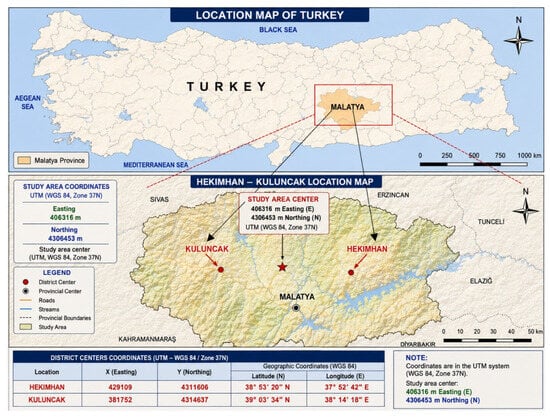
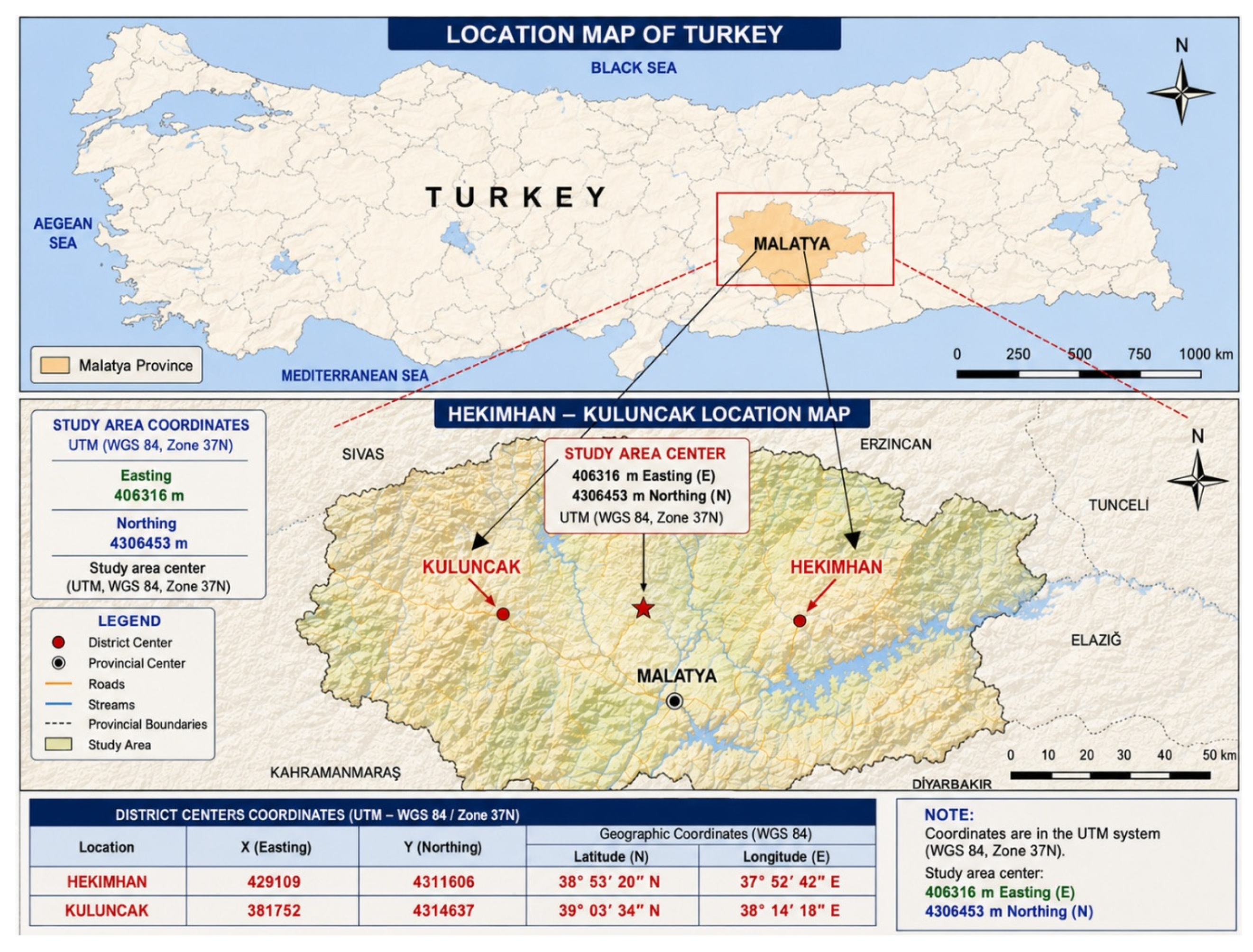
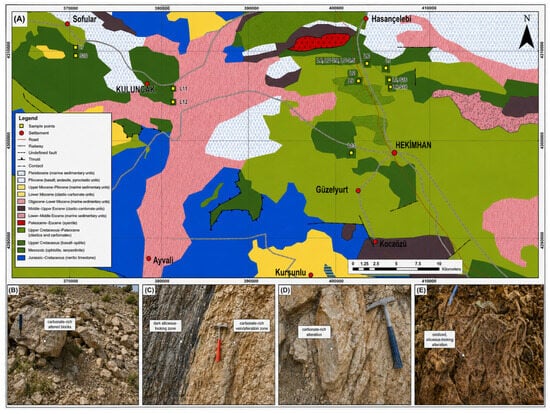
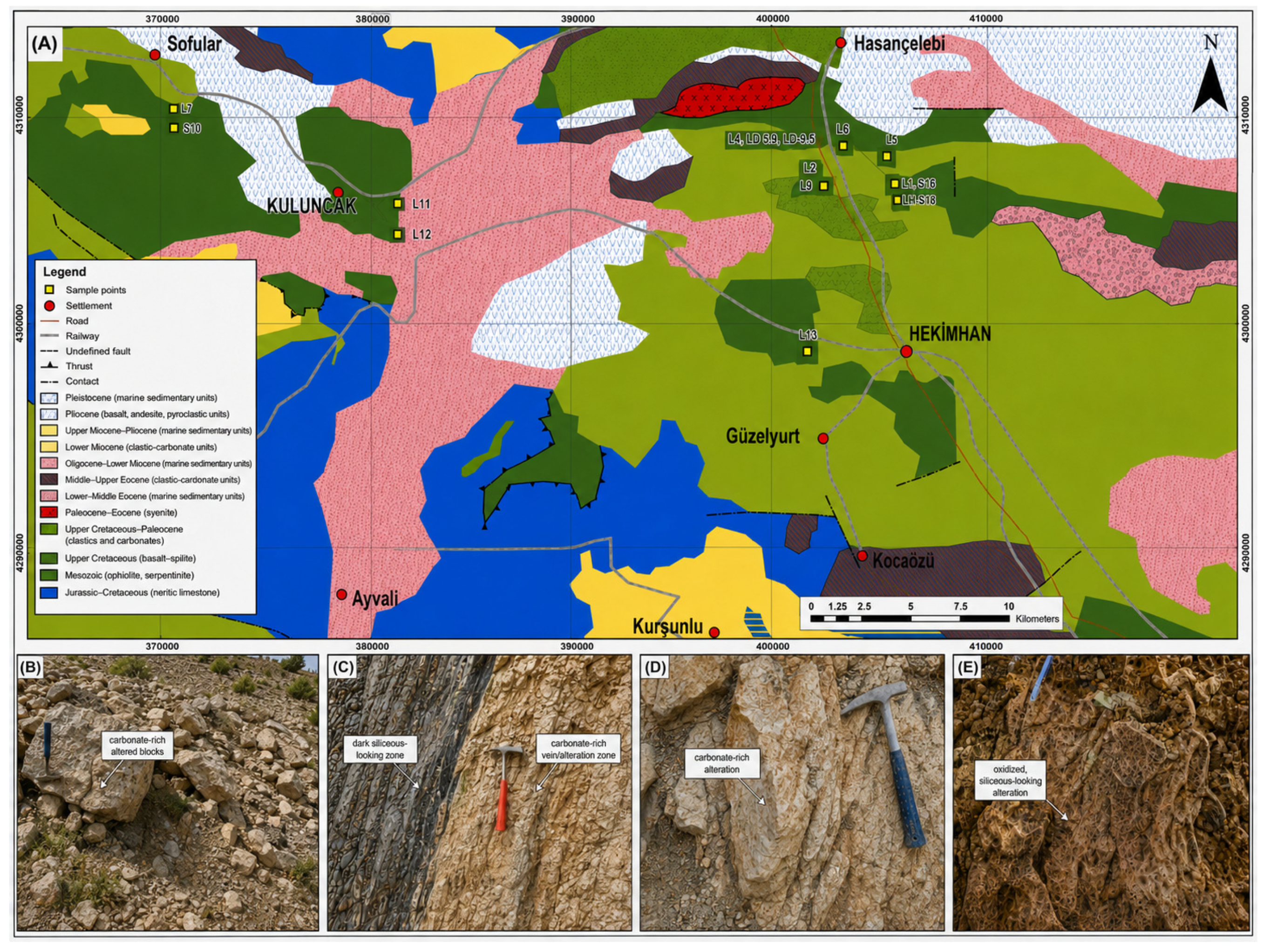
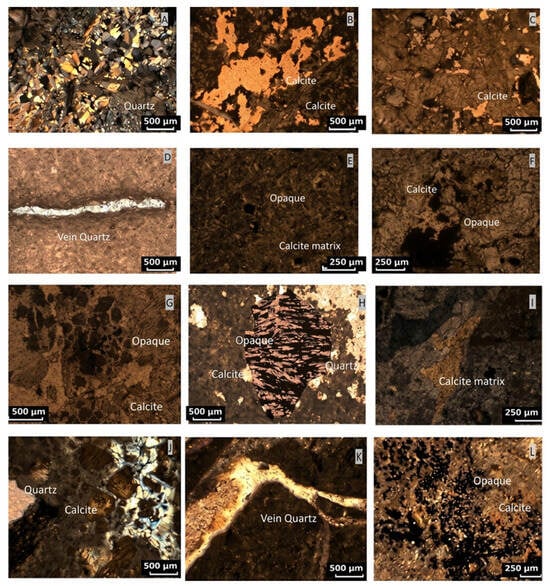
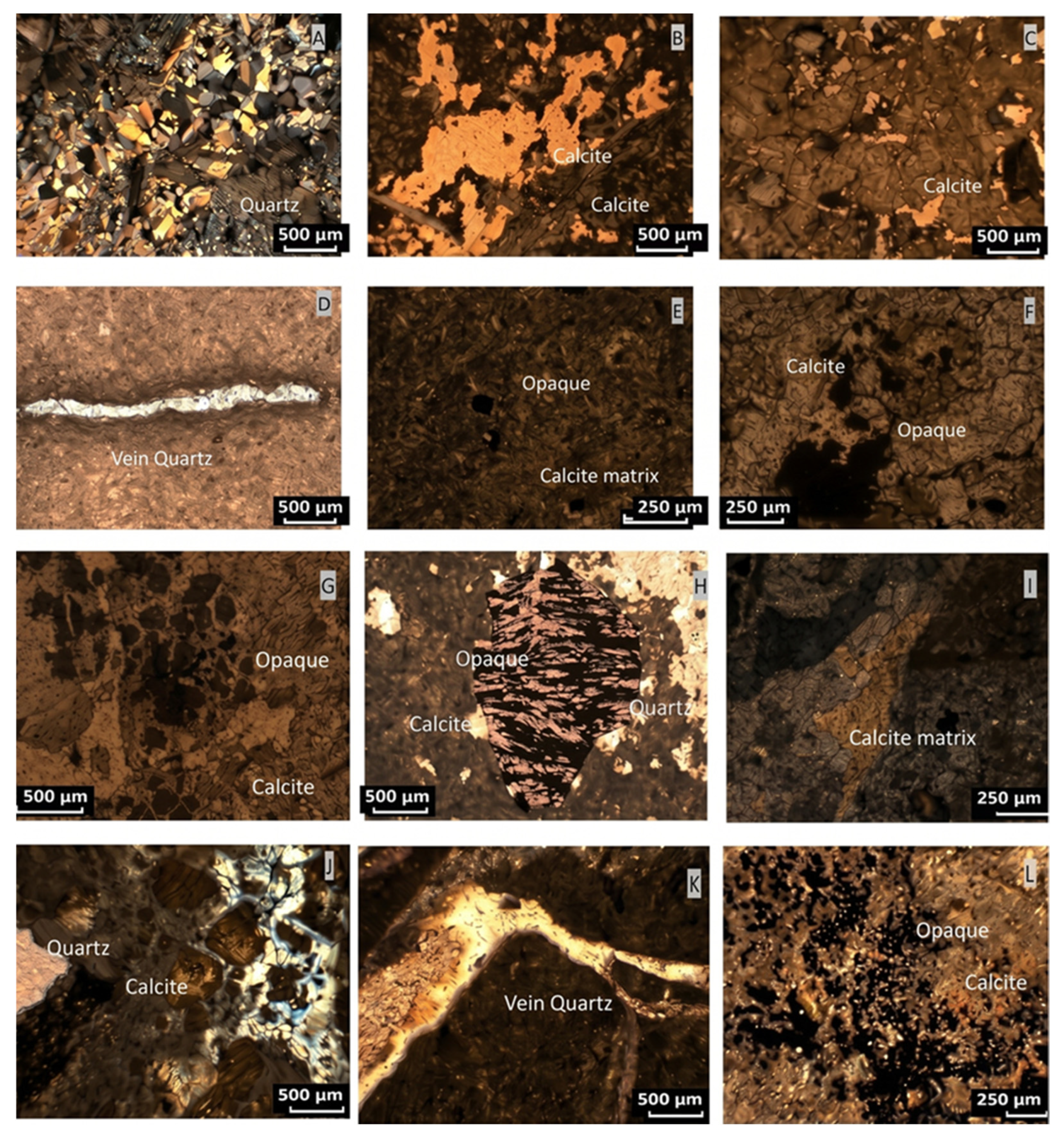
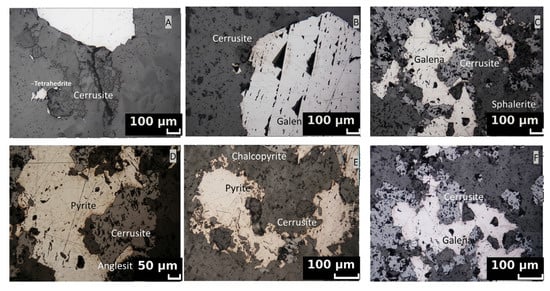
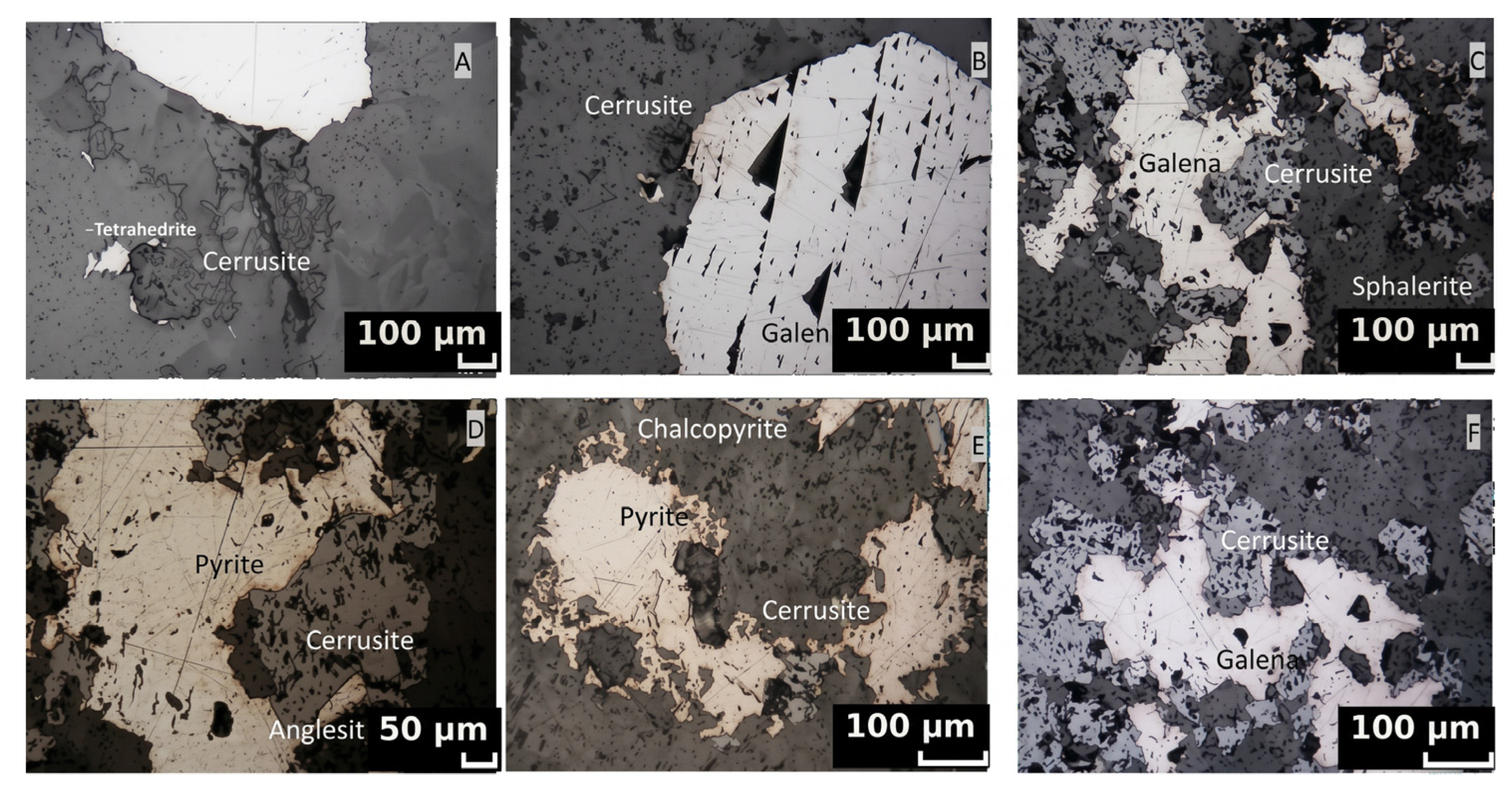
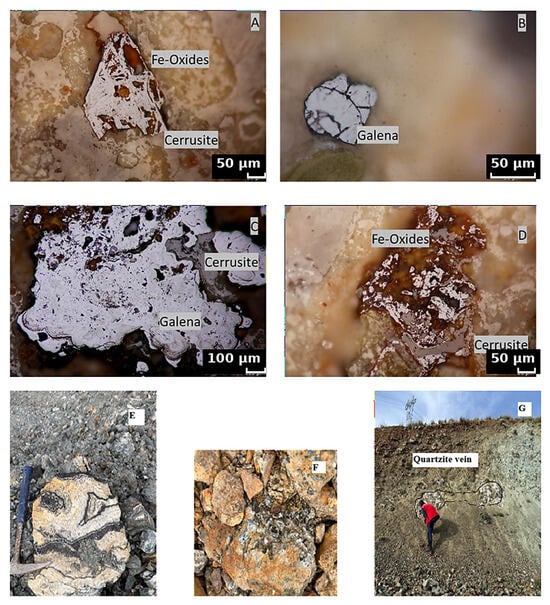
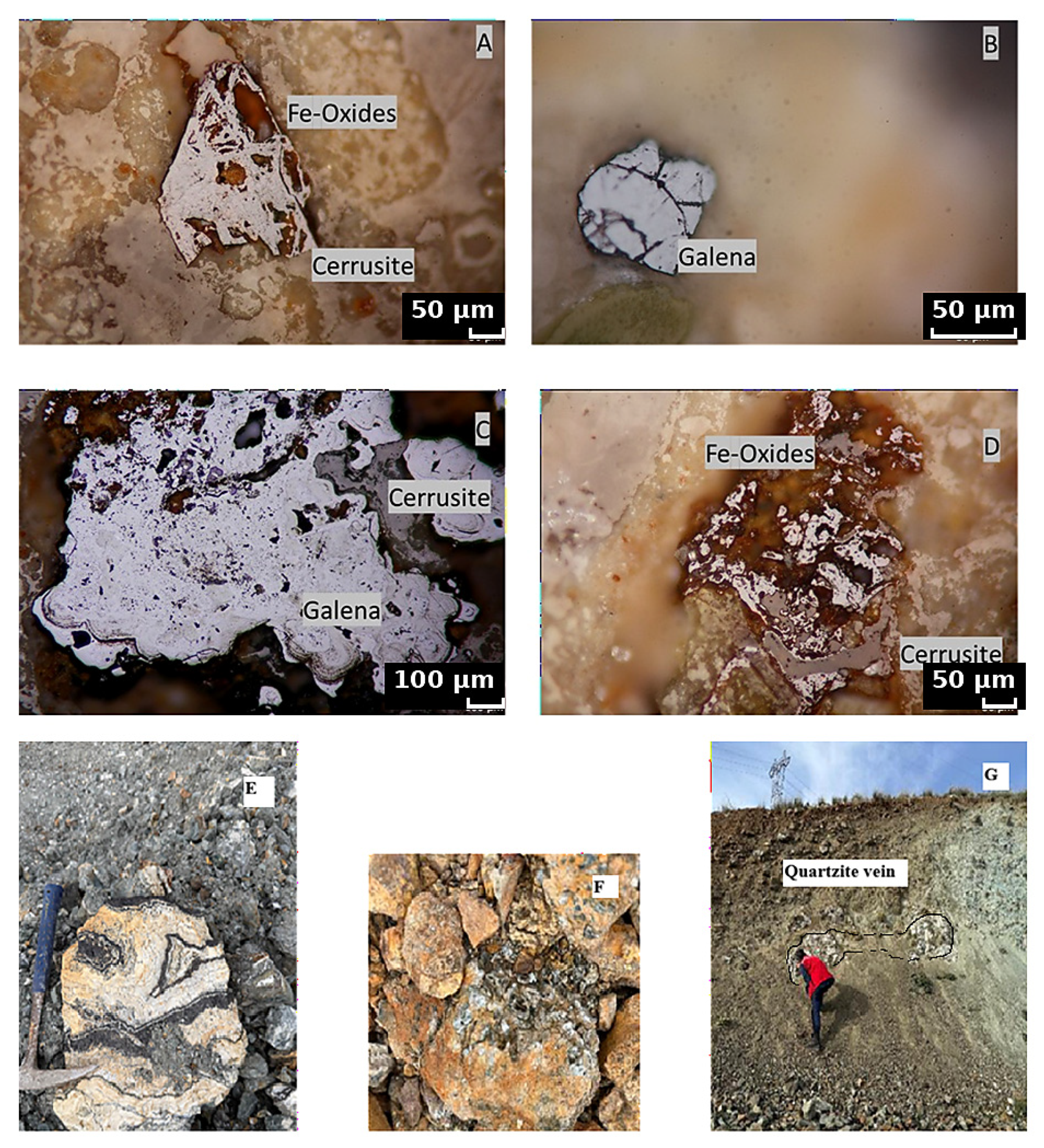
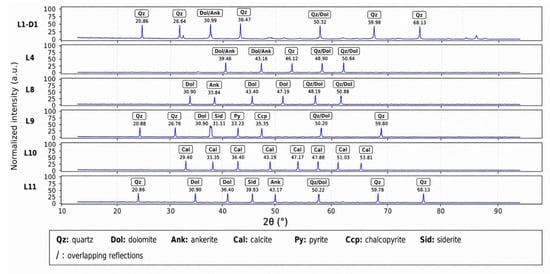
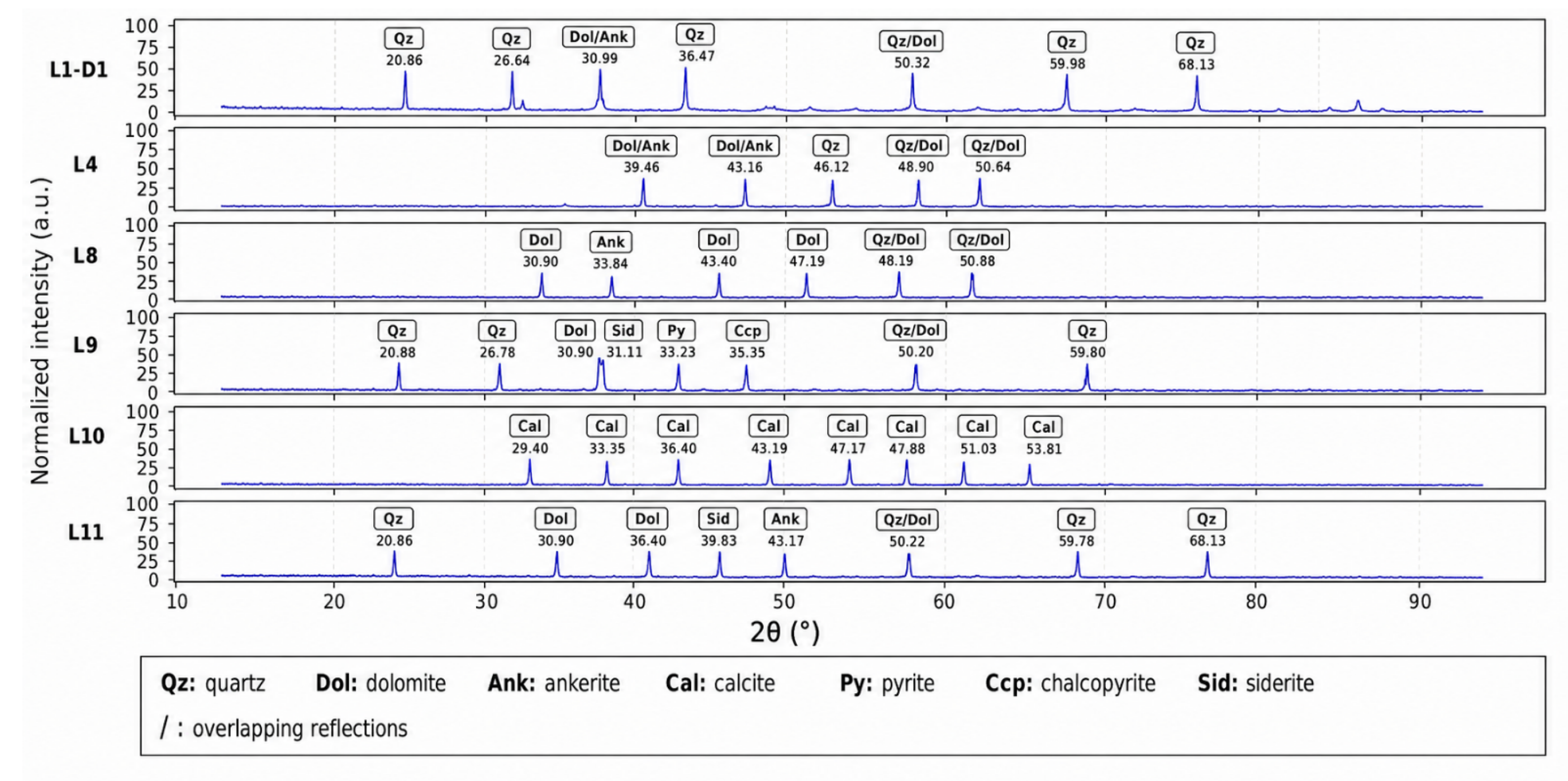
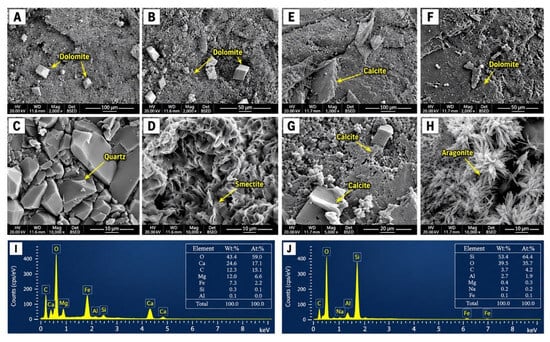
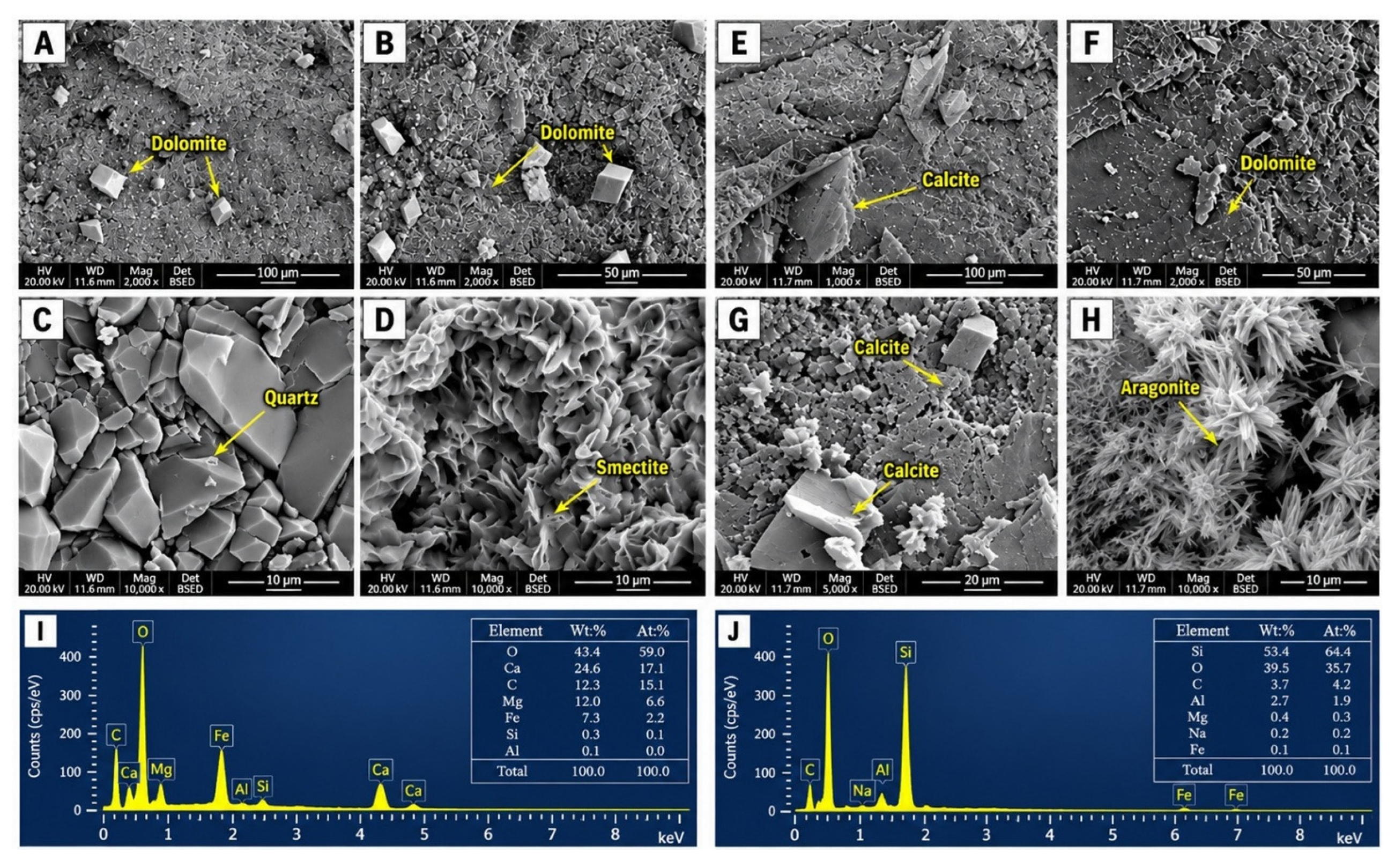
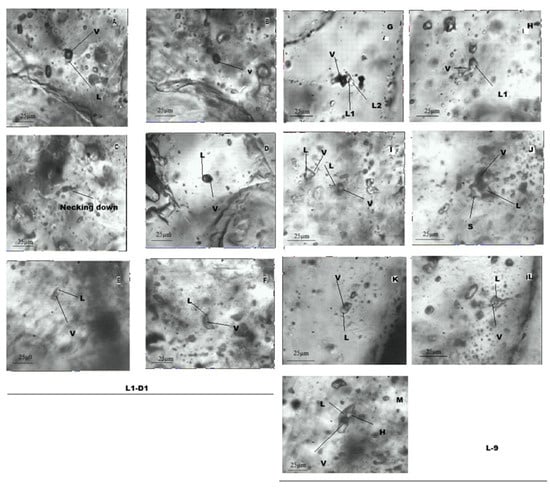
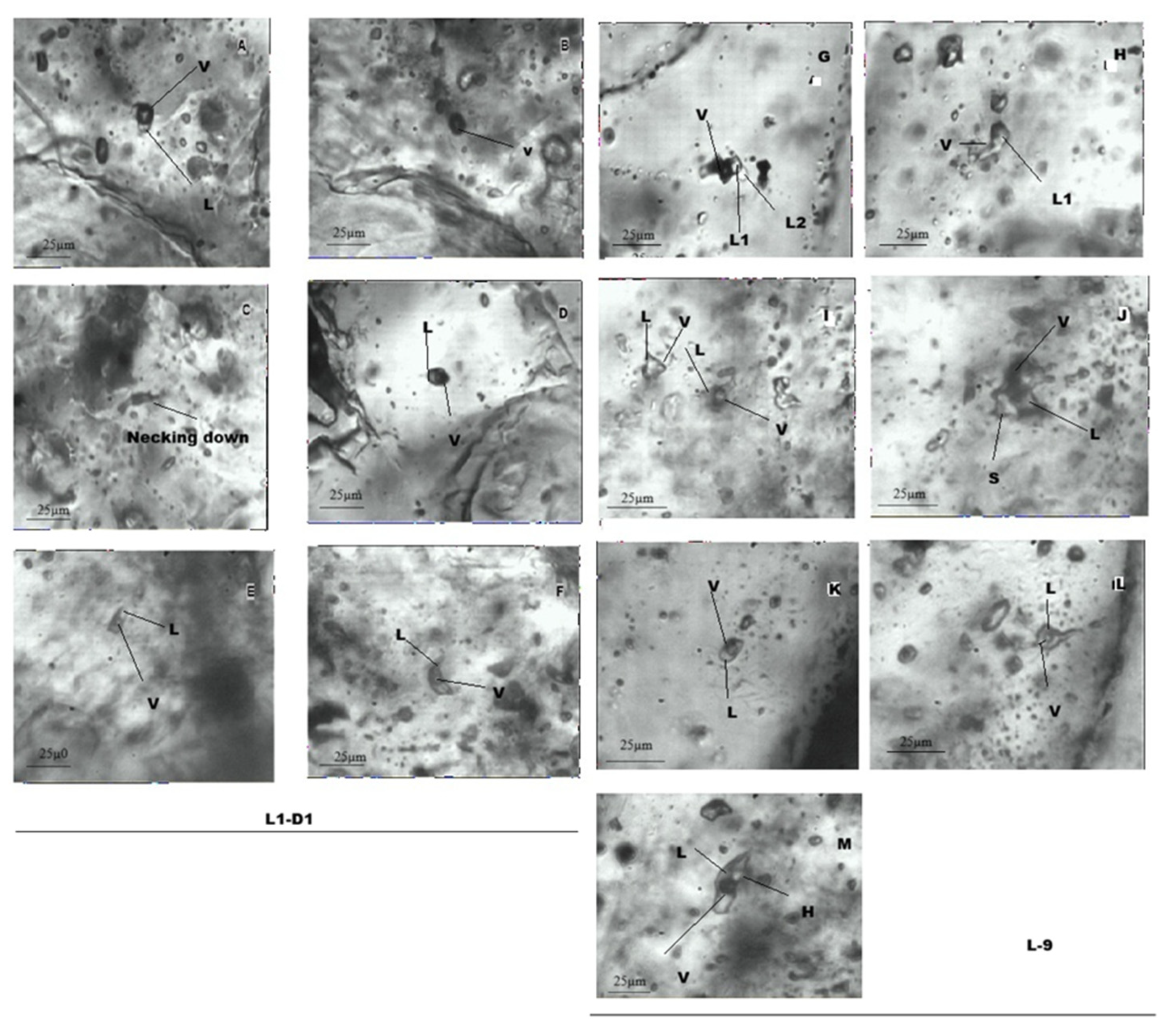
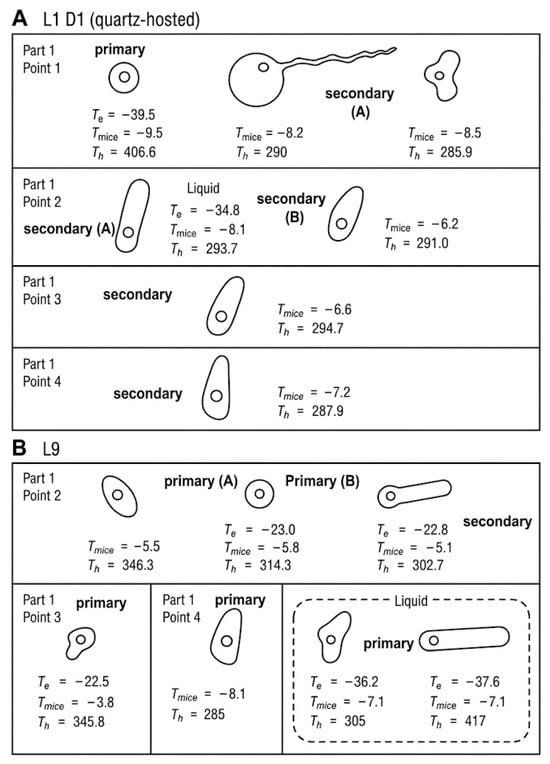
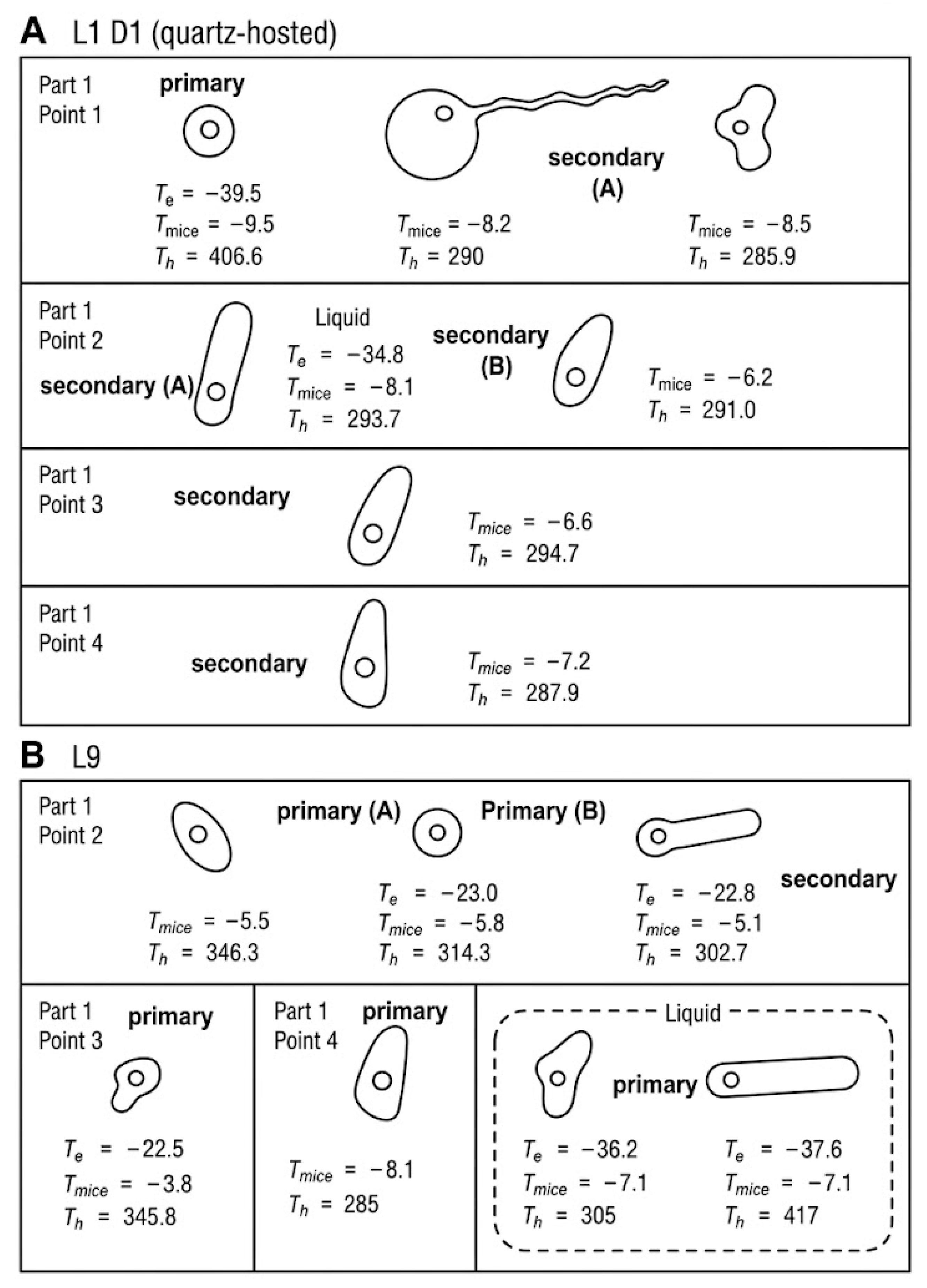
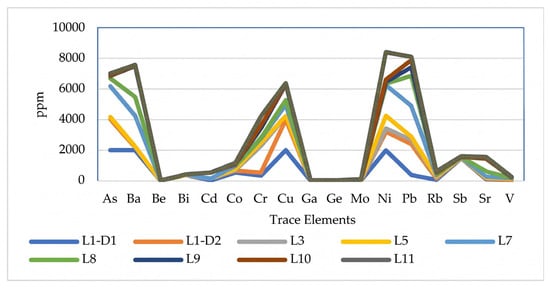
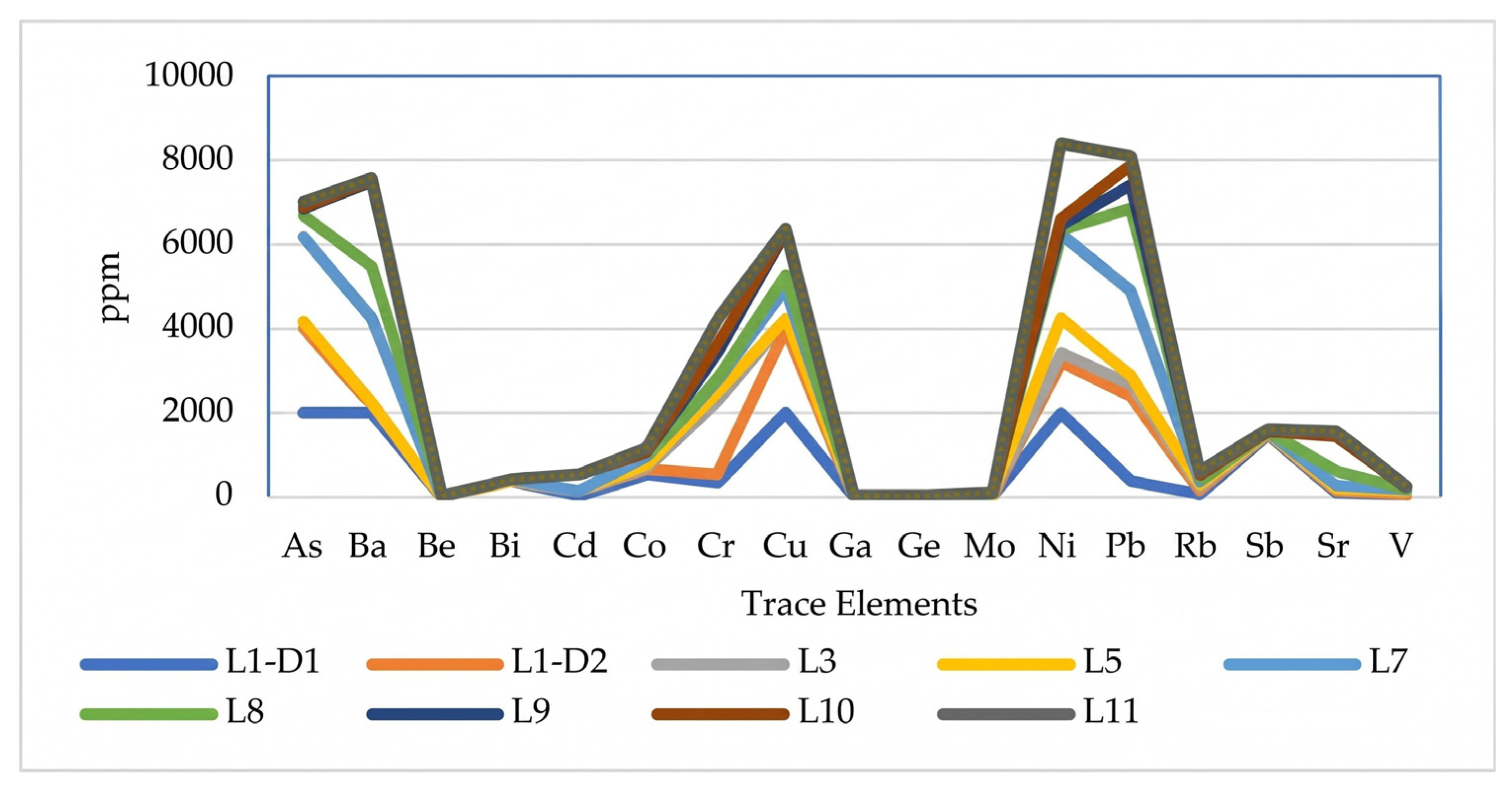
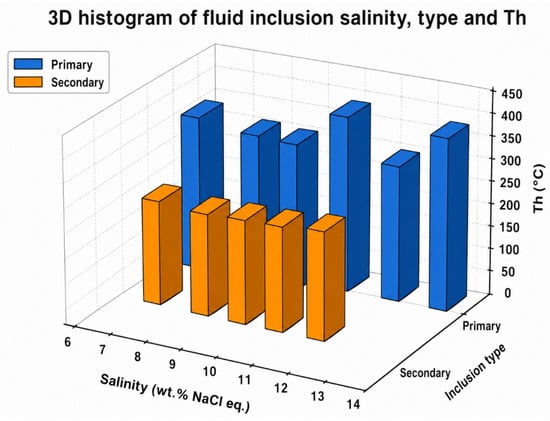
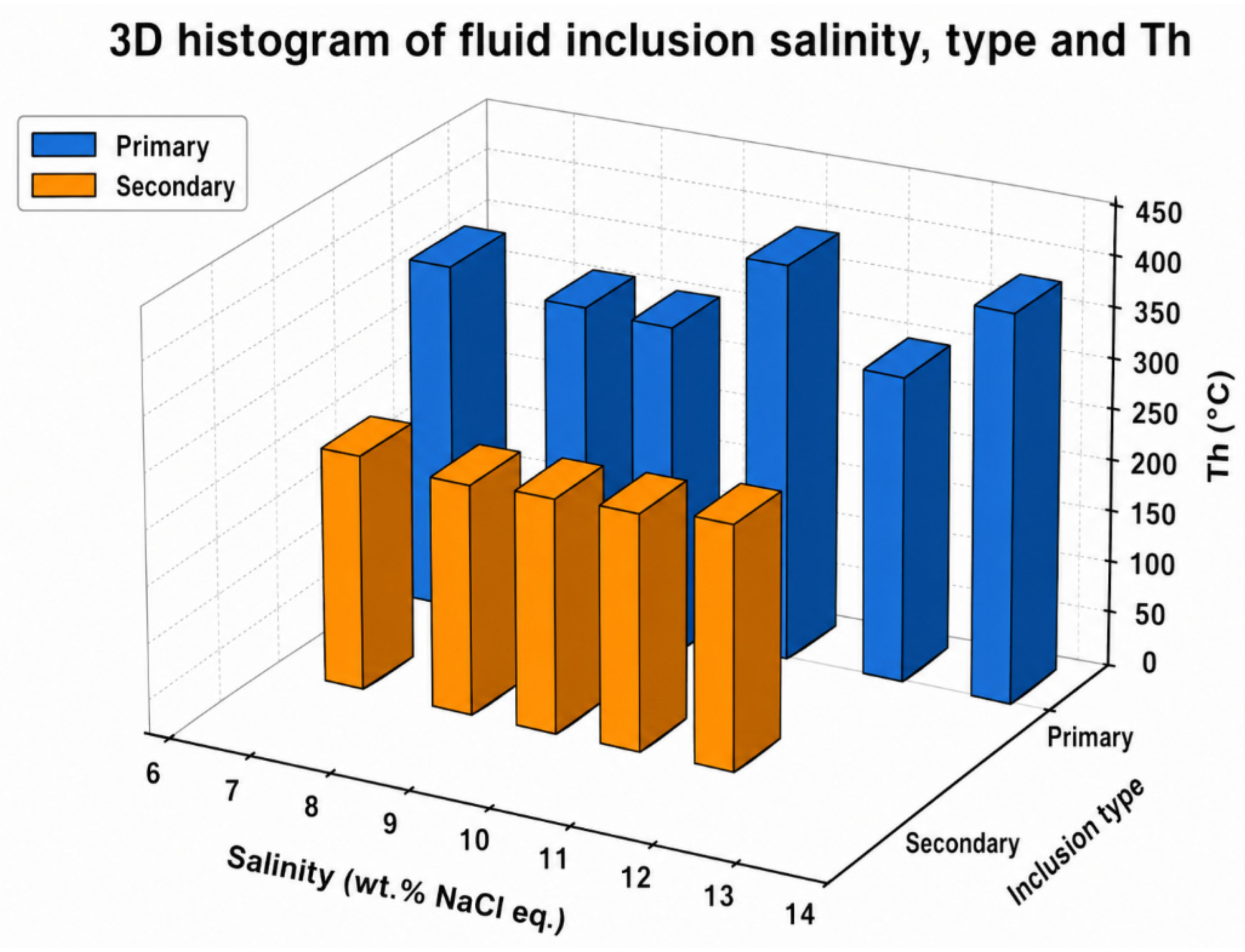
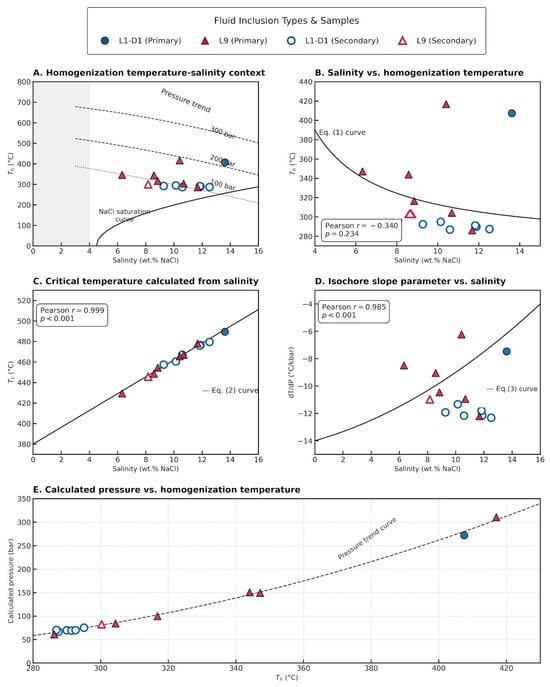
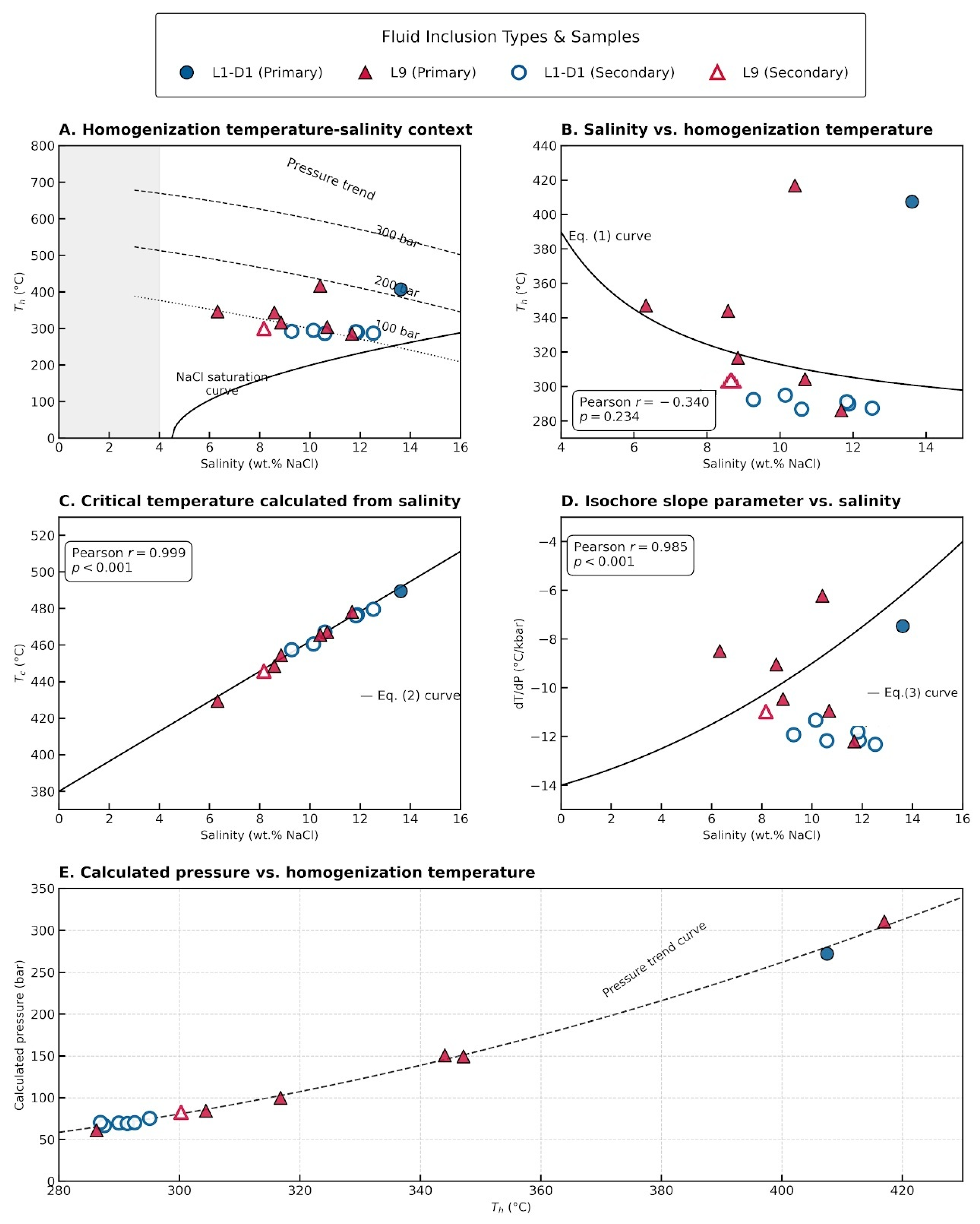
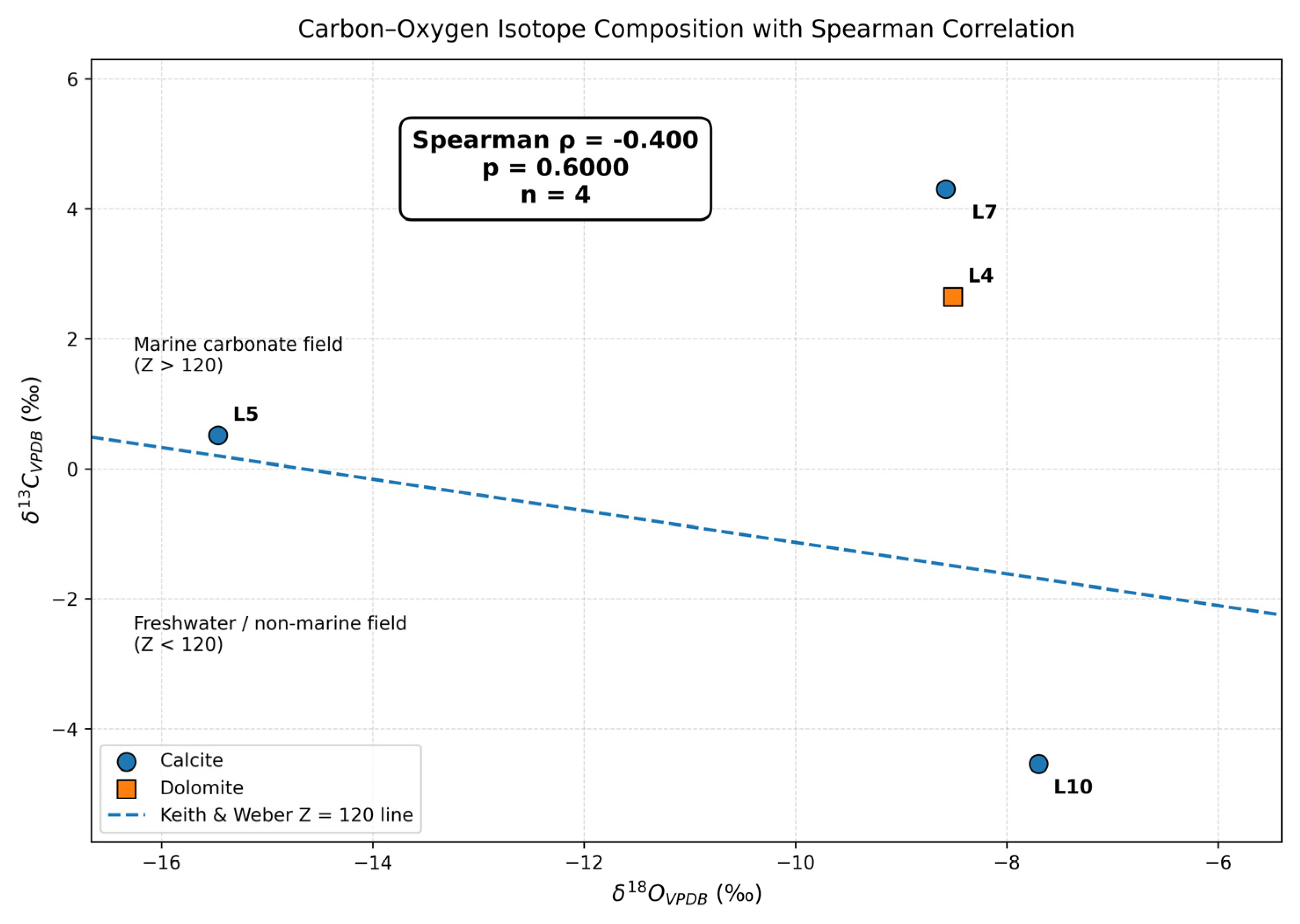
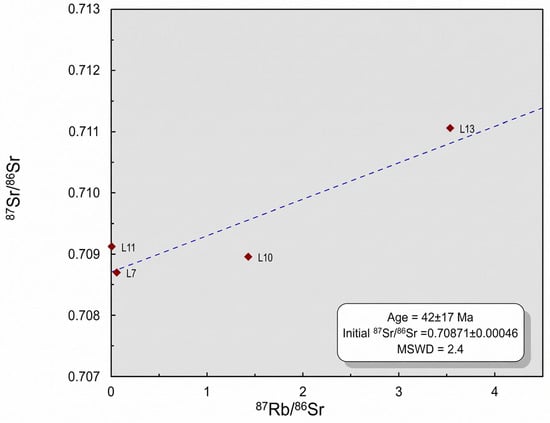
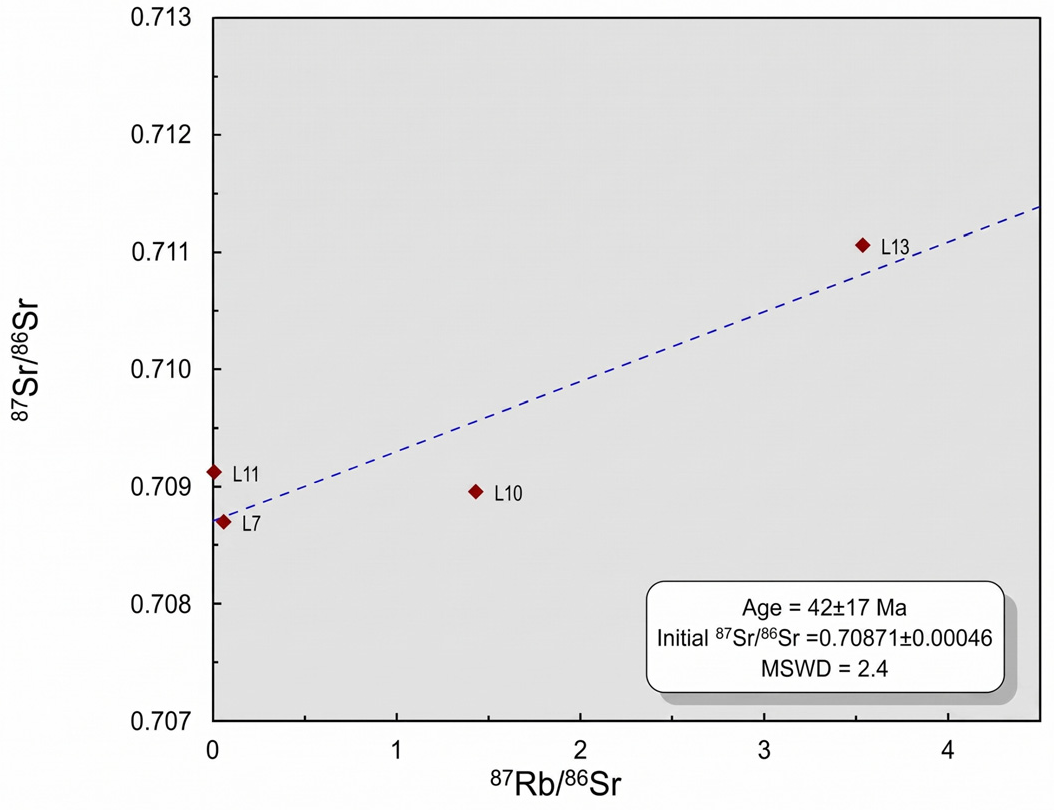

Disclaimer/Publisher’s Note: The statements, opinions and data contained in all publications are solely those of the individual author(s) and contributor(s) and not of MDPI and/or the editor(s). MDPI and/or the editor(s) disclaim responsibility for any injury to people or property resulting from any ideas, methods, instructions or products referred to in the content. |
© 2026 by the authors. Licensee MDPI, Basel, Switzerland. This article is an open access article distributed under the terms and conditions of the Creative Commons Attribution (CC BY) license.