


Abstract
Oil sands tailings from tailings solvent recovery units (TSRU) contain elevated sulfide minerals and can generate acid mine drainage (AMD) upon atmospheric exposure. This study investigated how prior weathering influences acidity and solute release under controlled laboratory conditions. A six-month column leaching experiment was conducted using TSRU tailings with distinct exposure histories: weathered and semi-weathered tailings from a previous greenhouse-scale reclamation capping experiment, along with weakly weathered tailings stored in sealed barrels. Columns were subjected to repeated wet–dry cycles, analyzing the geochemistry of the leachate and solid-phase changes using X-ray diffraction (XRD) and X-ray photoelectron spectroscopy (XPS). All treatments produced highly acidic leachates (pH < 2), indicating that TSRU tailings retain the capacity to generate acidity regardless of prior exposure. However, the dominant geochemical mechanisms differed by weathering history. Weakly weathered tailings generated progressive increases in acidity and solute release, consistent with active sulfide oxidation. Semi-weathered tailings had more stable responses, suggesting partial sulfide depletion and secondary phase formation. Weathered tailings produced leachates showing evidence of rapid flushing with limited new solute generation. After leaching, residual pyrite remained in all materials, with shifts in surface sulfur speciation providing evidence of progressive surface sulfur oxidation, transformation, and the redistribution of sulfate phases. These results demonstrate the mechanisms involved in AMD generation in TSRU tailings, highlighting the importance of the weathering history and the need for field-scale validation.
1. Introduction
The oil sands in Alberta, Canada contain one of the largest hydrocarbon reserves in the world, with initial reserves estimated at 28.1 billion m3 (176.7 billion barrels) of bitumen. The Athabasca region contains the largest and only open-pit accessible oil sands deposit [1,2], where bitumen is extracted through the Clark hot water extraction process, during which mined material is mixed with water and separated in gravity-based vessels to recover the bitumen froth [2,3]. The bitumen slurry then undergoes froth treatment, where hydrocarbon-based diluents are added to reduce the bitumen viscosity and density and enhance the separation efficiency [4,5]. The two primary types of diluents commonly used in the FTT process are naphtha and paraffinic diluents [5]. Naphtha is a complex mixture of hydrocarbons ranging from C5 to C12 and contains benzene, toluene, ethylben-zene, and xylene (BTEX) compounds [6], while paraffinic diluents primarily consist of C5 and C6 alkanes [7]. Paraffinic froth treatment further reduces the moisture and fine solids content by inducing asphaltene flocculation, improving the bitumen quality and enabling subsequent solvent recovery [8,9].
Bitumen extraction generates multiple tailings streams, including coarse tailings, fluid fine tailings (FFT), and froth treatment tailings (FTT) [10]. FTT are produced after froth treatment and are the fraction of solids and bitumen that is not effectively removed during primary gravity separation [8]. FTT are processed through tailings solvent recovery units (TSRU) for paraffinic FTT and naphtha recovery units (NRU) for naphtha FTT to recover residual diluent before deposition in tailings ponds. Once deposited, FTT form sub-aerial beach deposits exposed to atmospheric conditions, making them susceptible to weathering [10].
FTT typically contain 76.5 wt% water, 17 wt% solids, 4.5 wt% bitumen, and 2 to 10 wt% residual diluent, with the composition influenced by the operational and processing conditions [8,11]. FTT are enriched in heavy minerals, including TiO2 (~11.5%) and ZrO2 (~3.4%), which become concentrated in bitumen froth during extraction. Major elements follow the abundance sequence Si > Fe, Ti, S > Al > Ca, C > Mg, K > P, Mn, while trace elements such as As, Pb, Ni, Cu, Cr, Zn, and Co are primarily associated with carbonate and sulfide phases [12,13]. Pyrite (FeS2) is the predominant sulfide (3.8 to 13 wt%), with Fe partitioned between pyrite and siderite (FeCO3), and this geochemical coupling controls Fe release during weathering [12,14]. Secondary precipitates, including Al and Fe (oxy)hydroxides such as gibbsite, goethite, and ferrihydrite, form through sulfide weathering and alter the tailings composition over time [15]. Sulfate minerals, particularly jarosite and gypsum, also form as secondary phases, with jarosite linked to acid release and gypsum leading to sulfate mobility and neutralization [12,14]. Trace elements, including As, Co, Cu, Ni, and Mn, incorporated into pyrite and other mineral phases, further indicate the potential for metal(loid) mobilization during tailings weathering [12,14,16]. The enrichment of sulfide minerals in FTT relative to other tailings streams contributes to their elevated potential for acid mine drainage (AMD) formation [12].
AMD is a major environmental concern associated with mining activities, arising from the oxidative weathering of sulfide-bearing minerals, such as pyrite, marcasite (FeS2), and arsenopyrite (FeAsS), producing dissolved iron, sulfate, and protons [17,18]. This process generates acidic, metal-rich effluents that pose significant risks to surface and groundwater quality, aquatic ecosystems, and biodiversity [19,20,21]. Sulfide oxidation occurs through a series of coupled iron and sulfur transformations driven by both abiotic reactions and the catalytic activity of iron- and sulfur-oxidizing microorganisms [22,23]. Initial Fe-sulfide oxidation releases ferrous iron (Fe2+) and reduced inorganic sulfur species, which can form intermediate sulfur species such as thiosulfate, sulfite, elemental sulfur, and polythionates before ultimately being oxidized to sulfate [24]. Ferrous iron is subsequently oxidized to ferric iron (Fe3+) through abiotic and microbial mediated processes, particularly under acidic conditions, where iron-oxidizing microorganisms accelerate ferric iron regeneration [22,23]. Because direct Fe-sulfide oxidation by dissolved oxygen is relatively slow at a low pH, ferric iron then becomes a powerful secondary oxidant, sustaining a cyclic process of sulfide oxidation, acid generation, and metal(loid) mobilization [18,25]. Under acidic conditions, ferric iron hydrolyzes and precipitates as secondary minerals such as ferric hydroxide or jarosite, releasing additional protons, while coupled iron and sulfur oxidation processes reinforce low-pH environments that favour acidophilic microbial communities and sustain the continuous production of acidic waters [26,27]. Collectively, these biogeochemical processes drive the characteristic acidity and elevated metal concentrations observed in AMD-affected systems.
AMD prevention strategies focus on minimizing acid generation at the source by limiting the exposure of sulfur-bearing minerals to oxygen, water, and oxidizing microorganisms. Such approaches are considered long-term solutions, as they reduce acid formation and the subsequent need for active treatment [28]. Common preventive techniques include water covers, maintaining high water tables, and multi-layer cover systems, all of which restrict oxygen diffusion and suppress sulfide oxidation [29,30]. These measures can be further enhanced by incorporating organic matter or fine sediments to impede oxygen diffusion or increase its consumption and thereby reduce metal mobilization.
This study evaluated how weathering influences the AMD generation potential of TSRU tailings and linked these changes to mineralogical and geochemical transformations. Tailings were obtained from a three-year controlled greenhouse study designed to simulate progressive weathering under different experimental capping scenarios. Three stages of AMD development were examined: weakly weathered tailings stored under limited atmospheric exposure, semi-weathered tailings protected by a soil cap, and fully weathered tailings directly exposed to atmospheric conditions. The tailings were subjected to a six-month column leaching experiment with alternating wet–dry cycles to mimic natural weathering processes. Sulfide oxidation rates and leachate chemistry were quantified, and X-ray photoelectron spectroscopy (XPS) was used to characterize sulfur speciation and surface mineral transformations over time. This integrated approach provides insight into how progressive weathering and surface protection influence AMD generation from TSRU tailings.
2. Materials and Methods
2.1. Materials
TSRU tailings were originally provided by Imperial Oil Resources Ltd. from the Kearl Oil Sands Project north of fort McMurray, AB Canada and were used in a prior three-year greenhouse column study conducted between 2021 and 2023. The greenhouse experiment consisted of TSRU tailings overlain with experimental capping layers of varying thicknesses, including a peat–mineral mix (PMM) [31]. Columns were planted with either upland or wetland plant species; however, only materials from the wetland columns were used for this study. Wetland vegetation established in the columns included Salix bebbiana, Rhododendron groenlandicum, Vaccinium vitis-idaea, and Carex aquatilis.
Materials generated from the greenhouse study were chosen to represent different degrees of tailings weathering in the subsequent column leaching experiments. Semi-weathered TSRU tailings were obtained from columns containing 60 cm of tailings capped with 30 cm of PMM, while weathered TSRU tailings were collected from uncapped columns containing 90 cm of tailings exposed directly to atmospheric conditions. Weakly weathered TSRU tailings were obtained from material stored in sealed barrels at CANMET Energy (Devon, AB, Canada) for approximately four years, limiting exposure to oxygen and moisture prior to testing. These materials were selected to evaluate the effects of weathering and capping on sulfide oxidation and AMD generation potential.
2.2. Experimental Design
Three tailings treatments representing distinct degrees of weathering were evaluated in the column leaching experiment: (1) weakly weathered, (2) semi-weathered, and (3) weathered TSRU tailings. Each treatment was replicated across five columns (Figure 1). Prior to packing, tailings were homogenized for 10 min using a cement mixer (EIBENSTOCK-D-08309, Eibenstock Elektrowerkzeuge, Erzgebirge, Germany). Plexiglass columns (11 cm diameter and 61 cm height) were filled with TSRU tailings to a target height of 40 cm using a hand-tamping method to achieve bulk densities between 1.2 and 1.3 g/cm3 [32]. The columns underwent three alternating wet and dry cycles over a six-month period, with each phase lasting four weeks. During wet phases, deionized water was introduced from the base of the column using a MasterFlex peristaltic pump to fully saturate the tailings and reduce the gas-filled pore space, thereby limiting oxygen diffusion relative to the dry phase. A 7 cm water layer was maintained above the tailings surface, and columns were sealed with parafilm to minimize evaporation during the wet cycle. To reduce the loss of fine particles during drainage, 300 g of 4 mm glass beads (3 cm height) (Walter Stern Economical, Port Washington, NY, USA) and open-fiber filter paper (589 White Ribbon, 12.5 cm diameter, LOT NO: R11-554, Schleicher & Schuell, Albany, NY, USA) were placed at the column base. During the dry phase, columns were fully exposed to atmospheric conditions with both the top and base valves left open. This setup promoted continuous airflow through the tailings profile, enhancing oxygen ingress and facilitating oxidative weathering within the columns.
Figure 1.
Schematic of the experimental column design (A) and assembled columns (B) showing 40 cm of homogenized TSRU tailings packed within Plexiglass columns and underlain by 3 cm of 4 mm glass beads and open-fiber filter paper.
2.3. Water Analyses
At the end of each wet cycle, effluent was collected using a MasterFlex peristaltic pump (Model 7534-08, Masterflex Societas Europaea, Gelsenkirchen, Germany) operated at the lowest flow rate to minimize clogging and particle disturbance in the columns. The leachate was collected into a sealed glass bottle, and nitrogen gas was purged through the system during drainage to limit oxidation. The total volume of leachate was recorded for each column, and subsamples were immediately analyzed for pH, redox potential (Eh), electrical conductivity (EC), and dissolved oxygen (DO) using a YSI Professional Plus multiparameter instrument (YSI Inc., Yellow Springs, OH, USA). Following these measurements, the leachate was filtered through a 0.2 µm nylon membrane filter. Subsamples for metal analysis were stored in 15 mL centrifuge tubes and acidified immediately with 6 µL of 70% nitric acid (ACS reagent grade). Additional unfiltered leachate (50 mL) was collected and stored in sealed centrifuge tubes to allow for supplemental analyses, if required. All leachate samples were stored at 3 °C at the Northern Forestry Centre.
Effluent samples were analyzed for major cations and trace metals at the University of Alberta using an Agilent 8800 Triple Quadrupole ICP-MS/MS (Agilent Technologies, Santa Clara, CA, USA). Analytes included calcium (Ca), potassium (K), sodium (Na), iron (Fe), magnesium (Mg), manganese (Mn), aluminum (Al), nickel (Ni), arsenic (As), cobalt (Co), chromium (Cr), cadmium (Cd), lead (Pb), vanadium (V), zinc (Zn), selenium (Se), and total sulfur (S). Due to the elevated total dissolved solids (TDS) in the leachate, samples were diluted prior to analysis to fall within the calibration range. Standards were prepared in a matrix of 2% HNO3 and 0.5% HCl and spanned a concentration range of 0.002 to 50 ppm in a two-tier calibration curve to accommodate low- and high-concentration targets. ICP-MS/MS measurements were conducted using a range of collision and reaction gases to mitigate isobaric and polyatomic interferences. Masses were monitored in quadrupoles Q1 and Q2, along with the selected gases (Table S1). Internal standards scandium (Sc), indium (In), terbium (Tb), and bismuth (Bi) were added to all samples and calibration standards to correct for instrumental drift across all gas modes and quadrupole configurations. TDS was calculated based on the sum of the quantified elements.
Additional analyses for major anions (sulfate, chloride, and nitrate) were conducted by the Analytical Services Laboratory at the Northern Forestry Centre (Edmonton, AB, Canada).
2.4. Solid-Phase Sampling and Analyses
Solid-phase samples were collected at the start and end of the column leaching experiments to evaluate mineralogical and physicochemical changes in the tailings. Baseline samples were obtained prior to column packing, and post-leaching samples were collected after column dismantlement. Homogenized samples were collected from each column for baseline and post-leaching analyses. All samples were stored at 3 °C at the Northern Forestry Centre (Edmonton, AB, Canada).
Physicochemical analyses were performed on both baseline and post-leaching samples at the Analytical Services Laboratory of the Northern Forestry Centre (Edmonton, AB, Canada). Measured parameters included the pH, EC, cation exchange capacity (CEC), concentrations of major ions (Ca, Mg, Na, K, Cl), trace metals (Al, Fe, Mn), sodium adsorption ratio (SAR), total sulfur, nitrate, and ammonium. Instrumental analysis was conducted using the following equipment: a Mettler Toledo Seven Excellence multiparameter meter for pH and EC measurements (Mettler Toledo, Greifensee, Switzerland); a Foss 8400 analyzer for CEC (Foss Analytical, Hillerød, Denmark); and a Spectro ICP-OES (Spectro Analytical Instruments, Kleve, Germany) for major ion quantification. Total sulfur was determined using a LECO S Analyzer (Model: 626-100-300, LECO Corp., St. Joseph, MI, USA), while nitrogen species (nitrate and ammonium) and sulfate were measured using a Seal AQ400 continuous flow analyzer (Model AQ400, Seal Analytical, Mequon, WI, USA).
2.4.1. X-Ray Diffraction (XRD)
The mineralogical analysis of the TSRU tailings was conducted via XRD at the Department of Earth and Atmospheric Sciences, University of Alberta (Edmonton, AB, Canada). Diffraction patterns were measured using a Bruker D8 Advance diffractometer (Bruker Corp., Billerica, MA, USA) prepared with a cobalt (Co) X-ray source operated at 35 kV and 40 mA. Prior to analysis, approximately 2.5 g of each sample was micronized in 100% ethanol for two minutes, employing a McCrone micronizing mill (The McCrone Group, Westmont, IL, USA) loaded with synthetic quartz grinding elements to ensure uniform particle size distribution. Data collection was carried out over a 2θ angular range of 3 to 80°, employing a measurement interval of 0.02° and a scan speed of 1.2° per minute. Mineral phases were identified using the DIFFRAC.EVA 6 software packages (Bruker) coupled with the ICDD PDF-5+ database. Consequently, quantitative phase determinations were performed through Rietveld refinement utilizing the TOPAS 6 software, implementing a fundamental parameters approach, as previously described [33,34]. The quantitative analysis adhered to established best practices for phase quantification in multiphase systems, following the methodologies outlined by Bish and Howard [35,36,37].
2.4.2. X-Ray Photoelectron Spectroscopy (XPS)
The sulfur speciation of the TSRU tailings was analyzed for 6 samples (1 sample per treatment for baseline and final time points) using XPS. Samples were collected before and after the column leaching experiments, oven-dried, and analyzed at the NanoFAB facility using a VersaProbe III by Kratos instrument (Kratos Analytical, Manchester, UK) at the University of Alberta. Samples were analyzed using a monochromatic X-ray source (Al Kα), and spectra were processed using the CASA XPS software (Version 2.3.27, Casa Software Ltd., Teignmouth, UK) for peak fitting and quantification. Samples were mounted in a high-vacuum chamber, where incident X-rays induced the emission of photoelectrons from atomic orbitals. Due to the limited elastic mean free path (IMFP) of electrons, only those emitted from the uppermost few nanometers reached the detector, making XPS a highly surface-sensitive technique. The kinetic energy of the emitted electrons was measured and converted to binding energy, allowing for the identification of the elemental composition and oxidation states. Quantitative analysis was performed using peak area integration, with corrections applied for instrumental sensitivity and photoionization cross-sections, following established methods [38]. The effective sampling depth ranged from approximately 20 to 200 Å, depending on the emission angle, the electron kinetic energy, and the physical properties of the sample matrix. Binding energies are element- and orbital-specific, thereby enabling the identification of the elemental composition as well as oxidation states. However, hydrogen and helium cannot be detected due to the absence of core-level electrons and the low cross-sections for photoemission. XPS is inherently surface-sensitive, with an effective sampling depth determined by the inelastic mean free path (IMFP) of emitted electrons, which is a function of both the electron energy and matrix density. The sampling depth (Λ) is calculated by the formula Λ = λ·cosθ, where λ is the IMFP and θ is the emission angle relative to the surface normal. Under typical analytical conditions (200 to 2000 eV), λ is on the order of 1 to 3 nm, yielding a sampling depth of approximately 3 to 10 nm. This shallow depth enables the high-resolution interrogation of surface chemistry, including the elemental distribution, chemical state, and molecular bonding environments.
Previous mineralogical analysis of weakly weathered samples by XRD confirmed the presence of pyrite at 7.2 ± 0.2 wt%, providing a comparative baseline for sulfur oxidation products identified by XPS.
2.5. Statistical Analysis
Data analysis and visualization were conducted using the R software (V4.4.1) [39] and the tidyverse package [40]. Generalized linear mixed-effects models (GLMM) [41,42] were fitted using the glmmTMB function from the glmmTMB package [43] to evaluate the effects of treatment (weathering stage) and time, with model parameters for each analysis (leachate chemistry, tailings chemistry, XRD) outlined in Table S2. Model assumptions and residuals were assessed using the DHARMa package [44]. Wald chi-squared tests were applied using to the Anova function from the car package [45], and estimated marginal means were calculated using the emmeans package [46], with pairwise comparisons performed using Tukey-adjusted p-values. When significant treatment × time interactions were detected, post hoc comparisons were conducted as simple effects (treatment within time, and time within treatment). Compact letter displays (CLDs) were generated using the cld function from the multicomp and multcompView packages to summarize pairwise differences. For variables exhibiting only significant main effects, CLDs are also included in the figures to aid the visualization of group differences.
3. Results
3.1. Leachate Chemistry
The GLMM results for leachate chemistry showed numerous parameters with significant treatment × wet cycle interactions, including pH, TDS, EC, Redox, Ca, Mg, Na, Fe, Pb, As, Cd, Cr, Co, Ni, Se, and V. Some chemistry parameters had significant main effects but no interaction, such as Al, S, and Zn, which had significant treatment and wet cycle effects, and K, which had a significant treatment effect. Mn and NO3 showed no significant effects.
The leachate pH remained strongly acidic across all treatments throughout the experiment, ranging from 0.12 to 4.21, with significant differences among treatments. Progressive acidification was observed in the weakly weathered tailings, where the mean pH declined sharply after the first wetting cycle (p < 0.0001), whereas semi-weathered leachates maintained a more narrow and stable pH range (p > 0.05) (Figure S2). The weathered treatment consistently exhibited the lowest pH values (Figure 2), with the most significant differences between treatments observed after Wet Cycle 1 (p < 0.0001). Redox conditions remained oxic in all treatments, with positive Eh values throughout the experiment. Weakly weathered tailings initially had the lowest Eh values (p < 0.0001; Figure S1), which increased from Wet Cycle 1 to Wet Cycle 2 in both the weakly weathered and semi-weathered treatments (p < 0.01; Figure S2). The greatest increases were observed in the weakly weathered treatments (280.2 to 403.3 mV), indicating progressive oxidation. Similarly, while the dissolved oxygen (DO) collected in the leachate during the wet phases was highly variable (4.9–28.1%), the findings suggested that the conditions remained oxidizing overall.
Figure 2.
Leachate chemistry measured at the end of each wet cycle for the weakly weathered, semi-weathered, and weathered systems. Values represent estimated marginal means (± standard error; n = 4). Letters indicate significant pairwise differences (adjusted p-values); comparisons are shown among treatments within each time point. Complete leachate chemistry data are provided in Figures S1 and S2.
EC generally indicated increasing ionic strength over time in the weakly weathered tailings (15.5 to 39.8 dS/m; p < 0.01; Figure S2) and relative stability in the semi-weathered tailings (p > 0.05). The weathered tailings showed greater variability but an overall declining trend, most notably from Wet Cycle 1 to 2 (p < 0.01), with overall higher EC values (54.7 to 37.7 dS/m; Figure S1). TDS showed contrasting temporal patterns across treatments, with the only significant differences at Wet Cycle 1, where values for weathered systems were higher than those for weakly weathered and semi-weathered (p < 0.0001; Figure 2). TDS increased in the weakly weathered and semi-weathered tailings, reaching up to ~37,000 mg/L and ~29,200 mg/L by Wet Cycle 3, respectively, whereas the weathered material exhibited a non-linear response with an overall decline relative to the initial values.
Major cations displayed contrasting release patterns. Aluminum was highest in weathered systems and significantly lower in the leachate of weakly weathered tailings compared to semi-weathered tailings across all time points (p < 0.05) (Figure 2). However, Al increased in all systems by Wet Cycle 3 (p < 0.05; Figure S2). Sodium concentrations showed large variability between replicates, with the largest differences in weakly weathered tailings, which had the highest values at Wet Cycle 3 (p < 0.01; Figure 2), and semi-weathered tailings, whose values decreased from Wet Cycle 1 to Wet Cycle 2. In contrast, magnesium concentrations remained relatively stable over time in semi-weathered and weathered treatments but decreased significantly over time in weakly weathered tailings (p < 0.001) (Figure S2).
Calcium concentrations showed fluctuating trends, with the lowest values in weakly weathered treatments at Wet Cycle 1 (compared to weathered; p < 0.05), no significant differences between systems at Wet Cycle 2, and higher concentrations in weakly weathered and weathered systems at Wet Cycle 3 (p < 0.05) (Figure 2), demonstrating a general increasing trend in weakly weathered tailings over time (Figure S2). Iron concentrations fluctuated similarly, with the highest values in weathered tailings at Wet Cycle 1 (p < 0.01; Figure 2) and the most pronounced increase observed in weakly weathered tailings from Wet Cycle 1 to 3 (p < 0.01; Figure S2).
Sulfate concentrations were highly variable but elevated in all leachates (3296 to 125,991 mg/L), with those in weakly weathered tailings increasing from Wet Cycle 1 to Wet Cycle 2; however, they were not statistically significant increases. In contrast, semi-weathered and weathered tailings showed considerable decreases by Wet Cycle 2 (p < 0.05; Figure S2). Total sulfur concentrations showed a similar increasing trend in weakly weathered tailings, increased over time in semi-weathered tailings, and stayed similar but had high variability in weathered tailings (Figure S2). Wet Cycle 3 showed overall significantly higher values compared to Wet Cycle 1 or 2 for all treatments (p < 0.01).
Metals such as lead and zinc were substantially higher in weathered tailings compared to weakly weathered and semi-weathered, most notably at Wet Cycle 1 (p < 0.0001; Figure 2). Moreover, while weakly weathered and semi-weathered often showed increases over time (Figure S2), the weathered systems either showed a slight decrease or were relatively unchanged over time.
3.2. TSRU Tailings Chemistry
The GLMM results for the tailings chemistry showed numerous parameters with significant treatment × time interactions, including pH, SAR, EC, CEC, Na, Al, K, S, and extractable NH4. Parameters with significant main effects but no interaction included total N, total C, organic C, and Ca with significant treatment effects and Ca, Fe, Cl, and extractable NO3 with significant time effects.
Composite TSRU tailings spanning weakly weathered, semi-weathered, and weathered materials were acidic prior to column setup, with initial pH values ranging from 1.68 to 2.66. The weathered tailings consistently exhibited the lowest pH (1.76 to 2.05), most significantly at the initial time point (p < 0.0001; Figure 3). Over the course of the experiment, the pH declined slightly in weakly weathered and semi-weathered tailings (p < 0.001; Figure S4)—for example, decreasing from a baseline mean of 2.57 to 2.26 in weakly weathered tailings. At the final sampling point, the pH was more similar between systems, with the largest difference between weathered and semi-weathered systems (p = 0.048; Figure S4).
Figure 3.
TSRU tailings chemistry measured at the start and end of the column leaching experiment for the weakly weathered, semi-weathered, and weathered systems. Values represent estimated marginal means (± standard error; n = 4). Letters indicate significant pairwise differences (adjusted p-values); comparisons are shown among treatments within each time point. Complete tailings chemistry data are provided in Figures S3 and S4.
Major cations and anions exhibited consistent but treatment-dependent trends. Chloride was lowest in weathered tailings initially (<1 mg/L) but increased in all tailings over time (p < 0.0001; Figure S4), reaching similar values by the final sampling (46.1 to 55.8 mg/L; Figure 3). The CEC showed differing trends in each system. Initially, weakly weathered tailings had the lowest CEC (p < 0.05), while, at the final sampling, weathered tailings had the lowest values (p < 0.05) (Figure 3). In weakly weathered tailings, the CEC more than doubled from 2.4 to 5.2 cmol/kg (p < 0.01), while it stayed relatively consistent in semi-weathered tailings and only slightly decreased in weathered tailings (Figure S4).
Calcium concentrations increased across all treatments from baseline to final sampling (p < 0.001; Figure S4), with semi-weathered tailings showing the lowest values (p < 0.05; Figure 3). Conversely, magnesium declined substantially over time in the weakly weathered (1218 to 163 mg/L) and weathered tailings (555 to 144 mg/L) (p < 0.001; Figure S4) and stayed consistent in the semi-weathered tailings. Sodium followed a similar trend, where it was highest initially in the weathered tailings (p < 0.0001) but decreased over time (33.0 to 11.6 mg/L; p < 0.0001), while it increased considerably in weakly weathered tailings (0.7 to 23.0 mg/L; p < 0.0001) and stayed consistent in semi-weathered (Figure 3 and Figure S4). These patterns were reflected in the solid-phase sodium adsorption ratio (SAR), which increased in the weakly weathered tailings (p < 0.0001), stayed consistent in semi-weathered, and decreased in the weathered material (p < 0.001) (Figure 3 and Figure S4).
Iron concentrations increased substantially across all treatments, approximately doubling from baseline to final sampling (p < 0.0001) (Figure 3 and Figure S4), with no significant treatment effect (p = 0.542). Total sulfur similarly increased considerably in all treatments over the experiment (from 2.41%–2.69% to 3.42%–5.44%; p < 0.0001), with the largest enrichment observed in the weakly weathered tailings (Figure 3). Semi-weathered tailings had the lowest total sulfur at the final time point (p < 0.01; Figure 3).
3.3. Mineralogy and XRD Analysis
Out of the minerals that were present in all samples, quartz, pyrite, rutile, gypsum, microcline, and muscovite all had significant treatment × time interactions, while kaolinite and marcasite had no significant differences with treatment or time (Table S3).
The XRD analysis indicated that quartz (SiO2) dominated the mineralogical assemblage across all treatments and sampling times, accounting for 79–87 wt% of the solid phase in both baseline and final samples (Table 1), with significantly higher values in weakly weathered tailings than weathered at baseline conditions (p < 0.05; Table S4). Weathering-related changes were primarily expressed in sulfide and secondary sulfate minerals relevant to acid mine drainage generation. Pyrite and marcasite abundances declined over the leaching period in the weakly weathered and semi-weathered tailings, with significant differences only observed for pyrite. Pyrite was initially higher in weakly weathered tailings compared to semi-weathered and weathered (p < 0.0001; Table S4) and decreased over time from 7.2 wt% to 4.2 wt% (p < 0.0001). In contrast, the weathered treatment stayed relatively similar over the course of the experiment in terms of both pyrite (3.0 to 3.8 wt%) and marcasite (0.5 to 0.8 wt%). Slight variations may reflect sample heterogeneity and the limited subsample size analyzed by XRD (2 g), which may not have fully captured fine-scale mineralogical variability within the tailings matrix. Microcline increased significantly over time in both the weakly weathered and weathered systems (p < 0.05; Table S4) and remained unchanged in the weathered tailings. Rhomboclase was not detected in any baseline samples but emerged exclusively in the weathered tailings by the final sampling (1.0 wt%).
Table 1.
X-ray diffraction (XRD) results for select minerals across samples. Blank cells indicate that the mineral was not detected. Values represent means ± 1 standard deviation (n = 4). Complete mineralogical results are provided in Table S5.
3.4. XPS Analysis of Sulfur Speciation in Tailings
Sulfur speciation in weakly weathered, semi-weathered, and weathered tailings was characterized using high-resolution S 2p XPS spectra initially and after six months of wet–dry cycling (Table 2; Figure 4). Across all treatments, four primary sulfur species were consistently identified: sulfide (S2−; ~161 to 162 eV), polysulfide (Sn2−; ~163 to 164 eV), thiosulfate (S2O32−; ~166 eV), and sulfate (SO42−; ~168 to 170 eV). Additional reduced sulfur species, including disulfide (S22−) and a low-binding-energy S2− component, were detected exclusively in the weathered material.
Table 2.
X-ray photoelectron spectroscopy (XPS) results showing relative sulfur speciation (%) at the start and end of the column leaching experiment. Values represent measurements from a single sample for each treatment.
Figure 4.
X-ray photoelectron spectroscopy (XPS) spectra showing sulfur speciation at the start and end of the column leaching experiment. Peaks correspond to different sulfur species at their characteristic binding energies. Values represent measurements from a single sample for each treatment.
In the weakly weathered tailings, the baseline spectra were dominated by thiosulfate, sulfide, and sulfate, with smaller contributions from polysulfide. Following six months of wet–dry cycling, the relative abundance of sulfide decreased sharply, while polysulfide and thiosulfate became more prominent surface species. Thiosulfate maintained a consistent binding energy near 166 eV but increased in signal intensity. In contrast, the sulfide component retained its characteristic binding energy but showed a pronounced decrease in intensity. Polysulfide exhibited a slight shift toward lower binding energy and a moderate increase in intensity, while sulfate showed only a minor increase in signal intensity with no change in binding energy.
Semi-weathered tailings displayed different evolution in sulfur speciation. The baseline spectra were dominated by thiosulfate and sulfate, with lesser contributions from polysulfide and a small, persistent sulfide component. After wet–dry cycling, thiosulfate decreased substantially, coincident with a marked increase in sulfate, while sulfide remained approximately constant and polysulfide declined slightly. The binding energies for all components remained stable between the baseline and final samples.
The weathered tailings exhibited the most complex sulfur speciation and the largest shifts over time. At baseline, sulfate and thiosulfate dominated the S 2p spectra, accompanied by disulfide, sulfide, and minor polysulfide contributions. After six months, the sulfate intensity decreased substantially, while reduced sulfur species increased in relative abundance. Sulfide and polysulfide showed pronounced increases in both percentage contribution and signal intensity, and a distinct low-binding-energy S2− component emerged in the final samples. Disulfide was nearly completely depleted over the experiment. Thiosulfate exhibited a modest increase in relative abundance but a notable decrease in intensity and a shift to a slightly higher binding energy.
4. Discussion
Froth treatment tailings, such as TSRU tailings, are known to contain elevated levels of Fe-sulfides such as pyrite and therefore have AMD potential [12,14,47]. The average initial pyrite concentration was 7.2, 3.4, and 3.0 wt% for the weakly weathered, semi-weathered, and weathered TSRU tailings that were recovered from the previous greenhouse capping experiment [31]. The weakly weathered tailings showed the highest pyrite content, consistent with being stored in containers with reduced exposure to atmospheric conditions.
All tailings exhibited sustained acid generation and solute release during the wet–dry leaching experiment, indicating active sulfide oxidation across all weathering stages, despite prior reclamation treatment. TSRU tailings showed a circumneutral baseline pH (≈7) before greenhouse capping experiments [31]; however, at the start of the leaching experiment, all tailings had pH < 4, indicating that acidic conditions were already established. This is expected for semi-weathered and weathered tailings, representing the 30 cm PMM cap and uncapped treatments that previously exhibited a substantial pH decline over the 3-year greenhouse experiment [31]. However, the low initial pH of the weakly weathered tailings suggests that some degree of oxidation had occurred during long-term tailings storage as well. Moreover, the weakly weathered tailings showed no measurable surface disulfide. For pristine pyrite, disulfide and sulfide are expected to be the primary surface states [48]. After initial oxidation, Fe(III)-oxyhydroxide surface species are produced, prior to sulfur oxidation, so the sulfur remains largely unreacted in the form of disulfide on the Fe-deficient surface [49,50]. Therefore, the fact that disulfide was not observed in the baseline weakly weathered system but that intermediates polysulfide and thiosulfate were present indicates that the system had undergone previous weathering prior to the leaching experiment. The oxidation products can cover the surface [51,52], blocking the disulfide signal, as XPS only measures the outermost few nanometers of depth and not the underlying FeS2 lattice.
The continued decrease in pyrite abundance and persistent oxic conditions (Eh > 280 mV) across all treatments provide evidence of ongoing Fe-sulfide oxidation and associated proton generation. This process follows the characteristic progression of AMD, in which Fe-sulfide oxidation by oxygen and water produces sulfuric acid and ferrous iron (Fe2+) [53]. The subsequent oxidation of Fe2+ to ferric iron (Fe3+) enables a secondary, autocatalytic oxidation pathway where Fe3+ acts as an aggressive oxidant capable of sustaining Fe-sulfide dissolution even under a diffusion-limited oxygen supply [24]. The persistence of the strongly acidic leachate (pH < 3) throughout the experiment indicates that these reactions remained kinetically favourable under all weathering scenarios, particularly in the most oxidized material, where the tailings and leachate pH values were consistently the lowest.
The absence of detectable crystalline carbonate minerals (e.g., calcite, siderite, dolomite) further indicates minimal inherent acid-neutralizing capacity within the TSRU tailings, allowing acidity generated by sulfide oxidation to accumulate over time. As a result, the acidic conditions persisted throughout the wet–dry leaching experiment, with the final pH values remaining well below the groundwater remediation guideline (pH 6 to 8.5) [54].
The increases in total sulfur concentrations within the tailings phase and high concentrations of Fe, SO4, and Ca suggest that a portion of the sulfur released during sulfide oxidation was retained within the system through secondary sulfate mineral formation [55,56]. These minerals can represent transient sinks for sulfate and metals, moderating aqueous concentrations while contributing to net sulfur accumulation in the solid phase [15,57]. The formation and stability of these secondary phases likely played an important role in governing the treatment-dependent temporal patterns in sulfate and metal release observed during wetting events.
4.1. Weakly Weathered System
The weakly weathered tailings exhibited clear evidence of intense and ongoing sulfide oxidation. The significant decreases in pyrite (7.2% to 4.2%) and slight decreases in marcasite (0.9% to 0.7%) demonstrate that considerable sulfide mineral depletion occurred over the course of the experiment. These mineralogical changes were accompanied by a persistently low pH (<3) and increasing sulfate and total sulfur concentrations in both the leachate and tailings, confirming that Fe-sulfide oxidation was driving acidity and solute release. The surface-sensitive XPS data further support this interpretation, showing a sharp decline in the sulfide signal (26% to 2%) that is consistent with bulk pyrite depletion, elevated sulfate production, and the observed increase in TDS. Overall, these observations indicate a highly reactive system characterized by rapid sulfide oxidation and sustained acid generation.
Under acidic conditions (pH < 4.5), Fe3+ becomes the dominant oxidant for Fe-sulfides, establishing a self-sustaining cycle in which Fe2+ released from Fe-sulfides is rapidly oxidized to Fe3+, accelerating sulfide oxidation and maintaining high Fe3+ and sulfate activity [53,58]. This process is consistent with the occurrence of secondary Fe-sulfate phases, including ferricopiapite as detected by XRD following weathering (0% to 2.1% ± 4.4%), whereas it was absent in the initial material. Copiapite-group minerals are some of the most common secondary minerals associated with sulfide oxidation and AMD systems [55,57,59,60,61,62]. Ferricopiapite is the fully ferric end-member of the copiapite group that contains no Fe2+ in the structure [63]. The detection of ferricopiapite suggests that the vigorous oxidation of Fe2+ to Fe3+ occurred in the weakly weathered system, leaving a solution dominated by Fe3+.
Ferricopiapite has been reported in highly oxidized systems when the pH is extremely acidic (pH < 1.5) [59,61,63,64]. Highly soluble secondary Fe(III)-sulfate minerals such as ferricopiapite can temporarily sequester Fe3+ and SO42− in the solid phase [60]. The observed increases in dissolved sulfate and Fe during wetting cycles, along with the sharp TDS increases (~9000 to ~37,000 mg/L), suggest the episodic dissolution of these secondary phases. Such transient storage and release of solutes is consistent with rapid and ongoing sulfide oxidation in highly reactive AMD systems [65].
The enrichment of polysulfide and thiosulfate on the surface represents intermediate oxidation products that further suggest active surface oxidation, rapid redox cycling, and incomplete oxidation steps accumulating at the grain boundary [24,50,66,67,68]. In contrast, the surface sulfate concentrations remained relatively stable (~22%). As sulfate represents the terminal product of the surface sulfur oxidation sequence [66,69], its stability could reflect a dynamic steady state where sulfate is continuously produced from intermediate species but simultaneously removed by dissolution into the contacting solution. Dissolved sulfate then contributes to elevated Fe and SO4 activity in solution, which is consistent with the presence of secondary ferric sulfate phases, such as ferricopiapite, as detected by XRD.
The cation behaviour in the weakly weathered tailings further reflects the strong acidification and evolving mineral assemblage, with differing trends between cations indicating differences in mineral sources, solubility, and mobility. The observed increase in CEC suggests an increase in exchangeable surface sites, potentially due to changes in surface reactivity and the progressive alteration of existing mineral surfaces.
Sodium concentrations increased substantially in the tailings despite the absence of detectable Na-bearing crystalline minerals. Therefore, Na may occur as transient salts formed during wet–dry cycling, or in poorly crystalline, fine-grained, or amorphous phases below XRD limits. The elevated CEC relative to the low abundance of crystalline clay minerals further suggests that these phases, not fully resolved by bulk mineralogical analysis, may contribute to exchange processes. Dissolved Ca similarly increased over time, despite gypsum, the main Ca-bearing mineral, remaining relatively unchanged. This behaviour may be due to steady-state gypsum dissolution and re-precipitation and/or the displacement of exchangeable Ca from clay surfaces during progressive acidification. Progressive acidification generally drives the replacement of exchangeable base cations by H+ and Al3+. Al concentrations increased progressively over wetting cycles, and minor Al-bearing secondary mineral phases were detected, although these changes were limited in magnitude and thus should be interpreted cautiously.
Mg exhibited contrasting behaviour compared to the other cations, where it was initially elevated in the system and then decreased considerably over the leaching cycles. No major crystalline Mg minerals were detected by XRD, suggesting that initial Mg was likely present in exchangeable or non-crystalline forms. As H+ and Al3+ progressively displaced Mg2+ from exchange sites, it was likely flushed into the leachate. This subsequent decline suggests a limited Mg reservoir in the tailings—that is, once exchangeable Mg was depleted, it was not replenished by mineral dissolution.
4.2. Semi-Weathered System
In the semi-weathered tailings, the continued but moderate decreases in pyrite (3.4% to 2.3%) indicate that sulfide oxidation remained active, albeit at a lower intensity than in the weakly weathered system. This is consistent with the stability of the sulfide XPS signal (~2%), the smaller rise in TDS (16,600 to 29,000 mg/L), and less Fe in the leachate relative to the weakly weathered treatment.
Solid-phase sulfur and Fe increased over time, likely reflecting ongoing oxidation and secondary mineral retention. The XPS sulfur speciation showed a marked shift with decreasing thiosulfate/polysulfide intermediates and increasing sulfate dominance (22% to 42%), consistent with progressive Fe-sulfide surface oxidation. Thiosulfate and polysulfide are transient intermediates formed during the stepwise oxidation of the disulfide group and are ultimately converted to sulfate as oxidation proceeds [24,66,68,70]. The persistence of a detectable sulfide signal indicates that fresh Fe-sulfide surfaces remained available, consistent with a transitional oxidation front rather than a fully weathered state. Overall, the system appears to be maturing, with early-stage oxidation products increasingly replaced by terminal sulfate species.
The semi-weathered system had more secondary mineral formation than the weakly weathered system, including increases in gypsum, kaolinite, and microcline and minor anorthite. Notably, gypsum increased the most significantly (0.38% to 2.3%) out of the three systems, indicating that CaSO4 precipitation played a role in the mobility of sulfate. The initial decrease in dissolved sulfate following the first wetting cycle, coupled with the relatively stable Ca concentrations, suggests that sulfate released from Fe-sulfide oxidation reacted with the available Ca2+ to form gypsum [71,72]. The subsequent rebound in the sulfate concentrations during later wetting cycles reflects the dissolution of accumulated soluble salts and partial gypsum re-dissolution. This wetting–drying behaviour is characteristic of systems where evaporative concentration promotes efflorescent salt formation, followed by rapid dissolution upon rewetting, producing episodic sulfate pulses [65,73,74,75]. In contrast, in a more fully weathered system, gypsum may dissolve and flush out over time [76], which may account for the insignificant gypsum increase in the weathered system, whereas the semi-weathered system appeared to retain more of the newly formed sulfate in solid phases.
The disappearance or reduced detection of several minor mineral phases may reflect ongoing mineral redistribution and dissolution processes during weathering. The minor soluble Fe-sulfate salts identified by XRD, including melanterite, rozenite, and bassanite, readily dissolve upon wetting [57,73,77,78] and may have contributed to transient Fe2+ and SO42− release during wetting cycles. At the prevailing pH of 2–4, the dissolution of poorly crystalline Fe oxyhydroxide phases is also expected and may contribute to Fe in solution; however, such phases are difficult to quantify using XRD (e.g., <0.5% ferrihydrite observed in semi-weathering tailings). Regardless, the concurrent increases in dissolved and solid-phase Fe are consistent with Fe redistribution during weathering, where Fe may be mobilized from Fe-sulfide oxidation, soluble sulfate salts, and poorly crystalline Fe phases and is subsequently partitioned between leachate export and secondary solid-phase formation. The large variability in solid-phase Fe suggests spatial heterogeneity in oxidation intensity, consistent with developing an uneven oxidation front.
The acid-driven alteration of primary silicate minerals may have been more advanced in the semi-weathered tailings compared to the weakly weathered tailings. The kaolinite increases were broadly consistent with feldspar weathering under acidic conditions [79], while the apparent enrichment in microcline may reflect the preferential dissolution of more reactive mineral phases. However, the interpretation of these minor mineralogical changes should be performed cautiously, as several low-abundance phases exhibited uncertainties comparable to their measured abundances, and they may also reflect sample heterogeneity within the tailings matrix.
The cation behaviour reflects a system approaching a steady state. Ca showed minor fluctuations, consistent with competing processes, where Ca release from silicate weathering and gypsum dissolution is offset by removal through gypsum precipitation. The near-net stability of Ca suggests that these processes were roughly balanced. Magnesium also remained relatively stable in both the leachate and solids, in contrast to the depletion observed in the weakly weathered system, indicating that Mg release and export were more closely matched. Similarly, the Na concentrations in the tailings remained largely unchanged, suggesting limited additional mobilization. Together, these patterns point to a system operating closer to steady state, where the most reactive mineral phases had already been consumed and acid-driven leaching was less aggressive than in the weakly weathered treatment.
4.3. Weathered System
In the weathered tailings, the geochemical behaviour reflects a system in which primary sulfide oxidation is largely complete and secondary mineral redistribution and cycling governs the ongoing progression. The bulk pyrite abundance remained effectively stable (3.0% to 3.8%), consistent with minimal new sulfide oxidation. The slight apparent increase may be attributed to analytical variability and/or sampling heterogeneities. Leachate sulfur concentrations remained stable and sulfate decreased considerably over time, consistent with limited active oxidation where net sulfate removal exceeds new sulfate production. A slight, non-significant increase in gypsum (0.75% to 1.1%) was observed alongside small increases in Ca in both the leachate and tailings, which may indicate minor Ca-SO4 redistribution within the system.
Secondary Fe-sulfate phases identified in the weathered system included melanterite and rhomboclase. Melanterite is one of the most common soluble ferrous sulfate minerals in AMD-affected environments [55,57,60,62,74,78,80,81] and typically forms during the evaporation of highly acidic, Fe2+-rich waters [61]. It commonly precedes the formation of copiapite minerals, which form as the oxidation of ferrous solutions proceeds [61]. In contrast, ferricopiapite was only identified in the weakly weathered system, representing more active Fe-sulfide oxidation and sustained Fe3+ production. The presence of melanterite in the weathered system may therefore suggest Fe2+ accumulation and limited Fe3+ availability. Because Fe2+ oxidation to Fe3+ is the rate-limiting step in AMD systems, a reduced oxidation intensity could lead to ferrous sulfate precipitation rather than progression to ferric sulfates. Melanterite may act as a transient Fe2+ reservoir, re-precipitating through evaporation cycles if oxidative conditions remain weak [77]. The weathered TSRU tailings had already previously undergone at least three years of prior oxidation in the greenhouse study [31], likely depleting many of the reactive Fe-sulfides and establishing a lower-intensity oxidative system.
Rhomboclase was also identified in the weathered tailings at the end of the experiment and is generally considered one of the most acidic iron sulfates reported in extreme AMD environments [57,64,82,83]. Its formation likely reflects the persistently low pH conditions rather than aggressive ongoing oxidation. Rhomboclase has been shown to generate rapid pH declines upon dissolution [84] and was previously observed in the most intensely weathered upland treatments of the greenhouse experiment [31].
The geochemical trends are consistent with the cyclic dissolution and reprecipitation of soluble sulfate salts. During dry periods, evaporation promotes supersaturation and the precipitation of efflorescent Fe-sulfate salts such as melanterite and rhomboclase. Upon wetting, these highly soluble minerals dissolve, releasing Fe2+, SO42−, and stored acidity back into the solution [77,80]. The observed decrease in TDS following the first wet cycle, followed by a slight rebound, supports this transient salt-flushing behaviour. Over successive cycles, the declining leachate sulfate suggests the progressive depletion of the soluble sulfate reservoir.
The surface-sensitive XPS data provide additional insight into sulfur redistribution processes. The substantial decline in the surface sulfate signal (44% to 8%) could indicate the thinning or removal of sulfate-rich surface coatings during wetting. Because XPS only samples the outer nanometers, this decrease reflects the physical dissolution of efflorescent crusts rather than bulk mineralogical changes. Early wetting cycles likely initially mobilized sulfate, but subsequent cycles showed decreasing sulfate release, consistent with the exhaustion of soluble surface species. Notably, XPS also indicated the surface enrichment of sulfide (6% to 28%) and polysulfide (2% to 26%), despite only minor changes in bulk sulfide phases as detected by XRD. This apparent contradiction could reflect the thinning of oxidation rinds where previously passivated reduced sulfur phases were exposed following the dissolution of secondary sulfate crusts. Surface sulfur enrichment may result from preferential Fe leaching, producing Fe-deficient surface layers in which reduced sulfur species persist [49].
Under acidic conditions, Fe-sulfide oxidation is primarily driven by Fe3+ rather than O2; however, the absence of ferric sulfate phases and the appearance of ferrous sulfate in the weathered system suggest limited Fe3+ availability and lower overall oxidation potential. Consistent with this interpretation, the Eh values declined over time (although they remained positive), indicating a diminished oxidative intensity relative to the other systems. As a result, the oxidation of newly exposed sulfide may have been kinetically constrained despite surface exposure. The decreasing disulfide signal demonstrates ongoing oxidation, with iron leaching preferentially from the surface, breaking the S-S bonds and converting disulfide to sulfide [48].
Polysulfide is a common intermediate in Fe-sulfide oxidation pathways, while sulfate represents the final oxidation product [52,68]. The decrease in surface sulfate alongside enrichment in sulfide and polysulfide is consistent with the incomplete oxidation and/or redistribution of sulfate into secondary phases, rather than continued progression to fully oxidized products. Fe(III)-oxyhydroxide formation generally precedes sulfate-bearing surface products on initially oxidizing Fe-sulfide surfaces [50]. Therefore, newly exposed sulfide surfaces beneath dissolved crusts may remain kinetically constrained and fail to generate sustained increases in sulfate or dissolved Fe. Together, these trends indicate that the oxidation chain is effectively “winding down”. The diminished oxidation rate, despite residual pyrite, may reflect several interacting controls: the depletion of reactive sulfide surfaces during prior weathering, reduced oxygen ingress (potentially due to compaction or cementation), and limited microbial activity. Elevated initial sulfate concentrations may have further inhibited pyrite surface reactions [85]. The direct measurement of Fe2+/Fe3+ ratios would help to confirm the inferred shift toward Fe2+-dominated conditions.
Silicate alteration in the weathered system appeared to be limited and largely residual over the experimental period, with quartz representing the dominant phase. Minor variations in kaolinite and microcline were observed but were associated with relatively large uncertainties, limiting the confident interpretation of silicate transformation pathways. These results suggest that most readily weatherable silicate material may have been altered prior to the experiment, leaving more resistant aluminosilicate phases dominant in the residual solids.
The CEC declined markedly (2.8 to 1.4 cmol/kg), consistent with progressive acid attack altering clay minerals and Fe/Al oxyhydroxides and reducing variable-charge surface sites. As the pH decreases, these surfaces lose their negative charge, further lowering the CEC. Al, a dominant acidic cation in AMD systems [86], decreased in the solid phase but increased in the leachate during wetting cycles, consistent with the dissolution of structurally bound Al and continued flushing under acidic conditions. In terms of other major cations in the system, Mg and Na were progressively depleted while Ca increased.
4.4. Integrated Synthesis and Practical Implications
Across the three tailings systems, there was clear progression in AMD intensity, surface sulfur speciation, and secondary mineral behaviour that reflects differences in sulfide availability, oxidation rates, and solute dynamics. In the weakly weathered system, rapid Fe-sulfide oxidation drove the large drop in pH, high sulfate and Fe concentrations, and elevated TDS, producing conditions favourable for transient Fe3+-sulfate formation (ferricopiapite). This represents a highly reactive oxidation-driven environment with Fe3+ generating an autocatalytic cycle and thus having high acid-generation potential. In contrast, the semi-weathered system exhibited partially depleted sulfides and thus slower sulfide oxidation and lower Fe3+ activity, allowing Ca and SO4 to precipitate as a stable secondary phase (gypsum). The sulfate and cation trends reflect a dynamic balance between mineral dissolution and precipitation. Therefore, the semi-weathered system likely represents a transition state where solute concentrations may be partially influenced by secondary mineral formation and dissolution processes.
The weathered system, by comparison, had largely depleted sulfides and minimal ongoing oxidation, as seen by the stable pyrite abundance and declining Eh. Secondary mineral redistribution could be observed with minor gypsum formation, melanterite precipitation, and the development of Fe-bearing secondary phases, including ferric sulfate and Fe oxyhydroxides. These assemblages are consistent with increasingly mature AMD conditions, characterized by a reduced oxidative intensity and enhanced secondary mineral cycling. Sulfate release decreased over successive wetting cycles, and geochemical dynamics were likely governed primarily by the cyclic dissolution and reprecipitation of previously formed soluble salts rather than renewed oxidation. Despite the attenuation of the oxidative intensity, the acidity persisted, likely due to stored sulfate minerals and limited intrinsic buffering capacity. Therefore, even in a system where oxidation is slowing down, legacy acidity and salt reservoirs continue to pose a risk for episodic contaminant release.
Collectively, these findings highlight that the AMD risk persists across all weathering stages, but the controlling mechanisms shift over time. While the materials used in this study were collected from a greenhouse-scale column study using experimental capping designs and not necessarily those intended for operational use, the results suggest that these materials can rapidly generate acidity when re-exposed to oxygen and moisture, producing short-term pulses of sulfate, iron, and other metals during disturbance or rewetting events. Although primary sulfide oxidation may decline in more weathered systems, soluble secondary sulfate minerals may provide transient sources of acidity and solutes during wet–dry cycles through dissolution processes. These interpretations are supported by the detection of minor secondary sulfate phases, although their low abundance and the limited temporal resolution of sampling restrict the direct assessment of their cycling behaviour.
The limited natural buffering capacity of the TSRU tailings, as seen by the absence of carbonate minerals and declining CEC with progressive weathering, indicates that passive neutralization was minimal. However, the wetting–drying cycles and controlled environmental conditions used in the laboratory study may not have fully captured the hydrological complexity, seasonal variability, and oxygen transport dynamics present in reclaimed field systems. Regardless, long-term management will likely require sustained oxygen limitation, careful water management to reduce evaporation-driven salt accumulation and flushing, and potentially engineered alkalinity amendments. Overall, the progression from oxidation-dominated to salt cycling-dominated geochemistry underscores that AMD evolution is characterized by a shift in controlling processes. Effective reclamation must therefore consider both the presence of residual sulfides along with the stage-specific mechanisms governing acidity generation and release.
Additional studies on microbial contributions to sulfide oxidation under fluctuating moisture and temperature conditions would help to distinguish abiotic from biologically mediated processes. While microbial communities were not analyzed in this study, the previous greenhouse-scale characterization of these TSRU materials identified microbial communities dominated by sulfur-oxidizing taxa (e.g., Thiobacillus and Sulfuriferula) along with iron- and sulfur-associated genera commonly observed in oil sands tailings systems [31]. These organisms are consistent with the coupled iron and sulfur transformations inferred from the present geochemical data and may have contributed to ferric iron regeneration and sustained sulfide oxidation. While microbial community characterization in the previous study was not possible in later years due to poor DNA recovery and amplification under highly acidic conditions (pH ~ 2) [31], acidophilic and extremophilic microorganisms are well documented in AMD environments and can remain active even under these harsh geochemical conditions [87]. Therefore, microbial catalysis likely remained an important component of the sulfide oxidation processes within the TSRU materials.
Future work should also focus on refining sulfur speciation and process attribution to better constrain long-term AMD evolution in TSRU tailings. In particular, bulk sulfur and iron K-edge X-ray absorption spectroscopy (XAS) would allow the quantitative identification of reduced, oxidized, amorphous, and intermediate sulfur species not fully resolved by XRD or XPS, improving the interpretation of sulfur transformation pathways. Such approaches would also help to better resolve the contributions of amorphous and poorly crystalline Fe oxyhydroxide phases to Fe cycling, which are not well constrained by bulk XRD analysis. Expanding leachate analyses to include metal speciation and dissolved organic matter characterization and performing more detailed statistical analyses (e.g., correlation analyses) would also further clarify controls on contaminant mobility and dynamic geochemical changes. Finally, longer-term column experiments integrated with field-scale monitoring of reclaimed systems are needed to link laboratory findings with operational conditions. Field-scale studies allow the spatial heterogeneity and environmental variability to be accounted for and thus assess how cover soils, vegetation, and climate variability influence sulfide oxidation and episodic solute release over decadal timescales.
5. Conclusions
This study demonstrated that TSRU tailings exhibit sustained acid-generating potential across weakly weathered, semi-weathered, and weathered states, with the weathering stage controlling the dominant geochemical processes. The weakly weathered system was characterized by intense, Fe3+-driven sulfide oxidation, rapid pyrite depletion, and high solute release, representing an actively propagating AMD regime. The semi-weathered system reflected a transitional stage in which oxidation persisted but was increasingly moderated by secondary mineral formation and partial solute retention. In contrast, the weathered system showed diminished primary sulfide oxidation, with geochemical dynamics governed largely by the cyclic dissolution and reprecipitation of soluble sulfate salts. Despite these differences, all systems remained acidic and lacked sufficient intrinsic buffering capacity to achieve neutralization. Secondary minerals likely functioned as transient reservoirs rather than permanent sinks, contributing to episodic pulses of sulfate, Fe, and associated cations during wet–dry cycles. These findings indicate that AMD evolution in TSRU tailings represents a shift from oxidation-dominated to salt cycling-dominated controls under controlled experimental conditions. While this study highlights key mechanisms of acidity generation and release, it does not predict long-term field-scale behaviour. Regardless, the results suggest that reclamation and management approaches should account for both residual sulfide reactivity and the potential for stored acidity release, particularly under fluctuating moisture conditions.
Supplementary Materials
The following supporting information can be downloaded at https://www.mdpi.com/article/10.3390/min16060571/s1. Table S1. Measured elements, MS/MS masses, and used collision/reaction gases; Table S2. Model parameters for generalized linear mixed models (GLMM) applied for leachate chemistry, tailings chemistry, and the XRD mineralogy; Figure S1. Estimated marginal means (± SE) for leachate chemistry variables across treatments and time. Letters indicate significant pairwise differences (adjusted p-values). For variables with significant Treatment × Time interactions (pH, EC, Redox, Ca, Mg, Na, SO4, V, Cr, Fe, Co, Ni, As, Se, Cd, Pb), comparisons are shown among treatments within each time point. For variables with only significant main effects (Al, S, K, Zn), letters are presented for visualization and should be interpreted accordingly. No significant effects were observed for Mn or NO3; Figure S2. Estimated marginal means (± SE) for leachate chemistry variables across treatments and time. Letters indicate significant pairwise differences (adjusted p-values). For variables with significant Treatment × Time interactions (pH, EC, Redox, Ca, Mg, Na, SO4, V, Cr, Fe, Co, Ni, As, Se, Cd, Pb), comparisons are shown among time points within each treatment. For variables with only significant main effects (Al, S, K, Zn), letters are presented for visualization and should be interpreted accordingly. No significant effects were observed for Mn or NO3; Figure S3. Estimated marginal means (± SE) for tailings chemistry variables across treatments and time. Letters indicate significant pairwise differences (adjusted p-values). For variables with significant Treatment × Time interactions (pH, EC, SAR, CEC, Na, Al, K, S, Ext NH4), comparisons are shown among treatments within each time points. For variables with only significant main effects (Ca, Fe, Cl, Total N, Ext NO3, Total C/Organic C), letters are presented for visualization and should be interpreted accordingly; Figure S4. Estimated marginal means (± SE) for tailings chemistry variables across treatments and time. Letters indicate significant pairwise differences (adjusted p-values). For variables with significant Treatment × Time interactions (pH, EC, SAR, CEC, Na, Al, K, S, Ext NH4), comparisons are shown among time points within each treatment. For variables with only significant main effects (Ca, Fe, Cl, Total N, Ext NO3, Total C/Organic C), letters are presented for visualization and should be interpreted accordingly; Table S3. GLMM model ANOVA outputs for the mineralogy (XRD) data. Only minerals present in all samples were modelled; Table S4. GLMM model post hoc emmeans tests for the mineralogy (XRD) data. Only minerals present in all samples were modelled; Table S5. X-ray diffraction (XRD) results for identified minerals across samples. Blank cells indicate that the mineral was not detected. Values represent means ± 1 standard deviation (n = 4).
Author Contributions
Conceptualization, D.S.A. and D.D.; Methodology, D.S.A. and D.D.; Formal Analysis, A.-l.B. and H.M.; Investigation, H.M.; Resources, D.S.A. and D.D.; Writing–Original Draft Preparation, A.-l.B. and H.M.; Writing–Review and Editing, A.-l.B., D.S.A. and D.D.; Visualization, A.-l.B.; Supervision, D.S.A. and D.D.; Project Administration, D.S.A. and D.D.; Funding Acquisition, D.D. All authors have read and agreed to the published version of the manuscript.
Funding
This research was funded by the Government of Canada’s Office of Energy Research and Development (CFS-23-104).
Data Availability Statement
The data presented in this study is available on request from the corresponding author. The data is not publicly available due to size limitations.
Acknowledgments
We would like to thank Imperial Oil Ltd. for supporting this work.
Conflicts of Interest
The authors declare no conflicts of interest.
References
- Hein, F.J. Geology of Bitumen and Heavy Oil: An Overview. J. Pet. Sci. Eng. 2017, 154, 551–563. [Google Scholar] [CrossRef] [Scilit]
- Masliyah, J.H.; Czarnecki, J.; Xu, Z. Handbook on Theory and Practice on Bitumen Recovery from Athabasca Oil Sands; University of Alberta Library: Edmonton, AB, Canada, 2011. [Google Scholar]
- Masliyah, J.; Zhou, Z.J.; Xu, Z.; Czarnecki, J.; Hamza, H. Understanding Water-Based Bitumen Extraction from Athabasca Oil Sands. Can. J. Chem. Eng. 2004, 82, 628–654. [Google Scholar] [CrossRef] [Scilit]
- Romanova, U.G.; Valinasab, M.; Stasiuk, E.N.; Yarranton, H.W.; Schramm, L.L.; Shelfantook, W.E. The Effect of Oil Sands Bitumen Extraction Conditions on Froth Treatment Performance. In Proceedings of the Canadian International Petroleum Conference; PETSOC: Calgary, AB, Canada, 2005; p. PETSOC-2005-037. [Google Scholar]
- Van Dongen, A.; Samad, A.; Heshka, N.E.; Rathie, K.; Martineau, C.; Bruant, G.; Degenhardt, D. A Deep Look into the Microbiology and Chemistry of Froth Treatment Tailings: A Review. Microorganisms 2021, 9, 1091. [Google Scholar] [CrossRef] [Scilit]
- Siddique, T.; Kuznetsov, P.; Kuznetsova, A.; Arkell, N.; Young, R.; Li, C.; Guigard, S.; Underwood, E.; Foght, J.M. Microbially-Accelerated Consolidation of Oil Sands Tailings. Pathway I: Changes in Porewater Chemistry. Front. Microbiol. 2014, 5, 106. [Google Scholar] [CrossRef] [Scilit]
- Mohamad Shahimin, M.F.; Siddique, T. Sequential Biodegradation of Complex Naphtha Hydrocarbons under Methanogenic Conditions in Two Different Oil Sands Tailings. Environ. Pollut. 2017, 221, 398–406. [Google Scholar] [CrossRef] [Scilit]
- Rao, F.; Liu, Q. Froth Treatment in Athabasca Oil Sands Bitumen Recovery Process: A Review. Energy Fuels 2013, 27, 7199–7207. [Google Scholar] [CrossRef] [Scilit]
- Shelfantook, W.E. A Perspective on the Selection of Froth Treatment Processes. Can. J. Chem. Eng. 2004, 82, 704–709. [Google Scholar] [CrossRef] [Scilit]
- Kasperski, K.L.; Mikula, R.J. Waste Streams of Mined Oil Sands: Characteristics and Remediation. Elements 2011, 7, 387–392. [Google Scholar] [CrossRef] [Scilit]
- Xu, Y.; Wu, J.; Dabros, T.; Rahimi, P.; Kan, J. Investigation on Alternative Disposal Methods for Froth Treatment Tailings—Part 2, Recovery of Asphaltenes. Can. J. Chem. Eng. 2013, 91, 1358–1364. [Google Scholar] [CrossRef] [Scilit]
- Lindsay, M.B.J.; Vessey, C.J.; Robertson, J.M. Mineralogy and Geochemistry of Oil Sands Froth Treatment Tailings: Implications for Acid Generation and Metal(Loid) Release. Appl. Geochem. 2019, 102, 186–196. [Google Scholar] [CrossRef] [Scilit]
- Moncur, M.C.; Jambor, J.L.; Ptacek, C.J.; Blowes, D.W. Mine Drainage from the Weathering of Sulfide Minerals and Magnetite. Appl. Geochem. 2009, 24, 2362–2373. [Google Scholar] [CrossRef] [Scilit]
- Kuznetsov, P.; Kuznetsova, A.; Foght, J.M.; Siddique, T. Oil Sands Thickened Froth Treatment Tailings Exhibit Acid Rock Drainage Potential during Evaporative Drying. Sci. Total Environ. 2015, 505, 1–10. [Google Scholar] [CrossRef] [Scilit]
- Lindsay, M.B.J.; Moncur, M.C.; Bain, J.G.; Jambor, J.L.; Ptacek, C.J.; Blowes, D.W. Geochemical and Mineralogical Aspects of Sulfide Mine Tailings. Appl. Geochem. 2015, 57, 157–177. [Google Scholar] [CrossRef] [Scilit]
- Kuznetsova, A.; Kuznetsov, P.; Foght, J.M.; Siddique, T. Trace Metal Mobilization from Oil Sands Froth Treatment Thickened Tailings Exhibiting Acid Rock Drainage. Sci. Total Environ. 2016, 571, 699–710. [Google Scholar] [CrossRef] [Scilit] [PubMed]
- Akcil, A.; Koldas, S. Acid Mine Drainage (AMD): Causes, Treatment and Case Studies. J. Clean. Prod. 2006, 14, 1139–1145. [Google Scholar] [CrossRef] [Scilit]
- Rambabu, K.; Banat, F.; Pham, Q.M.; Ho, S.-H.; Ren, N.-Q.; Show, P.L. Biological Remediation of Acid Mine Drainage: Review of Past Trends and Current Outlook. Environ. Sci. Ecotechnol. 2020, 2, 100024. [Google Scholar] [CrossRef] [Scilit] [PubMed]
- Kefeni, K.K.; Msagati, T.A.M.; Mamba, B.B. Acid Mine Drainage: Prevention, Treatment Options, and Resource Recovery: A Review. J. Clean. Prod. 2017, 151, 475–493. [Google Scholar] [CrossRef] [Scilit]
- Mulopo, J. Continuous Pilot Scale Assessment of the Alkaline Barium Calcium Desalination Process for Acid Mine Drainage Treatment. J. Environ. Chem. Eng. 2015, 3, 1295–1302. [Google Scholar] [CrossRef] [Scilit]
- Ngure, V.; Davies, T.; Kinuthia, G.; Sitati, N.; Shisia, S.; Oyoo-Okoth, E. Concentration Levels of Potentially Harmful Elements from Gold Mining in Lake Victoria Region, Kenya: Environmental and Health Implications. J. Geochem. Explor. 2014, 144, 511–516. [Google Scholar] [CrossRef] [Scilit]
- Agnes, A.F.; Olaniyi, F.A. Microbiological and Chemical Evaluation of Acid Mine Drainage from Mining Sites in Southwestern, Nigeria. GSC Biol. Pharm. Sci. 2021, 15, 158–165. [Google Scholar] [CrossRef] [Scilit]
- Baker, B.J.; Banfield, J.F. Microbial Communities in Acid Mine Drainage. FEMS Microbiol. Ecol. 2003, 44, 139–152. [Google Scholar] [CrossRef] [Scilit] [PubMed]
- Rimstidt, J.D.; Vaughan, D.J. Pyrite Oxidation: A State-of-the-Art Assessment of the Reaction Mechanism. Geochim. Cosmochim. Acta 2003, 67, 873–880. [Google Scholar] [CrossRef] [Scilit]
- Simate, G.S.; Ndlovu, S. Acid Mine Drainage: Challenges and Opportunities. J. Environ. Chem. Eng. 2014, 2, 1785–1803. [Google Scholar] [CrossRef] [Scilit]
- Gao, P.; Sun, X.; Xiao, E.; Xu, Z.; Li, B.; Sun, W. Characterization of Iron-Metabolizing Communities in Soils Contaminated by Acid Mine Drainage from an Abandoned Coal Mine in Southwest China. Environ. Sci. Pollut. Res. 2019, 26, 9585–9598. [Google Scholar] [CrossRef] [Scilit]
- Sánchez España, J.; López Pamo, E.; Santofimia, E.; Aduvire, O.; Reyes, J.; Barettino, D. Acid Mine Drainage in the Iberian Pyrite Belt (Odiel River Watershed, Huelva, SW Spain): Geochemistry, Mineralogy and Environmental Implications. Appl. Geochem. 2005, 20, 1320–1356. [Google Scholar] [CrossRef] [Scilit]
- Daraz, U.; Li, Y.; Ahmad, I.; Iqbal, R.; Ditta, A. Remediation Technologies for Acid Mine Drainage: Recent Trends and Future Perspectives. Chemosphere 2023, 311, 137089. [Google Scholar] [CrossRef] [Scilit]
- Johnson, D.B.; Hallberg, K.B. Acid Mine Drainage Remediation Options: A Review. Sci. Total Environ. 2005, 338, 3–14. [Google Scholar] [CrossRef] [Scilit] [PubMed]
- RoyChowdhury, A.; Sarkar, D.; Datta, R. Remediation of Acid Mine Drainage-Impacted Water. Curr. Pollut. Rep. 2015, 1, 131–141. [Google Scholar] [CrossRef] [Scilit]
- Degenhardt, D.; Van Dongen, A.; Balaberda, A.; Escolástico-Ortiz, D.A.; Martineau, C. Evaluation of Boreal Plant and Microbe Communities on Tailings Solvent Recovery Unit (TSRU) Tailings: A Meso-Scale Greenhouse Study. Chemosphere 2025, 387, 144662. [Google Scholar] [CrossRef] [Scilit]
- Lewis, J.; Sjöstrom, J. Optimizing the Experimental Design of Soil Columns in Saturated and Unsaturated Transport Experiments. J. Contam. Hydrol. 2010, 115, 1–13. [Google Scholar] [CrossRef] [Scilit] [PubMed]
- Cheary, R.W.; Coelho, A. A Fundamental Parameters Approach to X-Ray Line-Profile Fitting. J. Appl. Crystallogr. 1992, 25, 109–121. [Google Scholar] [CrossRef] [Scilit]
- Cheary, R.W.; Coelho, A.A. Axial Divergence in a Conventional X-Ray Powder Diffractometer. I. Theoretical Foundations. J. Appl. Crystallogr. 1998, 31, 851–861. [Google Scholar] [CrossRef] [Scilit]
- Rietveld, H.M. A Profile Refinement Method for Nuclear and Magnetic Structures. J. Appl. Crystallogr. 1969, 2, 65–71. [Google Scholar] [CrossRef] [Scilit]
- Hill, R.J.; Howard, C.J. Quantitative Phase Analysis from Neutron Powder Diffraction Data Using the Rietveld Method. J. Appl. Crystallogr. 1987, 20, 467–474. [Google Scholar] [CrossRef] [Scilit]
- Bish, D.L.; Howard, S.A. Quantitative Phase Analysis Using the Rietveld Method. J. Appl. Crystallogr. 1988, 21, 86–91. [Google Scholar] [CrossRef] [Scilit]
- Andrade, J.D. X-Ray Photoelectron Spectroscopy (XPS). In Surface and Interfacial Aspects of Biomedical Polymers; Andrade, J.D., Ed.; Springer: Boston, MA, USA, 1985; pp. 105–195. [Google Scholar]
- R Core Team. R: A Language and Environment for Statistical Computing, version 4.4.1; R Foundation for Statistical Computing: Vienna, Austria, 2021.
- Wickham, H.; Averick, M.; Bryan, J.; Chang, W.; McGowan, L.; François, R.; Grolemund, G.; Hayes, A.; Henry, L.; Hester, J.; et al. Welcome to the Tidyverse. J. Open Source Softw. 2019, 4, 1686. [Google Scholar] [CrossRef] [Scilit]
- Bolker, B.M.; Brooks, M.E.; Clark, C.J.; Geange, S.W.; Poulsen, J.R.; Stevens, M.H.H.; White, J.-S.S. Generalized Linear Mixed Models: A Practical Guide for Ecology and Evolution. Trends Ecol. Evol. 2009, 24, 127–135. [Google Scholar] [CrossRef] [Scilit]
- Gelman, A.; Hill, J. Data Analysis Using Regression and Multilevel/Hierarchical Models, 1st ed.; Cambridge University Press: Cambridge, UK, 2006. [Google Scholar]
- Brooks, M.E.; Kristensen, K.; van Benthem, K.J.; Magnusson, A.; Berg, C.W.; Nielsen, A.; Skaug, H.J.; Mächler, M.; Bolker, B.M. glmmTMB Balances Speed and Flexibility Among Packages for Zero-Inflated Generalized Linear Mixed Modeling. R J. 2017, 9, 378. [Google Scholar] [CrossRef] [Scilit]
- Harting, F. DHARMa: Residual Diagnostics for Hierarchical (Multi-Level/Mixed) Regression Models, R package version 0.4.7.; 2024. Available online: https://github.com/florianhartig/dharma (accessed on 21 April 2026).
- Fox, J.; Weisberg, S. An R Companion to Applied Regression; SAGE Publications Inc.: Thousand Oaks, CA, USA, 2019. [Google Scholar]
- Lenth, R.; Piaskowski, J.; Banfai, B.; Bolker, B.; Buerkner, P.; Gine-Vazquez, I.; Herve, M.; Jung, M.; Love, J.; Miguez, F.; et al. Emmeans: Estimated Marginal Means, Aka Least-Squares Means, R package version 2.0.0.; 2025. Available online: https://rvlenth.github.io/emmeans/ (accessed on 21 April 2026).
- Dean, C.; Siddiqua, S.; Roberts, D.J. Geotechnical Properties of Polymer-Amended Tailings Solvent Recovery Unit (TSRU) Oil Sands Tailings. Can. Geotech. J. 2017, 54, 1331–1339. [Google Scholar] [CrossRef] [Scilit]
- Nesbitt, H.W.; Bancroft, G.M.; Pratt, A.R.; Scaini, M.J. Sulfur and Iron Surface States on Fractured Pyrite Surfaces. Am. Mineral. 1998, 83, 1067–1076. [Google Scholar] [CrossRef] [Scilit]
- Bonnissel-Gissinger, P.; Alnot, M.; Ehrhardt, J.-J.; Behra, P. Surface Oxidation of Pyrite as a Function of pH. Environ. Sci. Technol. 1998, 32, 2839–2845. [Google Scholar] [CrossRef] [Scilit]
- Nesbitt, H.W.; Muir, I.J. X-Ray Photoelectron Spectroscopic Study of a Pristine Pyrite Surface Reacted with Water Vapour and Air. Geochim. Cosmochim. Acta 1994, 58, 4667–4679. [Google Scholar] [CrossRef] [Scilit]
- Eggleston, C.M.; Ehrhardt, J.-J.; Stumm, W. Surface Structural Controls on Pyrite Oxidation Kinetics; an XPS-UPS, STM, and Modeling Study. Am. Mineral. 1996, 81, 1036–1056. [Google Scholar] [CrossRef] [Scilit]
- Li, J.; Lu, J.; Lu, X.; Tu, B.; Ouyang, B.; Han, X.; Wang, R. Sulfur Transformation in Microbially Mediated Pyrite Oxidation by Acidithiobacillus Ferrooxidans: Insights from X-Ray Photoelectron Spectroscopy-Based Quantitative Depth Profiling. Geomicrobiol. J. 2016, 33, 118–134. [Google Scholar] [CrossRef] [Scilit]
- Evangelou, V.P.; Zhang, Y.L. A Review: Pyrite Oxidation Mechanisms and Acid Mine Drainage Prevention. Crit. Rev. Environ. Sci. Technol. 1995, 25, 141–199. [Google Scholar] [CrossRef] [Scilit]
- AEPA. Alberta Tier 1 Soil and Groundwater Remediation Guidelines, AEP, Land Policy, 2016; Alberta Environment and Protected Areas (AEPA): Edmonton, AB, Canada, 2024.
- Hammarstrom, J.M.; Seal, R.R.; Meier, A.L.; Kornfeld, J.M. Secondary Sulfate Minerals Associated with Acid Drainage in the Eastern US: Recycling of Metals and Acidity in Surficial Environments. Chem. Geol. 2005, 215, 407–431. [Google Scholar] [CrossRef] [Scilit]
- Hayes, S.M.; Root, R.A.; Perdrial, N.; Maier, R.M.; Chorover, J. Surficial Weathering of Iron Sulfide Mine Tailings under Semi-Arid Climate. Geochim. Cosmochim. Acta 2014, 141, 240–257. [Google Scholar] [CrossRef] [Scilit] [PubMed]
- Buckby, T.; Black, S.; Coleman, M.L.; Hodson, M.E. Fe-Sulphate-Rich Evaporative Mineral Precipitates from the Río Tinto, Southwest Spain. Mineral. Mag. 2003, 67, 263–278. [Google Scholar] [CrossRef] [Scilit]
- Holmes, P.R.; Crundwell, F.K. The Kinetics of the Oxidation of Pyrite by Ferric Ions and Dissolved Oxygen: An Electrochemical Study. Geochim. Cosmochim. Acta 2000, 64, 263–274. [Google Scholar] [CrossRef] [Scilit]
- Gerding, J.; Morales, J.; Novoselov, A.A.; Barrios Sánchez, S. Fractional Precipitation of Copiapite-Halotrichite Efflorescent Salts on Au Cu Mine Tailings under Semi-Arid Climates in Northern Chile. J. Geochem. Explor. 2024, 264, 107536. [Google Scholar] [CrossRef] [Scilit]
- Jamieson, H.E.; Robinson, C.; Alpers, C.N.; McCleskey, R.B.; Nordstrom, D.K.; Peterson, R.C. Major and Trace Element Composition of Copiapite-Group Minerals and Coexisting Water from the Richmond Mine, Iron Mountain, California. Chem. Geol. 2005, 215, 387–405. [Google Scholar] [CrossRef] [Scilit]
- Jerz, J.K.; Rimstidt, J.D. Efflorescent Iron Sulfate Minerals: Paragenesis, Relative Stability, and Environmental Impact. Am. Mineral. 2003, 88, 1919–1932. [Google Scholar] [CrossRef] [Scilit]
- Sobron, P.; Alpers, C.N. Raman Spectroscopy of Efflorescent Sulfate Salts from Iron Mountain Mine Superfund Site, California. Astrobiology 2013, 13, 270–278. [Google Scholar] [CrossRef] [Scilit]
- Majzlan, J.; Dachs, E.; Benisek, A. Thermodynamic Data of Copiapite-Group Minerals. Can. J. Mineral. Petrol. 2025, 63, 79–89. [Google Scholar] [CrossRef] [Scilit]
- Majzlan, J.; Navrotsky, A.; McCleskey, R.B.; Alpers, C.N. Thermodynamic Properties and Crystal Structure Refinement of Ferricopiapite, Coquimbite, Rhomboclase, and Fe2(SO4)3(H2O)5. Eur. J. Mineral. 2006, 18, 175–186. [Google Scholar] [CrossRef] [Scilit]
- Nordstrom, D.K.; Blowes, D.W.; Ptacek, C.J. Hydrogeochemistry and Microbiology of Mine Drainage: An Update. Appl. Geochem. 2015, 57, 3–16. [Google Scholar] [CrossRef] [Scilit]
- Guevremont, J.M.; Bebie, J.; Elsetinow, A.R.; Strongin, D.R.; Schoonen, M.A.A. Reactivity of the (100) Plane of Pyrite in Oxidizing Gaseous and Aqueous Environments: Effects of Surface Imperfections. Environ. Sci. Technol. 1998, 32, 3743–3748. [Google Scholar] [CrossRef] [Scilit]
- Schaufuß, A.G.; Nesbitt, H.W.; Kartio, I.; Laajalehto, K.; Bancroft, G.M.; Szargan, R. Reactivity of Surface Chemical States on Fractured Pyrite. Surf. Sci. 1998, 411, 321–328. [Google Scholar] [CrossRef] [Scilit]
- Zhu, X.; Li, J.; Wadsworth, M.E. Characterization of Surface Layers Formed during Pyrite Oxidation. Colloids Surf. A Physicochem. Eng. Asp. 1994, 93, 201–210. [Google Scholar] [CrossRef] [Scilit]
- Sit, P.H.-L.; Cohen, M.H.; Selloni, A. Interaction of Oxygen and Water with the (100) Surface of Pyrite: Mechanism of Sulfur Oxidation. J. Phys. Chem. Lett. 2012, 3, 2409–2414. [Google Scholar] [CrossRef] [Scilit]
- Borda, M.J.; Strongin, D.R.; Schoonen, M.A. A Vibrational Spectroscopic Study of the Oxidation of Pyrite by Ferric Iron. Am. Mineral. 2003, 88, 1318–1323. [Google Scholar] [CrossRef] [Scilit]
- BURKART, B.; GOSS, G.C.; KERN, J.P. The Role of Gypsum in Production of Sulfate-Induced Deformation of Lime-Stabilized Soils. Environ. Eng. Geosci. 1999, V, 173–187. [Google Scholar] [CrossRef] [Scilit]
- Ritsema, C.J.; Groenenberg, J.E. Pyrite Oxidation, Carbonate Weathering, and Gypsum Formation in a Drained Potential Acid Sulfate Soil. Soil Sci. Soc. Am. J. 1993, 57, 968–976. [Google Scholar] [CrossRef] [Scilit]
- Elghali, A.; Benzaazoua, M.; Bouzahzah, H.; Abdelmoula, M.; Dynes, J.J.; Jamieson, H.E. Role of Secondary Minerals in the Acid Generating Potential of Weathered Mine Tailings: Crystal-Chemistry Characterization and Closed Mine Site Management Involvement. Sci. Total Environ. 2021, 784, 147105. [Google Scholar] [CrossRef] [Scilit]
- Murray, J.; Kirschbaum, A.; Dold, B.; Guimaraes, E.M.; Miner, E.P. Jarosite versus Soluble Iron-Sulfate Formation and Their Role in Acid Mine Drainage Formation at the Pan de Azúcar Mine Tailings (Zn-Pb-Ag), NW Argentina. Minerals 2014, 4, 477–502. [Google Scholar] [CrossRef] [Scilit]
- Wolkersdorfer, C.; Nordstrom, D.K.; Beckie, R.D.; Cicerone, D.S.; Elliot, T.; Edraki, M.; Valente, T.; França, S.C.A.; Kumar, P.; Lucero, R.A.O.; et al. Guidance for the Integrated Use of Hydrological, Geochemical, and Isotopic Tools in Mining Operations. Mine Water Environ. 2020, 39, 204–228. [Google Scholar] [CrossRef] [Scilit]
- Sracek, O.; Choquette, M.; Gélinas, P.; Lefebvre, R.; Nicholson, R.V. Geochemical Characterization of Acid Mine Drainage from a Waste Rock Pile, Mine Doyon, Québec, Canada. J. Contam. Hydrol. 2004, 69, 45–71. [Google Scholar] [CrossRef] [Scilit]
- Frau, F. The Formation-Dissolution-Precipitation Cycle of Melanterite at the Abandoned Pyrite Mine of Genna Luas in Sardinia, Italy: Environmental Implications. Mineral. Mag. 2000, 64, 995–1006. [Google Scholar] [CrossRef] [Scilit]
- Moncur, M.C.; Ptacek, C.J.; Blowes, D.W.; Peterson, R.C. The Occurrence and Implications of Efflorescent Sulfate Minerals at the Former Sherritt–Gordon Zn–Cu Mine, Sherridon, Manitoba, Canada. Can. Mineral. 2015, 53, 961–977. [Google Scholar] [CrossRef] [Scilit]
- Preda, M.; Cox, M.E. Temporal Variations of Mineral Character of Acid-Producing Pyritic Coastal Sediments, Southeast Queensland, Australia. Sci. Total Environ. 2004, 326, 257–269. [Google Scholar] [CrossRef] [Scilit]
- Bigham, J.M.; Nordstrom, D.K. Iron and Aluminum Hydroxysulfates from Acid Sulfate Waters. Rev. Mineral. Geochem. 2000, 40, 351–403. [Google Scholar] [CrossRef] [Scilit]
- Jambor, J.L.; Nordstrom, D.K.; Alpers, C.N. Metal-Sulfate Salts from Sulfide Mineral Oxidation. Rev. Mineral. Geochem. 2000, 40, 303–350. [Google Scholar] [CrossRef] [Scilit]
- Arranz González, J.C.; Cala Rivero, V.; Iribarren Campaña, I. Geochemistry and Mineralogy of Surface Pyritic Tailings Impoundments at Two Mining Sites of the Iberian Pyrite Belt (SW Spain). Environ. Earth Sci. 2012, 65, 669–680. [Google Scholar] [CrossRef] [Scilit]
- Majzlan, J.; Grevel, K.-D.; Kiefer, B.; Nielsen, U.G.; Grube, E.; Dachs, E.; Benisek, A.; White, M.A.; Johnson, M.B. Thermodynamics and Crystal Chemistry of Rhomboclase, (H5O2)Fe(SO4)2⋅2H2O, and the Phase (H3O)Fe(SO4)2 and Implications for Acid Mine Drainage. Am. Mineral. 2017, 102, 643–654. [Google Scholar] [CrossRef] [Scilit]
- Keith, D.C.; Runnells, D.D.; Esposito, K.J.; Chermak, J.A.; Levy, D.B.; Hannula, S.R.; Watts, M.; Hall, L. Geochemical Models of the Impact of Acidic Groundwater and Evaporative Sulfate Salts on Boulder Creek at Iron Mountain, California. Appl. Geochem. 2001, 16, 947–961. [Google Scholar] [CrossRef] [Scilit]
- Lv, S.; Liang, Y.; Zhang, X.; Tan, X.; Huang, Z.; Guan, X.; Liu, C.; Tu, Z. An Electrochemical Study of the Effect of Sulfate on the Surface Oxidation of Pyrite. Materials 2024, 17, 5145. [Google Scholar] [CrossRef] [Scilit] [PubMed]
- Kirk Nordstrom, D. Geochemical Modeling of Iron and Aluminum Precipitation during Mixing and Neutralization of Acid Mine Drainage. Minerals 2020, 10, 547. [Google Scholar] [CrossRef] [Scilit]
- Mendez-Garcia, C.; Pela¡ez, A.I.; Mesa, V.; Sanchez, J.; Golyshina, O.V.; Ferrer, M. Microbial Diversity and Metabolic Networks in Acid Mine Drainage Habitats. Front. Microbiol. 2015, 6, 475. [Google Scholar] [CrossRef] [Scilit] [PubMed]
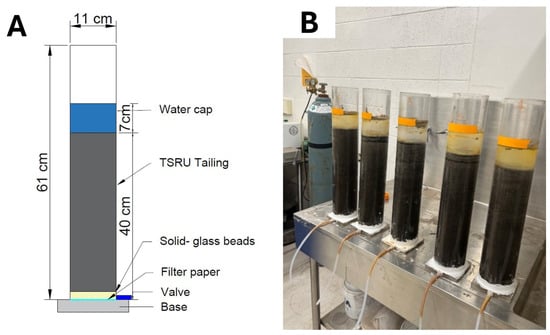
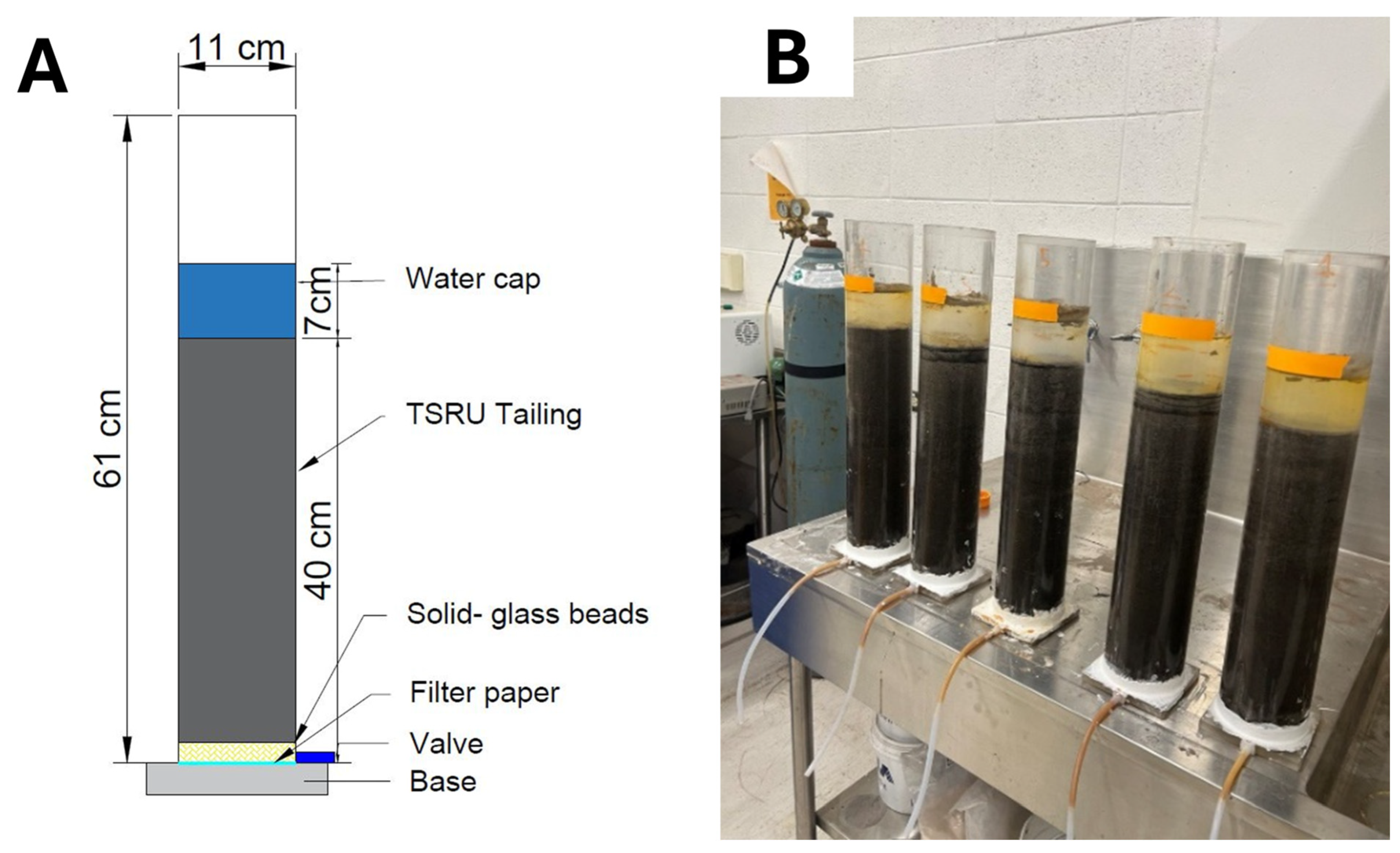
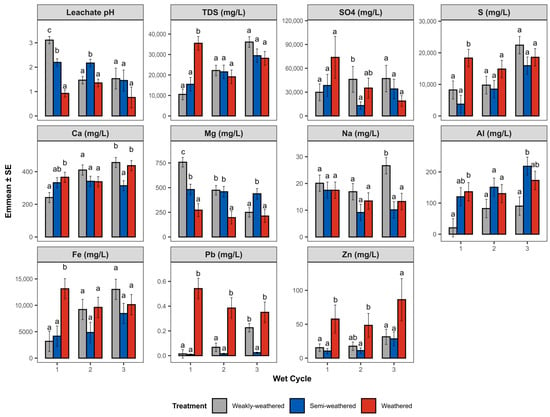
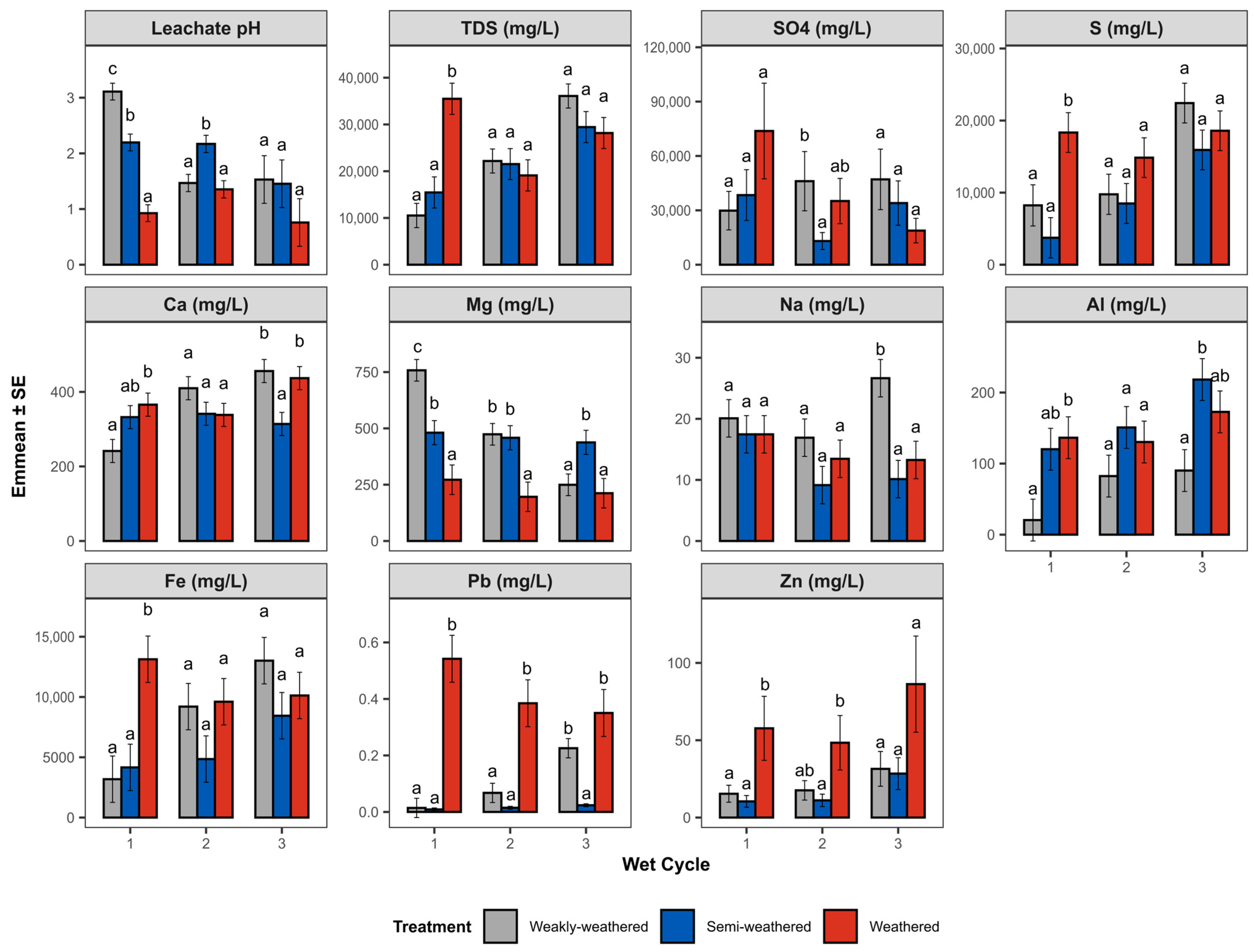
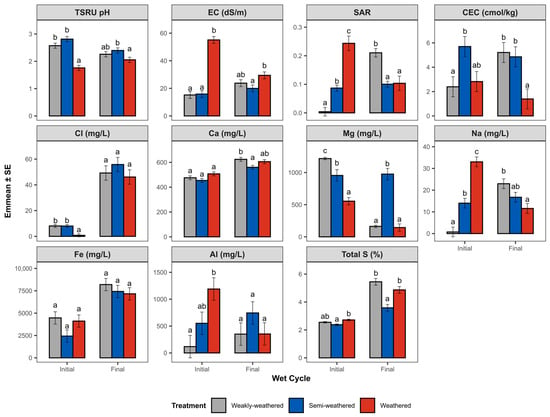
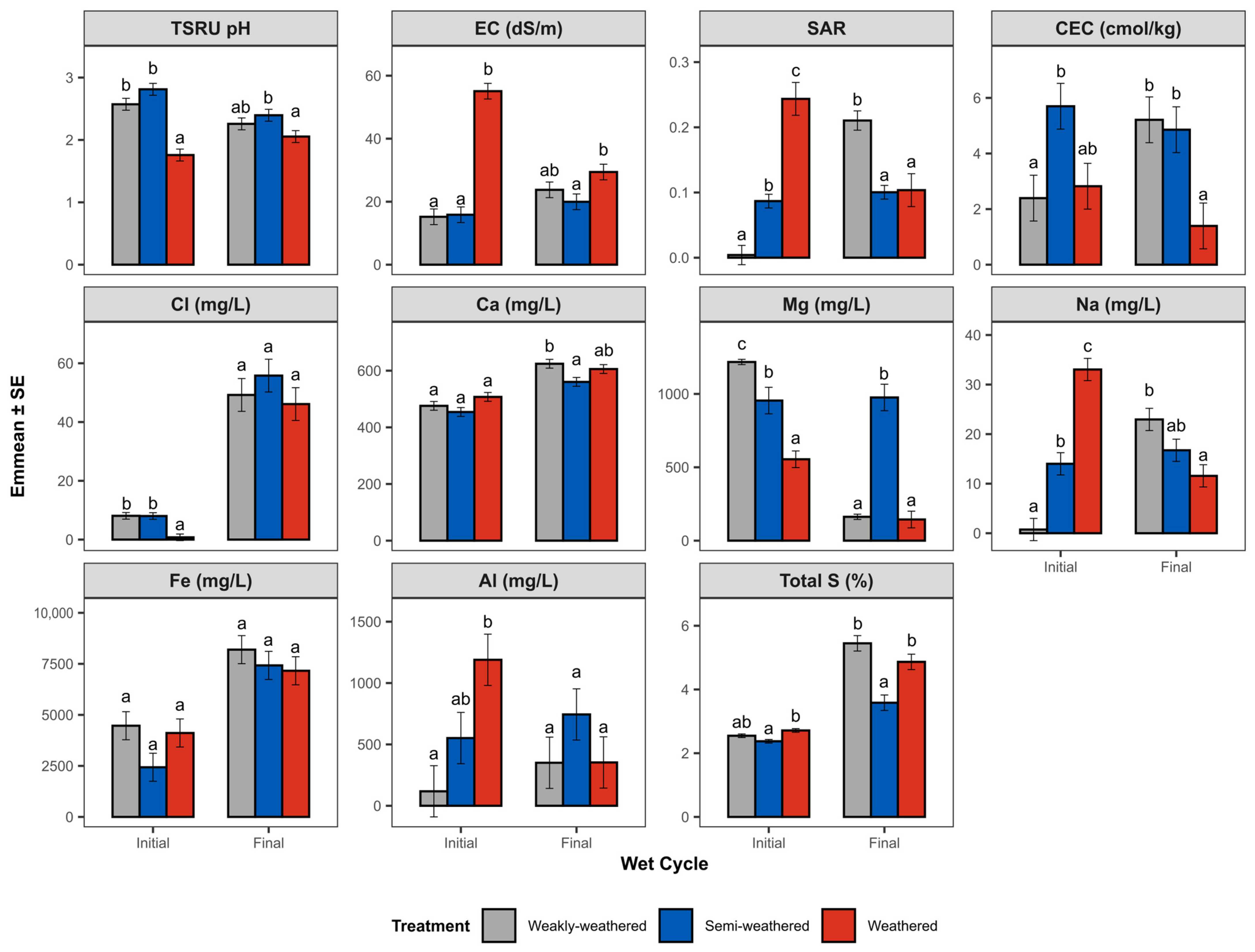
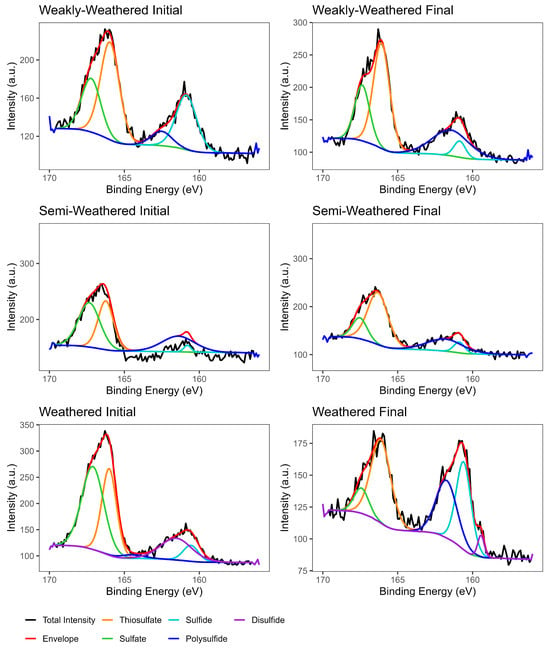
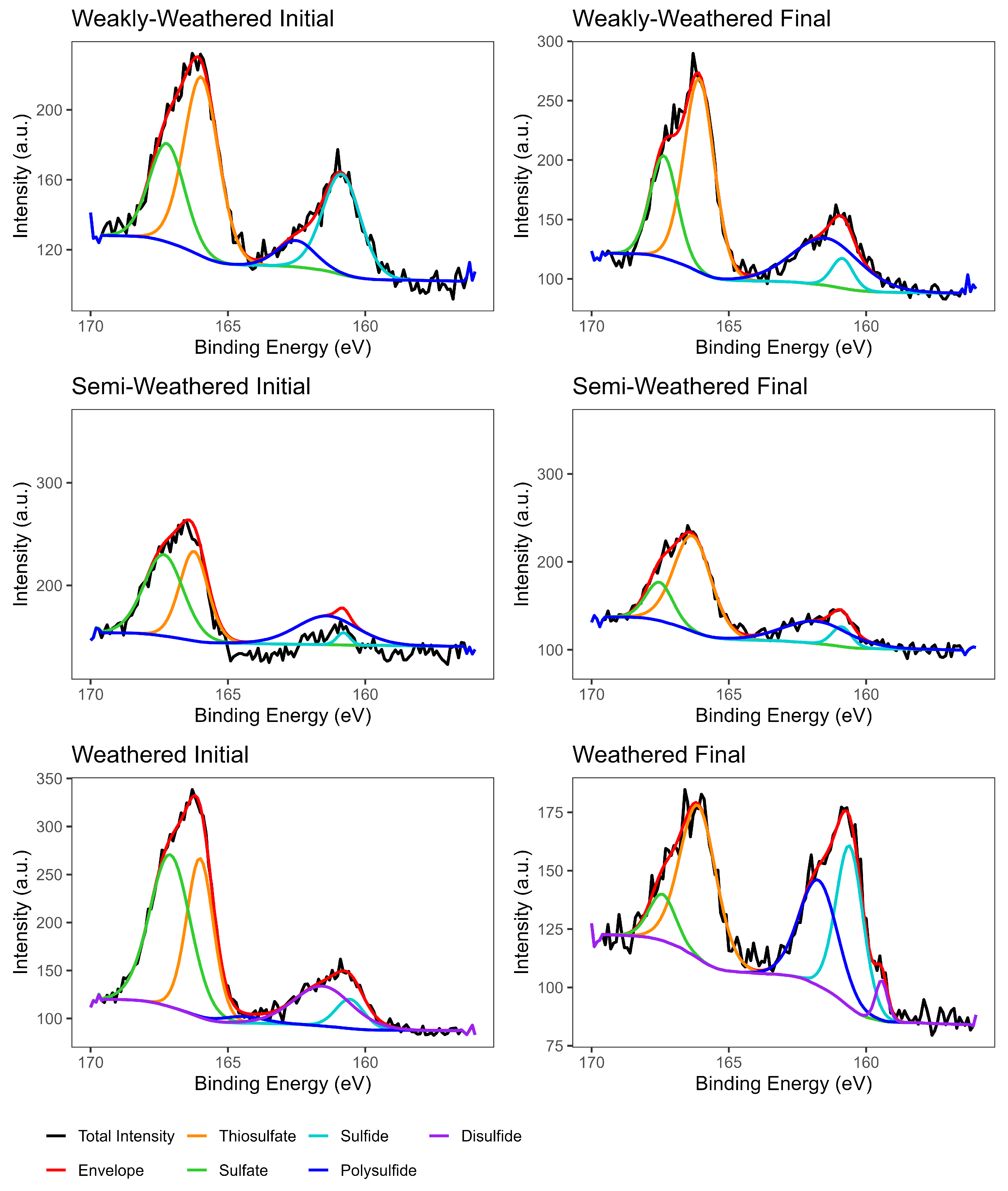

Disclaimer/Publisher’s Note: The statements, opinions and data contained in all publications are solely those of the individual author(s) and contributor(s) and not of MDPI and/or the editor(s). MDPI and/or the editor(s) disclaim responsibility for any injury to people or property resulting from any ideas, methods, instructions or products referred to in the content. |
© 2026 by the authors. Licensee MDPI, Basel, Switzerland. This article is an open access article distributed under the terms and conditions of the Creative Commons Attribution (CC BY) license.