


Abstract
Electronic waste (e-waste) has emerged as one of the most critical environmental challenges of the twenty-first century. It encompasses a wide range of discarded electrical and electronic equipment, including information and communication technologies, household appliances, entertainment systems, and related components. While e-waste contains valuable recoverable materials, it also harbours hazardous substances such as toxic heavy metals, flame retardants, and persistent organic pollutants. Inadequate disposal practices, particularly open dumping and landfilling, result in the generation of toxic leachates that contaminate soil as well as surface and groundwater, posing severe threats to environmental integrity and public health. Evidence indicates that landfill leachates can infiltrate groundwater at considerable depths, exceeding permissible limits of heavy metals and metalloids and contributing to serious health disorders. Consequently, the implementation of effective e-waste management strategies and environmentally sound disposal practices is imperative to minimize its detrimental environmental and human health impacts. Microalgae systems can achieve up to 98% removal efficiency and up to five cycles reusability. In this paper, the drawbacks of the traditional methods for metal recovery from e-waste and the potential of microalgae were discussed. The downstream processing and metal extraction from microalgal biomass is critically discussed as well as strategies to support the circular economy.
1. Introduction
E-waste is one of the biggest environmental challenges of this century. The electrical and electronic wastes includes IT and telecommunication devices (computers, printers, routers, cell phones, and tablets), entertainment devices (televisions, radios, cameras), home appliances (fridge, washing machine, vacuum cleaners, air conditioners, fans, microwaves, kettles, hairdryers), gaming devices (gaming consoles and toys with electrical parts), and necessary electronics (cables, batteries, light bulbs), etc. These devices usually contain elements that can be poisonous to human health and environment if not disposed of properly. These wastes contain metals like copper (Cu), manganese (Mn), iron (Fe), antimony (Sb), tin (Sn), barium (Ba), zinc (Zn), aluminium (Al), silver (Ag), gold (Au), and platinum (Pt), as well as toxic heavy metals including lead (Pb), mercury (Hg), chromium (Cr), cadmium (Cd), and nickel (Ni), and flame retardants. They also contain persistent organic pollutants like polybrominated diphenyl ethers, polycyclic aromatic hydrocarbons, and polychlorinated biphenyls. In open landfills, rainfall over e-waste mounds produce leachate. Leachate from landfills and open dumps contains high concentrations of hazardous organic and inorganic, non-biodegradable and toxic metals, and heavy metals that contaminate the soil and water of the surrounding areas of the dumping ground.
E-waste contains high concentrations of toxic chemicals which are harmful to environment and human health. Inappropriate disposal or dumping of e-waste as landfills leads to adverse effects on soil, water, and air. The toxic leachate from landfills is used to mix with the rainwater and transmit to surface and ground water, making it toxic and unusable. If the landfills are situated near any waterbody, they pollute the water of that area, and the consequence is far beyond expected; it causes biomagnification. Open landfills can pollute the ground water at the depth of 30 m, contain high pollutants that make the water highly unhygienic, containing heavy metals, metalloids, and minerals beyond the edible limits that can cause diseases like arsenicosis, Minamata baby syndrome, pneumoconiosis, pulmonary fibrosis, Wilson disease, encephalopathy, hepatic cirrhosis, alopecia, cancer, and argyria.
The leachates can cause significant damage to aquatic ecosystems. The young fish larvae are extremely sensitive to heavy metals and dioxin-like chemicals of leachates. It impairs the normal embryonic stage of fish, resulting in a reduction in offspring quantity and quality and causes morphological alterations and growth defects, i.e., craniofacial malformations; abnormal spinal curvature; yolk-sac and pericardial edema; hemorrhage; peripheral ischemia; premature hatching, reduced hatchability, altered hatching rate; reduced survivorship, and reduction in growth and size and reduced viability. It has been found that persistent organic pollutants, like polybrominated diphenyl ethers, polycyclic aromatic hydrocarbons and polychlorinated biphenyls from the leachates of e-waste, have detrimental effects on aquatic lives. It causes reduction in size and growth of the species and in a highly polluted zone it’s responsible for population decline or extinction. The e-waste landfills also have harmful effects on human health while contacted, inhaled, or ingested and are responsible for coughing, choking, tremors, convulsions, and even death. The toxic chemicals cause the damage of neurological system of children, increasing the risk of chronic diseases like cancer. It also increases the number of vector-borne diseases in surrounding areas of landfills. This article provides a critical overview of recent progress in the potential of microalgae for efficient metals recovery from e-waste leachates, focusing on the downstream processing and metal extraction from microalgal biomass, material properties for effective recovery, and sustainability aspects, and strategies to support the circular economy.
2. Limitations of Conventional Metal Recovery Methods
Open burning of landfills and uncontrolled acid leaching are used during conventional metal recovery process from e-waste. During the open burning process, metals like copper, aluminium, and steel are recovered and the rest of the hazardous materials, like plastics, polychlorinated biphenyls, ceramics, and asbestos, are dumped in nature. The inadequate dumping of these hazardous substances and inefficient separation process releases large number of toxic contaminants in the surrounding areas (Table 1); hence, increase the load of heavy metals, suspended solids, and organic compounds in surrounding soil and surface and ground water (Figure 1).
Figure 1.
Limitations of conventional metal recovery processes.
Pyrolysis is also used for metal recovery from e-waste. It causes thermal breakdown of waste and concentrates metals into solid chars that favours the easy separation of metals. It’s very efficient for the recovery of metals like gold, silver, copper, etc. However, it causes potential harmful emissions, like polycyclic aromatic hydrocarbons, volatile organic compounds, and vapour of heavy metals. On the other hand, it often results in metal mixture that further requires complex hydrometallurgical processing for separation and purification. Due to high temperature metal recovery procedures, valuable metals, like lithium, are often lost during the process.
3. Application of Microalgae in E-Waste Metal Recovery
Due to the limitations of conventional methods for recovering metals from e-waste, natural resources are being explored that are eco-friendly, cost-effective, and sustainable, helping to remediate toxic waste. A major advantage of using natural resources is that they enable the recovery of precious metals. In this process, pH, ionic strength, and other parameters play an important role in removing pollutants, but how these parameters influence metal sorption remains unclear. Among various natural resources, microalgae are particularly important for recovering metals from e-waste because they possess multiple polysaccharides with different functional groups, such as hydroxyl, amide, and carboxylic groups, that bind to heavy metals, causing metal biosorption, followed by bioaccumulation and biotransformation, as shown in Figure 2 [1]. There are numerous factors that regulate the absorption of important metals from e-waste, such as the application of living and dried algal biomass, algal dosage, etc. Numerous studies have reported the application of microalgae in the biosorption of metals from different types of e-waste, using immobilisation and solvent extraction, etc., such as Lewis and Guéguen [2], who studied role of dried Euglena gracilis for biosorption of Dy by 93 μg g−1 at pH 3–8 with sorbent dosage of 0.5 g L−1. In another study by Náhlík et al. [3], the authors investigated the role of G. sulphuraria, a living biomass showing biosorption of Ce: 26 μg g−1 Nd: 15 μg g−1 La: 11 μg g−1 Y: 11 μg g−1 at pH 3 and algal dosage of 1 × 10⁶ cells L−1. Similarly, Sun et al. [4] also evaluated role of calcium alginate immobilised G. sulphuraria living biomass, where they adsorbed La: 97.2% Y: 96.2% Sm: 98.9% at pH 2.5 and algal dose of 30%. Even, Sadovsky et al. [5] evaluated the application of Monoraphidium sp., Desmodesmus multivariabilis, and Arthrospira sp. for biosorption of 100 mg g−1 Ce.
Figure 2.
Illustration of heavy metal mechanism of heavy metals of e-waste by microalgae.
3.1. Pre-Treatment Techniques Used in Recovery of Metal from E-Waste by Microalgae
Traditionally, extracting metals from mineral resources involves physicochemical techniques such as mechanical shredding, acid leaching, and hydrometallurgical processes. Mechanical shredding breaks down particles to facilitate mineral liberation, followed by acid leaching to dissolve metals. Hydrometallurgical methods, including solvent extraction and electrowinning, recover metals from leach solutions. Although effective and capable of processing large volumes, these methods consume significant energy, rely on harsh chemicals, and generate hazardous waste, raising environmental concerns. Their efficiency diminishes with low-grade ores and secondary resources. To address these challenges, modern strategies focus on enhancing sustainability and resource efficiency. Bioleaching employs microbes to extract metals from low-grade ores under mild conditions, reducing chemical and energy demands. Phytomining uses plants to uptake and recover metals, providing eco-friendly solutions for mining and remediation. Electrochemical methods allow for selective metal recovery with minimal reagents and waste. These innovative technologies aim to lower environmental impact and improve recovery from non-traditional resources, supporting principles of green chemistry and a circular economy as shown in Figure 3. As ore quality declines and regulations become stricter, integrating biological and electrochemical approaches with traditional techniques will be crucial for sustainable metal extraction. Below are different pre-treatment techniques of e-waste to recover metals.
Figure 3.
Schematic representation of different pre-treatment techniques of e-waste and advantages of modern technique over conventional methods.
3.2. Acid Leaching
Acid leaching uses an acid solution to dissolve and extract metals like copper, nickel, etc., from ores. The acid reacts with metal compounds, breaking them down and releasing the metal for recovery through precipitation or electrolysis. It is especially useful when conventional methods are inefficient. Numerous studies have used the acid leaching method to recover metal from ores in the least toxic form to be used by microalgae. For instance, copper recovery from printed circuit boards using acid (H2SO4-O2) leaching showed that the metallic pin contained 7.56% copper and that a gold film had accumulated over the copper. Acid leaching was carried out on a 10 g sample at a concentration of 0.03 M, heated at 298.15 K and 101.3 kPa, with agitation at 450 and 1000 rpm. The results showed a maximum copper recovery in solution of 645.294 ppm [6]. In another study by Kogi et al. [7], they showed that waste computer desktops contained Propylene, Sasaite, Silicon oxide, and impure copper oxide. The results indicated that under optimised leaching conditions, 81.8% of the critical metals dissolved within 120 min, and the leaching process was predominantly controlled by a surface layer mechanism. Even so, acetic acid leaching of rare earth elements from e-waste magnets achieved a recovery of 95.3% using organic acids [8]. In another study by Ferreira and Pereira [9], they explored effective hydrometallurgical techniques to extract valuable metals from printed circuit boards (PCBs). Samples from discarded electronic devices underwent five leaching stages targeting Au, Ag, Sn, and Cu. The first stage used 3 mol L−1 nitric acid, achieving 97% Cu leaching and lowering its concentration from 20% to 0.74%. It also leached 53% Ag and 78% Sn. The next step employed thiourea in an acidic solution with Fe(NO3)3, leaching 75% Au. Iodine/iodide, along with hydrogen peroxide, effectively leached 99% Ag and 62% Au. For Sn, two methods were tested: with HCl, 98% recovery, and with H2SO4 and CuSO4, 98% leaching efficiency was achieved.
3.3. Mechanical Shredding
Mechanical shredding uses machines such as shredders or grinders to physically break solid materials into smaller pieces by cutting, crushing, or tearing, without undergoing a chemical change. In metal processing, it increases the surface area for more efficient separation or extraction, for example, printed circuit board grinding followed by electrostatic separation showed that the purity of valuable metals reached 93.3% [10]. According to study by Lee and Park [11], shear grinding machine was developed to recover 85% (1000 μm) Cu from printed circuit board waste, while the recovery was 355 μm using the conventional method.
3.4. Hydrometallurgy
Hydrometallurgy uses water-based solutions to extract metals from ores or concentrates through chemical reactions that dissolve the metal. The dissolved metal is then separated and purified by precipitation, solvent extraction, or electrolysis. Several studies have used this method to extract metals from e-waste, such as waste printed circuit boards. The boards were crushed and ground, then leached in a sulphuric acid solution using hydrogen peroxide as an oxidant. The results showed extraction of Cu 98%, Al 52%, Zn 92%, and Fe 52% [12]. Similarly, e-waste was ground, and the extraction of valuable metals such as copper and gold was carried out using nitric acid and aqua regia. It was observed that gold and copper are extracted under different conditions, i.e., stirring speed, extraction time and temperature, sample mass, particle size range, and concentration of HCl. Specifically, two extraction steps are used to selectively extract copper and gold. From the results, it was concluded that 98.1% of copper was extracted using the first extraction step twice, while during the final step, 95.1% of gold was extracted from the residual sample obtained from the first step [13]. Various black mass samples of lithium batteries were leached using 2 M H2SO4 at 50 °C for 2 h, with varying hydrogen peroxide concentrations (0–4 vol%) to determine the dissolution of Li, Ni, Mn, and Co [14]. Moreover, a single leaching system (HCl, H2O2, and C2H4O2) achieved 99% gold dissolution via 1.67 M C2H4O2, 3.5 M HCl, and 1.96 M H2O2, with no stirring for 5 h at room temperature, starting from a solid concentration of 20%. Over 80% gold was also recovered from a ceramic Intel central processing unit through three steps of leaching. Platinum at 89% and palladium at 100% were recovered using 1.67 M C2H4O2, 5 M HCl, and 1.96 M H2O2, with an agitation speed of 250 rpm, a solid concentration of 10%, and at room temperature; 98% palladium recovery was obtained from the turbine residue after 20 min of reaction. Nearly all Au (99%) was recovered from the solution through reduction with ascorbic acid. The cementation process using metallic ion powder successfully recovered all Pd and approximately 79% of Pt from the leaching solution of spent autocatalysts. Applying an iron metal-reduction process to the turbine-residue solution resulted in over 99% Pd recovery [15].
3.5. Bioleaching
Conventional methods for metal removal from electronic waste include pyrometallurgical and hydrometallurgical routes, but they are environmentally unsustainable because of difficulty in control, secondary waste, high costs, and risks. Pyrometallurgy involves high-energy smelting of waste with metal concentrates, but concerns about greenhouse gases and pollutant emissions, such as dioxins and furans, have spurred interest in alternatives. Disadvantages include high capital and operational costs, low selectivity, environmental harm, low social acceptance, and harsh thermal conditions. Despite this, it remains a feasible, commercially developed technology. Hydrometallurgy dissolves metals using acids, but it is slow, hazardous, costly, and generates large volumes of acidic wastewater that requires treatment. Biological recovery, or bioleaching, employs microorganisms to produce reagents for metal extraction, offering advantages such as efficiency, safety, lower costs, eco-friendliness, and simpler management at room temperature and atmospheric pressure. Bioleaching, using fungi and bacteria that secrete acids or cyanide to promote oxidation or complexation, requires smaller investments and is more sustainable [16]. The bioleaching method has been reported by Anaya-Garzon et al. [17], who investigated the capacity of an Leptospirillum ferriphilum, an acidophilic iron oxidising bacteria, which oxidizes iron in printed circuit boards-enriched environments. Apart from iron, other reported metals were found in the leachate were Cu 8.5 g L−1, Fe 8 g L−1, Zn 1 g L−1, Ni 92 mg L−1, Pb 12.6 mg L−1, and Co 4.4 mg L−1. Even Acidiplasma sp. Fv-Ap displayed excellent oxidation of iron from a printed circuit and also showed 98% dissolution of gold [18].
3.6. Phytomining
Phytomining of e-waste is an eco-friendly method that uses plants to recover valuable heavy metals from electronic waste, particularly hyperaccumulator plants that absorb metals such as nickel, copper, cobalt, and rare earth elements. After harvesting and processing the plant biomass, the metals are extracted, reducing reliance on energy-intensive mining. This approach helps reduce pollution, rehabilitate contaminated sites, and promote sustainable metal recovery within a circular economy [19,20]. Researchers have also investigated the role of plants and bacteria in remediation of heavy metals from e-waste such as Bacillus amyloliquefaciens, plant growth promoting rhizobacteria with Acacia mangium accumulated nickel, and its content reduced in soil lower thenin 200 mg kg−1. Hence, 91.3% recovery of nickel was recorded from the acid leachate of the ash [21]. Moreover, Luo et al. [22] also studied role of Eucalyptus globulus in remediation of mercury and cadmium.
3.7. Electrochemical Methods
The electrochemical approach is an environmentally friendly technique for processing e-waste and extracting heavy metals such as copper, nickel, lead, and gold. Metals are dissolved from shredded e-waste using electrolytes, then selectively recovered through methods such as electrowinning or electrorefining, where controlled electrical potentials deposit pure metals onto electrodes. This technique minimises the use of hazardous chemicals, enables selective metal recovery, and supports electrolyte recycling. Nonetheless, it faces challenges, including high initial costs, energy consumption, and the need for pretreatment to enhance metal dissolution efficiency [23,24]. The efficiency of electrochemical method was demonstrated by Barragan et al. [25], who showcased the recovery of antimony and copper via lixiviation with ferric chloride in acidic media (0.5 M HCl), followed by an electrowinning process. The study reported that copper was recovered at 96% and antimony at 81%. Furthermore, gold recovery from leachate generated from e-waste using a nickel electrochemical membrane reactor was found to be 100% [26].
4. Role of Microalgae in Uptake of Metals from E-Waste Through Batch vs. Continuous System
Batch cultivation is one of the widely used approaches for uptake of metals as it is easy to operate and helps in reaching equilibrium state. There are numerous studies that have demonstrated enhanced metal uptake in respect to a continuous system; for example, Chlorella vulgaris was studied for mercury removal from through batch experiments at 35 °C, analysing contact time, initial mercury levels, pH, and desorption. Max adsorption occurred at pH 6. The Hg(II) adsorption followed pseudo-second order kinetics, matching experimental data. Adsorption was rapid, reaching high capacity within 90 min [27]. Villen-Guzman et al. [28] conducted batch experiments to investigate how pH and ionic strength influence the biosorption capacity of Spirulina. The highest removal efficiency was observed at pH 5.2. Furthermore, higher ionic strength reduced adsorption capacity, suggesting that ion exchange is a significant mechanism in Pb(II) adsorption on Spirulina. Yet another study by Waqar et al. [29], Scenedesmus sp. was used as an adsorbent to remove lead (Pb) and cadmium (Cd) through in vitro exposure to a metal solution. Batch sorption experiments investigated the effects of pH, contact time, initial metal ion concentration, and sorbent dose on adsorption. The optimal biosorption conditions for each metal were identified. The process was rapid, with equilibrium reached in 90 and 60 min for the metals, achieving removal rates of 85% and 83%, respectively. Microalgae also exhibit potential in remediating heavy metals under continuous system, such as Parachlorella kessleri R-3, which showed remediation of heavy metal mixture comprising of chromium, cadmium, lead, and copper by 97.38%–100% [30]. In contrast, continuous systems tend to show lower apparent uptake, mainly due to shorter residence times and kinetic constraints rather than differences in intrinsic biomass inefficiency; for example, Mahat et al. [31] showed cultivation of Scenedesmus sp. in batch, membrane bioreactor, and continuous mode to remediate zinc, nickel, lead, chromium, and cobalt. Results showed microalga effectively removed heavy metals from all three systems. The highest removal was for Ni is 0.083 mg L−1 in membrane bioreactor and in batch 0.068 mg L−1 while the lowest was reported at 0.032 mg L−1, in membrane bioreactor, 0.027 mg L−1 in continuous, and 0.022 mg L−1 in batch for zinc.
There are limited number of studies that have put emphasis upon comparative analysis between batch and continuous system for metal uptake by algal system. From the evaluated literature, it could be concluded that batch versus continuous system performance is assessed by various factors such as biomass concentration, metal concentration, etc. The major bottleneck of the approach is that there are different studies related to batch and continuous systems as mentioned above. The absence of systematic comparative approach creates a knowledge gap particularly using e-waste leachate. Even then, most of the studies have focused upon batch test or monometallic system. Hence, future studies should aim at comparative evaluation of continuous and batch systems to enhance understanding related to operation and scalability.
5. Role of Microalgae in Uptake of Metals from E-Waste Through Immobilized Microalgae
Immobilised microalgae reliably remove heavy metals by keeping cells fixed, preventing movement in water, whether by artificial or natural means [32,33,34,35,36,37]. They offer benefits, such as sustained activity and growth, leading to higher cell concentrations on carriers, which protect against environmental stresses and improve metabolism and productivity, including lipid yields. They also simplify separation and purification during production. Carriers are mainly inorganic (diatomite, activated carbon) or organic. Organic carriers include natural polymer gels (calcium alginate, chitosan, agarose) and synthetic gels (polyvinyl alcohol). Natural carriers are non-toxic, support good mass transfer, but are mechanically weaker, risking breakdown and stability issues. Organic gels are stronger but may hinder mass transfer, affecting cell viability [38].
Numerous researchers have shifted their interest towards immobilising microalgae using different carriers for heavy metal uptake, for example alginate salts, etc., as shown in (Figure 4). Even immobilization using symbiotic association of Aspergillus fumigatus and Synechocystis sp. PCC6803 showed adsorption efficiency of 90.02% cadmium and 80.03% chromium [39]. In contrast, Cui et al. [40] characterised extrapolymeric substance of Synechocystis sp. PCC6803 in response to cadmium, chromium, and lead stress. Moreover, Chlorella vulgaris (13-1) immobilised with co-polymer showed adsorption efficiency of copper and cadmium more than 95%, while lead was adsorbed by 50%, respectively [41]. Compared to the previously mentioned study, Chlorella pyrenoidosa molecular response and tolerance mechanism and molecular responses was studied under cadmium and lead [42]. Furthermore, Kwarciak-Kozłowska and Sławik-Dembiczak [43] reported efficient removal of lead by Ca-alginate immobilized Chlorella vulgaris. Contrastingly, Chlorella vulgaris potential was evaluated for removal of lead from battery industry wastewater at 25 °C, pH 6, 60 min contact time, and 2 g L−1 adsorbent; lead removal was 89.26% in real samples and 93.2% in synthetic samples [44]. Also, a comparative study between Tetradesmus obliquus and Chlorella pyrenoidosa observed that Tetradesmus obliquus immobilised with algal beads removed 99.85% of cadmium [45]. In comparison to the above study, individual studies were conducted for Tetradesmus obliquus and Chlorella pyrenoidosa; for example, Tetradesmus obliquus adsorbed 1.78 times more cadmium and 1.12 times more lead under glucose culture conditions. In a binary heavy metal ions system, it adsorbed 5.67 times more lead than cadmium [46]. Chlorella pyrenoidosa molecular response and tolerance mechanism and molecular responses was studied under cadmium and lead [42].
Figure 4.
A simplified illustration of the mode of preparation of algal gel beads and its role in remediation of heavy metals in e-waste leachate.
In another study, phycobiliproteins extracted from Arthrospira platensis and Porphyra yezoensis, encapsulated or immobilised with chitosan, showed two times more mercury biosorption than chitosan alone at pH 7 [47]. Another study represented an individual study showcasing the potential of dried Arthrospira platensis in the removal of mercury rom, for which it was concluded that Biosorption kinetics were most accurately described by Lagergren’s pseudo-first-order model, which provided an average specific rate constant of up to 0.044 min−1. Meanwhile, the Dubinin and Radushkevich model was identified as the best-fitting isotherm [48]. Meanwhile, Xu et al. [49] studied molecular mechanisms for interaction between phycoerythrin and mercury ions. In another study, Villen-Guzman et al. [28] conducted batch experiments that were performed to examine how pH and ionic strength affect the biosorption capacity of Spirulina. The results showed the highest removal efficiency at pH 5.2. Additionally, increased ionic strength led to decreased adsorption capacity, indicating that ion exchange plays a key role in Pb (II) adsorption on Spirulina. Immobilizing Spirulina on alginate beads not only enhanced its adsorption capacity but also helped address issues like excessive pressure drops in column systems. Al-Homaidan et al. [50] also conducted lead removal by Spirulina platensis more than 91%. Additionally, a comparative study between immobilized Scenedesmus sp. and Nostoc sp. was done for the removal of uranium, for which it was concluded that Scenedesmus sp. showed 65% removal efficiency of uranium by 65% while that of cyanobacteria was accounted to be 60%, respectively [51]. In respect to the above-mentioned study, only Scenedesmus sp. has shown potential to remove uranium; it wasn’t reported for Nostoc sp., to best of our knowledge. For Scenedesmus sp., Ranjbar Safiabad et al. [52] showcased that uranium removal efficiency was enhanced to 79.62% when the pH was raised to 7.97; even when the dose of uranium was increased from 1 mg L−1 to 5 mg L−1 the removal efficiency of the metal lowered to 32.19% from 100% at an alkaline pH. Moreover, increasing time also reduced the removal efficiency from 76.14% to 61.24%, respectively. But at an optimised condition, the absorption efficiency was reported to be 99.54%. A comparative study between a free algal system and immobilised algal system was conducted. The results indicated that acetic acid pretreatment achieved 99.346% removal efficiency of cadmium. Various weights of the alga Chlorella vulgaris 0.2 g, 0.15 g, 0.1 g, 0.05 g, and 0.025 g were immobilized using 10 mL of 4% calcium alginate. Among these, the highest cadmium biosorption efficiency was observed at 76.448%, for 0.025 g algae, in comparison to the control [53].
Both systems show various advantages but the systematic comparison between the uptake of metals, especially from e-waste leachate, is lacking. Additionally, regeneration efficiency in both the system and how immobilized algae would affect multiple metals is not well understood to the best of our knowledge. Hence, conducting comparative studies would help in filling the gaps for the large-scale application of immobilized algae.
6. Role of Microalgae in Uptake of Metals from E-Waste Through Living and Dried Microalgal Biomass
Both living and dead cells can undergo biosorption, but dead biomass is more commonly used because of several advantages. Dead cells do not require nutrients or specific environmental conditions, such as temperature or pH, making them easier to store and capable of retaining potency for long periods. While living algal cells can bioaccumulate heavy metals—a process that is often toxic to the cells and affects their metabolism—dead biomass does not face this issue. Living cells maintain enzyme activity and can perform biotransformation or biodegradation of pollutants, influencing pollutant recovery. Using dead biomass also allows for regeneration, reuse, easier immobilisation, and simplified kinetic modelling. Notably, inactive microalgal cells have shown greater efficiency in absorbing heavy metals than living cells, whose performance can be hindered by environmental factors. Living algae can tolerate heavy metals at concentrations below 10 mg L−1; higher levels may impair their metabolism and reduce adsorption efficiency. Different metals bind differently, with non-living algae primarily absorbing ions via surface functional groups. Grinding algae into a powder increases surface area, thereby enhancing metal-ion exposure. Consequently, non-living algae are more frequently used as adsorbents for treating industrial wastewater [54].
There are numerous reports exhibiting the application of living and dried biomass for absorption of heavy metals; for example, Scenedesmus acutus and Chlorella pyrenoidosa showed the removal of cadmium by 57.14% and 45.45%, respectively, over an incubation period of 8 days [55]. In contrast, an individual study has been reported where dried Chlorella sorokiniana biomass showed 92 mg g−1 Cd(II) biosorption capacity at pH 7 [56]. Dried biomass of Scenedesmus quadricauda showed a maximum biosorption of 66% cadmium and 82% lead, respectively [57]. Moreover, Sun et al. [58] showed the biosorption efficiency of lead by freeze-dried Spirulina platensis of 253 mg g−1; then, with respect to dissolved organic carbon, showed biosorption efficiency of lead 3.45 mg L−1. Contrastingly, Babu et al. [59] studied the role of Spirulina platensis as a biosorbent to remove lead and chromium from aqueous sample chromium. Furthermore, dried Chlorella sorokiniana and its composite comprising microalgae, ferric chloride, and kaolin adsorbant showed efficient biosorption of arsenic [60]. In contrast, living cells of Chlorella vulgaris showed at 76 min and a pH of 6, a metal concentration of 50 mgL−1, and a bio-adsorbent dose of 1 gL−1; arsenic was removed from the aqueous solution with a maximum efficiency of 93%. The adsorption of As (III) ions by C. vulgaris reached equilibrium at this 76-min mark [61]. Microalgae have also shown better tolerance towards mercury; for example, dried Chlorella vulgaris biomass showed better biosorption efficiency of mercury at pH 5 [62]. Moreover, living microalgal biomass mercury removal of 98.58% and a desorption of 82.61% was showcased by immobilised live Chlorella sp. at an incubation period of 24 h [63].
Despite various studies related to the application of living and dried biomass for heavy metal uptake being presented, direct comparisons in a single study related to uptake of metal specially from e-waste leachate are limited. Hence, conducting comparative studies would help in filling these gaps that will help in enhancing the scalability and decision making.
7. Different Kinetic Models for Heavy Metal Remediation by Microalgae
There are several biosorption kinetic models used to describe the biosorption of heavy metals from e-waste by microalgae, including the first-order model, pseudo first-order model (also referred to as the Lagergren Model), pseudo second-order model, the reversible first-order model, Elovich model, and the intraparticle diffusion model (Weber–Morris Model), as shown in Table 1.
Table 1.
Kinetic models for heavy metal removal from e-waste by microalgae.
8. Challenges, Process Optimization, and Engineering Strategies
8.1. Genetic and Metabolic Engineering of Microalgae
While native microalgal strains possess inherent capabilities for heavy metal uptake and tolerance, their application in real world wastewater treatment is often constrained by slow kinetics, low selectivity, and susceptibility to toxicity at high metal concentrations. Wild-type strains frequently lack the robustness required to maintain high remediation efficiency under the fluctuating environmental conditions of industrial effluents [67]. Consequently, there is a critical need to move beyond classical cultivation optimization toward targeted genetic and metabolic engineering. This best approach is to create the designer strains with enhanced phenotypes, specifically, superior metal binding capacity, accelerated uptake rates, and reinforced stress tolerance mechanisms, thereby bridging the gap between laboratory promise and industrial viability.
8.1.1. Genetic Toolbox for Microalgae
The development of robust genetic tools has transformed microalgae from simple biomass producers into core bio remediators for environmental biotechnology. Transformation protocols on nuclear, chloroplast, and mitochondrial editing are now well-established for model species, such as Chlamydomonas reinhardtii, Phaeodactylum tricornutum, and Nannochloropsis sp., facilitating the precise introduction of foreign genes [68]. Recently, the field has seen a shift with the adoption of genome editing technologies. While earlier methods relied on random mutagenesis and transposon insertions, the advent of CRISPR/Cas9 and Cas12a systems has enabled high-precision editing for upregulation, downregulation, and point mutations in algal genomes.
8.1.2. Engineering Strategies for Metal Uptake and Detoxification
Metal transporters in microalgae comprise multiple conserved gene families (e.g., NRAMP, ZIP/IRT, CTR, CDF/MTP, P1B-type ATPases, ABC/MRP, CAX, VIT, ATM/HMT), which coordinate metal uptake, intracellular sequestration, efflux, and vacuolar storage to maintain metal homeostasis and support heavy metal (HM) detoxification. Group A transporters (NRAMP, ZIP/ZRT–IRT, CTR, FTR, PTA, AQP) mainly mediate HM influx from the environment and trafficking into storage organelles [69]. In contrast, group B transporters (CDF/MTP, P1B-type ATPases/HMAs, FPN, Ccc1/VIT1, ABC/MRP, ATM/HMT) primarily drive efflux or compartmentalization of metal–thiol complexes into vacuoles and other organelles. Targeted overexpression or heterologous expression of specific transporters, such as CrMTP4, AtHMA4, Acr3, CAX2/4, ZAT, YCF1, and various ABC/MRP and NRAMP/ZIP family members, has repeatedly increased metal tolerance, uptake, and intracellular sequestration in microalgae, plants, and yeast, though in some cases, this did not translate into superior remediation performance compared with naturally adapted wild strains [69].
Once these metals enter the cell, they must be neutralized to prevent oxidative damage. A proven strategy involves the overexpression of metal-binding peptides. This includes both polypeptides directly chelating HMs, such as metallothioneins (MTs) and phytochelatins (PCs), as well as compounds biosynthesized to decrease the oxidative stress induced by HMs [68]. The transgenic expression of MTs (cysteine-rich proteins) in C. reinhardtii has demonstrated a 2- to 5-fold increase in binding capacity for Cd2+ and Hg2+ compared to wild-type strains. The overexpression of the enzyme (PCS) catalyses the polymerization of glutathione into phytochelatins, which form stable complexes with heavy metals. This biotrapping mechanism not only enhances accumulation but also significantly boosts tolerance to acute metal stress [68].
As illustrated in Figure 5, the roadmap for engineering superior microalgal strains integrates advanced genetic tools with specific cellular targets. Leveraging precise genome editing (e.g., CRISPR/Cas9), this strategy focuses on four mechanistic pillars to overcome native limitations. Firstly, enhanced uptake by manipulating membrane trans-porters. Secondly, detoxification via the overexpression of intracellular chelators. Then, moving on to stress tolerance by boosting antioxidant pathways to ensure survival; and finally, enhancing surface adsorption by modifying cell wall properties. The framework concludes by emphasizing that molecular success must be paired with systems-level solutions, specifically addressing biosafety and regulatory containment for field applications.
Figure 5.
Integrative framework for the genetic and metabolic engineering of microalgae for heavy metal bioremediation.
8.2. Optimization of Culture Conditions for Maximum Metal Uptake
Optimising culture media is vital for microalgae-based heavy metal remediation, as nutrient composition affects growth, metabolism, and metal uptake. Adjusting macro- and micronutrients, pH, salinity, and carbon sources influences biosorption and bioaccumulation, affecting cell surface properties and detoxification. Tailored conditions improve stress tolerance and adaptive responses, boosting remediation efficiency. Overall, media manipulation offers a sustainable way to optimise microalgal systems for heavy metal cleanup.
There are various studies that have showcased role of media manipulation in microalgae mediated heavy metal remediation; for example, Chlamydomonas reinhardtii and the acid-tolerant strain CPCC 121 were studied over an incubation period of 48 h with cadmium dosage varying 100–600 μM and two pH levels (4 and 7). Results indicated that both strains reached their maximum Cd accumulation in the biomass at 24 h of exposure to 600 μM of Cd. Under these conditions, the microalgae exhibited a higher Cd uptake than CPCC 121, resulting in a more intense toxic effect on cells [70]. Furthermore, Chromomonas. augustae cultivated under different copper sulphate (CuSO4.5H2O) concentrations (50, 150, 250 μM), temperatures (25 °C and 30 °C), and an incubation period of 24 h; from the results, it was concluded that with an increase in temperature and copper sulphate concentration, the cellular density gets lowered [71]. Wang et al. [72] showed that Chlorella vulgaris K-01 demonstrated efficient cadmium biosorption across a wide range of environmental conditions, including pH levels from 4.0 to 10.0 and salinity levels up to a value of 4.0. In another study by Gao et al. [73], the authors conducted Response Surface Methodology-based experiments to evaluate bioremediation potential of Dunaliella salina to remediate lead, cadmium, and copper, for which they evaluated that removal rate of lead was 87.2%, cadmium 72.9%, and copper 88.9%, at pH 5–6, 20–30 °C, and 6 h adsorption time. Moreover, Haematococcus pluvialis was grown under different lead nitrate concentrations of 10, 50, and 200 mg·L−1, for which it was reported that maximum lead adsorption reached 98.69% under optimal conditions: pH 6, 1 g L−1 adsorbent, 25 mg L−1 lead, 25 °C, 120 min [74]. Similarly, Chlorella sp. showed bioadsorption of chromium by 91.79% having pH varied between 2–6, potassium dichromate solution varying between 10–30 ppm, and salinity between 2000–16,000 ppm [75]. Even light intensity plays significant role in remediation of heavy metal by microalgae; under varying light intensity (1000 lux, 2000 lux and 3000 lux), it was found that at 2000 lux cadmium, uptake capacity was maximum for Dunaliella salina and Phaeodactylum tricornutum, which accounted to 28% and 14%, respectively [76].
9. Downstream Processing and Metal Extraction from Microalgal Biomass
Efficient metal recovery from microalgal biomass is a critical step in bioremediation and bio-recovery processes, as it governs overall sustainability, cost-effectiveness, and resource circularity. Following biosorption or bioaccumulation, metals must be selectively extracted while minimizing biomass degradation and secondary waste generation. Current extraction strategies for metal-loaded living or non-living microalgal biomass can be broadly classified into four categories: chemical extraction, physical/mechanical disruption, biological or enzymatic extraction, and desorption-based regeneration. Chemical methods, including acid or alkaline leaching and chelation, offer high recovery efficiencies but often result in biomass destruction and chemical waste streams [77]. Physical and mechanical approaches such as thermal treatment, ultrasonication, and microwave-assisted extraction facilitate metal release through structural disruption but may compromise biomass reusability [78]. Biological and enzymatic methods, including enzymatic digestion and bioleaching, operate under mild conditions with lower environmental impact, although they are typically limited by slow kinetics [79]. In contrast, desorption-based regeneration using dilute acids, salts, bases, or chelating agents enables biomass reuse over multiple cycles, enhancing process sustainability [80]. These data are compiled and presented as a flowchart in Figure 6. Integrating downstream metal extraction pathways with microalgal cultivation systems is particularly relevant for wastewater valorisation, as studies have shown that microalgae grown in industrial effluent streams can simultaneously capture nutrients and contaminants, generating metal-laden biomass suitable for subsequent recovery and reuse processes [81].
Figure 6.
Integrated downstream processing pathways for extraction and recovery of heavy metals from metal-loaded microalgal biomass.
9.1. Chemical Extraction
Chemical extraction of heavy metals from microalgae is one of the key steps as it enables both regeneration of the biosorbent and recovery of metals in a concentrated, processable form. During biosorption, algal cell walls provide carboxyl, phosphate, hydroxyl, and amino groups that bind metal cations; when metal loaded biomass is contacted with dilute mineral acids, the resulting pH decrease protonates these groups, and the excess protons outcompete metal ions, releasing them into the liquid phase [82]. Dilute acids, such as HCl and HNO3, typically in the range of 0.05–0.1 M, are, therefore, most commonly applied because they efficiently protonate these functional groups and displace the metals into solution. In the study by Tüzün, Bayramoğlu et al. [83], desorption of Hg(II), Cd(II), and Pb(II) from algal biomass was achieved using 0.1 M HCl (0.25 mL), with the metal loaded biomass agitated at 200 rpm for 2 h at 25 °C; after each adsorption–desorption cycle, the biomass was rinsed with saline solution and reconditioned before reuse in the subsequent adsorption step.
In contrast, alkaline treatment can induce only partial desorption of heavy metals from algal biomass and is generally less efficient and less selective than acid leaching, so it is more often used as a pretreatment to enhance sorption capacity rather than as a primary recovery route. Bulgariu and Bulgariu [84], for example, obtained waste biomass from marine green algae following 30 h of oil extraction with n hexane and then carried out alkaline modification by mixing 1.0 g of this biomass with 100 mL of 0.1 N NaOH for 1 h; after a 24 h resting period, the material was filtered, thoroughly washed with distilled water to neutral pH, dried at 60 °C for 6 h, and ground to a particle size below approximately 1–1.5 mm to produce the alkaline treated algal waste biosorbent (AT AWB).
Another important chemical extraction strategy relies on chelating agents, particularly EDTA, which are widely employed to desorb heavy metals from algal biomass by forming strong, soluble metal complexes that strip metals from cell wall functional groups while largely preserving the biosorbent structure. Compared with mineral acids, such chelators often provide higher biosorbent reusability and are especially effective for divalent and trivalent cations including Cd(II), Pb(II), Cu(II), and Hg(II) [85]. Under basic conditions, EDTA is deprotonated and exhibits pronounced chelating properties; in the study of Kumar et al. [27], EDTA achieved 95.1% metal recovery because its deprotonated form acts as an exceptionally effective stripping solution for heavy metals bound within the porous matrix. HCl desorbs metals like Cu by protonating the biomass’s binding sites, while EDTA strips metals such as Pb and Zn by chelating them into stable complexes which are used in these studies for effective metal removal [86].
9.2. Physical/Mechanical Extraction
Physical and mechanical extraction techniques represent a cornerstone of downstream processing in microalgal biorefineries and unlike chemical methods that rely on aggressive reagents, such as acids or chelators, physical/mechanical approaches primarily leverage energy inputs to disrupt cell walls and facilitate metal desorption without introducing secondary contaminants. Physical and mechanical extraction techniques such as thermal treatment, ultrasonication, and microwave-assisted extraction use energy input to disrupt algal cells and enhance the release of intracellular and surface-bound heavy metals into the surrounding medium [87]. Comparisons reveal trade-offs, where physical harvesting methods are generally regarded as more eco-friendly and relatively low-cost for initial biomass concentration but, in many reported systems, achieve lower or more variable recoveries than chemically assisted methods and can be energy-intensive, making them most suitable as pre-treatment steps in hybrid systems. In contrast, chemically assisted approaches often deliver higher biomass recovery and are easier to scale in industrial wastewater contexts, but they rely on reagent input and can generate metal or polymer rich sludges and other secondary by products that require subsequent neutralization or disposal [88]. These factors must be taken into account prior to choosing an appropriate extraction strategy and further elaboration on the physical extraction techniques is provided in the following sections.
9.2.1. Thermal Treatment
The temperature level also must be taken into account for desorption processes. An increase in temperature would increase the metal ions’ tendency to detach from the adsorbent surface. As a result, the functional group bonds would break down, decreasing the forces between metal ions and active sites. In contrast, the higher removal efficiency that occurs at lower temperatures could be attributed to physical adsorption indicating an exothermic mechanism [89]. The concentrations of heavy metals in the resulting ash remained low and were not considered hazardous. As the combustion or ash-forming temperature increased, elements such as Zn, Cd, Cu, and Pb decreased in the solid residue, suggesting that these more volatile metals were released into the gas phase. In contrast, thermally stable and less volatile metals like Cr, Ni, and Fe accumulated in the ash at higher temperatures. This behaviour highlights that thermal desorption effectively mobilizes volatile metals from biomass into the gaseous phase, while non-volatile metals remain concentrated in the solid residue [90].
9.2.2. Ultrasonication
Ultrasonic treatment has recently gained attention as a promising option to intensify metal leaching and recycling, offering a simple and convenient operation, high metal recovery efficiency, low cost, and generally favourable environmental characteristics. The process maximizes metal recovery while eliminating chemical inputs and waste, recycling all water and achieving zero emissions, high product quality, and superior efficiency at lower cost [86]. Although ultrasonication is highly effective, several challenges remain in applying it for mercury removal using biomass. In this study, transgenic Chlamydomonas reinhardtii (C. reinhardtii) was used to remove Hg from model and contaminated sediments (Al2O3, α-HgS, and PACS-2 marine sediment). Batch experiments were performed with a 20 kHz ultrasonic probe system (550 Sonic Dismembrator, Thermo Fisher Scientific Inc., Waltham, MA, USA) at a power intensity of 20 W cm−2, as determined by calorimetric measurements. Prolonged sonication, however, led to reduced Hg(II) desorption, likely due to occlusion caused by aluminium hydroxide precipitation induced by ultrasound. Reactor design should, therefore, consider not only the proximity of the biomass to the ultrasonic probe for effective Hg capture, but also potential ultrasonic effects on the biomass itself and for effective resource recovery [91]. For algal heavy metal recovery, ultrasonication is generally superior due to its lower temperature, preserving biomass integrity while accelerating desorption. It reduces secondary pollution compared to acid-based methods, which produce hazardous effluents, but struggles with high concentration matrices. Biological enzymatic desorption is slower and less scalable, making ultrasound better for industrial applications. Combining the ultrasound and chemical extraction offer balanced efficiency, cost, and minimal waste for robust full-scale deployment.
9.2.3. Microwave-Assisted Extraction
Microalgal cells are inherently resistant to disruption due to cell wall polymers such as algaenan and sporopollenin. As a result, microwave-assisted extraction presents an effective alternative for recovering biochemical components, including lipids, pigments, carbohydrates, vitamins, and proteins either individually or within an integrated biorefinery approach [92]. Microwave-assisted extraction (MAE) utilizes high-frequency electromagnetic waves, typically ranging from 300 MHz (100 cm) to 300 GHz (0.1 cm) with corresponding wavelengths of 0.001–1 m. In microwave chemistry for extraction, radiation is commonly applied at approximately 2.45 GHz (12 cm), producing dielectric heating through the absorption of energy by water and other polar compounds present in wet biomass or the sample. Heating occurs as the electromagnetic waves dissipate energy within the medium, which depends on the material’s dielectric properties and the average electric field strength. Microwaves induce vibrations of water and other polar molecules in the biomass, raising the temperature of intracellular fluids. This leads to water evaporation and the generation of pressure on cell walls, ultimately causing cell disruption which initiates heavy metal desorption [93]. Unlike conventional thermal desorption, the microwave-assisted desorption operates at milder temperature [89]. However, microwave-based processes often result in the generation of metal-laden sludges that require additional downstream management [81], representing a persistent limitation when compared to biological or enzymatic approaches, which typically produce lower amounts of solid secondary waste.
9.3. Biological/Enzymatic Extraction
Biological or enzymatic extraction includes two main factors of bioleaching and enzymatic digestion [94]. Bioleaching encompasses several biotechnological approaches tailored to the type of ore and target metal. Because microbial metal solubilization proceeds relatively slowly, industrial bioleaching operations rely on strict control of oxygen and carbon dioxide concentrations, pH, moisture, and temperature to maintain optimal microbial activity. Commercial biomining primarily employs three configurations that are slope leaching, heap leaching, and in situ leaching.
Microbial interaction with metal-bearing minerals is generally described by two fundamental mechanisms: direct and indirect leaching. In direct leaching, microorganisms catalyse the oxidation of metal sulphides through enzymatic or cell-surface electron transfer processes, enabling the direct dissolution of metals that are readily oxidized. In contrast, indirect leaching involves microbial regeneration of oxidizing agents most commonly ferric iron and sulfuric acid, which subsequently attack the mineral matrix [95]. This mechanism is typical for metals such as copper and uranium, which frequently occur in association with pyrite. In these systems, microorganisms first oxidize pyrite to generate ferric iron and acidity, which then chemically degrade the mineral structure, facilitating the subsequent solubilization of copper or uranium [79].
In case of enzymatic extraction, the microalgae employ a variety of enzyme-mediated redox reactions to convert toxic heavy metal species into less harmful or even essentially non-toxic forms. Through these intracellular processes, transformed metal ions can be sequestered into specific cellular compartments, enabling their controlled storage and reducing their overall bioavailability and toxicity within the cell [95]. Certain bacteria and Algae can transform dissolved heavy metals into stable, insoluble mineral phases. For example, Shewanella oneidensis MR-1 can enzymatically reduce U(VI) to U(IV), leading to the formation of a black uranyl carbonate precipitate. In a similar way, sulphate-reducing bacteria generate sulphide from sulphate, which reacts with dissolved metals to form metal sulphide precipitates, while phosphatase-producing bacteria hydrolyse organic phosphates to inorganic phosphate that can immobilize metals as metal phosphate solids [96].
9.4. Factors Influencing Extraction Efficiency
9.4.1. Microalgal Species
Microalgae are well known for their low nutrient requirement, high adaptability, and offer remarkable potential in biotechnological application like carbon mitigation, biofuel production, and bioremediation. Recently, microalgae were also used in eco-friendly pollutant removal through biosorption. The complex cell wall structure of microalgae and the presence of diverse functional groups (e.g., carboxyl or amino groups) on cell wall surface act as binding sites for metals, thus helps in biosorption. The functional groups on the cell wall surface are negatively charged and can attach easily to positively charged metals via counter-ion interactions.
The cell wall of microalgae is composed of either a single microfibrillar layer or of two distinctly different layers known as inner and outer layer. The structure of the outer layer varies between species. It could be a mono-electron-dense layer, or three sub-layers known as trilaminar outer layer. The outermost layer is usually an electron-dense layer whereas inner layer has low electron-density. The functional groups present in the electron dense outer layer are responsible for biosorption. It has been found that negatively charged functional groups (e.g., carboxyl, hydroxyl, sulphate, sulfhydryl (thiol), phosphate, amino, amide, imine, thioether, phenol, carbonyl (ketone), imidazole, phosphonate, and phosphodiester) present in outer layer of the cell wall act as binding sites for positively charged metal ions. The carboxyl group can bind heavy metals (like Cd2+) in two different ways, either replacing the H+ in the carboxy group (type-I) or after longer exposure form carboxylates (type-II). This adsorption process has been reported as a biphasic mechanism, i.e., it’s a two-stage pathway. Firstly, an initial rapid, reversible, and passive adsorption onto the cell surface (where metal ions adsorb via electrostatic interactions to cell wall functional groups), followed by a slower, irreversible, active process, where the metal cations transport across the cell membrane into the cytoplasm and bind to the intracellular compounds. In the primary, rapid phase, metal ions are being adsorbed by different compounds of the microalgal cell wall and its functional groups.
Several microalgal species has already been successfully tested for biosorption process. Among them, different species of Chlorella and Scenedesmus (e.g., Chlorella vulgaris, Chlorella zofingiensis, Chlorella homosphaera, Chlorella trilaminar, Desmodesmus, and Acutodesmus) have been widely reported. Beside these two microalgae, Nannochloropsis and Neochloris are also used for this purpose.
9.4.2. Temperature, pH, and Ionic Strength
The temperature plays vital role in the growth of microalgae; however, the effect of temperature during metal biosorption varies between species [97]. For example, the nickel absorption by Chlorella vulgaris increased with increased temperature whereas, cadmium absorption by Oedogonium sp. is found to be inversely proportional to temperature [97]. pH is another key parameter that affects metal adsorption by microalgae. Usually, the metal uptake by microalgae increased with the increased pH to some extent. For instance, the uptake of cadmium and zinc by Desmodesmus pleiomorphus has been found to be increased with the increase of pH up to 4.028 and 5.027, respectively [97]. However, it turned out to be decreased at higher pH level as most metals precipitate at high pH [97]. Chlamydomonas reinhardtii has been found to uptake double amount of mercury and even higher amounts of lead than any other strain at low pH condition [98]. At very low pH condition (e.g., pH 1–2), many algae have been reported to absorb highest amounts of hexavalent chromium [99]. Shokri Khoubestani et al. [99] reported the absorption of trivalent chromium at pH 5 (14, 15). On the other hand, Inthorn et al. [100] found that Scenedesmus acutus adsorbed more cadmium under normal conditions at pH 7.0 with 12/12 h day/night cycle [100]. Therefore, the uptake of metals varies between species at different pH condition. Additionally, the biosorption of metals also depends on state of metal in a solution and the acid–base properties of various functional groups on the microalgal cell surface [97].
9.4.3. Metal Type and Chemical Form
Metal biosorption depends on metal type and their chemical form in solution; for instance, it can be present as free ions, complexes with inorganic/organic ligands, and adsorbates on particulate phases [97]. However, the metal uptake from solution mainly determines by the pH of the solution [97]. At low pH, functional groups are associated with H+ ions, thus hampering positively charged metal ions from binding because of repulsive forces [97]. As pH increases, those functional sites lost H+ ions; hence, the negative charges at the cell surface increases which allow the binding of positively charged metal cations to a higher extent [97]. Several functional groups are available for binding metal cations at distinct pH ranges. For example, carboxyl groups dominate at pH 2–5, phosphate groups act as a binding site at pH 5–9 and carboxyl, phosphate, and hydroxyl (or amine) groups also work at pH 9–12 [97].
9.5. Desorption Methods for Reusable Biomass (Dilute Acids, Salt Solutions, Bases, Chelating Agents (EDTA))
The desorption methods for reusable biomass by using dilute acids, bases, salts, and EDTA are a crucial decision point in designing any biosorption system for heavy metal removal as shown Table 2 [101]. These methods must be evaluated not only for metal recovery efficiency but also for their impact on biomass integrity and overall process sustainability. In this context, the advantages and disadvantages of each method should be critically analysed before establishing a specific desorption protocol. These analyses depend on the type of heavy metal to be removed, the condition and stability of the biomass, the dominant binding mechanisms, operating pH and ionic strength during desorption, the number of intended adsorption and desorption cycles, and downstream requirements such as ease of metal recovery from the desorbing solution and environmental acceptability of the regenerant. In such cases, the primary criteria for selecting a desorption strategy must be the main objective of the study, which should focus on long term cyclic operation with biomass reuse than one-time metal cleanup. In a large number of reported works, algal biomass is chemically or thermally damaged during desorption because of strong acids, oxidants, or harsh chelates, effectively converting it into a single use sorbent and compromising any possibility of regeneration. This practice not only reduces the economic attractiveness of biosorption by continuously consuming fresh biomass, but also contradicts the principles of circular and sustainable process design. Considering these aspects, the effective desorption of heavy metals from algal biomass also critically depends on the selection of mechanistically robust and physiologically resilient microalgal strains (Table 2), which can withstand repeated exposure to acids, bases, salts, and chelating agents without significant loss of structural integrity and sorption capacity [102].
Table 2.
Comparison of desorption methods for reusable biomass.
9.6. Metal Recovery After Extraction
Once heavy metals are transferred from algal biomass into an aqueous desorption or leach solution, they must be recovered using suitable downstream unit operations to close the loop on resource recovery and minimise secondary pollution. In recent hydrometallurgical and wastewater focused studies, precipitation, electrochemical recovery, solvent extraction, ion exchange, and crystallization are the most widely applied routes for concentrating and purifying dissolved metals after biosorption/desorption or leaching steps. Chemical precipitation is often used as a first, bulk recovery step, in which dissolved metals are converted to sparingly soluble hydroxides, carbonates, sulphides, or oxalates by pH adjustment and addition of specific precipitants. Silva, de Souza Corrêa et al. [105] elaborates in detail on the recovery of Cu, Ni, Zn, Si, Fe, Al, Sn, and F from fluoride leach solutions generated by processing non ground mobile phone printed circuit boards, which are first treated with 6 mol L−1 NaOH to remove the solder mask and then leached using HF–H2O2 mixtures. Overall, in this study, the HF/H2O2–D2EHPA flowsheet exploits the strong complexing ability and distinct solubilities of fluoride species to achieve high recovery of Zn, Cu, Ni, Fe, Al, Si, Sn, and F with minimal fluoride loss and limited final waste generation, turning fluoride from a problematic pollutant into valuable fluoride products.
Electrochemical methods, such as electrowinning, recover metals by cathodic reduction and deposition from the aqueous phase, sometimes following prior purification or concentration. They are particularly attractive for high value or easily reducible metals and can produce metallic products with high purity while avoiding chemical precipitants; however, they are generally more efficient at elevated metal concentrations and can be constrained by competing redox reactions and energy demand [106]. An environmentally benign and cost-effective approach for the separation and recovery of metals from waste printed circuit boards (wPCBs) was studied by Guo, Qin et al. [107]. While metals, such as Fe, Al, and Zn, were recovered via conventional acid leaching, the recovery of Sn and Cu from the leachate was achieved through a combination of hydrolysis precipitation and cyclone electrowinning. Using this integrated strategy, a tin recovery efficiency of 92.75% was attained, and high purity cathodic copper (99.98%) was produced with a current efficiency of 94.96%. Hence, this study explores that the electrowinning can be used as a possible act to extract the purified metal ions if the metals are not completely recovered even after acid leaching is performed. In another technique, through solvent extraction, metals are selectively transferred from the aqueous phase into an immiscible organic phase containing an extractant (e.g., organophosphorus acids, oximes, amines) [107]. This technique offers high selectivity and is widely used for separation and purification of metal mixtures, including rare earths, but demands careful control of phase chemistry and entails the use of organic solvents; in addition, this method selectively transfers target metals from the aqueous leachate into the organic phase, followed by stripping into a new aqueous stream [108]. Some studies have stated that a single solvent extraction system, such as Versatic 10 or Mextral 984H, used independently, is insufficient for the selective recovery of heavy metals from complex wastewater streams [109,110]. In contrast, a synergistic organic phase composed of 0.50 M Versatic 10 and 0.50 M Mextral 984H diluted in DT100 demonstrates effective separation performance for wastewater containing Zn(II), Cu(II), Ni(II), Ca(II), and Mg(II). During the extraction process, notable shifts in the extraction pH isotherms of the metal ions were observed, indicating enhanced selectivity [109]. Therefore, a combined approach of two different methods of extraction could effectively recover the heavy metal once it is released in the aqueous medium.
Ion-exchange is a key technique for metal extraction due to its operational simplicity and cost-effectiveness [111]. The selection of an appropriate ion-exchange resin is essential for achieving efficient palladium (Pd) separation [112]. In ion-exchange resins, functional groups containing active atoms, such as N, O, S, or P, facilitate the release of mobile ions (typically H+) upon ionization [111]. When a Pd-containing solution comes into contact with the resin, these mobile ions are exchanged with Pd ions, enabling the selective removal of Pd from high-level liquid waste (HLLW) [112]. Commercial ion exchange resins are commonly based on polymeric matrices, such as polystyrene cross-linked with divinylbenzene (PS-DVB), polyacrylic divinylbenzene (PA-DVB), polystyrene (PS), and divinylbenzene (DVB) [112]. Another study on Pd recovery focuses on developing a macroporous silica-supported nickel hexacyanoferrate (KNiHC/SiO2) adsorbent that selectively captures Pd(II) from high-level liquid waste via coupled ion-exchange and redox reactions, in which exchangeable K+/Ni2+ sites in the hexacyanoferrate lattice are partially replaced by Pd species [113]. Batch and column tests show rapid, chemisorption-based controlled uptake and high distribution coefficients for Pd(II) even in concentrated HNO3, while Ru(III) and Rh(III) remain largely unexchanged, demonstrating that this inorganic ion-exchange framework can achieve highly selective Pd separation under harsh acidic conditions [113]. With the technique of crystallization, metal salts are recovered by supersaturation and crystal formation through evaporation, cooling, pH adjustment, or addition of counter ions [114]. This route is suited for producing defined metal salt products of high purity once interfering components are removed and solution composition is tightly controlled, though it is typically more energy- and control-intensive and often used as a final refinement step rather than primary capture. Crystallization is a separation and purification method that relies on a phase transition to produce solid crystalline products from a solution [115]. The fluidized bed crystallization method enables the high-purity recovery of heavy metal salts by maintaining a uniform solute distribution throughout the system [115]. Compared with conventional thermal crystallization, this method operates under milder conditions, resulting in lower energy consumption and reduced carbon emissions. In addition, fluidized bed crystallizers offer flexible operation with easy automation and adjustable parameters to meet different recovery requirements. The process also effectively decreases heavy-metal concentrations in wastewater while minimizing the generation of secondary solid waste, thereby reducing the cost and difficulty of subsequent treatment [115].
As shown in Table 3, most recent studies have focused on the use of microalgae for the recovery and bioremediation of individual metals in synthetic culture media. While these single-metal systems are valuable for elucidating recovery mechanisms and estimating intrinsic sorption affinities under tightly controlled conditions, they often overestimate performance when applied to complex, multi-component leachates such as actual e-waste. In real e-waste leachates and process solutions, the presence of competing cations, complexation with chloride and organic ligands, variable metal speciation, and elevated ionic strength collectively reduce the fraction of metals available for surface binding or cellular uptake. Additionally, high metal toxicity can compromise cell viability, further limiting the performance of living biomass.
Table 3.
Summary of heavy metal removal by microalgae under different growth and process conditions.
In actual e-waste leachates and process streams, multiple interacting factors, such as competing cations, complexation with chloride and organic ligands, dynamic metal speciation, and elevated ionic strength substantially decrease the fraction of metals available for surface adsorption or cellular uptake. Moreover, high metal concentrations can exert toxic effects that impair cell viability and metabolic activity, thereby further diminishing the effectiveness of living biomass.
Non-living or immobilised biomass may retain passive sorption capacity in harsh matrices, but selectivity and downstream recovery remain practical challenges. Hybrid systems, such as electric field-assisted microalgae or dielectrophoresis-enhanced trapping with Chlorella offer promising avenues to mitigate these issues by combining biosorption with physical separation, achieving 85%–99% removal in multi-metal scenarios while addressing fouling and regeneration [122]. However, even these innovations, as seen in simulated e-waste leachates, often require site specific adaptations to account for interferents like organics or fluctuating pH, which highlights the imperative for field trials that integrate economic analyses to validate scalability beyond laboratory benchmarks.
10. Challenges and Future Perspectives
Most studies have used synthetic media or wastewater with single or multiple metals, but these do not reflect the complexity of e-waste leachate. E-waste leachate is highly acidic, contains various metals, and has high ionic strength, all of which significantly hinder biosorption by algae. These conditions affect adsorption sites, the survival of living biomass, and overall removal efficiency. Although pre-treating e-waste can help remove ions, it increases both costs and complexity. A key challenge remains in managing biomass production and harvesting from e-waste leachate, impacting economic viability. In conclusion, transitioning from synthetic to real leachates presents challenges for biological performance and cost-efficiency. Addressing these issues requires careful selection of biomass, immobilization techniques, reactor design, and process integration to scale up from lab to industrial application [38,54,80,87,123,124,125,126].
Despite promising results for algal-based metal recovery, there are several hurdles in recovering metals from e-waste, such as process scaling and suitable reactor design, which need to be addressed. While the current research focuses on batch systems, industrial-scale operations require continuous systems to retain biomass and ensure stability. Hence, immobilised systems offer several advantages, such as reduced biomass washout and ease of use. A light-independent design should also be implemented for non-living biomass to simplify scaling and reduce energy use. Continuous systems face constraints such as metal load and variations in leachate, but the use of modular reactors and algal immobilisation would help manage toxicity and maintain performance over time. Another operational challenge is harvesting free algal systems, which is cost- and energy-intensive. The development of hybrid methods with membrane separation adds flexibility to the system. Large-scale applications face issues such as higher biomass production costs and variable leachates. Hence, the reactor should be reconfigured to make this process feasible. Detailed life cycle and techno-economic assessments help determine the competitiveness of the algal system and the sustainability of metal recovery from e-waste leachate. Substitution of hydrometallurgical methods by algal based system is considered to be a sustainable step that helps in reducing the chemical consumption and further improves downstream processing.
11. Conclusions
Electronic waste (e-waste) has become one of the most pressing environmental challenges of the twenty-first century. It comprises a broad spectrum of discarded electrical and electronic products, including information and communication technologies, household appliances, entertainment devices, and their associated components. Although e-waste represents a significant secondary source of valuable materials, it simultaneously contains hazardous constituents such as toxic heavy metals, flame retardants, and persistent organic pollutants. Improper disposal practices—particularly open dumping and landfilling—facilitate the formation of toxic leachates that contaminate soil, surface water, and groundwater, thereby posing substantial risks to ecosystem stability and human health. Studies reveal that landfill leachates can penetrate groundwater at considerable depths, often exceeding regulatory thresholds for heavy metals and metalloids and contributing to severe health complications. Accordingly, the adoption of robust e-waste management frameworks and environmentally sustainable disposal strategies is essential to mitigate its adverse environmental and public health impacts. This work examines the shortcomings of conventional metal recovery techniques and underscores the promise of microalgae as a sustainable, biogenic platform for metal recovery from e-waste. Furthermore, it critically evaluates downstream processing and metal extraction from microalgal biomass while highlighting strategic pathways that support the advancement of a circular economy.
Author Contributions
Conceptualization, H.E., M.K. and N.R.M.; investigation, H.E. and M.K.; writing—original draft, writing—review and editing, H.E., M.K., R.C., T.I., A.V. and N.R.M. All authors have read and agreed to the published version of the manuscript.
Funding
This work was supported by the Forrest Research Foundation.
Data Availability Statement
No new data were created or analyzed in this study. Data sharing is not applicable to this article.
Acknowledgments
The authors acknowledge the support of Murdoch University and the Algae Innovation Hub.
Conflicts of Interest
The authors declare no conflicts of interest.
References
- Pinto, J.; Colónia, J.; Abdolvaseei, A.; Vale, C.; Henriques, B.; Pereira, E. Algal Sorbents and Prospects for Their Application in the Sustainable Recovery of Rare Earth Elements from E-Waste. Environ. Sci. Pollut. Res. 2023, 30, 74521–74543. [Google Scholar] [CrossRef] [Scilit]
- Lewis, A.; Guéguen, C. Using Chemometric Models to Predict the Biosorption of Low Levels of Dysprosium by Euglena gracilis. Environ. Sci. Pollut. Res. 2022, 29, 58936–58949. [Google Scholar] [CrossRef] [Scilit]
- Náhlík, V.; Čížková, M.; Singh, A.; Mezricky, D.; Rucki, M.; Andresen, E.; Vítová, M. Growth of the Red Alga Galdieria sulphuraria in Red Mud-Containing Medium and Accumulation of Rare Earth Elements. Waste Biomass Valor. 2023, 14, 2179–2189. [Google Scholar] [CrossRef] [Scilit]
- Sun, Y.; Lu, T.; Pan, Y.; Shi, M.; Ding, D.; Ma, Z.; Liu, J.; Yuan, Y.; Fei, L.; Sun, Y. Recovering Rare Earth Elements via Immobilized Red Algae from Ammonium-Rich Wastewater. Environ. Sci. Ecotechnology 2022, 12, 100204. [Google Scholar] [CrossRef] [Scilit]
- Sadovsky, D.; Brenner, A.; Astrachan, B.; Asaf, B.; Gonen, R. Biosorption Potential of Cerium Ions Using Spirulina Biomass. J. Rare Earth 2016, 34, 644–652. [Google Scholar] [CrossRef] [Scilit]
- Ordaz-Oliver, M.; Jiménez-Muñoz, E.; Gutiérrez-Moreno, E.; Borja-Soto, C.E.; Ordaz, P.; Montiel-Hernández, J.F. Application of Artificial Neural Networks for Recovery of Cu from Electronic Waste by Dynamic Acid Leaching: A Sustainable Approach. Waste Biomass Valor. 2024, 15, 7057–7076. [Google Scholar] [CrossRef] [Scilit]
- Akor, J.E.; Balogun, A.F. Recovery of Critical Metals from E-Waste Printed Circuit Boards (PCBs) Via Acid Leaching. JSMPM 2024, 4, 13–23. [Google Scholar] [CrossRef] [Scilit]
- Petraglia, F.F.N.; Martins, T.A.G.; Hashimoto, H.; Tenório, J.A.S.; Espinosa, D.C.R. Acetic Acid Leaching of Rare Earth Elements from E-Waste Magnets: Process Optimization and Kinetic Evaluation. Waste Manag. 2025, 205, 115001. [Google Scholar] [CrossRef] [Scilit]
- Ferreira, D.S.; Pereira-Filho, E.R. A Preliminary Study of a Sequential Leaching Process to Recover Ag, Au, Cu, and Sn from E-Waste. Hydrometallurgy 2025, 235, 106476. [Google Scholar] [CrossRef] [Scilit]
- Suponik, T.; Franke, D.; Nuckowski, P.; Matusiak, P.; Kowol, D.; Tora, B. Impact of Grinding of Printed Circuit Boards on the Efficiency of Metal Recovery by Means of Electrostatic Separation. Minerals 2021, 11, 281. [Google Scholar] [CrossRef] [Scilit]
- Lee, W.; Park, S. Development of a Shear Grinding Machine for Enhanced Liberation of Copper from Waste PCBs. Waste Manag. 2025, 206, 115080. [Google Scholar] [CrossRef] [Scilit]
- Esyra Hani Ku Ishak, K.; Ismail, S.; Irfan Bin Abd Razak, M. Recovery of Copper and Valuable Metals from E-Waste via Hydrometallurgical Method. Mater. Today Pract. 2022, 66, 3077–3081. [Google Scholar] [CrossRef] [Scilit]
- Sronsri, C.; Panitantum, N.; Sittipol, W.; U-yen, K.; Kerdphol, P. Optimization of Selective Gold Recovery from Electronic Wastes through Hydrometallurgy and Adsorption. Pract. Saf. Environ. Prot. 2022, 163, 659–668. [Google Scholar] [CrossRef] [Scilit]
- Van De Ven, J.J.M.M.; Yang, Y.; Abrahami, S.T. A Closer Look at Lithium-Ion Batteries in E-Waste and the Potential for a Universal Hydrometallurgical Recycling Process. Sci. Rep. 2024, 14, 16661. [Google Scholar] [CrossRef] [Scilit]
- Birloaga, I.; Vegliò, F. An Innovative Hybrid Hydrometallurgical Approach for Precious Metals Recovery from Secondary Resources. J. Environ. Manag. 2022, 307, 114567. [Google Scholar] [CrossRef] [Scilit]
- Baniasadi, M.; Vakilchap, F.; Bahaloo-Horeh, N.; Mousavi, S.M.; Farnaud, S. Advances in Bioleaching as a Sustainable Method for Metal Recovery from E-Waste: A Review. J. Ind. Eng. Chem. 2019, 76, 75–90. [Google Scholar] [CrossRef] [Scilit]
- Anaya-Garzon, J.; Hubau, A.; Joulian, C.; Guezennec, A.-G. Bioleaching of E-Waste: Influence of Printed Circuit Boards on the Activity of Acidophilic Iron-Oxidizing Bacteria. Front. Microbiol. 2021, 12, 669738. [Google Scholar] [CrossRef] [Scilit]
- Rizki, I.N.; Tanaka, Y.; Okibe, N. Thiourea Bioleaching for Gold Recycling from E-Waste. Waste Manag. 2019, 84, 158–165. [Google Scholar] [CrossRef] [Scilit]
- Erkmen, A.N.; Ulber, R.; Jüstel, T.; Altendorfner, M. Towards Sustainable Recycling of Critical Metals from E-Waste: Bioleaching and Phytomining. Resour. Cons. Recycl. 2025, 215, 108057. [Google Scholar] [CrossRef] [Scilit]
- Zulkernain, N.H.; Basant, N.; Ng, C.C.; Kriti Salari, M.; Mallick, S. Recovery of Precious Metals from E-Wastes through Conventional and Phytoremediation Treatment Methods: A Review and Prediction. J. Mater. Cycles Waste Manag. 2023, 25, 2726–2752. [Google Scholar] [CrossRef] [Scilit]
- Joradon, P.; Poolpak, T.; Kruatrachue, M.; Yang, K.M.; Saengwilai, P.; Upatham, S.; Pokethitiyook, P. Phytoremediation Technology for Recovery of Ni by Acacia Plants in Association with Bacillus amyloliquefaciens Isolated from E-Waste Contaminated Site. Int. J. Phytorem 2024, 26, 903–912. [Google Scholar] [CrossRef] [Scilit]
- Luo, J.; Qi, S.; Peng, L.; Wang, J. Phytoremediation Efficiency OF CD by Eucalyptus Globulus Transplanted from Polluted and Unpolluted Sites. Int. J. Phytorem 2016, 18, 308–314. [Google Scholar] [CrossRef] [Scilit]
- Malhotra, P.; Jain, A. Chemical Methods for the Treatment of E-Waste. In Waste Management and Resource Recycling in the Developing World; Elsevier: Amsterdam, The Netherlands, 2023; pp. 181–204. ISBN 978-0-323-90463-6. [Google Scholar]
- Rai, V.; Liu, D.; Xia, D.; Jayaraman, Y.; Gabriel, J.-C.P. Electrochemical Approaches for the Recovery of Metals from Electronic Waste: A Critical Review. Recycling 2021, 6, 53. [Google Scholar] [CrossRef] [Scilit]
- Barragan, J.A.; Ponce De León, C.; Alemán Castro, J.R.; Peregrina-Lucano, A.; Gómez-Zamudio, F.; Larios-Durán, E.R. Copper and Antimony Recovery from Electronic Waste by Hydrometallurgical and Electrochemical Techniques. ACS Omega 2020, 5, 12355–12363. [Google Scholar] [CrossRef] [Scilit]
- Chen, R.; Duan, W.; Zhu, Y.; Yu, H.; Qu, F.; Feng, C. Highly Efficient Au Recovery from Acidic E-Waste Leachate Using Electrochemical Nickel Membrane Reactor. Water Res. 2026, 291, 125198. [Google Scholar] [CrossRef] [Scilit]
- Kumar, M.; Singh, A.K.; Sikandar, M. Biosorption of Hg (II) from Aqueous Solution Using Algal Biomass: Kinetics and Isotherm Studies. Heliyon 2020, 6, e03321. [Google Scholar] [CrossRef] [Scilit]
- Villen-Guzman, M.; Jiménez, C.; Rodriguez-Maroto, J.M. Batch and Fixed-Bed Biosorption of Pb (II) Using Free and Alginate-Immobilized Spirulina. Processes 2021, 9, 466. [Google Scholar] [CrossRef] [Scilit]
- Waqar, R.; Kaleem, M.; Iqbal, J.; Minhas, L.A.; Haris, M.; Chalgham, W.; Ahmad, A.; Mumtaz, A.S. Kinetic and Equilibrium Studies on the Adsorption of Lead and Cadmium from Aqueous Solution Using Scenedesmus sp. Sustainability 2023, 15, 6024. [Google Scholar] [CrossRef] [Scilit]
- Song, X.; Kong, F.; Liu, B.-F.; Song, Q.; Ren, N.-Q.; Ren, H.-Y. Enhancement of Microalgae Lipid Production under Multiple Stressors and Tetracycline and Heavy Metal Removal in Semi-Continuous Operation. Chem. Eng. J. 2025, 511, 162002. [Google Scholar] [CrossRef] [Scilit]
- Mahat, S.B.; Abobaker, M.S.A.; Chun, C.N.W.; Wibisono, Y.; Ahmad, A.L.; Omar, W.M.W.; Tajarudin, H.A. Scenedesmus sp. as a Phycoremediation Agent for Heavy Metal Removal from Landfill Leachate in a Comparative Study: Batch, Continuous, and Membrane Bioreactor (MBR). Environ. Sci. Pollut. Res. 2024, 31, 50443–50463. [Google Scholar] [CrossRef] [Scilit]
- Ennaceri, H.; Ishika, T.; Mkpuma, V.O.; Moheimani, N.R. Microalgal Biofilms: Towards a Sustainable Biomass Production. Algal Res. 2023, 72, 103124. [Google Scholar] [CrossRef] [Scilit]
- Mkpuma, V.O.; Moheimani, N.R.; Ennaceri, H. Growth and Photo-Physiology of Microalgal Biofilms Grown in Food and Piggery Waste Digestates. Algal Res. 2025, 89, 104084. [Google Scholar] [CrossRef] [Scilit]
- Mkpuma, V.O.; Moheimani, N.R.; Ennaceri, H. Biofilm and Suspension-Based Cultivation of Microalgae to Treat Anaerobic Digestate Food Effluent (ADFE). Sci. Total Environ. 2024, 924, 171320. [Google Scholar] [CrossRef] [Scilit]
- Mkpuma, V.O.; Moheimani, N.R.; Ennaceri, H. Effect of Light Intensity on Chlorella sp. Biofilm Growth on Anaerobically Digested Food Effluents (ADFE). J. Environ. Manag. 2024, 371, 123015. [Google Scholar] [CrossRef] [Scilit]
- Mkpuma, V.O.; Moheimani, N.R.; Ennaceri, H. Biofilm Cultivation of Chlorella Species. MUR 269 to Treat Anaerobic Digestate Food Effluent (ADFE): Total Ammonia Nitrogen (TAN) Concentrations Effect. Chemosphere 2024, 354, 141688. [Google Scholar] [CrossRef] [Scilit]
- Mkpuma, V.O.; Moheimani, N.R.; Ennaceri, H. Photosynthetic Performance and Nutrient Removal from Anaerobically Digested Effluents by Microalgal Biofilms. J. Water Pract. Eng. 2024, 65, 105811. [Google Scholar] [CrossRef] [Scilit]
- Xiao, X.; Li, W.; Jin, M.; Zhang, L.; Qin, L.; Geng, W. Responses and Tolerance Mechanisms of Microalgae to Heavy Metal Stress: A Review. Mar. Environ. Res. 2023, 183, 105805. [Google Scholar] [CrossRef] [Scilit]
- Wang, J.; Tian, Q.; Cui, L.; Cheng, J.; Zhou, H.; Zhang, Y.; Peng, A.; Shen, L. Bioimmobilization and Transformation of Chromium and Cadmium in the Fungi-Microalgae Symbiotic System. J. Hazar Mat. 2023, 445, 130507. [Google Scholar] [CrossRef] [Scilit]
- Cui, L.; Fan, L.; Li, Z.; Wang, J.; Chen, R.; Zhang, Y.; Cheng, J.; Wu, X.; Li, J.; Yin, H.; et al. Characterization of Extracellular Polymeric Substances from Synechocystis sp. PCC6803 under Cd (II), Pb (II) and Cr (VI) Stress. J. Environ. Chem. Eng. 2021, 9, 105347. [Google Scholar] [CrossRef] [Scilit]
- Leon-Vaz, A.; Plöhn, M.; Cubero-Cardoso, J.; Urbano, J.; Funk, C. Nordic Microalgae Immobilized to a Sulfur-Cooking Oil Copolymer Form a Highly Efficient, Sustainable and Reusable Sorbent to Remove Heavy Metals from Complex Mixtures. Green Chem. 2025, 27, 14658–14671. [Google Scholar] [CrossRef] [Scilit]
- Ran, Y.; Sun, D.; Liu, X.; Zhang, L.; Niu, Z.; Chai, T.; Hu, Z.; Qiao, K. Chlorella pyrenoidosa as a Potential Bioremediator: Its Tolerance and Molecular Responses to Cadmium and Lead. Sci. Total Environ. 2024, 912, 168712. [Google Scholar] [CrossRef] [Scilit]
- Kwarciak-Kozłowska, A.; Sławik-Dembiczak, L. Biosorption of Lead from Municipal Wastewater by Alginate Beads, Free and Alginate-Immobilized Chlorella Vulgaris. Desalination Water Treat. 2021, 218, 303–308. [Google Scholar] [CrossRef] [Scilit]
- Malakootian, M.; Yousefi, Z.; Limoni, Z.K. Removal of Lead from Battery Industry Wastewater by Chlorella Vulgaris as Green Micro-Algae (Case Study: Kerman, Iran). Desalination Water Treat. 2019, 141, 248–255. [Google Scholar] [CrossRef] [Scilit]
- Li, H.; Sun, H.; Wang, J.; Ma, X.; Wei, Q. Process Optimization of Cd2+ Removal with Tetradesmus Obliquus-Immobilized Algal Beads. Biochem. Eng. J. 2024, 207, 109336. [Google Scholar] [CrossRef] [Scilit]
- Ding, Y.; He, R.; Wang, C.; Wei, Q.; Ma, X.; Yang, G. Efficient Separation of Cd2+ and Pb2+ by Tetradesmus Obliquus: Insights from Cultivation Conditions with Competitive Adsorption Modeling. J. Water Pract. Eng. 2024, 60, 105207. [Google Scholar] [CrossRef] [Scilit]
- Radović, J.; Popović, D.; Ćurčić, T.; Veličković, L.; Lević, S.; Pavlović, V.; Minić, S.; Nikolić, M.; Gligorijević, N. Probing the Potential of Mercury Removal by Covalently Immobilized Phycobiliproteins onto the Surface of Chitosan Beads. Algal Res. 2024, 80, 103543. [Google Scholar] [CrossRef] [Scilit]
- Solisio, C.; Spennati, E.; Casazza, A.A.; Arni, S.; Alves Palma, M.S.; Converti, A. Kinetics and Isotherms of Mercury Biosorption by Dry Biomass of Arthrospira (Spirulina) platensis. Chem. Eng. Amp; Technol. 2020, 43, 240–247. [Google Scholar] [CrossRef] [Scilit]
- Xu, Y.; Hou, Y.; Wang, Q.; Wang, Y. Study of Fluorescence Spectroscopy and Molecular Mechanisms for the Interaction of Hg2+ Ions and R-Phycoerythrin from Marine Algae (Porphyra yezoensis). J. Photochem. Photobiol. B Biol. 2022, 236, 112586. [Google Scholar] [CrossRef] [Scilit]
- Al-Homaidan, A.A.; Al-Abbad, A.F.; Al-Hazzani, A.A.; Al-Ghanayem, A.A.; Alabdullatif, J.A. Lead Removal by Spirulina platensis Biomass. Int. J. Phytorem 2016, 18, 184–189. [Google Scholar] [CrossRef] [Scilit]
- Ismaiel, M.M.S.; El-Ayouty, Y.M.; Abdelaal, S.A.; Fathey, H.A. Biosorption of Uranium by Immobilized Nostoc sp. and Scenedesmus sp.: Kinetic and Equilibrium Modeling. Environ. Sci. Pollut. Res. 2022, 29, 83860–83877. [Google Scholar] [CrossRef] [Scilit]
- Ranjbar Safiabad, M.; Mohammadi, P.; Tajer-Mohammad-Ghazvini, P. Treatment of Low-Concentration Uranium-Containing Wastewater Utilizing Scenedesmus sp. with an Emphasis on Response Surface Methodology. J. Environ. Radioact. 2025, 286, 107694. [Google Scholar] [CrossRef] [Scilit]
- El-Sheekh, M.; El Sabagh, S.; Abou El-Souod, G.; Elbeltagy, A. Biosorption of Cadmium from Aqueous Solution by Free and Immobilized Dry Biomass of Chlorella Vulgaris. Int. J. Environ. Res. 2019, 13, 511–521. [Google Scholar] [CrossRef] [Scilit]
- Machado, A.A.; Valiaparampil, J.G.; M, L. Unlocking the Potential of Algae for Heavy Metal Remediation. Water Air Soil. Pollut. 2024, 235, 629. [Google Scholar] [CrossRef] [Scilit]
- Chandrashekharaiah, P.S.; Sanyal, D.; Dasgupta, S. Cadmium Biosorption and Biomass Production by Two Freshwater Microalgae Scenedesmus acutus and Chlorella pyrenoidosa: An Integrated Approach. Chemosphere 2021, 269, 128755. [Google Scholar] [CrossRef] [Scilit] [PubMed]
- Faruque, M.O.; Hussaini, M.; Hossain, M.M.; Nzila, A.; Razzak, S.A. Biosorption of Cd(II) from Aqueous Solutions Using Microalgae Chlorella sorokiniana Dry Biomass: A Sustainable Approach for Water Remediation. J. Environ. Chem. Eng. 2025, 13, 118129. [Google Scholar] [CrossRef] [Scilit]
- Mirghaffari, N.; Moeini, E.; Farhadian, O. Biosorption of Cd and Pb Ions from Aqueous Solutions by Biomass of the Green Microalga, Scenedesmus Quadricauda. J. Appl. Phycol. 2015, 27, 311–320. [Google Scholar] [CrossRef] [Scilit]
- Sun, X.; Huang, H.; Zhao, D.; Lin, J.; Gao, P.; Yao, L. Adsorption of Pb2+ onto Freeze-Dried Microalgae and Environmental Risk Assessment. J. Environ. Manag. 2020, 265, 110472. [Google Scholar] [CrossRef] [Scilit]
- Babu, R.L.; Vijayalakshmi, E.; Kumar, M.N.; Patil, R.H.; Devaraju, K.S.; Sharma, S.C. Biosorption of Chromium(VI) and Lead(II): Role of Spirulina Platensis in the Treatment of Industrial Effluent. Biorem J. 2013, 17, 231–239. [Google Scholar] [CrossRef] [Scilit]
- Tabatabaei Khodadadei, M.; Mansouri, H.; Salari, H. Investigating the Removal of Arsenic (III) from Water Using a Biosorbent Containing Chlorella sorokiniana Microalgae. Water Air Soil. Pollut. 2025, 236, 962. [Google Scholar] [CrossRef] [Scilit]
- Alharbi, R.M.; Sholkamy, E.N.; Alsamhary, K.I.; Abdel-Raouf, N.; Ibraheem, I.B.M. Optimization Study of the Capacity of Chlorella Vulgaris as a Potential Bio-Remediator for the Bio-Adsorption of Arsenic (III) from Aquatic Environments. Toxics 2023, 11, 439. [Google Scholar] [CrossRef] [Scilit]
- Solisio, C.; Al Arni, S.; Converti, A. Adsorption of Inorganic Mercury from Aqueous Solutions onto Dry Biomass of Chlorella Vulgaris: Kinetic and Isotherm Study. Environ. Technol. 2019, 40, 664–672. [Google Scholar] [CrossRef] [Scilit] [PubMed]
- Benítez Alvis, S.; Pérez Cordero, A.; Vitola Romero, D. Removal and Recovery of Mercury in Vitro Using Immobilized Live Biomass of Chlorella sp. Indian. J. Sci. Technol. 2017, 11, 1–8. [Google Scholar] [CrossRef] [Scilit]
- Ungarish, M.; Aharoni, C. Kinetics of Chemisorption. Deducing Kinetic Laws from Experimental Data. J. Chem. Soc. Faraday Trans. 1 Phys. Chem. Condens. Phases 1981, 77, 975. [Google Scholar] [CrossRef] [Scilit]
- Pradhan, D.; Sukla, L.B.; Mishra, B.B.; Devi, N. Biosorption for Removal of Hexavalent Chromium Using Microalgae Scenedesmus sp. J. Clean. Prod. 2019, 209, 617–629. [Google Scholar] [CrossRef] [Scilit]
- Al-Qodah, Z.; Yahya, M.A.; Al-Shannag, M. On the Performance of Bioadsorption Processes for Heavy Metal Ions Removal by Low-Cost Agricultural and Natural by-Products Bioadsorbent: A Review. Desalination Water Treat. 2017, 85, 339–357. [Google Scholar] [CrossRef] [Scilit]
- Molazadeh, M.; Ahmadzadeh, H.; Pourianfar, H.R.; Lyon, S.; Rampelotto, P.H. The Use of Microalgae for Coupling Wastewater Treatment With CO2 Biofixation. Front. Bioeng. Biotechnol. 2019, 7, 42. [Google Scholar] [CrossRef] [Scilit]
- Balzano, S.; Sardo, A.; Blasio, M.; Chahine, T.B.; Dell’Anno, F.; Sansone, C.; Brunet, C. Microalgal Metallothioneins and Phytochelatins and Their Potential Use in Bioremediation. Front. Microbiol. 2020, 11, 517. [Google Scholar] [CrossRef] [Scilit]
- Ranjbar, S.; Malcata, F.X. Is Genetic Engineering a Route to Enhance Microalgae-Mediated Bioremediation of Heavy Metal-Containing Effluents? Molecules 2022, 27, 1473. [Google Scholar] [CrossRef] [Scilit]
- Samadani, M.; Perreault, F.; Oukarroum, A.; Dewez, D. Effect of Cadmium Accumulation on Green Algae Chlamydomonas Reinhardtii and Acid-Tolerant Chlamydomonas CPCC 121. Chemosphere 2018, 191, 174–182. [Google Scholar] [CrossRef] [Scilit]
- Yong, W.-K.; Sim, K.-S.; Poong, S.-W.; Wei, D.; Phang, S.-M.; Lim, P.-E. Interactive Effects of Warming and Copper Toxicity on a Tropical Freshwater Green Microalga Chloromonas augustae (Chlorophyceae). J. Appl. Phycol. 2021, 33, 67–77. [Google Scholar] [CrossRef] [Scilit]
- Wang, L.; Liu, J.; Filipiak, M.; Mungunkhuyag, K.; Jedynak, P.; Burczyk, J.; Fu, P.; Malec, P. Fast and Efficient Cadmium Biosorption by Chlorella vulgaris K-01 Strain: The Role of Cell Walls in Metal Sequestration. Algal Res. 2021, 60, 102497. [Google Scholar] [CrossRef] [Scilit]
- Gao, M.; Ling, N.; Tian, H.; Guo, C.; Wang, Q. Toxicity, Physiological Response, and Biosorption Mechanism of Dunaliella Salina to Copper, Lead, and Cadmium. Front. Microbiol. 2024, 15, 1374275. [Google Scholar] [CrossRef] [Scilit] [PubMed]
- Amjadi, T.; Razeghi, J.; Motafakkerazad, R.; Zareipour, R. Interaction between Haematococcus Pluvialis Microalgae and Lead Nitrate: Lead Adsorption from Water. Int. J. Phytorem 2024, 26, 1168–1179. [Google Scholar] [CrossRef] [Scilit] [PubMed]
- Wanta, K.C.; Saptoaji, D.; Miryanti, Y.I.P.A.; Kristijarti, A.P. The Effect of pH, Initial Concentration, and Salinity on the Biosorption Process of Chromium (VI) Ions Using Microalgae Chlorella sp. IOP Conf. Ser. Earth Environ. Sci. 2022, 963, 012039. [Google Scholar] [CrossRef] [Scilit]
- Shi, C.; Yuan, Z.; Zhong, X.; Yang, Q.; Yin, Y.; Hu, L.; Wang, Y.; Liang, Y. Light Intensity Can Significantly Regulate Cadmium Transformation into CdS Nanoparticles in Microalgae (Dunaliella salina and Phaeodactylum tricornutum). Ecotoxicol. Environ. Saf. 2025, 293, 118032. [Google Scholar] [CrossRef] [Scilit]
- Zhang, W.; Zhao, L.; Yuan, Z.; Li, D.; Morrison, L. Assessment of the Long-Term Leaching Characteristics of Cement-Slag Stabilized/Solidified Contaminated Sediment. Chemosphere 2021, 267, 128926. [Google Scholar] [CrossRef] [Scilit]
- Gallego-García, M.; Moreno, A.D.; Manzanares, P.; Negro, M.J.; Duque, A. Recent Advances on Physical Technologies for the Pretreatment of Food Waste and Lignocellulosic Residues. Bioresour. Technol. 2023, 369, 128397. [Google Scholar] [CrossRef] [Scilit]
- Mukherjee, S.; Paul, S.; Bhattacharjee, S.; Nath, S.; Sharma, U.; Paul, S. Bioleaching of Critical Metals Using Microalgae. AIMSES 2023, 10, 226–244. [Google Scholar] [CrossRef] [Scilit]
- Faruque, M.O.; Uddin, S.; Hossain, M.M.; Hossain, S.M.Z.; Shafiquzzaman, M.; Razzak, S.A. A Comprehensive Review on Microalgae-Driven Heavy Metals Removal from Industrial Wastewater Using Living and Nonliving Microalgae. J. Hazar Mater. Adv. 2024, 16, 100492. [Google Scholar] [CrossRef] [Scilit]
- Vadiveloo, A.; Foster, L.; Kwambai, C.; Bahri, P.A.; Moheimani, N.R. Microalgae Cultivation for the Treatment of Anaerobically Digested Municipal Centrate (ADMC) and Anaerobically Digested Abattoir Effluent (ADAE). Sci. Total Environ. 2021, 775, 145853. [Google Scholar] [CrossRef] [Scilit]
- Suresh Kumar, K.; Dahms, H.-U.; Won, E.-J.; Lee, J.-S.; Shin, K.-H. Microalgae—A Promising Tool for Heavy Metal Remediation. Ecotoxicol. Environ. Saf. 2015, 113, 329–352. [Google Scholar] [CrossRef] [Scilit] [PubMed]
- Tüzün, İ.; Bayramoğlu, G.; Yalçın, E.; Başaran, G.; Çelik, G.; Arıca, M.Y. Equilibrium and Kinetic Studies on Biosorption of Hg(II), Cd(II) and Pb(II) Ions onto Microalgae Chlamydomonas reinhardtii. J. Environ. Manag. 2005, 77, 85–92. [Google Scholar] [CrossRef] [Scilit] [PubMed]
- Bulgariu, D.; Bulgariu, L. Potential Use of Alkaline Treated Algae Waste Biomass as Sustainable Biosorbent for Clean Recovery of Cadmium(II) from Aqueous Media: Batch and Column Studies. J. Clean. Prod. 2016, 112, 4525–4533. [Google Scholar] [CrossRef] [Scilit]
- Hammaini, A.; González, F.; Ballester, A.; Blázquez, M.L.; Muñoz, J.A. Biosorption of Heavy Metals by Activated Sludge and Their Desorption Characteristics. J. Environ. Manag. 2007, 84, 419–426. [Google Scholar] [CrossRef] [Scilit]
- Zhang, P.; Ma, Y.; Xie, F. Impacts of Ultrasound on Selective Leaching Recovery of Heavy Metals from Metal-Containing Waste Sludge. J. Mater. Cycles Waste Manag. 2013, 15, 530–538. [Google Scholar] [CrossRef] [Scilit]
- Mehta, S.K.; Gaur, J.P. Use of Algae for Removing Heavy Metal Ions From Wastewater: Progress and Prospects. Crit. Rev. Biotechnol. 2005, 25, 113–152. [Google Scholar] [CrossRef] [Scilit]
- Xu, K.; Du, M.; Yao, R.; Luo, J.; Chen, Z.; Li, C.; Lei, A.; Wang, J. Microalgae-Mediated Heavy Metal Removal in Wastewater Treatment: Mechanisms, Influencing Factors, and Novel Techniques. Algal Res. 2024, 82, 103645. [Google Scholar] [CrossRef] [Scilit]
- Znad, H.; Awual, M.R.; Martini, S. The Utilization of Algae and Seaweed Biomass for Bioremediation of Heavy Metal-Contaminated Wastewater. Molecules 2022, 27, 1275. [Google Scholar] [CrossRef] [Scilit]
- Zając, G.; Szyszlak-Bargłowicz, J.; Szczepanik, M. Influence of Biomass Incineration Temperature on the Content of Selected Heavy Metals in the Ash Used for Fertilizing Purposes. Appl. Sci. 2019, 9, 1790. [Google Scholar] [CrossRef] [Scilit]
- He, Z.; Siripornadulsil, S.; Sayre, R.T.; Traina, S.J.; Weavers, L.K. Removal of Mercury from Sediment by Ultrasound Combined with Biomass (Transgenic Chlamydomonas reinhardtii). Chemosphere 2011, 83, 1249–1254. [Google Scholar] [CrossRef] [Scilit]
- Kapoore, R.; Butler, T.; Pandhal, J.; Vaidyanathan, S. Microwave-Assisted Extraction for Microalgae: From Biofuels to Biorefinery. Biology 2018, 7, 18. [Google Scholar] [CrossRef] [Scilit] [PubMed]
- Kadam, S.U.; Tiwari, B.K.; O’Donnell, C.P. Application of Novel Extraction Technologies for Bioactives from Marine Algae. J. Agric. Food Chem. 2013, 61, 4667–4675. [Google Scholar] [CrossRef] [Scilit] [PubMed]
- Cepoi, L.; Rudi, L.; Chiriac, T.; Codreanu, S.; Valuţa, A. Biological Methods of Wastewater Treatment. In Cyanobacteria for Bioremediation of Wastewaters; Zinicovscaia, I., Cepoi, L., Eds.; Springer International Publishing: Cham, Switzerland, 2016; pp. 45–60. ISBN 978-3-319-26749-4. [Google Scholar]
- Huang, Y.; Yu, J.; Huang, X.; Sun, J.; Tang, W.; Wei, M.; Yang, G.; Fu, Y. Algal-Bacterial Symbiotic System for Treatment of Heavy Metal Containing Wastewater: Performance, Mechanisms and Applications. npj Clean. Water 2025, 8, 86. [Google Scholar] [CrossRef] [Scilit]
- Vettese, G.F.; Morris, K.; Natrajan, L.S.; Shaw, S.; Vitova, T.; Galanzew, J.; Jones, D.L.; Lloyd, J.R. Multiple Lines of Evidence Identify U(V) as a Key Intermediate during U(VI) Reduction by Shewanella oneidensis MR1. Environ. Sci. Technol. 2020, 54, 2268–2276. [Google Scholar] [CrossRef] [Scilit]
- Monteiro, C.M.; Castro, P.M.L.; Malcata, F.X. Metal Uptake by Microalgae: Underlying Mechanisms and Practical Applications. Biotechnol. Prog. 2012, 28, 299–311. [Google Scholar] [CrossRef] [Scilit]
- Macfie, S.M.; Welbourn, P.M. The Cell Wall as a Barrier to Uptake of Metal Ions in the Unicellular Green Alga Chlamydomonas reinhardtii (Chlorophyceae). Arch. Environ. Contam. Toxicol. 2000, 39, 413–419. [Google Scholar] [CrossRef] [Scilit]
- Shokri Khoubestani, R.; Mirghaffari, N.; Farhadian, O. Removal of Three and Hexavalent Chromium from Aqueous Solutions Using a Microalgae Biomass-derived Biosorbent. Environ. Prog. Sustain. Energy 2015, 34, 949–956. [Google Scholar] [CrossRef] [Scilit]
- Inthorn, D.; Sidtitoon, N.; Silapanuntakul, S.; Incharoensakdi, A. Sorption of Mercury, Cadmium and Lead by Microalgae. Sci. Asia 2002, 28, 253–261. [Google Scholar] [CrossRef]
- Carreira, A.R.F.; Passos, H.; Coutinho, J.A.P. Metal Biosorption onto Non-Living Algae: A Critical Review on Metal Recovery from Wastewater. Green. Chem. 2023, 25, 5775–5788. [Google Scholar] [CrossRef] [Scilit]
- Dabai, A.I.; Mohammed, K. Biosorption and Desorption of Chromium Using Hybrid Microalgae-Activated Sludge Treatment System. Appl. Water Sci. 2024, 14, 16. [Google Scholar] [CrossRef] [Scilit]
- Kaleem, M.; Minhas, L.A.; Hashmi, M.Z.; Ali, M.A.; Mahmoud, R.M.; Saqib, S.; Nazish, M.; Zaman, W.; Samad Mumtaz, A. Biosorption of Cadmium and Lead by Dry Biomass of Nostoc sp. MK-11: Kinetic and Isotherm Study. Molecules 2023, 28, 2292. [Google Scholar] [CrossRef] [Scilit] [PubMed]
- Daneshvar, E.; Zarrinmehr, M.J.; Kousha, M.; Hashtjin, A.M.; Saratale, G.D.; Maiti, A.; Vithanage, M.; Bhatnagar, A. Hexavalent Chromium Removal from Water by Microalgal-Based Materials: Adsorption, Desorption and Recovery Studies. Bioresour. Technol. 2019, 293, 122064. [Google Scholar] [CrossRef] [Scilit] [PubMed]
- Silva, W.C.; De Souza Corrêa, R.; Da Silva, C.S.M.; Afonso, J.C.; Da Silva, R.S.; Vianna, C.A.; Mantovano, J.L. Recovery of Base Metals, Silicon and Fluoride Ions from Mobile Phone Printed Circuit Boards after Leaching with Hydrogen Fluoride and Hydrogen Peroxide Mixtures. Waste Manag. 2018, 78, 781–788. [Google Scholar] [CrossRef] [Scilit] [PubMed]
- Jin, W.; Zhang, Y. Sustainable Electrochemical Extraction of Metal Resources from Waste Streams: From Removal to Recovery. ACS Sustain. Chem. Eng. 2020, 8, 4693–4707. [Google Scholar] [CrossRef] [Scilit]
- Guo, X.; Qin, H.; Tian, Q.; Li, D. Recovery of Metals from Waste Printed Circuit Boards by Selective Leaching Combined with Cyclone Electrowinning Process. J. Hazar Mat. 2020, 384, 121355. [Google Scholar] [CrossRef] [Scilit]
- Alguacil, F.J.; Robla, J.I. Solvent Extraction in the Recovery of Metals from Solutions: Entering the Third Decade of XXI Century. Desalination Water Treat. 2022, 265, 71–93. [Google Scholar] [CrossRef] [Scilit]
- Li, Y.; Yang, L.; Xu, Z.; Sun, Q. Separation and Recovery of Heavy Metals from Waste Water Using Synergistic Solvent Extraction. IOP Conf. Ser. Mater. Sci. Eng. 2017, 167, 012005. [Google Scholar] [CrossRef] [Scilit]
- Staszak, K.; Wieszczycka, K. Recovery of Metals from Wastewater—State-of-the-Art Solutions with the Support of Membrane Technology. Membranes 2023, 13, 114. [Google Scholar] [CrossRef] [Scilit]
- Hubicki, Z.; Koodynsk, D. Selective Removal of Heavy Metal Ions from Waters and Waste Waters Using Ion Exchange Methods. In Ion Exchange Technologies; Kilislioglu, A., Ed.; InTech: London, UK, 2012; ISBN 978-953-51-0836-8. [Google Scholar]
- Akash, B.V.; Perumal, I. A Comprehensive Review of Adsorption, Solvent Extraction, and Ion Exchange Processes for Efficient Extraction of Palladium from High-Level Liquid Waste. Solvent Extr. Ion Exch. 2025, 43, 344–374. [Google Scholar] [CrossRef] [Scilit]
- Wang, Q.; Sang, H.; Chen, L.; Wu, Y.; Wei, Y. Selective Separation of Pd(II) through Ion Exchange and Oxidation-Reduction with Hexacyanoferrates from High-Level Liquid Waste. Sep. Purif. Technol. 2020, 231, 115932. [Google Scholar] [CrossRef] [Scilit]
- Ma, Y.; Svärd, M.; Xiao, X.; Gardner, J.M.; Olsson, R.T.; Forsberg, K. Precipitation and Crystallization Used in the Production of Metal Salts for Li-Ion Battery Materials: A Review. Metals 2020, 10, 1609. [Google Scholar] [CrossRef] [Scilit]
- Qu, G.; Yuan, Z.; Zhao, C.; Liu, G.; Xiang, K.; Yang, Y.; Li, J. Application Trend of Heavy Metals in Electroplating Wastewater Treatment via Crystallization Technology. Waste Biomass Valor. 2025, 16, 1015–1043. [Google Scholar] [CrossRef] [Scilit]
- Açıkel, E.; Tekin, N.; Bayraktar, H.; Dönmez, G.; Ertuğrul Karatay, S. Bioremoval of Chromium (VI) by Chlorella Vulgaris Biomass Cultivated in the Presence of Carrot Pomace. Aquat. Sci. Eng. 2025, 40, 243–251. [Google Scholar] [CrossRef] [Scilit]
- Cheng, K.; Qu, L.; Mao, Z.; Liao, R.; Wu, Y.; Hassanvand, A. Biosorption of Thorium onto Chlorella vulgaris Microalgae in Aqueous Media. Sci. Rep. 2024, 14, 20866. [Google Scholar] [CrossRef] [Scilit] [PubMed]
- Wilan, T.; Astuti Lieswito, N.; Suwardi, A.; Hadisoebroto, R.; Ferianita Fachru, M.; Rinanti, A. The Biosorption Of Copper Metal Ion By Tropical Microalgae Beads Biosorbent. Int J Sci Technol Res 2020, 9. [Google Scholar]
- Zhang, B.; Liu, L.; Lin, X.; Xu, Z.; Luo, W.; Luo, L. Response Surface Methodology to Optimize Self-Flocculation Harvesting of Microalgae Desmodesmus sp.CHX1. Environ. Technol. 2022, 43, 2647–2655. [Google Scholar] [CrossRef] [Scilit]
- García-Balboa, C.; Martínez-Alesón García, P.; López-Rodas, V.; Costas, E.; Baselga-Cervera, B. Microbial Biominers: Sequential Bioleaching and Biouptake of Metals from Electronic Scraps. Microbiol. Open 2022, 11, e1265. [Google Scholar] [CrossRef] [Scilit]
- Tian, X.; Wang, M.; Liao, X.; Chu, S.; Cheng, H.; Lin, X.; Luo, L. Removal of Single and Multi-Heavy Metals from Piggery Digestate by the Electric Field-Microalgae System: Influences, Kinetics and Mechanisms. Algal Res. 2025, 86, 103934. [Google Scholar] [CrossRef] [Scilit]
- Zhao, K.; Zhao, X.; Gao, T.; Li, X.; Wang, G.; Pan, X.; Wang, J. Dielectrophoresis-Assisted Removal of Cd and Cu Heavy Metal Ions by Using Chlorella Microalgae. Environ. Poll. 2023, 334, 122110. [Google Scholar] [CrossRef] [Scilit]
- Kalwani, M.; Devi, A.; Patil, K.; Kumari, A.; Dalvi, V.; Malik, A.; Tyagi, A.; Shukla, P.; Pabbi, S. Microalgae-Mediated Wastewater Treatment and Enrichment of Wastewater-Cultivated Biomass for Biofuel Production. In Expanding Horizon of Cyanobacterial Biology; Elsevier: Amsterdam, The Netherlands, 2022; pp. 259–281. ISBN 978-0-323-91202-0. [Google Scholar]
- Muylaert, K.; Bastiaens, L.; Vandamme, D.; Gouveia, L. Harvesting of Microalgae: Overview of Process Options and Their Strengths and Drawbacks. In Microalgae-Based Biofuels and Bioproducts; Elsevier: Amsterdam, The Netherlands, 2017; pp. 113–132. ISBN 978-0-08-101023-5. [Google Scholar]
- Sarma, U.; Hoque, M.E.; Thekkangil, A.; Venkatarayappa, N.; Rajagopal, S. Microalgae in Removing Heavy Metals from Wastewater—An Advanced Green Technology for Urban Wastewater Treatment. J. Hazar Mater. Adv. 2024, 15, 100444. [Google Scholar] [CrossRef] [Scilit]
- Satoh, A.; Vudikaria, L.; Kurano, N.; Miyachi, S. Evaluation of the Sensitivity of Marine Microalgal Strains to the Heavy Metals, Cu, As, Sb, Pb and Cd. Environ. Int. 2005, 31, 713–722. [Google Scholar] [CrossRef] [Scilit]
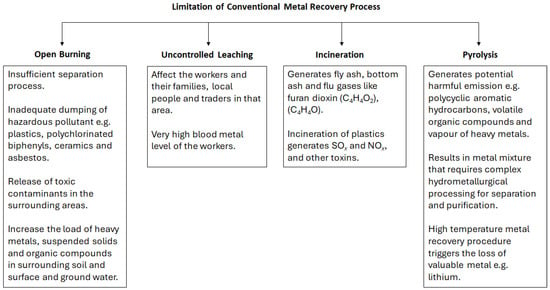
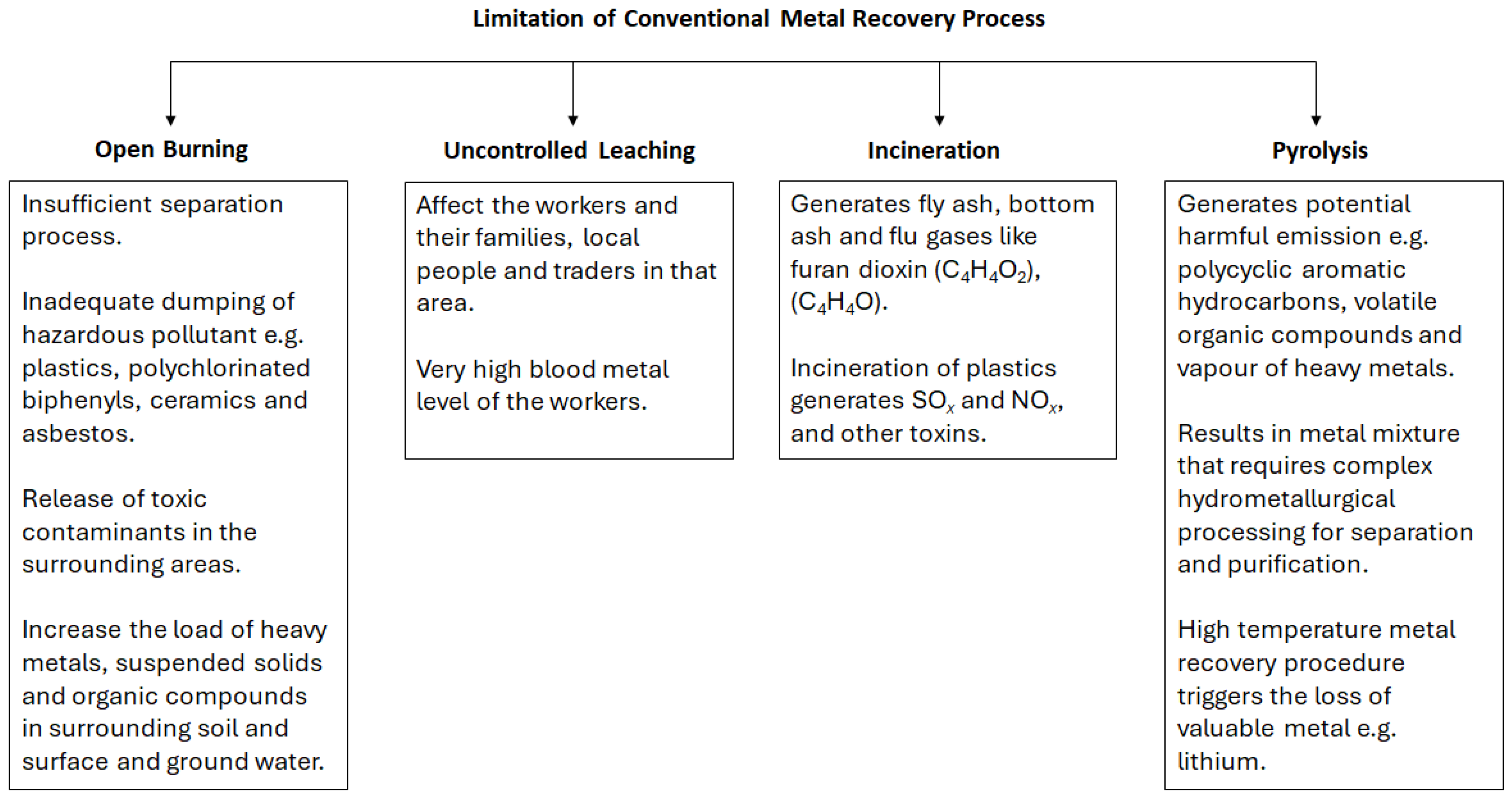
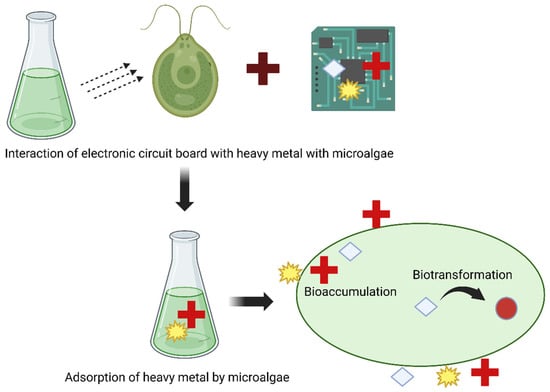
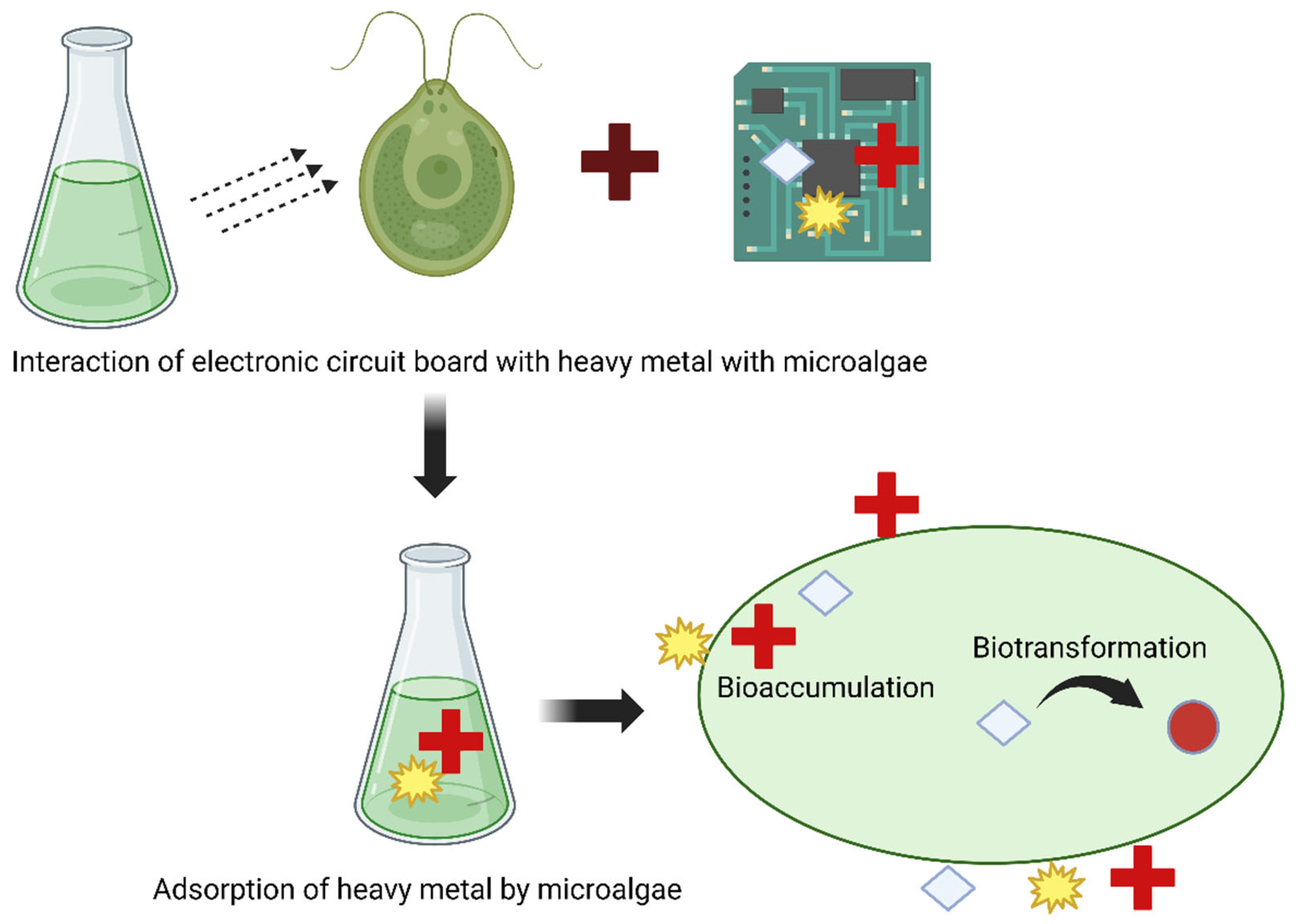
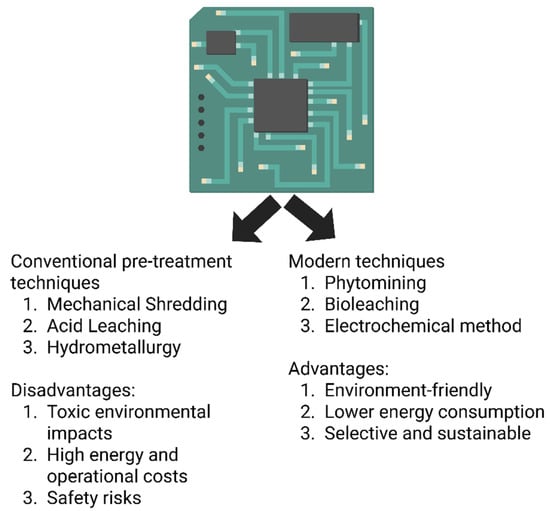
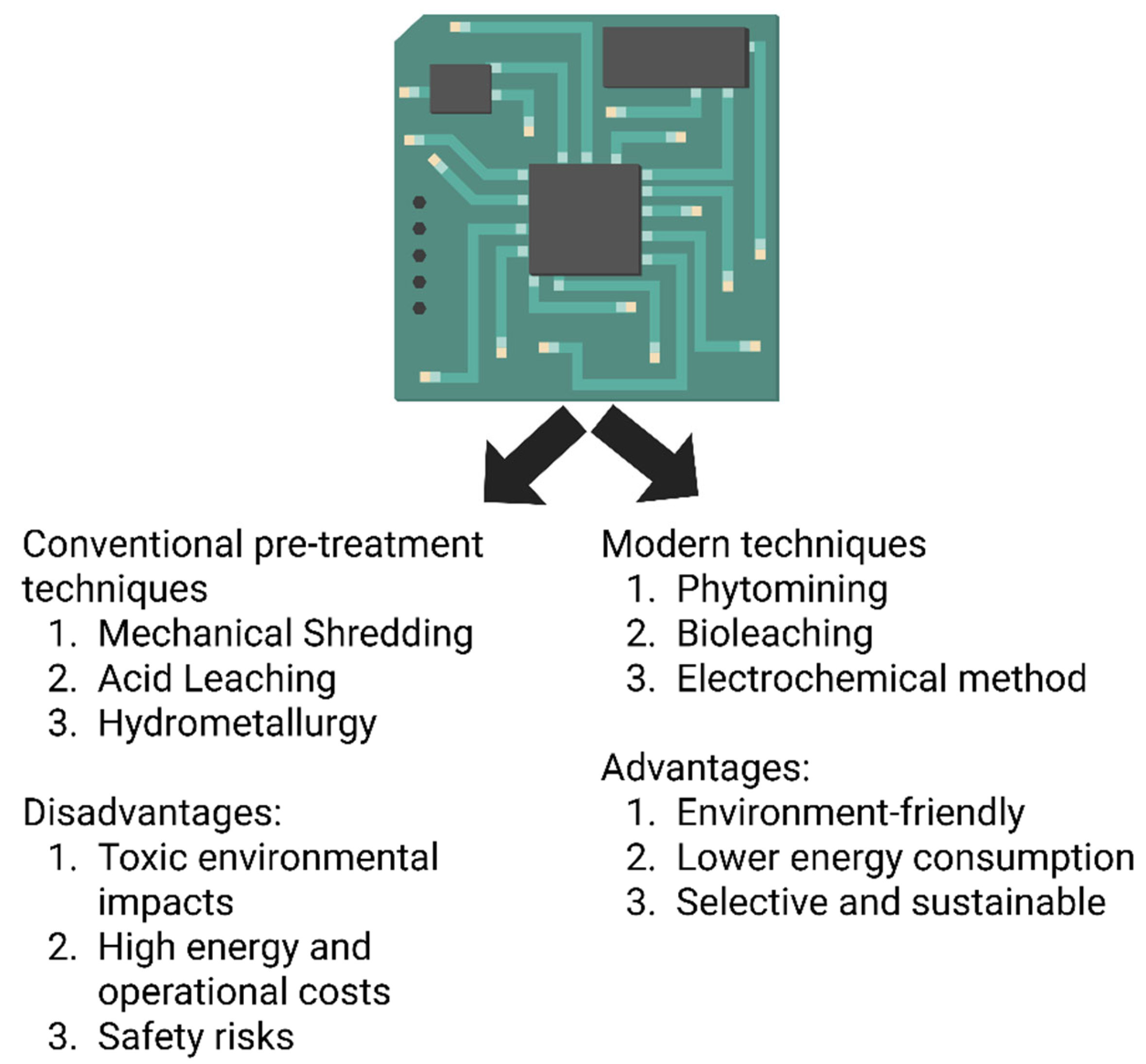
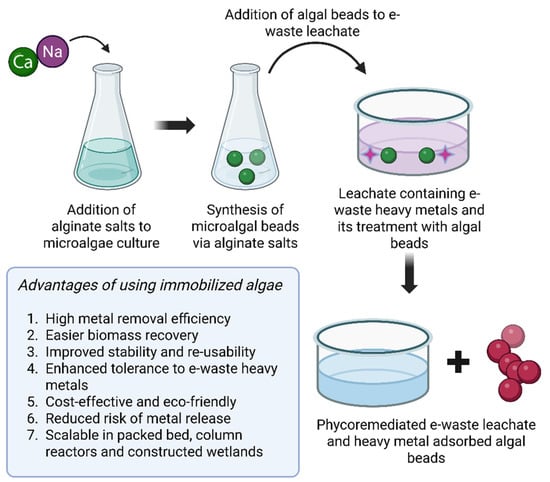
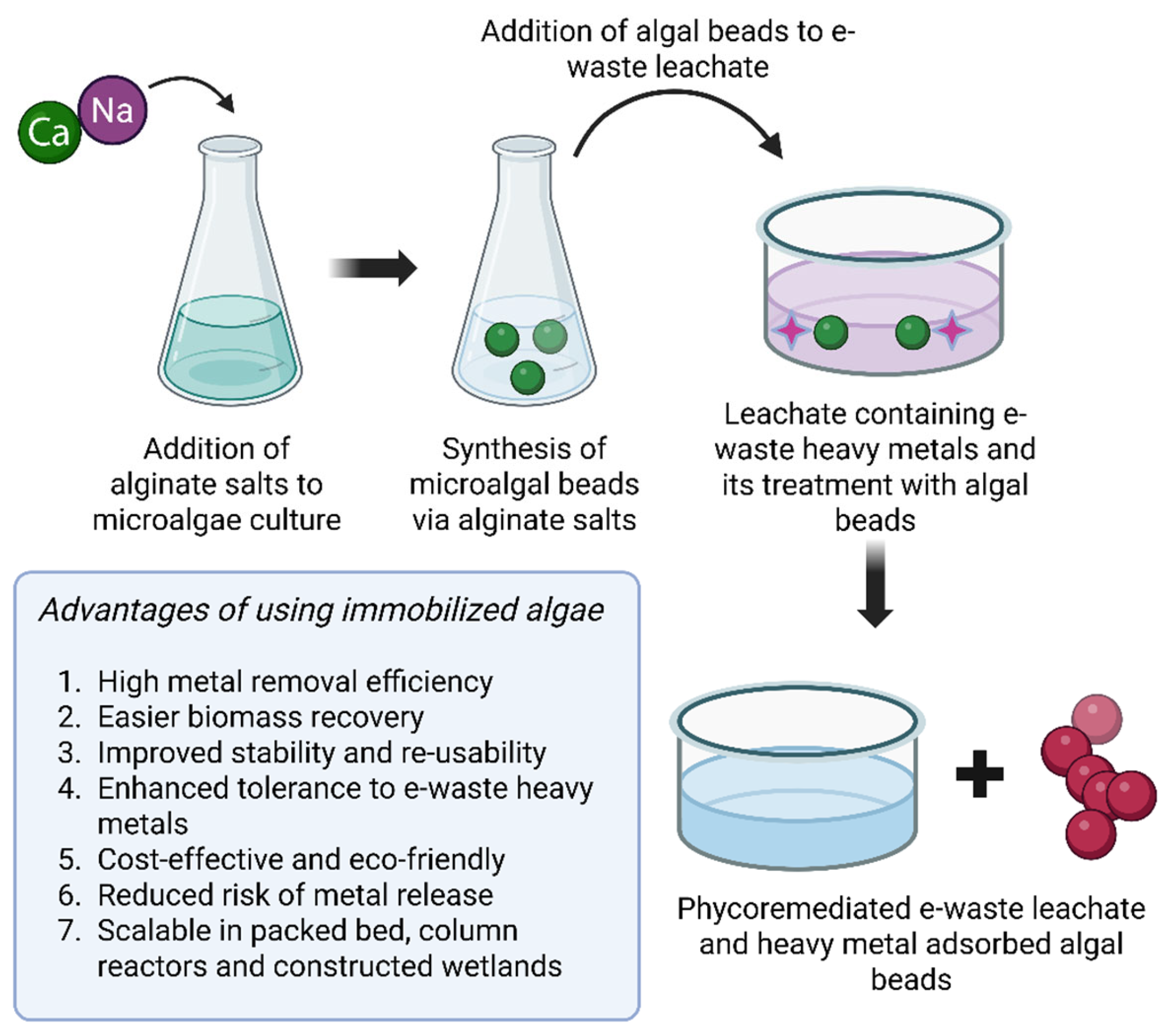
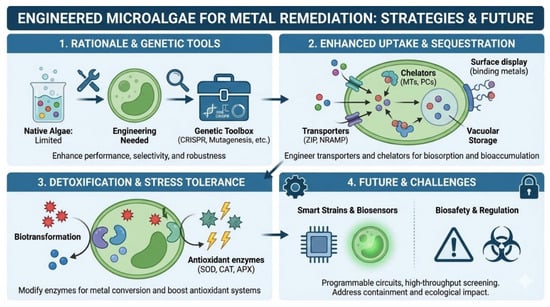
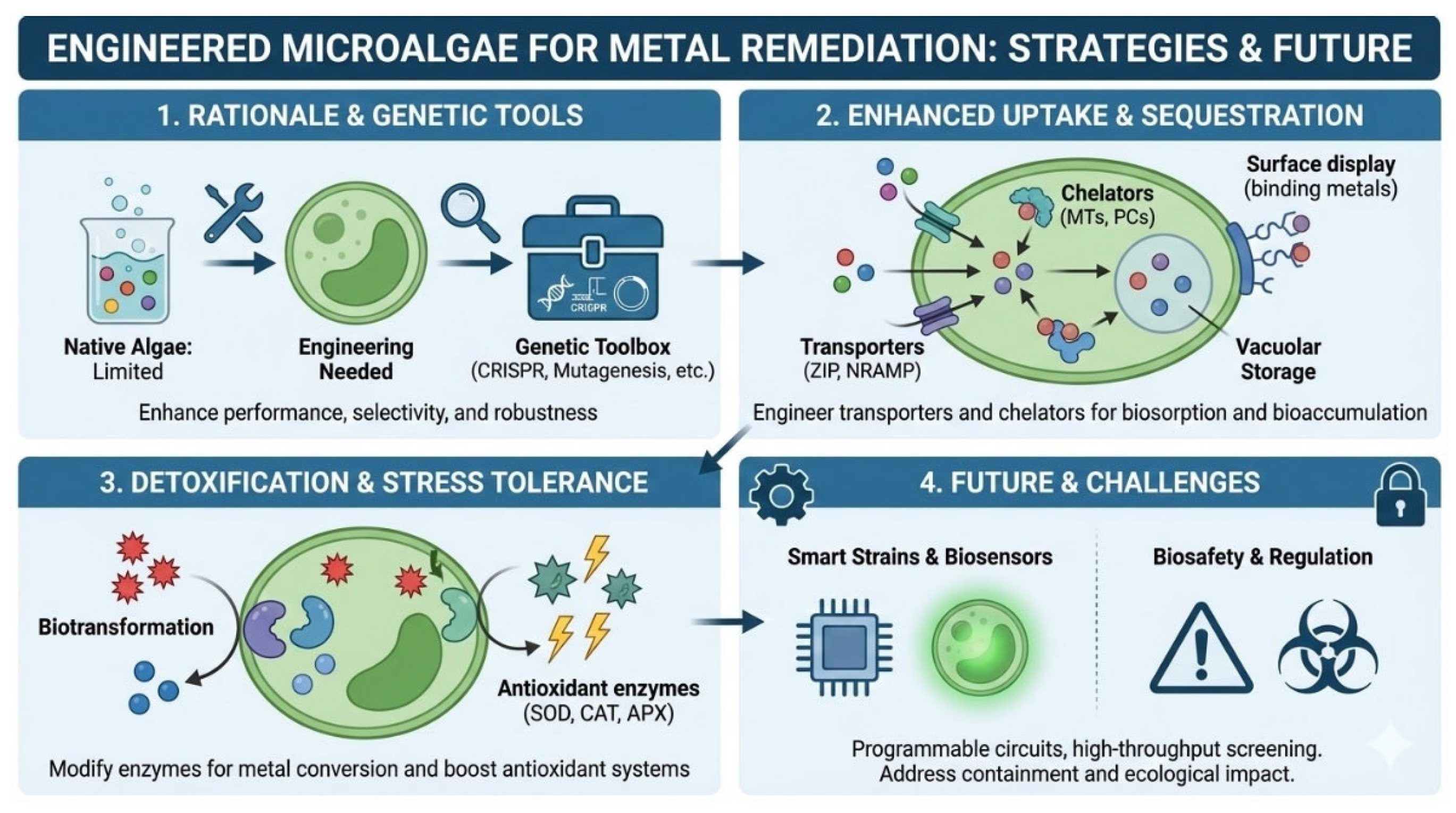
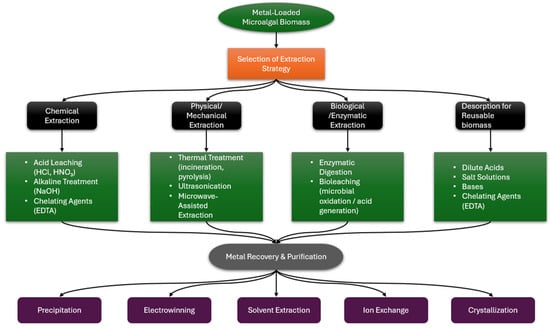
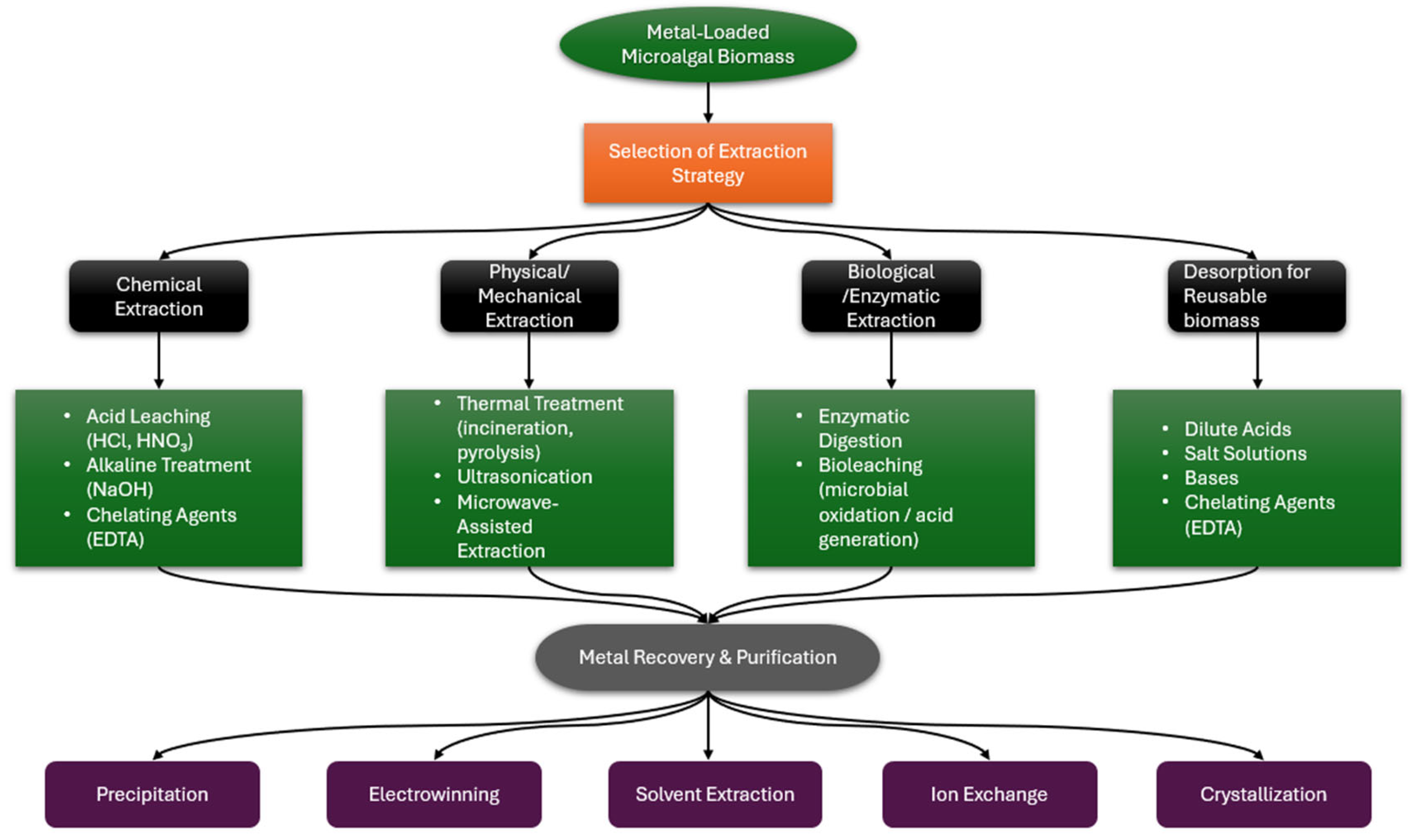

Disclaimer/Publisher’s Note: The statements, opinions and data contained in all publications are solely those of the individual author(s) and contributor(s) and not of MDPI and/or the editor(s). MDPI and/or the editor(s) disclaim responsibility for any injury to people or property resulting from any ideas, methods, instructions or products referred to in the content. |
© 2026 by the authors. Licensee MDPI, Basel, Switzerland. This article is an open access article distributed under the terms and conditions of the Creative Commons Attribution (CC BY) license.