


Abstract
Structural symmetry is increasingly explored as a design concept in advanced materials for wastewater treatment, though its definition and practical relevance remain unclear. This review provides a critical overview of how symmetry (including crystallographic, pore-network, active-site, and architectural symmetry) affects pollutant removal. Representative material systems such as adsorbents, catalysts, and mixed-matrix membranes are examined for the removal of typical pollutants, including dyes, heavy metals, pharmaceuticals, and emerging contaminants. Symmetry is linked to improved transport uniformity, enhanced charge-carrier migration, facet-dependent reactivity in catalysts, and increased stability during cyclic operation. Symmetric architectures are compared with asymmetric and defect-rich designs, highlighting cases where asymmetry outperforms, particularly in complex matrices dominated by surface chemistry or kinetic accessibility. Performance metrics are discussed in their experimental contexts, with emphasis on qualitative structure–performance relationships. Environmental and economic implications are addressed qualitatively, focusing on life-cycle considerations, cost trends, scalability, and industrial feasibility rather than comprehensive techno-economic analyses. This review highlights when symmetry is beneficial, when its influence is limited, and how combining symmetry with asymmetry or defect engineering can lead to more practical wastewater treatment solutions.
1. Introduction
The global water crisis is exacerbated by the discharge of industrial effluents, agricultural runoff, and domestic wastewater, containing heavy metals, organic pollutants, and emerging contaminants such as pharmaceuticals and microplastics [1,2]. Conventional treatment methods, including activated sludge processes and chemical precipitation, often fail to remove recalcitrant pollutants efficiently, leading to ecosystem degradation and public health risks [3,4,5]. The high energy consumption and chemical usage of traditional methods contribute to greenhouse gas emissions, with wastewater treatment plants (WWTPs) accounting for 1–2% of global anthropogenic CO2 emissions [6]. These challenges underscore the urgent need for innovative, sustainable solutions to improve treatment efficiency and reduce environmental footprints.
Advanced materials, including photocatalysts, adsorbents, and nanocomposite membranes, have demonstrated superior performance in wastewater treatment due to their unique structural and chemical properties [7,8,9,10]. Koley et al. have demonstrated that silk protein sericin-mediated hierarchical hybrid flowers exhibit high adsorption capacities for heavy metals (Pb(II): 373.1 mg·g−1, Cd(II): 289.5 mg·g−1, Hg(II): 256.2 mg·g−1) [11]. Qiu et al. showed that Fe/Al–layered double hydroxide nanosheets have excellent reducibility for the removal of Cr(VI) [12]. These materials leverage structural design to enhance pollutant interaction, charge separation, and mass transfer, addressing key limitations of conventional methods.
1.1. Conceptual Framework of Structural Symmetry in Materials for Wastewater Treatment
Structural symmetry in materials refers to the presence of invariant structural relationships under specific spatial transformations, resulting in equivalent atomic, molecular, or architectural configurations. In the context of materials science, symmetry is not synonymous with uniformity, crystallinity, or compositional homogeneity; rather, it represents a structural constraint that governs how materials interact with chemical species, external fields, and transport processes relevant to wastewater treatment applications [13,14,15,16,17].
Importantly, structural symmetry can manifest across multiple length scales, each associated with distinct physicochemical implications. At the atomic and crystallographic scale, symmetry—described by point-group and space-group operations—defines equivalent lattice sites and crystallographic facets, thereby influencing electronic structure, surface energetics, and charge-carrier behavior. At the mesoscopic scale, symmetry in pore networks or channel architectures imposes regularity in connectivity and spatial distribution, affecting diffusion pathways, mass-transfer resistance, and accessibility of internal surfaces. At the interfacial or active-site scale, symmetry may arise from repetitive coordination environments or equivalent functional motifs, which regulate adsorption energetics, electron exchange, and catalytic selectivity through structurally comparable interaction sites. At the macroscopic or architectural scale, symmetry refers to ordered layer stacking, uniform thickness, or spatially balanced transport pathways, which influence flux distribution, fouling behavior, and operational stability [18,19,20,21,22,23].
In this review, symmetry is treated as a design principle rather than a direct predictor of performance enhancement. While symmetry can reduce structural heterogeneity and enable predictable interactions between pollutants and materials, its functional significance depends on how it couples with chemical composition, defect distribution, surface functionality, and operating conditions. Consequently, symmetry should be understood as a factor that modulates mass transfer, charge dynamics, and active-site equivalence, rather than as an isolated determinant of pollutant removal efficiency.
Based on this conceptual framework, the following sections analyze how different types of structural symmetry influence adsorption, catalytic degradation, and membrane-based separation processes in wastewater treatment materials, with explicit comparison to asymmetrical counterparts where relevant.
1.2. Review Methodology and Literature Selection Criteria
This review was conducted following a concept-driven but structured literature survey, aiming to critically examine the functional role of structural symmetry in advanced materials for wastewater treatment rather than to provide an exhaustive bibliometric analysis.
Relevant literature was collected primarily from the Web of Science Core Collection, Scopus, and Google Scholar databases. The main search period covered publications from 2000 to 2024, reflecting the rapid development of symmetry-guided material design in catalysis, adsorption, and membrane separation. Earlier seminal works were selectively included where they provided foundational concepts or historically important symmetry-related mechanisms.
The search strategy employed combinations of keywords including “structural symmetry,” “crystallographic symmetry,” “pore symmetry,” “interfacial symmetry,” “architectural symmetry,” in conjunction with “wastewater treatment,” “adsorption,” “catalysis,” “advanced oxidation processes,” and “membrane separation.” Reference lists of highly cited papers were further screened to identify additional relevant studies.
To ensure conceptual rigor and consistency, explicit inclusion criteria were applied. Studies were included only when symmetry was directly linked to material structure or functional performance, supported by at least one of the following:
(i) Structural characterization (e.g., electron microscopy, pore analysis) demonstrate symmetry-related features.
(ii) Theoretical or computational analysis (e.g., electronic structure calculations) elucidate symmetry-induced effects.
(iii) Systematic comparison between symmetric and asymmetric materials or architectures is under comparable conditions.
Studies in which symmetry was used merely as a descriptive or esthetic term, without mechanistic relevance to pollutant removal, were excluded. Similarly, reports where performance enhancement could be clearly attributed to compositional changes, surface functionalization, or defect density without isolating the role of symmetry were treated cautiously and discussed only when symmetry-related effects could be reasonably inferred.
The selected literature was subsequently organized according to symmetry type (crystallographic, pore-network, interfacial/active-site, and architectural symmetry) and dominant pollutant removal mechanism (adsorption, catalysis, or separation), forming the analytical framework used throughout this review.
2. Fundamentals of Structural Symmetry in Advanced Materials Science
In this review, structural symmetry is not treated as a generic descriptor of material regularity but as a scale-dependent and mechanism-specific concept that manifests differently across atomic, mesoscopic, and macroscopic levels (Figure 1) [24,25]. To avoid ambiguity and conceptual conflation, structural symmetry is classified into four distinct but interrelated categories, which are consistently adopted throughout this review:
Figure 1.
Schematic classification of structural symmetry across length scales and its functional roles in wastewater treatment materials.
(i) Crystallographic symmetry, referring to point-group and space-group symmetry of atomic lattices, which governs electronic band structure, facet equivalence, and charge-carrier behavior.
(ii) Pore-network symmetry, describing the spatial periodicity and connectivity of pores or channels at the mesoscopic scale, which primarily affects mass transport, diffusion resistance, and accessibility of internal surfaces.
(iii) Interfacial or active-site symmetry, defined as symmetry-equivalent coordination environments or surface binding sites, which influence adsorption energetics, electron exchange, and catalytic selectivity.
(iv) Architectural or process-level symmetry, encompassing symmetric layer stacking, membrane thickness, reactor configuration, or flow-field design, which impacts transport uniformity, fouling behavior, and operational stability.
Figure 1 provided a conceptual schematic to clarify the scale-dependent classification and mechanistic roles of structural symmetry. These symmetry types are conceptually distinct and should not be conflated with material uniformity, crystallinity, or homogeneity. While symmetry often correlates with uniformity, its functional role arises from equivalence constraints imposed on physical or chemical interactions, rather than from mere spatial regularity. Throughout this review, symmetry is therefore discussed as a performance-modulating structural constraint whose relevance depends on the dominant removal mechanism rather than as an intrinsic determinant of pollutant removal efficiency.
2.1. Structural Symmetry in Advanced Materials
The origins of symmetrical material can be traced to early crystalline engineering, where researchers manipulated atomic symmetry to control material properties. Sonnenberger et al. reported that the controlled porous glasses (CPGs) were used to confine acetaminophen nanocrystals, revealing an amorphous nanolayer at the pore interface that modulates surface energy. This amorphous layer, which exhibits symmetrical distribution around the nanocrystal, reduced non-specific adsorption and improved drug release kinetics [26]. In environmental applications, early work on zeolites—crystalline aluminosilicates with symmetrical pore structures—showed 90% removal of heavy metals from wastewater, with pore symmetry dictating selective adsorption of cationic contaminants [27].
The research of two-dimensional covalent organic frameworks (2D COFs) provides a compelling example of how structural symmetry at different scales can enhance material properties. These frameworks are characterized by their crystalline, porous structures, which can be precisely tuned to optimize their performance in various applications, including photocatalysis. The ability to control the micro- and macromorphologies of COFs allows for the fine-tuning of their porosity and surface properties, which is crucial for improving their catalytic efficiency. This structural control is achieved through reversible and irreversible linkage reactions, which balance crystallinity and stability, thereby enhancing the performance of 2D COFs in catalysis and other applications [28,29].
Similarly, the research on single-atom catalysts (SACs) also highlights the importance of optimizing structures across atomic, microscopic, and mesoscopic scales to achieve desired material properties. By manipulating the multilevel interior morphologies of SACs, such as creating highly porous or hollow structures, researchers can optimize the electronic and geometric structure of the exposed single-atom sites. This optimization lowers the surface energy barriers for reactions, thereby enhancing the efficiency and selectivity of the catalysts in peroxide activation [30]. The ability to tailor the atomic environment around metal centers and adjust the mesoscopic structures further underscores the significance of structural symmetry across scales in material design [31,32,33].
2.2. Characterization of Structural Symmetry in Advanced Materials
Structural symmetry in advanced materials is not only a geometric descriptor but also a critical parameter that directly influences how materials interact with external fields during characterization. Consequently, modern characterization techniques probe symmetry by coupling physical signals (e.g., diffraction, scattering, adsorption, or electronic excitation) with the intrinsic structural order of materials across multiple length scales [34,35,36].
2.2.1. Diffraction-Based Techniques: Probing Crystallographic Symmetry
X-ray diffraction (XRD) is a primary tool for identifying crystallographic symmetry, as the interaction between incident X-rays and periodic atomic arrangements generates diffraction patterns that directly reflect space group symmetry. Symmetric crystal structures produce characteristic, well-defined diffraction peaks whose positions, intensities, and degeneracies correspond to specific lattice planes [37,38].
For example, highly crystalline cubic structures exhibit symmetric diffraction peaks such as (111) and (200), indicating isotropic atomic arrangements and uniform lattice periodicity. Semi-in situ XRD further reveals that symmetric crystal growth often arises from directional attachment followed by energetically driven anisotropic crystallization, ultimately stabilizing high-symmetry morphologies. In one-dimensional van der Waals heterostructures, symmetric diffraction features such as (002) and (100) peaks reflect ordered layer stacking and interlayer periodicity, enabling precise determination of symmetry-related lattice parameters.
In these measurements, structural symmetry governs peak multiplicity and coherence length, thereby affecting phase identification accuracy and the reliability of structure–property correlations.
2.2.2. Microscopy Techniques: Visualizing Symmetry from Micro- to Mesoscales
Scanning electron microscopy (SEM) and transmission electron microscopy (TEM) enable direct visualization of structural symmetry at microscopic and mesoscopic scales by probing electron–matter interactions sensitive to morphology and atomic ordering [38,39]. Symmetric nanostructures—such as hollow, core–shell, or double-walled architectures—produce uniform contrast distributions and periodic lattice fringes in TEM images.
High-resolution TEM can further resolve symmetric interlayer spacing, which reflects balanced electrostatic interactions and charge redistribution within layered or tubular structures. In ultrathin nanosheets or supported nanoclusters, symmetric spatial distributions minimize local strain and aggregation, leading to homogeneous contrast and consistent lattice orientation across the sample. Such symmetry-aware imaging is essential for distinguishing intrinsic structural order from preparation-induced artifacts.
2.2.3. Porosity Characterization: Symmetry in Pore Networks and Transport Pathways
Porosity characterization techniques, including nitrogen adsorption (N2GA), mercury intrusion capillary pressure (MICP), and nuclear magnetic resonance (NMR), probe symmetry indirectly by analyzing pore size distributions, connectivity, and fractal characteristics [40,41]. Symmetric pore networks typically exhibit narrow, unimodal pore size distributions and consistent throat radii, indicating uniform transport pathways.
During adsorption or intrusion measurements, symmetric pore structures interact uniformly with probe molecules or fluids, resulting in smooth isotherms and reproducible intrusion–extrusion curves. Fractal analysis based on MICP or NMR data further reveals symmetry across pore hierarchies, where similar fractal dimensions at different scales indicate self-similar structural organization [42]. Such symmetry plays a decisive role in governing fluid mobility, mass transfer efficiency, and permeability recovery during dynamic processes.
2.2.4. Spectroscopic and Theoretical Methods: Electronic and Interfacial Symmetry
Spectroscopic techniques such as X-ray photoelectron spectroscopy (XPS), UV–Vis spectroscopy, and interface-specific vibrational–electronic spectroscopy probe symmetry at the electronic and interfacial levels [43,44,45]. Symmetric atomic or molecular environments produce well-defined electronic states and balanced charge distributions, which manifest as sharp binding energy features or symmetric orbital localization.
Density functional theory (DFT) calculations complement experimental spectroscopy by quantitatively confirming symmetric electron density distributions and orbital degeneracy. At heterointerfaces, symmetric charge transfer and dipole formation lead to uniform work function modulation and stabilized surface energetics, which can be directly correlated with enhanced photocatalytic or electrochemical performance.
Overall, these characterization techniques demonstrate that structural symmetry is not merely an abstract concept but a measurable and functional attribute that governs how materials respond to external probes. Understanding the interaction between symmetry and characterization signals provides a robust foundation for rational material design and performance optimization in wastewater treatment applications.
2.3. Mechanisms of Pollutant Interaction with Symmetrical Structures
The interaction between pollutants and advanced materials is governed by distinct physicochemical mechanisms that depend strongly on the nature of the removal technique. Structural symmetry plays a unifying role in these processes by regulating electronic distribution, surface energetics, mass transfer pathways, and interfacial stability. To clarify these relationships, pollutant removal mechanisms associated with symmetrical structures can be broadly classified into catalytic degradation, sorption-based removal, and membrane-based separation mechanisms.
2.3.1. Symmetry-Governed Catalytic Degradation Mechanisms
In catalytic processes, including photocatalysis, sonophotocatalysis, and related advanced oxidation processes, structural symmetry primarily influences pollutant degradation by modulating electronic structure, charge transport, and reactive species generation [46,47,48,49,50]. Symmetric crystal lattices and electronic environments promote uniform light absorption, balanced charge separation, and reduced recombination of photogenerated electron–hole pairs. As a result, the generation and spatial distribution of reactive oxygen species (ROS) become more homogeneous and efficient.
For example, symmetrical TiO2 nanostructures exhibit isotropic band structures and evenly distributed active sites, which facilitate synchronized excitation and migration of charge carriers. This symmetry-driven charge regulation enhances ROS formation and accelerates oxidative degradation of organic pollutants. In contrast, materials with lower structural symmetry often exhibit localized charge accumulation and anisotropic reaction zones, leading to less efficient catalytic pathways. These observations highlight that, in catalytic systems, symmetry primarily governs reaction kinetics by stabilizing electronic states and lowering energy barriers for interfacial redox reactions [51].
2.3.2. Symmetry-Dependent Sorption and Coordination Mechanisms
Sorption-based pollutant removal relies on physical adsorption, electrostatic interactions, π–π stacking, and coordination bonding, all of which are strongly influenced by structural symmetry at the molecular and pore scales [52,53,54,55]. Symmetric frameworks provide uniform binding environments, reducing energetic heterogeneity and enabling predictable interaction modes between pollutants and sorbent surfaces.
For organic pollutants, symmetric pore geometries and surface functional group distributions favor consistent adsorption energies and enhanced packing efficiency within the sorbent structure. In contrast, asymmetric materials often rely on heterogeneous binding sites, where adsorption is dominated by localized interactions rather than cooperative effects. For heavy metal ions, symmetry plays an even more pronounced role through coordination chemistry. Symmetric ligand fields, such as tetrahedral or octahedral coordination environments, stabilize metal–ligand complexes by maximizing orbital overlap and minimizing structural strain. Density functional theory calculations consistently show higher binding energies and greater complex stability in symmetric coordination environments compared to distorted or asymmetric configurations [56].
2.3.3. Symmetry Effects in Membrane-Based Separation Mechanisms
In membrane-based separation, including nanofiltration and related processes, symmetry primarily affects pollutant removal through its influence on transport pathways, interfacial interactions, and fouling resistance [57]. Symmetric nanochannels offer uniform pore size distributions and consistent surface charge profiles, which enable size-selective and charge-selective rejection mechanisms to operate simultaneously and predictably.
From a mechanistic perspective, symmetric channel architectures reduce flow perturbations and suppress non-specific adsorption of organic micropollutants on membrane surfaces. This structural regularity minimizes fouling propensity and stabilizes long-term separation performance. In contrast, asymmetric channels often introduce preferential flow paths and localized adsorption sites, leading to increased resistance and performance degradation. Therefore, symmetry in membrane structures primarily governs separation efficiency by harmonizing mass transport and interfacial interactions.
Overall, although catalytic degradation, sorption, and membrane separation operate through fundamentally different physicochemical pathways, structural symmetry provides a common mechanistic foundation by regulating electronic uniformity, binding energetics, and transport coherence. This symmetry-centered mechanistic framework enables diverse material systems to be interpreted within a unified perspective, facilitating rational design of advanced materials for efficient wastewater treatment.
2.4. Comparative Analysis of Symmetrical and Asymmetrical Structures in Materials
Comparative analysis shows that the performance differences between symmetrical and asymmetrical structures in wastewater treatment are not universal but depend strongly on the dominant physicochemical or process mechanisms. Structural symmetry does not inherently guarantee superior performance; instead, it influences material behavior through specific pathways such as electronic uniformity, mass-transfer coherence, and interfacial interaction homogeneity. Conversely, asymmetry often introduces localized heterogeneity that can be beneficial for functional specialization or kinetic enhancement. To clarify how symmetry and asymmetry make a difference, representative examples are discussed below from a mechanistic perspective.
2.4.1. Electronic Uniformity and Charge-Transport Effects
At the atomic and electronic levels, symmetrical structures tend to promote uniform charge distribution and isotropic energy landscapes, which are advantageous for processes requiring coherent charge transport and collective reactivity. Shen et al. reported that symmetrical Ag32 nanoclusters with C3 symmetry exhibited approximately twofold higher photocatalytic activity for methyl orange degradation than asymmetrical Ag33 clusters, which was attributed to enhanced charge carrier mobility and reduced recombination probability [58]. In this case, the improved performance can be directly linked to symmetry-regulated electronic structure rather than differences in chemical composition or particle size. Figure 2 illustrates the structural evolution from symmetrical to asymmetrical nanoclusters and highlights the associated symmetry changes.
Figure 2.
The proposed two-step transformation of the asymmetrical structural expansion from Ag32 to Ag33+-Exp. Adapted with permission from reference [58]. Copyright 2025 The Royal Society of Chemistry.
2.4.2. Mass-Transfer Coherence Versus Morphology-Driven Heterogeneity
At the mesoscopic scale, symmetry primarily affects mass-transfer pathways and interfacial contact uniformity. Symmetric pore architectures or flow configurations facilitate homogeneous distribution of pollutants and minimize transport dead zones, enabling more consistent utilization of active sites. For example, symmetrical mesoporous silica exhibited higher antibiotic loading than asymmetrical silica due to more uniform pore distribution and accessibility [59]. Similarly, symmetrical granular activated carbon (GAC) filters showed more stable pharmaceutical removal than aged, structurally irregular GAC [60], and symmetrical vertical flow (VF) constructed wetlands ensured uniform pollutant–biofilm contact, resulting in higher removal efficiencies than asymmetrical horizontal flow systems [61].
However, not all performance improvements originate from symmetry itself. In adsorption systems using powdered activated carbon (PAC), superior removal efficiency was achieved despite structural asymmetry, primarily due to increased edge density and enhanced pore connectivity that accelerated adsorption kinetics [62]. This comparison highlights that morphology-induced heterogeneity, rather than symmetry, can dominate performance when surface accessibility and kinetic factors are controlling.
2.4.3. Functional Specialization Enabled by Asymmetry in Biological Systems
In biologically mediated treatment processes, asymmetry can be advantageous by enabling functional specialization and gradient formation. Taboada-Santos et al. showed that symmetrical ferric chloride flocs were highly effective for inorganic phosphate precipitation, whereas asymmetrical high-rate activated sludge systems achieved superior removal of biodegradable organic micropollutants [63]. Similarly, activated sludge systems with asymmetrical operational configurations promoted localized redox environments and niche differentiation, enhancing specific metabolic pathways at the expense of overall structural regularity [64,65]. These results indicate that asymmetry-driven heterogeneity supports complex biological processes that rely on sequential reactions and microbial diversity.
2.4.4. Design Implications and Emerging Hybrid Strategies
Taken together, these comparisons demonstrate that symmetry improves performance primarily when uniformity in electronic structure, transport pathways, or interfacial interactions is required, whereas asymmetry is beneficial when localized activity, kinetic enhancement, or functional differentiation dominates system behavior. This mechanistic understanding suggests that optimal wastewater treatment materials and systems should not exclusively pursue either symmetry or asymmetry, but instead strategically combine or dynamically tune both attributes according to process demands [66,67,68,69]. Recent studies on hybrid symmetric–asymmetric materials, such as dual-functional nanocomposites and MOF–polymer membranes, further support this design paradigm by integrating complementary structural features to achieve balanced and robust performance [70,71].
3. Symmetry Design in Advanced Materials for Wastewater Treatment
The implementation of symmetry design in advanced materials represents an effective but non-exclusive strategy for improving wastewater treatment performance. Based on existing literature, structural symmetry mainly influences catalytic and sorption processes by regulating the spatial distribution of active sites, electronic uniformity, and mass-transfer coherence. However, its effect should be evaluated in conjunction with other key material attributes, including chemical composition, defect density, surface functional groups, pore structure, and heterojunction formation. In most reported systems, symmetry functions as a performance-modulating factor that enhances reaction efficiency, stability, or reproducibility when favorable intrinsic properties are already present, rather than acting as the sole driving force for pollutant removal (As shown in Figure 3).
Figure 3.
Symmetry design in advanced materials for the removal of pollutants from wastewater.
3.1. Symmetry Design in Catalytic Materials
Symmetry-related structural design has been explored in catalytic materials for wastewater treatment since the early development of advanced oxidation processes (AOPs). Classical Fenton systems based on Fe2+ ions—approximately symmetric in aqueous coordination environments—were later extended to heterogeneous iron oxides (e.g., Fe3O4) and carbon-supported catalysts to improve stability and recyclability [72]. By the 1990s, carbon-based catalysts with relatively uniform distributions of active phases, such as graphene-supported Fe3O4, were developed to mitigate catalyst deactivation and enhance long-term operational performance.
Representative examples include polypyrrole-enveloped Pd/Fe3O4 superstructures with hollow and bowl-like morphologies, which exhibited higher dye degradation activity than solid counterparts [73]. In more recent studies, MOF-derived catalysts such as MnxCe1−xO2/γ-Al2O3 with uniformly distributed metal oxide phases have been applied in pilot-scale catalytic ozonation of biotreated coking wastewater, maintaining stable COD removal efficiencies over extended operation periods [74]. These studies indicate that symmetry-related structural regularity is frequently associated with improved catalytic durability and reaction consistency under practical operating conditions.
3.1.1. Relative Contribution of Symmetry Versus Intrinsic Catalytic Factors
Despite the widespread presence of symmetric architectures in the catalytic systems discussed above, enhanced catalytic performance cannot be attributed to symmetry alone. Comparative analyses across the literature demonstrate that intrinsic catalytic activity is primarily governed by chemical composition, oxidation state, defect chemistry, and heterojunction-induced band alignment, which determine redox potentials and reaction pathways. Structural symmetry contributes mainly by homogenizing electronic environments and spatially distributing active sites, thereby suppressing localized charge recombination and stabilizing the generation of reactive species.
When other parameters are held constant, symmetry-related effects generally manifest as incremental performance enhancements, such as improved charge utilization efficiency, reduced deactivation rates, and more uniform reaction kinetics, rather than as fundamental changes in catalytic activity. In many reported systems, the magnitude of symmetry-induced improvement ranges from tens of percent to approximately twofold, highlighting that symmetry functions as an efficiency-amplifying factor rather than the dominant driver of catalytic reactions.
Table 1 summarizes representative catalytic systems exhibiting symmetry-associated structural features for wastewater treatment. These studies suggest that symmetric catalyst architectures can enhance catalytic efficiency and operational stability when coupled with appropriate active-site chemistry and electronic structures, for example by promoting more uniform charge separation, facilitating mass transfer to reactive interfaces, and minimizing localized energy barriers [22,75]. Accordingly, the performance benefits reported in Table 1 should be interpreted as the combined outcome of symmetry and other intrinsic catalytic factors, rather than as a direct consequence of symmetry alone.
Table 1.
The data parameters of different symmetrical catalysis from literature for the removal of pollutants from wastewater a.
3.1.2. Emerging Directions in Symmetry-Related Catalysis
Recent advances suggest that symmetry-related catalysis is most effective when integrated with atomic-level or multienergy design strategies [80,81,82,83]. For example, piezoelectric Bi4Ti3O12 nanosheets with structurally regular architectures can harvest solar, mechanical, and thermal energy simultaneously, enabling continuous pollutant degradation under fluctuating environmental conditions [75]. In such systems, symmetry contributes to uniform electromechanical and photogenerated charge responses, while the intrinsic catalytic activity remains governed by material composition and electronic structure.
Similarly, MoS2–MoC and MoS2–Mo2N catalytic cathodes with regularly distributed heterointerfaces exhibit enhanced activity for paracetamol degradation compared to pure MoS2 [78]. In these cases, the formation of heterojunctions and sulfur vacancies determines reactive oxygen species (ROS) generation, whereas a more ordered (symmetry-associated) distribution of interfaces contributes to spatially uniform ROS production and improved operational stability. In Fenton-like systems, Fe single-atom catalysts with well-defined coordination environments demonstrate high pollutant mineralization efficiencies at reduced oxidant dosages [79]. Here, the catalytic performance originates primarily from optimized metal–ligand electronic structures, while symmetry-related regularity enhances consistency and robustness of active-site utilization.
Overall, these studies indicate that symmetry in catalytic materials primarily acts to regulate uniformity, stability, and charge utilization, while the fundamental catalytic activity is dictated by composition, defects, and electronic structure. Understanding this distinction is essential for rational catalyst design and for avoiding over-attribution of performance improvements to symmetry alone.
3.2. Symmetry Design in Adsorption Materials
Symmetry-related structural regulation has long been applied in adsorption materials for water and wastewater treatment [84,85,86]. Early activated carbons, which exhibited relatively uniform pore distributions achieved through physical activation, became widely used for removing heavy metals and organic pollutants [16,87,88,89]. In recent years, biochar-based and waste-derived adsorbents with more regular elemental or pore distributions have been developed to improve adsorption efficiency, selectivity, and reusability.
Representative examples include metal- and heteroatom-co-doped biochars with relatively uniform Fe and N distributions, which exhibited higher antibiotic adsorption capacities than single-doped counterparts [90]. Similarly, industrial waste-derived adsorbents prepared from aluminum saline slag showed high dye removal efficiencies, attributed to the availability and accessibility of adsorption sites created during chemical activation [91]. These studies indicate that improved adsorption performance is often associated with both chemical affinity and structural regularity.
3.2.1. Relative Contribution of Symmetry Versus Surface Chemistry and Porosity
In adsorption-based systems, the literature comparisons consistently demonstrate that maximum adsorption capacity is primarily governed by surface chemistry, including functional-group density, surface charge, and specific binding interactions between pollutants and adsorbents, as well as by textural properties such as surface area and pore size distribution. Structural symmetry does not directly generate adsorption affinity; instead, it contributes by reducing energetic heterogeneity, improving pore accessibility, and ensuring more uniform exposure of binding sites.
When surface chemistry and porosity are comparable, symmetry-related effects become evident through enhanced adsorption kinetics, improved selectivity, and greater regeneration stability. In such cases, symmetric pore networks or uniformly distributed functional groups facilitate more consistent mass transfer and minimize site-to-site variability in adsorption energy. Consequently, symmetry acts as an efficiency- and stability-enhancing factor rather than as the primary determinant of adsorption capacity.
Table 2 summarizes representative adsorption materials exhibiting symmetry-associated structural features. These examples suggest that higher adsorption capacities reported for symmetric adsorbents should be interpreted in conjunction with their chemical composition and functionalization level, rather than attributed solely to symmetry. For instance, the high Hg(II) uptake observed for synthetic FeS arises mainly from precipitation and ion-exchange reactions driven by Fe–S chemistry, while the relatively uniform porous structure contributes to rapid diffusion and effective utilization of reactive sites [92].
Table 2.
The data parameters of different symmetrical adsorbents from literature for the removal of pollutants from wastewater a.
Similarly, magnetic peach gum beads and other cross-linked polymeric adsorbents achieve fast dye removal due to abundant functional groups and favorable electrostatic interactions, whereas the symmetric cross-linked architecture promotes uniform binding-site distribution and enhances adsorption kinetics and recyclability [94,95,96,97,98,99]. In magnetic biosorbents, the presence of Fe3O4 enables efficient separation and reuse, while a more regular distribution of magnetic domains improves operational stability rather than altering adsorption affinity itself [100].
3.2.2. Mechanistic Implications of Symmetry in Adsorption Processes
From a mechanistic perspective, symmetry influences adsorption processes primarily by modulating surface energy distribution, pore accessibility, and molecular recognition environments [101]. Symmetrical porous structures, such as chitosan–vermiculite beads with uniform pore sizes, provide consistent spatial arrangements of functional groups, which reduces competitive adsorption and improves selectivity for target pollutants [95]. Likewise, symmetrical metal–organic frameworks (MOFs) such as ZIF-8 exhibit ordered pore channels that facilitate rapid diffusion of contaminants, while adsorption strength remains governed by coordination chemistry between metal nodes and pollutant species [96].
Overall, these findings demonstrate that adsorption performance results from a coupling of chemical affinity and structural organization, with symmetry enhancing mass-transfer efficiency, kinetic uniformity, and regeneration behavior rather than defining the intrinsic adsorption capacity. Recognizing this distinction is essential for rational design of adsorbents and for avoiding over-attribution of adsorption performance to symmetry alone.
3.3. Symmetry Design in Nanocomposite Membranes
Symmetry-related structural design has been increasingly explored in nanocomposite membranes for wastewater treatment, particularly in applications requiring high permeability, selectivity, and fouling resistance [102,103,104,105,106]. In membrane-based systems, pollutant separation performance is primarily governed by membrane chemistry, pore size distribution, surface charge, and transport mechanisms, whereas structural symmetry mainly contributes by regulating transport uniformity, interfacial stability, and long-term operational reliability. Table 3 summarizes representative nanocomposite membrane systems exhibiting symmetry-associated structural features for wastewater treatment.
Table 3.
The data parameters of different symmetrical nano composite membranes from literature for the removal of pollutants from wastewater a.
3.3.1. Relative Contribution of Symmetry Versus Membrane Chemistry and Transport Pathways
In membrane-based processes, the literature comparisons consistently show that selectivity and rejection efficiency are dominated by membrane material chemistry, pore size, and charge-based exclusion mechanisms, while symmetry plays a secondary but important role by promoting uniform transport pathways and reducing local flux heterogeneity. When pore structure and surface chemistry are comparable, symmetry-associated regularity minimizes preferential flow channels and suppresses localized fouling, resulting in improved operational stability and flux recovery.
For example, zwitterion-modified graphene oxide–polyethersulfone (GO–PES) composite membranes exhibit enhanced water permeability and fouling resistance primarily due to increased hydrophilicity and surface charge effects, while the symmetric charge distribution contributes to more homogeneous water transport and consistent fouling mitigation [107]. Similarly, Ag nanoparticle–doped PVDF nanocomposite fibers with symmetric β-phase crystal alignment show enhanced piezoelectric responses, enabling electromechanically assisted membrane operation. In this case, membrane functionality originates from polymer phase composition and nanoparticle incorporation, whereas symmetry-associated dipole alignment improves energy conversion efficiency and operational robustness [110].
This stabilizing effect of symmetry is also observed in membrane aerated biofilm reactors (MABRs), where uniformly distributed aeration pores ensure homogeneous oxygen delivery and biofilm development. Although pollutant removal efficiency is primarily controlled by biological activity and oxygen transfer kinetics, symmetry in aeration architecture improves mass-transfer uniformity and reduces energy consumption, thereby enhancing overall system stability [111].
3.3.2. Symmetry-Related Stability and Emerging Hybrid Membrane Strategies
Recent developments in hybrid membrane systems further highlight the role of symmetry as a performance-stabilizing factor rather than a primary separation driver. Free-standing hybrid membranes fabricated by covalently linking MOF nanofillers within polymer matrices demonstrate improved selectivity and mechanical integrity during long-term forward osmosis operation compared to asymmetric membranes [108]. In these systems, selective transport is governed by MOF pore chemistry, while symmetric filler distribution reduces interfacial defects and enhances structural robustness.
Similarly, symmetric ion exchange membranes (IEMs) with regular charge distributions exhibit enhanced selective anion removal, such as nitrate rejection from wastewater [112]. Here, ion-exchange capacity and selectivity are dictated by functional group chemistry, whereas symmetry-associated charge uniformity mitigates concentration polarization and contributes to more stable long-term operation.
Overall, these findings demonstrate that symmetry in nanocomposite membranes primarily enhances transport uniformity, fouling resistance, and long-term operational stability, whereas intrinsic separation performance is determined by membrane chemistry and transport mechanisms. As in catalytic and adsorption systems, symmetry functions as an efficiency- and reliability-enhancing factor rather than the dominant determinant of membrane separation behavior.
4. Mechanism for Performance Enhancement: The Link Between Symmetry and Functionality
In the realm of advanced materials for water treatment, the relationship between symmetry and functionality is predominantly established through the strategic application of defect engineering, coordination regulation, and structural rearrangement, all aimed at enhancing performance. Figure 4 schematically summarizes how structural symmetry at different levels translates into distinct mechanistic advantages—namely reduced mass-transfer resistance, optimized charge dynamics, and homogeneous interfacial interactions—that collectively underpin performance enhancement in wastewater treatment systems.
Figure 4.
Schematic illustration of the mechanistic links between structural symmetry and performance enhancement in wastewater treatment materials.
4.1. Improved Mass Transfer and Accessibility: Structured Pores and an Open Design Lower Diffusion Resistance
Symmetric material structures enhance mass transfer by creating uniform pore networks and reducing diffusion barriers [113,114,115,116,117,118,119,120]. Li et al. [114] reported a PFAS-CTAB complexation, with symmetric surfactant micelle structures, enhances short-chain PFAA removal by 30–40% in plasma reactors. The symmetric micelles provide uniform binding sites for PFAS, reducing mass transfer limitations (as shown in Figure 5) [114]. Similarly, symmetrical chitosan membrane adsorbers with interconnected pore structures remove 87.5 mg·g−1 of Cu(II) in static adsorption, with a flow-independent loading behavior up to a flow rate of 5 mL·min−1 [121]. This performance is attributed to the symmetrical pore network, which minimizes mass transfer resistance.
Figure 5.
Illustration of hypothesized CTAB-PFAA mixed micelle and complexes. Adapted with permission from reference [114]. Copyright 2023 American Chemical Society.
A properly designed symmetrical pore structure can facilitate the diffusion of reactants and products, thereby enhancing the catalytic activity [21,122,123,124]. Zhang et al. demonstrated that an all-inorganic ε-Keggin polyoxometalate-based material, with symmetric diamondoid topology, exhibits high adsorption capacities for small molecules (e.g., O2: 1.2 mmol·g−1) and catalyzes selective oxidation of methacrolein with 90% efficiency. The symmetric framework provides uniform micropores (0.5–0.8 nm) for molecular diffusion [125]. Additionally, symmetrical attapulgite clay modified with Fe-Mn oxides exhibits 95% removal of arsenic (As(V)) from mining wastewater, with a detection limit below the WHO guideline of 10 μg·L−1. This material combines the clay’s symmetrical layered structure with the oxides’ catalytic activity for As(V) reduction [126]. Yao et al. demonstrated that TiO2/CoTiO3 hollow nanoshells with symmetric perovskite distributions achieved 100% decomposition of 4-chlorophenol in 60 min over a wide pH range (3–9). The symmetric porous structure facilitated reactant diffusion, while the perovskite active sites enhanced peroxymonosulfate (PMS) activation [127].
Symmetry is critical for separation and filtration mechanisms, as it controls membrane pore uniformity and fouling resistance. For instance, symmetrical nanofiltration membranes with uniform pore sizes (1–2 nm) showed 99% rejection of divalent ions, with symmetrical pore distribution minimizing concentration polarization [115]. Additionally, a study on graphene oxide membranes with symmetrical oxygen functional groups exhibited 95% rejection of salt ions, with symmetrical interlayer spacing (0.8 nm) allowing selective passage of water molecules [116].
Asymmetrical membranes, by contrast, often suffer from pore clogging due to non-uniform size distribution. For example, asymmetrical polyethersulfone membranes showed a 40% higher fouling rate compared to symmetrical counterparts, with large pores acting as bottlenecks for pollutant diffusion. Symmetrical hollow fiber membranes, with uniform wall thickness, exhibited 30% higher flux than asymmetrical fibers, attributed to reduced pressure drop across the membrane [117]. These findings emphasize that symmetry enhances separation efficiency by improving pore uniformity and reducing fouling.
4.2. Optimization of Charge Dynamics: Regulation of Symmetry Enhances the Efficient Separation and Migration of Electron-Hole Pairs
Symmetric material structures optimize charge dynamics by reducing recombination and enhancing electron transfer [128,129]. P and S co-doped Fe-ZIF-8 derivatives (ZFPS), with symmetric electron-rich active sites, exhibit a 33.3-fold increase in peroxidase-like activity (Kcat/Km). The symmetric doping modulates the D-band electronic structure of Fe sites, reducing the substrate affinity energy barrier by 0.2 eV [128]. CNT-confined MnxRu1−xO2 catalysts, with symmetric nanoscale coating along CNT sidewalls, deliver a low overpotential of 120 mV at 10 mA cm−2. The symmetric coating promotes Mn-O-Ru interfacial bonding, enhancing charge transfer efficiency by 50–60% [129]. In addition, Zn2+-mediated chitosan/silver nanoparticle (AgNP) multilayer hydrogels, with symmetric layer-by-layer structures, show pH-dependent AgNP release, with 90% antibacterial activity against E. coli. Experimental results demonstrated the chitosan film can serve as a versatile medium for metal salt adsorption and stabilization, and, finally electrochemical reduction of loaded silver ions to nanoparticles. The AgNPs were fabricated with a spherical shape and an average size of ~15 nm, endowing considerable antibacterial property to the hydrogel. The symmetric structure ensures uniform charge distribution, enhancing AgNP stability and release kinetics [130].
Generally, the energy band structure and charge transport pathways of the material can be altered through regulating the symmetry of the lattice and heterostructure, thereby achieving efficient pollutant removal. Recent innovations in symmetrical material design include the development of zero-valent metal nanoparticles (ZVNs) with high symmetry for heavy metal removal [5]. For example, symmetrical iron nanoparticles (nZVI) with a core–shell structure (Fe0/Fe3O4) remove 99% of Cr(VI) from electroplating wastewater [131]. Similarly, symmetrical titanium oxide (TiO2) nanoparticles with an anatase phase achieve 75.5% COD removal from textile wastewater under UV irradiation [132]. These nanoparticles outperform commercial TiO2 by 20% due to their higher crystallinity and symmetry. Additionally, vertically stacked MoS2/WS2 van der Waals heterostructures, with symmetric layer stacking, show diode-like behavior with clear current rectification, attributed to symmetric band alignment at the interface [133]. This symmetry enhances charge separation, making the heterostructure suitable for photocatalytic pollutant degradation.
4.3. Enhancing Active Sites and Structural Stability Through Symmetry-Related Interactions
Symmetry-related structural design enhances catalytic activity and material stability primarily by regulating the type, uniformity, and accessibility of interactions between active materials and target pollutants. Rather than directly creating new reaction pathways, symmetry influences how active sites participate in electron transfer, electrostatic interactions, and adsorption–reaction coupling, thereby improving reaction efficiency and structural robustness [134,135].
In electrocatalytic and photocatalytic systems, electron exchange between the active material and reactants is a dominant interaction mechanism. Symmetric architectures can facilitate spatially uniform electron transport and minimize localized charge accumulation, which reduces structural degradation during long-term operation. For example, Ru nanoparticle–modified Ni3Se4/Ni(OH)2 heterostructures with symmetric Ru distributions exhibit a low overpotential of 102.8 mV at 100 mA cm−2 for the hydrogen evolution reaction (HER). In this system, HER activity is governed by interfacial electron transfer between Ru active sites and adsorbed hydrogen intermediates, while the symmetric Ru dispersion ensures homogeneous current distribution and suppresses localized corrosion or sintering, enabling stable operation for 200 h at 500 mA cm−2 [136]. Here, symmetry enhances electron-transfer uniformity and structural stability, rather than altering the intrinsic reaction mechanism.
For photocatalytic degradation of organic pollutants, the interaction between catalysts and pollutants typically involves initial physical adsorption (electrostatic attraction and van der Waals interactions), followed by surface redox reactions driven by photogenerated charge carriers. Nanoporous one-dimensional g-C3N4 microrods with symmetrically interconnected pore networks demonstrate this effect. The symmetric pore structure increases the specific surface area from 10 to 40 m2·g−1, providing a higher density of uniformly accessible adsorption sites for methylene blue (MB) molecules [77]. While MB adsorption is primarily governed by electrostatic interactions between dye molecules and the g-C3N4 surface, symmetry ensures consistent pore connectivity and mass transfer, thereby enhancing the coupling between adsorption and subsequent photocatalytic oxidation. As a result, the degradation rate of MB is increased by approximately fivefold compared to bulk g-C3N4.
In covalent organic frameworks (COFs), pollutant removal is closely related to electronic interactions between the framework and adsorbed or reactive species. Qin et al. reported a COF constructed using electron-deficient pyridine units with a symmetric framework topology (Bby-COF) [137]. In this case, the dominant interaction involves electron exchange between the COF backbone and organic pollutants during photocatalytic degradation. The symmetric arrangement of electron-withdrawing units promotes uniform charge density redistribution throughout the framework, enhancing the availability and consistency of photoactive sites. Compared to asymmetric analogs, the symmetric Bby-COF exhibits enhanced charge separation and a higher density of catalytically active sites, enabling complete removal of ofloxacin (OFL) within 30–40 min under winter sunlight conditions. Here, symmetry contributes by stabilizing the electronic structure and ensuring homogeneous activation of reactive sites, rather than by introducing new adsorption mechanisms.
Collectively, these examples demonstrate that symmetry enhances active-site exposure and structural stability by modulating interaction uniformity rather than changing the fundamental nature of material–pollutant interactions. Specifically, symmetry improves (i) electron-transfer homogeneity in electrocatalytic systems, (ii) adsorption–reaction coupling efficiency in photocatalytic degradation, and (iii) electronic redistribution and active-site activation in framework materials. Understanding these symmetry-related interaction mechanisms provides a more precise basis for rational material design and avoids over-attributing performance enhancements to symmetry alone.
5. Challenges and Future Perspectives in Material Symmetry
Despite the significant potential of symmetrical materials in wastewater treatment, they encounter several challenges related to synthesis, large-scale production, and practical implementation. Future research efforts should prioritize the development of environmentally friendly and sustainable synthesis methods, the enhancement of material stability and recyclability, and the reduction of production costs to facilitate their widespread application in real-world wastewater treatment scenarios. By fostering interdisciplinary collaboration and expanding pilot-scale research initiatives, it is anticipated that the transition of these materials to industrial applications will be expedited.
5.1. Debates on the Efficacy of Symmetrical Structures in Pollutant Removal
A central debate in the field is whether symmetrical structures are inherently superior to asymmetrical ones for pollutant removal. Proponents argue that symmetrical structures offer uniform active sites and predictable performance—for example, symmetrical chitosan membranes remove Cu(II) with a coefficient of variation (CV) of 5%, compared to 15% for asymmetrical membranes [121]. However, critics point out that asymmetrical structures often exhibit higher adsorption capacities for complex mixtures—for example, asymmetrical carbon nanotubes (CNTs) remove 40% more PAH mixtures from oil wastewater than symmetrical graphene [138]. This debate highlights the need for application-specific material selection rather than a one-size-fits-all approach.
Another debate centers on the role of symmetry in catalytic degradation. Some studies suggest that symmetrical catalysts have higher selectivity—for example, symmetrical Pd nanoparticles catalyze the hydrogenation of nitrobenzene to aniline with a selectivity of 99%, compared to 85% for asymmetrical Pd [139]. However, other studies show that asymmetrical catalysts have higher activity—for example, asymmetrical Pt nanoparticles achieve a turnover frequency (TOF) of 100 s−1 for oxygen reduction, compared to 50 s−1 for symmetrical Pt [139]. The resolution of this debate requires further investigation into the structure-activity relationships of catalytic materials.
Additionally, debate also centers on the role of symmetry in complex matrices [140]. A 2017 study compared symmetric and dissymmetric Gemini surfactants for naphthalene removal [141]. Symmetric surfactants (C12-2-12) enhanced naphthalene sorption by 20% compared to dissymmetric surfactants (C12-2-16), but only in single-solute systems. In multi-solute systems, dissymmetric surfactants outperformed symmetric ones by 15%, as their asymmetric structures reduced competitive adsorption [141]. Additionally, the research on macrocyclic arenes with symmetric vs. asymmetric bridges found that asymmetric bridges improved selectivity for microplastics by 25% compared to symmetric bridges [142]. Symmetrical structures are often simpler to synthesize but may lack the multifunctionality of asymmetrical counterparts. For example, asymmetrical Janus nanoparticles showed both adsorption and catalytic properties, while symmetrical nanoparticles only exhibited adsorption. However, symmetrical structures are more scalable, with synthesis yields 2–3 times higher than asymmetrical ones [143]. These debates highlight the need for context-dependent symmetry design, balancing performance and scalability.
5.2. Challenges in Practical Application
Scaling symmetry-related materials for wastewater treatment faces several practical challenges related to manufacturing complexity, structural stability, and cost-effectiveness under realistic operating conditions [144,145]. One key difficulty lies in maintaining symmetric micro- and nanostructures during large-scale fabrication. For example, symmetric micro–nano architectures designed for superhydrophobic or antifouling surfaces often suffer from structural damage under mechanical stress and hydraulic shear, resulting in performance degradation during long-term operation. Experimental studies have shown that symmetric surface textures can experience up to a 50% reduction in water contact angle after repeated mechanical abrasion cycles, indicating that such ordered structures may be sensitive to external forces commonly encountered in wastewater treatment systems [146].
Material stability in complex industrial wastewater matrices represents another major challenge. A 2023 study on pyrite-derived symmetrical catalysts reported significant Fe/S leaching in acidic industrial wastewater (pH ≈ 2), which reduced catalytic activity by approximately 30% after five operational cycles [147]. This finding highlights that symmetry-related structural regularity alone cannot ensure chemical stability when exposed to aggressive chemical environments and that protective strategies or compositional optimization are often required.
Membrane-based systems also face symmetry-related scalability issues. In industrial wastewater treatment, membrane fouling remains a critical bottleneck. A 2021 study on polyvinylidene fluoride (PVDF) membranes found that membranes with symmetric pore structures were more prone to irreversible fouling by inorganic salts (e.g., CaCO3) than asymmetric membranes, leading to a 50% reduction in flux after ten filtration cycles [148]. This suggests that while symmetric pore distributions may enhance transport uniformity, they can also increase fouling susceptibility under high-salinity or scaling-prone conditions.
In addition, the economic and manufacturing constraints associated with symmetry-related materials remain significant. A 2023 review on metal–organic framework (MOF)-based materials reported that highly symmetric MOFs often require stringent synthesis conditions (e.g., precise temperature, pressure, and solvent control), increasing production costs by approximately 40% compared to less symmetric or defect-tolerant MOFs [18]. Similarly, scaling up electrospun symmetrical nanofibrous membranes is limited by low production throughput, with typical laboratory-scale yields (~0.1 kg·h−1) remaining far below industrial requirements (~10 kg·h−1) [149].
Overall, these challenges indicate that the practical implementation of symmetry-designed materials in wastewater treatment must balance structural order with robustness, manufacturability, and cost, emphasizing the need for scalable fabrication methods and tolerance to real wastewater conditions.
5.3. Environmental and Economic Implications of Symmetrical Material Use in Wastewater Treatment
Symmetrical material use in wastewater treatment offers significant environmental and economic benefits, including reduced energy consumption, lower greenhouse gas emissions, and cost savings [150,151,152]. Tea-coffee derivative adsorbents, with symmetric porous structures, achieve 99.62% removal of tetracycline (TC) with a maximum adsorption capacity of 373.1 mg·g−1, reducing antibiotic pollution by 80–90% [150]. The symmetric reactors enhance biogas production, with 100% of the facility’s thermal energy requirement satisfied by surplus electricity. UV-Fenton advanced oxidation processes with symmetric Fe(II) and H2O2 distribution reduce chemical and electricity consumption, making UV-Fenton the most cost-effective option [153].
The environmental implications of symmetrical materials include nanoparticle leaching and carbon footprint. A 2023 study on magnetic symmetrical adsorbents reported that Fe3O4 nanoparticles leached at a rate of 0.5 mg·L−1 in acidic wastewater, exceeding EU limits (0.3 mg·L−1) [97]. Additionally, the synthesis of symmetric MOFs requires high energy inputs (e.g., 500 kWh·kg−1 for solvothermal synthesis), resulting in a carbon footprint 2 times higher than that of asymmetric MOFs [18].
Economic implications include high upfront costs and low cost-effectiveness. A 2023 review on chitosan-based symmetrical adsorbents found that their production cost is 3 times higher than that of activated carbon. However, their higher adsorption capacity (e.g., 333 mg·g−1 for chitosan vs. 100 mg·g−1 for activated carbon) results in a lower cost per gram of pollutant removed [154]. Additionally, a study on symmetrical Cu electrodes for dye production reported that alternating current (AC) electrolysis reduced water consumption by 50% compared to conventional methods, resulting in a 20% reduction in operational costs [155].
5.4. Future Perspectives for Symmetry-Related Material Design in Wastewater Treatment
Future research on symmetry-designed materials should move beyond qualitative descriptions and focus on quantifying the functional contribution of symmetry relative to composition, defects, and morphology. Establishing standardized metrics to evaluate symmetry-related effects on activity, selectivity, stability, and reproducibility will be critical for rational material comparison.
From a materials-design perspective, future strategies are expected to favor adaptive or partial symmetry rather than perfectly ordered structures. Hybrid architectures that combine symmetric frameworks with controlled asymmetry—such as gradient structures, Janus interfaces, or defect-engineered domains—may offer improved multifunctionality while maintaining scalability and robustness.
At the engineering level, scalable fabrication and integration strategies must be prioritized. Continuous-flow synthesis, roll-to-roll membrane processing, and modular reactor design provide promising pathways for implementing symmetry-related materials in existing wastewater treatment infrastructure. Emphasis should also be placed on tolerance to fluctuating water compositions, mechanical stress, and long-term operation.
Finally, future perspectives should incorporate system-level evaluation, including life-cycle assessment, carbon footprint analysis, and cost–benefit modeling. Symmetry should be treated as a tunable design parameter that enhances efficiency, stability, or reproducibility rather than as an end goal in itself. Aligning symmetry-related material innovation with sustainability and industrial feasibility will ultimately determine its impact on next-generation wastewater treatment technologies.
6. Conclusions
Structural symmetry in advanced materials plays a multifaceted role in wastewater treatment, with applications spanning adsorption, catalysis, and membrane-based separation. Across different length scales, symmetry influences material performance by regulating mass-transfer pathways, charge transport behavior, and the spatial distribution of active sites. Rather than acting as an isolated driving force, symmetry functions as a tunable design parameter that modulates efficiency, stability, and reproducibility when combined with appropriate chemical composition, defects, and interfacial structures.
Although symmetrical materials often provide uniform performance and predictable behavior, their effectiveness is highly dependent on pollutant characteristics, treatment mechanisms, and operational conditions. In many practical systems, trade-offs exist between symmetry, multifunctionality, and robustness, particularly under complex wastewater matrices and long-term operation. Scale-up challenges related to manufacturing precision, structural stability, and cost remain key barriers to widespread implementation.
From an environmental and economic perspective, symmetry-designed materials show promise in reducing energy consumption, greenhouse gas emissions, and operational costs when appropriately integrated into wastewater treatment systems. However, these benefits must be balanced against potential risks such as material leaching, energy-intensive synthesis, and end-of-life impacts.
Looking forward, future research should focus on quantitative evaluation of symmetry-related effects, development of adaptive or hybrid symmetric–asymmetric architectures, and scalable fabrication strategies compatible with industrial wastewater treatment infrastructure. Emphasizing system-level assessment and sustainability considerations will be essential for translating symmetry-related material design into practical and environmentally responsible water treatment technologies.
Author Contributions
Conceptualization: Y.L. and X.Y.; methodology: J.Y.; software: Q.Y.; formal analysis: W.Z.; investigation: Q.Y.; resources: J.Y.; data curation: Y.L.; writing—original draft preparation: J.Y.; writing—review and editing: J.Y.; visualization: Y.L.; supervision: X.Y.; project administration: X.Y.; funding acquisition: Y.L. All authors have read and agreed to the published version of the manuscript.
Funding
This research was financially supported by National Natural Science Foundation of China (52300111) and Science Foundation of Zhejiang Sci-Tech University (21202087-Y).
Data Availability Statement
The original contributions presented in this study are included in the article. Further inquiries can be directed to the corresponding authors.
Conflicts of Interest
The authors declare no conflicts of interest. The funders had no role in the design of the study; in the collection, analyses, or interpretation of data; in the writing of the manuscript; or in the decision to publish the results.
References
- Zhang, L.; Wang, Z.; Hu, C.; Shi, B. Accelerated degradation of pollutants via a close interface connection in heterojunction, and special solid-liquid interactions. J. Colloid Interface Sci. 2019, 553, 598–605. [Google Scholar] [CrossRef] [Scilit]
- Wang, J.; Zhang, J.; Han, L.; Wang, J.; Zhu, L.; Zeng, H. Graphene-based materials for adsorptive removal of pollutants from water and underlying interaction mechanism. Adv. Colloid Interface Sci. 2021, 289, 102360. [Google Scholar] [CrossRef] [Scilit]
- Rahman, S.M.; Eckelman, M.J.; Onnis-Hayden, A.; Gu, A.Z. Life-Cycle Assessment of Advanced Nutrient Removal Technologies for Wastewater Treatment. Environ. Sci. Technol. 2016, 50, 3020–3030. [Google Scholar] [CrossRef] [Scilit]
- Habiba, U.; Siddique, T.A.; Li Lee, J.J.; Joo, T.C.; Ang, B.C.; Afifi, A.M. Adsorption study of methyl orange by chitosan/polyvinyl alcohol/zeolite electrospun composite nanofibrous membrane. Carbohydr. Polym. 2018, 191, 79–85. [Google Scholar] [CrossRef] [Scilit] [PubMed]
- Ahmed, S.F.; Mofijur, M.; Ahmed, B.; Mehnaz, T.; Mehejabin, F.; Maliat, D.; Hoang, A.T.; Shafiullah, G.M. Nanomaterials as a sustainable choice for treating wastewater. Environ. Res. 2022, 214, 113807. [Google Scholar] [CrossRef] [Scilit] [PubMed]
- Faragò, M.; Damgaard, A.; Madsen, J.A.; Andersen, J.K.; Thornberg, D.; Andersen, M.H.; Rygaard, M. From wastewater treatment to water resource recovery: Environmental and economic impacts of full-scale implementation. Water Res. 2021, 204, 117554. [Google Scholar] [CrossRef] [Scilit] [PubMed]
- Allahbakhshi, M.; Mahmoodi, N.M.; Mosaferi, M.; Kazemian, H.; Aslani, H. Synthesis of functionalized metal-organic framework metal-organic framework (MIL-53)/Chitosan for removing dye and pharmaceuticals. Surf. Interfaces 2022, 35, 102471. [Google Scholar] [CrossRef] [Scilit]
- Chen, C.; Liu, L.; Li, W.; Lan, Y.; Li, Y. Reutilization of waste self-heating pad by loading cobalt: A magnetic and green peroxymonosulfate activator for naphthalene degradation. J. Hazard. Mater. 2022, 439, 129572. [Google Scholar] [CrossRef] [Scilit]
- Gao, Z.; Yang, H.; Mao, J.; Wu, J. Construction of α-Fe2O3 and Fe/Co-N4 structures with faceted TiO2 nanocrystals for highly efficient degradation of sulfathiazole in water. J. Clean. Prod. 2019, 220, 668–676. [Google Scholar] [CrossRef] [Scilit]
- Du, H.; Liang, K.; Yuan, C.-Z.; Guo, H.-L.; Zhou, X.; Jiang, Y.-F.; Xu, A.-W. Bare Cd1–xZnxS ZB/WZ Heterophase Nanojunctions for Visible Light Photocatalytic Hydrogen Production with High Efficiency. ACS Appl. Mater. Interfaces 2016, 8, 24550–24558. [Google Scholar] [CrossRef] [Scilit]
- Koley, P.; Sakurai, M.; Aono, M. Controlled Fabrication of Silk Protein Sericin Mediated Hierarchical Hybrid Flowers and Their Excellent Adsorption Capability of Heavy Metal Ions of Pb(II), Cd(II) and Hg(II). ACS Appl. Mater. Interfaces 2016, 8, 2380–2392. [Google Scholar] [CrossRef] [Scilit]
- Qiu, H.; Wang, X.; Cen, J.; Shi, P.; Fan, J.; Min, Y.; Xu, Q. A novel path to prepare Fe/Al–layered double hydroxide nanosheets by sacrificial double anodes for the treatment of Cr-containing wastewater. J. Colloid Interface Sci. 2019, 542, 73–80. [Google Scholar] [CrossRef] [Scilit]
- Porras-Hurtado, L.; Ruiz, Y.; Santos, C.; Phillips, C.; Carracedo, Á.; Lareu, M.V. An overview of STRUCTURE: Applications, parameter settings, and supporting software. Front. Genet. 2013, 4, 98. [Google Scholar] [CrossRef] [Scilit] [PubMed]
- Song, G. Symmetry in normal modes and its strong dependence on symmetry in structure. J. Mol. Graph. Model. 2017, 75, 32–41. [Google Scholar] [CrossRef] [Scilit] [PubMed]
- Niknam Shahrak, M.; Ghahramaninezhad, M.; Eydifarash, M. Zeolitic imidazolate framework-8 for efficient adsorption and removal of Cr(VI) ions from aqueous solution. Environ. Sci. Pollut. Res. 2017, 24, 9624–9634. [Google Scholar] [CrossRef] [Scilit]
- Kumari, S.; Chowdhry, J.; Kumar, M.; Chandra Garg, M. Zeolites in wastewater treatment: A comprehensive review on scientometric analysis, adsorption mechanisms, and future prospects. Environ. Res. 2024, 260, 119782. [Google Scholar] [CrossRef] [Scilit] [PubMed]
- Liaquat, I.; Munir, R.; Abbasi, N.A.; Sadia, B.; Muneer, A.; Younas, F.; Sardar, M.F.; Zahid, M.; Noreen, S. Exploring zeolite-based composites in adsorption and photocatalysis for toxic wastewater treatment: Preparation, mechanisms, and future perspectives. Environ. Pollut. 2024, 349, 123922. [Google Scholar] [CrossRef] [Scilit]
- Kaur, H.; Devi, N.; Siwal, S.S.; Alsanie, W.F.; Thakur, M.K.; Thakur, V.K. Metal–Organic Framework-Based Materials for Wastewater Treatment: Superior Adsorbent Materials for the Removal of Hazardous Pollutants. ACS Omega 2023, 8, 9004–9030. [Google Scholar] [CrossRef] [Scilit]
- Yu, M.; Lei, J.; Shi, Z.; Zhang, S.; Chen, C.; Lv, Y.; Wang, K.; Peng, R.; Li, S.; Tuo, J.; et al. Zeolite-Based Biomimetic Bifunctional Materials for Efficient Photocatalytic Removal of Pollutants in Water. ACS Appl. Mater. Interfaces 2026, 18, 5685–5696. [Google Scholar] [CrossRef] [Scilit]
- Ren, T.; Lu, K.; Tao, F.; Ren, H.; Yan, N.; Miao, J.; Huang, X.; Zhang, X. Phosphorus-induced single-atom iron coordination symmetry disruption for superior catalytic ozonation. Nat. Commun. 2025, 16, 9037. [Google Scholar] [CrossRef] [Scilit]
- Yang, J.C.E.; Zhu, M.P.; Sun, C.; Huang, F.Y.; Zhou, X.Y.; Zheng, Y.M.; Wang, S. Lattice Confinement-Steered Adaptive Crystal-Field and Spin-State Transition of Co Single-Atom Sites for Robust Water Cleanup. Adv. Funct. Mater. 2025, e26104. [Google Scholar] [CrossRef] [Scilit]
- Kucherenko, A.S.; Kostenko, A.A.; Komogortsev, A.N.; Lichitsky, B.V.; Fedotov, M.Y.; Zlotin, S.G. C2-Symmetric Chiral Squaramide, Recyclable Organocatalyst for Asymmetric Michael Reactions. J. Org. Chem. 2019, 84, 4304–4311. [Google Scholar] [CrossRef] [Scilit] [PubMed]
- Wang, N.; Zhu, Z.; Sheng, J.; Al-Deyab, S.S.; Yu, J.; Ding, B. Superamphiphobic nanofibrous membranes for effective filtration of fine particles. J. Colloid Interface Sci. 2014, 428, 41–48. [Google Scholar] [CrossRef] [Scilit] [PubMed]
- Fan, Z.; Luo, Z.; Huang, X.; Li, B.; Chen, Y.; Wang, J.; Hu, Y.; Zhang, H. Synthesis of 4H/fcc Noble Multimetallic Nanoribbons for Electrocatalytic Hydrogen Evolution Reaction. J. Am. Chem. Soc. 2016, 138, 1414–1419. [Google Scholar] [CrossRef] [Scilit] [PubMed]
- Zhu, J.; Kim, Y.; Lin, H.; Wang, S.; Mirkin, C.A. pH-Responsive Nanoparticle Superlattices with Tunable DNA Bonds. J. Am. Chem. Soc. 2018, 140, 5061–5064. [Google Scholar] [CrossRef] [Scilit]
- Sonnenberger, N.; Anders, N.; Golitsyn, Y.; Steinhart, M.; Enke, D.; Saalwächter, K.; Beiner, M. Pharmaceutical nanocrystals confined in porous host systems—Interfacial effects and amorphous interphases. Chem. Commun. 2016, 52, 4466–4469. [Google Scholar] [CrossRef] [Scilit]
- Calabrese, L. Anticorrosion Behavior of Zeolite Coatings Obtained by In Situ Crystallization: A Critical Review. Materials 2018, 12, 59. [Google Scholar] [CrossRef] [Scilit]
- Khalil, I.E.; Das, P.; Thomas, A. Two-Dimensional Covalent Organic Frameworks: Structural Insights across Different Length Scales and Their Impact on Photocatalytic Efficiency. Acc. Chem. Res. 2024, 57, 3138–3150. [Google Scholar] [CrossRef] [Scilit]
- Cote, A.P.; Benin, A.I.; Ockwig, N.W.; O’Keeffe, M.; Matzger, A.J.; Yaghi, O.M. Porous, Crystalline, Covalent Organic Frameworks. Science 2005, 310, 1166–1170. [Google Scholar] [CrossRef] [Scilit]
- Yu, L.; Xin, S.; Li, Y.; Hsu, H.-Y. Linking atomic to mesoscopic scales in multilevel structural tailoring of single-atom catalysts for peroxide activation. Mater. Horiz. 2024, 11, 2729–2738. [Google Scholar] [CrossRef] [Scilit]
- Bale, J.B.; Park, R.U.; Liu, Y.; Gonen, S.; Gonen, T.; Cascio, D.; King, N.P.; Yeates, T.O.; Baker, D. Structure of a designed tetrahedral protein assembly variant engineered to have improved soluble expression. Protein Sci. 2015, 24, 1695–1701. [Google Scholar] [CrossRef] [Scilit]
- Tanrikulu, I.C.; Forticaux, A.; Jin, S.; Raines, R.T. Peptide tessellation yields micrometre-scale collagen triple helices. Nat. Chem. 2016, 8, 1008–1014. [Google Scholar] [CrossRef] [Scilit]
- Chowdhury, A.K.M.R.H.; Tavangar, A.; Tan, B.; Venkatakrishnan, K. Biofunctionalized 3-D Carbon Nano-Network Platform for Enhanced Fibroblast Cell Adhesion. Sci. Rep. 2017, 7, srep44250. [Google Scholar] [CrossRef] [Scilit]
- Ilkaeva, M.; Vieira, R.; Pereira, J.M.P.; Sardo, M.; Marin-Montesinos, I.; Mafra, L. Assessing CO2 Capture in Porous Sorbents via Solid-State NMR-Assisted Adsorption Techniques. J. Am. Chem. Soc. 2023, 145, 8764–8769. [Google Scholar] [CrossRef] [Scilit] [PubMed]
- Zhang, S.; Zhao, J.; Zhu, L. Predicting removal efficiency of organic pollutants by soil vapor extraction based on an optimized machine learning method. Sci. Total Environ. 2024, 927, 172438. [Google Scholar] [CrossRef] [Scilit] [PubMed]
- Sun, H.; Sun, C.; Ding, X.; Lu, H.; Liu, M.; Zhao, G. In situ monitoring of the selective adsorption mechanism of small environmental pollutant molecules on aptasensor interface by attenuated total reflection surface enhanced infrared absorption spectroscopy (ATR–SEIRAS). J. Hazard. Mater. 2021, 403, 123953. [Google Scholar] [CrossRef] [Scilit] [PubMed]
- Cao, J.; Chen, G.; Li, J.; Liu, G.; Lang, D.; Guo, J.; Wang, W.; Wu, R. Upgrading Coal Gangue Waste into Molecular Sieves for Sustainable Wastewater Purification. Langmuir 2025, 41, 24572–24581. [Google Scholar] [CrossRef] [Scilit]
- Dai, W.; Zheng, Y.; Kumamoto, A.; Gao, Y.; Fu, S.; Zhao, S.; Kitaura, R.; Kauppinen, E.I.; Otsuka, K.; Rotkin, S.V.; et al. Metallic NbS2 One-Dimensional van der Waals Heterostructures. ACS Nano 2025, 19, 32800–32809. [Google Scholar] [CrossRef] [Scilit]
- Ye, C.; Wang, M.Q.; Li, L.J.; Luo, H.Q.; Li, N.B. Fabrication of Pt/Cu3(PO4)2 ultrathin nanosheet heterostructure for photoelectrochemical microRNA sensing using novel G-wire-enhanced strategy. Nanoscale 2017, 9, 7526–7532. [Google Scholar] [CrossRef] [Scilit]
- Jia, B.; Li, S.; Dong, K.; Lin, H.; Cheng, B.; Wang, K. Three-Dimensional Pore Structure Characterization of Bituminous Coal and Its Relationship with Adsorption Capacity. Materials 2023, 16, 5564. [Google Scholar] [CrossRef] [Scilit]
- Nasir, R.; Guo, Q.; Lu, X.; Liu, T.; Yang, M.; Wang, K.; Zhao, Y.; Tao, L. Pore structure characterization and its influence on aqueous phase trapping damage in tight gas sandstone reservoirs. PLoS ONE 2024, 19, e0298672. [Google Scholar] [CrossRef] [Scilit]
- Li, N.; Zhong, T.; Liu, J.L.; Zheng, J.; Deng, H.C.; Zhou, W.; Li, M.; Feng, M.S.; Liu, Q.J.; Li, C.Y. Precise Identification and Analysis of Micro/Nano-Sized Pore Structure in Shale with Fe3O4/Au Hybrid Nanocomposite. Anal. Chem. 2018, 90, 12706–12713. [Google Scholar] [CrossRef] [Scilit] [PubMed]
- Huang-Fu, Z.-C.; Qian, Y.; Brown, J.B.; Rao, Y. Orientational and Solvent Couplings of Molecules at Interfaces by Interface-Specific Two-Dimensional Vibrational-Electronic (i2D-VE) Spectroscopy. J. Phys. Chem. Lett. 2025, 16, 7451–7461. [Google Scholar] [CrossRef] [Scilit] [PubMed]
- Sun, X.; Li, S.; Tian, G.; Gao, Y.; Wei, J.; Shen, H. Ag10Cu16 nanoclusters with triple-ligand protection: Total structure and electronic structure analysis. Phys. Chem. Chem. Phys. 2023, 25, 17901–17906. [Google Scholar] [CrossRef] [Scilit]
- Du, Y.; Peng, H.Y.; Mao, H.; Jin, K.X.; Wang, H.; Li, F.; Gao, X.Y.; Chen, W.; Wu, T. Evolution of the SrTiO3–MoO3 Interface Electronic Structure: An in Situ Photoelectron Spectroscopy Study. ACS Appl. Mater. Interfaces 2015, 7, 11309–11314. [Google Scholar] [CrossRef] [Scilit]
- Prajapati, D.; Jabborova, D.; Saharan, B.S.; Singh, N.; Patani, A.; Singh, S.; Joshi, C. Bionanotechnology: A Paradigm for Advancing Environmental Sustainability. Indian J. Microbiol. 2024, 65, 306–332. [Google Scholar] [CrossRef] [Scilit]
- Girotra, V.; Kaushik, P.; Vaya, D. Exploring sustainable synthesis paths: A comprehensive review of environmentally friendly methods for fabricating nanomaterials through green chemistry approaches. Turk. J. Chem. 2024, 48, 703–725. [Google Scholar] [CrossRef] [Scilit]
- Li, H.T.; Ji, T.Z.; Yan, R.G.; Fan, W.L.; Zhang, Z.X.; Sun, L.; Miao, B.F.; Chen, G.; Wan, X.G.; Ding, H.F. General Method to Construct Flat Bands in Two-Dimensional Lattices. Phys. Rev. Lett. 2025, 134, 076402. [Google Scholar] [CrossRef] [Scilit]
- Lin, R.; Liang, Z.; Yang, C.; Zhao, Z.; Cui, F. Selective adsorption of organic pigments on inorganically modified mesoporous biochar and its mechanism based on molecular structure. J. Colloid Interface Sci. 2020, 573, 21–30. [Google Scholar] [CrossRef] [Scilit]
- Fu, C.F.; Wu, X.; Yang, J. Material Design for Photocatalytic Water Splitting from a Theoretical Perspective. Adv. Mater. 2018, 30, e1802106. [Google Scholar] [CrossRef] [Scilit]
- Yang, B.; Luo, D.; Wu, S.; Zhang, N.; Ye, J. Nanoscale hetero-interfaces for electrocatalytic and photocatalytic water splitting. Sci. Technol. Adv. Mater. 2022, 23, 587–616. [Google Scholar] [CrossRef] [Scilit] [PubMed]
- Goswami, R.; Mandal, S.C.; Pathak, B.; Neogi, S. Guest-Induced Ultrasensitive Detection of Multiple Toxic Organics and Fe3+ Ions in a Strategically Designed and Regenerative Smart Fluorescent Metal–Organic Framework. ACS Appl. Mater. Interfaces 2019, 11, 9042–9053. [Google Scholar] [CrossRef] [Scilit] [PubMed]
- Cummins, C.; Bell, A.; Morris, M. Creating Active Device Materials for Nanoelectronics Using Block Copolymer Lithography. Nanomaterials 2017, 7, 304. [Google Scholar] [CrossRef] [Scilit] [PubMed]
- Han, C.; Zhang, H.; Zhang, J. Structural Design and Sealing Performance Analysis of Biomimetic Sealing Ring. Appl. Bionics Biomech. 2015, 2015, 358417. [Google Scholar] [CrossRef] [Scilit]
- Theerthagiri, J.; Lee, S.J.; Karuppasamy, K.; Arulmani, S.; Veeralakshmi, S.; Ashokkumar, M.; Choi, M.Y. Application of advanced materials in sonophotocatalytic processes for the remediation of environmental pollutants. J. Hazard. Mater. 2021, 412, 125245. [Google Scholar] [CrossRef] [Scilit]
- Dutta, S.; Fajal, S.; Ghosh, S.K. Heavy Metal-Based Toxic Oxo-Pollutants Sequestration by Advanced Functional Porous Materials for Safe Drinking Water. Acc. Chem. Res. 2024, 57, 2546–2560. [Google Scholar] [CrossRef] [Scilit]
- Wei, H.; Nong, H.; Chen, L.; Zhang, S. Advanced Materials-Based Nanofiltration Membranes for Efficient Removal of Organic Micropollutants in Water and Wastewater Treatment. Membranes 2025, 15, 236. [Google Scholar] [CrossRef] [Scilit]
- Shen, H.; Wang, P.; Xu, J.; Fu, Z.; Kang, X.; Pei, Y.; Zhu, M. Symmetrical and asymmetrical surface structure expansions of silver nanoclusters with atomic precision. Chem. Sci. 2025, 16, 2373–2381. [Google Scholar] [CrossRef] [Scilit]
- Kanrar, S.; Ghosh, A.; Ghosh, A.; Mondal, A.; Sadhukhan, M.; Ghosh, U.C.; Sasikumar, P. One-pot synthesis of Cr(III)-incorporated Zr(IV) oxide for fluoride remediation: A lab to field performance evaluation study. Environ. Sci. Pollut. Res. 2020, 27, 15029–15044. [Google Scholar] [CrossRef] [Scilit]
- Schollée, J.E.; Hollender, J.; McArdell, C.S. Characterization of advanced wastewater treatment with ozone and activated carbon using LC-HRMS based non-target screening with automated trend assignment. Water Res. 2021, 200, 117209. [Google Scholar] [CrossRef] [Scilit]
- Tang, X.; Chen, L.; Liu, H.; Tao, R.; Zhang, X.; Dai, Y.; Yang, Y. Micropollutant removal efficiency and microbial community of different hybrid constructed wetland systems. J. Environ. Manag. 2025, 389, 126143. [Google Scholar] [CrossRef] [Scilit] [PubMed]
- Kårelid, V.; Larsson, G.; Björlenius, B. Pilot-scale removal of pharmaceuticals in municipal wastewater: Comparison of granular and powdered activated carbon treatment at three wastewater treatment plants. J. Environ. Manag. 2017, 193, 491–502. [Google Scholar] [CrossRef] [Scilit]
- Taboada-Santos, A.; Rivadulla, E.; Paredes, L.; Carballa, M.; Romalde, J.; Lema, J.M. Comprehensive comparison of chemically enhanced primary treatment and high-rate activated sludge in novel wastewater treatment plant configurations. Water Res. 2020, 169, 115258. [Google Scholar] [CrossRef] [Scilit] [PubMed]
- Kim, T.; Behrens, S.F.; LaPara, T.M.; Kivisaar, M. Different Engineering Designs Have Profoundly Different Impacts on the Microbiome and Nitrifying Bacterial Populations in Municipal Wastewater Treatment Bioreactors. Appl. Environ. Microbiol. 2021, 87, AEM0104421. [Google Scholar] [CrossRef] [Scilit] [PubMed]
- Cao, J.; Zhang, T.; Wu, Y.; Sun, Y.; Zhang, Y.; Huang, B.; Fu, B.; Yang, E.; Zhang, Q.; Luo, J. Correlations of nitrogen removal and core functional genera in full-scale wastewater treatment plants: Influences of different treatment processes and influent characteristics. Bioresour. Technol. 2020, 297, 122455. [Google Scholar] [CrossRef] [Scilit]
- Kaneti, Y.V.; Tang, J.; Salunkhe, R.R.; Jiang, X.; Yu, A.; Wu, K.C.W.; Yamauchi, Y. Nanoarchitectured Design of Porous Materials and Nanocomposites from Metal-Organic Frameworks. Adv. Mater. 2016, 29, 1604898. [Google Scholar] [CrossRef] [Scilit]
- Plutnar, J.; Pumera, M. Chemotactic Micro- and Nanodevices. Angew. Chem. Int. Ed. 2018, 58, 2190–2196. [Google Scholar] [CrossRef] [Scilit]
- Saini, H.; Srinivasan, N.; Šedajová, V.; Majumder, M.; Dubal, D.P.; Otyepka, M.; Zbořil, R.; Kurra, N.; Fischer, R.A.; Jayaramulu, K. Emerging MXene@Metal–Organic Framework Hybrids: Design Strategies toward Versatile Applications. ACS Nano 2021, 15, 18742–18776. [Google Scholar] [CrossRef] [Scilit]
- Shao, G.; Hanaor, D.A.H.; Shen, X.; Gurlo, A. Freeze Casting: From Low-Dimensional Building Blocks to Aligned Porous Structures—A Review of Novel Materials, Methods, and Applications. Adv. Mater. 2020, 32, e1907176. [Google Scholar] [CrossRef] [Scilit]
- Shakeel, M.; Amjad, F.; Zahra, M.; Nazir, M.S.; Rafique, A.; Ijaz, M.; Umar, M.I.; Mahmood, A.; Al-Masry, W.; Ali, Z.; et al. Sustainable dual-functional lignin-Cr/Zn oxide nanocomposite for organic pollutant removal: A Box-Behnken approach. Int. J. Biol. Macromol. 2025, 306, 141017. [Google Scholar] [CrossRef] [Scilit]
- Lim, Y.J.; Lee, S.M.; Wang, R.; Lee, J. Emerging Materials to Prepare Mixed Matrix Membranes for Pollutant Removal in Water. Membranes 2021, 11, 508. [Google Scholar] [CrossRef] [Scilit]
- Xin, L.; Hu, J.; Xiang, Y.; Li, C.; Fu, L.; Li, Q.; Wei, X. Carbon-Based Nanocomposites as Fenton-Like Catalysts in Wastewater Treatment Applications: A Review. Materials 2021, 14, 2643. [Google Scholar] [CrossRef] [Scilit] [PubMed]
- Zhang, X.; Lin, M.; Lin, X.; Zhang, C.; Wei, H.; Zhang, H.; Yang, B. Polypyrrole-Enveloped Pd and Fe3O4 Nanoparticle Binary Hollow and Bowl-Like Superstructures as Recyclable Catalysts for Industrial Wastewater Treatment. ACS Appl. Mater. Interfaces 2013, 6, 450–458. [Google Scholar] [CrossRef] [Scilit] [PubMed]
- He, C.; Wang, J.; Wang, C.; Zhang, C.; Hou, P.; Xu, X. Catalytic ozonation of bio-treated coking wastewater in continuous pilot- and full-scale system: Efficiency, catalyst deactivation and in-situ regeneration. Water Res. 2020, 183, 116090. [Google Scholar] [CrossRef] [Scilit] [PubMed]
- Xu, H.; Bai, G.; Afzal, S.; He, K.; Xiao, Z.; Yuan, S.; Lu, Z.; Zhu, Q.; Xu, S. Multimodal energy harvesting and catalysis of piezoelectric nanosheets for efficient and round-the-clock wastewater treatment. J. Colloid Interface Sci. 2023, 651, 705–713. [Google Scholar] [CrossRef] [Scilit]
- Pawar, R.C.; Kang, S.; Park, J.H.; Kim, J.-h.; Ahn, S.; Lee, C.S. Room-temperature synthesis of nanoporous 1D microrods of graphitic carbon nitride (g-C3N4) with highly enhanced photocatalytic activity and stability. Sci. Rep. 2016, 6, 31147. [Google Scholar] [CrossRef] [Scilit]
- Liu, G.; You, S.; Ma, M.; Huang, H.; Ren, N. Removal of Nitrate by Photocatalytic Denitrification Using Nonlinear Optical Material. Environ. Sci. Technol. 2016, 50, 11218–11225. [Google Scholar] [CrossRef] [Scilit]
- Li, S.; Yu, W.; Zhang, X.; Liu, L.; Wang, H.; Peng, Y.; Bian, Z. Mo-Based Heterogeneous Interface and Sulfur Vacancy Synergistic Effect Enhances the Fenton-like Catalytic Performance for Organic Pollutant Degradation. ACS Appl. Mater. Interfaces 2022, 15, 1326–1338. [Google Scholar] [CrossRef] [Scilit]
- Chen, Y.; Jiang, X.; Pan, Z.; Li, Z.; Chen, C.; Li, C.; Luo, C.; Zhang, S.; Lin, D.; Xu, X.; et al. Sabatier-Adjusted d-Band Centers of Scalable Asymmetric Iron Sites toward Dynamic Nonradical Network for Fast Mineralization with Low-Amount Oxidant. Adv. Sci. 2025, 13, e15593. [Google Scholar] [CrossRef] [Scilit]
- Gupta, A.D.; Singh, H.; Varjani, S.; Awasthi, M.K.; Giri, B.S.; Pandey, A. A critical review on biochar-based catalysts for the abatement of toxic pollutants from water via advanced oxidation processes (AOPs). Sci. Total Environ. 2022, 849, 157831. [Google Scholar] [CrossRef] [Scilit]
- Gopalan, A.-I.; Lee, J.-C.; Saianand, G.; Lee, K.-P.; Sonar, P.; Dharmarajan, R.; Hou, Y.-l.; Ann, K.-Y.; Kannan, V.; Kim, W.-J. Recent Progress in the Abatement of Hazardous Pollutants Using Photocatalytic TiO2-Based Building Materials. Nanomaterials 2020, 10, 1854. [Google Scholar] [CrossRef] [Scilit]
- Chen, C.; Wang, B.; Xu, J.; Fei, L.; Raza, S.; Li, B.; Zeng, Q.; Shen, L.; Lin, H. Recent Advancement in Emerging MXene-Based Photocatalytic Membrane for Revolutionizing Wastewater Treatment. Small 2024, 20, e2311427. [Google Scholar] [CrossRef] [Scilit]
- Wu, Z.-Y.; Zhu, W.-P.; Liu, Y.; Zhou, L.-L.; Liu, P.-X.; Xu, J. An integrated biological-electrocatalytic process for highly-efficient treatment of coking wastewater. Bioresour. Technol. 2021, 339, 125584. [Google Scholar] [CrossRef] [Scilit] [PubMed]
- Kim, Y.-H.; Sun, Y.Y.; Ih Choi, W.; Kang, J.; Zhang, S.B. Enhanced dihydrogen adsorption in symmetry-lowered metal–porphyrin-containing frameworks. Phys. Chem. Chem. Phys. 2009, 11, 11400–11403. [Google Scholar] [CrossRef] [Scilit] [PubMed]
- Kubala, P.; Cieśla, M.; Ziff, R.M. Random sequential adsorption of particles with tetrahedral symmetry. Phys. Rev. E 2019, 100, 052903. [Google Scholar] [CrossRef] [Scilit] [PubMed]
- Saleh, T.A.; Elsharif, A.M.; Bin-Dahman, O.A. Synthesis of amine functionalization carbon nanotube-low symmetry porphyrin derivatives conjugates toward dye and metal ions removal. J. Mol. Liq. 2021, 340, 117024. [Google Scholar] [CrossRef] [Scilit]
- Liu, X.; Hao, Q.; Fan, M.; Teng, B. Carbonaceous adsorbents in wastewater treatment: From mechanism to emerging application. Sci. Total Environ. 2024, 955, 177106. [Google Scholar] [CrossRef] [Scilit]
- Chiu, C.-W.; Wu, M.-T.; Lee, J.; Cheng, T.-Y. Isothermal Adsorption Properties for the Adsorption and Removal of Reactive Blue 221 Dye from Aqueous Solutions by Cross-Linked β-Chitosan Glycan as Acid-Resistant Adsorbent. Polymers 2018, 10, 1328. [Google Scholar] [CrossRef] [Scilit]
- Elsherif, K.M.; Elbagermi, M.; Shemila, A. Efficient Treatment of Olive Mill Wastewater using a Three-Column Continuous System Packed with Different Adsorbents. Acta Chim. Slov. 2025, 72, 71–85. [Google Scholar] [CrossRef] [Scilit]
- Liu, Y.; Chen, Y.; Li, Y.; Chen, L.; Jiang, H.; Li, H.; Luo, X.; Tang, P.; Yan, H.; Zhao, M.; et al. Fabrication, application, and mechanism of metal and heteroatom co-doped biochar composites (MHBCs) for the removal of contaminants in water: A review. J. Hazard. Mater. 2022, 431, 128584. [Google Scholar] [CrossRef] [Scilit]
- Gil, A.; Arrieta, E.; Vicente, M.Á.; Korili, S.A. Application of Industrial Wastes from Chemically Treated Aluminum Saline Slags as Adsorbents. ACS Omega 2018, 3, 18275–18284. [Google Scholar] [CrossRef] [Scilit]
- Sun, Y.; Lv, D.; Zhou, J.; Zhou, X.; Lou, Z.; Baig, S.A.; Xu, X. Adsorption of mercury (II) from aqueous solutions using FeS and pyrite: A comparative study. Chemosphere 2017, 185, 452–461. [Google Scholar] [CrossRef] [Scilit] [PubMed]
- Tang, C.; Xu, J.; Liang, R.; Xu, J.; Li, L. Softwood-inspired chitosan-based sponge with a radial and centrosymmetric structure, superhydrophilicity and adsorption efficiency for microplastics removal in water. J. Environ. Chem. Eng. 2025, 13, 116584. [Google Scholar] [CrossRef] [Scilit]
- Li, C.; Wang, X.; Meng, D.; Zhou, L. Facile synthesis of low-cost magnetic biosorbent from peach gum polysaccharide for selective and efficient removal of cationic dyes. Int. J. Biol. Macromol. 2018, 107, 1871–1878. [Google Scholar] [CrossRef] [Scilit] [PubMed]
- Şenol, Z.M.; Gürsoy, N.; Şimşek, S.; Özer, A.; Karakuş, N. Removal of food dyes from aqueous solution by chitosan-vermiculite beads. Int. J. Biol. Macromol. 2020, 148, 635–646. [Google Scholar] [CrossRef] [Scilit]
- Wei, D.; Li, B.; Luo, L.; Zheng, Y.; Huang, L.; Zhang, J.; Yang, Y.; Huang, H. Simultaneous adsorption and oxidation of antimonite onto nano zero-valent iron sludge-based biochar: Indispensable role of reactive oxygen species and redox-active moieties. J. Hazard. Mater. 2020, 391, 122057. [Google Scholar] [CrossRef] [Scilit]
- Phouthavong, V.; Yan, R.; Nijpanich, S.; Hagio, T.; Ichino, R.; Kong, L.; Li, L. Magnetic Adsorbents for Wastewater Treatment: Advancements in Their Synthesis Methods. Materials 2022, 15, 1053. [Google Scholar] [CrossRef] [Scilit]
- Fang, K.; Li, P.; Wang, H.; Huang, X.; Li, Y. Recent advances in magnetic sodium alginate-based composites as the emerging adsorbents for wastewater treatment: A review. Int. J. Biol. Macromol. 2025, 323, 146999. [Google Scholar] [CrossRef] [Scilit]
- Verma, A.; Aljohani, K.; Aljohani, B.S.; Lal, B.; Jadeja, Y.; Ballal, S.; Chahar, M.; Suman, R. Innovations in cellulose-based hydrogels for enhanced wastewater treatment through adsorption. Int. J. Biol. Macromol. 2025, 303, 140660. [Google Scholar] [CrossRef] [Scilit]
- Aijaz, S.A.; Shafi, Z.; Shahid, M. Magnetized phyto-adsorbents for industrial dye removal: Functionalization and mechanistic insights for sustainable wastewater remediation. RSC Adv. 2026, 16, 758–777. [Google Scholar] [CrossRef] [Scilit]
- Bildanau, E.; Pękalski, J.; Vikhrenko, V.; Ciach, A. Adsorption anomalies in a two-dimensional model of cluster-forming systems. Phys. Rev. E 2020, 101, 012801. [Google Scholar] [CrossRef] [Scilit] [PubMed]
- Davoodbeygi, Y.; Askari, M.; Salehi, E.; Kheirieh, S. A review on hybrid membrane-adsorption systems for intensified water and wastewater treatment: Process configurations, separation targets, and materials applied. J. Environ. Manag. 2023, 335, 117577. [Google Scholar] [CrossRef] [Scilit] [PubMed]
- Cairone, S.; Hasan, S.W.; Choo, K.-H.; Li, C.-W.; Zarra, T.; Belgiorno, V.; Naddeo, V. Integrating artificial intelligence modeling and membrane technologies for advanced wastewater treatment: Research progress and future perspectives. Sci. Total Environ. 2024, 944, 173999. [Google Scholar] [CrossRef] [Scilit] [PubMed]
- Ji, J.; Sakuma, S.; Ni, J.; Chen, Y.; Hu, Y.; Ohtsu, A.; Chen, R.; Cheng, H.; Qin, Y.; Hojo, T.; et al. Application of two anaerobic membrane bioreactors with different pore size membranes for municipal wastewater treatment. Sci. Total Environ. 2020, 745, 140903. [Google Scholar] [CrossRef] [Scilit]
- Panagopoulos, A.; Michailidis, P. Membrane Technologies for Sustainable Wastewater Treatment: Advances, Challenges, and Applications in Zero Liquid Discharge (ZLD) and Minimal Liquid Discharge (MLD) Systems. Membranes 2025, 15, 64. [Google Scholar] [CrossRef] [Scilit]
- Wan, H.; Wang, N.; Yang, J.; Si, Y.; Chen, K.; Ding, B.; Sun, G.; El-Newehy, M.; Al-Deyab, S.S.; Yu, J. Hierarchically structured polysulfone/titania fibrous membranes with enhanced air filtration performance. J. Colloid Interface Sci. 2014, 417, 18–26. [Google Scholar] [CrossRef] [Scilit]
- Motloutsi, M.L.; Matebese, F.; Motsa, M.M.; Managa, M.; Moutloali, R.M. Mitigating Membrane Fouling in Abattoir Wastewater Treatment: Integration of Pretreatment Step with Zwitterion Modified Graphene Oxide–Polyethersulfone Composite Membranes. Membranes 2024, 14, 227. [Google Scholar] [CrossRef] [Scilit]
- Geng, Z.; Liang, S.; Sun, M.; Liu, C.; He, N.; Yang, X.; Cui, X.; Fan, W.; Wang, X.; Huo, Y. High-Performance, Free-Standing Symmetric Hybrid Membranes for Osmotic Separation. ACS Appl. Mater. Interfaces 2021, 13, 8967–8975. [Google Scholar] [CrossRef] [Scilit]
- Xia, L.; Guan, K.; He, S.; Luo, P.; Matsuyama, H.; Zhong, Z.; Zou, D. Engineering high-flux poly (vinylidene fluoride) membranes with symmetric structure for membrane distillation via delayed phase inversion. Sep. Purif. Technol. 2024, 338, 126499. [Google Scholar] [CrossRef] [Scilit]
- Costantino, F.; Cavaliere, E.; Gavioli, L.; Carzino, R.; Leoncino, L.; Brescia, R.; Athanassiou, A.; Fragouli, D. Photocatalytic Activity of Cellulose Acetate Nanoceria/Pt Hybrid Mats Driven by Visible Light Irradiation. Polymers 2021, 13, 912. [Google Scholar] [CrossRef] [Scilit]
- Dicataldo, G.; Desmond, P.; Al-Maas, M.; Adham, S. Feasibility and application of membrane aerated biofilm reactors for industrial wastewater treatment. Water Res. 2025, 280, 123523. [Google Scholar] [CrossRef] [Scilit] [PubMed]
- Singh, G.; Yadav, G.; Yadav, N.; Kapoor, S.; Sharma, B.; Sharma, R.K.; Kumar, R.; Chaudhary, G.R. Recent advancements in the synthesis of anion exchange membranes and their potential applications in wastewater treatment. Adv. Colloid Interface Sci. 2025, 336, 103376. [Google Scholar] [CrossRef] [Scilit] [PubMed]
- Muñoz-Perales, V.; van der Heijden, M.; García-Salaberri, P.A.; Vera, M.; Forner-Cuenca, A. Engineering Lung-Inspired Flow Field Geometries for Electrochemical Flow Cells with Stereolithography 3D Printing. ACS Sustain. Chem. Eng. 2023, 11, 12243–12255. [Google Scholar] [CrossRef] [Scilit] [PubMed]
- Li, R.; Isowamwen, O.F.; Ross, K.C.; Holsen, T.M.; Thagard, S.M. PFAS–CTAB Complexation and Its Role on the Removal of PFAS from a Lab-Prepared Water and a Reverse Osmosis Reject Water Using a Plasma Reactor. Environ. Sci. Technol. 2023, 57, 12901–12910. [Google Scholar] [CrossRef] [Scilit]
- Shang, W.; Xu, X.; Wang, Y.; Chen, Z.; Wu, M.; Sun, F.; Li, X. From Visualization to Mechanism: Uncovering Early Fouling Dynamics in Nanofiltration through LIF Experiments. Environ. Sci. Technol. 2025, 59, 18641–18651. [Google Scholar] [CrossRef] [Scilit]
- Jiang, F.; Li, T.; Li, Y.; Zhang, Y.; Gong, A.; Dai, J.; Hitz, E.; Luo, W.; Hu, L. Wood-Based Nanotechnologies toward Sustainability. Adv. Mater. 2017, 30, 1703453. [Google Scholar] [CrossRef] [Scilit]
- Páez, M.A.; Casa-Villegas, M.; Naranjo-Moreno, V.; Félix, N.E.; Cabezas-Terán, K.; Andreatta, A. A Model-Driven Approach to Assessing the Fouling Mechanism in the Crossflow Filtration of Laccase Extract from Pleurotus ostreatus 202. Membranes 2025, 15, 226. [Google Scholar] [CrossRef] [Scilit]
- Ballesteros, F.C.; Salcedo, A.F.S.; Vilando, A.C.; Huang, Y.-H.; Lu, M.-C. Removal of nickel by homogeneous granulation in a fluidized-bed reactor. Chemosphere 2016, 164, 59–67. [Google Scholar] [CrossRef] [Scilit]
- Piaskowski, K.; Zarzycki, P.K. Carbon-Based Nanomaterials as Promising Material for Wastewater Treatment Processes. Int. J. Environ. Res. Public Health 2020, 17, 5862. [Google Scholar] [CrossRef] [Scilit]
- Zhang, J.; Chen, H.; Liu, S.; Wang, L.-D.; Zhang, X.-F.; Wu, J.-X.; Yu, L.-H.; Zhang, X.-H.; Zhong, S.; Du, Z.-Y.; et al. Optimizing the Spatial Density of Single Co Sites via Molecular Spacing for Facilitating Sustainable Water Oxidation. J. Am. Chem. Soc. 2023, 145, 20000–20008. [Google Scholar] [CrossRef] [Scilit]
- Wang, X.; Li, Y.; Li, H.; Yang, C. Chitosan membrane adsorber for low concentration copper ion removal. Carbohydr. Polym. 2016, 146, 274–281. [Google Scholar] [CrossRef] [Scilit] [PubMed]
- Cao, P.; Mu, X.; Chen, F.; Wang, S.; Liao, Y.; Liu, H.; Du, Y.; Li, Y.; Peng, Y.; Gao, M.; et al. Breaking symmetry for better catalysis: Insights into single-atom catalyst design. Chem. Soc. Rev. 2025, 54, 3848–3905. [Google Scholar] [CrossRef] [Scilit] [PubMed]
- Yang, M.; Mao, Y.; Wang, B.; Lin, L.; Wang, Y.; Zhang, L.; Jiang, Y.; Zhao, M.; Chen, H.; Zhang, Y. Heterometallic Mg@Fe-MIL-101/TpPa-1-COF grown on stainless steel mesh: Enhancing photo-degradation, fluorescent detection and toxicity assessment for tetracycline hydrochloride. Colloids Surf. A Physicochem. Eng. Asp. 2021, 631, 127725. [Google Scholar] [CrossRef] [Scilit]
- Yu, H.; Shi, R.; Zhao, Y.; Waterhouse, G.I.N.; Wu, L.Z.; Tung, C.H.; Zhang, T. Smart Utilization of Carbon Dots in Semiconductor Photocatalysis. Adv. Mater. 2016, 28, 9454–9477. [Google Scholar] [CrossRef] [Scilit]
- Zhang, Z.; Ishikawa, S.; Tsuboi, Y.; Sadakane, M.; Murayama, T.; Ueda, W. New crystalline complex metal oxides created by unit-synthesis and their catalysis based on porous and redox properties. Faraday Discuss. 2016, 188, 81–98. [Google Scholar] [CrossRef] [Scilit]
- Zhang, T.; Huang, X.; Qiao, J.; Liu, Y.; Zhang, J.; Wang, Y. Recent developments in synthesis of attapulgite composite materials for refractory organic wastewater treatment: A review. RSC Adv. 2024, 14, 16300–16317. [Google Scholar] [CrossRef] [Scilit]
- Yao, X.; Su, X.; Wang, X.; Hu, X.; Hong, X. Encapsulating stable perovskite catalysts in hollow nanoreactors for enhanced pollutants degradation. J. Colloid Interface Sci. 2024, 669, 657–666. [Google Scholar] [CrossRef] [Scilit]
- Cheng, J.; Xin, Q.; Zhang, Y.; Ma, Z.; Sun, S.; Gao, W.; Zhu, Z.; Chen, H.; Qin, M.; Li, J. One-Step Doping of P and S Elements to Fe-ZIF-8 Derivatives for Enhanced ROS Generation and Antibacterial Application. Small 2025, 21, e08557. [Google Scholar] [CrossRef] [Scilit]
- Zheng, X.; Miao, X.; Yang, Z.; Luo, Z.; Yu, J.; Li, H.; Zhang, L. Structurally engineered CNT-confined MnxRu1−xO2 catalysts for efficient acidic oxygen evolution at low Ru loading. Chem. Sci. 2025, 16, 19820–19829. [Google Scholar] [CrossRef] [Scilit]
- Yan, K.; Xu, F.; Wei, W.; Yang, C.; Wang, D.; Shi, X. Electrochemical synthesis of chitosan/silver nanoparticles multilayer hydrogel coating with pH-dependent controlled release capability and antibacterial property. Colloids Surf. B Biointerfaces 2021, 202, 111711. [Google Scholar] [CrossRef] [Scilit]
- Li, S.; Wang, W.; Liang, F.; Zhang, W.-x. Heavy metal removal using nanoscale zero-valent iron (nZVI): Theory and application. J. Hazard. Mater. 2017, 322, 163–171. [Google Scholar] [CrossRef] [Scilit]
- Sethy, N.K.; Arif, Z.; Mishra, P.K.; Kumar, P. Green synthesis of TiO2 nanoparticles from Syzygium cumini extract for photo-catalytic removal of lead (Pb) in explosive industrial wastewater. Green Process. Synth. 2020, 9, 171–181. [Google Scholar] [CrossRef] [Scilit]
- Choudhary, N.; Park, J.; Hwang, J.Y.; Chung, H.-S.; Dumas, K.H.; Khondaker, S.I.; Choi, W.; Jung, Y. Centimeter Scale Patterned Growth of Vertically Stacked Few Layer Only 2D MoS2/WS2 van der Waals Heterostructure. Sci. Rep. 2016, 6, 25456. [Google Scholar] [CrossRef] [Scilit] [PubMed]
- Ye, R.; Ma, L.; Mao, J.; Wang, X.; Hong, X.; Gallo, A.; Ma, Y.; Luo, W.; Wang, B.; Zhang, R.; et al. A Ce-CuZn catalyst with abundant Cu/Zn-OV-Ce active sites for CO2 hydrogenation to methanol. Nat. Commun. 2024, 15, 2159. [Google Scholar] [CrossRef] [Scilit] [PubMed]
- Xu, H.; Jiang, Q.; Hui, K.S.; Wang, S.; Liu, L.; Chen, T.; Zheng, Y.; Ip, W.F.; Dinh, D.A.; Zha, C.; et al. Interfacial “Double-Terminal Binding Sites” Catalysts Synergistically Boosting the Electrocatalytic Li2S Redox for Durable Lithium–Sulfur Batteries. ACS Nano 2024, 18, 8839–8852. [Google Scholar] [CrossRef] [Scilit] [PubMed]
- Guo, X.; Li, J.; Meng, F.; Qin, D.; Wu, X.; Lv, Y.; Guo, J. Ru nanoparticles modified Ni3Se4/Ni(OH)2 heterostructure nanosheets: A fast kinetics boosted bifunctional overall water splitting electrocatalyst. J. Colloid Interface Sci. 2024, 663, 847–855. [Google Scholar] [CrossRef] [Scilit]
- Qin, C.; Wu, X.; Zhou, W.; Yang, K.; Li, M.; Li, Z.; Shangguan, Z.; Shu, Z.; Guo, X.; Yuan, X.; et al. Symmetry Basis Engineered Covalent Organic Frameworks for Water Purification Under Ultralow Light Intensity. Adv. Mater. 2025, 37, e2505164. [Google Scholar] [CrossRef] [Scilit]
- Ramirez-de-Arellano, J.; Canales, M.; Magaña, L. Carbon Nanostructures Doped with Transition Metals for Pollutant Gas Adsorption Systems. Molecules 2021, 26, 5346. [Google Scholar] [CrossRef] [Scilit]
- Zhou, H.; Mayorga-Martinez, C.C.; Pané, S.; Zhang, L.; Pumera, M. Magnetically Driven Micro and Nanorobots. Chem. Rev. 2021, 121, 4999–5041. [Google Scholar] [CrossRef] [Scilit]
- Yang, M.; Cai, K.; Ju, H.; Edmonds, K.W.; Yang, G.; Liu, S.; Li, B.; Zhang, B.; Sheng, Y.; Wang, S.; et al. Spin-orbit torque in Pt/CoNiCo/Pt symmetric devices. Sci. Rep. 2016, 6, 20778. [Google Scholar] [CrossRef] [Scilit]
- Wei, J.; Li, J.; Huang, G.; Wang, X.; Chen, G.; Zhao, B. Adsorptive removal of naphthalene induced by structurally different Gemini surfactants in a soil-water system. Environ. Sci. Pollut. Res. 2016, 23, 18034–18042. [Google Scholar] [CrossRef] [Scilit] [PubMed]
- Jia, X.; Wei, T.; Lin, Q.; Shi, B.; Yao, H.; Qu, W.; Chen, J. Bridged chemistry of macrocyclic arenes: From sp3-carbon bridges to π-conjugation and heteroatom bridging. Chem. Commun. 2026, 62, 1087–1108. [Google Scholar] [CrossRef] [Scilit] [PubMed]
- Witala, M.; Lages, S.; Nygård, K. Mesoscale ordering in binary aqueous solvents induced by ion size asymmetry. Soft Matter 2016, 12, 4778–4782. [Google Scholar] [CrossRef] [Scilit] [PubMed]
- Al Masud, M.A.; Shaikh, H.; Alam, M.S.; Karim, M.M.; Momin, M.A.; Islam, M.A.; Khan, G.M.A. Green synthesis of silk sericin-embedded silver nanoparticles and their antibacterial application against multidrug-resistant pathogens. J. Genet. Eng. Biotechnol. 2021, 19, 74. [Google Scholar] [CrossRef] [Scilit]
- Chen, Y.; Tian, H.; Zhu, W.; Zhang, X.; Li, R.; Chen, C.; Huang, Y. l-Cysteine directing synthesis of BiOBr nanosheets for efficient cefazolin photodegradation: The pivotal role of thiol. J. Hazard. Mater. 2021, 414, 125544. [Google Scholar] [CrossRef] [Scilit]
- Li, L.; Zhang, J.; Li, B.; Yang, Y.; Zhang, J. Challenges and strategies for commercialization and widespread practical applications of superhydrophobic surfaces. Sci. Adv. 2023, 9, 1554. [Google Scholar] [CrossRef] [Scilit]
- Javed, J.; Zhou, Y.; Ullah, S.; Gao, T.; Yang, C.; Han, Y.; Wu, H. Progress and Perspectives on Pyrite-Derived Materials Applied in Advanced Oxidation Processes for the Elimination of Emerging Contaminants from Wastewater. Molecules 2025, 30, 2194. [Google Scholar] [CrossRef] [Scilit]
- Khan, I.A.; Lee, Y.S.; Kim, J.O. Identification of scaling during clean-in-place (CIP) in membrane water treatment process. Chemosphere 2019, 237, 124398. [Google Scholar] [CrossRef] [Scilit]
- Norfarhana, A.S.; Ilyas, R.A.; Ngadi, N.; Sharma, S.; Sayed, M.; El-Shafay, A.S.; Nordin, A.H. Natural Fiber-Reinforced Thermoplastic ENR/PVC Composites as Potential Membrane Technology in Industrial Wastewater Treatment: A Review. Polymers 2022, 14, 2432. [Google Scholar] [CrossRef] [Scilit]
- Xiao, G.; Guo, J.; Zheng, M.; Zhang, J.; Chen, L.; Dai, M.; Afewerki, S.; Chen, X.; Zhang, X. Tea/Coffee Sustainable Nanoarchitectures Purify Wastewater. Nano Lett. 2024, 24, 15509–15516. [Google Scholar] [CrossRef] [Scilit]
- Tang, J.; Zhang, C.; Quan, B.; Tang, Y.; Zhang, Y.; Su, C.; Zhao, G. Electrocoagulation coupled with conductive ceramic membrane filtration for wastewater treatment: Toward membrane modification, characterization, and application. Water Res. 2022, 220, 118612. [Google Scholar] [CrossRef] [Scilit] [PubMed]
- Patel, R.V.; Yadav, A.; Shahi, V.K. Advances in membrane distillation for wastewater treatment: Innovations, challenges, and sustainable opportunities. Sci. Total Environ. 2025, 969, 178749. [Google Scholar] [CrossRef] [Scilit] [PubMed]
- Chai, Y.; Chen, X.; Wang, Y.; Guo, X.; Zhang, R.; Wei, H.; Jin, H.; Li, Z.; Ma, L. Environmental and economic assessment of advanced oxidation for the treatment of unsymmetrical dimethylhydrazine wastewater from a life cycle perspective. Sci. Total Environ. 2023, 873, 162264. [Google Scholar] [CrossRef] [Scilit] [PubMed]
- Silva Bruckmann, F.; Gonçalves, J.O.; Silva, L.F.O.; Oliveira, M.L.S.; Dotto, G.L.; Rhoden, C.R.B. Chitosan-based adsorbents for wastewater treatment: A comprehensive review. Int. J. Biol. Macromol. 2025, 309, 143173. [Google Scholar] [CrossRef] [Scilit] [PubMed]
- Tang, Z.; Wang, T.; Lin, H.; Hao, S.; Zhang, S.; Lu, R. Amination of 1-Amino-4-Bromoanthraquinone-2-Sulfonic Acid Enabled by Alternating Current Electrolysis of Symmetrical Copper Electrodes. Chem.—Eur. J. 2025, 31, e202501175. [Google Scholar] [CrossRef] [Scilit]
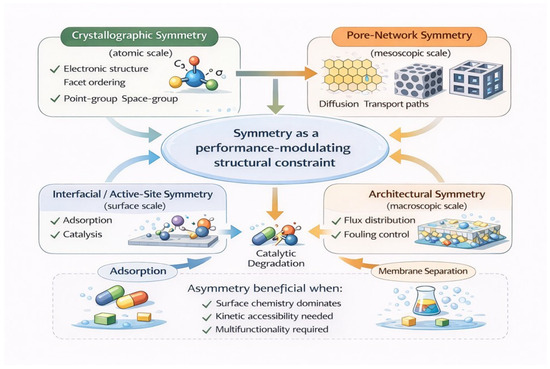
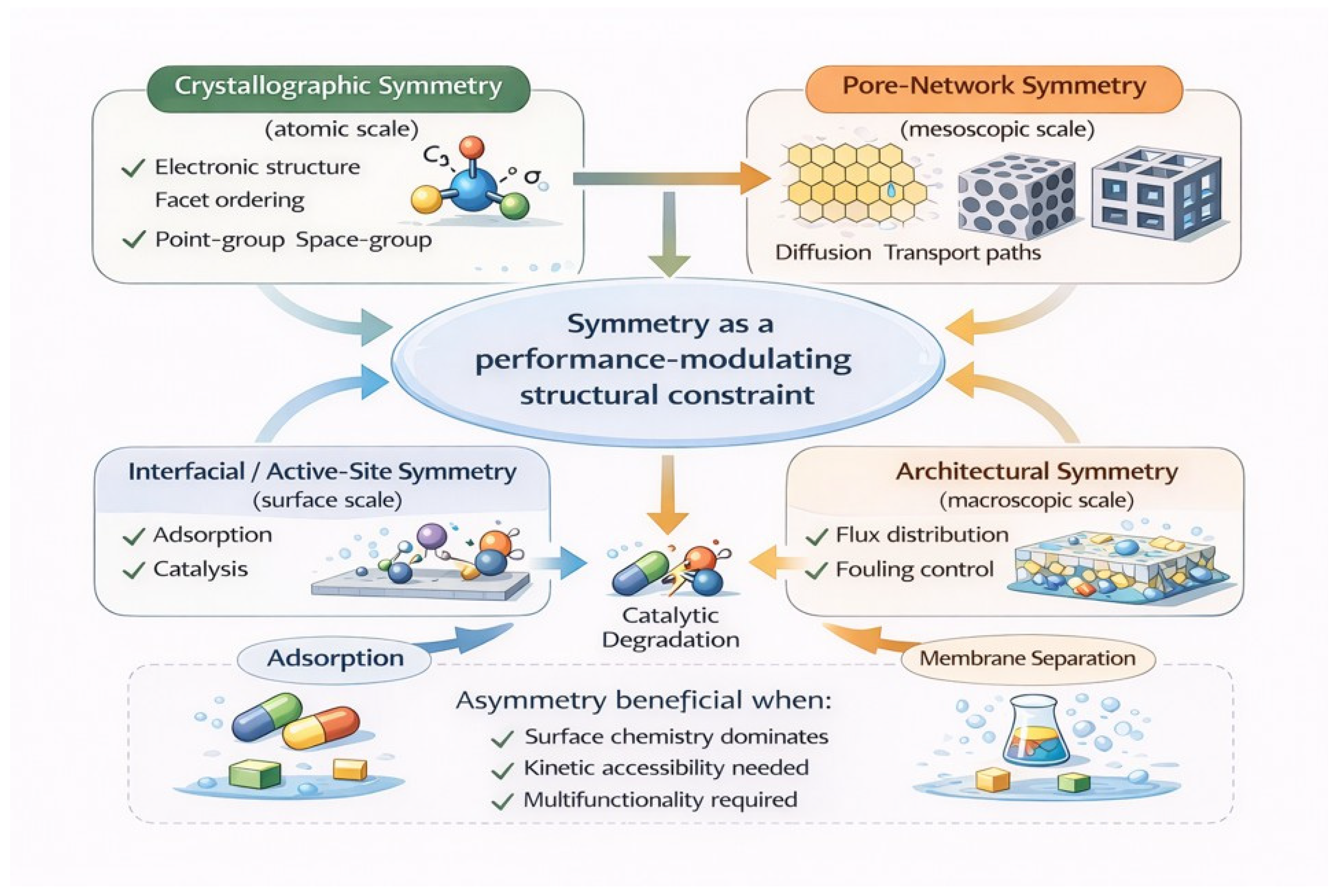
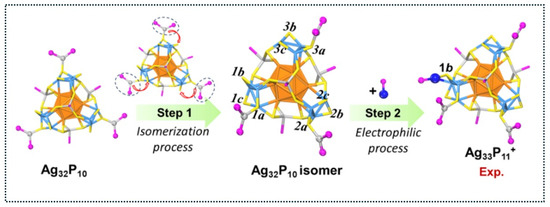
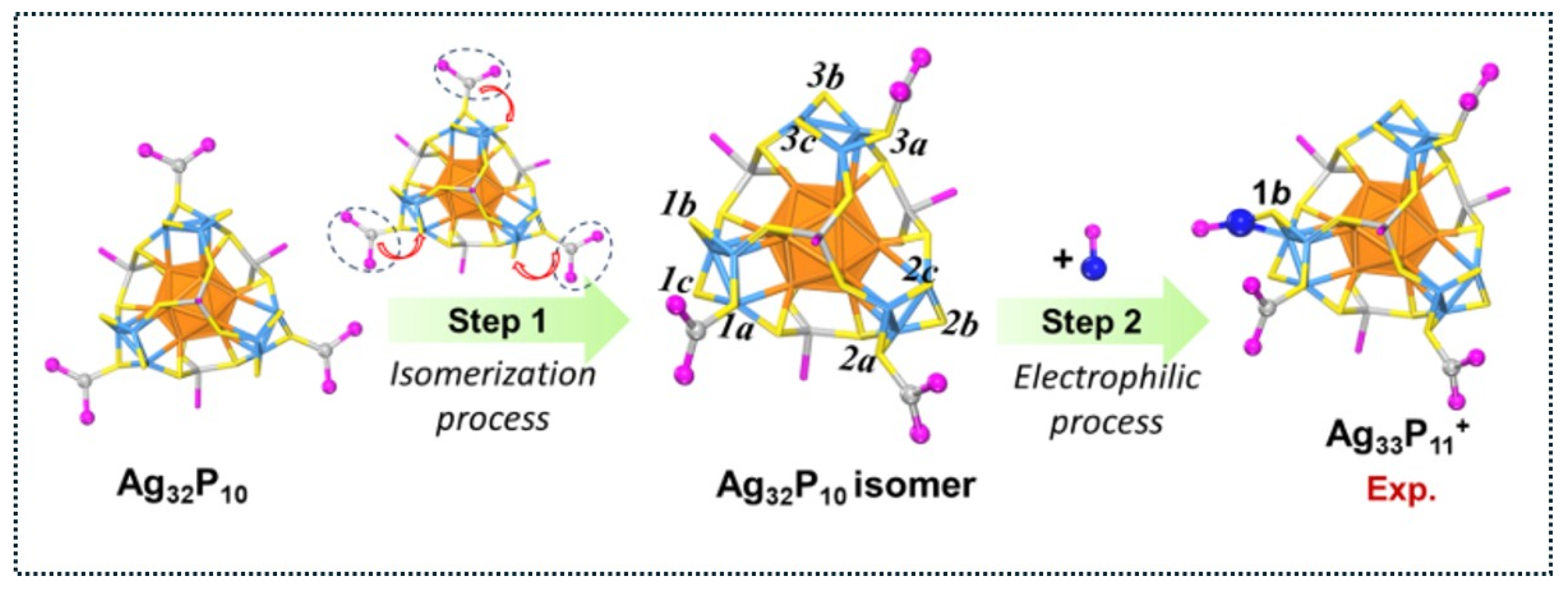
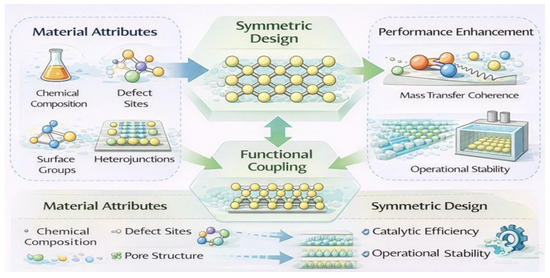
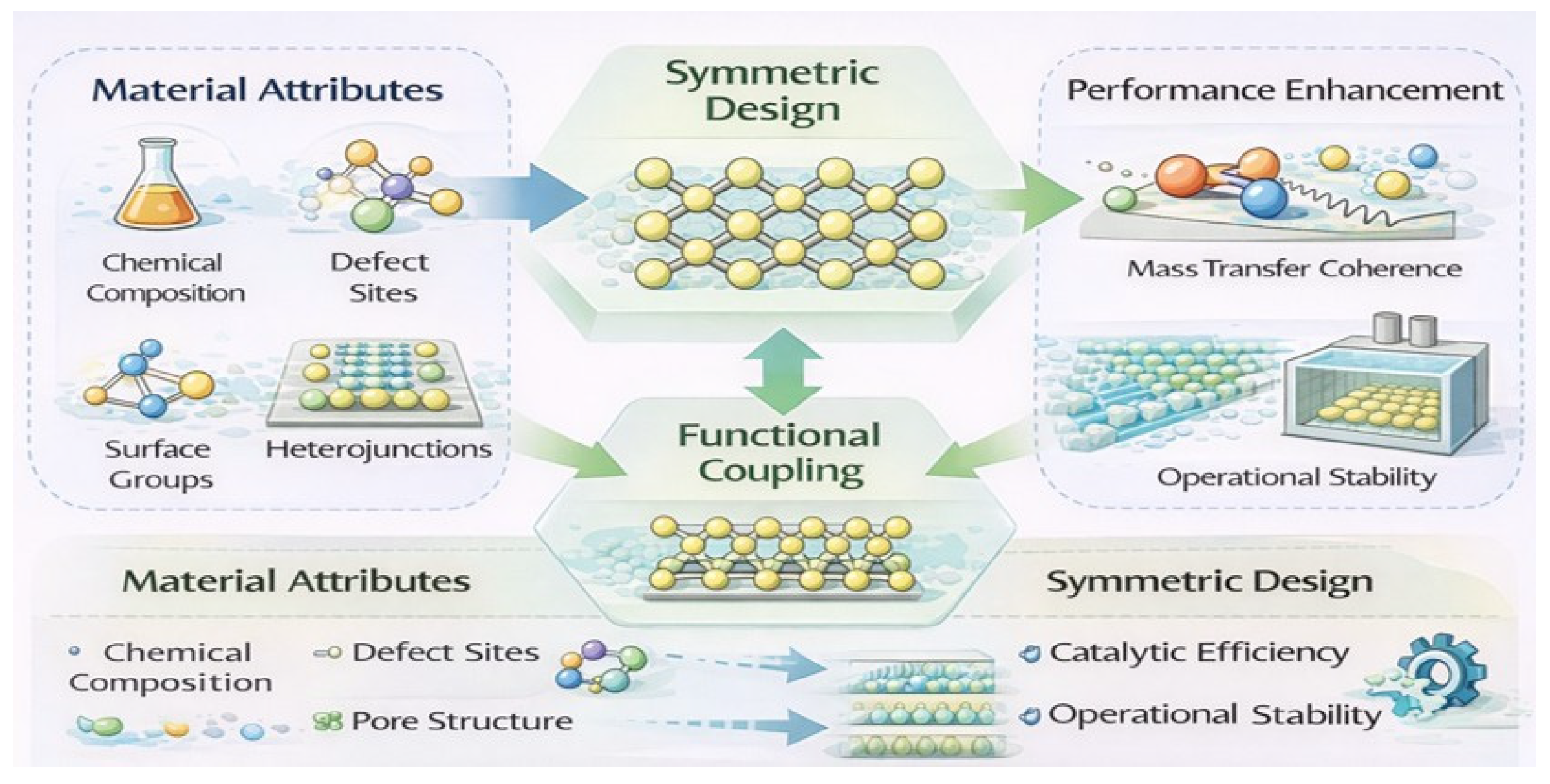
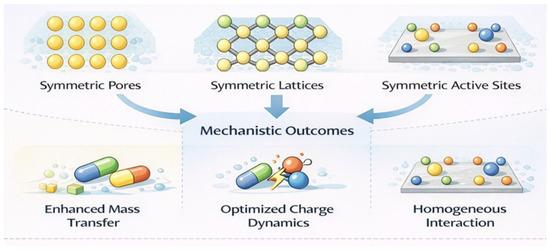
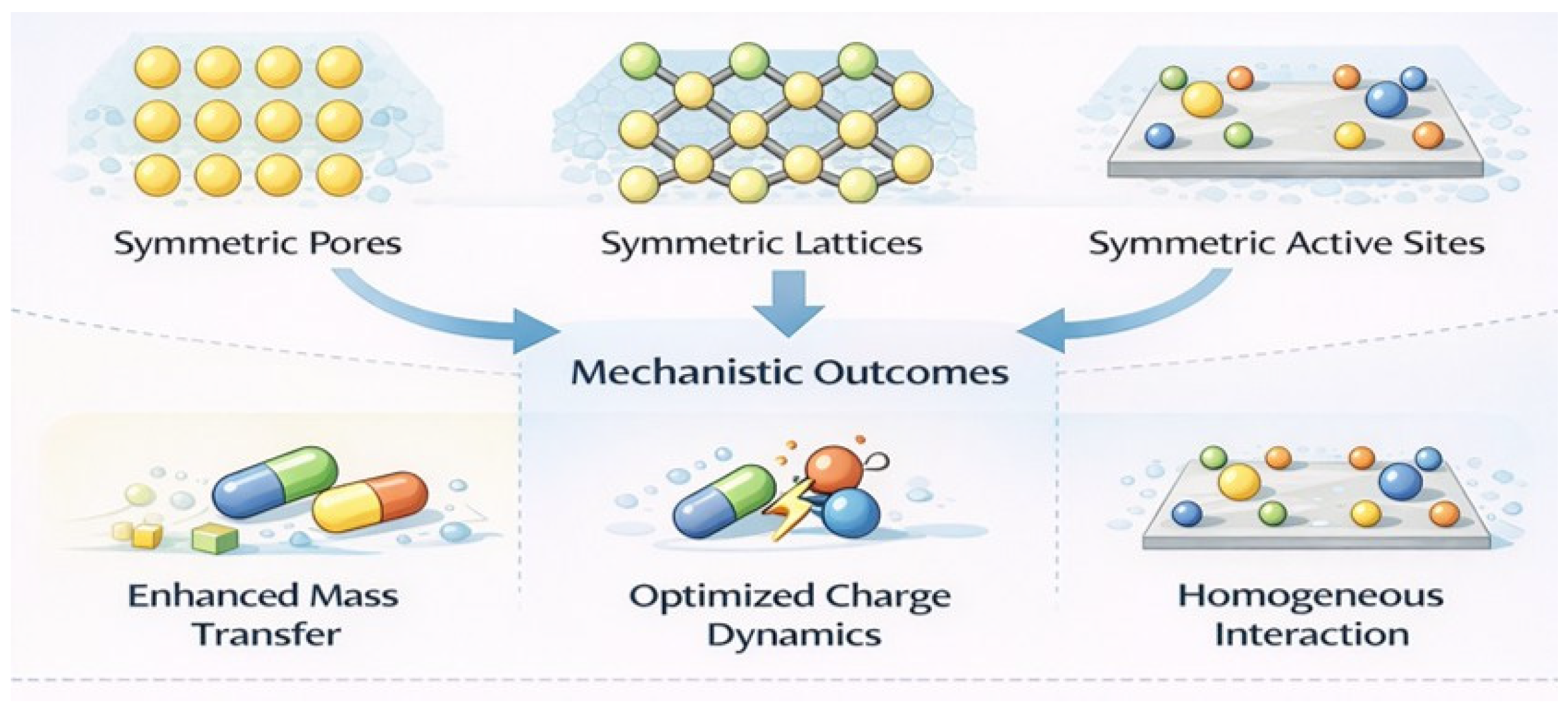
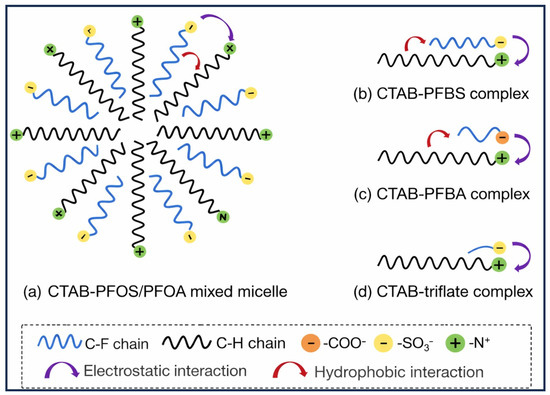
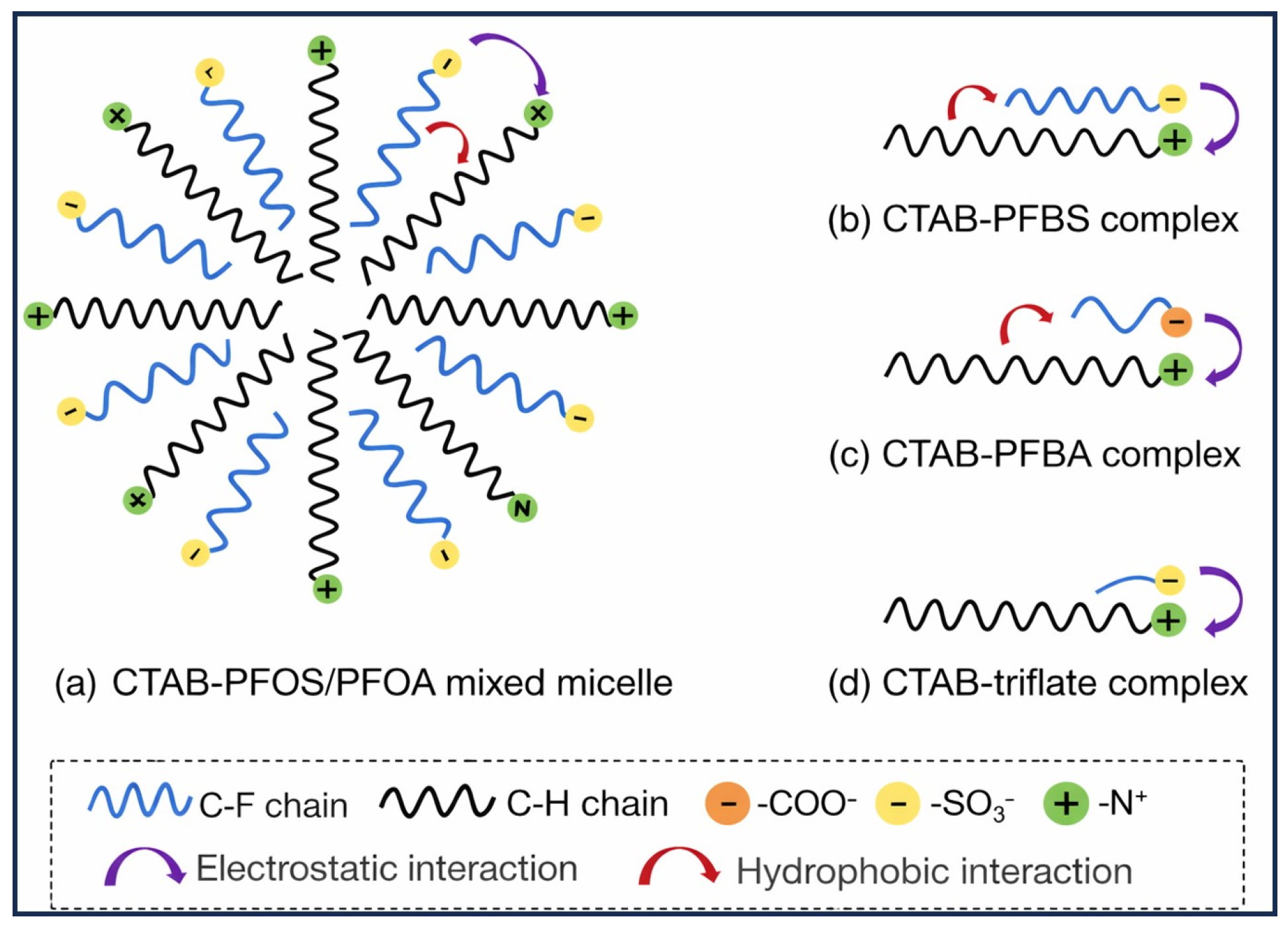

Disclaimer/Publisher’s Note: The statements, opinions and data contained in all publications are solely those of the individual author(s) and contributor(s) and not of MDPI and/or the editor(s). MDPI and/or the editor(s) disclaim responsibility for any injury to people or property resulting from any ideas, methods, instructions or products referred to in the content. |
© 2026 by the authors. Licensee MDPI, Basel, Switzerland. This article is an open access article distributed under the terms and conditions of the Creative Commons Attribution (CC BY) license.