


Abstract
Organisational cyber resilience (OCR) has become increasingly important as cyber disruption can affect technological assets, operational continuity, organisational processes, and human activity. This study systematically reviews the OCR literature and complements the review with VOSviewer term co-occurrence analysis to examine the conceptual and thematic structure of the field. Searches in Scopus and Web of Science yielded 6528 records, of which 288 publications were retained following the systematic selection and eligibility process. The term co-occurrence analysis identified four interconnected thematic communities concerning governance, institutional context, and organisational transformation; assessment, protection, and operational cyber-resilience capabilities; human, managerial, and inter-organisational resources; and organisational leadership and cyber-incident coordination. These communities, together with the systematic synthesis of the literature, informed the development of four interdependent conceptual domains without imposing an exclusive correspondence between bibliometric clusters and framework domains. The systematic synthesis further shows that OCR is conceptualised as a dynamic and multidimensional organisational capability operating before, during, and after cyber disruption, although its operationalisation remains heterogeneous. The proposed framework links the four domains with internal and external organisational contexts and the disruption cycle, placing cyber threat sensing and security monitoring within decision-making and incident response. It also highlights possible functional asymmetry between preparedness and recovery without presuming reciprocity among domains, offering a basis for future empirical validation.
1. Introduction
The increasing dependence of organisations on digital infrastructures, interconnected services, digitally enabled supply chains, and information-intensive business processes has increased their exposure to cyber disruptions capable of affecting technological assets, operational continuity, and organisational functioning. Cyber resilience has consequently gained importance as organisations recognise that preventive cybersecurity controls alone cannot eliminate disruption and that essential activities may need to be sustained, restored, and adapted under adverse conditions [1,2,3,4]. This challenge is evident across heterogeneous organisational environments, including SMEs, critical infrastructures, public organisations, financial services, and digitally interconnected operational settings [5,6,7].
Organisational cyber resilience (OCR) extends this perspective from the resilience of individual technologies towards the capacity of the organisation as a socio-technical system. The literature increasingly associates resilience with combinations of governance, managerial coordination, technological capabilities, human resources, information flows, organisational learning, and adaptation [8,9,10,11,12]. In this socio-technical perspective, sensing technologies and security-monitoring systems can support the early recognition of suspicious activity, but their relevance to OCR depends on how the resulting information informs human judgement and coordinated action [13,14].
Despite this development, conceptual and operational heterogeneity remains substantial. OCR is discussed alongside cybersecurity maturity, preparedness, technical resilience, continuity, security performance, and risk-management capabilities, even though these concepts capture different organisational conditions or analytical purposes [15,16,17]. Operationalisation also ranges from structured frameworks and self-assessment processes to organisational capability models and context-dependent approaches [18,19,20,21]. This diversity reinforces the need to distinguish the organisational phenomenon of cyber resilience from the mechanisms used to assess, govern, or enable it.
Previous research has sought to integrate these perspectives through frameworks addressing organisational processes and capabilities. Within this body of research, Neri et al. [22] develop a conceptual framework based on a comparative review of organisational resilience and cyber resilience, relating their principal characteristics to the phases of anticipation, response, and recovery. Other studies have examined awareness in entrepreneurial settings and governance arrangements under cyber disruption [23,24]. Although these contributions have advanced understanding of the phenomenon, further examination is needed of how recurrent concepts are related across the OCR literature and how these relationships can inform the development of an integrated framework. Combining a systematic literature review with bibliometric term co-occurrence analysis provides a means of addressing this question by bringing together conceptual synthesis and the examination of the field’s thematic structure [25,26,27].
Accordingly, the main objective of this study is to conduct a systematic literature review of organisational cyber resilience, complemented by a bibliometric term co-occurrence analysis using VOSviewer 1.6.20, in order to characterise its conceptual and thematic structure and, on this basis, propose an integrated conceptual framework of OCR. The framework is grounded in the thematic organisation identified through the co-occurrence network and interpreted through the systematic synthesis of the reviewed literature. To address this objective, the following research questions are formulated:
RQ1. How is organisational cyber resilience conceptualised and operationalised in the literature?
RQ2. What thematic communities and relationships among concepts structure the organisational cyber resilience literature according to the term co-occurrence analysis?
RQ3. How can the conceptual and thematic findings of the systematic review be integrated into a framework of organisational cyber resilience?
The remainder of the article is organised as follows. Section 2 presents the theoretical foundations of OCR. Section 3 describes the systematic review methodology, study-selection procedure, lexical normalisation, and VOSviewer term co-occurrence analysis. Section 4 presents the findings of the systematic review and the thematic structure identified through the bibliometric analysis in relation to the research questions. Section 5 discusses the findings and develops the integrated OCR framework based on the interpretation of the thematic structure identified in the literature. Finally, Section 6 presents the theoretical and practical implications, limitations, future research directions, and conclusions.
2. Theoretical Background
2.1. Conceptual Foundations of Organisational Cyber Resilience
Organisational cyber resilience extends the traditional cybersecurity perspective by recognising that prevention and protection cannot fully eliminate the possibility of disruption. From this perspective, resilience concerns an organisation’s capacity to maintain essential functions, respond to cyber disruption, recover affected operations, and adapt afterwards [11,15]. This orientation places the organisation, rather than the technical system alone, at the centre of analysis.
OCR therefore incorporates both technical and non-technical dimensions. Governance, leadership, organisational coordination, communication, skilled personnel, and technological capabilities may all contribute to an organisation’s capacity to confront cyber disruption [3,8,11]. OCR can consequently be understood as a multidimensional organisational capability involving the interaction of people, processes, structures, and technologies.
This perspective also requires OCR to be distinguished from related concepts. Cybersecurity maturity refers primarily to the development and institutionalisation of security practices and controls; readiness reflects the degree of preparation before disruption; technical resilience concerns the capacity of systems and infrastructures to maintain or restore operation; and cybersecurity performance reflects the effectiveness or outcomes of cybersecurity activities [16,17,20]. Research on real-time attack detection and severity assessment in Model Context Protocol (MCP)-based environments illustrates a specific technological capability that can support incident response but does not, in itself, constitute organisational cyber resilience [28]. OCR extends beyond these mechanisms to encompass the governance, coordination, continuity, and adaptation capabilities through which organisations manage cyber disruption.
Table 1 summarises the main conceptual boundaries adopted in this study.
Table 1.
Conceptual boundaries of organisational cyber resilience.
2.2. Organisational Cyber Resilience as a Capability and Process
The organisational perspective of cyber resilience requires a distinction between the conditions that support resilience and the capabilities through which resilient action is enacted. Governance arrangements, technological resources, organisational structures, preparedness, personnel, and information availability can provide favourable conditions, but their presence does not in itself guarantee an effective response to disruption. Recent studies similarly emphasise that resilience depends on how socio-technical conditions are mobilised and coordinated within particular organisational and regulatory environments [30,31,32,33]. This distinction is consistent with capability-based interpretations in which resources acquire value through their deployment and reconfiguration under changing conditions [34].
Resilience is therefore enacted through mechanisms such as monitoring, preparedness, detection, incident response, communication, coordination, continuity, and recovery. Research on incident-management arrangements illustrates the importance of combining technological mechanisms with organisational response capabilities [35,36]. Accordingly, signals generated through security telemetry and anomaly-detection mechanisms should be understood as inputs to organisational escalation and response processes, rather than as stand-alone measures of resilience [37,38,39,40].
OCR also exhibits a temporal character. Anticipation and preparation precede disruption; detection, containment, response, and continuity become especially important while disruption is unfolding; and recovery, adaptation, and learning shape subsequent organisational practices. Incident exercises and collaborative response communities show how preparation can strengthen subsequent action [41,42], while the integration of incident management and organisational learning demonstrates that post-incident experience can feed back into later preparedness [43,44]. Evaluation of response time and strategies for dealing with persistent threats similarly reinforces the importance of considering resilience across interconnected phases rather than as a single static state [15,45,46,47].
2.3. The Human Dimension of Organisational Cyber Resilience
Recent research increasingly treats the human dimension as an integral component of organisational cyber resilience rather than solely as a source of cybersecurity vulnerability [48,49]. Employee knowledge, security awareness, behavioural capabilities, communication, and human participation can influence how cyber threats are recognised and how individuals contribute to organisational preparedness and response [48,49]. Empirical work has connected employee knowledge and behaviour with cyber resilience in banking and service organisations [48,49], while security culture and awareness have also been associated with organisational preparedness against ransomware and other cyber threats [50,51]. Related studies emphasise cybersecurity behaviour, policy awareness, maritime awareness, and human-centred resilience across different organisational environments [52,53,54,55].
Human capabilities are also shaped by the organisational context in which they are developed and exercised. Communication, adaptive cybersecurity culture, training, and situational awareness can strengthen the ability of personnel to contribute during disruption [56,57,58,59]. Evidence from incident exercises further shows that management practices and team behaviours can materially affect organisational response [60], while human-centric and HR-oriented approaches extend resilience towards organisational learning, employee development, and adaptive behaviour [61,62]. Human performance may also be affected by operational conditions such as repeated alerts and alarm fatigue, reinforcing the importance of integrating human judgement with organisational and technological arrangements [63]. Taken together, this evidence supports the treatment of employees as active resilience resources whose capabilities are developed through training, coordination, culture, and organisational support [64].
3. Methodology
3.1. Review Design and Methodological Workflow
A systematic literature review was conducted to identify, organise, and synthesise the available knowledge on organisational cyber resilience in accordance with the research questions. The review was complemented by a bibliometric term co-occurrence analysis using VOSviewer to examine the thematic organisation of the literature from a network perspective. The combination of systematic synthesis and bibliometric mapping enables the field to be examined both through its conceptual content and through the relationships among recurrent terms across the selected publications [65,66].
The review was organised into seven interconnected methodological stages: (1) definition of the research objective and research questions; (2) selection of information sources and development of the search strategy; (3) identification, deduplication, screening, and eligibility assessment of the retrieved records, reported according to PRISMA 2020; (4) lexical normalisation of the terminology identified in the selected publications; (5) bibliometric term co-occurrence analysis using VOSviewer; (6) interpretation and systematic synthesis of the conceptual and thematic findings according to RQ1–RQ3; and (7) development of the integrated conceptual framework [26,65,67]. These stages describe the methodological procedure followed during the study. No separate formal review protocol was prepared before the review commenced, and the review was not publicly registered in any repository.
The two analytical components served distinct but complementary purposes. The systematic review provided the conceptual basis for interpreting OCR and its dimensions, whereas the term co-occurrence analysis identified thematic proximity and communities of interconnected concepts. These communities were subsequently interpreted against the reviewed evidence and used as the principal structural basis for framework development [66,68].
Figure 1 summarises the methodological workflow followed, from the formulation of the research questions to the development of the integrated OCR framework. The following sections describe the search strategies, study-selection criteria, and analytical procedures applied.
Figure 1.
Analytical workflow of the systematic literature review, bibliometric analysis, and framework development.
3.2. Information Sources and Search Strategy
Bibliographic searches were conducted in Scopus and the Web of Science Core Collection (WoS). Both databases were selected because organisational cyber resilience is an interdisciplinary field spanning cybersecurity, information systems, management, organisational studies, human factors, and operational resilience. Their combined use broadens bibliographic coverage and reduces dependence on a single indexing source [69,70].
Given the terminological and disciplinary diversity surrounding OCR, the search strategy was organised into eight complementary retrieval routes. Four routes (S1–S4) targeted literature explicitly or closely related to organisational cyber resilience, whereas four additional routes (C1–C4) broadened retrieval towards organisational, operational, governance, human, and behavioural dimensions relevant to the field. This multi-stranded approach was used to improve retrieval sensitivity where a single restrictive search expression could omit relevant publications using different terminology. The routes were used exclusively as retrieval mechanisms and did not constitute separate analytical categories [71,72].
Table 2 summarises the purpose of each search route and the raw number of records retrieved from Scopus and WoS.
Table 2.
Architecture and raw results of the search strategy.
The search expressions were constructed from combinations of conceptual blocks related to cyber resilience, organisational context, cyber adversity, governance, operational continuity, technological dimensions, and human and workforce factors. Boolean operators, truncation, proximity operators, and field restrictions were adapted to the syntax of each database. All search outputs were subsequently merged into a single dataset before deduplication and screening. Therefore, the 6528 records reported in Table 2 represent raw retrieval occurrences rather than unique publications [71,73]. The consolidation, deduplication, screening, and eligibility process is described in Section 3.3 and summarised in Figure 2.
Figure 2.
PRISMA 2020 flow diagram.
The searches were executed on 7 September 2026. No database-level restrictions were applied by publication year, language, document type, or subject area [73].
3.3. Eligibility Criteria, Deduplication, and Study Selection
Eligibility criteria were established before screening to ensure consistency in the study-selection process. The criteria addressed topical relevance, level of analysis, publication type, evidence contribution, language, and publication period. Studies were considered eligible when they addressed organisational cyber resilience or organisational, technological, governance, operational, or human dimensions substantively related to it. Exclusively technical studies without a relevant organisational or human dimension, non-academic material, and records providing insufficient information for assessment were excluded [65,74]. Table 3 summarises the eligibility criteria applied during the selection process.
Table 3.
Eligibility criteria applied during study selection.
The records retrieved through the eight search routes were merged into a single bibliographic dataset before screening. Deduplication was performed using DOI, normalised title, and other bibliographic information when necessary to resolve ambiguous matches. Of the 6528 raw records, 2564 duplicates were removed, resulting in 3964 unique records. This consolidation ensured that publications retrieved through multiple routes or through both databases were counted only once in the subsequent selection process [75,76,77].
Following deduplication, 88 records corresponding to ineligible document types were removed, and 214 review publications were set aside for contextual purposes without being included in the bibliometric corpus. The remaining 3662 records underwent an initial relevance assessment based on the available bibliographic information, including titles, abstracts, and metadata. This preliminary stage aimed to identify publications lacking a substantive thematic connection to organisational cyber resilience, distinguishing it from the subsequent detailed screening. Exclusion criteria focused on three situations: studies addressing cybersecurity or cyber risk without a resilience perspective; research concerning general resilience without an explicit cybersecurity dimension; and exclusively technical contributions lacking a relevant organisational or human perspective. This initial assessment resulted in the exclusion of 2015 records. The remaining 1647 records underwent detailed title-and-abstract screening, in which the applicable eligibility criteria in Table 3 were used to assess the substantive contribution of each publication to the research questions, beyond the broad thematic relevance considered in the initial assessment. A further 1359 records were excluded at this stage because they addressed cyber resilience only incidentally or did not provide a sufficiently relevant contribution to the review objectives. Consequently, 288 publications progressed to full-text eligibility assessment.
The full texts of all 288 selected publications were subsequently retrieved and assessed to verify that their content substantively addressed cyber resilience and was relevant to the organisational scope defined in this review. Unlike the preceding stages, which focused on establishing the initial relevance of records using bibliographic information, full-text assessment enabled confirmation that the publications genuinely addressed cyber resilience rather than merely mentioning it incidentally. Their alignment with the inclusion criteria established in Table 3 was also verified, particularly regarding organisational, human, technological, operational, or governance dimensions associated with cyber resilience. All 288 publications met these substantive relevance criteria, and no additional exclusions occurred during full-text assessment. All three study-selection stages, comprising the initial relevance assessment, detailed title-and-abstract screening, and full-text eligibility assessment, were conducted jointly by all four authors, applying the criteria established in Table 3 and the thematic relevance rules described above. No discrepancies were identified during the joint review of selection decisions; consequently, no disagreement-resolution procedures were required. As the assessments were conducted jointly rather than independently, no formal inter-rater agreement coefficient was calculated.
Consequently, the 288 publications constituted the final review corpus and were used for the subsequent VOSviewer term co-occurrence analysis. The complete identification, screening, and eligibility assessment process is presented in Figure 2 in accordance with PRISMA 2020 [67].
3.4. Term Extraction and Lexical Normalisation
The term co-occurrence analysis was conducted using VOSviewer and the title and abstract fields of the 288 publications included in the review. Terms were extracted from these text fields to examine the thematic structure of the organisational cyber resilience literature, rather than from full texts or author-assigned keywords. Term co-occurrence analysis represents recurrent concepts and their associations as a network, supporting the identification of thematic areas and conceptual relationships within a research field [66,76,77].
Before network construction, lexical normalisation was performed using a VOSviewer thesaurus specifically developed for this review. This procedure harmonised synonymous expressions, spelling and morphological variants, singular and plural forms, and conceptually equivalent terms. Generic methodological, editorial, and reporting expressions lacking sufficient thematic specificity were also excluded, while substantive concepts relating to the organisational, human, technological, and operational dimensions of cyber resilience were retained. This treatment reduced terminological dispersion and semantic noise, supporting a more precise and interpretable representation of the relationships among concepts identified in the literature. Thesaurus-based normalisation is consistent with previous bibliometric studies employing similar procedures to harmonise equivalent terms before co-occurrence analysis [76,77].
A binary counting method was selected because the purpose of the analysis was to determine how broadly concepts were represented across the literature rather than how frequently the same term was repeated within an individual publication. Under binary counting, a term contributes only once for each document in which it appears, regardless of the number of repetitions. This reduces the disproportionate influence of publications in which particular terms are repeatedly mentioned and gives greater analytical relevance to their recurrence across different publications [78].
To examine the sensitivity of the bibliometric structure to term-selection decisions, nine VOSviewer configurations were evaluated by combining three minimum-occurrence thresholds (5, 8, and 13) with three relevance-based term-selection percentages (60%, 80%, and 100%). All configurations were generated from the same bibliographic corpus of 288 publications, using the same thesaurus and binary counting method. The comparison considered the number of retained terms, identified communities, and co-occurrence links. These indicators enabled examination of how term-selection decisions affect conceptual coverage, thematic differentiation, and network interpretability [27,66,78]. The results of the nine configurations are presented in Table 4.
Table 4.
Sensitivity analysis of term-selection parameters and network structure.
Term selection based exclusively on occurrence frequency may favour the inclusion of general expressions with limited capacity to differentiate thematic areas. To address this limitation, VOSviewer incorporates a relevance criterion that prioritises terms with greater thematic specificity, reducing the influence of less informative expressions on bibliometric representations [66,78,79]. In this context, the term-selection percentage involves a trade-off between the breadth of the vocabulary represented and the prioritisation of potentially more discriminative terms. Accordingly, selections of 60%, 80%, and 100% were examined to assess how progressively including additional terms affects network structure and interpretability.
Comparing the three term-selection percentages at the eight-occurrence threshold showed that 60% selection yielded a network of 86 terms distributed across four communities, whereas 80% and 100% selection increased the number of terms to 115 and 144, respectively, both resulting in five communities. Although these configurations expanded terminological coverage and the number of identified relationships, they also substantially increased network size and complexity. The 60% configuration retained concepts relevant to organisational cyber resilience and 2573 co-occurrence links, providing a more manageable representation for interpreting the principal thematic areas. Accordingly, 60% term selection was adopted as an appropriate means of prioritising relevant terms while maintaining sufficient conceptual coverage without introducing the additional complexity associated with broader configurations.
With term selection fixed at 60%, the effect of the minimum-occurrence threshold on terminological coverage and community organisation was examined. The results of this comparison are presented in Table 5.
Table 5.
Sensitivity analysis of the minimum-occurrence threshold with 60% term selection.
Comparing the three minimum-occurrence thresholds while maintaining 60% term selection revealed differences in conceptual coverage and thematic organisation. The five-occurrence threshold yielded 189 terms distributed across seven communities, providing broader terminological coverage but greater thematic granularity and interpretative complexity. Conversely, the configuration combining thirteen occurrences with 60% term selection reduced the network to 51 terms and three communities, limiting the representation of certain concepts potentially relevant to characterising the multidimensional nature of organisational cyber resilience. In particular, this configuration did not retain terms such as leadership, human factors, and organisational cyber resilience, which were present in the selected configuration. As final term retention depends on both the minimum-occurrence threshold and the VOSviewer relevance criterion, these differences should be interpreted as variations in network composition without necessarily attributing the exclusion of each term to a single parameter.
The eight-occurrence threshold retained 86 terms organised into four interpretable thematic communities, including concepts related to governance, capability assessment, human factors, organisational coordination, incident management, and operational continuity. The network also retained 2573 co-occurrence links, enabling the associations among selected concepts to be examined without introducing the greater complexity associated with the five-occurrence configurations. Compared with the thirteen-occurrence threshold, this configuration preserved broader coverage of concepts relevant to the review objectives. Accordingly, the combination of eight occurrences and 60% term selection was adopted for the main analysis as a reasonable balance between conceptual coverage, thematic differentiation, and interpretability. This decision does not imply that the four identified communities are invariant or that they directly determine the four framework domains, whose development was grounded in the conceptual synthesis of the literature.
The final configuration adopted for the VOSviewer term co-occurrence analysis is summarised in Table 6.
Table 6.
Main parameters of the VOSviewer term co-occurrence analysis.
Following thesaurus-based normalisation, a minimum-occurrence threshold of eight was applied, and 60% of the eligible terms were selected using the VOSviewer relevance criterion. This procedure yielded the 86 terms used to construct the final co-occurrence network. No additional manual filtering was undertaken after applying these criteria, and the default VOSviewer clustering parameters were maintained.
The resulting network was used to identify groups of closely connected terms and to examine the broader thematic organisation of OCR research [66,76].
3.5. Network Construction and Cluster Identification
Following lexical normalisation and selection of the configuration combining eight occurrences with 60% term selection through the sensitivity analysis, the retained terms were used to construct the final term co-occurrence network in VOSviewer. In this representation, each node corresponds to a term and links indicate the co-occurrence of terms within the analysed publications. Node size reflects the relative occurrence of a term, while link structure and spatial proximity provide information about the degree of relatedness among terms. Co-word and science-mapping techniques use these patterns to represent the conceptual organisation of a research field and to identify recurrent thematic structures within a body of literature [66,80,81].
The network was subsequently partitioned using the clustering procedure implemented in VOSviewer. Bibliometric clustering groups strongly connected items according to their network relationships, enabling relatively coherent communities of terms to be distinguished within the broader map. Mapping and clustering are complementary procedures for examining the structure of bibliometric networks and are widely used to identify thematic organisation within heterogeneous research domains [25,27,68].
Under the analytical configuration described in Section 3.4, the network comprised 86 retained terms distributed across four clusters containing 28, 24, 17, and 17 terms, respectively. These communities were identified through the VOSviewer clustering algorithm and do not represent conceptual categories established in advance. Their thematic interpretation was therefore undertaken after network construction by examining their constituent terms, occurrence frequencies, and relationships within and across communities. This distinction between algorithmic clustering and conceptual interpretation is particularly important when bibliometric findings are used to inform theoretical synthesis [25,27,81].
The four clusters were labelled according to the predominant terms and their conceptual relationships within the selected network, rather than retaining labels from earlier network representations with different term compositions. The sensitivity analysis informed the selection of this configuration by comparing terminological coverage and community organisation across the nine configurations evaluated. As VOSviewer does not generate thematic labels automatically, four criteria were considered: (1) the relevance and occurrence frequency of the representative terms within each cluster; (2) the semantic coherence among these terms; (3) their meaning in the context of the reviewed literature; and (4) their distinction from the predominant themes of the other clusters, taking cross-cluster connections into account. Generic methodological and reporting terms were addressed during lexical normalisation, while thematic labels were assigned according to the substantive concepts retained in the network. Each label therefore summarises the predominant thematic orientation of its cluster without implying that the concepts represented are exclusive to that community [25,27,67,76].
Co-occurrence patterns were interpreted as indicators of conceptual and thematic relatedness rather than directional or causal relationships. The joint occurrence of two terms indicates that they are used together within the analysed literature, but does not demonstrate that one concept causes or predicts the other. Consequently, network connections and cluster membership were used to identify the thematic structure of OCR research rather than to infer causal relationships among the concepts represented in the network [66,68,80].
The four-cluster network and the substantive interpretation of each thematic community are presented in Section 4. These thematic communities subsequently provide the principal structural basis for the development of the integrated OCR framework, together with the conceptual interpretation of the literature represented within each cluster [25,27].
3.6. Thematic Interpretation and Synthesis
3.6.1. Thematic Interpretation of the Co-Occurrence Network
The thematic interpretation was based on the clusters identified through VOSviewer, considering their predominant terms, cross-community associations, and meaning within the reviewed literature. This procedure contextualised the bibliometric findings and identified concepts shared across thematic areas, without treating the clusters as independent or mutually exclusive conceptual categories. Qualitative interpretation thus complemented the network structure and provided a basis for the subsequent conceptual synthesis [25,27,76].
3.6.2. Treatment of Evidence and Synthesis Across Research Questions
The synthesis involved the joint examination of all 288 included publications by the four authors. For each study, the information considered comprised its bibliographic and publication characteristics, predominant methodological orientation, research context where specified, and the approach used to conceptualise or operationalise organisational cyber resilience. Where applicable, attention was also given to the capabilities, dimensions, mechanisms, and assessment procedures described in each publication. This information informed the descriptive characterisation of the corpus reported in Section 4.1, as well as the identification of conceptual and methodological approaches relevant to RQ1. Empirical and evaluation-based studies were interpreted in relation to their reported designs, methods, and research contexts, whereas conceptual and methodological contributions informed the delineation of OCR constructs and the interpretation of proposed relationships. This distinction recognised that findings arising from different research designs and settings are not necessarily directly comparable and that conceptual propositions do not, in themselves, constitute empirical validation. Differences in definitions, operational measures, and potentially conflicting findings were considered in relation to the scope and context of the respective publications, rather than combined as evidence of a uniform effect. These distinctions were interpretative and did not constitute a formal methodological-quality or risk-of-bias appraisal, which was not undertaken given the heterogeneity of research designs and the conceptual and bibliometric focus of the review [82,83]. Accordingly, the synthesis identified conceptual relationships without assigning formal levels of certainty or evidential weights to the proposed interdependencies.
On this basis, the final synthesis was organised according to the three research questions. RQ1 was addressed through the systematic examination of how OCR is conceptualised and operationalised in the selected literature. RQ2 was addressed through the interpretation of the four thematic communities and the relationships among the concepts represented in the co-occurrence network. Finally, RQ3 integrated the conceptual findings of the review with the thematic structure identified through VOSviewer to provide the basis for the subsequent development of the integrated OCR framework. This combination positioned bibliometric mapping within a broader systematic-review synthesis and linked the thematic structure identified in the literature with the subsequent framework-development process [26,66,68].
3.7. Framework Development Procedure
The integrated organisational cyber resilience framework was developed by interpreting the four thematic communities identified through VOSviewer term co-occurrence analysis and integrating them with the findings of the systematic review. The bibliometric communities provided a thematic structure for organising the principal concepts identified in the literature, but were not translated directly into framework domains through an exclusive correspondence between clusters and conceptual categories. Instead, the predominant concepts within each community, together with the relationships and shared themes across communities, were examined in conjunction with the capabilities, mechanisms, and dimensions identified through the synthesis of the reviewed publications.
This process supported the organisation of the findings into four interdependent conceptual domains: governance and resilience capabilities; organisational leadership and coordination; human and inter-organisational resilience; and cyber incidents, resources, and business continuity. Each domain integrates thematic contributions from one or more bibliometric communities according to their conceptual coherence and functional relevance to organisational cyber resilience. Relationships among the domains were informed by the joint interpretation of cross-community associations and the reviewed literature, without automatically translating network positions, colours, or links into causal relationships.
The framework also incorporates a contextual dimension encompassing the internal and external organisational environment and a temporal dimension representing the disruption cycle. Both dimensions were introduced through the conceptual synthesis of the literature rather than derived directly from the bibliometric algorithm. The resulting framework therefore represents an integrative conceptual interpretation of organisational cyber resilience intended to support further theoretical development and subsequent empirical validation [22,25,26,27,81]. The composition of the four thematic communities is documented in Appendix B (Table A1), while their thematic interpretation and integration into the framework are presented in Section 4.3 and Section 5.2.
4. Results
The results are organised according to the three research questions. Section 4.1 summarises the analytical output of the review and the term co-occurrence analysis. Section 4.2 examines how organisational cyber resilience is conceptualised and operationalised in the literature, addressing RQ1. Section 4.3 analyses the four thematic communities identified through VOSviewer and their interconnections, addressing RQ2. Finally, Section 4.4 integrates the conceptual and thematic findings to establish the foundations for the OCR framework developed in the Discussion.
4.1. Overview of the Analytical Corpus and Co-Occurrence Network
The systematic selection process resulted in a final corpus of 288 publications, which constituted the dataset used for the bibliometric analysis. The annual distribution of the selected publications shows an increase in research output on organisational cyber resilience, particularly during the most recent years of the period analysed. As illustrated in Figure 3, this growth becomes particularly pronounced from 2023 onwards, with 31 publications recorded in 2023, followed by 41 in 2024 and 71 in 2025, the latter representing the highest output among complete publication years. A further 64 publications were identified in 2026, although this figure represents an incomplete period, as the bibliographic searches were conducted on 7 September of that year. Overall, 207 of the 288 publications included in the corpus (71.9%) were published between 2023 and 2026. This trend highlights growing scholarly interest in OCR and its increasing relevance as a research topic at the intersection of cybersecurity and organisational resilience.
Figure 3.
Annual distribution of publications on organisational cyber resilience included in the review (2008–2026; n = 288). Data for 2026 cover the period up to 7 September 2026, when the bibliographic searches were conducted.
Beyond its temporal evolution, the corpus of 288 publications retained following full-text eligibility screening exhibits considerable diversity in publication types and methodological approaches. Regarding publication type, 136 journal articles (47.2%), 123 conference papers (42.7%), and 29 book chapters (10.1%) were identified. In terms of predominant methodological orientation, 154 publications (53.5%) comprise empirical investigations or studies reporting evaluation procedures, whereas 134 (46.5%) primarily present conceptual, theoretical, or methodological contributions.
The approaches identified include surveys, interviews, case studies, statistical analyses, simulations, and model evaluations, alongside proposals for cyber resilience frameworks and assessment procedures. This diversity is also reflected in the sectors examined, including critical infrastructure, public administration, healthcare, financial services, small and medium-sized enterprises, and supply chains. The publications also cover different geographical contexts, although some develop general approaches without focusing on a particular country or sector. Table 7 summarises the distribution of the corpus by publication type and methodological orientation, complementing the temporal analysis presented in Figure 3.
Table 7.
Descriptive characteristics of the publications included in the review (n = 288).
Following lexical normalisation, binary counting, and selection of the configuration combining a minimum of eight occurrences with 60% relevance-based term selection, the co-occurrence network comprised 86 terms distributed across four thematic communities containing 28, 24, 17, and 17 terms, respectively. The organisation of the network reflects the conceptual diversity of organisational cyber resilience research and the coexistence of technological, operational, organisational, and human perspectives.
The most frequently occurring terms included integration (44 occurrences), governance (43), small and medium-sized enterprises (42), company (41), asset (37), ability and cyber incident (35 each), organisation, resource, and service (34 each), assessment (33), standard (32), and business continuity and defence (31 each). Other concepts, including incident response (29), supply chain (27), manager (26), knowledge (25), and employee (23), indicate the presence of themes concerning incident management, inter-organisational dependencies, and human factors. The distribution of these terms across the communities indicates that different perspectives on cyber resilience are connected within a shared thematic structure.
Figure 4 presents the co-occurrence network obtained from the 288 selected publications. Node size represents term occurrence, links indicate co-occurrence relationships, and colours distinguish the four communities generated by VOSviewer. Their conceptual interpretation is developed in Section 4.3, while the complete list of 86 terms, their occurrence counts, and cluster assignments is provided in Appendix B (Table A1).
Figure 4.
VOSviewer term co-occurrence network based on 288 publications, comprising 86 terms distributed across four clusters. Term occurrence counts and cluster assignments are provided in Appendix B (Table A1).
4.2. Conceptualisation and Operationalisation of Organisational Cyber Resilience (RQ1)
The reviewed literature does not converge on a single universally adopted definition of organisational cyber resilience, but the systematic synthesis identifies a recurrent conceptual core. OCR is generally associated with the organisational capacity to maintain essential functions under cyber adversity, respond to disruption, recover affected operations, and adapt afterwards. This conceptualisation extends resilience beyond preventive cybersecurity and towards an organisational capability exercised across changing conditions [8,10,84,85,86].
Its operationalisation, however, remains heterogeneous. Based on the synthesis of the approaches identified in the reviewed publications, three categories were distinguished according to their predominant analytical purpose: (1) assessment, maturity, and progression approaches, concerned with evaluating the development of organisational capabilities; (2) indices and operational metrics, intended to quantify selected resilience characteristics; and (3) construct- or capability-based empirical approaches, which represent OCR through variables and relationships examined in empirical investigations. This classification was derived from the interpretation of the studies’ methods and objectives rather than from the bibliometric clustering performed in VOSviewer. The categories organise the principal forms of operationalisation identified in the literature without constituting an exhaustive and mutually exclusive classification of all 288 publications.
The first group of approaches evaluates the development or institutionalisation of resilience-related capabilities. The Cyber Resilience Self-Assessment Tool combines assessment, prioritisation, and progression mechanisms for organisational improvement [15], while maturity-oriented models extend this logic to critical infrastructures and cloud environments [87,88]. The selection of cyber-resilience capability maturity levels has also been examined through multi-criteria decision-making procedures applied to digital supply-chain systems [89]. Other studies examine cybersecurity maturity as an organisational characteristic with identifiable drivers and consequences or develop sector-oriented approaches for assessing resilience [90,91]. Risk-assessment and stakeholder-oriented approaches similarly connect resilience evaluation with organisational decision-making and preparedness [92,93], while board-level scorecards and healthcare-oriented models demonstrate the adaptation of assessment approaches to governance and sector-specific organisational requirements [94,95,96]. Sector-specific frameworks have also been proposed for dynamic cybersecurity risk assessment in military supply chains [97].
The second group of approaches translates selected resilience characteristics into quantitative measures. Supply-chain resilience indices provide one example of this approach [98], while resilience metrics have also been proposed for SMEs and critical infrastructures [99]. Other studies develop technology-informed evaluation frameworks, proactive assessment methodologies, and composite resilience indices incorporating regulatory, threat, or geopolitical conditions [100,101,102]. Metric-development work has also addressed enterprise-architecture capabilities and AI-enabled threat-intelligence environments [103,104], while risk-assessment methods in cloud settings illustrate the continuing overlap between resilience measurement and cyber-risk evaluation [105]. Composite approaches integrating people, process, and technology further demonstrate the diversity of quantitative operationalisation [106].
The third group of approaches treats OCR as an organisational construct or capability embedded within empirical relationships. Prevention, detection, recovery, organisational roles, and framework adoption have been examined as resilience characteristics associated with cyber-incident outcomes [17], while subsequent research incorporates prevention, education, strategy, planning, and accountability across organisations with different incident experiences [29]. Other empirical models relate cyber resilience to risk perceptions and supply-chain strategies [107], human factors and cyber threat intelligence [64], or configurations of cybersecurity capabilities and organisational performance [108].
These approaches are related but not interchangeable. Maturity and progression models examine capability development; indices and metrics quantify selected resilience characteristics; and empirical construct-based approaches analyse OCR within broader explanatory relationships.
Accordingly, RQ1 characterises OCR as a dynamic and multidimensional organisational capability with a recurrent conceptual core, while its operational measurement remains distributed across different methodological traditions.
4.3. Thematic Structure of Organisational Cyber Resilience Research (RQ2)
In contrast to the operationalisation approaches examined under RQ1, RQ2 addresses the thematic structure of the literature through term co-occurrence analysis. Four interconnected communities were identified, comprising 28, 24, 17, and 17 terms, respectively. The clusters were generated by VOSviewer and subsequently interpreted according to their predominant concepts, occurrence frequencies, and relationships with other terms in the network. This interpretation distinguished four thematic areas: (1) governance, institutional context, and organisational transformation; (2) assessment, protection, and operational cyber-resilience capabilities; (3) human, managerial, and inter-organisational resources; and (4) organisational leadership and cyber-incident coordination. These communities represent thematic groupings within the literature rather than independent organisational dimensions or mutually exclusive conceptual categories.
4.3.1. Governance, Institutional Context, and Organisational Transformation
Cluster 1 comprises 28 terms and exhibits a predominantly organisational and institutional orientation. Its most frequent term is small and medium-sized enterprises (42 occurrences), followed by service (34), mechanism (30), and application, enterprise, evidence, and improvement (23 each). Other terms include dimension (20), efficiency (19), government and preparedness (18 each), digital technology and innovation (15 each), cybersecurity governance (13), digital transformation (12), and human factors (9).
This community reflects how cyber resilience is situated within governance structures, institutional environments, and organisational transformation processes. Research on cybersecurity governance examines the allocation of responsibilities, oversight of cyber risks, and integration of security considerations into organisational management and control arrangements [109,110,111,112]. Similar concerns arise in studies addressing public administration, regulated organisations, and critical infrastructure, where service continuity depends on the alignment of institutional requirements and organisational capabilities [113,114,115,116,117].
The presence of terms related to smaller enterprises, digital technologies, and innovation extends this perspective to organisations operating under different resource constraints and institutional conditions [118]. Studies addressing cyber resilience in SMEs, organisational governance, and digital transformation indicate that management practices need to be understood in relation to their organisational context and available resources [9,21,119,120]. The inclusion of trust and human factors also indicates that governance extends beyond formal arrangements to the people and collaborative mechanisms through which organisational decisions are enacted.
Cluster 1 therefore represents a thematic community concerned with the institutional, organisational, and technological conditions shaping cyber-resilience governance. Its contribution is particularly relevant to understanding how organisational capabilities are directed and the contexts in which they are developed and exercised.
4.3.2. Assessment, Protection, and Operational Cyber-Resilience Capabilities
Cluster 2 comprises 24 terms and brings together concepts associated with the assessment, governance, and development of operational cyber-resilience capabilities. Its most frequent terms include integration (44 occurrences), governance (43), asset (37), assessment (33), standard (32), defence (31), and incident response (29). The community also contains scenario (26), effectiveness (25), evaluation, maturity, and recovery (24 each), continuity (23), detection (22), and collaboration and compliance (21 each).
The composition of this community indicates thematic relatedness between assessment mechanisms, protective capabilities, and the activities required to maintain or restore organisational functioning during disruption. Self-assessment and maturity models provide approaches for examining the development of resilience capabilities and guiding organisational improvement [15,88]. Research on incident management and operational continuity similarly addresses the integration of procedures, resources, and capabilities involved in response and recovery [121,122,123,124,125,126,127].
The presence of terms concerning governance, standards, compliance, evaluation, and effectiveness also reflects an emphasis on structuring and assessing organisational capabilities. Within this area, measurement and evaluation approaches provide means of examining selected resilience characteristics, whereas detection, response, and recovery mechanisms represent capabilities that organisations may mobilise during incidents [128]. Studies addressing operational continuity, threat intelligence, and incident-response decision support further illustrate this perspective [129,130,131].
Taken together, Cluster 2 represents a thematic community concerned with the assessment, integration, and application of operational cyber-resilience capabilities. Its content contributes to understanding both the mechanisms used to evaluate these capabilities and the activities through which organisations seek to prevent, respond to, and recover from disruption.
4.3.3. Human, Managerial, and Inter-Organisational Resources
Cluster 3 comprises 17 terms and brings together concepts associated with the resources and relationships through which organisations develop and exercise their capabilities. Its most frequent terms include company (41 occurrences), resource (34), business continuity (31), relationship and supply chain (27 each), manager (26), knowledge and plan (25 each), employee and experience (23 each), and behaviour and information technology (15 each). The community also includes investment (14) and operational technology (13).
This community combines organisational resources, human capabilities, and dependencies extending beyond organisational boundaries. Employee knowledge, behaviour, experience, and managerial judgement are relevant to understanding how cyber-resilience capabilities are developed and mobilised [132]. Research examining employee behaviour, knowledge, and skills, together with the factors influencing organisational cyber-risk management, supports this interpretation [49,64,107].
The inter-organisational dimension is particularly evident in the presence of supply chain and relationship. Relationships with suppliers and other external actors introduce technological, informational, and operational dependencies that may influence organisational response capabilities [133]. Studies of supplier selection, third-party cyber risk, and supply-chain resilience emphasise the importance of considering these interdependencies within cyber-resilience management [134,135,136,137,138,139]. Other investigations connect resilience with organisational capabilities, supply-chain visibility, and adaptation to increasingly digitalised environments [140,141,142,143,144].
The presence of business continuity, resources, investment, information technology, and operational technology highlights operational and resource-related aspects that complement human and relational capabilities. In this respect, possessing technological resources or formal continuity arrangements does not necessarily establish organisational cyber resilience; their contribution also depends on how they are planned, managed, and mobilised within the organisation.
Overall, Cluster 3 identifies a thematic community centred on the human, managerial, technological, and inter-organisational resources that may contribute to the development and exercise of cyber resilience. Its composition indicates that personnel capabilities, resource availability, external dependencies, and continuity arrangements occupy a shared area of the literature.
4.3.4. Organisational Leadership and Cyber-Incident Coordination
Cluster 4 contains 17 terms and brings together concepts associated with organisational action under disruptive conditions. Its most frequent terms are ability and cyber incident (35 occurrences each), organisation (34), business (27), stakeholder (22), communication (18), consequence (17), crisis and leadership (15 each), organisational resilience (15), organisational cyber resilience (12), responsibility (11), and board (9).
This community highlights the role of leadership, communication, and stakeholder coordination in managing cyber incidents. The presence of terms relating to crises, consequences, responsibilities, and stakeholders indicates that cyber disruption requires decisions extending beyond strictly technical considerations. Studies examining managerial perspectives on cyber resilience, organisational governance, and crisis management emphasise the importance of establishing responsibilities and coordination arrangements to sustain essential activities during incidents [8,11,85].
Research on crisis communication and incident-related decision-making further supports this interpretation by identifying information exchange, leadership, and coordination among organisational actors as relevant aspects of organisational response [59,145,146]. Studies based on incident-management exercises similarly illustrate the importance of managerial practices and collective action during response activities [60].
The assignment of organisational cyber resilience to this community is particularly noteworthy. This does not imply that OCR is confined to leadership or incident management; rather, the algorithm identifies a thematic association with these concepts within a broader interconnected network. This observation must be interpreted alongside the distribution of operational capabilities, organisational resources, and governance-related concepts across the other communities.
Cluster 4 therefore represents a thematic community concerned with organisational coordination and action in the context of cyber incidents, emphasising leadership, responsibilities, communication, and stakeholder involvement during disruption.
4.3.5. Relationships Across the Four Thematic Communities
The four identified communities form part of an interconnected network, indicating that their thematic boundaries should not be interpreted as strict divisions between independent research areas. The distribution of terms distinguishes different thematic orientations, although several concepts characterising individual communities are substantively related to the concerns represented elsewhere in the network.
In particular, the governance, institutional, and organisational-transformation themes identified in Cluster 1 are conceptually related to the assessment, protection, and operational-continuity capabilities represented in Cluster 2. Similarly, the human, managerial, technological, and inter-organisational resources, including business-continuity arrangements, captured by Cluster 3 provide relevant context for interpreting the leadership and incident-coordination capabilities characterising Cluster 4. Managing disruption also requires the integration of response, continuity, and recovery capabilities with available resources and organisational decision-making arrangements. These conceptual relationships are consistent with the reviewed literature, although term co-occurrence alone cannot establish causal or directional relationships.
Overall, the findings addressing RQ2 indicate that the four identified communities represent interconnected thematic areas whose boundaries should not be interpreted as strict conceptual divisions. This structure provides a basis for the subsequent synthesis without presupposing a direct or exclusive correspondence between bibliometric communities and framework domains.
4.4. Integrative Synthesis and Foundations of the OCR Framework (RQ3)
The integration of the findings from RQ1 and RQ2 connected the conceptualisation and operationalisation of organisational cyber resilience with the thematic structure identified through VOSviewer. This synthesis highlighted the need to consider technological, organisational, human, and operational capabilities together, providing the conceptual basis for the development of the integrated framework.
The conceptual integration of these communities supported the identification of four interdependent domains. Governance and resilience capabilities bring together the institutional and organisational arrangements represented primarily in the first community with the assessment, protection, and response capabilities identified in the second. Organisational leadership and coordination are principally informed by the fourth community, complemented by the planning and managerial concepts represented in the third. Human and inter-organisational resilience integrates the knowledge, behavioural capabilities, and external dependencies identified in the third community with the human factors represented in the first and the collaborative mechanisms identified in the second. Finally, cyber incidents, resources, and business continuity connect the disruption-related and coordination themes of the fourth community with the organisational resources and business-continuity arrangements of the third and the continuity, response, and recovery capabilities identified in the second.
This organisation does not imply an exclusive correspondence between each bibliometric community and a framework domain. Rather, the domains represent a conceptual synthesis of the themes and relationships identified in the network, interpreted in light of the reviewed literature. Connections among communities indicate areas of thematic relatedness, while the systematic review provides the basis for interpreting the capabilities and mechanisms through which these areas may be connected [8,10,11,64]. On this basis, the framework also incorporates the internal and external organisational context and the temporal dimension of disruption, both derived from the conceptual synthesis rather than directly from the bibliometric analysis. This integration addresses RQ3 and establishes a conceptual structure for subsequent theoretical development and empirical validation without attributing causal relationships to term co-occurrence associations.
5. Discussion
5.1. Discussion of the Main Findings
The findings of this study support an understanding of organisational cyber resilience as a multidimensional socio-technical capability encompassing governance arrangements, organisational coordination, human and inter-organisational capabilities, technological resources, and operational continuity processes [9,10,11]. This interpretation is consistent with previous research emphasising the need to consider organisational and technological dimensions of resilience together. In particular, Neri et al. [22] propose an integrative framework based on a comparative review of organisational resilience and cyber resilience, addressing their characteristics and the phases of anticipation, response, and recovery. The present study complements this perspective through the systematic examination of 288 publications and the identification of four thematic communities using term co-occurrence analysis. Its principal contribution lies in integrating the concepts and relationships identified across these communities into four interdependent organisational domains, distinguishing their respective functions and situating them within an organisational context and a temporal disruption cycle. Rather than directly reproducing the bibliometric groupings or organising resilience exclusively around temporal phases, the proposed framework provides a conceptual structure for examining the capabilities, mechanisms, and relationships involved in organisational cyber resilience. More specifically, the framework distinguishes contextual conditions, disruptive events, organisational capabilities, and outcomes, while recognising the cross-cutting contribution of human factors, thereby clarifying the functions of its components beyond their thematic or temporal classification.
A first important consideration concerns the relationship between governance, leadership, and organisational coordination. Governance establishes the structures, responsibilities, and oversight mechanisms required to guide the development of resilience capabilities, whereas leadership and coordination translate these arrangements into decision-making and collective organisational action. This distinction becomes particularly relevant during disruption, when incident management requires responsibilities, communication, prioritisation, and escalation to be coordinated across different organisational levels. Research on cybersecurity governance and incident-related decision-making supports the importance of considering these functions as complementary [21,114,145]. Their differentiation within the framework therefore reflects distinct but closely related organisational functions.
A second consideration concerns the integration of human factors, inter-organisational relationships, and operational capabilities. Employee and managerial knowledge, behaviour, and judgement contribute to how threats are interpreted and available capabilities are mobilised. Relationships with suppliers and other external actors also introduce dependencies that may influence operational continuity and incident response. These dimensions are connected with the technological resources, continuity procedures, and recovery mechanisms through which organisations address disruption [55,136,147]. Organisational cyber resilience therefore cannot be understood solely in terms of resource availability or formal procedures; it also requires consideration of the human and organisational capabilities through which those resources and procedures are put into practice.
Finally, the findings clarify the distinction between organisational cyber resilience and the approaches used to assess and measure it. Maturity models, self-assessment mechanisms, indices, operational metrics, and construct-based empirical models examine different properties of resilience and serve distinct analytical purposes. This methodological diversity indicates that, although the literature shares a broad understanding of cyber resilience as a multidimensional organisational capability, its operationalisation remains heterogeneous [15,16,90,108]. The growth in publications illustrated in Figure 3 reflects increasing scholarly interest in the field, while also highlighting the need for more consistent conceptual and measurement approaches. Against this background, the proposed framework integrates the principal dimensions identified in the literature without equating cyber resilience with any particular assessment instrument or attributing empirical validation to the conceptual relationships it represents.
5.2. Integrated Framework of Organisational Cyber Resilience
Building on the integration presented in Section 4.4, Figure 5 introduces the conceptual framework of organisational cyber resilience, structured around four interdependent domains: governance and resilience capabilities; organisational leadership and coordination; human and inter-organisational resilience; and cyber incidents, resources, and business continuity. These domains operate within an internal and external organisational context and a temporal dimension associated with the disruption cycle. Their conceptual functions and relationships are discussed below.
Figure 5.
Integrated conceptual framework of organisational cyber resilience. The four domains are informed by the synthesis of the literature and the interpretation of the thematic communities identified through VOSviewer, while the organisational context and disruption cycle derive from the conceptual synthesis.
Governance and resilience capabilities encompass the formal and operational arrangements through which resilience is directed, assessed, developed, and activated. Governance structures, standards, assessment mechanisms, and capability-development processes provide organisational direction and evaluation, while prevention, detection, incident response, recovery, and adaptation translate these arrangements into operational capabilities. Within this domain, cyber threat sensing and anomaly detection are considered enabling technological capabilities whose outputs need to be connected to risk assessment, organisational decision-making, and incident-response arrangements [15,21,111].
Organisational leadership and coordination provide the mechanisms through which responsibilities, information, resources, and decisions are aligned. Strategic planning, leadership, communication, stakeholder involvement, crisis management, and board-level participation connect formal resilience arrangements with organisational action. Their importance becomes particularly visible under disruptive conditions, when coordination and decision-making must cross functional and hierarchical boundaries [13,59,145].
Human and inter-organisational resilience extends this structure from formal organisational arrangements towards the people and relationships through which cyber resilience is developed and exercised. Employee knowledge, behavioural capabilities, managerial judgement, organisational learning, and training contribute to adaptive capacity under disruptive conditions [48,55], while relationships with suppliers, partners, and other organisations introduce dependencies that may constrain or reinforce resilience according to the organisational context [107,142]. However, the contribution of human factors is not confined to this domain. Human judgement and communication are also relevant to governance decisions and the coordination of incident response [8,60,145], while organisational learning connects incident management with subsequent preparedness and adaptation [43]. Accordingly, the framework represents human factors both as a distinct thematic domain and through their cross-cutting contribution to the organisational processes connecting the four domains, as illustrated in Figure 5.
Cyber incidents, resources, and business continuity represent the disruptive and operational conditions under which these organisational capabilities become consequential. Cyber incidents generate demands for containment, continuity, and recovery, while technological assets, investment decisions, operational resources, and continuity arrangements determine the means available to sustain essential functions [148,149]. Resilience is therefore not solely a matter of possessing resources, but of coordinating and mobilising them across the disruption process [147,150,151].
These four domains are embedded in a broader context. Internal organisational characteristics—including structure, culture, resources, people, and processes—shape how capabilities are developed and mobilised, whereas supply chains, partners, customers, regulatory conditions, market pressures, technological change, and other external dependencies influence both exposure and response options. The contextual layer is therefore not an additional resilience domain; it represents the conditions within which relationships among the substantive domains occur [8,31,134].
To clarify the boundaries between framework components, a functional distinction is established between contextual conditions, disruptive events, organisational capabilities, and outcomes. Contextual conditions encompass available resources, structural characteristics, and external dependencies that shape organisational action. Cyber incidents represent disruptive events that generate demands for response, whereas capabilities refer to the mechanisms through which resources are mobilised, decisions are coordinated, and essential functions are maintained or restored. Outcomes, such as achieved service continuity or the restoration of an affected service, reflect observable consequences of these activities rather than independent capabilities. Accordingly, resource availability is treated as a contextual condition, while resource allocation and mobilisation during disruption fall within the operational dimension of the framework. Similarly, supplier relationships constitute contextual dependencies, whereas the coordination and collaboration mechanisms developed through these relationships are considered inter-organisational capabilities. This distinction is based on the analytical function of each element rather than its terminology alone, preventing its representation at different levels from being interpreted as conceptual duplication.
The framework also incorporates a temporal dimension spanning activities before, during, and after disruption. Preparation, governance, assessment, prevention, and capability development are especially salient before an incident. Detection, response, communication, coordination, containment, and continuity become central as disruption unfolds, whereas recovery, learning, adaptation, and continuous improvement gain prominence afterwards. These periods are interconnected rather than strictly sequential because experience acquired during response and recovery feeds into subsequent preparedness and organisational behaviour [43,46,58].
The relationships among the four domains represent conceptual interdependencies identified through the synthesis rather than predetermined causal pathways. The framework therefore specifies the principal areas of interaction without assigning direction or strength to individual relationships. Their direction, strength, and boundary conditions remain questions for subsequent empirical research.
6. Conclusions
This study combined a systematic literature review with bibliometric term co-occurrence analysis to examine the conceptual structure of organisational cyber resilience and propose an integrated framework. The findings reveal a research field characterised by diverse approaches to operationalisation and interconnected organisational, human, technological, and operational dimensions. Building on these findings, the proposed framework provides a conceptual structure to inform theoretical development, organisational application, and subsequent empirical validation.
6.1. Theoretical Implications
The study contributes theoretically by clarifying the conceptual scope of OCR and distinguishing it from related notions such as cybersecurity maturity, readiness, technical resilience, and cybersecurity performance. These concepts capture or assess particular aspects of resilience, but they do not individually represent the broader organisational capability captured by OCR.
A second contribution lies in the relational structure proposed by the framework. The four domains are not treated as independent determinants but as interrelated areas whose interaction characterises the multidimensional structure of OCR. Within the framework, governance is closely linked to leadership and coordination, while decision-making is situated within structures that define responsibilities and accountability. Human knowledge, behaviour, and collaboration are similarly connected with the mobilisation of resources and continuity mechanisms, whereas disruptive experiences are associated with organisational learning, training, planning, and future preparedness.
The framework also contributes by integrating this multidomain structure with a temporal and contextual perspective. OCR is not confined to the response to an incident but develops through preparation and anticipation, is exercised during disruption, and continues through recovery, learning, and adaptation. At the same time, these processes are shaped by organisational characteristics and external dependencies, such as suppliers, partners, customers, regulatory pressures, and technological change. From a conceptual perspective, this temporal organisation reveals functional differences between anticipation and preparedness activities and those associated with recovery and adaptation, despite the feedback processes connecting them. This differentiation can be interpreted in terms of potential functional asymmetry across the disruption cycle. Similarly, interdependence among the four domains does not necessarily imply symmetric or reciprocal influences, since term co-occurrence analysis cannot establish their directionality or equivalence. These considerations represent implications of the proposed conceptual structure rather than empirically measured symmetry properties. OCR is therefore conceptualised as a context-dependent and evolving organisational capability rather than as a uniform organisational state.
6.2. Practical Implications
From a practical perspective, the framework positions cyber resilience as a coordinated organisational responsibility rather than as an exclusively technical function. In practical terms, alerts from security sensors and monitoring systems should be linked to defined responsibilities, escalation procedures, and continuity arrangements so that technical observations can inform timely operational decisions. These implications represent practice-oriented considerations derived from the conceptual synthesis and should be adapted to individual organisational circumstances rather than interpreted as interventions whose effectiveness has been empirically validated in this review.
The human and inter-organisational dimensions should also be incorporated directly into resilience programmes. Employee knowledge, behaviour, awareness, managerial practices, organisational learning, supplier relationships, and collaboration with external actors represent potentially relevant factors in organisational responses to cyber disruption. Training, incident exercises, continuity planning, supplier-risk management, and resource allocation should therefore be designed as complementary elements of the same resilience strategy.
The application of the framework requires different priorities according to the operational characteristics of each organisation. In small and medium-sized enterprises, its initial application may focus on assessing existing capabilities, assigning cybersecurity responsibilities, providing staff training, and establishing basic response and recovery procedures, taking into account the limited availability of specialist resources. In critical infrastructure, priority should be given to protecting essential services, integrating operational technology monitoring with incident response procedures, and coordinating cybersecurity and operational personnel to maintain service continuity. In healthcare organisations, implementation should place particular emphasis on continuity of care, coordination between clinical and technical personnel, and the availability of contingency procedures to maintain priority activities when digital systems are disrupted.
The temporal dimension of the framework provides a basis for organising resilience activities. Before disruption, emphasis should be placed on governance, assessment, planning, prevention, preparedness, and capability development. During disruption, priorities shift towards detection, response, coordination, communication, containment, and continuity. After disruption, recovery should be accompanied by learning, adaptation, and the incorporation of lessons into subsequent planning and preparedness. This cyclical perspective helps organisations move from isolated cybersecurity measures towards a continuous resilience process.
6.3. Limitations and Future Research
Several methodological considerations should be taken into account when interpreting the findings. The review was based on Scopus and Web of Science, and relevant publications indexed exclusively in other sources may therefore not be represented. Although no language restrictions were applied during the searches, the eligibility criteria required sufficient information in English to assess study relevance. The bibliometric structure is also influenced by decisions concerning lexical normalisation, counting methods, and term selection and clustering parameters. To examine their influence, complementary search routes were employed, and alternative configurations were assessed through sensitivity analysis.
Furthermore, differences in methodological approaches, definitions, and organisational contexts across the reviewed publications limit direct comparisons between findings. No formal methodological-quality or risk-of-bias appraisal of individual studies was undertaken, and no prespecified review protocol was established, although the review process is documented in Section 3.1. The thematic interpretation of the findings and their integration into the proposed framework represent a conceptual synthesis grounded in the reviewed literature, with its interdependencies and practical implications requiring subsequent empirical validation.
Future research should advance in three complementary directions. First, the framework should be empirically examined across different sectors, organisational sizes, and institutional environments to assess the stability and relevance of its domains. Second, longitudinal and incident-based studies should empirically assess whether influences among the different domains are reciprocal or asymmetric and whether the relative contributions of governance, coordination, human capabilities, resources, continuity, and adaptation vary across pre-disruption, disruption, and post-disruption phases. Third, more consistent measurement approaches should be developed to operationalise OCR while preserving its distinction from maturity, readiness, technical resilience, and cybersecurity performance. Together, these developments establish a pathway for the proposed framework to progress from conceptual integration towards cumulative empirical validation.
Author Contributions
Conceptualization, M.F.-O., J.-A.M.-M., J.-J.M.-H. and S.D.-l.-M.-M.; Methodology, M.F.-O., J.-A.M.-M., J.-J.M.-H. and S.D.-l.-M.-M.; Software, M.F.-O., J.-A.M.-M., J.-J.M.-H. and S.D.-l.-M.-M.; Validation, M.F.-O., J.-A.M.-M., J.-J.M.-H. and S.D.-l.-M.-M.; Formal analysis, M.F.-O., J.-A.M.-M., J.-J.M.-H. and S.D.-l.-M.-M.; Investigation, M.F.-O., J.-A.M.-M., J.-J.M.-H. and S.D.-l.-M.-M.; Resources, M.F.-O., J.-A.M.-M., J.-J.M.-H. and S.D.-l.-M.-M.; Data curation, M.F.-O., J.-J.M.-H. and S.D.-l.-M.-M.; Writing—original draft, M.F.-O. and J.-A.M.-M.; Writing—review and editing, M.F.-O., J.-A.M.-M. and J.-J.M.-H.; Visualization, M.F.-O., J.-J.M.-H. and S.D.-l.-M.-M.; Supervision, M.F.-O., J.-A.M.-M., J.-J.M.-H. and S.D.-l.-M.-M.; Project administration, J.-A.M.-M. and J.-J.M.-H.; Funding acquisition, J.-A.M.-M. All authors have read and agreed to the published version of the manuscript.
Funding
This research received no external funding.
Data Availability Statement
The original contributions presented in this study are included in the article. The VOSviewer thesaurus is provided in Appendix VOSviewer Thesaurus for Term Standardisation and Exclusion, while the complete term list, including occurrence counts and cluster assignments, is presented in Appendix B (Table A1). Further inquiries can be directed to the corresponding author.
Acknowledgments
This work has been developed within the “ISDEFE-UAH Cybersecurity Research Chair”.
Conflicts of Interest
The authors declare no conflicts of interest.
Appendix A
VOSviewer Thesaurus for Term Standardisation and Exclusion
The thesaurus documents the terminological mappings and exclusions applied during lexical normalisation. Empty cells in the ‘replace by’ column indicate terms excluded from the co-occurrence analysis.
The terms continuity and business continuity were retained as distinct entries because they represent related concepts with different scopes. While the former broadly refers to maintaining or restoring operations during disruption, the latter specifically concerns organisational arrangements and practices aimed at sustaining critical business activities. Although closely related, these terms were not treated as lexical equivalents.
| label | replace by |
| cyber | cybersecurity |
| cyber resiliency | cyber resilience |
| cyber resilient | cyber resilience |
| cyber-resilient | cyber resilience |
| cyber resilience framework | cyber resilience |
| cyber-resilience framework | cyber resilience |
| cyber-resilience | cyber resilience |
| cybersecurity resilience | cyber resilience |
| cyber-security resilience | cyber resilience |
| organizational cyber resilience | organisational cyber resilience |
| organization cyber resilience | organisational cyber resilience |
| organizational cyber-resilience | organisational cyber resilience |
| organisational cyber-resilience | organisational cyber resilience |
| organizational resilience | organisational resilience |
| organization resilience | organisational resilience |
| organisation resilience | organisational resilience |
| cybersecurity risk | cyber risk |
| cyber security risk | cyber risk |
| cyber-security risk | cyber risk |
| decision | decision making |
| decision-making | decision making |
| behavior | behaviour |
| behaviors | behaviour |
| cybersecurity behavior | cybersecurity behaviour |
| cybersecurity behaviors | cybersecurity behaviour |
| cybersecurity behaviours | cybersecurity behaviour |
| cyber security | cybersecurity |
| cyber-security | cybersecurity |
| cyber attacks | cyberattack |
| cyber-attacks | cyberattack |
| cyber attack | cyberattack |
| cyberattacks | cyberattack |
| cyber incidents | cyber incident |
| cybersecurity incident | cyber incident |
| cybersecurity incidents | cyber incident |
| cyber-security incident | cyber incident |
| cyber-security incidents | cyber incident |
| organizational culture | organisational culture |
| cyber security culture | cybersecurity culture |
| cyber-security culture | cybersecurity culture |
| security culture | cybersecurity culture |
| cyber security awareness | cybersecurity awareness |
| cyber-security awareness | cybersecurity awareness |
| security awareness | cybersecurity awareness |
| human factor | human factors |
| business continuity management | business continuity |
| incident-response | incident response |
| cyber incident response | incident response |
| cti | cyber threat intelligence |
| cyber-threat intelligence | cyber threat intelligence |
| small and medium-sized enterprises | small and medium-sized enterprises |
| small and medium-sized enterprise | small and medium-sized enterprises |
| small and medium-sized enterprise | small and medium-sized enterprises |
| sme | small and medium-sized enterprises |
| smes | small and medium-sized enterprises |
| medium-sized enterprise | small and medium-sized enterprises |
| defense | defence |
| action | |
| attention | |
| best practice | |
| building | |
| chapter | |
| event | |
| example | |
| form | |
| goal | |
| key role | |
| part | |
| recent year | |
| society | |
| structure | |
| term | |
| thing | |
| today | |
| world | |
| year | |
| institution | |
| internet | |
| face | |
| future research | |
| gap | |
| issue | |
| lack | |
| number | |
| theory | |
| type | |
| use | |
| value | |
| way | |
| design methodology approach | |
| originality value | |
| empirical evidence | |
| case | |
| survey | |
| literature | |
| principle | |
| order | |
| importance | |
| methodology | |
| focus | |
| author | |
| technique | |
| researcher | |
| view | |
| information | |
| concept | |
| time | |
| interview | |
| understanding | |
| perspective | |
| field | |
| implication | |
| practical implication | |
| addition | |
| benefit | |
| problem | |
| participant | |
| state | |
| limitation | |
| article | |
| contribution | |
| work | |
| increase |
Appendix B
Complete VOSviewer Term List and Cluster Assignments
The following Table A1 presents all 86 terms retained in the final VOSviewer co-occurrence network, together with their occurrence counts and cluster assignments. The data were extracted directly from the VOSviewer map generated from the 288 selected publications, using binary counting, a minimum-occurrence threshold of eight, and 60% relevance-based term selection. Terms are grouped by cluster and ordered by descending occurrence count. The thematic labels subsequently assigned to the clusters reflect the authors’ interpretation, as described in Section 3.5.
Table A1.
Occurrence counts and cluster assignments of the 86 terms retained in the final VOSviewer network.
References
- Annarelli, A.; Nonino, F.; Palombi, G. Understanding the management of cyber resilient systems. Comput Ind. Eng. 2020, 149, 106829. [Google Scholar] [CrossRef] [Scilit]
- Kanaan, A.; Al-Hawamleh, A.; Aloun, M.; Alorfi, A.; Alrawashdeh, M.A. Fortifying Organizational Cyber Resilience: An Integrated Framework for Business Continuity and Growth Amidst an Escalating Threat Landscape. Int. J. Comput. Digit. Syst. 2025, 17, 1–14. [Google Scholar] [CrossRef] [Scilit]
- Loonam, J.; Zwiegelaar, J.; Kumar, V.; Booth, C. Cyber-resiliency for digital enterprises: A strategic leadership perspective. IEEE Trans. Eng. Manag. 2022, 69, 3757–3770. [Google Scholar] [CrossRef] [Scilit]
- Perrett, K.; Wilson, I.D. A cyber resilience analysis case study of an industrial operational technology environment. Environ. Syst. Decis. 2023, 43, 178–190. [Google Scholar] [CrossRef] [Scilit]
- Akinbowale, O.E.; Zerihun, M.F.; Mashigo, P. Artificial Intelligence Framework for Enhancing Cyber Resilience in the Financial Industry. In Proceedings of the 9th International Conference on Business and Information Management (ICBIM 2025); ACM: New York, NY, USA, 2026. [Google Scholar] [CrossRef] [Scilit]
- Anderson, B.; Hossain, G. A socio-technical framework for cyber-resilience in hybrid oil-renewable energy grids. Cybersecurity 2026, 9, 185. [Google Scholar] [CrossRef] [Scilit] [PubMed]
- Rambau, T.M.; Munyoka, W.; Phahlamohlaka, L.J.; Kadyamatimba, A. Evaluating cyber resilience frameworks for e-government: Applicability of NIST CSF, ISO/IEC 27001 and COBIT 2019 in developing country contexts. Inf. Comput. Secur. 2026. Epub ahead of printing. [Google Scholar] [CrossRef] [Scilit]
- Bagheri, S.; Ridley, G.; Williams, B. Organisational Cyber Resilience: Management Perspectives. Australas. J. Inf. Syst. 2023, 27, 1–28. [Google Scholar] [CrossRef] [Scilit]
- Bahmanova, A.; Lace, N. Key factors shaping collaborative cyber resilience in SMEs through open innovation. J. Open Innov. Technol. Mark. Complex. 2026, 12, 100715. [Google Scholar] [CrossRef] [Scilit]
- Holmström, A.; Andersson, S.; Wenngren, J. Towards operationalizing cyber resilience—A socio-technical analytical framework. In Proceedings of the 11th International Workshop on Socio-Technical Perspectives in Information Systems (STPIS 2025), Skopje, North Macedonia, 17–18 September 2025; Volume 4134. [Google Scholar]
- Vasudevan, S.; Piazza, A.; Carr, M. Qualitative Factors in Organizational Cyber Resilience. In Proceedings of the 2022 International Conference on Cyber Resilience (ICCR), Dubai, United Arab Emirates, 6–7 October 2022; pp. 1–5. [Google Scholar] [CrossRef] [Scilit]
- Vatn, D.M.K.; Grøtan, T.O. XAI And Cyber Resilience: Sociotechnical Perspective. In Advances in Reliability, Safety and Security, Part 10: Proceedings of ESREL 2024, Krakow, Poland, 23–27 June 2024; Polish Safety and Reliability Association: Gdynia, Poland, 2024; pp. 177–186. [Google Scholar]
- Mills, L.; McCarthy, J. An Examination of How the Interaction Between Senior IT Managers and C-Level Executives Impacts on Cyber Resilience When Undertaking a Digital Transformation Project. In Blockchain and Other Emerging Technologies for Digital Business Strategies; Springer: Berlin/Heidelberg, Germany, 2022; pp. 77–103. [Google Scholar]
- Pradipta, A.; Kurnia, S.; Maynard, S.B.; Ahmad, A.; Naseer, H.; Hidayanto, A.N. Enhancing Cyber Resilience through Enterprise Architecture-Enabled Dynamic Cybersecurity Capabilities. In PACIS 2026 Proceedings; Association for In-formation Systems: Atlanta, GA, USA, 2026; pp. 1–9. [Google Scholar]
- Carias, J.F.; Arrizabalaga, S.; Labaka, L.; Hernantes, J. Cyber Resilience Self-Assessment Tool (CR-SAT) for SMEs. IEEE Access 2021, 9, 80741–80762. [Google Scholar] [CrossRef] [Scilit]
- Llansó, T.; McNeil, M. Towards an Organizationally-Relevant Quantification of Cyber Resilience. In Proceedings of the 54th Hawaii International Conference on System Sciences; University of Hawaiʻi at Mānoa: Honolulu, HI, USA, 2021; pp. 7065–7074. [Google Scholar] [CrossRef] [Scilit]
- Tsen, E.; Ko, R.K.L.; Slapničar, S. An exploratory study of organizational cyber resilience, its precursors and outcomes. J. Organ. Comput. Electron. Commer. 2022, 32, 153–174. [Google Scholar] [CrossRef] [Scilit]
- Aljuaidi, R.; Alkhowaiter, M.; Ayari, M.; Alsayfi, M.S.; Abouelkheir, E.; Alawad, W.M.; Alnakhli, M.A. Cyber-resilience drivers in digital business networks: An expert-based prioritization using dual-gray DEMATEL and adaptive SWARA. Front. Artif. Intell. 2026, 9, 1863919. [Google Scholar] [CrossRef] [Scilit] [PubMed]
- Awolowo, I.F.; Ode, E.; Abidoye, A.; Ajao, O.; Jogunola, O. Cybersecurity Assurance for SMEs: A Conceptual Framework Integrating Organizational Culture, Fraud Risk Management and Forensic Accounting. Can. J. Adm. Sci. 2026, 43, e70051. [Google Scholar] [CrossRef] [Scilit]
- Carías, J.F.; Borges, M.R.S.; Labaka, L.; Arrizabalaga, S.; Hernantes, J. Systematic approach to cyber resilience operationalization in SMEs. IEEE Access 2020, 8, 174200–174221. [Google Scholar] [CrossRef] [Scilit]
- Johnson, M.M. Guidelines for non-profit organisation governance in cyber resilience. Cyber Secur. A Peer-Rev. J. 2024, 8, 169–176. [Google Scholar] [CrossRef] [Scilit]
- Neri, M.; Niccolini, F.; Virili, F. Organizational cyber resilience: Toward an integrative conceptual framework. Manag. Rev. Q. 2026, 76, 789–840. [Google Scholar] [CrossRef] [Scilit]
- Fatahillah, F.; Shives, T. A Hybrid Cyber Defense Framework for Indonesia’s Military Integration into National Cyber Resilience: A Counterfactual Stress-Test. In Proceedings of the 25th European Conference on Cyber Warfare and Security (ECCWS 2026), 1st ed.; Academic Conferences International: Reading, UK, 2026; pp. 264–272. [Google Scholar] [CrossRef] [Scilit]
- Mmango, N.; Gundu, T. Cyber Resilience in the Entrepreneurial Environment: A Framework for Enhancing Cybersecurity Awareness in SMEs. In 2023 International Conference on Electrical, Computer and Energy Technologies (ICECET); IEEE: Piscataway, NJ, USA, 2023; pp. 1–6. [Google Scholar] [CrossRef] [Scilit]
- Donthu, N.; Kumar, S.; Mukherjee, D.; Pandey, N.; Lim, W.M. How to conduct a bibliometric analysis: An overview and guidelines. J. Bus. Res. 2021, 133, 285–296. [Google Scholar] [CrossRef] [Scilit]
- Snyder, H. Literature review as a research methodology: An overview and guidelines. J. Bus. Res. 2019, 104, 333–339. [Google Scholar] [CrossRef] [Scilit]
- Zupic, I.; Čater, T. Bibliometric Methods in Management and Organization. Organ. Res. Methods 2015, 18, 429–472. [Google Scholar] [CrossRef] [Scilit]
- Polat, O.; Doğan, F.; Türkoğlu, M.; Yolcu, F.; Baturay, M. MCP-driven real-time security monitoring: A hybrid LLM and behavior-aware framework for temporal attack detection and severity assessment. Comput. Netw. 2026, 287, 112540. [Google Scholar] [CrossRef] [Scilit]
- Tsen, E.; Ko, R.K.L.; Slapničar, S. The effect of organizational cyber resilience on cyber incident outcomes. J. Cybersecur. 2025, 11, tyaf040. [Google Scholar] [CrossRef] [Scilit]
- Cordery, C.J.; Rana, T. Building public sector cyber-resilience through performance audit: Responses to cybersecurity risks. Account. Audit. Account. J. 2026, 39, 618–648. [Google Scholar] [CrossRef] [Scilit]
- Horňáková, A.; Jirsa, D.; Staněk, M.; Šmíd, P. From GDPR compliance to cyber resilience: Systemic vulnerabilities in Czech healthcare technology. In Health and Technology; Springer: Berlin/Heidelberg, Germany, 2026. [Google Scholar] [CrossRef] [Scilit]
- Howard, T.D.; de Arimatéia da Cruz, J. Navigating Socio-technical Influences Upon Cyber Resilience Adoption. In Cyber Resilience: Applied Perspectives; Springer: Berlin/Heidelberg, Germany, 2025; pp. 107–117. [Google Scholar]
- Singh, B.; Dutta, P.K.; Lal, S.; Arora, M.K.; El-Kenawy, E.-S.M. Beyond CrowdStrike: A Technical Analysis of SHIELD’s Cyber Resilience Platform in Mitigating Large-Scale Outages. In IET Conference Proceedings, 37th ed.; Institution of Engineering and Technology: Stevenage, UK, 2024; pp. 409–415. [Google Scholar] [CrossRef] [Scilit]
- Herburger, M.; Wieland, A.; Hochstrasser, C. Building Supply Chain Resilience to Cyber Risks: A Dynamic Capabilities Perspective. Supply Chain Manag. Int. J. 2024, 29, 28–50. [Google Scholar] [CrossRef] [Scilit]
- Puttanapura, J.; Kishor Kumar Reddy, C.; Monika Singh, T.; Lippert, K. AI-powered Risk Mitigation and Intelligent Incident Response in Cybersecurity. In AI-Driven Cyber Risk Management; CRC Press/Taylor & Francis: Oxfordshire, UK, 2026; pp. 165–193. [Google Scholar]
- Son, G.-J.; Kim, J.B.; Kang, N.-S.; Yoo, S.-S.; Kim, S.-R. A study on fleet security monitoring framework based on maritime cyber incident response. Int. J. Nav. Archit. Ocean Eng. 2026, 18, 100747. [Google Scholar] [CrossRef] [Scilit]
- Aldabjan, A.; Furnell, S.; Carpent, X.; Papadaki, M. Cybersecurity Incident Response Readiness in Organisations. In Proceedings of the 10th International Conference on Information Systems Security and Privacy (ICISSP 2024); SciTePress: Setúbal, Portugal, 2024; pp. 262–269. [Google Scholar] [CrossRef] [Scilit]
- Cruz, D.D.; Dio, M.E.C.M.; Rapadas, K.C.; Rebenque, P.B.O.; Domingo, K.N.; Gutierrez, J.E. Analysis of the Adoption and Implementation of DICT’s Six-Stage Cybersecurity Incident Response Model in Philippine Government Agencies. In Future Data and Security Engineering: Big Data, Security and Privacy, Smart City and Industry 4.0 Applications; Springer: Berlin/Heidelberg, Germany, 2024; pp. 3–15. [Google Scholar]
- Nganga, A.; Scanlan, J.; Lützhöft, M.; Mallam, S. Enabling cyber resilient shipping through maritime security operation center adoption: A human factors perspective. Appl. Ergon. 2024, 119, 104312. [Google Scholar] [CrossRef] [Scilit] [PubMed]
- Rwashdeh, B.; Awad, A.; Butt, U. Enhancing the Incident Response Capabilities of the UAE Critical Infrastructure Against Phishing Cyber Security Threat: An AI-Based Approach. In BUiD Doctoral Research Conference 2024: Multidisciplinary Studies; Springer: Berlin/Heidelberg, Germany, 2025; pp. 193–205. [Google Scholar]
- Moore, E.L.; Fulton, S.P.; Mancuso, R.A.; Amador, T.K.; Likarish, D.M. Collaborative training and response communities-an alternative to traditional cyber defense escalation. In Proceedings of the International Conference on Cyber Situational Awareness, Data Analytics and Assessment (CyberSA 2019), Oxford, UK, 3–4 June 2019; pp. 1–8. [Google Scholar] [CrossRef] [Scilit]
- Ota, Y.; Mizuno, E.; Aoyama, T.; Hashimoto, Y.; Koshijima, I.; Asai, H.; Taniuchi, S. Designing Framework for Tabletop Exercise to Promote Resilience Against Cyber Attacks. In 14th International Symposium on Process Systems Engineering; Elsevier: Amsterdam, The Netherlands, 2022; Volume 49, pp. 1471–1476. [Google Scholar]
- Ahmad, A.; Desouza, K.C.; Maynard, S.B.; Naseer, H.; Baskerville, R.L. How integration of cyber security management and incident response enables organizational learning. J. Assoc. Inf. Sci. Technol. 2020, 71, 939–953. [Google Scholar] [CrossRef] [Scilit]
- Bartnes, M.; Moe, N.B.; Heegaard, P.E. The future of information security incident management training: A case study of electrical power companies. Comput. Secur. 2016, 61, 32–45. [Google Scholar] [CrossRef] [Scilit]
- Choi, S.H.; Youn, J.; Kim, K.; Lee, S.; Kwon, O.J.; Shin, D. Cyber-Resilience Evaluation Methods Focusing on Response Time to Cyber Infringement. Sustainability 2023, 15, 13404. [Google Scholar] [CrossRef] [Scilit]
- Goldschmidt, M. Developing cyber resilience through cyber incident response capability improvement: Presenting the cyber incident response capability development life cycle model. Cyber Secur. Peer-Rev. J. 2025, 9, 27–39. [Google Scholar] [CrossRef] [Scilit]
- Haroon, M.; Tripathi, M.M.; Khan, A.; Ahmad, S.; Ahmad, M.K.; Husain, M. Strategies for Cyber-Resilience: Combatting Advanced Persistent Threats in the Digital Age. In Cyberology: An Optimized Approach to the Cyber-World; CRC Press/Taylor & Francis: Oxfordshire, UK, 2025; pp. 52–70. [Google Scholar]
- Ghazi, K.M.A.; Ahmed El-Said, O.; Ahmad Rather, R.; Elbayoumi Salem, I. Extrinsic and intrinsic motives to boost employee cybersecurity behavior and organisational cyber-resilience in hotels: Mediation and moderation analysis. J. Hosp. Tour. Technol. 2026, 17, 250–273. [Google Scholar] [CrossRef] [Scilit]
- Godbole, T.; Panigrahi, R.R.; Gochhait, S. Cyber resilience in banking: Investigating employee knowledge and behavioural influences. Glob. Knowl. Mem. Commun. 2026. Epub ahead of printing. [Google Scholar] [CrossRef] [Scilit]
- Ovie, C.; Haynes, D.; Cruickshank, P. Promoting digital literacy, online safety, and Information Security Awareness (ISA) in the Scottish public sector: A thematic content analysis of cyber resilience frameworks. In Proceedings of the 16th International Conference on Software, Knowledge, Information Management & Applications (SKIMA 2025), Paisley, Scotland, 9–11 June 2025; pp. 1–8. [Google Scholar] [CrossRef] [Scilit]
- Yulianto, S.; Gaol, F.L.; Supangkat, S.H.; Ranti, B. A Comprehensive Model for Enhancing Cybersecurity Resilience and IT Governance Through Red Teaming Exercises. In 2023 29th International Conference on Telecommunications (ICT); IEEE: Piscataway, NJ, USA, 2023; pp. 1–7. [Google Scholar] [CrossRef] [Scilit]
- Godbole, T.; Gochhait, S.; Ghosh, D. Developing a Framework to Measure Cyber Resilience Behaviour of Indian Bank Employees. In ICT with Intelligent Applications; Springer: Berlin/Heidelberg, Germany, 2022; pp. 299–309. [Google Scholar]
- Hendriawan, A.; So, I.G.; Siahaan, D.; Kurniawan. Analysis of Factors Influencing on-Board Maritime Cyber Resilience with Maritime Cybersecurity Awareness as an Intervening Variable. In 2026 11th International Conference on Applying New Technology in Green Buildings (ATiGB); IEEE: Piscataway, NJ, USA, 2026; pp. 602–607. [Google Scholar] [CrossRef] [Scilit]
- Sathyadevi, G.; Genitha, H.; Anusha, S. Emerging Cybersecurity Threats in the UK Retail Sector: A Wake-Up Call for Human-Centric Cyber Resilience. In 2025 IEEE 7th International Conference on Cybernetics, Cognition and Machine Learning Applications (ICCCMLA); IEEE: Piscataway, NJ, USA, 2025. [Google Scholar] [CrossRef]
- Wong, L.W.; Lee, V.H.; Tan, G.W.H.; Ooi, K.B.; Sohal, A. The role of cybersecurity and policy awareness in shifting employee compliance attitudes: Building supply chain capabilities. Int. J. Inf. Manag. 2022, 66, 102520. [Google Scholar] [CrossRef] [Scilit]
- Andreassen, J.; Eileraas, M.; Herrera, L.C.; Noori, N.S. InCReASE: A Dynamic Framework Towards Enhancing Situational Awareness in Cyber Incident Response. In Information Technology in Disaster Risk Reduction; Springer: Berlin/Heidelberg, Germany, 2023; Volume 672, pp. 230–243. [Google Scholar]
- Erstad, E.; Hopcraft, R.; Harish, A.V.; Tam, K. A human-centred design approach for the development and conducting of maritime cyber resilience training. WMU J. Marit. Aff. 2023, 22, 241–266. [Google Scholar] [CrossRef] [Scilit]
- Gundu, T. Learn, Unlearn and Relearn: Adaptive Cybersecurity Culture Model. In Proceedings of the 19th International Conference on Cyber Warfare and Security (ICCWS 2024), 1st ed.; Academic Conferences International: Reading, UK, 2024; pp. 95–102. [Google Scholar] [CrossRef] [Scilit]
- Hytönen, E.; Ruoslahti, H. Crisis Communication Guidelines to Support Cyber Resilience. In Proceedings of the 24th European Conference on Cyber Warfare and Security (ECCWS 2025), 1st ed.; Academic Conferences International: Reading, UK, 2025; pp. 222–229. [Google Scholar] [CrossRef] [Scilit]
- Aoyama, T.; Naruoka, H.; Koshijima, I.; Watanabe, K. How Management Goes Wrong?—The Human Factor Lessons Learned from a Cyber Incident Handling Exercise. Procedia Manuf. 2015, 3, 1082–1087. [Google Scholar] [CrossRef] [Scilit]
- Rendahl, J. Enhancing organisational cyber security resilience: A human-centric approach. Cyber Secur. Peer-Rev. J. 2026, 9, 350–365. [Google Scholar] [CrossRef] [Scilit]
- Tudu, P.N.; Rani, A.; Steffi, L.; Akhila, C. Building Human-Centric Cyber Resilience—The Role of HR Practices. In Digital Immune System: Principles and Practices; Wiley: Hoboken, NJ, USA, 2025; pp. 183–209. [Google Scholar]
- Barbierato, E. Crying Wolf in Cyberspace: A Cybersecurity Dynamics Study of Alarm Fatigue Attacks. Information 2026, 17, 434. [Google Scholar] [CrossRef] [Scilit]
- Avrahami, Z.; Zwilling, M. The impact of cyber threat intelligence (CTI) on employee behavior and skills and the implications for organizational cyber resilience. Int. J. Inf. Secur. 2025, 24, 184. [Google Scholar] [CrossRef] [Scilit]
- Okoli, C. A Guide to Conducting a Standalone Systematic Literature Review. Commun. Assoc. Inf. Syst. 2015, 37, 879–910. [Google Scholar] [CrossRef] [Scilit]
- van Eck, N.J.; Waltman, L. Software survey: VOSviewer, a computer program for bibliometric mapping. Scientometrics 2010, 84, 523–538. [Google Scholar] [CrossRef] [Scilit] [PubMed]
- Page, M.J.; McKenzie, J.E.; Bossuyt, P.M.; Boutron, I.; Hoffmann, T.C.; Mulrow, C.D.; Shamseer, L.; Tetzlaff, J.M.; Akl, E.A.; Brennan, S.E.; et al. The PRISMA 2020 statement: An updated guideline for reporting systematic reviews. BMJ 2021, 372, n71. [Google Scholar] [CrossRef] [Scilit] [PubMed]
- Waltman, L.; van Eck, N.J.; Noyons, E.C.M. A unified approach to mapping and clustering of bibliometric networks. J. Inf. 2010, 4, 629–635. [Google Scholar] [CrossRef] [Scilit]
- Martín-Martín, A.; Orduna-Malea, E.; Thelwall, M.; Delgado López-Cózar, E. Google Scholar, Web of Science, and Scopus: A systematic comparison of citations in 252 subject categories. J. Inf. 2018, 12, 1160–1177. [Google Scholar] [CrossRef] [Scilit]
- Mongeon, P.; Paul-Hus, A. The journal coverage of Web of Science and Scopus: A comparative analysis. Scientometrics 2016, 106, 213–228. [Google Scholar] [CrossRef] [Scilit]
- Bramer, W.M.; de Jonge, G.B.; Rethlefsen, M.L.; Mast, F.; Kleijnen, J. A systematic approach to searching: An efficient and complete method to develop literature searches. J. Med. Libr. Assoc. 2018, 106, 531–541. [Google Scholar] [CrossRef] [Scilit] [PubMed]
- Gargon, E.; Williamson, P.R.; Clarke, M. Collating the knowledge base for core outcome set development: Developing and appraising the search strategy for a systematic review. BMC Med. Res. Methodol. 2015, 15, 26. [Google Scholar] [CrossRef] [Scilit] [PubMed]
- Rethlefsen, M.L.; Kirtley, S.; Waffenschmidt, S.; Ayala, A.P.; Moher, D.; Page, M.J.; Koffel, J.B.; Group, P.-S. PRISMA-S: An extension to the PRISMA Statement for Reporting Literature Searches in Systematic Reviews. Syst. Rev. 2021, 10, 39. [Google Scholar] [CrossRef] [Scilit]
- Kitchenham, B.; Brereton, O.P.; Budgen, D.; Turner, M.; Bailey, J.; Linkman, S. Systematic literature reviews in software engineering—A systematic literature review. Inf. Softw. Technol. 2009, 51, 7–15. [Google Scholar] [CrossRef] [Scilit]
- Bramer, W.M.; Giustini, D.; de Jonge, G.B.; Holland, L.; Bekhuis, T. De-duplication of database search results for systematic reviews in EndNote. J. Med. Libr. Assoc. 2016, 104, 240–243. [Google Scholar] [CrossRef] [Scilit] [PubMed]
- Oliet Villalba, J.M.; Medina Merodio, J.A.; Ferrer Oliva, M.; Martínez Herraiz, J.J. Mapping the literature on factors influencing cybersecurity in the metaverse: A bibliometric analysis. Comput. Secur. 2026, 166, 104888. [Google Scholar] [CrossRef] [Scilit]
- Vaya-Arboledas, Á.; Ferrer-Oliva, M.; Medina-Merodio, J.A. Evolution and Perspectives in IT Governance: A Systematic Literature Review. Computers 2025, 14, 520. [Google Scholar] [CrossRef] [Scilit]
- van Eck, N.J.; Waltman, L. VOSviewer Manual: Manual for VOSviewer Version 1.6.20; Leiden University: Leiden, The Netherlands, 2023. [Google Scholar]
- van Eck, N.J.; Waltman, L.; Noyons, E.C.M.; Buter, R.K. Automatic term identification for bibliometric mapping. Scientometrics 2010, 82, 581–596. [Google Scholar] [CrossRef] [Scilit] [PubMed]
- Callon, M.; Courtial, J.-P.; Laville, F. Co-word analysis as a tool for describing the network of interactions between basic and technological research: The case of polymer chemsitry. Scientometrics 1991, 22, 155–205. [Google Scholar] [CrossRef] [Scilit]
- Cobo, M.J.; López-Herrera, A.G.; Herrera-Viedma, E.; Herrera, F. Science mapping software tools: Review, analysis, and cooperative study among tools. J. Am. Soc. Inf. Sci. Technol. 2011, 62, 1382–1402. [Google Scholar] [CrossRef] [Scilit]
- Gough, D. Weight of evidence: A framework for the appraisal of the quality and relevance of evidence. Res. Pap. Educ. 2007, 22, 213–228. [Google Scholar] [CrossRef] [Scilit]
- Grant, M.J.; Booth, A. A typology of reviews: An analysis of 14 review types and associated methodologies. Health Inf. Libr. J. 2009, 26, 91–108. [Google Scholar] [CrossRef] [Scilit] [PubMed]
- Hilger, R.P. From cybersecurity to cyber resilience: A systemic and scalable approach for improving resilience and adaptive capacity. J. Cybersecur. 2026, 12, tyag011. [Google Scholar] [CrossRef] [Scilit]
- Holmström, A.; Große, C. Not All Heroes Wear Capes: Cyber Resilience of the Social Administration at a Swedish Municipality. Risk Hazards Crisis Public Policy 2025, 16, e70024. [Google Scholar] [CrossRef] [Scilit]
- Meagher, H.; Dhirani, L.L. Cyber-Resilience, Principles, and Practices. In Internet Things-Neth; Springer: Berlin/Heidelberg, Germany, 2024; pp. 57–74. [Google Scholar]
- Baikloy, E.; Praneetpolgrang, P.; Jirawichitchai, N. Development of cyber resilient capability maturity model for cloud computing services. TEM J. 2020, 9, 915–923. [Google Scholar] [CrossRef] [Scilit]
- Kulugh, V.E.; Mbanaso, U.M.; Chukwudebe, G.A. Cybersecurity Resilience Maturity Assessment Model for Critical National Information Infrastructure. SN Comput. Sci. 2022, 3, 217. [Google Scholar] [CrossRef] [Scilit]
- Uraipan, N.; Praneetpolgrang, P.; Manisri, T. Application of a fuzzy analytic hierarchy process to select the level of a cyber resilient capability maturity model in digital supply chain systems. ECTI Trans. Comput. Inf. Technol. 2021, 15, 198–207. [Google Scholar] [CrossRef] [Scilit]
- Standaert, T.; Evens, T.; Andries, P. Cybersecurity maturity of Flemish firms: Drivers and consequences. Comput. Secur. 2026, 165, 104868. [Google Scholar] [CrossRef] [Scilit]
- Tabansky, L.; Lichterman, E. PROGRESS: The sectoral approach to cyber resilience. Int. J. Inf. Secur. 2025, 24, 18. [Google Scholar] [CrossRef] [Scilit]
- Haimana, D.; Severin, I. From Reaction to Proactivity, a Sustainable Approach of Cyber Risk Assessment. Acta Tech. Napoc. Ser. Appl. Math. Mech. Eng. 2025, 68, 983–990. [Google Scholar]
- Park, C.; Kontovas, C.; Yang, Z.; Chang, C.H. Building cyber-resilience in maritime transport: A stakeholders’ perspective on mitigation measures. J. Int. Marit. Saf. Environ. Aff. Shipp. 2025, 9, 2594832. [Google Scholar] [CrossRef] [Scilit]
- Iyer, V.R.; Babu, K. Resilience at the Core: Enhancing Cyber-Resilience and Cybersecurity Practices in Healthcare Sector. J. Conting. Crisis Manag. 2025, 33, e70061. [Google Scholar] [CrossRef] [Scilit]
- Lehto, M.; Limnéll, J. Cyber security capability and the case of Finland. In Proceedings of the 15th European Conference on Cyber Warfare and Security (ECCWS 2016), Munich, Germany, 7–8 July 2016; pp. 182–190. [Google Scholar]
- Pearlson, K.; Prakash, M. Board Level Balanced Scorecard for Cyber Resilience. In Proceedings of the 57th Hawaii International Conference on System Sciences (HICSS 2024), Honolulu, Hawaii, 3–6 January 2024; pp. 6768–6776. [Google Scholar]
- Plevnik, M.; Rupnik, B. Developing DEFCHAIN: A Dynamic Framework for Cybersecurity Risk Assessment in Military Supply Chains. Systems 2026, 14, 132. [Google Scholar] [CrossRef] [Scilit]
- Rahman, S.; Hossain, N.U.I.; Govindan, K.; Nur, F.; Bappy, M. Assessing cyber resilience of additive manufacturing supply chain leveraging data fusion technique: A model to generate cyber resilience index of a supply chain. CIRP J. Manuf. Sci. Technol. 2021, 35, 911–928. [Google Scholar] [CrossRef] [Scilit]
- Deruma, S. Cyber Resilience Key Metrics in Small and Medium-Sized Enterprises. Econ. Ecol. Socium 2025, 9, 15–23. [Google Scholar] [CrossRef] [Scilit]
- Ahn, G.; Shin, D. A Technology-Centric Cyber Resilience Evaluation Framework Using MITRE D3FEND for Bridging the Policy Technology Gap in Financial and Enterprise Environments. Electronics 2026, 15, 2554. [Google Scholar] [CrossRef] [Scilit]
- Boșcoianu, M.; Samburschii, V.; Goga, A.S.; Posa, M.V. An AI-Enabled Cyber-Resilience Index for Industrial Control Systems: Integrating Regulatory Compliance and Geopolitical Exposure on the NATO-EU Eastern Flank. Systems 2026, 14, 606. [Google Scholar] [CrossRef] [Scilit]
- Cue, H.A.A.; Bourlai, T.; Lupo, M. Proactive Cyber Resilience: A Unified Assessment Methodology for Incident Forecasting With Cyber Threat Intelligence Integration. IEEE Access 2025, 13, 139460–139478. [Google Scholar] [CrossRef] [Scilit]
- Eze, E.; Hossain, G. Redefining Cyber Resilience: AI-Driven Metrics for Enhanced Threat Intelligence Systems. In 2025 IEEE International Carnahan Conference on Security Technology (ICCST); IEEE: Piscataway, NJ, USA, 2025; pp. 1–7. [Google Scholar] [CrossRef] [Scilit]
- Naa, F.W.; Boulahia-Cuppens, N.; Cuppens, F. Eliciting Metrics and Evaluating Cyber Resilience of a Capability in the Context of a Multilayer Enterprise Architecture. In Foundations and Practice of Security; Springer: Berlin/Heidelberg, Germany, 2026; pp. 59–78. [Google Scholar]
- Al-Turkistani, H.F.; Alfaadhel, A. Cyber Resiliency in the Context of Cloud Computing through Cyber Risk Assessment. In Proceedings of the 2021 IEEE 1st International Conference on Artificial Intelligence and Data Analytics (CAIDA), Riyadh, Saudi Arabia, 6–7 April 2021. [Google Scholar] [CrossRef] [Scilit]
- Mohammad, R.J.; Broumandnia, A.; Farazkish, R.; Moradi, M. Cyber Security Resilience Score Index: A Comprehensive Framework for Assessing and Improving Organizational Cybersecurity Posture. Int. J. Energy Environ. Eng. 2026, 17, 53–71. [Google Scholar] [CrossRef]
- Gaudenzi, B.; Baldi, B. Cyber resilience in organisations and supply chains: From perceptions to actions. Int. J. Logist. Manag. 2024, 35, 99–122. [Google Scholar] [CrossRef] [Scilit]
- Laiz-Ibáñez, H.; Prada, M.A.; Mendaña-Cuervo, C. Resilience over resistance: A configurational analysis (fsQCA) of cybersecurity capabilities and return on assets in critical infrastructure. Int. J. Crit. Infrastruct. Prot. 2026, 55, 100900. [Google Scholar] [CrossRef] [Scilit]
- Kumar, S.; Gangwar, S.P.; Singh, N.; Pagaria, R.; Garg, A.; Das, S. Securing the Skies: Innovating Cybersecurity Governance for India’s Emerging Small Airports. In Proceedings of the 24th European Conference on Cyber Warfare and Security (ECCWS 2025), 1st ed.; Academic Conferences International: Reading, UK, 2025. [Google Scholar] [CrossRef] [Scilit]
- Makhamreh, H.Z.; Alhyasat, W.; Alhyasat, E. Global research frontiers in cyber security governance: A bibliometric and thematic analysis. EDPACS 2026, 71, 51–65. [Google Scholar] [CrossRef] [Scilit]
- Mousa, R. Audit cyber-resilience as a governance capability: Evidence from U.S. GAO performance audits. EDPACS 2026, 1–9. [Google Scholar] [CrossRef] [Scilit]
- Prakesh, V.; Khare, S.; Talwandi, N.S.; Surender; Lalar, S.; Thakur, P. Strategic Framework Form Cybersecurity Risk Management: Enhancing Resilience in an Evolving Threat Landscape. In Cyber Security and Digital Forensics; Springer: Berlin/Heidelberg, Germany, 2025; pp. 173–183. [Google Scholar]
- Ababneh, J.; Attar, H.; Alghamdi, H.; Obeidat, I.; Sharrab, Y.; Bani Salameh, J.; Ali, H.; Hafez, M. Cybersecurity laws and ethical implications: Integrated cybersecurity governance model (CLEI-ICGM). J. Cloud Comput. 2026, 15, 86. [Google Scholar] [CrossRef] [Scilit]
- Cojocaru, A. Aligning regulation and governance for cyber resilience: A theoretical framework for the UK Financial Sector. Comput. Secur. 2025, 157, 104627. [Google Scholar] [CrossRef] [Scilit]
- von Solms, B.; du Toit, J. Some Guidelines for Cybersecurity Governance in the Internet of Medical Things. In Intelligent Computing: Proceedings of the 2023 Computing Conference; Springer: Berlin/Heidelberg, Germany, 2023; Volume 711, pp. 1139–1148. [Google Scholar]
- Cornell, K.A.; Huang, L. Resilient Satellite Cybersecurity: Integrating NIST and AI Governance. In Digital Forensics and Cyber Crime: 16th EAI International Conference, ICDF2C 2025, Proceedings, Part II; Springer: Berlin/Heidelberg, Germany, 2026; pp. 233–247. [Google Scholar]
- Tymoshenko, Y.; Dzeveliuk, M.; Dzeveliuk, A.; Chernyshchuk, N.; Skichko, I. Cyber Resilience of the Digital State: The Role of AI Technologies in Protecting Electronic Public Services. J. Theor. Appl. Inf. Technol. 2026, 104, 135–149. [Google Scholar] [CrossRef]
- Singh, K.; Chatterjee, S.; Mariani, M.; Wamba, S.F. Cybersecurity resilience and innovation ecosystems for sustainable business excellence: Examining the dramatic changes in the macroeconomic business environment. Technovation 2025, 143, 103219. [Google Scholar] [CrossRef] [Scilit]
- Patil, U.; Atwadkar, S.; Pingale, S. Cyber Risk Governance and Organizational Resilience in the Digital Era. In 2026 IEEE International Conference on Emerging Computing and Intelligent Technologies (ICoECIT); IEEE: Piscataway, NJ, USA, 2026; pp. 1–6. [Google Scholar] [CrossRef] [Scilit]
- Obananya, C.G.; Anosike, P.; Okeke, C.O. Integrating Cybersecurity Risk Management and Business Continuity of Family-Owned Businesses in Anambra State, Nigeria: A Conceptual Model. In Proceedings of the 25th European Conference on Cyber Warfare and Security (ECCWS 2026), 1st ed.; Academic Conferences International: Reading, UK, 2026; Volume 25, pp. 572–578. [Google Scholar] [CrossRef] [Scilit]
- Fysarakis, K.; Lekidis, A.; Mavroeidis, V.; Lampropoulos, K.; Lyberopoulos, G.; Garcia-Milà Vidal, I.; Terés I. Casals, J.C.; Rodriguez Luna, E.; Moreno Sancho, A.A.; Mavrelos, A.; et al. PHOENI2X—A European Cyber Resilience Framework with Artificial-Intelligence-Assisted Orchestration, Automation & Response Capabilities for Business Continuity and Recovery, Incident Response, and Information Exchange. In 2023 IEEE International Conference on Cyber Security and Resilience (CSR); IEEE: Piscataway, NJ, USA, 2023; pp. 538–545. [Google Scholar] [CrossRef] [Scilit]
- Lampe, G.S.; Maftei, M.; Surugiu, I.; Ionescu, R.C. Study on Information Security Management System and Business Continuity Management in the Context of the Global Crisis. In Proceedings of the 6th BASIQ International Conference on New Trends in Sustainable Business and Consumption, Messina, Italy, 4–6 June 2020; pp. 942–949. [Google Scholar]
- Ricks, M. Building capability and community through cyber-incident response exercises. J. Bus. Contin. Emerg. Plan. 2024, 18, 49–58. [Google Scholar] [CrossRef] [Scilit]
- Bojanić, T.; Nešković-Popović, V. Risk Management, Cyber Security and Business Continuity from the Aspect of Standardization in the Protection of Critical Infrastructure. In Critical Infrastructure: Risk and Crisis Management in the New Reality; Springer: Berlin/Heidelberg, Germany, 2026; pp. 151–172. [Google Scholar]
- Ilau, M.C.; Baldwin, A.; Caulfield, T.; Pym, D. Modelling and simulating organizational ransomware recovery: Structure, methodology, and decisions. J. Cybersecur. 2025, 11, tyaf035. [Google Scholar] [CrossRef] [Scilit]
- Ionescu, R.C.; Olaru, M.; Sargut, K. Study of the Information Security Impact on the Business Continuity. In Proceedings of the 34th International Business Information Management Association Conference (IBIMA 2019), Madrid, Spain, 13–14 November 2019. [Google Scholar]
- Raimi, L. Business Continuity and Disaster Recovery Strategies as Resilience Tools after Cyberattacks in Toxic Entrepreneurship Ecosystems. In Cybersecurity for Decision Makers; CRC Press: Hoboken, NJ, USA, 2023; pp. 349–364. [Google Scholar]
- Amin, F. Adaptive Cyber Risk Management Framework for Critical Infrastructures: Integrating IDS, SOC, and CSIRT for Resilient Threat Mitigation. In Data Science and Security: Proceedings of IDSCS 2025; Springer: Berlin/Heidelberg, Germany, 2026; Volume 2, pp. 222–239. [Google Scholar]
- Kokkinis, G.; Dimitrakopoulou, G.; Tortora, L.; Doumenis, D.; Keremidou, E.; Rizzoni, F.; Kapsalis, N.; Spantideas, S.; Mari, P. Enhancing Cybersecurity through Integrated Business Continuity Management and Cyber Threat Intelligence. In Proceedings of the 2025 6th International Conference in Electronic Engineering & Information Technology (EEITE); IEEE: Piscataway, NJ, USA, 2025. [Google Scholar] [CrossRef] [Scilit]
- Manoharan, G.; Elavarasi, V.K.; Panwar, P.; Lourens, M.; Figo Martin, D.; Gujrati, S.K. Business Continuity Planning Enhanced by AI-Driven Cyber Threat Intelligence. In Proceedings of the 2025 World Skills Conference on Universal Data Analytics and Sciences (WorldSUAS), Indore, India, 22–23 August 2025; pp. 1–7. [Google Scholar] [CrossRef] [Scilit]
- Naseer, A.; Siddiqui, A.M. The Effect of Big Data Analytics in Enhancing Agility in Cybersecurity Incident Response. In Proceedings of the 2022 16th International Conference on Open Source Systems and Technologies (ICOSST); IEEE: Piscataway, NJ, USA, 2022; pp. 48–55. [Google Scholar] [CrossRef] [Scilit]
- Ćelić, J.; Vukšić, M.; Baždarić, R.; Cuculić, A. The Challenges of Cyber Resilience in the Maritime Sector: Addressing the Weak Awareness of the Dangers Caused by Cyber Threats. J. Mar. Sci. Eng. 2025, 13, 762. [Google Scholar] [CrossRef] [Scilit]
- Sanubala, K.C. Database Vulnerabilities and Cyber Resilience in Critical Infrastructure: A Case Study of the 2025 UNFI Cyberattack. In Artificial Intelligence Based Smart and Secured Applications; Springer: Berlin/Heidelberg, Germany, 2026; Volume 2822, pp. 343–358. [Google Scholar]
- Aliane, N.; Zakariya, A. Enhancing Cyber Security Resilience in the Industrial Sector: A Comprehensive Framework for Third-Party Risk Management. Int. J. Cyber Criminol. 2023, 17, 262–283. [Google Scholar] [CrossRef] [Scilit]
- Jazairy, A.; Brho, M.; Manuj, I.; Goldsby, T.J. Cyber risk management strategies and integration: Toward supply chain cyber resilience and robustness. Int. J. Phys. Distrib. Logist. Manag. 2024, 54, 1–29. [Google Scholar] [CrossRef] [Scilit]
- Kaur, H.; Gupta, M.; Singh, S.P. Integrated model to optimize supplier selection and investments for cyber resilience in digital supply chains. Int. J. Prod. Econ. 2024, 275, 109338. [Google Scholar] [CrossRef] [Scilit]
- Davis, A. Building Cyber-Resilience into Supply Chains. Technol. Innov. Manag. Rev. 2015, 5, 19–27. [Google Scholar] [CrossRef] [PubMed]
- Urciuoli, L. Cyber-Resilience: A Strategic Approach for Supply Chain Management. Technol. Innov. Manag. Rev. 2015, 5, 13–18. [Google Scholar] [CrossRef] [PubMed]
- Wallis, T.; Dorey, P. Implementing Partnerships in Energy Supply Chain Cybersecurity Resilience. Energies 2023, 16, 1868. [Google Scholar] [CrossRef] [Scilit]
- Nuseir, M.T.; Hamadneh, S.; Al Kurdi, B.; Alshurideh, M.T.; Alzoubi, H.M.; AlHamad, A. The Mediating Role of Cyber Resilience in the Impact of Innovation Capabilities on Supply Chain Performance: Empirical Evidence from the UAE Petroleum Industry. In Cyber Security Impact on Digitalization and Business Intelligence: Big Cyber Security for Information Management: Opportunities and Challenges; Springer: Berlin/Heidelberg, Germany, 2024; pp. 109–128. [Google Scholar]
- Rezaeinejad, S.; Rayman, K.; Sauser, B.; Ojha, D. How can Blockchain Contribute to Cyber Resilience? Supply Chain Analytics and Digitalization Benefits. In Information Systems Frontiers; Springer: Berlin/Heidelberg, Germany, 2025. [Google Scholar] [CrossRef] [Scilit]
- Sadeghi, R.; Azadegan, K.; Ojha, A. A path to build supply chain cyber-resilience through absorptive capacity and visibility: Two empirical studies. Ind. Mark. Manag. 2023, 111, 202–215. [Google Scholar] [CrossRef] [Scilit]
- Alshurideh, M.T.; Alquqa, E.K.; Alzoubi, H.M.; Al Kurdi, B.; Alhamad, A. The impact of cyber resilience and robustness on supply chain performance: Evidence from the UAE chemical industry. Uncertain. Supply Chain Manag. 2023, 11, 187–194. [Google Scholar] [CrossRef] [Scilit]
- Sadeghi, R.; Ojha, K.; Kaur, D.; Mahto, P.; Dhir, R.V. Explainable artificial intelligence and agile decision-making in supply chain cyber resilience. Decis. Support Syst. 2024, 180, 114194. [Google Scholar] [CrossRef] [Scilit]
- Groenendaal, J.; Helsloot, I. Resilient Decision Making in Cyber Incident Response. In Cyber Resilience: Applied Perspectives; Springer: Berlin/Heidelberg, Germany, 2025; pp. 119–135. [Google Scholar]
- Senarak, C. Cyber resilience skills for AI-enabled incident response in port operations. Transp. Res. Interdiscip. Perspect. 2026, 37, 102033. [Google Scholar] [CrossRef] [Scilit]
- Coiciu, I.; Militaru, G. Improvement of Cyber Resilience by Implementation of a Digital Business Continuity Management System: Evidence from Romania. In Proceedings of the International Conference on Business Excellence; Sciendo: Warsaw, Poland, 2024; pp. 2492–2505. [Google Scholar] [CrossRef] [Scilit]
- Ngoasheng, A.; Rama, P.; Ally, Z. Cybersecurity Attacks and Business Continuity in South Africa’s Healthcare Sector. In Embracing Technological Agility in Accounting and Business; Springer: Berlin/Heidelberg, Germany, 2026; Volume 2, pp. 201–215. [Google Scholar]
- Siochi, R.A.; Balter, P.; Hedrick, S.; Howe, J.; Ma, T.; Soisson, E.; Yung, J.; Curran, B. AAPM working group on cybersecurity report 438: A white paper on cybersecurity management for business continuity in radiology and radiation therapy. J. Appl. Clin. Med. Phys. 2025, 26, e70358. [Google Scholar] [CrossRef] [Scilit] [PubMed]
- Dong, K.; Zhen, J.; Xie, Z.; Chen, L. Building cybersecurity resilience: Integrating defense and recovery investment strategies in an expected resilience framework. J. Enterp. Inf. Manag 2025, 38, 502–531. [Google Scholar] [CrossRef] [Scilit]
- Karrila, J.; Ilvonen, I. Banking Resilience: Building Cyber Incident Response in the Finnish Financial Sector. In Proceedings of the 25th European Conference on Cyber Warfare and Security (ECCWS 2026), 1st ed.; Academic Conferences International: Reading, UK, 2026; Volume 25, pp. 976–983. [Google Scholar] [CrossRef] [Scilit]
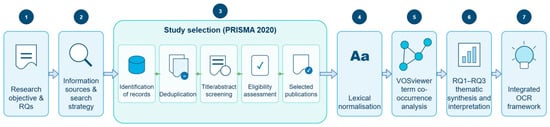
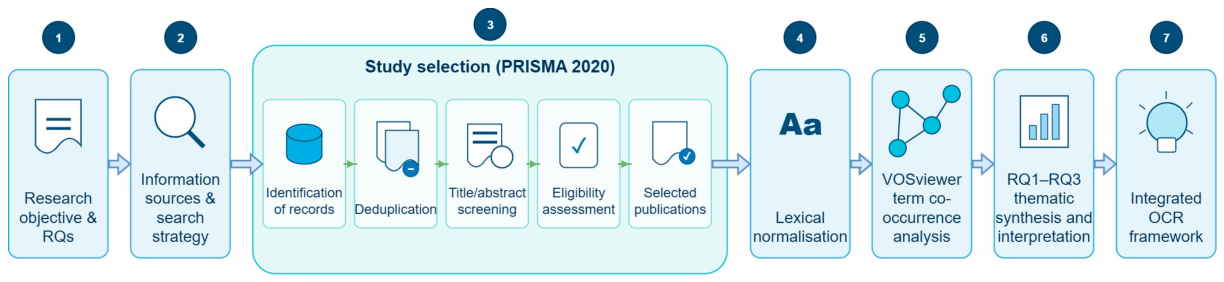
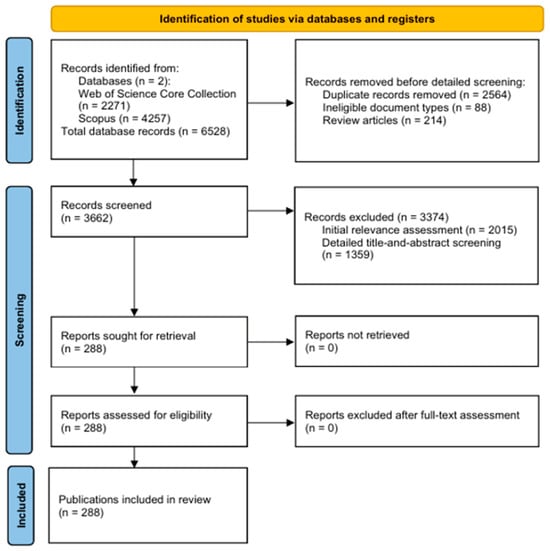
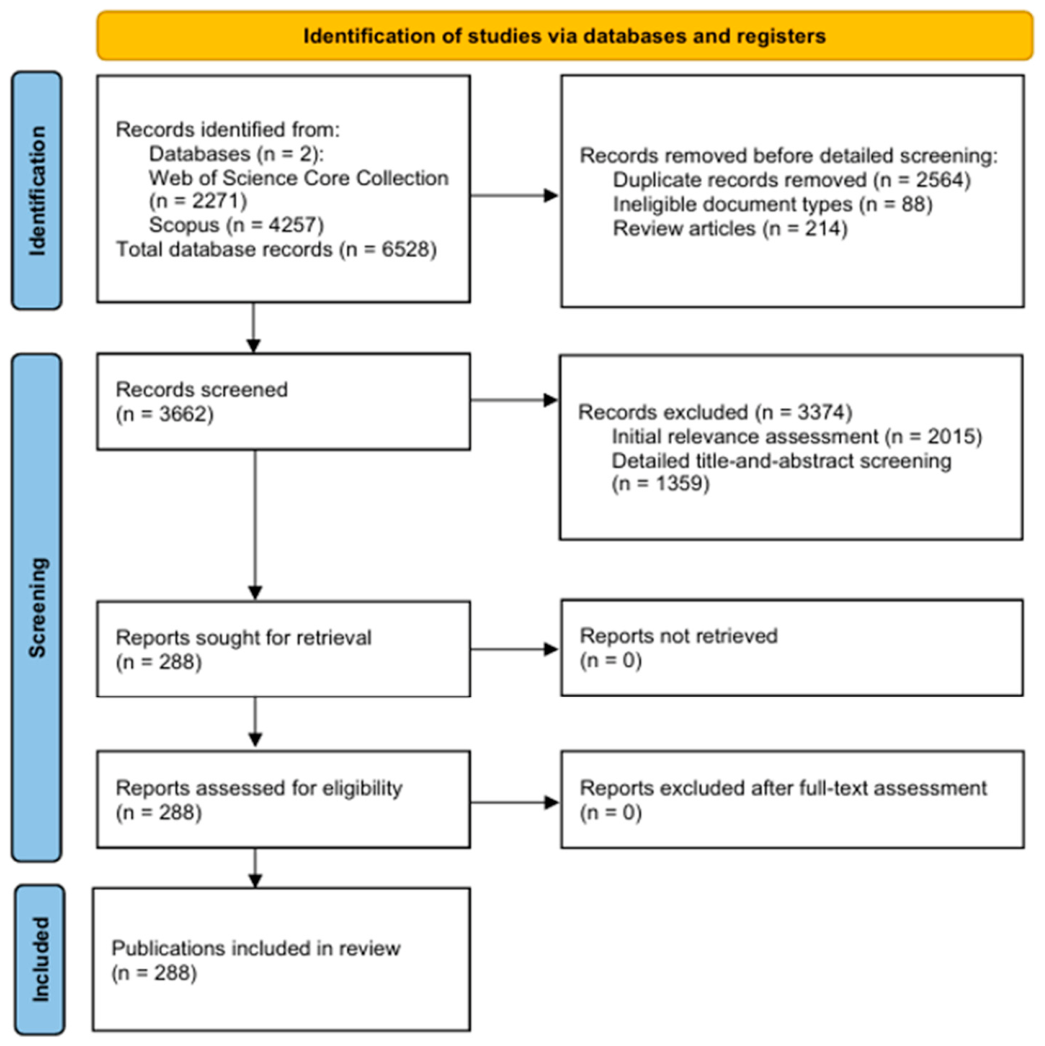
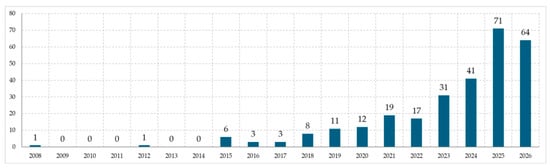
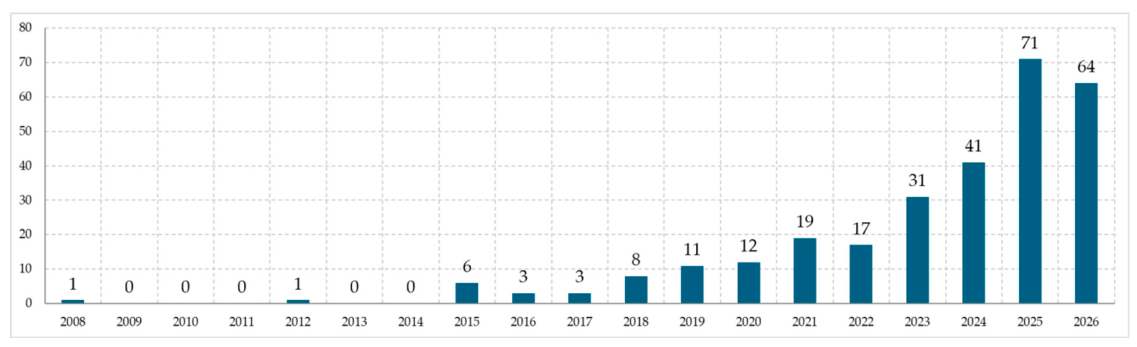
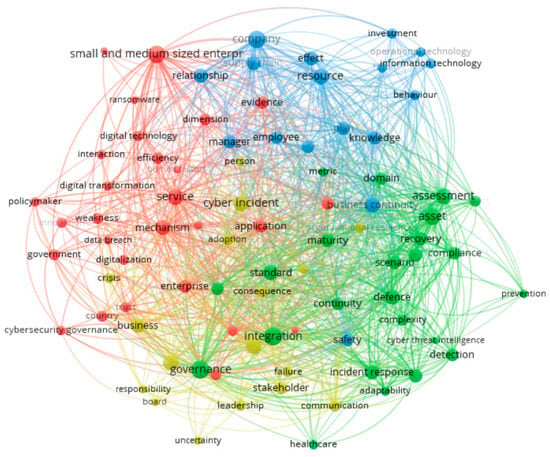
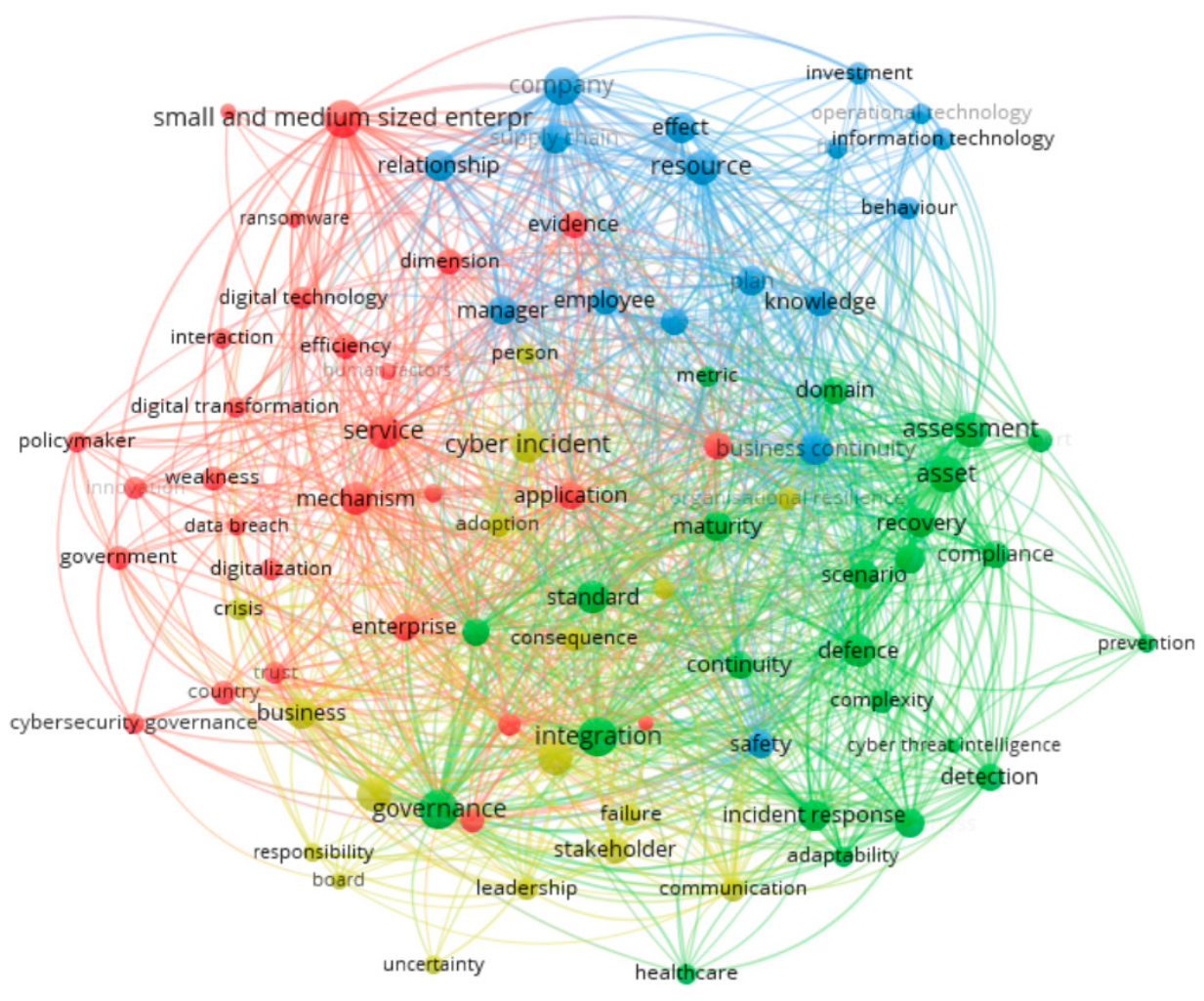
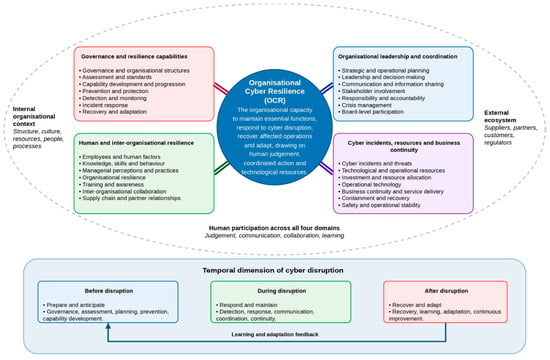
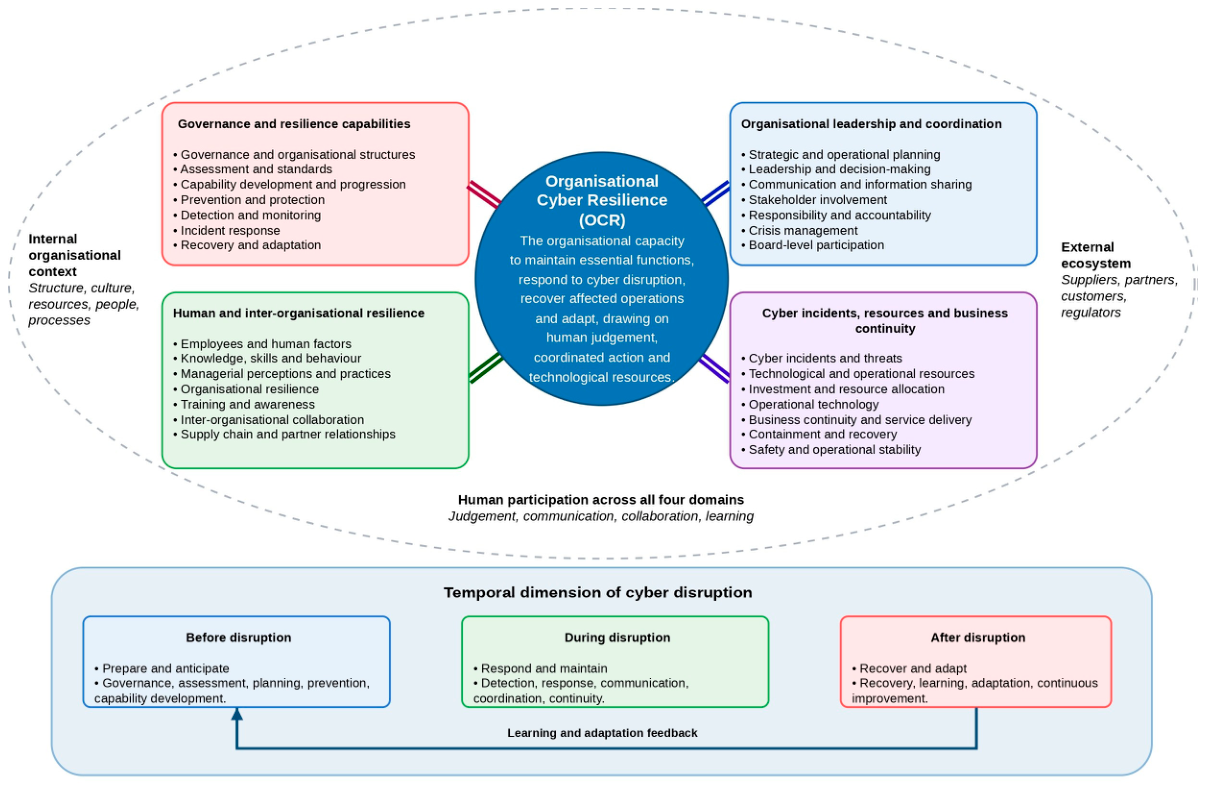

Disclaimer/Publisher’s Note: The statements, opinions and data contained in all publications are solely those of the individual author(s) and contributor(s) and not of MDPI and/or the editor(s). MDPI and/or the editor(s) disclaim responsibility for any injury to people or property resulting from any ideas, methods, instructions or products referred to in the content. |
© 2026 by the authors. Licensee MDPI, Basel, Switzerland. This article is an open access article distributed under the terms and conditions of the Creative Commons Attribution (CC BY) license.