


Abstract
Climate change is intensifying crop yield variability across arid and semi-arid regions, yet the effectiveness of widely implemented adaptation strategies remains insufficiently quantified. We systematically reviewed 157 crop modeling studies over two decades (2005–2024) to assess yield responses and adaptation effectiveness for five crops (maize, wheat, rice, sorghum, and barley). Using a predefined set of inclusion criteria across six databases (ProQuest, Web of Science, Scopus, Google Scholar, Taylor & Francis Online, and JSTOR) in an independent dual review, the results show that rising temperatures and erratic precipitation substantially reduced maize yields by 20.32% (range = 0.4–63%) and wheat yield by 15% (range = 0.05–64%), followed by rice (14.72%, range = 4–37%) and sorghum (14.54%, range = 1–36%). Localized adaptation partially offset approximately 12–19% of climate-driven reductions. An “adaptation effectiveness gap,” representing the difference between local adaptation benefits and global mean potential, showed that most locations achieved 7% greater than global benchmarks for comparable strategies. East and South Asia, as well as Eastern Africa, underperformed, whereas Europe and North America exceeded the global average. Disparities emanated from data limitations, methodology, and local agronomic conditions. This review offers a transferable framework for guiding effective, region-specific climate adaptation planning.
1. Introduction
Agricultural crop production is fundamental to global food security. Current annual output must increase by up to 70% [1] to meet food demand for the world’s growing population, which is projected to reach nine billion people by the mid-century [2]. Despite this pressure on crop production systems, climate change and variability continue to disrupt annual productivity, leading to heightened uncertainty in the food supply chain [3,4]. Crops are highly sensitive to climate change due to their reliance on the complex interactions that exist between crop growth processes and atmospheric dynamics [5], including temperature changes, precipitation patterns, solar radiation, and atmospheric composition [6]. Changes in these environmental conditions, especially when abrupt or coinciding with critical crop growth and development stages of crop production, can affect biophysical processes in as many as twenty different forms [7], resulting in reduced productivity.
Climate-driven disruption in agricultural production is especially severe in arid and semi-arid regions. Producers in these regions face a multifold challenge, including addressing critical questions regarding how food production can be sustained under unusually extreme environmental conditions such as prolonged drought periods [8,9] and how best to manage limited resources to ensure sustainability and long-term agricultural viability [10]. In these regions, developing targeted interventions or adaptation strategies is not merely an option, but a critical necessity for sustaining food production [11]. However, the effectiveness of producers’ choice of strategy may vary from location to location, depending on local conditions, including climate, soil properties, genotype, and management, such that locations within the same broad arid or semi-arid class may experience different productivity responses to climate change.
Adaptation strategies, which are commonly implemented through field experiments, statistical analysis, or process-based modeling frameworks, have evolved over the last century from conventional, reactive, and experience-based decision-making approaches to cutting-edge genetic modifications, customized and precise environmental management responses, and conservation-oriented strategies [12,13,14,15]. These strategies are designed either to reduce exposure to harmful conditions or to buffer crop responses when stress occurs [16]. For example, earlier sowing can help avoid terminal heat during reproduction in wheat [14] or maximize rainfall timing in sorghum [17], while irrigation scheduling, deficit irrigation, and mulching can improve water productivity in semi-arid maize systems [12,13,14]. Recent reviews also provide promising adaptation options for individual locations, cropping systems, or climate forcing scenarios, including syntheses of 35 studies on climate impacts and adaptation in West Africa [18], climate risks and technology-based interventions in dryland systems [19], and the value of crop models for adaptation assessment [20,21]. While these studies show that adaptation can reduce losses and sustain or improve productivity under suboptimal conditions, substantial disparities in crop responses persist even within arid and semi-arid regions, which possess similar climatic conditions. These studies rarely explain the underlying drivers of variations in the effectiveness of strategies across these regions. These inconsistencies constitute a significant knowledge gap that is yet to be sufficiently addressed. Adaptation strategies are often developed in response to localized environmental pressures. As a result, their design and implementation tend to be context-specific, shaped by regional climatic conditions, dominant cropping systems, technological capacity, and other related factors [22,23]. A comparative synthesis must therefore interpret adaptation outcomes, considering the environmental and methodological conditions under which they were generated.
This systematic review synthesizes the current state-of-the-science on process-based modeling studies published from 2005 to 2024 to assess climate impacts and adaptation strategies for five globally dominant cereal crops (maize, wheat, rice, sorghum, and barley), which collectively make up about half of global cereal production [1], in arid and semi-arid regions, defined based on Koppen-Geiger climate classification [24]. By comparing evidence across crops and regions, the review aims not just to clarify the main climate stressors affecting cereal production and widely adopted adaptation measures, but also to assess the drivers of variation in adaptation outcomes and highlight the research gaps that continue to limit stronger climate resilience planning. Specifically, the study addresses the following key research questions:
- What are the most prominent climate stressors affecting crop production in arid and semi-arid regions?
- What are the most widely applied adaptation measures, and how does their effectiveness vary across locations with similar climatic conditions?
- What underlying factors drive the disparities in adaptation effectiveness?
- What research gap persists, and what future strategies are capable of enhancing resilience?
The study findings will aid in providing data for making well-informed decisions towards fixing inefficiencies in implementations, and facilitating knowledge transfer and strategic implementation of strategies with demonstrated effectiveness across regional boundaries, thereby bolstering global agricultural resilience amid the changing climate. The following section outlines the systematic review methodology, including literature selection and exclusion criteria. The results are then presented on prominent climate stressors, adaptation strategies, and their relative effectiveness. The implications of these findings are further discussed, and the review concludes with key insights, research gaps, and recommendations for future adaptation strategies.
2. Literature Review Methodology
Given the vast and rapidly evolving body of research on the impacts of climate change on crop production systems, as well as adaptation efforts in response to these impacts, a systematic and transparent review methodology was adopted to ensure that the literature analyzed is directly aligned with the stated objectives. The review process followed the Preferred Reporting Items for Systematic Reviews and Meta-Analyses (PRISMA) framework [25], which adopts a rigorous and robust multi-step approach, encompassing the stages of identification, screening, eligibility assessment, and full-text review (Figure 1). This structured approach minimized bias and ensured reproducibility of the process.
Figure 1.
PRISMA systematic review flowchart methodology. The multi-step screening process refined 113,849 initial records down to a final corpus of 157 process-based crop modeling studies for full-text analysis.
2.1. Literature Search
The relevant literature was obtained from six selected scientific databases (Proquest, Web of Science, Scopus, Google Scholar, Taylor and Francis online, and JSTOR), using search strings developed from a predefined set of core terms. An initial set of 25 articles, deemed most relevant to the topic of the study, was used to generate a comprehensive list of key terms (“model”, “crop”, “adapt”, “climate change”, “impact” and “arid and semi-arid”). The key terms were combined using Boolean operators (AND/OR) to generate search queries tailored to the specific syntax requirements of each database. The full search strings for each database are provided in Table S1 in the Supplementary Material. To maintain consistency in articles found across databases, the literature search was restricted to peer-reviewed journal articles published in English between 1 January 2005 and 31 December 2024. The final search was completed on 23 August 2024. Articles extracted from each database were combined and then screened for duplicates using the ‘litsearchr’ package in R. A total of 113,849 articles were retrieved and imported into R Studio version 4.4.1 for additional screening.
2.2. Screening and Eligibility Criteria
Article eligibility was assessed through a structured two-step screening process focused on titles and abstracts of the selected articles. Because initial screening revealed that many studies, although addressing climate impacts, did not explicitly report any adaptation measures, we first filtered the 113,849 unique articles for the keyword “adapt” (including variations like “adaptation”, “adapted” or “adapting”) to isolate studies that explicitly reported adaptation measures. This step yielded 7898 articles. Two reviewers then independently evaluated this subset using the ’revtools’ package in RStudio based on predefined inclusion criteria. Studies were included only if they: (i) focused on at least one of the five target crops (maize, wheat, rice, sorghum, or barley); (ii) reported on climate stressor impacts and adaptation outcomes in arid or semi-arid environments; and (iii) utilized a process-based crop model to assess adaptation strategy effectiveness. In cases of conflicts between the two reviewers regarding article inclusion, a third reviewer resolved the conflict and made the final inclusion decision. This conflict resolution process reduced the total number of articles from 456 to 192 relevant articles for full-text review. However, only 157 articles had retrievable full-text articles available online after the search. The 157 downloaded articles were then exported for data extraction. Included studies were grouped for synthesis by crop, climate stressor, adaptation strategy, and geographic region. Where appropriate, studies were also grouped by model type and by whether adaptation was evaluated as a single strategy or a combination of strategies.
2.3. Data Extraction and Synthesis
The data extraction process was designed to obtain relevant information that directly or indirectly addresses the study’s objectives. Using the ’SysRev’ tool, studies were randomly assigned to two independent reviewers in a blind review to prevent influence or bias in the extraction process. For each study, the following key information was extracted using a standardized extraction form: the year of publication, the country where the study was conducted, the climate region(s) of the study area (categorized as arid and/or semi-arid), the crop models utilized, the crops considered, the types of climate impacts addressed, the adaptation strategies implemented, the outcomes or effects of those adaptation strategies, and any identified research gaps. For studies reporting multiple crops, climate scenarios, or adaptation strategies, each distinct crop–scenario or crop–adaptation combination was extracted as a separate observation when reported separately in the source study. Adaptation gaps specific to each location and study were inferred from reported limitations, which were categorized into modeling, data, methodological, and resource-related limitations, and proposed adaptation strategies considered likely to be effective in the future. A study was marked ‘complete’ within the SysRev platform only when both reviewers provided consistent labels. If discrepancies arose between their labels, the study was flagged as a conflict, which was then resolved by a third reviewer. Effect sizes were summarized as percentage change in yield, growing season length, and water-related variables relative to the relevant baseline or control condition. Where studies reported multiple effect measures, the primary reported outcome was used for synthesis. Studies were synthesized narratively and quantitatively by crop, adaptation strategy, and geographic region. Descriptive summaries, including mean, standard deviation, and range, were used to compare study characteristics and outcome patterns across locations. When studies reported comparable percentage changes, values were aggregated to estimate mean responses within each crop-adaptation category. Heterogeneity was explored by comparing outcomes across regions, crop types, model types, and reported limitations, and studies were deemed more uncertain where they were relatively sparse. Some studies evaluated multiple climate impact scenarios or adaptation strategies and therefore contributed more than one observation to the synthesis. No meta-analysis was conducted because the included studies differed substantially in design, assumptions, climate scenarios, and reporting formats.
3. Results and Discussion
3.1. Global Research Footprint and Study Statistics
3.1.1. Spatial and Temporal Distribution of Selected Studies
The 157 modeling-based studies span 34 countries across arid and semi-arid regions (Figure 2), indicating a broad global interest in climate adaptation practices for cereal production in these areas. The geographical distribution of the selected research studies was not uniform, but revealed a significant concentration of studies in South and Southwest Asia, which are both agriculturally intensive areas that are susceptible to climate-related challenges [26]. China and India contributed the largest portion, accounting for 24% and 18% of the total studies, respectively. In North America, the United States accounts for 10% of the total studies, while in Africa, Ethiopia (8%) and Nigeria (6%) were the most represented countries, likely reflecting the growing concerns about food security, and agricultural resilience across the continent’s vulnerable regions. Within Europe, Italy had the highest representation at 5%, while several other countries, including Austria, appeared less frequently. Approximately 13% of the reviewed studies involved multiple countries or regions. This implies a broader interplay in the patterns and challenges of climate impacts across arid and semi-arid zones globally.
Figure 2.
Geographical distribution of the 157 selected studies across arid and semi-arid climate zones. The literature is highly concentrated in agriculturally intensive regions of South and Southwest Asia, particularly China and India, highlighting regional priorities in climate adaptation research.
The temporal distribution of the literature shows an overall intensification in publications in 2017 (Figure 3c) and subsequently in 2020 and 2021. Together, these three years accounted for over one-third (approximately 38%) of the studies reviewed. This surge in the latter years was likely due to increased global awareness of climate-related agricultural challenges in arid and semi-arid regions and the growing availability and accessibility of crop modeling tools for climate impact and adaptation-related studies.
Figure 3.
Percentage distribution of reviewed studies by (a) crops represented, (b) process-based crop models used, and (c) publication by year. * refers to crop models that individually appear in less than 2% of the reviewed studies and are grouped into a single category.
3.1.2. Distribution of Crops and Models Used
Across the five target cereals considered in the study (Figure 3a), wheat (41.9%) and maize (38.8%) were the predominant crops, while rice (9.3%), and sorghum (7.8%) were comparatively underrepresented. Very limited data were available for barley (2.3%), and, as such, it was excluded from the quantitative synthesis of climate impacts and adaptation effectiveness. The skewed distribution towards wheat-maize systems reflects both the global importance of these crops and their widespread cultivation across arid and semi-arid regions. Rice was predominantly studied in Pakistan and India, showing its critical role in Asian agriculture, while studies on sorghum were conducted mainly in the United States and India.
The Decision Support System for Agrotechnology Transfer (DSSAT) was the most widely used model, appearing in 39.4% of the reviewed articles (Figure 3b), followed by the Agricultural Production Systems sIMulator (APSIM) at 16.7%. Their prominence likely reflects their versatility, relatively strong validation history, and broad capacity to simulate crop growth under varying climatic, soil, and management conditions. AquaCrop, which is particularly well suited for water-limited systems and water productivity analysis, was used in 9.1% of the studies. InfoCrop and CropSyst each accounted for 3.8%, indicating moderate use, while models such as EPIC, DNDC, CROPSIM, and SARRA-H were less common, generally ranging between 1.5% and 3%. Several other models, including Hybrid-Maize, WOFOST, CROPWAT, and SWAT, appeared only rarely (0.8%), suggesting more specialized or context-specific application. Overall, the dominance of DSSAT, APSIM, and AquaCrop indicates that most adaptation studies in arid and semi-arid regions rely on a relatively small set of well-established process-based tools.
3.2. Climate Change and Associated Impacts
3.2.1. Dominant Forms of Climate Impacts Across Arid and Semi-Arid Regions
Because climate variables interact strongly and often occur simultaneously, attributing crop responses to a single climatic driver is inherently difficult. To address this complexity, studies adopted both methods that effectively captured the joint influences of temperature variability and altered rainfall distribution, as well as a reductionist approach, where one or more climatic variables were isolated while holding others constant to evaluate their specific effects on crop growth and productivity. The most consistently represented forms of climate change were rising temperature, except for a few reported occurrences of cold stress [27]. Erratic precipitation patterns and elevated atmospheric CO2 concentration were also among the frequently reported forms of climate change. Some studies highlighted specific and indirect yet consequential manifestations of these broader changes, such as intensified drought episodes, soil moisture deficiencies [28], altered solar radiation intensity [29,30,31], increased weed and pest populations [32], and increased risk windows for the occurrence of extreme temperatures [33].
Overall, three broad approaches were used to represent climate impacts in crop models. The most common approach, adopted by approximately 77.8% of studies, derived weather inputs from general circulation models (GCM) or regional climate models (RCM), which are standardized greenhouse gas emission and concentration scenarios designed to represent alternative future climate pathways [34]. Projected changes in temperature, precipitation, radiation, and related variables were translated into the daily weather data required by crop models, either by applying statistically downscaled and bias-corrected climate data directly or by adjusting historical weather records with projected seasonal or monthly changes. Studies using GCM-based projections mostly relied on scenarios from the IPCC Special Report on Emissions Scenarios (SRES) or the Representative Concentration Pathways (RCPs) from IPCC’s fifth assessment report, while only a few recent papers adopted Shared Socioeconomic Pathways (SSPs) from the sixth assessment report. Because the Sixth Assessment Report was released more recently than the time frame covered by the literature search, most studies reviewed relied on either the RCPs or the earlier SRES scenarios. Scenarios derived from these reports ranged from lower-emission futures, such as RCP2.6 and B1, to intermediate pathways, such as RCP4.5, SSP2-4.5, and A1B, and higher-emission futures, such as RCP8.5, SSP5-8.5, and A2. RCP 4.5 and 8.5 were the most common scenarios used to assess the climate change impact on agricultural production in the reviewed literature, with 36% of the studies reporting these scenarios; a small percentage reported RCP 2.6 (3.7%). The most common SRES scenarios utilized were the A2 and B1, reported by 15.7% and 8.3% of studies. Other series scenarios were A1B, B2, utilized by 6.5% and 4.6% of studies, while the A1, A1F1, A1T, and A2a were used by < 1% of studies. SSP2-4.5 and SSP5-8.5 were used by 3% of studies.
The second approach adopted by approximately 12% of the studies involved generating synthetic climate data from historically observed records by modifying temperature and precipitation with fixed increments. For example, Sultana et al. [35] analyzed wheat responses by increasing observed temperatures by uniform increments, while Briak and Kebede [14] utilized a multilevel mixed-effects model to generate climate data. The third approach, also common in historical studies, used observed weather records directly as model inputs without further modification [36,37,38].
3.2.2. Climate-Driven Variations in Crop Yield and Phenology
Yield losses due to climate warming trends were consistently projected for all four crops across most studies (∼90%). A comprehensive summary of these climate-driven impacts on crop yield, growing season length (GSL), and water-related variables is provided in Table 1. Maize showed the highest average yield reduction (Figure 4a), ranging from 0.4 to 63.0%, with a mean reduction of 20.32%. Wheat followed with a mean loss of 14.99% and reported reductions ranging from 0.05 to 64.0%. Rice showed a somewhat narrower distribution, with yield declines ranging from 4.0% to 37.0% and a mean reduction of 14.72%. Sorghum also exhibited an overall negative response, with a mean decline of 14.54% and a reported range from 1.0% to 36.0%. These results confirm that climate change is projected to reduce cereal productivity across arid and semi-arid regions, but the magnitude of impact varies substantially among crops and locations. The wider distributions observed for maize and wheat likely reflect their greater sensitivity to differences in climate scenarios. Although model assumptions, management assumptions, and geographic conditions likely contributed to the variations as well. This broader variability may also be partly explained by the larger number of studies available for maize and wheat, which captured a wider range of agro-climatic environments than the more limited rice and sorghum literature. Overall, the findings point to a clear need for location-specific interpretation of climate impacts rather than broad generalization across dryland cereal systems.
Table 1.
Summary of climate change impacts on crop yield, growing season length (GSL), and other related variables. Values represent percentage change.
Figure 4.
Climate-driven impacts on (a) crop yield and (b) growing season length (GSL) without adaptation. Negative values represent a reduction in yield, while positive values represent beneficial effects. Beneficial impacts were associated with increased CO2.
A similar frequently reported mechanism through which warming affects crop production is the acceleration of crop development, which shortens individual phenological stages and reduces total growing season length (GSL) [105]. From the reviewed studies, wheat experienced the largest average shortening (Figure 4b), with a mean reduction of approximately 15.2 days. This was followed by maize, with an average reduction of 10.5 days, while rice showed the smallest mean shortening of about 8 days. Comparable GSL information was not reported for sorghum and was therefore excluded from the results. Shorter growing seasons help crops avoid terminal heat stress during flowering and water deficits during grain filling. However, they limit the time available for canopy expansion, biomass accumulation, and grain filling, thereby constraining final yield. In arid and semi-arid environments, this effect is especially important because accelerated development often occurs alongside water deficits and terminal heat stress, further compounding productivity losses. Thus, reduced GSL should be understood not only as a phenological consequence of warming, but also as one of the main pathways through which climate change lowers crop yield.
Although the dominant climate-driven impacts on crops across the reviewed studies were negative, a notable subset of the literature reported positive crop responses under specific environmental conditions. Approximately 31.5% of the simulation studies indicated some degree of yield improvement relative to the historical baseline. However, these benefits were conditional and typically associated with particular combinations of moderate warming, increased or adequate rainfall with increased CO2 intake. Several studies suggested that moderate warming may improve crop productivity in higher-latitude regions by lengthening the effective growing season [36,86,102] or shifting temperatures toward a more favorable range [20,45]. For example, global wheat simulations showed increased productivity in higher-latitude regions [36], while some regional studies reported that warming improved maize performance where historical temperatures were below the crop’s optimum range [45]. In other cases, positive yield responses were linked primarily to elevated CO2 [39,41,86,101], which can improve radiation-use efficiency and water-use efficiency, particularly in C3 crops, especially in controlled environments [106], and thereby partly offset climatic stress. In the extracted dataset, elevated CO2 was identified as the main explanation for positive yield responses in all rice studies reporting gains, and in 60% and 52.6% of the maize and wheat studies, respectively. Nevertheless, these benefits should be interpreted cautiously, because CO2 fertilization effects can be overestimated depending on how individual crop models represent photosynthesis and stomatal response [87]. Positive responses were also associated with improved rainfall conditions or relatively modest warming in some locations. For instance, projected maize yield gains in parts of Uganda [55] and Argentina [66] were attributed largely to increased precipitation or more favorable rainfall distribution. However, even where water availability was improved through rainfall or irrigation drove such gains, an occurrence of severe heat stress could still override the benefits, especially for Wheat [100]. Overall, the literature suggests that positive responses to climate change are possible, but they are highly context-dependent and often insufficient to offset the dominant negative effects of warming and water stress in already warm and dry environments. Studies reporting yield gains rarely documented corresponding increases in GSL for maize and rice, although about 5% of the wheat studies reported increases of approximately 10 days.
3.3. Prominent Adaptation Measures and Their Applications
Adaptation strategies in the reviewed literature were generally defined as crop, soil, water, or management interventions that depart from existing practice in order to reduce climate-related yield losses or improve resilience. Although a wide variety of adaptation measures were reported, most clustered around a relatively small number of recurring strategies (Table 2). Common adaptation strategies included adjustments in planting or sowing date, cultivar or trait selection, irrigation management, nutrient management, planting density, cropping pattern modification, and soil moisture conservation practices. Across all the reported adaptation strategies, planting date adjustments, which included early or delayed planting or sowing depending on the crop and region [35,76,88,90,92,107,108,109,110,111,112,113], were the most frequently reported strategy. This strategy was typically intended to influence the crop phenology in such a way as to avoid temperature extremes at critical growth stages, which might otherwise negatively impact the yield. Genetically modified cultivars constituted another key strategy which was aimed at enhancing resilience to specific climatic conditions which cannot be avoided. These included heat-tolerant cultivars [68,84], drought tolerant cultivars [14,63,69,94], high-yielding cultivars [71,81,114], early-maturing cultivars [59,86,115], medium-maturing cultivars [74] and late-maturing cultivars [36,93,116]. For instance, early maturing varieties may escape terminal drought, while late-maturing ones may utilize extended wet periods. In some studies, root-related traits such as deeper or more proliferative root systems were also considered because of their potential to improve water extraction from deeper soil layers [47,81,102], while several other studies demonstrated synergistic benefits by combining one or more of these different genotypic traits, as well as with other management-based strategies to enhance resilience [48,53,54,77,101,117,118]. Irrigation management, which is often critical across arid and semi-arid regions [8], was also commonly implemented, often as supplemental irrigation or deficit irrigation [28,59,62,78,83,119,120], revised irrigation timing to enhance how water is scheduled and how much non-productive evaporation can be reduced, and conversion from rainfed to irrigated management to ensure crop survival during critical periods of water stress. Nutrient management, particularly increased or optimized nitrogen application [44,70,80,89,99,121,122,123,124], was also implemented in several studies to partially offset climate-related yield reductions and support optimal growth. Other strategies included increased planting density [31,45,75,87,95,104,121,124], alternative cropping patterns such as crop diversification or rotation to reduce dependency on a single crop and distribute climate risk [27,32,125,126,127], as well as soil residue and organic matter management through reduced-tillage [128], and addition of mulch or biochar [37,49,55,119,127,129], were also reported with the aim of improving soil moisture retention and moderating soil temperature. A few studies also reported the benefits of leveraging CO2 enrichment from changing climatic patterns to mitigate losses, due to its effects on photosynthetic efficiency and water use dynamics [28,85,115].
Table 2.
Summary of adaptation strategies and their effects on crop yield, growing season length (GSL), and other related variables for selected crops.
Overall Effectiveness of Adaptation Strategies on Crop Yield
Of the 563 yield simulations compiled in this review, approximately 65% evaluated adaptation practices. Maize accounted for about 51% of these simulations, followed by wheat (34%), sorghum (9%), and rice (6%), indicating that current evidence on adaptation effectiveness is concentrated mainly in maize- and wheat-based systems. Across all four crops, the results show that adaptation can substantially reduce climate-related yield losses, but its effectiveness is highly uneven across crops, practices, and environments.
For wheat and maize, nutrient management produced the largest mean yield gains among the major adaptation categories considered. In wheat, average yield increases were 15.1%, 36.6%, 43.0%, and 12.5% for cultivar-based strategies, irrigation management, nutrient management, and planting date adjustment, respectively (Figure 5d). For maize, the corresponding gains were 21.7%, 17.5%, 43.3%, and 15.7% (Figure 5a). Notably, some unusually high responses were reported under improved soil fertility. For example, Shahid et al. [137] reported wheat yield increases from 127.61% to 140.04% in Pakistan, while Akumaga et al. [122] simulated maize yield increases ranging from 120% to 182.9% in West Africa, and 127.4% to 203.6%, respectively, under near-optimal and optimal fertility conditions. These large responses highlight the critical importance of soil fertility in shaping adaptation outcomes.
Figure 5.
Effectiveness of adaptation strategies on (a) maize (b) rice (c) sorghum and (d) wheat yields. Nutrient management and irrigation consistently yielded the highest potential benefits, especially for maize and wheat.
Planting date adjustment was also one of the most widely tested strategies, but its effects were more variable. Across the compiled studies, early planting increased crop yield by 17.2% on average, compared with 7.1% for delayed planting (Figure 5), suggesting that earlier sowing is generally more effective. This likely reflects better alignment of sensitive stages such as anthesis and grain filling with favorable temperature conditions, whereas delayed sowing often exposes crops to heat or cold stress during critical periods [105]. However, the data also show that sowing-date adaptation is highly context dependent. Naresh Kumar et al. [84] reported wheat yield declines of 45% and 52% in India under very late sowing in 2050 and 2080, respectively, while Srivastava et al. [41] found that delaying maize sowing by 10–20 days reduced yield by 30–50% under rainfed conditions in eastern India. In sorghum, the mean yield response to planting date adjustment was negative (−5.1%), and Kouressy et al. [132] reported yield declines of up to 50% even under optimal planting dates. These findings suggest that sowing-date adaptation is effective only when it successfully matches crop phenology to local rainfall and temperature patterns.
Cultivar-based adaptation also showed mixed but generally positive effects. Across the dataset, heat-tolerant cultivars increased mean yield by 13.3%, and late-maturing cultivars by 16.0%, whereas early-maturing cultivars showed a slight mean decline of 0.2%. This contrast highlights that cultivar performance depends not simply on maturity class, but on how crop traits interact with local stress patterns. In some environments, early maturity may help escape terminal drought, but in others it may reduce the time available for biomass accumulation. Tahmasebi et al. [138], for example, reported a 19.6% variation in wheat yield associated with quantitative trait loci under flooding, drought, and heat stress, reinforcing the importance of trait-by-environment interactions in adaptation assessment.
Rice showed smaller and less consistent responses than wheat and maize. Mean yield gains were 0.7% for planting date adjustment, 11.0% for irrigation management, and 19.6% for nutrient management (Figure 5b). Deb et al. [123] reported that doubling fertilizer application in Vietnam increased simulated rice yield by 32.11% for the 2025s, 14.56% for the 2055s, and 11.76% for the 2085s under the A2 scenario, suggesting that nutrient-related benefits may weaken under stronger future climate stress. Likewise, Wang et al. [27] showed that optimized planting dates increased annual caloric yield in rice-wheat rotation systems by 10% under RCP 4.5 but reduced it by 15% under RCP 8.5, indicating that the effectiveness of calendar-based adaptation may diminish under more severe warming.
Although the evidence base is smaller and more diverse, the evaluated research also demonstrated that adaptation effects are often stronger when multiple practices are combined. On average, combined adaptation strategies increased yield by 12.3% for maize, 20.3% for rice, and 41.9% for wheat, compared with 21.9%, 5.9%, and 20.4%, respectively, for single strategies. While this pattern suggests that integrated management practices can generate synergistic benefits, especially in wheat and rice, the comparison lacks robustness, as relatively few studies evaluated multiple adaptations, and the combinations tested differed substantially among studies. Even so, the overall trend supports the view that no single adaptation practice is universally effective. This is also consistent with the earlier meta-analysis reported by the IPCC Working Group II [139], which found mean yield gains of 15–18% from management-based adaptation in wheat, rice, and maize, but also emphasized that outcomes range from negative to strongly positive.
3.4. Spatial Patterns in Adaptation Effectiveness and Limiting Factors
We assessed how adaptation effectiveness varies spatially by comparing each location’s realized benefit to the global mean potential for the same adaptation category. The resulting adaptation effectiveness gap is negative when a location outperforms the global mean and positive when it underperforms. The global mean gap across all locations was 7.33%, indicating that most study locations achieved slightly higher benefits than the global average for their respective adaptation strategies. Many locations in East Asia, South Asia, and Eastern Africa exhibit positive gaps (underperformance relative to global mean potential), while parts of Europe and North America show negative gaps (overperformance), suggesting that adaptation measures in these regions frequently exceeded global mean performance (Figure 6). Across the reviewed studies, the reported limiting factors that influenced adaptation effectiveness were grouped into four categories: modeling, data, methodological, and resource-related limitations. Modeling limitations were the most frequently reported and included cases where the model could not fully represent processes such as extreme events like heatwaves and heavy rainfall, as well as the effects of pest and disease pressure, water stress, elevated CO2, photoperiod effects, or complex multi-cropping systems. Data limitations were associated with challenges like coarse soil information, limited cultivar-specific parameterization, and weak local calibration datasets. Resource limitations included constraints such as water scarcity, limited irrigation expansion, fertilizer shortages, and restricted access to improved crop varieties. Methodological limitations generally consisted of challenges arising from simplifying assumptions in scenario design or management, including uniform warming, constant prices or input costs, and the omission of socio-economic factors. Notably, the spatial distribution of dominant limitations showed clear regional clustering. Modeling limitations, despite being frequently reported, were associated with the most negative gaps (–29.46%), meaning that locations reporting these limitations actually outperformed the global mean by a wide margin. These limitations were most common in East Asia and Eastern Europe. Methodological limitations also corresponded to better-than-average performance (−11.32%), particularly in South Asia. In contrast, data limitations were associated with slightly worse performance (+1.64 percentage points above baseline) and were concentrated in Sub-Saharan Africa, reflecting persistent challenges in observational and experimental datasets. Error-propagation limitations were the only category associated with clear underperformance (+5.68), suggesting that uncertainty-related constraints may meaningfully suppress adaptation benefits in some regions.
Figure 6.
Spatial distribution of adaptation effectiveness gaps and limiting factors. Negative values indicate that a location performs better than the global mean, while positive values indicate underperformance. Marker shapes indicate the dominant limitation reported in each study.
3.5. Critical Gaps and Potential Future Pathways for Enhancing Resilience of Crops and Cropping Systems
Although the literature demonstrates that adaptation can offset a portion of climate-induced yield losses, several critical gaps limit the robustness, scalability, and contextual relevance of current adaptation assessments. A central insight from this review is that adaptation effectiveness is highly context-dependent, such that the same strategy can overperform in one environment yet underperform in another with similar climatic conditions. This reflects the importance of local interactions among genotype, environment, and management. Across these three sections, several methodological gaps emerge. First, adaptation studies remain heavily concentrated in maize and wheat, with far fewer analyses for rice, sorghum, and barley, especially in Africa and parts of South Asia. This imbalance constrains the ability to generalize adaptation outcomes across cereal systems and to design strategies for underrepresented crops that are critical to regional food security. For researchers and modelers, the results point to the need for greater emphasis on underrepresented crops, as well as multi-crop assessments, especially in data-scarce regions, to allow comparison of adaptation performance across cereals within the target agro-ecological zone.
Secondly, most studies examined climate change as an isolated mean change in a single factor such as shifts in temperature and precipitation, while compound extremes, such as concurrent heat and drought, erratic rainfall patterns, and extreme event timing, remain insufficiently explored, despite their growing relevance under climate change. Also, regions with sparse observational networks and limited experimental datasets (e.g., parts of Sub-Saharan Africa and South Asia) tend to show larger adaptation effectiveness gaps and greater data-related limitations. In contrast, locations reporting mainly methodological or modeling constraints often achieve above-average adaptation benefits, likely reflecting stronger analytical capacity and data availability. Addressing these structural inequities requires coordinated field trials, improved long-term monitoring of climate and crop responses, and open data initiatives that support calibration and validation of process-based models in data-poor regions.
Farmer management decisions and resource constraints also strongly shape adaptation outcomes and can be complex based on individual needs. However, many model-based assessments simplify these management decisions to fixed quantities, such as fertilizer doses, uniform irrigation schedules, or single cultivar choices, which can overestimate or understate reality. This simplification partly explains why simulated adaptation sometimes performs better than what is observed in practice, particularly in regions with limited input access or infrastructure. Studies should therefore represent realistic management heterogeneity, including input constraints, adoption barriers, and risk preferences, and link crop models more explicitly with socio-economic and decision frameworks.
Overall, the findings highlight a need to transition from isolated, single-factor adaptation experiments to integrated assessments that explicitly consider genotype, environment, and management interactions under compound stress. Such assessments should leverage higher-resolution climate inputs, multi-model ensembles, and robust uncertainty analysis, while also incorporating realistic management and socio-economic constraints. Addressing these modeling gaps is critical for enhancing climate adaptation to not only be technically effective in simulations, but also implementable and scalable in the diverse production landscapes of arid and semi-arid regions. Although these limitations highlight the critical gaps, a risk of study bias exists. The use of strict search filters, including the word ’adapt ’, may exclude relevant studies that describe interventions using alternative terminology. Future evidence syntheses should consider a broader set of search terms to improve the coverage of literature. Additionally, because several studies contributed multiple simulation outcomes, either through different climate scenarios or adaptation strategies, the synthesized observations are not fully independent. As a result, the descriptive statistics here should be interpreted as summaries of the available simulation evidence rather than statistically independent estimates of adaptation effects. Future reviews should therefore consider formal meta-analytic approaches, together with explicit quantification of uncertainties, to improve inference from heterogeneous simulation studies. Another important limitation is the uneven geographic distribution of the reviewed literature. The concentration of studies in a few countries may influence the overall conclusions and limit the generalization of the findings to underrepresented regions. The strong increase in publications over time also reflects broader developments in climate change research, including the expansion of crop modeling applications and the growing influence of successive IPCC assessment reports in shaping adaptation-oriented research efforts. In addition, the evidence base was limited due to inaccessibility of some full texts. Broader institutional access and greater use of open-access repositories are encouraged to reduce retrieval bias and improve the completeness of the evidence base.
Finally, future studies would benefit from greater use of ensemble crop modeling to better represent structural uncertainty across models and to improve confidence in projected climate impacts and adaptation benefits. Improved model calibration and validation using long-term field data are also needed, particularly in data-scarce regions where model performance is more uncertain. In addition, the wider adoption of Shared Socioeconomic Pathway (SSP) scenarios would help align crop impact assessments with more recent climate projections and socio-economic futures.
4. Conclusions
This review shows that climate change continues to pose a persistent threat to cereal production in arid and semi-arid regions primarily through yield reductions and shortened growing seasons under warming and altered precipitation patterns. At the same time, the evidence demonstrates that well-targeted adaptation can offset a meaningful share of these losses, particularly when strategies are tailored to local conditions. These findings imply that the effectiveness of adaptation outcomes is driven less by the choice of strategy alone and more by how that practice interacts with local genotype, environment, and management conditions. Earlier sowing, cultivar choice, irrigation scheduling, and nutrient management all produced positive results, but only when they matched the timing and intensity of local stress. This explains why the same strategy can succeed in one environment and fail in another that appears similar. Finally, an analysis of where adaptation potential is being realized and where it is not revealed that regions with strong data and modeling capacity frequently exceed global mean adaptation benefits whereas data-poor regions with higher uncertainty often underperform, even when similar adaptation types are implemented. Combining improved data, robust modeling, and locally grounded management interventions enhances the capability of agriculture to move toward more systematic, scalable climate resilience across arid and semi-arid regions.
Supplementary Materials
The following supporting information can be downloaded at: https://www.mdpi.com/article/10.3390/land15081449/s1, Table S1. Database-specific search strings used for the systematic review; PRISMA_2020_abstract_checklist; PRISMA_2020_checklist.
Author Contributions
Conceptualization, K.I.; methodology, K.I., M.S., M.K., A.M., G.R., M.M., I.O., M.R. and V.S.; software, K.I., M.S., M.K., A.M., G.R., M.M. and V.S.; formal analysis, K.I., M.S., M.K., A.M. and G.R.; resources, V.S.; data curation, K.I., M.S., M.K., A.M., G.R. and I.O.; writing—original draft preparation, K.I., M.S., M.K., A.M. and G.R.; writing—review and editing, K.I., M.S., M.K., A.M., G.R., M.M., I.O., M.R. and V.S.; visualization, K.I., M.S., M.K., A.M. and G.R.; supervision, V.S.; funding acquisition, V.S. All authors have read and agreed to the published version of the manuscript.
Funding
This work was supported by the National Science Foundation CAREER program, project “CAS-Climate: Multiscale Data and Model Synthesis Informed Approach for Assessing Climate Resilience of Crop Production Systems” (Award No. 2339529).
Data Availability Statement
The data presented in this study are available on request from the corresponding author.
Acknowledgments
The authors gratefully acknowledge Erin Johnson and Jack Harrison for their valuable contributions to data extraction and curation.
Conflicts of Interest
The authors declare no conflicts of interest.
References
- Fatima, Z.; Ahmed, M.; Hussain, M.; Abbas, G.; Ul-Allah, S.; Ahmad, S.; Ahmed, N.; Ali, M.A.; Sarwar, G.; Haque, E.U.; et al. The fingerprints of climate warming on cereal crops phenology and adaptation options. Sci. Rep. 2020, 10, 18013. [Google Scholar] [CrossRef] [Scilit] [PubMed]
- van Dijk, M.; Morley, T.; Rau, M.L.; Saghai, Y. A meta-analysis of projected global food demand and population at risk of hunger for the period 2010–2050. Nat. Food 2021, 2, 494–501. [Google Scholar] [CrossRef] [Scilit] [PubMed]
- Kukal, M.S.; Irmak, S. Climate-Driven Crop Yield and Yield Variability and Climate Change Impacts on the U.S. Great Plains Agricultural Production. Sci. Rep. 2018, 8, 3450. [Google Scholar] [CrossRef] [Scilit] [PubMed]
- Abbass, K.; Qasim, M.Z.; Song, H.; Murshed, M.; Mahmood, H.; Younis, I. A review of the global climate change impacts, adaptation, and sustainable mitigation measures. Environ. Sci. Pollut. Res. Int. 2022, 29, 42539–42559. [Google Scholar] [CrossRef] [Scilit] [PubMed]
- Dar, M.U.D.; Onyekwelu, I.; Igwe, K.; Singh, M.; Sharda, V. Future Climate Projections for Nebraska: Insights from CMIP6 on Precipitation and Temperature Trends. Earth Syst. Environ. 2025, 10, 6927–6951. [Google Scholar] [CrossRef] [Scilit]
- Agathokleous, E.; Feng, Z.; Frei, M.; Jiao, S.; Burkey, K.O. Response and adaptation of agricultural ecosystems to global changes. Agric. Ecosyst. Environ. 2024, 362, 108844. [Google Scholar] [CrossRef] [Scilit]
- Walsh, M.K.; Backlund, P.W.; Buja, L.; DeGaetano, A.; Melnick, R.; Prokopy, L.; Takle, E.; Todey, D.; Ziska, L. Climate Indicators for Agriculture; Colorado State University Libraries: Fort Collins, CO, USA, 2020. [Google Scholar]
- Igwe, K.; Onyekwelu, I.; Sharda, V. Adaptation strategies for deficit irrigation management under extreme climate conditions. Agric. Water Manag. 2025, 313, 109506. [Google Scholar] [CrossRef] [Scilit]
- Monavarian, A.; Abadifard, S.; McGinty, H.K.; Sharda, V. Machine Learning-Based Bioclimatic Suitability Modeling for Maize Cultivation Under Future Projections. Land 2026, 15, 757. [Google Scholar] [CrossRef] [Scilit]
- Igwe, K.; Sharda, V.; Hefley, T. Evaluating the Impact of Future Seasonal Climate Extremes on Crop Evapotranspiration of Maize in Western Kansas Using a Machine Learning Approach. Land 2023, 12, 1500. [Google Scholar] [CrossRef] [Scilit]
- Hasegawa, T.; Wakatsuki, H.; Ju, H.; Vyas, S.; Nelson, G.C.; Farrell, A.; Deryng, D.; Meza, F.; Makowski, D. A global dataset for the projected impacts of climate change on four major crops. Sci. Data 2022, 9, 58. [Google Scholar] [CrossRef] [Scilit] [PubMed]
- Benaly, M.A.; Kharrou, M.H.; Bouras, E.H.; Brouziyne, Y.; Brih, A.; Beniaich, A.; Chehbouni, A.; Bouchaou, L. Assessing maize water productivity and management strategies with AquaCrop under semi-arid conditions in Morocco. Front. Agron. 2026, 7, 1736967. [Google Scholar] [CrossRef] [Scilit]
- Ahmed, M.; Sameen, A.; Kheir, A.M.S. Warming trends and shortened growing seasons: Integrating four decades of observations and model simulations to develop wheat adaptation strategies in semi-arid Pakistan. Sci. Rep. 2026, 16, 4766. [Google Scholar] [CrossRef] [Scilit] [PubMed]
- Briak, H.; Kebede, F. Wheat (Triticum aestivum) adaptability evaluation in a semi-arid region of Central Morocco using APSIM model. Sci. Rep. 2021, 11, 23173. [Google Scholar] [CrossRef] [Scilit] [PubMed]
- Kamali, B.; Lorite, I.J.; Webber, H.A.; Rezaei, E.E.; Gabaldon-Leal, C.; Nendel, C.; Siebert, S.; Ramirez-Cuesta, J.M.; Ewert, F.; Ojeda, J.J. Uncertainty in climate change impact studies for irrigated maize cropping systems in southern Spain. Sci. Rep. 2022, 12, 4049. [Google Scholar] [CrossRef] [Scilit] [PubMed]
- Tran, B.L.; Tseng, W.C.; Chen, C.C. Climate change impacts on crop yields across temperature rise thresholds and climate zones. Sci. Rep. 2025, 15, 23424. [Google Scholar] [CrossRef] [Scilit] [PubMed]
- Tirfessa, A.; Getachew, F.; McLean, G.; van Oosterom, E.; Jordan, D.; Hammer, G. Modeling adaptation of sorghum in Ethiopia with APSIM—opportunities with G×E×M. Agron. Sustain. Dev. 2023, 43, 15. [Google Scholar] [CrossRef] [Scilit] [PubMed]
- Carr, T.W.; Mkuhlani, S.; Segnon, A.C.; Ali, Z.; Zougmoré, R.; Dangour, A.D.; Green, R.; Scheelbeek, P. Climate change impacts and adaptation strategies for crops in West Africa: A systematic review. Environ. Res. Lett. 2022, 17, 053001. [Google Scholar] [CrossRef] [Scilit]
- Ahmed, M.; Hayat, R.; Ahmad, M.; ul Hassan, M.; Kheir, A.M.S.; ul Hassan, F.; ur Rehman, M.H.; Shaheen, F.A.; Raza, M.A.; Ahmad, S. Impact of Climate Change on Dryland Agricultural Systems: A Review of Current Status, Potentials, and Further Work Need. Int. J. Plant Prod. 2022, 16, 341–363. [Google Scholar] [CrossRef] [Scilit] [PubMed]
- Singh, P. Crop models for assessing impact and adaptation options under climate change. J. Agrometeorol. 2023, 25, 18–33. [Google Scholar] [CrossRef] [Scilit]
- Timlin, D.; Paff, K.; Han, E. The role of crop simulation modeling in assessing potential climate change impacts. Agrosystems Geosci. Environ. 2024, 7, e20453. [Google Scholar] [CrossRef] [Scilit]
- Kandel, G.P.; Bavorova, M.; Ullah, A.; Pradhan, P. Food security and sustainability through adaptation to climate change: Lessons learned from Nepal. Int. J. Disaster Risk Reduct. 2024, 101, 104279. [Google Scholar] [CrossRef] [Scilit]
- Prasad, J.; Akila, N.; Sharmila Bharathi, C.; Alagudurai, S.; Rama Rao, C.; Raju, B.; Rao, K.; Subba Rao, A.; Rejani, R.; Ramana, D.; et al. Assessment of adaptation practices for risk minimization to drought in semi-arid environments. Clim. Risk Manag. 2023, 42, 100563. [Google Scholar] [CrossRef] [Scilit]
- Beck, H.E.; Zimmermann, N.E.; McVicar, T.R.; Vergopolan, N.; Berg, A.; Wood, E.F. Present and future Köppen-Geiger climate classification maps at 1-km resolution. Sci. Data 2018, 5, 180214. [Google Scholar] [CrossRef] [Scilit] [PubMed]
- Page, M.J.; McKenzie, J.E.; Bossuyt, P.M.; Boutron, I.; Hoffmann, T.C.; Mulrow, C.D.; Shamseer, L.; Tetzlaff, J.M.; Akl, E.A.; Brennan, S.E.; et al. The PRISMA 2020 statement: An updated guideline for reporting systematic reviews. BMJ 2021, 372, n71. [Google Scholar] [CrossRef] [Scilit] [PubMed]
- Alvi, S.; Roson, R.; Sartori, M.; Jamil, F. An integrated assessment model for food security under climate change for South Asia. Heliyon 2021, 7, e06707. [Google Scholar] [CrossRef] [Scilit] [PubMed]
- Wang, X.; Folberth, C.; Skalsky, R.; Wang, S.; Chen, B.; Liu, Y.; Chen, J.; Balkovic, J. Crop calendar optimization for climate change adaptation in rice-based multiple cropping systems of India and Bangladesh. Agric. For. Meteorol. 2022, 315, 108830. [Google Scholar] [CrossRef] [Scilit]
- Levis, S.; Badger, A.; Drewniak, B.; Nevison, C.; Ren, X. CLMcrop yields and water requirements: Avoided impacts by choosing RCP 4.5 over 8.5. Clim. Change 2018, 146, 501–515. [Google Scholar] [CrossRef] [Scilit]
- Koimbori, J.K.; Wang, S.; Pan, J.; Guo, L.; Li, K. Yield Response of Spring Maize under Future Climate and the Effects of Adaptation Measures in Northeast China. Plants 2022, 11, 1634. [Google Scholar] [CrossRef] [Scilit] [PubMed]
- Tao, F.; Zhang, L.; Zhang, Z.; Chen, Y. Designing wheat cultivar adaptation to future climate change across China by coupling biophysical modelling and machine learning. Eur. J. Agron. 2022, 136, 126500. [Google Scholar] [CrossRef] [Scilit]
- Zhang, L.; Zhang, Z.; Luo, Y.; Cao, J.; Li, Z. Optimizing genotype-environment-management interactions for maize farmers to adapt to climate change in different agro-ecological zones across China. Sci. Total Environ. 2020, 728, 138614. [Google Scholar] [CrossRef] [Scilit] [PubMed]
- Stöckle, C.O.; Higgins, S.; Nelson, R.; Abatzoglou, J.; Huggins, D.; Pan, W.; Karimi, T.; Antle, J.; Eigenbrode, S.D.; Brooks, E. Evaluating opportunities for an increased role of winter crops as adaptation to climate change in dryland cropping systems of the U.S. Inland Pacific Northwest. Clim. Change 2018, 146, 247–261. [Google Scholar] [CrossRef] [Scilit]
- Rahimi-Moghaddam, S.; Kambouzia, J.; Deihimfard, R. Adaptation strategies to lessen negative impact of climate change on grain maize under hot climatic conditions: A model-based assessment. Agric. For. Meteorol. 2018, 253–254, 1–14. [Google Scholar] [CrossRef] [Scilit]
- Singh, M.; Lin, X.; Sharda, V. Evaluating adaptive planting dates and elevated CO2 impacts on soybean yields under future climate scenarios. Clim. Smart Agri. 2025, 2, 100083. [Google Scholar] [CrossRef] [Scilit]
- Sultana, H.; Ali, N.; Iqbal, M.M.; Khan, A.M. Vulnerability and adaptability of wheat production in different climatic zones of Pakistan under climate change scenarios. Clim. Change 2009, 94, 123–142. [Google Scholar] [CrossRef] [Scilit]
- Asseng, S.; Martre, P.; Maiorano, A.; Rötter, R.P.; O’Leary, G.J.; Fitzgerald, G.J.; Girousse, C.; Motzo, R.; Giunta, F.; Babar, M.A.; et al. Climate change impact and adaptation for wheat protein. Glob. Change Biol. 2019, 25, 155–173. [Google Scholar] [CrossRef] [Scilit] [PubMed]
- Banerjee, S.; Das, S.; Mukherjee, A.; Mukherjee, A.; Saikia, B. Adaptation strategies to combat climate change effect on rice and mustard in Eastern India. Mitig. Adapt. Strateg. Glob. Change 2016, 21, 249–261. [Google Scholar] [CrossRef] [Scilit]
- Byjesh, K.; Kumar, S.N.; Aggarwal, P.K. Simulating impacts, potential adaptation and vulnerability of maize to climate change in India. Mitig. Adapt. Strateg. Glob. Change 2010, 15, 413–431. [Google Scholar] [CrossRef] [Scilit]
- Ahmad, I.; Ahmad, B.; Boote, K.; Hoogenboom, G. Adaptation strategies for maize production under climate change for semi-arid environments. Eur. J. Agron. 2020, 115, 126040. [Google Scholar] [CrossRef] [Scilit]
- Gabaldón-Leal, C.; Lorite, I.; Mínguez, M.; Lizaso, J.; Dosio, A.; Sanchez, E.; Ruiz-Ramos, M. Strategies for adapting maize to climate change and extreme temperatures in Andalusia, Spain. Clim. Res. 2015, 65, 159–173. [Google Scholar] [CrossRef] [Scilit]
- Srivastava, R.K.; Mequanint, F.; Chakraborty, A.; Panda, R.K.; Halder, D. Augmentation of maize yield by strategic adaptation to cope with climate change for a future period in Eastern India. J. Clean. Prod. 2022, 339, 130599. [Google Scholar] [CrossRef] [Scilit]
- Boonwichai, S.; Shrestha, S.; Babel, M.S.; Weesakul, S.; Datta, A. Evaluation of climate change impacts and adaptation strategies on rainfed rice production in Songkhram River Basin, Thailand. Sci. Total Environ. 2019, 652, 189–201. [Google Scholar] [CrossRef] [Scilit] [PubMed]
- Challinor, A.; Wheeler, T.; Hemming, D.; Upadhyaya, H. Ensemble yield simulations: Crop and climate uncertainties, sensitivity to temperature and genotypic adaptation to climate change. Clim. Res. 2009, 38, 117–127. [Google Scholar] [CrossRef] [Scilit]
- Feleke, H.G.; Savage, M.J.; Fantaye, K.T.; Rettie, F.M. The Role of Crop Management Practices and Adaptation Options to Minimize the Impact of Climate Change on Maize (Zea mays L.) Production for Ethiopia. Atmosphere 2023, 14, 497. [Google Scholar] [CrossRef] [Scilit]
- Gummadi, S.; Kadiyala, M.D.M.; Rao, K.P.C.; Athanasiadis, I.; Mulwa, R.; Kilavi, M.; Legesse, G.; Amede, T. Simulating adaptation strategies to offset potential impacts of climate variability and change on maize yields in Embu County, Kenya. PLoS ONE 2020, 15, e0241147. [Google Scholar] [CrossRef] [Scilit] [PubMed]
- Laux, P.; Jäckel, G.; Tingem, R.M.; Kunstmann, H. Impact of climate change on agricultural productivity under rainfed conditions in Cameroon—A method to improve attainable crop yields by planting date adaptations. Agric. For. Meteorol. 2010, 150, 1258–1271. [Google Scholar] [CrossRef] [Scilit]
- Onyekwelu, I.; Sharda, V. Root proliferation adaptation strategy improved maize productivity in the US Great Plains: Insights from crop simulation model under future climate change. Sci. Total Environ. 2024, 927, 172205. [Google Scholar] [CrossRef] [Scilit] [PubMed]
- Tesfaye, K.; Kruseman, G.; Cairns, J.E.; Zaman-Allah, M.; Wegary, D.; Zaidi, P.; Boote, K.J.; Rahut, D.; Erenstein, O. Potential benefits of drought and heat tolerance for adapting maize to climate change in tropical environments. Clim. Risk Manag. 2018, 19, 106–119. [Google Scholar] [CrossRef] [Scilit]
- Yi, X.; Chang, N.; Ding, W.; Xu, C.; Zhang, J.; Zhang, J.; Li, H. Modeling Adaptive Strategies on Maintaining Wheat-Corn Production and Reducing Net Greenhouse Gas Emissions under Climate Change. Agriculture 2022, 12, 1089. [Google Scholar] [CrossRef] [Scilit]
- Bu, L.; Chen, X.; Li, S.; Liu, J.; Zhu, L.; Luo, S.; Lee Hill, R.; Zhao, Y. The effect of adapting cultivars on the water use efficiency of dryland maize (Zea mays L.) in northwestern China. Agric. Water Manag. 2015, 148, 1–9. [Google Scholar] [CrossRef] [Scilit]
- Minoli, S.; Müller, C.; Elliott, J.; Ruane, A.C.; Jägermeyr, J.; Zabel, F.; Dury, M.; Folberth, C.; François, L.; Hank, T.; et al. Global Response Patterns of Major Rainfed Crops to Adaptation by Maintaining Current Growing Periods and Irrigation. Earth’s Future 2019, 7, 1464–1480. [Google Scholar] [CrossRef] [Scilit]
- Wang, J.; Wang, E.; Yang, X.; Zhang, F.; Yin, H. Increased yield potential of wheat-maize cropping system in the North China Plain by climate change adaptation. Clim. Change 2012, 113, 825–840. [Google Scholar] [CrossRef] [Scilit]
- Zhao, J.; Liu, Z.; Lv, S.; Lin, X.; Li, T.; Yang, X. Changing maize hybrids helps adapt to climate change in Northeast China: Revealed by field experiment and crop modelling. Agric. For. Meteorol. 2023, 342, 109693. [Google Scholar] [CrossRef] [Scilit]
- Kothari, K.; Ale, S.; Marek, G.W.; Munster, C.L.; Singh, V.P.; Chen, Y.; Marek, T.H.; Xue, Q. Simulating the climate change impacts and evaluating potential adaptation strategies for irrigated corn production in Northern High Plains of Texas. Clim. Risk Manag. 2022, 37, 100446. [Google Scholar] [CrossRef] [Scilit]
- Kikoyo, D.A.; Nobert, J. Assessment of impact of climate change and adaptation strategies on maize production in Uganda. Phys. Chem. Earth Parts A/B/C 2016, 93, 37–45. [Google Scholar] [CrossRef] [Scilit]
- Yasin, M.; Ahmad, A.; Khaliq, T.; Habib-ur Rahman, M.; Niaz, S.; Gaiser, T.; Ghafoor, I.; Hassan, H.S.U.; Qasim, M.; Hoogenboom, G. Climate change impact uncertainty assessment and adaptations for sustainable maize production using multi-crop and climate models. Environ. Sci. Pollut. Res. 2022, 29, 18967–18988. [Google Scholar] [CrossRef] [Scilit] [PubMed]
- Chekole, F.C.; Mohammed Ahmed, A. Future climate implication on maize (Zea mays) productivity with adaptive options at Harbu district, Ethiopia. J. Agric. Food Res. 2023, 11, 100480. [Google Scholar] [CrossRef] [Scilit]
- Jiang, R.; He, W.; He, L.; Yang, J.Y.; Qian, B.; Zhou, W.; He, P. Modelling adaptation strategies to reduce adverse impacts of climate change on maize cropping system in Northeast China. Sci. Rep. 2021, 11, 810. [Google Scholar] [CrossRef] [Scilit] [PubMed]
- Kassie, B.T.; Asseng, S.; Rotter, R.P.; Hengsdijk, H.; Ruane, A.C.; Van Ittersum, M.K. Exploring climate change impacts and adaptation options for maize production in the Central Rift Valley of Ethiopia using different climate change scenarios and crop models. Clim. Change 2015, 129, 145–158. [Google Scholar] [CrossRef] [Scilit]
- Khordadi, M.J.; Olesen, J.E.; Alizadeh, A.; Nassiri Mahallati, M.; Ansari, H.; Sanaeinejad, H. Climate Change Impacts and Adaptation for Crop Management of Winter Wheat and Maize in the Semi-Arid Region of Iran. Irrig. Drain. 2019, 68, 841–856. [Google Scholar] [CrossRef] [Scilit]
- Lv, Z.; Li, F.; Lu, G. Adjusting sowing date and cultivar shift improve maize adaption to climate change in China. Mitig. Adapt. Strateg. Glob. Change 2020, 25, 87–106. [Google Scholar] [CrossRef] [Scilit]
- Martins, M.A.; Tomasella, J.; Dias, C.G. Maize yield under a changing climate in the Brazilian Northeast: Impacts and adaptation. Agric. Water Manag. 2019, 216, 339–350. [Google Scholar] [CrossRef] [Scilit]
- Monaco, E.; Bonfante, A.; Alfieri, S.M.; Basile, A.; Menenti, M.; De Lorenzi, F. Climate change, effective water use for irrigation and adaptability of maize: A case study in southern Italy. Biosyst. Eng. 2014, 128, 82–99. [Google Scholar] [CrossRef] [Scilit]
- Moradi, R.; Koocheki, A.; Nassiri Mahallati, M.; Mansoori, H. Adaptation strategies for maize cultivation under climate change in Iran: Irrigation and planting date management. Mitig. Adapt. Strateg. Glob. Change 2013, 18, 265–284. [Google Scholar] [CrossRef] [Scilit]
- Moradi, R.; Koocheki, A.; Nassiri Mahallati, M. Adaptation of maize to climate change impacts in Iran. Mitig. Adapt. Strateg. Glob. Change 2014, 19, 1223–1238. [Google Scholar] [CrossRef] [Scilit]
- Rolla, A.L.; Nuñez, M.N.; Guevara, E.R.; Meira, S.G.; Rodriguez, G.R.; Ortiz De Zárate, M.I. Climate impacts on crop yields in Central Argentina. Adaptation strategies. Agric. Syst. 2018, 160, 44–59. [Google Scholar] [CrossRef] [Scilit]
- Saddique, Q.; Cai, H.; Xu, J.; Ajaz, A.; He, J.; Yu, Q.; Wang, Y.; Chen, H.; Khan, M.I.; Liu, D.L.; et al. Analyzing adaptation strategies for maize production under future climate change in Guanzhong Plain, China. Mitig. Adapt. Strateg. Glob. Change 2020, 25, 1523–1543. [Google Scholar] [CrossRef] [Scilit]
- Tachie-Obeng, E.; Akponikpè, P.; Adiku, S. Considering effective adaptation options to impacts of climate change for maize production in Ghana. Environ. Dev. 2013, 5, 131–145. [Google Scholar] [CrossRef] [Scilit]
- Tofa, A.I.; Kamara, A.Y.; Babaji, B.A.; Akinseye, F.M.; Bebeley, J.F. Assessing the use of a drought-tolerant variety as adaptation strategy for maize production under climate change in the savannas of Nigeria. Sci. Rep. 2021, 11, 8983. [Google Scholar] [CrossRef] [Scilit] [PubMed]
- Tofa, A.I.; Kamara, A.Y.; Babaji, B.A.; Adnan, A.A.; Ademulegun, T.D.; Bebeley, J.F. Evaluating the use of nitrogen and phosphorous fertilization as crop management options for maize adaptation to climate change in the Nigeria savannas. Environ. Res. Commun. 2023, 5, 055001. [Google Scholar] [CrossRef] [Scilit]
- Volk, J.; Gornott, C.; Sieber, S.; Lana, M.A. Can Tanzania’s adaptation measures prevent future maize yield decline? A simulation study from Singida region. Reg. Environ. Change 2021, 21, 94. [Google Scholar] [CrossRef] [Scilit]
- Wang, M.; Li, Y.; Ye, W.; Bornman, J.; Yan, X. Effects of climate change on maize production, and potential adaptation measures: A case study in Jilin Province, China. Clim. Res. 2011, 46, 223–242. [Google Scholar] [CrossRef] [Scilit]
- Tesfaye, K.; Khatri-Chhetri, A.; Aggarwal, P.K.; Mequanint, F.; Shirsath, P.B.; Stirling, C.M.; Jat, M.L.; Rahut, D.B.; Erenstein, O. Assessing climate adaptation options for cereal-based systems in the eastern Indo-Gangetic Plains, South Asia. J. Agric. Sci. 2019, 157, 189–210. [Google Scholar] [CrossRef] [Scilit]
- Saxena, R.; Kumar, S.N. Simulating the impact of projected climate change on rice (Oryza sativa L.) yield and adaptation strategies in major rice growing regions of India. J. Agrometeorol. 2022, 16, 18–25. [Google Scholar] [CrossRef] [Scilit]
- Anser, M.K.; Hina, T.; Hameed, S.; Nasir, M.H.; Ahmad, I.; Naseer, M.A.U.R. Modeling Adaptation Strategies against Climate Change Impacts in Integrated Rice-Wheat Agricultural Production System of Pakistan. Int. J. Environ. Res. Public Health 2020, 17, 2522. [Google Scholar] [CrossRef] [Scilit] [PubMed]
- Jalota, S.K.; Vashisht, B.B. Adapting cropping systems to future climate change scenario in three agro-climatic zones of Punjab, India. J. Agrometeorol. 2016, 18, 48–56. [Google Scholar] [CrossRef] [Scilit]
- Singh, P.; Nedumaran, S.; Traore, P.; Boote, K.; Rattunde, H.; Prasad, P.V.; Singh, N.; Srinivas, K.; Bantilan, M. Quantifying potential benefits of drought and heat tolerance in rainy season sorghum for adapting to climate change. Agric. For. Meteorol. 2014, 185, 37–48. [Google Scholar] [CrossRef] [Scilit]
- Getachew, F.; Bayabil, H.K.; Hoogenboom, G.; Teshome, F.T.; Zewdu, E. Irrigation and shifting planting date as climate change adaptation strategies for sorghum. Agric. Water Manag. 2021, 255, 106988. [Google Scholar] [CrossRef] [Scilit]
- Guan, K.; Sultan, B.; Biasutti, M.; Baron, C.; Lobell, D.B. Assessing climate adaptation options and uncertainties for cereal systems in West Africa. Agric. For. Meteorol. 2017, 232, 291–305. [Google Scholar] [CrossRef] [Scilit]
- Kamdi, P.J.; Swain, D.K.; Wani, S.P. Developing climate change agro-adaptation strategies through field experiments and simulation analyses for sustainable sorghum production in semi-arid tropics of India. Agric. Water Manag. 2023, 286, 108399. [Google Scholar] [CrossRef] [Scilit]
- Kothari, K.; Ale, S.; Bordovsky, J.P.; Porter, D.O.; Munster, C.L.; Hoogenboom, G. Potential benefits of genotype-based adaptation strategies for grain sorghum production in the Texas High Plains under climate change. Eur. J. Agron. 2020, 117, 126037. [Google Scholar] [CrossRef] [Scilit]
- Sandeep, V.M.; Rao, V.U.M.; Rao, B.B.; Pramod, V.P.; Chowdary, P.S.; Kumar, P.V.; Bharathi, G.; Patel, N.R.; Mukesh, P. Impact of climate change on sorghum productivity in India and its adaptation strategies. J. Agrometeorol. 2018, 20, 89–96. [Google Scholar] [CrossRef] [Scilit]
- Araya, A.; Prasad, P.; Zambreski, Z.; Gowda, P.; Ciampitti, I.; Assefa, Y.; Girma, A. Spatial analysis of the impact of climate change factors and adaptation strategies on productivity of wheat in Ethiopia. Sci. Total Environ. 2020, 731, 139094. [Google Scholar] [CrossRef] [Scilit] [PubMed]
- Naresh Kumar, S.; Aggarwal, P.; Swaroopa Rani, D.; Saxena, R.; Chauhan, N.; Jain, S. Vulnerability of wheat production to climate change in India. Clim. Res. 2014, 59, 173–187. [Google Scholar] [CrossRef] [Scilit]
- Thaler, S.; Eitzinger, J.; Trnka, M.; Dubrovsky, M. Impacts of climate change and alternative adaptation options on winter wheat yield and water productivity in a dry climate in Central Europe. J. Agric. Sci. 2012, 150, 537–555. [Google Scholar] [CrossRef] [Scilit]
- Zhang, Y.; Feng, L.P.; Wang, J.; Wang, E.L.; Xu, Y.L. Using APSIM to explore wheat yield response to climate change in the North China Plain: The predicted adaptation of wheat cultivar types to vernalization. J. Agric. Sci. 2013, 151, 836–848. [Google Scholar] [CrossRef] [Scilit]
- Ahmad, A.; Ashfaq, M.; Wajid, A.; Khaliq, T.; Ahmd, I.; Hoogenboom, G.; Ahmad, A.; Ashfaq, M.; Wajid, A.; Khaliq, T.; et al. Development of climate change adaptation strategies for rice-wheat cropping system of Punjab Pakistan. In Handbook of Climate Change and Agroecosystems: Climate Change and Farming System Planning in Africa and South Asia: AgMIP Stakeholder-driven Research, Part 2; World Scientific: Singapore, 2019. [Google Scholar]
- Bana, R.S.; Bamboriya, S.D.; Padaria, R.N.; Dhakar, R.K.; Khaswan, S.L.; Choudhary, R.L.; Bamboriya, J.S. Planting Period Effects on Wheat Productivity and Water Footprints: Insights through Adaptive Trials and APSIM Simulations. Agronomy 2022, 12, 226. [Google Scholar] [CrossRef] [Scilit]
- Dubey, R.; Pathak, H.; Chakrabarti, B.; Singh, S.; Gupta, D.K.; Harit, R. Impact of terminal heat stress on wheat yield in India and options for adaptation. Agric. Syst. 2020, 181, 102826. [Google Scholar] [CrossRef] [Scilit]
- Nazari, M.; Mirgol, B.; Salehi, H. Climate Change Impact Assessment and Adaptation Strategies for Rainfed Wheat in Contrasting Climatic Regions of Iran. Front. Agron. 2021, 3, 806146. [Google Scholar] [CrossRef] [Scilit]
- Ayed, S.; Mlouhi, S.; Bouhaouel, I. Adoption of Durum Wheat Cultivar ‘Salim’ with a Technical Package and Its Resilience to Climate Change Impacts in Smallholders: Case of Nebeur/Kef Region, Tunisia. Plants 2021, 10, 2379. [Google Scholar] [CrossRef] [Scilit] [PubMed]
- Bird, D.N.; Benabdallah, S.; Gouda, N.; Hummel, F.; Koeberl, J.; La Jeunesse, I.; Meyer, S.; Prettenthaler, F.; Soddu, A.; Woess-Gallasch, S. Modelling climate change impacts on and adaptation strategies for agriculture in Sardinia and Tunisia using AquaCrop and value-at-risk. Sci. Total Environ. 2016, 543, 1019–1027. [Google Scholar] [CrossRef] [Scilit] [PubMed]
- Harvey, S.; Zhang, M.; Fochesatto, G.J. Projections of spring wheat growth in Alaska: Opportunity and adaptations in a changing climate. Clim. Serv. 2021, 22, 100235. [Google Scholar] [CrossRef] [Scilit]
- Hernandez-Ochoa, I.M.; Luz Pequeno, D.N.; Reynolds, M.; Babar, M.A.; Sonder, K.; Milan, A.M.; Hoogenboom, G.; Robertson, R.; Gerber, S.; Rowland, D.L.; et al. Adapting irrigated and rainfed wheat to climate change in semi-arid environments: Management, breeding options and land use change. Eur. J. Agron. 2019, 109, 125915. [Google Scholar] [CrossRef] [Scilit]
- Hussain, J.; Khaliq, T.; Asseng, S.; Saeed, U.; Ahmad, A.; Ahmad, B.; Ahmad, I.; Fahad, M.; Awais, M.; Ullah, A.; et al. Climate change impacts and adaptations for wheat employing multiple climate and crop modelsin Pakistan. Clim. Change 2020, 163, 253–266. [Google Scholar] [CrossRef] [Scilit]
- Islam, A.T.; Islam, A.S.; Islam, G.T.; Bala, S.K.; Salehin, M.; Choudhury, A.K.; Dey, N.C.; Hossain, A. Adaptation strategies to increase water productivity of wheat under changing climate. Agric. Water Manag. 2022, 264, 107499. [Google Scholar] [CrossRef] [Scilit]
- Kothari, K.; Ale, S.; Attia, A.; Rajan, N.; Xue, Q.; Munster, C.L. Potential climate change adaptation strategies for winter wheat production in the Texas High Plains. Agric. Water Manag. 2019, 225, 105764. [Google Scholar] [CrossRef] [Scilit]
- Kourat, T.; Smadhi, D.; Mouhouche, B.; Gourari, N.; Mostofa Amin, M.G.; Bryant, C.R. Assessment of future climate change impact on rainfed wheat yield in the semi-arid Eastern High Plain of Algeria using a crop model. Nat. Hazards 2021, 107, 2175–2203. [Google Scholar] [CrossRef] [Scilit]
- Moghaddam, H.; Oveisi, M.; Mehr, M.K.; Bazrafshan, J.; Naeimi, M.H.; Kaleibar, B.P.; Müller-Schärer, H. Earlier sowing combined with nitrogen fertilization to adapt to climate change effects on yield of winter wheat in arid environments: Results from a field and modeling study. Eur. J. Agron. 2023, 146, 126825. [Google Scholar] [CrossRef] [Scilit]
- Pequeno, D.N.L.; Hernández-Ochoa, I.M.; Reynolds, M.; Sonder, K.; MoleroMilan, A.; Robertson, R.D.; Lopes, M.S.; Xiong, W.; Kropff, M.; Asseng, S. Climate impact and adaptation to heat and drought stress of regional and global wheat production. Environ. Res. Lett. 2021, 16, 054070. [Google Scholar] [CrossRef] [Scilit]
- Qin, X.; Wang, H.; He, Y.; Li, Y.; Li, Z.; Gao, Q.; Wan, Y.; Qian, B.; McConkey, B.; DePauw, R.; et al. Simulated adaptation strategies for spring wheat to climate change in a northern high latitude environment by DAYCENT model. Eur. J. Agron. 2018, 95, 45–56. [Google Scholar] [CrossRef] [Scilit]
- Garofalo, P.; Rinaldi, M. Modelling phenotypical traits to adapt durum wheat to climate change in a Mediterranean environment. Ital. J. Agrometeorol. 2013, 2, 25–38. [Google Scholar]
- Wang, X.; Li, L.; Ding, Y.; Xu, J.; Wang, Y.; Zhu, Y.; Wang, X.; Cai, H. Adaptation of winter wheat varieties and irrigation patterns under future climate change conditions in Northern China. Agric. Water Manag. 2021, 243, 106409. [Google Scholar] [CrossRef] [Scilit]
- Wen, P.; Wei, Q.; Zheng, L.; Rui, Z.; Niu, M.; Gao, C.; Guan, X.; Wang, T.; Xiong, S. Adaptability of wheat to future climate change: Effects of sowing date and sowing rate on wheat yield in three wheat production regions in the North China Plain. Sci. Total Environ. 2023, 901, 165906. [Google Scholar] [CrossRef] [Scilit] [PubMed]
- Hatfield, J.L.; Prueger, J.H. Temperature extremes: Effect on plant growth and development. Weather Clim. Extrem. 2015, 10, 4–10. [Google Scholar] [CrossRef] [Scilit]
- Bishop, K.A.; Leakey, A.D.; Ainsworth, E.A. How seasonal temperature or water inputs affect the relative response of C3 crops to elevated CO2: A global analysis of open top chamber and free air CO2 enrichment studies. Food Energy Secur. 2014, 3, 33–45. [Google Scholar] [CrossRef] [Scilit]
- Ali, M.G.M.; Ibrahim, M.M.; El Baroudy, A.; Fullen, M.; Omar, E.S.H.; Ding, Z.; Kheir, A.M.S. Climate change impact and adaptation on wheat yield, water use and water use efficiency at North Nile Delta. Front. Earth Sci. 2020, 14, 522–536. [Google Scholar] [CrossRef] [Scilit]
- Brouziyne, Y.; Chehbouni, A.; Abouabdillah, A.; Hallam, J.; Moudden, F.; El Bilali, A.; Benaabidate, L. Making rainfed crops adapted to potential climate change impacts: Modeling sustainable options. E3S Web Conf. 2020, 183, 03002. [Google Scholar] [CrossRef] [Scilit]
- Collins, B.; Chenu, K. Improving productivity of Australian wheat by adapting sowing date and genotype phenology to future climate. Clim. Risk Manag. 2021, 32, 100300. [Google Scholar] [CrossRef] [Scilit]
- Kothiyal, S.; Prabhjyot-Kaur; Sandhu, S.S.; Kaur, J. Modelling the climate change impact of mitigation (RCP 2.6) and high emission (RCP 8.5) scenarios on maize yield and possible adaptation measures in different agroclimatic zones of Punjab, India. J. Sci. Food Agric. 2023, 103, 6984–6994. [Google Scholar] [CrossRef] [Scilit] [PubMed]
- Lana, M.A.; Vasconcelos, A.C.F.; Gornott, C.; Schaffert, A.; Bonatti, M.; Volk, J.; Graef, F.; Kersebaum, K.C.; Sieber, S. Is dry soil planting an adaptation strategy for maize cultivation in semi-arid Tanzania? Food Secur. 2018, 10, 897–910. [Google Scholar] [CrossRef] [Scilit]
- Nouri, M.; Homaee, M.; Bannayan, M.; Hoogenboom, G. Towards shifting planting date as an adaptation practice for rainfed wheat response to climate change. Agric. Water Manag. 2017, 186, 108–119. [Google Scholar] [CrossRef] [Scilit]
- Ventrella, D.; Charfeddine, M.; Giglio, L.; Castellini, M. Application of DSSAT Models for an Agronomic Adaptation Strategy Under Climate Change in Southern Italy: Optimum Sowing and Transplanting Time for Winter Durum Wheat and Tomato. Ital. J. Agron. 2012, 7, e16. [Google Scholar] [CrossRef] [Scilit]
- Demelash, T.; Amou, M.; Gyilbag, A.; Tesfay, G.; Xu, Y. Adaptation Potential of Current Wheat Cultivars and Planting Dates under the Changing Climate in Ethiopia. Agronomy 2021, 12, 37. [Google Scholar] [CrossRef] [Scilit]
- Zhang, Y.; Lam, S.K.; Li, P.; Zong, Y.; Zhang, D.; Shi, X.; Hao, X.; Wang, J. Early–maturing cultivar of winter wheat is more adaptable to elevated CO2 and rising temperature in the eastern Loess Plateau. Agric. For. Meteorol. 2023, 332, 109356. [Google Scholar] [CrossRef] [Scilit]
- Ding, D.Y.; Feng, H.; Zhao, Y.; He, J.Q.; Zou, Y.F.; Jin, J.M. Modifying Winter Wheat Sowing Date as an Adaptation to Climate Change on the Loess Plateau. Agron. J. 2016, 108, 53–63. [Google Scholar] [CrossRef] [Scilit]
- Nyabako, T.; Manzungu, E. An Assessment of the Adaptability to Climate Change of Commercially Available Maize Varieties in Zimbabwe. Environ. Nat. Resour. Res. 2012, 2, p32. [Google Scholar] [CrossRef] [Scilit][Green Version]
- Zhang, Y.; Zhao, Y. Ensemble yield simulations: Using heat-tolerant and later-maturing varieties to adapt to climate warming. PLoS ONE 2017, 12, e0176766. [Google Scholar] [CrossRef] [Scilit] [PubMed]
- Lychuk, T.E.; Hill, R.L.; Izaurralde, R.C.; Momen, B.; Thomson, A.M. Evaluation of climate change impacts and effectiveness of adaptation options on crop yield in the Southeastern United States. Field Crops Res. 2017, 214, 228–238. [Google Scholar] [CrossRef] [Scilit]
- Tang, X.; Liu, H.; Zhang, Z.; Zheng, C.; She, Y.; Lu, W. Adaptation of sprinkler irrigation scheduling and winter wheat variety to cope with climate change in the North China Plain. Agric. Water Manag. 2024, 301, 108929. [Google Scholar] [CrossRef] [Scilit]
- Abbas, G.; Ahmed, M.; Fatima, Z.; Hussain, S.; Kheir, A.M.; Ercişli, S.; Ahmad, S. Modeling the potential impact of climate change on maize-maize cropping system in semi-arid environment and designing of adaptation options. Agric. For. Meteorol. 2023, 341, 109674. [Google Scholar] [CrossRef] [Scilit]
- Akumaga, U.; Tarhule, A.; Piani, C.; Traore, B.; Yusuf, A. Utilizing Process-Based Modeling to Assess the Impact of Climate Change on Crop Yields and Adaptation Options in the Niger River Basin, West Africa. Agronomy 2018, 8, 11. [Google Scholar] [CrossRef] [Scilit]
- Deb, P.; Tran, D.A.; Udmale, P.D. Assessment of the impacts of climate change and brackish irrigation water on rice productivity and evaluation of adaptation measures in Ca Mau province, Vietnam. Theor. Appl. Climatol. 2016, 125, 641–656. [Google Scholar] [CrossRef] [Scilit]
- Shabbir, G.; Khaliq, T.; Ahmad, A.; Saqib, M. Assessing the climate change impacts and adaptation strategies for rice production in Punjab, Pakistan. Environ. Sci. Pollut. Res. 2020, 27, 22568–22578. [Google Scholar] [CrossRef] [Scilit] [PubMed]
- Eyshi Rezaei, E.; Gaiser, T.; Siebert, S.; Ewert, F. Adaptation of crop production to climate change by crop substitution. Mitig. Adapt. Strateg. Glob. Change 2015, 20, 1155–1174. [Google Scholar] [CrossRef] [Scilit]
- Jamshidpey, A.; Shourian, M. Crop pattern planning and irrigation water allocation compatible with climate change using a coupled network flow programming-heuristic optimization model. Hydrol. Sci. J. 2021, 66, 90–103. [Google Scholar] [CrossRef] [Scilit]
- Rotich, S.C.; Mulungu, D.M.M. Adaptation to climate change impacts on crop water requirements in Kikafu catchment, Tanzania. J. Water Clim. Change 2017, 8, 274–292. [Google Scholar] [CrossRef] [Scilit]
- Fan, D.; Song, D.; Jiang, R.; He, P.; Shi, Y.; Pan, Z.; Zou, G.; He, W. Modelling adaptation measures to improve maize production and reduce soil N2O emissions under climate change in Northeast China. Atmos. Environ. 2024, 319, 120241. [Google Scholar] [CrossRef] [Scilit]
- Saretto, F.; Roy, B.; Encarnação Coelho, R.; Reder, A.; Fedele, G.; Oakes, R.; Brandimarte, L.; Capela Lourenço, T. Impacts of Climate Change and Adaptation Strategies for Rainfed Barley Production in the Almería Province, Spain. Atmosphere 2024, 15, 606. [Google Scholar] [CrossRef] [Scilit]
- Subba Rao, A.; Sarath Chandran, M.; Bal, S.K.; Pramod, V.; Sandeep, V.; Manikandan, N.; Raju, B.; Prabhakar, M.; Islam, A.; Naresh Kumar, S.; et al. Evaluating area-specific adaptation strategies for rainfed maize under future climates of India. Sci. Total Environ. 2022, 836, 155511. [Google Scholar] [CrossRef] [Scilit] [PubMed]
- Nasir, I.R.; Rasul, F.; Ahmad, A.; Asghar, H.N.; Hoogenboom, G. Climate change impacts and adaptations for fine, coarse, and hybrid rice using CERES-Rice. Environ. Sci. Pollut. Res. 2020, 27, 9454–9464. [Google Scholar] [CrossRef] [Scilit] [PubMed]
- Kouressy, M.; Dingkuhn, M.; Vaksmann, M.; Heinemann, A.B. Adaptation to diverse semi-arid environments of sorghum genotypes having different plant type and sensitivity to photoperiod. Agric. For. Meteorol. 2008, 148, 357–371. [Google Scholar] [CrossRef] [Scilit]
- Hesam Arefi, I.; Saffari, M.; Moradi, R. Evaluating planting date and variety management strategies for adapting winter wheat to climate change impacts in arid regions. Int. J. Clim. Change Strateg. Manag. 2017, 9, 846–863. [Google Scholar] [CrossRef] [Scilit]
- Ruiz-Ramos, M.; Ferrise, R.; Rodríguez, A.; Lorite, I.; Bindi, M.; Carter, T.; Fronzek, S.; Palosuo, T.; Pirttioja, N.; Baranowski, P.; et al. Adaptation response surfaces for managing wheat under perturbed climate and CO2 in a Mediterranean environment. Agric. Syst. 2018, 159, 260–274. [Google Scholar] [CrossRef] [Scilit]
- Wang, C.; Qi, Z.; Zhao, J.; Gao, Z.; Zhao, J.; Chen, F.; Chu, Q. Sustainable water and nitrogen optimization to adapt to different temperature variations and rainfall patterns for a trade-off between winter wheat yield and N2O emissions. Sci. Total Environ. 2023, 854, 158822. [Google Scholar] [CrossRef] [Scilit] [PubMed]
- Ding, D.; Feng, H.; Zhao, Y.; Liu, W.; Chen, H.; He, J. Impact assessment of climate change and later-maturing cultivars on winter wheat growth and soil water deficit on the Loess Plateau of China. Clim. Change 2016, 138, 157–171. [Google Scholar] [CrossRef] [Scilit]
- Shahid, M.R.; Wakeel, A.; Ishaque, W.; Ali, S.; Soomro, K.B.; Awais, M. Optimizing different adaptive strategies by using crop growth modeling under IPCC climate change scenarios for sustainable wheat production. Environ. Dev. Sustain. 2021, 23, 11310–11334. [Google Scholar] [CrossRef] [Scilit]
- Tahmasebi, S.; Heidari, B.; Pakniyat, H.; McIntyre, C.L. Mapping QTLs associated with agronomic and physiological traits under terminal drought and heat stress conditions in wheat (Triticum aestivum L.). Genome 2017, 60, 26–45. [Google Scholar] [CrossRef] [Scilit] [PubMed]
- IPCC. Summary for Policymakers. In Climate Change 2013: The Physical Science Basis. Contribution of Working Group I to the Fifth Assessment Report of the Intergovernmental Panel on Climate Change; Stocker, T.F., Qin, D., Plattner, G.K., Tignor, M., Allen, S.K., Boschung, J., Nauels, A., Xia, Y., Bex, V., Midgley, P.M., Eds.; Cambridge University Press: Cambridge, UK; New York, NY, USA, 2013. [Google Scholar]
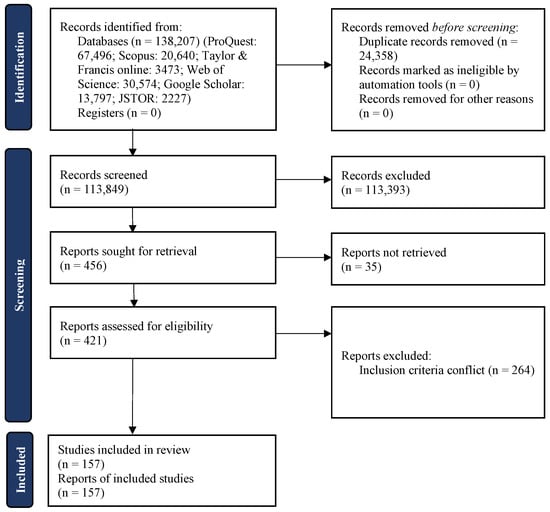
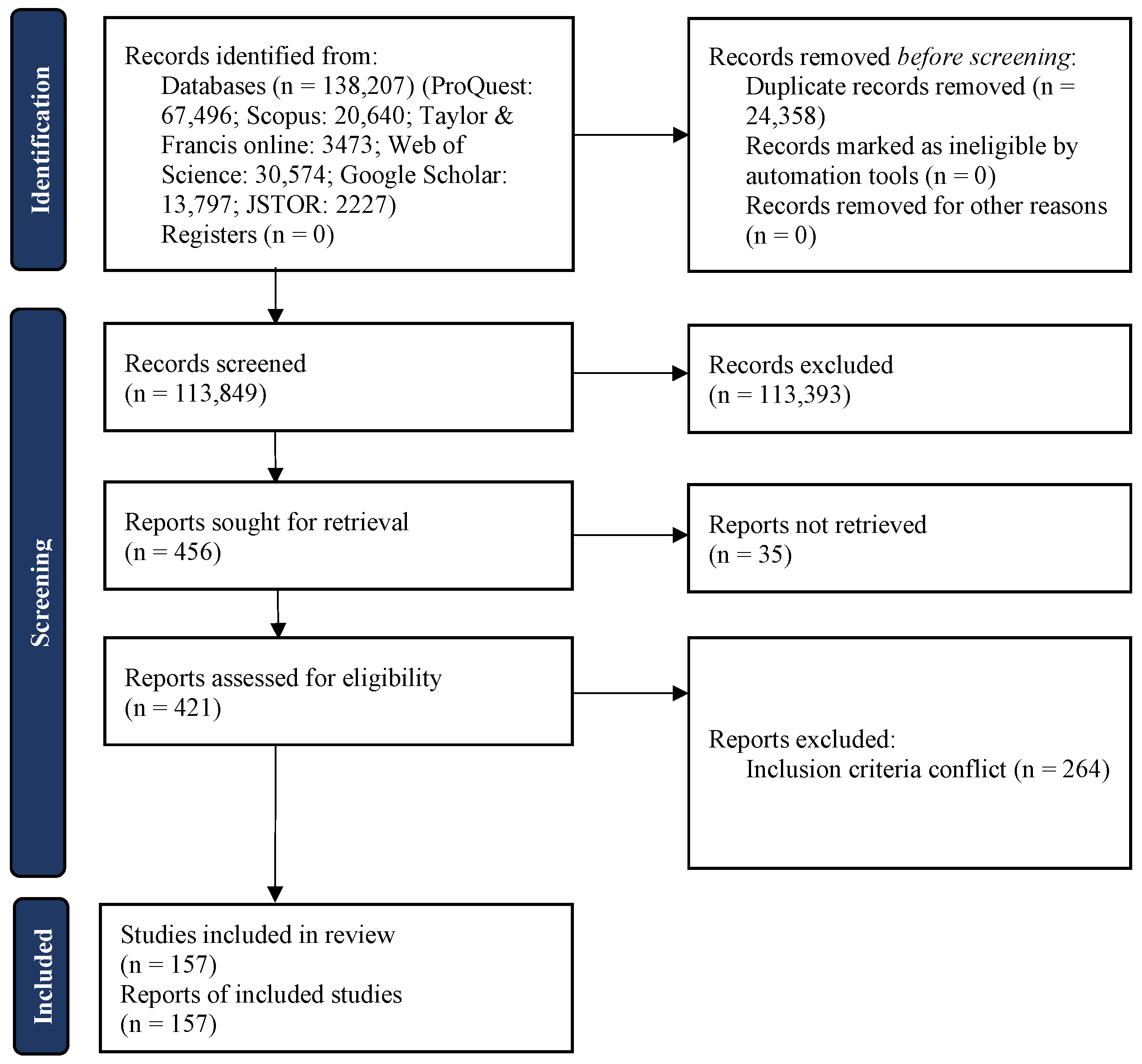
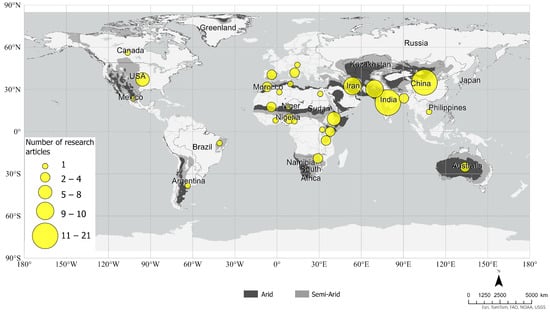
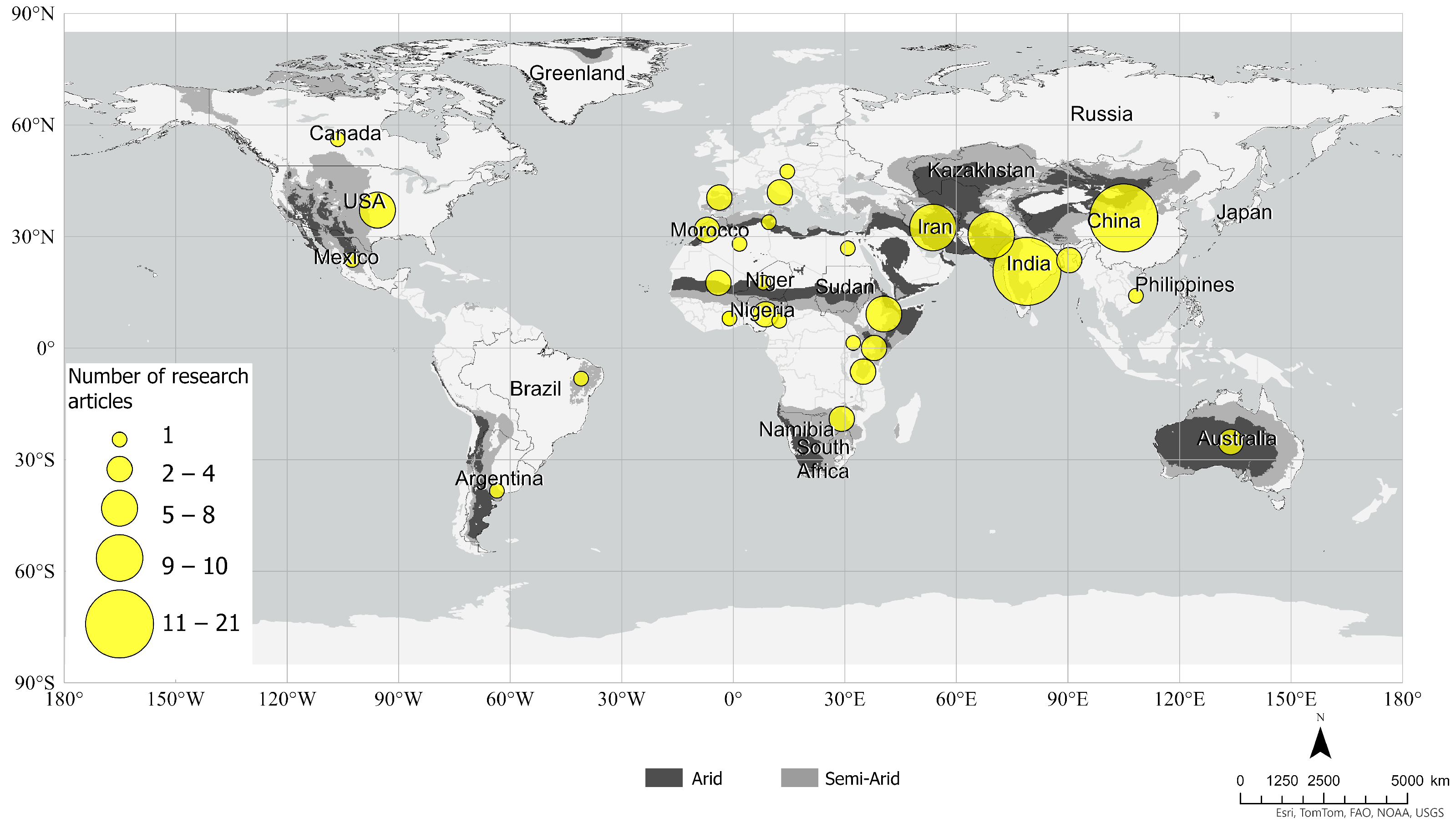
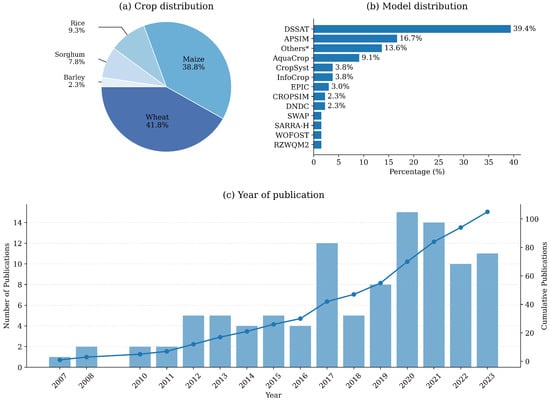
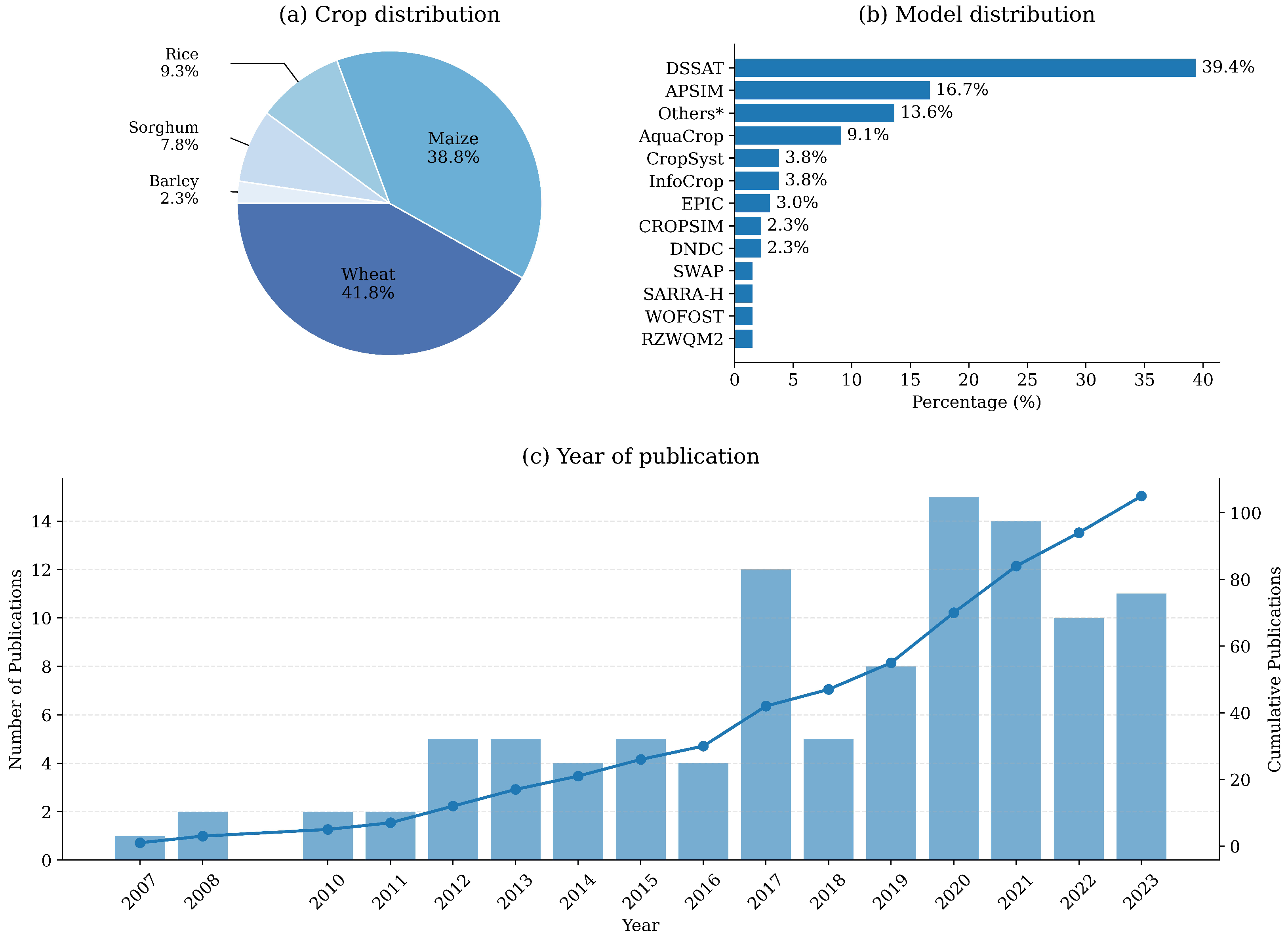
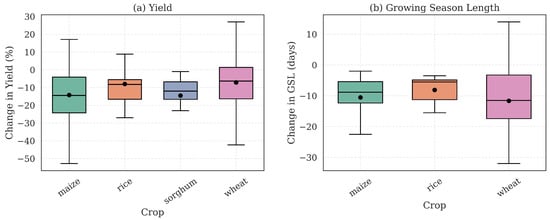
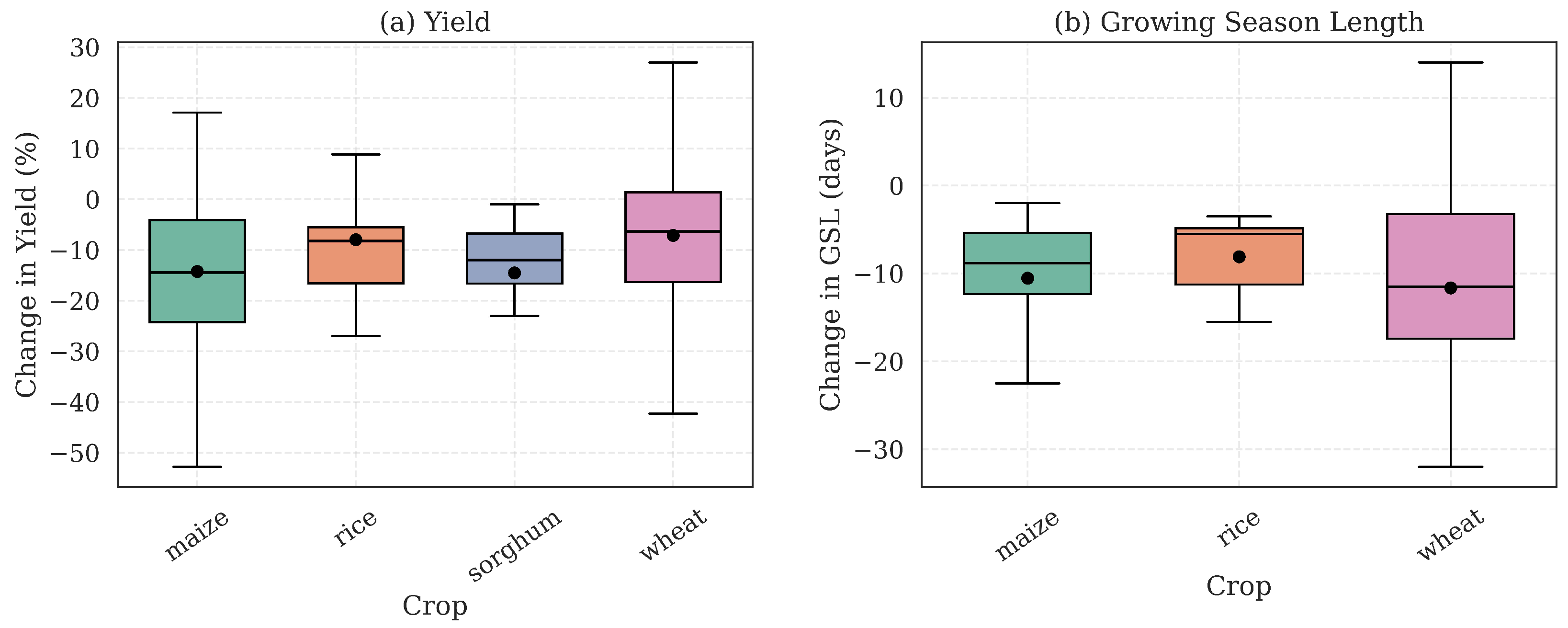
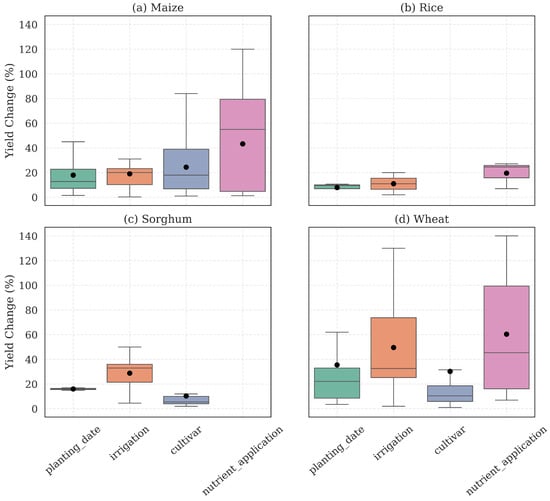
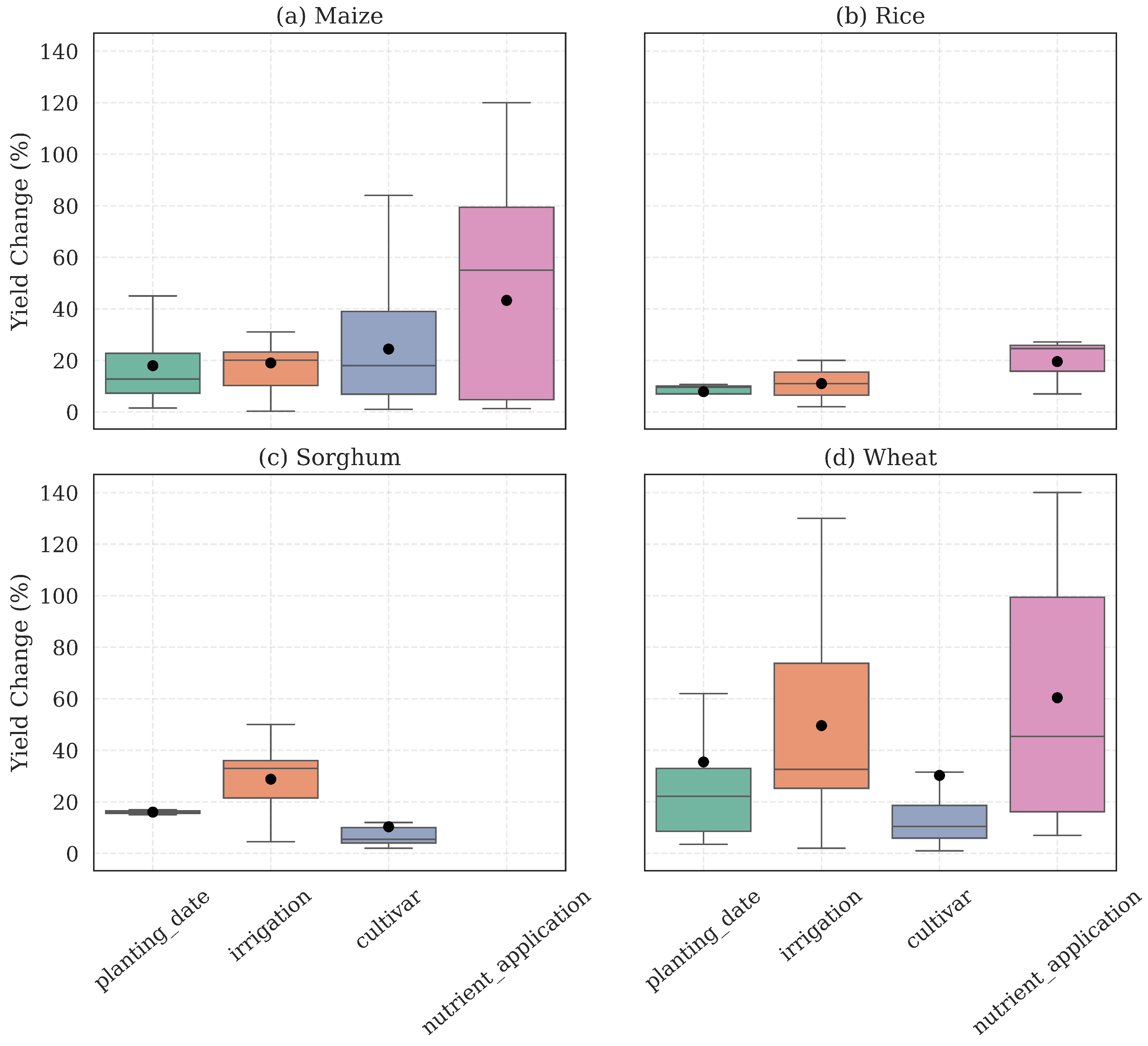
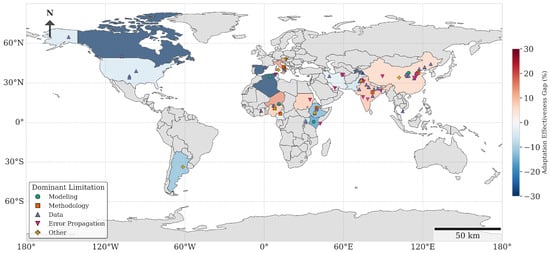
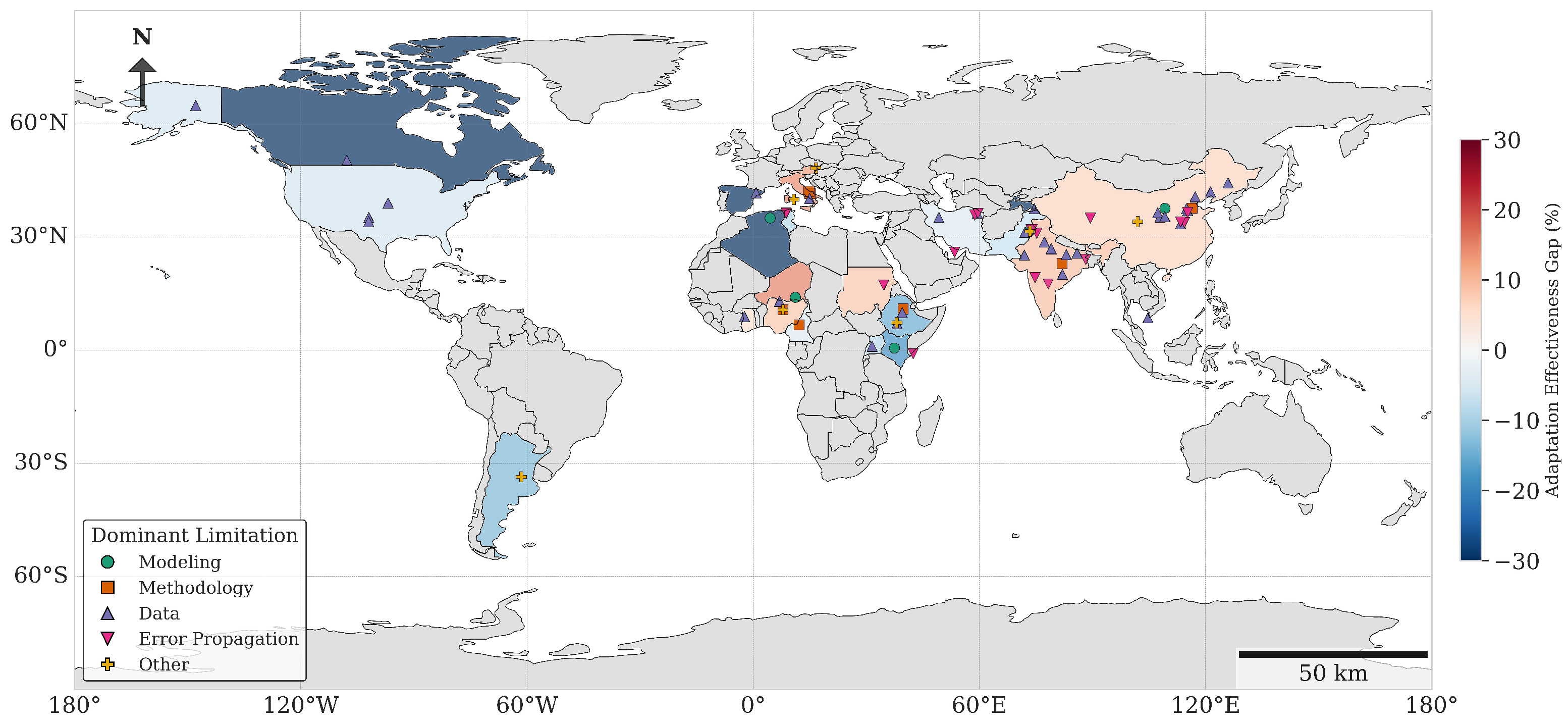

Disclaimer/Publisher’s Note: The statements, opinions and data contained in all publications are solely those of the individual author(s) and contributor(s) and not of MDPI and/or the editor(s). MDPI and/or the editor(s) disclaim responsibility for any injury to people or property resulting from any ideas, methods, instructions or products referred to in the content. |
© 2026 by the authors. Licensee MDPI, Basel, Switzerland. This article is an open access article distributed under the terms and conditions of the Creative Commons Attribution (CC BY) license.