


Abstract
Collective operating construction land marketization (COCLM) is a major institutional innovation in China’s land reform process. However, the impact of this reform on farmers’ livelihood resilience (FLR) remains underexplored. This study uses data from the 2020–2022 China Land Economic Survey (CLES) conducted in Jiangsu Province to construct an FLR index from three dimensions—buffer capacity, self-organization capacity, and learning capacity. It also incorporates the actual status of COCLM at the village level to examine the impact of COCLM on FLR and its underlying mechanisms. The results show the following: (1) COCLM significantly improves FLR, and this conclusion remains consistent after a series of robustness checks. (2) In terms of FLR dimensions, COCLM has significant positive effects on all three dimensions, but its effects on buffer capacity and learning capacity are more pronounced than those on self-organization capacity. (3) Mechanism analysis reveals that COCLM improves FLR mainly by increasing farmers’ property income and promoting household non-agricultural employment. (4) Heterogeneity analysis shows that the positive effect of COCLM is more pronounced in southern and central Jiangsu, among high-income households, and in villages with higher governance levels. This study suggests that COCLM reform should be further deepened to steadily promote the sustained improvement of FLR, enable land value-added returns and non-agricultural employment opportunities to reach farmers more effectively, and pay greater attention to regional differences, income-group disparities, and differences in grassroots governance capacity, while promoting inclusive growth through COCLM. The above conclusions have some reference value for regions similar to Jiangsu, while their applicability in other regions with substantially different development conditions still requires further examination.
1. Introduction
As global economic structures change and urbanization continues to advance, the self-sufficient farming model of rural households can no longer meet the needs of contemporary development [1]. A single livelihood strategy severely constrains this vulnerable group’s ability to cope with risks [2]. In addition, climate risks have increased farmers’ vulnerability [3]. Rural households, with limited resources and adaptive capacity, are highly vulnerable to climate change, which often leads to livelihood decline and poverty [4]. Therefore, research on how to improve FLR has attracted increasing scholarly attention. Especially in China’s ecologically fragile areas, farmers still face various risks and challenges, such as climate change and fluctuations in agricultural product prices [5,6]. Recent data show that in 2025, the disaster-affected crop area nationwide reached 6.07 million hectares, drought-induced direct economic losses amounted to 8.6 billion yuan, and agricultural product prices nationwide decreased by 3.7% compared to the previous year [7]. Therefore, in the context of multiple overlapping risks, farmers’ livelihood vulnerability has become an important practical issue constraining the stable development of agriculture and rural areas.
At present, China has entered a new stage of consolidating and expanding the achievements of poverty alleviation and advancing comprehensive rural revitalization. However, deeper vulnerabilities in rural livelihood systems have not yet been fundamentally resolved [8]. Specifically, under the urban–rural dual structure and urban-prioritized development policies, rural land resources have long not been rationally allocated. Problems such as cultivated land fragmentation, idle and wasted land, and the degradation of ecological functions have become increasingly prominent, thereby severely constraining farmers’ sustained and stable income growth and further highlighting their vulnerability [9,10]. This suggests that land, as an important resource on which farmers depend for their survival and development [11], significantly affects their ability to cope with risks and achieve sustainable development. Therefore, it is necessary to further explore the mechanisms influencing FLR from the perspective of land system reform, as this can help stimulate farmers’ endogenous motivation and lay a solid foundation for rural revitalization.
Existing studies have mainly examined how land reform improves farmers’ livelihoods from two perspectives: securing land property rights and optimizing the allocation of production factors. On the one hand, stable and transparent property rights remain the foundation and central focus of land allocation, transfer, development, and utilization [9]. These property rights also profoundly affect the stability of farmers’ production and business activities as well as their livelihood security, and serve as a key factor in enhancing farmers’ livelihood levels. However, rural land property rights remain incomplete and unstable, resulting in high transaction costs in land transfers, which has become an important feature of China’s land system [12]. Based on this, the Chinese government established a land rights confirmation system to clarify and stabilize the allocation of land rights at the institutional level. Stable land property rights can stimulate farmers’ enthusiasm for agricultural production, thereby promoting rural economic development [13]. Some scholars argue that the livelihoods of poor farmers generally lack stability, while land rights confirmation policies enable them to obtain more complete land property rights [14] and generate higher property income through land capitalization [15], thereby playing a crucial role in increasing their income levels and improving FLR. On the other hand, as rural labor continues to shift toward non-agricultural sectors, some households with insufficient agricultural labor still retain relatively large areas of contracted farmland, resulting in extensive cultivation or even land abandonment. By contrast, other households with sufficient labor and farming capacity lack enough land. Because mismatches in the allocation of land and labor are widespread, the efficiency of rural land use has long been constrained. In recent years, as an important way to rationally allocate production factors, land transfer is one of the main means of enhancing overall rural welfare [9]. Existing studies have shown that land transfer can improve FLR by increasing farmers’ income level. Specifically, the resource allocation effect of land transfer increases economic efficiency. It not only enables land-transferring-in households to engage in large-scale agricultural operations [16], but also allows land-transferring-out households to obtain non-agricultural income [17], thereby contributing to income growth among farmers [18].
Although the above policies provide important explanations for understanding how land systems enhance farmers’ livelihoods, these reforms mainly focus on agricultural land and cannot fully reflect the overall process of China’s rural land system reform. Under China’s current land system, rural land is collectively owned and is generally classified into three categories: agricultural land, collective construction land, and unutilized land [19]. Apart from agricultural land, collective construction land is also an important component of changes in the rural land system. Compared with agricultural land, collective construction land covers an area more than five times that of urban construction land [20]. It is not only larger in scale but also more closely linked to rural industrial development and urban–rural construction, indicating substantial market potential. However, under the land system in place from 1998 to 2013, rural collectives did not enjoy full use, transfer, or disposal rights. If collective construction land were to enter the market, it first has to be expropriated by the government and converted into state-owned land, a process subject to strict control [21]. Against this background, to further enhance the efficiency and equity of land resource utilization, the government launched the pilot reform of COCLM in 2015. It selected 33 counties and districts nationwide as pilot areas, allowing rural collectives to directly transfer collective operating construction land (COCL) to various market entities, provided that such transfers complied with land-use planning and use controls [22]. In 2019, the Land Administration Law was substantially amended, officially allowing eligible COCL nationwide to directly enter the market with the approval of villagers or their representatives, while granting rural collectives corresponding property rights [23]. In recent years, COCLM reform has been widely implemented nationwide, representing a major adjustment to China’s land policy system and playing a particularly important role in rural revitalization and farmers’ sustainable development [24].
As COCLM reform continues to advance, its effects have begun to be further transmitted from land allocation to farmers’ households. Specifically, COCLM breaks down the barriers of the urban–rural dual land system and revitalizes idle rural assets [25], thereby driving the transformation and upgrading of rural industries and promoting non-agricultural employment among local farmers [24]. Meanwhile, land value-added returns can also be transmitted to farmers’ households through benefit dividends, thereby significantly increasing their property income, optimizing household income structures, and indirectly raising farmers’ quality of life and overall well-being to some extent [26]. Specifically, increased property income can strengthen rural households’ economic reserves, while non-agricultural employment can diversify their income sources and reduce their dependence on agricultural production as a single source of livelihood. When farmers face external shocks such as climate-related disasters and fluctuations in agricultural product prices, these additional income sources and diversified employment opportunities can help them maintain basic consumption and production activities, thereby strengthening their livelihood resilience. Therefore, the policy significance of COCLM extends beyond improving land-use efficiency and advancing the market-oriented allocation of land resources. More importantly, it can transform the asset value of collective land into livelihood resources available to farmers, thereby potentially serving as a key policy instrument for strengthening FLR. However, the dividends of this reform may not be automatically and fully transmitted to ordinary farmers. Due to the supervision mechanism for COCL still requiring further refinement [26], returns from COCLM in some regions may be captured by local elites [27], thereby weakening farmers’ trust in grassroots public organizations. Meanwhile, changes in land use can weaken farmers’ traditional sources of livelihood security, reducing their overall resilience [22].
The above studies have provided preliminary insights into the potential effects of COCLM on FLR and laid the foundation for the present study. However, several limitations remain. On the one hand, existing studies have mainly examined the effects of COCLM on individual outcomes such as rural industrial development, farmers’ property income, and non-agricultural employment, but have not yet evaluated its impact on farmers from the broader perspective of livelihood resilience. Increases in income or employment opportunities do not necessarily imply a comprehensive improvement in FLR. Therefore, direct micro-level evidence on the actual effect of COCLM on FLR remains limited. On the other hand, existing studies have largely focused on identifying the observed outcomes of COCLM, without further explaining how village-level reform benefits are transmitted to rural households and translated into their actual capacity to cope with risks. Therefore, the specific transmission mechanisms through which COCLM affects FLR still lack systematic theoretical analysis and empirical examination.
Based on this, we use CLES data from Jiangsu Province to measure the level of FLR, incorporate the actual status of COCLM at the village level, and analyze the impact of COCLM on FLR and its underlying mechanisms. Jiangsu provides an appropriate setting for this study. First, the Jiangsu provincial government classifies its prefecture-level cities into northern, central, and southern regions according to their levels of development. Their rural development conditions reflect, to some extent, the characteristics of regions at different development levels [28], which helps identify regional heterogeneity. The related findings may also provide some reference for regions with development conditions similar to those of Jiangsu. Second, Jiangsu Province is one of the provinces in China with relatively active land reform and extensive pilot experience. It also has relatively abundant COCL resources and strong market demand [29], providing a favorable research context for examining the actual impact of COCLM on farmers’ livelihoods. This study provides the following new empirical evidence to the existing literature. First, existing studies have mainly focused on agricultural land reforms [9,13,14], while this study extends the research perspective to COCLM and examines its effects on FLR across three dimensions: buffer capacity, self-organization capacity, and learning capacity. It thereby provides direct micro-level evidence on whether COCLM enhances farmers’ multidimensional livelihood resilience. Second, this study reveals that COCLM improves FLR by promoting farmers’ non-agricultural employment and increasing property income, thereby providing a new pathway for understanding how land policies affect farmers’ sustainable livelihoods. Third, it further analyzes the heterogeneous effects of COCLM on the livelihood resilience of different groups from three dimensions: farmer characteristics, village location characteristics, and rural governance characteristics, thereby providing a scientific basis for formulating differentiated and targeted land policies.
2. Conceptualization and Theoretical Analysis
2.1. Definition of Farmers’ Livelihood Resilience (FLR)
FLR refers to the ability of individual farmers or households to maintain the stability of their livelihood structures even when facing external shocks, thereby avoiding livelihood vulnerability and falling into poverty [30]. To examine how poor farmers maintain their livelihoods, it is necessary to clearly define the indicator framework for analyzing FLR. In research on the resilience framework, Speranza et al. [31] argue that capacity is the core endogenous driver of livelihoods, and the analytical framework they developed has been widely recognized and applied in academic research. Drawing on their definition of resilience, this study defines FLR as farmers’ buffer capacity, self-organization capacity, and learning capacity when coping with risk shocks. Among them, buffer capacity refers to the extent to which farmers’ livelihood systems can absorb shocks while maintaining their structures, functions, characteristics, and feedback, and it depends on farmers’ resource endowments. Farmers mainly obtain these resources through their entitlements and maintain them by adopting corresponding livelihood strategies. Self-organization capacity emphasizes farmers’ participatory capacity within social networks and village governance systems, namely their ability to integrate resources and take coordinated action through trust relationships, participation in public affairs, and collective cooperation. On this basis, farmers can alleviate the constraints arising from limited household resources, thereby gaining more effective access to external support. Learning capacity reflects farmers’ ability to acquire knowledge and skills and translate them into concrete actions. It depends on whether farmers can understand the nature and potential threats of external shocks and actively learn the skills needed to cope with corresponding risks.
2.2. The Impact of COCLM on FLR
In China, due to the long-standing urban–rural dual structure, farmers face major barriers in income and employment. Fortunately, as an important policy implemented by the Chinese government to advance rural development, COCLM can not only directly strengthen FLR by optimizing land resource allocation, stabilizing system development expectations, and strengthening village governance, but also indirectly strengthen farmers’ ability to cope with risks and adapt to changes by increasing property income and promoting non-agricultural employment, thereby providing new opportunities for improving FLR.
2.2.1. COCLM and FLR
According to neo-endogenous development theory, the essence of rural development lies in strengthening endogenous development capacity through the synergy between internal resources, external policies, and market mechanisms [32]. COCLM exerts its effects through institutional empowerment, enabling the integration of internal land resources and external capital, thereby creating conditions for improving FLR. However, from a political ecology perspective, if the decision-making and subsequent benefit distribution associated with COCLM are dominated by a small number of village cadres, external investors, or other interest groups, farmers may receive limited actual benefits and development opportunities from the land reform [27]. Therefore, whether COCLM can improve FLR depends not only on whether land resources can be fully utilized, but also on whether farmers can effectively participate in the marketization process and gain access to the resulting income, employment opportunities, and information resources.
On the one hand, the reform breaks the institutional restriction that COCL must be expropriated before entering the market, transforms land into a tradable asset, and allows collectives to receive most of the returns, thereby strengthening farmers’ expectations and confidence regarding the security function and value-added potential of collective land assets. It should be noted that the village collective’s receipt of land value-added returns does not necessarily mean that farmers will directly benefit from them. Whether they benefit also depends on how the marketization returns are distributed and the extent to which farmers participate in the relevant decision-making processes. If the benefits generated by marketization are effectively transferred to farmers, they can increase their economic reserves, and thereby provide material support for coping with external shocks. According to farmer behavior theory, farmers do not passively accept policy arrangements, but adjust their behavior based on the institutional environment, risk expectations, and resource endowments [33]. Therefore, stable institutional expectations and increased economic returns enhance farmers’ confidence in future livelihood development, reduce anxiety about external risks, and provide psychological support for coping with shocks, and ultimately strengthen their buffer capacity.
On the other hand, marketization is often premised on villagers’ voting, collective operation, and the establishment of returns distribution systems. This process can promote a shift in village governance from independent decision-making by village collectives to collaborative governance between collectives and farmers. However, formal participation procedures do not necessarily ensure that farmers have a meaningful voice in public affairs and decision-making. Existing studies on land reform have shown that changes in land institutions may reshape local power relations, particularly by altering the relative bargaining positions of local governments, village collectives, and farmers [29]. When policy information is transparent and the resulting benefits are distributed according to rules accepted by collective members, COCLM is more likely to encourage farmers to participate in village affairs and collective action, strengthen their trust in village collective organizations, and thereby enhance their self-organization capacity.
In addition, the market information, business concepts, and development prospects brought about by COCLM can also help raise farmers’ awareness of and adaptability to changes in the external environment, thereby enabling them to actively learn new skills to cope with such changes. However, if such up-to-date information is concentrated in the hands of a small number of village cadres or business entities, farmers’ access to learning opportunities may be constrained. Relevant information should be fully disclosed, and training and technical services should be accessible to farmers. This enables them to translate external knowledge into practical livelihood skills and strengthen their learning capacity [5,34].
2.2.2. COCLM, Property Income, and FLR
As COCLM reform advances, rural collectives transform previously inefficient and idle COCL into tradable assets, thereby strengthening the rural collective economy and increasing farmers’ property income. The reform increases farmers’ income through the joint action of multiple effects, the first being the asset value manifestation effect and the synergistic effect of benefit distribution. On the one hand, through market mechanisms, COCLM revitalizes idle village construction land resources, manifests the potential value of land as a tradable asset value, and promotes the transfer of returns from land marketization to collectives and farmers through leasing, transfer, and other means [35]. On the other hand, in the distribution of marketization returns, the government usually first collects a certain amount as an adjustment fund, while the remaining returns directly enter the redistribution system between the collective and its members, thereby ensuring that land returns are passed on to farmers [36,37]. The second is the long-term income-increasing effect of collective operation. A certain proportion of the marketization returns received by village collectives is often set aside as a collective development fund, which is then managed and operated by collective asset management organizations. Collective members receive annual share dividends as shareholders, thereby ensuring the sustained growth of farmers’ property income [37].
The higher the farmers’ property income is, the more pronounced the improvement in their livelihood resilience becomes. Property income is a key economic resource that enables farmers’ livelihood systems to cope with shocks. It strengthens household asset reserves, improves the ability to maintain basic consumption and production inputs under risk shocks, thereby reinforcing the buffer capacity of the livelihood resilience system [38]. In addition, higher property income can also give farmers greater capacity to invest in education and training and upgrade production technologies, thereby strengthening their learning capacity and enabling them to adapt more proactively to changes in the external environment [39].
2.2.3. COCLM, Non-Agricultural Employment, and FLR
In the process of optimizing land factor allocation and promoting rural industrial upgrading, COCLM not only enhances the economic strength of villages but also creates favorable conditions for the inflow of external capital, thereby facilitating the diversified development of rural industries and broadening farmers’ choices for non-agricultural employment. First, COCLM reform increases collective financial reserves [26], which gives village collectives stronger incentives to invest in infrastructure construction and the operation of public services. On the one hand, infrastructure projects create significant labor demand and stimulate related industries, generating new non-agricultural employment opportunities [40]. On the other hand, improvements in public service provision can raise farmers’ quality of life and subjective well-being. For example, better education, healthcare, and social security services can ease household caregiving constraints and raise the quality of labor supply, thereby strengthening farmers’ ability to participate in non-agricultural employment [41,42]. Second, COCLM provides the cultural tourism industry with large areas of low-cost rural land, which can reduce firms’ operating costs, thereby attracting them to expand their businesses. In addition, the implementation of cultural tourism projects can further drive the entry of service-sector firms in accommodation, catering, retail, and other sectors, while also increasing labor demand [43], thereby creating a large number of service jobs and expanding farmers’ employment channels.
Non-agricultural employment is an important pathway for improving FLR. On the one hand, non-agricultural employment brings more stable wage income, thereby changing household income structures and consumption patterns [44,45], which helps farmers consolidate household economic reserves and strengthen their ability to cope with risks. On the other hand, non-agricultural employment promotes the transformation of farmers’ livelihood strategies from single agricultural production to diversified employment [46], thereby increasing farmers’ total income and diversifying their non-agricultural income sources, enabling them to maintain basic livelihoods through other channels when one income source is affected by shocks, ultimately strengthening the overall stability of livelihood resilience. The specific theoretical analytical framework is shown in Figure 1.
Figure 1.
Theoretical analytical framework. (Solid arrows indicate the hypothesized influence pathways among the variables, while the dashed box groups the three dimensions of FLR.) Data source: The 2020–2022 China Land Economic Survey (CLES) conducted in Jiangsu Province.
Based on the above analysis, the following hypotheses are proposed:
Hypothesis 1.
COCLM can significantly improve FLR.
Hypothesis 2.
COCLM improves FLR by increasing farmers’ property income.
Hypothesis 3.
COCLM improves FLR by promoting farmers’ non-agricultural employment.
3. Data and Methods
3.1. Data Source and Variable Selection
3.1.1. Data Source
The data used in this study are derived from the 2020–2022 China Land Economic Survey (CLES) database. CLES is a micro-level survey conducted by Nanjing Agricultural University in Jiangsu Province. The questionnaire includes both village-level and household-level modules, covering topics such as land markets, rural governance, and poverty alleviation. The research team completed the baseline survey in 2020. A multistage sampling method combining probability proportional to size (PPS) sampling with random sampling was used. The specific sampling procedure was as follows:
First, based on each county or district’s share of the total rural population of its prefecture-level city, two counties or districts were selected from each of Jiangsu Province’s 13 prefecture-level cities using unequal probability sampling, resulting in a total of 26 sampled counties or districts; second, based on each township’s share of the total number of villages in the sampled county or district, two townships were selected from each county or district using unequal probability sampling; third, based on each village’s share of the total rural population of its township, one administrative village was selected from each township using unequal probability sampling; finally, 50 households were selected from each village using simple random sampling, and all household members were interviewed using questionnaires. The 2020 sample ultimately included 52 administrative villages and 2600 farming households. In 2021, the research team continued the follow-up survey and completed data collection in 12 prefecture-level cities, covering 48 administrative villages and 2420 farming households. In 2022, due to the COVID-19 pandemic, the research team considered the representative characteristics of different regions to maintain sample representativeness and conducted follow-up surveys in 12 counties across six prefecture-level cities, collecting questionnaire data from 24 administrative villages and 1203 farming households. It should be noted that two of the six selected cities were located in each of southern, central, and northern Jiangsu. These three regions have long differed markedly in resource endowments and levels of economic development. Therefore, under the constraints on survey coverage, this relatively balanced regional distribution prevented the sample from being overly concentrated in any single region. Based on the research objectives, this study cleaned variables with missing values and extreme values, ultimately obtaining 4856 valid observations.
3.1.2. Variable Selection
The dependent variable is FLR. Based on the conceptual definition of FLR discussed above and drawing on existing studies [30,47], we select relevant indicators from three dimensions—buffer capacity, self-organization capacity, and learning capacity—according to the “capacity connotation” and construct a comprehensive indicator evaluation framework to measure the FLR index, as shown in Table 1. During the measurement process, to avoid potential biases arising from the subjective determination of indicator weights, we use the entropy method to assign weights to each indicator. Before applying the entropy method, since the evaluation criteria of different indicators are difficult to measure directly, it is necessary to normalize the data using deviation standardization. All indicators have been adjusted as positive indicators, and the deviation standardization method is shown in Equation (1):
Table 1.
Comprehensive indicator evaluation framework for FLR.
In Equation (1), denotes the value of indicator for farmer in year ; denotes the standardized value of the indicator; and denote the maximum and minimum values of indicator , respectively, across all years and all sample observations. After standardization, all indicators take values between 0 and 1, with larger values indicating stronger livelihood resilience of the farmer in the corresponding indicator.
Second, calculate the proportion of indicator for farmer in year in the overall indicator, as follows:
In Equation (2), represents the number of survey years; represents the number of valid farmer observations in year .
Third, calculate the information entropy of indicator . The calculation formula is as follows:
Fourth, calculate the information redundancy of indicator . A larger value indicates that the indicator contains more effective information.
Fifth, calculate the weight of each indicator based on the information redundancy, as follows:
In Equation (5), represents the weight of indicator ; represents the total number of indicators.
Finally, calculate the FLR index. In Equation (6), represents the livelihood resilience level of farmer in year . A larger value of the index indicates a higher level of FLR.
The core explanatory variable is COCLM. Drawing on existing land reform studies that treat actual transaction behavior or reform implementation as a binary variable [48,49], this study defines this variable as whether COCLM has actually occurred at the village level. According to the Land Administration Law revised in 2019, COCLM refers to an institutional arrangement under which, without changing the collective ownership of land and subject to territorial spatial planning and land-use controls, village collectives transfer the use rights of eligible COCL to market entities for compensation through legally permitted means such as transferring and leasing (CPG, 2019). Correspondingly, the CLES village questionnaire separately records the “area of COCL that has entered the market,” the “leased area of COCL,” and the “transferred area of COCL.” Among these, the “area of COCL that has entered the market” reflects the village’s overall marketization status, while the leased area and the area supplied through transfer represent the specific forms through which COCLM is implemented. The questionnaire includes both an aggregate indicator and indicators for specific transaction forms. Respondents may therefore have reported actual transactions only under the specific-form indicators, without reporting them again under the “area of COCL that has entered the market.” To identify the actual implementation of the reform at the village level as comprehensively as possible, this study adopts a broad measure in the baseline analysis. A village is assigned a value of 1 if any of the three area indicators is greater than 0, indicating that COCLM has occurred. If all three indicators are 0, the village is assigned a value of 0.
Regarding control variables, drawing on existing studies [30,38,39] and the research objectives, the following variables are selected: At the household level, the gender and age of the household head, together with household size, are used to capture household demographic characteristics. In particular, households with members serving as village cadres may obtain policy information more promptly and participate more extensively in village public affairs. They may also enjoy certain advantages in social networks and access to resources. Therefore, this study further controls for whether any household member serves as a village cadre. In addition, land transfer, as an important land reform policy, can alter household land-use arrangements and labor allocation, while also affecting income sources and the ability to cope with risks. It is therefore included as a control variable. It should be noted that household education, although commonly used as a control variable, is not separately controlled for in this study. This is because the average years of schooling of household members has already been included as an indicator of the learning-capacity dimension of FLR, making it inappropriate to include a similar variable again in the regression. At the village level, terrain and distance to the county seat are used to capture differences in natural conditions and market accessibility, while village per capita income and village collective income are used to measure the local economic foundation. In addition, this study specifically controls for the average educational attainment of village cadres. Village cadres play an important role in implementing land reform policies and managing village public affairs. Their educational attainment may affect their understanding of policies and judgment in decision-making, thereby influencing the efficiency of policy implementation.
The mechanism variables include two parts. The first is farmers’ property income, which is measured using the household questionnaire item on “interest, dividends, and bonus income” and is reported directly by the surveyed households. The second is the share of household labor engaged in non-agricultural employment. Following the indicator design of Bai et al. [50], we first determine whether household labor participates in non-agricultural employment based on the number of days spent in non-agricultural employment, and then calculate the ratio of the number of laborers participating in non-agricultural employment to the total household labor force (household members aged 16–59).
3.1.3. Descriptive Statistics
The descriptive statistics of the variables are shown in Table 2. The mean value of FLR is 0.1886, with a standard deviation of 0.1011, indicating that the overall FLR of the sample is at a medium-low level and that there are certain differences among farmers. The mean value of COCLM is 0.2654, suggesting that approximately 26.54% of the sampled villages have experienced COCLM, indicating that COCLM has achieved a certain level of coverage among the sampled villages. Overall, the distribution of the main variables in the sample is relatively reasonable, providing a basis for the subsequent empirical analysis.
Table 2.
Descriptive statistics of variables.
3.1.4. Methods
Based on the theoretical analysis above, we empirically examine the impact of COCLM on FLR by constructing the following econometric model:
where is the dependent variable, representing the livelihood resilience of farmer in year . is the core explanatory variable, representing the COCLM status of the village where farmer is located in year . denotes control variables at the household and village levels, and is the random error term. represents county fixed effects, represents year fixed effects, is the intercept term, and are the estimated coefficients.
Then, to explore the mechanisms through which COCLM affects FLR, the dependent variable in Equation (7) is replaced with the two mechanism variables, respectively. Since both mechanism variables are continuous variables, the following linear fixed-effects models are also adopted:
Equations (8) and (9) are the regression models for the mediation effect test. denotes the mechanism variables, including farmers’ property income and the share of household labor engaged in non-agricultural employment. and are the intercept terms, while , , , , and are the parameters to be estimated. The meanings of the other symbols are consistent with those in Equation (7). According to the principle of the mediation effect test, if the coefficients and are significant and the coefficient decreases compared with that in the baseline regression, the mediation effect is considered to exist.
4. Results
4.1. Analysis of Baseline Regression Results
Table 3 reports the estimation results of Equation (7). In Columns (1)–(4), county and year fixed effects, village characteristics, and household characteristics are added sequentially as control variables. The coefficient of COCLM remains positive and significant at the 1% level. Considering that the omitted variable bias in Column (4) is relatively smaller, this study mainly uses the regression results in Column (4) for analysis. Specifically, the regression coefficient of COCLM is significant at the 1% level. This indicates that, after controlling for other factors, the implementation of the COCLM policy at the village level significantly improves FLR, thus preliminarily verifying hypothesis 1. This empirical result provides a new perspective for achieving livelihood stability and sustainable development among farmers. COCLM can effectively alleviate the institutional constraints faced by farmers in the process of livelihood transformation, such as irrational land allocation, insufficient access to collective benefits, and inadequate participation in public affairs. It improves the vulnerable environment faced by rural livelihood systems, thereby promoting the formation of a high-resilience livelihood state. In the further analysis, the entropy method is used to calculate the comprehensive evaluation index for each dimension of FLR, and separate regressions are then conducted. The results show that COCLM has significant positive effects on all dimensions of FLR, with the magnitude of the effects ranked from highest to lowest as learning capacity, buffer capacity, and self-organization capacity, as shown in Table 4. Thus, hypothesis 1 is fully supported. Notably, the effect of COCLM on self-organization capacity is relatively weaker. Self-organization capacity is mainly reflected in farmers’ ability to participate in village affairs, cooperate with other villagers, and mobilize collective resources in response to risks. Such capacity may not improve immediately following land marketization. More specifically, farmers need to participate continuously in village affairs and collective action. Through this process, they can further strengthen their trust in collective organizations and develop relatively stable cooperative relationships. Because this process depends heavily on local governance conditions, its effects often take longer to become apparent.
Table 3.
Baseline regression results.
Table 4.
Baseline regression results (Impact of COCLM on Each Dimension of FLR).
For the control variables, the estimated coefficients are generally consistent with expectations. For example, the estimated coefficient of household head age is significantly negative, indicating that FLR tends to decline as age increases, which is consistent with the reality that rural households are disadvantaged in their capacity to cope with risks in the context of population aging [47]. The estimated coefficient of household size is significantly positive, indicating that households with more members may improve livelihood resilience through intra-household division of labor, resource sharing, and diversification of income sources. In addition, the coefficient of whether any household member serves as a village cadre is significantly positive, suggesting that households with the ability to directly participate in village governance are more likely to access up-to-date policy information and social resources, thereby exhibiting higher livelihood resilience [51].
4.2. Endogeneity Test
In the baseline regression, although various control variables have been fully considered, the estimated coefficient of COCLM may still be biased due to endogeneity issues. For example, there may be unobservable factors that simultaneously affect COCLM and FLR, or farmers with lower levels of livelihood resilience may be more likely to receive the dividends of COCLM. Therefore, this study uses the instrumental-variable two-stage least squares (2SLS) method to address potential endogeneity issues. Drawing on existing research [52], this study uses the “COCLM rate within the same county excluding the sample village” as the instrumental variable; that is, the average marketization level of other villages is calculated after excluding the sample village itself. For villages within the same county, village governance levels, the progress of land policy implementation, and location conditions tend to share strong similarities. Therefore, the COCLM status of other villages in the same county is highly correlated with whether the sample village has implemented COCLM, indicating that the instrumental variable satisfies the relevance requirement. However, this variable is not directly related to FLR, thereby satisfying the basic requirements of relevance and exogeneity for an instrumental variable. The two-stage regression results are shown in Table 5. Column (1) reports the first-stage estimation results, showing that the COCLM rate within the same county, excluding the sample village, is significantly positively correlated with COCLM, as expected. The F-statistic is greater than 10, indicating that there is no weak instrumental variable problem. The results in column (2) show that, after addressing the endogeneity issue, the coefficient of COCLM on FLR remains significantly positive. This result confirms the reliability of the baseline regression findings.
Table 5.
Results of 2SLS estimation.
4.3. Robustness Test
First, we replace the dependent variable, using “life satisfaction” as an alternative variable for FLR. Although life satisfaction cannot be directly equated with FLR, stronger FLR means that farmers are better able to maintain livelihood stability, secure basic consumption, and cope with external shocks, thereby reducing the welfare losses caused by such shocks, which may further improve their subjective satisfaction with their livelihood conditions. Existing studies have also linked rural households’ capacity to cope with risks to subjective well-being, indicating that an improvement in risk-coping capacity can be reflected in better subjective welfare outcomes [53]. Second, we replace the weighting method used to construct the dependent variable. To examine whether the baseline regression results are affected by the entropy weighting method, we reconstruct FLR using the equal-weighting method and re-estimate the model. Third, we replace the core explanatory variable. The current COCLM variable can only reflect whether marketization has occurred, but it cannot further reveal differences among villages in the depth and effectiveness of marketization. Specifically, the impact of COCLM on FLR depends not only on whether a village has implemented marketization activities, but also on whether the land has truly realized its expected value after marketization and generated sustainable economic income. Based on this, this study further uses “village marketization returns” as an alternative variable for COCLM. Fourth, we replace the measurement of the core explanatory variable. In the baseline analysis, COCLM is identified using a broad measure based on the area of COCL that has entered the market, leased, or supplied through transfer. To examine whether the results are affected by this measurement approach, this study constructs a stricter indicator based solely on the “area of COCL that has entered the market.” Fifth, we replace the fixed effects. Considering that FLR may be affected by unobservable factors at the village level, such as village governance capacity and resource endowments, county fixed effects may still fail to fully absorb these factors. Therefore, the fixed effects are replaced with village fixed effects. Sixth, we adjust the clustering level of standard errors. Although the baseline regression controls for within-village correlation, villages within the same county may also face common institutional environments and policy shocks, which may lead to further correlation in the error terms at the county level. Therefore, this study further adjusts the clustered standard errors from the village level to the county level. Seventh, we replace the regression model. Since FLR is a comprehensive index measured by the entropy method, its value ranges between 0 and 1 and therefore has certain bounded characteristics. A linear model may not fully capture this bounded distribution. Therefore, the baseline model is replaced with a Tobit model for re-estimation, while county and year fixed effects continue to be controlled. Eighth, we winsorize the variables. Since the sample may contain outliers, this study applies 5% winsorization to the core explanatory variable and the dependent variable to avoid the influence of outliers on the overall estimation results. Ninth, we conduct a test by drawing on the DID identification strategy. Specifically, 2020 is taken as the pre-reform period for the COCLM pilot reform. Villages that had already experienced COCLM in that year are excluded. Villages that experienced COCLM during 2021–2022 are then defined as the treatment group, while those that did not are defined as the control group. Based on this, the following model is established:
where indicates whether the village belongs to the treatment group, taking a value of 1 if it belongs to the treatment group and 0 otherwise. indicates the pre- and post-reform periods of the pilot reform, taking a value of 1 in the post-reform period and 0 otherwise. denotes the interaction term, is the intercept term, represents village fixed effects, and and are the parameters to be estimated. The meanings of the other symbols are consistent with those in Equation (7).
The results of the above nine robustness checks are shown in Columns (1)–(9) of Table 6 and Table 7. All estimated coefficients are significant, indicating that the baseline regression conclusion remains supported.
Table 6.
Robustness test results (I).
Table 7.
Robustness test results (II).
4.4. Mechanism Test
As indicated by the theoretical analysis, COCLM can improve FLR through two mechanisms: increasing farmers’ property income and promoting non-agricultural employment. Based on Equations (8) and (9), this study further conducts a mechanism analysis.
The mechanism test results are shown in Table 8. According to the results in Columns (1) and (2), the coefficients of the effect of COCLM on property income and of property income on FLR are both positive and significant at the 1% level. In addition, the coefficient of COCLM on FLR is lower than that in the baseline regression, indicating that COCLM significantly increases farmers’ property income. Furthermore, higher property income provides farmers with additional financial resources, thereby strengthening their ability to cope with risks and helping improve livelihood resilience [38]. Thus, hypothesis 2 is supported. According to the results in Columns (3) and (4), the conclusions regarding the coefficients of each variable are consistent with those in Columns (1) and (2), indicating that COCLM can also significantly promote household members’ participation in non-agricultural employment. Furthermore, a higher level of non-agricultural employment means that farming households can obtain more labor income outside agriculture, thereby reducing their dependence on a single source of agricultural income [44,45,46]. When facing external shocks, households can still rely on non-agricultural income to maintain daily expenditures, which helps strengthen their income stability and risk-coping capacity, thereby improving livelihood resilience. Thus, hypothesis 3 is supported. A further comparison of the two pathways shows that the coefficient of COCLM declines more noticeably after property income is included, whereas it changes relatively little after non-agricultural employment is introduced. This suggests that property income may be a more direct pathway through which COCLM affects FLR. Specifically, once land value-added returns are effectively transferred to farm households, they can be quickly converted into household economic reserves, thereby providing immediate material support for coping with external shocks. By contrast, the non-agricultural employment opportunities created by COCLM may not benefit all farmers. Differences in age, educational attainment, and labor skills may constrain farmers’ participation in non-agricultural employment. In addition, the stability of newly created jobs may also affect the actual effectiveness of this mechanism.
Table 8.
Results of mechanism analysis.
4.5. Heterogeneity Analysis
Although the previous analysis verifies the positive effect of COCLM on FLR, existing studies have shown that FLR differs significantly across regions with different geographical locations, households with different economic foundations, and villages with different governance capacities [38,39,51]. Based on this, this study first groups the sample according to different locations within Jiangsu Province, and then by household total income and village governance capacity to further examine the heterogeneous effects of COCLM.
First, we divide Jiangsu into northern, central, and southern regions according to socioeconomic development conditions to examine regional differences, and the results are shown in Figure 2. COCLM significantly improves FLR in southern and central Jiangsu, but this effect is not observed in northern Jiangsu. Two explanations can be drawn from this result. On the one hand, because southern and central Jiangsu have experienced relatively rapid economic development, their market systems and industrial foundations are relatively well developed, resulting in stronger demand for COCL among market entities. Therefore, COCLM can more easily attract external capital, and can transform the potential value of land into livelihood resources available to farmers through rural industrial development, dividends from land returns, and expanded employment opportunities, thereby improving FLR. On the other hand, northern Jiangsu has a relatively weak industrial foundation and limited market demand, and even after COCL enters the market, the region may still lack suitable investment projects and sufficient industrial capacity, making it difficult to generate sustained land returns and adequate employment opportunities. Meanwhile, local farmers also have relatively low income and education levels, which limits their ability to fully benefit from land policy reform, thereby weakening the actual effect of COCLM.
Figure 2.
Results of the heterogeneous analysis. Note: (1) N denotes the sample size. (2) The value shown above the bar represents the regression coefficient of COCLM; robust standard errors are presented in parentheses; *** p < 0.01. (3) Abbreviations: COCLM, collective operating construction land marketization. (4) Data source: The 2020–2022 China Land Economic Survey (CLES) conducted in Jiangsu Province.
Second, based on the median of total household income, we divide the sample into low-income and high-income groups. The results in Figure 2 show that COCLM has a significant positive effect on FLR in the high-income group, whereas this positive effect is not significant in the low-income group. Although COCLM can increase FLR by increasing household property income, its income-increasing effect is uneven across different groups, mainly benefiting high-income groups rather than low-income groups. High-income households generally have relatively sufficient economic reserves and stronger social network resources. Therefore, they can gain faster access to the employment opportunities created by COCLM. They can also afford the upfront transportation and training costs required for non-agricultural employment, thereby improving their ability to convert reform benefits into actual household gains. By contrast, low-income households face tighter financial constraints and more limited access to information. Even when COCLM creates employment and business opportunities, they may be unable to afford the required upfront investment and therefore find it difficult to participate fully. This limits their ability to benefit from land reform.
Given that the non-agricultural employment and skills training opportunities brought by COCLM usually require certain upfront investments, such as transportation and learning costs, this phenomenon may therefore be attributed to the greater financial constraints faced by low-income groups, which limit their ability to benefit from land reform.
Third, based on whether the village Party branch and village committee convene villagers’ representative meetings or villagers’ meetings on major issues such as environmental improvement, land acquisition, and demolition, we divide the sample into low-governance and high-governance groups. Figure 2 shows that, in the high-governance group, the coefficient of the effect of COCLM on FLR is highly significant, whereas no significant effect is observed in the low-governance group. This difference may be related to the role of village governance in shaping how reform benefits are actually transmitted to farmers. In villages with stronger governance, land marketization plans, benefit-distribution arrangements, and project implementation are more likely to be discussed openly and transparently through villagers’ meetings. Farmers also have more opportunities to obtain relevant information, express their interests, and monitor the distribution of collective benefits. This helps improve the transparency of marketization decisions and benefit distribution, allowing land value-added returns, information on non-agricultural employment opportunities, and other resources to reach farmers more smoothly. By contrast, in villages with weaker governance, farmers have relatively limited opportunities to participate in and oversee public affairs. As a result, marketization benefits and development opportunities may not fully reach ordinary farmers, thereby weakening the positive effect of COCLM on FLR.
5. Conclusions and Policy Implications
Based on the framework of “capacity connotation”, this study measures FLR and then uses the measurement results to systematically explore the effects, mechanisms, and heterogeneous characteristics of COCLM on FLR. The main conclusions are as follows.
First, COCLM significantly improves FLR, but its effects vary in magnitude across the three dimensions. Notably, information on business concepts and job demand brought by COCLM enters villages in tangible forms, such as project construction and marketing promotion. Even without actively acquiring relevant knowledge, farmers can gradually update their understanding through daily exposure and adjust their production and employment choices accordingly. Because this effect acts directly on farmers’ cognition and judgment, learning capacity is the first dimension to improve. Moreover, land returns and employment income can be transformed into stable economic reserves only after undergoing returns distribution and household accumulation. Because the conversion of these economic benefits requires a certain transmission process, the effect of COCLM on buffer capacity is less immediate and ranks second among the three dimensions. By contrast, decisions regarding marketization and the distribution of returns are still primarily organized and implemented by village collectives, while ordinary farmers’ actual participation remains relatively limited. Against this background, farmers’ trust in collective organizations and their capacity for collective action must be gradually developed through long-term cooperation with the collective. Consequently, COCLM has the weakest effect on self-organization capacity. Furthermore, these differentiated effects across the dimensions of FLR also provide a basis for understanding climate resilience. Climate-related disasters are among the most frequent external shocks in rural areas. They can simultaneously disrupt agricultural production and village public resources, meaning that the different dimensions of FLR jointly determine farmers’ capacity to cope with climate risks. Specifically, the strongest effect is observed for learning capacity. This suggests that timely access to weather information, the acquisition of adaptive production technologies, and early adjustments to planting and employment arrangements are prerequisites for reducing potential losses. Learning capacity therefore plays a more fundamental role in climate resilience. The effect on buffer capacity is the second strongest. This indicates that land returns and employment income can provide financial support after climate shocks occur, helping farmers maintain basic consumption and production inputs. Such support prevents short-term production losses or income declines from developing into long-term livelihood difficulties. Therefore, buffer capacity serves as the second line of defense against climate shocks. The weakest effect is observed for self-organization capacity. This suggests that collective responses to climate shocks at the village level still depend on sustained improvements in farmers’ participation and grassroots governance.
Second, increasing property income and promoting non-agricultural employment are the core mechanisms. Specifically, COCLM facilitates the realization of land value-added returns, enabling farmers to obtain more property income through collective transactions such as the lease and transfer of COCL. This, in turn, strengthens household economic reserves. Meanwhile, by promoting rural industrial development and attracting business entities, COCLM also creates more non-agricultural employment opportunities for farmers. This helps optimize household income structures and ultimately strengthens FLR. However, land returns received by village collectives do not necessarily benefit ordinary farmers, and newly created employment opportunities may not automatically reach all households. These factors determine whether the benefits of the reform can be transformed into farmers’ long-term livelihood capacity. Therefore, whether COCLM can promote inclusive rural development depends not only on increases in collective income and employment opportunities, but also on whether low-income and low-skilled farmers can equally share in land returns and gain equal access to newly created jobs.
Third, the positive effect of COCLM on FLR exhibits clear heterogeneity and is jointly shaped by regional development conditions, household resource endowments, and village governance levels. This effect is mainly observed in southern and central Jiangsu, among high-income households, and in villages with higher governance levels. Specifically, the regional economic foundation and market demand determine whether land value can be transformed into stable economic returns and employment opportunities. Household economic conditions affect farmers’ ability to bear the upfront costs of training and job seeking. Village governance levels, in turn, shape information transparency, the extent of farmers’ participation, and the pathways through which returns are transmitted. Therefore, COCLM may not effectively improve FLR when local capacity to accommodate industrial development is limited, household resources are constrained, or the foundation of village governance is weak. Without targeted policies, the benefits of the reform may even flow disproportionately to already advantaged regions and households. This could perpetuate existing development gaps and undermine inclusive rural development.
Based on the above conclusions, this study proposes the following policy recommendations.
First, supervision and implementation mechanisms for COCLM should be established with the improvement of farmers’ livelihood capacities as the central objective. When evaluating reform performance, county-level departments of natural resources and agriculture and rural affairs should improve the evaluation indicators. Through regular assessments, household follow-up visits, and feedback collection, they should incorporate actual improvements in farmers’ access to information, economic reserves, and participation in village affairs into the evaluation framework. Reform performance should not be measured solely by the area of COCL brought to market, transaction value, and the number of projects. In the specific implementation of COCLM, village committees and village collective economic organizations should disclose project purposes, transaction methods, and returns distribution plans before the land enters the market. They should also ensure the participation of ordinary farmers in decision-making through villagers’ meetings or meetings of members’ representatives. After project implementation, information on marketization returns, the use of funds, and dividend payments to collective members should be disclosed in a timely manner. Continuous channels for information disclosure and feedback should also be established. In villages facing high climate risks, part of the retained collective returns could be allocated to a dedicated fund for agrometeorological services, the promotion of adaptive technologies, and emergency assistance.
Second, the stable transmission of non-agricultural employment opportunities and land value-added returns to low-income households should be strengthened. County-level departments of agriculture and rural affairs, together with human resources and social security departments, should prioritize the identification of low-income and low-skilled farmers and those with limited access to employment information. Policy instruments such as vocational training subsidies, transportation subsidies, and targeted job referrals should be adopted. Employment service matching mechanisms should also be established to reduce the upfront costs of farmers’ participation in non-agricultural employment. Meanwhile, the number of local workers employed, wage levels, and job duration should be incorporated into the evaluation of COCLM projects. Farmers’ employment outcomes should also be tracked regularly to prevent COCLM from generating only temporary and low-quality jobs. On this basis, village collective economic organizations should clearly define the basic rules governing collective retention, distributions to members, and public welfare expenditures. Land returns should be continuously transmitted to farming households through member dividends, rental income, and shareholding cooperation. When signing agreements with COCLM project operators, provisions on local employment and skills training could also be included. These provisions can encourage project operators to give priority to eligible local workers, thereby enabling employment opportunities and land returns to be more steadily transformed into farmers’ long-term livelihood capacity.
Third, differentiated reform strategies should be adopted according to regional economic conditions, household income levels, and village governance capacity. County-level governments should use policy instruments such as classified implementation, project development, and infrastructure investment to appropriately determine reform priorities for different regions and villages. First, in regions such as southern and central Jiangsu, where the industrial foundation is stronger and markets are more mature, the capacity of COCLM projects to stimulate industrial development should be strengthened. The integration of COCLM with agricultural product processing, warehousing and logistics, and rural service industries should also be promoted. In less developed regions such as northern Jiangsu, priority should be given to improving infrastructure, cultivating business entities, and reducing project implementation costs. Second, for low-income households, benefit protection mechanisms should be established, while skills training, social security, and employment support should be strengthened. These measures can enhance their ability to benefit from the reform and improve FLR, while preventing reform gains from becoming excessively concentrated among high-income groups. Finally, in villages with weaker governance capacity, institutional foundations such as villagers’ meetings, village affairs disclosure, and grassroots supervision should first be strengthened. This can improve information transparency and decision-making efficiency and prevent governance disorder from undermining the equitable transmission of reform benefits to farmers. Furthermore, at the national and provincial levels, coordination should be strengthened between COCLM, regional revitalization policies, and the development of special economic spaces such as special economic zones and industrial parks. Such areas can expand land demand, attract capital, and create employment opportunities, thereby strengthening the positive effect of COCLM on FLR. However, they may also cause capital, projects, and development opportunities to become further concentrated in regions with more favorable locational conditions. Therefore, higher-level governments should increase support for regions with weaker industrial foundations through policy instruments such as fiscal transfer payments, preferential allocation of industrial projects, and cross-regional benefit-sharing mechanisms. This would enable land reform and regional revitalization to improve efficiency while also advancing spatial justice.
6. Limitations
This study has several limitations. First, the research sample is drawn from Jiangsu Province. Because Jiangsu has relatively high levels of marketization, a strong industrial base, and comparatively well-developed grassroots governance, the conclusions and policy implications may provide useful references for regions with similar development conditions, such as the Yangtze River Delta. However, caution is needed when generalizing the conclusions to central and western China or to other regions with substantially different institutional and economic conditions. Future research could use cross-provincial data to conduct comparative analyses and further identify regional differences in the effects of COCLM on FLR and the boundary conditions under which these effects apply. Second, the core explanatory variable is constructed primarily based on whether COCLM has occurred at the village level. It does not further distinguish among marketization scale, transaction methods, project types, or returns distribution models, nor can it accurately capture the extent to which farmers participate in marketization decisions and share in land returns. Finally, the 2020–2022 survey period is relatively short and may not fully capture the long-term effects of COCLM, particularly because self-organization capacity usually takes a longer time to develop. Future research could combine long-term tracking data with detailed transaction information to further examine the long-term effects of different COCLM models on FLR.
Author Contributions
Conceptualization, P.Z. and X.L.; methodology, P.Z.; software, P.Z. and Y.J.; validation, P.Z.; formal analysis, P.Z.; investigation, P.Z. and J.C.; resources, P.Z. and J.C.; data curation, Y.J.; writing—original draft preparation, P.Z.; writing—review and editing, Y.J. and X.L.; visualization, P.Z.; supervision, X.L.; project administration, X.L. All authors have read and agreed to the published version of the manuscript.
Funding
This research received no external funding. The APC was funded by Southwest Forestry University.
Data Availability Statement
The data analyzed in this study were obtained from the China Land Economic Survey (CLES). Owing to privacy and ethical restrictions, the raw data are not publicly available. Access may be requested through the official application procedure provided by CLES. More details are available at: https://jiard.njau.edu.cn/info/1033/1506.htm (accessed on 15 May 2026).
Acknowledgments
We sincerely appreciate the reviewers’ thoughtful evaluations and helpful recommendations. During the preparation of this manuscript, the authors used artificial intelligence tools. The use of these tools was limited to improving the accuracy and fluency of the English expression and refining the structure of certain sentences.
Conflicts of Interest
The authors declare no conflicts of interest.
Abbreviations
The following abbreviations are used in this manuscript:
| COCL | Collective operating construction land |
| COCLM | Collective operating construction land marketization |
| FLR | Farmers’ livelihood resilience |
| CLES | China Land Economic Survey |
References
- Liu, J.; Fang, Y.; Qiao, J.; Rosenberg, M.W.; Wang, R.; Liu, X.; Yu, S. Rural transformation and the future of China’s “granary”: A perspective on livelihood trajectories. J. Rural Stud. 2025, 114, 103524. [Google Scholar] [CrossRef] [Scilit]
- Jin, S.; Min, S.; Huang, J.; Waibel, H. Falling price-induced diversification strategies and rural inequality: Evidence of smallholder rubber farmers. World Dev. 2021, 146, 105604. [Google Scholar] [CrossRef] [Scilit]
- Lidder, P.; Cattaneo, A.; Chaya, M. Innovation and technology for achieving resilient and inclusive rural transformation. Glob. Food Sec. 2025, 44, 100827. [Google Scholar] [CrossRef] [Scilit]
- Peng, H.-R.; Zhang, Y.-J. How do physical climate risks induce climate poverty among poor households in China? China Agric. Econ. Rev. 2026, ahead-of-print. [Google Scholar] [CrossRef] [Scilit]
- Shen, L.; Liu, W.; Si, H.; Li, H.; Li, N.; Yan, F. What affects farmers’ intention and behavior to mitigate the impact of climate change? Evidence from Hebei Province, China. J. Rural Stud. 2025, 114, 103525. [Google Scholar] [CrossRef] [Scilit]
- Geng, J.; Tan, Q.; Lv, J.; Fang, H. Assessing spatial variations in soil organic carbon and C:N ratio in Northeast China’s black soil region: Insights from Landsat-9 satellite and crop growth information. Soil Tillage Res. 2024, 235, 105897. [Google Scholar] [CrossRef] [Scilit]
- National Bureau of Statistics of China. Statistical Communiqué on the National Economic and Social Development of the People’s Republic of China in 2025. Available online: https://www.stats.gov.cn/sj/zxfb/202602/t20260228_1962662.html (accessed on 15 May 2026). (In Chinese)
- Li, E.; Deng, Q.; Zhou, Y. Livelihood resilience and the generative mechanism of rural households out of poverty: An empirical analysis from Lankao County, Henan Province, China. J. Rural Stud. 2022, 93, 210–222. [Google Scholar] [CrossRef] [Scilit]
- Chari, A.; Liu, E.M.; Wang, S.-Y.; Wang, Y. Property rights, land misallocation, and agricultural efficiency in China. Rev. Econ. Stud. 2021, 88, 1831–1862. [Google Scholar] [CrossRef] [Scilit]
- Tan, S.; Heerink, N.; Qu, F. Land fragmentation and its driving forces in China. Land Use Policy 2006, 23, 272–285. [Google Scholar] [CrossRef] [Scilit]
- Hu, Y.; Liu, Y. Impact of fertilizer and pesticide reductions on land use in China based on crop-land integrated model. Land Use Policy 2024, 141, 107155. [Google Scholar] [CrossRef] [Scilit]
- Lou, L.; Hong, M.; Qiao, S.; Zhou, D. Exploring the impact of the new round of farmland certification on rural household consumption: Empirical evidence from China. Humanit. Soc. Sci. Commun. 2025, 12, 217. [Google Scholar] [CrossRef] [Scilit]
- Su, Y.; Li, Y.; Chen, X.; Wang, Y.; Zang, L. Farmland titling, farmland adjustment and rural collective action: Application of institutional analysis and development framework using evidence from China’s irrigation commons. J. Rural Stud. 2023, 102, 103089. [Google Scholar] [CrossRef] [Scilit]
- Li, C.; Xie, H.; Huang, Z.; Gai, Q. Property rights, resource reallocation and welfare effects: Evidence from a land certification programme. Land Use Policy 2025, 154, 107562. [Google Scholar] [CrossRef] [Scilit]
- Xu, L.; Du, X. Land certification, rental market participation, and household welfare in rural China. Agric. Econ. 2021, 53, 52–71. [Google Scholar] [CrossRef] [Scilit]
- Rogers, S.; Wilmsen, B.; Han, X.; Wang, Z.J.-H.; Duan, Y.; He, J.; Li, J.; Lin, W.; Wong, C. Scaling up agriculture? The dynamics of land transfer in inland China. World Dev. 2021, 146, 105563. [Google Scholar] [CrossRef] [Scilit]
- Zhang, L.; Feng, S.; Heerink, N.; Qu, F.; Kuyvenhoven, A. How do land rental markets affect household income? Evidence from rural Jiangsu, P.R. China. Land Use Policy 2018, 74, 151–165. [Google Scholar] [CrossRef] [Scilit]
- Li, C.; Jiao, Y.; Sun, T.; Liu, A. Alleviating multi-dimensional poverty through land transfer: Evidence from poverty-stricken villages in China. China Econ. Rev. 2021, 69, 101670. [Google Scholar] [CrossRef] [Scilit]
- Kong, X.; Liu, Y.; Jiang, P.; Tian, Y.; Zou, Y. A novel framework for rural homestead land transfer under collective ownership in China. Land Use Policy 2018, 78, 138–146. [Google Scholar] [CrossRef] [Scilit]
- Ministry of Natural Resources of the People’s Republic of China. China Natural Resources Bulletin 2024. Available online: https://gi.mnr.gov.cn/202503/t20250314_2881937.html (accessed on 16 May 2026). (In Chinese)
- Lin, X.; Hui, E.C.-M.; Cong, Z.; Shen, J. Solving coordination failures: Collective land transfer rights and rural entrepreneurship. J. Dev. Econ. 2026, 178, 103609. [Google Scholar] [CrossRef] [Scilit]
- Wen, L.; Yang, S.; Qi, M.; Zhang, A. How does China’s rural collective commercialized land market run? New evidence from 26 pilot areas, China. Land Use Policy 2024, 136, 106969. [Google Scholar] [CrossRef] [Scilit]
- Standing Committee of the National People’s Congress. Decision of the Standing Committee of the National People’s Congress on Amending the Land Administration Law of the People’s Republic of China and the Urban Real Estate Administration Law of the People’s Republic of China. Available online: https://www.gov.cn/xinwen/2019-08/26/content_5424727.htm (accessed on 16 May 2026). (In Chinese)
- Zhu, J.; Ke, X.; He, L. How collectively owned operating construction land marketization affects rural industrial convergence: Empirical evidence from a rural land institutional reform in China. Land Use Policy 2025, 157, 107662. [Google Scholar] [CrossRef] [Scilit]
- Liu, H.; Zhou, Y. The marketization of rural collective construction land in Northeastern China: The mechanism exploration. Sustainability 2021, 13, 276. [Google Scholar] [CrossRef] [Scilit]
- Jiao, M.; Xu, H. How do collective operating construction land (COCL) transactions affect rural residents’ property income? Evidence from rural Deqing County, China. Land Use Policy 2022, 113, 105897. [Google Scholar] [CrossRef] [Scilit]
- Ruan, J.; Wang, P. Elite capture and corruption: The influence of elite collusion on village elections and rural land development in China. China Q. 2023, 253, 107–122. [Google Scholar] [CrossRef] [Scilit]
- Qiao, S.; Ouyang, Z.; Jiang, Y. Digital village development improves household dietary diversity: Evidence from rural China. Agric. Food Econ. 2025, 13, 86. [Google Scholar] [CrossRef] [Scilit]
- Zhou, C.; Chan, R.C.K. State-scalar politics of rural land reform in China: The case of Wujin District. Land Use Policy 2022, 114, 105940. [Google Scholar] [CrossRef] [Scilit]
- Cheng, L.; Sun, X. Beyond displacement? Examining the impact of China’s Yellow River floodplain resettlement on farmers’ livelihood resilience: A case study from Jinan, Shandong Province. Habitat Int. 2025, 165, 103538. [Google Scholar] [CrossRef] [Scilit]
- Speranza, C.I.; Wiesmann, U.; Rist, S. An indicator framework for assessing livelihood resilience in the context of social–ecological dynamics. Glob. Environ. Change 2014, 28, 109–119. [Google Scholar] [CrossRef] [Scilit]
- Eversole, R.; Campbell, P. Building the plane in the air: Articulating neo-endogenous rural development from the ground up. J. Rural Stud. 2023, 101, 103043. [Google Scholar] [CrossRef] [Scilit]
- Huang, Y.; Long, H.; Jiang, Y.; Feng, D.; Ma, Z.; Mumtaz, F. Motivating factors of farmers’ adaptation behaviors to climate change in China: A meta-analysis. J. Environ. Manag. 2024, 359, 121105. [Google Scholar] [CrossRef] [Scilit] [PubMed]
- Mao, H.; Chai, Y.; Shao, X.; Chang, X. Digital extension and farmers’ adoption of climate adaptation technology: An empirical analysis of China. Land Use Policy 2024, 143, 107220. [Google Scholar] [CrossRef] [Scilit]
- Yan, L.; Hong, K.; Chen, K.; Li, H.; Liao, L. Benefit distribution of collectively owned operating construction land entering the market in rural China: A multiple principal–agent theory-based analysis. Habitat Int. 2021, 109, 102328. [Google Scholar] [CrossRef] [Scilit]
- Wang, W. Rethinking local government perceptions of land value capture in land marketization: The lens of dominant consideration(s) in interest-balancing acts. Cities 2022, 122, 103528. [Google Scholar] [CrossRef] [Scilit]
- Chen, H. Linking institutional function with form: Distributional dynamics, disequilibrium, and rural land shareholding in China. Land Use Policy 2022, 120, 106283. [Google Scholar] [CrossRef] [Scilit]
- Xu, J.; Lu, W.; Wang, W. From “fragile smallholders” to “resilient smallholders”: Measuring rural household resilience in China. Humanit. Soc. Sci. Commun. 2024, 11, 1712. [Google Scholar] [CrossRef] [Scilit]
- Tang, L.; Liu, C.; Wang, Y. Unveiling the role of social networks: Enhancing rural household livelihood resilience in China’s Dabie Mountains. J. Geogr. Sci. 2025, 35, 335–358. [Google Scholar] [CrossRef] [Scilit]
- An, J.; Guo, S.; Jiang, H. Foreign-assisted infrastructure and local employment: Evidence from China’s aid to Africa. J. Comp. Econ. 2025, 53, 118–138. [Google Scholar] [CrossRef] [Scilit]
- Ran, H.; Liu, R.; Xing, L.; Zhao, Y.; Zhang, K. Can urban–rural public services drive the realization of sustainable development goals? An empirical study of a typical rural–urban integration pilot area in China. J. Rural Stud. 2025, 120, 103818. [Google Scholar] [CrossRef] [Scilit]
- Fang, G.; Miao, L. Expanding boundaries: The impact of kindergarten availability on women’s employment in China. Labour Econ. 2024, 88, 102542. [Google Scholar] [CrossRef] [Scilit]
- He, Z.; Hu, Z.-A.; Huang, W.; Kang, Y. Tourism growth, education decline: Evidence from China’s 5A attraction expansion. J. Urban Econ. 2025, 150, 103811. [Google Scholar] [CrossRef] [Scilit]
- Ma, W.; Vatsa, P.; Zheng, H.; Rahut, D.B. Nonfarm employment and consumption diversification in rural China. Econ. Anal. Policy 2022, 76, 582–598. [Google Scholar] [CrossRef] [Scilit]
- De la O Campos, A.P.; Admasu, Y.; Covarrubias, K.A.; Davis, B.K.; Díaz Gonzalez, A.M. Reassessing transformation pathways: Global trends in rural household farm and non-farm livelihood strategies with a spotlight on Sub-Saharan Africa. World Dev. 2025, 190, 106952. [Google Scholar] [CrossRef] [Scilit]
- Abate, G.T.; Bachewe, F.N.; Regassa, M.D.; Minot, N. Rural income diversification in Ethiopia: Drivers and welfare impact. Food Policy 2025, 136, 102978. [Google Scholar] [CrossRef] [Scilit]
- Feng, X.; Shi, X.; Li, X.; Fan, Y.; Chen, X. Typical impediments to livelihood resilience among geographical indication agricultural farmers: A family life cycle perspective, Shaanxi Province, China. Environ. Dev. 2026, 58, 101434. [Google Scholar] [CrossRef] [Scilit]
- Zheng, L. Those with constant property rights have perseverance: China’s land tenure reform promotes environment-friendly farming practices. Humanit. Soc. Sci. Commun. 2024, 11, 763. [Google Scholar] [CrossRef] [Scilit]
- Ren, G.; Zhu, X.; Heerink, N.; Feng, S. Rural household migration in China: The roles of actual and perceived tenure security. China Econ. Rev. 2020, 63, 101534. [Google Scholar] [CrossRef] [Scilit]
- Bai, Y.; Zeng, X.; Fu, C.; Zhang, L. Off-farm employment, agriculture production activities, and household dietary diversity in environmentally and economically vulnerable areas of Asia. J. Integr. Agric. 2024, 23, 359–373. [Google Scholar] [CrossRef] [Scilit]
- Chen, H.; Wang, J.; Huang, J. Policy support, social capital, and farmers’ adaptation to drought in China. Glob. Environ. Change 2014, 24, 193–202. [Google Scholar] [CrossRef] [Scilit]
- Maitra, P.; Miller, R.; Sedai, A. Household welfare effects of ROSCAs. World Dev. 2023, 169, 106287. [Google Scholar] [CrossRef] [Scilit]
- Zhang, Q.; Gong, J.; Wang, Y. How resilience capacity and multiple shocks affect rural households’ subjective well-being: A comparative study of the Yangtze and Yellow River Basins in China. Land Use Policy 2024, 142, 107192. [Google Scholar] [CrossRef] [Scilit]
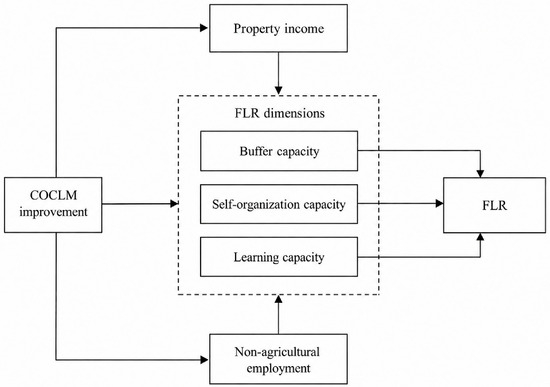
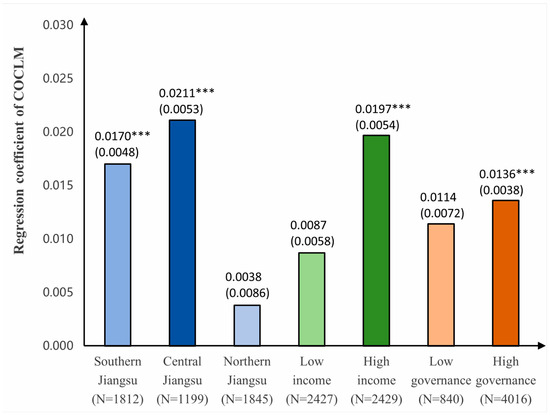

Disclaimer/Publisher’s Note: The statements, opinions and data contained in all publications are solely those of the individual author(s) and contributor(s) and not of MDPI and/or the editor(s). MDPI and/or the editor(s) disclaim responsibility for any injury to people or property resulting from any ideas, methods, instructions or products referred to in the content. |
© 2026 by the authors. Licensee MDPI, Basel, Switzerland. This article is an open access article distributed under the terms and conditions of the Creative Commons Attribution (CC BY) license.