Article

Temporal and Spatial Variations in Rainfall Erosivity on Hainan Island and the Influence of the El Niño/Southern Oscillation
1
School of Soil and Water Conservation, Beijing Forestry University, Beijing 100083, China
2
Hainan Province Water Conservancy & Hydropower Survey, Design & Research Institute Co., Ltd., Haikou 571100, China
*
Authors to whom correspondence should be addressed.
Land 2024, 13(8), 1210; https://doi.org/10.3390/land13081210
Submission received: 27 June 2024 / Revised: 29 July 2024 / Accepted: 1 August 2024 / Published: 5 August 2024
(This article belongs to the Section Land–Climate Interactions)

Abstract

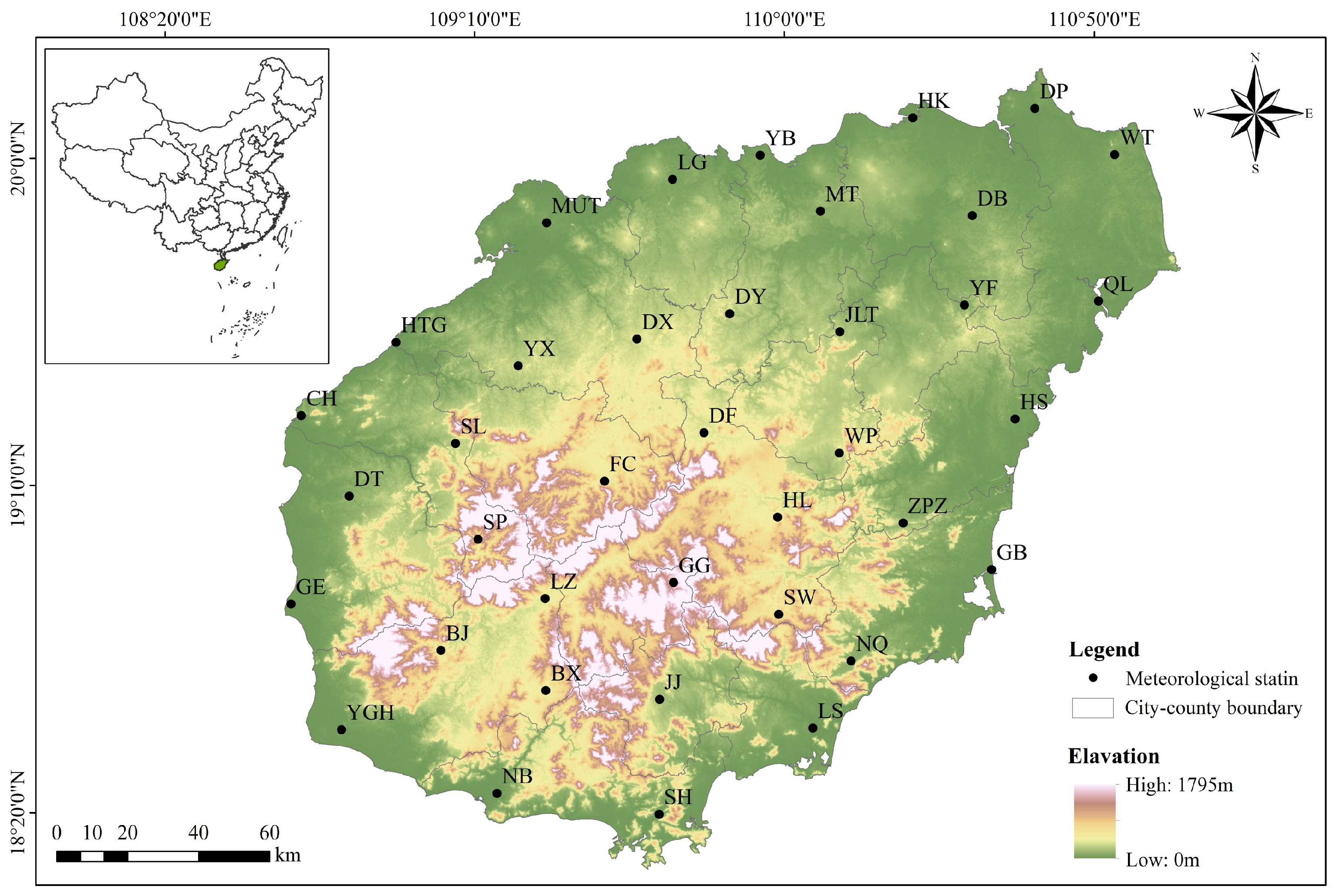
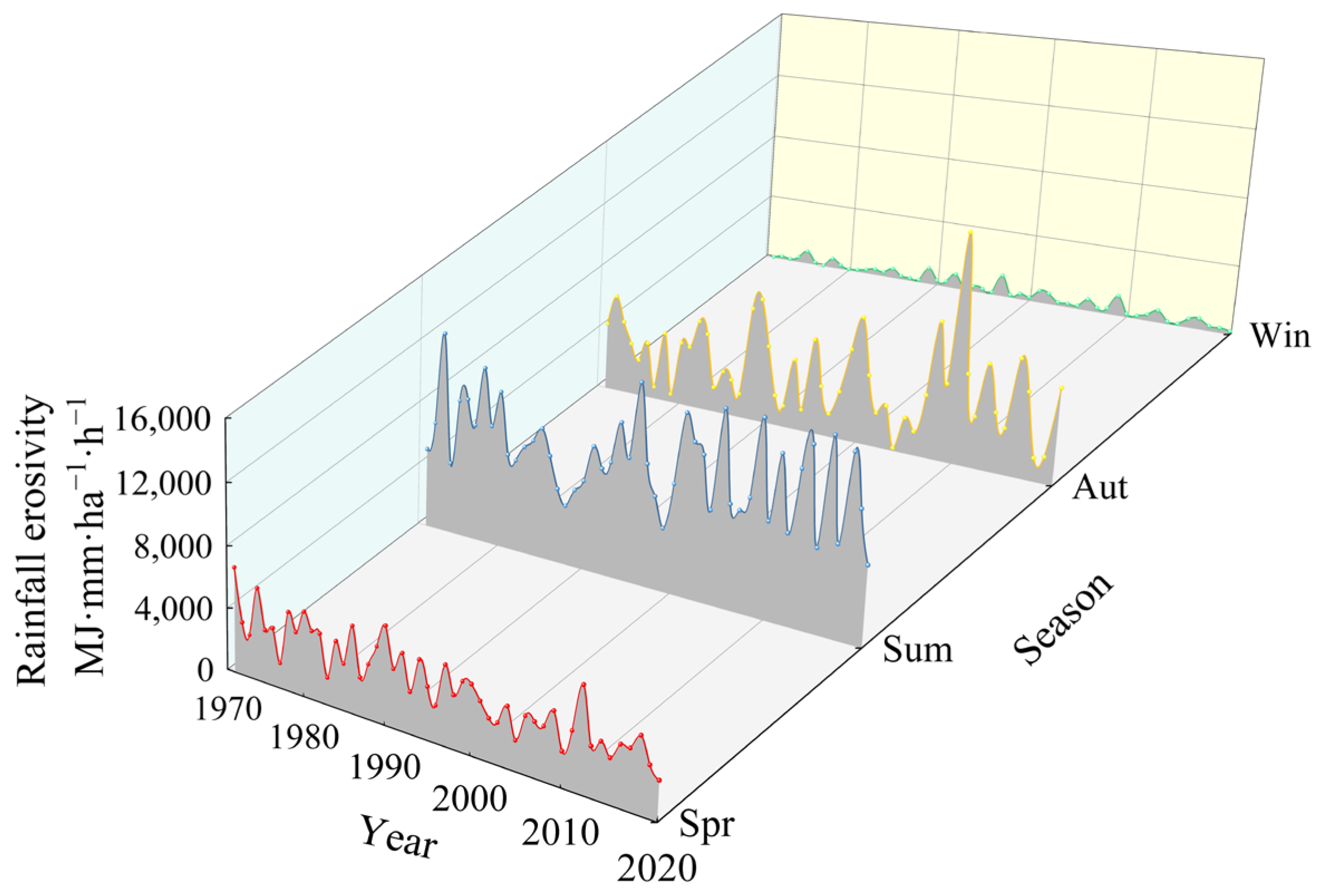
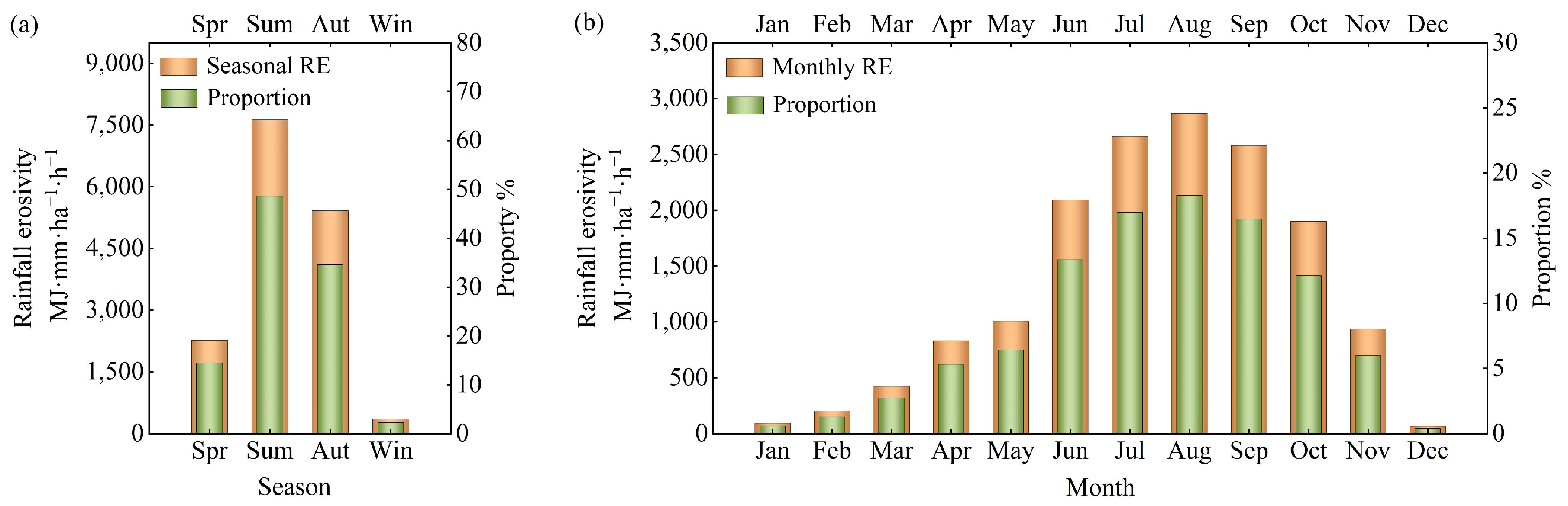
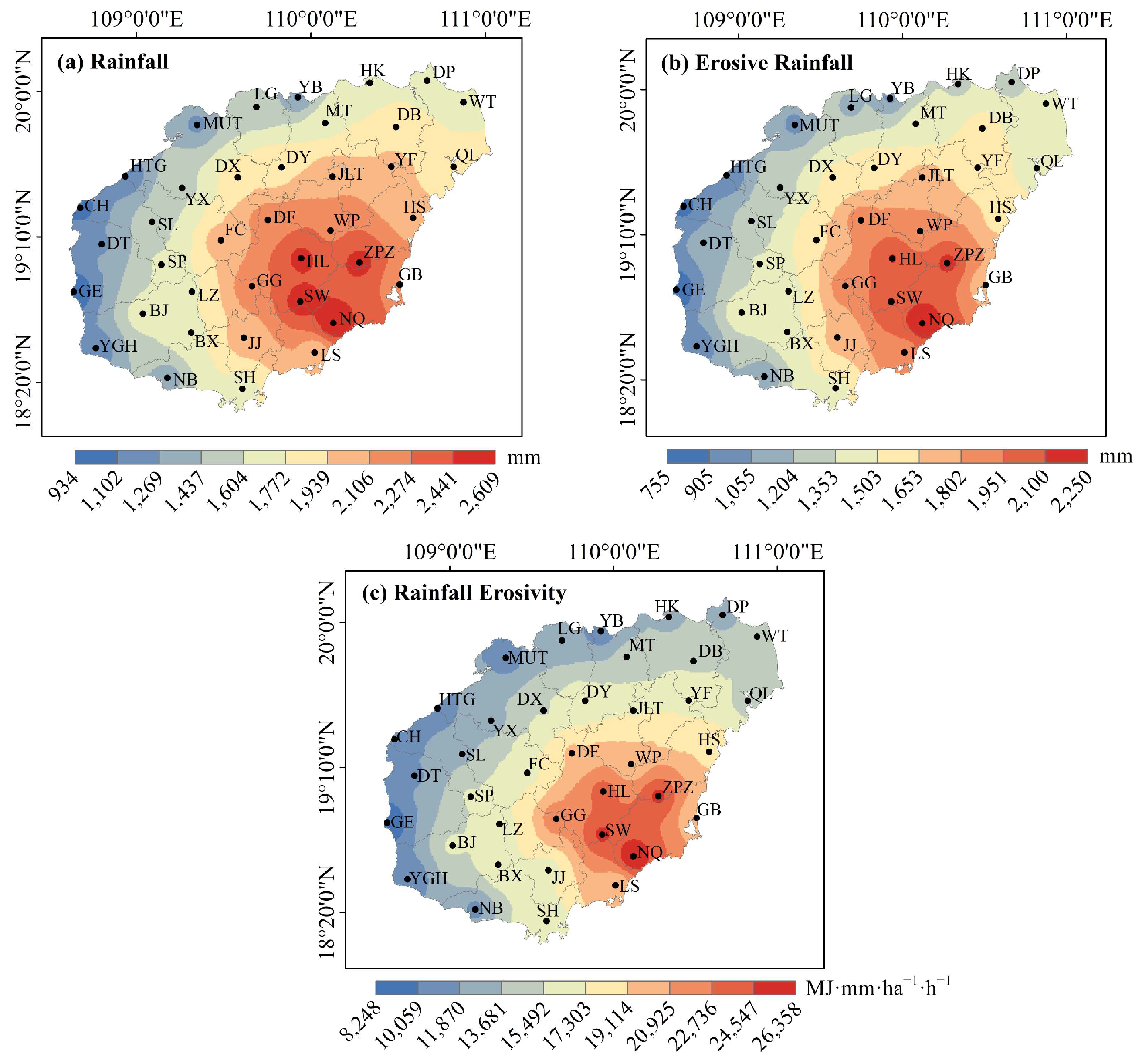
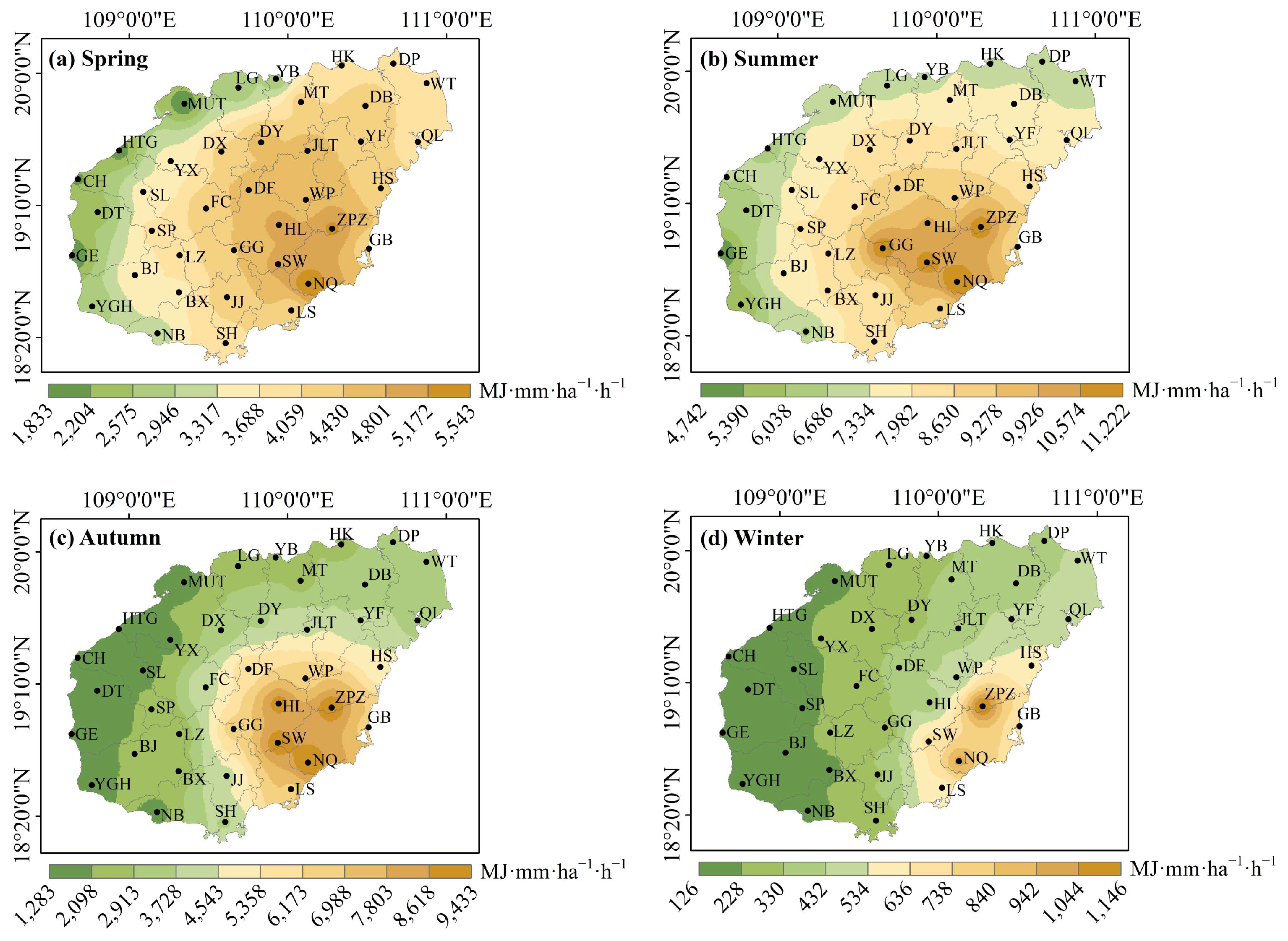
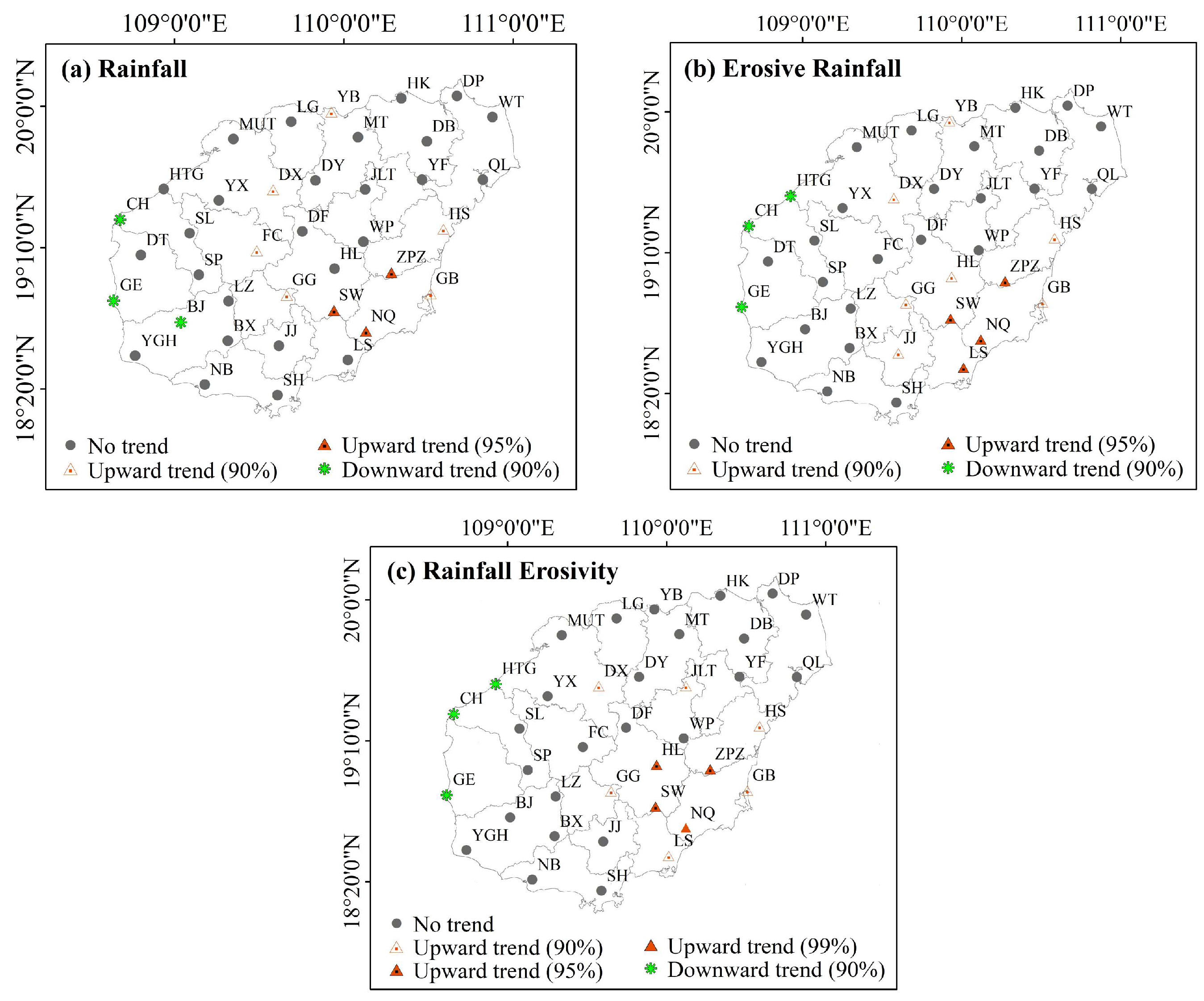
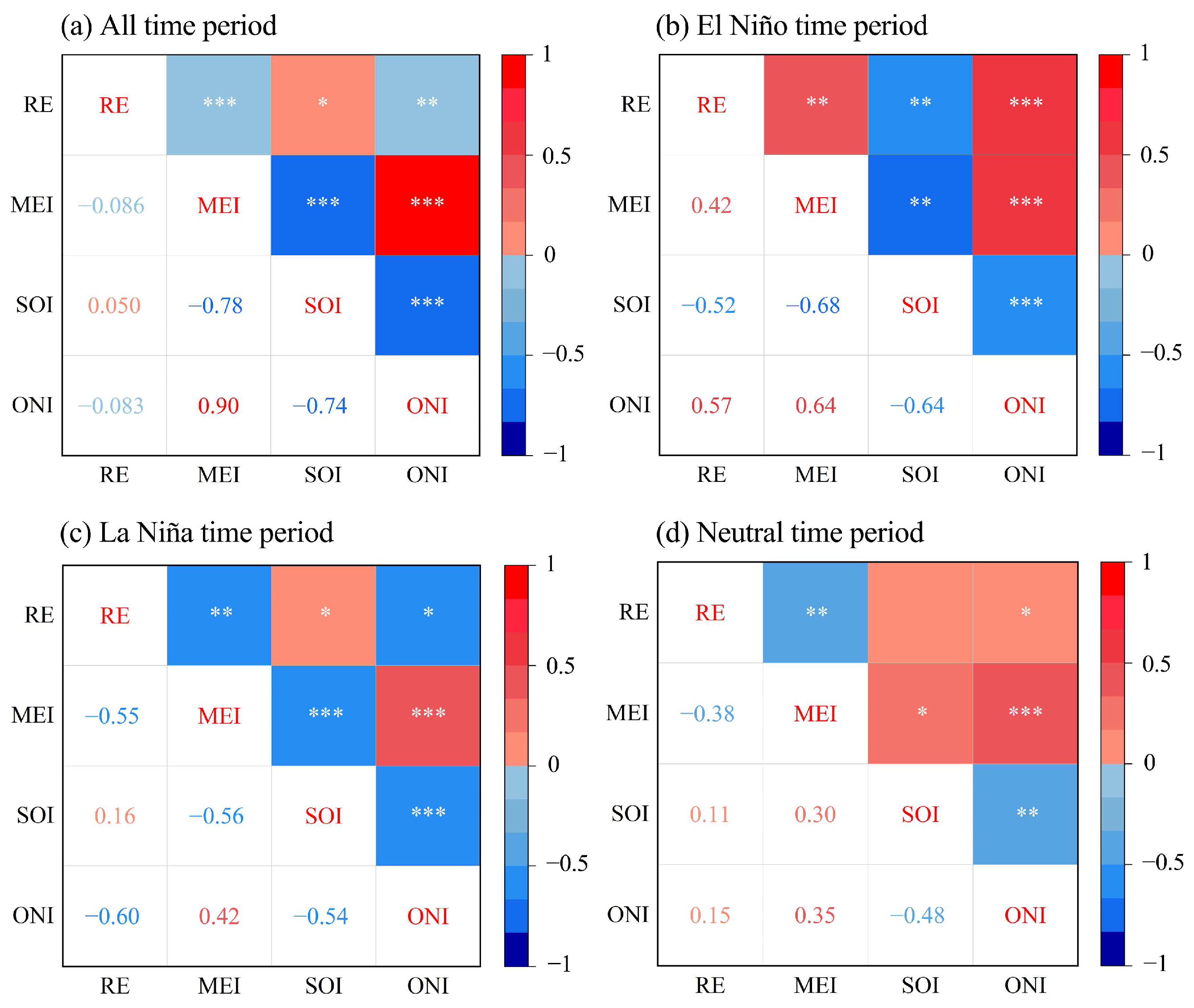
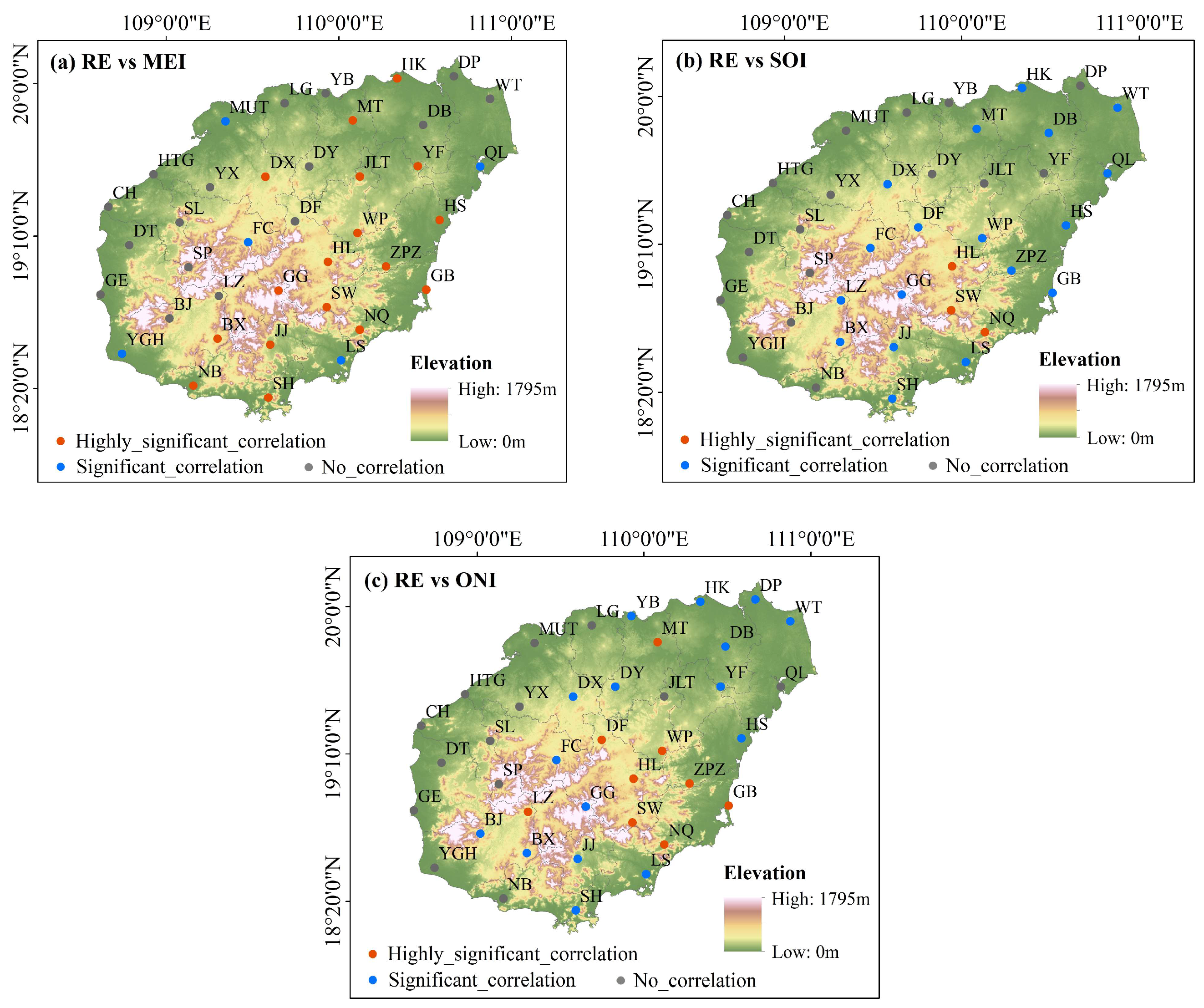
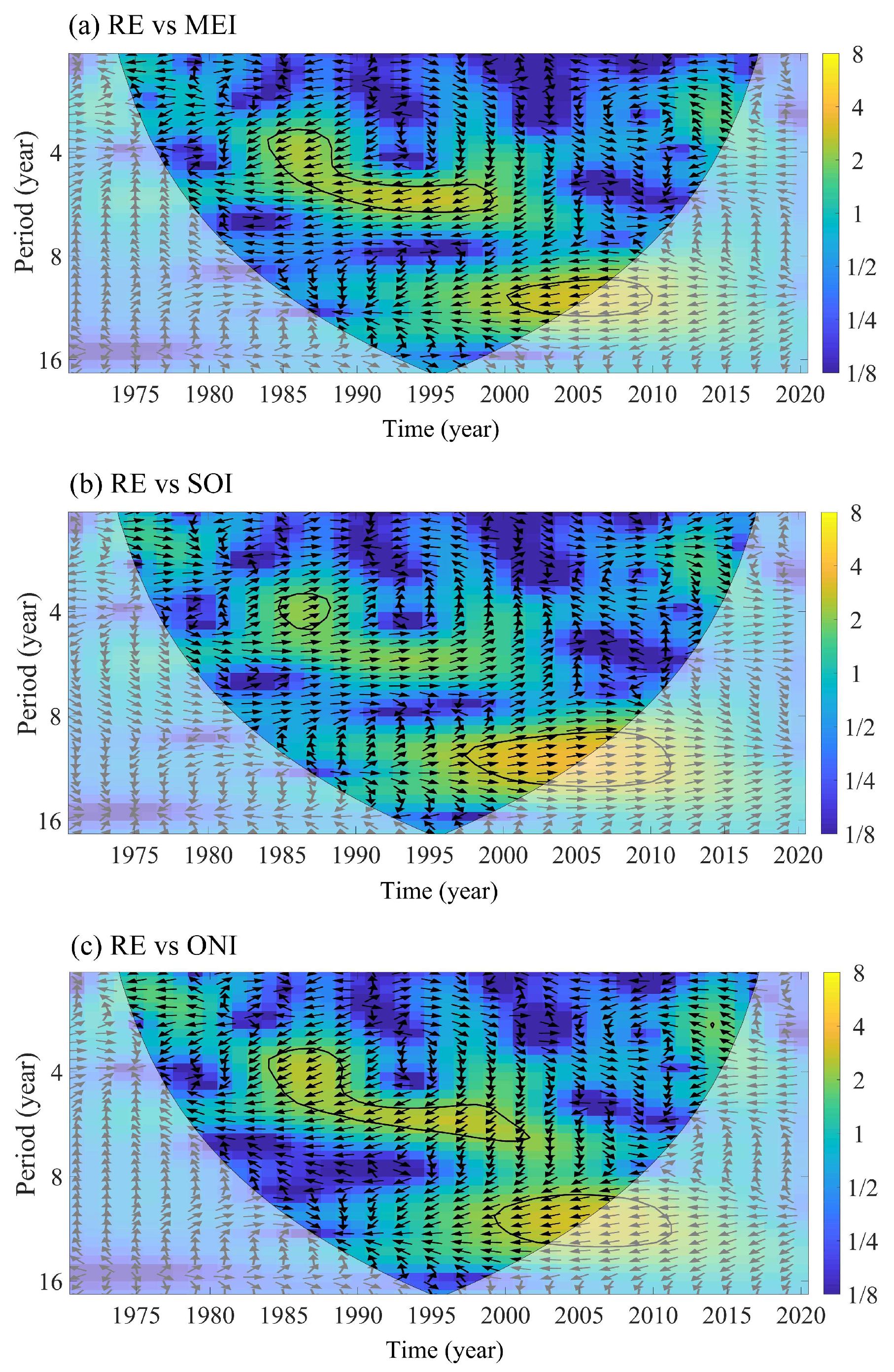
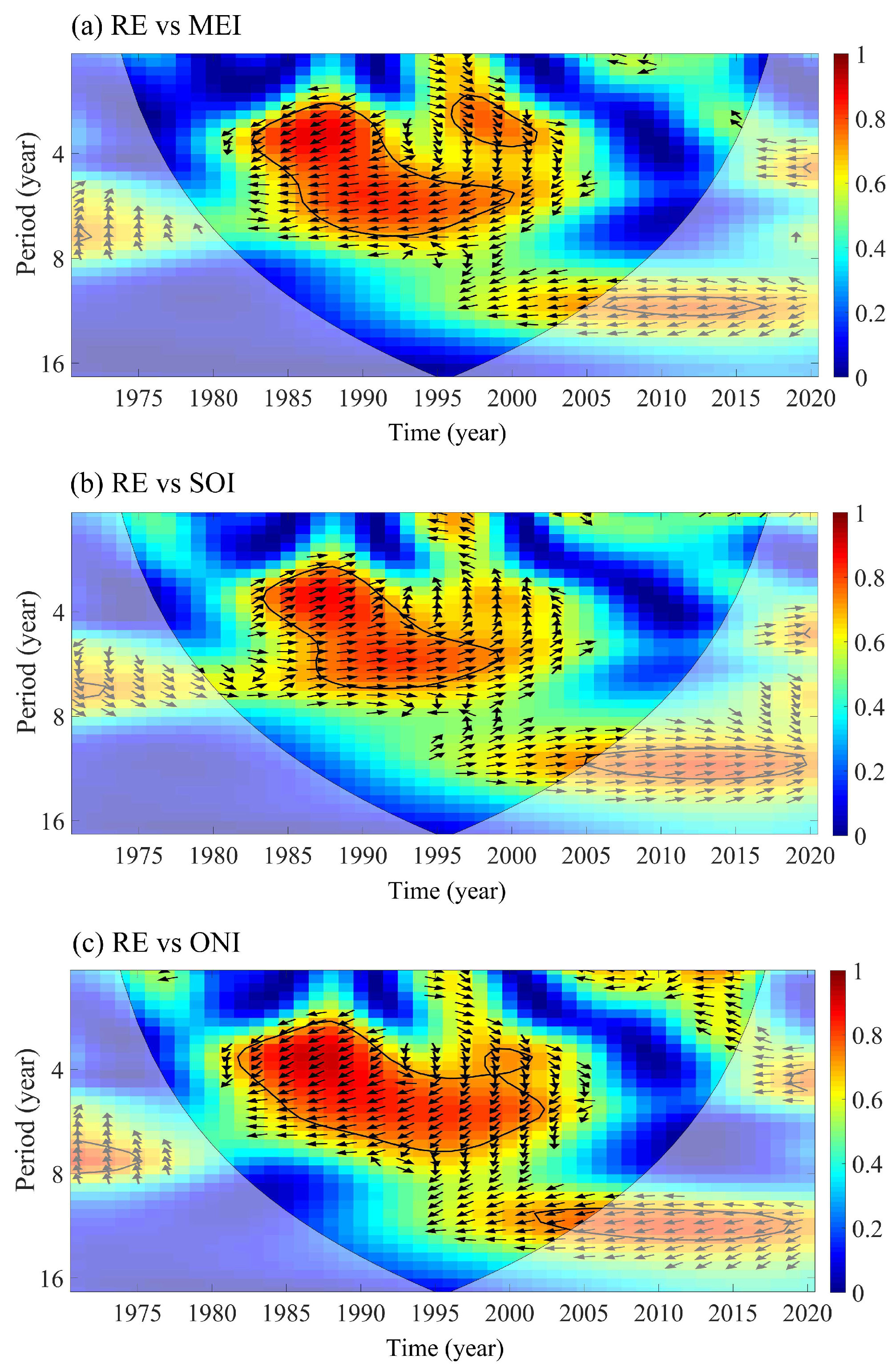
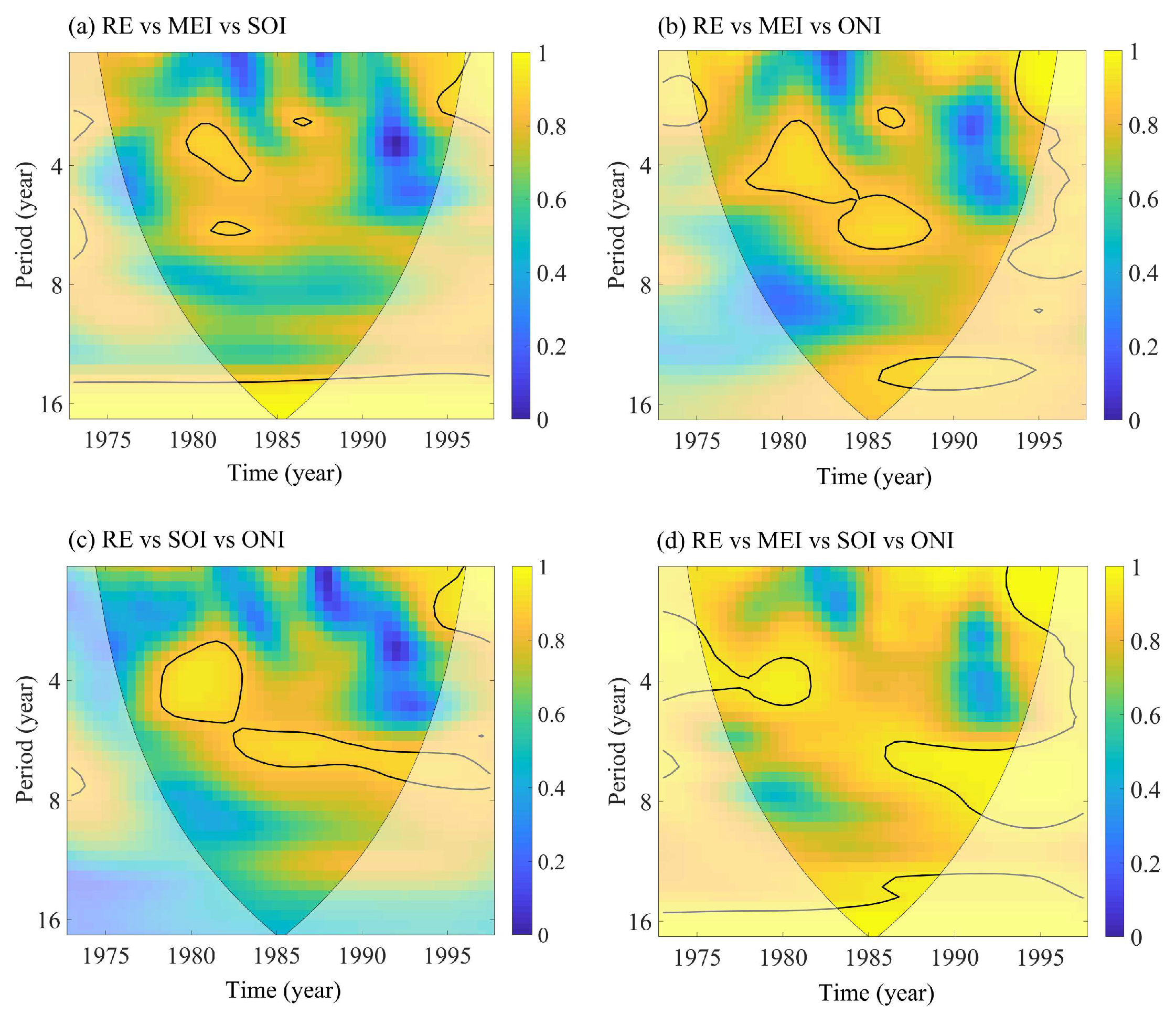
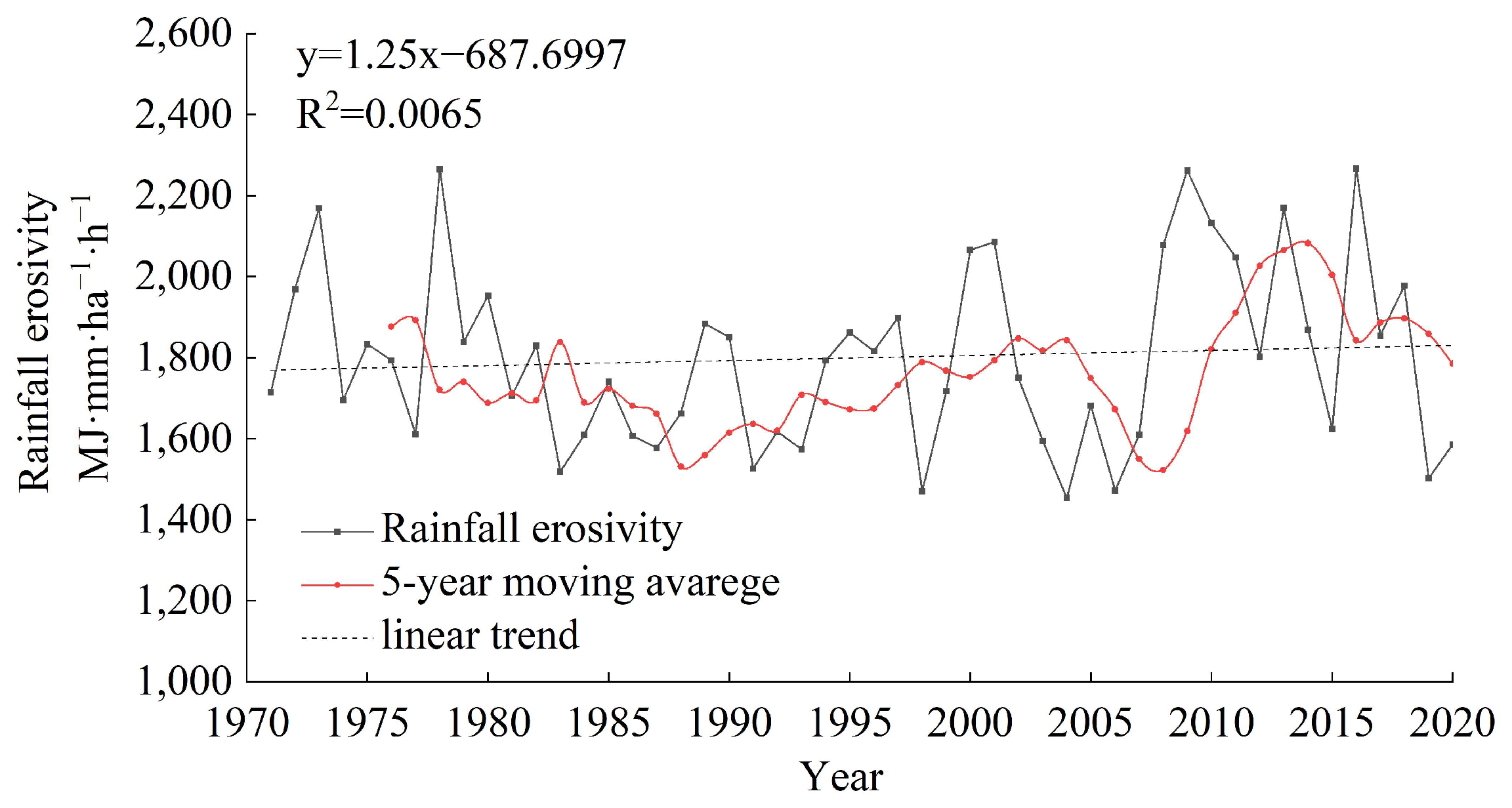
Rainfall erosivity (RE), a pivotal external force driving soil erosion, is impacted by El Niño/Southern Oscillation (ENSO). Studying the spatiotemporal variations in RE and their response to ENSO is essential for regional ecological security. In this study, a daily RE model was identified as a calculation model through an evaluation of model suitability. Daily precipitation data from 1971 to 2020 from 38 meteorological stations on Hainan Island, China, were utilized to calculate the RE. The multivariate ENSO index (MEI), Southern Oscillation Index (SOI), and Oceanic Niño Index (ONI) were used as the ENSO characterization indices, and the effects of ENSO on RE were investigated via cross-wavelet analysis and binary and multivariate wavelet coherence analysis. During the whole study period, the average RE of Hainan Island was 15,671.28 MJ·mm·ha−1·h−1, with a fluctuating overall upward trend. There were spatial and temporal distribution differences in RE, with temporal concentrations in summer (June–August) and a spatial pattern of decreasing from east to west. During ENSO events, the RE was greater during the El Niño period than during the La Niña period. For the ENSO characterization indices, the MEI, SOI, and ONI showed significant correlations and resonance effects with RE, but there were differences in the time of occurrence, direction of action, and intensity. In addition, the MEI and MEI–ONI affected RE individually or jointly at different time scales. This study contributes to a deeper understanding of the influence of ENSO on RE and can provide important insights for the prediction of soil erosion and the development of related coping strategies.
Keywords: rainfall erosivity; El Niño/Southern Oscillation; wavelet analysis; soil erosion; tropical island rainfall erosivity; El Niño/Southern Oscillation; wavelet analysis; soil erosion; tropical island