Article

Interpretable Landslide Susceptibility Evaluation Based on Model Optimization

1
Shaanxi Key Laboratory of Earth Surface and Environment Carrying Capacity, College of Urban and Environmental Sciences, Northwest University, Xi’an 710127, China
2
Institute of Earth Surface System and Hazards, College of Urban and Environmental Sciences, Northwest University, Xi’an 710127, China
*
Author to whom correspondence should be addressed.
Land 2024, 13(5), 639; https://doi.org/10.3390/land13050639
Submission received: 12 March 2024 / Revised: 29 April 2024 / Accepted: 5 May 2024 / Published: 8 May 2024
(This article belongs to the Special Issue Remote Sensing Application in Landslide Detection and Assessment)

Abstract

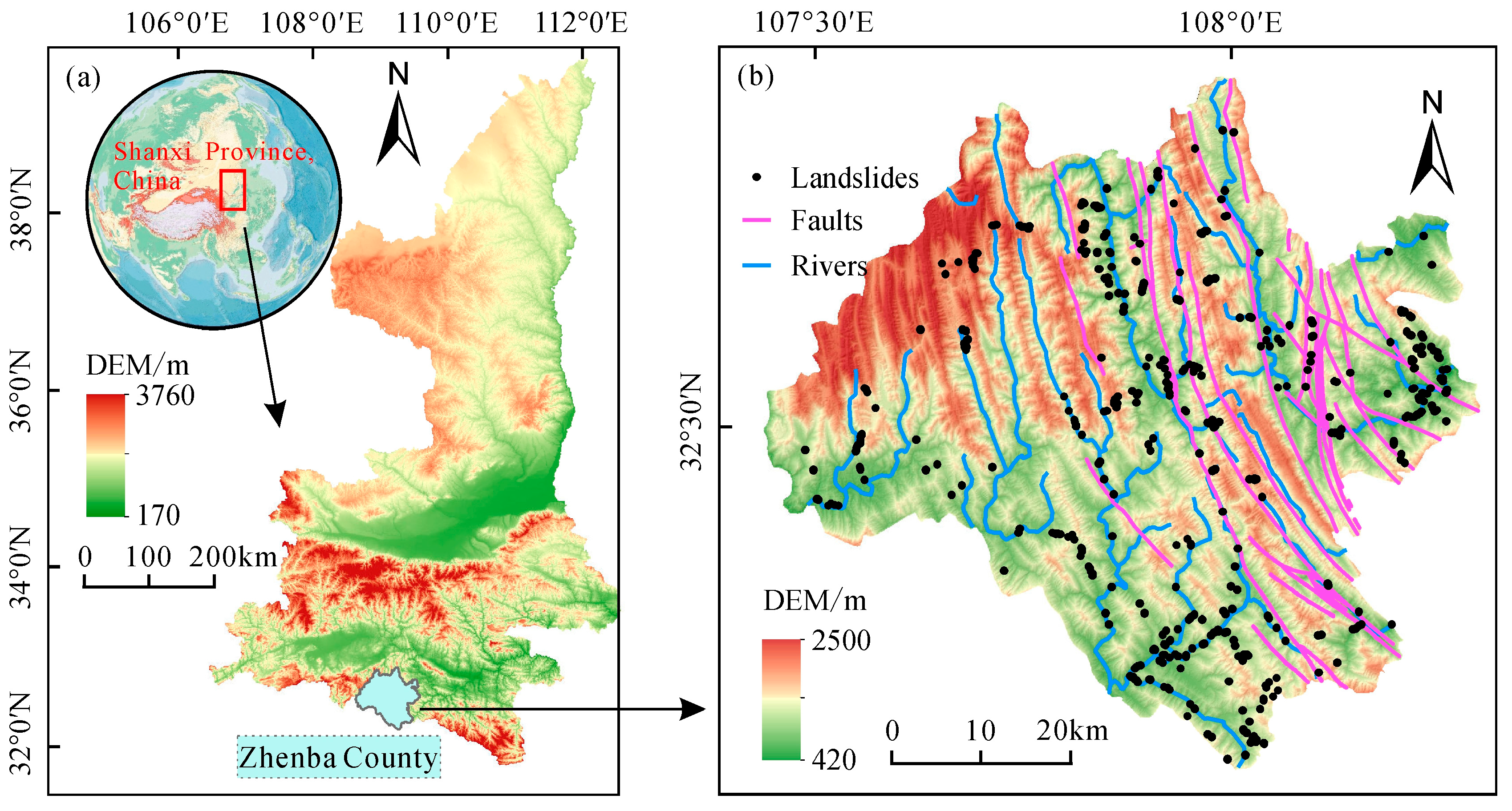
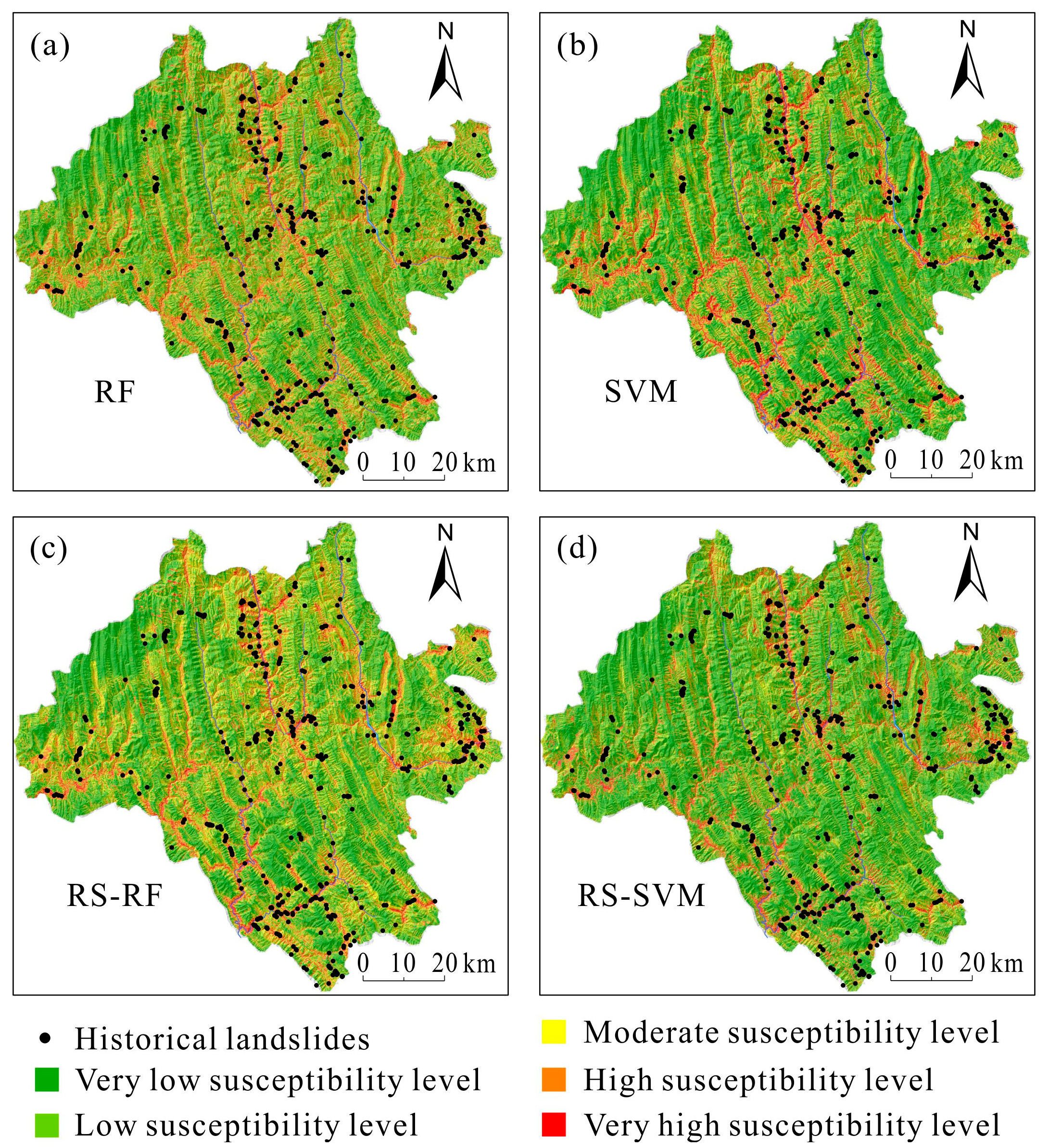
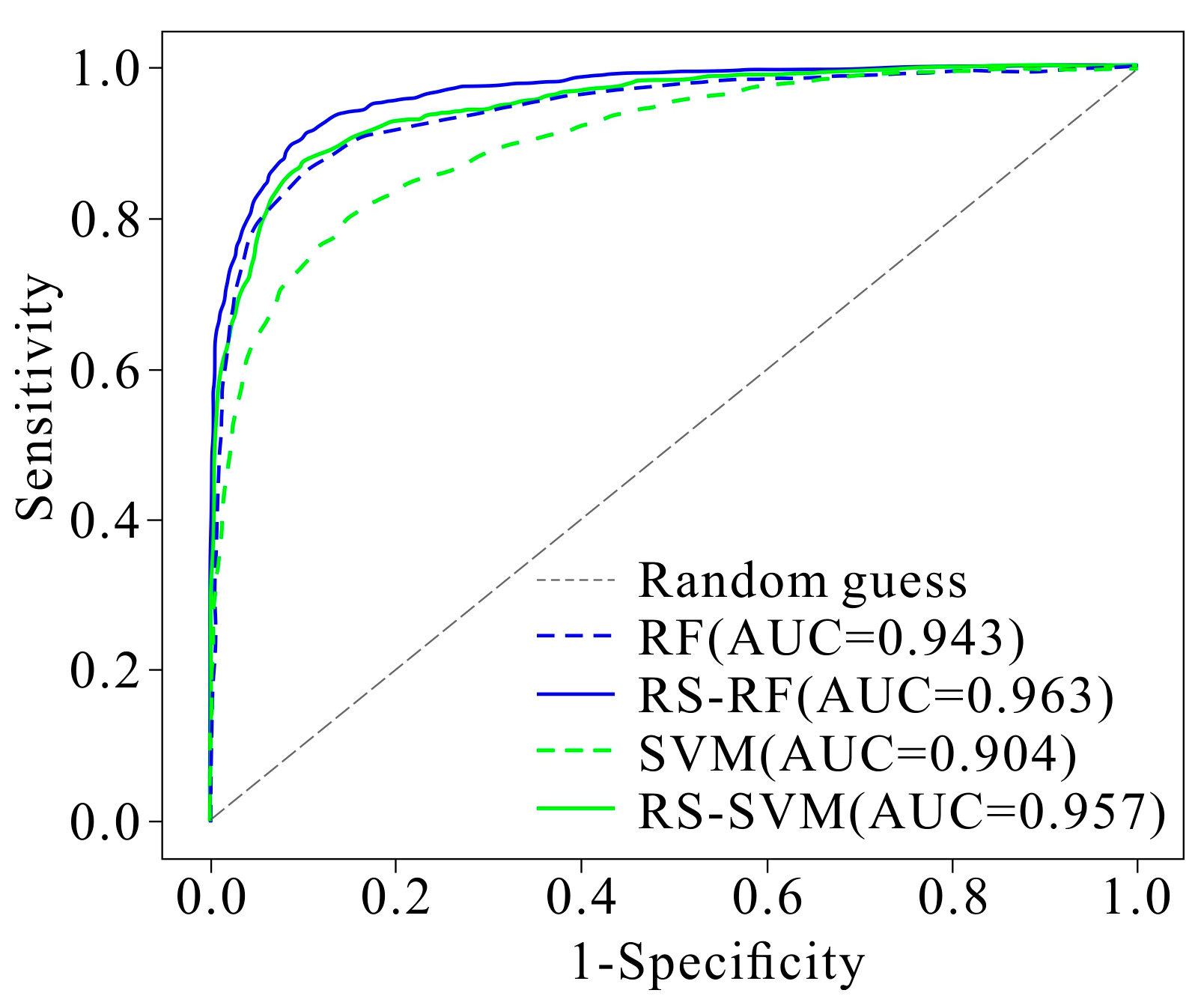
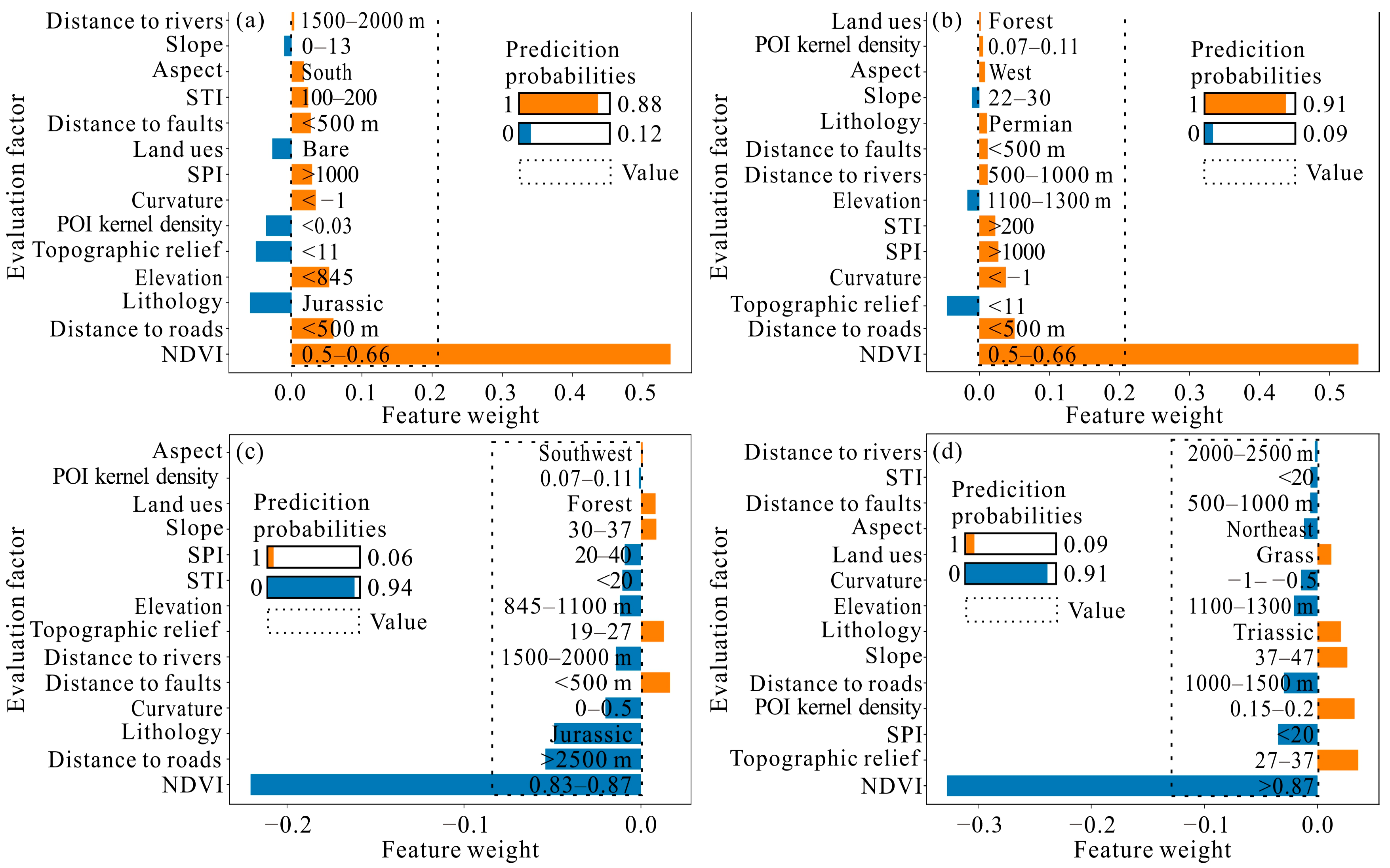
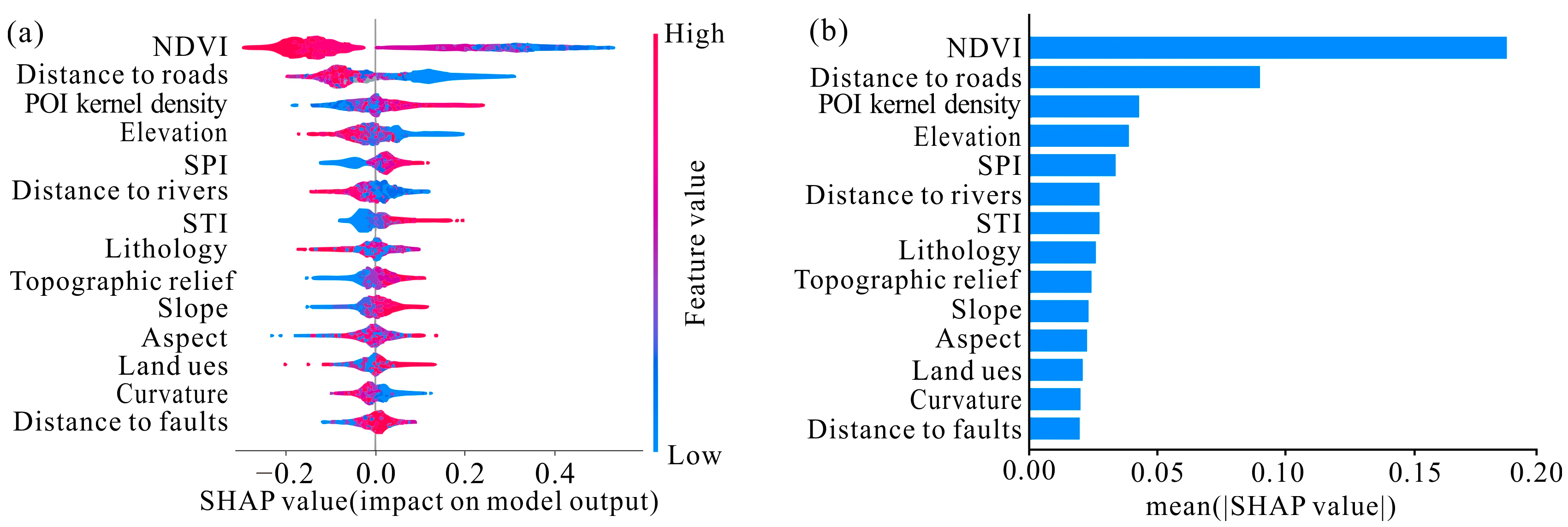
Machine learning (ML) is increasingly utilized in Landslide Susceptibility Mapping (LSM), though challenges remain in interpreting the predictions of ML models. To reveal the response relationship between landslide susceptibility and evaluation factors, an interpretability model was constructed to analyze how the results of the ML model are realized. This study focuses on Zhenba County in Shaanxi Province, China, employing both Random Forest (RF) and Support Vector Machine (SVM) to develop LSM models optimized through Random Search (RS). To enhance interpretability, the study incorporates techniques such as Partial Dependence Plot (PDP), Local Interpretable Model-Agnostic Explanations (LIMEs), and Shapley Additive Explanations (SHAP). The RS-optimized RF model demonstrated superior performance, achieving an Area Under the Curve (AUC) of 0.965. The interpretability model identified the NDVI and distance from road as important factors influencing landslides occurrence. NDVI plays a positive role in the occurrence of landslides in this region, and the landslide-prone areas are within 500 m from the road. These analyses indicate the importance of improved hyperparameter selection in enhancing model accuracy and performance. The interpretability model provides valuable insights into LSM, facilitating a deeper understanding of landslide formation mechanisms and guiding the formulation of effective prevention and control strategies.
Keywords: landslide; Random Forest; Support Vector Machine; hyperparameter selection; interpretability landslide; Random Forest; Support Vector Machine; hyperparameter selection; interpretability