


Abstract
Emerging contaminants (ECs) are a diversely mounting group of chemicals and biological compounds found in air, water, and soil, which include pharmaceuticals, personal care products, per- and poly-fluoroalkyl substances (PFASs), microplastics, endocrine-disrupting chemicals, and various other industrial compounds. Unlike conventional pollutants, ECs are usually unregulated, found in very small amounts, and can persist and build up in living organisms, resulting in toxic risks for both ecosystems and human health. These contaminants originate from various anthropogenic activities and enter the environment through wastewater, stormwater, landfill leaching, and atmospheric deposition. This article documents a holistic literature review of ECs available from the last five years, covering classification, sources and pathways of contamination, and environmental behavior, while assessing their ecological, human health, and socioeconomic impacts. Advances in detection, including high-resolution mass spectrometry, non-target screening, real-time sensors, and AI-assisted monitoring, are addressed. Management strategies including advanced oxidation, membrane filtration, electrochemical treatments, and nature-based solutions are explored. It also analyses global and regional policy frameworks, highlighting regulatory gaps and the need for standardized monitoring. The study emphasizes integrated, multidisciplinary approaches combining scientific innovation, sustainable chemical design, predictive modeling, and public engagement. Synergizing technology, governance, and prevention could reduce the risks related to ECs and protect the environment. The novel contribution is an end-to-end, decision-oriented synthesis that links what monitoring can reliably infer to be feasible, integrated control strategies and sustainability outcomes, supporting risk-based prioritization, targeted pollution treatment, and prevention-focused management.
1. Introduction
Emerging contaminants (ECs) are an increasingly diverse group of recalcitrant chemicals and biological agents that have gained attention due to their widespread presence and potential risks to both the environment and human health [1]. These include pharmaceuticals, personal care products, microplastics, endocrine disruptors, flame retardants, industrial solvents, and nanomaterials which remain largely understudied [2]. ECs are concerning due to their persistence, bioaccumulation, and toxicity at very low concentrations, leading to their classification, while being ubiquitously found in air, water, and soil [3,4,5]. ECs are commonly classified by persistence, bioaccumulation, and toxicity [5]. PFASs, for example, persist for years, resisting breakdown and cycling through environmental media, while some pharmaceuticals, though less persistent, still pose chronic risks [6]. Risk assessment is hampered by limited toxicology and uncertain mixture interactions [7].
ECs enter the environment via multiple human-driven sources, majorly contributed by urban sources (treated and untreated wastewater, hospital discharges, stormwater runoff, landfill leachate), industry sources (solvents, dyes, metals, synthetic additives), and agriculture sources (pesticides, veterinary medicines, nutrient runoff) [8,9]. Wastewater treatment plants have the potential to be focal for ECs remediation, as conventional systems target organic matter and nutrients but often fail to remove complex compounds [10]. Addressing EC removal is urgent due to their wide-ranging effects, as at very low concentrations they can disrupt hormones, impair reproduction, foster antibiotic resistance, or alter immune responses in humans and wildlife [11,12]. PFAS exposure has been linked to cancer, metabolic disorders, immune dysfunction, and developmental issues [13]. On the other hand, microplastics cause physical harm and can transport toxic chemicals, potentially contributing to cardiovascular, neurological, and inflammatory disorders [14]. Ecologically, ECs disrupt food webs, reduce the population of sensitive species, and accumulate in top predators. Socioeconomic consequences include biodiversity loss, reduced fishery yields, higher healthcare costs, and increased demands on water treatment infrastructure [15].
EC detection and monitoring have advanced significantly; analytical techniques such as high-performance liquid chromatography (HPLC), gas chromatography, and mass spectrometry, along with non-target screening, enable identification at ultra-trace levels. Coupling these tools with Artificial Intelligence and machine learning (AI-ML) has the scope to enhance predictions of contaminant movement, transformation, and biological uptake [16]. For pollutants like PFASs, geospatial analysis and computational models improve the mapping of contamination and exposure risks. Emerging sensing technologies, such as microfluidic sensors, offer the potential for rapid in situ detection [3].
To mitigate ECs, several engineered strategies such as advanced oxidation, membrane filtration, adsorption using activated carbon or novel materials, and electrochemical treatments are being developed. Additionally, nature-based approaches like constructed wetlands, phytoremediation, biochar application, and microbial degradation provide sustainable solutions towards low-level contamination [7]. Emerging nanotechnology, including light-activated materials for the breakdown of pharmaceutical compounds, offers promise but requires thorough environmental safety evaluation. In parallel with these approaches, regulatory frameworks are also evolving but remain inconsistent worldwide. Some countries have set strict limits for specific contaminants like PFASs in drinking water, supported by funding for compliance and treatment upgrades. Internationally, there is growing recognition for documenting harmonized standards, coordinated monitoring programs, and shared governance to manage pollutants that cross borders. The “One Health” approach, linking human, animal, and environmental health, is increasingly promoted as a comprehensive management framework; however, substantial challenges persist [12]. Regulations need to emerge targeting damage control, while majorly developing regions lack the expertise, funding, and infrastructure needed for effective EC monitoring and remediation [9]. Real-time detection systems are still limited, and scaling laboratory solutions to field applications faces technical and economic hurdles [17]. The sheer diversity of ECs, the constant emergence of new chemicals and transformation products, and their poorly understood effects make prioritization and risk assessment difficult. Furthermore, detecting contaminants at extremely low concentrations demands highly sensitive and expensive methods [3].
Despite rapid growth in emerging contaminant research, the literature remains fragmented across detection and monitoring, mitigation technologies, and governance/implementation. This limits decision-making because monitoring outputs are not consistently translated into actionable treatment selection, residuals management, and prevention strategies under realistic constraints. This review addresses that gap by providing an integrated, management-oriented synthesis that links detection capability (including proxy vs. compound-specific approaches) to feasible mitigation pathways and policy needs. This review is intended to document the management of emerging contaminants (ECs), emphasizing their sources, impacts, detection methods, and mitigation strategies. It also evaluates the perspective of policy frameworks and highlights future priorities such as green chemistry, predictive modeling, and global policy coordination. Overall, it emphasizes the need for integrated, forward-thinking approaches that combine innovation, governance, and stakeholder collaboration to safeguard public health and environmental management in relation to sustainable developmental goals (SDGs).
This review followed a structured narrative synthesis approach to identify and critically evaluate recent evidence on emerging contaminants (ECs) in wastewater. The literature was searched in Scopus, Web of Science, and Google Scholar using combinations of terms related to EC classes, wastewater/WWTPs, detection (LC–MS/MS, HRMS, suspect/non-target screening, sensors), mitigation (AOPs/ozonation, activated carbon, membranes, electrochemical, nature-based solutions), and policy/risk. The primary screening focused on studies from the last five years. Peer-reviewed and authoritative sources relevant to wastewater occurrence, monitoring, treatment performance, and implementation were prioritized. Evidence was synthesized thematically with an emphasis on feasibility, residuals/by-products, and scalability.
2. Types of Emerging Contaminants
ECs comprise a broad range of synthetic and natural chemicals increasingly recognized for their persistence and risks to both human health and ecosystems. Major groups include pharmaceuticals and personal care products (PPCPs), endocrine-disrupting chemicals (EDCs), polyfluoroalkyl substances (PFASs), microplastics (MPs), nanomaterials, and industrial chemicals and by-products (ICBs) (Table 1). PPCPs, such as antibiotics, analgesics, and cosmetics, enter the environment via wastewater effluents, improper disposal, and agricultural runoff, disrupting aquatic and terrestrial systems [18]. EDCs including bisphenol A, phthalates, and pesticides interfere with hormonal signaling, impairing growth, reproduction, and metabolism in humans. PFASs, known as “forever chemicals,” resist degradation due to strong carbon–fluorine bonds, and are bioaccumulated and linked to carcinogenic, metabolic, and reproductive harm [19]. MPs, generated by the fragmentation of plastics or microbeads, now occur across terrestrial, aquatic, and even airborne environments, causing oxidative stress, digestive blockages, and impaired nutrient uptake in plants [20]. MPs can also act as vectors by sorbing and transporting hydrophobic organic contaminants, potentially modifying their environmental fate and exposure pathways [21]. Nanomaterials, while valuable in technology, raise ecotoxicological concerns through size-dependent mutagenicity and phytotoxicity. ICBs, including heavy metals, solvents, and dioxins, contaminate soils and waters, contributing to chronic toxicity and ecosystem disruption. Collectively, these contaminants highlight the complex challenge of regulating and mitigating diverse, persistent pollutants.
The human health impacts of ECs span multiple systems and are increasingly well documented (Table 2). Neurological effects result from pesticides and industrial chemicals that disrupt neurotransmission, generate oxidative stress, and damage neurons, contributing to neurodevelopmental disorders and increasing risks of Alzheimer’s and Parkinson’s disease [22]. Carcinogenic risks are strongly associated with PFASs, which can disrupt estrogen signaling and promote tumor development, particularly in breast cancer [23]. Immune system effects include weakened host defenses, increased allergy susceptibility, and autoimmune disorders, often mediated by heavy metals and solvents that impair immune regulation and alter gut microbiota [24,25]. Cardiovascular and metabolic disruptions are particularly concerning: PFAS exposure is linked to hypertension, hyperlipidemia, diabetes, obesity, and fatty liver disease, conditions that elevate the risks of heart disease. Respiratory effects, largely associated with chronic particulate exposure, worsen asthma and COPD, increase hospitalization rates, and exacerbate childhood respiratory illness. These outcomes emphasize the urgent need for adaptive regulatory standards and mechanistic research [26]. Emerging chemicals circulate across interconnected air, water, soil, and human systems, leading to cumulative environmental and health impacts. Their cross-media transport, leading to bioaccumulation, disrupts ecosystem functions and microbial processes, while increasing risks to human respiratory, neurological, immune, and endocrine health (Figure 1).
Figure 1.
Environmental and health impacts of emerging chemicals across inter-systems.
Beyond direct human health, ECs exert a wide range of ecological effects. Nutrient-rich agricultural runoff coupled with pollutants accelerates eutrophication, drives algal blooms, and depletes oxygen in aquatic systems. MPs alter soil nutrient cycling, degrade habitats, and increase ingestion risks for organisms [27,28]. Wildlife is especially vulnerable: pharmaceuticals disrupt fish and amphibian reproduction, while EDCs and PFASs interfere with hormonal regulation; heavy metals and industrial toxins increase mortality and destabilize populations [29]. Persistent pollutants such as diclofenac, DDT, PFAS, and mercury have been detected even in remote arctic ecosystems, underscoring their transport potential and global reach. Prolonged exposure also drives biodiversity loss, eroding genetic diversity and reducing species resilience, ultimately threatening ecosystem stability (Table 2).
The socioeconomic consequences of ECs add further complexity. Healthcare systems face rising costs from chronic illnesses, endocrine disorders, and antimicrobial resistance, while monitoring and remediation strain public budgets (Table 2). Agriculture and fisheries suffer reduced yields and food quality, tourism and recreation decline under ecosystem degradation, and utilities must invest in advanced treatment technologies, raising consumer costs. Contamination also lowers property values and imposes liability risks on industries [30]. Importantly, these burdens fall disproportionately on low-income communities, deepening health disparities and environmental injustice. ECs impose interconnected human, ecological, and economic challenges that require coordinated monitoring, regulation, and policy innovation.
Table 1.
Overview of major categories of emerging contaminants (ECs) including their key characteristics, representative examples, major sources and environmental pathways, and associated environmental and health impacts.
Table 2.
Summary of human health, ecological, and socioeconomic effects of emerging contaminants (ECs).
3. Detection and Monitoring of Emerging Contaminants
Emerging contaminants lack typical regulation and monitoring protocols due to the lack of comprehensive toxicological data or long-term environmental fate studies. Due to their occurrence in natural ecosystems, their identification among other components has become a major task that leads to being a high-risk cause for both environmental and human health [53]. Due to the higher EC proliferation among diverse environments (surface and ground water, sediments, soils, biota), many mitigation and management concerns are raised among environmental scientists, regulatory agencies, and public health ministries. Research has shown that the release and persistence of ECs is marked by rapid urbanization, increasing pharmaceutical consumption, industrial development, and inefficient wastewater treatment technologies [54]. The inappropriate functioning of municipal wastewater treatment plants prior to ECs’ release into the ecosystem is also a concern. Hence, compounds such as antibiotics, analgesics, antiepileptics, hormones, and cosmetic ingredients that can enter aquatic ecosystems are left behind in plants, causing contamination [55]. Their nature in the environment is influenced by adsorption, hydrolysis, photodegradation, redox reactions and biodegradation. However, many ECs, such as carbamazepine and triclosan, resist degradation and persist in water and soil. Moreover, transformation products formed during water treatment, including chlorinated derivatives, may exhibit a greater toxicity than their parent compounds [56]. The bioaccumulation of hydrophobic ECs (PFASs and brominated flame retardants) is one of the major concerns, as they can be easily consumed by living organisms via the food web. Microplastics also act as carriers for hydrophobic contaminants, increasing the risk externally. These pathways raise concerns regarding chronic human health effects, including endocrine disruption, neurotoxicity, and antibiotic resistance [57]. Figure 2 presents an integrated monitoring framework for emerging contaminants, linking wastewater treatment plant effluents with advanced analytical platforms such as high-performance liquid chromatography and complementary detection systems. These directly emphasize the progression from source identification to environmental surveillance, supporting the assessment of contaminant fate, transport, and ecological exposure in aquatic and terrestrial systems.
Figure 2.
Analytical monitoring of emerging contaminants from wastewater to the environment.
3.1. Analytical Techniques for Detecting Emerging Contaminants
The identification and monitoring of ECs is dependent on understanding their core effects on the environment and public health. Liquid chromatography–mass spectrometry (LC-MS) and gas chromatography–mass spectrometry (GC-MS) are the analytical techniques most preferably used due to their highly selective and specific nature. Sample preparation is the most critical step in performing EC analysis; the solid-phase extraction (SPE) method is one of the most commonly employed methods to estimate the concentration and purify the analytes of specified aqueous samples [58]. Along with SPE, liquid–liquid extraction and solid-phase microextraction are also used, especially for the extraction of volatile compounds extracted using minimal solvent volumes. For better EC detection and separation analysis, high-performance liquid chromatography (HPLC), gas chromatography (GC), and mass spectrometry (MS) are used alone or in conjunction. Among these separation techniques, GC-MS is ideal for volatile and thermally stable compounds, whereas HPLC-MS or simple MS is usually preferred for polar and thermolabile analytes [59].
Tandem MS and high-resolution MS (HRMS) enables the identification of ECs and their transformation products at ultra-trace levels [60]. Non-target and retrospective analyses are usually facilitated by time-of-flight and orbitrap analyzers. LC-MS is a powerful analytical technique that combines the physical separation capabilities of LC with the mass analysis capabilities of MS. It is widely used in pharmaceutical analysis, environmental monitoring, proteomics, metabolomics, and the detection of ECs due to its sensitivity, specificity, and versatility. LC relies on separation based on interactions with both the mobile and stationary phases, employing the reversed phase, whereas non-polar analytes remain longer in a hydrophobic stationary phase [61]. First, chromatographic separation occurs; later, the molecules enter the mass spectrometer for further separation, where the molecules are ionized using techniques like electrospray ionization (ESI) or atmospheric pressure chemical ionization (APCI) [62]. This is followed by ion detection based on their mass-to-charge ratio, which provides qualitative and quantitative data. LC-MS is applied in pharmaceuticals for drug discovery, pharmacokinetics, and metabolite identification, and it is also vital in diagnostics for detecting biomarkers, therapeutic drug monitoring in medical sciences, and identifying trace levels of contaminants and emerging pollutants in environmental sciences [63]. Similarly, GC-MS is highly effective for analyzing volatile and semi-volatile organic compounds (VOCs and SVOCs), polycyclic aromatic hydrocarbons (PAHs), and drug residues [64]. In GC-MS, analytes are volatilized and transported by an inert gas (typically helium or nitrogen) through a capillary column, where they separate according to their specific boiling points and polarity [65]. The separated compounds are subsequently ionized in the mass spectrometer, usually through electron ionization (EI), producing fragmentation patterns that are detected and quantitated based on their mass-to-charge (m/z) ratios [59]. In environmental science, it serves as a gold standard for finding pollutants in air, water, and soil. It is also crucial in forensic toxicology to identify narcotics and toxins [66].
3.2. Biosensors Used in the Management and Mitigation of ECs
Biosensors are sensitive analytical tools that pair a biological recognition component (e.g., enzymes, antibodies, nucleic acids, or microbial cells) with a physicochemical transducer to identify analytes with excellent sensitivity and selectivity, providing an effective method for in situ and real-time EC monitoring. The biorecognition moiety binds or interacts selectively with target ECs (pharmaceuticals, endocrine-disrupting chemicals, pesticides, and industrial pollutants), where the transducer converts these interactions into measurable signals (electrochemical, optical, piezoelectric, or thermal) [67]. Electrochemical biosensors are especially popular for environmental use because of their mobility, low expense, and high level of analytical performance. Various classes of biosensors are designed for particular ECs: enzyme biosensors recognize organophosphates and phenols through the inhibition of an enzyme; immunosensors utilize antigen–antibody binding to detect antibiotics, hormones, and POPs; DNA biosensors (geno-sensors) evaluate genotoxic contaminants by identifying hybridization or DNA damage; and whole-cell biosensors employ genetically modified microorganisms that produce luminescent or fluorescent signals in response to contaminant exposure [68,69]. These biosensors offer a rapid, selective, and sensitive response in complex media such as water, soil, and air, and can be used to facilitate early warning systems and bioremediation monitoring through the assessment of contaminant bioavailability and microbial degradation activity [68]. While biosensors are superior to traditional chromatographic techniques in the aspects of speed, expense, and field use, constraints in the form of a narrow target specificity, environmental variability sensitivity, and limited long-term stability remain. Yet developments in synthetic biology and nanotechnology are increasingly improving their signal amplification and multiplexing capability, as well as their robustness for extensive environmental monitoring.
3.3. Remote Sensing Used in the Management and Mitigation of Emerging Contaminants in Environment
Remote sensing is a contactless geospatial technology that employs satellite- or airborne-based sensors to identify electromagnetic radiation reflected or emitted from the earth’s surface and monitor the environment continuously without physical contact. In the case of ECs, remote sensing provides indirect yet essential environmental risk and pollutant dynamics assessments [70]. Techniques like multispectral, hyperspectral, and thermal infrared sensors are used to measure spectral differences in land and water bodies, which can be linked with contamination events. While remote sensing cannot directly detect trace-level ECs because of their very low environmental concentration levels, it offers useful proxy indicators [71,72]. Some of these include land use/land cover (LULC) analysis to delineate agricultural runoff or industrial effluent discharges, chlorophyll-a estimation for observing algal bloom due to nutrient and pharmaceutical discharge (e.g., from Sentinel-2 or MODIS), and thermal anomalies indicative of unauthorized wastewater release. Furthermore, remote sensing facilitates the observation of hydrological parameters like turbidity, surface temperature, and total suspended solids, which are associated with contaminant transport and distribution [73]. Advances in recent hyperspectral imaging (HSI) technology have provided increased spectral resolution for monitoring dissolved organic matter (DOM) and other EC surrogates. Coupled with Artificial Intelligence (AI) and machine learning algorithms, predictive modeling and early warning systems are further enhanced in risk assessment for EC [71,74,75]. While there are limitations, namely the inability to monitor ECs at a molecular concentration, integrating remote sensing information with ground sampling, biosensors, in situ measurements, and GIS-based modeling greatly enhances its utility in environmental monitoring and contaminant control measures.
3.4. AI-Driven Monitoring in the Management and Mitigation of ECs
Artificial Intelligence (AI) has become a revolutionary computational strategy for monitoring, predicting, and mitigating ECs like pharmaceuticals, endocrine-disrupting compounds, and microplastics that usually exist at trace concentrations with a complex spatiotemporal variability [76,77,78]. Conventional analysis techniques are not capable of managing such multifactorial datasets; yet AI-based procedures, specifically machine learning (ML) algorithms like support vector machines (SVM), random forests, and artificial neural networks, enable pattern and trend recognition in EC distribution through an integration of environmental factors such as land use, hydrological regimes, and climatic conditions [79]. Deep learning structures, specifically convolutional neural networks (CNNs), improve the machine-based examination of remote sensing images and sensor readings, providing an early warning for signals of contamination. AI-enabled Internet of Things (IoT)-based sensor platforms enable real-time environmental monitoring, allowing the dynamic monitoring of pollutant sources, contamination risk forecasting, and decision-making in remediation planning [75]. In addition, AI is increasingly being applied in non-target screening pipelines, where it helps to detect unidentified chemical properties from intricate LC-MS and GC-MS datasets, thus extending the coverage of EC detection beyond known analytes. Although there are known limitations with data heterogeneity, model generalizability, and interpretability, AI offers an adaptable and scalable solution for furthering environmental informatics and the proactive management of ECs [75].
3.5. Challenges in Detection for Management and Mitigation of ECs
The detection of ECs in environmental matrices is scientifically demanding because of the variability in their physicochemical characteristics and presence at ultra-trace concentrations [59]. Most ECs are polar, thermolabile, and non-volatile, making them incompatible with conventional gas chromatography (GC) methods. While liquid chromatography with tandem mass spectrometry (LC-MS/MS) offers a higher sensitivity and specificity, it is beset by challenges like matrix effects, co-elution, and ion suppression that affect quantitative accuracy and reproducibility [80]. The identification of unknown or transformation products that form during processes of environmental degradation and are not accessed through traditional targeted analysis is another key challenge. Sophisticated methods such as high-resolution mass spectrometry (HRMS) facilitate suspect and non-target screening, but data processing and compound annotation are still time-consuming and need advanced computational systems. In addition, ECs tend to interact with natural organic matter, sediments, and microbial consortia, which impact their bioavailability, persistence, and sensitivity to detection [81,82]. Their temporal and spatial heterogeneity also makes environmental monitoring and risk assessment even more challenging. The absence of harmonized analytical guidelines, reference materials, and regulatory limits for most ECs hinders cross-comparability and restricts the creation of effective environmental management strategies.
3.5.1. Low Concentration
ECs such as pharmaceuticals, endocrine-disrupting compounds, and personal care products are usually present at ultra-trace concentrations (ng/L to pg/L) in environmental matrices like surface water, ground water, and effluents [83]. Low concentrations make it difficult for conventional detection methods because extremely sensitive and selective analytical tools are required. Techniques like LC-MS/MS and HRMS are used widely to detect and quantify ECs at such trace concentrations. But even this sophisticated equipment is prone to ion suppression, poor recovery, and signal noise, especially for complex samples [84]. The long-term persistence of ECs at low levels can result in chronic toxicity, bioaccumulation, and sub-lethal ecological impacts that are challenging to track without constant, sensitive real-time methods [59]. Therefore, low concentrations not only hinder detection but also make it difficult to assess risk and implement environmental policies, indicating the requirement for sophisticated pre-concentration technologies, sensor miniaturization, and data-enhanced monitoring frameworks.
3.5.2. Complex Matrices
Environmental samples like wastewater, sludge, river sediments, and biological tissues are extremely complex matrices that hamper the precise detection and quantification of ECs [83]. These matrices are composed of a range of dissolved organic matter (DOM), particulate matter, humic substances, and microbial biomass, which can co-elute or interact with analytes and cause matrix effects like ion suppression or enhancement during LC-MS/MS or GC-MS analysis [85]. Some of the physicochemical interactions between ECs and matrix constituents are sorption behavior, mobility, and bioavailability, making it more compactable for environmental fate modeling and risk assessments. Most preferred sample preparation techniques like solid-phase extraction (SPE), QuEChERS, and ultrafiltration are usually required to minimize the matrix interference, but the risk of analyte loss or degradation is high [86]. Matrix complexity requires a time- and resource-consuming process called method validation for many environmental categories. For seasonality, geography, and contamination, the variability of these matrices requires adaptive, matrix-matched calibration procedures and multi-residue analytical procedures, mainly to enhance reliability and comparability in EC monitoring and mitigation.
One of the issues most considered in EC management is the lack of standardized methods for sample preparation, analysis, risk assessment, and regulation compliance [87]. In contrast to traditional pollutants, most ECs do not have compatible analytical guidelines in research laboratories, resulting in data variability, irreproducibility, and non-comparability [88]. The heterogeneity of emerging EC classes, ranging from antibiotics and synthetic hormones to nanomaterials, complicates the establishment of uniform detection limits, standardized sampling rates, and consistent pretreatment procedures. A lack of reference materials and certified standardized protocols for most ECs complicates calibration and quality control in any of the analytical processes [83,89]. Major regulatory approaches like the EU water framework directive (WFD) and U.S. EPA contaminant candidate list (CCL) only cover a subset of ECs, and this is identified with more data on toxicology [84]. This can lead to the under-regulation and underreporting of new and less-studied contaminants. Harmonized protocol development is key for designing inter-laboratory studies, international surveillance schemes, and evidence-led policy choices in environmental management.
3.6. Emerging Tools for Real-Time Monitoring
Real-time monitoring technologies have emerged as a linchpin in the management and control of ECs, which encompass pharmaceuticals, personal care products, endocrine-disrupting compounds, and microplastics [5,15,89]. Conventional techniques, though strong, tend to be cumbersome, time-consuming, and unable to reflect temporal variability. The latest innovations in sensor technologies, biosensing platforms, and data analytics now allow for the near-real-time detection and characterization of ECs in intricate environmental matrices like surface water, wastewater, and sediments. Electrochemical biosensors, containing enzymes, antibodies, or aptamers as the recognition element, provide the selective and rapid detection of pollutants like pesticides, antibiotics, and industrial chemicals [69]. They are portable and highly sensitive, making them ideal for field use. Likewise, optical biosensors based on surface plasmon resonance (SPR) or fluorescence permit continuous label-free monitoring with high specificity. Whole-cell biosensors, which are normally genetically engineered microbes, may emit luminescent or fluorescent responses to EC exposure, allowing integrative biological response detection. Integration with Internet of Things (IoT) platforms and wireless sensor networks (WSNs) increases data collection, transmission, and cloud-based analysis, enabling the real-time spatial and temporal mapping of pollution hotspots [54,68,69]. In addition, the integration of sensors with Artificial Intelligence (AI) algorithms enhances predictive ability and enables early warning systems for regulatory action. Lab-on-a-chip (LOC) and microfluidic devices are also being developed, offering miniaturized, multi-analyte detection platforms that minimize sample volume and response time. Despite selectivity-, environmental stability-, and standardization-related challenges, these new tools are transforming environmental monitoring and offering proactive EC risk assessment and mitigation frameworks [23,90].
3.7. Citizen Science
Citizen science involves non-expert participation in environmental observation and sampling using structured protocols and is increasingly recognized as a practical complement to emerging contaminant monitoring [91]. Within a tiered detection framework, citizen-generated data serve as an upstream screening layer, while compound-specific identification and regulatory-grade quantification remain dependent on accredited laboratory analyses such as LC–MS/MS. Citizen efforts can extend spatial and temporal coverage, enable the rapid reporting of episodic events (e.g., suspected discharges, unusual odors, foaming, or algal bloom onset), and supply contextual details on land use, potential sources, and local practices that guide confirmatory sampling [92]. When incorporated into formal workflows, these datasets can fill monitoring gaps and enhance situational awareness, particularly where surveillance resources are limited [93]. Data comparability may suffer from inconsistent sample handling, variable participant adherence, and differing observation practices. Calibration and traceability are persistent challenges, as most low-cost field tools lack compound specificity and are vulnerable to sensor drift and matrix interference, limiting defensible quantification without laboratory confirmation. Sampling bias may result from clustered participation, preferential site selection, or visibility-driven reporting, distorting spatial interpretation. Studies show that data can be fit for purpose when supported by training and QA/QC procedures, though outputs should be interpreted as indicative rather than regulatory [94]. Best practice calls for standardized protocols, structured metadata, co-located validation, and transparent uncertainty reporting.
3.8. Sensor Networks
Sensor networks in wastewater and receiving waters enable high-frequency measurements that strengthen operational control and environmental surveillance. For ECs, their utility is best interpreted through a tiered framework that distinguishes proxy monitoring from compound-specific detection [95]. Most deployed networks rely on indicators such as UV254 absorbance, fluorescence, turbidity, conductivity, pH, redox potential, dissolved oxygen, temperature, and nutrients [96,97,98]. These parameters do not quantify individual ECs but can support event detection and trend screening by flagging abnormal influent conditions, overflow or dilution events, and process perturbations that may coincide with elevated EC loads. Because optical and bulk indicators are inherently nonspecific and sensitive to matrix effects, they are most defensible for triggering targeted sampling and prioritizing confirmatory laboratory analyses rather than reporting compound-specific concentrations [99]. Direct or semi-direct sensing approaches, including selective biosensors and field-deployable platforms, aim to enhance specificity for priority compounds or classes [54,68]. Sensor networks and IoT-enabled platforms increasingly provide high-frequency environmental data streams that support operational control and surveillance [74]. However, routine large-scale deployment is constrained by fouling, drift, cross-reactivity, limited analyte panels, and the intensive calibration and validation requirements of complex wastewater matrices. Consequently, direct sensing is best suited for focused applications at high-risk sites and continues to benefit from periodic cross-validation with accredited analytical methods.
3.9. Omics Technologies
Various omics technologies such as genomics, proteomics, and metabolomics are gaining more faces to explore the biological effects of ECs on organisms [100,101,102]. These systemic methods offer a holistic way of learning about the influence of ECs on biological systems at different levels, ranging from the molecular to the organism level.
3.9.1. Genomics
Genomics plays a major key role in unraveling and reducing the environmental footprint of ECs by providing guidelines for the microbial community’s genetic potential and adaptability in process contaminant transformation [100,103]. Using methods like whole-genome sequencing (WGS) and metagenomic study, scientists can identify important functional genes and enzymatic pathways accountable for the biodegradation of pharmaceuticals, endocrine disruptors, and pesticides [103,104]. Genomic information focuses on the characterization of microbial taxa capable of degrading ECs, such as Pseudomonas, Sphingomonas, and Deinococcus species, as well as on estimating contaminant fate under varying environmental conditions [105]. Metagenomics, specifically, performs the investigation of non-culturable microorganisms and horizontal gene transfer routes to account for the spread of many antibiotic resistance genes (ARGs), a significant issue associated with EC pollution [106,107]. Furthermore, genomics facilitates the formation of bioaugmentation and engineered microbial consortia with superior degradation. When combined with bioinformatics and ecological modeling, genomics provides predictive insight for the identification of contamination hotspots and quantification of ecosystem balance. As sequencing becomes increasingly cheaper and scalable, genomics will increasingly enhance evidence-based bioremediation strategies and total risk assessment for the environment.
3.9.2. Proteomics
Proteomics provides clear insights into functional organismic and microbial community response to ECs like pharmaceuticals, pesticides, and endocrine-disrupting chemicals [100,108]. Through a systemic examination of the complete protein complement (proteome) produced under various activities such as contaminant stress, proteomics leads to the discovery of biomarker proteins, stress-response enzymes, and biodegradation-associated pathways [80]. Emerging methods such as two-dimensional gel electrophoresis (2-DE) and liquid chromatography–tandem mass spectrometry (LC-MS/MS) allow for the differential expression profiling of proteins in organisms such as Pseudomonas putida or Escherichia coli treated with ECs to check toxicity and adaptive response [109]. Functional proteomics also provides the identification of new enzymes such as laccases, monooxygenases, and peroxidases that are inculcated in the biotransformation of recalcitrant ECs and are much more valuable candidates for bioaugmentation and biocatalytic remediation approaches [103,110]. Proteomics also assists in ecotoxicological analysis, closing mechanisms through which ECs affect cellular metabolism, redox homeostasis, and signal transduction. When performed with genomics and metabolomics, proteomics improves systems-level response understanding, informing the design of sustainable mitigation models [111].
3.9.3. Transcriptomics
Transcriptomics provides a comprehensive window into how organisms recalibrate gene expression when they encounter emerging contaminants, including pharmaceuticals, personal care products, and endocrine-disrupting chemicals [112]. By leveraging RNA sequencing (RNA seq) and microarray analysis, researchers can pinpoint differentially expressed genes that signal exposure, cellular stress responses, and the activation of detoxification pathways in exposed organisms [113]. These datasets illuminate molecular toxicology in practice, clarifying how contaminants disrupt signaling cascades, tip redox balance toward oxidative stress, alter xenobiotic metabolism, and interfere with endocrine regulation across species and biological scales [114]. In aquatic ecotoxicology, established models such as Danio rerio (zebrafish) and Daphnia magna are widely used to track transcriptional shifts following exposure; hallmark responses include elevated cytochrome P450 enzymes and heat shock proteins, which together indicate metabolic activation and mounting cellular stress [115]. Beyond diagnosis, transcriptomic profiles accelerate biomarker discovery, inform dose response modeling, and strengthen quantitative risk assessment frameworks that guide regulatory decision-making and remediation priorities [116]. When integrated with proteomics and metabolomics, transcriptomics anchors a systems biology approach, linking gene level changes to protein activities and metabolite fluxes, and ultimately to phenotypic outcomes and ecosystem-level effects [117].
3.10. Mitigation of Arising Contaminants
Proper wastewater and solid waste management is important in curbing the dissemination of adulterants into the environment and blocking their intrusion into food, water, and the larger ecosystem [118]. Unsound waste handling procedures are one of the main drivers of contamination, which may lead to long-term damage to human health and biodiversity [119]. The rollout of strategic waste management systems is therefore a key measure to curb adulterant-generated threats. Wastewater management entails the collection, treatment, and proper disposal or reuse of water that has been contaminated due to industrial, agricultural, or domestic processes [120]. Most industries release untreated or partially treated effluents into water bodies directly, adding heavy metals, synthetic dyes, and pharmaceutical residues that can subsequently contaminate drinking water or be utilized for irrigation [121]. For this purpose, effluent treatment plants (ETPs) and sewage treatment plants (STPs) are currently outfitted with sophisticated technologies such as membrane filtration, activated carbon adsorption, and UV disinfection to eliminate chemical and biological contaminants [97]. Zero liquid discharge (ZLD) systems are gaining importance in industries such as textiles, pharmaceuticals, and food processing. These systems recycle all water used in manufacturing, ensuring that no contaminated water is released into the environment [122]. Additionally, decentralized wastewater treatment systems (DEWATSs) are being adopted in rural and semi-urban areas to treat wastewater close to its source, minimizing environmental damage and improving local sanitation [123]. However, solid waste management emphasizes the segregation, collection, treatment, and disposal of waste. Inadequately disposed packaging waste, out-of-date products, and industrial waste can lead to adulterants in the soil and water [124]. An adherence to stringent waste sorting protocols for biodegradable, recyclable, and hazardous fractions helps reduce cross contamination [125]. Technologies such as composting, biogas production, and waste-to-energy plants provide environmentally friendly options for organic waste disposal while minimizing adulteration. Chemical industry hazardous waste is treated through incineration or safe landfill disposal under strict regulation to avoid leaching into ground or nearby water [126]. Public awareness and community involvement are equally important. Encouraging households and businesses to follow proper disposal practices, reduce plastic use, and participate in recycling initiatives helps build a sustainable system [82].
Nature-based solutions (NBSs) provide sustainable, low-impact pathways to prevent adulteration and remediate contamination, aligning human health goals with ecological resilience [127]. Bioremediation harnesses microorganisms, fungi, and plants to degrade or sequester pollutants in soil, water, and food matrices; certain bacteria break down pesticide residues and solvents, while plants such as vetiver grass can accumulate heavy metals from contaminated water, reducing exposure at the source and lowering downstream treatment burdens [128]. Phytoremediation is particularly attractive for rural and peri-urban settings because it is cost-effective, scalable, and minimally disruptive to local ecosystems [129]. In parallel, natural antimicrobials and preservatives derived from plants offer safer alternatives to synthetic additives sometimes implicated in adulteration [130]. Essential oils from clove, cinnamon, and oregano, along with neem extracts and curcumin, can inhibit spoilage and enhance food safety without introducing toxic residues [131]. Traditional preservation methods including fermentation, solar drying, and smoking extend shelf life and reduce the reliance on chemical preservatives; supporting small-scale producers to adopt and refine these practices improves product integrity while preserving culinary heritage [132]. On the production side, agroecological approaches limit contamination pathways by minimizing synthetic inputs and emphasizing soil health [133]. Organic farming, crop rotation, companion planting, and biological pest control reduce the need for chemical interventions that may elevate adulterant risks, while also improving biodiversity and long-term productivity [134]. For water quality, constructed wetlands and vegetated buffers filter contaminants through plant–microbe interactions, removing heavy metals, pathogens, and nutrients in low-maintenance systems suited for diverse climates and land uses [135]. Microalgae-based wastewater treatment (phyco-remediation) is also emerging as a nature-based option for the simultaneous removal of nutrients and selected ECs, with co-benefits such as biomass generation for downstream valorization [136]. Community stewardship also matters, planting and maintaining trees, grasslands, and riparian buffers reduces airborne and waterborne pollutant loads by trapping dust, particulates, and microplastics before they reach homes, fields, and waterways [137]. Together, these nature-grounded strategies complement technological and regulatory measures, offering a portfolio of solutions that are adaptable, equitable, and durable across varied environmental and economic contexts.
To strengthen the integrated-management perspective without expanding length substantially, this section provides a compact, feasibility-oriented comparison of representative chemical (ozonation/advanced oxidation processes, AOPs), physical (adsorption and membranes), and biological (post-treatment/nature-based) options for EC control. Chemical oxidation can achieve broad micropollutant abatement but typically requires post-treatment and the careful management of transformation by-products [138,139,140]. Adsorption polishing (e.g., powdered activated carbon, PAC) is widely deployable but is strongly influenced by bulk organic matter competition and carbon consumption, making operational expenditure (OPEX) site-specific [141]. Membrane trains (nanofiltration/reverse osmosis; NF/RO) provide a strong separation for many ECs, yet the feasibility bottleneck often becomes concentrate management (Table 3). Overall, the most implementable solutions are usually integrated treatment trains, and transparent criteria-based selection helps align performance with cost and sustainability targets.
Table 3.
Compact comparative assessment of EC mitigation options: feasibility, burden, and key constraints.
To demonstrate the advantages of an integrated process approach for sustainable ECs mitigation, we propose a concise decision algorithm that links monitoring to management actions in an adaptive loop (Figure 3). The pathway begins with defining compliance/reuse objectives, followed by Tier-1 screening using high-frequency indicator data to flag hotspots and Tier-2 confirmatory analysis (targeted LC–MS/MS and/or HRMS) to identify priority ECs and relevant transformation products. A local priority watch list is then developed through risk-based ranking, after which upstream prevention measures are implemented where feasible (e.g., discharge control, pretreatment, stewardship/substitution). The remaining risks are addressed through the selection of a multi-barrier treatment train (biological core plus targeted polishing such as adsorption, AOP/ozonation, and/or membranes) based on feasibility, resource demand, and residual/by-product handling. Performance is verified, and the system is iteratively updated by adjusting operations or retrofitting processes as EC profiles and regulatory needs evolve.
Figure 3.
Proposed integrated adaptive management algorithm for EC mitigation in wastewater.
4. Future Directions
The future management of ECs will require multi-faceted integrative approaches that consider ECs’ complexity, substance variety, and volume overloads. Next-generation systems would be feasible with a hybrid combination of engineering approaches and nature-based solutions that address a broad spectrum of contaminants. Emerging technologies, including catalytic- and nanomaterial-based processes, hold promise but must be assessed carefully for long-term safety and environmental compatibility. Artificial Intelligence and machine learning tools for coordinating advanced and real-time detection systems could add future dimensions by addressing EC problems. This would be reflected by allowing the contaminants to be identified more quickly and accurately, while providing enhanced capability, supporting timely interventions, and enabling better-informed management decisions. Portable sensor systems with targeted specificity and continuous monitoring networks could further improve the ability to track contaminants across different environmental media and respond before they reach critical levels. Sustainable solutions for ECs must balance technical feasibility, energy balance and economics to gain real-world traction while providing specific mitigation strategies to achieve broader regional and global goals. Citizen science through an outreach education program could shift behavior toward safer disposal practices and an adaption to environmentally safer alternatives. The emphasis could reflect a sequential flow of prevention, technological innovation, and strong, coordinated policy-making, providing significant and precise problem-oriented solutions. The scientific understanding of ECs is advancing faster than the development of consistent, enforceable policy and regulations. A global coordinated framework is essential for portraying transparency, reflecting the nature of EC pollution, and prioritizing their management. The overarching aim is a proactive, integrated, and globally coordinated approach that embeds sustainability across a chemical’s life cycle from design and production through use and end-of-life management. Aligning innovation with effective governance, enabling cross-sector collaboration, and centering the public in the process can substantially lower the risks from ECs and protect ecosystems and human health for the long term.
5. Concluding Recommendations
Future management strategies should prioritize the advancement and deployment of high-resolution analytical platforms, continuous environmental monitoring networks, and AI-assisted data analytics to enable early detection and predictive responses. Remediation approaches must integrate advanced engineered processes with nature-based solutions to maximize removal efficiency, while ensuring ecological sustainability. Strengthening governance through harmonized international standards, enforceable regulations, and extended producer responsibility will be essential for reducing emissions at the source. Targeted capacity building in resource-limited regions will further promote equitable global protection. To achieve lasting progress, multi-disciplinary collaboration among scientists, policy-makers, industry, and communities is imperative to co-design context-specific mitigation measures. Public engagement, supported by environmental education and citizen science initiatives, can foster behavioral changes such as responsible waste disposal and the adoption of sustainable products. Collectively, these interventions offer a pathway to significantly reduce the risks of emerging contaminants and safeguard environmental and human health for future generations. Sustainable mitigation should use integrated treatment trains and biological core treatment, followed by targeted polishing (adsorption/membranes/AOPs) aligned with reuse/discharge goals. Standardized monitoring and coordinated governance are needed to scale prevention-oriented EC management.
Author Contributions
Conceptualization, R.K., J.S.S., M.H., P.S.S., K.H.K. and A.N.S.; Writing—original draft preparation, R.K., J.S.S., M.H., P.S.S., K.H.K. and A.N.S.; Writing—review and editing, R.K., J.S.S. and M.H.; Supervision, R.K., J.S.S. and M.H. All authors have read and agreed to the published version of the manuscript.
Funding
This research received no external funding.
Data Availability Statement
No new data were created or analyzed in this study.
Conflicts of Interest
Author Ranaprathap Katakojwala was employed by Greeneple Co., Ltd. The remaining authors declare that the research was conducted in the absence of any commercial or financial relationships that could be construed as a potential conflict of interest.
References
- Li, X.; Shen, X.; Jiang, W.; Xi, Y.; Li, S. Comprehensive review of emerging contaminants: Detection technologies, environmental impact, and management strategies. Ecotoxicol. Environ. Saf. 2024, 278, 116420. [Google Scholar] [CrossRef] [Scilit]
- Narimani, R.; Murgulet, I.; Murgulet, D. Emerging Contaminants in Groundwater: Challenges, Management, and Policy Perspectives. In Emerging Pollutants: Protecting Water Quality for the Health of People and the Environment; Springer Nature: Cham, Switzerland, 2025; pp. 189–226. [Google Scholar]
- Zhang, Y.; Li, J.; Jiao, S.; Li, Y.; Zhou, Y.; Zhang, X.; Maryam, B.; Liu, X. Microfluidic sensors for the detection of emerging contaminants in water: A review. Sci. Total Environ. 2024, 929, 172734. [Google Scholar] [CrossRef] [Scilit]
- Shanmugavel, S.P.; Kumar, G. Recent progress in mineralization of emerging contaminants by advanced oxidation process: A review. Environ. Pollut. 2024, 341, 122842. [Google Scholar] [CrossRef] [Scilit]
- Murugan, P.; Sivaperumal, P.; Balu, S.; Arya, S.; Atchudan, R.; Sundramoorthy, A.K. Recent advances on the methods developed for the identification and detection of emerging contaminant microplastics: A review. RSC Adv. 2023, 13, 36223–36241. [Google Scholar] [CrossRef] [Scilit]
- George, N.; Dwibedi, V.; Rath, S.K.; Chauhan, P.S. (Eds.) Management and Mitigation of Emerging Pollutants; Springer International Publishing: Cham, Switzerland, 2023. [Google Scholar]
- Shi, Q.; Kaur, P.; Gan, J. Harnessing the potential of phytoremediation for mitigating the risk of emerging contaminants. Curr. Opin. Environ. Sci. Health 2023, 32, 100448. [Google Scholar] [CrossRef] [Scilit]
- Das, S.; Parida, V.K.; Tiwary, C.S.; Gupta, A.K.; Chowdhury, S. Emerging contaminants in the aquatic environment: Fate, occurrence, impacts, and toxicity. In Bioremediation of Emerging Contaminants in Water, Volume 1; American Chemical Society: Washington, DC, USA, 2024; pp. 1–32. [Google Scholar]
- Ojija, F. Emerging environmental contaminants: Sources, effects on biodiversity and humans, remediation, and conservation implications. Sci. Prog. 2024, 107, 00368504241253720. [Google Scholar] [CrossRef] [Scilit]
- Zhang, Y.; Zhang, X.; Wang, S. Recent advances in the removal of emerging contaminants from water by novel molecularly imprinted materials in advanced oxidation processes—A review. Sci. Total Environ. 2023, 883, 163702. [Google Scholar] [CrossRef] [Scilit]
- National Institute of Environmental Health Sciences (NIEHS). Endocrine Disruptors. 2024. Available online: https://www.niehs.nih.gov (accessed on 10 August 2025).
- Wang, H.; Gao, X.; Zuo, Y. Research and application of water treatment technologies for emerging contaminants (ECs): A pathway to solving water environment challenges. Water 2024, 16, 1837. [Google Scholar] [CrossRef] [Scilit]
- European Chemicals Agency (ECHA). EU PFAS Regulations Update; ECHA Reports; European Chemicals Agency: Helsinki, Finland, 2025. [Google Scholar]
- Li, Y.; Tao, L.; Wang, Q.; Wang, F.; Li, G.; Song, M. Potential health impact of microplastics: A review of environmental distribution, human exposure, and toxic effects. Environ. Health 2023, 1, 249–257. [Google Scholar] [CrossRef] [Scilit]
- Yu, F.; Wu, J.; Wang, H.; Bao, Y.; Xing, H.; Ye, W.; Li, X.; Huang, M. Interaction of microplastics with perfluoroalkyl and polyfluoroalkyl substances in water: A review of the fate, mechanisms and toxicity. Sci. Total Environ. 2024, 948, 175000. [Google Scholar] [CrossRef] [Scilit]
- Wang, F.; Xiang, L.; Leung, K.S.Y.; Elsner, M.; Zhang, Y.; Guo, Y.; Pan, B.; Sun, H.; An, T.; Ying, G.; et al. Emerging contaminants: A one health perspective. Innovation 2024, 5, 100612. [Google Scholar] [CrossRef] [Scilit]
- Pathiraja, G. Advances in nanotechnology for the removal and detection of emerging contaminants from water. Front. Chem. 2025, 13, 1540487. [Google Scholar] [CrossRef] [Scilit] [PubMed]
- Chakraborty, A.; Adhikary, S.; Bhattacharya, S.; Dutta, S.; Chatterjee, S.; Banerjee, D.; Ganguly, A.; Rajak, P. Pharmaceuticals and personal care products as emerging environmental contaminants: Prevalence, toxicity, and remedial approaches. ACS Chem. Health Saf. 2023, 30, 362–388. [Google Scholar] [CrossRef] [Scilit]
- Lee, J.C.; Smaoui, S.; Duffill, J.; Marandi, B.; Varzakas, T. Forever Chemicals PFAS Global Impact and Activities, Cascading Consequences of Colossal Systems Failure: Long-Term Health Effects, Food-Systems, Eco-Systems. Preprints 2025. [Google Scholar] [CrossRef] [Scilit]
- Brennan, N.M.; Evans, A.T.; Fritz, M.K.; Peak, S.A.; von Holst, H.E. Trends in the regulation of per- and polyfluoroalkyl substances (PFAS): A scoping review. Int. J. Environ. Res. Public Health 2021, 18, 10900. [Google Scholar] [CrossRef] [Scilit]
- Prajapati, A.; Narayan Vaidya, A.; Kumar, A.R. Microplastic properties and their interaction with hydrophobic organic contaminants: A review. Environ. Sci. Pollut. Res. 2022, 29, 49490–49512. [Google Scholar] [CrossRef] [Scilit]
- Nabi, M.; Tabassum, N. Role of environmental toxicants on neurodegenerative disorders. Front. Toxicol. 2022, 4, 837579. [Google Scholar] [CrossRef] [Scilit]
- Raghavan, R. (Ed.) Environmental Factors in Carcinogenesis: Exposome-Driven Insights Into Cancer Risk and Prevention: Exposome-Driven Insights into Cancer Risk and Prevention; IGI Global: Hershey, PA, USA, 2025. [Google Scholar]
- Suzuki, T.; Hidaka, T.; Kumagai, Y.; Yamamoto, M. Environmental pollutants and the immune response. Nat. Immunol. 2020, 21, 1486–1495. [Google Scholar] [CrossRef] [Scilit]
- Lou, H.; Yang, J.; Liu, Q.; Yang, Q. Hazards of trichloroethylene on the liver in animals: A systematic review and meta-analysis. Emerg. Contam. 2024, 10, 100338. [Google Scholar] [CrossRef] [Scilit]
- Blais, L.E.; Wagner, W.E. Emerging science, adaptive regulation, and the problem of rulemaking ruts. Tex. Law Rev. 2007, 86, 1701. [Google Scholar]
- Rede, D.; Delerue-Matos, C.; Fernandes, V.C. The microplastics iceberg: Filling gaps in our understanding. Polymers 2023, 15, 3356. [Google Scholar] [CrossRef] [Scilit]
- Song, J.; Xu, Z.; Chen, Y.; Guo, J. Nanoparticles, an emerging control method for harmful algal blooms: Current technologies, challenges, and perspectives. Nanomaterials 2023, 13, 2384. [Google Scholar] [CrossRef] [Scilit]
- Riveros, G.; Urrutia, H.; Araya, J.; Zagal, E.; Schoebitz, M. Microplastic pollution on the soil and its consequences on the nitrogen cycle: A review. Environ. Sci. Pollut. Res. 2022, 29, 7997–8011. [Google Scholar] [CrossRef] [Scilit]
- Longo, A.; Alberini, A. What are the effects of contamination risks on commercial and industrial properties? Evidence from Baltimore, Maryland. J. Environ. Plan. Manag. 2006, 49, 713–737. [Google Scholar] [CrossRef] [Scilit]
- Wang, N.; Kang, G.; Hu, G.; Chen, J.; Qi, D.; Bi, F.; Chang, N.; Gao, Z.; Zhang, S.; Shen, W. Spatiotemporal distribution and ecological risk assessment of pharmaceuticals and personal care products (PPCPs) from Luoma Lake, an important node of the South-to-North Water Diversion Project. Environ. Monit. Assess. 2023, 195, 1330. [Google Scholar] [CrossRef] [Scilit] [PubMed]
- Ngubane, Z.; Dzwairo, B.; Moodley, B.; Stenström, T.A.; Sokolova, E. Quantitative assessment of human health risks from chemical pollution in the uMsunduzi River, South Africa. Environ. Sci. Pollut. Res. 2023, 30, 118013–118024. [Google Scholar] [CrossRef] [Scilit] [PubMed]
- Aydemir, D.; Ulusu, N.N. The impact of the endocrine-disrupting chemicals on the glucose-6-phosphate dehydrogenase enzyme activity. Front. Pharmacol. 2023, 14, 1133741. [Google Scholar] [CrossRef] [Scilit]
- Reincke, M.; Arlt, W.; Damdimopoulou, P.; Köhrle, J.; Bertherat, J. Endocrine disrupting chemicals are a threat to hormone health: A commentary on behalf of the ESE. Nat. Rev. Endocrinol. 2024, 20, 187–188. [Google Scholar] [CrossRef] [Scilit]
- Dong, Z.Y.; Lin, Y.L.; Zhang, T.Y.; Hu, C.Y.; Pan, Y.; Zheng, Z.X.; Tang, Y.L.; Xu, B.; Gao, N.Y. Enhanced degradation of emerging contaminants by permanganate/quinone process: Case study with bisphenol A. Water Res. 2022, 219, 118528. [Google Scholar] [CrossRef] [Scilit]
- Evich, M.G.; Davis, M.J.; McCord, J.P.; Acrey, B.; Awkerman, J.A.; Knappe, D.R.; Lindstrom, A.B.; Speth, T.F.; Tebes-Stevens, C.; Strynar, M.J.; et al. Per- and polyfluoroalkyl substances in the environment. Science 2022, 375, eabg9065. [Google Scholar] [CrossRef] [Scilit]
- Daugherty, S.; Mulabagal, V.; Hayworth, J.; Akingbemi, B.T. Legacy and emerging perfluoroalkyl and polyfluoroalkyl substances regulate steroidogenesis in the male gonad. Endocrinology 2023, 164, bqad142. [Google Scholar] [CrossRef] [Scilit] [PubMed]
- Adeel, M.; Shakoor, N.; Hussain, T.; Azeem, I.; Zhou, P.; Zhang, P.; Hao, Y.; Rinklebe, J.; Rui, Y. Bio-interaction of nano and bulk lanthanum and ytterbium oxides in soil system: Biochemical, genetic, and histopathological effects on Eisenia fetida. J. Hazard. Mater. 2021, 415, 125574. [Google Scholar] [CrossRef] [Scilit] [PubMed]
- Hao, Y.; Xu, B.; Ma, C.; Shang, J.; Gu, W.; Li, W.; Hou, T.; Xiang, Y.; Cao, W.; Xing, B.; et al. Synthesis of novel mesoporous carbon nanoparticles and their phytotoxicity to rice (Oryza sativa L.). J. Saudi Chem. Soc. 2019, 23, 75–82. [Google Scholar] [CrossRef] [Scilit]
- Tong, Y.; Gao, J.; Yue, T.; Zhang, X.; Liu, J.; Bai, J. Distribution, chemical fractionation, and potential environmental risks of Hg, Cr, Cd, Pb, and As in wastes from ultra-low emission coal-fired industrial boilers in China. J. Hazard. Mater. 2023, 446, 130606. [Google Scholar] [CrossRef] [Scilit]
- Yadav, D.; Rangabhashiyam, S.; Verma, P.; Singh, P.; Devi, P.; Kumar, P.; Hussain, C.M.; Gaurav, G.K.; Kumar, K.S. Environmental and health impacts of contaminants of emerging concerns: Recent treatment challenges and approaches. Chemosphere 2021, 272, 129492. [Google Scholar] [CrossRef] [Scilit]
- Khan, S.; Naushad, M.; Govarthanan, M.; Iqbal, J.; Alfadul, S.M. Emerging contaminants of high concern for the environment: Current trends and future research. Environ. Res. 2022, 207, 112609. [Google Scholar] [CrossRef] [Scilit]
- Kumar, J.; Delgado, S.A.; Sarma, H.; Narayan, M. Caffeic acid recarbonization: A green chemistry, sustainable carbon nano material platform to intervene in neurodegeneration induced by emerging contaminants. Environ. Res. 2023, 237, 116932. [Google Scholar] [CrossRef] [Scilit]
- Finhler, S.; Marchesan, G.P.; Corona, C.F.; Nunes, A.T.; De Oliveira, K.C.S.; de Moraes, A.T.; Soares, L.C.; Lima, F.O.; Dalmolin, C.; Benvegnú, D.M. Influence of pesticide exposure on farmers’ cognition: A systematic review. J. Neurosci. Rural Pract. 2023, 14, 574. [Google Scholar] [CrossRef] [Scilit]
- Seyyedsalehi, M.S.; Boffetta, P. Per- and poly-fluoroalkyl substances (PFAS) exposure and risk of kidney, liver, and testicular cancers: A systematic review and meta-analysis. La Med. Lav. 2023, 114, e2023040. [Google Scholar] [CrossRef] [Scilit]
- Dunder, L.; Salihovic, S.; Lind, P.M.; Elmståhl, S.; Lind, L. Plasma levels of per- and polyfluoroalkyl substances (PFAS) are associated with altered levels of proteins previously linked to inflammation, metabolism and cardiovascular disease. Environ. Int. 2023, 177, 107979. [Google Scholar] [CrossRef] [Scilit]
- Josa-Culleré, A.; Basagaña, X.; Koch, S.; Arbillaga-Etxarri, A.; Balcells, E.; de Basea, M.B.; Celorrio, N.; Foraster, M.; Rodriguez-Roisin, R.; Marin, A.; et al. Short-term effects of air pollution and weather on physical activity in patients with chronic obstructive pulmonary disease (COPD). Environ. Res. 2024, 247, 118195. [Google Scholar] [CrossRef] [Scilit] [PubMed]
- Haque, F.; Fan, C. Fate of microplastics under the influence of climate change. iScience 2023, 26, 107649. [Google Scholar] [CrossRef] [Scilit] [PubMed]
- Morin-Crini, N.; Lichtfouse, E.; Liu, G.; Balaram, V.; Ribeiro, A.R.L.; Lu, Z.; Stock, F.; Carmona, E.; Teixeira, M.R.; Picos-Corrales, L.A.; et al. Worldwide cases of water pollution by emerging contaminants: A review. Environ. Chem. Lett. 2022, 20, 2311–2338. [Google Scholar] [CrossRef] [Scilit]
- Lam, C.W.J.; Zhang, X.H.; Lai, N.L.S.; Kwok, E.C.Y.; Ruan, Y.F.; Tsui, M.M.P.; Lam, P.K.S.; Ng, T.Y.; Ang, P.O. Emerging contaminants in marine wildlife. In Swire Institute of Marine Science and School of Biological Sciences; HKU: Hong Kong, China, 2019. [Google Scholar]
- Sonne, C.; Dietz, R.; Jenssen, B.M.; Lam, S.S.; Letcher, R.J. Emerging contaminants and biological effects in Arctic wildlife. Trends Ecol. Evol. 2021, 36, 421–429. [Google Scholar] [CrossRef] [Scilit] [PubMed]
- Reid, A.J.; Carlson, A.K.; Creed, I.F.; Eliason, E.J.; Gell, P.A.; Johnson, P.T.; Kidd, K.A.; MacCormack, T.J.; Olden, J.D.; Ormerod, S.J.; et al. Emerging threats and persistent conservation challenges for freshwater biodiversity. Biol. Rev. 2019, 94, 849–873. [Google Scholar] [CrossRef] [Scilit]
- Richardson, S.D.; Kimura, S.Y. Emerging environmental contaminants: Challenges facing our next generation and potential engineering solutions. Environ. Technol. Innov. 2017, 8, 40–56. [Google Scholar] [CrossRef] [Scilit]
- Pal, P.; Pandey, B.; Prakash, A.; Sarangi, P.K.; Rathore, S.S.; Agarwal, V.; Gupta, A.K.; Singh, A.K. Exploration of biosensors in innovative applications and sustainable solutions for environmental monitoring and management. In Biotechnology for Environmental Sustainability; Springer Nature: Singapore, 2025; pp. 561–591. [Google Scholar]
- Singh, A.P.; Kumar, J.; Chauhan, I.; Saxena, P.K.; Verma, M.; Yasir, M. Pharmaceutical compounds: A recent threat to agricultural soils (sources, transport, and negative impacts on the crop’s quality and other adjacent ecosystems). In Bioremediation of Emerging Contaminants from Soils; Elsevier: Amsterdam, The Netherlands, 2024; pp. 107–134. [Google Scholar]
- Namieśnik, J.; Wolska, L.; Czernych, R.; Gałęzowska, G.; Cieszyńska, M. Classifying the transformation products (TPs) of emerging contaminants (ECs) for prioritizing research into their impact on the environment and human health. In Transformation Products of Emerging Contaminants in the Environment; Wiley Online Library: Hoboken, NJ, USA, 2014; pp. 1–64. [Google Scholar]
- Maqbool, F.; Mostafalou, S.; Bahadar, H.; Abdollahi, M. Review of endocrine disorders associated with environmental toxicants and possible involved mechanisms. Life Sci. 2016, 145, 265–273. [Google Scholar] [CrossRef] [Scilit]
- Lambropoulou, D.A. An overview of modern extraction techniques for the determination of organic pollutants in environmental matrices: A review. Curr. Org. Chem. 2010, 14, 2247–2267. [Google Scholar] [CrossRef] [Scilit]
- Richardson, S.D.; Ternes, T.A. Water analysis: Emerging contaminants and current issues. Anal. Chem. 2014, 86, 2813–2848. [Google Scholar] [CrossRef] [Scilit]
- Picó, Y.; Barceló, D. Transformation products of emerging contaminants in the environment and high-resolution mass spectrometry: A new horizon. Anal. Bioanal. Chem. 2015, 407, 6257–6273. [Google Scholar] [CrossRef] [Scilit]
- Halwatura, L.M.; Aga, D.S. Broad-range extraction of highly polar to non-polar organic contaminants for inclusive target analysis and suspect screening of environmental samples. Sci. Total Environ. 2023, 893, 164707. [Google Scholar] [CrossRef] [Scilit]
- Kanda, R.; Glendinning, R. Mass spectrometry for environmental and wastewater monitoring. Spectrosc. Eur. 2011, 23, 14. [Google Scholar]
- Zwiener, C.; Frimmel, F.H. LC-MS analysis in the aquatic environment and in water treatment technology–a critical review: Part II: Applications for emerging contaminants and related pollutants, microorganisms and humic acids. Anal. Bioanal. Chem. 2004, 378, 862–874. [Google Scholar] [CrossRef] [Scilit] [PubMed]
- Catarro, G.; Pelixo, R.; Feijó, M.; Rosado, T.; Socorro, S.; Araújo, A.R.; Gallardo, E. Analytical Approaches Using GC-MS for the Detection of Pollutants in Wastewater Towards Environmental and Human Health Benefits: A Comprehensive Review. Chemosensors 2025, 13, 253. [Google Scholar] [CrossRef] [Scilit]
- Joguet, N.; Jing, L.; Jamois, F.; Dumargue, P. Characterization of volatile organic compounds (VOCs) from farms effluents: Interest of HS-SPME-GC-MS technique for laboratory and field test. Atmosphere 2023, 14, 928. [Google Scholar] [CrossRef] [Scilit]
- Meher, A.K.; Zarouri, A. Environmental applications of mass spectrometry for emerging contaminants. Molecules 2025, 30, 364. [Google Scholar] [CrossRef] [Scilit]
- Zhong, W.; Hooley, R.J. Combining excellent selectivity with broad target scope: Biosensing with arrayed deep cavitand hosts. Acc. Chem. Res. 2022, 55, 1035–1046. [Google Scholar] [CrossRef] [Scilit]
- Kumar, A.; Seema, K.; Kumar, A. Sensors and Biosensors for Emerging Contaminants in Industrial Wastewater. In Emerging Contaminants in Water and Wastewater: Sources and Substances; Springer Nature: Cham, Switzerland, 2025; pp. 11–41. [Google Scholar]
- Pilolli, R.; Ditaranto, N.; Monaci, L. Sensors and biosensors for meat safety: Recent advances in nanotechnology integration. In Advanced Technologies for Meat Processing; CRC Press: Boca Raton, FL, USA, 2017; pp. 153–196. [Google Scholar]
- Harbi, M.R.; Rasheed, H.A.; Abed, H.A.; Mohsein, O.A. The role of remote sensing in assessing and mitigating environmental pollution: A narrative review. Eur. J. Theor. Appl. Sci. 2024, 2, 268–278. [Google Scholar] [CrossRef] [Scilit]
- Zhang, Y.; Geng, P.; Sivaparthipan, C.B.; Muthu, B.A. Big data and artificial intelligence based early risk warning system of fire hazard for smart cities. Sustain. Energy Technol. Assess. 2021, 45, 100986. [Google Scholar] [CrossRef] [Scilit]
- Zhang, S.; Gitungo, S.; Dyksen, J.E.; Raczko, R.F.; Axe, L. Indicator compounds representative of contaminants of emerging concern (CECs) found in the water cycle in the United States. Int. J. Environ. Res. Public Health 2021, 18, 1288. [Google Scholar] [CrossRef] [Scilit]
- Adjovu, G.E.; Stephen, H.; James, D.; Ahmad, S. Measurement of total dissolved solids and total suspended solids in water systems: A review of the issues, conventional, and remote sensing techniques. Remote Sens. 2023, 15, 3534. [Google Scholar] [CrossRef] [Scilit]
- Ramani, D.R.; Sujitha, B.B.; Tangade, S. Smart Environmental Monitoring Systems: IoT and Sensor-Based Advancements. In Environmental Monitoring Using Artificial Intelligence; Wiley Online Library: Hoboken, NJ, USA, 2025; pp. 45–60. [Google Scholar]
- Acharjee, P. Ai in environmental applications. In Artificial Intelligence for Multimedia Information Processing; CRC Press: Boca Raton, FL, USA, 2024; pp. 195–218. [Google Scholar]
- Popescu, S.M.; Mansoor, S.; Wani, O.A.; Kumar, S.S.; Sharma, V.; Sharma, A.; Arya, V.M.; Kirkham, M.B.; Hou, D.; Bolan, N.; et al. Artificial intelligence and IoT driven technologies for environmental pollution monitoring and management. Front. Environ. Sci. 2024, 12, 1336088. [Google Scholar] [CrossRef] [Scilit]
- Alprol, A.E.; Mansour, A.T.; Ibrahim, M.E.E.D.; Ashour, M. Artificial intelligence technologies revolutionizing wastewater treatment: Current trends and future prospective. Water 2024, 16, 314. [Google Scholar] [CrossRef] [Scilit]
- Anyanwu, C.; Agunwamba, J.C.; Tiza, M. Artificial intelligence in removal of emerging contaminants: A sustainable approach for environmental cleanup and circular economy. In Applications of Artificial Intelligence in Removal of Emerging Contaminants; Elsevier: Amsterdam, The Netherlands, 2026; pp. 77–108. [Google Scholar]
- Song, C.; Yuan, L.; Yang, X.; Fu, B. Ecological-hydrological processes in arid environment: Past, present and future. J. Geogr. Sci. 2017, 27, 1577–1594. [Google Scholar] [CrossRef] [Scilit]
- Aslam, B.; Basit, M.; Nisar, M.A.; Khurshid, M.; Rasool, M.H. Proteomics: Technologies and their applications. J. Chromatogr. Sci. 2016, 55, 182–196. [Google Scholar] [CrossRef] [Scilit]
- Wu, Y.; Jin, R.; Chen, Q.; Du, X.; Yang, J.; Liu, M. Organic contaminants of emerging concern in global estuaries: Environmental occurrence, fate, and bioavailability. Crit. Rev. Environ. Sci. Technol. 2023, 53, 550–575. [Google Scholar] [CrossRef] [Scilit]
- Gomes, I.B. The overlooked interaction of emerging contaminants and microbial communities: A threat to ecosystems and public health. J. Appl. Microbiol. 2025, 136, 64. [Google Scholar] [CrossRef] [Scilit]
- Lavudya, S.; Kalyan, C.P.; Sindhu, A.; Shankaraiah, G.; Himabindu, V. Current Challenges and Future Directions of Emerging Contaminants. In Emerging Contaminants in the Environment: Occurrence, Detection and Biodegradation; Springer: Cham, Switzerland, 2026; p. 455. [Google Scholar]
- Papagiannaki, D. Development of Analytical Methods Using LC-MS/MS Technique for CECs Detection and Assessment of CECs in Surface and Drinking Water Samples Including Toxicological Screening. Ph.D. Thesis, Università degli Studi di Torino, Torino, Italia, 2021. [Google Scholar]
- Hollender, J.; Schymanski, E.L.; Singer, H.P.; Ferguson, P.L. Nontarget screening with high resolution mass spectrometry in the environment: Ready to go? Environ. Sci. Technol. 2017, 51, 11505–11512. [Google Scholar] [CrossRef] [Scilit]
- Papadopoulou, A.; Boti, V.; Nannou, C. Towards Greener Sample Preparation: A Review on Micro-QuEChERS Advances and Applications in Food, Environmental, and Biological Matrices. Separations 2025, 12, 339. [Google Scholar] [CrossRef] [Scilit]
- Naidu, R.; Espana, V.A.A.; Liu, Y.; Jit, J. Emerging contaminants in the environment: Risk-based analysis for better management. Chemosphere 2016, 154, 350–357. [Google Scholar] [CrossRef] [Scilit]
- Sauvé, S.; Desrosiers, M. A review of what is an emerging contaminant. Chem. Cent. J. 2014, 8, 15. [Google Scholar] [CrossRef] [Scilit] [PubMed]
- Liang, B.; Gao, S.H.; Wang, H. (Eds.) Water Security: Big Data-Driven Risk Identification, Assessment and Control of Emerging Contaminants; Elsevier: Amsterdam, The Netherlands, 2024. [Google Scholar]
- López, O.L.; Rosabal, O.M.; Ruiz-Guirola, D.E.; Raghuwanshi, P.; Mikhaylov, K.; Lovén, L.; Iyer, S. Energy-sustainable IoT connectivity: Vision, technological enablers, challenges, and future directions. IEEE Open J. Commun. Soc. 2023, 4, 2609–2666. [Google Scholar] [CrossRef] [Scilit]
- Suman, A.B. Civic Monitoring for Environmental Law Enforcement. In Civic Monitoring for Environmental Law Enforcement; Edward Elgar Publishing: Cheltenham, UK, 2024. [Google Scholar]
- Archana, C.M.; Kanakalakshmi, A.; Nithya, K.; Kaarunya, E.; Renugadevi, K. Health Effects of Emerging Contaminants: Effects on Humans Via Ingestion of Contaminated Water. In Emerging Contaminants in Water; Springer Nature: Cham, Switzerland, 2025; pp. 269–306. [Google Scholar]
- Hadj-Hammou, J.; Loiselle, S.; Ophof, D.; Thornhill, I. Getting the full picture: Assessing the complementarity of citizen science and agency monitoring data. PLoS ONE 2017, 12, e0188507. [Google Scholar] [CrossRef] [Scilit] [PubMed]
- Scott, A.B.; Frost, P.C. Monitoring water quality in Toronto’s urban stormwater ponds: Assessing participation rates and data quality of water sampling by citizen scientists in the FreshWater Watch. Sci. Total Environ. 2017, 592, 738–744. [Google Scholar] [CrossRef] [Scilit]
- Cui, H.L.; Gao, S.H.; Wang, H.C.; Zhang, L.Y.; Luo, Y.; Ying, G.G.; Sun, W.L.; Yu, Y.J.; Liang, B.; Wang, A.J. Big data integration for environmental risk assessment of emerging contaminants. Nat. Sustain. 2025, 9, 196–206. [Google Scholar] [CrossRef] [Scilit]
- Manivannan, B.; Nallathambi, G.; Devasena, T. Alternative methods of monitoring emerging contaminants in water: A review. Environ. Sci. Process. Impacts 2022, 24, 2009–2031. [Google Scholar] [CrossRef] [Scilit]
- Sharma, I.; Khare, N.; Singh, K.; Dahiya, V.S. Environmental applications and emerging pollutants: Monitoring and remediation techniques. In Biotechnology for Environmental Sustainability; Springer Nature: Cham, Switzerland, 2025; pp. 637–660. [Google Scholar]
- Boro, D.; Chirania, M.; Verma, A.K.; Chettri, D.; Verma, A.K. Comprehensive approaches to managing emerging contaminants in wastewater: Identification, sources, monitoring and remediation. Environ. Monit. Assess. 2025, 197, 456. [Google Scholar] [CrossRef] [Scilit]
- Ateia, M.; Wei, H.; Andreescu, S. Sensors for emerging water contaminants: Overcoming roadblocks to innovation. Environ. Sci. Technol. 2024, 58, 2636–2651. [Google Scholar] [CrossRef] [Scilit]
- Harsha, D.; Yeseswini, V.; Greeshma, V.; Meghanadh Chowdary, A.; Shanthi Sravan, J.; Hemalatha, M. Omics Approaches in Bioremediation of Environmental Contaminants: An Approach for Environmental Safety and Sustainability. In Emerging Contaminants in the Environment: Occurrence, Detection and Biodegradation; Springer Nature: Cham, Switzerland, 2026; pp. 379–402. [Google Scholar]
- Shah, A.; Khan, M.N.; Ali, W.; Khan, M.N.; Ullah, H.; Barati, Z.; Lodhi, A.F.; Nie, L. Omics-driven soil bioremediation of emerging contaminants: Integrating sensors, digital twins, and microbial biotechnology. Appl. Soil Ecol. 2026, 220, 106854. [Google Scholar] [CrossRef] [Scilit]
- Ebner, J.N. Trends in the application of “omics” to ecotoxicology and stress ecology. Genes 2021, 12, 1481. [Google Scholar] [CrossRef] [Scilit]
- Ghai, M.K.; Khatri, A.; Kumar, K.; Thakur, I.S. Multi-omics and advance technologies in biodegradation of emerging contaminants and eco-estrogens in environmental waste. Total Environ. Adv. 2024, 11, 200113. [Google Scholar] [CrossRef] [Scilit]
- Chettri, D.; Verma, A.K.; Chirania, M.; Verma, A.K. Metagenomic approaches in bioremediation of environmental pollutants. Environ. Pollut. 2024, 363, 125297. [Google Scholar] [CrossRef] [Scilit] [PubMed]
- Parladé Molist, E. Microbial Communities Driving Emerging Contaminant Removal: Impact of Treated Wastewater on the Ecosystem; Universitat Autònoma de Barcelona: Barcelona, Spain, 2018. [Google Scholar]
- Shah, M.P. (Ed.) Microbial Metagenomics in Effluent Treatment Plant; Elsevier: Amsterdam, The Netherlands, 2024. [Google Scholar]
- Vakhlu, J.; Sudan, A.K.; Johri, B.N. Metagenomics: Future of microbial gene mining. Indian J. Microbiol. 2008, 48, 202–215. [Google Scholar] [CrossRef] [Scilit] [PubMed]
- Akinsanya, B.; Isibor, P.O. Advancing the One Health Paradigm Through Integrated Biomonitoring. In Pollution Tolerance of Freshwater Ecosystems and Biomonitoring; CRC Press: Boca Raton, FL, USA, 2026; pp. 368–398. [Google Scholar]
- Pinto, L.C.R.C. Developing Multi-Omics Approaches for the Study of Extended Spectrum β-Lactamase-Producing Escherichia Coli and Vancomycin-Resistant Enterococcus Faecalis Strains from Clinical Source. 2020. Available online: https://repositorio.utad.pt/entities/publication/ed0438f1-d5ef-4e05-8b5d-4e0ca7eae738 (accessed on 22 December 2025).
- Charan, B.L.S.; Sahithi, L.L.; Amrutha, G.S.; Sarkar, O.; Shanthi Sravan, J. Role of Microbial Enzymes for the Removal of Emerging Contaminants: An Approach for Sustainable Environment. In Emerging Contaminants in the Environment: Occurrence, Detection and Biodegradation; Springer Nature: Cham, Switzerland, 2026; pp. 285–305. [Google Scholar]
- Del Carratore, F. From Genomes to Metabolomes: Computational Methods for Systems and Synthetic Biology; The University of Manchester: Manchester, UK, 2018. [Google Scholar]
- Lowe, R.; Shirley, N.; Bleackley, M.; Dolan, S.; Shafee, T. Transcriptomics technologies. PLoS Comput. Biol. 2017, 13, 1005457. [Google Scholar] [CrossRef] [Scilit]
- Li, B.; Zhang, Y.; Du, J.; Liu, C.; Zhou, G.; Li, M.; Yan, Z. Application of multi-omics techniques in aquatic ecotoxicology: A review. Toxics 2025, 13, 653. [Google Scholar] [CrossRef] [Scilit]
- Salavoura, A. Chemical Environmental Pollutants and Their Effect on Health; Springer Nature: Berlin/Heidelberg, Germany, 2025. [Google Scholar]
- Elizalde-Velázquez, G.A.; Herrera-Vázquez, S.E. Zebrafish as model organism in aquatic ecotoxicology: Current trends and future perspectives. In Zebrafish Research—An Ever-Expanding Experimental Model; IntechOpen: London, UK, 2023. [Google Scholar]
- Sheng, Q.S.; Liu, B.; Wang, X.; Hua, L.; Zhao, S.C.; Sun, X.Z.; Li, M.Y.; Zhang, X.Y.; Wang, J.X.; Hu, P.L. Revolutionizing toxicological risk assessment: Integrative advances in new approach methodologies (NAMs) and precision toxicology. Arch. Toxicol. 2025, 99, 4697–4707. [Google Scholar] [CrossRef] [Scilit]
- Driouich, A.; Govind, S.R.; Devaraja, A.; Kambalagere, Y. Perspectives on Structural, Physiological, Cellular, and Molecular Responses to Desiccation in Resurrection Plants. Scientifica 2018, 2018, 9464592. [Google Scholar] [CrossRef] [Scilit]
- Ogidi, O.I.; Izah, S.C. Water contamination by municipal solid wastes and sustainable management strategies. In Water Crises and Sustainable Management in the Global South; Springer Nature: Singapore, 2024; pp. 313–339. [Google Scholar]
- Patil, K.D.; De, J.; Patil, V.K.; Kulkarni, M.M. Environmental effects and threats of waste: Understanding threats and challenges to ecosystem, health, and sustainability and mitigation strategies. In From Waste to Wealth; Springer Nature: Singapore, 2024; pp. 37–69. [Google Scholar]
- Shabir, K.; Kumar, R.; Maryam, M.; Firdous, F. Water Waste Treatment and Reuse for Sustainability. In Sustainability of Natural Resources; CRC Press: Boca Raton, FL, USA, 2024; pp. 331–351. [Google Scholar]
- Tariq, A.; Mushtaq, A. Untreated wastewater reasons and causes: A review of most affected areas and cities. Int. J. Chem. Biochem. Sci. 2023, 23, 121–143. [Google Scholar]
- Gani, K.M.; Kazmi, A.A. Phthalate contamination in aquatic environment: A critical review of the process factors that influence their removal in conventional and advanced wastewater treatment. Crit. Rev. Environ. Sci. Technol. 2016, 46, 1402–1439. [Google Scholar] [CrossRef] [Scilit]
- Zaghloul, M.S.; Hamze, A.; Kakar, F.L.; Hamza, R.A.; Elbeshbishy, E. Decentralized sanitation implementation in different countries. In Decentralized Sanitation and Water Treatment; CRC Press: Boca Raton, FL, USA, 2024; pp. 190–202. [Google Scholar]
- Nataraj, S.K. Advanced Materials and Methods for Water Treatment; IK International Pvt Ltd.: New Delhi, India, 2023. [Google Scholar]
- Pande, H.; Varughese, J.C.; Singh, K.; Sonecha, S.; Prajapati, D.; Joshi, K.; Kumar, H.; Bhutani, S.; Singh, M. Segregation of biomedical waste: Methodologies and importance. In Biomedical Waste Management: Bioremediation and Recycling; De Gruyter Brill: Berlin, Germany, 2024; Volume 1, pp. 65–84. [Google Scholar]
- Hassan, A.I.; Saleh, H.M. Toxicity and hazardous waste regulations. In Hazardous Waste Management; Elsevier: Amsterdam, The Netherlands, 2022; pp. 165–182. [Google Scholar]
- Xu, H.; Hou, D. Unlocking nature-based solution potential: Life cycle assessment of groundwater remediation at operating industrial sites. J. Clean. Prod. 2025, 528, 146697. [Google Scholar] [CrossRef] [Scilit]
- Varghese, D.M.; Lie, M.; Kristanti, R.A.; Ruti, A.A.; Nadifah, G.; Hossain, F.M.A.; Jannat, M.A.H.; Chairattanawat, C.; Direstiyani, L.C. The Role of Microorganisms in the Degradation of Pesticides: A Sustainable Approach to Soil Remediation. Trop. Aquat. Soil Pollut. 2025, 5, 34–52. [Google Scholar] [CrossRef] [Scilit]
- Di Stasio, L.; Gentile, A.; Tangredi, D.N.; Piccolo, P.; Oliva, G.; Vigliotta, G.; Cicatelli, A.; Guarino, F.; Guidi Nissim, W.; Labra, M.; et al. Urban Phytoremediation: A Nature-Based Solution for Environmental Reclamation and Sustainability. Plants 2025, 14, 2057. [Google Scholar] [CrossRef] [Scilit] [PubMed]
- Teshome, E.; Forsido, S.F.; Rupasinghe, H.V.; Olika Keyata, E. Potentials of natural preservatives to enhance food safety and shelf life: A review. Sci. World J. 2022, 2022, 9901018. [Google Scholar] [CrossRef] [Scilit] [PubMed]
- Noshirvani, N. Essential oils as natural food preservatives: Special emphasis on antimicrobial and antioxidant activities. J. Food Qual. 2024, 2024, 5807281. [Google Scholar] [CrossRef] [Scilit]
- Adeyeye, S.A.O.; Oyewole, O.B. An overview of traditional fish smoking in Africa. J. Culin. Sci. Technol. 2016, 14, 198–215. [Google Scholar] [CrossRef] [Scilit]
- Altieri, M.A.; Nicholls, C.I.; Dinelli, G.; Negri, L. Towards an agroecological approach to crop health: Reducing pest incidence through synergies between plant diversity and soil microbial ecology. npj Sustain. Agric. 2024, 2, 6. [Google Scholar] [CrossRef] [Scilit]
- Benbrook, C.; Kegley, S.; Baker, B. Organic farming lessens reliance on pesticides and promotes public health by lowering dietary risks. Agronomy 2021, 11, 1266. [Google Scholar] [CrossRef] [Scilit]
- Abata, O.E.; Adesorioye, K.C.; Babaniyi, E.E.; Adebomi, J.I. Constructed wetlands for wastewater treatment and role of wetlands in water quality improvement and filtration. In Wetland Ecosystems: Conservation Strategies, Policy Management and Applications; Springer Nature: Cham, Switzerland, 2025; pp. 297–323. [Google Scholar]
- Ethiraj, S.; Samuel, M.S. A comprehensive review of the challenges and opportunities in microalgae-based wastewater treatment for eliminating organic, inorganic, and emerging pollutants. Biocatal. Agric. Biotechnol. 2024, 60, 103316. [Google Scholar] [CrossRef] [Scilit]
- Meshram, W.J.; Shah, R.; Pathak, M.; Ganvir, P.S. Environmental Challenges and Human Health: Pollution, Prevention, and Policy; AG Publishing House (AGPH Books): Bhopal, India, 2025. [Google Scholar]
- Bourgin, M.; Beck, B.; Boehler, M.; Borowska, E.; Fleiner, J.; Salhi, E.; Teichler, R.; von Gunten, U.; Siegrist, H.; McArdell, C.S. Evaluation of a full-scale wastewater treatment plant upgraded with ozonation and biological post-treatments: Abatement of micropollutants, formation of transformation products and oxidation by-products. Water Res. 2018, 129, 486–498. [Google Scholar] [CrossRef] [Scilit]
- Hemalatha, M.; Sravan, J.S.; Yeruva, D.K.; Mohan, S.V. Integrated ecotechnology approach towards treatment of complex wastewater with simultaneous bioenergy production. Bioresour. Technol. 2017, 242, 60–67. [Google Scholar] [CrossRef] [Scilit]
- Kienle, C.; Werner, I.; Fischer, S.; Lüthi, C.; Schifferli, A.; Besselink, H.; Langer, M.; McArdell, C.S.; Vermeirssen, E.L. Evaluation of a full-scale wastewater treatment plant with ozonation and different post-treatments using a broad range of in vitro and in vivo bioassays. Water Res. 2022, 212, 118084. [Google Scholar] [CrossRef] [Scilit]
- Slavik, I.; Bechle, T.S.; Uhl, W. Practical implications of adding powdered activated carbon in advanced wastewater treatment for process and plant design. Water Pract. Technol. 2024, 19, 4303–4310. [Google Scholar] [CrossRef] [Scilit]
- Attri, S.D.; Singh, S.; Dhar, A.; Powar, S. Multi-attribute sustainability assessment of wastewater treatment technologies using combined fuzzy multi-criteria decision-making techniques. J. Clean. Prod. 2022, 357, 131849. [Google Scholar] [CrossRef] [Scilit]
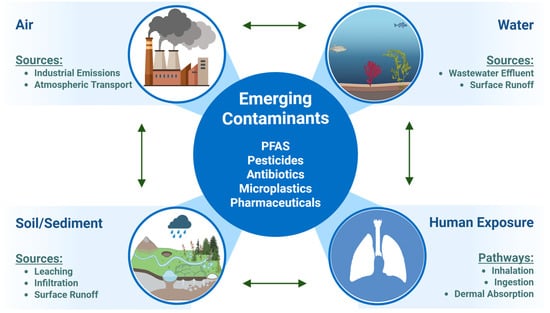
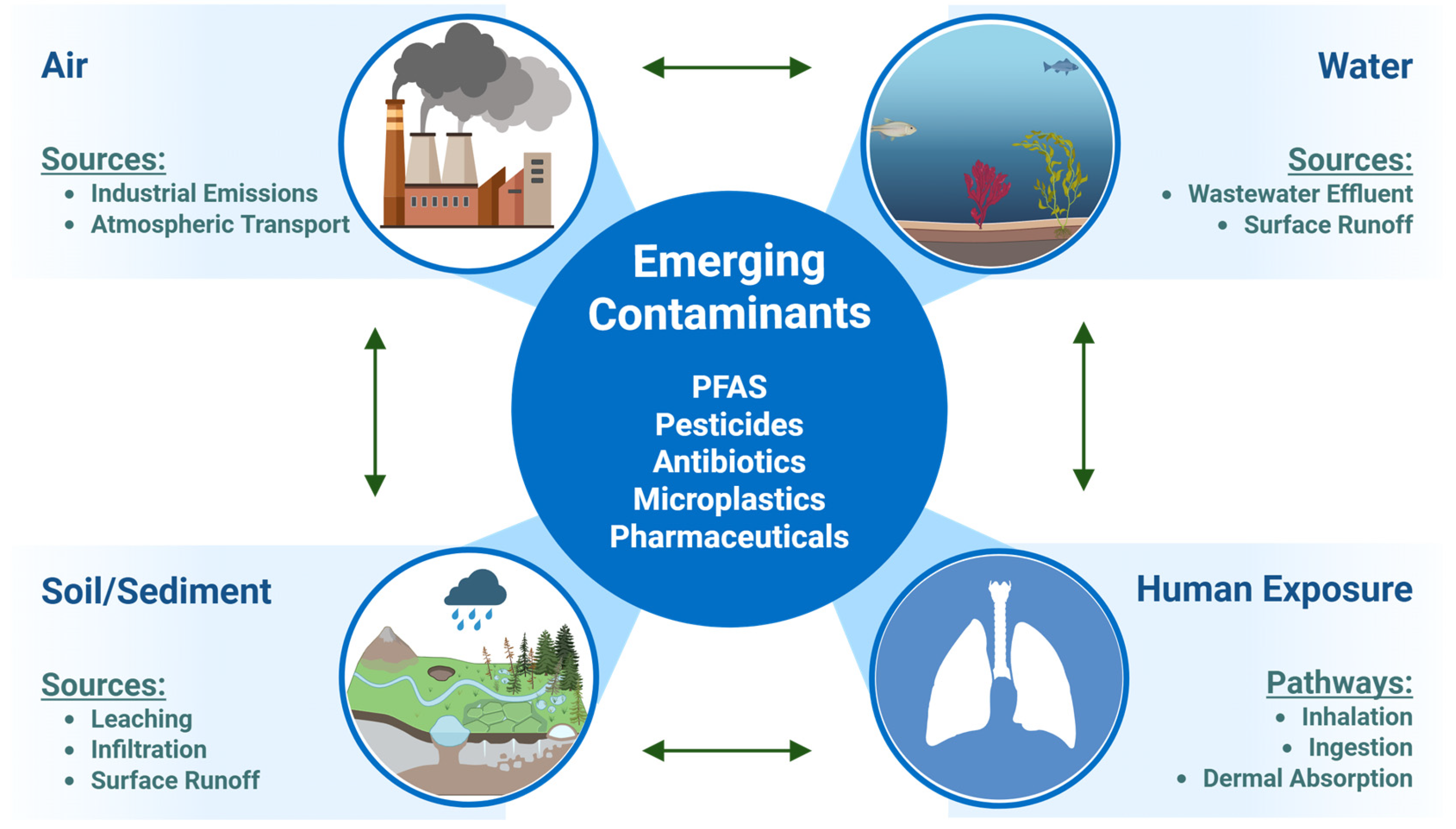


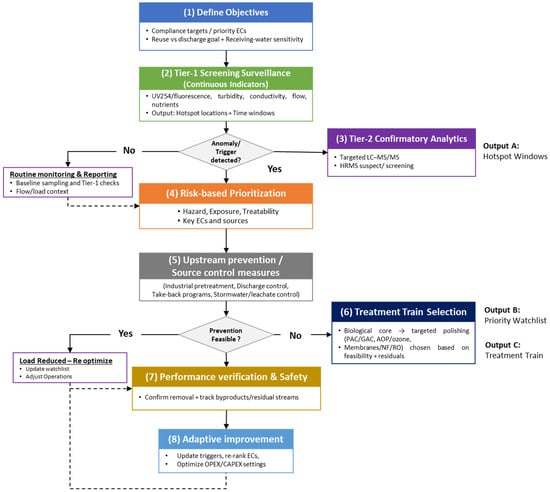
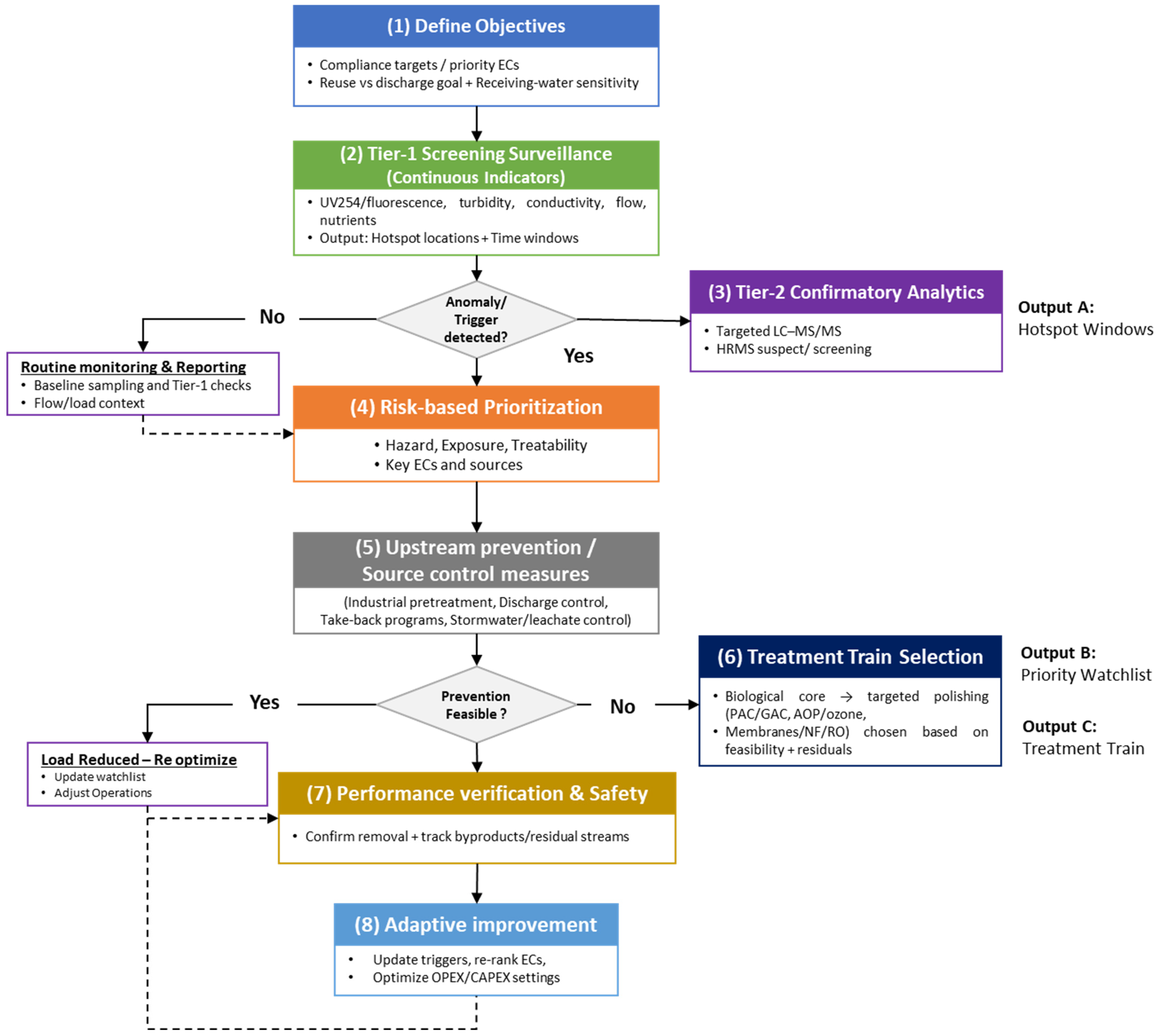
Disclaimer/Publisher’s Note: The statements, opinions and data contained in all publications are solely those of the individual author(s) and contributor(s) and not of MDPI and/or the editor(s). MDPI and/or the editor(s) disclaim responsibility for any injury to people or property resulting from any ideas, methods, instructions or products referred to in the content. |
© 2026 by the authors. Licensee MDPI, Basel, Switzerland. This article is an open access article distributed under the terms and conditions of the Creative Commons Attribution (CC BY) license.