


Abstract
Pervious concrete pavements have gained increasing attention as a sustainable stormwater management solution due to their ability to reduce runoff volume and improve water quality through infiltration. This study investigates the stormwater runoff treatment potential and performance efficiency of pervious concrete pavements incorporating industrial waste materials, namely recycled concrete aggregate (RCA), ceramic waste (C), and waste tires (T), as partial replacements for natural coarse aggregates. Concrete mixes were prepared by replacing 10%, 20%, and 30% of the coarse aggregate volume with each waste material, and the results were compared with normal pervious concrete. Stormwater runoff treatment performance was evaluated by analyzing key water quality parameters, including total suspended solids (TSSs), pH, turbidity, color, and electrical conductivity (EC), using collected urban runoff samples. In addition, mechanical properties (compressive, tensile, and flexural strength) and hydraulic properties (porosity and infiltration rate) were assessed to ensure structural and functional suitability. The results demonstrate that pervious concrete pavements incorporating industrial waste materials exhibit effective pollutant removal while maintaining acceptable mechanical performance in accordance with ASTM standards. Among the investigated pervious concrete types, pavements containing 10% recycled concrete aggregate and 10% ceramic waste showed superior reductions in TSS, turbidity, and color compared to other waste-based and normal pervious concrete mixes. This study demonstrated significant reductions in particulate pollutants (TSS, turbidity, and color), while increases in pH and electrical conductivity highlighted early-age ion leaching from the concrete matrix, underscoring both the treatment benefits and the need for long-term monitoring under realistic deployment conditions. Overall, the findings highlight the potential of industrial waste-based pervious concrete pavements as an environmentally sustainable and effective solution for urban stormwater management.
1. Introduction
Urban stormwater runoff poses significant challenges to the urban water environment. This is mainly because it can transport loads of pollutants accumulated on different types of urban impermeable surfaces such as roofs, roads, and parking lots into receiving water bodies, such as rivers and lakes, causing severe deterioration in the water quality and many other adverse environmental and public health concerns. Saghaian et al. [1] and Moore et al. [2] found that pollutants generated from different sources, such as vehicle emissions, residential, industrial, agricultural, and commercial activities, contaminate urban stormwater runoff and enter the stormwater drainage system. These contaminants harm aquatic life, degrade water quality, and pose human health risks if ingested or used recreationally after being washed into receiving water bodies. According to [3], major contaminants in stormwater runoff include sediment, pathogens, heavy metals, nutrients, and organic matter.
Traditional stormwater management practices often rely on storm drains and conveyance systems to transport runoff directly into nearby streams, rivers, and lakes. These practices directly contribute to water pollution and exacerbate issues such as urban flooding and erosion. As stated in [4], the increase in impermeable areas leads to a significant increase in the amount of runoff because these surfaces prevent infiltration. Instead of infiltrating into the ground, rainwater quickly flows over these surfaces, collecting and rapidly transferring into drainage systems and bodies of water. This leads to increased runoff, which can contribute to flooding and erosion by avoiding the soil’s natural absorption and slow release of water. Also, traditional impermeable pavements further aggravate the problem by increasing the speed of runoff, which can overload drainage systems, leading to erosion.
Conversely, pervious concrete pavements have been promoted over time as an eco-friendly stormwater management strategy because of their ability to allow water to pass through the pavement surface and into the underlying soil layers, thereby reducing the negative effects of stormwater runoff both in terms of quantity and quality [5,6]. Pervious concrete pavements offer several environmental benefits compared to traditional concrete. It helps manage stormwater pollution, reduces the need for water retention areas, and minimizes overflow issues [7]. According to [8], pervious concrete pavements decrease the amount and velocity of the runoff, replenishing the groundwater supplies through the infiltration process and decreasing the risk of erosion and flooding. According to [9], the high permeability of pervious concrete makes it suitable for a wide range of applications, including base layers beneath heavy-duty pavements, parking areas, tennis courts, walkways and pathways, road surfaces, golf courses, greenhouses, and as drainage media in hydraulic structures.
Industrialization has undoubtedly led to economic growth and technological advancements worldwide. However, it has also contributed to a considerable increase in the production of waste. For example, waste tires, ceramics, plastics, glass, concrete aggregates, and fly ash are among the various types of waste that have caused crucial concerns about their environmental impact and disposal issues [10,11,12]. The uncontrolled disposal of such industrial wastes contributes to severe degradation of the land, water, and air quality, emphasizing the critical need for sustainable waste management techniques. Consequently, with the integration of environmental management approaches over the past few years, considerable attention has been given to utilizing industrial waste materials in various construction applications to reduce environmental impact while also enhancing infrastructure performance and sustainability. These materials provide the benefits of waste reduction and resource conservation in construction projects because of their important qualities, which include durability, thermal insulation, fire resistance, and often their capacity to be recycled or repurposed.
This study aimed to investigate the potential of pervious concrete pavements incorporating industrial waste materials, such as recycled concrete aggregate, crushed tires, and ceramics, to enhance stormwater runoff quality management through improved pollutant removal. The study particularly targets the assessment of total suspended solids (TSSs), turbidity, and color as they act as surrogate indicators of particulate and colloidal matter, which are recognized as primary carriers of adsorbed contaminants. Furthermore, electrical conductivity (EC) was monitored to assess the presence and potential reduction in dissolved ions and salts, which reflect the overall mineral and contaminant load in runoff. In addition, pH was monitored to capture the changes in water chemistry and to identify the potential risks associated with alkalinity shifts or ion release from the concrete matrix. Collectively, these indicators are critically related to stormwater runoff quality risk endpoints. For example, TSSs and turbidity relate to pollutant transport and ecological risks such as sedimentation and reduced light penetration; color reflects dissolved organic matter and industrial leachates that influence discharge suitability and ecological health; EC indicates ionic strength and salinity risks relevant to aquatic species and regulatory compliance; and pH captures chemical stability and potential mobilization of metals. Therefore, through mapping onto pollutant transport, ecological health, human health, regulatory or discharge risk endpoints, these indicators enable a comprehensive assessment of the effectiveness of stormwater runoff treatment via waste-modified pervious concrete pavements.
Furthermore, the application of recycled concrete aggregate, waste tires, and ceramics in pervious concrete pavement construction offers multiple advantages. Firstly, it provides an environmentally sustainable alternative to conventional pavements, decreasing the need for virgin materials and reducing the carbon footprint connected with construction activities. Secondly, the incorporation of these waste materials may improve structural and hydraulic performance as well as the pollutant removal efficiency of pervious concrete pavements, resulting in more effective stormwater management strategies. The performance improvements of waste-incorporated pervious concrete pavements compared to those of normal pervious concrete pavements observed in this study are hypothesized to arise from distinct mechanisms: Recycled concrete aggregate may enhance the infiltration rate because of its porous structure while still maintaining structural stability [4]. Furthermore, its porous structure may trap suspended solids and colloidal matter more effectively, whereas residual cementitious phases raise alkalinity that promotes precipitation of certain dissolved contaminants and adsorption mechanisms, thereby further improving pollutant removal. Crushed rubber, derived from waste tires, may enhance the mechanical resilience of pervious concrete due to its elastic properties. The inclusion of crushed rubber can increase void connectivity, thereby improving infiltration rate and facilitating the trapping of pollutants, while its surface characteristics promote the adsorption of hydrophobic contaminants [11]. On the other hand, crushed ceramic aggregates, derived from waste tiles, are particularly suitable for pervious pavement applications because their rigid and angular structure enhances mechanical stability while their porous microstructure supports infiltration rate [11,12]. The rough surfaces of ceramic particles facilitate the filtration of suspended solids and provide additional adsorption sites for dissolved contaminants. In this study, these proposed mechanisms were evaluated using a dataset of mechanical and hydraulic parameters and key water quality indicators, as explained in Section 2.2.5, Section 2.2.6 and Section 2.2.7. For example, an improved infiltration rate and reduced turbidity would support the hypothesized role of crushed rubber, whereas unchanged or elevated turbidity would falsify it. Similarly, reductions in EC would support the role of recycled concrete aggregate in ion removal, while stable or increased EC values would contradict this mechanism. By linking hypothesized mechanisms to measurable outcomes, this study ensures that performance claims are grounded in testable evidence, thereby reinforcing the scientific basis for industrial waste incorporation in pervious concrete pavements as a sustainable and effective stormwater management strategy.
This study, therefore, seeks to establish an interconnection between stormwater management and industrial waste utilization, thereby supporting informed decision-making for sustainable development.
2. Materials and Methods
2.1. Materials
In this study, three types of industrial waste materials, namely recycled concrete aggregates (RCA), tire (T), and ceramic (C) were selected as substitutes for normal coarse aggregates. All waste materials were crushed and sieved before use to obtain a particle size range of 9.5–19 mm, consistent with the gradation specified in [13]. The same particle size distribution was adopted for the normal coarse aggregate and all three waste materials to ensure uniformity among the mixes. This approach was adopted to minimize the influence of particle size distribution on pore structure and hydraulic performance, thereby ensuring that the differences in the stormwater runoff treatment potential are primarily attributable to material type rather than aggregate size effects. The crushed tire aggregates were sourced from the middle portion of discarded tires, with all steel wires removed prior to use. This preparation ensured that no residual iron was present in the specimens, thereby eliminating the possibility of wire corrosion influencing water quality parameters such as electrical conductivity. The samples of these crushed waste aggregates are shown in Figure 1.
Figure 1.
Samples of waste materials used.
In the pervious concrete mixes, Ordinary Portland cement obtained from Tokyo Cement (Lanka) PLC, Colombo, Sri Lanka was used as the main adhesive, meeting the ASTM standards [14]. A water-reducing admixture called HYPERCRET-R, obtained from Millennium Concrete Technologies (Pvt) Ltd., Colombo, Sri Lanka, was added to enhance the workability and flowability of the pervious concrete mix. Retarding admixtures were also included to control the cement’s hydration process, ensuring that the concrete cured properly and that its strength developed effectively. This combination of materials helped achieve the desired performance and durability of the pervious concrete mix.
2.2. Methodology
2.2.1. Mix Design
The mix design was selected based on previous studies [15,16], which compared M15, M20, and M25 grades of pervious concrete with conventional concrete for designing concrete specimens. From this comparison, the M20 grade was chosen for this study, as it provided a suitable balance of strength and porosity for the intended application. The mix proportions for the M20 grade are presented in Table 1.
Table 1.
Mix proportions for M20 grade of concrete [15,16].
2.2.2. Stormwater Runoff Collection
Stormwater runoff samples were systematically collected on four separate days over two months from a road surface located in an urban area adjacent to the university using the sheet flow sampling method. This method, recognized for its simplicity and standardized application, was employed to manually collect stormwater runoff from street surfaces [17]. Runoff samples were collected within the first 5–10 min of the rainfall event to capture the initial runoff, or “first flush”, because it contains the highest concentration of pollutants, as it captures runoff from surfaces that have accumulated contaminants before the rain dilutes the flow. This is supported by [8], which notes that 90% of the pollutants on sidewalks are removed during the first flush of a storm, which is the first 25 to 35 mm of rainfall. The collected samples were filtered through the pavement specimens uniformly using a showerhead, and the filtrations were obtained. This procedure was repeated across four different rainfall events to ensure the consistency and reliability of the data collected.
2.2.3. Test Specimen Casting
Following the specified mix design, three concrete mixes were prepared for each waste material by replacing the normal coarse aggregate content by volume at levels of 10%, 20%, and 30%. A control mix containing 100% normal coarse aggregates (NPC) was also cast and used as a reference for evaluating the performance and suitability of the waste materials. Therefore, in total, ten types of pervious concrete mixes were prepared for experimental investigation in this study.
For experimental evaluation of water quality and mechanical and hydraulic parameters, concrete specimens of different dimensions were prepared. These parameters were deliberately selected to test the hypotheses formulated in this study, as described in Section 1. Ten pavement specimens measuring 150 mm × 100 mm × 50 mm were cast from each concrete mix to study infiltration rate and water quality. Additionally, three cube specimens of 150 mm × 150 mm × 150 mm were cast from each concrete mix for compressive strength testing, while three beam specimens of 100 mm × 100 mm × 400 mm were cast from each concrete mix for flexural strength testing, and three cylindrical specimens with dimensions of 110 mm × 220 mm were cast from each concrete mix to assess tensile strength. Furthermore, three cube specimens of 150 mm × 150 mm × 150 mm were cast from each concrete mix to determine porosity. All specimens were tested after a curing period of 28 days.
All materials were weighed and prepared according to the mix design. The mixing process was carried out using a mixer, and each mold was filled in two equal layers. Each layer was compacted with 20 blows using a standard proctor hammer to ensure proper compaction. After casting, the samples underwent curing until the designated testing date. The test specimens prepared can be seen in Figure 2a.
Figure 2.
Test specimens and stormwater runoff filtration process.
2.2.4. Test Setup Preparation
A glass box measuring 150 mm × 100 mm × 200 mm, open at the bottom, was used to hold each pavement specimen during stormwater runoff filtration (Figure 2b). This setup enabled the collection of the filtrate, which was subsequently analyzed to assess water quality and infiltration rate after passing the collected stormwater runoff through the pavement specimen. After 7 days of curing, each casted pervious concrete pavement specimen was placed in the glass box and securely sealed using a silicone waterproof sealant to ensure a tight fit. The box was then positioned on top of a transparent tub to collect the filtered water. As shown in Figure 2b, the water passing through the specimen was gathered in the tub for subsequent testing. Precautions were taken to prevent contamination by thoroughly rinsing the plastic tub with deionized water before each filtration cycle. In addition, quality control checks of water quality parameters using deionized water were performed to verify that the container did not introduce any contaminants into the filtered samples.
2.2.5. Testing of Water Quality Parameters
Laboratory experiments were conducted to analyze the quality of both the raw water (runoff) and the filtrates obtained from each pervious concrete pavement. Based on the findings of the literature review, all of the samples were analyzed for the key water quality parameters listed below.
- pH.
- Electrical conductivity (EC).
- Total suspended solids (TSSs).
- Turbidity.
- Color.
Water quality analysis was carried out according to the methods specified in the Standard Methods for the Examination of Water and Wastewater [18]. All parameters were evaluated by treating each storm event as an independent replicate.
2.2.6. Testing of Hydraulic Properties
- Infiltration Rate
The infiltration rate for each pervious concrete pavement was assessed by measuring the volume of water that passed through each pervious concrete pavement specimen over a set period. The infiltration rate () was determined using Equation (1).
where the infiltration rate (mm/s), the volume of water that infiltrated (mm3), the cross-sectional area of the specimen (mm2), and the time taken for the measured volume of water to pass through the concrete(s).
- Porosity
As mentioned in Section 2.2.3, porosity tests were conducted on ten pervious concrete mixes, with three pervious concrete (PC) specimens prepared for each mix design, in accordance with guidelines provided in [19]. The volume of solids was calculated by dividing the difference between the dry weight and submerged weight by the density of water (). Finally, porosity () was calculated using Equation (2) [20].
where porosity (%), weight under water (kg), oven-dried weight (kg), sample volume (m3), and density of water (kg/m3).
- Sample calculation for RCA 20% pervious concrete mix:
- Volume = 0.003375 m3.
- Dry mass () = 5.74 kg.
- Submerged mass () = 3.28 kg.
2.2.7. Testing of Mechanical Properties
- Compressive strength
As discussed in Section 2.2.3, the compressive strength of ten pervious concrete mix designs was evaluated using cube-shaped specimens of 150 mm × 150 mm ×150 mm. For this purpose, three cubes from each mix design were prepared and tested after 28 days of curing. A universal material testing machine was utilized to perform a compression test on the specimen (refer to Figure 3a). The test was load-controlled, and the loading rate was set in accordance with [21].
Figure 3.
Testing of mechanical properties.
- Flexural strength
As mentioned in Section 2.2.3, the flexural strength of ten pervious concrete mix designs was determined using beam specimens, each with dimensions of 100 mm × 100 mm × 400 mm after 28 days of curing. The test was carried out using three specimens prepared for each concrete mix using the standard test methods outlined in [22] (refer to Figure 3b), ensuring a consistent and reliable procedure for measuring flexural strength. As per the testing procedure, the specimens were subjected to uniform loading at a rate of 0.03 kN/s.
- Tensile strength
As mentioned in Section 2.2.3, the tensile strength of ten pervious concrete mix designs was determined using cylindrical elements with a 110 mm diameter and a height of 200 mm. Similar to the other parameters, the test was carried out using three specimens prepared for each concrete mix. After 28 days of curing, all samples were subjected to a split tensile strength test in accordance with [23] (refer to Figure 3c). As per the testing procedure, the loading rate was about 0.4 kN/s.
2.2.8. Data Analysis
Data analysis was performed mainly in three steps. Firstly, the variation in each water quality parameter relative to the raw stormwater runoff quality was analyzed to assess the individual treatment performance of each pervious concrete pavement specimen. Secondly, changes in hydraulic and mechanical properties were evaluated using the average values obtained for each parameter across the different mix designs, and these results were compared with those of NPC and the minimum recommended standards. In addition, correlations between the parameters were also analyzed to identify the potential interdependencies. All these analyses were performed using univariate statistical methods in Microsoft Excel (Microsoft 365).
Thirdly, a comprehensive performance assessment was conducted to identify the pervious concrete mix demonstrating the overall best performance, considering both stormwater runoff quality improvement and compliance with civil engineering requirements. For this purpose, a multi-criteria decision-making (MCDM) technique, the Technique for Order Preference by Similarity to Ideal Solution (TOPSIS), was employed [24]. This method allowed for the simultaneous evaluation of multiple water quality and strength parameters and enabled the ranking of pervious concrete mixes based on their overall performance relative to the ideal solution.
Technique for Order Preference by Similarity to Ideal Solution (TOPSIS)
The Technique for Order Preference by Similarity to Ideal Solution (TOPSIS), originally developed by Hwang and Yoon (1981) [25], is a well-established approach for solving MCDM problems with many alternatives. Since its development, it has been enhanced and adapted by various researchers through extensions such as fuzzy formulations and hybrid models that integrate the TOPSIS with other techniques, notably the Analytic Hierarchy Process (AHP) [26]). As a multi-attribute decision-making (MADM) technique, the TOPSIS facilitates practical decision-making by systematically assessing, comparing, and ranking competing options. The method identifies the most appropriate option based on its relative proximity to the ideal solution while considering multiple evaluation criteria [25,27].
According to [27], the procedure for the TOPISIS can be expressed in a series of steps as follows:
Step 1: Construct the Decision Matrix
= the value of criterion for alternative .
Assign criteria weights:
Step 2: Normalize the Decision Matrix
Vector normalization is used to remove unit differences:
Normalized matrix:
Step 3: Construct the Weighted Normalized Matrix
Step 4: Determine Ideal Solutions
The positive ideal solution represents the optimal performance level for each parameter and is defined as follows:
The negative ideal solution represents the least desirable performance for each parameter and is defined as follows:
Step 5: Calculate Separation Distances
Distance from positive ideal:
Distance from negative ideal:
Step 6: Calculate Relative Closeness
where:
Step 7: Rank the Alternatives
Alternatives are ranked based on .
Higher → better performance.
3. Results and Discussion
3.1. Analysis of Water Quality Parameters
Water quality analysis was carried out for four raw stormwater runoff samples collected and for the filtrates obtained from each pavement specimen during each test round for the selected set of key water quality parameters, as described in Section 2.2.5. Data analysis of water quality parameters was performed using two sets of graphical representations. The first set illustrates the variation in each parameter across the sample sets for individual storm events and for each pervious concrete mix. The second set presents the average variation in each parameter across all storm events, together with the corresponding removal efficiencies calculated relative to the raw water baseline.
Pollutant removal efficiency (%) was determined for parameters that decreased after filtration, which include TSSs, turbidity, and color as a removal percentage (Removal %), using Equation (10). For parameters that increased after filtration such as electrical conductivity, the percentage increase (Increment %) was calculated using Equation (11).
where Average Value = the average of the filtered stormwater samples and
Raw Water Value = the average value of the parameter in the raw water sample.
3.1.1. pH Variation
The pH of stormwater runoff is a critical indicator of the quality of receiving water bodies as it indicates the overall health and ecological stability of the aquatic environment. Urban areas contribute a great deal of pollutants generated from various anthropogenic activities into stormwater runoff. These will easily shift the pH of runoff to either more acidic or more alkaline values, with many negative consequences for the local water bodies and their aquatic ecosystems. Acidic runoff or alkaline runoff can be toxic to life in the water, damage natural habitats, and disrupt the delicate ecosystem’s balance, which is dependent upon a specific pH range for its optimal functioning [28]. The pH levels measured in the raw stormwater runoff and the filtrate for each day are presented in Figure 4.
Figure 4.
Variation in pH.
Figure 4 shows that the raw stormwater runoff has an average pH level of approximately 8, which increases noticeably in the filtrates obtained from all the pervious concrete pavements across all storm events. This elevation occurs because the concrete components are inherently alkaline, with cement containing calcium hydroxide that dissolves and increases the hydroxide ion concentration in water. When stormwater runoff infiltrates the pervious concrete, it interacts with the cementitious phases, releasing alkaline compounds that raise the pH. Previous studies examining the impact of pervious concrete on water quality have reported similar findings [16,28,29]. However, the filtrate pH values presented here reflect measurements taken at relatively early curing ages, when the release of alkaline constituents is most pronounced. Over weeks to months, continued hydration and carbonation reduce the availability of free calcium hydroxide and other soluble ions, leading to a gradual decline in pH toward more neutral values [30]. This ageing effect has important implications for field deployment. In realistic long-term conditions, the initial elevation in filtrate pH may diminish, reducing the risk of sustained alkalinity impacts on receiving waters. At the same time, monitoring is necessary to ensure that early-age leaching does not pose short-term ecological risks. To strengthen sustainability framing, future field-scale investigations should incorporate longitudinal monitoring of filtrate pH under natural storm events, capturing both early-age alkaline release and the subsequent stabilization trend. Such evidence would enable a more balanced interpretation of the stormwater runoff treatment potential and performance efficiency of pervious concrete pavements under realistic deployment conditions.
In addition, while pH provides a useful overall indicator of alkalinity, it does not differentiate between pollutant removal and ion release from the concrete matrix. To strengthen technical clarity, future investigations should therefore incorporate ion-specific analyses (e.g., Ca2+, Na+, K+, Mg2+), as well as metals, nutrients, and dissolved organic carbon (DOC) measurements. Such evidence would enable a more accurate distinction between true pollutant removal benefits and potential release risks, ensuring that early-age leaching effects are properly contextualized in long-term field performance.
Although the water quality parameters described in Section 2.2.5 involved the analysis of percentage variation for each parameter, this analysis was not performed for pH because this parameter represents the logarithmic measure of hydrogen ion concentration and calculating percentage changes in pH is mathematically inappropriate. In addition, the pH of stormwater typically exhibits significant natural fluctuations [31].
3.1.2. Electrical Conductivity (EC) Variation
Analysis of EC in stormwater runoff is very relevant for water quality assessment and pollutant detection. EC measures the ability of water to conduct electricity; thus, it is directly related to the concentrations of dissolved ions such as salts, metals, and many other contaminants. EC analysis allows for the monitoring of changes in water quality, the identification of pollution sources, and the implementation of measures aimed at the most economically viable mitigation of environmental impacts. EC analysis is thus important in the effective management of water resources and protection of the environment. Figure 5a presents the EC measurement results for the raw stormwater runoff and filtration collected each day. Figure 5b illustrates the percentage change in EC relative to raw stormwater runoff, along with the average EC values for each type of pervious concrete pavement.
Figure 5.
Variation in EC.
Figure 5a indicates that the EC of the filtrate samples in all types of pervious concrete pavement specimens is much higher than that of the raw stormwater runoff, which shows an average EC value of 117.6 µS/cm. Concrete is made up of a variety of components, including cement, aggregates, and optional additions, each with its own mineral composition. When water flows through pervious concrete, it reacts with minerals, dissolving and introducing components such as calcium (Ca2+), potassium (K+), magnesium (Mg2+) and sodium (Na+) into the water as ions. It should be noted that while EC provides a useful overall indicator of ionic strength, the elevated values observed in filtrates also reflect ion leaching from the concrete matrix. Future work should therefore combine EC measurements with ion-specific analyses (e.g., Ca2+, Na+, K+, Mg2+) as well as metals, nutrients and dissolved organic carbon (DOC) to distinguish pollutant removal from ion addition and provide a more complete assessment of treatment performance.
As shown in Figure 5b, most pervious concrete pavement specimens containing waste materials exhibit a lower percentage increase in EC compared to normal pervious concrete, with the exception of the specimen incorporating 20% recycled concrete aggregates, which demonstrates a higher increase. It can thus be inferred that the addition of waste materials generally depresses the leaching of ions into the filtrate, hence moderating the EC levels compared to NPC. However, the 20% recycled concrete aggregate sample deviates from this trend, perhaps due to the different composition or high ion concentration in this blend. Among all pervious concrete types, those containing tire aggregates show the lowest increase in EC, whereas the filtrate obtained from the 20% tire aggregate pavement specimen shows the smallest increase in EC. It seems that the presence of tire aggregates could stabilize EC, possibly due to less leaching of ions from the matrix compared to other materials. It should also be noted that as mentioned in Section 2.1, the tire aggregates used in this study were sourced from the middle portion of discarded tires, with all steel wires removed before use. This ensured that the observed EC trends were not influenced by iron release from tire wires but rather by the intrinsic leaching behavior of the concrete matrix. This lower increase in EC for pervious concrete with the use of tires indicates its potential application in reducing the conductivity of stormwater runoff.
3.1.3. Total Suspended Solid (TSS) Variation
Total suspended solids (TSSs) play a vital role in assessing stormwater quality, as they represent the concentration of particles suspended in the water. These particles can include sediment, organic material, debris, and various pollutants that wash off surfaces during rainfall. High TSS levels in water bodies often indicate a greater presence of contaminants, which can harm aquatic ecosystems by reducing light penetration, clogging fish gills, and transporting harmful substances. Monitoring TSSs in stormwater runoff not only helps in understanding the pollution load carried by stormwater runoff but also informs strategies for improving water quality and protecting the health of rivers, lakes, and other natural water bodies. Figure 6a presents the total suspended solid (TSS) values obtained for both the raw stormwater runoff and the filtrate samples for each day. Meanwhile, Figure 6b illustrates the average TSS levels in the filtrates from each type of pervious pavement specimen, along with their removal efficiency compared to the raw stormwater runoff.
Figure 6.
Variation in TSS.
Figure 6a shows that total suspended solid (TSS) levels in the filtrate are consistently lower across all types of pervious concrete compared to the raw stormwater runoff. This reduction highlights the effectiveness of pervious concrete in filtering out suspended particles from stormwater runoff. By allowing water to pass through its interconnected pore structure, the pervious concrete traps particles and debris, thereby reducing TSS concentrations in the filtrate.
Figure 6b shows that almost all types of pervious concrete pavement specimens with partial replacements of coarse aggregate demonstrate greater TSS reduction compared to NPC. Notably, as shown in Figure 6b, the mix with 30% ceramic aggregate replacement (C30%) achieves the highest TSS reduction, reaching 45.89%. This suggests that ceramic aggregate is particularly effective in enhancing the filtration capability of pervious concrete, likely due to its texture and structure, which may better trap suspended particles. Figure 6b also indicates a general trend as the replacement level of coarse aggregate increases and TSS reduction efficiency improves. This trend is consistent across most types of waste materials, except recycled concrete aggregates at the 30% replacement level, which show a slightly lower TSS reduction than expected. This deviation may be attributed to the specific characteristics of recycled concrete aggregates, which, at higher concentrations, might not create the same porous structure or particle capture efficiency as other materials.
Research findings by Yu et al. [32] have also demonstrated that pervious concrete can achieve a high suspended solids removal efficiency. The porosity and structure of the concrete play a key role here, as they create a physical barrier that captures particles while allowing water to pass through. This process makes pervious concrete an excellent choice for improving stormwater runoff quality by effectively reducing pollutant loads, which ultimately contributes to cleaner water bodies and healthier ecosystems.
3.1.4. Turbidity Variation
Turbidity can be used as a measure of water clarity; normally, high values of turbidity are associated with increased levels of colloidal particles, which can have negative impacts on aquatic ecosystems, reduce penetration of light, and disrupt photosynthetic activities in aquatic vegetation. Moreover, high turbidity is frequently associated with pollutants that bond to sediment particles and pose a threat to the environment and public health, such as bacteria, nutrients, and heavy metals. Therefore, it is imperative to monitor the turbidity of stormwater runoff to identify the sources of pollution, evaluate the effectiveness of filtering systems, and implement effective pollution mitigation strategies. This study’s observations of turbidity in the raw stormwater runoff and the filtrates for each day are shown in Figure 7a below. Figure 7b illustrates the average turbidity levels of the filtrates for each type of pervious concrete pavement specimen, along with their removal efficiency relative to the raw stormwater runoff.
Figure 7.
Variation in turbidity.
Figure 7a illustrates that all filtrates obtained after passing through different types of pervious concrete pavement specimens exhibit reduced turbidity compared to the raw stormwater runoff. This decrease in turbidity implies that the porous concrete effectively removes most of the colloids responsible for turbidity. This makes the porous structure of concrete act like a filter, trapping larger suspended solids as well as some finer particles as water passes through it. Figure 7b reveals that the pervious concrete mix with 10% replacement of recycled concrete aggregates achieved the highest reduction (41.4%) in turbidity among all the specimens tested. An increase in the percentage replacement of coarse aggregates with waste materials results in a noticeable reduction in turbidity removal efficiency. At higher replacement levels, the pore structure of the concrete becomes more open and interconnected, leading to increased porosity. While enhanced porosity facilitates water infiltration, it reduces the effectiveness of physical filtration by limiting the retention of fine suspended and colloidal particles within the pore network. As a result, higher aggregate replacement ratios lead to reduced turbidity removal efficiency.
3.1.5. Color Variation
Color is also an important indicator of water quality, as it provides fast visible indications of pollution levels and the existence of certain compounds. Color analysis is particularly significant because the pollutants that contribute to color, such as organic chemicals and suspended particles, can have serious environmental and health consequences if not addressed [33]. As a result, color can influence the aesthetic value of natural water bodies, affecting public perception and recreational use. Figure 8a presents the color variation obtained for both the raw stormwater runoff and filtrates for each day. Figure 8b displays the average color of filtrates from each type of pervious concrete pavement specimen, along with the removal efficiency in comparison to the raw stormwater runoff.
Figure 8.
Variation in color.
According to Figure 8a, the majority of the filtrates obtained from different types of pervious pavement specimens show a color reduction compared to the raw stormwater runoff. This reduction in coloration means that the pervious concrete filters the water effectively to remove the discoloration of substances and particles. In the porous structure of pervious concrete, organic molecules, suspended particles, and other chromatic chemicals get trapped through both physical and chemical filtration. This reduction in color intensity of the filtered water can be due to the adsorption of these impurities either onto the external surface or entrapment within the concrete matrix. Figure 8b indicates that all types of pervious concrete achieve a color intensity reduction of over 25%, compared with the raw water, which shows a strong filtration effect in all waste-based pervious concrete pavements. The most notable color reduction is observed in the pervious concrete with 20% recycled concrete aggregate, which achieves the highest percentage reduction among the materials studied. This clearly indicates that the addition of recycled concrete aggregate in the mix will improve the concrete mix’s ability to remove color-causing substances or particles from the water.
3.2. Analysis of Mechanical Properties
3.2.1. Compressive Strength
Figure 9a illustrates the 28-day compressive strength of the various pervious concrete mix designs composed of the selected waste materials in comparison with NPC. Indeed, as depicted, pervious concrete made of waste aggregate shows a relatively lower compressive strength than NPC. Interestingly, mixes containing 10% recycled concrete aggregate (RCA 10%) and 10% ceramic aggregate (C10%) have shown compressive strength fairly close to that of NPC. This similarity might indicate that these lower replacement levels do not considerably affect the structural integrity of the concrete. Despite the differences, it is reassuring to see that all of the tested mixes fall within the allowable range of compressive strength according to [13], which is 2.8 to 28 MPa. This means that even with waste-derived materials, these concrete mixes meet the essential strength requirements, demonstrating their structural adequacy from a civil engineering perspective while also offering environmentally sustainable alternatives.
Figure 9.
Compressive strength of tested concrete samples.
As shown in Figure 9a, the compressive strength decreases with increasing replacement levels of waste materials. Similar results have been observed in previous studies [34,35,36,37]. When these waste materials are used, the reduction in compressive strength may arise from multiple contributing factors. The pervious concrete mixes containing recycled aggregates often exhibit greater variability in physical and mechanical properties compared with those of coarse aggregates [16]. Such variability can adversely affect the density and uniformity of the concrete matrix, leading to weaker interfacial bonding between the aggregates and the cement paste. As the replacement level increases, a larger proportion of weaker, irregularly shaped, recycled aggregates is introduced, which further compromises the structural integrity of the concrete and contributes to a reduction in compressive strength.
Furthermore, the pervious concrete mixes containing tire aggregate have the lowest compressive strength of all the mixes containing waste materials, and the 30% tire (T30%) replacement results in the lowest, which is 5.33 MPa. Ref. [38] showed that replacing coarse aggregate with waste tire rubber in pervious concrete significantly reduces compressive strength due to the weak bond and low stiffness of rubber particles, with strength dropping from 23.4 MPa (control) to as low as about 6.5 MPa at higher rubber contents. This is probably because rubber particles are elastic and have a low density, which prevents them from having the stiffness required to support compressive loads efficiently. Concrete becomes flexible but less able to resist compression when tire particles replace a sizable amount of the aggregate; this leads to significantly lower strength ratings [11].
Compressive Strength and Porosity Relationship for Pervious Concrete
Figure 9b illustrates the relationship between compressive strength and porosity in pervious concrete mixtures. The linear regression analysis indicates a statistically significant inverse relationship between porosity and compressive strength (R2 = 0.915, p < 0.05).
The high coefficient of determination indicates that 91.5% of the variability in compressive strength is attributable to changes in porosity, confirming porosity as a primary governing parameter influencing mechanical performance. As porosity increases, the concrete contains more voids, which disrupts the continuity and density of the material. These voids reduce the bonding between aggregate particles and the cement paste, weakening the concrete’s internal structure. Consequently, the concrete’s resistance to compressive loads declines as its porosity rises. This pattern aligns with the findings of previous research [39,40], which also observed a reduction in compressive strength as porosity increased in pervious concrete.
3.2.2. Flexural Strength
Figure 10a demonstrates that the flexural strength of pervious concrete depends upon the type and percentage of the waste material used to replace coarse aggregates. Compared to NPC, pervious concrete containing waste materials exhibits higher flexural strength. On the other hand, the flexural strength steadily decreases as the percentage of each type of waste replacement, such as recycled concrete aggregate, ceramic, and tire, increases. The observed reduction in flexural strength correlating with the high replacement levels can be attributed to several factors. Primarily, high replacement ratios increase the porosity of the concrete matrix, as discussed in Section 3.3.1. In addition, this increases the weaknesses in the bond between aggregate particles and the cement matrix. Increased porosity allows for more voids within the structure that decrease the resistance of the concrete to bending or tensile forces, adversely affecting its structural integrity and load-bearing capacity [12]. Furthermore, these waste-derived aggregates, such as recycled concrete aggregate, ceramic, and tire, mostly have an irregular shape or surface compared to normal coarse aggregates, which may disturb the homogeneous distribution of internal stress within the concrete matrix.
Figure 10.
Flexural strength of tested concrete samples.
In addition, other critical factors include the aggregate–cement ratio (A/C) and the degree of compaction [9]. An optimally A/C ratioed, properly compacted concrete mix will have much better particle bonding and ensure better stress transfer in the structure. However, it is difficult to compact beyond a certain limit when the mix contains higher percentages of recycled aggregate, since the particles of the recycled aggregate may not compact as uniformly as the coarse aggregates, hence leading to compromising structural cohesion. Despite these declines, it is still encouraging to realize that all the flexural strength values of mixes with waste materials fall within the generally acceptable range of 1 MPa to 3.8 MPa, as referred to in [9]. This evidence shows that with increased replacement levels, the pervious concrete would retain enough structural integrity to meet basic performance standards.
Flexural Strength and Compressive Strength Relationship of Pervious Concrete
Figure 10b shows the correlation between flexural strength and compressive strength. The linear regression analysis reveals a statistically significant positive relationship (R2 = 0.6715, p =< 0.05), indicating that flexural strength increases with increasing compressive strength. This finding is consistent with earlier studies that reported a similar relationship for pervious concrete [13,41].
3.2.3. Tensile Strength
Figure 11a reveals that certain pervious concrete mixes, particularly those with 10% and 20% recycled concrete aggregate and 10% and 20% ceramic aggregate, demonstrate higher tensile strength compared to NPC. Similar results for pervious concrete incorporating recycled concrete aggregate were reported in [42], while comparable findings for pervious concrete containing ceramic aggregates were observed in [43]. These findings suggest that at these moderate replacement levels, waste materials may contribute to enhancing the tensile performance of the concrete. These replacement levels might provide a balance that improves the internal bonding within the concrete matrix without significantly compromising structural integrity.
Figure 11.
Tensile strength of tested concrete samples.
This can be attributed to the fact that a lower percentage of waste materials may introduce sufficient irregularity in shape and texture to create strong interlocking within the concrete, helping to distribute tensile stress more effectively. Additionally, recycled concrete aggregates and ceramic aggregates tend to have rough surfaces, which can enhance bonding with the cement paste and contribute to tensile strength.
It is important to highlight that all types of pervious concrete mixes tested in this study fall within the acceptable tensile strength range of 1–3 MPa, as outlined in Busari et al. [6]. This indicates that even at higher replacement levels, such as 30% recycled concrete aggregate or ceramic, the concrete retains sufficient tensile strength to meet the required standards. These findings are encouraging for sustainable construction practices, as they suggest that waste materials can be incorporated into concrete mixes without compromising key structural properties. By using recycled aggregates effectively, more eco-friendly construction solutions can be provided while maintaining the necessary strength and durability of concrete.
Tensile Strength and Compressive Strength Relationship of Pervious Concrete
Figure 11b presents the relationship between the tensile strength and compressive strength of the pervious concrete mixes. The results show that tensile strength increases consistently with increasing compressive strength. The linear regression analysis confirms that this relationship is statistically significant (R2 = 0.89, p < 0.05). Similar relationships between compressive and tensile strengths have also been reported in previous studies on pervious concrete [41].
Tensile Strength and Flexural Strength Relationship of Pervious Concrete
Figure 11c illustrates the relationship between the splitting tensile strength and flexural strength of the pervious concrete mixes. The results indicate that tensile strength tends to increase with increasing flexural strength. Linear regression analysis confirms that this relationship is statistically significant (R2 = 0.5883, p < 0.05). Similar relationships between tensile strength and flexural strength have also been reported in previous studies on pervious concrete [41].
3.3. Analysis of Hydraulic Properties
3.3.1. Porosity
Figure 12a illustrates the variation in porosity for each of the different types of pervious concrete mix designs. It clearly shows an increase in porosity across all types of pervious concrete composed of waste materials compared to NPC. Notably, the concrete mix containing 30% tire aggregate reaches the highest porosity level among all specimens. Also, Figure 11a clearly shows that all types of pervious concrete containing tire aggregates exhibit higher porosity levels compared to other waste material types. This trend can be attributed to the unique properties of tire particles, which are more elastic and less dense than coarse aggregates. When tire material is added to the concrete mix, it tends to create larger, interconnected pores, resulting in a more open structure that allows for greater air and water movement [44]. Tire particles, due to their flexible and irregular shapes, do not compact as tightly as other aggregates, leaving more voids within the concrete matrix. This increased porosity enhances the permeability of the concrete. Despite these increases, all the porosity values remain within the acceptable range of 15–30%, as specified by the ACI Committee [13].
Figure 12.
Hydraulic property variation.
An increase in porosity is observed with higher replacement levels in each type of pervious concrete mix. This can be attributed to the unique characteristics of waste materials. These materials often introduce particles with irregular shapes, rough textures, or lower densities than coarse aggregates. As these recycled particles are incorporated, they create more voids or air voids within the concrete structure, resulting in a higher overall porosity. Tire aggregate, in particular, has a flexible and low-density nature that tends to form interconnected pores when mixed into concrete, further enhancing porosity at elevated replacement levels.
3.3.2. Infiltration Rate
Figure 12b illustrates the variation in the infiltration rate for each of the different types of pervious concrete pavements. Figure 12b shows that the pervious concrete pavement with 30% tire replacement achieves the highest infiltration rate among all samples, which aligns with its status as the mix with the highest porosity. This is in agreement with the findings of previous studies, which noted that as porosity increases, so does the ability of the concrete to allow water to pass through, enhancing infiltration [16,36]. This trend holds across all types of pervious concrete tested: as the replacement level of each waste material, whether recycled concrete aggregate, ceramic, or tire, increases, the infiltration rate also rises.
In particular, tire-based concrete pavement shows a noticeable increase in infiltration rate with higher replacement levels. The flexible and lightweight properties of tire particles likely contribute to a more open structure within the concrete, facilitating water flow and increasing infiltration rate. These findings are consistent with previous research [36], which observed similar improvements in infiltration rates when tire aggregates were incorporated.
3.3.3. Correlation Between Porosity and Infiltration Rate
Figure 12c illustrates the relationship between infiltration rate and porosity in pervious concrete mixes. The linear regression analysis indicates a statistically significant, strong linear correlation between the two parameters (R2 = 0.954, p < 0.05). The results further strengthen the fact that higher porosity enhances the concrete’s capacity to allow water to pass through its structure, making it more effective in facilitating water infiltration.
Increased porosity means a greater volume of interconnected voids within the concrete, which creates more pathways for water to flow. As these pores expand, they improve the infiltration rate, enabling the concrete to absorb and drain water at a faster rate [45]. This characteristic is especially valuable in applications like stormwater management and permeable pavements, where quick water infiltration helps reduce surface runoff and flooding.
This trend aligns with findings from [46,47], which also observed that higher porosity positively influences the infiltration rate in porous materials.
3.3.4. Correlation Between Porosity and TSS Removal Efficiency
Figure 12d presents the relationship between TSS reduction and porosity in pervious concrete. The regression analysis indicates a weak correlation between the parameters (R2 = 0.2265). Although a slight increasing trend in TSS reduction can be observed with increasing porosity, the relationship is not statistically significant (p > 0.05). Therefore, porosity does not appear to be a strong predictor of TSS reduction in pervious concrete. This suggests that while porosity contributes to TSS reduction, it is not the only factor influencing filtration performance in pervious concrete. As discussed in Section 3.3.3, there is a strong positive relationship between porosity and infiltration rate, indicating that higher porosity is associated with larger and more interconnected pore channels. Therefore, the infiltration rate can be considered an indirect indicator of effective pore size and pore connectivity. On the other hand, mixes exhibiting higher infiltration rates allow for faster water movement and shorter hydraulic residence times, which may reduce the opportunity for fine particle interception and retention within the pervious concrete structure.
Furthermore, aggregate characteristics such as surface roughness, angularity, and material hardness influence the filtration mechanism. As discussed in Section 3.1.3, ceramic aggregate shows the highest TSS reduction among the tested materials, outperforming even the mixes with high porosity, such as those containing tire aggregate. Although tire-based pervious concrete has a higher porosity, its TSS reduction efficiency is comparatively lower than that of ceramic-based mixes. This variation may stem from the unique properties of each waste material. Ceramic particles are generally harder and more irregular, providing a rough surface that enhances particle trapping within the concrete matrix. This texture likely creates more effective barriers for suspended solids, allowing ceramic-based concrete to capture and retain more particles, thereby improving TSS reduction.
In contrast, tire particles are softer, more flexible, and have smoother surfaces, which may be less effective at capturing smaller particles. The high porosity in tire-based concrete may enhance water permeability but does not necessarily translate to better filtration. Instead, the larger, interconnected pores may allow some suspended particles to pass through, reducing the TSS removal efficiency. Additionally, pervious concrete with ceramic aggregate tends to have a lower infiltration rate and higher detention time, which helps in retaining water and particles for longer periods. In contrast, pervious concrete containing tire aggregate has a higher infiltration rate and shorter detention time, which might allow for faster water movement but less time for filtration to occur.
These findings suggest that both the material properties and the porosity level are important considerations in optimizing TSS reduction in pervious concrete. While higher porosity generally aids in particle filtration, materials with specific textures and hardness, such as ceramic, may provide better overall performance in terms of TSS reduction, even with moderate porosity.
3.4. Multi-Criteria Performance Evaluation and Ranking of Pervious Concrete Pavements Using TOPSIS
As described in Section “Technique for Order Preference by Similarity to Ideal Solution (TOPSIS)”, the ranking of pavements was performed using the TOPSIS method based on the outcomes of the data analysis presented in Section 3.1, Section 3.2 and Section 3.3. The purpose of the ranking was to identify the best-performing pervious concrete pavement in terms of both stormwater runoff treatment potential and structural integrity. Before scoring, a screening step was conducted based on recommended performance thresholds.
As shown in Figure 11a, the tensile strength values of RCA 30%, C30%, T20%, and T30% were close to the minimum recommended limit; therefore, these pavements were excluded from the comparison to ensure technical adequacy.
All water quality parameters, including pH, electrical conductivity (EC), total suspended solids (TSSs), color, and turbidity, were selected for the analysis. The average pH was determined by first converting the values to hydrogen ion (H+) concentration and then calculating the mean value.
In terms of mechanical performance, all test parameters, namely compressive strength, flexural strength, and tensile strength, were considered. Although these parameters show moderate correlation, all three were included because their values may vary depending on factors such as paste–aggregate bond quality, aggregate stiffness and strength, inter-particle contact, and pore structure.
For hydraulic performance, infiltration rate was included, while porosity was excluded due to its strong correlation with both infiltration rate and compressive strength (as discussed in Section “Compressive Strength and Porosity Relationship for Pervious Concrete” and Section 3.3.3), which could otherwise introduce redundancy. After screening, a total of nine criteria were finalized, as shown in Table 2.
Table 2.
TOPSIS decision matrix.
Equal weighting was applied to all criteria to avoid bias, resulting in a weight of 0.111 for each parameter. It should be noted that while equal weights were applied in this study to balance environmental and structural performance, alternative weighting schemes could produce different ranking outcomes depending on stakeholder priorities. Then, weighted normalized values for all criteria were determined using Equations (5) and (6) described in Section “Technique for Order Preference by Similarity to Ideal Solution (TOPSIS)”. For transparency, a worked example is provided here: The EC value of RCA10% (305.75 µS/cm) was normalized relative to the sum of squared EC values across all alternatives, and then multiplied by its weight (0.111) to obtain the weighted normalized score. This procedure was repeated for all criteria to construct the weighted normalized matrix, ensuring reproducibility of the ranking process. As discussed in Section “Technique for Order Preference by Similarity to Ideal Solution (TOPSIS)”, (refer to step 4), the ideal solutions from the positive and negative () were evaluated for all criteria. The separation distances from the positive and negative ideal solutions (S+ and S−) were calculated using Equations (7) and (8), and the relative closeness coefficients () were then derived using Equation (9).
The overall performance ranking outcomes of the pervious concrete pavement types obtained from the TOPSIS analysis are presented in Table 3. According to Table 3, the pervious concrete mix made with 10% recycled concrete aggregate (RCA10%) and 10% ceramic replacement (C10%) shows the highest overall rating. Also, these RCA10% and C10% pervious concrete pavement specimens performed better than the normal pervious concrete pavement specimens. This indicates that the RCA10% and C10% mixes offer the optimal balance of structural strength, hydraulic performance, physical durability and stormwater runoff treatment potential, highlighting their suitability as sustainable and effective materials for enhancing the performance characteristics of pervious concrete pavements, particularly in the context of stormwater management.
Table 3.
Performance ranking of pervious concrete pavement types based on TOPSIS analysis.
Furthermore, to assess the robustness of the ranking outcomes, a sensitivity analysis was performed by varying the weights assigned to environmental and structural criteria. In one scenario, water quality parameters (pH, EC, TSS, turbidity, color) were given a combined weight of 60% while mechanical and hydraulic parameters (compressive, tensile, flexural strength, infiltration rate) were weighted at 40%. In another scenario, the weighting was reversed (40% water quality, 60% mechanical/hydraulic). The resulting rankings showed minor shifts in the relative positions of mid-performing mixes; however, RCA10% and C10% consistently remained among the top two performers across all weighting schemes. This confirms that the identification of RCA10% and C10% as the best mixes is stable and defensible, even under alternative prioritization strategies.
3.5. Sustainability and Practical Implications
The incorporation of RCA and ceramic waste directly contributes to SDG 12—Responsible Consumption and Production, thereby reducing the consumption of coarse aggregates. In addition, not only in Sri Lanka but also in many countries, these wastes end up in landfills. Promoting the presented research work would help to reduce the landfilling load. Furthermore, the research is directly aligned with SDG11—Sustainable Cities and Communities. The pervious concrete pavements made from these identified waste materials not only reduce surface runoff but also minimize the contamination of stormwater, which eventually flows into nearby natural water sources. Colombo, the capital of Sri Lanka, experiences frequent high runoff along the streets even at comparatively significant rainfall. Therefore, the proposed research, when implemented, would be a potential sustainable solution.
3.6. Limitations and Future Research
Despite the promising results, this study is limited to laboratory-scale testing and short-term performance evaluation. Long-term field performance, clogging behavior, freeze–thaw resistance, and durability under repeated traffic loading require further investigation. In addition, leaching of ions and early-age alkalinity release from recycled concrete aggregate can deviate from sustainability goals in the long term. Additional evidence would be required to substantiate the sustainability of the solution. Future studies should also incorporate ion-specific monitoring and DOC analyses to ensure that the observed improvements in stormwater quality are not offset by unintended release of minerals, metals, or organic matter. Such evidence would include long-term monitoring of leachate composition, durability under traffic loading, clogging rates under realistic stormwater runoff conditions, and maintenance requirements over service life. Additionally, future studies should explore combined or hybrid replacement strategies and life-cycle assessment approaches to fully quantify the environmental and economic benefits of recycled material-based pervious concrete. Furthermore, it would be better to investigate the capacity of expanding this work to capture any microplastics, if possible, specifically during the first flush.
4. Conclusions
This study investigated the potential of pervious concrete pavements incorporating waste materials such as recycled concrete aggregate, ceramic waste, and discarded tires as sustainable solutions for urban stormwater management. The research evaluated their mechanical, physical, and hydraulic properties while assessing their ability to improve stormwater runoff quality. Based on the results and analysis, this study successfully addressed the research questions and met its objectives.
The findings demonstrate that waste material-based pervious concrete pavements are capable of maintaining acceptable mechanical strength, such as compressive, tensile, and flexural properties, while providing enhanced stormwater runoff treatment benefits. The mix with 10% recycled concrete aggregate and 10% ceramic aggregates consistently performed best, striking a balance between structural integrity and pollutant removal efficiency. Furthermore, this study confirmed a strong correlation between the porosity and infiltration rate, showing that higher porosity enhances water permeability without significantly compromising strength within acceptable limits.
In terms of water quality, the results highlight two distinct outcomes. First, particulate removal benefits were evident, with significant reductions in total suspended solids (TSSs), turbidity, and color across all mixes, demonstrating the effectiveness of the porous concrete structure in filtering suspended particles and improving stormwater clarity. Second, early-age leaching effects were observed, with increases in pH and electrical conductivity (EC) in filtrates due to the dissolution of alkaline and mineral ions (e.g., Ca2+, Na+, K+, Mg2+) from the concrete matrix. These effects are most pronounced at early curing ages but are expected to diminish over time as hydration and carbonation processes reduce ion availability, leading to stabilization toward more neutral pH and lower conductivity. To fully validate sustainability outcomes, future work should integrate ion-specific and DOC analyses alongside pH and EC monitoring, thereby distinguishing true pollutant removal benefits from potential release risks.
This dual outcome has important implications for the realistic deployment of pervious concrete pavements. While early-age leaching may pose short-term ecological risks, long-term field performance is expected to show reduced alkalinity and stabilized conductivity. To strengthen sustainability framing, future work should incorporate ion-specific analyses alongside EC to distinguish pollutant removal from ion addition and longitudinal monitoring under real field deployment conditions, particularly under natural storm events, to capture both early-age effects and long-term stabilization trends.
Overall, the evidence supports the application of industrial waste material-based pervious concrete pavements as an effective strategy for reducing urban runoff pollution and enhancing stormwater infiltration while also contributing to waste minimization and resource conservation. Future work could focus on optimizing mix designs further and exploring their long-term durability in real-world field conditions. By combining environmental benefits with structural reliability, these pavements hold great promise for advancing sustainable construction practices in urban stormwater management.
Author Contributions
N.R.: contributed to methodology development, data collection, analysis, and manuscript drafting; N.M. (Nandika Miguntanna): supervised the research process, provided critical revisions, and ensured overall coherence of the manuscript; N.M. (Nadeeka Miguntanna): conducted the literature review, provided technical expertise during the data collection, and edited the manuscript; U.R.: provided conceptual guidance, reviewed the final draft, and contributed to the discussion and conclusion. All authors have read and agreed to the published version of the manuscript.
Funding
This research received no external funding.
Data Availability Statement
The original contributions presented in this study are included in the article. Further inquiries can be directed to the corresponding authors.
Conflicts of Interest
The authors declare no conflicts of interest.
References
- Saghaian Nejad, S.; Abedi-Koupai, J.; Mostafazadeh-Fard, S.; Behfarnia, K. Treatment of urban storm water using adsorbent porous concrete. Proc. Inst. Civ. Eng.-Water Manag. 2018, 171, 328–334. [Google Scholar] [CrossRef] [Scilit]
- Moore, T.L.; Rodak, C.M.; Ahmed, F.; Vogel, J.R. Urban stormwater characterization, control and treatment. Water Environ. Res. 2018, 90, 1821–1871. [Google Scholar] [CrossRef] [Scilit] [PubMed]
- Chow, M.F.; Yusop, Z. Characterization and source identification of stormwater runoff in tropical urban catchments. Water Sci. Technol. 2014, 69, 244–252. [Google Scholar] [CrossRef] [Scilit] [PubMed]
- Jayasuriya, N.; Kadurupokune, N. Comparative performance of permeable and porous pavement. In Proceedings of the International Conference on Sustainable Built Environment, Kandy, Sri Lanka, 13–14 December 2010. [Google Scholar]
- Sambito, M.; Severino, A.; Freni, G.; Neduzha, L. A Systematic review of the hydrological, environmental and durability performance of permeable pavement systems. Sustainability 2021, 13, 4509. [Google Scholar] [CrossRef] [Scilit]
- Busari, A.A.; Adeboje, A.; Modupe, A.E.; Fadugba, O.G.; Loto, R.; Adeyanju, E. Pervious pavements for storm water control. IOP Conf. Ser. Earth Environ. Sci. 2021, 665, 012027. [Google Scholar] [CrossRef] [Scilit]
- Tafazzoli, M. Enhancing the functionality of pervious concrete pavements through design and maintenance. In Proceedings of the International Low Impact Development Conference 2018; American Society of Civil Engineers: Nashville, TN, USA, 2018; pp. 184–192. [Google Scholar]
- Subramanian, N. Pervious concrete—A “green” material that helps reduce water run-off and pollution. Indian Concr. J. 2008, 82, 16–34. [Google Scholar]
- Leminy, M.L.; Tennis, P.D.; Akers, D.J. Pervious Concrete Pavements; Portland Cement Association: Washington, DC, USA, 2004. [Google Scholar]
- Raeesi, R.; Xue, Y.; Disfani, M.M.; Arora, M. Hydrological and water quality performance of waste tire permeable pavements: Field monitoring and numerical analysis. J. Environ. Manag. 2022, 323, 116199. [Google Scholar] [CrossRef] [Scilit] [PubMed]
- Ghosh, S.K.; Chaudhury, A.; Datta, R.; Bera, D.K. A review on performance of pervious concrete using waste materials. Int. J. Res. Eng. Technol. 2015, 4, 105–115. [Google Scholar] [CrossRef] [Scilit]
- Talsania, S.; Pitroda, J.; Vyas, C.M. A review of pervious concrete by using various industrial waste materials. J. Int. Acad. Res. Multidiscip. 2015, 2, 142–151. [Google Scholar]
- ACI Committee 522. Report on Pervious Concrete; ACI 522R-10; American Concrete Institute: Farmington Hills, MI, USA, 2010. [Google Scholar]
- ASTM C150/C150M-22; Standard Specification for Portland Cement. ASTM International: West Conshohocken, PA, USA, 2022.
- Vinod, K.; Roopa, A. Comparison of M15, M20, M25 grades of pervious concrete with conventional concrete. Int. J. Sci. Eng. Technol. Res. 2017, 6, 1650–1654. [Google Scholar]
- Gunathilake, T.A.; Siriwardhana, K.D.; Miguntanna, N.; Miguntanna, N.; Rathnayake, U.; Muttil, N. Reviving urban landscapes: Harnessing pervious concrete pavements with recycled materials for sustainable stormwater management. Water 2025, 17, 3096. [Google Scholar] [CrossRef] [Scilit]
- Minnesota Pollution Control Agency. Sheet Flow Sampling Guidance Document. 2015. Available online: https://www.pca.state.mn.us (accessed on 10 March 2026).
- APHA. Standard Methods for the Examination of Water and Wastewater; American Public Health Association: Washington DC, USA, 1999. [Google Scholar]
- ASTM C1754/C1754M-12; Standard Test Method for Density and Void Content of Hardened Pervious Concrete. ASTM International: West Conshohocken, PA, USA, 2021.
- Tuan, N.K. Porosity and permeability of pervious concrete using construction and demolition waste in Vietnam. Int. J. GEOMATE 2023, 24, 12–21. [Google Scholar] [CrossRef] [Scilit]
- ASTM C39/C39M-01; Standard Test Method for Compressive Strength of Cylindrical Concrete Specimens. ASTM International: West Conshohocken, PA, USA, 2001.
- ASTM C78-02; Standard Test Method for Flexural Strength of Concrete (Using Simple Beam with Third-Point Loading). ASTM International: West Conshohocken, PA, USA, 2002.
- ASTM C496/C496M; Standard Test Method for Splitting Tensile Strength of Cylindrical Concrete Specimens. ASTM International: West Conshohocken, PA, USA, 2006.
- Tzeng, G.-H.; Huang, J.-J. Multiple Attribute Decision Making: Methods and Applications; Springer: Berlin/Heidelberg, Germany, 1981. [Google Scholar]
- Balioti, V.; Tzimopoulos, C.; Evangelides, C. Multi-criteria decision making using TOPSIS method under fuzzy environment. application in spillway selection. Proceedings 2018, 2, 637. [Google Scholar] [CrossRef] [Scilit]
- Kusumawardani, R.P.; Agintiara, M. Application of fuzzy AHP-TOPSIS method for decision making in human resource manager selection process. Procedia Comput. Sci. 2015, 72, 638–646. [Google Scholar] [CrossRef] [Scilit]
- Madanchian, M.; Taherdoost, H. A comprehensive guide to the TOPSIS method for multi-criteria decision making. Sustain. Soc. Dev. 2023, 1, 2220. [Google Scholar] [CrossRef] [Scilit]
- Pilon, B.S.; Tyner, J.S.; Yoder, D.C.; Buchanan, J.R. The effect of pervious concrete on water quality parameters: A case study. Water 2019, 11, 263. [Google Scholar] [CrossRef] [Scilit]
- Ghisi, E.; Belotto, T.; Thives, L. The use of permeable interlocking concrete pavement to filter stormwater for non-potable uses in buildings. Water 2020, 12, 2045. [Google Scholar] [CrossRef] [Scilit]
- Thomle, J.N. The Declining pH of Waters Exposed to Pervious Concrete. Master’s Thesis, Washington State University, Pullman, WA, USA, 2010. [Google Scholar]
- Miguntanna, N.P. Nutrients Build-Up and Wash-Off Processes in Urban Land Uses. Ph.D. Thesis, Queensland University of Technology, Brisbane, Australia, 2009. QUT ePrints. Available online: https://eprints.qut.edu.au/31236/ (accessed on 20 February 2026).
- Yu, Z.; Gan, H.; Xiao, M.; Huang, B.; Zhu, D.Z.; Zhang, Z.; Wang, H.; Lin, Y.; Hou, Y.; Peng, S.; et al. Performance of permeable pavement systems on stormwater permeability and pollutant removal. Environ. Sci. Pollut. Res. 2021, 28, 28571–28584. [Google Scholar] [CrossRef] [Scilit] [PubMed]
- World Health Organization. Guidelines for Drinking-Water Quality, 4th ed.; World Health Organization: Geneva, Switzerland, 2011. [Google Scholar]
- Zaetang, Y.; Sata, V.; Wongsa, A.; Chindaprasirt, P. Properties of pervious concrete containing recycled concrete block aggregate and recycled concrete aggregate. Constr. Build. Mater. 2016, 111, 15–21. [Google Scholar] [CrossRef] [Scilit]
- Singh, A.; Srivastava, V. Ceramic waste in concrete—A Review. In Proceedings of the 2018 Recent Advances on Engineering, Technology and Computational Sciences (RAETCS), Allahabad, India, 6–8 February 2018. [Google Scholar]
- Cole, L.; Bakheet, R.; Akib, S. Influence of using waste plastic and/or recycled rubber as coarse aggregates on the performance of pervious concrete. Eng 2020, 1, 153–166. [Google Scholar] [CrossRef] [Scilit]
- Sathyanarayanan, M.; Maruthappan, S.; Santhosh, P. Behaviour of pervious concrete by replacement of coarse aggregate with ceramic waste. Int. Res. J. Eng. Technol. 2020, 7, 1378–1383. [Google Scholar]
- Gesoğlu, M.; Güneyisi, E.; Khoshnaw, G.; İpek, S. Investigating properties of pervious concretes containing waste tire rubbers. Constr. Build. Mater. 2014, 63, 206–213. [Google Scholar] [CrossRef] [Scilit]
- Alimohammadi, V.; Maghfouri, M.; Nourmohammadi, D.; Azarsa, P.; Gupta, R.; Saberian, M. Stormwater runoff treatment using pervious concrete modified with various nanomaterials: A Comprehensive Review. Sustainability 2021, 13, 8552. [Google Scholar] [CrossRef] [Scilit]
- Ghashghaei, H.T.; Hassani, A.; Ahmadi, M. Investigating the relationship between porosity and compressive strength for porous concrete as a sustainable pavement. Glob. Environ. Eng. 2015, 2, 65–70. [Google Scholar] [CrossRef] [Scilit]
- El-Maaty, A.E.A. Establishing a balance between mechanical and durability properties of pervious concrete pavement. Am. J. Traffic Transp. Eng. 2016, 1, 13–25. [Google Scholar] [CrossRef]
- Zhang, W.; Gao, Y. Experimental study of pervious concrete using recycled coarse aggregate. IOP Conf. Ser. Earth Environ. Sci. 2019, 283, 012006. [Google Scholar] [CrossRef] [Scilit]
- Sofi, A.; Bhatt, A. Studies on Ceramic Waste, Fly Ash, Silica Fume in Porous Concrete; VIT University: Vellore, Tamilnadu, India, 2019. [Google Scholar]
- Jasim, A.T.; Abdulabbas, Z.H. Production of sustainable pervious concrete by using waste tires rubber as partial replacement of coarse aggregate. AIP Conf. Proc. 2020, 2213, 020221. [Google Scholar] [CrossRef] [Scilit]
- Barreto Sandoval, G.F.; Galobardes Reyes, I.; Schwantes-Cezario, N.; Campos Moura, A.; Martins Toralles, B. Correlation between permeability and porosity for pervious concrete (PC). Dyna 2019, 86, 151–159. [Google Scholar] [CrossRef] [Scilit]
- Sriravindrarajah, R.; Wang, N.D.H.; Ervin, L.J.W. Mix design for pervious recycled aggregate concrete. Int. J. Concr. Struct. Mater. 2012, 6, 239–246. [Google Scholar] [CrossRef] [Scilit]
- Ravindrarajah, R.S.; Yukari, A. Environmentally friendly pervious concrete for sustainable construction. Presented at the 35th “CORAL” Conference on Our World in Concrete & Structures, Singapore, 25–27 August 2010; Available online: https://www.researchgate.net/publication/281948469 (accessed on 22 February 2026).
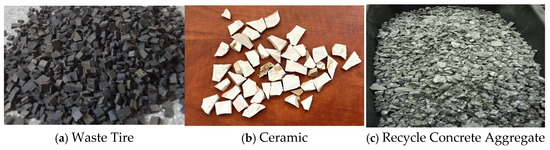
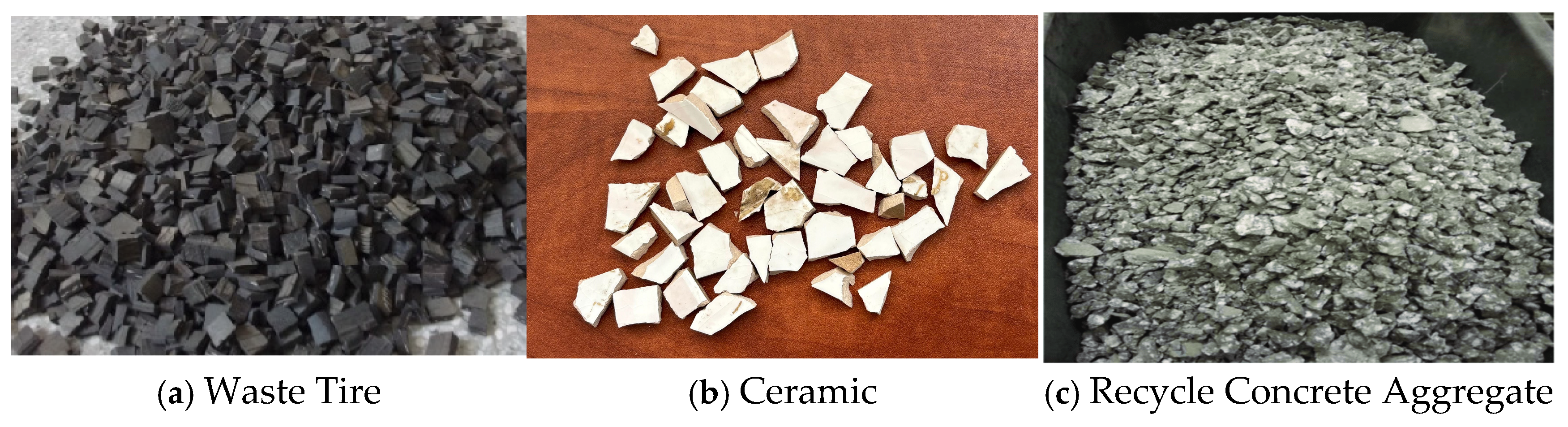
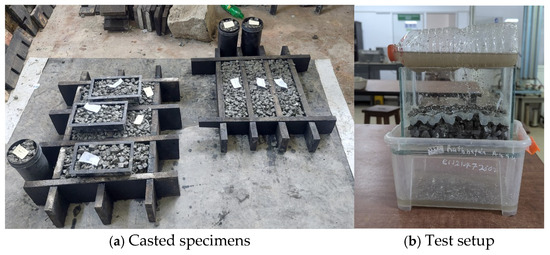
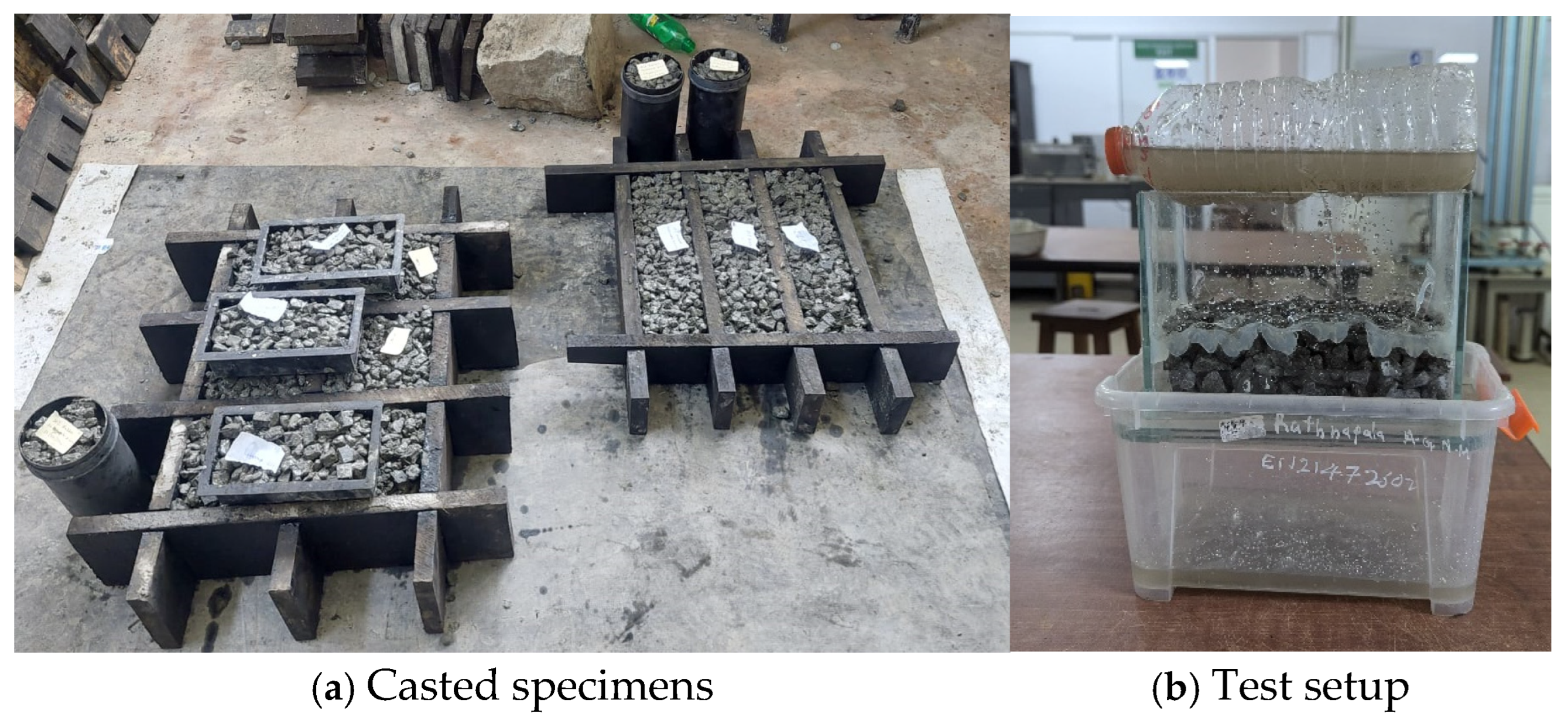
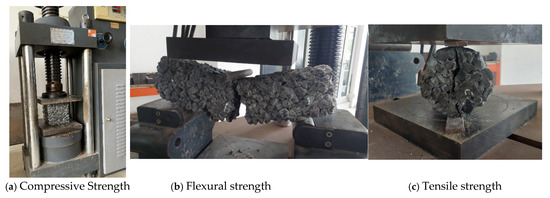
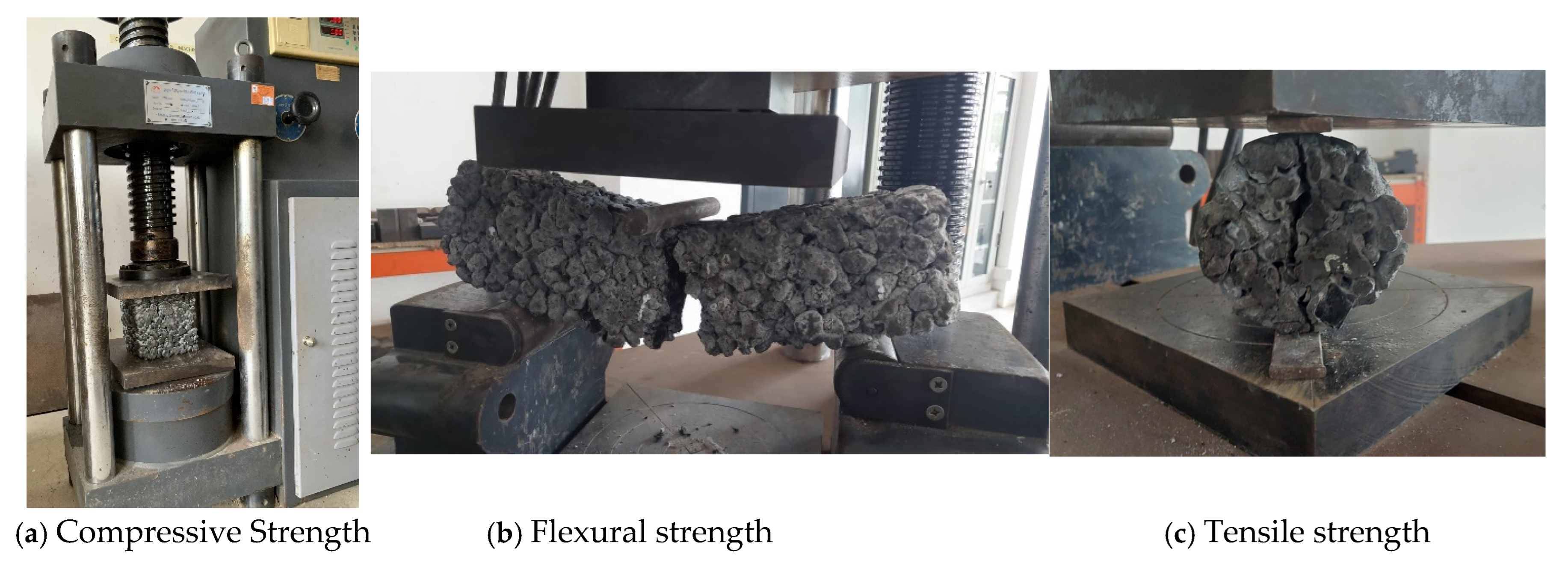
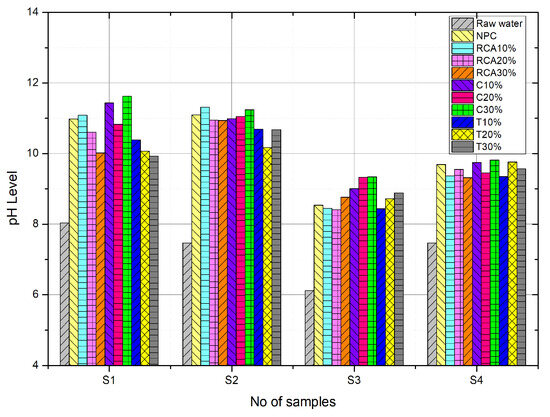
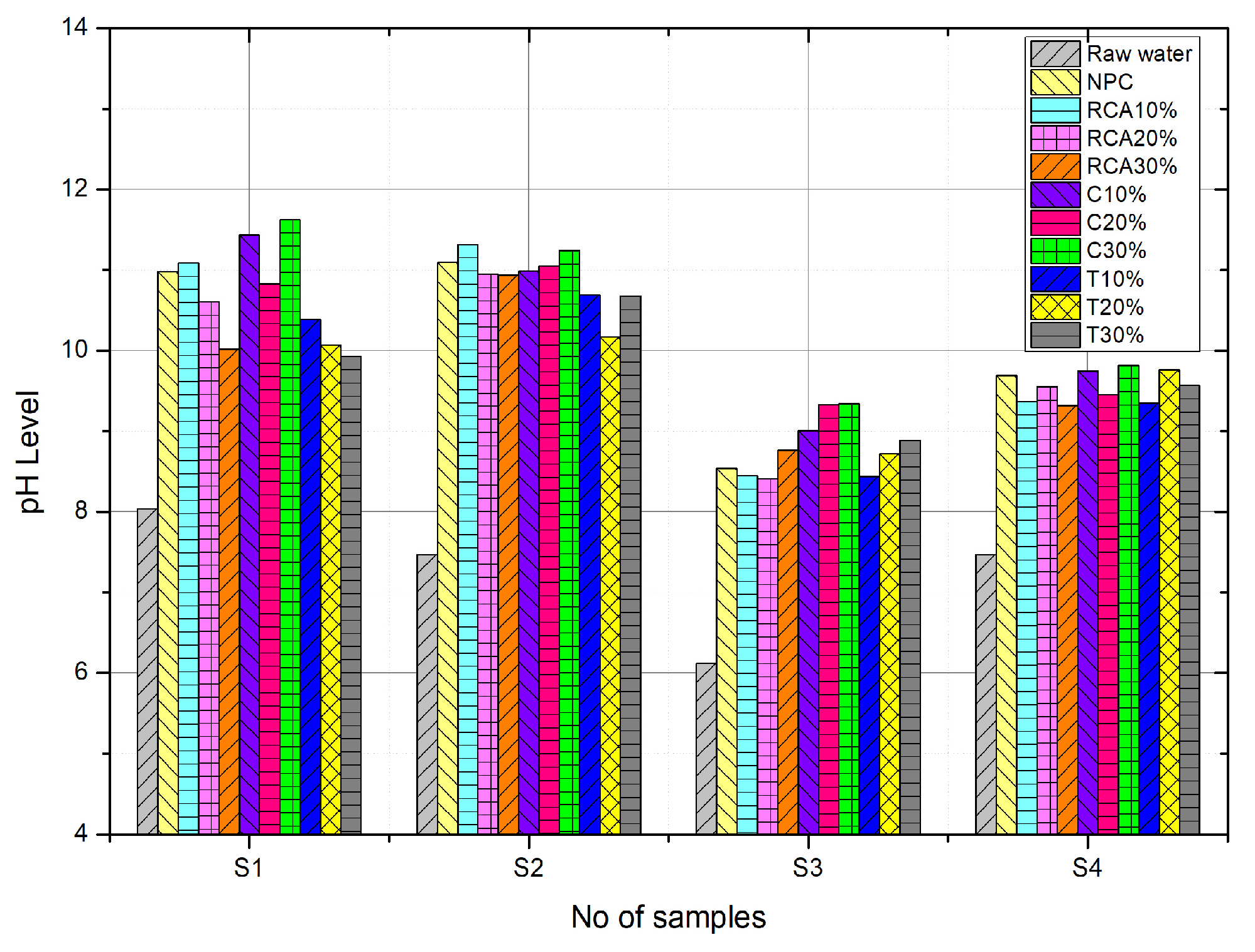
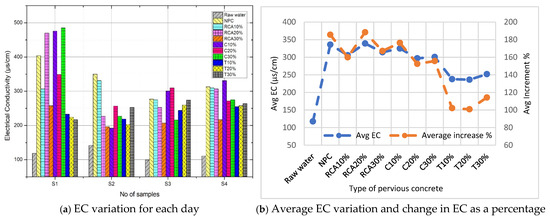
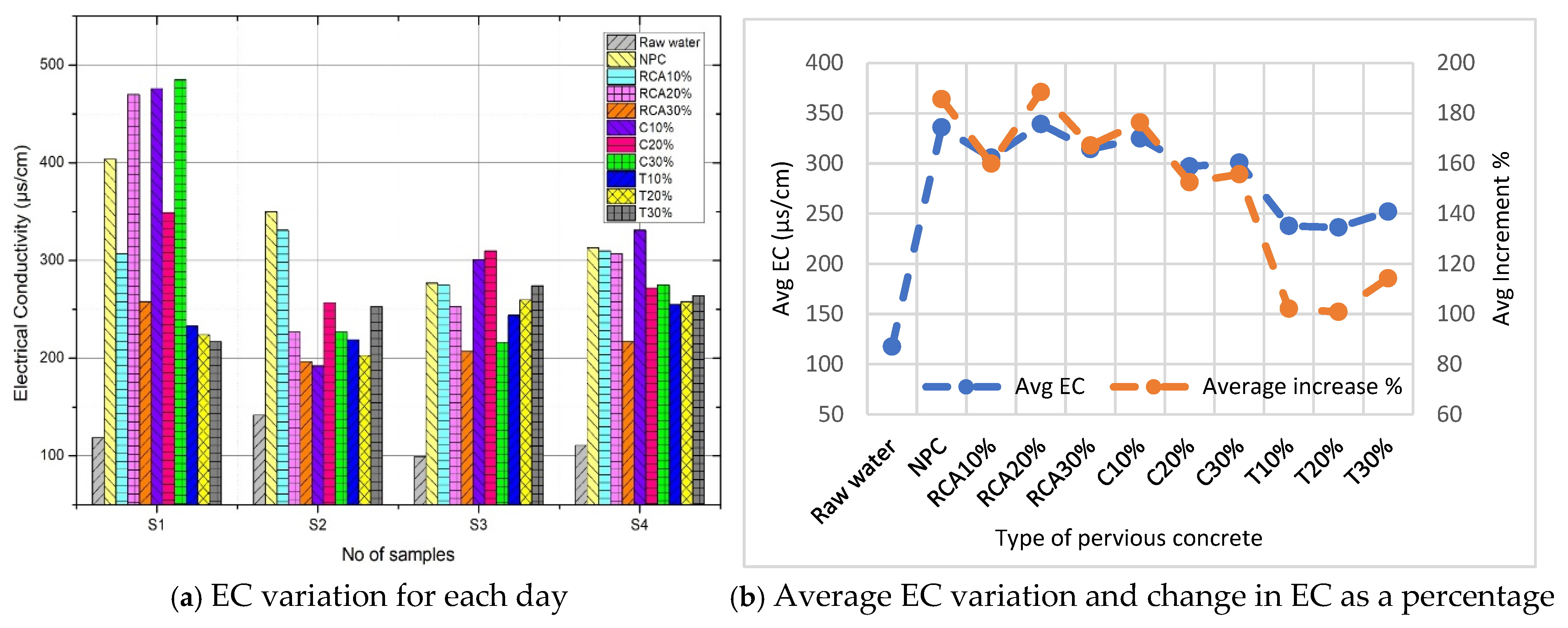
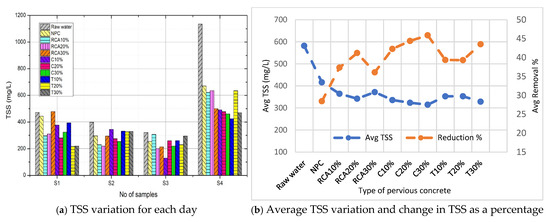
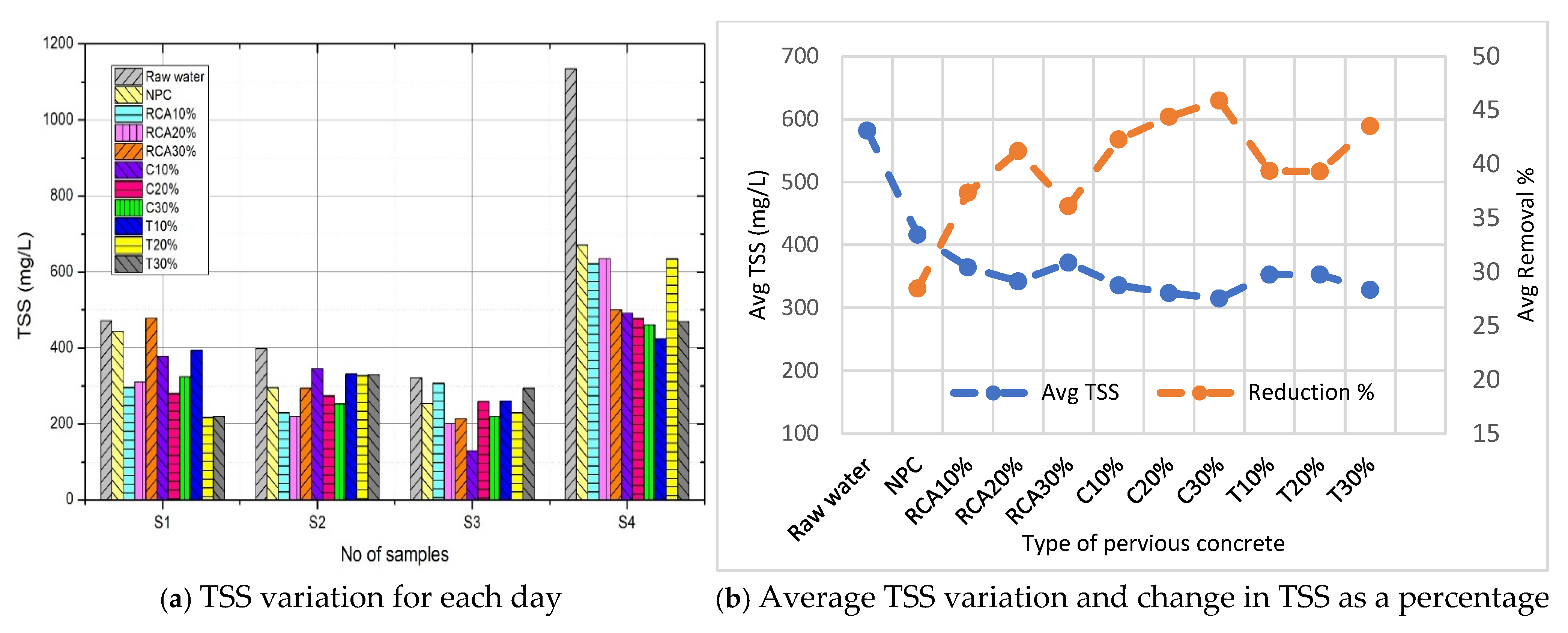
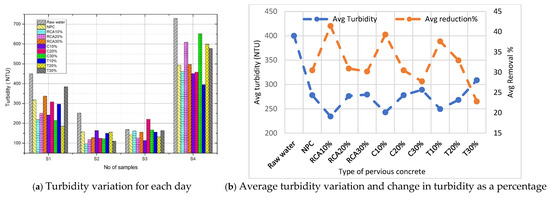
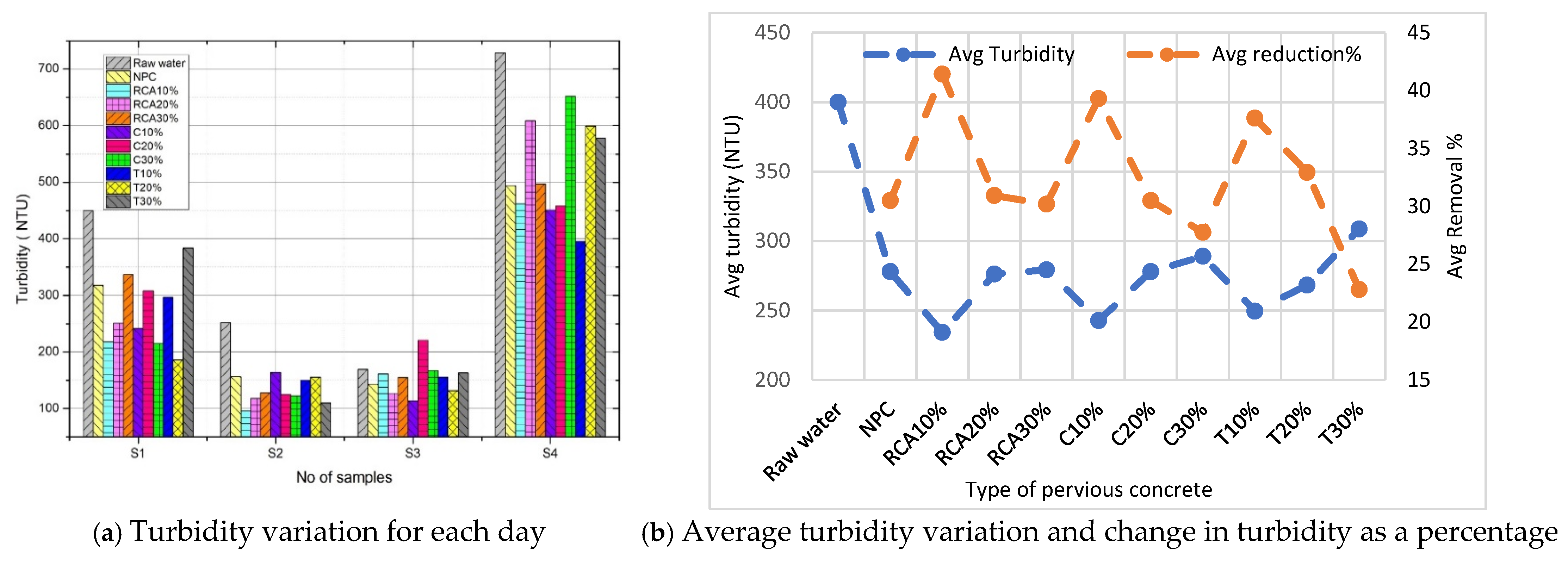
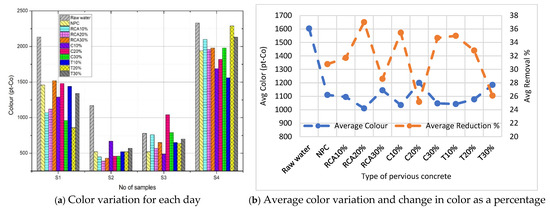
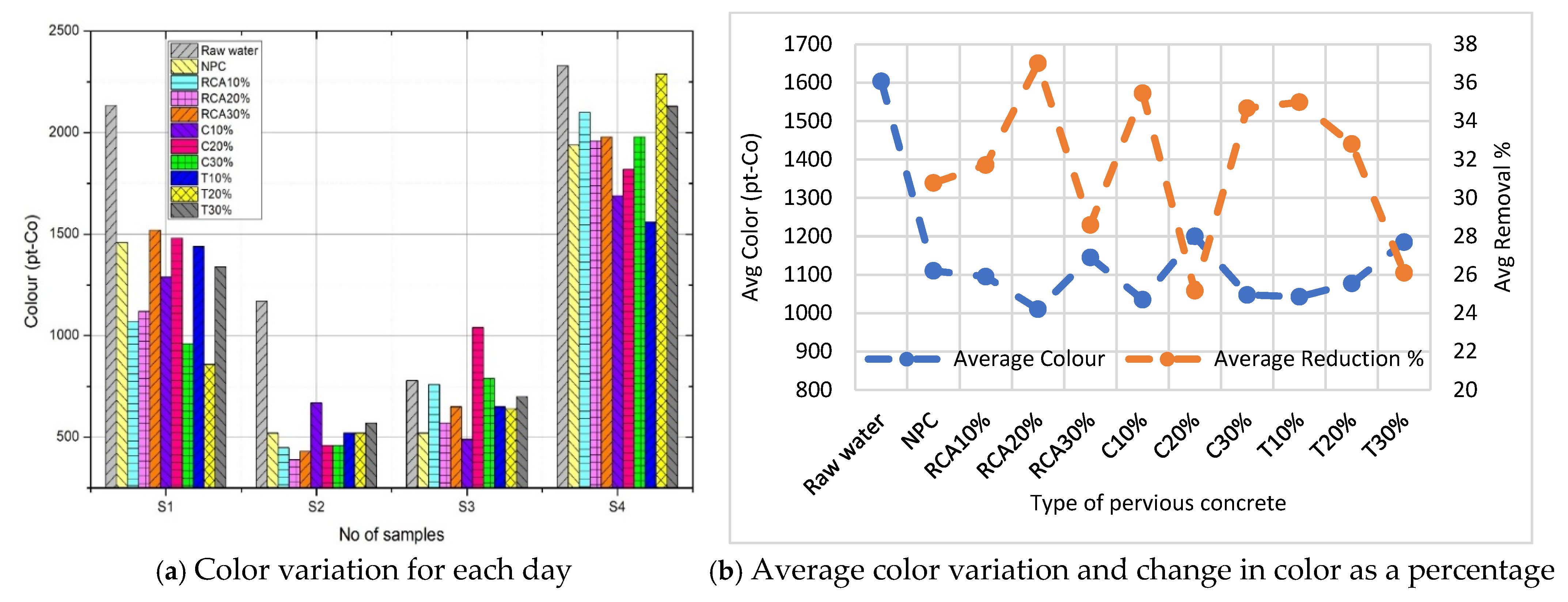
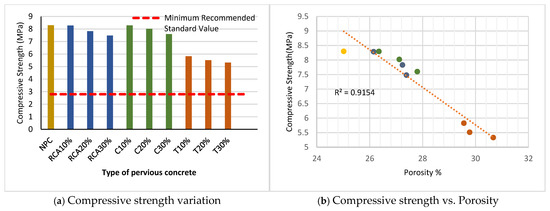
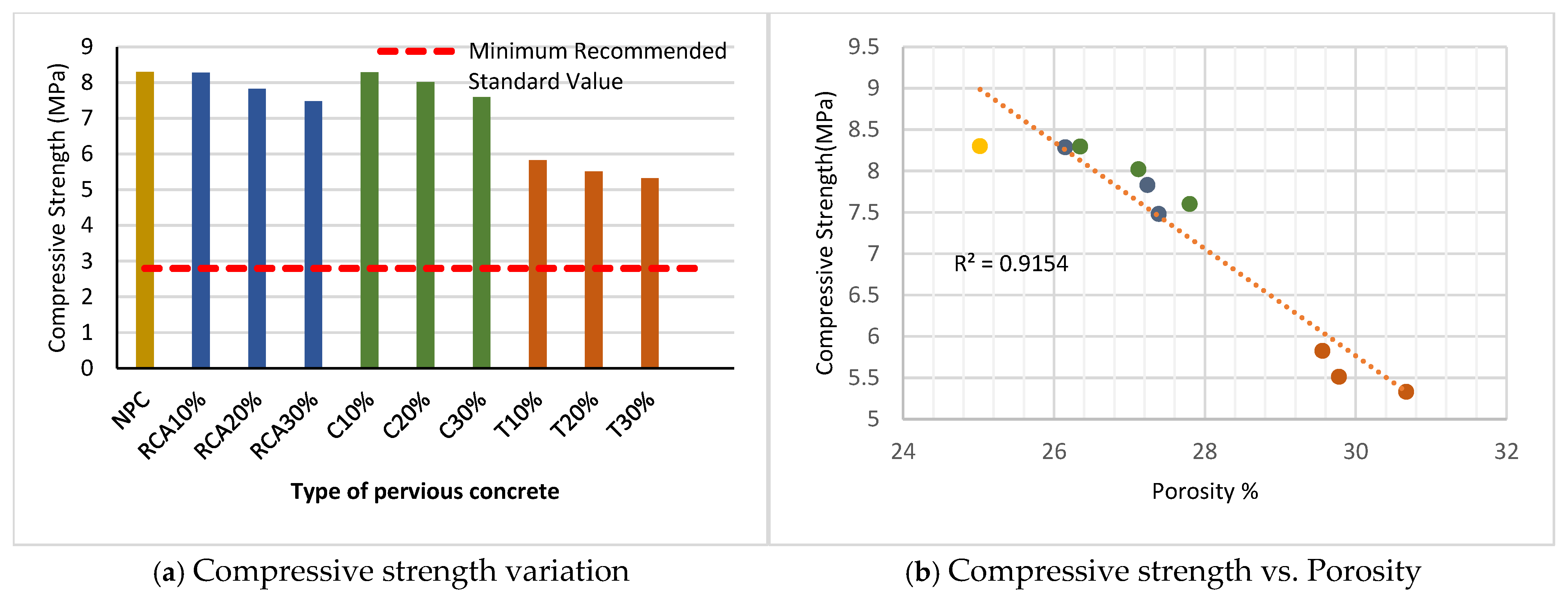
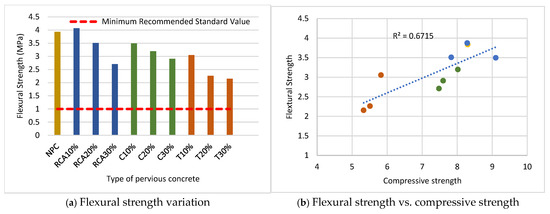
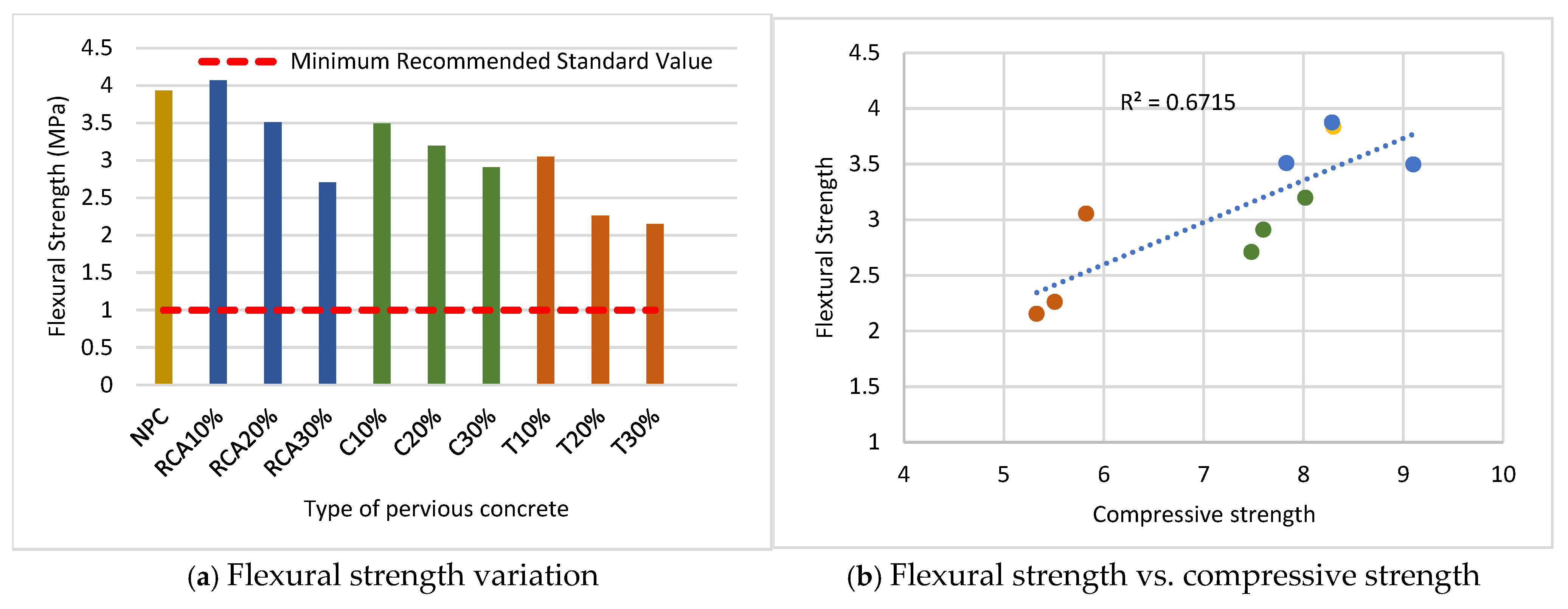
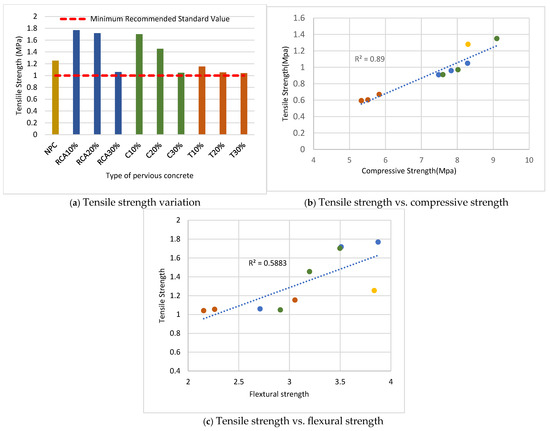
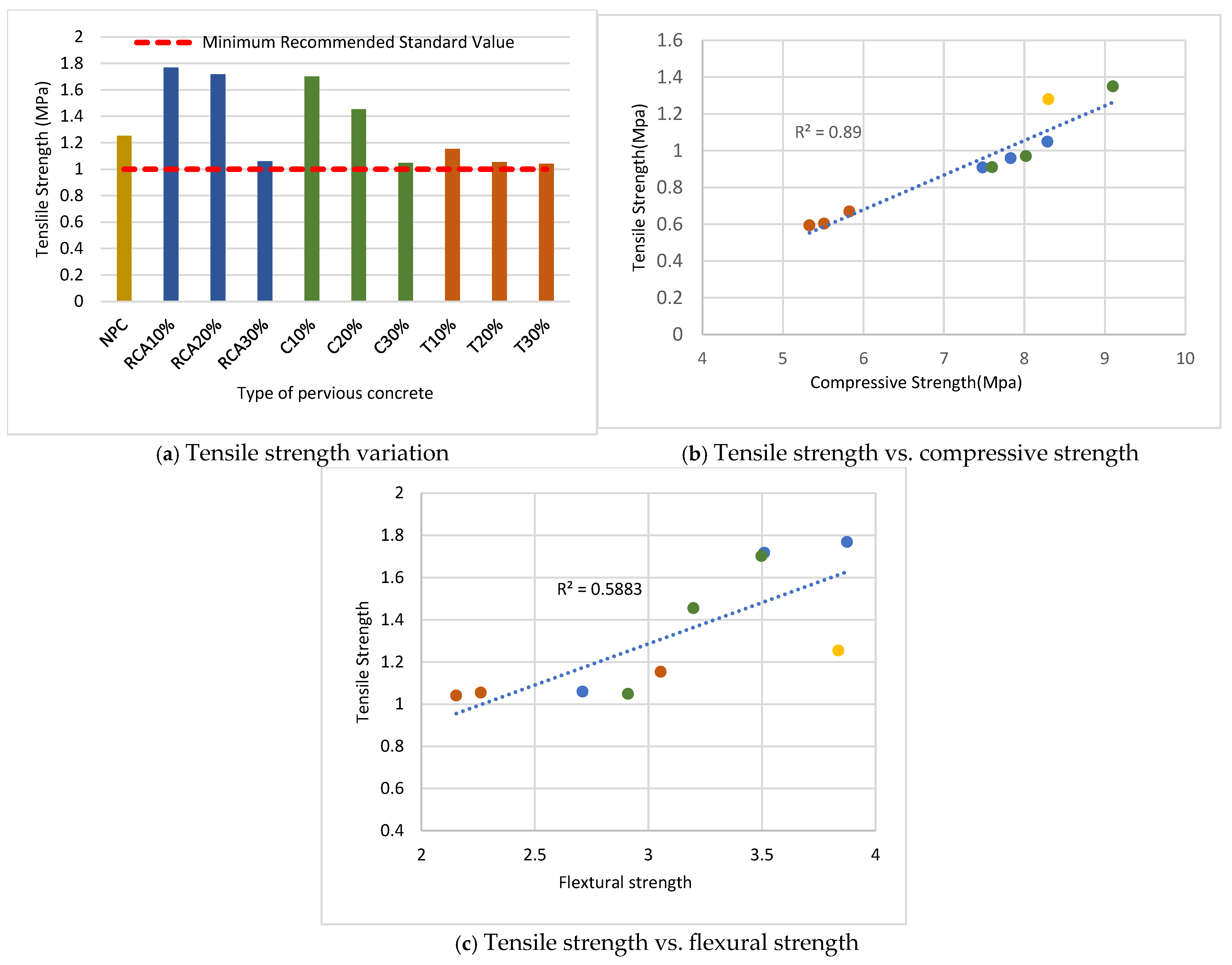
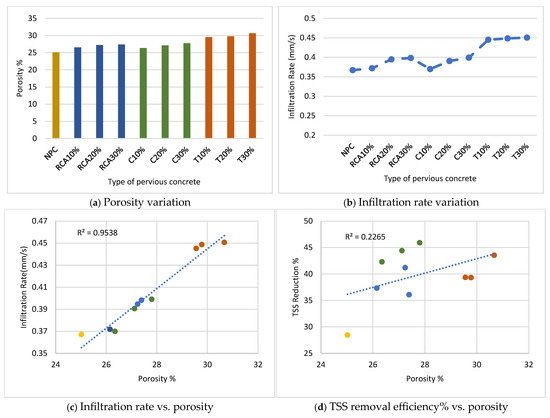
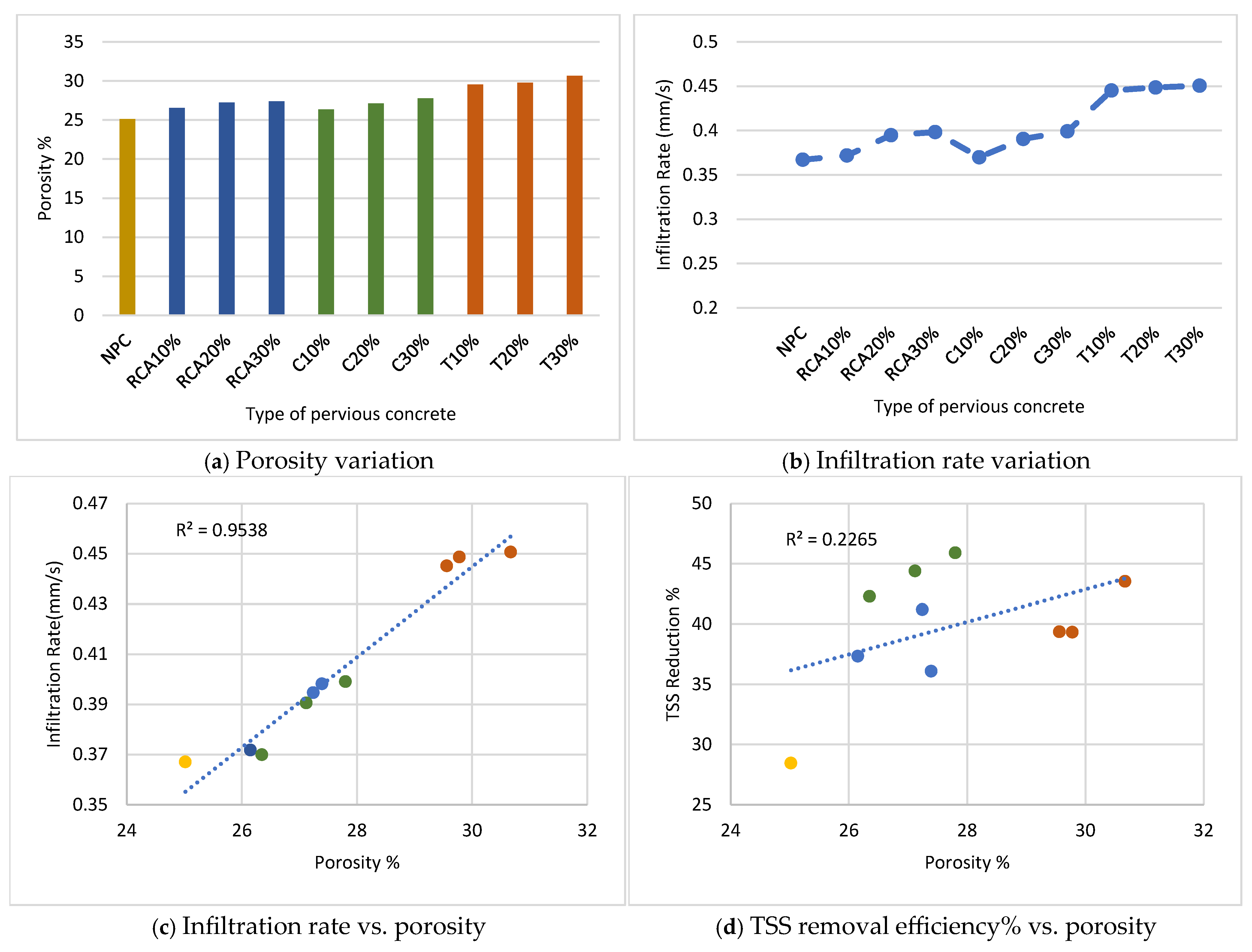

Disclaimer/Publisher’s Note: The statements, opinions and data contained in all publications are solely those of the individual author(s) and contributor(s) and not of MDPI and/or the editor(s). MDPI and/or the editor(s) disclaim responsibility for any injury to people or property resulting from any ideas, methods, instructions or products referred to in the content. |
© 2026 by the authors. Licensee MDPI, Basel, Switzerland. This article is an open access article distributed under the terms and conditions of the Creative Commons Attribution (CC BY) license.