


Abstract
This study provides a systematic review of mathematical programming models applied to agricultural water management, with a focus on their relevance for policy design addressing water scarcity and agricultural pollution. Following the PRISMA (Preferred Reporting Items for Systematic Reviews and Meta-Analyses) methodology, 42 peer-reviewed studies were selected from an initial sample of 438 records and analysed using a multi-dimensional framework covering research context, economic objectives and policy orientation, and model features. The analysis reveals a pronounced geographical and thematic segmentation: water scarcity studies are concentrated in Asia, while water quality studies are predominantly European and regulatory-driven, with limited mutual influence. While deterministic optimisation approaches remain prevalent, models increasingly integrate biophysical processes through coupling with agro-hydrological components. However, policy applicability is often constrained by the limited representation of farmers’ behavioural responses, trade-offs between model complexity and usability, and difficulties in transferring results across institutional contexts. Emerging policy instruments remain limited in the sample. Progress in this field depends less on technical elaboration within existing frameworks and more on integration across disciplinary approaches. A suitable pathway would be the development of models that treat water availability and quality as jointly determined outcomes and embed institutional design within the optimisation framework.
1. Introduction
Water is an essential resource whose proper management is fundamental to meeting basic human needs, including access to food, drinking water and sanitation services. Inadequate governance of this resource has consequences across the entire food system, from agricultural production through processing and consumption, as well as on the goods and services provided by aquatic ecosystems. Current production and consumption patterns, growing demographic pressure, and the increasing frequency of extreme climate events are altering the availability of freshwater worldwide [1], making the preservation and sustainable use of water resources an urgent priority.
In this context, agriculture represents the largest water user globally, accounting for approximately 72% of total water withdrawals [2] and a major source of water pollution in many parts of the world [3], mainly due to the widespread use of inputs such as fertilisers, pesticides and livestock waste, which are among the most common diffuse sources of water pollution [4]. In this context, there is a pressing need to identify strategies to improve water use efficiency and productivity in the agricultural sector, including demand reduction, improved planning and the reuse of treated wastewater. In particular, innovative water management in agriculture, combined with the optimal use of agricultural inputs and sound soil and crop management, holds significant potential for promoting climate resilience and sustainable food systems [1].
The literature identifies four main categories of water management instruments that operate through different economic mechanisms: pollution taxes, water quality trading and water markets, regulatory restrictions, and subsidies for irrigation efficiency and technology [1]. The effectiveness of these instruments and their combined use depends on the quality of local institutions and infrastructure, as well as the broader policy and market context in which they are implemented [1]. The implementation of such policies generates direct and indirect economic effects on the agricultural sector [5], affecting not only water consumption levels but also prices, production choices, incomes and economic relationships within the local production system [6]. These impacts vary considerably across farms, sub-catchments and river basins, generating heterogeneous distributional effects.
These considerations highlight the importance of having tools capable of simulating alternative policy scenarios and water management instruments, as well as of quantifying uncertainty to assess the robustness of decisions. To this end, mathematical programming models (MPMs) have been widely recognised as valuable tools for evaluating and supporting water-related decision-making, owing to their explicit functional structure, which directly represents the water–production relationship and remains more reliable than less-constrained approaches, such as econometric models, when simulating conditions beyond previously observed situations [7]. This makes it possible to assess the expected impacts of different scenarios, evaluate adaptation and mitigation options, and analyse the associated trade-offs and resource constraints [8]. When MPMs are adequately calibrated using observed data, they are able to realistically reproduce observed production systems and provide a reliable basis for policy analysis and scenario simulation [7]. Depending on the decision-making context under analysis, these mathematical programming models may vary in complexity, structure and applicability [9]. In the context of agricultural water management, the most widely used optimisation approaches include linear programming (LP), non-linear programming (NLP), mixed-integer linear programming (MILP), fuzzy programming, fractional programming and hybrid techniques.
A considerable number of MPMs have been proposed in the literature with the aim of addressing environmental challenges related to water resources, in terms of both quality and quantity, employing diverse approaches, scales and objectives. Several literature reviews have previously examined this body of work. Graveline [7] reviewed the use of agricultural economic programming models representing water demand and allocation among farming activities across different problem settings, concluding that such tools are particularly well-suited to studying the effects of policies and global changes on water resources and agriculture, owing to their capacity to represent real production systems and make explicit the link between water and production. The review highlights, however, that important methodological challenges remain, including the integration of uncertainty and risk and the treatment of spatial and temporal scales of analysis. With regard to bio-economic farm models (BEFMs), Janssen and Van Ittersum [10] conducted a review assessing the capacity of these models to represent farmers’ decision-making and alternative production possibilities. The authors identify clear descriptions of model objectives, agricultural activities, and evaluation procedures as good practices and propose a research agenda focused on improving the modelling of farmer decision-making, incorporating multidimensional environmental and economic aspects and developing modular and transferable models. Reidsma et al. [11] broadened this perspective by examining the use of farm models in policy impact assessment processes, both within the European Commission and in the scientific community. Their findings highlight significant methodological progress, alongside persistent challenges, including the need for a better understanding of farmer decision-making, more rigorous model evaluation and comparison procedures, and stronger interaction between research and policy processes. More recently, Soriano et al. [12] conducted a bibliometric and systematic review focused specifically on economically calibrated mathematical programming models for agricultural water allocation, identifying the main challenges and research gaps in the field. These include, in particular, insufficient model and data validation, inadequate uncertainty quantification and limited generalisability beyond the calibration range.
Taken together, these reviews portray a rapidly evolving field characterised by considerable heterogeneity in approaches, scales of analysis and objectives, while pointing to recurring methodological limitations that remain only partially addressed.
Building on this evidence, the present review aims to analyse and compare mathematical programming optimisation models that simulate part of the agricultural systems, with particular reference to water resource management and environmental impacts, including agricultural pollution. A central concern of this review is to assess the extent to which these models are evolving to incorporate and respond to emerging policy instruments for sustainable water management in agriculture, an aspect that, to our knowledge, has not been systematically addressed in previous contributions. To achieve this objective, a systematic literature review was conducted covering the period 2016–2025, following the PRISMA 2020 (Preferred Reporting Items for Systematic Reviews and Meta-Analyses) methodological framework [13]. In particular, this review seeks to address the following research questions:
RQ1: What is the current state of the literature on mathematical programming models applied to the analysis of agricultural systems, with particular reference to water resources and agriculture-related environmental impacts?
RQ2: What are the main mathematical programming approaches employed to address water resource management and pollution problems in agriculture, how does the methodological choice vary depending on the specific problem analysed, and to what extent are these models coupled with external hydrological, biophysical, or economic sub-models?
RQ3: To what extent do optimisation models incorporate heterogeneity and what strategies are adopted to represent it?
RQ4: Which water and environmental policy instruments are incorporated in these models and how are they represented within the optimisation formulations?
This paper is organised as follows. Section 2 describes the methodology adopted for the literature search and selection criteria. Section 3 presents the results of the review, organised according to the analytical framework adopted in this study. Section 4 discusses the main findings, methodological gaps, and limitations identified in the reviewed literature. Section 5 concludes with policy implications and recommendations for future research directions.
2. Materials and Methods
2.1. Information Sources and Search Strategy
A vast body of literature exists on mathematical programming approaches and their applications for the evaluation of agricultural water management and policy impacts. To provide a comprehensive overview of the recent existing research, this study conducts a systematic literature review (SLR) following the PRISMA 2020 methodological approach [13,14]; the completed PRISMA 2020 checklist is provided in the Supplementary Materials.
The literature search was carried out in the Scopus and Web of Science (WoS) databases using the source queries detailed in Table 1. The search string was designed to retrieve articles in which mathematical programming models are used to analyse agricultural systems subject to water resource constraints or environmental pressures, including water quality and pollution. The search excluded subject areas unrelated to the scope of the review, namely: engineering and physical sciences (Engineering, Energy, Physics and Astronomy, Materials Science, Chemistry, Chemical Engineering); biomedical and life sciences (Medicine, Veterinary, Biochemistry, Genetics and Molecular Biology); computer science; and arts, humanities and social sciences (Arts and Humanities, Psychology). A comparable set of subject categories was excluded in WoS, including Engineering, Geology, Energy Fuels, Meteorology and Atmospheric Sciences, Chemistry, Materials Science, Physics, Public Environmental and Occupational Health, Life Sciences and Biomedicine, Zoology, Thermodynamics, Spectroscopy, Remote Sensing, Public Administration, Neurosciences and Neurology, Marine and Freshwater Biology, Imaging Science and Photographic Technology, Arts and Humanities, Veterinary Sciences, and Biotechnology and Applied Microbiology. The search was limited to articles published between 2016 and 2025.
Table 1.
Search string used in the database search (All fields).
2.2. Eligibility Criteria and Selection Process
The initial search resulted in identifying 207 articles for the Scopus database and 331 for the WoS database. After duplicate removal, we obtained a sample of 438 articles to review. Each paper was screened based on title and abstract and assessed against the following eligibility criteria. Studies were considered eligible if they applied mathematical programming models to agricultural or agro-industrial systems, and addressed water resource management, water use efficiency, or water-related environmental impacts, including water pollution from agricultural sources. Eligibility was further restricted to mathematical programming models, characterised by an explicit, algebraic representation of production and resource-allocation relationships. This structural transparency, as opposed to reduced-form or purely data-driven approaches, was considered a methodological prerequisite for inclusion, ensuring that the assumptions and functional relationships underlying each reviewed model could be identified and assessed. A total of 323 records were excluded at this stage, and a further 73 studies were excluded after full-text analysis. Excluded studies fell into one or more of the following categories: studies where agriculture was not the primary focus, including those optimising water or economic resources across multiple sectors, managing non-agricultural water bodies, or addressing agricultural policy effects, virtual water trade, and dietary choices without a mathematical programming model; studies on greenhouse gas emissions, carbon footprint, or climate change impacts without an economic optimisation framework; and studies with only marginal thematic overlap, including those focused on coastal waters, marine species, or wildlife conservation. The final dataset comprised 42 studies, which form the basis of the analysis presented in this review. The full article selection procedure is summarised in the PRISMA flow diagram presented in Figure 1.
Figure 1.
PRISMA 2020 flow diagram [13].
2.3. Data Collection Process and Data Items and Synthesis Methods
The final selection of 42 papers was analysed to extract relevant information for the review. A structured Excel sheet was developed to systematically extract metadata information for further analysis. The form in Excel included metadata such as the authors’ names, publication title, year of publication, and the following key dimensions and sub-dimensions in Table 2. These dimensions were defined a priori based on the research objectives of the review and on existing frameworks [7,10,12,15,16].
Table 2.
Key dimensions and sub-dimensions to classify papers.
The context dimension encompasses three analytical classes: the research topic, the research objective, and the case study location. Examining these contextual elements allows for a comparative understanding of how different studies adapt mathematical programming approaches to specific water management challenges and helps identify the settings where such methods are most likely to produce useful and policy-relevant results. Based on Archibald & Marshall’s [16] emerging theme taxonomy in the broader MPM literature on water resource management, the research topic classification was adapted to our selected literature. Since water allocation and agricultural irrigation substantially overlap in an agricultural context, they were merged into a single category; climate change was excluded as a standalone theme, as it acts primarily as a cross-cutting driver [16]. The resulting classification distinguishes two categories: water scarcity and allocation, and water quality and pollution. The research objective sub-dimension captures how the problem is framed analytically, and is particularly relevant for assessing the potential contribution of the reviewed studies to water management decision-making. From the selected papers, we categorised the sample into 4 groups, as detailed in the Results section. Finally, the case study location sub-dimension examines the geographical context of each case study, thereby providing relevant contextual information on the institutional and hydrological environment in which the model operates, which may influence modelling choices and the types of policy instruments represented.
The economic objectives and policy orientation dimension includes four analytical classes: optimisation decisions, temporal scale, policy and market instruments, and the optimisation objective. Together, these classes reveal how models conceptualise the trade-offs between profitability, resource efficiency and environmental sustainability and to what extent they are designed to support policy decisions. Optimisation decisions identify the type of decisions that the model optimises, distinguishing between operational and strategic choices. Temporal scale classifies models as static (representing the agricultural system over a single time period), recursive (multiple periods without state variables linking decisions across periods), or dynamic (multiple periods with state variables explicitly linking decisions across time). The policy and market instruments sub-dimension captures the institutional and market mechanisms explicitly represented within the model structure. Papers were classified according to their degree of institutional integration, as detailed in the Results section. The model objective defines the criterion according to which the optimal solution is identified, with direct implications for the structure and complexity of the objective function; papers were classified into five categories accordingly.
The model features cover five sub-dimensions: model approach, uncertainty, model coupling, spatial scale, and heterogeneity. Together, these classes allow models to be systematically compared in terms of their capacity to represent the structural complexity of real agricultural systems and their suitability for informing water management policy across different decision contexts. Model approach refers to the mathematical programming formulation actually solved (LP, NLP, MILP, LFP, or hybrid/multi-stage formulations) and, where relevant, to the behavioural representation underlying the objective function, distinguishing normative models, in which the objective function is specified a priori, from positive or behaviourally-calibrated models, in which it is calibrated against observed decision-making (e.g., PMP, PMAUP, revealed-preference approaches). Uncertainty is examined according to whether it is represented structurally within the optimisation model (through stochastic, fuzzy, or interval formulations) or managed externally to it, typically through scenario analysis, sensitivity analysis, or coupling with external biophysical or hydrological models. In this review, model coupling is defined as the integration of an MPM with an external sub-model (such as hydrological, climatic, or socio-economic), through one-way or two-way information exchanges, following Soriano et al. [12]. Spatial scale determines the unit of analysis and level of aggregation, ranging from individual farm-level models to regional-level approaches, with some studies adopting intermediate typology-based frameworks [7,12,17]. Based on the classification framework proposed by Graveline [7], this paper analyses the spatial dimension along two levels: the overall spatial configuration of the model (single-scale, multi-scale, or spatially explicit) and the primary spatial unit of analysis (at what level the model makes decisions). Finally, heterogeneity classifies the degree to which models capture differences across farms, agents, or spatial units within the system under analysis: absent (single representative agent with uniform parameters), implicit (differentiation by crop or area), or explicit (farm types, sub-regions, or water user segments).
Sub-dimensions were subsequently refined iteratively during data extraction to ensure adequate coverage of the reviewed literature. Data were collected through full-text review and recorded in the structured Excel database, then systematically analysed and reported in the Results section organised by sub-dimension.
Generative AI (Claude Sonnet 4.5, Anthropic) was used to assist with the classification and data extraction phase of the review and with language editing of the manuscript. All AI-assisted classifications were verified against the source publications by the authors, who take full responsibility for the accuracy of the extracted data and the final content of the manuscript.
2.4. Risk of Bias
The present review is subject to some potential sources of bias that should be considered when interpreting its findings. First, the search was conducted in both Scopus and Web of Science, which together provide broad coverage of peer-reviewed scientific literature, but may not index all relevant studies, particularly those published in non-English languages, in regional journals with limited indexing, or in grey literature. As a result, some relevant studies may not have been retrieved, and this limitation should be taken into account when interpreting the results of the review [12]. Second, as is common in reviews of modelling literature, the included studies may be subject to publication bias, with successful model applications more likely to be published than those reporting poor fit or inconclusive results [18], potentially obscuring the limitations of certain techniques. An additional limitation concerns the exclusion of Scopus subject areas primarily associated with engineering and physical-systems modelling. While this exclusion was intended to preserve the review’s focus on agricultural economic modelling, it may have limited the capture of hybrid studies combining hydraulic or technical optimisation with economic or policy dimensions, particularly within the water scarcity and allocation research topic, where such interdisciplinary overlap is more likely to occur. This trade-off should be considered when interpreting the composition and thematic distribution of the reviewed sample. Furthermore, although the search string was designed to ensure broad thematic coverage, it is possible that some relevant studies were not captured, particularly those using alternative terminology or framing the research question from a different disciplinary perspective. To mitigate these risks, substantial effort was made to design a search string with broad coverage across modelling techniques, application contexts and geographic regions and to apply transparent and reproducible eligibility criteria throughout the selection process.
3. Results
Table 3 summarises the main characteristics of the 42 studies included in this review, reporting for each the case study location, the mathematical programming approach, the type of model coupling, and the policy instrument addressed.
Table 3.
Main characteristics of the studies included in the systematic review.
3.1. Context
3.1.1. Research Topic
The research topic classification distinguishes two categories. The water scarcity and allocation group incorporates studies that address the efficient distribution of limited water resources among competing agricultural uses, while the water quality and pollution category encompasses studies focused on the reduction of agricultural non-point source pollution and nutrient losses to water bodies. This classification reveals a predominance of the topic of water scarcity and allocation, with 25 papers, compared to 15 papers on water quality and pollution. Only 2 papers present a dual focus, addressing both dimensions simultaneously. Gracia & Alamanos [19] examine water scarcity and allocation in the Greek case study, while dealing with water quality and pollution in the Canadian and Irish cases. Similarly, Chen et al. [20] primarily address non-point source pollution control, while incorporating water availability as an explicit constraint within the optimisation model. This distribution reflects the literature structure highlighted by Archibald & Marshall [16], while indicating that agricultural pollution has emerged as a relevant topic in the literature. In particular, most papers address nitrogen pollution, which appears as a transversal issue across the sample, while only 4 focus exclusively on phosphorus pollution and 7 address both of them. Within the water scarcity and allocation category, the majority of papers treat both water allocation and crop mix or land allocation as interconnected resource management problems.
3.1.2. Research Objective
From the analysis of the research objective within the reviewed literature, we identified 4 main categories. The literature shows a clear predominance of the category of methodological development (24 papers), reflecting their primary objective of developing or extending optimisation frameworks to address complex agricultural water management problems. The market simulation category comprises 7 studies, all focused on evaluating the functioning and economic effects of water markets or tradable permit schemes, with the common aim of quantifying efficiency gains, distributional effects, and environmental externalities of market-based instruments [21,22,23,24,25,26,27]. Six studies are classified under the instrument comparison and design category, evaluating the cost-effectiveness or efficiency of alternative policy instruments against environmental compliance targets such as the Nitrates Directive or the Water Framework Directive [28,29,30,31,32,33]. Finally, 5 studies are grouped under policy impact assessment, quantifying the economic, environmental, or agronomic impacts of a defined policy scenario or external shock on the agricultural system, without explicitly comparing alternative instruments [34,35,36,37,38].
The distribution of research objectives is not homogeneous across the two main research topics. Studies addressing water scarcity and allocation are predominantly oriented to methodological development and simulation of water markets. By contrast, studies on water quality and pollution present a more balanced but differently oriented distribution. Methodological development remains present (5 studies), but the dominant objectives are instrument comparison and design (6 studies) and policy impact assessment (5 studies). Market simulation is almost absent from this group, with only Hasan et al. [24] applying a cap-and-trade scheme to nitrogen management.
3.1.3. Case Study Location
Case study locations of the selected literature are discussed at the macro-region and country level, with a focus on the hydrological or administrative context (e.g., basin, irrigation district, region). The geographical distribution of the reviewed studies (Figure 2) reveals a strong concentration in Asia, with a clear predominance of case studies in China, with 10 papers [20,39,40,41,42,43,44,45,46,47], all focusing on irrigation districts or river basins in arid or semi-arid regions, where water scarcity and efficient irrigation management represent critical policy challenges. Iran is the third most represented country, with 7 studies [22,23,48,49,50,51,52], all addressing water scarcity in arid and semi-arid irrigation systems, and Bangladesh is represented only by one paper. Also, Europe accounts for 13 papers, with contributions from the United Kingdom [28,32], the Netherlands [29,35], Spain [21,27], Italy [30,53], Germany [30], Greece [19], France [33], Switzerland [31], Austria [36], Denmark [24], and Ireland [19,34]. These studies are primarily aimed at meeting the requirements of the Nitrates Directive and the Water Framework Directive, with a predominant emphasis on water quality and pollution issues. The United States contributes with 4 studies [26,37,38,54], covering contexts ranging from semi-arid basins in the Southwest to agricultural watersheds in the Midwest and Northeast. The remaining studies are set in Brazil [55], Mexico [56], Uruguay [57], Canada and North America [58], Australia [25], and Ethiopia [59]. Regarding the unit of analysis, the majority of studies (25 papers) operate at the level of a hydrological unit, such as an irrigation district, river basin, or catchment, directly relevant to water management decision-making. A smaller number of studies adopt the agro-hydrological area (13 papers), such as regions or irrigation networks, and 4 papers focus on farms or on a single representative farm.
Figure 2.
Geographical distribution of the included studies.
Within the reviewed sample, the geographical distribution shows a clear association between regional context and research topic. The non-European countries are exclusively associated with water scarcity and allocation, consistent with the structural water deficits and irrigation-intensive agriculture that characterise these regions. Europe, by contrast, presents a more mixed picture. While several European studies address water scarcity, the majority of European contributions focus on water quality and pollution, driven by the regulatory framework of the Nitrates Directive and the Water Framework Directive.
3.2. Economic Objectives and Policy Orientation
3.2.1. Optimisation Decision
This section examines the types of decisions optimised by the models. Operational variables include crop mix selection, irrigation water allocation, fertiliser application, and feed ration composition, and appear in 35 out of 42 studies. This predominance is consistent with the static temporal structure adopted by most models, which represents a single growing season or representative year. A smaller number of studies incorporate mixed operational and strategic decisions. Strategic choices include investment in manure storage infrastructure [38], expansion of barn capacity [29], acquisition of priority water rights [27], land use conversion between cropland, grassland and forest [36,43], and long-term land retirement programmes [37]. Klootwijk et al. [35] present the broadest set of strategic decisions, encompassing herd size, land purchase, phosphate quota acquisition, and barn expansion alongside operational feed and fertilisation choices. No study in the reviewed literature optimises exclusively strategic decisions, confirming that operational resource allocation remains the structural core of mathematical programming models applied to agriculture.
3.2.2. Temporal Scale
The temporal dimension examines the extent to which they capture the temporal evolution of the agricultural system. Most of the reviewed models adopt a static approach. Specifically, 27 out of 42 studies represent the agricultural system over a single time period, typically one growing season or one representative year, optimising resource allocation under fixed parameters and without inter-period feedback. This includes studies that incorporate seasonal sub-periods (e.g., summer and winter, or monthly irrigation scheduling) but without state variables linking decisions across years. Six studies are classified as recursive, incorporating multiple planning periods or time-varying parameters without endogenous state variables connecting decisions across periods. These models typically introduce intra-seasonal granularity, such as fortnightly timesteps [55], monthly water balances [41], or annual scenarios with time-varying inputs [26,49], or compare two discrete periods with exogenously updated parameters [36]. Vinten et al. [32] and Trail & Ward [54] incorporate a five-year net present value horizon without modelling strategic adaptation over time. 3 of the 42 studies are classified as fully dynamic. Nouri et al. [22] run an agent-based optimisation model over a ten-year horizon in which each period’s decisions depend on the state of the groundwater system in the previous period, with learning constraints that update agents’ production thresholds endogenously over time. Abdi-Dehkordi et al. [51] model a 14-year horizon in which reservoir storage carries over explicitly from one period to the next, linking water availability across years. Castagna et al. [57] cover a 4-year (16-season) horizon in which crop allocation decisions are constrained by the crops assigned in previous periods, following a permitted rotation sequence.
3.2.3. Policy and Market Instruments
Identifying which instruments are represented in MPMs is relevant for assessing their suitability for policy analysis and transferability across different institutional contexts. The classification of the reviewed studies according to the level of integration of policy instruments within the model structure (Table 4) reveals that the largest group falls under the category of instrument as the subject of analysis, where the policy or market mechanism is explicitly modelled, compared, or evaluated. Within this group, three clusters can be identified. The first comprises studies that evaluate regulatory instruments, including nitrogen taxes, phosphorus balance limits, agri-environmental payment schemes, and direct regulatory standards, typically by comparing a baseline scenario with one or more policy alternatives [29,30,34,35,36]. The second comprises studies that simulate market-based instruments, including water markets, cap-and-trade systems for nitrogen and discharge permits, water shortage sharing institutions, and economic-value-based allocation priority rules, evaluating their economic performance and environmental outcomes under alternative design configurations [21,22,23,24,25,26,27,31,33,50,54]. The third comprises studies that explicitly combine regulatory and market-based instruments, either by evaluating policy packages that mix input taxation with land retirement or stocking density controls [28], by embedding a quantitative regulatory constraint alongside a comparative evaluation of alternative Best Management Practice allocation strategies [37], or by representing discharge permits and land use regulation as binding constraints within a cap-and-trade allocation logic [43], or by evaluating mixed management-tool packages combining training, financial incentives, and penalties [52]. Six studies incorporate a policy instrument as an explicit exogenous constraint, meaning that an institutional rule or regulatory target is structurally embedded in the model as a fixed parameter without being itself the object of comparison or evaluation. Among these, three embed quantitative environmental standards as fixed model parameters, including nutrient management plan requirements, virtual water trade mechanisms, and environmental reduction targets derived from national and European policy frameworks [19,42,58]. The remaining three represent water availability constraints reflecting administrative allocation regimes, irrigation restriction scenarios, or inter-basin transfer rules embedded in cooperative game-theoretic scenarios [48,53,56]. Seven studies present implicit exogenous constraints, where technical model parameters reflect underlying institutional rules without explicitly naming or framing them as policy instruments, incorporating water availability limits that implicitly reflect administrative extraction or concession rules. Finally, seven studies present no explicit institutional content, operating as purely technical optimisation frameworks in which constraints reflect physical or agronomic limits rather than policy rules. These studies are predominantly oriented towards methodological development and are concentrated in the water scarcity and allocation research topic [20,38,39,49,60].
Table 4.
Policy and market instruments classification.
Regarding the relationship between optimisation decision type and policy instrument level, models incorporating mixed operational and strategic decisions are predominantly found among studies where a policy instrument constitutes the subject of analysis. Conversely, studies that do not treat policy instruments as the subject of analysis are almost exclusively operational in their decision scope and methodological in their research orientation, and are largely concentrated within the water scarcity and allocation research topic. This pattern suggests that water allocation problems tend to be framed as technical resource management challenges, in which institutional design is treated as a fixed background condition rather than an object of inquiry.
3.2.4. Model Objective
Following the taxonomy adopted in this review, we distinguish five categories. The majority of the reviewed models (27 out of 42) adopt a single objective function, optimised subject to a set of technical, institutional, and environmental constraints. Within this category, the most frequently adopted criterion is the maximisation of gross margin at the farm or aggregate level, defined as the difference between total revenues and variable production costs [23,27,31,33,34,36,50,51,52,54,55,56,59]. Two studies adopt a market-level objective function, maximising the aggregate surplus generated by water or pollution permit trading, subject to environmental or resource constraints [24,25]. Idhirij & Ward [26] adopt a system-level objective instead, minimising aggregate farm income losses from water scarcity across irrigated districts. A smaller number of studies adopt a cost minimisation objective, formulated as the minimisation of the social cost of pollution abatement, the aggregate cost of mitigation measures, or the reduction in farm profit required to meet a predefined environmental target [28,29,30,32,35,57]. Finally, three studies employ a ratio-type objective function: Biglari et al. [49] maximise the ratio of aggregate net profit to aggregate water consumption, while Zhang et al. [44] and Li et al. [40] adopt a Linear Fractional Programming formulation in which the objective is not the maximisation of absolute economic benefit but rather the maximisation of economic productivity per unit of water input, expressed respectively as system efficiency and Irrigation Water Use Efficiency. Rong et al. [43] and Xu Y. et al. [37] complete this category, maximising net economic returns subject to environmental constraints that internalise pollution costs or regulatory targets. Multi-objective models (7 studies) simultaneously optimise two or more conflicting objective functions, typically combining an economic criterion with an environmental or water resource objective. Specific formulations include the simultaneous maximisation of economic benefit and minimisation of water deficit and groundwater depletion [48], the maximisation of economic benefit and minimisation of blue virtual water consumption [42], the joint maximisation of crop yield and economic benefit alongside minimisation of water shortage in critical growth phases [41], the simultaneous minimisation of manure transport costs and phosphorus loss risk [38], the maximisation of net return alongside minimisation of environmental flow deficit [60], and the joint maximisation of agricultural profit and minimisation of non-point source nitrogen and phosphorus pollution [20], and the joint maximisation of economic benefit, water productivity, and water production efficiency alongside minimisation of evapotranspiration, with four objectives aggregated into a single function using objectively derived entropy weights [47]. Multi-attribute behavioural models maximise a single utility function that aggregates multiple attributes (such as expected profit, risk aversion and aversion to management complexity). This category comprises two studies [21,53], both of which adopt empirically calibrated Cobb-Douglas utility functions that aggregate attributes such as expected profit and risk aversion into a single utility index, allowing observed farmers’ behaviour to be modelled without assuming perfect rationality. Jiang et al. [39] is the only paper classified within the bi-level hierarchical category, which incorporates two distinct and sequentially dependent objective functions associated with different decision-making levels. The lower level maximises the net irrigation benefit within each subsystem through optimal water and crop area allocation, while the upper level maximises the total benefit of the whole irrigation system, with the two levels linked iteratively rather than solved simultaneously. Finally, 5 studies are grouped under others, as their objective function structure does not fit neatly into any of the preceding categories. Pellerin et al. [58] adopt an alternative single-objective formulation for each simulation run, maximising farm net income, minimising the nitrogen balance, or minimising the phosphorus balance, and construct an efficiency frontier through parametric analysis by progressively increasing the environmental constraint, without constituting simultaneous multi-objective optimisation in the technical sense. Pan et al. [45] resolve three objective functions separately, and aggregate results ex-post through an entropy-weighted TOPSIS method. Nouri et al. [22] operate through an agent-based structure in which each agent maximises an individual objective, but multi-objective outcomes emerge at the system level through agent interactions rather than through explicit simultaneous optimisation. Gracia & Alamanos [19] present heterogeneous objective functions across their three case studies: profit maximisation in the Greek and Canadian cases, and goal programming minimising weighted deviations from multiple environmental and economic targets in the Irish case. Finally, Li et al. [46] adopt a single objective function minimising the squared deviation between irrigation-precipitation use efficiency (IPUE) and its ideal value of 1, representing a water-use efficiency objective rather than an economic one, as it does not maximise profit, income, or yield.
A consistent pattern emerges from the joint analysis with policy or market instrument sub-dimension. Models in which the policy instrument constitutes the subject of analysis adopt almost exclusively a single objective function, suggesting that when the goal is to evaluate or compare alternative policy configurations, a single and well-defined economic criterion provides a clear assessment of instrument performance. In contrast, multi-objective formulations are largely confined to studies where the policy instrument enters the model as an explicit exogenous constraint or an implicit contextual parameter. In these cases, the absence of a policy evaluation purpose allows the use of more complex objective structures that simultaneously capture economic, environmental, and resource efficiency dimensions. A complementary pattern is visible at the level of policy or market instrument sub-category and objective specification. Command-and-control instruments are almost invariably associated with cost minimisation objectives, consistent with a regulatory framing in which the analytical question concerns the least-cost path to compliance. Market-based price instruments converge instead on gross margin maximisation, reflecting the farm-level income optimisation logic that underlies their design. Quantity-trading schemes present more heterogeneity, splitting between gross margin and market surplus objectives depending on whether the analytical focus is placed at the farm or at the market level. Taken together, these patterns suggest that the choice of objective function is rarely independent of the institutional context being modelled, and that a degree of implicit coherence links the type of policy instrument represented to the economic criterion adopted for its evaluation.
3.3. Model Features
3.3.1. Model Approach
Classifying studies according to the mathematical programming formulation actually solved, nonlinear programming (NLP) constitutes the largest family in the sample (Figure 3). Seventeen studies specify a directly nonlinear objective function, reflecting different sources of nonlinearity: a quadratic cost, production, or utility function (Pérez-Blanco et al. [53], whose revealed-preference model maximises a Cobb-Douglas utility function, and Aftab et al. [28], whose deterministic NLP with a probabilistic constraint embeds a nonlinear crop production function), and a nonlinear ratio-based objective. To these, the eight studies employing Positive Mathematical Programming (PMP) [23,26,27,31,34,50,54,56] and the one study employing Positive Multi-Attribute Utility Programming (PMAUP) [21] can be added, since both techniques generate nonlinear cost or utility functions that are ultimately solved as unconstrained or constrained NLP problems. Abdi-Dehkordi et al. [51], Li et al. [46], and Ghazali et al. [52] are likewise counted here: all three couple a nonlinear formulation with a genetic algorithm (GA) rather than a classical NLP solver, since the underlying problem structure remains nonlinear irrespective of the solution method adopted.
Figure 3.
Distribution of model approaches adopted across the reviewed studies. NLP = Nonlinear Programming; LP = Linear Programming; MILP = Mixed-Integer Linear Programming; LFP = Linear Fractional Programming; Hybrid = studies combining multiple formulations or heterogeneous approaches across case studies.
Linear programming (LP) is adopted by 11 studies, including two whose parameters are fuzzy or chance-constrained [20,48]; however, the model actually solved remains a standard LP.
Mixed-integer (linear) programming (MILP), introducing binary or integer variables to represent discrete choices such as market participation, facility location, or spatially differentiated instrument design, is used by 5 studies, including Lungarska & Jayet [33], whose formulation combines integer variables with nonlinear dose-response N-yield functions.
Two studies adopt linear-fractional programming (LFP), where the objective is a ratio of linear numerator and denominator functions; unlike the nonlinear ratio-based objectives counted under NLP above, an LFP formulation can be transformed into an equivalent linear program and is therefore kept as a structurally distinct category.
A distinct group of 5 studies adopts a hybrid, multi-stage formulation, combining two or more structurally different modelling or optimisation components. Jiang et al. [39] present a bi-level formulation combining NLP at the subsystem level with dynamic programming at the district level. Nouri et al. [22] combine an agent-based model, in which each agent’s behaviour is simulated through an individual LP, with a multi-objective evolutionary algorithm (NSGA-II). Rong et al. [43] combine two-stage stochastic programming, credibility-constrained (fuzzy) programming, and interval linear programming within a single hybrid formulation (ECDITSCCP). Wu et al. [47] similarly adopt a hybrid interval (grey) linear programming formulation with fuzzy-satisfaction constraints (GEMOFCIP), decomposed into two deterministic LP sub-models (upper- and lower-bound). Pan et al. [45] adopt a semi-infinite interval type-2 fuzzy multi-objective programming formulation (SIIT2F-MOP), integrating three distinct methodological components.
Finally, Garcia & Alamanos [19] apply heterogeneous formulations (LP, NLP, and goal programming) across three distinct case studies within a single paper; theirs is the only study adopting goal programming, a multi-objective technique that minimises weighted deviations from a set of predefined targets rather than optimising a single objective function.
A distinct aspect concerns whether the objective function is specified a priori (normative models) or calibrated against observed behaviour (positive models). Eleven studies fall into the latter group. Eight adopt Positive Mathematical Programming [23,26,27,31,34,50,54,56], generating a nonlinear cost function that reproduces baseline farm decisions without additional calibration constraints; Trail & Ward [54] apply this approach to simulate drought scenarios in the Rio Grande, calibrating the model to replicate historically observed land use, water use, and cropping patterns by region, time period, and water institution before running the drought simulations. Pérez-Blanco et al. [21] adopt a related positive modelling approach, Positive Multi-Attribute Utility Programming (PMAUP), which, unlike PMP, is grounded in Multi-Attribute Utility Theory: rather than calibrating a quadratic cost or yield function from the dual values of a first-stage LP, PMAUP calibrates preference weights over multiple attributes of farmer decision-making embedded in a nonlinear (typically Cobb-Douglas) utility function. A related approach is the Revealed Preference Model of Pérez-Blanco et al. [53], which treats each agricultural district as maximising a multi-attribute Cobb-Douglas utility function calibrated on observed cropping choices. Ghazali et al. [52] adopt a distinct behavioural calibration strategy, deriving agent-specific coefficients from demographic, social, cultural, and economic characteristics through a TOPSIS-based agent modelling stage that feeds into the subsequent optimisation. All remaining studies specify their objective function normatively, typically as profit or gross margin maximisation.
3.3.2. Uncertainty
The treatment of uncertainty and risk within the reviewed models varies considerably, reflecting both the diversity of modelling approaches and the different types of uncertainty that characterise agricultural water management systems. A minority of studies incorporate uncertainty structurally within the optimisation model itself. Among these, fuzzy and interval programming approaches represent the most common strategy, typically used to represent epistemic uncertainty in water availability, crop water requirements, or environmental parameters through fuzzy membership functions or interval-valued parameters rather than probability distributions [40,43,44,45,48]. Among these, Rong et al. [43] present the most methodologically complex treatment, combining stochastic programming for climatic uncertainty, fuzzy credibility constraints for environmental parameters, and interval arithmetic for agronomic coefficients within a single hybrid framework. Wu et al. [47] similarly embed uncertainty structurally, using grey (interval) parameters and fuzzy satisfaction constraints (GEMOFCIP), combined with a scenario grid of seven water-saving levels and five satisfaction degrees. Two studies incorporate uncertainty in a behavioural rather than probabilistic sense, embedding risk aversion as an endogenous attribute of a multi-attribute utility function that penalises income variability alongside expected profit [21,53]. Gomez-Limón et al. [27] occupy an intermediate position: while the optimisation model itself is deterministic, it is solved across 5000 hydrological scenarios generated by an external model, with the objective function defined as the expected gross margin across all scenarios, effectively internalising hydrological uncertainty at the level of the decision criterion. The majority of studies manages uncertainty externally to the optimisation model, mostly through scenario analysis or sensitivity analysis applied before or after the optimisation run. Scenario analysis is the most widely adopted approach, typically consisting of a small number of discrete scenarios representing alternative climatic conditions, water availability levels, or policy configurations [19,20,24,26,30,31,36,37,38,39,46,49,51,52,54,55,56,59]. Sensitivity analysis is instead used to assess the robustness of the optimal solution to variations in key parameters such as input prices, manure export costs, or discount rates, without modifying the model structure [22,23,29,32,34,35,38,58,60]. Beyond these two dominant approaches, Lungarska & Jayet [33] address a distinct form of input uncertainty through a probabilistic spatialisation procedure based on land use data and multinomial logistic regression, applied prior to the optimisation run. Iftekhar & Fogarty [25] propagate parametric uncertainty in prices, costs, and yields through the optimisation model via Monte Carlo simulation, generating empirical distributions of optimal outcomes rather than point estimates. A small number of studies couple the optimisation model with an external biophysical or hydrological model that implicitly captures climatic variability, without integrating it formally into the optimisation structure. Aftab et al. [28] simulate meteorological and hydrological variability through daily runs over a ten-year period within the biophysical component, effectively embedding an implicit Monte Carlo logic in the coupled system. Schönhart et al. [36] instead derive three discrete climatic scenarios from a statistical downscaling model, which sequentially feed the biophysical models and, indirectly, the optimisation model. Finally, a residual group of studies presents no explicit treatment of uncertainty [41,42,50,57].
3.3.3. Model Coupling
The analysis of model coupling reveals a heterogeneous pattern, from standalone optimisation models to integrated frameworks combining hydrological, biophysical, and socio-economic components (Figure 4). Of the 42 studies reviewed, 33 incorporate a model coupling approach, defined here as the explicit integration of a Mathematical Programming Model (MPM) with a second, independently developed model through a structured exchange of data, parameters, or outputs. The remaining 9 studies [23,30,32,34,45,47,54,58,60] develop stand-alone optimisation frameworks in which agronomic, hydrological, and economic relationships are embedded directly within the MPM formulation.
Figure 4.
Taxonomy of MPM coupling approaches identified in the literature review.
The large majority of coupled studies adopt a one-way (sequential) architecture, in which information flows unidirectionally between the MPM and the external sub-model. Within this group, two main configurations can be distinguished. The most common configuration involves an external model feeding parameters or constraints into the MPM: a biophysical or climatological sub-model generates parameters, constraints, or production functions that are subsequently passed to the optimisation model [19,27,37,39,42,44,46,48,49,51,52,57,59]. In the complementary configuration (7 studies), the MPM supplies an external model with its optimal solution: the optimisation outputs are passed downstream to evaluation models including nutrient balance and life cycle assessment [29,35], market equilibrium models [25,53], a cooperative game theory framework [56], an agent-based model [31], and a GIS platform [38]. Two additional studies implement a sequential chain in which the MPM simultaneously receives inputs from upstream biophysical models and supplies outputs to downstream evaluation models [36,40], yet without any iterative feedback loop.
Only 3 studies implement a two-way coupling with iterative feedback between the MPM and the external sub-model. Nouri et al. [22] integrate a linear programming model within an agent-based framework coupled with the groundwater model MODFLOW: agents’ pumping decisions update the aquifer state, which in turn modifies the water availability constraints faced by the optimisation model in subsequent time steps. Pérez-Blanco et al. [21] link the PMAUP model to SWAT in an analogous bidirectional architecture, whereby crop portfolio decisions from the MPM alter the simulated hydrological cycle, and updated water availability is returned to the economic model as a revised resource constraint. Hassani and Hashemy Shahdany [50] couple a PMP model with the WEAP hydrological model for the Qazvin irrigation district: the PMP-derived cropping pattern and economic value of water determine delivery priorities in WEAP, which in turn redistributes water among secondary canals and returns updated water availability to the PMP model; the two models are run iteratively until convergence. The scarcity of two-way implementations across the sample reflects the considerably higher computational and methodological requirements associated with iterative model coupling.
Regarding the typology of coupled models, hydrological and agro-hydrological sub-models are by far the most prevalent, appearing in 16 studies, consistent with the central role of water availability as both the primary physical constraint and the main management variable in irrigated agriculture. Crop models rank second in frequency (7 studies), typically combined with soil water balance routines to derive water production functions or crop water requirements used as MPM input parameters. Nutrient balance and life cycle assessment modules appear in four studies, invariably downstream of the MPM in a one-way configuration aimed at quantifying the environmental footprint of the optimised farm plan. Less common but methodologically noteworthy couplings include agent-based models (3 studies), market equilibrium models (2 studies), macro-economic input-output frameworks (1 study), and cooperative game theory models (1 study), attesting to the broadening disciplinary scope of MPM-based research.
Examining the relationship between coupling direction and model approach reveals systematic patterns beyond those evident in the aggregate distribution. Fuzzy, stochastic, and hybrid formulations consistently couple external biophysical sub-models upstream of the MPM, whereby the sub-model generates uncertain parameter distributions (e.g., crop water requirements, pollutant loads, or streamflow) that the MPM subsequently treats as fuzzy sets or probabilistic inputs. MILP models show the opposite tendency, with the majority of coupled studies directing optimisation outputs to a downstream evaluation model, consistent with their typical application to system-level market or logistical problems. LP and NLP models appear on both sides without a dominant directional pattern attributable to the mathematical formulation alone. The two instances of two-way coupling both involve PMP-based frameworks embedded in agent-based architectures.
Regarding the role of the policy instrument, the overall coupling rate is highly consistent across the three policy levels, indicating that the decision to couple is not driven by the centrality of the policy in the analysis. The coupling direction, however, varies substantially. When the policy instrument operates as an implicit or contextual factor, the external model is almost exclusively positioned upstream of the MPM (11 out of 12), providing a biophysically credible scenario for the resource constraint without contributing to policy evaluation. When the policy is the subject of analysis, the architecture diversifies: studies examining command-and-control regulations predominantly adopt a downstream configuration (MPM to a model) coupling nutrient balance, LCA, or integrated environmental assessment models to quantify regulatory compliance; studies on market-based quantity-trading schemes show the highest coupling rate in the sample and concentrate on two-way implementations.
3.3.4. Spatial Scale
Seventeen studies adopt a single-scale configuration, in which both the decision variables and the constraints operate at the same spatial level without explicit hierarchical articulation across scales. This group is represented by a wide range of spatial units, from individual farms [29,30,31,35,58] to irrigation areas and districts [40,47,48,49,56,59], regional and national units [36], and single irrigation systems [37,51,60]. Several studies in this group apply the same model independently to multiple spatial units without hierarchical coordination, as in Boninsenha et al. [55], which resolves the LP separately for individual farms and municipalities using distinct datasets, or Adenuga et al. [34], which models Northern Ireland and the Republic of Ireland as separate farm clusters.
Twenty-five studies adopt a multi-scale configuration, explicitly incorporating two or more spatial levels with distinct decision variables, constraints, or objective functions at each level. Within this group, the most common configuration involves a farm or sub-district decision scale operating within a basin or district-level constraint, where individual agents optimise their resource allocation subject to aggregate environmental or hydrological targets defined at a higher spatial level. This structure is particularly prevalent among studies addressing water quality and pollution, where farm-level nutrient management decisions are constrained by catchment-level load targets [24,28,32,33,38,43], and among water market studies, where individual agents trade within basin-level or district-level institutional frameworks [22,23,25,26,27]. Another configuration involves sub-district or zone-level decision variables aggregated to higher-level constraints without explicit hierarchical coordination: Pan et al. [45], Cheng et al. [42], Gong et al. [41], Gracia & Alamanos [19], Chen et al. [20], and Zhang et al. [44] all operate at the sub-district or zone level subject to district, provincial, or basin-level aggregate constraints. Pérez-Blanco et al. [21,53] adopt coupled multi-model frameworks in which farm- or district-level decisions are scaled up through linked regional or inter-basin models. Finally, Jiang et al. [39] adopt a formally hierarchical bi-level structure, in which decisions at a lower level are explicitly coordinated by an upper-level optimisation problem.
Regarding the primary spatial unit of analysis, farm and farm-type models collectively represent the most common decision unit, with 12 studies optimising at the level of individual farms or farm typologies [24,25,27,28,29,30,31,33,34,35,37,58]. Irrigation districts and areas represent the second most common decision unit, adopted by 19 studies predominantly addressing water scarcity and allocation [20,22,23,26,39,40,41,44,45,46,47,48,49,50,52,54,56,59,60]. Basin or sub-basin level models appear in 6 studies [19,21,43,51,53,55], regional or provincial models in two [36,42], and field-level models in 3 studies that optimise the spatial targeting of mitigation measures across individual agricultural fields [32,38,57].
3.3.5. Heterogeneity
The representation of heterogeneity across farms, agents, and spatial units varies considerably across the reviewed studies, reflecting differences in both modelling objectives and data availability. The large majority of the reviewed studies (23 out of 42) incorporate explicit heterogeneity, meaning that agents, farm types, or spatial units are modelled with structurally distinct parameters, constraints, or decision variables (Figure 5). Within this group, at the highest level of disaggregation, studies such as Mack & Huber [31], Iftekhar & Fogarty [25], Hasan et al. [24], Nouri et al. [22], Sharara et al. [38], Castagna et al. [57] and Vinten et al. [32] model individual farms or fields with parameters estimated or calibrated from farm-level or field-level data, capturing heterogeneity in size, soil type, cropping mix, water access rights, behavioural rules, and hydrological connectivity at the finest resolution in the selected literature. A second sub-group adopts farm typology approaches, grouping farms into homogeneous clusters that are modelled individually and aggregated to produce system-level outcomes: Adenuga et al. [34] and Gomez-Limón et al. [27] both derive farm typologies through cluster analysis on structural variables, grouping farms into three representative types per region or study area; Lungarska & Jayet [33] differentiate 157 group-types across French agriculture; and Pérez-Blanco et al. [21,53] calibrates distinct utility functions for each agricultural water demand unit or irrigation district Arata et al. [30] differentiates by production type and region, with distinct technical coefficients for each farm type-region combination; Ghazali et al. [52] differentiates villages by irrigated area, population, and household structure, with additional behavioural coefficients calibrated from socio-cultural variables such as education and cooperation propensity; and Aftab et al. [28] models five to seven hypothetical farm archetypes per catchment, differentiated by acreage, soil type distribution, crop rotations, livestock categories, and stocking densities. A third sub-group represents heterogeneity at the spatial unit level, differentiating irrigation districts, sub-areas, or zones by biophysical and structural parameters without modelling individual farm agents: this includes Avarand et al. [48], Cheng et al. [42], Gong et al. [41], Idhirij & Ward [26], Li et al. [40], Nourani et al. [23], Pan et al. [45], Rong et al. [43], Zhang et al. [44], Hassani & Hashemy Shahdany [50], Li et al. [46], Trail & Ward [54], and Chen et al. [20].
Figure 5.
Distribution of reviewed studies by degree of heterogeneity representation.
Twelve studies incorporate implicit heterogeneity, where differentiation is present in the model through crop-specific or area-specific parameters but without structurally distinct agents or decision units. In these cases, a single representative agent or planning authority optimises a unified objective function with internally differentiated technical coefficients. Examples include models that differentiate by crop type and irrigation requirements [49,60], by land unit characteristics within a single farm [55], by regional biophysical parameters passed from external models [36,39], by topographic index classes within a single watershed agent [37], by district-level parameters within an otherwise homogeneous framework [56], and by crop and livestock activity types within a single representative farm [19,35], by deficit-irrigation levels tested as management scenarios [59], by crop or orchard type in terms of evapotranspiration, yield response factor, and yield [51], and by water-saving irrigation and demand-satisfaction parameters reflecting local biophysical conditions [47].
Only two studies present absent heterogeneity, representing the agricultural system through a single agent with fully uniform parameters: Alderkamp et al. [29], which models a single representative Dutch dairy farm on sandy soil, and Pellerin et al. [58], which represents a single typical farm operating under steady-state conditions, with internal differentiation limited to five land units distinguished by soil phosphorus content and distance from manure storage.
The degree of heterogeneity built into the model is strongly associated with the choice of mathematical programming approach. Studies with implicit heterogeneity are almost exclusively LP-based (9 out of 12), while studies with explicit heterogeneity are distributed more broadly across approaches, but with notable concentrations in PMP (8 out of 28) and fuzzy or hybrid formulations (4 out of 28). The two sources of explicit heterogeneity diverge by approach: PMP concentrates structural and behavioural heterogeneity, leveraging its calibration properties to differentiate agents by observed production behaviour or risk preferences, while fuzzy and hybrid models concentrate biophysical heterogeneity, representing spatial variability in soil, climate, or water availability through fuzzy membership functions or interval parameters. The two studies with absent heterogeneity are both LP, reinforcing the pattern.
4. Discussion
The patterns identified across the results sections, when read jointly rather than dimension by dimension, converge on a coherent conceptual structure linking four axes: research purpose, institutional content, methodological form, and heterogeneity representation. First, whether the policy instrument constitutes the object of analysis or merely a background condition systematically shapes both the decision scope (mixed operational-strategic vs. purely operational) and the objective specification (single-objective for policy comparison vs. multi-objective when policy is exogenous). Second, this same distinction propagates into model coupling: studies with policy as an exogenous condition favour upstream coupling to biophysical sub-models, while studies evaluating command-and-control regulation favour downstream coupling to compliance-assessment models. Third, the mathematical formulation adopted is not an independent methodological choice but is itself conditioned by the heterogeneity strategy pursued (PMP for structural/behavioural heterogeneity calibrated on observed behaviour; fuzzy/hybrid formulations for biophysical heterogeneity). Taken together, these interdependencies indicate that model architecture in this literature is not modular: the choice of objective function, coupling direction, and mathematical approach form a coherent bundle determined upstream by how the policy question is framed. This has a direct implication for practice: transferring a modelling architecture from one policy question to another (e.g., from instrument evaluation to scenario exploration) is not a matter of re-parameterisation alone but requires reconsidering the whole bundle of methodological choices.
The geographic distribution of the reviewed literature reveals a systematic association between regional context and primary research theme. Studies addressing water scarcity and allocation are concentrated in arid and semi-arid Asia, while European contributions are predominantly oriented towards water quality and pollution, driven by the Nitrates Directive and the Water Framework Directive. This pattern is consistent with Archibald & Marshall [16] and reflects deeper differences in water governance challenges across regions, where the institutional environment fundamentally shapes modelling choices, the instruments represented, and the policy objectives embedded in the model structure [7], making direct cross-study comparison methodologically problematic [27,36,58]. The two subfields have consequently evolved along largely parallel trajectories with limited interaction. Water scarcity models have developed considerable technical sophistication (incorporating fuzzy programming, multi-objective formulations, and complex hydrological couplings) while their institutional content remains limited: policy instruments are predominantly absent or treated as fixed external constraints, with the exception of market-based mechanisms such as water trading schemes, which represent the primary channel through which governance questions enter allocation models. This reflects a broader tendency in the water allocation literature to frame the problem as an engineering optimisation challenge rather than an institutional governance one, a tendency rooted in the historical use of optimisation in hydraulic engineering for physical scheduling and distribution problems, where institutional and governance dimensions have been incorporated more gradually [61]. Water quality models, by contrast, show stronger policy integration but within a more restricted methodological range. This review identifies the integration of these two strands as a structural gap in the current literature: models that simultaneously address water availability and water quality as jointly determined outcomes of agricultural decisions, embedding institutional design within a unified analytical framework, remain largely absent.
The majority of models in the sample are static and deterministic, a characteristic that Archibald & Marshall [16] identified as a persistent feature of the mathematical programming literature on water management. This is a significant methodological limitation: agricultural systems are inherently dynamic and uncertain, and uncertainty is managed predominantly outside the optimisation model, through scenario analysis or sensitivity analysis, rather than being structurally integrated into the model formulation. Several authors explicitly acknowledge this gap, converging on the need for models that represent not only the current allocation of resources but also the dynamic adaptation of agricultural systems over time [19,29,35].
The one-way coupling configuration that dominates the sample reflects a functional separation between economic and technical modelling but does not capture the feedbacks between farm-level decisions and resource availability that characterise real agricultural water systems. Several studies illustrate the limitations of this approach: Pérez-Blanco et al. [21] show that decoupling the economic and hydrological components can lead to inconsistent assessments of the externalities generated by water markets, while Schönhart et al. [36] demonstrate that treating land use as an exogenous scenario assumption rather than an endogenous decision variable introduces incoherence between climate change, economic decisions, and environmental outcomes. Only two studies in the reviewed literature implement genuine two-way coupling, confirming that full integration of economic and hydrological dynamics remains limited to a small number of contributions in most of the literature.
The majority of studies in the sample incorporate explicit heterogeneity across farms, agents, or spatial units, reflecting the recognised importance of structural diversity for policy-relevant modelling. However, the quality and resolution of heterogeneity representation vary substantially. Several studies illustrate its policy relevance: Mack & Huber [31] show that farms with different structural characteristics respond very differently to the same agri-environmental measure, while Hasan et al. [24] demonstrate that efficiency gains from nutrient trading depend critically on the simultaneous presence of economic and spatial heterogeneity. Behavioural heterogeneity remains substantially underrepresented. Only four studies model explicit behavioural differences between agents, confirming that the transition from structural to behavioural heterogeneity remains largely incomplete. This has direct consequences for policy relevance: optimisation frameworks that treat heterogeneity as a background parameter rather than a structural feature of the agent population are likely to underestimate the distributional effects of interventions and to overestimate the number of farmers that comply with regulatory standards or voluntarily adopt agri-environmental schemes.
The policy instrument distribution in the sample is dominated by conventional regulatory tools (e.g., nitrogen standards, nitrates directives, irrigation restrictions, water allocation rules) and by market-based mechanisms for water allocation such as water rights markets and trading schemes. Emerging instruments of growing policy relevance, including payments for ecosystem services and outcome-based agri-environmental schemes, remain largely absent, while nutrient trading markets integrating point and non-point sources appear only in isolated contributions [24,43]. This limited representation is particularly significant given the broader international trend towards more market-oriented and outcome-based water governance instruments. A related issue concerns how environmental outcomes are represented within the optimisation formulation. In the large majority of single-objective models, environmental targets enter the model as fixed constraints, implicitly assuming that compliance with a predefined regulatory standard is the primary policy objective. Multi-objective models, by contrast, explicitly explore trade-offs between economic and environmental objectives, generating Pareto frontiers that reveal the cost of different levels of environmental ambition. Several studies in the selected studies demonstrate that the economic cost of increasingly stringent environmental standards is non-linear, with initial improvements achievable at low cost but further reductions requiring increasingly large economic costs [42,45,58]. Treating the environment as a constraint rather than an objective therefore reflects not only a technical simplification, but an implicit normative assumption about the role of environmental policy that deserves greater critical attention in future methodological reviews.
This review is subject to several limitations that should be considered when interpreting the results. First, the sample of 42 studies may not be fully exhaustive: studies published in languages other than English, in journals not indexed in the databases consulted, or appearing after the search date may have been excluded. Second, the classification of studies across the analytical dimensions involved interpretive judgements that, while grounded in the systematic reading of each paper, may not always reflect the authors’ intentions for the classified studies. Third, the focus on mathematical programming models, as defined by the inclusion criteria, necessarily excludes other modelling approaches that may address similar research questions through different methodological lenses. Agent-based models and simulation models without an optimisation component, econometric models of water demand, and computable general equilibrium models are all excluded from the sample despite their relevance to agricultural water management. This exclusion is partly justified by the generally lower capacity of these approaches to explicitly represent policy design: econometric models, in particular, being estimated on observed data with limited constraints on functional form, are less suited to simulating policy scenarios that fall outside the range of previously observed conditions [7]. The findings of this review should therefore be interpreted as a characterisation of a specific methodological strand within a broader modelling literature.
5. Conclusions
This article systematically reviews and discusses the use of MPMs for agricultural water management in the literature from the past 10 years (2016–2025). The aim is to identify progress in developing models that reflect the evolving landscape of policy instruments for sustainable water and environmental management in agriculture. By evaluating each article against different key dimensions, this study provided critical insights, identifying key factors influencing the choice of MPM approaches as well as thematic trends emerging from the 42 studies selected in our review. Our findings reveal a literature that is methodologically diverse yet institutionally fragmented, technically sophisticated but structurally anchored to static, deterministic, and operationally focused frameworks. First, the selected literature reveals a clear geographic and thematic segmentation between water scarcity studies, concentrated in Asia, and water quality studies, predominantly European and regulatory-driven, a pattern that should be interpreted in light of the search strategy’s terminology and disciplinary scope. Within this sample, the implication of this divide is that the two subfields have developed largely independent methodological approaches, with limited mutual influence. As long as allocation models continue to treat governance as exogenous and quality models remain methodologically constrained, the literature will struggle to address the integrated water governance challenges that characterise most real agricultural systems. At the methodological level, the sample is further characterised by the dominance of static, deterministic formulations and one-way coupling architectures, which reflects not only computational constraints but also the methodological approaches of the engineering and agronomic fields in which these models developed. Regarding heterogeneity representation, the majority of studies incorporate explicit structural heterogeneity through farm typologies, spatially differentiated parameters, or individually calibrated agents. However, behavioural heterogeneity remains largely absent, and models that do not account for differences in farmer responses are likely to overestimate aggregate policy effectiveness and fail to capture variation across farm types. Finally, the policy instrument landscape is varied. Market-based mechanisms are represented in a substantial share of the sample, while conventional regulatory tools remain dominant, especially in European water quality studies. However, emerging instruments of growing policy relevance, including payments for ecosystem services and outcome-based agri-environmental schemes, remain largely absent as primary analytical objects, with public payment schemes appearing only in isolated contributions. A further pattern emerges from the cross-analysis of model approach and policy orientation: models oriented towards policy comparison tend to adopt single-objective formulations, while those incorporating multidimensional trade-offs tend to treat institutional design as exogenous.
Looking ahead, progress in this field depends less on technical elaboration within existing frameworks and more on integration across them. Several directions emerge from this review as priorities for future research. First, developing models that treat water availability and water quality as jointly determined outcomes of agricultural decisions would address the gap identified across the two subfields. Second, more structural innovation is needed in the form of dynamic models capable of representing how agricultural systems adapt over time, and coupling architectures that capture the feedbacks between farm-level decisions and water availability. Third, future models should aim to combine rigorous policy comparison with the capacity to represent multidimensional trade-offs, an integration that remains largely absent from the current literature. Future models should prioritise practical applicability and transparency over mathematical complexity.
Supplementary Materials
The following supporting information can be downloaded at: https://www.mdpi.com/article/10.3390/w18172174/s1.
Author Contributions
Conceptualization, methodology, validation, formal analysis and investigation, data curation, writing—original draft preparation, writing—review and editing, and visualization were done by E.B.; methodology, validation, resources, writing—review and editing, and supervision were done by D.V. All authors have read and agreed to the published version of the manuscript.
Funding
This research received funding through European Union—Next Generation EU, National Recovery and Resilience Plan ex Ministerial Decree 118/2023 resources.
Data Availability Statement
The original contributions presented in this study are included in the article and Supplementary Material. Further inquiries can be directed to the corresponding author.
Acknowledgments
During the preparation of this manuscript, the authors used Claude Sonnet 4.5 (Anthropic) for assistance with the classification and data extraction of the reviewed studies, for language editing, and for generating the Python 3.12 script used to produce Figure 2. The authors have reviewed and edited the output and take full responsibility for the content of this publication.
Conflicts of Interest
The authors declare no conflicts of interest.
References
- FAO. The State of Food and Agriculture 2020. Overcoming Water Challenges in Agriculture; FAO: Rome, Italy, 2020; ISBN 978-92-5-133441-6. [Google Scholar]
- FAO. The State of the World’s Land and Water Resources for Food and Agriculture 2025—The Potential to Produce More and Better; FAO: Rome, Italy, 2025. [Google Scholar]
- Mateo-Sagasta, J.; Majani Zadeh, S.; Turral, H. More People, More Food, Worse Water? A Global Review of Water Pollution from Agriculture; International Water Management Institute: Colombo, Sri Lanka, 2018. [Google Scholar]
- Dowd, B.M.; Press, D.; Huertos, M.L. Agricultural Nonpoint Source Water Pollution Policy: The Case of California’s Central Coast. Agric. Ecosyst. Environ. 2008, 128, 151–161. [Google Scholar] [CrossRef] [Scilit]
- Roe, T.; Dinar, A.; Tsur, Y.; Diao, X. Feedback Links between Economy-Wide and Farm-Level Policies: With Application to Irrigation Water Management in Morocco. J. Policy Model. 2005, 27, 905–928. [Google Scholar] [CrossRef] [Scilit]
- Torres, M.D.O.; Maneta, M.; Howitt, R.; Vosti, S.A.; Wallender, W.W.; Bassoi, L.H.; Rodrigues, L.N. Economic Impacts of Regional Water Scarcity in the São Francisco River Basin, Brazil: An Application of a Linked Hydro-Economic Model. Environ. Dev. Econ. 2012, 17, 227–248. [Google Scholar] [CrossRef] [Scilit]
- Graveline, N. Economic Calibrated Models for Water Allocation in Agricultural Production: A Review. Environ. Model. Softw. 2016, 81, 12–25. [Google Scholar] [CrossRef] [Scilit]
- Stetter, C.; Huber, R.; Finger, R. Agricultural Land Use Modeling and Climate Change Adaptation: A Reinforcement Learning Approach. Appl. Econ. Perspect. Policy 2024, 46, 1379–1405. [Google Scholar] [CrossRef] [Scilit]
- Mizyed, A. Sustainable Water Footprint Management in Agriculture: A Review of Linear Programming-Based Models and Future Directions. Integr. Environ. Assess. Manag. 2026, 22, 352–361. [Google Scholar] [CrossRef] [Scilit] [PubMed]
- Janssen, S.; Van Ittersum, M.K. Assessing Farm Innovations and Responses to Policies: A Review of Bio-Economic Farm Models. Agric. Syst. 2007, 94, 622–636. [Google Scholar] [CrossRef] [Scilit]
- Reidsma, P.; Janssen, S.; Jansen, J.; Van Ittersum, M.K. On the Development and Use of Farm Models for Policy Impact Assessment in the European Union—A Review. Agric. Syst. 2018, 159, 111–125. [Google Scholar] [CrossRef] [Scilit]
- Soriano, G.; Sapino, F.; Pérez-Blanco, C.D. A Review of Economic Calibrated Mathematical Programming Models for Agricultural Water Reallocation. Environ. Model. Softw. 2025, 193, 106628. [Google Scholar] [CrossRef] [Scilit]
- Page, M.J.; McKenzie, J.E.; Bossuyt, P.M.; Boutron, I.; Hoffmann, T.C.; Mulrow, C.D.; Shamseer, L.; Tetzlaff, J.M.; Akl, E.A.; Brennan, S.E.; et al. The PRISMA 2020 Statement: An Updated Guideline for Reporting Systematic Reviews. BMJ 2021, 372, n71. [Google Scholar] [CrossRef] [Scilit] [PubMed]
- James, K.L.; Randall, N.P.; Haddaway, N.R. A Methodology for Systematic Mapping in Environmental Sciences. Environ. Evid. 2016, 5, 7. [Google Scholar] [CrossRef] [Scilit]
- Nguyen, T.-D.; Nguyen-Quang, T.; Venkatadri, U.; Diallo, C.; Adams, M. Mathematical Programming Models for Fresh Fruit Supply Chain Optimization: A Review of the Literature and Emerging Trends. AgriEngineering 2021, 3, 519–541. [Google Scholar] [CrossRef] [Scilit]
- Archibald, T.W.; Marshall, S.E. Review of Mathematical Programming Applications in Water Resource Management Under Uncertainty. Environ. Model. Assess. 2018, 23, 753–777. [Google Scholar] [CrossRef] [Scilit]
- Röhm, O.; Dabbert, S. Integrating Agri-Environmental Programs into Regional Production Models: An Extension of Positive Mathematical Programming. Am. J. Agric. Econ. 2003, 85, 254–265. [Google Scholar] [CrossRef] [Scilit]
- Koutsos, T.M.; Menexes, G.C.; Dordas, C.A. An Efficient Framework for Conducting Systematic Literature Reviews in Agricultural Sciences. Sci. Total Environ. 2019, 682, 106–117. [Google Scholar] [CrossRef] [Scilit] [PubMed]
- Garcia, J.A.; Alamanos, A. Integrated Modelling Approaches for Sustainable Agri-Economic Growth and Environmental Improvement: Examples from Greece, Canada and Ireland. Land 2022, 11, 1548. [Google Scholar] [CrossRef] [Scilit]
- Chen, Y.; Zhou, Y.; Fang, S.; Li, M.; Wang, Y.; Cao, K. Crop Pattern Optimization for the Coordination between Economy and Environment Considering Hydrological Uncertainty. Sci. Total Environ. 2022, 809, 151152. [Google Scholar] [CrossRef] [Scilit] [PubMed]
- Pérez-Blanco, C.D.; Essenfelder, A.H.; Gutiérrez-Martín, C. A Tale of Two Rivers: Integrated Hydro-Economic Modeling for the Evaluation of Trading Opportunities and Return Flow Externalities in Inter-Basin Agricultural Water Markets. J. Hydrol. 2020, 584, 124676. [Google Scholar] [CrossRef] [Scilit]
- Nouri, A.; Saghafian, B.; Bazargan-Lari, M.R.; Delavar, M. Local Water Market Development Based on Multi-Agent Based Simulation Approach. Groundw. Sustain. Dev. 2022, 19, 100826. [Google Scholar] [CrossRef] [Scilit]
- Nourani, L.; Moosavi, S.N.; Shirvanian, A. Economic Impacts of Water Market Simulation in Agriculture. Water Supply 2022, 22, 4247–4261. [Google Scholar] [CrossRef] [Scilit]
- Hasan, S.; Hansen, L.B.; Smart, J.C.R.; Hasler, B.; Termansen, M. Tradeable Nitrogen Abatement Practices for Diffuse Agricultural Emissions: A ‘Smart Market’ Approach. Environ. Resour. Econ. 2022, 82, 29–63. [Google Scholar] [CrossRef] [Scilit]
- Iftekhar, M.S.; Fogarty, J. Benefits of a Groundwater Allocation Trading Arrangement in a Water-Stressed Environment. Agric. Water Manag. 2022, 269, 107649. [Google Scholar] [CrossRef] [Scilit]
- Idhirij, S.; Ward, F.A. Water Management Innovations for Adapting to Climate Water Stress: New Evidence from the American Southwest. J. Hydrol. 2025, 663, 134220. [Google Scholar] [CrossRef] [Scilit]
- Gómez-Limón, J.A.; Gutiérrez-Martín, C.; Montilla-López, N.M. Priority Water Rights. Are They Useful for Improving Water-Use Efficiency at the Irrigation District Level? Agric. Water Manag. 2021, 257, 107145. [Google Scholar] [CrossRef] [Scilit]
- Aftab, A.; Hanley, N.; Baiocchi, G. Transferability of Policies to Control Agricultural Nonpoint Pollution in Relatively Similar Catchments. Ecol. Econ. 2017, 134, 11–21. [Google Scholar] [CrossRef] [Scilit][Green Version]
- Alderkamp, L.M.; Van Der Linden, A.; Klootwijk, C.W.; Holshof, G.; Van Eekeren, N.; Taube, F.; Van Middelaar, C.E. Grass Clover Swards: A Way out for Dutch Dairy Farms under Legislative Pressure? Agric. Syst. 2024, 214, 103836. [Google Scholar] [CrossRef] [Scilit]
- Arata, L.; Chakrabarti, A.; Ekane, N.; Foged, H.L.; Pahmeyer, C.; Rosemarin, A.; Sckokai, P. Assessment of Environmental and Farm Business Impacts of Phosphorus Policies in Two European Regions. Front. Sustain. Food Syst. 2022, 6, 852887. [Google Scholar] [CrossRef] [Scilit]
- Mack, G.; Huber, R. On-Farm Compliance Costs and N Surplus Reduction of Mixed Dairy Farms under Grassland-Based Feeding Systems. Agric. Syst. 2017, 154, 34–44. [Google Scholar] [CrossRef] [Scilit]
- Vinten, A.; Sample, J.; Ibiyemi, A.; Abdul-Salam, Y.; Stutter, M. A Tool for Cost-Effectiveness Analysis of Field Scale Sediment-Bound Phosphorus Mitigation Measures and Application to Analysis of Spatial and Temporal Targeting in the Lunan Water Catchment, Scotland. Sci. Total Environ. 2017, 586, 631–641. [Google Scholar] [CrossRef] [Scilit] [PubMed]
- Lungarska, A.; Jayet, P.-A. Impact of Spatial Differentiation of Nitrogen Taxes on French Farms’ Compliance Costs. Environ. Resour. Econ. 2018, 69, 1–21. [Google Scholar] [CrossRef] [Scilit]
- Adenuga, A.H.; Davis, J.; Hutchinson, G.; Patton, M.; Donnellan, T. Analysis of the Effect of Alternative Agri-Environmental Policy Instruments on Production Performance and Nitrogen Surplus of Representative Dairy Farms. Agric. Syst. 2020, 184, 102889. [Google Scholar] [CrossRef] [Scilit]
- Klootwijk, C.W.; Van Middelaar, C.E.; Berentsen, P.B.M.; De Boer, I.J.M. Dutch Dairy Farms after Milk Quota Abolition: Economic and Environmental Consequences of a New Manure Policy. J. Dairy Sci. 2016, 99, 8384–8396. [Google Scholar] [CrossRef] [Scilit] [PubMed]
- Schönhart, M.; Trautvetter, H.; Parajka, J.; Blaschke, A.P.; Hepp, G.; Kirchner, M.; Mitter, H.; Schmid, E.; Strenn, B.; Zessner, M. Modelled Impacts of Policies and Climate Change on Land Use and Water Quality in Austria. Land Use Policy 2018, 76, 500–514. [Google Scholar] [CrossRef] [Scilit]
- Xu, Y.; Bosch, D.J.; Wagena, M.B.; Collick, A.S.; Easton, Z.M. Meeting Water Quality Goals by Spatial Targeting of Best Management Practices under Climate Change. Environ. Manag. 2019, 63, 173–184. [Google Scholar] [CrossRef] [Scilit] [PubMed]
- Sharara, M.; Sampat, A.; Good, L.W.; Smith, A.S.; Porter, P.; Zavala, V.M.; Larson, R.; Runge, T. Spatially Explicit Methodology for Coordinated Manure Management in Shared Watersheds. J. Environ. Manag. 2017, 192, 48–56. [Google Scholar] [CrossRef] [Scilit] [PubMed]
- Jiang, Y.; Xu, X.; Huang, Q.; Huo, Z.; Huang, G. Optimizing Regional Irrigation Water Use by Integrating a Two-Level Optimization Model and an Agro-Hydrological Model. Agric. Water Manag. 2016, 178, 76–88. [Google Scholar] [CrossRef] [Scilit]
- Li, M.; Xu, Y.; Fu, Q.; Singh, V.P.; Liu, D.; Li, T. Efficient Irrigation Water Allocation and Its Impact on Agricultural Sustainability and Water Scarcity under Uncertainty. J. Hydrol. 2020, 586, 124888. [Google Scholar] [CrossRef] [Scilit]
- Gong, J.; He, L.; Liu, X.; Wang, S. Optimizing the Allocation of Irrigation Water for Multiple Crops Based on the Crop Water Allocation Priority. Irrig. Sci. 2023, 41, 49–68. [Google Scholar] [CrossRef] [Scilit]
- Cheng, H.; Jiang, X.; Wang, M.; Zhu, T.; Wang, L.; Miao, L.; Chen, X.; Qiu, J.; Shu, J.; Cheng, J. Optimal Allocation of Agricultural Water and Land Resources Integrated with Virtual Water Trade: A Perspective on Spatial Virtual Water Coordination. J. Environ. Manag. 2023, 347, 119189. [Google Scholar] [CrossRef] [Scilit] [PubMed]
- Rong, Q.; Cai, Y.; Chen, B.; Yue, W.; Yin, X.; Tan, Q. An Enhanced Export Coefficient Based Optimization Model for Supporting Agricultural Nonpoint Source Pollution Mitigation under Uncertainty. Sci. Total Environ. 2017, 580, 1351–1362. [Google Scholar] [CrossRef] [Scilit] [PubMed]
- Zhang, C.; Guo, P. A Generalized Fuzzy Credibility-Constrained Linear Fractional Programming Approach for Optimal Irrigation Water Allocation under Uncertainty. J. Hydrol. 2017, 553, 735–749. [Google Scholar] [CrossRef] [Scilit]
- Pan, E.; Jin, L.; Fan, Y.; Wang, L. A Semi-Infinite Type-2 Fuzzy Multi-Objective Programming Model for Irrigation Water Resource Management under Uncertainties. Hydrol. Sci. J. 2025, 70, 3059–3083. [Google Scholar] [CrossRef] [Scilit]
- Li, J.; Shang, S.; Jiang, H.; Song, J.; Rahman, K.U.; Adeloye, A.J. Simulation-Based Optimization for Spatiotemporal Allocation of Irrigation Water in Arid Region. Agric. Water Manag. 2021, 254, 106952. [Google Scholar] [CrossRef] [Scilit]
- Wu, H.; Li, X.; Lu, H.; Tong, L.; Kang, S. Crop Acreage Planning for Economy- Resource- Efficiency Coordination: Grey Information Entropy Based Uncertain Model. Agric. Water Manag. 2023, 289, 108557. [Google Scholar] [CrossRef] [Scilit]
- Avarand, Y.; Janatrostami, S.; Ashrafzadeh, A.; Pirmoradian, N. Multi-Objective Fuzzy-Stochastic Optimization Model for Agricultural Water Allocation by Applying Effective Rainfall. Sustain. Water Resour. Manag. 2025, 11, 66. [Google Scholar] [CrossRef] [Scilit]
- Biglari, N.; Sayari, N.; Bakhtiari, B.; Madadi, M.R. A Nonlinear Mathematical Model Integrated with the CROPWAT Decision Support Tool to Optimize Cropping Patterns under Different Climate Conditions. J. Water Clim. Change 2024, 15, 5867–5881. [Google Scholar] [CrossRef] [Scilit]
- Hassani, Y.; Hashemy Shahdany, S.M. Agricultural Water Distribution under Drought Conditions Based on Economic Priorities: Case Study of Qazvin Irrigation District. Irrig. Drain. 2019, 68, 443–451. [Google Scholar] [CrossRef] [Scilit]
- Abdi-Dehkordi, M.; Bozorg-Haddad, O.; Chu, X. Determination of Optimized Cropping Patterns According to Crop Yield Response under Baseline Condition and Climate-change Condition. Irrig. Drain. 2018, 67, 654–669. [Google Scholar] [CrossRef] [Scilit]
- Ghazali, M.; Honar, T.; Nikoo, M.R. A Hybrid TOPSIS-Agent-Based Framework for Reducing the Water Demand Requested by Stakeholders with Considering the Agents’ Characteristics and Optimization of Cropping Pattern. Agric. Water Manag. 2018, 199, 71–85. [Google Scholar] [CrossRef] [Scilit]
- Pérez-Blanco, C.D.; Koks, E.E.; Calliari, E.; Mysiak, J. Economic Impacts of Irrigation-Constrained Agriculture in the Lower Po Basin. Water Econ. Policy 2018, 04, 1750003. [Google Scholar] [CrossRef] [Scilit]
- Trail, S.M.; Ward, F.A. Uniting Agricultural Water Management, Economics, and Policy for Climate Adaptation through a New Assessment of Water Markets for Arid Regions. Agric. Water Manag. 2024, 305, 109101. [Google Scholar] [CrossRef] [Scilit]
- Boninsenha, I.; Mantovani, E.C.; Costa, M.H.; Da Silva Júnior, A.G. A Linear Programming Model for Operational Optimization of Agricultural Activity Considering a Hydroclimatic Forecast—Case Studies for Western Bahia, Brazil. Water 2022, 14, 3625. [Google Scholar] [CrossRef] [Scilit]
- Salomon-Vera, M.A.; Medellín-Azuara, J.; Arizmendi-Echegaray, G.; Corona-Vásquez, B. Interregional Water Systems: An Alternative for Integrated Water Management Through Game Theory Application. Water 2025, 17, 3562. [Google Scholar] [CrossRef] [Scilit]
- Castagna, A.; Matonte, F.; Mauttone, A.; Rodríguez-Gallego, L.; Blumetto, O. Land Use Planning to Minimize the Export of Phosphorus: An Optimization Model for Dairy Production at a Catchment Area Scale. Land Use Policy 2024, 138, 107023. [Google Scholar] [CrossRef] [Scilit]
- Pellerin, D.; Charbonneau, E.; Fadul-Pacheco, L.; Soucy, O.; Wattiaux, M.A. Economic Effect of Reducing Nitrogen and Phosphorus Mass Balance on Wisconsin and Québec Dairy Farms. J. Dairy Sci. 2017, 100, 8614–8629. [Google Scholar] [CrossRef] [Scilit] [PubMed]
- Simegn, D.T. Optimizing Water Productivity Using Deficit Irrigation, the Case of Koga Irrigation Project, Ethiopia. J. Agric. Environ. Int. Dev. JAEID 2019, 113, 197–209. [Google Scholar] [CrossRef] [Scilit]
- Ullah, G.M.W.; Nehring, M. A Multi-Objective Mathematical Model of a Water Management Problem with Environmental Impacts: An Application in an Irrigation Project. PLoS ONE 2021, 16, e0255441. [Google Scholar] [CrossRef] [Scilit] [PubMed]
- Brown, C.M.; Lund, J.R.; Cai, X.; Reed, P.M.; Zagona, E.A.; Ostfeld, A.; Hall, J.; Characklis, G.W.; Yu, W.; Brekke, L. The Future of Water Resources Systems Analysis: Toward a Scientific Framework for Sustainable Water Management. Water Resour. Res. 2015, 51, 6110–6124. [Google Scholar] [CrossRef] [Scilit]
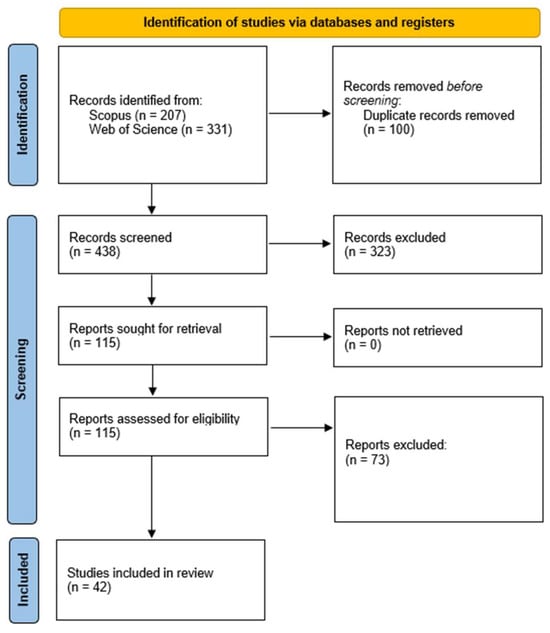
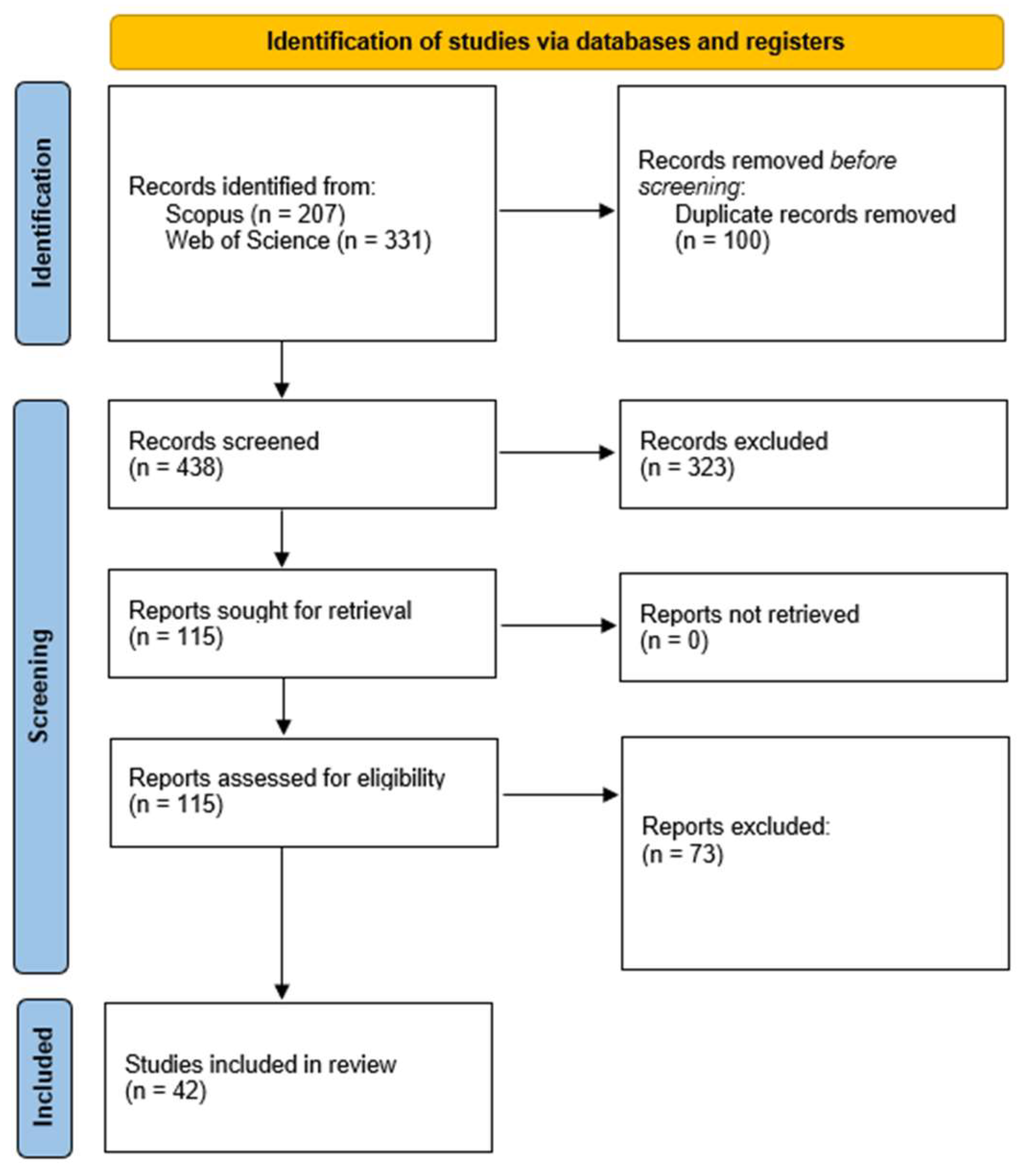
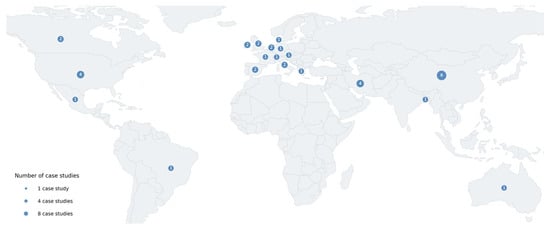
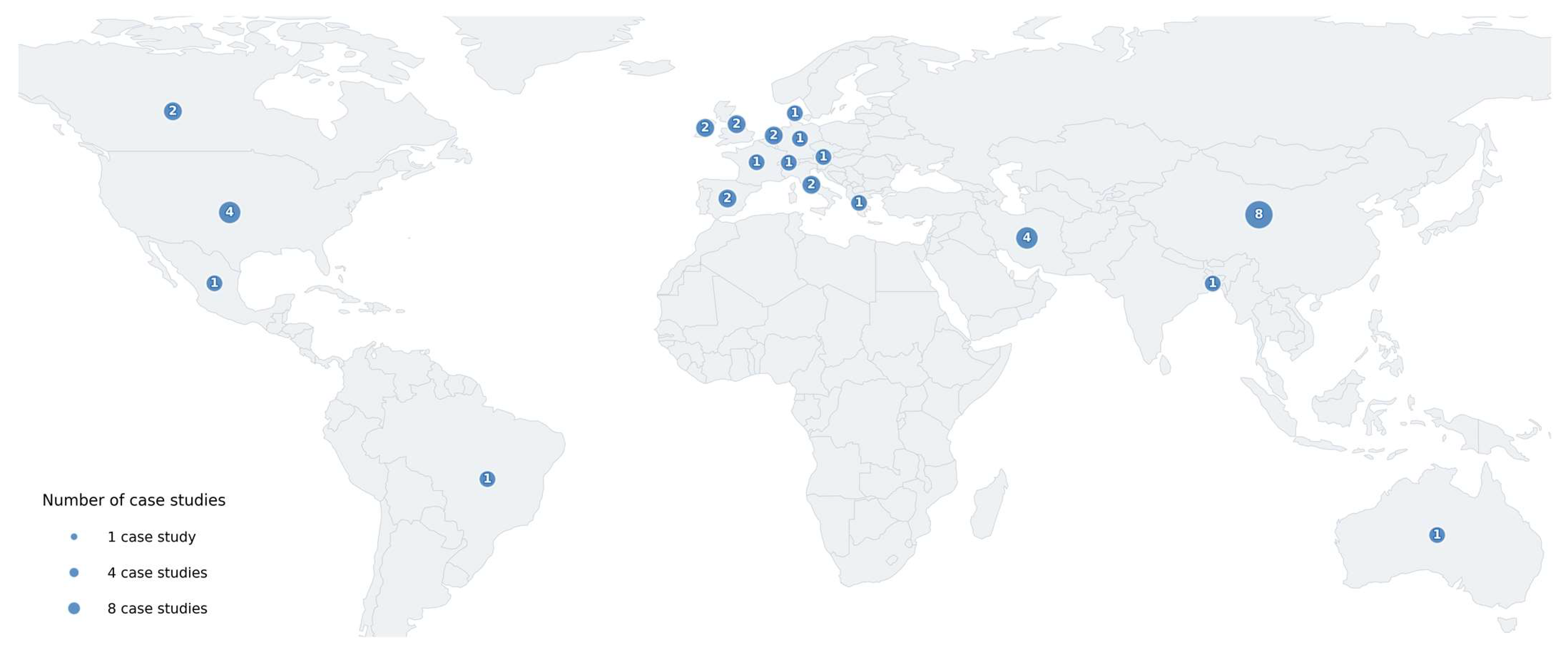
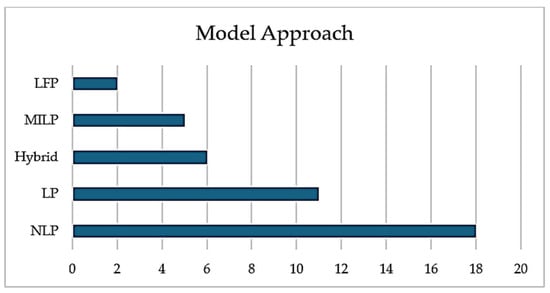
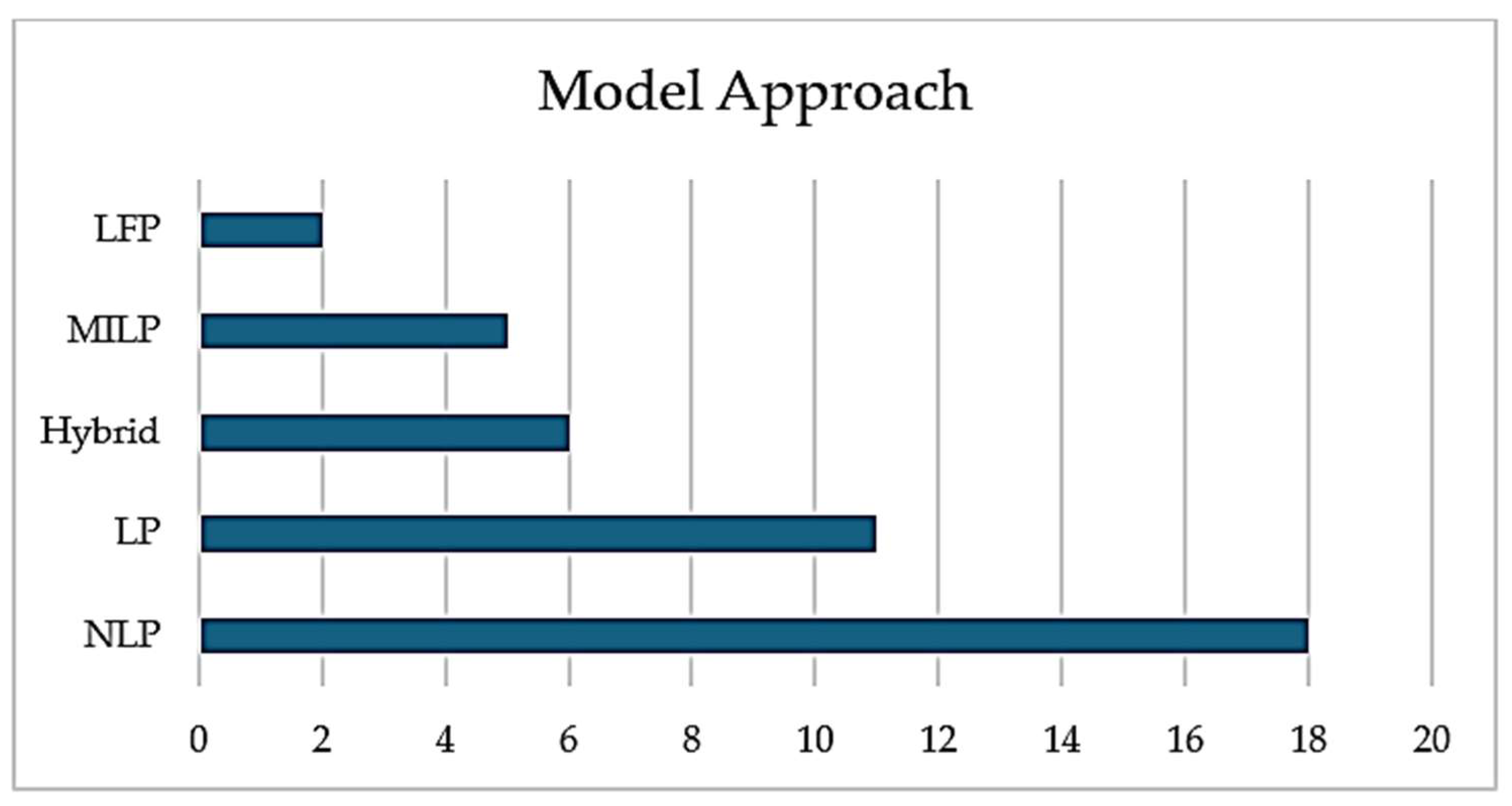
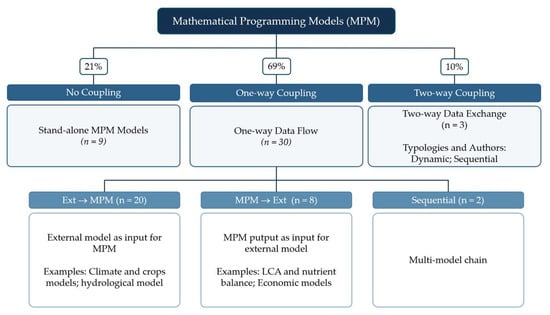
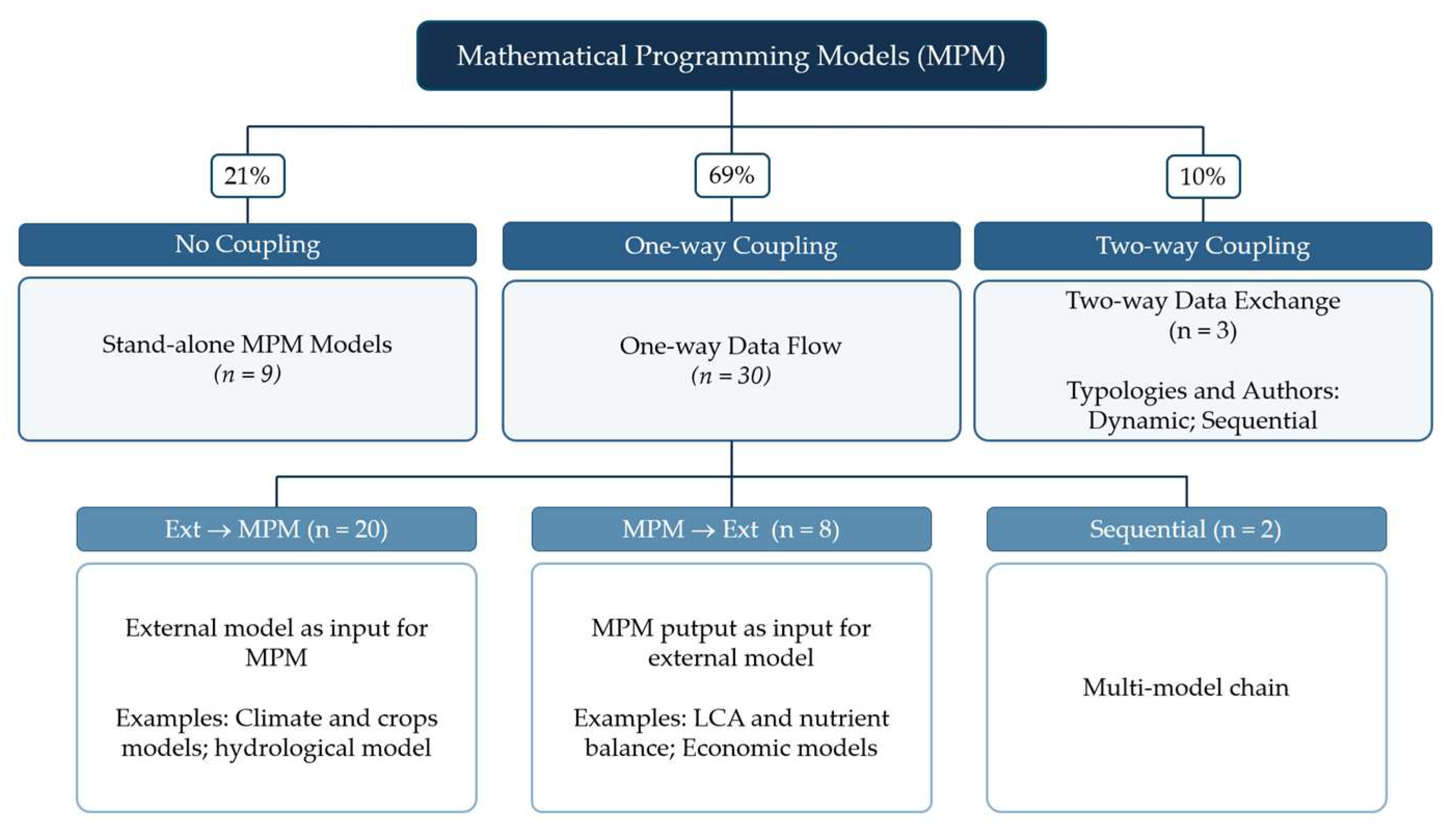
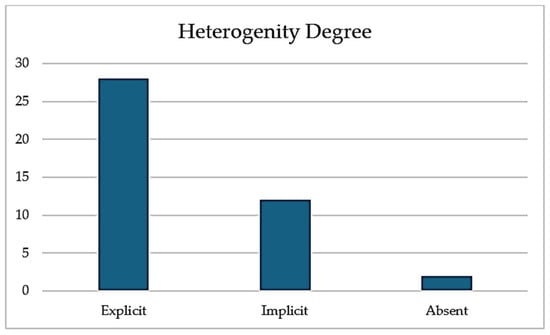
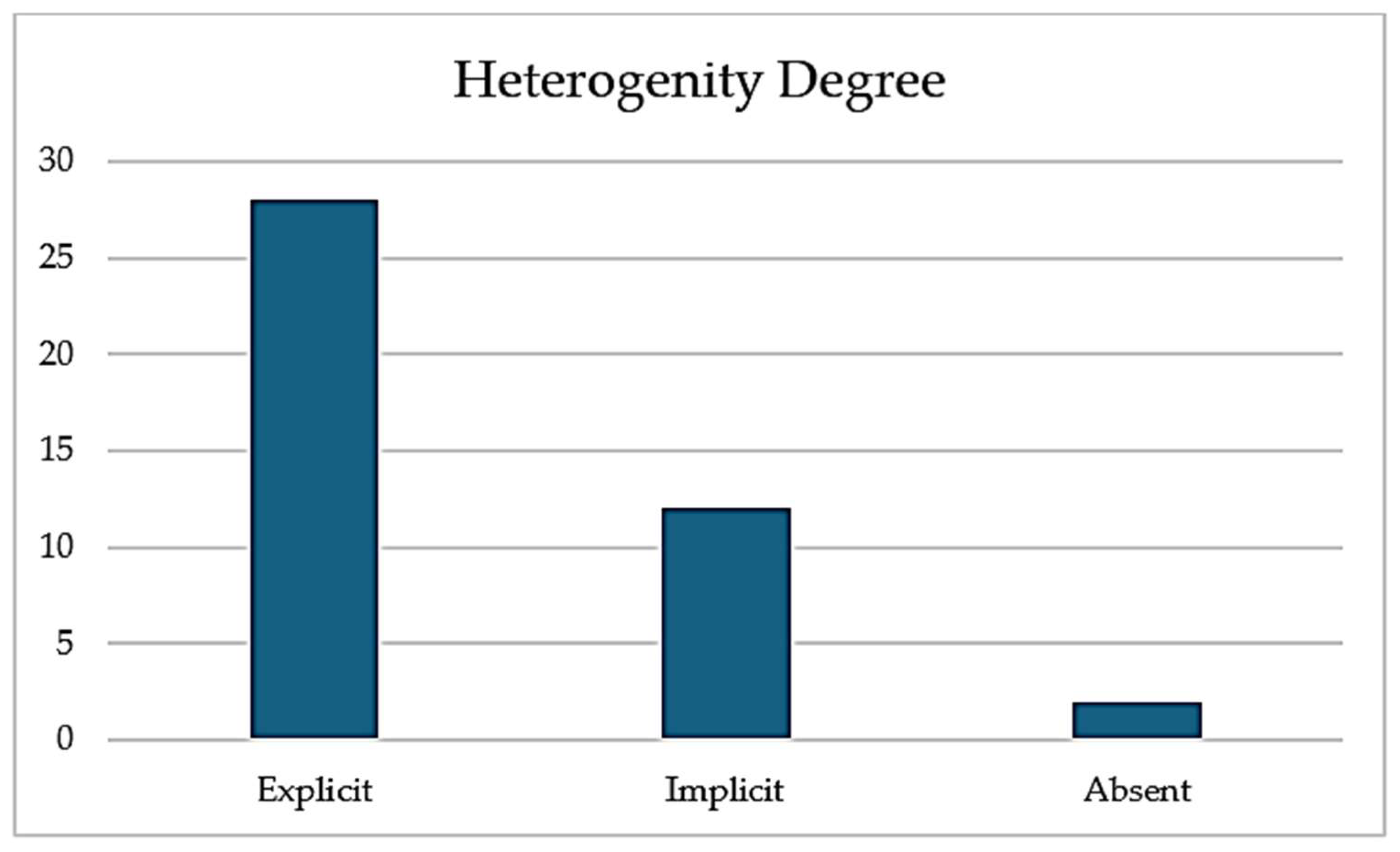

Disclaimer/Publisher’s Note: The statements, opinions and data contained in all publications are solely those of the individual author(s) and contributor(s) and not of MDPI and/or the editor(s). MDPI and/or the editor(s) disclaim responsibility for any injury to people or property resulting from any ideas, methods, instructions or products referred to in the content. |
© 2026 by the authors. Licensee MDPI, Basel, Switzerland. This article is an open access article distributed under the terms and conditions of the Creative Commons Attribution (CC BY) license.