


Abstract
Lake eutrophication and water quality deterioration are increasingly jeopardizing both ecological integrity and human health. As a typical eutrophic shallow lake on plateaus, Yilong Lake currently faces the primary issue of excessive CODCr levels. Through systematic sampling and analysis, as well as static release of CODCr from sediment experiments, we have categorized the release process of CODCr and identified factors that are highly correlated with COD by using RDA and random forest analyses. The aim is to investigate the release patterns of CODCr in Yilong Lake, explore the primary factors influencing CODCr, and understand the causes of water quality pollution in the lake. The principal findings of this study are as follows: the static release of CODCr from sediment experiments was conducted to estimate the CODCr release flux from the sediments of Yilong Lake using Fick’s first law, and the release process was divided into three stages: initial release, intermediate adsorption, and late equilibrium. The RDA results indicate that SedpH and SedTP are positively correlated with both CODCr and CODMn; CODMn is statistically most closely related to SedAP; and CODCr exhibits the strongest synergy with SedpH. The random forest model output demonstrates that BOD5 is the factor most highly correlated with CODCr, followed by SedAP. The results of the submerged plant humic degradation experiments show that the organic matter released during the humic degradation process of submerged plants has a significant impact on CODCr in water bodies, and that algal activity also affects CODCr. These findings provide a scientific basis for environmental protection and pollution control in Yilong Lake and similar lakes.
1. Introduction
1.1. Lake Eutrophication and Lake Sediment Pollution Status
As the global economy continues to develop, human activities are increasingly impacting the natural environment, and the problem of lake water pollution has gradually come to the fore [1]. Issues such as water quality deterioration, sediment contamination, and lake eutrophication are becoming increasingly severe. Lake eutrophication refers to the phenomenon and process in which a lake receives excessive amounts of nutrients such as phosphorus and nitrogen, leading to the overproliferation—or even explosive growth—of algae and other submerged organisms, resulting in an “algal bloom” that covers the water’s surface [2]. From an environmental science perspective, lake eutrophication is a significant manifestation of lake ecosystem degradation; at its core, it is a disruption of the biogeochemical processes in the water column caused by an imbalance in the nutrient cycle within the submerged environment [3]. The deterioration of lake water quality and eutrophication are among the major challenges currently facing the global water environment. The deterioration of lake water quality is primarily caused by the combined effects of various factors, including point source pollution, nonpoint source pollution, and the destruction of submerged ecosystems [4]. Large volumes of wastewater containing nitrogen and phosphorus are discharged directly into water bodies without effective treatment, leading to elevated concentrations of nutrients in the water. This disrupts the submerged ecosystem and upsets its ecological balance, significantly reducing the stability and self-recovery capacity of the submerged ecosystem, thereby further exacerbating the deterioration of the lake’s ecological environment [5].
As a key component of natural submerged ecosystems, lake sediments are the result of complex physical, chemical, and biological processes and directly reflect the current state of lake pollution and the evolution of the lake environment. They play a dual role as both a “sink” and a “source” [6]. On the one hand, through adsorption and sedimentation processes, it accumulates nutrients such as carbon, nitrogen, and phosphorus entering the watershed, serving as a substrate reservoir for submerged plant growth and a final “sink” for pollutants. On the other hand, driven by environmental disturbances (such as pH fluctuations, changes in dissolved oxygen, and microbial activity), nutrients accumulated in sediments can be released into the overlying water column through interfacial processes such as dissolution, desorption, and mineralization, thereby becoming a persistent “source” that exacerbates eutrophication [7]. Sediments in shallow lakes are easily resuspended by wind and waves, causing large amounts of nutrients to be released into the overlying water, where they are utilized by organisms. This process results in a significantly higher internal pollution load in shallow lakes than in deep lakes, and the internal release triggered by resuspension is a major factor contributing to eutrophication in shallow lakes [8]. The sediment–water interface is a key zone for the exchange of nutrients such as nitrogen and phosphorus. The nitrogen and phosphorus exchange processes at this interface are complexly regulated by various environmental factors; the combined effects of these factors influence nitrogen and phosphorus fluxes across the sediment–water interface, thereby regulating the process of lake eutrophication. Overall, lake sediments are deeply involved in and drive the onset and maintenance of lake eutrophication through the processes of nutrient accumulation, release, and recycling [9].
As a typical shallow lake, Yilong Lake has entered the end of lake evolution due to long-term biological deposition and sedimentation [10]. In recent years, Yilong Lake faces multiple environmental pressures such as eutrophication of the water body [11], a decline in hydrological regulation [12], and degradation of submerged vegetation [13], and the ecological function of the lake is significantly degraded [14]. These problems not only threaten the ecosystem health of the lake itself, but also pose a serious challenge to the water resources supply and ecological balance of the surrounding areas.
1.2. Release Behavior of Lake Sediments and Risks of Internal Release
Lake sediments serve as reservoirs of organic matter and are a crucial component of the sediment–water interface. Material exchange occurs between the sediments and the water column [15], keeping pollutants at the sediment–water interface in a dynamic equilibrium of adsorption and desorption [16]. When lake waters become polluted, sediments accumulate large amounts of pollutants—such as nitrogen, phosphorus, organic matter, and heavy metals—through sedimentation and adsorption, becoming the primary source of internal pollution in the water body [17]. Once external pollution is brought under control, internal pollution becomes the main source of pollution in lakes [18]. Under certain conditions, unstable pollutants in sediments can be released into the overlying water, exacerbating the deterioration of lake water quality and posing a risk of secondary pollution [19]. In a study on the release of internal phosphorus from sediments, Gaoa L conducted a 20-day sediment–surface water incubation experiment and confirmed that phosphorus concentrations in the overlying water exhibited a slow, gradual increase over time [20]. China’s lake environments face severe challenges, with sediment contamination rates in the country’s rivers, lakes, and reservoirs reaching as high as 80% [21]. Nitrogen and phosphorus are the primary indicators of lake eutrophication. In lakes, nitrogen, phosphorus, and organic matter are primarily influenced by both internal and external factors; generally, when external sources are controlled, internal factors have a relatively greater impact on the lake. Sediments act as both a source and a sink for nitrogen and phosphorus in the water column; under certain conditions, they maintain a dynamic equilibrium with the overlying water. When external conditions (such as air temperature, precipitation, and biological disturbance) change, particulate matter in the sediments releases pollutants into the overlying water through processes such as diffusion, causing secondary pollution in the water column [22,23]. The mechanisms governing the release of pollutants from sediments are primarily controlled by the coupling of multiple factors, including physical disturbances, changes in the chemical environment, and biological activity. Physical mechanisms include sediment resuspension caused by hydrodynamic disturbances and seabed liquefaction induced by wave action. Hydrodynamic conditions are one of the core physical mechanisms driving the release of pollutants from sediments; when overlying water currents or wave action cause sediment resuspension, pollutants on the surfaces of sediment particles desorb and enter the water column [24]. Chemical mechanisms involve changes in redox conditions, pH variations, and the mineralization of organic matter; the redox potential (Eh) of sediments is a key chemical parameter controlling the transformation and release of pollutants [25]. Biological mechanisms encompass the disturbance activities of benthic organisms and the metabolic processes of microorganisms. The activities of benthic organisms (such as feeding and burrowing by fish and shellfish) accelerate the exchange of pore water and overlying water by stirring up sediments, thereby promoting the release of pollutants. Furthermore, microorganisms can indirectly regulate the adsorption/desorption equilibrium and release behavior of pollutants by altering the composition and content of organic matter and mediating processes such as sulfate reduction and iron-manganese reduction [26]. Sediment release behavior refers to the process by which pollutants accumulated in sediments (such as nitrogen, phosphorus, heavy metals, and organic matter) are re-released into the overlying water body when physical, chemical, or biological environmental conditions change, thereby becoming a source of internal pollution in the water body. Sediment release typically occurs through three main pathways: molecular diffusion, resuspension, and biological disturbance. Even when external pollution sources are controlled, sediments may continue to release pollutants, posing a long-term challenge to water quality restoration. For lakes such as Yilong Lake, which are in a state of eutrophication and have relatively shallow waters, internal release from sediments has become a key factor in maintaining or even exacerbating water pollution.
As one of the primary producers in shallow lake ecosystems, the growth of submerged plants is closely linked to water quality. Toward the end of the growing season, submerged plants undergo large-scale die-off and decomposition, and the substantial amounts of dissolved organic matter (DOM) released from their remains constitute a significant internal carbon source in the water body [27]. The internal release of pollutants from sediments can have multifaceted negative impacts on lake ecosystems. First, it exacerbates water eutrophication: nutrients such as nitrogen and phosphorus released from sediments are major drivers of algal blooms. Given the high levels of nitrogen and phosphorus in the waters of Yilong Lake, internal release from sediments will continue to provide a nutrient source for algal growth, leading to decreased water transparency and reduced dissolved oxygen. This, in turn, creates a vicious cycle of “algal blooms—hypoxia—further nutrient release”, accelerating the lake’s aging process [28]. Second, heavy metal pollution and biological toxicity: Heavy metals present in sediments (such as cadmium, lead, copper, and zinc) are released into the water column through processes such as resuspension; they can then be transferred through the food chain and accumulate in organisms, causing toxic effects on zooplankton, benthic organisms, and even fish [29]. Third, the decline in biodiversity and the imbalance in ecosystem structure: Continuous internal releases lead to the deterioration of the submerged environment, causing fundamental changes in the structure of submerged plant communities and resulting in severe loss of biodiversity [30]. Submerged vegetation has deteriorated, with dominant species shifting from submerged plants to algae; lake ecosystems have transitioned from a herbaceous steady state to an algal steady state, and their ecological self-purification capacity has significantly declined. Fourth, water quality standards are exceeded, and ensuring drinking water safety becomes challenging: the pollution load released from sediments may prevent the water body from meeting drinking water source quality standards (such as the “Surface Water Environmental Quality Standards” GB 3838-2002 [31]) for an extended period, increasing water treatment costs and threatening water security in surrounding areas [32].
1.3. Advances in Research on COD in Sediments of Eutrophic Lakes
Chemical oxygen demand (COD) refers to the mass concentration of oxygen corresponding to the amount of oxidizing agent consumed when organic substances and certain inorganic reducible substances in water are oxidized using strong oxidizing agents, such as dichromate, under specific conditions [33]. As a comprehensive key parameter for measuring the degree of organic pollution in water bodies, the COD value directly indicates the extent to which a water body is contaminated by reducible substances and simultaneously quantifies the total oxygen equivalent of the organic components and inorganic reducible substances in the water that can be chemically oxidized [34]. COD in lake sediments serves as an important parameter for characterizing endogenous nutrient loading; its concentration is closely related to the accumulation of organic matter in the sediments and the potential risk of its release. In studies of eutrophic lakes, COD, as a routine water quality monitoring indicator, is an effective tool for assessing the potential for internal pollution from sediments. Due to their unique environmental characteristics—including high altitude, low annual average temperature, intense solar radiation, and simple yet fragile ecosystem structures—highland lakes exhibit fundamental differences from lowland shallow lakes in terms of organic matter input fluxes, degradation kinetics, and long-term retention mechanisms within their sediments. Under the dual pressures of global warming and intensifying human activities within watersheds, the eutrophication process in high-altitude lakes is accelerating; consequently, research on the spatiotemporal evolution of COD in sediments and its ecological effects has garnered increasing attention from the academic community [35,36].
In terms of the system of analytical methods, the determination of COD in lakes has developed into a relatively comprehensive set of standards, primarily including the dichromate method (CODCr), the permanganate method (CODMn/CODOH), and emerging spectroscopic alternative monitoring techniques [37]. CODCr, as an international standard (ISO 6060 [38]) and a Chinese national standard (GB 11914-89 [39], HJ 828-2017 [40]), is a classic method widely recognized internationally for its high oxidation rate, good reproducibility, and accuracy and reliability. In the specific application context of sediments from eutrophic lakes, the large amounts of accumulated algal remains, microbial metabolites, and terrigenous humic substances in the sediments are typically structurally complex and highly polymerized, making complete mineralization difficult to achieve with weak oxidizing agents. Due to its strong oxidizing potential, the CODCr method can more objectively and comprehensively characterize the true total oxygen demand of organic matter in sediments. This effectively overcomes the inherent limitation of the permanganate index, which reflects only easily oxidizable components, and provides a more robust geochemical proxy for assessing the potential for endogenic pollution in lakes and the risk of nutrient release at the sediment–water interface [41]. The CODMn method is one of the key comprehensive indicators for measuring the degree of water quality pollution, particularly in research related to eutrophication and water source protection, and has been incorporated into numerous national water pollution prevention and control plans. The national standard for this method is GB/T 11892-1989 [42] (equivalent to the international standard ISO 8467-1986 [43]), which is primarily applicable to the monitoring of relatively clean water bodies such as surface water and drinking water sources. The scientific validity of the CODMn method is reflected in its reaction mechanism based on well-defined chemical principles, standard operating procedures compliant with national standards, adaptability to different water qualities, and verifiable analytical performance [44]. This study also employed CODCr and CODMn as quantitative methods for determining organic pollution loads in sediment samples. This effectively ensured the precision, accuracy, and traceability of the raw experimental data, providing a solid and reliable technical foundation and data basis for subsequent in-depth analyses of the source identification and historical accumulation patterns of internal organic matter in sediments of eutrophic lakes on the plateau.
1.4. Purpose and Significance of the Study
Yilong Lake is one of the nine highland lakes in Yunnan Province, which is characterized by a low latitude, low altitude, relatively high water temperature, and eutrophication. Plateau lakes are more sensitive to organic pollutants such as CODCr due to strong light, low water transparency, and weak self-purification ability. Taking Yilong Lake as the research object, we studied the characteristics of nutrients in the soil and sediment of Yilong Lake, counted the nutrient contents of soil and sediment, conducted simulation experiments of CODCr release, and estimated the amount of sediment release. We also analyzed the sources of pollution and the influencing factors of CODCr by means of mathematical modeling, and systematically analyzed the sources and characteristics of CODCr in the water and sediment of the lake through means of on-site field sampling and laboratory simulation. The specific research contents are as follows:
- (a)
- Characterization of CODCr internal release: Indoor simulation experiments were used to explore the change in CODCr concentration during static release of sediments under different water quality conditions, and the influence of submerged plant humification and degradation processes on CODCr.
- (b)
- Research on COD influencing factors: The RDA and random forest models were used to analyze and study the main influencing factors of CODCr and CODMn.
As such, the above studies can reveal the law of organic matter accumulation in plateau lakes under the pressure of eutrophication and provide theoretical support and a practical path for pollution management of plateau lakes and the protection of similar water bodies.
2. Materials and Methods
2.1. Overview of the Study Area
Yilong Lake (23°38′–23°42′ N, 102°30′–102°39′ E) is located in Shiping County, Honghe Hani and Yi Autonomous Prefecture, Yunnan Province, and it is the only one of the nine highland lakes in Yunnan Province located on the south side of the Tropic of Cancer; it is the only lake that runs in an east–west direction [45]. The overview map of the study area and sampling sites is shown in Figure 1. Yilong Lake is the source of the Lujiang River, a first-class tributary of the Nanpanjiang River. The lake is about 30 km long and 2–6 km wide, with a surface area of 31 km2, an average depth of 2.75 m, and a catchment area of 326 km2. The sources of water in the lake are surface runoff, precipitation in the basin, and groundwater recharge, and the Cheng River, Chengnan River, and Chengbei River on the west bank are the most important sources of water flowing into the lake. The topography of the lake area is flat and semi-enclosed, and the basin accumulates water to form a lake; the surroundings are tectonically eroded medium and low mountainous areas. Vegetation in the basin is dominated by south subtropical evergreen broad-leaved forests. The Yilong Lake basin belongs to the subtropical plateau humid monsoon climate; the dry period and the abundant water period are clear, or a rainy summer, rain, and heat at the same time; the temperature difference between the day is large, the temperature difference between the year is small [46], and the rainfall is concentrated. The lake area north of Qianyang Mountain has better karst development, belonging to the Triassic limestone layer; the south shore of Wujiao Mountain has developed rolling hills, gullies, and valleys, such as the five claws into the lake, and the slope of the shore terrain is low and slow [47], and the zonal soil comprises red soil. Some mountainous areas are distributed with yellow soil and yellow-brown soil.
Figure 1.
Overview of the study area and schematic diagram of sampling points.
2.2. Sample Collection and Index Determination
2.2.1. Sample Collection
- (1)
- Soil samples
As shown in Figure 1, 30 soil sampling points were evenly distributed along the lake according to the morphological characteristics of the lake using the grid distribution method. With the 5-point sampling method, soil samples were collected from 0 to 20 cm of topsoil mixture, respectively, in self-sealing bags, which were taken back to the laboratory in cool, ventilated, light-protected, non-polluting conditions. Then, the samples were subsequently air-dried to remove debris and plant and animal residues, as well as other foreign matter, and a mortar and pestle were used to grind the sample through pore sizes of 2 mm, 1 mm, and 0.149 mm nylon sieves. The soil was bagged and labeled, and the basic physical and chemical properties of the soil were determined.
- (2)
- Lake water samples
Conventional water quality samples: 20 sampling points were evenly distributed in the lake area by the sampling grid distribution method, and 500 mL of water samples from 0 to 50 cm were collected using a water sampler and placed into clean sampling bottles to determine the pH and DO of the water body on the spot; the instruments were calibrated before use. After being saved in the laboratory using a portable refrigerator, the determination of relevant indices was completed within 24 h. Regarding the sampling of interstitial water in sediments, according to the morphological characteristics of the lake, the lake was divided into three areas in the west and east of the lake, three sampling points were setup in each area, and the surface sediments collected by column samplers were collected using a centrifugal method.
Sampling time: Combined with the climatic characteristics of the Yilong Lake basin, water quality samples were collected in January 2023 and January 2024 during the dry season, and samples were collected in July 2023 and July 2024 during the abundant water season.
- (3)
- Sediment samples
The sediment sampling points corresponded to the water quality sampling points; sampling points were laid out using a regular grid method, with a grid spacing of 1.5 km × 1.5 km. Sediment samples were collected using column samplers. In situ column sample cores were collected using a column sampler to ensure that the column samples were undisturbed and that there was in situ bottom water about 20 cm deep above them. The collected column samples were blocked, protected from light, and secured to avoid disturbance during transportation. The samples were transported back to the laboratory immediately after collection for pre-treatment and use in simulation experiments. Surface sediments were collected from 0 to 5 cm using a column sampler, and plant and animal debris, shellfish, and other debris contained in the sediments were picked out and removed in the field, mixed well, and then placed into corresponding numbered self-sealing bags. Then, the samples were stored in a thermostatic box and moved to the laboratory to be stored in a refrigerator at 4 °C.
2.2.2. Determination of Indicators
- (1)
- Determination of basic physical and chemical properties of sediment and soil
The basic physical and chemical properties of sediment and soil are as follows: pH, organic matter (OM), available phosphorus (AP), alkaline dissolved nitrogen (AN), total phosphorus (TP), and total nitrogen (TN). Determination of sediment mainly refers to the “Soil Agrochemical Analysis”, and the analytical methods are listed in the Table 1.
Table 1.
Measurement methods for basic physical and chemical properties of sediment.
- (2)
- Determination of basic physical and chemical properties of water samples
The indicators of water quality include the following: pH, Secchi depth (SD), dissolved oxygen (DO), five-day biochemical oxygen demand (BOD5), ammonia nitrogen (NH3-N), total nitrogen (TN), total phosphorus (TP), chlorophyll a (Chl-a), dichromate index (CODCr), permanganate index (CODMn), dissolved organic carbon (DOC), fluoride ion (F-), total suspended solids (TSS), and so on. The analytical methods in the Table 2.
Table 2.
Determination of basic physical and chemical properties of water samples.
2.3. Experimental Design
2.3.1. Static Release of CODCr from Sediments
In order to investigate the release pattern and dynamic process of CODCr in the water body of Yilong Lake, surface sediment samples were collected in different areas of Yilong Lake. After collection, the samples were sealed in self-sealing bags and wrapped in black plastic bags to prevent light exposure, and then transported back to the laboratory, where a 12 cm deep layer of sediment was spread out in an acid- and alkali-resistant glass cylinder with a length, width, and height of 25 cm × 15 cm × 40 cm, and 8.5 L (the height of the water is approximately 22.67 cm) of water was injected into the test water body by siphon, with the water samples labeled as such. The glass cylinder was placed in an incubator at 20 °C, protected from light. The CODCr concentration of the water body was detected at 12 h, 24 h, 48 h, 72 h, 96 h, 120 h, 168 h, 240 h, and 360 h, respectively. For each test, 10 mL of surface water (from a depth of 0–2 cm) was withdrawn using a syringe and replaced with an equal amount of original water. The water bodies selected for testing were as follows: lake water (original COD content of water body: 38 mg·L−1), pure water (original COD content of water body: 0.01 mg·L−1), tap water (original COD content of water body: 3 mg·L−1), CODCr content of 50 mg·L−1 solution (prepared from glucose and pure water; original COD content of water body: 50 mg·L−1), and CODCr content of 100 mg·L−1 solution (prepared from glucose and pure water; original COD content of water body: 100 mg·L−1). To minimize experimental errors, three replications were performed for each treatment. Throughout the release process, the sediment–water interface remained static, with no dynamic disturbances applied, in order to eliminate the interference of hydrodynamic factors on the release process. A schematic diagram of the experimental setup is shown in Figure 2.
Figure 2.
Schematic diagram of the experimental setup.
The calculation of the exchange flux of nutrient salts at the sediment–water interface is now commonly used in two ways: either by the gradient of the nutrient salt concentration of the interstitial water in the sediment with the concentration of the overlying water in the surface layer according to Fick’s first law; or by the average of the net rate of change in the nutrient salt concentration of the overlying water at each sampling time in the incubation [59].
Fick’s first law is as follows:
where
When φ ≤ 0.7, take m = 2; when φ ≥ 0.7, take m = 2.5–3.0.
Where F is the exchange flux of nutrient salts at the sediment–water interface; φ is the sediment porosity; Ds is the diffusion coefficient of nutrient salts in the sediment; D0 is the diffusion coefficient of solute in infinitely dilute solution; m is the exponential factor; is the interface concentration difference.
The net rate of change in concentration:
Water samples are taken daily to determine the CODCr concentration in water, and the daily release flux of CODCr is calculated by the following equation:
where is the the release rate on day n+1; Cn+1 is the concentration of CODCr in water samples on day n+1; Cn is the concentration of CODCr in water samples on day n; C0 is the CODCr in injected waters, CODCr in mg·L−1; V1 is the volume of overlying water in the glass cylinder, L; V2 is the volume of each sample, L; A is the cross-sectional area of the glass cylinder, m2; tn + 1 is the release on day n+1, d; tn is the release on day n, d; and the unit of the release flux is mg·(m2·d)−1.
2.3.2. Study on the Effect of Submerged Plant Degradation on CODCr
Black algae (Hydrilla verticillata (L. f.) Royle), a common submerged plant in Yilong Lake, was selected to simulate the process of its humic degradation and explore the effect of this process on CODCr.
- (1)
- Location of sampling sites
Water samples were collected in January 2024 from three state-controlled sites in the west, center, and east of the lake as blank water samples for the experiment, and black algae samples were collected from Yilong Lake Wetland Park.
- (2)
- Submerged plant sample treatment
Blank water samples were mixed from the water samples of the three sampling points of the west, center, and east of the lake at a volume ratio of 1:1:1. The black algae samples were washed, dried, weighed, and cut with scissors, weighed again, and then placed into the blank water samples as experimental samples. Experimental concentrations of submerged plants are as follows: lake water + black algae 0.2 g·L−1, lake water + black algae 0.5 g·L−1, lake water + black algae 1.0 g·L−1, pure water + black algae 0.2 g·L−1, pure water + black algae 0.5 g·L−1, and pure water + black algae 1.0 g·L−1.
Experimental conditions are as follows: The incubator was set at a constant temperature of 20 °C and protected from light, and weekly detection of the CODCr concentration of the water body was performed. The other experimental conditions were the same as those used in the static release of CODCr from the sediments experiment.
2.4. Data Processing and Statistics
2.4.1. Redundancy Analysis
Redundancy analysis (RDA) is a ranking method that combines regression analysis of multiple response variables with Principal Component Analysis (PCA), which can explicitly explore the relationship between the matrix of response variables and the matrix of explanatory variables, and visualize it in the space of low-dimensional visualized orthogonal ranking axes. This study was used to analyze the relationship between CODCr, CODMn, and pollution indicators, and to identify the main influencing factors.
2.4.2. Random Forest Model
The random forest model is a powerful integrated learning method that can handle complex nonlinear relationships with high prediction accuracy and robustness [60]. Random forest improves the accuracy and stability of the model by integrating multiple decision trees, as well as being able to automatically handle missing values and assess feature importance. Each tree is trained on a random subsample and a random subset of features. During training, the subset of data used for each tree is obtained by using put-back sampling, so some samples may not be used to train a specific tree. These unused samples are called out-of-bag samples and can be used for model validation, thus providing unbiased estimates of model performance.
where x is the input sample vector; m is the number of tree classifiers; βm is the variable of the m tree, independently and identically distributed with the m−1 variable, which is obtained by learning in a set of identically distributed independent bootstraps, and the input vector x is predicted by the m tree determined by βm. The predicted value y of a single input vector x is determined by the output of all trees.
H(x,βm), m = 1, 2, 3…
The partition function, which is an important component of the random forest model, is defined as shown in Equation.
where F is the partition function; n is a single sample; z is the threshold; j is the branch node index.
Fj(n) > zj
The magnitude of the %IncMSE value for different independent variables in the random forest results indicates the degree of their influence on the dependent variable [61]. This study normalizes the %IncMSE values of all output variables (Equation (6)), ultimately displaying the influence of each factor on the dependent variable as values between 0 and 1.
where IMSEi is the normalized correlation output for variable i; MSEi is the original output value of variable i; MSEmax and MSEmin are the maximum and minimum output values among all variable factors for a given simulation evaluation metric.
3. Results
3.1. Sediment and Submerged Plant Release Simulation Experiments
3.1.1. CODCr Release Characteristics Under Different Water Quality Conditions
The release of nutrients at the sediment–water interface plays a crucial role in various cycling processes within submerged ecosystems. Nutrient exchange at this interface primarily occurs through convection and diffusion. In environments with low flow velocities, convective flux is significantly smaller than diffusive flux, and nutrient migration is predominantly governed by diffusion driven by concentration gradients across the sediment–water interface [62]. When external inputs are controlled, plankton in the water absorb nutrients released from sediments to sustain growth. Nutrients released at the sediment–water interface significantly contribute to the overall nutrient content of the lake. Therefore, studying the exchange quantities and rates of nutrients at the sediment–water interface holds great value for the water environmental protection of Yilong Lake [63].
As shown in Figure 3, during the initial stage, CODCr concentrations in all five test water samples increased rapidly with incubation time, peaking at 24 h. The solution with 50 mg·L−1 CODCr showed the highest increase, reaching 779.08 mg·L−1, while the 100 mg·L−1 CODCr solution exhibited a smaller increase to 389.85 mg·L−1. From 24 to 96 h, the CODCr levels began to decline. The most significant decrease occurred in pure water, while the solution with 100 mg·L−1 CODCr showed the smallest reduction. After fluctuating between increases and decreases from 96 to 240 h, levels stabilized at a lower plateau by 360 h. During the initial phase, CODCr concentrations increased significantly across all test water bodies. This was primarily due to the presence of substantial organic matter within sediments, which rapidly dissolved and was released into the water during this stage, resulting in elevated CODCr values. Subsequently, over time, CODCr values began to decrease in most water bodies. This decline was primarily due to the adsorption of organic matter by sediments. Adsorption is a physicochemical process whose mechanisms may include electrostatic interactions, surface complexation, and ion exchange. These adsorption processes effectively reduce CODCr concentrations in water bodies, playing a positive role in water purification. However, as adsorption sites gradually saturate, adsorption weakens, and microbial degradation may gradually become dominant. Microorganisms in the water become active, consuming organic matter through biodegradation, thereby reducing CODCr values. Overall, the composition of the test water body does not affect the trend of organic pollutant release but influences the release quantity. CODCr release at the sediment–water interface is a complex dynamic process influenced by multiple factors [64].
Figure 3.
The change of CODCr released by the sediment. Note: The entire sediment release process was conducted under light-free, constant-temperature (20 °C) conditions without any external disturbances.
Based on the measured porosity φ of surface sediments, the diffusion flux of CODCr under different water conditions was calculated using Fick’s first law. The estimated diffusion fluxes of CODCr for each water condition are shown in Table 3. Under all tested water conditions, the overlying water absorbed CODCr through the sediment–water interface. Over the entire year, this process represented a source of CODCr for Yilong Lake. The exchange flux, from highest to lowest, was as follows: pure water > tap water > lake water > 50 mg·L−1 CODCr solution > 100 mg·L−1 CODCr solution.
Table 3.
The estimated exchange flux of CODCr in Yilong Lake under different water bodies based on Fick’s first law.
The CODCr release rate was calculated using the average net change rate of nutrient concentrations in the overlying water at each sampling point during incubation. The results are shown in Table 4. In sediment CODCr release experiments, all test water conditions can be divided into three stages: initial release stage (0–24 h), intermediate adsorption stage (24–72 h), and later equilibrium stage (72–108 h). During the initial 24 h, a release state was observed, reaching a peak release rate at 24 h. The release rate turned negative during the intermediate stage, with the lowest adsorption rate in the pure water group and the highest adsorption rate in the 50 mg·L−1 CODCr solution. The release rate approached zero in the late phase, indicating that the sediment–water interface reached a dynamic equilibrium.
Table 4.
Calculation results of the release rate of CODCr in the sediments of Yilong Lake.
3.1.2. Impact of Submerged Plant Humification Process on CODCr
Submerged plants constitute a vital component of lake ecosystems, reducing organic matter in water bodies through absorption, filtration, and retention. Covering one-third of Yilong Lake’s surface area, extensive decomposing submerged plant debris can easily cause water pollution and potentially serve as a significant source of CODCr in the lake. Black algae, a common submerged plant in Yilong Lake with a high biomass proportion, were selected for study due to their short life cycle and rapid decomposition rate. Figure 4 illustrates the CODCr changes during its humic degradation. In the lake water group, CODCr released by black algae at concentrations of 0.2 g·L−1, 0.5 g·L−1, and 1.0 g·L−1 showed a decreasing trend over time. The 1.0 g·L−1 group exhibited the highest initial concentration, while the 0.2 g·L−1 group and the blank group showed lower and similar initial values. The 1.0 g·L−1 group experienced a more pronounced decrease, the 0.2 g·L−1 group showed relatively stable changes, and the 0.5 g·L−1 group’s variation fell between the two. The blank group exhibited a slight decrease in CODCr, with minor increases observed between weeks 2–4 and 8–10. During the pure water group cultivation process, the 1.0 g·L−1 group exhibited the highest concentration, greater degradation potential, and relatively larger fluctuations. The 0.2 g·L−1 and 0.5 g·L−1 groups showed similar trends with relatively stable fluctuations. The CODCr content across different mass concentration groups did not exhibit a monotonic change but rather fluctuated, indicating that the relationship between mass concentration and CODCr release is not a simple linear one. Different mass concentrations demonstrated varying degradation advantages at different stages, which may be related to factors such as changes in microbial activity during the degradation process [65].
Figure 4.
The change in CODCr during the cultivation of submerged plants. Note: The entire submerged plants’ cultivation process was conducted under light-free, constant-temperature (20 °C) conditions, without any external disturbances.
The impact of black algae on environmental CODCr concentrations varies with different mass concentrations, with higher mass concentrations leading to higher CODCr levels in the solution. Comparing the lake water group with the pure water group, the CODCr concentration in the lake water group was higher than that in the pure water group. The CODCr in the lake water group exhibited a stable downward trend, while the pure water group experienced an initial decline followed by fluctuations before eventually stabilizing. The results indicate that under varying water conditions or biomass concentrations, readily degradable organic matter in plant residues is consumed first, with the remaining refractory fraction being utilized last. CODCr levels eventually converge across different conditions, likely driven by the adaptive capacity of microbial communities. This indicates that Yilong Lake possesses a certain environmental capacity to accommodate the natural decomposition process of submerged plants. However, excessive submerged plant biomass or short-term mass mortality may adversely affect water environmental stability. Timely removal of plant residues can effectively reduce internal pollution loads.
3.2. Analysis of Factors Affecting COD
CODCr is the primary pollutant exceeding standards in Yilong Lake. As a core indicator for assessing organic pollution in water bodies, CODCr’s dynamic changes are influenced by complex interactions among multiple variables. Traditional statistical methods struggle to fully unravel nonlinear relationships and coupling effects among variables. This study leverages Yilong Lake’s water quality monitoring data, sediment and pore water indicators, and soil nutrient metrics. RDA quantifies the linear response relationships between environmental factors and CODCr/CODMn, while a random forest model identifies key driver variables and ranks their importance. By integrating the strengths of both models, this study systematically reveals the contribution of soil, water quality, and sediment factors in the Yilong Lake watershed to CODCr variations, providing a scientific basis for precise pollution source tracing and optimization of control strategies. To eliminate dimensional differences among raw data and ensure a normal distribution of variables, log10 transformations were applied to all variables prior to RDA. To further investigate the primary factors influencing CODCr, water quality indicators (pH, DO, TN, TP, NH3-N, BOD5, F-, DOC, Chl-a, SD) and sediment pollution indicators (pH, OM, TN, TP, AN, AP) were selected for RDA of CODCr and CODMn (Figure 5).
Figure 5.
RDA of CODCr and CODMn in Yilong Lake. Note: SedOM: sediment organic matter; SedAN: sediment alkaline-hydrolyzable nitrogen; SedTN: sediment total nitrogen; SedpH: sediment pH; SedTP: sediment total phosphorus; SedAP: sediment available phosphorus; CODCr: dichromate index; CODMn: Permanganate index. The red arrows represent sediment indicators, and the black arrows represent CODCr and CODMn.
The RDA eigenvalues indicated eigenvalues of 0.46 and 0.34 for the first and second axes, respectively, explaining 59.81% of the response variables (first axis: 32.99%; second axis: 26.86%). A positive correlation was observed between CODCr and CODMn. Sediment pH (SedpH), sediment total phosphorus (SedTP), and sediment available phosphorus (SedAP) exerted positive influences on CODMn, meaning CODMn increased with rising SedpH, SedTP, and SedAP. CODMn negatively correlates with sediment total nitrogen (SedTN), sediment alkaline-hydrolyzable nitrogen (SedAN), and sediment organic matter (SedOM). The results indicate a close relationship between CODMn and sediment phosphorus. CODCr positively correlates with all other factors, exhibiting the smallest angle with SedpH, suggesting a potentially strong positive relationship between CODCr and sediment acid-base conditions.
In this study, indicators affecting CODCr were categorized into three major groups: water quality indicators, sediment nutrient indicators, and soil nutrient indicators. Water quality indicators include pH, DO, TP, TN, NH3-N, CODMn, BOD5, F−, DOC, Chl-a, and SD, and interstitial water TN, TP, and NH3-N, as well as fluorescence indicators C1, C2, C3, etc. Sediment nutrient indicators encompass pH, OM, AP, AN, TP, and TN; soil nutrient indicators include pH, OM, AP, AN, TP, and TN. A random forest model was employed to perform regression analysis of each factor on CODCr. The model’s variance explained (%Var explained) was 23.98%, indicating a correlation between CODCr in Yilong Lake and its influencing factors. Figure 6 displays the random forest model analysis results, normalized to a scale of 0 to 1 to show the influence of each factor on CODCr.
Figure 6.
Correlation between CODCr in Yilong Lake and various influencing factors.
The random forest model results, as shown in Figure 6, indicate the following order of influence on CODCr: BOD5 > sediment AP > water TN > soil OM > water NH3-N > soil TP > C1 > water CODMn > soil AP > soil pH > water F > Soil TN > Pore Water TN > Sediment TN > Sediment AN > Sediment TP > Water DO > C2 > Water DOC > Pore Water NH3-N > Soil AN > C3 > Sediment pH > Water SD > Water Chl-a > Water pH > Water TP > Sediment OM > Pore Water TP > Pore Water DOC. Overall, the correlation between various influencing factors and CODCr varies. However, BOD5 significantly impacts CODCr more than other factors. Sediment AP is the primary nutrient factor in sediments affecting CODCr. Soil OM is the dominant soil nutrient indicator influencing CODCr. Pore water TN is the key pore water parameter affecting CODCr.
Combining the results from both methods, RDA revealed that sediment pH directly contributes to CODCr, while the random forest model indicated BOD5 as the most critical driver. This primarily stems from the synergistic relationship between biochemical oxygen demand and chemical oxygen demand in characterizing organic pollution. Notably, sediment AP emerged as a significant factor in both approaches, indicating sediment phosphorus release exerts a stabilizing influence on CODCr. This may relate to how the release of active phosphorus from sediments promotes organic pollution in submerged environments.
4. Discussion
4.1. Exchange Processes at the Sediment–Water Interface
The concept of the “sediment–water interface” is widely used in environmental science, originally employed to describe the boundary between the bottom water layer and sediments in submerged environments. Physical, chemical, biological, and geochemical processes occur simultaneously and interact at the sediment–water interface. Environmental conditions influencing this interface include pH, DO, temperature, pollutant concentrations, disturbance conditions, and microbial activity [66,67]. The introduction of Fick’s laws initially provided the theoretical foundation for diffusion at the sediment–water interface. Later, as severe eutrophication emerged in lakes and reservoirs worldwide, researchers began focusing on nutrient adsorption and desorption at the sediment–water interface, recognizing internal sources as significant contributors to pollution loads in these water bodies [68]. In situ measurement techniques gradually applied to sediments and pore water significantly aided diffusion flux calculations, identifying sediments’ roles as either “sources” or “sinks” for different pollutant categories [69].
This study found through static incubation experiments that CODCr release from sediments exhibits a three-stage release pattern (initial release, intermediate adsorption, and late equilibrium). First, the initial release stage is characterized by the release of CODCr from the sediment into the overlying water, reaching a peak at 24 h; the primary driving force for this process likely stems from the concentration gradient at the sediment–water interface [70]. According to Fick’s first law (Equation (1)), substances diffuse from areas of high concentration to areas of low concentration, and the exchange flux (F) is proportional to the concentration gradient. Firstly, during the initial release stage, the CODCr concentration in the sediment pore water is much higher than that in the overlying water, creating a significant concentration gradient that drives organic molecules to diffuse from the sediment pore water to the overlying water along the gradient. Due to the enormous concentration potential, the release rate reaches its maximum within a short period of time [71]. Secondly, during the intermediate adsorption, the CODCr release rate shifted from positive to negative, indicating that the sediment transformed from a “source” to a “sink”. Following the initial high-intensity release, the CODCr concentration in the overlying water rose sharply, while the CODCr concentration in the interstitial water of the sediment decreased due to the release. As a result, the concentration gradient reversed, and the sediment began to adsorb CODCr from the overlying water [7]. It may also be because sediments are rich in organic matter, clay minerals, and metal oxides, possessing a large specific surface area and abundant surface functional groups, enabling them to adsorb dissolved organic matter from the water through various mechanisms such as hydrophobic partitioning, hydrogen bonding, and cation bridging [72]. It may also be due to contributions from biochemical processes (microbial degradation); however, primarily because on a 24–72 h timescale, the kinetic response of physical adsorption is much faster than that of microbial degradation, and adsorption appears to be the dominant signal [73]. Finally, during the late equilibration stage, the release rate approaches zero, indicating that the sediment–water interface has reached dynamic equilibrium. As the release process proceeds, the chemical potentials of organic matter in the sediment pore water and the overlying water become equal. According to Fick’s first law, the exchange flux approaches zero, causing the driving force to disappear and ultimately leading to a state of dynamic equilibrium [74].
The pure water group exhibited the lowest release rate, while the solution with a CODCr concentration of 50 mg·L−1 showed the highest release rate. This concentration-dependent phenomenon can be explained by the Langmuir or Freundlich adsorption isotherm models [75]: The higher the concentration of organic matter in the overlying water, the greater the proportion of available adsorption sites on the sediment surface that are occupied, and the faster the adsorption rate. The phenomenon that higher concentrations result in faster adsorption rates further validates the concentration-dependence of the adsorption process—the high-concentration group provides a greater mass transfer driving force, enabling more organic molecules to reach the sediment surface and be adsorbed [76]. The solution with a CODCr concentration of 100 mg·L−1 exhibited the lowest release rate during the initial release stage, possibly because the CODCr concentration in the overlying water was higher than that in the interstitial water of the sediment, causing the concentration gradient to reverse and the direction of diffusion to shift from the overlying water toward the sediment. This results in the sediment exhibiting “adsorption” rather than “release”. It may also be because more organic molecules are able to reach the sediment surface and be adsorbed, thereby inhibiting the release of the original CODCr in the sediment, which explains the lower release rate during the initial release stage [77]. Throughout the experiment, the concentration rankings of the solutions in each group remained relatively stable, with the order of initial and final concentrations generally consistent. Throughout the process, the concentration gradient was the primary driving force for substance migration; the physicochemical properties of the sediment surface played a role; and environmental conditions (initial concentration in the overlying water) determined the final equilibrium position. However, the experiment did not account for the effects of wind and wave disturbances in natural environments, which may lead to biases in flux estimates.
4.2. Factors Influencing Lake CODCr
In studies of the sources of organic pollution in lakes, these sources are typically classified into two major categories: external and internal pollution. With regard to external pollution, the main sources affecting CODCr in Yilong Lake include agricultural nonpoint source pollution, domestic sewage, urban nonpoint source pollution, and land-based inputs [78]. Given that external pollution in lakes has been effectively controlled in recent years due to stricter environmental policies and advances in treatment technologies, this study focuses primarily on the contribution of internal pollution when discussing and analyzing the factors influencing CODCr in Yilong Lake. Therefore, sediment release, humic degradation by submerged plants, and algal activity were selected as the three key influencing factors for discussion. The experimental results indicate that the formation mechanism of organic pollution in the water body exhibits characteristics of “water-sediment-soil” multi-medium interactions [79]. Sediment pH, phosphorus release, and organic matter mineralization act as direct drivers, while soil organic matter and water quality nitrogen levels serve as indirect regulators. The findings provide insights for pollution prevention and control in Yilong Lake: on the one hand, sediment release should be controlled by conducting bottom dredging and in situ passivation in key areas to suppress the release of phosphorus and organic matter [80]. On the other hand, agricultural nonpoint source management should be optimized to reduce pollutant inputs. Redundancy analysis and random forest models effectively established the response relationship between CODCr and environmental factors, identified key driving factors and their degrees of influence, and provided technical support for subsequent simulation and analysis of organic pollution in the lake [81].
4.2.1. Sources of Sediment Release
Through static release experiments, this study found that the release of CODCr from sediments is regulated by both the concentration gradient at the sediment–water interface and the adsorption–desorption equilibrium [82]. Studies have shown that the Nemerow Composite Pollution Index for nutrients in sediments and the assessment of organic pollution levels indicate moderate and severe pollution, respectively, suggesting that sediment pollution in Yilong Lake is severe [83,84]. Organic matter in Yilong Lake is continuously released into the water column, while it may also be adsorbed by sediments. This dynamic equilibrium exhibits a certain degree of periodicity and may be influenced by various factors, including temperature, pH, and biological disturbance [85]. The results of the random forest analysis in this study indicate that the two factors with the greatest influence on CODCr are BOD5 and SedAP. Both BOD5 and CODCr are, by their chemical nature, comprehensive indicators of organic matter content in water, and they exhibit a high degree of natural multicollinearity [86]. CODCr measures all substances in water that can be oxidized by a strong oxidizing agent (potassium dichromate), including recalcitrant organic matter and some reducible inorganic compounds; whereas BOD5 measures the fraction of organic matter that can be degraded by microorganisms within 5 days. In most polluted water bodies, organic matter constitutes the major component of CODCr; therefore, BOD5 and CODCr exhibit highly similar fluctuation patterns [87]. SedAP statistically represents the biogeochemical activity within the sediment. The microbial mineralization and decomposition of organic matter in the sediment not only release dissolved organic carbon (contributing to CODCr) but also release bound organic phosphorus and iron-bound phosphorus (which are converted to AP) [88]. Therefore, high CODCr levels in the water column are often accompanied by high AP concentrations in the interstitial water of the sediment. Generally, DO levels significantly influence changes in COD concentrations [89]; however, in our study, the results from the random forest model indicate that the influence of DO on CODCr ranks only at an intermediate level among all influencing factors. This may be because DO exhibits extreme diurnal variations and instantaneous fluctuations, making it difficult to establish a stable quantitative relationship with the cumulative CODCr [90]; it may also be due to prolonged anoxia in the study area during the monitoring period, resulting in very low variability in DO and consequently lowering its feature importance ranking in the statistical learning model [91].
The RDA in this study indicates that SedpH, total phosphorus in SedTP, and available phosphorus in SedAP are positively correlated with CODMn, with CODMn showing the strongest correlation with available phosphorus in SedAP. Under the action of microorganisms, organic phosphorus is mineralized into soluble orthophosphate, which is the main component of AP. The higher the organic matter content, the stronger the mineralization process, and the more available phosphorus is released [92]. Therefore, CODMn (an indicator of total organic matter) exhibits the strongest positive correlation with SedAP statistically. CODCr is positively correlated with SedOM, SedAN, SedTN, SedpH, and SedTP, with the strongest correlation observed for SedpH. This indicates a significant relationship between the sediment’s acid-base environment and organic matter content, which may be due to pH’s direct regulation of organic matter solubility [93], promoting its release from the solid phase into the liquid phase. It may also be due to pH influencing the structure and metabolic activity of the sedimentary microbial community, thereby promoting the microbial mineralization of organic matter; the mineralization process itself not only releases dissolved organic matter (directly contributing to CODCr) but may also interact with the local pH environment through metabolic byproducts, creating a bidirectional synergistic effect [94]. This phenomenon suggests that, in the study area, controlling available phosphorus (for readily degradable components) and sediment pH (for total load) may be key strategies for regulating endogenous organic loading.
4.2.2. Sources of Humic Degradation from Submerged Plants
The results of experiments on the humic degradation of submerged plants indicate that the organic matter released during this process has a significant impact on CODCr levels in water bodies [95]. The CODCr concentrations in the lake water group were generally high at the start of the culture. This may be because the submerged plant residues themselves contain abundant organic matter. In the early stages of the culture, as the cellular structures of the residues break down and decompose, this organic matter is rapidly released into the surrounding environment, leading to a rapid increase in CODCr concentration in the water. This indicates that plant residues produced during the late stages of plant growth have a significant impact on CODCr in the water [96]. In the blank group, CODCr levels showed slight increases between weeks 2–4 and 8–10. This may be attributed to changes in the microbial community structure of the lake water after a period of cultivation, enabling the decomposition of recalcitrant organic matter and the production of certain intermediate metabolites [97]. Additionally, some microorganisms may have undergone cell lysis due to environmental stress, releasing intracellular organic matter into the water and causing an increase in CODCr values [98]. The fluctuating trend in CODCr levels observed across all concentration groups in the purified water treatment group during the incubation period resulted from the combined effects of rate changes caused by the rapid leaching and release of organic matter from plant residues (which increased CODCr) and the phased degradation by microorganisms (which consumed CODCr). This wave-like variation reflects the dynamic fluctuations between “pollutant input” and “self-purification capacity” within the submerged ecosystem.
4.2.3. Sources of Algal Activity
Algal activity also affects CODCr. As a typical submerged plant, black algae reduce CODCr in water through a combination of physical, chemical, and biological processes. The roots and leaves of black algae can directly absorb dissolved organic matter and organic acids from the water, while the dense foliage of the plants adsorbs suspended particles and colloidal organic matter in the water, promoting their settling by reducing water flow disturbance. The root system secretes oxygen and organic acids, creating an aerobic microenvironment in the rhizosphere that stimulates the activity of rhizosphere microorganisms [99]. The degradation of organic matter by these microorganisms is a key step in CODCr removal; through photosynthesis, they release oxygen, increasing DO levels in the water and enhancing the water body’s self-purification capacity [100]. When algae die, the rupture of their cells releases intracellular organic matter, leading to an increase in CODCr levels in the water. Furthermore, the photosynthesis and respiration of algae alter the dissolved oxygen content in the water, which, in turn, affects the rate of organic matter decomposition and indirectly influences CODCr [101]. Research findings indicate a positive correlation between algal density and CODCr in Yilong Lake; CODCr increases as algal density rises, suggesting that extensive algal growth leads to elevated CODCr levels in the lake [102]. Yilong Lake is capable of stably decomposing organic matter produced by plant residues at various concentrations, indicating that it possesses a relatively high environmental carrying capacity. However, to prevent the rapid release of large amounts of organic matter caused by the decomposition of submerged plants in the short term—which could adversely affect the environment—it is recommended to control submerged plant biomass. Plants should be removed during the withering and decay phases, and continuous monitoring should be conducted. Based on the monitoring results, management plans should be adjusted in a timely manner to ensure the effectiveness and ecological safety of the management measures.
Notably, this experiment was conducted under static conditions and did not simulate dynamic disturbances in lake water. The aim of this study is to first determine the maximum release potential under static conditions, which helps clarify the release potential of the sediment itself. As the study focuses on diffusion flux (Fick’s first law), disturbance variables have not been included at this stage. However, under natural conditions, wind-driven currents, waves, and biological disturbances can cause sediment resuspension, thereby altering the rate of mass exchange between pore water and overlying water [103]. Therefore, the static release flux results from this study are more applicable to scenarios during the still-water period of Yilong Lake (such as winter and spring); for periods with frequent wind and wave disturbances, the actual release flux may differ. Future studies should incorporate gradients of varying disturbance intensities to more comprehensively simulate the actual conditions of natural water bodies and combine these with in situ high-frequency monitoring to fully assess the spatiotemporal variability of sediment release under dynamic conditions.
5. Conclusions
This study focuses on Yilong Lake. Through systematic sampling and analysis, combined with sediment release simulation experiments, this study aimed to investigate the release patterns of CODCr in Yilong Lake. The objective was to identify the primary factors influencing CODCr in the lake’s sediments and to provide a scientific basis for environmental protection and pollution control in Yilong Lake. The results are as follows:
- (a)
- Based on Fick’s first law, the sedimentary CODCr release simulation experiments estimated the release flux of CODCr from Lake Yilong sediments to be 5.34 g·(m2·d)−1; Initial concentrations in different test water bodies or overlying water affect the amount of pollutant released but do not alter the overall trend of release. Calculating the CODCr release rate based on the average net rate of change allows the release process to be divided into three stages: an initial rapid release stage (0–24 h), an intermediate adsorption stage (24–72 h), and a late equilibrium stage (72–108 h).
- (b)
- The research results indicate that the formation mechanism of organic pollution in water bodies exhibits characteristics of “water–sediment–soil” multi-medium interactions. The release of CODCr from sediments is regulated by both the concentration gradient at the sediment–water interface and the adsorption–desorption equilibrium. RDA results indicate that sediment pH (SedpH), total phosphorus in sediment (SedTP), and available phosphorus in sediment (SedAP) are positively correlated with CODMn, with CODMn showing the closest relationship to available phosphorus in sediment (SedAP). CODCr is positively correlated with SedOM, SedAN, SedTN, SedpH, and SedTP, exhibiting the strongest synergistic relationship with SedpH. Random forest analysis results indicate that BOD5 has a far greater influence on CODCr than other factors; sediment available phosphorus (SedAP) is the most significant factor among sediment nutrients affecting CODCr; soil organic matter (SoilOM) is the most significant factor among soil nutrient indicators affecting CODCr; and total nitrogen (TN) in interstitial water is the most significant factor among interstitial water indicators affecting CODCr.
- (c)
- Static release simulation experiments revealed that the organic matter released during the humification of submerged plants significantly affects CODCr in water bodies. This effect results from the combined influence of the rapid leaching of organic matter from plant residues and the phased degradation by microorganisms, leading to fluctuations in release rates. These wave-like changes reflect the dynamic fluctuations between “pollutant input” and “self-purification capacity” in submerged ecosystems.
Author Contributions
Conceptualization, S.P. and L.B.; methodology, S.P.; validation, S.P., W.C., J.W. and J.C.; writing—review and editing, S.P. and L.B.; investigation, W.C. and A.L.; writing—original draft preparation, W.C.; visualization, W.C.; formal analysis, J.W.; software, A.L.; resources, N.Z.; project administration, N.Z.; funding acquisition, N.Z.; data curation, L.B.; supervision, L.B. All authors have read and agreed to the published version of the manuscript.
Funding
This research was funded by the Yunnan Science and Technology Talents and Platform Program (202405AM340004, funder: Yunnan Provincial Department of Education), the Scientific Research Fund of Yunnan Provincial Department of Education (2024J0485, funder: Yunnan Provincial Department of Education), and the National Natural Science Foundation of China (NSFC) Joint Fund Project (U2002210, National Natural Science Foundation of China).
Data Availability Statement
The original contributions presented in this study are included in the article. Further inquiries can be directed to the corresponding author.
Conflicts of Interest
The authors declare no conflicts of interest.
References
- Apitz, S.E. Adaptive Management Principles and Sediment Management. J. Soils Sediments 2008, 8, 359–362. [Google Scholar] [CrossRef] [Scilit]
- Wang, X.; Wang, Y.; Liu, L.S.; Shu, J.M.; Zhu, Y.Z.; Zhou, J. Phytoplankton and Eutrophication Degree Assessment of Baiyangdian Lake Wetland, China. Sci. World J. 2013, 2013, 436965. [Google Scholar] [CrossRef] [Scilit]
- Schindler, D.W. Recent Advances in the Understanding and Management of Eutrophication. Limnol. Oceanogr. 2006, 51, 356–363. [Google Scholar] [CrossRef] [Scilit]
- Carpenter, S.R. Eutrophication of Aquatic Ecosystems: Bistability and Soil Phosphorus. Proc. Natl. Acad. Sci. USA 2005, 102, 10002–10005. [Google Scholar] [CrossRef] [Scilit] [PubMed]
- Tong, Y.D.; Wang, M.Z.; Peñuelas, J.; Liu, X.Y.; Paerl, H.W.; Elser, J.J.; Sardans, J.; Couture, R.M.; Larssen, T.; Hu, H.Y.; et al. Improvement in Municipal Wastewater Treatment Alters Lake Nitrogen to Phosphorus Ratios in Populated Regions. Proc. Natl. Acad. Sci. USA 2020, 117, 11566–11572. [Google Scholar] [CrossRef] [Scilit] [PubMed]
- He, J.; Chen, C.Y.; Deng, W.M.; Xu, X.M.; Wang, S.R.; Liu, W.B.; Wu, X.; Wang, L. Distribution and Release Characteristics of Phosphorus in Water-Sediment Interface of Lake Dianchi. J. Lake Sci. 2015, 27, 799–810. [Google Scholar] [CrossRef] [Scilit]
- Guo, C.R.; Zhang, F.; Wu, Y.J.; Tong, C.F.; Wang, Y.Y.; Cai, J.X.; Zhao, Z.; Liu, J.L.; Yang, Q.; Gu, X.Z.; et al. Sediment Sink-Source Shifts Drive Intensified Internal Phosphorus (P) Release during the Rainy Season in a Eutrophic Plateau Lake. Water Res. 2025, 290, 125027. [Google Scholar] [CrossRef] [Scilit] [PubMed]
- Wang, J.F.; Zhang, Y.T.; Li, M.D.; Chen, Q.; Ma, Y.M.; Chen, J.A. A Critical Review on Internal Phosphorus Loading Influx of Lakes: Quantitative Methods and Research Prospects. J. Hydrol. 2026, 672, 135418. [Google Scholar] [CrossRef] [Scilit]
- Wu, R.; Shi, X.H.; Kang, X.E.; Zhang, S.; Zhao, S.N.; Liu, Y.; Sun, B.; Lu, J.P.; Yu, H.F.; Wang, S.H.; et al. Characteristics of Nitrogen and Phosphorus Migration at Sediment-Water Interface in Seasonal Frozen Lakes and the Mechanism of Microbial Driven Cycling: A Case Study of Lake Daihai. J. Contam. Hydrol. 2025, 273, 104598. [Google Scholar] [CrossRef] [Scilit] [PubMed]
- Yang, L.F. The Preliminary Study on the Original Classification and Distribution Law of Lakes on the Yunnan Plateau. Trans. Oceanol. Limnol. 1984, 1, 34–39. [Google Scholar]
- Guo, Q.X.; Bai, S.H. The Problem of Water Eutrophication in Yilong Lake. Environ. Sci. Surv. 1991, 1, 32–34. [Google Scholar] [CrossRef] [Scilit]
- Chen, J.; Liu, M.; Qing, X.Y.; Wang, K.Y.; Kong, D.P.; Fan, Y.N.; Li, J.; Zhou, Q.C. Technological Research on Substratum Restoration for Digging and Heaping Island in the Region of Returning Pond to Lake in Yilong Lake. Environ. Sci. Technol. 2014, 37, 432–436. [Google Scholar]
- Zhou, H.X.; Liu, W.Y.; Kong, D.P.; Yang, F.C.; Fan, Y.N.; Chen, J. Community Features of Aquatic Macrophytes in Wetland of Yilong Lake. Environ. Sci. Technol. 2016, 39, 199–203. [Google Scholar]
- Zhai, H.J.; Cui, B.S.; Wang, Y.; Wang, J.; Zhao, X.S.; Hu, B. Ecosystem Sustainability Assessment of Yilong Lake Wetland and Time-Lag Effects Analysis of the PSR Model. Acta Sci. Circumstantiae 2008, 28, 243–252. [Google Scholar]
- Morin, S.; Duong, T.T.; Dabrin, A.; Coynel, A.; Herlory, O.; Baudrimont, M.; Delmas, F.; Durrieu, G.; Schäfer, J.; Winterton, P.; et al. Long-Term Survey of Heavy-Metal Pollution, Biofilm Contamination and Diatom Community Structure in the Riou Mort Watershed, South-West France. Environ. Pollut. 2008, 151, 532–542. [Google Scholar] [CrossRef] [Scilit] [PubMed]
- Ayyasamy, P.M.; Chun, S.; Lee, S. Desorption and Dissolution of Heavy Metals from Contaminated Soil Using Shewanella sp (HN-41) Amended with Various Carbon Sources and Synthetic Soil Organic Matters. J. Hazard. Mater. 2009, 161, 1095–1102. [Google Scholar] [CrossRef] [Scilit] [PubMed]
- Zhou, J.; Li, D.P.; Chen, S.T.; Xu, Y.; Geng, X.; Guo, C.R.; Huang, Y. Sedimentary Phosphorus Immobilization with the Addition of Amended Calcium Peroxide Material. Chem. Eng. J. 2019, 357, 357–362. [Google Scholar] [CrossRef] [Scilit]
- Zhao, L.J.; Zhang, W.Q.; Shan, B.Q.; Zhang, D.W.; Wei, D.Y.; Li, J. Compositional Characteristics of Organic Matter in Surface Sediments of Alpine Lakes. Chin. J. Environ. Eng. 2024, 18, 3445–3453. [Google Scholar]
- Fan, C.X. Advances and Prospect in Sediment-Water Interface of Lakes: A Review. J. Lake Sci. 2019, 31, 1191–1218. [Google Scholar] [CrossRef] [Scilit]
- Zhang, X.F.; Mei, X.Y. Effects of Benthic Algae on Release of Soluble Reactive Phosphorus from Sediments: A Radioisotope Tracing Study. Water Sci. Eng. 2015, 8, 43–47. [Google Scholar] [CrossRef] [Scilit]
- Zhang, X.; Zhang, B.; Qi, Y.B. Study on Environmental Dredging Depth of Polluted Sediment in Lakes and Rivers. Port. Waterw. Eng. 2020, 1, 6–10. [Google Scholar]
- Sun, Z.H.; Xu, G.H.; You, Q.; Fang, H.R. Release of Nitrogen and Phosphorus from Sediment under Liquefaction. Mar. Environ. Sci. 2016, 35, 203–208. [Google Scholar]
- Huang, W.; Wang, K.; Du, H.W.; Wang, T.; Wang, S.H.; Yangmao, Z.; Jiang, X. Characteristics of Phosphorus Sorption at the Sediment-Water Interface in Dongting Lake, a Yangtze-Connected Lake. Hydrol. Res. 2016, 47, 225–237. [Google Scholar] [CrossRef] [Scilit]
- Hua, Z.L.; Wang, Y. Advance on the Release of Pollutants in River and Lake Sediments under Hydrodynamic Conditions. J. Hohai Univ. (Nat. Sci.) 2018, 46, 95–106. [Google Scholar]
- Ye, L.H.; Xiao, Y.; Qin, J.; Tang, J.Y.; Yin, Y.P.; Zhang, W. The Influence of Redox Potential on Phosphorus Release from Sediments in Different Water Bodies. Mar. Pollut. Bull. 2024, 207, 116909. [Google Scholar] [CrossRef] [Scilit] [PubMed]
- Chakraborty, A.; Saha, G.K.; Aditya, G. Macroinvertebrates as Engineers for Bioturbation in Freshwater Ecosystem. Environ. Sci. Pollut. Res. 2022, 29, 64447–64468. [Google Scholar] [CrossRef] [Scilit]
- Ren, H.Y.; Wang, G.X.; Ding, W.C.; Li, H.; Shen, X.; Shen, D.B.; Jiang, X.; Qadeer, A. Response of Dissolved Organic Matter (DOM) and Microbial Community to Submerged Macrophytes Restoration in Lakes: A Review. Environ. Res. 2023, 231, 116185. [Google Scholar] [CrossRef] [Scilit] [PubMed]
- Yao, X.L.; Ding, R.D.; Zhou, Y.Q.; Wang, Z.W.; Liu, Y.N.; Fu, D.F.; Zhang, L. How Internal Nutrient Loading Forms in Shallow Lakes: Insights from Benthic Organic Matter Mineralization. Water Res. 2023, 245, 120544. [Google Scholar] [CrossRef] [Scilit] [PubMed]
- Ray, S.; Vashishth, R. From Water to Plate: Reviewing the Bioaccumulation of Heavy Metals in Fish and Unraveling Human Health Risks in the Food Chain. Emerg. Contam. 2024, 10, 100358. [Google Scholar] [CrossRef] [Scilit]
- Su, H.J.; Wang, R.; Feng, Y.H.; Li, Y.L.; Li, Y.; Chen, J.; Xu, C.; Wang, S.P.; Fang, J.Y.; Xie, P. Long-Term Empirical Evidence, Early Warning Signals and Multiple Drivers of Regime Shifts in a Lake Ecosystem. J. Ecol. 2021, 109, 433–446. [Google Scholar]
- GB 3838-2002; Environmental Quality Standards for Surface Water. China Environmental Press: Beijing, China, 2002.
- Watson, S.E.; Bell, V.; Kille, P.; Rand, J.M.; Bryant, L.D.; Perkins, R.G. Assessing the Risk of Internal Loading of Phosphorus from Drinking Reservoir Sediments. Water 2025, 17, 799. [Google Scholar] [CrossRef] [Scilit]
- Lv, Z.Q.; Ran, X.B.; Liu, J.; Feng, Y.; Zhong, X.S.; Jiao, N.Z. Effectiveness of Chemical Oxygen Demand as an Indicator of Organic Pollution in Aquatic Environments. Ocean-Land-Atmos. Res. 2024, 3, 0050. [Google Scholar] [CrossRef] [Scilit]
- Cheng, X.Y.; Tang, J.; Chen, Y.; Liao, Y.B.; Yi, Z.; Li, P.S.; Tang, L. Advancements in Rapid On-Site Detection of Chemical Oxygen Demand: Insights into Sensing Mechanisms and Practical Applications. Chem. Eng. J. 2025, 507, 160542. [Google Scholar] [CrossRef] [Scilit]
- Zhou, S.F.; Long, H.; Chen, W.Z.; Qiu, C.J.; Zhang, C.; Xing, H.; Zhang, J.R.; Cheng, L.Q.; Zhao, C.; Ciais, P. Temperature Seasonality Regulates Organic Carbon Burial in Lake. Nat. Commun. 2025, 16, 1049. [Google Scholar] [CrossRef] [Scilit] [PubMed]
- Yin, J.; Hu, W.; Chen, A.; Li, T.; Zhang, W. Human-Caused Increases in Organic Carbon Burial in Plateau Lakes: The Response to Warming Effect. Sci. Total Environ. 2024, 937, 173556. [Google Scholar] [CrossRef] [Scilit] [PubMed]
- Chavhan, N.; Gawande, G. Emerging Chemical Oxygen Demand Detection Techniques for Wastewater: Advances in Sustainable Analytical Methods. Water Air Soil Pollut. 2025, 236, 829. [Google Scholar] [CrossRef] [Scilit]
- ISO 6060-1989; Water Quality—Determination of the Chemical Oxygen Demand. International Organization for Standardization (ISO): Geneva, Switzerland, 1989.
- GB/T 11914-1989; Water Quality—Determination of the Chemical Oxygen Demand—Dichromate Method. Standards Press of China: Beijing, China, 1989.
- HJ 828-2017; Water Quality—Determination of the Chemical Oxygen Demand—Dichromate Method. China Environmental Press: Beijing, China, 2017.
- Ni, C.F.; Gao, C.; Wang, F. Study on Rapid Determination of Chemical Oxygen Demand by Electr-Ocatalytic Oxidation. Bull. Sci. Technol. 2013, 29, 180–182. [Google Scholar]
- GB/T 11892-1989; Water Quality—Determination of the Permanganate Index. Standards Press of China: Beijing, China, 1989.
- ISO 8467-1986; Water Quality—Determination of the Permanganate Index. International Organization for Standardization (ISO): Geneva, Switzerland, 1986.
- Shi, J.X.; Mao, H.Q. Comparative Analysis of Domestic and Foreign Standards for Permanganate Index Determination. Discov. Chem. 2025, 2, 51. [Google Scholar] [CrossRef] [Scilit]
- Fan, Y.C.; Liu, Z.; Liu, L.; Chen, G.J. Experimental Study on the Inhibition Experimental Study on the Inhibition Effect of In-Situ Capping on Nitrogen and Phosphorus Release from the Sediment of Yilong Lake. J. China Three Gorges Univ. Nat. Sci. 2024, 46, 29–36. [Google Scholar] [CrossRef] [Scilit]
- Yang, H. The Ostracode Assemblages of Lacustrine Sediments and Its Environmental Implications of Yilong Lake. Master’s Thesis, Yunnan Normal University, Kunming, China, 2019. [Google Scholar]
- Ma, W.; Wang, J.L.; Wang, Y.F.; Mao, Z.B.; Jin, C.; Qin, Y.H. Analysis on Spatial-Temporal Variation Characteristics and Driving Forces of Water Quality in Yilong Lake. J. China Inst. Water Resour. Hydropower Res. 2024, 22, 437–449. [Google Scholar]
- NY/T 1377-2007; Determination of pH in Soil. China Agricultural Publishing House: Beijing, China, 2007.
- GB 6920-86; Water Quality—Determination of pH Value—Glass Electrode Method. Standards Press of China: Beijing, China, 1986.
- HJ 506-2009; Water Quality—Determination of Dissolved Oxygen—Electrochemical Probe Method. China Environmental Press: Beijing, China, 2009.
- HJ 505-2009; Water Quality—Determination of Biochemical Oxygen Demand After 5 Days (BOD5)—Dilution and Seeding Method. China Environmental Press: Beijing, China, 2009.
- GB 7479-87; Water Quality—Determination of Ammonium—Nessler’s Reagent Colorimetric Method. Standards Press of China: Beijing, China, 1987.
- HJ 636-2012; Water Quality—Determination of Total Nitrogen—Alkaline Potassium Persulfate Digestion UV Spectrophotometric Method. China Environmental Press: Beijing, China, 2012.
- GB 11893-89; Water Quality—Determination of Total Phosphorus—Ammonium Molybdate Spectrophotometric Method. Standards Press of China: Beijing, China, 1989.
- HJ 897-2017; Water Quality—Determination of Chlorophyll a—Spectrophotometric Method. China Environmental Press: Beijing, China, 2017.
- HJ 501-2009; Water Quality—Determination of Total Organic Carbon—Combustion Oxidation Nondispersive Infrared Absorption Method. China Environmental Press: Beijing, China, 2009.
- GB 7487-87; Water Quality—Determination of Cyanide—Part 2: Determination of Cyanide. Standards Press of China: Beijing, China, 1987.
- GB 11901-89; Water Quality—Determination of Suspended Substance—Gravimetric Method. Standards Press of China: Beijing, China, 1989.
- Kaspar, H.F.; Asher, R.A.; Boyer, I.C. Microbial Nitrogen Transformations in Sediments and Inorganic Nitrogen Fluxes Across the Sediment/Water Interface on the South Island West Coast, New Zealand. Estuar. Coast. Shelf Sci. 1985, 21, 245–255. [Google Scholar] [CrossRef] [Scilit]
- Svetnik, V.; Liaw, A.; Tong, C.; Culberson, J.C.; Sheridan, R.P.; Feuston, B.P. Random Forest: A Classification and Regression Tool for Compound Classification and QSAR Modeling. J. Chem. Inf. Comput. Sci. 2003, 43, 1947–1958. [Google Scholar] [CrossRef] [Scilit] [PubMed]
- Cutler, A.; Cutler, D.R.; Stevens, J.R. Random Forests. Mach. Learn. 2012, 45, 157–176. [Google Scholar] [CrossRef] [Scilit]
- Jiang, T.; Zhang, S.; Zhao, S.N.; Shi, X.H.; Sun, B.; Liu, Y.; Tian, W.D.; Du, D.D. Distribution and Migration Characteristics of Salinity in Ice-Water-Sediment in Lake Ulansuhai. J. Lake Sci. 2019, 31, 969–975. [Google Scholar] [CrossRef] [Scilit]
- Liu, H.; Zhu, W.; Hou, H.; Tan, Z.W.; Ji, L. Fick Diffusion Release Flux Study of Dissolved Total Phosphorus at the Sediment-Water Interface of Lake Taihu. J. Lake Sci. 2024, 36, 1732–1742. [Google Scholar] [CrossRef] [Scilit]
- Xiao, X.F.; Zhang, S.L.; Guo, W.; Wang, J.F.; Yang, H.Q.; Liao, P. Environmental Pollution Characteristics of Surface Water and Groundwater in Southwest China and Its Research Prospects. Earth Environ. 2023, 51, 564–573. [Google Scholar]
- Ren, K.; Zhao, R.X.; Wen, Z.D.; Song, K.S. Research on Carbon Emissions and its Influencing Factors in Chinese Lakes. Appl. Chem. Ind. 2024, 53, 2700–2705. [Google Scholar]
- Bostrom, B.; Andersen, J.M.; Fleischer, S.; Jansson, M. Exchange of Phosphorus Across the Sediment-Water Interface. Hydrobiologia 1988, 170, 229–244. [Google Scholar] [CrossRef] [Scilit]
- Gao, L.; Yang, H.; Zhou, J.M. Research Progress on Phosphorus Release from Lake Sediments. Soils 2004, 1, 12–15. [Google Scholar]
- Gunnison, D.; Brannon, J.M.; Smith, I., Jr.; Burton, G.A., Jr.; Preston, K.M. A Reaction Chamber for Study of Interactions Between Sediments and Water Under Conditions of Static or Continuous Flow. Water Res. 1980, 14, 1529–1532. [Google Scholar] [CrossRef] [Scilit]
- Lei, P.; Zhang, H.; Wang, C.; Pan, K. Migration and Diffusion for Pollutants Across the Sediment-Water Interface in Lakes: A Review. J. Lake Sci. 2018, 30, 1489–1508. [Google Scholar] [CrossRef] [Scilit]
- Hu, M.; Liu, X.Y.; Xue, J.; Xiao, J.Y.; Yang, L.Q.; Yan, Y.L.; Wang, P.J.; Jin, G.Q. Water Depth and Disturbance Impact on Pollutants Release from Sediment in Beiyun River. Acta Sci. Circumstantiae 2021, 41, 174–180. [Google Scholar]
- Wei, B.B.; Waska, H.; Zhou, Z.; He, D.; Grotheer, H.; Ruben, M.; Mollenhauer, G.; Elvert, M.; Holtappels, M. Dissolved Organic Matter (DOM) Dynamics at the Sediment-Water Interface in the North Sea: Implications for Global Benthic DOM Fluxes. Glob. Biogeochem. Cycles 2026, 40, e2025GB008980. [Google Scholar] [CrossRef] [Scilit]
- Kleber, M.; Bourg, I.C.; Coward, E.K.; Hansel, C.M.; Myneni, S.C.B.; Nunan, N. Dynamic Interactions at the Mineral–Organic Matter Interface. Nat. Rev. Earth Environ. 2021, 2, 402–421. [Google Scholar] [CrossRef] [Scilit]
- Li, J.; Cui, M. Kinetic Study on the Sorption and Degradation of Antibiotics in the Estuarine Water: An Evaluation Based on Single and Multiple Reactions. Environ. Sci. Pollut. Res. 2020, 27, 42104–42114. [Google Scholar] [CrossRef] [Scilit]
- Zhang, J.F. The Impacts of Hydrodynamic Disturbances on Phosphorus Balance at the Sediment-Water Interface in Shallow Lakes: Mechanisms and Effects. Master’s Thesis, Yantai University, Yantai, China, 2025. [Google Scholar]
- Huang, L.D.; Li, Z.X.; Li, R.Y.; Wu, H.S. Comparative Study of Phosphorus Adsorption Behaviors in Lake Sediments over Short and Long Periods of Time: Implication for the Prediction of the Release of Phosphorus by CaCl2 and NaHCO3 Extraction. Environ. Sci. Pollut. Res. 2016, 23, 25145–25155. [Google Scholar] [CrossRef] [Scilit]
- Zhou, Y.W.; Wang, H.X.; Zhang, Y.L.; Cai, Y.W.; Yin, H.B.; Yang, Z.; Li, Q.; Yuan, H.Z. Availability and Diffusion Kinetic Process of Phosphorus in the Water–Sediment Interface Assessed by the High-Resolution DGT Technique. J. Soils Sediments 2021, 21, 3274–3288. [Google Scholar] [CrossRef] [Scilit]
- Zhang, Q.; Yang, Y.; Liu, X.; Xie, F.Z. The Adsorption Characteristics and Impact Mechanism of Phosphorus by Surface Sediments in Natural Freshwater Lakes. Water 2025, 17, 1775. [Google Scholar] [CrossRef] [Scilit]
- Yuan, M.X.; Zhao, L.Q.; Gao, Y.H.; Huang, L.; Ma, X.D.; Shen, C.J.; Liu, C.E.; Fu, D.G.; Duan, C.Q. Pollution Sources of Main Rivers Inflowing into Lake Yilong in Yunnan Province Considering Spatial Scale Effect. J. Lake Sci. 2024, 36, 770–781. [Google Scholar] [CrossRef] [Scilit]
- Xu, Y.; Wu, Y.H.; Dolfing, J. Pollutant Behavior at the Soil/Sediment–Water Interface: From Two to Multiple Phases. ACS EST Water 2024, 4, 878–887. [Google Scholar] [CrossRef] [Scilit]
- Liu, Z.S.; Zhang, Y.; Zhou, Q.H.; Wu, Z.B.; Wang, Y.X. In-Situ Technologies for Controlling Sediment Phosphorus in Eutrophic Shallow Lakes: A Review. J. Earth Sci. 2025, 36, 113–133. [Google Scholar] [CrossRef] [Scilit]
- Weng, M.F.; Zhang, X.Y.; Li, P.J.; Liu, H.X.; Liu, Q.Y.; Wang, Y. Exploring the Impact of Land Use Scales on Water Quality Based on the Random Forest Model: A Case Study of the Shaying River Basin, China. Water 2024, 16, 420. [Google Scholar] [CrossRef] [Scilit]
- Zhou, Y.T.; Chen, X.H.; Li, L.Q.; Zhang, W.J.; Zhang, M.Y.; Wang, D.S.; Wang, H.J. Identification of Dredging Depths Based on Sediment Vertical Distribution Profiles of Total Nitrogen and Total Phosphorus and Their Adsorption-Desorption Equilibria. Environ. Sci. 2021, 42, 4781–4788. [Google Scholar] [CrossRef] [Scilit]
- Guo, S.K. Nutrient Characteristics and Environmental Impacts of Sediments in Yilong Lake. Master’s Thesis, Three Gorges University, Yichang, China, 2019. [Google Scholar]
- Chen, W.; Liu, M.R.; Yang, Y.S.; Wang, S.; Yang, K.; Bao, L.; Zhang, N.M. Spectral Characteristics and Source Analysis of Dissolved Organic Matter in Yilong Lake. Environ. Pollut. Control 2026, 48, 87–95. [Google Scholar]
- Zhang, S.; Zeng, Y.; Liu, R.; Liu, X.; Xue, Y. Impact of Varying Dissolved Organic Carbon Load on Sediment Phosphorus Release and Its Periodic Mechanisms. Environ. Res. 2024, 259, 119558. [Google Scholar] [CrossRef] [Scilit]
- Yang, X.; Zhou, Y.; Yang, X.; Zhang, Y.; Spencer, R.G.M.; Brookes, J.D.; Jeppesen, E.; Zhang, H.; Zhou, Q. Optical Measurements of Dissolved Organic Matter as Proxies for CODMn and BOD5 in Plateau Lakes. Environ. Sci. Ecotechnol. 2024, 19, 100326. [Google Scholar] [CrossRef] [Scilit] [PubMed]
- Li, Q.; Zhang, C.; Zhang, W.Q.; Wen, S.F.; Shan, B.Q.; Ji, K.Y. Chemical Oxygen Demand (COD) Composition and Contribution in Typical Waters of Baiyangdian Lake. Environ. Sci. 2023, 44, 4915–4926. [Google Scholar] [CrossRef] [Scilit]
- Yu, W.; Yang, H.; Chen, J.; Liao, P.; Chen, Q.; Yang, Y.; Liu, Y. Organic Phosphorus Mineralization Dominates the Release of Internal Phosphorus in a Macrophyte-Dominated Eutrophication Lake. Front. Environ. Sci. 2022, 9, 812834. [Google Scholar] [CrossRef] [Scilit]
- Liu, Y.P.; Song, D.; Jiao, L.X.; Zheng, J.L.; Zhang, M.; Yao, B.; Yan, J.Y.; Wu, J.X.; Wen, X. Sedimentary Differentiation Characteristics of Organic Matter and Phosphorus in Eutrophic Lake Special Zones. Water 2025, 17, 1899. [Google Scholar] [CrossRef] [Scilit]
- Xie, D.; Chen, X.; Qian, Y.; Feng, Y. Prolonged Summer Daytime Dissolved Oxygen Recovery in a Eutrophic Lake: High-Frequency Monitoring Diel Evidence from Taihu Lake, China. Water 2025, 17, 3221. [Google Scholar] [CrossRef] [Scilit]
- Knoll, L.B.; Fisher, T.J.; Vanni, M.J.; Youngblade, E.G. Long-Term Deepwater Dissolved Oxygen Dynamics in a Hypereutrophic Reservoir Following Shifts in Watershed Management and Lake Warming. Ecosystems 2025, 28, 48. [Google Scholar] [CrossRef] [Scilit]
- Yuan, H.; Yuan, Q.; Guan, T.; Cai, Y.; Liu, E.; Li, B.; Wang, Y. Biotic Regulation of phoD-Encoding Gene Bacteria on Organic Phosphorus Mineralization in Lacustrine Sediments with Distinct Trophic Levels. Water Res. 2024, 260, 121980. [Google Scholar] [CrossRef] [Scilit] [PubMed]
- Zhou, Y.Q.; Li, W.; Wang, S.M.; Gao, Y.Q.; Cui, P.P. The Concentrations, Pollution Risk and Influence Factors of Thallium Element of Sediments of Nanchang City Reach of Ganjiang River. Jiangxi Sci. 2025, 43, 1007–1014. [Google Scholar]
- Hu, J.; Zhao, Q.; Zeng, P.; Tang, Q.; Sun, Q.; Yin, H. Warming Accelerated Phosphorus Release from the Sediment of Lake Chaohu during the Decomposition of Algal Residues: A Simulative Study. PLoS ONE 2025, 20, e0314534. [Google Scholar] [CrossRef] [Scilit] [PubMed]
- Min, T.H.; Zhang, J.K.; Li, X.Y.; Wang, J.Y.; Li, H.B.; Liang, S.X. Decomposition of Four Aquatic Macrophytes: Nutrient Release, Dissolved Organic Matter Transformation, and Epiphytic Microbial Dynamics. Aquat. Sci. 2026, 88, 20. [Google Scholar]
- Luo, T.; Yang, T.T.; Wang, L.; Wang, R.R.; Wang, Y.Q.; Yang, J.; Tong, Z.; Chen, F.; Wei, S.J.; Hei, P.F. Three-Stage Carbon Release Model during Macrophyte Decomposition. Ecol. Indic. 2023, 147, 109956. [Google Scholar] [CrossRef] [Scilit]
- Yao, W.; Song, T.S.; Song, N. Response of Microbial Community Succession to Degradation of Submerged Plant Residues in Taihu Lake. Acta Microbiol. Sin. 2025, 65, 1151–1168. [Google Scholar]
- Angia Sriram, P.R.; Billard, H.; Perriere, F.; Colombet, J. Viral Lysis and Nutrient Availability as Drivers of Bacterial Carbon Cycling in a Hypereutrophic Freshwater Ecosystem. World J. Microbiol. Biotechnol. 2026, 42, 56. [Google Scholar] [CrossRef] [Scilit] [PubMed]
- Wang, D.S.; Gan, X.Y.; Wang, Z.Q.; Jiang, S.F.; Zheng, X.Y.; Zhao, M.; Zhang, Y.H.; Fan, C.Z.; Wu, S.Q.; Du, L.N. Research Status on Remediation of Eutrophic Water by Submerged Macrophytes: A Review. Process Saf. Environ. Prot. 2023, 169, 671–684. [Google Scholar] [CrossRef] [Scilit]
- Li, H.X.; Yin, C.Y.; Yang, G.L.; Cai, Y.; Huang, X.L.; Li, K.Y.; Guan, B.H. Different Functional Types of Submerged Macrophytes on Dissolved Oxygen and Its Environmental Effects. Acta Hydrobiol. Sin. 2024, 48, 232–241. [Google Scholar]
- Yin, H.J.; Bao, Y.; Huang, T.; Zhang, Y.Y.; Sun, T.T.; Sun, Q.Y.; Chen, K.N.; Tao, P.L. Effects of Cyanobacterial Growth and Decline on Dissolved Organic Matter and Endogenous Nutrients Release at the Sediment–Water Interface. Carbon Res. 2025, 4, 40. [Google Scholar] [CrossRef] [Scilit]
- Li, A.J.; Li, F.; Wen, S.Y.; Pu, H.Y.; Chen, Y.; Li, W.H.; Huang, Y.; Shi, Z.; Li, Q. Analysis of Morphological Factors Contributing to Chemical Oxygen Demand in the Water Body of Yilong Lake. Environ. Monit. China 2024, 40, 165–170. [Google Scholar]
- Lv, Z.X.; Wang, Y.Y.; Liu, S.S.; Wu, Y.J.; Li, B.Q.; Yuan, H.Z.; Zhong, J.C. Sediment Nitrogen and Phosphorus Release and Water Quality Responses under Wind-Wave Disturbance after Dredging. China Environ. Sci. 2026, 1–12. [Google Scholar] [CrossRef]
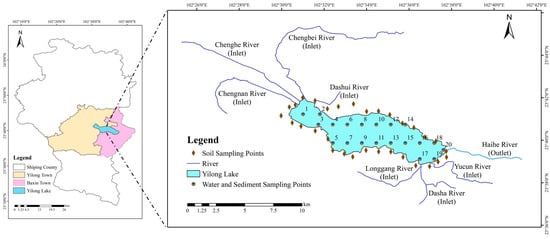
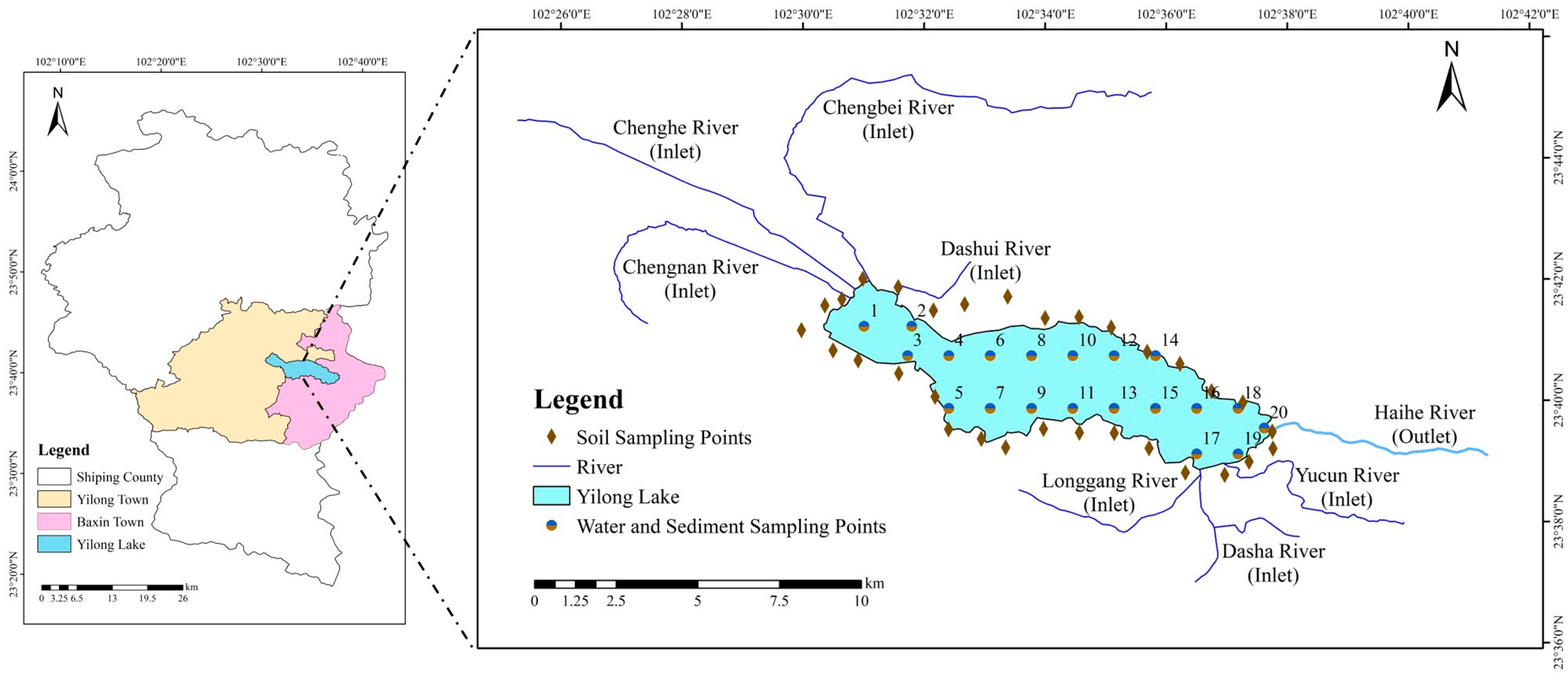
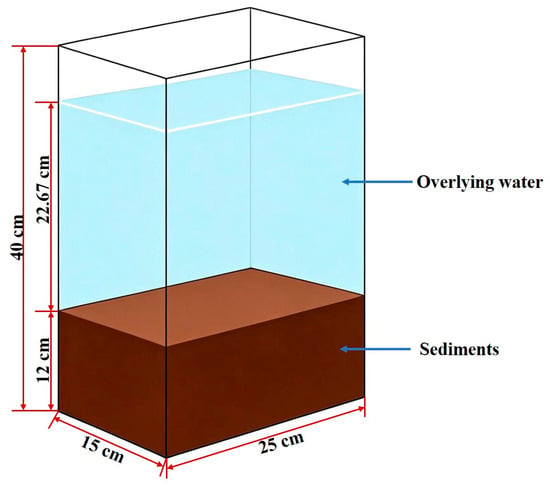
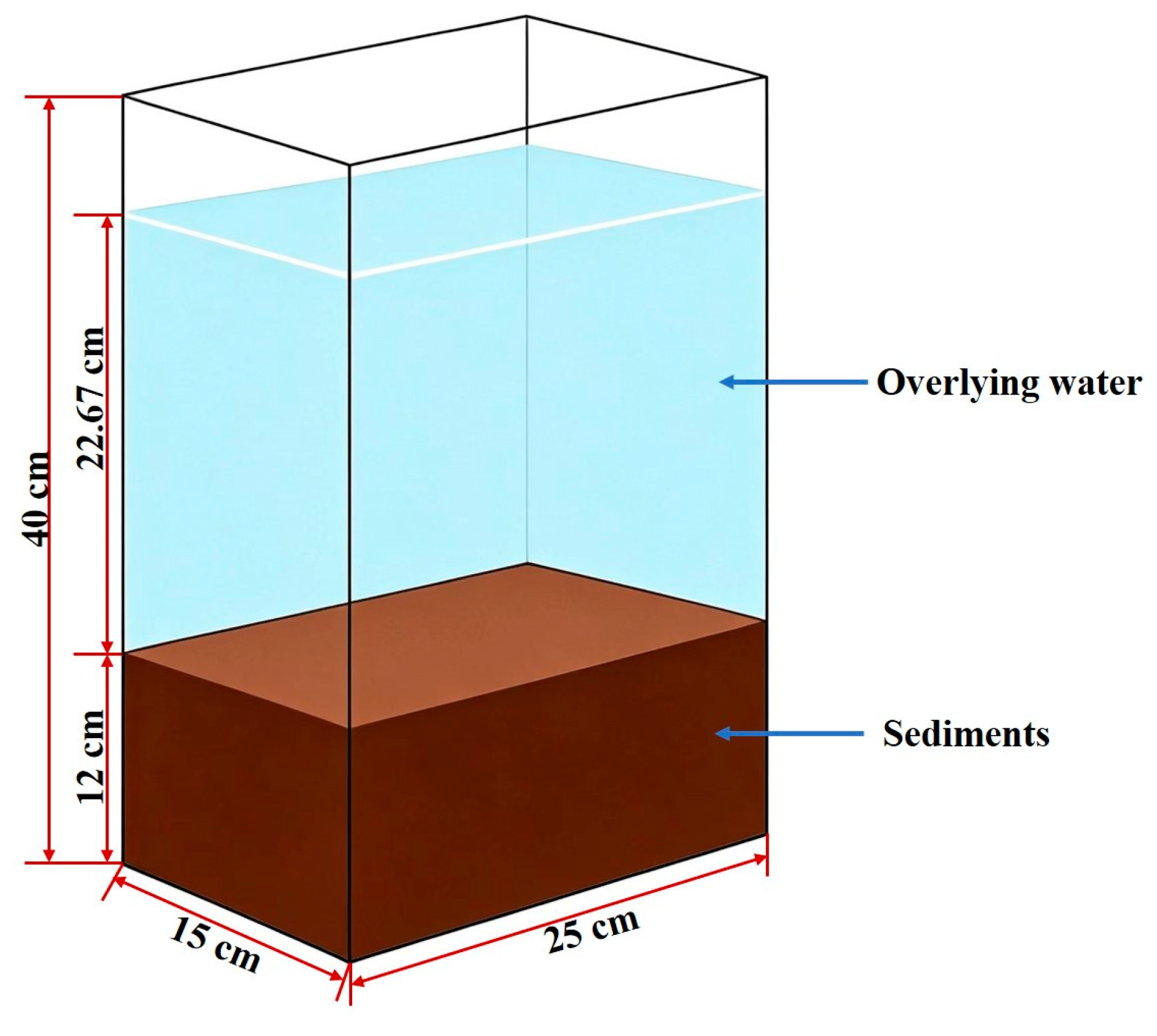
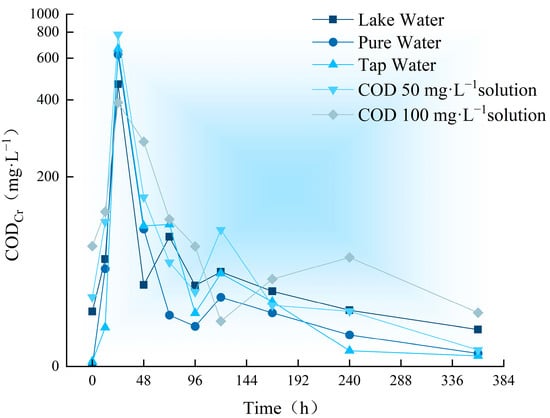
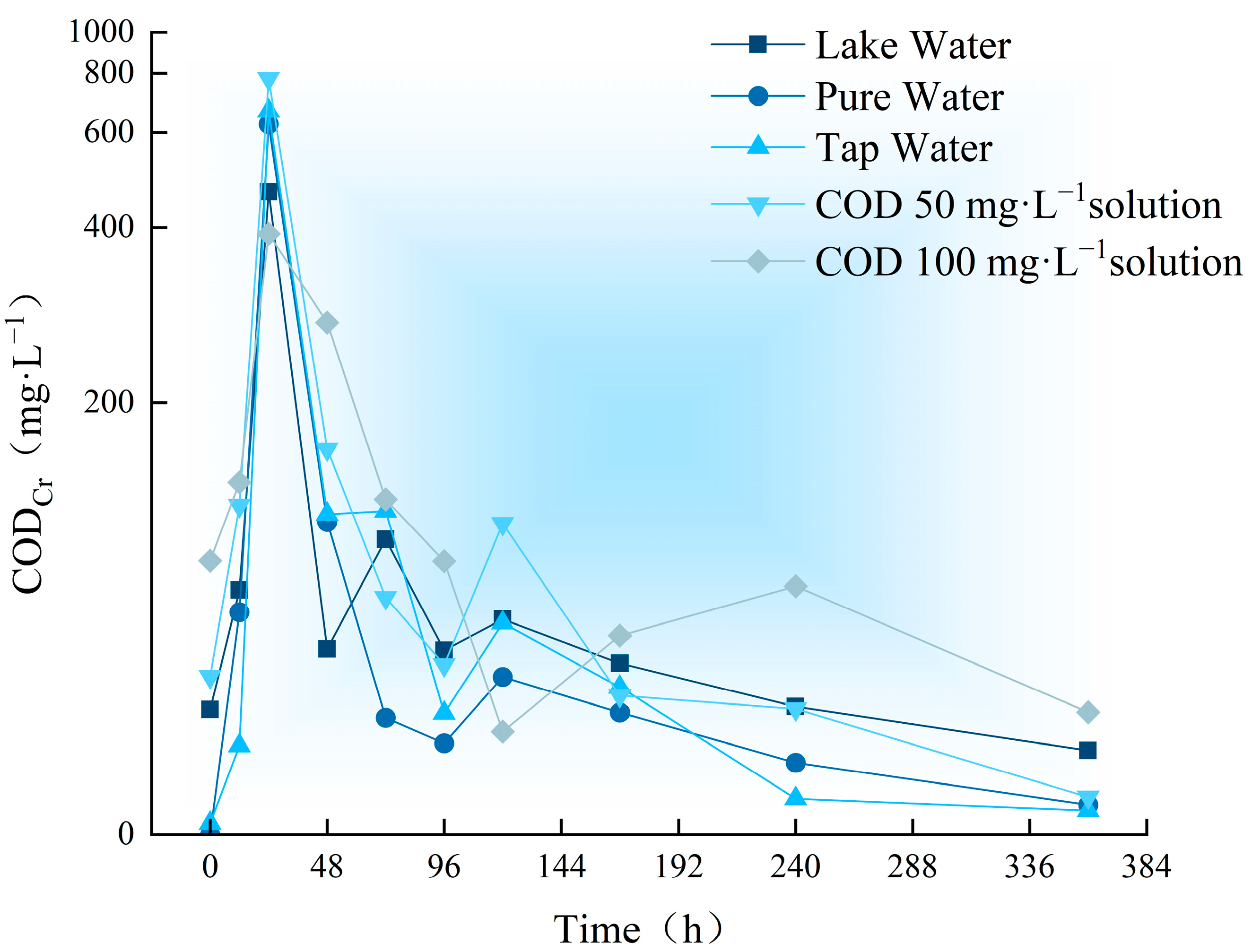
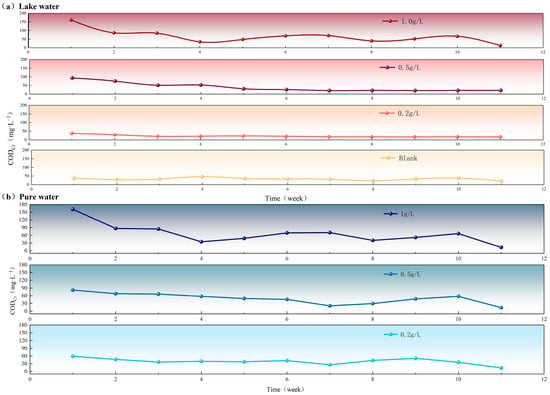
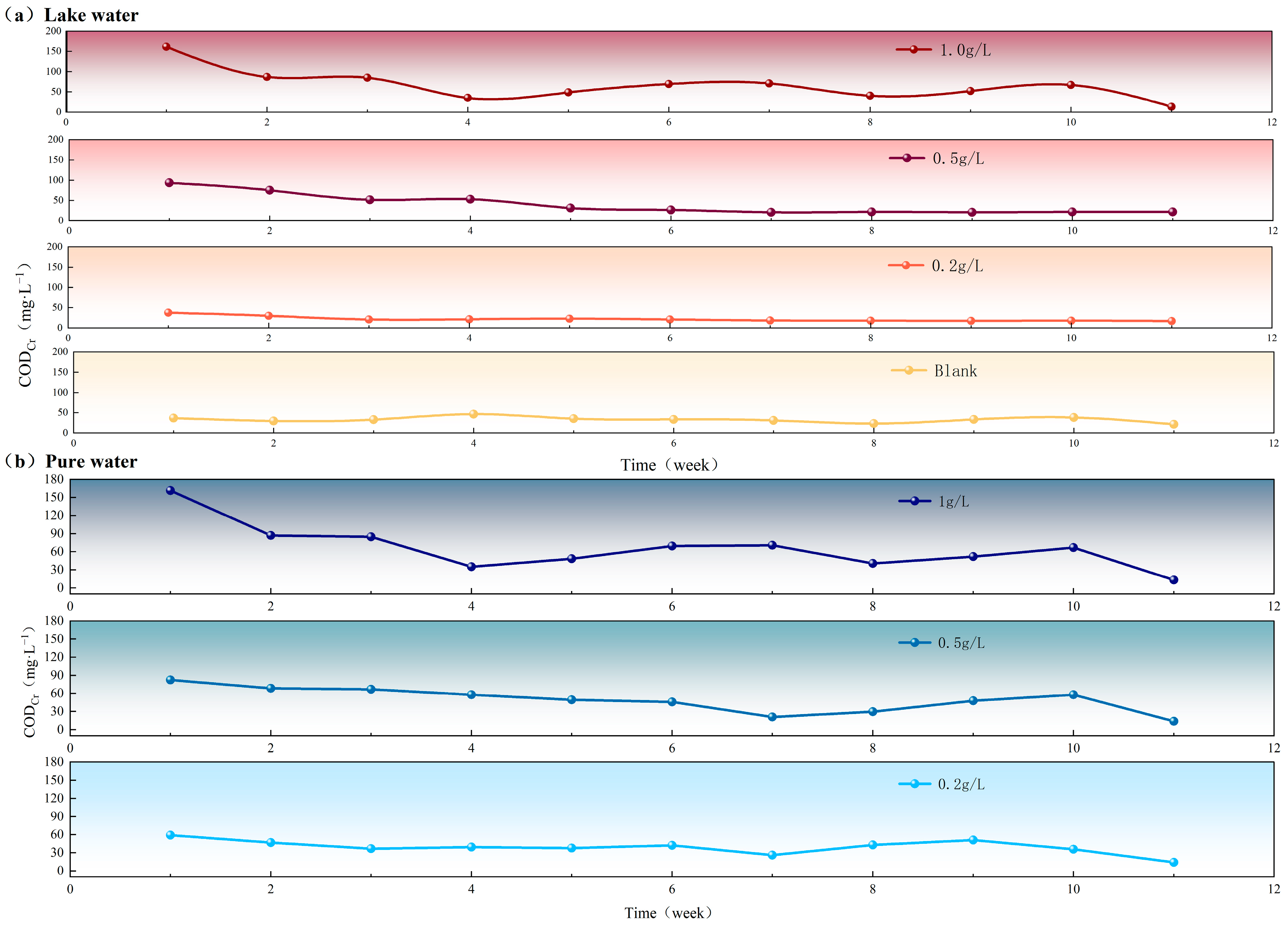
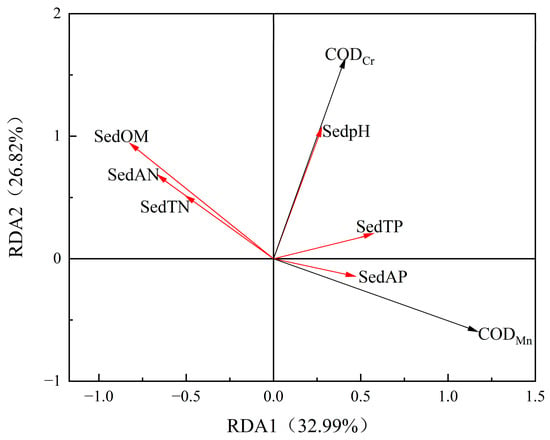
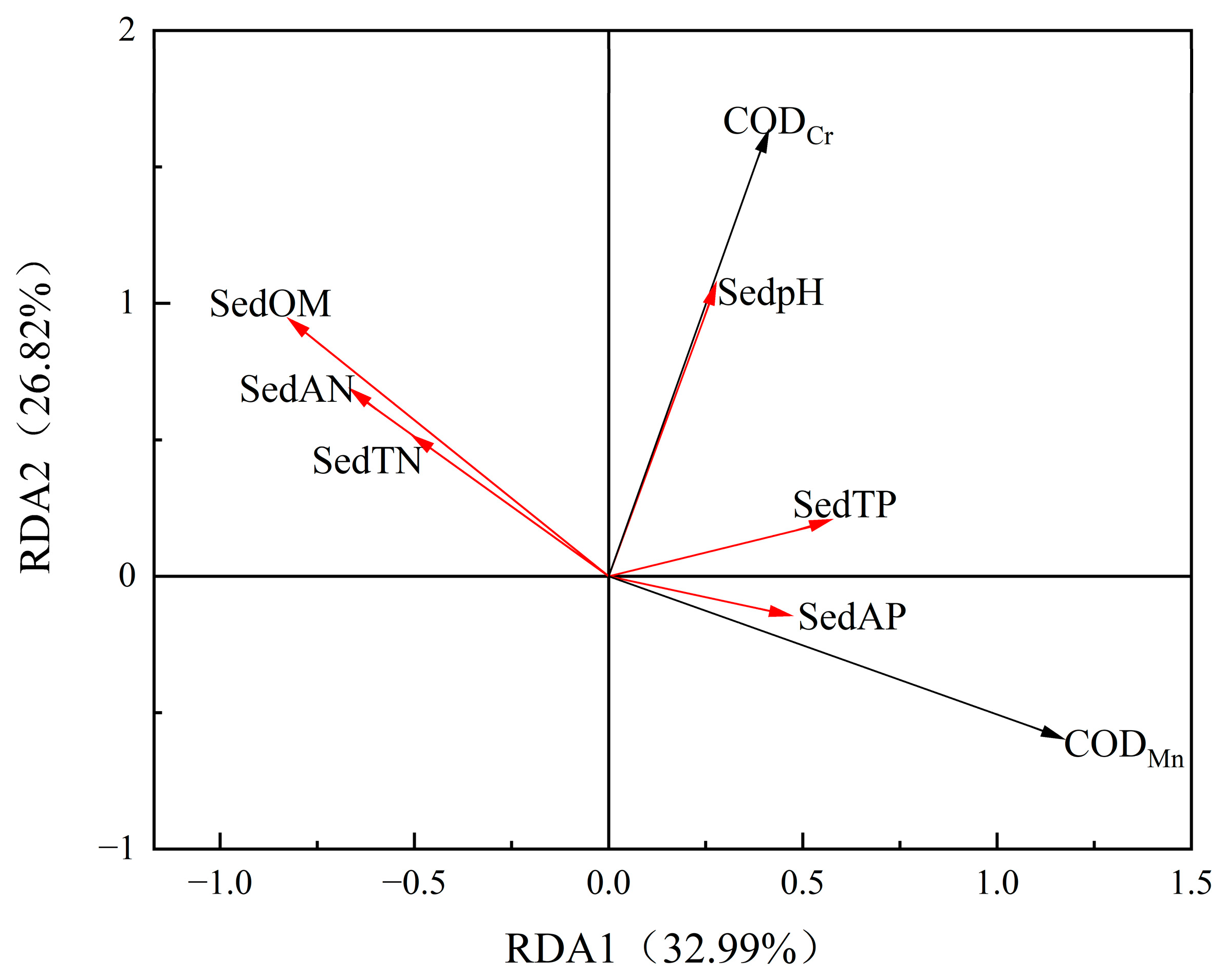
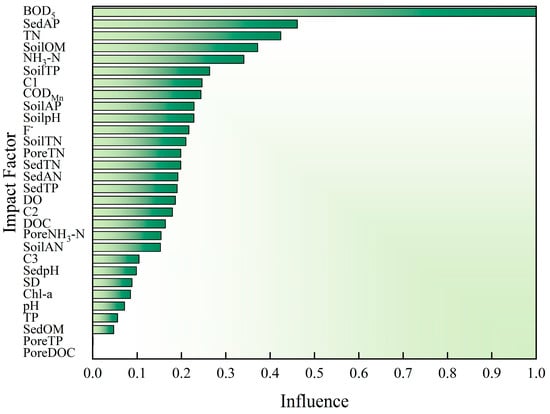
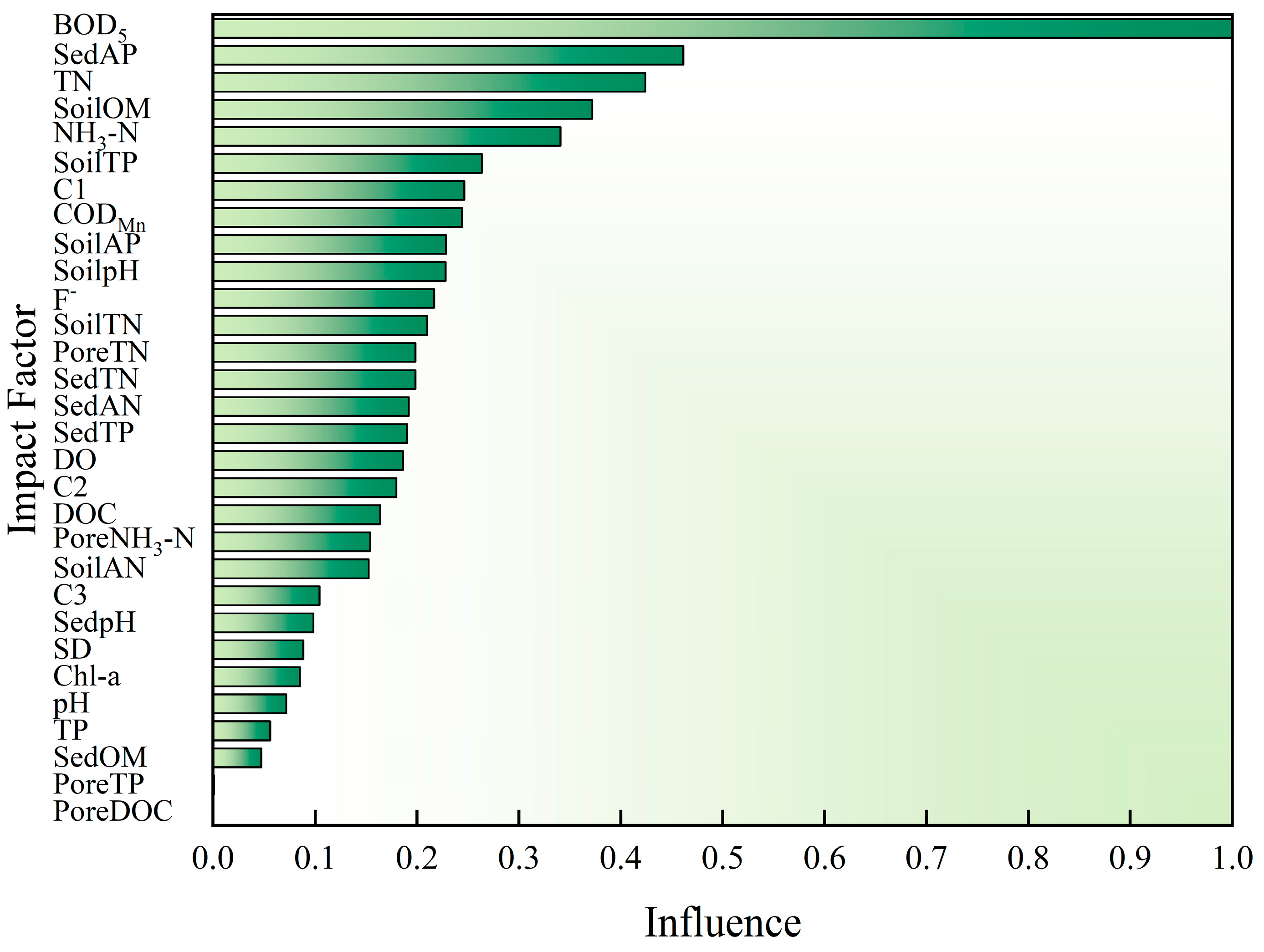

Disclaimer/Publisher’s Note: The statements, opinions and data contained in all publications are solely those of the individual author(s) and contributor(s) and not of MDPI and/or the editor(s). MDPI and/or the editor(s) disclaim responsibility for any injury to people or property resulting from any ideas, methods, instructions or products referred to in the content. |
© 2026 by the authors. Licensee MDPI, Basel, Switzerland. This article is an open access article distributed under the terms and conditions of the Creative Commons Attribution (CC BY) license.