


Highlights
- Mangrove planting confirmed the inhibition of Spartina alterniflora.
- The Aegiceras corniculatum site had the highest autumn density and biomass.
- Sediment carbon and nitrogen were closely linked to macrobenthic recovery.
- A. corniculatum and Avicennia marina are suitable main restoration species.
- Kandelia obovata can be used as an auxiliary species in mixed planting.
- Mangrove–mudflat ecotones should be retained to support habitat heterogeneity.
Abstract
To evaluate the early-stage effects of different mangrove species on macrobenthic communities along the southern coast of Quanzhou Bay, this study examined restoration sites dominated by K. obovata (Q), A. corniculatum (T), and A. marina (B), together with an adjacent unvegetated mudflat (Y). Sediment physicochemical properties, species composition, density, biomass, diversity indices, abundance-biomass comparison (ABC) curves, and cluster/NMDS results were compared before mangrove planting and during the spring and autumn after planting. The results showed that sediment backgrounds were relatively similar among sites before planting. After planting, total carbon (TC) and total nitrogen (TN) increased in autumn, and the number of macrobenthic species increased from 13 before planting to 24 after planting. Species number, density, and diversity were generally higher in autumn than in spring. Redundancy analysis (RDA) further showed that the relationships between sediment environmental variables and macrobenthic community metrics varied across restoration stages. Before planting, the three original sites showed relatively weak separation along the environmental gradients. After planting, the ordination pattern became more structured. In spring, biomass was mainly associated with the A. marina site, whereas TC and TN were more closely related to the K. obovata site. In autumn, TN and biomass were more closely associated with the A. corniculatum and A. marina sites, while TC, TP, and salinity were more strongly related to the K. obovata site. These results indicate that sediment carbon and nitrogen dynamics, together with salinity and pH gradients, jointly shaped macrobenthic community recovery during the early restoration stage. The A. corniculatum site had the highest density and biomass in autumn and showed relatively high abundance-biomass comparison (ABC)-based community stability, as indicated by positive W values and biomass curves generally lying above abundance curves. The A. marina site had relatively high species richness and diversity, whereas the recovery performance of the K. obovata site was comparatively weaker. Overall, A. corniculatum and A. marina are more suitable as the main species for mangrove restoration along the southern coast of Quanzhou Bay, while K. obovata can be used as an auxiliary species in mixed planting.
1. Introduction
Controlling invasive species is a crucial part of coastal wetland management [1]. The invasion of S. alterniflora has drawn particular attention. S. alterniflora was artificially introduced to China in 1979 [2] and can now be found in all coastal provinces of the country [3]. It is a highly invasive species in coastal wetlands, especially in China, where it can form dense monocultures through rapid clonal expansion and tidal seed dispersal [4]. The dense stems and root-rhizome mats of S. alterniflora can reduce near-bed flow velocity, trap fine particles, promote sediment accretion, and alter sediment organic matter and nutrient cycling. These changes may further modify sediment grain-size composition, oxygen penetration, redox conditions, and food-resource availability, thereby reshaping benthic habitats and affecting macrobenthic community composition [5,6]. Due to the strong dispersal capacity and rapid spread of S. alterniflora, targeted prevention, control, and management have become an urgent need in coastal wetland management. Therefore, several control measures have been implemented, including mechanical removal, chemical control, and mangrove planting [7,8]. Mechanical control methods commonly include mowing, repeated cutting, tilling, excavation, and waterlogging, whereas chemical control usually involves herbicide application [7]. Although these methods can reduce S. alterniflora biomass or coverage over short periods, they may also disturb sediments, alter nutrient release, affect macrobenthic fauna, require repeated management, or create potential environmental risks associated with herbicide use [9,10]. In contrast, mangrove planting represents a habitat-based restoration approach, but its effectiveness depends strongly on species selection, site elevation, hydrodynamic conditions, and early seedling establishment [8].
Mangroves are salt-tolerant woody plant communities distributed in tropical and subtropical intertidal zones. They provide multiple ecosystem services, including wave attenuation, shoreline stabilization, biodiversity maintenance, and blue carbon sequestration, and represent one of the key habitats in global coastal ecosystems [11,12,13]. However, in recent decades, mangrove forests have undergone continuous area loss and structural degradation due to multiple pressures, including land reclamation, urban development, aquaculture, and climate change. These changes have resulted in substantial risks to mangrove-associated ecosystem services and biodiversity [13]. It is worth mentioning that mangroves have a significant effect on suppressing S. alterniflora [8]. Therefore, mangrove planting, as a natural conservation measure, can reduce the risks and vulnerabilities of the coastal environment [14]. The suppressive effect of mangroves on S. alterniflora can be partly explained by competitive exclusion. As mangrove seedlings establish and develop into woody vegetation, their canopies can intercept light, while their root systems occupy sediment space, stabilize the substrate, and modify local hydrodynamic conditions [15,16]. These changes may reduce light availability, belowground space, and resource access for S. alterniflora. Under suitable intertidal conditions, increasing mangrove canopy cover and root development may therefore limit the growth, regeneration, and recolonization of S. alterniflora while simultaneously promoting native mangrove habitat formation [8].
At a broader scale, mangrove restoration is also increasingly linked to global blue carbon initiatives. Blue carbon ecosystems, including mangroves, salt marshes, and seagrass beds, are recognized as important nature-based solutions because they store large amounts of carbon while providing co-benefits such as coastal protection, biodiversity conservation, and fisheries support [17]. Recent global assessments have further emphasized that mangrove reforestation and restoration can provide substantial blue carbon benefits and that international cooperation is important for the sustainable development of blue carbon resources [18,19]. Therefore, evaluating the suitability of different mangrove species for restoration is not only important for local invasive species control and biodiversity recovery, but also relevant to sediment carbon accumulation and coastal blue carbon management.
Macrobenthic fauna are among the most important animal groups in mangrove wetlands, including annelids, mollusks, and crustaceans. Through feeding, burrowing, and excretion, these organisms can substantially modify sediment structure and nutrient cycling, playing important roles in organic matter decomposition, material and energy transfer, and sediment reworking [20,21]. In addition to their effects on sediment processes, crabs and some gastropods can also feed on mangrove propagules. By affecting propagule survival and seedling recruitment, these organisms may influence species regeneration and, in some cases, play an important role in shaping mangrove plant community structure [22]. These organisms serve as key links between mangrove primary production and higher trophic levels and are also important food sources for migratory birds and coastal fishes. Therefore, they are often considered sensitive indicators for assessing mangrove ecosystem health and restoration effectiveness [23,24]. In addition to species richness, density, and biomass, community stability can also be evaluated using abundance-biomass comparison (ABC) curves. The ABC method compares the cumulative dominance patterns of species abundance and biomass. In relatively undisturbed benthic communities, biomass is usually dominated by larger and longer-lived species, and the biomass curve generally lies above the abundance curve. In contrast, under disturbed conditions, small opportunistic species often dominate numerically, causing the abundance curve to approach or exceed the biomass curve [25,26]. Therefore, ABC curves and the associated W statistic provide useful information on community disturbance, size structure, and early recovery processes. This method is particularly appropriate for the present study because S. alterniflora removal and mangrove planting may alter not only species richness and density, but also dominance structure and biomass allocation of macrobenthic fauna.
In recent years, increasing attention has been paid to the community structure and environmental responses of macrobenthic fauna in mangrove ecosystems. Most studies have shown that mangrove habitats and adjacent unvegetated mudflats differ in species richness, diversity, density, and community structure. In some cases, mangrove habitats support higher diversity or density and more stable community structures, although substantial differences still exist among vegetation types, restoration approaches, and successional stages [27,28,29]. Studies conducted in Hainan, Guangdong, and other coastal regions of China have shown that sediment organic matter, nitrogen and phosphorus contents, grain-size composition, and salinity gradients are key environmental factors driving the spatial distribution and diversity of macrobenthic communities in mangrove wetlands. These factors are also frequently used to evaluate the ecological effects of mangrove restoration and “returning ponds to forests” projects [24,30,31].
Quanzhou Bay is a typical estuarine bay ecosystem along the coast of Fujian Province. In recent decades, this region has been strongly affected by rapid urbanization, land reclamation, aquaculture pond development, shoreline engineering, port construction, and ecological restoration projects. These historical land-use changes have altered hydrological connectivity, fragmented intertidal habitats, and reshaped wetland vegetation patterns. Therefore, Quanzhou Bay represents a typical coastal system where baseline anthropogenic disturbance, S. alterniflora invasion, and mangrove restoration coexist [32,33,34,35]. Previous studies have systematically investigated macrobenthic communities in mangrove and salt marsh wetlands across different intertidal areas of Quanzhou Bay, such as the Luoyangjiang Estuary, Baisha, and Xunpu. These studies revealed differences in species composition, diversity, and functional group structure among habitats and confirmed that macrobenthic fauna can effectively reflect regional environmental quality and the degree of anthropogenic disturbance [36,37,38]. The ecological restoration work of planting mangroves to suppress S. alterniflora in the Quanzhou Bay Estuary Wetland further highlights the importance of assessing macrobenthic responses at a local scale [10,32].
However, existing studies have mainly focused on differences between mangroves and mudflats, or between natural and planted mangrove forests. Few studies have simultaneously compared the early restoration effects of K. obovata, A. marina, and A. corniculatum within the same restoration region after S. alterniflora removal. Different mangrove species may create distinct benthic habitat conditions through species-specific root architecture, litter input, sediment trapping capacity, organic matter retention, and nutrient cycling [27,28,39,40,41,42]. These habitat-engineering processes can influence sediment stability, food-resource availability, pore-water conditions, and the colonization and burrowing activities of macrobenthic fauna [20,21,27,28]. For example, mangrove roots and pneumatophores can increase sediment surface heterogeneity and provide microhabitats [43], while litter and fine-root inputs can contribute to organic matter accumulation and support deposit-feeding organisms [40,44]. Based on these mechanisms, we hypothesized that if different mangrove species exert similar early-stage restoration effects, sediment physicochemical properties and macrobenthic community characteristics would not differ significantly among the three mangrove restoration habitats and the adjacent unvegetated mudflat. Conversely, if different mangrove species create distinct habitat conditions, then spatial differences in sediment environmental parameters, macrobenthic density, biomass, diversity, and ABC-based community stability would occur among sites. Therefore, this study focused on an artificial mangrove planting area in Shishi City along the southern coast of Quanzhou Bay. Three mangrove species zones, K. obovata (Q), A. marina (B), and A. corniculatum (T), together with an adjacent unvegetated mudflat (Y), were selected. In this study, the suitability of mangrove species for restoration was evaluated using four ecological criteria: improvement or maintenance of sediment physicochemical conditions, especially TC and TN accumulation; support for macrobenthic species richness, density, biomass, and diversity; development of lower disturbance and higher community stability, as indicated by ABC curves and W values; and potential to promote early-stage habitat recovery after S. alterniflora removal while maintaining habitat heterogeneity. The goals were: (1) to analyze differences in macrobenthic species composition, density, biomass, diversity, and community stability under different mangrove species restoration conditions; (2) to identify suitable mangrove species for restoration along the southern coast of Quanzhou Bay by integrating sediment environmental conditions and macrobenthic community responses.
2. Materials and Methods
2.1. Study Area and Sample Processing Methods
The study area is located in the northeastern part of Hanjiang Town, Shishi City, Fujian Province, southeastern China (118°35′ E–118°48′ E, 24°39′ N–24°49′ N), along the southern coast of Quanzhou Bay. Shishi City is surrounded by the sea on three sides, with Quanzhou Bay to the north, Shenhu Bay to the south, the Taiwan Strait to the east, and Jinjiang City to the west. The maximum east–west width is approximately 20.9 km, and the maximum north–south length is approximately 16.8 km. The region represents a typical coastal urban and estuarine bay complex ecosystem. The study site was selected because it represents a typical restoration zone where coastal land-use change, S. alterniflora invasion, and mangrove rehabilitation overlap. The surrounding coastal area of Shishi City and southern Quanzhou Bay has experienced shoreline modification, aquaculture and reclamation activities, and rapid urban expansion, while recent ecological restoration projects have promoted the removal of S. alterniflora and the establishment of mangrove plantations [10,32,34]. Therefore, this site provides a suitable field setting for evaluating early sediment and macrobenthic responses after invasive cordgrass removal and mangrove planting.
Prior to the initial baseline survey, the S. alterniflora community in the planned restoration area had been removed between July and October 2022. The removal was conducted using a marine excavator through deep excavation and deep tillage to destroy the root systems of S. alterniflora. The coarse stems and roots were buried in situ at a depth of approximately 80–100 cm, and the surface sediment was leveled before mangrove planting. The preliminary survey in October 2023 was conducted after the completion of S. alterniflora removal and before mangrove planting; therefore, it was used as regional baseline data to characterize the pre-planting habitat conditions of the restoration area. To compare habitat conditions before and after mangrove planting, a preliminary macrobenthic survey was conducted in October 2023 before planting (up1–up3). The pre-planting sites up1–up3 were located within the same restoration area as the subsequent mangrove planting sites. Although the sampling points were not strictly identical, they represented the general sediment and macrobenthic background before restoration. After mangrove planting, macrobenthic species identification and quantitative sampling were conducted in April 2024 (spring) and October 2024 (autumn). According to the distribution of mangrove species within the wetland, three restoration sites were established: K. obovata (Q), A. marina (B), and A. corniculatum (T). An adjacent unvegetated mudflat was also selected as a control site (Y), for a total of four sampling sites (Figure 1). Mangrove plants were established using locally sourced two-year-old seedlings from Fujian Province. The detailed seedling characteristics and planting parameters are presented in Table 1.
Figure 1.
Location and sampling sites in Quanzhou Bay, Fujian Province, China. (a) Geographic location of Fujian Province in China; (b) location of Quanzhou Bay in Fujian Province; (c) distribution of sampling sites in the study area; panels (d–f) show the planting areas of K. obovata, A. corniculatum, and A. marina, respectively. (Q, T, B, and Y represent the K. obovata restoration site, A. corniculatum restoration site, A. marina restoration site, and adjacent unvegetated mudflat, respectively. up1–up3 represent the pre-planting baseline sampling sites).
Table 1.
Seedling characteristics and planting parameters.
Three replicate quadrats were established at each site, each with an area of 25 cm × 25 cm. The sampling design and procedures followed the national marine survey standard (GB/T 12763.6-2007) [45]. Macrobenthic samples were collected within fixed-area quadrats. The samples were washed through a 0.5-mm mesh sieve to retain the target organisms, which were then transferred into bottles containing 75% ethanol and transported to the laboratory for sorting, preservation, taxonomic identification, individual counting, and biomass determination. All specimens were identified to the lowest possible taxonomic level, generally to species or genus [46,47]. Prior to biomass measurement, organisms were gently rinsed with clean water to remove adhering sediment and debris, and excess surface moisture was blotted with absorbent paper. Wet biomass was then measured using an electronic balance. To ensure comparability among samples, the biomass of mollusks was measured as the whole individual, including the shell. For damaged specimens, only complete or nearly complete individuals were included in biomass calculations to minimize estimation errors. The core parameters obtained in this study included species composition, abundance, density, biomass, dominant species, and diversity indices. Density was expressed as the number of individuals per unit area, with units of ind./m2. Biomass was standardized to the quadrat area and expressed as biomass per unit area, with units of g/m2. The mean biomass and standard deviation for each sampling site were calculated based on the measurements from three replicate quadrats.
While collecting biological samples, surface sediment samples from the 0–20 cm layer were collected using a PVC corer. At each sampling site, sediment cores were collected from three replicate quadrats, placed in clean, sealed polyethylene bags, transported to the laboratory, and processed promptly. After visible roots, shell fragments, stones, and large plant residues were removed, the sediment samples were thoroughly homogenized. Subsamples were then prepared for the determination of different physicochemical properties. Fresh sediment subsamples were used for pH and salinity measurements, while the remaining subsamples were oven-dried at 65 °C, ground, and passed through a 0.25 mm-mesh sieve for the determination of total carbon (TC), total nitrogen (TN), and total phosphorus (TP).
Sediment pH and salinity were measured using a YSI ProQuatro multiparameter meter (YSI Inc., Yellow Springs, OH, USA). According to the manufacturer’s instructions, the instrument was calibrated using standard pH buffer solutions and conductivity standards before measurement. The electrode probes were rinsed with deionized water between each sample measurement. Total carbon (TC) and total nitrogen (TN) were determined using a FLASHSMART elemental analyzer (Thermo Fisher Scientific, Waltham, MA, USA). For total phosphorus (TP) determination, dried and ground sediment subsamples were digested with a sulfuric acid–perchloric acid mixture (Sinopharm Chemical Reagent Co., Ltd., Shanghai, China), and TP concentrations were then measured using an iFIA7 automatic flow injection analyzer (Beijing Titan Instruments Co., Ltd., Beijing, China).
2.2. Data Calculation and Analysis
2.2.1. Data Calculation
Biodiversity indices, such as the Shannon Diversity Index (H′), the Margalef Species Richness Index (D), and the Pielou Evenness Index (J′), are used to analyze macrobenthic biodiversity. The formulas for each index are as follows:
Shannon-Wiener diversity index [48,49,50]:
Margalef richness index [51]:
Pielou evenness index [52,53]:
where pi is the proportion of the number of individuals of the i-th species to the total number of individuals in the sample, N is the sum of the number of individuals of all species in the sample, and S represents the total number of species appearing in the sample.
Dominant species in the macrobenthic community were identified using the index of relative importance (IRI) [54]. A species was considered dominant when its IRI value exceeded 1000. The formula was as follows:
where N is the percentage of individuals of a given species relative to the total number of individuals, W is the percentage of biomass of that species relative to total biomass, and F is the percentage of sampling sites where that species occurred. This index integrates numerical dominance, biomass contribution, and spatial occurrence, thereby providing a useful measure of the ecological importance of species within the community.
IRI = (N + W) × F × 104
2.2.2. Data Analysis
Multivariate analyses of macrobenthic community structure were performed using PRIMER 6.0. Before multivariate analysis, species abundance data were square-root transformed to reduce the influence of highly abundant species. A Bray–Curtis similarity matrix was then calculated based on the transformed abundance data. Group-average cluster analysis and non-metric multidimensional scaling (NMDS) were conducted using this similarity matrix to reveal similarities and differences in community structure among sites and seasons. Diversity indices were also calculated, and abundance-biomass comparison (ABC) curves [25] were generated to evaluate the degree of community disturbance. IBM SPSS 24.0 was used for statistical analyses, and Origin Pro 2024 was used for graphical presentation. Before statistical comparisons, data normality and homogeneity of variance were examined using the Shapiro–Wilk test and Levene’s test, respectively. Differences among sites within the same sampling period were tested using one-way analysis of variance (ANOVA) followed by Tukey’s HSD post hoc test. When the assumptions of normality and homogeneity of variance were not met, the Kruskal–Wallis test followed by Dunn’s multiple comparison test was used. To evaluate seasonal differences after mangrove planting, only the post-planting samples collected in April 2024 (spring) and October 2024 (autumn) were included in the seasonal analysis. The pre-planting samples collected in October 2023 were used only as baseline reference data and were not included in the seasonal ANOVA. One-way ANOVA was performed using sampling season as the grouping factor to test seasonal differences in macrobenthic density, biomass, and diversity indices. Differences were considered significant at p < 0.05. Redundancy analysis (RDA) was performed using standardized macrobenthic community metrics, including density, biomass, H′, D, and J′, as response variables, and sediment physicochemical parameters as explanatory variables. Detrended correspondence analysis (DCA) was first used to estimate gradient length; because the gradient length was shorter than 3.0, RDA was selected as a linear constrained ordination method.
3. Results
3.1. Sediment Physicochemical Characteristics in Different Mangrove Restoration Sites
Prior to mangrove planting, the sedimentary physical properties of the study sites were obtained and showed minimal differences. In October 2023, pH values at the three original sites (up1–up3) ranged from 6.94 ± 0.17 to 7.29 ± 0.37, indicating weakly acidic to neutral conditions. Salinity ranged from 3.08 ± 0.78 to 4.30 ± 0.70. TC, TN, and TP ranged from 8.47 ± 1.02 to 9.50 ± 0.87, 1.00 ± 0.07 to 1.06 ± 0.07, and 0.90 ± 0.03 to 0.92 ± 0.30, respectively. These results indicate that sediment carbon, nitrogen, and phosphorus contents were relatively similar among sites before mangrove planting.
After mangrove planting, sediment pH in spring ranged from 7.16 ± 0.11 to 7.38 ± 0.07 among sites. The highest pH was recorded at the unvegetated mudflat site (Y), while the lowest value occurred at the A. marina site (B), with a significant difference between the two sites (p < 0.05). The K. obovata (Q) and A. corniculatum (T) sites showed intermediate values and did not differ significantly from the other sites. The salinity of each site varied significantly in spring. The salinity of sites T (3.98 ± 0.19) and B (3.92 ± 0.14) was significantly higher than that of sites Q (3.36 ± 0.16) and Y (3.07 ± 0.14), while site Y had the lowest salinity. In contrast, TC, TN, and TP did not differ significantly among sites in spring (p > 0.05), with values ranging from 8.34 ± 0.53 to 8.82 ± 0.34, 1.10 ± 0.09 to 1.20 ± 0.03, and 1.03 ± 0.01 to 1.22 ± 0.07, respectively.
In autumn, pH ranged from 7.18 ± 0.05 to 7.46 ± 0.12 among sites. The highest value occurred at Y and the lowest at Q, with significant differences among sites (p < 0.05), following the order Y > T, B > Q. Salinity was highest at Q (3.59 ± 0.23), significantly higher than at T (2.98 ± 0.35), B (3.06 ± 0.13), and Y (2.55 ± 0.25), with Y showing the lowest salinity. TC increased markedly in autumn compared with spring, ranging from 31.70 ± 5.22 to 39.36 ± 1.99. TC was relatively high at T and Q and lowest at B, with significant differences between T/Q and B. TN also showed clear site-level variation, with the highest value at T (2.22 ± 0.03), significantly higher than at B (1.20 ± 0.05) and Y (1.59 ± 0.21), while Q showed an intermediate value. TP did not differ significantly among sites in autumn, ranging from 0.92 ± 0.06 to 1.11 ± 0.12. The sediment physicochemical properties at different sampling stages and sites are summarized in Table 2.
Table 2.
Sediment physicochemical properties at different sampling stages and sites.
3.2. Composition and Dominant Species of Macrobenthic Community
The taxonomic list of macrobenthic species is shown in Table 3. In October 2023, before mangrove planting, 13 macrobenthic species were identified, belonging to 5 phyla, 7 families, and 10 genera. The community was dominated by mollusks (38%) and arthropods (31%), followed by annelids (15%). In April and October 2024, after mangrove planting, a total of 24 macrobenthic species were recorded, belonging to 5 phyla, 16 families, and 21 genera. Thirteen species were collected in April and 22 species in October, with 11 species shared between the two seasons. The post-planting community was dominated by mollusks (38%) and annelids (33%), followed by arthropods (17%). In both April and October, the highest species numbers were recorded at the T and B sites (Figure 2).
Table 3.
Species composition and occurrence of macrobenthic fauna at different sampling stages.
Figure 2.
(a) Macrobenthic species number at different sampling sites during October 2023, April 2024, and October 2024. (b) Composition and species richness of macrobenthic fauna at different sampling sites in October 2023, April 2024, and October 2024.
The index of relative importance (IRI) showed that before mangrove planting, three dominant species were present in the coastal wetland along the southern coast of Quanzhou Bay: Metaplax longipes (IRI = 2707), Pirenella incisa (IRI = 1940), and Periophthalmus magnuspinnatus (IRI = 1520). After mangrove planting, the dominant species were M. longipes (IRI = 3494), Perinereis aibuhitensis (IRI = 2387), and Nephtys oligobranchia (IRI = 1390).
3.3. Density and Biomass of Macrobenthic Fauna
Before mangrove planting in October 2023, the mean macrobenthic density was 124.44 ± 11.10 ind./m2, and the mean biomass was 152.69 ± 36.27 g/m2.
In April 2024, mean density among sites followed the order Y (133.33 ± 85.83) > B (101.33 ± 37.33) > T (80 ± 80.00) > Q (58.67 ± 5.33). Mean biomass followed the order B (153.62 ± 28.92) > Q (82.59 ± 15.38) > T (69.57 ± 9.67) > Y (18.87 ± 7.68). In October 2024, mean density followed the order T (373.33 ± 101.75) > B (240 ± 24.44) > Q (224 ± 64.66) > Y (154.67 ± 60.10). Mean biomass followed the order T (179.29 ± 107.93) > B (108.24 ± 47.00) > Y (32.04 ± 6.57) > Q (21.68 ± 4.29) (Figure 3). The results of the one-way ANOVA showed that season had a highly significant effect on density (F = 12.552, p < 0.01) but no significant effect on biomass.
Figure 3.
Macrobenthic density and biomass at different sampling sites during October 2023, April 2024, and October 2024: (a) density; (b) biomass.
3.4. Macrobenthic Diversity Indices
In October 2023, before mangrove planting, the Shannon-Wiener diversity index, Margalef richness index, and Pielou evenness index of the macrobenthic community were 1.30 ± 0.20, 1.63 ± 0.34, and 0.91 ± 0.08, respectively.
After mangrove planting, in April 2024, the T site showed generally higher Shannon-Wiener (1.02 ± 0.31), Margalef (1.33 ± 0.63), and Pielou (0.96 ± 0.04) indices than the Q, B, and Y sites. In October 2024, the T and B sites showed relatively high Shannon-Wiener indices (1.49 ± 0.18 and 1.53 ± 0.24, respectively) and Margalef indices (1.73 ± 0.32 and 1.98 ± 0.27, respectively), indicating that the A. corniculatum and A. marina restoration sites supported relatively high species diversity and richness. Although the diversity indices at the Y site increased in autumn compared with spring, they remained lower than those at the T and B mangrove restoration sites (Figure 4). The one-way ANOVA showed that season had significant effects on the diversity index H′ (F = 13.415, p < 0.01) and richness index D (F = 10.482, p < 0.01), but had no significant effect on the evenness index J′.
Figure 4.
Macrobenthic diversity indices at different sampling sites during October 2023, April 2024, and October 2024: (a) Shannon-Wiener index; (b) Margalef index; (c) Pielou index.
3.5. ABC Curve
The ABC curve results showed that before mangrove planting (Figure 5), the W values of the three original sites were 0.266 for up1, −0.115 for up2, and 0.073 for up3. At up1 and up3, the biomass curves were generally above the abundance curves, and the W values were positive, indicating relatively stable community structures and low disturbance levels. In contrast, at up2, the abundance curve was above the biomass curve across most of the species-ranking range, and the W value was negative, suggesting that the community at this site was subject to some disturbance.
Figure 5.
Abundance-biomass comparison (ABC) curves of macrobenthic communities at different sampling stages and sites: (a) up1 in October 2023; (b) up2 in October 2023; (c) up3 in October 2023; (d) Q in April 2024; (e) T in April 2024; (f) B in April 2024; (g) Y in April 2024; (h) Q in October 2024; (i) T in October 2024; (j) B in October 2024; (k) Y in October 2024.
In April 2024, after mangrove planting, the T site had the highest W value (0.324), with the biomass curve clearly above the abundance curve, indicating a relatively stable macrobenthic community structure and low disturbance level. The Q, B, and Y sites had W values of −0.097, −0.178, and −0.019, respectively, all of which were negative or close to zero. The abundance and biomass curves crossed or the abundance curve was locally above the biomass curve, suggesting that most sites were still subject to varying degrees of disturbance in spring.
In October 2024, the W values of the Q, T, and B sites were 0.023, 0.205, and 0.244, respectively, all of which were positive. At the T and B sites, the biomass curves were generally above the abundance curves, indicating that the macrobenthic community structures in the mangrove restoration sites tended to stabilize in autumn and that disturbance levels were lower than in spring. In contrast, the Y site had a W value of −0.242, with the abundance curve generally above the biomass curve, indicating that the community remained strongly disturbed and relatively unstable.
3.6. Cluster Analysis and NMDS
Cluster analyses were used to demonstrate the grouping patterns of macrobenthic communities. The groups were primarily determined by the sample site, together with the sampling period (Figure 6). Based on macrobenthic species abundance data, a Bray–Curtis similarity matrix was constructed after square-root transformation, followed by group-average cluster analysis. The cluster analysis results showed that, at approximately 40% similarity, all samples could be broadly divided into four groups (Figure 6). The first group consisted of the pre-planting sites up1, up2, and up3. The second group included the mangrove restoration sites Q, T, and B sampled in April 2024. The third group consisted of the T and B sites sampled in October 2024, which formed a separate cluster. The fourth group included Y in April 2024, Y in October 2024, and Q in October 2024, with Q in October 2024 showing relatively high similarity to Y in October 2024.
Figure 6.
Cluster analysis of macrobenthic communities at different sampling stages and sites based on Bray–Curtis similarity after square-root transformation.
The NMDS ordination results were generally consistent with the cluster analysis. The stress value was 0.11, indicating that the ordination adequately represented the similarity relationships among samples (Figure 7).
Figure 7.
NMDS ordination of macrobenthic communities at different sampling stages and sites based on Bray–Curtis similarity after square-root transformation.
3.7. Redundancy Analysis Between Sediment Variables and Macrobenthic Community Metrics
Redundancy analysis (RDA) was performed to investigate the relationships between sediment environmental variables and macrobenthic community metrics at different restoration stages (Figure 8). At the pre-mangrove-planting stage, RDA1 and RDA2 accounted for 97.14% and 1.98% of the total ordination variation, respectively, with RDA1 representing the dominant environmental-community gradient. Biomass and density showed opposite distribution patterns along RDA1 (positive and negative directions, respectively). TC and TN clustered in the negative-RDA1 and negative-RDA2 quadrant, TP fell in the negative-RDA1 and positive-RDA2 quadrant, while pH and salinity oriented toward the positive-RDA1 and negative-RDA2 direction. The three original sites exhibited limited separation, indicating relatively homogeneous sediment backgrounds and community-environment associations before restoration.
Figure 8.
Redundancy analysis (RDA) ordination showing the relationships between sediment environmental variables and macrobenthic community metrics at different restoration stages: (a) pre-mangrove-planting background stage in October 2023; (b) spring post-planting stage in April 2024; and (c) autumn post-planting stage in October 2024. Red arrows indicate sediment environmental variables, including total carbon (TC), total nitrogen (TN), total phosphorus (TP), salinity, and pH. Black arrows indicate macrobenthic community metrics, including density, biomass, Margalef richness index (D), Shannon-Wiener diversity index (H′), and Pielou evenness index (J′). Q, T, B, and Y represent the K. obovata restoration site, A. corniculatum restoration site, A. marina restoration site, and adjacent unvegetated mudflat, respectively.
In spring after mangrove planting, RDA1 and RDA2 explained 92.81% and 5.90% of the variation, respectively. The four habitat types showed clearer separation along environmental gradients compared with the pre-planting stage. Biomass aligned with the positive RDA1 direction, matching the high-biomass pattern of the A. marina site (B). Diversity indices (H′, D, J′) were distributed in the positive-RDA1 and negative-RDA2 region and were closer to mangrove restoration sites than the unvegetated mudflat (Y). TC and TN were closely associated with the K. obovata site (Q) in the negative-RDA1 and negative-RDA2 quadrant, whereas pH was linked to the mudflat site. Salinity oriented toward the positive-RDA1 and negative-RDA2 region, contributing to the differentiation of restored mangrove habitats in spring.
In autumn after planting, RDA1 and RDA2 accounted for 96.54% and 2.99% of the variation, respectively. After one growing season, the linkages between sediment variables and macrobenthic community metrics became more distinct. TN and biomass oriented toward positive RDA1 and were closely associated with the A. corniculatum site (T) and part of the A. marina site (B), indicating that higher TN supported greater macrobenthic biomass in these habitats. By contrast, TC, TP, and salinity clustered in the negative-RDA1 and positive-RDA2 direction, adjacent to the K. obovata site (Q), suggesting that carbon accumulation and salinity conditions here did not directly translate into higher benthic biomass. The pH vector separated from other environmental variables, representing an independent sediment gradient.
4. Discussion
4.1. Hypothesis Verification
Before mangrove planting, pH, salinity, TC, TN, and TP differed little among the original sites, indicating that the study area had a relatively similar sediment background before restoration. This pattern is consistent with the initial null hypothesis that, if different mangrove species exerted similar effects during the early restoration stage, sediment physicochemical properties and macrobenthic community characteristics would not differ markedly among restoration habitats. After mangrove planting, however, sediment conditions began to show site-specific differentiation, especially in autumn. TC increased markedly from spring to autumn, and relatively high TC values were recorded at the A. corniculatum (T) and K. obovata (Q) sites, while TN was highest at the T site. These results provide stronger support for the alternative hypothesis, suggesting that different mangrove species initially contribute to different sedimentary conditions and biological responses in the early stages of restoration.
4.2. Differences in Sediment Conditions and Their Ecological Implications
Before mangrove planting, pH, salinity, TC, TN, and TP differed little among the three original sites (up1–up3), indicating that the study area had a relatively similar sediment background before restoration. After planting, TC, TN, and TP did not show clear differentiation among sites in spring. By autumn, however, TC had increased overall and remained relatively high at the A. corniculatum (T) and K. obovata (Q) sites, while TN was highest at the T site. This suggests that, with increasing time after mangrove establishment, the effects of different vegetation types on sediment carbon and nitrogen accumulation began to emerge, although these differences were still at an early restoration stage. The pronounced autumn increase in TC likely reflected the combined effects of plant growth and seasonal sediment processes. Autumn sampling followed a longer post-planting growing period, during which litter deposition and fine-root turnover may have increased organic carbon inputs into the sediment. Tidal deposition could also have promoted the retention of external particulate organic matter within the restoration area. In addition, residual roots, rhizomes, and plant fragments of the mechanically removed S. alterniflora may have gradually decomposed and contributed to the sediment carbon pool, while seasonal hydrological conditions may have further affected carbon retention in surface sediments.
The sources of organic matter and nutrients in mangrove sediments are complex, including both tidal inputs of external particulate matter and internal inputs from mangrove litter and fine-root turnover [39,40,41,55]. The colonization and persistence of macrobenthic fauna are closely related to these sediment conditions. In particular, organic matter content, nutrient supply, and sediment stability can influence feeding, habitat use, and bioturbation processes [20,21,27]. In this study, the T site showed relatively high TC, TN, density, and biomass in autumn, suggesting that the A. corniculatum restoration site may have developed sediment conditions favorable for macrobenthic colonization during the early restoration stage. Previous studies have shown that both mangrove leaf litter and fine roots contribute to soil organic matter formation, with fine roots playing an important role in soil organic matter accumulation [40]. Thus, the relatively high TC levels at the T and Q sites in autumn may be associated with plant growth, root development, and increased organic matter retention. Because litter production, root biomass, microbial activity, and carbon-source composition were not directly measured in this study, these processes are discussed only as possible mechanisms and are not treated as direct evidence explaining the observed changes in sediment carbon and nitrogen.
However, sediment carbon content alone cannot explain the recovery of macrobenthic fauna. For example, although the Q site had relatively high TC in autumn, its biomass was only 21.68 ± 4.29 g/m2, lower than those at the T, B, and Y sites. The RDA ordination was consistent with this pattern: autumn Q samples were positioned closer to the TC, TP, and salinity vectors, but showed a weaker association with the biomass vector. This decoupling between high TC and low biomass at the K. obovata site suggests that the quantity of sediment carbon was not the sole factor controlling benthic biomass. The accumulated carbon at the Q site may have included a substantial fraction of refractory plant residues, buried S. alterniflora-derived material, or structurally complex mangrove detritus, which may not be readily available as high-quality food for macrobenthic fauna. In addition, TN did not increase in parallel with TC at Q, indicating that nitrogen availability may have constrained biomass accumulation. The relatively high autumn salinity at Q may also have limited some benthic taxa. Biomass is also strongly influenced by dominant species identity and body size; therefore, a community dominated by smaller-bodied individuals may show relatively low biomass even when density or carbon content is high. Future measurements of sediment grain size, sulfide concentration, redox potential, and organic matter quality would help clarify the relative importance of these factors.
Before planting, sediment pH in the study area was generally weakly acidic to neutral. After planting, pH at all sites shifted toward weakly alkaline conditions in both spring and autumn, with the Y site generally showing higher pH values. Sediment pH in mangrove ecosystems is usually associated with salinity, organic carbon, dissolved oxygen, and the bioavailability of nitrogen and phosphorus [56]. Sediment pH in mangrove ecosystems is modulated by systemic factors. Although these baseline patterns are established, seasonal temperature fluctuations may also influence the observed sediment pH patterns by affecting microbial respiration and organic matter decomposition [57], oxygen availability and redox-sensitive sediment biogeochemical pathways, including denitrification [58], as well as carbonate equilibria and acid–base reactions [59]. Therefore, the observed seasonal pH differences should be interpreted cautiously, because they may reflect both vegetation-related habitat changes and broader seasonal environmental variation. It should be noted that the pH range observed in this study was relatively narrow and remained close to neutral or weakly alkaline conditions. Therefore, pH alone was unlikely to be the primary factor directly driving the observed differences in macrobenthic community composition. Instead, the small but statistically significant pH differences may reflect site-level differences in sediment biogeochemical conditions, such as organic matter decomposition, salinity, redox status, and nutrient availability. Thus, pH was interpreted as one component of the sediment environmental gradient rather than as an independent limiting factor. In this study, the Y site had relatively high pH, but its diversity and ABC-curve stability were not high, indicating that pH was not a single limiting factor for macrobenthic recovery. In terms of salinity, the T and B sites showed relatively high values in spring, whereas the Q site had the highest salinity and the Y site the lowest in autumn. Salinity in estuarine wetlands is jointly affected by tides, runoff, and rainfall, and salinity fluctuations themselves can also act as an important disturbance factor for benthic communities [60]. Because only point-in-time salinity measurements were taken in this study, the magnitude of salinity fluctuation cannot be directly assessed. Nevertheless, the negative W value at the Y site in autumn suggests that the macrobenthic community in the unvegetated habitat remained relatively unstable. In contrast, mangrove restoration sites may provide more stable microhabitats for macrobenthic fauna by stabilizing sediment through root systems, reducing local hydrodynamic disturbance, and enhancing organic matter retention.
The RDA results provided additional quantitative support for the link between sediment conditions and macrobenthic community responses. Before mangrove planting, the three original sites showed relatively limited separation in the RDA ordination, which was consistent with the relatively similar sediment background before restoration. After planting, however, the ordination patterns became more structured, indicating that the relationships between sediment variables and macrobenthic metrics gradually differed among restoration habitats. In spring, biomass was more closely associated with the A. marina site, whereas TC and TN were more closely related to the K. obovata site. In autumn, the K. obovata site was associated with TC, TP, and salinity, while TN and biomass were more closely associated with the A. corniculatum site and part of the A. marina site. These patterns suggest that sediment carbon accumulation alone was not sufficient to explain macrobenthic recovery. Instead, nitrogen availability, salinity, pH, and vegetation-related habitat structure jointly influenced macrobenthic density, biomass, and diversity.
4.3. Changes in Macrobenthic Communities and Seasonal Responses
A total of 13 macrobenthic species were recorded before mangrove planting, while 24 species were recorded after planting across spring and autumn. The number of species in autumn reached 22, substantially higher than the 13 species recorded in spring. Community composition shifted from a pre-planting pattern dominated by mollusks and arthropods to a post-planting pattern dominated by mollusks and annelids. Dominant species also changed: before planting, the dominant species were M. longipes, P. incisa, and P. magnuspinnatus; after planting, the dominant species were M. longipes, P. aibuhitensis, and N. oligobranchia. The increased dominance of polychaetes such as P. aibuhitensis and N. oligobranchia suggests that sediment conditions after mangrove restoration gradually became more suitable for burrowing or deposit-feeding taxa.
Macrobenthic fauna are important participants in material cycling in mangrove wetlands. Polychaetes, mollusks, and crustaceans can modify sediment structure and organic matter transformation through feeding, burrowing, and bioturbation [20,61]. During the early restoration stage, the increased dominance of polychaetes may be related to muddy sediment, organic detritus accumulation, and recolonization after habitat disturbance [62,63]. In this study, TC and TN increased in autumn, while macrobenthic species number, density, and diversity indices were also higher than in spring. These patterns indicate that, after one growing season, both sediment resource conditions and macrobenthic communities showed signs of recovery.
Seasonal differences were an important feature of macrobenthic community dynamics in this study. In spring, macrobenthic density was generally low in mangrove restoration sites, while the Y site had the highest density but the lowest biomass. This “high density–low biomass” pattern often indicates a community dominated by small individuals or opportunistic taxa and does not necessarily indicate high habitat quality. In autumn, macrobenthic density in all mangrove restoration sites exceeded that in the mudflat, with the T site showing the highest density, reaching 373.33 ± 101.75 ind./m2. The T site also had the highest biomass, at 179.29 ± 107.93 g/m2. Similar seasonal differences are common in mangrove and estuarine wetlands and are generally associated with temperature, litter decomposition, recruitment, tidal processes, and sediment stability [64,65]. In addition, habitat structures formed by different mangrove species may also affect macrobenthic abundance and composition [27,28,62].
The spring community pattern may also have been influenced by residual physical effects of mechanical S. alterniflora removal. Mechanical removal can disturb the sediment surface, destroy existing burrows, alter sediment compactness, resuspend fine particles, and temporarily reduce habitat stability. Because the spring survey was conducted shortly after S. alterniflora removal and mangrove planting, the macrobenthic community may still have been responding to these physical disturbances. Therefore, the low or negative ABC W values in spring should not be interpreted solely as a failure of mangrove planting, but also as a possible signal of short-term post-removal disturbance. The improved community indices and more positive W values in autumn may reflect both the longer recovery period and the gradual development of mangrove habitat functions.
The cluster and NMDS results further showed that the macrobenthic communities in the study area could not be simply divided into “mangrove” and “mudflat” groups. Instead, they were jointly influenced by sampling period and vegetation type. Bray–Curtis similarity is commonly used to analyze differences in community composition, while NMDS represents community similarity through distances among samples [66,67]. At approximately 40% similarity, samples were mainly divided into the pre-planting original sites, the spring mangrove restoration sites, the autumn T/B sites, and the mudflat–autumn Q group. The T and B sites showed relatively high similarity in both spring and autumn, suggesting that the macrobenthic community compositions of the A. corniculatum and A. marina restoration sites were relatively similar. In contrast, the Q site was close to T and B in spring but closer to Y in autumn, indicating greater seasonal variability in the K. obovata restoration site. This pattern was also consistent with the relatively low biomass and only slightly positive ABC W value at the Q site in autumn, suggesting that although macrobenthic colonization had occurred, community stability remained at an early recovery stage.
4.4. Comparison of the Restoration Effects of the Three Mangrove Species on Macrobenthic Fauna Along the Southern Coast of Quanzhou Bay
Based on density, biomass, diversity indices, ABC curves, cluster/NMDS results, and RDA ordination, the T and B sites showed relatively better macrobenthic recovery. Previous studies have shown that the effects of mangrove afforestation or restoration on macrobenthic fauna do not always show a simple positive trend. Instead, they depend on vegetation type, stand structure, sediment grain size, organic matter accumulation, and the responses of epifaunal and infaunal taxa to habitat change [27,28,68]. Therefore, restoration effects of different mangrove species should be evaluated using multiple indicators, including abundance, diversity, community stability, and sediment–community associations, rather than a single metric.
The A. corniculatum site (T) showed relatively stable performance in this study. In spring, the Shannon-Wiener, Margalef, and Pielou indices at the T site were higher than those at the Q, B, and Y sites, and the ABC W value was 0.324, the highest among all spring sites. In autumn, both density and biomass at the T site were the highest among all sites, and the W value remained positive (0.205). In the cluster and NMDS analyses, the T site also formed a relatively stable autumn group with the B site. The RDA results further supported this pattern, as the T site was closely associated with TN and biomass in autumn, suggesting that A. corniculatum may have developed sediment conditions more favorable for biomass accumulation and benthic community development after one growing season. According to the ABC curve method, when the biomass curve lies above the abundance curve and the W value is positive, the community is generally considered to be less disturbed. In contrast, when the abundance curve lies above the biomass curve and the W value is negative, the community is often dominated by small opportunistic species and is considered more disturbed [26]. Therefore, the T site showed relatively high community stability in both spring and autumn, suggesting that A. corniculatum can rapidly improve benthic habitat conditions during the early restoration stage and support relatively high abundance and biomass accumulation.
The recovery process at the A. marina site (B) was more stage-dependent. In spring, the B site had the highest biomass, but its ABC W value was −0.178, indicating that the community structure remained unstable. This may have been related to early-stage disturbance, large contributions from a few dominant individuals, or uneven species distribution. The RDA results were consistent with this spring pattern, as the B site was associated with biomass. By autumn, the Shannon-Wiener index (1.53 ± 0.24) and Margalef index (1.98 ± 0.27) at the B site were both relatively high. The ABC W value increased to 0.244, and the site clustered with T in the NMDS ordination, indicating improvements in both diversity and stability. In the autumn RDA ordination, B was also located close to T, suggesting that A. marina contributed to the development of suitable benthic habitat conditions as restoration proceeded. A. marina has well-developed pneumatophores, which can increase spatial heterogeneity at the sediment surface and influence macrobenthic colonization and distribution by providing attachment substrates, microhabitats, and potential refuge spaces [43,69]. For taxa such as polychaetes, small mollusks, and mobile crustaceans, these structures may provide more heterogeneous feeding and sheltering environments. Mangrove vegetation can also reduce tidal currents and wave energy, promote fine-particle deposition, and enhance organic matter retention [42,70]. These habitat-modifying effects may explain the relatively high species richness and community stability observed at the B site in autumn.
The restoration effect at the K. obovata site (Q) was relatively moderate. In spring, the Q site had the lowest density and a negative ABC W value (−0.097). In autumn, density increased to 224 ± 64.66 ind./m2, and the W value became positive (0.023), indicating some improvement in community stability. However, autumn biomass at the Q site was only 21.68 ± 4.29 g/m2, lower than at the T, B, and Y sites. Cluster and NMDS results also showed that the autumn community composition at Q was more similar to that at Y. The RDA results further indicated that Q was more closely associated with TC, TP, and salinity in autumn, but was not strongly associated with biomass or diversity indices. Combined with the relatively high TC but lower TN at Q compared with T, these results suggest an apparent decoupling between carbon accumulation and nitrogen dynamics at the Q restoration site. This decoupling may occur because early-stage carbon accumulation can be driven by plant residues, root-derived organic matter, or retained refractory organic material, whereas nitrogen accumulation may depend additionally on mineralization, microbial transformation, tidal nutrient inputs, and nitrogen retention capacity. Therefore, K. obovata may have contributed to organic carbon accumulation during the early restoration stage, but this carbon accumulation did not directly translate into higher nitrogen enrichment, macrobenthic biomass, or community stability. Its positive effects on macrobenthic biomass and community stabilization may therefore require a longer recovery period to become more evident.
The unvegetated mudflat Y served as a contrast to the three mangrove restoration sites. In spring, the Y site had the highest density but the lowest biomass; in autumn, its W value declined to −0.242, indicating that the community remained strongly disturbed or unstable. Compared with mangrove restoration sites, the unvegetated mudflat lacks root stabilization, structural shelter, and continuous litter input. As a result, its sediment conditions and food resources are more susceptible to tidal, hydrodynamic, and seasonal changes. Cluster and NMDS results also showed clear separation between Y and the better-performing T and B sites. Stable isotope and food-web studies have shown that mangrove litter and its derived organic matter can serve as important food sources for macrobenthic fauna [44]. Therefore, compared with the mudflat, mangrove restoration sites are more likely to enhance food-resource supply and habitat stability for macrobenthic communities.
4.5. Implications for Mangrove Ecological Restoration Along the Southern Coast of Quanzhou Bay
Mangrove restoration along the southern coast of Quanzhou Bay is closely linked to the removal of S. alterniflora. The invasion of S. alterniflora can alter tidal-flat vegetation structure, sediment conditions, and benthic community composition, while the removal process itself may also cause short-term physical disturbance [9,71]. Lin et al. [10] reported that, during S. alterniflora removal and mangrove restoration in Quanzhou Bay, the density, biomass, and diversity of macrobenthos may initially decline after removal, but gradually recover with mangrove planting and habitat restoration. This is consistent with the present results, in which some sites had negative or near-zero W values in spring, while W values at mangrove restoration sites generally became positive in autumn. These patterns suggest that the benthic community in the study area may be undergoing an early recovery process characterized by post-disturbance recolonization, mangrove habitat formation, and gradual community stabilization.
From the perspective of species configuration, A. corniculatum can be considered one of the priority species for artificial mangrove restoration along the southern coast of Quanzhou Bay. Its advantage lies in its ability to maintain relatively high community stability during the early restoration stage and to support high density and biomass in autumn. A. marina appears more favorable for enhancing species richness and community diversity and can serve as a main species for increasing habitat structural complexity. Although K. obovata did not substantially increase biomass over the short term, its autumn density and ABC W value both improved, and its TC content was relatively high, suggesting that it still has restoration potential and can be used as an auxiliary species in mixed planting. Previous studies have shown that S. alterniflora invasion can hinder the establishment of native mangrove plants, and that controlling S. alterniflora while restoring mangrove communities is an important strategy for coastal wetland restoration [8]. Therefore, future restoration along the southern coast of Quanzhou Bay may consider using A. corniculatum and A. marina as the main species, combined with K. obovata in mixed planting, to improve habitat structural complexity and macrobenthic community stability.
At the same time, mangrove restoration should not be understood simply as maximizing mangrove cover. Although mangroves can suppress S. alterniflora, stabilize sediment, increase organic matter retention, and provide structurally complex habitats, open mudflats also support specific intertidal taxa and provide feeding habitats for shorebirds and other coastal organisms. Excessive conversion of open mudflats into closed mangrove stands may reduce habitat heterogeneity and negatively affect mudflat-dependent biodiversity. Previous studies have shown that macrobenthic communities can differ markedly between mangroves and adjacent unvegetated mudflats, and that some taxa show clear habitat preferences [28,72]. Therefore, while controlling the expansion of S. alterniflora, restoration projects should retain an appropriate proportion of mudflat–mangrove ecotones and form a multi-habitat mosaic. Such a strategy may better balance mangrove recovery, benthic biodiversity conservation, and the maintenance of open intertidal habitat functions.
The findings of this study may provide useful guidance for other subtropical estuaries where S. alterniflora control and mangrove restoration are conducted simultaneously. However, extrapolation should be made cautiously. Estuaries differ in tidal range, hydrodynamic energy, sediment supply, salinity regime, freshwater input, nutrient loading, and the historical intensity of invasion and disturbance. In estuaries with stronger tidal currents or higher wave exposure, the sediment-stabilizing effect of mangroves and the survival of newly planted seedlings may be more limited. In sheltered estuaries with high fine-sediment deposition, mangrove planting may more rapidly promote organic matter retention and benthic recolonization. Therefore, the species configuration proposed here should be regarded as a site-specific reference rather than a universal prescription. For other subtropical estuaries, local hydrodynamic conditions, sediment characteristics, tidal inundation regime, and conservation targets should be evaluated before selecting mangrove species and determining the proportion of mangrove–mudflat habitats.
This study represents an early-stage restoration assessment and covered only three sampling periods: before planting, spring after planting, and autumn after planting. Both mangrove habitat formation and macrobenthic community recovery involve time lags, and the present results are therefore more suitable for interpreting short-term responses than long-term restoration trajectories. Future studies should conduct multi-year and multi-season monitoring and include additional variables, such as sediment grain size, organic matter, redox potential, inundation duration, and functional feeding groups, to further clarify the long-term mechanisms by which different mangrove species influence macrobenthic community recovery.
5. Conclusions
Early mangrove restoration on the southern shore of Quanzhou Bay led to gradual differentiation in sediment conditions and macrobenthic community structure. Before planting, the sedimentary background at each sampling site was relatively similar. After planting, both environmental parameters and biological data showed spatial heterogeneity at the sampling sites. Species richness, density, and diversity of the autumn community were generally higher than those of the spring community.
During the short monitoring period after S. alterniflora removal and mangrove planting, no obvious re-expansion of S. alterniflora was observed within the planted plots. This pattern suggests a preliminary suppression effect during the early restoration stage. However, because the monitoring period was limited to one year, this result should not be interpreted as evidence of long-term control. Multi-year monitoring is still needed to determine whether the observed suppression effect can be sustained. Furthermore, the regional environmental parameters and biological structures of the three mangrove species showed varying restoration effects. Overall, A. corniculatum and A. marina are more suitable as the main restoration species for promoting macrobenthic recovery in Quanzhou Bay, while K. obovata can be used as an auxiliary species in mixed planting. Future restoration should retain appropriate mudflat–mangrove ecotones to maintain habitat heterogeneity and intertidal biodiversity.
Author Contributions
Conceptualization, Y.-Y.L. and T.-J.C.; methodology, T.-J.C., Y.-Y.L. and D.X.; software, D.X., G.-Z.Z. and M.-J.H.; validation, D.X. and W.-M.L.; formal analysis, D.X., Q.Y. and Z.-R.L.; investigation, D.X., W.-P.L., G.-Z.Z., Z.-R.L. and M.-J.H.; resources, Y.-Y.L. and T.-J.C.; data curation, D.X., Q.Y. and W.-P.L.; writing—original draft preparation, D.X.; writing—review and editing, T.-J.C. and Y.-Y.L.; visualization, T.-J.C., D.X. and Q.Y.; supervision, T.-J.C. and Y.-Y.L.; project administration, Y.-Y.L. and R.-B.C.; funding acquisition, Y.-Y.L. and R.-B.C. All authors have read and agreed to the published version of the manuscript.
Funding
This work was supported by the Major Industry-Academia Cooperation Project of Fujian Province (grant number 2021Y4013) and the Guiding Project of Fujian Province (grant number 2022N0015). The funders had no role in study design, data collection and analysis, the decision to publish, or the preparation of the manuscript.
Data Availability Statement
The data supporting the findings of this study are not publicly available but are available from the corresponding authors upon reasonable request.
Acknowledgments
We thank Qiu-Rong Wang for his contributions to the suggested revision comments to the manuscript. Useful suggestions from anonymous reviewers were incorporated into the manuscript.
Conflicts of Interest
The authors declare no conflicts of interest.
References
- Portela-Pereira, E.; Monteiro, P.; Rodríguez-González, P.M. Control of Invasive Plant Species in Wetland Forests (91E0*). Biol. Life Sci. Forum 2022, 13, 84. [Google Scholar] [CrossRef] [Scilit]
- An, S.Q.; Gu, B.H.; Zhou, C.F.; Wang, Z.S.; Deng, Z.F.; Zhi, Y.B.; Li, H.L.; Chen, L.; Yu, D.H.; Liu, Y.H. Spartina invasion in China: Implications for invasive species management and future research. Weed Res. 2007, 47, 183–191. [Google Scholar] [CrossRef] [Scilit]
- Liu, H.; Gong, H.; Qi, X.; Li, Y.; Lin, Z. Relative importance of environmental variables for the distribution of the invasive marsh species Spartina alterniflora across different spatial scales. Mar. Freshw. Res. 2018, 69, 790–801. [Google Scholar] [CrossRef] [Scilit]
- Sun, L.; Shao, D.; Xie, T.; Gao, W.; Ma, X.; Ning, Z.; Cui, B. How does Spartina alterniflora invade in salt marsh in relation to tidal channel networks? Patterns and processes. Remote Sens. 2020, 12, 2983. [Google Scholar] [CrossRef] [Scilit]
- Wang, A.; Gao, S.; Jia, J. Impact of the Cord-Grass Spartina alterniflora on Sedimentary and Morphological Evolution of Tidal Salt Marshes on the Jiangsu Coast, China. Acta Oceanol. Sin. 2006, 25, 32–42. [Google Scholar] [CrossRef] [Scilit]
- Jiang, S.; Zhang, C.; Chen, L.; Liu, C.; Yan, L.; Li, B. Effects of Smooth Cordgrass Spartina alterniflora Invasion on Macrobenthic Fauna in the Yellow River Delta. Wetlands 2022, 42, 13. [Google Scholar] [CrossRef] [Scilit]
- Xie, B.; Han, G.; Qiao, P.; Mei, B.; Wang, Q.; Zhou, Y.; Zhang, A.; Song, W.; Guan, B. Effects of mechanical and chemical control on invasive Spartina alterniflora in the Yellow River Delta, China. PeerJ 2019, 7, e7655. [Google Scholar] [CrossRef] [Scilit] [PubMed]
- Zhou, T.; Liu, S.; Feng, Z.; Liu, G.; Gan, Q.; Peng, S. Use of Exotic Plants to Control Spartina alterniflora Invasion and Promote Mangrove Restoration. Sci. Rep. 2015, 5, 12980. [Google Scholar] [CrossRef] [Scilit] [PubMed]
- Wang, K.; Wang, S.; Zhang, X.; Wang, W.; Li, F.; Dong, L.; Kong, F.; Xi, M. Potential Ecological Impacts of Physical Control on Spartina alterniflora in Coastal Wetland: Migration and Transformation of Nutrients and the Response of Bacterial Community Structure. J. Clean. Prod. 2023, 398, 136556. [Google Scholar] [CrossRef] [Scilit]
- Lin, L.; Guo, Y.; Wang, G.; Feng, S.; Liu, K.; Hu, M.; Ye, M.; Cao, C.; Chen, R.; Ding, S.; et al. Changes in Macrobenthos Communities During the Invasive Spartina alterniflora Removal and Mangrove Restoration. Front. Mar. Sci. 2025, 12, 1581442. [Google Scholar] [CrossRef] [Scilit]
- Lin, P. A Review on the Mangrove Research in China. J. Xiamen Univ. (Nat. Sci.) 2001, 40, 592–603. (In Chinese) [Google Scholar] [CrossRef]
- Alongi, D.M. Present State and Future of the World’s Mangrove Forests. Environ. Conserv. 2002, 29, 331–349. [Google Scholar] [CrossRef] [Scilit]
- Duke, N.C.; Meynecke, J.O.; Dittmann, S.; Ellison, A.M.; Anger, K.; Berger, U.; Cannicci, S.; Diele, K.; Ewel, K.C.; Field, C.D.; et al. A World without Mangroves? Science 2007, 317, 41–42. [Google Scholar] [CrossRef] [Scilit] [PubMed]
- Rasyidi, G.; Silalahi, A.; Rodhianto, I.; Saswini, A.A.U. Mangrove planting as a natural protection measure coastal environment risk vulnerability. Soc. J. Public Health Serv. 2024, 3, 83–90. [Google Scholar] [CrossRef] [Scilit]
- Hongwiset, S.; Rodtassana, C.; Poungparn, S.; Umnouysin, S.; Suchewaboripont, V. Synergetic Roles of Mangrove Vegetation on Sediment Accretion in Coastal Mangrove Plantations in Central Thailand. Forests 2022, 13, 1739. [Google Scholar] [CrossRef] [Scilit]
- Zhou, X.; Dai, Z.; Pang, W.; Wang, J.; Long, C. Wave Attenuation Over Mangroves in the Nanliu Delta, China. Front. Mar. Sci. 2022, 9, 874818. [Google Scholar] [CrossRef] [Scilit]
- Macreadie, P.I.; Costa, M.D.P.; Atwood, T.B.; Friess, D.A.; Kelleway, J.J.; Kennedy, H.; Lovelock, C.E.; Serrano, O.; Duarte, C.M. Blue carbon as a natural climate solution. Nat. Rev. Earth Environ. 2021, 2, 826–839. [Google Scholar] [CrossRef] [Scilit]
- Song, S.; Ding, Y.; Li, W.; Meng, Y.; Zhou, J.; Gou, R.; Zhang, C.; Ye, S.; Saintilan, N.; Krauss, K.W.; et al. Mangrove reforestation provides greater blue carbon benefit than afforestation for mitigating global climate change. Nat. Commun. 2023, 14, 756. [Google Scholar] [CrossRef] [Scilit] [PubMed]
- Feng, C.; Ye, G.; Zeng, J.; Zeng, J.; Jiang, Q.; He, L.; Zhang, Y.; Xu, Z. Sustainably developing global blue carbon for climate change mitigation and economic benefits through international cooperation. Nat. Commun. 2023, 14, 6144. [Google Scholar] [CrossRef] [Scilit] [PubMed]
- Lee, S.Y. Mangrove Macrobenthos: Assemblages, Services, and Linkages. J. Sea Res. 2008, 59, 16–29. [Google Scholar] [CrossRef] [Scilit]
- Cannicci, S.; Burrows, D.; Fratini, S.; Smith, T.J., III; Offenberg, J.; Dahdouh-Guebas, F. Faunal Impact on Vegetation Structure and Ecosystem Function in Mangrove Forests: A Review. Aquat. Bot. 2008, 89, 186–200. [Google Scholar] [CrossRef] [Scilit]
- Smith, T.J.; Chan, H.T.; McIvor, C.C.; Robblee, M.B. Comparisons of Seed Predation in Tropical, Tidal Forests from 3 Continents. Ecology 1989, 70, 146–151. [Google Scholar] [CrossRef] [Scilit]
- Nagelkerken, I.; Blaber, S.J.M.; Bouillon, S.; Green, P.; Haywood, M.; Kirton, L.G.; Meynecke, J.O.; Pawlik, J.; Penrose, H.M.; Sasekumar, A.; et al. The Habitat Function of Mangroves for Terrestrial and Marine Fauna: A Review. Aquat. Bot. 2008, 89, 155–185. [Google Scholar] [CrossRef] [Scilit]
- Li, P.; Liu, J.; Bai, J.; Tong, Y.; Meng, Y.; Diao, X.; Pan, K.; Zhu, X.; Lin, G. Community Structure of Benthic Macrofauna and the Ecological Quality of Mangrove Wetlands in Hainan, China. Front. Mar. Sci. 2022, 9, 861718. [Google Scholar] [CrossRef] [Scilit]
- Warwick, R.M. A new method for detecting pollution effects on marine macrobenthic communities. Mar. Biol. 1986, 92, 557–562. [Google Scholar] [CrossRef] [Scilit]
- Warwick, R.M.; Clarke, K.R. Relearning the ABC: Taxonomic Changes and Abundance/Biomass Relationships in Disturbed Benthic Communities. Mar. Biol. 1994, 118, 739–744. [Google Scholar] [CrossRef] [Scilit]
- Rao, Y.; Cai, L.; Zhou, X.; Fu, S.; Peng, W.; Chen, X.; Zheng, B. Changes of Community Structure and Functional Feeding Groups of Benthic Macrofauna After Mangrove Afforestation in a Subtropical Intertidal Zone, China. Wetlands 2021, 41, 114. [Google Scholar] [CrossRef] [Scilit]
- Pan, S.-H.; Ho, C.-W.; Lin, C.-W.; Huang, S.-C.; Lin, H.-J. Differential Response of Macrobenthic Abundance and Community Composition to Mangrove Vegetation. Forests 2021, 12, 1403. [Google Scholar] [CrossRef] [Scilit]
- dos Santos, T.M.T.; Aviz, D.; Rosa Filho, J.S. Variations in Macrobenthic Fauna of Mangrove and Unvegetated Habitats in an Amazon Estuary. Wetl. Ecol. Manag. 2024, 32, 523–538. [Google Scholar] [CrossRef] [Scilit]
- Yu, S.; Qian, Y.; Ren, Z.; Ma, K.; Zhang, C.; Xie, Y. Effects of Mangrove Wetland Restoration on Macrobenthos Communities in the Pearl River Estuary Delta, China. Environ. Earth Sci. 2024, 83, 448. [Google Scholar] [CrossRef] [Scilit]
- Chen, Q.; Zhao, Q.; Jian, S.; Chen, P. Changes in the Functional Feeding Groups of Macrobenthic Fauna During Mangrove Forest Succession in Zhanjiang, China. Ecol. Res. 2018, 33, 959–970. [Google Scholar] [CrossRef] [Scilit]
- Yang, Y.; Ye, X.; Wang, A. Dynamic Changes in Landscape Pattern of Mangrove Wetland in Estuary Area Driven by Rapid Urbanization and Ecological Restoration: A Case Study of Luoyangjiang River Estuary in Fujian Province, China. Water 2023, 15, 1715. [Google Scholar] [CrossRef] [Scilit]
- Huang, F.; Huang, B.; Huang, J.; Li, S. Measuring Land Change in Coastal Zone around a Rapidly Urbanized Bay. Int. J. Environ. Res. Public Health 2018, 15, 1059. [Google Scholar] [CrossRef] [Scilit] [PubMed]
- Xiao, X.; Li, Y.; Shu, F.; Wang, L.; He, J.; Zou, X.; Chi, W.; Lin, Y.; Zheng, B. Coupling Relationship of Human Activity and Geographical Environment in Stage-Specific Development of Urban Coastal Zone: A Case Study of Quanzhou Bay, China (1954–2020). Front. Mar. Sci. 2022, 8, 781910. [Google Scholar] [CrossRef] [Scilit]
- Hu, M.-C.; Guo, Y.-Q.; Shih, Y.-J.; Liu, K.; Li, C.-X.; Ji, F.-F.; Chu, T.-J. Comparison of the Meiofauna and Marine Nematode Communities before and after Removal of Spartina alterniflora in the Mangrove Wetland of Quanzhou Bay, Fujian Province. Water 2023, 15, 3829. [Google Scholar] [CrossRef] [Scilit]
- Guo, T. Ecological and Environmental Effect on Macrofaunal Communities in Mangrove and Salt Marshes in Quanzhou Bay. Master’s Thesis, Xiamen University, Xiamen, China, 2014. (In Chinese) [Google Scholar]
- Zhuo, Y.; Cai, L.; Guo, T.; Fu, S.; Chen, X.; Wu, C. Temporal and Spatial Variation of Macrobenthic Communities in the Intertidal Zone of Xunpu, Quanzhou Bay. Acta Ecol. Sin. 2014, 34, 1244–1252. (In Chinese) [Google Scholar] [CrossRef] [Scilit]
- Li, W.; Cui, L.; Zhang, M.; Wang, Y.; Zhang, Y.; Lei, Y.; Zhao, X. Effect of Mangrove Restoration on Crab Burrow Density in Luoyangjiang Estuary, China. For. Ecosyst. 2015, 2, 21. [Google Scholar] [CrossRef] [Scilit]
- Suello, R.H.; Hernandez, S.L.; Bouillon, S.; Belliard, J.-P.; Dominguez-Granda, L.; Van de Broek, M.; Rosado Moncayo, A.M.; Ramos Veliz, J.; Ramirez, K.P.; Govers, G.; et al. Mangrove Sediment Organic Carbon Storage and Sources in Relation to Forest Age and Position Along a Deltaic Salinity Gradient. Biogeosciences 2022, 19, 1571–1585. [Google Scholar] [CrossRef] [Scilit]
- Liu, X.; Xiong, Y.; Liao, B. Relative Contributions of Leaf Litter and Fine Roots to Soil Organic Matter Accumulation in Mangrove Forests. Plant Soil 2017, 421, 493–503. [Google Scholar] [CrossRef] [Scilit]
- Wang, F.; Cheng, P.; Chen, N.; Kuo, Y.-M. Tidal Driven Nutrient Exchange between Mangroves and Estuary Reveals a Dynamic Source-Sink Pattern. Chemosphere 2021, 270, 128665. [Google Scholar] [CrossRef] [Scilit] [PubMed]
- Furukawa, K.; Wolanski, E.; Mueller, H. Currents and Sediment Transport in Mangrove Forests. Estuar. Coast. Shelf Sci. 1997, 44, 301–310. [Google Scholar] [CrossRef] [Scilit]
- Bishop, M.J.; Fraser, J.; Gribben, P.E. Morphological Traits and Density of Foundation Species Modulate a Facilitation Cascade in Australian Mangroves. Ecology 2013, 94, 1927–1936. [Google Scholar] [CrossRef] [Scilit] [PubMed]
- Noghabi, N.A.; Shojaei, M.G.; Farahani, M.M.; Weigt, M. Stable Isotopes Reveal the Food Sources of Benthic Macroinvertebrates in the Arid Mangrove Ecosystem of the Persian Gulf. Estuaries Coasts 2022, 45, 2241–2253. [Google Scholar] [CrossRef] [Scilit]
- GB/T 12763.6-2007; Specifications for Oceanographic Survey—Part 6: Marine Biological Survey. China Standards Press: Beijing, China, 2007.
- Huang, Z.G. (Ed.) Marine Species and Their Distribution in China’s Seas, revised ed.; China Ocean Press: Beijing, China, 2008. (In Chinese) [Google Scholar]
- Liu, J.Y. (Ed.) Checklist of Marine Biota of China Seas; Science Press: Beijing, China, 2008. (In Chinese) [Google Scholar]
- Shannon, C.E. A Mathematical Theory of Communication. Bell Syst. Tech. J. 1948, 27, 379–423. [Google Scholar] [CrossRef] [Scilit]
- Shannon, C.E. A Mathematical Theory of Communication. Bell Syst. Tech. J. 1948, 27, 623–656. [Google Scholar] [CrossRef] [Scilit]
- Shannon, C.E.; Weaver, W. The Mathematical Theory of Communication; University of Illinois Press: Urbana, IL, USA, 1963. [Google Scholar]
- Margalef, R. Information Theory in Ecology; Real Academia de Ciencias y Artes de Barcelona: Barcelona, Spain, 1973. [Google Scholar]
- Pielou, E.C. The measurement of diversity in different types of biological collections. J. Theor. Biol. 1966, 13, 131–144. [Google Scholar] [CrossRef] [Scilit]
- Pielou, E.C. Ecological Diversity; John Wiley and Sons: New York, NY, USA, 1975; p. 165. [Google Scholar]
- Pinkas, L.; Oliphant, M.S.; Iverson, I.L.K. Food Habits of Albacore, Bluefin Tuna, and Bonito in California Waters. Fish Bull. 1971, 152, 1–105. [Google Scholar]
- Liu, B.; Liu, X.; Huo, S.; Chen, X.; Wu, L.; Chen, M.; Zhou, K.; Li, Q.; Peng, L. Properties of Root Exudates and Rhizosphere Sediment of Bruguiera gymnorrhiza (L.). J. Soils Sediments 2017, 17, 266–276. [Google Scholar] [CrossRef] [Scilit]
- Sha, C.; Wang, M.; Jiang, Y.; Lin, G. Interactions between pH and other Physicochemical Properties of Mangrove Sediments: A Review. Chin. Sci. Bull. 2018, 63, 2745–2756. (In Chinese) [Google Scholar] [CrossRef] [Scilit]
- Mikan, C.J.; Schimel, J.P.; Doyle, A.P. Temperature controls of microbial respiration in Arctic tundra soils above and below freezing. Soil Biol. Biochem. 2002, 34, 1785–1795. [Google Scholar] [CrossRef] [Scilit]
- Middelburg, J.J.; Levin, L.A. Coastal hypoxia and sediment biogeochemistry. Biogeosciences 2009, 6, 1273–1293. [Google Scholar] [CrossRef] [Scilit]
- Stumm, W.; Morgan, J.J. Aquatic Chemistry: Chemical Equilibria and Rates in Natural Waters, 3rd ed.; John Wiley & Sons: New York, NY, USA, 1996. [Google Scholar]
- Van Diggelen, A.D.; Montagna, P.A. Is Salinity Variability a Benthic Disturbance in Estuaries? Estuaries Coasts 2016, 39, 967–980. [Google Scholar] [CrossRef] [Scilit]
- Martins, A.D.; Barros, F. Ecological Functions of Polychaetes Along Estuarine Gradients. Front. Mar. Sci. 2022, 9, 780318. [Google Scholar] [CrossRef] [Scilit]
- Miri, M.; Seyfabadi, J.; Shojaei, M.G.; Rahimian, H.; Valipour, M. Polychaete Diversity and Functional Trait Composition in Subtropical Mangrove Ecosystems. Diversity 2023, 15, 998. [Google Scholar] [CrossRef] [Scilit]
- Kanaya, G.; Uehara, T.; Kikuchi, E. Effects of Sedimentary Sulfide on Community Structure, Population Dynamics, and Colonization Depth of Macrozoobenthos in Organic-rich Estuarine Sediments. Mar. Pollut. Bull. 2016, 109, 393–401. [Google Scholar] [CrossRef] [Scilit] [PubMed]
- Khatun, B.; Jewel, M.A.S.; Haque, M.A.; Akter, S.; Hossain, M.B.; Albeshr, M.F.; Arai, T. Seasonal Pattern of Taxonomic Diversity and Functional Groups of Macro-Benthos from a Sub-Tropical Mangrove Estuary. J. Mar. Sci. Eng. 2023, 11, 1453. [Google Scholar] [CrossRef] [Scilit]
- Kumar, P.S.; Khan, A.B. The Distribution and Diversity of Benthic Macroinvertebrate Fauna in Pondicherry Mangroves, India. Aquat. Biosyst. 2013, 9, 15. [Google Scholar] [CrossRef] [Scilit] [PubMed]
- Nayak, A.; Equbal, J.; Rout, S.S.; Dash, B.; Thiruchitrambalam, G.; Bhadury, P.; Satyanarayana, B.; Raut, D. Macrobenthic Community of an Anthropogenically Influenced Mangrove Associated Estuary on the East Coast of India: An approach for ecological assessment. Front. Mar. Sci. 2022, 9, 1008912. [Google Scholar] [CrossRef] [Scilit]
- Sahu, N.; Lakra, R.K.; Thiruchitrambalam, G. Effect of Cyclonic Storm Vardah on the Community Structure and Ecosystem Functioning of Macrobenthic Fauna in the Intertidal Region of South Andaman Islands. Front. Mar. Sci. 2022, 9, 953985. [Google Scholar] [CrossRef] [Scilit]
- Chen, G.; Gu, X.; Capinha, C.; Lee, S.Y.; Cui, B.; Yang, F.; Lin, Y.; Jia, M.; Wang, M.; Wang, W. Large-Scale Changes in Macrobenthic Biodiversity Driven by Mangrove Afforestation. J. Appl. Ecol. 2023, 60, 2066–2078. [Google Scholar] [CrossRef] [Scilit]
- Amaral, V.; Cabral, H.N.; Bishop, M.J. Effect of Runoff from Acid-Sulfate Soils on Pneumatophores of the Grey Mangrove, Avicennia marina. Mar. Freshw. Res. 2011, 62, 974–979. [Google Scholar] [CrossRef] [Scilit]
- Mazda, Y.; Magi, M.; Kogo, M.; Hong, P.N. Mangroves as a Coastal Protection from Waves in the Tong King Delta, Vietnam. Mangroves Salt Marshes 1997, 1, 127–135. [Google Scholar] [CrossRef] [Scilit]
- Chen, Z.; Guo, L.; Jin, B.; Wu, J.; Zheng, G. Effect of the Exotic Plant Spartina alterniflora on Macrobenthos Communities in Salt Marshes of the Yangtze River Estuary, China. Estuar. Coast. Shelf Sci. 2009, 82, 265–272. [Google Scholar] [CrossRef] [Scilit]
- Meijer, K.J.; El-Hacen, E.-H.M.; Govers, L.L.; Lavaleye, M.; Piersma, T.; Olff, H. Mangrove-Mudflat Connectivity Shapes Benthic Communities in a Tropical Intertidal System. Ecol. Indic. 2021, 130, 108030. [Google Scholar] [CrossRef] [Scilit]
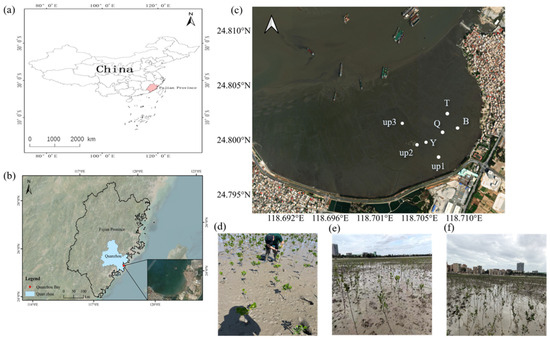
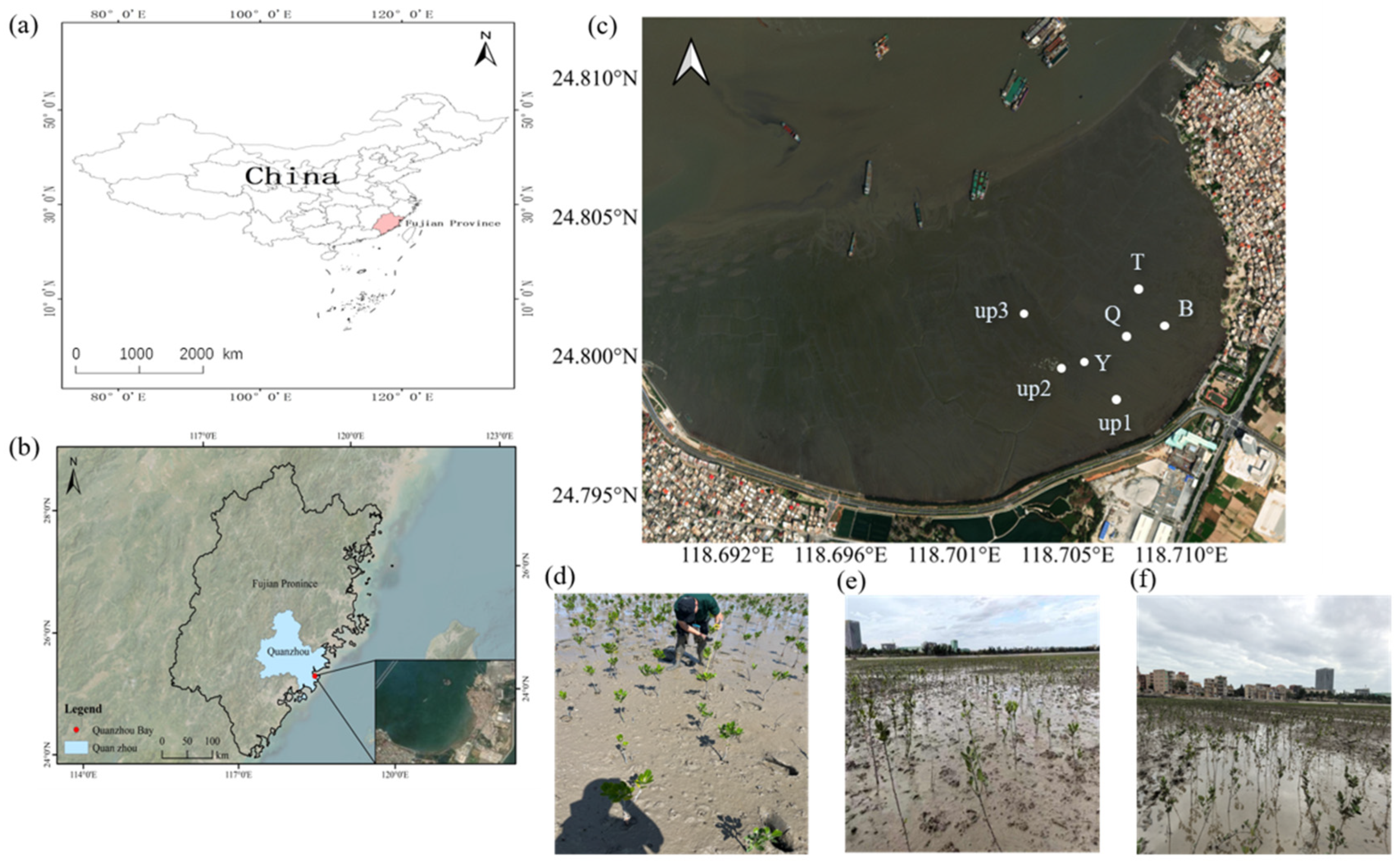
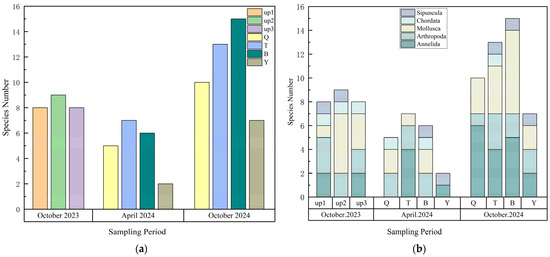
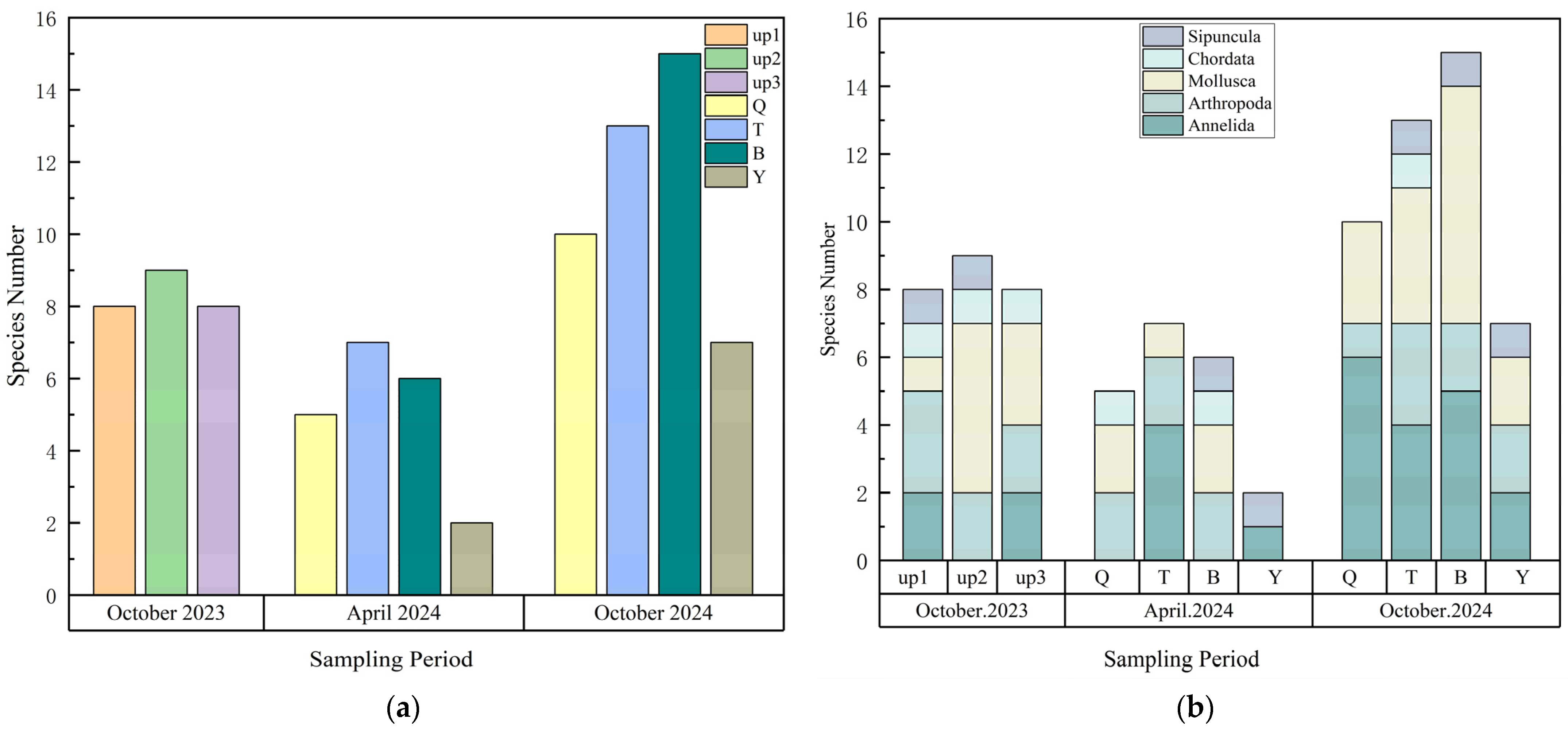
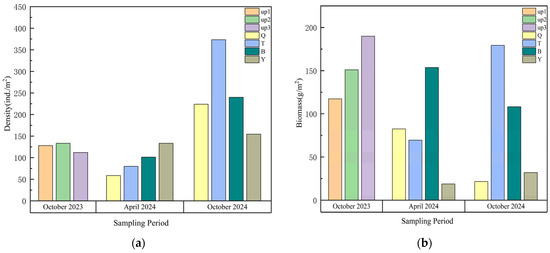
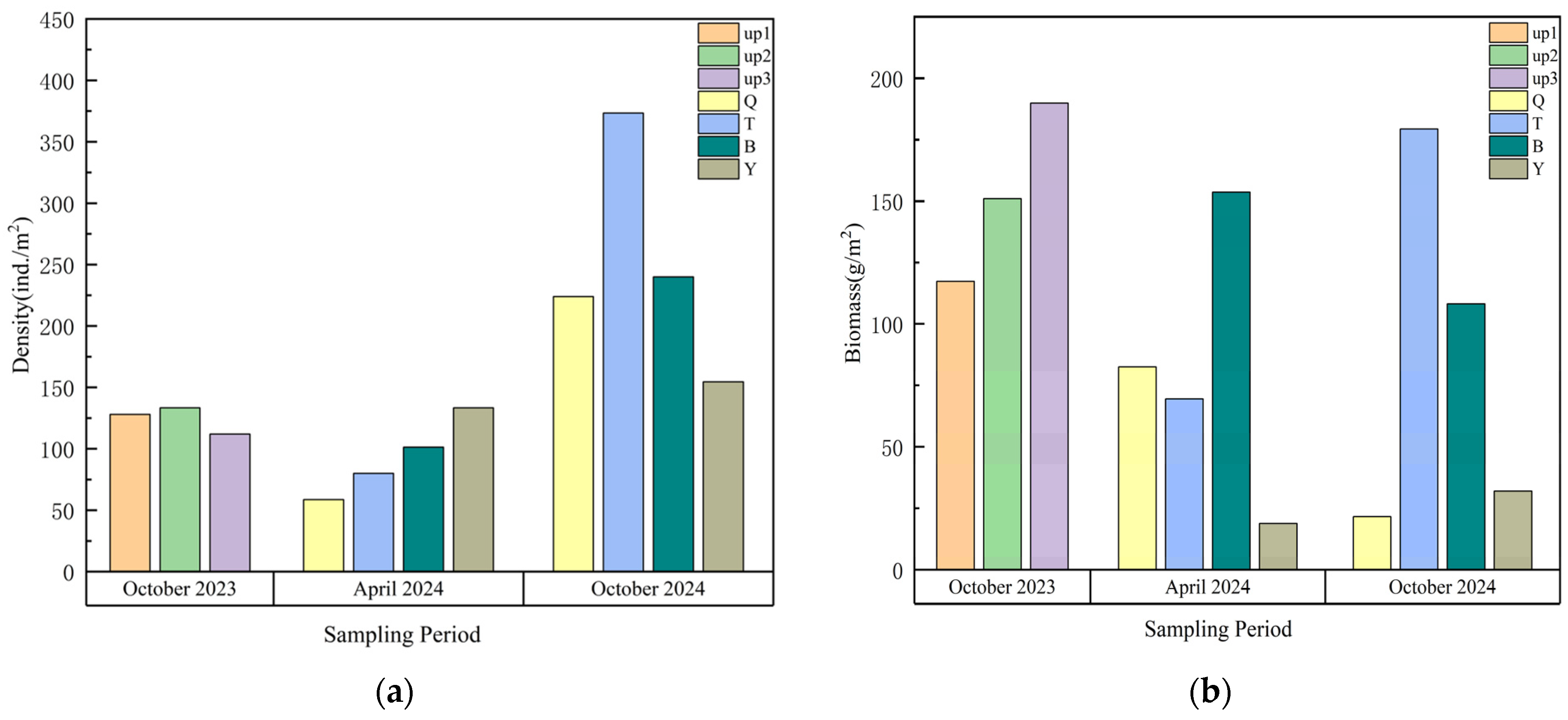
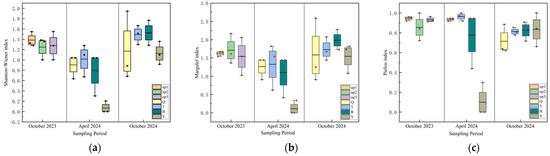
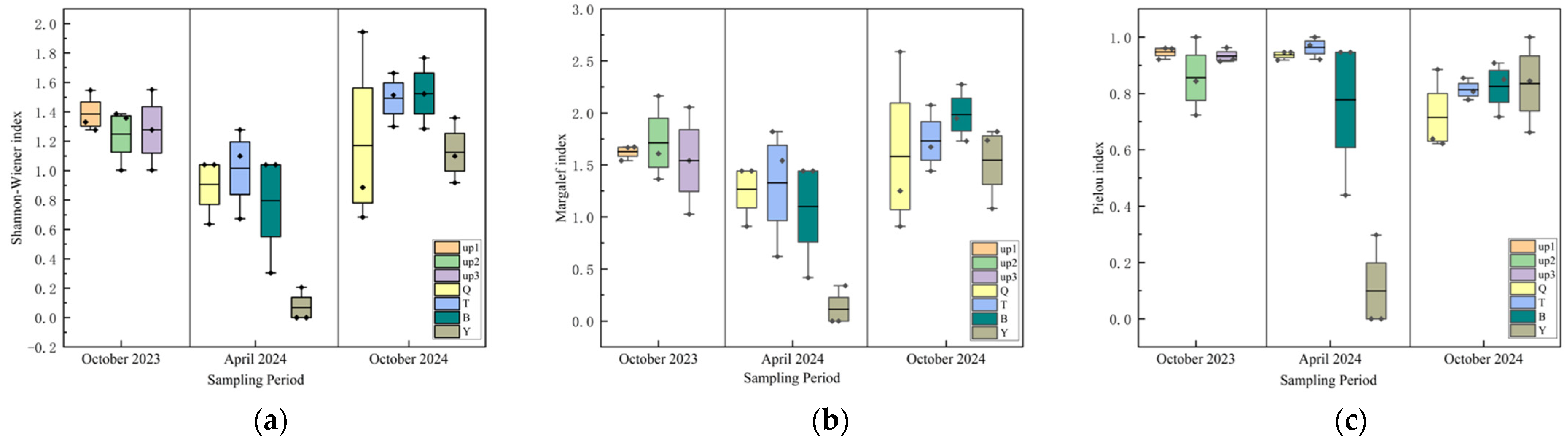
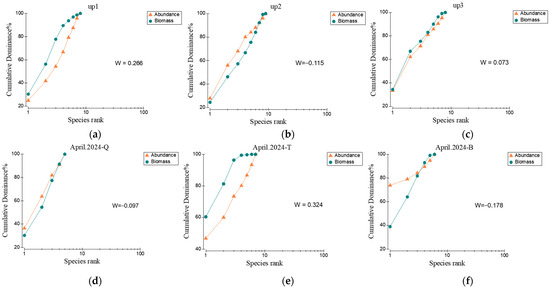
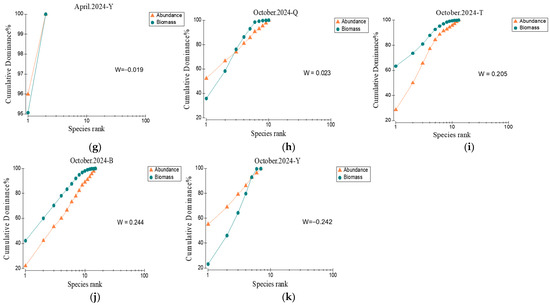
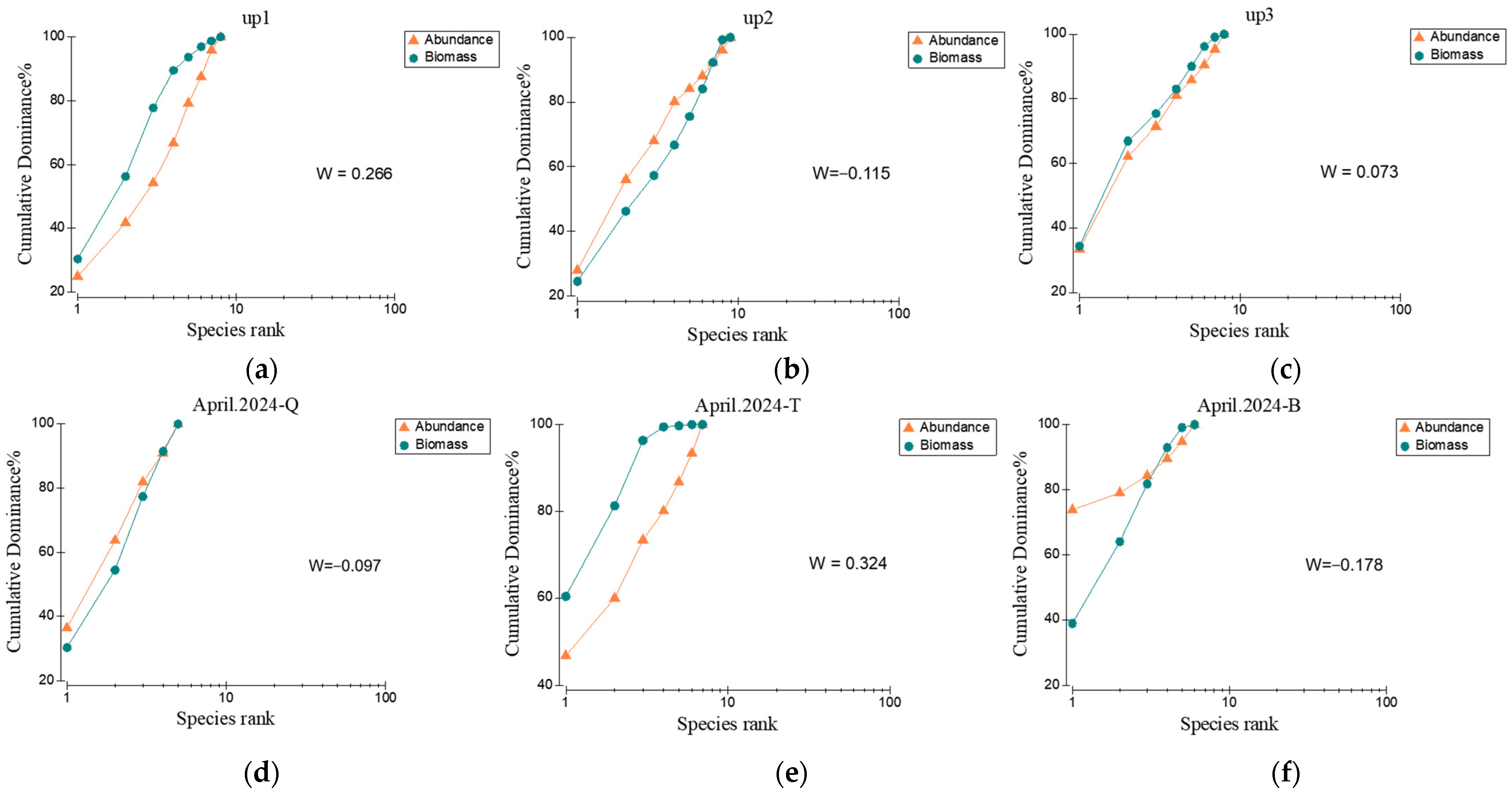
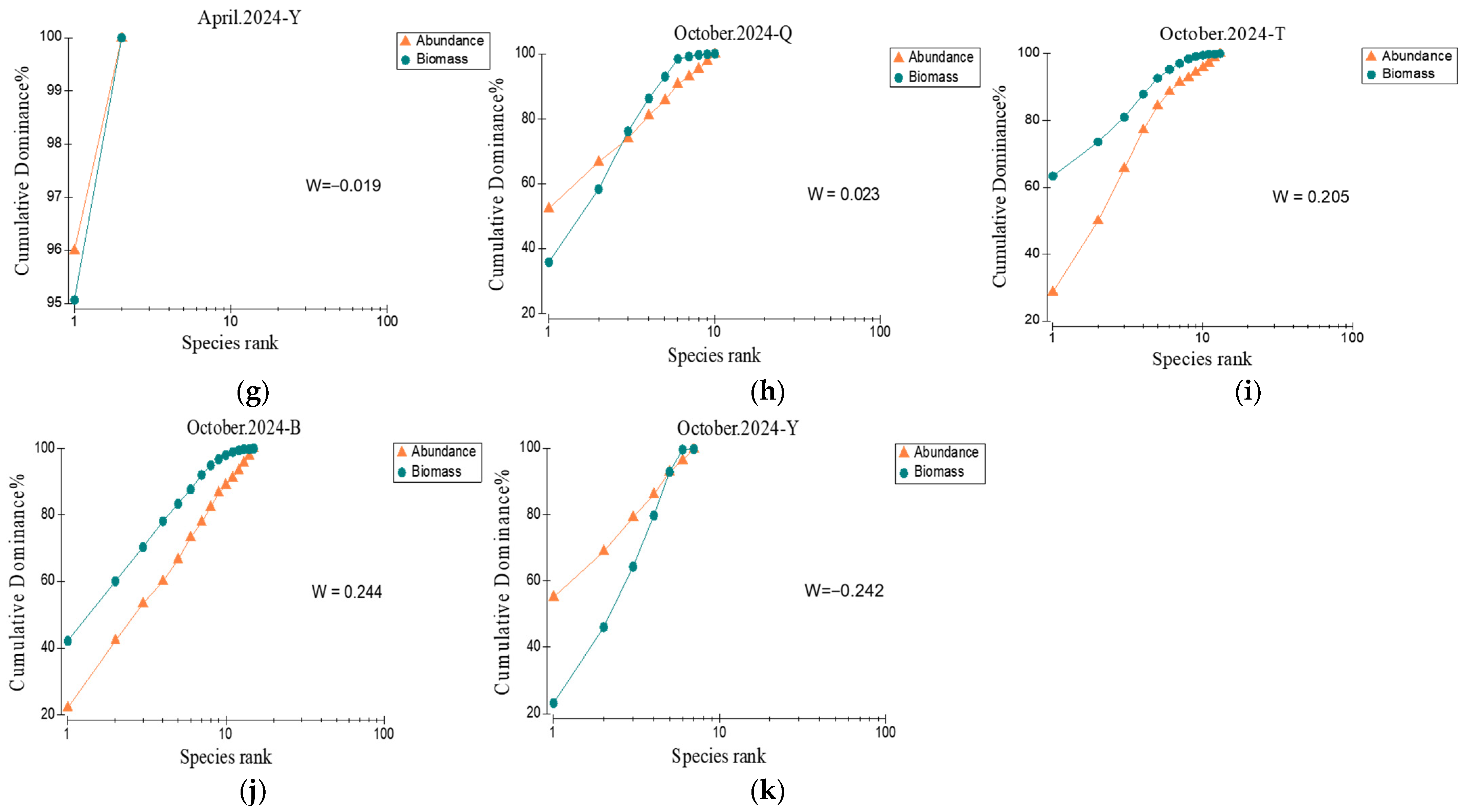
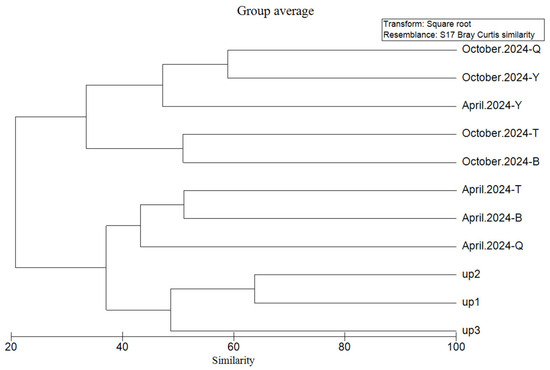
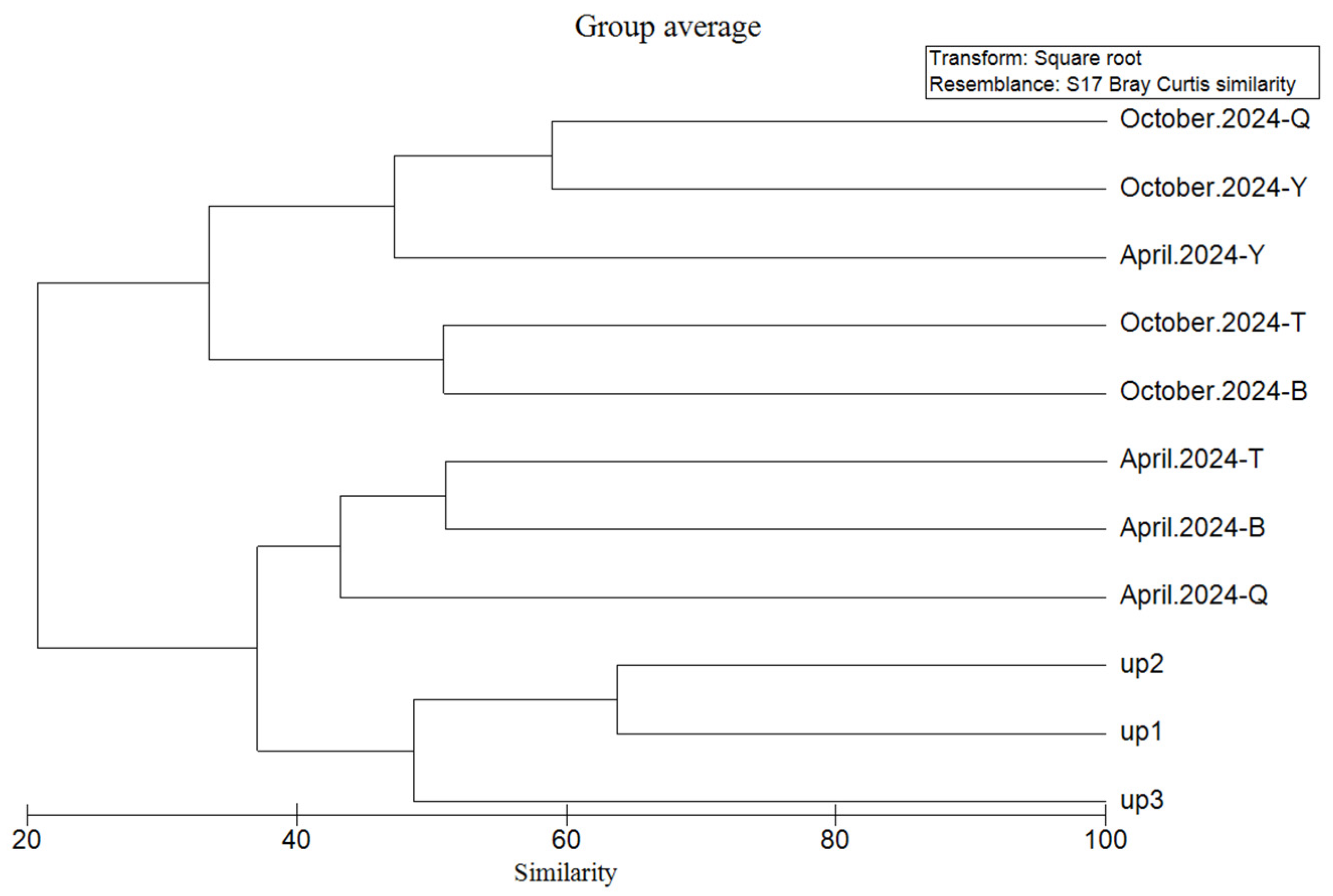
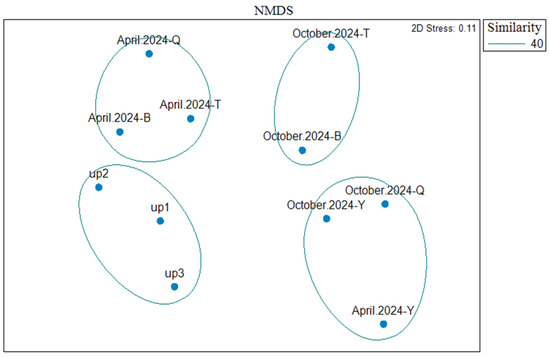
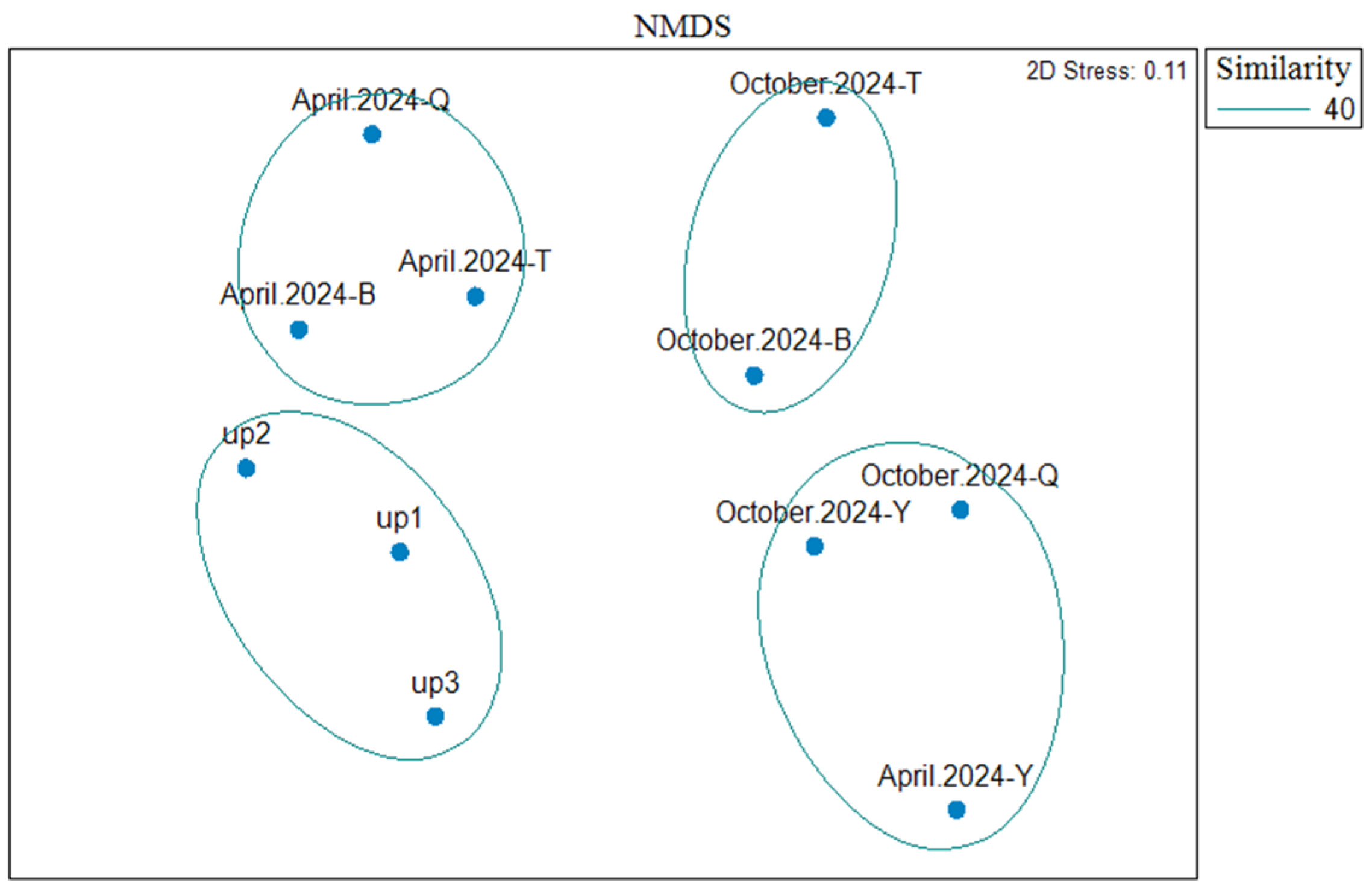
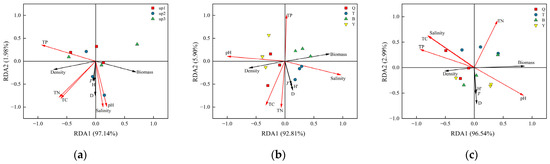
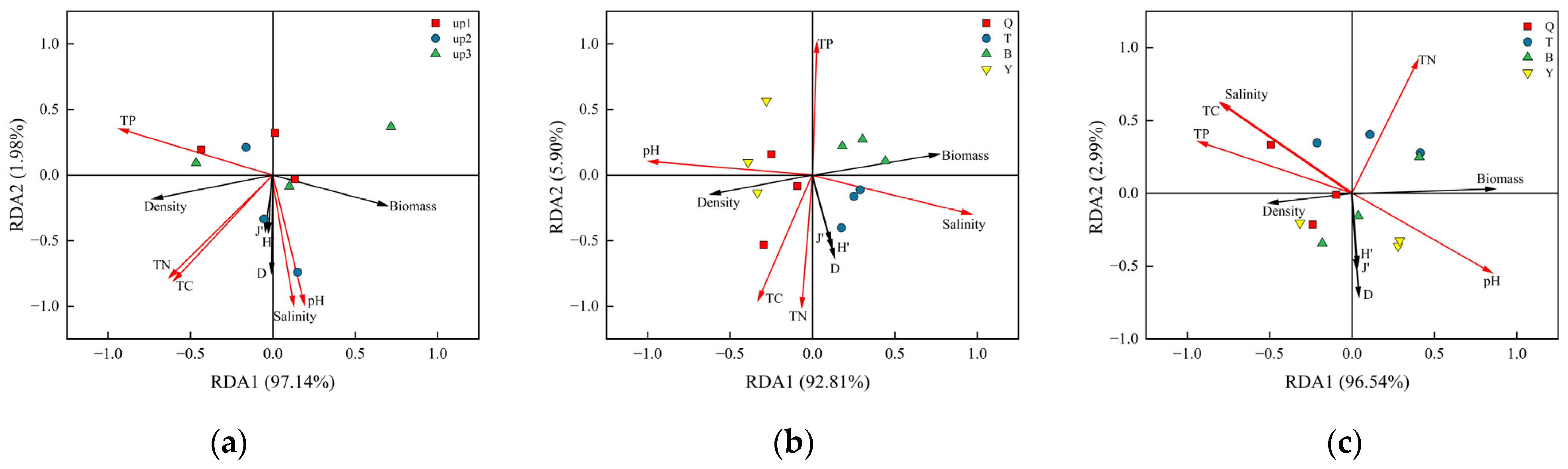

Disclaimer/Publisher’s Note: The statements, opinions and data contained in all publications are solely those of the individual author(s) and contributor(s) and not of MDPI and/or the editor(s). MDPI and/or the editor(s) disclaim responsibility for any injury to people or property resulting from any ideas, methods, instructions or products referred to in the content. |
© 2026 by the authors. Licensee MDPI, Basel, Switzerland. This article is an open access article distributed under the terms and conditions of the Creative Commons Attribution (CC BY) license.