


Highlights
What are the main findings?
- Biological treatments may be ineffective at removing persistent pharmaceutical contaminants.
- Thermal processes like pyrolysis and gasification achieve >90% removal of most PPCPs in sludge.
- Carbon-based byproducts (biochar, hydrochar) offer low-cost solutions for pollutant capture.
- Improved efficiency of the current treatment methods is needed to address persistent contaminants in wastewater.
- Thermal processes attain safe sludge valorization and reduce environmental risks.
- Carbon byproducts can boost contaminant removal and support sustainable sludge land use.
Abstract
The transition to a circular economy requires the safe management of sewage sludge through nutrient and energy recovery. However, pharmaceuticals and personal care products (PPCPs) present a significant challenge. These compounds tend to accumulate in sludge via sorption, shifting the environmental burden from the aqueous phase to the sludge. This manuscript provides a comprehensive review of the scientific literature on technical alternatives for valorizing sewage sludge and removing emerging contaminants. The study evaluates the limitations of conventional biological methods, such as anaerobic digestion and composting, which exhibit variable efficacy and are often insufficient to degrade some commonly used pharmaceuticals. On the contrary, thermal treatments (pyrolysis, gasification, and hydrothermal processes) are considered robust alternatives capable of achieving the high removal of chemical compounds. Furthermore, the article emphasizes the innovative potential of utilizing carbon-based byproducts (biochar and hydrochar) as adsorbents, catalysts, or soil amendment to enhance the removal of PPCPs within the treatment infrastructure itself. The integration of advanced thermal technologies is essential to mitigate the risks of contaminant transfer to the food chain and ensure a safe and sustainable nutrient cycle.
1. Introduction
Traditional wastewater treatment plants rely on biological processes to reduce the organic content present in wastewater. However, this approach also generates a sludge byproduct, which requires additional processing. Concerns regarding the management and valorization of sewage sludge have garnered attention from the scientific community, primarily due to the presence of emerging pollutants and microplastics. The complex links between human well-being and environmental protection have placed growing pressure on wastewater treatment and sewage sludge legislation to address environmental preservation, public health, climate change impacts, and socio-economic benefits [1]. The European wastewater treatment directive was updated to align with the Zero Pollution Action Plan, addressing the impacts of microplastics, pharmaceuticals, and cosmetics, as well as the high costs of their removal [2]. Despite the potential of municipal wastewater to irrigate and fertilize crops and generate energy through sludge valorization [3,4], implementing this concept is challenging. This difficulty stems from the need to eliminate micropollutants and the inherent risks posed by certain heavy metals and persistent compounds such as microplastics and pharmaceuticals. Standardizing detection methods and limits is essential for the safe land application of sewage sludge. This requires common terminology, consideration of soil and climate, and a strategic framework for sustainable resource recovery [5,6].
Wastewater treatment plants (WWTPs) receive residual water containing pharmaceuticals and chemical compounds from cosmetics and personal care products, as well as other contaminants from cleaning and common household disinfectant products. Conventional treatment processes, including waste-activated sludge and biofilm-based systems, have been shown to remove some of these pollutants through degradation or by sorption into the sludge matrix. Nevertheless, a significant proportion of complex compounds may not be effectively treated and thus be permitted to remain in the effluent stream. The recently introduced Directive (EU) 2024/3019 [7] provides for the implementation of quaternary treatment in conventional WWTPs to eliminate organic micropollutants. These compounds constitute a substantial proportion of the pollution load entering the environment, for which removal technologies are commercially available. With regard to the 2024/3019 Directive, “the quaternary treatment should be imposed on the basis of the precautionary principle, in combination with a risk-based approach”. This implies that treatment plants serving populations of 150,000 or more inhabitants should implement this type of facility. This statement highlights concerns about the adequacy of current treatment technologies, the additional energy required, operational costs, and the monitoring tasks required for emerging contaminants. The regulation proposes extended producer responsibility to allocate costs, but this may shift the burden to consumers. A national tax could offer a more balanced approach by avoiding price increases for essential pharmaceuticals that lack viable substitutes or greener alternatives.
The increase in the number of installed WWTPs results in sewage sludge as an annoying byproduct. Directive 86/278/EEC (June 1986) regulating sewage sludge land application needs updating and has been recently submitted to evaluation as part of the Circular Economy Action Plan, with results reported in Document 52023SC0157 [8]. This document highlights that removing pollutants from wastewater can increase sludge contamination, posing a risk of spreading these pollutants through sludge-based agricultural practices, and that targeted source control would reduce treatment requirements.
As shown in Table 1, a collection of analytical studies has been assembled that quantify pharmaceuticals, personal care products, and emerging contaminants in wastewater treatment plants, with some studies reporting low removal values or even null removals for certain compounds [9,10,11,12,13]. A concern is the potential presence of these compounds in water resources [14] and the risk of bypassing process removal in conventional water treatment systems, as reported by Charuaud et al. [15] and earlier by Kloepfer et al. [16].
Table 1.
List of some studies available in the scientific literature dedicated to the monitoring of emerging contaminants and pharmaceutical and personal care products in WWTPs.
Wastewater from antibiotic manufacturing plants may pose an environmental risk due to the organic molecules released and their transformation products. This requires estimating ecological toxicity and antimicrobial resistance risks, as some of these intermediates may be more persistent or toxic than their parent compound [28,29]. However, PPCPs in domestic wastewater are unavoidable due to daily use, and some contaminants will persist even if industrial sources are removed. Effective treatment is therefore needed to eliminate microcontaminants or reduce their toxicity to acceptable levels. Conventional wastewater treatment processes are often inadequate, as they typically result in only partial biodegradation, sorption onto sludge, incomplete mineralization, and in some cases, the formation and release of toxic intermediate byproducts.
Compliance with government regulations may not be enough in fragile or arid regions, or where water reclamation is required. Gholipour [30] highlighted that the Kashaf River in Iran is an example of the strict measures needed to protect arid regions receiving wastewater treatment plant discharges and to prevent natural wetlands from becoming sacrificial sinks for pollutants. Kekana et al. [31] reviewed wastewater reuse in the Republic of South Africa, a region plagued by persistent droughts and unpredictable rainfall, where there is a risk of exposure to high levels of salts, heavy metals, and microplastics when treated wastewater is used for agricultural irrigation. Another challenge is the high cost of detecting trace contaminants in complex environments, along with the expensive treatments required to remove them when regulations are enforced, especially in developing countries [32]. If providing basic sanitation services to the population is already a significant challenge, implementing advanced technologies to remove emerging contaminants is likely to be unfeasible.
Extensive research has examined contaminant removal, but in conventional plants, much of the reduction results from sorption onto sludge rather than biodegradation. This shifts pollutants between phases rather than eliminating them, underscoring the need for effective solutions to remove PPCPs, microplastics, and antibiotic resistance-related materials. Despite the growing body of literature on the fate and treatment of contaminants in wastewater and sewage sludge, comprehensive assessments that integrate technological, environmental, and regulatory perspectives remain scarce. Existing studies often focus on either removal efficiencies or specific treatment technologies, without providing a holistic analysis of their implications for resource recovery and circular economy strategies. This review synthesizes current knowledge on established and emerging treatment technologies for PPCPs and microplastics in the context of a circular economy, highlighting the challenges and opportunities of integrating these contaminants into resource recovery initiatives. The present manuscript focuses on alternatives for removing contaminants from sludge and organic slurries, paying special attention to thermal treatments for their intrinsic advantages in energy recovery, the conversion of sludge into valuable products, and reduced material requiring final disposal. The aim of the manuscript is to cover the assessment of technologies for the removal of PPCPs and microplastics from sludge, analyze challenges associated with land application of treated sludge and propose strategies for future research directions and policy development regarding resource recovery and sustainable sludge management.
2. Materials and Methods
The literature search covered the period between 2010 and 2026, primarily, but also considered previously published manuscripts that were highly relevant to the subject. The primary databases consulted were Google Scholar, Scopus, and Web of Science. The search keywords used to collect relevant information included: “sewage sludge”, “pharmaceuticals and personal care products”, “treatment”, “removal”, “emerging contaminants”, “monitoring”, and combinations of these terms using “and”, “or” as Boolean operators. Initially, the number of documents found was too high; i.e., when using the first two streams, Google Scholar reported 67,800 documents, which was reduced to 18,100 when only manuscripts published after 2010 were considered. Therefore, a secondary search was performed, considering only the most relevant documents on the first four pages of results (excluding reviews) and those obtained by searching for keywords in the title only, reducing the number to 259.
The previous procedure was repeated for Scopus and Web of Science, yielding 66 and 124 documents, respectively. From this point, manuscripts were individually selected from 181 personally revised manuscripts, after excluding those without a direct relation to the subject, duplicates, and those from unreliable sources.
The selected documents included peer-reviewed journal articles and conference manuscripts. Review documents and book chapters were selected in a second round after choosing the main documents related to experimental work, bringing the total to approximately 460 documents. The literature search prioritized studies that quantified contaminants in the sludge matrix and evaluated treatment methods for their removal from sewage sludge, reducing the total to 350. Particular focus was given to biological and thermal treatments. For this reason, additional keywords were added in line with the previous search, including “biological degradation” and “thermal treatments”, with the specific desired technology serving as an internal selection parameter. Recommended manuscripts by the internal journal algorithm were also considered suitable in the present work. The title and abstract sections were manually revised for a preliminary screening. From this point, all selected documents were carefully read and assessed for inclusion in this review, with relevance determined individually, resulting in a final number of 251 references.
3. Sewage Sludge Treatment and the Presence of Contaminants in the Sludge Matrix
The treatment of wastewater involves more than just removing nutrients and organic matter from the liquid phase. WWTPs must also process sewage sludge—a slurry primarily composed of solids from the primary settling stage and biological material that settles out in the waste activated sludge system, when this treatment configuration is applied. While the principles of the circular economy emphasize the reuse and recycling of materials [33], the presence of persistent and hazardous contaminants in wastewater and sewage sludge can render this strategy ineffective, as it poses a significant risk of dispersing toxic and recalcitrant organic compounds into the environment. Sorption of contaminants onto the sludge matrix concentrates these compounds in a separate phase, shifting the removal challenge to the sludge line. Östman et al. [34] demonstrated this issue in their assessment of chlorhexidine, showing that removal rates reached 91% in the water line thanks to its accumulation in the sludge matrix. However, chlorhexidine did not degrade during anaerobic digestion—a concerning finding given its high influent load (approximately 208 kg/year). This is not the only example of no degradation occurring. Stasinakis et al. [12] likewise reported the accumulation of perfluorinated compounds in sludge via sorption processes, with no degradation during anaerobic digestion.
The work of González et al. [35] showed the presence of the organic pollutants nonylphenol and its derivatives (classified as endocrine disruptors) in raw and treated sludge samples, regardless of the treatment method (aerobic or anaerobic). These compounds are recurrent in wastewater due to the use of nonylphenol polyethoxylates in cleaning products. Previous work by Santos et al. [36] reported similar findings when evaluating the presence of nonylphenol mono- and diethoxylates (NPEs), di-(2-ethylhexyl)phthalate (DEHP), and seven polychlorinated biphenyl (PCB) compounds. DEHP and NPEs were detected in all sludge samples (both aerobically and anaerobically stabilized), whereas PCB compounds were only detected in anaerobically stabilized sludge. In a similar manner, Ismail et al. [37] demonstrated strong adsorption of quaternary ammonium compounds onto the sludge matrix, underscoring the need to determine their fate when biosolids are used as organic amendments in agriculture.
Vom Eyser et al. [38] compared the concentrations of various pharmaceuticals reported in sewage sludge in different countries. They found that most of the compounds investigated (diclofenac, ibuprofen, phenazone, carbamazepine, sulfamethoxazole, bezafibrate, fenofibric acid, metoprolol, propanolol, clarithromycin, roxithromycin, and erythromycin) occurred within similar concentration ranges in all of the cases studied. Table 2 lists some of the PPCPs measured in sewage sludge by various authors.
Table 2.
Organic compounds measured in sewage sludge by different authors.
The adsorption of contaminants onto the sludge matrix depends on parameters such as the octanol-water partition coefficient (log Kow), the compound’s solubility and concentration, and its pKa [44,45]. However, the sorption capacity is not well predicted by the log Kow parameter in sludge. Thus, it is necessary to determine a similar coefficient that accounts for the sludge-water partition coefficient. The solid-water distribution coefficient (Kd) represents the ratio between the concentration found in the sludge and that in the aqueous phase. Log Kd values aid in more accurately estimating the fate of pharmaceuticals in sludge, as the presence of polar functional groups can alter behavior through interactions arising from the ionization state of the molecule [46,47]. Therefore, interactions are not well-predicted by the simplistic assumption of the octanol-water partitioning coefficient.
The land application of biosolids and digestate is one of the most viable strategies for valorizing these byproducts, as it returns nutrients to the agricultural cycle. Moreover, continued use of biosolids offers a practical way to enhance soil carbon storage, with sequestration capacity generally increasing with the application rate [48,49]. Nevertheless, the presence of emerging contaminants may undermine these potential benefits. This risk should be carefully evaluated, given the significant advantages of nutrient recovery and carbon cycle management. There is a legitimate concern not only about the presence of pharmaceuticals and personal care products, but also of microplastics and per- and polyfluoroalkyl substances (PFAS), which can contaminate groundwater and surface water. This creates a risk that plants will take up these substances from soils amended with biosolids, and consequently, contaminate food resources [50]. The work by Steele et al. [51] highlights the importance of not only monitoring contaminants in sludge, but also gathering information from public databases to enable robust risk analysis and determine the best valorization pathways, and if necessary, constrain the agronomic application of sludge.
The study by Prosser and Sibley [52] evaluated the expected risks of using biosolids and wastewater for soil amendment and irrigation on agricultural land. These authors reported that the hazard quotient was below 0.1 for most residues and application practices studied, with hazard quotients exceeding 0.1 observed for carbamazepine, diphenhydramine, salbutamol, triclosan, and sulfamethazine when assessing biosolids or manure amendments. It should be highlighted that the direct application of biosolids to agronomic land where vegetables and fruit are grown for consumption in their raw state is prohibited by Article 7 of Directive 86/278/EEC of 1986 [53]. Spreading on grazing lands or forage crops shortly before grazing or harvesting is also prohibited (requiring a minimum waiting period of three weeks). A minimum waiting period of 10 months is required before applying biosolids to soils used for growing horticultural or fruit crops intended for consumption. Therefore, any risk quotients estimated should take into account that the experimental assessment is based on a methodology specifically designed to evaluate risk, rather than real-world application conditions. The methodology uses doses that are often much higher than those applied under agronomic practices to ensure reproducible results within a short evaluation period.
Microplastics are commonly detected in WWTPs, with the majority being removed during pre-treatment steps. For instance, in grease-trap units, microplastics are separated by flotation and subsequently accumulate in the lipid phase. Alternatively, they settle with sludge particles and then undergo sludge stabilization [54,55]. WWTPs that use membrane bioreactors, dissolved air flotation, or tertiary filtration as treatment options exhibit greater microplastic retention in sludge [56]. Reports evaluating the effects on the performance of microbiological processes indicate no significant impact on wastewater treatment, but some inhibitory effects on biogas production have been reported at excessively high levels of microplastics [57,58,59]. Nevertheless, there is significant concern about the amount of material released with treated wastewater and stabilized biosolids.
The study conducted by Corradini et al. [60] sought to determine the presence of microplastics in 30 agricultural fields, with a control field contributing to a total sample size of 31. These fields were located in Melipilla County, in the Metropolitan Region of Chile, and had a ten-year record of sludge application. The authors reported a cumulative trend over time, with successive application rates. A similar study was conducted by Van den Berg et al. [61], who evaluated 16 fields near Valencia (Spain). These authors also reported the presence of microplastics due to sludge application but found significant levels in soils not subject to this practice. The average content of soils not submitted to sludge spreading was 2030 particles/kg compared to 5190 particles/kg in soils receiving biosolids. Their results highlight the widespread presence of these substances at levels high enough to indicate multiple sources of contamination in agricultural lands beyond direct biosolid application.
The accumulation rate in soils cannot be linearly correlated with the application rate of biosolids due to particle migration into deeper soil zones, fugitive emissions associated with water runoff, material loss through the formation of airborne dust particles, and degradation by soil microflora [62,63,64]. A similar comparison can be made with any other organic pollutant with a low removal rate in a conventional WWTP, the presence of which in sludge is therefore inevitable.
3.1. Biological Methods for Removing Contaminants from Sludge
Biological methods are widely used to stabilize organic matter in sludge and reduce its putrescible potential. Typical technologies for improving sludge quality are extended aeration, anaerobic digestion, and composting. These processes transform labile organic compounds into more complex structures, reducing the proportion of volatile solids, increasing mineralization, and enriching the material with humic and fulvic acids, which benefit soils [65,66,67]. In addition, these biological processes can also degrade some organic contaminants. He et al. [68] reviewed feasible technologies for removing contaminants from sludge and considered composting, as a biological treatment, to be one of them, although anaerobic digestion and aerobic oxidation of sludge can also degrade some pharmaceutical compounds [69,70,71]. Other feasible alternatives for contaminant removal identified included hydrothermal treatments, electrochemical processes, and advanced oxidation processes. Except for biological treatments, these technologies typically require substantial thermal or electrical energy, as chemical conversion indiscriminately targets all organic matter in the stream, thereby leading to excessive oxidant demand.
The sludge matrix consists of a complex mixture of volatiles (such as extracellular polymers, proteins, and polysaccharides) and inorganic solids. To reduce their putrefaction potential for agronomic valorization, this mixture must be stabilized. However, the presence of hazardous chemical compounds that can become trapped within the sludge structure [72] underscores the urgent need for practical, cost-effective solutions that can ensure their complete degradation and prevent their release into the environment. Narumiya et al. [39] measured PPCPs in sludge samples obtained from 4 WWTPs located in the Kansai region of Japan (Kyoto and Osaka prefectures) and reported the presence of 45 out of 48 analytical standards, indicating that ofloxacin, triclosan, and triclocarban were the most prevalent compounds, exceeding 1 mg/kg of dry sludge. Their findings revealed potentially high levels of organic contaminants and underscored the need for robust monitoring and well-informed decision-making in sludge valorization. This should be based on up-to-date technical knowledge to ensure safe agricultural use or the implementation of advanced contaminant removal technologies.
Although several microorganisms have been reported to degrade chemical pollutants such as atrazine, chlorinated compounds, and various aromatic chemicals, many of these degraders are aerobic species—including Pseudomonas sp., Streptomyces sp., and Sphingomonas sp., among others [72,73,74,75]. On the contrary, large scale sludge stabilization processes typically rely on anaerobic conditions, which favor energy recovery from sludge and reduce operational energy demands by lowering mixing requirements and eliminating aeration. Therefore, many organic contaminants will remain as recalcitrant compounds during conventional anaerobic stabilization in large WWTPs, unless an additional stabilization stage, such as composting, is included to increase sludge mineralization. Composting is one of the most effective ways to stabilize sludge organic matter and improve its quality by producing humic and fulvic substances that benefit soil microbiota. In addition, the organic mineralization occurring under composting conditions is greater than that achieved through anaerobic stabilization processes, resulting in a higher degree of aromatization and greater reduction in labile compounds, as shown by spectroscopic and thermal analyses [76]. Numerous studies have demonstrated significant improvements in the structure of organic matter, reporting greater destruction of aliphatic and polysaccharide components and increased aromaticity [77,78,79].
3.1.1. Composting
Composting is a controlled biological process where organic matter in sludge is decomposed by microorganisms in the presence of oxygen. The sludge is mixed with a structural agent (typically wood chips, straw, or sawdust) to improve the porosity of the composting pile and favor aeration. The process requires adjusting the moisture content and balancing the carbon-to-nitrogen ratio. During composting, microorganisms degrade organic material, generating large amounts of heat from their metabolism, which causes a temperature rise in the mixture. This way, an auto-induced thermophilic phase is created, which helps in destroying pathogens, weed seeds, and harmful organisms. The process finalizes with a maturation stage once the organic load is reduced and the temperature is lowered, both of which indicate reduced microbial activity. The material stabilizes into a humus-like product denoted as compost. The final compost is reduced in volume, less odorous, and can be safely reused as a soil conditioner.
The benefits of contaminant degradation in composting experiments were demonstrated by Martín et al. [80]. These authors studied the degradation of eight priority organic pollutants (linear alkylbenzene sulfonates (LASs), nonylphenol ethoxylates (NPEs), and Di(2-ethylhexyl)phthalate (DEHP)) during the composting process. They reported degradation of LASs (59–66%) and DEHP (although volatile loss prevented them from obtaining a confident value), with higher rates observed in piles that reached thermophilic conditions. Nevertheless, in the case of NPE, these authors observed no clear conversion. Contrary to expectations, they observed an increase in concentration over the experimental period. However, Zheng et al. [81] reported an increase in NPE degradation (from 19.7% to 41.6%) in composting piles in a previous experiment when ventilation was increased, and the process temperature was carefully controlled.
The composting process has been considered a feasible option not only for removing contaminants but also for removing antibiotic resistance genes (ARGs). Bao et al. [82] demonstrated this by adding calcium peroxide as a cost-effective way of enhancing radical oxidation and stabilizing mobile heavy metals. López-González et al. [83] reported a similar outcome without adding an inorganic supplement to enhance radical generation. They conclude that the thermophilic oxidative phase reached during composting was enough to significantly reduce antibiotic-resistant bacteria. The presence of contaminants in sludge is a growing concern, as is the risk of ARG regrowth after composting, since these materials are not completely removed during the process [84]. As sewage sludge contains a diverse range of microorganisms and nutrients, it is reasonable to assume that antibiotic-resistant bacteria will proliferate and accumulate in this matrix, facilitating the transfer of ARGs among different biological species [85]. In addition, most chemical and physical pretreatment techniques, such as alkali pretreatment, coagulation, microwave, or thermal pretreatment, have been demonstrated to be ineffective in achieving an acceptable removal rate of ARGs when these stages are considered as prior steps before biological treatments [86,87]. A recent strategy to enhance ARG removal during composting involves supplementing with biochar derived from biosolids. This approach has been shown to contribute to the closure of waste valorization cycles. As demonstrated by Wu et al. [88], a significant decrease in both intracellular and extracellular ARGs is attained when biochar is added, owing to alterations in community structure, physical adsorption of extracellular ARGs, and disruption of bacterial cell membranes.
3.1.2. Anaerobic Digestion
Anaerobic digestion represents another of the most widely implemented technologies for sludge stabilization in conventional WWTPs. Anaerobic digestion is a biological process in which microorganisms break down the organic material in the absence of oxygen. The process involves several stages: hydrolysis, where complex organics are transformed into simpler compounds; acidogenesis, which is the second stage, where volatile fatty acids are produced in a delicate equilibrium, avoiding their build-up and maintaining neutral conditions. The third phase is acetogenesis, which has as main products acetic acid, hydrogen, and carbon dioxide. The final stage is methanogenesis, which gives rise to methane production and releases, as a final output, a gaseous phase known as biogas, with methane and CO2 as the main components. During anaerobic digestion, the organic content of the sludge is stabilized, reducing its volume and odor. At the same time, biogas can be valorized to produce energy or upgraded to act as a natural gas surrogate. The remaining material, known as digestate, can be used as a soil conditioner. A valorization option that allows carbon and nutrients to be returned to the soil.
The primary benefits of this process are the generation of biogas and its comparatively low energy requirements, making it efficient and economically viable. However, when addressing the degradation of emerging contaminants, anaerobic digestion presents important limitations, particularly due to the difficulty in transforming certain resistant molecular structures. This limitation substantially reduces the removal efficiency of numerous PPCPs, as their complex chemical bonds often remain resistant to degradation.
The degradation capacity of methanogenic microflora is linked to the presence of acetate kinase enzymes [69]. This relationship was observed during testing of the degradation of galaxolide, naproxen, nonylphenol, octylphenol, ibuprofen, diclofenac, bisphenol A, and triclosan under anaerobic conditions [69]. The division of the digestion process into two phases, a feature commonly applied to increase solid removal and thereby process efficiency, is now seen as an alternative for improving PPCP removal. The two-stage process (acidogenic-methanogenic reactor) was tested by Carneiro et al. [70], who reported removal rates greater than 95% for sulfamethoxazole, methylparaben, propylparaben, naproxen, and acetaminophen. Higher removals were also observed for the elimination of persistent compounds in anaerobic environments, such as ibuprofen, carbamazepine, metoprolol, ciprofloxacin, and diclofenac, with removal rates exceeding 60% [70]. The results of this study establish new research directions for the removal of trace contaminants during conventional anaerobic digestion. This finding is especially noteworthy given the limited degradation observed in this environment in previous studies by Yang et al. [89] and the poor removals (17–50%) achieved even after applying thermal pretreatments at 150 °C [90].
Carballa et al. [91] previously assessed the effects of retention time and temperature on the digestion process when testing the degradation of 13 PPCPs, reporting coincident results: no conversion of carbamazepine and removal percentages between 20 and 60% for the remaining compounds. The study revealed no significant effect when increasing either solid retention time or digestion temperature. However, in a subsequent study carried out by Zhou et al. [92], these parameters were found to be significantly associated with the degradation performance of selected compounds. These authors studied the removal of four pharmaceutical active compounds (diclofenac, clofibric acid, carbamazepine, and triclosan) under thermophilic and mesophilic conditions at different retention times. The findings indicated that thermophilic conditions enhanced the removal efficiency of carbamazepine, and triclosan, whereas diclofenac removal was more effective under mesophilic conditions. The minor discrepancy between the experimental conditions and the modest increase in degradation efficiency with increased solid retention time may have led to this phenomenon being overlooked in earlier research.
Tahir et al. [93] showed that the degradation of carbamazepine was enhanced by the presence of acidogenic and sulfate-reducing bacteria, with an astonishing 46% degradation under anaerobic conditions. These results may explain the high removal rates reported by Carneiro et al. [70] in their examination of the two-stage anaerobic configuration. In a similar vein, Yang et al. [94] reported that the presence of this pharmaceutical enhanced the growth of hydrolytic and volatile fatty acid-producing bacteria, and the addition of persulfate facilitated its conversion via hydroxylation and deamidation.
3.1.3. Aerobic Digestion
The last biological process considered in the present review capable of stabilizing sludge and degrading contaminants is extended aeration, also known as aerobic digestion. This process constitutes an additional biological pathway capable of mineralizing organic matter in a short residence time. However, its implementation is generally restricted to small scale WWTPs due to the substantial energy requirements for aeration. The enhanced removal of organic contaminants may offer a noteworthy advantage, warranting its application under specific operational conditions. The study conducted by Vaithyanathan et al. [71] reported removal percentages ranging from 62 to 92% for various trace organics, including eight pharmaceutical compounds and two pesticides, through the integration of enzymatic pretreatment (GTB2X enzyme) and subsequent aerobic digestion with Bacillus subtilis bioaugmentation. In addition, ultrasonication and alkaline pretreatments were examined, but they proved less efficient than enzymatic pretreatment.
Given the diverse degradation pathways required for the breakdown of complex molecules, integrating anaerobic and aerobic stages within a sequential treatment scheme has been shown to be more effective than using a single microbiological condition. The study carried out by Ahmad et al. [95] assessed the degradation of pharmaceuticals, including azithromycin, carbamazepine, diclofenac, mefenamic acid, and ibuprofen, along with one ibuprofen metabolite (1-hydroxy ibuprofen (1-OH IBP)). The study used a sequence of treatments: thermophilic reactors operated under anaerobic conditions in the first stage and aerobic/anoxic conditions in the second stage, with short retention times and on–off aeration cycles. This approach enabled the authors to achieve full treatment within 18 days, with 15 days allocated to the initial anaerobic stage and 3 days to the second stage. Notwithstanding favorable process conditions, mefenamic acid and carbamazepine showed no signs of degradation under any of the tested conditions, despite achieving 50% removal of ibuprofen. Furthermore, the concentrations of some effluent substances exceeded the initially applied values. This phenomenon has been attributed to the release of these compounds from the original sludge.
The three biological processes available for stabilizing sludge present advantages and disadvantages associated with the degree of mineralization attained, energetic considerations, and their ability to degrade complex organics. Table 3 summarizes their main features.
Table 3.
Main characteristics of biological process for sludge stabilization.
The findings of researchers examining the biodegradation of contaminants in sewage sludge unequivocally demonstrate that in many cases, biological processes alone are inadequate to attain the effective removal of all chemical compounds. The limited bioavailability of these substances is frequently attributable to strong adsorption onto the sludge matrix or their incorporation into complex organic structures and can significantly hinder microbial degradation. Consequently, the application of pretreatment strategies has emerged as a necessary step to enhance solubilization, promote the release of bound organic contaminants, and increase their accessibility to microorganisms. In this context, pretreatments have been shown to play a critical role in improving the overall efficiency of subsequent biological processes. The following section, therefore, examines pretreatment approaches reported in the extant literature and their potential to enhance the biological degradation of contaminants in sewage sludge.
3.1.4. Pretreatments for Improving Anaerobic Degradation of Contaminants
The application of thermal pretreatments prior to biological degradation of sewage sludge can be regarded as a technological alternative to aid in contaminant removal. The degradation of complex molecules under anaerobic conditions is usually limited, but the addition of a hydrolysis stage may release organic intermediates that are susceptible to subsequent anaerobic conversion. Figure 1 presents a schematic overview of the pretreatments examined in the scientific literature for their efficacy in removing contaminants prior to the implementation of a biological process.
Figure 1.
Schematic representation of typical pretreatment methodologies used to enhance biological degradation.
In the study conducted by Balasundaram et al. [96], the application of thermal pretreatments was examined within a temperature range of 120 to 180 °C. The pretreated sludges exhibited removal percentages exceeding 80% for trimethoprim, enrofloxacin, ciprofloxacin, and bezafibrate. However, other compounds, including carbamazepine, 17α-ethinylestradiol, and progesterone, showed removal percentages below 50%. This observation was previously made by Carballa et al. [97], who also evaluated the removal of organic contaminants under mesophilic and thermophilic digestion following thermal and alkaline pretreatments. These authors reported that more than 80% of the naproxen and natural estrogens was removed. However, carbamazepine proved to be recalcitrant. Guo et al. [98] also examined the degradation capacity of combining thermal pretreatments and digestion, testing temperatures between 70 and 170 °C with a posterior digestion stage. The contaminants evaluated in this study were the antibiotics sulfadiazine, oxytetracycline, and enrofloxacin during mesophilic pig manure digestion. The thermal pretreatment-digestion sequence enabled the complete removal of oxytetracycline and enrofloxacin. However, residual levels of sulfadiazine were measured at 150 °C (20% of the initial concentration) and at 170 °C (16% of the original content).
Alternative pretreatment methodologies, such as radio frequency and microwave irradiation, have also been proposed to enhance contaminant removal during biological treatment. These latter technologies can be considered variants of thermal pretreatment, as they involve heating the sample. Despite the superior efficiency and reduced energy consumption of radio frequency systems in comparison to microwaves [99], both systems are deficient in their inability to recover energy, a key advantage of conventional thermal pretreatments. This results in traditional thermal methods demonstrating superior overall energy performance. In the study conducted by Kor-Bicakci et al. [100], the efficacy of radio frequency and microwave pretreatments for the removal of ibuprofen, diclofenac, and carbamazepine was investigated. Although these authors reported an improvement in overall removal efficiency, carbamazepine remained highly recalcitrant, with removal rates of only 3% under thermophilic conditions and 6% under mesophilic conditions. Conversely, ibuprofen demonstrated higher removal rates under thermophilic conditions. However, the reported values were approximately 14%, and the degradation time tested was excessively long (60 days under batch conditions). As is well-documented, ibuprofen is notoriously resistant to degradation under anaerobic conditions. However, it has been shown that this substance is susceptible to rapid aerobic degradation [101,102]. The use of combined strategies, such as ultrasound and thermal pretreatments, has been shown to improve degradation by promoting the solubilization and bioavailability of organic compounds [103].
Pretreatments are frequently justified at the laboratory scale by the improvements in biogas reported by various authors [104,105,106]. Nevertheless, these benefits seldom offset the additional investment and energy requirements of the auxiliary equipment when implemented at full scale [107]. Consequently, the main practical benefit of pretreatment lies in the considerable reduction in sludge production rather than the increased biogas yield [108]. The potential to enhance the degradation of pharmaceutical compounds endows pretreatments with an additional advantage, rendering them appealing for industrial applications—provided that the organic removal efficiencies attained are sufficiently high. Otherwise, the adoption of alternative treatment technologies capable of achieving the complete elimination of recalcitrant molecules is the most rational choice to minimize the risks associated with sludge valorization.
Ultrasounds, mechanical, and enzymatic pretreatments were compared by Zhou et al. [109] in testing the removal of clofibric acid, triclosan, carbamazepine, and diclofenac during the digestion of sewage sludge under mesophilic and thermophilic conditions. Once more, the thermophilic regime showed superior performance when coupled with ultrasonic pretreatment, achieving removal percentages of 64–76%. Enzymatic pretreatment has been shown to enhance diclofenac removal to 74% when combined with papain under thermophilic conditions. These results underscore the critical role of solid retention time in enhancing the removal efficiency of various pharmaceutical compounds examined in this study. In a later experiment, the use of cellulase and zero-valent iron was also tested. While some antibiotics showed higher removals, others achieved only 50% [110].
Advanced oxidation processes encompass a range of techniques, including ozone application, the Fenton reaction, electrooxidation, and novel techniques such as photocatalytic degradation [111,112,113,114,115,116,117]. It is evident that implementing these methods invariably results in higher costs. The effectiveness of these methodologies in removing pharmaceutical compounds from sludge and enhancing methane production has been demonstrated through empirical evidence [111,112,113]. Most applications focus on removing pharmaceuticals from wastewater because of their inherent limitations when applied to the sludge matrix [114,115,116]. This is because oxidation occurs indiscriminately across all organic compounds in the stream. This feature also explains the substantial improvements in digestion reported by some authors when applying these costly pretreatment steps to enhance biogas production [118,119]. Table 4 lists the main features of typical pretreatments applied to improve digestion performance. Thermal hydrolysis and mechanical methods, such as ultrasonication and grinding technologies, are commercially available. However, many pretreatment strategies studied at the research level face challenges when scaled up. This is often due to high energy demands, operational costs, or the use of expensive equipment.
Table 4.
Main features of typical pretreatment technologies applied to sewage sludge.
The combination of different oxidation methods, such as the photo-Fenton reaction, with the use of catalysts has also been proposed as an effective way to remove recalcitrant chemicals or compounds [120,121,122]. However, as Pauwels and Verstraete [123] have noted, it is more appropriate to treat pharmaceutical wastewater at its point of origin, where pollutant concentrations are highest, rather than discharge it into municipal sewer networks. International regulation of hospital wastewater is characterized by a lack of standardization, with some countries categorizing it as municipal wastewater and permitting direct discharge into domestic sewage systems. This practice poses risks to waterbodies and public health [124]. Wastewater mixing dilutes contaminants, thereby increasing the technical complexity and economic burden of their removal in large scale WWTPs. An interesting process integration is that proposed by Gavrilaș et al. [125]. These authors contemplated the implementation of membrane bioreactors in conjunction with advanced oxidation processes. The first one is experiencing increased market adoption, attributable to its ability to operate at elevated aerobic sludge concentrations. This capability enables augmented treatment capacity without requiring additional constructed surface area. These authors emphasized the superior performance in contaminant removal. The combination of advanced oxidation processes enables more effective separation of water from sludge, eliminating the need for a secondary clarification stage. In addition, reducing suspended solids in clarified wastewater enhances the efficiency of the subsequent advanced treatment stage [126].
Applying pretreatment technologies prior to biological processes has been shown to significantly enhance the removal of pharmaceuticals and personal care products (PPCPs) from wastewater and sludge [97,98]. However, this improvement is observed primarily in organic compounds amenable to biodegradation. Persistent molecules such as carbamazepine continue to exhibit low removal rates, even when a pretreatment step is incorporated [100]. Pretreatments such as thermal hydrolysis, advanced oxidation, sonication, and chemical conditioning can disrupt complex organic structures, increase substrate solubility, and promote the release of PPCPs from solid matrices. These changes improve the bioavailability of contaminants, making them more accessible to microbial degradation during subsequent biological treatment, but if the necessary metabolic pathways for breaking down a particular compound are absent, no improvement in removal can be achieved. Studies have demonstrated that integrating pretreatment steps can lead to higher PPCP removal efficiencies than conventional biological processes alone [96,97,98,100,109,110], particularly for compounds that otherwise show low removal under composting, aerobic, or anaerobic digestion conditions. As a result, pretreatment serves as a promising strategy to address the limitations of biological processes in mitigating the environmental risks posed by emerging contaminants, although the removal values achieved are far below 90%.
The adoption of Directive (EU) 2024/3019 [7], alongside the forthcoming update of the longstanding Sludge Directive 86/278/EEC, is poised to significantly influence the landscape of sludge treatment technologies both within Europe and beyond. These legislative changes introduce stricter standards for monitoring and restricting contaminants, including microplastics and pharmaceuticals, in biosolids destined for land application. As a result, wastewater treatment plants in European countries will likely need to prioritize advanced and more robust technologies—such as thermal hydrolysis, advanced oxidation, or integrated multi-stage treatment systems—that achieve higher removal efficiencies for emerging contaminants and ensure compliance with the new regulatory thresholds. The high costs associated with pretreatments and advanced oxidation technologies would probably deter plant operators from selecting technologies with higher capacity for energy recovery and overall waste mass reduction, such as thermal treatments.
This shift will not only drive innovation and investment in sustainable sludge stabilization and resource recovery technologies, but may also increase the operational costs and technical complexity. For non-European countries, the updated European regulations could serve as a benchmark, influencing international trade, technology transfer, and the harmonization of environmental standards. Ultimately, the evolving regulatory framework will play a critical role in guiding the selection and implementation of sludge treatment technologies, fostering safer and more sustainable agricultural practices while supporting the broader goals of the circular economy. However, in developing countries, implementing rigorous contaminant control in wastewater treatment plants and sludge stabilization is particularly challenging due to the high installation and operational costs of advanced technologies. Limited financial resources and technical capacity often hinder the adoption of state-of-the-art treatment systems, making it difficult to meet stringent regulatory standards and effectively manage emerging pollutants.
3.2. Thermal Methods for Valorizing Sludge and Removing Contaminants
The efficacy of biological treatments for removing recalcitrant contaminants has been shown to be limited, despite achieving high degradation rates for other, more readily biodegradable organics. Nevertheless, the recovery of nutrients and carbon remains a fundamental objective, aligned with the principles of the circular economy, which emphasizes the need for sustainable resource management. Thermal treatment technologies have been identified as a potentially effective solution to this challenge. As illustrated in Figure 2, a range of thermal treatments can be used to transform sewage sludge into valuable products.
Figure 2.
Thermal technologies for the valorization of sewage sludge, transforming this material into heat and/or fuels.
Pyrolysis and hydrothermal processes, for example, can yield char whose properties vary considerably with operational conditions. These carbonaceous products (biochar/hydrochar) have potential value as low-cost catalysts, adsorbents, solid fuels, and as precursors for novel fertilizers. However, the use of sewage sludge as a constituent of a fertilizing product is subject to limitations, primarily due to the explicit prohibition stipulated in the EU Fertilizing Regulation 2019/1009 [127]. The amendment of 30/12/2025 [128] permits the use of ashes derived from sewage sludge combustion while maintaining the restriction on biochar. The utilization of biochar, derived from pyrolysis processes involving sewage sludge, mixed municipal waste, or animal byproducts, as stipulated within the provisions of Regulation (EC) No. 1069/2009, is prohibited in the context of the formulation of fertilizing products in accordance with the stipulations outlined in Regulation (EU) 2021/2088 [129]. Notwithstanding this restriction, certain countries have authorized the “end-of-waste” recognition provided that both process conditions and analytical characterization of the char confirm the production of a safe material. In these countries, the use of biochar for agronomic purposes is permitted, subject to biochar certification that requires adherence to the stipulated guidelines (EBC biochar guidelines [130], IBI guidelines [131]), which specify that the treatment temperature must exceed 500 °C.
In the context of sewage sludge treatment, the principal advantage of these technologies lies in their capacity to substantially reduce the mass of material requiring final disposal while enabling the partial recovery of the energy needed for its valorization. Both processes under discussion rely on the thermal conversion of organics, requiring significant energy input to reach the desired operating temperature. In hydrothermal (HT) processes, water is imperative for generating hydroxyl radicals, which facilitate the conversion of organics. Notably, given the absence of a phase change in this scenario, the energy demand is anticipated to be lower than that for pyrolysis [132], provided that the drying energy demand is incorporated into the balance.
HT processes can operate at mild temperatures and pressures (180–260 °C, 20–50 bars) under the name of HT carbonization (HTC), with the main product being hydrochar [133,134]. It is noteworthy that certain authors regard conventional hydrolysis, such as the CAMBI process (165 °C and 30 min), as a form of hydrothermal treatment [135]. Increasing the temperature up to a range of 200–370 °C with pressures between 40 and 220 bars leads to HT liquefaction (HTL). These operating conditions result in the production of a biocrude rich in oxygenated and nitrogen-containing compounds, along with a remaining hydrochar with a higher C/O ratio and thermal stability [136]. The HT gasification (HTG) process is characterized by temperatures near the critical water point, with a maximum of approximately 600 °C. When the applied temperatures exceed the critical point and are significantly elevated, the technology is better described as supercritical water gasification [137,138]. In the latter case, the reduction in organics is catalyzed by the presence of salts already contained in the raw material, which favor water–gas shift reactions [139].
Pyrolysis and gasification require that the raw material be dried prior to processing. This significantly penalizes the energy demand and may even result in energy needs exceeding the amount recoverable from the feedstock itself [140]. However, the energy constraint can be overcome by harnessing the heat released by microbial metabolism. The Biodryer technology is an example of this principle. The technology was developed by Bioforcetech (San Francisco, CA, USA) [141] and has been demonstrated to be capable of drying biosolids from an 80% water content to a solid content as high as 75% to 90% in 48 h by using the heat produced by the metabolisms of aerobic bacteria. This process has been shown to reduce the drying energy demand by up to 70%.
3.2.1. Pyrolysis as an Alternative Treatment for Removing Contaminants
Pyrolysis is a thermochemical process that transforms dry organic material by thermal degradation in the absence of oxygen. The material is heated to reach temperatures typically in the range of 300 to 800 °C. Under the high temperatures applied, the organic material in the sludge decomposes into smaller, energy-rich products. The pyrolysis process offers the important advantage of producing high-energy-density products, such as syngas, bio-oil, and biochar. Syngas is a gas mixture containing H2, CO, CH4, and CO2 along with small amounts of C2–C4 gaseous compounds. Bio-oil is the pyrolysis oil phase with a high energetic content. As a result, syngas and bio-oil are considered valuable energy carriers or valuable feedstocks suitable for further refining into high-value compounds. Biochar is a solid product. This solid phase is a carbon-rich material with applications as a soil conditioner, low-rank fuel, or as a substitute for activated carbon. The distribution of these products depends on operational conditions and the characteristics of the raw material. Additionally, pyrolysis—carried out under reducing conditions—retains heavy metals in biochar while decreasing their extractability. This, in turn, limits metal mobility and lowers the likelihood of plant uptake when biochar is applied as a soil amendment [142,143].
In the present context, the key relevance of pyrolysis lies in its high operating temperature, which is necessary to degrade recalcitrant contaminants. As with hydrothermal processes, pyrolysis can be categorized by the operating temperature and heating rate. It has been demonstrated that slow pyrolysis results in high char yields, a consequence of the prolonged residence time in the reactor. The higher the final operating temperature, the greater the release of H and O atoms from the carbonaceous product. Increasing the heating rate has been shown to favor the formation of gases and liquid products with variable proportions depending on the operating temperature and available time for reforming reactions [144,145,146]. Given the relevance of the heating ramp to product yield, it is used as a parameter to classify the process as slow, intermediate, fast, or flash pyrolysis.
Thoma et al. [147] and Hoffman et al. [148] demonstrated the pyrolysis process’s capacity to destroy various organic contaminants. They found that temperatures above 400 °C were enough to remove the estrogenicity potential from biosolids. However, to completely remove perfluoroalkyl and polyfluoroalkyl substances, temperatures closer to 600 °C are required. This type of contaminant is especially concerning because it affects the efficiency of thermal processes. Buss [149] reviewed results from 20 studies on the pyrolytic degradation of over 100 organic pollutants and found that most contaminants were removed almost completely, with at least 95% removal, even for PFAS. The author highlighted that pyrolysis, combined with the later combustion of oil and gas streams produced, is very effective at removing unwanted materials.
3.2.2. HT Technologies as an Alternative Treatment for Removing Contaminants
Onwudili et al. [150] advanced a hypothesis regarding the efficiency of hydrothermal treatments for oxidizing the organic content of sewage sludge at moderate temperatures (350–450 °C). The hypothesis stated that these treatments would have the additional benefit of removing pharmaceutical compounds. However, it should be noted that using lower temperatures does not guarantee the complete elimination of all types of contaminants [151]. Pham et al. [152] demonstrated the efficiency of the process for removing bioactive compounds (florfenicol, ceftiofur, estrone, and bisphenol A) at temperatures above 300 °C and a 30 min residence time. On the contrary, for the removal of antibiotic resistance genes, lower temperatures (250–300 °C) suffice for complete deactivation. Nahar et al. [153] reviewed the effectiveness of HT treatments for eliminating contaminants and reported that PFAS were the most difficult to remove, requiring higher temperatures and longer residence times. However, adding alkali reagents or metal/carbon additives may enhance efficiency [154].
The potential benefits of obtaining biocrude from HTL are often overshadowed by the challenges associated with subsequent upgrading stages and the difficulties in removing oxygen and nitrogen compounds [155,156]. The HTL process has emerged as a promising solution for the valorization of organic streams into biofuels [157]. However, its current reliance on scale and lower maturity compared to thermal homologous technologies (pyrolysis or gasification) are significant limitations. The accumulation of recalcitrant compounds, such as PFAAs, further complicates the process, thereby reducing its overall feasibility.
3.2.3. Supercritical Water Technology (SCW) as an Alternative Treatment for Removing Contaminants
The increase in the severity of thermal treatment can be considered as a progression in technological development concerning the removal of recalcitrant compounds. The application of higher temperatures and pressures above 374.3 °C (and 22.1 MPa) leads to the range of supercritical water gasification, also denoted as hydrothermal gasification, where H2, CO2, and C1-4 molecules are preferentially produced [133]. Alternatively, the process may be classified as supercritical water oxidation when an oxidizer, such as oxygen or air, is added to enhance the destruction of stable bonds.
De Souza et al. [158] reviewed the application of supercritical water technology for the treatment of complex wastewater and sludge. The study highlighted the difficulties encountered in industrial applications, including significant exposure to corrosion, metal stress, salt deposition, and clogging. Therefore, increasing process severity results in higher installation and operating costs [159]. A study evaluating the efficacy of supercritical water oxidation for treating PCB-contaminated sludge was conducted by Crain et al. [160]. Their results indicated that the oxidation process achieved 99.99% PCB removal. Catalytic supercritical gasification has been proposed to enhance carbon conversion and hydrogen yield by using alkali compounds, including KOH, K2CO3, NaOH, and Na2CO3 [161,162]. However, the supercritical water gasification (SCWG) process generates char and soluble organic compounds in the water phase as byproducts, requiring further treatment and disposal. Char yield and organic concentration in the liquid phase increase with the solid content of the treated sludge. This parameter also affects syngas composition by reducing the CO2 content in the gas phase [163,164].
Ribeiro et al. [165] evaluated the effectiveness of SCW technology in treating emerging contaminants by conducting experiments with synthetic wastewater containing hormones to simulate pharmaceutical effluents. Their results demonstrated a removal efficiency of approximately 90%. Dias et al. [166] reported amoxicillin degradation in a separate study using a continuous-flow reactor, with removals exceeding 90%. However, intermediates obtained from the antibiotic conversion process remained toxic when tested on brine shrimp (Artemia salina).
Regarding sewage sludge treatment, the SCWG process has also been proposed as a second stage of the HT carbonization technology. This proposal is attributed to the high COD concentration found in the aqueous phase [167,168]. The need for further treatment arises from the presence of inhibitory compounds, which can affect their degradability through biological processes such as anaerobic digestion. Consequently, specific acclimation stages become imperative, especially when the severity of the treatment is increased [169,170,171]. Another salient issue concerns the fate of contaminants that may be released into the aqueous phase, either due to partial degradation or the presence of substances such as heavy metals in the raw material, making their removal essential. This particular subject was previously reviewed by Ender et al. [172] and Mehrez et al. [173], which underscored the importance of removing contaminants prior to the further valorization of the organic matter contained in HTC process water.
SCWG is considered suitable for treating HTC process water, as the harsh conditions facilitate the transformation of toxic intermediates generated in the preceding phase and can recover some process energy by producing syngas with a high H2 content. Feng et al. [174] proposed the SCWG of HTC sludge process water, reporting a 59% H2 content in the syngas along with the formation of sulfur compounds in the gas phase. This latter gaseous compound can be removed prior to syngas valorization. In particular, these authors indicated that increasing the gasification temperature would favor the formation of H2S over SO2 and CH3SH. However, not all compounds undergo complete transformation into inert molecules, as evidenced by Dias et al. [166]. One potential solution to this challenge involves augmenting the process’s degradation capacity by incorporating an oxidant agent.
3.2.4. Water Oxidation as an Alternative Treatment for Removing Contaminants
The addition of an oxidizer transforms conventional SCWG into supercritical water oxidation (SCWO) or into wet oxidation under less severe conditions. This transformation enables the more efficient destruction of organic matter, resulting in the release of ammonia and volatile fatty acids as predominant byproducts. These compounds can undergo more straightforward valorization. Oxidation reactions are known to release heat; this heat can be recovered from the process, thereby reducing the thermal energy demand. However, despite this advantage, the process requires excessive electricity for the operation of high-pressure pumps, feed and gas injection systems, and the oxygen generation unit [175]. The process has been regarded as a viable solution for the treatment of sewage sludge and municipal solid waste [176,177]. However, it has encountered challenges in its industrial implementation due to factors such as corrosion and salt deposition caused by the concomitant presence of oxygen and chlorides, high operating and installation costs, and the complexity of the process [178]. In addition to these previous drawbacks, the critical point of oxygen injection and the risk of exceeding localized temperatures must be considered, as this can result in thermal stress, corrosion pitting, and cracking [179]. The corrosive environment created by oxygen and salts has relegated the technology’s deployment to rare cases where the destruction of highly recalcitrant molecules is required. Recently, the process has been considered more suitable for treating oily sludge due to the inherent difficulties encountered when converting this high-moisture-content stream using other methods [180,181].
The environmental and health risks associated with PFAS have driven the resurgence of this technology. Krause et al. [182] and Rosansky et al. [183] conducted experiments on a device known as the PFAS Annihilator. This device was engineered to withstand corrosion problems thanks to its construction from corrosion-resistant materials, specifically a high-nickel alloy (Hastelloy C276). The device also includes a heat exchanger made of a similarly resistant alloy (Alloy 625) that recovers heat from the oxidation reaction. The extreme conditions of the SCWO process ensure near-total destruction of a wide range of PFAS, with a reported destruction rate exceeding 99.9%. While the process was initially evaluated for its efficacy in treating water-dilution containing aqueous film-forming foams, the findings suggest potential for broader applications in more complex matrices. However, the high operational costs of the treatment and the dependence of the process profitability on the volume processed suggest that SCWO technology is more appropriate for highly contaminated streams [183]. Despite a significant reduction in COD effluent concentration [182], many unquantified fluorine compounds were observed in the study by Rosansky et al. [183]. Yang and co-workers [175,184] developed a commercial-scale plant and described safety issues associated with SCWO applied to wastewater sludge, estimating a running cost of 112 US$/t dry sludge.
3.2.5. Gasification and Combustion as Alternative Treatments for Removing Contaminants
Gasification and combustion represent alternative thermal pathways that enable the complete transformation of organic matter in the presence of oxygen. Gasification is a process that involves partial oxidation, enabling the recovery of part of the material’s inherent energy as combustible gases, such as CO, H2, and CH4. In contrast, combustion involves the complete oxidation of substances by supplying air at or above stoichiometric levels, yielding heat as the primary output. Because land availability for applying sludge as an organic amendment is limited—and further constrained by the presence of certain pollutants—the industrial sector has increasingly turned to sludge incineration. This approach offers a practical way to reduce waste volume, recover energy, and limit environmental pollution [185].
Several authors have reported on the benefits of the co-incineration of sludge and diverse fuels and waste (coal, natural gas, municipal solid waste, among others) [186,187,188,189,190]. However, when sewage sludge is valorized in situ or treated in small-scale facilities, other thermal technologies become more practical. Given the operational constraints of ash sintering and fouling at high temperatures, gasification is a suitable option for energy recovery while also enabling the destruction of pharmaceutical residues and other undesirable contaminants. Moreover, integrating gasification into conventional WWTPs has the potential to enhance overall energy efficiency [191] and mitigate the risk of releasing emerging contaminants, microplastics, and materials related to antibiotic resistance into the environment. This rationale underlies the experiment conducted by Varjúová et al. [192], who evaluated the removal of 13 pharmaceutical compounds—including azithromycin, carbamazepine, cetirizine, citalopram and its metabolite N-desmethylcitalopram, diclofenac, fexofenadine, sertraline and its metabolite norsertraline, telmisartan, trazodone, valsartan, and verapamil—by subjecting sewage sludge to different thermal conditions. Their results indicate that treatment at 250 °C achieved nearly complete removal of all target compounds, while increasing the temperature to 500 °C resulted in no detectable residues of any of the substances analyzed.
As illustrated in Table 5, numerous experimental studies have assessed the efficacy of thermal sludge processing for removing pharmaceuticals and contaminants. Despite current regulatory restrictions on the use of sludge-derived biochar in agricultural soils, the significant reduction in waste volume and the inherently inert nature of the resulting char support the consideration of thermal technologies as a viable sludge-valorization strategy. A comparison of the environmental and health risks associated with the application of untreated or insufficiently treated sewage sludge to cropland and the use of thermal processes reveals the latter as a more secure and effective alternative.
Table 5.
List of experimental studies assessing the removal of contaminants in sludge using thermal methods.
Several interesting reviews examined PFAS removal and concluded that processes involving high temperatures and severe conditions were the most suitable alternatives [203,204,205,206,207]. However, even when reporting high levels of destruction, failing to quantify thermal degradation products in the outlet stream may mask risks when valorizing thermal byproducts. Even incineration, which operates at much higher temperatures, cannot eliminate all types of contaminants [208]. Therefore, it is necessary either to identify suitable alternatives or to accept the unavoidable constraints linked to the subsequent removal of these essential compounds, which are widely used across numerous products.
Although thermal technologies offer numerous advantages for contaminant destruction, they are inherently associated with high installation costs and operational challenges, including corrosion and elevated energy consumption. The integration of circular economy principles into thermal treatment operations—through the valorization of waste and the recovery of energy, carbon, and nutrients—must contend with several drawbacks. These include stringent requirements for equipment durability in corrosive and abrasive environments, the need to withstand extreme temperatures and pressures, and the added complexity of managing byproducts. Specific issues arise with syngas cleaning and condensate treatment in gasification and pyrolysis, process water in hydrothermal treatments, and ash and volatile emissions in combustion processes. While no current solution eliminates undesirable byproducts entirely, the significant reduction in their volume relative to the original sewage sludge enables the development of approaches that present a much lower risk of environmental pollution.
4. Application of Biochar and Hydrochar for Removing PPCPs and Emerging Contaminants
The pyrolysis process has the added advantage that the resulting biochar can be used to remove contaminants from wastewater. Therefore, this technology could help valorize contaminated sludge and potentially remove undesirable compounds from wastewater by adsorption. Anastasiou et al. [209] tested the removal of caffeine, carbamazepine, and 17α-ethinyl estradiol using sludge biochar and alkaline-treated biochar. They reported better adsorption results for the latter. Kimbell et al. [210] evaluated the performance of adsorbent-filled columns containing biosolids-derived biochar operating under continuous conditions for triclosan removal. These authors reported lower adsorption capacity than activated carbon, but still high enough to consider the strategy technically feasible. Several authors have reported on experiments using biochar as an adsorbent to remove antibiotics and other contaminants [211,212,213,214,215]. Zhu et al. [216] used machine learning to analyze data from the scientific literature on the characteristics of biochar and PPCP adsorption. The authors reported that biochar adsorbents with average pore diameters 1.5 to 2.5 times larger than the maximum diameter of PPCP molecules favored contaminant adsorption.
Adsorption merely serves as an intermediate step within the treatment process; a subsequent elimination phase remains necessary. Notably, when activated carbon is employed, this additional removal stage can substantially elevate the overall treatment costs. Wang et al. [217] proposed using subcritical water conditions with H2O2 as an oxidant to regenerate granular activated carbon used to adsorb PPCPs. Although the characteristics and toxicity of the intermediates produced from the adsorbed contaminants were not assessed, this strategy is interesting because it enables multiple regeneration cycles while maintaining high adsorption capacity.
Not only does biochar act as an adsorbent, but it can also enhance the microbiological degradation of contaminants and act as a catalyst in advanced oxidation processes [218,219]. The strategy of adding biochar as a supplement to biological processes has been widely studied, even though the removal rates are not high enough to consider the single biological stage as a treatment alternative. In general, processes achieve higher removal rates than those without biochar addition. Table 6 lists experiments on the removal of pharmaceutical and emerging contaminants using biological processes aided by biochar supplementation.
Table 6.
List of experiments reporting on biochar/hydrochar supplementation for enhancing biological process performance.
Adsorption is not the only phenomenon behind the improved removal of contaminants. The addition of biochar has been shown to enhance microbial growth and facilitate direct interspecies electron transfer (DIET) in biological systems, thereby providing a more effective pathway for microbial degradation [224,225,233]. The presence of char not only favors biological conversion, but also provides protective sites for microorganisms, alleviating inhibitory conditions [226]. Adding iron species, as is the case with Fe-doped biochar or hydrochar, favors the redox cycle between Fe2+/Fe3+, thus improving electron transfer [226,230]. This element has such a great influence on microbial activity that the presence of iron ores has been shown to modify microbial diversity, increasing nitrogen retention during composting [234].
Analogous to the application of biochar—either as an adsorbent for contaminant removal or as a carbon-conductive material to stimulate metabolic activity—hydrochar, a carbonaceous material produced via HTC—has likewise been investigated for its capacity to facilitate the removal of pharmaceuticals [235]. Table 4 also lists experiments using hydrochar as a supplement in biological treatments. The difference with biochar is that the organic material in hydrochar is assimilated by anaerobic microflora. This increases the methane yield by acting as an electron mediator, facilitating metabolism under low-temperature conditions, and providing an additional carbon source [236]. Although hydrochar has a less resistant chemical structure than activated carbon [237], activation via various chemical and physical processes has been studied. This is similar to its homologous biochar, as its use as an adsorbent is widely recognized for its lower processing cost and the intrinsic advantage of valorizing waste material.
The use of biochar/hydrochar derived from waste (specifically digestates and biosolids) and integrating this material back into the digestion process offers real opportunities for a circular economy. This material acts as a carbon supplement, enhancing methane yields and removing contaminants in the liquid and gas phases [238]. Zhang et al. [239] reviewed the application of bio/hydrochar as adsorbents in environmental remediation, indicating that strategies for eliminating contaminants and regenerating adsorbents are needed in addition to assessing the efficient capture of contaminants.
Yan et al. [230] studied the co-digestion of food waste and sewage sludge, as well as the removal of PPCPs, by adding Fe-doped hydrochar derived from digestate. The contaminants studied included sulfametoxydiazine, azithromycin, carbamazepine, megestrol acetate, progesterone, ciprofloxacin, oxytetracycline, naproxen, gemfibrozil capsules, and triclosan. Batch digestion assays reported removal values greater than 97% for ciprofloxacin, oxytetracycline, progesterone, and triclosan. The addition of hydrochar accelerated the process but did not improve the outcome. However, the removal efficiencies of sulfametoxydiazine, carbamazepine, naproxen, gemfibrozil capsules, azithromycin, and megestrol acetate improved with the addition of the hydrochar catalyst. The authors obtained a 73.2% removal for carbamazepine in the control system, which increased to 81.4% with the highest dose of 5.0 g/L of Fe-doped hydrochar. These values seem too high compared with those reported by other authors [91,93,95,97]. Liu et al. [231] also tested the performance of a hydrochar-based catalyst, assessing the effect of using Fe or Co as the modified metal in the hydrochar. In their experiments, they obtained a poor removal of sulfadimethazine, even after adding the catalyst (31.08–37.40%, Co-Hydrochar reported the highest removal). Although the removal remained low, it still represented an improvement over the control experiment, which yielded a substantially lower value (21.81%).
5. Comparative Performance
A comparative synthesis of available processes for removing PPCPs and emerging contaminants reveals distinct trade-offs across key criteria—energy consumption, removal efficiency, carbon recovery, economic feasibility, and life cycle impacts—within the circular economy framework. Conventional biological processes, such as aerobic and anaerobic digestion, are generally energy efficient and economically viable. These processes offer as a main advantage the stabilization of sludge, which can later be used as an organic amendment in agricultural cycles. Therefore, nutrients and carbon are returned into the production scheme. Nevertheless, this main advantage can pose a significant risk, given that only moderate removal rates are achieved for many persistent contaminants. In the case of anaerobic digestion, the recovery of energy through biogas valorization is the major attractive point of the technology. The application of pretreatments can enhance biodegradability and reduce conversion times, but even in this case, moderate removals were still reported by different authors [96,97,98,100,109,110].
Thermal technologies, including pyrolysis, gasification, and hydrothermal treatments, achieve substantially higher removal efficiencies and enable the recovery of energy, carbon, and nutrients, aligning with circular economy objectives. However, these approaches demand significantly greater energy inputs and investment in robust infrastructure to manage harsh operational conditions and byproducts. Pyrolysis, gasification, and combustion require the complete dryness of the input material, thereby significantly increasing the process’s energy demand unless energy recovery options or novel drying methods (to benefit from microbial metabolism heat) are incorporated. High temperatures attained during these thermal processes enabled the significant removal of contaminants, although research gaps persist regarding intermediate products that can be released into the gas and liquid phases.
In the case of water-based methods, such as HTC and SCW technology, the absence of a drying stage is claimed to be a major energetic advantage, leading to better energy balance and positive repercussions in life cycle assessments (LCAs) as long as heating recovery is included. The study by Poranek et al. [240] reported an LCA comparing incineration, gasification, pyrolysis, and HTC of sewage sludge, finding better performance for the latter, with the lowest relative impacts across almost all indicators. However, the strict requirements for materials in building reactors that must withstand high-pressure conditions in corrosive environments are rarely accounted for in analyzing the environmental performance of these processes, nor are the increased operational costs associated with process control and maintenance to reduce corrosion and pitting. Table 7 compares the technologies currently available for treating sludge and removing contaminants.
Table 7.
Comparative assessment of the different technologies currently available for sludge stabilization/treatment and contaminant removal.
Thermal treatment of sewage sludge, while effective at reducing the concentration of many persistent contaminants, can lead to the formation of a variety of poorly characterized intermediate compounds. Intermediate quantification presents significant analytical challenges due to their chemical diversity, transient nature, and low concentrations. In some cases, these transformation products may exhibit greater toxicity or environmental persistence than their parent compounds, raising concerns about unintended risks associated with the valorization of biocrude and pyrolysis oil, as well as the treatment of gaseous emissions. There is a substantial research gap regarding the identification, fate, and potential impacts of these intermediates. The study by Hegdahl et al. [241] reported on the toxicity expected from thermal-process wastewater when treating pharmaceuticals contained in sewage sludge, despite achieving full removal of the original chemical compound. Rosansky et al. [183] also reported the presence of unidentified fluorine compounds during PFAS treatment in SWO. Comprehensive studies are needed to elucidate their formation pathways, assess their ecological and human health risks, and develop strategies to mitigate their presence in sludge byproducts derived from thermal technologies. Figure 3 illustrates various sewage sludge treatment processes and highlights their effectiveness in removing emerging contaminants. It also identifies the main byproducts and indicates the stages at which intermediate compounds are most likely to accumulate.
Figure 3.
Illustration representing the different pathways for sludge treatment based on the feasibility of attaining acceptable levels of contaminant removal. The main byproducts and phases where intermediates are likely to accumulate are also indicated.
Physicochemical techniques such as adsorption (using activated carbon) can effectively reduce the contaminant concentrations, but they often generate secondary waste streams and require further processing, increasing the life cycle costs and environmental footprint. The use of biochar/hydrochar as an alternative to costly adsorbents allows closing cycles when the treatment configuration involves pyrolysis or HTC. The benefits may be increased given the proven improvement of biological processes when chars are added as a supplement.
Ultimately, no single approach can fully resolve all challenges. While thermal processes effectively degrade contaminants, they also generate intermediate compounds that redistribute across different product streams—appearing in syngas and condensates during gasification, in bio-oil and condensates in pyrolysis, and in the biocrude and process water phases in hydrothermal treatments. Achieving high levels of contaminant removal and resource recovery therefore requires balancing performance with energy consumption and economic feasibility. To address these trade-offs, it is essential to integrate multiple complementary technologies, guided by life cycle assessment and circular economy principles, to develop sustainable, low-impact solutions for wastewater and sludge management.
Recent studies on sludge treatment and contaminant removal increasingly focus on integrating advanced technologies—such as thermal processes, advanced oxidation, and biochar application—within a circular economy framework. However, there is ongoing debate over the true effectiveness and environmental trade-offs of these processes, particularly regarding their energy demands, cost implications, and the fate of transformation products. Regulatory restrictions, especially in the European Union, are becoming more stringent, thereby challenging the adoption of certain technologies in resource-constrained regions. Notably, significant research gaps persist in the comprehensive assessment of intermediate byproducts, the long-term impacts of treated sludge application, and the scalability of promising treatments under diverse real-world conditions, particularly given the harsh conditions that reactors must withstand to achieve the complete destruction of emerging contaminants.
The effectiveness of contaminant removal in sludge treatment processes is closely intertwined with opportunities for resource recovery, broader environmental impacts, and life cycle considerations. High removal efficiencies, particularly for persistent and emerging contaminants, are essential to minimize ecological risks and ensure the safe reuse of treated sludge, yet these outcomes must be balanced with the ability to recover valuable resources such as energy, carbon, and nutrients. Integrating these factors within a circular economy framework calls for a holistic evaluation of technologies, prioritizing those that not only reduce pollution but also maximize resource recovery and minimize adverse environmental impacts across the production, use, and end-of-life phases. Such an approach supports the transition toward sustainable, closed-loop systems in wastewater and sludge management, aligning operational strategies with environmental and economic objectives.
6. Conclusions
Managing pharmaceuticals and personal care products in a circular economy remains a major challenge for modern wastewater treatment plants. Simply shifting these contaminants from water to sludge does not eliminate environmental risks but instead moves the problem to the sludge stream. Although land application of sludge and biosolids offers benefits, emerging contaminants and microplastics can compromise the safety of these practices. The present review of the scientific literature reveals that conventional biological treatments, such as anaerobic digestion, extended aeration, and composting, exhibit limited capacity to degrade certain organic contaminants, achieving only partial degradation or no removal for recalcitrant compounds. These molecules tend to remain unchanged or accumulate in the sludge due to their high sorption affinity. Despite the application of various pretreatments to enhance biological degradation, the removals achieved are not acceptable in many cases, suggesting that these techniques are insufficient to ensure the safe use of biosolids as an organic amendment when an excessive content of recalcitrant molecules are present, thereby highlighting the need to adopt more effective methodologies.
Given these constraints, thermal treatment technologies—namely, pyrolysis, gasification, and hydrothermal processes—have emerged as the most robust alternatives for ensuring the effective removal of PPCPs. Processes such as hydrothermal technologies and supercritical water treatments face operational challenges, including corrosion and high capital costs. However, in SCWO, the process can nearly completely break down a wide range of complex organics, suggesting a promising avenue for the remediation of highly contaminated matrices. Despite enormous advances in process development, the high operational and installation costs of thermal technologies remain their major drawback, hindering scalability and technology deployment. The research gap regarding the formation of toxic intermediates needs to be addressed to mitigate the risk of contaminant release during the valorization of thermal byproducts.
Finally, integrating carbon-based byproducts, such as biochar and hydrochar, derived from the sludge treatment process itself, emerges as an innovative strategy for closing waste recovery cycles. These materials function as low-cost adsorbents, capturing micropollutants in the liquid phase, and as catalysts, enhancing metabolic activity in biological processes or advanced oxidation systems. For these technologies to be deployed on an industrial scale, it is imperative to continue advancing the standardization of detection methods and the harmonization of regulations governing the use of biosolids. This will ensure that resource recovery is an economically viable practice, and above all, free of risks to public health and the environment.
Author Contributions
Conceptualization, X.G. and S.G.-R.; methodology, X.G.; validation, S.G.-R.; X.G. and A.M.-S.; formal analysis, X.G.; investigation, A.M.-S. and X.G.; resources, X.G. and S.G.-R.; data curation, A.M.-S.; writing—original draft preparation, A.M.-S. and X.G.; writing—review and editing, X.G. and S.G.-R.; visualization, A.M.-S.; supervision, X.G. All authors have read and agreed to the published version of the manuscript.
Funding
This research received no external funding.
Data Availability Statement
No new data were created since this is a review manuscript.
Conflicts of Interest
The authors declare no conflicts of interest.
References
- Christodoulou, A.; Stamatelatou, K. Overview of legislation on sewage sludge management in developed countries worldwide. Water Sci. Technol. 2016, 73, 453–462. [Google Scholar] [CrossRef] [Scilit] [PubMed]
- González-Rojo, S.; Rodríguez, D.; González, F.; Alvarez, P.; Luna, P.; Gómez, X. Sewage sludge for biogas production. In Biogas: A Sustainable Approach for Renewable Energy; Sganzerla, W.G., Ed.; Woodhead Publishing: Cambridge, UK, 2026; pp. 75–97. [Google Scholar] [CrossRef] [Scilit]
- Mateo-Sagasta, J.; Raschid-Sally, L.; Thebo, A. Global Wastewater and Sludge Production, Treatment and Use. In Wastewater: Economic Asset in an Urbanizing World; Drechsel, P., Qadir, M., Wichelns, D., Eds.; Springer: Dordrecht, The Netherlands, 2015; pp. 15–38. [Google Scholar] [CrossRef] [Scilit]
- Xiang, L.; Li, H.; Wang, Y.; Qu, L.; Xiao, D. Energy Utilization Assessment of Municipal Sewage Sludge Based on SWOT-FAHP Analysis. Water 2023, 15, 260. [Google Scholar] [CrossRef] [Scilit]
- Chrispim, M.C.; de Souza, F.D.M.; Scholz, M.; Nolasco, M.A. A Framework for Sustainable Planning and Decision-Making on Resource Recovery from Wastewater: Showcase for São Paulo Megacity. Water 2020, 12, 3466. [Google Scholar] [CrossRef] [Scilit]
- Koumoulidis, D.; Varvaris, I.; Pittaki, Z.; Hadjimitsis, D. Sewage Sludge in Agricultural Lands: The Legislative Framework in EU-28. Sustainability 2023, 16, 10946. [Google Scholar] [CrossRef] [Scilit]
- Document 32024L3019. Directive (EU) 2024/3019 of the European Parliament and of the Council of 27 November 2024 Concerning Urban Wastewater Treatment. Available online: https://eur-lex.europa.eu/eli/dir/2024/3019/oj (accessed on 4 May 2026).
- Commission Staff Working Document Evaluation Council Di-Rective 86/278/EEC of 12 June 1986 on the Protection of the Environment, and in Particular of the Soil, When Sewage Sludge is Used in Agriculture. Available online: https://eur-lex.europa.eu/legal-content/EN/TXT/?uri=SWD%3A2023%3A157%3AFIN&qid=1684834620824 (accessed on 4 June 2026).
- Cui, J.; Fu, L.; Tang, B.; Bin, L.; Li, P.; Huang, S.; Fu, F. Occurrence, ecotoxicological risks of sulfonamides and their acetylated metabolites in the typical wastewater treatment plants and receiving rivers at the Pearl River Delta. Sci. Total Environ. 2020, 709, 136192. [Google Scholar] [CrossRef] [Scilit] [PubMed]
- Patrolecco, L.; Capri, S.; Ademollo, N. Occurrence of selected pharmaceuticals in the principal sewage treatment plants in Rome (Italy) and in the receiving surface waters. Environ. Sci. Pollut. Res. 2015, 22, 5864–5876. [Google Scholar] [CrossRef] [Scilit] [PubMed]
- Wiest, L.; Gosset, A.; Fildier, A.; Libert, C.; Hervé, M.; Sibeud, E.; Giroud, B.; Vulliet, E.; Bastide, T.; Polomé, P.; et al. Occurrence and removal of emerging pollutants in urban sewage treatment plants using LC-QToF-MS suspect screening and quantification. Sci. Total Environ. 2021, 774, 145779. [Google Scholar] [CrossRef] [Scilit]
- Stasinakis, A.S.; Thomaidis, N.S.; Arvaniti, O.S.; Asimakopoulos, A.G.; Samaras, V.G.; Ajibola, A.; Mamais, D.; Lekkas, T.D. Contribution of primary and secondary treatment on the removal of benzothiazoles, benzotriazoles, endocrine disruptors, pharmaceuticals and perfluorinated compounds in a sewage treatment plant. Sci. Total Environ. 2013, 463, 1067–1075. [Google Scholar] [CrossRef] [Scilit] [PubMed]
- Lindberg, R.H.; Wennberg, P.; Johansson, M.I.; Tysklind, M.; Andersson, B.A. Screening of human antibiotic substances and determination of weekly mass flows in five sewage treatment plants in Sweden. Environ. Sci. Technol. 2005, 39, 3421–3429. [Google Scholar] [CrossRef] [Scilit] [PubMed]
- Deo, R.P.; Halden, R.U. Pharmaceuticals in the Built and Natural Water Environment of the United States. Water 2013, 5, 1346–1365. [Google Scholar] [CrossRef] [Scilit]
- Charuaud, L.; Jardé, E.; Jaffrézic, A.; Liotaud, M.; Goyat, Q.; Mercier, F.; Le Bot, B. Veterinary pharmaceutical residues in water resources and tap water in an intensive husbandry area in France. Sci. Total Environ. 2019, 664, 605–615. [Google Scholar] [CrossRef] [Scilit] [PubMed]
- Kloepfer, A.; Jekel, M.; Reemtsma, T. Occurrence, sources, and fate of benzothiazoles in municipal wastewater treatment plants. Environ. Sci. Technol. 2005, 39, 3792–3798. [Google Scholar] [CrossRef] [Scilit] [PubMed]
- Molnarova, L.; Halesova, T.; Tomesova, D.; Vaclavikova, M.; Bosakova, Z. Monitoring Pharmaceuticals and Personal Care Products in Healthcare Effluent Wastewater Samples and the Effectiveness of Drug Removal in Wastewater Treatment Plants Using the UHPLC-MS/MS Method. Molecules 2024, 29, 1480. [Google Scholar] [CrossRef] [Scilit] [PubMed]
- Pugajeva, I.; Rusko, J.; Perkons, I.; Lundanes, E.; Bartkevics, V. Determination of pharmaceutical residues in wastewater using high performance liquid chromatography coupled to quadrupole-Orbitrap mass spectrometry. J. Pharm. Biomed. Anal. 2017, 133, 64–74. [Google Scholar] [CrossRef] [Scilit] [PubMed]
- Baz-Lomba, J.; Reid, M.J.; Thomas, K.V. Target and suspect screening of psychoactive substances in sewage-based samples by UHPLC-QTOF. Anal. Chim. Acta 2016, 914, 81–90. [Google Scholar] [CrossRef] [Scilit] [PubMed]
- Lindberg, R.H.; Olofsson, U.; Rendahl, P.; Johansson, M.I.; Tysklind, M.; Andersson, B.A. Behavior of fluoroquinolones and trimethoprim during mechanical, chemical, and active sludge treatment of sewage water and digestion of sludge. Environ. Sci. Technol. 2006, 40, 1042–1048. [Google Scholar] [CrossRef] [Scilit] [PubMed]
- Shi, Y.; Liu, J.; Zhuo, L.; Yan, X.; Cai, F.; Luo, W.; Ren, M.; Liu, Q.; Yu, Y. Antibiotics in wastewater from multiple sources and surface water of the Yangtze River in Chongqing in China. Environ. Monit. Assess. 2020, 192, 159. [Google Scholar] [CrossRef] [Scilit] [PubMed]
- Radjenović, J.; Petrović, M.; Barceló, D. Fate and distribution of pharmaceuticals in wastewater and sewage sludge of the conventional activated sludge (CAS) and advanced membrane bioreactor (MBR) treatment. Water Res. 2009, 43, 831–841. [Google Scholar] [CrossRef] [Scilit] [PubMed]
- Campos-Mañas, M.C.; Plaza-Bolaños, P.; Sánchez-Pérez, J.A.; Malato, S.; Agüera, A. Fast determination of pesticides and other contaminants of emerging concern in treated wastewater using direct injection coupled to highly sensitive ultra-high performance liquid chromatography-tandem mass spectrometry. J. Chromatogr. A 2017, 1507, 84–94. [Google Scholar] [CrossRef] [Scilit] [PubMed]
- Bade, R.; Rousis, N.I.; Bijlsma, L.; Gracia-Lor, E.; Castiglioni, S.; Sancho, J.V.; Hernandez, F. Screening of pharmaceuticals and illicit drugs in wastewater and surface waters of Spain and Italy by high resolution mass spectrometry using UHPLC-QTOF MS and LC-LTQ-Orbitrap MS. Anal. Bioanal. Chem. 2015, 407, 8979–8988. [Google Scholar] [CrossRef] [Scilit] [PubMed]
- Petrie, B.; Youdan, J.; Barden, R.; Kasprzyk-Hordern, B. Multi-residue analysis of 90 emerging contaminants in liquid and solid environmental matrices by ultra-high-performance liquid chromatography tandem mass spectrometry. J. Chromatogr. A 2016, 1431, 64–78. [Google Scholar] [CrossRef] [Scilit] [PubMed]
- Liu, Y.S.; Ying, G.G.; Shareef, A.; Kookana, R.S. Occurrence and removal of benzotriazoles and ultraviolet filters in a municipal wastewater treatment plant. Environ. Pollut. 2012, 165, 225–232. [Google Scholar] [CrossRef] [Scilit] [PubMed]
- Patureau, D.; Mailler, R.; Delgenes, N.; Danel, A.; Vulliet, E.; Deshayes, S.; Moilleron, R.; Rocher, V.; Gasperi, J. Fate of emerging and priority micropollutants during the sewage sludge treatment—Part 2: Mass balances of organic contaminants on sludge treatments are challenging. Waste Manag. 2021, 125, 122–131. [Google Scholar] [CrossRef] [Scilit] [PubMed]
- Huang, Z.; Hu, L.X.; Yang, J.B.; Liu, Y.H.; He, L.Y.; Liu, Y.S.; Zhao, J.-L.-; Ying, G.G. Suspect and nontarget screening of sulfonamides and novel transformation products in pharmaceutical Wastewater-Contaminated areas: Distribution, migration, and environmental risks. Environ. Sci. Technol. 2025, 59, 15978–15989. [Google Scholar] [CrossRef] [Scilit] [PubMed]
- Hu, J.; Lyu, Y.; Chen, H.; Li, S.; Sun, W. Suspect and nontarget screening reveal the underestimated risks of antibiotic transformation products in wastewater treatment plant effluents. Environ. Sci. Technol. 2023, 57, 17439–17451. [Google Scholar] [CrossRef] [Scilit] [PubMed]
- Gholipour, A. From Wastewater Reuse to Natural Wetland Degradation Under Regulatory Mirage. Water 2026, 18, 878. [Google Scholar] [CrossRef] [Scilit]
- Kekana, I.K.J.; Kgopa, P.M.; Ayisi, K.K. Treated Wastewater as an Irrigation Source in South Africa: A Review of Suitability, Environmental Impacts, and Potential Public Health Risks. Water 2026, 18, 194. [Google Scholar] [CrossRef] [Scilit]
- Sujan Sai, P.; Hemanth Kumar, K.; Nidhi Sri, A.; Katakojwala, R.; Shanthi Sravan, J.; Hemalatha, M. Emerging Contaminants in Wastewater: Mitigation Approaches for Environmental Management and Future Sustainability. Water 2026, 18, 860. [Google Scholar] [CrossRef] [Scilit]
- Kandpal, V.; Jaswal, A.; Santibanez Gonzalez, E.D.R.; Agarwal, N. Circular Economy Principles: Shifting Towards Sustainable Prosperity. In Sustainable Energy Transition: Circular Economy and Sustainable Financing for Environmental, Social and Governance (ESG) Practices; Springer: Cham, Switzerland, 2024; pp. 125–165. [Google Scholar] [CrossRef] [Scilit]
- Östman, M.; Fick, J.; Tysklind, M. Detailed mass flows and removal efficiencies for biocides and antibiotics in Swedish sewage treatment plants. Sci. Total Environ. 2018, 640, 327–336. [Google Scholar] [CrossRef] [Scilit] [PubMed]
- González, M.M.; Martín, J.; Santos, J.L.; Aparicio, I.; Alonso, E. Occurrence and risk assessment of nonylphenol and nonylphenol ethoxylates in sewage sludge from different conventional treatment processes. Sci. Total Environ. 2010, 408, 563–570. [Google Scholar] [CrossRef] [Scilit] [PubMed]
- Santos, J.L.; González, M.D.M.; Aparicio, I.; Alonso, E. Monitoring of di-(2-ethylhexyl) phthalate, nonylphenol, nonylphenol ethoxylates, and polychlorinated biphenyls in anaerobic and aerobic sewage sludge by gas chromatography–mass spectrometry. Int. J. Environ. Anal. Chem. 2007, 87, 1033–1042. [Google Scholar] [CrossRef] [Scilit]
- Ismail, Z.Z.; Tezel, U.; Pavlostathis, S.G. Sorption of quaternary ammonium compounds to municipal sludge. Water Res. 2010, 44, 2303–2313. [Google Scholar] [CrossRef] [Scilit] [PubMed]
- Vom Eyser, C.; Palmu, K.; Schmidt, T.; Tuerk, J. Pharmaceutical load in sewage sludge and biochar produced by hydrothermal carbonization. Sci. Total Environ. 2015, 537, 180–186. [Google Scholar] [CrossRef] [Scilit] [PubMed]
- Narumiya, M.; Nakada, N.; Yamashita, N.; Tanaka, H. Phase distribution and removal of pharmaceuticals and personal care products during anaerobic sludge digestion. J. Hazard. Mater. 2013, 260, 305–312. [Google Scholar] [CrossRef] [Scilit] [PubMed]
- Wickramasinghe, N.; Vítková, M.; Zarzsevszkij, S.; Ouředníček, P.; Šillerová, H.; Ojo, O.E.; Beesley, L.; Grasserová, A.; Cajthaml, T.; Moško, J.; et al. Can pyrolysis and composting of sewage sludge reduce the release of traditional and emerging pollutants in agricultural soils? Insights from field and laboratory investigations. Chemosphere 2024, 364, 143289. [Google Scholar] [CrossRef] [Scilit] [PubMed]
- Miserli, K.; Nastopoulou, A.; Konstantinou, I. Removal of organic pollutants (pharmaceuticals and pesticides) from sewage sludge by hydrothermal carbonization using response surface methodology (RSM). J. Chem. Technol. Biotechnol. 2022, 97, 3111–3120. [Google Scholar] [CrossRef] [Scilit]
- Miserli, K.; Kosma, C.; Konstantinou, I. Determination of pharmaceuticals and metabolites in sludge and hydrochar after hydrothermal carbonization using sonication—QuEChERS extraction method and UHPLC LTQ/Orbitrap MS. Environ. Sci. Pollut. Res. 2023, 30, 1686–1703. [Google Scholar] [CrossRef] [Scilit] [PubMed]
- Dong, R.; Yu, G.; Guan, Y.; Wang, B.; Huang, J.; Deng, S.; Wang, Y. Occurrence and discharge of pharmaceuticals and personal care products in dewatered sludge from WWTPs in Beijing and Shenzhen. Emerg. Contam. 2016, 2, 1–6. [Google Scholar] [CrossRef] [Scilit]
- Ferraro, A.; Panico, A.; Pirasteh-Anosheh, H.; Race, M.; Spasiano, D.; Trancone, G.; Pirozzi, F. Innovative treatment processes for emerging contaminants removal from sewage sludge. In Emerging Pollutants in Sewage Sludge and Soils; Núñez-Delgado, A., Arias-Estévez, M., Eds.; The Handbook of Environmental Chemistry; Springer International Publishing: Cham, Switzerland, 2022; Volume 114, pp. 89–110. [Google Scholar] [CrossRef] [Scilit]
- Gonzalez-Gil, L.; Carballa, M.; Lema, J.M. Fate of Emerging Pollutants During Anaerobic Digestion of Sewage Sludge. In Emerging Pollutants in Sewage Sludge and Soils; Núñez-Delgado, A., Arias-Estévez, M., Eds.; The Handbook of Environmental Chemistry; Springer International Publishing: Cham, Switzerland, 2022; Volume 114, pp. 225–242. [Google Scholar] [CrossRef] [Scilit]
- Carballa, M.; Fink, G.; Omil, F.; Lema, J.M.; Ternes, T. Determination of the solid–water distribution coefficient (Kd) for pharmaceuticals, estrogens and musk fragrances in digested sludge. Water Res. 2008, 42, 287–295. [Google Scholar] [CrossRef] [Scilit] [PubMed]
- Ternes, T.A.; Herrmann, N.; Bonerz, M.; Knacker, T.; Siegrist, H.; Joss, A. A rapid method to measure the solid–water distribution coefficient (Kd) for pharmaceuticals and musk fragrances in sewage sludge. Water Res. 2004, 38, 4075–4084. [Google Scholar] [CrossRef] [Scilit] [PubMed]
- Torri, S.I.; Corrêa, R.S.; Renella, G. Soil carbon sequestration resulting from biosolids application. Appl. Environ. Soil Sci. 2014, 1, 821768. [Google Scholar] [CrossRef] [Scilit]
- Tian, G.; Granato, T.C.; Cox, A.E.; Pietz, R.I.; Carlson, C.R., Jr.; Abedin, Z. Soil carbon sequestration resulting from long-term application of biosolids for land reclamation. J. Environ. Qual. 2009, 38, 61–74. [Google Scholar] [CrossRef] [Scilit] [PubMed]
- Pozzebon, E.A.; Seifert, L. Emerging environmental health risks associated with the land application of biosolids: A scoping review. Environ. Health 2023, 22, 57. [Google Scholar] [CrossRef] [Scilit] [PubMed]
- Steele, J.C.; Meng, X.; Venkatesan, A.K.; Halden, R.U. Comparative meta-analysis of organic contaminants in sewage sludge from the United States and China. Sci. Total Environ. 2022, 821, 153423. [Google Scholar] [CrossRef] [Scilit] [PubMed]
- Prosser, R.S.; Sibley, P.K. Human health risk assessment of pharmaceuticals and personal care products in plant tissue due to biosolids and manure amendments, and wastewater irrigation. Environ. Int. 2015, 75, 223–233. [Google Scholar] [CrossRef] [Scilit] [PubMed]
- Document 31986L0278. Council Directive 86/278/EEC of 12 June 1986 on the Protection of the Environment, and in Particular of the Soil, When Sewage Sludge Is Used in Agriculture. Available online: https://eur-lex.europa.eu/legal-content/ES/ALL/?uri=celex:31986L0278 (accessed on 4 May 2026).
- Murphy, F.; Ewins, C.; Carbonnier, F.; Quinn, B. Wastewater treatment works (WwTW) as a source of microplastics in the aquatic environment. Environ. Sci. Technol. 2016, 50, 5800–5808. [Google Scholar] [CrossRef] [Scilit] [PubMed]
- Mahon, A.M.; O’Connell, B.; Healy, M.G.; O’Connor, I.; Officer, R.; Nash, R.; Morrison, L. Microplastics in sewage sludge: Effects of treatment. Environ. Sci. Technol. 2017, 51, 810–818. [Google Scholar] [CrossRef] [Scilit] [PubMed]
- Rodrigo-Clavero, M.-E.; Rodrigo-Ilarri, J.; Alimova, K.K.; Salikova, N.S.; Makeyeva, L.A.; Berdali, M. Microplastics in Wastewater Systems of Kazakhstan and Central Asia: A Critical Review of Analytical Methods, Uncertainties, and Research Gaps. Water 2026, 18, 104. [Google Scholar] [CrossRef] [Scilit]
- Liu, H.; Zhou, X.; Ding, W.; Zhang, Z.; Nghiem, L.D.; Sun, J.; Wang, Q. Do microplastics affect biological wastewater treatment performance? Implications from bacterial activity experiments. ACS Sustain. Chem. Eng. 2019, 7, 20097–20101. [Google Scholar] [CrossRef] [Scilit]
- Wei, W.; Huang, Q.S.; Sun, J.; Dai, X.; Ni, B.J. Revealing the mechanisms of polyethylene microplastics affecting anaerobic digestion of waste activated sludge. Environ. Sci. Technol. 2019, 53, 9604–9613. [Google Scholar] [CrossRef] [Scilit] [PubMed]
- Li, L.; Geng, S.; Li, Z.; Song, K. Effect of microplastic on anaerobic digestion of wasted activated sludge. Chemosphere 2020, 247, 125874. [Google Scholar] [CrossRef] [Scilit]
- Corradini, F.; Meza, P.; Eguiluz, R.; Casado, F.; Huerta-Lwanga, E.; Geissen, V. Evidence of microplastic accumulation in agricultural soils from sewage sludge disposal. Sci. Total Environ. 2019, 671, 411–420. [Google Scholar] [CrossRef] [Scilit] [PubMed]
- Van den Berg, P.; Huerta-Lwanga, E.; Corradini, F.; Geissen, V. Sewage sludge application as a vehicle for microplastics in eastern Spanish agricultural soils. Environ. Pollut. 2020, 261, 114198. [Google Scholar] [CrossRef] [Scilit] [PubMed]
- Borthakur, A.; Leonard, J.; Koutnik, V.S.; Ravi, S.; Mohanty, S.K. Inhalation risks of wind-blown dust from biosolid-applied agricultural lands: Are they enriched with microplastics and PFAS? Curr. Opin. Environ. Sci. Health 2022, 25, 100309. [Google Scholar] [CrossRef] [Scilit]
- Luo, Y.; Zhang, Y.; Xu, Y.; Guo, X.; Zhu, L. Distribution characteristics and mechanism of microplastics mediated by soil physicochemical properties. Sci. Total Environ. 2020, 726, 138389. [Google Scholar] [CrossRef] [Scilit] [PubMed]
- Lwanga, E.H.; Thapa, B.; Yang, X.; Gertsen, H.; Salánki, T.; Geissen, V.; Garbeva, P. Decay of low-density polyethylene by bacteria extracted from earthworm’s guts: A potential for soil restoration. Sci. Total Environ. 2018, 624, 753–757. [Google Scholar] [CrossRef] [Scilit] [PubMed]
- Otero, M.; Calvo, L.; Estrada, B.; García, A.; Morán, A. Thermogravimetry as a technique for establishing the stabilization progress of sludge from wastewater treatment plants. Thermochim. Acta 2002, 389, 121–132. [Google Scholar] [CrossRef] [Scilit]
- Mei, X.; Tang, J.; Zhang, Y. Sludge stabilization: Characteristics of the end-products and an alternative evaluative methodology. Waste Manag. 2020, 105, 355–363. [Google Scholar] [CrossRef] [Scilit] [PubMed]
- Cárdenas-Talero, J.L.; Silva-Leal, J.A.; Pérez-Vidal, A.; Torres-Lozada, P. The Influence of Municipal Wastewater Treatment Technologies on the Biological Stabilization of Sewage Sludge: A Systematic Review. Sustainability 2022, 14, 5910. [Google Scholar] [CrossRef] [Scilit]
- He, D.; Zhu, T.; Sun, J.; Pan, X.; Li, J.; Luo, H. Emerging organic contaminants in sewage sludge: Current status, technological challenges and regulatory perspectives. Sci. Total Environ. 2024, 955, 177234. [Google Scholar] [CrossRef] [Scilit]
- Gonzalez-Gil, L.; Carballa, M.; Lema, J.M. Cometabolic enzymatic transformation of organic micropollutants under methanogenic conditions. Environ. Sci. Technol. 2017, 51, 2963–2971. [Google Scholar] [CrossRef] [Scilit] [PubMed]
- Carneiro, R.B.; Gomes, G.M.; Sabatini, C.A.; Gago-Ferrero, P.; Zaiat, M.; Santos-Neto, Á.J. Enhancing organic micropollutants removal in wastewater with an innovative two-stage anaerobic fixed-film bioreactor: Role of acidogenic and methanogenic steps. ACS EST Eng. 2023, 4, 354–364. [Google Scholar] [CrossRef] [Scilit]
- Vaithyanathan, V.K.; Cabana, H.; Vaidyanathan, V.K. Remediation of trace organic contaminants from biosolids: Influence of various pre-treatment strategies prior to Bacillus subtilis aerobic digestion. Chem. Eng. J. 2021, 419, 129966. [Google Scholar] [CrossRef] [Scilit]
- Robledo-Mahón, T.; Mercl, F.; Chary, N.S.; Száková, J.; Tlustoš, P. Extraction Methods of Emerging Pollutants in Sewage Sludge: A Comprehensive Review. Toxics 2025, 13, 661. [Google Scholar] [CrossRef] [Scilit] [PubMed]
- Kontchou, C.Y.; Gschwind, N. Mineralization of the herbicide atrazine in soil inoculated with a Pseudomonas strain. J. Agric. Food Chem. 1995, 43, 2291–2294. [Google Scholar] [CrossRef] [Scilit]
- Castillo, U.F.; Strobel, G.A.; Mullenberg, K.; Condron, M.M.; Teplow, D.B.; Folgiano, V.; Gallo, M.; Ferracane, R.; Mannina, L.; Viel, S.; et al. Munumbicins E-4 and E-5: Novel broad-spectrum antibiotics from Streptomyces NRRL 3052. FEMS Microbiol. Lett. 2006, 255, 296–300. [Google Scholar] [CrossRef] [Scilit] [PubMed]
- Guo, C.; Dang, Z.; Wong, Y.; Tam, N.F. Biodegradation ability and dioxgenase genes of PAH-degrading Sphingomonas and Mycobacterium strains isolated from mangrove sediments. Int. Biodeterior. Biodegrad. 2010, 64, 419–426. [Google Scholar] [CrossRef] [Scilit]
- Gómez, X.; Diaz, M.C.; Cooper, M.; Blanco, D.; Morán, A.; Snape, C.E. Study of biological stabilization processes of cattle and poultry manure by thermogravimetric analysis and 13C NMR. Chemosphere 2007, 68, 1889–1897. [Google Scholar] [CrossRef] [Scilit] [PubMed]
- Chen, Y. Nuclear magnetic resonance, infra-red and pyrolysis: Application of spectroscopic methodologies to maturity determination of composts. Compost. Sci. Util. 2003, 11, 152–168. [Google Scholar] [CrossRef] [Scilit]
- Bicalho, S.F.; Pegoraro, R.F.; Almeida Neta, M.N.; Barroso, A.M.F.; França, L.O.; Santos, L.S.; Silva, R.R.; Rodrigues, M.N.; Sampaio, R.A.; Viana, L.B. Biochemical changes, metal content, and spectroscopic analysis in sewage sludge composted with lignocellulosic residue using FTIR-MIR and FTIR-NIR. Environ. Sci. Pollut. Res. 2024, 31, 35727–35743. [Google Scholar] [CrossRef] [Scilit] [PubMed]
- Silva, A.C.; Rocha, P.; Valderrama, P.; Antelo, J.; Geraldo, D.; Proença, M.F.; Fiol, S.; Bento, F. A Correlation-Based Approach for Predicting Humic Substance Bioactivity from Direct Compost Characterization. Molecules 2025, 30, 1511. [Google Scholar] [CrossRef] [Scilit] [PubMed]
- Martín, J.; Mejías, C.; Arenas, M.; Santos, J.L.; Aparicio, I.; Alonso, E. Occurrence of Linear Alkylbenzene Sulfonates, Nonylphenol Ethoxylates and Di(2-ethylhexyl)phthalate in Composting Processes: Environmental Risks. Sustainability 2022, 14, 186. [Google Scholar] [CrossRef] [Scilit]
- Zheng, G.; Chen, T.; Yu, J.; Gao, D.; Shen, Y.; Niu, M.; Liu, H. Impact of composting strategies on the degradation of nonylphenol in sewage sludge. Ecotoxicology 2015, 24, 2081–2087. [Google Scholar] [CrossRef] [Scilit] [PubMed]
- Bao, H.; Wang, J.; Chen, Z.; Wen, Q.; Wu, Y.; Fu, Q. Simultaneous passivation of heavy metals and removal of antibiotic resistance genes by calcium peroxide addition during sewage sludge composting. Bioresour. Technol. 2023, 384, 129267. [Google Scholar] [CrossRef] [Scilit] [PubMed]
- López-González, J.A.; Estrella-González, M.J.; Lerma-Moliz, R.; Jurado, M.M.; Suárez-Estrella, F.; López, M.J. Industrial Composting of Sewage Sludge: Study of the Bacteriome, Sanitation, and Antibiotic-Resistant Strains. Front. Microbiol. 2021, 12, 784071. [Google Scholar] [CrossRef] [Scilit] [PubMed]
- Basil, S.; Zhu, C.; Huo, Z.; Xu, S. Current Progress on Antibiotic Resistance Genes Removal by Composting in Sewage Sludge: Influencing Factors and Possible Mechanisms. Water 2024, 16, 3066. [Google Scholar] [CrossRef] [Scilit]
- Tello, A.; Austin, B.; Telfer, T.C. Selective pressure of antibiotic pollution on bacteria of importance to public health. Environ. Health Perspect. 2012, 120, 1100–1106. [Google Scholar] [CrossRef] [Scilit] [PubMed]
- Cui, T.; Zhang, S.; Ye, J.; Gao, L.; Zhan, M.; Yu, R. Distribution, dissemination and fate of antibiotic resistance genes during sewage sludge processing—A review. Water Air Soil. Pollut. 2022, 233, 138. [Google Scholar] [CrossRef] [Scilit]
- Cai, C.; Hui, X.; Yang, W.; Hua, Y.; Liu, H.; Dai, X. Implications for mitigation of antibiotic resistance: Differential response of intracellular and extracellular antibiotic resistance genes to sludge fermentation coupled with thermal hydrolysis. Water Res. 2022, 209, 117876. [Google Scholar] [CrossRef] [Scilit] [PubMed]
- Wu, X.; Tang, Z.; Li, Y.; Du, Z.; Li, W.; Wang, S.; Huang, C. Biochar promotes removal of intracellular and extracellular antibiotic resistance genes in sludge compost: Reshaping microbial communities. J. Environ. Manag. 2025, 392, 126781. [Google Scholar] [CrossRef] [Scilit] [PubMed]
- Yang, S.; Hai, F.I.; Price, W.E.; McDonald, J.; Khan, S.J.; Nghiem, L.D. Occurrence of trace organic contaminants in wastewater sludge and their removals by anaerobic digestion. Bioresour. Technol. 2016, 210, 153–159. [Google Scholar] [CrossRef] [Scilit] [PubMed]
- Yang, S.; McDonald, J.; Hai, F.I.; Price, W.E.; Khan, S.J.; Nghiem, L.D. Effects of thermal pre-treatment and recuperative thickening on the fate of trace organic contaminants during anaerobic digestion of sewage sludge. Int. Biodeterior. Biodegrad. 2017, 124, 146–154. [Google Scholar] [CrossRef] [Scilit]
- Carballa, M.; Omil, F.; Ternes, T.; Lema, J.M. Fate of pharmaceutical and personal care products (PPCPs) during anaerobic digestion of sewage sludge. Water Res. 2007, 41, 2139–2150. [Google Scholar] [CrossRef] [Scilit] [PubMed]
- Zhou, H.; Zhou, J.; Wang, M.; Wang, X.; Zhang, Q.; Zhang, Q.; Zhan, Y. Removal of typical pharmaceutically active compounds in sewage sludge using mesophilic and thermophilic anaerobic digestion processes. Int. J. Environ. Sci. Technol. 2015, 12, 2169–2178. [Google Scholar] [CrossRef] [Scilit]
- Tahir, K.; Miran, W.; Jang, J.; Shahzad, A.; Moztahida, M.; Kim, B.; Lim, S.-R.; Lee, D.S. Carbamazepine biodegradation and volatile fatty acids production by selectively enriched sulfate-reducing bacteria and fermentative acidogenic bacteria. J. Chem. Technol. Biotechnol. 2021, 96, 592–602. [Google Scholar] [CrossRef] [Scilit]
- Yang, J.; Wang, J.; Wang, F.; Meng, F.; Yang, X.; Pan, Q.; Liu, X.; Duan, A.; Wang, D. Insights into the effect of carbamazepine on the anaerobic fermentation of waste activated sludge: Performance, mechanisms and regulation. Chem. Eng. J. 2023, 452, 139549. [Google Scholar] [CrossRef] [Scilit]
- Ahmad, M.; Abbott, T.; Eskicioglu, C. Effectiveness of single-stage and sequential sludge digestion on removal of recalcitrant pharmaceuticals and conventional pollutants. Bioresour. Technol. Rep. 2019, 8, 100326. [Google Scholar] [CrossRef] [Scilit]
- Balasundaram, G.; Gahlot, P.; Ahmed, B.; Biswas, P.; Tyagi, V.K.; Svensson, K.; Kumar, V.; Kazmi, A. Advanced steam-explosion pretreatment mediated anaerobic digestion of municipal sludge: Effects on methane yield, emerging contaminants removal, and microbial community. Environ. Res. 2023, 238, 117195. [Google Scholar] [CrossRef] [Scilit] [PubMed]
- Carballa, M.; Omil, F.; Alder, A.C.; Lema, J.M. Comparison between the conventional anaerobic digestion of sewage sludge and its combination with a chemical or thermal pre-treatment concerning the removal of pharmaceuticals and personal care products. Water Sci. Technol. 2006, 53, 109–117. [Google Scholar] [CrossRef] [Scilit] [PubMed]
- Guo, C.; Ma, Y.; Li, Y.; Wang, Z.; Lin, S.; Dong, R.; Liu, S. Effects of hydrothermal pretreatment and anaerobic digestion of pig manure on the antibiotic removal and methane production. Appl. Biochem. Biotechnol. 2024, 196, 7104–7127. [Google Scholar] [CrossRef] [Scilit] [PubMed]
- Hosseini Koupaie, E.; Johnson, T.; Eskicioglu, C. Advanced anaerobic digestion of municipal sludge using a novel and energy-efficient radio frequency pretreatment system. Water Res. 2017, 118, 70–81. [Google Scholar] [CrossRef] [Scilit] [PubMed]
- Kor-Bicakci, G.; Johnson, T.; Eskicioglu, C. Comparison of electromagnetic-based thermal pretreatments to improve the removal of pharmaceuticals during advanced anaerobic sludge digestion. Environ. Sci. Pollut. Res. 2025, 32, 25302–25318. [Google Scholar] [CrossRef] [Scilit] [PubMed]
- Alenzi, A.; Hunter, C.; Spencer, J.; Roberts, J.; Craft, J.; Pahl, O.; Escudero, A. Pharmaceuticals effect and removal, at environmentally relevant concentrations, from sewage sludge during anaerobic digestion. Bioresour. Technol. 2021, 319, 124102. [Google Scholar] [CrossRef] [Scilit] [PubMed]
- Kassotaki, E.; Pijuan, M.; Joss, A.; Borrego, C.M.; Rodriguez-Roda, I.; Buttiglieri, G. Unraveling the potential of a combined nitritation-anammox biomass towards the biodegradation of pharmaceutically active compounds. Sci. Total Environ. 2018, 624, 722–731. [Google Scholar] [CrossRef] [Scilit] [PubMed]
- Reyes-Contreras, C.; Neumann, P.; Barriga, F.; Venegas, M.; Domínguez, C.; Bayona, J.M.; Vidal, G. Organic micropollutants in sewage sludge: Influence of thermal and ultrasound hydrolysis processes prior to anaerobic stabilization. Environ. Technol. 2020, 41, 1358–1365. [Google Scholar] [CrossRef] [Scilit] [PubMed]
- Martínez, E.J.; Gil, M.V.; Rosas, J.G.; Moreno, R.; Mateos, R.; Morán, A.; Gómez, X. Application of thermal analysis for evaluating the digestion of microwave pre-treated sewage sludge. J. Therm. Anal. Calorim. 2017, 127, 1209–1219. [Google Scholar] [CrossRef] [Scilit]
- Fang, C.; Huang, R.; Dykstra, C.M.; Jiang, R.; Pavlostathis, S.G.; Tang, Y. Energy and nutrient recovery from sewage sludge and manure via anaerobic digestion with hydrothermal pretreatment. Environ. Sci. Technol. 2019, 54, 1147–1156. [Google Scholar] [CrossRef] [Scilit] [PubMed]
- Ahn, J.-Y.; Chang, S.-W. Effects of Sludge Concentration and Disintegration/Solubilization Pretreatment Methods on Increasing Anaerobic Biodegradation Efficiency and Biogas Production. Sustainability 2021, 13, 12887. [Google Scholar] [CrossRef] [Scilit]
- García-Cascallana, J.; Borge-Díez, D.; Gómez, X. Enhancing the efficiency of thermal hydrolysis process in wastewater treatment plants by the use of steam accumulation. Int. J. Environ. Sci. Technol. 2019, 16, 3403–3418. [Google Scholar] [CrossRef] [Scilit]
- Liu, J.; Smith, S.R. A multi-level biogas model to optimise the energy balance of full-scale sewage sludge conventional and THP anaerobic digestion. Renew. Energy 2020, 159, 756–766. [Google Scholar] [CrossRef] [Scilit]
- Zhou, H.; Zhang, Z.; Wang, M.; Hu, T.; Wang, Z. Enhancement with physicochemical and biological treatments in the removal of pharmaceutically active compounds during sewage sludge anaerobic digestion processes. Chem. Eng. J. 2017, 316, 361–369. [Google Scholar] [CrossRef] [Scilit]
- Zhou, H.; Zhang, Z.; Wang, X.; Zhi, X.; Zhang, J.; Tai, Y.; Zhang, M. Removal of antibiotics and antibiotic resistance genes from sewage sludge via integrated in situ advanced anaerobic digestion: Application of response surface design. Sep. Sci. Technol. 2026, 61, 1895–1910. [Google Scholar] [CrossRef] [Scilit]
- Boševski, I.; Kalčikova, G.; Cerkovnik, J.; Žgajnar Gotvajn, A. Ozone as a pretreatment method for antibiotic contaminated wastewater and sludge. Ozone Sci. Eng. 2020, 42, 128–135. [Google Scholar] [CrossRef] [Scilit]
- Feki, E.; Battimelli, A.; Sayadi, S.; Dhouib, A.; Khoufi, S. High-Rate Anaerobic Digestion of Waste Activated Sludge by Integration of Electro-Fenton Process. Molecules 2020, 25, 626. [Google Scholar] [CrossRef] [Scilit] [PubMed]
- Kazimierowicz, J.; Dębowski, M.; Zieliński, M. Effect of Pharmaceutical Sludge Pre-Treatment with Fenton/Fenton-like Reagents on Toxicity and Anaerobic Digestion Efficiency. Int. J. Environ. Res. Public Health 2023, 20, 271. [Google Scholar] [CrossRef] [Scilit] [PubMed]
- Ibáñez, M.; Gracia-Lor, E.; Bijlsma, L.; Morales, E.; Pastor, L.; Hernández, F. Removal of emerging contaminants in sewage water subjected to advanced oxidation with ozone. J. Hazard. Mater. 2013, 260, 389–398. [Google Scholar] [CrossRef] [Scilit] [PubMed]
- Audino, F.; Arboleda, J.; Petrovic, M.; Cudinach, R.G.; Pérez, S.S. Pharmaceuticals Removal by Ozone and Electro-Oxidation in Combination with Biological Treatment. Water 2023, 15, 3180. [Google Scholar] [CrossRef] [Scilit]
- Bracamontes-Ruelas, A.R.; Reyes-Vidal, Y.; Irigoyen-Campuzano, J.R.; Reynoso-Cuevas, L. Simultaneous Oxidation of Emerging Pollutants in Real Wastewater by the Advanced Fenton Oxidation Process. Catalysts 2023, 13, 748. [Google Scholar] [CrossRef] [Scilit]
- Guo, H.; Dong, Z.; Yang, Y.; Sui, L.; Wang, W.; Liang, C.; Xiong, T.; Chen, Y.; Yan, M.; Wen, X.; et al. Polarized electric field-mediated graphitic carbon nitride-based S-scheme heterostructure for efficient photocatalytic removal of bisphenol A. Appl. Surf. Sci. 2025, 682, 161739. [Google Scholar] [CrossRef] [Scilit]
- Ye, C.; Yuan, H.; Dai, X.; Lou, Z.; Zhu, N. Electrochemical pretreatment of waste activated sludge: Effect of process conditions on sludge disintegration degree and methane production. Environ. Technol. 2016, 37, 2935–2944. [Google Scholar] [CrossRef] [Scilit] [PubMed]
- Arenas, C.B.; González, R.; González, J.; Cara, J.; Papaharalabos, G.; Gómez, X.; Martínez, E.J. Assessment of electrooxidation as pre-and post-treatments for improving anaerobic digestion and stabilisation of waste activated sludge. J. Environ. Manag. 2021, 288, 112365. [Google Scholar] [CrossRef] [Scilit] [PubMed]
- Segura, Y.; Cruz del Álamo, A.; Munoz, M.; Álvarez-Torrellas, S.; García, J.; Casas, J.A.; De Pedro, Z.M.; Martínez, F.A. comparative study among catalytic wet air oxidation, Fenton, and Photo-Fenton technologies for the on-site treatment of hospital wastewater. J. Environ. Manag. 2021, 290, 112624. [Google Scholar] [CrossRef] [Scilit] [PubMed]
- Avramescu, S.M.; Fierascu, I.; Fierascu, R.C.; Brazdis, R.I.; Nica, A.V.; Butean, C.; Olaru, E.A.; Ulinici, S.; Verziu, M.N.; Dumitru, A. Removal of Paracetamol from Aqueous Solutions by Photocatalytic Ozonation over TiO2-MexOy Thin Films. Nanomaterials 2022, 12, 613. [Google Scholar] [CrossRef] [Scilit] [PubMed]
- Al-Musawi, T.J.; Asgariyan, R.; Yilmaz, M.; Mengelizadeh, N.; Asghari, A.; Balarak, D.; Darvishmotevall, M. Synthesis of a Doped α-Fe2O3/g-C3N4 Catalyst for High-Efficiency Degradation of Diazinon Contaminant from Liquid Wastes. Magnetochemistry 2022, 8, 137. [Google Scholar] [CrossRef] [Scilit]
- Pauwels, B.; Verstraete, W. The treatment of hospital wastewater: An appraisal. J. Water Health 2006, 4, 405–416. [Google Scholar] [CrossRef] [Scilit]
- Lin, K.; Wu, N.; Liu, S.; Yao, J.; You, H.; Heng, S.; Wang, X.; Huang, J.; Pullammanappallil, P.; Yang, S. Advanced Treatment and Disinfection of Hospital Wastewater: Progress, Monitoring Gaps, and Trends. Water 2026, 18, 605. [Google Scholar] [CrossRef] [Scilit]
- Gavrilaș, S.; Gerőcs, T.; Chereji, B.-D.; Munteanu, F.-D. Trends in Advanced Wastewater Treatment Technologies: From Membrane Bioreactors to Advanced Oxidation Processes. Water 2026, 18, 350. [Google Scholar] [CrossRef] [Scilit]
- Li, X.; Bao, D.; Zhang, Y.; Xu, W.; Zhang, C.; Yang, H.; Ru, Q.; Wang, Y.-F.; Ma, H.; Zhu, E.; et al. Development and Application of Membrane Aerated Biofilm Reactor (MABR)—A Review. Water 2023, 15, 436. [Google Scholar] [CrossRef] [Scilit]
- Document 32019R1009. Regulation (EU) 2019/1009 of the European Parliament and of the Council of 5 June 2019 Laying down Rules on the Making Available on the Market of EU Fertilising Products and Amending Regulations (EC) No 1069/2009 and (EC) No 1107/2009 and Repealing Regulation (EC) No 2003/2003 (Text with EEA Relevance). Available online: https://eur-lex.europa.eu/eli/reg/2019/1009/oj/eng (accessed on 4 May 2026).
- Document 02019R1009-20251230. Consolidated Text: Regulation (EU) 2019/1009 of the European Parliament and of the Council of 5 June 2019 Laying down Rules on the Making Available on the Market of EU Fertilising Products and Amending Regulations (EC) No 1069/2009 and (EC) No 1107/2009 and Repealing Regulation (EC) No 2003/2003 (Text with EEA Relevance). Available online: https://eur-lex.europa.eu/legal-content/EN/TXT/?uri=CELEX%3A02019R1009-20251230 (accessed on 4 May 2026).
- Commission Delegated Regulation (EU) 2021/2088 of 7 July 2021amending Annexes II, III and IV to Regulation (EU) 2019/1009 of the European Parliament and of the Council for the Purpose of Adding Pyrolysis and Gasification Materials as a Component Material Category in EU Fertilising Products. Available online: https://eur-lex.europa.eu/legal-content/EN/TXT/PDF/?uri=CELEX:32021R2088 (accessed on 4 May 2026).
- International Biochar Initiative (IBI). Biochar Standards. Available online: https://biochar-international.org/biochar-standards/ (accessed on 4 May 2026).
- EBC (2012–2024) ‘European Biochar Certificate—Guidelines for a Sustainable Production of Biochar.’ Carbon Standards International (CSI), Frick, Switzerland. (http://european-biochar.org). Version 10.4 from 20 December 2024. Available online: https://www.european-biochar.org/media/doc/2/version_en_10_4.pdf (accessed on 4 May 2026).
- Peterson, A.A.; Vogel, F.; Lachance, R.P.; Fröling, M.; Antal, M.J., Jr.; Tester, J.W. Thermochemical biofuel production in hydrothermal media: A review of sub-and supercritical water technologies. Energy Environ. Sci. 2008, 1, 32–65. [Google Scholar] [CrossRef] [Scilit]
- Boel, M.J.; Wang, H.; Farra, A.A.; Megido, L.; González-LaFuente, J.M.; Shiju, N.R. Hydrothermal liquefaction of plastics: A survey of the effect of reaction conditions on the reaction efficiency. React. Chem. Eng. 2024, 9, 1014–1031. [Google Scholar] [CrossRef] [Scilit]
- Farru, G.; Scheufele, F.B.; Moloeznik Paniagua, D.; Keller, F.; Jeong, C.; Basso, D. Business and Market Analysis of Hydrothermal Carbonization Process: Roadmap toward Implementation. Agronomy 2024, 14, 541. [Google Scholar] [CrossRef] [Scilit]
- Danso-Boateng, E.; Nyktari, E.; Wheatley, A.D.; Holdich, R.G.; Mohammed, A.S. Removal of organic pollutants from effluent of anaerobic digester using hydrochars produced from faecal simulant and sewage sludge. Water Air Soil Pollut. 2020, 231, 192. [Google Scholar] [CrossRef] [Scilit]
- Li, Y.; Leow, S.; Fedders, A.C.; Sharma, B.K.; Guest, J.S.; Strathmann, T.J. Quantitative multiphase model for hydrothermal liquefaction of algal biomass. Green Chem. 2017, 19, 1163–1174. [Google Scholar] [CrossRef] [Scilit]
- Baudouin, D.; Salionov, D.; Vogel, F.; Bjelić, S. Advanced analytical study of process streams for a rational optimization of hydrothermal gasification. ACS Eng. Au 2021, 1, 134–147. [Google Scholar] [CrossRef] [Scilit]
- Masuda, T.; Ikesaka, N.; Muranaka, Y.; Tanabe, K. Proposal, design, and cost analysis of a hydrogen production process from cellulose via supercritical water gasification. RSC Adv. 2023, 13, 30306–30328. [Google Scholar] [CrossRef] [Scilit] [PubMed]
- Khandelwal, K.; Boahene, P.; Nanda, S.; Dalai, A.K. A Review of the Design and Performance of Catalysts for Hydrothermal Gasification of Biomass to Produce Hydrogen-Rich Gas Fuel. Molecules 2023, 28, 5137. [Google Scholar] [CrossRef] [Scilit] [PubMed]
- Abdelfatah-Aldayyat, E.; González-Rojo, S.; Gómez, X. Reviewing Digestate Thermal Valorization: Focusing on the Energy Demand and the Treatment of Process Water. Environments 2024, 11, 239. [Google Scholar] [CrossRef] [Scilit]
- Bioforcetech. Available online: https://bioforcetech.com/equipment/biodryer (accessed on 4 May 2026).
- Wang, S.; Gao, B.; Li, Y.; Ok, Y.S.; Shen, C.; Xue, S. Biochar provides a safe and value-added solution for hyperaccumulating plant disposal: A case study of Phytolacca acinosa Roxb. (Phytolaccaceae). Chemosphere 2017, 178, 59–64. [Google Scholar] [CrossRef] [Scilit] [PubMed]
- He, J.; Kumar, R.; Kan, T.; Strezov, V. A state-of-the-art review of the fate of heavy metals and product properties from py-rolysis of heavy-metal(loid)-enriched biomass harvested from phytoextraction. Environ. Prog. Sustain. Energy 2022, 42, e13979. [Google Scholar] [CrossRef] [Scilit]
- Tripathi, M.; Sahu, J.N.; Ganesan, P. Effect of process parameters on production of biochar from biomass waste through pyrolysis: A review. Renew. Sustain. Energy Rev. 2016, 55, 467–481. [Google Scholar] [CrossRef] [Scilit]
- Jerzak, W.; Reinmöller, M.; Magdziarz, A. Estimation of the heat required for intermediate pyrolysis of biomass. Clean. Techn. Environ. Policy 2022, 24, 3061–3075. [Google Scholar] [CrossRef] [Scilit]
- Aboelela, D.; Saleh, H.; Attia, A.M.; Elhenawy, Y.; Majozi, T.; Bassyouni, M. Recent Advances in Biomass Pyrolysis Processes for Bioenergy Production: Optimization of Operating Conditions. Sustainability 2023, 15, 11238. [Google Scholar] [CrossRef] [Scilit]
- Thoma, E.D.; Wright, R.S.; George, I.; Krause, M.; Presezzi, D.; Villa, V.; Preston, W.; Deshmukh, P.; Kauppi, P.; Zemek, P.G. Pyrolysis processing of PFAS-impacted biosolids, a pilot study. J. Air Waste Manag. Assoc. 2022, 72, 309–318. [Google Scholar] [CrossRef] [Scilit] [PubMed]
- Hoffman, T.C.; Zitomer, D.H.; McNamara, P.J. Pyrolysis of wastewater biosolids significantly reduces estrogenicity. J. Hazard. Mater. 2016, 317, 579–584. [Google Scholar] [CrossRef] [Scilit] [PubMed]
- Buss, W. Pyrolysis solves the issue of organic contaminants in sewage sludge while retaining carbon—Making the case for sewage sludge treatment via pyrolysis. ACS Sustain. Chem. Eng. 2021, 9, 10048–10053. [Google Scholar] [CrossRef] [Scilit]
- Onwudili, J.A.; Radhakrishnan, P.; Williams, P.T. Application of hydrothermal oxidation and alkaline hydrothermal gasification for the treatment of sewage sludge and pharmaceutical wastewaters. Environ. Technol. 2013, 34, 529–537. [Google Scholar] [CrossRef] [Scilit] [PubMed]
- Alipour, M.; Asadi, H.; Chen, C.; Besalatpour, A.A. Fate of organic pollutants in sewage sludge during thermal treatments: Elimination of PCBs, PAHs, and PPCPs. Fuel 2022, 319, 123864. [Google Scholar] [CrossRef] [Scilit]
- Pham, M.; Schideman, L.; Sharma, B.K.; Zhang, Y.; Chen, W. Effects of hydrothermal liquefaction on the fate of bioactive contaminants in manure and algal feedstocks. Bioresour. Technol. 2013, 149, 126–135. [Google Scholar] [CrossRef] [Scilit] [PubMed]
- Nahar, K.; Thulasiraman, A.V.; Vuppaladadiyam, A.K.; Hakeem, I.G.; Shah, K. Current understanding on the fate of contaminants during hydrothermal treatment of sewage sludge. Curr. Opin. Green Sustain. Chem. 2024, 49, 100960. [Google Scholar] [CrossRef] [Scilit]
- Zhang, W.; Liang, Y. Hydrothermal liquefaction of sewage sludge—Effect of four reagents on relevant parameters related to biocrude and PFAS. J. Environ. Chem. Eng. 2022, 10, 107092. [Google Scholar] [CrossRef] [Scilit]
- Biller, P.; Riley, R.; Ross, A. Catalytic hydrothermal processing of microalgae: Decomposition and upgrading of lipids. Bioresour. Technol. 2011, 102, 4841–4848. [Google Scholar] [CrossRef] [Scilit] [PubMed]
- Wang, W.; Zhang, S.; Yu, Q.; Lin, Y.; Yang, N.; Han, W.; Zhang, J. Hydrothermal liquefaction of high protein microalgae via clay material catalysts. RSC Adv. 2017, 7, 50794–50801. [Google Scholar] [CrossRef] [Scilit]
- Mazariegos, I.; Abdelfath-Aldayyat, E.; González-Rojo, S.; Gómez, X. Reducing fossil fuel demand by using biofuels as an alternative hydrothermal liquefaction is a promising process for transforming biomass into drop-in fuels. RSC Sustain. 2025, 3, 3228–3265. [Google Scholar] [CrossRef] [Scilit]
- De Souza, G.B.M.; Pereira, M.B.; Mourao, L.C.; Dos Santos, M.P.; De Oliveira, J.A.; Garde, I.A.A.; Alonso, C.G.; Jegatheesan, V.; Cardozo-Filho, L. Supercritical water technology: An emerging treatment process for contaminated wastewaters and sludge. Rev. Environ. Sci. Biotechnol. 2022, 21, 75–104. [Google Scholar] [CrossRef] [Scilit]
- Borazjani, Z.; Bayat Mastalinezhad, F.; Azin, R.; Osfouri, S. Global perspective of hydrothermal liquefaction of algae: A review of the process, kinetics, and economics analysis. BioEnergy Res. 2023, 16, 1493–1511. [Google Scholar] [CrossRef] [Scilit]
- Crain, N.; Shanableh, A.; Gloyna, E. Supercritical water oxidation of sludges contaminated with toxic organic chemicals. Water Sci. Technol. 2000, 42, 363–368. [Google Scholar] [CrossRef] [Scilit]
- Xu, Z.R.; Zhu, W.; Gong, M.; Zhang, H.W. Direct gasification of dewatered sewage sludge in supercritical water. Part 1: Effects of alkali salts. Int. J. Hydrogen Energy 2013, 38, 3963–3972. [Google Scholar] [CrossRef] [Scilit]
- Gong, W.; Zhou, Z.; Liu, Y.; Wang, Q.; Guo, L. Catalytic gasification of sewage sludge in supercritical water: Influence of K2CO3 and H2O2 on hydrogen production and phosphorus yield. ACS Omega 2020, 5, 3389–3396. [Google Scholar] [CrossRef] [Scilit] [PubMed]
- Xu, Z.; Zhu, W.; Li, M. Influence of moisture content on the direct gasification of dewatered sludge via supercritical water. Int. J. Hydrogen Energy 2012, 37, 6527–6535. [Google Scholar] [CrossRef] [Scilit]
- Gong, M.; Zhu, W.; Xu, Z.; Zhang, H.; Yang, H. Influence of sludge properties on the direct gasification of dewatered sewage sludge in supercritical water. Renew. Energy 2014, 66, 605–611. [Google Scholar] [CrossRef] [Scilit]
- Ribeiro, T.S.; Mourão, L.C.; Souza, G.B.; Dias, I.M.; Andrade, L.A.; Souza, P.L.; Cardozo-Filho, L.; Oliveira, G.R.; Oliveira, S.B.; Alonso, C.G. Treatment of hormones in wastewater from the pharmaceutical industry by continuous flow supercritical water technology. J. Environ. Chem. Eng. 2021, 9, 106095. [Google Scholar] [CrossRef] [Scilit]
- Dias, I.M.; Mourão, L.C.; Andrade, L.A.; Souza, G.B.; Viana, J.C.; Oliveira, S.B.; Alonso, C.G. Degradation of antibiotic amoxicillin from pharmaceutical industry wastewater into a continuous flow reactor using supercritical water gasification. Water Res. 2023, 234, 119826. [Google Scholar] [CrossRef] [Scilit] [PubMed]
- Gong, M.; Feng, A.; Wang, L.; Wang, M.; Hu, J.; Fan, Y. Coupling of hydrothermal pretreatment and supercritical water gasification of sewage sludge for hydrogen production. Int. J. Hydrogen Energy 2022, 47, 17914–17925. [Google Scholar] [CrossRef] [Scilit]
- Taufer, N.L.; Benedetti, V.; Pecchi, M.; Matsumura, Y.; Baratieri, M. Coupling hydrothermal carbonization of digestate and supercritical water gasification of liquid products. Renew. Energy 2021, 173, 934–941. [Google Scholar] [CrossRef] [Scilit]
- Merzari, F.; Langone, M.; Andreottola, G.; Fiori, L. Methane production from process water of sewage sludge hydrothermal carbonization. A review. Valorising sludge through hydrothermal carbonization. Crit. Rev. Environ. Sci. Technol. 2019, 49, 947–988. [Google Scholar] [CrossRef] [Scilit]
- Brown, A.E.; Adams, J.M.M.; Grasham, O.R.; Camargo-Valero, M.A.; Ross, A.B. An Assessment of Different Integration Strategies of Hydrothermal Carbonisation and Anaerobic Digestion of Water Hyacinth. Energies 2020, 13, 5983. [Google Scholar] [CrossRef] [Scilit]
- Brown, A.E.; Hammerton, J.M.; Camargo-Valero, M.A.; Ross, A.B. Integration of Hydrothermal Carbonisation and Anaerobic Digestion for the Energy Valorisation of Grass. Energies 2022, 15, 3495. [Google Scholar] [CrossRef] [Scilit]
- Ender, T.; Ekanthalu, V.S.; Jalalipour, H.; Sprafke, J.; Nelles, M. Process Waters from Hydrothermal Carbonization of Waste Biomasses like Sewage Sludge: Challenges, Legal Aspects, and Opportunities in EU and Germany. Water 2024, 16, 1003. [Google Scholar] [CrossRef] [Scilit]
- Mehrez, K.; Fryda, L.; Visser, R.; Kane, A.; Leblanc, N.; Djelal, H. Hydrothermal processes of contaminated biomass: Fate of heavy metals and liquid effluent valorization. Biomass Convers. Biorefin. 2025, 15, 11493–11508. [Google Scholar] [CrossRef] [Scilit]
- Feng, H.; Cui, J.; Xu, Z.; Hantoko, D.; Zhong, L.; Xu, D.; Yan, M. Sewage sludge treatment via hydrothermal carbonization combined with supercritical water gasification: Fuel production and pollution degradation. Renew. Energy 2023, 210, 822–831. [Google Scholar] [CrossRef] [Scilit]
- Yang, J.Q.; Wang, S.Z.; Li, Y.H.; Zhang, Y.; Xu, D.H. Novel design concept for a commercial-scale plant for supercritical water oxidation of industrial and sewage sludge. J. Environ. Manag. 2019, 233, 131–140. [Google Scholar] [CrossRef] [Scilit] [PubMed]
- Mizuno, T.; Goto, M.; Kodama, A.; Hirose, T. Supercritical water oxidation of a model municipal solid waste. Ind. Eng. Chem. Res. 2000, 39, 2807–2810. [Google Scholar] [CrossRef] [Scilit]
- Lendormi, T.; Prevot, C.; Doppenberg, F.; Sperandio, M.; Debellefontaine, H. Wet oxidation of domestic sludge and process integration: The Mineralis® process. Water Sci. Technol. 2001, 44, 163–169. [Google Scholar] [CrossRef] [Scilit]
- Vadillo, V.; Sánchez-Oneto, J.; Portela, J.R.; Martínez de la Ossa, E.J. Problems in supercritical water oxidation process and proposed solutions. Ind. Eng. Chem. Res. 2013, 52, 7617–7629. [Google Scholar] [CrossRef] [Scilit]
- Kritzer, P. Corrosion in high-temperature and supercritical water and aqueous solutions: A review. J. Supercrit. Fluids 2004, 29, 1–29. [Google Scholar] [CrossRef] [Scilit]
- Qiu, Y.; Zhang, F.; Yuan, Y.; Zhao, Y.; Liu, Y.; Rong, W. Thermodynamic and economic comparisons of supercritical water oxidation and gasification of oily sludge under hydrothermal flames. Int. J. Hydrogen Energy 2024, 85, 571–585. [Google Scholar] [CrossRef] [Scilit]
- Zhang, P.; Xu, X.; Liu, J.; Luo, X. Organic transformation and kinetics in preheating and oxidation stages during supercritical water oxidation treatment of oily sludge. Fuel 2026, 405, 136544. [Google Scholar] [CrossRef] [Scilit]
- Krause, M.J.; Thoma, E.; Sahle-Damesessie, E.; Crone, B.; Whitehill, A.; Shields, E.; Gullett, B. Supercritical water oxidation as an innovative technology for PFAS destruction. J. Environ. Eng. 2022, 148, 05021006. [Google Scholar] [CrossRef] [Scilit] [PubMed]
- Rosansky, S.; Al-Dirani, S.M.; Scheitlin, C.G.; Dasu, K.; Dzurnak, M.; Xia, X.; Orth, C.; McCauley, M.; Mullins, L. Field demonstration of PFAS destruction in various alcohol-resistant AFFFs using supercritical water oxidation (SCWO). ACS EST Water 2024, 4, 4486–4496. [Google Scholar] [CrossRef] [Scilit]
- Yang, J.; Xie, S.; Wang, S. Safety Management and Accident-Control Strategy for a Commercial-Scale Plant for Supercritical Water Oxidation of Sludge. Appl. Sci. 2024, 14, 5101. [Google Scholar] [CrossRef] [Scilit]
- Grobelak, A.; Całus-Makowska, K.; Jasińska, A.; Klimasz, M.; Wypart-Pawul, A.; Augustajtys, D.; Baor, E.; Sławczyk, D.; Kowalska, A. Environmental Impacts and Contaminants Management in Sewage Sludge-to-Energy and Fertilizer Technologies: Current Trends and Future Directions. Energies 2024, 17, 4983. [Google Scholar] [CrossRef] [Scilit]
- Otero, M.; Calvo, L.F.; Gil, M.V.; García, A.I.; Morán, A. Co-combustion of different sewage sludge and coal: A non-isothermal thermogravimetric kinetic analysis. Bioresour. Technol. 2008, 99, 6311–6319. [Google Scholar] [CrossRef] [Scilit] [PubMed]
- Coskun, C.; Oktay, Z.; Koksal, T.; Birecikli, B. Co-combustion of municipal dewatered sewage sludge and natural gas in an actual power plant. Energy 2020, 211, 118615. [Google Scholar] [CrossRef] [Scilit]
- Wojtacha-Rychter, K.; Smoliński, A. Multi-Case Study on Environmental and Economic Benefits through Co-Burning Refuse-Derived Fuels and Sewage Sludge in Cement Industry. Materials 2022, 15, 4176. [Google Scholar] [CrossRef] [Scilit] [PubMed]
- Aidabulov, M.; Zhakupov, D.; Zhunussova, K.; Temireyeva, A.; Shah, D.; Sarbassov, Y. Thermal Characterization, Kinetic Analysis and Co-Combustion of Sewage Sludge Coupled with High Ash Ekibastuz Coal. Energies 2023, 16, 6634. [Google Scholar] [CrossRef] [Scilit]
- Wu, H.; Zhu, L.; Cai, J.; Lv, H. Effect of Sewage Sludge Addition on the Co-Combustion Characteristics of Municipal Solid Waste Incineration. Processes 2024, 12, 2172. [Google Scholar] [CrossRef] [Scilit]
- González, R.; González-Rojo, S.; Gómez, X. Integrating Gasification into Conventional Wastewater Treatment Plants: Plant Performance Simulation. Eng 2025, 6, 100. [Google Scholar] [CrossRef] [Scilit]
- Varjúová, D.; Staňová, A.V.; Grabicová, K.; Zakhar, R.; Bodík, I. Thermal methods of sludge processing—Are they suitable for pharmaceuticals and illicit drugs removal from sewage sludge? Biomass Convers. Biorefin. 2025, 15, 5247–5256. [Google Scholar] [CrossRef] [Scilit]
- Sarvi, M.; Kainulainen, A.; Malk, V.; Kaseva, J.; Rasa, K. Industrial pilot scale slow pyrolysis reduces the content of organic contaminants in sewage sludge. Waste Manag. 2023, 171, 95–104. [Google Scholar] [CrossRef] [Scilit] [PubMed]
- Mercl, F.; Košnář, Z.; Maršík, P.; Vojtíšek, M.; Dušek, J.; Száková, J.; Tlustoš, P. Pyrolysis of Biosolids as an Effective Tool to Reduce the Uptake of Pharmaceuticals by Plants. J. Hazard. Mater. 2021, 405, 124278. [Google Scholar] [CrossRef] [Scilit] [PubMed]
- Moško, J.; Pohořelý, M.; Cajthaml, T.; Jeremiáš, M.; Robles-Aguilar, A.A.; Skoblia, S.; Beňo, Z.; Innemanová, P.; Linhartová, L.; Michalíková, K.; et al. Effect of pyrolysis temperature on removal of organic pollutants present in anaerobically stabilized sewage sludge. Chemosphere 2021, 265, 129082. [Google Scholar] [CrossRef] [Scilit] [PubMed]
- Madadian, E.; Simakov, D.S. Thermal degradation of emerging contaminants in municipal biosolids: The case of pharmaceuticals and personal care products. Chemosphere 2022, 303, 135008. [Google Scholar] [CrossRef] [Scilit] [PubMed]
- Silva Thomsen, L.B.; Carvalho, P.N.; Dos Passos, J.S.; Anastasakis, K.; Bester, K.; Biller, P. Hydrothermal liquefaction of sewage sludge; energy considerations and fate of micropollutants during pilot scale processing. Water Res. 2020, 183, 116101. [Google Scholar] [CrossRef] [Scilit] [PubMed]
- Wang, F.; Yin, Z.; Liu, Y.; Sun, H.; Zhu, H.; Chen, H.; Zhang, K. Changes and release risk of typical pharmaceuticals and personal care products in sewage sludge during hydrothermal carbonization process. Chemosphere 2021, 284, 131313. [Google Scholar] [CrossRef] [Scilit] [PubMed]
- Weiner, B.; Baskyr, I.; Poerschmann, J.; Kopinke, F. Potential of the hydrothermal carbonization process for the degradation of organic pollutants. Chemosphere 2013, 92, 674–680. [Google Scholar] [CrossRef] [Scilit] [PubMed]
- Javid, F.; Ang, T.N.; Hanning, S.; Svirskis, D.; Burrell, R.; Taylor, M.; Wright, L.J.; Baroutian, S. Hydrothermal deconstruction of two antibiotics (amoxicillin and metronidazole). J. Clean. Prod. 2021, 325, 129330. [Google Scholar] [CrossRef] [Scilit]
- Vom Eyser, C.; Schmidt, T.; Tuerk, J. Fate and behaviour of diclofenac during hydrothermal carbonization. Chemosphere 2016, 153, 280–286. [Google Scholar] [CrossRef] [Scilit] [PubMed]
- Zhen, K.; Zhu, Q.; Zhai, S.; Gao, Y.; Cao, H.; Tang, X.; Wang, C.; Li, J.; Tian, L.; Sun, H. PPCPs and heavy metals from hydrothermal sewage sludge-derived biochar: Migration in wheat and physiological response. Environ. Sci. Pollut. Res. 2022, 29, 83234–83246. [Google Scholar] [CrossRef] [Scilit] [PubMed]
- Longendyke, G.K.; Katel, S.; Wang, Y. PFAS Fate and Destruction Mechanisms during Thermal Treatment: A Comprehensive Review. Environ. Sci. Process. Impacts 2022, 24, 196–208. [Google Scholar] [CrossRef] [Scilit] [PubMed]
- Garg, A.; Shetti, N.P.; Basu, S.; Nadagouda, M.N.; Aminabhavi, T.M. Treatment Technologies for Removal of Per- and Polyfluoroalkyl Substances (PFAS) in Biosolids. Chem. Eng. J. 2023, 453, 139964. [Google Scholar] [CrossRef] [Scilit]
- Kumar, R.; Dada, T.K.; Whelan, A.; Cannon, P.; Sheehan, M.; Reeves, L.; Antunes, E. Microbial and Thermal Treatment Techniques for Degradation of PFAS in Biosolids: A Focus on Degradation Mechanisms and Pathways. J. Hazard. Mater. 2023, 452, 131212. [Google Scholar] [CrossRef] [Scilit] [PubMed]
- Zhang, J.; Gao, L.; Bergmann, D.; Bulatovic, T.; Surapaneni, A.; Gray, S. Review of Influence of Critical Operation Conditions on By-Product/Intermediate Formation during Thermal Destruction of PFAS in Solid/Biosolids. Sci. Total Environ. 2023, 854, 158796. [Google Scholar] [CrossRef] [Scilit] [PubMed]
- Arvaniti, O.S.; Fountoulakis, M.S.; Gatidou, G.; Kalantzi, O.I.; Vakalis, S.; Stasinakis, A.S. Perfluoroalkyl and Polyfluoroalkyl Substances in Sewage Sludge: Challenges of Biological and Thermal Treatment Processes and Potential Threats to the Environment from Land Disposal. Environ. Sci. Eur. 2024, 36, 207. [Google Scholar] [CrossRef] [Scilit]
- Winchell, L.J.; Wells, M.J.; Ross, J.J.; Kakar, F.; Teymouri, A.; Gonzalez, D.J.; Dangtran, K.; Bessler, S.M.; Carlson, S.; Almansa, X.F.; et al. Fate of Perfluoroalkyl and Polyfluoroalkyl Substances (PFAS) through Two Full-Scale Wastewater Sludge Incinerators. Water Environ. Res. 2024, 96, e11009. [Google Scholar] [CrossRef] [Scilit] [PubMed]
- Anastasiou, M.; Sakkas, V.; Sleiman, M. Activated Biochar from Sewage Sludge: A Sustainable Solution for Effective Removal of Emerging Water Contaminants. Molecules 2025, 30, 3514. [Google Scholar] [CrossRef] [Scilit] [PubMed]
- Kimbell, L.K.; Tong, Y.; Mayer, B.K.; McNamara, P.J. Biosolids-Derived Biochar for Triclosan Removal from Wastewater. Environ. Eng. Sci. 2018, 35, 513–524. [Google Scholar] [CrossRef] [Scilit]
- Shao, F.; Zhang, X.; Sun, X.; Shang, J. Antibiotic removal by activated biochar: Performance, isotherm, and kinetic studies. J. Dispers. Sci. Technol. 2021, 42, 1274–1285. [Google Scholar] [CrossRef] [Scilit]
- Weerasooriyagedara, M.; Ashiq, A.; Gunatilake, S.R.; Giannakoudakis, D.A.; Vithanage, M. Surface interactions of oxytetracycline on municipal solid waste-derived biochar–montmorillonite composite. Sustain. Environ. 2022, 8, 2046324. [Google Scholar] [CrossRef] [Scilit]
- Al-Qahtani, S.D.; Alhasani, M.; Alkhathami, N.; Abu Al-Ola, K.A.; Alkhamis, K.; El-Desouky, M.G.; El-Bindary, A.A. Effective levofloxacin adsorption and removal from aqueous solution onto tea waste biochar; synthesis, characterization, adsorption studies, and optimization by Box–Behnken design and its antibacterial activity. Environ. Technol. 2024, 45, 4928–4950. [Google Scholar] [CrossRef] [Scilit] [PubMed]
- de Oliveira Demarco, J.; Hutchinson, S.L.; Parameswaran, P.; Hettiarachchi, G.; Moore, T. Removal of antibiotics from swine wastewater using an environmentally friendly biochar: Performance and mechanisms. ACS Omega 2025, 10, 7711–7721. [Google Scholar] [CrossRef] [Scilit] [PubMed]
- Hosney, H.; ElShourbagy, M.; Abdelrady, A.; Wagner, T.; Borén, E.; Ahmed, M.; Lens, P.N. Micropollutant removal from domestic wastewater effluent by softwood-biochar and sludge-biochar for safe reuse applications. Water Reuse 2025, 15, 90–108. [Google Scholar] [CrossRef] [Scilit]
- Zhu, X.; He, M.; Sun, Y.; Xu, Z.; Wan, Z.; Hou, D.; Alessi, D.S.; Tsang, D.C. Insights into the adsorption of pharmaceuticals and personal care products (PPCPs) on biochar and activated carbon with the aid of machine learning. J. Hazard. Mater. 2022, 423, 127060. [Google Scholar] [CrossRef] [Scilit] [PubMed]
- Wang, Z.; Liu, W.; Hu, X.; Xue, Y.; Tang, X.; Xu, D.; Zhang, Y.; Ren, P.; Li, Y. Subcritical water treatment with H2O2 for spent activated carbon from PPCPs wastewater: Simultaneous degradation of PPCPs and efficient regeneration of SAC. J. Environ. Chem. Eng. 2026, 14, 121246. [Google Scholar] [CrossRef] [Scilit]
- Shahraki, Z.M.; Mao, X. Biochar application in biofiltration systems to remove nutrients, pathogens, and pharmaceutical and personal care products from wastewater. J. Environ. Qual. 2022, 51, 129–151. [Google Scholar] [CrossRef] [Scilit] [PubMed]
- Badiger, S.M.; Nidheesh, P.V. Applications of biochar in sulfate radical-based advanced oxidation processes for the removal of pharmaceuticals and personal care products. Water Sci. Technol. 2023, 87, 1329–1348. [Google Scholar] [CrossRef] [Scilit] [PubMed]
- Mojiri, A.; Baharlooeian, M.; Kazeroon, R.A.; Farraji, H.; Lou, Z. Removal of Pharmaceutical Micropollutants with Integrated Biochar and Marine Microalgae. Microorganisms 2021, 9, 4. [Google Scholar] [CrossRef] [Scilit] [PubMed]
- Huang, K.; Vadiveloo, A.; Zhong, H.; Mao, B.; Qiu, J.; Gao, F. Enhancing the removal of sulfamethoxazole and microalgal lipid production through microalgae-biochar hybrids. Bioresour. Technol. 2024, 413, 131510. [Google Scholar] [CrossRef] [Scilit] [PubMed]
- Zhou, H.; Timalsina, H.; Tang, S.; Circenis, S.; Kandume, J.; Cooke, R.; Si, B.; Bhattarai, R.; Zheng, W. Simultaneous removal of nutrients and pharmaceuticals and personal care products using two-stage woodchip bioreactor-biochar treatment systems. J. Hazard. Mater. 2024, 480, 135882. [Google Scholar] [CrossRef] [Scilit] [PubMed]
- Kim, D.G.; Choi, D.; Cheon, S.; Ko, S.; Kang, S.; Oh, S. Addition of biochar into activated sludge improves removal of antibiotic ciprofloxacin. J. Water Process Eng. 2020, 33, 101019. [Google Scholar] [CrossRef] [Scilit]
- Kamali, M.; Aminabhavi, T.M.; Tarelho, L.A.; Hellemans, R.; Cuypers, J.; Capela, I.; Costa, M.E.V.; Dewil, R.; Appels, L. Acclimatized activated sludge for enhanced phenolic wastewater treatment using pinewood biochar. Chem. Eng. J. 2022, 427, 131708. [Google Scholar] [CrossRef] [Scilit]
- Wang, K.; Ma, H.; Shen, Y.; Shen, Y.; Shu, J.; Zeng, X.; Liu, M.; Wang, H. Magnetic biochar derived from peanut shells facilitates antibiotic degradation and fouling control in anaerobic membrane bioreactor for antibiotic pharmaceutical wastewater treatment. J. Water Process Eng. 2023, 55, 104249. [Google Scholar] [CrossRef] [Scilit]
- Ding, C.; Liu, J.; Wang, J.; Le, J.; Lu, B.; Qu, N.; Zhao, S.; Zhang, H.; Su, J.; Li, Y.; et al. Modified biochar effectively removes tetracycline and antibiotic resistance genes to enhance anaerobic digestion performance. J. Environ. Chem. Eng. 2025, 13, 120076. [Google Scholar] [CrossRef] [Scilit]
- Tawfik, A.; Alhajeri, N.S.; Elsamadony, M.; Meng, F. Mitigation of pharmaceutical wastewater toxicity in anaerobic reactors using metal-modified biochar. ACS EST Eng. 2024, 4, 2987–3000. [Google Scholar] [CrossRef] [Scilit]
- Wang, X.; Feng, J.; Haider, M.A.; Xu, J.; Sun, J.; Chen, Y. Study on the Effect of Conditioners on the Degradation of Tetracycline Antibiotics in Deer Manure Composting. Fermentation 2024, 10, 575. [Google Scholar] [CrossRef] [Scilit]
- He, X.; Xiong, J.; Yang, Z.; Han, L.; Huang, G. Exploring the impact of biochar on antibiotics and antibiotics resistance genes in pig manure aerobic composting through untargeted metabolomics and metagenomics. Bioresour. Technol. 2022, 352, 127118. [Google Scholar] [CrossRef] [Scilit] [PubMed]
- Yan, S.; Wang, M.; Zhang, S.; Tong, Z.; Li, S.; Yong, X.; Zhang, X.; Zhou, J. Fe-doped hydrochar facilitating simultaneous methane production and pharmaceutical and personal care products (PPCPs) degradation in co-anaerobic digestion of municipal sludge and food waste. Chem. Eng. J. 2023, 474, 146001. [Google Scholar] [CrossRef] [Scilit]
- Liu, Y.; Peng, Z.; Hu, Z.; Xue, H.; Qiao, J.; Niu, Q. Fe/Co-modified Enteromorpha bio-hydrochar enhanced anaerobic digestion of chicken manure with sulfadimethazine: Focusing on synergistic mechanism and microbial community succession. Biochar 2024, 6, 97. [Google Scholar] [CrossRef] [Scilit]
- Sá, H.; Michelin, M.; Tavares, T.; Sanroman, M.A.; Rosales, E.; Neves, I.C.; Silva, B. Immobilization of laccase on grape seed-derived hydrochar and biochar as sustainable biocatalysts for efficient pharmaceutical degradation in real wastewater. J. Environ. Chem. Eng. 2025, 13, 118237. [Google Scholar] [CrossRef] [Scilit]
- Lang, Q.; Guo, X.; Zou, G.; Wang, C.; Li, Y.; Xu, J.; Zhao, X.; Li, J.; Liu, B.; Sun, Q. Hydrochar reduces oxytetracycline in soil and Chinese cabbage by altering soil properties, shifting microbial community structure and promoting microbial metabolism. Chemosphere 2023, 338, 139578. [Google Scholar] [CrossRef] [Scilit] [PubMed]
- Gao, Y.; Zhang, S.; Xie, Z.; Qian, H.; Cheng, R.; Chen, P.; Shi, M.; Ye, J.; Xue, X. Comparative effects of siderite, goethite, and hematite on nitrogen loss and nitrogenous gases release during municipal sludge aerobic composting. Bioresour. Technol. 2026, 451, 134517. [Google Scholar] [CrossRef] [Scilit] [PubMed]
- Vu, T.M.; Nguyen, T.M.P.; Van, H.T.; Le, N.T.; Tran, D.T. Biomass-derived hydrochar and activated carbon in pharmaceutical pollution mitigation: A comprehensive overview. RSC Adv. 2025, 15, 43053–43084. [Google Scholar] [CrossRef] [Scilit] [PubMed]
- Xing, H.; Zhao, L.; Qian, Z.; Zhang, Q.; Lu, H.; Jiang, W.; Si, B. Effects of pyrochar/hydrochar on anaerobic digestion of tetracycline contained wastewater at variable temperatures. Renew. Energy 2026, 268, 125788. [Google Scholar] [CrossRef] [Scilit]
- Kozyatnyk, I.; Yakupova, I. Impact of chemical and physical treatments on the structural and surface properties of activated carbon and hydrochar. ACS Sustain. Chem. Eng. 2025, 13, 2500–2507. [Google Scholar] [CrossRef] [Scilit]
- Vuppaladadiyam, A.K.; Jena, M.K.; Hakeem, I.G.; Patel, S.; Veluswamy, G.; Thulasiraman, A.V.; Surapaneni, A.; Shah, K.A. critical review of biochar versus hydrochar and their application for H2S removal from biogas. Rev. Environ. Sci. Biotechnol. 2024, 23, 699–737. [Google Scholar] [CrossRef] [Scilit]
- Zhang, X.; Wang, Y.; Cai, J.; Wilson, K.; Lee, A.F. Bio/hydrochar Sorbents for Environmental Remediation. Energy Environ. Mater. 2020, 3, 453–468. [Google Scholar] [CrossRef] [Scilit]
- Poranek, N.; Billig, T.; Wajda, A.; Pikoń, K.; Iluk, T.; Lagashkin, R. Comparative LCA and Mass–Energy Evaluation of Thermal Sewage Sludge Treatment Pathways: Incineration, Gasification, Pyrolysis, and HTC. Energies 2026, 19, 815. [Google Scholar] [CrossRef] [Scilit]
- Hegdahl, S.H.; Halsvik, B.; Kongjampee, U.; Løhre, C.; Erik, B. The fate of active pharmaceutical ingredients in a hydrothermal liquefaction process. Discov. Appl. Sci. 2026. [Google Scholar] [CrossRef] [Scilit]
- Pergola, M.; Persiani, A.; Pastore, V.; Palese, A.M.; D’Adamo, C.; De Falco, E.; Celano, G. Sustainability Assessment of the Green Compost Production Chain from Agricultural Waste: A Case Study in Southern Italy. Agronomy 2020, 10, 230. [Google Scholar] [CrossRef] [Scilit]
- Wang, Z.; Li, X.; Liu, H.; Li, J.; Vodnar, D.C.; Lin, C.S.K.; Wang, Q. Life cycle assessment of traditional and innovative sludge management scenarios in Australia: Focusing on environmental impacts, energy balance, and economic benefits. Resour. Conserv. Recycl. 2024, 204, 107496. [Google Scholar] [CrossRef] [Scilit]
- Del Alamo, G.; Bugge, M.; Pedersen, T.H.; Rosendahl, L. Techno-economic analysis of the production of liquid biofuels from sewage sludge via hydrothermal liquefaction. Energy Fuels 2022, 37, 1131–1150. [Google Scholar] [CrossRef] [Scilit] [PubMed]
- Hu, D.; Ren, C.; Zhang, S.; Ma, M.; Chen, Y.; Chen, B.; Guo, L. Thermodynamic and environmental analysis of integrated supercritical water gasification of sewage sludge for power and hydrogen production. Energy 2024, 299, 131568. [Google Scholar] [CrossRef] [Scilit]
- Cocero Alonso, M.J.; Alonso Sánchez, E.; Fernandez-Polanco, F. Supercritical water oxidation of wastewater and sludges–design considerations. Eng. Life Sci. 2002, 2, 195–200. [Google Scholar] [CrossRef]
- Psomopoulos, C.S.; Kiskira, K.; Kalkanis, K. Comparative life cycle assessment of composting and anaerobic digestion technologies in the Greek context: Focus on energy and environmental impacts. Biomass Bioenerg. 2026, 214, 109493. [Google Scholar] [CrossRef] [Scilit]
- Dong, J.; Tang, Y.; Nzihou, A.; Chi, Y.; Weiss-Hortala, E.; Ni, M. Life cycle assessment of pyrolysis, gasification and incineration waste-to-energy technologies: Theoretical analysis and case study of commercial plants. Sci. Total Environ. 2018, 626, 744–753. [Google Scholar] [CrossRef] [Scilit] [PubMed]
- Svanström, M.; Fröling, M.; Modell, M.; Peters, W.A.; Tester, J. Environmental assessment of supercritical water oxidation of sewage sludge. Resour. Conserv. Recycl. 2004, 41, 321–338. [Google Scholar] [CrossRef] [Scilit]
- Vidyarthi, P.K.; Arora, P.; Blond, N.; Ponche, J. Modelling and techno-economic assessment of possible pathways from sewage sludge to green energy in India. J. Environ. Manag. 2024, 366, 121856. [Google Scholar] [CrossRef] [Scilit] [PubMed]
- Ochieng, R.; Gebremedhin, A.; Sarker, S. A comparative assessment of sewage sludge valorization via anaerobic digestion and supercritical water gasification: A techno-economic case study in Norway. J. Water Process Eng. 2024, 66, 106016. [Google Scholar] [CrossRef] [Scilit]
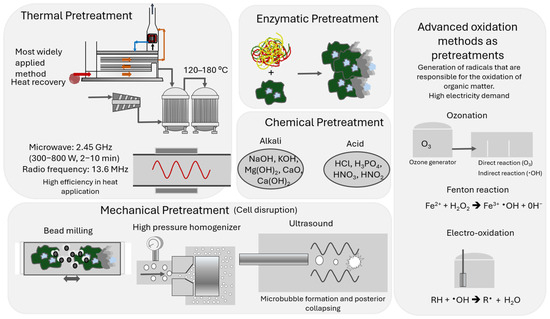
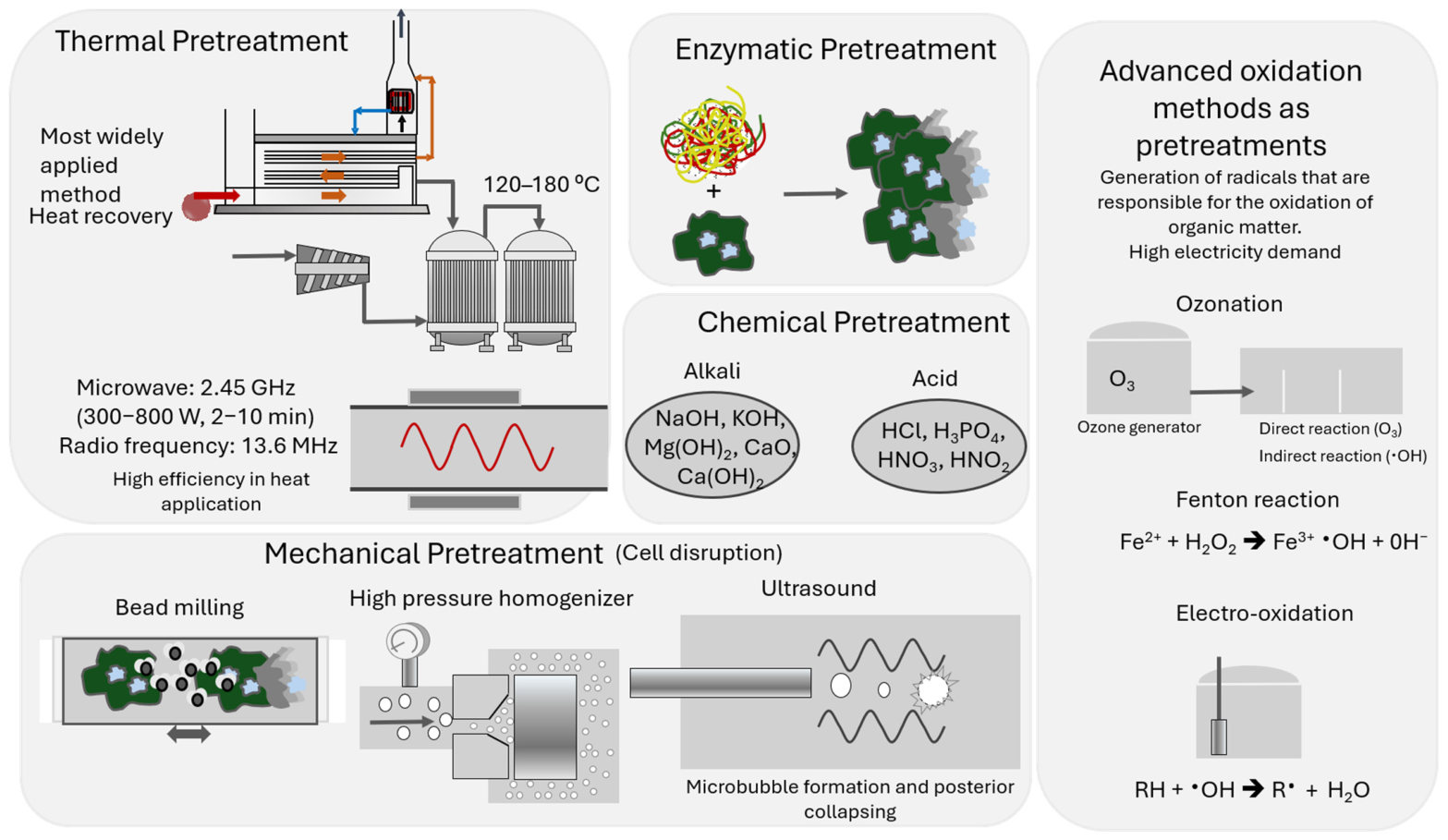
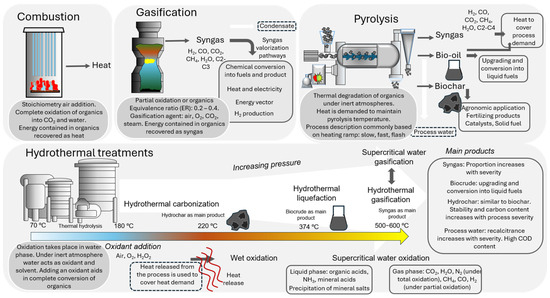
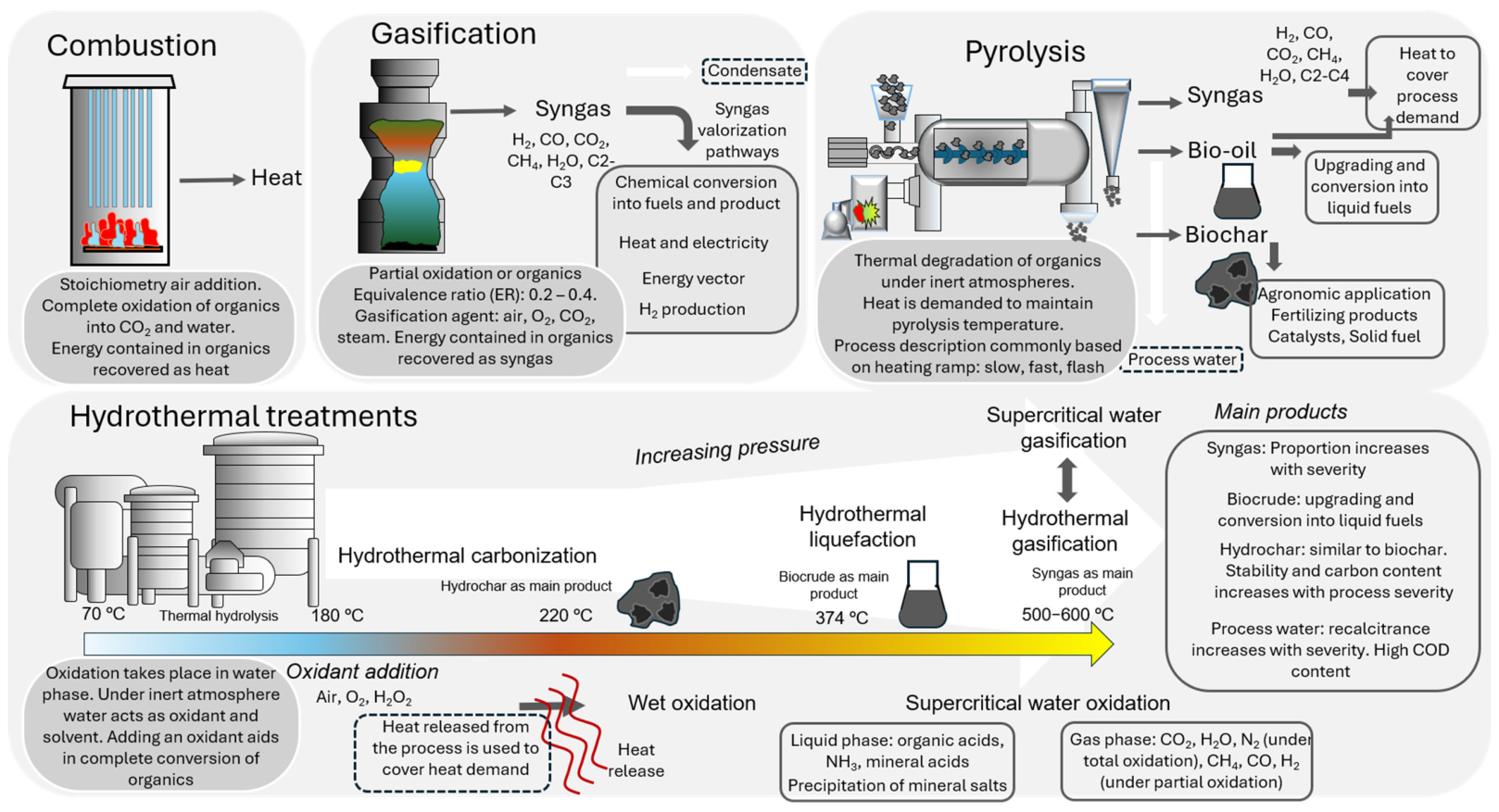
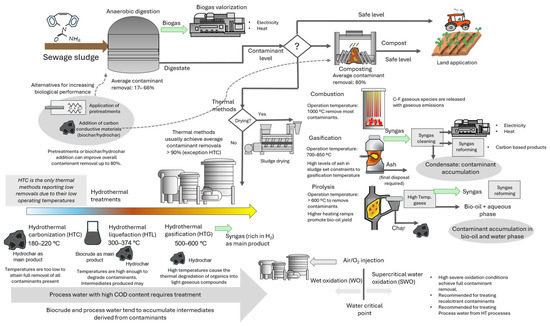
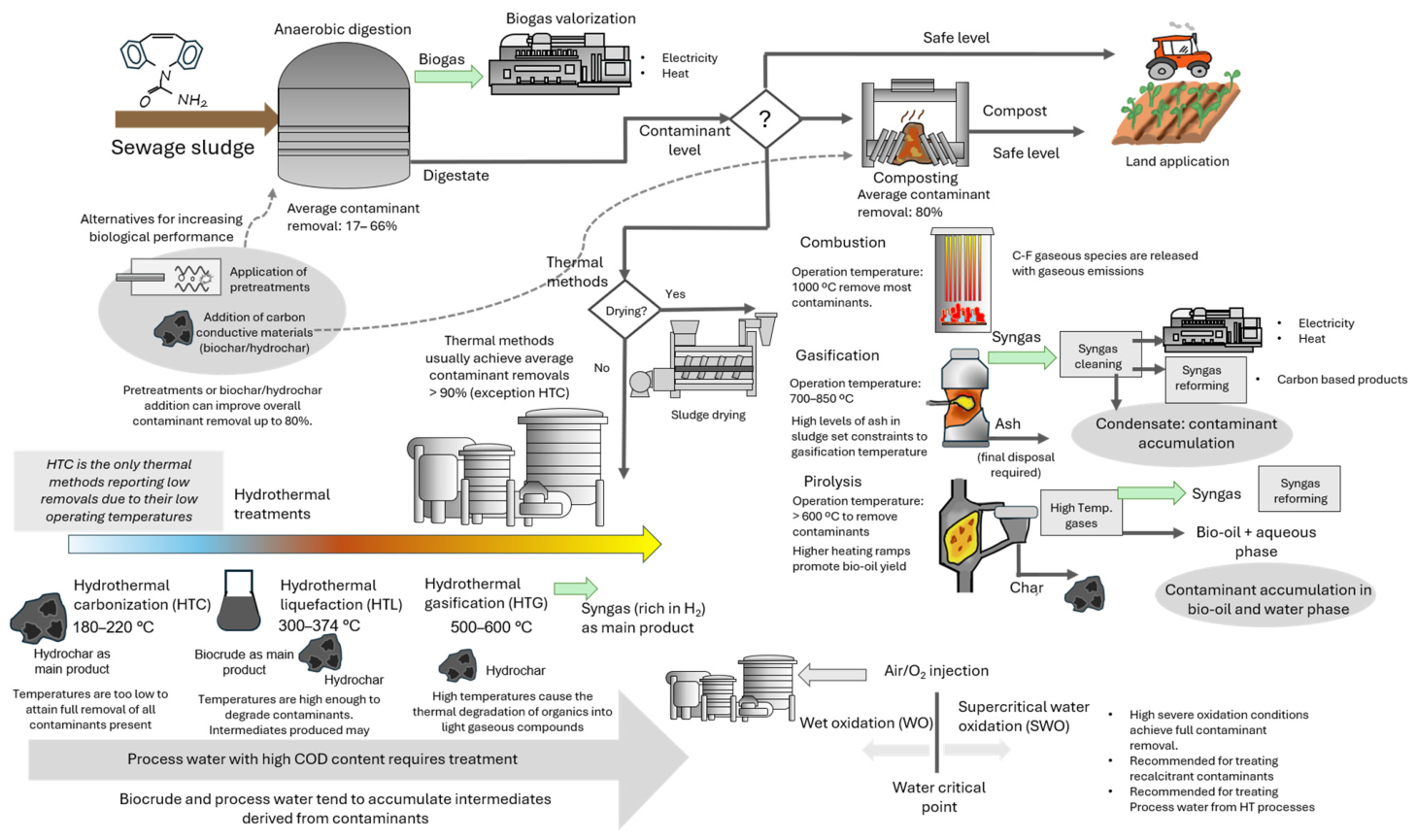

Disclaimer/Publisher’s Note: The statements, opinions and data contained in all publications are solely those of the individual author(s) and contributor(s) and not of MDPI and/or the editor(s). MDPI and/or the editor(s) disclaim responsibility for any injury to people or property resulting from any ideas, methods, instructions or products referred to in the content. |
© 2026 by the authors. Licensee MDPI, Basel, Switzerland. This article is an open access article distributed under the terms and conditions of the Creative Commons Attribution (CC BY) license.