


Abstract
Maritime transport emits a range of atmospheric pollutants, including sulfur oxides (SOx), nitrogen oxides (NOx), particulate matter (PM), and volatile organic compounds (VOCs), which contribute to air pollution and are associated with adverse environmental and public health impacts. To mitigate these impacts, the International Maritime Organization (IMO), London, UK introduced the global sulfur cap (IMO 2020), which entered into force on 1 January 2020, limiting the sulfur content of marine fuels to 0.50% m/m. This study systematically reviews the environmental and public health impacts of shipping emissions following the implementation of IMO 2020. A systematic literature review was conducted in accordance with PRISMA 2020 guidelines using Scopus, Web of Science, PubMed, and supplementary sources. Following a structured screening process, 67 studies published between 2020 and 2025 were included and analyzed through descriptive, bibliometric, and thematic synthesis approaches. The reviewed studies consistently reported substantial reductions in sulfur dioxide (SO2) emissions, sulfate aerosols, and shipping-related particulate matter following IMO 2020. These reductions were associated with improved air quality in major maritime and port regions and reduced population exposure to harmful pollutants. However, the reviewed evidence also identified ongoing challenges, including emissions of ultrafine particles and volatile organic compounds, secondary pollutant formation, contamination associated with scrubber washwater discharge, and reduced sulfate aerosols contributing to positive radiative forcing. Overall, the reviewed evidence suggests that sulfur-related air pollution generally declined following the entry into force of IMO 2020, although these observations should be interpreted alongside other concurrent developments that influenced global shipping activities during the study period. This review synthesizes current evidence on the environmental and public health impacts of IMO 2020, identifies emerging knowledge gaps, and provides an evidence base to support future shipping emission policies and research.
1. Introduction
Maritime transport is fundamental to the global economy, carrying more than 80% of the world’s traded goods by volume and supporting international trade and global supply chains [1]. As maritime transport continues to expand, the sector is undergoing rapid transformation driven by technological advancement, digitalization, geopolitical developments, and increasing demands for sustainability and climate resilience [1].
However, maritime transport is also a major source of atmospheric pollutants, including sulfur oxides (SOx), nitrogen oxides (NOx), particulate matter (PM), and black carbon (BC), emitted during the combustion of marine fuels, particularly the high-sulfur heavy fuel oil that was widely used before recent sulfur regulations [2,3,4]. Continued growth in shipping activity is projected to increase emissions and their contribution to coastal and urban air pollution despite improvements from cleaner technologies, technological advancements, and stricter environmental regulations [5,6,7]. Among these pollutants, sulfur oxides are of particular concern because of their environmental and public health impacts [2,3,4].
Sulfur oxides (SOx), particularly sulfur dioxide (SO2), are among the most important pollutants emitted from the combustion of sulfur-containing marine fuels. Atmospheric oxidation of SO2 produces sulfate aerosols, which contribute to PM2.5 formation, influence atmospheric chemistry and radiative forcing, and contribute to acid deposition [8,9,10]. Exposure to SO2 and PM2.5 has been associated with adverse respiratory and cardiovascular health outcomes [11]. Consequently, reducing SOx emissions is expected to improve air quality and public health, although reductions in sulfate aerosols may also diminish their cooling effect and introduce climate trade-offs [7,10].
In addition to atmospheric pollution, shipping also affects marine ecosystems through multiple pollution pathways [2,12]. Among these, scrubber washwater discharge has attracted particular attention following IMO 2020 because it releases acidic effluents containing heavy metals and organic contaminants into marine environments [12,13]. Shipping activities also contribute to nutrient enrichment and acidification through the atmospheric deposition of NOx and SOx, highlighting the need to evaluate both atmospheric and marine environmental impacts [2,8,9].
From a public health perspective, emissions from marine diesel engines are an important source of ambient PM2.5 and other air pollutants associated with respiratory and cardiovascular diseases and premature mortality [14,15,16]. Shipping emissions also include greenhouse gases (GHGs) and short-lived climate pollutants, such as black carbon (BC), which contribute to climate forcing and global climate change [2,17].
Before 2020, the absence of stringent global sulfur limits contributed substantially to ship-related air pollution [18]. To address this issue, the International Maritime Organization (IMO) adopted the Global Sulfur Cap under MARPOL Annex VI, which entered into force on 1 January 2020. The regulation limits the sulfur content of marine fuels to 0.50% m/m globally while maintaining the 0.10% m/m standard within designated Emission Control Areas (ECAs) [19]. Compliance can be achieved through low-sulfur or alternative fuels, or by installing exhaust gas cleaning systems (scrubbers) [18]. The regulation was expected to substantially reduce SOx and particulate emissions, improve air quality, and reduce pollution-related health burdens [7]. At the same time, concerns have emerged regarding scrubber washwater discharge because of its potential impacts on marine environments, while reductions in sulfate aerosols may also diminish aerosol cooling and introduce climate trade-offs [7,13,20]. Although IMO has introduced additional air pollution control measures, such as Nitrogen Emission Control Areas (NECAs) [19], this review focuses specifically on the environmental and public health impacts of the IMO 2020 global sulfur cap.
Although modelling studies have projected substantial reductions in SO2, PM2.5, and associated health burdens following IMO 2020 [7], recent observational studies have increasingly evaluated these impacts under real-world conditions in different geographical settings [21,22]. Collectively, the available evidence demonstrates important environmental improvements following implementation of IMO 2020. However, the overall environmental effectiveness of IMO 2020 has not yet been comprehensively synthesized.
Beyond these environmental concerns, important knowledge gaps also remain regarding public health outcomes following implementation of IMO 2020. While modelling studies have projected reductions in pollution-related mortality and morbidity [7], relatively few epidemiological studies have evaluated whether these benefits have been realized under real-world conditions [23]. Moreover, the relatively short post-implementation period and concurrent external influences, including the legacy of the COVID-19 pandemic and geopolitical disruptions affecting global shipping, complicate attribution of observed health outcomes solely to IMO 2020 [18,24].
Compliance strategies under IMO 2020 have also introduced important environmental trade-offs, particularly regarding scrubber washwater discharge [25,26]. Although several studies have characterized its chemical composition and associated contaminants [27,28], uncertainties remain regarding its long-term ecological impacts on marine ecosystems [29]. Similarly, the transition to very-low-sulfur fuel oils (VLSFOs) has raised concerns regarding fuel quality, engine performance, and broader environmental implications [30]. In addition, different IMO 2020 compliance strategies may influence emissions of pollutants such as black carbon (BC), particulate matter (PM), and NOx [25,26]. These findings highlight the need to evaluate both the intended and unintended consequences of IMO 2020 from an integrated environmental perspective.
Existing reviews have primarily focused on specific aspects of shipping emissions or IMO 2020, such as atmospheric pollution and air quality [18], health impacts [18,23], and mitigation strategies and IMO policies [31]. However, a comprehensive systematic synthesis integrating environmental impacts, public health outcomes, marine ecological consequences, and unintended environmental trade-offs based on post-implementation evidence remains lacking.
To address this gap, the present systematic review synthesizes evidence from post-2020 studies across atmospheric science, environmental chemistry, marine ecology, and public health to provide a comprehensive assessment of the environmental, public health, and unintended consequences associated with the IMO 2020 global sulfur cap. Accordingly, this study aims to systematically evaluate the real-world environmental and public health implications of IMO 2020 while identifying key knowledge gaps to support future research and evidence-based policy development. Our three research questions are as follows:
RQ1: What environmental impacts associated with IMO 2020 have been reported across atmospheric and marine environments?
RQ2: What public health impacts associated with shipping emissions have been reported following the implementation of IMO 2020?
RQ3: What implementation challenges and unintended environmental trade-offs have emerged following the implementation of IMO 2020?
The remainder of this paper is organized as follows. Section 2 presents the materials and methods, including the systematic literature review framework, search strategy, eligibility criteria, screening procedures, and data extraction process adopted in this study. Section 3 presents the results of the review, including descriptive analysis, bibliometric analysis, and thematic synthesis of studies published between 2020 and 2025. Section 4 discusses the environmental, health, and policy implications of the findings, as well as key research gaps and future research directions. Section 5 concludes the study by summarizing the major findings and their implications for sustainable maritime regulation and environmental governance.
2. Materials and Methods
2.1. Systematic Literature Review
This study adopts a Systematic Literature Review (SLR) as the primary research methodology, complemented by concept description and content analysis. Over the past two decades, systematic reviews have advanced as a rigorous approach to synthesizing research evidence [32]. In contrast to traditional narrative reviews, which are often descriptive and may lack methodological rigor [33,34], an SLR follows a structured, transparent, and replicable process designed to minimize bias and enhance reliability [35,36,37]. An SLR is expected to be transparent, explicit, comprehensive, auditable, and reproducible [38,39,40,41]. It involves well-defined procedures for defining the research topic, systematically searching and selecting relevant literature, and evaluating the quality of included studies using predefined criteria and standardized appraisal methods [38,39,40,41].
Several methodological frameworks have been proposed for conducting systematic literature reviews. Among them, the frameworks proposed by Tranfield et al. [36] and Jesson et al. [34] are widely adopted. Tranfield et al. [36] adapted systematic review principles and procedures from medical research to the management and social sciences, while Jesson et al. [34] proposed a step-by-step framework (see Table 1) suitable for management and social research. Given the interdisciplinary nature of this review, the framework of Jesson et al. [34] was adopted because it provides a clear and sequential process for conducting systematic reviews across multiple research domains. To ensure transparent and reproducible reporting, the review was conducted and reported in accordance with the PRISMA 2020 guidelines, including the use of a PRISMA flow diagram and a structured summary of the extracted data [42]. While the Jesson framework guided the review process [34], PRISMA 2020 was used to enhance the transparency and reproducibility of reporting rather than to determine the analytical procedures [42]. This systematic literature review was conducted and reported in accordance with the Preferred Reporting Items for Systematic Reviews and Meta-Analyses (PRISMA 2020) guidelines. The review protocol was registered with the Open Science Framework (OSF) and is publicly available at 10.17605/OSF.IO/EKYTQ.
Table 1.
Systematic Literature Review Steps Adapted from Jesson et al. (2011) [34].
2.2. Search Strategy
A systematic and comprehensive search was conducted to identify all relevant studies on the environmental and health impacts of shipping emissions following the IMO 2020 sulfur cap. Multiple databases were used, including Scopus and Web of Science, serving as the primary databases due to their broad multidisciplinary coverage and strong indexing of high-quality, peer-reviewed journals in environmental, maritime, and public health research. PubMed was additionally included to capture studies focusing on health-related impacts, particularly those examining PM2.5 exposure and public health outcomes.
The search strategy was structured around four key conceptual blocks: (i) maritime transport, (ii) emissions and pollutants, (iii) environmental and health impacts, and (iv) sulfur-related regulatory measures under the IMO 2020 framework, connected using Boolean operators (AND, OR) to refine the search scope (see Table 2). Searches were conducted using title, abstract, and keyword fields. Peer-reviewed journal articles served as the primary sources, while conference proceedings were selectively included when they provided substantial and relevant empirical contributions.
Table 2.
Search strings.
Grey literature from reputable organizations [e.g., IMO, World Health Organization (WHO), European Environment Agency (EEA), Environmental Protection Agency (EPA)] including technical reports and port authority assessments, was selectively included when directly relevant to the research questions and when they reported original empirical findings with sufficient methodological transparency and detail [43]. Google Scholar was used only as a supplementary search tool to support both forward and backward snowballing by examining reference lists and citation records of relevant studies, following the methodological guidance proposed by Wohlin [44].
2.3. Eligibility and Selection Criteria
The literature search was restricted to publications written in English and published from 2020 onwards to ensure relevance to the post-IMO 2020 regulatory context. Eligible studies primarily comprised peer-reviewed journal articles, which served as the main sources of empirical and conceptual evidence. Conference proceedings were selectively included when they offered relevant empirical or analytical contributions based on qualitative, quantitative, or mixed-methods research designs.
Studies were excluded if they were unavailable in full text, written in languages other than English, or not directly related to the research objectives. The restriction to English-language publications was applied to improve consistency and feasibility in the review process and is supported by evidence suggesting that language-restricted meta-analyses do not substantially differ from multilingual analyses in overall conclusions [45]. Furthermore, English remains the dominant language of global academic knowledge dissemination [46,47]. The detailed inclusion and exclusion criteria are summarized in Table 3.
Table 3.
Inclusion and Exclusion criteria.
2.4. Screening and Data Management Process
This systematic literature review was conducted and reported in accordance with the Preferred Reporting Items for Systematic Reviews and Meta-Analyses (PRISMA 2020) guidelines. The PRISMA (Preferred Reporting Items for Systematic Reviews and Meta-Analyses) framework was employed to ensure a transparent and reproducible process for literature identification, screening, eligibility assessment, and study inclusion. This review was not prospectively registered in any systematic review database.
The initial database search yielded a total of 1977 records, including 1756 from Scopus, 160 from Web of Science, and 61 from PubMed. All retrieved records were exported into EndNote (version 2025) reference management software for organization and duplicate removal. Duplicate records were removed using EndNote, and non-English publications were excluded prior to screening, resulting in 1732 unique records eligible for title and abstract screening.
Title and abstract screening were conducted to assess the relevance of the identified records to the review objectives. Articles that did not address the environmental and/or health impacts of maritime shipping emissions under the IMO 2020 sulfur regulation were excluded at this stage, leading to the removal of 1208 records. Consequently, 524 reports were sought for retrieval.
Among these, 23 reports were not retrieved, leaving 501 studies for full-text eligibility assessment. Following full-text eligibility assessment, 434 studies were excluded due to insufficient relevance to IMO 2020 sulfur regulation, absence of environmental and/or health impact assessment, a purely technical or engineering focus, or other reasons identified during screening. These included, for example, studies that mentioned the IMO 2020 sulfur cap only as background information without evaluating its environmental or public health impacts, studies focusing primarily on policy, economic, or regulatory compliance aspects, and studies evaluating multiple emission sources without distinguishing the specific contribution of shipping emissions.
Ultimately, 67 studies met all predefined inclusion criteria and were included in the final systematic review. The complete screening and study selection process is illustrated in the PRISMA 2020 flow diagram (Figure 1) [42].
Figure 1.
PRISMA 2020 flow diagram of the literature search and study selection process.
2.5. Data Extraction
Data were systematically extracted from each included study using a standardized data extraction framework developed in accordance with the review objectives and research questions. The extracted variables (Table 4) were selected to capture the key methodological and thematic characteristics relevant to the evidence synthesis. These variables included the author and publication year, study location, study design, pollutants investigated, impact category (environmental, health, climate, or marine ecological), and the IMO-related policy focus. The extracted information was used to facilitate cross-study comparison and thematic synthesis. Detailed characteristics of the included studies are provided in Supplementary Table S1.
Table 4.
Extracted Characteristics of the Included Studies Used for Evidence Synthesis.
2.6. Bibliometric and Analytical Tools
To complement the systematic literature review, a bibliometric analysis was conducted using VOSviewer (Nees Jan van Eck and Ludo Waltman, Leiden, The Netherlands; version 1.6.20) to explore the structure of the research field and identify key thematic patterns within the selected studies. VOSviewer is a widely used tool for constructing and visualizing bibliometric networks, particularly in keyword co-occurrence analysis [110]. VOSviewer was selected because of its ability to construct and visualize bibliometric networks efficiently and its widespread application in systematic literature reviews [111].
The analysis was performed on the final dataset of 67 studies obtained through the PRISMA screening process. Author keywords were extracted and used as the primary unit of analysis. A keyword co-occurrence network was generated using the full counting method, which considers the total frequency of keyword occurrences across all studies [111]. A minimum threshold of three occurrences per keyword was applied to ensure that only the most relevant and frequently used terms were included in the analysis.
The resulting keyword network was interpreted to identify major research themes and relationships among keywords. Accordingly, bibliometric analysis served as a complementary analytical technique to characterize the intellectual structure of the literature and inform the subsequent thematic synthesis addressing the predefined research questions, rather than replacing the qualitative synthesis. Because bibliometric analysis identifies publication patterns and thematic relationships rather than evaluating the methodological quality of individual studies, it was used as a complementary analytical approach alongside thematic synthesis.
In addition to bibliometric mapping, descriptive and thematic analyses were conducted using the data extracted from the 67 included studies. Descriptive statistics were used to summarize the general characteristics of the included studies, including publication year, study location, methodological approach, and pollutant categories, thereby providing an overview of publication patterns. Subsequently, thematic synthesis was applied to classify findings according to the three predefined research questions [112]. This approach enables evidence from heterogeneous studies to be integrated into conceptually coherent themes [112].
3. Results
3.1. Descriptive Analysis
This section provides an overview of the characteristics of the 67 studies included in the review. Descriptive analysis was conducted to examine publication trends, geographical distribution, methodological approaches, and pollutant categories. These descriptive findings provide contextual information on the evolution and research focus of the post-IMO 2020 literature before presenting the thematic synthesis addressing the research questions.
3.1.1. Publication Trends over Time
Figure 2 illustrates a steady increase in publications following the implementation of IMO 2020, rising from only two studies in 2020 to twenty-three studies in 2025. Rather than reflecting immediate interest alone, this upward trend indicates the gradual accumulation of post-implementation evidence, enabling researchers to move beyond prospective modelling toward empirical evaluations of environmental and public health outcomes. The sustained growth in publication output suggests that assessing the real-world impacts of IMO 2020 has become an increasingly important area of interdisciplinary research.
Figure 2.
Annual publication trends of the 67 studies included in the review (2020–2025).
3.1.2. Methodological Distribution
Figure 3 summarizes the methodological distribution of the included studies. Simulation-based approaches accounted for the largest proportion of the literature, followed by empirical and observational investigations, whereas satellite and remote-sensing studies were comparatively less common. The predominance of simulation studies reflects the need to estimate emission reductions, pollutant dispersion, and population exposure during the early years following IMO 2020, when long-term monitoring data remained limited. Nevertheless, the increasing number of observational studies suggests a gradual transition toward validating model projections with real-world measurements.
Figure 3.
Methodological distribution of the reviewed studies.
3.1.3. Geographic Distribution
Figure 4 illustrates the geographic distribution of the location-specific studies included in this review. China accounted for the largest number of studies, followed by several European countries, whereas comparatively fewer studies were conducted in other regions. This distribution suggests that post-IMO 2020 research has primarily focused on major maritime regions where shipping activities and air-quality concerns have attracted substantial scientific attention. In addition, several studies adopted global or multi-regional perspectives and were therefore not assigned to individual countries in the geographic visualization.
Figure 4.
Geographic distribution of location-specific studies included in the review. Darker shading indicates a higher number of studies conducted within a country. (Microsoft Excel for Microsoft 365, Version 2506 (Microsoft Corporation, Redmond, WA, USA)).
Global and multi-regional studies are not represented on the map.
3.1.4. Pollutant Distribution
Figure 5 presents the frequency of pollutant categories examined across the reviewed studies. Particulate matter and black carbon were the most frequently investigated pollutants (n = 42), followed by sulfur-related pollutants (n = 39) and nitrogen oxides (n = 27). This distribution is consistent with the central objectives of IMO 2020, which primarily target sulfur emissions and their implications for air quality. Heavy metals, PAHs, marine pollutants, VOCs, greenhouse gases, and ozone-related pollutants received comparatively less attention, although these pollutants remain important for understanding broader environmental, ecological, and climate-related consequences of shipping activities. Because many studies examined multiple pollutant categories simultaneously, the cumulative frequencies exceed the total number of studies included in the review.
Figure 5.
Frequency of pollutant categories examined across the reviewed studies. Individual studies may be represented in multiple categories because several pollutants were often investigated simultaneously.
3.1.5. Journal Distribution
Figure 6 presents the leading journals represented in the reviewed literature. Environmental Science & Technology, Atmospheric Chemistry and Physics, and Marine Pollution Bulletin were among the most frequent publication venues, followed by Science of the Total Environment, Atmosphere, Atmospheric Environment, and Environmental Pollution. The concentration of publications in well-established journals specializing in environmental science, atmospheric chemistry, and marine pollution indicates that the evidence synthesized in this review is primarily derived from reputable peer-reviewed sources and highlights the interdisciplinary nature of post-IMO 2020 research.
Figure 6.
Leading journals publishing studies on shipping emissions and the impacts of IMO 2020. Numbers shown inside the bars indicate the number of included studies published in each journal. Only journals with at least three publications are shown.
3.2. Bibliometric Analysis Using VOSviewer
To examine the intellectual structure of the research field, a keyword co-occurrence analysis was conducted using VOSviewer (version 1.6.20) [113] based on the final sample of 67 studies. Author keywords were analyzed using a minimum occurrence threshold of three, and the complete counting method was applied to capture the full frequency of keyword appearances.
As illustrated in Figure 7, the co-occurrence network reveals several interconnected themes within the literature on shipping emissions following the IMO 2020 sulfur regulation. Keywords such as ship emissions, particulate matter, pollution, air quality, and scrubbers occupy central positions in the network, indicating strong relationships among studies focusing on emission characteristics, environmental impacts, and compliance technologies.
Figure 7.
Keyword co-occurrence network generated using VOSviewer based on author keywords from the 67 studies included in the review. Node size represents keyword frequency, while link strength indicates the degree of co-occurrence between keywords.
The keyword network can be broadly grouped into four thematic clusters. The first cluster (red) primarily focuses on atmospheric pollution and emission modelling, including keywords such as exhaust emissions, aerosol, pollution, and model, reflecting studies that estimate emission levels and evaluate environmental impacts. The second cluster (green) relates to the chemical composition and characterization of ship emissions, with terms such as fuel, heavy metals, chemical characterization, and scrubber, indicating research on fuel properties and pollutant composition. The third cluster (blue) emphasizes air-quality assessment and emission inventory analysis, including keywords such as air quality, emission inventory, and source apportionment, suggesting a strong focus on environmental monitoring and large-scale modelling. The fourth cluster (yellow) represents studies examining pollutant emissions from shipping activities, particularly particulate matter, PM2.5, gaseous emissions, and related atmospheric pollutants.
Overall, the bibliometric findings indicate that the existing literature is primarily concentrated on environmental and technical aspects of shipping emissions, particularly air pollution processes, emission inventories, and fuel-related characteristics, and pollution control technologies, whereas health-oriented terms are not among the most frequently occurring keywords. These findings provide a data-driven foundation for the thematic analysis presented in the subsequent section. The prominence of emission-related, fuel-related, and air-quality-related clusters suggests that research following IMO 2020 has primarily focused on environmental assessment and regulatory compliance. Comparatively less attention has been directed toward human health outcomes and broader socio-economic implications.
3.3. Thematic Synthesis
3.3.1. Environmental Impacts of Shipping Emissions Under IMO 2020
(1) Air-Quality Improvements
The reviewed literature consistently demonstrates that the IMO 2020 sulfur regulation substantially reduced sulfur-related air pollution and improved regional air quality in many maritime regions. Across both empirical and modeling studies, significant reductions in sulfur dioxide (SO2), sulfate aerosols, and particulate matter (PM) were widely reported following the transition from high-sulfur heavy fuel oil (HFO) to low-sulfur fuel alternatives [21,22,79,91,93,97]. Representative findings include a 37.3% reduction in ship-related primary PM2.5 emissions in Shanghai [21], PM2.5 concentration improvements of up to 19% near Busan Port [93], an average decrease in ship-related PM2.5 contributions from 35.8% to 4.9% at Paranaguá Port [79], and an 88% reduction in SO2 emissions at the Port of Veracruz [91] following the adoption of low-sulfur marine fuels. Similar reductions in sulfate aerosols and shipping-related PM contributions were consistently reported across the Seto Inland Sea [97], the Bosphorus Strait [22], and other coastal and port environments [21,79,93], confirming the effectiveness of the sulfur cap in improving regional air quality.
Beyond reductions in SO2 and PM2.5, several studies also documented substantial decreases in shipping-related trace metals, particularly nickel (Ni) and vanadium (V), reflecting reduced emissions associated with residual fuel combustion. In Shanghai, emissions of Ni and V decreased by 46.7% and 91.6%, respectively, following implementation of low-sulfur fuel policies [21], while field observations in the Seto Inland Sea and Paranaguá Port similarly reported notable reductions in ship-related trace metals together with lower SO2 and PM2.5 concentrations [79,97]. Nevertheless, vanadium-containing particles continued to be identified as important tracers of ship emissions in Shenzhen, indicating that shipping activities remain an important contributor to coastal air pollution despite substantial sulfur reductions [87].
These improvements were further supported by regional atmospheric modeling and satellite observations. Regional modeling studies based on AIS-derived ship emission inventories consistently demonstrated substantial reductions in ship-related SO2 and PM2.5 concentrations, including secondary aerosol contributions, across coastal urban areas and major shipping corridors following the implementation of IMO 2020 [52,83]. Satellite observations likewise revealed widespread declines in sulfate aerosol burdens and shipping-induced cloud signatures after the sulfur cap [67,73,77]. At the global scale, mean cloud droplet number concentrations decreased by approximately 0.5 cm−3, with regional reductions reaching 3 cm−3 along major shipping routes, providing independent evidence of the atmospheric effects of reduced sulfur emissions [77].
(2) Climate-Related Consequences
Beyond changes in atmospheric composition, the reviewed evidence also identified important climate-related consequences associated with sulfur regulation. Satellite observations and climate-modeling studies consistently showed that reductions in sulfate aerosols weakened aerosol–cloud interactions and diminished the cooling effect historically associated with shipping emissions [67,73,77]. Consequently, IMO 2020 was estimated to produce positive radiative forcing of up to +0.20 ± 0.11 W m−2, partially offsetting the climatic cooling previously provided by shipping-derived sulfate aerosols [77] and contributing to short-term warming trends [73].
Recent observational evidence further suggested that the environmental influence of IMO 2020 extends beyond air quality and radiative forcing. Over the Bay of Bengal, SO2 emissions decreased by approximately 66%, accompanied by an 11% reduction in lightning frequency associated with weakened deep convective cloud development, indicating that sulfur regulations can influence broader atmospheric processes through changes in aerosol–cloud interactions [48].
Overall, the reviewed literature demonstrates that IMO 2020 has substantially reduced sulfur-related air pollution and improved regional air quality across major maritime regions. Consistent reductions in SO2, sulfate aerosols, particulate matter, and shipping-related trace metals were reported across both empirical observations and atmospheric modeling studies. The reviewed evidence also indicates that these environmental benefits were accompanied by broader atmospheric consequences, including reduced aerosol–cloud interactions and diminished sulfate-driven cooling, highlighting the complex interactions between air-quality improvement and the climate system.
3.3.2. Health Impacts of Shipping Emissions Under IMO 2020
(1) Health Benefits Associated with Reduced Sulfur Emissions
A growing body of literature has examined the health implications associated with shipping emissions under the IMO 2020 sulfur regulation, particularly in relation to human exposure to particulate matter, toxic trace metals, ultrafine particles, and secondary pollutants [21,79,85,108]. The reviewed studies suggest that the sulfur cap contributed to important public health benefits through reductions in sulfur-related air pollution and ship-related PM2.5 concentrations. However, several studies also indicate that residual health risks associated with ultrafine particles, toxic metals, and redox-active aerosol components may persist despite sulfur reductions [21,61,70,85].
Air-quality and health risk assessment studies consistently indicated that reductions in SO2 and PM2.5 concentrations following the implementation of IMO 2020 were associated with lower pollution-related health risks in coastal and port regions [21,51]. Representative evidence includes a reduction in long-term premature mortality associated with ship-related PM2.5 exposure in Shanghai, where estimated deaths declined from 630 to 481 cases, together with decreases in short-term mortality from 43 to 29 cases between 2017 and 2021 [21]. Similar improvements were reflected in reduced hazard quotient and hazard index values following declines in vanadium, nickel, and sulfur concentrations near Paranaguá Port [79]. Long-term monitoring studies in Japan [97] and South Korea [98] likewise reported sustained reductions in SO2 concentrations and shipping-related pollution indicators, providing consistent environmental evidence that supports the health risk reductions reported in other coastal regions.
(2) Population Exposure in Coastal Regions
The reviewed literature consistently showed that shipping-emission impacts remain particularly pronounced in densely populated coastal regions exposed to intensive maritime activities. Modeling analyses conducted for the Iberian Peninsula, the Panama Canal region, and Mediterranean coastal cities demonstrated that shipping emissions continue to contribute substantially to urban PM2.5 and NO2 concentrations and associated population exposure in coastal urban areas [49,55,109]. Additional evidence suggested that shipping emissions may contribute to elevated PM2.5 concentrations not only in coastal areas but also in inland regions affected by atmospheric transport [51]. Pollutant dispersion and population exposure were further shown to depend strongly on meteorological conditions, including sea–land breeze circulation and regional atmospheric transport processes [49,87].
(3) Toxicity of Residual Shipping Emissions
Despite reductions in PM mass concentrations, several toxicological and chemical characterization studies reported that low-sulfur fuels and scrubber systems do not fully eliminate the toxicity of shipping emissions. Experimental studies demonstrated that particle toxicity is strongly influenced by chemical composition rather than PM mass alone [61,70]. Ship-related particles containing polycyclic aromatic hydrocarbons (PAHs), metal-containing particles, and oxidized organic compounds were associated with oxidative stress, reactive oxygen species (ROS) formation, genotoxicity, mutagenicity, and inflammatory responses [61,84]. Experimental evidence further demonstrated that the transition to low-sulfur fuels may alter the composition of gaseous emissions, in some cases increasing VOCs and hazardous compounds such as benzene and naphthalene, which contribute to ozone formation and secondary aerosol toxicity [72,74,86].
(4) Emerging Concerns Regarding Ultrafine Particles
Ultrafine particles (UFPs) emerged as a recurring concern across the reviewed literature. Onboard measurements and port-based studies showed that scrubber-equipped ships and certain low-sulfur fuel operations remain important sources of ultrafine particles and secondary nanoparticles [75,76,85]. Onboard measurements and port-based observations showed that scrubber-equipped ships and certain low-sulfur fuel operations remain important sources of ultrafine particles and secondary nanoparticles [75,76,85]. In Marseille, local shipping contributed approximately 27–51% of total particle number concentrations and 6–9% of secondary organic aerosol concentrations, illustrating the continued importance of UFP emissions despite substantial sulfur reductions [85]. Owing to their small size, these particles can penetrate deeply into the respiratory system and potentially reach the bloodstream and other organs, including the nervous system [76,85]. The reviewed evidence indicates that sulfur-focused regulations substantially reduce SO2 emissions while leaving ultrafine particles, VOCs, and other health-relevant pollutants comparatively less controlled [74,85].
Taken together, the reviewed evidence indicates that IMO 2020 has generated important public health benefits through reductions in sulfur-related air pollutants and PM exposure. Nevertheless, significant health concerns remain because ultrafine particles, toxic organic compounds, and secondary atmospheric pollutants are not fully addressed by sulfur-focused regulations. These findings suggest that although IMO 2020 substantially reduces exposure to conventional air pollutants, broader health protection will require integrated emission-control strategies targeting multiple pollutants beyond sulfur alone.
3.3.3. Implementation Challenges and Unintended Trade-Offs
Although IMO 2020 has been widely recognized for reducing sulfur emissions and improving air quality, the reviewed literature also identified several unintended environmental consequences associated with sulfur-compliance strategies, particularly the use of exhaust gas cleaning systems (scrubbers) and low-sulfur fuel switching. A major theme emerging from the literature is that compliance measures may shift pollution pathways rather than fully eliminate environmental risks.
(1) Marine Environmental Impacts of Scrubber Washwater
The reviewed literature consistently showed that one of the most important unintended consequences of IMO 2020 is the transfer of pollution from the atmosphere to marine environments through scrubber discharge water. Scrubber effluents contain elevated concentrations of heavy metals, polycyclic aromatic hydrocarbons (PAHs), acidic compounds, and combustion-derived residues that can accumulate in marine ecosystems [20,59,66,71]. In the Baltic Sea, open-loop scrubbers were estimated to contribute approximately 8.5% of total anthracene inputs [20], while integrated modeling studies projected that, under high scrubber-use scenarios, areas where scrubber effluent concentrations exceed the lowest observed effect concentration (LOEC) could expand from the Baltic and North Sea coastal regions to much broader areas across European seas by 2050 [59,68].
Beyond contaminant release, ecotoxicological and mesocosm studies consistently reported adverse biological effects associated with scrubber washwater exposure. Laboratory experiments demonstrated significant reductions in survival, reproduction, and developmental success of marine organisms even at relatively low concentrations [13,60,82]. Representative findings include toxic effects on marine zooplankton communities at washwater concentrations of only 1.5% (v/v) [82], a 96-h EC50 of 2.48% for Dunaliella salina, and a lowest observed effect concentration (LOEC) of 1.25% for Mysidopsis bahia [13]. Chronic toxicity assays further identified adverse effects on fertilization success and larval development at concentrations below 1% (EC10 < 1%) in marine invertebrates [60]. Zooplankton, algae, phytoplankton, and microbial communities were consistently identified as particularly sensitive to contaminant mixtures containing PAHs and heavy metals, with evidence of altered microbial community composition, trophic interactions, and biodiversity following scrubber exposure [81,82,88]. Together, these findings demonstrate that scrubber compliance strategies may reduce atmospheric emissions while simultaneously introducing new risks to marine ecosystems.
(2) Secondary Pollutants and Atmospheric Trade-offs
Another recurring unintended consequence identified across the reviewed studies was the formation of secondary atmospheric pollutants following the transition to sulfur-compliant fuels. Although IMO 2020 substantially reduced SO2 emissions and sulfate aerosols, several studies reported that low-sulfur fuels may increase emissions of volatile organic compounds (VOCs), intermediate-volatility organic compounds (IVOCs), and secondary organic aerosol (SOA) precursors [50,53,56]. Representative field measurements showed that switching from heavy fuel oil to low-sulfur diesel increased VOC emission factors by approximately 48%, accompanied by enhanced ozone formation potential and SOA formation [72]. Consistent with these findings, regional atmospheric modeling projected a 3.8–4.9% increase in surface ozone concentrations in Southern China despite reductions in primary pollutants, reflecting the nonlinear nature of atmospheric chemistry under low-sulfur fuel conditions [83]. Experimental combustion studies further demonstrated that altered fuel composition and combustion chemistry can sustain or enhance ozone formation potential and secondary aerosol production despite reductions in sulfur-related pollutants [53,56,64,74]. In addition, sulfur-compliant fuels were associated with elevated emissions of aromatic hydrocarbons, including benzene and naphthalene, with naphthalene accounting for approximately 77–97% of total VOC emissions in ship exhaust [72,86].
(3) Climate-Related Trade-offs
Several studies also identified unintended climate-related consequences associated with sulfur emission reductions. Climate-modeling and satellite-observation studies increasingly suggested that IMO 2020 reduced sulfate aerosol concentrations and weakened aerosol–cloud interactions over major shipping corridors [48,67,73,77]. Consequently, positive radiative forcing was estimated to range from +0.074 ± 0.005 to +0.20 ± 0.11 W m−2, across different observationally constrained and modeling-based estimates [67,77]. This positive radiative forcing was further projected to increase global mean surface temperature by 0.046 ± 0.010 °C during 2020–2029, equivalent to approximately 2–3 years of additional global warming [73]. These findings indicate that sulfur-focused regulations improve air quality while simultaneously reducing the climatic cooling previously provided by anthropogenic sulfate aerosols through weakened aerosol–cloud interactions, including a diminished Twomey effect [73,77].
(4) Operational and Economic Challenges
Operational and economic trade-offs were also discussed in several studies. Experimental ship-based studies indicated that low-sulfur fuels may increase fuel consumption and CO2 emissions under certain engine and operational conditions [94]. Other studies suggested that scrubbers, while economically beneficial for shipowners, generate substantial environmental externalities and long-term ecological costs [78]. Although fewer studies addressed operational aspects than environmental impacts, the available evidence suggests that compliance strategies may introduce trade-offs between operational efficiency, economic benefits, and broader environmental sustainability.
Overall, the reviewed literature demonstrates that IMO 2020 compliance measures generate complex environmental, climatic, and operational trade-offs extending beyond sulfur reduction alone. While the regulation has substantially improved air quality, persistent concerns remain regarding marine contamination, ecosystem toxicity, secondary atmospheric pollution, and climate feedback mechanisms. These findings underscore the need for integrated multi-pollutant and cross-media approaches to maritime emission management in order to maximize the environmental benefits of future shipping regulations.
4. Discussion
4.1. Overall Implications of IMO 2020
The reviewed evidence indicates that IMO 2020 was consistently associated with substantial reductions in sulfur-related emissions, including sulfur dioxide (SO2), sulfate aerosols, and particulate matter (PM) concentrations in coastal and port regions. However, because most included studies were observational or modeling-based, these improvements cannot always be attributed solely to IMO 2020, as broader changes in shipping operations, fuel markets, and the ongoing energy transition may also have influenced emission trends. Nevertheless, the consistency of findings across different methodologies and geographic regions supports a meaningful association between IMO 2020 and improved shipping-related air quality [21,79,93,97].
Beyond improvements in air quality, the reviewed evidence suggests that these changes may also contribute to reduced human exposure to shipping-related pollutants, particularly in densely populated coastal and port areas where emissions are concentrated [49,109]. Although the magnitude of these benefits varies across regions and may also reflect concurrent developments in the maritime sector, the findings collectively indicate potential public health gains associated with reduced exposure to sulfur-related pollutants [21,51].
Despite these substantial improvements, emerging evidence indicates that important air-quality and health concerns remain unresolved. Several studies reported that reductions in sulfur emissions were not consistently accompanied by comparable reductions in ultrafine particles, volatile organic compounds (VOCs), and secondary organic aerosols (SOA) [72,85]. In some cases, fuel switching to low-sulfur fuels was associated with increased emissions of certain VOCs and photochemically reactive compounds, potentially contributing to ozone formation and secondary aerosol production [72,83]. Collectively, these findings suggest that future maritime emission policies should adopt broader multi-pollutant and cross-media management strategies that simultaneously address air quality, marine ecosystems, and climate effects rather than focusing predominantly on sulfur reduction alone.
4.2. Trade-Offs and Policy Challenges
One of the most important findings emerging from this review is the existence of significant environmental trade-offs associated with sulfur-compliance technologies, particularly exhaust gas cleaning systems (scrubbers). Although scrubbers effectively reduce atmospheric SO2 emissions and allow continued use of high-sulfur heavy fuel oil, many studies reported that these systems transfer pollutants from the atmosphere to marine environments through discharge water rather than eliminating them entirely [13,66,71]. This redistribution of contaminants highlights a key limitation of sulfur-focused regulation and raises concerns regarding cumulative ecological impacts in receiving waters. Several ecotoxicological studies reported that scrubber washwater can impair reproduction, alter microbial communities, reduce biodiversity, and disrupt trophic interactions even at low exposure concentrations [82,88]. These findings raise important policy concerns because current IMO discharge guidelines mainly focus on regulating individual pollutants, while cumulative toxicity and combined ecological effects remain insufficiently addressed.
The reviewed literature also highlights important climate-related trade-offs associated with sulfur reduction policies. Sulfate aerosols emitted from ships historically contributed to atmospheric cooling through aerosol–cloud interactions. Consequently, several climate-modeling and satellite-observation studies reported that IMO 2020 may unintentionally contribute to short-term warming by reducing sulfate-driven cooling effects [67,73,77]. Although reducing sulfur emissions clearly improves air quality and public health, these findings demonstrate the complexity of balancing air pollution mitigation with broader climate mitigation goals.
Another major challenge identified across the literature concerns the persistence of health-relevant pollutants despite sulfur reductions. Several studies reported that low-sulfur fuels and scrubber systems do not fully eliminate ultrafine particles, black carbon, toxic organic compounds, or secondary aerosols [61,74,85]. In several cases, particle toxicity appeared to depend more strongly on chemical composition than on particulate mass alone [61]. These pollutants remain important because of their strong associations with oxidative stress, respiratory and cardiovascular diseases, and secondary aerosol formation. Future maritime regulation should therefore adopt a more holistic approach that considers interactions across environmental and health systems.
4.3. Research Gaps and Future Directions
Despite the growing body of evidence supporting the effectiveness of IMO 2020, several important knowledge gaps remain that limit understanding of its long-term environmental, health, and policy implications.
First, although many studies evaluated changes in air pollutant concentrations and modeled health impacts, relatively few directly investigated observed long-term human health outcomes associated with IMO 2020. Most health-related studies relied on exposure proxies, toxicological indicators, or modeled mortality estimates rather than longitudinal epidemiological evidence [21,51]. Future research should therefore prioritize long-term population-based studies examining chronic exposure to shipping-related pollutants in coastal communities.
Second, much of the current literature remains geographically concentrated in East Asia, Europe, and major port cities. Comparatively limited evidence is available for developing countries, smaller coastal communities, and understudied coastal regions. This geographical imbalance limits understanding of how IMO 2020 may affect areas with different shipping intensities, regulatory capacities, socioeconomic conditions, and environmental characteristics. Broader geographical coverage is therefore needed to improve the global representativeness of future research.
Third, the literature demonstrates a need for more integrated interdisciplinary approaches. Most studies examined atmospheric pollution, marine pollution, climate effects, or health impacts within relatively separate disciplinary frameworks. However, the findings of this review suggest that shipping emissions generate interconnected cross-media impacts involving air quality, marine ecosystems, climate processes, and human health through complex interacting pathways. Future research would therefore benefit from integrated frameworks combining atmospheric chemistry, marine ecology, toxicology, climate science, and public health methodologies.
Finally, additional research is needed regarding the long-term environmental and ecological consequences of scrubber technologies and alternative marine fuels. Although several studies identified ecological risks associated with scrubber discharge, substantial uncertainties remain regarding cumulative pollutant accumulation, long-term ecosystem recovery, and environmentally realistic exposure conditions. Further investigation into cleaner fuel alternatives, emission-control technologies, and integrated regulatory strategies will therefore be important for supporting sustainable maritime decarbonization and pollution mitigation.
4.4. Limitations of the Review
Several limitations should also be acknowledged in this review. First, the review included only English-language publications, which may have excluded relevant studies published in other languages. Second, the reviewed studies employed highly heterogeneous methodologies, including atmospheric modeling, laboratory experiments, field measurements, toxicological assessments, and scenario analyses, which complicated direct comparison across findings. Third, many studies focused on short-term environmental and health responses and region-specific case studies, limiting the broader generalizability of the findings. Finally, because IMO 2020 is still relatively recent, evidence regarding long-term environmental and health impacts remains limited.
5. Conclusions
This systematic review synthesized evidence from 67 studies examining the environmental and health implications of shipping emissions under the IMO 2020 standards. Through the integration of bibliometric and thematic analyses, the review provides a comprehensive synthesis of emerging evidence and provides a comprehensive synthesis of current evidence to inform future maritime emission governance.
Overall, the reviewed evidence indicates that IMO 2020 has been associated with substantial improvements in shipping-related air quality across many maritime regions. However, the findings also demonstrate that the environmental and public health implications of shipping emissions extend beyond sulfur control alone, highlighting important trade-offs involving atmospheric chemistry, marine ecosystems, and climate processes.
Taken together, these findings suggest that IMO 2020 represents an important milestone in international maritime emission regulation, while also underscoring the need for more integrated approaches to maritime environmental management. Future policies should therefore complement sulfur reduction with broader multi-pollutant and cross-media strategies that consider the interconnected impacts of shipping on air quality, marine ecosystems, climate, and human health. Continued interdisciplinary research will be essential to strengthen the evidence base for adaptive and sustainable maritime environmental governance.
Supplementary Materials
The following supporting information can be downloaded at https://www.mdpi.com/article/10.3390/atmos17080715/s1, Table S1: Extracted Characteristics of the Included Studies Used for Evidence Synthesis.
Author Contributions
Conceptualization, T.Z. and L.T.N.; methodology, T.Z. and L.T.N.; validation, Y.L., Y.M. and M.C.; formal analysis, T.Z. and L.T.N.; investigation, T.Z. and L.T.N.; data curation, Y.L., Y.M. and L.T.N.; writing—original draft preparation, T.Z. and L.T.N.; writing—review and editing, L.T.N. and M.C.; visualization, T.Z. and L.T.N.; supervision, M.C.; project administration, M.C.; funding acquisition, T.Z. All authors have read and agreed to the published version of the manuscript.
Funding
This research was funded by Ph.D. Research Project of Hebei University of Environmental Engineering, grant number [2023BSJJ03], and the University-level Project of Hebei University of Environmental Engineering [XJXM-QN-2025009].
Institutional Review Board Statement
Not applicable.
Informed Consent Statement
Not applicable.
Data Availability Statement
No new data were created or analyzed in this study. Data sharing is not applicable to this article.
Conflicts of Interest
The authors declare no conflicts of interest.
Abbreviations
The following abbreviations are used in this manuscript:
| IMO | International Maritime Organization |
| SLR | Systematic Literature Review |
| PRISMA | Preferred Reporting Items for Systematic Reviews and Meta-Analyses |
| AIS | Automatic Identification System |
| AOD | Aerosol Optical Depth |
| BC | Black Carbon |
| CH4 | Methane |
| CO2 | Carbon Dioxide |
| ECA | Emission Control Area |
| EGCS | Exhaust Gas Cleaning System |
| GHGs | Greenhouse Gases |
| HFO | Heavy Fuel Oil |
| IVOCs | Intermediate-Volatility Organic Compounds |
| LNG | Liquefied Natural Gas |
| MARPOL | International Convention for the Prevention of Pollution from Ships |
| NECA | Nitrogen Emission Control Area |
| NMVOCs | Non-Methane Volatile Organic Compounds |
| NO2 | Nitrogen Dioxide |
| NOx | Nitrogen Oxides |
| O3 | Ozone |
| PAHs | Polycyclic Aromatic Hydrocarbons |
| PM | Particulate Matter |
| PM1 | Particulate Matter with Aerodynamic Diameter ≤ 1 μm |
| PM2.5 | Particulate Matter with Aerodynamic Diameter ≤ 2.5 μm |
| PM10 | Particulate Matter with Aerodynamic Diameter ≤ 10 μm |
| SO2 | Sulfur Dioxide |
| SOA | Secondary Organic Aerosol |
| SOx | Sulfur Oxides |
| ROS | Reactive Oxygen Species |
| SCR | Selective Catalytic Reduction |
| UFPs | Ultrafine Particles |
| VLSFO | Very-Low-Sulfur Fuel Oil |
| VOCs | Volatile Organic Compounds |
| WHO | World Health Organization |
| Ni | Nickel |
| V | Vanadium |
| Pb | Lead |
| Zn | Zinc |
| Cu | Copper |
| PMF | Positive Matrix Factorization |
| XRF | X-Ray Fluorescence |
References
- UN Trade and Development (UNCTAD). Shipping Data: UNCTAD Releases New Seaborne Trade Statistics. 2025. Available online: https://unctad.org/news/shipping-data-unctad-releases-new-seaborne-trade-statistics (accessed on 8 October 2025).
- Eyring, V.; Isaksen, I.S.; Berntsen, T.; Collins, W.J.; Corbett, J.J.; Endresen, O.; Grainger, R.G.; Moldanova, J.; Schlager, H.; Stevenson, D.S. Transport impacts on atmosphere and climate: Shipping. Atmos. Environ. 2010, 44, 4735–4771. [Google Scholar] [CrossRef] [Scilit]
- Jalkanen, J.P.; Johansson, L.; Kukkonen, J.; Brink, A.; Kalli, J.; Stipa, T. Extension of an assessment model of ship traffic exhaust emissions for particulate matter and carbon monoxide. Atmos. Chem. Phys. 2012, 12, 2641–2659. [Google Scholar] [CrossRef] [Scilit]
- Jalkanen, J.P.; Johansson, L.; Kukkonen, J. A comprehensive inventory of the ship traffic exhaust emissions in the Baltic Sea from 2006 to 2009. Ambio 2014, 43, 311–324. [Google Scholar] [CrossRef] [Scilit] [PubMed]
- International Maritime Organization (IMO). Fourth IMO Greenhouse Gas Study 2020. Available online: https://www.imo.org/en/OurWork/Environment/Pages/Fourth-IMO-Greenhouse-Gas-Study-2020.aspx (accessed on 14 July 2026).
- CE Delft. Study on Methods and Considerations for the Determination of Greenhouse Gas Emission Reduction Targets for International Shipping; Publications Office of the European Union: Luxembourg, 2019.
- Sofiev, M.; Winebrake, J.J.; Johansson, L.; Carr, E.W.; Prank, M.; Soares, J.; Vira, J.; Kouznetsov, R.; Jalkanen, J.P.; Corbett, J.J. Cleaner fuels for ships provide public health benefits with climate tradeoffs. Nat. Commun. 2018, 9, 406. [Google Scholar] [CrossRef] [Scilit] [PubMed]
- Szopa, S.; Naik, V.; Adhikary, B.; Artaxo, P.; Berntsen, T.; Collins, W.D.; Fuzzi, S.; Gallardo, L.; Kiendler-Scharr, A.; Klimont, Z.; et al. Short-Lived Climate Forcers. In Climate Change 2021: The Physical Science Basis. Contribution of Working Group I to the Sixth Assessment Report of the Intergovernmental Panel on Climate Change; Masson-Delmotte, V., Zhai, P., Pirani, A., Connors, S.L., Péan, C., Berger, S., Caud, N., Chen, Y., Goldfarb, L., Gomis, M.I., et al., Eds.; Cambridge University Press: Cambridge, UK; New York, NY, USA, 2021; pp. 817–922. [Google Scholar] [CrossRef] [Scilit]
- Reis, S.; Grennfelt, P.; Klimont, Z.; Amann, M.; ApSimon, H.; Hettelingh, J.-P.; Holland, M.; LeGall, A.-C.; Maas, R.; Posch, M.; et al. From Acid Rain to Climate Change. Science 2012, 338, 1153–1154. [Google Scholar] [CrossRef] [Scilit] [PubMed]
- Yoshioka, M.; Grosvenor, D.P.; Booth, B.B.B.; Morice, C.P.; Carslaw, K.S. Warming effects of reduced sulfur emissions from shipping. Atmos. Chem. Phys. 2024, 24, 13681–13692. [Google Scholar] [CrossRef] [Scilit]
- World Health Organization. WHO Global Air Quality Guidelines: Particulate Matter (PM2.5 and PM10), Ozone, Nitrogen Dioxide, Sulfur Dioxide and Carbon Monoxide; World Health Organization: Geneva, Switzerland, 2021. [Google Scholar]
- Ytreberg, E.; Åström, S.; Fridell, E. Valuating environmental impacts from ship emissions—The marine perspective. J. Environ. Manag. 2021, 282, 111958. [Google Scholar] [CrossRef] [Scilit] [PubMed]
- Ji, Z.; Yang, Y.; Zhu, Y.; Ling, Y.; Ren, D.; Zhang, N.; Huo, Z. Toxic effects of ship exhaust gas closed-loop scrubber wash water. Toxicol. Ind. Health 2023, 39, 491–503. [Google Scholar] [CrossRef] [Scilit] [PubMed]
- Corbett, J.J.; Winebrake, J.J.; Green, E.H.; Kasibhatla, P.; Eyring, V.; Lauer, A. Mortality from ship emissions: A global assessment. Environ. Sci. Technol. 2007, 41, 8512–8518. [Google Scholar] [CrossRef] [Scilit] [PubMed]
- U.S. Environmental Protection Agency (U.S. EPA). Integrated Science Assessment (ISA) for Particulate Matter (Final Report, December 2009); EPA/600/R-08/139F; U.S. Environmental Protection Agency: Washington, DC, USA, 2009. Available online: https://cfpub.epa.gov/si/si_public_record_report.cfm?dirEntryId=216546 (accessed on 10 November 2025).
- Liu, H.; Fu, M.; Jin, X.; Shang, Y.; Shindell, D.; Faluvegi, G.; Shindell, C.; He, K. Health and climate impacts of ocean-going vessels in East Asia. Nat. Clim. Change 2016, 6, 1037–1041. [Google Scholar] [CrossRef] [Scilit]
- Fuglestvedt, J.S.; Dalsøren, S.B.; Samset, B.H.; Berntsen, T.; Myhre, G.; Hodnebrog, Ø.; Eide, M.S.; Bergh, T.F. Climate penalty for shifting shipping to the Arctic. Environ. Sci. Technol. 2014, 48, 13273–13279. [Google Scholar] [CrossRef] [Scilit] [PubMed]
- Contini, D.; Merico, E. Recent advances in studying air quality and health effects of shipping emissions. Atmosphere 2021, 12, 92. [Google Scholar] [CrossRef] [Scilit]
- International Maritime Organization (IMO). International Convention for the Prevention of Pollution From Ships (MARPOL), Annex VI: Regulations for the Prevention of Air Pollution From Ships; International Maritime Organization: London, UK, 2021. [Google Scholar]
- Ytreberg, E.; Hansson, K.; Lunde Hermansson, A.; Parsmo, R.; Lagerström, M.; Jalkanen, J.-P.; Hassellöv, I.-M. Metal and PAH loads from ships and boats, relative to other sources, in the Baltic Sea. Mar. Pollut. Bull. 2022, 182, 113904. [Google Scholar] [CrossRef] [Scilit] [PubMed]
- Dong, X.; Zhang, Y.; Yu, G.; Xiong, Y.; Han, Z.; Huo, J.; Huang, C.; Kan, H.; Zheng, M.; Ning, Z.; et al. Environmental and health impacts of reduced PM2.5 and trace metals from ship emissions under low-sulfur fuel oil policy in Shanghai, China. Environ. Pollut. 2025, 377, 126409. [Google Scholar] [CrossRef] [Scilit] [PubMed]
- Ekmekçioğlu, A.; Çelebi, U.B.; Ünlügençoğlu, K.; Kuzu, S.L. Effect of the low sulphur regulations of maritime fuels on ambient air quality: A case study in the Bosphorus Strait. Int. J. Environ. Sci. Technol. 2025, 22, 4495–4502. [Google Scholar] [CrossRef] [Scilit]
- Kiihamäki, S.P.; Korhonen, M.; Kukkonen, J.; Shiue, I.; Jaakkola, J.J.K. Effects of ambient air pollution from shipping on mortality: A systematic review. Sci. Total Environ. 2024, 945, 173714. [Google Scholar] [CrossRef] [Scilit] [PubMed]
- United Nations Conference on Trade and Development (UNCTAD). Review of Maritime Transport 2024: Navigating Maritime Chokepoints; United Nations: Geneva, Switzerland, 2024; Available online: https://unctad.org/publication/review-maritime-transport-2024 (accessed on 14 July 2026).
- Teuchies, J.; Cox, T.J.; Van Itterbeeck, K.; Meysman, F.J.; Blust, R. The impact of scrubber discharge on the water quality in estuaries and ports. Environ. Sci. Eur. 2020, 32, 103. [Google Scholar] [CrossRef] [Scilit]
- Comer, B.; Georgeff, E.; Osipova, L. Air Emissions and Water Pollution Discharges From Ships with Scrubbers; International Council on Clean Transportation: Washington, DC, USA, 2020. [Google Scholar]
- García-Gómez, E.; Gkotsis, G.; Nika, M.C.; Hassellöv, I.M.; Salo, K.; Hermansson, A.L.; Ytreberg, E.; Thomaidis, N.S.; Gros, M.; Petrović, M. Characterization of scrubber water discharges from ships using comprehensive suspect screening strategies based on GC-APCI-HRMS. Chemosphere 2023, 343, 140296. [Google Scholar] [CrossRef] [Scilit] [PubMed]
- Lunde Hermansson, A.; Hassellöv, I.-M.; Moldanová, J.; Ytreberg, E. Comparing emissions of polyaromatic hydrocarbons and metals from marine fuels and scrubbers. Transp. Res. Part D Transp. Environ. 2021, 97, 102912. [Google Scholar] [CrossRef] [Scilit]
- Marin-Enriquez, O.; Krutwa, A.; Ewert, K. Environmental Impacts of Exhaust Gas Cleaning Systems for Reduction of SOx on Ships—Analysis of Status Quo; Report compiled within the framework of the project ImpEx; German Environment Agency: Dessau-Roßlau, Germany, 2021.
- Lloyd’s Register. Fuel Quality Remains Critical Issue in Maritime Industry. 2024. Available online: https://www.lr.org/en/knowledge/press-room/press-listing/press-release/2024/fuel-quality-remains-critical-issue-for-the-maritime-industry/ (accessed on 10 November 2025).
- Roy, A.; Chakraborty, M. A review of ship emissions impacts on environmental, health, societal impacts and IMO’s mitigation policies. Reg. Stud. Mar. Sci. 2025, 81, 103964. [Google Scholar] [CrossRef] [Scilit]
- Petticrew, M. Systematic reviews from astronomy to zoology: Myths and misconceptions. BMJ 2001, 322, 98–101. [Google Scholar] [CrossRef] [Scilit] [PubMed]
- Snyder, H. Literature review as a research methodology: An overview and guidelines. J. Bus. Res. 2019, 104, 333–339. [Google Scholar] [CrossRef] [Scilit]
- Jesson, J.K.; Matheson, L.; Lacey, F.M. Doing Your Literature Review: Traditional and Systematic Techniques; SAGE Publications Ltd.: London, UK, 2011. [Google Scholar]
- Moher, D.; Liberati, A.; Tetzlaff, J.; Altman, D.G. Preferred reporting items for systematic reviews and meta-analyses: The PRISMA statement. BMJ 2009, 339, b2535. [Google Scholar] [CrossRef] [PubMed]
- Tranfield, D.; Denyer, D.; Smart, P. Towards a methodology for developing evidence-informed management knowledge by means of systematic review. Br. J. Manag. 2003, 14, 207–222. [Google Scholar] [CrossRef] [Scilit]
- Xiao, Y.; Watson, M. Guidance on conducting a systematic literature review. J. Plan. Educ. Res. 2019, 39, 93–112. [Google Scholar] [CrossRef] [Scilit]
- Kitchenham, B. Procedures for Performing Systematic Reviews; Keele University: Keele, UK, 2004. [Google Scholar]
- Denyer, D.; Tranfield, D. Producing a Systematic Review. In The SAGE Handbook of Organizational Research Methods; Buchanan, D.A., Bryman, A., Eds.; SAGE Publications: London, UK, 2009; pp. 671–689. [Google Scholar]
- Finfgeld-Connett, D. Use of content analysis to conduct knowledge-building and theory-generating qualitative systematic reviews. Qual. Res. 2014, 14, 341–352. [Google Scholar] [CrossRef] [Scilit]
- Fink, A. Conducting Research Literature Reviews: From the Internet to Paper, 5th ed.; SAGE Publications: Thousand Oaks, CA, USA, 2020. [Google Scholar]
- Page, M.J.; McKenzie, J.E.; Bossuyt, P.M.; Boutron, I.; Hoffmann, T.C.; Mulrow, C.D.; Shamseer, L.; Tetlaff, J.M.; Akl, E.A.; Brennan, S.E.; et al. The PRISMA 2020 statement: An updated guideline for reporting systematic reviews. BMJ 2021, 372, n71. [Google Scholar] [CrossRef] [Scilit] [PubMed]
- Adams, R.J.; Smart, P.; Huff, A.S. Shades of Grey: Guidelines for Working with the Grey Literature in Systematic Reviews for Management and Organizational Studies. Int. J. Manag. Rev. 2017, 19, 432–454. [Google Scholar] [CrossRef] [Scilit]
- Wohlin, C. Guidelines for snowballing in systematic literature studies and a replication in software engineering. In Proceedings of the 18th International Conference on Evaluation and Assessment in Software Engineering (EASE 2014), London, UK, 13–14 May 2014; pp. 1–10. [Google Scholar] [CrossRef] [Scilit]
- Moher, D.; Klassen, T.P.; Schulz, K.F.; Berlin, J.A.; Jadad, A.R.; Liberati, A. What contributions do languages other than English make on the results of meta-analyses? J. Clin. Epidemiol. 2000, 53, 964–972. [Google Scholar] [CrossRef] [Scilit] [PubMed]
- Gordin, M.D. Scientific Babel: How Science Was Done Before and After Global English; The University of Chicago Press: Chicago, IL, USA, 2015. [Google Scholar]
- Morales-Alarcón, C.H.; Bodero-Poveda, E.; Villa-Yánez, H.M.; Buñay-Guisñan, P.A. Blockchain and its application in the peer review of scientific works: A systematic review. Publications 2024, 12, 40. [Google Scholar] [CrossRef] [Scilit]
- Jin, Q.; Huang, J.; Wei, J.; Pu, B. Observational evidence of reduced Bay of Bengal lightning since 2020 linked to cloud responses to shipping emission regulations. npj Clim. Atmos. Sci. 2025, 8, 350. [Google Scholar] [CrossRef] [Scilit]
- Lee, Y.; Park, Y.; Kim, G.; Yoo, J.; Pinzon-Acosta, C.; Gonzalez-Olivardia, F.; Cruz, E.; Lee, H. Ship air emission and their air quality impacts in the Panama Canal area: An integrated AIS-based estimation during hotelling mode in anchorage zone. J. Mar. Sci. Eng. 2025, 13, 1888. [Google Scholar] [CrossRef] [Scilit]
- Chang, X.; Li, Y.; Zhang, Y.; Li, M.; Yang, X.; Huang, Q.; Song, Y.; Wu, R.; Liu, J.; Xing, Y. Building the I/SVOC emission inventory for ocean-going ships: A case study on the southeast coast of China. Sustainability 2025, 17, 8310. [Google Scholar] [CrossRef] [Scilit]
- Nunes, R.A.O.; Alvim-Ferraz, M.C.M.; Martins, F.G.; Jalkanen, J.P.; Sousa, S.I.V. Shipping emissions forecast in the Iberian Peninsula for 2050 impact on air quality, mortality and related costs. J. Hazard. Mater. 2025, 497, 139622. [Google Scholar] [CrossRef] [Scilit] [PubMed]
- Yu, G.; Zhang, Y.; Wang, Q.; Han, Z.; Jiang, S.; Yang, F.; Yang, X.; Huang, C. Changes in the impacts of ship emissions on PM 2.5 and its components in China under the staged fuel oil policies. Atmos. Chem. Phys. 2025, 25, 9497–9518. [Google Scholar] [CrossRef] [Scilit]
- Shukla, D.; Czech, H.; Kokkola, T.; Bauer, M.; Paul, A.; Etzien, U.; Ihalainen, M.; Fang, Z.; Hartikainen, A.; Gawlitta, N.; et al. Emission speciation of volatile and intermediate volatility organic compounds from a marine engine: Effect of engine load, fuel type and photochemical aging. Environ. Sci. Atmos. 2025, 5, 973–986. [Google Scholar] [CrossRef] [Scilit]
- Kang, C.; Song, L.; Zhang, H.; Xu, S.; Zheng, C.; Shu, Y. Modeling the instant acidification effects of open-loop scrubber discharges along shipping routes. Ocean Coast. Manag. 2025, 270, 107887. [Google Scholar] [CrossRef] [Scilit]
- Fragkou, E.; Tsegas, G.; Alyuz, U.; Hänninen, R.; Moldanova, J.; Jutterström, S.; Majamäki, E.; Jalkanen, J.-P.; Sokhi, R.S.; Kukkonen, J.; et al. Assessing the efficiency of different mitigation strategies to reduce shipping-related air pollution levels and exposure in the Mediterranean coastal region—An ensemble modelling approach. Atmos. Environ. 2025, 360, 121347. [Google Scholar] [CrossRef] [Scilit]
- Xiao, B.; Zhang, F.; Liu, Z.; Zhang, Y.; Li, R.; Wu, C.; Chen, H.; Zhao, X.; Wang, L.; Wang, G.; et al. Enhanced emission of intermediate-volatility/semi-volatile organic matter in gas and particle phases from ship exhausts with low-sulfur fuels. Atmos. Chem. Phys. 2025, 25, 7053–7069. [Google Scholar] [CrossRef] [Scilit]
- Benas, N.; Meirink, J.F.; Roebeling, R.; Stengel, M. Analysis of ship emission effects on clouds over the southeastern Atlantic using geostationary satellite observations. Atmos. Chem. Phys. 2025, 25, 6957–6973. [Google Scholar] [CrossRef]
- Le Berre, L.; Temime-Roussel, B.; Lanzafame, G.M.; D’Anna, B.; Marchand, N.; Sauvage, S.; Dufresné, M.; Tinel, L.; Leonardis, T.; Ferreira de Brito, J.; et al. Measurement report: In-depth characterization of ship emissions during operations in a Mediterranean port. Atmos. Chem. Phys. 2025, 25, 6575–6605. [Google Scholar] [CrossRef] [Scilit]
- Kolovoyiannis, V.; Mazioti, A.A.; Potiris, M.; Mamoutos, I.; Majamäki, E.; Hänninen, R.; Krasakopoulou, E.; Tragou, E.; Zervakis, V.; Sofiev, M.; et al. Modelling the impact of present and future maritime transport on marine pollution at an environmentally sensitive coastal ecosystem (Saronikos Gulf, eastern Mediterranean). Mar. Pollut. Bull. 2025, 219, 118335. [Google Scholar] [CrossRef] [Scilit] [PubMed]
- Zapata-Restrepo, L.M.; Williams, I.D. Mytilus edulis and Psammechinus miliaris as bioindicators of ecotoxicological risk by maritime exhaust gas scrubber water. Mar. Environ. Res. 2025, 209, 107157. [Google Scholar] [CrossRef] [Scilit] [PubMed]
- Jeong, S.; Pantzke, J.; Offer, S.; Käfer, U.; Bendl, J.; Saraji-Bozorgzad, M.; Huber, A.; Michalke, B.; Etzien, U.; Jakobi, G.; et al. In vitro genotoxic and mutagenic potentials of combustion particles from marine fuels with different sulfur contents. Environ. Int. 2025, 198, 109440. [Google Scholar] [CrossRef] [Scilit] [PubMed]
- Stathatou, P.M.; Petrunia, I.; Barenthin, T.; Gotsis, G.; Jeffrey, P.; Fee, C.; Bergeron, S.; Tsezos, M.; Triantafyllou, M.; Gershenfeld, N. Marine Scrubbers vs. Low-Sulfur Fuels: A Comprehensive Well-To-Wake Life Cycle Assessment Supported by Measurements Aboard an Ocean-Going Vessel. Environ. Sci. Technol. 2025, 59, 7066–7080. [Google Scholar] [CrossRef] [Scilit] [PubMed]
- Anders, L.; Bauer, M.; Jeong, S.; Schmidt, M.; Hakkim, H.; Kalamašņikovs, A.; Rosewig, E.I.; Schade, J.; Irsig, R.; Ehlert, S.; et al. Limited efficiency of wet scrubbers in reducing the environmental impact of ship-emitted particles. Environ. Chem. Lett. 2025, 23, 923–929. [Google Scholar] [CrossRef] [Scilit]
- Paul, A.; Kokkola, T.; Fang, Z.; Ihalainen, M.; Czech, H.; Etzien, U.; Hohaus, T.; Sippula, O.; Rudich, Y.; Buchholz, B.; et al. The impact of photochemical aging on secondary aerosol formation from a marine engine. npj Clim. Atmos. Sci. 2025, 8, 106. [Google Scholar] [CrossRef] [Scilit]
- Dai, Y.; Shi, X.; Deng, Q.; Du, W.; Bai, Y.; Ren, H.; Cheng, J. Synergistic effects of CO2 and air pollutants from ship emissions in Shanghai, China: Spatial-temporal characteristics, prediction assessment, policy implications. J. Environ. Manag. 2025, 376, 124417. [Google Scholar] [CrossRef] [Scilit] [PubMed]
- Calgaro, L.; Cecchetto, M.; Giubilato, E.; Jalkanen, J.-P.; Majamäki, E.; Ytreberg, E.; Hassellöv, I.-M.; Fridell, E.; Semenzin, E.; Marcomini, A. The contribution of shipping to the emission of water and air pollutants in the northern Adriatic Sea-current and future scenarios. Mar. Pollut. Bull. 2025, 212, 117573. [Google Scholar] [CrossRef] [Scilit] [PubMed]
- Zhang, J.; Chen, Y.S.; Gryspeerdt, E.; Yamaguchi, T.; Feingold, G. Radiative forcing from the 2020 shipping fuel regulation is large but hard to detect. Commun. Earth Environ. 2025, 6, 18. [Google Scholar] [CrossRef] [Scilit]
- Aghito, M.; Majamäki, E.; Hänninen, R.; Lunde Hermansson, A.; Hassellöv, I.-M.; Ytreberg, E.; Kolovoyiannis, V.; Zervakis, V.; Granberg, M.; Moldanová, J.; et al. Projected changes of the emission and transport of organic pollutants and metals from shipping in European seas 2018–2050. Mar. Pollut. Bull. 2025, 211, 117351. [Google Scholar] [CrossRef] [Scilit] [PubMed]
- Bauer, M.; Czech, H.; Anders, L.; Passig, J.; Etzien, U.; Bendl, J.; Streibel, T.; Adam, T.W.; Buchholz, B.; Zimmermann, R. Impact of fuel sulfur regulations on carbonaceous particle emission from a marine engine. npj Clim. Atmos. Sci. 2024, 7, 288. [Google Scholar] [CrossRef] [Scilit]
- Xing, C.; Zeng, Y.; Yang, X.; Zhang, A.; Zhai, J.; Cai, B.; Shi, S.; Zhang, Y.; Zhang, Y.; Fu, T.-M.; et al. Molecular characterization of major oxidative potential active species in ambient PM2.5: Emissions from biomass burning and ship exhaust. Environ. Pollut. 2024, 363, 125291. [Google Scholar] [CrossRef] [Scilit] [PubMed]
- Achten, C.; Marin-Enriquez, O.; Behrends, B.; Kupich, S.; Lutter, A.; Korth, R.; Andersson, J.T. Polycyclic aromatic compounds including non-target and target polycyclic aromatic hydrocarbons in scrubber discharge water and their environmental impact. Mar. Pollut. Bull. 2024, 208, 116790. [Google Scholar] [CrossRef] [Scilit] [PubMed]
- Zhang, F.; Xiao, B.; Liu, Z.; Zhang, Y.; Tian, C.; Li, R.; Wu, C.; Lei, Y.; Zhang, S.; Wan, X.; et al. Real-world emission characteristics of VOCs from typical cargo ships and their potential contributions to secondary organic aerosol and O 3 under low-sulfur fuel policies. Atmos. Chem. Phys. 2024, 24, 8999–9017. [Google Scholar] [CrossRef] [Scilit]
- Jordan, G.; Henry, M. IMO2020 regulations accelerate global warming by up to 3 years in UKESM1. Earth’s Future 2024, 12, e2024EF005011. [Google Scholar] [CrossRef] [Scilit]
- Bendl, J.; Saraji-Bozorgzad, M.R.; Käfer, U.; Padoan, S.; Mudan, A.; Etzien, U.; Giocastro, B.; Schade, J.; Jeong, S.; Kuhn, E.; et al. How do different marine engine fuels and wet scrubbing affect gaseous air pollutants and ozone formation potential from ship emissions? Environ. Res. 2024, 260, 119609. [Google Scholar] [CrossRef] [Scilit] [PubMed]
- Grigoriadis, A.; Kousias, N.; Raptopoulos-Chatzistefanou, A.; Salberg, H.; Moldanová, J.; Hermansson, A.-L.; Cha, Y.; Kontses, A.; Toumasatos, Z.; Mamarikas, S.; et al. Particulate and Gaseous Emissions from a Large Two-Stroke Slow-Speed Marine Engine Equipped with Open-Loop Scrubber under Real Sailing Conditions. Atmosphere 2024, 15, 845. [Google Scholar] [CrossRef] [Scilit]
- Kuittinen, N.; Timonen, H.; Karjalainen, P.; Murtonen, T.; Vesala, H.; Bloss, M.; Honkanen, M.; Lehtoranta, K.; Aakko-Saksa, P.; Rönkkö, T. In-depth characterization of exhaust particles performed on-board a modern cruise ship applying a scrubber. Sci. Total Environ. 2024, 946, 174052. [Google Scholar] [CrossRef] [Scilit] [PubMed]
- Yuan, T.; Song, H.; Oreopoulos, L.; Wood, R.; Bian, H.; Breen, K.; Chin, M.; Yu, H.; Barahona, D.; Meyer, K.; et al. Abrupt reduction in shipping emission as an inadvertent geoengineering termination shock produces substantial radiative warming. Commun. Earth Environ. 2024, 5, 281. [Google Scholar] [CrossRef] [Scilit] [PubMed]
- Lunde Hermansson, A.; Hassellöv, I.-M.; Grönholm, T.; Jalkanen, J.-P.; Fridell, E.; Parsmo, R.; Hassellöv, J.; Ytreberg, E. Strong economic incentives of ship scrubbers promoting pollution. Nat. Sustain. 2024, 7, 812–822. [Google Scholar] [CrossRef] [Scilit]
- Bufato Moreira, C.A.; Polezer, G.; dos Santos Silva, J.C.; de Souza Zorzenão, P.C.; Locateli Godoi, A.F.; Fernandes Huergo, L.; Yamamoto, C.I.; de Souza Tadano, Y.; Potgieter-Vermaak, S.; Arantes Reis, R.; et al. Impact assessment of IMO’s sulfur content limits: A case study at Latin America’s largest grain port. Air Qual. Atmos. Health 2024, 17, 2337–2351. [Google Scholar] [CrossRef] [Scilit]
- Du, J.; Liu, Z.; Tao, W.; Wang, T.; Zhao, J.; Gong, W.; Li, Y.; Xue, L.; Yang, J.; Wang, C.; et al. Characteristics of Trace Metal Elements in Ambient Sub-Micron Particulate Matter in a Coastal Megacity of Northern China Influenced by Shipping Emissions from 2018 to 2022. Atmosphere 2024, 15, 264. [Google Scholar] [CrossRef] [Scilit]
- Genitsaris, S.; Stefanidou, N.; Hatzinikolaou, D.; Kourkoutmani, P.; Michaloudi, E.; Voutsa, D.; Gros, M.; García-Gómez, E.; Petrović, M.; Ntziachristos, L.; et al. Marine Microbiota Responses to Shipping Scrubber Effluent Assessed at Community Structure and Function Endpoints. Environ. Toxicol. Chem. 2024, 43, 1012–1029. [Google Scholar] [CrossRef] [Scilit] [PubMed]
- Jönander, C.; Egardt, J.; Hassellöv, I.-M.; Tiselius, P.; Rasmussen, M.; Dahllöf, I. Exposure to closed-loop scrubber washwater alters biodiversity, reproduction, and grazing of marine zooplankton. Front. Mar. Sci. 2023, 10, 1249964. [Google Scholar] [CrossRef] [Scilit]
- Feng, X.; Ma, Y.; Lin, H.; Fu, T.-M.; Zhang, Y.; Wang, X.; Zhang, A.; Yuan, Y.; Han, Z.; Mao, J.; et al. Impacts of Ship Emissions on Air Quality in Southern China: Opportunistic Insights from the Abrupt Emission Changes in Early 2020. Environ. Sci. Technol. 2023, 57, 16999–17010. [Google Scholar] [CrossRef] [Scilit] [PubMed]
- Schneider, E.; Czech, H.; Hansen, H.J.; Jeong, S.; Bendl, J.; Saraji-Bozorgzad, M.; Sklorz, M.; Etzien, U.; Buchholz, B.; Streibel, T.; et al. Humic-like Substances (HULIS) in Ship Engine Emissions: Molecular Composition Effected by Fuel Type, Engine Mode, and Wet Scrubber Usage. Environ. Sci. Technol. 2023, 57, 13948–13958. [Google Scholar] [CrossRef] [Scilit] [PubMed]
- Karl, M.; Ramacher, M.O.P.; Oppo, S.; Lanzi, L.; Majamäki, E.; Jalkanen, J.-P.; Lanzafame, G.M.; Temime-Roussel, B.; Le Berre, L.; D’Anna, B. Measurement and Modeling of Ship-Related Ultrafine Particles and Secondary Organic Aerosols in a Mediterranean Port City. Toxics 2023, 11, 771. [Google Scholar] [CrossRef] [Scilit] [PubMed]
- Yeh, C.-K.; Tzu, F.-M.; Chen, P.-Y.; Shen, H.-C.; Yuan, C.-S.; Lin, C.; Pu, H.-P.; Ngo, H.H.; Bui, X.-T. Emission characteristics of naphthalene from ship exhausts under global sulfur cap. Sci. Total Environ. 2023, 902, 166172. [Google Scholar] [CrossRef] [Scilit] [PubMed]
- Zhai, J.; Yu, G.; Zhang, J.; Shi, S.; Yuan, Y.; Jiang, S.; Xing, C.; Cai, B.; Zeng, Y.; Wang, Y.; et al. Impact of ship emissions on air quality in the Greater Bay Area in China under the latest global marine fuel regulation. Environ. Sci. Technol. 2023, 57, 12341–12350. [Google Scholar] [CrossRef] [Scilit] [PubMed]
- Genitsaris, S.; Kourkoutmani, P.; Stefanidou, N.; Michaloudi, E.; Gros, M.; García-Gómez, E.; Petrović, M.; Ntziachristos, L.; Moustaka-Gouni, M. Effects from maritime scrubber effluent on phytoplankton and bacterioplankton communities of a coastal area, Eastern Mediterranean Sea. Ecol. Inform. 2023, 77, 102154. [Google Scholar] [CrossRef] [Scilit]
- Van Roy, W.; Merveille, J.B.; Scheldeman, K.; Van Nieuwenhove, A.; Schallier, R.; Van Roozendael, B.; Maes, F. Assessment of the effect of international maritime regulations on air quality in the Southern North Sea. Atmosphere 2023, 14, 969. [Google Scholar] [CrossRef] [Scilit]
- Lunde Hermansson, A.; Hassellöv, I.-M.; Jalkanen, J.-P.; Ytreberg, E. Cumulative environmental risk assessment of metals and polycyclic aromatic hydrocarbons from ship activities in ports. Mar. Pollut. Bull. 2023, 189, 114805. [Google Scholar] [CrossRef] [Scilit] [PubMed]
- Fuentes García, G.; Echeverría, R.S.; Reynoso, A.G.; Baldasano Recio, J.M.; Rueda, V.M.; Retama Hernández, A.; Kahl, J.D.W. Sea Port SO2 Atmospheric Emissions Influence on Air Quality and Exposure at Veracruz, Mexico. Atmosphere 2022, 13, 1950. [Google Scholar] [CrossRef] [Scilit]
- Zhang, X.; Aikawa, M. The variation of PM2.5 from ship emission under low-sulfur regulation: A case study in the coastal suburbs of Kitakyushu, Japan. Sci. Total Environ. 2023, 858, 159968. [Google Scholar] [CrossRef] [Scilit] [PubMed]
- Kim, Y.; Moon, N.; Chung, Y.; Seo, J. Impact of IMO sulfur regulations on air quality in Busan, Republic of Korea. Atmosphere 2022, 13, 1631. [Google Scholar] [CrossRef] [Scilit]
- Shen, H.-C.; Tzu, F.-M.; Lin, C.; Yeh, C.-K.; Huang, W.-Y.; Pu, H.-P.; Chang, S.-H. Verification of Fuel Consumption and Carbon Dioxide Emissions under Sulfur Restriction Policy during Oceanographic Navigation. Appl. Sci. 2022, 12, 9857. [Google Scholar] [CrossRef] [Scilit]
- Haugen, M.J.; Gkantonas, S.; El Helou, I.; Pathania, R.; Mastorakos, E.; Boies, A.M. Measurements and modelling of the three-dimensional near-field dispersion of particulate matter emitted from passenger ships in a port environment. Atmos. Environ. 2022, 290, 119384. [Google Scholar] [CrossRef] [Scilit]
- Di Natale, F.; Carotenuto, C.; Cajora, A.; Sippula, O.; Gregory, D. Short-sea shipping contributions to particle concentration in coastal areas: Impact and mitigation. Transp. Res. Part D Transp. Environ. 2022, 109, 103342. [Google Scholar] [CrossRef] [Scilit]
- Tauchi, M.; Yamaji, K.; Nakatsubo, R.; Oshita, Y.; Kawamoto, K.; Itano, Y.; Hayashi, M.; Hiraki, T.; Takaishi, Y.; Futamura, A. Evaluation of the effect of Global Sulfur Cap 2020 on a Japanese inland sea area. Case Stud. Transp. Policy 2022, 10, 785–794. [Google Scholar] [CrossRef] [Scilit]
- Song, S.-K.; Shon, Z.-H.; Moon, S.-H.; Lee, T.-H.; Kim, H.-S.; Kang, S.-H.; Park, G.-H.; Yoo, E.-C. Impact of international Maritime Organization 2020 sulfur content regulations on port air quality at international hub port. J. Clean. Prod. 2022, 347, 131298. [Google Scholar] [CrossRef] [Scilit]
- Du, L.; Zhang, L.; Liu, R.; Gu, Y. Is polycyclic aromatic hydrocarbon concentration significantly underestimated in scrubber effluent discharge? Ocean Coast. Manag. 2022, 220, 106093. [Google Scholar] [CrossRef] [Scilit]
- Zhou, L.; Li, M.; Cheng, C.; Zhou, Z.; Nian, H.; Tang, R.; Chan, C.K. Real-time chemical characterization of single ambient particles at a port city in Chinese domestic emission control area—Impacts of ship emissions on urban air quality. Sci. Total Environ. 2022, 819, 153117. [Google Scholar] [CrossRef] [Scilit] [PubMed]
- Karjalainen, P.; Teinilä, K.; Kuittinen, N.; Aakko-Saksa, P.; Bloss, M.; Vesala, H.; Pettinen, R.; Saarikoski, S.; Jalkanen, J.-P.; Timonen, H. Real-world particle emissions and secondary aerosol formation from a diesel oxidation catalyst and scrubber equipped ship operating with two fuels in a SECA area. Environ. Pollut. 2022, 292, 118278. [Google Scholar] [CrossRef] [Scilit] [PubMed]
- Grönholm, T.; Mäkelä, T.; Hatakka, J.; Jalkanen, J.-P.; Kuula, J.; Laurila, T.; Laakso, L.; Kukkonen, J. Evaluation of Methane Emissions Originating from LNG Ships Based on the Measurements at a Remote Marine Station. Environ. Sci. Technol. 2021, 55, 13677–13686. [Google Scholar] [CrossRef] [Scilit] [PubMed]
- Gren, M.; Brutemark, A.; Jägerbrand, A. Air pollutants from shipping: Costs of NOx emissions to the Baltic Sea. J. Environ. Manag. 2021, 300, 113824. [Google Scholar] [CrossRef] [Scilit] [PubMed]
- Nguyen, D.-H.; Lin, C.; Cheruiyot, N.K.; Hsu, J.-Y.; Cho, M.-Y.; Hsu, S.-H.; Yeh, C.-K. Reduction of NOx and SO2 Emissions by Shore Power Adoption. Aerosol Air Qual. Res. 2021, 21, 210100. [Google Scholar] [CrossRef] [Scilit]
- Thor, P.; Granberg, M.E.; Winnes, H.; Magnusson, K. Severe toxic effects on pelagic copepods from maritime exhaust gas scrubber effluents. Environ. Sci. Technol. 2021, 55, 5826–5835. [Google Scholar] [CrossRef] [Scilit] [PubMed]
- Zhao, J.; Zhang, Y.; Xu, H.; Tao, S.; Wang, R.; Yu, Q.; Chen, Y.; Zou, Z.; Ma, W. Trace Elements From Ocean-Going Vessels in East Asia: Vanadium and Nickel Emissions and Their Impacts on Air Quality. J. Geophys. Res. Atmos. 2021, 126, e2020JD033984. [Google Scholar] [CrossRef] [Scilit]
- Kuittinen, N.; Jalkanen, J.-P.; Alanen, J.; Ntziachristos, L.; Hannuniemi, H.; Johansson, L.; Karjalainen, P.; Saukko, E.; Isotalo, M.; Aakko-Saksa, P.; et al. Shipping Remains a Globally Significant Source of Anthropogenic PN Emissions Even after 2020 Sulfur Regulation. Environ. Sci. Technol. 2021, 55, 129–138. [Google Scholar] [CrossRef] [Scilit] [PubMed]
- Bilsback, K.R.; Kerry, D.; Croft, B.; Ford, B.; Jathar, S.H.; Carter, E.; Martin, R.V.; Pierce, J.R. Beyond SOx reductions from shipping: Assessing the impact of NOx and carbonaceous-particle controls on human health and climate. Environ. Res. Lett. 2020, 15, 124046. [Google Scholar] [CrossRef] [Scilit]
- Nunes, R.A.O.; Alvim-Ferraz, M.C.M.; Martins, F.G.; Calderay-Cayetano, F.; Durán-Grados, V.; Moreno-Gutiérrez, J.; Jalkanen, J.-P.; Hannuniemi, H.; Sousa, S.I.V. Shipping emissions in the Iberian Peninsula and the impacts on air quality. Atmos. Chem. Phys. 2020, 20, 9473–9489. [Google Scholar] [CrossRef] [Scilit]
- Wong, D. VOSviewer. Tech. Serv. Q. 2018, 35, 219–220. [Google Scholar] [CrossRef] [Scilit]
- van Eck, N.J.; Waltman, L. Software Survey: VOSviewer, a Computer Program for Bibliometric Mapping. Scientometrics 2010, 84, 523–538. [Google Scholar] [CrossRef] [Scilit] [PubMed]
- Thomas, J.; Harden, A. Methods for the Thematic Synthesis of Qualitative Research in Systematic Reviews. BMC Med. Res. Methodol. 2008, 8, 45. [Google Scholar] [CrossRef] [Scilit] [PubMed]
- Arruda, H.; Silva, E.R.; Lessa, M.; Proença, D., Jr.; Bartholo, R. VOSviewer and Bibliometrix. J. Med. Libr. Assoc. 2022, 110, 392–395. [Google Scholar] [CrossRef] [Scilit] [PubMed]
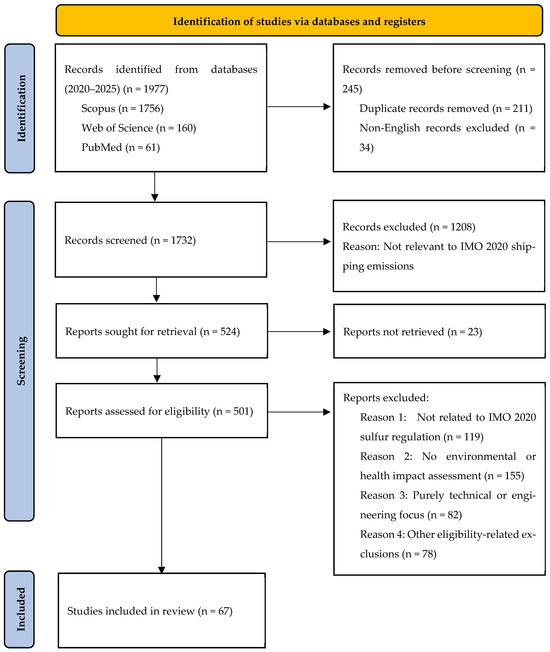
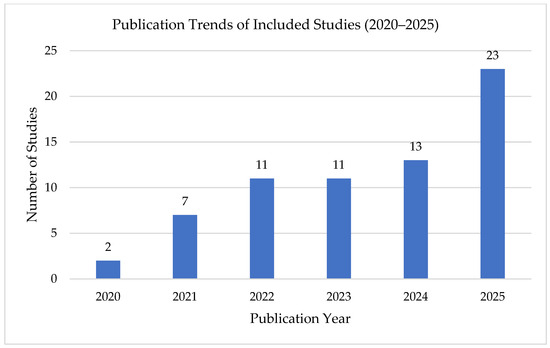
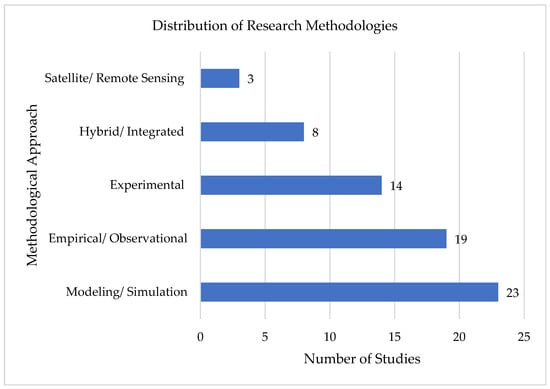
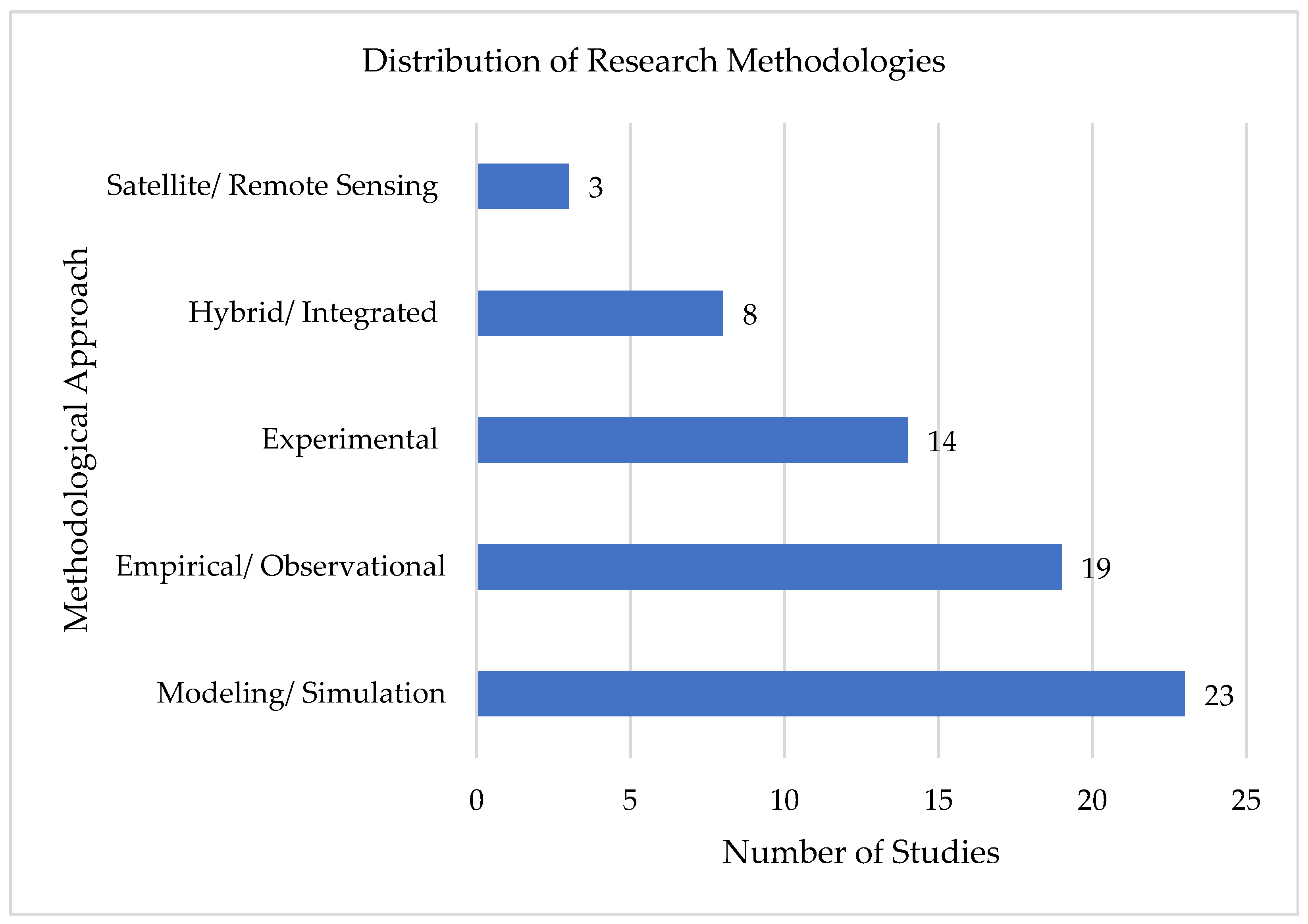
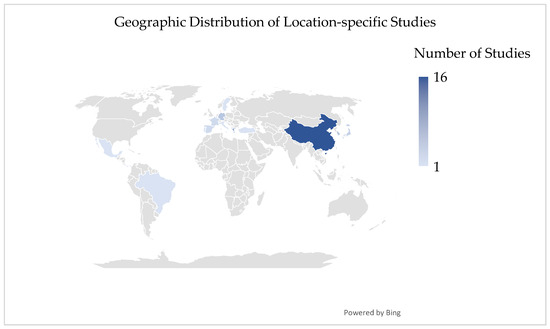
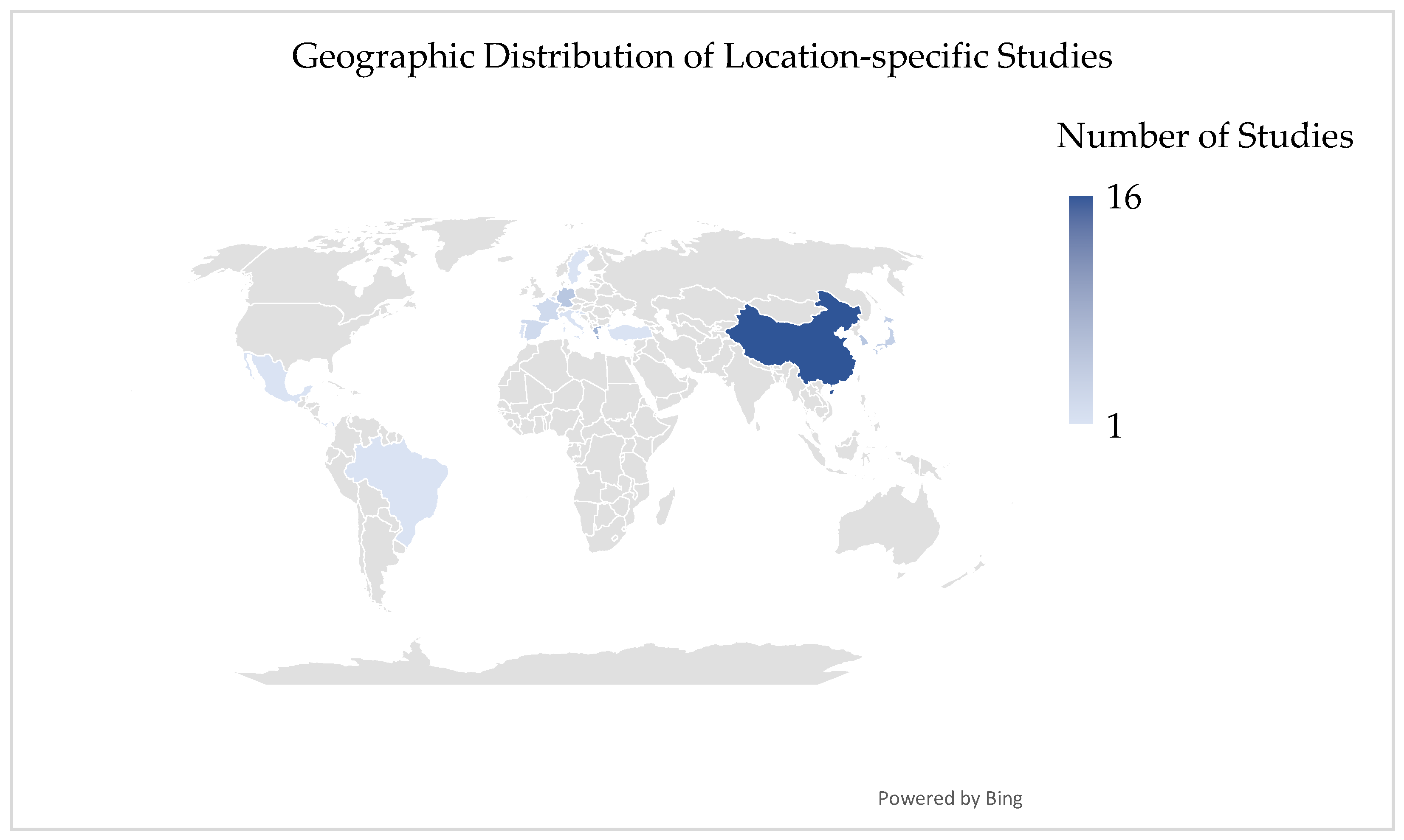
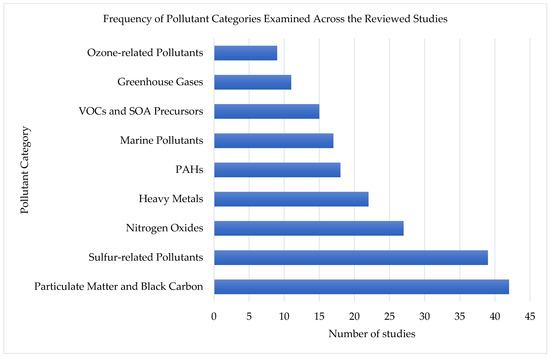
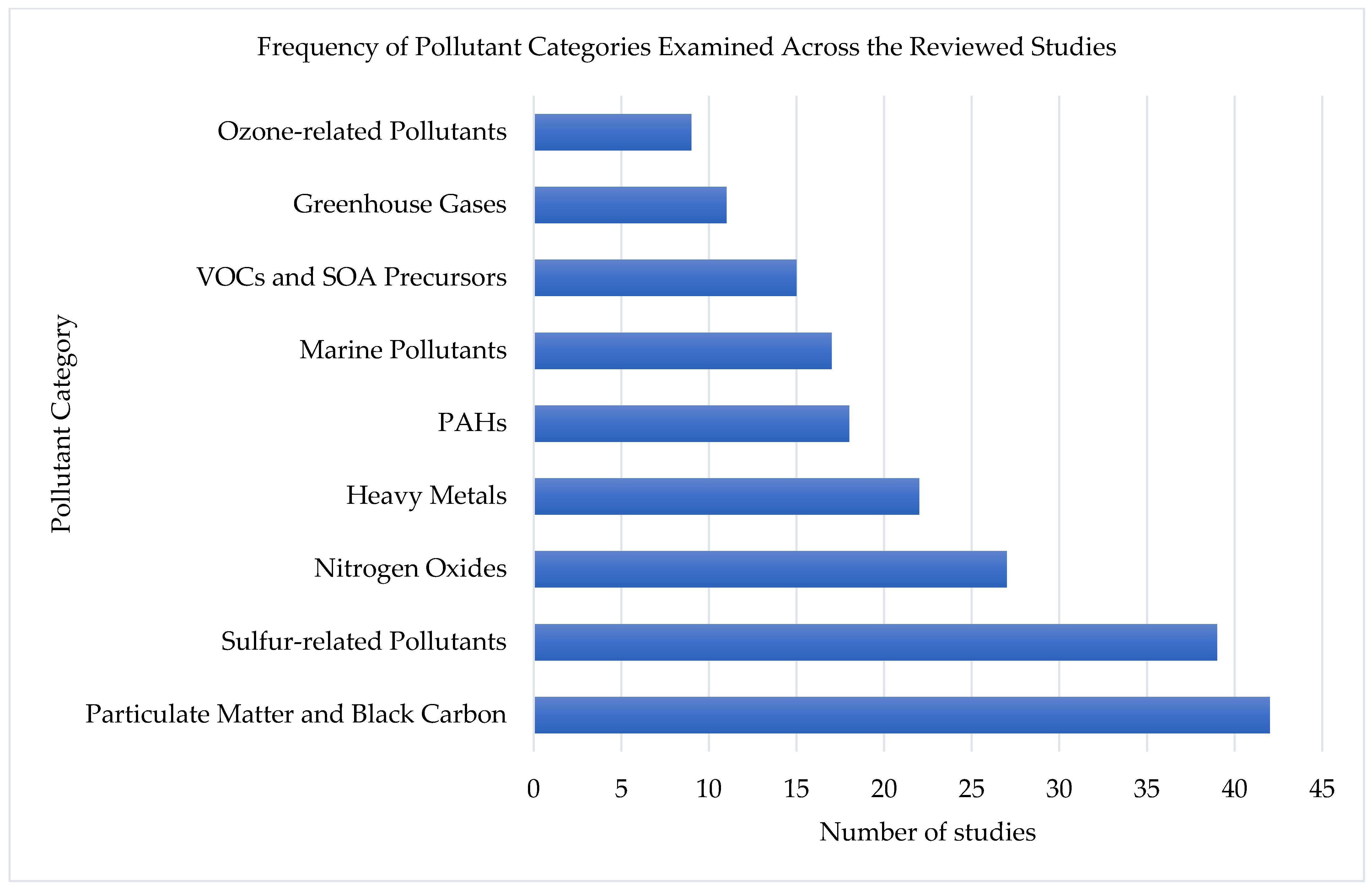
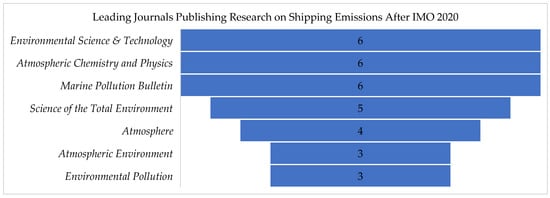
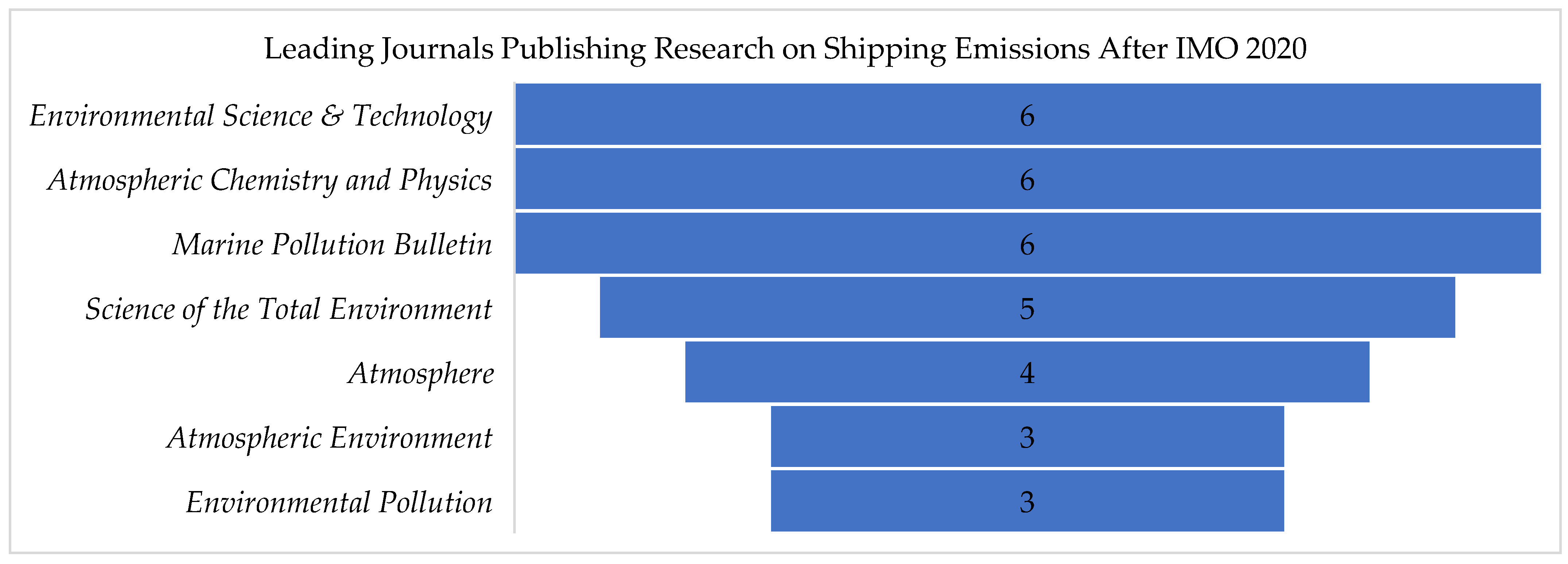
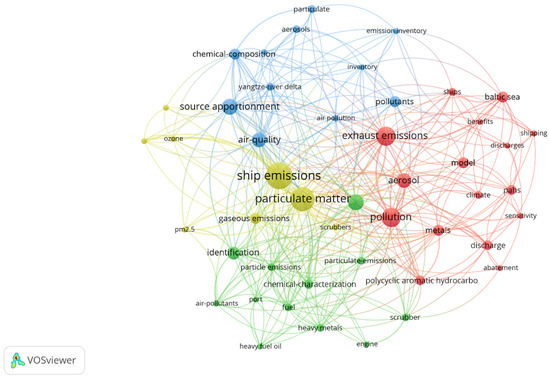
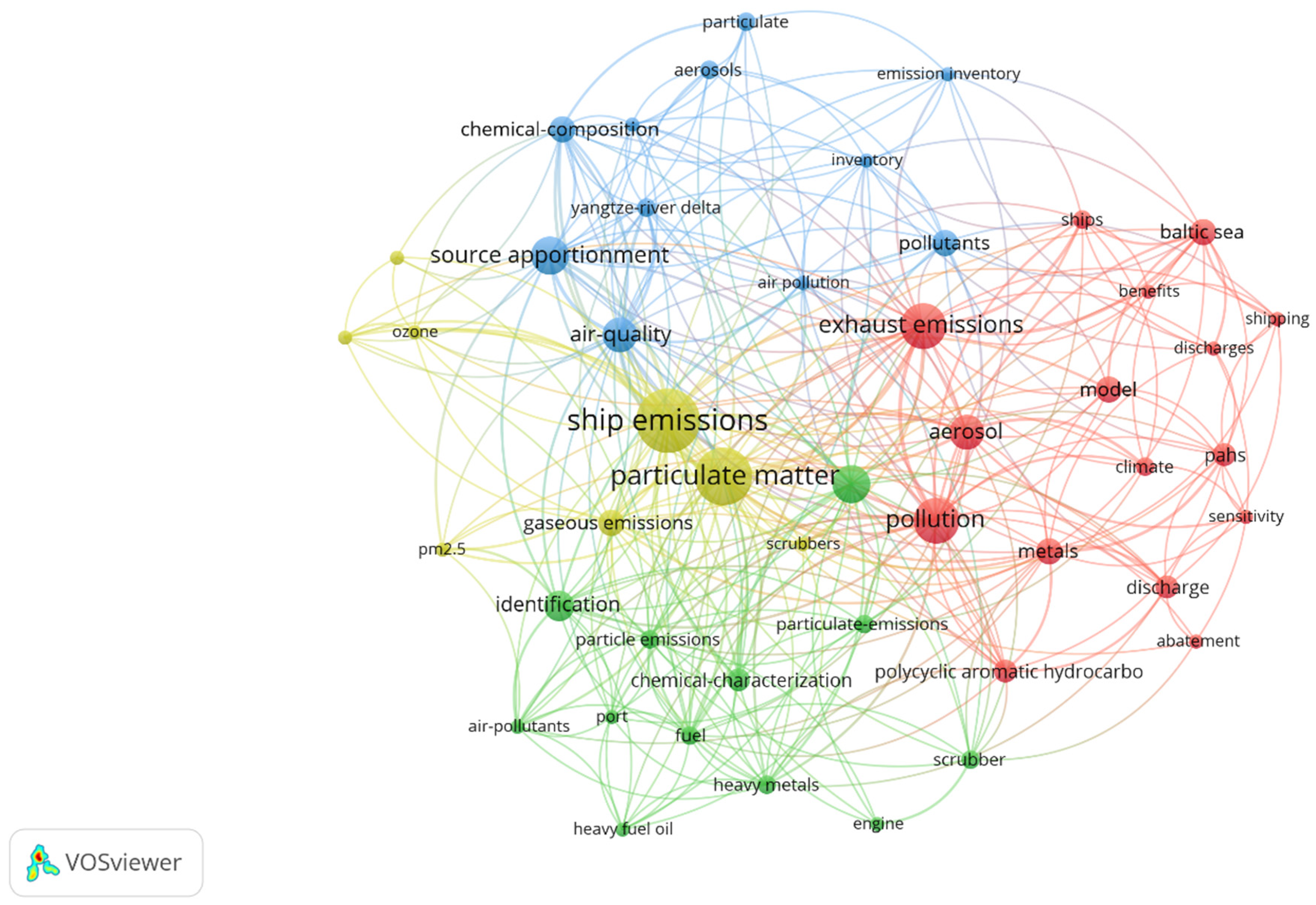

Disclaimer/Publisher’s Note: The statements, opinions and data contained in all publications are solely those of the individual author(s) and contributor(s) and not of MDPI and/or the editor(s). MDPI and/or the editor(s) disclaim responsibility for any injury to people or property resulting from any ideas, methods, instructions or products referred to in the content. |
© 2026 by the authors. Licensee MDPI, Basel, Switzerland. This article is an open access article distributed under the terms and conditions of the Creative Commons Attribution (CC BY) license.