


Abstract
Urban air pollution is a key driver of adverse respiratory outcomes, yet its precise impact on lung function trajectories in non-hospitalized patients with mild chronic obstructive pulmonary disease (COPD) has not been fully characterized. Objectives: This study investigated the complex interplay between ambient particulate matter exposure, residential microenvironmental factors, sociodemographic characteristics, and 1-year longitudinal lung function in mild COPD patients. Methods: A 1-year prospective cohort study was conducted on 50 non-hospitalized male volunteers residing in Turin (Italy) for a minimum of 5 consecutive years. Longitudinal lung function was assessed monthly via spirometric parameters, including forced expiratory volume in 1 s (FEV1), forced vital capacity (FVC), and the FEV1/FVC ratio. Ambient PM concentrations assigned according to residential location (PM2.5 and PM10) were integrated with a comprehensive residential microenvironmental and lifestyle profiling. To assess longitudinal changes in lung function while controlling for covariates, a Multivariate Analysis of Covariance (MANCOVA) was applied to estimate the simultaneous effects of these predictors on the joint lung function parameters over time. To fully account for the nested, repeated-measures structure of the dataset, linear mixed-effects models (LMMs) were deployed to calculate specific rates of functional decline over the 12 monthly intervals. This model assessed multiple exposure variables, including cooking appliances (gas vs. electric), domestic heating systems (internal vs. external boilers), smoking status, traffic exposure, and pets. Statistical associations were modeled using Principal Component Analysis (PCA) and Agglomerative Hierarchical Clustering (AHC). Results: The MANCOVA revealed a highly significant overall multivariate effect of the combined predictors on the joint lung function parameters (Wilks’ λ = 0.125, p < 0.001). Specifically, monthly PM2.5 concentrations (p = 0.001), residential proximity to primary roads (p = 0.004), and the utilization of gas-fueled cooking appliances (p = 0.002) exerted statistically significant independent effects on the decline in the spirometric profile, whereas PM10 and internal boilers did not (p > 0.05). PCA then identified four significant components explaining 88.8% of the total variance, demonstrating collinearity between ambient PM2.5 and PM10 concentrations and revealing that spatial residential distribution significantly accounts for the longitudinal variability in FEV1 and FVC. Furthermore, AHC successfully identified distinct patient clusters, confirming that indoor microenvironmental factors—predominantly the utilization of gas-fueled cooking stoves and internal boilers—could act as critical compounding risk factors alongside outdoor traffic pollution. Conclusions: These preliminary findings suggest how intersecting urban outdoor pollutants and specific household factors may potentially contribute to the trajectories of mild COPD. These data underscore the potential benefit of integrated environmental-indoor risk assessment methodologies and may inform future targeted public health interventions and preventive strategies to mitigate exacerbations in vulnerable urban populations.
1. Introduction
Outdoor air pollution, a complex mixture of harmful components, is a significant public health concern, particularly due to the impact of fine particulate matter (PM), which can penetrate deep into the lungs [1,2]. Among these, PM2.5 has been identified as a major global health threat [3,4], with short/long-term exposure linked to systemic effects, including oxidative stress, vascular dysfunction, and activation of the central nervous system [5,6]. PM2.5 exposure significantly contributes to respiratory diseases and cardiovascular conditions, increasing the risk of coronary heart disease and stroke [7]. Numerous studies have demonstrated its role in escalating morbidity and mortality rates, including hospital admissions for respiratory conditions like with chronic obstructive pulmonary disease (COPD), asthma, and cardiovascular events such as acute coronary syndrome and stroke [8,9]. Both the World Health Organization (WHO) and the European Environment Agency (EEA) consistently highlight the severe health impacts of air pollution, particularly in heavily polluted regions like the Po Valley in Northern Italy, where Turin is located [10,11,12,13]. According to estimates by the European Environment Agency (EEA), despite a recent decline in polluted-related mortality, European air pollution levels still exceed WHO guidelines, causing approximately 279,000 premature deaths annually. In 2021 alone, approximately 900 deaths in Turin were attributed to PM2.5 [14,15]. While a growing body of literature highlights the health impacts of ambient pollution, critical knowledge gaps remain regarding how intersecting outdoor pollutants and indoor microenvironments collectively modulate longitudinal respiratory trajectories, particularly in non-hospitalized individuals with mild COPD. Previous mobile-sensor and monitoring studies across international metropolitan areas—including Paris [16,17], Berlin [18], London [19] and Bogotá [20]—have established clear links between traffic-related exposure (PM2.5, NO2, and black carbon) and increased hospitalization rates or rapid lung function decline. However, these investigations predominantly rely on aggregated regional registries, cross-sectional designs, or macro-level outdoor data, often overlooking the compounding role of household exposure pathways (such as cooking stoves or heating systems) during continuous tracking. These studies confirmed that even moderate increases in pollution exacerbate COPD symptoms, increase the risk of clinical admission, and highlight that residential area-level concentrations (PM2.5), are key factor in worsening respiratory outcomes [21]. Furthermore, most air quality indices (AQIs) are designed to provide warnings during severe pollution events, often neglecting the health impacts of moderate and chronic exposure below regulatory standards which are increasingly recognized as harmful [22,23,24]. Existing literature has established connections between pollutants such as NO2 and PM10 and reductions in forced expiratory volume (FEV1) and forced vital capacity (FVC) [25,26,27,28]. New evidence also suggests that forced expiratory flow parameters (FEF% 25–75 and FEF% 25–50) may be more sensitive indicators of small airways disease than traditional markers such as FEV1, although their specificity remains debated [29,30]. Epidemiological data across Europe indicate that between 4% and 6% of the adult population suffers from clinically significant forms of COPD, with approximately two-thirds of those affected exhibit only mild functional impairments [31]. In Italy, historical and current surveillance reports—including comprehensive data from the Italian National Institute of Statistics (ISTAT) and the Ministry of Health—confirm a significant disease burden that scales with age, reaching an overall prevalence of 14.1% in individuals aged over 64 years (18.3% in men and 11.2% in women) [32]. This documented gender divergence highlights potential differential exposure patterns to historical risk factors, such as smoking and occupational hazards [33]. This age-related increase underscores the role of aging in COPD progression and emphasizes the need for targeted interventions in elderly populations. Other estimates suggest that COPD affects approximately 3–4% of the Italian population, with around 200,000 deaths attributed to the disease annually [34,35]. This places COPD among the top six most prevalent chronic diseases in the country. Despite these alarming statistics, the true burden of COPD is likely underestimated due to the difficulty in diagnosing milder cases, particularly among non-hospitalized patients who may not seek medical attention until the disease has significantly progressed. Additionally, research has revealed the substantial economic impact of COPD on the national healthcare system. A 2015 study estimated the average annual cost per patient at €3291, with hospital admissions for exacerbations representing the most significant portion of these costs [36,37,38].
This financial burden highlights the need for more effective management strategies to reduce hospitalizations. Consequently, our research focuses on non-hospitalized COPD patients in the urban setting of Turin to provide a clearer understanding of the true burden of the disease and how environmental and lifestyle factors contribute to its longitudinal trajectories. Supported by collaborations with medical professionals, this approach allows us to examine the potential underestimation of COPD cases, shedding light on the need for improved diagnostic and public health interventions. Given the lack of real-world data and interdisciplinary studies, reliable epidemiological observations on mild COPD in the general population remain scarce.
Most previous studies are focused on hospitalized individuals, in contrast our study is among the first prospective clinical investigations to focus on non-hospitalized individuals with mild COPD, specifically exploring the correlation between residential area-level PM concentrations and lung function indices in a population categorized by environmental monitoring locations.
This research analyzes clinical data from volunteers living in different traffic zones in Turin, using a participatory approach and applying MANCOVA alongside longitudinal linear mixed-effects models (LMM) to explore the complex interactions between clinical and environmental parameters. The application of PCA and cluster analysis is crucial because it allows for an in-depth and integrated examination of these multidimensional data layers. Qualitative investigation actively involves participants, improving the collection of relevant data and promoting the adoption of public health strategies based on real evidence. Cluster analysis, on the other hand, helps identify homogeneous groups of patients with similar characteristics, highlighting hidden and specific patterns related to the association of environmental exposures with respiratory health.
These statistical procedures have been successfully applied by several authors to analyze different datasets that include both clinical data related to respiratory diseases in general and data related to COPD in particular [39,40,41]. By integrating ambient air pollution observations from three selected monitoring sites in Turin—noting that fine particles measurements were completely unavailable for the To-Grassi station and localized missing data occurred within the PM10 and PM2.5 time series recorded at the Rebaudengo and Lingotto locations—with data from wider monitoring networks and promoting the use of low-cost clinical sensors, this study offers a comprehensive framework to advance public health initiatives and improve risk communication tools.
2. Materials and Methods
This section details the research methodology, providing an overview of the geographical characteristics of the study area and the criteria used for participant selection. It also describes the clinical assessments conducted to evaluate respiratory function, outlines the environmental data utilized, and explains the statistical analysis.
2.1. Study Area
Northern Italy, particularly the Po Valley, is among the most polluted regions in Europe due to a combination of its unique geographical and atmospheric conditions [42,43]. Turin is situated at the western edge of the Po Valley, a region enclosed by the Alps and the Apennines, which restrict circulation and hinder the dispersion of airborne pollutants —including particulate matter (PM) and nitrogen oxides (NOx)—which drive air quality degradation [44]. Additionally, the Po Valley experiences intense industrial and agricultural activity, further exacerbating regional pollution levels. Consequently, the region consistently exceeds air quality standards set by both the European Union and the World Health Organization (WHO), particularly during the winter months when atmospheric conditions trap pollutants close to the ground [45]. This combination of geographical isolation, heavy industrialization, and stagnant wind circulation renders the Po Valley one of the most polluted European areas, posing severe public health challenges [46]. In this context, Turin provides an ideal case study to examine the impact of air pollution on respiratory health. Situated in the northwestern corner of the Po Valley (45.0703° N, 7.6869° E), Turin is a major urban-industrial hub renowned for its automotive, aerospace, and manufacturing sectors.
With a population of approximately 850,000, it ranks among Italy’s largest metropolitan areas (ISTAT, 2024) [47]. This high urban density and heavy traffic drive severe air pollution, frequently surpassing national and international regulatory limits; consequently, the city consistently ranks among the most polluted in Italy, particularly regarding particulate matter and NOx [48]. These environmental and demographic conditions render Turin a representative model for investigating how pollutant exposures influence COPD in non-hospitalized patients, offering valuable insights for urban health management across Europe.
2.2. Environmental Data
Data published by the Piedmont Environmental Protection Agency (ARPA-Piemonte) indicate that while nitrogen dioxide levels and other traffic-related pollutants decreased in Turin during 2020 [49], this reduction was insufficient to counteract adverse meteorological conditions and rising domestic heating emissions. Specifically, ARPA reports (https://www.arpa.piemonte.it, accessed on 1 January 2020) highlight that 2020 weather patterns hindered pollutant dispersion, driving higher particulate matter levels despite the SARS-CoV-2 pandemic-induced lockdowns that curtailed traffic and industrial activity. Understanding these dynamics is crucial for clarifying the role of environmental factors in air quality and their subsequent impact on COPD.
The region experienced total annual precipitation of 936 mm, representing a deficit of 50 mm (5%), making it the 24th driest year since 1958. Additionally, there were 123 days favorable to the accumulation of PM10 concentrations, the highest number recorded in the last five years [50]. From a climatological perspective, 2020 ranked as the sixth warmest year in Piedmont over the past 63 years, exhibiting an average temperature anomaly of +1.1 °C relative to the 1971–2000 baseline [51].
In this study, atmospheric particulate matter (PM2.5 and PM10) concentration data monitored by three ARPA air quality stations in Turin were utilized to calculate their respective annual averages. The highest concentrations were recorded during the winter months, driven by domestic heating emissions and stagnant weather conditions that hindered pollutant dispersion. In 2020, January, February, and November emerged as the most critical periods due to prolonged drought conditions. Conversely, from April to September, atmospheric instability enhanced pollutant dispersion, leading to average PM concentrations of approximately 20 μg/m3, even at stations where regulatory limits are regularly surpassed. Monthly PM10 evaluations revealed that the daily limit of 50 μg/m3 (Legislative Decree 155/2010), which allows for 35 exceedances per year, was breached at most monitoring sites during 2020. The To-Grassi traffic station recorded the highest number of infractions, with 98 days above the threshold, followed closely by To-Rebaudengo with 88 days. Furthermore, urban background stations such as Lingotto and Rubino registered 72 and 66 exceedances, respectively, underscoring the severity of local air quality degradation. Due to a substantial amount of missing data, identical comprehensive observations could not be performed for fine particulate. Within the framework of the new European Air Quality Directive (Directive (EU) 2024/2881, published on 20 November 2024), even more stringent standards have been introduced to improve public health. Specifically, the annual PM2.5 limit is set to decrease from 25 μg/m3 to 10 μg/m3 by 1 January 2030, alongside the introduction of a 25 μg/m3 24-h limit with a maximum of 18 permitted exceedances per year. Such frequent breaches of particulate matter thresholds have profound implications for public health, particularly regarding the progression of respiratory diseases.
Continuous exposure to high concentrations of PM2.5 and PM10 can lead to chronic inflammation, reduced lung function and increased frequency of hospital admissions for respiratory difficulties [52]. Therefore, understanding and mitigating air quality exceedances is essential to improve public health outcomes and manage chronic diseases in urban populations.
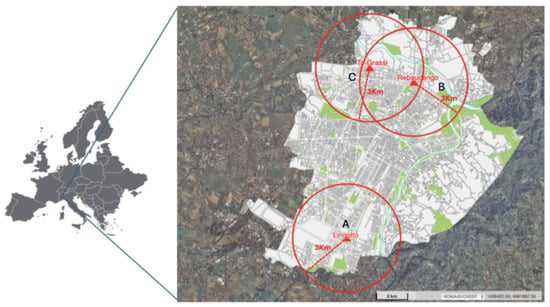
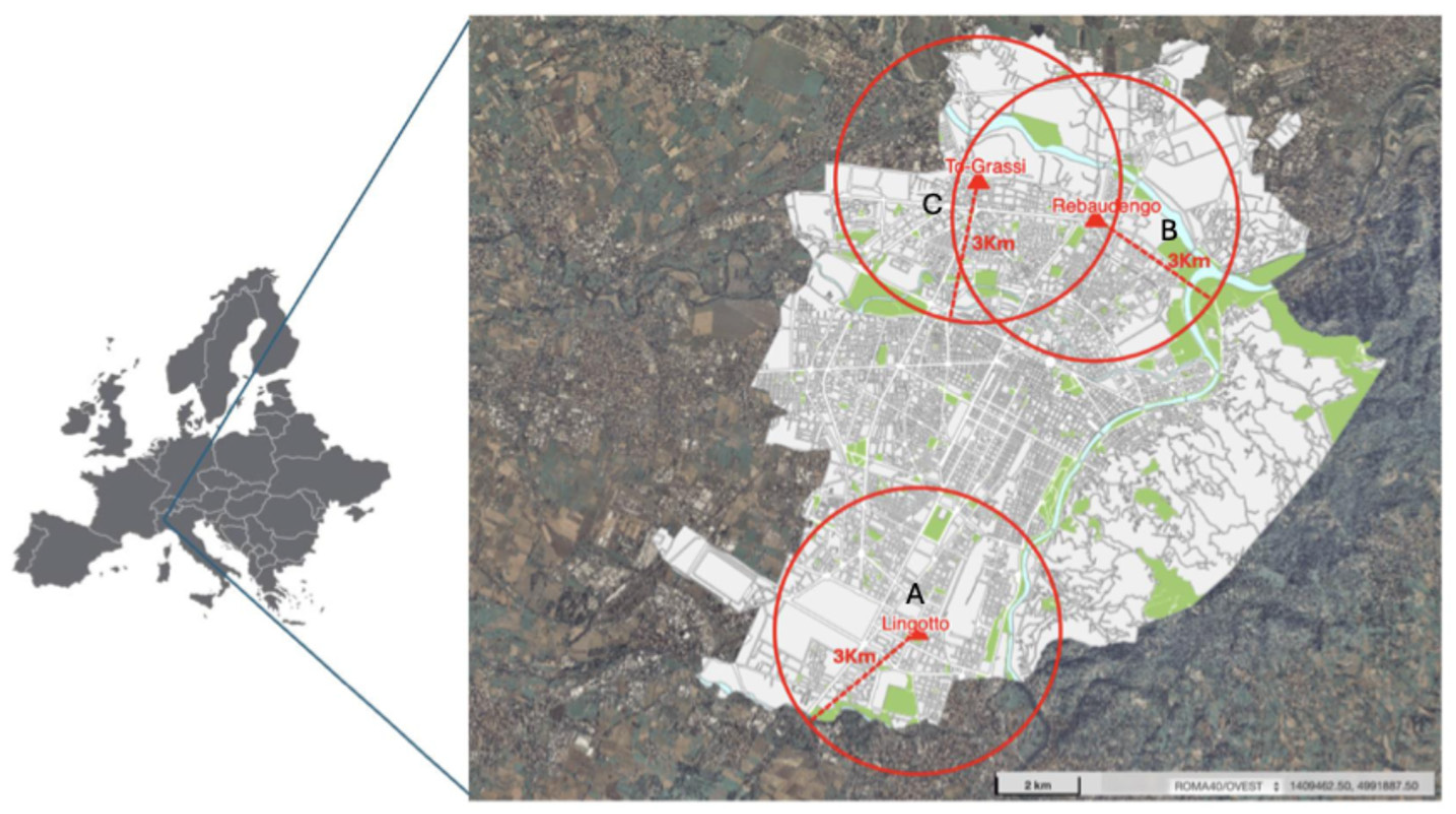
Environmental data regarding annual average PM concentrations were obtained from the ARPA Piemonte database. During the initial data pre-processing phase for PM10 and PM2.5 concentrations, several critical issues were identified: (I) a significant amount of missing data, (II) the unavailability of PM2.5 concentrations across all monitoring stations, and (III) the restriction of black carbon (BC) measurements to a single station (Lingotto). Due to these limitations, specific monitoring stations and BC data were excluded from the multivariate statistical analysis. Table 1 presents the data for the selected monitoring stations used in this study, while Figure 1 illustrates their locations and the respective 3 km buffers encompassing the residences of the participating volunteers. The residential locations of each participant were georeferenced to map the study population. The urban area of Turin was then divided into three macro-areas based on the placement of the selected monitoring stations, with volunteers’ residences assigned to these sectors according to their spatial proximity to the monitoring sites. This classification aims to enhance the assessment of ambient PM exposure relative to residential location. The macro-areas are defined as follows:
Table 1.
Observed results from three PM10 and PM2.5 ambient air monitoring locations included in the study.
Figure 1.
Orthophoto of the study area illustrating the urban macro-areas (A, B, and C) and their respective 3-km buffers, encompassing both the monitoring stations and the residences of the enrolled volunteers. Red triangles indicate the locations of the atmospheric monitoring stations (Macro-area A: To-Grassi; Macro-area B: Rebaudengo; Macro-area C: Lingotto); exact residential addresses are omitted to ensure participant anonymity.
(a) Macro-area A: Located in the south-southwest and southeast regions of the city, this area is associated with the Lingotto monitoring station.
(b) Macro-area B: Situated in the central and southeast parts of Turin, this area corresponds to the Rebaudengo monitoring station.
(c) Macro-area C: Covering the central and northwestern sections of the city, this area is linked to the Grassi monitoring station.
This approach facilitates a nuanced analysis of air quality exposure and its potential impact on the respiratory health of volunteers residing across diverse urban environments. For participants whose georeferenced residential addresses fell within the overlapping buffers of Macro-areas A and B (Figure 1), exposure data were assigned based on the minimum Euclidean distance. Calculating the linear distance between each residence and the two adjacent monitoring stations ensured unambiguous spatial classification, thereby minimizing exposure misclassification by assigning each volunteer exclusively to the nearest station.
2.3. Inclusion Criteria for Volunteers
To investigate potential associations between environmental conditions and COPD severity, as well as to monitor changes in lung function among individuals with mild COPD residing in Turin for at least five years in areas with variable traffic density, we enrolled a total of 50 male volunteers. Participants were included in a one-year prospective longitudinal cohort study. Only male volunteers were recruited due to an insufficient sample of female candidates presenting with varying degrees of COPD severity. This is a limitation of the current study, and we acknowledge that this cohort may not fully reflect a representative sample of the general urban population of Turin. However, literature on the precise prevalence of COPD patients residing in this city is scarce, and access to detailed hospital data reporting exact admission counts remains difficult. Moreover, our study focused on non-hospitalized volunteers who, in most cases, had not yet required local healthcare facilities (in terms of hospital admission); this suggests that the actual burden of individuals affected by this respiratory condition is probably underestimated both in Turin and in other Italian or European cities. A description of demographic characteristics for the volunteers is detailed in Table 2. All participants with acute illnesses not related to COPD were excluded. Functionally, all 50 enrolled participants presented at baseline with a pre-bronchodilator FEV1/FVC ratio < 0.70 and a FEV1 % predicted ≥ 80%, consistent with the diagnostic thresholds for GOLD Stage 1 (Mild COPD). Additionally, none of the volunteers were under active pharmacological maintenance therapy for respiratory symptoms during the study, eliminating medication as a potential confounding factor. Finally, demographic information, lifestyle data, family history, and past medical history were collected via a self-administered questionnaire.
Table 2.
Baseline demographic and microenvironmental characteristics of the study cohort.
2.4. Clinical Data
In this context, our research takes an important multidisciplinary approach by focusing on the urban fabric of Turin to investigate mild COPD trajectories. Unlike many studies that concentrate on hospitalized cases, we specifically targeted non-hospitalized individuals living in the city. By conducting a localized investigation and collaborating with local medical professionals, we sought to assess how the true number of COPD cases may be significantly underreported. This approach not only enhances our understanding of the disease’s prevalence in an urban setting but also highlights the need to address gaps in data that may hinder effective public health strategies and disease management efforts. Clinical data were collected at home by a qualified and registered pulmonologist. One spirometry test was performed monthly for each participant, from January to December 2020, resulting in a total of 12 tests per volunteer and 600 spirometry tests for the entire study. All activities were conducted during the COVID-19 pandemic in compliance with the protection and safety protocols established for both the operators and the volunteers. Table 3 summarizes the clinical history of the volunteers.
Table 3.
General medical history (GMH) of the study participants (N = 50).
2.5. Spirometry
Spirometry tests were performed using a low-cost portable spirometer (CONTEC SP10, Contec Medical Systems Co., Qinhuangdao, China) Classified under the Medical Device Directive (MDD) 93/42, the SP10 is a handheld clinical instrument designed for lung function analysis, suitable for routine monitoring across hospital, clinic, and home settings. All assessments were conducted by a pulmonologist without bronchodilator administration, strictly adhering to the guidelines of the American Thoracic Society (ATS) and the European Respiratory Society (ERS). The spirometry tests provided key respiratory parameters for each volunteer, including FEV1, FVC, and FEV1/FVC ratio (particularly important for distinguishing between obstructive and restrictive lung diseases).
3. Statistical Analysis
For the statistical analyses, a comprehensive dataset was used, consisting of clinical parameters (FEV1, FVC, and FEV1/FVC ratio), social characteristics (e.g., residential history, lifestyle habits, and general anamnesis), and environmental data (ambient atmospheric particulate concentrations). Qualitative variables and microenvironmental information were gathered through direct interviews and structured questionnaires, ensuring rigorous personal and localized spatial context. Quantitative and qualitative variables included in the statistical workflow are summarized in Table 4.
Table 4.
Classification and specifications of the quantitative and qualitative variables included in the statistical analysis.
3.1. Multivariate Analysis of Covariance (MANCOVA)
First, a Multivariate Analysis of Covariance (MANCOVA) was performed to evaluate the simultaneous impact of environmental, microenvironmental, and traffic-related predictors on the correlated vector of respiratory outcomes (FEV1, FVC, and FEV1/FVC ratio), while adjusting for biological covariates (age and BMI). This inferential approach was selected to test the global multivariate significance of the independent predictors on the joint lung function parameters over time and safeguard against Type I error rates across highly correlated biological outcomes.
3.2. Linear Mixed-Effects Models (LMM)
To explicitly model the longitudinal trajectory of lung function and evaluate the rate of change in spirometric parameters over time while accounting for repeated measures within subjects, a Linear Mixed-Effects Model (LMM) was implemented. Given the hierarchical structure of the data—comprising 12 monthly repeated observations (N = 600) nested within 50 individual participants—the standard independence assumption of classical regression models is violated. The LMM incorporated individual participant ID as a random effect (random intercept and random slope over time) to control for baseline variability and individual-specific rates of functional decline. The fixed effects included time (months elapsed over the 1-year follow-up), ambient particulate matter exposures (PM2.5 and PM10), and key potential confounders identified from microenvironmental and anamnestics profiling (age, BMI, smoking status, heating system type, and cooking appliance type). The primary outcomes were FEV1 and FVC. Estimated regression coefficients (β), 95% Confidence Intervals (95% CIs), and two-sided p-values were derived using Satterthwaite’s approximation for degrees of freedom. All longitudinal statistical modeling was performed in R (version 4.3.2) using the lme4 and lmerTest packages.
3.3. Principal Component Analysis (PCA)
Subsequently, Principal Component Analysis (PCA) was applied as a complementary data-reduction and exploratory pattern-recognition technique using the 12-month longitudinal averages for each subject. Prior to analysis, continuous quantitative variables were standardized via Z-score transformation to eliminate scale-dependent biases. PCA was utilized to transform the continuous environmental and clinical attributes into a smaller set of uncorrelated principal components, identifying the directions of maximum variance, evaluating multi-pollutant collinearity, and project variables onto a reduced factor space based on the Pearson correlation matrix. Optimal factor retention was determined using Kaiser’s criterion (eigenvalues > 1).
3.4. Agglomerative Hierarchical Clustering (AHC)
Concurrently, Agglomerative Hierarchical Clustering (AHC) was employed to build a hierarchy of clusters by iteratively merging the closest pairs of patient profiles based on shared microenvironmental, demographic, and spatial attributes [41]. Proximity between participant vectors was computed using the Euclidean distance metric, and cluster merging was executed via Ward’s minimum variance linkage method. Categorical variables were dummy-coded prior to clustering to safeguard geometric distance properties. This multi-layered analytical framework allows for a statistically robust exploration of how outdoor and indoor risk factors interact and contribute to specific mild COPD respiratory trajectories.
4. Results and Discussion
4.1. MANCOVA Analysis
To evaluate the concurrent impact of environmental and microenvironmental predictors on respiratory outcomes while controlling for biological covariates, a MANCOVA was initially performed. The MANCOVA revealed a highly significant overall multivariate effect of the combined predictors on the joint lung function parameters (FEV1, FVC, FEV1/FVC ratio) over the study period (Wilks’λ = 0.125, approximate F(12, 142) = 3.84, p < 0.001). Tests of between-subject effects demonstrated that monthly PM2.5 exposure (F = 6.84, p = 0.001), residential proximity to high-traffic primary roads (F = 5.06, p = 0.004), and the utilization of gas-fueled cooking appliances (F = 5.98, p = 0.002) exerted statistically significant independent multivariate effects on the degradation of the spirometric profile. Conversely, PM10 concentrations and internal heating boiler types did not reach statistical significance at the multivariate level after adjusting for PM2.5 and traffic proximity (p > 0.05). Among the adjusted covariates, both age (p < 0.001) and BMI (p = 0.014) showed significant effects on baseline functional variance. The comprehensive multivariate outcomes are summarized in Table 5.
Table 5.
Multivariate Analysis of Covariance (MANCOVA) testing the simultaneous effects of environmental and indoor predictors on the joint respiratory outcome vector (FEV1, FVC, andFEV1/FVC ratio), adjusted for Age and BMI.
4.2. Longitudinal Lung Function Trajectories and Exposure Associations
To explicitly model the longitudinal trajectory of lung function and capture both long-term disease trends and short-term temporal dynamics, a LMM analysis was implemented. The dataset comprises 12 monthly repeated observations (N = 600) nested within 50 individual participants. To address potential seasonal masking inherent to annual averaging, ambient air pollution concentrations (PM2.5 and PM10) were incorporated as time-varying monthly metrics corresponding to each spirometry test date. Furthermore, a categorical seasonality parameter (Season: Winter, Spring, Summer, Autumn) was introduced as a fixed effect to control for intra-annual atmospheric dynamics and temperature-driven exposure patterns. Participant ID was included as a random effect (random intercept and random slope over time) to account for individual baseline function and subject-specific rates of functional decline. Fixed-effect covariates included time, age, BMI, smoking status, heating system type, and cooking appliance type. Primary outcomes were FEV1 and FVC; statistical modeling was performed in R(v4.3.2) using the lme4 and lmerTest packages.
Over the 1-year tracking period, the cohort exhibited a significant baseline functional decline (FEV1: β = −0.052 L/year, p < 0.001; FVC: β = −0.064 L/year, p < 0.001). Monthly residential area-level PM2.5 concentrations were significantly associated with accelerated volume reduction (FEV1: β = −0.014 L per μg/m3, p = 0.012; FVC: β = −0.018 L per μg/m3, p = 0.007), whereas PM10 did not cross the significance threshold (β = −0.005, p = 0.165 for FEV1). Additionally, the utilization of gas-fueled cooking stoves acted as a significant independent microenvironmental risk factor for both parameters. The comprehensive LMM fixed-effect estimations are summarized in Table 6.
Table 6.
Linear mixed-effects model (LMM) estimates over 12 months (N = 600 observations, 50 participants).
4.3. PCA and AHC Analysis
To eliminate scale-dependent biases and prevent variables with larger absolute dimensions—such as ambient particulate concentrations PM10 and PM2.5—from improperly dominating the variance over spirometric indices expressed in liters FEV1 and FVC, all quantitative datasets were standardized via Z-score transformation (mean = 0, standard deviation = 1) prior to analysis.
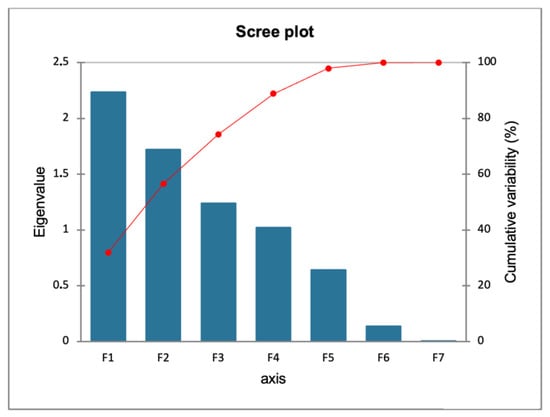
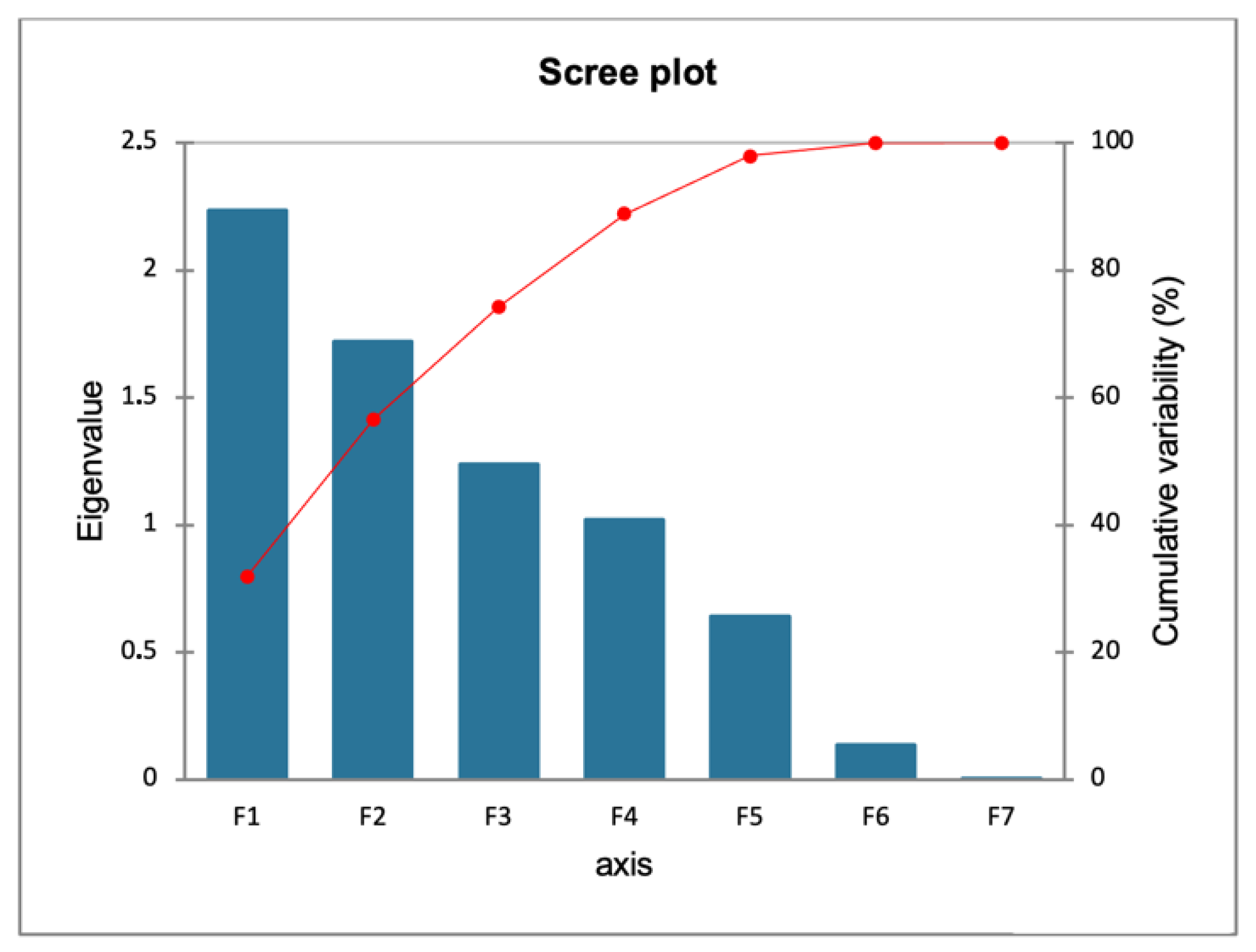
Following the inferential verification provided by the MANCOVA, a principal components analysis (PCA) allowed us to evaluate the correlation structure between the eight quantitative variables. The optimal number of principal components to retain was determined based on Kaiser’s criterion, selecting factors with eigenvalues greater than 1. The first four eigenvectors with significant eigenvalues (see Table 7 and Figure 2) explained 88.8% of the variance in the data. These results demonstrate that the lung function indices of the 50 volunteers are linked to environmental conditions and place of residence in the city of Turin.
Table 7.
PCA results, in bold the significant Eigenvalues larger than 1.
Figure 2.
Bar graph representing the eigenvalues and their cumulative percentage of explained data variance.
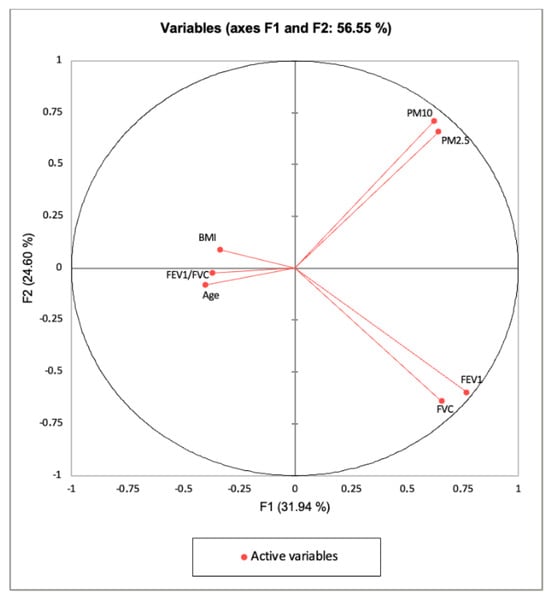
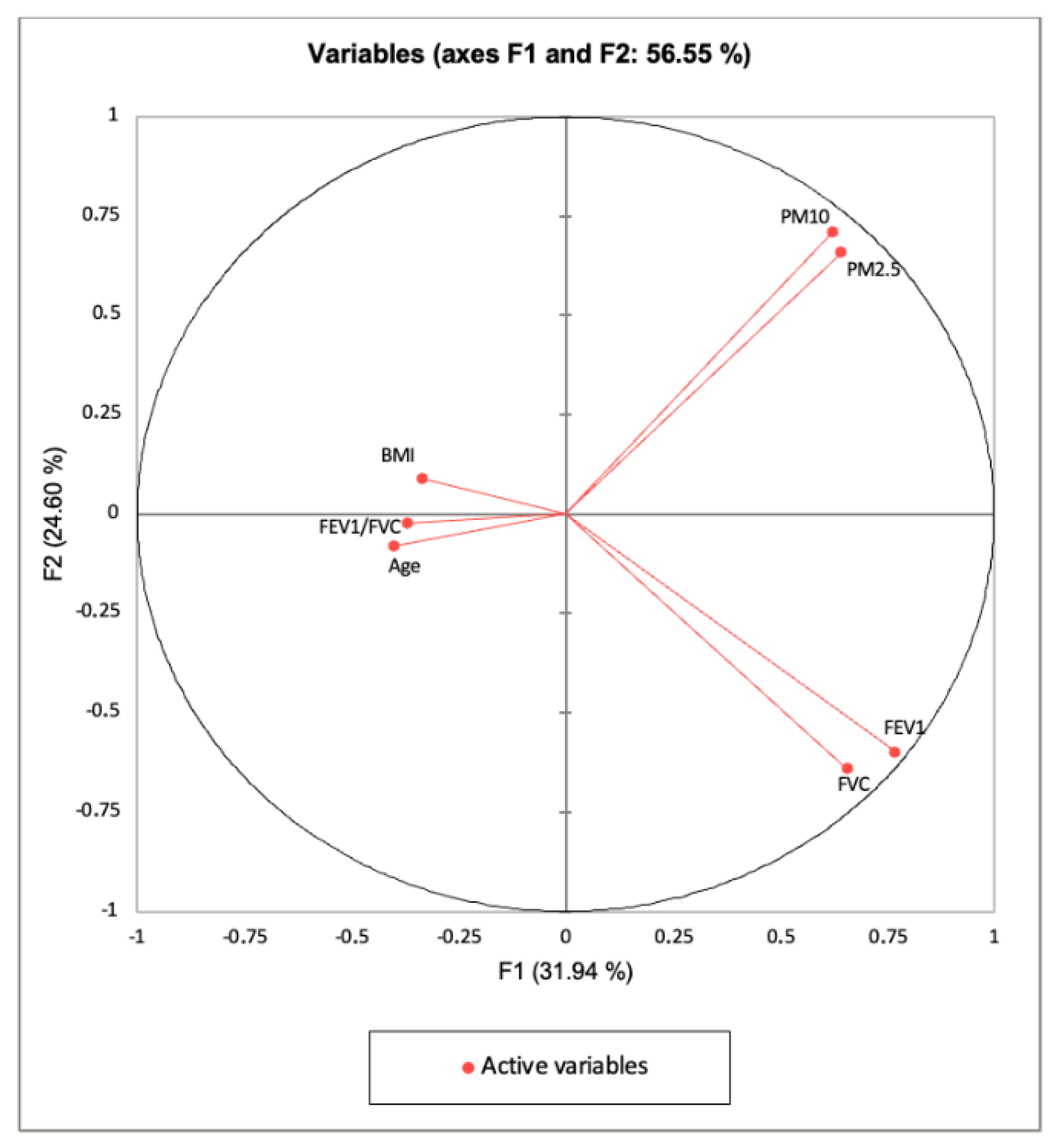
By applying PCA to the matrix of quantitative factors, a strong relationship was identified between annual averaged PM10 and PM2.5 concentrations and pulmonary disease indices. Table 8 presents the factor loadings of the original variables. Higher absolute loading values indicate a stronger contribution of the corresponding variable to that specific principal component. The correlation circle shown in Figure 3 provides a projection of the initial variables onto the factor space, which can be interpreted as follows: (a) variables that are close to each other are significantly positively correlated; (b) variables that are orthogonal to one another indicate no correlation; (c) variables located on opposite sides of the center are significantly negatively correlated; and (d) variables that are close to the center suggest that some information may be carried along other axes, making any interpretation potentially risky.
Table 8.
Table of the contribution of the quantitative variables.
Figure 3.
Correlation circle and cumulative variability of the sub-matrix.
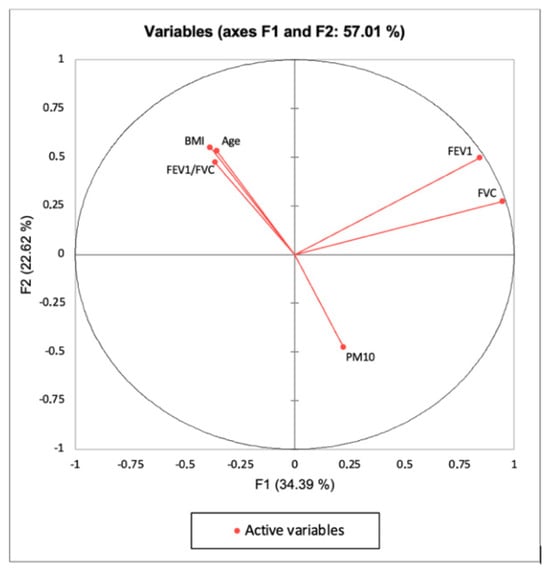
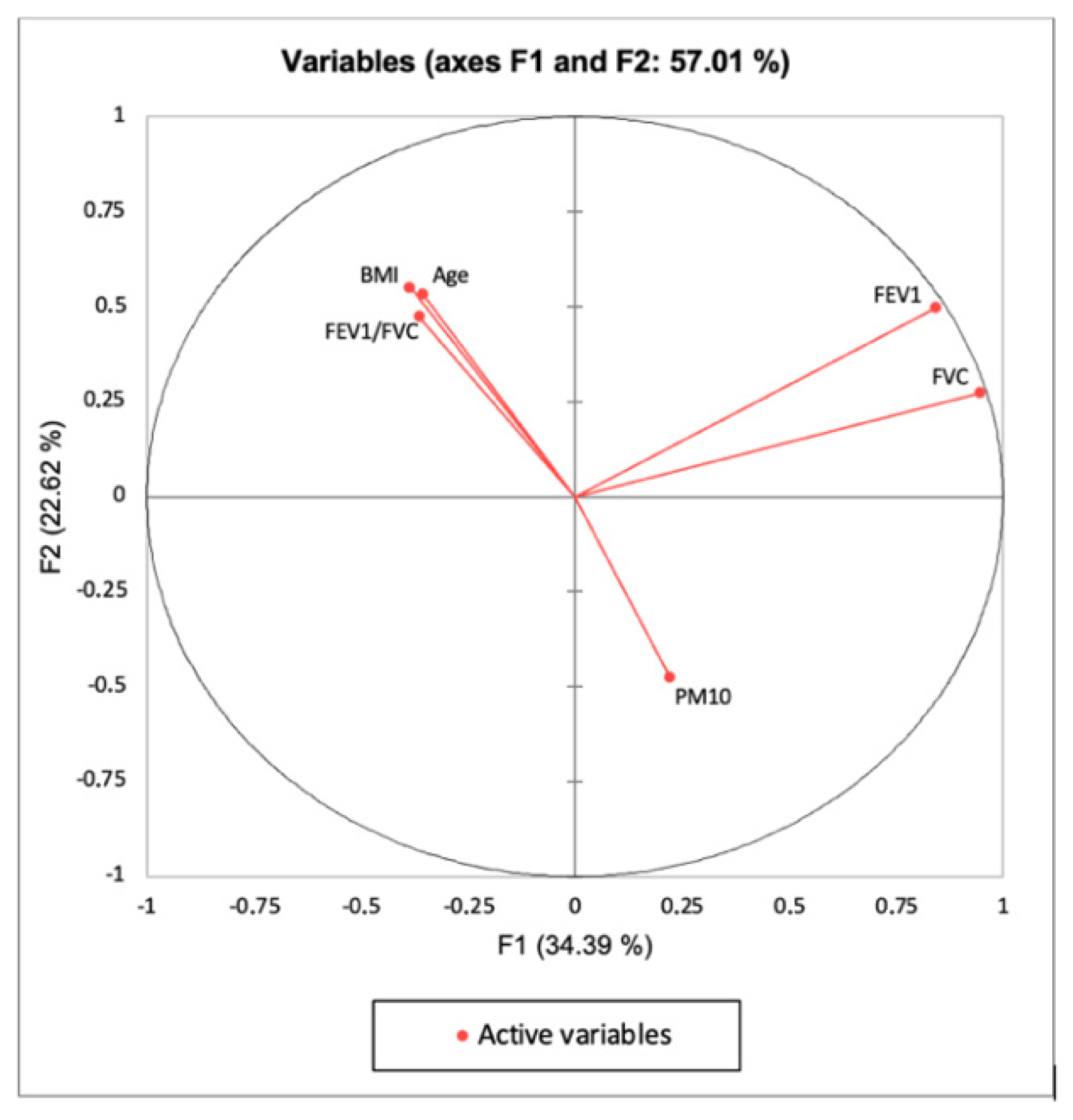
The PCA identified four significant factors. The first factor represents a strong relationship between FEV1 and FVC, which has substantial clinical relevance, both parameters are essential in assessing lung function. A reduced FEV1/FVC ratio indicates airflow obstruction, characteristic of diseases such as COPD and asthma. Conversely, a proportional reduction in both parameters may suggest a restrictive deficit, as seen in pulmonary fibrosis. The association between FEV1 and FVC highlighted by the PCA thus reflects crucial aspects of the diagnosis and monitoring of respiratory diseases [53]. The second factor underscores the connection between these lung function indices and particulate concentrations (PM10 and PM2.5), explaining 24.6% of the variance in the data. The third factor indicates that BMI is an isolated variable, while the fourth factor reveals a relationship between the FEV1/FVC ratio and the patient’s age. The correlation circle in Figure 4 illustrates that the lung function indices FEV1 and FVC are geometrically aligned, whereas the FEV1/FVC ratio projects in the opposite direction. Notably, the correlation circle suggests a geometric alignment between the FEV1/ FVC ratio, BMI, and age along the axis, though BMI did not reach independent significance in the global multivariate inferential model. Additionally, the graph demonstrates a lack of baseline cross-sectional correlation between respiratory function indices and PM10 concentrations. However, this lack of correlation may be attributed to the sparse distribution of the monitoring stations, which limited the ability to assess exposure diversity for each patient on a spatial level. Some monitoring stations were excluded from analysis as they were located outside the urban center, leading to a more spatially relevant correlation between the remaining stations and the clinical data collected from the patients.
Figure 4.
The correlation circle map illustrates the projection of the initial variables onto the factor space.
In conclusion, the PCA identified four significant factors that explain 88.8% of the variance in the data, indicating a strong correlation structure among the seven quantitative variables.
The four significant factors identified by the PCA are:
Factor 1: Represents a strong relationship between FEV1 and FVC, which are crucial lung function indices.
Factor 2: Highlights the connection between lung function indices (FEV1 and FVC) and particulate matter concentrations (PM10 and PM2.5), indicating the impact of air pollution on respiratory health.
Factor 3: Identifies BMI as an isolated variable, suggesting its unique influence on the data set.
Factor 4: Reveals a significant relationship between the FEV1/FVC ratio and the patient’s age, showing how age affects lung function.
As these factors collectively explain 88.8% of the variance in the data, they provide a comprehensive understanding of the key variables influencing lung function in the study. The results from AHC analysis identified subgroups of patients based on their exposure to pollution, BMI, smoking status, type of boiler, and type of stove, with notable differences in these characteristics across clusters (see statistical Analysis Supplementary Materials). This classification reveals notable differences in these characteristics across the identified clusters. For instance, some subgroups are characterized by higher exposure to pollution, which correlates with specific lung function indices and health outcomes (see Supplementary Figure S1 and Tables S1 and S2). Other subgroups show variations in BMI, indicating different health profiles and potential risks. Smoking status further differentiates the clusters, highlighting the impact of smoking on respiratory health. The type of boiler and stove used by patients also emerges as significant factors, possibly reflecting socioeconomic status and lifestyle choices that influence health outcomes. By examining these subgroups, the analysis draws important conclusions about the interplay between environmental exposure, lifestyle factors, and respiratory health, providing valuable insights for targeted public health interventions and personalized medical care. From the dendrogram analysis, several key conclusions can be drawn:
- −
- Subgroups of patients living in areas with higher pollution exposure tend to have poorer lung function indices. This highlights the significant impact of environmental pollution on respiratory health.
- −
- Differences in BMI among subgroups suggest that body weight plays a crucial role in lung function. Patients with higher BMI may have different health outcomes compared to those with lower BMI.
- −
- The analysis shows that smoking status (current smoker, ex-smoker, never smoked) is a critical factor influencing lung health. Subgroups with a higher proportion of smokers or ex-smokers tend to have compromised lung functions.
- −
- The type of boiler (internal vs. external) and stove (gas vs. electric) used by patients also differentiates the subgroups. These factors may reflect socioeconomic status and lifestyle choices, which in turn affect health outcomes.
- −
- Age is another important factor, with older patients showing different lung function profiles compared to younger ones. This underscores the need for age-specific health interventions.
Overall, the statistical analysis underscores the significant impact of environmental factors on lung function and highlights specific demographic and lifestyle factors that further influence respiratory health.
A distinction must be drawn between the cross-sectional findings derived from PCA and the dynamic findings from longitudinal mixed models. While the exploratory PCA primarily captured baseline variance and global collinearity among static annual parameters—noting limitations in detecting direct cross-sectional correlations with baseline PM10 due to spatial station sparsity—it served primarily for data reduction and patient phenotyping via AHC. Conversely, the assessment of functional decline and the effects of particulate exposure on respiratory trajectories are properly substantiated by the 12-month longitudinal LMM. By modeling repeated monthly observations within subjects, the longitudinal approach overcomes the static constraints of baseline analyses, successfully revealing the true temporal association between pollutant exposure and accelerated FEV1 and FVC reduction.
5. Conclusions
This study aimed to assess the impact of air pollution and microenvironmental factors on lung function variability in non-hospitalized volunteers with mild COPD. By integrating Multivariate Analysis of Covariance (MANCOVA), PCA and AHC, we successfully characterized how spatial residential distribution, age, and indoor exposure pathways collectively influence respiratory health. Notably, our findings highlight that residence in congested urban areas and proximity to high-traffic primary roads are associated with accelerated declines in spirometric parameters (FEV1 and FVC), consistent with existing literature [54,55]. Beyond outdoor pollution, the integration of microenvironmental profiling revealed that indoor factors—predominantly the utilization of gas-fueled cooking stoves—significantly contribute to indoor emissions that negatively impact respiratory function, acting as critical compounding risk factors. To enhance the granularity of these environmental exposure assessments, future investigations could benefit from utilizing portable sensors placed in volunteers’ homes to capture cumulative and peak exposure profiles [56]. Furthermore, our study underscores substantial shortcomings in the current urban air quality monitoring networks, particularly regarding the lack of localized data for PM2.5 and black carbon. While our findings provide valuable insights into early-stage COPD management through regular, repeated monitoring, several limitations must be acknowledged:
- −
- Sample Size: The relatively small cohort of 50 volunteers may limit statistical power and increase the risk of sampling bias, potentially affecting the generalizability of the results.
- −
- Statistical Modeling and Exposure Configurations: The analytical framework employed herein integrates advanced longitudinal regressions—specifically LMMs—alongside multivariate methodologies (MANCOVA, PCA, and AHC). This integrated approach successfully accounts for intra-subject autocorrelation across the 600 multi-temporal observations and controls for Type I error rates across highly correlated biological outcomes. Furthermore, atmospheric pollutant exposure was estimated from fixed regional monitoring stations and mapped via 3-km residential buffers. Consequently, this represents a residential area-level proxy rather than a direct personal exposure metric, as the analysis could not account for unmeasured individual confounders such as workplace exposure, commuting patterns, time spent outdoors, or indoor ventilation rates. Restructuring the dataset to integrate mixed-effects modeling frameworks and deploying personal portable sensors remain primary prospective priorities for subsequent phases of this research to mitigate exposure misclassification and fully exploit high-resolution granular data.
- −
- The COVID-19 Context: This study was completed during the COVID-19 pandemic in 2020. The associated mobility restrictions, lockdowns, and behavioral changes (such as increased time spent indoors) profoundly altered both human exposure patterns and urban emission dynamics. Therefore, the results reflect a specific temporal window and may not fully generalize to standard pre- or post-pandemic conditions.
- −
- Gender Bias: The study exclusively included male participants, introducing a gender bias. Given documented differences in COPD trajectories between men and women, the applicability of our findings to female populations remains uncertain.
- −
- Measurement Time Frame: The one-year observation period may be too short to fully capture the long-term health effects of air pollution on COPD evolution.
Given these distinct environmental and structural contexts, there remains a pressing need for future research integrating socio-environmental datasets to develop robust urban risk indices tailored to respiratory health. Addressing these limitations in future research could enhance our understanding of air pollution’s broader implications for long-term respiratory health. Notably, this study represents a pioneering effort in leveraging low-cost mobile clinic technology to assess lung function in non-hospitalized volunteers with mild COPD in relation to environmental pollution. Emerging literature increasingly supports the use of mobile technology and patient-generated data in both clinical and research settings. In a city like Turin, where air quality is particularly poor, pollution exposure may have a more pronounced impact on individuals living in areas with limited green space. Our results indicate that residence in high-traffic areas is associated with an accelerated decline in lung function, aligning with existing studies [57]. Specifically, the decline in lung function, measured as percent predicted FVC, correlates with proximity to major roads, reinforcing the role of environmental factors in respiratory disease progression. Interestingly, short- and long-term FVC variability was not influenced by other clinical factors assessed prior to volunteer enrollment. While it may take over 40 weeks to fully capture the impact of environmental pollution on FVC, significant changes were already detectable after 30 weeks. Citizen participation in this pilot study enabled us to collect valuable exposure data linked to residential locations, improving our understanding of how environmental and urban factors influence respiratory health. Volunteers living near busy roads, as classified by OpenStreetMap, exhibited lower lung function indices that declined over time, even when disease severity was comparable to those in less congested areas. This suggests that residing in high-traffic zones may pose substantial health risks, particularly for individuals with pre-existing respiratory conditions, potentially leading to higher healthcare costs and increased strain on healthcare systems. Conversely, volunteers living in less polluted areas exhibited more stable lung function over time. A denser PM2.5 monitoring network in Turin’s city center could have allowed for more precise patient grouping based on environmental exposure, enhancing study accuracy and enabling the development of more precise residential exposure risk indices. However, classification errors regarding pollution exposure timing and associations with specific monitoring stations cannot be entirely ruled out, particularly given the lack of real-time PM2.5 data. Future research should incorporate personalized, portable pollution exposure monitors and validated exposure biomarkers under the supervision of specialized medical personnel. Lastly, while FVC is a valuable metric, it may be too broad to capture subtle cellular effects of air pollution. Alternative methodologies, such as bronchoalveolar lavage (BAL) fluid analysis, serum biomarker assessments, and inflammatory markers like FeNO, could provide a more detailed understanding of bronchial inflammation [58]. Although these measures were not included in our study protocol, future research integrating such biomarkers could yield deeper insights into the impact of air pollution on lung health.
Supplementary Materials
The following supporting information can be downloaded at: https://www.mdpi.com/article/10.3390/atmos17111082/s1, Figure S1: Dendrogram with groupings based on the similarity index; Table S1: Cluster-C1 and Subgroups; Table S2: Cluster-C2 and Subgroups.
Author Contributions
Conceptualization, O.S.; methodology, O.S.; software, O.S. and N.L.; validation, O.S., D.P., G.Č. and M.T.B.-R.; formal analysis, O.S.; investigation, O.S.; resources, O.S. and I.S.; data curation, O.S., N.L., I.S. and M.T.B.-R.; writing—original draft preparation, O.S.; writing—review and editing, O.S., G.Č., M.T.B.-R. and D.P.; visualization, M.T.B.-R.; supervision, M.T.B.-R., D.P. and G.Č.; project administration, O.S.; funding acquisition, O.S. All authors have read and agreed to the published version of the manuscript.
Funding
This research received no external funding.
Institutional Review Board Statement
Ethical review and approval were waived for this study because it involved non-invasive diagnostic tests (spirometry) on healty or mild-symptomatic volunteers outside a hospital setting, posing no risk to participants. All subjects gave their written informed consent in accordance with the Declaration of Helsinki.
Informed Consent Statement
The research was conducted in accordance with the principles set forth in the Declaration of Helsinki and in accordance with local legal requirements. All participants provided written informed consent to participate in the study and consent to publication.
Data Availability Statement
The raw data supporting the conclusions of this article will be made available by the authors upon request.
Acknowledgments
This article is partially, based on the research work carried out within the framework of the PA-MAP (Participatory Approaches to Air Quality Monitoring in Urban Environments, European Union’s Horizon 2020 research and innovation program under Marie Skłodowska-Curie grant agreement No. 945380-EUTOPIA). The authors would also like to express their sincere gratitude to all the volunteers who participated in this study, as their contribution was fundamental to the completion of this research.
Conflicts of Interest
Author N. Leoce was employed by VSB Group. The remaining authors declare that the research was conducted in the absence of any commercial or financial relationships that could be construed as a potential conflict of interest.
References
- Huang, M.; Zeng, Y.; Luo, K.; Lan, B.; Luo, J.; Zeng, L.; Kang, Y. Inhalation bioacessibility and lung cell penetration of indoor PM2.5-bound PAEs and its implication in risk assessment. Environ. Pollut. 2023, 322, 121216. [Google Scholar] [CrossRef] [Scilit]
- Rajput, P.; Izhar, S.; Gupta, T. Deposition modeling of ambient aerosols in human respiratory system: Health implication of fine particles penetration into pulmonary region. Atmos. Pollut. Res. 2019, 10, 334–343. [Google Scholar] [CrossRef] [Scilit]
- Brook, R.D.; Rajagopalan, S. “Stressed” About Air Pollution: Time for Personal Action. Circulation 2017, 136, 628–631. [Google Scholar] [CrossRef] [Scilit] [PubMed] [PubMed Central]
- Jakubowska, A. The Burden of Air Pollution: A Perspective on Global Health Inequalities. Pollutants 2023, 3, 419–436. [Google Scholar] [CrossRef] [Scilit]
- Gangwar, R.S.; Bevan, G.H.; Palanivel, R.; Das, L.; Rajagopalan, S. Oxidative stress pathways of air pollution mediated toxicity: Recent insights. Redox Biol. 2020, 34, 101545. [Google Scholar] [CrossRef] [Scilit] [PubMed] [PubMed Central]
- Kim, H.; Kim, W.H.; Kim, Y.Y.; Park, H.Y. Air pollution and central nervous system disease: A review of the impact of fine particulate matter on neurological disorders. Front. Public Health 2020, 8, 575330. [Google Scholar] [CrossRef] [Scilit]
- Rajagopalan, S.; Al-Kindi, S.G.; Brook, R.D. Air Pollution and Cardiovascular Disease: JACC State-of-the-Art Review. J. Am. Coll. Cardiol. 2018, 72, 2054–2070. [Google Scholar] [CrossRef] [Scilit]
- Newby, D.E.; Mannucci, P.M.; Tell, G.S.; Baccarelli, A.A.; Brook, R.D.; Donaldson, K.; Forastiere, F.; Franchini, M.; Franco, O.; Graham, I.; et al. Expert position paper on air pollution and cardiovascular disease. Eur. Heart J. 2015, 36, 83–93. [Google Scholar] [CrossRef] [Scilit]
- Shah, A.S.V.; Lee, K.K.; McAllister, D.A.; Hunter, A.; Nair, H.; Whiteley, W.; Langrish, J.P.; Newby, D.E.; Mills, N.L. Short term exposure to air pollution and stroke: Systematic review and meta-analysis. BMJ 2015, 350, h1295. [Google Scholar] [CrossRef] [Scilit]
- WHO. WHO|Ambient Air Pollution: Health Impacts. Available online: http://www.who.int/airpollution/ambient/health-impacts/en/ (accessed on 1 April 2019).
- WHO. WHO|Ambient Air Pollution: A Global Assessment of Exposure and Burden of Disease. Available online: https://www.who.int/publications/i/item/9789241511353 (accessed on 1 April 2019).
- Available online: https://asvis.it/agenzia-europea-dellambiente-in-ue-330mila-morti-lanno-da-polveri-sottili/ (accessed on 1 December 2019).
- Tomassetti, L.; Torre, M.; Tratzi, P.; Paolini, V.; Rizza, V.; Segreto, M.; Petracchini, F. Evaluation of air quality and mobility policies in 14 large Italian cities from 2006 to 2016. J. Environ. Sci. Health Part A 2020, 55, 886–902. [Google Scholar] [CrossRef] [Scilit]
- Available online: https://www.legambiente.it/comunicati-stampa/malaria-2019-il-rapporto-annuale-annuale-sullinquinamento-atmosferico-nelle-citta-italiane/ (accessed on 1 December 2019).
- Available online: https://www.lastampa.it/torino/2021/02/19/news/troppo-smog-a-torino-indagati-i-vertici-di-comune-e-regione-piemonte-1.39927596/#:~:text=Nella%20denuncia%20si%20faceva%20riferimento,di%2022%2C4%20mesi» (accessed on 19 February 2021).
- Agustí, A.; Celli, B.R.; Criner, G.J.; Halpin, D.; Anzueto, A.; Barnes, P.; Bourbeau, J.; Han, M.K.; Martinez, F.J.; de Oca, M.M.; et al. Global Initiative for Chronic Obstructive Lung Disease 2023 Report: GOLD Executive Summary. Eur. Respir. J. 2023, 61, 2300239. [Google Scholar] [CrossRef] [Scilit]
- Renard, J.-B.; Poincelet, E.; Annesi-Maesano, I.; Surcin, J. Spatial Distribution of PM2.5 Mass and Number Concentrations in Paris (France) from the Pollutrack Network of Mobile Sensors during 2018–2022. Sensors 2023, 23, 8560. [Google Scholar] [CrossRef] [Scilit]
- Hoffmann, C.; Maglakelidze, M.; von Schneidemesser, E.; Witt, C.; Hoffmann, P.; Butler, T. Asthma and COPD exacerbation in relation to outdoor air pollution in the metropolitan area of Berlin, Germany. Respir. Res. 2022, 23, 64. [Google Scholar] [CrossRef] [Scilit]
- Evangelopoulos, D.; Chatzidiakou, L.; Walton, H.; Katsouyanni, K.; Kelly, F.J.; Quint, J.K.; Jones, R.L.; Barratt, B. Personal exposure to air pollution and respiratory health of COPD patients in London. Eur. Respir. J. 2021, 58, 2003432. [Google Scholar] [CrossRef] [Scilit] [PubMed] [PubMed Central]
- López, A.B.H.; Torres-Duque, C.A.; Arbeláez, M.P.; Roa, N.; Riojas-Rodríguez, H.; Sangrador, J.; Herrera, V.; Rodríguez-Villamizar, L. Short-term effect of air pollution exposure on COPD exacerbations: A time series study in Bogota, Colombia. Air Qual. Atmos. Health 2024, 17, 2775–2787. [Google Scholar] [CrossRef] [Scilit]
- Chen, C.; Wang, Y.; Song, J.; Yan, J. The impact of air pollution on hospitalization for COPD patients in China. Eur. J. Public Health 2024, 34, 150–155. [Google Scholar] [CrossRef] [Scilit] [PubMed] [PubMed Central]
- Available online: https://torino.repubblica.it/cronaca/2023/07/21/news/inchiesta_smog_torino_appendino_chiamparino_fassino-408516604/ (accessed on 21 July 2023).
- Kelly, F.J.; Fussell, J.C. Air pollution and public health: Emerging hazards and improved understanding of risk. Environ. Geochem. Health 2015, 37, 631–649. [Google Scholar] [CrossRef] [Scilit]
- Perlmutt, L.; Stieb, D.; Cromar, K. Accuracy of quantification of risk using a single-pollutant Air Quality Index. J. Expo. Sci. Environ. Epidemiol. 2017, 27, 24–32. [Google Scholar] [CrossRef] [Scilit]
- Hou, D.; Ge, Y.; Chen, C.; Tan, Q.; Chen, R.; Yang, Y.; Li, L.; Wang, J.; Ye, M.; Li, C.; et al. Associations of long-term exposure to ambient fine particulate matter and nitrogen dioxide with lung function: A cross-sectional study in China. Environ. Int. 2020, 144, 105977. [Google Scholar] [CrossRef] [Scilit]
- Kwon, S.O.; Hong, S.H.; Han, Y.J.; Bak, S.H.; Kim, J.; Lee, M.K.; London, S.J.; Kim, W.J.; Kim, S.Y. Long-term exposure to PM10 and NO2 in relation to lung function and imaging phenotypes in a COPD cohort. Respir. Res. 2020, 21, 247. [Google Scholar] [CrossRef] [Scilit] [PubMed] [PubMed Central]
- Edginton, S.; O’Sullivan, D.E.; King, W.; Lougheed, M.D. Effect of outdoor particulate air pollution on FEV1 in healthy adults: A systematic review and meta-analysis. Occup. Environ. Med. 2019, 76, 583–591. [Google Scholar] [CrossRef] [Scilit] [PubMed]
- Huang, S.; Feng, H.; Zuo, S.; Liao, J.; He, M.; Shima, M.; Tamura, K.; Li, Y.; Ma, L. Short-Term Effects of Carbonaceous Components in PM2.5 on Pulmonary Function: A Panel Study of 37 Chinese Healthy Adults. Int. J. Environ. Res. Public Health 2019, 16, 2259. [Google Scholar] [CrossRef] [Scilit] [PubMed] [PubMed Central]
- Raji, H.; Haddadzadeh Shoushtari, M.; Idani, E.; Tavakol, H.; Afrakhteh, S.; Dastoorpoor, M.; Borsi, S.H. Forced Expiratory Flow at 25–75% as a Marker for Airway Hyper Responsiveness in Adult Patients with Asthma-like Symptoms. Tanaffos 2018, 17, 90–95. [Google Scholar] [PubMed] [PubMed Central]
- Bhatt, S.P.; Soler, X.; Wang, X.; Murray, S.; Anzueto, A.R.; Beaty, T.H.; Boriek, A.M.; Casaburi, R.; Criner, G.J.; Diaz, A.A.; et al. Association between functional small airway disease and FEV1 decline in chronic obstructive pulmonary disease. Am. J. Respir. Crit. Care Med. 2016, 194, 178–184. [Google Scholar] [CrossRef] [Scilit]
- Gulsvik, A. Mortality in and prevalence of chronic obstructive pulmonary disease in different parts of Europe. Monaldi Arch. Chest Dis. 1999, 54, 160–162. [Google Scholar]
- Rome: ISTAT Ministry of Health. Hospital Discharges—Year 2000. Available online: https://www.salute.gov.it/new/ (accessed on 1 December 2019).
- Italian National Institute of Statistics (ISTAT). Available online: https://www.istat.it/microdati/condizioni-di-salute-e-ricorso-ai-servizi-sanitari-anni-1994-2005/ (accessed on 1 February 2023).
- Cirio, S.; Clini, E.M.; Gaudiello, G.; Gigliotti, F.; Vitacca, M. Broncopneumopatia cronica ostruttiva (BPCO). Rev. Respir. Syst. Pathol. 2022, 37, 6–9. [Google Scholar] [CrossRef]
- Bellis, P. Minerva Project: Origins, objectives, methodologies. In Internal Medicine; Complexity and Methodology; CSE: Torino, Italy, 2004; Volume 3. [Google Scholar]
- Dal Negro, R.W. COPD: The Annual Cost-Of-Illness during the Last Two Decades in Italy, and Its Mortality Predictivity Power. Healthcare 2019, 7, 35. [Google Scholar] [CrossRef] [Scilit] [PubMed] [PubMed Central]
- Cazzola, M.; Puxeddu, E.; Bettoncelli, G.; Novelli, L.; Segreti, A.; Cricelli, C.; Calzetta, L. The prevalence of asthma and COPD in Italy: A practice-based study. Respir. Med. 2011, 105, 386–391. [Google Scholar] [CrossRef] [Scilit] [PubMed]
- The EOLO Study Group; Miravitlles, M.; Guerrero, T.; Mayordomo, C.; Sánchez-Agudo, L.; Nicolau, F.; Segú, J.L. Factors associated with an increased risk of exacerbation and hospitalization in a cohort of outpatients with COPD: A multiple logistic regression analysis. Respiration 2000, 67, 495–501. [Google Scholar] [CrossRef] [Scilit]
- Roy, K.; Smith, J.; Kolsum, U.; Borrill, Z.; Vestbo, J.; Singh, D. COPD phenotype description using principal components analysis. Respir. Res. 2009, 10, 41. [Google Scholar] [CrossRef] [Scilit]
- Verstraete, K.; Das, N.; Gyselinck, I.; Topalovic, M.; Troosters, T.; Crapo, J.D.; Silverman, E.K.; Make, B.J.; Regan, E.A.; Jensen, R.; et al. Principal component analysis of flow-volume curves in COPDGene to link spirometry with phenotypes of COPD. Respir. Res. 2023, 24, 20. [Google Scholar] [CrossRef] [Scilit] [PubMed] [PubMed Central]
- Kim, S.; Lim, M.N.; Hong, Y.; Han, S.S.; Lee, S.J.; Kim, W.J. A cluster analysis of chronic obstructive pulmonary disease in dusty areas cohort identified three subgroups. BMC Pulm. Med. 2017, 17, 209. [Google Scholar] [CrossRef] [Scilit] [PubMed] [PubMed Central]
- Putaud, J.P.; Van Dingenen, R.; Alastuey, A.; Bauer, H.; Birmili, W.; Cyrys, J.; Flentje, H.; Fuzzi, S.; Gehrig, R.; Hansson, H.; et al. A European aerosol phenomenology—3: Physical and chemical characteristics of particulate matter from 60 rural, urban, and kerbside sites across Europe. Atmos. Environ. 2010, 44, 1308–1320. [Google Scholar] [CrossRef] [Scilit]
- Bigi, A.; Ghermandi, G. Trends of PM10 in the Po Valley (Italy). Atmos. Chem. Phys. 2016, 16, 15777–15794. [Google Scholar] [CrossRef] [Scilit]
- Raffaelli, K.; Deserti, M.; Stortini, M.; Amorati, R.; Vasconi, M.; Giovannini, G. Improving Air Quality in the Po Valley, Italy: Some Results by the LIFE-IP-PREPAIR Project. Atmosphere 2020, 11, 429. [Google Scholar] [CrossRef] [Scilit]
- Available online: https://www.esa.int/Applications/Observing_the_Earth/Air_pollution_fluctuations_over_the_Po_Valley (accessed on 14 February 2024).
- Available online: https://lightbox.terna.it/en/transition/european-environment-agency-po-valley-pollution (accessed on 1 February 2024).
- Italian National Institute of Statistics (ISTAT). Annual Report 2024—Summary. Available online: https://www.istat.it/wp-content/uploads/2024/10/2024- (accessed on 1 February 2024).
- Robotto, A.; Barbero, S.; Bracco, P.; Cremonini, R.; Ravina, M.; Brizio, E. Improving Air Quality Standards in Europe: Comparative Analysis of Regional Differences, with a Focus on Northern Italy. Atmosphere 2022, 13, 642. [Google Scholar] [CrossRef] [Scilit]
- Available online: https://www.arpa.piemonte.it/sites/default/files/media/2024-07/Prepair_D5_assessment_2021.pdf (accessed on 1 February 2024).
- Regional Environmental Protection Agency of Piedmont (ARPA Piemonte). Air Quality in Piedmont—2020 Annual Report (“Uno Sguardo All’aria”). 2021. Available online: https://www.arpa.piemonte.it/pubblicazione/uno-sguardo-allaria-anno-2020 (accessed on 31 December 2020).
- Kellerer-Pirklbauer, A.; Gärtner-Roer, I.; Bodin, X.; Paro, L. European Alps. In Periglacial Landscapes of Europe; Oliva, M., Nývlt, D., Fernández-Fernández, J.M., Eds.; Springer: Cham, Switzerland, 2022. [Google Scholar]
- Kyung, S.Y.; Jeong, S.H. Particulate-Matter Related Respiratory Diseases. Tuberc. Respir. Dis. 2020, 83, 116–121. [Google Scholar] [CrossRef] [Scilit] [PubMed] [PubMed Central]
- Stanojevic, S.; Kaminsky, D.A.; Miller, M.R.; Thompson, B.; Aliverti, A.; Barjaktarevic, I.; Cooper, B.G.; Culver, B.; Derom, E.; Hall, G.L.; et al. ERS/ATS technical standard on interpretive strategies for routine lung function tests. Eur. Respir. J. 2021, 60, 2101499. [Google Scholar] [CrossRef] [Scilit]
- Guo, J.; Chai, G.; Song, X.; Hui, X.; Li, Z.; Feng, X.; Yang, K. Long-term exposure to particulate matter on cardiovascular and respiratory diseases in low- and middle-income countries: A systematic review and meta-analysis. Front. Public Health 2023, 11, 1134341. [Google Scholar] [CrossRef] [Scilit] [PubMed] [PubMed Central]
- Bălă, G.P.; Râjnoveanu, R.M.; Tudorache, E.; Motișan, R.; Oancea, C. Air pollution exposure-the (in)visible risk factor for respiratory diseases. Environ. Sci. Pollut. Res. Int. 2021, 28, 19615–19628. [Google Scholar] [CrossRef] [Scilit] [PubMed] [PubMed Central]
- Honkoop, P.; Usmani, O.; Bonini, M. The Current and Future Role of Technology in Respiratory Care. Pulm. Ther. 2022, 8, 167–179. [Google Scholar] [CrossRef] [Scilit] [PubMed] [PubMed Central]
- Gross, A.; Tham, R.; Dharmage, S.C.; Röösli, M.; Frey, U.; Gorlanova, O. Exposure to long-term ambient air pollution and lung function in adults: A systematic review and meta-analysis. Eur. Respir. Rev. 2025, 34, 240264. [Google Scholar] [CrossRef] [Scilit] [PubMed] [PubMed Central]
- Wang, G.F.; Zhang, Y.Z.; Yang, H.Y.; Yang, Y.; Dong, L.; Zhang, P.; Liu, J.; Chen, X.D.; Gong, Y. Inflammatory biomarkers and lung function responses to airborne particulate matter exposure: A systematic review of alternative methodologies. Environ. Sci. Pollut. Res. 2024, 31, 14205–14220. [Google Scholar]

Disclaimer/Publisher’s Note: The statements, opinions and data contained in all publications are solely those of the individual author(s) and contributor(s) and not of MDPI and/or the editor(s). MDPI and/or the editor(s) disclaim responsibility for any injury to people or property resulting from any ideas, methods, instructions or products referred to in the content. |
© 2026 by the authors. Licensee MDPI, Basel, Switzerland. This article is an open access article distributed under the terms and conditions of the Creative Commons Attribution (CC BY) license.