


Abstract
Background: Diabetic nephropathy (DN) is a major microvascular complication of diabetes mellitus with a strong genetic component. The aldo-keto reductase family 1 member B (AKR1B1) gene has been implicated in hyperglycemia-induced renal damage. This study aimed to investigate the association between AKR1B1 variants and DN through a genetic association study (GAS) and a comprehensive meta-analysis. Methods: A case–control study was conducted in a Greek population, including 190 DN patients, 150 T2DM patients without nephropathy, and 238 healthy controls. Five tagging single-nucleotide polymorphisms (SNPs) in AKR1B1 were genotyped. Associations were assessed using the generalized odds ratio (ORG). A systematic literature search was performed, and eligible studies were included in a meta-analysis using a random-effects model. Results: In the case–control study, none of the examined SNPs showed a significant association with DN in any comparison model. However, meta-analysis results demonstrated a significant association for the promoter variant −106 C>T (rs759853) in diabetic individuals without nephropathy versus DN cases (ORG = 1.389, 95% CI: 1.134–1.700). The (CA)n polymorphism showed a non-significant overall effect but was associated with increased risk in subgroups of Asians (ORG = 1.455, 95% CI: 1.042–2.032) and T2DM patients (ORG = 1.357, 95% CI: 1.039–1.771). No associations were observed when healthy controls were used. Conclusions: While no significant associations were detected in the single-cohort analysis, meta-analytic evidence supports a role of regulatory AKR1B1 variants in DN susceptibility. These findings highlight the importance of control selection and suggest that AKR1B1 may influence progression to nephropathy rather than diabetes risk per se.
1. Introduction
Diabetic nephropathy (DN) is characterized by a persistent deterioration of kidney function, indicated by an estimated glomerular filtration rate (eGFR) < 60 mL/min/1.73 m2 for at least three months, and may occur with or without albuminuria, defined as urinary albumin loss greater than 300 mg per day [1,2]. DN is the most common underlying cause of end-stage renal disease (ESRD) globally and is associated with a substantially increased risk of long-term mortality among individuals with diabetes and renal impairment [3]. Its onset and progression result from a combination of pathological mechanisms, including abnormal glomerular haemodynamics, injury to podocytes, and ongoing tubulointerstitial inflammation leading to fibrosis [4,5]. Present treatment strategies focus on tight control of blood pressure and blood glucose levels by incorporating into the therapeutic armamentarium agents like renin–angiotensin system (RAS) blockers and non-steroidal mineralocorticoid receptor antagonists (MRAs), as well as more recently introduced therapies such as sodium–glucose cotransporter 2 (SGLT2) inhibitors and glucagon-like peptide 1 receptor agonists (GLP1RAs) [6,7,8,9].
Chronic hyperglycaemia initiates a series of pathogenic cellular responses and signaling pathways within the kidney. When intracellular glucose levels exceed the capacity of glycolysis, metabolic flux is redirected into four principal pathways: the polyol pathway, advanced glycation end-product (AGE) formation, protein kinase C (PKC) activation, and the hexosamine biosynthetic pathway [4,10]. Activation of these pathways intensifies oxidative stress, disrupts redox homeostasis, and modifies gene expression, thereby establishing a self-perpetuating cycle of cellular damage [11,12].
Even patients who maintain optimal glycemic control can still develop nephropathy, suggesting that factors beyond blood glucose—such as genetic susceptibility and epigenetic regulation—play an important role [13,14,15]. In addition, the well-documented familial aggregation of diabetic nephropathy further supports the involvement of inherited predisposition in its pathogenesis across both types of diabetes mellitus [16,17]. Nevertheless, the specific genetic determinants underlying this susceptibility remain largely undefined despite extensive efforts [18,19,20,21,22,23,24].
AKR1B1 encodes aldose reductase, a cytosolic nicotinamide adenine dinucleotide phosphate (NADPH)-dependent enzyme that catalyzes the first and rate-limiting step of the polyol pathway, reducing glucose to sorbitol [25,26,27,28]. Under hyperglycemic conditions, increased AKR1B1 activity enhances sorbitol accumulation and markedly consumes NADPH. This leads to osmotic stress and depletion of reducing equivalents. As a result, glutathione regeneration is impaired, and oxidative stress is amplified [29]. In parallel, AKR1B1 reduces a wide range of reactive aldehydes generated during lipid peroxidation, contributing to cellular detoxification and redox control. However, this protective function also relies on NADPH, further linking AKR1B1 activity to redox imbalance [30]. Thus, AKR1B1 occupies a central biochemical position connecting the polyol pathway, oxidative stress, and cellular defense mechanisms.
AKR1B1 is expressed in several tissues, including the kidney [31]. Overall, AKR1B1 expression is closely linked to the pathogenesis of diabetic microvascular complications, as its increased activity promotes sorbitol accumulation and subsequent cellular damage [32].
In an effort to elucidate the contribution of the AKR1B1 gene in the course of DN, we performed a genetic association study (GAS) in a Greek cohort genotyping five variants across the AKR1B1 gene. In order to provide the most informed evaluation about the role of this gene in DN, we also conducted a systematic review and meta-analysis of all available GAS that examine the association of genetic variants across AKR1B1 with DN.
2. Materials and Methods
2.1. Association Study
Detailed descriptions of the study methodology and the demographic profile of the participants have been published elsewhere [33]. In summary, the cohort comprised 190 individuals diagnosed with diabetic nephropathy (DN), 150 patients with type 2 diabetes mellitus (T2DM) without evidence of microvascular complications, and 238 non-diabetic healthy controls. All participants were assessed at the Ophthalmology and Nephrology Departments of the University Hospital of Larissa, Greece.
Diabetic nephropathy was defined by the presence of sustained macroalbuminuria, characterized by urinary albumin excretion exceeding 300 mg per 24 h (>200 μg/min), regardless of serum creatinine concentrations. Ethical approval for the study was granted by the Ethics Committee of the University of Thessaly (3/17-03-2014), and all participants provided written informed consent prior to inclusion.
Genotyping procedures were carried out as described previously [33]. In total, five tagging single-nucleotide polymorphisms (SNPs) within the AKR1B1 gene were analyzed, including rs2259458, rs2734653, rs2670230, rs1790998 and rs17188118. Tag SNP selection was based on a linkage disequilibrium threshold of r2 ≥ 0.8 and a minor allele frequency (MAF) exceeding 0.05. To verify genotyping reliability, a minimum of 10% of samples were randomly chosen and re-genotyped as part of internal quality control procedures. All genotyping assays were performed by personnel blinded to the clinical characteristics of the study participants.
Associations between genotype distributions and disease susceptibility were evaluated using the generalized odds ratio (ORG) approach [34,35]. Genotype frequencies among healthy control subjects were additionally examined for deviations from the Hardy–Weinberg equilibrium (HWE). ORG calculations were conducted using the ORGGASMA software package (http://biomath.med.uth.gr; accessed on 15 January 2026). All statistical analyses were carried out with SPSS software, version 29.0 for Windows (SPSS Inc., Chicago, IL, USA).
2.2. Meta-Analysis
A literature search was conducted in PubMed using combinations of the terms [(“AKR1B1” or aldo-keto reductase) and (“diabetic nephropathy” or “diabetic kidney disease”)] (last accessed on 19 December 2025). The abstracts of the retrieved records were reviewed to determine study relevance. In addition, relevant publications were identified through the National Human Genome Research Institute (NHGRI) Catalog of Published Genome-Wide Association Studies (http://www.genome.gov/gwastudies/, accessed on 30 January 2026) by applying the disease keyword “diabetic nephropathy.” Reference lists of eligible articles, as well as previously published meta-analyses, were also examined to identify further studies. No attempts were made to obtain unpublished datasets from study authors, and only articles available in the English language were included.
Studies were considered eligible if they satisfied the following conditions: (i) inclusion of individuals presenting with sustained microalbuminuria or macroalbuminuria, irrespective of the presence of diabetic retinopathy; (ii) inclusion of comparison groups consisting of diabetic individuals with normoalbuminuria or preserved renal function and/or non-diabetic healthy participants; (iii) availability of complete genetic information, reported as genotype distributions or allele frequencies, with studies presenting only combined genotype results being excluded; and (iv) enrollment of human participants. Both type 1 diabetes mellitus (T1DM) and type 2 diabetes mellitus (T2DM) populations were acceptable. Studies that focused exclusively on cases without persistent microalbuminuria were not included.
Studies addressing disease progression, severity, phenotypic modulation, therapeutic response, or survival outcomes were not considered. In addition, case reports, editorials, review articles, publications in languages other than English, and studies employing alternative designs—such as family-based analyses—were excluded. Study selection was carried out independently by two reviewers (M.T. and I.S.); their assessments were subsequently compared, and any discrepancies were resolved through mutual agreement.
From each eligible publication, we collected data on the first author, publication year, ethnic background, PubMed identification number, diabetes type, country of origin, and reported phenotype. For both case and control groups, information was gathered on sample size, duration of diabetes, inclusion criteria, and the application of matching criteria. When available, complete genotype distributions or allele frequency data were also extracted for genetic analyses.
The relationship between genotype distributions and diabetic nephropathy (DN) was evaluated using the generalized linear odds ratio (ORG) [34,35]. This measure quantifies the likelihood that an individual with a greater mutational burden is affected by the disease compared with the likelihood of being unaffected. More specifically, the ORG reflects the ratio of case–control pairs in which the case carries a higher mutational load to those in which the control carries a higher mutational load. In this way, the ORG provides an indication of whether the mutational burden associated with a given variant contributes to disease susceptibility.
The generalized odds ratio (ORG) was computed for each genetic variant for which complete genotype data were available. When only allele frequency information was reported, analyses were conducted under an allele contrast model. Variants were eligible for meta-analysis provided that data from at least two independent studies were available. Summary odds ratios were calculated using the random-effects approach proposed by DerSimonian and Laird [36]. Results are reported as odds ratios—generalized for genotype-based analyses or pooled for allele-based analyses—along with their corresponding 95% confidence intervals (CIs). Inter-study heterogeneity was evaluated using Cochran’s Q test, with statistical significance defined at p < 0.10, and its magnitude was quantified using the I2 statistic [37,38]. This measure ranges from 0% to 100% and is not influenced by the number of studies, with higher values indicating greater heterogeneity. The calculation of ORG was performed using dedicated software designed for generalized odds ratio analyses in genetic association studies and meta-analyses (ORGGASMA; http://biomath.med.uth.gr, accessed on 15 February 2026).
For each individual study, the Hardy–Weinberg equilibrium (HWE) in control groups was assessed using Fisher’s exact test when genotype data were available. In cases where only allele counts were reported, the evaluation of HWE deviations was based on the original authors’ conclusions. Finally, potential small-study effects were investigated using Egger’s regression test [39].
3. Results
3.1. Association Study
The study population included 190 DN cases, 150 diseased controls and 238 healthy controls. All participants were Caucasians of Greek origin. Demographic data and clinical profile are summarized in Table 1, as have also been described elsewhere [33]. Five SNPs in the AKR1B1 gene (rs2259458, rs2734653, rs2670230, rs1790998, and rs17188118) were successfully genotyped and analyzed across three groups.
Table 1.
Demographic data and clinical profile of the study population.
The genotype distributions of the five variants (rs2259458, rs2734653, rs2670230, rs1790998, and rs17188118) and the respective ORG are shown in Table 2, Table 3 and Table 4. Overall, genotype distributions were comparable across groups, and no variant reached statistical significance in any comparison.
Table 2.
Results of association analysis between AKR1B1 variants and T2DM-nephropathy in healthy controls versus diseased controls versus cases.
Table 3.
Results of association analysis between AKR1B1 variants and T2DM-nephropathy in diseased controls versus cases.
Table 4.
Results of association analysis between AKR1B1 variants and T2DM-nephropathy in healthy controls versus cases.
3.2. Meta-Analysis
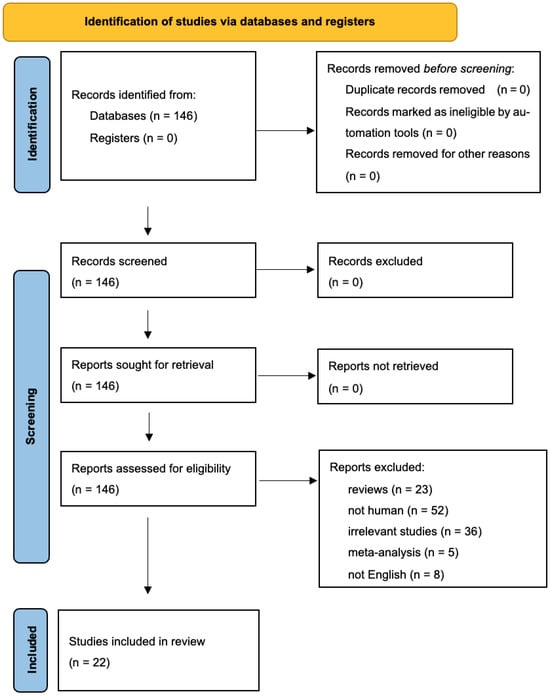
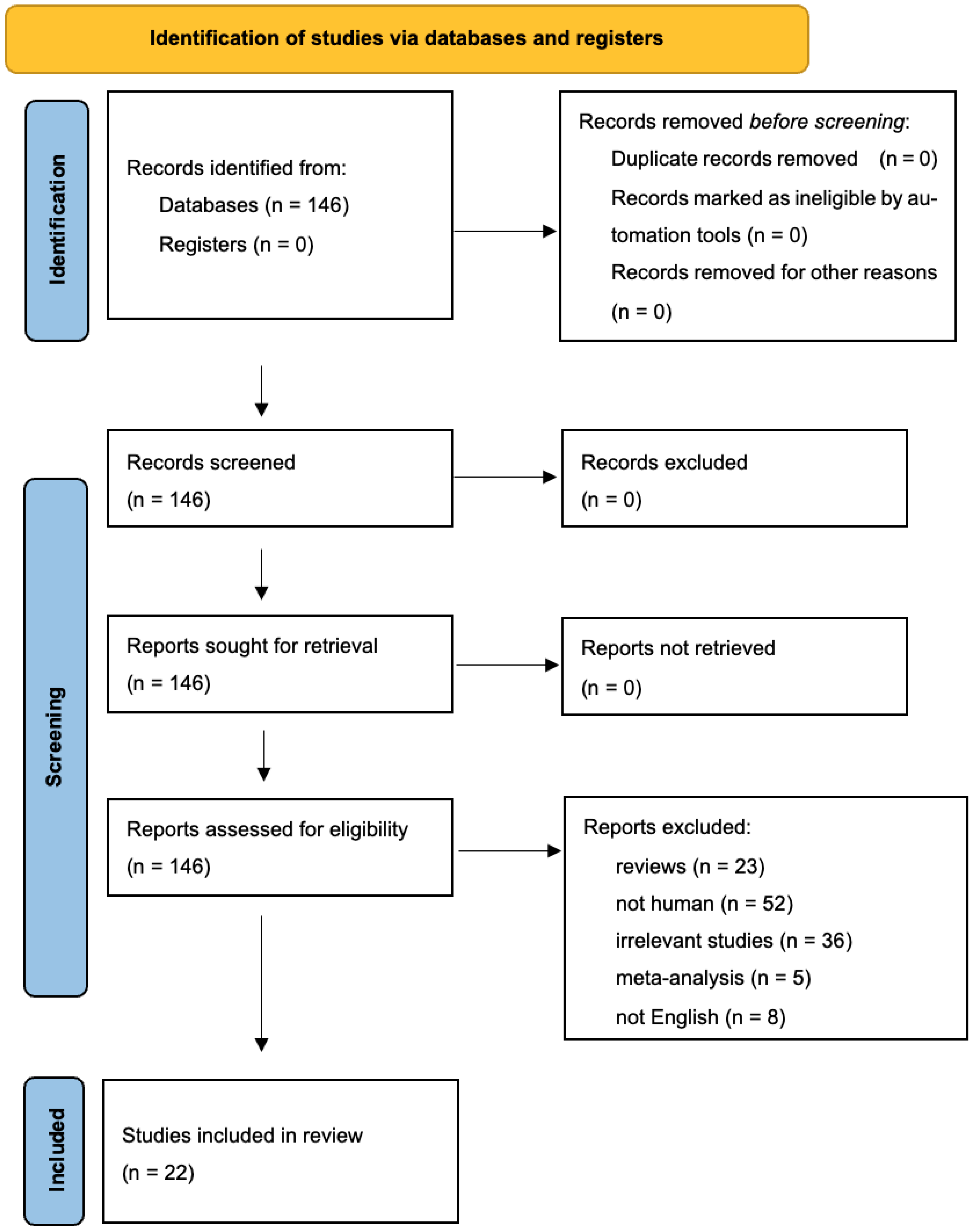
The literature search yielded 146 PubMed records that met the inclusion criteria. When a study reported data from different populations, each population was considered as a separate dataset. A flowchart summarizing the selection process and reasons for exclusion is provided in Figure 1, while the characteristics of the included studies are detailed in Table 5.
Figure 1.
Flowchart showing how studies were selected for meta-analysis.
Table 5.
Characteristics of studies included in meta-analysis.
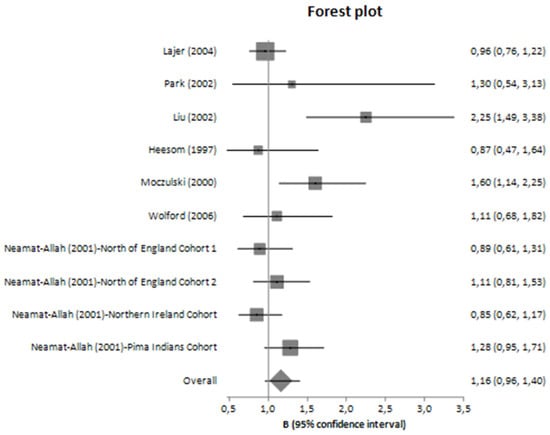
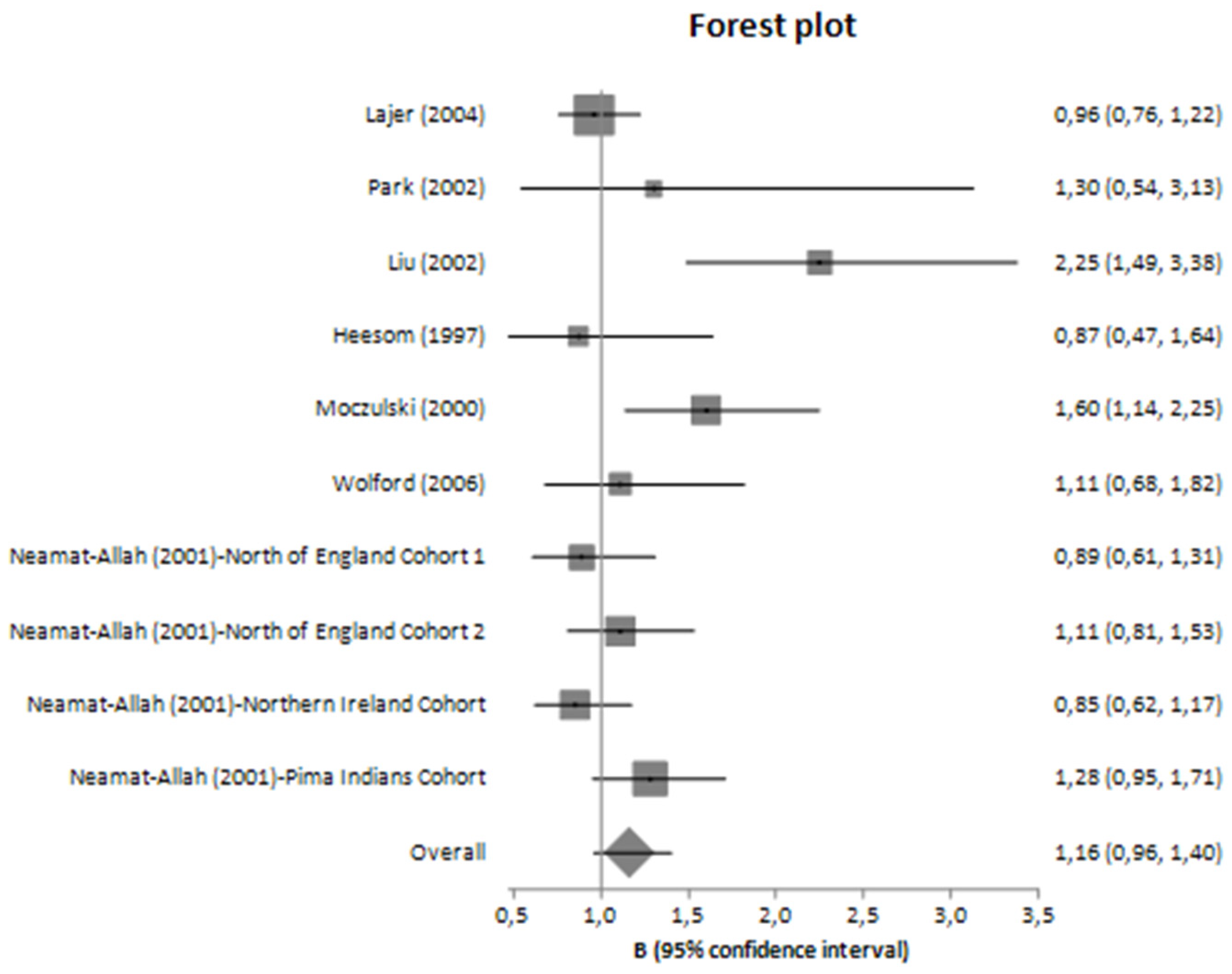
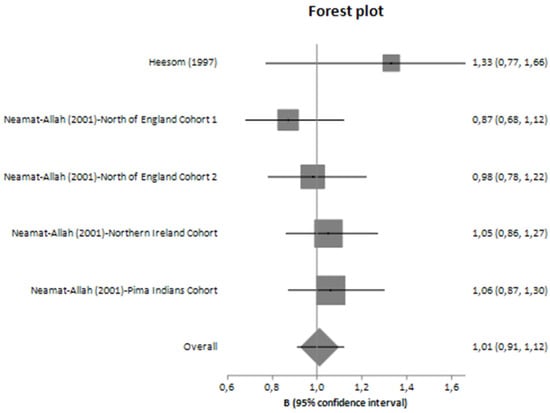
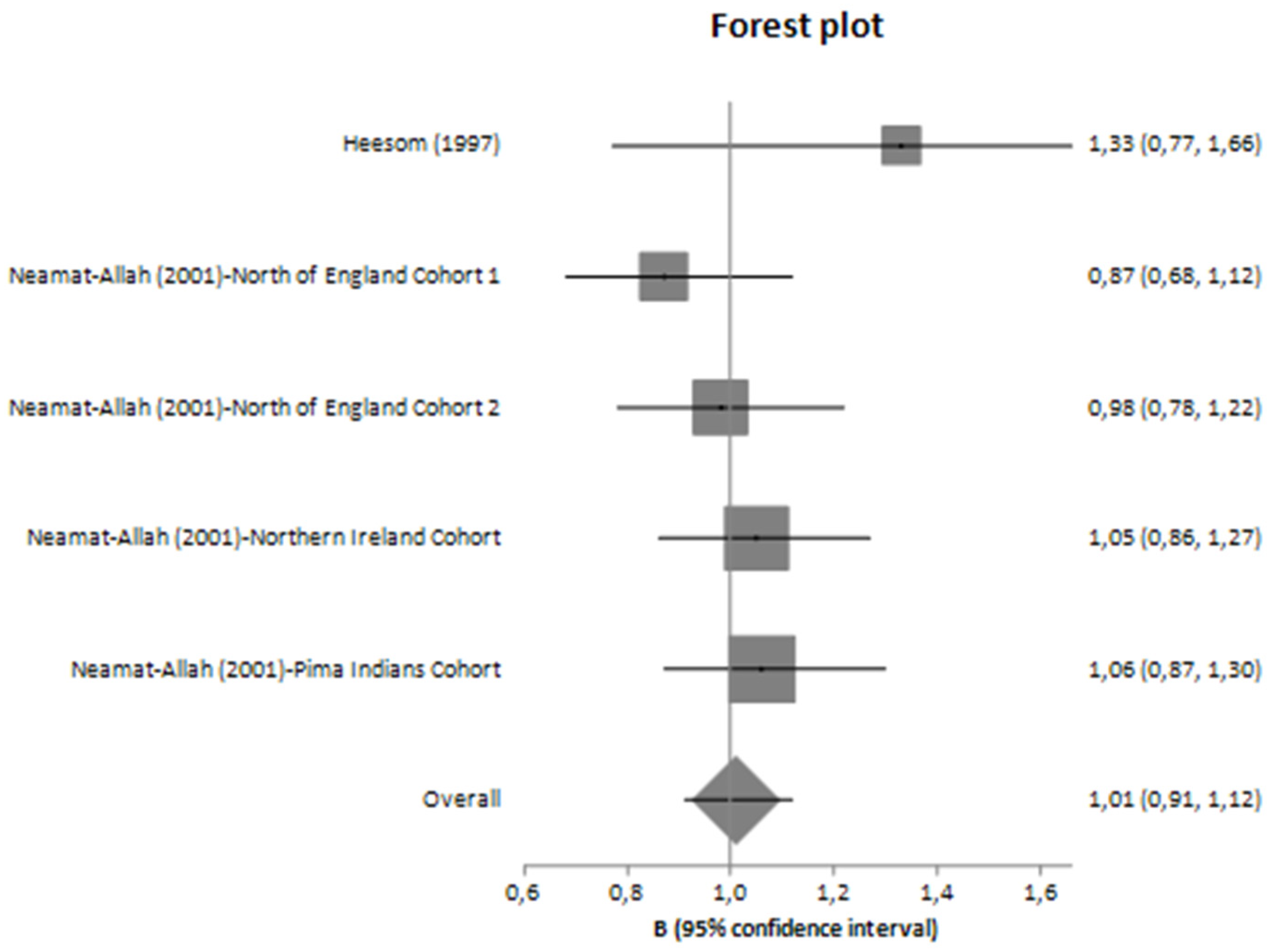
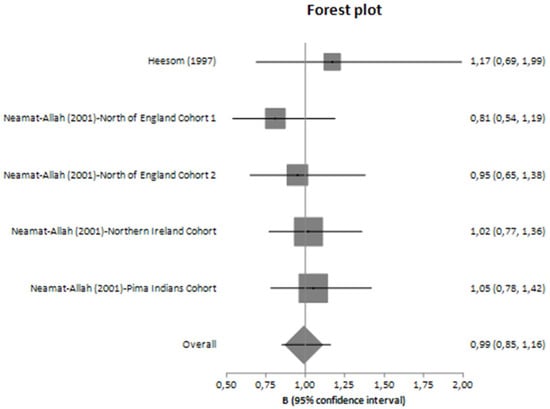
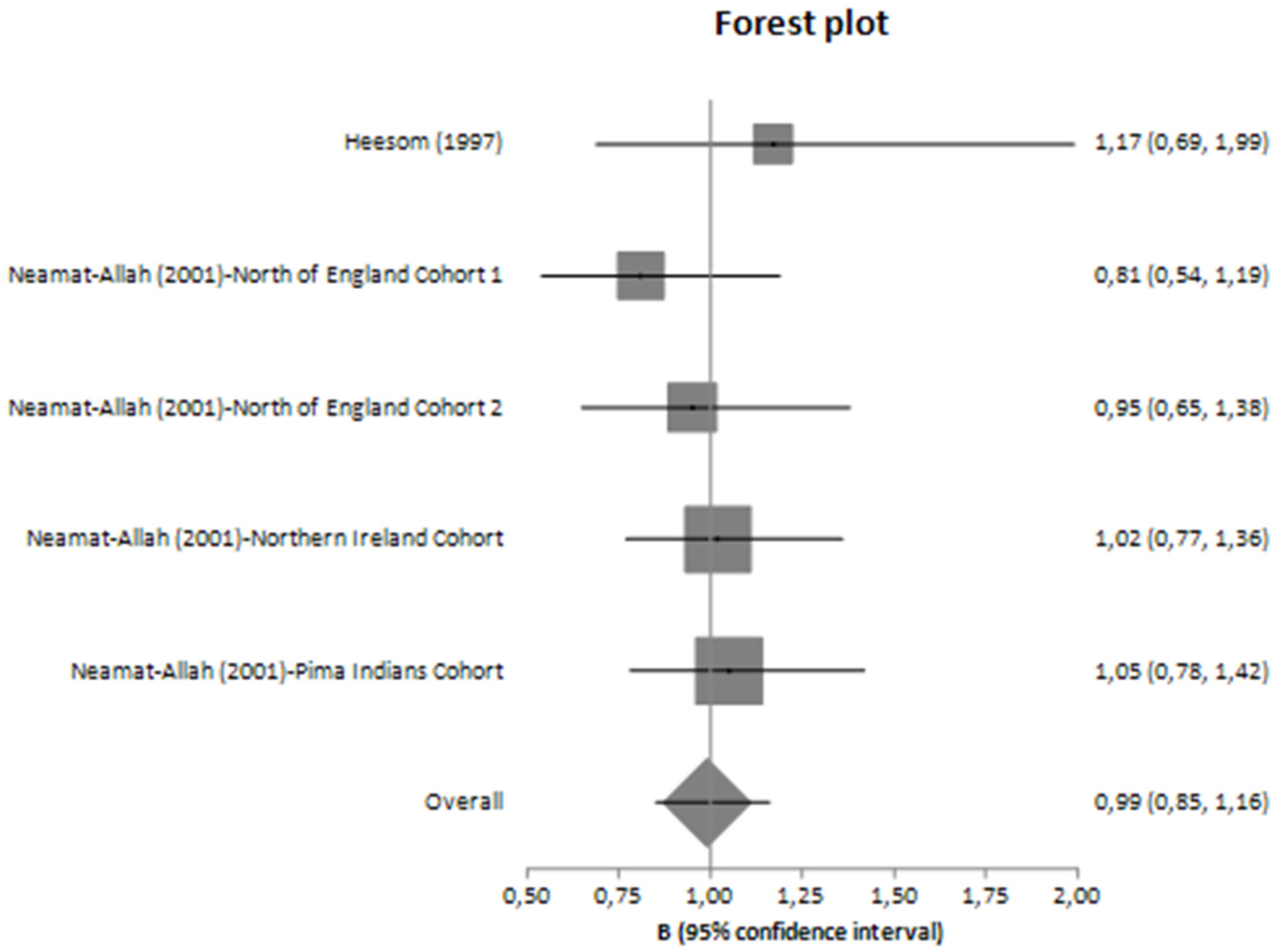
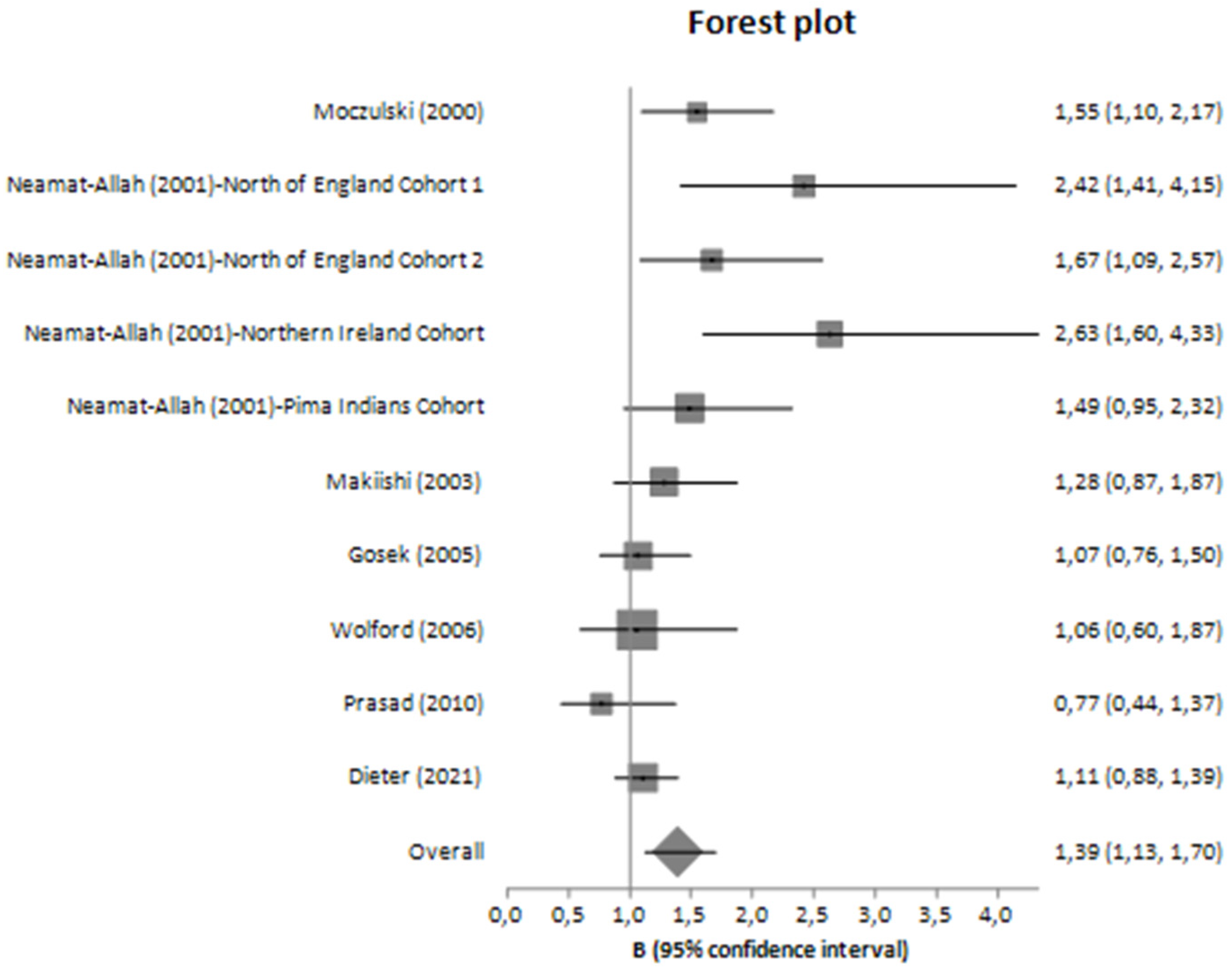
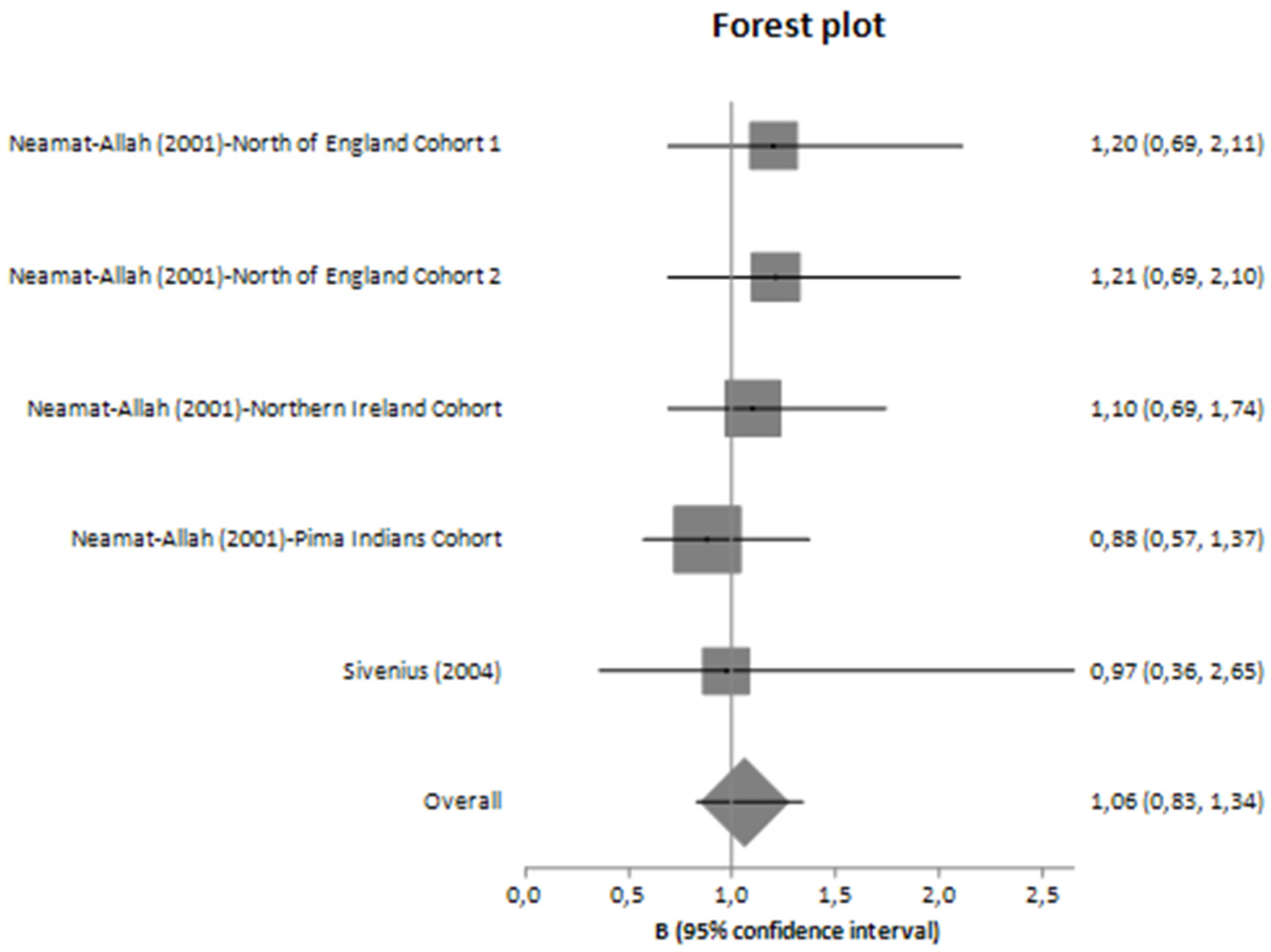
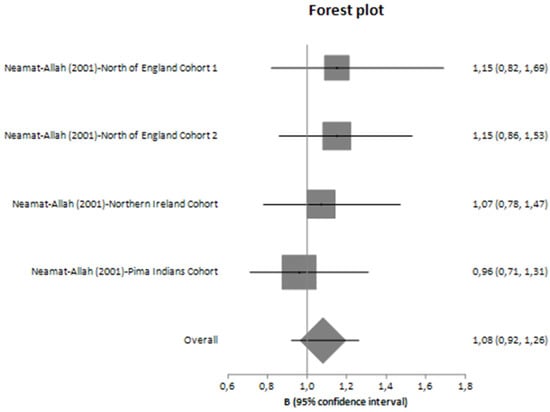
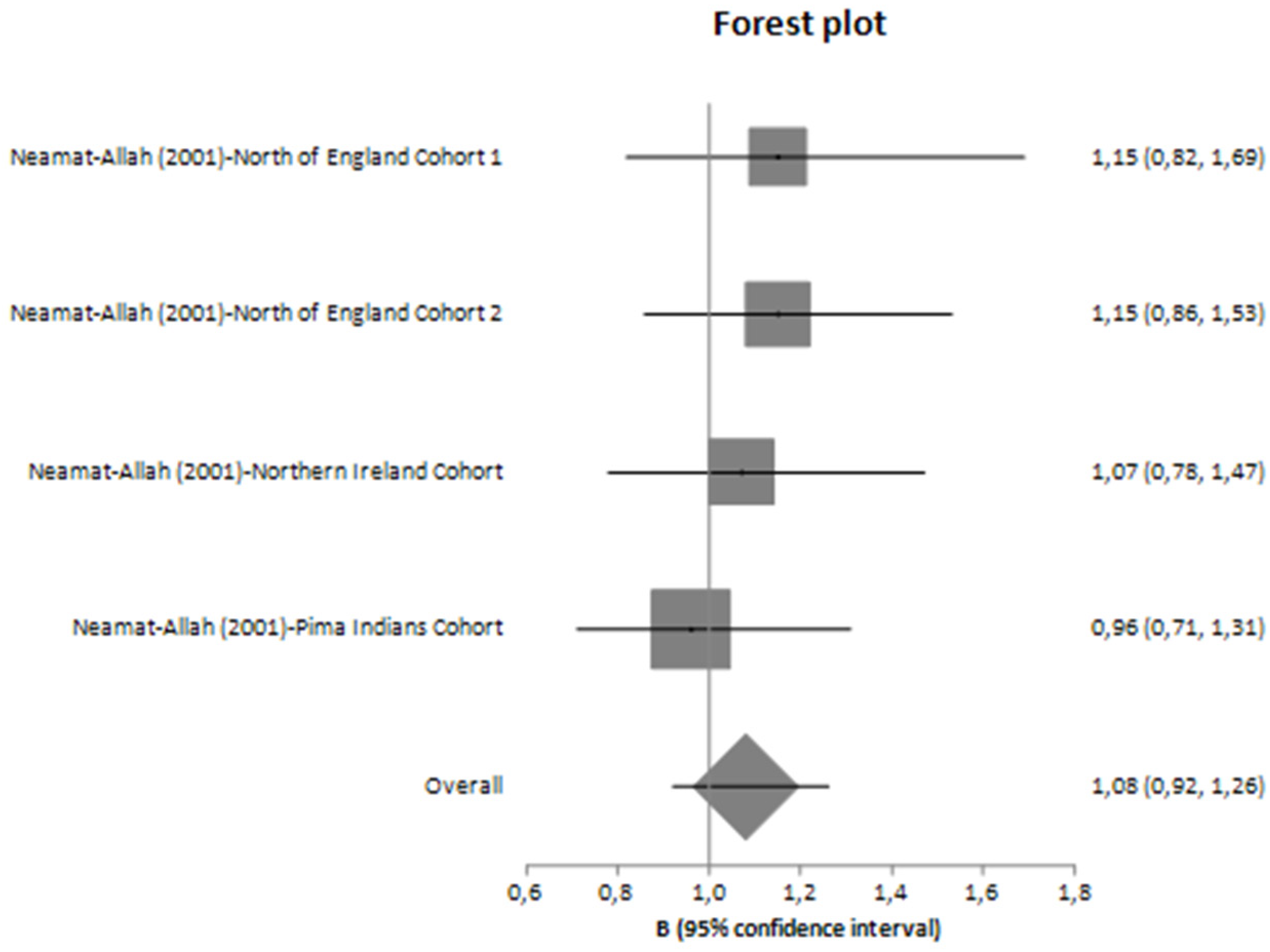
A meta-analysis was conducted for the (CA)n microsatellite polymorphism and the −106 C>T variant (rs759853), as well as selected SNPs based on available genotype or allele data. The studies were published between 1997 and 2021. The forest plots are presented in Figure 2, Figure 3, Figure 4, Figure 5, Figure 6 and Figure 7. Meta-analysis results are presented in Table 6 and Table 7.
Figure 2.
Forest plot of (CA)n polymorphism between diseased controls (diabetic individuals without DN) versus cases (diabetic individuals with DN).
Figure 3.
Forest plot of (CA)n polymorphism between healthy controls versus diseased controls (diabetic individuals without DN) versus cases (diabetic individuals with DN).
Figure 4.
Forest plot of (CA)n polymorphism between healthy controls versus cases (diabetic individuals with DN).
Figure 5.
Forest plot of −106 C/T polymorphism between diseased controls (diabetic individuals without DN) versus cases (diabetic individuals with DN).
Figure 6.
Forest plot of −106 C/T polymorphism between healthy controls versus cases (diabetic individuals with DN).
Figure 7.
Forest plot of −106 C/T polymorphism between healthy controls versus diseased controls (diabetic individuals without nephropathy) versus cases (diabetic individuals with DN).
Table 6.
Results from meta-analyses based on genotype counts.
Table 7.
Results from meta-analysis based on allele counts between diseased controls versus cases.
3.3. Genotype-Based Meta-Analysis
For the (CA)n polymorphism in studies using diseased controls, the pooled estimate indicated a non-significant trend toward increased risk (ORG = 1.162, 95% CI: 0.962–1.404), accompanied by moderate heterogeneity (I2 = 60.0%). Stratified analyses showed statistically significant associations in Asians (ORG = 1.455, 95% CI: 1.042–2.032) and in type 2 diabetes mellitus (T2DM) (ORG = 1.357, 95% CI: 1.039–1.771), whereas no significant associations were observed in Caucasians (ORG = 1.035, 95% CI: 0.857–1.251), type 1 diabetes mellitus (T1DM) (ORG = 1.018, 95% CI: 0.806–1.286), or studies conforming to the Hardy–Weinberg equilibrium (ORG = 1.397, 95% CI: 0.992–1.968).
In contrast, analyses restricted to healthy controls demonstrated no evidence of association (ORG = 0.991, 95% CI: 0.847–1.159) and no between-study heterogeneity (I2 = 0%). Consistent null findings were observed across all subgroups, including Caucasians, Asians, T1DM, and T2DM.
Similarly, when both healthy and diseased controls were combined, the overall effect remained non-significant (ORG = 1.010, 95% CI: 0.911–1.121) with no heterogeneity (I2 = 0%), and subgroup analyses yielded uniformly null results.
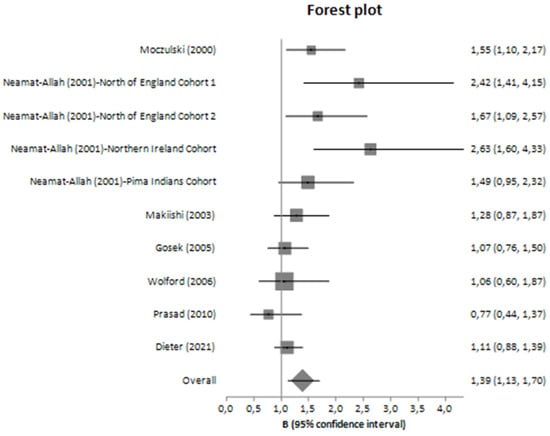
For rs759853 (−106 C>T) variant in the comparison of diseased controls versus cases, the ORG was 1.389 (95% CI: 1.134–1.700), indicating a statistically significant association. Moderate heterogeneity was observed (I2 = 59.5%, PQ = 0.008).
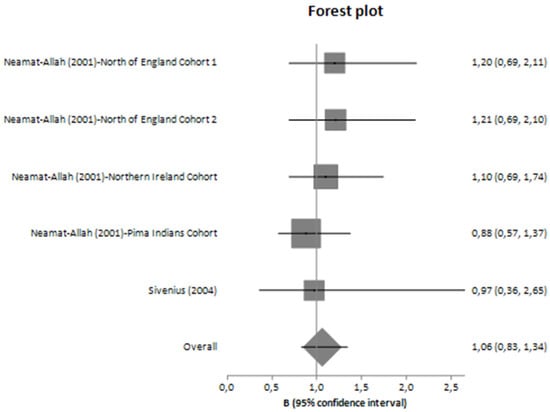
In contrast, no significant association was detected for rs759853 when comparing healthy controls versus cases (ORG = 1.057; 95% CI: 0.831–1.344; I2 = 0%) or in the combined healthy controls versus diseased controls versus cases analysis (ORG = 1.078; 95% CI: 0.922–1.260; I2 = 0%).
3.4. Allele-Based Meta-Analysis
In allele-based analyses for diseased controls versus cases, the (CA)n polymorphism (8 studies) yielded a pooled OR of 1.154 (95% CI: 0.910–1.464), indicating no significant association. Similarly, rs2361634 (3 studies; OR = 0.788; 95% CI: 0.552–1.125), rs5918764 (3 studies; OR = 1.076; 95% CI: 0.617–1.876), and ss95212308 (3 studies; OR = 1.041; 95% CI: 0.834–1.300) were not significantly associated with disease risk.
4. Discussion
In the present study, we investigated the association between five AKR1B1 polymorphisms (rs2259458, rs2734653, rs2670230, rs1790998, rs17188118) and DN in a case–control study design including healthy controls, diabetic controls without nephropathy, and diabetic individuals with diabetic nephropathy. None of the analyzed variants demonstrated a statistically significant association under any of the examined comparisons (HT vs. DN, DC vs. DN, or overall). However, our meta-analysis identified a significant association for the promoter variant −106 C>T (rs759853), as well as for the (CA)n polymorphism in the comparison of diseased controls versus cases, supporting a potential role of AKR1B1 in DN susceptibility. The (CA)n polymorphism was revealed statistically significant in subgroup analyses of Asians and T2DM subjects, whereas the promoter variant −106 C>T was statistically significant in all analyses, primary and subgroup, except in the subgroup analysis of Asians.
Despite the strong biological plausibility of AKR1B1 as a candidate gene for DN, our single-cohort results did not reveal significant associations for the five intragenic SNPs examined. Aldose reductase, encoded by AKR1B1, is the rate-limiting enzyme of the polyol pathway, which is upregulated under hyperglycemic conditions and contributes to osmotic stress, oxidative imbalance, and advanced glycation end-product formation in renal tissues [32]. Therefore, genetic variants affecting the expression or activity of aldose reductase could modulate individual susceptibility to microvascular complications.
The lack of association in our population may reflect modest effect sizes, limited statistical power for rare genotypes (particularly rs17188118), or population-specific linkage disequilibrium patterns. It is also possible that regulatory polymorphisms exert stronger functional consequences than coding or intronic variants, consistent with our meta-analytic findings for the promoter SNP−106 C>T (rs759853).
Regarding the contribution of (CA)n polymorphism in DN, the results are not consistent. More specifically, our main meta-analysis between diseased controls versus cases did not reveal a statistically significant contribution of this variant. Similarly, non-significant results were reported in sub-analyses of Caucasians and T1DM. However, significant results were reported in sub-analyses of Asians and T2DM.
The (CA)n dinucleotide repeat located in the 5′ regulatory region of AKR1B1 has been widely investigated in both Caucasian and Asian populations, as well as in cohorts with T1DM and T2DM. Several studies conducted in Caucasian populations have reported that the Z−2 allele is associated with an increased risk of DN [40,43,44,53]. In contrast, other investigations in Caucasian cohorts have not identified a significant association between this polymorphism and DN susceptibility [46,54,56,57,58,61].
With regard to studies conducted in Asian populations, only one investigation reported a significant association between the (CA)n polymorphism and DN [42]. All other studies in Asian cohorts failed to demonstrate a significant relationship between this variant and DN risk [41,45,46,52,57].
Regarding sub-analyses according to diabetes type, findings in T1DM have been inconsistent. While several studies reported significant associations [40,43,44,53], other investigations failed to demonstrate statistically significant results [46,54,55,58]. In T2DM, only one study reported a significant association [42]. All other studies failed to demonstrate a statistically significant relationship between this variant and DN susceptibility [41,45,52,56,57].
With regard to the −106 C>T polymorphism, both the overall analysis and the subgroup analyses in Caucasians, T1DM, and T2DM yielded statistically significant results suggesting that the T allele may increase susceptibility among diabetic individuals. This is biologically plausible, as promoter variants can alter transcription factor binding and modulate gene expression. Increased aldose reductase expression could amplify polyol pathway flux under hyperglycemia, exacerbating glomerular and tubular injury. However, the subgroup analysis in Asian populations did not demonstrate a statistically significant association.
In Caucasian populations, only one study did not report a statistically significant association [45]. In contrast, the remaining studies identified a significant association between this polymorphism and DN [44,46,47,48], confirming our significant meta-analysis result. In Asian populations, the non-significant result of our meta-analysis is consistent with the negative findings reported in previously published studies [46,52,57].
In both subgroup analyses, T1DM and T2DM, the meta-analysis yielded statistically significant results. More specifically, in the T1DM subgroup analysis, two studies reported significant associations [46,53], whereas three studies did not demonstrate statistically significant results [54,55,58]. In the T2DM subgroup analysis, the findings were inconsistent. One study reported a significant association [46], whereas the remaining three studies did not identify statistically significant results [52,56,57].
Interestingly, no significant association was observed when healthy controls were included in the comparisons. This pattern suggests that the variants −106 C>T (rs759853), as well as the (CA)n polymorphism, may influence the development of DN when diabetes mellitus is present rather than the risk of developing diabetes per se, emphasizing the importance of appropriate control selection in genetic studies of complications. Therefore, studies using only healthy controls may dilute associations specific to microvascular complications.
Three additional SNPs (rs2361634, rs5918764, and ss95212308) were examined in large T1DM cohorts from Denmark, Finland, and France [61]. Our allele-based meta-analysis did not identify significant associations for these variants.
A key strength of our work is the combined approach, integrating a well-characterized case–control study with a comprehensive meta-analysis that incorporates multiple cohorts, thereby increasing statistical power and improving the precision of risk estimates compared with individual studies. In addition, subgroup analyses by ethnicity and diabetes type allowed exploration of potential sources of heterogeneity.
However, several limitations should be acknowledged. First, heterogeneity across studies—which may reflect differences in study design, population characteristics, or allele classification methods—limits the precision of pooled estimates. For instance, an unequal number of cases and controls that is present in some studies, which, although common in case–control designs, may reduce statistical efficiency and affect the precision of effect estimates without introducing systematic bias. Second, differences in nephropathy definitions and control selection criteria may introduce bias [62]. Third, functional validation of the identified associations was beyond the scope of this study and remains necessary to clarify the mechanistic impact of promoter variation. Furthermore, the number of studies available for certain subgroup analyses, particularly those involving T1DM, was relatively small. In addition, our analysis was based on aggregated data rather than individual-level data, which prevented evaluation of gene–gene and gene–environment interactions. Finally, environmental and clinical factors such as glycemic control, duration of diabetes, and treatment regimens could not be uniformly controlled across studies.
Our single-case–control data do not support a major role for the examined intragenic AKR1B1 SNPs in DN susceptibility. However, the present meta-analysis provides evidence that the promoter variant −106 C>T (rs759853) and (CA)n polymorphism may contribute to nephropathy risk among diabetic individuals. These findings reinforce the biological relevance of aldose reductase in diabetic microvascular complications and highlight the potential importance of regulatory genetic variation.
Future studies should focus on large, multiethnic prospective cohorts with standardized nephropathy definitions, fine-mapping and haplotype analyses across the AKR1B1 locus, functional assays to determine the impact of −106 C>T (rs759853) variant and (CA)n alleles on transcriptional activity, as well as integration of genetic data with transcriptomic and epigenetic profiling in renal tissue. Such approaches will help clarify whether AKR1B1 variation plays a clinically meaningful role in DN pathogenesis and whether it may inform risk stratification or therapeutic targeting of the polyol pathway.
These findings indicate that DN is a multifactorial disorder characterized by complex epistatic effects and gene–environment interactions. Consequently, relying on a single genetic approach, such as candidate gene association studies, is unlikely to yield definitive conclusions [63,64]. In contrast, hypothesis-free approaches like genome-wide association studies (GWAS) offer a more comprehensive framework for elucidating the genetic contribution to DN [65,66]. Although GWAS provide a more powerful strategy for addressing genetic complexity, findings from candidate gene studies remain valuable, as they can support the replication of existing associations and help identify true genetic effects that warrant prioritization in future research.
5. Conclusions
In the present case–control study, none of the investigated AKR1B1 SNPs demonstrated a significant association with diabetic nephropathy under any comparison model. However, meta-analytic evidence supports a significant association between the −106 C>T (rs759853) promoter variant, as well as (CA)n polymorphism, and nephropathy risk among diabetic individuals, particularly in comparisons between diseased controls and cases. These findings should be interpreted with caution due to substantial heterogeneity across studies, limited sample size, and the absence of functional or patient-level data. Therefore, further large-scale and mechanistic studies are warranted to confirm these observations.
Author Contributions
Conceptualization, I.S.; Methodology, I.S., E.D., and E.E.T.; Software, M.T.; Validation, M.D. and T.E.; Formal Analysis, M.T.; Investigation, M.T. and C.C.; Resources, M.T., C.C., and M.D.; Data Curation, M.T. and C.C.; Writing—Original Draft Preparation, M.T.; Writing—Review And Editing, M.T., I.S., T.E., E.E.T., and E.D.; Visualization, M.T.; Supervision, I.S.; Project Administration, I.S. All authors have read and agreed to the published version of the manuscript.
Funding
This research received no external funding.
Institutional Review Board Statement
The study was approved by the University of Thessaly Ethics Committee, and informed consent was received from all participants (3/17-03-2014, approved on 17 March 2014).
Informed Consent Statement
Informed consent was obtained from all subjects involved in the study.
Data Availability Statement
The datasets used and/or analyzed during the current study are available from the corresponding author on reasonable request.
Conflicts of Interest
The authors declare no conflicts of interest.
References
- Thomas, M.C.; Brownlee, M.; Susztak, K.; Sharma, K.; Jandeleit-Dahm, K.A.M.; Zoungas, S.; Rossing, P.; Groop, P.-H.; Cooper, M.E. Diabetic Kidney Disease. Nat. Rev. Dis. Primers 2015, 1, 15018. [Google Scholar] [CrossRef] [Scilit]
- Macisaac, R.J.; Ekinci, E.I.; Jerums, G. Markers of and Risk Factors for the Development and Progression of Diabetic Kidney Disease. Am. J. Kidney Dis. 2014, 63, S39–S62. [Google Scholar] [CrossRef] [Scilit]
- Kalantar-Zadeh, K.; Jafar, T.H.; Nitsch, D.; Neuen, B.L.; Perkovic, V. Chronic Kidney Disease. Lancet 2021, 398, 786–802. [Google Scholar] [CrossRef] [Scilit] [PubMed]
- Martinez Leon, V.; Hilburg, R.; Susztak, K. Mechanisms of Diabetic Kidney Disease and Established and Emerging Treatments. Nat. Rev. Endocrinol. 2026, 22, 21–35. [Google Scholar] [CrossRef] [Scilit]
- Dronavalli, S.; Duka, I.; Bakris, G.L. The Pathogenesis of Diabetic Nephropathy. Nat. Clin. Pract. Endocrinol. Metab. 2008, 4, 444–452. [Google Scholar] [CrossRef] [Scilit]
- Tziastoudi, M.; Pissas, G.; Golfinopoulos, S.; Filippidis, G.; Dousdampanis, P.; Eleftheriadis, T.; Stefanidis, I. Sodium-Glucose Transporter 2 (SGLT2) Inhibitors and Iron Deficiency in Heart Failure and Chronic Kidney Disease: A Literature Review. Life 2023, 13, 2338. [Google Scholar] [CrossRef] [Scilit] [PubMed]
- Barrera-Chimal, J.; Lima-Posada, I.; Bakris, G.L.; Jaisser, F. Mineralocorticoid Receptor Antagonists in Diabetic Kidney Disease—Mechanistic and Therapeutic Effects. Nat. Rev. Nephrol. 2022, 18, 56–70. [Google Scholar] [CrossRef] [Scilit]
- Yi, T.W.; Sridhar, V.S.; Scott, J.; Nardone, M.; Cherney, D. Next-Generation Therapeutics for Diabetic Kidney Disease. Nat. Rev. Nephrol. 2026, 22, 318–332. [Google Scholar] [CrossRef] [Scilit] [PubMed]
- Tuttle, K.R.; Agarwal, R.; Alpers, C.E.; Bakris, G.L.; Brosius, F.C.; Kolkhof, P.; Uribarri, J. Molecular Mechanisms and Therapeutic Targets for Diabetic Kidney Disease. Kidney Int. 2022, 102, 248–260. [Google Scholar] [CrossRef] [Scilit]
- Reidy, K.; Kang, H.M.; Hostetter, T.; Susztak, K. Molecular Mechanisms of Diabetic Kidney Disease. J. Clin. Investig. 2014, 124, 2333–2340. [Google Scholar] [CrossRef] [Scilit]
- Wu, T.; Ding, L.; Andoh, V.; Zhang, J.; Chen, L.; Wu, T.; Ding, L.; Andoh, V.; Zhang, J.; Chen, L. The Mechanism of Hyperglycemia-Induced Renal Cell Injury in Diabetic Nephropathy Disease: An Update. Life 2023, 13, 539. [Google Scholar] [CrossRef] [Scilit] [PubMed]
- Ighodaro, O.M. Molecular Pathways Associated with Oxidative Stress in Diabetes Mellitus. Biomed. Pharmacother. 2018, 108, 656–662. [Google Scholar] [CrossRef] [Scilit]
- Cole, J.B.; Florez, J.C. Genetics of Diabetes Mellitus and Diabetes Complications. Nat. Rev. Nephrol. 2020, 16, 377–390. [Google Scholar] [CrossRef] [Scilit]
- Kato, M.; Natarajan, R. Diabetic Nephropathy—Emerging Epigenetic Mechanisms. Nat. Rev. Nephrol. 2014, 10, 517–530. [Google Scholar] [CrossRef] [Scilit]
- Rich, S.S. Genetics of Diabetes and Its Complications. J. Am. Soc. Nephrol. 2006, 17, 353–360. [Google Scholar] [CrossRef] [Scilit] [PubMed]
- Quinn, M.; Angelico, M.C.; Warram, J.H.; Krolewski, A.S. Familial Factors Determine the Development of Diabetic Nephropathy in Patients with IDDM. Diabetologia 1996, 39, 940–945. [Google Scholar] [CrossRef]
- Seaquist, E.R.; Goetz, F.C.; Rich, S.; Barbosa, J. Familial Clustering of Diabetic Kidney Disease. Evidence for Genetic Susceptibility to Diabetic Nephropathy. N. Engl. J. Med. 1989, 320, 1161–1165. [Google Scholar] [CrossRef] [Scilit]
- Tziastoudi, M.; Cholevas, C.; Zorz, C.; Dardiotis, E.; Tsironi, E.E.; Divani, M.; Eleftheriadis, T.; Stefanidis, I. The Role of VEGFA in T2DM-Nephropathy: A Genetic Association Study and Meta-Analysis. Genes 2025, 16, 1386. [Google Scholar] [CrossRef] [Scilit] [PubMed]
- Stefanidis, I.; Tziastoudi, M.; Tsironi, E.E.; Dardiotis, E.; Tachmitzi, S.V.; Fotiadou, A.; Pissas, G.; Kytoudis, K.; Sounidaki, M.; Ampatzis, G.; et al. The Contribution of Genetic Variants of SLC2A1 Gene in T2DM and T2DM-Nephropathy: Association Study and Meta-Analysis. Ren. Fail. 2018, 40, 561–576. [Google Scholar] [CrossRef] [Scilit]
- Tziastoudi, M.; Theoharides, T.C.; Nikolaou, E.; Efthymiadi, M.; Eleftheriadis, T.; Stefanidis, I. Key Genetic Components of Fibrosis in Diabetic Nephropathy: An Updated Systematic Review and Meta-Analysis. Int. J. Mol. Sci. 2022, 23, 15331. [Google Scholar] [CrossRef] [Scilit]
- Tziastoudi, M.; Stefanidis, I.; Zintzaras, E. The Genetic Map of Diabetic Nephropathy: Evidence from a Systematic Review and Meta-Analysis of Genetic Association Studies. Clin. Kidney J. 2020, 13, 768–781. [Google Scholar] [CrossRef] [Scilit]
- Tziastoudi, M.; Stefanidis, I.; Stravodimos, K.; Zintzaras, E. Identification of Chromosomal Regions Linked to Diabetic Nephropathy: A Meta-Analysis of Genome-Wide Linkage Scans. Genet. Test. Mol. Biomark. 2019, 23, 105–117. [Google Scholar] [CrossRef] [Scilit]
- Tziastoudi, M.; Stefanidis, I.; Hadjigeorgiou, G.M.; Stravodimos, K.; Zintzaras, E. A Systematic Review and Meta-Analysis of Genetic Association Studies for the Role of Inflammation and the Immune System in Diabetic Nephropathy. Clin. Kidney J. 2017, 10, 293–300. [Google Scholar] [CrossRef] [Scilit]
- Tziastoudi, M.; Tsezou, A.; Stefanidis, I. Cadherin and Wnt Signaling Pathways as Key Regulators in Diabetic Nephropathy. PLoS ONE 2021, 16, e0255728. [Google Scholar] [CrossRef] [Scilit] [PubMed]
- Ramana, K.V. Aldose Reductase: New Insights for an Old Enzyme. Biomol. Concepts 2011, 2, 103–114. [Google Scholar] [CrossRef] [Scilit]
- Patel, A.; Hibberd, M.L.; Millward, B.A.; Demaine, A.G. Chromosome 7q35 and Susceptibility to Diabetic Microvascular Complications. J. Diabetes Complicat. 1996, 10, 62–67. [Google Scholar] [CrossRef] [Scilit]
- Graham, A.; Heath, P.; Morten, J.E.; Markham, A.F. The Human Aldose Reductase Gene Maps to Chromosome Region 7q35. Hum. Genet. 1991, 86, 509–514. [Google Scholar] [CrossRef] [Scilit] [PubMed]
- Penning, T.M. The Aldo-Keto Reductases (AKRs): Overview. Chem.-Biol. Interact. 2015, 234, 236–246. [Google Scholar] [CrossRef] [Scilit]
- Gabbay, K.H. The Sorbitol Pathway and the Complications of Diabetes. N. Engl. J. Med. 1973, 288, 831–836. [Google Scholar] [CrossRef] [Scilit]
- Zhang, Q.; Cao, Z.; Wang, T.; Zhong, L.; Sun, Z.; Cao, D. AKR1B1 Bridges Metabolic Pathways and Disease Progression. Cell Signal 2026, 139, 112324. [Google Scholar] [CrossRef] [Scilit] [PubMed]
- Grimshaw, C.E.; Mathur, E.J. Immunoquantitation of Aldose Reductase in Human Tissues. Anal. Biochem. 1989, 176, 66–71. [Google Scholar] [CrossRef] [Scilit]
- Li, D.; Hsu, F.-C.; Palmer, N.D.; Liu, L.; Choi, Y.A.; Murea, M.; Parks, J.S.; Bowden, D.W.; Freedman, B.I.; Ma, L. Multiomics Analyses Identify AKR1A1 as a Biomarker for Diabetic Kidney Disease. Diabetes 2024, 73, 1188–1195. [Google Scholar] [CrossRef] [Scilit] [PubMed]
- Tziastoudi, M.; Pissas, G.; Golfinopoulos, S.; Filippidis, G.; Poulianiti, C.; Tsironi, E.E.; Dardiotis, E.; Eleftheriadis, T.; Stefanidis, I. Serpin Family B Member 2 Polymorphisms in Patients with Diabetic Kidney Disease: An Association Study. Int. J. Mol. Sci. 2024, 25, 10906. [Google Scholar] [CrossRef] [Scilit] [PubMed]
- Zintzaras, E. The Generalized Odds Ratio as a Measure of Genetic Risk Effect in the Analysis and Meta-Analysis of Association Studies. Stat. Appl. Genet. Mol. Biol. 2010, 9, 21. [Google Scholar] [CrossRef] [Scilit]
- Zintzaras, E. The Power of Generalized Odds Ratio in Assessing Association in Genetic Studies with Known Mode of Inheritance. J. Appl. Stat. 2012, 39, 2569–2581. [Google Scholar] [CrossRef] [Scilit]
- DerSimonian, R.; Laird, N. Meta-Analysis in Clinical Trials. Control Clin. Trials 1986, 7, 177–188. [Google Scholar] [CrossRef] [Scilit]
- Cochran, W.G. The Combination of Estimates from Different Experiments. Biometrics 1954, 10, 101–129. [Google Scholar] [CrossRef] [Scilit] [PubMed]
- Higgins, J.P.T.; Thompson, S.G. Quantifying Heterogeneity in a Meta-Analysis. Stat. Med. 2002, 21, 1539–1558. [Google Scholar] [CrossRef] [Scilit]
- Egger, M.; Davey Smith, G.; Schneider, M.; Minder, C. Bias in Meta-Analysis Detected by a Simple, Graphical Test. BMJ 1997, 315, 629–634. [Google Scholar] [CrossRef] [Scilit]
- Lajer, M.; Tarnow, L.; Fleckner, J.; Hansen, B.V.; Edwards, D.G.; Parving, H.-H.; Boel, E. Association of Aldose Reductase Gene Z+2 Polymorphism with Reduced Susceptibility to Diabetic Nephropathy in Caucasian Type 1 Diabetic Patients. Diabet. Med. J. Br. Diabet. Assoc. 2004, 21, 867–873. [Google Scholar] [CrossRef] [Scilit]
- Park, H.K.; Ahn, C.W.; Lee, G.T.; Kim, S.J.; Song, Y.D.; Lim, S.K.; Kim, K.R.; Huh, K.B.; Lee, H.C. (AC) n Polymorphism of Aldose Reductase Gene and Diabetic Microvascular Complications in Type 2 Diabetes Mellitus. Diabetes Res. Clin. Pract. 2002, 55, 151–157. [Google Scholar] [CrossRef] [Scilit]
- Liu, Y.F.; Wat, N.M.S.; Chung, S.S.M.; Ko, B.C.B.; Lam, K.S.L. Diabetic Nephropathy Is Associated with the 5′-End Dinucleotide Repeat Polymorphism of the Aldose Reductase Gene in Chinese Subjects with Type 2 Diabetes. Diabet. Med. 2002, 19, 113–118. [Google Scholar] [CrossRef] [Scilit] [PubMed]
- Heesom, A.E.; Hibberd, M.L.; Millward, A.; Demaine, A.G. Polymorphism in the 5′-End of the Aldose Reductase Gene Is Strongly Associated with the Development of Diabetic Nephropathy in Type I Diabetes. Diabetes 1997, 46, 287–291. [Google Scholar] [CrossRef]
- Moczulski, D.K.; Scott, L.; Antonellis, A.; Rogus, J.J.; Rich, S.S.; Warram, J.H.; Krolewski, A.S. Aldose Reductase Gene Polymorphisms and Susceptibility to Diabetic Nephropathy in Type 1 Diabetes Mellitus. Diabet. Med. J. Br. Diabet. Assoc. 2000, 17, 111–118. [Google Scholar] [CrossRef] [Scilit]
- Wolford, J.K.; Yeatts, K.A.; Red Eagle, A.R.; Nelson, R.G.; Knowler, W.C.; Hanson, R.L. Variants in the Gene Encoding Aldose Reductase (AKR1B1) and Diabetic Nephropathy in American Indians. Diabet. Med. 2006, 23, 367–376. [Google Scholar] [CrossRef] [Scilit] [PubMed]
- Neamat-Allah, M.; Feeney, S.A.; Savage, D.A.; Maxwell, A.P.; Hanson, R.L.; Knowler, W.C.; El Nahas, A.M.; Plater, M.E.; Shaw, J.; Boulton, A.J.; et al. Analysis of the Association between Diabetic Nephropathy and Polymorphisms in the Aldose Reductase Gene in Type 1 and Type 2 Diabetes Mellitus. Diabet. Med. 2001, 18, 906–914. [Google Scholar] [CrossRef] [Scilit] [PubMed]
- Gosek, K.; Moczulski, D.; Zukowska-Szczechowska, E.; Grzeszczak, W. C-106T Polymorphism in Promoter of Aldose Reductase Gene Is a Risk Factor for Diabetic Nephropathy in Type 2 Diabetes Patients with Poor Glycaemic Control. Nephron. Exp. Nephrol. 2005, 99, e63–e67. [Google Scholar] [CrossRef] [Scilit]
- Sivenius, K.; Niskanen, L.; Voutilainen-Kaunisto, R.; Laakso, M.; Uusitupa, M. Aldose Reductase Gene Polymorphisms and Susceptibility to Microvascular Complications in Type 2 Diabetes. Diabet. Med. J. Br. Diabet. Assoc. 2004, 21, 1325–1333. [Google Scholar] [CrossRef] [Scilit]
- Prasad, P.; Tiwari, A.K.; Kumar, K.M.P.; Ammini, A.C.; Gupta, A.; Gupta, R.; Thelma, B.K. Association Analysis of ADPRT1, AKR1B1, RAGE, GFPT2 and PAI-1 Gene Polymorphisms with Chronic Renal Insufficiency among Asian Indians with Type-2 Diabetes. BMC Med. Genet. 2010, 11, 52. [Google Scholar] [CrossRef] [Scilit]
- Dieter, C.; Lemos, N.E.; de Faria Corrêa, N.R.; Pellenz, F.M.; Canani, L.H.; Crispim, D.; Bauer, A.C. The A Allele of the Rs759853 Single Nucleotide Polymorphism in the AKR1B1 Gene Confers Risk for Diabetic Kidney Disease in Patients with Type 2 Diabetes from a Brazilian Population. Arch. Endocrinol. Metab. 2022, 66, 12–18. [Google Scholar] [CrossRef] [Scilit]
- Makiishi, T.; Araki, S.; Koya, D.; Maeda, S.; Kashiwagi, A.; Haneda, M. C-106T Polymorphism of AKR1B1 Is Associated with Diabetic Nephropathy and Erythrocyte Aldose Reductase Content in Japanese Subjects with Type 2 Diabetes Mellitus. Am. J. Kidney Dis. Off. J. Nat. Kidney Found. 2003, 42, 943–951. [Google Scholar] [CrossRef] [Scilit]
- Ichikawa, F.; Yamada, K.; Ishiyama-Shigemoto, S.; Yuan, X.; Nonaka, K. Association of an (A-C)n Dinucleotide Repeat Polymorphic Marker at the 5′-Region of the Aldose Reductase Gene with Retinopathy but Not with Nephropathy or Neuropathy in Japanese Patients with Type 2 Diabetes Mellitus. Diabet. Med. 1999, 16, 744–748. [Google Scholar] [CrossRef] [Scilit]
- Shah, V.O.; Scavini, M.; Nikolic, J.; Sun, Y.; Vai, S.; Griffith, J.K.; Dorin, R.I.; Stidley, C.; Yacoub, M.; Vander Jagt, D.L.; et al. Z-2 Microsatellite Allele Is Linked to Increased Expression of the Aldose Reductase Gene in Diabetic Nephropathy. J. Clin. Endocrinol. Metab. 1998, 83, 2886–2891. [Google Scholar] [CrossRef] [Scilit]
- Dyer, P.H.; Chowdhury, T.A.; Dronsfield, M.J.; Dunger, D.; Barnett, A.H.; Bain, S.C. The 5′-End Polymorphism of the Aldose Reductase Gene Is Not Associated with Diabetic Nephropathy in Caucasian Type I Diabetic Patients. Diabetologia 1999, 42, 1030–1031. [Google Scholar] [CrossRef] [Scilit]
- Isermann, B.; Schmidt, S.; Bierhaus, A.; Schiekofer, S.; Borcea, V.; Ziegler, R.; Nawroth, P.P.; Ritz, E. (CA)(n) Dinucleotide Repeat Polymorphism at the 5′-End of the Aldose Reductase Gene Is Not Associated with Microangiopathy in Caucasians with Long-Term Diabetes Mellitus 1. Nephrol. Dial. Transplant. Off. Publ. Eur. Dial. Transplant. Assoc.-Eur. Ren. Assoc. 2000, 15, 918–920. [Google Scholar] [CrossRef] [Scilit]
- Moczulski, D.K.; Burak, W.; Doria, A.; Zychma, M.; Zukowska-Szczechowska, E.; Warram, J.H.; Grzeszczak, W. The Role of Aldose Reductase Gene in the Susceptibility to Diabetic Nephropathy in Type II (Non-Insulin-Dependent) Diabetes Mellitus. Diabetologia 1999, 42, 94–97. [Google Scholar] [CrossRef] [Scilit]
- Maeda, S.; Haneda, M.; Yasuda, H.; Tachikawa, T.; Isshiki, K.; Koya, D.; Terada, M.; Hidaka, H.; Kashiwagi, A.; Kikkawa, R. Diabetic Nephropathy Is Not Associated with the Dinucleotide Repeat Polymorphism Upstream of the Aldose Reductase (ALR2) Gene but with Erythrocyte Aldose Reductase Content in Japanese Subjects with Type 2 Diabetes. Diabetes 1999, 48, 420–422. [Google Scholar] [CrossRef] [Scilit]
- Ng, D.P.K.; Conn, J.; Chung, S.S.M.; Larkins, R.G. Aldose Reductase (AC) n Microsatellite Polymorphism and Diabetic Microvascular Complications in Caucasian Type 1 Diabetes Mellitus. Diabetes Res. Clin. Pract. 2001, 52, 21–27. [Google Scholar] [CrossRef] [Scilit]
- Phenotypic Heterogeneity and Associations of Two Aldose Reductase Gene Polymorphisms with Nephropathy and Retinopathy in Type 2 Diabetes-PubMed. Available online: https://pubmed.ncbi.nlm.nih.gov/12882871/ (accessed on 20 March 2026).
- Yamamoto, T.; Sato, T.; Hosoi, M.; Yoshioka, K.; Tanaka, S.; Tahara, H.; Nishizawa, Y.; Fujii, S. Aldose Reductase Gene Polymorphism Is Associated with Progression of Diabetic Nephropathy in Japanese Patients with Type 1 Diabetes Mellitus. Diabetes Obes. Metab. 2003, 5, 51–57. [Google Scholar] [CrossRef] [Scilit]
- Trégouet, D.-A.; Groop, P.-H.; McGinn, S.; Forsblom, C.; Hadjadj, S.; Marre, M.; Parving, H.-H.; Tarnow, L.; Telgmann, R.; Godefroy, T.; et al. G/T Substitution in Intron 1 of the UNC13B Gene Is Associated with Increased Risk of Nephropathy in Patients with Type 1 Diabetes. Diabetes 2008, 57, 2843–2850. [Google Scholar] [CrossRef] [Scilit]
- Anderson, C.A.; Pettersson, F.H.; Clarke, G.M.; Cardon, L.R.; Morris, A.P.; Zondervan, K.T. Data Quality Control in Genetic Case-Control Association Studies. Nat. Protoc. 2010, 5, 1564–1573. [Google Scholar] [CrossRef] [Scilit] [PubMed]
- Hirschhorn, J.N.; Lohmueller, K.; Byrne, E.; Hirschhorn, K. A Comprehensive Review of Genetic Association Studies. Genet. Med. 2002, 4, 45–61. [Google Scholar] [CrossRef] [Scilit] [PubMed]
- Ioannidis, J.P.A.; Ntzani, E.E.; Trikalinos, T.A.; Contopoulos-Ioannidis, D.G. Replication Validity of Genetic Association Studies. Nat. Genet. 2001, 29, 306–309. [Google Scholar] [CrossRef] [Scilit]
- Visscher, P.M.; Wray, N.R.; Zhang, Q.; Sklar, P.; McCarthy, M.I.; Brown, M.A.; Yang, J. 10 Years of GWAS Discovery: Biology, Function, and Translation. Am. J. Hum. Genet. 2017, 101, 5–22. [Google Scholar] [CrossRef] [Scilit]
- Yang, J.; Zeng, J.; Goddard, M.E.; Wray, N.R.; Visscher, P.M. Concepts, Estimation and Interpretation of SNP-Based Heritability. Nat. Genet. 2017, 49, 1304–1310. [Google Scholar] [CrossRef] [Scilit] [PubMed]

Disclaimer/Publisher’s Note: The statements, opinions and data contained in all publications are solely those of the individual author(s) and contributor(s) and not of MDPI and/or the editor(s). MDPI and/or the editor(s) disclaim responsibility for any injury to people or property resulting from any ideas, methods, instructions or products referred to in the content. |
© 2026 by the authors. Licensee MDPI, Basel, Switzerland. This article is an open access article distributed under the terms and conditions of the Creative Commons Attribution (CC BY) license.