


Abstract
Background: Ecuadorian Kichwa peoples inhabit diverse Andean and Amazonian regions, yet evidence remains uneven in geographic coverage, molecular resolution, population definition, and documentation of historical sampling. We evaluated the scope, evolution, population representation, and provenance of genetic and genomic research involving Ecuadorian Kichwa populations. Methods: We reviewed primary studies available up to the reported final search date of 28 August 2026, using PubMed/MEDLINE and supplementary discovery. Twenty-four reports were mapped by population, molecular platform, and sample provenance. Because the record-level search export was unavailable, full PRISMA identification and screening counts could not be independently reconstructed. Results: Twenty-four eligible reports were organized into 22 operational study families based on documented report-level links. Six eligible primary reports involving Fabricio González-Andrade were verified by the author as authentic and correctly reported. Evidence progressed from forensic short tandem repeats and uniparental markers to ancestry-informative variants, genome-wide data, whole-genome sequencing, functional and pharmacogenetic analyses, and epigenomics. Population representation was uneven, and population-resolved studies demonstrated genetic heterogeneity among Andean and Amazonian Kichwa groups. Publications, recruited cohorts, molecular datasets and individuals are different analytical units; matching denominators alone do not prove biological overlap. Available evidence does not discriminate formally among competing demographic models. Conclusions: Genetic research on Ecuadorian Kichwa populations has advanced in molecular resolution but remains unevenly distributed. These findings inform priorities for equitable genomic research in Ecuador, intercultural health and pharmacogenomic evidence generation, ethically governed biobanking, and community-led representation of under-sampled peoples. Transparent cohort provenance and directly dated ancient DNA are needed before resolving regional demographic hypotheses.
1. Introduction
1.1. Rationale
Genetic research on Ecuadorian Indigenous populations has evolved from forensic and lineage-based analyses toward broader investigations of ancestry and population structure [1]. Early autosomal short tandem repeat (STR) studies of Ecuadorian Kichwa groups established population-specific genetic profiles for forensic and comparative purposes [2]. Subsequent typing with the SNPforID multiplex expanded the use of autosomal single-nucleotide polymorphisms (SNPs) in comparisons involving Kichwa and Mestizo participants [3]. Mitochondrial DNA analyses contributed complementary evidence on maternal lineage diversity in Ecuadorian Kichwa and Mestizo populations [4]. At the continental scale, Y-chromosome research demonstrated that paternal genetic variation among Indigenous South Americans cannot be explained simply by linguistic affiliation or geographic distance [5]. High-density autosomal genotyping of carriers of rare Native American Y-chromosome lineages further illustrated the importance of integrating paternal and genome-wide evidence [6]. A population-resolved Ecuadorian Y-chromosome survey subsequently identified differentiated paternal profiles among named Indigenous groups and examined an uncommon Native American founder lineage [7]. Genome-wide analyses across western South America provided a wider comparative context for ancestry, population structure, demographic change, and gene flow in Andean and Amazonian populations [8]. Whole-genome analyses of Indigenous Andean individuals have also been used to investigate genetic evidence relevant to historical adaptation to tuberculosis [9]. More recently, whole-methylome studies identified altitude-associated epigenetic variation involving genes related to hypoxia and pigmentation, adding a distinct molecular dimension to Indigenous population research [10].
Genetic relationships cannot, however, be inferred directly from shared ethnonyms or language. Comparisons of Ecuadorian Cañari and Peruvian Kañaris using uniparental markers highlight the need to evaluate proposed historical connections against population-specific genetic evidence [11]. Research on Peruvian Quechua-Lamistas and Chankas likewise documents the complexity of maternal and paternal histories among Quechua-associated populations in different ecological settings [12]. Microsatellite research from Loja, including a defined Saraguro sample, further shows that informative Ecuadorian population data may appear in regional journals outside major biomedical indexes [13]. Contemporary classification adds another layer of complexity, as Ecuador’s 2022 census records Kichwa nationality and separately identifies named Indigenous peoples [14]. Official intercultural-education resources complement these demographic categories by documenting distinct Indigenous nationalities and peoples across Ecuadorian territories [15].
Understanding present-day genetic patterns also requires temporal evidence rather than assuming that current population structure reflects a single historical process. Ancient DNA from the Andean highlands has provided a framework for investigating demographic histories extending across millennia and into the period of European contact [16]. Broader paleogenomic research has reconstructed deep population relationships and changes across Central and South America [17]. Ancient genomic datasets from the Andes have further clarified how continuity, mobility, and admixture can contribute to population histories over successive periods [18]. Findings from the Isthmo-Colombian region demonstrate that northern South American archaeogenomic histories possess features requiring geographically appropriate comparisons [19]. A six-millennia genomic transect from the Bogotá Altiplano illustrates how serially dated ancient individuals can reveal demographic shifts that cannot be resolved from contemporary samples alone [20]. Archaeological investigations at Pambamarca provide a historically specific setting for examining Inka expansion and local resistance in northern Ecuador [21]. Research on Inka mitmaqkuna and pottery production demonstrates the complexity of interactions involving movement, local practices, and imperial organization in the northern Andes [22]. Archaeometric studies of Inca-style ceramics in Ecuador provide additional information about production and provenance without establishing biological population replacement by themselves [23].
Bringing these different types of evidence together requires explicit eligibility criteria, transparent reporting, and careful documentation of study selection, consistent with the PRISMA 2020 framework [24]. Early comparative analyses of 15 autosomal STR polymorphisms characterized Kichwa and Afro-Ecuadorian populations using marker systems appropriate to the forensic questions of their time [25]. Subsequent analyses of sex-specific admixture among Mestizos, Kichwas, and Afro-Ecuadorians showed the importance of distinguishing maternal, paternal, and autosomal genetic contributions [26]. Ecuadorian Y-chromosome STR surveys provided additional paternal haplotype information for comparisons among population groups [27]. Broader Y-STR analyses of Mestizo, Kichwa, Afro-Ecuadorian, and Waorani samples further revealed population-specific variation in paternal markers [28]. Hierarchical Y-SNP testing expanded the phylogenetic resolution available for studying Indigenous South American paternal diversity [29]. Analyses of X-chromosome STRs across Ecuadorian population groups added another marker class with a distinct inheritance pattern and interpretive scope [30].
The growing molecular literature also includes functional and environmentally related analyses that should not automatically be interpreted as neutral demographic markers. A study of an ABCA1 variant linked reduced HDL-cholesterol levels with evidence of positive selection in Native American populations [31]. Comparative investigations involving genotype controlled Kichwa participants at different elevations evaluated hematological traits, lipid profiles, and cardiovascular risk indicators [32]. Related work examined lung function and spirometric differences among Indigenous participants living at low and high altitude [33]. Regional human leukocyte antigen studies characterized immunogenetic diversity in samples from Ecuador’s Sierra, Oriente, and Costa [34]. Research involving Kichwa mothers and infants from Tena investigated HLA-C methylation patterns in relation to nutritional status [35]. Ancestry-informative marker analyses across major Ecuadorian population groups provided evidence consistent with contributions from three continental ancestry components [36]. Y-chromosome sequencing across Native American founder lineages supplied a deeper phylogenetic and temporal perspective on the initial peopling of the Americas [37]. Finally, curated ancient-genome resources such as the Allen Ancient DNA Resource offer an infrastructure for future comparisons, while underscoring the need for geographically and chronologically appropriate Ecuadorian sampling [38].
Against this background, this paper synthesizes primary genetic and genomic evidence concerning Ecuadorian Kichwa peoples, preserving original population labels, molecular platforms, analytical denominators, and documented sample provenance. It evaluates population-specific coverage, distinguishes biological cohorts from publications and derivative datasets, and identifies the modern and ancient genomic evidence required to test alternative models of demographic history without conflating genetic ancestry, linguistic affiliation, and contemporary Indigenous identity.
This paper aims to systematically synthesize the available genetic and genomic evidence on Ecuadorian Kichwa peoples, with particular emphasis on genetic diversity, population structure, ancestry, and demographic history. Specifically, it seeks to characterize the geographic and ethnocultural representation of Kichwa populations in published studies, evaluate the progression and analytical contributions of different molecular approaches, and distinguish publications, biological cohorts, genetic datasets, and unique individuals through a transparent assessment of sample provenance. Furthermore, it aims to critically examine alternative demographic scenarios involving population expansion, linguistic diffusion, regional continuity, and admixture, while identifying the limitations of current evidence for resolving these hypotheses. Finally, this review seeks to highlight major population-specific and archaeogenomic knowledge gaps and establish priorities for future research integrating modern genomics, ancient DNA, archaeological evidence, and ethically grounded collaboration with Indigenous communities.
1.2. Objectives
The primary objective of this systematic review was to synthesize the available human genetic and genomic evidence involving Ecuadorian Kichwa peoples while preserving the population definitions, analytical denominators, molecular characteristics, and sampling frameworks reported in the primary literature. Specifically, the review sought to determine which Ecuadorian Kichwa populations have been directly represented in genetic research, which molecular domains have been applied to each population, and where major geographic, population-specific, molecular, and temporal evidence gaps remain.
A second objective was to distinguish publications, biological cohorts, molecular datasets, and unique individuals as separate analytical units and to evaluate relationships among historical and contemporary studies using an explicit provenance framework. This approach was intended to prevent unsupported assumptions of sample reuse based solely on repeated sample sizes, overlapping authorship, common laboratories, geographic similarity, or related marker systems, while also identifying situations in which direct documentary evidence supports biological or dataset continuity.
A third objective was to evaluate the extent to which the available evidence is compatible with three alternative demographic frameworks: predominant Kichwa-associated demographic expansion, predominant linguistic diffusion across pre-existing regional populations, and a mixed history combining shared ancestry with regional continuity, drift, admixture, asymmetric gene flow, and language shift. These alternatives were treated as testable hypotheses rather than predetermined interpretations because the current literature remains heterogeneous in molecular resolution, population coverage, sample provenance, and analytical design.
2. Methods
2.1. Eligibility Criteria
Studies were eligible when they reported primary human genetic or genomic data involving identifiable Ecuadorian Kichwa populations or provided directly relevant evidence concerning genetic diversity, ancestry, population structure, demographic history, adaptation, or dataset provenance. Eligible populations included named Andean Kichwa peoples and Amazonian Kichwa populations from Pastaza, Napo, Orellana, and Sucumbíos, together with historical designations such as Kichwa del Oriente and Alamas when these terms were used in the original publications. Eligible molecular evidence included autosomal STRs, X-STRs, Y-chromosome markers, mitochondrial DNA, ancestry-informative markers, genome-wide SNP datasets, whole-genome sequencing, functional or pharmacogenetic variants, immunogenetic markers, and epigenomic data. Population labels were preserved as originally reported and were not retrospectively reassigned solely on the basis of province, geography, language, or contemporary administrative classification.
Original peer-reviewed human studies were eligible regardless of database indexing when population identity, methods, analytical denominators, and relevant outcomes could be interpreted reliably. Studies combining Kichwa participants with other populations were retained when Kichwa-specific information could be extracted or when the Kichwa sample contributed explicitly to a population-genetic comparison. Reviews, editorials, commentaries, isolated clinical case reports, non-peer-reviewed genetic claims, animal studies, and reports without identifiable Ecuadorian Kichwa representation were excluded from the primary synthesis. Archaeological, historical, and ancient-genomic studies without contemporary Ecuadorian Kichwa participants were not counted as primary genetic studies but were retained when they provided explicit temporal or demographic context. Official Ecuadorian sources were used only for contemporary population nomenclature, geographic distribution, and demographic context.
2.2. Information Sources
PubMed/MEDLINE was the principal reported bibliographic source. Eligible peer-reviewed reports located through references, citation tracking, AGRIS and study-linked repositories were considered additionally; INEC and SEIBE were consulted for ethnogeographic context, not as genetic evidence. The manuscript records 28 August 2026 as the last reported PubMed and supplementary check. The former 17 August date referred to an earlier drafting cutoff and is not retained as a separate analytic endpoint. No time-stamped export is available to verify database yields or establish whether the last check changed the 24-report corpus. Table S5 transparently distinguishes searches described as performed from databases listed only as future options.
2.2.1. PICO Question
The PICO-style question asked what primary genetic and genomic evidence from Ecuadorian Kichwa peoples (P), characterized using molecular genetic platforms (I), shows about ancestry, diversity, population structure, and demographic history (O), with comparisons among named populations and relevant regional groups (C). PICO organizes the question but does not imply an intervention or comparable treatment effect.
2.2.2. Registration and Protocol
This systematic review was not prospectively registered. No formal review protocol was published before the review was conducted; consequently, there were no amendments to a registered or published protocol.
2.3. Search Strategy
Search concepts combined Kichwa/Quichua/Quechua and original population-name variants; Ecuador and local geographic terms; and DNA, STR, SNP, Y chromosome, mtDNA, genome-wide, sequencing, ancestry, pharmacogenetic, epigenetic and related terms. Precise database-export evidence and a fully reproducible executed Boolean history were not available (Table S5). References and bibliographic metadata of eligible papers were screened for studies not indexed in PubMed; repository records were used only to assess accession availability and cohort continuity. Planned but undocumented searches in Embase, Scopus, Web of Science and SciELO/LILACS must not be counted as executed searches. The last reported search and source check was 28 August 2026. Because the current review files do not include saved queries, record exports, deduplication logs or date-stamped selection decisions, the effect of that final check on inclusion cannot be independently assessed. A reproducible, date-stamped search rerun with deduplication and selection records is required to prepare a complete PRISMA 2020 flow diagram; the limitations of the current search audit are recorded in Table S5. No incomplete flow diagram is presented.
2.4. Selection Process
One author screened titles, abstracts, and full texts against the eligibility criteria, retaining only studies with identifiable Ecuadorian Kichwa evidence at an interpretable population level. Screening and extraction were not independently duplicated. Search-stage record counts could not be reconstructed from the documents available for this revision. Population labels, molecular platforms, reported sample denominators and cross-study biological links were evaluated separately. The corresponding author has personally confirmed the validity of the primary publications. Accordingly, these papers are identified as author-verified primary reports (AV). This verification supports their inclusion and the accuracy of the reported study data; it is not a declaration that every publication recruited a biologically disjoint set of participants. The three Y-chromosome reports each give n = 102 Kichwa males, and that published count is retained without implying either reuse or three independent cohorts. Verification of a publication is not to be confused with verification of a pairwise participant-identity link (Table 1, Table 2 and Table S8).
Table 1.
Characteristics of 22 operational study families and the 24 valid primary reports, with source verification, pairwise cohort/dataset linkage and interpretability.
Table 2.
Key historical datasets, provenance interpretation, and defensible counting rules.
2.5. Data Collection Process
For each report we extracted original population labels, source/recruitment context, sample denominator, molecular platform, outcomes, interpretive limitations, and publicly documented cohort links. Published articles and available supplements were the primary sources. No unpublished individual-level values were reconstructed. Source verification and cross-report identity were recorded as separate fields. AV designates an original publication whose validity and reported data were confirmed by its coauthor. R0–R5 designations describe only specific biological or dataset relationships between reports when such a relationship is being evaluated; they are not ratings of source credibility, scientific correctness, or data authenticity. Directly documented dataset reuse or shared samples were assigned R5. Where a pairwise overlap comparison cannot be resolved from the documents used for this review, no assertion of independence or reuse was made; this omission does not diminish the verified primary studies. The supporting author-verification statement and the nature of selected cross-report relationships are provided in Tables S8 and S10.
2.6. Data Items
Extraction fields comprised geographic and ethnocultural labels, cohort provenance, reported sample unit, platform, measured outcomes, and population resolution. Evidence types included autosomal STRs, X-STRs, Y markers, mtDNA, ancestry-informative variants, genome-wide SNPs, WGS, pharmacogenetics, immunogenetics and epigenomics. Publication, recruitment cohort, genetic dataset and unique biological person were defined as separate evidence units (Table S4). Original denominators were retained as reported: persons, sex-specific subsets, chromosome copies, sequences, post-quality-control samples, or other units are not automatically equivalent. Only extractable Kichwa-specific findings were synthesized. No study-specific estimate was converted into a common effect measure unsupported by the primary source.
2.7. Study Risk of Bias Assessment
Interpretability was assessed qualitatively by population identification, sampling, denominators, provenance, platform resolution, analytic design and correspondence between results and claims (Table S3). Intervention-based risk-of-bias scales and pooled numerical scores were not appropriate for these heterogeneous observational datasets. Y-chromosome and mtDNA findings were interpreted as paternal and maternal evidence; functional loci, drug-metabolizing variants and methylation were not assumed to be neutral demographic measures. Broad labels and small samples can constrain the resolution of demographic inference without calling into question the correctness, authenticity, or scientific value of the original reports.
2.8. Effect Measures
No shared effect measure was prespecified and no meta-analysis was performed. Allele and haplogroup frequencies, FST, ancestry proportions, identity-by-descent, heterozygosity, and related parameters were retained in source-specific units; selected comparisons are reported in Section 3 and Table S9. Functionally selected variants and environmentally responsive methylation were synthesized separately from neutral markers. Overlapping datasets were not interpreted as independent replication.
2.9. Synthesis Methods
Evidence was grouped by population, region, marker class, denominator, and provenance. Heterogeneity precluded statistically meaningful pooling, so we used a structured narrative synthesis and population-by-domain evidence map (Table 1 and Table 3). Reported participant counts were not added across papers. Author verification (AV) establishes the validity of a primary source, whereas sample-link codes refer only to comparisons between specified reports: R0 indicates affirmatively documented independent recruitment; R5 indicates directly documented reuse. Intermediate relationship codes describe levels of evidence for a link, not reliability of the underlying publication (Table S6). Equal sample sizes or shared investigators alone are insufficient to calculate a unique-person total. No automatic sample reallocation or deduplication was performed (Tables S4, S8 and S10). Three demographic explanations, predominant expansion, predominant language diffusion and a mixed history, were compared as testable frameworks only (Table 4). A formal model selection was not possible with the available heterogeneous population-level data.
Table 3.
Population-level genetic evidence by molecular domain under the source-appropriate evidence rule.
Table 4.
Competing modern demographic models and testable genetic predictions.
2.10. Reporting Bias Assessment
Potential reporting biases included population imbalance, uneven indexing, incomplete historical methods, and unequal availability of data accessions. Publication-bias statistics were inapplicable without pooled effect estimates. A study not retrieved for a named people denotes a literature gap, not inferred genetic homogeneity. Eligible non-PubMed studies were retained when population and molecular data were interpretable.
2.11. Certainty Assessment
Inference strength was judged qualitatively by directness, population and molecular resolution, sample depth, denominator integrity, provenance, and concordance of biologically independent data. No clinical GRADE certainty scale was assigned. Available modern evidence supports regional heterogeneity but does not rank the competing migration/language scenarios statistically. Lack of directly dated Ecuadorian population-resolved ancient genomes further limits temporal inference.
3. Results
The results are presented in six main tables and five figures, complemented by Supplementary Materials that provide additional methodological and analytical detail. Table 1 summarizes the characteristics, molecular approaches, sample denominators, and provenance of the 24 eligible reports organized into 22 study families. Table 3 maps genetic evidence across Kichwa populations and molecular domains, whereas Table 4 outlines competing demographic models and their testable predictions. Table 5 integrates ethnogeographic, demographic, and population-specific genetic information; Table 2 examines historical datasets, sample provenance, and counting rules; and Table 6 identifies priority archaeogenomic questions and alternative temporal scenarios. Figure 1 illustrates the chronological development of molecular evidence, Figure 2 depicts competing demographic and linguistic hypotheses, and Figure 3 highlights the geographic and temporal gaps in Ecuadorian archaeogenomic research. Figure 4 distinguishes author verification from documented sample or dataset reuse, while Figure 5 shows the approximate geographic distribution and population sizes of Ecuadorian Kichwa peoples. Supplementary Tables S1–S10 provide additional information on study selection, methodological interpretability, analytical denominators, cohort provenance, population classification, and reported genetic estimates. Supplementary Figures S1 and S2 illustrate the distribution of molecular evidence and differences among reported sample-size units. Together, these materials provide a structured overview of the available evidence, its population coverage, methodological characteristics, and limitations for demographic inference.
Table 5.
Ethnogeographic, official-classification, demographic, and genetic-evidence framework for Ecuadorian Kichwa peoples included in the review.
Table 6.
Archaeogenomic questions and competing temporal models for Ecuadorian Kichwa population history.
Figure 1.
Chronological expansion of molecular evidence in Ecuadorian Kichwa genetic research. Each point represents one of the 24 eligible reports in the updated review corpus and is assigned to its primary molecular domain. The figure shows the transition from early forensic STR and uniparental studies toward ancestry panels, dense genome-wide data, whole-genome sequencing, functional studies, and epigenomics. It depicts publication-level evidence growth and does not imply biological independence among all reports.
Figure 2.
Competing models for the demographic and linguistic history of Ecuadorian Kichwa peoples. Three alternative hypotheses are shown for formal genomic testing: predominant demographic expansion, predominant linguistic diffusion, and mixed history. The predictions concern expected relationships among geographic distance, genome-wide sharing, regional differentiation, and lineage composition. The diagram is conceptual and does not designate any model as the observed or preferred explanation.
Figure 3.
Ecuadorian archaeogenomic sampling gap within northern South America and the Central Andes. The schematic summarizes the temporal-genomic context identified in the review. Published ancient-genomic series provide comparative information from Colombia and the broader Central Andes, whereas no comparable population-resolved, directly dated genome-wide temporal transect from Ecuador was identified for the questions addressed here. The layout is schematic, not a geographic map or a quantitative measure of sampling density.
Figure 4.
Author verification of original primary reports and separately documented cross-report sample or dataset reuse. All six included primary reports involving Fabricio González-Andrade are author verified (AV), including the three Y-chromosome publications reporting N = 102 each. AV confirms original study validity and does not classify cross-publication participant overlap. Directly established dataset/sample links are identified as R5. No unsupported claim of identity or non-identity of individual participants is made.
Figure 5.
Approximate geographic distribution and 2022 population sizes of named Kichwa peoples and Amazonian Kichwa populations included in the evidence framework. Markers indicate representative canton/locality centers rather than population boundaries or sample recruitment sites. Rounded estimates are from Table 5/INEC; Amazonian Kichwa populations lack a comparable separate subtotal. Mainland Ecuador is shown for legibility.
3.1. Study Selection
The documented evidence corpus comprises 24 eligible reports organized into 22 operational study families, accounting for two reported direct reuse links. These are bibliographic/evidence organization units, not a sum of uniquely recruited persons. The six primary publications with Fabricio González-Andrade as an author were confirmed by the author and retained without downgrade (Table 1 and Table S10). The included reports span 2004–2025 and cover STRs, uniparental markers, genome-wide variation, pharmacogenetics and methylation (Figure 1). Studies without interpretable Ecuadorian Kichwa-specific genetic outcomes were excluded or treated as contextual (Table S2). The final included corpus comprises 24 eligible reports and 22 operational study families. However, identification, deduplication, screening and full-text exclusion counts could not be reconstructed from the available search-audit materials. We therefore do not display a PRISMA flow diagram with unreported counts. A documented, time-stamped rerun and deduplication are required before a complete PRISMA 2020 flow diagram can be submitted (Table S5).
3.2. Study Characteristics
The included evidence documented a progressive expansion from targeted forensic and lineage-based markers toward higher-density genomic approaches. Early investigations characterized Kichwa populations primarily with autosomal STRs and related forensic marker systems [2]. Autosomal ancestry-informative SNP panels subsequently provided quantitative evidence of population differentiation and ancestry in Kichwa participants [3]. Mitochondrial analyses added direct information on maternal diversity among Amazonian Kichwa samples [4]. Y-chromosome investigations expanded paternal-lineage resolution at both Ecuadorian and continental scales [5]. Dense autosomal genotyping of selected Native American paternal lineages later added a genome-wide component to previously lineage-focused questions [6]. By 2019–2025, the evidence base included Human Origins genome-wide data, high-coverage WGS, pharmacogenetic characterization, and whole-methylome sequencing [8,9,10].
The 24 reports differed substantially in biological sample depth, molecular resolution, population specificity, and analytical denominator. Some early studies reported broad Kichwa categories or historical regional labels, whereas more recent investigations increasingly identified populations such as Otavalo, Salasaka, Karanki, Panzaleo, Kisapincha, Saraguro, Cañar, Pastos, and Orellana at finer ethnogeographic resolution. Sample-size terminology was also heterogeneous: reported denominators included individuals, males, chromosomes, analysis-specific subsets, post-quality-control genomes, and marker-specific participant counts. For example, the earliest autosomal STR study reported 150 chromosomes rather than an inferred participant number, whereas later studies generally reported participant-level denominators. These differences prevented calculation of a defensible single cumulative participant N and required preservation of the original analytical unit for each report (Table 1 and Table 2).
Population coverage was highly uneven across the contemporary ethnogeographic framework. Direct or high-resolution evidence was available for populations including Pastos, Otavalo, Salasaka, Kañari/Cañar, Saraguro, Karanki, Panzaleo, Kisapincha, and selected Amazonian Kichwa groups, although the type and depth of evidence differed substantially among them. In contrast, no qualifying population-resolved genetic cohort was identified for Natabuela, Kitu Kara, Chibuleo, Tomabela, or Paltas within the primary evidence corpus. Puruhá and Waranka were represented primarily by contextual or limited evidence rather than by adequately sampled population-resolved genome-wide cohorts. Amazonian evidence included broad historical labels as well as population- or locality-specific data from Pastaza/Alamas and Orellana. The distribution of evidence by population and molecular domain is summarized in Table 3, whereas contemporary demographic and geographic context is presented in Table 5.
3.3. Risk of Bias in Studies
Population and language context for the evidence map is expanded in Table S7; Figure 5 maps representative localities for the census population in Table 5 and lists rounded subgroup population sizes. Neither the national Kichwa category nor a locality point is a genetically defined territory. Methodological assessment identified variation in interpretability rather than a uniform source of bias across the included reports. Earlier studies frequently used broad population labels, forensic sampling frameworks, restricted marker panels, or denominator conventions that limit direct comparison with contemporary population-genomic studies. Uniparental studies provided direct information on paternal or maternal histories but could not represent genome-wide ancestry by themselves. Several recent genome-wide investigations provided substantially greater molecular resolution but included small numbers of individuals from individual Kichwa communities, limiting population-specific frequency estimation. Selected-lineage studies were highly informative for phylogenetic questions but were not representative population-frequency samples. These limitations were therefore treated as constraints on the scope of inference rather than as reasons to discard otherwise informative evidence.
Population identifiability, denominator integrity, sample provenance, marker resolution, sampling depth, and ethnogeographic resolution were the principal domains affecting interpretability. Studies with explicitly identified populations, clearly reported denominators, appropriate molecular quality control, and documented repository or provenance information provided the most direct basis for population-level interpretation. Studies based on broad Kichwa labels remained informative at that aggregate level but could not be retrospectively partitioned into contemporary named peoples. Likewise, functional, pharmacogenetic, and epigenomic studies were informative for specific biological questions but were not treated as equivalent to neutral genome-wide datasets for demographic reconstruction. No study was excluded solely because of these methodological constraints, provided that its conclusions could be restricted to the analytical level actually supported by the data.
3.4. Results of Individual Studies
Early autosomal studies established measurable genetic structure among Ecuadorian populations. The initial Kichwa STR investigations generated population-specific allele-frequency reference data and demonstrated the usefulness of autosomal markers for distinguishing Ecuadorian population groups [2]. The 49-SNP ancestry panel analyzed 77 Kichwa individuals and showed detectable differentiation from multiple reference populations while providing an early autosomal estimate of ancestry relationships between Kichwa and Mestizo samples [3]. Direct autosomal evidence was subsequently expanded geographically by the Saraguro study, which included 60 unrelated Saraguro participants within a larger Loja dataset and applied microsatellite-based diversity and population-structure analyses [13]. These datasets established a foundation for autosomal population comparison but differed substantially in marker density and ethnogeographic resolution.
Maternal and paternal markers provided complementary evidence of population-specific demographic histories. The mitochondrial study of 65 Kichwa del Oriente participants identified Native American maternal lineages and demonstrated measurable differences in haplogroup composition relative to Ecuadorian Mestizo comparators [4]. Y-chromosome studies documented substantial paternal diversity within Ecuador and showed that named Kichwa populations could differ markedly from one another in lineage frequencies and genetic distances [5]. The national Y-chromosome survey provided particularly deep population-resolved sampling for Salasaka, Otavalo, and Amazonian groups and demonstrated substantial differentiation among these populations [7]. Cross-border uniparental analysis of Ecuadorian Cañar and Peruvian Kañaris did not support a simple recent one-to-one founder relationship between populations sharing related historical names [11].
Genome-wide evidence increased the resolution available for ancestry and demographic analysis. Human Origins data from Kichwa Orellana placed the population within a broader northern Amazonian genomic context and contributed evidence concerning ancestry structure, genetic drift, bottlenecks, identity-by-descent, and gene flow across western South America [8]. High-coverage WGS subsequently generated genome-scale information from 15 Indigenous Ecuadorian individuals, including participants associated with northern highland communities such as Karanki, Kisapincha, Panzaleo, and Otavalo [9]. These whole-genome data provided information on population history and adaptive variation but remained numerically limited for individual community-level frequency estimates [9]. The progression from targeted markers to genome-wide approaches increased molecular resolution without eliminating the need for broader population-specific sampling.
Selected original-scale estimates illustrate the heterogeneous evidence: the 2011 49-autosomal-SNP panel included 77 Kichwa participants [3]; the Saraguro microsatellite study analyzed 60 unrelated Saraguro individuals [13]; the 2021 paternal survey included 47 Alamas, 22 Otavalo and 100 Salasaka males, among other Ecuadorian groups [7]. This survey reported C3-MPB373 frequencies up to 28% in Amazonian lowland Kichwa and differentiated Salasaka on paternal RST distances [7]. These figures refer to different molecular systems and cannot be pooled. Study-specific denominators and selected estimates are collated in Table S9.
The 2024 CYP2C19 study assessed CYP2C19*17 in 75 Kichwa and CYP2C19*2 in 29 Kichwa; these allele-specific denominators should not be conflated [42]. The 2025 X-STR reanalysis reported FST = 0.04407 for Kichwa–Mestizo and FST = 0.05898 for Kichwa–Waorani comparisons (X-Decaplex; p < 0.000005 and p = 0.00099, respectively) [39]. These are population differentiation estimates from reused published X-STR data, not a new Ecuadorian recruitment cohort.
Two further included studies now have complete citations: the 2015 Ecuador-related Y-chromosome resequencing report identified new lineage-specific SNPs in selected individuals [40], whereas the 2017 HTT investigation analyzed 75 Kichwa individuals as a clinical/functional population subgroup [41]. Neither constitutes a representative genome-wide demographic cohort.
Functional and epigenomic studies provided complementary molecular information rather than direct substitutes for neutral demographic markers. The ABCA1 investigation examined a Native American-associated functional variant and evidence of positive selection in samples that included Ecuadorian Kichwa participants [31]. Pharmacogenetic analysis of CYP2C19 reported Kichwa-specific frequencies using analysis-specific denominators for the evaluated alleles, extending the evidence base into clinically relevant genetic variation. Whole-methylome sequencing retained 18 Kichwa individuals after relatedness filtering and identified altitude-associated methylation differences involving biological pathways related to hypoxia and pigmentation [10]. These findings demonstrate the increasing biological breadth of Kichwa molecular research, while their functional or environmentally responsive nature requires interpretation separately from neutral population-history markers.
3.5. Results of Syntheses
Evidence mapping demonstrated that the amount of genetic information available for a population did not necessarily correspond to its contemporary demographic size. Otavalo had both paternal and whole-genome representation, whereas Salasaka had comparatively deep paternal sampling but no equivalent population-scale autosomal genomic dataset [7]. Panzaleo and Kisapincha were represented by high-resolution WGS but only through small population-specific subsets [9]. Saraguro had direct autosomal evidence from an explicitly identified population sample [13]. In contrast, several census-recognized peoples had little or no qualifying direct population-genetic evidence despite substantial contemporary population representation. The resulting pattern is therefore one of unequal molecular and geographic coverage rather than a uniformly sampled national genetic landscape (Table 3 and Table 5).
The studies by González-Andrade et al. [27,28,29] each report Y-chromosome findings from 102 Kichwa males. Their validity and reported denominators have been confirmed by the author, and all three remain independent scholarly reports in the evidence inventory. Repetition of n = 102 is not grounds for questioning the studies or for declaring that the same or different people were sampled; the review makes no unsupported person-level deduction. For the distinct 2012 mtDNA and 2013 X-STR reports (both N = 65), direct person-level sample linkage likewise was not shown. Conversely, reuse of previously published data is specifically documented for the 2010 ABCA1-to-2019 genome-wide comparison and the 2013-to-2025 X-STR reanalysis (Table 2 and Table S8; Figure 4).
The combined evidence was compatible with more than one demographic mechanism. Regional differentiation among named populations and differences in paternal lineage composition were compatible with substantial local demographic persistence and geographic structure [7]. Genome-wide evidence also demonstrated shared ancestry and gene flow across broader Andean and Amazonian contexts [8]. The current corpus therefore did not provide a harmonized empirical basis for selecting exclusively among predominant demographic expansion, predominant linguistic diffusion, and mixed-history models. Each model generates different expectations for geographic differentiation, identity-by-descent, ancestry sharing, lineage composition, and regional persistence, but the existing studies were generated with different marker systems and sampling frameworks. The competing predictions are summarized in Table 4 and Figure 2 rather than presented as observed model-selection results.
No population-resolved, directly dated Ecuadorian genome-wide ancient temporal transect comparable to those available from neighboring regions was identified. The Central Andes contain substantially denser ancient-genomic sampling relevant to long-term continuity and demographic restructuring [18]. The Isthmo-Colombian region provides additional ancient-genomic comparative evidence for northern South America [19]. A long temporal genomic transect from the Bogotá Altiplano further demonstrates the type of directly dated sampling required to distinguish population persistence from later ancestry change [20]. These external datasets cannot resolve specifically Ecuadorian temporal questions, but they define a comparative framework for future work. Priority Ecuadorian regions and the competing continuity, replacement, and admixture predictions are summarized in Table 6 and Figure 3.
3.6. Reporting Biases
The evidence base showed substantial asymmetry in population representation, molecular technology, and bibliographic indexing. Some Kichwa populations were represented by several molecular approaches or repeated investigations, whereas others had no qualifying population-resolved genetic study. This imbalance was particularly apparent when contemporary census-recognized populations were compared with the molecular evidence map in Table 3 and Table 5. A lack of published studies was therefore classified as an evidence-availability gap and was not interpreted as evidence that an unstudied population was genetically homogeneous or similar to a better-studied neighboring group.
Database indexing also influenced apparent evidence availability. At least one directly relevant population-specific study, involving Saraguro participants, was retrieved outside PubMed and contributed eligible autosomal evidence [13]. Restricting the review solely to one biomedical index would therefore have produced an artificial geographic evidence gap. Additional potential sources of reporting bias included incomplete historical metadata, inconsistent reporting of denominators, variable description of recruitment procedures, and unequal availability of accession numbers or persistent sample identifiers. Because no pooled effect was calculated and the studies did not measure a common outcome, funnel plots and statistical tests for small-study effects were not considered appropriate.
3.7. Certainty of Evidence
The certainty of individual conclusions varied according to the directness, molecular resolution, population resolution, denominator integrity, and provenance of the underlying evidence. Direct population-resolved findings supported by clearly defined samples and genome-wide or well-characterized molecular data provided greater interpretive confidence than findings derived from broad population labels, very small population-specific samples, selected lineage carriers, or unresolved dataset relationships. Concordance across independent molecular systems strengthened conclusions concerning regional heterogeneity, but no single molecular domain provided comprehensive coverage of all Ecuadorian Kichwa populations.
The most consistent conclusion across the evidence base was the presence of meaningful genetic heterogeneity among populations studied under Kichwa-related labels, supported by population-specific paternal, autosomal, and genome-wide observations [7,8,9]. Certainty was lower for explanations of how and when this structure emerged because the available studies differed substantially in sampling design, marker density, geographic resolution, and cohort provenance. The evidence was therefore insufficient to establish predominant demographic expansion, predominant linguistic diffusion, or mixed history as a uniquely supported demographic model. Temporal certainty was lower still because no appropriate Ecuadorian ancient-genomic transect was identified. Consequently, demographic models and ancient–modern continuity scenarios were retained as testable hypotheses rather than graded as established historical conclusions.
4. Discussion
The discussion integrates the principal findings of this paper within the broader context of Ecuadorian Kichwa population genetics, evolutionary genomics, and demographic history. Section 4.1 interprets the progression of molecular evidence and the genetic heterogeneity observed among geographically and ethnoculturally distinct Kichwa populations. Section 4.2 examines sample provenance, analytical denominators, and the distinction between publications, biological cohorts, molecular datasets, and unique individuals. Section 4.3 addresses population resolution, uneven geographic representation, and the interpretive limitations of heterogeneous molecular approaches. Section 4.4 evaluates three competing demographic hypotheses—predominant population expansion, linguistic diffusion, and mixed demographic history—while emphasizing that the available evidence does not permit formal model discrimination. Section 4.5 considers the scarcity of directly dated Ecuadorian ancient genomic data and its implications for reconstructing population continuity, migration, and admixture. Section 4.6 discusses ethical responsibilities, Indigenous community participation, and genomic data governance. Section 4.7 examines limitations arising from sampling heterogeneity, incomplete provenance documentation, and methodological constraints of the review. Finally, Section 4.8 identifies priorities for future research, including population-resolved genomic sampling, improved dataset traceability, interdisciplinary integration, and archaeogenomic investigations. Together, these considerations establish the interpretive boundaries of current evidence and outline a framework for advancing an equitable, scientifically rigorous understanding of Ecuadorian Kichwa genetic diversity and population history.
4.1. Principal Findings and Interpretation
This systematic review provides an integrated assessment of more than two decades of genetic and genomic research involving Ecuadorian Kichwa peoples. The evidence base has progressed from forensic autosomal STRs and uniparental markers to ancestry-informative panels, dense genome-wide datasets, whole-genome sequencing, pharmacogenetics, and epigenomics [1]. Despite this technological progression, population coverage remains highly uneven, and molecular resolution has increased more rapidly than population-specific sampling. Several named Kichwa peoples are represented by direct genetic evidence, whereas others remain scarcely studied or entirely absent from population-resolved genomic research. The resulting literature is therefore best understood as a heterogeneous collection of population-specific datasets rather than as a single national Kichwa genetic sample.
The most consistent biological observation is regional genetic heterogeneity among populations studied under Kichwa-related labels. Population-resolved Y-chromosome evidence demonstrates substantial paternal differentiation among Salasaka, Otavalo, Amazonian Kichwa, and other Indigenous Ecuadorian populations [7]. Genome-wide data from Kichwa Orellana reveal a distinctive northern Amazonian ancestry context and patterns of drift, bottlenecks, and identity-by-descent that cannot be generalized automatically to highland Kichwa populations [8]. High-coverage whole-genome data from several highland communities further demonstrate the value of analyzing named populations rather than broad ethnolinguistic aggregates [9]. These findings indicate that shared Kichwa linguistic affiliation should not be interpreted as evidence of recent biological homogeneity.
Linguistic affiliation, contemporary Indigenous identity, geography, and genomic ancestry should consequently be treated as related but analytically distinct dimensions. The Ecuadorian census recognizes Kichwa at the nationality level while simultaneously distinguishing multiple named Indigenous peoples with different geographic distributions and demographic sizes [14]. Official intercultural-education frameworks likewise recognize substantial ethnogeographic diversity among Andean and Amazonian Kichwa communities [15]. These classifications are important for describing contemporary populations but are not equivalent to genetically defined clusters. Genetic evidence should therefore be interpreted at the geographic and ethnographic resolution at which participants were actually recruited, without retrospectively assigning historical samples to contemporary categories when the primary documentation does not support that correspondence.
4.2. Provenance and Denominator Integrity
The provenance assessment separates two concepts. First, primary-source validity: the author has directly verified the six included research publications bearing the name Fabricio González-Andrade, including the 2007–2009 Y-chromosome reports. Their findings and published sampling denominators are accepted as reported, without any implication of unreliable data. Second, cohort linkage: a separate question is whether two reports recruited overlapping individuals or reused an earlier dataset. The reported N = 102 in each Y-chromosome publication does not answer that question on its own. Consequently, all publications are retained as valid reports, but report counts are not converted into counts of unique individuals. The 22 operational study families summarize the evidence organization, not the number of non-overlapping recruitment events.
The same principle applies to the meaning of sample size. A reported N may refer to recruited participants, genotyped individuals, male-only subsets, chromosomes, alleles, sequences, biospecimens, post-quality-control genomes, or analysis-specific subsets. These quantities cannot be combined legitimately into a single cumulative participant count. The earliest Kichwa STR study, for example, reported chromosomes as the analytical denominator, whereas later studies more often reported unrelated individuals or molecularly filtered subsets [2]. Preserving the denominator used by the original investigators avoids introducing unsupported assumptions into historical datasets. This distinction becomes increasingly important when evidence generated for forensic, ancestry, genomic, functional, and epigenomic purposes is compared across more than two decades of changing laboratory and reporting practices.
Clearly reported sample/dataset reuse is considered explicitly: 2010 ABCA1-related Ecuadorian material was represented in later Human Origins analyses [8,31], and published Ecuadorian X-STR data were reused in the 2025 metapopulation investigation [30,39]. The separate N = 65 mtDNA and X-STR publications cannot be linked at participant level from their equal denominators alone. The González-Andrade historical series is treated as authentic author-verified research; no statement is made that their N = 102 groups must be identical or disjoint. These distinctions protect the original evidence while preventing artificial inflation of participant totals.
4.3. Population Resolution and Heterogeneous Evidence
Population resolution emerged as a second major determinant of interpretability. Broad labels such as Kichwa del Oriente remain informative when the original study was designed to characterize an aggregated Amazonian sample, but they cannot support retrospective estimates for Pastaza, Napo, Orellana, or Sucumbíos without participant-level geographic information. The mitochondrial study of 65 Kichwa del Oriente individuals therefore provides valid maternal evidence at the reported aggregate level but cannot be disaggregated reliably into contemporary Amazonian populations [4]. Similar restrictions apply to continental or multiethnic datasets in which Ecuadorian Kichwa participants constitute only a small component of the total study population. Population aggregation is not intrinsically invalid; its principal consequence is a reduction in the specificity of the conclusions that can be drawn.
Molecular resolution must likewise be distinguished from population resolution. The Ecuador-wide Y-chromosome survey included relatively large population-specific samples and offers strong evidence concerning paternal differentiation, but its sex-specific inheritance prevents direct extrapolation to whole-genome ancestry [7]. In contrast, WGS provides much greater molecular resolution but currently includes only small numbers of individuals from several named highland populations [9]. A smaller genome-wide dataset may therefore provide richer information per individual while still offering limited precision for population-frequency estimation. These forms of evidence are complementary rather than hierarchical, and their value depends on the question being addressed. Sample size, marker density, population specificity, and temporal depth should consequently be considered separately when evaluating the strength of demographic inference.
Saraguro provides an additional example of why methodological relevance should not be equated with bibliographic indexing. A peer-reviewed microsatellite study involving 60 unrelated Saraguro individuals supplies direct population-specific autosomal evidence from southern Ecuador [13]. Excluding that report solely because it was not indexed in PubMed would have produced an artificial geographic gap in the synthesis. At the same time, inclusion beyond major biomedical databases requires explicit eligibility standards so that poorly documented material is not treated as equivalent to interpretable primary research. Population identifiability, primary human data, transparent analytical methods, and relevance to the review question therefore provide a stronger basis for evidence inclusion than database indexing alone.
4.4. Demographic Interpretation and Competing Models
The available evidence does not support selection of a single demographic model for the spread and diversification of Kichwa-speaking populations in Ecuador. A predominant demographic-expansion model would predict substantial recent genome-wide sharing among geographically separated Kichwa groups, whereas predominant linguistic diffusion would predict stronger genetic correspondence with geography than with shared language. The observed differentiation among Salasaka, Otavalo, and Amazonian paternal lineages is compatible with substantial regional demographic persistence [7]. Genome-wide evidence from Orellana nevertheless demonstrates broader ancestry connections and gene flow across the Andes–Amazonia interface [8]. These observations are not mutually exclusive and can arise under demographic histories involving different combinations of shared ancestry, local continuity, migration, genetic drift, bottlenecks, and asymmetric gene flow.
The comparison of Ecuadorian Cañari with Peruvian Kañaris further cautions against translating historical or ethnolinguistic relationships directly into simple biological founder models. Uniparental data did not support a straightforward recent one-to-one origin of the Peruvian population from the sampled Ecuadorian Cañari group [11]. This result does not exclude historical movement, cultural connections, or ancestry sharing; rather, it demonstrates that such relationships may be more complex than a single recent migration event. Similarly, the presence of regional differentiation among modern Kichwa populations cannot by itself establish whether that differentiation predates Kichwa language expansion, developed during Inka-period mobility, or emerged through subsequent colonial and postcolonial demographic processes.
For Ecuador, this evidence audit has practical value in identifying whom new genomic research has missed, prioritizing community-partnered sampling rather than further convenience recruitment from already studied highland groups, informing ancestry-aware but non-essentialist pharmacogenetic research, and designing deidentified biobank identifiers to prevent inadvertent participant double counting. Such applications should be co-defined with Indigenous communities and do not justify assigning clinical risk, linguistic identity or territorial rights from genetic clusters.
A mixed-history framework is therefore particularly useful as a testable model because it permits shared ancestry to coexist with persistent regional differentiation. Under such a model, different Kichwa populations could retain substantial local ancestry while also experiencing variable levels of population movement, admixture, language shift, founder effects, and drift. However, the present review does not establish that this model is preferable to the alternatives. Formal discrimination would require harmonized individual-level genome-wide data, substantially larger population-specific samples, geographic covariates, explicit control for relatedness, and statistical modeling of alternative demographic histories. Until these data are available, demographic expansion, linguistic diffusion, and mixed history should remain competing hypotheses rather than narrative conclusions.
4.5. Archaeogenomic Gap and Temporal Interpretation
Modern genomic data describe present-day genetic structure but cannot establish when that structure emerged. Ancient genomic studies from the Andes demonstrate that substantial regional continuity can persist through major political and social transitions while still incorporating migration and admixture [16]. Broader paleogenomic research across Central and South America has similarly identified both long-term ancestry persistence and major demographic restructuring within the same macroregions [17]. Increasingly dense ancient-DNA sampling in the Central Andes now permits direct testing of changes associated with pre-state societies, later political expansions, and historical population movement [18]. These studies demonstrate the interpretive advantage of comparing directly dated ancient individuals from the same geographic regions across successive time periods.
Northern South America provides additional comparative frameworks but does not resolve the Ecuadorian gap. Ancient genomic research from the Isthmo-Colombian region documents temporally structured patterns of ancestry, mobility, and population interaction north of Ecuador [19]. The Bogotá Altiplano temporal transect further demonstrates how serial sampling across millennia can distinguish continuity from demographic replacement and later admixture [20]. No comparable population-resolved, directly dated genome-wide temporal series was identified for Ecuador. Consequently, present-day differentiation among Ecuadorian Kichwa populations cannot yet be assigned confidently to pre-Inka regional structure, Inka-period migration, colonial disruption, or more recent demographic processes.
Archaeology provides specific contexts in which these temporal hypotheses can be tested. Evidence from Pambamarca documents Inka expansion and local resistance in northern Ecuador, making the region particularly suitable for testing biological continuity and mobility across the imperial transition [21]. Archaeological studies of mitmaqkuna and Cañari-related contexts similarly indicate complex interactions involving population movement, political incorporation, and local persistence [22]. Archaeometric evidence from Inca-style ceramic production further supports regionally structured interaction rather than a simple uniform replacement model [23]. These findings do not predict a particular genetic outcome, but they identify historically grounded temporal comparisons that future ancient-DNA studies can evaluate directly.
4.6. Ethics, Community Partnership, and Data Governance
Genetic differentiation should not be used to validate or invalidate Indigenous identity, cultural legitimacy, community membership, or territorial rights. Genomic population labels are analytical descriptors derived from sampling frameworks rather than fixed biological definitions of contemporary peoples. This distinction is particularly important when interpreting ancient DNA because archaeological culture, historical language, genomic ancestry, and present-day Indigenous identity cannot be assumed to map directly onto one another. International recommendations for ancient-DNA research emphasize respectful treatment of human remains, transparent scientific objectives, responsible interpretation, and meaningful engagement with descendant or culturally connected communities [43]. These principles are especially relevant in populations that have historically been underrepresented in genomic research or whose biological materials were collected under changing ethical standards.
Future Ecuadorian genomic and archaeogenomic research should incorporate local scientific leadership, equitable collaboration, and transparent governance of biological samples and genomic information [44]. Community engagement should begin before recruitment or destructive sampling and continue through study design, interpretation, publication, data-access decisions, and communication of results [45]. Open genomic data practices should be balanced against informed consent, group-level privacy, legal requirements, and community expectations. Ancient-DNA research should additionally minimize destructive sampling while maximizing scientific value. Although petrous bone and optimized library-preparation methods can substantially improve endogenous DNA recovery [46], methodological efficiency should remain subordinate to archaeological justification, direct dating, contamination assessment, kinship analysis, and appropriate consultation [47].
4.7. Limitations of the Evidence Base and Review Process
The primary limitation of the evidence base is its uneven distribution across populations, molecular domains, and geographic regions. Some Kichwa peoples have been examined using several genetic systems, whereas others lack any qualifying population-resolved dataset. Historical reports frequently use broad ethnonyms, heterogeneous denominators, incomplete recruitment descriptions, or limited provenance documentation. Even recent genome-wide studies generally contain small numbers of participants from individual named communities. No harmonized individual-level genotype matrix covering the major Ecuadorian Kichwa populations was available for new analysis. Consequently, this review could not generate new PCA, F_ST, AMOVA, IBD, ROH, f-statistic, qpAdm, or explicit demographic-model estimates, and the three competing demographic hypotheses could not be compared statistically.
The review process also has methodological limitations. Study selection, data extraction, interpretive assessment, and provenance classification were conducted by a single reviewer, which may increase the possibility of selection or extraction error. The evidence search relied principally on PubMed supplemented by targeted population-specific searches, reference screening, the peer-reviewed literature outside PubMed, official sources, and scientific repositories rather than on a fully exported multi-database search. Historical identification and screening counts were not reconstructable from the available database audit trail and therefore require a final auditable rerun before definitive PRISMA reporting. Formal statistical assessments of publication bias and certainty were also inappropriate because the included studies did not estimate a sufficiently homogeneous common outcome for quantitative pooling. In addition, the source-specific 2026 search logs, deduplication records and participant-level provenance certificates were unavailable; Figure 5 is explicitly an incomplete audit flow rather than a fully quantified PRISMA selection diagram.
The corresponding author’s participation in several historical Ecuadorian studies represents an additional potential source of nonfinancial bias. To reduce this risk, investigator knowledge was restricted to clarification of historical recruitment provenance and was not used to reconstruct unpublished genetic results, participant characteristics, phenotypes, or numerical findings. Documentary evidence, repository information, accessions, and persistent identifiers were prioritized whenever available. When continuity could not be established directly, the relationship was retained as unresolved rather than deduplicated speculatively. This conservative approach may underestimate actual sample reuse in some parts of the literature, but it reduces the greater risk of incorrectly collapsing biologically independent cohorts and thereby distorting the cumulative evidence base.
4.8. Implications and Future Research Priorities
Future Ecuadorian Kichwa genomic research should prioritize population-resolved recruitment, larger within-population sample sizes, harmonized dense genomic platforms, and explicit documentation of sample provenance. Reports should identify original population labels, recruitment and genotyped sample sizes, sex distribution, relatedness criteria, molecular platform, quality-control procedures, repository accessions, and analysis-specific subsets. Participants or datasets should also be identified explicitly as newly recruited, previously sampled and newly genotyped, obtained from an existing repository, or of unresolved provenance. Stable deidentified sample identifiers would substantially improve the ability to connect datasets across studies without conflating new molecular analyses with new biological recruitment.
Sampling priorities should be guided by current evidence gaps rather than by demographic size alone. Natabuela, Kitu Kara, Chibuleo, Tomabela, Paltas, and other poorly represented populations require direct population-resolved genomic investigation, whereas better-studied groups would benefit from deeper genome-wide sampling that complements existing uniparental evidence. Amazonian Kichwa populations should be analyzed at locality-appropriate resolution whenever possible rather than combined automatically under broad historical labels. Molecular resolution, geographic representation, participant number, and ethnogeographic specificity should be planned jointly because each contributes different information to demographic inference.
The strongest future framework will combine carefully documented modern populations with directly dated ancient genomes from Ecuador. Northern Ecuador, Cañar–Azuay, the central highlands, and the Andes–Amazonia interface provide particularly informative settings for testing continuity, migration, admixture, and demographic restructuring through time. Such temporal sampling could determine whether present-day population differentiation predates Inka expansion, reflects imperial-period mobility, or was reshaped substantially during colonial and later periods. Integration of modern genomics, archaeogenomics, archaeology, linguistic history, and transparent sample provenance would move the field beyond descriptive population comparison toward explicit testing of the demographic processes that produced contemporary Ecuadorian Kichwa genetic diversity.
5. Conclusions
This systematic review demonstrates that more than two decades of genetic research have produced an increasingly detailed, but still uneven, understanding of Ecuadorian Kichwa population diversity. The evidence has progressed from forensic STRs and uniparental markers to ancestry-informative panels, genome-wide data, whole-genome sequencing, functional genetics, pharmacogenetics, and epigenomics. Across these molecular domains, the most consistent finding is substantial regional heterogeneity among populations described under Kichwa-related labels. Accordingly, Ecuadorian Kichwa peoples should not be treated as a single interchangeable biological population, and genetic findings should be interpreted at the geographic, ethnographic, and molecular resolution at which the original participants were sampled.
The review also shows that publications, biological cohorts, molecular datasets, and unique individuals must be distinguished explicitly when cumulative evidence is evaluated. Repeated sample sizes, overlapping authorship, common laboratories, or similar marker systems do not establish biological sample reuse, whereas a new molecular analysis of previously collected material does not represent a new recruitment event. Preserving original denominators and applying explicit provenance criteria therefore provides a more defensible framework for integrating historical and contemporary datasets. This distinction is particularly important in the literature spanning multiple technological generations, in which sample size, molecular resolution, population resolution, and temporal depth represent complementary rather than interchangeable dimensions of evidential strength.
Current evidence is insufficient to discriminate formally among predominant demographic expansion, predominant linguistic diffusion, and mixed-history models of Kichwa population history. Available population-resolved studies support both shared ancestry and persistent regional differentiation, patterns that may reflect varying contributions from local continuity, migration, admixture, founder effects, genetic drift, bottlenecks, and language shift. Temporal interpretation remains especially limited because Ecuador lacks a comparable population-resolved, directly dated ancient genomic transect capable of determining when present-day population structure emerged. Future research should therefore prioritize underrepresented populations, larger and harmonized genome-wide datasets, stable deidentified sample identifiers, transparent documentation of cohort provenance, and integration of modern genomes with directly dated ancient DNA. These efforts should proceed through sustained community partnership, ethical data governance, and careful distinction among genetic ancestry, historical language, archaeological context, and contemporary Indigenous identity.
Supplementary Materials
The following supporting information can be downloaded at https://www.mdpi.com/article/10.3390/genes17111369/s1, Supplementary Table S1 presents the complete evidence inventory of the 24 eligible reports. Table S2 identifies excluded or contextual studies. Table S3 summarizes risk-of-bias and methodological interpretability assessments. Table S4 defines analytical evidence units and denominator-integrity rules. Table S5 documents information sources and search-strategy auditing; and Table S6 describes the R0–R5 cohort-provenance classification framework. Table S7 summarizes ethnolinguistic and population classifications. Table S8 examines sample provenance and cross-report dataset relationships. Table S9 compiles selected genetic estimates and study-specific denominators; and Table S10 documents author verification and evidence of sample or dataset reuse. Supplementary Figure S1 illustrates the distribution of included reports across molecular domains, while Figure S2 compares reported sample sizes and distinct analytical units. The relevant primary studies, population-classification sources, and methodological guidelines are cited in the main manuscript. Together, these materials provide additional methodological transparency, evidence traceability, and support for the interpretation of the review findings.
Funding
This research received no external funding.
Institutional Review Board Statement
Not applicable. Ethical approval was not required because this study involved no participant recruitment, intervention, collection of biological material, or new analysis of identifiable individual-level data. The review was based exclusively on published literature and publicly available metadata.
Informed Consent Statement
Not applicable.
Data Availability Statement
No new human genetic data were generated in this review. All study-level evidence was derived from the published sources cited in the manuscript.
Conflicts of Interest
The author declares no conflicts of interest.
Abbreviations
The following abbreviations are used in this manuscript:
| ABCA1 | ATP-binding cassette subfamily A member 1 |
| AGRIS | International System for Agricultural Science and Technology |
| AIM | Ancestry-informative marker |
| AIM-InDels | Ancestry-informative insertion/deletion polymorphisms |
| AMOVA | Analysis of molecular variance |
| AV | Author-verified primary publication |
| CYP2C19 | Cytochrome P450 family 2 subfamily C member 19 |
| DNA | Deoxyribonucleic acid |
| DOI | Digital object identifier |
| FST (F_ST) | Fixation index |
| GRADE | Grading of Recommendations Assessment, Development and Evaluation |
| HLA | Human leukocyte antigen |
| HLA-C | Human leukocyte antigen C |
| HTT | Huntingtin gene |
| IBD | Identity by descent |
| InDel | Insertion/deletion polymorphism |
| INEC | Instituto Nacional de Estadística y Censos (National Institute of Statistics and Censuses, Ecuador) |
| LILACS | Latin American and Caribbean Health Sciences Literature |
| MEDLINE | Medical Literature Analysis and Retrieval System Online |
| mtDNA | Mitochondrial DNA |
| N | Sample size or study-specific analytical denominator |
| NGS | Next-generation sequencing |
| NR | Numerical information unavailable or not reconstructable from the available documentation |
| ORCID | Open Researcher and Contributor ID |
| PCA | Principal component analysis |
| PICO | Population, Intervention/Exposure, Comparison, Outcome |
| PRISMA | Preferred Reporting Items for Systematic Reviews and Meta-Analyses |
| QC | Quality control |
| qpAdm | An f-statistics-based method for modeling population admixture |
| R0–R5 | Classification framework for documented relationships between biological cohorts or genetic datasets across publications, independent of source validity |
| RoB | Risk of bias |
| ROH | Runs of homozygosity |
| RST (R_ST) | Genetic differentiation statistic based on a stepwise mutation model. |
| SC | Some concerns (methodological interpretability assessment) |
| SEIBE | Secretariat of Intercultural Bilingual Education and Ethnoeducation, Ecuador |
| SNP | Single-nucleotide polymorphism |
| STR | Short tandem repeat |
| WGS | Whole-genome sequencing |
| X | X chromosome |
| X-STR | X-chromosome short tandem repeat |
| Y | Y chromosome |
| Y-SNP | Y-chromosome single-nucleotide polymorphism |
| Y-STR | Y-chromosome short tandem repeat |
References
- González-Andrade, F. Genetic Ancestry and Population Structure Across Ecuador. Genes 2026, 17, 437. [Google Scholar] [CrossRef] [Scilit] [PubMed]
- González-Andrade, F.; Sánchez, D. Genetic profile of the Kichwas (Quichuas) from Ecuador by analysis of STR loci. Hum. Biol. 2004, 76, 723–730. [Google Scholar] [CrossRef] [Scilit]
- Poulsen, L.; Børsting, C.; Tomas, C.; González-Andrade, F.; Lopez-Pulles, R.; González-Solórzano, J.; Morling, N. Typing of Amerindian Kichwas and Mestizos from Ecuador with the SNPforID multiplex. Forensic Sci. Int. Genet. 2011, 5, e105–e107. [Google Scholar] [CrossRef] [Scilit] [PubMed]
- Baeta, M.; Núñez, C.; Sosa, C.; Bolea, M.; Casalod, Y.; González-Andrade, F.; Roewer, L.; Martínez-Jarreta, B. Mitochondrial diversity in Amerindian Kichwa and Mestizo populations from Ecuador. Int. J. Leg. Med. 2012, 126, 299–302. [Google Scholar] [CrossRef] [Scilit] [PubMed]
- Roewer, L.; Nothnagel, M.; Gusmão, L.; Gomes, V.; González, M.; Corach, D.; Sala, A.; Alechine, E.; Palha, T.; Santos, N.; et al. Continent-wide decoupling of Y-chromosomal genetic variation from language and geography in native South Americans. PLoS Genet. 2013, 9, e1003460. [Google Scholar] [CrossRef] [Scilit] [PubMed]
- Mezzavilla, M.; Geppert, M.; Tyler-Smith, C.; Roewer, L.; Xue, Y. Insights into the origin of rare haplogroup C3* Y chromosomes in South America from high-density autosomal SNP genotyping. Forensic Sci. Int. Genet. 2015, 15, 115–120. [Google Scholar] [CrossRef] [Scilit] [PubMed][Green Version]
- Villaescusa, P.; Seidel, M.; Nothnagel, M.; Pinotti, T.; González-Andrade, F.; Alvarez-Gila, O.; de Pancorbo, M.M.; Roewer, L. A Y-chromosomal survey of Ecuador’s multi-ethnic population reveals new insights into the tri-partite population structure and supports an early Holocene age of the rare Native American founder lineage C3-MPB373. Forensic Sci. Int. Genet. 2021, 51, 102427. [Google Scholar] [CrossRef] [Scilit] [PubMed]
- Barbieri, C.; Barquera, R.; Arias, L.; Sandoval, J.R.; Acosta, O.; Zurita, C.; Aguilar-Campos, A.; Tito-Álvarez, A.M.; Serrano-Osuna, R.; Gray, R.D.; et al. The Current Genomic Landscape of Western South America: Andes, Amazonia, and Pacific Coast. Mol. Biol. Evol. 2019, 36, 2698–2713. [Google Scholar] [CrossRef] [Scilit] [PubMed]
- Joseph, S.K.; Migliore, N.R.; Olivieri, A.; Torroni, A.; Owings, A.C.; DeGiorgio, M.; Ordóñez, W.G.; Aguilú, J.O.; González-Andrade, F.; Achilli, A.; et al. Genomic evidence for adaptation to tuberculosis in the Andes before European contact. iScience 2023, 26, 106034. [Google Scholar] [CrossRef] [Scilit] [PubMed]
- Pryor, Y.; Rambaldi Migliore, N.; Alava, D.R.; Di Gerlando, R.; Tineo, D.H.T.; Gusmão, L.; González-Andrade, F.; Achilli, A.; Lindo, J. Whole methylomes reveal high-altitude-associated methylation at hypoxia and pigmentation genes in South American Indigenous populations. Environ. Epigenet. 2025, 11, dvaf026. [Google Scholar] [CrossRef] [Scilit] [PubMed]
- Sandoval, J.R.; Lacerda, D.R.; Jota, M.M.S.; Robles-Ruiz, P.; Danos, P.; Paz-Y-Miño, C.; Wells, S.; Santos, F.R.; Fujita, R. Tracing the genetic history of the ‘Cañaris’ from Ecuador and Peru using uniparental DNA markers. BMC Genom. 2020, 21, 413. [Google Scholar] [CrossRef] [Scilit] [PubMed]
- Sandoval, J.R.; Lacerda, D.R.; Acosta, O.; Jota, M.S.; Robles-Ruiz, P.; Salazar-Granara, A.; Vieira, P.P.R.; Paz-Y-Miño, C.; Fujita, R.; Santos, F.R.; et al. The Genetic History of Peruvian Quechua-Lamistas and Chankas: Uniparental DNA Patterns among Autochthonous Amazonian and Andean Populations. Ann. Hum. Genet. 2016, 80, 88–101. [Google Scholar] [CrossRef] [Scilit] [PubMed]
- Morales-Palacio, M.N.; Ontivero-Vasallo, D.; Alfonso-González, M.; Morales-Astudillo, R.; Espinosa López, G. Diversidad genética de habitantes de la provincia de Loja-Ecuador. [Genetic diversity of inhabitants of the province of Loja-Ecuador]. Rev. Cub. Cienc. Biol. 2018, 6, 1–11. [Google Scholar]
- Instituto Nacional de Estadística y Censos. VIII Censo de Población y VII de Vivienda 2022: Variable P12, Nacionalidad o Population Indígena. 2025. Available online: https://anda.inec.gob.ec/anda5/index.php/catalog/1085/variable/V248 (accessed on 18 August 2026).
- Secretaría de Educación Intercultural Bilingüe y la Etnoeducación. Populations and Nationalities of Ecuador. Available online: https://educacionbilingue.gob.ec/?page_id=10103 (accessed on 18 August 2026).
- Lindo, J.; Haas, R.; Hofman, C.; Apata, M.; Moraga, M.; Verdugo, R.A.; Watson, J.T.; Llave, C.V.; Witonsky, D.; Beall, C.; et al. The genetic prehistory of the Andean highlands 7000 years BP though European contact. Sci. Adv. 2018, 4, eaau4921. [Google Scholar] [CrossRef] [Scilit] [PubMed]
- Posth, C.; Nakatsuka, N.; Lazaridis, I.; Skoglund, P.; Mallick, S.; Lamnidis, T.C.; Rohland, N.; Nägele, K.; Adamski, N.; Bertolini, E.; et al. Reconstructing the Deep Population History of Central and South America. Cell 2018, 175, 1185–1197.e22. [Google Scholar] [CrossRef] [Scilit] [PubMed]
- Nakatsuka, N.; Lazaridis, I.; Barbieri, C.; Skoglund, P.; Rohland, N.; Mallick, S.; Posth, C.; Harkins-Kinkaid, K.; Ferry, M.; Harney, É.; et al. A Paleogenomic Reconstruction of the Deep Population History of the Andes. Cell 2020, 181, 1131–1145.e21. [Google Scholar] [CrossRef] [Scilit] [PubMed]
- Capodiferro, M.R.; Aram, B.; Raveane, A.; Migliore, N.R.; Colombo, G.; Ongaro, L.; Rivera, J.; Mendizábal, T.; Hernández-Mora, I.; Tribaldos, M.; et al. Archaeogenomic distinctiveness of the Isthmo-Colombian area. Cell 2021, 184, 1706–1723.e24. [Google Scholar] [CrossRef] [Scilit] [PubMed]
- Krettek, K.L.; Casas-Vargas, A.; Mas-Sandoval, A.; Alvis, L.A.; Reiter, E.; Madero, J.M.; Urban, M.; Vargas, J.C.N.; Usaquén, W.; Cuenca, J.V.R.; et al. A 6000-year-long genomic transect from the Bogotá Altiplano reveals multiple genetic shifts in the demographic history of Colombia. Sci. Adv. 2025, 11, eads6284. [Google Scholar] [CrossRef] [Scilit] [PubMed]
- Connell, S.V.; Anderson, A.; Gifford, C.; González, A.L. Inka militarism at the Pambamarca complex in northern Ecuador. Lat. Am. Antiq. 2019, 30, 177–197. [Google Scholar] [CrossRef] [Scilit]
- Lara, C.; Ramón, G.; Bray, T.L. Inca mitmaqkuna, chaînes opératoires, and pottery production in the northern Andes. Lat. Am. Antiq. 2024, 35, 889–906. [Google Scholar] [CrossRef] [Scilit]
- Bray, T.L.; Minc, L. Imperial Inca-style pottery from Ecuador: Insights into provenance and production using INAA and ceramic petrography. J. Archaeol. Sci. Rep. 2020, 34, 102628. [Google Scholar] [CrossRef] [Scilit]
- Page, M.J.; McKenzie, J.E.; Bossuyt, P.M.; Boutron, I.; Hoffmann, T.C.; Mulrow, C.D.; Shamseer, L.; Tetzlaff, J.M.; Akl, E.A.; Brennan, S.E.; et al. The PRISMA 2020 statement: An updated guideline for reporting systematic reviews. BMJ 2021, 372, n71. [Google Scholar] [CrossRef] [Scilit] [PubMed]
- González-Andrade, F.; Sánchez, Q.D.; Martínez-Jarreta, B. Genetic analysis of the Amerindian Kichwas and Afroamerican descendents populations from Ecuador characterised by 15 STR-PCR polymorphisms. Forensic Sci. Int. 2006, 160, 231–235. [Google Scholar] [CrossRef] [Scilit] [PubMed]
- González-Andrade, F.; Sánchez, D.; González-Solórzano, J.; Gascón, S.; Martínez-Jarreta, B. Sex-specific genetic admixture of Mestizos, Amerindian Kichwas, and Afro-Ecuadorans from Ecuador. Hum. Biol. 2007, 79, 51–77. [Google Scholar] [CrossRef] [Scilit] [PubMed]
- González-Andrade, F.; Sánchez, D.; Martínez-Jarreta, B.; Budowle, B. Y-chromosome STR haplotypes in three different population groups from Ecuador (South America). J. Forensic Sci. 2008, 53, 512–514. [Google Scholar] [CrossRef] [Scilit] [PubMed]
- González-Andrade, F.; Roewer, L.; Willuweit, S.; Sánchez, D.; Martínez-Jarreta, B. Y-STR variation among ethnic groups from Ecuador: Mestizos, Kichwas, Afro-Ecuadorians and Waoranis. Forensic Sci. Int. Genet. 2009, 3, e83–e91. [Google Scholar] [CrossRef] [Scilit] [PubMed]
- Geppert, M.; Baeta, M.; Núñez, C.; Martínez-Jarreta, B.; Zweynert, S.; Cruz, O.W.V.; González-Andrade, F.; González-Solorzano, J.; Nagy, M.; Roewer, L. Hierarchical Y-SNP assay to study the hidden diversity and phylogenetic relationship of native populations in South America. Forensic Sci. Int. Genet. 2011, 5, 100–104. [Google Scholar] [CrossRef] [Scilit] [PubMed]
- Baeta, M.; Núñez, C.; Aznar, J.M.; Sosa, C.; Casalod, Y.; Bolea, M.; González-Andrade, F.; de Pancorbo, M.M.; Martínez-Jarreta, B. Analysis of 10 X-STRs in three population groups from Ecuador. Forensic Sci. Int. Genet. 2013, 7, e19–e20. [Google Scholar] [CrossRef] [Scilit] [PubMed]
- Acuña-Alonzo, V.; Flores-Dorantes, T.; Kruit, J.K.; Villarreal-Molina, T.; Arellano-Campos, O.; Hünemeier, T.; Moreno-Estrada, A.; Ortiz-López, M.G.; Villamil-Ramírez, H.; León-Mimila, P.; et al. A functional ABCA1 gene variant is associated with low HDL-cholesterol levels and shows evidence of positive selection in Native Americans. Hum. Mol. Genet. 2010, 19, 2877–2885. [Google Scholar] [CrossRef] [Scilit] [PubMed]
- Ortiz-Prado, E.; Portilla, D.; Mosquera-Moscoso, J.; Simbaña-Rivera, K.; Duta, D.; Ochoa, I.; Burgos, G.; Izquierdo-Condoy, J.S.; Vásconez, E.; Calvopiña, M.; et al. Hematological Parameters, Lipid Profile, and Cardiovascular Risk Analysis Among Genotype-Controlled Indigenous Kiwcha Men and Women Living at Low and High Altitudes. Front. Physiol. 2021, 12, 749006. [Google Scholar] [CrossRef] [Scilit] [PubMed]
- Ortiz-Prado, E.; Encalada, S.; Mosquera, J.; Simbaña-Rivera, K.; Gomez-Barreno, L.; Duta, D.; Ochoa, I.; Izquierdo-Condoy, J.S.; Vasconez, E.; Burgos, G.; et al. A comparative analysis of lung function and spirometry parameters in genotype-controlled natives living at low and high altitude. BMC Pulm. Med. 2022, 22, 100. [Google Scholar] [CrossRef] [Scilit] [PubMed]
- Galarza, J.M.; Barquera, R.; Álvarez, A.M.T.; Zaragoza, D.I.H.; Sevilla, G.P.; Tamayo, A.; Pérez, M.; Dávila, D.; Birnberg, L.; Alonzo, V.A.; et al. Genetic diversity of the HLA system in human populations from the Sierra (Andean), Oriente (Amazonian) and Costa (Coastal) regions of Ecuador. Hum. Immunol. 2018, 79, 639–650. [Google Scholar] [CrossRef] [Scilit] [PubMed]
- Velastegui, E.; Falconí, I.B.; Garcia, V.I.; Munizaga, G.; de la Cruz, C.M.; Segura, Y.; Alcivar, K.; Valencia, L.; Vera, E.; Muñoz, M.S.; et al. Exploring HLA-C methylation patterns and nutritional status in Kichwa mothers and infants from Tena, Ecuador. Front. Med. 2024, 11, 1356646. [Google Scholar] [CrossRef] [Scilit] [PubMed]
- Santangelo, R.; González-Andrade, F.; Børsting, C.; Torroni, A.; Pereira, V.; Morling, N. Analysis of ancestry informative markers in three main ethnic groups from Ecuador supports a trihybrid origin of Ecuadorians. Forensic Sci. Int. Genet. 2017, 31, 29–33. [Google Scholar] [CrossRef] [Scilit] [PubMed]
- Pinotti, T.; Bergström, A.; Geppert, M.; Bawn, M.; Ohasi, D.; Shi, W.; Lacerda, D.R.; Solli, A.; Norstedt, J.; Reed, K.; et al. Y Chromosome Sequences Reveal a Short Beringian Standstill, Rapid Expansion, and early Population structure of Native American Founders. Curr. Biol. 2019, 29, 149–157.e3. [Google Scholar] [CrossRef] [Scilit] [PubMed]
- Mallick, S.; Micco, A.; Mah, M.; Ringbauer, H.; Lazaridis, I.; Olalde, I.; Patterson, N.; Reich, D. The Allen Ancient DNA Resource (AADR) a curated compendium of ancient human genomes. Sci. Data 2024, 11, 182. [Google Scholar] [CrossRef] [Scilit] [PubMed]
- Gusmão, L.; Antão-Sousa, S.; Faustino, M.; Abovich, M.; Aguirre, D.; Alghafri, R.; Alves, C.; Amorim, A.; Arévalo, C.; Baldassarri, L.; et al. X-chromosomal STRs: Metapopulations and mutation rates. Forensic Sci. Int. Genet. 2025, 76, 103232. [Google Scholar] [CrossRef] [Scilit] [PubMed]
- Geppert, M.; Ayub, Q.; Xue, Y.; Santos, S.; Ribeiro-Dos-Santos, Â.; Baeta, M.; Núñez, C.; Martínez-Jarreta, B.; Tyler-Smith, C.; Roewer, L. Identification of new SNPs in native South American populations by resequencing the Y chromosome. Forensic Sci. Int. Genet. 2015, 15, 111–114. [Google Scholar] [CrossRef] [Scilit] [PubMed]
- Paz-y-Miño, C.; Salazar-Ruales, C.; García-Cárdenas, J.M.; Cabrera-Andrade, A.; López-Cortés, A.; Pavón-Realpe, V.; Eras, E.; Rodriguez, C.P.; Enríquez, J.D.; Cuzco, C.C.; et al. Study of the Huntington’s disease IT-15 gene in different ethnic groups in Ecuador. Clin. Genet. 2017, 92, 544–547. [Google Scholar] [CrossRef] [Scilit] [PubMed]
- Alonso Llorente, A.; Salgado Garrido, J.; Teijido Hermida, O.; Andrade, F.G.; Martín, A.V.; Villacampa, A.J.F.; Romero, J.V. Genetic polymorphisms of CYP2C19 in Ecuadorian population: An interethnic approach. Heliyon 2024, 10, e28566. [Google Scholar] [CrossRef] [Scilit] [PubMed]
- Alpaslan-Roodenberg, S.; Anthony, D.; Babiker, H.; Bánffy, E.; Booth, T.; Capone, P.; Deshpande-Mukherjee, A.; Eisenmann, S.; Fehren-Schmitz, L.; Frachetti, M.; et al. Ethics of DNA research on human remains: Five globally applicable guidelines. Nature 2021, 599, 41–46. [Google Scholar] [CrossRef] [Scilit] [PubMed]
- Ávila-Arcos, M.C.; de la Fuente Castro, C.; Nieves-Colón, M.A.; Raghavan, M. Recommendations for Sustainable Ancient DNA Research in the Global South: Voices from a New Generation of Paleogenomicists. Front. Genet. 2022, 13, 880170. [Google Scholar] [CrossRef] [Scilit] [PubMed]
- Kowal, E.; Weyrich, L.S.; Argüelles, J.M.; Bader, A.C.; Colwell, C.; Cortez, A.D.; Davis, J.L.; Figueiro, G.; Fox, K.; Malhi, R.S.; et al. Community partnerships are fundamental to ethical ancient DNA research. Hum. Genet. Genom. Adv. 2023, 4, 100161. [Google Scholar] [CrossRef] [Scilit] [PubMed]
- Pinhasi, R.; Fernandes, D.; Sirak, K.; Novak, M.; Connell, S.; Alpaslan-Roodenberg, S.; Gerritsen, F.; Moiseyev, V.; Gromov, A.; Raczky, P.; et al. Optimal Ancient DNA Yields from the Inner Ear Part of the Human Petrous Bone. PLoS ONE 2015, 10, e0129102. [Google Scholar] [CrossRef] [Scilit] [PubMed]
- Rohland, N.; Reich, D. Cost-effective, high-throughput DNA sequencing libraries for multiplexed target capture. Genome Res. 2012, 22, 939–946. [Google Scholar] [CrossRef] [Scilit] [PubMed]
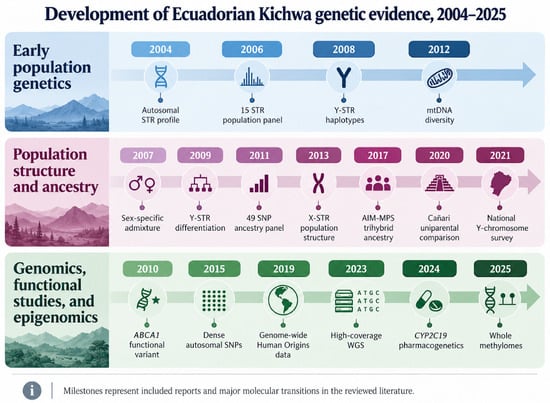
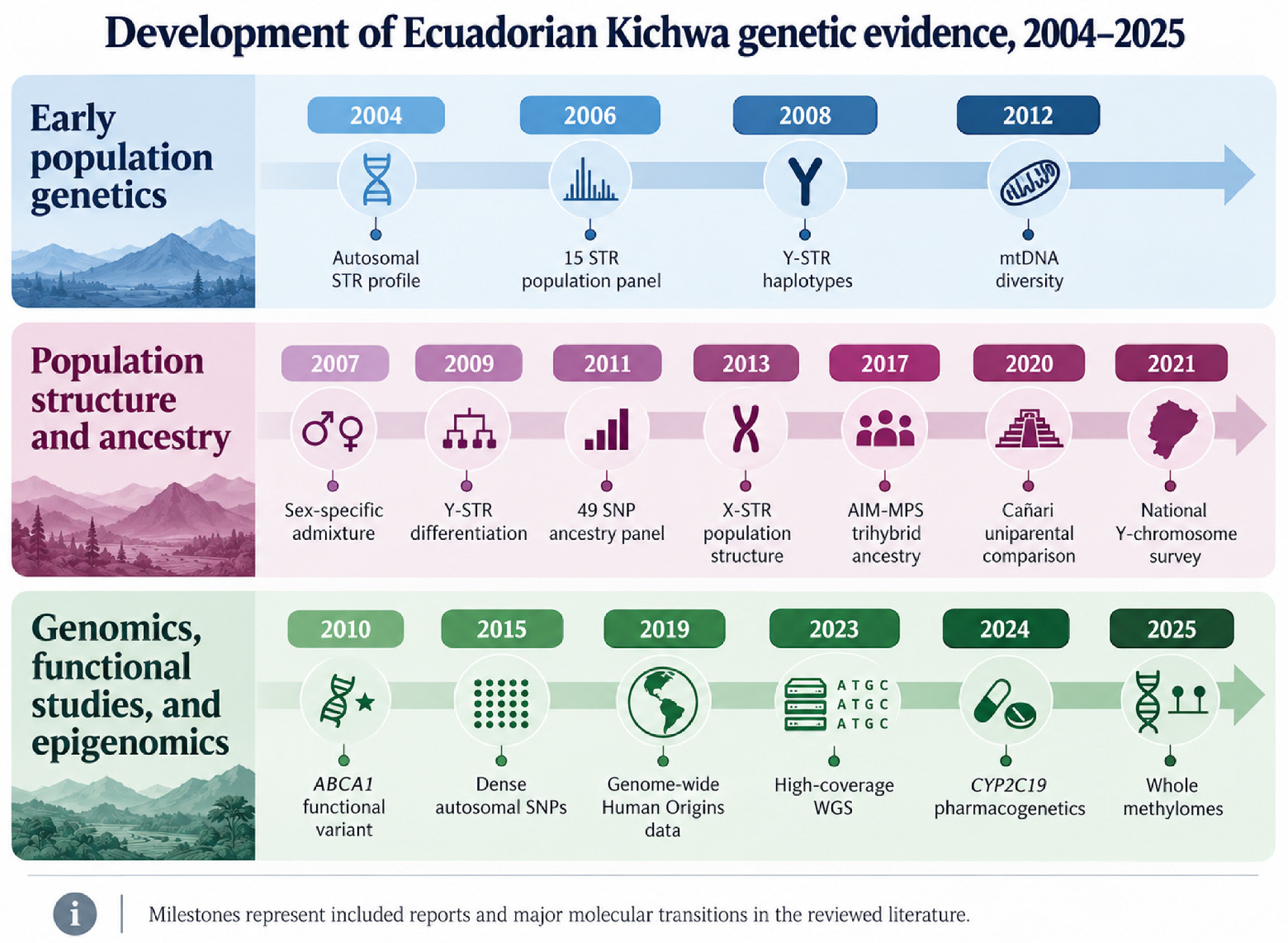
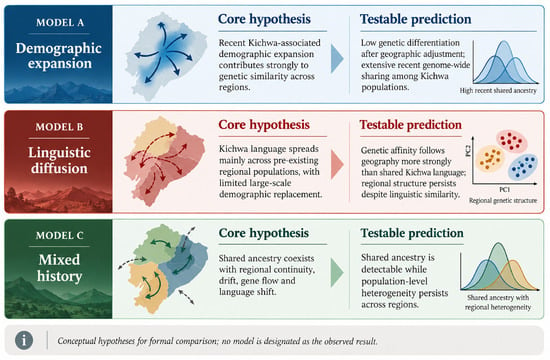
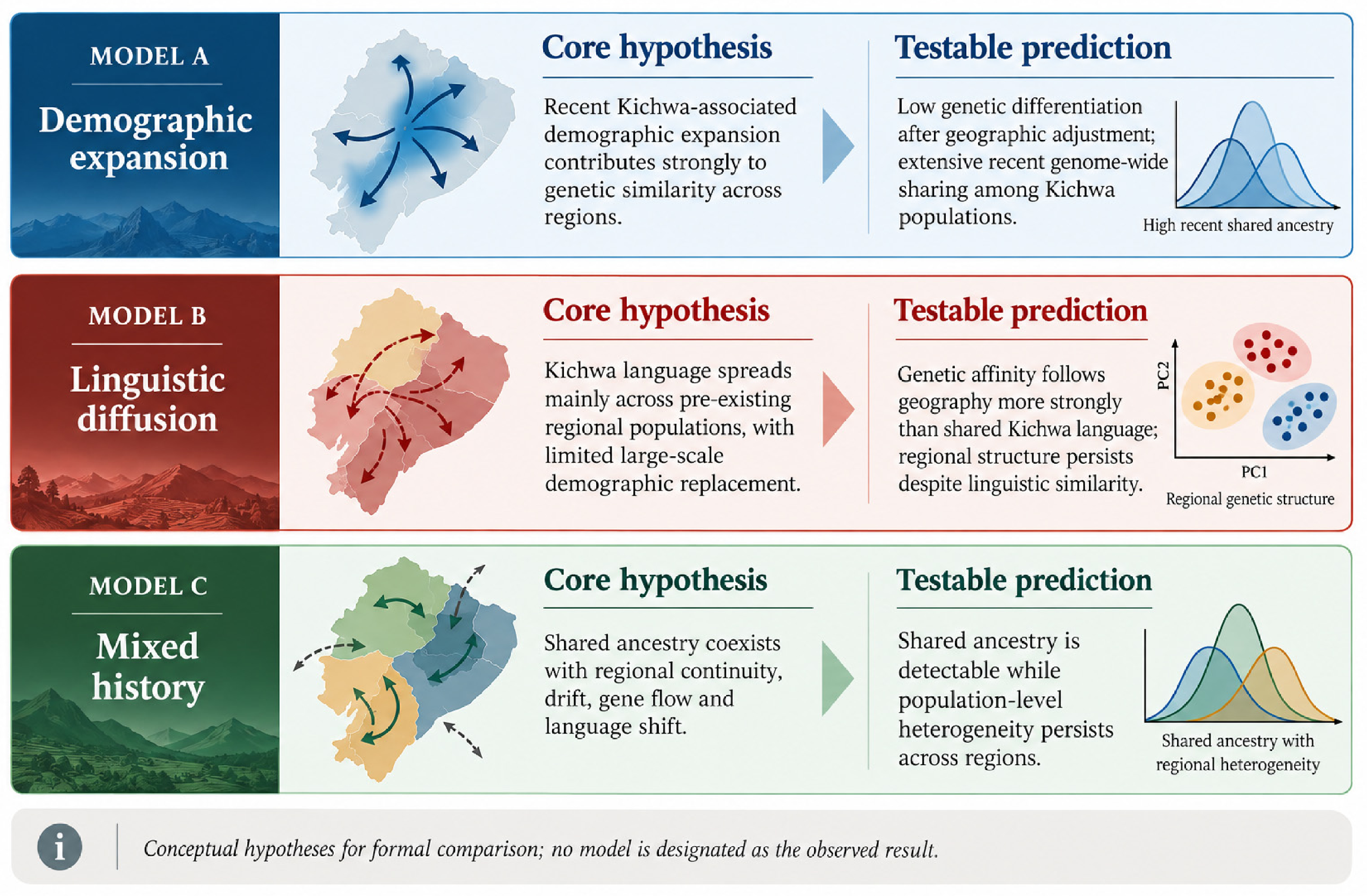
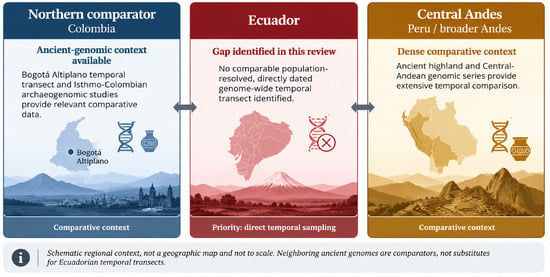
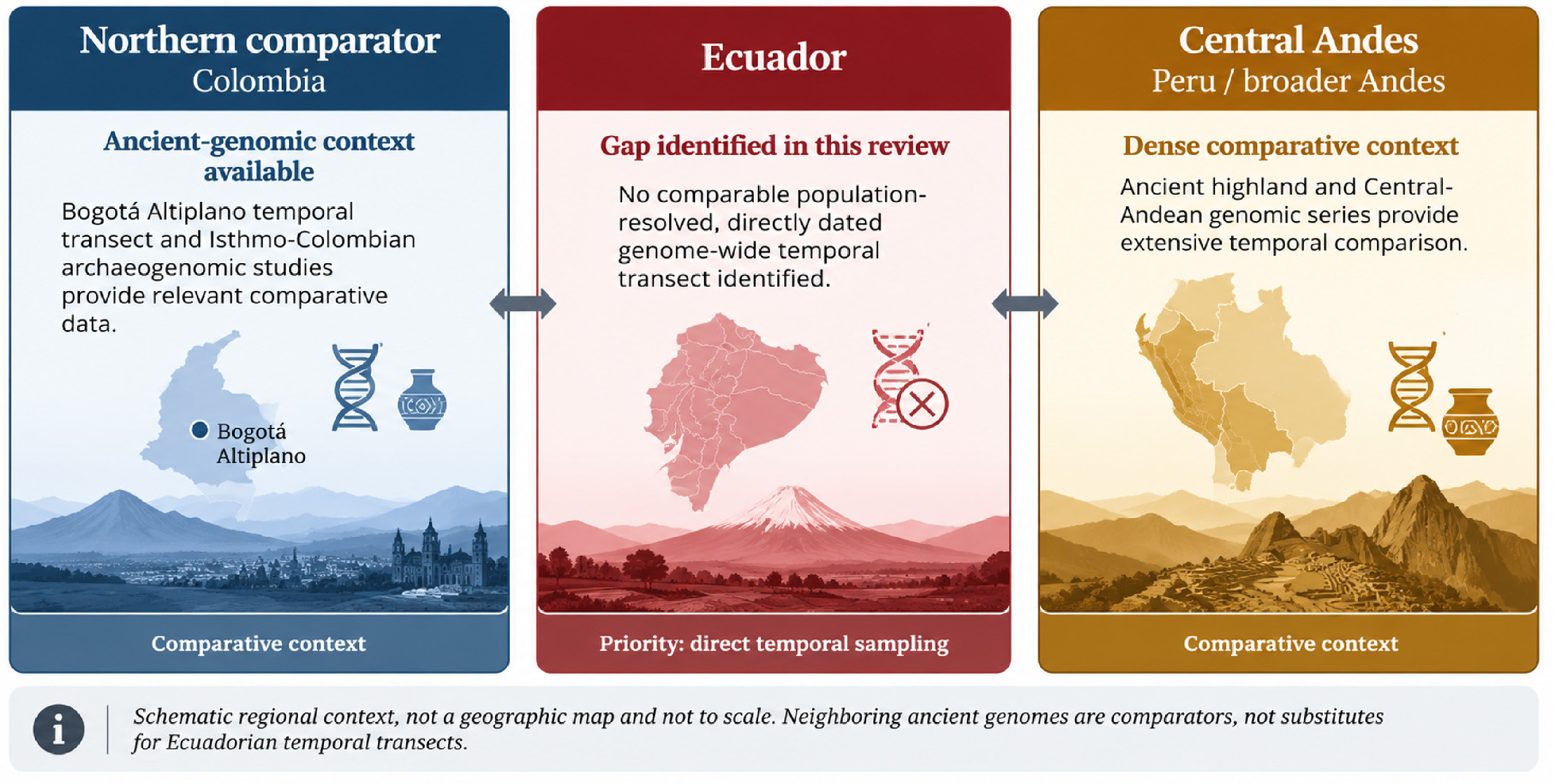
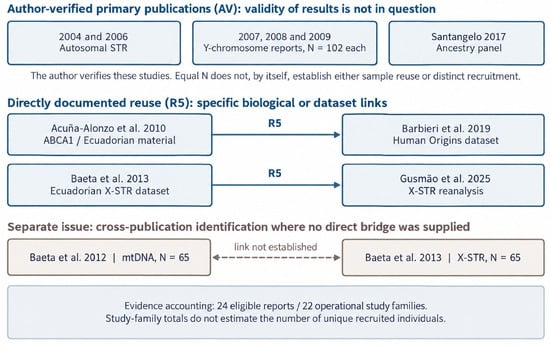
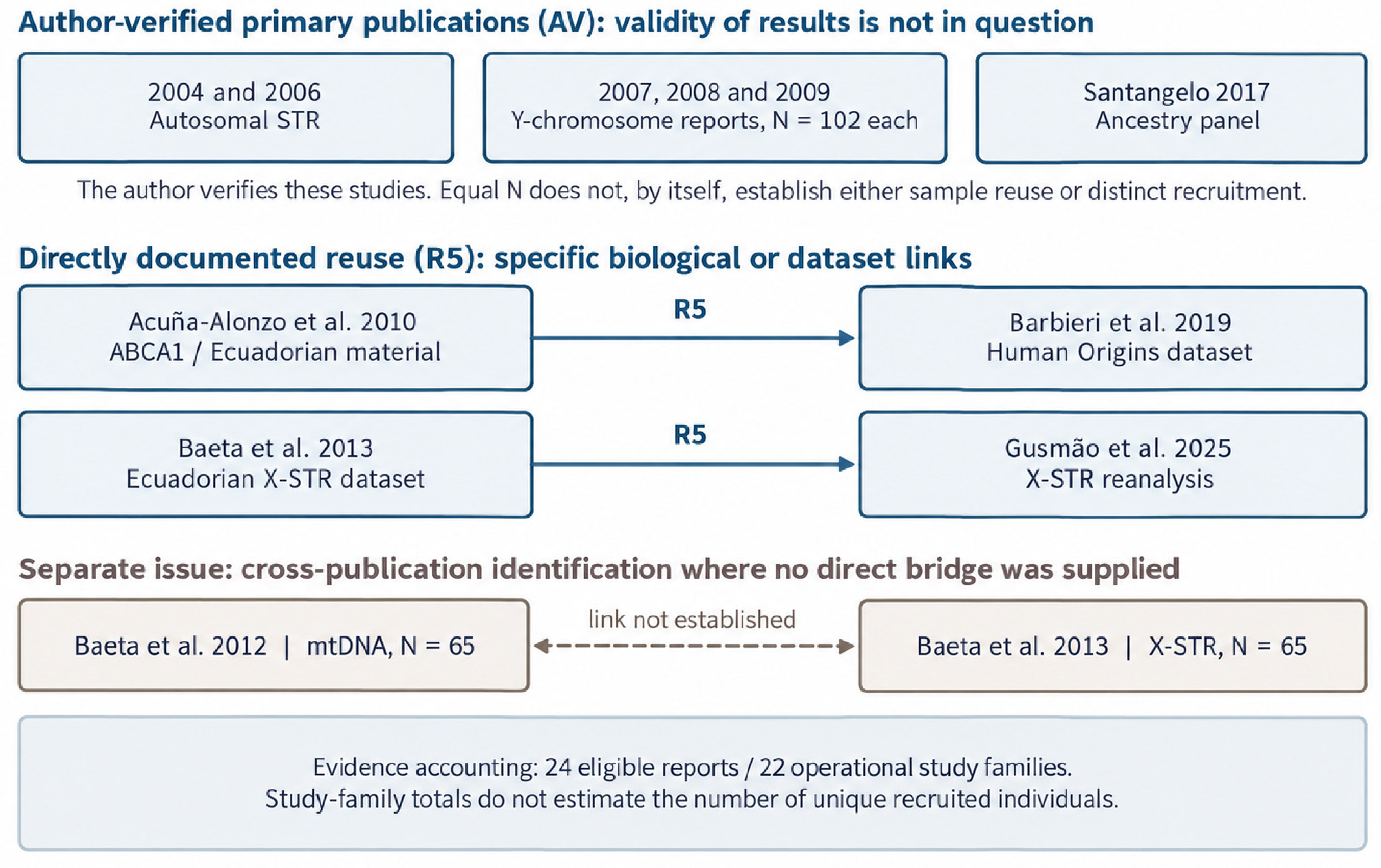
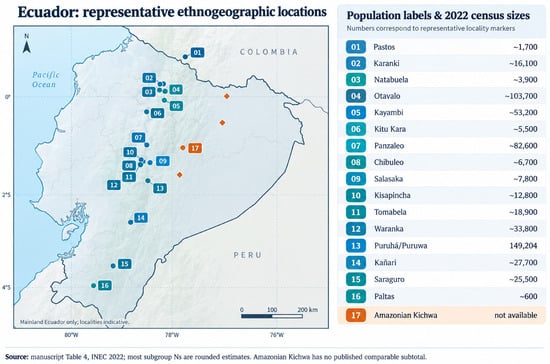
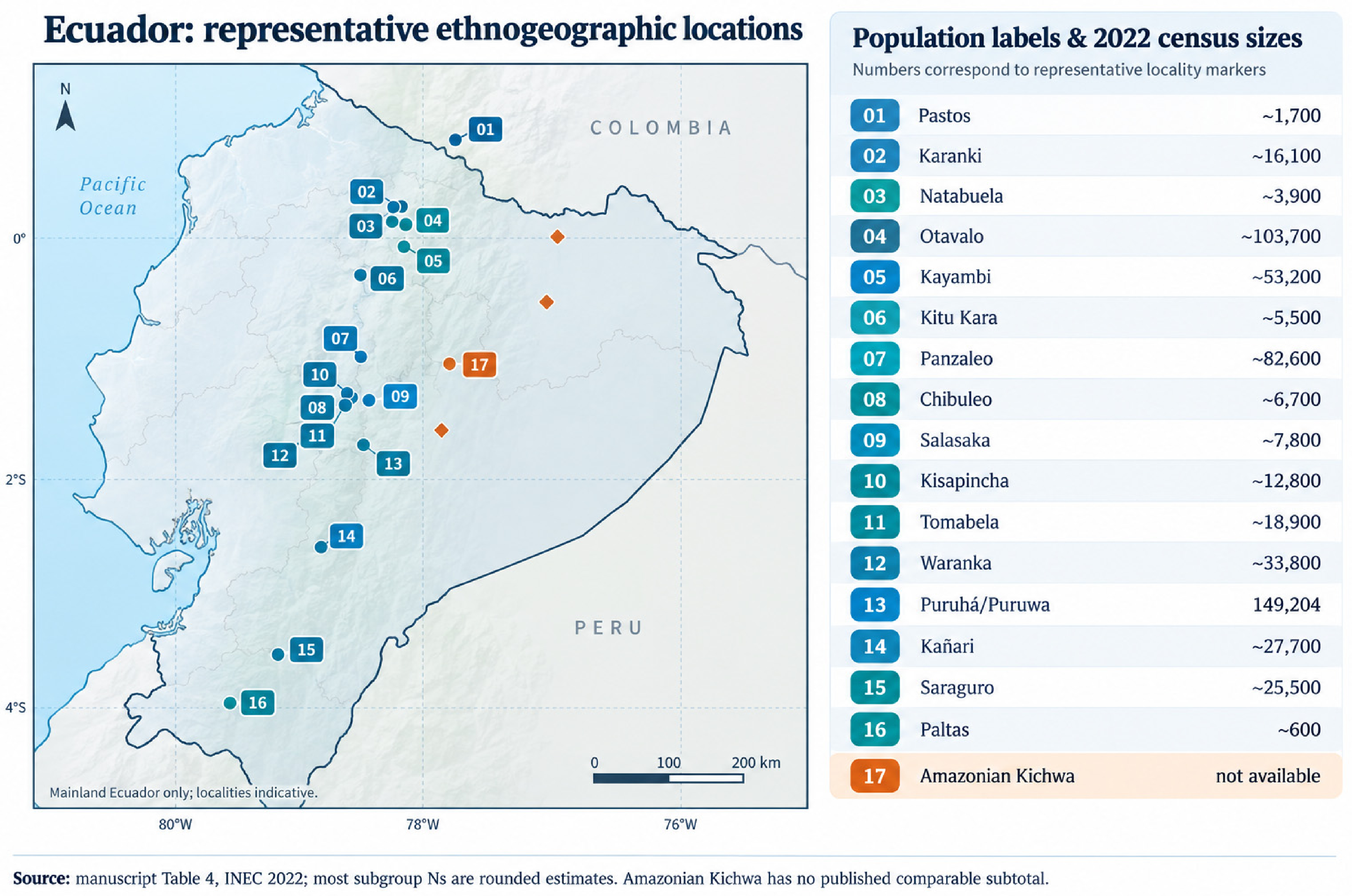

Disclaimer/Publisher’s Note: The statements, opinions and data contained in all publications are solely those of the individual author(s) and contributor(s) and not of MDPI and/or the editor(s). MDPI and/or the editor(s) disclaim responsibility for any injury to people or property resulting from any ideas, methods, instructions or products referred to in the content. |
© 2026 by the author. Licensee MDPI, Basel, Switzerland. This article is an open access article distributed under the terms and conditions of the Creative Commons Attribution (CC BY) license.