


Abstract
Patients with coronary artery disease (CAD) remain at risk of recurrent cardiovascular events despite secondary prevention based on current guidelines. Ongoing inflammation is an important component of this residual risk. Residual inflammatory risk (RIR) is commonly assessed using high-sensitivity C-reactive protein (hsCRP), with a threshold of ≥2 mg/L often used to identify elevated risk. Higher hsCRP levels are associated with a higher risk of recurrent cardiovascular events. Persistent inflammation is associated with worse prognosis, and repeated measurements may help identify high-risk patients. Beyond hsCRP, interleukin-6 (IL-6) and other systemic inflammatory markers are also associated with cardiovascular outcomes. In addition to systemic inflammatory markers, coronary imaging can assess local coronary inflammation and may provide additional prognostic information. However, it remains unclear whether measuring inflammatory markers and imaging local coronary inflammation improve risk prediction beyond classical cardiovascular risk factors. Randomized trials have shown that anti-inflammatory treatment can reduce cardiovascular events in selected patients. However, reductions in hsCRP or IL-6 do not consistently lead to clinical benefit, and the role of inflammatory markers in guiding treatment remains uncertain. This review summarizes the prognostic importance of systemic and local inflammation in patients with established CAD and discusses the potential role of inflammatory assessment in risk prediction and whether reducing inflammation can improve cardiovascular outcomes.
1. Introduction
Coronary artery disease (CAD) is one of the most frequent clinical manifestations of atherosclerosis. It remains associated with a substantial risk of recurrent cardiovascular events despite advances in secondary prevention and revascularization. While we routinely assess and treat classical risk factors such as low-density lipoprotein cholesterol (LDL-C), blood pressure, and glycemic status, we evaluate inflammatory risk far less systematically, despite its association with recurrent cardiovascular events. Inflammation contributes to plaque progression, destabilization, and atherothrombotic complications and may remain active despite otherwise effective treatment [1,2,3]. Inflammatory activity is increasingly recognized as an important component of residual cardiovascular risk despite contemporary risk-factor control [4]. In patients with established CAD, residual inflammatory risk (RIR) refers to the inflammatory risk that remains despite guideline-based secondary prevention. High-sensitivity C-reactive protein (hsCRP), interleukin-6 (IL-6), and fibrinogen have been studied as prognostic markers in patients with CAD [5,6,7]. hsCRP is the main marker used to assess RIR in clinical studies, and an on-treatment concentration of ≥2 mg/L is commonly used to identify patients with elevated RIR [5,8,9,10]. Statins lower LDL-C and can also reduce CRP [11,12]. However, hsCRP can still be elevated in patients receiving statin therapy [8,13]. Early statin trials showed that patients who achieved lower hsCRP concentrations had fewer recurrent cardiovascular events, independently of the LDL-C level achieved during treatment [8,14]. More recent studies have shown that RIR and residual cholesterol risk represent distinct components of residual cardiovascular risk. In statin-treated patients, higher hsCRP was associated with cardiovascular events and mortality even after accounting for LDL-C [15]. Similarly, in a contemporary percutaneous coronary intervention (PCI) cohort, patients with hsCRP ≥ 2 mg/L despite LDL-C < 70 mg/dL had a higher risk of major adverse cardiovascular events, whereas isolated residual cholesterol risk was not independently associated with outcomes [5].
Inflammatory risk is not static. A single measurement obtained during an acute coronary event may reflect the acute-phase response and may not represent the patient’s longer-term inflammatory state. Serial studies after PCI indicate that persistent hsCRP elevation is associated with a worse prognosis than consistently low hsCRP [9,16]. In addition, systemic inflammatory markers do not capture all aspects of coronary inflammatory activity. Coronary computed tomography angiography (CCTA) can detect inflammation-related changes in perivascular adipose tissue, and the perivascular fat attenuation index (FAI) has been associated with all-cause and cardiac mortality [17,18]. These observations indicate that the magnitude, persistence, and location of inflammation may reflect different aspects of cardiovascular risk, but whether they provide complementary prognostic information remains uncertain.
The association between inflammatory activity and adverse outcomes does not by itself establish causality or clinical utility. Randomized trials provide additional evidence that reducing inflammation can influence cardiovascular outcomes, although results have not been consistent across inflammatory pathways, clinical settings, and patient populations [19,20,21,22,23]. These differences raise an important question: which inflammatory markers are clinically relevant, and which may help guide treatment?
This review evaluates the prognostic significance of inflammation in patients with established CAD. It focuses on RIR, the role of proven systemic inflammatory markers, persistent inflammatory activity, and local coronary inflammation as predictors of recurrent cardiovascular events and mortality. Particular attention is given to whether measuring inflammatory markers provides prognostic information beyond classical risk factors and improves cardiovascular risk prediction, and whether reducing inflammation translates into better cardiovascular outcomes. Figure 1 summarizes the relationship between systemic and local inflammation, persistent inflammatory activity, and cardiovascular prognosis.
Figure 1.
Conceptual dimensions of inflammatory risk and cardiovascular prognosis in established coronary artery disease. Inflammatory risk in established coronary artery disease may be characterized by the magnitude of systemic inflammatory activity, its persistence and trajectory over time, and findings from local coronary imaging. Pericoronary FAI reflects inflammation-related changes in pericoronary fat, whereas OCT depicts features of plaque vulnerability. These dimensions have largely been evaluated separately and are associated with adverse cardiovascular outcomes, whereas their combined prognostic value and incremental predictive utility beyond established clinical models remain uncertain. Some anti-inflammatory interventions reduce cardiovascular events in selected clinical settings, but changes in inflammatory biomarkers do not reliably predict clinical benefit, and inflammation-guided treatment has not yet been established. Abbreviations: CCTA, coronary computed tomography angiography; CRP, C-reactive protein; FAI, fat attenuation index; hsCRP, high-sensitivity C-reactive protein; IL-6, interleukin-6; MACE, major adverse cardiovascular events; MPO, myeloperoxidase; NLR, neutrophil-to-lymphocyte ratio; OCT, optical coherence tomography; PTX3, pentraxin-3; S100A8/A9, S100 calcium-binding proteins A8 and A9 (calprotectin); SII, systemic immune-inflammation index; suPAR, soluble urokinase-type plasminogen activator receptor.
2. Literature Search and Study Selection
PubMed was the primary database for this narrative review and was last searched on 13 November 2026. We supplemented the PubMed search by searching Scopus, Google Scholar, and major cardiovascular journals and by screening the reference lists of selected articles. One PubMed query combined three groups of terms to search titles and abstracts. The first group covered clinical conditions and procedures, such as “coronary artery disease,” “acute coronary syndrome,” “myocardial infarction,” and “percutaneous coronary intervention.” The second covered inflammation, with terms such as “high-sensitivity C-reactive protein,” “hsCRP,” “interleukin-6,” and “residual inflammatory risk.” The third covered clinical outcomes and risk prediction, with terms such as “cardiovascular events,” “mortality,” “prognosis,” “risk prediction,” and “reclassification.” We combined terms within each group with OR and combined the three groups with AND. The literature search also covered studies of anti-inflammatory treatment.
Priority was given to prospective studies, large observational cohorts, randomized trials, meta-analyses, and major guidelines and consensus documents relevant to prognosis in patients with established coronary artery disease. For the prognostic synthesis, we selected studies that examined associations between circulating inflammatory markers or imaging findings and subsequent cardiovascular events or mortality in these patients. We gave particular attention to studies that tested whether inflammatory measures improved risk prediction beyond classical risk factors. We did not use studies that reported only associations between inflammation and the presence or extent of coronary atherosclerosis. Because this was a narrative review, we did not undertake a formal protocol, risk-of-bias assessment, or quantitative synthesis.
3. Residual Inflammatory Risk and Cardiovascular Events in Coronary Artery Disease
Residual cardiovascular risk persists in patients with CAD despite contemporary secondary prevention. RIR is an important component of this residual risk [10]. Early clinical evidence came from the Pravastatin or Atorvastatin Evaluation and Infection Therapy–Thrombolysis in Myocardial Infarction 22 (PROVE IT–TIMI 22) trial. Statin-treated patients with lower achieved C-reactive protein (CRP) concentrations after acute coronary syndrome had a lower risk of recurrent myocardial infarction (MI) or coronary death, independently of achieved LDL-C levels [8]. These findings provided early evidence that inflammatory activity carries prognostic information that is not fully captured by lipid concentrations.
Residual inflammatory and cholesterol risk are distinct but frequently coexist. Statins reduce both LDL-C and hsCRP, whereas marked LDL-C reduction with proprotein convertase subtilisin/kexin type 9 (PCSK9) inhibition has little effect on hsCRP; inflammatory risk may therefore persist despite intensive lipid lowering [8,24]. In the Improved Reduction of Outcomes: Vytorin Efficacy International Trial (IMPROVE-IT), patients who achieved both LDL-C < 70 mg/dL and hsCRP < 2 mg/L had fewer cardiovascular events than patients in whom both LDL-C and hsCRP remained above these thresholds, supporting the prognostic importance of both lipid and inflammatory risk [14].
Contemporary data confirm that inflammatory risk remains prognostically relevant during statin treatment. An analysis included 31,245 participants from three large trials: the Pemafibrate to Reduce Cardiovascular Outcomes by Reducing Triglycerides in Patients With Diabetes (PROMINENT), Reduction of Cardiovascular Events With Icosapent Ethyl–Intervention Trial (REDUCE-IT), and Statin Residual Risk Reduction With Epanova in High Cardiovascular Risk Patients With Hypertriglyceridemia (STRENGTH) trials. In this analysis, hsCRP was associated with major adverse cardiovascular events (MACE), cardiovascular death, and all-cause death, whereas the corresponding associations with LDL-C were weaker [15]. These trials included high-risk statin-treated populations and should not be interpreted as an exclusively CAD cohort. More directly, among 15,494 statin-treated patients undergoing PCI, isolated RIR was associated with a 78% higher adjusted risk of MACE compared with patients without residual inflammatory or cholesterol risk, whereas isolated residual cholesterol risk was not independently associated with MACE [5]. These data support an association between RIR and increased cardiovascular risk in patients with established CAD.
The hsCRP cut-off is used to classify patients in clinical studies [5,8,14,16] and should not be interpreted as a sharp boundary between lower and higher risk. Because hsCRP varies with clinical context and over time, a single measurement may not fully characterize long-term inflammatory risk [16].
4. Systemic Inflammatory Biomarkers and Adverse Cardiovascular Outcomes
Several circulating inflammatory biomarkers have been evaluated as prognostic markers of adverse outcomes in patients with CAD, but their evidentiary support and clinical applicability differ considerably. Among these, hsCRP has been extensively studied as a marker of residual inflammatory risk [10]. IL-6 and fibrinogen also have substantial prognostic data, whereas cell-count-derived indices and newer inflammatory biomarkers remain less standardized and are supported predominantly by observational evidence.
4.1. High-Sensitivity C-Reactive Protein
The prognostic value of hsCRP has been studied both in stable CAD and after an acute coronary syndrome [10]. In stable CAD, elevated hsCRP has been independently associated with the composite outcome of cardiovascular death, MI, or stroke during long-term follow-up [25]. In patients treated after acute coronary syndrome, lower on-treatment hsCRP concentrations were associated with fewer recurrent coronary events independently of achieved LDL-C concentrations [8]. Higher hsCRP concentrations have also been associated with cardiovascular events and mortality in broader statin-treated high-risk populations, although these cohorts were not restricted to patients with established CAD [15].
The main advantages of hsCRP are its wide availability, standardized measurement, and low cost. However, hsCRP is nonspecific and may increase with infection, inflammatory disease, renal dysfunction, obesity, smoking, and tissue injury. Its interpretation therefore depends on the clinical setting and timing of measurement, particularly after an acute coronary event or invasive procedure. Although elevated hsCRP is associated with adverse cardiovascular outcomes, it remains uncertain how much hsCRP adds to established risk models and whether its measurement can guide treatment decisions.
4.2. Interleukin-6 and Fibrinogen
IL-6 is a proinflammatory cytokine that has been studied as a prognostic marker in patients with CAD. Earlier studies from our group in young patients examined during the stable phase after MI showed evidence of ongoing low-grade inflammatory activity despite clinical stability and contemporary medical treatment. IL-6 was consistently elevated compared with healthy controls and was associated with endothelial dysfunction [26,27]. In a subsequent analysis of the full post-MI cohort, both IL-6 and hsCRP were significantly higher than in healthy controls, supporting ongoing low-grade inflammation well beyond the acute event [28].
Studies that measured IL-6 and hsCRP in the same patients have reported different findings. In the Stabilization of Atherosclerotic Plaque by Initiation of Darapladib Therapy (STABILITY) trial, higher baseline IL-6 levels in patients with stable coronary heart disease were independently associated with MACE, cardiovascular and all-cause mortality, MI, and heart failure hospitalization during a median follow-up of 3.7 years [6]. The association between IL-6 and MACE persisted after adjustment for hsCRP and other biomarkers, whereas the association between hsCRP and MACE was no longer statistically significant in the fully adjusted model [6]. In the Stabilization of Plaques Using Darapladib–Thrombolysis in Myocardial Infarction 52 (SOLID-TIMI 52) trial, IL-6 was measured a median of 14 days after the acute event. After adjustment for hsCRP and other biomarkers, patients in the highest IL-6 quartile had a higher risk of MACE (adjusted hazard ratio (HR) 1.43, 95% confidence interval (CI) 1.09–1.88) and of cardiovascular death or heart failure hospitalization (adjusted HR 1.79, 95% CI 1.22–2.63) than those in the lowest quartile [29].
In the Evaluation of Cardiovascular Outcomes After an Acute Coronary Syndrome During Treatment With Alirocumab (ODYSSEY OUTCOMES) trial, 11,817 patients had both biomarkers measured at a median of 2.7 months after acute coronary syndrome. When both markers were included in the same model, hsCRP, but not IL-6, remained associated with MACE. Both markers independently predicted all-cause mortality [13]. These studies do not establish that either marker consistently provides more prognostic information across clinical settings and outcomes.
Fibrinogen provides an additional link between inflammation and cardiovascular prognosis because it is both an acute-phase protein and a central component of coagulation. In a meta-analysis of 20,395 patients with CAD, the highest fibrinogen category was associated with a 46% higher risk of MACE, an 88% higher risk of all-cause death, and more than twice the risk of cardiovascular death compared with the lowest category [7]. Direct comparisons with CRP have yielded different results. In 13,100 patients with angiographically confirmed CAD, CRP, but not fibrinogen, remained associated with one-year all-cause mortality when both were included in the same adjusted model [30]. By contrast, in a registry of 2789 patients undergoing PCI, the highest quartile of fibrinogen measured one month after PCI remained associated with subsequent MACE after adjustment for clinical variables and the other biomarkers. The association with hsCRP was no longer statistically significant in the same model [31]. Because the studies assessed different outcomes and measured the biomarkers at different points in the course of care, their results do not establish that either marker is generally preferable for individual risk assessment.
Studies using cultured human liver cells have shown that IL-6 stimulates the production of CRP and fibrinogen [32]. This indicates that IL-6 acts upstream of both proteins in the acute-phase response. Genetic studies also support a role for IL-6 receptor signaling in coronary artery disease [33]. In patients with ST-segment elevation myocardial infarction, IL-6 levels peaked before CRP and fibrinogen [34]. However, this reflects the response to acute myocardial injury and does not establish the sequence of inflammatory changes during chronic atherosclerosis.
In a study of 161 patients with stable multivessel CAD, higher baseline IL-6, but not hsCRP, was associated with a greater increase in total and noncalcified plaque volume on coronary CT angiography over 12 months [35]. Because the biomarkers were measured only at baseline, the study could not determine how their levels changed over time or whether IL-6 caused plaque progression.
4.3. Other Circulating Inflammatory Markers
A range of additional inflammatory markers has been associated with adverse cardiovascular outcomes, but the available evidence is more limited. Blood-count-derived indices such as the neutrophil-to-lymphocyte ratio (NLR) and systemic immune-inflammation index (SII) have been associated with MACE and mortality, particularly in patients with acute coronary syndrome [36,37]. However, both are strongly influenced by acute illness and comorbidities, and standardized thresholds for these two indices in long-term cardiovascular risk assessment are lacking.
Other biomarkers, including pentraxin-3, soluble urokinase-type plasminogen activator receptor, myeloperoxidase, and S100A8/A9, have also shown associations with recurrent cardiovascular events or mortality in CAD and acute MI cohorts [38,39,40,41]. However, their clinical use remains limited because assays are not fully standardized, external validation is limited, and it is unclear whether they improve risk prediction beyond classical risk factors.
Overall, higher levels of systemic inflammatory biomarkers are associated with adverse outcomes across several clinical settings of CAD, although the strength and consistency of evidence vary among markers. Although hsCRP is commonly used to assess residual inflammatory risk [10], direct comparisons with IL-6 and fibrinogen have not identified a single marker with consistently greater prognostic value across clinical settings and outcomes. Other inflammatory markers remain primarily investigational.
5. Persistent Inflammation and Long-Term Cardiovascular Prognosis
The prognostic significance of hsCRP depends not only on its concentration but also on when it is measured and whether the elevation persists over time. Persistent inflammation requires repeated measurements during follow-up. Longitudinal studies have therefore distinguished patients with persistently low, decreasing, increasing, or persistently high hsCRP concentrations [16,42].
Both acute and later elevations of hsCRP are associated with adverse cardiovascular outcomes, but their prognostic relevance appears to differ according to the timing of measurement. In a secondary analysis of 4257 patients from the Vascular Inflammation Suppression to Treat Acute Coronary Syndrome for 16 Weeks (VISTA-16) trial, both baseline hsCRP and longitudinal hsCRP measurements during the following 16 weeks were independently associated with MACE, cardiovascular death, and all-cause mortality [43]. More recently, Seong et al. evaluated 16,371 patients with acute MI. Elevated baseline hsCRP was associated with MACE predominantly during the first year (hazard ratio (HR) 1.38, 95% confidence interval (CI) 1.21–1.57), whereas the association was no longer significant beyond 1 year. Serial baseline and 1-year hsCRP measurements were available in a smaller landmark cohort of 5389 patients. In this subgroup, elevated hsCRP at 1 year independently predicted MACE during the subsequent 2 years (HR 1.33, 95% CI 1.01–1.77) [44]. These findings suggest that hsCRP measured during an acute event may be more relevant to early prognosis, whereas persistent elevation after clinical stabilization is associated with longer-term cardiovascular risk.
Several longitudinal studies have further examined the prognostic importance of persistent hsCRP elevation. Among 7026 patients undergoing PCI, persistent high inflammatory risk was associated with higher 1-year mortality (2.6% vs. 0.7%) and MI (7.5% vs. 4.3%) compared with persistent low inflammatory risk [16]. Similar associations have been reported in patients undergoing PCI despite low LDL-C, in East Asian PCI populations, and during longer-term follow-up in patients with stable CAD [42,45,46]. In the Randomized Evaluation of Aggressive or Moderate Lipid Lowering Therapy With Pitavastatin in Coronary Artery Disease (REAL-CAD) subanalysis of 10,460 patients with chronic coronary syndrome treated with pitavastatin, persistently elevated hsCRP, defined using a study-specific threshold of ≥0.5 mg/L at both baseline and 6 months, was associated with a higher risk of cardiovascular death, MI, stroke, or hospitalization for unstable angina compared with persistently low hsCRP (adjusted HR 1.48, 95% CI 1.18–1.89) [47]. A 2026 meta-analysis of five PCI cohorts including 13,604 patients found that persistent high inflammatory risk was associated with a higher 12-month risk of MACE (RR 1.64, 95% CI 1.33–2.03) [9]. In the 5389-patient landmark cohort reported by Seong et al. [44], persistently elevated hsCRP was also associated with subsequent MACE (adjusted HR 1.49, 95% CI 1.08–2.06), whereas patients whose initially elevated hsCRP decreased by 1 year had no significant excess risk compared with those with persistently low values. However, serial studies have used different measurement intervals and definitions of persistent inflammatory risk and have included only patients who survived to follow-up and had repeated hsCRP measurements available. It therefore remains uncertain whether repeated hsCRP measurements predict cardiovascular risk better than a single measurement after clinical stabilization.
6. Local Coronary Inflammation and Adverse Cardiovascular Outcomes
Systemic biomarkers reflect overall inflammatory activity but may not fully capture local coronary inflammation. Imaging methods may provide additional information about local coronary inflammatory activity.
Pericoronary fat attenuation index (FAI) is a non-invasive imaging marker derived from coronary computed tomography angiography (CCTA) that reflects inflammation-related changes in the adipose tissue surrounding the coronary arteries. In the Cardiovascular Risk Prediction using Computed Tomography (CRISP-CT) study, higher FAI was associated with all-cause and cardiac mortality in two independent cohorts of patients undergoing CCTA. An FAI threshold of ≥−70.1 Hounsfield units (HU) identified patients at higher risk of cardiac mortality, and FAI provided additional prognostic information beyond classical risk factors, the extent of CAD, and high-risk plaque features [18]. However, CRISP-CT included patients referred for CCTA and was not restricted to those with established CAD. Subsequent studies have also associated higher pericoronary adipose tissue attenuation with adverse cardiovascular outcomes, including MI, and reported prognostic value beyond plaque burden and ischemia [48,49,50]. A recent meta-analysis further supports the association between higher pericoronary adipose tissue attenuation and adverse cardiovascular outcomes [51].
More recent data come directly from patients with established CAD undergoing PCI. In a prospective cohort of 1987 patients, Ye et al. assessed local coronary inflammation using FAI and systemic inflammation using hsCRP. During a median follow-up of 3 years, a high maximum pericoronary fat attenuation index (FAI-MAX), defined as ≥−70 HU, was associated with a higher risk of MACE. Patients with both high FAI-MAX and elevated hsCRP (≥2 mg/L) had the highest risk. Combining FAI-MAX and hsCRP also improved prediction of MACE compared with using either marker alone (DeLong p < 0.05). These findings suggest that local and systemic inflammation provide complementary prognostic information and that low systemic inflammatory activity does not necessarily exclude local coronary inflammation [52]. In a separate small study, no significant differences were found in inflammatory marker concentrations between intracoronary and systemic blood samples [53].
Pericoronary FAI reflects inflammation-related changes in the adipose tissue surrounding coronary arteries [17]. In contrast, optical coherence tomography (OCT) is an invasive intracoronary imaging technique that characterizes plaque morphology and identifies features associated with plaque vulnerability, such as a thin fibrous cap. Bright spots on OCT may suggest macrophage accumulation but are not specific to macrophages [54]. OCT does not directly measure inflammatory activity [54]. In 793 patients with stable CAD undergoing PCI, hsCRP ≥ 2 mg/L was associated with a greater prevalence of thin-cap plaques and a higher subsequent risk of MI, although overall MACE did not differ significantly between patients with hsCRP ≥ 2 mg/L and those with hsCRP < 2 mg/L. MI occurred most frequently in patients with both elevated hsCRP and thin-cap plaques, suggesting that the combination of systemic inflammation and local plaque vulnerability may identify patients at higher risk [55]. Earlier data from the Relationship Between Coronary Plaque Morphology of the Left Anterior Descending Artery and 12 Months Clinical Outcome (CLIMA) registry showed that OCT findings consistent with macrophage accumulation, particularly when accompanied by elevated systemic CRP, were associated with subsequent coronary events [56]. In a multicenter study of 1025 patients with CAD undergoing OCT, a larger OCT-derived macrophage arc was independently associated with subsequent MACE [57].
Persistently elevated hsCRP in patients with coronary artery disease indicates systemic inflammation but does not show whether it originates in coronary plaques. Activated endothelial cells express adhesion molecules that promote the recruitment of circulating monocytes into the arterial wall, where they can differentiate into macrophages [58]. One mechanism that may sustain plaque inflammation is the activation of the NLR family pyrin domain containing 3 (NLRP3) inflammasome by cholesterol crystals, which promotes IL-1β release from macrophages. Cultured human macrophages allow this pathway to be studied directly but do not reproduce the response of an intact plaque [59]. NLRP3 inhibition reduced IL-1β release and macrophage proliferation in human carotid plaque samples studied ex vivo. It also reduced macrophage accumulation in aortic plaques in mice with established atherosclerosis, with no detectable difference in plaque size between the groups [60]. These findings show that NLRP3 inhibition can alter plaque biology in human tissue outside the body and in an animal model in vivo. Neither model, however, tested the effect of NLRP3 inhibition after cholesterol lowering. Mouse models in which cholesterol is lowered after plaques have formed could be used to test whether NLRP3 inhibition further reduces plaque inflammation [61]. Whether this pathway sustains residual inflammation in patients with treated coronary artery disease remains uncertain.
Pericoronary FAI and OCT features of plaque vulnerability have both been associated with adverse cardiovascular outcomes, but they capture different aspects of coronary disease. Major studies informing the prognostic significance of systemic, persistent, and local inflammatory activity in CAD are summarized in Table 1.
Table 1.
Major studies evaluating the prognostic significance of systemic, persistent, and local inflammatory activity in coronary artery disease.
7. Limited Applicability of Inflammatory Measures for Cardiovascular Risk Prediction
An inflammatory marker may be associated with future cardiovascular events without necessarily improving risk prediction. To improve risk prediction, an inflammatory marker should provide prognostic information beyond classical risk factors. This is usually assessed by changes in model discrimination, expressed by the area under the curve (AUC) and by risk reclassification. The important question is therefore not only whether an inflammatory marker is associated with cardiovascular risk, but whether its measurement improves the prediction of individual risk [62]. The main evidence evaluating the incremental prognostic value of inflammatory measures is summarized in Table 2.
Table 2.
Inflammatory Measures for Cardiovascular Risk Prediction in Coronary Artery Disease.
Some of the clearest evidence for the added prognostic value of CRP and hsCRP comes from patients presenting with acute coronary syndromes. In 1408 patients with acute coronary syndrome, adding CRP to the Global Registry of Acute Coronary Events (GRACE) score improved discrimination for 30-day mortality, with the C-statistic increasing from 0.795 to 0.823, and resulted in reclassification of 12.2% of patients [63]. Similarly, in 1804 patients with acute MI, adding admission hsCRP to the GRACE score increased the AUC from 0.785 to 0.819 and improved risk reclassification [64]. Evidence for the added prognostic value of inflammatory markers in chronic CAD is considerably more limited. In a small study of 106 patients with angiographically documented CAD, addition of IL-6 measured during dobutamine stress echocardiography to a model containing clinical and stress echocardiographic variables improved risk prediction [65]. These studies suggest that inflammatory markers may improve risk prediction in selected settings, but the evidence is stronger for short-term risk after acute coronary syndromes than for long-term risk in stable CAD.
Imaging-derived measures of local coronary inflammation may also improve risk prediction. Although the CRISP-CT study was not restricted to patients with established CAD, adding FAI improved discrimination for cardiac mortality, with the AUC increasing from 0.913 to 0.962 in the derivation cohort and from 0.763 to 0.838 in the validation cohort, along with improved risk reclassification [18]. More recently, in 1987 patients with CAD undergoing PCI, combining FAI-MAX with hsCRP improved model discrimination compared with either inflammatory measure alone [52]. However, these improvements have not been consistent across studies. In 468 patients undergoing PCI, hsCRP was independently associated with the composite outcome of all-cause death or MI over 10 years. Adding hsCRP to a model based on classical cardiovascular risk factors improved risk reclassification, as assessed by the continuous net reclassification improvement (NRI), but did not significantly improve discrimination (AUC increased from 0.71 to 0.73) [66]. Similarly, in 290 patients with non-ST-elevation acute coronary syndrome, addition of CRP to the GRACE score did not significantly improve discrimination or risk reclassification [62]. Overall, the available evidence indicates that CRP and hsCRP may improve risk prediction in selected populations, but the improvement is generally modest and inconsistent. Evidence for long-term risk prediction beyond classical risk factors in patients with stable CAD remains particularly limited. Better risk prediction does not necessarily mean better patient outcomes [67]. For example, an improvement in risk reclassification may reflect small changes in estimated risk that do not affect clinical decisions [68]. The PCI study [66] did not examine whether hsCRP-guided care improves cardiovascular outcomes compared with usual care. Therefore, although inflammatory markers may help identify patients with CAD who are at higher risk, it remains uncertain whether using these markers to guide treatment or follow-up improves outcomes.
8. Does Reducing Inflammation Improve Prognosis?
The consistent association between greater inflammatory activity and adverse cardiovascular outcomes raises an important clinical question: can reducing inflammation improve prognosis? The strongest evidence comes from the Canakinumab Anti-Inflammatory Thrombosis Outcomes Study (CANTOS), which included 10,061 patients with previous MI and persistent hsCRP ≥ 2 mg/L. Patients were randomized to placebo or canakinumab, a monoclonal antibody targeting interleukin-1 beta (IL-1β). Canakinumab 150 mg reduced hsCRP and lowered the risk of cardiovascular death, nonfatal MI, or nonfatal stroke by approximately 15% (HR 0.85; 95% CI 0.74–0.98), without lowering LDL-C [19]. Secondary analyses showed greater clinical benefit among patients who achieved lower inflammatory marker levels during treatment. Patients treated with canakinumab who achieved hsCRP < 2 mg/L at 3 months had a 25% lower risk of MACE than the overall placebo group, whereas canakinumab-treated patients with hsCRP ≥ 2 mg/L showed no significant benefit [69]. Similarly, patients treated with canakinumab who achieved IL-6 < 1.65 ng/L had a 32% lower risk of MACE compared with placebo [70]. These findings support the prognostic importance of the inflammatory response to treatment. However, analyses based on achieved biomarker levels do not prove that lowering hsCRP or IL-6 itself reduced cardiovascular events. All-cause mortality did not differ significantly between the pooled canakinumab groups and the placebo group. However, deaths from infection or sepsis were more frequent in the pooled canakinumab groups than in the placebo group (0.31 vs. 0.18 per 100 person-years, p = 0.02) [19].
Clinical benefit from anti-inflammatory treatment was also demonstrated with low-dose colchicine. In the Colchicine Cardiovascular Outcomes Trial (COLCOT), 4745 patients enrolled within 30 days after MI were randomized to colchicine 0.5 mg daily or placebo. The primary composite outcome occurred in 5.5% of patients receiving colchicine and 7.1% of those receiving placebo (HR 0.77; 95% CI 0.61–0.96) [20]. Similarly, the Low-Dose Colchicine 2 (LoDoCo2) trial included 5522 patients with chronic coronary disease. Cardiovascular events occurred less frequently with colchicine than with placebo (6.8% vs. 9.6%; HR 0.69; 95% CI 0.57–0.83) [21]. Unlike CANTOS, however, neither trial selected patients based on elevated hsCRP, and neither was designed to determine whether the magnitude of biomarker reduction predicted treatment benefit. These trials show that anti-inflammatory treatment can reduce cardiovascular events in selected patients with coronary disease. However, it remains unclear whether hsCRP can identify patients who are more likely to benefit from anti-inflammatory treatment. In COLCOT, serious pneumonia was more frequent with colchicine than with placebo (0.9% vs. 0.4%) [20]. However, a meta-analysis of nine randomized trials involving 30,659 patients with coronary disease or prior stroke found no significant increase in hospitalization for pneumonia. Hospitalizations for gastrointestinal adverse events were more frequent with colchicine (RR 1.35, 95% CI 1.10–1.66) [71].
Not all anti-inflammatory approaches have been successful. In the Cardiovascular Inflammation Reduction Trial (CIRT), low-dose methotrexate in patients with atherosclerotic disease reduced neither IL-1β, IL-6, nor CRP and did not reduce cardiovascular events (HR 0.96; 95% CI 0.79–1.16) [22]. In the CLEAR SYNERGY trial, 7062 patients with acute MI were randomized to colchicine or placebo. Although colchicine reduced CRP at three months in patients in whom CRP was measured, it did not reduce cardiovascular death, recurrent MI, stroke, or unplanned ischemia-driven revascularization over a median follow-up of three years (9.1% vs. 9.3%; HR 0.99; 95% CI 0.85–1.16) [23]. Diarrhea was more frequent with colchicine than with placebo (10.2% vs. 6.6%), but the incidence of serious infections did not differ significantly between groups [23].
Ziltivekimab is a monoclonal antibody that binds directly to IL-6. In the phase II RESCUE and RESCUE-2 trials, it markedly lowered hsCRP compared with placebo in patients with chronic kidney disease and hsCRP ≥ 2 mg/L. The primary endpoint in both trials was the change in hsCRP. Neither trial was designed to assess effects on cardiovascular events [72,73].
The phase III ZEUS trial enrolled 6376 patients with established atherosclerotic cardiovascular disease, chronic kidney disease, and hsCRP ≥ 2 mg/L. Enrollment was not restricted to patients with CAD. Despite marked reductions in hsCRP and free IL-6, ziltivekimab did not reduce the primary composite endpoint of cardiovascular death, nonfatal myocardial infarction, or nonfatal stroke over a median follow-up of 33 months (17.6% with ziltivekimab vs. 17.7% with placebo, HR 0.99, 95% CI 0.88–1.11) [74]. Results were similar for the secondary four-point MACE endpoint, which also included hospitalization for unstable angina requiring urgent coronary revascularization (18.4% vs. 18.5%, HR 0.99, 95% CI 0.88–1.10) [75]. Serious infections occurred in 20.4% of patients receiving ziltivekimab and 17.9% of those receiving placebo. The overall incidence of serious adverse events was similar between groups (54.6% vs. 54.8%) [74].
The ongoing phase III ARTEMIS trial is testing whether starting ziltivekimab early after acute myocardial infarction reduces major adverse cardiovascular events. Efficacy results have not yet been reported [76,77]. The phase III HERMES trial enrolled patients with heart failure with mildly reduced or preserved ejection fraction and systemic inflammation. Its primary endpoint was a composite of cardiovascular death, hospitalization for heart failure, or an urgent heart failure visit [78]. HERMES was stopped early. The sponsor reported that the trial did not meet its primary endpoint, but detailed results have not yet been published [79].
The reasons for differences across anti-inflammatory trials are not fully understood. The studies differ in the inflammatory pathways targeted, pharmacologic agents used, patient characteristics, baseline inflammatory burden, and timing of treatment initiation. Some anti-inflammatory approaches, including canakinumab in CANTOS and colchicine in COLCOT and LoDoCo2, reduced cardiovascular events, whereas methotrexate in CIRT, colchicine in CLEAR SYNERGY, and ziltivekimab in ZEUS did not. Overall, the available evidence shows that anti-inflammatory treatment can improve cardiovascular outcomes in some clinical settings, but reducing inflammatory activity or inflammatory biomarker levels does not necessarily translate into clinical benefit.
9. Clinical Implications and Future Perspectives
In clinical practice, the main challenge is not simply identifying patients with elevated inflammatory markers but determining whether this information can improve patient management. In patients with established CAD, hsCRP may help identify RIR, but the timing of measurement is important. hsCRP measured during or shortly after an acute coronary event may reflect the acute inflammatory response, whereas persistent elevation after clinical stabilization may better reflect long-term inflammatory risk. Repeat measurements may therefore help distinguish transient from persistent inflammation, although whether they improve risk prediction or help guide treatment remains uncertain. It also remains unclear whether hsCRP should be used to select patients for anti-inflammatory treatment or to monitor treatment response.
The 2024 European Society of Cardiology (ESC) guidelines state that measurement of hsCRP and/or fibrinogen should be considered as part of the initial biochemical assessment of patients with suspected chronic coronary syndrome (Class IIa, Level B). Low-dose colchicine should also be considered in patients with atherosclerotic chronic coronary disease to reduce cardiovascular events (Class IIa, Level A), but this recommendation is not based on hsCRP levels [80]. Recent expert statements also recognize the importance of inflammation in residual cardiovascular risk, while the role of inflammatory biomarkers in selecting patients for anti-inflammatory treatment remains uncertain [81,82].
Guideline-directed secondary prevention remains the priority [80]. When considering low-dose colchicine (0.5 mg daily) as an adjunct in patients with stable atherosclerotic CAD, clinicians should weigh the risk of recurrent ischemic events against the risk of adverse effects [21,80]. An elevated hsCRP level alone is not an established criterion for selecting patients for colchicine [20,21]. Before prescribing it, clinicians should review renal and hepatic function and concomitant medications [83] and discuss gastrointestinal adverse effects [71]. The infection risk observed in CANTOS and ZEUS, together with the inconsistent cardiovascular benefit across trials, does not support routine cytokine inhibition for secondary prevention in CAD [19,74].
The mouse model described in Section 6 could be used to test whether NLRP3 inhibition further reduces inflammation in established plaques after cholesterol lowering. In patients with stable CAD receiving guideline-directed therapy, prospective studies should assess whether a previous hsCRP measurement improves prediction of recurrent cardiovascular events beyond the most recent measurement and classical risk factors, and whether IL-6 adds further predictive value. To determine whether hsCRP can guide treatment selection, a randomized trial should compare a targeted anti-inflammatory agent with placebo, in addition to standard care, in patients with and without persistent hsCRP elevation. The trial should test whether the effect on major cardiovascular events differs between these groups and monitor serious infections. Changes in hsCRP and IL-6 should be assessed as measures of biological response, not as substitutes for clinical outcomes. After MI, the early inflammatory response helps clear dead cells and supports myocardial repair [84]. The cardiovascular outcome trials reviewed here were not designed to assess whether anti-inflammatory treatment affects infarct healing. Future studies should test whether promoting the resolution of inflammation can reduce coronary events while preserving host defense and tissue repair [85]. In our view, answering these questions is more important than identifying additional inflammatory biomarkers.
10. Limitations
This review has several limitations. First, it is based on a targeted literature search rather than a systematic review. We used no formal protocol or risk-of-bias assessment, and we did not perform a quantitative synthesis. Relevant studies may therefore have been missed.
Second, direct comparison between studies is limited by differences in the populations studied, including patients with acute coronary syndromes, stable coronary artery disease, and those undergoing PCI, as well as by differences in follow-up and cardiovascular outcomes. Some studies also included broader high-risk atherosclerotic or CCTA-referred populations and were not restricted to patients with established CAD.
Third, inflammatory activity was assessed using different biomarkers, cut-off values, and sampling strategies. The timing of measurement is particularly important because values obtained during or shortly after an acute coronary event may reflect transient inflammatory activation. Studies of persistent inflammation also used different intervals between repeated measurements and were limited to patients with follow-up samples available.
Finally, the evidence is uneven across inflammatory measures. hsCRP has the most extensive prognostic evidence, whereas data for IL-6, other circulating biomarkers, and imaging-derived measures of coronary inflammation are more limited. Evidence that inflammatory measures improve risk prediction beyond models based on classical risk factors is also limited, particularly in stable CAD. Thus, the available evidence is stronger for prognostic association than for improvement in individual risk prediction or treatment selection.
11. Conclusions
Inflammatory activity is an important prognostic determinant in patients with established coronary artery disease. Higher systemic inflammatory activity, particularly when persistent over time, and local coronary inflammatory activity are associated with an increased risk of recurrent cardiovascular events, although their incremental value beyond classical risk factors remains incompletely defined. Some anti-inflammatory interventions reduce cardiovascular events in selected clinical settings, but reductions in hsCRP or IL-6 do not reliably predict clinical benefit, and the role of inflammatory markers in guiding treatment remains uncertain. From a clinical perspective, the key question is whether assessing inflammation can improve individual risk prediction and help guide treatment. Future prospective studies should determine whether inflammatory markers can improve risk assessment and identify patients who are more likely to benefit from anti-inflammatory treatment.
Author Contributions
All authors contributed to: (1) substantial contributions to conception and design, or acquisition of data, or analysis and interpretation of data, (2) drafting the article or revising it critically for important intellectual content, and (3) final approval of the version to be published. All authors have read and agreed to the published version of the manuscript.
Funding
This research received no external funding.
Institutional Review Board Statement
Not applicable.
Informed Consent Statement
Not applicable.
Data Availability Statement
No new data were created or analyzed in this study. Data sharing is not applicable to this article.
Acknowledgments
As neither author is a native speaker of English, the authors used ChatGPT (OpenAI, GPT-5.6) during the preparation and revision of the manuscript to improve the clarity and readability of the English text. They also used ChatGPT’s image-generation feature to help create and revise the schematic in Figure 1. Both authors reviewed and edited the entire manuscript and the figure and take full responsibility for the final content.
Conflicts of Interest
The authors declare no conflicts of interest.
Abbreviations
| aHR | adjusted hazard ratio |
| ACS | acute coronary syndrome |
| AMI | acute myocardial infarction |
| ASCV | atherosclerotic cardiovascular disease |
| AUC | area under the receiver operating characteristic curve |
| CAD | coronary artery disease |
| CANTOS | Canakinumab Anti-Inflammatory Thrombosis Outcomes Study |
| CCTA | coronary computed tomography angiography |
| CI | confidence interval |
| CIRT | Cardiovascular Inflammation Reduction Trial |
| CKD | chronic kidney disease |
| CLEAR SYNERGY | Colchicine and Spironolactone in Patients With Myocardial Infarction/SYNERGY Stent Registry |
| CLIMA | Relationship Between Coronary Plaque Morphology of the Left Anterior Descending Artery and 12-Month Clinical Outcome |
| COLCOT | Colchicine Cardiovascular Outcomes Trial |
| CRISP-CT | Cardiovascular Risk Prediction using Computed Tomography |
| CRP | C-reactive protein |
| CV | cardiovascular |
| ESC | European Society of Cardiology |
| FAI | fat attenuation index |
| FAI-MAX | maximum pericoronary fat attenuation index |
| GRACE | Global Registry of Acute Coronary Events |
| HR | hazard ratio |
| hsCRP | high-sensitivity C-reactive protein |
| HU | Hounsfield units |
| IDI | integrated discrimination improvement |
| IL-1β | interleukin-1 beta |
| IL-6 | interleukin-6 |
| IMPROVE-IT | Improved Reduction of Outcomes: Vytorin Efficacy International Trial |
| LDL-C | low-density lipoprotein cholesterol |
| LoDoCo2 | Low-Dose Colchicine 2 |
| MACE | major adverse cardiovascular events |
| MI | myocardial infarction |
| MPO | myeloperoxidase |
| NLR | neutrophil-to-lymphocyte ratio |
| NLRP3 | NLR family pyrin domain containing 3 |
| NRI | net reclassification improvement |
| OCT | optical coherence tomography |
| ODYSSEY OUTCOMES | Evaluation of Cardiovascular Outcomes After an Acute Coronary Syndrome During Treatment With Alirocumab |
| PCI | percutaneous coronary intervention |
| PCSK9 | proprotein convertase subtilisin/kexin type 9 |
| PROMINENT | Pemafibrate to Reduce Cardiovascular Outcomes by Reducing Triglycerides in Patients With Diabetes |
| PROVE IT–TIMI 22 | Pravastatin or Atorvastatin Evaluation and Infection Therapy–Thrombolysis in Myocardial Infarction 22 |
| PTX3 | pentraxin-3 |
| Q | quartile |
| REAL-CAD | Randomized Evaluation of Aggressive or Moderate Lipid Lowering Therapy With Pitavastatin in Coronary Artery Disease |
| REDUCE-IT | Reduction of Cardiovascular Events With Icosapent Ethyl–Intervention Trial |
| RIR | residual inflammatory risk |
| RR | risk ratio |
| S100A8/A9 | S100 calcium-binding proteins A8 and A9 (calprotectin) |
| SII | systemic immune-inflammation index |
| SOLID-TIMI 52 | Stabilization of Plaques Using Darapladib–Thrombolysis in Myocardial Infarction 52 |
| STABILITY | Stabilization of Atherosclerotic Plaque by Initiation of Darapladib Therapy |
| STRENGTH | Statin Residual Risk Reduction With Epanova in High Cardiovascular Risk Patients With Hypertriglyceridemia |
| suPAR | soluble urokinase-type plasminogen activator receptor |
| VISTA-16 | Vascular Inflammation Suppression to Treat Acute Coronary Syndrome for 16 Weeks |
| ZEUS | Effects of ziltivekimab versus placebo on cardiovascular outcomes in participants with established atherosclerotic cardiovascular disease, chronic kidney disease and systemic inflammation |
References
- Libby, P. Inflammation in Atherosclerosis—No Longer a Theory. Clin. Chem. 2021, 67, 131–142. [Google Scholar] [CrossRef] [Scilit] [PubMed]
- Poredos, P.; Poredos, P. Inflammation—A Link Between Arterial Atherosclerotic and Venous Thromboembolic Diseases. Cells 2025, 14, 1319. [Google Scholar] [CrossRef] [Scilit] [PubMed]
- Ihan, A. Senescent Polarization of Macrophages and Inflammatory Biomarkers in Cardiovascular Disease. Cells 2025, 14, 1374. [Google Scholar] [CrossRef] [Scilit] [PubMed]
- Kafol, J.; Jug, B.; Fras, Z. Incretin-Based Therapies, Obesity-Associated Inflammation, and Atherosclerotic Cardiovascular Risk. Cells 2026, 15, 1293. [Google Scholar] [CrossRef] [Scilit] [PubMed]
- Bay, B.; Tanner, R.; Gao, M.; Oliva, A.; Sartori, S.; Vogel, B.; Gitto, M.; Smith, K.F.; Di Muro, F.M.; Hooda, A.; et al. Residual cholesterol and inflammatory risk in statin-treated patients undergoing percutaneous coronary intervention. Eur. Heart J. 2025, 46, 3167–3177. [Google Scholar] [CrossRef] [Scilit] [PubMed]
- Held, C.; White, H.D.; Stewart, R.A.H.; Budaj, A.; Cannon, C.P.; Hochman, J.S.; Koenig, W.; Siegbahn, A.; Steg, P.G.; Soffer, J.; et al. Inflammatory Biomarkers Interleukin-6 and C-Reactive Protein and Outcomes in Stable Coronary Heart Disease: Experiences from the STABILITY (Stabilization of Atherosclerotic Plaque by Initiation of Darapladib Therapy) Trial. J. Am. Heart Assoc. 2017, 6, e005077. [Google Scholar] [CrossRef] [Scilit] [PubMed]
- Cui, Z.; Zhao, G.; Liu, X. Blood fibrinogen level as a biomarker of adverse outcomes in patients with coronary artery disease: A systematic review and meta-analysis. Medicine 2022, 101, e30117. [Google Scholar] [CrossRef] [Scilit] [PubMed]
- Ridker, P.M.; Cannon, C.P.; Morrow, D.; Rifai, N.; Rose, L.M.; McCabe, C.H.; Pfeffer, M.A.; Braunwald, E. PROVE IT–TIMI 22 Investigators. C-reactive protein levels and outcomes after statin therapy. N. Engl. J. Med. 2005, 352, 20–28. [Google Scholar] [CrossRef] [Scilit] [PubMed]
- Romeo, F.J.; Golino, M.; Morello, M.; Di Muro, F.M.; Moroni, F.; Del Buono, M.G.; Biondi-Zoccai, G.; Abbate, A. Residual inflammatory risk and clinical outcomes after contemporary percutaneous coronary intervention: A systematic review and meta-analysis. Sci. Rep. 2026, 16, 8584. [Google Scholar] [CrossRef] [Scilit] [PubMed]
- Katamine, M.; Minami, Y.; Ako, J. High-Sensitivity C-Reactive Protein and Residual Inflammatory Risk in Coronary Artery Disease: The Pathophysiology, Prognosis, and Emerging Therapies. J. Atheroscler. Thromb. 2026, 33, 1–12. [Google Scholar] [CrossRef] [Scilit] [PubMed]
- Nissen, S.E.; Tuzcu, E.M.; Schoenhagen, P.; Brown, B.G.; Ganz, P.; Vogel, R.A.; Crowe, T.; Howard, G.; Cooper, C.J.; Brodie, B.; et al. Effect of intensive compared with moderate lipid-lowering therapy on progression of coronary atherosclerosis: A randomized controlled trial. JAMA 2004, 291, 1071–1080. [Google Scholar] [CrossRef] [Scilit] [PubMed]
- Xie, S.; Galimberti, F.; Olmastroni, E.; Luscher, T.F.; Carugo, S.; Catapano, A.L.; Casula, M.; META-LIPID Group. Effect of lipid-lowering therapies on C-reactive protein levels: A comprehensive meta-analysis of randomized controlled trials. Cardiovasc. Res. 2024, 120, 333–344. [Google Scholar] [CrossRef] [Scilit] [PubMed]
- Jukema, J.W.; Van Neer, N.J.; Szarek, M.; Cobbaert, C.; Bittner, V.A.; Schwertfeger, M.; Bhatt, D.L.; Fazio, S.; Goodman, S.G.; Harrington, R.A.; et al. Interleukin-6 and C-reactive protein prognostic value following acute coronary syndrome. Eur. Heart J. 2026, 47, 6008–6017. [Google Scholar] [CrossRef] [Scilit] [PubMed]
- Bohula, E.A.; Giugliano, R.P.; Cannon, C.P.; Zhou, J.; Murphy, S.A.; White, J.A.; Tershakovec, A.M.; Blazing, M.A.; Braunwald, E. Achievement of dual low-density lipoprotein cholesterol and high-sensitivity C-reactive protein targets more frequent with the addition of ezetimibe to simvastatin and associated with better outcomes in IMPROVE-IT. Circulation 2015, 132, 1224–1233. [Google Scholar] [CrossRef] [Scilit] [PubMed]
- Ridker, P.M.; Bhatt, D.L.; Pradhan, A.D.; Glynn, R.J.; MacFadyen, J.G.; Nissen, S.E.; PROMINENT, REDUCE-IT, and STRENGTH Investigators. Inflammation and cholesterol as predictors of cardiovascular events among patients receiving statin therapy: A collaborative analysis of three randomised trials. Lancet 2023, 401, 1293–1301. [Google Scholar] [CrossRef] [Scilit] [PubMed]
- Kalkman, D.N.; Aquino, M.; Claessen, B.E.; Baber, U.; Guedeney, P.; Sorrentino, S.; Vogel, B.; de Winter, R.J.; Sweeny, J.; Kovacic, J.C.; et al. Residual inflammatory risk and the impact on clinical outcomes in patients after percutaneous coronary interventions. Eur. Heart J. 2018, 39, 4101–4108. [Google Scholar] [CrossRef] [Scilit] [PubMed]
- Antonopoulos, A.S.; Sanna, F.; Sabharwal, N.; Thomas, S.; Oikonomou, E.K.; Herdman, L.; Margaritis, M.; Shirodaria, C.; Kampoli, A.-M.; Akoumianakis, I.; et al. Detecting human coronary inflammation by imaging perivascular fat. Sci. Transl. Med. 2017, 9, eaal2658. [Google Scholar] [CrossRef] [Scilit] [PubMed]
- Oikonomou, E.K.; Marwan, M.; Desai, M.Y.; Mancio, J.; Alashi, A.; Hutt Centeno, E.; Thomas, S.; Herdman, L.; Kotanidis, C.P.; Thomas, K.E.; et al. Non-invasive detection of coronary inflammation using computed tomography and prediction of residual cardiovascular risk (the CRISP CT study): A post-hoc analysis of prospective outcome data. Lancet 2018, 392, 929–939. [Google Scholar] [CrossRef] [Scilit] [PubMed]
- Ridker, P.M.; Everett, B.M.; Thuren, T.; MacFadyen, J.G.; Chang, W.H.; Ballantyne, C.; Fonseca, F.; Nicolau, J.; Koenig, W.; Anker, S.D.; et al. Antiinflammatory Therapy with Canakinumab for Atherosclerotic Disease. N. Engl. J. Med. 2017, 377, 1119–1131. [Google Scholar] [CrossRef] [Scilit] [PubMed]
- Tardif, J.-C.; Kouz, S.; Waters, D.D.; Bertrand, O.F.; Diaz, R.; Maggioni, A.P.; Pinto, F.J.; Ibrahim, R.; Gamra, H.; Kiwan, G.S.; et al. Efficacy and Safety of Low-Dose Colchicine after Myocardial Infarction. N. Engl. J. Med. 2019, 381, 2497–2505. [Google Scholar] [CrossRef] [Scilit] [PubMed]
- Nidorf, S.M.; Fiolet, A.T.L.; Mosterd, A.; Eikelboom, J.W.; Schut, A.; Opstal, T.S.J.; The, S.H.K.; Xu, X.-F.; Ireland, M.A.; Lenderink, T.; et al. Colchicine in Patients with Chronic Coronary Disease. N. Engl. J. Med. 2020, 383, 1838–1847. [Google Scholar] [CrossRef] [Scilit] [PubMed]
- Ridker, P.M.; Everett, B.M.; Pradhan, A.; MacFadyen, J.G.; Solomon, D.H.; Zaharris, E.; Mam, V.; Hasan, A.; Rosenberg, Y.; Iturriaga, E.; et al. Low-Dose Methotrexate for the Prevention of Atherosclerotic Events. N. Engl. J. Med. 2019, 380, 752–762. [Google Scholar] [CrossRef] [Scilit] [PubMed]
- Jolly, S.S.; d’Entremont, M.-A.; Lee, S.F.; Mian, R.; Tyrwhitt, J.; Kedev, S.; Montalescot, G.; Cornel, J.H.; Stanković, G.; Moreno, R.; et al. Colchicine in Acute Myocardial Infarction. N. Engl. J. Med. 2025, 392, 633–642. [Google Scholar] [CrossRef] [Scilit] [PubMed]
- Pradhan, A.D.; Aday, A.W.; Rose, L.M.; Ridker, P.M. Residual Inflammatory Risk on Treatment with PCSK9 Inhibition and Statin Therapy. Circulation 2018, 138, 141–149. [Google Scholar] [CrossRef] [Scilit] [PubMed]
- Sabatine, M.S.; Morrow, D.A.; Jablonski, K.A.; Rice, M.M.; Warnica, J.W.; Domanski, M.J.; Hsia, J.; Gersh, B.J.; Rifai, N.; Ridker, P.M.; et al. Prognostic significance of the Centers for Disease Control/American Heart Association high-sensitivity C-reactive protein cut points for cardiovascular and other outcomes in patients with stable coronary artery disease. Circulation 2007, 115, 1528–1536. [Google Scholar] [CrossRef] [Scilit] [PubMed]
- Eržen, B.; Šabovič, M.; Poredoš, P.; Šebeštjen, M.; Keber, I.; Simčič, S. Inflammation markers in young post-myocardial patients exhibiting various expressions of classic coronary risk factors. Coron. Artery Dis. 2006, 17, 325–330. [Google Scholar] [CrossRef] [Scilit] [PubMed]
- Eržen, B.; Šabovič, M.; Šebeštjen, M.; Keber, I.; Poredoš, P. Interleukin-6 correlates with endothelial dysfunction in young post-myocardial infarction patients. Cardiology 2007, 107, 111–116. [Google Scholar] [CrossRef] [Scilit] [PubMed]
- Eržen, B.; Šilar, M.; Šabovič, M. Stable phase post-MI patients have elevated VEGF levels correlated with inflammation markers, but not with atherosclerotic burden. BMC Cardiovasc. Disord. 2014, 14, 166. [Google Scholar] [CrossRef] [Scilit] [PubMed]
- Fanola, C.L.; Morrow, D.A.; Cannon, C.P.; Jarolim, P.; Lukas, M.A.; Bode, C.; Hochman, J.S.; Goodrich, E.L.; Braunwald, E.; O’Donoghue, M.L. Interleukin-6 and the Risk of Adverse Outcomes in Patients After an Acute Coronary Syndrome: Observations from the SOLID-TIMI 52 (Stabilization of Plaque Using Darapladib-Thrombolysis in Myocardial Infarction 52) Trial. J. Am. Heart Assoc. 2017, 6, e005637. [Google Scholar] [CrossRef] [Scilit] [PubMed]
- Ndrepepa, G.; Braun, S.; Tada, T.; King, L.; Cassese, S.; Fusaro, M.; Keta, D.; Kastrati, A.; Schmidt, R. Comparative prognostic value of C-reactive protein & fibrinogen in patients with coronary artery disease. Indian J. Med. Res. 2014, 140, 392–400. [Google Scholar] [PubMed]
- Cho, J.H.; Ahn, J.-H.; Kang, M.G.; Bae, J.S.; Koh, J.-S.; Jung, M.K.; Kim, S.-W.; Gorog, D.A.; Tantry, U.S.; Gurbel, P.A.; et al. Residual Cardiovascular Biomarkers After Medical Therapy and Their Prognostic Implications Following Percutaneous Coronary Intervention. JACC Adv. 2026, 5, 102498. [Google Scholar] [CrossRef] [Scilit] [PubMed]
- Castell, J.V.; Gómez-Lechón, M.J.; David, M.; Andus, T.; Geiger, T.; Trullenque, R.; Fabra, R.; Heinrich, P.C. Interleukin-6 is the major regulator of acute phase protein synthesis in adult human hepatocytes. FEBS Lett. 1989, 242, 237–239. [Google Scholar] [CrossRef] [Scilit] [PubMed]
- IL6R Genetics Consortium and Emerging Risk Factors Collaboration. Interleukin-6 receptor pathways in coronary heart disease: A collaborative meta-analysis of 82 studies. Lancet 2012, 379, 1205–1213. [Google Scholar] [CrossRef] [Scilit] [PubMed]
- Bochaton, T.; Lassus, J.; Paccalet, A.; Derimay, F.; Rioufol, G.; Prieur, C.; Bonnefoy-Cudraz, E.; Crola Da Silva, C.; Bernelin, H.; Amaz, C.; et al. Association of myocardial hemorrhage and persistent microvascular obstruction with circulating inflammatory biomarkers in STEMI patients. PLoS ONE 2021, 16, e0245684. [Google Scholar] [CrossRef] [Scilit] [PubMed]
- Kraaijenhof, J.M.; Nurmohamed, N.S.; Tzolos, E.; Meah, M.; Geers, J.; Kaiser, Y.; Kroon, J.; Hovingh, G.K.; Stroes, E.S.G.; Dweck, M.R. Interleukin 6 plasma levels are associated with progression of coronary plaques. Open Heart 2024, 11, e002773. [Google Scholar] [CrossRef] [Scilit] [PubMed]
- Pruc, M.; Kubica, J.; Banach, M.; Swieczkowski, D.; Rafique, Z.; Peacock, W.F.; Siudak, Z.; Kurek, K.; Nanayakkara, P.; Szarpak, Ł. Diagnostic and prognostic performance of the neutrophil-to-lymphocyte ratio in acute coronary syndromes: A meta-analysis of 90 studies including 45 990 patients. Kardiol. Pol. 2024, 82, 276–284. [Google Scholar] [CrossRef] [Scilit] [PubMed]
- Zhao, Z.; Zhang, X.; Sun, T.; Huang, X.; Ma, M.; Yang, S.; Zhou, Y. Prognostic value of systemic immune-inflammation index in CAD patients: Systematic review and meta-analyses. Eur. J. Clin. Investig. 2024, 54, e14100. [Google Scholar] [CrossRef] [Scilit] [PubMed]
- Ding, K.; Shi, Z.; Qian, C.; Yang, X. Higher Plasma Pentraxin-3 Level Predicts Adverse Clinical Outcomes in Patients with Coronary Artery Disease: A Meta-Analysis of Cohort Studies. Front. Cardiovasc. Med. 2022, 8, 726289. [Google Scholar] [CrossRef] [Scilit] [PubMed]
- Li, Y.; Ding, Y.; Zhao, Y.; Gui, Y.; Shen, Y.; Xiang, Q. Prognostic value of soluble urokinase-type plasminogen activator receptor in coronary artery disease: A meta-analysis. Eur. J. Clin. Investig. 2022, 52, e13867. [Google Scholar] [CrossRef] [Scilit] [PubMed]
- Kolodziej, A.R.; Abo-Aly, M.; Elsawalhy, E.; Campbell, C.; Ziada, K.M.; Abdel-Latif, A. Prognostic Role of Elevated Myeloperoxidase in Patients with Acute Coronary Syndrome: A Systemic Review and Meta-Analysis. Mediat. Inflamm. 2019, 2019, 2872607. [Google Scholar] [CrossRef] [Scilit] [PubMed]
- Pi, J.; Geng, L.; Fan, C.; Xu, J.; Wang, X.; Zhang, Q.; Wei, W. Plasma alarmin S100A8/A9 serves as a potential biomarker of major adverse cardiovascular events after acute myocardial infarction. Cardiovasc. Diagn. Ther. 2026, 16, 47. [Google Scholar] [CrossRef] [Scilit] [PubMed]
- Ahn, J.-H.; Tantry, U.S.; Kang, M.G.; Park, H.W.; Koh, J.-S.; Bae, J.S.; Cho, S.Y.; Kim, K.-H.; Jang, J.Y.; Park, J.R.; et al. Residual Inflammatory Risk and its Association with Events in East Asian Patients After Coronary Intervention. JACC Asia 2022, 2, 323–337. [Google Scholar] [CrossRef] [Scilit] [PubMed]
- Mani, P.; Puri, R.; Schwartz, G.G.; Nissen, S.E.; Shao, M.; Kastelein, J.J.P.; Menon, V.; Lincoff, A.M.; Nicholls, S.J. Association of Initial and Serial C-Reactive Protein Levels with Adverse Cardiovascular Events and Death After Acute Coronary Syndrome: A Secondary Analysis of the VISTA-16 Trial. JAMA Cardiol. 2019, 4, 314–320. [Google Scholar] [CrossRef] [Scilit] [PubMed]
- Seong, S.-W.; Park, H.W.; Lee, J.-H.; Jeong, J.-O.; Kim, M.J.; Song, P.S.; Jin, S.-A.; Ahn, K.T.; Jeong, M.H.; Park, S.H.; et al. Prognostic significance of 1-year versus baseline high-sensitivity C-reactive protein after acute myocardial infarction: Nationwide landmark results. Korean J. Intern. Med. 2026, 41, 690–705. [Google Scholar] [CrossRef] [Scilit] [PubMed]
- Guedeney, P.; Claessen, B.E.; Kalkman, D.N.; Aquino, M.; Sorrentino, S.; Giustino, G.; Farhan, S.; Vogel, B.; Sartori, S.; Montalescot, G.; et al. Residual Inflammatory Risk in Patients with Low LDL Cholesterol Levels Undergoing Percutaneous Coronary Intervention. J. Am. Coll. Cardiol. 2019, 73, 2401–2409. [Google Scholar] [CrossRef] [Scilit] [PubMed]
- Takahashi, N.; Dohi, T.; Endo, H.; Funamizu, T.; Wada, H.; Doi, S.; Kato, Y.; Ogita, M.; Okai, I.; Iwata, H.; et al. Residual Inflammation Indicated by High-Sensitivity C-Reactive Protein Predicts Worse Long-Term Clinical Outcomes in Japanese Patients after Percutaneous Coronary Intervention. J. Clin. Med. 2020, 9, 1033. [Google Scholar] [CrossRef] [Scilit] [PubMed]
- Iwata, H.; Miyauchi, K.; Naito, R.; Iimuro, S.; Ozaki, Y.; Sakuma, I.; Nakagawa, Y.; Hibi, K.; Hiro, T.; Fukumoto, Y.; et al. Significance of Persistent Inflammation in Patients with Chronic Coronary Syndrome: Insights from the REAL-CAD Study. JACC Adv. 2024, 3, 100996. [Google Scholar] [CrossRef] [Scilit] [PubMed]
- Goeller, M.; Achenbach, S.; Herrmann, N.; Bittner, D.O.; Kilian, T.; Dey, D.; Raaz-Schrauder, D.; Marwan, M. Pericoronary adipose tissue CT attenuation and its association with serum levels of atherosclerosis-relevant inflammatory mediators, coronary calcification and major adverse cardiac events. J. Cardiovasc. Comput. Tomogr. 2021, 15, 449–454. [Google Scholar] [CrossRef] [Scilit] [PubMed]
- van Diemen, P.A.; Bom, M.J.; Driessen, R.S.; Schumacher, S.P.; Everaars, H.; de Winter, R.W.; van de Ven, P.M.; Freiman, M.; Goshen, L.; Heijtel, D.; et al. Prognostic Value of RCA Pericoronary Adipose Tissue CT-Attenuation Beyond High-Risk Plaques, Plaque Volume, and Ischemia. JACC Cardiovasc. Imaging 2021, 14, 1598–1610. [Google Scholar] [CrossRef] [Scilit] [PubMed]
- Tzolos, E.; Williams, M.C.; McElhinney, P.; Lin, A.; Grodecki, K.; Flores Tomasino, G.; Cadet, S.; Kwiecinski, J.; Doris, M.; Adamson, P.D.; et al. Pericoronary Adipose Tissue Attenuation, Low-Attenuation Plaque Burden, and 5-Year Risk of Myocardial Infarction. JACC Cardiovasc. Imaging 2022, 15, 1078–1088. [Google Scholar] [CrossRef] [Scilit] [PubMed]
- Isaka, R.; Kato, S.; Horita, N.; Kinoshita, M.; Iwahashi, T.; Yasuda, N.; Sawamura, S.; Ishiwata, Y.; Oshima, T.; Utsunomiya, D. Prognostic value of pericoronary adipose tissue attenuation in cardiovascular outcomes: A systematic review and meta-analysis. Eur. J. Radiol. 2026, 204, 113179. [Google Scholar] [CrossRef] [Scilit] [PubMed]
- Ye, Z.; Xie, E.; Liu, C.; Wang, H.-Y.; Song, C.; Zhang, R.; Shi, S.; Dou, K. Local vs systemic inflammation and outcomes after percutaneous coronary intervention. Eur. Heart J. 2026, ehag731, advance online publication. [Google Scholar] [CrossRef] [Scilit] [PubMed]
- Kirbiš, S.; Breskvar, U.D.; Šabovič, M.; Zupan, I.; Sinkovič, A. Inflammation markers in patients with coronary artery disease—Comparison of intracoronary and systemic levels. Wien. Klin. Wochenschr. 2010, 122, 31–34. [Google Scholar] [CrossRef] [Scilit] [PubMed]
- Phipps, J.E.; Vela, D.; Hoyt, T.; Halaney, D.L.; Mancuso, J.J.; Buja, L.M.; Asmis, R.; Milner, T.E.; Feldman, M.D. Macrophages and intravascular OCT bright spots: A quantitative study. JACC Cardiovasc. Imaging 2015, 8, 63–72. [Google Scholar] [CrossRef] [Scilit] [PubMed]
- Katamine, M.; Minami, Y.; Nagata, T.; Asakura, K.; Muramatsu, Y.; Kinoshita, D.; Fujiyoshi, K.; Ako, J. High-sensitivity C-reactive protein, plaque vulnerability and adverse events in patients with stable coronary disease: An optical coherence tomography study. Int. J. Cardiol. 2025, 421, 132924. [Google Scholar] [CrossRef] [Scilit] [PubMed]
- Budassi, S.; Biccirè, F.G.; Paoletti, G.; Marco, V.; Boi, A.; Romagnoli, E.; Fabbiocchi, F.; Fineschi, M.; Di Pietro, R.; Versaci, F.; et al. The Role of the Association Between Serum C-Reactive Protein Levels and Coronary Plaque Macrophage Accumulation in Predicting Clinical Events—Results from the CLIMA Registry. J. Cardiovasc. Transl. Res. 2022, 15, 1377–1384. [Google Scholar] [CrossRef] [Scilit] [PubMed]
- Ou, Z.; Xie, L.; Xiao, H.; Cui, B.; Wang, K.; Ma, Y.; Zhao, M.; Qiu, Y.; Zhang, Y.; Zhang, Z.; et al. Optical coherence tomography-derived macrophage arc as a novel biomarker for predicting adverse cardiovascular events in coronary artery disease: A multicentre study. Eur. Heart J. Imaging Methods Pract. 2026, 4, qyag107. [Google Scholar] [CrossRef] [Scilit] [PubMed]
- Popa-Fotea, N.-M.; Ferdoschi, C.-E.; Micheu, M.-M. Molecular and cellular mechanisms of inflammation in atherosclerosis. Front. Cardiovasc. Med. 2023, 10, 1200341. [Google Scholar] [CrossRef] [Scilit] [PubMed]
- Rajamäki, K.; Lappalainen, J.; Öörni, K.; Välimäki, E.; Matikainen, S.; Kovanen, P.T.; Eklund, K.K. Cholesterol Crystals Activate the NLRP3 Inflammasome in Human Macrophages: A Novel Link between Cholesterol Metabolism and Inflammation. PLoS ONE 2010, 5, e11765. [Google Scholar] [CrossRef] [Scilit] [PubMed]
- Härdtner, C.; Remmersmann, F.; Ehlert, C.; Zehender, C.; Vico, T.A.; Dufner, B.; von Ehr, A.; Hinterdobler, J.; Li, X.; Pisani, G.; et al. NLRP3 mediates lipid-driven macrophage proliferation in established atherosclerosis. Basic Res. Cardiol. 2025, 120, 1141–1154. [Google Scholar] [CrossRef] [Scilit] [PubMed]
- Härdtner, C.; Kornemann, J.; Krebs, K.; Ehlert, C.A.; Jander, A.; Zou, J.; Starz, C.; Rauterberg, S.; Sharipova, D.; Dufner, B.; et al. Inhibition of macrophage proliferation dominates plaque regression in response to cholesterol lowering. Basic Res. Cardiol. 2020, 115, 78. [Google Scholar] [CrossRef] [Scilit] [PubMed]
- Correia, L.C.L.; Vasconcelos, I.; Garcia, G.; Kalil, F.; Ferreira, F.; Silva, A.; Oliveira, R.; Carvalhal, M.; Freitas, C.; Noya-Rabelo, M.M. Does C-reactive protein add prognostic value to GRACE score in acute coronary syndromes? Arq. Bras. Cardiol. 2014, 102, 449–455. [Google Scholar] [CrossRef] [Scilit] [PubMed]
- Schiele, F.; Meneveau, N.; Seronde, M.F.; Chopard, R.; Descotes-Genon, V.; Dutheil, J.; Bassand, J.-P. C-reactive protein improves risk prediction in patients with acute coronary syndromes. Eur. Heart J. 2010, 31, 290–297. [Google Scholar] [CrossRef] [Scilit] [PubMed]
- Lin, X.L.; Sun, H.X.; Li, F.Q.; Zhao, J.Y.; Zhao, D.H.; Liu, J.H.; Fan, Q. Admission high-sensitivity C-reactive protein levels improve the Grace risk score prediction on in-hospital outcomes in acute myocardial infarction patients. Clin. Cardiol. 2022, 45, 282–290. [Google Scholar] [CrossRef] [Scilit] [PubMed]
- Ikonomidis, I.; Athanassopoulos, G.; Stamatelopoulos, K.; Lekakis, J.; Revela, I.; Venetsanou, K.; Marinou, M.; Monaco, C.; Cokkinos, D.V.; Nihoyannopoulos, P. Additive prognostic value of interleukin-6 at peak phase of dobutamine stress echocardiography in patients with coronary artery disease. A 6-year follow-up study. Am. Heart J. 2008, 156, 269–276. [Google Scholar] [CrossRef] [Scilit] [PubMed]
- Oemrawsingh, R.M.; Cheng, J.M.; Akkerhuis, K.M.; Kardys, I.; Degertekin, M.; van Geuns, R.-J.; Daemen, J.; Boersma, E.; Serruys, P.W.; van Domburg, R.T. High-sensitivity C-reactive protein predicts 10-year cardiovascular outcome after percutaneous coronary intervention. EuroIntervention 2016, 12, 345–351. [Google Scholar] [CrossRef] [Scilit] [PubMed]
- Khan, S.S.; Greenland, P.; Hayman, L.L.; Khera, R.; Navar, A.M.; Pencina, M.J.; Reza, N.; Shah, S.H.; Shanbhag, S.; Weber, B.; et al. Criteria to Assess the Predictive and Clinical Utility of Novel Models, Biomarkers, and Tools for Risk of Cardiovascular Disease: A Scientific Statement From the American Heart Association. Circulation 2026, 153, e953–e970. [Google Scholar] [CrossRef] [Scilit] [PubMed]
- Kerr, K.F.; Wang, Z.; Janes, H.; McClelland, R.L.; Psaty, B.M.; Pepe, M.S. Net reclassification indices for evaluating risk prediction instruments: A critical review. Epidemiology 2014, 25, 114–121. [Google Scholar] [CrossRef] [Scilit] [PubMed]
- Ridker, P.M.; MacFadyen, J.G.; Everett, B.M.; Libby, P.; Thuren, T.; Glynn, R.J.; CANTOS Trial Group. Relationship of C-reactive protein reduction to cardiovascular event reduction following treatment with canakinumab: A secondary analysis from the CANTOS randomised controlled trial. Lancet 2018, 391, 319–328. [Google Scholar] [CrossRef] [Scilit] [PubMed]
- Ridker, P.M.; Libby, P.; MacFadyen, J.G.; Thuren, T.; Ballantyne, C.; Fonseca, F.; Koenig, W.; Shimokawa, H.; Everett, B.M.; Glynn, R.J. Modulation of the interleukin-6 signalling pathway and incidence rates of atherosclerotic events and all-cause mortality: Analyses from the Canakinumab Anti-Inflammatory Thrombosis Outcomes Study (CANTOS). Eur. Heart J. 2018, 39, 3499–3507. [Google Scholar] [CrossRef] [Scilit] [PubMed]
- d’Entremont, M.-A.; Poorthuis, M.H.F.; Fiolet, A.T.L.; Amarenco, P.; Boczar, K.E.; Buysschaert, I.; Chan, N.C.; Cornel, J.H.; Jannink, J.; Jansen, S.; et al. Colchicine for secondary prevention of vascular events: A meta-analysis of trials. Eur. Heart J. 2025, 46, 2564–2575. [Google Scholar] [CrossRef] [Scilit] [PubMed]
- Ridker, P.M.; Devalaraja, M.; Baeres, F.M.M.; Engelmann, M.D.M.; Hovingh, G.K.; Ivkovic, M.; Lo, L.; Kling, D.; Pergola, P.; Raj, D.; et al. IL-6 inhibition with ziltivekimab in patients at high atherosclerotic risk (RESCUE): A double-blind, randomised, placebo-controlled, phase 2 trial. Lancet 2021, 397, 2060–2069. [Google Scholar] [CrossRef] [Scilit] [PubMed]
- Wada, Y.; Jensen, C.; Meyer, A.S.P.; Zonoozi, A.A.M.; Honda, H. Efficacy and safety of interleukin-6 inhibition with ziltivekimab in patients at high risk of atherosclerotic events in Japan (RESCUE-2): A randomized, double-blind, placebo-controlled, phase 2 trial. J. Cardiol. 2023, 82, 279–285. [Google Scholar] [CrossRef] [Scilit] [PubMed]
- Ridker, P.M.; Lincoff, A.M.; Marx, N.; Navar, A.M.; Sattar, N.; Tuttle, K.R.; Budoff, M.; Böttcher, M.; Cavender, M.A.; Choudhury, R.P.; et al. Interleukin-6 Inhibition with Ziltivekimab for Atherosclerotic Disease. N. Engl. J. Med. 2026. advance online publication. [Google Scholar] [CrossRef] [Scilit] [PubMed]
- Ridker, P.M.; Lincoff, A.M.; Marx, N.; Navar, A.M.; Sattar, N.; Tuttle, K.R.; Sloan, L.A.; Tokgözoğlu, L.; Andersen, A.; Baeres, F.M.M.; et al. Interleukin-6 Inhibition for Atherosclerotic Disease: Primary Report of the Ziltivekimab Cardiovascular Outcomes Study (ZEUS). In Proceedings of the Oral Presentation at the American Heart Association Scientific Sessions, Chicago, IL, USA, 7 November 2026; Available online: https://sciencehub.novonordisk.com/content/dam/sciencehub/global/en/congresses-and-scientific-publications/congresses/aha2026/ridker/sliders/ridker-zeus-aha-draft-final.pdf (accessed on 14 November 2026).
- Rymer, J.; Mehran, R.; Bainey, K.R.; Bhatt, D.L.; Capodanno, D.; Hvelplund, A.; Jarlov, H.; Jensen, M.D.R.J.; Jukema, J.W.; Kunadian, V.; et al. Ziltivekimab in acute myocardial infarction: Rationale, design and baseline clinical characteristics of the ARTEMIS study. In Proceedings of the American Heart Association Scientific Sessions, Chicago, IL, USA, 8 November 2026; Available online: https://sciencehub.novonordisk.com/congresses/aha2026/rymer.html (accessed on 14 November 2026).
- ClinicalTrials.gov. ARTEMIS—Effects of Ziltivekimab Versus Placebo on Cardiovascular Outcomes in Patients with Acute Myocardial Infarction. Identifier NCT06118281. Available online: https://clinicaltrials.gov/study/NCT06118281 (accessed on 14 November 2026).
- Mendieta, G.; Ridker, P.M.; Borlaug, B.A.; Ducharme, A.; Lam, C.S.P.; Voors, A.A.; Auerbach, P.; Cikes, M.; Fudim, M.; Hvelplund, A.; et al. Ziltivekimab in heart failure with preserved and mildly reduced ejection fraction: Rationale and design of the ATHENA and HERMES trials. Eur. J. Heart Fail. 2026, 28, 572–582. [Google Scholar] [CrossRef] [Scilit] [PubMed]
- Novo Nordisk A/S. Financial Report for the Period 1 January 2026 to 30 September 2026. Company Announcement No. 65/2026, 4 November 2026. Available online: https://www.sec.gov/Archives/edgar/data/353278/000162828026069805/caq32026.htm (accessed on 14 November 2026).
- Vrints, C.; Andreotti, F.; Koskinas, K.C.; Rossello, X.; Adamo, M.; Ainslie, J.; Banning, A.P.; Budaj, A.; Buechel, R.R.; Chiariello, G.A.; et al. 2024 ESC Guidelines for the management of chronic coronary syndromes: Developed by the task force for the management of chronic coronary syndromes of the European Society of Cardiology (ESC). Endorsed by the European Association for Cardio-Thoracic Surgery (EACTS). Eur. Heart J. 2024, 45, 3415–3537. [Google Scholar] [CrossRef] [Scilit] [PubMed]
- Mensah, G.A.; Arnold, N.; Prabhu, S.D.; Ridker, P.M.; Welty, F.K. Inflammation and Cardiovascular Disease: 2025 ACC Scientific Statement: A Report of the American College of Cardiology. J. Am. Coll. Cardiol. 2026, 87, 1381–1404. [Google Scholar] [CrossRef] [Scilit] [PubMed]
- Roubille, F.; Kharlamov, J.A.; Lenz, M.; Madonna, R.; Delmas, C.; Schaubroeck, H.; Morosin, M.; Wojta, J.; Vandenbriele, C.; Kerneis, M.; et al. Inflammation in coronary syndromes in clinical practice: A clinical consensus statement of the Association for Acute Cardiovascular Care of the European Society of Cardiology, the European Society of Cardiology Working Group on Myocardial and Pericardial Diseases, the European Society of Cardiology Council on Basic Cardiovascular Science, and the European Society of Cardiology Council for Cardiology Practice. Eur. Heart J. Acute Cardiovasc. Care 2026, 15, 788–803. [Google Scholar] [CrossRef] [Scilit] [PubMed]
- U.S. National Library of Medicine. DailyMed: LODOCO (Colchicine) 0.5 mg Tablets—Prescribing Information. Available online: https://dailymed.nlm.nih.gov/dailymed/drugInfo.cfm?setid=ff06d68f-d65f-d097-e053-6294a90a7e5f (accessed on 20 November 2026).
- Frangogiannis, N.G. The inflammatory response in myocardial injury, repair, and remodelling. Nat. Rev. Cardiol. 2014, 11, 255–265. [Google Scholar] [CrossRef] [Scilit] [PubMed]
- Fredman, G.; Serhan, C.N. Specialized pro-resolving mediators in vascular inflammation and atherosclerotic cardiovascular disease. Nat. Rev. Cardiol. 2024, 21, 808–823. [Google Scholar] [CrossRef] [Scilit] [PubMed]
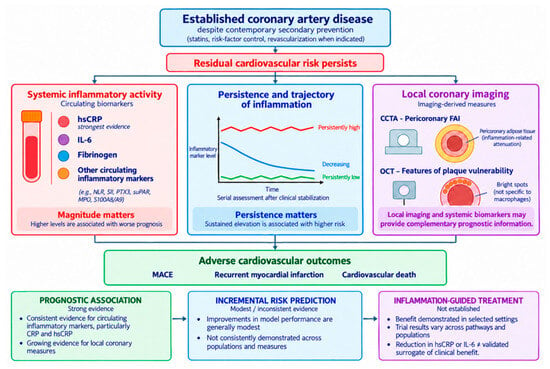
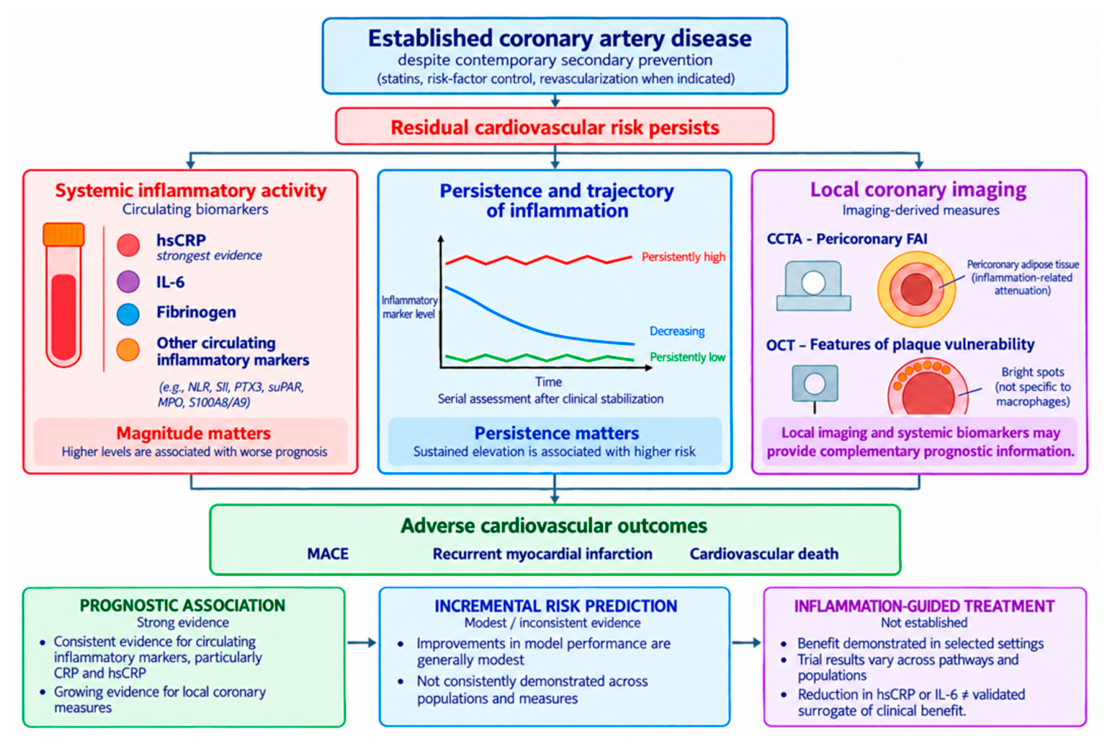

Disclaimer/Publisher’s Note: The statements, opinions and data contained in all publications are solely those of the individual author(s) and contributor(s) and not of MDPI and/or the editor(s). MDPI and/or the editor(s) disclaim responsibility for any injury to people or property resulting from any ideas, methods, instructions or products referred to in the content. |
© 2026 by the authors. Licensee MDPI, Basel, Switzerland. This article is an open access article distributed under the terms and conditions of the Creative Commons Attribution (CC BY) license.