


Highlights
What are the main findings?
- Hsp90α and Hsp90β share a conserved chaperone cycle but differ in regulation, client preference, localization, and extracellular activity.
- Hsp90-dependent proteostasis supports multiple cancer traits by stabilizing oncogenic signaling proteins and selected mutant tumor suppressors.
What are the implications of the main findings?
- Pan-Hsp90 inhibition has broad pathway effects but a narrow therapeutic window; isoform-, domain-, and compartment-selective strategies may improve tolerability.
- Current translation should pair pharmacodynamic markers with molecular selection and rational combinations rather than rely on Hsp90 expression alone.
Abstract
Heat shock protein 90 (Hsp90) is a conserved molecular chaperone that stabilizes and activates proteins governing proliferation, survival, genome maintenance, metabolism, angiogenesis, invasion, and immune evasion. Cancer cells frequently depend on this buffering capacity to tolerate proteotoxic stress and oncogenic signaling. This narrative review examines the cytosolic isoforms Hsp90α (HSP90AA1) and Hsp90β (HSP90AB1), emphasizing their shared chaperone cycle, emerging functional nonredundancy, onco-client networks, extracellular activities, and therapeutic tractability. Evidence from mechanistic studies indicates that isoform abundance, subcellular localization, cochaperone composition, post-translational modification, and client context determine biological output. Extracellular Hsp90α further promotes matrix remodeling, motility, invasion, and stromal signaling and may have biomarker value. Although N-terminal pan-Hsp90 inhibitors produced extensive target modulation, clinical development was limited by toxicity, heat shock response induction, insufficient tumor selectivity, and weak biomarker strategies. Newer approaches include C-terminal and allosteric ligands, isoform-selective inhibitors, extracellular Hsp90 blockade, targeted degradation, and biomarker-guided combinations. We conclude that Hsp90 remains a compelling systems-level target, but successful translation will require precise definition of isoform, compartment, client dependency, and pharmacodynamic response in each tumor context.
1. Introduction
Cancer cells operate under sustained proteotoxic stress created by aneuploidy, high rates of protein synthesis, altered metabolism, hypoxia, nutrient limitation, and the accumulation of mutant proteins. Heat shock protein 90 (Hsp90) buffers this stress by stabilizing conformationally labile proteins and coordinating their maturation with heat shock protein 70 (Hsp70) and a changing set of cochaperones. Many of these clients occupy central positions in oncogenic signaling; consequently, malignant cells can become disproportionately dependent on Hsp90 even when the chaperone itself is not genetically altered [1,2,3,4,5,6].
The human Hsp90 family comprises four canonical compartment-specific paralogs: the cytosolic Hsp90α and Hsp90β, the endoplasmic-reticulum paralog glucose-regulated protein 94 (GRP94), and the mitochondrial paralog tumor necrosis factor receptor-associated protein 1 (TRAP1) [7,8,9]. This review focuses on Hsp90α, encoded by HSP90AA1, and Hsp90β, encoded by HSP90AB1. The proteins share high sequence identity and a conserved ATP-dependent cycle, yet increasing evidence supports differences in expression control, cochaperone engagement, client preference, localization, and extracellular function [10,11,12,13]. Treating both cytosolic isoforms as interchangeable can therefore obscure biologically and therapeutically important effects.
We synthesize evidence linking the cytosolic Hsp90 isoforms to the hallmarks of cancer, discuss extracellular Hsp90 as a signaling and biomarker candidate, and critically assess why broad Hsp90 inhibition has not reproduced its preclinical promise in most clinical settings. Particular attention is given to isoform-, domain-, and compartment-selective strategies and to the need for pharmacodynamic and client-dependency biomarkers.
2. Scope and Literature Approach
This narrative, mechanism-oriented review integrates literature available through September 2026, with targeted revision searches through 30 October 2026. Revision searches used combinations of Hsp90/HSP90AA1/HSP90AB1 with isoform, compensation, antigen presentation, immunity, phosphorylation, acetylation, normal tissue, pediatric tumor and inhibitor terms to locate publicly accessible PubMed and PubMed Central (PMC) records and publisher articles through web search; reference lists and Human Protein Atlas tissue records were also consulted. Primary isoform-resolved perturbation studies, mechanistic experiments and clinical reports were prioritized. Studies reporting compensation, null effects or unsuccessful translation were retained alongside evidence of nonredundancy. Selection was purposive and non-exhaustive; there was no registered protocol, duplicate independent screening, pooled analysis or formal study-level risk-of-bias assessment. The clinical-registry snapshot remains dated 29 September 2026, and the trial-efficacy update is dated 22 October 2026. The six domains of the Scale for the Assessment of Narrative Review Articles (SANRA) informed a criterion-by-criterion self-appraisal (Table S1) [14]; this does not constitute independent quality certification or transform the review into a systematic review.
3. Cytosolic Hsp90 Isoforms and the Chaperone Cycle
3.1. Expression and Functional Nonredundancy
HSP90AA1 is stress inducible and contains functional heat shock elements that support heat shock factor 1 (HSF1)-dependent transcription [7,15]. Its expression can rise after proteotoxic stress and is frequently associated with malignant transformation, tumor progression, and therapy resistance. HSP90AB1 supplies a larger fraction of basal cytosolic Hsp90 in many unstressed cells and changes less dramatically after acute stress [2,7]. Mammalian knockout studies demonstrate functional nonredundancy: Hsp90α-deficient mice are viable, but males are sterile because spermatocytes fail to progress beyond pachytene [16]; homozygous Hsp90β deficiency disrupts placental labyrinth development and causes embryonic lethality [17]. These distinctions support a relative, rather than absolute, division between constitutive and stress-associated chaperone functions.
Expression studies across tumor types show that both isoforms may be increased, but their prognostic associations depend on histology, disease stage, cellular compartment, and analytical method [3,4,5,6,18,19,20,21,22]. Bulk messenger RNA (mRNA) or total protein abundance should therefore not be interpreted as a direct measure of chaperone dependence. Functional assessment also requires information on activated client complexes, cochaperone composition, post-translational modification, and extracellular release.
Evidence also supports substantial overlap. In MDA-MB-231 cells, combined α knockout and β depletion produced broader client collapse than either perturbation alone; residual β was nevertheless required for viability in that model [23]. In mice, increased translation from a remaining Hsp90ab1 allele could maintain total chaperone levels after extensive allele loss [24]. Conversely, BCR-ABL1-positive leukemia cells tolerated β knockout through α upregulation, whereas α loss restricted leukemia growth [25]. Thus, neither complete interchangeability nor universal dominance of one isoform fits all systems. Differences in residual protein, adaptation time, cell lineage and total chaperone reserve can reconcile apparently conflicting findings. Isoform-associated examples illustrate overlapping cancer hallmarks; their grouping is organizational and does not imply mutually exclusive pathways or preclude compensation.
3.2. ATP-Dependent Cycling, Cochaperones, and Client Selection
Each cytosolic Hsp90 monomer contains an N-terminal adenosine triphosphate (ATP)-binding domain, a charged linker, a middle domain that contributes to client and cochaperone binding, and a C-terminal dimerization domain. ATP binding drives progressive closure of the dimer; ATP hydrolysis and nucleotide release return the complex to an open state [8,9,26,27,28]. The two isoforms differ within regulatory regions and in conformational dynamics, creating opportunities for selective ligand design despite their highly conserved N-terminal pockets [13,29,30,31].
Cochaperones impose direction and client specificity on this cycle. Hsp70–Hsp90 organizing protein (HOP) transfers clients from Hsp70 and restrains Hsp90 ATPase activity in the open state. Activator of Hsp90 ATPase activity 1 (AHA1) accelerates closure and hydrolysis, whereas p23 stabilizes the closed state. Cell division cycle 37 (Cdc37) specializes the machinery for many kinase clients, and immunophilins, protein phosphatase 5 (PP5), C-terminus of Hsc70-interacting protein (CHIP), and other cochaperones influence maturation, localization, or degradation [27,32]. Quantitative proteomics and single-molecule studies further indicate that client engagement is dynamic and cycle dependent rather than a fixed binary interaction [11,12,33,34].
Hsp90 interacts with a substantial fraction of the kinome as well as subsets of transcription factors and ubiquitin ligases [35,36]. The term onco-client is useful when an Hsp90-dependent protein contributes directly to malignant behavior, but dependence varies by mutation, cellular state, and tissue context. This conditionality is central to therapeutic selection.
3.3. Post-Translational Regulation of Isoform Function
Post-translational modifications (PTMs) provide a further layer of context-dependent regulation. Phosphorylation, acetylation, and other modifications can change Hsp90 conformation, cochaperone recruitment, client processing, and inhibitor binding [37]. An isoform-specific example is Hsp90β Ser365 phosphorylation: a phosphomimetic S365E substitution altered conformational dynamics, interaction with Cdc37, and activation of glucocorticoid receptor and kinase clients [38]. These biochemical and mutational results demonstrate a regulatory mechanism, but do not establish a universal Hsp90β-specific client list or a predictive clinical biomarker.
Isoform-resolved experiments show why homologous sites require separate interpretation. Phosphomimetic changes at Hsp90α Y197 and Hsp90β Y192 reduced geldanamycin binding, whereas the Y301 change in β differed from the corresponding Y309 change in α; PU-H71 binding was less affected [39]. Acetylation-site mutagenesis at Hsp90 K294 altered client/cochaperone interactions [40], but a site characterized in one construct should not be assigned the same functional consequence in the other isoform without testing. Table S2 separates direct isoform comparisons from single-isoform and broader chaperone evidence. Ubiquitination, small ubiquitin-like modifier (SUMO) conjugation and other PTMs are additional regulatory layers [37], but not all have equally developed paired α/β functional evidence. PTM abundance, site occupancy and inhibitor response should be measured together before proposing a clinical assay.
3.4. Normal-Tissue Expression and Potential Safety Liabilities
Neither cytosolic isoform is tumor restricted. Human Protein Atlas annotations report α cytoplasmic expression in several normal tissues and β in most tissues [41,42]. Tissue measurements include brain, testis, liver, kidney, heart, muscle and lymphoid organs; RNA, antibody staining and protein abundance are not interchangeable measures. The α entry notes low RNA–staining concordance and pending external verification, which precludes a simple quantitative human α:β ranking. Mouse tissue immunoblots show relatively high α in brain and testis and little in heart or skeletal muscle, whereas β is broadly distributed [16,24]. These species-specific observations support tissue-resolved studies rather than a universal distribution map.
Potential liabilities must be distinguished from observed drug toxicity. Adult α deletion arrests spermatogenesis in mice, making reproductive safety a specific preclinical concern [43]; α-dependent antigen cross-presentation and extracellular repair signaling also motivate immune and wound-repair monitoring [44,45]. β developmental essentiality and broad basal expression raise concerns about systemic proteostasis [17,42], but do not predict the frequency or severity of toxicity from partial, intermittent inhibition in adults. Neurologic, hepatic, renal, cardiac and hematologic assessments should therefore accompany exposure and target-engagement measurements. Toxicities of nonselective inhibitors cannot be attributed to either isoform alone. Improved safety from isoform selectivity remains a testable hypothesis, not an established clinical property.
4. Hsp90-Dependent Control of Cancer Hallmarks
The Hallmarks of Cancer framework distinguishes acquired cancer capabilities from enabling characteristics and microenvironmental contributions. Hanahan’s 2022 formulation explicitly incorporated nonmutational epigenetic reprogramming, and the 2026 update further integrates these dimensions [46,47]. We use this framework to organize Hsp90-supported processes, rather than to imply that Hsp90 directly controls every hallmark. The DNA methyltransferase (DNMT)-associated pathway depicted in Figure 1 is discussed here as nonmutational epigenetic reprogramming, distinct from genome instability and mutation. Figure 1 and Figure 2 summarize representative pathways and isoform-associated relationships. In the text, we adopt the standardized hallmark terminology avoiding immune destruction, reprogramming cellular metabolism, and activating invasion and metastasis [3,4,5,6].
Figure 1.
Representative contributions of total cytosolic Hsp90 to genome instability and mutation, replicative immortality, immune evasion, altered cellular energetics, and tumor-promoting inflammation. The pathways shown summarize reported client and signaling relationships; their operation is tumor-context dependent. The DNMT-associated pathway is discussed in the text within nonmutational epigenetic reprogramming. Arrows denote schematic pathway progression or proposed positive relationships, rather than proof of direct binding; blunt-ended lines, where shown, denote inhibition. Colors distinguish illustrated components and do not encode isoform selectivity or evidence strength. Me denotes DNA methylation. TERT, telomerase reverse transcriptase; MHC-I, major histocompatibility complex class I; TCL1, T-cell leukemia/lymphoma 1; GLUT1, glucose transporter 1; AKT, protein kinase B; mTOR, mechanistic target of rapamycin; NF-κB, nuclear factor kappa B; IκB, inhibitor of NF-κB.
Figure 2.
Representative isoform-associated pathways contributing to cancer hallmarks. The upper row presents examples discussed in relation to Hsp90α, including ERBB2–RAS–RAF–MEK–ERK signaling, hypoxia/HIF-1α–VEGF signaling, extracellular-vesicle-related communication and invasion, and survival signaling. The lower row presents examples discussed in relation to Hsp90β, including EGFR–PI3K–PDK1–AKT signaling, VEGFR2-associated AKT/eNOS signaling, AKT–GSK3β–β-catenin signaling, and BCL2/HIF-1α-associated survival. The columns group these examples under sustaining proliferative signaling, inducing angiogenesis, activating invasion and metastasis, and resisting cell death. Both rows converge conceptually on these same capabilities; pathway components and downstream outputs may overlap across isoforms and tumor contexts [23,24,25]. Placement of ERBB2 beside Hsp90α and EGFR beside Hsp90β illustrates reported associations, not demonstrated exclusive dependence. ERBB2 binds both isoforms, with greater relative interaction strength for Hsp90α in comparative binding assays [48]; the cited EGFR–Hsp90 study does not establish Hsp90β-exclusive dependence [49]. Arrows and inhibitory bars summarize proposed pathway relationships rather than direct binding or isoform-specific knockdown/rescue results for every connection. The vesicle illustration is conceptual and does not identify whether Hsp90α is soluble, surface exposed or intravesicular; these pools are distinguished in Section 5. HIF-1α, hypoxia-inducible factor 1α; VEGF, vascular endothelial growth factor; eNOS, endothelial nitric oxide synthase; EMT, epithelial–mesenchymal transition. Blunt-ended lines denote inhibition, and P denotes phosphorylation. Colors distinguish illustrated components and do not encode evidence strength. ERBB2, erb-b2 receptor tyrosine kinase 2, also called human epidermal growth factor receptor 2 (HER2); RAS, rat sarcoma GTPase; RAF, rapidly accelerated fibrosarcoma kinase; MEK, mitogen-activated protein kinase kinase; ERK, extracellular signal-regulated kinase; EGFR, epidermal growth factor receptor; PI3K, phosphoinositide 3-kinase; PDK1, 3-phosphoinositide-dependent protein kinase 1; AKT, protein kinase B; VEGFR2, vascular endothelial growth factor receptor 2; GSK3β, glycogen synthase kinase 3β; BCL2, B-cell lymphoma 2.
4.1. Tumor Suppressors as Hsp90 Clients
Mutant p53 provides a well-characterized example of cancer-specific chaperone dependence. Hsp90 and the histone deacetylase 6 (HDAC6)–Hsp90 machinery can protect conformationally unstable mutant p53 from ubiquitin-dependent degradation, thereby permitting accumulation and gain-of-function activity. Disrupting the complex preferentially destabilizes mutant p53 in several experimental systems [50,51,52,53,54,55,56,57]. Recent work further connects dominant-negative TP53 behavior with the HSF1-regulated proteostasis network [57]. These observations support mutant p53 status as a potential selection variable, although they do not establish a clinically validated predictive biomarker for Hsp90 inhibition.
GANNET53 illustrates the limits of translating mutant-client status into treatment selection. Following the phase I study [58], the randomized phase II trial enrolled 133 patients with high-grade platinum-resistant ovarian cancer; adding ganetespib to weekly paclitaxel did not improve progression-free or overall survival [59]. Despite frequent TP53 mutations, HSP90–p53 complexes were detected in only 39.6% of assessed cases, and mutant p53 depletion did not sensitize ovarian cancer cells in the accompanying experiments. Thus, mutation prevalence or protein accumulation cannot substitute for evidence of chaperone dependence.
Phosphatase and tensin homolog (PTEN) illustrates a more context-dependent relationship. PTEN loss can alter sensitivity to Hsp90 inhibitors, and experimental treatments that affect the PTEN–AKT axis may also modify Hsp90 abundance or activity [60,61,62]. These findings should be described as model-specific associations rather than evidence that PTEN is uniformly rescued or inhibited by Hsp90-directed therapy. More broadly, Hsp90 can preserve unstable tumor suppressor variants while also supporting proteins that retain antitumor activity; this duality complicates pharmacological interpretation.
4.2. Oncogenic Transcription Factors, Kinases, and Receptors
HSF1 and Hsp90 form a stress-responsive regulatory circuit. In unstressed cells, chaperone complexes restrain HSF1 activity; proteotoxic stress redistributes chaperone capacity and permits HSF1 trimerization, nuclear accumulation, and transcription of heat shock genes, including HSP90AA1 [15,63,64,65,66,67,68,69,70,71]. Tumors can co-opt this response to maintain protein synthesis, cell-cycle progression, and survival. HSF1 activity is therefore relevant to both Hsp90 dependence and the compensatory heat shock response induced by several N-terminal inhibitors. In cultured mammalian cells exposed to chronic mild stress, HSF1 supported cell enlargement, whereas sufficient Hsp90 was needed to couple this response to increased protein synthesis; these findings do not establish universal dominance of either cytosolic isoform [66].
The von Hippel–Lindau (VHL)–hypoxia-inducible factor (HIF) axis provides another clinically relevant example. Under normoxia, hydroxylated HIF-α is recognized by the VHL ubiquitin ligase complex and degraded. VHL loss or hypoxia permits HIF accumulation, while Hsp90 binding can further stabilize HIF-1α and support angiogenic and metabolic programs [72,73,74,75,76,77,78]. In hepatocellular carcinoma models, Hsp90 was reported to limit HIF-1α ubiquitination and proteasomal degradation [79]. These relationships should not be assigned exclusively to either cytosolic isoform without selective perturbation. In renal cell carcinoma, HIF biology must also be interpreted according to VHL status and the distinct functions of HIF-1α and HIF-2α.
Other established or proposed onco-clients include ERBB2, EGFR, MET (hepatocyte growth factor receptor), AKT, RAF proteins, steroid receptors, c-MYC-associated networks, and components of DNA repair. Hsp90 supports androgen receptor (AR) signaling in castration-resistant prostate cancer, and recent preclinical work has explored dual degradation of AR and Hsp90 [80,81,82]. The breadth of this client network explains why Hsp90 blockade can suppress several resistance pathways simultaneously, but it also increases the likelihood of normal-tissue toxicity.
Isoform assignment requires distinguishing physical association from functional dependency. Prince et al. compared Hsp90α and Hsp90β by co-immunoprecipitation and luminescence-based mammalian interactome mapping (LUMIER) in human embryonic kidney 293 (HEK293) cells: ERBB2 interacted with both isoforms, with greater relative interaction strength for Hsp90α [48]. This was not an isoform-specific knockdown-and-rescue experiment, and stronger binding should not be equated with greater pathway activation. EGFR–Hsp90 association has been demonstrated [49], but does not establish Hsp90β-exclusive dependence. Accordingly, the ERBB2 and EGFR placements in the retained Figure 2 are illustrative associations, not paired demonstrations of α-only and β-only client dependence. The shared hallmark columns organize potentially intersecting pathways; the row separation does not exclude functional overlap. Selective perturbation, rescue, residual-protein measurements and compensatory-expression controls are needed to establish model-specific isoform dependency.
Figure 3 presents a simplified, manually reorganized visualization of selected associations from STRING (Search Tool for the Retrieval of Interacting Genes/Proteins) [83], centered on Hsp90α and Hsp90β. Spatial grouping around the two hubs and a central set of shared associations improves readability while retaining selected connections among cancer-related proteins [35,36,48,49,50,51,52,53,54,55,56,57,72,73,74,75,76,77,78,79,80,81,82]. The node and line colors are author-defined annotations, not STRING confidence scores. In particular, red and blue links identify proposed isoform-associated groupings, whereas black links have no isoform preference assigned in this visualization. The revised labels proposed isoform-associated links and no isoform preference assigned describe the visualization without implying exclusive dependence or experimentally demonstrated independence; neither category substitutes for isoform-selective perturbation and rescue. Functional association, physical binding and causal dependency must be evaluated separately.
Figure 3.
Simplified STRING-derived association network of cytosolic Hsp90 isoforms and selected cancer-related proteins. Gene-symbol labels identify protein products; HSP90AA1 and HSP90AB1 correspond to Hsp90α and Hsp90β. Pink/red nodes group oncogenes/proto-oncogenes, green nodes group tumor suppressors, and yellow nodes group GSK3B, ESR2, HSF1 and MMP2 as intermediate signaling molecules. The yellow category is a visual simplification encompassing signaling, transcriptional and extracellular functions, not an exclusive biological classification. Red/blue edges are labeled proposed isoform-associated links and highlight proposed Hsp90α/Hsp90β associations without asserting selective or exclusive dependence. Black edges are labeled no isoform preference assigned; this means that no preference is assigned in the visualization, not experimentally demonstrated independence or interchangeability. Thin gray edges provide additional protein-association context. These custom colors do not encode STRING evidence channels, confidence scores or interaction strength. Associations may be direct or indirect and do not establish regulatory direction, equivalent dependence across tumors or isoform-specific knockdown/rescue evidence [35,36,48,49]. The Hsp90 icons are schematic, not experimentally determined atomic structures.
4.3. Immune Regulation and Isoform Context
Hsp90 operates in both malignant cells and immune cells, so its inhibition can have opposing consequences for antitumor immunity. In dendritic cells and mice lacking Hsp90α, antigen export to the cytosol, MHC-I cross-presentation and cross-priming were impaired [45]. In human B lymphoblasts, selective siRNA depletion of either α or β reduced presentation of glutamic acid decarboxylase through major histocompatibility complex class II (MHC-II) without reducing MHC-II expression; the effect depended on the antigen tested [84]. These are direct isoform-resolved immune mechanisms, but the model antigens and nonmalignant antigen-presenting cells do not demonstrate a net therapeutic effect in human cancer.
On the tumor side, ganetespib increased interferon-response programs and susceptibility to autologous T-cell killing in melanoma models, and improved checkpoint-blockade activity in mice [85]. These pharmacological results cannot be assigned selectively to α or β. Consequently, treatment may improve tumor recognition while also perturbing antigen-presenting cells or lymphocytes. Isoform-specific cancer–immune studies should pair tumor–cell perturbation with separate host–cell perturbation and assess peptide–MHC display, cross-presentation, T-cell killing and immune infiltration. Immunocompetent models, exposure-matched schedules and preserved antigen-presenting-cell function are needed before inferring that an isoform-selective inhibitor will enhance immunotherapy.
4.4. Pediatric and Rare Tumor Contexts
The clinical and experimental scope extends beyond common adult carcinomas. A pediatric phase I study tested 17-allylamino-17-demethoxygeldanamycin (17-AAG) in recurrent or refractory neuroblastoma, Ewing sarcoma, osteosarcoma and desmoplastic small round cell tumor. Fifteen patients were enrolled; no objective responses were observed, and dose-limiting toxicities included transaminitis and hypoxia [86]. Pediatric Preclinical Testing Program studies likewise found no objective responses to ganetespib in the evaluated xenografts despite in vitro cytotoxicity [87]. In the rare-tumor setting, the randomized CHAPTER-GIST-301 study in gastrointestinal stromal tumor (GIST) provides a positive clinical example for cytosolic α/β inhibition [88]. These observations establish investigation across age groups and histologies, rather than a demonstrated α- or β-exclusive dependency in those tumors. Pediatric development additionally requires attention to growth, reproductive development and tissue exposure; common adult-cancer biomarkers should not be assumed to transfer unchanged.
5. Extracellular Hsp90 in Tumor Microenvironment Signaling
Hsp90 lacks a conventional signal peptide, yet stressed and malignant cells release Hsp90α through nonclassical pathways [89,90,91,92,93,94,95,96,97,98]. In human dermal fibroblasts, hypoxia-induced HIF-1α signaling was linked to Hsp90α release and cell migration [96]. Extracellular Hsp90α can be operationally separated into a non-vesicular pool, often studied using soluble recombinant protein, an EV-surface-exposed pool and intravesicular cargo. These pools should not be assumed to have mutually exclusive functions, and conditioned-medium or plasma measurements do not by themselves identify the active pool.
Tang et al. localized Hsp90α to the external surface of tumor-derived exosomes: HSP90AA1 knockout reduced their pro-motility and stromal-recruitment activity, an extracellular antibody blocked activity, and recombinant Hsp90α restored the defective phenotype [99]. Thus, vesicle presentation can support autocrine/paracrine signaling, while soluble protein can reproduce or restore relevant activity in that model. Distinguishing these pools requires validated fractionation and topology controls, including protease protection with and without membrane disruption. Mutant p53 can enhance exosome-mediated Hsp90α secretion [50]. Extracellular detection alone does not establish α-specific activity or functional dependence; these require isoform-selective perturbation and rescue.
ATPase dependence must likewise be assigned to the particular extracellular function. In skin-cell migration assays, recombinant Hsp90α retained motogenic activity after disruption of ATP binding or ATPase activity, supporting an ATPase-independent extracellular function in that setting [44]. In the tumor models examined by Zou et al., extracellular activity involved an Hsp90α dual-lysine region [100]. ATPase independence of extracellular motility does not establish ATPase-independent secretion. ATP-independent stabilization of extracellular MMP2 has also been demonstrated [101]. However, TIMP2/AHA1-regulated extracellular Hsp90–MMP2 complexes show nucleotide/cochaperone-sensitive behavior [102]. These findings do not justify describing every extracellular activity, or every EV-associated pool, as ATPase-independent.
This distinction changes therapeutic interpretation. Conventional neutralizing antibodies can block accessible soluble or EV-surface Hsp90α without requiring inhibition of ATP hydrolysis; they do not directly access luminal Hsp90 in intact EVs. Cell-impermeant small-molecule antagonists can inhibit extracellular functions [103], but their effects alone do not establish an obligatory ATPase mechanism. Their permeability, target engagement and effects on receptor/client interactions require separate validation. Cell-permeable ATP-pocket inhibitors principally address intracellular chaperoning and may also reach accessible extracellular pools; neither compartment selectivity nor pan-Hsp90 activity establishes isoform selectivity.
Circulating Hsp90α has been evaluated as a diagnostic, prognostic, or response biomarker in several cancers, including hepatocellular carcinoma [104]. However, inflammation, tissue injury, assay calibration, preanalytical handling, and differences between total protein and extracellular complexes can confound interpretation. Clinical deployment will require prospective validation, prespecified thresholds, and demonstration of added value beyond established biomarkers.
Figure 4 summarizes intracellular and extracellular Hsp90-directed intervention within a single cell–microenvironment schematic. The purple and red inhibitor symbols identify the intended cytosolic and extracellular sites of action, respectively; the legend distinguishes these symbols from the downstream red crosses marking inhibited processes.
Figure 4.
Intracellular and extracellular Hsp90 targeting. The membrane separates the extracellular medium (above) from the cytosol (below). The purple circle containing I denotes a cytosolic inhibitor requiring intracellular exposure; cell permeability does not itself confer isoform or compartment exclusivity. The red circle containing I denotes an extracellular antagonist, illustrated at the eHsp90–LRP1 axis: neutralizing antibodies or independently validated cell-impermeant small molecules are representative approaches [103]. eHsp90 means extracellular Hsp90; iHsp90 beside the red crosses means Hsp90 inhibition, not an intracellular isoform or a separate inhibitor class. Red crosses mark proposed interruption of pathways or outcomes, not inhibitor locations. Intracellular targets include AKT/mTOR-associated signaling, cell-cycle regulators and transcription factors. Right-hand illustrations summarize processes potentially affected: invasion/metastasis, angiogenesis, growth/proliferation, cell-cycle arrest and the stress response. The yellow question mark denotes uncertainty in the transcriptional stress response. Antibodies may neutralize soluble or EV-surface Hsp90α but do not directly access luminal Hsp90 in intact EVs; neutralization need not inhibit ATP hydrolysis. Extracellular ATPase requirements are function dependent [44,99,100,101,102,103]. Compartment selectivity differs from α-versus-β selectivity, and outcomes are model-dependent possibilities. LRP1, low-density lipoprotein receptor-related protein 1; EV, extracellular vesicle. Black arrows denote proposed directions of signaling or phenotypic effects. mTOR, mechanistic target of rapamycin; PIP3, phosphatidylinositol 3,4,5-trisphosphate; IKKβ, inhibitor of nuclear factor kappa B kinase subunit beta.
6. Therapeutic Targeting of Hsp90
6.1. N-Terminal Inhibitors and the Limits of Pan-Hsp90 Blockade
Most clinical Hsp90 inhibitors bind the conserved N-terminal ATP pocket. Geldanamycin established the principle but showed chemical instability and hepatotoxicity. Its derivatives tanespimycin (17-AAG) and alvespimycin (17-DMAG) improved some pharmaceutical properties but remained limited by formulation, exposure, and dose-limiting toxicities. Resorcinol-based agents such as luminespib, onalespib, and ganetespib achieved broad client depletion and entered multiple early-phase trials, yet efficacy was inconsistent and development programs were frequently discontinued [10,105,106,107,108,109,110,111,112,113].
Radicicol also binds the N-terminal ATP pocket and has potent preclinical activity, but its chemical instability and limited in vivo activity have restricted direct clinical development [114].
Several mechanisms likely contributed to this translational gap: incomplete and heterogeneous tumor exposure, ocular or hepatic toxicity, induction of an HSF1-mediated heat shock response, lack of validated predictive biomarkers, and treatment schedules that did not sustain client suppression. Broad target engagement alone is therefore insufficient. Future studies need paired pharmacokinetic and pharmacodynamic measurements, tumor-specific client readouts, and molecular eligibility criteria.
The phase III GALAXY-2 trial provides a major negative example. Among 677 enrolled patients with advanced lung adenocarcinoma, ganetespib plus docetaxel failed to improve overall or progression-free survival over docetaxel alone; the study stopped early for futility [115]. Enrollment was not based on a validated marker of Hsp90 dependence. This result underscores the need to distinguish a broad biological rationale from a treatment-selection strategy with clinical predictive value.
6.2. C-Terminal, Middle-Domain, and Cochaperone-Directed Strategies
The C-terminal domain and allosteric pockets offer routes that may avoid some consequences of N-terminal ATP competition. Novobiocin-derived ligands and newer structural probes demonstrate that C-terminal engagement can alter chaperone conformation and client processing [116,117]. Other strategies target cochaperone interfaces, including HOP, CDC37, and AHA1, or use peptidomimetics such as shepherdin to disrupt Hsp90-associated survival complexes [118,119,120]. These approaches remain largely preclinical, and selectivity must be evaluated across the Hsp90 paralogs and against unrelated proteins.
6.3. Isoform- and Compartment-Selective Inhibition
Isoform selectivity seeks to preserve housekeeping functions while suppressing the Hsp90 pool most relevant to a tumor. Structure-guided studies have produced Hsp90β-selective N-terminal chemotypes, supporting medicinal-chemistry programs despite the conserved ATP pockets [13,29,30,31]. Pimitespib (TAS-116) inhibits cytosolic Hsp90α/β with reduced activity against GRP94 and TRAP1; this is paralog selectivity, not selectivity between α and β [121,122]. In the randomized phase III CHAPTER-GIST-301 trial, 86 patients with advanced GIST refractory to imatinib, sunitinib, and regorafenib received pimitespib or placebo. Median progression-free survival was 2.8 versus 1.4 months (hazard ratio 0.51; 95% CI 0.30–0.87; one-sided p = 0.006) [88]. These results supported approval in Japan in June 2022 for GIST progressing after chemotherapy [123]. The success in this disease-defined setting is an important counterpoint to GALAXY-2, although the trial did not prospectively validate a molecular assay of Hsp90 client dependence. GRP94-selective and mitochondrial Hsp90-directed agents provide additional compartment-focused approaches [124,125].
Extracellular Hsp90 is an especially attractive compartment-selective target because antibodies or cell-impermeable inhibitors could limit systemic disruption of intracellular proteostasis. In preclinical breast cancer models, an eHsp90-directed antibody reduced cancer stem-cell activity and tumor growth [126]. Translation will require isoform-specific reagents, clear pharmacodynamic assays, and careful distinction between neutralizing extracellular function and merely measuring circulating antigen.
6.4. Rational Combinations and Targeted Degradation
Hsp90 blockade can sensitize tumors to chemotherapy, radiation, kinase inhibition, apoptosis-directed therapy, and endocrine or receptor-directed therapy by destabilizing compensatory survival proteins [111,112,113,127,128,129,130,131,132]. Combination design should be based on demonstrated client dependence and schedule-specific pharmacology; empiric combinations can amplify toxicity without improving pathway suppression. Targeted protein degradation and nanoformulation may further increase selectivity, as illustrated by experimental dual AR/Hsp90 degraders and Hsp90-client degradation strategies [82,128].
EUDARIO/ENGOTov-48 (NCT03783949) tested a mechanistically motivated combination of Hsp90 inhibition and DNA-repair inhibition in relapsed platinum-sensitive ovarian cancer. The experimental arms used ganetespib plus carboplatin followed by niraparib maintenance, with or without continued ganetespib; paclitaxel or gemcitabine belonged to the carboplatin-based control regimen [133,134]. The registry lists EUDARIO as completed. Its design is informative, but neither the design alone nor trial completion demonstrates improved efficacy or validates a predictive client-dependency biomarker.
6.5. Current Clinical Landscape
Clinical development has produced divergent outcomes: GALAXY-2 was negative without validated Hsp90-dependency selection, GANNET53 did not confirm a mutant-p53-based therapeutic rationale, and CHAPTER-GIST-301 demonstrated benefit in previously treated GIST [59,88,115]. These are not head-to-head comparisons; tumor biology, compounds, combinations, and treatment schedules differ. Together, they support evaluating isoform, compartment, and client context while prospectively testing predictive biomarkers. As of 29 September 2026, NCT02721459 (XL888 with vemurafenib and cobimetinib in BRAF-mutant melanoma) was active but not recruiting, whereas NCT04827810 (gamitrinib in advanced cancer) was suspended pending an amendment to open further cohorts [134]. Table 1 summarizes selected trials, including the pivotal positive and negative experiences. Published phase I activity was also reported for XL888 with vemurafenib/cobimetinib despite the registry-status label; the high response rate coexisted with toxicity and a median PFS of 7.6 months [135]. EUDARIO did not show a PFS improvement over its standard arm [136]. Registry status alone must not be interpreted as an efficacy conclusion.
The epichaperome offers a complementary functional perspective: some tumors contain highly interconnected Hsp90-containing chaperome assemblies, so total Hsp90 abundance may not capture network dependence. Early PU-H71 studies established clinical feasibility, while iodine-124-labeled PU-H71 positron emission tomography (PET) enabled assessment of tumor retention and epichaperome-associated signal [137,138]. In a small study of PU-H71 plus nab-paclitaxel in HER2-negative metastatic breast cancer, baseline PET signal was explored in relation to duration of disease control [139]. These exploratory findings motivate biomarker development but do not establish a validated selection test. Table 2 summarizes representative inhibitor strategies and their selectivity and evidence limitations.
Table 1.
Selected Hsp90-directed clinical trials with key efficacy outcomes. Registry statuses retain the submitted manuscript’s 29 September 2026 snapshot [134]; they are distinct from publication outcomes, reviewed for this revision through 22 October 2026. Numerical estimates refer only to the named registry-linked study. NR means that no quantitative estimate was verified in the sources reviewed; it does not mean zero efficacy or establish that no result exists. Single-arm responses do not establish benefit attributable to Hsp90 inhibition or permit comparisons between trials. Conference reports are labeled. GIST, gastrointestinal stromal tumor; NSCLC, non-small-cell lung cancer; SCLC, small-cell lung cancer; CR, complete response; PR, partial response; SD, stable disease; ORR, objective response rate; PFS, progression-free survival; OS, overall survival; HR, hazard ratio; CI, confidence interval. Alternating row shading is used only to aid readability and does not encode trial status, efficacy or evidence quality.
Table 2.
Representative Hsp90-directed inhibitor strategies. Mechanistic and selectivity categories are distinct from clinical efficacy. Clinical outcomes are summarized in Table 1; biochemical selectivity does not establish tumor or normal-tissue selectivity. Alternating row shading is used only to aid readability and does not encode selectivity, efficacy or evidence quality.
7. Evidence Gaps and Research Priorities
Four issues deserve priority. First, isoform dependence should be demonstrated with orthogonal genetic and pharmacological approaches because pan-Hsp90 inhibitors cannot assign function to Hsp90α or Hsp90β. Second, intracellular and extracellular pools require compartment-specific assays and reagents. Third, clinical trials should select tumors through client dependence or pathway activation and measure target engagement longitudinally. Fourth, safety studies must define which normal-tissue liabilities arise from paralog inhibition, schedule, tissue exposure, or compensatory HSF1 activation.
A Biomarker Validation Roadmap
A practical roadmap should begin with a defined clinical decision: prediction of benefit from a specified Hsp90-directed agent in a specified tumor population. Candidate HSP90AA1/HSP90AB1 expression, protein ratio, selected PTMs, epichaperome signal and circulating Hsp90α should initially be treated as distinct exploratory variables. Proposed experiments and advancement gates are detailed in Table S3; they are recommendations, not completed validation studies.
First, establish analytical validity using knockout-validated isoform antibodies or unique-peptide mass spectrometry and locked preanalytical conditions; plasma assays should test hemolysis, platelet/cell contamination, processing delay, renal function and soluble-versus-EV partitioning. Second, test causal dependence using inducible α and β depletion, dual perturbation, rescue at near-endogenous expression and measurement of compensatory isoform/HSF1/Hsp70 responses in tumor and matched normal models. Third, connect drug exposure and compartment-specific target engagement to depletion of the prespecified client and inhibition of its signaling before cell death; expression changes or Hsp70 induction alone are insufficient. Fourth, qualify the candidate prospectively in an independent, blinded cohort with a locked assay and threshold, accounting for tumor burden, treatment and inflammatory comorbidity. Finally, predictive use requires a prespecified biomarker-by-treatment interaction in a comparative trial; an association with prognosis in a treated single arm is insufficient. Progression should depend on reproducible assay performance, mechanism-consistent pharmacodynamics and an acceptable normal-tissue/immune safety margin, with numerical thresholds prespecified for the intended use rather than invented from the heterogeneous literature.
The available literature is heterogeneous. Many reported interactions arise from single cell lines, overexpression systems, or inhibitors with incomplete selectivity. Protein abundance, physical association, and functional chaperone dependence are distinct measurements and should not be treated as interchangeable. Network diagrams and interaction databases generate hypotheses but do not replace biochemical validation. These limitations explain why strong preclinical pathway effects have not consistently predicted patient benefit.
8. Conclusions
Hsp90 integrates proteostasis with oncogenic signaling and enables cancer cells to tolerate genetic, metabolic, and microenvironmental stress. Hsp90α and Hsp90β participate in overlapping networks but differ sufficiently in regulation, localization, and client handling to warrant isoform-resolved investigation. Extracellular Hsp90α expands this biology into the tumor microenvironment and offers a potential biomarker and therapeutic compartment. Clinical experience has shown that indiscriminate N-terminal inhibition is unlikely to succeed without molecular selection and pharmacodynamic confirmation. The most credible path forward combines isoform or compartment selectivity with a defined client dependency, rational scheduling, and biomarkers that demonstrate effective pathway disruption in tumors.
Supplementary Materials
The following supporting information can be downloaded at: https://www.mdpi.com/article/10.3390/cells15232144/s1, Table S1: SANRA criterion-by-criterion self-appraisal; Table S2: Isoform-resolved PTM evidence; Table S3: Proposed biomarker validation experiments and advancement criteria.
Author Contributions
Conceptualization, C.C.C.-G., A.A.M.-C., R.C.-N., L.A.H. and N.A.B.; methodology, C.C.C.-G., A.A.M.-C., R.C.-N. and M.E.G.-G.; investigation, C.C.C.-G., A.A.M.-C., R.C.-N., A.D.M., J.B.-C., D.F.C.d.L. and A.G.-T.; formal analysis, C.C.C.-G., A.A.M.-C., R.C.-N., M.E.G.-G., J.B.-C. and N.A.B.; validation, R.C.-N., A.D.M., J.B.-C., N.A.B., V.A.M.-L. and L.A.H.; data curation, A.A.M.-C., M.E.G.-G., I.Y.C.-V. and C.C.C.-G.; visualization, C.C.C.-G., A.A.M.-C., R.C.-N. and I.Y.C.-V.; writing—original draft preparation, C.C.C.-G., A.A.M.-C. and R.C.-N.; writing—review and editing, all authors; supervision, C.C.C.-G., N.A.B. and L.A.H.; project administration, C.C.C.-G. and L.A.H.; funding acquisition, C.C.C.-G. and L.A.H. All authors have read and agreed to the published version of the manuscript.
Funding
C.C.C.-G. gratefully acknowledges financial support from the Secretaría de Ciencia, Humanidades, Tecnología e Innovación (SECIHTI), Mexico (grant A3-S-54604); the Sociedad Mexicana de Oncología (SMeO), through the 2024 Programa de Apoyo a la Investigación en Cáncer en México (Cancer Research Support Program in Mexico); and the Secretaría de Educación, Ciencia, Tecnología e Innovación de la Ciudad de México (SECTEI) (grant SECTEI/276/2019). Arijahir Alexis Mancio-Cárdenas was supported by a master’s degree fellowship (No. 312062585) from the Secretaría de Ciencia, Humanidades, Tecnología e Innovación (SECIHTI, Mexico; formerly CONAHCYT).
Institutional Review Board Statement
Not applicable. This review did not involve human participants or animals.
Informed Consent Statement
Not applicable.
Data Availability Statement
No new datasets were generated for this review. The clinical-trial registry records consulted are publicly available through ClinicalTrials.gov.
Acknowledgments
The authors thank Daniel R. Ciocca for his thoughtful comments on the manuscript, which helped refine and improve its clarity and scientific presentation. The authors also thank their institutions and collaborators for scientific and administrative support. Arijahir Alexis Mancio-Cárdenas was a master’s student enrolled in the Programa de Posgrado en Ciencias Biológicas at the Universidad Nacional Autónoma de México (UNAM), Mexico, during the conduct of this research and was supported by fellowship No. 312062585.
Conflicts of Interest
The authors declare no conflicts of interest. The funders had no role in the design of the study; in the collection, analyses, or interpretation of data; in the writing of the manuscript; or in the decision to publish the results.
Abbreviations
| Abbreviation | Definition |
| AHA1 | activator of Hsp90 ATPase activity 1 |
| AR | androgen receptor |
| eHsp90 | extracellular Hsp90 |
| GRP94 | glucose-regulated protein 94 |
| HIF | hypoxia-inducible factor |
| HSF1 | heat shock factor 1 |
| Hsp90 | heat shock protein 90 |
| LRP1 | low-density lipoprotein receptor-related protein 1 |
| NSCLC | non-small-cell lung cancer |
| RCC | renal cell carcinoma |
| SCLC | small-cell lung cancer |
| TRAP1 | tumor necrosis factor receptor-associated protein 1 |
| Cdc37 | cell division cycle 37 cochaperone |
| DNMT | DNA methyltransferase |
| GIST | gastrointestinal stromal tumor |
| OS | overall survival |
| PET | positron emission tomography |
| PFS | progression-free survival |
| PTM | post-translational modification |
| TERT | telomerase reverse transcriptase |
References
- Karras, G.I.; Yi, S.; Sahni, N.; Fischer, M.; Xie, J.; Vidal, M.; D’Andrea, A.D.; Whitesell, L.; Lindquist, S. HSP90 Shapes the Consequences of Human Genetic Variation. Cell 2017, 168, 856–866.e12. [Google Scholar] [CrossRef] [Scilit] [PubMed]
- Lang, B.J.; Guerrero-Giménez, M.E.; Prince, T.L.; Ackerman, A.; Bonorino, C.; Calderwood, S.K. Heat Shock Proteins Are Essential Components in Transformation and Tumor Progression: Cancer Cell Intrinsic Pathways and Beyond. Int. J. Mol. Sci. 2019, 20, 4507. [Google Scholar] [CrossRef] [Scilit] [PubMed]
- Birbo, B.; Madu, E.E.; Madu, C.O.; Jain, A.; Lu, Y. Role of HSP90 in Cancer. Int. J. Mol. Sci. 2021, 22, 10317. [Google Scholar] [CrossRef] [Scilit] [PubMed]
- Zuo, W.-F.; Pang, Q.; Zhu, X.; Yang, Q.-Q.; Zhao, Q.; He, G.; Han, B.; Huang, W. Heat shock proteins as hallmarks of cancer: Insights from molecular mechanisms to therapeutic strategies. J. Hematol. Oncol. 2024, 17, 81. [Google Scholar] [CrossRef] [Scilit] [PubMed]
- Dagar, G.; Gupta, A.; Dagar, M.; Sharma, P.; Kumar Das, S.; Rehmani, M.U.; Macha, M.A.; Tanwar, M.; Kumar, V.; Mirza, S.; et al. Heat shock proteins (HSPs) as chaperones for oncogenesis. Adv. Protein Chem. Struct. Biol. 2025, 148, 229–254. [Google Scholar] [CrossRef] [Scilit] [PubMed]
- Albakova, Z. HSP90 multi-functionality in cancer. Front. Immunol. 2024, 15, 1436973. [Google Scholar] [CrossRef] [Scilit] [PubMed]
- Zuehlke, A.D.; Beebe, K.; Neckers, L.; Prince, T. Regulation and function of the human HSP90AA1 gene. Gene 2015, 570, 8–16. [Google Scholar] [CrossRef] [Scilit] [PubMed]
- Hoter, A.; El-Sabban, M.E.; Naim, H.Y. The HSP90 Family: Structure, Regulation, Function, and Implications in Health and Disease. Int. J. Mol. Sci. 2018, 19, 2560. [Google Scholar] [CrossRef] [Scilit] [PubMed]
- Li, J.; Buchner, J. Structure, function and regulation of the hsp90 machinery. Biomed. J. 2013, 36, 106–117. [Google Scholar] [CrossRef] [Scilit] [PubMed]
- Chen, M.; Chang, C.; Miao, K.L.; Woodley, D.T.; Li, W. Targeting Hsp90 in Cancer for 25 Years: Failure of Previous Clinical Trials and New Hope for Future Therapeutics. Cells 2025, 14, 1989. [Google Scholar] [CrossRef] [Scilit] [PubMed]
- Babu, N.; Freeman, B.C. Establishing Order Through Disorder by the Hsp90 Molecular Chaperone. J. Mol. Biol. 2024, 436, 168460. [Google Scholar] [CrossRef] [Scilit] [PubMed]
- Kolhe, J.A.; Babu, N.L.; Freeman, B.C. The Hsp90 molecular chaperone governs client proteins by targeting intrinsically disordered regions. Mol. Cell 2023, 83, 2035–2044.e7. [Google Scholar] [CrossRef] [Scilit] [PubMed]
- Chaudhury, S.; D’Amico, T.; Blagg, B.S.J. The Hsp90β Isoform: An Attractive Target for Drug Development. Med. Res. Rev. 2025, 45, 1452–1465. [Google Scholar] [CrossRef] [Scilit] [PubMed]
- Baethge, C.; Goldbeck-Wood, S.; Mertens, S. SANRA—A scale for the quality assessment of narrative review articles. Res. Integr. Peer Rev. 2019, 4, 5. [Google Scholar] [CrossRef] [Scilit] [PubMed]
- Gomez-Pastor, R.; Burchfiel, E.T.; Thiele, D.J. Regulation of heat shock transcription factors and their roles in physiology and disease. Nat. Rev. Mol. Cell Biol. 2018, 19, 4–19. [Google Scholar] [CrossRef] [Scilit] [PubMed]
- Grad, I.; Cederroth, C.R.; Walicki, J.; Grey, C.; Barluenga, S.; Winssinger, N.; De Massy, B.; Nef, S.; Picard, D. The molecular chaperone Hsp90α is required for meiotic progression of spermatocytes beyond pachytene in the mouse. PLoS ONE 2010, 5, e15770. [Google Scholar] [CrossRef] [Scilit] [PubMed]
- Voss, A.K.; Thomas, T.; Gruss, P. Mice lacking HSP90β fail to develop a placental labyrinth. Development 2000, 127, 1–11. [Google Scholar] [CrossRef] [Scilit] [PubMed]
- Albakova, Z.; Mangasarova, Y.; Albakov, A.; Gorenkova, L. HSP70 and HSP90 in Cancer: Cytosolic, Endoplasmic Reticulum and Mitochondrial Chaperones of Tumorigenesis. Front. Oncol. 2022, 12, 829520, Corrigendum in Front. Oncol. 2023, 13, 1210051. https://doi.org/10.3389/fonc.2023.1210051. [Google Scholar] [CrossRef] [Scilit] [PubMed]
- Shahana, M.V.; Choudhary, B. HSP90 and the cancer transcriptome: A comprehensive review of inhibitors and mechanistic insights. Int. J. Clin. Oncol. 2025, 30, 1294–1308. [Google Scholar] [CrossRef] [Scilit] [PubMed]
- Chen, W.; Li, G.; Peng, J.; Dai, W.; Su, Q.; He, Y. Transcriptomic analysis reveals that heat shock protein 90α is a potential diagnostic and prognostic biomarker for cancer. Eur. J. Cancer Prev. Off. J. Eur. Cancer Prev. Organ. (ECP) 2020, 29, 357–364. [Google Scholar] [CrossRef] [Scilit] [PubMed]
- Biaoxue, R.; Xiling, J.; Shuanying, Y.; Wei, Z.; Xiguang, C.; Jinsui, W.; Min, Z. Upregulation of Hsp90-beta and annexin A1 correlates with poor survival and lymphatic metastasis in lung cancer patients. J. Exp. Clin. Cancer Res. 2012, 31, 70. [Google Scholar] [CrossRef] [Scilit] [PubMed]
- Coskunpinar, E.; Akkaya, N.; Yildiz, P.; Oltulu, Y.M.; Aynaci, E.; Isbir, T.; Yaylim, I. The significance of HSP90AA1, HSP90AB1 and HSP90B1 gene polymorphisms in a Turkish population with non-small cell lung cancer. Anticancer Res. 2014, 34, 753–757. [Google Scholar] [PubMed]
- Tang, X.; Chang, C.; Mosallaei, D.; Woodley, D.T.; Schönthal, A.H.; Chen, M.; Li, W. Heterogeneous Responses and Isoform Compensation Dim the Therapeutic Window of Hsp90 ATP-Binding Inhibitors in Cancer. Mol. Cell. Biol. 2022, 42, e00459-21. [Google Scholar] [CrossRef] [Scilit] [PubMed]
- Bhattacharya, K.; Maiti, S.; Zahoran, S.; Weidenauer, L.; Hany, D.; Wider, D.; Bernasconi, L.; Quadroni, M.; Collart, M.; Picard, D. Translational reprogramming in response to accumulating stressors ensures critical threshold levels of Hsp90 for mammalian life. Nat. Commun. 2022, 13, 6271. [Google Scholar] [CrossRef] [Scilit] [PubMed]
- Vogt, M.; Dienstbier, N.; Schliehe-Diecks, J.; Scharov, K.; Tu, J.-W.; Gebing, P.; Hogenkamp, J.; Bilen, B.-S.; Furlan, S.; Picard, D.; et al. Co-targeting HSP90 alpha and CDK7 overcomes resistance against HSP90 inhibitors in BCR-ABL1+ leukemia cells. Cell Death Dis. 2023, 14, 799. [Google Scholar] [CrossRef] [Scilit] [PubMed]
- Radli, M.; Rüdiger, S.G.D. Picky Hsp90—Every Game with Another Mate. Mol. Cell 2017, 67, 899–900. [Google Scholar] [CrossRef] [Scilit] [PubMed]
- Schopf, F.H.; Biebl, M.M.; Buchner, J. The HSP90 chaperone machinery. Nat. Rev. Mol. Cell Biol. 2017, 18, 345–360. [Google Scholar] [CrossRef] [Scilit] [PubMed]
- Wayne, N.; Bolon, D.N. Dimerization of Hsp90 is required for in vivo function. Design and analysis of monomers and dimers. J. Biol. Chem. 2007, 282, 35386–35395. [Google Scholar] [CrossRef] [Scilit] [PubMed]
- Khandelwal, A.; Kent, C.N.; Balch, M.; Peng, S.; Mishra, S.J.; Deng, J.; Day, V.W.; Liu, W.; Subramanian, C.; Cohen, M.; et al. Structure-guided design of an Hsp90β N-terminal isoform-selective inhibitor. Nat. Commun. 2018, 9, 425. [Google Scholar] [CrossRef] [Scilit] [PubMed]
- Ernst, J.T.; Liu, M.; Zuccola, H.; Neubert, T.; Beaumont, K.; Turnbull, A.; Kallel, A.; Vought, B.; Stamos, D. Correlation between chemotype-dependent binding conformations of HSP90α/β and isoform selectivity-Implications for the structure-based design of HSP90α/β selective inhibitors for treating neurodegenerative diseases. Bioorganic Med. Chem. Lett. 2014, 24, 204–208. [Google Scholar] [CrossRef] [Scilit] [PubMed]
- Dernovšek, J.; Tomašič, T. Following the design path of isoform-selective Hsp90 inhibitors: Small differences, great opportunities. Pharmacol. Ther. 2023, 245, 108396. [Google Scholar] [CrossRef] [Scilit] [PubMed]
- Morán Luengo, T.; Kityk, R.; Mayer, M.P.; Rüdiger, S.G.D. Hsp90 Breaks the Deadlock of the Hsp70 Chaperone System. Mol. Cell 2018, 70, 545–552.e9. [Google Scholar] [CrossRef] [Scilit] [PubMed]
- Mistry, A.C.; Chowdhury, D.; Chakraborty, S.; Haldar, S. Elucidating the novel mechanisms of molecular chaperones by single-molecule technologies. Trends Biochem. Sci. 2024, 49, 38–51. [Google Scholar] [CrossRef] [Scilit] [PubMed]
- Rios, E.I.; Gonçalves, D.; Morano, K.A.; Johnson, J.L. Quantitative proteomic analysis reveals unique Hsp90 cycle-dependent client interactions. Genetics 2024, 227, iyae057. [Google Scholar] [CrossRef] [Scilit] [PubMed]
- Picard, D. Preface to Hsp90. Biochim. Biophys. Acta 2012, 1823, 605–606. [Google Scholar] [CrossRef] [Scilit] [PubMed]
- Picard, D. The Hsp90 Chaperone Machine Database. Available online: https://www.picard.ch/Hsp90Int/ (accessed on 29 September 2026).
- Mollapour, M.; Neckers, L. Post-translational modifications of Hsp90 and their contributions to chaperone regulation. Biochim. Biophys. Acta 2012, 1823, 648–655. [Google Scholar] [CrossRef] [Scilit] [PubMed]
- Nguyen, M.T.N.; Knieß, R.A.; Daturpalli, S.; Le Breton, L.; Ke, X.; Chen, X.; Mayer, M.P. Isoform-Specific Phosphorylation in Human Hsp90β Affects Interaction with Clients and the Cochaperone Cdc37. J. Mol. Biol. 2017, 429, 732–752. [Google Scholar] [CrossRef] [Scilit] [PubMed]
- Beebe, K.; Mollapour, M.; Scroggins, B.; Prodromou, C.; Xu, W.; Tokita, M.; Taldone, T.; Pullen, L.; Zierer, B.K.; Lee, M.-J.; et al. Posttranslational modification and conformational state of Heat Shock Protein 90 differentially affect binding of chemically diverse small molecule inhibitors. Oncotarget 2013, 4, 1065–1074. [Google Scholar] [CrossRef] [Scilit] [PubMed]
- Scroggins, B.T.; Robzyk, K.; Wang, D.; Marcu, M.G.; Tsutsumi, S.; Beebe, K.; Cotter, R.J.; Felts, S.; Toft, D.; Karnitz, L.; et al. An Acetylation Site in the Middle Domain of Hsp90 Regulates Chaperone Function. Mol. Cell 2007, 25, 151–159. [Google Scholar] [CrossRef] [Scilit] [PubMed]
- Human Protein Atlas. Tissue Expression of HSP90AA1. Available online: https://www.proteinatlas.org/ENSG00000080824-HSP90AA1/tissue (accessed on 30 October 2026).
- Human Protein Atlas. Tissue Expression of HSP90AB1. Available online: https://www.proteinatlas.org/ENSG00000096384-HSP90AB1/tissue (accessed on 30 October 2026).
- Kajiwara, C.; Kondo, S.; Uda, S.; Dai, L.; Ichiyanagi, T.; Chiba, T.; Ishido, S.; Koji, T.; Udono, H. Spermatogenesis arrest caused by conditional deletion of Hsp90α in adult mice. Biol. Open 2012, 1, 977–982. [Google Scholar] [CrossRef] [Scilit] [PubMed]
- Cheng, C.-F.; Fan, J.; Fedesco, M.; Guan, S.; Li, Y.; Bandyopadhyay, B.; Bright, A.M.; Yerushalmi, D.; Liang, M.; Chen, M.; et al. Transforming Growth Factor α (TGFα)-Stimulated Secretion of HSP90α: Using the Receptor LRP-1/CD91 To Promote Human Skin Cell Migration against a TGFβ-Rich Environment during Wound Healing. Mol. Cell. Biol. 2008, 28, 3344–3358, Author’s correction in Mol. Cell. Biol. 2012, 32, 240. https://doi.org/10.1128/MCB.06491-11. [Google Scholar] [CrossRef] [Scilit] [PubMed]
- Imai, T.; Kato, Y.; Kajiwara, C.; Mizukami, S.; Ishige, I.; Ichiyanagi, T.; Hikida, M.; Wang, J.-Y.; Udono, H. Heat shock protein 90 (HSP90) contributes to cytosolic translocation of extracellular antigen for cross-presentation by dendritic cells. Proc. Natl. Acad. Sci. USA 2011, 108, 16363–16368. [Google Scholar] [CrossRef] [Scilit] [PubMed]
- Hanahan, D. Hallmarks of Cancer: New Dimensions. Cancer Discov. 2022, 12, 31–46. [Google Scholar] [CrossRef] [Scilit] [PubMed]
- Hanahan, D. Hallmarks of cancer—Then and now, and beyond. Cell 2026, 189, 2254–2277. [Google Scholar] [CrossRef] [Scilit] [PubMed]
- Prince, T.L.; Kijima, T.; Tatokoro, M.; Lee, S.; Tsutsumi, S.; Yim, K.; Rivas, C.; Alarcon, S.; Schwartz, H.; Khamit-Kush, K.; et al. Client Proteins and Small Molecule Inhibitors Display Distinct Binding Preferences for Constitutive and Stress-Induced HSP90 Isoforms and Their Conformationally Restricted Mutants. PLoS ONE 2015, 10, e0141786. [Google Scholar] [CrossRef] [Scilit] [PubMed]
- Ahsan, A.; Ramanand, S.G.; Whitehead, C.; Hiniker, S.M.; Rehemtulla, A.; Pratt, W.B.; Jolly, S.; Gouveia, C.; Truong, K.; Van Waes, C.; et al. Wild-type EGFR Is Stabilized by Direct Interaction with HSP90 in Cancer Cells and Tumors. Neoplasia 2012, 14, 670–677. [Google Scholar] [CrossRef] [Scilit] [PubMed]
- Zhang, S.; Wang, C.; Ma, B.; Xu, M.; Xu, S.; Liu, J.; Tian, Y.; Fu, Y.; Luo, Y. Mutant p53 Drives Cancer Metastasis via RCP-Mediated Hsp90α Secretion. Cell Rep. 2020, 32, 107879. [Google Scholar] [CrossRef] [Scilit] [PubMed]
- Martinho, M.S.; Nancarrow, D.J.; Lawrence, T.S.; Beer, D.G.; Ray, D. Chaperones and Ubiquitin Ligases Balance Mutant p53 Protein Stability in Esophageal and Other Digestive Cancers. Cell. Mol. Gastroenterol. Hepatol. 2021, 11, 449–464. [Google Scholar] [CrossRef] [Scilit] [PubMed]
- Wang, J.; Liu, W.; Zhang, L.; Zhang, J. Targeting mutant p53 stabilization for cancer therapy. Front. Pharmacol. 2023, 14, 1215995. [Google Scholar] [CrossRef] [Scilit] [PubMed]
- Alexandrova, E.M.; Marchenko, N.D. Mutant p53—Heat Shock Response Oncogenic Cooperation: A New Mechanism of Cancer Cell Survival. Front. Endocrinol. 2015, 6, 53. [Google Scholar] [CrossRef] [Scilit] [PubMed]
- DeLeo, A.B.; Jay, G.; Appella, E.; Dubois, G.C.; Law, L.W.; Old, L.J. Detection of a transformation-related antigen in chemically induced sarcomas and other transformed cells of the mouse. Proc. Natl. Acad. Sci. USA 1979, 76, 2420–2424. [Google Scholar] [CrossRef] [Scilit] [PubMed]
- Nigro, J.M.; Baker, S.J.; Preisinger, A.C.; Jessup, J.M.; Hostetter, R.; Cleary, K.; Bigner, S.H.; Davidson, N.; Baylin, S.; Devilee, P.; et al. Mutations in the p53 gene occur in diverse human tumour types. Nature 1989, 342, 705–708. [Google Scholar] [CrossRef] [Scilit] [PubMed]
- Li, D.; Marchenko, N.D.; Moll, U.M. SAHA shows preferential cytotoxicity in mutant p53 cancer cells by destabilizing mutant p53 through inhibition of the HDAC6-Hsp90 chaperone axis. Cell Death Differ. 2011, 18, 1904–1913. [Google Scholar] [CrossRef] [Scilit] [PubMed]
- Halim, S.; Sebastian, R.M.; Liivak, K.E.; Patrick, J.E.; Hui, T.; Amici, D.R.; Giacomelli, A.O.; Rios, P.; Butty, V.L.; Hahn, W.C.; et al. Dominant-negative TP53 mutations potentiated by the HSF1-regulated proteostasis network. Mol. Cell 2026, 86, 345–361.e6. [Google Scholar] [CrossRef] [Scilit] [PubMed]
- Ray-Coquard, I.; Braicu, I.; Berger, R.; Mahner, S.; Sehouli, J.; Pujade-Lauraine, E.; Cassier, P.A.; Moll, U.M.; Ulmer, H.; Leunen, K.; et al. Part I of GANNET53: A European Multicenter Phase I/II Trial of the Hsp90 Inhibitor Ganetespib Combined With Weekly Paclitaxel in Women With High-Grade, Platinum-Resistant Epithelial Ovarian Cancer—A Study of the GANNET53 Consortium. Front. Oncol. 2019, 9, 832. [Google Scholar] [CrossRef] [Scilit] [PubMed]
- Concin, N.; Braicu, I.; Combe, P.; Berger, R.; Ray-Coquard, I.; Joly, F.; Harter, P.; Canzler, U.; Selle, F.; Mahner, S.; et al. GANNET53 Part II: A European Phase I/II Trial of the HSP90 Inhibitor Ganetespib in High-Grade Platinum-Resistant Ovarian Cancer—A Study of the GANNET53 Consortium. Clin. Cancer Res. 2025, 31, 3160–3174. [Google Scholar] [CrossRef] [Scilit] [PubMed]
- Bao, X.-H.; Takaoka, M.; Hao, H.-F.; Fukazawa, T.; Yamatsuji, T.; Sakurama, K.; Takigawa, N.; Nakajima, M.; Fujiwara, T.; Naomoto, Y. Antiproliferative effect of the HSP90 inhibitor NVP-AUY922 is determined by the expression of PTEN in esophageal cancer. Oncol. Rep. 2013, 29, 45–50. [Google Scholar] [CrossRef] [Scilit] [PubMed]
- Sleem, H.M.; Ali, A.A.; Ramadan, E. Cisplatin palbociclib combination differentially modulates PTEN AKT signaling via Hsp90 in hepatocellular carcinoma cells. Sci. Rep. 2025, 15, 19319. [Google Scholar] [CrossRef] [Scilit] [PubMed]
- Shin, E.J.; Choi, H.-K.; Sung, M.J.; Park, J.H.; Chung, M.-Y.; Chung, S.; Hwang, J.-T. Anti-tumour effects of beta-sitosterol are mediated by AMPK/PTEN/HSP90 axis in AGS human gastric adenocarcinoma cells and xenograft mouse models. Biochem. Pharmacol. 2018, 152, 60–70. [Google Scholar] [CrossRef] [Scilit] [PubMed]
- Cyran, A.M.; Zhitkovich, A. Heat Shock Proteins and HSF1 in Cancer. Front. Oncol. 2022, 12, 860320. [Google Scholar] [CrossRef] [Scilit] [PubMed]
- Bushman, Y.; Truman, A.W. From denaturant to ribosome: Rethinking chaperone requirements in cells. Mol. Syst. Biol. 2026, 22, 4–6. [Google Scholar] [CrossRef] [Scilit] [PubMed]
- Fiser, O.; Muller, P. Role of HSF1 in cell division, tumorigenesis and therapy: A literature review. Cell Div. 2025, 20, 11. [Google Scholar] [CrossRef] [Scilit] [PubMed]
- Maiti, S.; Bhattacharya, K.; Wider, D.; Hany, D.; Panasenko, O.; Bernasconi, L.; Hulo, N.; Picard, D. Hsf1 and the molecular chaperone Hsp90 support a rewiring stress response leading to an adaptive cell size increase in chronic stress. eLife 2023, 12, RP88658, Correction in eLife 2025, 14, e107055. https://doi.org/10.7554/eLife.107055. [Google Scholar] [CrossRef] [PubMed]
- Somogyvári, M.; Khatatneh, S.; Sőti, C. Hsp90: From Cellular to Organismal Proteostasis. Cells 2022, 11, 2479. [Google Scholar] [CrossRef] [Scilit] [PubMed]
- Chakraborty, A.; Sistonen, L.; Roos-Mattjus, P. Functional interplay between heat shock protein 90 (HSP90) and heat shock factors (HSFs). Cell Stress Chaperones 2026, 31, 100177. [Google Scholar] [CrossRef] [Scilit] [PubMed]
- Dastidar, S.G.; De Kumar, B.; Lauckner, B.; Parrello, D.; Perley, D.; Vlasenok, M.; Tyagi, A.; Koney, N.K.-K.; Abbas, A.; Nechaev, S. Transcriptional responses of cancer cells to heat shock-inducing stimuli involve amplification of robust HSF1 binding. Nat. Commun. 2023, 14, 7420. [Google Scholar] [CrossRef] [Scilit] [PubMed]
- Jia, G.; Wu, W.; Chen, L.; Yu, Y.; Tang, Q.; Liu, H.; Jiang, Q.; Han, B. HSF1 is a novel prognostic biomarker in high-risk prostate cancer that correlates with ferroptosis. Discov. Oncol. 2023, 14, 107. [Google Scholar] [CrossRef] [Scilit] [PubMed]
- Wen, C.; Geng, Y.; Pei, J.; You, Q.; Wang, L. Small Molecules Targeting HSF1 Pathway: Chemical Strategies and Therapeutic Potential. J. Med. Chem. 2025, 68, 18785–18809. [Google Scholar] [CrossRef] [Scilit] [PubMed]
- Yanus, G.A.; Kuligina, E.S.; Imyanitov, E.N. Hereditary Renal Cancer Syndromes. Med. Sci. 2024, 12, 12. [Google Scholar] [CrossRef] [Scilit] [PubMed]
- Cheng, Q.; Chang, J.T.; Geradts, J.; Neckers, L.M.; Haystead, T.; Spector, N.L.; Lyerly, H.K. Amplification and high-level expression of heat shock protein 90 marks aggressive phenotypes of human epidermal growth factor receptor 2 negative breast cancer. Breast Cancer Res. BCR 2012, 14, R62. [Google Scholar] [CrossRef] [Scilit] [PubMed]
- Roviello, G.; De Gennaro, I.; Vascotto, I.; Venturi, G.; D’Angelo, A.; Winchler, C.; Guarino, A.; Cacioppo, S.; Modesti, M.; Mela, M.M.; et al. Hypoxia-Inducible Factor in Renal Cell Carcinoma: From Molecular Insights to Targeted Therapies. Genes 2024, 16, 6. [Google Scholar] [CrossRef] [Scilit] [PubMed]
- Ivan, M.; Kondo, K.; Yang, H.; Kim, W.; Valiando, J.; Ohh, M.; Salic, A.; Asara, J.M.; Lane, W.S.; Kaelin, W.G., Jr. HIF-α targeted for VHL-mediated destruction by proline hydroxylation: Implications for O2 sensing. Science 2001, 292, 464–468. [Google Scholar] [CrossRef] [Scilit] [PubMed]
- Li, X.; Song, D.; Liu, H.; Wang, Z.; Ma, G.; Yu, M.; Zhang, Y.; Zeng, Y. Expression levels of VEGF-C and VEGFR-3 in renal cell carcinoma and their association with lymph node metastasis. Exp. Ther. Med. 2021, 21, 554. [Google Scholar] [CrossRef] [Scilit] [PubMed]
- Wiesener, M.S.; Münchenhagen, P.M.; Berger, I.; Morgan, N.V.; Roigas, J.; Schwiertz, A.; Jürgensen, J.S.; Gruber, G.; Maxwell, P.H.; Löning, S.A.; et al. Constitutive activation of hypoxia-inducible genes related to overexpression of hypoxia-inducible factor-1alpha in clear cell renal carcinomas. Cancer Res. 2001, 61, 5215–5222. [Google Scholar] [PubMed]
- Hu, Y.; Li, J.; Chen, H.; Shi, Y.; Ma, X.; Wang, Y.; Li, X.; Zhong, Q.; Wang, Y.; Jiang, D.; et al. Autophagy Related 5 Promotes Mitochondrial Fission and Inflammation via HSP90-HIF-1α-Mediated Glycolysis in Kidney Fibrosis. Adv. Sci. 2025, 12, e2414673. [Google Scholar] [CrossRef] [Scilit] [PubMed]
- Liu, X.; Chen, S.; Tu, J.; Cai, W.; Xu, Q. HSP90 inhibits apoptosis and promotes growth by regulating HIF-1α abundance in hepatocellular carcinoma. Int. J. Mol. Med. 2016, 37, 825–835, Corrigendum in Int. J. Mol. Med. 2022, 50, 137. https://doi.org/10.3892/ijmm.2022.5193. [Google Scholar] [CrossRef] [Scilit] [PubMed]
- Shervington, A.; Cruickshanks, N.; Wright, H.; Atkinson-Dell, R.; Lea, R.; Roberts, G.; Shervington, L. Glioma: What is the role of c-Myc, hsp90 and telomerase? Mol. Cell. Biochem. 2006, 283, 1–9. [Google Scholar] [CrossRef] [Scilit] [PubMed]
- Fu, Z.; Jia, B. Advances in the role of heat shock protein 90 in prostate cancer. Andrologia 2022, 54, e14376. [Google Scholar] [CrossRef] [Scilit] [PubMed]
- Yang, F.-Y.; Zhang, N.-Y.; Yang, Y.; Chen, D.; Wu, L.-Y.; Wang, W.-K.; Wang, H.-X.; Wen, Z.; Cai, M.-Z.; Li, H.-Z.; et al. In vivo self-assembled nano-PROTAC for the dual degradation of AR and HSP90 to overcome castration-resistant prostate cancer resistance. Signal Transduct. Target. Ther. 2025, 10, 346. [Google Scholar] [CrossRef] [Scilit] [PubMed]
- STRING Consortium. STRING: Search Tool for the Retrieval of Interacting Genes/Proteins. Available online: https://string-db.org/ (accessed on 9 September 2026).
- Houlihan, J.L.; Metzler, J.J.; Blum, J.S. HSP90α and HSP90β Isoforms Selectively Modulate MHC Class II Antigen Presentation in B Cells. J. Immunol. 2009, 182, 7451–7458. [Google Scholar] [CrossRef] [Scilit] [PubMed]
- Mbofung, R.M.; McKenzie, J.A.; Malu, S.; Zhang, M.; Peng, W.; Liu, C.; Kuiatse, I.; Tieu, T.; Williams, L.; Devi, S.; et al. HSP90 inhibition enhances cancer immunotherapy by upregulating interferon response genes. Nat. Commun. 2017, 8, 451. [Google Scholar] [CrossRef] [Scilit] [PubMed]
- Bagatell, R.; Gore, L.; Egorin, M.J.; Ho, R.; Heller, G.; Boucher, N.; Zuhowski, E.G.; Whitlock, J.A.; Hunger, S.P.; Narendran, A.; et al. Phase I pharmacokinetic and pharmacodynamic study of 17-N-allylamino-17-demethoxygeldanamycin in pediatric patients with recurrent or refractory solid tumors: A pediatric oncology experimental therapeutics investigators consortium study. Clin. Cancer Res. 2007, 13, 1783–1788. [Google Scholar] [CrossRef] [Scilit] [PubMed]
- Lock, R.B.; Carol, H.; Maris, J.M.; Kang, M.H.; Reynolds, C.P.; Kolb, E.A.; Gorlick, R.; Keir, S.T.; Billups, C.A.; Kurmasheva, R.T.; et al. Initial testing (stage 1) of ganetespib, an Hsp90 inhibitor, by the Pediatric Preclinical Testing Program. Pediatr. Blood Cancer 2013, 60, E42–E45. [Google Scholar] [CrossRef] [Scilit] [PubMed]
- Kurokawa, Y.; Honma, Y.; Sawaki, A.; Naito, Y.; Iwagami, S.; Komatsu, Y.; Takahashi, T.; Nishida, T.; Doi, T. Pimitespib in patients with advanced gastrointestinal stromal tumor (CHAPTER-GIST-301): A randomized, double-blind, placebo-controlled phase III trial. Ann. Oncol. 2022, 33, 959–967. [Google Scholar] [CrossRef] [Scilit] [PubMed]
- O’Neill, K.L.; Zigmond, J.W.; Bergan, R. HSP90α and KLK6 Coregulate Stress-Induced Prostate Cancer Cell Motility. Cells 2026, 15, 166. [Google Scholar] [CrossRef] [Scilit] [PubMed]
- Reynolds, T.S.; Blagg, B.S.J. Extracellular heat shock protein 90 alpha (eHsp90α)’s role in cancer progression and the development of therapeutic strategies. Eur. J. Med. Chem. 2024, 277, 116736. [Google Scholar] [CrossRef] [Scilit] [PubMed]
- Singh, P.; Jay, D.G. The Role of eHsp90 in Extracellular Matrix Remodeling, Tumor Invasiveness, and Metastasis. Cancers 2024, 16, 3873. [Google Scholar] [CrossRef] [Scilit] [PubMed]
- Vartholomaiou, E.; Echeverría, P.C.; Picard, D. Unusual Suspects in the Twilight Zone Between the Hsp90 Interactome and Carcinogenesis. Adv. Cancer Res. 2016, 129, 1–30. [Google Scholar] [CrossRef] [Scilit] [PubMed]
- Wawrzynow, B.; Zylicz, A.; Zylicz, M. Chaperoning the guardian of the genome. The two-faced role of molecular chaperones in p53 tumor suppressor action. Biochim. Biophys. Acta Rev. Cancer 2018, 1869, 161–174. [Google Scholar] [CrossRef] [Scilit] [PubMed]
- Ono, K.; Eguchi, T. Proteomic Profiling of the Extracellular Vesicle Chaperone in Cancer. Methods Mol. 2023, 2693, 233–249. [Google Scholar] [CrossRef] [Scilit] [PubMed]
- Li, D.Y.; Liang, S.; Wen, J.H.; Tang, J.X.; Deng, S.L.; Liu, Y.X. Extracellular HSPs: The Potential Target for Human Disease Therapy. Molecules 2022, 27, 2361. [Google Scholar] [CrossRef] [Scilit] [PubMed]
- Li, W.; Li, Y.; Guan, S.; Fan, J.; Cheng, C.F.; Bright, A.M.; Chinn, C.; Chen, M.; Woodley, D.T. Extracellular heat shock protein-90alpha: Linking hypoxia to skin cell motility and wound healing. EMBO J. 2007, 26, 1221–1233, Erratum in EMBO J. 2007, 26, 3038. https://doi.org/10.1038/sj.emboj.7601727. [Google Scholar] [CrossRef] [Scilit] [PubMed]
- Jay, D.; Luo, Y.; Li, W. Extracellular Heat Shock Protein-90 (eHsp90): Everything You Need to Know. Biomolecules 2022, 12, 911. [Google Scholar] [CrossRef] [Scilit] [PubMed]
- Cheng, N.; Chytil, A.; Shyr, Y.; Joly, A.; Moses, H.L. Transforming growth factor-beta signaling-deficient fibroblasts enhance hepatocyte growth factor signaling in mammary carcinoma cells to promote scattering and invasion. Mol. Cancer Res. MCR 2008, 6, 1521–1533. [Google Scholar] [CrossRef] [Scilit] [PubMed]
- Tang, X.; Chang, C.; Guo, J.; Lincoln, V.; Liang, C.; Chen, M.; Woodley, D.T.; Li, W. Tumour-Secreted Hsp90α on External Surface of Exosomes Mediates Tumour-Stromal Cell Communication via Autocrine and Paracrine Mechanisms. Sci. Rep. 2019, 9, 15108. [Google Scholar] [CrossRef] [Scilit] [PubMed]
- Zou, M.; Bhatia, A.; Dong, H.; Jayaprakash, P.; Guo, J.; Sahu, D.; Hou, Y.; Tsen, F.; Tong, C.; O’Brien, K.; et al. Evolutionarily conserved dual lysine motif determines the non-chaperone function of secreted Hsp90alpha in tumour progression. Oncogene 2017, 36, 2160–2171, Correction in Oncogene 2024, 43, 1397–1398. https://doi.org/10.1038/s41388-024-03017-0. [Google Scholar] [CrossRef] [Scilit] [PubMed]
- Song, X.; Wang, X.; Zhuo, W.; Shi, H.; Feng, D.; Sun, Y.; Liang, Y.; Fu, Y.; Zhou, D.; Luo, Y. The Regulatory Mechanism of Extracellular Hsp90α on Matrix Metalloproteinase-2 Processing and Tumor Angiogenesis. J. Biol. Chem. 2010, 285, 40039–40049. [Google Scholar] [CrossRef] [Scilit] [PubMed]
- Baker-Williams, A.J.; Hashmi, F.; Budzyński, M.A.; Woodford, M.R.; Gleicher, S.; Himanen, S.V.; Makedon, A.M.; Friedman, D.; Cortes, S.; Namek, S.; et al. Co-chaperones TIMP2 and AHA1 Competitively Regulate Extracellular HSP90:Client MMP2 Activity and Matrix Proteolysis. Cell Rep. 2019, 28, 1894–1906.e6. [Google Scholar] [CrossRef] [Scilit] [PubMed]
- Tsutsumi, S.; Scroggins, B.; Koga, F.; Lee, M.J.; Trepel, J.; Felts, S.; Carreras, C.; Neckers, L. A small molecule cell-impermeant Hsp90 antagonist inhibits tumor cell motility and invasion. Oncogene 2008, 27, 2478–2487. [Google Scholar] [CrossRef] [Scilit] [PubMed]
- Han, Y.; Zhang, Y.; Cui, L.; Li, Z.; Feng, H.; Zhang, Y.; Sun, D.; Ren, L. Plasma heat shock protein 90alpha as a biomarker for the diagnosis of liver cancer: In patients with different clinicopathologic characteristics. World J. Surg. Oncol. 2021, 19, 228. [Google Scholar] [CrossRef] [Scilit] [PubMed]
- Liang, X.; Chen, R.; Wang, C.; Wang, Y.; Zhang, J. Targeting HSP90 for Cancer Therapy: Current Progress and Emerging Prospects. J. Med. Chem. 2024, 67, 15968–15995. [Google Scholar] [CrossRef] [Scilit] [PubMed]
- Rappa, F.; Farina, F.; Zummo, G.; David, S.; Campanella, C.; Carini, F.; Tomasello, G.; Damiani, P.; Cappello, F.; DE Macario, E.C.; et al. HSP-molecular chaperones in cancer biogenesis and tumor therapy: An overview. Anticancer Res. 2012, 32, 5139–5150. [Google Scholar] [PubMed]
- Lang, B.J.; Guerrero, M.E.; Prince, T.L.; Okusha, Y.; Bonorino, C.; Calderwood, S.K. The functions and regulation of heat shock proteins; key orchestrators of proteostasis and the heat shock response. Arch. Toxicol. 2021, 95, 1943–1970. [Google Scholar] [CrossRef] [Scilit] [PubMed]
- Neckers, L. Chaperoning oncogenes: Hsp90 as a target of geldanamycin. In Handbook of Experimental Pharmacology; Springer: Berlin/Heidelberg, Germany, 2006; Volume 172, pp. 259–277. [Google Scholar] [CrossRef] [Scilit] [PubMed]
- Chatterjee, S.; Burns, T.F. Targeting Heat Shock Proteins in Cancer: A Promising Therapeutic Approach. Int. J. Mol. Sci. 2017, 18, 1978. [Google Scholar] [CrossRef] [Scilit] [PubMed]
- Kawano, M.; Tanaka, K.; Itonaga, I.; Iwasaki, T.; Kubota, Y.; Tsumura, H. The anti-oncogenic effect of 17-DMAG via the inactivation of HSP90 and MET pathway in osteosarcoma cells. Oncol. Res. 2023, 31, 631–643. [Google Scholar] [CrossRef] [Scilit] [PubMed]
- Acquaviva, J.; Smith, D.L.; Sang, J.; Friedland, J.C.; He, S.; Sequeira, M.; Zhang, C.; Wada, Y.; Proia, D.A. Targeting KRAS-mutant non-small cell lung cancer with the Hsp90 inhibitor ganetespib. Mol. Cancer Ther. 2012, 11, 2633–2643. [Google Scholar] [CrossRef] [Scilit] [PubMed]
- Youssef, M.E.; Cavalu, S.; Hasan, A.M.; Yahya, G.; Abd-Eldayem, M.A.; Saber, S. Role of Ganetespib, an HSP90 Inhibitor, in Cancer Therapy: From Molecular Mechanisms to Clinical Practice. Int. J. Mol. Sci. 2023, 24, 5014. [Google Scholar] [CrossRef] [Scilit] [PubMed]
- Subaiea, G.; Rizvi, S.M.D.; Yadav, H.K.S.; Al Hagbani, T.; Abdallah, M.H.; Khafagy, E.-S.; Gangadharappa, H.V.; Hussain, T.; Abu Lila, A.S. Ganetespib with Methotrexate Acts Synergistically to Impede NF-κB/p65 Signaling in Human Lung Cancer A549 Cells. Pharmaceuticals 2023, 16, 230. [Google Scholar] [CrossRef] [Scilit] [PubMed]
- Mohamed, H.M.; Elsammani, T.O.; Omar, A.M.; Mohamed, G.A.; Abdallah, H.M.; Abdulaal, O.M.; Ibrahim, S.R.M. Radicicol—A multifaceted natural product with promising anticancer and anti-inflammatory activities: Insights into its mechanisms and therapeutic perspectives. Fitoterapia 2026, 188, 106997. [Google Scholar] [CrossRef] [Scilit] [PubMed]
- Pillai, R.N.; Fennell, D.A.; Kovcin, V.; Ciuleanu, T.-E.; Ramlau, R.; Kowalski, D.; Schenker, M.; Yalcin, I.; Teofilovici, F.; Vukovic, V.; et al. Randomized Phase III Study of Ganetespib, a Heat Shock Protein 90 Inhibitor, With Docetaxel Versus Docetaxel in Advanced Non-Small-Cell Lung Cancer (GALAXY-2). J. Clin. Oncol. 2020, 38, 613–622. [Google Scholar] [CrossRef] [Scilit] [PubMed]
- Donnelly, A.; Blagg, B.S. Novobiocin and additional inhibitors of the Hsp90 C-terminal nucleotide-binding pocket. Curr. Med. Chem. 2008, 15, 2702–2717. [Google Scholar] [CrossRef] [Scilit] [PubMed]
- Peng, S.; Woodruff, J.; Pathak, P.K.; Matts, R.L.; Deng, J. Crystal structure of the middle and C-terminal domains of Hsp90α labeled with a coumarin derivative reveals a potential allosteric binding site as a drug target. Acta Crystallogr. Sect. D Struct. Biol. 2022, 78, 571–585. [Google Scholar] [CrossRef] [Scilit] [PubMed]
- Darby, J.F.; Vidler, L.R.; Simpson, P.J.; Al-Lazikani, B.; Matthews, S.J.; Sharp, S.Y.; Pearl, L.H.; Hoelder, S.; Workman, P. Solution structure of the Hop TPR2A domain and investigation of target druggability by NMR, biochemical and in silico approaches. Sci. Rep. 2020, 10, 16000. [Google Scholar] [CrossRef] [Scilit] [PubMed]
- Chatterjee, B.K.; Jayaraj, A.; Kumar, V.; Blagg, B.; Davis, R.E.; Jayaram, B.; Deep, S.; Chaudhuri, T.K. Stimulation of heat shock protein 90 chaperone function through binding of a novobiocin analog KU-32. J. Biol. Chem. 2019, 294, 6450–6467. [Google Scholar] [CrossRef] [Scilit] [PubMed]
- Plescia, J.; Salz, W.; Xia, F.; Pennati, M.; Zaffaroni, N.; Daidone, M.G.; Meli, M.; Dohi, T.; Fortugno, P.; Nefedova, Y.; et al. Rational design of shepherdin, a novel anticancer agent. Cancer Cell 2005, 7, 457–468. [Google Scholar] [CrossRef] [Scilit] [PubMed]
- Shimomura, A.; Yamamoto, N.; Kondo, S.; Fujiwara, Y.; Suzuki, S.; Yanagitani, N.; Horiike, A.; Kitazono, S.; Ohyanagi, F.; Doi, T.; et al. First-in-Human Phase I Study of an Oral HSP90 Inhibitor, TAS-116, in Patients with Advanced Solid Tumors. Mol. Cancer Ther. 2019, 18, 531–540. [Google Scholar] [CrossRef] [Scilit] [PubMed]
- Doi, T.; Yamamoto, N.; Ohkubo, S. Pimitespib for the treatment of advanced gastrointestinal stromal tumors and other tumors. Future Oncol. 2024, 20, 507–519. [Google Scholar] [CrossRef] [Scilit] [PubMed]
- Taiho Pharmaceutical. Taiho Pharmaceutical Obtains Approval to Manufacture and Market HSP90 Inhibitor Jeselhy Tablets 40 mg (Pimitespib) for Gastrointestinal Stromal Tumor (GIST). 20 June 2022. Available online: https://www.taiho.co.jp/en/release/2022/20220620.html (accessed on 30 September 2026).
- Crowley, V.M.; Huard, D.J.E.; Lieberman, R.L.; Blagg, B.S.J. Second Generation Grp94-Selective Inhibitors Provide Opportunities for the Inhibition of Metastatic Cancer. Chemistry 2017, 23, 15775–15782. [Google Scholar] [CrossRef] [Scilit] [PubMed]
- Xu, H.; Pugh, K.; Blagg, B.S.J. Conformationally Restricted Grp94-Selective Inhibitors. ACS Omega 2025, 10, 449–455. [Google Scholar] [CrossRef] [Scilit] [PubMed]
- Stivarou, T.; Stellas, D.; Vartzi, G.; Thomaidou, D.; Patsavoudi, E. Targeting highly expressed extracellular HSP90 in breast cancer stem cells inhibits tumor growth in vitro and in vivo. Cancer Biol. Ther. 2016, 17, 799–812. [Google Scholar] [CrossRef] [Scilit] [PubMed]
- Gökşen Tosun, N.; Kaplan, Ö. Dual targeting of HSP90 and BCL-2 in breast cancer cells using inhibitors BIIB021 and ABT-263. Breast Cancer Res. Treat. 2025, 210, 493–506. [Google Scholar] [CrossRef] [Scilit] [PubMed]
- Meng, H.; Jalal, M.; Wang, H.; Wang, Y.; Feng, Y.; Zheng, P.; Liu, X.; Huang, S. 17-AAG promotes the degradation of HSP90 client METTL3 to suppress MYC RNA m6A modification and expression in colorectal cancer. Int. J. Biol. Macromol. 2026, 337, 149421. [Google Scholar] [CrossRef] [Scilit] [PubMed]
- Spiegelberg, D.; Abramenkovs, A.; Mortensen, A.C.L.; Lundsten, S.; Nestor, M.; Stenerlöw, B. The HSP90 inhibitor Onalespib exerts synergistic anti-cancer effects when combined with radiotherapy: An in vitro and in vivo approach. Sci. Rep. 2020, 10, 5923. [Google Scholar] [CrossRef] [Scilit] [PubMed]
- Gomez-Casal, R.; Bhattacharya, C.; Epperly, M.W.; Basse, P.H.; Wang, H.; Wang, X.; Proia, D.A.; Greenberger, J.S.; Socinski, M.A.; Levina, V. The HSP90 Inhibitor Ganetespib Radiosensitizes Human Lung Adenocarcinoma Cells. Cancers 2015, 7, 876–907. [Google Scholar] [CrossRef] [Scilit] [PubMed]
- Javid, H.; Hashemian, P.; Yazdani, S.; Sharbaf Mashhad, A.; Karimi-Shahri, M. The role of heat shock proteins in metastatic colorectal cancer: A review. J. Cell. Biochem. 2022, 123, 1704–1735. [Google Scholar] [CrossRef] [Scilit] [PubMed]
- Ye, Z.; He, J.; Zuo, R.; Ding, C.; Guo, Z.; Liao, Q.; Zhu, X.; Liu, G.; Lin, L. HSP90/PUS7/THUMPD1 promotes metastasis and cisplatin resistance in gastric cancer cells. Sci. Rep. 2025, 15, 36331. [Google Scholar] [CrossRef] [Scilit] [PubMed]
- Concin, N.; Lorusso, D.; Braicu, I.; Ray-Coquard, I.L.; Joly, F.; Harter, P.; Wimberger, P.; Lotz, J.-P.; Zeimet, A.G.; Scambia, G.; et al. EUDARIO/ENGOTov-48: A European multicenter randomised phase II trial on the combination of the HSP90 inhibitor ganetespib with carboplatin followed by maintenance treatment with niraparib (+/− ganetespib) compared to platinum-based combination-chemotherapy followed by niraparib in relapsed platinum-sensitive ovarian cancer patients. J. Clin. Oncol. 2019, 37, TPS5605. [Google Scholar] [CrossRef] [Scilit]
- ClinicalTrials.gov. U.S. National Library of Medicine. Available online: https://clinicaltrials.gov/ (accessed on 29 September 2026).
- Eroglu, Z.; Chen, Y.A.; Smalley, I.; Li, J.; Markowitz, J.K.; Brohl, A.S.; Tetteh, L.; Taylor, H.; Sondak, V.K.; Khushalani, N.I.; et al. Combined BRAF, MEK, and heat-shock protein 90 inhibition in advanced BRAF V600-mutant melanoma. Cancer 2024, 130, 232–243. [Google Scholar] [CrossRef] [Scilit] [PubMed]
- Concin, N.; Van Gorp, T.; Lorusso, D.; Ray-Coquard, I.; Laenen, A.; Zamagni, C.; Harter, P.; Sehouli, J.; Raspagliesi, F.; Zeimet, A.; et al. LBA34 ENGOT-ov48/EUDARIO: European trial on enhanced DNA repair inhibition in ovarian cancer. Ann. Oncol. 2024, 35, S1226. [Google Scholar] [CrossRef] [Scilit]
- Speranza, G.; Anderson, L.; Chen, A.P.; Do, K.; Eugeni, M.; Weil, M.; Rubinstein, L.; Majerova, E.; Collins, J.; Horneffer, Y.; et al. First-in-human study of the epichaperome inhibitor PU-H71: Clinical results and metabolic profile. Investig. New Drugs 2018, 36, 230–239. [Google Scholar] [CrossRef] [Scilit] [PubMed]
- Dunphy, M.P.S.; Pressl, C.; Pillarsetty, N.; Grkovski, M.; Modi, S.; Jhaveri, K.; Norton, L.; Beattie, B.J.; Zanzonico, P.B.; Zatorska, D.; et al. First-in-Human Trial of Epichaperome-Targeted PET in Patients with Cancer. Clin. Cancer Res. 2020, 26, 5178–5187. [Google Scholar] [CrossRef] [Scilit] [PubMed]
- Jhaveri, K.L.; Dos Anjos, C.H.; Taldone, T.; Wang, R.; Comen, E.; Fornier, M.; Bromberg, J.F.; Ma, W.; Patil, S.; Rodina, A.; et al. Measuring Tumor Epichaperome Expression Using [124I] PU-H71 Positron Emission Tomography as a Biomarker of Response for PU-H71 Plus Nab-Paclitaxel in HER2-Negative Metastatic Breast Cancer. JCO Precis. Oncol. 2020, 4, 1414–1424. [Google Scholar] [CrossRef] [Scilit] [PubMed]
- Rajan, A.; Kelly, R.J.; Trepel, J.B.; Kim, Y.S.; Alarcon, S.V.; Kummar, S.; Gutierrez, M.; Crandon, S.; Zein, W.M.; Jain, L.; et al. A Phase I Study of PF-04929113 (SNX-5422), an Orally Bioavailable Heat Shock Protein 90 Inhibitor, in Patients with Refractory Solid Tumor Malignancies and Lymphomas. Clin. Cancer Res. 2011, 17, 6831–6839. Available online: https://pubmed.ncbi.nlm.nih.gov/21908572/ (accessed on 22 October 2026). [CrossRef] [Scilit] [PubMed]
- Bendell, J.C.; Jones, S.F.; Hart, L.; Pant, S.; Moyhuddin, A.; Lane, C.M.; Earwood, C.; Murphy, P.; Patton, J.; Penley, W.C.; et al. A Phase I Study of the Hsp90 Inhibitor AUY922 plus Capecitabine for the Treatment of Patients with Advanced Solid Tumors. Cancer Investig. 2015, 33, 477–482. [Google Scholar] [CrossRef] [Scilit] [PubMed]
- Do, K.T.; Hays, J.L.; Liu, S.V.; Chen, A.P.; O’Sullivan, G.; Supko, J.G.; Beebe, K.; Neckers, L.; Trepel, J.B.; Lee, M.-J.; et al. Phase I trial of the combination of the heat shock protein-90 inhibitor onalespib (AT13387) and the cyclin-dependent kinase inhibitor AT7519M in patients with advanced solid tumors. J. Clin. Oncol. 2019, 37, 2619. [Google Scholar] [CrossRef] [Scilit]
- Eroglu, Z.; Chen, Y.A.; Gibney, G.T.; Weber, J.S.; Kudchadkar, R.R.; Khushalani, N.I.; Markowitz, J.; Brohl, A.S.; Tetteh, L.F.; Ramadan, H.; et al. Combined BRAF and HSP90 Inhibition in Patients with Unresectable BRAF V600E-Mutant Melanoma. Clin. Cancer Res. 2018, 24, 5516–5524. Available online: https://pubmed.ncbi.nlm.nih.gov/29674508/ (accessed on 22 October 2026). [CrossRef] [Scilit] [PubMed]
- Williams, N.O.; Quiroga, D.; Johnson, C.; Brufsky, A.; Chambers, M.; Bhattacharya, S.; Patterson, M.; Sardesai, S.D.; Stover, D.; Lustberg, M.; et al. Phase Ib study of HSP90 inhibitor, onalespib (AT13387), in combination with paclitaxel in patients with advanced triple-negative breast cancer. Ther. Adv. Med. Oncol. 2023, 15, 17588359231217976. [Google Scholar] [CrossRef] [Scilit] [PubMed]
- Olszanski, A.J.; Bauman, J.R.; Kinder, H.; von Mehren, M.; Lee, T.; Borghaei, H.; Vijayvergia, N.; Hall, M.J.; Khan, K.; Hayat, U.; et al. A phase 1, first-in-human, open-label, dose-escalation and -expansion study of gamitrinib, a first-in-class, mitochondria-directed inhibitor of the molecular chaperone heat shock protein-90 (Hsp90) in patients with advanced cancer. J. Clin. Oncol. 2026, 44, TPS3180, Trial-in-progress abstract. [Google Scholar] [CrossRef] [Scilit]
- Mishra, S.J.; Reynolds, T.S.; Merfeld, T.; Balch, M.; Peng, S.; Deng, J.; Matts, R.; Blagg, B.S.J. Structure–Activity Relationship Study of Tertiary Alcohol Hsp90α-Selective Inhibitors with Novel Binding Mode. ACS Med. Chem. Lett. 2022, 13, 1870–1878. [Google Scholar] [CrossRef] [Scilit] [PubMed]
- Reynolds, T.S.; Blagg, B.S.J. Synthesis and Validation of the First Cell-Impermeable Hsp90α-Selective Inhibitors. ACS Med. Chem. Lett. 2023, 14, 1250–1256. [Google Scholar] [CrossRef] [Scilit] [PubMed]
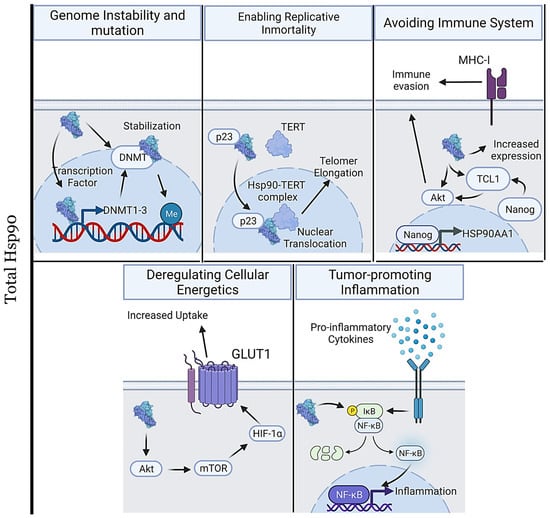
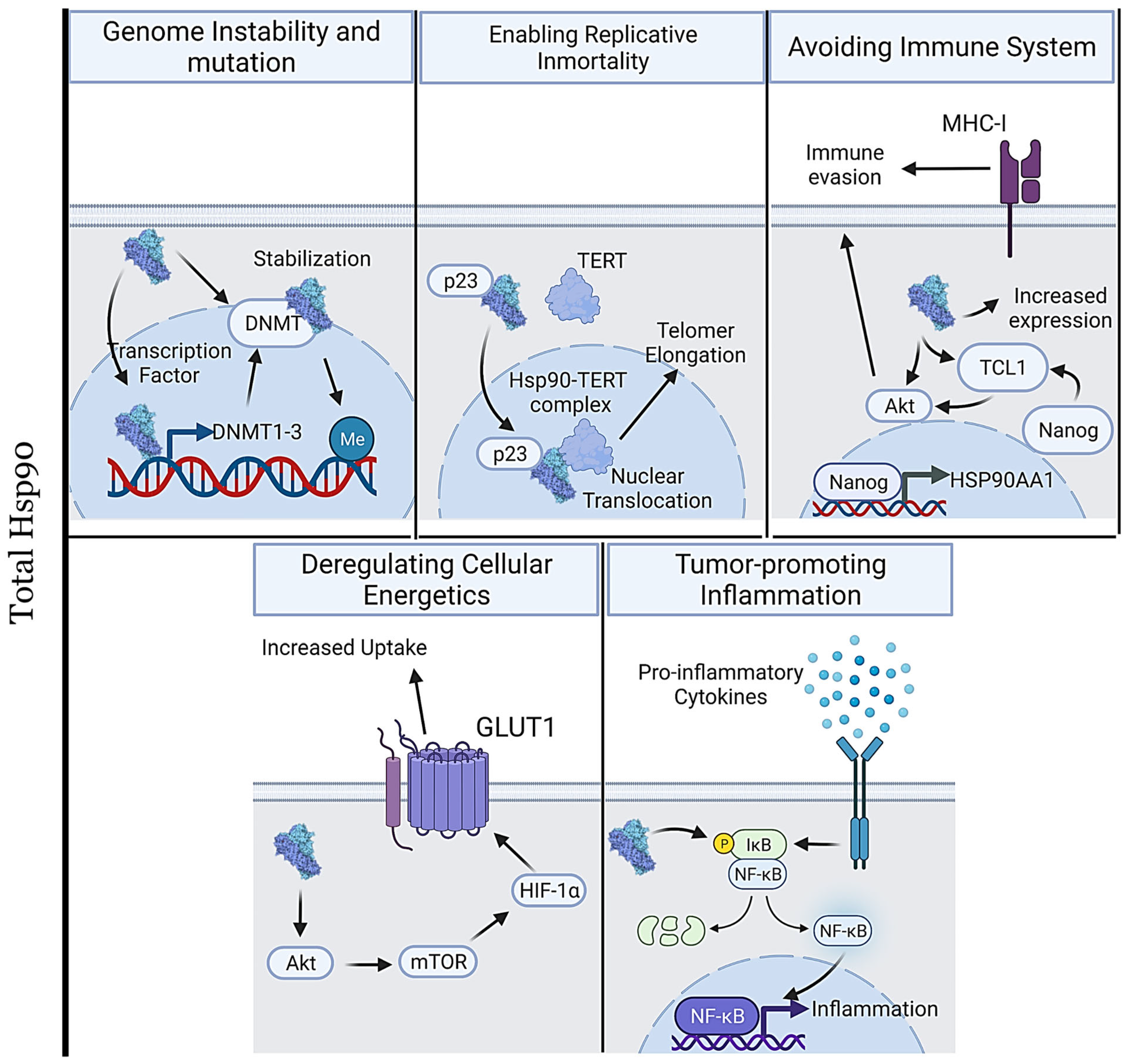
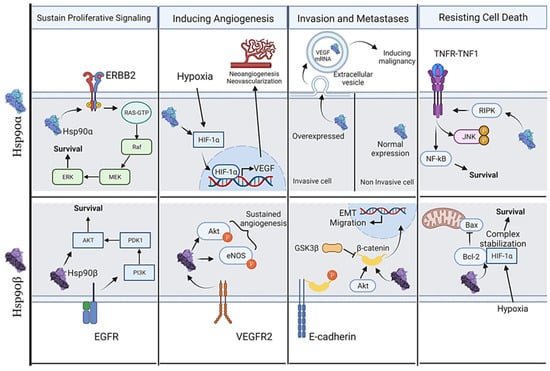
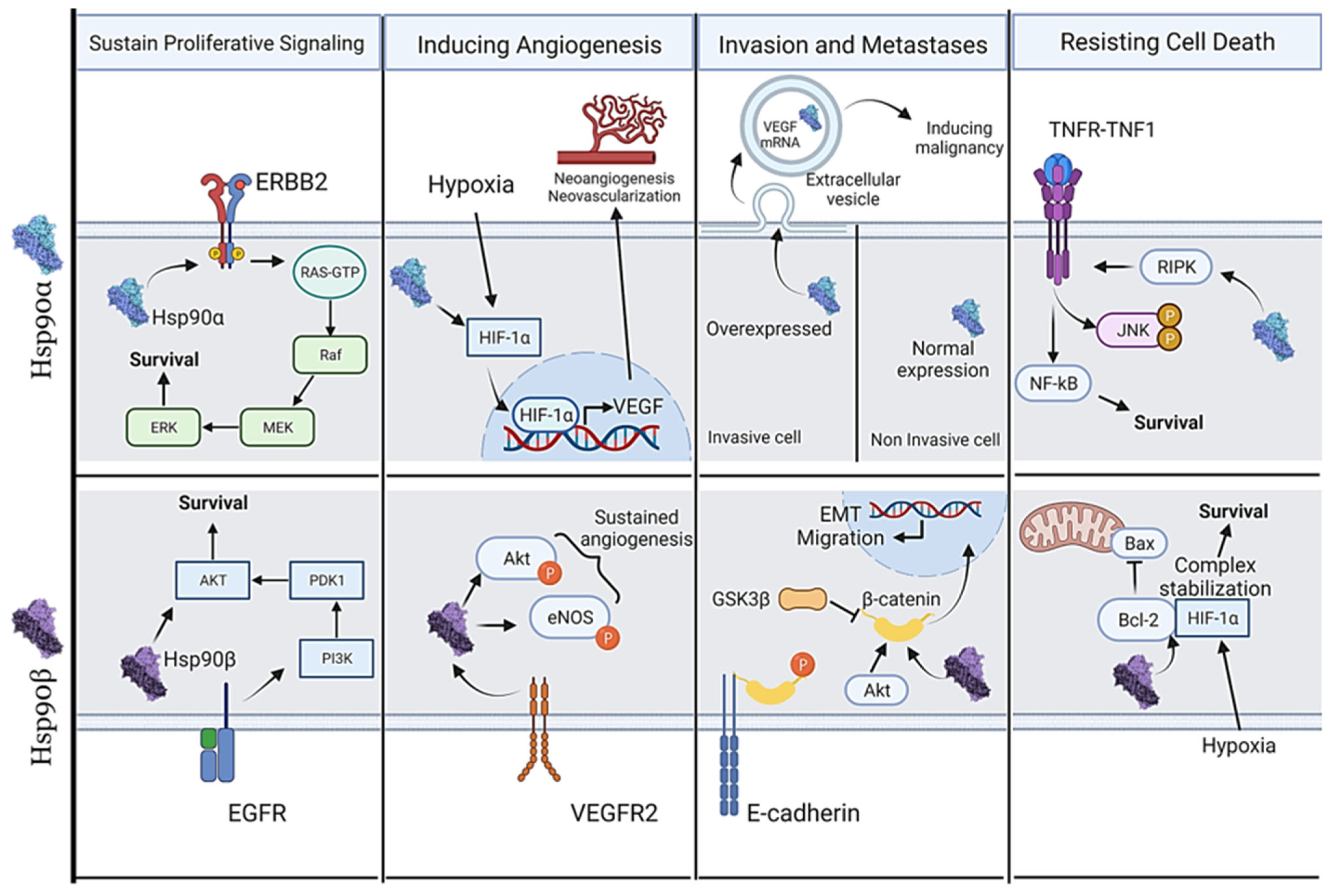
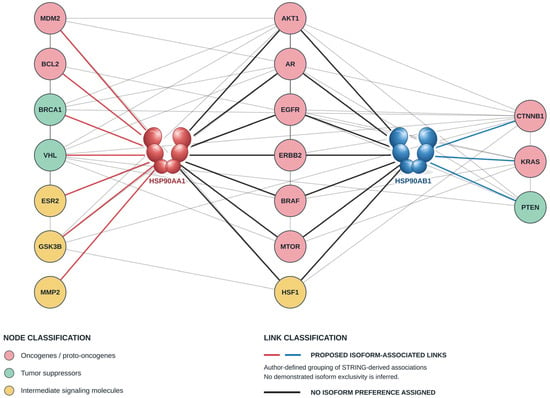
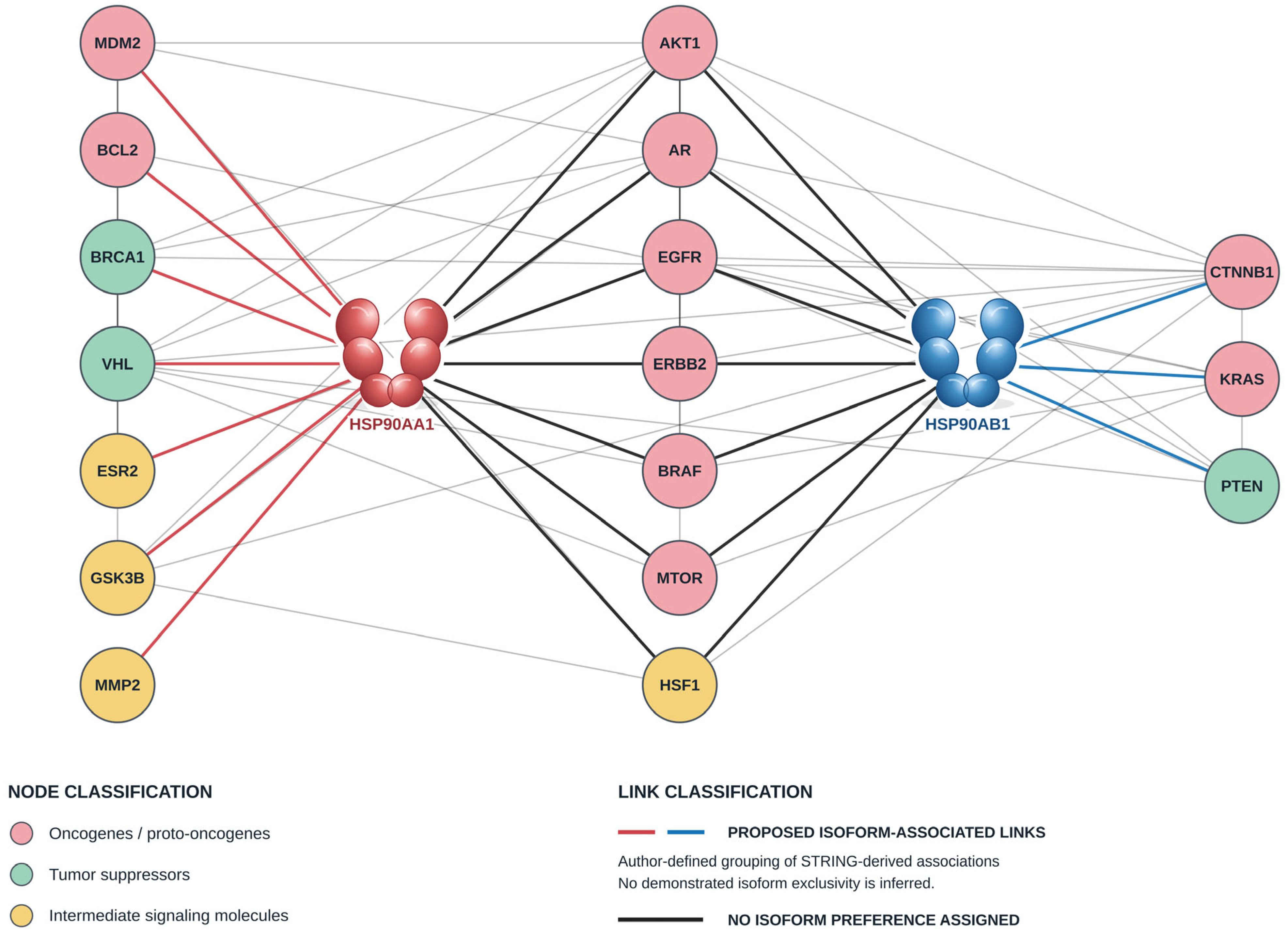
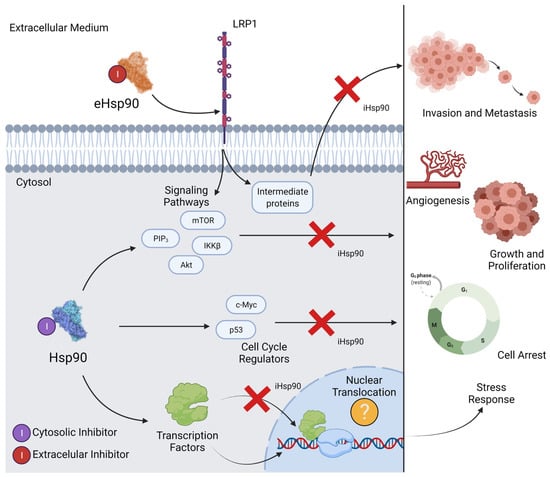
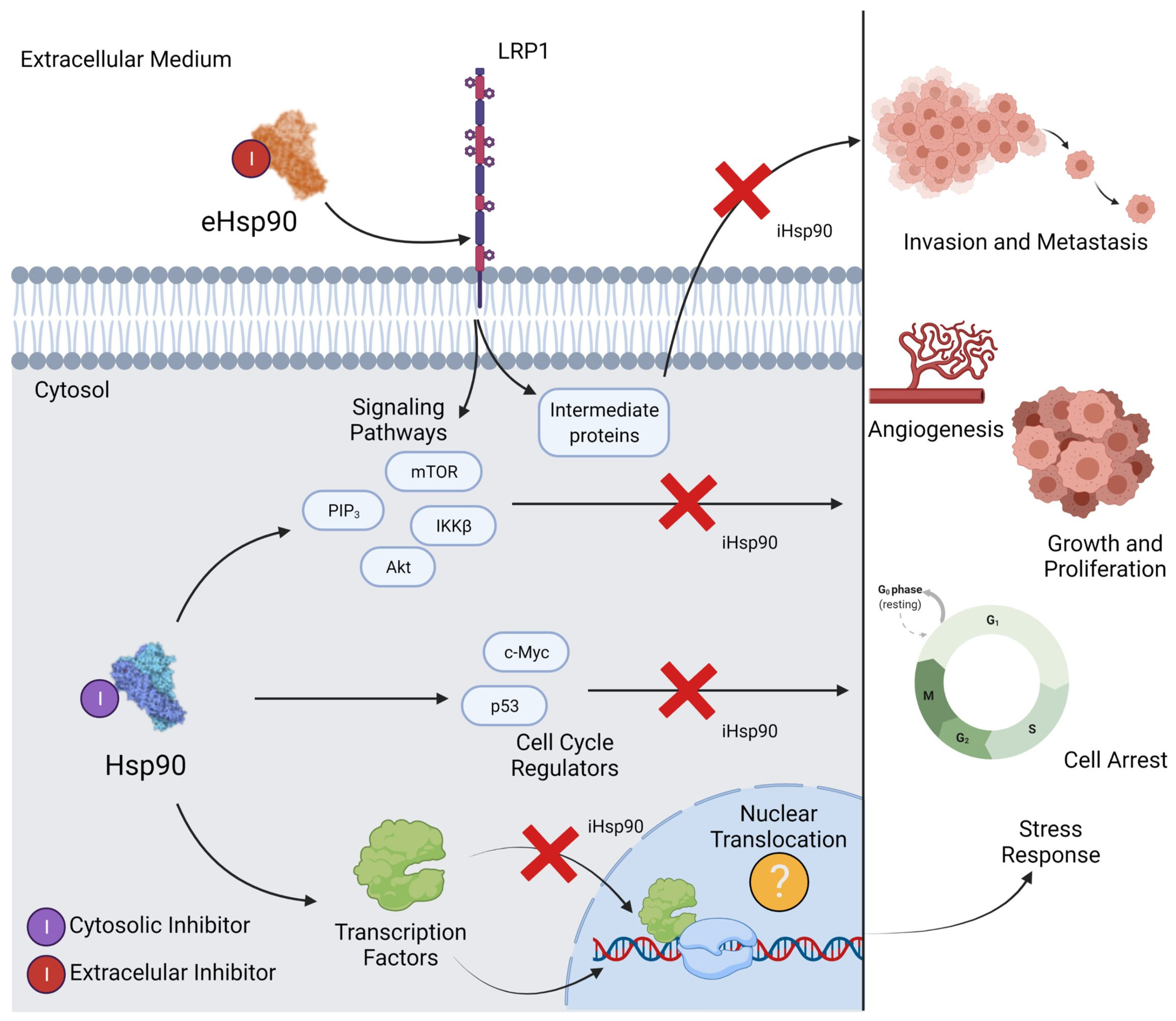
Disclaimer/Publisher’s Note: The statements, opinions and data contained in all publications are solely those of the individual author(s) and contributor(s) and not of MDPI and/or the editor(s). MDPI and/or the editor(s) disclaim responsibility for any injury to people or property resulting from any ideas, methods, instructions or products referred to in the content. |
© 2026 by the authors. Licensee MDPI, Basel, Switzerland. This article is an open access article distributed under the terms and conditions of the Creative Commons Attribution (CC BY) license.