


Abstract
Deep learning technologies have been increasingly applied to precision weed management, and You Only Look Once (YOLO) has become widely adopted owing to its real-time detection capability and high accuracy. This systematic review analyzes YOLO-based weed recognition models with emphasis on field challenges and architectural optimization strategies. A structured search of Web of Science and Scopus, supplemented by manual searching, was conducted in accordance with the PRISMA 2020 guidelines. Following screening and eligibility assessment, 45 studies were included in the systematic synthesis. The main categories of analysis included attention mechanisms that enhance discrimination among vegetation with similar shapes and colors, multi-scale feature-fusion architectures that integrate information across feature pyramid levels to improve the detection of weeds of varying sizes and viewpoints, and lightweight architectures designed to support real-time operation on resource-constrained hardware, along with other optimization strategies. Recent developments increasingly combine these approaches to address crop–weed similarity, occlusion, scale variation, and complex field backgrounds while improving computational efficiency. The review further examines how architectural enhancement strategies contribute to detection accuracy and computational efficiency and discusses their implications for practical applications such as selective spraying and robotic weeding. Overall, this review links major field-level weed-recognition challenges with corresponding architectural optimization strategies and provides a systematic framework for developing accurate and efficient YOLO-based weed recognition systems for site-specific weed management.
1. Introduction
Weeds compete with crops for space, water, nutrients, and sunlight, thereby threatening plant growth and reducing crop yield and quality. They can transmit plant diseases and provide habitats for insect pests, thereby exacerbating crop damage. The robust survivability and rapid reproduction of weeds have motivated persistent research into effective control technologies. Conventional control methods, such as chemical herbicide application and mechanical removal, are the most common; however, they have well-known limitations, including environmental contamination and potential crop injury. Consequently, there is an increasing need for site-specific weed management technologies that can accurately distinguish weeds from crops and enable their selective removal. In such systems, robust weed detection under complex field conditions is a key perception step because it provides the spatial information required for selective control, such as spot spraying, mechanical weeding, and robotic weeding, thereby improving the efficiency and sustainability of crop protection.
Despite steady progress in weed recognition, significant technical challenges remain. Compared to general object recognition, this domain entails particularly stringent constraints: (a) inter-class ambiguity caused by similarities in morphology, color, and texture among vegetation; (b) complex plant distributions with wide variations in object size and density; (c) background complexity arising from diverse field surface conditions; and (d) difficult illumination conditions, such as varying brightness and shadows. In particular, shadows can alter the apparent color and contrast of vegetation and create high-contrast boundaries that may be incorrectly interpreted as plant features, thereby increasing false or missed detections under field conditions. The effects of these field-level challenges have also been demonstrated quantitatively. For example, YOLOv11 achieved recall values of only 55.6% and 72.4% for Grasses and Sunflower, respectively, with frequent confusion with Soy due to their similar visual characteristics [1]. In a lettuce-field evaluation, crop detection achieved a mean average precision (mAP)@0.5 of 87.6%, whereas weed detection achieved an mAP@0.5 of 72.4% and a recall of 70.4%, with small or early-stage weeds identified as major sources of detection difficulty [2]. Background conditions can also substantially affect detection performance; a field study conducted across 68 sites reported an average precision (AP) decrease of approximately 0.2 depending on the target–background combination [3]. These quantitative observations illustrate how visual similarity, small target size, and complex backgrounds can degrade weed-recognition performance under practical field conditions. Collectively, these factors introduce uncontrolled variability, which undermines the generalization performance of the deep learning models. Moreover, practical field deployment requires high real-time performance on resource-constrained embedded hardware (Figure 1). Altogether, these considerations indicate that weed detection models for site-specific management must be evaluated not only in terms of detection accuracy but also in terms of robustness under field variability and feasibility for real-time deployment.
Figure 1.
Key challenges in weed recognition: (a) class ambiguity due to similarity in morphology, color, and texture (weed species Eclipta and Waterhemp in a cotton field); (b) complex vegetation distribution with varying sizes and densities; (c) complex backgrounds from diverse soil conditions; (d) illumination variations and shadows. Images (a–d) are from the CottonWeedDet12 dataset on Weed-AI (https://weed-ai.sydney.edu.au/datasets/2c14915b-0827-4b65-9908-d2a6df0d48f3 (accessed on 10 August 2026)), licensed under CC BY 4.0. (e) Agricultural field robot (image credit: Prof. Hans W. Griepentrog/DLG e.V., Wikimedia Commons, CC BY-SA 4.0).
Recently, among the mainstream object detection models, the You Only Look Once (YOLO) [4] family has been most actively adopted for weed recognition, primarily because its strong accuracy–speed trade-off aligns well with the domain requirements. In YOLO-based weed detection studies, architectural strategies have commonly been introduced to address specific field-level constraints, particularly through attention mechanisms, multi-scale feature fusion, and lightweight network design. Attention-based architectural enhancements focus on the representational capacity of the model for salient features while suppressing irrelevant cues, enabling finer discrimination of vegetation with similar colors and morphologies. Multi-scale feature fusion enhances detection robustness across objects of different sizes by integrating hierarchical features from shallow and deep layers. Shallow layers provide fine-grained spatial details, whereas deep layers contribute to a rich semantic context; their fusion yields more comprehensive representations of small weeds and cluttered field backgrounds. Lightweight techniques simplify network structures to minimize the number of parameters and computational requirements, thereby enabling efficient inference under resource-constrained conditions and facilitating practical deployment in agricultural settings. In practice, these architectural strategies are often combined within customized YOLO variants to complement one another in improving feature discrimination, multi-scale representation, and computational efficiency.
Accordingly, this systematic review aims to identify the major field-level challenges addressed in YOLO-based weed recognition and to systematically synthesize the architectural optimization strategies developed to address these challenges. Specifically, the review examines attention mechanisms, multi-scale feature-fusion architectures, and lightweight network designs, as well as the ways in which these strategies are combined within customized YOLO models to improve detection performance and computational efficiency.
This paper is organized as follows (Figure 2). Section 2 summarizes prior research reviews trends in weed recognition and site-specific weed management. The Overview of YOLO outlines its basic architecture and evolution and reviews its applications in precision agriculture and weed recognition. Section 4 details the data collection and analysis procedures, including the literature search strategy, and presents publication statistics and research trends in weed recognition and object detection. Section 5 analyzes techniques applicable to YOLO, focusing on optimization strategies tailored to field-level weed detection challenges. It also synthesizes YOLO variants proposed for weed recognition and compares their technical combinations, detection performance and computational efficiency. Finally, Section 6 provides an integrated perspective on YOLO-based weed-recognition models and discusses future research directions.
Figure 2.
Visual structure of this review.
2. Related Studies and Surveys
Traditional weed monitoring and recognition have relied heavily on manual visual inspection, which is time- and labor-intensive and limits the implementation of precise and timely site-specific weed control. Subsequently, rule-based image processing and classical statistical models for weed control were proposed; for example, Bressan et al. [5] proposed a rule-based inference system modeled on Bayesian network classifiers to infer weed infestation risk. However, such rule-based approaches exhibit limited generalization capability across heterogeneous field conditions. With the advances in deep learning, weed recognition can be divided into three task families: image classification, object detection, and segmentation (Figure 3).
Figure 3.
Weed recognition approaches: weed classification, weed detection, and weed segmentation. (Source image: CottonWeedDet12 dataset on Weed-AI, CC BY 4.0).
Previous studies primarily used image classification to distinguish between crops and weeds. This was presented either as a binary classification (crop versus weed) or as a multi-class classification among specific weed species. For instance, Lee et al. [6] trained a convolutional neural network (CNN) to learn leaf venation patterns and automatically classified 44 plant species, replacing handcrafted features with learned representations. dos Santos Ferreira et al. [7] partitioned images into patches, fed each patch into a CNN, and labeled them as crops or weeds. However, classification-based approaches have limited applicability for targeted intervention because they cannot localize individual plants or provide spatial coordinates for selective control. The next step, object detection, identifies both the class and location of plants in an image, making it more directly applicable to site-specific weed management because bounding boxes can provide target information for spot spraying, mechanical weeding, or robotic actuation. Region-based convolutional neural networks (R-CNNs) and YOLO-based methods have been extensively studied for weed recognition across diverse crop environments. Quan et al. [8] applied a Faster R-CNN with a VGG19 backbone to reliably detect maize seedlings and weeds under complex backgrounds and reported a precision of 97.81%. Gao et al. [9] deployed a YOLOv3-based model in sugar beet fields, achieving 89.7% precision for crops and 76.1% precision for weeds, with an inference time of 6.48 ms per frame on embedded hardware, proving that real-time detection is feasible under resource constraints. Tetila et al. [10] constructed the WEED6C dataset for weed detection in maize fields and evaluated the detection performance of Faster R-CNN, YOLOv3, SABL, and FoveaBox. Among the evaluated models, Faster R-CNN achieved the highest performance, with an mAP@0.5 of 71%. Guo et al. [11] proposed LW-YOLOv8, an improved YOLOv8-based model that incorporates a SERMAttention module and a lightweight Context-Guided Network into the feature extraction layers. It reduced model complexity while achieving an mAP@0.5 of 95.3% on a self-built weed dataset. In this manner, numerous studies have actively focused on improving model architectures based on existing object detection algorithms to address a wide range of crop and weed recognition tasks. Early segmentation approaches commonly used vegetation indices to separate plant regions from the background, whereas recent deep learning-based semantic and instance segmentation methods have enabled more detailed plant-level delineation. Semantic segmentation models, such as DeepLabV3+ [12], can provide dense pixel-level maps that are useful for delineating crop, weed, and background regions. However, their pixel-level annotations and computational requirements can be burdensome for real-time deployment on resource-constrained field platforms. Milioto et al. [13] demonstrated real-time plant background segmentation using a CNN and highlighted its potential for robotic weeding. More recently, instance segmentation methods have enabled finer delineation of plant morphology, thereby improving the precision of treatment targets. Among these, two-stage approaches like Mask R-CNN [14] can provide accurate instance-level masks by relying on a sequential Region Proposal Network (RPN). Although this paradigm can provide accurate instance-level masks, its sequential processing pipeline generally increases inference latency. In robotic weeding systems, such latency should be carefully considered because delayed perception outputs can reduce the spatial alignment between detected targets and physical actuation. In contrast, YOLO-based segmentation variants attempt to combine instance-level mask prediction with the real-time inference advantage of single-stage detection, making them attractive for site-specific weed management. Niu et al. [15] proposed an improved YOLOv8-seg-based model for weed control in lettuce fields, demonstrating improved detection accuracy and inference efficiency with reduced model complexity compared with the original YOLOv8-seg.
Extensive studies in the literature have advanced weed recognition, and multiple reviews have evaluated weed management systems and analyzed their enabling technologies. Recent reviews emphasize the breadth of deep learning applications in agriculture rather than the architectural specifics of detection models. For instance, Rai et al. [16] surveyed major cases in which deep learning supported site-specific weed management (SSWM) and discussed both the technical potential and constraints. Hu et al. [17] provided a systematic analysis of the state-of-the-art deep learning methods for weed detection in large-scale grain systems, underscoring the importance of datasets and evaluation metrics. Saini and Nagesh [18] offered a comprehensive overview of deep learning-based weed detection across UAV and robotic and orthomosaic pipelines and identified key methodological approaches and research gaps. Adhinata and Sumiharto [19] synthesized deep learning and machine learning models for crop–weed classification.
Although these reviews are valuable, they largely focus on adopting diverse deep learning models for weed recognition or on the broader landscape of precision weeding systems. In contrast, few reviews have systematically examined the architectural design choices and optimization strategies of object detection models used in weed recognition, particularly those within the YOLO family. To address this gap, this review synthesizes YOLO-based weed recognition studies by linking field-level challenges with architectural optimization strategies and discussing their practical implications for site-specific weed management.
3. Overview of YOLO
3.1. Object Detection
Object detection is a computer-vision task that simultaneously predicts the locations and categories of objects in an image. The output typically includes bounding boxes parameterized by the center coordinates (x, y) and size (w, h), along with class labels and confidence scores.
Detectors are commonly grouped into two-stage or one-stage approaches. Two-stage detectors first generate region proposals and then perform classification and bounding-box refinement for each proposed region. Representative models include R-CNN, Fast R-CNN, and Faster R-CNN. These models first generate candidate regions and then use convolutional features to perform object classification and bounding-box refinement. While this approach achieves high accuracy, it suffers from low throughput because inference must be performed repeatedly for each region of interest. Due to this overall complexity and computational cost, there are limitations to applying these models to real-time applications in resource-constrained hardware.
One-stage detectors predict the classes and boxes in a single pass over an image, resulting in simpler architectures, lower computational costs, and faster inference. Notable examples include the single-shot multi-box detector (SSD), DSSD (Deconvolutional SSD), RetinaNet, and the YOLO family. SSD leverages multi-scale feature maps and default boxes to cover diverse object sizes and aspect ratios. DSSD augments the SSD with deconvolution modules to recover the spatial detail lost during pooling, thereby improving the performance on small objects. RetinaNet combines a Feature Pyramid Network (FPN) with focal loss to improve the recall of small objects and mitigate class imbalance. YOLO combines a simple architecture with real-time inference and high accuracy. It also offers ease of lightweight deployment and structural extensibility, which has led to its widespread adoption across diverse domains, including agriculture. For site-specific weed management, this accuracy–speed trade-off is particularly important because detection outputs must be generated fast enough to guide control actions, such as spot spraying or mechanical actuation, on resource-constrained field platforms.
3.2. YOLO Architecture
YOLO is a representative one-stage object-detection framework that performs feature extraction, multi-scale feature aggregation, and object prediction within a unified end-to-end network. Unlike two-stage detectors that first generate region proposals and then classify and refine them, YOLO directly predicts object categories and locations from image features in a single detection pipeline, enabling high-throughput inference and efficient model design while maintaining competitive detection accuracy. Modern YOLO architectures generally follow a three-part pipeline consisting of a backbone, neck, and head (Figure 4). The backbone extracts hierarchical features from low-level textures to high-level semantics and accounts for most computations. The neck integrates and fuses multi-scale features from the backbone to strengthen both global and local contexts, thereby supporting the reliable detection of objects ranging from small to large. Finally, the head decodes the fused representations to produce class probabilities, confidence scores, and bounding-box parameters (x, y, w, h).
Figure 4.
Overall architecture of YOLO, consisting of three main components: the backbone for feature extraction, the neck for multi-scale feature fusion, and the head for final object classification and bounding-box prediction.
Over successive versions, YOLO has achieved substantial advances in accuracy and efficiency. YOLOv1 introduced a single-path, end-to-end architecture that enabled fast object detection, and YOLOv2 improved the performance by incorporating anchor boxes, batch normalization, and multi-scale training. YOLOv3 adopted Darknet-53 as the backbone and applied multi-scale feature integration, increasing the overall accuracy; it uses an FPN-based neck to fuse feature maps at multiple resolutions, enabling the detection of objects of diverse sizes. Furthermore, the architecture was modularized into a backbone-neck-head, establishing a framework that allows component-wise optimization. YOLOv4 employed a CSPDarknet53-based backbone together with Spatial Pyramid Pooling (SPP), a Path Aggregation Network (PANet)-based neck, and mosaic augmentation, integrating multiple architectural and training strategies. Compared with the unidirectional feature fusion used in earlier FPN structures, PANet introduced a bidirectional topology that strengthened information propagation between shallow and deep layers, effectively alleviating information loss caused by limited feedback of high-resolution features to higher semantic layers. In addition, SPP (Spatial Pyramid Pooling) was inserted between the backbone and neck to improve multi-scale contextual representation by applying parallel max-pooling operations of different kernel sizes to a single feature map and concatenating the outputs along the channel dimension. Mosaic augmentation constructs training samples by combining multiple images, thereby improving robustness to background diversity and object-scale variation. YOLOv5 adopted a Cross Stage Partial Network (CSPNet)-based backbone, Spatial Pyramid Pooling-Fast (SPPF) and a PAN-FPN neck, strengthening the balance between compactness and accuracy, and through a lightweight model series (e.g., v5s, v5n), improved deployability on embedded platforms. CSPNet (Cross Stage Partial Network) reduces redundant computation and improves gradient flow by splitting feature-map channels into two partial processing paths. SPPF (Spatial Pyramid Pooling-Fast) replaces the parallel max-pooling operations with different kernel sizes used in the original SPP with sequential 5 × 5 max-pooling operations, reducing inference time while preserving the multi-scale pooling effect of SPP. YOLOv6 adopted an anchor-free paradigm and a decoupled head to improve detection accuracy and computational efficiency. Unlike conventional anchor-box-based prediction, anchor-free detection predicts object centers and sizes directly without relying on predefined anchor priors. In anchor-based models, fixed anchor priors can lead to anchor mismatch when weed size varies substantially across species and growth stages, making the detection of early-stage small weeds particularly challenging. In contrast, anchor-free prediction allows bounding boxes to be estimated more flexibly without predefined size constraints, enabling improved adaptation to weeds of diverse scales. Furthermore, conventional coupled heads predict object classification and localization simultaneously through shared convolutional layers, whereas decoupled heads separate the convolutional pathways for classification and bounding-box regression. This design allows the two tasks to be optimized more independently, reducing task interference and improving detection accuracy. YOLOv7 introduced techniques such as E-ELAN, re-parameterization, and trainable bag of freebies. E-ELAN enhances feature aggregation and gradient flow, enabling the network to learn richer feature representations, whereas re-parameterization improves inference efficiency by adopting different structural configurations for training and inference stages. YOLOv8 adopted an anchor-free paradigm and a decoupled head by default and incorporated the C2f (Cross Stage Partial Fusion) module, an improved CSP-based structure, to strengthen the balance between lightweight design and detection accuracy. The C2f module reuses features by connecting the intermediate outputs of successive bottleneck layers to the final layer in a multi-branch manner, thereby preserving feature information that may otherwise be lost during downsampling. YOLOv9 introduced PGI (Programmable Gradient Information) and GELAN (Generalized Efficient Layer Aggregation Network) to mitigate information loss caused by deep-layer downsampling. PGI creates auxiliary pathways that facilitate the stable propagation of task-relevant information, whereas GELAN extends the E-ELAN concept through efficient layer aggregation, enabling flexible integration of diverse computational blocks. YOLOv10 introduced a non-maximum suppression (NMS)-free end-to-end detection framework to reduce latency associated with the post-processing stage traditionally used in YOLO detectors. Through consistent dual assignments, the model provides sufficient supervision during training while reducing redundant predictions during inference. Such a design can reduce post-processing overhead and latency, making it advantageous for systems in which real-time detection outputs must be rapidly linked to actuation commands, such as robotic weed control. YOLOv11 improved feature extraction and inference efficiency through enhanced backbone and neck structures incorporating modules such as C3k2 and C2PSA. C3k2 is a lightweight optimization of the C2f module that allows more flexible kernel configurations, whereas C2PSA emphasizes important spatial features through spatial attention mechanisms. YOLOv12 represents an attention-centric real-time detector that integrates attention-based feature representation into the CNN-oriented YOLO framework. To improve the efficiency of attention computation, it introduced Area Attention, which partitions feature maps into regional segments and concentrates computation on salient areas instead of relying on computationally expensive window-based attention. In addition, YOLOv12 employed R-ELAN and FlashAttention-based memory optimization to alleviate the computational and memory overhead associated with attention operations. YOLOv26 [20] further emphasized real-time deployment on low-power edge devices by incorporating strategies such as NMS-free inference, Distribution Focal Loss (DFL) removal, and ProgLoss. NMS-free inference reduces latency by minimizing post-processing for redundant bounding-box suppression, whereas DFL removal decreases the computational burden associated with bounding-box regression, contributing to lightweight inference. ProgLoss was designed to progressively improve localization quality during training (Table 1).
Table 1.
Major architectural improvements across YOLO versions and their expected effects.
Taken together, the architectural evolution of the YOLO family has progressively addressed challenges including visual similarity between objects, scale variation, and edge-computing constraints, which closely correspond to the major challenges in weed recognition. More specifically, multi-scale feature integration and improved feature representation introduced across YOLO architectures are well suited to weed-recognition scenarios involving substantial variations in object size and complex field backgrounds. In addition, attention-based designs incorporated into recent YOLO architectures can enhance discriminative feature representation for crop–weed differentiation while maintaining a practical balance between detection performance and computational efficiency for real-time deployment. Compared with two-stage detectors and segmentation-oriented models, YOLO offers a practical balance among accuracy, inference speed, architectural extensibility, and deployment efficiency, making it particularly suitable for site-specific weed management. Its modular architecture also facilitates further structural optimization for crop–weed recognition under complex field conditions.
3.3. YOLO in Weed Recognition
YOLO-family models have been widely adopted in precision agriculture owing to their excellent real-time processing capability and high accuracy, with active applications in produce classification, crop maturity estimation, pest and disease detection, and weed recognition. For instance, Zhu et al. [21] designed a YOLO-based model capable of simultaneously performing grape detection and picking-point localization for intelligent grape harvesting systems. Among these applications, weed recognition involves numerous unstructured scenes and ambiguously bounded objects compared to general recognition settings arising from inter-vegetation similarity, complex ground-level backgrounds, illumination variations, and occlusions. Moreover, real-time operations using resource-constrained hardware are required. Consequently, weed-recognition models must demonstrate strong robustness to these challenges. Owing to its architectural extensibility and ease of modification, YOLO is well-suited to meet these requirements, and new YOLO-based models specialized for weed recognition are continuously being developed.
The development of YOLO applications in weed recognition has followed a clear trend. Early studies primarily benchmarked existing YOLO variants with minimal adjustments, such as straightforward hyperparameter tuning. Subsequent work focused on lightweight techniques suitable for resource-constrained environments and on applying attention mechanisms to more effectively represent discriminative features under similar vegetation textures and morphologies, as well as complex field conditions. More recently, diverse YOLO-based architectures that combine these techniques have been introduced, and detailed case studies are presented in later sections. This research trend has improved recognition accuracy and enhanced practicality on embedded platforms, such as Jetson Nano, Raspberry Pi, and NVIDIA Jetson Xavier NX, thereby advancing the automation of weed management in real agricultural environments.
4. Materials and Methods
To systematically synthesize studies relevant to the design and architectural optimization of YOLO-based weed-recognition models, we conducted a structured literature search using Web of Science and Scopus in accordance with the Preferred Reporting Items for Systematic Reviews and Meta-Analyses (PRISMA) 2020 [22]. Although the review primarily focused on YOLO-based studies, the search strategy also encompassed broader deep learning-based weed-recognition research to capture studies relevant to the development of weed-recognition technologies and field-level recognition challenges. The Boolean search query was as follows:
- (“weed” AND (YOLO OR “object detection” OR “deep learning”)) OR (“weed detection” OR “weed recognition”)
In Scopus, the search was conducted within the article title, abstract, and keyword fields, whereas in Web of Science, the Topic field was used, covering titles, abstracts, author keywords, and Keywords Plus. The search was restricted to English-language journal articles published between 2016 and 2025. The final search date for each database was 12 March 2026. Following the database searches, reference-list screening and citation searching were additionally conducted to identify relevant studies that met the eligibility criteria but were not retrieved through the database searches. To characterize the thematic structure of the retrieved literature, keyword analysis was performed using VOSviewer 1.6.21, and the resulting visualization is presented in Figure 5. Additionally, to illustrate publication trends, year-by-year counts from Web of Science and Scopus are presented in Figure 6, showing the trajectory of object detection research in agriculture and weed recognition.
Figure 5.
Keyword analysis of the search query results conducted with VOSviewer. Each color represents a cluster of keywords identified based on their co-occurrence relationships.
Figure 6.
The trend in published technical articles in weed recognition using Object Detection from 2016 to 2025.
The database searches identified 1357 records from Web of Science and 1126 records from Scopus, yielding a total of 2483 records. After combining the search results from the two databases, duplicates were identified based on DOI and article title, and 877 duplicate records were removed. Consequently, 1606 unique records remained for title and abstract screening. A total of five authors participated in the title and abstract screening process and assessed the records according to the eligibility criteria. At this stage, 1535 records were excluded, and the full texts of the remaining 71 reports were sought for retrieval. All reports were successfully retrieved; therefore, no reports were classified as not retrieved. Full-text eligibility assessment was subsequently conducted for all 71 reports. The authors independently assessed eligibility, and uncertain cases were resolved through discussion. No automated screening tools were used to determine study inclusion or exclusion.
Study eligibility was assessed according to predefined criteria. Studies were considered eligible for the systematic synthesis if they were original research articles addressing YOLO-based agricultural weed recognition or crop–weed discrimination and provided methodological or quantitative information relevant to the analytical objectives of this review. Relevant information included field-level weed-recognition challenges, the YOLO variants employed, architectural modifications, and performance indicators related to detection accuracy and computational efficiency. Deep learning studies not directly related to weed-recognition models, review articles, and methodological studies were used only as contextual references where relevant and were not included in the PRISMA study count. During full-text eligibility assessment, studies were excluded if they (1) primarily benchmarked or compared existing models without providing methodological evidence relevant to the objectives of this review; (2) primarily focused on application systems while providing insufficient architectural or performance-related information for the analyses conducted in this review; (3) addressed indirect or broader detection tasks in which weed recognition was not the primary target; or (4) provided insufficient additional architectural or analytical information to contribute to the qualitative synthesis. A total of 29 reports were excluded based on these criteria. Consequently, 42 studies identified through the database searches were retained. In addition, reference-list screening and citation searching identified 3 studies that were not identified through the database searches but met the same eligibility criteria. Ultimately, 45 studies were included in the systematic synthesis, and the overall study-selection process is presented in Figure 7.
Figure 7.
PRISMA flow diagram of the study selection process.
For the included YOLO-based studies, data extracted for the architectural synthesis included the YOLO variant, major architectural modifications, object-detection performance metrics, and measures of computational complexity. mAP@0.5 was treated as the primary detection-performance metric when reported, while mAP@0.5:0.95, the number of parameters, and floating-point operations (FLOPs) were additionally extracted when available. Dataset characteristics, target crops and weeds, image-acquisition conditions, and computing hardware were also recorded when relevant to the interpretation of the reported results. For broader deep learning-based studies, information relevant to the development of weed-recognition technologies and field-level recognition challenges was considered for contextual analysis. Values not explicitly reported in the original studies were not estimated or imputed, and performance metrics obtained under different evaluation settings were not converted to a common scale. Extracted study characteristics, architectural modifications, and reported performance metrics were summarized in comparative tables, while representative architectural components and their combinations were illustrated using schematic figures where appropriate.
No formal risk-of-bias assessment was conducted. Considerable methodological heterogeneity existed across the included studies in terms of datasets, target crop–weed combinations, image-acquisition conditions, evaluation protocols, model architectures, and computing hardware. Accordingly, reported performance values were not statistically pooled or used for direct model ranking. Instead, the studies were synthesized qualitatively and compared methodologically according to the major architectural enhancement strategies identified across the reviewed YOLO-based studies. Because no meta-analysis was performed, no formal sensitivity analysis was conducted. Formal assessments of reporting bias and certainty of evidence were also not performed because the heterogeneity of study designs and evaluation settings did not support a standardized quantitative synthesis.
5. Results and Discussion
5.1. Architectural Strategies for YOLO-Based Weed Recognition
YOLO has been widely adopted for object detection across various domains. For weed recognition, it is particularly favored because of its real-time processing capability, compact model size, and high accuracy (Figure 8). As noted in the previous section, weed recognition in practical field environments involves several field-specific challenges, including visual similarity between crops and weeds, small size of weeds, dense vegetation, complex soil backgrounds and illumination conditions, and the requirement for real-time inference under resource-constrained field environments. Therefore, structural enhancement in YOLO-based weed-recognition models should be understood not simply as a collection of performance-improvement techniques, but as architectural strategies for addressing these field-level challenges. The YOLO-based studies contributing to the qualitative synthesis varied in the YOLO versions used, target crop–weed combinations, datasets, image-acquisition conditions, and computational settings. Despite these differences, recurring architectural modifications were primarily directed toward improving feature discrimination, multi-scale representation, and computational efficiency. Accordingly, the major structural enhancement strategies identified across the reviewed YOLO-based studies were organized into three categories:
- Attention mechanisms;
- Multi-scale feature fusion architectures;
- Lightweight architectures.
Figure 8.
Frequency of different CNN architectures used in weed detection research, based on searches in the Web of Science database with the keyword “Weed Detection”.
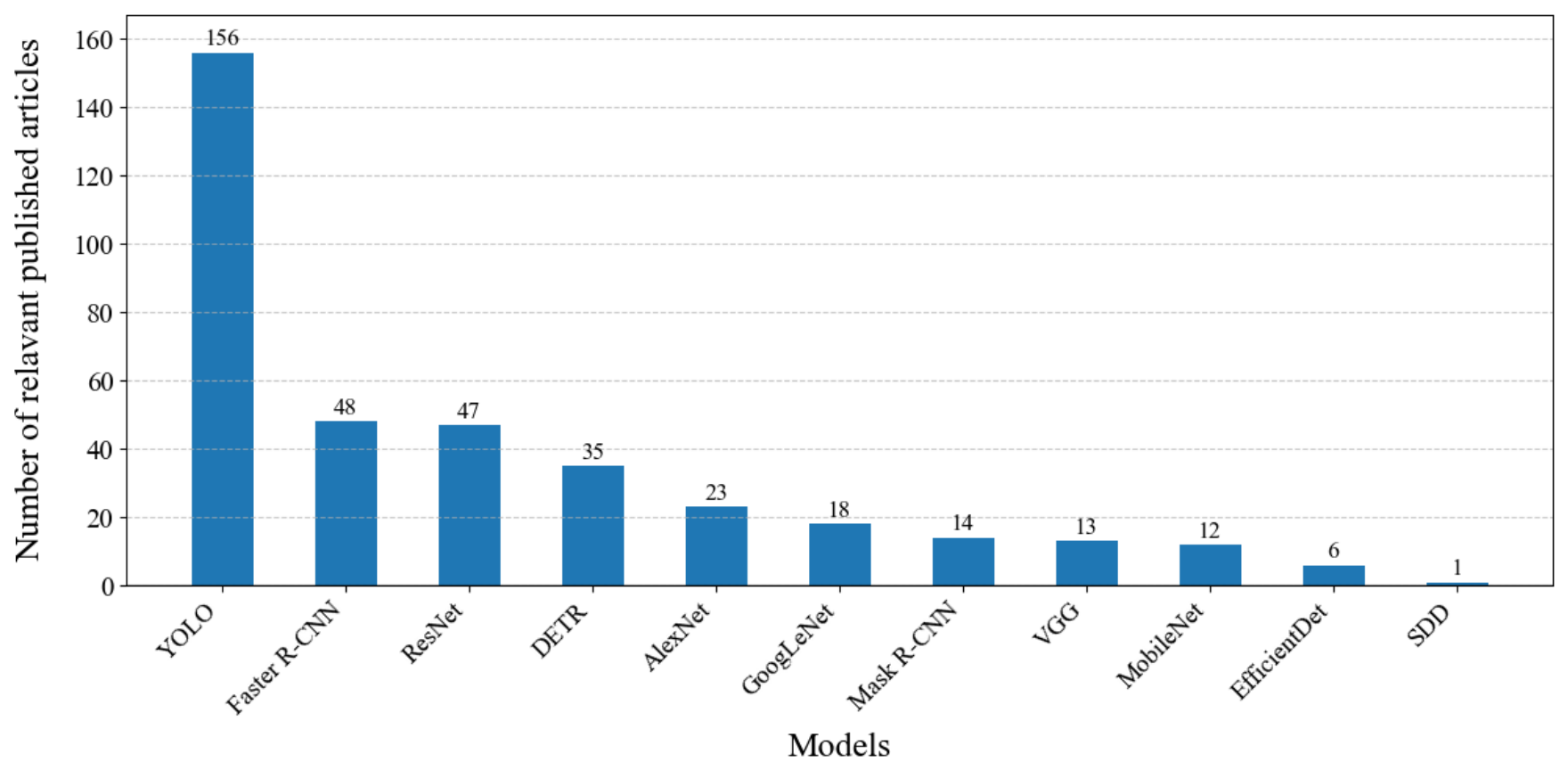
Attention mechanisms are used to reduce inter-class ambiguity caused by similar colors, shapes, and textures between crops and weeds while emphasizing discriminative vegetation features. Multi-scale feature fusion architectures focus on effectively integrating high-resolution spatial information with deep semantic features to recognize small weeds and objects of varying sizes. Lightweight architectures aim to reduce model size and computational complexity to enable real-time inference in embedded and edge-computing environments (Figure 9).
Figure 9.
Relationships between major field challenges and structural optimization strategies in YOLO-based weed recognition models.
Using this framework, we synthesized structural improvement strategies and module combinations reported in the literature. Through these three strategy categories corresponding to field-level weed-recognition challenges, our goal is to provide a technical foundation for the design of YOLO models tailored for weed recognition and outline practical, performance-oriented optimization directions.
5.1.1. Attention Mechanisms
Conventional CNNs aggregate local neighborhood information using fixed learned kernels within local receptive fields determined by the kernel size and network depth. Therefore, spatial interactions remain local, and the proportions in which neighboring signals are combined are governed solely by kernel weights and thus remain constant across inputs. The global context and long-range dependencies are captured indirectly through the stacking of multiple layers, which limits precise feature extraction under complex backgrounds or large shape variations.
Attention mechanisms have been used to address these limitations. The attention module uses learned transformations to compute input-dependent attention maps (weights) that dynamically reweigh features, emphasizing informative signals, while suppressing distractors (Figure 10). This can be formulated as follows:
Y = f (Matt, X), Matt = g (X)
Figure 10.
Schematic diagram of channel–spatial attention applied to convolutional feature maps. Given an input feature map X ∈ RC×H×W from the CNN backbone, the attention module generates channel attention weights α ∈ RC×1×1 and spatial attention weights S ∈ R1×H×W. These weights are applied to the original feature map through element-wise multiplication (⊙), yielding a refined feature map in which semantically important responses are enhanced while irrelevant activations are suppressed.
Here, g denotes the function that generates the attention map from input X, and f applies that map to reweight X. Depending on the mechanism, the attention map serves as a set of gating coefficients that scale either the channel (C × 1 × 1) or spatial (1 × H × W) dimensions, or in self-attention, as affinity-based mixing coefficients that aggregate information across distinct locations or patches. In contrast to fixed-ratio local mixing of the convolution, attention adapts to the proportion by which the positions or channels are combined based on the input content.
These properties can enhance the discriminability and robustness of weed recognition models under challenging conditions, such as visual similarity among vegetation, textured soil backgrounds, illumination variation, and occlusion, by highlighting subtle differences in color, texture, and morphology through input-dependent feature reweighting. While powerful, attention mechanisms do not always improve performance. The indiscriminate insertion of attention modules into a detector architecture can lead to (i) increased computation and latency; (ii) overfitting, manifested as the over-emphasis or over-suppression of certain patterns; (iii) distortion of the feature hierarchy caused by interference between low- and high-level features; and (iv) signal interference between feature-fusion structures and attention modules, ultimately leading to degraded performance. For example, Zhu et al. [23] experimentally demonstrated that combining the Convolutional Block Attention Module (CBAM) with feature fusion layers and additional connections can introduce interaction conflicts that reduce accuracy. Accordingly, when applying attention in object detectors, we can adopt the following strategy: (a) insert sparingly at a few validated sites (e.g., the final backbone stage, key scale levels in the neck, and the classification branch in the head); (b) when used with feature-fusion structures, apply independently per scale (e.g., across P3–P5) to avoid over-suppressing any single scale; and (c) conduct ablation experiments that vary only the presence, type, and placement of attention, while keeping the data as well as the training and inference settings fixed, and evaluate cost-effectiveness using parameters, FLOPs, latency, mAP, and recall. Next, we categorized the major attention mechanisms (Figure 11) and reviewed their design intentions, impacts, and trade-offs when integrating them into YOLO.
Figure 11.
Taxonomy of attention mechanisms discussed in this review. Frequency-aware and temporal attention are presented as contextual and prospective strategies because their applications in YOLO-based weed recognition remain limited.
Soft-Mask-Based Attention
Soft-mask-based attention is particularly useful for weed recognition because it can suppress irrelevant background features and selectively emphasize vegetation-related channels or spatial regions without substantially changing the detector structure. A soft-mask Ms is a continuous gating map that assigns a value in [0, 1] to each spatial (or channel) location, thus amplifying informative regions while suppressing non-salient regions.
where X ∈ RC×H×W, (broadcast along the channel dimension), and ⊙ denotes element-wise multiplication. In addition, h(⋅) denotes a context extractor, Φ(⋅) a mask predictor, and σ(⋅) a squashing nonlinearity (e.g., sigmoid). In the residual-gating variant, γ is a learned parameter that controls gating strength; in the convex-blending variant, λ ∈ [0, 1] is the blending coefficient (either a scalar or a spatial map), and φ(⋅) is an optional range-mapping function used to rescale Ms (e.g., identity, rescale, tanh, tempered sigmoid). Owing to their structural simplicity, soft-mask modules introduce minimal parameters and computational overhead yet can effectively improve detection accuracy when integrated into object-detection architectures.
Ms = g(X) = σ(Φ(h(X)))
Y = X⊙Ms,
Y = X⊙(γMs + 1) (residual gating),
Y = (1 − λ)X + λ(X⊙φ(Ms)) (convex blending)
Y = X⊙(γMs + 1) (residual gating),
Y = (1 − λ)X + λ(X⊙φ(Ms)) (convex blending)
Channel Attention
Channel attention learns inter-channel dependencies in an input feature map to selectively emphasize informative channels. In weed-recognition tasks, channel-wise recalibration is particularly relevant because it enables the model to adjust the relative importance of input and learned feature channels according to their relevance to vegetation discrimination. By assigning higher weights to vegetation-informative channels and reducing the influence of less discriminative channels, channel attention can improve feature selectivity.
The following section provides an overview of the representative channel attention methods, SE, ECA, and GCT, and discusses their integration into YOLO.
(1) SE (Squeeze and Excitation)
SE [24] emphasizes inter-channel dependencies through channel-wise global summarization (squeezing) and channel reweighting (excitation). Given X ∈ RC×H×W, global average pooling yields GAP(X) ∈ RC. Two fully connected layers (bottleneck reduction ratio r) with a nonlinearity δ produce the sigmoid-normalized channel weights Mse ∈ RC:
Y = f (Mse, X) = X ⊙ Mse
Although SE effectively highlights informative channels, the GAP summary is simplistic, and the fully connected (FC) bottleneck increases the number of parameters, computational cost, and inference latency. Su et al. [25] reported that applying SE to YOLOv3 significantly improved the mAP but reduced the inference speed. To address these limitations, variants have been proposed that refine the squeeze step and simplify inter-channel modeling in the excitation step, notably the ECA and GCT.
(2) ECA (Efficient Channel Attention)
ECA [26] removes the dimension-reduction step of the bottleneck in SE and models channel interactions through a 1D convolution over local channel neighborhoods applied to the global average-pooled feature GAP(X) as follows:
Meca = g(X) = σ(Conv1Dk(GAP(X)))
Y = f (Meca, X) = X ⊙ Meca
The kernel size k is determined by an empirical function of the channel width C as follows:
(| ⋅ |odd: round to nearest odd; γ, b: hyperparameters)
Compared with SE, ECA substantially reduces the number of parameters, FLOPs, and latency while preserving a direct correspondence between the learned channel weights and input channels. When integrated into YOLO’s backbone and multi-scale fusion architecture, the kernel size k automatically adapts to the channel width C of each layer, thereby reducing the manual tuning effort and enabling per-scale (e.g., P3–P5) independent deployment.
(3) GCT (Gated Channel Transformation)
The GCT [27] is a lightweight channel-gating module proposed to address the FC bottleneck of the SE and implicit modeling of inter-channel relations by FC layers. The core procedure consists of three steps: (i) summarizing the per-channel global strength via an l2-norm, (ii) applying channel normalization (CN) to place channel responses on a common scale and explicitly induce competition, and (iii) applying a tanh gate to stably rescale and reweight the input features.
where Norm(X) denotes the channel-wise global l2-norm, and CN(⋅) is channel normalization. The parameters α, β, γ ∈ RC are channel-wise learnable coefficients that set the gating strength and baseline: α pre-scales the inter-channel variation in Norm(X) (controlling the intensity of competition), β provides a bias that shifts the gate’s baseline, and γ adjusts the post-CN gain, thereby bounding the input to the tanh range and controlling the sharpness of emphasis and suppression. A residual connection adds an input to the reweighted features (Equation (10)), preserving information and supporting gradient flow. When integrated into YOLO’s multi-scale fusion architecture, CN helps mitigate inter-scale statistical mismatch, while γ and β together with tanh bound the dynamic range of the gate, stabilizing channel competition and enabling robust per-channel recalibration under complex feature mixtures.
MGCT = g(X) = tanh(γ⊙CN (α⊙ Norm(X)) + β)
Y = f (MGCT, X) = X⊙MGCT + X
These channel-attention methods can improve the detection performance by selectively emphasizing the informative channels. However, because they do not directly exploit spatial cues such as object location, shape, or boundary information, they have limitations in addressing challenges that require spatial reasoning, such as crop–weed overlap, scale variation, and fine-grained shape discrimination. Figure 12 illustrates the processing flow of the three modules discussed above. The following section presents approaches that focus on spatial position information.
Figure 12.
Schematic of channel-attention modules: (a) SE, (b) ECA, (c) GCT. GAP = global average pooling, FC = fully connected layer, CN = channel normalization.
Spatial Attention
Spatial attention emphasizes the salient regions along the spatial coordinates H × W of a feature map and complements channel attention, which models the inter-channel correlations. It is effective when location, shape, and boundary cues are critical. In weed recognition, spatial attention can help distinguish crops, weeds, and adjacent plant objects under complex backgrounds, partial occlusion, and high object density by selectively enhancing spatially discriminative regions while suppressing non-salient regions. Figure 13 shows the processing flow of the modules.
Figure 13.
Schematic of spatial-attention modules: (a) SAM, (b) SGE.
(1) SAM (Spatial Attention Module)
SAM is a soft-mask-based spatial attention mechanism proposed as a submodule of CBAM [28]. It aggregates the spatial context by applying a channel-wise average and max pooling and then predicts a position-wise mask with a shallow convolutional layer. The generic formulas are as follows:
Msam = g(X) = σ(Conv([Avgc (X),Maxc(X)]))
Given an input feature map X, average and max pooling along the channel axis produce two maps of size 1 × H × W, which are concatenated 2 × H × W and passed through a 7 × 7 convolution to yield a spatial mask Ms ∈ R1×H×W. The output is obtained by reweighting the input via element-wise multiplication Y = X⊙Ms, thereby emphasizing spatially salient regions. Although introduced as part of the CBAM, the SAM is frequently employed independently or along with other attention mechanisms. Owing to its lightweight design and versatility, it has been widely integrated into YOLO architectures for spatial feature refinement in weed-detection tasks.
(2) SGE (spatial group-wise enhance)
SGE [29] divides the input channels into G groups, derives a group-specific spatial attention mask from the features within each group, and applies it to all channels in the same group via broadcast multiplication. The increases in the number of parameters and FLOPs are negligible, allowing the SGE module to be easily integrated into the YOLO architecture, for instance, near the end of the high-level backbone stages or immediately after feature concatenation in the neck.
Hybrid Attention Modules
Hybrid attention refers to architectures that integrate two or more attention mechanisms (e.g., channel, spatial, or temporal) so they complement each other. By extending beyond a single dimension of operation, such designs enable richer feature representation. In YOLO-based weed-recognition models, hybrid attention is frequently adopted because it combines channel-level feature recalibration with spatial-region refinement within a single attention framework. Among common hybrid attention designs, including channel–spatial and spatial–temporal approaches, this review focuses on channel–spatial hybrids, which are most frequently applied in YOLO-based models. We further categorized channel–spatial hybrid attention into three types: (i) split channel–spatial attention, (ii) coupled channel–spatial attention, and (iii) 3D attention.
(i) Split channel–spatial attention: Channel and spatial attentions are computed independently and then combined sequentially or in parallel, resulting in a simple implementation and high computational efficiency.
(ii) Coupled channel–spatial attention: Channel and spatial dependencies are estimated jointly or in an interwoven manner to strengthen cross-dimensional interactions.
(iii) 3D attention: The channel and spatial dimensions are treated as a single 3D tensor (C × H × W), and an attention map is learned over the entire volume. These approaches jointly perform channel importance estimation and spatial selection while modeling their mutual dependencies, enabling finer feature discrimination and more precise spatial emphasis. However, additional considerations may be required to compute the budget (parameters/FLOPs) and training stability.
Next, we review the key hybrid attention modules and outline considerations for their integration with YOLO. Figure 14 shows the processing flow of the modules.
Figure 14.
Schematic of hybrid-attention modules: (a) CBAM, (b) CA, (c) EMA, (d) SimAM. Panels (a,b) are adapted from Hou et al. [30] under CC BY 4.0, with partial use of the original diagrams and additional modifications. Panels (c,d) are newly prepared following the visual style of the same source.
(1) CBAM (Convolutional Block Attention Module)
The CBAM [28] is a lightweight plug-in module that sequentially applies channel and spatial attention to enhance the representational capacity of CNN. Given an input feature map F ∈ RC×H×W, channel attention first computes two descriptors through spatial average and max pooling (∈RC×1×1). These descriptors pass through a shared MLP (with a reduction ratio r), followed by sigmoid activation to produce the channel attention map Mc. The input is then reweighted as F′ = Mc⊙F. Next spatial attention takes F′, performs channel-wise average and max pooling, concatenates the resulting two maps into a 2 × H × W tensor, and feeds it into a 7 × 7 convolution and a sigmoid to obtain the spatial attention map Ms ∈ R1×H×W. The final output is computed as F″ = Ms⊙F′. By combining channel-level recalibration and spatial-region refinement, CBAM can improve feature selectivity and localization while maintaining low computational and memory overhead, making it suitable for integration into YOLO backbones and necks under real-time constraints.
(2) CA (Coordinate Attention)
Coordinate attention [30] embeds directional coordinate information into spatially aware channel reweighting, alleviating the locality of receptive fields and enhancing long-range dependency modeling through a lightweight channel–spatial hybrid design. Given an input feature F, 1D global average pooling is applied along the height and width axes to generate context-aware embeddings Fh ∈ RC×H×1 and Fw ∈ RC×1×W. These are concatenated and passed through a shared 1 × 1 convolution (with a reduction ratio r), followed by a nonlinearity, and are then split into two branches. Each branch is processed by a 1 × 1 convolution and sigmoid activation to obtain the coordinate attention maps Mh and Mw. The output is computed via element-wise multiplication and broadcasting as Y = F⊙Mh⊙Mw. This decomposition–integration–redistribution scheme preserves precise positional cues while efficiently encoding vertical and horizontal contextual information. With minimal increases in the number of parameters and FLOPs, CA can be readily integrated into real-time YOLO architectures, improving spatial discrimination by preserving coordinate-aware positional information.
(3) Efficient Multi-Scale Attention (EMA)
EMA [31] inherits the directional encoding strategy of CA but removes the channel-reduction step derived from the fully connected bottleneck, thereby preserving richer channel information within a lightweight channel–spatial hybrid design. To reduce the computational cost, channels are divided into two groups, and within each group, two parallel branches are applied: (i) a 1 × 1 path that derives directional gating from 1D global average pooling along the height and width axes, and (ii) a 3 × 3 path that captures multi-scale spatial context through enlarged local receptive fields. The two attention signals are then fused through a matrix-product-based cross-spatial interaction, enabling simultaneous channel reweighting and spatial emphasis. EMA enhances representational expressiveness with minimal overhead, making it well-suited for integration into higher backbone stages or multi-scale fusion layers in the YOLO neck, thereby achieving a favorable trade-off between accuracy and speed.
(4) SimAM
SimAM [32] is a parameter-free 3D attention mechanism that assigns neuron-wise importance scores across the entire C × H × W feature tensor. It defines an energy function that measures a neuron’s separability from its neighbors and derives an analytical closed-form solution to compute its importance; it is implemented using only basic statistics (e.g., mean and variance) and simple arithmetic operations. The resulting importance map is normalized by a sigmoid function and multiplied element-wise by the input feature map. Owing to its negligible computational and memory overhead, SimAM is well-suited for real-time YOLO architectures, where inserting it into the late backbone stages or neck can simultaneously enhance fine-grained feature discrimination and suppress background noise.
Frequency-aware attention
Frequency-aware attention is a mechanism that computes attention by exploiting the spatial-frequency characteristics of feature maps. Images and CNN feature maps can be represented not only as value distributions over spatial coordinates (H × W), but also in the spatial-frequency domain through transformations such as the Fourier transform or discrete cosine transform (DCT). In this context, spatial frequency refers to how rapidly pixel or feature values vary across space, where low-frequency components represent gradual variations and global structures, whereas high-frequency components capture abrupt spatial changes such as edges, textures, boundaries, and fine details. Frequency-aware attention differs from conventional spatial attention in that it selectively emphasizes or suppresses features within specific spatial-frequency bands. While spatial attention mainly emphasizes “where” salient information is located, frequency-aware attention considers the spatial-frequency characteristics of texture, edge, and structural patterns contained in the feature representation. Therefore, frequency-aware attention can serve as a complementary strategy to spatial attention, which is effective for location-based saliency but does not directly model spatial-frequency-sensitive characteristics such as texture, edge, and fine detail. FcaNet (Frequency Channel Attention Networks) [33] introduced DCT-based frequency decomposition into channel attention to overcome the representational limitations of conventional global-average-pooling-based attention. More recently, frequency-aware modules such as FreqFTA (Frequency Feature Transposed Attention) [34] have been integrated into YOLO-based architectures to enhance small-object detection and fine-detail representation. Although its application in YOLO-based weed recognition remains limited, it is discussed here as a contextual and prospective strategy rather than as a widely adopted component of current YOLO-based weed-recognition models.
Self-Attention
Self-attention was first introduced in the transformer architecture and, following the emergence of the Vision Transformer (ViT) [35], has been widely adopted in vision, including hybrid designs with CNNs. It reconstructs representations by dynamically computing pairwise relationships among all spatial positions (pixels in images and tokens in NLP). The core operations involve linear projections into queries Q, K, and V, followed by weighted aggregation:
In this context, Q, K, and V denote the linearly transformed matrices of the input and dk is the dimensionality of the keys.
- Q (query): A representation used to measure the relevance of each token to other tokens.
- K (key): A representation capturing the distinctive features of each token.
- V (value): A representation carrying the information to be propagated to the output.
The scaled dot-product self-attention function is expressed as follows: First, similarities are computed by taking the dot product between each query and all keys. These scores are then normalized by the square root of the key dimension . Next, a softmax function converts the normalized scores into probabilistic weights that represent inter-token similarity. Finally, the output is computed as the weighted sum of the values using these attention weights, thereby encoding the global dependencies among all the tokens in the input sequence. In weed recognition, this ability to model long-range dependencies can be useful when small or partially occluded weeds must be distinguished using contextual information from surrounding vegetation.
The non-local [36] operator, an early vision-domain extension of the self-attention mechanism introduced in the transformer, enables full global interactions but incurs a high computational complexity of O((HW)2). Subsequent variants localize, sparsify, or approximate these interactions to improve the computational efficiency. This is particularly important for YOLO-based weed-recognition models, where high-resolution feature maps are often required for small weed detection while real-time inference must be maintained. As shown in Figure 11, these variants can be further categorized into three subtypes. Efficient self-attention computes interactions among features at a global or quasi-global scope with reduced cost; local self-attention restricts attention to tokens within a local window kernel, yielding a lower computational burden; and shifted-window self-attention introduces window shifts to enable cross-window interactions.
- (1)
- Axial Attention
Global self-attention computes the interactions among all the position pairs with a computational complexity of O((HW)2). Axial attention [37] factorizes the 2D attention operation into two 1D attentions along the height (H) and width (W) axes, thus reducing the complexity to O(HW(H + W)). Each pass applies scaled dot-product attention, typically with the relative positional bias restricted to a single axis, thereby achieving superior memory and computational efficiency on high-resolution feature maps. Within YOLO’s multi-scale fusion, inserting axial attention blocks into higher-resolution layers (e.g., P3/P4) tends to enhance the contextual representation of small objects. Because axis-wise processing can introduce directional bias, stability is improved by alternating the processing order of the height and width axes across consecutive blocks and by combining attention with normalization and residual connections.
These attention modules are used independently and frequently as components of hybrid architectures that integrate them with channel attention in sequential or parallel configurations. The subsequent section examines these hybrid attention modules in detail.
- (2)
- SASA (Stand-Alone Self-Attention)
SASA [38] is a local self-attention mechanism that applies multi-head scaled dot-product attention within a fixed k × k neighborhood. Compared to the O((HW)2) complexity of global attention, the computational cost is reduced to O(HWk2), allowing direct control of efficiency through the window size k (and optional channel reduction). Because attention weights are content-adaptive, SASA differs fundamentally from convolution, which uses fixed kernels. However, when integrating the SASA into YOLO, improper choices of window size or insertion scale can significantly increase computation and latency; therefore, selective placement and budget-aware tuning are required.
- (3)
- Swin Transformer
Swin transformers [39] belong to the shifted-window self-attention category. First, window multi-head self-attention (W-MSA) partitions the input feature map into non-overlapping M × M windows and applies scaled dot-product attention within each window. In the subsequent block, shifted-window MSA (SW-MSA) shifts the windows by (M/2, M/2) through cyclic shifting and masking to compute interactions across adjacent windows. By alternately stacking the W-MSA and SW-MSA blocks in a hierarchical design, the network gradually reduces the spatial resolution while expanding the receptive field and capturing a broader global context. Swin Transformer architectures have also been incorporated into YOLO-based weed-recognition; for example, Tao and Wei [40] integrated the Swin Transformer into the YOLOv5 backbone and observed improved detection of small weeds and stronger global-context modeling, along with enhanced inference.
Temporal Attention
Temporal attention learns temporal context from video sequences and assigns higher weights to important time points or frames. It can be considered a prospective strategy for YOLO-based weed recognition because its use in current weed-recognition studies remains limited. By exploiting temporal information across consecutive video frames, it can assign greater importance to informative frames or features and potentially improve robustness under dynamic field conditions. It is widely used as an auxiliary module for video object detection and robotic vision. Existing approaches can be broadly categorized into (i) gating-based and (ii) self-attention-based methods. Gating-based methods emphasize or suppress per-frame features through learned gates, offering a low computational cost and suitability for real-time deployment. In contrast, self-attention-based approaches capture long-range inter-frame dependencies through query–key–value operations but introduce higher computational overhead. In YOLO-style detectors, the lightweight approach is typically preferred to satisfy real-time constraints. For weed detection, temporal attention can exploit temporal consistency across consecutive frames to enhance the robustness against wind-induced motion, illumination variation, and shadows under dynamic field conditions. However, studies incorporating temporal attention into YOLO-based weed recognition remain limited.
- (1)
- Adaptive Temporal Pooling
Adaptive Temporal Pooling [41] adaptively integrates features from successive frames according to their temporal consistency rather than pooling them over a fixed temporal interval. In Recursive Adaptive Temporal Pooling (RATP), the current feature map xt is recursively combined with the previously pooled representation ft−1 using a learned spatial weight map. The weight at each spatial location i is predicted as wt,i = NMLP(ft−1,i, xt,i) where wt,i ∈ (0,1), and the pooled representation is updated as ft = ρ[s(ft−1, wt),xt]. Here, s(⋅) scales the previous pooled feature using the predicted weights, whereas ρ(⋅) denotes the pooling operation. Larger weights preserve temporally consistent information, while smaller weights suppress information that is inconsistent with the current feature. The weights can be generated using 1 × 1 convolutional layers corresponding to an MLP followed by a sigmoid activation. By adaptively emphasizing the temporal range relevant to object detection, this weighted pooling operates similarly to a temporal attention mechanism.
- (2)
- STAM (Spatio-Temporal Attention Module)
STAM [42] refers to an architecture that integrates spatial and temporal attention to jointly learn spatio-temporal interactions across frames. For weed detection, spatial attention alleviates the confusion caused by shape/color similarity between weeds and crops, whereas temporal attention leverages the inter-frame context to compensate for occlusion, illumination variation, and shadows, often achieving stronger representational capability than single-frame models. However, because STAM incorporates self-attention with query–key–value operations, it increases computational and memory costs. Therefore, when integrating STAM into real-time architectures such as YOLO, a budget-aware design is required, specifically for selecting insertion locations and frequencies under parameters, FLOPs, and latency constraints.
5.1.2. Multi-Scale Feature Fusion Architectures
In conventional CNN architectures, spatial resolution decreases, whereas semantic abstraction increases as the network depth increases. This implies that fine-grained high-resolution details preserved in shallow layers are often underutilized during prediction. To address this issue, the FPN Feature Pyramid Network in [43] introduced a top-down pathway with lateral connections to fuse low-level spatial detail with high-level semantic information, enabling the simultaneous detection of objects at multiple scales and yielding substantial improvements in detection performance. Subsequently, the PAN Path Aggregation Network in [44] augmented the FPN using a bottom-up pathway to further strengthen localization, boundary cues, and multi-scale feature representation. Numerous additional multi-scale fusion variants were proposed (Figure 15).
Figure 15.
Multi-scale feature fusion necks used with YOLO. (a) FPN: top-down pathway with lateral connections to build P3–P7. (b) PAN: FPN plus bottom-up path to enhance localization. (c) BiFPN: bidirectional fusion with repeated blocks. (d) 3-level BiFPN: BiFPN truncated to P3–P5 for small-object emphasis. Blue arrows denote top-down, red arrows bottom-up, black arrows per-level output; dashed boxes indicate repeated BiFPN blocks.
Multi-scale processing is even more critical for weed recognition than for general object detection. Weeds and crops coexist within the same field environment across diverse sizes and growth stages, exhibiting substantial variations in both scale and morphology. Early-stage weeding requires reliably identifying minute, newly germinated weeds. Consequently, FPN family designs that preserve high-resolution details are crucial. Simultaneously, distinguishing mature weeds and larger background structures requires incorporating deep-layer semantic information. Consequently, the FPN and its variants serve as a core strategy in YOLO-based weed detection models, balancing the detection performance across object scales.
Against this backdrop, this review examines the representative modules among FPN-derived multi-scale fusion architectures that are particularly suitable for weed detection.
- (1)
- BiFPN (Bidirectional Feature Pyramid Network)
The BiFPN [45] repeatedly stacks bidirectional top-down and bottom-up pathways and fuses features at each merged node using learnable fusion weights, thereby strengthening multi-scale feature representations. It further improves the efficiency by removing single-input nodes and adopting depth-wise separable convolutions. In practical weeding scenarios, the rapid identification and removal of minute, early-stage weeds are critical; hence, maintaining high detection accuracy for small objects is particularly important. In YOLO-based weed detectors, BiFPN is often adapted by emphasizing high-resolution feature levels and pruning low-contribution, low-resolution nodes, thereby improving the detection performance for small weeds [46,47].
- (2)
- ASFF (Adaptively Spatial Feature Fusion)
ASFF [48] first aligns multi-resolution feature maps onto a common spatial grid and then learns position-wise fusion weights, enabling the network to adaptively determine the scale that contributes the most at each spatial location. Unlike FPN and PAN, which perform uniform summation or concatenation and can dilute informative signals, particularly for small or occluded targets, the ASFF achieves spatially selective fusion, emphasizing complementary information from multiple resolutions at each spatial position. This property is particularly advantageous in cluttered field imagery with large-scale variations and has been shown to enhance small-object detection performance in several YOLO-based weed detection models [40,49].
- (3)
- AFPN (Asymptotic Feature Pyramid Network)
The AFPN [50] addresses semantic misalignment and inefficient information flow inherent in standard FPNs. Rather than directly upsampling high-level features and fusing them with shallow features, AFPN introduces asymptotic compensation paths that gradually diffuse high-level semantics, allowing the pyramid levels to converge semantically. During feature fusion, channel and spatial attention are employed to emphasize the informative regions and channels, thereby reducing information loss and aligning shallow high-resolution spatial details with deep semantic cues. This design is particularly beneficial for weed imagery in which objects of diverse sizes and morphologies co-occur within complex field backgrounds.
- (4)
- SSFF (Scale Sequence Feature Fusion)
Proposed in ASF-YOLO [51], SSFF aligns features from multiple stages to a common resolution, concatenates them along a dedicated “scale” axis, and fuses them using 3D convolution. By sequentially integrating shallow high-resolution spatial details with deep semantic information, the SSFF mitigates the semantic mismatch and information loss commonly observed in simple summation or purely parallel fusion schemes. The incorporation of SSFF into YOLO-based weed detectors has been reported to improve detection [52].
Taken together, these fusion modules, often paired with attention mechanisms, serve as core structural strategies for YOLO-based weed detection. By strengthening semantic–spatial alignment and scale-aware aggregation, they effectively addressed the crop–weed visual similarity, substantial variation in object scale, and background clutter that characterize field environments.
5.1.3. Lightweight Architectures
Weed detection in agricultural environments must achieve real-time, high-precision performance under constrained computational resources. Therefore, the model design requires balancing the computational budget (parameters, FLOPs, and latency) against the accuracy (mAP). In this context, YOLO, a one-stage detection model optimized for real-time inference, is widely adopted, while numerous lightweight architectures have been proposed for deployment in resource-limited hardware. For instance, the official YOLO family provides scaled variants (n/s/m/l/x) such as YOLOv5n and YOLOv8n, which are frequently employed. Another common strategy is to replace the backbone with lightweight networks such as ShuffleNet or MobileNet. Our survey indicates that YOLO-based weed detection models generally pursue lightweighting design through two primary approaches: (i) designing customized lightweight modules within the backbone, neck, and head, or (ii) integrating existing lightweight architectures. This subsection categorizes YOLO lightweight methods into four groups to establish a technical background for the subsequent case analyses:
- Lightweight backbone architectures;
- Lightweight neck architectures;
- Lightweight head architectures;
- Other lightweight techniques;
Lightweight backbone architectures
YOLO evolved primarily on Darknet and CSP-based backbones. However, to meet domain-specific requirements and hardware constraints, practitioners often replace these backbones with lightweight alternatives or simplify existing ones (for example, through depth and width scaling, block reduction, or depthwise/group convolutions). In this review, representative lightweight backbones are surveyed and summarized in Table 2. Considering the cases in Table 2 (YOLO-based weed detection models that integrate these backbones), a consistent design tendency was observed: reducing the computational cost and model size while retaining the essential representational capacity. This trade-off is particularly critical for weed detection, where inter-class visual differences are subtle, and deployment typically targets edge devices. From this standpoint, ShuffleNet is commonly selected to minimize the model size and reduce latency, whereas EfficientNet and PP-HGNet are preferred when a balanced trade-off between accuracy and efficiency is desired. Additionally, hybrid designs that couple YOLO with ViT family backbones are emerging to exploit enhanced global context modeling.
Table 2.
Lightweight backbone architectures for YOLO.
Lightweight neck architectures
The neck aggregates multi-scale features to enrich contextual information. In tasks such as weed detection, where fine-grained distinctions are critical, the effective fusion of features across scales is particularly important. However, such fusion can substantially increase computational and memory costs, necessitating co-optimization for efficiency during the design process. Within the YOLO family, YOLOv3 introduced an FPN to leverage complementary multi-resolution features, YOLOv4 incorporated a PANet-style bottom-up path to further enhance feature propagation, and YOLOv5 adopted a CSP-PAN neck as its default configuration. These architectures not only improve detection accuracy but also increase FLOPs and latency, motivating the development of lightweight variants such as BiFPN. These variants reduce the number of convolutional stages and channel widths, employ depthwise or ghost operations, and replace concatenation-heavy fusion with learned weighted-sum fusion, thereby reducing the memory I/O and overall computational cost. As the neck inherently trades additional pathways for improved accuracy through multi-scale fusion, the cost–benefit trade-off must be carefully evaluated. The configurations summarized in Table 3 are therefore best regarded not as lightweight per se but as lightweight-oriented neck designs that aim to maximize accuracy while minimizing incremental computational cost.
Table 3.
Lightweight-oriented neck architectures for YOLO.
Lightweight head architectures
The head performs the final classification and bounding-box regression. Historically, YOLO has employed a coupled head for computational efficiency; however, the interference between these two prediction tasks can degrade the overall accuracy. Consequently, decoupled heads have been widely adopted, which allow each task to be optimized independently. Nevertheless, the introduction of separate branches can increase the computational and memory overheads. Therefore, lightweight-head architectures provide a practical alternative in domains that require real-time operations and compact models. The principal lightweight head designs are listed in Table 4.
Table 4.
Lightweight Head Architectures for YOLO.
Other Lightweight Techniques
In addition to replacing the backbone, neck, and head with lightweight modules, additional techniques to improve YOLO can be broadly classified into structural modifications and structure-preserving compressions.
Structural modifications: A common strategy includes replacing standard convolutions with lightweight operators to reduce computational cost and parameter count. Representative approaches include substituting standard convolutions with depthwise-separable or Ghost convolutions and employing RepConv during training, followed by structural reparameterization into a single convolution for deployment. In practice, YOLOv5′s C3 module can be replaced with C3Ghost, YOLOv8′s C2f with C2f-Ghost, and 3 × 3 convolutions in the neck with depthwise variants. YOLOv6 likewise enhances deployment efficiency through RepConv-based re-parameterization. Channel scaling further reduces computation and memory usage by removing redundant channels; however, it should be applied conservatively using dataset-specific thresholds to avoid degrading representational capacity. Parameter sharing and reuse can also reduce redundancy, for instance, by introducing a shared stem or shared convolutional layer preceding the classification and regression branches (optionally calibrated with a scale layer) or by sharing selected layers across branches.
Structure-preserving compression: Quantization reduces the numerical precision of weights and activations (e.g., from FP32 to INT8), thereby lowering latency and memory footprint, which are particularly beneficial for edge devices. Pruning eliminates low-salience filters, channels, or weights to shrink the model size and FLOPs. For instance, channel-level pruning has been applied to YOLOv8 variants to obtain compact models [78]. Knowledge distillation transfers supervision from a larger teacher network to a smaller student network, thereby compensating for the accuracy degradation introduced by compactness, albeit at the cost of a more complex training pipeline. In practice, quantization and pruning are the primary compression methods and are often combined [79], for example, in compression via in-parallel pruning and quantization (CLIP-Q), pruning, quantization, and knowledge distillation (PQK) and one-shot pruning–quantization (OPQ).
These techniques are crucial in field deployment of weed-detection systems; however, overly aggressive compression can substantially degrade the detection performance. Therefore, it is essential to strike an appropriate balance between efficiency and accuracy.
Taken together, the architectural strategies discussed in Section 5.1 are often combined rather than applied independently. For example, lightweight backbones can offset the additional computational cost introduced by attention or multi-scale feature fusion, while attention and feature-fusion modules can complement each other in enhancing feature discrimination and scale-aware representation. However, their effects are not necessarily additive, as different module combinations can produce different trade-offs between detection performance and computational complexity. Therefore, combined architectural strategies should be evaluated under consistent experimental conditions rather than assuming that the accumulation of multiple modules will necessarily improve overall performance.
5.2. Customized YOLO Variants for Weed Recognition
This section systematically reviews and analyzes how key techniques such as attention, multi-scale feature fusion, and lightweight design have been applied to YOLO-based weed detection. Table 5 summarizes YOLO-based models, from which tendencies in the performance metrics and structural improvement strategies can be observed. Because datasets, crop–weed combinations, image-acquisition conditions, training schedules, evaluation protocols, and hardware varied across studies, differences in reported performance cannot be attributed solely to architectural modifications. The reported metrics were therefore interpreted within the experimental context of each study and were not directly compared across models.
Table 5.
YOLO-based Weed-Recognition Models.
5.2.1. Reported Structural Improvements and Performance of YOLO-Based Weed Detection Model
We examined YOLO-based weed detection models in terms of structural improvements and performance and selected six representative studies for detailed analysis. For each model, we systematically analyzed the design objective, key architectural modifications, and resulting performance to identify the principal strategies used to adapt YOLO for weed detection.
YOLO-WDNet
YOLO-WDNet [46] was designed to detect cotton seedlings and weeds. It aims to maintain a lightweight architecture with low computational complexity and real-time performance on edge devices, while enhancing feature extraction and fusion. The authors constructed a dataset of 4694 self-collected outdoor field images encompassing diverse weather conditions, object densities, background complexities, viewpoints, illumination levels, and occlusions among vegetation. Building on YOLOv5s, the CSPDarknet53 backbone was replaced with ShuffleNetV2, thus reducing the number of parameters and FLOPs by approximately 82%. In this study, a newly proposed parallel hybrid attention module (PHAM) and a BiFPN were incorporated to mitigate misclassification. PHAM applies channel and spatial attention in parallel such that the two branches learn independently; their respective gradients also propagate separately, alleviating vanishing-gradient issues and path bias. BiFPN performs multi-scale feature fusion through iterative bottom-up and top-down connections; among the default P3–P7 layers, P6 and P7 were removed, retaining only P3–P5. Compared to YOLOv5s, the proposed model achieved an mAP@0.5 of 0.978, an improvement of 11.1 percentage points. The model size was reduced to 1.3 MB (−90.9%), inference time to 12 ms (−57%), and computational cost to 3.1 GFLOPs (−81%). Moreover, the model maintained robust detection under occlusion of small objects, thereby enabling precise real-time weed recognition.
YOLOv8-ECFS
YOLOv8-ECFS [58] is a lightweight model designed for accurate real-time weed detection in soybean fields. The backbone was replaced with EfficientNet to reduce the model size and computational cost, while enhancing the feature extraction capability. In the neck, Coordinate Attention (CA) was inserted after each C2f module to capture inter-channel correlations, and pooling along the horizontal and vertical axes preserved positional information and improved detection robustness under crop–weed similarity and occlusion. Across the evaluated attention modules (SE, ECA, SA, SimAM, and CA), the computational overhead and size variations were negligible, with CA achieving the highest mAP and F1-score, and exhibiting a stable focus on weed centers and root regions. The loss function was changed from CIoU to Focal-SIoU, reducing the influence of negative samples and improving box regression. Consequently, false positives and missed detections were significantly reduced in dense and occluded scenes. The model achieved an mAP of 95.0%, an improvement of 2.5 percentage points over the baseline, while the computational cost decreased by 11.1 GFLOPs and the model size by 9.2 MB.
YOLO-CWD
YOLO-CWD [90], built on YOLOv8n, aims to achieve robust detection while maintaining a lightweight architecture, low computational complexity, and real-time inference speed. The CropAndWeed and Lincoln Beet datasets were used to represent high crop–weed similarities and variations in illumination, soil type, and vegetation distribution. The authors proposed a hybrid attention mechanism called Efficient Channel and Spatial Attention (ECSA) by combining ECA and SA. The ECSA was inserted into the backbone bottleneck (C2f-ECSA) and integrated into the head (Head-ECSA) to enhance the detection performance. To overcome the limitations of CIoU, which accounts for aspect ratio but not absolute width and height differences, PIoU was introduced. PIoU measures bounding-box alignment using distances between the top-left and bottom-right corners, thereby improving convergence and localization accuracy. On the maize subset, the proposed model outperformed the YOLOv8n baseline by 1.08 percentage points in mAP@0.5, and 2.43 percentage points in mAP@0.5:0.95, while the parameter count increased by 15.95% and GFLOPs increased by 18.52%. Despite the higher computational cost, the model operates within the edge device constraints while achieving improved accuracy.
YOLO-Weed Nano
YOLO-Weed Nano [61] is a lightweight object detector designed for real-time weed recognition on resource-constrained edge devices. Building upon YOLOv8n, the model replaces the backbone with DS_HGNetV2, the neck with BiFPN, and the head with LiteDetect, achieving concurrent improvements in both accuracy and efficiency. DS_HGNetV2 employs depthwise separable convolutions to decompose computationally expensive operations and substantially reduce the parameters and computation. The BiFPN facilitates bidirectional information flow and learnable weight adjustment to more effectively fuse multi-scale features, yielding finer and more discriminative representations of the plant regions (Figure 16). LiteDetect adopts a compact design consisting of two 3 × 3 convolutional layers followed by two 1 × 1 prediction branches, maintaining the detection accuracy while lowering the computational complexity. The experimental results show that the proposed model improves the mAP by approximately one percentage point over YOLOv8n, while reducing the parameter count, computational cost, and weight size by 63.8%, 42%, and 60.7%, respectively, demonstrating its suitability for real-time deployment.
Figure 16.
Heatmap visualization results of YOLOv8n and YOLO-Weed Nano. Reproduced from Wang et al. [61], Figure 7. Licensed under CC BY-NC-ND 4.0. This figure is excluded from the CC BY 4.0 license applicable to this article.
HAD-YOLO
HAD-YOLO [52] is a YOLOv5-based detector designed to achieve lightweight efficiency, enhanced feature fusion, and representational capacity. HGNetV2 serves as the backbone, improving feature extraction while reducing the computational cost. Furthermore, the scale sequence feature fusion (SSFF) and triple feature encoding (TFE) modules from ASF-YOLO [51] were incorporated to reinforce multi-scale feature fusion, and a high-resolution P2 feature layer was added to strengthen small-weed detection. For the head, Dynamic Head (DyHead) with an integrated attention mechanism was employed, combining scale-aware attention, spatial-aware attention, and task-aware attention to enrich the feature representation. The model achieved 94.2% mAP on the greenhouse dataset and 96.2% mAP on the open-field dataset with 30.6 frames per second (FPS), demonstrating its suitability for real-time weed detection (Figure 17). However, a 3.47% misidentification rate and some missed detections were reported on the open-field dataset, indicating that preserving small-object features alone may be insufficient to fully separate discriminative weed features under occlusion or complex vegetation conditions. Therefore, the feature-fusion structure of this model remains limited in terms of enhancing inter-class separability and background-contrast information.
Figure 17.
Visual analysis of heatmap before and after the introduction of DyHead. (a) Original image; (b) recognition effect of YOLOv5; (c) recognition effect of YOLOv5-DyHead. Adapted from Deng et al. [52], Figure 13, under the terms of the CC BY 4.0 license.
DIN-LW-YOLO
DIN-LW-YOLO [92] is designed for weed and seedling detection in strawberry fields, while simultaneously recognizing drip-irrigation pipes to facilitate path planning for weeding robots. The base model, YOLOv8-pose, enables keypoint prediction within bounding boxes and is used to localize the growth points of weeds. To improve the detection of small weeds and irrigation pipes, the authors added a 160 × 160 high-resolution detection layer to the original 80 × 80, 40 × 40, and 20 × 20 layers. Although a higher resolution captures finer details, it can also introduce noise; therefore, EMA (Efficient Multi-scale Attention) is incorporated to encode the global context, re-weight channels, and enable cross-dimensional interactions, thereby improving the localization accuracy across object sizes. For elongated and irregular linear objects, the model replaces the C2f convolution operator with DCNv3, thereby forming C2f-DCNv3, which adaptively adjusts the receptive field according to the shape of the object. The final model improved the region detection mAP by 1.9 percentage points and keypoint mAP by 2.6 percentage points, while reducing the model size to achieve improved real-time performance. Field tests achieved a weed control rate of 92.6% and a seedling damage rate of 1.2%, demonstrating strong practical applicability in autonomous weeding operations.
Taken together, the YOLO-based architectures designed for weed detection reveal the main directions for improvement and the corresponding design strategies. First, to enhance recognition in cluttered backgrounds and under high inter-class similarity, most studies have integrated attention mechanisms to suppress non-informative background regions and emphasize salient cues. Numerous studies have adopted established modules, such as SE, CA, and CBAM, whereas others have proposed modified or novel attention designs. Second, there is a clear trend toward strengthening the feature fusion structures to better handle objects across various scales, particularly small objects. In particular, BiFPN is frequently adopted for multi-scale fusion, and many studies have introduced high-resolution feature layers to further improve small-object performance. Finally, because deployment in resource-constrained agricultural environments is a key objective, many models pursue compactness and real-time capacity using lightweight strategies. A common approach is to replace the backbone with lightweight networks, such as ShuffleNet and HGNet, and to simplify the feature fusion structure in the neck and detection head.
5.2.2. Weed Datasets and Their Relationship with Model Performance and Generalization
As weed-recognition technologies have advanced, the availability and diversity of weed datasets have increased substantially. Although many studies collect their own datasets for training weed-recognition models, publicly available datasets are also widely used. Deng et al. [93] identified 36 publicly available image datasets for weed and crop–weed recognition, covering diverse recognition tasks, imaging modalities, acquisition platforms, and crop–weed combinations. Considerable differences exist among these datasets in terms of dataset size, class composition, and data-acquisition conditions. For example, CottonWeedDet12 contains 5648 field images of 12 weed classes with 9370 bounding-box annotations [94], whereas the CropAndWeed dataset provides more than 8000 high-resolution images covering 74 crop and weed species and approximately 112,000 annotated instances, including bounding boxes, semantic masks, stem positions, and environmental metadata [95]. More recently, the CWD30 dataset further expanded dataset scale and diversity, comprising 219,770 images of 20 weed and 10 crop species collected across different data collection conditions [96]. The characteristics of representative publicly available datasets are summarized in Table 6. These developments indicate a shift from datasets limited to specific tasks or crops toward larger and more diverse datasets. Nevertheless, heterogeneity among available datasets remains unavoidable because of differences in target species, field environments, acquisition platforms, and annotation schemes, and these factors should be considered when interpreting model performance.
Table 6.
Representative publicly available datasets for weed-recognition models.
Dataset characteristics are one of the factors that can substantially influence the performance of weed-recognition models. Even when the same model architecture is used, differences in class composition, object size and density, crop–weed morphology, growth stage, background complexity, illumination, and image-acquisition conditions can alter the difficulty of the recognition task. For example, experiments using CWD30 showed that variations in plant views, viewing angles, and growth stages affected recognition performance [96], while cross-season experiments using YOLOX, YOLOv8, and DINO also showed performance differences between datasets collected in different seasons [93]. Benchmark studies such as YOLOWeeds evaluated multiple YOLO architectures using the same CottonWeedDet12 dataset and common evaluation conditions, enabling architectural differences to be examined under a more consistent experimental setting [94]. Therefore, as summarized in Table 5, performance values reported for weed-recognition models evaluated on different datasets should not be directly interpreted as evidence that one model architecture is superior to another. Rather, Table 5 is intended to provide an overall understanding of structural trends and qualitative characteristics across weed recognition models, including the types and combinations of architectural modifications, their intended roles, and the relationships between these modifications, detection performance, and computational complexity. Comparisons among models can support more generalizable conclusions and provide a basis for selecting suitable architectures when they are evaluated using the same dataset, data split, and evaluation protocol.
Generalization beyond the datasets used for model training remains an important challenge in weed recognition. Models trained on a specific crop, field, or season may encounter domain shifts when applied to different crops, weed compositions, growth stages, or environmental conditions. Sapkota et al. [97] evaluated weed-detection models trained primarily in cotton fields by applying them to soybean and corn fields and showed that cross-applicability was feasible when weed compositions were similar. However, performance varied across crop environments, and it improved when images from the target crops were added to the training data. Similar limitations were observed in cross-season evaluations. Deng et al. [93] reported that YOLOX and YOLOv8 achieved high performance within the same season, but their mAP@0.5 decreased substantially when training and testing were conducted across different growing seasons. Domain adaptation, which reduces domain shift by aligning feature distributions between the source and target domains or by exploiting unlabeled target-domain data, improved cross-season performance, although a performance gap remained. Related studies have also demonstrated that domain adaptation can improve crop–weed recognition performance in previously unseen fields [98]. These results suggest that generalization across crops, fields, and seasons is feasible, but has not yet reached the performance levels achieved on a single dataset. Approaches such as domain adaptation, transfer learning, and fine-tuning may reduce the amount of labeled data required for adaptation. However, broader validation across multiple crops, seasons, and other sources of field variability is still needed to establish robust generalization under field conditions.
5.2.3. System Integration and Additional Considerations for Field Weed Detection
Beyond improvements to the object-detection algorithm itself, practical deployment in agricultural fields requires consideration of several system-level constraints. YOLO-based models may experience reductions in real-time processing speed when computational resources become limited, which can directly affect the operational stability of precision weeding systems [99]. Because parameter count and FLOPs do not directly reflect performance in real deployment environments, the overall integrated system should be evaluated on the intended deployment hardware using additional practical system-level metrics:
- Power consumption;
- FPS (frames per second);
- Integrated system latency;
- Maximum effective platform travel speed;
- Target-hit rate.
These system-level metrics are particularly important for mobile field platforms because power demand and limited computational resources in deployment environments can increase inference latency and constrain throughput. Together with cumulative system latency, these limitations can reduce the maximum effective travel speed and degrade target-hit rate. Shuai et al. [100] reported that, on an NVIDIA Jetson AGX Orin, YOLO-SW achieved 59 FPS and 92.3% mAP@0.5 at a power consumption of 65 W, whereas YOLOv8 achieved 71 FPS and 88.3% mAP@0.5 at 55 W, illustrating a trade-off among detection accuracy, inference speed, and power consumption. Karim et al. [101] evaluated multiple YOLOv8-based configurations incorporating CBAM, C3Ghost, and C3TR modules on an NVIDIA Jetson Nano and compared their real-time inference speed and power consumption. Among the evaluated configurations, YOLOv8n-CBAM-C3Ghost was selected as the final lightweight model, achieving an average inference speed of 13.84 FPS while consuming an average of 6.8 W during detection. The model was further integrated with a GUI and a yaw–pitch targeting system, in which detected weed coordinates were transferred to an Arduino-based controller for physical target positioning. This study demonstrates that architectural configuration affects not only model-level accuracy and complexity but also actual inference speed and power demand on edge hardware, while also illustrating the integration of weed-detection outputs with physical targeting hardware. Consequently, adaptive optimization strategies may be explored, such as adjusting the computational complexity and input resolution of the network or dynamically allocating computational resources according to hardware workload conditions.
In addition, practical precision-weeding systems must account for localization errors, system latency, and variations in travel speed when converting vision-based detection results into actuator control commands. Wang et al. [102] converted YOLO-derived weed coordinates from the image frame into world coordinates and transmitted the target positions to an STM32-based controller for two-dimensional nozzle positioning. The integrated system reported target-positioning errors of 1.9–3.5% and an effective spraying rate of 96.3%, demonstrating that successful weed control depends not only on detection accuracy but also on the spatial transformation, control response, and physical actuation that translate perception outputs into treatment actions. Li et al. [103] integrated YOLOv5-MobileNetv3-SE-based weed detection with a grid-based spraying algorithm and quantified the overall system delay, including image-processing, communication, control, and spray-deposition delays. By dynamically compensating spray-grid positions according to vehicle speed and total delay time, the authors reduced the mismatch between target locations and actual spray positions during operation, maintaining spraying accuracies above 80% across multiple travel-speed conditions. In another study, Deng et al. [2] integrated YOLOv10-small and ByteTrack with a ground-based robotic micro-jet sprayer for real-time weed detection and selective spraying in a lettuce field. The system achieved an 84.5% weed hit rate at a travel speed of 0.91 km/h, demonstrating the integration of YOLO-based perception, tracking, and actuation under field conditions (Figure 18). Taken together, the major engineering challenges in field deployment span the entire perception-to-actuation pipeline, including maintaining real-time processing under limited computational resources, minimizing cumulative latency and spatial errors during localization, coordinate transformation, control-command generation, and actuator response, and generating sufficiently precise target coordinates at the travel speed and under the operating conditions of each platform.
Figure 18.
YOLO-based precision weed-control platforms: (a) target spraying device for soybean fields [103], Figure 1; and (b) field demonstration of a YOLO-based micro-jet sprayer system deployed on a tractor in a lettuce field [2], Figure 6. Both images are adapted from the original sources under the terms of the CC BY 4.0 license.
Furthermore, weed localization should not be limited solely to bounding-box detection, because physical weeding operations often require more precise target points, such as stem or root locations. For example, Zhang et al. [104] combined an improved YOLOv8n-seg model with connected-domain analysis to localize the apical meristematic tissue of weeds for laser weeding. The YOLO-based instance segmentation model first extracted individual weed regions, after which the center-of-mass coordinates of the connected weed regions were calculated as precise treatment target points. The method achieved an overall localization accuracy of approximately 81% across five weed species, with accuracies of up to 94% for individual dicotyledonous weed species. In addition, Liu et al. [105] proposed SRD-YOLO based on a keypoint pose estimation model to detect weeds and estimate their growth point locations in maize fields across multiple growth stages. The model achieved an mAP of 96.5% and effectively identified weed growth points, demonstrating the potential of keypoint-based localization for generating precise weeding targets (Figure 19).
Figure 19.
Examples of precise target-point localization for precision weeding: (a) apical meristematic tissue localization using an improved YOLOv8n-seg model and connected-domain analysis [104], Figure 16b, and (b) weed growth-point localization using SRD-YOLO in maize fields [105], Figure 8(F). The red and blue dots indicate the estimated target points in (a) and (b), respectively, while the colored bounding boxes in (b) indicate detected objects. Both images are adapted from the original sources under the terms of the CC BY 4.0 license.
6. Conclusions
This study analyzed structural improvement strategies for YOLO-based weed-recognition models, with particular emphasis on attention mechanisms, multi-scale feature fusion, and lightweight design. Across the reviewed studies, these three emerged as the principal architectural directions for addressing feature discrimination, multi-scale representation, and computational efficiency in field weed recognition. Attention mechanisms were primarily introduced to strengthen discriminative vegetation features and suppress irrelevant responses under crop–weed similarity and complex backgrounds, whereas multi-scale feature-fusion architectures were used to improve the representation of small weeds and objects with substantial scale variation. Lightweight designs focused on reducing model size and computational requirements through modifications to the backbone, neck, and detection head, as well as through model-compression techniques, to facilitate real-time deployment on resource-constrained platforms. These strategies are often combined within customized YOLO architectures; however, combining multiple architectural strategies does not necessarily produce cumulative performance gains.
However, because the reviewed studies differed substantially in terms of datasets, crop–weed combinations, data-acquisition conditions, training and evaluation protocols, and hardware platforms, the reported performance should be interpreted within the experimental context of each study. Therefore, more reliable comparisons of architectural strategies require consideration of the training datasets, data-splitting schemes, and evaluation protocols rather than direct comparisons of independently reported performance values. In addition, cross-applicability studies conducted across different crops and seasons indicate that generalization beyond the training domain remains an important challenge, highlighting the need for strategies such as domain adaptation, transfer learning, and fine-tuning under new field conditions. From a practical perspective, the synthesis presented in this review can provide design guidance for selecting and combining YOLO architectural strategies according to specific field challenges and deployment requirements. It also provides a system-level evaluation perspective by identifying the factors that should be considered when assessing such model configurations within integrated weed-control systems, including detection performance, computational efficiency, system latency, target localization, platform motion, and actuator response.
Finally, future research should move beyond the empirical combination and independent optimization of individual architectural modules toward architecture designs that jointly consider detection accuracy, computational efficiency, and deployment constraints, while further developing methodological frameworks for systematically analyzing interactions among combined modules. In addition, greater emphasis is needed on domain-generalizable and adaptive weed-recognition models that can maintain robust performance across previously unseen crops, fields, seasons, and acquisition conditions with minimal additional annotation or retraining. The use of temporal information across consecutive field images or video frames also represents a promising direction for improving robustness to dynamic disturbances such as plant motion, occlusion, illumination variation, and shadows. For practical weed control, future systems should further advance toward joint optimization of the entire perception-to-actuation pipeline rather than optimizing detection performance in isolation.
Author Contributions
Conceptualization, S.K. and J.P. (Jaesung Park); Methodology, S.K. and J.P. (Jaesung Park); Investigation, S.K.; Data curation, S.K., J.P. (Junghwa Park), S.P., M.K. and J.L.; Visualization, S.K.; Writing—original draft, S.K.; Writing—review and editing, all authors; Supervision, J.P. (Jaesung Park); Project administration, J.P. (Jaesung Park) and Y.-S.K.; Funding acquisition, J.P. (Jaesung Park) and Y.-S.K. All authors have read and agreed to the published version of the manuscript.
Funding
This work was supported by the Korea Institute of Planning and Evaluation for Technology in Food, Agriculture, and Forestry (IPET) through the Open Field Smart Agriculture Technology Short-term Advancement Project, funded by the Ministry of Agriculture, Food, and Rural Affairs (MAFRA) (RS-2025-02313136). This research was supported by the ANCHOR program through the Busan Anchor Center, funded by the Ministry of Education (MOE) and Busan Metropolitan City, Republic of Korea (2026-ANCHOR-02-004-2-4-6-1).
Data Availability Statement
No new data were created or analyzed in this study. Data sharing is not applicable to this article.
Acknowledgments
During the preparation of this manuscript, the authors used GPT-5.6 (OpenAI, San Francisco, CA, USA) to assist in adding the weed segmentation illustration to Figure 3 and to generate an illustrative plant image used in Figure 4. The authors reviewed and edited the output and take full responsibility for the content of this publication.
Conflicts of Interest
The authors declare no conflicts of interest.
References
- Hua, J.; He, R.; Zeng, Y.; Chen, Q. HDMS-YOLO: A multi-scale weed detection model for complex farmland environments. Front. Plant Sci. 2025, 16, 1696392. [Google Scholar] [CrossRef] [Scilit]
- Deng, B.; Lu, Y.; Siemens, M.; Brainard, D. Dye-based field evaluation of an integrated high-precision smart sprayer for weed control in vegetables. Precis. Agric. 2026, 27, 124. [Google Scholar] [CrossRef] [Scilit]
- Matsuhashi, S.; Sugiura, R.; Asai, M.; Asami, H.; Kowata, Y.; Akamatsu, Y.; Sasaki, K.; Yoshino, N.; Ihara, N.; Koarai, A. Field evaluation of an agricultural weed detector using YOLO image recognition: Background conditions affect detection performance. Pest Manag. Sci. 2025, 81, 6560–6566. [Google Scholar] [CrossRef] [Scilit]
- Redmon, J.; Divvala, S.; Girshick, R.; Farhadi, A. You Only Look Once: Unified, Real-Time Object Detection. In Proceedings of the 2016 IEEE Conference on Computer Vision and Pattern Recognition (CVPR), Las Vegas, NV, USA, 27–30 June 2016. [Google Scholar]
- Bressan, G.M.; Oliveira, V.A.; Hruschka, E.R., Jr.; Nicoletti, M.C. Using Bayesian networks with rule extraction to infer the risk of weed infestation in a corn-crop. Eng. Appl. Artif. Intell. 2009, 22, 579–592. [Google Scholar] [CrossRef] [Scilit]
- Lee, S.H.; Chan, C.S.; Wilkin, P.; Remagnino, P. Deep-plant: Plant identification with convolutional neural networks. In Proceedings of the 2015 IEEE International Conference on Image Processing (ICIP), Quebec City, QC, Canada, 27–30 September 2015; pp. 452–456. [Google Scholar]
- dos Santos Ferreira, A.; Matte Freitas, D.; Gonçalves da Silva, G.; Pistori, H.; Theophilo Folhes, M. Weed detection in soybean crops using ConvNets. Comput. Electron. Agric. 2017, 143, 314–324. [Google Scholar] [CrossRef] [Scilit]
- Quan, L.Z.; Feng, H.Q.; Li, Y.J.; Wang, Q.; Zhang, C.B.; Liu, J.G.; Yuan, Z.Y. Maize seedling detection under different growth stages and complex field environments based on an improved Faster R-CNN. Biosyst. Eng. 2019, 184, 1–23. [Google Scholar] [CrossRef] [Scilit]
- Gao, J.F.; French, A.P.; Pound, M.P.; He, Y.; Pridmore, T.P.; Pieters, J.G. Deep convolutional neural networks for image-based Convolvulus sepium detection in sugar beet fields. Plant Methods 2020, 16, 29. [Google Scholar] [CrossRef] [Scilit]
- Tetila, E.C.; Junior, G.W.; Higa, G.T.H.; da Costa, A.B.; Amorim, W.P.; Pistori, H.; Barbedo, J.G.A. Deep learning models for detection and recognition of weed species in corn crop. Crop Prot. 2025, 195, 107237. [Google Scholar] [CrossRef] [Scilit]
- Guo, A.; Jia, Z.; Wang, J.; Zhou, G.; Ge, B.; Chen, W. A lightweight weed detection model with global contextual joint features. Eng. Appl. Artif. Intell. 2024, 136, 108903. [Google Scholar] [CrossRef] [Scilit]
- Chen, L.-C.; Zhu, Y.; Papandreou, G.; Schroff, F.; Adam, H. Encoder-Decoder with Atrous Separable Convolution for Semantic Image Segmentation. arXiv 2018, arXiv:1802.02611. [Google Scholar]
- Milioto, A.; Lottes, P.; Stachniss, C. Real-time semantic segmentation of crop and weed for precision agriculture robots leveraging background knowledge in CNNs. In Proceedings of the 2018 IEEE International Conference on Robotics and Automation (ICRA), Brisbane, QLD, Australia, 21–25 May 2018; pp. 2229–2235. [Google Scholar]
- He, K.; Gkioxari, G.; Dollár, P.; Girshick, R. Mask R-CNN. In Proceedings of the 2017 IEEE International Conference on Computer Vision, Venice, Italy, 22–29 October 2017; pp. 2961–2969. [Google Scholar]
- Niu, L.-T.; Su, W.-H.; Zhang, H.-Y.; Wang, Q.; Dong, B.-W.; Peng, Y. Development of intelligent equipment for weed identification and variable spraying in lettuce fields based on instance segmentation framework. Eng. Appl. Artif. Intell. 2025, 159, 111634. [Google Scholar] [CrossRef] [Scilit]
- Rai, N.; Zhang, Y.; Ram, B.G.; Schumacher, L.; Yellavajjala, R.K.; Bajwa, S.; Sun, X. Applications of deep learning in precision weed management: A review. Comput. Electron. Agric. 2023, 206, 107698. [Google Scholar] [CrossRef] [Scilit]
- Hu, K.; Wang, Z.; Coleman, G.; Bender, A.; Yao, T.; Zeng, S.; Song, D.; Schumann, A.; Walsh, M. Deep learning techniques for in-crop weed recognition in large-scale grain production systems: A review. Precis. Agric. 2024, 25, 1–29. [Google Scholar] [CrossRef] [Scilit]
- Saini, P.; Nagesh, D. A review of deep learning applications in weed detection: UAV and robotic approaches for precision agriculture. Eur. J. Agron. 2025, 168, 127652. [Google Scholar] [CrossRef] [Scilit]
- Adhinata, F.D.; Sumiharto, R. A comprehensive survey on weed and crop classification using machine learning and deep learning. Artif. Intell. Agric. 2024, 13, 45–63. [Google Scholar] [CrossRef] [Scilit]
- Jocher, G.; Qiu, J.; Liu, M.; Lyu, S.; Akyon, F.C.; Kalfaoglu, M.E. Ultralytics YOLO26: Unified real-time end-to-end vision models. arXiv 2026, arXiv:2606.03748. [Google Scholar]
- Zhu, Y.; Sui, S.; Du, W.; Li, X.; Liu, P. Picking point localization method of table grape picking robot based on you only look once version 8 nano. Eng. Appl. Artif. Intell. 2025, 146, 110266. [Google Scholar] [CrossRef] [Scilit]
- Page, M.J.; McKenzie, J.E.; Bossuyt, P.M.; Boutron, I.; Hoffmann, T.C.; Mulrow, C.D.; Shamseer, L.; Tetzlaff, J.M.; Akl, E.A.; Brennan, S.E.; et al. The PRISMA 2020 statement: An updated guideline for reporting systematic reviews. BMJ 2021, 372, n71. [Google Scholar] [CrossRef] [Scilit]
- Zhu, L.; Geng, X.; Li, Z.; Liu, C. Improving YOLOv5 with attention mechanism for detecting boulders from planetary images. Remote Sens. 2021, 13, 3776. [Google Scholar] [CrossRef] [Scilit]
- Hu, J.; Shen, L.; Sun, G. Squeeze-and-excitation networks. In Proceedings of the 2018 IEEE Conference on Computer Vision and Pattern Recognition, Salt Lake City, UT, USA, 18–23 June 2018; pp. 7132–7141. [Google Scholar]
- Su, H.; Kamanda, D.B.; Han, T.; Guo, C.; Li, R.; Liu, Z.; Su, F.; Shang, L. Enhanced YOLO v3 for precise detection of apparent damage on bridges amidst complex backgrounds. Sci. Rep. 2024, 14, 8627. [Google Scholar] [CrossRef] [Scilit]
- Wang, Q.; Wu, B.; Zhu, P.; Li, P.; Zuo, W.; Hu, Q. ECA-Net: Efficient channel attention for deep convolutional neural networks. In Proceedings of the 2020 IEEE/CVF Conference on Computer Vision and Pattern Recognition, Seattle, WA, USA, 13–19 June 2020; pp. 11534–11542. [Google Scholar]
- Yang, Z.; Zhu, L.; Wu, Y.; Yang, Y. Gated channel transformation for visual recognition. In Proceedings of the 2020 IEEE/CVF Conference on Computer Vision and Pattern Recognition, Seattle, WA, USA, 13–19 June 2020; pp. 11794–11803. [Google Scholar]
- Woo, S.; Park, J.; Lee, J.-Y.; Kweon, I.S. Cbam: Convolutional block attention module. In Computer Vision—ECCV 2018; Springer: Cham, Switzerland, 2018; pp. 3–19. [Google Scholar]
- Li, X.; Hu, X.; Yang, J. Spatial Group-wise Enhance: Improving Semantic Feature Learning in Convolutional Networks. arXiv 2019, arXiv:1905.09646. [Google Scholar] [CrossRef] [Scilit]
- Hou, Q.; Zhou, D.; Feng, J. Coordinate attention for efficient mobile network design. In Proceedings of the 2021 IEEE/CVF Conference on Computer Vision and Pattern Recognition, Nashville, TN, USA, 20–25 June 2021; pp. 13713–13722. [Google Scholar]
- Ouyang, D.; He, S.; Zhang, G.; Luo, M.; Guo, H.; Zhan, J.; Huang, Z. Efficient multi-scale attention module with cross-spatial learning. In Proceedings of the ICASSP 2023—2023 IEEE International Conference on Acoustics, Speech and Signal Processing (ICASSP), Rhodes Island, Greece, 4–10 June 2023; pp. 1–5. [Google Scholar]
- Yang, L.; Zhang, R.-Y.; Li, L.; Xie, X. Simam: A simple, parameter-free attention module for convolutional neural networks. In Proceedings of the 38th International Conference on Machine Learning; PMLR: Cambridge, MA, USA, 2021; pp. 11863–11874. [Google Scholar]
- Qin, Z.; Zhang, P.; Wu, F.; Li, X. Fcanet: Frequency channel attention networks. In Proceedings of the 2021 IEEE/CVF International Conference on Computer Vision (ICCV), Montreal, QC, Canada, 10–17 October 2021; pp. 763–772. [Google Scholar]
- Zhang, M.; Zhang, J.; Peng, Y.; Wang, Y. FreqDyn-YOLO: A high-performance multi-scale feature fusion algorithm for detecting plastic film residues in farmland. Sensors 2025, 25, 4888. [Google Scholar] [CrossRef] [Scilit]
- Dosovitskiy, A.; Beyer, L.; Kolesnikov, A.; Weissenborn, D.; Zhai, X.; Unterthiner, T.; Dehghani, M.; Minderer, M.; Heigold, G.; Gelly, S. An image is worth 16x16 words: Transformers for image recognition at scale. arXiv 2020, arXiv:2010.11929. [Google Scholar] [CrossRef] [Scilit]
- Wang, X.; Girshick, R.; Gupta, A.; He, K. Non-local neural networks. In Proceedings of the 2018 IEEE Conference on Computer Vision and Pattern Recognition, Salt Lake City, UT, USA, 18–23 June 2018; pp. 7794–7803. [Google Scholar]
- Ho, J.; Kalchbrenner, N.; Weissenborn, D.; Salimans, T. Axial attention in multidimensional transformers. arXiv 2019, arXiv:1912.12180. [Google Scholar]
- Ramachandran, P.; Parmar, N.; Vaswani, A.; Bello, I.; Levskaya, A.; Shlens, J. Stand-Alone Self-Attention in Vision Models. arXiv 2019, arXiv:1906.05909. [Google Scholar] [CrossRef] [Scilit]
- Liu, Z.; Lin, Y.T.; Cao, Y.; Hu, H.; Wei, Y.X.; Zhang, Z.; Lin, S.; Guo, B.N. Swin Transformer: Hierarchical Vision Transformer using Shifted Windows. In Proceedings of the 18th IEEE/CVF International Conference on Computer Vision (ICCV), Montreal, QC, Canada, 11–17 October 2021; pp. 9992–10002. [Google Scholar]
- Tao, T.; Wei, X.H. STBNA-YOLOv5: An Improved YOLOv5 Network for Weed Detection in Rapeseed Field. Agriculture 2025, 15, 22. [Google Scholar] [CrossRef] [Scilit]
- Li, J.; Shi, F.; Liu, W.-H.; Zou, D.; Wang, Q.; Park, P.K.; Ryu, H. Adaptive Temporal Pooling for Object Detection using Dynamic Vision Sensor. In Proceedings of the British Machine Vision Conference (BMVC); BMVA Press: Durham, UK, 2017. [Google Scholar]
- Xu, H.; Ling, Z.; Yuan, X.; Wang, Y. A video object detector with Spatio-Temporal Attention Module for micro UAV detection. Neurocomputing 2024, 597, 127973. [Google Scholar] [CrossRef] [Scilit]
- Lin, T.-Y.; Dollár, P.; Girshick, R.; He, K.; Hariharan, B.; Belongie, S. Feature pyramid networks for object detection. In Proceedings of the 2017 IEEE Conference on Computer Vision and Pattern Recognition, Honolulu, HI, USA, 21–26 July 2017; pp. 2117–2125. [Google Scholar]
- Liu, S.; Qi, L.; Qin, H.; Shi, J.; Jia, J. Path Aggregation Network for Instance Segmentation. In Proceedings of the 2018 IEEE/CVF Conference on Computer Vision and Pattern Recognition, Salt Lake City, UT, USA, 18–23 June 2018. [Google Scholar]
- Tan, M.; Pang, R.; Le, Q.V. Efficientdet: Scalable and efficient object detection. In Proceedings of the 2020 IEEE/CVF Conference on Computer Vision and Pattern Recognition, Seattle, WA, USA, 13–19 June 2020; pp. 10781–10790. [Google Scholar]
- Fan, X.P.; Sun, T.; Chai, X.J.; Zhou, J.P. YOLO-WDNet: A lightweight and accurate model for weeds detection in cotton field. Comput. Electron. Agric. 2024, 225, 109317. [Google Scholar] [CrossRef] [Scilit]
- Yang, Z.; Khan, Z.; Shen, Y.; Liu, H. GTDR-YOLOv12: Optimizing YOLO for Efficient and Accurate Weed Detection in Agriculture. Agronomy 2025, 15, 1824. [Google Scholar] [CrossRef] [Scilit]
- Liu, S.; Huang, D.; Wang, Y. Learning spatial fusion for single-shot object detection. arXiv 2019, arXiv:1911.09516. [Google Scholar] [CrossRef] [Scilit]
- Zheng, L.; Yi, J.C.; He, P.C.; Tie, J.; Zhang, Y.B.; Wu, W.B.; Long, L.J. Improvement of the YOLOv8 Model in the Optimization of the Weed Recognition Algorithm in Cotton Field. Plants 2024, 13, 1843. [Google Scholar] [CrossRef] [Scilit]
- Yang, G.; Lei, J.; Zhu, Z.; Cheng, S.; Feng, Z.; Liang, R. AFPN: Asymptotic feature pyramid network for object detection. In Proceedings of the 2023 IEEE International Conference on Systems, Man, and Cybernetics (SMC), Honolulu, HI, USA, 1–4 October 2023; pp. 2184–2189. [Google Scholar]
- Kang, M.; Ting, C.-M.; Ting, F.F.; Phan, R.C.-W. ASF-YOLO: A novel YOLO model with attentional scale sequence fusion for cell instance segmentation. Image Vis. Comput. 2024, 147, 105057. [Google Scholar] [CrossRef] [Scilit]
- Deng, L.; Miao, Z.H.; Zhao, X.G.; Yang, S.; Gao, Y.Y.; Zhai, C.Y.; Zhao, C.J. HAD-YOLO: An Accurate and Effective Weed Detection Model Based on Improved YOLOV5 Network. Agronomy 2025, 15, 57. [Google Scholar] [CrossRef] [Scilit]
- Howard, A.G.; Zhu, M.; Chen, B.; Kalenichenko, D.; Wang, W.; Weyand, T.; Andreetto, M.; Adam, H. Mobilenets: Efficient convolutional neural networks for mobile vision applications. arXiv 2017, arXiv:1704.04861. [Google Scholar] [CrossRef] [Scilit]
- Zhao, J.; Tian, G.; Qiu, C.; Gu, B.; Zheng, K.; Liu, Q. Weed detection in potato fields based on improved YOLOv4: Optimal speed and accuracy of weed detection in potato fields. Electronics 2022, 11, 3709. [Google Scholar] [CrossRef] [Scilit]
- Zhang, X.; Zhou, X.; Lin, M.; Sun, J. Shufflenet: An extremely efficient convolutional neural network for mobile devices. In Proceedings of the 2018 IEEE Conference on Computer Vision and Pattern Recognition, Salt Lake City, UT, USA, 18–23 June 2018; pp. 6848–6856. [Google Scholar]
- Li, Y.; Ke, A.; Guo, Z.; Tan, Q.; Yang, J. WeedNet-X: A lightweight field weed detection algorithm. Eng. Appl. Artif. Intell. 2025, 162, 112441. [Google Scholar] [CrossRef] [Scilit]
- Tan, M.; Le, Q. Efficientnet: Rethinking model scaling for convolutional neural networks. In Proceedings of the 36th International Conference on Machine Learning; PMLR: Cambridge, MA, USA, 2019; pp. 6105–6114. [Google Scholar]
- Niu, W.; Lei, X.; Li, H.; Wu, H.; Hu, F.; Wen, X.; Zheng, D.; Song, H. YOLOv8-ECFS: A lightweight model for weed species detection in soybean fields. Crop Prot. 2024, 184, 106847. [Google Scholar] [CrossRef] [Scilit]
- Zheng, L.; Long, L.; Zhu, C.; Jia, M.; Chen, P.; Tie, J. A lightweight cotton field weed detection model enhanced with efficientNet and attention mechanisms. Agronomy 2024, 14, 2649. [Google Scholar] [CrossRef] [Scilit]
- PaddlePaddle. PP-HGNetV2: High-Performance Backbone (PaddleClas Documentation); PaddlePaddle: Beijing, China, 2024. [Google Scholar]
- Wang, J.; Qi, Z.; Wang, Y.; Liu, Y. A lightweight weed detection model for cotton fields based on an improved YOLOv8n. Sci. Rep. 2025, 15, 457. [Google Scholar] [CrossRef] [Scilit]
- Qi, Z.; Wang, J.; Yang, G.; Wang, Y. Lightweight YOLOv8-Based Model for Weed Detection in Dryland Spring Wheat Fields. Sustainability 2025, 17, 6150. [Google Scholar] [CrossRef] [Scilit]
- Chen, J.; Kao, S.-h.; He, H.; Zhuo, W.; Wen, S.; Lee, C.-H.; Chan, S.-H.G. Run, don’t walk: Chasing higher FLOPS for faster neural networks. In Proceedings of the 2023 IEEE/CVF Conference on Computer Vision and Pattern Recognition, Vancouver, BC, Canada, 17–24 June 2023; pp. 12021–12031. [Google Scholar]
- Jing, J.; Jia, B.; Huang, B.; Liu, L.; Yang, X. YOLO-D: Dual-branch infrared distant target detection based on multi-level weighted feature fusion. In Neural Information Processing; Springer: Singapore, 2023; pp. 140–151. [Google Scholar]
- Liu, X.; Peng, H.; Zheng, N.; Yang, Y.; Hu, H.; Yuan, Y. Efficientvit: Memory efficient vision transformer with cascaded group attention. In Proceedings of the 2023 IEEE/CVF Conference on Computer Vision and Pattern Recognition (CVPR), Vancouver, BC, Canada, 17–24 June 2023; pp. 14420–14430. [Google Scholar]
- Xu, D.; Wang, S.; Sun, X.; Yin, K. EDS-YOLOv8: An Improved Multiscale Vehicle Target Detection Algorithm Based on YOLOv8. In Proceedings of the 2024 3rd International Symposium on Intelligent Unmanned Systems and Artificial Intelligence, Qingdao, China, 17–19 May 2024; pp. 250–256. [Google Scholar]
- Mehta, S.; Rastegari, M. Mobilevit: Light-weight, general-purpose, and mobile-friendly vision transformer. arXiv 2021, arXiv:2110.02178. [Google Scholar] [CrossRef] [Scilit]
- Liu, Y.; Zeng, F.; Diao, H.; Zhu, J.; Ji, D.; Liao, X.; Zhao, Z. YOLOv8 Model for Weed Detection in Wheat Fields Based on a Visual Converter and Multi-Scale Feature Fusion. Sensors 2024, 24, 4379. [Google Scholar] [CrossRef] [Scilit]
- Ma, X.; Dai, X.; Bai, Y.; Wang, Y.; Fu, Y. Rewrite the stars. In Proceedings of the 2024 IEEE/CVF Conference on Computer Vision and Pattern Recognition (CVPR), Seattle, WA, USA, 16–22 June 2024; pp. 5694–5703. [Google Scholar]
- Lu, Z.; Chengao, Z.; Lu, L.; Yan, Y.; Jun, W.; Wei, X.; Ke, X.; Jun, T. Star-YOLO: A lightweight and efficient model for weed detection in cotton fields using advanced YOLOv8 improvements. Comput. Electron. Agric. 2025, 235, 110306. [Google Scholar] [CrossRef] [Scilit]
- Qian, X.; Wang, X.; Yang, S.; Lei, J. LFF-YOLO: A YOLO algorithm with lightweight feature fusion network for multi-scale defect detection. IEEE Access 2022, 10, 130339–130349. [Google Scholar] [CrossRef] [Scilit]
- Li, C.; Li, L.; Jiang, H.; Weng, K.; Geng, Y.; Li, L.; Ke, Z.; Li, Q.; Cheng, M.; Nie, W. YOLOv6: A single-stage object detection framework for industrial applications. arXiv 2022, arXiv:2209.02976. [Google Scholar] [CrossRef] [Scilit]
- PaddlePaddle. PaddleDetection Repository (LC-PAN Implementation); PaddlePaddle: Beijing, China, 2024. [Google Scholar]
- Zeng, J.; Zhong, H. YOLOv8-PD: An improved road damage detection algorithm based on YOLOv8n model. Sci. Rep. 2024, 14, 12052. [Google Scholar] [CrossRef] [Scilit]
- Zhang, W.; Shi, X.; Jiang, M.; Zhang, A.; Zeng, L.; Al-qaness, M.A. Improved you only look once for weed detection in soybean field under complex background. Eng. Appl. Artif. Intell. 2025, 151, 110762. [Google Scholar] [CrossRef] [Scilit]
- Gan, B.; Pu, G.; Xing, W.; Wang, L.; Liang, S. Enhanced YOLOv8 with lightweight and efficient detection head for for detecting rice leaf diseases. Sci. Rep. 2025, 15, 22179. [Google Scholar] [CrossRef] [Scilit]
- Qiu, R.; Bi, N.; Yin, C. OptWake-YOLO: A lightweight and efficient ship wake detection model based on optical remote sensing images. Front. Mar. Sci. 2025, 12, 1624323. [Google Scholar] [CrossRef] [Scilit]
- Junjie, H.; Zheng, M.; Yuzhu, W.; Yujian, B.; Yizhe, W.; Zhongbin, S.; Lifeng, G. YOLOv8-DDS: A lightweight model based on pruning and distillation for early detection of root mold in barley seedling. Inf. Process. Agric. 2025, 12, 581–594. [Google Scholar] [CrossRef] [Scilit]
- Jani, M.; Fayyad, J.; Al-Younes, Y.; Najjaran, H. Model compression methods for YOLOv5: A review. arXiv 2023, arXiv:2307.11904. [Google Scholar] [CrossRef] [Scilit]
- Shao, Y.; Guan, X.; Xuan, G.; Gao, F.; Feng, W.; Gao, G.; Wang, Q.; Huang, X.; Li, J. GTCBS-YOLOv5s: A lightweight model for weed species identification in paddy fields. Comput. Electron. Agric. 2023, 215, 108461. [Google Scholar] [CrossRef] [Scilit]
- Li, W.; Zhang, Y. DC-YOLO: An improved field plant detection algorithm based on YOLOv7-tiny. Sci. Rep. 2024, 14, 26430. [Google Scholar] [CrossRef] [Scilit]
- He, C.; Wan, F.; Ma, G.; Mou, X.; Zhang, K.; Wu, X.; Huang, X. Analysis of the impact of different improvement methods based on YOLOV8 for weed detection. Agriculture 2024, 14, 674. [Google Scholar] [CrossRef] [Scilit]
- Dong, X.-W.; Wang, L.-F.; Zhang, X.-M.; Wang, M.; Li, W.-K. A lightweight detection algorithm for cereal weed recognition based on deep learning. Crop Prot. 2026, 199, 107451. [Google Scholar] [CrossRef] [Scilit]
- Chen, Z.; Chen, B.; Huang, Y.; Zhou, Z. GE-YOLO for weed detection in rice paddy fields. Appl. Sci. 2025, 15, 2823. [Google Scholar] [CrossRef] [Scilit]
- Chen, X.; Zhang, H.; Liu, X.; Guo, Z.; Zheng, W.; Cao, Y. Research on Accurate Weed Identification and a Variable Application Method in Maize Fields Based on an Improved YOLOv11n Model. Agriculture 2025, 15, 2456. [Google Scholar] [CrossRef] [Scilit]
- Li, S.Z.; Chen, Z.H.; Xie, J.L.; Zhang, H.W.; Guo, J.W. PD-YOLO: A novel weed detection method based on multi-scale feature fusion. Front. Plant Sci. 2025, 16, 1506524. [Google Scholar] [CrossRef] [Scilit]
- Zhou, Q.; Li, H.C.; Cai, Z.L.; Zhong, Y.W.; Zhong, F.L.; Lin, X.Y.; Wang, L.J. YOLO-ACE: Enhancing YOLO with Augmented Contextual Efficiency for Precision Cotton Weed Detection. Sensors 2025, 25, 1635. [Google Scholar] [CrossRef] [Scilit]
- Su, W.; Yang, W.; Wang, J.; Ren, D.; Chen, D. MKD8: An enhanced yolov8 model for high-precision weed detection. Agriculture 2025, 15, 807. [Google Scholar] [CrossRef] [Scilit]
- Xia, G.; Li, X. YOLOv12-BDA: A dynamic multi-scale architecture for small weed detection in sesame fields. Sensors 2025, 25, 6927. [Google Scholar] [CrossRef] [Scilit]
- Ma, C.R.; Chi, G.; Ju, X.P.; Zhang, J.Q.; Yan, C.X. YOLO-CWD: A novel model for crop and weed detection based on improved YOLOv8. Crop Prot. 2025, 192, 107169. [Google Scholar] [CrossRef] [Scilit]
- Jiang, B.; Zhang, J.-L.; Su, W.-H.; Hu, R. A SPH-YOLOv5x-Based Automatic System for Intra-Row Weed Control in Lettuce. Agronomy 2023, 13, 2915. [Google Scholar] [CrossRef] [Scilit]
- Zhao, P.; Chen, J.; Li, J.; Ning, J.; Chang, Y.; Yang, S. Design and Testing of an autonomous laser weeding robot for strawberry fields based on DIN-LW-YOLO. Comput. Electron. Agric. 2025, 229, 109808. [Google Scholar] [CrossRef] [Scilit]
- Deng, B.; Lu, Y.; Xu, J. Weed database development: An updated survey of public weed datasets and cross-season weed detection adaptation. Ecol. Inform. 2024, 81, 102546. [Google Scholar] [CrossRef] [Scilit]
- Dang, F.; Chen, D.; Lu, Y.; Li, Z. YOLOWeeds: A novel benchmark of YOLO object detectors for multi-class weed detection in cotton production systems. Comput. Electron. Agric. 2023, 205, 107655. [Google Scholar] [CrossRef] [Scilit]
- Steininger, D.; Trondl, A.; Croonen, G.; Simon, J.; Widhalm, V. The cropandweed dataset: A multi-modal learning approach for efficient crop and weed manipulation. In Proceedings of the 2023 IEEE/CVF Winter Conference on Applications of Computer Vision (WACV), Waikoloa, HI, USA, 2–7 January 2023; pp. 3718–3727. [Google Scholar]
- Ilyas, T.; Arsa, D.M.S.; Ahmad, K.; Lee, J.; Won, O.; Lee, H.; Kim, H.; Park, D.S. CWD30: A new benchmark dataset for crop weed recognition in precision agriculture. Comput. Electron. Agric. 2025, 229, 109737. [Google Scholar] [CrossRef] [Scilit]
- Sapkota, B.B.; Hu, C.; Bagavathiannan, M.V. Evaluating cross-applicability of weed detection models across different crops in similar production environments. Front. Plant Sci. 2022, 13, 837726. [Google Scholar] [CrossRef] [Scilit]
- Ilyas, T.; Lee, J.; Won, O.; Jeong, Y.; Kim, H. Overcoming field variability: Unsupervised domain adaptation for enhanced crop-weed recognition in diverse farmlands. Front. Plant Sci. 2023, 14, 1234616. [Google Scholar] [CrossRef] [Scilit]
- Upadhyay, A.; Zhang, Y.; Koparan, C.; Rai, N.; Howatt, K.; Bajwa, S.; Sun, X. Advances in ground robotic technologies for site-specific weed management in precision agriculture: A review. Comput. Electron. Agric. 2024, 225, 109363. [Google Scholar] [CrossRef] [Scilit]
- Shuai, Y.; Shi, J.; Li, Y.; Zhou, S.; Zhang, L.; Mu, J. YOLO-SW: A real-time weed detection model for soybean fields using Swin Transformer and RT-DETR. Agronomy 2025, 15, 1712. [Google Scholar] [CrossRef] [Scilit]
- Karim, M.J.; Nahiduzzaman, M.; Ahsan, M.; Haider, J. Development of an early detection and automatic targeting system for cotton weeds using an improved lightweight YOLOv8 architecture on an edge device. Knowl.-Based Syst. 2024, 300, 112204. [Google Scholar] [CrossRef] [Scilit]
- Wang, X.; Wang, Q.; Qiao, Y.; Zhang, X.; Lu, C.; Wang, C. Precision weed management for straw-mulched maize field: Advanced weed detection and targeted spraying based on enhanced YOLO v5s. Agriculture 2024, 14, 2134. [Google Scholar] [CrossRef] [Scilit]
- Li, H.; He, Z.; Yu, C.; Guo, C.; Ding, Q.; Cao, S.; Yang, Z.; Wang, W. Optimization and Experimental Evaluation of a Deep Learning-Based Target Spraying Device for Weed Control in Soybean Fields. Agriculture 2026, 16, 395. [Google Scholar] [CrossRef] [Scilit]
- Zhang, D.; Lu, R.; Guo, Z.; Yang, Z.; Wang, S.; Hu, X. Algorithm for locating apical meristematic tissue of weeds based on YOLO instance segmentation. Agronomy 2024, 14, 2121. [Google Scholar] [CrossRef] [Scilit]
- Liu, M.; Xu, X.; Tian, T.; Shang, M.; Song, Z.; Tian, F.; Yan, Y. A keypoint-based method for detecting weed growth points in corn field environments. Plant Phenomics 2025, 7, 100072. [Google Scholar] [CrossRef] [Scilit]
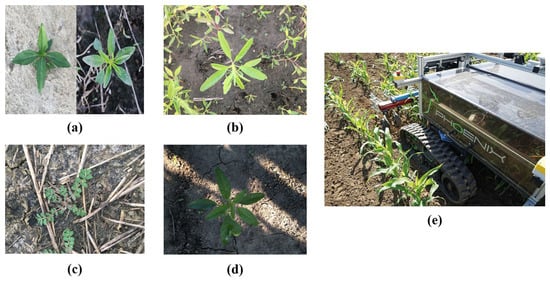
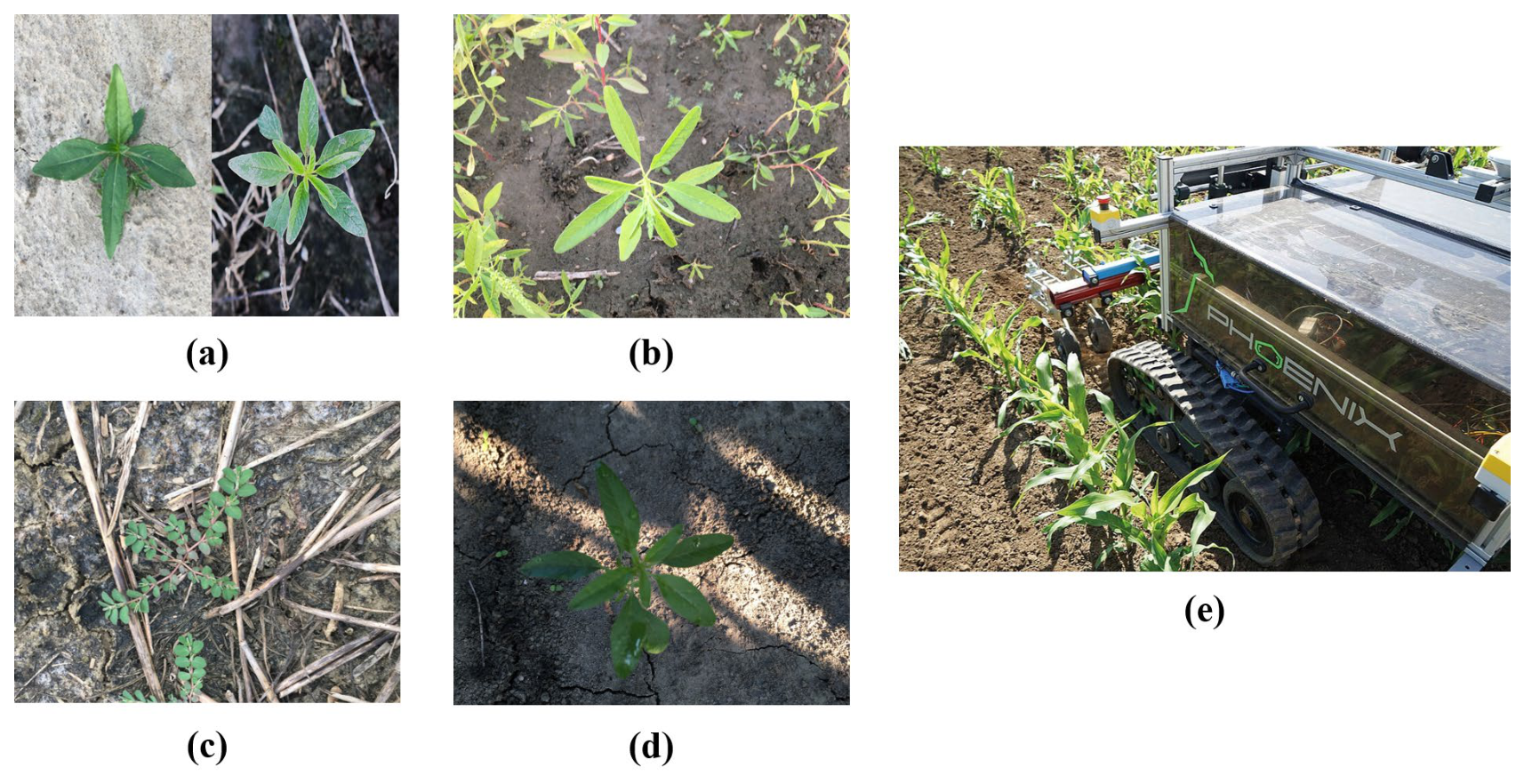
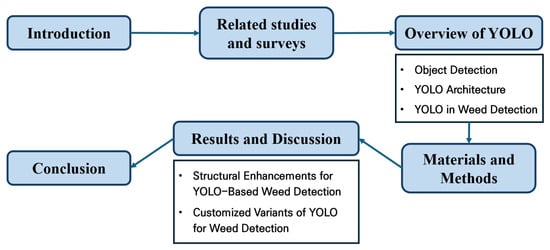
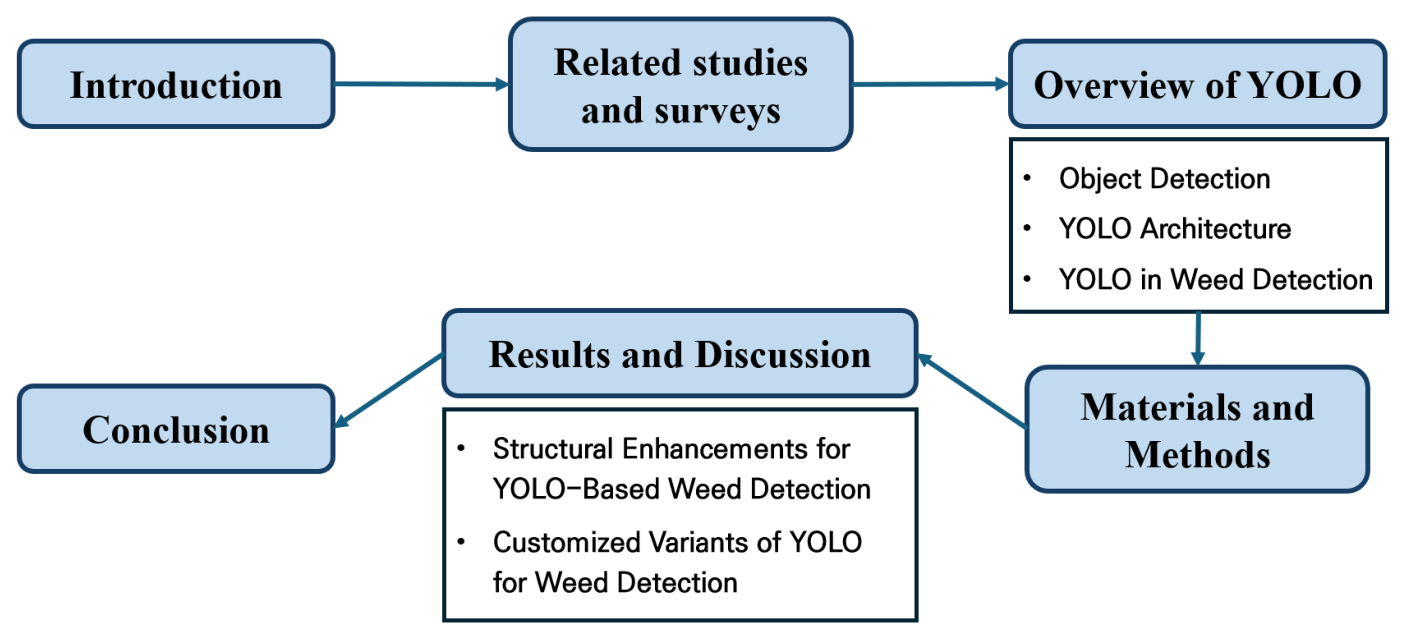
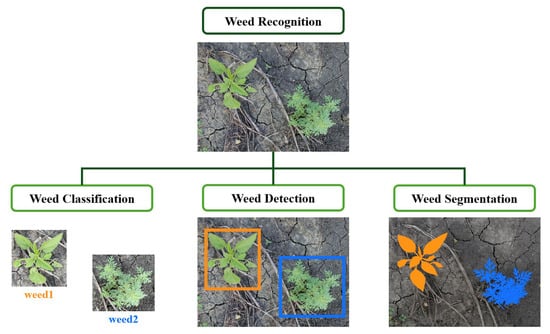
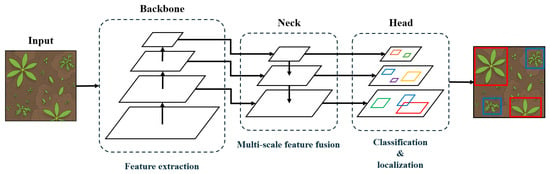
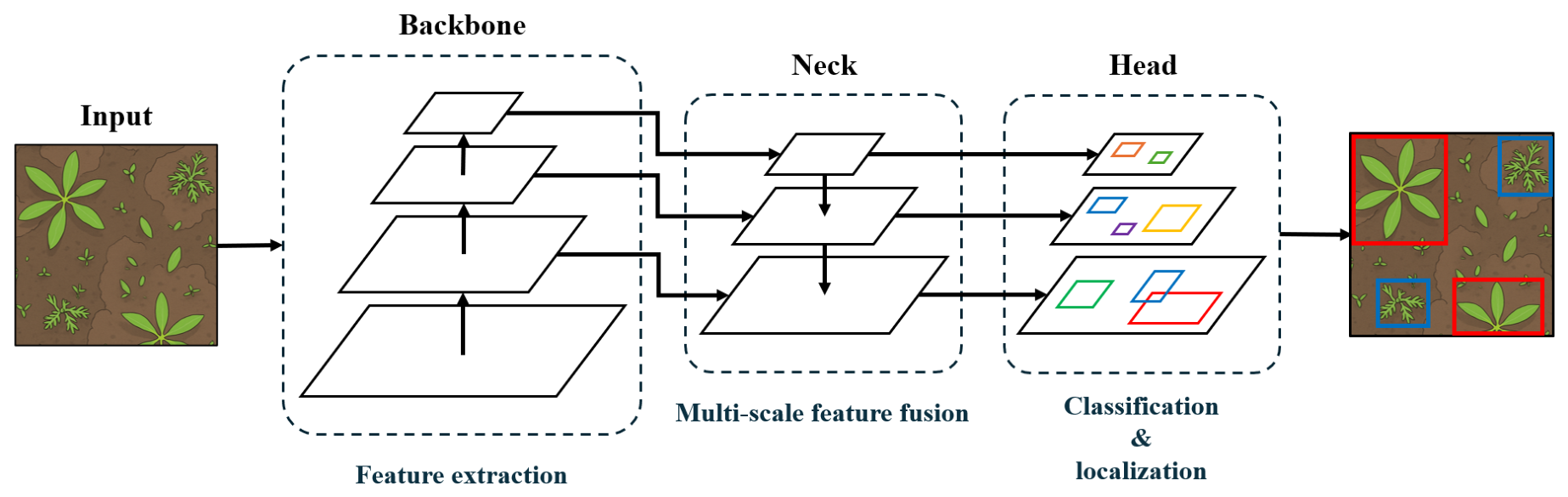
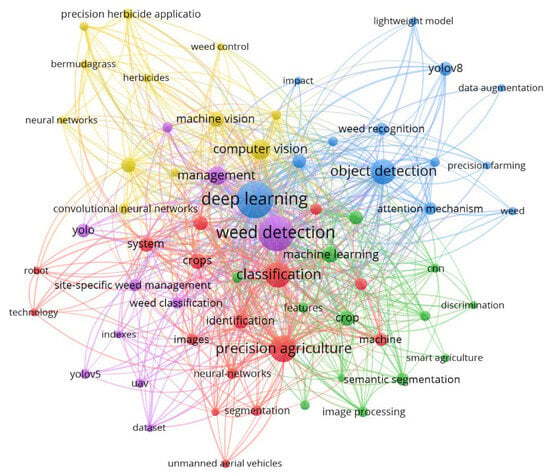
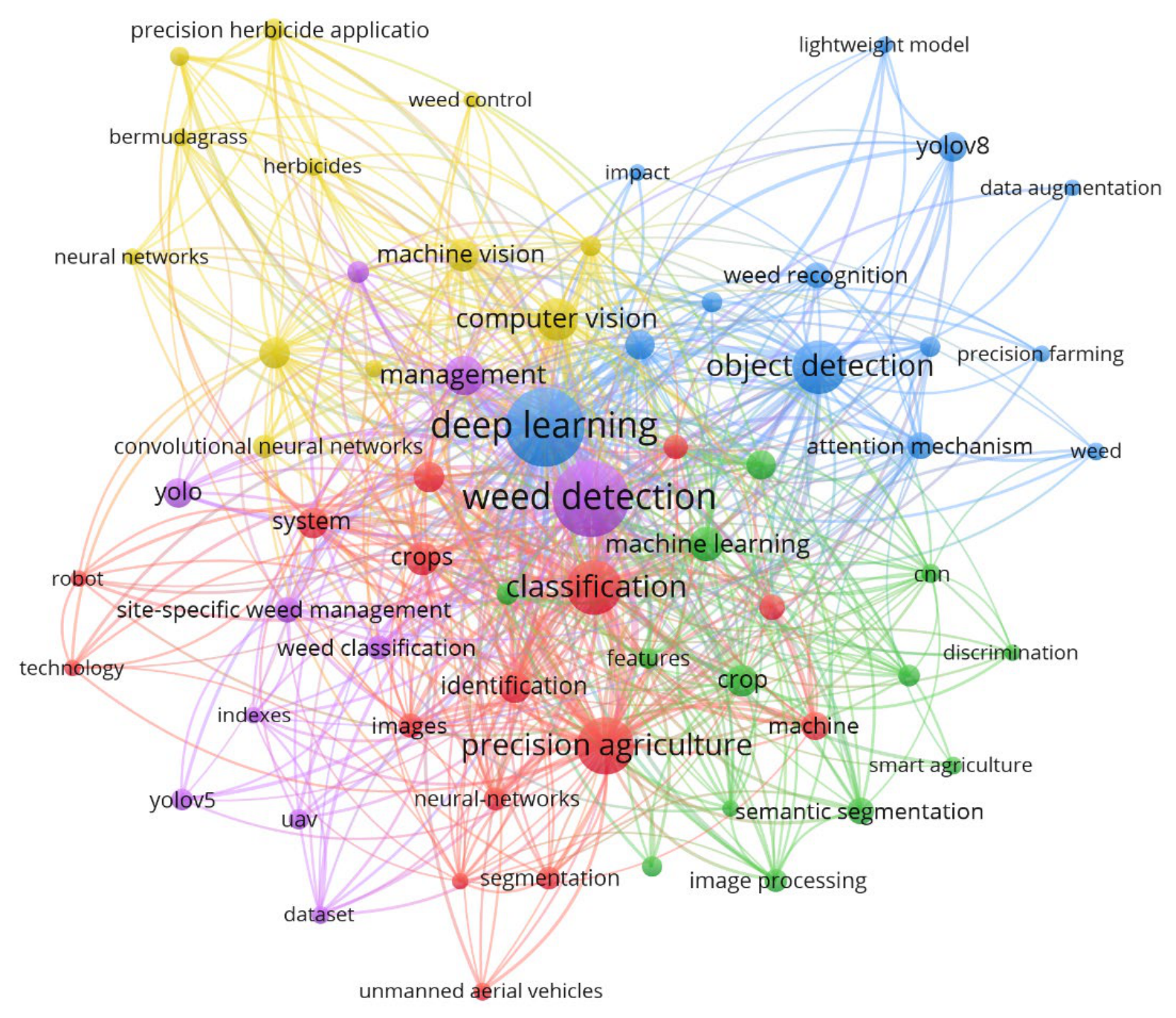
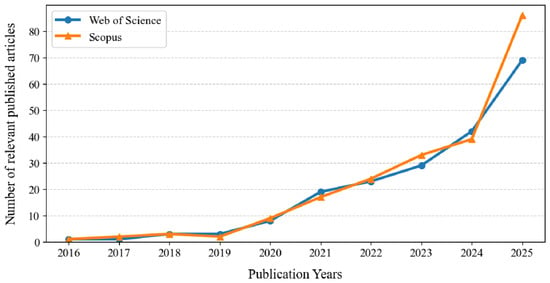
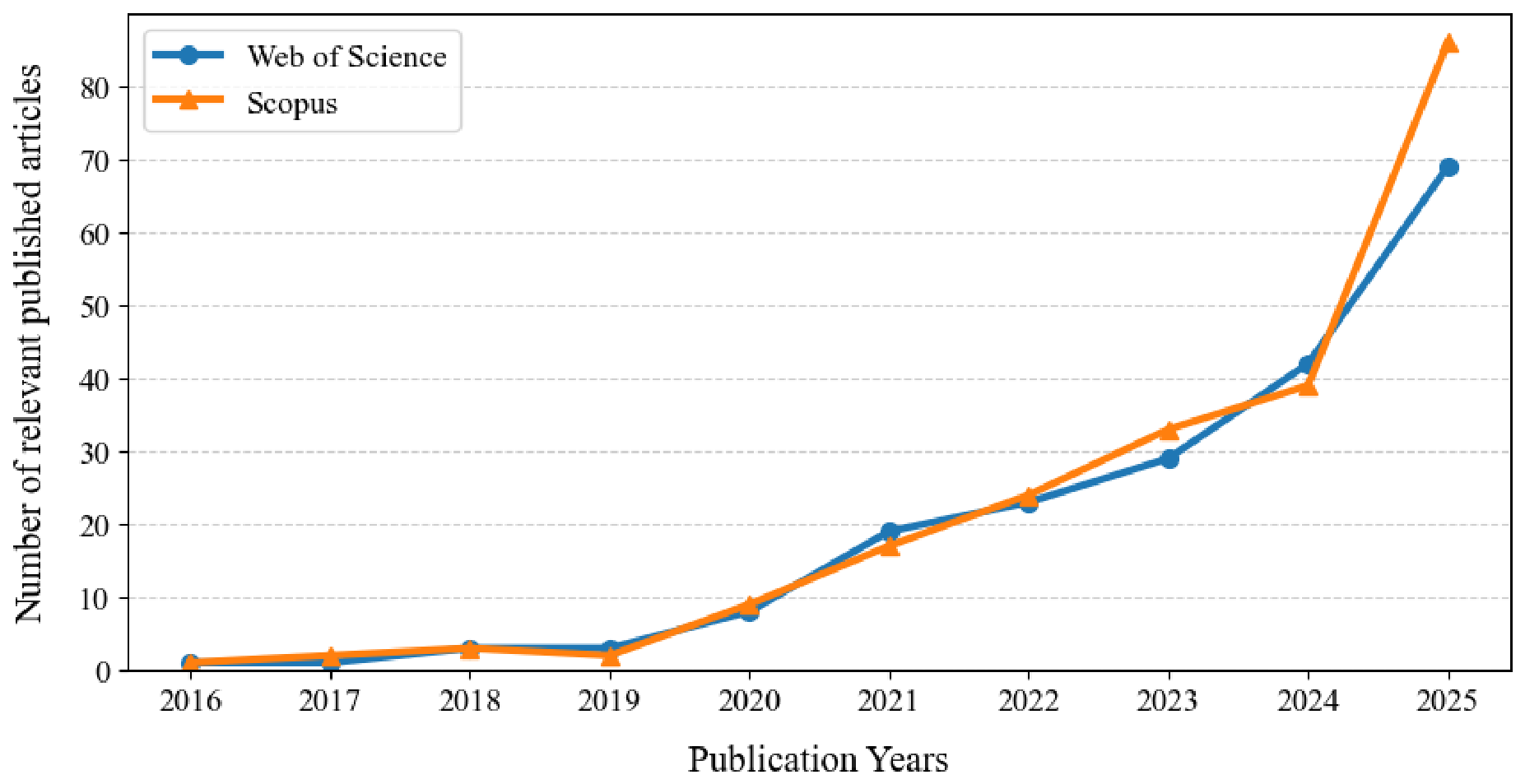
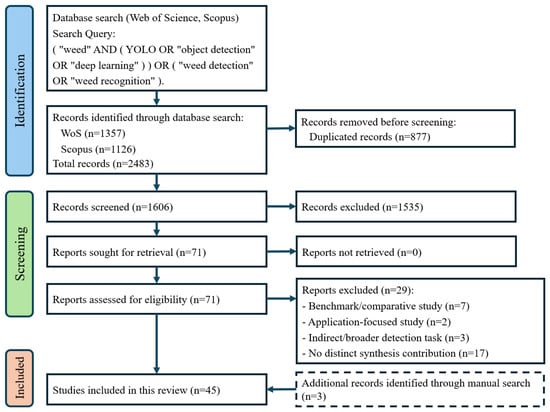
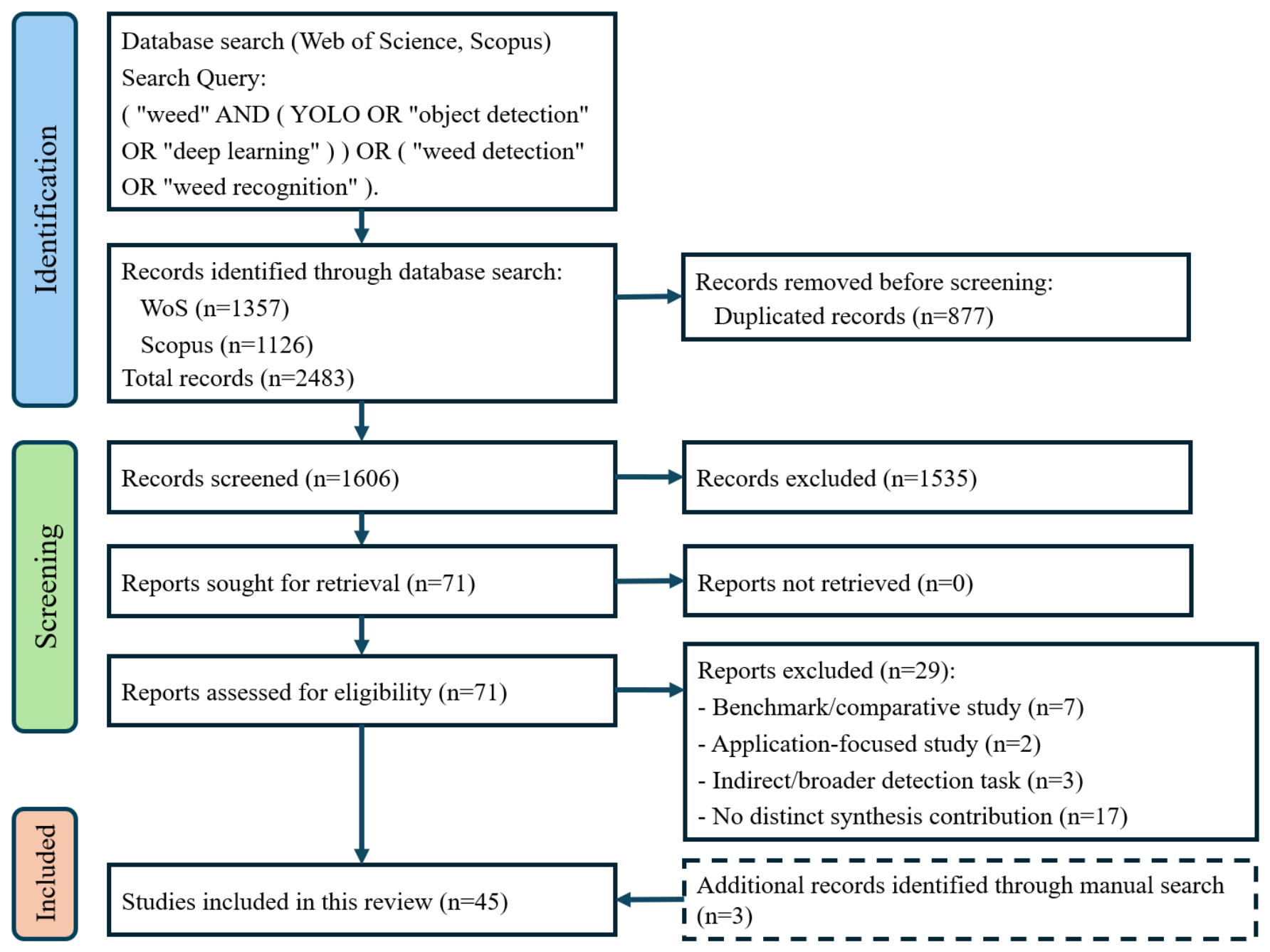
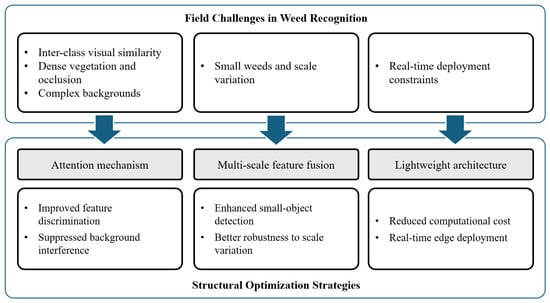
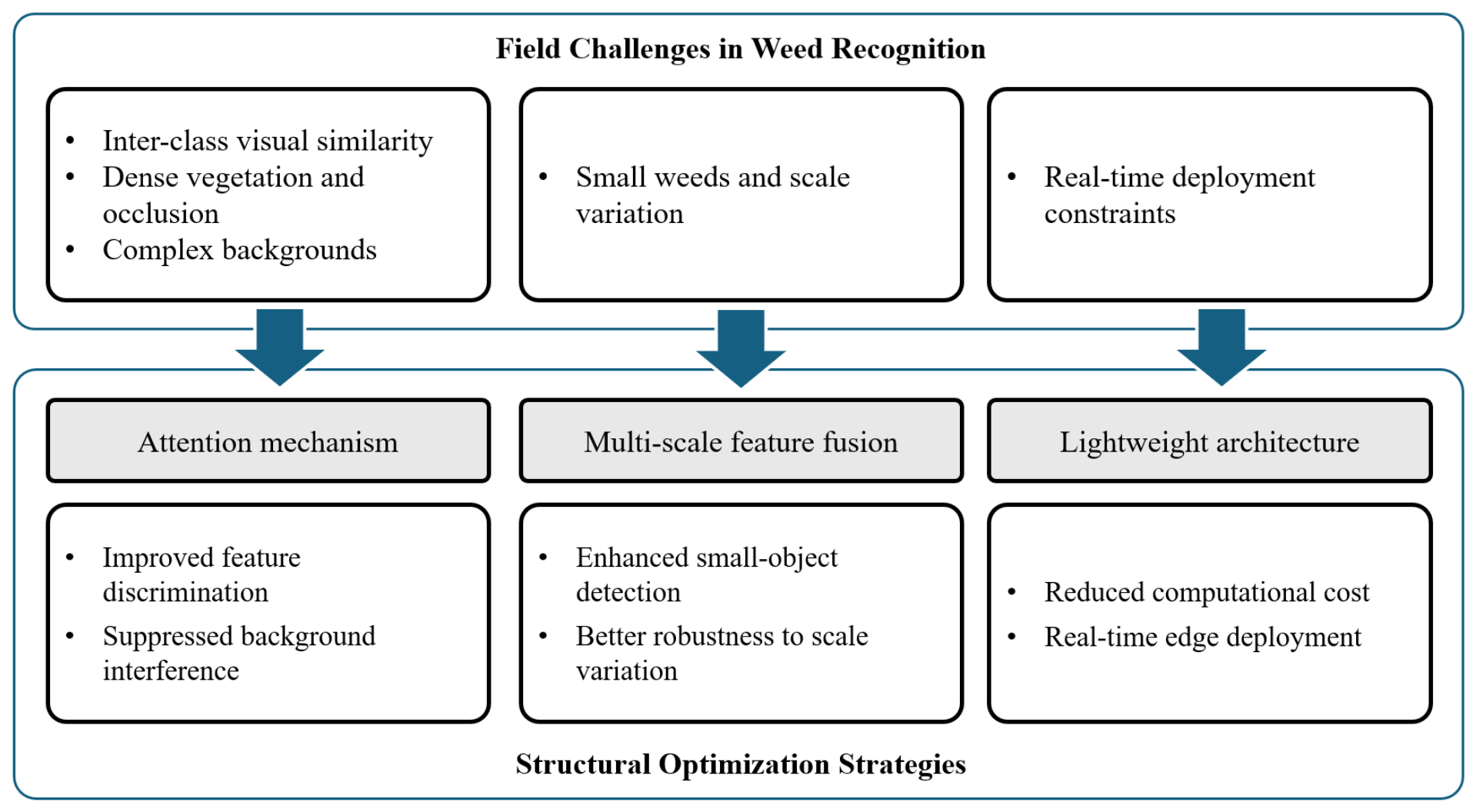
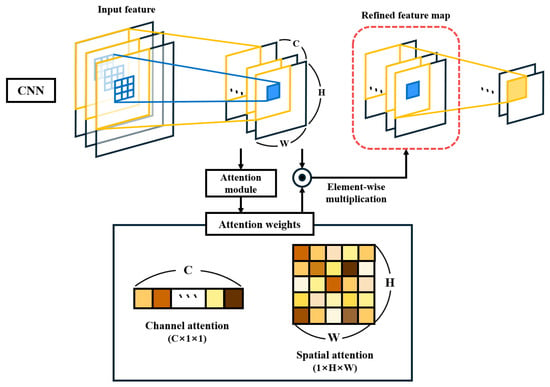
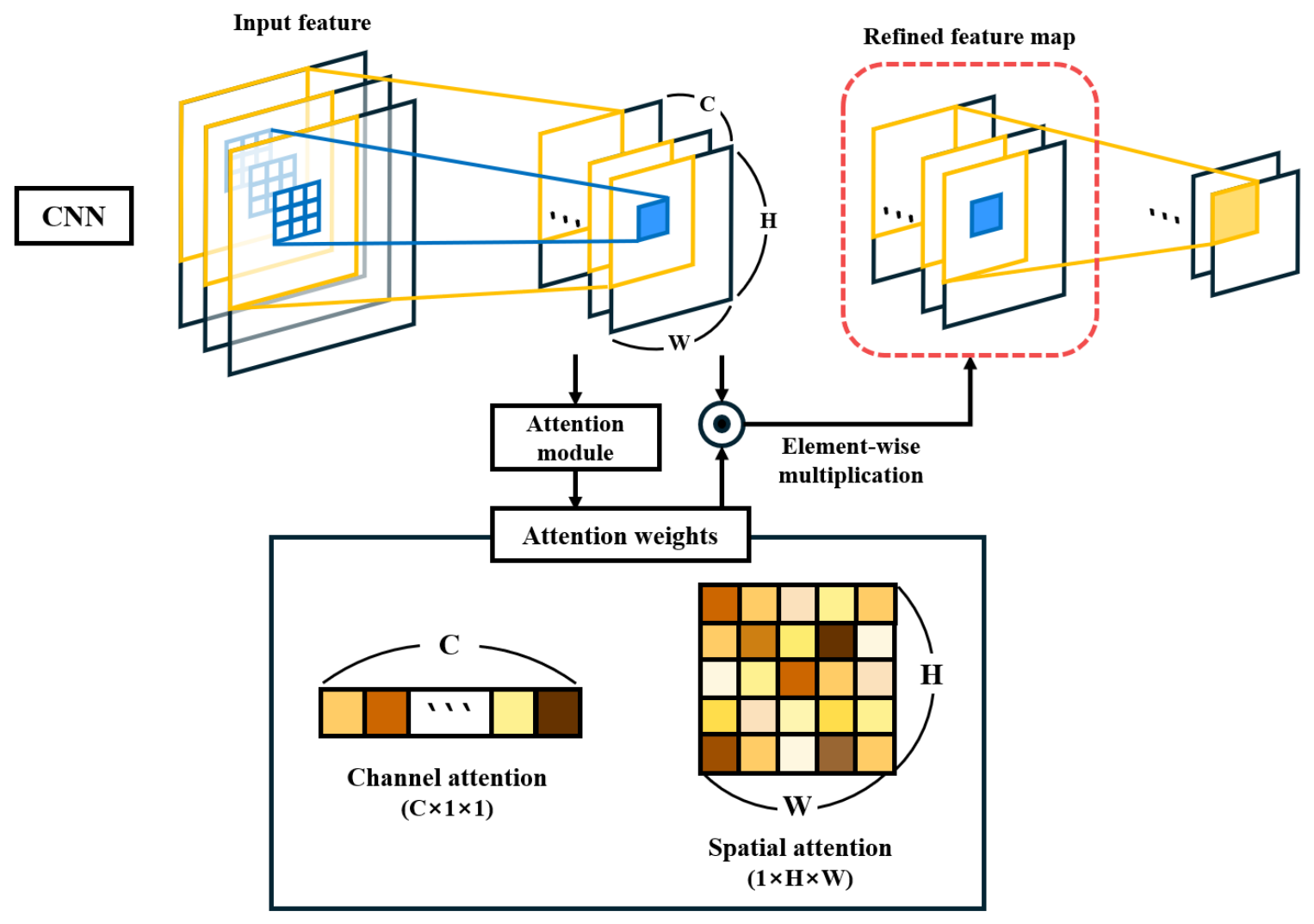
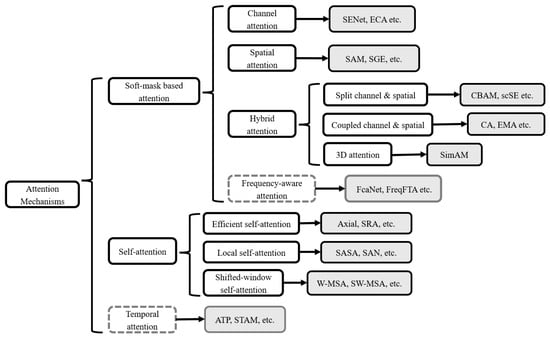
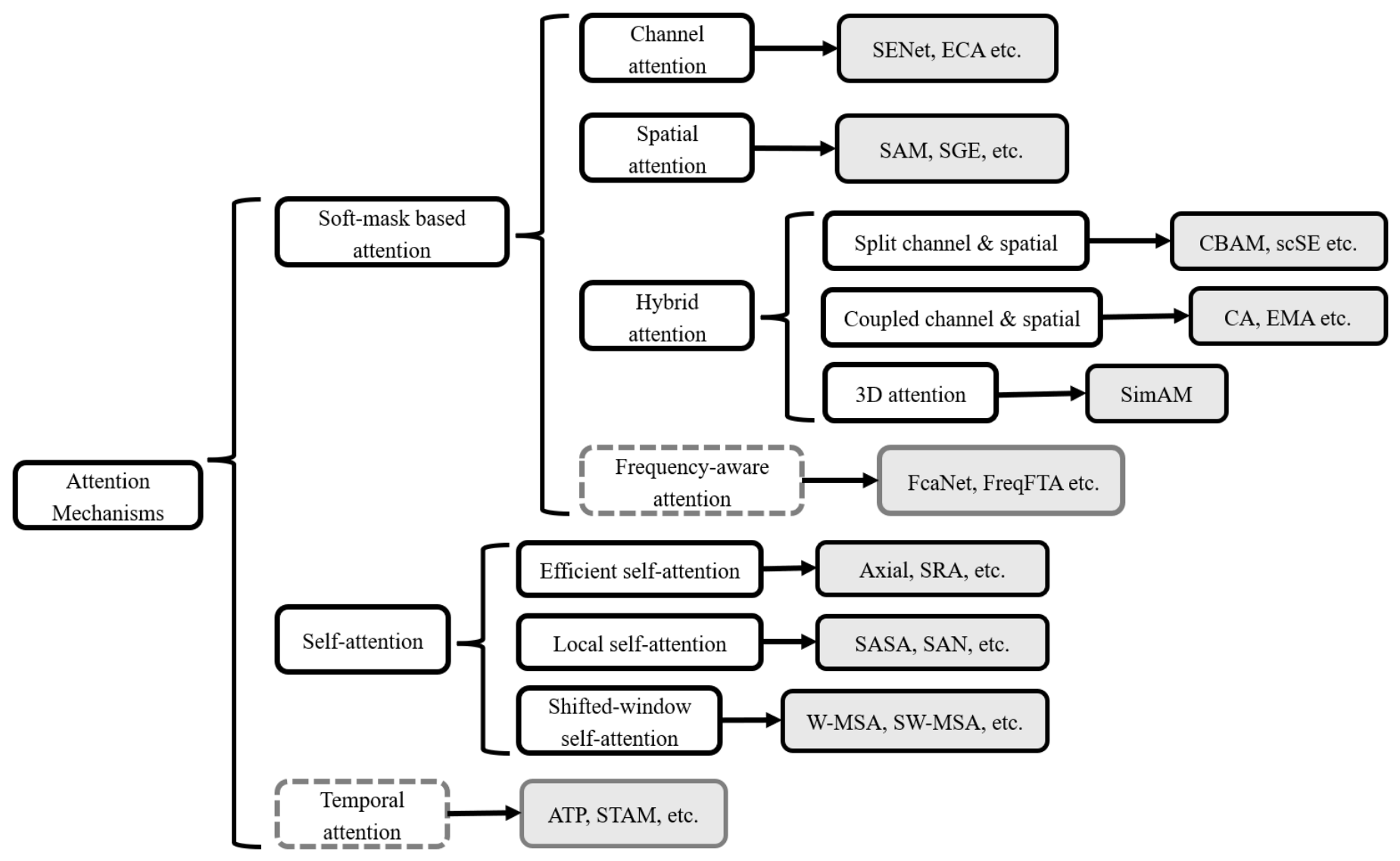
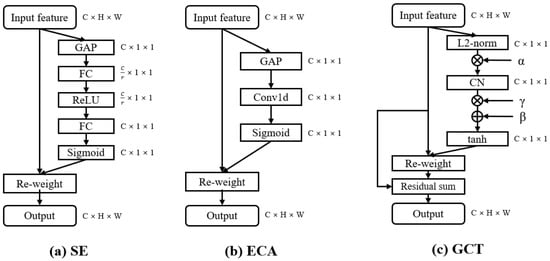
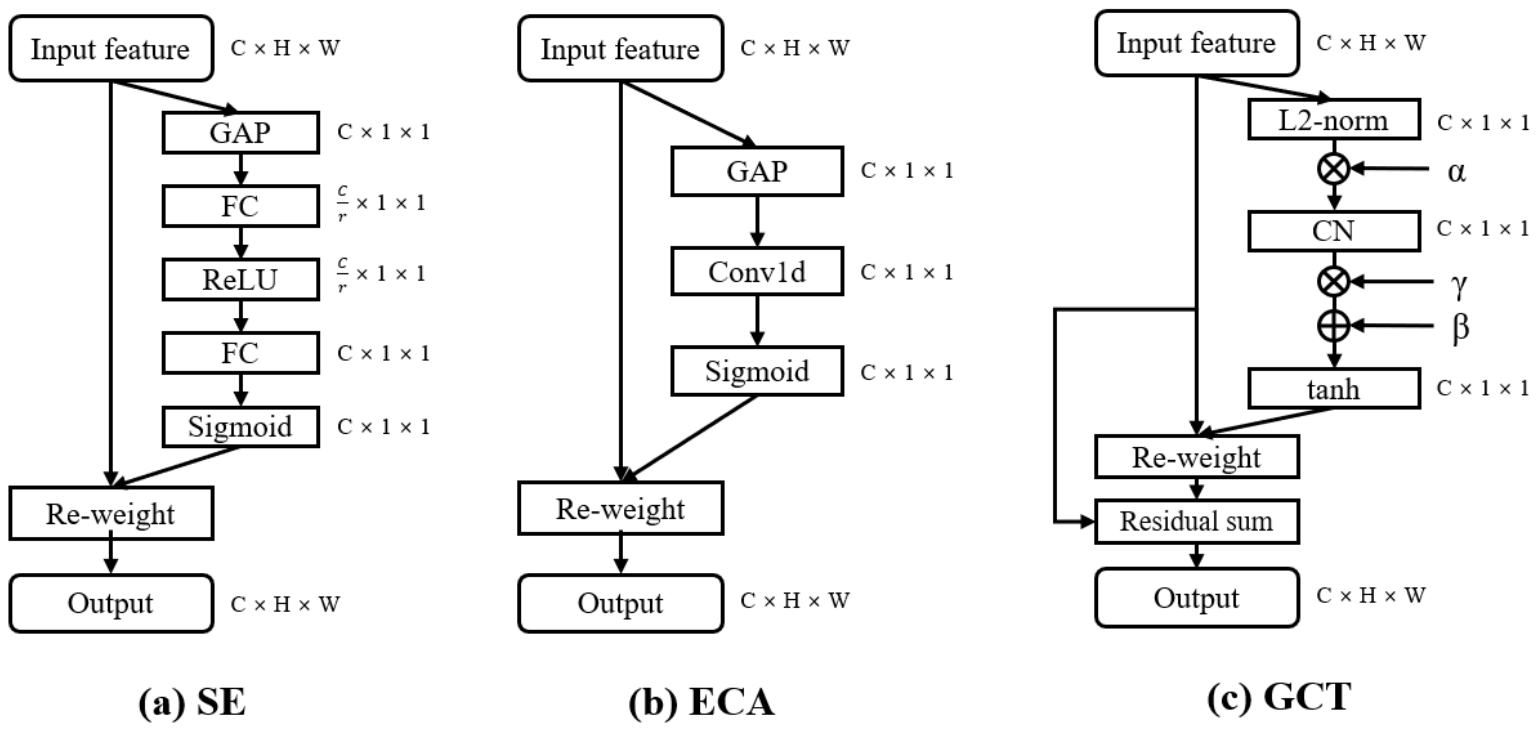
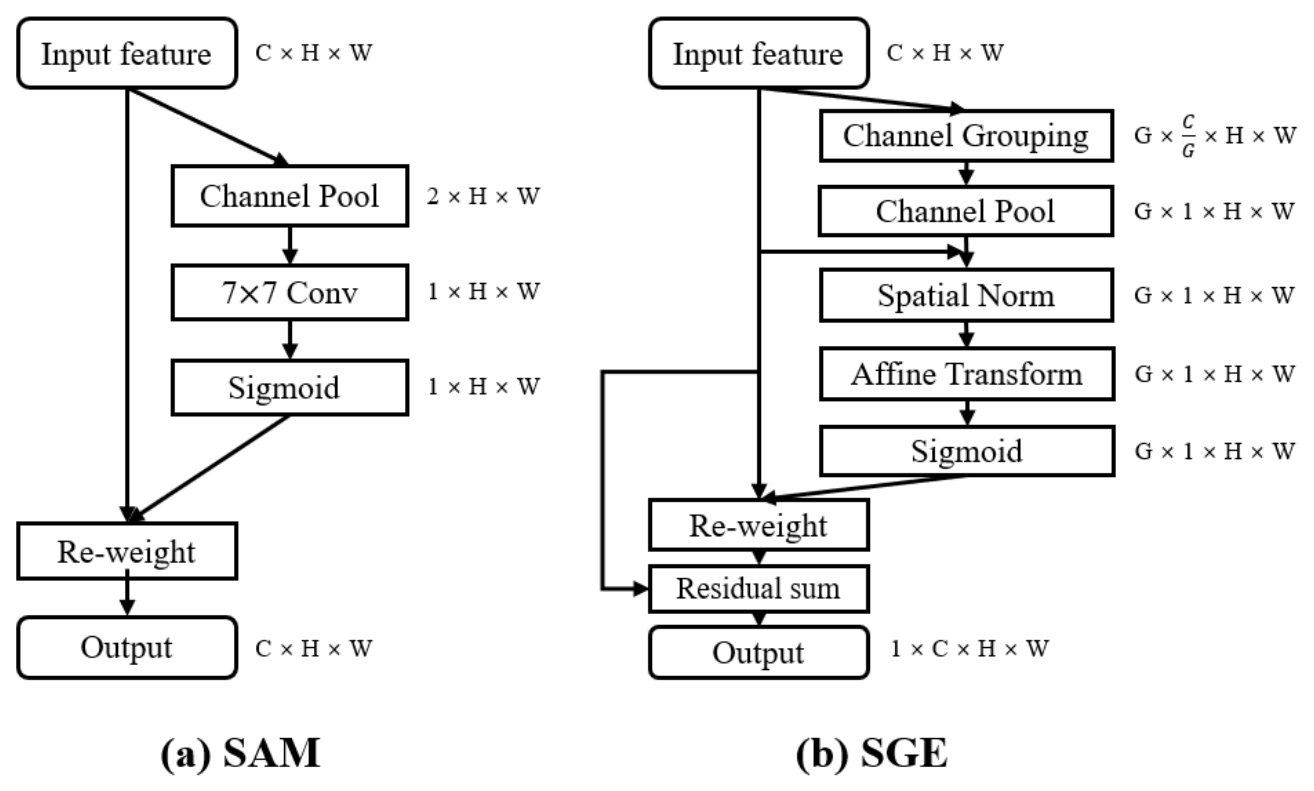
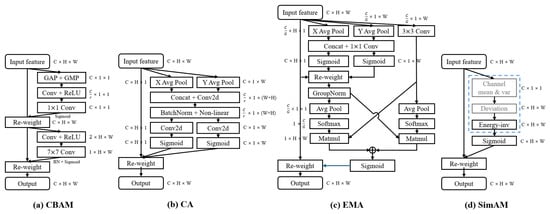
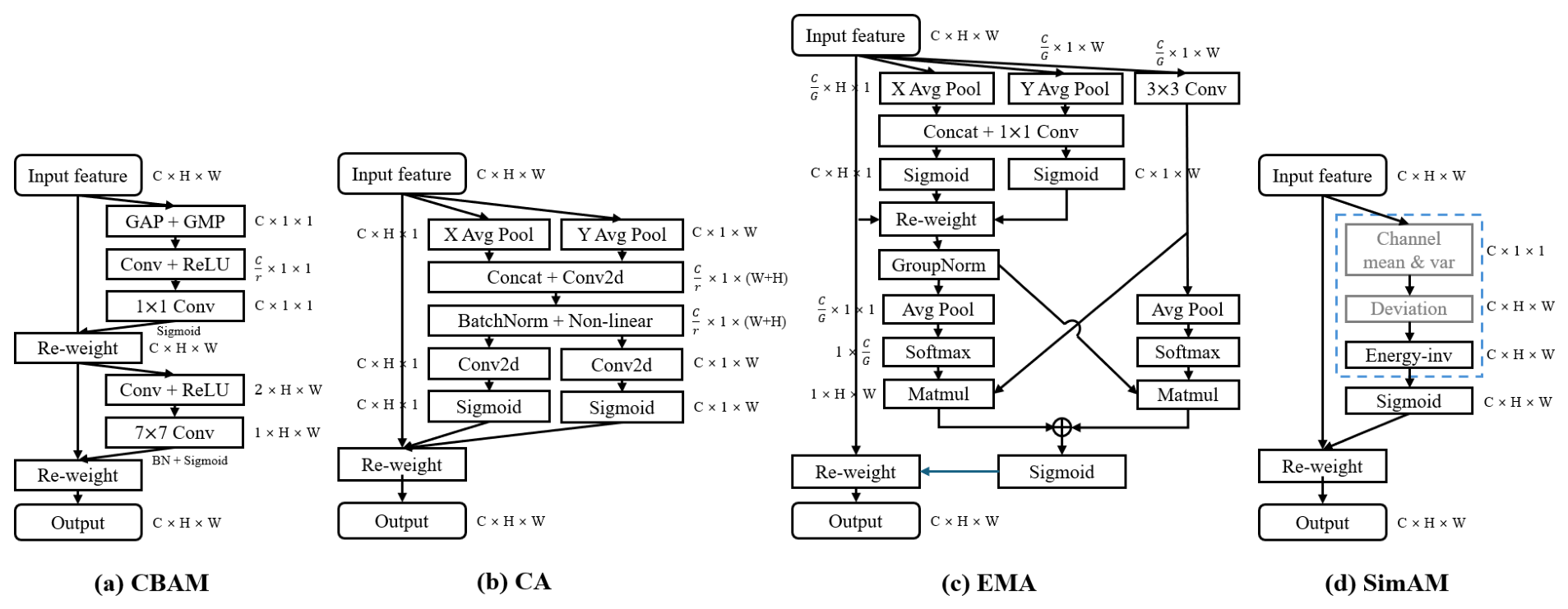
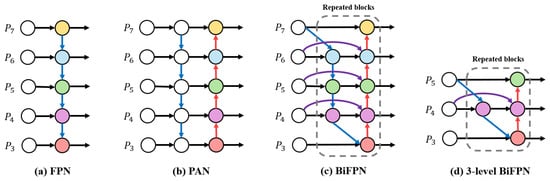
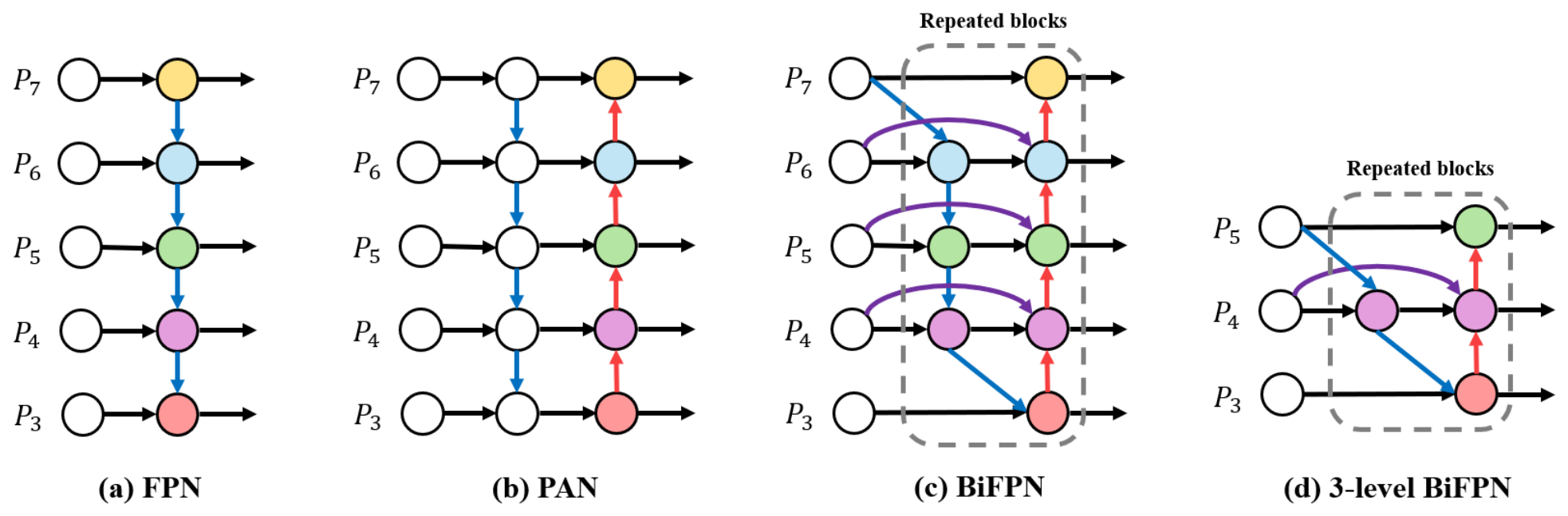
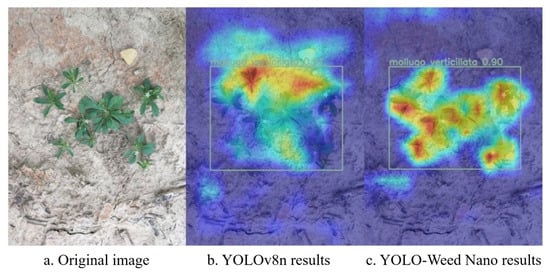
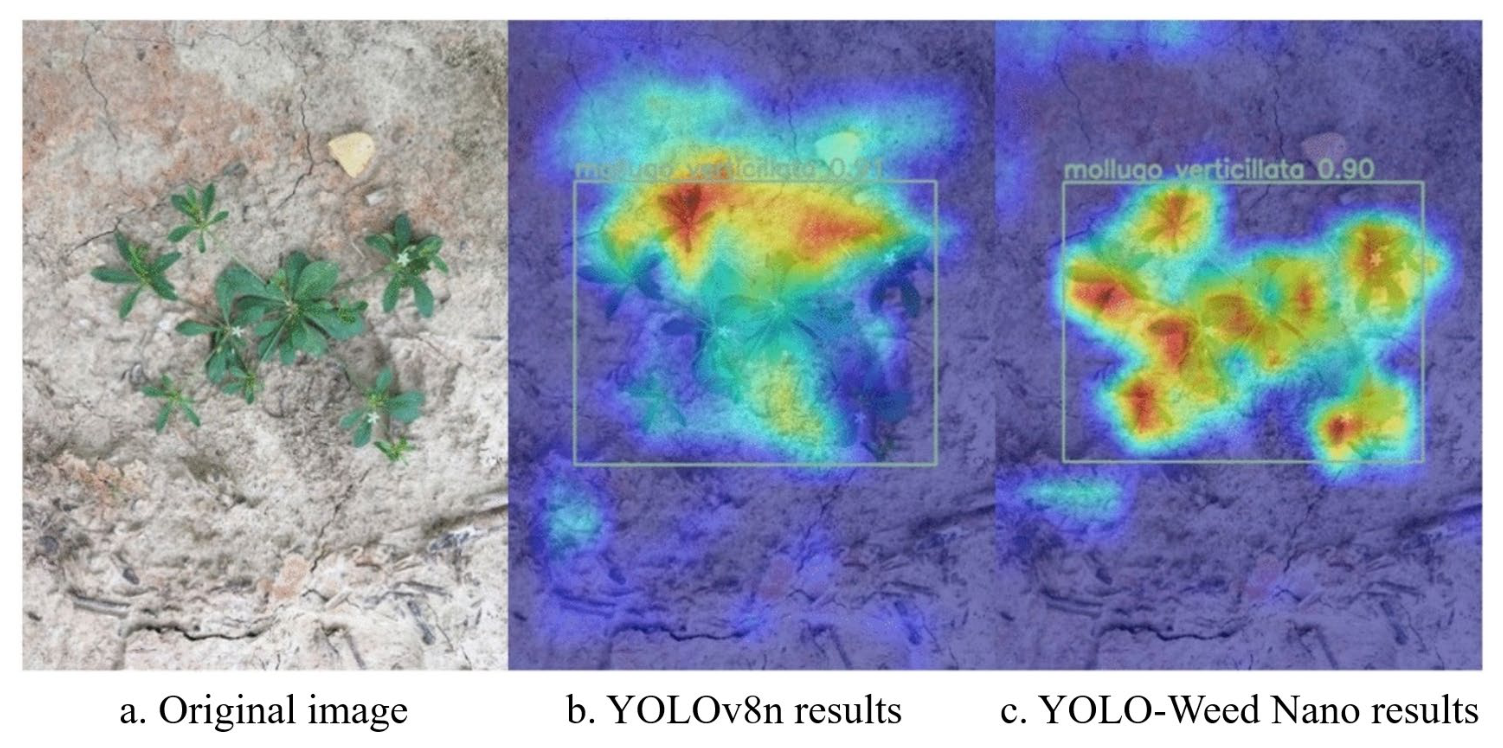
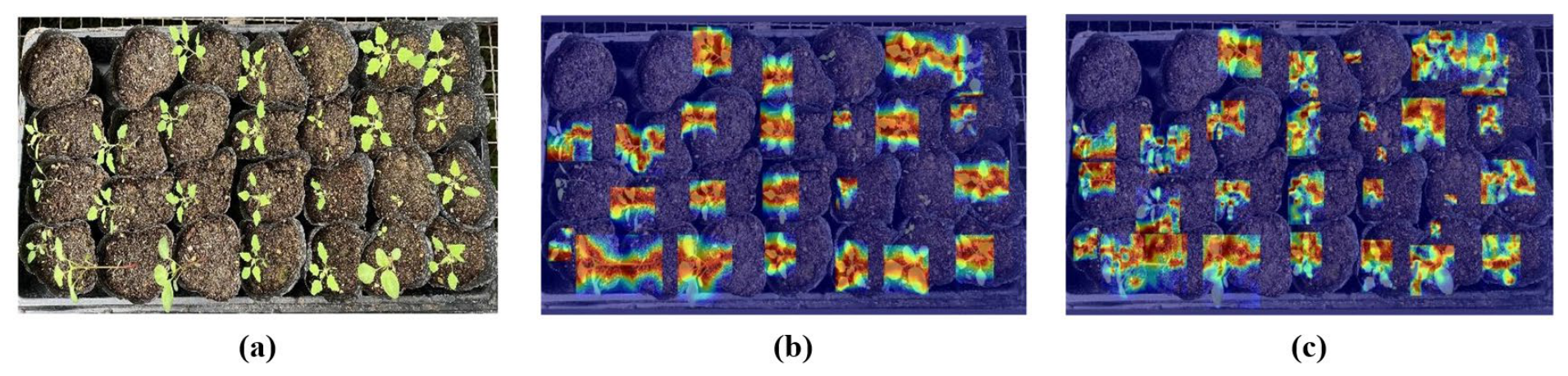
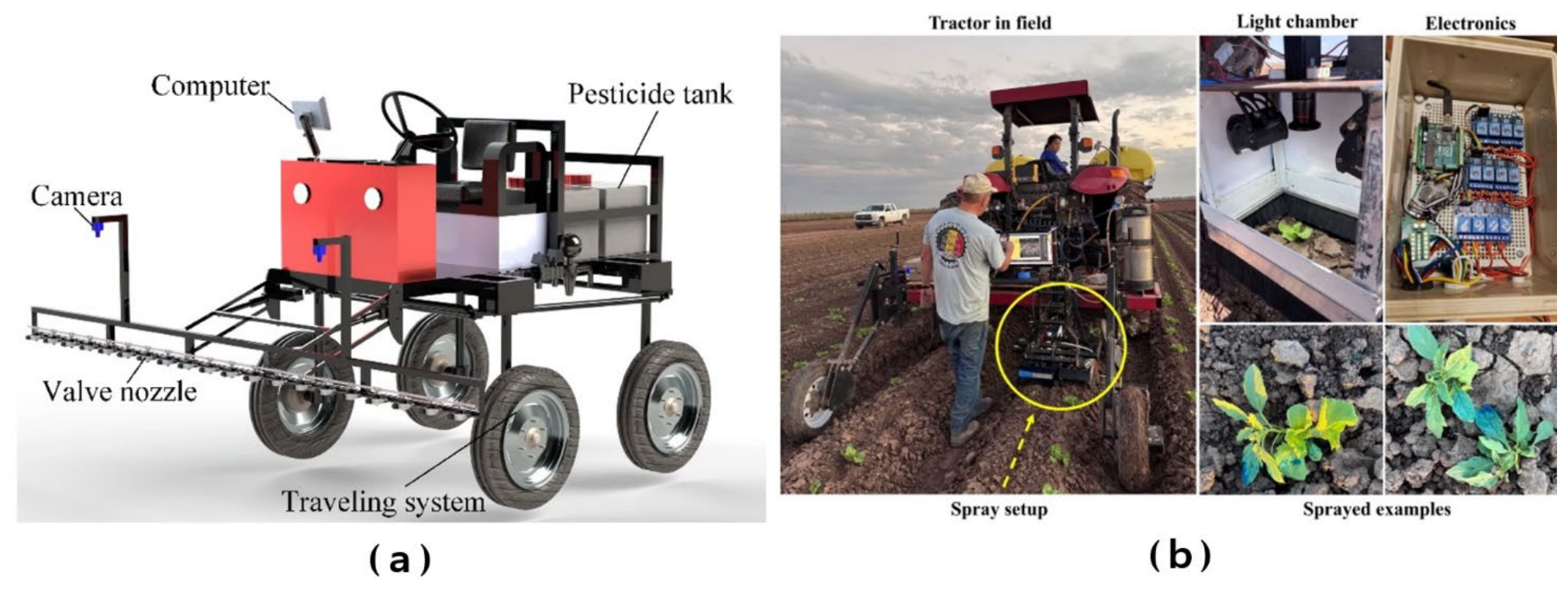
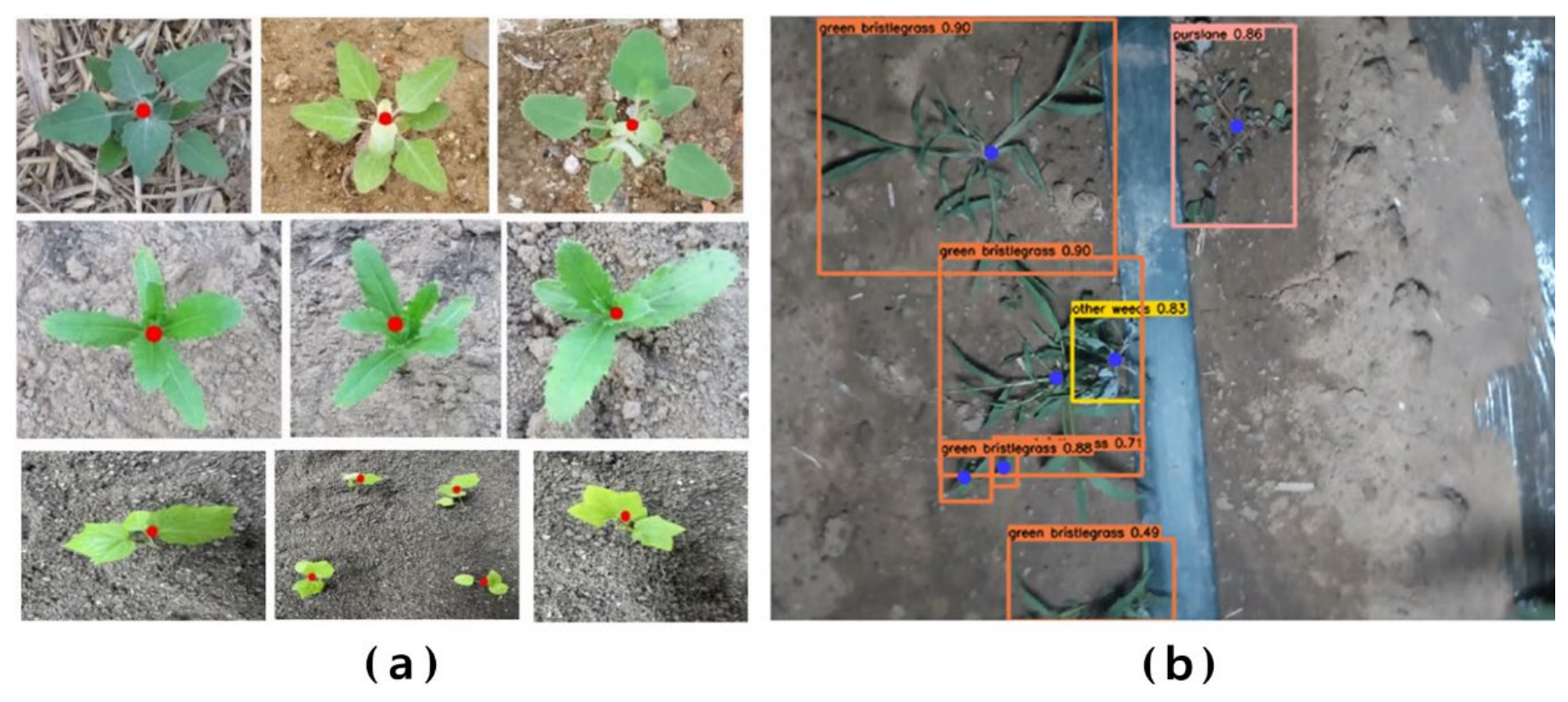

Disclaimer/Publisher’s Note: The statements, opinions and data contained in all publications are solely those of the individual author(s) and contributor(s) and not of MDPI and/or the editor(s). MDPI and/or the editor(s) disclaim responsibility for any injury to people or property resulting from any ideas, methods, instructions or products referred to in the content. |
© 2026 by the authors. Licensee MDPI, Basel, Switzerland. This article is an open access article distributed under the terms and conditions of the Creative Commons Attribution (CC BY) license.