


Abstract
Silphium perfoliatum L. is a promising perennial bioenergy and forage crop; however, its agricultural expansion is severely hindered by primary physiological dormancy and non- uniform seedling emergence This study evaluated the effects of chemical priming treatments (distilled H2O, H2O2, GA3, KNO3, ethephon, and sodium nitrophenolate (SNP)) and the seed mass classification (small: 0.011–0.015 g; medium: 0.016–0.019 g; large: 0.020–0.024 g) on germination dynamics, allometry, and seedling vigor. Under controlled conditions, priming agents demonstrated highly differentiated morpho-regulatory capacities. Gibberellic acid (GA3) significantly overcame physiological dormancy, maximizing the final germination percentage (77.33%), germination index (2.54), and seedling vigor index II (SV II) (4.62) compared to the control (23.33%, 0.99, and 1.11, respectively). Conversely, KNO3 and ethephon optimized germination synchrony (Z) (0.27 and 0.29) and suppressed early fragile shoot etiolation to enhance dry matter accumulation (0.064 g). Furthermore, multivariate morphometric analysis of seed mass categories revealed a distinct transverse allometric expansion in larger seeds (length-to-width ratio decreasing from 1.58 in small seeds to in large seeds). While the ultimate germination capacity remained statistically unaffected by seed size (37.60% to 47.20%), large seeds exhibited a pronounced early kinetic divergence, achieving a developmental head start (23.2% cumulative germination by day 8 versus (7.2%) for small seeds. Larger seed mass directly translated into superior structural biomass accumulation, yielding significantly robust seedlings with elevated fresh weight (1.059 g vs. 0.789 g in small seeds), dry weight (0.073 g vs. 0.041 g), and total seedling length (91.32 mm vs. 73.70 mm), without altering the radicle-to-shoot allocation ratio (0.89 vs. 0.76). We conclude that early crop establishment in S. perfoliatum is driven by dormancy-breaking chemical signaling and reserve-dependent physical seed quality.
1. Introduction
Silphium perfoliatum L., commonly known in international literature as the cup plant, is a perennial species belonging to the Asteraceae family. Botanically, its fruit is a cypsela, commonly referred to as a “seed”, a term we will also use in our study. Native to North America, the cup plant has attracted increasing scientific interest in Europe due to its agronomic, bioenergetic, and ecological potential [1,2,3]. Unlike the annual crops frequently utilized for biomass production, this species can be maintained for several years on the same land area, thereby contributing to the reduction in repeated soil tillage and the diversification of agroecosystems [1,2]. The efficient establishment of such perennial crops is critical within the current context of soil degradation and climate instability.
Recent studies highlight it as a promising biomass crop and a perennial alternative to silage maize, concurrently possessing ecological value through its capacity to provide ecosystem services, support functional biodiversity, and contribute to the remediation of degraded or marginal soils [1,3,4,5]. However, its agronomic utilization largely depends on achieving uniform emergence and vigorous seedlings, stages that can decisively influence field crop establishment [1,2].
One of the primary obstacles to expanding Silphium perfoliatum L. cultivation is low or non-uniform seed germination, a phenomenon frequently associated with primary physiological dormancy [6,7]. This characteristic limits the efficiency of crop establishment via direct sowing and may necessitate the use of priming treatments or controlled germination conditions to enhance both germination percentage and uniformity. Previous studies (on S. perfoliatum seeds) have demonstrated that germination can be improved through the application of gibberellic acid, alternating temperatures, light–dark cycles, or cold stratification, confirming the role of hormonal and environmental factors in breaking dormancy and activating germination processes [6]. In this context, optimizing priming treatments becomes essential for achieving faster, more uniform emergence and producing seedlings capable of supporting efficient crop establishment [8,9].
Pre-germinative treatments represent a frequently utilized strategy to enhance germinative performance through the controlled activation of seed metabolism prior to radicle emergence [10]. Depending on the nature of the applied substance, these treatments can influence distinct physiological processes, such as hormonal balance, reserve mobilization, nitrogen metabolism, redox signaling, and the activation of antioxidant systems [11,12,13]. Gibberellic acid (GA3) is associated with overcoming dormancy and stimulating germination through functional antagonism against abscisic acid and by activating the metabolic processes required for embryo growth [14,15]. Potassium nitrate (KNO3) can act both as a nutritional nitrogen source and as a physiological signal involved in regulating dormancy and stimulating germination [13,16,17]. Hydrogen peroxide (H2O2), at appropriate concentrations, can function as a redox signaling molecule, acting as a controlled oxidative signal involved in regulating the transition from dormancy to germination and activating antioxidant mechanisms [11,18,19]. Furthermore, ethephon, through ethylene release, can influence germination and dormancy via interactions with abscisic acid, gibberellins, and reactive oxygen species [20,21]. Sodium nitrophenolates are used as bio-stimulants with effects on plant physiological processes; available data indicates that they can contribute to improving seed vigor and early seedling development, although the response depends on the species, concentration, and physiological state of the seed lot [22,23,24].
Seed mass is an important biological indicator of seed quality, as it largely reflects the number of reserves available to resume metabolic activity, support embryo growth, and initiate seedling development [25,26,27]. Generally, seeds with a higher mass can produce more vigorous seedlings, characterized by larger dimensions and a higher capacity for establishment, especially under conditions of stress or competition, due to more substantial internal reserves and a higher imbibition capacity [28,29]. However, the relationship between seed mass, germination percentage, and seedling performance is not universal, and the effect can vary depending on the species, germination conditions, and physiological status of the seeds [30]. Therefore, evaluating seed mass classes separately is necessary to determine whether this characteristic can be used as a practical selection criterion for Silphium perfoliatum L. seed material to improve germination and early seedling vigor.
Although existing literature highlights the agronomic, bioenergetic, and ecological potential of S. perfoliatum L., as well as the limitations associated with seed dormancy, reduced germination, and difficulties in crop establishment via direct sowing, information regarding the integrated response of this species to different pre-germinative treatments remains limited. Available studies have evaluated the effects of factors such as GA3, temperature, light, stratification, or sowing date on germination and crop establishment [6,7,31,32]; however, information is extremely scarce regarding the simultaneous evaluation of germination dynamics, speed, and uniformity, early seedling growth, vigor indices, and biometric parameters. Additionally, the role of seed size and mass class in the germinative performance and early seedling development of S. perfoliatum remains insufficiently documented, despite seed mass being widely recognized as a critical factor for seedling vigor and establishment capacity across numerous plant species. This knowledge gap justifies an separate evaluation of pre-germinative treatments and seed mass classes using multiple indicators of germination, growth, and early vigor.
Therefore, this study aimed to address these gaps through two distinct, specific objectives:
- -
- To evaluate the effects of some chemical priming agents on breaking physiological dormancy, accelerating germination kinetics, and enhancing seedling vigor.
- -
- To determine the influence of seed size and mass categories on morphometric allometry, temporal emergence speed, and structural biomass accumulation.
It was hypothesized that chemical priming would primarily drive dormancy release and emergence synchrony, whereas higher seed mass would dictate early kinetic emergence and seedling biomass accumulation due to greater internal reserves.
2. Materials and Methods
2.1. Biological Material
The biological material consisted of seeds of Silphium perfoliatum L., harvested at full physiological maturity in August 2025 from the experimental field of the Department of Plant Physiology at the University of Life Sciences “King Michael I” from Timișoara, Romania. The seeds were naturally dried and subsequently stored at low temperatures (5 °C) for 4 weeks prior to the initiation of the germination tests.
2.2. Experimental Design
Two independent experiments were conducted under controlled laboratory conditions. Experiment I evaluated the effect of various priming treatments on seed germination and early seedling vigor of Silphium perfoliatum L., whereas Experiment II investigated the influence of seed mass and size classes on the same biological parameters. Both experiments were carried out according to a completely randomized design, with the Petri dish serving as the experimental unit. The number of seeds per replication and the number of replications were determined separately for each experiment, depending on the specific experimental objective.
2.2.1. Seed-Priming Treatments (Experiment I)
In Experiment I, the effect of seed pre-germinative priming on the germination of Silphium perfoliatum L. seeds was evaluated according to the data presented in Table 1. At the end of the immersion period, in each of the six priming treatments, the seeds were washed twice with distilled H2O (dH2O) and placed in Petri dishes (Φ 9 cm) on two layers of filter paper moistened with dH2O. The seeds were incubated at 25 ± 2 °C in the dark, at an atmospheric humidity of 60 ± 5%. For each experimental variant, five replications were used, with each replication represented by a Petri dish containing 30 seeds (n = 5 dishes per treatment with 30 seeds per dish = 150 seeds/treatment).
Table 1.
Characteristics of priming treatments.
The selection of seed-priming treatments was based on the role of these compounds in modulating dormancy, germination, and early seedling vigor. In the case of S. perfoliatum, the use of GA3 is supported by direct experimental data indicating the presence of primary physiological dormancy and an increase in germinative capacity through the application of GA3 during the imbibition phase. H2O2 was utilized due to its role as a reactive molecule involved in germinative signaling, as well as its reported effects on seed germination, vigor, and health status. KNO3 was included as a salt pre-germinative treatment, with reported effects on stimulating germination, reducing mean germination time, and improving early seedling performance. Ethephon (C6H6ClO3P) represents an ethylene source, which plays a role in regulating germination and cellular elongation during the early stages of seedling development. Finally, SNP (C6H4NNaO3) was included as a bio-stimulant due to their reported effects on physiological processes associated with growth, metabolism, biomass accumulation, and plant stress responses.
2.2.2. Seed Classification by Weight and Size (Experiment II)
In Experiment II, Silphium perfoliatum L. seeds were separated into three sizes and mass classes to evaluate the influence of seed size on germination and early seedling vigor. For each class, five replications were used, with each replication represented by 25 seeds, resulting in 125 seeds per class (n = 5 dishes per class with 25 seeds per dish = 125 seeds/class). Seed classification was performed based on individual weight, determined using a Kern analytical balance model PLJ 510–3M (Kern & Sohn GmbH, Balingen, Germany) with a precision of 0.001 g. Morphometric parameters of the seeds were determined using a digital caliper and included seed length (mm), width (mm), and height (mm). Based on these measurements, the length/width ratio (L/W ratio) was calculated as a derived indicator of seed shape.
The mass classes were defined as follows: Class I, small seeds, with a weight ranging between 0.011 and 0.015 g; Class II, medium seeds, with a weight ranging between 0.016 and 0.019 g; and Class III, large seeds, with a weight ranging between 0.020 and 0.024 g. Prior to the germination test, seeds from each class were treated with gibberellic acid (GA3) at 500 ppm for 24 h. This hormonal pre-treatment was applied because S. perfoliatum seeds exhibit deep physiological dormancy, which could otherwise cause variable germination inhibition and prevent reliable comparisons of vigor and biometric parameters among mass classes. Subsequently, the seeds were washed twice with dH2O and transferred to Petri dishes (Φ 17 cm) on moistened filter paper for the germination tests. This approach was supported by the significance of seed size in the germination process and inducing early seedling development and vigor, with seed vigor being considered a complex agronomic trait associated with germination speed and initial seedling growth [30,36]. The uniform GA3 pretreatment (500 ppm for 24 h) was applied to eliminate confounding physiological dormancy blocks across seed mass classes; this design specifically evaluates the effect of seed mass under hormone-activated conditions rather than under natural, unprimed state constraint.
2.3. Germination Monitoring and Evaluation Criteria
2.3.1. Germination Test Conditions
In both experiments, the germination substrate consisted of Whatman filter paper with an absorption capacity of 330 g m−2 and a thickness of 0.6 mm, arranged in three layers: two layers at the base of the Petri dish and one covering layer on top of the seeds. The volume of applied dH2O was adjusted proportionally to the diameter of the Petri dishes and the absorption capacity of the substrate. Specifically, 6.3 mL of distilled water was applied to the 9 cm Petri dishes, whereas 22.5 mL of distilled water was applied to the 17 cm Petri dishes. Experiment II required a considerably larger two-dimensional space to allow for longitudinal monitoring, precise calibration, and repeated measurement of large class seedlings, without their roots intersecting or deteriorating upon extraction. Following the experimental setup, the Petri dishes were sealed to limit water loss via evaporation and to maintain substrate moisture throughout the test period. The total duration of the germination tests was 26 days, with day 1 designated as the day of experimental initiation and day 26 representing the final observation point. Petri dishes were inspected daily at fixed 24 h intervals (10:00 AM ± 1 h) under consistent lighting and thermal conditions. Moisture levels were checked visually when needed, and distilled water was replenished using a fine volumetric pipette to keep substrate moisture constant without flooding the seeds. The experiments were conducted in a Wise Cube WTH E305 growth chamber (Witeg Labortechnik GmbH, Bavaria, Germany) at a constant temperature of 25 ± 2 °C, at an atmospheric humidity of 60 ± 5%, under continuous darkness.
The number of newly germinated seeds was recorded on days 1, 3, 5, 7, 8, 9, 12, 14, 15, 16, 19, 21, and 26. Based on these successive records, cumulative germination values were subsequently calculated and used to determine specific parameters of the germination process. A seed was considered germinated when the radicle was visibly emergent and exceeded 2 mm in length. Non-germinated seeds were left undisturbed on the substrate to avoid micro-environmental disruption. Diseased or molded seeds were recorded and immediately removed to prevent cross-contamination. The use of radicle emergence as a morphological landmark allows for a standardized delineation of true germination from subsequent stages of seedling growth, in agreement with methodological approaches utilized for quantifying the germination process [37]. To evaluate early growth dynamics, the same seedlings were tracked over time and measured at successive observation intervals. After day 9, seedlings selected for vigor determinations were removed from the Petri dishes following morphometric recording; germination monitoring continued until day 26 by recording newly germinated seeds.
2.3.2. Calculation of Germination Indices
Germination and seedling vigor parameters were calculated based on the number of newly germinated seeds at each observation point, cumulative germination values, and morphological and biometric measurements of the seedlings. The indicators were used to characterize final germination capacity, the speed and temporal distribution of germination, germination process uniformity, germination synchronization, and the early growth response of seedlings. The calculation of germination indices followed established methodological approaches for germination process analysis, including the germination index, metrics based on germination time, germination uncertainty, and synchronization.
Final germination percentage (FGP) defines the ultimate field establishment potential and was calculated as the ratio between the total number of germinated seeds at the end (up to day 26) of the experiment (Ng, final) and the total number of tested seeds (Ntotal). In establishing the final Ng values, a seed viability assay using TTC was used to confirm nonviable seeds from those with dormant or latent germination [6,37].
The germination index (GI) measures overall vigor, where higher values indicate a rapid emergence capable of outcompeting weed, and it was calculated based on the number of newly germinated seeds at each observation interval (ni) and the corresponding day of recording (ti) [38]:
Mean germination time (MGT) quantifies the average days required for seed emergence and it was calculated as a weighted average of germination time [37]:
Mean germination rate (MGR) was calculated as the inverse of the mean germination time [37]:
As an agronomic significance, T10 identifies the initial onset of crop emergence, T50 represents the midpoint of stand establishment, and T90 marks the end of the primary emergence window. The times required to reach 10%, 50%, and 90% of final germination (T10, T50, and T90) were calculated by linear interpolation between two successive observation intervals that bracketed the corresponding percentage threshold [39]. For threshold x, the general formula was:
where Tx represents the estimated time to reach threshold x, Gx is the corresponding germination threshold, Gi and Gj are the cumulative germination values bracketing the threshold, and ti and tj are the days corresponding to these cumulative values [39].
To better understand T, we present an example of linear interpolation (T50). Suppose a lot of 100 seeds reaches a final germination capacity (FGP) of 80%. The threshold of final germination corresponds to T50 = 40 germinated seeds. If cumulative observations show that seeds germinated by day 7 () and seeds germinated by day 9 (), the time to reach 50% germination () is calculated as follows:
The exact same interpolation logic applies to T10 (onset threshold) and T90 (completion threshold).
The germination span (GS) measures the total time window over which active germination occurs. Narrower GS values indicate uniform field emergence, critical for mechanical harvesting and synchronised crop management, and the germination span was calculated as the difference between T90 and T10 [37]
Germination uncertainty (U) measures the informal spread or “entropy” of germination over time (lower means germination is highly concentrated). Conversely, Z quantifies simultaneity (higher Z means seeds germinate together). Low U and high Z ensure an even canopy height and uniform seedling development across the field, and this was calculated based on the distribution of relative germination frequencies over time [37]:
where i represents the relative frequency of seeds germinated at time i:
Germination synchronization (Z) was calculated based on the degree of simultaneity of seed germination [37]:
where Ng represents the total number of germinated seeds. High values of Z indicate a more synchronized germination.
2.4. Seedling Morphological Measurements
Early seedling growth was evaluated by measuring radicle length and shoot length at successive development intervals following the appearance of measurable seedlings. Morphometric recordings were performed on days 5, 7, 8, and 9 of the experiment. For the seedlings available at successive evaluation intervals, measurements were carried out longitudinally, tracking the same specimens over time to characterize the initial growth dynamics. Measurements were performed using a POWERFIX Profi+, Digital Calliper (OWIM GmbH-AG, Neckarsulm, Germany) and the values were expressed in millimeters.
Radicle length (RL) and shoot length (SL) were considered primary morphological parameters of seedling development, as they allow for a separate evaluation of growth allocation between the radicular and aerial components. This distinction is important because true germination concludes with embryo/radicle protrusion, whereas the subsequent elongation of the radicle and shoot belongs to the post-germination growth phase of the seedling [37]. Total seedling length (TSL) was calculated as the sum of radicle length and shoot length [40]:
where TSL represents the total seedling length, RL is the radicle length, and SL is the shoot length. Based on these values, two derived morphological indicators were calculated: the radicle/shoot ratio (R/S) and the shoot proportion (SP, %).
The radicle/shoot ratio was calculated as the ratio between the radicle length and the shoot length [41]:
Seedling biomass was evaluated by determining fresh weight, dry weight, moisture content, and dry matter percentage. For each experimental variant, five seedlings were analyzed per replication. Fresh weight (FW) was determined individually immediately after harvesting using a Kern analytical balance, model PLJ 510–3M (Kern & Sohn GmbH, Balingen, Germany), with a precision of ±0.001 g, and the results were expressed in grams per seedling. Determination of moisture content and dry weight was performed using a KERN moisture analyzer, model MLS-300 (Kern & Sohn GmbH, Balingen, Germany), via the thermogravimetric method. Dry weight (DW) was determined for the same seedlings used for fresh weight determination and was expressed in grams per seedling. The dry matter of the seedlings was calculated as a percentage according to the following formula:
These parameters were used to evaluate biomass accumulation and seedling water status as a function of pre-germination treatments and seed weight classes.
Seedling vigor index I (SVI-I) was calculated by relating the final germination percentage (FGP) to the mean total seedling length (TSL), according to the proposed method for seed vigor assessment [40]
Seedling vigor index II (SVI-II) was calculated based on the final germination percentage and the mean seedling dry weight [40]:
2.5. Statistical Analysis
All experimental data collected from both independent experiments were subjected to statistical processing. Prior to performing parametric analyses, the assumptions of normality and homogeneity of variance were verified using the Shapiro-Wilk test and Levene’s test, respectively. Data satisfying these assumptions were analyzed using a one-way ANOVA to detect significant differences among the priming treatments (experiment I) and among the seed weight/size classes (experiment II). The Petri dish served as the true experimental unit ( per treatment). For all seedling morphometric and biomass evaluations, five seedlings per Petri dish were randomly selected and measured as observational subsamples. Their arithmetic mean was calculated to yield a single representative value per replicate dish before conducting ANOVA and post hoc comparison.
For the analysis of temporal dynamics for the radicle and shoot length, a two-way mixed ANOVA was used. Inter-individual variability (differences between seedlings) was considered a random effect. Sphericity assumptions were verified using Mauchly’s test, and Greenhouse–Geisser corrections were applied where sphericity was violated to ensure valid -tests.
For parameters showing statistically significant effects, a post hoc comparison of means was performed using Tukey’s honestly significant difference (HSD) test. To evaluate systemic treatment effects across multi-variable datasets and control type I error rates, multivariate analysis of variance (MANOVA) with Wilks’s Lambda statistic was performed prior to univariate tests. Sequential temporal growth metrics (radicle and shoot elongation across days 5, 7, 8, and 9) were evaluated using a two-factor repeated-measure ANOVA model incorporating treatment (or seed category), observation day, and their direct interaction term (treatment x day) to account for within-subject temporal dependence.
Multivariate analyses and visualizations were executed in OriginPro 2025b using standardized settings. Principal component analysis (PCA) was computed using the correlation matrix (-score standardized data) with components extracted based on eigenvalues >1 accompanied by 95% confidence ellipses calculated via Hotelling’s T2 distribution. The correlation heatmap was constructed using two-tailed Pearson’s correlation coefficients (r) with hierarchical clustering computed via Ward’s method based on Euclidean distance metrics.
3. Results
3.1. The Impact of Priming Treatments on Germination Dynamics and Indices
Seed-priming treatments evaluated in this study demonstrated a highly differentiated capacity to modulate native metabolic dormancy blocks, accelerate emergence, and uniform development in the bioenergetic and forage crop S. perfoliatum L. The results of ANOVA applied to the formal process indicators revealed statistically significant differences between treatments for the FGP, GI, T10, T90, GS, U and Z (Table 2). The seed-priming treatments have a small and non-significant effect on the variation in MGT, MGR and T50.
Table 2.
Parameters of the germination process in Silphium perfoliatum under the influence of priming treatments.
The experimental results highlight an exceptional biological response to the GA3 treatment. This phytohormone induced a spectacular increase in FGP to 77.33%, clearly outperforming the control group 23.33%, as well as the other saline or oxidative variants. Furthermore, GA3 effectively tripled the GI = 2.54, indicating an explosive and highly vigorous triggering of embryonic metabolism.
The treatment with GA3 had a significant impact in reducing the time required to reach germination thresholds of 10 and 90%, respectively, showing the efficacy of this treatment compared to the SNP and KNO3 treatments. Also, the use of GA3 has led to an intensification of seed germination according to the reduced value for GS.
According to the values of U, which measures the degree of uncertainty associated with the distribution of the relative frequency of germination, it can be observed that the treatments with GA3 and H2O2 caused a more significant synchronization of germination.
Although GA3 clearly produced the strongest quantitative response, germination uniformity was highest under ethephon and KNO3, as indicated by their synchronization indices (Z = 0.29 and 0.27, respectively). Ethephon also showed strong priming efficiency, reaching an FGP of 50.00% together with the highest synchronization value (Z = 0.29).
Therefore, compared to the untreated control, all pre-germinative treatments enhanced seed performance to varying degrees; GA3 increases FGP by +231.5% (77.33%) and GI by +156.6% (2.54), ethephon improves FGP by +114.3% (50.00%) and GI by +11.1% (1.10) while achieving the highest Z (0.29 vs. 0.09 for control, a +222.2% increase), KNO3 increases FGP by +57.2% (36.67%) and GI by +11.1% (1.10) while boosting germination synchrony by +195.6% (Z = 0.266), SNP increases FGP by +45.7% (34.00%) and GI by +18.2% (1.17), and NS and H2O2 yield the lowest response, improving by +28.6% (30%) with a negligible effect on (0.97–2.0%).
As observed in the cumulative sigmoidal kinetic curves (Figure 1), the GA3 treatment (red line) triggers an extremely sharp ascendant slope starting on day 7, completely bypassing the restrictive growth plateaus reached by the remaining treatments.
Figure 1.
Cumulative germination kinetics over 26 days. Points represent means SE ( Petri dishes per treatment, 30 seeds per dish).
Therefore, the analysis of germination kinetics and cumulative temporal dynamics highlights a massive decoupling of physiological behavior. Although from the point of view of the FGP, GA3 dominated by a significant margin (77.33%), the analysis of the kinetic curves shows that the uniformity and synchronization (Z) were specifically modulated by ethephon and KNO3. In the attached kinetic charts, it has been demonstrated that treatment with GA3 (red line) activates a steep sigmoid curve from day 7 onwards, completely overcoming the plateau of the other saline or oxidative variants.
3.2. Univariate and Multivariate Validation of Seedlings Vigor Parameters and Biomass for Different Priming Treatments
In order to clarify whether the early acceleration of germination translates into a sustainable accumulation of organic mass in seedlings, a complete final assessment of the biomass parameters was carried out. After monitoring the germination processes and the kinetic dynamics of the initial elongation, the complete terminal evaluation of biomass and complex vigor indices is crucial to understanding the lasting impact of seed priming. This section aims to analyze the accumulation of fresh and dry matter, the SVI-II and the radicle/shoot ratio in S. perfoliatum seedlings subjected to different chemical–physiological treatments compared to the control.
Following global validation (Table 3), the F-test confirmed significant differences across all parameters, with the highest F-values for SVI-II (205.55), followed by dry weight (10.57) and fresh weight (4.81). The detailed analysis of the final parameters highlights the physiological mechanisms by which priming treatments modify the quality of seedlings.
Table 3.
Morphometric and structural biomass parameters of Silphium perfoliatum seedlings.
SVI II showed a clear and highly significant separation among treatments. GA3 produced the highest value (SVI II = 4.62), which was more than four times greater than the control (1.11). Its positive effect was also significantly stronger than that of the other priming treatments, exceeding them by 73.68–152.46%. Ethephon and KNO3 also significantly increased SVI II compared with H2O2 and SNP.
Even though these are significant, the differences between priming treatments for total length and radicle/shoot ratio are smaller; it is worth noting that the variability in these two parameters was dictated by the variations in radicle and shoot length or dry and fresh weight, respectively. For both parameters, the use of GA3 determined significant increases in comparison with the effect of SNP.
Treatments with ethephon and SNP determined a significant increase in fresh mass by 17.6–23.34% compared to the control and by 11.22–16.64% compared to the KNO3 treatment. The use of GA3 and H2O2 generated a significant increase in fresh mass by 15.12–17.08% compared to the control. Regarding dry mass, there is a significant superiority of 20.75% of KNO3 treatment compared to the ethephon treatment. All treatments except ethephon caused a significant increase in dry mass by 22.91–33.33% compared to the control.
Seedlings from KNO3-treated seeds had the highest dry weight (0.064 g/plant), significantly exceeding that of the untreated control (0.084 g/plant) and of the ethephon treatment (0.053 g/plant) (p < 0.05).
In addition, SNP maximized fresh mass (0.946), indicating superior water absorption capacity and maintenance of turgid cells. This data shows that seed priming does not act as a simple linear length trigger but biophysically restructures the seedling: KNO3 provides structural density, SNP provides volume and fresh mass, and GA3 optimizes the cumulative bioenergetic ratios, placing itself as the undisputed leader in global performance.
SNP maximized fresh weight accumulation (0.946 g). Phenolate compounds operate directly by accelerating cytoplasmic streaming and enhancing cell membrane permeability.
To decouple the temporal rhythms governing growth over the active organ tracking window (days 5, 7, 8, and 9), the predictive evaluated factors were the applied priming treatment, the measurement day, and their direct interaction.
The most interesting physiological aspect observed in the bifactorial models analysis resides in the completely divergent behavior of the interaction term (treatment\times) between the two main anatomical zones (Table S1). For radicle length, the interaction term is distinctly non-significant (p = 0.6715), proving structurally that all variants maintain parallel growth tendencies over time. The phenotypic differences visible on the charts are determined exclusively by the initial head start gained on the first day of emergence (main effect of the treatment, p = 0.0273). For shoot length, the interaction becomes extremely significant (p = 0.0002). This interaction effect provides quantitative evidence that priming treatments modulate not only shoot elongation per se, but also the temporal dynamics of shoot cell expansion across successive observation intervals.
Spatiotemporal tracking (Figure 2) reveals that while radicle extension follows a parallel trajectory across variants peaking at 17.5–18.5 mm for H2O2 and KNO3 by day 8, shoot elongation demonstrates profound, treatment-specific phenotypic plasticity. Specifically, untreated control seedlings preferentially allocated endogenous reserves toward rapid, etiolated shoot elongation (reaching ~21 mm by day 9), whereas treatments like ethephon and KNO3 force a stagnation that restricts shoot length below 5 mm until day 7.
Figure 2.
Spatiotemporal dynamics of comparative elongation for the radicle (a) and shoot (b) in S. perfoliatum over a 9-day post-sowing interval. Values represent means ± SE of experimental replicate dishes (averaged from 5 sub-sampled seedlings per dish).
The data obtained was integrated into a single dataset (five replications per treatment) and MANOVA with Wilks’s Lambda test was applied to validate the existence of a significant overall effect and prevent inflation of Type I errors. The value of Wilks’s Lambda index F = 21.71 (p < 0.0001) validates that the observed modifications in biomass and vigor are systemic, coordinated, and directly induced by the pre-sowing treatments.
The PCA analysis (Table S2) revealed that the first two principal components together explain more than half of the total phenotypic variance in the data (PC1 = 32.42% and PC2 = 19.67%, cumulative total = 52.09%). The primary positive drivers along PC1 were final germination percentage (FGP, loading = +0.448), germination index (GI, loading = +0.432), and seedling vigor index II (SVI-II, loading = +0.421), confirming that PC1 represents a primary axis of germination capacity and vigor. Conversely, early shoot length (SL; loading = −0.408) was the main negative contributor along PC1. PC2 was primarily defined by structural growth allocation and kinetics, dominated positively by radicle length (RL, loading = +0.512) and shoot length (SL, loading = +0.465), and negatively by mean germination time (MGT, loading = −0.423). This quantifies why subscript base, GA, end base, sub 3 clusters strongly on the positive side of PC1, whereas ethephon and align with structural biomass vectors.
The PCA biplot (Figure 3) demonstrates an important structural grouping. The 95% confidence ellipse for gibberellic acid is clearly separated in the right quadrant and strongly aligned with PC1. This separation coincides with the germination index (GI), final germination percentage (FGP%), and seedling vigor index II (SVI-II) vectors, indicating the superior performance of this treatment. In contrast, KNO3, ethephon, and SNP form a partially overlapping cluster in the center-right quadrant. This grouping is mainly associated with the structural biomass vectors (FW, DW, and R/S ratio), suggesting a shared effect on tissue density and radicle-related resource uptake. The control and H2O2 treatments are positioned in the left quadrant, opposite GA3. Their association with early shoot length (SL) and radicle length (RL) vectors indicates a response dominated by initial linear elongation rather than integrated vigor or biomass accumulation.
Figure 3.
PCA biplot displaying individual replicate scores for priming treatments ( Petri dishes per treatment) and loading vectors for seedling vigour parameters and biomass. Dashed ellipses represent confidence regions calculated via Hotelling’s distribution.
The Pearson correlation matrix (Figure 4) mathematically confirms the close links within early ontogenesis. Correlations of fundamental importance have been identified. The FGP% correlates almost perfectly with the GI (r = 0.89) and, especially, with the SVI II (r = 0.85). This demonstrates that the early onset of the number of germinated seeds directly dictates the vigor of the final stand.
Figure 4.
Correlation (Pearson’s) matrix heatmap between all germination, dynamics, and biomass parameters. Degree of significance: * significant, ** distinctl significant, *** very significant, o significant negative, ooo very significant negative.
The Pearson correlation heatmap provides a quantitative overview of the interdependence among germination efficiency, germination dynamics, seedling elongation, and biomass-related traits in S. perfoliatum. Final germination percentage was strongly and positively associated with germination index (r = 0.89) and seedling vigor index II (r = 0.85), indicating that treatments that increased the final number of germinated seeds also improved the speed and physiological quality of seedling establishment. This relationship is consistent with the superior performance of GA3, which produced the highest final germination percentage (77.33%) and SVI II (4.62) compared with the control (23.33% and 1.11, respectively).
The heatmap also highlights the biological importance of germination timing. Mean germination time showed a negative association with shoot length on day 9 (r = −0.54), suggesting that delayed germination may reduce subsequent shoot development, probably because prolonged pre-emergence metabolism consumes reserves before effective seedling growth begins. In contrast, radicle length and shoot length on day 9 were positively correlated (r = 0.67), indicating coordinated elongation of below- and above-ground seedling organs during early development.
Biomass-related traits further supported this integrated response. Dry weight was positively associated with SVI II, reflecting the mathematical and biological dependence of this vigor index on dry biomass accumulation. For example, GA3-treated seedlings reached an SVI II value of 4.62, more than four times higher than the control (1.11), while KNO3 showed the highest dry weight (0.064 g plant−1) and SNP showed the highest fresh weight (0.946 g plant−1). These numerical patterns suggest that different priming agents enhanced seedling performance through partially distinct mechanisms: GA3 mainly improved germination efficiency and overall vigor, KNO3 favored structural dry matter accumulation, and SNP promoted fresh biomass accumulation.
Overall, the correlation structure indicates that early establishment in S. perfoliatum is not governed by a single trait, but by the coordinated interaction between germination percentage, germination speed, organ elongation, and biomass accumulation. The strong correlations between FGP, GI, and SVI II support the interpretation that rapid and abundant germination is a major determinant of seedling vigor, whereas the negative relationship between MGT and shoot development emphasizes the importance of reducing germination delay for successful early crop establishment.
3.3. Morphometric Differentiation Among Seed Size Categories
Multivariate analysis revealed a significant overall effect of seed size category on the morphometric profile of S. perfoliatum seeds. F values indicated clear separation among the three defined seed categories, with Wilks’s Lambda = 0.1229. This result shows that seeds classified as small, medium, and large represent quantitatively distinct groups rather than arbitrary sorting classes.
The morphometric profiling of S. perfoliatum seeds (Table 4) robustly validates the experimental stratification, with absolute dimensional parameters—mass, length, width, and height—exhibiting highly significant, discrete variations (p < 0.0001, Tukey HSD) across the predefined categories. Notably, the developmental progression from category I to III is not characterized by simple isometric scaling, but rather by a distinct allometric shift, as evidenced by the significant reduction in the length-to-width ratio (p = 0.0011). This indicates that as S. perfoliatum seeds increase in total mass, they expand disproportionately along their transverse axis, adopting a broader morphological architecture to maximize internal geometric volume. From an eco-physiological standpoint, this allometric expansion is a critical adaptive trait that facilitates the enhanced accumulation of endospermic reserves, providing the massive seeds with superior functional autonomy to support rapid early vigor and sustained seedling establishment under competitive field conditions.
Table 4.
Seed morphometric traits of Silphium perfoliatum across size categories.
Quantitative evaluation of eigenvectors (Table S3) confirmed that physical seed dimensions uniquely shape the morphometric gradient across categories (PC1 = 51.60%, PC2 = 29.08%; cumulative variance = 80.68%). PC1 represents an absolute size dimension, governed heavily by positive loadings from seed width (+0.528), seed mass (+0.514), and seed length (+0.462). In contrast, PC2 captures seed shape geometry and transverse expansion, driven primarily by the length-to-width ratio (L/W ratio, loading = −0.612) and seed height (loading = −0.485).
The PCA pattern (Figure 5) suggests that category I was positioned mainly in the region associated with lower values of these traits, whereas category III clustered toward the region associated with larger seeds. Category II occupied an intermediate position, consistent with its transitional morphometric status. Biologically, this ordination pattern indicates that size category differentiation in S. perfoliatum is quantitatively driven by transverse allometric expansion (increasing width and mass) rather than simple linear scaling.
Figure 5.
Biplot of first two principal components for seed morphometric traits in Silphium perfoliatum, showing separation among small, medium, and large seed categories. (dashed colored ellipses indicate the dispersion and grouping of the three seed size categories along the first two principal components).
3.4. Temporal Profiles of Germination Traits Across Seed Size Classes
Despite the marked morphometric differences among seed categories, FGP did not differ significantly after 26 days of monitoring (Table 5). Mean values were 37.60% for small, 46.40% for medium, and 47.20% for large seeds, with no significant category effect. This suggests that seed size did not substantially alter the final proportion of seeds that completed germination under the tested conditions.
Table 5.
Germination parameters of Silphium perfoliatum seeds across size categories.
Although FGP did not differ significantly, kinetic parameters suggested a consistent advantage for larger seeds (Table 5). The GI increased from 0.85 in category I to 1.21 in category III, while MGT decreased from 12.82 days to 11.00 days across the same gradient. Although GI did not reach the conventional significance threshold and MGT remained at a statistical trend level, both parameters changed in a biologically coherent direction.
The cumulative germination curves (Figure 6) clearly support this interpretation. By day eight, category III had already reached 23.2% cumulative germination, compared with 10.4% in category II and 7.2% in category I. This early separation indicates that the principal advantage of large seeds emerged during the initial phase of germination rather than in the final endpoint.
Figure 6.
Cumulative germination curves of Silphium perfoliatum seeds for the size categories over 26 days.
3.5. Seedling Vigor and Biomass Accumulation
Radicle length achieved values from 31.82 mm for small seeds to 43.04 mm in large seeds, associated with significant increases for medium and large seeds in comparison with the radicle length of small seeds. The shoot length ranges from 41.88 to 48.28 mm, with a significantly higher value for large seeds compared to the other two categories (Table 6).
Table 6.
Vigor and biomass traits of Silphium perfoliatum seedlings across seed size categories.
The clearest category effects were observed at the level of seedling growth and biomass accumulation. Fresh biomass increased from 0.789 g in category I to 1.059 g in category III, with a significant effect of seed size category. Even stronger differences were observed for dry weight, which increased from 0.041 g to 0.073 g across the same gradient, with complete separation among all three categories.
Dry mass is especially informative because it reflects the accumulation of structural biomass rather than simple tissue hydration or elongation. The strong effect observed for this parameter indicates that seedlings derived from larger seeds were not only somewhat larger, but materially more robust in terms of actual biomass production. This distinction is important because linear growth alone may overestimate performance when elongation is not matched by tissue development.
Total seedling length followed the same directional pattern, increasing from 73.70 mm in category I to 91.32 mm in category III. In contrast, the radicle/shoot ratio did not differ significantly among categories, suggesting that seed size mainly influenced overall growth magnitude rather than biomass allocation pattern between belowground and aboveground organs.
The seed vigor index I also increased substantially, from 2766.32 in category I to 4294.60 in category III, but remained at the level of a statistical trend. This outcome is consistent with the composite nature of SVI I, which integrates FGP and seedling length. Since GP did not differ significantly among categories and seedling length showed only moderate separation, the index reflected an overall directional advantage without reaching strong statistical support.
4. Discussion
4.1. About Priming Treatments on Germination Dynamics and Indices of S. perfoliatum Seed
4.1.1. Dormancy Release and the Dominant Effect of GA3
One of the clearest outcomes of this study was the strong superiority of GA3 over the other priming treatments in increasing FGP and GI. This result is fully consistent with the known dormancy biology of S. perfoliatum, a species in which primary physiological dormancy has already been documented. Previous work showed that germination in S. perfoliatum can be markedly improved by applying 0.05% GA3 during imbibition, indicating that dormancy release in this species is strongly responsive to gibberellin-mediated signaling [6].
In temperate regions, primary physiological dormancy in wild Asteraceae species like S. perfoliatum is naturally overcome through autumn sowing, where seeds undergo several months of cold, moist soil stratification (0–5 °C) over winter [6,7]. While autumn sowing is low-cost, literature shows that field stratification often yields highly variable emergence due to overwintering risks, including soil pathogen decay, seed predation, and fluctuating thermal regimes [7,31].
In contrast, pre-germinative chemical priming (GA3 or KNO3) bypasses or accelerates this lengthy chilling requirement, compressing months of dormancy release into a 24 h treatment [10,42]. This enables spring sowing, which significantly reduces field exposure time and synchronizes emergence. Furthermore, in our experiment, all achenes underwent 4 weeks of baseline cold stratification at 5 °C prior to priming (Section 2.1), yet the untreated control reached only 23.33% FGP. This indicates that standard short cold stratification alone is insufficient for rapid spring establishment. The addition of elevated FGP to 77.33%, proving that chemical priming provides a far more reliable, rapid, and controlled activation than short cold exposure alone.
Regarding the 22.67% of achenes that remained non-germinated under the optimal treatment, post-test cut and tetrazolium (TTC) viability evaluations (consistent with the methodology of Gansberger et al. [6]) revealed that these comprised non-viable (empty or decayed) achenes alongside a deeply dormant sub-fraction. This residual sub-population likely requires prolonged cold stratification combined with alternating light/temperature cycles to achieve complete dormancy release [6].
The present results extend this interpretation by showing that GA3 not only increased the number of germinated seeds but also markedly enhanced the germination index, indicating a faster and more vigorous activation of the germination process Table 2. This response is consistent with the established role of gibberellins in dormancy release and embryo growth. GA3 is widely recognized as a key hormonal regulator of the transition from dormancy to germination, acting antagonistically to abscisic acid and promoting reserve mobilization, including the activation of hydrolytic metabolism required for embryo expansion. Reviews on seed priming consistently identify GA3 as one of the most effective agents for increasing final germination percentage, reducing mean germination time, and improving early seedling vigor, particularly in species or seed lots constrained by physiological dormancy [42].
This interpretation also fits a broader framework in seed biology: vigor is not merely the ability to germinate, but the coordinated capacity to resume metabolism rapidly and effectively. Germination success depends on hormonal balance, RNA quality, proteostasis, membrane integrity, and reserve mobilization, all of which are influenced by seed physiological status. At the molecular scale, the direct biological role of exogenous gibberellins in stimulating the de novo synthesis of the alpha-amylase enzyme within the aleurone layer has been assessed [43]. This enzyme catalyzes the hydrolysis of insoluble starch stored in the endosperm into simple, soluble sugars, providing the immediate respiratory substrate required to force the transition past endogenous seminal dormancy barriers [44]. In this context, the pronounced response of S. perfoliatum to GA3 indicates that dormancy release was a key constraint in the nontreated seeds, and that exogenous gibberellin effectively reduced this limitation [26]. While enzymatic activity was not directly quantified in this study, the observed response to is consistent with the established hypothesis that exogenous gibberellins stimulate hydrolytic enzymes to mobilize endospermic reserves during early embryo expansion.
4.1.2. Ethephon and KNO3: Synchronization and Structural Organization of Germination
Although GA3 was clearly superior in terms of final germination and GI, this study revealed a more nuanced pattern when synchronization was considered. Ethephon and KNO3 produced the highest values of the synchronization index, suggesting that these compounds may be especially effective in reducing temporal dispersion of germination rather than maximizing the final germination endpoint. This distinction is important from both ecological and agronomic perspectives, because synchronous emergence often has strong practical value even when FGP is not maximal.
The response to ethephon is biologically plausible. Ethylene is a well-established signaling molecule in seed dormancy release and germination, acting through crosstalk with ABA, gibberellins, and reactive oxygen signaling. Recent syntheses highlight that ethylene can promote germination by stimulating embryo growth potential, weakening surrounding tissues, and modulating dormancy-related hormonal balance [10]. In this context, the comparatively high synchronization observed under ethephon may reflect not simply faster germination, but a more coordinated transition among seeds from dormancy to active growth. This observation confirms the presence of a positive hormonal crosstalk, where ethylene cooperates synergistically with endogenous gibberellins to promote cell expansion in the embryonic axis, ensuring a tightly grouped emergence pattern over time and reducing the risk of a scattered field crop.
A similar interpretation applies to KNO3. Nitrate is not only a nutrient source but also a regulatory signal in seed dormancy and germination. It is now well established that nitrate can participate in dormancy alleviation through signaling pathways linked to hormonal metabolism and germination competence [42]. The fact that KNO3 improved synchrony and produced one of the best dry-matter outcomes in the present study suggests that nitrate treatment may have supported a more orderly activation pattern and subsequent tissue formation, even if it did not match GA3 for FGP. This distinction between maximizing germination capacity and optimizing synchrony is very important. In practical crop establishment, the ideal treatment is not always the one that produces the highest final GP in the laboratory, but the one that balances high emergence with sufficient uniformity to support stand establishment and management consistency. The present results therefore support a functional differentiation among priming agents: GA3 appears most effective for overcoming dormancy and increasing germination output, whereas ethephon and KNO3 may contribute disproportionately to temporal uniformity.
4.1.3. H2O2 and SNP—Moderate Responses and the Importance of Dosage Specificity
Treatments with H2O2 (10,000 ppm) and SNP (5000 ppm) yielded moderate improvements in final germination percentage (30% and 34%, respectively) compared to the control (23.33%) but remained significantly less effective than GA3 (77.33%). This modest effect highlights the critical role of concentration optimization and physiological thresholds in non-hormonal priming agents.
In seed physiology, H2O2 is best understood as a signaling molecule with a dual role: at controlled concentrations, it can promote dormancy release, antioxidant activation, and germination-related signaling, but outside the optimal range, it may become ineffective or even harmful. Reviews emphasize that the outcome of H2O2 priming is strongly species-, dose-, and condition-dependent [42]. The relatively modest benefit observed here may therefore reflect an incomplete dose match for S. perfoliatum or the possibility that oxidative signaling alone is insufficient to overcome the dormancy constraints that are more directly responsive to gibberellin pathways. The same reasoning applies to SNP. As organic phenolate salts, SNPs act as direct cellular adjusters rather than classic hormonal replacements. They function by altering baseline cell functional activity and accelerating initial enzyme networks without matching the direct bioenergetics of specialized phytohormones [24]. These compounds are generally discussed as bio-stimulants capable of enhancing metabolic activation, membrane function, and growth-related physiological processes, but their effects are highly context-dependent and often more pronounced in vigor-related traits than in dormancy release itself [45]. The moderate increase in germination performance combined with effects on fresh biomass in the present study is compatible with that literature. Rather than acting as direct dormancy-breaking agents, nitrophenolates may have influenced downstream growth physiology after germination had already been initiated. The elevated fresh biomass observed under SNP treatment may be hypothetically attributed to enhanced cell membrane permeability and hydraulic uptake during imbibition, a mechanism frequently proposed for nitrophenolate bio-stimulants in literature.
Therefore, according to the presented data, these intermediate responses are biologically valuable because they attest that S. perfoliatum dormancy is not equally sensitive to all priming pathways, and that treatments acting on oxidative balance or generalized metabolic stimulation cannot fully substitute for those directly engaging hormonal dormancy release.
4.2. Morphometric Differentiation Among Seed Size Categories. Comparative Morphometric Analysis Across Seed Size Categories
The second major axis of this study concerned seed mass and size classes. The results showed clear and statistically robust morphometric separation among small, medium, and large seeds. This finding was expected, but still important, because it verifies that the adopted classification captured a real gradient in physical seed traits rather than arbitrary size groupings.
More interestingly, however, these morphometric differences did not translate into significant differences in FGP. Instead, they were expressed mainly through germination kinetics and seedling vigor, especially biomass accumulation. This pattern is highly consistent with the wider literature on seed mass effects [46,47,48,49]. Seed size often has an inconsistent relationship with FGP across species, but a much more repeatable relationship with early seedling growth, competitive ability, and biomass production [50]. Larger seeds generally provide more reserves for early heterotrophic development, but they do not always increase the proportion of seeds able to germinate [51]. This distinction has been emphasized in reviews and synthesis papers dealing with seed mass, seedling establishment, and early vigor [26].
Among the dimensional traits, width and length contributed more strongly to category separation than height, implying that variation in seed size in S. perfoliatum is expressed mainly in the principal planar dimensions of the seeds. The slightly higher length/width ratio observed in the small-seed category indicates that these seeds were relatively more elongated, whereas larger seeds tended to be proportionally broader.
This pattern is consistent with the broader seed biology literature, which frequently associates larger or denser seeds with greater initial resource availability and improved early seedling performance. In many plant systems, seed size and seed filling are positively related to early vigor, although the strength and consistency of this relationship remain species- and environment-dependent [52,53,54].
4.2.1. Germination Parameters and Temporal Dynamics for Seed Size Categories
From a biological perspective, the obtained results indicate that the advantage of larger seeds was not expressed through a higher final germination capacity, but rather through the timing and vigor of early developmental stages. Such decoupling between FGP and the germination rate is common in seed biology, where seed lots may converge to similar final germination values while differing substantially in the speed and synchrony of emergence. Similar patterns have been reported in Asteraceae, where FGP and MGT may respond differently to seed condition, storage, or environmental treatment [55,56].
In ecological and agronomic terms, faster germination may confer an advantage by accelerating establishment and reducing the time seeds remain exposed to pre-emergence risks. More rapid and synchronous emergence can also enhance early access to light, water, and substrate resources. The broader literature on seed vigor similarly indicates that rapid germination may contribute to improved early establishment even when FGP remain similar among seed lots. At the same time, seed vigor and seedling vigor are not fully interchangeable concepts, and laboratory performance does not automatically predict field establishment [57]. Accordingly, the present data supports the conclusion that seed size in S. perfoliatum affected germination kinetics more clearly than final germination capacity.
This interpretation is consistent with the broader literature on seed reserves and juvenile plant performance. Larger seeds often provide an early developmental advantage through improved reserve supply, but the extent to which this translates into later ecological success or field establishment remains context-dependent [50]. Germination and establishment in Asteraceae, in particular, may be strongly shaped by temperature regime, storage history, dormancy status, and environmental stress [58,59].
Therefore, in the present study, large seeds did not germinate in significantly greater final proportions, but they did show earlier cumulative germination, lower MGT, and clearly superior FW and DW. This supports the interpretation that seed size in S. perfoliatum is more strongly linked to post-dormancy developmental performance than to absolute germination capacity. Put differently, once dormancy constraints were reduced through GA3 treatment, the major functional consequence of seed size lay in the quality of early establishment rather than in the binary germination outcome.
It is important to note that all seed mass categories were pre-treated with 500 ppm GA3 to ensure uniform dormancy release. While this standardized approach allowed for a clear, unbiased comparison of reserve-dependent vigor and biomass accumulation without the masking effects of native dormancy, the observed kinetic responses reflect seed mass performance under chemically optimized conditions. Unprimed seeds in field settings may exhibit additional interactions between mass and natural dormancy release mechanisms.
4.2.2. Germination Timing Versus Final Germination
One of the strongest conceptual points emerging from the results is the repeated decoupling between FGP and germination timing (Z), observed across both experimental axes. In Experiment I, some treatments improved Z or vigor-related indicators without matching GA3 for FGP. In Experiment II, seed mass had little effect on final GP but clearly influenced germination timing and post-germinative development.
This distinction is fully aligned with the current understanding of germination ecology and seed vigor. Germination is not a single endpoint trait but a multicomponent process involving capacity, speed, temporal dispersion, synchrony, and downstream seedling performance [30,60]. Methodological reviews have long argued that reliance on a single metric, particularly FGP, can obscure biologically important differences among treatments or seed lots [26].
4.2.3. Biomass Accumulation and the Hierarchy of Vigor Traits
The biomass results are one of the most important parts of this study. In the seed-mass experiment, dry matter accumulation showed the clearest separation among categories. In the priming experiment, DW and SVI II were strongly affected by treatment, with KNO3, SNP, and especially GA3 producing distinct profiles of biomass-related performance (Table 3).
These findings matter because dry biomass is generally a more robust vigor indicator than linear elongation alone. Elongation can be promoted by hormonal effects or stress escape strategies without necessarily indicating structurally superior seedlings. In contrast, DW reflects actual accumulation of tissue mass and therefore offers a more conservative indicator of seedling quality [61]. This distinction is widely recognized in the seed vigor literature, which warns against overinterpreting single growth dimensions without considering biomass-based measures [26]. Our results support that principle well; so, in the priming experiment, the final total seedling length did not differ significantly, whereas DW and SVI II did. In the seed-size experiment, differences in total length existed, but DW provided the strongest separation. This suggests that the most biologically meaningful treatment and seed-class effects in S. perfoliatum may concern tissue construction and reserve conversion efficiency, not merely elongation. Therefore, it seems that structural vigor is a more reliable predictor of early establishment potential.
Therefore, while both chemical priming and seed mass classification influenced early seedling performance, these factors operated through distinct physiological mechanisms evaluated in separate experiments. Chemical priming acts directly on overcoming physiological dormancy barriers and modulating growth synchrony, whereas seed mass dictates internal reserve availability, driving post-germination kinetic speed and biomass accumulation.
Our research has some limitations. One of them is its reliance on morphological and kinetic observations to infer underlying physiological mechanisms; because key biochemical variables—such as endogenous phytohormone dynamics (ABA/GA3 ratios), enzymatic activation (α-amylase, catalase), and reserve mobilization pathways—were not directly quantified, the proposed biological modes of action remain plausible hypotheses grounded in literature rather than direct empirical proofs. Furthermore, evaluating priming agents at single, fixed concentration thresholds rather than multi-gradient dose–response curves precludes the precise determination of hormetic ranges for non-hormonal compounds such as H2O2 and SNP. Finally, utilizing a standardized GA3 pretreatment across seeds mass categories, while necessary to eliminate confounding primary dormancy blocks, restricts the interpretation of seed size allometry to hormone-activated developmental states rather than natural, unprimed baseline conditions.
5. Conclusions
Overall, the results indicate that early performance in Silphium perfoliatum is jointly determined by dormancy-related physiological state and reserve-related seed quality. GA3 emerged as the most effective priming treatment for overcoming dormancy and increasing germination output, while ethephon and KNO3 contributed more clearly to Z and, in part, structural biomass-related responses. Seed mass classes, in turn, had limited impact on FGP, but strongly influenced germination timing and seedling biomass accumulation. This means that both physiological seed activation by priming treatments and intrinsic variation in seed mass substantially shape the early performance of Silphium perfoliatum. Taken together, the results indicate that these two sources of variation act at partly different biological levels. Priming treatments mainly altered dormancy release, germination percentage, germination speed, and synchronization, whereas seed mass classes were more strongly associated with morphometric differentiation, germination kinetics, and seedling biomass accumulation.
These findings support a view of S. perfoliatum establishment in which successful emergence depends not only on breaking dormancy, but also on ensuring that germinated seeds possess sufficient reserve-based vigor to sustain robust early growth. The broader implication is that both pretreatment strategy and seed lot physical quality should be considered when optimizing propagation protocols for this species. An acknowledged constraint of the present priming experiment is the use of single, fixed concentration thresholds based on established protocols in the literature rather than a multi-step dose gradient. While single-dose screening effectively differentiated the primary hormonal (GA3) from non-hormonal pathways, it cannot rule out the possibility that suboptimal dosage constrained the efficacy of H2O2 and SNP. Future research should evaluate multi-gradient dose–response curves (e.g., H2O2 at 100–5000 ppm and SNP at 500–2500 ppm) across varying exposure times to identify precise dosages thresholds for S. perfoliatum seeds. Overall, early crop establishment in S. perfoliatum is driven by two independent factors: dormancy-breaking chemical signaling (which maximizes germination output) and reserve-dependent physical seed quality (which enhances early-emergence kinetics and structural biomass).
To validate these controlled laboratory results under variable soil and microclimatic conditions, multi-location field trials utilizing large-mass seeds primed with GA3 and KNO3 are needed to evaluate field emergence kinetics, root architecture consolidation, and first-year biomass establishment in S. perfoliatum.
Supplementary Materials
The following supporting information can be downloaded at: https://www.mdpi.com/article/10.3390/agronomy16171640/s1, Table S1: Two-Way ANOVA results for radicle and shoot length; Table S2: Eigenvector loadings (eigenvalues) for the first two principal components of Silphium perfoliatum L. seed morphometrics; Table S3: Eigenvector loadings (eigenvalues) for the first two principal components of Silphium perfoliatum L. seed priming treatments.
Author Contributions
Conceptualization, R.-L.Ș. and M.-A.C.; methodology, R.M.Ș. and S.C.; investigation, A.C. and M.-A.C.; data analysis, S.C. and A.C.; resources, R.-L.Ș., A.C. and R.M.Ș.; writing—original draft, M.-A.C.; writing—review and editing, R.M.Ș., S.C. and R.-L.Ș.; supervision, R.-L.Ș. and S.C. All authors have read and agreed to the published version of the manuscript.
Funding
This research received no external funding.
Data Availability Statement
The original contributions presented in this study are included in this article/Supplementary Materials. Further inquiries can be directed to the corresponding author.
Acknowledgments
The authors would like to thank the Doctoral School “Engineering of Vegetable and Animal Resources”, University of Life Sciences “King Mihai I” from Timişoara (Calea Aradului 119, 300645 Timişoara, Romania), for the academic support and resources provided throughout the development of this research.
Conflicts of Interest
The authors declare no conflicts of interest.
Abbreviations
The following abbreviations are used in this manuscript:
| SNP | sodium nitrophenolate |
| dH2O | distilled water |
| L/W | length/width ratio |
| GA3 | gibberellic acid |
| FGP | final germination percentage |
| GI | germination index |
| MGT | mean germination time |
| MGR | mean germination rate |
| GS | germination span |
| U | germination uncertainty |
| Z | germination synchronization |
| RL | root length |
| SL | shoot length |
| TSL | total seedling length |
| R/S | radicle/shoot ratio |
| FW | fresh weight |
| DW | dry weight |
| SVI | seedling vigor index |
| PCA | principal component analysis |
References
- Peni, D.; Stolarski, M.J.; Bordiean, A.; Krzyżaniak, M.; Dębowski, M. Silphium perfoliatum—A Herbaceous Crop with Increased Interest in Recent Years for Multi-Purpose Use. Agriculture 2020, 10, 640. [Google Scholar] [CrossRef] [Scilit]
- Wever, C.; Höller, M.; Becker, L.; Biertümpfel, A.; Köhler, J.; Van Inghelandt, D.; Westhoff, P.; Pude, R.; Pestsova, E. Towards High-Biomass Yielding Bioenergy Crop Silphium perfoliatum L.: Phenotypic and Genotypic Evaluation of Five Cultivated Populations. Biomass Bioenergy 2019, 124, 102–113. [Google Scholar] [CrossRef] [Scilit]
- Gazoulis, I.; Pyliou, K.; Kokkini, M.; Danaskos, M.; Kanatas, P.; Travlos, I. Cup Plant (Silphium perfoliatum): Agronomy, Uses, and Potential Role for Land Restoration. Land 2025, 14, 1307. [Google Scholar] [CrossRef] [Scilit]
- Sumalan, R.L.; Nescu, V.; Berbecea, A.; Sumalan, R.M.; Crisan, M.; Negrea, P.; Ciulca, S. The Impact of Heavy Metal Accumulation on Some Physiological Parameters in Silphium perfoliatum L. Plants Grown in Hydroponic Systems. Plants 2023, 12, 1718. [Google Scholar] [CrossRef] [Scilit] [PubMed]
- Häfner, B.; Dauber, J.; Schittenhelm, S.; Böning, L.M.; Darnauer, M.; Wenkebach, L.L.; Nürnberger, F. The Perennial Biogas Crops Cup Plant (Silphium perfoliatum L.) and Field Grass Pose Better Autumn and Overwintering Habitats for Arthropods than Silage Maize (Zea mays L.). GCB Bioenergy 2023, 15, 346–364. [Google Scholar] [CrossRef] [Scilit]
- Gansberger, M.; Stüger, H.-P.; Weinhappel, M.; Moder, K.; Liebhard, P.; Von Gehren, P.; Mayr, J.; Ratzenböck, A. Germination Characteristic of Silphium perfoliatum L. Seeds. Die Bodenkult. J. Land Manag. Food Environ. 2017, 68, 73–79. [Google Scholar] [CrossRef] [Scilit]
- von Gehren, P.; Gansberger, M.; Mayr, J.; Liebhard, P. The Effect of Sowing Date and Seed Pretreatments on Establishment of the Energy Plant Silphium perfoliatum by Sowing. Seed Sci. Technol. 2016, 44, 310–319. [Google Scholar] [CrossRef] [Scilit]
- Arceo-Gómez, T.M.; Robles-Díaz, E.; Manrique-Ortega, M.D.; Martínez-Campos, Á.R.; Aragón-Gastélum, J.L.; Aguirre-Crespo, F.J.; Ramírez-Albores, J.E.; Pérez-Suárez, M.; Robles, R.; Reyes-Trujeque, J.; et al. Pre-Germinative Treatments and Morphophysiological Traits in Enterolobium cyclocarpum and Piscidia piscipula (Fabaceae) from the Yucatan Peninsula, Mexico. Plants 2022, 11, 2844. [Google Scholar] [CrossRef] [Scilit] [PubMed]
- Kushwaha, S.S.; Singh, H.; Singh, A.; Sharma, M.; Thakur, S.; Mehta, J.; Rani, R.; Adil, S. A Comprehensive Review on Modern Pre-Treatments and Emerging Technologies for Seed Germination. Discov. Agric. 2026, 4, 102. [Google Scholar] [CrossRef] [Scilit]
- Rhaman, M.S. Seed Priming Before the Sprout: Revisiting an Established Technique for Stress-Resilient Germination. Seeds 2025, 4, 29. [Google Scholar] [CrossRef] [Scilit]
- Wojtyla, Ł.; Lechowska, K.; Kubala, S.; Garnczarska, M. Different Modes of Hydrogen Peroxide Action During Seed Germination. Front. Plant Sci. 2016, 7, 66. [Google Scholar] [CrossRef] [Scilit] [PubMed]
- Tuan, P.A.; Kumar, R.; Rehal, P.K.; Toora, P.K.; Ayele, B.T. Molecular Mechanisms Underlying Abscisic Acid/Gibberellin Balance in the Control of Seed Dormancy and Germination in Cereals. Front. Plant Sci. 2018, 9, 668. [Google Scholar] [CrossRef] [Scilit] [PubMed]
- Duermeyer, L.; Khodapanahi, E.; Yan, D.; Krapp, A.; Rothstein, S.J.; Nambara, E. Regulation of Seed Dormancy and Germination by Nitrate. Seed Sci. Res. 2018, 28, 150–157. [Google Scholar] [CrossRef] [Scilit]
- Ge, N.; Jia, J.-S.; Yang, L.; Huang, R.-M.; Wang, Q.-Y.; Chen, C.; Meng, Z.-G.; Li, L.-G.; Chen, J.-W. Exogenous Gibberellic Acid Shortening After-Ripening Process and Promoting Seed Germination in a Medicinal Plant Panax Notoginseng. BMC Plant Biol. 2023, 23, 67. [Google Scholar] [CrossRef] [Scilit] [PubMed]
- Şahin, N.K.; Okumuș, O. Role of Gibberellic Acid (GA3) in Seed Germination and Early Seedling Development in Some Field Crops: A Review. MAS J. Appl. Sci. 2025, 10, 39–44. [Google Scholar]
- Dhillon, B.S.; Kumar, V.; Sagwal, P.; Kaur, N.; Singh Mangat, G.; Singh, S. Seed Priming with Potassium Nitrate and Gibberellic Acid Enhances the Performance of Dry Direct Seeded Rice (Oryza sativa L.) in North-Western India. Agronomy 2021, 11, 849. [Google Scholar] [CrossRef] [Scilit]
- Thongtip, A.; Mosaleeyanon, K.; Korinsak, S.; Toojinda, T.; Darwell, C.T.; Chutimanukul, P.; Chutimanukul, P. Promotion of Seed Germination and Early Plant Growth by KNO3 and Light Spectra in Ocimum tenuiflorum Using a Plant Factory. Sci. Rep. 2022, 12, 6995. [Google Scholar] [CrossRef] [Scilit] [PubMed]
- Vati, K.; Yadav, N.; Gupta, R.; Sharma, S. Effect of H2O2 on SOD and Catalase Activity during Primary Stages of Seedling Establishment in Mung Bean (Vigna radiata). Biochem. Cell. Arch. 2025, 25, 357. [Google Scholar] [CrossRef] [Scilit]
- Slavova, V.; Masheva, V.; Uzundzhalieva, K.; Tahsin, N. Analysis of Germination of Seeds of Capsicum annuum L. and Lycopersicon esculentum L. Treated with Growth-Promoting Compounds Using Fluorescence Spectroscopy. Bulg. J. Crop Sci. 2022, 59, 34–40. [Google Scholar]
- Li, H.; Sun, H.; Ping, W.; Liu, L.; Zhang, Y.; Zhang, K.; Bai, Z.; Li, A.; Zhu, J.; Li, C. Exogenous Ethylene Promotes the Germination of Cotton Seeds Under Salt Stress. J. Plant Growth Regul. 2023, 42, 3923–3933. [Google Scholar] [CrossRef] [Scilit]
- Corbineau, F. Ethylene, a Signaling Compound Involved in Seed Germination and Dormancy. Plants 2024, 13, 2674. [Google Scholar] [CrossRef] [Scilit] [PubMed]
- Przybysz, A.; Gawrońska, H.; Gajc-Wolska, J. Biological Mode of Action of a Nitrophenolates-Based Biostimulant: Case Study. Front. Plant Sci. 2014, 5, 713. [Google Scholar] [CrossRef] [Scilit] [PubMed]
- Huang, Y.; Cai, S.; Ruan, X.; Xu, J.; Cao, D. CSN Improves Seed Vigor of Aged Sunflower Seeds by Regulating the Fatty Acid, Glycometabolism, and Abscisic Acid Metabolism. J. Adv. Res. 2021, 33, 1–13. [Google Scholar] [CrossRef] [Scilit] [PubMed]
- Dong, Z.; Huang, J.; Qi, T.; Fu, Q.; Meng, A.; Fu, Y. Effects of Plant Regulators on the Seed Germination and Antioxidant Enzyme Activity of Cotton under Compound Salt Stress. Plants 2023, 12, 4112. [Google Scholar] [CrossRef] [Scilit] [PubMed]
- Kidson, R.; Westoby, M. Seed Mass and Seedling Dimensions in Relation to Seedling Establishment. Oecologia 2000, 125, 11–17. [Google Scholar] [CrossRef] [Scilit] [PubMed]
- Rajjou, L.; Duval, M.; Gallardo, K.; Catusse, J.; Bally, J.; Job, C.; Job, D. Seed Germination and Vigor. Annu. Rev. Plant Biol. 2012, 63, 507–533. [Google Scholar] [CrossRef] [Scilit] [PubMed]
- Soltani, E.; Baskin, C.C.; Baskin, J.M.; Heshmati, S.; Mirfazeli, M.S. A Meta-Analysis of the Effects of Frugivory (Endozoochory) on Seed Germination: Role of Seed Size and Kind of Dormancy. Plant Ecol. 2018, 219, 1283–1294. [Google Scholar] [CrossRef] [Scilit]
- Moles, A.T.; Westoby, M. Seedling Survival and Seed Size: A Synthesis of the Literature. J. Ecol. 2004, 92, 372–383. [Google Scholar] [CrossRef] [Scilit]
- Khaeim, H.; Kende, Z.; Jolánkai, M.; Kovács, G.P.; Gyuricza, C.; Tarnawa, Á. Impact of Temperature and Water on Seed Germination and Seedling Growth of Maize (Zea mays L.). Agronomy 2022, 12, 397. [Google Scholar] [CrossRef] [Scilit]
- Reed, R.C.; Bradford, K.J.; Khanday, I. Seed Germination and Vigor: Ensuring Crop Sustainability in a Changing Climate. Heredity 2022, 128, 450–459. [Google Scholar] [CrossRef] [Scilit] [PubMed]
- Reinert, S.; Money, K.L.; Rockstad, G.B.G.; Kane, N.C.; Van Tassel, D.L.; Hulke, B.S. Two Contrasting Laboratory Methods Improve Silphium integrifolium Michx. Germination Rate to Agronomically Acceptable Levels. Euphytica 2018, 214, 156. [Google Scholar] [CrossRef] [Scilit]
- Neșcu, V.; Jucșor, N.; Şumălan, R.M.; Beinșan, C.G.; Şumălan, R.L. The Effects of Cold Treatments and Saline Stress on Some Morpho-Physiological Indices of Germination and Postgermination in Silphium perfoliatum L. J. Hortic. For. Biotechnol. 2022, 26, 86–92. [Google Scholar]
- Costea, M.; Danci, M.; Sumalan, R. Developing an In Vitro Propagation Protocol for Silphium perfoliatum. J. Hortic. For. Biotechnol. 2025, 29, 1–9. [Google Scholar] [CrossRef] [Scilit]
- Szopińska, D. Effects of Hydrogen Peroxide Treatment on the Germination, Vigour and Health of Zinnia Elegans Seeds. Folia Hortic. 2014, 26, 19–29. [Google Scholar] [CrossRef] [Scilit]
- Ishibashi, Y.; Koda, Y.; Zheng, S.-H.; Yuasa, T.; Iwaya-Inoue, M. Regulation of Soybean Seed Germination through Ethylene Production in Response to Reactive Oxygen Species. Ann. Bot. 2013, 111, 95–102. [Google Scholar] [CrossRef] [Scilit] [PubMed]
- Assefa, T.; Wu, J.; Boe, A. Genetic Variation for Achene Traits in Cup Plant (Silphium perfoliatum L.). Open J. Genet. 2015, 5, 71–82. [Google Scholar] [CrossRef]
- Ranal, M.A.; Santana, D.G.D. How and Why to Measure the Germination Process? Braz. J. Bot. 2006, 29, 1–11. [Google Scholar] [CrossRef] [Scilit]
- Maguire, J.D. Speed of Germination—Aid in Selection and Evaluation for Seedling Emergence and Vigor. Crop Sci. 1962, 2, 176–177. [Google Scholar] [CrossRef] [Scilit]
- Coolbear, P.; Francis, A.; Grierson, D. The Effect of Low Temperature Pre-Sowing Treatment on the Germination Performance and Membrane Integrity of Artificially Aged Tomato Seeds. J. Exp. Bot. 1984, 35, 1609–1617. [Google Scholar] [CrossRef] [Scilit]
- Abdul-Baki, A.A.; Anderson, J.D. Vigor Determination in Soybean Seed by Multiple Criteria. Crop Sci. 1973, 13, 630–633. [Google Scholar] [CrossRef] [Scilit]
- Yagmur, M.; Kaydan, D. Alleviation of Osmotic Stress of Water and Salt in Germination and Seedling Growth of Triticale with Seed Priming Treatments. Afr. J. Biotechnol. 2008, 7, 2156–2162. [Google Scholar]
- MacDonald, M.T.; Mohan, V.R. Chemical Seed Priming: Molecules and Mechanisms for Enhancing Plant Germination, Growth, and Stress Tolerance. Curr. Issues Mol. Biol. 2025, 47, 177. [Google Scholar] [CrossRef] [Scilit] [PubMed]
- Mares, D.; Derkx, A.; Cheong, J.; Zaharia, I.; Asenstorfer, R.; Mrva, K. Gibberellins in Developing Wheat Grains and Their Relationship to Late Maturity α-Amylase (LMA). Planta 2022, 255, 119. [Google Scholar] [CrossRef] [Scilit] [PubMed]
- Boehlein, S.K.; Hennen-Bierwagen, T.A.; Shuler, S.L.; Tracy, W.F.; Hannah, L.C.; Resende, M.F., Jr.; Myers, A.M. Interactions of Separately Conserved α-(1→6) Glucosidases That Participate in Maize Endosperm Starch Biosynthesis. Plant Physiol. 2025, 199, kiaf417. [Google Scholar] [CrossRef] [Scilit] [PubMed]
- Prathumyot, W.; Sittijinda, P.; Rueangkoed, P.; Rassami, W.; Sawatmongkhon, D.; Chit-aree, L.; Na Chiangmai, P.; ChuePhet, B. Effect of Seed Soaking with Nitrophenolate–Based Biostimulant on Germination and Growth of Chilli Var. Kanchanaburi 1. Int. J. Agric. Technol. 2025, 21, 617–624. [Google Scholar] [CrossRef] [Scilit]
- Geritz, S.; Gyllenberg, M.; Toivonen, J. Adaptive Correlations between Seed Size and Germination Time. J. Math. Biol. 2018, 77, 1943–1968. [Google Scholar] [CrossRef] [Scilit] [PubMed]
- Carta, A.; Mattana, E.; Dickie, J.; Vandelook, F. Correlated Evolution of Seed Mass and Genome Size Varies among Life Forms in Flowering Plants. Seed Sci. Res. 2022, 32, 46–52. [Google Scholar] [CrossRef] [Scilit]
- Carta, A.; Vandelook, F.; Ramírez-Barahona, S.; Chen, S.-C.; Dickie, J.; Steinbrecher, T.; Thanos, C.A.; Moles, A.T.; Leubner-Metzger, G.; Mattana, E. The Seed Morphospace, a New Contribution towards the Multidimensional Study of Angiosperm Sexual Reproductive Biology. Ann. Bot. 2024, 134, 701–710. [Google Scholar] [CrossRef] [Scilit] [PubMed]
- Maleki, K.; Vandelook, F.; Saatkamp, A.; Maleki, K.; Heshmati, S.; Soltani, E. Global Patterns in the Evolutionary Relations Between Seed Mass and Germination Traits. Ecol. Evol. 2025, 15, e71543. [Google Scholar] [CrossRef] [Scilit] [PubMed]
- Castro, J.; Hódar, J.A.; Gómez, J.M. Seed Size. In Handbook of Seed Science and Technology; CRC Press: Boca Raton, FL, USA, 2024; pp. 397–427. [Google Scholar]
- Hierro, J.L.; Eren, Ö.; Montesinos, D.; Andonian, K.; Kethsuriani, L.; Özcan, R.; Diaconu, A.; Török, K.; Cavieres, L.; French, K. Increments in Weed Seed Size Track Global Range Expansion and Contribute to Colonization in a Non-Native Region. Biol. Invasions 2020, 22, 969–982. [Google Scholar] [CrossRef] [Scilit]
- Venable, D.L.; Brown, J.S. The Selective Interactions of Dispersal, Dormancy, and Seed Size as Adaptations for Reducing Risk in Variable Environments. Am. Nat. 1988, 131, 360–384. [Google Scholar] [CrossRef] [Scilit] [PubMed]
- Fricke, E.C.; Tewksbury, J.J.; Rogers, H.S. Linking Intra-Specific Trait Variation and Plant Function: Seed Size Mediates Performance Tradeoffs within Species. Oikos 2019, 128, 1716–1725. [Google Scholar] [CrossRef] [Scilit]
- Smith, T.M.; Sherman, C.D.; Cumming, E.E.; York, P.H.; Jarvis, J.C. Size Matters: Variations in Seagrass Seed Size at Local Scales Affects Seed Performance. Hydrobiologia 2022, 849, 2335–2352. [Google Scholar] [CrossRef] [Scilit]
- Carapezza, G.; Wilson, S.B.; McMillan, M.; van Santen, E. Seed Germination of Garberia heterophylla (W. Bartram) Merr. & F. Harper, a Pollinator Plant with Ornamental Appeal. Seeds 2025, 4, 23. [Google Scholar] [CrossRef] [Scilit]
- Pestano, M.; Suárez, I.; González-Montelongo, C.; Sierra Cornejo, N.; Arévalo, J.R. Some Ecological Characteristics of a Neophyte of the Canary Islands: Pluchea ovalis (Asteraceae). Ecologies 2025, 6, 28. [Google Scholar] [CrossRef] [Scilit]
- Snider, J.L.; Pilon, C.; Virk, G. Seed Characteristics and Seedling Vigor. In Cotton Seed and Seedlings; The Cotton Foundation: Cordova, TN, USA, 2020; pp. 9–23. [Google Scholar]
- Jimenez-Vazquez, A.M.; Flores-Palacios, A.; Flores-Morales, A.; Perea-Arango, I.; Gutierrez, M.D.C.; Arellano-Garcia, J.D.J.; Valencia-Diaz, S. Seed Longevity, Viability and Germination of Four Weed-Ruderal Asteraceae Species of Ethnobotanic Value. Bot. Sci. 2021, 99, 279–290. [Google Scholar] [CrossRef] [Scilit]
- Gianguzzi, V.; Di Gristina, E.; Barone, G.; Sottile, F.; Domina, G. Seed Germination and Vegetative and In Vitro Propagation of Hieracium lucidum Subsp. lucidum (Asteraceae), a Critically Endangered Endemic Taxon of the Sicilian Flora. PeerJ 2024, 12, e16839. [Google Scholar] [CrossRef] [Scilit] [PubMed]
- Šerá, B.; Hnilička, F. Genetic and Environmental Factors Affecting Seed Germination. Plants 2023, 12, 4106. [Google Scholar] [CrossRef] [Scilit] [PubMed]
- Tapfumaneyi, L.; Dube, P.; Mavengahama, S.; Ngezimana, W. Effect of Gibberellic Acid and Potassium Nitrate Seed Treatments on the Emergence and Seedling Vigor of Amaranth and Cleome gynandra. Agrosystems Geosci. Environ. 2023, 6, e20359. [Google Scholar] [CrossRef] [Scilit]
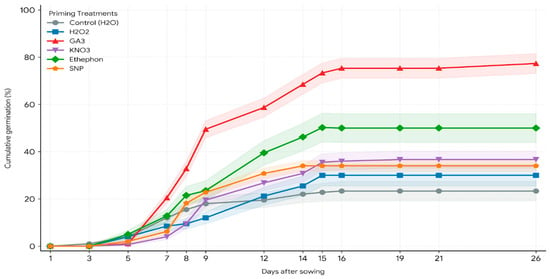
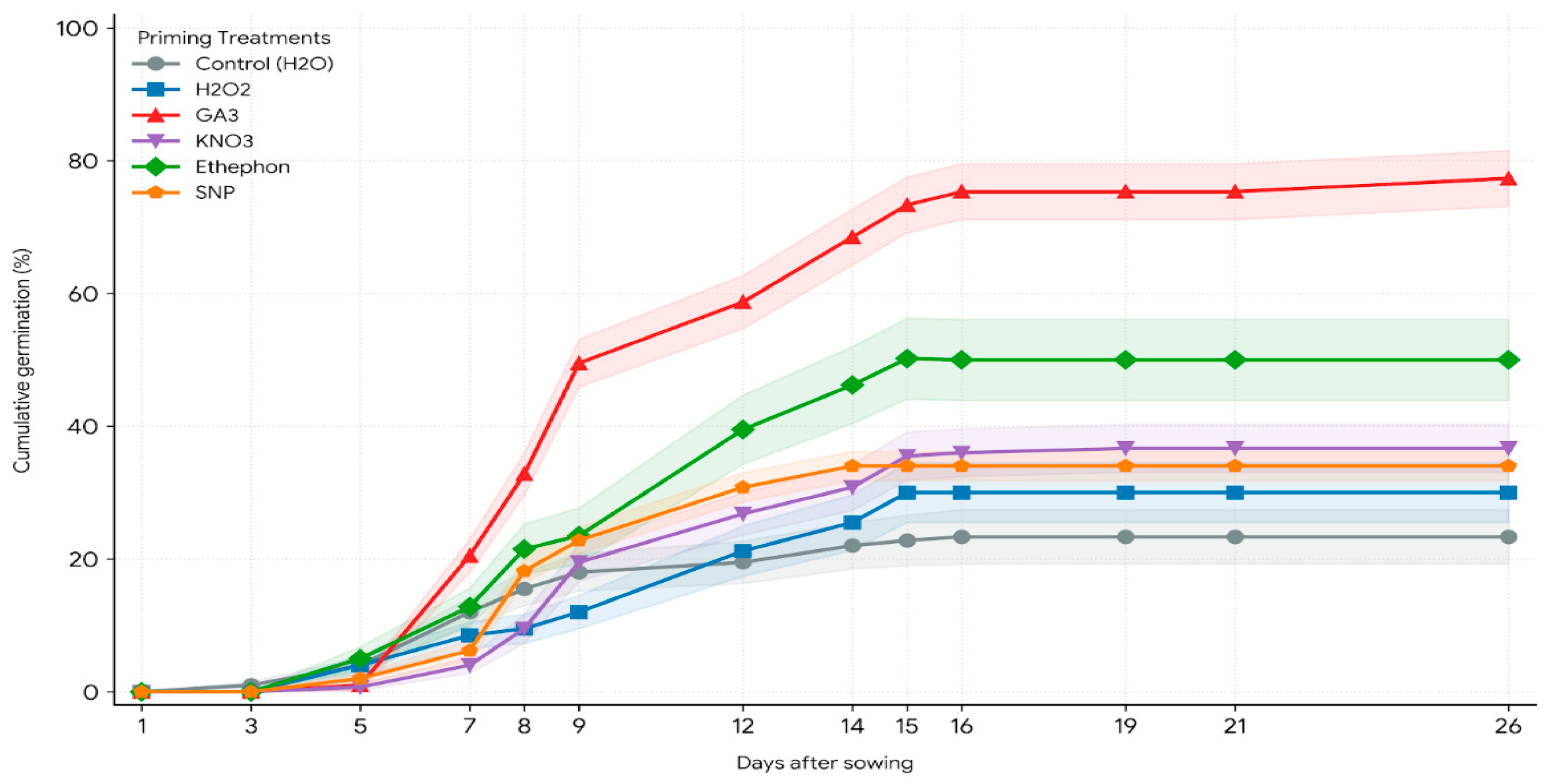
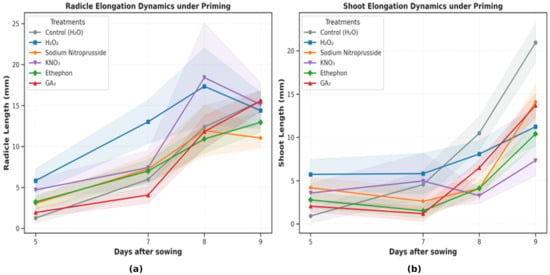
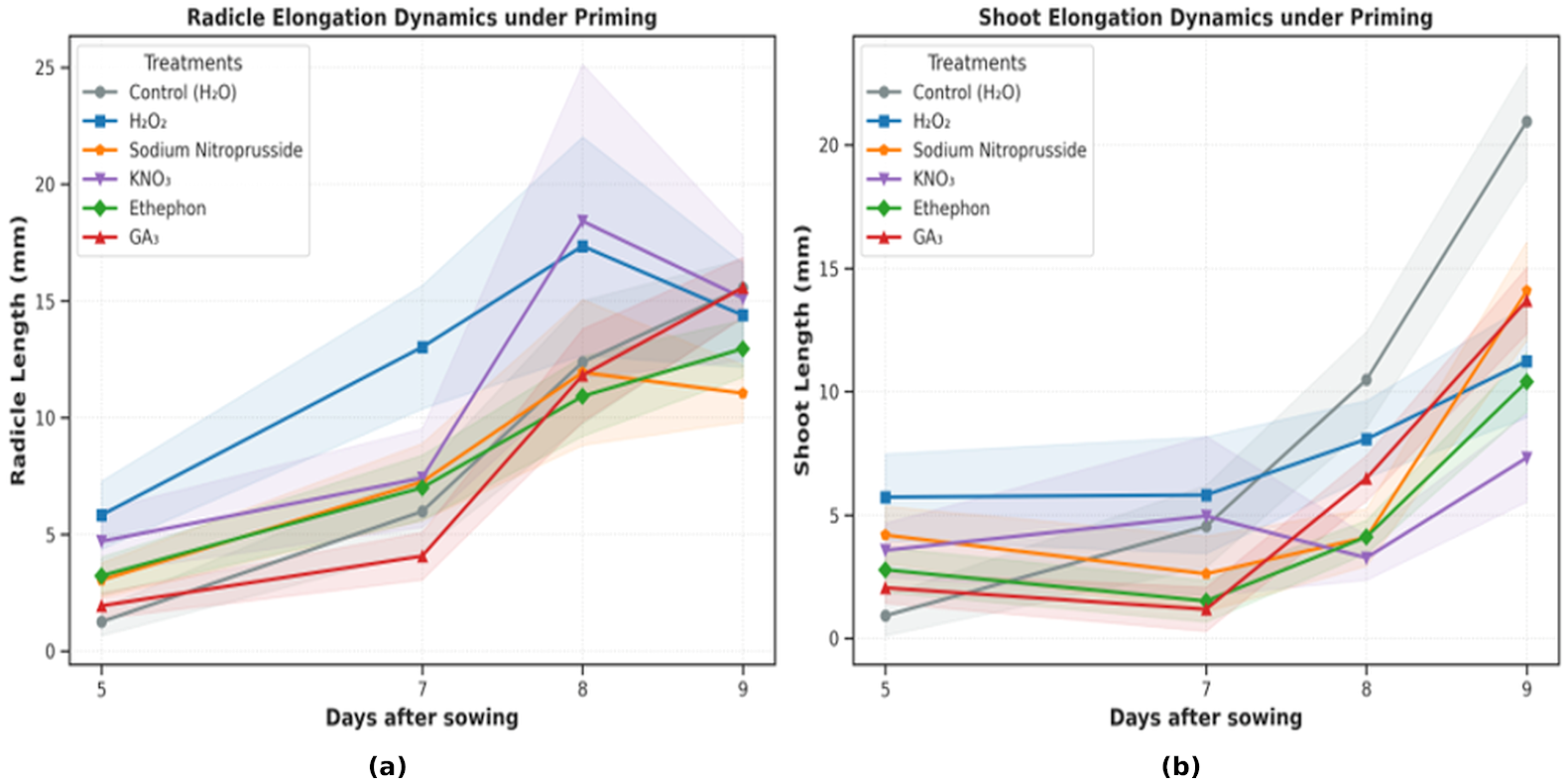
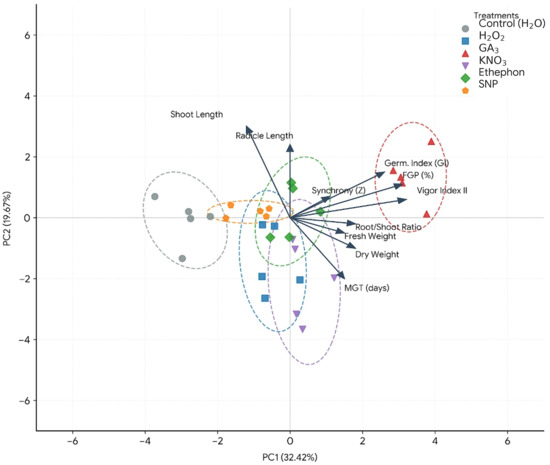
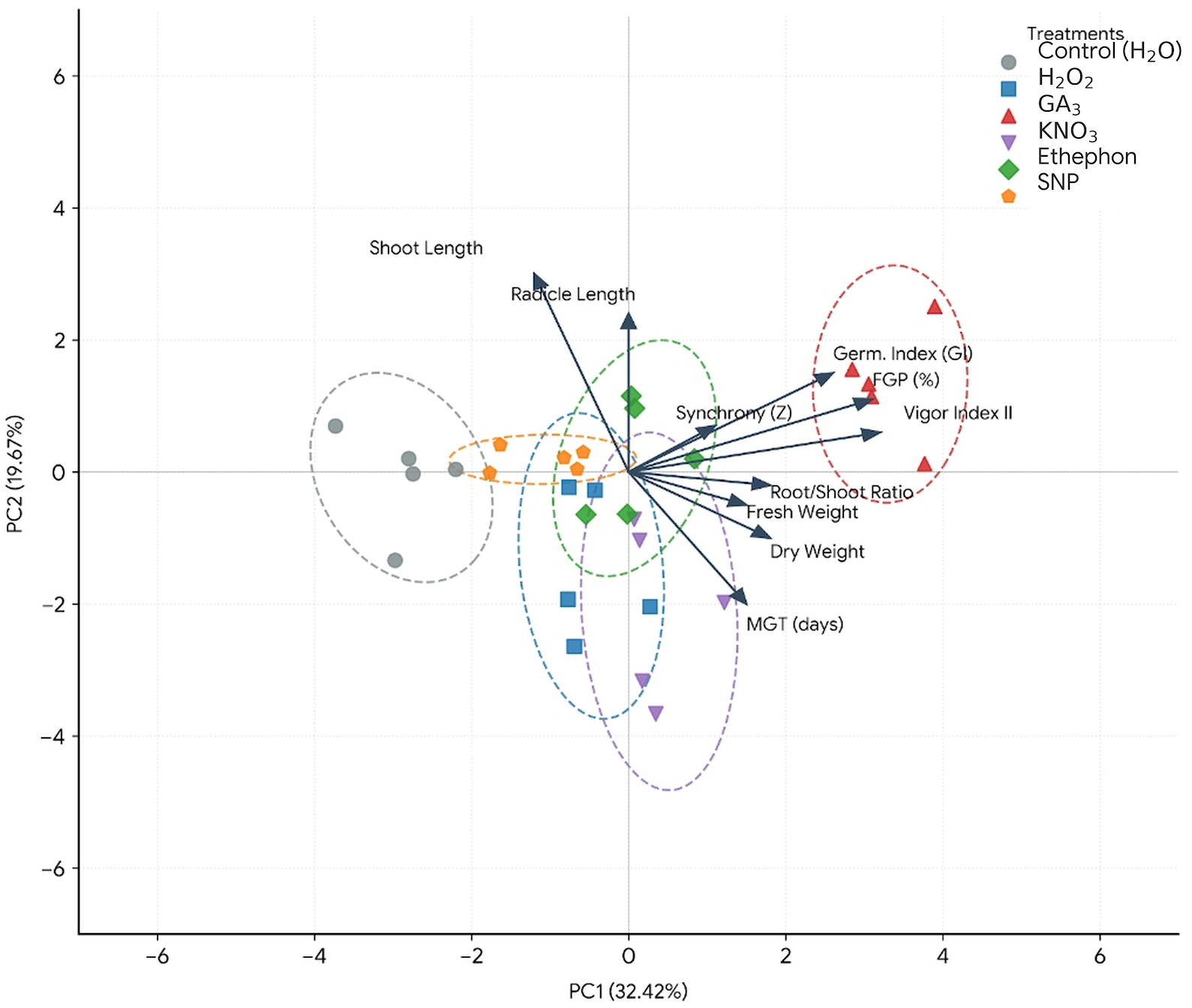
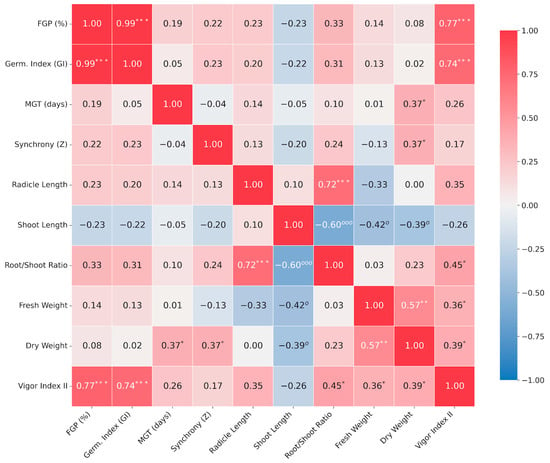
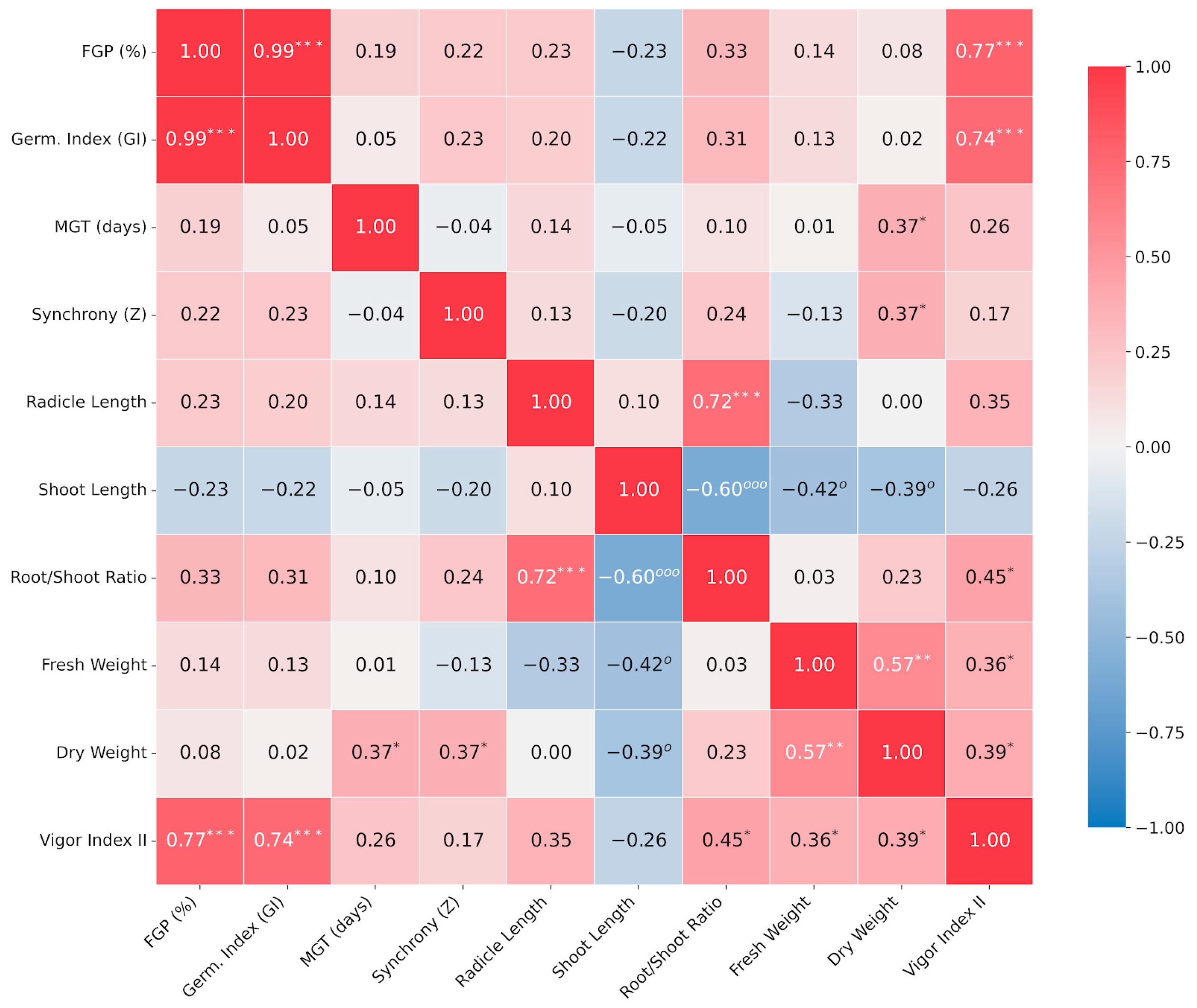
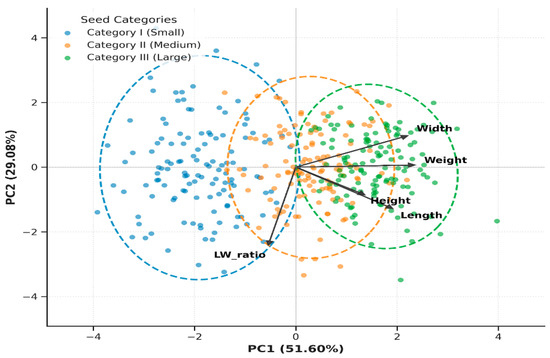
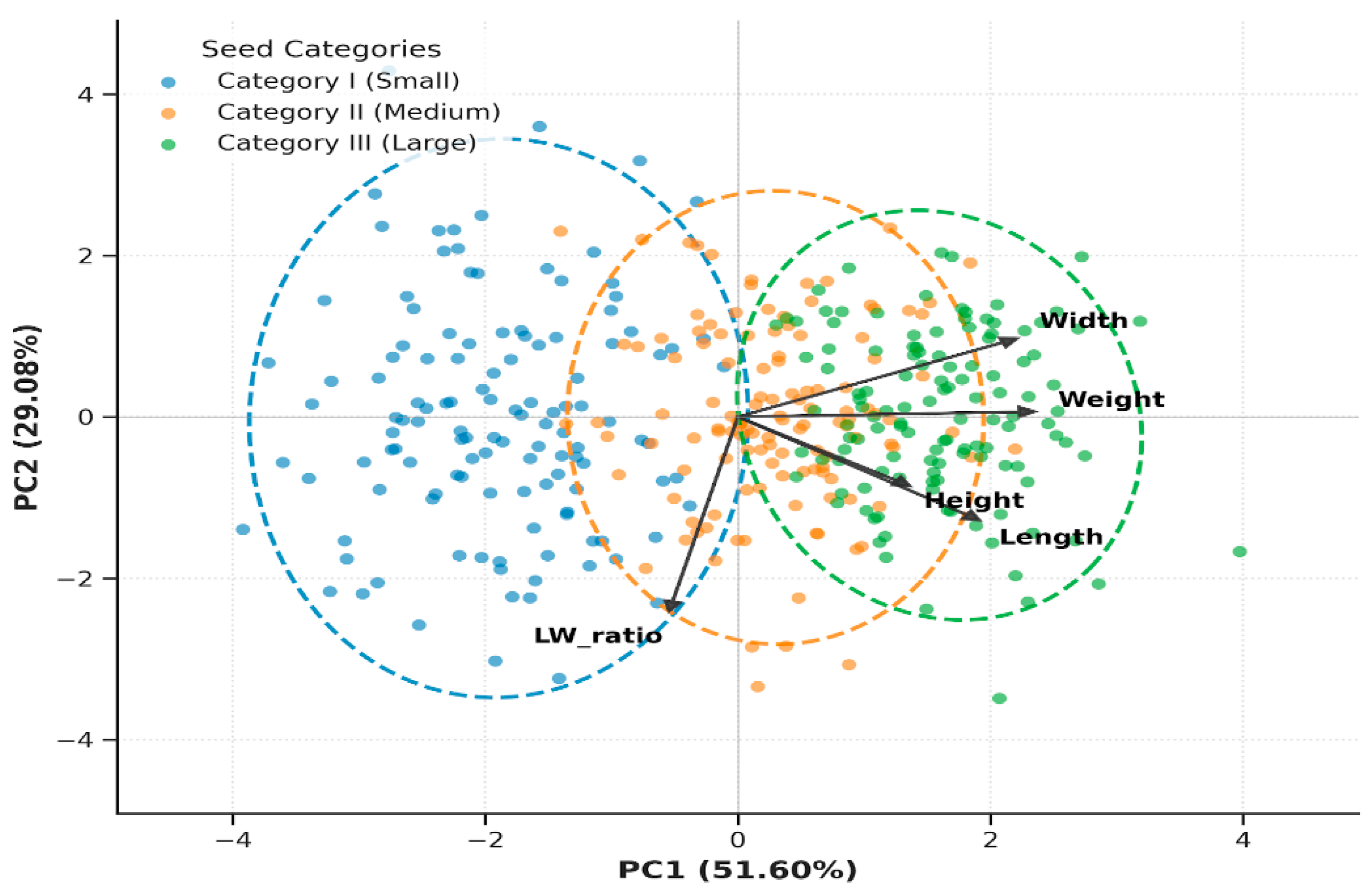
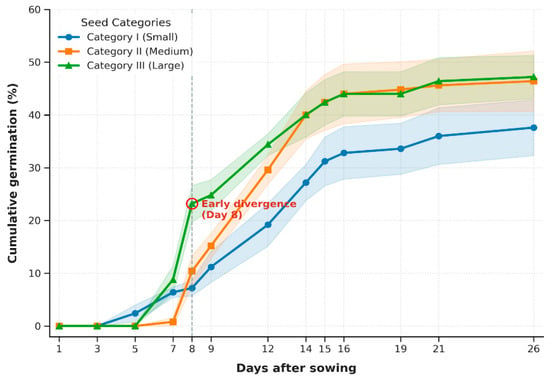
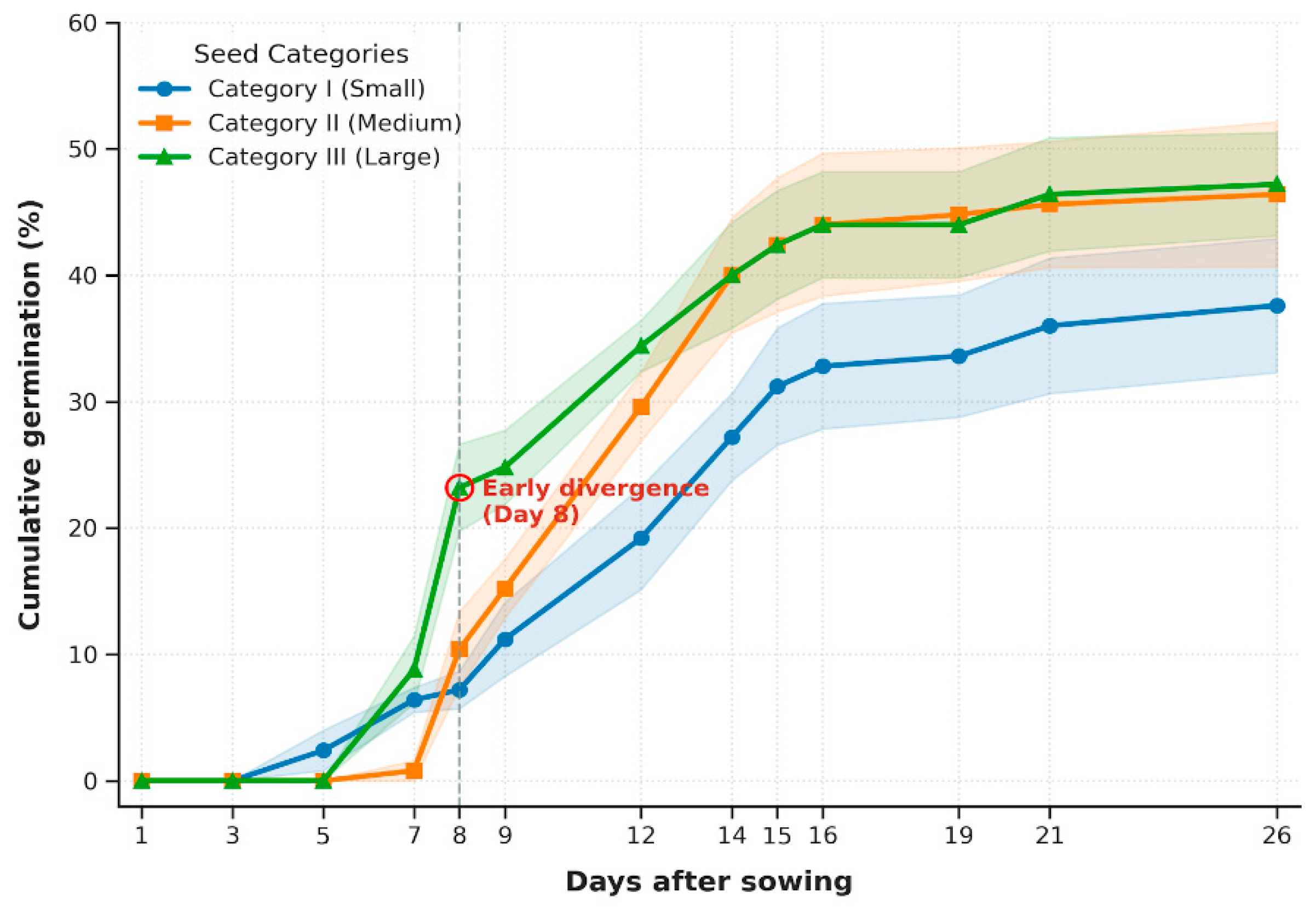

Disclaimer/Publisher’s Note: The statements, opinions and data contained in all publications are solely those of the individual author(s) and contributor(s) and not of MDPI and/or the editor(s). MDPI and/or the editor(s) disclaim responsibility for any injury to people or property resulting from any ideas, methods, instructions or products referred to in the content. |
© 2026 by the authors. Licensee MDPI, Basel, Switzerland. This article is an open access article distributed under the terms and conditions of the Creative Commons Attribution (CC BY) license.