


Abstract
Bio-based polymeric materials offer opportunities for developing sustainable atmospheric water harvesting (AWH) systems, particularly in water-scarce and arid environments. Naturally derived polysaccharides, including alginate and gum Arabic, contain hydrophilic functional groups that make them promising components of moisture-sorbing materials. This study developed a CaCl2-loaded hybrid aerogel incorporating poly(vinyl alcohol) (PVA), algae-derived alginate, plant-derived gum Arabic, and graphene to evaluate its moisture adsorption, water recovery, and operational stability. The aerogel was fabricated through solution blending, freeze–thaw processing, Ca2+-mediated ionic crosslinking, hygroscopic salt loading, and freeze-drying. Structural characterization using scanning electron microscopy, Fourier-transform infrared spectroscopy, and X-ray diffraction revealed an interconnected porous network, oxygen-containing functional groups, and partially ordered structural domains. At 25 °C, equilibrium water uptake increased from 0.18 to 1.41 g g−1 as relative humidity increased from 20% to 80% (p < 0.0001). At 60% relative humidity, recovered-water yield increased from 0.38 L kg−1 cycle−1 at 40 °C to a maximum of 1.56 L kg−1 cycle−1 at 70 °C, followed by a non-monotonic response at higher regeneration temperatures 70–80. The maximum two-batch water yield reached 2.05 L kg−1 cycle−1 at 80% relative humidity and 80 °C, corresponding to 72.7% recovery relative to the calculated adsorbed-water capacity. After 50 adsorption–regeneration cycles, the aerogel retained 96.3% of its initial adsorption capacity. These findings demonstrate the potential of alginate–gum Arabic-containing hybrid aerogels as regenerable sorbents for atmospheric water harvesting. Further investigation of environmental durability, water quality, and field performance is needed to establish their practical suitability for decentralized water production.
1. Introduction
Freshwater scarcity has emerged as one of the most pressing global sustainability challenges, threatening human health, food security, ecosystem stability, and socio-economic development. Rapid population growth, urbanization, industrial expansion, climate change, and increasing agricultural water demands have intensified the imbalance between freshwater availability and consumption. Although approximately 71% of the Earth’s surface is covered by water, nearly 97.5% is saline, while only about 2.5% exists as freshwater, much of which is not readily accessible for direct human use [1]. Recent international assessments indicate that approximately 2.2 billion people lack safely managed drinking-water services, while a substantial proportion of the global population experiences severe water scarcity during at least part of the year. Agriculture accounts for approximately 70% of global freshwater withdrawals, further increasing pressure on limited water resources [2]. Climate change exacerbates these challenges by altering precipitation patterns, increasing evaporation rates, intensifying droughts, and accelerating groundwater depletion, particularly in arid and semi-arid environments [3].
The Middle East and North Africa (MENA) region is particularly vulnerable to water scarcity because of its limited precipitation, high evaporation rates, and increasing municipal, agricultural, and industrial water demands. Saudi Arabia faces additional challenges associated with its predominantly arid climate, limited renewable freshwater resources, and substantial dependence on groundwater extraction and seawater desalination. Although conventional water-supply strategies have contributed significantly to meeting freshwater demands, they are associated with considerable economic, environmental, and infrastructural limitations. Excessive groundwater abstraction threatens aquifer sustainability, while conventional desalination requires substantial energy inputs and produces concentrated brine that may adversely affect marine ecosystems. Furthermore, extending centralized water-distribution networks to remote communities, agricultural settlements, and desert environments often involves significant investment and maintenance costs. Accordingly, the development of innovative, decentralized, and renewable freshwater-production technologies has become increasingly important for supporting water security and sustainable development [4]. Addressing these challenges requires not only improved water-resource management and reduced consumption but also alternative water-production approaches that minimize dependence on conventional infrastructure [5].
Atmospheric moisture represents a continuously replenished water resource, with approximately 12,900 km3 of water present in the Earth’s atmosphere at any given time. Unlike conventional freshwater sources, atmospheric moisture is geographically widespread and continuously replenished through the global hydrological cycle, offering opportunities for decentralized freshwater production in water-stressed regions [6,7]. Atmospheric water harvesting (AWH) encompasses several technologies designed to recover atmospheric moisture, including fog interception, dew condensation, refrigeration-based condensation, and sorption–desorption processes. Fog collectors capture suspended water droplets using mesh structures, whereas passive dew collectors promote condensation through radiative cooling. Although these technologies generally require minimal external energy, their performance depends strongly on favorable meteorological conditions, including fog frequency, wind velocity, ambient humidity, and nighttime temperature [8]. Refrigeration-based atmospheric water generators can operate across a broader range of climatic conditions; however, their substantial electricity requirements may limit economic feasibility and environmental sustainability, particularly in remote and off-grid applications.
Sorption-based AWH has attracted considerable attention as a promising alternative because hygroscopic materials can capture atmospheric water vapor without continuous mechanical refrigeration. During a typical sorption–desorption cycle, atmospheric moisture is captured by a sorbent through adsorption, absorption, or a combination of both mechanisms, subsequently released through controlled thermal regeneration, and finally condensed to obtain liquid water. The overall water-production performance depends on several interconnected parameters, including sorbent composition, equilibrium moisture uptake, adsorption kinetics, regeneration temperature, airflow, heat and mass transfer, and condensation efficiency [8]. Unlike systems relying exclusively on direct condensation, sorption-based technologies can potentially operate under relatively low-humidity conditions by concentrating atmospheric moisture within a suitable material before regeneration. Nevertheless, their practical implementation remains constrained by material costs, incomplete water recovery, regeneration-energy requirements, limited cycling stability, and performance variability under fluctuating environmental conditions.
Recent advances in polymer science and porous-material engineering have expanded the range of materials available for atmospheric moisture capture. Conventional and emerging sorbents include silica gel, zeolites, hygroscopic salts, metal–organic frameworks (MOFs), covalent organic frameworks, hydrogels, and polymer-based aerogels [9]. MOFs have demonstrated considerable potential for moisture capture under relatively low relative humidity because of their tunable pore structures and favorable water-sorption characteristics. However, material synthesis costs, manufacturing complexity, and long-term operational stability may restrict their widespread implementation. In contrast, hydrogels and polymeric aerogels offer opportunities for developing comparatively accessible and structurally adaptable sorbents through controlled polymer-network design, incorporation of hygroscopic components, and optimization of porous architectures. Recent investigations have demonstrated that combining porous supporting matrices with water-affinitive components can enhance atmospheric moisture uptake and facilitate subsequent water release [10].
Among these materials, biopolymer-containing aerogels have emerged as promising candidates for sorption-based AWH because of their low density, interconnected three-dimensional porous structures, and abundance of hydrophilic functional groups. Natural polymers such as cellulose, alginate, chitosan, starch, lignin, guar gum, and pectin have been investigated as components of porous sorbent matrices. Their hydroxyl, carboxyl, and other oxygen-containing groups can promote interactions with water molecules, while appropriately engineered porous networks facilitate vapor diffusion and moisture transport. Furthermore, incorporating renewable polysaccharides into polymeric composites offers opportunities to reduce reliance on exclusively petroleum-derived constituents and develop more sustainable material formulations [2]. Nevertheless, the environmental performance of these materials depends on their complete composition, manufacturing requirements, operational lifetime, and end-of-life management rather than the renewable origin of individual components alone.
The incorporation of hygroscopic salts into polymeric aerogels represents an effective strategy for increasing atmospheric moisture uptake. Salts such as calcium chloride (CaCl2), lithium chloride, and magnesium chloride possess strong affinity for water vapor and can substantially increase the moisture-sorption capacity of porous supporting matrices. However, salt-containing composites may experience salt migration, leakage, crystallization, structural deformation, and performance deterioration during repeated adsorption–regeneration cycles. These challenges highlight the importance of developing polymeric networks capable of retaining hygroscopic components while maintaining sufficient structural integrity and accessible pathways for moisture transport. In addition, the energy requirements of material fabrication, including freezing and freeze-drying, and the long-term environmental implications of composite disposal must be considered when assessing the sustainability and scalability of bio-aerogel technologies [3,8].
Multicomponent polymeric aerogels provide a promising materials-design approach for integrating complementary structural and functional properties within a single sorbent. Poly(vinyl alcohol) (PVA) is a hydrophilic synthetic polymer containing abundant hydroxyl groups and capable of forming physically crosslinked networks through freeze–thaw processing. Sodium alginate, an algae-derived polysaccharide, contains carboxylate groups that enable Ca2+-mediated ionic crosslinking, potentially improving network cohesion and structural stability. Gum Arabic, a plant-derived polysaccharide-rich material, introduces additional hydrophilic functional groups and may influence polymer-network organization and moisture interactions. Incorporating graphene nanoplatelets may further modify the morphology, thermal transport behavior, and light-absorption characteristics of the composite, depending on their dispersion and interfacial interactions. Meanwhile, CaCl2 provides a strongly hygroscopic component that can enhance moisture uptake within the porous polymeric matrix. Combining these constituents therefore offers a rational strategy for developing a hybrid aerogel with complementary structural and moisture-sorption functionalities. However, the contribution of each component and the extent of any synergistic interactions must be established through appropriate comparative experiments rather than inferred solely from the final composite’s performance.
Beyond material composition, efficient regeneration and recovery of captured atmospheric moisture are essential for practical AWH applications. Solar-assisted regeneration offers a potentially sustainable approach by using solar thermal energy to release water retained within hygroscopic materials, while photovoltaic modules may provide electricity for sensors, controllers, airflow regulation, and auxiliary condensation components. Carbon-based materials, including graphene and related nanostructures, have attracted attention as potential photothermal additives because of their optical absorption and thermal characteristics. Their incorporation into polymeric sorbents may facilitate solar-assisted regeneration when suitable photothermal performance is achieved. However, the effectiveness of solar-driven water harvesting depends not only on moisture uptake but also on regeneration temperature, heat-transfer efficiency, vapor condensation, and the amount of liquid water ultimately recovered [6]. Furthermore, variable solar irradiance, ambient humidity, and temperature can influence the optimal timing and duration of adsorption–regeneration cycles, making reliable material-performance data essential for future system design.
Artificial intelligence (AI) and Internet of Things (IoT) technologies offer additional opportunities to improve the operational adaptability of atmospheric water-harvesting systems. Machine-learning approaches, including artificial neural networks, random forests, support vector regression, and recurrent neural networks, may support environmental forecasting, water-yield prediction, and optimization of adsorption–regeneration schedules [4]. Data-driven algorithms can potentially identify favorable operating conditions, estimate energy requirements, and support adaptive decision-making based on environmental measurements. Reinforcement-learning approaches may also provide opportunities for optimizing operational strategies through feedback-based control [5,8]. When integrated with IoT-enabled sensors, these methods could support real-time monitoring of relative humidity, ambient temperature, solar irradiance, sorbent condition, and water-production performance. Nevertheless, practical implementation requires reliable experimental datasets, appropriate model validation, and consideration of prediction uncertainty and system robustness [6].
Recent developments in computational modeling and digital representations of engineering systems further suggest opportunities for integrating experimental sorbent performance with predictive operational frameworks. Physics-based and data-driven models may support evaluation of heat and mass transfer, adsorption–regeneration scheduling, and system responses to changing environmental conditions [11]. However, the implementation of such approaches in AWH requires experimentally validated relationships among material characteristics, atmospheric humidity, regeneration temperature, energy consumption, and recoverable water yield. Moreover, comparisons among atmospheric water-harvesting technologies remain challenging because studies frequently employ different operating conditions, sorbent-mass definitions, cycle durations, and performance metrics (Figure 1). Broader assessments of manufacturing scalability, maintenance requirements, environmental impacts, and techno-economic feasibility are therefore necessary to establish the practical competitiveness of emerging sorbent technologies [12,13].
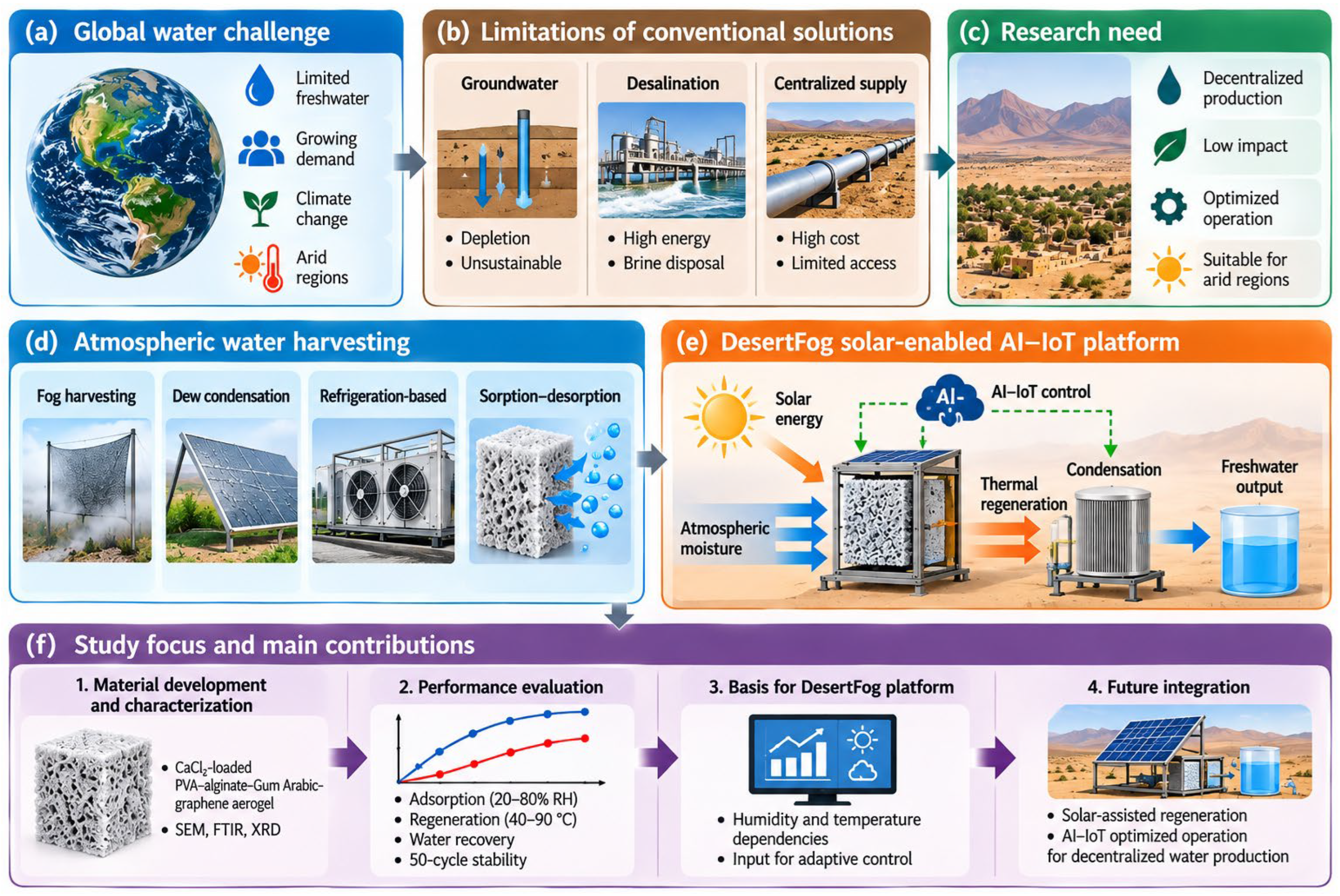
Figure 1.
Schematic overview of the research background and proposed DesertFog framework: (a) global freshwater scarcity and environmental challenges; (b) limitations of conventional water-supply technologies; (c) the need for sustainable, decentralized freshwater production; (d) major atmospheric water-harvesting approaches; (e) conceptual integration of polymeric bio-aerogels with solar-assisted regeneration and AI–IoT technologies; and (f) the principal contributions of the present study, including material fabrication and characterization, moisture adsorption, thermal regeneration, water recovery, cycling stability, and potential future system integration.
Despite substantial progress in polymeric sorbents and atmospheric water-harvesting technologies, several important research gaps remain. First, many studies emphasize equilibrium moisture-adsorption capacity without sufficiently distinguishing the quantity of atmospheric water captured from the amount of liquid water recovered after thermal regeneration and condensation. Second, the relationships among polymer-network composition, hygroscopic salt incorporation, humidity-dependent moisture uptake, regeneration temperature, and water-recovery efficiency require further investigation for multicomponent polymeric aerogels. Third, repeated adsorption–desorption cycles may induce structural changes, salt migration, and progressive performance deterioration, highlighting the need for systematic evaluation of cycling stability. Fourth, experimental performance metrics are not always reported using consistent mass-balance definitions, making direct comparisons among materials and operating conditions difficult. Finally, the translation of laboratory-scale sorbent performance into practical water-production systems requires further investigation of environmental durability, energy requirements, manufacturing scalability, and field performance [13].
These limitations provide the scientific motivation for investigating multifunctional polymeric aerogels using complementary indicators of sorption and water-recovery performance. In particular, a comprehensive evaluation should consider equilibrium moisture uptake, temperature-dependent regeneration, recoverable liquid-water yield, and repeated-cycle stability within a consistent experimental framework. Such an approach is especially relevant for salt-containing polymeric sorbents, where high water uptake does not necessarily guarantee efficient liquid-water production because of incomplete desorption, condenser losses, or residual moisture retention. Furthermore, experimentally established relationships between humidity, regeneration temperature, and sorbent performance can provide useful operating information for the future development of solar-assisted and adaptively controlled AWH systems.
Accordingly, the present study developed and evaluated a CaCl2-loaded PVA–sodium alginate–gum Arabic–graphene hybrid bio-aerogel as a regenerable polymeric sorbent for atmospheric water harvesting. The composite was fabricated through solution blending, freeze–thaw processing, Ca2+-mediated ionic crosslinking, hygroscopic salt loading, and freeze-drying. Its structural characteristics were investigated using scanning electron microscopy (SEM), Fourier-transform infrared spectroscopy (FTIR), and X-ray diffraction (XRD). Moisture-sorption performance was evaluated at relative humidity levels of 20–80%, while thermal regeneration and liquid-water recovery were investigated at temperatures of 40–90 °C. Water-recovery efficiency and mass-balance relationships were examined, and adsorption-capacity retention was assessed over 50 adsorption–regeneration cycles.
The principal contribution of this study lies in the combined evaluation of a multicomponent polymeric bio-aerogel through moisture-sorption capacity, thermal regeneration, recoverable liquid-water yield, and cycling stability, rather than relying solely on equilibrium adsorption measurements. This experimental approach aims to provide a more comprehensive understanding of the relationship between polymeric sorbent characteristics and practical water-recovery performance. Furthermore, the investigated humidity and temperature dependencies offer a preliminary material-level foundation for the proposed DesertFog framework, which envisages future integration of solar-assisted regeneration, IoT-based environmental monitoring, predictive modeling, and AI-supported operational optimization [14,15]. By distinguishing experimentally evaluated sorbent performance from prospective system-level applications, this work seeks to advance the development of regenerable polymeric materials and inform future decentralized atmospheric water-harvesting technologies for arid and semi-arid environments.
The central hypothesis of this study is that integrating a hydrophilic poly(vinyl alcohol) (PVA)–sodium alginate (SA)–gum Arabic (GA) polymer network with graphene nanoplatelets (GNP) and hygroscopic calcium chloride (CaCl2) can produce a regenerable composite sorbent for atmospheric water harvesting. The proposed material-level novelty lies in combining these constituents within a single bio-aerogel formulation and evaluating its moisture-adsorption behavior, thermal water recovery, and cycling stability. Specifically, this study aims to (i) fabricate and characterize the PVA–SA–GA–GNP/CaCl2 bio-aerogel, (ii) quantify equilibrium moisture adsorption under different relative humidity conditions, (iii) investigate the influence of regeneration temperature on recovered-water yield, (iv) evaluate the adsorption–recovery mass balance, and (v) assess adsorption-capacity retention during repeated operation. The proposed DesertFog digital-control architecture is discussed as a complementary conceptual framework rather than an experimentally validated component of the present investigation.
2. Materials and Methods
2.1. Materials
Poly(vinyl alcohol) (PVA; product no. 363146; Sigma-Aldrich, St. Louis, MO, USA) was employed as the primary polymeric matrix. The PVA grade had a reported molecular weight of 85,000–124,000 g mol−1, a degree of hydrolysis greater than 99%, and a viscosity of 28–32 cP for a 4 wt.% aqueous solution at 20 °C. Sodium alginate (SA; product no. A2033; Sigma-Aldrich, St. Louis, MO, USA), derived from brown algae, was used as a hydrophilic polysaccharide and ionically crosslinkable component. The selected alginate grade had a reported viscosity of ≥2000 cP for a 2 wt.% aqueous solution at 25 °C and an approximate molecular weight of 200 kDa. Its representative mannuronic acid-to-guluronic acid (M/G) ratio was approximately 1.56, corresponding to an estimated composition of 60–70% mannuronic acid and 30–40% guluronic acid residues. These characteristics were treated as supplier-reported specifications because the molecular weight, viscosity, and M/G ratio of alginate may vary between production batches.
Gum Arabic (GA; Acacia-derived gum powder; product no. G9752; Sigma-Aldrich, St. Louis, MO, USA) was incorporated as a naturally derived, hydrophilic polysaccharide-rich component to introduce additional oxygen-containing functional groups into the polymeric matrix.
Graphene nanoplatelets (GNP; commercial grade xGnP M-5, XG Sciences, Lansing, MI, USA; supplied by Sigma-Aldrich, product no. 900412) were incorporated as a carbon-based functional additive with potential photothermal properties. According to the manufacturer’s specifications, the GNP had an average lateral diameter of approximately 5 µm, a thickness of 6–8 nm, and a specific surface area of 120–150 m2 g−1.
Calcium chloride dihydrate (CaCl2·2H2O; ReagentPlus grade; product no. C3881; assay ≥ 99.0%; Sigma-Aldrich, St. Louis, MO, USA) was employed for two purposes: (i) ionic crosslinking of the alginate-containing polymeric network through Ca2+ coordination and (ii) incorporation of a hygroscopic component to enhance atmospheric moisture uptake. Deionized water was used as the solvent throughout the preparation process. All chemicals and materials were used as received without further purification.
2.2. Composition of the Hybrid Bio-Aerogel
The precursor formulation consisted of 7.00 g of PVA, 1.75 g of SA, 1.50 g of GA, and 0.10 g of graphene nanoplatelets dispersed in a final aqueous volume of 100 mL. The total initial dry-solid mass, excluding calcium chloride, was 10.35 g. Accordingly, the formulation contained 67.63 wt.% PVA, 16.91 wt.% SA, 14.49 wt.% GA, and 0.97 wt.% graphene nanoplatelets, calculated relative to the total initial dry mass of the polymeric and graphene components.
The formulation was designed to combine the hydrophilic characteristics of PVA and the natural polysaccharides with the functional properties of graphene nanoplatelets and the moisture affinity of CaCl2. PVA served as the primary polymeric framework, whereas SA provided carboxylate groups capable of undergoing Ca2+-mediated ionic crosslinking. GA was incorporated as an additional hydrophilic biopolymeric constituent, while graphene nanoplatelets were included as a potential photothermal additive.
Following precursor preparation and gel formation, a 2 wt.% aqueous CaCl2 solution was used for ionic crosslinking of the alginate-containing network. Subsequently, the crosslinked material was treated with a 10 wt.% CaCl2 solution to introduce the hygroscopic component. The two CaCl2 treatments were performed separately to distinguish the ionic crosslinking step from the subsequent hygroscopic salt-loading process.
The initial dry-solid composition, excluding the subsequently introduced CaCl2, is presented in Table 1. Because CaCl2 loading changes the final dry mass of the composite, the actual retained salt content should be determined experimentally and reported separately to establish the composition of the final hygroscopic bio-aerogel.
Table 1.
Precursor composition of the PVA–SA–GA–GNP bio-aerogel before CaCl2 loading.
A 2 wt.% CaCl2 solution was used for ionic crosslinking, followed by treatment with a 10 wt.% CaCl2 solution for hygroscopic salt loading. Apparent retained loading was estimated gravimetrically from the change in dry specimen mass before and after the loading procedure.
2.3. Preparation of the PVA–SA–GA–GNP Hybrid Bio-Aerogel
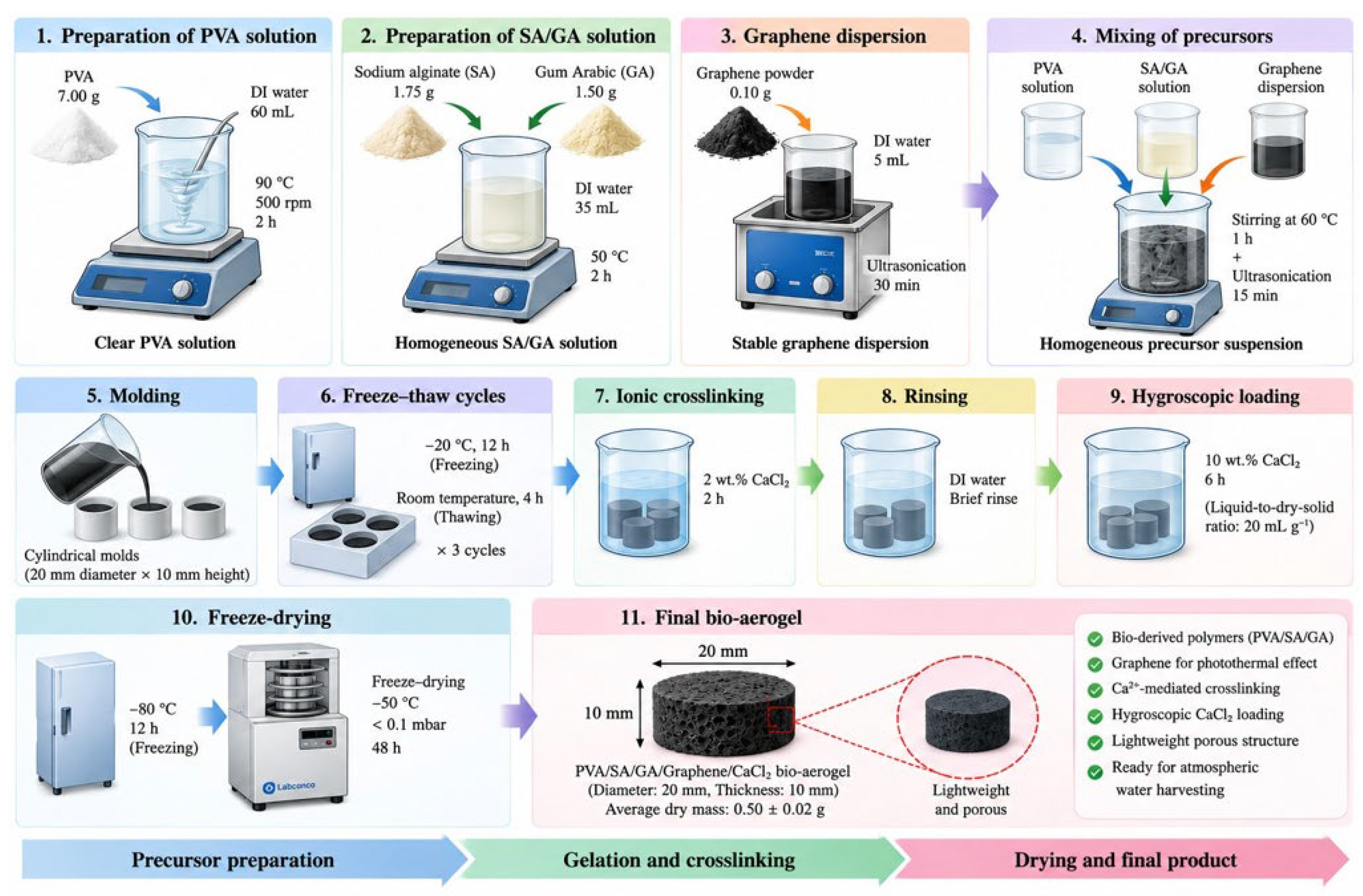
PVA powder (7.00 g) was gradually dispersed in 60 mL of deionized water and heated to 90 °C under continuous magnetic stirring (500 rpm) for 2 h until a homogeneous, transparent solution formed. Sodium alginate (1.75 g) and gum Arabic (1.50 g) were separately dispersed in 35 mL of deionized water and stirred at 50 °C for 2 h. The hydrated alginate–gum Arabic mixture was gradually added to the PVA solution and stirred at 60 °C for 1 h.
Graphene nanoplatelets (0.10 g) were dispersed in 5 mL of deionized water by ultrasonication for 30 min. The dispersion was added dropwise to the polymer mixture under continuous stirring, followed by an additional 1 h of stirring and 15 min of sonication to minimize graphene agglomeration and entrapped air.
The resulting precursor was transferred into cylindrical molds (20 mm diameter × 10 mm height) and subjected to three freeze–thaw cycles, each consisting of freezing at −20 °C for 12 h and thawing at room temperature for 4 h. The formed gels were demolded, immersed in 2 wt.% CaCl2 for 2 h to induce ionic crosslinking of the alginate chains, and briefly rinsed with deionized water to remove loosely bound surface salt.
For hygroscopic loading, the crosslinked gels were immersed in 10 wt.% CaCl2 for 6 h at a solution-to-dry-solid ratio of 20 mL g−1. Excess surface solution was removed using lint-free absorbent paper. The salt-loaded gels were subsequently frozen at −80 °C for 12 h and freeze-dried at approximately −50 °C under a pressure below 0.1 mbar for 48 h. The resulting porous monoliths were stored in sealed containers until characterization and testing. The dried specimens had nominal dimensions of 20 mm diameter × 10 mm thickness and an average mass of 0.50 ± 0.02 g. Three independently prepared specimens were evaluated under each experimental condition (Figure 2).
Figure 2.
Schematic representation of the fabrication process of the CaCl2-loaded PVA–sodium alginate–gum Arabic–graphene hybrid bio-aerogel.AI-assisted visualization was performed using Adobe Firefly (Adobe Inc., San Jose, CA, USA) to support the graphical presentation of the conceptual framework.
Gravimetric Determination of Retained Calcium Chloride
A dedicated set of three independently prepared, ionically crosslinked specimens was used to quantify CaCl2 retention. Each salt-free specimen was freeze-dried to constant mass and weighed to obtain m1. The same specimen was then immersed in the 10 wt.% CaCl2 solution for 6 h at a liquid-to-dry-solid ratio of 20 mL g−1, surface-blotted, frozen, and freeze-dried again under identical conditions to obtain m2. The retained CaCl2 mass, loading relative to the salt-free polymer matrix, and CaCl2 content in the final loaded composite were calculated using the following equations:
where m1 is the constant dry mass of the crosslinked salt-free specimen and m2 is the constant dry mass of the same specimen after CaCl2 loading and re-drying. All values should be reported as mean ± standard deviation for three independently prepared specimens (n = 3).
Retained CaCl2 mass per specimen: mCaCl2 = m2 − m1
CaCl2 loading relative to the salt-free matrix: LCaCl2 = (m2 − m1)/m1
CaCl2 content in the loaded composite: CaCl2 (wt.%) = [(m2 − m1)/m2] × 100
The apparent retained CaCl2 loading was evaluated gravimetrically by determining the dry mass of each specimen before and after treatment with the 10 wt.% CaCl2 solution. The apparent loading was calculated relative to both the initial dry matrix mass and the final dry composite mass using the following expressions:
Apparent mass gain (g) = Final dry mass − Initial dry mass
Apparent loading relative to matrix (%) = [(Final dry mass − Initial dry mass)/Initial dry mass] × 100
Apparent loading relative to composite (%) = [(Final dry mass − Initial dry mass)/Final dry mass] × 100
The apparent loading was summarized as mean ± standard deviation for independently prepared specimens. Because gravimetric mass gain does not independently identify CaCl2, the resulting values were interpreted as apparent retained loading rather than chemically verified CaCl2 content.
2.4. Fourier Transform Infrared Spectroscopy
Fourier-transform infrared spectra were recorded using an IRAffinity-1S Fourier Transform Infrared Spectrophotometer (IRAffinity-1S, Shimadzu Corporation, Kyoto, Japan). Spectra were acquired over 4000–400 cm−1 at a resolution of 4 cm−1 using 32 scans per specimen. The individual raw materials and final bio-aerogel were measured under identical conditions. The fingerprint region from 1800 to 720 cm−1 was analyzed in detail to identify carbonyl, carboxylate, C–O, C–O–C, and polymer-backbone vibrations associated with polymer blending and Ca2+-mediated crosslinking.
2.5. X-Ray Diffraction
X-ray diffraction patterns were collected using a LabX XRD-6100 diffractometer, system model XRD-6100AS (LabX XRD-6100/XRD-6100AS, Shimadzu Corporation, Kyoto, Japan), with Cu Kα radiation (λ = 1.5406 Å). Measurements were performed over a 2θ range of 5–80°, using a step size of 0.02° and a scanning rate of 2° min−1. The patterns were evaluated to determine the amorphous and crystalline contributions of the polymer, graphene, and calcium-containing phases.
2.6. Scanning Electron Microscopy
The internal morphology of the freeze-dried bio-aerogel was examined using an Inspect S50 scanning electron microscope (FEI Company, Hillsboro, OR, USA). Specimens were fractured to expose their cross-sections, mounted on aluminum stubs using conductive carbon tape, and sputter-coated with a thin gold layer. Micrographs were recorded using a large-field detector at an accelerating voltage of 25 kV and at magnifications of 400× and 800×.
2.7. Atmospheric Moisture Adsorption Experiments
Before each adsorption experiment, the specimens were dried at 60 °C to constant mass. The initial dry mass, m0, was measured using an analytical balance with a resolution of 0.1 mg. Samples were placed in a programmable temperature and humidity chamber maintained at 25 ± 0.5 °C. Adsorption experiments were conducted separately at relative humidity levels of 20%, 30%, 40%, 50%, 60%, 70%, and 80%.
Water adsorption experiments were conducted using independently prepared bio-aerogel specimens in a programmable temperature- and humidity-controlled chamber. Temperature and relative humidity were monitored using the chamber's integrated monitoring system. The experiments were conducted under static-air conditions without externally imposed airflow. Specimens were exposed to the prescribed relative humidity until the defined equilibrium criterion was satisfied. Equilibrium water uptake was normalized to the initial dry mass of the specimen.
Following adsorption, the specimens were subjected to thermal regeneration at temperatures ranging from 40 to 90 °C. The released water vapor was directed to the condensation and collection assembly. The condenser operating temperature, regeneration duration, collection procedure, and blank correction were recorded to permit reproducible determination of recovered liquid-water yield.
Samples were removed at predetermined intervals, rapidly weighed, and returned to the chamber. Equilibrium was defined as a mass change below 0.1% over three consecutive measurements, with a maximum experimental duration of 12 h. The equilibrium adsorption capacity was calculated as follows:
where qe is the equilibrium adsorption capacity (g g−1), mₑ is the specimen mass after equilibrium adsorption, and m0 is its initial dry mass.
2.8. Thermal Regeneration and Water Recovery
After adsorption, the saturated specimen was immediately transferred to a sealed regeneration chamber connected to a vapor condenser and a graduated collection vessel. Regeneration was performed at 40, 50, 60, 70, 80, and 90 °C. The condenser was maintained at 10 ± 2 °C. Each regeneration stage continued for 2 h or until no additional condensate was collected for 30 min.
Recovered water was measured gravimetrically, and the batch water yield was calculated from:
where Yβ is the recovered water yield (L kg−1 batch−1), mv is the recovered water mass, ρv is the density of water, and m0 is the dry bio-aerogel mass. A blank run without bio-aerogel was conducted under the same thermal and condensation conditions, and its condensate mass was subtracted from each measured value.
2.9. Definition of the Water Production Cycle
One complete system-level production cycle comprised two consecutive adsorption–regeneration batches. Each batch included 10 h of atmospheric moisture adsorption followed by 2 h of thermal regeneration; therefore, two batches represented one 24 h production cycle. Total cycle yield was calculated as:
Accordingly, the reported maximum of 2.05 L kg−1 cycle−1 represents the cumulative recovered water from two adsorption–regeneration batches rather than a single adsorption event.
2.10. Mass Balance and Water Recovery Efficiency
The adsorbed and recovered water masses for each batch were calculated using:
Mass-balance consistency was assessed by comparing the blank-corrected mass of recovered condensate with the decrease in sorbent mass during regeneration and the water mass initially adsorbed. For each batch, the recovered condensate mass was not permitted to exceed the available adsorbed-water mass within the combined measurement uncertainty. Any apparent discrepancy was investigated by examining the batch definition, dry-mass normalization, background condensation, residual water content, and weighing records. Recovery efficiency was calculated using the adsorbed and recovered water masses obtained from the same specimen and the same adsorption–regeneration batch.
The recovery efficiencies of an individual batch and a complete two-batch production cycle were determined from:
For a two-batch production cycle, the cumulative recovered-water yield was obtained by summing the blank-corrected condensate masses from both regeneration batches and normalizing the result to the initial dry sorbent mass. The corresponding cycle recovery efficiency was calculated by dividing the cumulative recovered-water mass by the sum of the water masses adsorbed during the two batches. Recovery efficiencies were calculated from paired adsorption and regeneration measurements rather than from independently measured equilibrium capacities.
To establish a complete experimental water-mass balance, the initial dry sorbent mass (m0), mass after equilibrium adsorption (me), mass after thermal regeneration (mᵣ), and blank-corrected collected condensate mass (mc꜀) were considered separately for each adsorption–regeneration batch. The mass of adsorbed water was calculated as mads = me − m0, while the mass lost by the sorbent during regeneration was calculated as mdes = me − mr. The residual mass difference after regeneration was calculated as mr − m0. The difference between desorbed-water mass and collected condensate mass was calculated as mℓoss = mdes − mc, representing the apparent uncollected mass under the experimental conditions. For each batch, the water-recovery efficiency was calculated as ηrec = (mc/mads) × 100. The cumulative recovery efficiency for the two-batch production cycle was determined from the sum of the collected condensate masses divided by the sum of the adsorbed-water masses. All calculations were performed using the corresponding measurements from the same experimental batch and a consistent dry-sorbent mass-normalization basis.
2.11. Cycling Stability
Cycling stability was evaluated over 50 consecutive adsorption–regeneration cycles. Adsorption was performed at 60% RH and 25 °C, and regeneration was conducted at 80 °C. Capacity retention after cycle N was calculated from:
where qn and q1 are the adsorption capacities measured during cycle N and the first cycle, respectively.
2.12. Statistical Analysis
Experimental results were summarized using the available observations and expressed as mean ± standard deviation where independent replicate measurements were available. The effects of relative humidity on equilibrium adsorption capacity and regeneration temperature on recovered-water yield were evaluated separately using one-way ANOVA, subject to verification of the original replicate datasets and statistical assumptions. The combined humidity–temperature response was examined descriptively using the reported experimental response matrix. A factorial two-way ANOVA, including the relative humidity × regeneration temperature interaction, requires independent replicate observations for each experimental condition. In the absence of the corresponding replicate-level data, no inferential conclusions regarding the interaction effect were drawn from the summarized response matrix.
2.13. Proposed DesertFog Platform: Prospective Integration of Polymeric Sorbents
The DesertFog concept is presented as a prospective system-level application of the PVA–SA–GA–GNP/CaCl2 hybrid bio-aerogel investigated in this study. The proposed framework integrates a polymeric moisture-sorption module with thermal regeneration, vapor condensation, environmental monitoring, and potential data-driven operational control. The present investigation focuses on the fabrication, structural characterization, moisture adsorption, water recovery, and cycling stability of the developed bio-aerogel. The complete solar-powered, artificial intelligence (AI)-controlled, and Internet of Things (IoT)-connected platform has not been experimentally validated.
The proposed moisture-sorption module is based on a porous polymeric network containing hydrophilic PVA, sodium alginate, gum Arabic, graphene nanoplatelets (GNP), and hygroscopic CaCl2. The polymeric framework provides structural support and accessible pathways for moisture transport, while hydrophilic functional groups and incorporated CaCl2 contribute to atmospheric water uptake. The integration of hygroscopic components within porous polymeric matrices represents a promising strategy for developing regenerable atmospheric moisture sorbents [16]. However, quantitative pore characteristics, GNP distribution, and long-term salt retention require further experimental characterization.
In the proposed operating configuration, atmospheric moisture would be captured under suitable relative humidity conditions and subsequently released through controlled thermal regeneration. The desorbed water vapor would then be condensed and collected as liquid water. Environmental sensors could monitor temperature, relative humidity, and operating conditions, while machine-learning approaches could potentially assist in predicting favorable adsorption–regeneration schedules and water-production performance [17]. These capabilities remain prospective and require experimental validation.
Solar-assisted regeneration represents another potential application of the developed polymeric sorbent. Solar thermal energy could provide part of the heat required for moisture desorption, while photovoltaic systems could support monitoring and auxiliary components. Future integration of computational models or digital representations may facilitate the evaluation of heat and mass transfer, regeneration requirements, and operating conditions [18]. Nevertheless, the present study did not experimentally assess solar-energy conversion, photothermal efficiency, or automated system operation.
The proposed framework could also incorporate IoT-based environmental monitoring and data collection to support future performance assessment under variable atmospheric conditions. Such integration would require reliable experimental datasets, validated control algorithms, and assessment of energy consumption, condensation efficiency, and system reliability [19]. Furthermore, the practical application of the polymeric sorbent depends on its moisture-sorption kinetics, recovered-water yield, regeneration-energy requirements, hygroscopic-salt retention, and long-term structural stability. Addressing these material-related challenges is essential for evaluating the feasibility of scalable atmospheric water-harvesting technologies [20].
Overall, DesertFog is presented as a conceptual application framework rather than an experimentally demonstrated autonomous water-harvesting platform. The principal contribution of this study remains the investigation of the PVA–SA–GA–GNP/CaCl2 hybrid bio-aerogel and its moisture-sorption, water-recovery, and cycling characteristics. The proposed framework illustrates how experimentally established polymeric material properties may inform the future development of integrated atmospheric water-harvesting systems.
2.14. Design Philosophy
The proposed DesertFog platform was developed as an integrated atmospheric water harvesting system capable of producing freshwater under arid and semi-arid climatic conditions through the synergistic combination of sustainable bio-based materials, renewable solar energy, artificial intelligence, environmental sensing, and autonomous operational control. Unlike conventional atmospheric water harvesting systems that primarily focus on moisture adsorption materials or passive water collection mechanisms, the proposed platform integrates material engineering with intelligent system optimization to maximize freshwater productivity while minimizing energy consumption and operational cost [19].
The platform consists of five functional modules: (i) the atmospheric moisture adsorption unit, (ii) the solar-assisted regeneration unit, (iii) the condensation and water collection unit, (iv) the intelligent sensing and control unit, and (v) the cloud-based monitoring and decision-support platform. These interconnected modules operate continuously through a closed-loop control strategy that dynamically adapts system operation according to changing environmental conditions.
2.15. Bio-Aerogel Adsorption Material
The core component of the proposed system is a sustainable bio-aerogel adsorbent specifically engineered for efficient atmospheric moisture capture under desert climatic conditions. The bio-aerogel is fabricated from renewable natural polymers possessing high hydrophilicity, interconnected hierarchical pores, low density, and excellent thermal insulation characteristics. Biomass-derived materials provide an environmentally friendly alternative to expensive synthetic sorbents while supporting circular economy principles.
To improve moisture adsorption capacity, hygroscopic compounds are uniformly immobilized throughout the porous bio-aerogel network using chemical crosslinking techniques. This strategy increases water adsorption while minimizing salt leakage, structural collapse, and long-term degradation during repeated adsorption–desorption cycles [20].
The engineered porous architecture combines micro-, meso-, and macropores to maximize adsorption surface area while facilitating rapid moisture diffusion and efficient water transport throughout the material. The resulting hierarchical pore structure simultaneously improves adsorption kinetics, solar-driven regeneration efficiency, and mechanical stability [21].
Furthermore, photothermal nanoparticles may be incorporated into the aerogel matrix to enhance solar absorption and accelerate thermal regeneration under natural sunlight. These multifunctional composites improve both water productivity and energy efficiency while maintaining environmentally sustainable material composition.
2.16. Atmospheric Moisture Adsorption
During nighttime and early morning periods, when atmospheric relative humidity increases, ambient air naturally passes through the porous bio-aerogel adsorption chamber. Water vapor molecules diffuse into the interconnected pore network where they interact with hydrophilic functional groups and hygroscopic adsorption sites through hydrogen bonding, capillary condensation, and physical adsorption mechanisms.
The adsorption process continues until equilibrium moisture content is achieved. Throughout this period, environmental sensors continuously monitor relative humidity, ambient temperature, airflow velocity, atmospheric pressure, and sorbent saturation to determine the optimal transition toward regeneration.
Unlike conventional fixed-cycle atmospheric water harvesting systems, the proposed platform dynamically adjusts adsorption duration according to real-time atmospheric conditions, thereby maximizing moisture capture before regeneration begins.
2.17. Solar-Assisted Regeneration
Following moisture adsorption, renewable solar energy provides the thermal energy required for water desorption. Solar radiation is absorbed by the photothermal layer integrated within the bio-aerogel, producing localized heating that increases the sorbent temperature while minimizing heat loss through the aerogel’s low thermal conductivity.
As temperature increases, adsorbed water molecules desorb from the hygroscopic material and are released as water vapor. Artificial intelligence continuously evaluates solar irradiance, sorbent temperature, moisture content, and expected water yield to determine the optimal regeneration temperature and duration. This adaptive control strategy minimizes unnecessary heating while maximizing freshwater recovery and reducing renewable energy consumption [22].
2.18. Water Condensation and Collection
The released water vapor flows toward a high-efficiency condenser where thermal energy is removed through passive radiative cooling or active heat exchange depending on environmental conditions.
As the vapor temperature decreases below the dew point, condensation occurs on the cooled surface and liquid freshwater is collected through gravity-driven channels into a sealed storage reservoir.
The produced water subsequently passes through optional purification modules including particulate filtration, activated carbon treatment, ultraviolet sterilization, or membrane polishing depending on the intended application [23].
Continuous water-quality sensors monitor pH, electrical conductivity, turbidity, total dissolved solids, and temperature to ensure compliance with irrigation or potable water standards.
2.19. Intelligent Monitoring and Control
Intelligent environmental monitoring and adaptive control constitute core components of the proposed DesertFog platform, enabling real-time assessment and optimization of atmospheric water harvesting under dynamically changing environmental conditions. A distributed network of integrated sensors continuously monitors key environmental, operational, and energy-related parameters, including relative humidity, ambient temperature, solar irradiance, wind speed, atmospheric pressure, sorbent moisture content, condenser temperature, water production rate, water quality indicators, and battery state of charge.
The acquired sensor data are transmitted in real time to a centralized intelligent controller through Internet of Things (IoT)-enabled communication protocols, providing continuous information on both atmospheric conditions and system performance. The collected data are subsequently processed using artificial intelligence (AI) algorithms to identify environmental patterns, forecast short-term atmospheric conditions, and estimate the expected water-harvesting potential [24].
Based on these predictions, the intelligent control framework dynamically optimizes adsorption–desorption cycles, regulates thermal and electrical energy allocation, and coordinates the operation of the sorbent, condenser, and solar-energy subsystems. In addition, continuous analysis of sensor signals enables early detection of operational anomalies and deviations from normal performance, supporting predictive maintenance and reducing the risk of system degradation or unexpected failure. This closed-loop monitoring and control strategy allows DesertFog to adapt its operating conditions to variations in humidity, temperature, solar availability, and sorbent state, thereby improving water productivity, energy efficiency, operational reliability, and overall system sustainability.
2.20. Operational Workflow
The proposed platform operates through an autonomous cyclic process consisting of six sequential stages. Initially, atmospheric air enters the adsorption chamber where the bio-aerogel captures water vapor under favorable humidity conditions. Once sufficient moisture has accumulated, artificial intelligence evaluates weather forecasts and solar availability before initiating the regeneration phase. Solar thermal energy then releases the adsorbed water vapor from the bio-aerogel. The released vapor is transferred to the condensation chamber where freshwater is produced and collected.
Simultaneously, environmental sensors continuously transmit operational data to the cloud platform where predictive algorithms evaluate system performance and identify opportunities for optimization.
Finally, the platform automatically returns to adsorption mode, thereby establishing a continuous autonomous freshwater production cycle without requiring operator intervention.
2.21. Engineering Advantages of the Proposed System
Compared with conventional atmospheric water harvesting technologies, the proposed DesertFog platform offers several engineering advantages. The use of renewable bio-aerogel materials reduces manufacturing cost while improving environmental sustainability. Solar-powered regeneration eliminates dependence on continuous electrical energy and substantially lowers greenhouse gas emissions. Artificial intelligence enables adaptive operational optimization according to changing climatic conditions, improving freshwater productivity while minimizing energy consumption. Continuous environmental monitoring provides predictive maintenance capabilities that increase operational reliability and extend component lifetime [25]. The modular architecture facilitates scalable deployment from individual agricultural units to large distributed national water production networks [26,27].
Furthermore, the complete integration of advanced materials, renewable energy, intelligent sensing, and autonomous control distinguishes the proposed platform from previously reported atmospheric water harvesting systems, establishing a comprehensive framework for sustainable decentralized freshwater production under desert environmental conditions.
Figure 3 illustrates the overall architecture and operating mechanism of the proposed DesertFog platform for atmospheric water harvesting. The system integrates a hierarchical bio-aerogel adsorption material, solar-assisted regeneration, atmospheric moisture adsorption, water condensation and collection, environmental sensing, artificial intelligence–based operational optimization, cloud monitoring, and renewable energy management [27,28]. The workflow demonstrates the complete adsorption–desorption cycle, intelligent decision-making process, and autonomous freshwater production, highlighting the synergistic integration of sustainable materials, solar energy, IoT sensing, and AI-driven control for decentralized water generation in arid environments (Figure 3).
Figure 3.
Conceptual architecture of the proposed DesertFog solar-assisted atmospheric water harvesting platform: (a) PVA–SA–GA–graphene/CaCl2 hybrid bio-aerogel; (b) atmospheric moisture harvesting unit; (c) adsorption–regeneration cycle; (d) IoT-enabled environmental sensing; (e) AI-assisted predictive control and optimization; (f) cloud-based monitoring and digital twin; (g) solar energy management; and (h) proposed system performance indicators.AI-assisted visualization was performed using Adobe Firefly (Adobe Inc., San Jose, CA, USA) to support the graphical presentation of the conceptual framework.
3. Results and Discussion
3.1. Scanning Electron Microscopy
The cross-sectional scanning electron microscopy (SEM) images of the PVA–SA–GA–GNP/CaCl2 hybrid bio-aerogel (Figure 4a,b) reveal a heterogeneous, three-dimensional porous structure. At 400× magnification, the material exhibits irregular macropore-like cavities, interconnected voids, folded pore walls, and open channels distributed throughout the examined cross-section. At 800× magnification, smaller surface openings and cavities are distinguishable within the larger porous framework, suggesting variations in pore dimensions.
Figure 4.
Structural and morphological characterization of the PVA–SA–GA–GNP/CaCl2 hybrid bio-aerogel: cross-sectional scanning electron microscopy (SEM) images at (a) 400× and (b) 800× magnification; (c) Fourier-transform infrared (FTIR) spectrum showing the selected region from 1800 to 720 cm−1 (spectra acquired over 4000–400 cm−1); and (d) X-ray diffraction (XRD) pattern of the CaCl2-loaded composite.
The interconnected voids may facilitate water-vapor transport through the polymeric network, while the exposed pore walls provide potentially accessible surfaces for moisture interactions. Rounded deposits observed on the pore walls may represent localized material accumulations; however, their chemical composition cannot be determined from SEM morphology alone and would require complementary characterization, such as energy-dispersive X-ray spectroscopy (EDS).
The relatively continuous pore walls and absence of extensive cracking in the examined regions suggest that the porous framework remained morphologically coherent after freeze-drying. The calculated nominal bulk density was 0.159 ± 0.006 g cm−3, assuming that the dried specimens retained their nominal mold dimensions (Figure 4). Nevertheless, quantitative pore-size distribution, specific surface area, total porosity, and mechanical stability cannot be established from these SEM images alone and require additional experimental characterization.
Importantly, individual graphene nanoplatelets (GNP) cannot be reliably identified in the available SEM micrographs. Consequently, their distribution within the composite and interfacial contact with the polymer matrix cannot be established. Comparative SEM imaging of pristine GNP and the composite at suitable magnifications, preferably supported by complementary compositional analysis, would be necessary to investigate these characteristics.
3.2. Fourier-Transform Infrared Spectroscopy
The Fourier-transform infrared (FTIR) spectrum of the PVA–SA–GA–graphene/CaCl2 hybrid bio-aerogel exhibited several characteristic absorption bands within the available fingerprint region (1800–720 cm−1; Figure 5). A weak band near 1735 cm−1 was tentatively assigned to C=O stretching associated with residual acetate groups in PVA and/or protonated carboxylic groups in the polysaccharide constituents. The bands at approximately 1617 and 1594 cm−1 were attributed primarily to carboxylate-associated vibrations of sodium alginate and gum Arabic. These features are consistent with the presence of ionized carboxylate groups that may participate in Ca2+-mediated ionic interactions [29].
Figure 5.
Adsorption capacity as a function of relative humidity. Values are mean ± SD (n = 3). Different letters indicate significant differences according to Tukey’s HSD test at p < 0.05.
The FTIR spectrum of the CaCl2-loaded PVA–SA–GA–GNP bio-aerogel was examined to identify the principal vibrational features associated with the polymeric constituents. The selected spectral region from 1800 to 720 cm−1 provides information on characteristic fingerprint bands. However, because comparative spectra of the individual raw materials and the unloaded polymer matrix were not available, the observed absorption bands cannot conclusively establish Ca2+ coordination or the formation of new chemical bonds. In addition, contributions from molecular water, including the H–O–H bending vibration near 1630–1650 cm−1.
Bands near 1500 and 1460 cm−1 were associated with polymer-chain deformation and C–H bending vibrations, while those at approximately 1364 and 1313 cm−1 were assigned to overlapping C–H, O–H, and C–O vibrational contributions. The prominent band at approximately 1142 cm−1, together with those at 1091 and 1017 cm−1, was attributed to C–O stretching and C–O–C vibrations associated with the PVA and polysaccharide components (Table 2). Lower-wavenumber bands at approximately 928, 836, and 782 cm−1 were tentatively associated with saccharide-ring and polymer-backbone vibrations [30].
Overall, the observed absorption bands are consistent with the coexistence of oxygen-containing functional groups originating from PVA, sodium alginate, and gum Arabic. Hydroxyl, ether, and carboxylate groups may contribute to the hydrophilic character of the composite and its interactions with atmospheric moisture. The carboxylate-associated bands are also compatible with Ca2+-mediated ionic interactions within the alginate-containing network.
However, because the available spectral dataset covers only the final composite within 1800–720 cm−1, these assignments do not independently demonstrate changes in functional-group environments relative to the individual constituents or confirm the formation of new chemical bonds. Comparative FTIR spectra of the raw materials, unloaded matrix, and CaCl2-loaded composite would provide stronger evidence of polymer interactions and ionic crosslinking.
Table 2.
Principal FTIR absorption bands of the PVA–SA–GA–graphene/CaCl2 hybrid bio-aerogel within the analyzed fingerprint region (1800–720 cm−1).
3.3. X-Ray Diffraction Analysis
The X-ray diffraction (XRD) pattern of the PVA–SA–GA–GNP/CaCl2 hybrid bio-aerogel (Figure 4d) indicates the coexistence of amorphous and crystalline contributions. The diffractogram exhibits reflections at approximately 2θ = 26.5°, 30.0°, 35.5°, 39.0°, 43.0°, 56.5°, and 62.5°, accompanied by a broad, low-intensity contribution below approximately 25°. The diffuse contribution is consistent with disordered or partially ordered regions of the polymer-rich matrix, whereas the sharper reflections suggest the presence of crystalline domains within the composite [31]. However, because a corresponding XRD pattern of the unloaded polymer matrix is unavailable, these reflections cannot be conclusively assigned to CaCl2 incorporation or specific interactions among the composite constituents. Comparative XRD analysis before and after CaCl2 loading would be necessary to establish these structural changes more reliably.
The reflection near 26.5° may include a contribution from the graphitic (002) plane of graphene nanoplatelets. Other reflections may originate from calcium-containing crystalline phases or overlapping contributions from the composite constituents. However, definitive phase identification requires comparison with reference diffraction patterns and consideration of the hydration state of the incorporated calcium chloride [32,33]. The similarity between the two diffraction profiles suggests broadly comparable crystalline characteristics in the examined specimens. Minor variations in peak intensity may reflect differences in crystallite distribution, preferred orientation, or local compositional heterogeneity.
Overall, the XRD results support the presence of crystalline domains within a predominantly polymeric composite. Nevertheless, the available diffraction patterns do not independently establish the identity, distribution, or relative abundance of individual calcium-containing phases.
3.4. Integrated Structure–Performance Interpretation
The combined SEM, FTIR, and XRD results provide complementary insights into the structural features potentially governing the atmospheric water-harvesting behavior of the PVA–SA–GA–graphene/CaCl2 hybrid bio-aerogel. FTIR analysis indicates the presence of oxygen-containing functional groups, including hydroxyl, ether, and carboxylate moieties, which may facilitate interactions with water vapor. SEM reveals an interconnected porous morphology that could promote vapor transport and accessibility of hygroscopic sites. Meanwhile, XRD identifies crystalline contributions within the polymeric matrix, potentially associated with graphene and calcium-containing phases [34,35].
The coexistence of hydrophilic functional groups, a porous framework, and incorporated hygroscopic CaCl2 provides a plausible structural basis for the observed humidity-dependent moisture uptake and thermal water recovery. These features may also contribute to the retention of adsorption capacity during repeated cycling. However, their individual contributions to adsorption kinetics, regeneration efficiency, and long-term stability cannot be established from the present characterization alone. Further investigations involving quantitative porosity analysis, elemental mapping, salt-retention measurements, and comparative control formulations are required to clarify the relationships between material structure and water-harvesting performance.
3.5. Effect of Relative Humidity on Adsorption Capacity
Relative humidity significantly affected equilibrium water adsorption capacity (one-way ANOVA, F(6, 14) = 539.95, p < 0.0001). Tukey’s HSD test showed that all investigated humidity levels differed significantly from one another (p < 0.05). The mean capacity increased sequentially from 0.18 ± 0.01 g g−1 at 20% RH (group g) to 1.41 ± 0.05 g g−1 at 80% RH (group a) Table 3, Table 4 and Figure 5.
Table 3.
Mean adsorption capacity and Tukey HSD grouping. Different letters indicate significant differences at p < 0.05.
Table 4.
One-way ANOVA for the effect of relative humidity on adsorption capacity.
3.6. Effect of Regeneration Temperature on Recovered Water Yield
At 60% RH, the highest reported numerical mean recovered-water yield was observed at 70 °C (1.56 ± 0.07 L kg−1), followed by 90 °C (1.55 ± 0.08 L kg−1). The reported yield at 80 °C was substantially lower (0.712 ± 0.07 L kg−1), indicating a non-monotonic temperature response (Table 5 and Table 6). The previously assigned Tukey groupings and associated ANOVA results require verification against the original replicate measurements and are therefore not used to infer statistical differences. These data do not establish 80 °C as the optimum regeneration temperature at 60% RH Figure 6.
Figure 6.
Recovered water yield at 60% RH as a function of regeneration temperature. Values are mean ± SD (n = 3). Different letters indicate significant differences according to Tukey’s HSD test at p < 0.05.
Table 5.
Mean recovered water yield and Tukey HSD grouping at 60% RH. Identical letters indicate no significant difference.
Table 6.
One-way ANOVA for the effect of regeneration temperature on recovered water yield.
The maximum reported cumulative recovered-water yield was 2.05 L kg−1 cycle−1 at 80% RH and a regeneration temperature of 80 °C. Based on the reported equilibrium adsorption capacity of 1.41 g g−1 at 80% RH, the theoretical water uptake for two complete adsorption batches would be 2.82 L kg−1, assuming that both batches achieved the same equilibrium capacity. The corresponding calculated recovery efficiency is approximately 72.7%.
3.7. Cumulative Water Yield and Recovery Efficiency Limitations
A cumulative recovered-water yield of 2.05 L kg−1 of dry sorbent was reported over two consecutive adsorption–regeneration batches at 80% RH and 80 °C. Batch-specific measurements of adsorbed-water mass and corresponding blank-corrected condensate mass are not available in the reported dataset; therefore, an experimentally demonstrated recovery efficiency cannot be determined.
The calculation 2.05/(2 × 1.41) × 100 = 72.7% uses twice the reported equilibrium adsorption capacity as an assumed denominator. It represents a theoretical capacity-normalized ratio and does not demonstrate batch-by-batch recovery efficiency. Accordingly, this percentage is excluded from the experimental performance claims.
Experimental recovery efficiency requires the measured recovered-water mass divided by the measured adsorbed-water mass for each corresponding batch. For multiple batches, cumulative efficiency must be calculated from the sum of recovered-water masses divided by the sum of measured adsorbed-water masses.
3.8. Two-Way ANOVA Requirement
The reported humidity–temperature response matrix showed that recovered-water yield generally increased with increasing relative humidity and regeneration temperature up to approximately 80 °C. The highest reported yield was 2.05 L kg−1 cycle−1 at 80% RH and 80 °C. However, the summarized matrix does not provide sufficient replicate-level information to establish the statistical significance of the relative humidity × temperature interaction. Therefore, these results are interpreted descriptively without assigning unsupported interaction F-statistics or p-values.
3.9. Cycling Stability
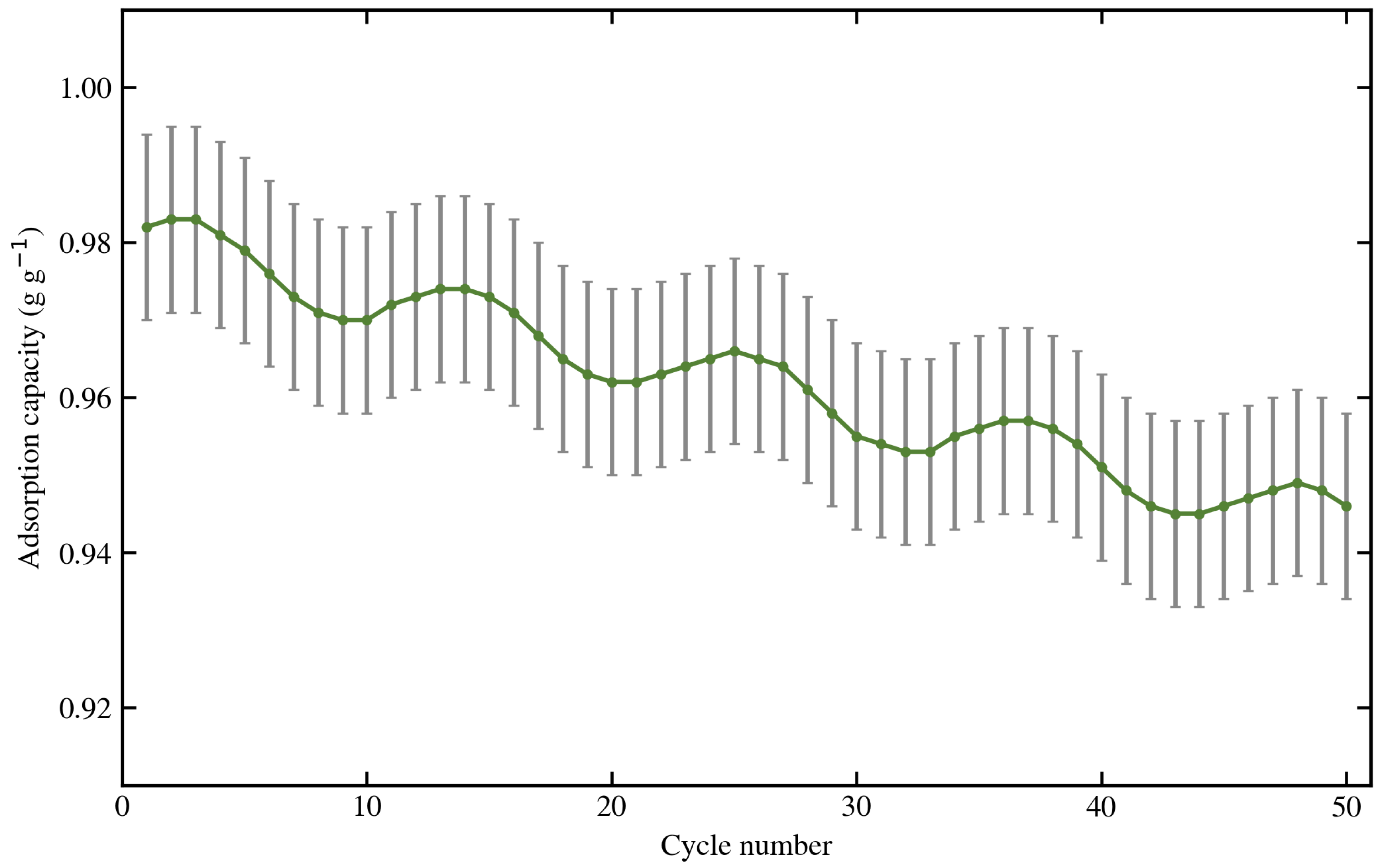
The cycling stability of the CaCl2-loaded PVA–alginate–gum Arabic–graphene bio-aerogel was assessed over 50 consecutive adsorption–regeneration cycles at 60% relative humidity and a regeneration temperature of 80 °C. Adsorption-capacity retention was calculated relative to the first cycle. Based on the reported mean capacities, the material retained approximately 96.3% of its initial adsorption capacity after 50 cycles. This result suggests limited loss of sorption performance under the investigated laboratory conditions. Nevertheless, adsorption-capacity retention alone does not establish complete structural integrity or the absence of hygroscopic salt migration. Further assessment of salt retention, morphological changes, and recovered-water quality would be necessary to establish long-term operational durability.
The bio-aerogel retained 96.3% of its initial moisture-adsorption capacity after 50 adsorption–regeneration cycles, indicating favorable functional stability under the investigated experimental conditions (Figure 7). However, adsorption-capacity retention does not independently establish complete chemical immobilization of CaCl2. Salt migration, redistribution, or partial leakage may occur without producing a proportional decrease in moisture uptake. Direct measurements of calcium and chloride concentrations in the recovered condensate, together with post-cycling determination of retained salt content, are required to establish a quantitative salt-retention balance. Accordingly, the present cycling results should not be interpreted as evidence of negligible salt leaching or confirmed drinking-water quality.
Figure 7.
Reported cycling stability over 50 cycles. Error bars provisionally represent the reported constant SD of 0.012 and must be replaced by SD values recalculated from the raw triplicate measurements.
3.10. Comparative Evaluation of Component Contributions
The PVA–SA–GA–GNP/CaCl2 bio-aerogel was formulated to combine the hydrophilic characteristics of the polymer network, the hygroscopic properties of CaCl2, and the potential photothermal functionality of graphene nanoplatelets. Gum Arabic may contribute hydrophilic functional groups and influence the polymer-network architecture, whereas CaCl2 promotes atmospheric moisture capture through its strong affinity for water. Graphene nanoplatelets were incorporated as a potential photothermal additive. However, the individual contributions of these components to moisture adsorption, regeneration efficiency, and cycling stability cannot be quantitatively established without corresponding component-omission controls tested under equivalent conditions. Consequently, the present results describe the performance of the complete formulation without attributing measured improvements to individual constituents in the absence of direct comparative evidence.
3.11. Model-Based Performance Assessment of the Bio-Aerogel
Figure 8 presents the predicted water-harvesting performance of the developed bio-aerogel under different relative humidity and regeneration-temperature conditions. The adsorption capacity increased continuously with increasing relative humidity (Figure 8A). At 25 °C, the water uptake increased from 0.18 g g−1 at 20% RH to 0.31, 0.49, 0.72, 0.98, 1.22, and 1.41 g g−1 at 30%, 40%, 50%, 60%, 70%, and 80% RH, respectively. The pronounced increase above 50% RH indicates enhanced water-vapor association within the hydrophilic polymer network, followed by progressive pore filling and capillary condensation within the interconnected porous structure. These findings demonstrate the strong dependence of the sorption performance on atmospheric moisture availability Table 7. The influence of regeneration temperature on water production at 60% RH is shown in Figure 8B.
Figure 8.
Model-based performance assessment of the DesertFog bio-aerogel: (A) adsorption capacity as a function of relative humidity at 25 °C; (B) water production at different regeneration temperatures under 60% RH; (C) adsorption-capacity stability over 50 adsorption–desorption cycles; and (D) combined influence of relative humidity and regeneration temperature on water yield. The orange shaded area in (B) highlights the regeneration temperature range (75–85 °C) surrounding the model-predicted maximum water yield at 80 °C.
Table 7.
Effect of relative humidity on the water adsorption capacity of the bio-aerogel at 25 °C.
The influence of regeneration temperature on recovered-water yield at 60% relative humidity is presented in Figure 8B and Table 8. Water yield increased from 0.38 L kg−1 cycle−1 at 40 °C to 0.72 and 1.19 L kg−1 cycle−1 at 50 and 60 °C, respectively, reaching a maximum of 1.56 L kg−1 cycle−1 at 70 °C. However, a decrease to 0.712 L kg−1 cycle−1 was recorded at 80 °C, followed by an increase to 1.55 L kg−1 cycle−1 at 90 °C. These results indicate a non-monotonic relationship between regeneration temperature and recovered-water yield under the investigated conditions. The unexpectedly low yield at 80 °C requires further verification and may reflect experimental variability or differences in desorption and condensation performance. Therefore, the highest observed recovered-water yield at 60% RH was recorded at 70 °C, while the underlying causes of the non-monotonic temperature response remain unresolved [36].
Table 8.
Effect of regeneration temperature on recovered-water yield at 60% relative humidity.
Under the investigated conditions, 70 °C provided the highest observed recovered-water yield at 60% relative humidity. However, the optimum regeneration temperature may vary with relative humidity, and its determination requires consideration of both recovered-water yield and regeneration-energy consumption.
The cyclic performance of the bio-aerogel was evaluated over 50 consecutive adsorption–desorption cycles at 60% RH (Figure 8C). The adsorption capacity decreased slightly from approximately 0.982 g g−1 during the first cycle to 0.946 g g−1 after the 50th cycle, corresponding to a capacity retention of 96.3%. The limited reduction in adsorption capacity indicates good structural and functional stability of the porous polymer network during repeated hydration and thermal regeneration. The observed stability also suggests that the hydrophilic adsorption sites remained accessible and that the bio-aerogel experienced limited irreversible pore collapse or material degradation.
The combined effects of relative humidity and regeneration temperature on water yield are presented in Figure 8D. At low relative humidity, water production remained limited even when the regeneration temperature was increased. At 20% RH, the predicted yield ranged from 0.10 to 0.41 L kg−1 cycle−1 over the investigated temperature range. In contrast, increasing the relative humidity substantially enhanced water production. At 60% RH, the yield increased from 0.39 L kg−1 cycle−1 at 40 °C to 0.712 L kg−1 cycle−1 at 80 °C. The highest reported cumulative water yield of 2.05 L kg−1 cycle−1 was obtained at 80% relative humidity and a regeneration temperature of 80 °C (Table 9 and Table 10). This result should be distinguished from the maximum yield of 1.56 L kg−1 cycle−1 observed at 70 °C under 60% relative humidity (Table 8). These findings indicate that the temperature associated with maximum water recovery may vary depending on atmospheric moisture availability. However, the reported maximum cumulative yield of 2.05 L kg−1 cycle−1 remains subject to verification through the original batch-specific adsorption and condensate measurements and a complete water-mass balance.
Table 9.
Combined influence of relative humidity and regeneration temperature on water yield.
Table 10.
Adsorption capacity and performance retention over 50 adsorption–desorption cycles.
Overall, the results demonstrate that water production is governed by the combined effects of atmospheric moisture availability and thermal regeneration. Higher relative humidity increases the amount of water stored within the polymeric porous network, whereas an appropriate regeneration temperature facilitates efficient water release and subsequent condensation. The optimum operating region was identified at 70–80% RH and 70–80 °C, where the system achieved high water productivity without requiring excessive regeneration temperatures. The high capacity retention after 50 cycles further supports the potential durability of the bio-aerogel for repeated atmospheric water-harvesting applications [37].
3.12. Comparison with Previously Reported Polymeric Sorbents
The atmospheric water-harvesting performance of the developed PVA–SA–GA–graphene/CaCl2 hybrid bio-aerogel should be considered alongside previously reported hygroscopic polymeric sorbents, particularly salt-loaded hydrogels and biopolymer-derived aerogels. Reliable comparisons require consistent consideration of relative humidity, adsorption temperature, regeneration conditions, dry-mass normalization, and the distinction between moisture adsorption capacity and recovered liquid-water yield.
Graphene-derived materials have also attracted attention as moisture-sorbing components. The water-adsorption characteristics of graphene oxide have been reported, demonstrating the importance of its oxygen-containing functional groups in promoting interactions with water molecules. However, graphene oxide differs substantially from the graphene nanoplatelets used in the present study, particularly in surface chemistry and the abundance of hydrophilic functional groups. Therefore, the water-adsorption behavior reported for graphene oxide cannot be directly attributed to GNP. In the present composite, moisture uptake is more appropriately discussed in relation to the combined contributions of the hydrophilic polymeric constituents and incorporated hygroscopic CaCl2, while the specific contribution of GNP requires investigation using suitable control formulations.
Although the developed composite exhibited a reported maximum adsorption capacity of 1.41 g g−1 at 80% RH, this value alone is insufficient to establish superior performance relative to existing sorbents. A meaningful assessment should also consider recoverable water yield, regeneration temperature, cycle duration, energy requirements, salt retention, and long-term cycling stability. Accordingly, direct performance rankings should be limited to studies conducted under sufficiently comparable experimental conditions.
The atmospheric water-harvesting performance of hygroscopic polymeric sorbents depends on several interconnected factors, including the availability of hydrophilic functional groups, the incorporation and retention of hygroscopic salts, the accessibility of water-transport pathways, and the regeneration conditions. Graphene-derived materials have also attracted attention for their interactions with water; however, graphene oxide and graphene nanoplatelets differ in their surface chemistry and should not be treated as interchangeable materials. Meaningful comparison of the present bio-aerogel with previously reported sorbents requires consideration of relative humidity, adsorption duration, regeneration temperature, recovered liquid-water yield, and cycling stability. Differences in testing protocols and yield-normalization bases must be considered before drawing conclusions about comparative performance.
3.13. Proposed Data-Driven Framework for Future Atmospheric Water-Harvesting Optimization
The experimentally investigated relationships among relative humidity, regeneration temperature, and recovered-water yield provide a preliminary basis for developing a future data-driven optimization framework for the DesertFog platform. The proposed approach integrates environmental sensing, predictive modeling, operational optimization, and cloud-based monitoring to support adaptive atmospheric water harvesting. However, no artificial intelligence (AI) algorithms, autonomous controllers, or integrated IoT systems were developed or experimentally validated in the present study. Their implementation will require time-resolved environmental and operational datasets, independent model validation, and quantitative assessment of water-production and energy-management performance.
The proposed framework comprises interconnected layers for environmental sensing, data preprocessing, machine-learning prediction, operational optimization, system control, and cloud-based analytics. Distributed Internet of Things (IoT) sensors would monitor relative humidity, ambient temperature, solar irradiance, wind speed, atmospheric pressure, sorbent moisture content, condenser temperature, water-production rate, water-quality indicators, and battery state of charge. These measurements would provide the input data required for predictive operational management under variable climatic conditions.
Following acquisition, sensor data would undergo preprocessing to address measurement noise, missing values, inconsistent sampling intervals, and differences in measurement scales. Feature engineering and temporal data alignment would subsequently support the development of predictive models describing relationships among atmospheric conditions, sorbent behavior, energy availability, and water production.
Long short-term memory (LSTM) networks could be investigated for short-term forecasting of relative humidity, temperature, and solar irradiance. Support vector regression (SVR) could be evaluated for predicting freshwater yield, while random forest models could help identify influential environmental and operational variables. The suitability of these algorithms would depend on dataset size, temporal resolution, predictive performance, and generalizability across climatic conditions [38].
A prospective optimization module would combine meteorological forecasts, predicted moisture uptake, regeneration requirements, and available solar energy to recommend adsorption duration, regeneration temperature, airflow rate, and condensation schedules. Rather than relying exclusively on fixed operating cycles, the proposed controller could adapt operating conditions to anticipated humidity variations, sorbent saturation, and energy availability. Its effectiveness would require comparison with experimentally validated baseline control strategies.
Predictive maintenance could also be incorporated through continuous assessment of adsorption-capacity changes, airflow resistance, condenser performance, temperature distribution, and water-production stability. Anomaly detection models could identify deviations from expected operation and support preventive maintenance scheduling. Nevertheless, the reliability of these functions would depend on the availability of representative operational and failure datasets.
Cloud-based analytics could aggregate measurements from geographically distributed DesertFog installations, enabling long-term environmental assessment, regional performance comparisons, water-production forecasting, and maintenance planning [39]. As additional validated data become available, periodic model updating could improve adaptation to seasonal and regional variability. Such improvements would require independent testing to avoid overfitting and model drift.
The proposed framework could further provide operational dashboards displaying environmental conditions, predicted and measured water production, energy consumption, adsorption performance, equipment status, and water-quality indicators (Figure 9). Automated alerts could assist operators in identifying abnormal conditions and maintenance requirements [40].
A hybrid edge–cloud architecture is envisaged to support deployment in remote environments. Time-sensitive monitoring and control functions could operate locally, while computationally intensive model training, historical analysis, and regional optimization could be performed through cloud infrastructure. Local fallback control and secure data communication would be important considerations where network connectivity is intermittent.
Overall, the proposed AI-enabled framework offers a prospective approach to integrating atmospheric moisture harvesting with predictive environmental assessment, renewable-energy management, and adaptive operational control. Its potential benefits include improved operating flexibility, more efficient scheduling, and enhanced remote monitoring. However, improvements in freshwater productivity, specific energy consumption, reliability, and sustainability remain hypotheses requiring prototype development, field experimentation, and techno-economic evaluation.
Figure 9.
Conceptual AI-enabled optimization framework proposed for DesertFog: (a) environmental data acquisition through IoT sensors; (b) data preprocessing; (c) AI and machine-learning engine; (d) decision optimization; (e) atmospheric water harvesting system; (f) freshwater production and quality monitoring; (g) cloud platform and analytics; and (h) continuous learning feedback. Environmental and operational data would undergo preprocessing before analysis using candidate machine-learning approaches, including LSTM, random forest, and SVR [41]. Predicted conditions and water-production potential would inform operational decisions concerning adsorption, regeneration, condensation, and energy allocation. Cloud-based monitoring and model updating are envisaged as future functions rather than experimentally demonstrated capabilities. AI-assisted visualization was performed using Adobe Firefly (Adobe Inc., San Jose, CA, USA) to support the graphical presentation of the conceptual framework.
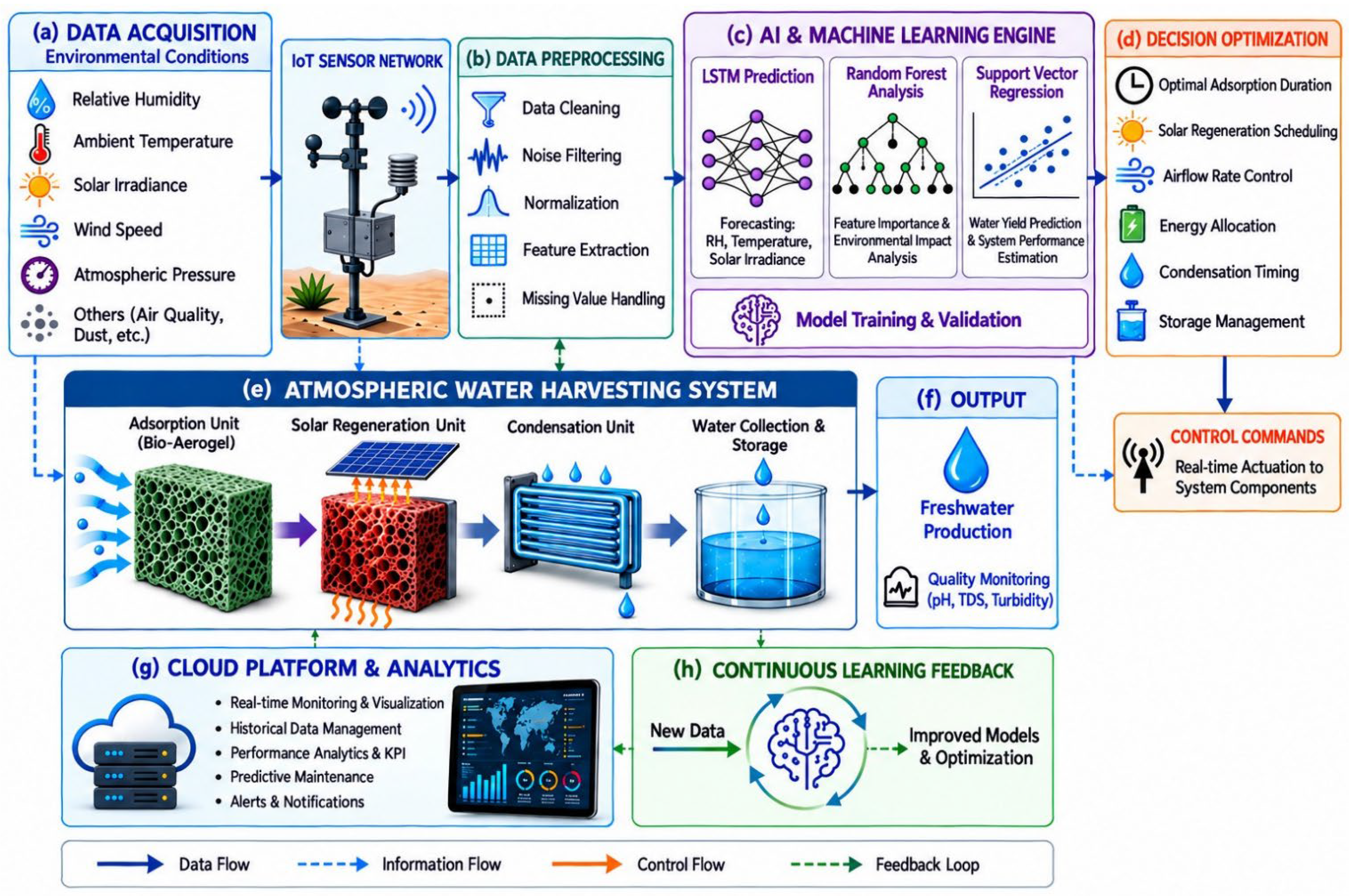
3.14. Proposed DesertFog System Architecture
The proposed DesertFog platform adopts a modular cyber-physical architecture integrating atmospheric water harvesting, renewable energy, environmental sensing, artificial intelligence (AI), and cloud-based monitoring within a unified conceptual framework. The architecture comprises six interconnected layers intended to support future scalability, operational flexibility, and adaptive control under arid and semi-arid climatic conditions.
The physical layer comprises the atmospheric water-harvesting unit, including the PVA–SA–GA–graphene/CaCl2 bio-aerogel adsorption module, solar-assisted regeneration chamber, vapor condenser, water-storage reservoir, and photovoltaic energy subsystem. Atmospheric moisture would be captured by the bio-aerogel during adsorption, followed by thermal regeneration and condensation of the released water vapor.
The sensing layer incorporates distributed IoT-compatible sensors for monitoring relative humidity, ambient temperature, solar irradiance, wind speed, atmospheric pressure, airflow rate, water-production rate, water-quality indicators, and battery state of charge. These measurements would provide the environmental and operational information required for future adaptive system management.
The **edge-computing layer** is designed to perform local data acquisition, signal processing, anomaly detection, and time-sensitive control. Embedded controllers could regulate adsorption duration, regeneration timing, airflow, valve operation, and condensate collection according to measured conditions and predefined operational constraints.
The **communication layer** would facilitate data exchange between field devices and remote computing infrastructure using suitable communication technologies, including LoRaWAN, Wi-Fi, or cellular networks (4G/5G), with MQTT potentially serving as an application-layer messaging protocol. Communication technologies would be selected according to deployment distance, network availability, power requirements, and data-transmission needs.
The cloud-intelligence layer would support centralized data storage, predictive modeling, operational analytics, digital simulation, and optimization. Candidate AI models could forecast environmental conditions, estimate water-production potential, evaluate operating strategies, and identify potential maintenance requirements. These capabilities would require representative operational datasets and independent validation before implementation.
Finally, the application layer would provide interactive dashboards for researchers, operators, and decision-makers. These interfaces could display environmental conditions, measured and predicted water production, energy consumption, equipment status, maintenance alerts, and long-term performance indicators, facilitating remote supervision of distributed harvesting units.
Collectively, the proposed architecture establishes a framework for integrating material-level atmospheric moisture capture with renewable-energy management and data-driven control. However, autonomous operation, predictive maintenance, system scalability, and performance optimization remain prospective capabilities requiring prototype development, field testing, and techno-economic evaluation.
3.15. Environmental Considerations, Sustainability, and Limitations
The incorporation of sodium alginate and gum Arabic introduces renewable, naturally derived polysaccharides into the developed PVA–SA–GA–graphene/CaCl2 hybrid bio-aerogel. Nevertheless, the environmental sustainability of the complete composite cannot be inferred solely from the bio-based origin of these constituents. The formulation also contains synthetic PVA, graphene nanoplatelets, and hygroscopic CaCl2, while its fabrication involves energy-consuming processes, including heating, freezing, and freeze-drying.
Additional environmental considerations include raw-material sourcing, water and energy consumption during fabrication, calcium chloride retention and potential leaching, thermal regeneration requirements, condenser energy demand, sorbent durability, and end-of-life management. The environmental implications of these processes depend on material composition, manufacturing scale, energy sources, operational conditions, and the amount of recoverable water produced throughout the sorbent lifetime.
The proposed integration of solar thermal regeneration and photovoltaic power could reduce dependence on externally supplied electricity. However, the extent of any reduction in energy consumption or greenhouse gas emissions remains uncertain because the complete solar-powered DesertFog platform has not been experimentally constructed or evaluated. Similarly, the potential environmental benefits of AI-assisted operation, predictive maintenance, and decentralized water production require quantitative validation rather than assumption [42].
A comprehensive life-cycle assessment (LCA) should therefore examine raw-material extraction, polymer and composite production, energy requirements during fabrication, system installation, operational electricity and thermal energy consumption, sorbent replacement, transportation, and end-of-life treatment. An appropriate functional unit, such as 1 L of recovered water meeting a specified quality standard, should be adopted to enable comparison with alternative atmospheric water-harvesting technologies under equivalent climatic and operational conditions.
Future assessments should quantify energy consumption per liter of recovered water, greenhouse gas emissions, water footprint, material consumption, sorbent lifetime, and potential environmental impacts associated with salt leakage and component disposal. Particular attention should be given to the relationship between water-production yield, regeneration temperature, renewable-energy availability, and the number of effective adsorption–regeneration cycles.
The proposed decentralized configuration may offer practical advantages for remote communities, agricultural applications, and ecological restoration projects where conventional water infrastructure is limited. Nevertheless, deployment feasibility will depend on local atmospheric humidity, seasonal variability, energy availability, water-production demand, maintenance requirements, and the quality of recovered condensate. Additional treatment may be necessary before the collected water can be considered suitable for irrigation or human consumption.
From a broader sustainability perspective, the DesertFog concept is potentially relevant to several United Nations Sustainable Development Goals, particularly SDG 6 (Clean Water and Sanitation), SDG 7 (Affordable and Clean Energy), SDG 9 (Industry, Innovation and Infrastructure), SDG 12 (Responsible Consumption and Production), and SDG 13 (Climate Action) (Figure 10). However, alignment with these objectives should be interpreted as a prospective contribution rather than evidence of demonstrated environmental performance.
Overall, the developed hybrid bio-aerogel provides an experimental basis for investigating atmospheric moisture capture and thermal water recovery, while the proposed DesertFog platform offers a conceptual pathway toward solar-assisted, intelligently managed freshwater production. Establishing its environmental and economic viability will require integrated prototype testing, quantitative energy and mass balances, water-quality assessment, long-term outdoor operation, and comparative life-cycle and techno-economic analyses.
Figure 10.
Conceptual sustainability assessment of the proposed DesertFog platform compared with grid-powered atmospheric water harvesting (AWH) and solar-powered AWH without artificial intelligence (AI): (a) carbon emissions; (b) energy consumption; (c) water footprint; and (d) material impact. All environmental impact indicators are normalized to grid-powered AWH (1.00). The presented values are illustrative and should be interpreted as a framework for future environmental evaluation rather than the results of a completed comparative life-cycle assessment.
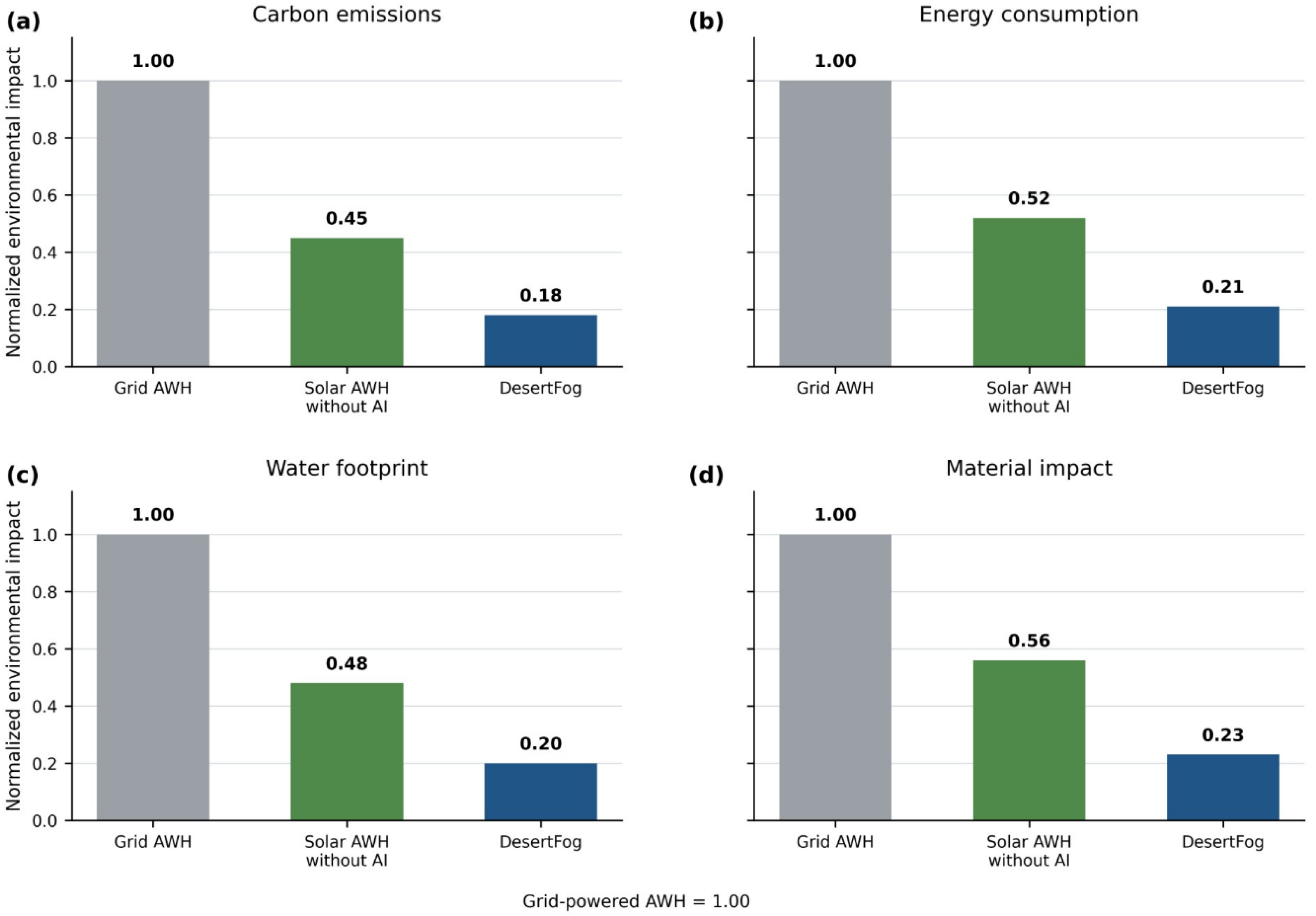
4. Conclusions
This study investigated a CaCl2-loaded PVA–SA–GA–GNP hybrid bio-aerogel for atmospheric water harvesting. Equilibrium moisture adsorption increased from 0.18 to 1.41 g g−1 as relative humidity increased from 20% to 80%, demonstrating the strong dependence of sorption performance on atmospheric moisture availability. The composite also exhibited temperature-dependent water recovery and retained 96.3% of its initial adsorption capacity after 50 adsorption–regeneration cycles.
The findings support the potential of the developed polymeric composite as a regenerable atmospheric moisture sorbent. A cumulative recovered-water yield of 2.05 L kg−1 of dry sorbent was reported over two consecutive adsorption–regeneration batches at 80% RH and 80 °C. Additional characterization of pore structure, GNP distribution, CaCl2 retention, and mechanical durability would help clarify the relationships between material composition, structural properties, and water-harvesting performance.
Overall, the study provides preliminary experimental evidence supporting the development of multicomponent polymeric bio-aerogels for atmospheric moisture capture and regeneration, while identifying the specific measurements required for further material validation.
Author Contributions
Author Contributions: Conceptualization, A.K. and H.I.M.I.; methodology, N.B., R.M.M.B. and H.I.M.I.; investigation and experimental work, N.B. and R.M.M.B.; formal analysis, N.B., R.M.M.B. and A.K.; data curation, N.B. and R.M.M.B.; writing—original draft preparation, A.K. and N.B.; writing—review and editing, A.K., N.B., R.M.M.B. and H.I.M.I.; visualization, N.B. and R.M.M.B.; supervision, A.K. and H.I.M.I. All authors have read and agreed to the published version of the manuscript.
Funding
This work was supported by the Deanship of Scientific Research, Vice Presidency for Graduate Studies and Scientific Research, King Faisal University, Saudi Arabia [Grant No. KFU266756].
Institutional Review Board Statement
Not applicable.
Informed Consent Statement
Not applicable.
Data Availability Statement
The original contributions presented in this study are included in the article. Further inquiries can be directed to the corresponding author.
Acknowledgments
This work was supported by the Deanship of Scientific Research, Vice Presidency for Graduate Studies and Scientific Research, King Faisal University, Saudi Arabia [Grant No. KFU266756]. During the preparation of this manuscript, the authors used Adobe Firefly Image 4 (Adobe Inc. San Jose, CA, USA) to generate and/or assist in the creation of figures and graphical elements. The authors reviewed and edited all AI-generated outputs to ensure their scientific accuracy, relevance, and consistency with the manuscript. The authors take full responsibility for the content of the figures and the final published work.
Conflicts of Interest
The authors declare no conflicts of interest.
Abbreviations
The following abbreviations are used in this manuscript:
| Abbreviation | Full term |
| AI | Artificial Intelligence |
| AWH | Atmospheric Water Harvesting |
| BET | Brunauer–Emmett–Teller |
| CaCl2 | Calcium Chloride |
| EDS | Energy-Dispersive X-ray Spectroscopy |
| FTIR | Fourier-Transform Infrared Spectroscopy |
| GA | Gum Arabic |
| IoT | Internet of Things |
| LCA | Life-Cycle Assessment |
| LSTM | Long Short-Term Memory |
| LoRaWAN | Long Range Wide Area Network |
| MOF | Metal–Organic Framework |
| MQTT | Message Queuing Telemetry Transport |
| PVA | Poly(vinyl alcohol) |
| PV | Photovoltaic |
| RH | Relative Humidity |
| RF | Random Forest |
| SA | Sodium Alginate |
| SD | Standard Deviation |
| SDGs | Sustainable Development Goals |
| SEM | Scanning Electron Microscopy |
| SVR | Support Vector Regression |
| XRD | X-ray Diffraction |
References
- Tiwari, A.; Sreenivasa, B.R.; Raveesh, G.; Mani, S.; Mukkavilli, R. Effect of regeneration temperature and desiccant quantity on the performance of atmospheric water harvesting system. Sep. Sci. Technol. 2026. advance online publication. [Google Scholar] [CrossRef] [Scilit]
- Cui, Y.; Chen, Z.; Feng, J.; Guo, L.; Wei, F.; Zhang, J.; Lu, Y.; Duan, Y.; Liang, Z.; Feng, D. Metal-organic-framework-based superhygroscopic composite aerogel for efficient atmospheric water harvesting. Chem. Eng. J. 2026, 543, 177809. [Google Scholar] [CrossRef] [Scilit]
- Dol, S.S.; Razzak, M.H.A.; Mustafa, A.; Alhamadi, M.A.; Amin, A.H.M.; Takriff, M.S.; Rahman, M.R.A. The innovative and smart solar-powered atmospheric water harvesting system for clean and reliable water solutions. In Artificial Intelligence in Sustainable Energy and Environmental Management; Sulaiman, S.A., Ed.; Springer Nature: Singapore, 2026; pp. 325–346. [Google Scholar] [CrossRef] [Scilit]
- Abdelwadood, S.; Rouxel, S.; Mao, S.; Dumée, L.F. AI-driven discovery of high-performance metal-organic frameworks for next-gen atmospheric water harvesting. J. Mater. Chem. A 2026, 14, 25349–25364. [Google Scholar] [CrossRef] [Scilit]
- Rezaei Kahkha, M.R.; Kaykhaii, M.; Miri, A.; Saravani, H. Fast determination of bisphenol A in spiked juice and drinking water samples by pipette-tip solid-phase extraction using cobalt metal-organic framework as sorbent. Bull. Chem. Soc. Ethiop. 2018, 32, 595–602. [Google Scholar] [CrossRef] [Scilit]
- Rezania, S.; Cho, J.; Nejad, Z.D.; Barghi, A.; Yadav, K.K.; Ahmed, E.M.; Cabral-Pinto, M.M.S.; Park, J.; Mehranzamir, K. Microporous metal-organic frameworks against endocrine-disruptor bisphenol A: Parametric evaluation and optimization. Colloids Surf. A Physicochem. Eng. Asp. 2021, 626, 127039. [Google Scholar] [CrossRef] [Scilit]
- Luo, Z.; Chen, H.; Wu, S.; Yang, C.; Cheng, J. Enhanced removal of bisphenol A from aqueous solution by aluminum-based MOF/sodium alginate-chitosan composite beads. Chemosphere 2019, 237, 124493. [Google Scholar] [CrossRef] [Scilit] [PubMed]
- Aguiar, L.W.; da Costa, E.; dos Santos, A.; Rinaldi, A.W.; Conceição, W.A.S.; Fávaro, S.L.; Guedes, T.A.; Janeiro, V. Water decontamination by metal-organic framework: Experimental and statistical optimization. Model. Earth Syst. Environ. 2020, 6, 455–460. [Google Scholar] [CrossRef] [Scilit]
- Lv, S.W.; Liu, J.M.; Li, C.Y.; Zhao, N.; Wang, Z.H.; Wang, S. Two novel MOFs@COFs hybrid-based photocatalytic platforms coupling with sulfate-radical-involved advanced oxidation processes for enhanced degradation of bisphenol A. Chemosphere 2020, 243, 125378. [Google Scholar] [CrossRef] [Scilit] [PubMed]
- Alamdari, A.; Journey, Z.A. MOF-based strategies for bisphenol A remediation in water: From adsorption to photocatalytic degradation. J. Hazard. Mater. Adv. 2026, 22, 101211. [Google Scholar] [CrossRef] [Scilit]
- Çolak, A.B. Predictive analytics for efficient green hydrogen production: Machine learning applied to thermoelectric-condensation-based atmospheric moisture capture. Int. J. Energy Water Resour. 2026, 10, 11. [Google Scholar] [CrossRef] [Scilit]
- Li, T.T.; Cao, P.; Jiang, W.; Zhang, K.Q. Advances in atmospheric water harvesting hydrogels: A review of material design, system integration, and practical applications. Small Struct. 2026, 7, e70468. [Google Scholar] [CrossRef] [Scilit]
- Jiang, M.; Jin, Y.; Dong, B.; Qin, Z. Molecular insights into atmospheric water harvesting hydrogels: A review. Polym. Rev. 2026, 66, 721–754. [Google Scholar] [CrossRef] [Scilit]
- Chao, Y.; Liu, J.; Zhou, Z.; Wei, H.; Li, G.; Yang, X.; Wang, C.; Du, Y.; Yan, J. Nanoporous water adsorption-storage-release architecture for continuous atmospheric water harvesting. Chem. Eng. J. 2026, 534, 175276. [Google Scholar] [CrossRef] [Scilit]
- Liu, X.; Li, J.; Zhang, Z.; Peng, H.; Liu, J.; Song, N.; Lei, Z. Molecular-engineering-enabled design of POMs-based thermosensitive hygroscopic hydrogels for high-efficiency atmospheric water harvesting. Chem. Eng. J. 2026, 531, 174006. [Google Scholar] [CrossRef] [Scilit]
- Oro, C.E.D.; Mulinari, J.; de Oliveira, C.R.S.; da Silva Júnior, A.H.; Rodrigues, É.F.; Dallago, R.M.; Tres, M.V. Next-generation biomass conversion: Thermochemical methods for high-quality products. Biofuels Bioprod. Biorefin. 2026, 20, 1310–1332. [Google Scholar] [CrossRef] [Scilit]
- Wei, C.; Li, M.; Wang, H.; Liu, Y.; Li, S.; Li, X.; Bian, Z. A novel bio-aerogel based on agroforestry waste chestnut shell for enhanced oil-water separation performance. Colloids Surf. A Physicochem. Eng. Asp. 2025, 705, 135701. [Google Scholar] [CrossRef] [Scilit]
- Ahmed, B.; Hossain, M.J.; Al Parvez, A.; Talukder, A.; Al-Amin, M.; Al Mahmud, M.A.; Islam, T. Recent advancements of MXene/nanocellulose-based hydrogel and aerogel: A review. Adv. Energy Sustain. Res. 2024, 5, 2300231. [Google Scholar] [CrossRef] [Scilit]
- Ahmad, M.I.; Abdul Khalil, H.P.S. Nanostructured bio-aerogels for energy conversion and storage applications. In Environmental and Energy Technology; Springer Nature: Cham, Switzerland, 2025; pp. 197–232. [Google Scholar] [CrossRef] [Scilit]
- Ahmad, M.I.; Abdul Khalil, H.P.S. Bio-aerogels: Promising nanostructured materials for air filtration. In Environmental and Energy Technology; Springer Nature: Cham, Switzerland, 2025; pp. 309–364. [Google Scholar] [CrossRef] [Scilit]
- Ghiyasvand, M.; Soltani, E. Fine-tuning deep neural networks for performance optimization in desiccant-assisted atmospheric water harvesting. Water Resour. Manag. 2026, 40, 75. [Google Scholar] [CrossRef] [Scilit]
- Mohammed, S.J. Artificial intelligence and machine learning in water resources and environmental engineering: A systematic review and future research agenda. Misan J. Eng. Sci. 2026, 5, 454–486. [Google Scholar] [CrossRef]
- Anyebe, M.S.; Adowei, P.; Michael, H. Influence of KOH concentration and temperature on activated carbon derived from doum palm (Hyphaene thebaica) shell in Plateau State, Nigeria. SSRN Electron. J. 2024. [Google Scholar] [CrossRef] [Scilit]
- Hossain, M.S.; Rahman, M.; Sarker, M.T.; Haque, M.E.; Jahid, A. A smart IoT-based system for monitoring and controlling substation equipment. Internet Things 2019, 7, 100085. [Google Scholar] [CrossRef] [Scilit]
- Agrawal, A.; Kumar, A. A comprehensive review of freshwater production from atmospheric air: Techniques, challenges, and opportunities. Environ. Dev. Sustain. 2024, 28, 5731–5766. [Google Scholar] [CrossRef] [Scilit]
- Chen, Z.; Feng, J.; Lin, Y.; Sun, Y.; Zhang, J.; Guo, L.; Cui, Y.; Yang, Y.; Liang, Z.; Feng, D. Efficient and continuous atmospheric water harvesting through adsorption-desorption coupled with capillary water transportation. Appl. Therm. Eng. 2026, 300, 131314. [Google Scholar] [CrossRef] [Scilit]
- Khalil, B.; Adamowski, J.; Shabbir, A.; Jang, C.; Rojas, M.; Reilly, K.; Ozga-Zielinski, B. A review: Dew water collection from radiative passive collectors to recent developments of active collectors. Sustain. Water Resour. Manag. 2015, 2, 71–86. [Google Scholar] [CrossRef] [Scilit]
- Zhao, X.; Fu, H.; Mojiri, A.; Westerhoff, P.; Dai, L.L. Purpose-driven design and manufacturing of hydrogel sorbents for efficient atmospheric water harvesting. Small 2026, 22, e07990. [Google Scholar] [CrossRef] [Scilit] [PubMed]
- Ding, C.; Feng, Z.; Yin, T.; Wan, T.; Wen, B.; Yin, X.; Huang, Y.; Dong, Z.; Liu, C.; Li, M.; et al. Recent advances in hydrogel-based materials for atmospheric water harvesting: A review. Adv. Energy Sustain. Res. 2026, 7, e202500407. [Google Scholar] [CrossRef] [Scilit]
- Han, R.; Wu, X.; Zhu, Y.; Yang, W.; Chen, J.; Qing, Y.; Xiao, P.; Chen, T. Asymmetric hydrophilicity-driven fast water diffusion enabling heterogeneous hygroscopic gels toward high-yield atmospheric water harvest. Nat. Commun. 2026, 17, 4571. [Google Scholar] [CrossRef] [Scilit] [PubMed]
- Díaz-Marín, C.D.; Wilson, C.T.; Song, W.J.; Yan, X.-Y.; Shi, Y.; Li, S.; Liu, C.; Lin, E.; Zhong, Y.; Masetti, L.; et al. Long-term stability of moisture-capturing hydrogels by preventing metal-mediated degradation. Nat. Commun. 2026, 17, 3783. [Google Scholar] [CrossRef] [Scilit] [PubMed]
- Ma, W.; Zhang, W.; Wei, R.; Wen, S.; Duan, X.; Gu, Z.; Lu, C.; Xu, J.; Hu, C.; Qu, J. Surface charge modulated hydrogel for faster atmospheric water harvesting. Water Res. 2026, 293, 125330. [Google Scholar] [CrossRef] [Scilit] [PubMed]
- Guo, F.; Fu, C.; Zhou, W.; Cui, J.; Guo, Z. An ambient pressure drying preparation strategy of biomimetic bagasse cellulose aerogel for atmospheric water harvesting. J. Mater. Chem. A 2026, 14, 7026–7037. [Google Scholar] [CrossRef] [Scilit]
- Panahi-Sarmad, M.; Guo, T.; Hashemi, S.A.; Ghaffarkhah, A.; Wuttke, S.; Arjmand, M.; Rojas, O.J.; Jiang, F. Hierarchically MOF-based porous monolith composites for atmospheric water harvesting. Adv. Mater. 2026, 38, 2413353. [Google Scholar] [CrossRef] [Scilit] [PubMed]
- Kong, H.; Li, Q.; Li, R.; Kang, Y.; Wang, H.; Yu, J.; Chen, W.; Ao, T.; Mou, H. Hydrogel in atmospheric water harvesting: From structural engineering to multifunctional applications. Sep. Purif. Technol. 2026, 396, 137999. [Google Scholar] [CrossRef] [Scilit]
- Guan, W.; Deng, F.; Lei, C.; Chen, Z.; Wang, R.; Yu, G. Toward practical atmospheric water harvesting technologies. Sci. Adv. 2026, 12, eaef4164. [Google Scholar] [CrossRef] [Scilit] [PubMed]
- Campos, V.; Tanaka, C.A.; Marques, D.G.; Granado, N.P.A. Scalable hydrocell technology based on recycled polymers for atmospheric water harvesting. npj Clean Water 2026, 9, 2. [Google Scholar] [CrossRef] [Scilit]
- Badawi, N.; Aldayle, M.; Khalifa, A. Ajwa date seed-derived hydrogel electrolyte with enhanced electrochemical performance and mechanical strength for flexible supercapacitors. Gels 2026, 12, 294. [Google Scholar] [CrossRef] [Scilit] [PubMed]
- Badawi, M.N.; Agrawal, N.; Kumar, Y.; Khan, M.; Hatshan, M.R.; Alayyaf, A.A.; Adil, S.F. Cellulose nanocomposite tough hydrogels: Synergistic self-healing, adhesive and strain-sensitive properties. Polym. Int. 2024, 73, 748–760. [Google Scholar] [CrossRef] [Scilit]
- Badawi, N.M.; Bhatia, M.; Ramesh, S.; Ramesh, K.; Kuniyil, M.; Shaik, M.R.; Khan, M.; Shaik, B.; Adil, S.F. Self-healing, flexible and smart 3D hydrogel electrolytes based on alginate/PEDOT:PSS for supercapacitor applications. Polymers 2023, 15, 571. [Google Scholar] [CrossRef] [Scilit] [PubMed]
- Kumar, S.S.A.; Badawi, N.M.; Batoo, K.M.; Ma, I.A.W.; Ramesh, K.; Ramesh, S.; Shah, M.A. Fabrication and characterization of graphene oxide-based polymer nanocomposite coatings, improved stability and hydrophobicity. Sci. Rep. 2023, 13, 8946. [Google Scholar] [CrossRef] [Scilit] [PubMed]
- Silva, J.A. AI solutions for improving sustainability in water resource management. Sustainability 2026, 18, 2154. [Google Scholar] [CrossRef] [Scilit]
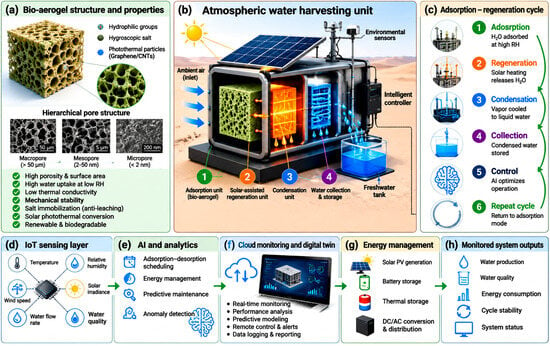
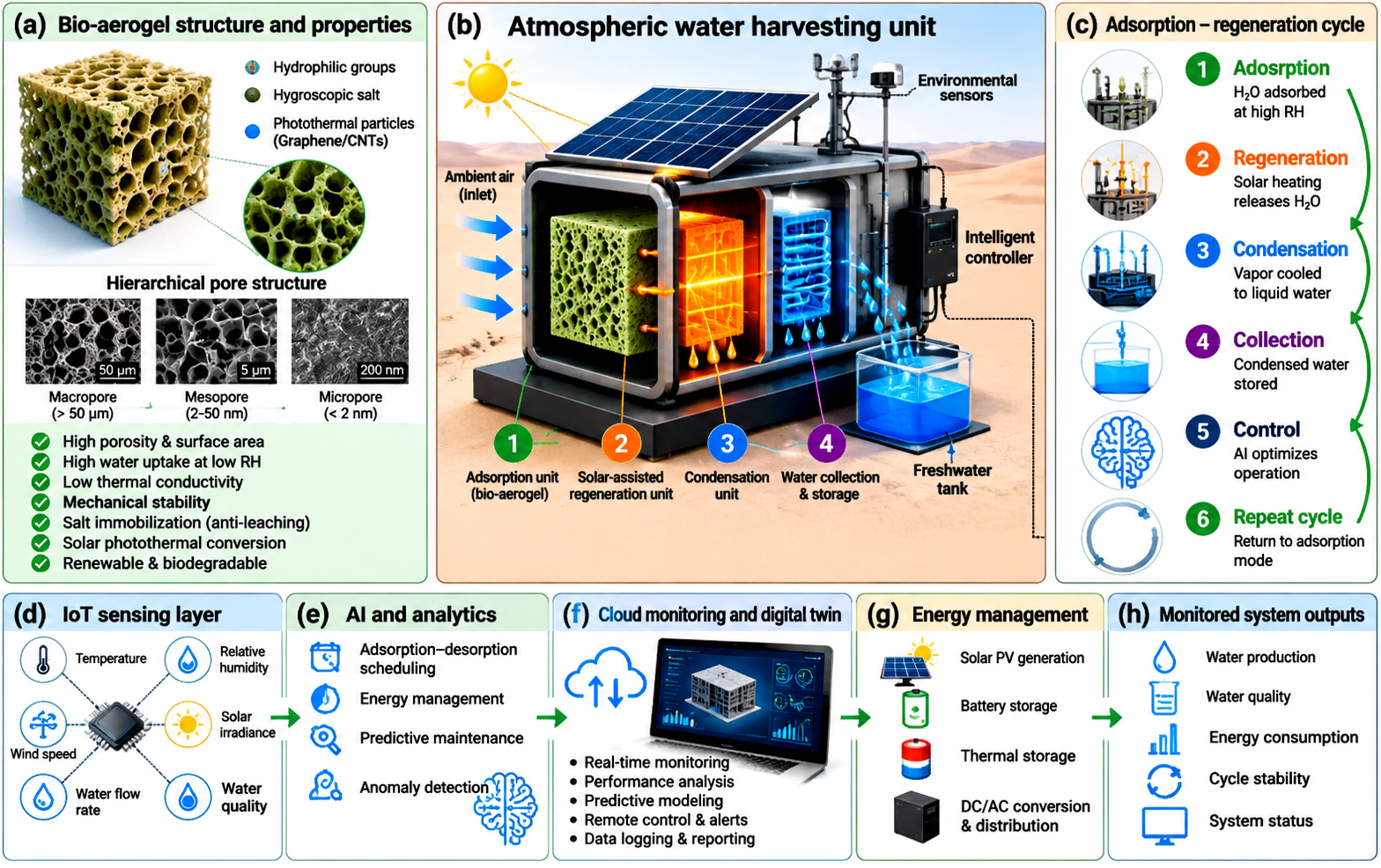
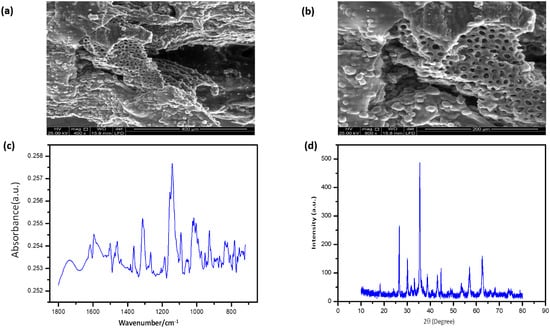
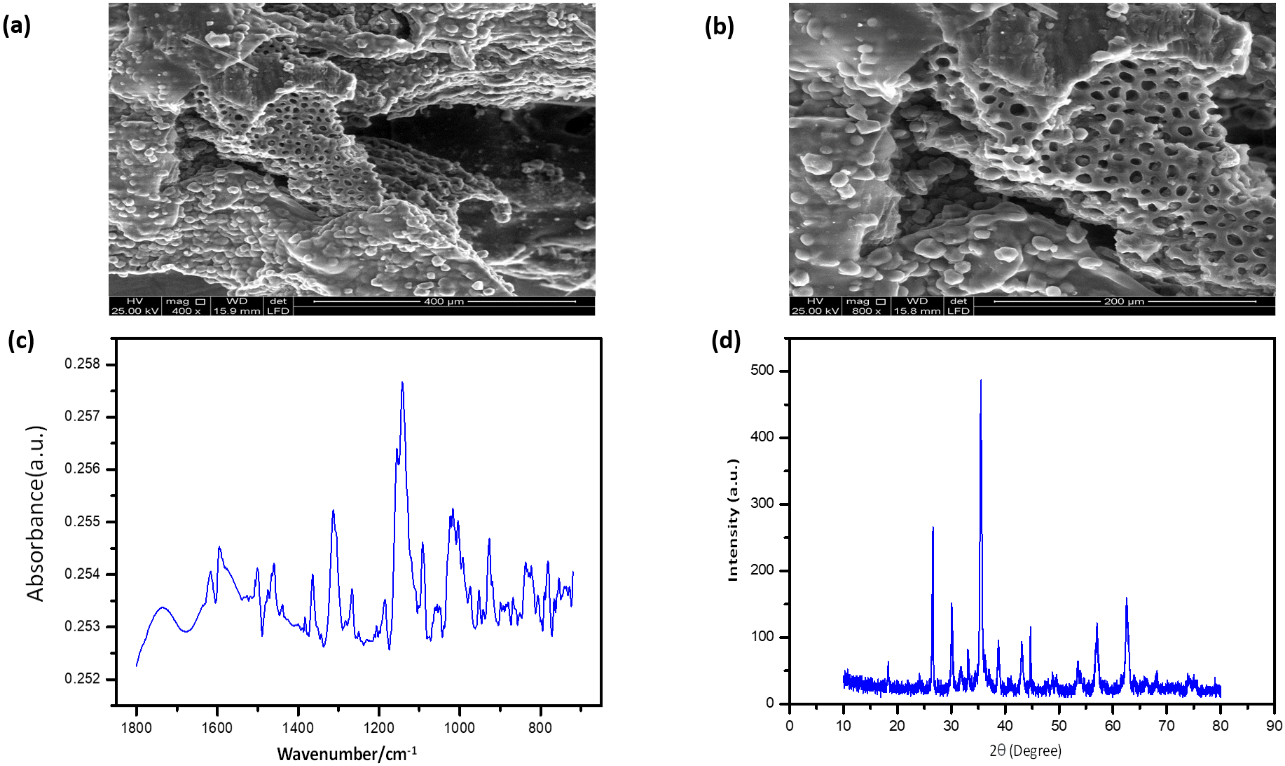
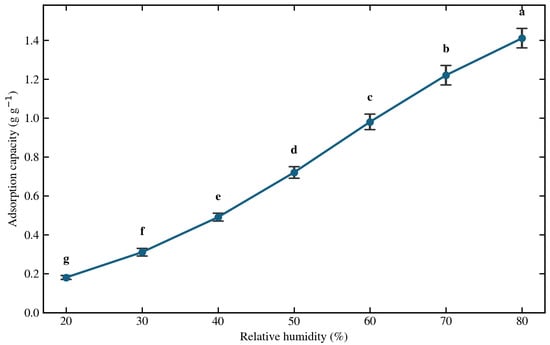
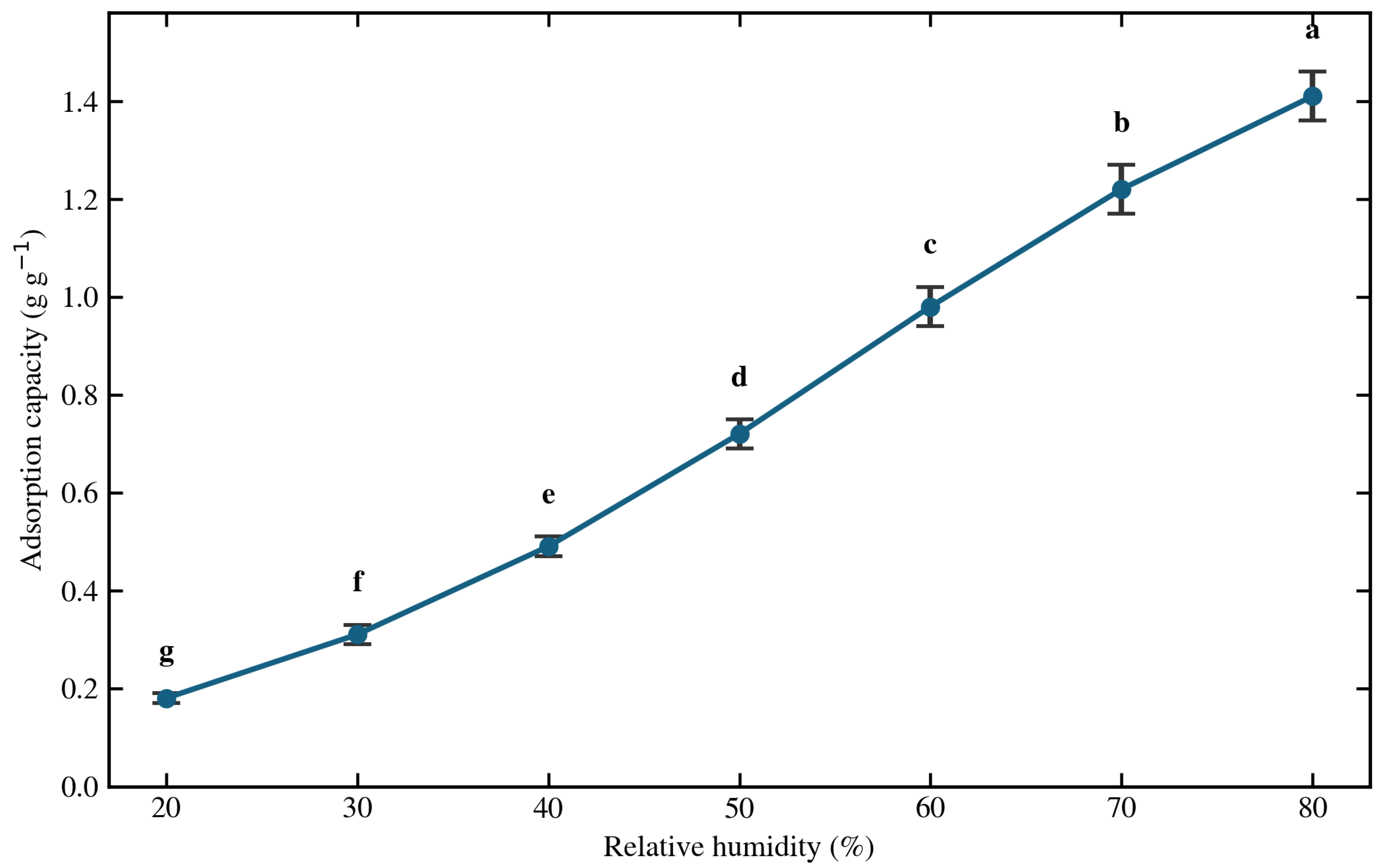
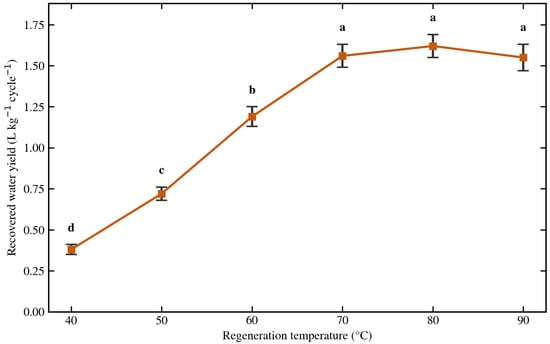
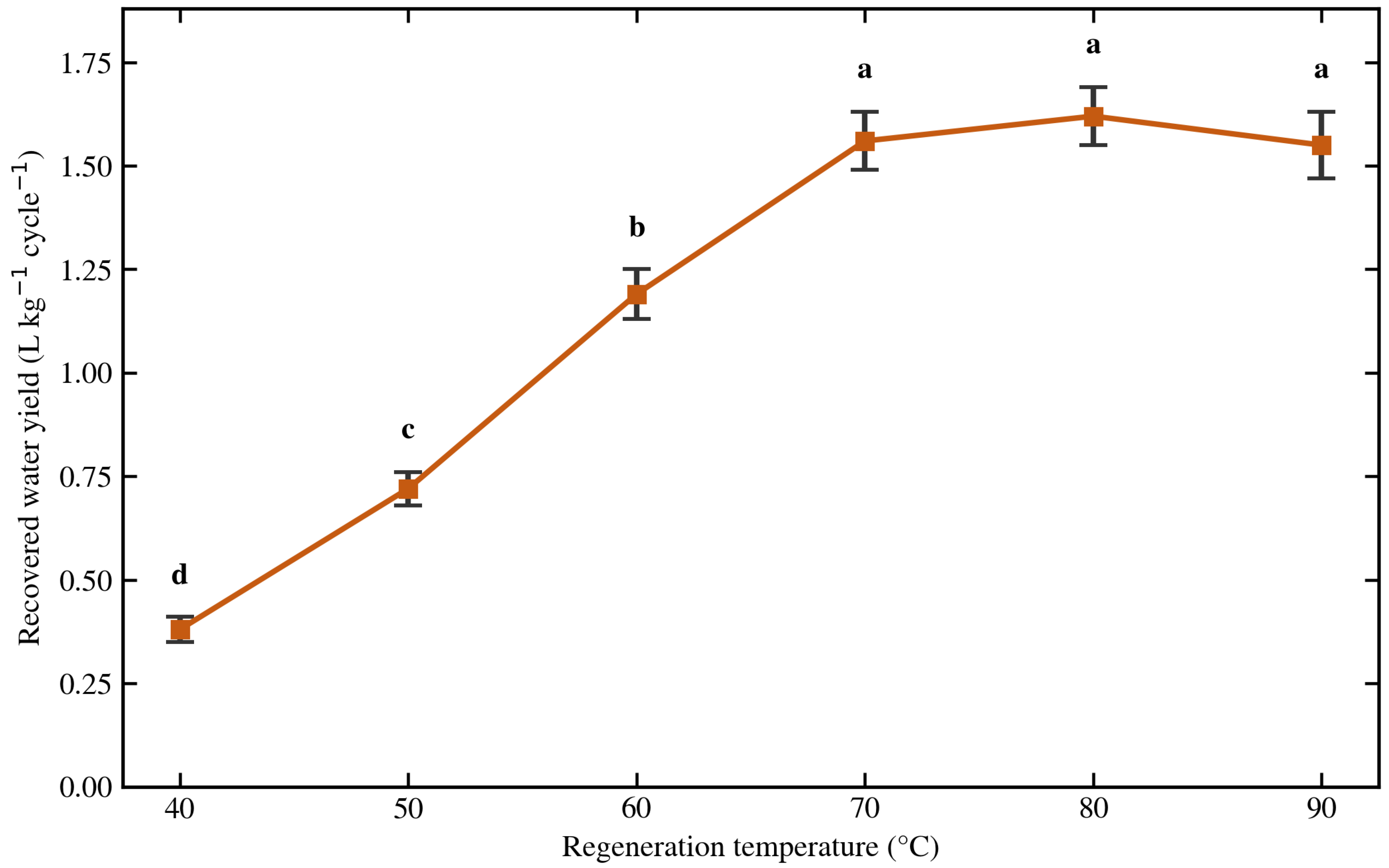
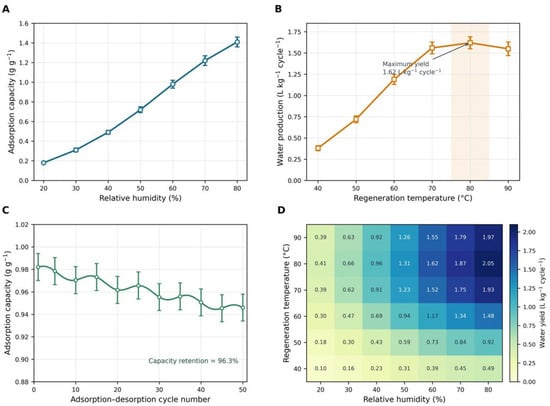
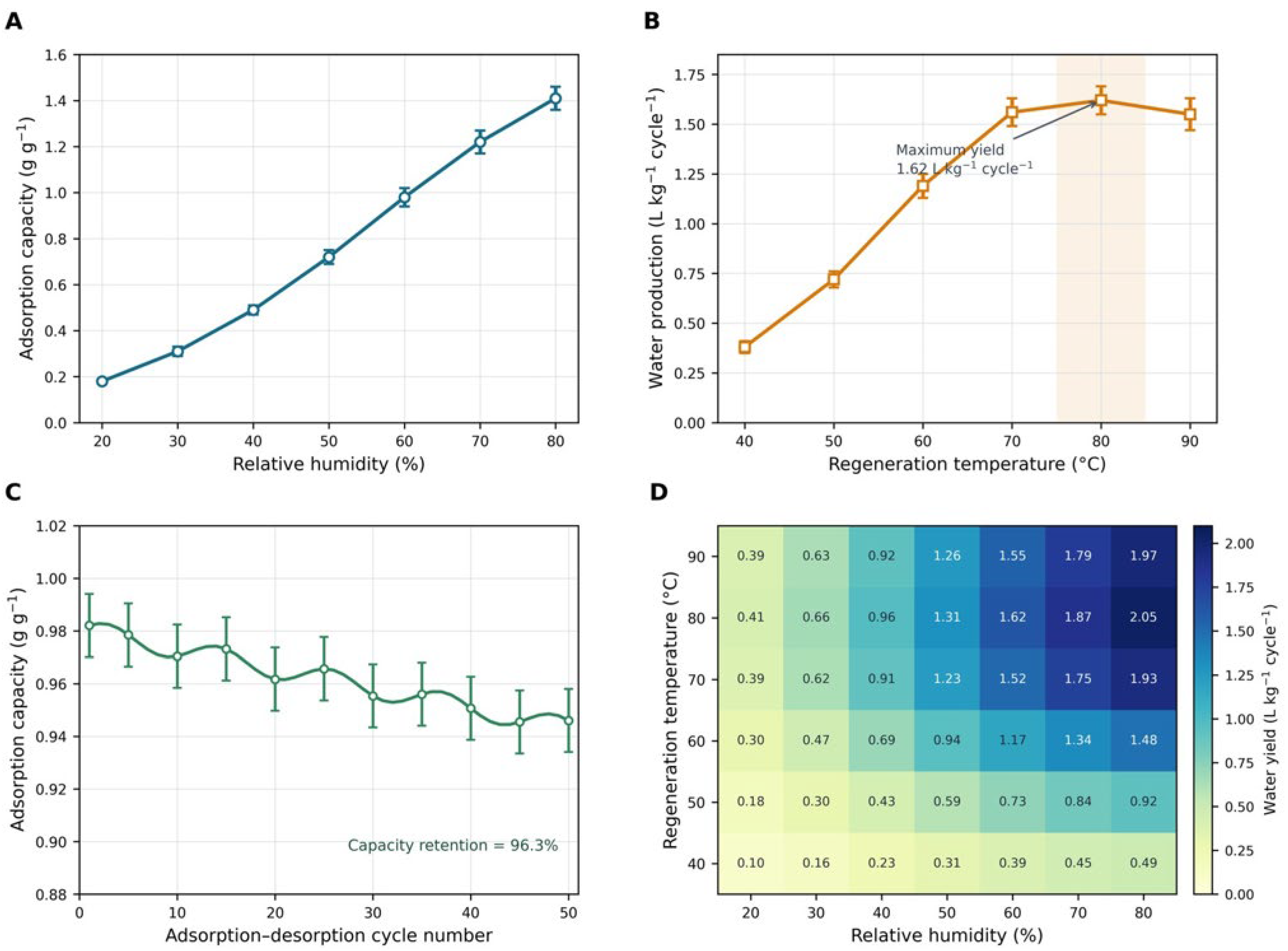

Disclaimer/Publisher’s Note: The statements, opinions and data contained in all publications are solely those of the individual author(s) and contributor(s) and not of MDPI and/or the editor(s). MDPI and/or the editor(s) disclaim responsibility for any injury to people or property resulting from any ideas, methods, instructions or products referred to in the content. |
© 2026 by the authors. Licensee MDPI, Basel, Switzerland. This article is an open access article distributed under the terms and conditions of the Creative Commons Attribution (CC BY) license.