


Abstract
Heterojunction construction is a key strategy for enhancing the photocatalytic efficiency of semiconductors. In this study, a composite of sulfur-doped CoAl layered double hydroxide and Fe-doped C3N5(S-CoAl-LDH/Fe-C3N5) was developed via a hydrothermal method for the synergistic oxidation-reduction degradation of the organic pollutant tetracycline (TC) and the detoxification of heavy-metal ions (Cr(VI)) in wastewater. After optimization, the CAF-4 heterojunction (the composite with 20 wt% Fe-C3N5 loading) exhibited TC degradation rates 5.51 and 3.97 times higher than those of pristine Fe-C3N5 and S-CoAl-LDH, respectively; under simulated sunlight, the Cr(VI) reduction rates were 11.75 and 4.22 times higher, respectively. The as-prepared catalyst demonstrated good stability across a wide pH range, in the presence of various cations and anions, and in different water matrices. Under coexisting pollutant conditions, the composite still achieved removal efficiencies of 82.1% for Cr(VI) and 64.7% for TC. After five cycling runs, the adsorption-photocatalytic efficiency of the composite for the removal of Cr(VI) and TC composite pollutants remained above 80%. Overall, CAF-4 shows great promise for application in the adsorption-photocatalytic treatment of wastewater containing combined Cr(VI) and TC pollution.
1. Introduction
Environmental pollution, particularly the contamination of water resources by heavy metals and organic compounds, has grown increasingly acute, posing a grave threat to both human health and ecological integrity [1,2,3]. The rapid proliferation of industrial activities, including electroplating, leather tanning, metallurgy, and chromate salt production, has driven a sustained surge in the discharge of chromium-laden wastewater [4]. In aqueous environments, chromium exists primarily in two oxidation states, hexavalent chromium [Cr(VI)] and trivalent chromium [Cr(III)] [5]. Of these, Cr(VI) is recognized as a heavy metal pollutant of global priority concern, owing to its strong oxidizing power, high solubility, resistance to biodegradation, and well-established carcinogenic and mutagenic properties [6]. It tends to bioaccumulate through the food chain and eventually enter the human body, thereby posing a persistent risk to ecosystem stability and public health [7]. Given these hazards, the World Health Organization and numerous national drinking water standards have set a strict maximum contaminant level of 0.05 mg/L for Cr(VI) [8]. Concurrently, tetracycline (TC), one of the most widely used antibiotics worldwide, is commonly detected in effluents from pharmaceutical manufacturing, livestock operations, and hospitals. Its persistence in the environment not only accelerates the spread of antibiotic resistance genes but also exerts direct toxicity to aquatic organisms [9,10,11,12]. Of greater concern, Cr(VI) and TC frequently co-occur in actual wastewater matrices, resulting in complex combined contamination that underscores the urgent necessity for integrated treatment technologies capable of removing both pollutants simultaneously [13,14].
Recently, numerous treatment approaches for the remediation of heavy metals and organic pollutants have been extensively documented, encompassing adsorption, electrocatalysis, bioremediation, and photocatalytic redox processes [15,16,17,18]. Nevertheless, each of these standalone techniques is subject to inherent limitations. Adsorption is susceptible to secondary contamination [19], electrocatalysis entails considerable operational costs [20], and photocatalysis is frequently constrained by poor visible-light responsiveness and rapid recombination of photogenerated electron-hole pairs [21]. Therefore, there is a pressing need to develop innovative technologies that enable the synergistic and efficient removal of heavy metals and organic antibiotic pollutants. In recent years, a variety of heterostructured semiconductors have been devised and applied in photocatalytic systems, harnessing visible light to drive the effective degradation and transformation of hazardous contaminants [22,23,24,25]. Semiconductor photocatalysis occurs when photons with energy equal to or greater than the bandgap excite electrons from the valence band to the conduction band, leaving positive holes in the valence band. These charge carriers migrate to the surface and drive redox reactions, in which electrons reduce dissolved oxygen to superoxide radicals or directly reduce heavy-metal ions, while holes oxidize water or hydroxide to hydroxyl radicals or mineralize organic pollutants. However, single-component semiconductors are limited by rapid recombination, narrow visible-light response, and low specific surface area. Constructing heterojunctions with matched band structures creates a built-in electric field at the interface that promotes directional charge separation and extends carrier lifetime [26]. These materials demonstrate promising environmentally benign and highly efficient capabilities for water purification, and have consequently emerged as a key research focus in this field.
Layered double hydroxides (LDHs) have found extensive application in environmental remediation, owing to their distinctive structural attributes, including tunable metal composition, high specific surface area, exchangeable interlayer anions, and the well-known “memory effect” [27,28,29]. The photogenerated electrons in the conduction band exhibit a strong reducing potential and can react with dissolved oxygen to generate superoxide radicals (·O2−), which effectively promote both the reduction of Cr(VI) and the oxidative degradation of organic pollutants [30]. This dual functionality enables efficient water purification through the synergistic combination of adsorption and photocatalysis. Among the various LDH materials, cobalt-aluminum layered double hydroxide (CoAl-LDH) has garnered considerable interest, primarily due to the superior charge-transport properties imparted by cobalt [31,32,33]. To circumvent its intrinsic performance bottlenecks, in situ sulfidation can be employed to introduce sulfur vacancies into the LDH lattice and create unsaturated coordination sites on the surface [34]. These modifications not only markedly enhance the adsorption capacity for Cr(VI) and the charge-transfer kinetics at the solid–liquid interface, but also narrow the band gap and extend the visible-light absorption edge, thereby improving light-harvesting efficiency and inhibiting the recombination of photogenerated charge carriers. As a result, the material exhibits substantially improved removal performance toward a broad spectrum of pollutants, significantly broadening its potential for water-treatment applications. On the other hand, Graphitic carbon nitride (g-C3N4) and its nitrogen-enriched derivatives have garnered substantial interest, largely owing to their chemical robustness, metal-free nature, and distinctive surface properties [35,36,37,38]. Specifically, C3N5, a triazole-based, nitrogen-rich analogue, possesses a higher nitrogen content and an extended π-conjugated framework relative to the widely studied g-C3N4. These structural merits confer a more negative conduction-band potential, superior visible-light absorption, and enhanced reducing power, positioning C3N5 as a highly promising candidate for visible-light photocatalysis, including organic pollutant degradation and hydrogen evolution [39,40,41,42]. Furthermore, inorganic iron salts are abundant in nature, readily available, and exhibit low toxicity. The strongly electronegative nitrogen-rich sites within C3N5 facilitate coordination with positively charged iron ions, while the vacant d orbitals of Fe allow it to act as both an electron donor and acceptor [43]. Through electron-transfer interactions, Fe can form stable complexes with C3N5, synergistically boosting light absorption, charge-carrier separation, and surface catalytic activity [44]. Collectively, these attributes make the construction of heterojunctions between sulfidated LDHs and iron-doped C3N5 an especially attractive approach for the efficient, simultaneous removal of coexisting water pollutants under visible light.
In recent years, significant progress has been made in the development of heterojunction photocatalysts for environmental remediation, with growing emphasis on translating laboratory batch systems toward practical continuous-flow applications and real wastewater matrices [45]. However, several limitations persist in the current literature: (i) most studies focus on the removal of a single pollutant, whereas actual wastewater often contains complex mixtures of heavy metals and organic contaminants; (ii) the charge-transfer mechanism in many LDH/C3N5-based heterojunctions is not rigorously distinguished from alternative configurations; and (iii) systematic evaluation of catalyst performance under diverse real water conditions remains limited [46]. Based on the above considerations, this work proposes the construction of a heterojunction between sulfidated cobalt–aluminum layered double hydroxide (S-CoAl-LDH) and iron-doped C3N5 (Fe-C3N5) to establish a synergistic catalytic system capable of simultaneous TC degradation and Cr(VI) reduction. In this study, a series of S-CoAl-LDH/Fe-C3N5 composites with varying mass ratios were synthesized via a facile hydrothermal method. The adsorption-photocatalytic performance of the as-prepared composites for the simultaneous removal of Cr(VI) and TC was systematically evaluated as a function of the composite composition. Furthermore, the recyclability and environmental adaptability of the optimal composite were assessed under different water matrices. To elucidate the charge-transfer mechanism, the band structures were analyzed in conjunction with radical trapping experiments.
2. Results and Discussion
2.1. Structure and Morphology of S-CoAl-LDH/Fe-C3N5 Composite
The FT-IR spectra of S-CoAl-LDH, Fe-C3N5, and the S-CoAl-LDH/Fe-C3N5 composite are presented in Figure 1a. For S-CoAl-LDH, a broad intense band centered at 3440 cm−1 is attributed to the O-H stretching vibrations of the layer sheets and the interlayer water molecules, while the sharp peak at 1355 cm−1 corresponds to the asymmetric stretching mode of interlayer CO32−, indicating that carbonate is the dominant interlayer anion [47]. The weak peaks below 800 cm−1 arise from the lattice vibrations of M-O and M-O-M bonds, further corroborating the typical hydrotalcite-like structure [48]. Upon sulfidation, an additional absorption band appears near 1100 cm−1, assignable to the stretching vibrations of sulfur-containing groups (e.g., C-S or S-O), thus confirming the successful involvement of thioacetamide in the sulfidation process. For Fe-C3N5, a distinct peak at 804 cm−1 is observed, characteristic of the out-of-plane bending vibration of the triazine ring, a well-recognized fingerprint of graphitic carbon nitride. The multiple bands in the 1200–1650 cm−1 range are associated with the C-N and C=N stretching vibrations within the aromatic heterocyclic framework [49], whereas the broad absorption spanning 3000–3300 cm−1 originates from the stretching vibrations of incompletely condensed amino groups (-NH2, -NH) and adsorbed surface water. Collectively, these spectral features confirm the successful synthesis of nitrogen-rich C3N5 and indicate that iron doping does not noticeably alter its fundamental skeleton. The FT-IR spectrum of the composite clearly exhibits the characteristic absorptions of both components: the hydroxyl peak at 3440 cm−1 and the carbonate peak at 1355 cm−1 from the LDH moiety, together with the triazine ring peak at 804 cm−1 and the C-N/C=N absorption bands in the 1200–1650 cm−1 region from the carbon nitride counterpart. The simultaneous presence of these well-resolved features confirms the successful incorporation of both constituents in the composite. Therefore, the FT-IR results indicate the successful preparation of the S-CoAl-LDH/Fe-C3N5 composites.
Figure 1.
(a) FT-IR spectra of the as-prepared catalysts, (b) XRD patterns of the as-prepared catalysts.
XRD patterns of S-CoAl-LDH, Fe-C3N5, and the S-CoAl-LDH/Fe-C3N5 composites were recorded, as presented in Figure 1b. The pattern of S-CoAl-LDH exhibited well-defined diffraction peaks at 11.4°, 23.3°, 39.1°, 46.7°, and 59.8°, indexed to the (003), (006), (015), (018), and (110) planes, respectively, characteristic of the CoAl-LDH phase (JCPDS No. 51-0045) [50]. This observation suggests that the CoAl-LDH precursor was not fully converted during sulfidation. Notably, the peak positions of S-CoAl-LDH remained virtually unchanged after sulfidation, implying that the layered double hydroxide framework was preserved. An additional peak at 55.98° was assigned to the (440) plane of Co3S4 (JCPDS No. 47-1738) [51]. For Fe-C3N5, a strong diffraction peak appeared at 27.4°, corresponding to the (002) plane arising from the interlayer stacking of the conjugated aromatic system [52]. This peak coincided with that of pristine C3N5, indicating that Fe incorporation did not disturb the intrinsic crystal structure of C3N5. Moreover, no Fe-related reflections were detected, which is ascribed to the highly dispersed state of Fe species within the C3N5 matrix, without forming any detectable crystalline phase. The resultant S-CoAl-LDH/Fe-C3N5 heterostructure displayed diffraction features attributable to both S-CoAl-LDH and Fe-C3N5, confirming the coexistence of both layered components. Furthermore, with increasing S-CoAl-LDH loading in the composite, the relative intensity of the Fe-C3N5 peaks gradually diminished, which is in line with the expected trend for varying mass ratios. Collectively, all diffraction peaks of the heterostructure can be unambiguously indexed to either S-CoAl-LDH or Fe-C3N5, retaining their characteristic reflections and thereby verifying the successful formation of the heterostructure.
The morphology and microstructure of the as-prepared samples were characterized by scanning electron microscopy (SEM) and transmission electron microscopy (TEM), as presented in Figure 2. The SEM image of Fe-C3N5 (Figure 2a) reveals an irregular, compact layered sheet morphology. In contrast, CoAl-LDH (Figure 2b) exhibits a typical flower-like microsphere architecture assembled from numerous thin nanosheets, with an overall diameter of approximately 5–6 μm. After sulfidation, S-CoAl-LDH (Figure 2c) retains its layered structure; however, the flower-like assemblies become less densely packed and more swollen, and the nanosheet edges appear curled rather than flat. For the CAF-4 composite (Figure 2d), the SEM image clearly shows a sheet-on-sheet configuration, in which abundant Fe-C3N5 nanosheets are uniformly distributed over the surface of S-CoAl-LDH. Owing to the relatively high Fe-C3N5 content in CAF-4, the proportion of S-CoAl-LDH sheets is reduced, and these sheets are oriented vertically to form an interconnected network. Such a cross-linked structure is expected to shorten the electron transport pathway, thereby benefiting the photocatalytic performance.
Figure 2.
FE-SEM images of (a) Fe-C3N5, (b) CoAl-LDH, (c) S-CoAl-LDH, and (d) CAF-4. TEM images of (e,f) CAF-4, and (g) EDX elemental mapping images of CAF-4.
Energy-dispersive X-ray (EDX) elemental mapping (Figure 2g) confirms the homogeneous dispersion of all constituent elements, including C, N, Fe, Co, Al, O, and S, across the heterostructure. The corresponding EDX spectrum (also in Figure 2g) further verifies the coexistence of these elements, corroborating the successful formation of a uniform composite.
Transmission electron microscopy (TEM) and high-resolution TEM (HRTEM) images of CAF-4 (Figure 2e,f) reveal that Fe-C3N5 is intimately grown on the surface of S-CoAl-LDH, which is in good agreement with the SEM observations. HRTEM analysis clearly resolves lattice fringes with an interplanar spacing of approximately 0.78 nm, indexed to the (003) plane of S-CoAl-LDH, which is consistent with the d-spacing (0.776 nm) calculated from the XRD peak at 2θ = 11.4°.
X-ray photoelectron spectroscopy (XPS) was employed to characterize the surface chemical states and bonding environments of Fe-C3N5, S-CoAl-LDH and their composite product CAF-4. In the full-scan XPS spectrum of CAF-4 (Figure 3a), distinct signals corresponding to S, Co, Al, Fe, C, N, and O elements were clearly detected, providing additional evidence for the successful fabrication of the CAF-4 composite. Nevertheless, the characteristic peaks corresponding to Fe 2p were relatively weak, which can be ascribed to the deep anchoring of Fe sites within the g-C3N5 framework. As shown in the C 1s spectrum of Fe-C3N5 (Figure 3b), three distinct peaks centered at binding energies of 284.8 eV, 286.2 eV, and 288.3 eV can be deconvoluted, which are assigned to C-C, N-C=O, and C=O species, respectively. For the N 1s spectrum of Fe-C3N5 (Figure 3c), it can also be resolved into three separate peaks. Specifically, the dominant peak located at 398.0 eV is correlated with the nitrogen atoms in the C=N-C configuration within the triazine unit, while the peak at 399.9 eV can be attributed to the tertiary nitrogen bonded to three carbon atoms (C-N=C-C) [53]. Additionally, the weak peak detected at 404.2 eV originates from the π-π* transitions in the graphitic carbon nitride framework. The Fe 2p XPS spectrum (Figure 3d) shows two well-resolved peaks at 709.3 eV (Fe 2p3/2) and 722.2 eV (Fe 2p1/2), with a spin–orbit splitting of approximately 12.9 eV, which is characteristic of Fe(III) species. The absence of a distinct satellite peak at ~718 eV (which would indicate Fe2O3 or FeOOH nanoparticles) suggests that Fe is present in a highly dispersed, atomically coordinated state rather than as crystalline iron oxide nanoparticles [54]. Notably, upon the construction of the CAF-4 composite, both the C 1s and N 1s binding energies exhibit a systematic shift toward lower values compared to those of pristine Fe-C3N5. Similarly, the Co 2p spectrum of S-CoAl-LDH (Figure 3e) displays a clear spin–orbit splitting into Co 2p3/2 and Co 2p1/2. As shown in Figure 3f, the single peak observed in the Al 2p region is identified as the characteristic peak of Al3+. The S 2p spectra of S-CoAl-LDH (Figure 3g) reveal multiple distinctive sulfur species present on the surface of S-CoAl-LDH, and this result confirms that sulfur has been successfully incorporated into the CoAl-layered double hydroxide. In comparison to S-CoAl-LDH, these binding energies in CAF-4 are increased. The pronounced shifts in binding energies provide convincing evidence for strong electron transfer from S-CoAl-LDH to Fe-C3N5.
Figure 3.
XPS spectra of Fe-C3N5, S-CoAl-LDH, and CAF-4 composite: (a) wide scan spectra and (b–h) oxidation states of individual elements: C 1s, N 1s, Fe 2p, Co 2p, Al 2p, S 2p, and O 1s.
2.2. Adsorption and Photocatalytic Properties
To evaluate the light-absorption properties of the materials, UV-vis diffuse reflectance spectroscopy (UV-vis DRS) was performed on S-CoAl-LDH, Fe-C3N5, and the S-CoAl-LDH/Fe-C3N5 composite, and the spectra are shown in Figure 4a. Fe-C3N5 exhibits absorption in the 250–700 nm range, yet its UV absorption intensity is relatively weak. Upon coupling with S-CoAl-LDH, the photoresponse region of CAF-4 is markedly extended into the visible range while still retaining appreciable UV absorption. This broad spectral response and strong light-harvesting capability are beneficial for achieving high photocatalytic efficiency [55]. Additionally, the bandgap energies (Eg) of Fe-C3N5 and S-CoAl-LDH were calculated using the Tauc formula [56]:
where α, h, ν, and A are the absorption coefficient, Planck’s constant, light frequency, and a proportionality constant, respectively; the exponent n depends on the transition type (n = 2 for a direct band gap, n = 1/2 for an indirect transition). Both Fe-C3N5 and S-CoAl-LDH are direct band gap semiconductors; accordingly, n = 2 was adopted, and the Tauc plots were constructed as (αhν)2 versus hν (Figure 4b,c). From Figure 4b,c, the Eg values were determined to be 1.98 eV for Fe-C3N5 and 2.42 eV for S-CoAl-LDH. The distinct bandgap difference between the two components facilitates the formation of a built-in electric field at the heterointerface, which promotes efficient separation of photogenerated electron-hole pairs and suppresses their recombination, thereby boosting the photocatalytic performance. Overall, the UV-vis DRS results confirm that the CAF-4 composite possesses a broader absorption range and superior visible-light utilization.
(αhν)n = A (hν − Eg)
Figure 4.
(a) UV-vis DRS, (b,c) estimated bandgap energy, (d) PL spectra, (e) Photocurrent responses, and (f) EIS spectra of as-prepared catalysts.
The spatial separation efficiency of photogenerated charge carriers was further investigated by steady-state photoluminescence (PL) spectroscopy, transient photocurrent response (TPR), and electrochemical impedance spectroscopy (EIS), as presented in Figure 4d–f. Figure 4d shows the PL spectra of Fe-C3N5, S-CoAl-LDH, and CAF-4 under 325 nm excitation. All samples display an emission peak at approximately 460 nm, with PL intensity decreasing in the order: Fe-C3N5 > S-CoAl-LDH > CAF-4. This trend indicates that the formation of the CAF-4 composite effectively quenches the recombination of photogenerated carriers and enhances light utilization efficiency. Figure 4e presents the TPR curves recorded in a standard three-electrode system under periodic visible-light on/off cycles. The photocurrent density rises sharply upon illumination and drops rapidly when the light is turned off, demonstrating good photosensitivity of all samples. Among them, CAF-4 exhibits the highest photocurrent density, implying the most efficient charge separation. The EIS Nyquist plots in Figure 4f reveal that CAF-4 has the smallest arc radius, corresponding to the lowest charge-transfer resistance and the fastest electron migration rate. Taken together, the PL and EIS results consistently demonstrate that the CAF-4 composite outperforms the individual components in both photogenerated carrier separation and electron transfer.
The photocatalytic performance of S-CoAl-LDH, Fe-C3N5, and the S-CoAl-LDH/Fe-C3N5 heterojunction was assessed via photodegradation experiments of the antibiotic tetracycline (TC) under visible-light irradiation (Figure 5a). A blank test confirmed that TC remained stable in the absence of a photocatalyst under visible light. S-CoAl-LDH and Fe-C3N5 exhibited relatively low catalytic activities, achieving TC degradation rates of 50.5% and 39.6% within 180 min, respectively. Notably, the S-CoAl-LDH/Fe-C3N5 heterojunction delivered substantially enhanced degradation efficiencies, reaching 70.8%, 76.4%, 82.2%, 91.3%, and 79.1% for CAF-1 through CAF-5, respectively. This clearly demonstrates that the rational construction of the heterojunction is an effective strategy for boosting photocatalytic performance. Among these composites, CAF-4 showed the highest efficiency (91.3%), signifying that integration of S-CoAl-LDH and Fe-C3N5 with a proper ratio is essential for obtaining the robust photocatalytic performance. Furthermore, the TC degradation rate gained by the simple physical mixture containing 20.7 wt% Fe-C3N5 and 79.3 wt% S-CoAl-LDH is markedly lower than that of CAF-4 (91.3%), further highlighting the essential role of intimate interfacial contact in the heterojunction for promoting the catalytic reaction. It should be noted that the present study evaluated TC degradation based on UV-Vis absorbance at 357 nm, which reflects the destruction of chromophoric groups rather than complete mineralization. TOC analysis and HPLC-MS identification of degradation intermediates were not performed due to instrument availability limitations and will be addressed in future investigations.
Figure 5.
Photocatalytic efficiencies of as-prepared catalysts for (a) TC removal for 30 mg/L solution and (b,c) Photocatalytic kinetic equation fitting curves of samples; Effect of Catalyst dosage on the photocatalytic efficiency of CAF-4 for (d) TC and (e) photocatalytic kinetic equation fitting curves; (f) Cycle tests of CAF-4 for TC removal.
To better compare the catalytic behavior of the samples, the degradation kinetic data were fitted using a pseudo-first-order model:
where k is the reaction kinetic constant, and C0 and Ct are the TC concentrations at irradiation times of 0 and t, respectively. As shown in Figure 5b,c, CAF-4 possessed the highest k value (0.01433 min−1), which was 5.51 fold, 3.97 fold, and 3.67 fold those of Fe-C3N5 (0.0026 min−1), S-CoAl-LDH (0.0036 min−1), and the physical mixture (0.0039 min−1), respectively.
−ln(Ct/C0) = kt
Figure 5d displays the adsorption-photocatalytic degradation profiles of TC over CAF-4 as a function of photocatalyst dosage. As the CAF-4 loading increased from 0.05 to 0.125 g/L, the TC degradation efficiency rose markedly from 71.2% to 91.3%. This enhancement is attributable to the concurrent increase in photon absorption and pollutant adsorption on the catalyst surface with higher catalyst concentrations [57]. In contrast, further increasing the dosage beyond 0.125 g/L resulted in a plateau in the adsorption-photocatalytic efficiency. This saturation behavior is likely ascribed to geometric and solution constraints within the reaction system; excessive catalyst loading impedes light transmission [58,59], giving rise to a light-shielding effect that prevents adequate illumination of the dispersed particles and consequently limits the overall degradation performance [60,61]. Overall, CAF-4 exhibited optimal photocatalytic activity at a dosage of 0.125 g/L, and the corresponding kinetic curves (Figure 5e) further corroborated this concentration as the most favorable reaction condition. Accordingly, this catalyst loading was adopted in all subsequent photocatalytic experiments.
The reusability and chemical stability are critical factors for the practical application of photocatalysts in water treatment. To evaluate this, cyclic degradation experiments were performed on CAF-4. Prior to each cycle, the composite was recovered by rinsing with ultrapure water and drying at 60 °C. Remarkably, the photocatalytic efficiency of CAF-4 exhibited no significant loss over five consecutive runs, with approximately 77.5% of TC still being removed after the fifth cycle (Figure 5f). These results demonstrate that CAF-4 possesses excellent photocatalytic stability, making it a promising candidate for sustainable wastewater remediation.
To investigate the effects of ionic species on the photocatalytic degradation efficiency of TC over CAF-4, the addition of common anions (Cl−, PO43−, SO42−, CO32−, NO3−) and cations (Ca2+, K+, Mg2+, Na+, Al3+) was systematically examined, with the results presented in Figure 6a,b. Among the anions, Cl− was photolyzed to generate Cl· radicals, which promoted TC degradation, in contrast, PO43− exhibited a marked inhibitory effect, reducing the degradation efficiency to 47.23%, which is attributable to its role as a radical scavenger that produces reactive species with oxidation potentials lower than that of ·OH, thereby suppressing the catalytic reaction [62,63,64]. Compared with PO43−, NO3− and SO42− showed weaker inhibition, while CO32− reduced the degradation efficiency to 68.35% by elevating the solution pH. These observations indicate that the modulation of photocatalytic activity by anions is closely related to their radical scavenging capability and acid–base properties.
Figure 6.
Effect of (a) negative ions, (b) positive ions, (c) solution pH and (d) different water bodies on the photocatalytic efficiency of CAF-4 for TC removal.
Although cations such as Ca2+, K+, Mg2+, Na+ and Al3+ generally exert limited influence on photocatalytic processes due to their stable oxidation states, distinct effects were observed under the present experimental conditions. Al3+ displayed a pronounced inhibitory effect, with a 28.1% decrease in degradation efficiency relative to the control group, which is ascribed to its ability to capture photogenerated electrons, thereby suppressing the generation of 1O2 and diminishing the oxidative degradation of TC. Conversely, the introduction of Na+ significantly enhanced the photocatalytic efficiency (reaching 91.95%), presumably because Na+ can form more stable complexes with electrons on the catalyst surface, facilitating charge separation and thereby boosting catalytic activity. These results suggest that the influence of cations on the reaction depends not only on their intrinsic properties but also on their interactions with the catalyst surface electron dynamics.
The solution pH also played a critical role in regulating TC degradation efficiency (Figure 6c). Under acidic conditions, H+ acted as an electron transfer mediator, promoting the migration of photogenerated electrons and thus improving photocatalytic performance. In alkaline environments, however, the surface charge properties of CAF-4 were altered, weakening its adsorption affinity for TC molecules and consequently reducing the degradation rate. Notably, CAF-4 exhibited the highest catalytic activity at pH 4, whereas a slight suppression was observed at pH 2 and 6, mainly attributed to the pH-dependent electrostatic interactions between the catalyst and TC molecules. Overall, CAF-4 maintained relatively high activity across a broad pH range, demonstrating good tolerance to pH fluctuations.
To evaluate the practical applicability of CAF-4 for single-pollutant treatment, comparative experiments were conducted using three water matrices (deionized water, tap water (collected from Lianhu Lake), and river water (collected from the Han River)) for TC degradation (Figure 6d). The results revealed that TC degradation was moderately inhibited in tap water and river water, yet degradation efficiencies of 81.6% and 73.5% were still achieved within 180 min, respectively. This inhibition is likely due to the presence of various inorganic ions and dissolved organic matter in real waters [65,66], which compete with TC molecules for photogenerated reactive species, thereby reducing the availability of active sites. Nevertheless, CAF-4 exhibited considerable degradation capability even under complex water conditions, indicating its great potential for practical application in aquatic environmental remediation.
The photoreduction of Cr(VI) was evaluated over Fe-C3N5, S-CoAl-LDH, and the S-CoAl-LDH/Fe-C3N5 heterojunction under visible-light irradiation (Figure 7a). A control experiment without any photocatalyst confirmed that Cr(VI) remained stable under illumination. Notably, CAF-4 exhibited a significantly enhanced photoreduction activity, achieving a Cr(VI) removal efficiency of 87.48%, compared with 11.11% for Fe-C3N5 and 42.62% for S-CoAl-LDH. This marked improvement is ascribed to the formation of a heterojunction, which promotes charge-carrier separation and allows a larger proportion of photogenerated electrons to participate in the Cr(VI) reduction. The kinetic profiles for all materials were well fitted by a pseudo-first-order model (Figure 7b,c). The apparent rate constant k for CAF-4 was determined to be 0.0114 min−1, which is approximately 11.75 and 4.22 times higher than those of Fe-C3N5 (0.00097 min−1) and S-CoAl-LDH (0.0027 min−1), respectively. These results clearly indicate the considerable potential of CAF-4 for Cr(VI) photoreduction applications.
Figure 7.
(a) Photocatalytic efficiencies of as-prepared catalysts for Cr(VI) removal for 40 mg/L solution and (b,c) Photocatalytic kinetic equation fitting curves and kinetic constant of samples; (d) Effect of solution pH on the photocatalytic efficiency of CAF-4 for Cr(VI).
The influence of initial pH, varied from 2 to 12, on the photocatalytic Cr(VI) reduction over CAF-4 was systematically investigated (Figure 7d). The reduction efficiency was found to increase with decreasing pH, which can be attributed to the abundance of H+ ions in acidic media that favor the photoreduction process. Specifically, CAF-4 exhibited Cr(VI) reduction efficiencies of 87.48%, 85.27%, 70.82%, and 40.56% at pH 2, 4, 6, and 8, respectively. Therefore, pH = 2 was selected as the optimal condition for all subsequent photoreduction experiments.
The rapid consumption of photogenerated holes is generally beneficial for electron separation and accumulation, thereby promoting efficient Cr(VI) reduction. To verify this, the influence of various hole scavengers, namely oxalic acid, tartaric acid, and citric acid, on the photoreduction performance was examined (Figure 8a). As expected, the photoreduction activity of CAF-4 was markedly enhanced in the presence of these scavengers, indicating that hole depletion suppresses rapid electron-hole recombination, thus facilitating Cr(VI) reduction.
Figure 8.
(a) Effect of electron-hole capture agent on the photocatalytic efficiency of CAF-4 for Cr(VI) reduction for the solution 40 mg/L of Cr(VI), and (b) the Cycle tests; the high-resolution spectra of (c) Cr 2p for CAF-4 after used.
The stability of CAF-4 was further assessed through cyclic photoreduction experiments. As shown in Figure 8b, CAF-4 retained 71.17% of its initial removal efficiency after five consecutive cycles, without significant deactivation, confirming its excellent stability. In addition, X-ray photoelectron spectroscopy (XPS) was performed on the spent CAF-4 sample. Apparently, the Cr 2p XPS spectrum (Figure 8c) evidences that the surface-attached Cr ion mainly exists in the form of Cr(III), indicating that Cr(VI) adsorbed on CAF-4 are effectively reduced into Cr(III). These facts illustrate that CAF-4 can function as a highly active and stable catalyst for Cr(VI) reduction under visible light. The above photocatalytic tests unveil that CAF-4 can be expected to be a promising candidate for the TC degradation and Cr(VI) reduction.
In natural aquatic environments, multiple pollutants often coexist in various forms. To explore this realistic scenario, simultaneous removal experiments were conducted using a binary mixture of Cr(VI) and TC. As presented in Figure 9a, the degradation efficiency of TC in the mixed system was 64.7%, which is lower than that achieved in the single-pollutant solution. Furthermore, increasing the catalyst loading did not improve the degradation performance beyond that attained in the single-solute system. This inhibition can be ascribed to the fact that TC degradation is highly dependent on the participation of ·O2- and 1O2, whose generation is suppressed in the presence of the strongly oxidizing Cr(VI) species. Concurrently, the photoreduction efficiency of Cr(VI) in the mixed solution decreased to 82.1% (Figure 9b), also inferior to that obtained with Cr(VI) alone. This observation suggests a competitive consumption of photogenerated electrons between Cr(VI) and TC, wherein a portion of the electrons is diverted to generate ·O2- and 1O2 rather than being solely consumed for Cr(VI) reduction. In addition, the co-existence of both pollutants tends to saturate the active sites on the composite material more readily, thereby partially hindering the overall reaction kinetics.
Figure 9.
Effect of Catalyst dosage on the photocatalytic efficiency of CAF-4 for (a) TC degradation and (b) Cr(VI) reduction for a mixed solution containing 30 mg/L of TC and 40 mg/L of Cr(VI), and (c) Effect of solution pH on the photocatalytic efficiency of CAF-4 for this mixed solution.
The solution pH plays a critical role in the photocatalytic performance of CAF-4 toward Cr(VI) and TC by modulating the surface charge of the catalyst, which in turn affects the adsorption and photocatalytic processes. Figure 9c presents the removal efficiencies of Cr(VI) and TC over CAF-4 as a function of pH. The experimental results indicate that in acidic and neutral media, the adsorption-photocatalytic efficiencies both exceed 60%, whereas under alkaline conditions they drop below 40%. This decline is primarily attributable to the pH-dependent speciation of Cr(VI): at low pH, Cr(VI) predominantly exists as Cr2O72- and HCrO4-, while in alkaline solutions it is mainly converted to CrO42-. Compared with HCrO4-, CrO42- possesses a higher charge density, which weakens the electrostatic attraction to the positively charged, hydroxyl-rich surface of CAF-4, thereby suppressing the photocatalytic reduction. Similarly, the decreased removal efficiency of TC at elevated pH is closely associated with pH-induced changes in the catalyst surface charge, which impair the effective separation of photogenerated electron-hole pairs and consequently diminish the overall photocatalytic performance. Collectively, these findings demonstrate that the CAF-4 composite exhibits excellent removal capability for both Cr(VI) and TC in acidic and neutral environments.
To further contextualize the photocatalytic performance of CAF-4 and justify the novelty of this work, a systematic comparison with recently reported photocatalysts for Cr(VI) reduction and TC degradation is presented in Table 1. The comparison encompasses g-C3N4-based, g-C3N5-based, and LDH-based heterojunction systems, with due consideration of differences in catalyst dosage, initial pollutant concentration, light source, and reaction time.
Table 1.
Comparison of the apparent rate constants and key experimental conditions of CAF-4 with recently reported g-C3N4-based, g-C3N5-based, and LDH-based photocatalysts for Cr(VI) reduction and/or TC degradation.
As shown in Table 1, CAF-4 achieves removal efficiencies of 82.1% for Cr(VI) and 64.7% for TC in a binary mixed system, with apparent rate constants of 0.0114 min−1 (Cr(VI)) and 0.0143 min−1 (TC). Although some reported catalysts exhibit higher absolute rate constants, for example, Bi2MoO6(OVs)/C3N5 (k = 0.0504 min−1 for Cr(VI)) and CoFe-LDH/g-C3N4 (k = 0.0333 min−1 for Cr(VI)), these systems were evaluated against only a single pollutant at lower concentrations (10–50 mg/L) and under higher-power light sources (300 W Xe lamp). Similarly, C3N5/CLDHs-1/10 (k = 0.0362 and 0.0301 min−1 for TC and Cr(VI), respectively) and g-C3N5/MgAlBi-LDHs (k = 0.0205 and 0.01959 min−1) achieved higher k values, but required catalyst dosages of 1 g/L), and were tested at much lower pollutant concentrations (10 mg/L each). Furthermore, unlike most previous studies that evaluate only a single pollutant, CAF-4 demonstrates efficient simultaneous removal of both Cr(VI) and TC in a binary mixed system, a feature that is more representative of actual industrial wastewater composition. The practical applicability of CAF-4 has also been validated across multiple real water matrices, including river water, lake water, and domestic wastewater, underscoring its potential for real-world deployment a dimension increasingly emphasized in recent photocatalytic wastewater treatment research.
To further clarify the photocatalytic mechanism, trapping experiments were performed. Figure 10 presents the results of these trapping tests for CAF-4 during the removal of TC and Cr(VI). In this study, PBQ, IPA, AO, and AgNO3 were used as scavengers for ·O2−, ·OH, h+, and e−, respectively. As depicted in Figure 10a, the addition of PBQ, AO, or IPA led to a marked suppression of the photocatalytic system, with the TC removal efficiency dropping sharply from 93.8% to 71.8%, 59.2%, and 43.8%, respectively, thereby confirming that the photodegradation of TC is predominantly governed by ·O2−, h+, and ·OH. Figure 10b reveals that the contribution of ·OH to Cr(VI) reduction is negligible. Interestingly, the addition of AO slightly enhanced the photoreduction of Cr(VI), which can be attributed to the promoted separation of photogenerated electrons. In contrast, in the presence of PBQ or AgNO3, the photocatalytic Cr(VI) reduction performance was substantially weakened, with efficiencies of 56.2% and 45.7%, respectively, demonstrating that ·O2- and e- play essential roles in the photocatalytic reduction of Cr(VI). To elucidate the reactive oxygen species (ROS) generation pathways, spin-trapping electron spin resonance (ESR) spectroscopy was employed to detect radical intermediates generated during photocatalysis (Figure 10d). In the dark control experiments, no discernible signals corresponding to DMPO-··O2− or DMPO-·OH adducts were observed. Upon visible-light irradiation, however, the CAF-4 composite displayed the most intense DMPO-·O2− and DMPO-·OH signals among all tested samples, which can be attributed to its optimized charge distribution and enhanced interfacial charge-transfer kinetics. Collectively, these ESR results confirm the concurrent generation of ·O2− and ·OH, which function synergistically within the CAF-4 photocatalytic system.
Figure 10.
Effect of different capture agents on the photocatalytic efficiency of CAF-4 for (a) TC degradation and (b) Cr(VI) reduction, (c) the contribution of reactive species; and (d) ESR spectra of CAF-4.
To quantify the contributions of the reactive species, the removal rates with and without the respective scavengers were compared. The percent contributions of each reactive species are displayed in Figure 10c. In the photoreduction of Cr(VI), electrons (e−) and superoxide radicals (·O2−) were the dominant species, accounting for 52.2% and 41.2% of the total activity, respectively. For TC photodegradation, superoxide radicals (·O2−), photogenerated holes (h+), and hydroxyl radicals (·OH) all made substantial contributions, with values of 23.5%, 36.9%, and 53.3%, respectively. Overall, these experimental findings not only confirm the high photocatalytic efficacy of the CAF-4 composite toward both Cr(VI) and TC, but also provide a clear elucidation of its photocatalytic mechanism.
Understanding the band structure is of critical importance for elucidating the photocatalytic mechanism. As shown in Figure 11a,b, the Mott-Schottky plots of Fe-C3N5 and S-CoAl-LDH both exhibit positive slopes, confirming that these materials are n-type semiconductors [69]. By extrapolating the linear segments of the plots to intersect the x-axis, the flat-band potential of Fe-C3N5versus the saturated calomel electrode (vs. SCE) was determined to be −0.91 eV, which corresponds to a value of −0.77 V versus the normal hydrogen electrode (vs. NHE). For n-type semiconductors, the flat-band potential (Efb) is generally considered to be close to the conduction band potential (ECB); hence, the ECB of Fe-C3N5 was taken as −0.77 eV. Based on its bandgap energy (Eg = 1.98 eV), the valence band potential (EVB) was subsequently calculated to be 1.21 eV (EVB = ECB + Eg). Similarly, it can be concluded that for S-CoAl-LDH, ECB = −0.11 eV and EVB = +2.31 eV. Thus, the energy band structure of the CAF-4 composite material is shown in Figure 11c.
Figure 11.
MS plots of (a) Fe-C3N5 and (b) S-CoAl-LDH; (c) Schematic diagram of band structure for Fe-C3N5 and S-CoAl-LDH and possible photocatalytic mechanisms.
The charge transfer mechanism of the CAF-4 heterojunction is elucidated on the basis of band structure analysis and reactive species trapping experiments. Under dark conditions (ground state), the Fermi level discrepancy between Fe-C3N5 and S-CoAl-LDH drives spontaneous electron migration from the latter to the former. This interfacial electron transfer is corroborated by XPS measurements (Figure 3b–g), which reveal negative binding-energy shifts for C 1s and N 1s of Fe-C3N5, alongside positive shifts for Co 2p, Al 2p, and S 2p of S-CoAl-LDH. Consequently, an internal electric field (IEF) is established at the heterointerface, directed from the electron-depleted (positively charged) S-CoAl-LDH toward the electron-enriched (negatively charged) Fe-C3N5.
Upon visible-light irradiation, both components are photoexcited to generate electron-hole pairs. Driven by the synergy between the pre-established IEF and Coulombic attraction, the relatively weak photogenerated electrons in the conduction band (CB) of S-CoAl-LDH preferentially recombine with the relatively weak photogenerated holes in the valence band (VB) of Fe-g-C3N5 at the interface. This selective recombination preserves strongly reductive electrons in the CB of Fe-C3N5 (ECB = −0.77 eV vs. NHE) and strongly oxidative holes in the VB of S-CoAl-LDH (EVB = +2.31 eV vs. NHE), thus following a Z-scheme pathway that maximizes the overall redox potential of the system.
Subsequently, the CB electrons of Fe-C3N5 (−0.77 eV, more negative than the O2/·O2− redox potential of −0.33 eV) reduce dissolved O2 to superoxide radicals (·O2−). These ·O2− species, together with the photogenerated electrons, directly reduce Cr(VI) to Cr(III). Concurrently, Cr(VI) acts as an efficient electron acceptor, consuming electrons and reacting with H+ to produce H2O. Meanwhile, the VB holes of S-CoAl-LDH (+2.31 eV, more positive than the OH−/·OH potential of +1.99 eV) oxidize H2O to generate hydroxyl radicals (·OH). The existence of ·OH and ·O2− reactive species is explicitly verified by the results of electron spin resonance (ESR) characterization. These ·OH radicals, in conjunction with the photogenerated holes, further oxidize tetracycline (TC) into degradation intermediates. It should be noted that the present study evaluated TC degradation based on UV-Vis absorbance at 357 nm, which reflects the loss of chromophoric groups; complete mineralization to CO2 and H2O was not directly verified and would require TOC analysis in future work [68,69].
Overall, the spontaneous electron transfer in the dark establishes the internal electric field; upon illumination, the CAF-4 heterojunction achieves spatial separation of reduction and oxidation sites through Z-scheme interfacial recombination, thereby simultaneously enhancing the photocatalytic efficiencies for both Cr(VI) reduction and TC degradation [70]. The photocatalytic redox processes for the removal of TC and Cr(VI) by the CAF-4 composite are summarized as follows:
Fe-C3N5/S-CoAl-LDHs + hv
→ Fe-C3N5/S-CoAl-LDHs(e− + h+)
HCrO4− + 7H+ + 3e− → Cr3+ + 4H2O
h+ + H2O → ·OH + H+
The recyclability of photocatalytic materials plays a crucial role in determining their feasibility for practical applications. A catalyst with excellent recyclability, that is, the ability to maintain its structural stability and high photocatalytic activity after repeated use, can significantly reduce both material and operational costs. Figure 12a,b present the results of adsorption-photocatalytic performance tests of the CAF-4 composite over multiple cycling experiments. As shown in the figures, the composite retained a high adsorption-photocatalytic efficiency after five consecutive cycles, with removal rates exceeding 80% for both Cr(VI) and TC. These results demonstrate that CAF-4 possesses outstanding recyclability and is well suited for repeated use.
Figure 12.
Cycle tests of CAF-4 for (a) TC degradation and (b) Cr(VI) reduction for a mixed solution containing 30 mg/L of TC and 40 mg/L of Cr(VI); effect of different water bodies on the photocatalytic efficiency of CAF-4 for (c) TC degradation and (d) Cr(VI) reduction for a mixed solution containing 10 mg/L of TC and 10 mg/L of Cr(VI).
It should be emphasized that the initial concentrations of TC (30 mg/L) and Cr(VI) (40 mg/L) adopted in single-pollutant experiments were selected to simulate the contamination levels commonly observed in actual industrial wastewater effluents, wherein the concentrations of Cr(VI) and antibiotics generally range from 1 mg/L to 10 mg/L. To further assess the performance under more environmentally realistic conditions, simultaneous removal experiments were conducted in a binary mixed system containing 10 mg/L TC and 10 mg/L Cr(VI) using three real water matrices, river water (collected from the Han River), lake water (collected from Lianhu Lake), and domestic wastewater (collected from a local municipal treatment plant influent) (Figure 12c,d). The results demonstrate that the composite maintains stable adsorption-photocatalytic activity even under challenging conditions where organic and inorganic interfering substances coexist in water. Specifically, the removal efficiencies for both Cr(VI) and TC exceeded 70% in river water and lake water samples, and remained above 60% even in domestic wastewater. These findings indicate that CAF-4 exhibits excellent adaptability to diverse aquatic environments, highlighting its promising potential for practical applications.
3. Experimental Section
3.1. Materials
Al(NO3)3·9H2O, NH4F and urea were furnished by Alfa Aesar Co., Ltd. (Ward Hill, MA, USA).FeCl3·6H2O, Co(NO3)2·6H2O were obtained from Sinopharm Chemical Reagents Co., Ltd.(Shanghai, China). 3-amino-1,2,4-triazole was provided by Sigma-Aldrich Co., Ltd.(St. Louis, MO, USA). Thioacetamide was purchased from Tianjin Kemiou Chemical Reagent Co., Ltd.(Tianjin, China). All other chemicals used in this work were of analytical grade and used as received without further purification. High-purity water (Millipore Milli-Q system, 18.25 MΩ·cm) was used throughout the experiments.
3.2. Preparation of Iron-Doped C3N5 (Fe-C3N5)
3.2.1. Synthesis of C3N5
C3N5 was synthesized via a thermal polymerization method following a previously reported procedure [71,72]. Briefly, 2.0 g of the precursor, 3-amino-1,2,4-triazole (3-AT), was placed in a tube furnace. The furnace was heated to 500 °C at a ramp rate of 5 °C/ min and maintained at this temperature for 3 h. After natural cooling to room temperature, the resulting yellow product was collected.
3.2.2. Synthesis of Fe-C3N5
1.0 g of C3N5 was mixed with a specific amount of ferric ion solution (0.6 g/L, 100 mL), and the mixture was ultrasonicated for 2 h to ensure uniform dispersion. The resulting suspension was then vacuum-filtered and washed three times with ultrapure water. Subsequently, the obtained solid was placed in a tube furnace and subjected to secondary calcination under a N2 atmosphere. The furnace was heated to 500 °C at a ramp rate of 5 °C/min, held at this temperature for 3 h, and then allowed to cool naturally to room temperature before the product was collected.
3.3. Synthesis of Sulfidated CoAl-LDH (S-CoAl-LDH)
3.3.1. Preparation of CoAl-LDH
CoAl-LDH was synthesized via urea hydrolysis-assisted hydrothermal treatment [73]. In a typical procedure, 0.454 g of Co(NO3)2·6H2O and 0.196 g of Al(NO3)3·9H2O were dissolved in 250 mL of distilled water. Then, 0.745 g of urea and 0.158 g of NH4F were added and the mixture was stirred for 1 h. The resulting solution was transferred into a Teflon-lined stainless steel autoclave and maintained at 120 °C for 28 h. After the autoclave was allowed to cool naturally to room temperature, the obtained pink precipitate was collected by centrifugation, washed thoroughly with deionized water and ethanol several times, and dried at 60 °C for 12 h to give CoAl-LDH.
3.3.2. Synthesis of S-CoAl-LDH
The above-prepared CoAl-LDH was dispersed in 180 mL of ethanol with the aid of ultrasonication. Then, 0.339 g of thioacetamide (TAA) was introduced into the suspension, and the mixture was stirred for a further 2 h. The resultant solution was subsequently transferred into a Teflon-lined stainless steel autoclave and maintained at 120 °C for 8 h. After cooling to ambient temperature, the solid product was isolated by centrifugation, washed with deionized water several times, and finally dried in a vacuum oven at 60 °C for 12 h to afford S-CoAl-LDH.
3.4. Preparation of S-CoAl-LDH/Fe-C3N5 Composites
A series of S-CoAl-LDH/Fe-C3N5 composites with varying Fe-C3N5 loadings (5–30 wt%) were synthesized via a hydrothermal assembly method. For the desired loadings, specific amounts of Fe-C3N5 were dispersed in ethanol, and each dispersion was mixed with a S-CoAl-LDH dispersion under ultrasonication for 1 h. The resulting mixture was then transferred to a 100 mL Teflon-lined autoclave and heated at 120 °C for 4 h. After natural cooling to room temperature, the product was collected by centrifugation, washed with deionized water and ethanol, and dried under vacuum at 60 °C for 12 h. The obtained composites with Fe-C3N5 contents of 5, 10, 15, 20, and 30 wt% were denoted as CAF-1, CAF-2, CAF-3, CAF-4, and CAF-5, respectively.
3.5. Characterizations
The prepared materials were characterized by various techniques. The crystal structure of the as-prepared S-CoAl-LDH/Fe-C3N5 composites was examined by X-ray diffraction (XRD; Ultima IV, Rigaku, Tokyo, Japan). Fourier transform infrared (FT-IR) spectra were recorded on a Cary 630 spectrometer (Agilent Technologies, Beijing, China) to identify the functional groups. The morphology was characterized by field-emission scanning electron microscopy (FESEM; Sigma 500, Carl Zeiss, Oberkochen, Germany) equipped with an energy-dispersive X-ray spectrometer (EDS). High-resolution transmission electron microscopy (HRTEM; Tecnai G2 F20, FEI, Hillsboro, OR, USA) was employed to investigate the lattice matching structure. X-ray photoelectron spectroscopy (XPS; K-alpha, Thermo Fisher Scientific, Waltham, MA, USA) was conducted to probe the surface electronic states. UV-Vis diffuse reflectance spectra were recorded on a UV-2600 spectrophotometer (Shimadzu, Kyoto, Japan) over the wavelength range of 200–800 nm. Photoluminescence (PL) spectra were measured on an F-4600 fluorescence spectrophotometer (Hitachi, Tokyo, Japan) equipped with a 150 W xenon lamp as the excitation source to evaluate the recombination behavior of photogenerated charge carriers. Electrochemical measurements were performed on a DH7000 electrochemical workstation (Donghua Analytical Instruments, Jingjiang, China) using the sample-coated fluorine-doped tin oxide (FTO) glass as the working electrode.
3.6. Photocatalytic Activity
The photocatalytic activity of the as-synthesized S-CoAl-LDH/Fe-C3N5 composites (5 mg) was evaluated at pH 2 by measuring the photo-reduction of Cr(VI) (40 mL, 40 mg/L), the photo-degradation of TC (40 mL, 30 mg/L) and the removal of a mixed solution containing 30 mg/L TC and 40 mg/L Cr(VI) (40 mL). Photocatalytic reactions were carried out in a 100 mL beaker containing 40 mL of reaction solution, irradiated by a 45 W xenon lamp equipped with a UV cut-off filter (λ > 420 nm). The vertical distance between the lamp and the liquid surface was fixed at 5 cm, and the illuminated area was approximately 20 cm2 (inner diameter of the 100 mL beaker ≈ 5.0 cm). The light intensity at the solution surface was measured to be approximately 50 mW/cm2 using a calibrated optical power meter. The reaction suspension was magnetically stirred throughout the experiment, and the temperature was maintained at 25 ± 2 °C using a water bath to minimize the thermal effect of lamp irradiation. Prior to irradiation, the suspension was magnetically stirred in the dark for 30 min to ensure adsorption–desorption equilibrium. During irradiation, at predetermined time intervals, 2 mL aliquots of the reaction solution were withdrawn and centrifuged at 8000 rpm for 6 min to remove the photocatalyst. The supernatant was then analyzed by UV-Vis spectrophotometry at 357 nm to determine the residual TC concentration, while the Cr(VI) concentration was determined at 540 nm using the 1,5-diphenylcarbazide (DPC) colorimetric method [74]. The contribution of each reactive species was calculated using Equation (3).
where k0 and kspecies are the apparent rate constants in the absence and presence of the specific scavenger, respectively. It should be noted that this calculation provides a semi-quantitative assessment of the relative importance of each species. The resulting values are not strictly additive independent fractions, because reactive species in photocatalytic systems undergo interconversion (e.g., h+ + ·O2− → 1O2, and ·O2− → ·OH), and the addition of a scavenger inevitably affects the steady-state concentrations of multiple interconnected species. This phenomenon is well documented in the literature.
Contribution (%) = (k0 − kspecies)/k0 × 100%
4. Conclusions
In summary, a novel S-CoAl-LDH/Fe-C3N5 heterojunction composite was successfully constructed via a hydrothermal method, which exhibits synergistic effects combining adsorption and photocatalytic capabilities. The effects of component ratio and competitive interference on the adsorption and photocatalytic efficiency of S-CoAl-LDH/Fe-C3N5 for the removal of Cr(VI) and TC were systematically investigated. Among the composites, CAF-4 demonstrated excellent adsorption and photocatalytic redox performance, achieving a TC (30 mg/L) degradation efficiency of 91.3% under visible-light irradiation, with reaction rate constants 5.51 and 3.97 times higher than those of pristine Fe-C3N5 and S-CoAl-LDH, respectively; and a Cr(VI) (40 mg/L) reduction efficiency of 87.48%, with rate constants 11.75 and 4.22 times higher than those of the respective individual materials. The formation of the heterojunction in the composite system effectively enhanced the separation of photogenerated charge carriers and the photocatalytic performance. Radical trapping experiments combined with band structure analysis revealed that CAF-4 follows a Z-scheme charge-transfer mechanism. Furthermore, the composite exhibited efficient removal capabilities for Cr(VI) and TC in different aqueous environments, along with good recyclability. Therefore, the as-prepared CAF-4 composite can serve as a potential functional material for the simultaneous removal of heavy-metal ions and organic antibiotic pollutants from wastewater via adsorption and photocatalytic redox processes, showing great application prospects in environmental remediation.
Author Contributions
Conceptualization, M.L. and L.C.; methodology and writing—original draft preparation, W.G.; data curation, C.P.; formal analysis, J.D.; investigation; validation, S.X. All authors have read and agreed to the published version of the manuscript.
Funding
This work was financially supported by the Shaanxi Province Youth Innovation Team Research Program (No. 24JP052), the Natural Science Basic Research Program of Shaanxi (Program No. 2025SYS-SYSZD-057), and the Natural Science Basic Research Program of Shaanxi (Program No. 2023-JC-YB-108).
Data Availability Statement
The data used to support the findings of this study are available from the corresponding author upon request due to privacy reasons.
Conflicts of Interest
The authors declare no conflicts of interest.
References
- Ren, J.; Lv, S.; Wang, S.; Bao, M.; Zhang, X.; Gao, Y.; Liu, Y.; Zhang, Z.; Zeng, L.; Ke, J. Construction of efficient g-C3N4/NH2-UiO-66 (Zr) heterojunction photocatalysts for wastewater purification. Sep. Purif. Technol. 2021, 274, 118973. [Google Scholar] [CrossRef] [Scilit]
- Du, X.; Yi, X.; Wang, P.; Deng, J.; Wang, C.C. Enhanced photocatalytic Cr(VI) reduction and diclofenac sodium degradation under simulated sunlight irradiation over MIL-100(Fe)/g-C3N4 heterojunctions. Chin. J. Catal. 2019, 40, 70–79. [Google Scholar] [CrossRef] [Scilit]
- Ren, S.; Zhang, W.; Niu, X.; Yang, X.; Huang, Y. g-C3N5/MgAlBi-LDHs heterojunction for removal of Cr(VI) and tetracycline complex pollutants from wastewater: Synergistic redox-photocatalytic activity. Sci. China Technol. Sci. 2026, 69, 1420204. [Google Scholar] [CrossRef] [Scilit]
- Lu, Z.; Zhou, G.; Li, B.; Xu, Y.; Wang, P.; Yan, H.; Song, M.; Ma, C.; Han, S.; Liu, X. Heterotopic reaction strategy for enhancing selective reduction and synergistic oxidation ability through trapping Cr (VI) into specific reaction site: A stable and self-cleaning ion imprinted CdS/HTNW photocatalytic membrane. Appl. Catal. B Environ. 2022, 301, 120787. [Google Scholar] [CrossRef] [Scilit]
- Kadu, B.S.; Chikate, R.C. nZVI based nanocomposites: Role of noble metal and clay support on chemisorptive removal of Cr(VI). J. Environ. Chem. Eng. 2013, 1, 320–327. [Google Scholar] [CrossRef] [Scilit]
- Wu, Q.; Mo, W.; Liu, J.; Peng, S.; Li, Q.; Wan, R. Remediation of high concentration Cr(VI)-contaminated soils with FeSO4 combined with biostimulation: Cr(VI) transformation and stabilization. J. Hazard. Mater. Adv. 2022, 8, 100161. [Google Scholar] [CrossRef] [Scilit]
- Kanagaraj, J.; Babu, N.K.; Mandal, A.B. Recovery and reuse of chromium from chrome tanning waste water aiming towards zero discharge of pollution. J. Clean. Prod. 2008, 16, 1807–1813. [Google Scholar] [CrossRef] [Scilit]
- Yang, D.; Chu, Z.; Feng, X.; Ge, Q.; Wang, R.; Zhang, J.; Li, S.; Zheng, R.; Wei, W.; Yi, S.; et al. Dual ions neutralized and stabilized red mud for chromium(VI) polluted soil remediation. ACS EST Eng. 2022, 2, 913–923. [Google Scholar] [CrossRef] [Scilit]
- Daghrir, R.; Drogui, P. Tetracycline antibiotics in the environment: A review. Environ. Chem. Lett. 2013, 11, 209–227. [Google Scholar] [CrossRef] [Scilit]
- Zhang, H.; Cui, Y.; He, Y.; Qi, J.; Jiang, R.; Li, M.; Li, X. Photocatalytic activation of persulfate by nZVI/g-C3N4 for tetracycline degradation: Performance and reaction mechanism. Water Air Soil Pollut. 2026, 237, 316. [Google Scholar] [CrossRef] [Scilit]
- Lu, Z.; Yu, Z.; Dong, J.; Song, M.; Liu, Y.; Liu, X.; Ma, Z.; Su, H.; Yan, Y.; Huo, P. Facile microwave synthesis of a Z-scheme imprinted ZnFe2O4/Ag/PEDOT with the specific recognition ability towards improving photocatalytic activity and selectivity for tetracycline. Chem. Eng. J. 2018, 337, 228–241. [Google Scholar] [CrossRef] [Scilit]
- Sun, H.; Guo, F.; Pan, J.; Huang, W.; Wang, K.; Shi, W. One-pot thermal polymerization route to prepare N-deficient modified g-C3N4 for the degradation of tetracycline by the synergistic effect of photocatalysis and persulfate-based advanced oxidation process. Chem. Eng. J. 2021, 406, 126844. [Google Scholar] [CrossRef] [Scilit]
- Dong, S.; Zhao, Y.; Yang, J.; Li, W.; Luo, W.; Li, S.; Liu, X.; Guo, H.; Yu, C.; Sun, J.; et al. Solar water recycling of carbonaceous aerogel in open and colsed systems for seawater desalination and wastewater purification. Chem. Eng. J. 2022, 431, 133824. [Google Scholar] [CrossRef] [Scilit]
- Kumar, G.; Kumar, J.; Bag, M.; Dutta, R.K. Solar light induced photocatalytic process for reduction of hexavalent chromium and degradation of tetracycline and methylene blue by heterostructures made of SnS2 nanoplates surface modified by ZnWO4 nanorods. Sep. Purif. Technol. 2022, 292, 121040. [Google Scholar] [CrossRef] [Scilit]
- He, D.; Tian, M.; Yan, Y.; Cui, T.; Sun, B.; Jiang, J. A sulfur-vacancy modified SnIn4S8/C3N5 S-type heterojunction for the efficient photocatalytic reduction of Cr(VI) and the degradation of RhB. J. Alloys Compd. 2025, 1017, 179140. [Google Scholar] [CrossRef] [Scilit]
- Dai, H.; Yuan, X.; Jiang, L.; Wang, H.; Zhang, J.; Zhang, J.; Xiong, T. Recent advances on ZIF-8 composites for adsorption and photocatalytic wastewater pollutant removal: Fabrication, applications and perspective. Coord. Chem. Rev. 2021, 441, 213985. [Google Scholar] [CrossRef] [Scilit]
- Zhang, S.; Wang, J.; Zhang, Y.; Ma, J.; Huang, L.; Yu, S.; Chen, L.; Song, G.; Qiu, M.; Wang, X. Applications of water-stable metal-organic frameworks in the removal of water pollutants: A review. Environ. Pollut. 2021, 291, 118076. [Google Scholar] [CrossRef] [Scilit] [PubMed]
- Zhang, P.; Zou, K.; Yuan, L.; Liu, J.; Liu, B.; Qing, T.P.; Feng, B. A biomass resource strategy for alginate-polyvinyl alcohol double network hydrogels and their adsorption to heavy metals. Sep. Purif. Technol. 2022, 301, 122050. [Google Scholar] [CrossRef] [Scilit]
- Khan, M.; Lo, I.M. A holistic review of hydrogel applications in the adsorption removal of aqueous pollutants: Recent progress, challenges, and perspectives. Water Res. 2016, 106, 259–271. [Google Scholar] [CrossRef] [Scilit] [PubMed]
- Othmani, A.; Kadier, A.; Singh, R.; Igwegbe, C.A.; Bouzid, M.; Aquatar, M.O.; Khanday, W.A.; Bote, M.E.; Damiri, F.; Gökkuş, Ö.; et al. A comprehensive review on green perspectives of electrocoagulation integrated with advanced processes for effective pollutants removal from water environment. Environ. Res. 2022, 215, 114294. [Google Scholar] [CrossRef] [Scilit] [PubMed]
- Wang, J.L.; Wang, S.Z. A critical review on graphitic carbon nitride (g-C3N4)-based materials: Preparation, modification and environmental application. Coord. Chem. Rev. 2022, 453, 214338. [Google Scholar] [CrossRef] [Scilit]
- Wang, H.; Li, X.; Zhao, X.; Li, C.; Song, X.; Zhang, P.; Huo, P. A review on heterogeneous photocatalysis for environmental remediation: From semiconductors to modification strategies. Chin. J. Catal. 2022, 43, 178–214. [Google Scholar] [CrossRef] [Scilit]
- Shang, Y.; Xu, X.; Gao, B.; Wang, S.; Duan, X. Single-atom catalysis in advanced oxidation processes for environmental remediation. Chem. Soc. Rev. 2021, 50, 5281–5322. [Google Scholar] [CrossRef] [Scilit] [PubMed]
- Ma, J.; Shen, J.; Zhang, W.; Zhang, P.; Huang, Y.; Li, D. Enhanced photocatalytic performance of C3N5/calcined ZnAlBi layered double hydroxide heterojunction for simultaneous tetracycline degradation and Cr (VI) reduction application. J. Alloys Compd. 2025, 1048, 185129. [Google Scholar] [CrossRef] [Scilit]
- Parvulescu, V.I.; Epron, F.; Garcia, H.; Granger, P. Recent progress and prospects in catalytic water treatment. Chem. Rev. 2022, 122, 2981–3121. [Google Scholar] [CrossRef] [Scilit] [PubMed]
- Muzammal, M. Emerging health risks of pharmaceutical pollutants in water sources: Public health perspectives and policy recommendations. AIDASCO Rev. 2025, 3, 36–43. [Google Scholar] [CrossRef] [Scilit]
- Zhao, Y.; Jia, X.; Waterhouse, G.I.; Wu, L.Z.; Tung, C.H.; O’Hare, D.; Zhang, T. Layered double hydroxide nanostructured photocatalysts for renewable energy production. Adv. Energy Mater. 2016, 6, 1501974. [Google Scholar] [CrossRef] [Scilit]
- Ali Khan, A.; Tahir, M.; Khan, N. Recent developments in Titanium carbide (Ti3C2)-Based layered double hydroxide (LDH) nanocomposites for energy storage and conversion applications: A minireview and perspectives. Energy Fuels 2022, 36, 9821–9843. [Google Scholar] [CrossRef] [Scilit]
- Zhang, G.; Zhang, X.; Meng, Y.; Pan, G.; Ni, Z.; Xia, S. Layered double hydroxides-based photocatalysts and visible-light driven photodegradation of organic pollutants: A review. Chem. Eng. J. 2020, 392, 123684. [Google Scholar] [CrossRef] [Scilit]
- Zhang, X.; Yang, P.; Jiang, S.P. NiCo-layered double hydroxide/g-C3N4 heterostructures with enhanced adsorption capacity and photo-reduction of Cr(VI). Appl. Surf. Sci. 2021, 556, 149772. [Google Scholar] [CrossRef] [Scilit]
- Kumar, S.; Durndell, L.J.; Manayil, J.C.; Isaacs, M.A.; Parlett, C.M.; Karthikeyan, S.; Douthwaite, R.E.; Coulson, B.; Wilson, K.; Lee, A.F. Delaminated CoAl-Layered double hydroxide@TiO2 heterojunction nanocomposites for photocatalytic reduction of CO2. Part Part. Syst. Charact. 2018, 35, 1700317. [Google Scholar] [CrossRef] [Scilit]
- Xiong, J.; Xiao, G.F.; Zeng, H.Y.; Chen, C.R.; An, D.S. Construction of heterojunction g-C3N4/CoAl hydrotalcites for high-efficient Cr(VI) reduction under visible ligh. Appl. Clay Sci. 2020, 193, 105669. [Google Scholar] [CrossRef] [Scilit]
- Zeng, H.; Zhang, H.; Deng, L.; Shi, Z. Peroxymonosulfate-assisted photocatalytic degradation of sulfadiazine using self-assembled multi-layered CoAl-LDH/g-C3N4 heterostructures: Performance, mechanism and eco-toxicity evaluation. J. Water Process Eng. 2020, 33, 101084. [Google Scholar] [CrossRef] [Scilit]
- Santhosh Kumar, R.; Ramakrishnan, S.; Prabhakaran, S.; Kim, A.R.; Kumar, D.R.; Kim, D.H.; Yoo, D.J. Structural, electronic, and electrocatalytic evaluation of spinel transition metal sulfide supported reduced graphene oxide. J. Mater. Chem. A 2022, 10, 1999–2011. [Google Scholar] [CrossRef] [Scilit]
- Tian, Y.; Zeng, D.; Shen, T.; Guan, R.; Shi, W. One-step synthesis of S-doped C-vacancy g-C3N4 with honeycomb porous nanosheets structure for efficient visible-light-driven hydrogen evolution. Fuel 2024, 357, 129927. [Google Scholar] [CrossRef] [Scilit]
- Wang, X.; Zhang, H.; Li, H.; Qiu, Z.; Xiao, X. Boosting carrier separation over ultrathin g-C3N4 by P doping for enhanced photocatalytic performance. Nanoscale 2025, 17, 18805–18821. [Google Scholar] [CrossRef] [Scilit] [PubMed]
- Zhang, T.; Liu, B.; Li, Q.; Niu, X.; Xia, Z.; Qi, L.; Liu, G.; Liu, Y.; Gao, A.; Wang, H. Enhanced scavenger-free photocatalysis-self-Fenton degradation performance over B-doped NVs modified g-C3N4 via promoting Fe(II)/Fe(III) cycle. Sep. Purif. Technol. 2025, 353, 128386. [Google Scholar] [CrossRef] [Scilit]
- Garg, T.; Movikiran; Nitansh; Kaur, P.; Singhal, S. Heterogeneous photo-Fenton like S, Cl co-doped g-C3N4/SrFe12O19 heterojunction for enhanced photocatalytic degradation of fluoroquinolones antibiotics. Diam. Relat. Mater. 2025, 158, 112696. [Google Scholar] [CrossRef] [Scilit]
- Yin, H.; Cao, Y.; Fan, T.; Zhang, M.; Yao, J.; Li, P.; Chen, S.; Liu, X. In situ synthesis of Ag3PO4/C3N5 Z-scheme heterojunctions with enhanced visible-light-responsive photocatalytic performance for antibiotics removal. Sci. Total Environ. 2021, 754, 141926. [Google Scholar] [CrossRef] [Scilit] [PubMed]
- Yin, H.; Yuan, C.; Lv, H.; Zhang, K.; Chen, X.; Zhang, Y. The interface design of (0D/2D/1D)AgI/BiOI/C3N5 dual Z-scheme heterostructures with efficient visible-light-driven photocatalytic activity. Sep. Purif. Technol. 2023, 308, 122815. [Google Scholar] [CrossRef] [Scilit]
- Yea, Y.; Elanchezhiyan, S.S.; Saravanakumar, R.; Jagan, G.; Choi, J.U.; Saravanakumar, K.; Park, C.M. All-solid-state Z-scheme ZnFe-LDH/rGO/g-C3N5 heterojunction for enhanced sonophotocatalytic degradation of ciprofloxacin: Performance and mechanistic insights. Environ. Res. 2024, 247, 118209. [Google Scholar] [CrossRef] [Scilit] [PubMed]
- Yang, C.; Zhong, H.; Wang, T.; Ji, X.; Deng, J.; Hu, X.; Tang, C.; Tan, X.; Xu, X. High molecular oxygen activation capacity of carbon defective g-C3N5 for photocatalytic degradation of antibiotics in water. Sep. Purif. Technol. 2025, 354, 128928. [Google Scholar] [CrossRef] [Scilit]
- Bi, K.; Wang, M.; Li, H. Synthesis of S scheme 2D/2D g-C3N5/g-C3N4 heterojunction for photocatalytic degradation tetracycline. Surf. Interfaces 2024, 50, 104487. [Google Scholar] [CrossRef] [Scilit]
- Jiang, Y.; Du, H.; Liu, J. In-situ preparation of highly dispersed Fe doping C3N5 induced by inorganic iron salts with effective activation of PMS for photocatalytic degradation of chlortetracycline. Environ. Res. 2025, 277, 121596. [Google Scholar] [CrossRef] [Scilit] [PubMed]
- Rosa, D.; Di Palma, L. Advanced solar photocatalysis in continuous mode: H2O2-enhanced removal of organic contaminants in simulated and real wastewater. J. Water Process Eng. 2025, 80, 109114–109119. [Google Scholar] [CrossRef] [Scilit]
- Duan, H.Z.; Zeng, H.Y.; Xiao, H.M.; Chen, C.R.; Xiao, G.F.; Zhao, Q. Optimization of ammonia nitrogen removal by SO42− intercalated hydrotalcite using response surface methodology. RSC Adv. 2016, 6, 48329−48335. [Google Scholar] [CrossRef] [Scilit]
- Boppella, R.; Choi, C.H.; Moon, J.; Kim, D.H. Spatial charge separation on strongly coupled 2D-hybrid of rGO/La2Ti2O7/NiFe-LDH heterostructures for highly efficient noble metal free photocatalytic hydrogen generation. Appl. Catal. B Environ. 2018, 239, 178–186. [Google Scholar] [CrossRef] [Scilit]
- Zhang, H.; Li, W.; Yan, Y.; Wang, W.; Ren, Y.; Li, X. Synthesis of highly porous g-C3N4 nanotubes for efficient photocatalytic degradation of sulfamethoxazole. Mater. Today Commun. 2021, 27, 102288. [Google Scholar] [CrossRef] [Scilit]
- Zhao, J.; Shao, M.; Yan, D.; Zhang, S.; Lu, Z.; Li, Z.; Cao, X.; Wang, B.; Wei, M.; Evans, D.G.; et al. A hierarchical heterostructure based on Pd nanoparticles/layered double hydroxide nanowalls for enhanced ethanol electrooxidation. J. Mater. Chem. 2013, 1, 5840−5846. [Google Scholar] [CrossRef] [Scilit]
- Zhou, Q.; Liu, L.; Huang, Z.; Yi, L.; Wang, X.; Cao, G. Co3S4@polyaniline nanotubes as high-performance anode materials for sodium ion batteries. J. Mater. Chem. A 2016, 4, 5505–5516. [Google Scholar] [CrossRef] [Scilit]
- Lin, D.; Tang, J.; Liu, X.; Liu, J.; Zhao, Y.; Cheng, F.; Lin, Y.; Wu, J.; Li, Y.; Yu, B.; et al. Synergistic Fe doping and nitrogen vacancies in C3N5 unlock enhanced piezo-photocatalysis. Sep. Purif. Technol. 2026, 382, 135927. [Google Scholar] [CrossRef] [Scilit]
- Shi, J.; Wang, W.; Teng, M.; Kang, F.; E’qi, M.; Huang, Z. Biomimetic nitrogen-rich photocatalyst based on cadmium sulfide for photocatalytic hydrogen evolution. J. Colloid Interface Sci. 2024, 608, 954–962. [Google Scholar]
- Yan, J.; Zhang, X.; Zheng, W.; Lee, L.Y.S. Interface engineering of a 2D-C3N4/NiFe-LDH heterostructure for highly efficient photocatalytic hydrogen evolution. ACS Appl. Mater. Interfaces 2021, 13, 24723–24733. [Google Scholar] [CrossRef] [Scilit] [PubMed]
- Guo, Y.; Ao, Y.; Wang, P.; Wang, C. Mediator-free direct dual-Z-scheme Bi2S3/BiVO4/MgIn2S4 composite photocatalysts with enhanced visible-light-driven performance towards carbamazepine degradation. Appl. Catal. B Environ. 2019, 254, 479–490. [Google Scholar] [CrossRef] [Scilit]
- Tran, H.N.; Lin, C.C.; Chao, H.P. Amino acids-intercalated Mg/Al layered double hydroxides as dual-electronic adsorbent for effective removal of cationic and oxyanionic metal ions. Sep. Purif. Technol. 2018, 192, 36–45. [Google Scholar] [CrossRef] [Scilit]
- Saquib, M.; Tariq, M.A.; Faisal, M.; Muneer, M. Photocatalytic degradation of two selected dye derivatives in aqueous suspensions of titanium dioxide. Desalination 2008, 219, 301–311. [Google Scholar] [CrossRef] [Scilit]
- Yang, Q.; Li, X.; Tian, Q.; Pan, A.; Liu, X.; Yin, H.; Shi, Y.; Fang, G. Synergistic effect of adsorption and photocatalysis of BiOBr/lignin-biochar composites with oxygen vacancies under visible light irradiation. J. Ind. Eng. Chem. 2023, 117, 117–129. [Google Scholar] [CrossRef] [Scilit]
- Cionti, C.; Pargoletti, E.; Falletta, E.; Bianchi, C.L.; Meroni, D.; Cappelletti, G. Combining pH-triggered adsorption and photocatalysis for the remediation of complex water matrices. J. Environ. Chem. Eng. 2022, 10, 108468. [Google Scholar] [CrossRef] [Scilit]
- Li, S.; Cai, M.; Liu, Y.; Wang, C.; Lv, K.; Chen, X. S-Scheme photocatalyst TaON/Bi2WO6 nanofibers with oxygen vacancies for efficient abatement of antibiotics and Cr(VI): Intermediate eco-toxicity analysis and mechanistic insights. Chin. J. Catal. 2022, 43, 2652–2664. [Google Scholar] [CrossRef] [Scilit]
- Zheng, X.; Wu, J.; Shi, H. Double-vacancy-induced polarization and intensified built-in electric field in S-Scheme heterojunction for removal of antibiotics and Cr (VI). Chin. J. Catal. 2025, 76, 50–64. [Google Scholar] [CrossRef] [Scilit]
- Zhang, S.; Guo, R.; Liang, M.; Li, L. Regulation of ZnFe2O4 synthesis for optimizing photoelectric response and its application for ciprofloxacin degradation: The synergistic effect with peroxymonosulfate and visible light. Process Saf. Environ. Prot. 2022, 165, 323–335. [Google Scholar] [CrossRef] [Scilit]
- Deng, Y.; Tang, L.; Feng, C.; Zeng, G.; Wang, J.; Zhou, Y.; Liu, Y.; Peng, B.; Feng, H. Construction of plasmonic Ag modified phosphorous-doped ultrathin g-C3N4 nanosheets/BiVO4 photocatalyst with enhanced visible-near-infrared response ability forciprofloxacin degradation. J. Hazard. Mater. 2018, 344, 758–769. [Google Scholar] [CrossRef] [Scilit] [PubMed]
- Prabavathi, S.L.; Saravanakumar, K.; Mamba, G.; Muthuraj, V. 1D/2D MnWO4 nanorods anchored on g-C3N4 nanosheets for enhanced photocatalytic degradation ofloxacin under visible light irradiation. Colloids Surf. A Physicochem. Eng. Asp. 2019, 581, 123845–123854. [Google Scholar] [CrossRef] [Scilit]
- Li, S.; Wang, C.; Cai, M.; Yang, F.; Liu, Y.; Chen, J.; Zhang, P.; Li, X.; Chen, X. Facile fabrication of TaON/Bi2MoO6 core-shell S-scheme heterojunction nanofibers for boosting visible-light catalytic levofloxacin degradation and Cr(VI) reduction. Chem. Eng. J. 2022, 428, 131158. [Google Scholar] [CrossRef] [Scilit]
- Wang, H.; Wu, Y.; Feng, M.; Tu, W.; Xiao, T.; Xiong, T.; Ang, H.; Yuan, X.; Chew, J.W. Visible-light-driven removal of tetracycline antibiotics and reclamation of hydrogen energy from natural water matrices and wastewater by polymeric carbon nitride foam. Water Res. 2018, 144, 215–225. [Google Scholar] [CrossRef] [Scilit] [PubMed]
- Hu, J.; Zhao, G.Q.; Wu, L.X.; Sun, C.; Long, X.; Long, X.Q.; Jiao, F.P. Designing and fabricating a vulcanized ZnAl LDH-modified g-C3N4 heterojunction for enhanced visible-light-driven photocatalytic degradation activity. Ind. Eng. Chem. Res. 2022, 61, 15225. [Google Scholar] [CrossRef] [Scilit]
- Ou, B.; Wang, J.; Wu, Y.; Zhao, S.; Wang, Z. Efficient removal of Cr(VI) by magnetic and recyclable calcined CoFe-LDH/g-C3N4 via the synergy of adsorption and photocatalysis under visible light. Chem. Eng. J. 2020, 380, 122600. [Google Scholar] [CrossRef] [Scilit]
- Li, S.; Wang, C.; Cai, M.; Liu, Y.; Dong, K.; Zhang, J. Designing oxygen vacancy mediated bismuth molybdate (Bi2MoO6)/N-rich carbon nitride (C3N5) S-scheme heterojunctions for boosted photocatalytic removal of tetracycline antibiotic and Cr(VI): Intermediate toxicity and mechanism insight. J. Colloid Interface Sci. 2022, 624, 219–232. [Google Scholar] [CrossRef] [Scilit] [PubMed]
- Liu, C.; Mao, S.; Wang, H.; Wu, Y.; Wang, F.; Xia, M.; Chen, Q. Peroxymonosulfate-assisted for facilitating photocatalytic degradation performance of 2D/2D WO3/BiOBr S-scheme heterojunction. Chem. Eng. J. 2022, 430, 132806. [Google Scholar] [CrossRef] [Scilit]
- Qu, J.; Sun, X.; Yang, C.; Xue, L.; Li, Z.; Cui, B.; Hu, Y.; Du, Y.; Ji, P. Novel p-n type polyimide aerogels/BiOBr heterojunction for visible light activated high efficient photocatalytic degradation of organic contaminants. J. Alloys Compd. 2022, 900, 163469. [Google Scholar] [CrossRef] [Scilit]
- Mahmoud, W.E.; Abdullah, A.R. A correlation between structure and interfacial charge transfer of Z-scheme quasi-aligned WO3/g-C3N4 core/shell nanowire heterostructure for the solar-driven photocatalysis. J. Alloys Compd. 2025, 1041, 183880. [Google Scholar] [CrossRef] [Scilit]
- Wang, H.; Li, M.; Lu, Q.; Cen, Y.; Zhang, Y.; Yao, S. A mesoporous rod-like g-C3N5 synthesized by salt-guided strategy: As a superior photocatalyst for degradation of organic pollutant. ACS Sustain. Chem. Eng. 2019, 7, 625–631. [Google Scholar] [CrossRef] [Scilit]
- Wu, L.; Sun, C.; Jiao, S.; Hu, J.; Yang, J.; Jiao, F. Internal electric-field-driven CoAl-LDH coupled N-Rich carbon nitride of C3N5 for improved photocatalytic performance. Ind. Eng. Chem. Res. 2025, 62, 2729–2740. [Google Scholar]
- Li, M.; Meng, J.; Zhang, A.; Wu, J.; Liu, Z.; Zhao, J.; Ma, S.; Li, S.; Yang, H. Self-driven electron enrichment of amino-fullerene modified C3N5 for enhancing photocatalytic Cr(VI) reduction under visible-light. J. Alloys Compd. 2025, 1037, 182217. [Google Scholar] [CrossRef] [Scilit]
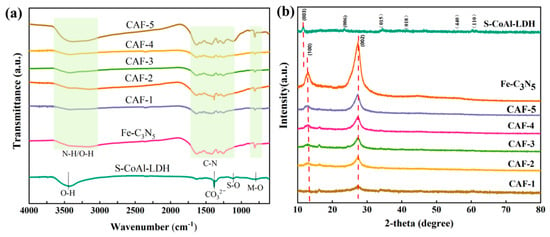
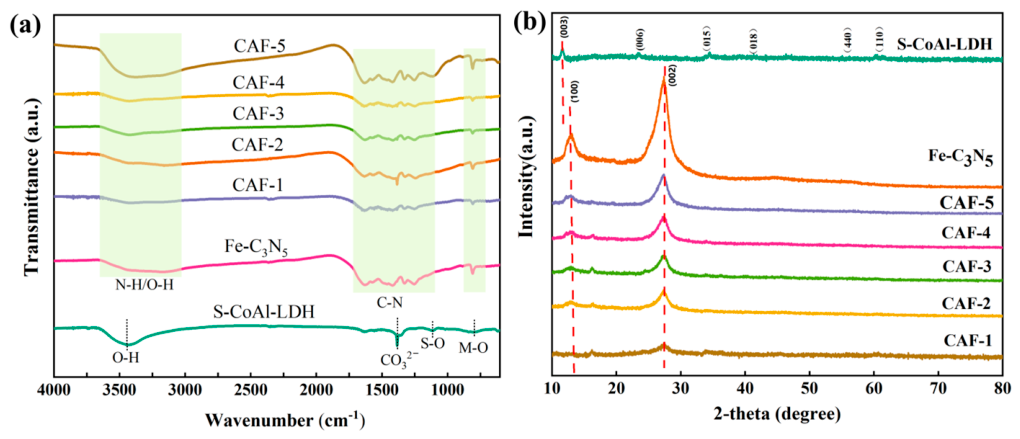
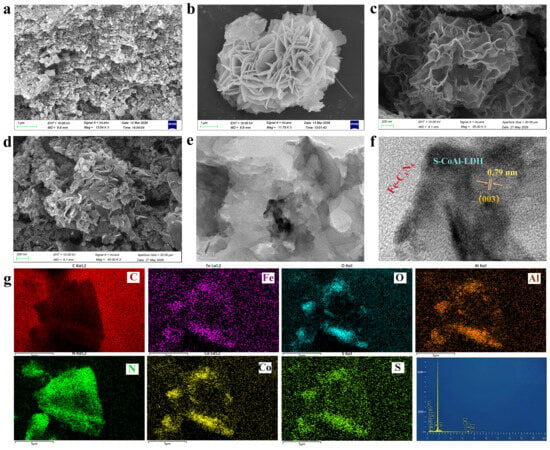
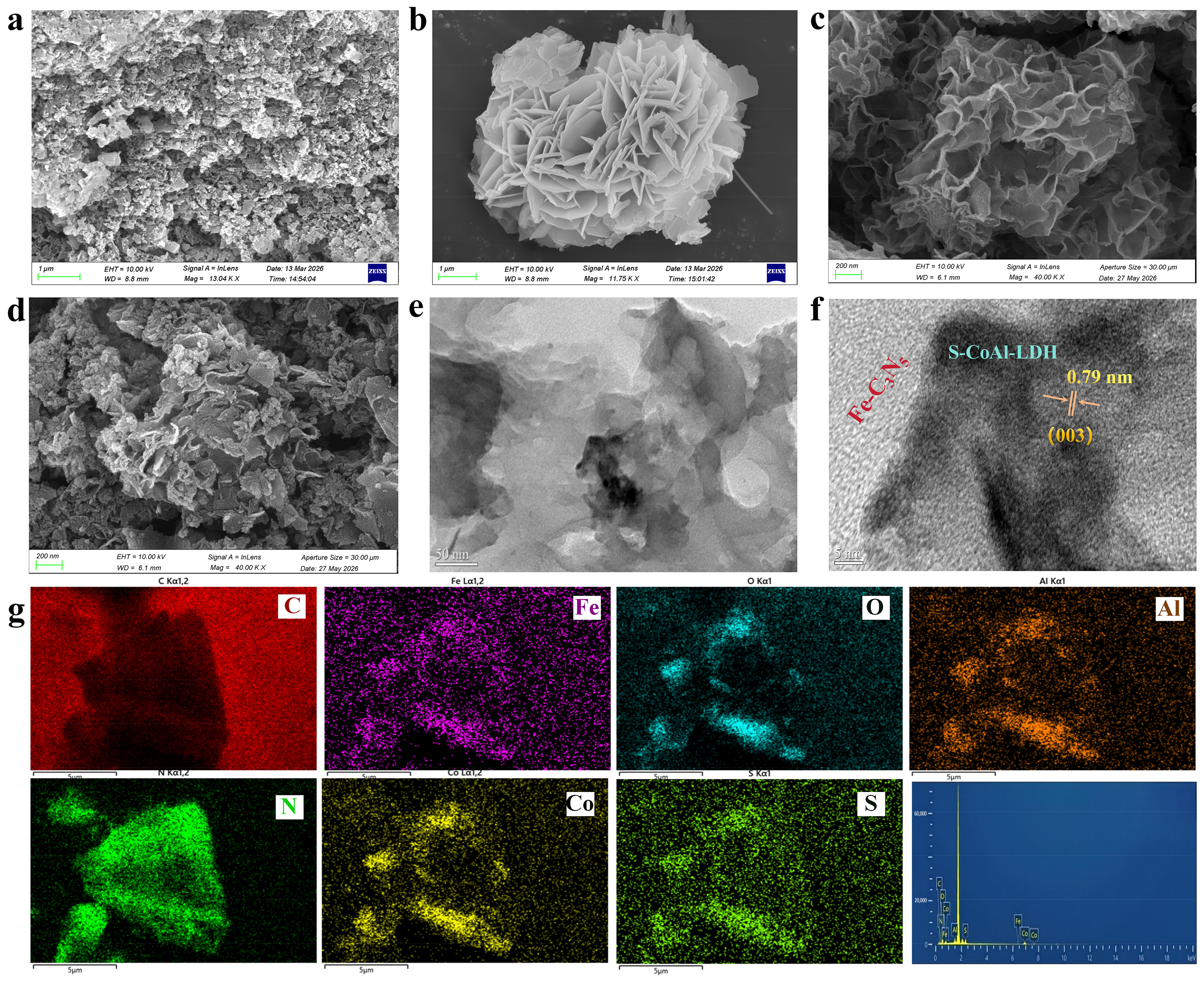
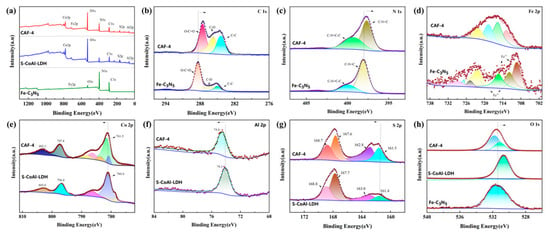
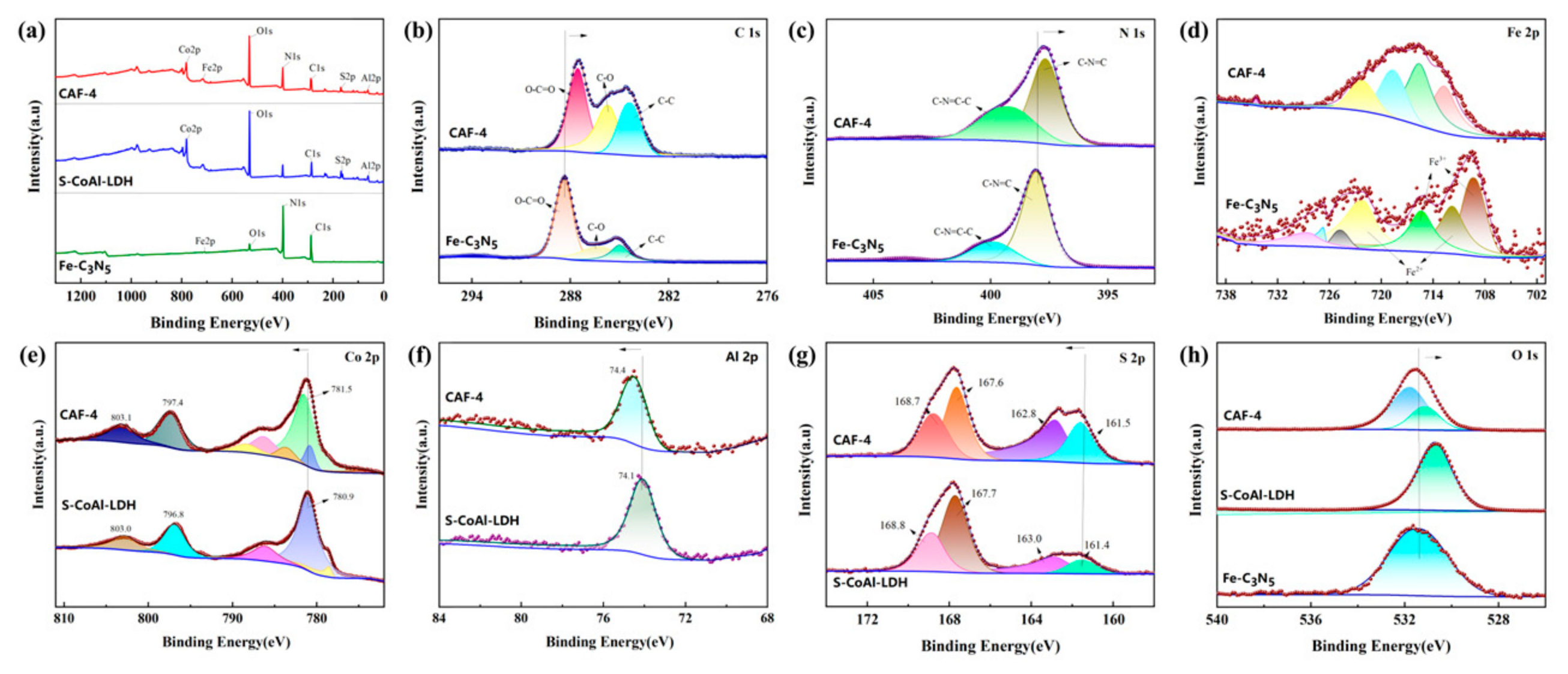
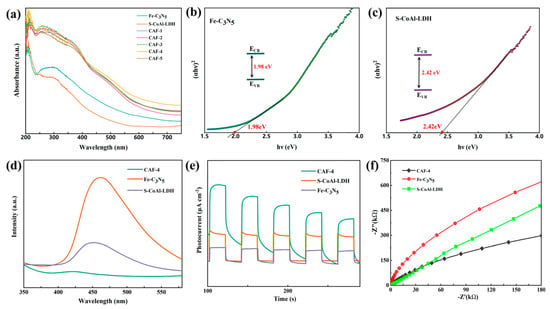
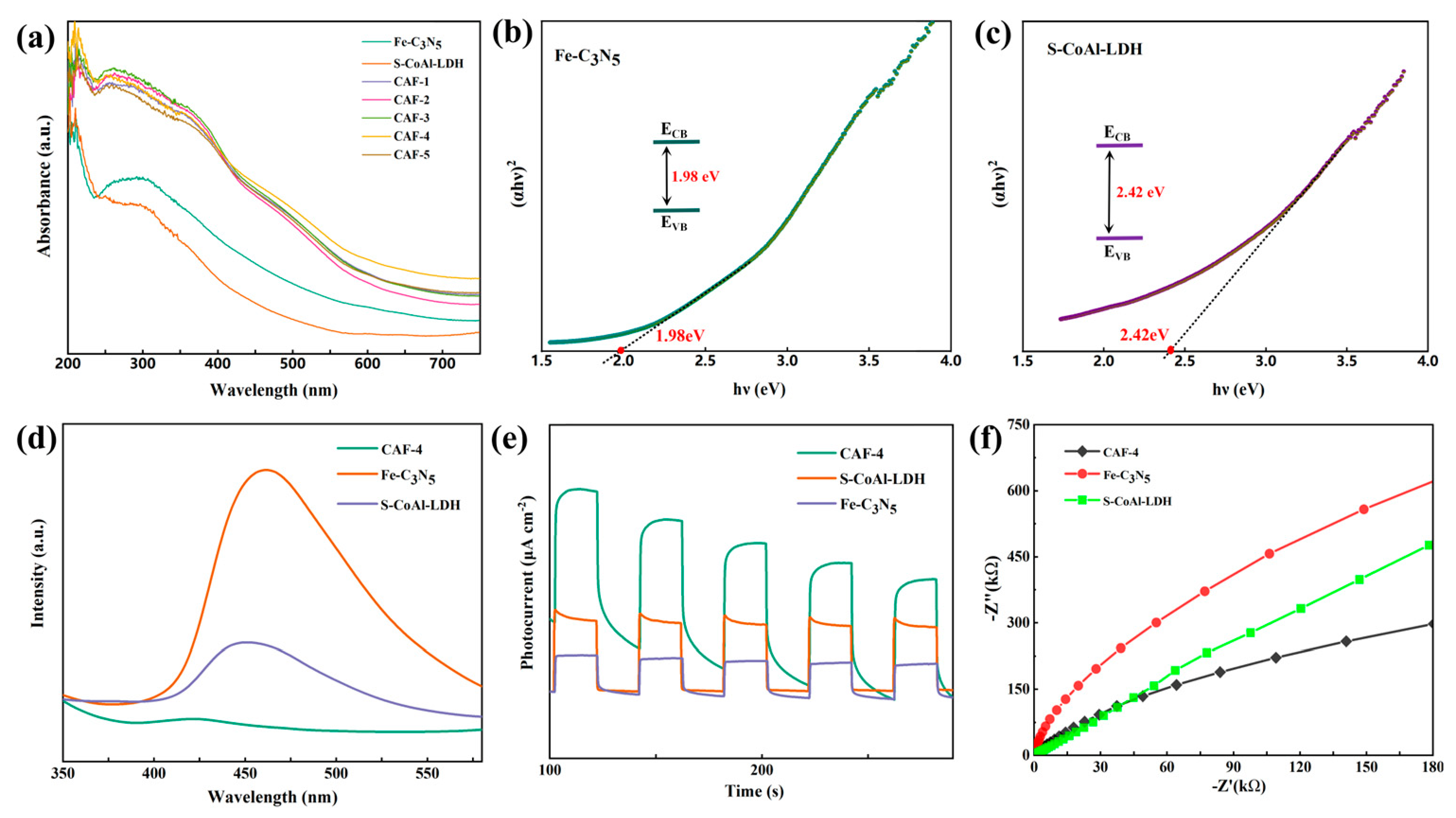
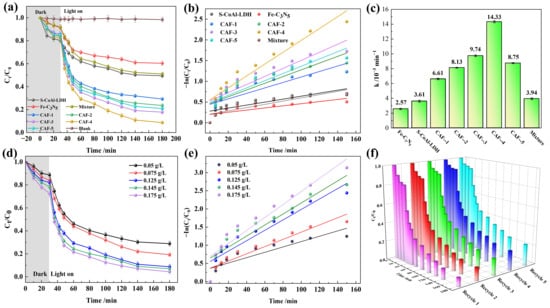
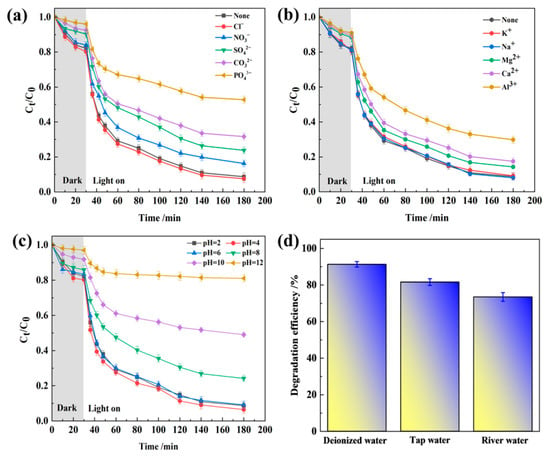
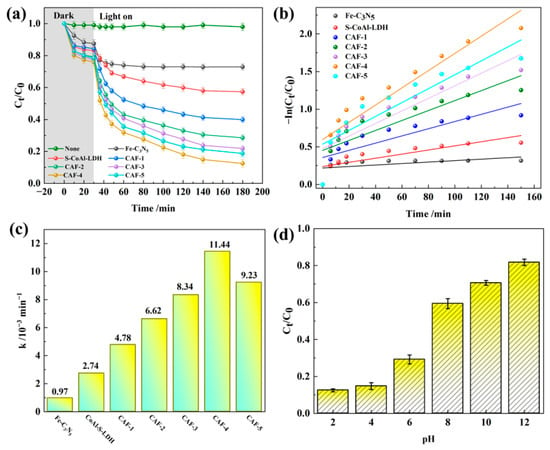
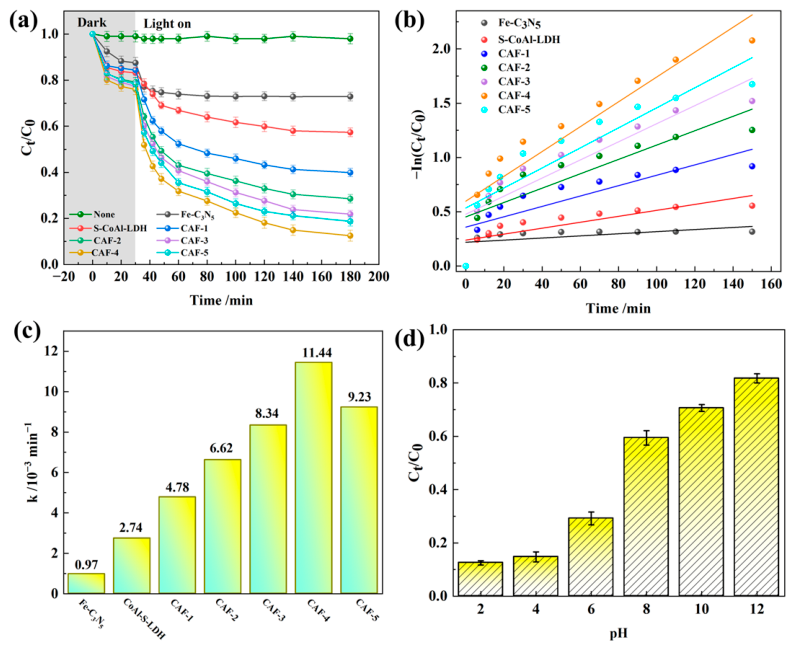
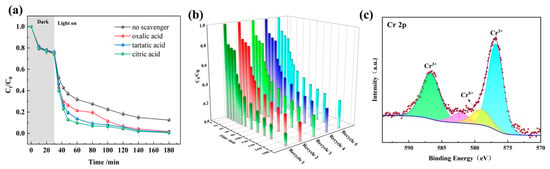
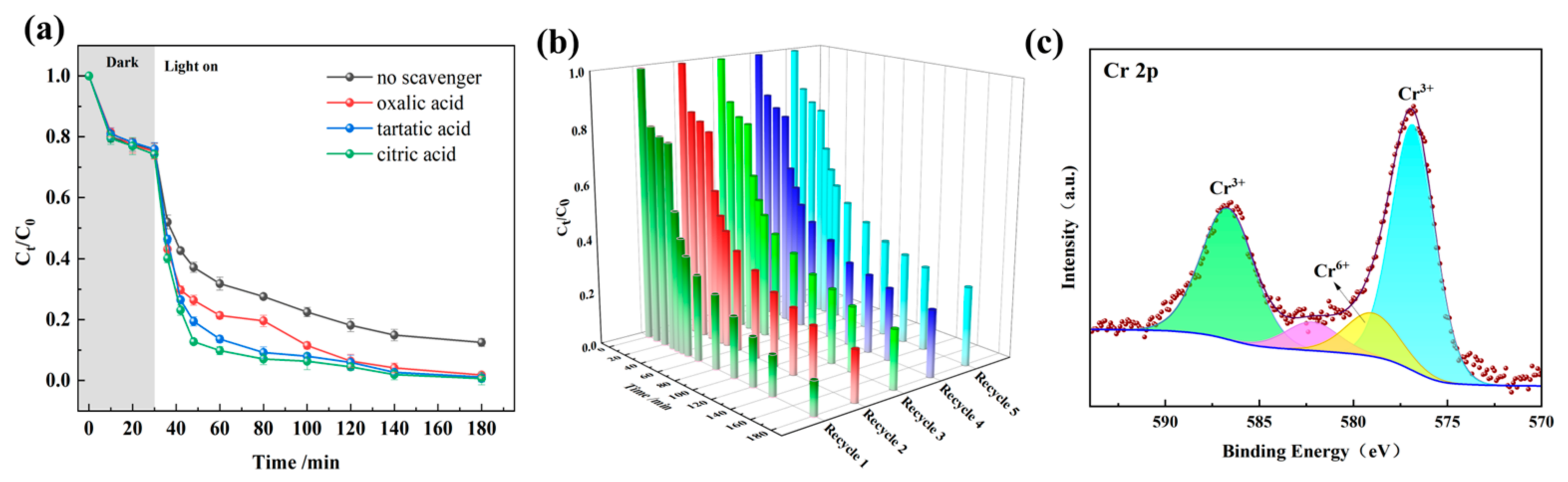
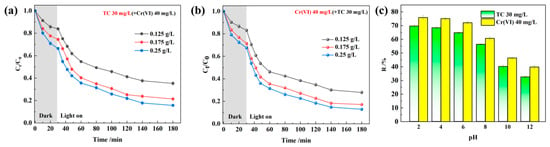
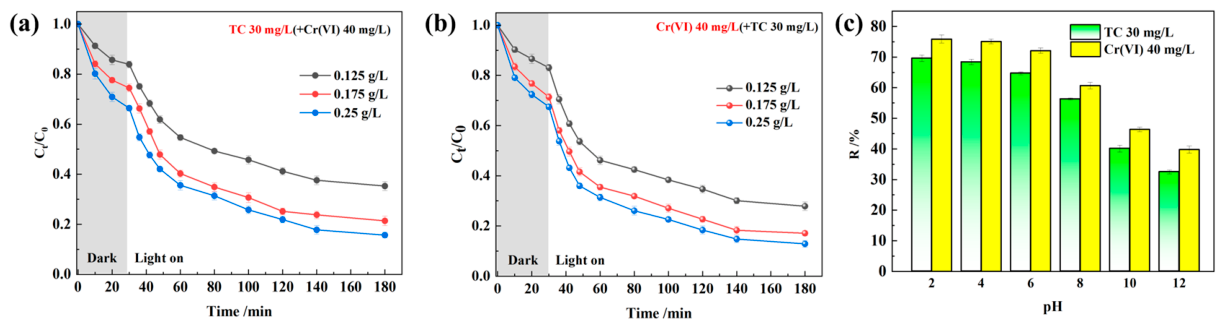
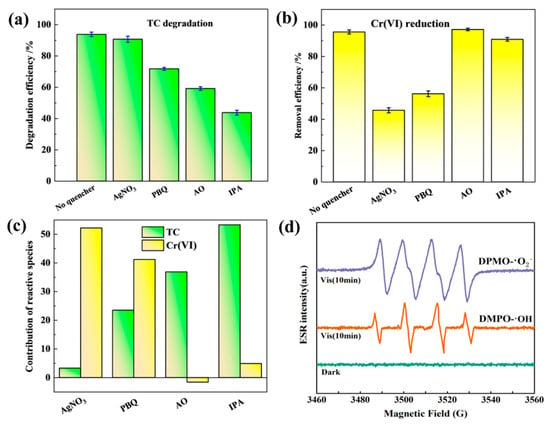
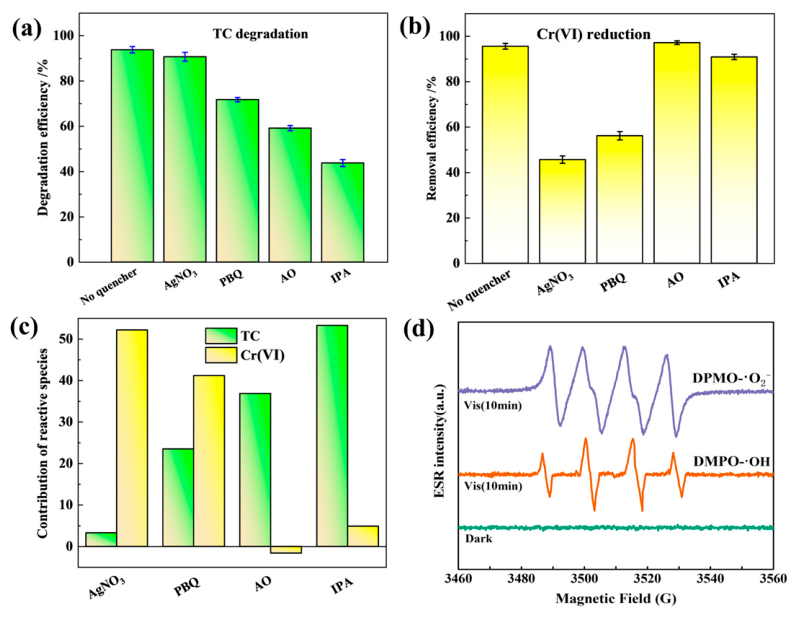
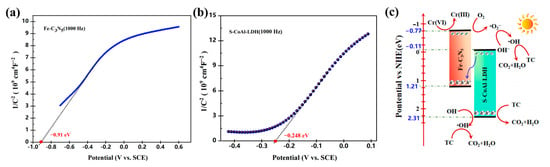
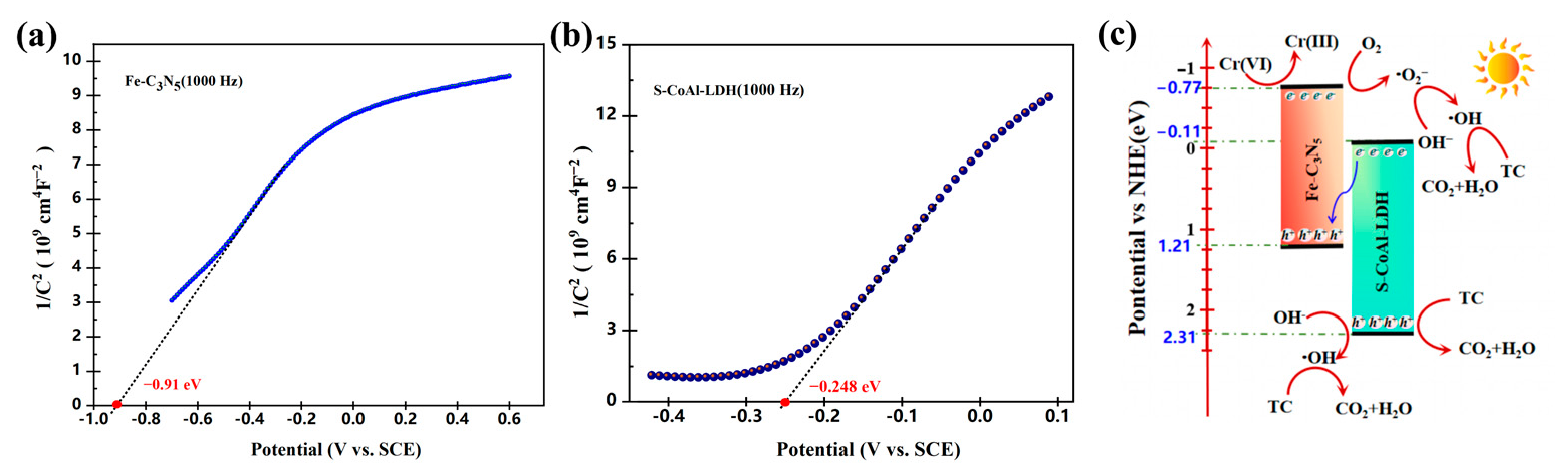

Disclaimer/Publisher’s Note: The statements, opinions and data contained in all publications are solely those of the individual author(s) and contributor(s) and not of MDPI and/or the editor(s). MDPI and/or the editor(s) disclaim responsibility for any injury to people or property resulting from any ideas, methods, instructions or products referred to in the content. |
© 2026 by the authors. Licensee MDPI, Basel, Switzerland. This article is an open access article distributed under the terms and conditions of the Creative Commons Attribution (CC BY) license.