


Abstract
Given the pressing need for efficient CO2 valorization, the precise modulation of metal–support interfaces via strong metal-support interaction (SMSI) have emerged as a pivotal strategy for tuning catalytic activity in CO2 hydrogenation. However, despite the proliferation of relevant studies, a comprehensive and critical review that systematically evaluates the role of SMSI in this specific reaction remains absent. This work takes oxide-supported metal catalysts as the research object, focusing on the dynamic mechanism of SMSI-induced interface reconstruction and electron transfer. The relevant characterization progress and regulation strategies are systematically reviewed, and the synergistic regulation effect of the two on the reaction pathway is further explored. We analyze the impact of the above factors on the catalytic performance of CO2 hydrogenation from three aspects: SMSI coverage layer formation, electronic structure optimization, and key intermediate stabilization. At the same time, key descriptors currently used to describe SMSI interface reconstruction and electronic transmission processes are summarized. On this basis, the main challenges faced in existing research are identified, and future directions are discussed, emphasizing the need for breakthroughs in the key issues mentioned above in order to provide a more guiding theoretical basis for the structural design of efficient CO2 hydrogenation catalysts.
1. Introduction
As the primary greenhouse gas driving global warming, carbon dioxide (CO2) urgently needs to be mitigated [1,2]. Countries are achieving carbon neutrality through multiple strategies, including energy transition, technological innovation, and green policy implementation [3,4]. The advancement of CO2 capture and utilization technologies is crucial. CO2 catalytic hydrogenation technology plays a pivotal role in CO2 resource utilization by enabling the targeted conversion of captured CO2 into high-value fuels and chemicals, such as methane, methanol, and aviation fuel [5,6,7,8,9,10], which achieves direct carbon reduction and displaces fossil-derived counterparts with green alternatives, positioning it as one of the most promising pathways toward fulfilling the dual carbon goals.
Supported catalysts are crucial for efficient CO2 hydrogenation, benefiting from metal–support interactions (MSI). Catalysts currently employed in CO2 hydrogenation reactions fall into two major categories based on their active metal components: precious metals (Ru, Rh, Pd, Pt) and non-precious metals (Ni, Fe, Co, Cu, Zn) [11,12,13,14,15]. Common supports include metal oxides (e.g., Al2O3, MgO, CeO2, TiO2) [16,17,18,19,20,21], molecular sieves and zeolites [22], composite materials (e.g., metal–organic framework derivatives) [23], and carbon-based materials [24]. Precious metal catalysts typically exhibit outstanding activity, but their high cost and deactivation of active components induced by sintering limit their application. Non-precious metal catalysts, while abundant in resources and easy to scale up, commonly suffer from low product selectivity and susceptibility to sintering [25]. Thus, stabilizing metal nanoparticles and clarifying the roles of interfacial structure and metal dispersibility have become central issues in catalyst design.
The strong metal–support interaction (SMSI) strategy induces partial encapsulation of metal nanoparticles by the support under specific conditions, forming a physical barrier while optimizing the electronic properties of the metal. The concept of SMSI can be traced back as early as 1978; Tauster et al. [26,27] observed that when studying Group VIII metals supported on TiO2, reducing these catalysts (such as Pt/TiO2, Pd/TiO2, and Ru/TiO2) at elevated temperatures resulted in the metals being encapsulated by TiO2, thereby losing their adsorption capacity for gaseous small molecules, e.g., H2 and CO. In the following thirty years, the research focus gradually shifted to exploring the application potential of SMSI in different catalytic systems. In recent years, SMSI research has undergone three key transitions: (i) from mono-atmosphere to multi-atmosphere control, (ii) from static structural characterization to dynamic process monitoring, and (iii) from noble metal-based to non-noble and multicomponent systems. SMSI has thus become a core guiding principle for precisely regulating metal–support interfaces in heterogeneous catalysis (Figure 1).
Figure 1.
Application of SMSI in CO2 hydrogenation reactions.
SMSI serves as a powerful tool for tuning interfacial structure and electronic distribution, leading to optimized activity and selectivity [28,29,30,31,32]. For example, Zhao et al. [33] demonstrated that by regulating the SMSI state of Ni/Sm2O3, the CO2 hydrogenation pathway can be switched: full encapsulation by amorphous Sm2O3 yields nearly exclusive CO production, while partial removal and crystallization of the overlayer shift selectivity toward CH4. In the Cu/Nb2C@Nb2O5 catalyst, the SMSI effect triggers electron transfer from the support Nb sites to metallic Cu, forming electron-rich Cu active sites. Such an electronic effect directly enhances CO2 adsorption and initial activation while synergistically interacting with the support Nb site’s exceptional H2 dissociation capability and stabilizing effect on the critical CO* intermediate [34]. The molecular-level optimization of the reaction pathway collectively enables the catalyst’s high activity, selectivity, and stability in methanol synthesis. Although the SMSI strategy can optimize the structure and catalytic activity of CO2 hydrogenation catalysts under specific conditions, the generation of this effect is highly dependent on pretreatment conditions (such as temperature, atmosphere, time). Subtle variations in temperature, atmosphere, and treatment time may lead to pronounced differences in interfacial coverage, overlayer structure, and interfacial ordering, thereby causing significant changes in catalytic performance [35,36]. However, SMSI is a dynamic process characterized by in situ formation, local reconstruction, and reversible evolution in a real reaction atmosphere, which places high demands on characterization techniques. Therefore, how to dynamically monitor the evolution process of interface structure and electronic properties, and extract universal laws from them to guide the general design principles for optimizing CO2 hydrogenation catalysts, remains a key challenge in this field.
In recent years, several reviews have summarized the progress of CO2 hydrogenation, catalyst optimization, and basic characteristics of SMSI. These works have offered useful guidance for catalyst design and interface regulation in CO2 valorization. However, most existing reviews either focus on the general development of CO2 hydrogenation catalysts or discuss SMSI in terms of its formation, characterization, and typical behavior from a general viewpoint. A systematic, reaction-oriented understanding of how SMSI controls interfacial structure evolution, electronic modulation, key intermediate conversion, and product selectivity in CO2 hydrogenation is still lacking. In particular, the dynamic formation and reversible evolution of SMSI under realistic reaction atmospheres, as well as their correlation with catalytic performance, remain to be clearly elucidated.
Based on the above, this review systematically reviews the research progress of strong metal–support interaction in the field of CO2 hydrogenation. We first discuss the key control factors of SMSI formation and the reconstruction mechanism of the catalyst’s interface structure and electronic properties, and introduce reported descriptors of interface reconstruction and electron transfer to reveal the essence of dynamic changes on the catalyst surface. Furthermore, it reveals how the synergistic effect of structural reconstruction and electronic effects regulates the activation behavior and reaction path selection of CO2 hydrogenation. Finally, by combining in situ characterization and theoretical simulation, the evolution process of key intermediates is dynamically tracked, and the structure-activity relationship between the interface microenvironment and catalytic performance is established. This study provides a theoretical framework and practical guidance for the rational design of high-performance CO2 hydrogenation catalysts, and points out the current research challenges and future development directions, such as the dynamic stability of SMSI under industrial conditions and precise interfacial regulation.
2. Outline of CO2 Hydrogenation via Catalysis
The products of CO2 hydrogenation are influenced by multiple factors, including pressure, feed gas ratios, and catalyst type [37]. Distinct products can be categorized into C1 products (CO, CH4, CH3OH) and higher hydrocarbons/olefin products (C2 and C2+). Given the generally low yields of higher hydrocarbon products and unclear mechanisms, this study primarily focuses on reactions related to C1 products. Adjusting the feed gas ratio of CO2 to H2 impacts the C1 product distribution, leading to pronounced changes in reaction pathways and mechanisms [38]. When the CO2:H2 ratios are 1:1, 1:3, and 1:4, it promotes the formation of CO, CH3OH, and CH4, respectively [39,40,41]. Therefore, the hydrogenation of carbon dioxide can be categorized into the reverse water–gas shift (RWGS) reaction, CO2 methanation, and the hydrogenation of carbon dioxide to methanol [42]. In recent years, with advances in catalyst design and characterization techniques, the mechanisms of these reactions have gradually been elucidated. They are summarized as follows:
2.1. Reverse Water–Gas Shift Reaction
CO2 hydrogenation via the RWGS reaction to synthesize CO offers flexible product applications. CO can undergo further hydrogenation to produce CH4 and CH3OH but also serves as a key feedstock for synthesizing higher olefins and alkanes via the Fischer–Tropsch reaction [43,44]. The primary reaction is as follows:
CO2 + H2 = CO + H2O ΔH298K = 41.2 kJ/mol
This reaction is commonly observed in Cu-, Pt-, and Ru-based single-metal systems and Ni-based alloy systems [45,46], with evaluation temperatures typically ranging from 400 to 700 °C (Table 1).
The performance evaluation temperature range is typically between 400 and 700 °C (Table 1). RWGS reaction catalysts can be broadly categorized into three main types: precious metals, non-precious metals, and oxides. Precious metal catalysts (such as Pt, Ru, Rh) generally exhibit excellent CO2 conversion activity and high CO selectivity at low temperatures. However, Rh-based catalysts are prone to methane formation side reactions under specific conditions, and their high-cost limits large-scale application. Among non-precious metal catalysts, Ni-based materials possess high reactivity but face challenges in selectively controlling excessive hydrogenation to methane. In contrast, Cu-based catalysts offer lower cost and can achieve extremely high CO selectivity, though their intrinsic activity and thermal stability require further improvement. Oxide catalysts primarily rely on surface oxygen vacancy mechanisms and also exhibit outstanding CO selectivity. However, these catalysts typically require operation at elevated temperatures to effectively activate CO2. Current research in this field focuses on developing composite catalyst systems to synergistically enhance catalyst activity, selectivity, and stability.
The RWGS reaction follows two distinct reaction mechanisms: the redox mechanism and the association mechanism. The key distinction lies in whether H2 molecules directly participate in the CO2 reduction reaction [47]. The redox mechanism, also known as the dissociation mechanism, involves CO2 adsorption onto active metal sites or metal oxide oxygen vacancies within the catalyst, where it undergoes dissociation (C=O bond cleavage) to form CO (Figure 2a). Subsequently, the dissociated O* combines with two activated H* species to generate H2O. The association mechanism involves CO2 adsorption onto the catalyst surface, followed by reaction with a dissociated H* species to form intermediates such as COOH*, CO3*, and HCOO*. These intermediates subsequently undergo hydrogenation to yield CO and H2O, as shown in Figure 2a. Different mechanisms depend on the type and properties of the catalyst employed. Notably, the two mechanisms are not completely independent, and they can occur simultaneously at the special catalyst interface [48,49].
Figure 2.
Mechanism diagram of CO2 hydrogenation: (a) RWGS, (b) methanation, (c) methanol reaction.
2.2. CO2 Methanation Reaction
The CO2 methanation reaction, also known as the Sabatier reaction, is of great significance for CO2 recycling. CH4, acting as synthetic natural gas, supplies energy directly and facilitates a closed-loop CO2 cycle via combustion and re-methanation [50,51]. Ni, Co, and Ru are common metal active components in this reaction [52,53]. Compared to the RWGS reaction, it operates at lower temperatures, typically ranging from 200 to 450 °C (Table 1). The main reaction is as follows:
CO2 + 4H2 = CH4 + 2H2O ΔH298K = −165.4 kJ/mol
Taking nickel-based catalysts as an example, under atmospheric pressure conditions, the catalyst typically activates at 150 °C. At 200 °C, CO2 conversion reaches 50–80%, while CH4 selectivity approaches 100% [54,55,56,57,58]. By comparing the reported catalysts, it is found that the T80% (temperature at which CO2 conversion reaches 80%) of highly active catalysts is predominantly concentrated within the 250–350 °C range. For instance, the reverse-phase ZrO2/Ni catalyst reported by Zhao et al. showed remarkable performance: 92% CO2 conversion and 100% CH4 selectivity under mild conditions (300 °C, atmospheric pressure) [56]. However, the CO2 conversion rate decreases above 450 °C, a consequence of the thermodynamic equilibrium limitations of this exothermic reaction [59]. Furthermore, pressure also exerts a significant regulatory effect on catalyst activity. For example, Song et al. [60] found that increasing pressure from 1 bar to 20 bar could boost CO2 conversion rates from 40% to 93% at 180 °C.
The mechanism of CH4 production proceeds via two primary intermediate pathways, termed the CO pathway and the formate pathway. These pathways are distinguished by their respective key intermediates, which in turn determine the rate-limiting steps of the overall reaction [61,62]. The CO pathway refers to the activation of CO2 followed by its dissociation into CO*, which then undergoes further hydrogenation to form COH*, CH*, CH2*, and CH3* intermediates, ultimately yielding CH4 (Figure 2b). The formate pathway involves CO2 and H2 undergoing associative adsorption to form HCOO*, which then undergoes further hydrogenation to produce intermediates such as H2COO*, H2COOH*, HCO*, H2CO*, H3CO*, and CH3*, ultimately yielding CH4 [63].
In the CO2 hydrogenation reaction, the inherent disadvantages of precious metals (Ru, Pt, Pd) are high cost, strong adsorption of CO* or insufficient H2 dissociation ability, and easy sintering or poisoning at high temperatures. The SMSI design concept focuses on using electronic control and interface alloying to optimize intermediate adsorption energy and enhance sintering resistance. The inherent disadvantages of non-precious metals (Ni, Cu) include easy sintering, insufficient low-temperature activity, and limited CO2 activation ability. The SMSI design concept relies on the physical protection of the encapsulation layer, utilizing the synergistic effect of particle size-dependent coverage and oxygen vacancy engineering to enhance stability and reaction activity.
Table 1.
High-performance CO2 hydrogenation catalysts that have been reported.
2.3. CO2 Methanol Reaction
Methanol is the key hub connecting fossil energy and renewable energy. It is a basic chemical raw material and an ideal liquid hydrogen storage support and clean fuel. Compared to CO and CH4, CH3OH holds greater economic value as a more attractive product: As a key C1 chemical in modern industry, methanol serves not only as a foundational feedstock for synthesizing commercial chemicals like olefins, formaldehyde, methyl tert-butyl ether (MTBE), and gasoline, but also functions directly as a clean fuel for direct methanol fuel cells (DMFCs) to generate electricity [98,99]. Additionally, it acts as a convenient energy storage material. The reaction of carbon dioxide hydrogenation to CH3OH is commonly observed in Cu-based, Zn-based, In-based, and Pd-based catalytic systems [89,97,100], with the evaluated temperature range typically spanning 180–300 °C (Table 1). The main reaction is as follows:
CO2 + 3H2 = CH3OH + H2O ΔH298K= −49.5 kJ/mol
The reaction of CO2 hydrogenation to CH3OH is typically conducted at pressures ranging from 3 to 6 MPa. Due to the relatively low reaction temperature, catalysts generally exhibit good stability, but have challenges with low CO2 conversion rates and poor selectivity at low temperatures [101]. The PtSA/In2O3-Co3O4/rGO catalyst developed by Liu’s group [96] at the Ningbo Institute of Materials Technology and Engineering, Chinese Academy of Sciences, via laser solid-phase synthesis technology stands as one of the representative high-performance catalysts in the field of CO2 hydrogenation to methanol. Under conditions of 3.5 MPa and 300 °C, it achieves a CO2 conversion rate of 30.3% and a methanol selectivity of 90.6%.
Currently, three widely recognized pathways for CO2 hydrogenation to methanol exist: the formate (HCOO) pathway, the CO pathway, and the carboxylate (COOH) pathway [102]. The most frequently reported reaction pathway is the formate pathway, which further branches into two distinct routes: First, CO2 undergoes hydrogenation to form HCOO*, followed by additional hydrogenation to produce HCOOH*, H2COOH*, H2CO*, and H3CO* intermediate species, ultimately yielding CH3OH*, which then desorbs. The second involves CO2 first undergoing hydrogenation to form HCOO*, followed by continued hydrogenation to produce H2COO*, then hydrogenation to yield intermediate species H2CO* and H3CO*, ultimately generating CH3OH*, which desorbs [103]. The CO pathway refers to the direct cracking of CO2 into CO*, or first hydrogenating it to form COOH*, then cracking it into CO*, followed by further hydrogenation to produce HCO*, H2CO*, and H3CO* intermediates, ultimately yielding methanol [104]. The COOH pathway is characterized by the hydrogenation of CO2 to form COOH*, followed by further hydrogenation to produce C(OH)2*, COH*, CHOH*, and CH2OH* intermediates, ultimately yielding methanol (Figure 2c) [105].
A comparison of the three main CO2 hydrogenation pathways shows that the target product highly depends on the characteristics of multiple catalysts, which involve whether the metal oxide interface can balance CO2 activation, H2 dissociation, intermediate stability, and selective hydrogenation. For CO2 methanation, Ru-based catalysts supported on reducible oxides are excellent candidates because of their superior intrinsic hydrogen activation ability and their strong tendency to form interfacial sites with rich oxygen vacancies, while Ni-based catalysts are particularly attractive from the viewpoint of cost-effectiveness and scalability. For the RWGS reaction, Cu-based catalysts supported on reducible oxides are the most balanced systems, as their moderate CO binding strength favors CO formation and desorption while suppressing further hydrogenation, whereas Pt-based catalysts serve as important model systems for improving low-temperature RWGS catalysis. For CO2 hydrogenation to methanol, Cu-based oxide-supported catalysts remain the most representative and practically important class, since their catalytic behavior can be effectively tuned through Cu+/Cu0 synergy, oxygen vacancies, and strong metal–support interactions to favor the formate-mediated methanol pathway. In-based and other noble-metal-modified catalysts can achieve very high methanol selectivity in specific cases. The catalytic superiority in CO2 hydrogenation should not be understood simply in terms of metal identity, but rather in terms of the ability of a given catalyst to construct an optimal interfacial microenvironment. The interfacial microenvironment is often affected by the SMSI effect in the synthesis and reaction stages, so the SMSI mechanism should be further studied in order to improve the overall efficiency of the catalyst.
3. Regulatory Mechanism of SMSI in CO2 Hydrogenation Reactions
According to the essence of the SMSI effect, it can be divided into structural SMSI and electronic SMSI in CO2 hydrogenation reactions [106]. Structural SMSI mainly refers to interfacial reconstruction, which is further divided into classical SMSI and reverse SMSI. Classical SMSI involves the migration of partially reduced support species onto metal nanoparticles, while reverse SMSI is generally manifested by the redispersion or migration of metal species onto the support surface. Electronic SMSI (EMSI) mainly arises from charge transfer and electronic redistribution at the metal–support interface, which has two electron transfer directions: one is from support to metal, and the other is from metal to support. Even without distinct geometric encapsulation, interfacial electronic effects can influence CO2 activation, H2 dissociation, and the stabilization of key reaction intermediates. In CO2 hydrogenation catalysts, interfacial structural reconstruction and electronic reorganization often coexist and evolve synergistically. A typical example is the migration and coverage of partially reduced TiO2 species onto the surface of metal particles under high-temperature reduction, oxidation, or reactive atmospheres. Electron transfer occurs between the support and the metal, altering the electronic state of the metal surface. Thus, the catalytic role of SMSI should be understood not via a single static definition, but through a dynamic framework integrating interfacial reconstruction, charge transfer, and their synergistic effect.
3.1. Advanced Characterization Techniques for SMSI
In the study of the SMSI effect, the rational selection and collaborative application of characterization methods have become the core methodology for revealing its dynamic nature and structure-activity relationship. Although in situ/operando characterization techniques have made progress in spatiotemporal resolution and adaptability to complex operating conditions, it must be acknowledged that a single characterization method inherently has descriptor selectivity and has difficulty independently capturing the multi-scale, multicomponent co-evolution behavior involved in SMSI in real reaction environments [107,108]. Different technologies can provide specific dimensions of physical/chemical information. Transmission electron microscopy (TEM) and its derived HRTEM and STEM techniques can perform atomic-level real-space imaging of the structural characteristics of metal particles coated on supports. In situ/environmental transmission electron microscopy (ETEM) can track the dynamic nucleation, reversible reconstruction, and interface migration processes of the coating layer in real time in a controlled reaction atmosphere and temperature field. In terms of spectroscopy, conventional X-ray photoelectron spectroscopy (XPS) and X-ray absorption spectroscopy (XAS) can facilitate interface charge transfer and metal oxidation state changes. The introduction of near-atmospheric-pressure X-ray photoelectron spectroscopy (NAP-XPS) allows for in situ monitoring of the dynamic evolution of metal/oxide states and chemical shifts of surface-adsorbed species in pressure environments ranging from millibars to bars. XPS binding-energy shifts alone cannot unambiguously prove interfacial electron transfer, as they may also arise from oxidation-state changes, charging effects, particle-size effects, adsorbates, or final-state screening. Therefore, complementary techniques such as XANES, EELS, UPS, and DFT calculations are required to confirm the direction and extent of charge transfer. In situ/operando XAS/EXAFS can continuously collect fine structures of absorption and extension edges during the reaction process, capturing the transient response of the average valence state, coordination number, and atomic spacing of metal sites with atmosphere/temperature in real time, providing time-resolved statistical evidence for SMSI-induced local structural recombination. UPS directly quantifies the direction and degree of interface charge transfer in SMSI research by measuring the change in work function (ΔΦ), and establishes a direct correlation between electronic structure changes and catalytic performance through valence band spectrum analysis of d-band center displacement (Δεd). It is particularly crucial in pure electronic SMSI (EMSI) systems without geometric encapsulation, serving as the core experimental evidence for distinguishing strong electronic coupling effects from physical coverage effects. In addition, electron paramagnetic resonance (EPR) specifically recognizes unpaired electrons associated with oxygen vacancies, and its intensity directly reflects the dynamic concentration of defects. Solid-state nuclear magnetic resonance (NMR) can provide a site-resolved coordination environment, revealing the geometric and chemical heterogeneity of metal sites through chemical shift tensor parameters. In situ diffuse reflectance infrared Fourier transform spectroscopy (in situ DRIFTS) can serve as a supplementary probe for surface chemistry, monitoring the evolution pathways of reaction intermediates and adsorbed species.
For the charge transfer in SMSI, XPS is a core method for studying the electronic states at the metal–support interface. By analyzing the core-level binding energy shift, peak shape changes, and valence band structure, key information such as electron density, orbital hybridization, and interface charge transfer can be obtained [109]. The direction and magnitude of the binding energy shift can directly indicate the direction and relative degree of electron transfer. XAS mainly obtains electron transfer information through edge displacement and white line intensity changes in the XANES region: edge displacement reflects changes in oxidation state, white line intensity is positively correlated with the number of d-orbital holes, and electron transfer changes the degree of hole filling, resulting in intensity changes. When a metal gains electrons, the white line intensity decreases and the edge may shift negatively, while the opposite is true when losing electrons. In addition, the coordination number and bond length changes obtained by EXAFS can serve as evidence, together forming a complete basis for determining the direction and relative degree of interface charge transfer from XAS. Advanced electron microscopy methods, especially four-dimensional scanning transmission electron microscopy (4D-STEM), have recently been able to simultaneously display atomic-scale structures and sub-nanometer charge distributions, providing more direct evidence for interface charge redistribution. For example, Gaussian fitting using electron energy loss spectroscopy (EELS) combined with Ti L-edge spectroscopy can quantitatively analyze the stoichiometric ratio of TiOx, which is related to the degree of electronic modification at the metal–support interface and can be used to quantitatively assist in the quantitative analysis of electron transfer [110]. Density functional theory (DFT) is also an essential theoretical tool for understanding the electronic effects of SMSI, particularly adept at revealing trends such as the correlation between charge transfer and catalytic activity, and the relative strength of different metal–supports. By establishing an interface model and conducting differential charge density analysis or Bader charge analysis, the specific number of electron transfers can be calculated. However, to obtain accurate absolute charge transfer numbers, DFT calculations must be closely combined with experimental methods such as in situ XPS and EELS, and semi-quantitative analysis can be achieved through the mutual calibration of theoretical predictions and experimental data [111].
Chemical adsorption-related characterization can provide quantitative adsorption information between the macroscopic performance and microscopic structure of correlated catalysts [112]. By combining chemical adsorption with static/dynamic pulse methods, the dispersion, specific surface area, and particle size of metals can be accurately measured, providing a direct quantitative basis for the changes in metal surface exposure caused by SMSI. Temperature-programmed reduction (TPR) can detect the reducibility differences and hydrogen overflow effects at the metal–support interface, revealing the modulation amplitude of SMSI on redox activity. Temperature-programmed desorption (TPD) quantitatively evaluates the type distribution, adsorption strength, and energy uniformity of surface active sites through the desorption peak temperature and peak shape of probe molecules, thereby reflecting SMSI-induced surface chemical heterogeneity. Furthermore, microcalorimetry can monitor the differential adsorption heat during the adsorption process of probe molecules in real time, providing an energy distribution map of adsorption active sites, distinguishing strong chemical adsorption sites from weak physical adsorption sites from a thermodynamic perspective, and providing direct energy evidence for the SMSI-induced transformation of active site types. The quantitative parameters obtained by the above-mentioned chemical adsorption techniques, such as metal dispersion, adsorption capacity, desorption activation energy, and adsorption heat distribution, can not only serve as sensitive probes for SMSI-induced surface state changes, but also directly correlate the structural characteristics observed by electron microscopy with the electronic state modulation detected by spectroscopy to macroscopic performance indicators such as reaction activity, selectivity, and stability of the catalyst, providing a structure–electron–adsorption–performance relationship.
With the continuous iteration of characterization techniques, in situ characterization has pushed SMSI and catalytic research from static structure–performance correlations to a new stage focused on dynamic processes and mechanistic understanding. In situ TEM was employed by Zhang et al. [113] on the Pd/TiO2 system, which revealed the dynamic migration of reduced support species onto metal nanoparticles under realistic conditions and provided direct evidence for overlayer formation at the atomic scale. The in situ ambient pressure photoelectron spectroscopy (APPES) technique demonstrates that the SMSI in the Ni-ceria system is associated with the decoration and burial of metallic particles by the partially reduced support, a phenomenon reversible by evacuation at high temperature of the previously absorbed hydrogen [114]. Combined with steady-state isotope transient kinetic analysis (SSITKA), in situ DRIFTS of CO adsorption and EELS, it was shown that the appearance of SMSI on Pd/TiO2 in situ during the reaction explained the apparent catalyst deactivation phenomenon when the reaction temperature changed [115]. The development of advanced characterization technology provides a key means for further understanding the SMSI effect, which is evolving from static and non-in situ to dynamic and in situ/working conditions, providing a solid experimental basis for the accurate design of efficient and stable CO2 hydrogenation catalysts.
3.2. Classic Conditions for Inducing SMSI Effect
The induction of SMSI usually relies on the synergistic effect of multiple conditions, which can be summarized into two core aspects: the properties of materials and treatment conditions. The SMSI effect can be classified into multiple types based on induction conditions and dominant driving forces, each with clear definitions and characteristics. SMSI is classified by induction pathway into classic SMSI (C-SMSI, H2-induced), O-SMSI (O2-induced), A-SMSI (adsorbate-mediated), and WC-SMSI (wet-chemistry-induced). O-SMSI refers to the formation of thicker stoichiometric or super stoichiometric oxide layers on carriers such as titanium oxide, driven by oxidative potential in pure oxygen or oxygen-enriched atmospheres. EMSI can be spontaneously generated when the metal comes into contact with the support. The classic SMSI effect is usually accompanied by excessive coverage of active metals by oxide films. This physical barrier can passivate certain active sites, leading to an apparent decline in overall catalytic activity. However, this same encapsulation effect can also serve as a selective site-blocking tool. By preferentially covering specific types of sites, for example those responsible for over-hydrogenation or undesired side reactions, the overlayer can effectively redirect the reaction pathway toward a desired product. Thus, the challenge and opportunity lie in rationally controlling the extent and nature of the encapsulation, balancing the loss of some active sites against the gain in selectivity, so as to fully exploit this dual nature of SMSI for optimized catalytic performance.
Firstly, understanding the fundamental causes of SMSI is of great significance for optimizing the structure and properties of catalysts. The properties of materials are divided into the types and properties of active metals and support. The redox properties of the support affect the inducing conditions and mechanism of SMSI. Reducible oxide supports (such as TiO2, CeO2, FeOx, etc.) are easy to reduce to form transportable low-cost species and oxygen vacancies, which can trigger SMSI under conventional high-temperature reduction, resulting in support-coated metal particles and obvious interfacial electron transfer. Non-reducible supports (such as hydroxyapatite, SiO2, Al2O3, etc.) are considered unlikely to introduce SMSI due to their difficulty in being reduced and lack of mobile interface components. However, with the help of additives, a special atmosphere, or field control, the transportable interface phase can still induce SMSI. Therefore, the redox properties of the support mainly affect the trigger mode, coating species, and interface strength of SMSI. The SMSI effect was recorded for noble metals on reducible supports, and subsequent studies showed that it could also occur on non-reducible supports. For example, Tang et al. [116] confirmed SMSI in a platinum-group-metal/hydroxyapatite (HAP) system and later extended it to platinum-group-metal on ZnO.
The exposed crystal planes and particle sizes of both the support and the metal are key factors influencing the SMSI [117,118]. High-index crystal planes, which are rich in step atoms, generally facilitate support migration and electron transfer, thereby enhancing the SMSI effect. Qiao’s team [119] first reported this particle size effect. They found that larger Au particles can be completely coated with TiO2 under reduction conditions at 400 °C. Smaller Au particles require higher temperatures (500 °C and 600 °C) to achieve complete encapsulation. At the temperature where SMSI occurs, larger NPs exhibit this particle size effect due to their higher surface energy. By utilizing this particle size effect, the team improved the selectivity for the selective hydrogenation of 3-nitrostyrene in Au/TiO2 by selectively coating larger nanoparticles in catalysts with uneven particle size distributions. Subsequently, in the field of CO2 hydrogenation, Zhang et al. [120] synthesized a series of Pd/ZnO catalysts with Pd particle sizes ranging from 1.6 to 7.9 nm using atomic layer deposition technology. They found that larger Pd particles were more easily coated with ZnO after H2 high-temperature reduction, and Pd particles with particle sizes greater than ~2.5 nm exhibited higher activity and selectivity for CO2 hydrogenation to methanol due to the synergistic effect of size-dependent SMSI and CO binding strength. Han et al. [28] found that on TiO2-supported Rh catalysts, high-temperature reduction (HTR) treatment can selectively encapsulate Rh nanoparticles while exposing Rh single atoms, taking advantage of the differences in SMSI conditions between Rh single atoms and Rh nanoparticles. This selective encapsulation achieves reversible switching of CO2 hydrogenation selectivity from CH4 to CO, and this state can be reversed by subsequent oxidation treatment. Nevertheless, the mechanistic relationship between metal particle size and SMSI remains inadequately elucidated.
The treatment conditions of the catalyst are very important for the formation of SMSI. For Pt/TiO2 in H2, SMSI requires 400–500 °C. Lower temperatures insufficiently reduce the support, preventing overlayer formation, and higher temperatures induce metal sintering or structural damage. The reducing atmosphere and pressure further determine this threshold. Generally speaking, the initial temperature of SMSI induced by H2, CO and reaction gas (such as H2/CO2) decreases in turn [121,122,123]. It is worth noting that the SMSI state is reversible. In 1978, Tauster and co-workers [26] first reported that the SMSI state is reversible: when a catalyst reduced to establish SMSI is subsequently exposed to an oxidizing atmosphere, the oxide overlayer re-oxidizes and retracts back to the support, thereby re-exposing the metal surface and eliminating the SMSI effect. Although the phenomenon of oxidative atmosphere-induced thinning of the cover layer is not universal, it confirms the reversible properties of the SMSI cover layer, which has laid an important theoretical foundation for many studies in this field. Recently, Jeroen A. van Bokhoven’s research [124] found that the coating layer formed by a Pt/TiO2 catalyst in a pure O2 atmosphere can be stable. Exposure to oxygen below 400 °C can cause confusion and remove the covering layer during subsequent hydrogen treatment. By contrast, raising the temperature to 900 °C while maintaining an oxygen atmosphere can protect the coating and prevent platinum from evaporating when exposed to oxygen. This conclusion is contrary to previous reports, but both confirm that the formation of the cover layer is reversible, albeit under different conditions.
The reversibility of SMSI implies that, in certain catalytic reactions, the intrinsic redox properties of reactants can dynamically trigger both the formation and disruption of the SMSI state during the reaction course. As revealed by Frey et al. [115], using in situ gas-cell transmission electron microscopy, the overlayer in the Pt@TiOx structure exhibits pronounced dynamic behavior under alternating redox conditions. As shown in Figure 3a–f, when the atmosphere was switched from O2 to an H2-containing environment, the TiOx overlayer rapidly became thinner and partially retracted from the Pt surface. At the same time, significant reconstruction occurred on the particle surface and within the interfacial region (Figure 3g–i), indicating that the SMSI overlayer is a dynamic interfacial structure that continuously forms and reorganizes under reaction atmospheres.
Figure 3.
Morphological changes occurring during redox atmosphere transitions. (a–f) Images that were recorded while the composition of the gas phase in the in situ gas cell gradually changed from 700 mbar O2 to a mixture of 60 mbar H2 plus 700 mbar O2. (g–i) Magnified images of the particle surface that show the gradual reduction of the overlayer between frames (a,b). t0 is the time at which the H2 flow was turned on. Reproduced from Ref. [115]. Copyright 2022 American Association for the Advancement of Science.
The induction of SMSI depends on the synergy of material properties and processing conditions, which usually require interfacial species migration, overlay formation, and electron transfer. In terms of material properties, reducible supports are prone to forming encapsulation layers in a reducing atmosphere, while non-reducible supports require special conditions. Precious metals are more likely to induce SMSI than non-precious metals, and their crystal planes, particle sizes, and lattice matching also have significant effects. In terms of processing conditions, the reduction atmosphere, temperature, and pressure jointly determine the occurrence of SMSI, and there are significant differences in the initial temperature induced by different gases. In addition, SMSI is reversible, and an oxidation atmosphere can cause the coating to disappear; it can be dynamically regenerated under reaction conditions.
3.3. Interface Reconstruction
Since Tauster et al. discovered the SMSI phenomenon, interfacial reconstruction has remained a key entry point for understanding SMSI as its most intuitive manifestation. SMSI interface migration can be divided into two categories according to the migration direction and material properties: one is the classic support-to-metal migration, that is, under high-temperature reduction conditions, the oxide species formed on the surface of a reducible support migrate and cover metal nanoparticles, resulting in active site shielding and electronic structure modification. The second is reverse SMSI, which usually occurs in an oxidizing environment [114,116]. Its characteristic is that metal atoms or cations migrate to the surface of the support, spread out or penetrate into the lattice, thus forming new interface active centers. In addition, in the actual catalytic system, there may be an interweaving of these two migration types, forming a more complex composite interface structure, which jointly dominates the final performance of the catalyst [125].
For the dynamic behavior of interface reconstruction forming a cover layer, the cover layer thickness (t), site shielding score (θblock), and encapsulation degree (θ) can be used as descriptors to describe the coverage behavior of the support on metal particles [107]. The thickness of the coating layer is the most intuitive physical parameter for describing SMSI, referring to the actual physical thickness of the coating layer formed by the support-derived species on the metal surface. It is usually measured directly by HRTEM or ETEM, with a typical thickness range of 0.3–2.0 nm [107,108]. By statistically analyzing a large number of particles, the average thickness and distribution information can be obtained. The site shielding fraction focuses more on functional evaluation and is defined as the proportion of active sites on the metal surface that are shielded by the covering layer. It can be quantitatively measured by probe molecule chemical adsorption, and the adsorption inhibition rate can be calculated by comparing the adsorption amount of single-mass metals before and after the SMSI state. It can also be indirectly estimated by TEM image statistics of the coverage particle ratio. The encapsulation degree (θ) focuses on describing the geometric integrity of the metal particles covered by the support, which can be characterized from partial coverage to complete encapsulation. It is positively correlated with the radius (r) of the metal particles and can be theoretically estimated through a surface tension balance model. The three have jointly constructed a quantitative description system for the geometric effects of SMSI at three levels: physical scale, function, and geometric configuration.
3.3.1. Classic SMSI Interface Migration
Classic SMSI interface migration refers to the encapsulation of metal particles by the support oxide, while it involves the partial reduction of the surface of reducible oxide supports under specific processing conditions, generating defect-rich suboxide surface layers (MOx). The suboxide layer exhibits a loose structure with weak bonding, behaving similarly to a two-dimensional melt or glass state, and possesses low surface energy. As shown in Figure 4a, in photocatalytic ammonia production, the surface defect layer on Au/TiO2 catalysts has been observed to gradually thicken under certain conditions [126]. EDS mapping, O 1s, and EPR spectra show that the overlayer is TiO2-rich in oxygen vacancies. The study by Beck et al. [114] revealed the dynamic evolution of the Pt/TiO2 surface overlayer. As shown in Figure 4b, under a hydrogen atmosphere, titanium species migrated toward the edges of platinum particles and underwent size contraction, simultaneously inducing lattice distortion at the edges of platinum particles. The overlayer thickness decreased within mere minutes. Subsequently, when the environment switched to oxygen, the opposite evolution process was observed: this transition was accompanied by the generation of structural defects and the structural reconstruction of platinum particles (Figure 4c). Within one second, a partially crystalline overlayer began to form starting from the particle edges (Figure 4d). Meanwhile, active metal nanoparticles typically exhibit high surface energy. According to the second law of thermodynamics, systems always tend toward the state with the lowest surface energy. Driven by temperature, these suboxides migrate to the surface of metal NPs, forming a dense coverage layer 1–3 atomic layers thick. The overlayer alters the catalyst’s interfacial morphology and constructs a unique confined microenvironment, thereby modulating the catalytic performance in CO2 hydrogenation reactions [125].
Figure 4.
(a) In situ TEM (IL-TEM) images of the same individual Au nanoparticle recorded at different irradiation times. Reproduced from Ref. [126]. Copyright 2025 Elsevier. (b–d) Dynamic structural changes of the titania overlayer on a platinum nanoparticle upon alternating the gas atmosphere: from O2 to H2 (b) and from H2 to O2 (c,d). Scale bars: 5 nm. Reproduced from Ref. [114]. Copyright 2020 Springer Nature.
The encapsulation of metal nanoparticles by support-derived suboxides in the SMSI state is ultimately driven by the minimization of the system’s total interfacial free energy. In this context, the size-dependent energetics of metal nanoparticles, as established by Campbell’s group using metal vapor adsorption calorimetry and low-energy ion scattering, provides important background. They demonstrated that the chemical potential of metal atoms in supported nanoparticles increases with decreasing particle size. For particles smaller than ~6 nm in diameter, the reduced average coordination number of surface atoms leads to a substantial increase in both the metal surface energy and the metal–support adhesion energy with decreasing radius of curvature. This high surface energy state renders small particles thermodynamically unstable, which is well established as the driving force for Ostwald ripening [127,128,129]. Under SMSI conditions, a similar thermodynamic driving force, specifically the reduction of total interfacial energy, can instead drive the migration of support-derived suboxides to encapsulate the metal nanoparticles, as discussed below. Specifically, Rh nanoparticles with sizes around 1.3 nm were found to be more readily covered by TiOx species in Rh/TiO2 catalysts under CO2 hydrogenation conditions, which suppressed H2 activation and enhanced CO selectivity [117]. Similar phenomena have also been observed in other catalytic reactions, such as guaiacol hydrodeoxygenation. Abdel-Mageed et al. [130] found that SMSI in the 30%Ni/TiO2-A catalyst exhibits significant size- and temperature-dependent regulation: small-sized Ni nanoparticles can be completely coated with TiOx species under mild reduction conditions. For large-sized Ni particles, it is necessary to promote TiOx migration and coverage through high-temperature reduction in order to form a nearly complete coating layer. By combining H2-TPD, CO chemical adsorption, and HRTEM characterization, it was confirmed that the TiOx coating mainly shields the platform sites on the Ni surface through physical isolation.
On the other hand, Wang et al. established a unified theoretical framework for metal–support interaction (MSI) and SMSI from the perspective of competition and synergy between metal–metal interaction (MMI) and metal–oxygen interaction (MOI). Specifically, the adhesion energy (Eadh) between metal nanoparticles and oxide supports is a critical variable for quantifying MSIs. Based on a large amount of data, they gave Eadh as a descriptor [131]:
where Q(MO) is the oxygen affinity of the metal (reflecting the strength of the metal–oxygen bond); Q(MM’) is the alloying ability of metal and metal elements in the support (reflecting the strength of the metal–metal bond). The Eadh reflects the interfacial bonding strength between metal nanoparticles and an oxide support, which is positively correlated with the MSI, and is a direct quantitative index of MSI strength. The nature of classic SMSI and encapsulation can be explained with the above MSI theory. The molecular dynamics (MD) simulations show that the intensities of RDF for the M-M′ are stronger than the intensity of the M-O bond when Pt and Pd NPs are coated (Figure 5). The migration of suboxide overlayers on metal NP surfaces is found to be led by M′ atoms, but the strong MMI alone is not enough to guarantee the occurrence of coating. It can be predicted by: |Q(MM’)| > |Q(M’M’)|. When the metal has a strong tendency to form an alloy with the support metal (|Q(MM’)| is large), it is easier to drive the support oxide sublayer to migrate and coat the metal particles. The coating behavior of post-transition metals (Pt, Ir, Ru and Rh) was successfully predicted by using this criterion. When they have a strong alloying tendency with the support metal, they are prone to coating even under reduction conditions. On the contrary, metals with weak MMI (such as Cu and Ag) are not easy to coat. The descriptors given in this research provide a quantitative basis for the differences in coating behavior.
Figure 5.
Encapsulation behavior and metal–support interactions of late transition-metal clusters on oxide supports. Reproduced from Ref. [131]. Copyright 2024 American Association for the Advancement of Science.
Therefore, the particle-size dependence of SMSI is system-dependent and should be understood by considering the combined effects of metal surface energy, metal chemical potential, metal–support adhesion/interfacial energetics, and support reducibility.
The encapsulation behavior of support oxides toward metal particles is closely related to their crystal orientation. The systematic study of Ni/CeO2 catalysts shown in Figure 6a revealed that the extent of Ni encapsulation followed CeO2 (111) > CeO2 (100) > CeO2 (110 + 100), which correlated positively with CO2 hydrogenation activity [132]. This trend was attributed to the oxygen vacancy concentration, a prerequisite for CeOx migration, as confirmed by XPS and Raman spectroscopy. Tang et al. [133] attributed the differing coverage on Pd/TiO2 crystal planes to their oxygen binding energy. The (001) plane’s high oxygen affinity stabilizes surface oxygen, blocking Ti migration and TiOx formation. The (101) and (100) planes have lower binding energies, which facilitate oxygen vacancy formation under oxidation. These vacancies then drive the migration of TiOx species onto Pd NPs to form the overlayer.
Figure 6.
(a) TEM images of Ni particles encapsulated on different CeO2 crystal faces. Reproduced from Ref. [132]. Copyright 2022 Elsevier. (b) Schematic illustration of adsorbate-induced SMSI and classical SMSI effects on Rh/TiO2 and Rh/Nb2O5 catalysts. Reproduced from Ref. [121]. Copyright 2017 Springer Nature.
The pretreatment atmosphere effectively induces overlayer formation, with effective use of CO2 and various reaction gases, beyond the typical H2 and CO, demonstrated across diverse catalytic systems. For example, a distinct overlayer phenomenon occurs on Au/MgO catalysts that were originally resistant to SMSI under CO2 and N2 atmospheres [134]. The mechanism involves CO2 molecules interacting with Mg2+ sites on the MgO surface to form MgCO3 species. These species migrate to the surface of Au nanoparticles, forming an overlayer that modulates the electronic structure and surface properties of Au, which ultimately enhances its activity and selectivity in the CO2 hydrogenation reaction. Similarly, in dry methane reforming, it was revealed that CO2 etches BN supports, generating BOx species which migrate to the metal surface to form an ultrathin overlayer (<2 nm). This layer achieves a synergistic effect that concurrently suppresses coking and sintering [135]. Matsubu et al. [121] observed a similar adsorption-induced overlayer phenomenon on Rh/TiO2 and Rh/Nb2O5 catalysts: after pretreatment in a CO2-H2 atmosphere at 150–300 °C, the Rh nanoparticle surface was partially covered by a reducible oxide film functionalized by HCOx species (Figure 6b). The overlayer exhibits a porous structure rich in O-vacancy defects, allowing reactant molecules to still access active sites on the Rh surface. Notably, the treated Rh/TiO2 and Rh/Nb2O5 catalysts selectively produced CO over CH4 during CO2 hydrogenation, whereas conventional Rh catalysts predominantly yielded CH4. These studies provide a novel strategy for rationally designing metal catalysts based on non-reductive oxide supports exhibiting the SMSI effect.
The overlayer of SMSI is not permanent, but is dynamic and reversible under specific conditions. Xin et al. [122] demonstrated that CO2 hydrogenation at 250 °C drives the formation of a MoO3−x overlayer onto Ru nanoparticles. Such an SMSI effect switches product selectivity from 100% CH4 to >99% CO, a reversal achievable by O2 treatment, showcasing the dynamic regulation of reaction pathways via gas-induced encapsulation. Han et al. [136] utilized the SMSI effect to form Ni@MoO; after coating the structure, the coating layer is selectively removed through steam post-treatment, thereby achieving the reversal of CO2 hydrogenation selectivity from CO to CHx. Research has found that under H2 reduction and reaction conditions, MoOx species migrate and coat Ni particles, forming an inert coating layer that primarily generates CO in the reaction. When 10–50% H2O vapor is introduced and treated at 280 °C, the low-valence MoOx is oxidized to MoO3, the coating layer is peeled off, and the Ni active center is re-exposed, thereby selectively switching the product to CH4 (up to 98.2%), while the activity is increased by 17 times. The research combines various methods such as quasi in situ XPS, XAS, and HRTEM. Through XAS analysis, the researchers clearly confirmed the oxidation state transition of Mo before and after water treatment, from MoOx in the coated state to MoO3, and the increase in valence state directly verified the elimination of the SMSI coating layer.
Frey et al. [115] revealed that SMSI induces dynamic structural evolution in Pt-TiO2 catalysts, governed by local microstructural details. Lattice mismatch-induced strain at the Pt-TiO2 interface lowers the energy barrier for oxygen vacancy formation, thereby driving continuous redox cycles and structural changes. In situ TEM observations revealed three distinct dynamic modes of Pt nanoparticles: As shown in Figure 7a–c, when the (111) crystal plane of Pt particles is perpendicular to the TiO2 substrate surface, periodic redox reconstruction occurs on the underlying substrate. This induces vigorous oscillation of the particles perpendicular to the interface, accompanied by twinning deformation. When the (111) plane of Pt is parallel to the substrate (Figure 7g–j), similar interfacial reconstruction transforms into a driving force along the interface direction, causing the particle to stepwise reciprocally slide across the substrate surface. When the (111) plane of the Pt particle contacts the substrate at an oblique orientation (Figure 7k–n), asymmetric material rearrangement occurs at the interface, driving continuous directional migration of the particle along the substrate surface, showing that the metal–support interaction drives the dynamics and local structural differences dictate the specific pathways, providing key evidence for understanding catalyst evolution under working conditions.
Figure 7.
Redox chemistry at the interface induces structural dynamics of Pt NPs and is the driving force for particle reconstruction and migration. (a–c) Individual frames of a movie recorded from a Pt NP that is oriented with (111) planes perpendicular to the interface. (d) View generated from the same movie by cutting a plane through the image stack along the time axis. It shows the up- and downward shifting of Pt(111) planes and the associated collapse and reconstruction of the underlying TiO2. (e,f) Image and its Fourier-filtered counterpart in which planes of identical orientation appear in the same color: Green indicates (121) planes of TiO2 and red and blue indicate Pt (111) and Pt (100) planes, respectively. (g–j) Image sequence of a particle that is seemingly oriented with the Pt planes parallel to the TiO2 interface. (k–n) NP that has its Pt (111) planes inclined toward the interface. The blue shapes indicate the respective positions of the Pt NP in the previous frames. Reproduced from Ref. [115]. Copyright 2025 American Chemical Society.
The interface reconstruction effectively modulates the crystal structure, particle size, and dispersion of metal nanoparticles, thereby enhancing the catalytic performance of the catalyst. In carbon-doped Cu/Al2O3 catalysts, the introduction of sucrose as a carbon source was shown to induce reconstruction of copper crystal planes [137]. This process shifted the dominant exposed facet from Cu (200) to the more reactive Cu (111), thereby optimizing the adsorption and activation of reactants. Concurrently, the SMSI effect effectively suppressed copper particle agglomeration and enhanced metal dispersion. These structural improvements collectively contributed to a threefold increase in methanol yield (from 4% to 12%) and a high methanol selectivity of 91%. The strength of SMSI can be effectively enhanced through promoter incorporation. In a Cu/MoOx catalyst modified with Li, the intensified SMSI functioned as a robust anchoring mechanism, effectively suppressing the migration and agglomeration of Cu nanoparticles during the reaction [138]. As a result, the Li-promoted catalyst maintained smaller Cu particle sizes (~38 nm) compared to its unpromoted counterpart (~60 nm) after testing. Such structural stabilization contributed to markedly superior catalytic performance, achieving 13.4% CO2 conversion with 88.8% methanol selectivity at 260 °C and 5 MPa, exceeding the unpromoted catalyst, which exhibited only 38.6% methanol selectivity, while also demonstrating excellent long-term stability. Beyond static stabilization, SMSI can also drive dynamic and reversible structural transformations under reactive environments. Chen et al. [139] showed that the dynamic evolution of the SMSI overlayer in Pd/TiO2 can mediate the directional growth of support protrusions. Under high-temperature redox conditions, in situ TEM revealed that the outer region of the SMSI overlayer near the Pd-TiO2 interface underwent periodic oscillation, manifested by repeated disappearance and re-formation. The number of TiO2 nanostructured layers at the interface increased, accompanied by the continuous growth of support protrusions. When viewed along the TiO2 (111) zone axis (Figure 8a), these protrusions retained the rutile TiO2 structure and crystallographic orientation of the underlying support, indicating that they were not formed by disordered deposition, but rather represented interfacial reconstruction products with a clear crystallographic relationship to the substrate (Figure 8b–e). EELS analysis showed that the SMSI overlayer consisted of a TiOx layer enriched in Ti3+, which was distinctly different from the support protrusions and the TiO2 substrate, both of which contained a higher fraction of Ti4+, suggesting that the interfacial region underwent continuous reduction-reoxidation evolution. When the outer overlayer disappeared, Ti species migrated back to the interface and formed new Ti atomic rows; once the interfacial space was filled, the Ti species migrated again onto the Pd nanoparticle surface to regenerate the outer overlayer, accompanied by adjustment of particle orientation (Figure 8f–i). In this system, SMSI is therefore manifested as a coupled evolution involving overlayer oscillation, interfacial species migration, and directional growth of the support.
Figure 8.
In situ characterizations of Pd/TiO2 in oxygen, viewed along the TiO2 (111) zone axis. Sequential TEM images of a Pd/TiO2 nanocatalyst under 0.05 Pa O2 at 650 °C with EB irradiation for 0 s (a), 300 s (b), and 600 s (c). (d) ADF STEM image showing the Pd/TiO2 configuration under 0.05 Pa O2 at 650 °C with EB irradiation. (e) EELS spectra extracted from the yellow points in (d). (f–i) Sequential TEM images showing the structural evolution of the SMSI overlayer and support protrusion under 0.05 Pa O2 at 650 °C with EB irradiation. The inset in (a) is the FFT pattern of the TiO2 support. Insets in (c) show the corresponding FFT patterns of regions I and II and a magnified view of the dashed rectangle. The inset in (d) is a magnified ADF STEM image of the dashed rectangle. Reproduced from Ref. [139]. Copyright 2025 Wiley.
The influence of the oxide overlayer formed by SMSI regulates catalytic performance through two key mechanisms: on the one hand, it forms a protective layer on the metal surface, preventing sintering and enhancing catalyst stability, though this is often accompanied by reduced conversion rates due to partial coverage of active sites. On the other hand, it constructs highly active metal–support interfaces, optimizing reaction pathways and energy barriers to enhance catalyst activity and selectivity. This overlayer behavior is regulated by numerous factors, including the composition, size, exposed crystal planes, and pretreatment atmosphere of both the metal and the support. As demonstrated by Zhang’s team [140], high-temperature H2 reduction (>500 °C) induces migration from the TiO2 support to Rh NPs to form a TiOx suboxide overlayer, which inhibits the hydrogenation process of the CO* intermediate, blocking the methane formation pathway and reducing the methanation activity of the Rh/TiO2 catalyst by approximately 50%. Simultaneously, it creates more Rh-TiO2 interface sites, enhancing CO selectivity. Furthermore, this phenomenon is not confined to the TiO2 system; similar effects have been observed on supports such as ZrO2, ZnO, and MoO3. The investigation of interfacial reconstruction in Cu/ZrO2 and Cu/ZnO catalysts revealed that Cu encapsulation was accompanied by the creation of Cu/ZrO2 and Cu/ZnO interfaces abundant in oxygen vacancies [141]. DFT calculations demonstrated that these vacancy-rich interfaces readily adsorb and activate CO2, and notably reduce the energy barrier for the formate hydrogenation pathway, which also promotes bicarbonate intermediate formation, suppresses CO production, and leads to a significant boost in methanol selectivity. As shown in Figure 9a, in situ microscopic studies by Wang et al. [142] revealed that interfacial migration is not only about the formation of conventional oxide overlayers, but also gives rise to new interfacial structural motifs. Under high-temperature reducing conditions, SiO2 species could migrate and form a Pt-Si surface alloy on Pt particles. The resulting surface alloy enhanced the sintering resistance of the system under H2, vacuum, and O2 atmospheres, which helped lower the activation barrier for CO2 hydrogenation and improve catalytic activity. The stabilizing and activating effects were proven universal across several metals, including noble metals Pt, Pd, Rh, and Ru, as well as non-noble metals Ni and Co (Figure 9d–i).
Figure 9.
General behavior of migration of the SiO2 overlayer onto various metal nanoparticles supported on silica. (a) TEM image of Pt/SiO2 reduced at 750 °C in H2. (b) STEM-EDX elemental maps of Pt, Si, and O. (c) Schematic of the SiO2 overlayer on a metal nanoparticle. The semi-encapsulation of SiO2 onto the metal is meant to make the metal nanoparticle visible. Actually, SiO2 overlayers completely encapsulated the metal nanoparticles. (d–i) Representative HRTEM images of SiO2 overlayer coated on Pt, Co, Ni, Rh, Ru, and Pd nanoparticles reduced at 750 °C in H2. Reproduced from Ref. [132]. Copyright 2023 Springer.
3.3.2. Reverse SMSI Interface Migration
The classic SMSI is known to regulate catalyst structure primarily through the migration of support species onto metal nanoparticles, forming an encapsulating layer. In contrast, recent studies have revealed a reverse SMSI behavior, starting from the final form of classic SMSI, which is a fully encapsulated core–shell structure. By specific reduction treatment, pores are generated in the encapsulation layer to selectively expose metal active sites while retaining some metal–support interactions. Reverse SMSI is the reversibility formed by the encapsulation layer, which purposefully regulates the catalyst structure from a fully encapsulated state to a more optimal intermediate state. The most representative example is the work by Wu et al. [143], who constructed a yolk–shell structure with a porous oxide shell by starting from a fully encapsulated Pd-FeOx core–shell architecture and subjecting it to thermal treatment at 300 °C under a 4% H2/Ar atmosphere. This reverse SMSI configuration stabilizes the metal and modulates its electronic properties through the formation of Pd-Fe bonds and interfacial electron transfer. Meanwhile, the porous shell ensures sufficient exposure of active sites while effectively suppressing over-hydrogenation. The resulting catalyst exhibits excellent performance in the selective semi-hydrogenation of acetylene, demonstrating that the reverse SMSI strategy holds great promise for resolving the inherent trade-off between catalyst stability and activity. Aurélien Durupt et al. [144] investigated the effect of CO2 on SMSI in Co/TiO2 catalysts. After reduction at 350 °C, cobalt particles were encapsulated by a stoichiometric TiO2 coating and only partially reduced. Under a CO2/H2 atmosphere at 220 °C, cobalt can be completely reduced, and the SMSI state remains unchanged. However, under a pure CO2 atmosphere, cobalt oxidation and removal of the coating occur, accompanied by the formation of CoTiO3, indicating that CO2 induces reverse SMSI and the process is reversible.
Reverse SMSI changes product distribution during transient processes: the presence of SMSI promotes CH4 generation, while the release of SMSI increases C5+ selectivity. This work reveals that CO2 is not only a reactant, but also a chemical switch for dynamically regulating the SMSI state. Reverse SMSI constructs a porous structure by starting from a fully encapsulated core–shell structure and gently treating it to retain the strong interaction and electronic control effect with the metal–support, while effectively suppressing excessive hydrogenation by exposing active sites through the porous shell layer. At the same time, it improves catalytic stability and selectivity and provides new ideas for rational design of confined catalytic systems.
From classical SMSI to reverse SMSI, our understanding of interface migration has changed from static encapsulation to dynamic atomic reconstruction. Interface migration is a powerful design tool in CO2 hydrogenation. By accurately constructing and dynamically adjusting the metal–support interface, it can customize the catalytic system with high activity, high selectivity, and high stability, which provides a key scientific basis for realizing the efficient resource utilization of CO2. However, given that the reverse SMSI phenomenon is not yet fully understood, the key challenge for future research lies in elucidating its micro-mechanisms. This includes determining which metal–support combinations and under which environmental conditions such reverse migration occurs, and understanding the atomistic-level dynamic processes involved. Unraveling these fundamentals is critical because they dictate the formation and stability of the resulting active sites, which include atomically dispersed metals or new interfacial structures. These sites may drastically alter CO2 conversion pathways, suppress competing reactions, and thereby control selectivity in CO2 hydrogenation. Answering these questions is, therefore, crucial for the precise design of high-performance catalysts.
Table 2 summarizes the SMSI-related research cases reported in recent literature, systematically organizing the surface coating characteristics, characterization evidence, and their effects on catalytic performance of different metal/support systems under specific induction atmospheres and temperature conditions. The data cover commonly used metals such as Pt, Co, Ru, Rh, Ni, Pd, and supports include typical oxide systems such as SiO2, TiO2, CeO2, Sm2O3, ZnO, ZnTiO3, Nb2O5, MoOx, etc. The processing temperature range is from 250 to 750 °C, and the atmosphere covers various reduction or reaction atmospheres such as pure H2, CO2/H2 mixture, etc. Under the SMSI effect, various systems exhibit diverse coating layer morphologies: amorphous coating layers and crystalline bilayer structures, both complete encapsulation and partial encapsulation, or interface coherent structures. Even metal Zn or RhTix alloy-type coating layers were observed. These classic cases provide intuitive data support for understanding the formation conditions, dynamic reversibility, and regulatory mechanisms of SMSI on catalytic performance.
Table 2.
Comprehensive summary of structural evolution and catalytic performance of SMSI.
Overall, the influence of interfacial reconstruction on CO2 hydrogenation performance should be understood in terms of how structural descriptors are translated into catalytic behavior. First, overlayer formation, particle-size variation, changes in exposed crystal facets, and variations in the density of interfacial sites can directly alter the degree of exposure and the local coordination environment of active metal sites. Second, these geometric changes further affect the adsorption configurations of CO2 and H2, the formation and distribution of interfacial oxygen vacancies, and the stability of key intermediates such as *CO, *HCOO, and *COOH. Ultimately, these differences are manifested in changes in CO2 conversion, apparent activation energy, TOF, and the selectivity toward CO, CH4, and CH3OH. Representatively, in Rh/TiO2 systems, the formation of a TiOx overlayer suppresses the deep hydrogenation of CO2, thereby shifting the product distribution from a methanation tendency toward a RWGS pathway. In Cu/ZrO2 and Cu/ZnO systems, by contrast, the formation of oxygen-vacancy-rich interfaces favors the stabilization of formate-related intermediates and lowers the barrier for their subsequent hydrogenation, thereby promoting methanol formation. These observations suggest that the fundamental importance of interfacial reconstruction resides not merely in the detectability of overlayer formation or species migration, but also in whether such reconstruction can generate an interfacial microenvironment that is appropriately matched to the target reaction pathway.
3.4. Charge Transfer
Charge reconstruction is another key feature of the SMSI effect besides interfacial recombination, which is primarily influenced by the direction and extent of electron transfer at the metal–support interface, which depends mainly on the reducibility of the support, the type and particle size of the metal, and the environmental atmosphere inducing SMSI. An example is CO2 activation on Mo3O5/Ni(111) [151]. Such a bidirectional electron transfer mechanism can be reversibly regulated through redox processes. This electron transfer can further modulate the position of the metal d-band center, the adsorption strength of reactants, and the stability of key intermediates, thereby determining the mode of CO2 activation, the behavior of H2 dissociation, and the final product selectivity. This section explores the influence of electron transfer on catalyst performance during SMSI formation, focusing on how it regulates electronic structures.
For electron transfer, commonly used indicators include XPS binding-energy shifts, UPS work-function changes, Bader or Mulliken charges, XANES white-line intensity, and differential charge-density distributions. For oxygen vacancies, a more comprehensive assessment can be achieved by combining EPR defect signals, the proportion of low-valence cations, Raman defect bands, and oxygen-vacancy formation energies. These parameters can reveal the process of electron transfer and ultimately explain the catalytic effect of catalysts on CO2 hydrogenation. For instance, they give information about whether CO2 adsorption is strengthened, whether crucial intermediates such as *COOH or *HCOO are stabilized, whether the barrier of the rate-determining step is lowered, and whether systematic changes are ultimately reflected in TOF, apparent activation energy, and product selectivity.
3.4.1. Support-to-Metal Charge Transfer
Electron transfer from the supports to the metal is the most classical and extensively studied electronic effect in SMSI, which is primarily governed by several key factors. First, the relative Fermi level positions at the metal–support interface serve as the fundamental thermodynamic driving force; electrons spontaneously flow to the metal when the support’s Fermi level is higher. Second, the intrinsic properties of both the support and the active metal play critical roles, such as the concentration and stability of reducible defects in the support, which act as electron donors and determine the strength of the electron source. Additionally, the size of the metal nanoparticles is crucial, as smaller particles, due to their higher surface energy and unique electronic states, typically exhibit more pronounced electronic modulation effects. Furthermore, thermal treatment conditions (temperature, atmosphere, and duration) directly influence the kinetics of defect formation and species migration, thereby regulating the extent of electron transfer. The atomic-level structure of the interface, including the lattice matching and contact mode between the metal and support, also affects the efficiency of electron tunneling or transfer. However, a stronger degree of electron transfer is not necessarily more beneficial. There exists an optimal window that must be matched to the specific reaction pathway. A moderate degree of electron enrichment is often favorable for the initial activation of CO2 and the dissociation of H2, whereas excessively strong electronic redistribution may lead to overly stabilized intermediates, thereby hindering subsequent hydrogenation steps or product desorption.
The intrinsic properties of supports and active metals determine the mode of electron transfer on the catalyst surface. For the stable pathway of CO2 hydrogenation to generate CO, the crystal planes and types of support will change the electronic state, which further affects the production of CO. Two typical examples are as follows: Gao et al. [152] found that the TiO2 coating layer induced by SMSI exhibits significant crystal plane dependence. As shown in Figure 10, this difference can be clearly observed through techniques such as ETEM and EELS: on the {100} crystal plane of Ni particles, TiO2 forms the most complete coating layer, achieving complete encapsulation of Ni particles. On the {101} crystal plane, only partial encapsulation is formed. On the {001} crystal plane, almost no coating layer is formed. The XAS shows that the crystal face-dependent SMSI effect effectively regulates the electronic structure of Ni through electron transfer from the TiO2 support to Ni particles, while stabilizing the key intermediate COOH* for CO generation, thus profoundly changing the reaction pathway of CO2 hydrogenation. The catalytic performance test shows that the Ni/TiO2-{001} catalyst lacking the SMSI effect follows a typical methane conversion pathway, with a CH4 selectivity exceeding 88%. The Ni/TiO2-{100} catalyst with a fully developed SMSI effect mainly drives the reverse water–gas shift reaction pathway, with CO selectivity exceeding 83%. In Rh/ZnO systems, the interface can form a RhZnx alloy structure, accompanied by partial coverage of the Rh nanoparticle surface by Zn species [146]. The electron transfer from Zn to Rh modulates the electronic structure of Rh and weakens its adsorption toward H2 and CO, thereby rendering the system more favorable for CO formation and desorption. By contrast, no comparable surface overlayer structure has been observed in Rh/TiO2, where the Rh surface remains more highly exposed, and surface CO species can undergo further hydrogenation, resulting in a greater tendency toward methane formation. This comparison suggests that differences in interfacial electronic structure and surface configuration induced by different supports may constitute a key factor governing the divergence of Rh-based catalysts between the RWGS and methanation pathways.
Figure 10.
In situ ETEM images of Ni/TiO2-R in (a) reducing atmosphere (H2/N2 = 10/90, 5 × 10⁻² Pa, 400 °C), and (b–d) CO2 hydrogenation conditions (CO2/H2/N2 = 15/15/70, 5 × 10⁻² Pa, 350 °C). (e) HAADF STEM image of Ni/TiO2-R after reaction, with (f) a magnified view of the boxed region in (e). (g) EELS mappings; (h) Ti L2,3-edge EELS line scan from the selected region in (e). (i) HAADF STEM image of Ni/TiO2-B, and (j) Ti L2,3-edge EELS spectra for the selected regions in (i). (k) HAADF STEM image of Ni/TiO2-S, and (l) Ti L2,3-edge EELS spectra for the selected regions in (k). Reproduced from Ref. [152]. Copyright 2023 Springer Nature.
The regulatory role of support defects in interfacial electronic effects is particularly well illustrated by the InNi3C0.5/Fe3O4 system. Meng et al. [153] reported that the extent of electron transfer from Fe3O4 supports with different defect densities to InNi3C0.5 varied markedly; the strength of this interfacial electron transfer increased in the order Fe3O4-C < Fe3O4-A < Fe3O4-N, in parallel with the increasing concentration of oxygen vacancies in the support. Quasi-in situ XPS showed that the binding energies of Ni, In, and C in InNi3C0.5 shifted progressively to lower values after deposition on Fe3O4, with the largest negative shift observed for the most oxygen-deficient Fe3O4-N support, indicating substantial electron enrichment of the intermetallic phase (Figure 11a). DFT-derived differential charge-density maps further confirmed that interfacial charge redistribution became more pronounced in the presence of oxygen-deficient Fe3O4 (Figure 11b). CO2-TPD-MS and kinetic measurements further revealed that the EMSI strength exhibited a clear positive correlation with TOF.
Figure 11.
(a) XPS spectra of individual elements for the InNi3C0.5 catalyst series, (b) 3D electron density difference maps for different InNi3C0.5/Fe3O4 catalysts. Reproduced from Ref. [153]. Copyright 2022 Elsevier.
The composition of the catalyst also greatly affects the electronic structure distribution on its surface. For example, Jiang et al. [154] reported a classical electron transfer from the support MgH2 to Ni in a MgH2-Ni system by adjusting the ratio of MgH2 and NiO. Electron transfer is driven by the electron-rich H− species in MgH2, which act as electron donors and transfer electrons to metallic Ni sites. Consequently, electron-rich Ni centers with elevated electron density are formed. Both XPS binding energy analysis and DFT calculations (Figure 12b,c) confirmed the increased electron density of Ni due to the electron acquisition. Differential charge density analysis further visually illustrated the electron redistribution at the Ni-MgH2 interface and on adsorbed CO2 molecules, clarifying the specific electron transfer pathway. The resulting electron-rich Ni species effectively enhance CO2 adsorption and activation, as evidenced by an increased CO2 adsorption energy, significant elongation of the C-O bond, and a reduced O-C-O bond angle. DFT calculations further indicate that the electronic effect substantially lowers the energy barrier for hydrogenating CO2 to the key *COOH intermediate (from 2.92 eV to 1.17 eV) and promotes the dissociative adsorption of H2, thereby comprehensively optimizing the CO2 hydrogenation process. Liu et al. [155] constructed a Cu-Zn-SrTiO3 catalyst for CO2 hydrogenation by tuning the Cu-Zn loading and Cu/Zn atomic ratio on SrTiO3. The result showed a support-to-metal electron transfer from SrTiO3 to Cu, driven by the formation of a Schottky–Mott junction, which led to the generation of Cuδ− species and oxygen vacancies. The resulting interfacial Cuδ−-OV structure was identified as a key active site, where OV promoted CO2 activation while Cuδ− facilitated hydrogen spillover. In situ XRD revealed that stronger support-to-metal electron transfer was associated with smaller Cu particle size.
Figure 12.
(a) Bader charge analysis of Ru particles with different sizes on a cerium oxide support. The figure shows ruthenium (blue spheres), cerium (yellow spheres), and oxygen (red spheres) atoms. Reproduced from Ref. [84]. Copyright 2018 American Chemical Society. (b,c) Mulliken charge in MgH2/Ni (111) and Ni (111). The figure shows nickel (slate blue ball), magnesium (green ball), oxygen (red ball), carbon (black ball), and hydrogen (white ball). Reproduced from Ref. [154]. Copyright 2025 Elsevier.
Thermal reduction treatment is the key driving force to induce electron rearrangement in SMSI, which is also controlled by different treatment conditions. Abdel-Mageed et al. [130] observed that thermal reduction treatment impacts the methanation performance of Ru/TiO2 catalysts. Characterization by XPS, EPR, and DRIFT spectroscopy confirmed that TPR treatment generates oxygen vacancies in the TiO2 support. The presence of these vacancies was further supported by a red shift in the CO adsorption band in DRIFT spectra. Both CO adsorption experiments and XPS analyses indicated that these oxygen vacancies serve as electron donors, transferring charge to Ru nanoparticles. This electron donation led to an increase in the local electron density of Ru, as evidenced by a decrease in the Ru 3d5/2 binding energy from 281.6 eV to 280.6 eV. The resulting electron-rich state of Ru enhanced CO2 activation and hydrogenation, thereby improving the overall activity of the CO2 methanation reaction.
The influence of the reduction atmosphere further modulates catalytic behavior. When Ru/TiO2 is reduced in a CO2 + H2 environment, product selectivity shifts from methane toward CO [156]. In contrast, introducing Si as a dopant helps preserve high methanation selectivity under the same conditions. Characterization via XPS and EPR revealed that Si doping suppresses excessive oxygen vacancy aggregation, thereby limiting massive electron transfer to Ru and maintaining a moderate electron density. DRIFTS results supported the same interpretation, showing only a minor blue shift in the CO adsorption band on Si-doped Ru/TiO2, which corresponds to a stabilized CO adsorption state conducive to further hydrogenation into CH4. In a complementary study, Chen et al. [157] found that TPR treatment in an H2 atmosphere boosted the CO2 methanation activity of Ru/ZrO2 by sevenfold while maintaining 100% CH4 selectivity. EPR measurements confirmed a strong Zr3+ signal, evidencing oxygen vacancy formation via Zr4+ reduction. These vacancies act as electron donors, transferring electrons to interfacial sites near Ru nanoparticles. This electronic modification, indicated by a red shift in the CO vibration by in situ DRIFTS, strengthened the Ru-CO bond, suppressed CO desorption, and promoted its hydrogenation to CH4, thereby enhancing the intrinsic methanation activity. Further, TPR treatment can trigger the phase transition of the catalyst to further regulate the surface electronic structure. For example, 450 °C TPR treatment in H2 can reconstruct the phase of the catalyst from c-ZrO2 to m-ZrO2, while generating abundant oxygen vacancies [158]. Acting as electron donors, these oxygen vacancies create electron-rich Niδ− active sites at the interface, thereby shifting the CO2 methanation pathway from dissociation to formate and lowering the energy barrier, which leads to outstanding low-temperature activity.
3.4.2. Metal-to-Support Charge Transfer
Electron transfer from the metal to the support generates electron-deficient metal sites (δ+) at the interface. Such metal sites (δ+) can enhance the stabilization of certain adsorbed intermediates, the promotion of CO2 activation, or the suppression of excessive hydrogenation, thereby favoring RWGS or methanol synthesis. Compared with electron-rich metal sites, these electron-deficient centers are generally more prone to interact with defective supports, oxidative interfacial environments, or strong electron acceptors, thus creating a distinctive reaction microenvironment in the vicinity of the interface.
By strategically selecting supporting materials and changing pretreatment conditions, the direction of electronic reconstruction can be effectively optimized, and active sites with different electronic properties can be constructed at the interface. For example, in situ NAP-XPS analysis confirmed the formation of electron-deficient Pdδ+ species at the interface, evidenced by a 0.50–0.55 eV increase in binding energy relative to Pd0. UPS results further verified that the work function linearly increases with oxygen content from 4.7 to 5.1 eV, correlating positively with Pdδ+ abundance. DFT calculations reveal that the functionalized support acts as an electron acceptor, withdrawing electrons not only from interfacial Pd atoms but also extending this effect to 1–2 adjacent atomic layers. Such electron redistribution enhances the adsorption energies of key intermediates (e.g., CH*, O*, H*) by ~8 kJ/mol on average, lowers the energy barriers for crucial steps, and ultimately boosts the intrinsic activity of interfacial Pd atoms by 50–200 times compared to surface Pd0, while also improving selectivity [159]. Similar electron transfer phenomena were observed in the anatase TiO2 nanotube system. Confined within the nanotubes, Pd nanoparticles donate electrons to the TiO2 support, forming highly active Pdδ+ species. Bader charge analysis quantifies this transfer at approximately 0.37 electrons per Pd atom in a Pd3@TiO2 NTs model. The resulting Pdδ+ species optimizes the hydrogenation pathway of key intermediates, boosting methanol synthesis. Furthermore, characterization reveals that greater electron transfer correlates with improved Pd dispersion, indicating that the electronic interaction concurrently refines the microstructure of the catalyst [112]. Under CO2 hydrogenation conditions, the Mo2CTx support in Mo2CTx catalysts undergoes in situ transformation and drives electron transfer from Ni to the support. The partial removal of surface O*/OH* groups exposes Mo atoms, enabling direct Ni-Mo bonding that replaces the original Ni-O-Mo linkage, forming electron-deficient Niδ+, which is confirmed by an XPS binding energy shift of Ni0 2p3/2 from 853.1 eV to 853.3 eV (Figure 13). Consequently, this electronic reconstruction triggers a dramatic redispersion of Ni nanoparticles, reducing their average size from 12.9 nm to 3.1 nm. Crucially, it also switches the CO2 hydrogenation pathway from the formate/carboxyl routes to direct dissociation, boosting CO selectivity from 21.1% to 92.6% while suppressing methane formation [160]. Guo et al. [84] found in the Ru/CeO2 system that electron transfer from Ru to CeO2 increased progressively with decreasing Ru size, with single-atom Ru exhibiting the highest oxidation state and the largest positive charge, indicative of the strongest interfacial interaction (Figure 12a). Ru (SA) displayed the highest oxidation state (+4.1) and the largest positive charge (+0.55 e−), indicating the most intense electron-mediated SMSI. This excessively strong interaction was proposed to suppress the activation of the Ru-CO intermediate. By contrast, Ru nanoclusters provided a more balanced degree of interfacial electronic modulation and therefore exhibited superior activity in CO2 methanation. However, the strongest electronic interaction did not correspond to the highest methanation activity. Instead, Ru nanoclusters delivered superior catalytic performance while still maintaining strong interfacial interactions. On this basis, the authors suggested that excessively strong interfacial electronic modulation may not be favorable for the subsequent conversion of adsorbed CO intermediates (metal carbonyl species, including linear-CO and bridge-CO), whereas a moderate SMSI strength is more conducive to balancing catalytic activity and intermediate transformation. The size-dependent behavior highlights the importance of tailoring metal particle size to optimize both interfacial charge transfer and intermediate conversion. Tang et al. [116] demonstrated that the formation of oxidative strong metal–support interaction in Pt/Pd-HAP catalysts is accompanied by a distinct metal-to-support charge transfer, which serves as a key electronic signature of the interfacial reconstruction. In the Pt/HAP system, the Pt 2p3/2 binding energy shifted from 72.0 to 72.5 eV after high-temperature oxidation, clearly evidencing electron transfer from Pt to the HAP support, while subsequent reduction restored the metallic state, confirming the reversibility of this charge redistribution. This metal-to-support electron transfer occurs concomitantly with support migration and encapsulation of the metal nanoparticles, together leading to a marked suppression of CO chemisorption. More importantly, such charge-transfer-driven stabilization of the supported Pt and Pd species inhibits particle aggregation and metal leaching, thereby greatly improving catalyst durability and reusability under oxidative and liquid-phase reaction conditions. In the Au-Cu/In2O3 catalyst, electrons are transferred from the supported Au and Cu clusters to the defective In2O3 surface, giving rise to a distinct metal-to-support charge transfer that defines the oxygen-vacancy-induced EMSI in this system [161]. The conclusion was established primarily by XANES/EXAFS, XPS, quasi in situ XPS, and DFT/Bader charge analysis. XANES and XPS showed that both Au and Cu existed as positively charged species, while EXAFS identified interfacial Au-O and Cu-O coordination but no Au-Cu scattering, excluding alloy formation and indicating that the charge redistribution was mediated by the oxide support rather than direct Au-Cu interaction. Quasi in situ XPS further confirmed that these positively charged Au and Cu species were maintained under reaction conditions, whereas DFT and Bader charge analysis directly demonstrated electron depletion from the metal clusters toward surface oxygen species of defective In2O3. Such metal-to-support charge transfer was therefore identified as the key electronic origin of the enhanced interfacial reactivity of Au-Cu/In2O3. In the Cu-Co3O4 catalyst, electrons are transferred from Cu to Co3O4 across the interface, establishing a distinct metal-to-support charge transfer that is central to the catalytic role of the Cu-Co3O4 interfacial structure [162]. XPS showed positive shifts of the Cu 2p binding energies and negative shifts of the Co 2p binding energies in Cu7Co3-300 relative to the monometallic references; this was further supported by in situ reduction XPS, which confirmed that the active interface remained as metallic Cu coupled with mixed-valence Co3+/Co2+ species under reduction conditions. The catalytic consequence of this charge redistribution was then reflected by H2-TPR/H2-TPD and in situ DRIFTS, which together showed promoted hydrogen spillover from Cu to Co3O4 and accelerated hydrogenation of both CO* and HCOO* intermediates, thereby accounting for the superior methanol synthesis performance of Cu7Co3-300.
Figure 13.
Electron transfer between Ni and Mo2CTx-R: (a) Mo 3d and (b) Ni 2p XPS spectra of Ni/Mo2CTx-R, Ni/Mo2CTx-T400 and Ni/Mo2CTx-T500 catalysts, and (c,d) Mo-C/Mo and Ni/Ni contents of samples calculated from XPS spectra. Reproduced from Ref. [160]. Copyright 2025 Science Press.
The transfer of electrons from the metal to the support is a common phenomenon of the SMSI effect at the electronic level. It may exhibit the following characteristics: firstly, electron transfer often does not occur alone; it usually promotes the redispersion of metal particles, making the structure of the catalyst more refined. This phenomenon can be seen in different systems such as Ni/Mo2CTx, Pd/TiO2, and Pt/HAP. Secondly, there is a strong correlation between the degree of electron transfer and the size of metal particles. Particles that are too large or too small are not conducive to charge transfer, and there exists an optimal size range. Thirdly, this electron transfer may stabilize key intermediates in the reaction and adjust the reaction pathway.
Quantitative analysis of the amount of electron transfer of each metal atom and the construction of electron transfer descriptors can promote the SMSI effect from qualitative phenomenon description to quantitative rational design. For example, Lykhach et al. [163] quantified the Ce3+ concentration at the Pt/CeO2 interface by resonant photoemission spectroscopy (RPES), thereby enabling estimation of the total amount of electron transfer from Pt to CeO2. By combining atomically resolved STEM and XPS to precisely determine the size and atomicity of Pt nanoparticles, and further corroborating with DFT calculations to establish a quantitative relationship between particle size and charge transfer, they demonstrated that the extent of electron transfer is strongly size-dependent. A maximum was observed for clusters containing approximately 50 atoms (ca. 1–1.5 nm), with an average transfer of about 0.11 e− per Pt atom, when averaged over the entire cluster, while smaller particles exhibited suppressed transfer due to defect-induced nucleation and larger particles approached the saturation limit governed by the support. This work has advanced the study of electronic SMSI from a traditional qualitative description toward a quantifiable scientific framework. In another work, Zhang et al. [112] reported a charge transfer of approximately 0.37 e− per Pd atom in the Pd3@TiO2 nanotube system, as derived from Bader charge analysis normalized specifically to the interfacial Pd atoms that are directly bonded to the support. Although the absolute values are not directly comparable due to differences in normalization schemes and model systems, both cases consistently support the occurrence of electron transfer from the metal to the support, serving as independent evidence for the electronic aspect of SMSI.
Another work quantitatively measures the strength of the metal–support interaction from the perspectives of the support and metal. Feng et al. [164] combined density functional theory, microkinetic simulations, and interpretable machine learning across nine transition metal clusters on eight oxide supports to identify the oxygen vacancy formation energy (EV) and the metal atomic radius (r) as two key descriptors that collectively govern the catalytic performance of metal/oxide interfaces in the RWGS reaction. The turnover frequency (TOF) is a function of two factors: log(TOF) = f(EV, r). The metal atoms and oxygen vacancies at the support form a synergistic active site. The C atom in the CO2 molecule is bonded to the metal atom, and one of the O atoms falls into the oxygen vacancy. EV reflects the reducibility of the support as well as the ease of oxygen-vacancy formation and regeneration, and its impact on activity arises from a balance between two competing elementary processes: excessively low EV facilitates vacancy formation but is unfavorable for efficient CO2 activation, whereas excessively high EV promotes CO2 dissociation but raises the barrier for vacancy regeneration via lattice oxygen removal. As a result, the overall activity exhibits a volcano-type dependence on EV, with an optimum near 3.4 eV. r mainly captures the geometric role of the metal in stabilizing the key transition state; larger metal atoms lower the barrier for oxygen-removal steps by shortening the O-H distance in the oxygen-hydrogenation transition state, thereby enhancing the RWGS rate. In addition, EV also influences pathway selection: low-EV systems tend to favor the associative COOH route, whereas higher-EV systems are more likely to follow direct CO2 dissociation.
Taken together, charge transfer is a central electronic manifestation of SMSI. Depending on the relative Fermi levels, defect chemistry of the support, metal particle size, and pretreatment atmosphere, electron transfer may proceed either from support to metal or from metal to support, thereby generating electron-rich or electron-deficient interfacial sites with distinct catalytic functions. Such electronic reconstruction directly governs the d-band position of the active metal and the strength of SMSI, the adsorption strength of CO2, H2, and key intermediates, and the stability of oxygen vacancies, ultimately determining whether the reaction pathway is directed toward different products. The catalytic consequence of charge transfer depends on achieving an optimal electronic window that balances reactant activation, intermediate transformation, and product desorption. Therefore, future research should draw on quantitative analysis methods for catalyst surface charge transfer, further explore the intrinsic relationship between electron transfer and SMSI, and how the two jointly affect catalytic performance.
3.5. Synergistic Effects
In CO2 hydrogenation, the influence of SMSI on catalytic performance is not limited to a single process of interfacial migration or charge transfer, but is more often manifested as a synergistic effect involving multiple factors across different length scales. Interfacial structural evolution, reconstruction of the local coordination environment, and electronic reorganization between the metal and the support are closely intertwined, collectively determining the true nature of the active sites and their roles in the adsorption and conversion of CO2, H2, and key intermediates. On the one hand, atomic-scale structural motifs, low-coordinated sites, and bridge-like interfacial configurations can directly shape the reaction pathway. On the other hand, the coupling of interfacial reconstruction and electronic reconstruction on larger length scales further influences active-site exposure, interfacial stability, and the dynamic response of the catalyst during catalytic turnover. Accordingly, understanding SMSI from the perspective of synergistic effects helps elucidate structure–performance relationships in CO2 hydrogenation catalysts and provides a more comprehensive theoretical framework for multiscale interfacial engineering.
3.5.1. Multiscale Interfacial Coupling Synergy in CO2 Hydrogenation
In the CO2 hydrogenation reaction, interfacial and electronic reconstruction constitute a unified system, driven by synergy and dynamic evolution under reaction conditions. Interfacial reconstruction provides the physical prerequisite for electronic reconstruction: support-derived species migrate to form a tight metal–support contact interface, establishing essential conduction pathways for efficient charge transfer and thereby ensuring significant electronic effects. Meanwhile, electronic reconstruction also exerts feedback regulation on the interfacial structure. The redistribution of charge between the metal and the overlayer oxide alters the electron density in the interfacial region, thereby influencing the chemical stability and migration behavior of the overlayer species. This creates a bidirectionally coupled regulatory cycle. Under CO2 hydrogenation reaction conditions, the synergistic effect exhibits dynamic reversibility, enabling the interfacial structure and electronic properties to reversibly adapt to variations in the oxidizing/reducing reaction environment, which in turn optimizes catalytic performance. This section will delve into the intrinsic mechanisms and advanced characterization strategies underlying the synergistic effect, elucidating how it decisively influences catalytic activity, selectivity, and stability by optimizing the adsorption strength of key intermediates, lowering reaction energy barriers, enhancing charge utilization efficiency, and strengthening interfacial structural stability.
The multiscale coupling effect has been manifested in a variety of CO2 hydrogenation systems. For example, the SMSI effect was strategically optimized through boron doping of TiO2 supports, which enabled precise control over their particle size. TEM analysis indicated the formation of a moderate TiOx overlayer when the support size reached approximately 14 nm [165]. This overlayer contributed to the stabilization of nickel nanoparticles, effectively suppressing their sintering while minimizing excessive encapsulation of active sites. XPS results confirmed that the boron-induced B-O-Ti structure enhances charge transfer from the support to nickel species, leading to the formation of electron-rich Niδ− active centers. Furthermore, DRIFTS and DFT studies demonstrated that the interfacial structure synergistically promotes CO2 adsorption and activation, thereby reducing the hydrogenation energy barriers for key intermediates such as HCOO* and CO*. This integrated effect resulted in simultaneous enhancements in both CO2 methanation activity and methane selectivity. Wang et al. [166] constructed an SMSI of a Rh-based catalyst on a non-oxide NbOPO4 support. HAADF-STEM characterization revealed that SMSI induced a unique Rh-NbOPO4 interface structure, which effectively stabilized ultrafine Rh NPs while avoiding excessive coverage of active sites and preserving the amorphous structure of NbOPO4. XPS, CO-DRIFTS, and in situ DRIFTS characterization demonstrated that electron transfer at the interface led to the formation of electron-deficient Rhδ+ species, which weakened CO adsorption strength on the metal surface and promoted its rapid desorption. The synergistic effect of interfacial stabilization and electronic structure modulation enables the catalyst to achieve a high CO2 conversion rate of 39.9% and CO selectivity of 98.9% in the CO2 hydrogenation reaction, while demonstrating outstanding anti-coking stability during a 150 h long-term test. Using a metal–organic framework (MOF)-based strategy, Bao et al. [167] precisely anchored Cu atoms onto the Zr6-oxo clusters of PCN-222 through ion exchange, thereby constructing a well-defined Cu-Zr interface and inducing interfacial electronic reconstruction through the confinement effect of the MOF nanochannels. XPS results revealed electron transfer from Zr to Cu at the interface, indicating that the confined environment altered the geometric distribution of the active sites and reshaped the electronic properties of the Cu centers. EXAFS fitting further identified a Cu-Zr coordination bond at approximately 2.83 Å, providing atomic-scale evidence for the local coordination structure of the interface. Combined CO2-TPD, H2-TPD, and DFT analyses further showed that the confinement-regulated interface strengthened CO2 adsorption and optimized the activation and transfer of H2. Singhvi et al. [168] prepared Ni-Cu-Zn/CeO2 catalysts featuring the coexistence of oxygen vacancies and SMSI through high-temperature H2 treatment at 350–650 °C. In situ HERFD-XAS and STEM-EELS revealed that oxygen vacancies can act as electron acceptors, thereby promoting electron transfer from metals such as Ni, Cu, and Zn to CeO2 via SMSI and leading to the formation of partially oxidized interfacial metal species. Among these techniques, HERFD-XAS primarily reflects changes in the oxidation state and local coordination environment of the metal centers under reaction conditions, whereas STEM-EELS provides spatially resolved information on the heterogeneity of electronic structure and defect distribution within the interfacial region. Such a dynamic interfacial structure, jointly defined by oxygen vacancies, charge transfer, and partial interfacial oxidation, is favorable for CO2 dissociation and CO desorption, while simultaneously suppressing the further hydrogenation of CO. The synergistic mechanism of physical and electronic reconstruction of SMSI in the Pd/h-In2O3 catalyst was revealed by Cai et al. [169]. XPS confirmed that SMSI drives strong electron transfer, resulting in a high Pd2+ ratio of 67.6% and a positive shift in the In 3d level, thereby creating a favorably optimized electronic environment at the active sites. UV-vis and Raman spectroscopy revealed that SMSI increased the concentration of surface oxygen vacancies. In situ DRIFTS further demonstrated that these defects act synergistically with Pd2+ species to enhance CO2 adsorption and activation, while optimizing the adsorption strength of key intermediates (e.g., HCOO*), thereby lowering the overall reaction energy barrier. STEM and SEM results showed that Pd nanoparticles were uniformly and stably dispersed within the unique In2O3 nanotube structure. XRD and N2 physisorption analyses confirmed that the crystal structure, specific surface area, and pore architecture remained intact even after 100 h of reaction. The combined effects of physical confinement and strong electronic interaction provided exceptional resistance to sintering. As a result, the catalyst achieved 72.4% methanol selectivity with a high space-time yield of 0.53 g MeOH·gcat−1·h−1 and maintained stable performance over 100 h in CO2 hydrogenation to methanol.
3.5.2. Atomic-Scale Structural Synergy in CO2 Hydrogenation
To understand the synergistic effect of SMSI interface reconstruction and electron reconstruction at the atomic scale is essentially to establish the correlation between the catalyst structure and the electron Fermi level at the atomic level, so as to deepen the understanding of the essence of CO2 hydrogenation. For example, under certain conditions, atoms or ions in the support migrate, diffuse to the surface of metal nanoparticles, and rearrange, forming a specific interface structure and/or coating layer. After the support migrates to form a new interface structure, the atomic coordination environment and chemical bonding mode at the interface are changed, so that the charge is redistributed. The charge accumulation or depletion at the interface will affect the energy barrier of atomic diffusion, promote or inhibit the further migration of the support, as well as the adsorption and desorption of reactants, intermediates, and products.
Taking CO2 methanation as an example, recent studies have shown that layered or nanolayered interfacial structures can enhance catalytic activity and selectivity by reshaping the local coordination environment around metal centers, stabilizing active sites, and simultaneously optimizing the electronic structure and reaction microenvironment. Huang et al. [170] showed that the superior CO2 methanation behavior of the TiO2@NiCo catalyst originates from the coupling of atomic-scale interfacial reconstruction with electronic reconstruction. During catalyst formation, the introduction of Co and Ni induces local cation migration, recoordination, and bridge-bond formation at the TiO2 surface, generating Ti-O-Co, Ti-O-Ni, and Co-O-Ni interfacial motifs together with abundant oxygen vacancies. These structural changes are accompanied by pronounced charge redistribution, including partial reduction of Ti4+ to Ti3+, modulation of the Ni electronic state by Co species, and the presence of mixed Co3+/Co4+ sites, thereby establishing electronically differentiated interfacial centers. Such reconstruction strengthens interfacial electron transfer, promotes CO2 adsorption and activation at vacancy-rich domains, facilitates H2 dissociation and hydrogen spillover at Ni-containing regions, and optimizes the energetics of key intermediates, including COads and subsequent hydrogenated CHx* species. As a result, the catalyst favors the methanation pathway over partial reduction to CO, lowers the apparent barrier for CH4 formation, and achieves product-directed CO2 hydrogenation through atomic-level control of the heterointerface. The structure–function relationship shows that the exact product distribution is determined by the nature of the reconstructed interface. In the Cu-CeO2 system, reaction-induced interfacial reconstruction coupled with vacancy-mediated electronic synergy gives rise to highly efficient RWGS performance [171]. Under reducing conditions, Cu reorganizes into stable interfacial clusters on partially sintered ceria, while Cu0/Cu+ and Ce3+ coexist with dynamically cycled oxygen vacancies. Such atomic-scale heterointerfaces promote CO2 activation on ceria, H2 dissociation on Cu, and associative intermediate formation, thereby steering the reaction toward selective CO production.
The selective hydrogenation of intermediate species determines the product distribution. When interfacial electronic regulation is further tuned to stabilize hydrogenation-relevant intermediates, the reaction can instead be shifted toward methanol synthesis. This is well illustrated by the Cu/10c-ZnO/CeO2 catalyst, in which atomically tailored interfacial construction stabilizes a characteristic Cu+-Zn0-Ce4+ configuration that optimizes CO2 activation, formate stabilization, and subsequent hydrogenation at adjacent Cu0 sites [172]. A similar principle operates in the Ni3InC0.5-based system, where CO2-driven surface reconstruction generates defective In2O3−x overlayers and stable inverse In2O3−x/Ni interfaces [173]. These complementary active domains facilitate CO2 activation and formate hydrogenation, while asymmetric Ni-In interfacial sites accelerate the conversion of HCOO* and CHxO* intermediates, ultimately favoring methanol formation over CO production.
The activity, selectivity, and stability of active sites in the local heterojunction for CO2 hydrogenation were further analyzed from the atomic point of view. In the NiOTPd-T catalyst, locally engineered Pd-NiOT heterointerfaces enable strong synergistic cooperation between CO2 activation on Pd and H2 dissociation on neighboring Ni-derived sites [159]. The progressive reduction of interfacial NiOT further increases the number of metallic Ni sites, thereby accelerating sequential hydrogenation and shifting the reaction toward methane at an unusually low onset temperature. Likewise, in the NiFe-TiO2 catalyst, atomically dispersed FeOya-Ni(OH)x interfacial construction, together with oxygen-vacancy-driven electronic coupling, creates functionally differentiated active regions in which Fe-oxide clusters primarily promote CO2 activation and neighboring Ni-hydroxide domains facilitate H2 dissociation [174]. Because the key elementary steps proceed within a highly confined local region, intermediate diffusion is minimized, and the overall methanation kinetics are substantially accelerated, leading to markedly enhanced CH4 productivity, selectivity, and durability.
Although this work systematically reviews numerous cases of SMSI promoting catalytic activity, the catalytic effect of SMSI presents a complex regulatory spectrum that varies with conditions. In summary, its impact is mainly reflected in the following aspects: (i) SMSI can enhance catalytic activity by creating new active sites at the metal–support interface or through electronic modulation effects such as charge transfer and d-band center modulation; (ii) excessive support coating will physically cover the metal surface sites, inhibit reactant adsorption, and lead to a decrease in activity; and (iii) the encapsulation layer can preferentially inhibit certain reaction pathways through site isolation effects, while preserving the accessibility of other pathways, thereby altering product activity and selectivity.
The interface reconstruction and charge transfer of SMSI are dynamically collaborative (Figure 14). Structural reconstruction provides a physical channel for electron transfer, which regulates the adsorption energy of surface species by changing the center position of the metal d-band, and in turn affects interface stability, forming a positive feedback loop. This synergistic effect directly determines the main reaction pathway of CO2 hydrogenation. Typically, when the SMSI-induced coating layer moderately covers the metal surface, electrons transfer from the support to the metal, making the metal surface electron-rich. This electronic structure is beneficial for stabilizing COOH intermediates while weakening the adsorption strength of CO and promoting its desorption; the final product is mainly CO. For example, this occurs in the previously mentioned Ni/TiO2-{100} catalysts [152]. When there is a lack of the SMSI coating or insufficient coating (such as Ni/TiO2-{001} without coating), the metal surface is fully exposed, the H2 dissociation ability is strong, and the surface H coverage is high. At this point, CO2 hydrogenation tends to gradually and deeply hydrogenate through intermediate pathways such as HCOO or CH2O to generate CH4. The presence of the coating layer can also suppress CH4 generation, as it reduces the coverage of surface H and/or alters the stabilization mode of intermediates. However, this path selection is not fixed. Under the reaction atmosphere, the coating layer can undergo dynamic reconstruction, partial removal, or recombination, partially exposing the metal surface, and the interface structure is in dynamic equilibrium under the reaction conditions, thereby achieving in situ reversible control of the reaction pathway.
Figure 14.
The schematic diagram of multi-factor regulation and dynamic resilience of SMSI.
4. Conclusions and Outlook
High-temperature or reaction-induced SMSI is an effective strategy to optimize the physical structure and electronic properties of catalysts, thereby regulating reaction pathways, reducing energy barriers, enhancing sintering resistance and resistance to moderate toxicity. We summarize that SMSI operates through two intertwined mechanisms. Interface reconstruction involves the migration of partially reduced oxide species to form stable metal particles and generate a coating of active interfaces. Charge transfer regulates the center of the d-band and fine-tunes adsorption in the middle. These processes are dynamically coupled under reaction conditions. By controlling the metal particle size, support surface, and pretreatment atmosphere, SMSI can achieve high-performance methanation, reverse water–gas shift, and methanol synthesis. In addition, although SMSI has common compensation mechanisms for different metals, their specific manifestations vary depending on the intrinsic characteristics of the metal (work function, d-band filling degree, lattice matching with the support, etc.): precious metals (such as Ru, Pt, Pd) mainly benefit from electronic control and sintering suppression, while non-precious metals (such as Ni, Cu) rely more on the physical protection of the encapsulation layer and the synergistic effect of interface oxygen vacancy engineering.
The research on SMSI is moving from qualitative description to quantitative prediction, and machine learning is clearly emphasized as a key tool to achieve this leap. For CO2 hydrogenation, machine learning has been used to construct predictive models and conduct high-throughput screening: by combining key SMSI descriptors with algorithms such as random forests and neural networks, the activity and selectivity of CO2 hydrogenation can be predicted, and active learning can be used to efficiently explore complex multicomponent catalyst systems. Meanwhile, interpretable machine learning can also reveal the deep correlation between structure and performance. By quantifying the contribution of different descriptors to catalytic performance through these methods, the entanglement effects of SMSI, particle size, and support effects can be decoupled. In situ spectroscopic techniques can be used to correlate the evolution of intermediates and changes in catalyst structure, providing experimental evidence for understanding the mechanism by which SMSI regulates CO2 hydrogenation pathways. Therefore, machine learning is becoming the core bridge for transforming SMSI descriptor frameworks into rational catalyst design capabilities, driving the shift of CO2 hydrogenation catalyst research from empirical trial and error to data-driven predictive science.
Despite significant advances in the study of SMSI, several key challenges and future directions remain:
1. Dynamic Evolution of SMSI under Reaction Conditions: The reversible nature of SMSI under fluctuating gas atmospheres (e.g., H2, CO, CO2/H2) is poorly understood. Developing high-pressure and high-temperature operando characterization tools is essential to capture the dynamic formation, evolution, and reversibility of SMSI, enabling real-time catalyst optimization, especially for the CO2 hydrogenation to methanol reaction.
2. Mechanistic Quantification and In Situ Insights: Current understanding of electron transfer in SMSI remains largely qualitative. Although we have summarized the reported descriptors related to SMSI interface migration and electron transfer quantification, the applicability and effectiveness of these descriptors in complex systems (such as ternary or high-entropy catalysts) still need to be further explored. Future studies should integrate advanced in situ/operando techniques, such as resonant photoelectron spectroscopy, near-ambient pressure XPS, and STEM-EELS, combined with DFT and machine learning to quantify electron transfer numbers and atomic-scale interface structures. Here, it should be emphasized that the combination of in situ data, first-principles micromechanics modeling, and interpretable machine learning is the fastest and most effective method to accurately establish descriptors, which has been applied in RWGS [175] and other reactions [176]. The rapid application of this technology in the field of SMSI will strongly promote the dynamic control and rational design of atomic-scale catalysts.
3. Design of Multicomponent Catalytic Systems: Single-metal or single-support systems often fail to simultaneously meet all requirements for high performance. Future efforts should therefore focus on multicomponent systems, such as bimetallic alloys, composite supports, and defect-engineered oxides, especially for catalyst design for specific products such as CO, CH4, alcohols, and C2+ products. Their development will be greatly accelerated by AI-powered screening and simulation, establishing a descriptive function between performance and specific catalyst parameters and enabling the precise creation of synergistic effects for enhanced activity, selectivity, and stability.
4. Industrial Applicability and Durability: Most current studies are conducted under idealized laboratory conditions. Research must shift toward evaluating catalysts under industrially relevant conditions, such as high space velocity, hydrothermal stability, and tolerance to impurities, to assess long-term durability and reproducibility.
Author Contributions
Y.J.: Writing—original draft, visualization. Q.W.: Writing—original draft, visualization, resources, funding acquisition. Y.B.: Supervision. H.W. (Hongwei Wang): Investigation. Z.J.: Data curation. H.L.: Validation. H.W. (Hong Wang): Writing—review and editing, supervision, resources, conceptualization, funding acquisition. All authors have read and agreed to the published version of the manuscript.
Funding
This research received no external funding.
Data Availability Statement
No new data were created or analyzed in this study. Data sharing is not applicable to this article.
Acknowledgments
We would like to express our gratitude for the support of the Basic Research Funds of Inner Mongolia Autonomous Region (JY20250032), Inner Mongolia Autonomous Region’s Talent Introduction Research Support Program (BJ2025006), Inner Mongolia University of Technology Research Start up Gold Project (BS2025002) and the National Natural Science Foundation of China (22562021).
Conflicts of Interest
The authors declare no conflicts of interest.
References
- Gulzar, A.; Gulzar, A.; Ansari, M.B.; He, F.; Gai, S.; Yang, P. Carbon dioxide utilization: A paradigm shift with CO2 economy. Chem. Eng. J. Adv. 2020, 3, 100013. [Google Scholar] [CrossRef] [Scilit]
- Yang, L.; Heinlein, J.; Hua, C.; Gao, R.; Hu, S.; Pfefferle, L.; He, Y. Emerging dual-functional 2D transition metal oxides for carbon capture and utilization: A review. Fuel 2022, 324, 124706. [Google Scholar] [CrossRef] [Scilit]
- Kaliyaperumal, A.; Gupta, P.; Prasad, Y.S.S.; Chandiran, A.K.; Chetty, R. Recent progress and perspective of the electrochemical conversion of carbon dioxide to alcohols. ACS Eng. Au 2023, 3, 403–425. [Google Scholar] [CrossRef] [Scilit]
- Li, S.; Xu, Y.; Chen, Y.; Li, W.; Lin, L.; Li, M.; Deng, Y.; Wang, X.; Ge, B.; Yang, C.; et al. Tuning the selectivity of catalytic carbon dioxide hydrogenation over iridium/cerium oxide catalysts with a strong metal-support interaction. Angew. Chem. Int. Ed. 2017, 56, 10761–10765. [Google Scholar] [CrossRef] [Scilit] [PubMed]
- Chernyak, S.A.; Corda, M.; Dath, J.-P.; Ordomsky, V.V.; Khodakov, A.Y. Light olefin synthesis from a diversity of renewable and fossil feedstocks: State-of the-art and outlook. Chem. Soc. Rev. 2022, 51, 7994–8044. [Google Scholar] [CrossRef] [Scilit] [PubMed]
- Liu, X.; Zhang, H.; Du, J.; Liao, J. Research progress of methanol production via CO2 hydrogenation: Mechanism and catalysts. Process Saf. Environ. Prot. 2024, 189, 1071–1086. [Google Scholar] [CrossRef] [Scilit]
- May, E.; Li, R.; Shen, J.; Cai, W.; Anger-Kraavi, A. A review of recent progress on social inequality impacts of low-carbon energy transitions. Appl. Energy 2025, 391, 125926. [Google Scholar] [CrossRef] [Scilit]
- Oishi, R.; Li, D.; Okazaki, M.; Kinoshita, H.; Ochiai, N.; Yamauchi, N.; Kobayashi, Y.; Wakihara, T.; Okubo, T.; Tada, S.; et al. Precise tuning of the properties of MOR-type zeolite nanoparticles to improve lower olefins selectivity in composite catalysts for CO2 hydrogenation. J. CO2 Util. 2023, 72, 102491. [Google Scholar] [CrossRef] [Scilit]
- Pan, X.; Xu, J.; Wang, Y.; Ma, M.; Liao, H.; Sun, H.; Fan, M.; Wang, K.; Sun, K.; Jiang, J. A new perspective on hydrogenation of CO2 into methanol over heterogeneous catalysts. Prog. Nat. Sci. Mater. Int. 2024, 34, 482–494. [Google Scholar] [CrossRef] [Scilit]
- Ren, H.; Yang, H.; Xin, J.; Wu, C.; Wang, H.; Zhang, J.; Bu, X.; Yang, G.; Li, J.; Sun, Y.; et al. Direct carbon dioxide hydrogenation to long-chain α-olefins over FeMnK catalysts. Appl. Catal. B Environ. Energy 2024, 358, 124440. [Google Scholar] [CrossRef] [Scilit]
- Gamal, A.; Tang, M.Q.; Chehimi, M.M.; Khalil, A.M.; Ozoemena, K.I.; Abdullah, A.M.; Jlassi, K. Effect of metal loading and Ce addition on biochar-supported Co catalysts for CO2 methanation. Biochar 2025, 7, 73. [Google Scholar] [CrossRef] [Scilit]
- Liu, X.; Zeng, Y.; Chen, J.; Zhong, Z.; Xing, W. Research progress on the monolithic catalyst for hydrogenation of CO2 to methane. Chin. J. Chem. Eng. 2025, 80, 184–197. [Google Scholar] [CrossRef] [Scilit]
- Porosoff, M.D.; Chen, J.G. Trends in the catalytic reduction of CO2 by hydrogen over supported monometallic and bimetallic catalysts. J. Catal. 2013, 301, 30–37. [Google Scholar] [CrossRef] [Scilit]
- Völs, P.; Störr, B.; Lißner, A.; Mertens, F. A comparative study on the influence of potential 4th period promoters in Ni-bimetallic catalysts for CO2 methanation. Fuel 2024, 358, 130141. [Google Scholar] [CrossRef] [Scilit]
- Sun, K.; Rui, N.; Zhang, Z.; Sun, Z.; Ge, Q.; Liu, C.-J. A highly active Pt/In2O3 catalyst for CO2 hydrogenation to methanol with enhanced stability. Green Chem. 2020, 22, 5059–5066. [Google Scholar] [CrossRef] [Scilit]
- Liu, C.; Guo, X.; Guo, Q.; Mao, D.; Yu, J.; Lu, G. Methanol synthesis from CO2 hydrogenation over copper catalysts supported on MgO-modified TiO2. J. Mol. Catal. A Chem. 2016, 425, 86–93. [Google Scholar] [CrossRef] [Scilit]
- Lu, B.; Han, Z.; Zhi, X.; Zhang, L. CeO2-confined Ni-Fe alloy enhanced high-temperature CO2 hydrogenation to CO. Chem. Eng. J. 2024, 500, 156844. [Google Scholar] [CrossRef] [Scilit]
- Witoon, T.; Bumrungsalee, S.; Chareonpanich, M.; Limtrakul, J. Effect of hierarchical meso–macroporous alumina-supported copper catalyst for methanol synthesis from CO2 hydrogenation. Energy Convers. Manag. 2015, 103, 886–894. [Google Scholar] [CrossRef] [Scilit]
- Yin, Y.; Li, H.; Wang, X.; Wang, Y.; Fan, S.; Lv, J.; Zhao, T. Effect of Mg on the hydrogenation of CO2 to methanol over MgInZrO solid solution. J. Alloys Compd. 2025, 1037, 182372. [Google Scholar] [CrossRef] [Scilit]
- Trovarelli, A.; de Leitenburg, C.; Dolcetti, G. CO and CO2 hydrogenation under transient conditions over Rh–CeO2: Novel positive effects of metal–support interaction on catalytic activity and selectivity. J. Chem. Soc. Chem. Commun. 1991, 27, 472–473. [Google Scholar] [CrossRef] [Scilit]
- Fan, L.; Fujimoto, K. Hydrogenation of carbon dioxide to methanol by titania-supported palladium catalyst: Promotive SMSI effect. Bull. Chem. Soc. Jpn. 1994, 67, 1773–1776. [Google Scholar] [CrossRef] [Scilit]
- Liu, W.; Zhao, H.; Wu, X.; Dury, G.; Hu, W.; Liu, W. Brønsted acid sites modulation of InPd/In2O3 interfaces for CO2 hydrogenation to methanol. J. Energy Chem. 2025, 111, 178–189. [Google Scholar] [CrossRef] [Scilit]
- Lu, X.; Song, C.; Qi, X.; Li, D.; Lin, L. Confinement effects in well-defined metal–organic frameworks (MOFs) for selective CO2 hydrogenation: A review. Int. J. Mol. Sci. 2023, 24, 4228. [Google Scholar] [CrossRef] [Scilit] [PubMed]
- Zhang, Y.; Xiao, X.; Liu, Q.; Gao, J.; Kan, C.; Zheng, J.E.; Chen, Y.; Liu, Y. Reconstructing surface nitrogen species for anchoring Ru with enhanced CO2 hydrogenation performance to formate. Fuel 2025, 402, 135975. [Google Scholar] [CrossRef] [Scilit]
- Yuan, Y.; Qi, L.; Guo, T.; Hu, X.; He, Y.; Guo, Q. A review on the development of catalysts and technologies of CO2 hydrogenation to produce methanol. Chem. Eng. Commun. 2023, 210, 1791–1821. [Google Scholar] [CrossRef] [Scilit]
- Tauster, S.J.; Fung, S.C.; Garten, R.L. Strong metal-support interactions. Group 8 noble metals supported on titanium dioxide. J. Am. Chem. Soc. 2002, 100, 170–175. [Google Scholar]
- Tauster, S.J.; Fung, S.C. Strong metal-support interactions: Occurrence among the binary oxides of groups IIA–VB. J. Catal. 1978, 55, 29–35. [Google Scholar] [CrossRef] [Scilit]
- Han, B.; Li, Q.; Jiang, X.; Guo, Y.; Jiang, Q.; Su, Y.; Li, L.; Qiao, B. Switchable tuning CO2 hydrogenation selectivity by encapsulation of the Rh nanoparticles while exposing single atoms. Small 2022, 18, 2204490. [Google Scholar] [CrossRef] [Scilit] [PubMed]
- Qi, Y.; Zhang, B.; Xue, D.; Zhang, H.; Liu, X.; Liu, Z.; Zhao, S.; Li, Z.; Meng, F.; Qin, Y. Overturning CO2 hydrogenation selectivity from CH4 to CO by Strong Ru–FeOx interaction arising from a multilayer epitaxial structure. ACS Appl. Mater. Interfaces 2024, 16, 67876–67888. [Google Scholar] [CrossRef] [Scilit] [PubMed]
- Zhang, C.; Wang, L.; Etim, U.J.; Song, Y.; Gazit, O.M.; Zhong, Z. Oxygen vacancies in Cu/TiO2 boost strong metal-support interaction and CO2 hydrogenation to methanol. J. Catal. 2022, 413, 284–296. [Google Scholar] [CrossRef] [Scilit]
- Shu, Y.; Zhang, Z.; Wang, P.; Ma, Z.; Bi, S.; Shi, M.; Zhang, P. Interface-engineered inverse ZnO/Cu for low-temperature CO2 hydrogenation to methanol. Chem. Eng. J. 2024, 499, 155826. [Google Scholar] [CrossRef] [Scilit]
- Chen, Z.; Wen, J.; Zeng, Y.; Li, M.; Tian, Y.; Yang, F.; Li, M.M.-J.; Chen, P.; Huang, H.; Ye, D.; et al. The origin of the mediocre methanol selectivity of Cu/ZnO-based catalysts for methanol synthesis from CO2 hydrogenation. Appl. Catal. B Environ. 2024, 340, 123192. [Google Scholar] [CrossRef] [Scilit]
- Zhao, J.; Liu, X.; Li, Z.; Feng, K.; Pan, Y.; Ji, P.; Zhao, K.; Yan, B.; Zhou, D.; Su, D. Tuning the CO2 hydrogenation activity via regulating the strong metal–support interactions of the Ni/Sm2O3 Catalyst. ACS Catal. 2024, 14, 3158–3168. [Google Scholar] [CrossRef] [Scilit]
- Zhao, Z.; Gao, L.; An, X.; Zhang, W.; Ren, X.; Wang, J.; Yan, J.; Zhang, H. Electronic metal-support interaction engineering in MXene-derived Cu-ZnO/Nb2C@Nb2O5 for efficient CO2 hydrogenation to methanol. Appl. Catal. B Environ. Energy 2026, 382, 126000. [Google Scholar] [CrossRef] [Scilit]
- Chang, Y.; Liu, W.; Chen, Y.; Zhang, Y.; Li, R.; Xu, X.; Tang, Y.; Wu, L.; Zhao, H.; Tan, L. Boosting CO2 hydrogenation to methanol via ternary Cu-Zn-Zr catalyst: The critical role of interface confinement effect (ICE). Mol. Catal. 2025, 584, 115244. [Google Scholar] [CrossRef] [Scilit]
- Zang, Y.; Lin, X.; Qu, J.; Gao, F.; Gu, J.; Wei, T.; Wang, R. Modulation of CO2 hydrogenation selectivity through microstructural phase evolution-induced electronic transfer on Ni/TiO2. Fuel 2025, 385, 134151. [Google Scholar] [CrossRef] [Scilit]
- Schoder, M.; Armbruster, U.; Martin, A. Heterogen katalysierte hydrierung von kohlendioxid zu methan unter erhöhten drücken. Chem. Ing. Tech. 2013, 85, 344–352. [Google Scholar]
- Sror, G.; Vradman, L.; Landau, M.V.; Herskowitz, M. Performance of LaFeO3 and La0.8Sr0.2FeO3 perovskites in reverse water-gas shift. J. Environ. Chem. Eng. 2025, 13, 115421. [Google Scholar] [CrossRef] [Scilit]
- Ajakaiye Jensen, L.I.; Blomberg, S.; Hulteberg, C. Effect of Pd and Ir as promoters in the activity of Ni/CeZrO2 catalyst for the reverse water-gas shift reaction. Catalysts 2021, 11, 1076. [Google Scholar] [CrossRef] [Scilit]
- Ismaili, A.; Singh, G.; Sathish, C.I.; Li, Z.; Mahasivam, S.; Joseph, S.; Baskar, A.V.; Bansal, V.; Vinu, A. Unlocking CO2 methanation potential of mesoporous Ni-MCM-48. J. CO2 Util. 2025, 99, 103168. [Google Scholar] [CrossRef] [Scilit]
- Sun, X.; Jin, Y.; Cheng, Z.; Lan, G.; Wang, X.; Qiu, Y.; Wang, Y.; Liu, H.; Li, Y. Dual active sites over Cu-ZnO-ZrO2 catalysts for carbon dioxide hydrogenation to methanol. J. Environ. Sci. 2023, 131, 162–172. [Google Scholar] [CrossRef] [Scilit] [PubMed]
- Mukhtar, A.; Saqib, S.; Agyekum-Oduro, E.; Zhu, J.; Wu, S. Conceptual unification of mechanism-guided catalyst design for CO2 conversion to C1 products in thermal and plasma catalysis. Appl. Phys. Rev. 2025, 12, 021302. [Google Scholar] [CrossRef] [Scilit]
- Lei, Y.; Wang, Z.; Bao, A.; Tang, X.; Huang, X.; Yi, H.; Zhao, S.; Sun, T.; Wang, J.; Gao, F. Recent advances on electrocatalytic CO2 reduction to resources: Target products, reaction pathways and typical catalysts. Chem. Eng. J. 2023, 453, 139663. [Google Scholar] [CrossRef] [Scilit]
- Wang, K.; Zhang, R.; Wang, H.; Zhang, L.; Wang, Z.; Wang, X.; Song, S.; Zhang, H. Rh-loaded high-entropy oxide for efficiently catalyzing the reverse water-gas shift reaction. Chem. Res. Chin. Univ. 2024, 40, 970–977. [Google Scholar] [CrossRef] [Scilit]
- Xie, S.; Ye, K.; Du, J.S.; Zhang, X.; Kim, D.; Loukusa, J.; Ma, L.; Ehrlich, S.N.; Marinkovic, N.S.; Yoreo, J.J.D.; et al. Ru/MgO catalyst with dual Ru structure sites for efficient CO production from CO2 hydrogenation. Chem. Eng. J. 2024, 487, 150486. [Google Scholar] [CrossRef] [Scilit]
- Bahmanpour, A.M.; Héroguel, F.; Kılıç, M.; Baranowski, C.J.; Artiglia, L.; Röthlisberger, U.; Luterbacher, J.S.; Kröcher, O. Cu–Al spinel as a highly active and stable catalyst for the reverse water gas shift reaction. ACS Catal. 2019, 9, 6243–6251. [Google Scholar] [CrossRef] [Scilit]
- Gai, Y.; Li, S.; Wang, H.; Pu, M.; Lei, M. The first-principles study on the mechanism of the RWGS reaction catalyzed by Pt1@CeO2-x(110) single-atom catalyst. ChemCatChem 2025, 17, e202500027. [Google Scholar] [CrossRef] [Scilit]
- Sun, S.; Higham, M.D.; Zhang, X.; Catlow, C.R.A. Multiscale investigation of the mechanism and selectivity of CO2 hydrogenation over Rh(111). ACS Catal. 2024, 14, 5503–5519. [Google Scholar] [CrossRef] [Scilit] [PubMed]
- Yao, X.; Wei, Z.; Mei, J.; Guo, X.; Tian, X. The reverse water gas shift reaction (RWGS) mechanism study on the γ-MoC(100) surface. RSC Adv. 2025, 15, 460–466. [Google Scholar] [CrossRef] [Scilit] [PubMed]
- Hashimoto, K.; Yamasaki, M.; Meguro, S.; Sasaki, T.; Katagiri, H.; Izumiya, K.; Kumagai, N.; Habazaki, H.; Akiyama, E.; Asami, K. Materials for global carbon dioxide recycling. Corros. Sci. 2002, 44, 371–386. [Google Scholar] [CrossRef] [Scilit]
- Kumar, A.; Veluswamy, H.P.; Linga, P.; Kumar, R. Molecular level investigations and stability analysis of mixed methane-tetrahydrofuran hydrates: Implications to energy storage. Fuel 2019, 236, 1505–1511. [Google Scholar] [CrossRef] [Scilit]
- Ullah, S.; Yang, X.; Khan, Z.U.; Aziz, S.; Haider, W.; Ben, H. Relationship between catalyst structure and activity in CO2 methanation of Ru-based catalysts: Recent progress and future prospects. New J. Chem. 2025, 49, 7097–7125. [Google Scholar] [CrossRef] [Scilit]
- Shi, Y.; Su, W.; Xing, Y.; Cui, Y.; Liu, X.; Guo, W.; Che, Z. Research progress and future prospects of chemical utilization of CO2. Chem. Eng. J. 2025, 510, 161579. [Google Scholar] [CrossRef] [Scilit]
- Rui, N.; Zhang, X.; Zhang, F.; Liu, Z.; Cao, X.; Xie, Z.; Zou, R.; Senanayake, S.D.; Yang, Y.; Rodriguez, J.A.; et al. Highly active Ni/CeO2 catalyst for CO2 methanation: Preparation and characterization. Appl. Catal. B Environ. 2021, 282, 119581. [Google Scholar] [CrossRef] [Scilit]
- Li, Y.; Yang, Y.; Huang, Z.; Zhou, H.; Zeng, R.; Lin, X.; Ma, X.; Wang, L.; Xiang, S.; Zhang, Z. Oxygen-vacancy-rich Ni/CeO2: UiO-66-derived high-efficiency catalyst for low-temperature CO2 methanation. Chem. Eng. J. 2025, 511, 162073. [Google Scholar] [CrossRef] [Scilit]
- Zhou, H.; Yang, J.; Song, Y.; Geng, T.; Zhao, N.; Wang, Q.; Xiao, F.; Luo, J. The inverse configuration confers high activity and stability to ZrO2/Ni catalysts for CO2 methanation. Adv. Funct. Mater. 2025, 35, e25888. [Google Scholar] [CrossRef] [Scilit]
- Zhang, M.; Ye, J.; Lu, N.; Lu, X.; Luo, K.; Dong, J.; Niu, Q.; Zhang, P.; Dai, S. Doping Pd2+ into NinCeOx nanofibers promotes low-temperature CO2 methanation. J. Catal. 2024, 434, 115535. [Google Scholar] [CrossRef] [Scilit]
- Yang, D.; Xu, F.; Jin, D.; Meng, X.; Lv, A.; Dai, W.; Zhao, R.; Xin, Z. An efficient Ni-Mg/HNTs catalyst for CO2 methanation prepared by sol-gel method assisted with citric acid. Mol. Catal. 2025, 570, 114696. [Google Scholar] [CrossRef] [Scilit]
- Frey, M.; Romero, T.; Roger, A.-C.; Edouard, D. Open cell foam catalysts for CO2 methanation: Presentation of coating procedures and in situ exothermicity reaction study by infrared thermography. Catal. Today 2016, 273, 83–90. [Google Scholar] [CrossRef] [Scilit]
- Song, C.; Liu, J.; Wang, R.; Tang, X.; Wang, K.; Gao, Z.; Peng, M.; Li, H.; Yao, S.; Yang, F.; et al. Engineering MOx/Ni inverse catalysts for low-temperature CO2 activation with high methane yields. Nat. Chem. Eng. 2024, 1, 638–649. [Google Scholar] [CrossRef] [Scilit]
- Baraj, E.; Vagaský, S.; Hlinčík, T.; Ciahotný, K.; Tekáč, V. Reaction mechanisms of carbon dioxide methanation. Chem. Pap. 2016, 70, 395–403. [Google Scholar] [CrossRef] [Scilit]
- Zhou, Y.; Zheng, P.; Gao, J.; Xu, W.; Yang, Y.; Zhang, L.; Zhu, T.; Xu, G.; Zhong, Z.; Su, F. Suppressing metal-support interaction enhances photothermal CO2 methanation on the Ru/CeO2 catalysts. ACS Catal. 2024, 14, 14285–14296. [Google Scholar] [CrossRef] [Scilit]
- Shen, C.; Liu, M.; He, S.; Zhao, H.; Liu, C.-J. Advances in the studies of the supported ruthenium catalysts for CO2 methanation. Chin. J. Catal. 2024, 63, 1–15. [Google Scholar] [CrossRef] [Scilit]
- Kang, X.; Liu, J.; Xie, Y.; Wang, D.; Liu, Q.; Yu, P.; Tian, C.; Fu, H. Pt single atoms in oxygen vacancies boost reverse water-gas shift reaction by enhancing hydrogen spillover. Sci. China Mater. 2024, 67, 3579–3588. [Google Scholar] [CrossRef] [Scilit]
- Kobayashi, D.; Kobayashi, H.; Kusada, K.; Yamamoto, T.; Toriyama, T.; Matsumura, S.; Kawaguchi, S.; Kubota, Y.; Haneda, M.; Aspera, S.M.; et al. Boosting reverse water-gas shift reaction activity of Pt nanoparticles through light doping of W. J. Mater. Chem. A 2021, 9, 15613–15617. [Google Scholar] [CrossRef] [Scilit]
- Xu, N.; Ren, J.; Lou, H.; Li, Y.; Zhou, W.; Ullah, I.; Ahmed, S.M.; Abbasi, Z.; Wang, Z. Structure and activity comparison of Cu/CeyZr1–yOx series catalysts in the reverse water–gas shift reaction. Energy Fuels 2024, 38, 7158–7166. [Google Scholar] [CrossRef] [Scilit]
- Liang, B.; Duan, H.; Su, X.; Chen, X.; Huang, Y.; Chen, X.; Delgado, J.J.; Zhang, T. Promoting role of potassium in the reverse water gas shift reaction on Pt/mullite catalyst. Catal. Today 2017, 281, 319–326. [Google Scholar] [CrossRef] [Scilit]
- Li, Z.-X.; Xu, K.; Wang, W.-W.; Fu, X.-P.; Jia, C.-J. Stabilized inverse Y2O3/Cu interfaces boost the performance of the reverse water–gas shift reaction. Catal. Sci. Technol. 2024, 14, 3483–3492. [Google Scholar] [CrossRef] [Scilit]
- Xu, J.; Gong, X.; Hu, R.; Liu, Z.-W.; Liu, Z.-T. Highly active K-promoted Cu/β-Mo2C catalysts for reverse water gas shift reaction: Effect of potassium. Mol. Catal. 2021, 516, 111954. [Google Scholar] [CrossRef] [Scilit]
- Chen, Z.; Liang, L.; Yuan, H.; Liu, H.; Wu, P.; Fu, M.; Wu, J.; Chen, P.; Qiu, Y.; Ye, D.; et al. Reciprocal regulation between support defects and strong metal-support interactions for highly efficient reverse water gas shift reaction over Pt/TiO2 nanosheets catalysts. Appl. Catal. B Environ. 2021, 298, 120507. [Google Scholar] [CrossRef] [Scilit]
- Wang, J.; Wang, C.; Feng, Y.; Li, F.; Su, W.; Fang, Y.; Zhao, B. Cu/CeO2 catalysts for reverse water gas shift reactions: The effect of the preparation method. RSC Adv. 2024, 14, 16736–16746. [Google Scholar] [CrossRef] [Scilit] [PubMed]
- Zhang, J.; Yuan, L.; Li, Y.; Liang, Y.; Zhou, L.; Chen, Y. Boosting the CO2 methanation over Ni/Ce0.90RE0.10Oδ by regulating of oxygen vacancy density. Mol. Catal. 2025, 579, 115040. [Google Scholar] [CrossRef] [Scilit]
- Liu, Z.; Gao, X.; Liu, B.; Song, W.; Ma, Q.; Zhao, T.-S.; Wang, X.; Bae, J.W.; Zhang, X.; Zhang, J. Highly stable and selective layered Co-Al-O catalysts for low-temperature CO2 methanation. Appl. Catal. B Environ. 2022, 310, 121303. [Google Scholar] [CrossRef] [Scilit]
- Zhang, F.; Lu, B.; Sun, P. Co-promoted Ni nanocatalysts derived from NiCoAl-LDHs for low temperature CO2 methanation. Catalysts 2021, 11, 121. [Google Scholar] [CrossRef] [Scilit]
- Liu, Y.; Li, D.; Zhao, H.; Wang, C.; Xu, Y.; Li, L.; Li, Z.; Wang, H.; Li, K. Boosting CO2 methanation activity by tuning Ni crystal plane and oxygen vacancy in Ni/CeO2 catalyst. Chem. Eng. J. 2024, 494, 153004. [Google Scholar] [CrossRef] [Scilit]
- Li, Y.-T.; Zhou, L.; Han, G.-N.; Cui, W.-G.; Li, W.; Hu, T.-L. ZIF-derived catalyst with inverse ZnO/Co structure for efficient CO2 methanation. Int. J. Hydrogen Energy 2024, 51, 452–461. [Google Scholar] [CrossRef] [Scilit]
- Yang, C.; Wang, W.; Zhuo, H.; Shen, Z.; Zhang, T.; Yang, X.; Huang, Y. Phase engineering of Ru-based nanocatalysts for enhanced activity toward CO2 methanation. Chin. J. Catal. 2024, 61, 226–236. [Google Scholar] [CrossRef] [Scilit]
- Li, M.; Yan, W.; Liu, M.; Liu, C.-J. Improved activity of Ru/CeO2 catalyst for CO2 methanation by enhanced electronic metal–support interaction. Energy Fuels 2024, 39, 604–613. [Google Scholar] [CrossRef] [Scilit]
- Nagase, H.; Naito, R.; Tada, S.; Kikuchi, R.; Fujiwara, K.; Nishijima, M.; Honma, T. Ru nanoparticles supported on amorphous ZrO2 for CO2 methanation. Catal. Sci. Technol. 2020, 10, 4522–4531. [Google Scholar] [CrossRef] [Scilit]
- He, Y.; Zheng, X.; Mao, D.; Meng, T.; Mao, H.; Yu, J. Promoting catalytic CO2 methanation using Ru catalyst supported on Ce-MOF-derived CeO2. Renew. Energy 2025, 245, 122834. [Google Scholar] [CrossRef] [Scilit]
- Ju, Y.; Bae, D.; Kim, M.; Ryu, T.; Hazlett, M.J.; Min, H.; Park, J.; Kim, Y.J.; Kang, S.B. Low-temperature catalytic CO2 methanation over nickel supported on praseodymium oxide. J. Environ. Chem. Eng. 2025, 13, 116129. [Google Scholar] [CrossRef] [Scilit]
- Blanco, A.; Caroca, J.; Tamayo, R.; Flores, M.; Romero-Sáez, M.; Espinoza-González, R.; Gracia, F. CO2 methanation activity of Ni-doped perovskites. Fuel 2022, 320, 123954. [Google Scholar] [CrossRef] [Scilit]
- Liu, M.; Zou, R.; Liu, C.-J. Improvement in the activity of Ru/ZrO2 for CO2 methanation by the enhanced hydrophilicity of zirconia. Appl. Catal. B Environ. Energy 2025, 360, 124549. [Google Scholar] [CrossRef] [Scilit]
- Guo, Y.; Mei, S.; Yuan, K.; Wang, D.-J.; Liu, H.-C.; Yan, C.-H.; Zhang, Y.-W. Low-temperature CO2 methanation over CeO2-supported Ru single atoms, nanoclusters, and nanoparticles competitively tuned by strong metal–support interactions and H-spillover effect. ACS Catal. 2018, 8, 6203–6215. [Google Scholar] [CrossRef] [Scilit]
- Xu, X.; Liu, L.; Tong, Y.; Fang, X.; Xu, J.; Jiang, D.-E.; Wang, X. Facile Cr3+-doping strategy dramatically promoting Ru/CeO2 for low-temperature CO2 methanation: Unraveling the roles of surface oxygen vacancies and hydroxyl groups. ACS Catal. 2021, 11, 5762–5775. [Google Scholar] [CrossRef] [Scilit]
- Barreau, M.; Salusso, D.; Zhang, J.; Haevecker, M.; Teschner, D.; Efimenko, A.; Borfecchia, E.; Sobczak, K.; Zafeiratos, S. Thermal activation and deactivation of Ni-doped ceria catalysts in CO2 methanation. Small Sci. 2025, 5, 2400540. [Google Scholar] [CrossRef] [Scilit] [PubMed]
- Shafiee, P.; Alavi, S.M.; Rezaei, M. Solid-state synthesis method for the preparation of cobalt doped Ni–Al2O3 mesoporous catalysts for CO2 methanation. Int. J. Hydrogen Energy 2021, 46, 3933–3944. [Google Scholar] [CrossRef] [Scilit]
- Liang, L.; Miao, C.; Chen, S.; Zheng, X.; Ouyang, J. Effective CO2 methanation at ambient pressure over lanthanides (La/Ce/Pr/Sm) modified cobalt-palygorskite composites. J. CO2 Util. 2022, 63, 102114. [Google Scholar] [CrossRef] [Scilit]
- Pischetola, C.; Artiglia, L.; Krumeich, F.; van Bokhoven, J.A. Tailored support reduction of Cu/SrTiO3 catalysts for enhanced methanol production. Catal. Sci. Technol. 2025, 15, 2722–2732. [Google Scholar] [CrossRef] [Scilit]
- Meng, D.; Kang, G.; Zhang, L.; Li, X.; Li, H.; Qi, J.; San, X. Rich oxygen vacancies in In2O3/ZnO heterostructure for boosting CO2 hydrogenation to methanol. J. Energy Inst. 2025, 120, 102045. [Google Scholar] [CrossRef] [Scilit]
- Xie, G.; Bai, X.; Man, Y.; Ren, P.; Jin, R.; Zhang, R.; Ostrikov, K.; Wang, Z.-J.; Yang, Q. High-performance Al-doped Cu/ZnO catalysts for CO2 hydrogenation to methanol: MIL-53(Al) source-enabled oxygen vacancy engineering and related promoting mechanisms. Chem. Eng. J. 2024, 480, 148195. [Google Scholar] [CrossRef] [Scilit]
- Tan, Q.; Shi, Z.; Wu, D. CO2 hydrogenation over differently morphological CeO2-supported Cu-Ni catalysts. Int. J. Energy Res. 2019, 43, 5392–5404. [Google Scholar] [CrossRef] [Scilit]
- Zhu, Y.; Ma, H.; Qian, W.; Zhang, H.; Zhang, H.; Ying, W. Co- and Ni-promoted indium oxide for CO2 hydrogenation to methanol. Catal. Sci. Technol. 2024, 14, 3771–3783. [Google Scholar] [CrossRef] [Scilit]
- Tian, G.; Wu, Y.; Wu, S.; Huang, S.; Gao, J. CO2 hydrogenation to methanol over Pd/MnO/In2O3 catalyst. J. Environ. Chem. Eng. 2022, 10, 106965. [Google Scholar] [CrossRef] [Scilit]
- Chang, S.; Na, W.; Zhang, J.; Lin, L.; Gao, W. Effect of the Zn/Ce ratio in Cu/ZnO–CeO2 catalysts on CO2 hydrogenation for methanol synthesis. New J. Chem. 2021, 45, 22814–22823. [Google Scholar] [CrossRef] [Scilit]
- Zhao, R.; Li, H.; Li, S.; Wang, Q.; Lei, L.; Liu, Y.; Zhang, R.; Huang, Y.; Yin, H.; Wang, D.; et al. Laser solid-phase synthesis of robust single-atom catalysts for CO2 hydrogenation to methanol. Carbon Energy 2025, 7, e70035. [Google Scholar] [CrossRef] [Scilit]
- Song, J.; Chen, B.; Bian, J.; Cai, Y.; Ali, S.; Cai, D.; Zheng, B.; Huang, J.; Zhan, G. ZnZrOx nanoparticles derived from metal–organic frameworks as superior catalysts to boost CO2 hydrogenation to methanol. ACS Appl. Nano Mater. 2024, 7, 19677–19687. [Google Scholar] [CrossRef] [Scilit]
- Fukumoto, K.; Yazaki, M.; Arisawa, M. Synthesis of unprotected cyclic peptide methylene dithioacetals by rhodium-catalyzed oxidation of methanol to formaldehyde. Org. Lett. 2023, 26, 221–224. [Google Scholar] [CrossRef] [Scilit] [PubMed]
- Na, Y.; Khadke, P.; Glüsen, A.; Kimiaie, N.; Müller, M.; Krewer, U. A robust methanol concentration sensing technique in direct methanol fuel cells and stacks using cell dynamics. Int. J. Hydrogen Energy 2022, 47, 6237–6246. [Google Scholar] [CrossRef] [Scilit]
- Makhmutov, D.; Fedorova, E.; Zanina, A.; Kubis, C.; Zhao, D.; Doronkin, D.; Rockstroh, N.; Bartling, S.; Armbruster, U.; Wohlrab, S.; et al. Reaction pathways of methanol formation in CO2 hydrogenation over Pd-based catalysts. ACS Catal. 2025, 15, 2328–2341. [Google Scholar] [CrossRef] [Scilit]
- Hu, J.; Yu, L.; Deng, J.; Wang, Y.; Cheng, K.; Ma, C.; Zhang, Q.; Wen, W.; Yu, S.; Pan, Y.; et al. Sulfur vacancy-rich MoS2 as a catalyst for the hydrogenation of CO2 to methanol. Nat. Catal. 2021, 4, 242–250. [Google Scholar] [CrossRef] [Scilit]
- Jurado, D.A.A.; Higham, M.D.; Poh, Y.R.; Catlow, C.R.A.; Krossing, I. Mechanism of CO2 conversion to methanol on a highly representative model Cu/ZnO interface. J. Catal. 2025, 446, 115997. [Google Scholar] [CrossRef] [Scilit]
- Cao, H.-S.; Li, S.; Pan, Y.-X.; Zhang, X.-B.; Luo, Z.-H. Exploring the reaction mechanism and kinetic properties of CO2 hydrogenation to methanol on Cu/CeO2. Chem. Eng. Sci. 2025, 304, 120990. [Google Scholar] [CrossRef] [Scilit]
- Zhang, J.; Sun, X.; Wu, C.; Hang, W.; Hu, X.; Qiao, D.; Yan, B. Engineering Cu+/CeZrOx interfaces to promote CO2 hydrogenation to methanol. J. Energy Chem. 2023, 77, 45–53. [Google Scholar] [CrossRef] [Scilit]
- Shen, C.; Bao, Q.; Xue, W.; Sun, K.; Zhang, Z.; Jia, X.; Mei, D.; Liu, C.-J. Synergistic effect of the metal-support interaction and interfacial oxygen vacancy for CO2 hydrogenation to methanol over Ni/In2O3 catalyst: A theoretical study. J. Energy Chem. 2022, 65, 623–629. [Google Scholar] [CrossRef] [Scilit]
- Zhou, Z.; Ma, Q.; Qin, X.T. SMSI effect of metal/metal oxide catalysts. Prog. Chem. 2023, 35, 928–939. [Google Scholar]
- Shan, A.; Xu, Y.; Zhang, W.; Ren, G.; Yuan, B.; Wang, R. Strong metal–support interaction in platinum group metal heterostructured catalysts. ACS Catal. 2026, 16, 7829–7859. [Google Scholar] [CrossRef] [Scilit]
- Xu, M.; Peng, M.; Tang, H.; Zhou, W.; Qiao, B.; Ma, D. Renaissance of strong metal–support interactions. J. Am. Chem. Soc. 2024, 146, 2290–2307. [Google Scholar] [CrossRef] [Scilit] [PubMed]
- Xie, Y.; Liang, X.; Li, Z.; Zhou, B.; Ning, P.; Sun, X.; Li, K.; Shimizu, K.I.; Zeng, X.C.; Wang, F. Unraveling the cause of strong metal-support interaction formation: Disparities in metal nanoparticle anchoring mechanisms. Angew. Chem. Int. Ed. 2025, 137, e202505820. [Google Scholar] [CrossRef] [Scilit]
- Chen, J.; Qi, Y.; Lu, M.; Dong, S.; Zhang, B. Quantitative analysis of the interface between titanium dioxide support and noble metal by electron energy loss spectroscopy. ACS Appl. Mater. Interfaces 2023, 15, 42104–42111. [Google Scholar] [CrossRef] [Scilit] [PubMed]
- Huang, J.; Li, X.; Wang, X.; Fang, X.; Wang, H.; Xu, X. New insights into CO2 methanation mechanisms on Ni/MgO catalysts by DFT calculations: Elucidating Ni and MgO roles and support effects. J. CO2 Util. 2019, 33, 55–63. [Google Scholar] [CrossRef] [Scilit]
- Zhang, Y.; Liu, G.; Bian, L.; Sun, W.; Hu, X.; Yanhao, G.; Gao, F.; Zhang, X.; Chen, B.; Wang, N. Metal-oxide nanotube channel microenvironment inducing strong metal-oxide interplay: A case study with CO2 hydrogenation to methanol. ACS Catal. 2025, 15, 15334–15349. [Google Scholar] [CrossRef] [Scilit]
- Zhang, S.; Plessow, P.N.; Willis, J.J.; Dai, S.; Xu, M.; Graham, G.W.; Cargnello, M.; Abild-Pedersen, F.; Pan, X. Dynamical observation and detailed description of catalysts under strong metal–support interaction. Nano Lett. 2016, 16, 4528–4534. [Google Scholar] [CrossRef] [Scilit] [PubMed]
- Beck, A.; Huang, X.; Artiglia, L.; Zabilskiy, M.; Wang, X.; Rzepka, P.; Palagin, D.; Willinger, M.-G.; van Bokhoven, J.A. The dynamics of overlayer formation on catalyst nanoparticles and strong metal-support interaction. Nat. Commun. 2020, 11, 3220. [Google Scholar] [CrossRef] [Scilit] [PubMed]
- Frey, H.; Beck, A.; Huang, X.; van Bokhoven, J.A.; Willinger, M.G. Dynamic interplay between metal nanoparticles and oxide support under redox conditions. Science 2022, 376, 982–987. [Google Scholar] [CrossRef] [Scilit] [PubMed]
- Tang, H.L.; Su, Y.; Guo, Y.L.; Zhang, L.L.; Li, T.B.; Zang, K.T.; Liu, F.; Li, L.; Luo, J.; Qiao, B.T.; et al. Oxidative strong metal-support interactions (OMSI) of supported platinum-group metal catalysts. Chem. Sci. 2018, 9, 6679–6684. [Google Scholar] [CrossRef] [Scilit] [PubMed]
- Wang, Z.L.; Shu, D.B.; Chen, H.J.; Ding, C.M.; Wang, J.W.; Lv, Y.; Gu, Q.Q.; Wang, A.Q.; Yang, B. Dynamic interplay between particle size and strong metal support interaction in Rh/TiO2 tuning the selectivity of CO2 hydrogenation. ACS Catal. 2025, 15, 4101–4109. [Google Scholar] [CrossRef] [Scilit]
- Yuan, S.; Yang, Y.; Xiong, Z.; Guo, P.; Sun, S.; Li, Z.; Du, J.; Gao, Y. CO2 methanation boosted by support-size-dependent strong metal-support interaction and B–O–Ti component. Green Energy Environ. 2022, 9, 321–332. [Google Scholar]
- Du, X.; Huang, Y.; Pan, X.; Han, B.; Su, Y.; Jiang, Q.; Li, M.; Tang, H.; Li, G.; Qiao, B. Size-dependent strong metal-support interaction in TiO2 supported Au nanocatalysts. Nat. Commun. 2020, 11, 5811. [Google Scholar] [CrossRef] [Scilit] [PubMed]
- Zhang, L.; Liu, X.; Wang, H.; Cao, L.; Huang, C.; Li, S.; Zhang, X.; Guan, Q.; Shao, X.; Lu, J. Size-dependent strong metal–support interaction in Pd/ZnO catalysts for hydrogenation of CO2 to methanol. Catal. Sci. Technol. 2021, 11, 4398–4405. [Google Scholar] [CrossRef] [Scilit]
- Matsubu, J.C.; Zhang, S.Y.; DeRita, L.; Marinkovic, N.S.; Chen, J.G.G.; Graham, G.W.; Pan, X.Q.; Christopher, P. Adsorbate-mediated strong metal-support interactions in oxide-supported Rh catalysts. Nat. Chem. 2017, 9, 120–127. [Google Scholar] [CrossRef] [Scilit] [PubMed]
- Xin, H.; Lin, L.; Li, R.; Li, D.; Song, T.; Mu, R.; Fu, Q.; Bao, X. Overturning CO2 hydrogenation selectivity with high activity via reaction-induced strong metal–support interactions. J. Am. Chem. Soc. 2022, 144, 4874–4882. [Google Scholar] [CrossRef] [Scilit] [PubMed]
- Wang, H.; Gao, Z.; Sun, B.; Mu, S.; Dang, F.; Guo, X.; Ma, D.; Shi, C. Engineering metal-support interaction to construct catalytic interfaces and redisperse metal nanoparticles. Chem. Catal. 2023, 3, 100768. [Google Scholar] [CrossRef] [Scilit]
- Beck, A.; Frey, H.; Huang, X.; Clark, A.H.; Goodman, E.D.; Cargnello, M.; Willinger, M.; van Bokhoven, J.A. Controlling the strong metal-support interaction overlayer structure in Pt/TiO2 catalysts prevents particle evaporation. Angew. Chem. 2023, 135, e202301468. [Google Scholar] [CrossRef] [Scilit]
- Pu, T.C.; Zhang, W.H.; Zhu, M.H. Engineering heterogeneous catalysis with strong metal-support interactions: Characterization, theory and manipulation. Angew. Chem.-Int. Ed. 2023, 62, e202212278. [Google Scholar] [CrossRef] [Scilit] [PubMed]
- Wang, Y.C.; Li, Z.; Zhu, P.X.; Wang, Q.; Zeng, Z.W.; Wang, H.; Gong, M.X.; Wang, Y. Regulation of SMSI induced defective overlayers enables high photocatalytic ammonia production. Nano Energy 2025, 144, 111342. [Google Scholar] [CrossRef] [Scilit]
- Campbell, C.T.; Parker, S.C.; Starr, D.E. The effect of size-dependent nanoparticle energetics on catalyst sintering. Science 2002, 298, 811–814. [Google Scholar] [CrossRef] [Scilit] [PubMed]
- Campbell, C.T.; Mao, Z.T. Chemical potential of metal atoms in supported nanoparticles: Dependence upon particle size and support. ACS Catal. 2017, 7, 8460–8466. [Google Scholar] [CrossRef] [Scilit]
- Zhao, K.; Auerbach, D.J.; Campbell, C.T. Calorimetric energies and chemical potentials of metal atoms in catalytic nanoparticles on oxide and carbon supports: Improved size dependencies and adhesion energies. ACS Catal. 2023, 13, 13968–13981. [Google Scholar] [CrossRef] [Scilit]
- Abdel-Mageed, A.M.; Wiese, K.; Parlinska-Wojtan, M.; Rabeah, J.; Brückner, A.; Behm, R.J. Encapsulation of Ru nanoparticles: Modifying the reactivity toward CO and CO2 methanation on highly active Ru/TiO2 catalysts. Appl. Catal. B Environ. Energy 2020, 270, 118846. [Google Scholar] [CrossRef] [Scilit]
- Wang, T.R.; Hu, J.Y.; Ouyang, R.H.; Wang, Y.T.; Huang, Y.; Hu, S.L.; Li, W.X. Nature of metal-support interaction for metal catalysts on oxide supports. Science 2024, 386, 915–920. [Google Scholar] [CrossRef] [Scilit] [PubMed]
- Pu, T.C.; Chen, J.C.; Tu, W.F.; Xu, J.; Han, Y.F.; Wachs, I.E.; Zhu, M.H. Dependency of CO2 methanation on the strong metal-support interaction for supported Ni/CeO2 catalysts. J. Catal. 2022, 413, 821–828. [Google Scholar] [CrossRef] [Scilit]
- Tang, M.; Li, S.D.; Chen, S.Y.; Ou, Y.; Hiroaki, M.; Yuan, W.T.; Zhu, B.E.; Yang, H.S.; Gao, Y.; Zhang, Z.; et al. Facet-dependent oxidative strong metal-support interactions of palladium-TiO2 determined by in situ transmission electron microscopy. Angew. Chem.-Int. Ed. 2021, 60, 22339–22344. [Google Scholar] [CrossRef] [Scilit] [PubMed]
- Wang, H.; Wang, L.; Lin, D.; Feng, X.; Niu, Y.M.; Zhang, B.S.; Xiao, F.S. Strong metal-support interactions on gold nanoparticle catalysts achieved through Le Chatelier’s principle. Nat. Catal. 2021, 4, 418–424. [Google Scholar] [CrossRef] [Scilit]
- Dong, J.H.; Fu, Q.; Li, H.B.; Xiao, J.P.; Yang, B.; Zhang, B.S.; Bai, Y.X.; Song, T.Y.; Zhang, R.K.; Gao, L.J.; et al. Reaction-induced strong metal-support interactions between metals and inert boron nitride nanosheets. J. Am. Chem. Soc. 2020, 142, 17167–17174. [Google Scholar] [CrossRef] [Scilit] [PubMed]
- Han, X.; Wang, M.; Ding, J.; Shen, Z.; Ling, M.; Zhang, C.; Zhuo, H.; Zhang, T.; Wang, J.; Yang, X.; et al. Switching CO2 hydrogenation selectivity from CO to CH4 via H2O-induced reconstruction on Ni/MoO2 catalysts. ACS Catal. 2026, 16, 7170–7176. [Google Scholar]
- Zhou, G.P.; Huang, H.; Yang, B.; Zhou, X.; Jiang, H.Y.; Zhang, D.; Zhang, W.L.; Xie, S.Q. Rational design of carbon-doped copper catalysts for efficient captured CO2 hydrogenation to methanol. Int. J. Hydrogen Energy 2025, 133, 337–349. [Google Scholar] [CrossRef] [Scilit]
- Kang, B.; Zhang, Y.C.; Sun, J.; Yang, H.; Su, Y.; Su, H.Q. A highly efficient Li-Cu/MoOx catalyst constructed by a precursor dispersion and alkali metal-promotion stepwise regulation strategy for the CO2 hydrogenation to methanol reaction. Catal. Sci. Technol. 2024, 14, 368–378. [Google Scholar] [CrossRef] [Scilit]
- Chen, Y.H.; Hao, J.T.; Zhang, K.; Li, S.D.; Han, Z.K.; Yuan, W.T.; Jiang, Y.; Zhang, Z.; Wang, Y. Oscillatory strong metal-support interaction in Pd/TiO2 under redox conditions. Angew. Chem.-Int. Ed. 2025, 64, e202504686. [Google Scholar] [CrossRef] [Scilit] [PubMed]
- Zhang, Z.L.; Kladi, A.; Verykios, X.E. Effects of carrier doping on kinetic-parameters of CO2 hydrogenation on supported rhodium catalysts. J. Catal. 1994, 148, 737–747. [Google Scholar] [CrossRef] [Scilit]
- Zhang, C.C.; Wang, L.T.; Chen, Y.Z.; He, X.Z.; Song, Y.B.; Gazit, O.M.; Zhong, Z.Y. Shifting CO2 hydrogenation from producing CO to CH3OH by engineering defect structures of Cu/ZrO2 and Cu/ZnO catalysts. Chem. Eng. J. 2023, 475, 146102. [Google Scholar] [CrossRef] [Scilit]
- Wang, L.; Zhang, L.; Zhang, L.Y.; Yun, Y.L.; Wang, K.; Yu, B.Y.; Zhao, X.; Yang, F. Direct environmental TEM observation of silicon diffusion-induced strong metal-silica interaction for boosting CO2 hydrogenation. Nano Res. 2023, 16, 2209–2217. [Google Scholar] [CrossRef] [Scilit]
- Wu, P.; Tan, S.; Moon, J.; Yan, Z.; Fung, V.; Li, N.; Yang, S.-Z.; Cheng, Y.; Abney, C.W.; Wu, Z.; et al. Harnessing strong metal–support interactions via a reverse route. Nat. Commun. 2020, 11, 3042. [Google Scholar] [CrossRef] [Scilit] [PubMed]
- Durupt, A.; Scarfiello, C.; Schmidt, L.; Minh, D.P.; Soulantica, K.; Meunier, F.; Ersen, O.; Zafeiratos, S.; Clet, G.; Serp, P. Reversible strong metal-support interactions in Co/TiO2 catalysts driven by CO2. ChemCatChem 2026, 18, e01392. [Google Scholar] [CrossRef] [Scilit]
- Li, D.; Ichikuni, N.; Shimazu, S.; Uematsu, T. Hydrogenation of CO2 over sprayed Ru/TiO2 fine particles and strong metal-support interaction. Appl. Catal. A-Gen. 1999, 180, 227–235. [Google Scholar] [CrossRef] [Scilit]
- Oh, R.; Hayward, J.; Hwang, S.; Meng, F.H.; Deng, T.; Zhang, N.Y.; Huang, X.J.; Kim, D.H.; Park, G.S.; Kim, S.K.; et al. Electronic and compositional modulation of SMSI states for selective CO2 hydrogenation with rhodium catalysts. ACS Catal. 2025, 15, 12014–12024. [Google Scholar] [CrossRef] [Scilit]
- Fujimoto, K. Promotional SMSI effect on supported palladium catalysts for methanol synthesis. Top. Catal. 2003, 22, 325–335. [Google Scholar] [CrossRef] [Scilit]
- Li, J.; Lin, Y.P.; Pan, X.L.; Miao, D.Y.; Ding, D.; Cui, Y.; Dong, J.H.; Bao, X.H. Enhanced CO2 methanation activity of Ni/anatase catalyst by tuning strong metal-support interactions. ACS Catal. 2019, 9, 6342–6348. [Google Scholar] [CrossRef] [Scilit]
- Li, J.-Y.; Lai, X.-M.; Gu, H.; Wang, C.-X.; Fu, X.-P.; Wang, W.-W.; Fu, Q.; Wang, F.R.; Ma, C.; Jia, C. Overcoming the strong metal-support interaction in Ni clusters/TiO2 catalyst for selective CO2 hydrogenation. ChemRxiv 2023. [Google Scholar] [CrossRef] [Scilit]
- Monai, M.; Jenkinson, K.; Melcherts, A.E.M.; Louwen, J.N.; Irmak, E.A.; Van Aert, S.; Altantzis, T.; Vogt, C.; van der Stam, W.; Duchon, T.; et al. Restructuring of titanium oxide overlayers over nickel nanoparticles during catalysis. Science 2023, 380, 644–651. [Google Scholar] [CrossRef] [Scilit] [PubMed]
- Wei, A.; Zhang, R.; Qin, Y.; Wang, H.; Zhu, X.; Ge, Q. Theoretical insight into tuning CO2 methanation and reverse water gas shift reactions on MoOx-modified Ni catalysts. J. Phys. Chem. C 2022, 126, 18078–18089. [Google Scholar] [CrossRef] [Scilit]
- Gao, L.; Zhang, H.; Long, Y.; Yang, F.; Zhao, Z.; Han, Z.; Tang, R.; Zhang, Y.; An, X.; Li, X.; et al. Facet-dependent adsorbate-mediated strong metal-support interaction in Ni/TiO2. Nat. Commun. 2025, 17, 990. [Google Scholar] [CrossRef] [Scilit] [PubMed]
- Meng, C.; Zhao, G.; Shi, X.-R.; Nie, Q.; Liu, Y.; Lu, Y. Electronic modulation of InNi3C0.5/Fe3O4 by support precursor toward efficient CO2 hydrogenation to methanol. Appl. Catal. B Environ. Energy 2022, 316, 121699. [Google Scholar] [CrossRef] [Scilit]
- Jiang, H.-L.; Wang, J.-P.; Mao, G.-C.; Dong, B.-X.; Teng, Y.-L. MgH2-modified Ni catalysts with electron transfer behavior for improving CO2 methanation. J. Colloid Interface Sci. 2025, 689, 137187. [Google Scholar] [CrossRef] [Scilit] [PubMed]
- Liu, Y.; Wang, X.; Wang, Z.; Chen, C.; Song, J.; Zhang, L.; Bao, W.; Sun, B.; Wang, L.; Liu, D. Hydrogenation of CO2 to CH3OH on the Cu–ZnO–SrTiO3 catalysts: The electronic metal–support interaction induces oxygen vacancy generation. ACS Catal. 2024, 14, 12610–12622. [Google Scholar] [CrossRef] [Scilit]
- Cisneros, S.; Chen, S.; Fauth, C.; Abdel-Mageed, A.M.; Pollastri, S.; Bansmann, J.; Olivi, L.; Aquilanti, G.; Atia, H.; Rabeah, J.; et al. Controlling the selectivity of high-surface-area Ru/TiO2 catalysts in CO2 reduction—Modifying the reaction properties by Si doping of the support. Appl. Catal. B Environ. Energy 2022, 317, 121748. [Google Scholar] [CrossRef] [Scilit]
- Chen, S.; Abdel-Mageed, A.M.; Li, M.; Cisneros, S.; Bansmann, J.; Rabeah, J.; Brückner, A.; Groß, A.; Behm, R.J. Electronic metal-support interactions and their promotional effect on CO2 methanation on Ru/ZrO2 catalysts. J. Catal. 2021, 400, 407–420. [Google Scholar] [CrossRef] [Scilit]
- Ye, R.; Ma, L.; Hong, X.; Reina, T.R.; Luo, W.; Kang, L.; Feng, G.; Zhang, R.; Fan, M.; Zhang, R.; et al. Boosting low-temperature CO2 hydrogenation over Ni-based catalysts by tuning strong metal-support interactions. Angew. Chem. Int. Ed. 2023, 136, e202317669. [Google Scholar] [CrossRef] [Scilit]
- Rao, R.G.; Blume, R.; Greiner, M.T.; Liu, P.; Hansen, T.W.; Dreyer, K.S.; Hibbitts, D.D.; Tessonnier, J.-P. Oxygen-doped carbon supports modulate the hydrogenation activity of palladium nanoparticles through electronic metal–support interactions. ACS Catal. 2022, 12, 7344–7356. [Google Scholar] [CrossRef] [Scilit]
- Ma, J.; Xu, B.; Cao, S.; Li, S.; Chu, W.; Perathoner, S.; Centi, G.; Liu, Y. Structural dynamics of Ni/Mo2CTx MXene catalysts under reaction modulate CO2 reduction performance. Chin. J. Catal. 2025, 72, 243–253. [Google Scholar] [CrossRef] [Scilit]
- Zou, R.; Liu, M.; Wu, L.; Shen, C.; Li, Z.; Ma, X.; Li, M.; Liu, C.-J. Oxygen vacancy induced metal-support interaction in the Au-Cu promoted In2O3 catalyst for enhanced CO2 hydrogenation to methanol. J. Energy Chem. 2025, 113, 852–863. [Google Scholar] [CrossRef] [Scilit]
- Fang, M.; Chen, S.; Shao, Y.; Chen, Y.; Ni, Y.; Niu, J.; Kawi, S.; Chen, H.; Fan, X. Interface-engineered Cu–Co3O4 catalysts for efficient plasma-catalytic CO2 hydrogenation. Chem. Eng. J. 2025, 525, 169912. [Google Scholar] [CrossRef] [Scilit]
- Lykhach, Y.; Kozlov, S.M.; Skála, T.; Tovt, A.; Stetsovych, V.; Tsud, N.; Dvořák, F.; Johánek, V.; Neitzel, A.; Mysliveček, J.; et al. Counting electrons on supported nanoparticles. Nat. Mater. 2015, 15, 284–288. [Google Scholar] [CrossRef] [Scilit] [PubMed]
- Feng, L.; Zhao, J.-W.; Wei, W.-Y.; Wang, H.-Y.; Jiang, Y.-Q.; Liu, J.-X.; Li, W.-X. Nature of reverse water–gas shift reactions at metal–oxide interfaces uncovered via interpretable machine learning. J. Am. Chem. Soc. 2026, 148, 3602–3613. [Google Scholar] [CrossRef] [Scilit] [PubMed]
- Ni, Z.; Shen, H.; Su, L.; Chen, X.; Jiang, Y.; Feng, C.; Yin, C. Promoting CO2 hydrogenation to light olefins over high-entropy oxide-supported Fe-based catalysts by tuning the strong metal–support interaction. New J. Chem. 2025, 49, 7047–7059. [Google Scholar] [CrossRef] [Scilit]
- Wang, L.; Fang, W.; Wang, L.; Xiao, F.S. NbOPO4 supported Rh nanoparticles with strong metal-support interactions for selective CO2 hydrogenation. ChemSusChem 2020, 13, 6300–6306. [Google Scholar] [CrossRef] [Scilit] [PubMed]
- Bao, C.; Huo, Y.-F.; Li, Y.-T.; Yang, S.-Q.; Li, W.; Hu, T.-L. Anchoring Cu on zirconium-oxo nodes in a pore-confined metal-organic framework for CO2 hydrogenation to methanol. Chem. Eng. J. 2024, 586, 158610. [Google Scholar] [CrossRef] [Scilit]
- Singhvi, C.; Sharma, G.; Verma, R.; Paidi, V.K.; Glatzel, P.; Paciok, P.; Patel, V.B.; Mohan, O.; Polshettiwar, V. Tuning the electronic structure and SMSI by integrating trimetallic sites with defective ceria for the CO2 reduction reaction. Proc. Natl. Acad. Sci. USA 2025, 122, e2411406122. [Google Scholar] [CrossRef] [Scilit] [PubMed]
- Cai, Z.; Dai, J.; Li, W.; Tan, K.B.; Huang, Z.; Zhan, G.; Huang, J.; Li, Q. Pd supported on MIL-68(In)-derived In2O3 nanotubes as superior catalysts to boost CO2 hydrogenation to methanol. ACS Catal. 2020, 10, 13275–13289. [Google Scholar] [CrossRef] [Scilit]
- Huang, Y.-C.; Yan, C.; Lai, Y.-L.; Wu, C.-S.; Chen, T.-Y. Atomic CoOx-assisted CO2 methanation performance of TiO2 supported Ni(OH)2 nanolayer. J. Alloys Compd. 2025, 1037, 182468. [Google Scholar] [CrossRef] [Scilit]
- Liu, H.-X.; Li, S.-Q.; Wang, W.-W.; Yu, W.-Z.; Zhang, W.-J.; Ma, C.; Jia, C.-J. Partially sintered copper–ceria as excellent catalyst for the high-temperature reverse water gas shift reaction. Nat. Commun. 2022, 13, 867. [Google Scholar] [CrossRef] [Scilit] [PubMed]
- Jiang, K.; Zhao, H.; Chen, Y.; Li, B.; Zhang, Z.; Cao, F.; Wu, L.; Tang, Y.; Li, T.; Tan, L. Tuning interfaces between Cu and oxide via atomic layer deposition method for CO2 hydrogenation to methanol. Catal. Sci. Technol. 2023, 14, 261–266. [Google Scholar] [CrossRef] [Scilit]
- Chen, J.; Xiao, T.; Yao, B.; Li, M.; Zhang, H.; Tan, M.; Xi, S.; Tang, S.; Jia, W.; Yang, Q.; et al. Inverse In2O3-x/Ni interfaces via Ni3InC0.5 surface reconstruction for efficient CO2 hydrogenation to methanol. Nat. Commun. 2025, 16, 10935. [Google Scholar] [CrossRef] [Scilit] [PubMed]
- Beniwal, A.; Bhalothia, D.; Chen, Y.-R.; Kao, J.-C.; Yan, C.; Hiraoka, N.; Ishii, H.; Cheng, M.; Lo, Y.-C.; Tu, X.; et al. Incorporation of atomic Fe-oxide triggers a quantum leap in the CO2 methanation performance of Ni-hydroxide. Chem. Eng. J. 2024, 493, 152834. [Google Scholar] [CrossRef] [Scilit]
- Wang, G.; Mine, S.; Chen, D.; Jing, Y.; Ting, K.W.; Yamaguchi, T.; Takao, M.; Maeno, Z.; Takigawa, I.; Matsushita, K.; et al. Accelerated discovery of multi-elemental reverse water-gas shift catalysts using extrapolative machine learning approach. Nat. Commun. 2023, 14, 5861. [Google Scholar] [CrossRef] [Scilit] [PubMed]
- Lin, X.; Du, X.; Wu, S.; Zhen, S.; Liu, W.; Pei, C.; Zhang, P.; Zhao, Z.-J.; Gong, J. Machine learning-assisted dual-atom sites design with interpretable descriptors unifying electrocatalytic reactions. Nat. Commun. 2024, 15, 8169. [Google Scholar] [CrossRef] [Scilit] [PubMed]
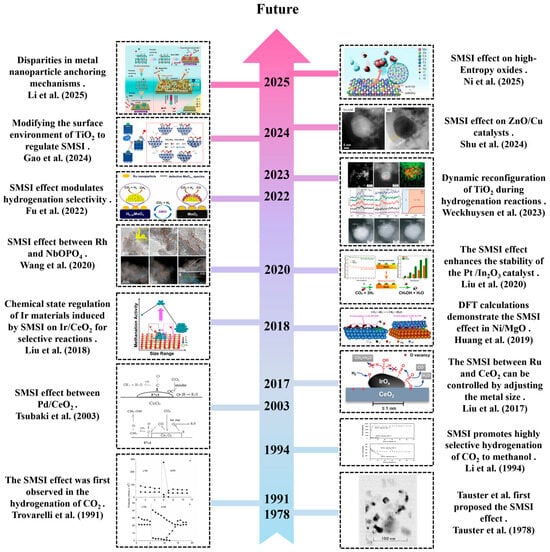
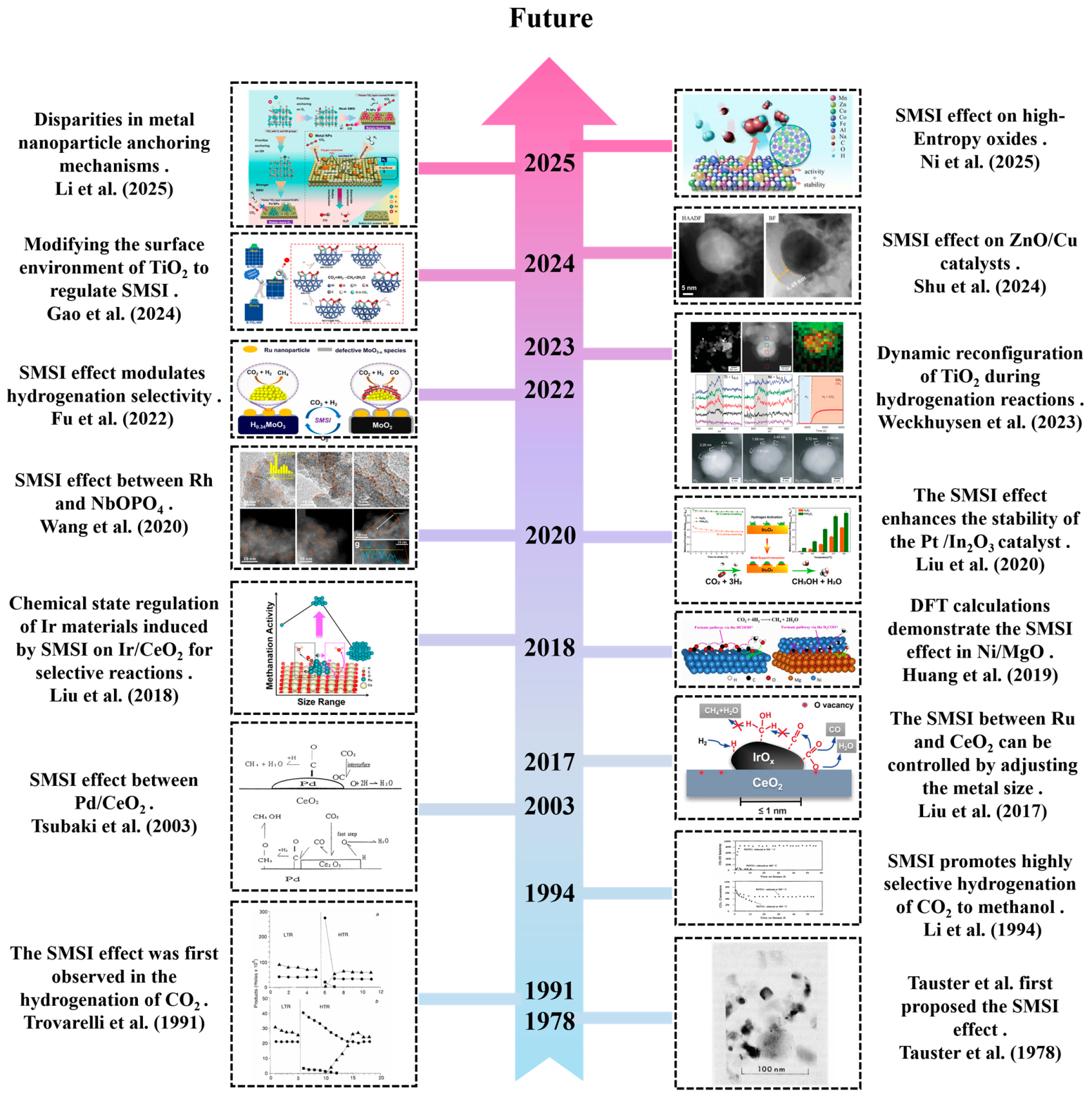
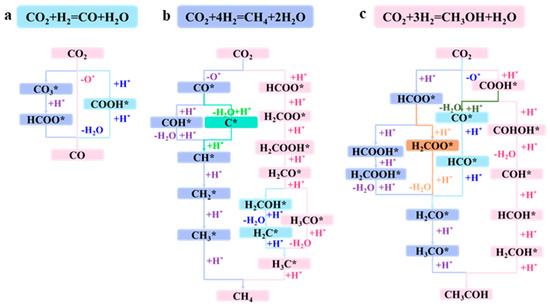
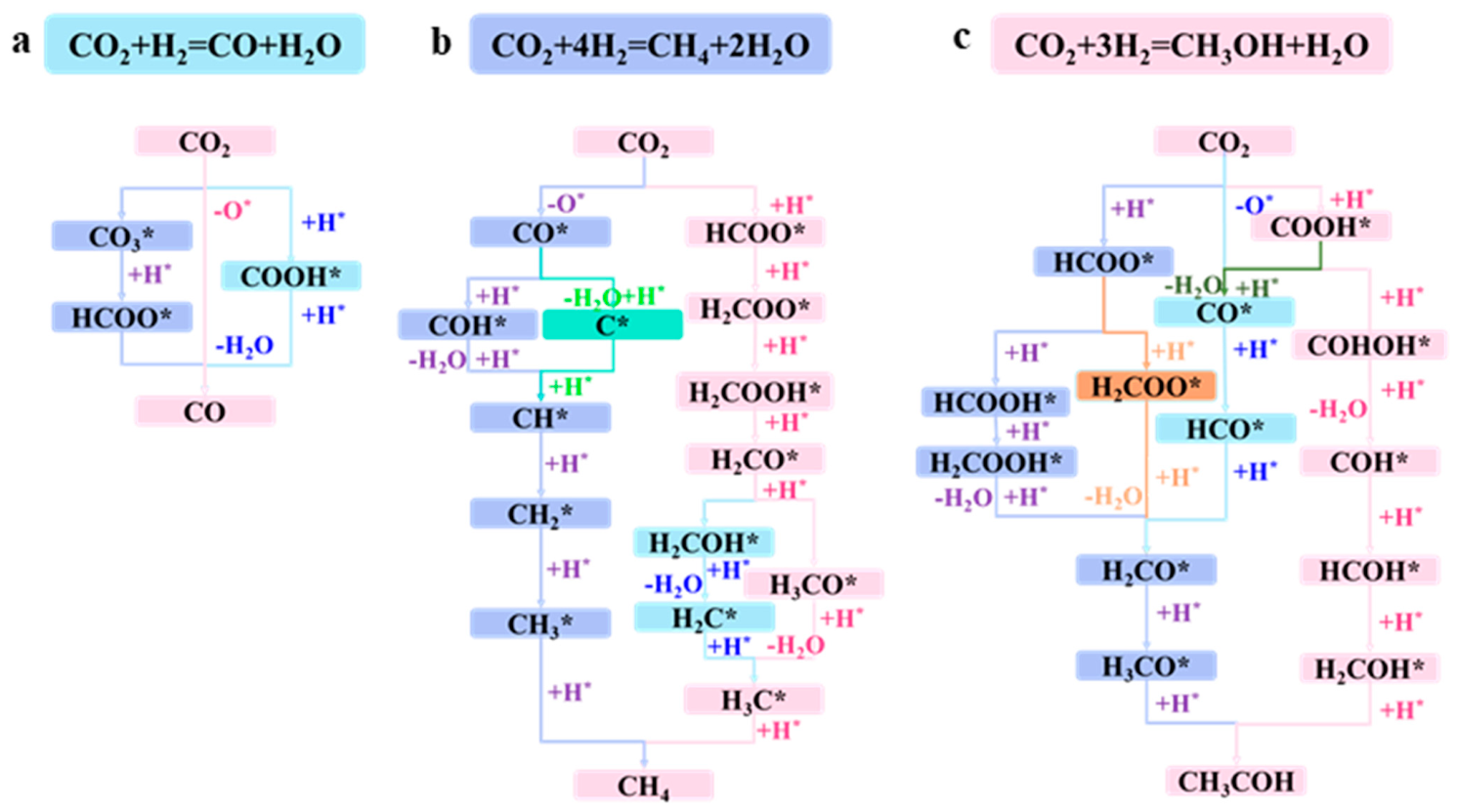
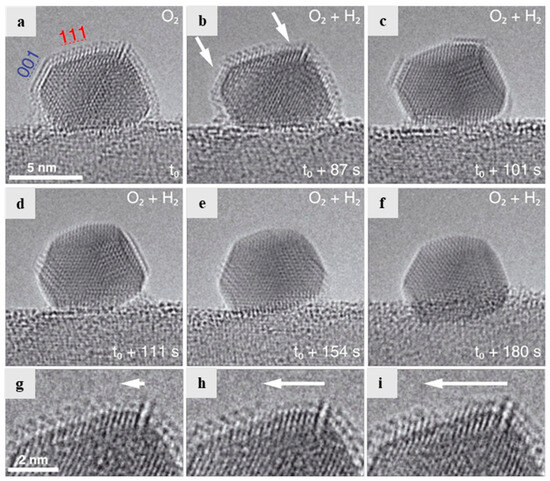
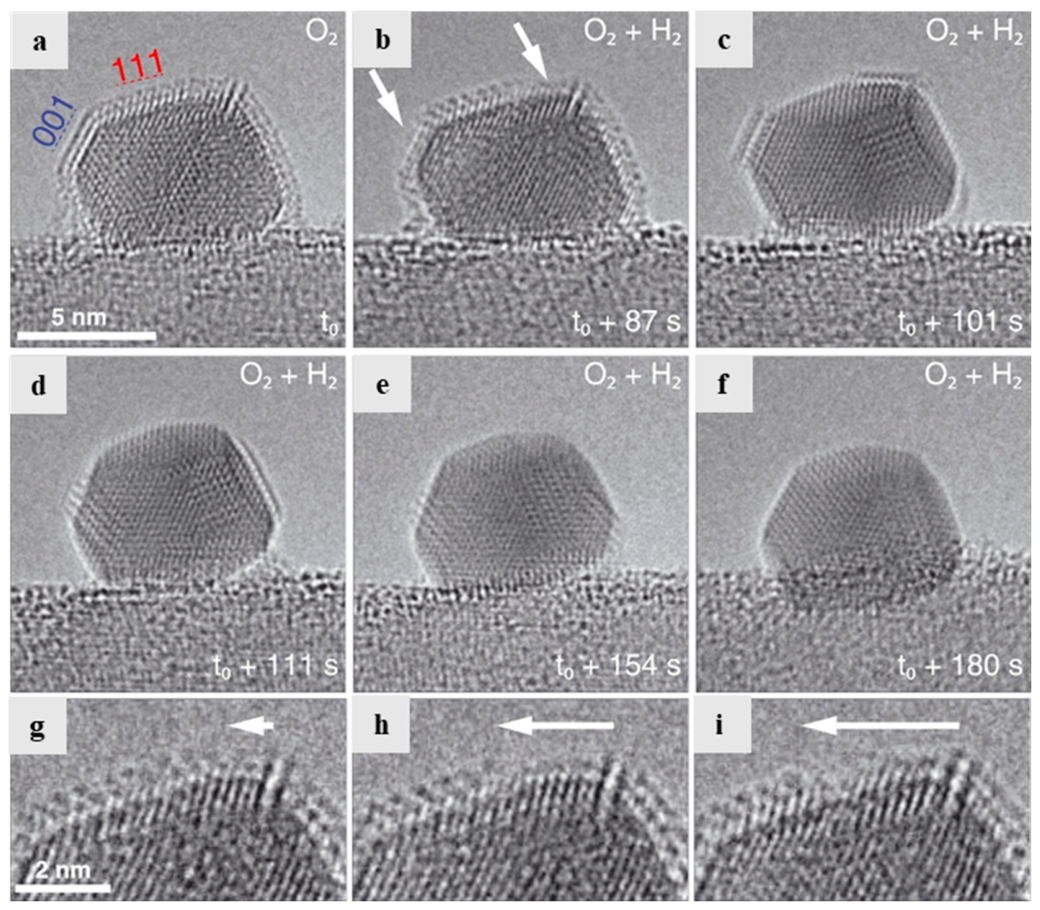
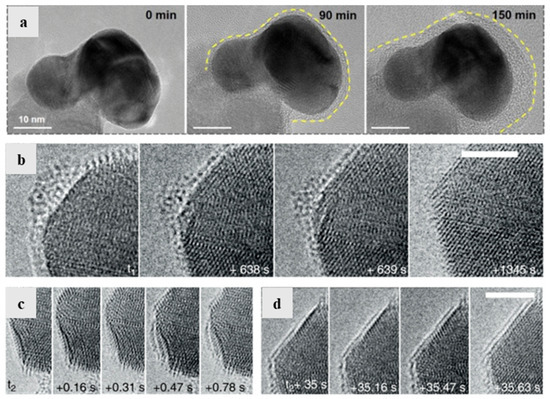
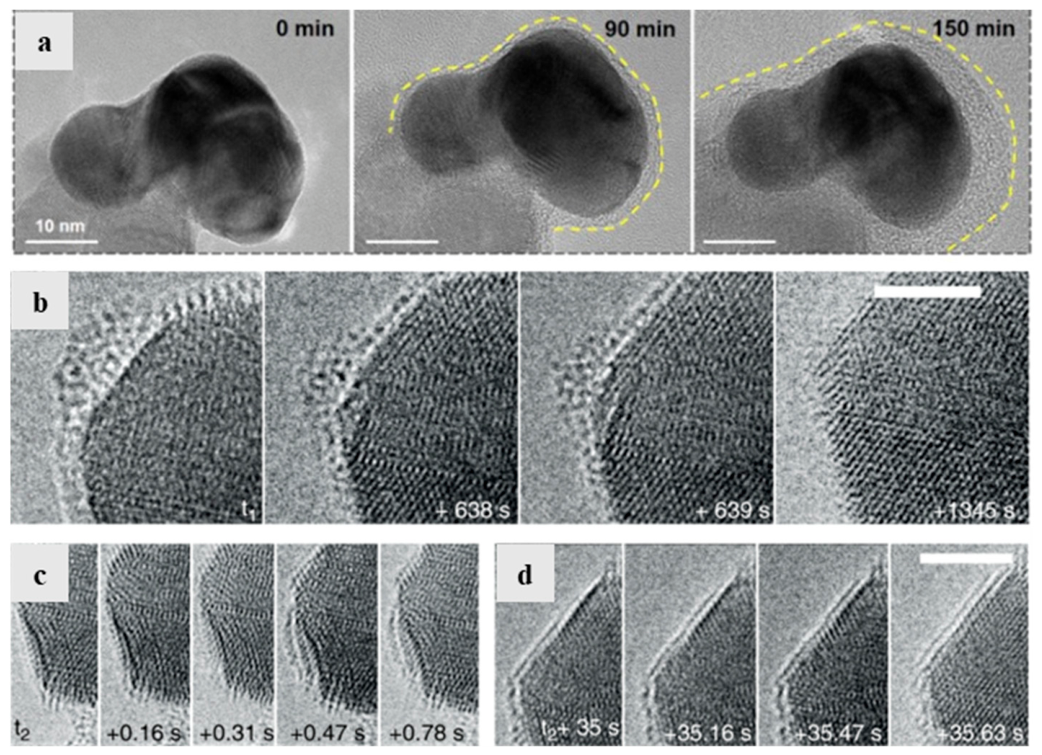
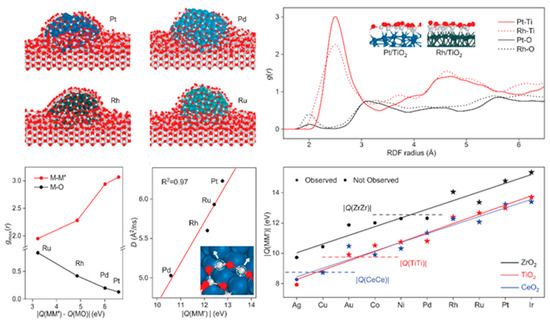
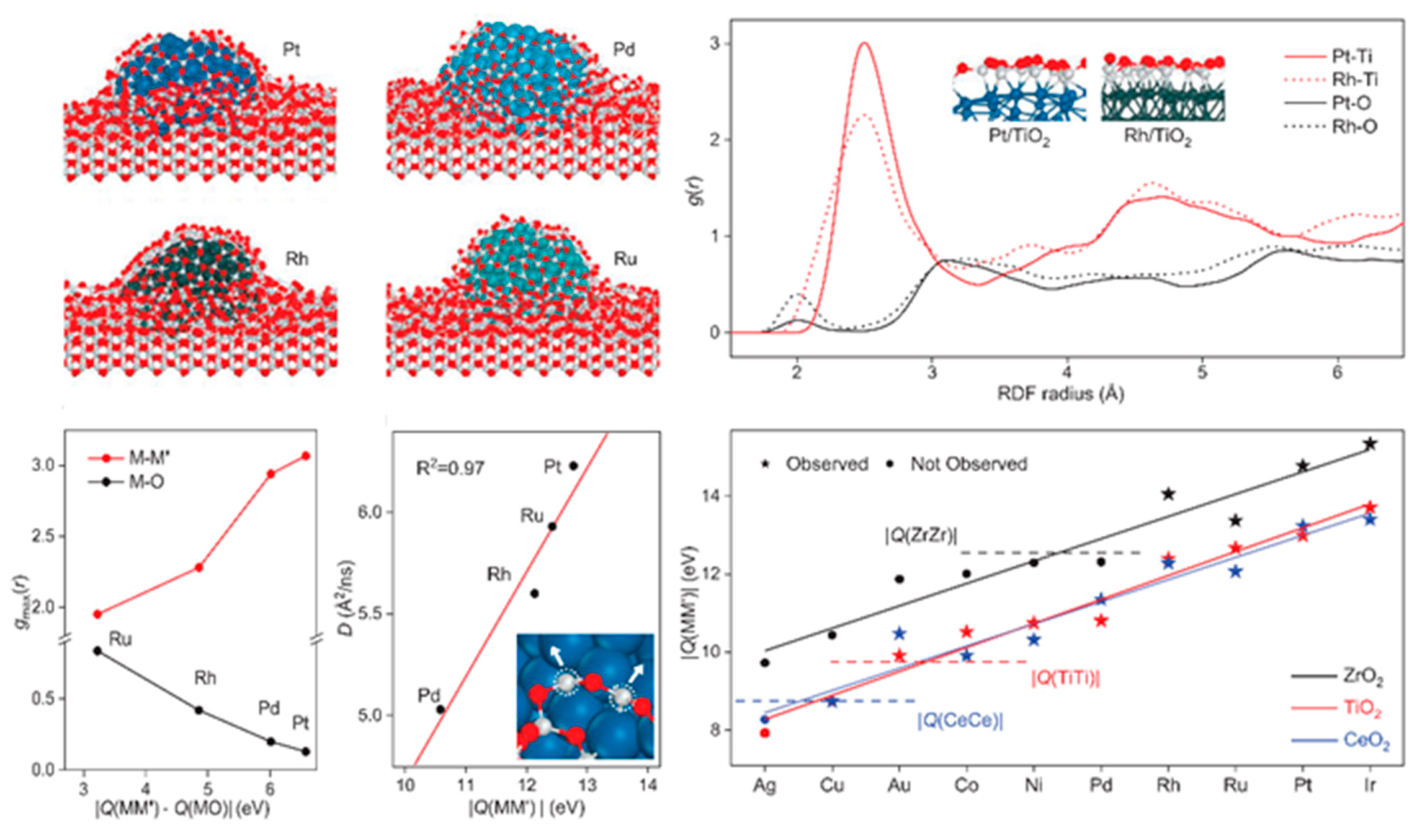
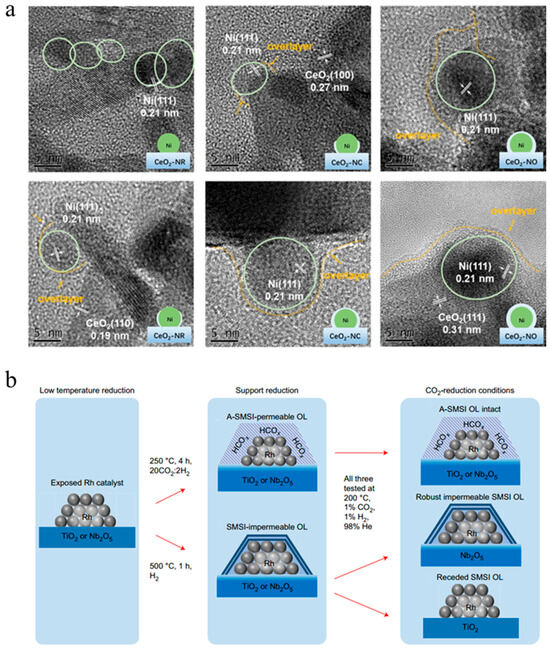
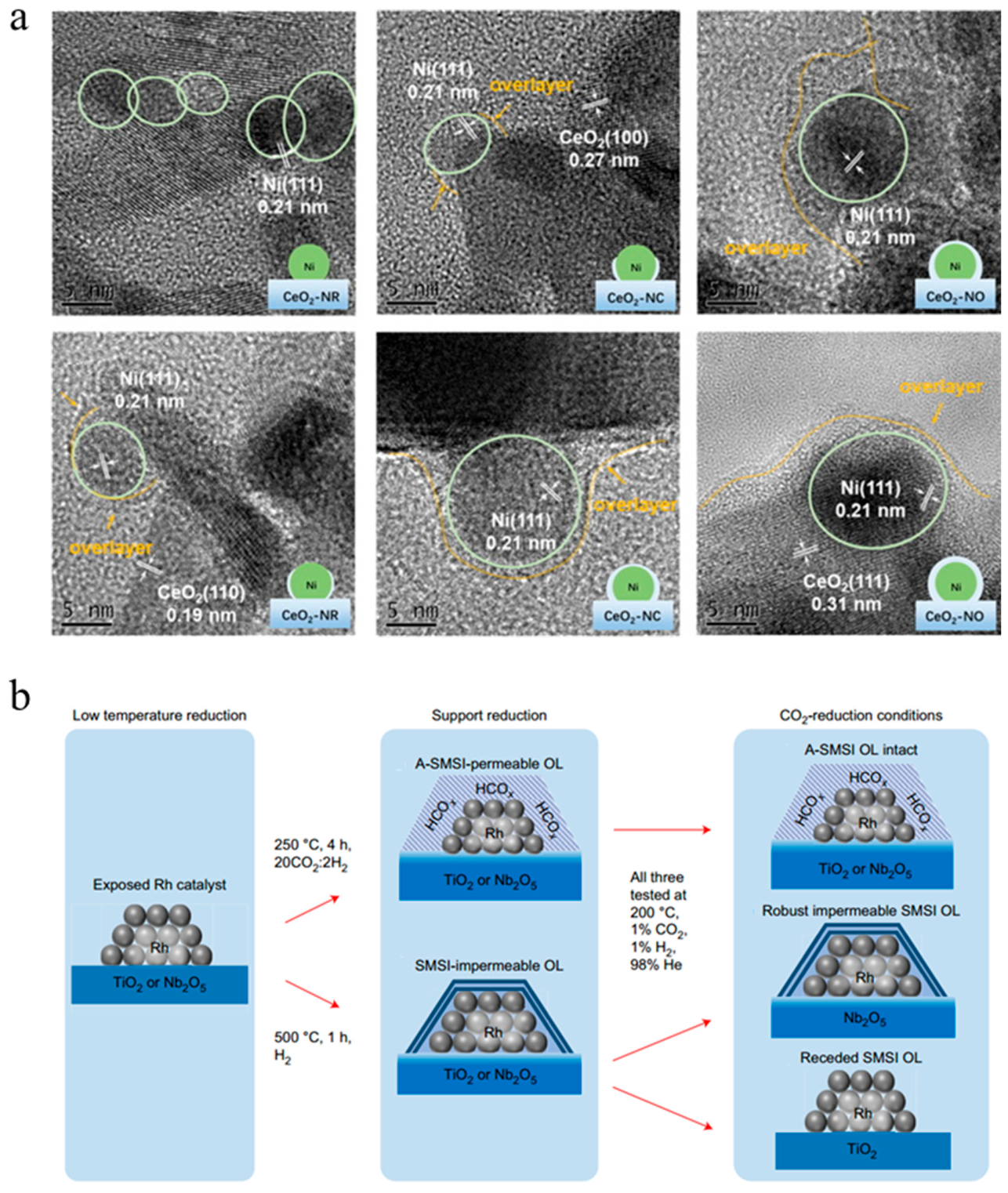
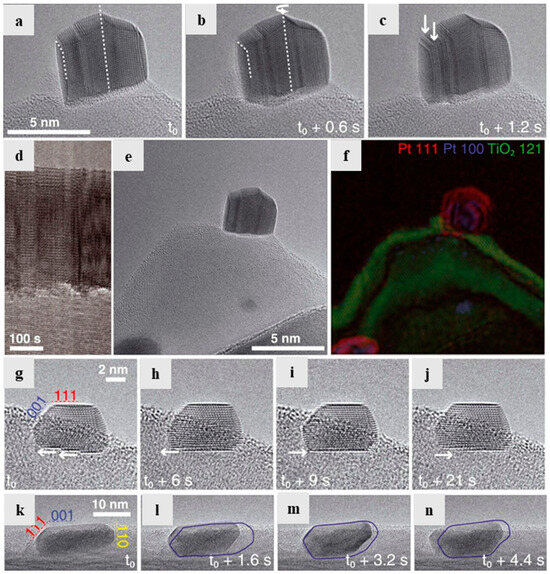
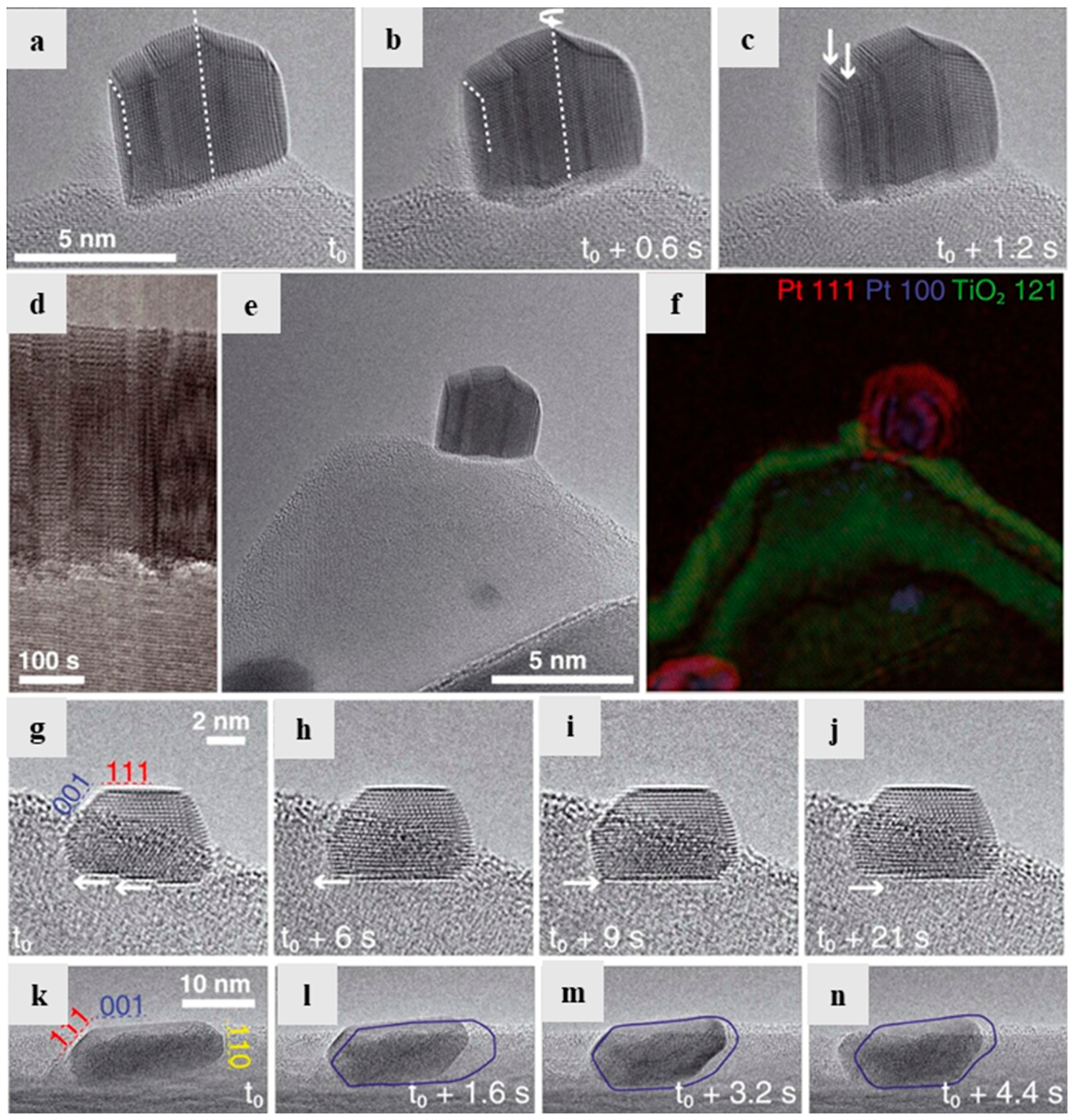
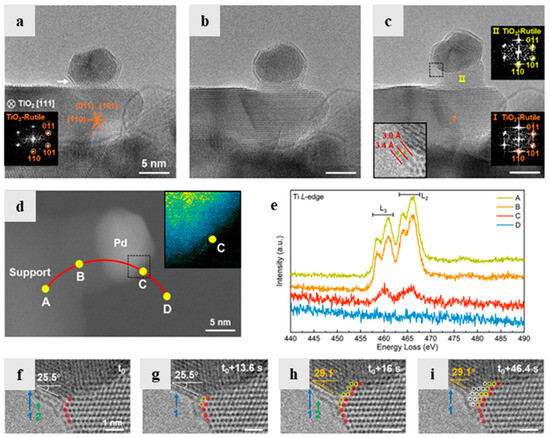
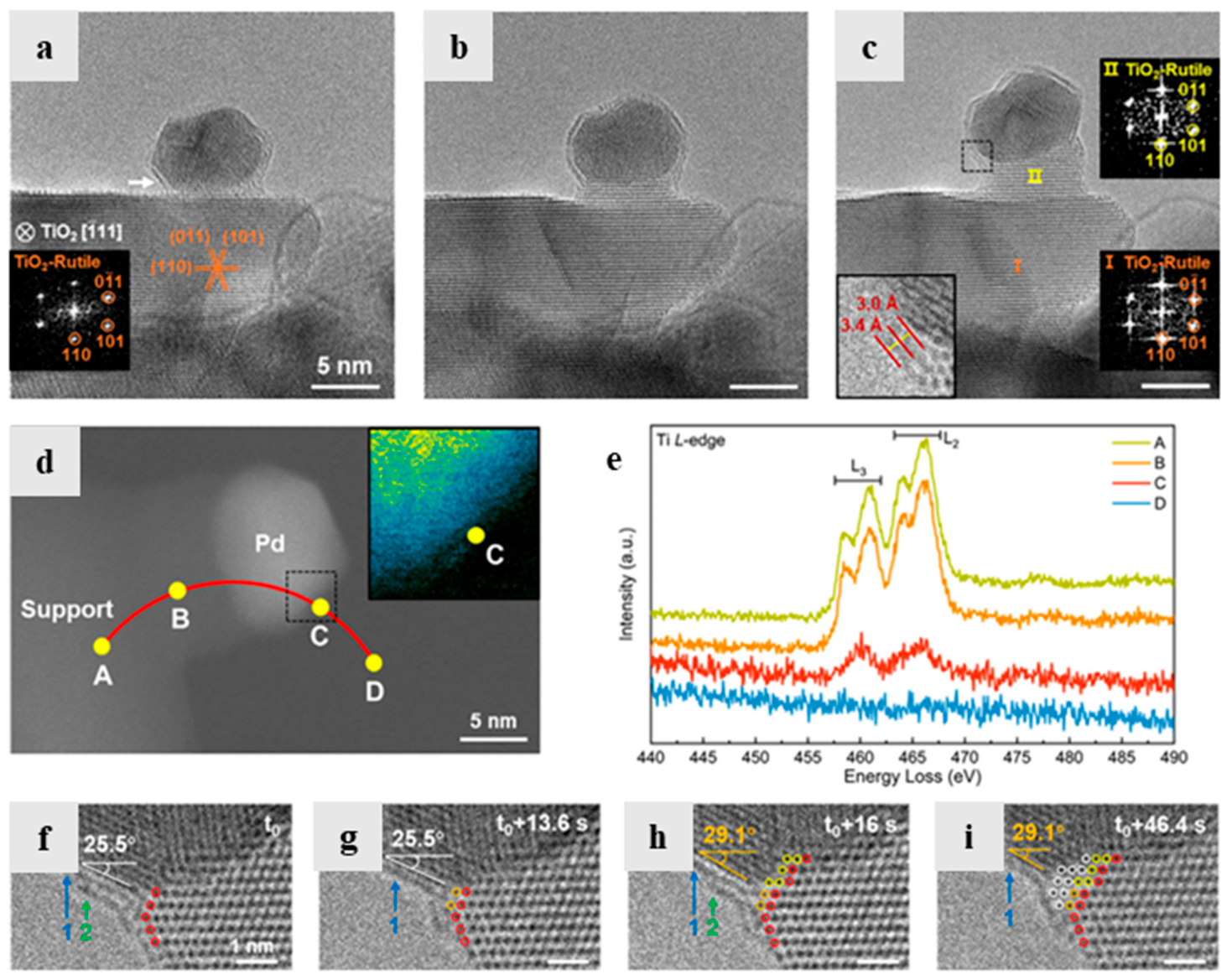
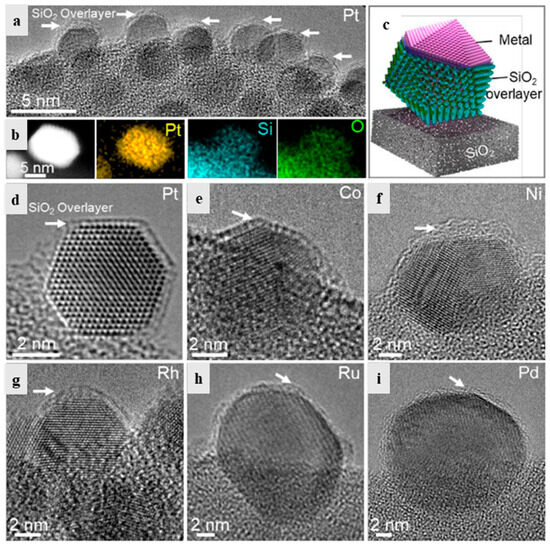
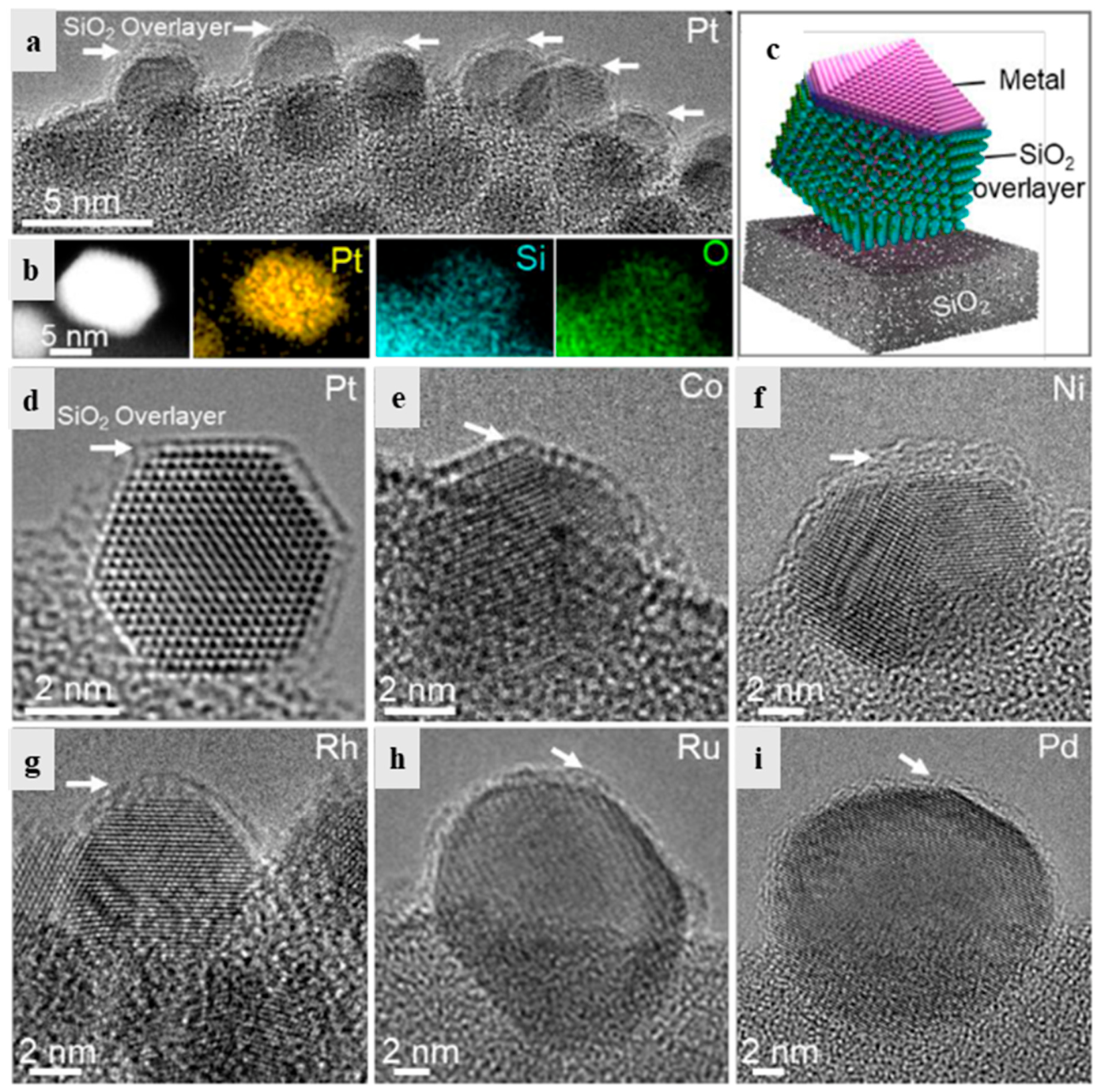
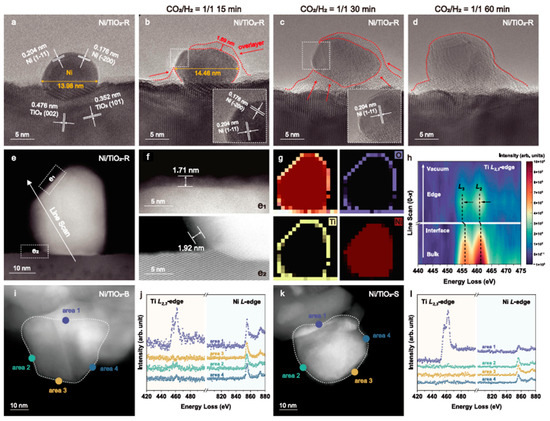
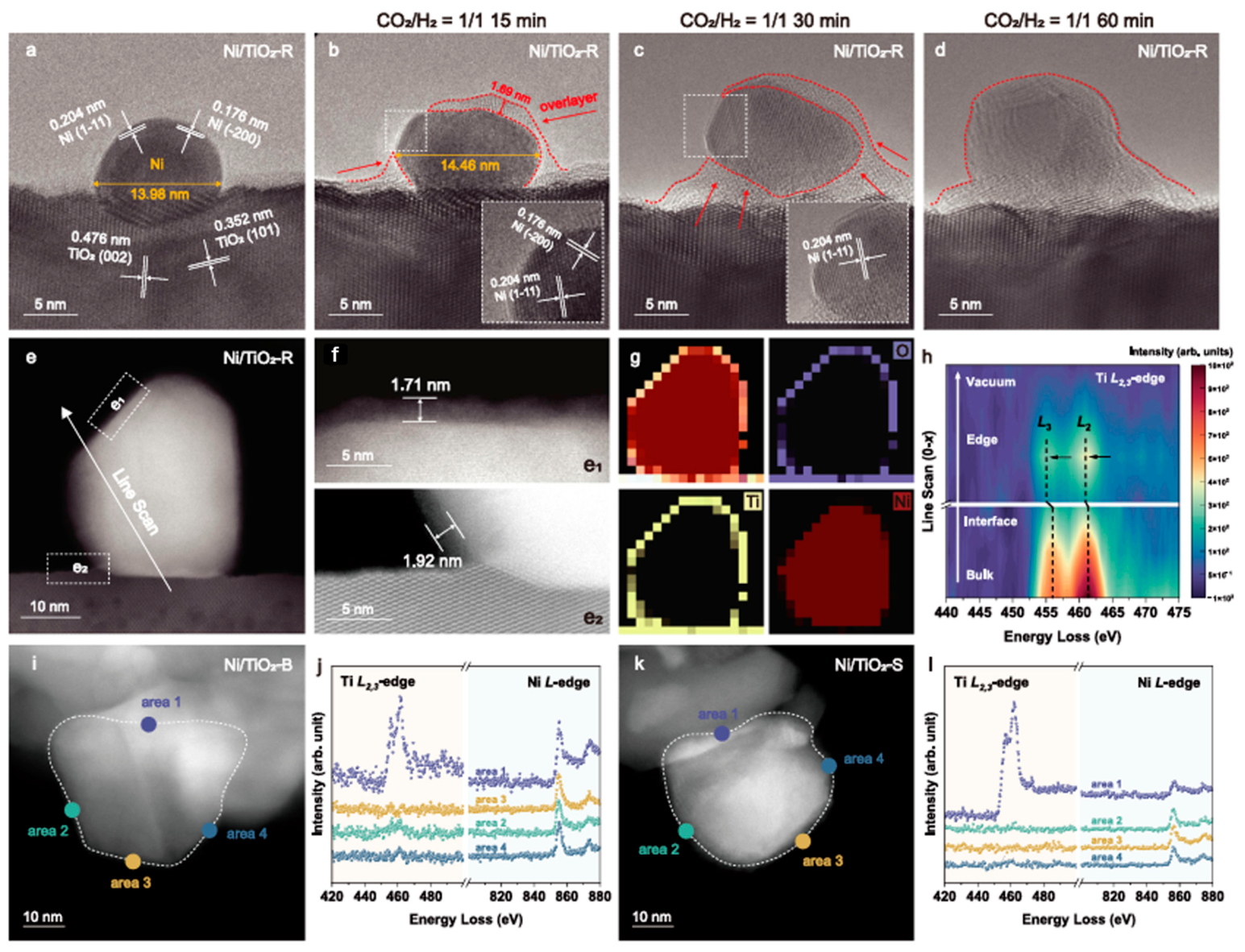
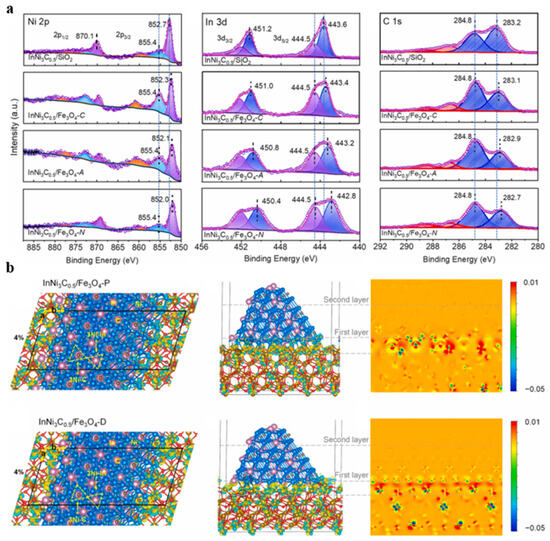
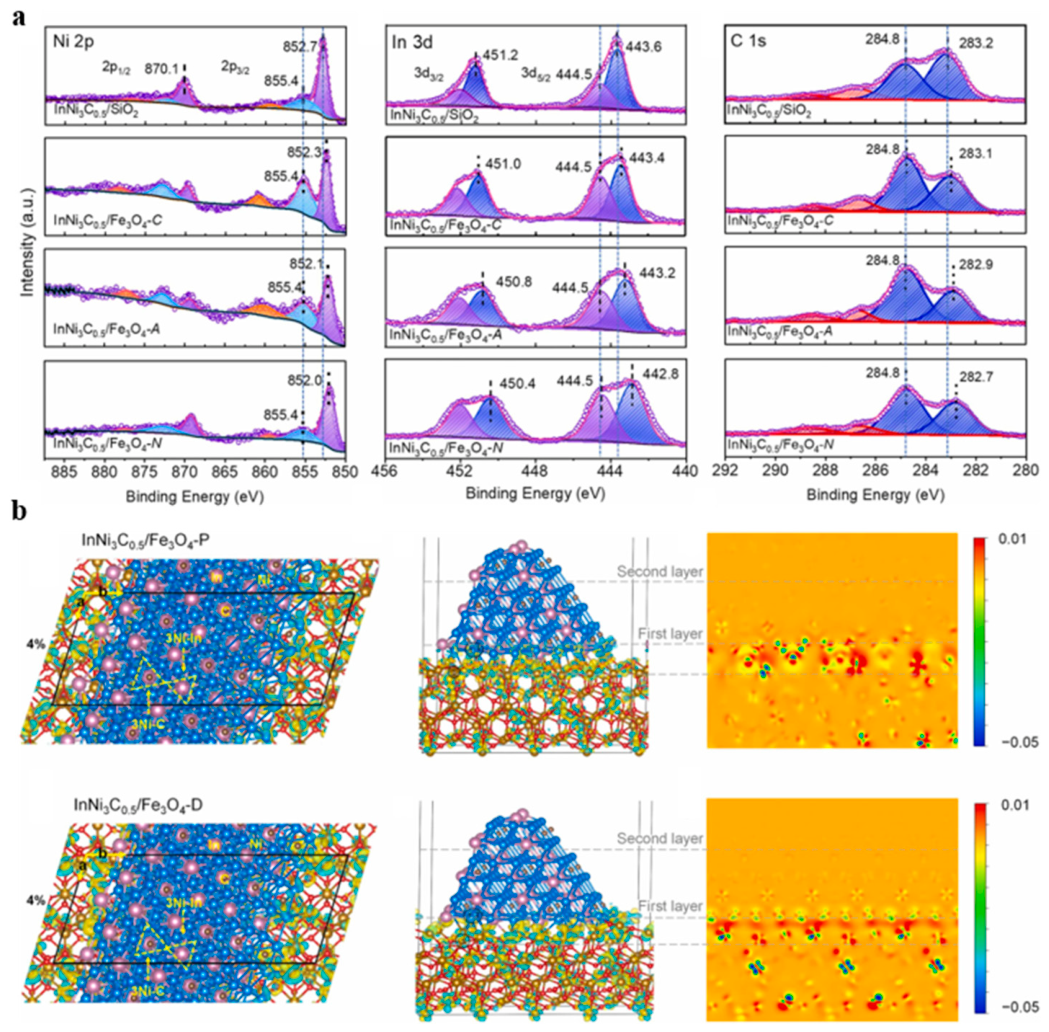
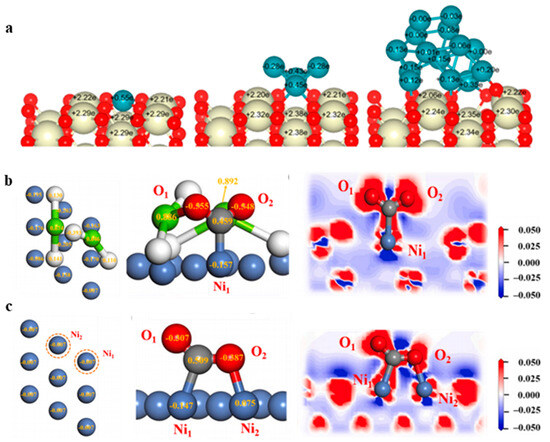
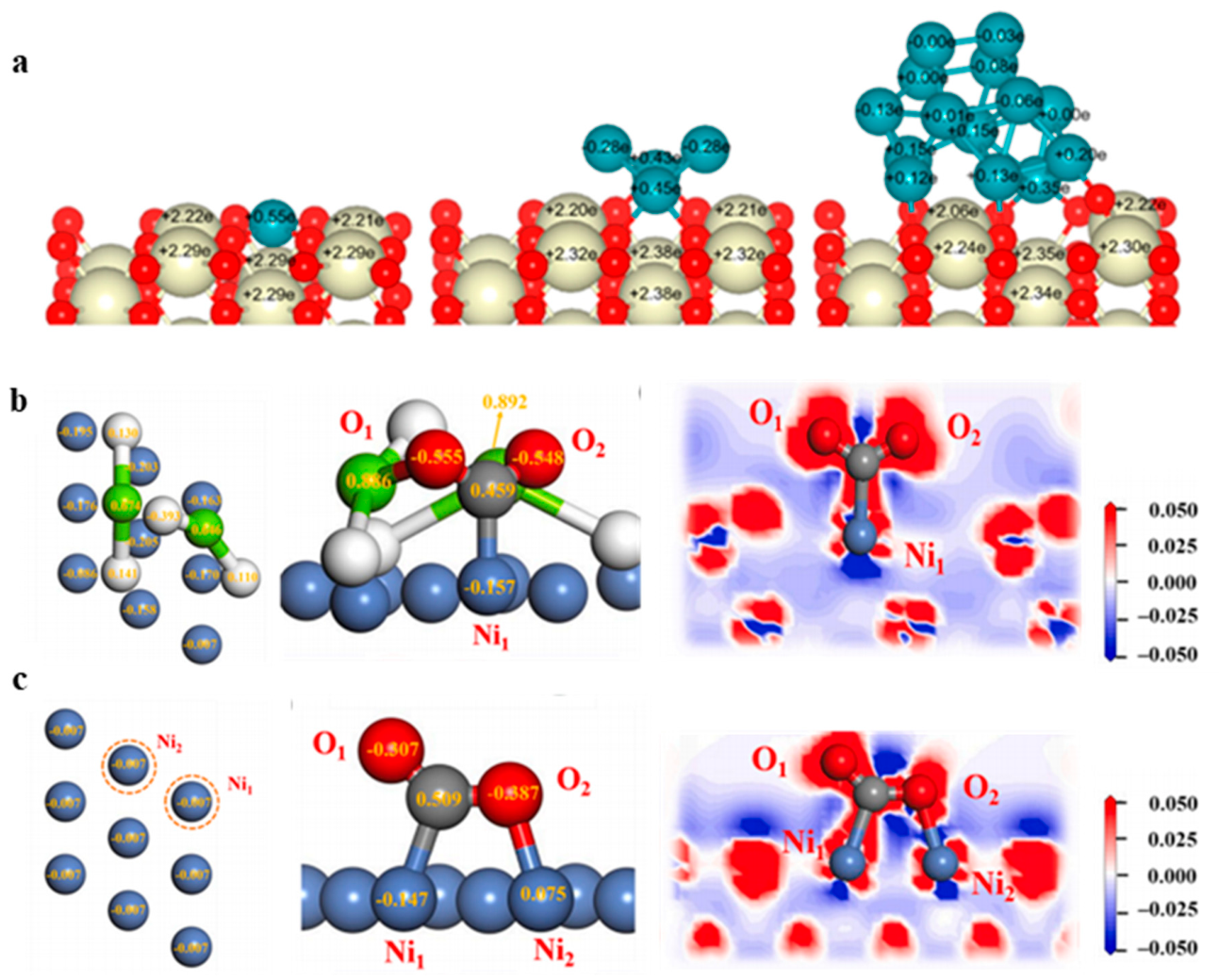
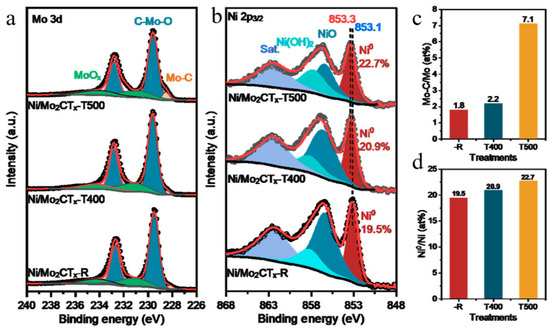
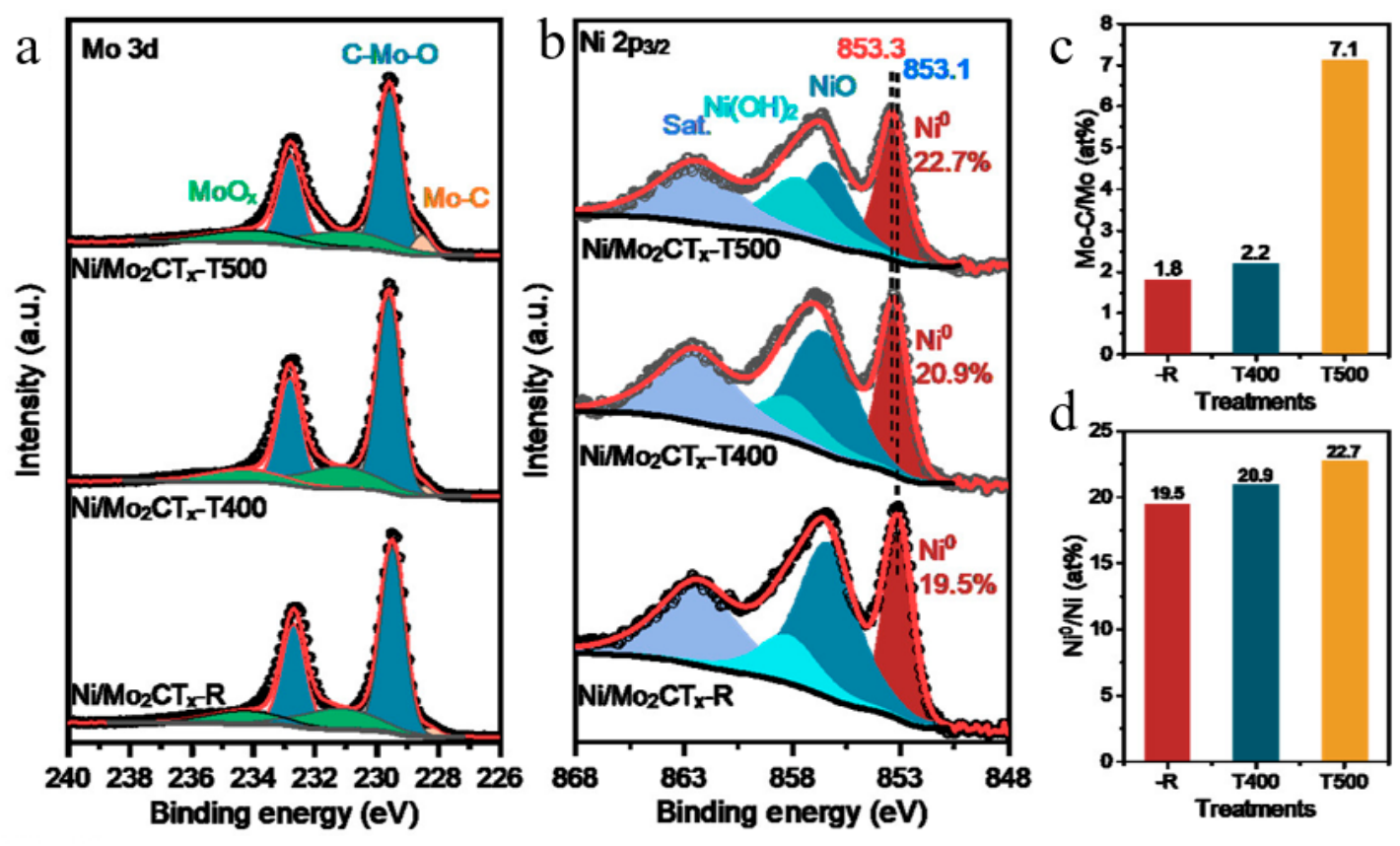
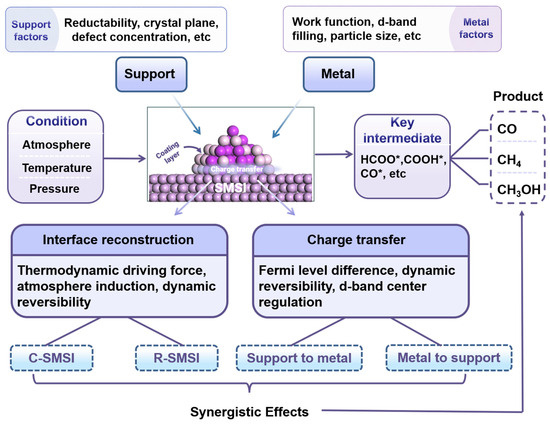
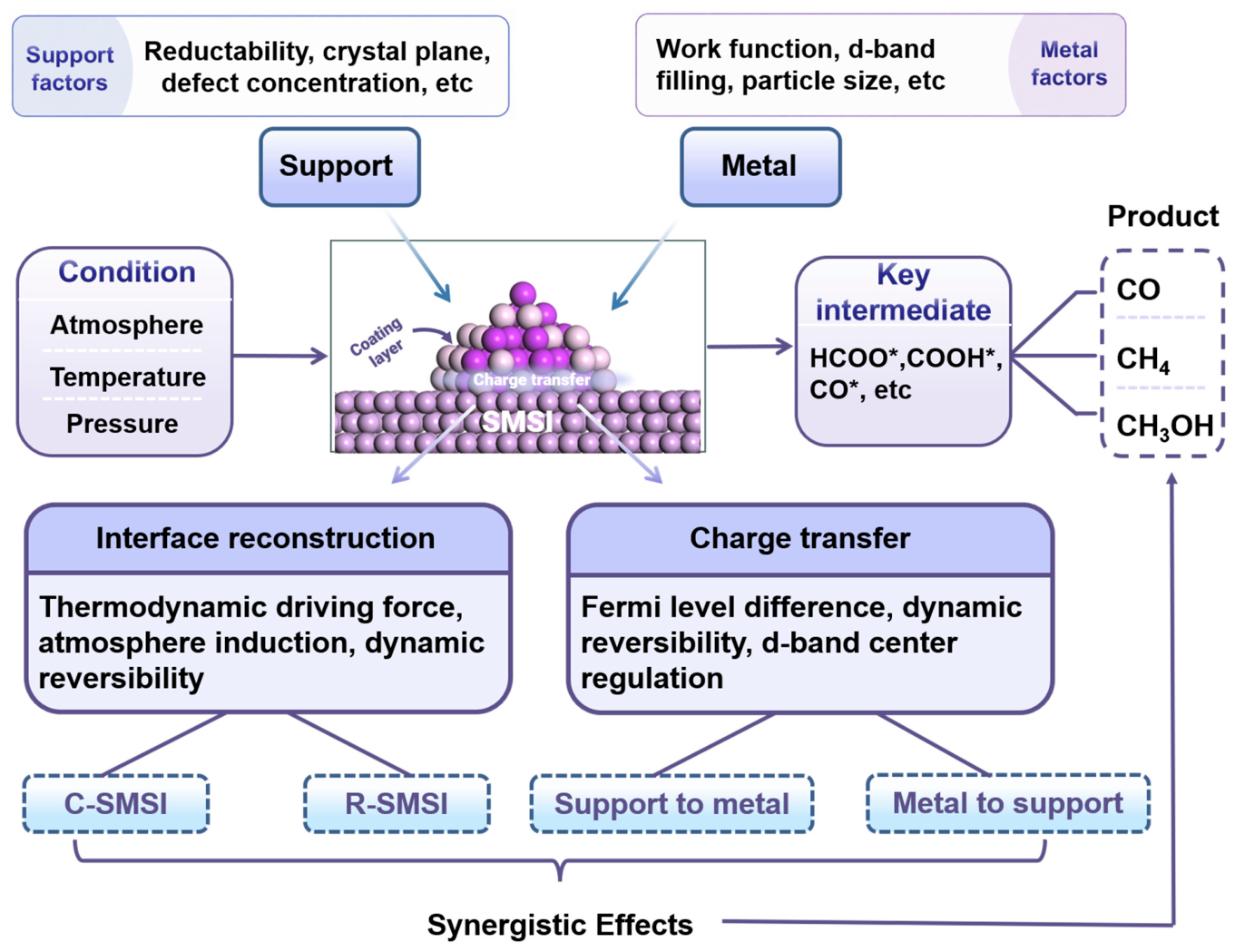

Disclaimer/Publisher’s Note: The statements, opinions and data contained in all publications are solely those of the individual author(s) and contributor(s) and not of MDPI and/or the editor(s). MDPI and/or the editor(s) disclaim responsibility for any injury to people or property resulting from any ideas, methods, instructions or products referred to in the content. |
© 2026 by the authors. Licensee MDPI, Basel, Switzerland. This article is an open access article distributed under the terms and conditions of the Creative Commons Attribution (CC BY) license.