


Abstract
This study demonstrates a waste-to-catalyst strategy in which nickel ferrite (NFO) first removes Cu(II), Co(II), and Cd(II) from aqueous solutions, and the resulting metal-loaded ferrites are subsequently employed as non-noble-metal electrodes for alkaline methanol oxidation. Pristine NFO achieved removal efficiencies of 74.5% for Cu(II), 72.6% for Co(II), and 68.5% for Cd(II). Among the investigated catalysts, Cu/NFO delivered the most favorable electrochemical performance, with a peak current density of 20.5 mA cm−2, an onset potential of 1.30 V vs. RHE in 1 M KOH containing 1 M methanol, and a fitted charge-transfer resistance of 4.24 Ω. Cu/NFO also retained 97.5% of its current after 12 h and 95.1% after 7000 cycles under the specified durability protocols. The superior response is attributed to the complementary contribution of surface Cu+/Cu2+ chemistry, defect-associated oxygen environments, improved electrochemical accessibility, and the open inter-particle architecture identified by the combined characterization results. The data support a synergistic surface-modification effect, although the contribution of each factor cannot be quantitatively separated by the present experiments. The retained magnetic response further provides a practical basis for investigating magnetic catalyst recovery. Overall, the results establish a materials-level waste-to-catalyst platform for alkaline methanol oxidation and motivate future validation in membrane-electrode assemblies and repeated recovery/reuse cycles.
1. Introduction
Human societies face dual challenges: escalating aquatic pollution and an urgent need for sustainable energy. Industrial wastewater, rich in hazardous heavy metals, contaminates water bodies, posing severe threats to ecosystems and human health through toxicity and bioaccumulation [1,2]. Rapid industrialization and urbanization lead to vast volumes of untreated wastewater, releasing persistent contaminants such as heavy metals (cadmium, copper, cobalt) that resist conventional remediation [3,4,5,6,7]. These metals persist, bioaccumulate in food webs, and cause long-term health issues in affected communities [8].
Simultaneously, the global energy landscape is transforming. Depleting fossil fuels and climate change drive the development of cleaner, low-carbon energy alternatives [9,10]. While hydrogen is central to this shift, storage and distribution challenges highlight the practicality of liquid chemical carriers. Methanol is a versatile fuel for direct methanol fuel cells (DMFCs) due to its high volumetric energy density and compatibility with existing infrastructure. DMFCs provide compact, efficient power for portable electronics and decentralized energy systems, simplifying fuel logistics [11,12,13,14]. However, DMFC adoption is hindered by the slow kinetics, instability, and susceptibility to surface intermediate oxidation of existing anode electrocatalysts. Platinum-based materials, despite high activity, are costly, scarce, and rapidly deactivated by CO intermediates [15,16,17].
Historically, water purification and clean energy production relied on separate, resource-intensive technologies, increasing operational burdens. Conventional treatments often generate toxic sludge requiring careful disposal, creating additional environmental risks [18,19]. To integrate environmental protection and energy sustainability, the Circular Economy paradigm promotes “waste-to-resource” strategies over linear models [20]. This aligns with UN SDGs 6, 7, 9, and 12, emphasizing clean water, sustainable energy, and responsible resource use. Converting hazardous residues, such as spent heavy metal adsorbents, into valuable secondary resources is crucial for advancing circular economy practices [21,22]. This approach fosters circular resource use, reduces long-term environmental burdens, and creates high-value materials for advanced energy applications [23,24].
Spinel ferrites, particularly nickel ferrite (NFO), are prominent multifunctional materials due to their unique structural, magnetic, and chemical properties. NFO offers strong thermal and chemical stability, natural abundance, and low toxicity [25,26]. In this work, the hydrothermal method was strategically selected for NFO synthesis. This approach offers superior control over nucleation and growth, yielding homogeneous nanoparticles with high crystallinity, precise stoichiometry, and uniform size distribution factors critical for maximizing active site exposure. Furthermore, the hydrothermal process facilitates the formation of a porous architecture with a high concentration of surface defects and oxygen vacancies, which significantly enhances the material’s adsorptive capacity for heavy metals and its subsequent electrocatalytic performance [27,28,29]. The resulting ferrimagnetic soft behavior enables effortless magnetic separation from aqueous environments, beneficial for large-scale remediation and catalytic material recovery [30,31,32].
Despite these advancements, a significant knowledge gap persists regarding the direct transformation of metal-laden adsorbents into high-performance electrocatalysts without extensive secondary processing. Current research often treats wastewater remediation and catalyst synthesis as isolated processes, overlooking the potential for in situ metal decoration to modulate the electronic structure of spinel ferrites. Specifically, the synergistic interactions between hydrothermally optimized NFO and adsorbed Cu, Co, or Cd ions and their collective impact on the methanol oxidation reaction (MOR) kinetics remain poorly understood. Addressing this gap is essential for developing truly integrated, cost-effective, and sustainable “waste-to-energy” platforms.
This study addresses these challenges with a novel “waste-to-catalyst” strategy, synergistically combining heavy metal remediation with advanced MOR electrocatalyst synthesis [33,34,35]. We hypothesized that the adsorption of Cu2+, Co2+, and Cd2+ onto NFO nanoparticles would generate a metal-decorated surface with modified electronic and structural characteristics, thereby converting the metal-laden adsorbent into an electrocatalytically active material. The central premise is that surface metal species do not merely remain as captured contaminants but also participate in reorganizing the interfacial redox environment of NFO and consequently influence methanol oxidation [36,37]. Advanced techniques, including X-ray diffraction (XRD), scanning electron microscopy (SEM), energy-dispersive X-ray (EDX) spectroscopy, Brunauer–Emmett–Teller (BET) surface area analysis, X-ray photoelectron spectroscopy (XPS), vibrating sample magnetometry (VSM), and electrochemical impedance spectroscopy (EIS), were employed for comprehensive material evaluation. The electrochemical results demonstrate that in situ metal decoration substantially modifies the MOR response. In particular, Cu/NFO exhibits a higher current density, a more favorable onset potential, and a lower fitted charge-transfer resistance than pristine NFO, Co/NFO, and Cd/NFO, indicating that the surface-decorated state provides a substantially more favorable electrochemical environment under the investigated alkaline conditions. This enhancement correlates with high adsorption removal efficiencies, indicating surface decoration’s pivotal role in catalytic outcomes.
Furthermore, the metal-loaded catalysts retained a substantial fraction of their electrochemical response during prolonged chronoamperometry and accelerated cycling. The improved forward-to-backward current ratio and the CO-related voltametric response of Cu/NFO provide strong evidence for enhanced resistance to carbonaceous surface blocking under the applied conditions. In combination with the XPS evidence for Cu mixed valence and defect-associated oxygen environments, these results support a mechanism in which the decorated surface facilitates the oxidative removal of carbonaceous intermediates. The magnetic response of the catalysts adds a further functional advantage, because it provides a physical basis for future magnetic recovery and reuse studies. Thus, the work establishes a coherent waste-to-catalyst concept at the materials level, while device-level validation and repeated recovery experiments remain important next steps.
Therefore, this research aims to: (i) synthesize highly crystalline NFO nanoparticles via an optimized hydrothermal method; (ii) evaluate their efficacy in adsorptive removal of Cd(II), Cu(II), and Co(II) from aqueous solutions; and (iii) directly reutilize the resulting metal-decorated ferrites as novel, non-noble metal anodes for methanol electrocatalytic oxidation. By comprehensively characterizing these materials, this work elucidates structure-property relationships overriding enhanced MOR performance. Ultimately, this study establishes a sustainable, closed-loop methodology integrating wastewater purification with renewable energy generation, offering a truly multifunctional platform aligning environmental protection with green, sustainable energy.
2. Results and Discussion
2.1. Structural and Morphological Characterization
The X-ray diffraction examination provided detailed insight into the crystalline framework and phase consistency of the hydrothermally produced nickel ferrite materials, including those decorated with heavy-metal species. Figure 1a displays the wide-angle XRD patterns collected over the 2θ range of 10–80°, while Figure 1b provides an enlarged view focusing on the key diffraction region between 25° and 45°. The pristine NFO sample shows distinct diffraction peaks at 2θ values of 18.3°, 30.1°, 35.5°, 37.1°, 43.1°, 53.5°, 57.0°, and 62.6°, which correspond to the (111), (220), (311), (222), (400), (422), (511), and (440) crystallographic planes, respectively. These peaks are in excellent agreement with the standard cubic inverse spinel structure of nickel ferrite (JCPDS Card No. 96-519-0065) [38]. The absence of any extraneous peaks unequivocally confirms the formation of a single-phase, highly pure nickel ferrite, indicative of a successful hydrothermal synthesis route [39].
Figure 1.
(a) Wide-angle X-ray diffraction (XRD) patterns and (b) magnified view of the principal (311) and (220) reflections for the pristine NFO and the heavy metal-decorated (Cu/NFO, Co/NFO, Cd/NFO) catalysts.
The average crystallite size (D) of the pristine NFO was estimated using the Scherrer equation, D = Kλ/(βcosθ), where K is the shape factor (typically 0.9), λ is the X-ray wavelength (0.15406 nm for Cu Kα radiation), β is the corrected full width at half maximum (FWHM) of the diffraction peak in radians, and θ is the Bragg angle [40]. Utilizing the most intense (311) reflection, the average crystallite size for NFO was calculated to be 50.5 nm.
The XRD patterns of the metal-decorated NFO samples (Cu/NFO, Co/NFO, Cd/NFO) are shown in Figure 1a,b. All diffraction peaks match the cubic inverse spinel structure of NFO (JCPDS Card No. 96-519-0065), and no additional reflections corresponding to crystalline Cu, Co, Cd, or their oxides are detected, confirming that the decoration does not generate crystalline secondary phases [41]. To detect subtle lattice perturbations, the cubic lattice parameter a was calculated. The interplanar spacing was derived from Bragg’s law: a = d√(h2 + k2 + l2). The calculated lattice parameters are 8.340 Å, 8.340 Å, 8.342 Å, and 8.347 Å, respectively. The essentially unchanged a for Cu/NFO and the very small change for Co/NFO (Δa ≤ 0.002 Å) indicate that Cu and Co ions do not substitute into the bulk spinel lattice in detectable quantities; they remain predominantly on the surface. These results agree with those reported [42]. The slightly larger a for Cd/NFO (Δa = 0.007 Å) is attributable to surface microstrain induced by the large Cd2+ ionic radius (0.95 Å), rather than bulk incorporation, because no observed peak shift indicates a homogeneous change in composition. The pure NFO sample reveals D = 50 nm. The other samples show similar crystallite sizes (±3 nm), demonstrating that the hydrothermal synthesis yields nanocrystalline NFO and that the metal decoration does not induce pronounced crystal growth and/or changes.
It is noteworthy that the XRD patterns do not exhibit characteristic diffraction peaks corresponding to the surface-bound metal (Cu, Co, or Cd) species. This observation is attributed to a combination of factors: (i) the relatively low metal loading on the NFO surface, which often falls below the detection limit of conventional XRD; (ii) the highly dispersed nature of the adsorbed metal species, preventing the formation of large crystalline domains; and (iii) the possibility that the surface-adsorbed species exist in an amorphous or highly nanocrystalline state, which would not yield sharp diffraction peaks. This is consistent with the surface decoration mechanism, where the metal ions are intimately associated with the NFO surface rather than forming bulk crystalline phases.
Figure 2 presents SEM images of (a) NFO, (b) Cu/NFO, (c) Co/NFO, and (d) Cd/NFO. The micrographs reveal distinct aggregation states. These nanoparticles possess strong dipole–dipole attractions and high surface reactivity, causing individual particles to coalesce into larger aggregates during or after synthesis. Studies on NFO systems report that factors such as synthesis route, particle size, and defect density influence the degree of agglomeration, with sol–gel and combustion methods often yielding more strongly clustered particles due to higher surface defects and residual stresses [43]. Additionally, the nanoscale surface of NFO carries abundant active sites that promote particle–particle adhesion during drying or handling, resulting in the characteristic aggregated morphologies observed in many pristine samples [44]. Cu/NFO (Figure 2b) displays a less agglomerated, more open structure with visible inter-particle voids and a finer particle network. The porous, less-agglomerated morphology of Cu/NFO arises because copper incorporation disrupts dense ferrite clustering and reduces particle size, producing a more open, high-surface-area architecture that enhances catalytic accessibility and methanol oxidation efficiency [45,46]. Co/NFO (Figure 2c) shows moderately dispersed particles but retains some aggregation. This behavior arises because cobalt incorporation modifies the cation distribution and surface energy of NFO, altering its growth and reconstruction pathways, which leads to partially rearranged grains rather than fully interconnected networks. Such Co substitution is known to influence structural and morphological characteristics through changes in lattice sites and defect formation [47,48]. Cd/NFO (Figure 2d) exhibits large, dense, cauliflower-like agglomerates with deeply grooved surfaces and minimal visible porosity. These morphological characteristics are directly reflected in the textural data from BET: Cu/NFO exhibits the largest average void width (178.5 nm) and a higher pore volume, consistent with a more open inter-particle network, while Cd/NFO, despite a higher BET surface area (10.91 m2·g−1), displays a compact morphology that limits electrolyte access. The significantly larger ionic radius of Cd2+ (0.95 Å), confirmed by XPS. plays a crucial role in this unfavorable morphology, leading to less uniform surface coverage and promoting the formation of large, compact aggregates.
Figure 2.
Scanning electron microscopy (SEM) images illustrating the surface morphology of (a) pristine NFO, (b) Cu/NFO, (c) Co/NFO, and (d) Cd/NFO.
The micrographs illustrated in Figure 2b–d identify the existence of a small amount of impurities, pointing to the adsorbed species on the finite grain surface by a probable surface pinning mechanism. This is clear for Cd-, Co-, and Cu-decorated NFO nanoparticles. The enhanced performance of Cu/NFO is thus partially attributable to its favorable morphology, which facilitates mass transport, as corroborated by the low ionic transport resistance (Rct = 4.24 Ω) in EIS. Conversely, the dense aggregates of Cd/NFO hinder the accessibility of active sites, contributing to its poor MOR activity.
The N2 adsorption–desorption isotherms for NFO and the metal-decorated variants (Figure 3a–c) all exhibit Type IV profiles with H3 hysteresis loops, which are characteristic of mesoporous materials with slit-shaped pores. This behavior is indicative of the formation of inter-particle voids and mesopores resulting from the aggregation of nanoparticles. The Brunauer–Emmett–Teller (BET) surface area, total pore volume, and average pore width are summarized in Table 1. While the pristine NFO exhibits a BET surface area of 6.72 m2 g−1, the Cu/NFO sample shows a slightly lower surface area (5.81 m2g−1) but an increased total pore volume (0.258 cc g−1) and a larger average pore width (178.5 nm). This open pore and inter-particle architecture contributes to the performance of Cu/NFO by improving access of the alkaline electrolyte and methanol to the decorated ferrite surface and by facilitating transport within the catalyst layer. The larger apparent pore width and increased pore volume of Cu/NFO therefore provide a structural explanation for its lower interfacial resistance and higher MOR response, while the concurrent changes in surface composition and defect chemistry indicate that the textural contribution operates together with electronic surface modification. The larger pore width observed for Cu/NFO, for instance, can reduce diffusion limitations, thereby contributing to its superior MOR performance. Such behavior is characteristic of non-porous or macroporous materials, where adsorption predominantly occurs on external particle surfaces and within large interparticle voids. An initial plateau at low relative pressures followed by a pronounced uptake as the relative pressure approached unity (P/P0 > 0.9), a behavior typically associated with multilayer adsorption on nonporous or macroporous surfaces. Similar Type II and Type IV profiles have been observed in related ferrite systems, where the characteristic increase in nitrogen uptake at high P/P0 arises from multilayer formation or capillary condensation within larger pore domains [49,50].
Figure 3.
(a) N2 adsorption–desorption isotherms of Cu/NFO, Co/NFO, and Cd/NFO showing Type IV isotherms with H3 hysteresis loops; (b) corresponding pore size distribution curves calculated by the BJH method; and (c) N2 adsorption–desorption isotherms of pristine NFO.
Table 1.
BET surface areas, total pore volumes, and average pore widths for NFO and post-adsorption samples.
Table 1 summarizes the BET surface areas, total pore volumes, and average pore widths. The BET surface areas are modest, ranging from 5.81 m2 g−1 (Cu/NFO) to 10.91 m2 g−1 (Cd/NFO). The Cu/NFO sample has the lowest BET area but the largest average pore width (178.5 nm) and a substantial total pore volume (0.258 cm3 g−1). These “pore” dimensions lie in the macroporous range (>50 nm) and correspond to the inter-particle voids created by the open, less aggregated particle network observed in SEM. Similar observations in Cu-modified ferrites show that enlarging mesoporous channels enhances reactant diffusion and catalytic turnover, while Cu decoration simultaneously alters the electronic structure by adjusting the d-band center and facilitating more efficient electron transfer at active sites, thereby boosting intrinsic catalytic activity [51,52]. Consequently, BET surface area alone does not fully describe the electrochemically accessible architecture of these aggregated catalysts. The open inter-particle network of Cu/NFO, together with its surface Cu species and defect-associated chemistry, provides a more complete explanation for the favorable electrolyte access and low fitted Rct observed for this sample. The large inter-particle channels in Cu/NFO facilitate ion diffusion, as evidenced by the low Rct = 4.24 Ω in EIS. Cd/NFO, despite its higher BET surface area (10.91 m2 g−1), has a smaller average pore width (132.0 nm) and a similar pore volume. The combination of dense particle aggregates (SEM) and smaller inter-particle voids limits electrolyte access, rendering a significant fraction of the surface area electrochemically inactive. This counterintuitive behavior is consistent with morphological evidence showing that Cd incorporation promotes pronounced particle agglomeration and spongy or cauliflower-like clustering, which reduces the accessibility of active sites despite increasing the nominal surface area [53]. XPS analysis further confirms the strong presence of Cd2+ surface species, with characteristic Cd 3d peaks at 404.4 and 411.2 eV, indicating that Cd2+ is anchored at the surface rather than uniformly incorporated into the lattice [54]. Taken together, the SEM, BET, and electrochemical results demonstrate that the inter-particle architecture is an important contributor to the catalytic trend in the present catalyst series, although its contribution is integrated with the effects of surface composition and electronic structure rather than acting as an isolated descriptor.
The BJH-derived pore sizes fall in the mesoporous range, whereas the larger apparent pore-width values represent macroporous or inter-particle void dimensions. These descriptors reflect different aspects of the aggregated pore network and are therefore discussed separately.
2.2. Heavy Metal Adsorption and Surface Decoration Analysis
Inductively coupled plasma-optical emission spectrometry (ICP-OES) was employed to accurately quantify the concentrations of Cu2+, Co2+, and Cd2+ before and after exposure to the nickel ferrite (NFO) adsorbent. ICP-OES is widely used in adsorption studies because it reliably measures metal ion concentrations with high sensitivity and precision, enabling direct evaluation of removal performance. The initial (Ci) and final (Cf) metal ion concentrations obtained from ICP-OES analysis were used to calculate the percentage removal, as summarized in Table 2. The removal efficiency (R) was determined using a standard expression commonly applied in heavy-metal adsorption studies [55]:
R = (Ci − Cf)/Ci × 100%
Table 2.
ICP-OES results for heavy metal ion concentrations before and after adsorption by NF ferrite.
From the recorded data in Table 2, the NFO adsorbent exhibited strong affinity toward all three investigated heavy metal ions. Among them, Cu2+ showed the greatest removal, reaching 74.5%, as its concentration decreased from 95.7 mg. L−1 to 24.4 mg. L−1 after treatment. Co2+ demonstrated a comparable uptake efficiency of 72.6%, with levels reduced from 92.6 mg. L−1 to 25.3 mg. L−1. Cd2+, although slightly lower, still achieved a notable 68.5% removal, decreasing from 96.6 mg. L−1 to 30.4 mg. L−1. These results align with previous findings showing that nickel ferrite and related ferrite-based materials effectively adsorb a range of heavy metal ions, including Cd2+, Pb2+, Cu2+, and Ni2+, with removal efficiencies commonly reported between 45–89% depending on conditions and material modifications [53,56]. The strong sorption behavior of NFO is consistent with established mechanisms in ferrite adsorbents, where surface-active sites, spinel lattice structure, and magnetic separability contribute to efficient heavy metal capture [53]. The removal-efficiency sequence (Cu2+ > Co2+ > Cd2+) parallels the MOR activity sequence observed for the corresponding decorated ferrites. This agreement supports the central concept that the nature and extent of the captured-metal layer influence the subsequent catalytic response. The relationship is not interpreted as a simple one-variable dependence, because metal loading is accompanied by changes in morphology, defect-associated chemistry, and interfacial charge transfer. This correlation suggests that the extent of heavy metal adsorption and its subsequent integration onto the NFO surface plays a pivotal role in dictating the catalytic outcome.
The high Cu2+ removal efficiency and the favorable electrochemical response of Cu/NFO indicate that Cu loading produces a particularly effective surface modification in the present system. This behavior can be rationalized by the combined effects of Cu–surface interactions, the resulting Cu+/Cu2+ redox chemistry, and the relatively open morphology observed after decoration. The available data support this integrated interpretation more strongly than a single explanation based only on ionic-radius matching [57]. Such an optimal fit minimizes structural strain and promotes effective surface decoration, which is crucial for creating highly active sites. In contrast, the larger ionic radius of Cd2+ (0.95 Å) may lead to less efficient adsorption and integration, potentially causing steric hindrance or localized aggregation on the NFO surface, which is consistent with the lower removal efficiency and the detrimental morphological changes observed in SEM. The ICP results thus provide a quantitative foundation for understanding the initial interaction between the heavy metal ions and the NFO adsorbent, directly influencing the subsequent surface modification and ultimately the electrocatalytic performance.
The adsorption of heavy metal ions (Cu2+, Co2+, Cd2+) onto the NFO nanoparticles is primarily governed by a combination of electrostatic interactions, surface complexation, and ion exchange mechanisms. The NFO surface, especially under the alkaline conditions employed during the adsorption process, presents numerous hydroxyl groups and oxygen vacancies [58,59]. These surface sites act as active centers, facilitating the coordination and binding of metal cations. The process involves charge compensation, where metal ions interact with negatively charged surface sites or exchange with surface protons. The presence of oxygen vacancies further enhances the electrostatic attraction and provides undercoordinated metal sites for strong binding. While the extent of adsorption is influenced by factors such as ionic radius and hydration energy, the overall driving force stems from the strong affinity of the NFO surface for these heavy metal ions, leading to their effective removal from aqueous solutions and subsequent surface decoration [60]. The high removal efficiencies are therefore not only evidence of aqueous metal capture; they also establish the formation of metal-modified ferrite surfaces that display distinct electrochemical behavior. In the case of Cu/NFO, the captured Cu species are strongly implicated in the generation or modulation of catalytically relevant interfacial sites and in the improved CO-related response, although the exact atomic identity of the dominant active site cannot be resolved from the present ex situ measurements alone [61].
To verify whether the incorporation of Cu2+, Co2+, and Cd2+ occurs via ion-exchange substitution of Ni2+ in the NFO lattice, ICP-OES analysis of the post-adsorption supernatants was performed (Supplementary Table S1). Neither Ni nor Fe was detected above the stated method detection limit after 12 h, demonstrating that dissolution of these two elements from the NFO framework was negligible under the tested chronoamperometric condition. This result strengthens the stability assessment, while the release of Cu and the behavior under other operating conditions should be evaluated in future work.
Energy-dispersive X-ray (EDX) spectroscopy was employed to determine the elemental composition and quantify the presence of the decorated heavy metals on the surface of the nickel ferrite (NFO) samples. The EDX spectra, presented in Supplementary Information Figure S1, confirm the successful incorporation of copper, cobalt, and cadmium onto the NFO matrix. Both weight and atomic percentages are provided, offering crucial insights into the surface elemental loading and its correlation with the observed catalytic performance.
For the pristine NFO sample (Figure S1a), the EDX spectrum confirms the expected elemental composition, with oxygen (O K) at 21.08 wt%, iron (Fe K) at 50.22 wt%, and nickel (Ni K) at 28.70 wt%. These values are consistent with the stoichiometric ratios of NFO, serving as a baseline for comparison with the decorated samples. The theoretical oxygen content for stoichiometric NFO is approximately 27.3 wt%. The post-decorated EDX analyses confirm the successful loading of the targeted heavy metal ions onto the nickel ferrite surface. In the Cu/NFO sample (Figure S1b), a clear Cu K signal corresponding to 1.19 wt% demonstrates effective copper attachment, while oxygen accounts for 24.84 wt%, reflecting surface oxygen-rich functional groups that facilitate metal binding. Similarly, the Co/NFO spectrum (Figure S1c) reveals 1.03 wt% cobalt (Co K), accompanied by 27.60 wt% oxygen, indicating strong Co interaction with surface hydroxyl and oxide sites. For the Cd/NFO material (Figure S1d), the presence of 1.11 wt% cadmium (CdL) confirms successful Cd adsorption, with oxygen at 19.06 wt%, consistent with chemisorption mechanisms observed for Cd(II) on ferrite-based adsorbents.
These findings align with prior studies showing that nickel ferrite surfaces readily incorporate heavy metals through surface complexation and electrostatic interactions, particularly when oxygen-containing groups dominate the interface. The detection of these elements by EDX, a surface-sensitive technique, corroborates the ICP-OES findings regarding the successful removal and surface uptake of these ions from the solution.
A closer examination of the EDX data, particularly the oxygen content, provides further insights that strongly correlate with the XPS and BET findings. The pristine NFO (21.08 wt% O) and Cd/NFO (19.06 wt% O) samples exhibit a significant oxygen deficiency compared to the theoretical stoichiometric value of 27.3 wt%. This oxygen deficiency, especially pronounced in Cd/NFO, suggests a higher concentration of oxygen vacancies or a less oxidized surface state, which can be detrimental to catalytic activity by altering the electronic structure and reducing the number of active sites. Observed oxygen-content differences align with literature showing that ferrite catalysts with higher oxygen-vacancy fractions exhibit weakened activity, as vacancy-associated O 1s components (typically 531–532 eV) increase at the expense of lattice oxygen. Any conclusions regarding surface oxygen vacancies and hydroxyl groups are drawn exclusively from the high-resolution XPS O 1s analysis.
To further elucidate the morphology and confirm the surface decoration of the NFO nanoparticles, high-resolution transmission electron microscopy (HR-TEM) and selected area electron diffraction (SAED) analyses were performed (Figure 4). The HR-TEM images reveal that the pristine NFO nanoparticles exhibit clear lattice fringes with d-spacings of approximately 0.25 nm and 0.29 nm, corresponding to the (311) and (220) planes of the cubic spinel NFO, respectively, as shown in the inset figure. Upon decoration with Cu, Co, or Cd, these characteristic lattice fringes of the NFO core remain largely unchanged, indicating the preservation of the spinel structure. Small, highly dispersed clusters are observed on the surface of the NFO particles, consistent with the incorporation of the heavy metal species. This direct visual evidence, coupled with the absence of significant shifts in the XRD patterns (Figure 1), strongly supports the conclusion that the heavy metal ions primarily form surface decorations rather than undergoing bulk lattice substitution. Meanwhile, Figure 4 illustrates the high magnification (200 nm bar) and high resolution (5 nm bar) of the nickel ferrite sample and the samples decorated with copper, cobalt, and cadmium. All samples exhibit the nanocrystalline characteristic as seen in the selected area electron diffraction (SAED) patterns (the images on the right side of each image). The main characteristic of the nickel ferrite in all samples appears as aggregated particles, forming dark particles in the TEM image area. All samples have different particle sizes, and the average particle size for the nickel ferrite sample (a) is around 43 nm. The Cu/NFO images show a larger apparent particle or aggregate size than pristine NFO, whereas the Co/NFO and Cd/NFO images remain closer to the parent ferrite. This morphology indicates that Cu decoration modifies the aggregation state and inter-particle organization of the ferrite rather than simply adding an isolated surface species without structural consequence. Because the particles are aggregated, the reported values should be understood as apparent image-based particle/aggregate sizes. It can be concluded that the decoration of nickel ferrite with copper has a great impact on the particles of the ferrites, whereas cobalt and cadmium have a minor impact on the nickel ferrite size.
Figure 4.
TEM images with a resolution of 200 nm. The inset figure is the high-resolution image (5 nm) of nickel ferrites (a) containing copper (b), cobalt (c), and cadmium (d). The dark right images are the electron diffraction patterns of the TEM images.
Figure 5 presents the elemental maps for O, Fe, Ni, and the decorating metals (Cu, Co, Cd) for all four samples. The O, Fe, and Ni maps are uniformly distributed across the entire imaged area for all samples, confirming the continuous NFO matrix. For Cu/NFO, the Cu Kα map exhibits a highly homogeneous distribution with no visible agglomerates, indicating that Cu ions are finely dispersed over the NFO surface. The elemental overlay mapping (Supplementary Information, Figure S2) confirms the successful surface decoration of NFO with Cu, Co, and Cd. While visual interpretation of elemental distribution can be qualitative, the quantitative EDX data (including atomic percentages, Figure S1) substantiates the presence of these elements across the NFO particles. The absence of distinct crystalline peaks for these metals in the XRD patterns (Figure 1) is attributed to their low loading, high dispersion, and potentially amorphous nature on the NFO surface, consistent with the surface decoration mechanism. The relatively homogeneous Cu distribution observed in the elemental maps provides strong spatial evidence for intimate Cu-NFO interfacial contact. Such contact is expected to favor electronic communication between the Cu-containing surface species and the ferrite support and offers a structural basis for the mixed-valence surface chemistry and low fitted Rct observed for Cu/NFO. Thus, the mapping results reinforce, rather than independently prove, the proposed synergistic interpretation. The Co Kα map for Co/NFO also shows a relatively uniform distribution, but with slightly more granularity. In contrast, the Cd Lα map for Cd/NFO reveals a non-uniform distribution with localized regions of higher Cd concentration. This heterogeneous Cd distribution correlates with the large, dense aggregates observed in SEM images and is likely responsible for the poor accessibility of active sites. The elemental mapping demonstrates that the decorating elements are spatially associated with the NFO particles and reveals a more homogeneous Cu distribution than the localized Cd distribution. This difference provides a credible structural explanation for the greater utilization of the Cu-modified surface and the inferior accessibility of Cd/NFO, in agreement with the SEM, BET, XPS, and electrochemical results. The consistent distribution of these core elements underscores the structural stability of the NFO, aligning with the absence of significant peak shifts in the XRD analysis, which indicated a surface-confined modification rather than bulk structural alterations [62].
Figure 5.
Elemental mapping images showing the spatial distribution of elements in the parent and metal-adsorbed NFO samples: (a) oxygen (OK); (b) iron (FeK); (c) nickel (NiK); (d) copper (CuK); (e) cobalt (CoK); and (f) cadmium (CdL).
Fourier-transform infrared (FTIR) spectroscopy was used to examine the vibrational signatures and determine the functional groups present in both the pristine and heavy-metal-modified nickel ferrite samples, providing molecular-level information about their structural stability and surface chemical characteristics. Figure 6a displays the FTIR spectra over a wide wavenumber interval (4000–500 cm−1), while Figure 6b highlights an enlarged view of the key diagnostic region (2000–400 cm−1).
Figure 6.
Fourier-transform infrared (FTIR) spectra of pristine NFO and metal-decorated samples (Cu/NFO, Co/NFO, Cd/NFO). (a) Full-range spectra (4000-400 cm−1) and (b) magnified low-frequency region (2000-400 cm−1).
All samples consistently exhibit characteristic absorption bands in the low wavenumber region, specifically below 700 cm−1, which are unequivocally assigned to the intrinsic metal-oxygen stretching vibrations within the cubic spinel ferrite structure. Two prominent bands are observed: a high-frequency band (ν1) located approximately between 583–609 cm−1 and a lower-frequency band (ν2) in the range of 421–429 cm−1. In spinel ferrites, the two principal infrared absorption bands arise from metal-oxygen stretching vibrations at the crystallographic A and B sites. The higher-frequency band (ν1) originates from the stretching of metal–oxygen bonds associated with tetrahedral coordination, while the lower-frequency band (ν2) corresponds to the stretching of metal-oxygen bonds in octahedral coordination [63]. This assignment is consistent with classical infrared analyses of spinels, which show that tetrahedral M-O bonds are shorter and therefore vibrate at higher wavenumbers, whereas octahedral M-O bonds generate lower-frequency modes due to their longer bond lengths and weaker force constants [64,65]. The persistent presence of these fundamental bands across all samples confirms the successful formation and structural integrity of the spinel ferrite phase, corroborating the findings from the XRD analysis, which indicated no significant bulk structural changes upon decoration. The subtle shifts observed in the positions of these bands upon heavy metal decoration, though minor, suggest localized perturbations in the bond lengths or force constants within the spinel lattice, likely due to the presence of adsorbed metal ions on the surface, influencing the immediate coordination environment without altering the bulk crystal structure.
In the higher wavenumber region (Figure 6a), a broad and intense absorption band is observed between 3413–3488 cm−1. This band is characteristic of the O-H stretching vibrations, primarily originating from adsorbed water molecules and surface hydroxyl groups. The intensity and precise position of this band can provide valuable information regarding the hydrophilicity of the catalyst surface and the density of surface-bound water, both of which arise from surface-adsorbed water molecules and hydroxyl groups. FTIR studies consistently show that metal oxides and hydroxylated surfaces display a wide O-H band in the 3300–3600 cm−1 region due to hydrogen-bonded adsorbed water and surface -OH species. This broadening is enhanced by hydrogen bonding and surface disorder, making the band intense and diffuse in hydrated or hydroxyl-rich materials [66,67]. Furthermore, a distinct band around 1616–1618 cm−1 is attributed to the H-O-H bending vibrations of physisorbed water. The presence of these surface hydroxyl groups is particularly significant as they can serve as active sites for reactant adsorption or participate directly in the reaction pathway, such as providing protons for methanol oxidation. These FTIR observations are strongly supported by the XPS O 1s spectra, which indicate the presence of both lattice oxygen and oxygen vacancies/surface hydroxyls, highlighting their crucial role in the surface chemistry.
It is noteworthy that the FTIR spectra do not reveal any new, prominent absorption bands that would suggest the formation of new bulk phases or significant new chemical bonds of the NFO matrix upon heavy metal decoration. This further reinforces the argument from XRD that the decoration process is predominantly a surface phenomenon. The consistent presence of the characteristic spinel ferrite bands across all samples, coupled with the nuanced changes in the O-H stretching and bending regions, collectively indicates that the heavy metals interact specifically with the NFO surface. This interaction likely modifies the population of surface hydroxyls or alters the local electronic environment, thereby influencing the catalytic activity. For instance, the specific interaction of copper with the NFO surface, as evidenced by XPS (Figure 4d), could lead to a more favorable configuration of surface hydroxyls or create new active sites, contributing to the enhanced methanol oxidation performance. The FTIR analysis thus provides essential molecular-level insights into the surface functional groups and their potential role in mediating the observed catalytic efficiencies, complementing the structural (XRD), morphological (SEM), textural (BET), and electronic (XPS) characterizations.
X-ray photoelectron spectroscopy (XPS) was employed to investigate the surface elemental composition and oxidation states of the pristine and heavy metal-decorated nickel ferrite samples, providing crucial insights into the surface chemistry governing their electrocatalytic performance. The XPS spectra (Figure 7) indicate a heterogeneous electronic structure at the surface of the NFO matrix. The Ni 2p region exhibits spin–orbit doublets at approximately 854.5 eV and 856.2 eV, corresponding to Ni2+ and Ni3+ species, respectively, consistent with the mixed-valence nickel environment commonly observed in NFO due to surface oxidation, cation disorder, and oxygen-vacancy-driven charge compensation [68,69,70]. The Fe 2p spectrum shows a dominant Fe3+ component at 710.8 eV with a minor Fe2+ contribution at 709.2 eV, in agreement with typical inverse-spinel ferrites where partial surface reduction or oxygen deficiency generates a small Fe2+ population [71,72,73].
Figure 7.
High-resolution X-ray photoelectron spectroscopy (XPS) spectra of the synthesized catalysts showing: (a) Ni 2p, (b) Fe 2p, (c) O 1s, (d) Cu 2p, (e) Co 2p, and (f) Cd 3d core levels.
The coexistence of these oxidation states reflects the intrinsic cation distribution and defect chemistry of nickel ferrite, further supported by characteristic multiplet and satellite structures observed in transition-metal oxide XPS spectra [74]. The Fe 2p region in spinel ferrites is indeed complex due to multiplet splitting (13.6 eV spin–orbit separation), shake-up satellites, and overlapping Fe2+/Fe3+ contributions. Our deconvolution (Figure 7b) identifies the main Fe 2p3/2 components at 710.8 eV (Fe3+) and 709.2 eV (Fe2+), consistent with inverse spinel ferrites. The Fe 2p spectrum exhibits complex multiplet structure inherent to first-row transition metal oxides. Deconvolution reveals dominant Fe3+ (710.8 eV, 2p3/2) with minor Fe2+ (709.2 eV), supporting the inverse-spinel ferrite framework and indicating the presence of a reduced or defect-associated surface component. The satellite peak at 719 eV further validates the Fe3+ assignment [75].
The catalytic activity of spinel nickel ferrite is strongly linked to its ability to host multiple oxidation states for both Ni and Fe. The coexistence of Ni2+/Ni3+ and Fe2+/Fe3+ components provides a chemically plausible basis for redox-mediated charge transfer within the ferrite surface. In the decorated materials, this intrinsic redox flexibility is further coupled with the redox-active Cu+/Cu2+ pair, creating an interfacial environment favorable for electron redistribution during alkaline methanol oxidation. The lower Rct and higher current response of Cu/NFO provide electrochemical support for this interpretation. This electron-exchange mechanism is a defining feature of spinel ferrites and is a major reason for their strong electrocatalytic performance in processes such as OER, HER, and pollutant degradation [76,77]. The O 1s components assigned to lattice oxygen and higher-binding-energy oxygen environments indicate that decoration changes the oxygen coordination environment at the catalyst surface. These higher-binding-energy components are commonly associated with hydroxylated and defect-related oxygen species; in the present catalysts, their enhanced contribution in Cu/NFO provides a reasonable chemical basis for improved hydroxyl activation and oxidative removal of carbonaceous intermediates. Upon decoration, the specific nature of the heavy metal significantly alters this surface chemistry. For Cu/NFO, the Cu 2p spectrum (Figure 7d) demonstrates the coexistence of Cu+ (932.4 eV) and Cu2+ (934.5 eV) [78]. The coexistence of multiple Cu oxidation states, together with the ability of Cu-containing surface species to establish intimate interfacial contact with the NFO matrix without producing a detectable crystalline secondary phase or structural disruption, as confirmed by XRD, promotes strong electronic coupling with the NFO framework. This coupling facilitates additional intervalence charge-transfer pathways, particularly Cu+/Cu2+ and Fe2+/Fe3+ hopping, which enhances overall electron mobility and generates extra redox-active sites. Such mixed-valence-driven charge-transfer processes are known to significantly improve catalytic behavior and support superior tolerance toward intermediate oxidation species such as CO [79]. In contrast, the Co 2p spectrum (Figure 7e) shows mixed Co2+ (780.4 eV) and Co3+ (779.2 eV) states, which, while capable of redox activity, do not exhibit the same level of synergistic enhancement as copper, leading to intermediate performance. Finally, the Cd 3d spectrum (Figure 7f) confirms the presence of solely Cd2+ (404.8 eV and 411.6 eV). The large ionic radius of Cd2+ (0.95 Å) not only leads to the unfavorable, highly aggregated morphology observed in SEM but also results in electronic intermediate oxidation or physical blocking of the intrinsically active sites on the NFO surface, directly causing the lowest catalytic efficiency observed for Cd/NFO. Thus, the XPS results, considered together with the morphology, EIS, CV, and CO-related measurements, strongly support the conclusion that Cu/NFO benefits from a chemically and electronically favorable decorated surface. The improved response is best attributed to the combined action of Cu+/Cu2+ surface redox chemistry, defect-associated oxygen environments, and intimate Cu-NFO interfacial contact, rather than to any single isolated parameter.
2.3. Magnetic Properties (VSM)
The room-temperature magnetic hysteresis loops (Figure 8a) show that all samples exhibit soft ferrimagnetic behavior with low remanence (Mr) and coercivity (Hc). The saturation magnetization (Ms), remanence, and coercivity are summarized in Table 3. Ms decreases from 26.94 emu g−1 for NFO to 23.81 emu g−1 for Cu/NFO, 9.06 emu g−1 for Co/NFO, and 20.65 emu g−1 for Cd/NFO. The moderate reduction for Cu/NFO and Cd/NFO is consistent with the presence of a magnetically diluted surface layer owing to the adsorbed metal ions [80]. The general decrease in saturation magnetization after Cu, Co, and Cd decoration of NFO is fully consistent with the known behavior of spinel ferrites after surface modification [81]. We cannot argue that Co entered the spinel lattice; it just decorated the surface. The coercivity (Hc) increases from 53 Oe (NFO) to 69 Oe (Cu/NFO), while it decreases to 37 Oe for Cd/NFO. The changes in coercivity reflect the combined influence of surface decoration, particle/aggregate organization, inter-particle interactions, and surface magnetic anisotropy. The lower Hc of Cd/NFO is consistent with the strong aggregation and surface spin disorder observed or inferred for this sample, whereas the increased Hc of Cu/NFO is consistent with enhanced surface pinning associated with its modified and defect-rich interfacial layer [82]. These surface pinning layers strongly affected the magnetocrystalline anisotropy [83]. Moreover, Cd2+ incorporation leads to surface spin disorder, thereby diminishing the effective magnetic moment [84].
Figure 8.
(a) Room-temperature magnetic hysteresis (M-H) loops for pristine (NFO) and metal-decorated NFO nanoparticles (Cu/NFO, Co/NFO, and Cd/NFO) and (b) (M-H) loops from field (1000 to-1000 Oe).
Table 3.
Magnetic properties of pristine (NFO) and metal-decorated NFO nanoparticles, including saturation magnetization (Ms), remanent magnetization (Mr), and coercivity (Hc).
Hc in nanocrystalline ferrites is influenced by multiple factors, including particle size, surface anisotropy, and inter-particle interactions; therefore, the higher Hc for Cu/NFO is tentatively associated with increased surface disorder and defect density, consistent with the higher Ovac fraction observed by XPS, but a definitive one-to-one correlation is not claimed.
This was clarified and evidenced from the FESEM in Figure 2b–d and mentioned in Section 3.1. We could not argue that all Co ions are incorporated substitutionally in the spinel lattice. The FESEM micrograph assumed the probable surface diffusion mechanism. The small loop displacement and asymmetry observed in the expanded M–H curve indicate an interfacial magnetic asymmetry between the ferrimagnetic NFO core and the decorated surface layer. This behavior is compatible with exchange-bias-like interfacial coupling; because a dedicated field-cooling protocol and temperature-dependent measurements were not performed, the result is described here as evidence of interfacial magnetic asymmetry rather than as a definitive quantitative exchange-bias determination. The correlation between morphological features and the measured magnetic parameters is the surface decoration, which constitutes a different magnetic ordered layer. This leads to room-temperature exchange bias. The surface decoration of NFO samples using a variety of transition metal ions leads to the existence of two magnetic layers with different orders of spin contact with each other, namely the decorated surface layer on top of the ferrimagnetic spinel. Importantly, the retained soft-ferrimagnetic response provides a clear functional basis for magnetic separation of the catalyst from a reaction medium. Although separation efficiency and repeated reuse were not quantified in the present study, the measured Ms values establish that the materials possess the magnetic response required for this recovery concept to be experimentally evaluated.
2.4. Electrochemical Performance for Methanol Oxidation
To probe the intrinsic redox characteristics and quantify the electrochemically active surface area (ECSA) of the prepared catalysts, cyclic voltammetry (CV) analyses were conducted in 1 M KOH electrolyte in the absence of methanol, using scan rates ranging from 5 to 100 mV.s−1 (Figure 9a–d). The primary aim of these measurements was to resolve the characteristic redox couples associated with the active materials and to establish an appropriate scan rate for reliable subsequent ECSA evaluation. All catalyst samples exhibited broad, irreversible anodic features with pronounced hysteresis between anodic and cathodic sweeps, consistent with non-ideal surface-confined redox and kinetically hindered solid-state transformation rather than a classical reversible redox couple [85,86]. The scan-rate dependence observed in the j/ν analysis (Figure S3) is consistent with standard diagnostics for surface-controlled/pseudocapacitive behavior, for which current scales with scan rate rather than with the square root of scan rate [87]. In Ni-based oxyhydroxide systems, such hysteretic redox windows are widely associated with hydroxide/oxyhydroxide conversion and local structural reconstruction under anodic bias [88]. Notably, the current response of all catalysts increased proportionally with the scan rate, signifying that the electrochemical behavior is governed by a surface-controlled process. The current response increased with scan rate, indicating a strong surface-associated electrochemical contribution. The consistently higher response of Cu/NFO across the tested scan rates demonstrates that Cu decoration produces a more electrochemically responsive surface under the investigated conditions. Detailed analysis of the CV curves reveals distinct electrochemical signatures for each sample. For the pristine NFO (Figure 9a), characteristic redox peaks associated with the nickel ferrite backbone are evident. Upon decoration, significant changes in the CV profiles are observed, particularly for Cu/NFO (Figure 9b). Compared with NFO, Co/NFO, and Cd/NFO, the Cu/NFO electrode shows a larger CV response and more pronounced irreversible redox behavior, suggesting faster access to electroactive sites but also stronger kinetic polarization during the redox process [89,90]. The enlarged hysteresis and scan-rate dependence in the j/ν plots (Figure S3) analysis of the electrodes are consistent with a surface-mediated, kinetically hindered redox process rather than a fully reversible couple, as commonly reported for transition-metal oxides and ferrite [91,92]. In Ni-based ferrites and oxyhydroxide systems, such behavior is often associated with electrochemical activation and irreversible surface reconstruction to oxyhydroxide-like species, which can enhance catalytic activity under operating conditions [93,94]. The cathodic shift in the anodic oxidation onset potential for Cu/NFO (1.35 V vs. RHE) relative to NFO (1.40 V), Co/NFO (1.42 V), and Cd/NFO (1.45 V) indicates that Cu-modified ferrite requires a lower overpotential to initiate oxidation, consistent with Cu-induced facilitation of oxidation processes observed in decorated Ni-based surfaces, where Cu improves CO desorption and reduces intermediate oxidation [95]. Integrating this with structural insights shows a coherent mechanistic picture: XPS analysis of Cu-containing systems consistently reveals Cu2+/Cu+ redox pairs and pronounced oxygen-vacancy formation features known to modulate metal-oxygen coordination and increase electron density near active sites [96]. Meanwhile, the cyclic voltammograms (CVs) recorded in 1 M KOH without methanol (Figure 9a–d) provide insights into the redox behavior of the catalysts. For pristine NFO (Figure 9a), a broad anodic peak centered around 1.45 V vs. RHE, with a corresponding cathodic feature, is attributed to the Ni2+/Ni3+ redox couple, which is known to participate in electrocatalytic reactions in alkaline media. Upon metal decoration, particularly for Cu/NFO (Figure 9b), a more pronounced anodic peak is observed at approximately 1.40 V vs. RHE. This feature is assigned to the overlapping Ni2+/Ni3+ and Cu+/Cu2+ redox transitions, consistent with the mixed-valence states identified by XPS (Figure 7). The corresponding cathodic peak represents the reduction of these oxidized species. The observed irreversibility of these redox processes for Cu/NFO suggests kinetically complex surface transformations that are crucial for generating the active sites for methanol oxidation.
Figure 9.
(a–d) Cyclic voltammograms of (a) pristine NFO, (b) Cu/NFO, (c) Co/NFO, and (d) Cd/NFO in 1 M KOH solution without methanol at scan rates of 5, 10, 20, 30, 40, 50, 60, 70, 80, 90, and 100 mV s−1 and (e) linear relationship between the anodic charging current and the scan rate (mV).
While the onset potentials for methanol oxidation on these non-noble metal oxide catalysts are generally higher than those on Pt-Ru benchmarks, their development is driven by the need for sustainable, non-noble metal alternatives for alkaline methanol oxidation. We acknowledge that commercial DMFCs currently rely on acidic media and Pt-based catalysts at both electrodes and that practical DMFC application of our materials would require future evaluation in membrane-electrode assemblies (MEAs). The present study focuses on establishing proof-of-concept electrocatalytic activity in alkaline media, where anion-exchange technology is actively emerging. This approach contributes to the development of sustainable and affordable energy technologies.
The defect-associated oxygen environments identified by XPS provide a plausible basis for enhanced hydroxyl interaction and interfacial redox activity. The higher coercivity of Cu/NFO is also consistent with increased surface disorder or anisotropy, supporting the presence of a modified interfacial layer. Together with the cathodically shifted oxidation onset and lower Rct, these results strongly support the conclusion that Cu decoration improves the surface electrochemical environment and facilitates methanol oxidation [97]. Together, the combination of oxygen-vacancy-rich surface (XPS), enhanced anisotropy and defect density (VSM), and cathodic onset potential shift (CV) demonstrates that Cu incorporation fundamentally improves the surface electronic environment, increases the density of redox-active sites, and lowers activation energy for oxidation, culminating in higher intrinsic electrocatalytic activity compared to NFO, Co/NFO, and Cd/NFO.
To quantify the electrochemically active surface area (ECSA), the double-layer capacitance (Cdl) was determined from the linear relationship between the charging current density and the scan rate (Figure 9e). The ECSA was calculated using the following formula: ECSA = Cdl/Cs, where Cs is the specific capacitance of the material, typically taken as 0.04 mFcm−2 for similar metal oxides. The slopes (∆J/∆v) obtained from Figure 9e are 0.0059, 0.0053, 0.0043, and 0.0035 mA·cm−2/(mV·s−1) for Cu/NFO, NFO, Co/NFO, and Cd/NFO, respectively. Converting these slopes to Cdl (since 1 mA·cm−2/(mV·s−1) = 1 F·cm−2), the Cdl values are 0.0059, 0.0053, 0.0043, and 0.0035 F/cm2 for Cu/NFO, NFO, Co/NFO, and Cd/NFO, respectively. Consequently, the calculated ECSA values are: Cu/NFO (ECSA = 147.5 cm2), NFO: (ECSA = 132.5 cm2), Co/NFO: (ECSA =107.5 cm2) and, Cd/NFO: (ECSA = 87.5 cm2).
These ECSA values show a trend of Cu/NFO > NFO > Co/NFO > Cd/NFO. This trend is in perfect alignment with the observed electrocatalytic activity for methanol oxidation, where Cu/NFO demonstrated the highest current density and the lowest onset potential. The significantly higher ECSA for Cu/NFO compared to pristine NFO and other decorated samples indicates that the copper decoration process effectively increases the number of electrochemically accessible active sites, despite exhibiting the lowest BET surface area (5.81 m2 g−1). To provide a more comprehensive and quantitative evaluation of the electrocatalytic performance, the mass activity (normalized to catalyst loading) and specific activity (normalized to electrochemically active surface area, ECSA) were calculated for all catalysts. The MA values follow the order Cu/NFO (776.51 mA mg−1) > NFO (386.3 mA mg−1) > Co/NFO (306.81 mA mg−1) > Cd/NFO (251.44 mA mg−1). The SA values, normalized to the electrochemically active surface area, are: Cu/NFO (0.250 mA cm−2 ECSA) > NFO (0.138 mA cm−2 ECSA) > Co/NFO (0.135 mA cm−2 ECSA) > Cd/NFO (0.109 mA cm−2 ECSA). The higher mass and specific activities calculated for Cu/NFO demonstrate that its improved response cannot be explained solely by the nominal BET area. Instead, the results support a combined contribution from electrochemical accessibility, defect-associated surface chemistry, and Cu-mediated electronic modification. Because the specific activity depends on the adopted capacitance and normalization procedures, it is used here as a comparative descriptor of the catalyst series rather than as an absolute measurement of intrinsic site activity. This seemingly counterintuitive behavior can be rationalized by recognizing that the BET area alone does not directly dictate electrochemical performance; rather, pore architecture, defect chemistry, and electronic modulation play dominant roles under alkaline electrochemical conditions and ensure that these active sites are highly accessible to the electrolyte. Accordingly, the improved ECSA and MOR response of Cu/NFO are attributed to the combined effect of accessible inter-particle channels, favorable surface redox chemistry, and Cu-induced interfacial activation. This explains why Cu/NFO can outperform samples with a larger nominal BET area [98,99], with the optimized pore structure and uniform dispersion of copper (Mapping, Figure 2). This confirms that the electronic properties and the nature of the active sites, as revealed by XPS, are more dominant factors in determining catalytic performance than the total ECSA or even the BET surface area alone. The EDX analysis, confirming the presence of decorated metals, further supports that these modifications are indeed responsible for the altered electrochemical behavior.
Figure 10a–d present the cyclic voltammograms of (a) NFO, (b) Cu/NFO, (c) Co/NFO, and (d) Cd/NFO in 1 M KOH with methanol concentrations ranging from 0 to 2.0 M at a scan rate of 100 mV s−1. For all catalysts, the anodic peak current density (Jf) increases with methanol concentration up to 1.0 M, after which it plateaus or slightly decreases at 2.0 M. The maximum response at 1.0 M methanol identifies this concentration as the most favorable condition within the tested range. The subsequent decrease at 2.0 M is consistent with increased surface coverage by methanol-derived intermediates and/or transport limitations at high substrate concentration; in either case, the result indicates that excessive methanol does not further improve the accessible reaction rate [100]. At 2.0 M, the slight current decline suggests that the catalyst surface becomes saturated with adsorbed carbonaceous intermediates, and further methanol cannot access active sites. The Cu/NFO electrode (Figure 10b) exhibits the strongest current response across all concentrations, reaching Jf = 20.5 mA·cm−2 at 1.0 M, whereas Cd/NFO (Figure 10d) shows the weakest response (5.3 mA·cm−2). This performance difference is rooted in the surface electronic properties: XPS revealed that Cu/NFO possesses a high density of oxygen vacancies and mixed Cu+/Cu2+ states that facilitate OH− adsorption and charge transfer, whereas Cd/NFO contains only inert Cd2+ and a low Ovac [101,102]. Consequently, 1.0 M CH3OH was selected as the optimal concentration for all comparative studies.
Figure 10.
(a–d) Cyclic voltammograms of (a) NFO, (b) Cu/NFO, (c) Co/NFO, and (d) Cd/NFO in 1 M KOH electrolyte containing varying concentrations of methanol (0, 0.25, 0.5, 1.0, and 2.0 M) at a scan rate of 100 mV s−1. (e) Comparative CVs of all four catalysts in 1 M KOH + 1 M CH3OH at 100 mV s−1. Cu/NFO and (f) CO stripping voltammogram of Cu/NFO in 1 M KOH at 20 mV s−1.
Figure 10e compares the cyclic voltammograms of all four catalysts in 1 M KOH + 1 M CH3OH at 50 mV s−1. The forward peak current densities (Jf) and onset potentials (Eonset) extracted from these curves are: Cu/NFO (20.5 mA·cm−2, 1.30 V vs. RHE), NFO (10.2 mA·cm−2, 1.35 V), Co/NFO (8.1 mA·cm−2, 1.38 V), and Cd/NFO (5.3 mA·cm−2, 1.40 V). The 100 mV cathodic shift in Eonset for Cu/NFO relative to Cd/NFO reflects a substantially lower activation barrier for the initial electro-adsorption of OH−, a step promoted by the abundant oxygen vacancies identified by XPS [102]. The CO-related voltametric response shown in Figure 10f provides electrochemical evidence that Cu/NFO can sustain an additional oxidation current in the presence of adsorbed CO-related species. The enhanced response around 1.4 V vs. RHE, together with the high If/Ib ratio of 1.25, indicates that Cu/NFO is less susceptible to persistent carbonaceous blocking than the comparison catalysts under the applied conditions. The absence of a sharply resolved stripping peak suggests that CO-related oxidation overlaps with the broader surface-oxidation processes of the ferrite electrode. A notable current enhancement is observed in the presence of CO, particularly in the potential region around 1.4 V vs. RHE, where the with CO curve exhibits significantly higher current densities compared to the “without CO” curve. This enhancement, rather than a distinct sharp peak, suggests that the oxidation of pre-adsorbed CO contributes to the overall electrochemical activity, potentially overlapping with other surface oxidation processes. This behavior quantitatively correlates with the low R3 value (2.01 Ω) derived from the EIS analysis, confirming the facile kinetics of CO oxidation and the regeneration of active sites on the surface [103]. The If/Ib ratio of 1.25 provides quantitative support for improved tolerance toward carbonaceous intermediates. A plausible explanation is that the Cu-modified, defect-associated surface promotes the generation or utilization of oxygenated species required for oxidative intermediate removal. This interpretation is consistent with the O 1s, Cu 2p, and electrochemical results, although the precise elementary pathway requires operando verification. This is mechanistically attributed to the high density of surface oxygen vacancies (Ovac), which provide active hydroxyl species (OHads) essential for CO removal via the Langmuir–Hinshelwood mechanism. In contrast, the inferior performance of other samples, such as Cd/NFO, is linked to the electronic inertness of the cadmium surface and a lower defect density. It could be attributed to the large ionic radius of Cd, thereby blocking the surface-active sites. Thus, the observed current enhancement in Cu/NFO serves as a numerical and experimental benchmark for the catalyst’s quality in maintaining electrochemical stability and reducing the overpotential required for the reactions.
Figure 11a shows the Tafel plots (overpotential vs. log i) derived from LSV data at 5 mV s−1 in 1 M KOH + 1 M CH3OH. The Tafel slopes extracted from the linear regions are: Cu/NFO (57 mV dec−1), NFO (113 mV dec−1), Co/NFO (143 mV dec−1), and Cd/NFO (177 mV dec−1). The apparent Tafel slope of 57mV dec−1 for Cu/NFO, derived from stationary electrode polarization curves, is consistent with favorable charge-transfer kinetics compared to the other catalysts. We acknowledge that for multi-step surface reactions involving adsorption intermediates on stationary electrodes, these values constitute apparent, comparative descriptors rather than rigorous kinetic parameters from which a rate-determining step can be definitively assigned [104]. The lower apparent Tafel slope of Cu/NFO demonstrates more favorable polarization behavior than the comparison catalysts under the specified conditions. This behavior is attributed to the combined effects of Cu-mediated redox flexibility, defect-associated surface chemistry, and improved electrochemical accessibility. Because MOR is a multistep surface process, the apparent slope is used to compare the electrodes rather than to assign a unique rate-determining step. The increase in apparent Tafel slope from Cu/NFO to Cd/NFO reflects progressively slower charge-transfer kinetics, consistent with the trend in total charge-transfer resistance (Rct, Table 4) and surface redox accessibility. The Cd/NFO catalyst, with a Tafel slope of 177 mV dec−1, suffers from a sluggish initial electron-transfer step, consistent with its high Rct (135.21 Ω) and the electronically inert Cd2+ surface.
Figure 11.
(a) Tafel plots derived from linear sweep voltammetry (LSV) curves in 1 M KOH + 1 M CH3OH at a scan rate of 5 mV s−1, (b) chronoamperometry (CA) curves at a constant potential of 1.5 V vs. RHE for 3600 s in 1 M KOH + 1 M CH3OH, (c) extended chronoamperometry of Cu/NFO for 12 h, and (d) cyclic voltammograms of Cu/NFO from first cycle to 7000 cycles potential cycles in 1 M KOH + 1 M CH3OH at 50 mV s−1.
Table 4.
Electrochemical impedance spectroscopy (EIS) fitting parameters derived from the equivalent circuit model for pristine NFO and heavy-metal-decorated electrocatalysts.
The long-term operational stability of the catalysts was evaluated by chronoamperometry (CA) at 1.5 V vs. RHE and accelerated durability tests (ADT). Figure 11b shows the CA curves for all catalysts over 3600 s. After an initial decay due to the transient formation of carbonaceous intermediates, Cu/NFO stabilizes at a steady-state current density of 20 mA·cm−2, retaining 98.5% of its initial response, while NFO, Co/NFO, and Cd/NFO exhibit significantly larger decay. Extended CA measurement (Figure 11c) demonstrates that Cu/NFO retains 97.5% of its initial current density after 12 h of continuous operation. The ADT (Figure 11d) shows that after 7000 consecutive CV cycles, the peak current density of Cu/NFO decreases by only 4.9%, and the voltammogram profile is nearly superimposable on the first cycle. The durability of Cu/NFO is supported by the preservation of the detectable spinel framework, the persistence of Cu-containing surface species, and the retention of defect-associated oxygen components after cycling. These post-reaction results provide a coherent structural and chemical explanation for the observed current retention, while the contribution of each feature cannot be separated quantitatively. Collectively, these results establish that Cu/NFO maintains its structural integrity and electrochemical response during the reported alkaline CA and ADT protocols, providing a strong basis for subsequent evaluation in alkaline membrane-electrode assemblies.
Electrochemical impedance spectroscopy (EIS) was performed to evaluate the interfacial charge-transfer kinetics governing the methanol oxidation reaction. Figure 12a presents the Nyquist plots (−Zim vs. Zre) for NFO, Cu/NFO, Co/NFO, and Cd/NFO recorded at open-circuit potential in 1M KOH + 1M CH3OH over the frequency range 100 kHz to 0.01 Hz. All plots exhibit a single depressed semicircle, the diameter of which corresponds to the total charge-transfer resistance (Rct). Cu/NFO displays the smallest semicircle (Rct = 4.24 Ω), whereas Cd/NFO shows the largest (Rct = 135.21 Ω), consistent with the observed activity trend. The experimental data were analyzed using ZView 3 software, with a dominant charge-transfer process. Accordingly, the data were fitted to a simplified equivalent circuit R(QR) (Figure 12b inset), and parameters are summarized in Table 4. The single depressed semicircle justifies the use of a simplified single-time-constant circuit, and parameters are summarized in Table 4. The notably low fitted Rct of Cu/NFO is in strong agreement with its open inter-particle structure, favorable surface chemistry, high current response, and improved If/Ib ratio. This convergence of independent measurements supports the conclusion that Cu decoration reduces the interfacial resistance of the ferrite electrode and facilitates the charge-transfer processes associated with MOR [105,106]. Furthermore, the facile kinetics inferred from the low Rct are consistent with the high forward-to-backward peak current ratio (If/Ib = 1.25), the distinct CO stripping response (Figure 10f), and the high surface oxygen-vacancy fraction identified by XPS that supplies active OHads for oxidative removal of carbonaceous intermediates [107,108]. In contrast, the high Rct for Cd/NFO reflects its dense, cauliflower-like morphology (SEM) and electronically inert Cd2+ surface (XPS), which hinder both ionic transport and surface redox turnover, supporting the use of Rct as the primary comparative descriptor. The fitting parameters from the simplified equivalent circuit R(QR) are summarized in Table 4. The fitted Rct is therefore interpreted as a comparative descriptor of interfacial electrochemical behavior, not as an isolated assignment of a single elementary reaction step.
Figure 12.
(a) Nyquist plots of pristine NFO, Cu/NFO, Co/NFO, and Cd/NFO in 1 M KOH + 1 M CH3OH at open circuit potential over a frequency range of 100 kHz to 0.01 Hz with an AC amplitude of 10 mV; (b) Nyquist plots of Cu/NFO and Insite equivalent circuit model; and (c) Bode phase angle plots showing the phase angle as a function of frequency.
The Bode plot, presented in Figure 12c, illustrates the phase angle as a function of frequency for the Cu/NFO sample, revealing a near-perfect alignment between the measured and calculated angle values. This congruence serves as a critical validation of the accuracy of the equivalent circuit model employed for simulating the electrochemical processes. Quantitatively, at the lowest frequencies (e.g., below 10 Hz), the phase angle is observed to be near 0 degrees, gradually increasing to approximately 15 degrees at 100 Hz. The phase angle then rises sharply to reach a maximum value (θmax) of approximately 23 degrees at a characteristic frequency of about 1000 Hz (1 kHz), which reflects the capacitive characteristics dominating the interfacial behavior due to charge accumulation at the electrode-electrolyte interface [109,110]. Conversely, as the frequency increases into the high-frequency region (up to 100,000 Hz), the phase angle gradually decreases to approximately 2–3 degrees. This notable numerical reduction at high frequencies signifies the predominance of resistive behavior, primarily associated with the solution resistance (Rsol) and the diminishing capacitive influence of the electrical double layer. This variation in phase angles across the frequency spectrum provides a precise quantitative description of charging, discharging, and ion transport processes, with the low phase angle at high frequencies confirming the system’s approach to purely resistive behavior, while the peak in the intermediate frequencies highlights the efficiency of surface and adsorptive processes on the Cu/NFO catalyst. The data for this plot were acquired using a Z-sweep amplitude technique, ensuring accurate frequency response analysis.
2.5. Post-Reaction Characterization (FT-IR, XRD, XPS)
Figure 13 presents the post-reaction characterization of the Cu/NFO catalyst after 7000 ADT cycles to rigorously verify its structural and chemical stability. The XRD pattern (Figure 13a) retains all characteristic reflections of the cubic inverse spinel phase (JCPDS 96-519-0065), with no emergence of crystalline secondary phases such as CuO or Cu2O. The unchanged lattice parameter (a = 8.340 Å) confirms that the bulk spinel framework neither expands nor contracts under prolonged oxidative cycling. The FTIR spectrum (Figure 13b) shows that the intrinsic ν1 and ν2 metal–oxygen stretching bands are preserved, and a slight intensification of the broad O-H stretching band (3400 cm−1) indicates an increased population of surface hydroxyl groups after extensive alkaline operation [111,112]. High-resolution XPS spectra (Figure 13c) demonstrate that the mixed-valence Cu+/Cu2+ redox couple (Cu 2p3/2 peaks at 932.4 eV and 934.5 eV) is maintained, with only a minor increase in the Cu2+ fraction, as expected after anodic polarization. The persistence of the higher-binding-energy O 1s component after testing demonstrates that defect-associated or hydroxylated oxygen environments remain detectable following prolonged electrochemical operation. This persistence, together with the retained Cu mixed-valence signal, supports the conclusion that the chemically active surface environment is not completely lost during cycling. The preservation of the spinel framework and the persistence of Cu- and oxygen-related surface features provide a strong structural and chemical basis for the high current retention observed during CA and ADT. These findings indicate that Cu/NFO resists major bulk phase degradation and maintains the principal surface characteristics associated with its electrochemical response. The results establish Cu/NFO as a structurally persistent and electrochemically durable catalyst under the investigated alkaline cycling conditions, and they justify further assessment under device-relevant operating conditions. To further confirm structural stability under operational conditions, the 1M KOH electrolyte was analyzed by ICP-OES after 12 h of continuous chronoamperometry at 1.5 V vs. RHE. Neither Ni nor Fe was detected above the instrument detection limit (MDL = 0.003 ppm) for any catalyst (Table S1), confirming negligible dissolution of the spinel lattice during prolonged methanol oxidation.
Figure 13.
Post-reaction characterization of the Cu/NFO catalyst after prolonged methanol oxidation: (a) XRD pattern, (b) FTIR spectra before and after reaction, and (c) high-resolution XPS spectra after reaction.
2.6. Correlative Analysis of Catalytic Activity
Based on the convergence of the XPS, morphological, magnetic, EIS, and electrochemical results, a dual-site working mechanism is proposed for Cu/NFO. In this model, Cu-containing surface sites cooperate with redox-active NFO sites, while defect-associated oxygen environments facilitate the adsorption and oxidation of hydroxyl- and carbon-containing intermediates. A comparison of methanol oxidation performance with previously reported non-noble metal electrocatalysts is listed in Table 5.
Table 5.
Comparison of methanol oxidation performance with previously reported non-noble metal electrocatalysts.
The enhanced performance of Cu/NFO is best explained by the coordinated contribution of four experimentally supported features: (i) Cu+/Cu2+ surface redox chemistry that enhances interfacial electron redistribution; (ii) defect-associated oxygen environments that favor hydroxyl-mediated oxidation; (iii) an open inter-particle architecture that improves electrolyte access and surface utilization; and (iv) preservation of the ferrite framework during the reported durability tests. The agreement among the XPS assignments, lower fitted Rct, higher ECSA and mass activity, improved If/Ib ratio, and post-reaction characterization provides strong support for this synergistic interpretation. The dual-site description is presented as a mechanistically coherent model derived from the combined evidence; additional operando spectroscopy and selective control experiments would be valuable for resolving the individual elementary steps.
The present results provide strong evidence for the proposed surface-modification mechanism at the materials level. Nevertheless, the relative contributions of Cu redox chemistry, defect-associated oxygen environments, morphology, and electrochemical accessibility cannot be fully decoupled using the current dataset. The mechanistic model should therefore be regarded as a coherent interpretation of converging ex situ and electrochemical evidence. Future operando spectroscopy, controlled morphology/loading series, and selective poisoning experiments would further strengthen the assignment of the active sites and elementary reaction steps.
3. Experimental Section
3.1. Materials and Reagents
All chemicals used in this work were of analytical grade and were applied in the experiments as supplied, with no additional purification steps. Throughout the preparation process, doubly distilled deionized water served as the solvent to minimize the introduction of impurities. Hydrated precursors were chosen due to their excellent solubility in water, which supports accurate stoichiometric control and facilitates smooth experimental processing. The primary precursors and supporting agents for ferrite synthesis and adsorption testing included nickel(II) chloride hexahydrate (NiCl2·6H2O, ≥98.5%), iron(III) chloride hexahydrate (FeCl3·6H2O, ≥99%), citric acid monohydrate (C6H8O7·H2O, ≥99.5%), polyethylene glycol (PEG-4000, average MW 4000, ≥99%), cadmium(II) chloride hemipentahydrate (CdCl2·2.5H2O, ≥98%), copper(II) chloride dihydrate (CuCl2·2H2O, ≥99%), cobalt(II) chloride hexahydrate (CoCl2·6H2O, ≥98%), and zinc(II) chloride (ZnCl2, ≥98%). Additional reagents included sodium hydroxide pellets (NaOH, ≥98%), ammonia solution (NH3·H2O, 25–28%), ethanol (≥99.7%), and deionized water, all of which were used without further purification. Copper(II) chloride dihydrate, hydrogen peroxide (H2O2, 30 wt% in water, stabilized), and all other listed chemicals were sourced from Sigma-Aldrich (St. Louis, MO, USA) to ensure consistency in purity and batch quality across experiments. Hydrogen peroxide was specifically incorporated as an oxidative cleaning agent to remove persistent carbonaceous residues from substrates, ensuring surface cleanliness before synthesis and testing. The ancillary materials for electrochemical evaluations and cleaning, comprising Nafion perfluorinated resin solution (5 wt% in lower aliphatic alcohols and water), potassium hydroxide (KOH, ≥85%, flakes), 2-propanol (isopropanol, (CH3)2CHOH, ≥99.7%, ACS reagent), ethanol (C2H5OH, ≥99.8%, absolute), acetone (CH3COCH3, ≥99.5%, HPLC grade), and high-purity oxygen gas (O2, ≥99.999%), were procured from Merck KGaA (Darmstadt, Germany), ensuring compatibility and reliability in solvent-based and gas-assisted protocols without introducing variability from multiple suppliers; acetone was utilized for degreasing and rapid solvent removal during substrate preparation.
3.2. Synthesis of Nickel Ferrite (NFO) via Hydrothermal Method
NFO nanoparticles were synthesized via a modified hydrothermal method to achieve high crystallinity and uniform morphology. Initially, 2.91 g (12.25 mmol) of NiCl2·6H2O and 6.62 g (24.5 mmol) of FeCl3·6H2O were separately dissolved in 100 mL and 200 mL of doubly distilled deionized water, respectively, maintaining an Fe:Ni molar ratio of 2:1 to ensure the stoichiometric formation of the spinel structure. The iron solution was then slowly added to the nickel solution under vigorous magnetic stirring at room temperature to promote homogeneous mixing. Subsequently, 1.0 g of citric acid monohydrate was introduced as a chelating agent to complex metal ions, thereby mitigating premature precipitation and agglomeration. This was followed by the addition of 0.5 g of PEG-4000, serving as a capping agent to control particle growth and enhance dispersibility. The pH of the resultant mixture was precisely adjusted to 11.0 ± 0.2 using a 2 M NaOH solution added dropwise under continuous stirring, leading to the formation of a homogeneous suspension of metal hydroxides, which act as precursors for the hydrothermal reaction. The suspension was then transferred into a Teflon-lined stainless-steel autoclave and sealed. The autoclave was heated in an oven at 180 °C for 12 h. During this hydrothermal treatment, the self-generated pressure and elevated temperature facilitated the complete hydrolysis and crystallization of the hydroxides into pure crystalline NFO, obviating the need for subsequent high-temperature calcination. Following the reaction, the autoclave was allowed to cool naturally to room temperature. The precipitated product was separated using a strong external magnet, followed by several washes with doubly distilled deionized water and ethanol to remove residues. Finally, the obtained powder was dried at 60 °C for 6 h to yield the final (NFO) nanoparticles.
3.3. Heavy Metal Adsorption and Decoration Process
For heavy metal removal experiments, stock solutions containing 100 ppm of each target ion were prepared by dissolving 0.082 g (0.359 mmol) of CdCl2·2.5H2O, 0.051 g (0.300 mmol) of CuCl2·2H2O, and 0.071 g (0.300 mmol) of CoCl2·6H2O in 300 mL of doubly distilled deionized water, yielding concentrations equivalent to 0.893 mmol.L−1 Cd(II), 1.57 mmol.L−1 Cu(II), and 1.70 mmol.L−1 Co(II), respectively, to simulate industrially relevant wastewater conditions. Adsorption was performed by aliquoting 50 mL of each stock solution into separate flasks, with the addition of 5 mg of the synthesized (NFO) nanoparticles and agitation being performed on an orbital shaker at 400 rpm under ambient temperature (25 ± 2 °C) for 1 h to enable sufficient contact time for surface complexation and ion exchange mechanisms. The mixture was then aged statically for 2 h to promote sedimentation and equilibrium attainment, minimizing kinetic barriers and allowing diffusion-limited adsorption to complete. Separation involved applying an external neodymium magnet for 10 min to magnetically collect the loaded nanoparticles, exploiting their ferrimagnetic soft properties for rapid and efficient recovery without energy-intensive centrifugation. The supernatant was decanted and filtered twice through Whatman No. 42 filter paper (pore size 2.5 μm) to remove any residual particulates, ensuring accurate downstream analysis. Residual metal concentrations were quantified using inductively coupled plasma optical emission spectrometry (ICP-OES) before and after treatment to calculate removal efficiencies. The metal-decorated ferrite was washed six times with deionized water (four times) and ethanol (twice) to desorb loosely bound ions and remove organic residues, preventing interference in subsequent applications; ethanol washes specifically aid in displacing water molecules and accelerating drying. The material was then dried at 60 °C for 12 h in a vacuum oven, ground gently in an agate mortar to break aggregates.
3.4. Fabrication of Working Electrodes
The working electrode was prepared by drop-casting 20 µL of the catalyst ink (containing 1 mg of catalyst in 400 µL isopropanol with 20 µL of Nafion solution) onto a high-purity graphite plate (thickness 2 mm, length 2 cm, width 1.2 cm). To ensure accurate current normalization, only a precisely defined geometric area of 1.8 cm2 was exposed to the electrolyte. The remaining surfaces and edges of the graphite plate were meticulously masked with an inert PTFE tape. Control experiments performed with a bare, masked graphite electrode confirmed its electrochemical inertness towards methanol oxidation in the potential range of interest, ensuring that all measured currents originate from the surface-bound metal catalyst layer. The catalyst loading was 0.0264 mg cm−2, calculated to standardize current density measurements and to ensure reproducible electrocatalytic performance evaluations. Before deposition, the graphite sheets were subjected to a multi-step cleaning protocol to eliminate surface contaminants and oxides that could impede electron transfer or adhesion. The process began with mechanical polishing using 600-grit silicon carbide sandpaper under a gentle stream of deionized water for 5 min to remove rough layers and create a uniform micro-roughened surface that enhances catalyst adhesion without compromising bulk integrity. Following polishing, the sheets were ultrasonicated in 30% hydrogen peroxide for 10 min to oxidatively degrade persistent organic films and metallic impurities through peroxide-mediated radical reactions and then rinsed with deionized water. Subsequently, ultrasonication in acetone for 15 min dissolved the remaining organic residues, followed by rinsing with deionized water. This was repeated twice with ethanol to remove polar impurities and facilitate rapid evaporation, after which the sheets were ultrasonicated in 1 M H2SO4 for 10 min to etch away inorganic deposits and finally rinsed thrice with deionized water and dried under nitrogen flow at 80 °C for 30 min, yielding a pristine surface with enhanced wettability. This protocol is standard in the field for evaluating powder catalysts on flat substrates [119].
Catalyst inks were prepared by dispersing 1 mg of either pristine or metal-loaded (NFO) nanoparticles in a mixture of 400 μL isopropanol and 20 μL Nafion (5 wt%) solution, with ultrasonication for 30 min to achieve a homogeneous suspension; isopropanol serves as a volatile solvent for uniform spreading, while Nafion acts as a binder to improve mechanical stability and proton conductivity. The ink (20 μL, corresponding to a loading of 0.264 mg.cm−2) was drop-cast onto the predefined active area of the graphite sheet using a micropipette, ensuring even coverage. The coated electrodes were dried at room temperature for 2 h to allow solvent evaporation without cracking, followed by overnight drying at 60 °C in a vacuum oven to promote strong adhesion and remove residual moisture. This process was repeated for both methanol oxidation and photoelectrochemical water splitting electrodes, with the metal-loaded variants directly repurposed from adsorption residues to embody the waste-to-resource concept.
3.5. Characterization Techniques and Instrumentation
Residual concentrations of Cd(II), Cu(II), and Co(II) in filtrates were determined using inductively coupled plasma optical emission spectrometry (ICP-OES) on an Agilent 7700 series instrument (Agilent Technologies, Santa Clara, CA, USA). The as-synthesized (NFO) nanoparticles were comprehensively characterized to ascertain their structural, morphological, and surface properties. The phase purity, crystal structure, and average crystallite size were determined by powder X-ray diffraction (XRD) using a Malvern Panalytical Empyrean diffractometer (Cu Kα radiation, λ = 1.5406 Å), with patterns collected in the 2θ range of 10–80° at a step size of 0.013° and a scan speed equivalent to 0.5° min−1. Surface functional groups and metal-oxygen vibrational modes were analyzed using Fourier-transform infrared (FTIR) spectroscopy on a Bruker VERTEX 70 spectrometer(Bruker, Billerica, MA, USA). Spectra were recorded in transmission mode using KBr pellets over the wavenumber range 4000–400 cm−1 with a resolution of 4 cm−1 and 64 co-added scans. Morphological features, particle size distribution, and elemental composition were examined by field emission scanning electron microscopy (FE-SEM) coupled with energy-dispersive X-ray spectroscopy (EDS), performed on a JEOL JSM-IT800 system. Textural characteristics, including specific surface area, total pore volume, and pore size distribution, were evaluated via nitrogen physisorption at 77 K using a Micromeritics TriStar II 3020 analyzer (Micromeritics Instrument Corporation, Norcross, GA, USA), applying the Brunauer–Emmet–Teller (BET) and Barrett–Joyner–Halenda (BJH) models. Additionally, X-ray photoelectron spectroscopy (XPS) was employed to investigate the elemental composition and chemical states of the surface, both before and after methanol exposure, utilizing a Thermo Fisher Scientific, Waltham, MA, USA system with monochromatic X-ray Al K-alpha radiation, a 10 to 1350 eV spot size, 400 micrometer at pressure 10–9 mbar, a full-spectrum pass energy of 200 eV, and a narrow-spectrum of 50 eV. The semiconducting properties and flat-band potential were determined by Mott–Schottky analysis using a Bio-Logic VSP-300 potentiostat in a three-electrode configuration. Magnetic properties, including saturation magnetization and coercivity, were measured using a vibrating sample magnetometer (VSM; Lake Shere 7410, Westerville, OH, USA) at room temperature.
Electrochemical performance was assessed using NOVA 1.11 software in conjunction with a potentiostat/galvanostat (AUTOLAB PGSTAT 302N, Metrohm, Herisou, Switzerland) workstation in a conventional three-electrode cell configuration. A platinum wire served as the counter electrode, and a saturated Ag/AgCl electrode (sat. KCl) was used as the reference electrode. Although Ag/AgCl reference electrodes require careful handling in alkaline media, all potentials reported herein are referenced to RHE, ensuring comparability irrespective of the original reference electrode. The reference electrode was isolated from the main cell by a Luggin capillary and a salt bridge to prevent chloride contamination. Thus, all measured potentials were converted to the reversible hydrogen electrode (RHE) scale using the Nernst equation: E(RHE) = E(Ag/AgCl) + 0.059 × pH + E°(Ag/AgCl), where E°(Ag/AgCl) = 0.197 V at 25 °C. The working electrode was prepared by graphite sheets (thickness: 2 mm; length: 2 cm; width: 1.2 cm), e.g., drop-casting the catalyst onto the graphite sheet. All electrochemical measurements were conducted in 1 M KOH at 25 °C. The electrochemical techniques employed included cyclic voltammetry (CV), linear sweep voltammetry (LSV), electrochemical active surface area (ECSA) determination, carbon monoxide (CO) stripping voltammetry, and electrochemical impedance spectroscopy (EIS). EIS measurements were performed at 0.6 V with an AC amplitude of (amplitude, 10 mV) over a frequency range of 100 kHz to 0.01 Hz. Specific parameters for other techniques, such as scan rates and potential ranges, were optimized and are detailed in the Section 2.
4. Conclusions
This study demonstrates a waste-to-catalyst strategy in which nickel ferrite nanoparticles remove Cu(II), Co(II), and Cd(II) from aqueous solution and the resulting metal-loaded ferrites are directly evaluated as non-noble-metal electrodes for alkaline methanol oxidation. Cu/NFO exhibited the most favorable performance among the investigated catalysts, reaching a peak current density of 20.5 mA cm−2, an onset potential of 1.30 V vs. RHE in 1 M KOH containing 1 M methanol, and a low fitted charge-transfer resistance. It also retained 97.5% of its current after 12 h and 95.1% after 7000 cycles under the specified durability protocols. The combined structural, surface, magnetic, and electrochemical evidence strongly supports the conclusion that the enhanced response results from the coordinated action of Cu+/Cu2+ surface redox chemistry, defect-associated oxygen environments, improved electrochemical accessibility, and the open inter-particle architecture of Cu/NFO. The post-reaction analyses further demonstrate preservation of the ferrite framework and the principal Cu- and oxygen-related surface features during the tested alkaline operation. The retained ferrimagnetic response provides a clear materials basis for magnetic catalyst recovery, although recovery efficiency and repeated reuse remain to be experimentally quantified. Overall, the work establishes a credible and experimentally supported materials-level route for coupling aqueous heavy-metal uptake with alkaline methanol oxidation. Validation in membrane-electrode assemblies, repeated magnetic recovery, metal-release assessment, scale-up, and techno-economic analysis will be required to translate this materials concept into a practical waste-to-energy technology.
Supplementary Materials
The following supporting information can be downloaded at https://www.mdpi.com/article/10.3390/catal16090802/s1. Figure S1: Quantitative elemental analysis via Energy Dispersive X-ray (EDX) spectroscopy for (a) NFO, (b) Cu/NFO, (c) Co/NFO, and (d) Cd/NFO; Figure S2. Elements overlay mapping for (a) NFO, (b) Cu/NFO, (c) Co/NFO, and (d) Cd/NFO; Figure S3. Replots of the cyclic voltammograms from Figure 9a–d as current density divided by scan rate (j/ν) versus potential (E vs. RHE) for (a) pristine NFO, (b) Cu/NFO, (c) Co/NFO, and (d) Cd/NFO; Table S1: ICP measurements revealed the amount of Ni and Fe leached following the catalytic cycles.
Author Contributions
Conceptualization, M.R.H., A.A.F., S.I.E.-D. and M.S.A.-w.; methodology, M.R.H., A.A.K. and M.S.A.-w.; formal analysis, M.R.H., A.A.K., M.J.A.-K. and M.S.A.-w.; investigation, M.R.H., M.J.A.-K. and M.S.A.-w.; writing—original draft preparation, M.R.H., M.J.A.-K., A.A.K. and M.S.A.-w.; writing—review and editing, M.R.H., M.J.A.-K. and M.S.A.-w.; visualization, M.R.H., A.A.F., S.I.E.-D. and M.S.A.-w.; supervision, M.R.H., A.A.F., S.I.E.-D. and M.S.A.-w. All authors have read and agreed to the published version of the manuscript.
Funding
This research received no external funding.
Data Availability Statement
Data are available within this article.
Conflicts of Interest
The authors declare no conflicts of interest.
References
- Lesk, C.; Kornhuber, K. An Effective Clean Energy Transition Must Anticipate Growing Climate Disruptions. Environ. Res. Clim. 2022, 1, 013002. [Google Scholar] [CrossRef] [Scilit]
- Liying, L.; Meiling, H.; Qiang, Y.; Yinghao, L. Toxic Heavy Metal Ions Contamination in the Aqueous Environment, Its Toxicity and Methods of Microbial Remediation. Green Chem. Lett. Rev. 2024, 17, 2317824. [Google Scholar] [CrossRef] [Scilit]
- Javan, K.; Darestani, M.; Ibrar, I.; Pignatta, G. Interrelated Issues within the Water-Energy-Food Nexus with a Focus on Environmental Pollution for Sustainable Development: A Review. Environ. Pollut. 2025, 368, 125706. [Google Scholar] [CrossRef] [Scilit] [PubMed]
- Kayoumu, M.; He, T.; Mei, Y.; Ma, X.; Zhang, Y.; Duan, G. Synergistic Biochar–Microbial Adsorbents for Cadmium Removal: Mechanistic Insights, Electrochemical Activation and DFT Study. Chem. Eng. J. 2026, 535, 175325. [Google Scholar] [CrossRef] [Scilit]
- Pandey, A.K.; Mishra, S.K.; Gahlout, P. Adsorptive Removal of Water Pollutants Using Reduced Graphene Oxide-Based Nanocomposites. In Contamination of Water; Academic Press: New York, NY, USA, 2021; pp. 519–528. [Google Scholar] [CrossRef] [Scilit]
- Dahunsi, O.S. Industrial Wastes/Effluents Biorefinery. In Biorefinery; Woodhead Publishing: Cambridge, UK, 2025; pp. 379–398. [Google Scholar] [CrossRef] [Scilit]
- Dahunsi, O.S. Environmental Impacts of Waste Generation and Improper Management. In Biorefinery; Woodhead Publishing: Cambridge, UK, 2025; pp. 15–62. [Google Scholar] [CrossRef] [Scilit]
- Dehdashti, B.; Amin, M.M.; Chavoshani, A. Other Trace Elements (Heavy Metals) and Chemicals in Aquatic Environments. In Micropollutants and Challenges; Elsevier: Amsterdam, The Netherlands, 2020; pp. 215–247. [Google Scholar] [CrossRef] [Scilit]
- Tian, J.; Yu, L.; Xue, R.; Zhuang, S.; Shan, Y. Global Low-Carbon Energy Transition in the Post-COVID-19 Era. Appl. Energy 2022, 307, 118205. [Google Scholar] [CrossRef] [Scilit] [PubMed]
- Harvey, H.; Orvis, R.; Rissman, J. Designing Climate Solutions. In Designing Climate Solutions; Island Press: Washington, DC, USA, 2018. [Google Scholar] [CrossRef] [Scilit]
- Ulucan, T.H.; Akhade, S.A.; Ambalakatte, A.; Autrey, T.; Cairns, A.; Chen, P.; Cho, Y.W.; Gallucci, F.; Gao, W.; Grinderslev, J.B.; et al. Hydrogen Storage in Liquid Hydrogen Carriers: Recent Activities and New Trends. Prog. Energy 2023, 5, 012004. [Google Scholar] [CrossRef] [Scilit]
- Biswal, T.; Shadangi, K.P.; Sarangi, P.K.; Srivastava, R.K. Conversion of Carbon Dioxide to Methanol: A Comprehensive Review. Chemosphere 2022, 298, 134299. [Google Scholar] [CrossRef] [Scilit] [PubMed]
- Jörissen, L.; Gogel, V.; Lamy, C. Fuel Cells—Fuel Cells with Liquid Fuels|Direct Methanol Fuel Cell. In Encyclopedia of Electrochemical Power Sources, 2nd ed.; Elsevier Science: Amsterdam, The Netherlands, 2025; Volume 5, pp. 806–824. [Google Scholar] [CrossRef] [Scilit]
- Zhang, R.; Sun, J.; Chen, Y.; Shen, Q.; Ding, C.; Zhang, S.; Zhang, J. Advanced Porous Platinum Group Metal Nano-Structural Electrocatalysts for Water Electrolysis, Fuel Cells and Metal-Air Batteries. Coord. Chem. Rev. 2025, 543, 216958. [Google Scholar] [CrossRef] [Scilit]
- Yuda, A.; Ashok, A.; Kumar, A. A Comprehensive and Critical Review on Recent Progress in Anode Catalyst for Methanol Oxidation Reaction. Catal. Rev. 2022, 64, 126–228. [Google Scholar] [CrossRef] [Scilit]
- Eteya, M.M.; Deiminiat, B. Recent Progress in Anodic Nanocatalysts for Direct Methanol Fuel Cells: A Critical Review. Electroanalysis 2026, 38, e70108. [Google Scholar] [CrossRef] [Scilit]
- Wang, L.; Luo, L.; Guo, Z.; Wang, Y.; Liu, X. Challenges and Strategic Advancements in Platinum-Based Catalysts for Tailored Methanol Oxidation Reaction. J. Electroanal. Chem. 2025, 978, 118875. [Google Scholar] [CrossRef] [Scilit]
- Arora, N.; Tripathi, S.; Bhatnagar, P.; Gururani, P.; Philippidis, G.P.; Kumar, V.; Mohan Poluri, K.; Nanda, M. Algal-Based Biochar and Hydrochar: A Holistic and Sustainable Approach to Wastewater Treatment. Chem. Eng. J. 2024, 496, 153953. [Google Scholar] [CrossRef] [Scilit]
- Na, H.S.; Mok, J.; Choi, W.; Kim, S.H.; Moon, S.; Chae, S.H.; Rho, H.; Nam, S.N.; Yoon, Y.; Jun, B.M. Boron Nitride Nanomaterials for Inorganic Pollutant Removal: Fabrication, Adsorption Performance, and Mechanisms. Desalination 2026, 620, 119633. [Google Scholar] [CrossRef] [Scilit]
- Asif, M. Sustainable Energy Transition: Technological Perspective. In Handbook of Energy and Environment in the 21st Century: Technology and Policy Dynamics; CRC Press: Boca Raton, FL, USA, 2024; pp. 1–21. [Google Scholar] [CrossRef] [Scilit]
- Yusuf, B.O.; Aliyu, M.; Azeez, M.O.; Taialla, O.A.; Lateef, S.; Sulaimon, R.; Akinpelu, A.A.; Ganiyu, S.A. Comprehensive Technologies for Heavy Metal Remediation: Adsorption, Membrane Processes, Photocatalysis, and AI-Driven Design. Desalination 2025, 615, 119261. [Google Scholar] [CrossRef] [Scilit]
- Obaideen, K.; Shehata, N.; Sayed, E.T.; Abdelkareem, M.A.; Mahmoud, M.S.; Olabi, A.G. The Role of Wastewater Treatment in Achieving Sustainable Development Goals (SDGs) and Sustainability Guideline. Energy Nexus 2022, 7, 100112. [Google Scholar] [CrossRef] [Scilit]
- Rao, X.; Zhang, S.; Zhang, J. Carbon Semi-Tubes for Electrochemical Energy Catalysis. Electrochem. Energy Rev. 2025, 8, 7. [Google Scholar] [CrossRef] [Scilit]
- Dai, S.; Li, M.; Li, H.; Shi, Y.; Zhang, H.; Wang, D.; Xiang, K.; Zou, J.; Luo, G. Advancements in Electrocatalytic Methanol Oxidation: Catalyst Design, Reaction Mechanisms, and Renewable Energy Applications. ChemSusChem 2025, 18, e202402767. [Google Scholar] [CrossRef] [Scilit] [PubMed]
- Rana, G.; Dhiman, P.; Kumar, A.; Vo, D.V.N.; Sharma, G.; Sharma, S.; Naushad, M. Recent Advances on Nickel Nano-Ferrite: A Review on Processing Techniques, Properties and Diverse Applications. Chem. Eng. Res. Des. 2021, 175, 182–208. [Google Scholar] [CrossRef] [Scilit]
- Narang, S.B.; Pubby, K. Nickel Spinel Ferrites: A Review. J. Magn. Magn. Mater. 2021, 519, 167163. [Google Scholar] [CrossRef] [Scilit]
- Nagothi, B.S.; Arnason, J.; Dunn, K. A Hydrothermal Phase Diagram for the Low-Temperature Synthesis of Nonstoichiometric Nickel Ferrite Nanoparticles. Nucl. Technol. 2023, 209, 887–894. [Google Scholar] [CrossRef] [Scilit]
- Hou, X.; Feng, J.; Liu, X.; Ren, Y.; Fan, Z.; Wei, T.; Meng, J.; Zhang, M. Synthesis of 3D Porous Ferromagnetic NiFe2O4 and Using as Novel Adsorbent to Treat Wastewater. J. Colloid Interface Sci. 2011, 362, 477–485. [Google Scholar] [CrossRef] [Scilit] [PubMed]
- Tien, V.M.; Pham, T.N.; Ong, V.H.; Le Nhat Trang, N.; Dinh, N.X.; Hoa, N.Q.; Tuan, D.A.; Le, A.T. Exploiting the Effect of Inversion Degree, Phase, and Size in Nickel Ferrite Nanoparticles: Implications for Electrochemical Behaviors and Magnetic Hyperthermia Properties. Sens. Actuators A Phys. 2023, 359, 114511. [Google Scholar] [CrossRef] [Scilit]
- Askari, M.B.; Salarizadeh, P.; Tourchi Moghadam, M.T. NiFe2O4 as a Promising Electrode Material: A Comprehensive Review on Supercapacitor Applications. Fuel 2026, 403, 136104. [Google Scholar] [CrossRef] [Scilit]
- Al-Khamali, M.J.; Hussein, M.R.; Kotp, A.A.; Farghali, A.A.; El-Dek, S.I.; Abdel-wahab, M.S. Heavy Metal-Decorated Nickel Ferrite: A Synergy between Wastewater Treatment and Photoelectrochemical Water Splitting. J. Environ. Chem. Eng. 2026, 14, 122760. [Google Scholar] [CrossRef] [Scilit]
- Mohammed, F.A.; Khalaf, M.M.; Mohamed, I.M.A.; Saleh, M.M.; Abd El-Lateef, H.M. Synthesis of Mesoporous Nickel Ferrite Nanoparticles by Use of Citrate Framework Methodology and Application for Electrooxidation of Glucose in Alkaline Media. Microchem. J. 2020, 153, 104507. [Google Scholar] [CrossRef] [Scilit]
- Zuo, J.; Fu, D.; Yan, P.; Wang, S.; Li, Y.; Shen, L.; Cheng, Y.; Shen, J.; Kang, J.; Chen, Z. Synergistic Mechanism of Surface Oxygen Vacancies and Metal Sites on Al-Substituted NiFe2O4 during Peroxymonosulfate Activation in the Solid-Water Interface for 2,4-D Degradation. Chem. Eng. J. 2024, 480, 147884. [Google Scholar] [CrossRef] [Scilit]
- Chen, Z.; Zheng, R.; Wei, W.; Wei, W.; Zou, W.; Li, J.; Ni, B.J.; Chen, H. Recycling Spent Water Treatment Adsorbents for Efficient Electrocatalytic Water Oxidation Reaction. Resour. Conserv. Recycl. 2022, 178, 106037. [Google Scholar] [CrossRef] [Scilit]
- Qian, Y.; Fu, P.X.; Yin, R.Z.; Yang, H.N.; Li, S.Y.; Xiong, W.W.; Zheng, F.F.; Zhang, J.H.; Yuan, A.H.; Pang, H. Preparation of Bifunctional Electrocatalyst by Recycling Heavy Metal Ions from Wastewater Using EDTAD-Functionalized MOF as Highly Efficient Adsorbent. Rare Met. 2024, 43, 5105–5116. [Google Scholar] [CrossRef] [Scilit]
- Mbokazi, S.P.; Matthews, T.; Chabalala, M.P.; Zikhali, M.; Mugadza, K.; Gwebu, S.; Maxakato, N.W.; Zheng, H.; Mekuto, L. Elucidating the Effects of Nitrogen and Phosphorus Co-Doped Carbon on Complex Spinel NiFe2O4 towards Oxygen Reduction Reaction in Alkaline Media. Heliyon 2024, 10, e35483. [Google Scholar] [CrossRef] [Scilit] [PubMed]
- Fathirad, F.; Sadeghi, E. NiFe2O4/Ti3C2 Nanocomposite as an Efficient Catalyst for Methanol Electro-Oxidation Reaction: Investigating Annealing Temperature and Synergetic Effect. Fuel 2024, 358, 130130. [Google Scholar] [CrossRef] [Scilit]
- Moretto, S.; Silva, A.S.; Diaz de Tuesta, J.L.; Roman, F.F.; Cortesi, R.; Bertão, A.R.; Bañobre-López, M.; Pedrosa, M.; Silva, A.M.T.; Gomes, H.T. Comprehensive Characterization and Development of Multi-Core Shell Superparamagnetic Nanoparticles for Controlled Delivery of Drugs and Their Kinetic Release Modelling. Mater. Today Chem. 2023, 33, 101748. [Google Scholar] [CrossRef] [Scilit]
- Alzoubi, G.M. Probing the Structural and Magnetic Properties of Small Crystalline Nickel Ferrite Nanoparticles near the Upper Size Limit of the Single-Domain Regime. Adv. Appl. Ceram. 2020, 119, 224–232. [Google Scholar] [CrossRef] [Scilit]
- Maghiani, I.; Souza, L.V.; Bach-Toledo, L.; Faria, A.M.; Ortega, P.P.; Amoresi, R.A.C.; Simões, A.Z.; Mazon, T. Application of NiFe2O4 Nanoparticles towards the Detection of Ovarian Cancer Marker. Mater. Res. Bull. 2024, 177, 112835. [Google Scholar] [CrossRef] [Scilit]
- Chen, X.; Li, J.; Yan, Z. Efficient Heavy Metal Removal from Aluminum Alloy Anodizing Wastewater Using a Novel Magnetic Nanocomposite Adsorbent. J. Mol. Struct. 2026, 1351, 144282. [Google Scholar] [CrossRef] [Scilit]
- Gaikwad, K.B.; Gattu, K.P.; More, C.V.; Pawar, P.P. Physical, Structural and Nuclear Radiation Shielding Behavior of Ni–Cu–Zn Fe2O4 Ferrite Nanoparticles. Appl. Radiat. Isot. 2024, 207, 111244. [Google Scholar] [CrossRef] [Scilit] [PubMed]
- Gupta, N.; Jain, P.; Rana, R.; Shrivastava, S. Current Development in Synthesis and Characterization of Nickel Ferrite Nanoparticle. Mater. Today Proc. 2017, 4, 342–349. [Google Scholar] [CrossRef] [Scilit]
- Dhugga, L.K.; Singh, D.P. Influence of Processing Time on Magnetic and Structural Properties of NiFe2O4 Nanoparticles. In Multifunctional Materials for Electronics and Biomedical Devices; Springer: Singapore, 2025; Volume 80, pp. 113–120. [Google Scholar] [CrossRef] [Scilit]
- Nisticò, R.; Mantovan, R.; Cantoni, M.; Rinaldi, C.; Malandrino, M.; Mostoni, S.; D’Arienzo, M.; Di Credico, B.; Scotti, R. Hydrothermal Synthesis of Cu-Substituted Ni Ferrites: Structural, Morphological, and Magnetic Properties. J. Alloys Compd. 2024, 981, 173628. [Google Scholar] [CrossRef] [Scilit]
- Salmi, M.; Boudad, Y.; Es-sebbar, E.T.; Zaroual, Z.; El Ghachtouli, S. Tuning the Composition and Morphology of Nickel-Iron Sulfide for Efficient Methanol Oxidation: Role of Iron Incorporation in Catalytic Enhancement. Electrochim. Acta 2025, 541, 147333. [Google Scholar] [CrossRef] [Scilit]
- Rianna, M.; Talanda, A.; Pratama, Y.; Humaidi, S.; Setiadi, E.A.; Tetuko, A.P.; Nurdiyansah, L.F.; Sembiring, T.; Sebayang, P. Evaluation of Co0.7Ni0.3Fe2O4 Nano-Particle on Structural, Morphological, and Magnetic Properties as a Heavy Metal Adsorbent in Cu, Cr. Mater. Sci. Energy Technol. 2023, 6, 77–80. [Google Scholar] [CrossRef] [Scilit]
- Kumari, S.; Sharma, R.; Kondal, N.; Kumari, A. Alkaline Earth Metal Doped Nickel Ferrites as a Potential Material for Heavy Metal Removal from Waste Water. Mater. Chem. Phys. 2023, 301, 127582. [Google Scholar] [CrossRef] [Scilit]
- Mehere, A.C.; Babar, M.D.; Patil, B.P.; Rathod, M.S.; Pardeshi, S.K.; Bankar, P.K.; Rathod, S.M. Fabrication of Ni2+ Doped Cobalt Ferrite Electrode to Enhance the Specific Capacitance for Supercapacitor Application. Surf. Interfaces 2026, 86, 108738. [Google Scholar] [CrossRef] [Scilit]
- Ahmed, S.; Ahmad, Z. Development of Hexagonal Nanoscale Nickel Ferrite for the Removal of Organic Pollutant via Photo-Fenton Type Catalytic Oxidation Process. Environ. Nanotechnol. Monit. Manag. 2020, 14, 100321. [Google Scholar] [CrossRef] [Scilit]
- Ma, X.; Hao, R.; Wang, Z.; Xu, P.; Luo, Y.; Zhao, Y. Nanoscale CuFe2O4 Monodispersedly Anchored on Reduced Graphene Oxide as Excellent Peroxydisulfate Catalyst for Removal of Gaseous Elemental Mercury. Chem. Eng. J. 2020, 401, 126101. [Google Scholar] [CrossRef] [Scilit]
- Fu, D.; Zhang, W.; Zhao, Z.; Chen, Z.; Yan, P.; Zuo, J.; Sun, L. Oxygen Vacancy-Mediated d-Band Center Regulation in NiCu0.4Fe1.6O4 via Cu-Doping Achieves Efficient Peroxymonosulfate Activation for Durable Water Purification. Appl. Catal. B Environ. Energy 2026, 386, 126420. [Google Scholar] [CrossRef] [Scilit]
- Zohrabi, Y. Synthesis and Application of Magnetic Ferrites (MFe2O4) in the Removal of Heavy Metals from Aqueous Solutions: An Updated Review. Mater. Sci. Eng. B 2024, 299, 117024. [Google Scholar] [CrossRef] [Scilit]
- Aepurwar, D.N.; Prasad, V.J.S.N.; Devmunde, B.H. Effect of Cd2+ Substitution on the Structural, Magnetic, and Dielectric Properties of Li-Ni Spinel Ferrite Nanoparticles Synthesized via Sol-Gel Method. Phys. Open 2025, 23, 100273. [Google Scholar] [CrossRef] [Scilit]
- Joseph, I.V.; Tosheva, L.; Doyle, A.M. Simultaneous Removal of Cd(II), Co(II), Cu(II), Pb(II), and Zn(II) Ions from Aqueous Solutions via Adsorption on FAU-Type Zeolites Prepared from Coal Fly Ash. J. Environ. Chem. Eng. 2020, 8, 103895. [Google Scholar] [CrossRef] [Scilit]
- Khoso, W.A.; Haleem, N.; Baig, M.A.; Jamal, Y. Synthesis, Characterization and Heavy Metal Removal Efficiency of Nickel Ferrite Nanoparticles (NFN’s). Sci. Rep. 2021, 11, 3790. [Google Scholar] [CrossRef] [Scilit] [PubMed]
- Palani, N.; Siranjeevi; Rajadesingu, S. Synergistic Organic-Inorganic Hybridization of PEG-Functionalized CuFe2O4 Spinel Nanoparticles within Cellulose Acetate/Gelatin Films for Enhanced Structural Stability and Antimicrobial Efficacy. Int. J. Biol. Macromol. 2026, 366, 152549. [Google Scholar] [CrossRef] [Scilit] [PubMed]
- Cui, H.; Ferrari, S.; Bruni, P.; Ma, Y.; Yan, X.; Yang, C. Tailoring Chain-like NiFe2O4 through Magnetic-Field-Assisted Synthesis for Enhanced Pseudocapacitive Behavior. J. Electroanal. Chem. 2026, 1019, 120368. [Google Scholar] [CrossRef] [Scilit]
- Ozen, M.B.; Uzcan, F.; Soylak, M. Utilizing Nanoflower-like NiFe2O4 for Dispersive Micro Solid Phase Extraction of Copper at Ultratrace Level in Food and Water Samples. Food Chem. 2025, 489, 145018. [Google Scholar] [CrossRef] [Scilit] [PubMed]
- Erdemoǧlu, M.; Sarikaya, M. Effects of Heavy Metals and Oxalate on the Zeta Potential of Magnetite. J. Colloid Interface Sci. 2006, 300, 795–804. [Google Scholar] [CrossRef] [Scilit] [PubMed]
- Zafeiratos, S.; Dintzer, T.; Teschner, D.; Blume, R.; Hävecker, M.; Knop-Gericke, A.; Schlögl, R. Methanol Oxidation over Model Cobalt Catalysts: Influence of the Cobalt Oxidation State on the Reactivity. J. Catal. 2010, 269, 309–317. [Google Scholar] [CrossRef] [Scilit]
- Duque, L.; Gutiérrez, L.; Menéndez, N.; Herrasti, P.; Mazario, E. Novel, Simple, and Environmentally Safe Method for Wastewater Pollutant Removal. J. Water Process Eng. 2021, 42, 102181. [Google Scholar] [CrossRef] [Scilit]
- Arrasheed, E.A.; Alibwaini, Y.A.; Meaz, T.M.; Shalaby, R.M.; Salem, B.I.; Ajlouni, A.W.; El-Bahnasawy, H.H.; Hemeda, O.M.; Henaish, A.M.A. Structural, Cation Distribution, Thermal Properties, and Electrical Resistivity of Nano NiAlxFe2-XO4 Synthesized by Flash Auto Combustion Method. J. Mol. Struct. 2021, 1245, 131273. [Google Scholar] [CrossRef] [Scilit]
- Hosterman, B.D.; Farley, J.W.; Johnson, A.L. Spectroscopic Study of the Vibrational Modes of Magnesium Nickel Chromite, MgxNi1−xCr2O4. J. Phys. Chem. Solids 2013, 74, 985–990. [Google Scholar] [CrossRef] [Scilit]
- Nayak, S.; Dasari, K.; Joshi, D.C.; Pramanik, P.; Palai, R.; Sathe, V.; Chauhan, R.N.; Tiwari, N.; Thota, S. Spectroscopic Studies of Co2TiO4 and Co3O4 Two-Phase Composites. Phys. Status Solidi B Basic Res. 2016, 253, 2270–2282. [Google Scholar] [CrossRef] [Scilit]
- Wang, F.; Yu, Y.; Yuan, Y.; Duan, Y.; Qin, Z.; Cai, Y.; Wu, C. Synergistic Effects of Metal-Substituent Interactions on Degradation of Phenolic Pollutants in Catalytic Ozonation. J. Environ. Chem. Eng. 2026, 14, 122080. [Google Scholar] [CrossRef] [Scilit]
- Tsokolakyan, A.S.; Hayrapetyan, V.A.; Asatryan, H.V.; Simonyan, A.S.; Dejneka, A.; Yeranosyan, M.A. Novel Observation of SEIRA and SERS in Aluminum-Doped ZnO–BSA Protein Corona Complexes. Opt. Mater. 2026, 174, 118036. [Google Scholar] [CrossRef] [Scilit]
- Nagajyothi, P.C.; Muniratnam, K.; Shim, J. Nickel Ferrite as an Efficient Electrocatalyst for Alcohol Oxidation Reactions. Mater. Lett. 2025, 381, 137752. [Google Scholar] [CrossRef] [Scilit]
- Manjunatha, K.; Hsu, T.E.; Chiu, H.H.; Ho, M.K.; Chethan, B.; Oliveira, M.C.; Longo, E.; Ribeiro, R.A.P.; Yu, S.L.; Cheng, C.L.; et al. Bismuth-Doping Induced Enhanced Humidity Sensing Properties of Spinel NiFe2O4 Nanoparticles. Sens. Actuators B Chem. 2025, 422, 136645. [Google Scholar] [CrossRef] [Scilit]
- Neha; Kumar, S.; Kang, H.K.; Lim, W.C.; Lee, S.; Chae, K.H.; Singh, J.P. Study of Ferrites Using X-Ray Photoelectron Spectroscopy. ChemistrySelect 2026, 11, e05997. [Google Scholar] [CrossRef] [Scilit]
- Ahmed, A.; Rafea, M.A.; Mubarik, S.; Zaki, M.E.A.; Al-Hussain, S.A.; Alanazi, A.K.; El-Aassar, M.R.; Aadil, M.; Saddeek, S. Advances in Inorganic NiFe2O4/g-C3N4 Composite Catalysts: Synthesis, Characterization, and Application in Peroxymonosulfate Activation for Antibiotic Degradation. Inorg. Chem. Commun. 2025, 182, 115581. [Google Scholar] [CrossRef] [Scilit]
- Song, J.; Zhang, J.; Zada, A.; Ma, Y.; Qi, K. CoFe2O4/NiFe2O4 S-Scheme Composite for Photocatalytic Decomposition of Antibiotic Contaminants. Ceram. Int. 2023, 49, 12327–12333. [Google Scholar] [CrossRef] [Scilit]
- He, Y.; Zhang, L.; Xiong, H.W.; Kang, X. Evolution of Lattice Defects in Nickel Ferrite Spinel: Oxygen Vacancy and Cation Substitution. J. Alloys Compd. 2022, 917, 165494. [Google Scholar] [CrossRef] [Scilit]
- Biesinger, M.C.; Payne, B.P.; Grosvenor, A.P.; Lau, L.W.M.; Gerson, A.R.; Smart, R.S.C. Resolving Surface Chemical States in XPS Analysis of First Row Transition Metals, Oxides and Hydroxides: Cr, Mn, Fe, Co and Ni. Appl. Surf. Sci. 2011, 257, 2717–2730. [Google Scholar] [CrossRef] [Scilit]
- Ahmed, S.; Yoon, W.; Sugiarto, J.R.; Kim, J. Harnessing Na-Induced Electronic—Structural Coupling for Durable CO2 Hydrogenation. Appl. Catal. B Environ. Energy 2026, 389, 126585. [Google Scholar] [CrossRef] [Scilit]
- Zuo, J.; Wang, B.; Kang, J.; Yan, P.; Shen, J.; Wang, S.; Fu, D.; Zhu, X.; She, T.; Zhao, S.; et al. Activation of Peroxymonosulfate by Nanoscaled NiFe2O4 Magnetic Particles for the Degradation of 2,4-Dichlorophenoxyacetic Acid in Water: Efficiency, Mechanism and Degradation Pathways. Sep. Purif. Technol. 2022, 297, 121459. [Google Scholar] [CrossRef] [Scilit]
- Zhang, Y.; Zhang, Y.; Li, C.; Yan, X.; Hu, S.; Yin, R.; Wei, Y.; Gao, K.; Gao, H. Research Progress of NiFe2O4 Electrode Materials in Supercapacitors: Preparation, Modification, Structural Regulation, and Future Challenges. Coord. Chem. Rev. 2024, 519, 216103. [Google Scholar] [CrossRef] [Scilit]
- Alhuthli, R.M.; Alrahmany, F.A.; Al Jahdaly, B.A. Electrocatalytic Oxygen Evolution on Nano-CuOx Modified Electrodes: Enhanced Activity and Stability through Surface Oxidation Engineering. Results Chem. 2026, 20, 103004. [Google Scholar] [CrossRef] [Scilit]
- Upadhyay, P.; Dadhwal, E.K.; Chakma, S. Impact of Structural Variation of Cu–Ni–Fe-Based Trimetallic Magnetic Oxide on Urea Electrooxidation. Int. J. Hydrogen Energy 2026, 237, 155052. [Google Scholar] [CrossRef] [Scilit]
- Rani, P.; Verma, N.; Godara, P.; Singh, R.M. Complex Impedance Spectroscopic Analysis of Charge Transport and Relaxation Mechanism in Co0.5Cu0.5Fe2O4 Nano Ferrites. Mater. Sci. Eng. B 2025, 313, 117954. [Google Scholar] [CrossRef] [Scilit]
- Channagoudra, G.; Peter, J.N.J.; Hadimani, R.L.; Dayal, V. Study of Cation Distribution in La3+ and Eu3+ Substituted Cobalt Ferrite and Its Effect on Magnetic Properties. J. Magn. Magn. Mater. 2022, 559, 169550. [Google Scholar] [CrossRef] [Scilit]
- Batul, R.; Amith, P.; Jagatagerimath, S.N.; Hattimani, A.G.; Bhutto, J.K.; Li, Z.; Deshpande, M.; Hiremat, V.G.; Alsaif, N.A.M.; Aldosari, F.M.; et al. Engineering Cd-Substituted CoFeCrO4 Spinel Ferrites for Tunable Magnetism and Efficient Hydrogen Evolution Catalysis. Surf. Interfaces 2026, 92, 109265. [Google Scholar] [CrossRef] [Scilit]
- Jadhav, G.L.; Khirade, P.P.; Chavan, A.R.; Kale, C.M.; Jadhav, K.M. Structural, Optical and Magnetic Properties of Diamagnetic Cd2+ Incorporated Cobalt Ferrite Thin Films Deposited by Spray Pyrolysis. J. Electron. Mater. 2021, 50, 6525–6534. [Google Scholar] [CrossRef] [Scilit]
- Masuku, S.J.C.; Msomi, J.Z.; Nhlapo, T.A.; Moyo, T. Structural, Mössbauer Spectroscopy and Magnetic Study of Co1−xCdxFe2O4 Ferrite Synthesized by Glycol-Thermal Method. Inorg. Chem. Commun. 2024, 160, 111874. [Google Scholar] [CrossRef] [Scilit]
- Spada, D.; Ambrosetti, M.; Mozzati, M.C.; Albini, B.; Galinetto, P.; Cini, A.; Fittipaldi, M.; Bini, M. Understanding the Electrochemical Features of ZnFe2O4, Anode for LIBs, by Deepening Its Physico-Chemical Properties. Mater. Res. Bull. 2023, 160, 112132. [Google Scholar] [CrossRef] [Scilit]
- Waelder, J.; Maldonado, S. Beyond the Laviron Method: A New Mathematical Treatment for Analyzing the Faradaic Current in Reversible, Quasi-Reversible, and Irreversible Cyclic Voltammetry of Adsorbed Redox Species. Anal. Chem. 2021, 93, 12672–12681. [Google Scholar] [CrossRef] [Scilit] [PubMed]
- Wang, B.; Aoki, K.J.; Chen, J.; Nishiumi, T. Slow Scan Voltammetry for Diffusion-Controlled Currents in Sodium Alginate Solutions. J. Electroanal. Chem. 2013, 700, 60–64. [Google Scholar] [CrossRef] [Scilit]
- Bediako, D.K.; Lassalle-Kaiser, B.; Surendranath, Y.; Yano, J.; Yachandra, V.K.; Nocera, D.G. Structure–Activity in a Nickel–Borate Evolution Catalyst. J. Am. Chem. Soc. 2012, 134, 6801–6809. [Google Scholar] [CrossRef] [Scilit] [PubMed]
- Wang, C.; Sui, G.; Guo, D.; Li, J.; Luo, Z.; Chai, D.F.; Qi, M. A Novel Self-Activation Strategy for Designing Oxygen Vacancies-Rich Nickel Ferrite and Cobalt Ferrite Microspheres with Large Specific Surface Area for Overall Water Splitting. Int. J. Hydrogen Energy 2022, 47, 24343–24357. [Google Scholar] [CrossRef] [Scilit]
- Adán-Más, A.; Silva, T.M.; Guerlou-Demourgues, L.; Bourgeois, L.; Labrugere-Sarroste, C.; Montemor, M.F. Nickel-Cobalt Oxide Modified with Reduced Graphene Oxide: Performance and Degradation for Energy Storage Applications. J. Power Sources 2019, 419, 12–26. [Google Scholar] [CrossRef] [Scilit]
- Ma, L.; Bai, L.; Zhao, M.; Zhou, J.; Chen, Y.; Mu, Z. An Electrochemical Aptasensor for Highly Sensitive Detection of Zearalenone Based on PEI-MoS2-MWCNTs Nanocomposite for Signal Enhancement. Anal. Chim. Acta 2019, 1060, 71–78. [Google Scholar] [CrossRef] [Scilit] [PubMed]
- Shahhoseini, L.; Mohammadi, R.; Ghanbari, B.; Shahrokhian, S. Ni(II) 1D-Coordination Polymer/C60-Modified Glassy Carbon Electrode as a Highly Sensitive Non-Enzymatic Glucose Electrochemical Sensor. Appl. Surf. Sci. 2019, 478, 361–372. [Google Scholar] [CrossRef] [Scilit]
- Katić, J.; Metikoš-Huković, M.; Peter, R.; Petravić, M. The Electronic Structure of the α–Ni(OH)2 Films: Influence on the Production of the High–Performance Ni–Catalyst Surface. J. Power Sources 2015, 282, 421–428. [Google Scholar] [CrossRef] [Scilit]
- Qian, K.; Yaseen, W.; Wu, W.; Nie, Q.; Jayawardana, H.M.C.M.; Meng, S.; Zhao, L.; Xie, J.; Zhu, G.; He, M.; et al. Realizing Sulfurized NiFe2O4 into a FeOOH/NiFe2O4/FeS2 Heterostructure via Electrochemical Surface Reconstruction for Enhanced Oxygen Evolution Reaction. J. Alloys Compd. 2025, 1047, 185095. [Google Scholar] [CrossRef] [Scilit]
- Hefnawy, M.A.; Fadlallah, S.A.; El-Sherif, R.M.; Medany, S.S. Systematic DFT Studies of CO-Tolerance and CO Oxidation on Cu-Doped Ni Surfaces. J. Mol. Graph. Model. 2023, 118, 108343. [Google Scholar] [CrossRef] [Scilit] [PubMed]
- Zhang, Z.; Zhang, D.; Li, D.; He, L.; Guo, Z.; Yeli, G.; Zhang, X.; Liu, B.; Tan, H.; Zhang, F.; et al. Oxygen Vacancies Promote the Activation of O2 in Transition Metal Oxide Doped ε-MnO2 for Low-Temperature CO Oxidation. Sep. Purif. Technol. 2025, 352, 128109. [Google Scholar] [CrossRef] [Scilit]
- Du, X.; Wu, S.; Luo, C.; Zhang, S.; Jing, Q.; Hao, L.; Peng, S.; Xu, X. Electrocatalytic Hydrodechlorination on Pd Composite Electrode: Oxygen Defect Engineering of Cobalt Oxide as Functional Interlayer. J. Electroanal. Chem. 2025, 985, 119078. [Google Scholar] [CrossRef] [Scilit]
- Debnath, B.; Parvin, S.; Dixit, H.; Bhattacharyya, S. Oxygen-Defect-Rich Cobalt Ferrite Nanoparticles for Practical Water Electrolysis with High Activity and Durability. ChemSusChem 2020, 13, 3875–3886. [Google Scholar] [CrossRef] [Scilit] [PubMed]
- Liu, Z.; Yang, X.; Li, X.; Liu, S.; Guo, Z.; Du, W. Solvent-Mediated Morphology Engineering Driven Electrochemical Sensing Behaviors of Copper Cobalt Oxide: Probing the Structure-Activity Relationship for Hydrazine Oxidation. Microchem. J. 2026, 226, 118367. [Google Scholar] [CrossRef] [Scilit]
- Wang, J.; Wang, A.; Ghasemi, A.K.; Lashkenari, M.S.; Pashai, E.; Karaman, C.; Niculina, D.E.; Karimi-Maleh, H. Tailoring of ZnFe2O4-ZrO2-Based Nanoarchitectures Catalyst for Supercapacitor Electrode Material and Methanol Oxidation Reaction. Fuel 2023, 334, 126685. [Google Scholar] [CrossRef] [Scilit]
- Zhang, M.; Cao, A.; Zhang, H.; Yang, C. Defective MNiFeO (M = Cu, Zn, Co, Mn) NRs Derived from Cation-Exchanged Fe2Ni-MOFs for Catalytic Nitroarene Hydrogenation. J. Colloid Interface Sci. 2022, 623, 63–76. [Google Scholar] [CrossRef] [Scilit] [PubMed]
- Mohamed, H.H.; Nady, H.; Ali, I.O.; Alenezy, E.K.; El-Rabiei, M.M.; Elseman, A.M.; Salamd, T.M. Synergistic Transition-Metal Doping in M0.2Ni0.8MoO4 (M = Cu, Cd) Nanocomposites for Enhanced Hydrogen Evolution. Mater. Sci. Eng. B 2026, 327, 119278. [Google Scholar] [CrossRef] [Scilit]
- Huang, J.; Chen, Z.; He, Q.; Zhao, W.; Zhu, C.; Chen, Z. Inducing Ionic Interaction in Pt3CuN Nanocatalysts for Superior Stability and CO-Resilient towards Methanol Oxidation. Mol. Catal. 2024, 564, 114282. [Google Scholar] [CrossRef] [Scilit]
- Yang, J.; Jia, P.; Cao, Y.; Yu, P. Regulating Oxygen Vacancies to Optimize the Electronic Structure and Catalytic Activity of Tungsten Oxides for Hydrogen Evolution Reaction. Int. J. Hydrogen Energy 2024, 92, 333–341. [Google Scholar] [CrossRef] [Scilit]
- Divakara, S.G.; Mahesh, B. A Comprehensive Review on Current Trends in Greener and Sustainable Synthesis of Ferrite Nanoparticles and Their Promising Applications. Results Eng. 2024, 21, 101702. [Google Scholar] [CrossRef] [Scilit]
- Liu, T.; Li, A.; Zhou, W.; Lyu, C. Hierarchical Nano/Micro/Macro-Assembled Integrated Electrode with High-Performance Water Electro-Oxidation. Chem. Eng. J. 2021, 415, 128941. [Google Scholar] [CrossRef] [Scilit]
- Gao, J.; Yu, W.; Liu, J.; Qin, L.; Cheng, H.; Cui, X.; Jiang, L. Regulation of Hydrogen Binding Energy via Oxygen Vacancy Enables an Efficient Trifunctional Rh-Rh2O3 Electrocatalyst for Fuel Cells and Water Splitting. J. Colloid Interface Sci. 2024, 664, 766–778. [Google Scholar] [CrossRef] [Scilit] [PubMed]
- Gu, S.; Hsieh, C.-T.; Mallick, B.C.; Gandomi Ashraf, Y. Infrared-Assisted Synthesis of Highly Amidized Graphene Quantum Dots as Metal-Free Electrochemical Catalysts. Electrochim. Acta 2020, 360, 137009. [Google Scholar] [CrossRef] [Scilit]
- Islam, T.; Cheatham, R.; Karpova, T.; Reza, T.; He, X. Spinel MnFeCoNiCuO High-Entropy Oxides Synthesized via Aerosol-Assisted Spray Pyrolysis with Different Temperatures: Impacts on Oxygen Evolution Reaction. Appl. Surf. Sci. 2026, 736, 166703. [Google Scholar] [CrossRef] [Scilit]
- Somay, M.H.; Peksöz, A. Interface-Engineered CuO–NiO@rGO/PANI Hybrid Electrodes for High-Energy Asymmetric Supercapacitors and Enhanced HER Activity. Surf. Interfaces 2026, 88, 109106. [Google Scholar] [CrossRef] [Scilit]
- Moradmard, H.; Farjami Shayesteh, S.; Tohidi, P.; Abbas, Z.; Khaleghi, M. Structural, Magnetic and Dielectric Properties of Magnesium Doped Nickel Ferrite Nanoparticles. J. Alloys Compd. 2015, 650, 116–122. [Google Scholar] [CrossRef] [Scilit]
- Ritu; Dewanda, S.K.; Choudhary, S.R.; Choudhary, Y.; Alvi, P.A.; Choudhary, B.L. Tailoring Structural, Optical, and Electrical Properties of Ni-Substituted Co-Zn Ferrite Nanoparticles for Multifunctional Application. J. Lumin. 2026, 295, 121893. [Google Scholar] [CrossRef] [Scilit]
- Liaqat, R.; Mansoor, M.A.; Iqbal, J.; Jilani, A.; Shakir, S.; Kalam, A.; Wageh, S. Fabrication of Metal (Cu and Cr) Incorporated Nickel Oxide Films for Electrochemical Oxidation of Methanol. Crystals 2021, 11, 1398. [Google Scholar] [CrossRef] [Scilit]
- Yang, B.; Yu, Y.; Qiao, J.; Yuan, L.; Shen, X.; Hu, X. Solution Plasma Method for the Preparation of Cu-Ni/CuO-NiO with Excellent Methanol Electrocatalytic Oxidation Performance. Appl. Surf. Sci. 2020, 513, 145808. [Google Scholar] [CrossRef] [Scilit]
- Cheng, H.; Yang, M.; Zhang, C.; Liu, D.; Jia, Z.; Wang, Y.; Liang, Y.; Wang, C. Research on Preparation of High Activity and Durable Carbon-Supported Platinum Catalyst for Methanol Electro-Oxidation by a Facile Continuous Microwave Pipeline Method. Colloids Surf. A Physicochem. Eng. Asp. 2024, 687, 133548. [Google Scholar] [CrossRef] [Scilit]
- Chen, M.; Du, W.; Xie, Y.; He, H.; Huang, H. Confined Growth of Ultrasmall Rh Nanocrystals on B- and N-Codoped Hollow Carbon Spheres for Efficient Methanol Oxidation. Catal. Sci. Technol. 2026, 16, 2502–2510. [Google Scholar] [CrossRef] [Scilit]
- Liu, S.; Lu, R.; Liu, Q.; Teng, L.; Wang, Y.; He, J. Modulating Curvature in PtCu Aerogels to Boost Methanol Oxidation Reaction Performance. Mol. Catal. 2025, 587, 115491. [Google Scholar] [CrossRef] [Scilit]
- Sadek, M.; Abd El-Lateef, H.M.; Mohran, H.S.; Elrouby, M. A Promising Star-like PtNi and Coral Reefs-like PtCo Nano-Structured Materials for Direct Methanol Fuel Cell Application. Electrochim. Acta 2021, 399, 139370. [Google Scholar] [CrossRef] [Scilit]
- Jendrišák, M.; Nalepa, M.A.; Hrubý, V.; Jakubec, P.; Dědek, I.; Kupka, V.; Urbánek, J.; Panáček, D.; Otyepka, M. Deposition Methods Govern the Electrochemical Performance of Graphene-Derivative Functionalized Screen-Printed Electrodes: A Practical Framework for Electrode Surface Characterization. Electrochim. Acta 2026, 565, 148780. [Google Scholar] [CrossRef] [Scilit]
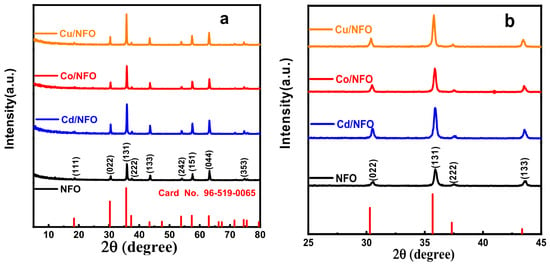
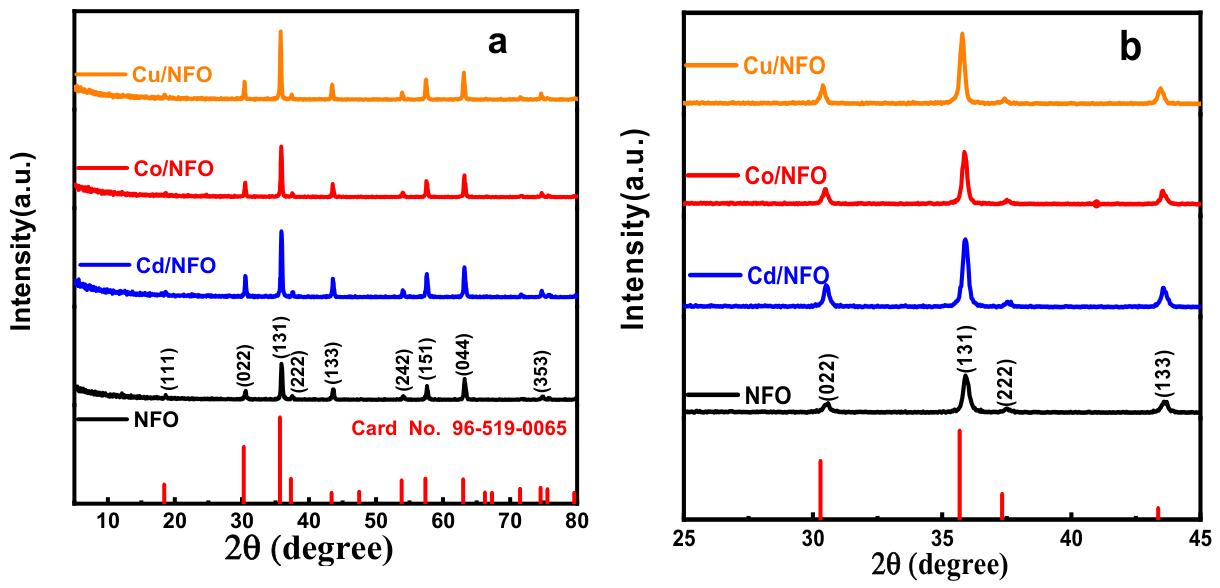
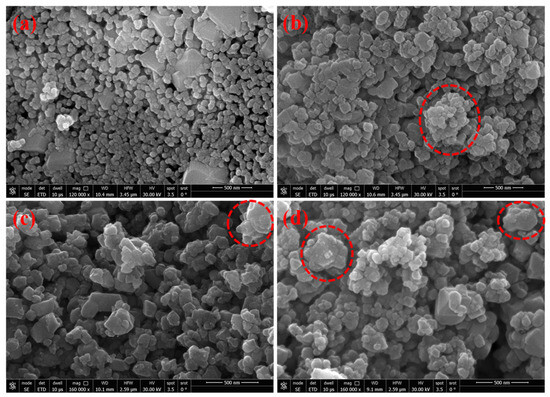
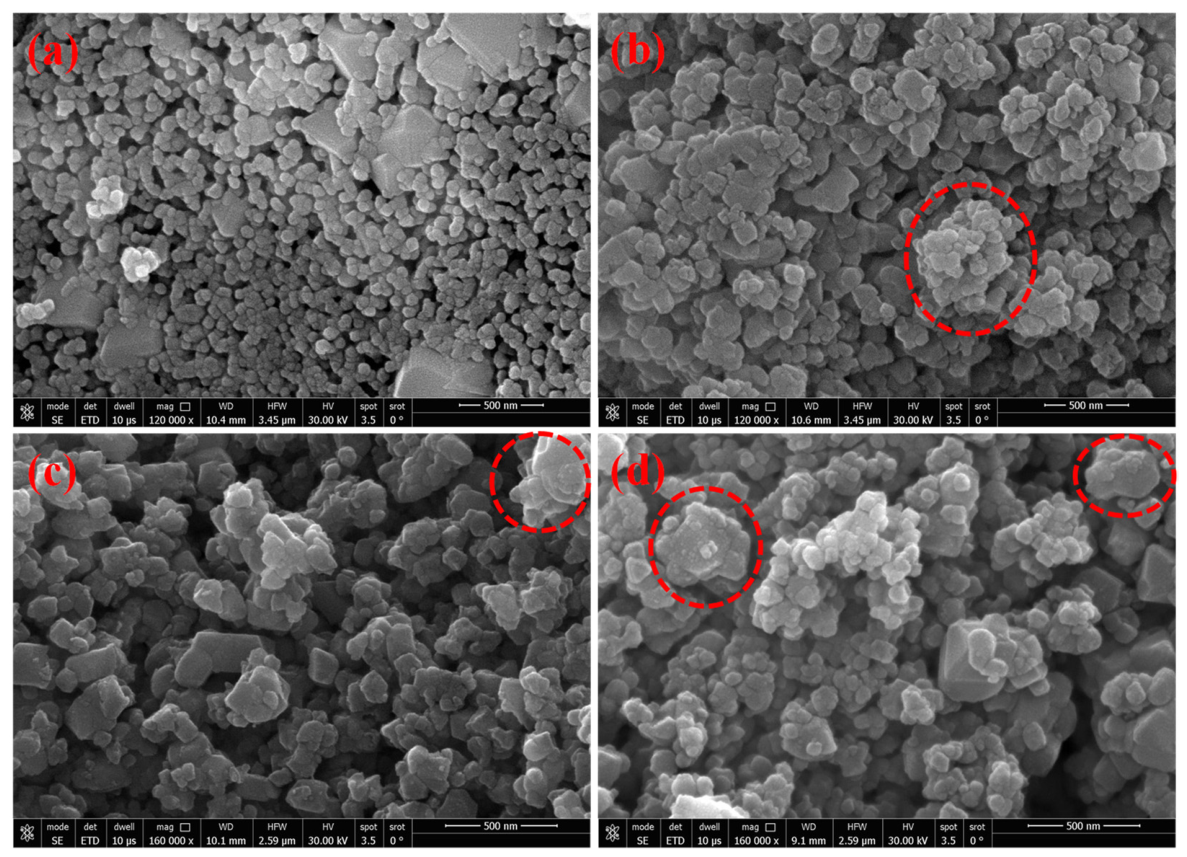
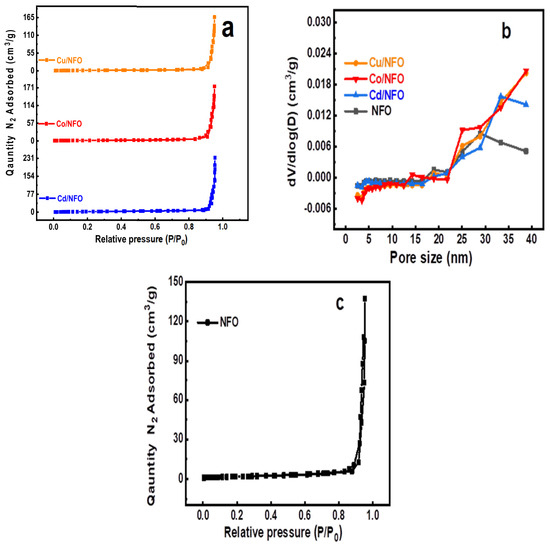
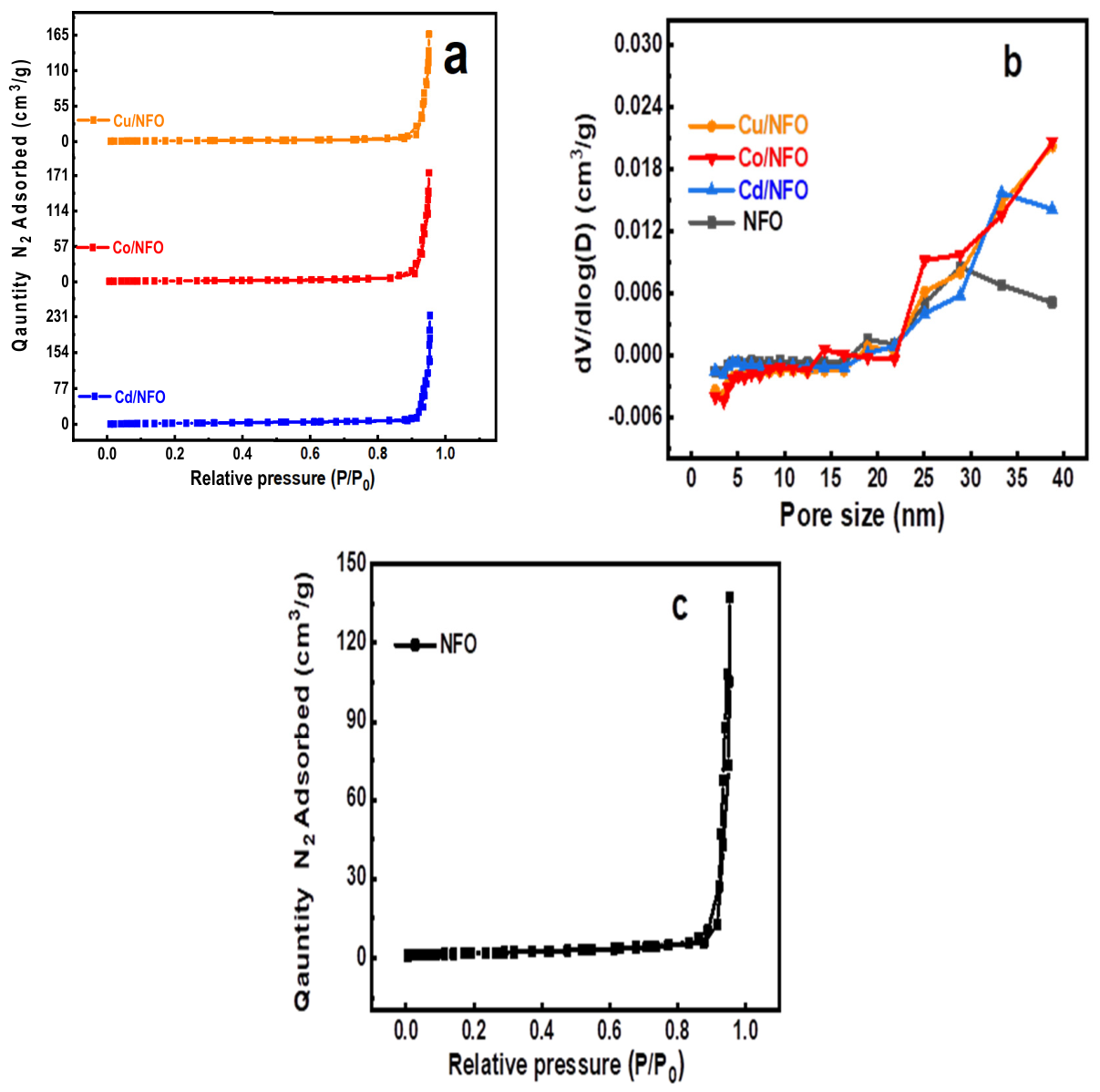
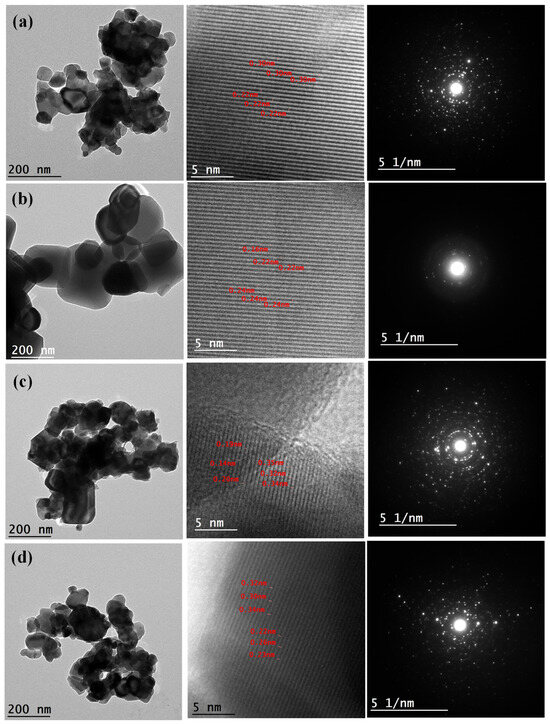
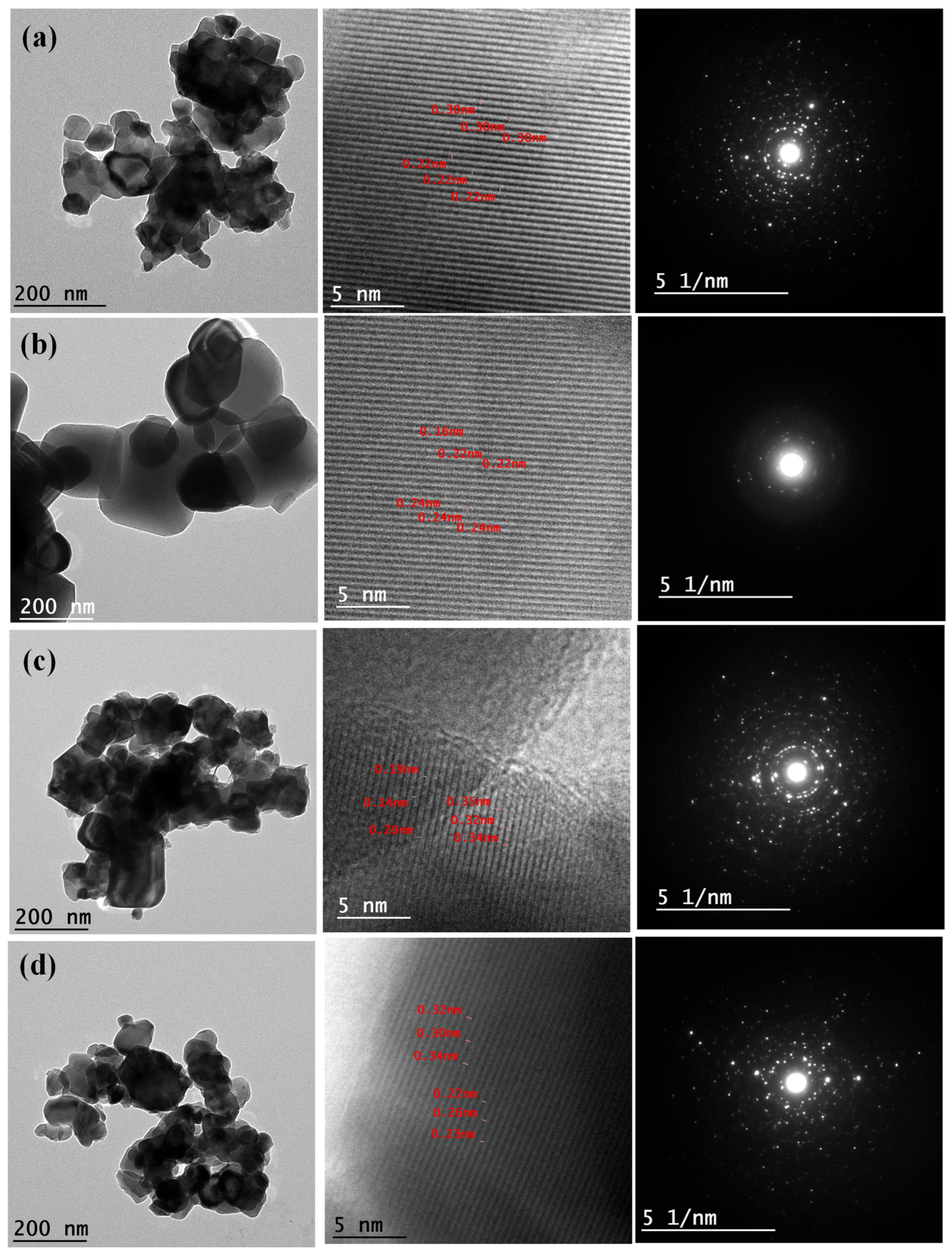
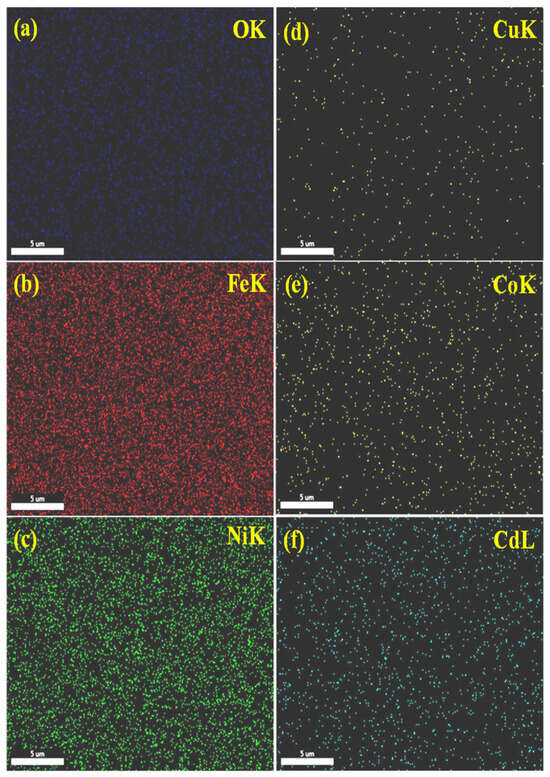
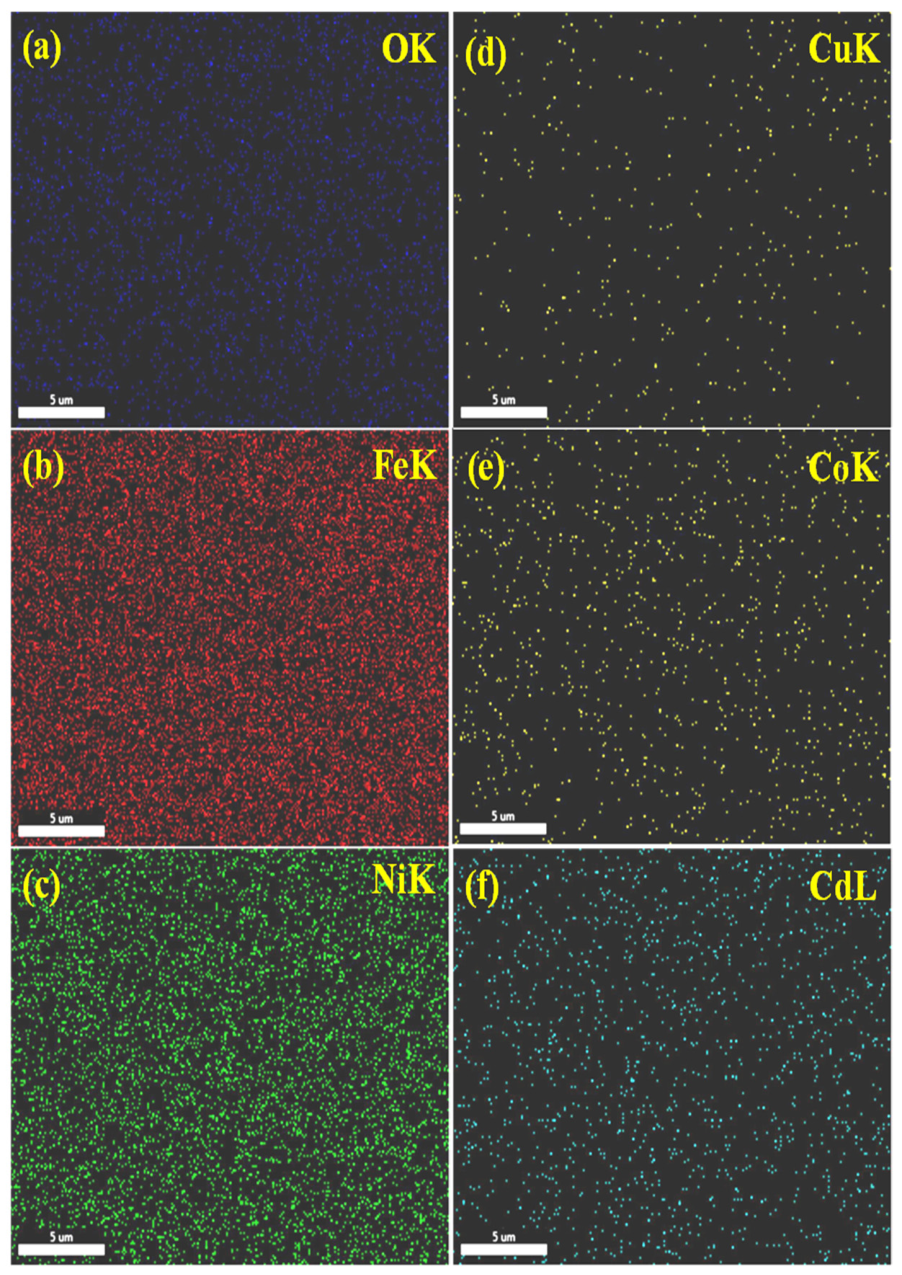
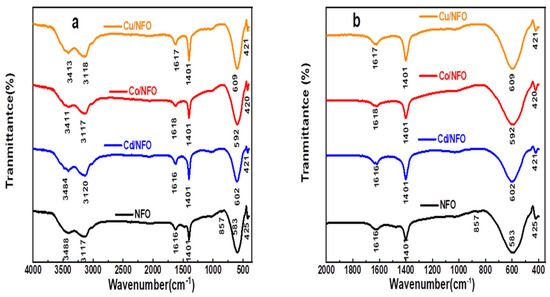
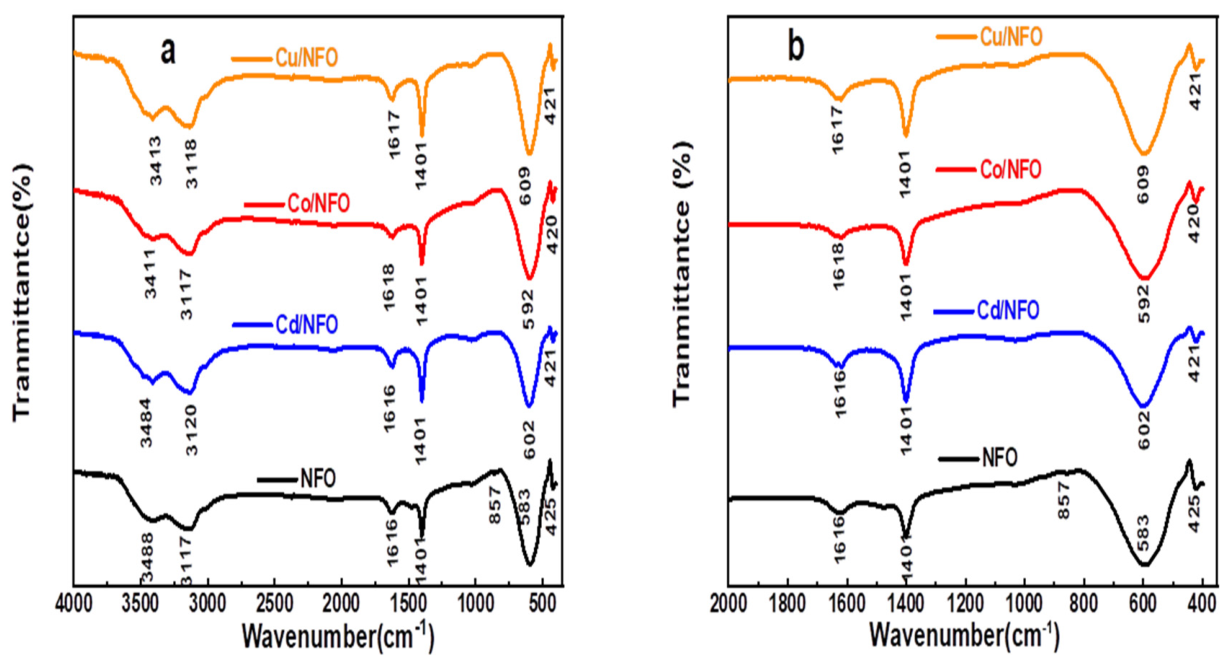
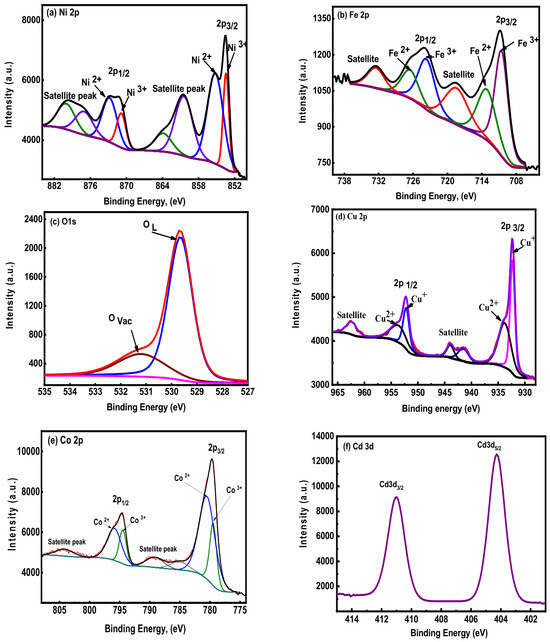
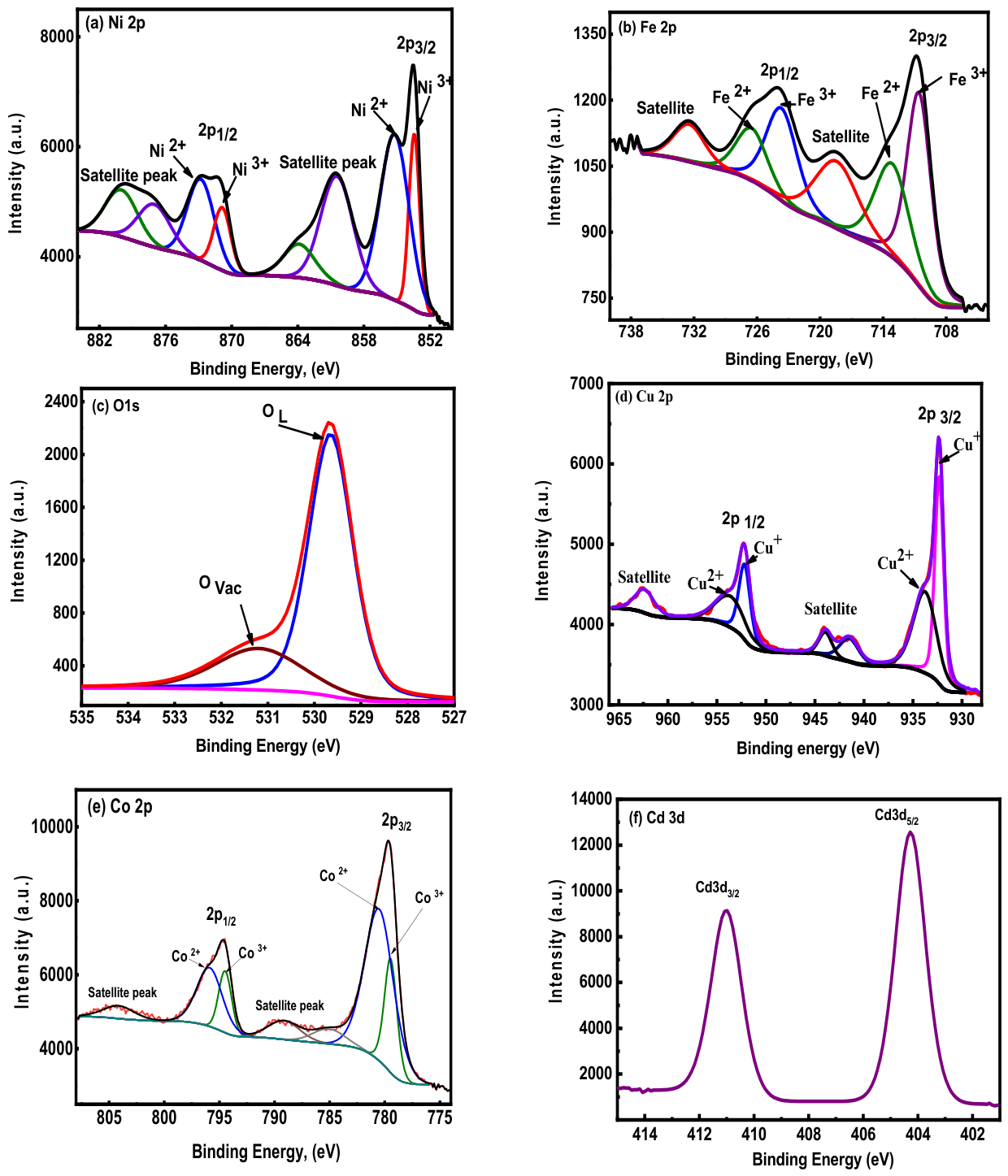
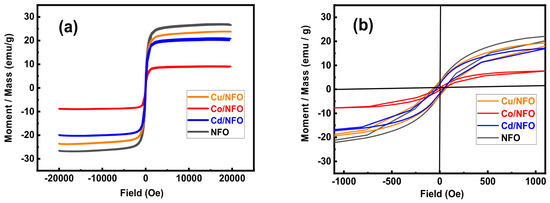
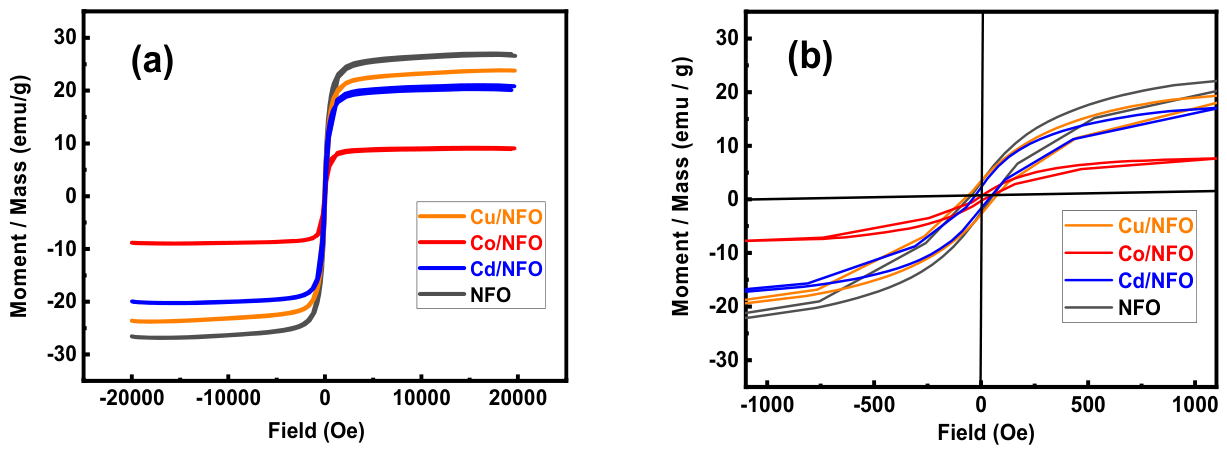
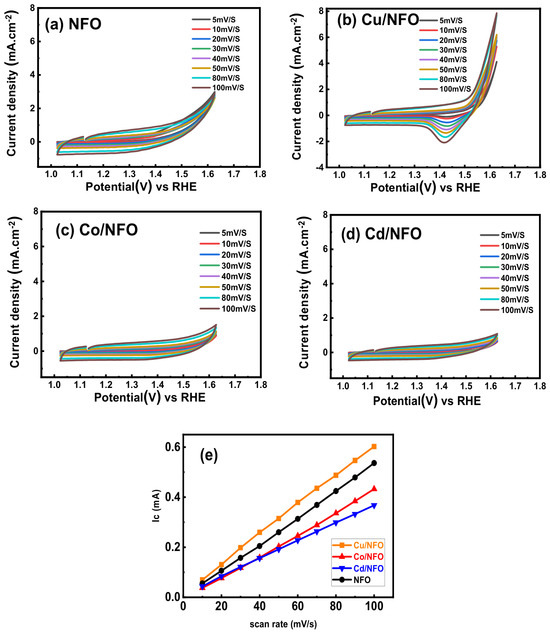
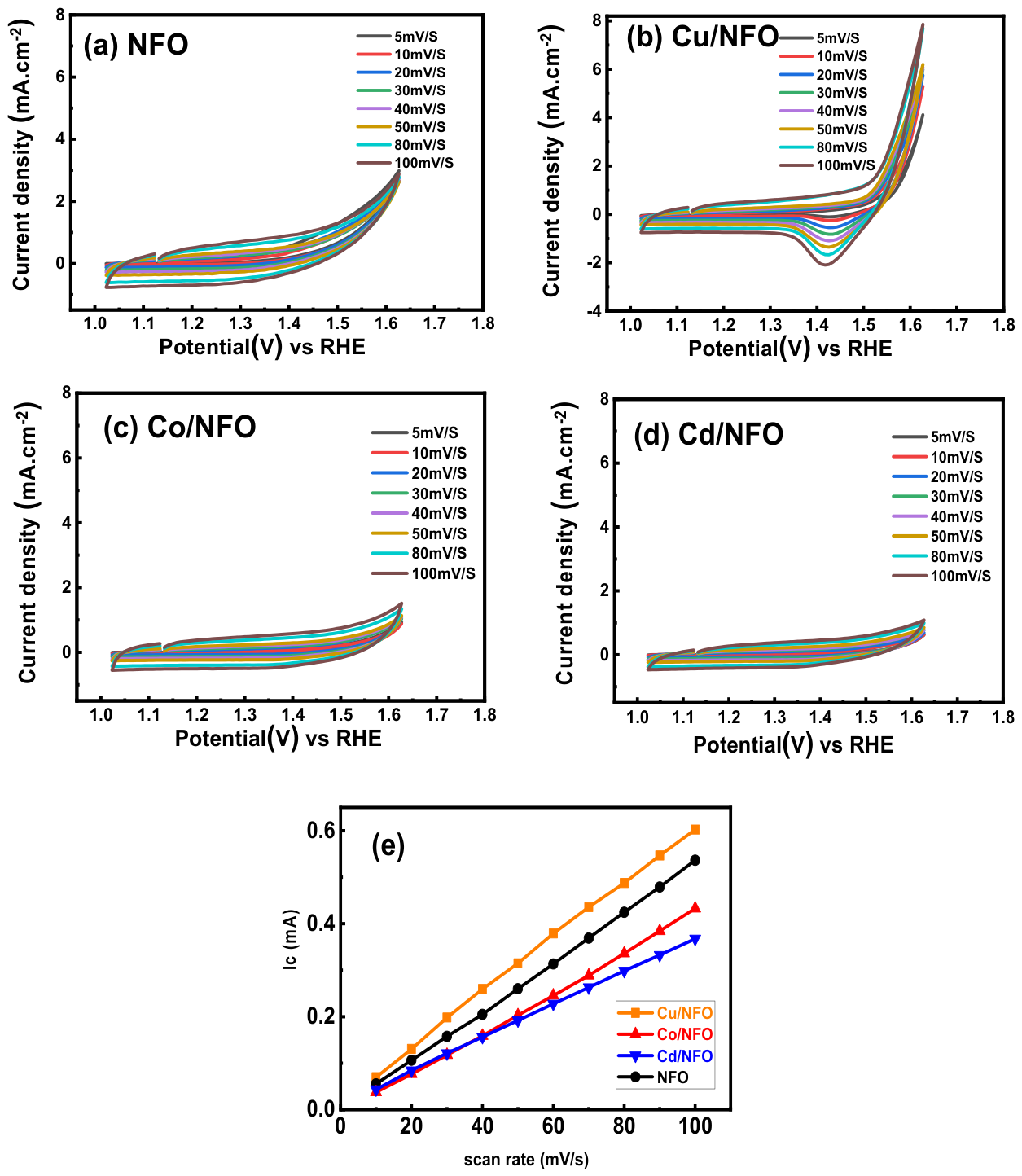
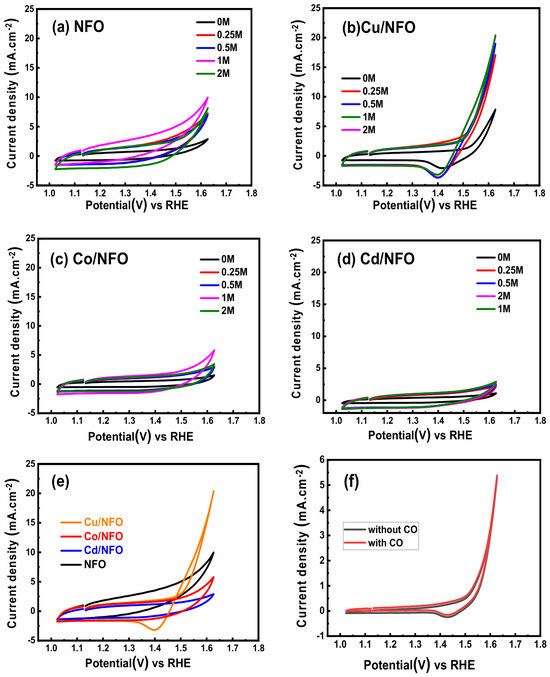
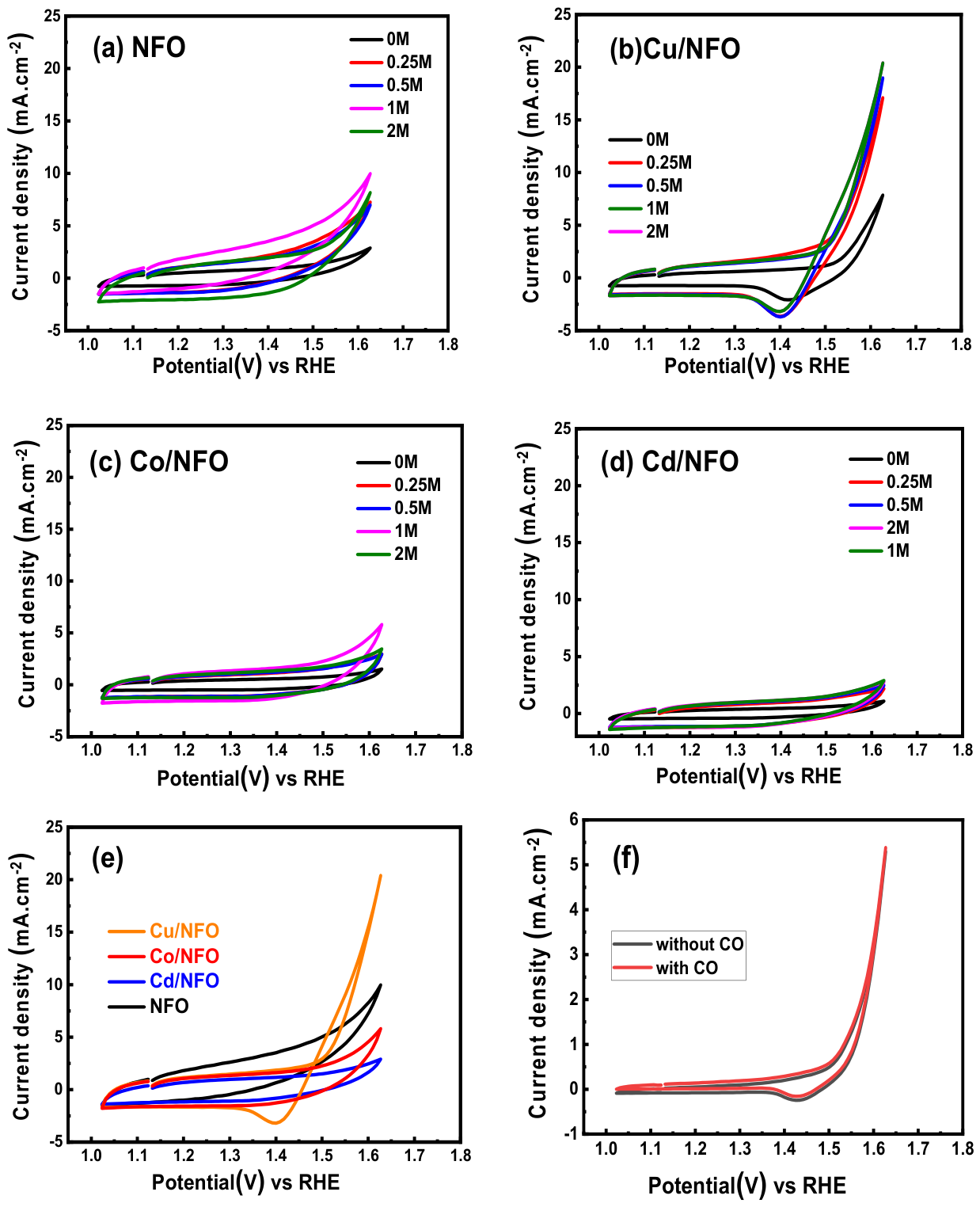
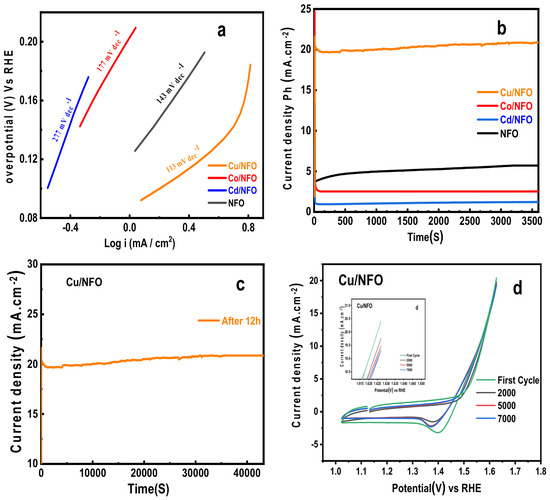
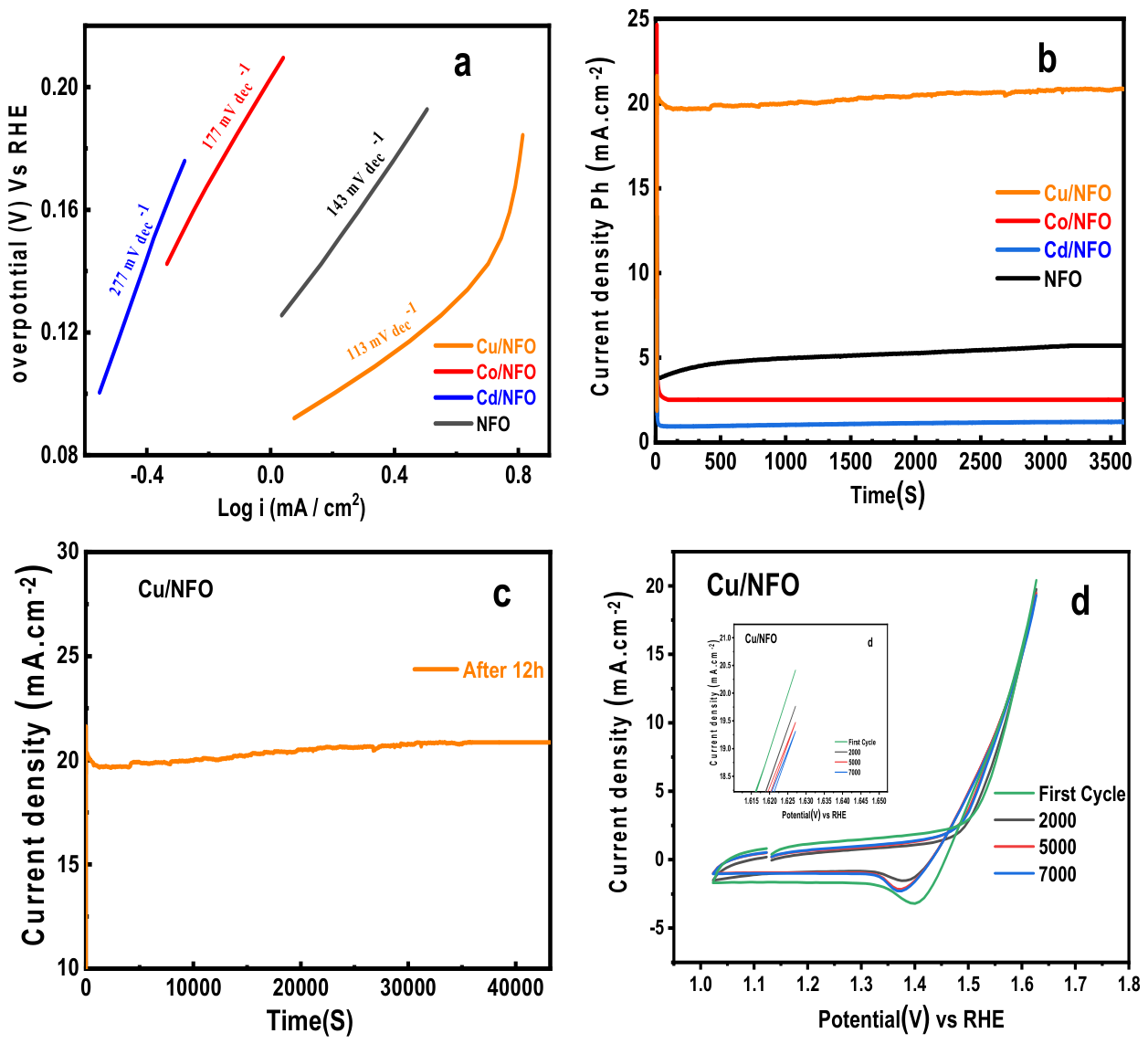
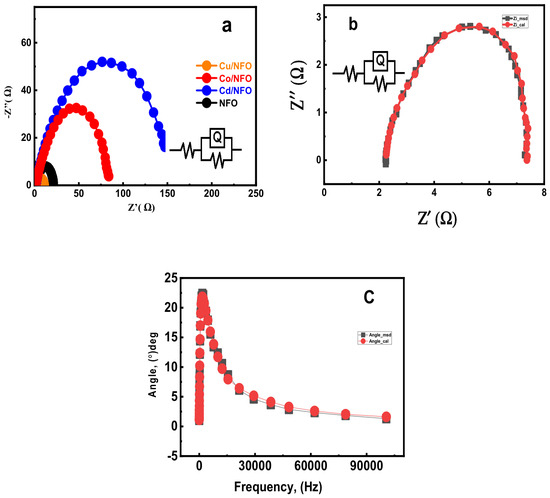
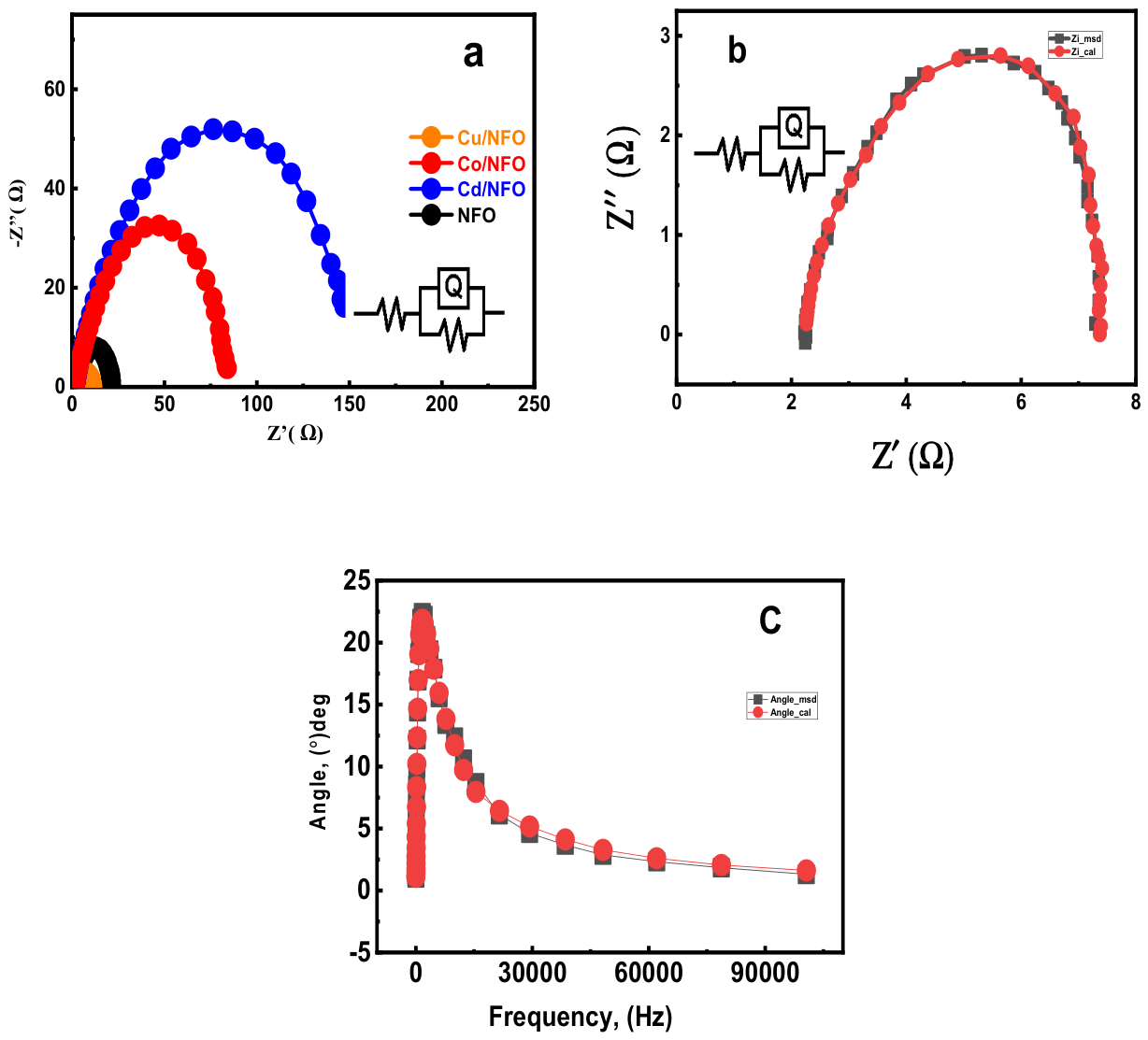
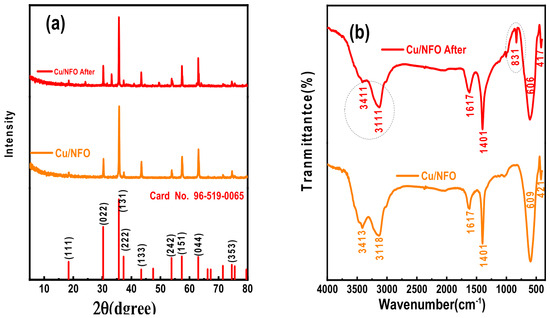
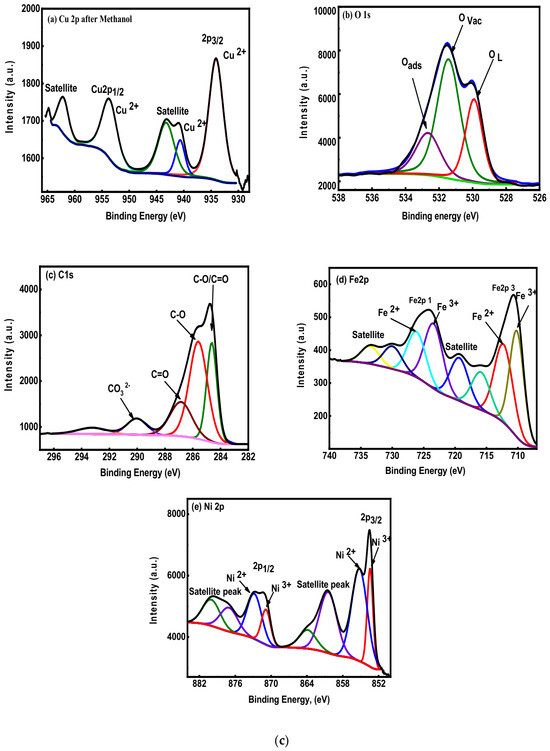
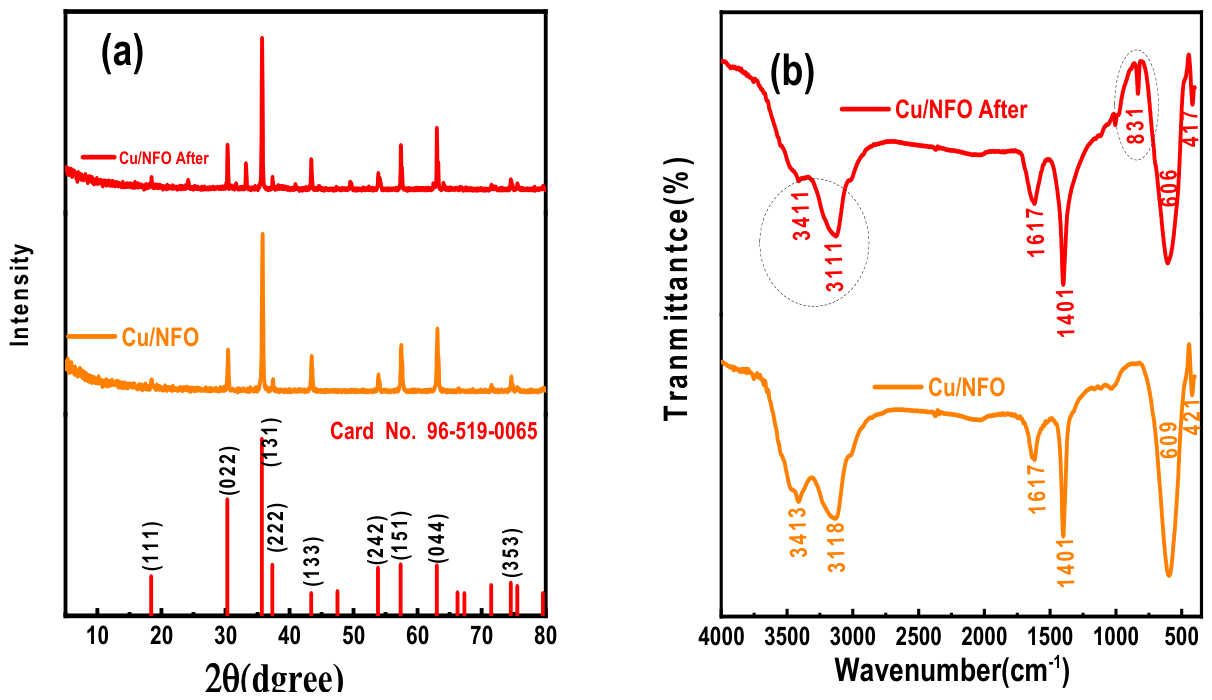
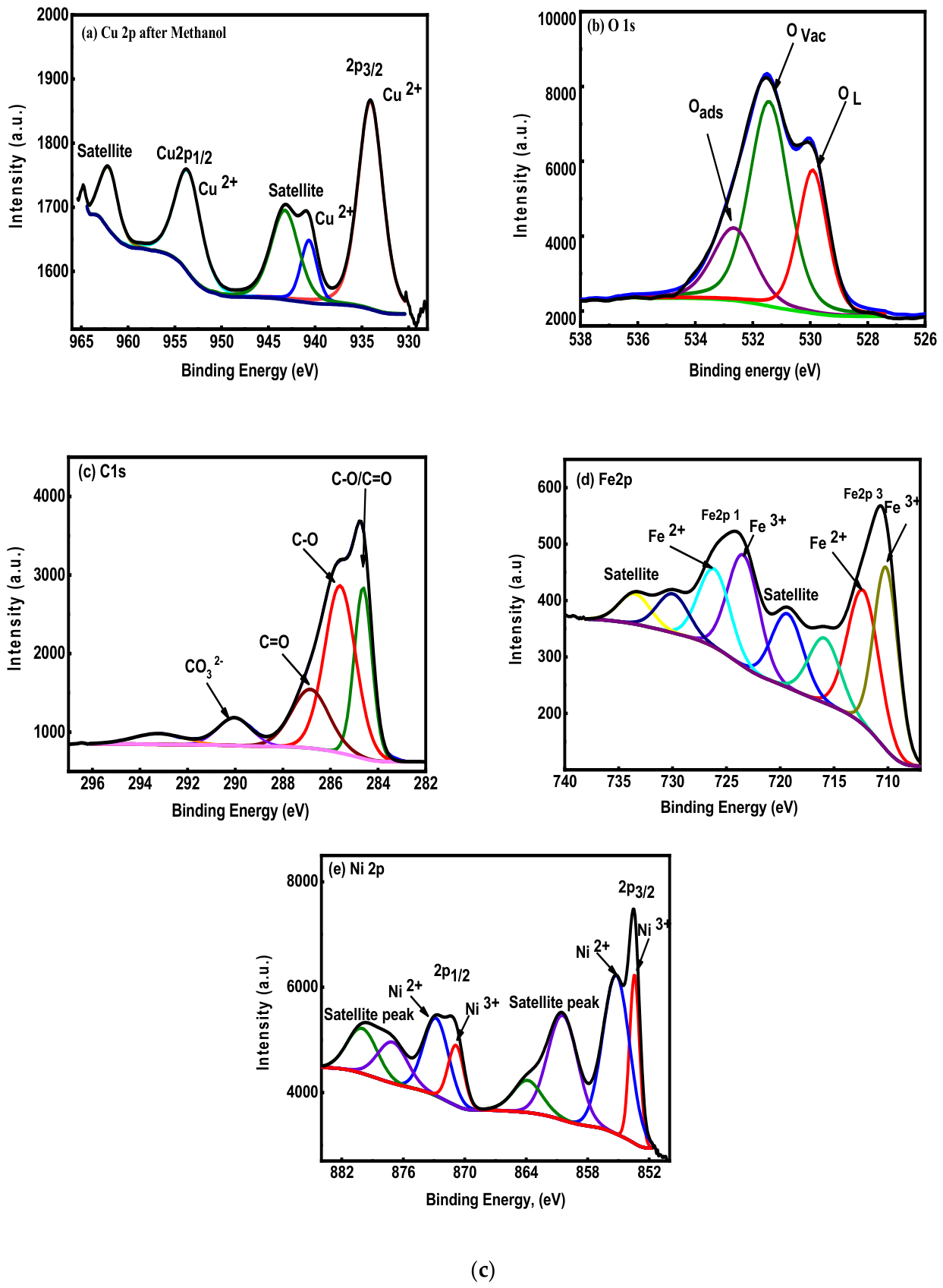

Disclaimer/Publisher’s Note: The statements, opinions and data contained in all publications are solely those of the individual author(s) and contributor(s) and not of MDPI and/or the editor(s). MDPI and/or the editor(s) disclaim responsibility for any injury to people or property resulting from any ideas, methods, instructions or products referred to in the content. |
© 2026 by the authors. Licensee MDPI, Basel, Switzerland. This article is an open access article distributed under the terms and conditions of the Creative Commons Attribution (CC BY) license.