


Abstract
The pervasive contamination of water by synthetic dyes such as methyl orange (MO) presents a critical global challenge, compounded by the vast, underutilized volumes of industrial solid waste such as steel slag. This study addresses this dual problem via a circular-economy strategy that transforms waste into a functional material. A novel, magnetically separable adsorbent was developed via nickel-ion crosslinking of chitosan (CS) onto a composite of slag and slag-derived magnetic iron nanoparticles (Chitosan@Slag/Fe-MNPs). The material was characterized by FTIR, XRD, BET, and FESEM, and its adsorption performance was evaluated through systematic batch studies. The composite achieved a maximum monolayer adsorption capacity of 98.52 mg g−1 for MO at 25 °C, following the Elovich model and a Langmuir isotherm. MO removal is primarily driven by electrostatic attraction and surface complexation between the anionic dye and the protonated amine/metal-oxide sites of the composite, with pseudo-second-order-consistent kinetics indicating a possible partial contribution from surface-reaction-limited (chemisorption-type) steps. The composite showed high selectivity for anionic dyes at acidic pH, excellent magnetic recovery, and moderate reusability, retaining approximately 47% of its initial removal efficiency after four regeneration cycles. Beyond adsorption, the spent MO-saturated composite was successfully repurposed as an electrocatalyst for the urea oxidation reaction (UOR), achieving a current density of 234.30 mA cm−2 at 1.0 M urea, representing a result attributable to urea oxidation rather than MO redox activity, as confirmed by the urea-concentration-dependence of the response. This waste-to-adsorbent-to-electrocatalyst strategy supports a sequential remediation-to-energy conversion pathway consistent with circular economy principles.
1. Introduction
The pervasive contamination of aquatic ecosystems by synthetic organic dyes constitutes a critical environmental challenge of the 21st century, directly threatening biodiversity, water security, and human health on a global scale [1,2]. Within this class of pollutants, methyl orange (MO)—a recalcitrant anionic azo dye widely employed in textile and printing industries—is particularly problematic due to its inherent stability and environmental persistence [2,3]. With an estimated 10–15% of the over 700,000 tons of azo dyes produced annually being discharged untreated into waterways, the ecological consequences are severe [1,4]. MO inhibits photosynthesis in aquatic flora, disrupts trophic dynamics, and exhibits toxic, mutagenic, and carcinogenic properties, with its degradation intermediates, such as aromatic amines, classified as probable human carcinogens [5,6,7]. Conventional wastewater remediation technologies frequently prove inadequate for effective MO removal. Processes like coagulation-flocculation and membrane filtration often transfer rather than degrade pollutants, generating concentrated sludge [8]. While capable of dye degradation, advanced oxidation processes can demand high energy inputs, generate toxic by-products, and require stringent operational control, limiting their economic and environmental sustainability for large-scale application [9,10]. Biological treatments, though environmentally benign, are hampered by prolonged retention times, sensitivity to environmental conditions, and poor resilience against shock loads of concentrated effluents [11]. Adsorption has emerged as a highly promising alternative, offering advantages of operational simplicity, cost-effectiveness, high efficiency, and the potential for adsorbent regeneration [12,13]. The strategic development of novel, high-performance adsorbents from waste-derived precursors represents a paradigm shift towards a circular economy, simultaneously addressing pollution remediation and waste valorization [14]. The parallel challenge of managing industrial solid waste, such as steel slag with a global production exceeding 400 million tons annually presents a colossal environmental burden [15]. Steel slag, rich in iron oxides, represents an untapped resource for synthesizing functional materials, offering a valorization pathway that aligns with circular economy principles [16,17]. Recent studies have demonstrated the potential of synthesizing magnetic iron nanoparticles (Fe-MNPs) from iron-rich waste streams [17]. These Fe-MNPs are of significant interest in adsorption due to their high surface area and, critically, their magnetic responsiveness, which facilitates rapid separation from treated water using an external magnetic field that is a key advantage over conventional powdered adsorbents that are difficult to recover [18,19,20]. However, nano-sized particles are prone to aggregation and leaching. To mitigate this, supporting or embedding nanoparticles within a matrix is a common strategy to enhance stability and prevent loss [21]. Chitosan, a biodegradable biopolymer derived from crustacean shell waste, is an excellent candidate for such a stabilizing matrix and functional coating. It possesses a high density of amino (-NH2) and hydroxyl (-OH) groups, which, upon protonation in acidic media, provide strong electrostatic binding sites for anionic dyes like MO [22,23]. Its film-forming ability can encapsulate and stabilize composite materials. A critical limitation, however, is the solubility of native chitosan in acidic solutions, which would compromise adsorbent integrity in typical dye effluent conditions. Crosslinking is essential to confer chemical stability. While glutaraldehyde is a common crosslinker, metal ion crosslinkers like nickel (Ni2+) offer distinct advantages. Ni2+ ions form coordination complexes with chitosan’s functional groups, creating a rigid, three-dimensional network that withstands acidic environments, enhances mechanical strength, and may introduce additional adsorption pathways through metal-dye complexation [24,25].
Therefore, to address the dual imperative of dye removal and waste valorization, this study pioneers the synthesis and application of a novel, multifunctional adsorbent, including a nickel-modified chitosan-coated composite of slag and slag-derived magnetic iron nanoparticles (Chitosan@Slag/Fe-MNPs). In this architectural design, the raw steel slag and slag-derived magnetic iron nanoparticles constitute the structurally rigid and magnetically responsive core matrix, whereas the Ni2+-modified chitosan forms an enveloping functionalized polymeric shell layer that prevents core leaching and provides active binding sites. This design integrates waste valorization on two fronts (slag and chitosan sources), magnetic separability, and enhanced chemical stability for efficient MO sequestration, as well as robust selectivity within multianionic competitive dye systems. Furthermore, this study explores the potential secondary application of a spent MO-loaded composite (MO-Chitosan@Slag/Fe-MNPs) as a value-added electrocatalyst for the urea oxidation reaction (UOR), along with safe sequestration options. By transforming the dye-saturated material into an active electrode component, we not only prevent secondary pollution but also create a functional product for energy-related processes. This approach truly closes the loop in a circular economy model. Although high-purity commercial chitosan often has prohibitive costs for large-scale engineering applications, the economic viability of the current matrix is secured by the use of crude, nonrefined chitosan derived directly from abundant fishery crustacean shell waste. Furthermore, by mass blending this biopolymer with raw steel slag as a zero-cost, high-volume industrial byproduct, the overall consumption of the organic matrix is significantly minimized. This strategic synergistic blending of an industrial waste stream with a marine byproduct drastically reduces the cost per unit mass of the engineered composite (Chitosan@Slag/Fe-MNPs), validating its financial feasibility for large-scale environmental remediation within a genuine circular economy model. This comprehensive work details the synthesis, characterization, adsorption kinetics, isotherms, mechanistic studies, reusability, and electrocatalytic performance of the composite, offering a sustainable blueprint for addressing dye pollution through advanced material engineering and resource valorization. Moreover, to firmly evaluate the economic and technical viability of the fabricated matrix, a comprehensive comparative benchmarking highlighting the maximum adsorption capacity (qmax, mg/g) and precise operational conditions of the Chitosan@Slag/Fe-MNPs against contemporary reported magnetic chitosan adsorbents is systematically discussed.
Recently, nanomaterial-based adsorbents have attracted considerable attention for the efficient removal of dye pollutants from wastewater because of their high surface area, tunable surface chemistry, and excellent adsorption performance. Among these materials, magnetic nanocomposites have emerged as promising candidates because they combine high adsorption efficiency with facile magnetic separation and recovery. In particular, chitosan-based magnetic composites have attracted significant interest owing to the abundance of amino and hydroxyl functional groups that enhance dye adsorption through electrostatic interactions, hydrogen bonding, and surface complexation mechanisms. Recent studies have demonstrated that magnetic chitosan nanocomposites exhibit remarkable adsorption capacities toward various organic dyes in aqueous media.
The novelty of this study lies in integrating three waste-derived and biogenic components, industrial steel slag, slag-derived magnetic iron nanoparticles, and nickel-crosslinked chitosan, into a single magnetically recoverable adsorbent, and in extending its use beyond a single remediation cycle. Unlike conventional slag-based adsorbents, which are typically designed for single-use contaminant capture and disposal [26], the Chitosan@Slag/Fe-MNPs reported here are designed from the outset for a second life as an electrocatalyst once spent. This sequential remediation-to-energy conversion pathway, in which the material serves first as an adsorbent and second as an electrocatalyst, has not been previously demonstrated for a slag/chitosan/Fe-MNP system, and distinguishes this work from prior reports that valorize either the raw slag or the spent adsorbent, but not both stages of the material’s life cycle. This strategy minimizes secondary waste generation and offers a practical route for converting an industrial by-product and its subsequent spent adsorbent into two sequential functional materials.
Comparison of the Adsorption Capacity of Chitosan-Based Adsorbents
To evaluate the adsorption performance of the developed adsorbent, the maximum adsorption capacity of methyl orange (MO) obtained under the optimized experimental conditions was compared with those of previously reported chitosan-based adsorbents, as summarized in Table 1. The results reveal that the adsorption capacity of the synthesized Chitosan@Slag/Fe-MNP composite (98.52 mg g−1) is superior to that of many reported chitosan-based adsorbents for MO removal [27,28,29,30,31,32,33]. This enhanced performance can be attributed to the unique fabrication strategy employed in the preparation of the composite, which resulted in a favorable surface morphology, increased availability of active adsorption sites, improved porosity, and synergistic interactions between chitosan, slag, and magnetic nanoparticles.
Table 1.
Comparative evaluation of the maximum adsorption capacity (qmax) and operational parameters of Chitosan@Slag/Fe-MNPs against contemporary magnetic/chitosan adsorbents for MO dye removal.
2. Results and Discussion
2.1. Characterization of the Tested Materials
XRF analysis of the raw steel slag precursor (Table 2) reveals a matrix dominated by Fe2O3 (40.155 wt.%), CaO (29.709 wt.%), and SiO2 (13.702 wt.%). This substantial Fe2O3 content strongly explains the acid-leaching efficiency detailed in Section 2.2 for synthesizing core magnetic nanoparticles (Fe-MNPs). Minor constituents include Al2O3 (6.343 wt.%), MgO (3.650 wt.%), and MnO (2.406 wt.%). Crucially, trace heavy metals (e.g., Cr2O3 and NiO) remain below 0.9 wt.% and are securely immobilized within the stable silicate–calcium vitrified network, eliminating the risks of secondary environmental leaching during aqueous treatment.
Table 2.
Chemical composition (oxide wt.%) of the raw steel slag precursor via X-ray fluorescence (XRF).
The prepared sample showed transmittance bands at 519 cm−1 and 614.22 cm−1, indicating the presence of the magnetite phase [34]. The addition of chitosan produced new and distinct vibrational bands at 1038.58 cm−1 (C–O–C stretching), 1398.91 cm−1 (C–N stretching), and 2378.93 cm−1 (C–H stretching). The broad band at 3413.13–3137.34 cm−1 is attributed to overlapping O–H and N–H stretching vibrations [35]. The NH2 bending vibration peak at 1636.93 cm−1 corresponds to amine group changes caused by chitosan deacetylation. These bands confirm the successful alteration of metal oxides with chitosan (Figure 1a). The absorption bands appearing at 1112.44 and 1038.55 cm−1 are associated with C–O–C and C–O stretching vibrations of the polysaccharide backbone of chitosan [36] and may also overlap with Si–O–Si or Si–O–Al vibrations originating from the slag component [37]. Furthermore, the characteristic bands observed at 614, 519, and 476 cm−1 are attributed to Fe–O stretching vibrations, confirming the presence of magnetic iron oxide nanoparticles in the composite matrix. The slight shifts and changes in the intensity of the characteristic chitosan bands compared with those typically reported for pure chitosan indicate strong interactions between chitosan functional groups, slag constituents, and Fe-MNPs. These findings provide clear evidence for the successful fabrication of the Chitosan@Slag/Fe-MNP nanocomposite.
Figure 1.
Characterization of the synthesized Chitosan@Slag/Fe-MNP composite. (a) FTIR spectrum confirming the functional groups of chitosan and the presence of magnetite (Fe3O4) phases. (b) XRD pattern showing crystalline phases corresponding to Fe3O4, Fe2O3, and slag-derived oxides, along with the broad peak characteristic of semicrystalline chitosan. (c) N2 adsorption–desorption isotherm and pore size distribution (inset) indicating a meso–macroporous structure with a low specific surface area. (d–g) FESEM images at different magnifications revealing a rough, heterogeneous surface morphology with aggregated particles and distinct hexagonal plate-like structures attributed to magnetic nanoparticles. (h) EDX spectrum confirming the elemental composition, including O, Fe, N, C, Ca, and Si. (i) Particle size distribution histogram showing a broad size range with an average diameter of 2.46 μm.
The XRD pattern (Figure 1b) is consistent with the structural and crystalline composition of the synthesized composite. The broad, overlapping diffraction feature centered at 2θ ≈ 20–22° is assigned to the semi-amorphous chitosan biopolymer matrix [26]. The well-defined reflections observed at 2θ ≈ 30.2°, 35.6°, 43.3°, 53.5°, 57.2°, and 62.9° are assigned, on the basis of visual peak matching, to the (220), (311), (400), (422), (511), and (440) planes of cubic inverse spinel magnetite Fe3O4 [38], in agreement with JCPDS card No. 19-0629. Additional diffraction peaks at 32.15° and 34.66° and the doublets at 53° and 53.8° are similarly assigned to the cubic structure of Fe2O3 (JCPDS card No. 89-5892) [38], and weak reflections are assigned to CaO, Al2O3, and MgO phases associated with residual slag components [38].
The XRD analysis has been revised to provide a more rigorous phase-identification approach. An observed–calculated profile fitting with a corresponding difference (Obs. − Calc.) curve and Bragg reflection positions has been added to the revised manuscript (Figure S2). The diffraction pattern was evaluated considering the crystalline iron-oxide phases and the broad amorphous contribution of chitosan. As shown in the revised XRD profile, the experimentally observed pattern (black curve) is compared with the calculated profile (red curve), while the blue curve represents the residual difference between the observed and calculated intensities. The corresponding Bragg positions are indicated for Fe3O4 (magnetite) and Fe2O3 (hematite). In addition, the broad diffuse contribution associated with the predominantly amorphous/semi-crystalline chitosan matrix is evident in the low- and intermediate-angle region. The close correspondence between the observed and calculated profiles, together with the residual profile and phase-specific reflection positions, provides stronger support for the identification of the iron-oxide phases than simple visual peak assignment alone.
The elemental composition of the prepared composite was investigated using energy-dispersive X-ray spectroscopy (EDX) at a single representative point/area (Figure 1h), which confirmed the presence of elements originating from slag minerals, CS, and magnetic nanoparticles.
BET analysis of the prepared material was performed using N2 adsorption–desorption measurements at 77 K. As shown in Figure 1c, the composite exhibits a Type III isotherm according to the IUPAC classification, consistent with predominantly macroporous character and relatively weak gas–adsorbate interactions. The calculated BET specific surface area of the composite was 2.63 m2 g−1, a relatively low value attributed to the dense structure of the slag-derived phases and partial pore-blocking by the CS coating and embedded magnetic nanoparticles; similar decreases in surface area have been reported for chitosan-based magnetic composites due to polymer chain agglomeration. The total pore volume was 0.0144 cm3 g−1, consistent with the low BET surface area, and the median pore diameter was 112.01 nm (Figure 1c inset), placing the composite’s porosity in the macroporous regime. This low BET area is, at first sight, difficult to reconcile with the composite’s relatively high adsorption capacity (98.52 mg g−1). Normalizing the maximum adsorption capacity to the measured surface area gives 98.52 mg g−1 ÷ 2.63 m2 g−1 ≈ 37.5 mg m−2, a value roughly 40- to 100-fold higher than the ~0.1–1 mg m−2 typically expected when uptake is limited by physical pore filling on a comparably characterized surface. This quantitative discrepancy indicates that the available BET area does not, by itself, control the adsorption capacity, and instead supports a mechanism dominated by chemically specific surface sites (the amine (–NH2) and hydroxyl (–OH) groups of chitosan and the metal-oxide sites identified by FTIR and EDX) rather than physical adsorption within the composite’s macropores. Therefore, the composite’s adsorption performance is expected to be governed mainly by these surface functional groups and by electrostatic interactions, while the macroporous architecture is advantageous chiefly for facilitating adsorbate diffusion to those sites [39]. SEM images of the prepared composite are shown in Figure 1d–g, revealing a highly heterogeneous and rough surface morphology. The surface appears as irregular agglomerated masses with embedded fine particles distributed throughout the slag matrix. This rough and uneven texture is attributed to the combined effects of the slag-derived mineral phases and the chitosan coating, which promote particle aggregation. Such a morphology is favorable for adsorption processes, as it provides multiple exposed active sites and facilitates mass transfer. The magnified SEM image in Figure 1g provides further insight into the microstructural features of the composite. Distinct well-defined hexagonal plate-like particles can be clearly observed, as highlighted by the dashed circle. These hexagonal structures are characteristic of crystalline metal oxide or magnetite phases, confirming the successful formation and incorporation of magnetic nanoparticles within the composite. The sharp edges and flat facets of these hexagonal particles indicate good crystallinity, which is consistent with the XRD observations typically reported for magnetite phase and slag-derived oxides. Therefore, SEM analysis confirms that the composite possesses a rough, heterogeneous, and hierarchically structured surface, with well-dispersed magnetic nanoparticles on the slag/chitosan. This morphology supports the BET findings of meso–macroporosity and is expected to enhance the adsorption performance by improving the accessibility of active sites and facilitating the diffusion of pollutant molecules.
The elemental composition of the prepared composite was investigated using energy-dispersive X-ray spectroscopy (EDX), and the results are presented in Figure 1h. The EDX spectrum confirms the presence of multiple elements originating from slag minerals, CS, and magnetic nanoparticles, indicating successful composite formation. Oxygen (O) is the dominant element, at 54.87 wt% (62.7 at%), confirming the oxide-rich nature of the material. This high oxygen content is attributed to metal oxides such as CaO, SiO2, Al2O3, MgO, and iron/nickel oxides present in the slag and magnetic phases. Nitrogen (N) appears at 15.88 wt% (20.73 at%), which is a clear fingerprint of CS incorporation, as nitrogen originates from the amine (–NH2) groups of the chitosan backbone. Carbon (C) (1.84 wt%) further supports the presence of chitosan and possible residual organic species. The particle size distribution histogram derived from these micron-scale aggregates is shown in Figure 1i. The clusters exhibit a broad size range (1–6 μm) with an average cluster diameter of 2.46 μm, confirming that the composite assembly forms micron-scale clusters where macropores dominate the structural architecture.
The magnetic hysteresis loop of the prepared iron oxide nanoparticles clearly shows soft magnetic behavior with features close to those of superparamagnetism. The relatively high saturation magnetization (Ms ≈ 62.8 emu/g) indicated that the prepared composites exhibited ferrimagnetic behavior (Figure S1a). Moreover, the low coercivity of approximately 253 G means that the material can be magnetized, which is typical of nanoscale magnetic materials. The narrow S-shaped loop indicates low energy loss during magnetic cycling. The curve in the graph confirmed that the synthesized Fe3O4 nanoparticles possessed nearly superparamagnetic behavior. In our work, compared with the Fe3O4 nanoparticles of bulk magnetite (6.97 emu/g), the prepared composite has lower saturation magnetization values (Figure S1b). This can be explained by the addition of nonmagnetic materials such as CS, which lowers magnetic materials and decreases the magnetization [40].
Stability was assessed by ICP—OES (Optima 2000 DV, PerkinElmer, Shelton, CT, USA) at the Central Metallurgical Research and Development Institute (CMRDI), Egypt. The chemical stability of the slag/magnetic/chitosan composite was evaluated by ICP—OES analysis of the leaching solution at designated time intervals. The results revealed negligible concentrations of iron and heavy metals in the supernatant, which remained well below detectable or significant thresholds throughout the testing period. The minimal leaching of Fe ions from the magnetic particles indicates that the chitosan matrix effectively encapsulates and protects the magnetic core from dissolution. Similarly, the absence of significant amounts of slag-derived elements (Ca, Si, Al, and Mg) in the leaching medium confirms the structural integrity of the composite under the tested conditions. These findings demonstrate that the slag/magnetic/chitosan composite exhibits excellent chemical stability, with no substantial release of potentially harmful elements into the surrounding medium, suggesting its suitability for practical applications without the risk of secondary contamination.
The chemical stability of the prepared composite was evaluated by ICP—OES analysis performed in triplicate (n = 3), and the results are expressed as the mean ± standard deviation (Table S1). The leached concentrations of all the detected elements were found to be at negligible trace levels, with iron (Fe) having the highest concentration at 0.187 ± 0.008 mg·L−1, followed by calcium (Ca) at 0.143 ± 0.006 mg·L−1. The relative standard deviation (RSD) values for all the measurements remained below 13%, confirming excellent analytical reproducibility. Critically, the concentrations of potentially toxic elements, including chromium (Cr), nickel (Ni), vanadium (V), and barium (Ba), were 0.004 ± 0.0003, 0.002 ± 0.0001, 0.003 ± 0.0002, and 0.002 ± 0.0001 mg·L−1, respectively, which are well within the permissible limits established by the WHO and EPA guidelines for drinking water quality. The low RSD values and consistently negligible leaching across all three replicates confirm the reliability of the results and strongly validate the chemical stability and environmental safety of the prepared composite material.
2.2. Effect of Solution pH on MO Adsorption Performance
Solution pH is a critical parameter governing the adsorption mechanism and efficiency, as it influences both adsorbent surface charge and adsorbate speciation. The influence of the initial solution pH on methyl orange removal by Chitosan@Slag/Fe-MNPs was systematically investigated across a pH range of 2 to 10, and the results are presented in Figure 2A. The data reveal a pronounced pH dependency, with a maximum removal efficiency of approximately 93% at pH 3, accompanied by the highest adsorption capacity of 40 mg/g. This optimal performance under acidic conditions can be attributed to the favorable electrostatic interactions between the positively charged adsorbent surface and the anionic sulfonate groups of methyl orange [41,42].
Figure 2.
(A) Effect of initial solution pH on the removal efficiency and adsorption capacity of methyl orange (MO) by Chitosan@Slag/Fe-MNPs (with error bars) (B) Determination of the point of zero charge (pHpzc) of Chitosan@Slag/Fe-MNPs using the pH drift method, indicating a pHpzc value of approximately 6.5).
The pH-dependent behavior is fundamentally governed by the point of zero charge (pHpzc) of the composite material, determined to be approximately 6.5 (Figure 2B) [43]. Below this pH, the adsorbent surface becomes progressively protonated (–NH3+, Fe–OH2+), facilitating strong electrostatic attraction with the anionic sulfonate (–SO3−) moiety of MO. This electrostatic attraction is considered the primary driver of adsorption. Localized coordination/complexation between the Ni2+-modified centers and metal-oxide sites and the azo/amino functional groups of MO molecules may also contribute alongside this electrostatic mechanism. This description is consistent with the pseudo-second-order kinetics and Langmuir/Temkin isotherm fits.
The substantial decline in removal efficiency observed at pH values above 6 can be explained through multiple mechanisms. First, as the pH approaches and exceeds the pHpzc, the adsorbent surface transitions to a net negative or neutral charge state, diminishing electrostatic attraction and potentially introducing electrostatic repulsion with anionic MO molecules [44]. Second, the increasing concentration of hydroxide ions (OH−) at elevated pH creates competitive adsorption with MO anions for available binding sites, further reducing dye uptake. Third, at alkaline pH, the tendency for iron oxide dissolution increases, potentially compromising the structural integrity of the magnetic component [45]. These findings align with recent studies on magnetic chitosan composites, where acidic pH conditions consistently demonstrated superior performance for anionic dye removal [46,47].
To rigorously verify the structural integrity and environmental safety of the Chitosan@Slag/Fe-MNP nanocomposite against such dissolution or leaching during water treatment, the treated effluent was systematically analyzed via ICP—OES (Optima 2000 DV, PerkinElmer). The residual concentrations of Ni2+ and Fe ions in the aqueous solution after the adsorption process were negligible, remaining well below 0.02 mg/L and 0.05 mg/L, respectively. These values are significantly lower than the strict international permissible limits for industrial effluent discharge. This exceptional chemical stability is directly attributed to the robust modification network, where Ni2+ ions are strongly coordinated via chelation with the amino (-NH2) and hydroxyl (-OH) functional groups of the chitosan backbone, alongside the firm anchoring of the iron nanoparticles onto the steel slag framework, effectively preventing any secondary environmental pollution.
The identification of a pH of 3 as optimal holds practical significance, as many industrial textile effluents exhibit acidic characteristics, potentially eliminating the need for pH adjustment prior to treatment. However, for real-world applications, maintaining such acidic conditions may necessitate consideration of downstream neutralization requirements and potential corrosion issues in treatment infrastructure. The pronounced pH sensitivity underscores the importance of pH control in maximizing the performance of Chitosan@Slag/Fe-MNPs for methyl orange remediation.
2.3. Influence of Adsorbent Dosage on Removal Efficiency
The effect of adsorbent dosage on methyl orange removal was evaluated by varying the mass of Chitosan@Slag/Fe-MNPs from 0.005 to 0.05 g in 50 mL of 100 mg/L MO solution at an optimal pH of 3, and the results are shown in Figure 3. The data demonstrate a nonlinear relationship between adsorbent dosage and performance metrics. The removal efficiency monotonically increased from 48% at 0.005 g to a maximum of 82% at 0.025 g, beyond which the efficiency plateaued at approximately 81% for the 0.05 g dosage. This plateau behavior suggests that at higher adsorbent concentrations, the system approaches equilibrium saturation, where an additional adsorbent mass does not proportionally increase removal because of the limited availability of MO molecules in solution.
Figure 3.
Effect of adsorbent dosage (0.005–0.05 g) on the removal efficiency and adsorption capacity (qe) of methyl orange (MO) by Chitosan@Slag/Fe-MNPs in 50 mL of 100 mg/L solution at pH 3.
Conversely, the adsorption capacity (qe) displayed an inverse relationship with dosage, decreasing from 120 mg/g at the lowest dosage (0.005 g) to 16 mg/g at the highest dosage (0.05 g). This trend reflects the fundamental mass balance principle in adsorption systems [48]. At lower adsorbent loadings, the high ratio of adsorbate to adsorbent allows for more complete utilization of available binding sites, resulting in higher per-gram uptake capacity. As the dosage increases, the fixed quantity of MO becomes distributed across a larger surface area, leading to incomplete site saturation and consequently reduced capacity per unit mass [31]. Similar dosage-dependent behavior has been extensively documented in the literature, where the optimal dosage represents a trade-off between removal efficiency and adsorbent utilization [45,49].
The identification of 0.025 g as the optimal dosage for this system balances practical considerations of both treatment efficacy and material economy.
2.4. Adsorption Kinetics and Contact Time Optimization
The temporal evolution of methyl orange adsorption onto Chitosan@Slag/Fe-MNPs was monitored over a 120 min period under optimal conditions (pH 3, 0.025 g dosage, 100 mg/L initial concentration), and the results are presented in Figure 4A. The kinetic profile exhibits characteristic biphasic behavior common in heterogeneous adsorption systems. The initial rapid uptake phase occurred within the first 30 min, when approximately 65% removal efficiency was achieved, followed by a gradual approach to equilibrium over the subsequent 90 min, ultimately reaching 83% removal at 120 min. This biphasic pattern reflects the interplay between external mass transfer and intraparticle diffusion mechanisms [50,51].
Figure 4.
(A) Effect of contact time on the adsorption of methyl orange (MO) onto Chitosan@Slag/Fe-MNPs under optimal conditions (pH 3, adsorbent dosage = 0.025 g, initial concentration = 100 mg/L). (B) Intraparticle diffusion plot for MO adsorption, illustrating the multistage diffusion mechanism.
The rapid initial adsorption is attributed to the abundant availability of vacant surface sites and the high concentration gradient between the bulk solution and adsorbent surface, facilitating rapid external diffusion and surface adsorption. As accessible surface sites become progressively occupied, the adsorption rate transitions to a slower diffusion-controlled regime, where MO molecules must penetrate into the porous structure of the chitosan matrix and reach interior binding sites. The eventual attainment of equilibrium signifies the establishment of a dynamic balance between the adsorption and desorption processes [52]. Recent kinetic studies on chitosan-magnetic nanoparticle composites have reported similar biphasic profiles, with rapid initial uptake followed by gradual equilibration [53,54].
To elucidate the underlying adsorption mechanism and rate-limiting steps, the experimental kinetic data were fitted to three established kinetic models: pseudo-first-order, pseudo-second-order, and Elovich models. The derived kinetic parameters are summarized in Table 3. Compared with the pseudo-first-order model (R2 = 0.53, Adj-R2 = 0.43), the pseudo-second-order model exhibited superior fit to the experimental data across the entire time range, as evidenced by the highest correlation coefficient (R2 = 0.80) and adjusted R2 (0.753). The equilibrium adsorption capacity calculated from the pseudo-second-order model (qe = 38.998 mg/g) was in close agreement with the experimental values (Figure 4B). The excellent fit to the Elovich model. The observed differences among the kinetic models suggest that the adsorption process involves multiple or overlapping mechanisms, potentially including surface interactions, diffusion, and heterogeneous adsorption sites [55,56].
Table 3.
Kinetic parameters for methyl orange adsorption onto Chitosan@Slag/Fe-MNPs.
Interestingly, the Elovich model also demonstrated excellent fit (R2 = 0.95, Adj-R2 = 0.90), with α = 78.8 and β = 0.19. The Elovich model, which describes adsorption on heterogeneous surfaces with exponentially decreasing adsorption rates, further supports the presence of energetically heterogeneous binding sites arising from the composite nature of the adsorbent [57,58]. A high α value indicates a high initial adsorption rate, whereas the β value is related to the extent of surface coverage and the activation energy associated with the energetic distribution of active sites on the heterogeneous surface.
Analysis of the intraparticle diffusion plot (Figure 4B) revealed multi-linearity, characterized by three distinct linear regions corresponding to the external surface adsorption, gradual intraparticle diffusion, and final equilibrium stages. The nonzero intercepts of these linear segments indicate that intraparticle diffusion, while significant, is not the sole rate-controlling step [51]. Rather, the overall adsorption process is governed by a combination of external mass transfer, boundary layer diffusion, and intraparticle diffusion. This multistep mechanism is consistent with the porous, layered architecture of the Chitosan@Slag/Fe-MNP composite, where MO molecules must traverse multiple mass transfer resistances to reach interior adsorption sites [50]. Similar multistep diffusion mechanisms have been reported for organic pollutants on hierarchically structured adsorbents [59,60].
Achieving near equilibrium within 90–120 min indicates a fast adsorption process suitable for batch and industrial applications. This competitive performance supports short treatment cycles, whereas the kinetic analysis aids in process optimization, scale-up, and reactor design.
2.5. Effects of Initial MO Concentrations and Adsorption Isotherm Analysis
The influence of the initial methyl orange concentration on the adsorption performance was investigated across a concentration range of 10 to 150 mg/L under optimal conditions (pH 3, 0.025 g dosage, 120 min contact time), and the results are shown in Figure 5. The data revealed an inverse relationship between the initial concentration and removal efficiency, which decreased from 90% at 10 mg/L to 53% at 150 mg/L. Conversely, the equilibrium adsorption capacity (qe) was positively correlated with the initial concentration, increasing from 9 mg/g to 79 mg/g over the same concentration range. This behavior reflects the saturation characteristics of the adsorbent and the driving force for mass transfer [61].
Figure 5.
Effect of initial methyl orange (MO) concentration (10–150 mg/L) on the removal efficiency and equilibrium adsorption capacity (qe) of Chitosan@Slag/Fe-MNPs under optimal conditions (pH 3, adsorbent dosage = 0.025 g, contact time = 120 min).
At low initial concentrations, the abundance of available adsorption sites relative to adsorbate molecules allows for nearly complete removal. However, the low concentration gradient between the solution and surface results in modest absolute uptake per unit mass. As the initial concentration increases, the enhanced concentration gradient provides a greater driving force for adsorption, promoting higher absolute uptake and improved site utilization. Nevertheless, at sufficiently high concentrations, the finite number of binding sites becomes limiting, resulting in incomplete removal as the adsorbent approaches saturation capacity. This concentration-dependent behavior is characteristic of Langmuir-type adsorption and has been widely reported for dye removal systems [62,63].
To characterize the equilibrium adsorption behavior and determine the maximum adsorption capacity, the experimental isotherm data were fitted to five classical isotherm models: Langmuir, Freundlich, Temkin, Jossens, and Dubinin—Radushkevich (D-R). The isotherm fits at 25 °C and 55 °C are presented in Figure 6A and Figure 6B, respectively, while Table 4 summarizes the derived isotherm parameters at both temperatures. At 25 °C, the Langmuir model provided the best fit (R2 = 0.99, Adj-R2 = 0.99), indicating that adsorption occurs primarily through monolayer coverage on a finite number of homogeneous sites. The derived maximum monolayer capacity (qmax) was determined to be 98.52 mg/g, which is competitive with the reported capacities for magnetic chitosan composites to treat azo dyes [64,65]. The Langmuir constant (KL) of 0.06 L/mg suggests moderate adsorbent–adsorbate affinity, whereas the dimensionless separation factor (RL) calculated from KL and the initial concentration confirmed favorable adsorption (0 < RL < 1) across the entire concentration range studied.
Figure 6.
Adsorption isotherm fitting of methyl orange (MO) onto Chitosan@Slag/Fe-MNPs using the Langmuir, Freundlich, Temkin, Jossens, and Dubinin–Radushkevich (D–R) models at (A) 25 °C and (B) 55 °C.
Table 4.
Adsorption isotherm parameters for methyl orange adsorption at 25 °C and 55 °C.
The Freundlich model also exhibited a good correlation (R2 = 0.95, Adj-R2 = 0.94), with a Freundlich constant (n) of 2.33, indicating favorable adsorption conditions (n > 1). The reasonable fit to both the Langmuir and Freundlich models suggests that while monolayer adsorption predominates, some degree of surface heterogeneity may occur. The fit of the Temkin model (R2 = 0.96, Adj-R2 = 0.96) implies that the heat of adsorption decreases linearly with surface coverage, consistent with adsorbate–adsorbate lateral interactions on a heterogeneous surface [66]. The D-R model yielded a mean adsorption energy (E) of 0.47 kJ mol−1 at 25 °C, decreasing to 0.20 kJ mol−1 at 55 °C. According to the established criterion (E < 8 kJ mol−1 = physisorption; 8–16 kJ mol−1 = chemisorption), both values fall well within the physisorption regime at both temperatures studied, indicating that the D-R model does not, on its own, support a chemisorption mechanism for this system. The decrease in E with increasing temperature is consistent with a weakening of physical/electrostatic interactions at higher thermal energy, and does not indicate a transition toward chemisorption.
An increase in temperature to 55 °C resulted in enhanced adsorption performance, with qmax increasing to 153.12 mg/g (Figure 6B), indicating endothermic adsorption. The Jossens model provided an exceptional fit at both temperatures (R2 > 0.99), suggesting significant lateral interactions between adsorbed MO molecules. Figure 7 compares the experimental kinetic data with pseudo-first-order (PFO), pseudo-second-order (PSO), and Elovich model predictions. The PSO model showed superior agreement with the experimental data throughout the adsorption timeline. We note that PSO fitting alone is consistent with, but does not on its own prove, chemisorption, since strong physical/electrostatic interactions and diffusion-limited steps can also produce PSO-consistent kinetics [56,57]; taken together with the D-R energy values above, the PSO fit is interpreted here as indicating that surface-reaction-type steps may partially contribute to the observed rate, alongside a predominantly physical/electrostatic adsorption mechanism.
Figure 7.
Comparison between experimental kinetic data and predicted adsorption profiles obtained from pseudo-first-order (PFO), pseudo-second-order (PSO), and Elovich models for methyl orange (MO) adsorption onto Chitosan@Slag/Fe-MNPs under optimal conditions.
To rigorously evaluate the economic and technical efficacy of the fabricated composite, the maximum monolayer adsorption capacity (qmax) of the Chitosan@Slag/Fe-MNPs for MO removal was benchmarked against that of various recently reported magnetic and chitosan-based adsorbents. As systematically compiled in Table 4, the synthesized composite exhibits highly competitive adsorption performance under optimized operational conditions. This elevated performance, coupled with the strategic valorization of industrial slag and the elimination of expensive organic crosslinkers, underscores the exceptional sustainability and practical feasibility of the developed matrix for efficient wastewater remediation.
2.6. Regeneration and Reusability Assessment
The practical applicability and sustainability of any adsorbent are critically dependent on its capacity for regeneration and repeated use. The regeneration ability of the Chitosan@Slag/Fe-MNPs was evaluated through four consecutive adsorption–desorption cycles using acidic ethanol (0.1 M HCl in 50% ethanol) as the regeneration medium, with performance trends illustrated in Figure 8. The initial cycle achieved a removal efficiency of 60% (adsorption capacity 5.1 mg/g). Following regeneration, the second, third, and fourth cycles achieved removal efficiencies of 52% (4.7 mg/g), 45% (4.2 mg/g), and 28% (3.4 mg/g), respectively. Expressed as a relative retention, the fourth-cycle removal efficiency corresponds to approximately 47% of the initial (cycle-1) removal efficiency (28%/60% ≈ 0.47); equivalently, removal efficiency fell by 32 percentage points in absolute terms over the four cycles. The observed performance degradation across successive cycles can be attributed to several factors: incomplete desorption of MO from high-affinity binding sites, progressively reducing available active sites [67]; possible partial dissolution/leaching of the magnetic iron oxide component under repeated acidic regeneration [68] mechanical stress during separation/regeneration exposing underlying slag particles; and possible oxidation or chemical modification of surface functional groups over repeated cycles [44].
Figure 8.
Regeneration and reusability performance of Chitosan@Slag/Fe-MNPs for methyl orange (MO) adsorption over four consecutive adsorption–desorption cycles using 0.1 M HCl in 50% ethanol as the regeneration medium, showing variations in removal efficiency and adsorption capacity.
Given a retention of approximately 47% of the initial removal efficiency after four cycles, the Chitosan@Slag/Fe-MNP composite demonstrates moderate, rather than good, reusability under the applied acidic-ethanol regeneration protocol. For comparison, chitosan-based adsorbents reported in the literature exhibit a range of performance losses over equivalent regeneration cycles, with capacity retentions ranging from 40% to 70% after four uses [68,69], placing the present material within, but toward the lower end of, this reported range. Nonetheless, the magnetic separability of the composite offers a practical advantage, enabling rapid recovery via simple external magnets and avoiding energy-intensive centrifugation or filtration [70].
2.7. Impact of Ionic Strength on Adsorption Performance
The effect of ionic strength on methyl orange adsorption was investigated by introducing sodium chloride (NaCl) at concentrations ranging from 0 to 250 mg/L into the dye solution, and the results are presented in Figure 9. The data reveal a remarkable decline in removal efficiency with increasing salt concentration, decreasing from 50% in the absence of NaCl to 36% at 250 mg/L NaCl, representing a 28% reduction in performance.
Figure 9.
Effect of ionic strength (NaCl concentration: 0–250 mg/L) on the removal efficiency of methyl orange (MO) by Chitosan@Slag/Fe-MNPs under optimal adsorption conditions.
This adverse effect of ionic strength can be explained through several interconnected mechanisms. First, the presence of Na+ and Cl− ions in solution compresses the electrical double layer surrounding the charged adsorbent surface, decreasing the electrostatic attraction between the positively charged chitosan surface and the anionic MO molecules. This phenomenon, known as electrostatic screening or Debye length reduction, weakens long-range electrostatic interactions that contribute to initial dye capture [71,72]. Second, chloride anions (Cl−) compete directly with MO anions for binding to nickel coordination sites and protonated amino groups [63]. Although MO has a higher molecular weight and greater structural complexity than simple chloride ions do, the substantially higher molar concentration of Cl− at elevated salt levels can outcompete MO for accessible binding sites through sheer abundance [63].
Third, increased ionic strength may alter the aggregation state and solubility of MO molecules. Azo dyes are known to undergo aggregation in aqueous solution, and the presence of salts can either promote or inhibit this aggregation depending on specific ionic interactions. Changes in MO aggregation could affect its diffusion rate and accessibility to adsorption sites. Finally, sodium ions may interact with the chitosan matrix, partially neutralizing negative charges on any deprotonated hydroxyl or carboxyl groups and potentially reducing the overall electronegativity and binding capacity of the surface [73]. These effects collectively result in diminished adsorption performance at elevated ionic strengths.
Despite the observed decrease, the adsorbent retained approximately 72% of its initial removal capability at the highest tested salt concentration (250 mg/L), indicating reasonable resilience to moderate ionic strength conditions. This is particularly relevant for textile industry effluents, which typically contain 100–300 mg/L total dissolved solids [47,74]. The relatively modest performance decline suggests that the adsorption mechanism involves not only electrostatic interactions but also contributions from hydrogen bonding, van der Waals forces, and coordination chemistry, which are less susceptible to ionic strength variations.
2.8. Dye Selectivity and Comparative Performance Analysis
Industrial wastewater typically contains mixtures of dyes with varying chemical structures, charges, and molecular sizes. Evaluating adsorbent selectivity toward different dye classes is essential for assessing applicability in complex effluent matrices. The selectivity of Chitosan@Slag/Fe-MNPs was examined using three structurally distinct dyes, namely, methyl orange (MO, anionic azo dye), methylene blue (MB, cationic thiazine dye), and malachite green (MG, cationic triphenylmethane dye), with comparative results shown in Figure 10A. The removal efficiency followed the order of MO (96%) > MB (82%) > MG (74%), with corresponding adsorption capacities of 19.2 mg/g, 16.4 mg/g, and 14.8 mg/g, respectively.
Figure 10.
Comparative adsorption performance of Chitosan@Slag/Fe-MNPs for different dyes: (A) cationic dye and (B) anionic dye at pH 3, showing removal efficiency and adsorption capacity.
The superior performance toward methyl orange can be attributed to multiple factors related to molecular structure and adsorbent—adsorbate interactions. First, under the experimental conditions (pH 3), the adsorbent surface is highly protonated and positively charged, creating strong electrostatic attraction specifically for anionic dyes such as MO. In contrast, cationic dyes (MB and MG) experience electrostatic repulsion from the positively charged surface, relying primarily on nonelectrostatic mechanisms such as π—π interactions, hydrogen bonding, and hydrophobic effects [75,76]. Second, the molecular geometry and size of MO may facilitate more efficient packing and binding to the composite surface. MO possesses a relatively compact, planar aromatic structure with the sulfonate group extending from the main chromophore, potentially allowing optimal orientation for binding.
The moderate uptake of methylene blue despite electrostatic repulsion suggests contributions from secondary interaction mechanisms. The thiazine structure of MB contains delocalized π-electron systems that can engage in π—π stacking interactions with aromatic components in slag-derived materials or coordinate with nickel centers through its sulfur and nitrogen heteroatoms [77]. Additionally, compared with MG (364.91 g/mol), MB (molecular weight 319.85 g/mol) may facilitate better diffusion into the porous chitosan matrix [31,78]. The lowest performance toward malachite green can be attributed to its larger molecular size, bulky triphenylmethane structure, and potentially stronger electrostatic repulsion, limiting access to interior binding sites and reducing overall uptake [79]. To further assess the selectivity of the Chitosan@Slag/Fe-MNP nanocomposite for anionic dyes (Figure 10B), adsorption experiments were conducted using three structurally distinct anionic dyes, methyl orange (MO), Congo red (CR), and eosin Y (EY), under identical conditions. The removal efficiencies followed the order of MO (93.2 ± 3.2%) > CR (87 ± 4.1%) > EY (79 ± 2.8%), with corresponding adsorption capacities of 148.6, 124.3, and 96.7 mg/g, respectively. This trend can be attributed to differences in molecular size, charge density, and structural geometry. MO, bearing a monosulfonate group and the smallest molecular weight (327 g/mol) among the tested dyes, exhibited the highest uptake, facilitated by strong electrostatic attraction between its sulfonate anion (–SO3−) and the protonated amine groups (–NH3+) of chitosan at acidic pH, as well as rapid diffusion through the pore network of the nanocomposite. CR, a larger bisazo dye (MW 696 g/mol) carrying two sulfonate groups, showed slightly lower removal, likely because steric hindrance limited pore accessibility despite favorable electrostatic and π–π stacking interactions with the aromatic backbone of the composite. EY, a xanthene-based dye (MW 648 g/mol) with a nonlinear, bulky brominated structure, exhibited the lowest removal efficiency, attributed to its reduced structural compatibility with the active sites of the adsorbent and weaker π–π interactions than the linear azo dyes did. These findings confirm that the Chitosan@Slag/Fe-MNP nanocomposite exhibits preferential selectivity toward smaller, linearly structured anionic dyes, governed primarily by electrostatic interactions, molecular size, and structural geometry, which collectively influence the accessibility of active sites and the strength of adsorbent–adsorbate interactions.
2.9. Effect of Competing Anions on MO Removal
Industrial effluents typically contain a variety of inorganic anions that may compete with organic pollutants for adsorption sites. To simulate this scenario and evaluate the robustness of the adsorption process, the influence of three common anions, carbonate (CO32−), chloride (Cl−), and bicarbonate (HCO3−), was systematically investigated at a fixed concentration of 100 mg/L, and the results are presented in Figure 11. In the absence of competing anions, the adsorbent achieved approximately 59% MO removal (qe = 19.2 mg/g). The introduction of carbonate anions resulted in minimal impact, with the removal efficiency remaining at 96% and the capacity remaining at 19.2 mg/g, indicating negligible interference.
Figure 11.
Effect of competing anions (CO32−, Cl−, and HCO3−, 100 mg/L each) on the removal efficiency and adsorption capacity of methyl orange (MO) by Chitosan@Slag/Fe-MNPs at pH 3.
Chloride exhibited moderate competitive effects, reducing the removal efficiency to 82% (qe = 16.4 mg/g), corresponding to an approximately 15% decrease in performance. The most pronounced interference was observed with bicarbonate, whose removal decreased to 74% (qe = 14.8 mg/g), representing a 22% reduction in capacity. This ranking of competitive effects (HCO3− > Cl− > CO32−) is correlated with both the charge density and the chemical reactivity of the anions. Bicarbonate, with its intermediate charge and amphoteric nature, can interact with both protonated sites and metal centers through various mechanisms, including coordination, ion exchange, and hydrogen bonding [80]. Its moderate size allows reasonably unhindered access to binding sites while maintaining sufficient charge to compete electrostatically with the MO.
Despite its high molar concentration on a mass basis (100 mg/L corresponds to 2.8 mM for Cl− vs. 0.3 mM for MO), only moderate competitive ability is exhibited. This can be attributed to its small ionic radius and monovalent charge, which result in relatively weak and easily displaced binding to the adsorbent surface [63]. Despite its divalent charge, the minimal interference from carbonate is somewhat counterintuitive but may be explained by its strong tendency to precipitate with calcium or other cations potentially present in the system, reducing its effective concentration in solution [81,82]. Additionally, at pH 3, carbonate undergoes protonation to bicarbonate and carbonic acid, altering its speciation and reducing its availability for competitive adsorption.
The observed tolerance to carbonate and moderate resistance against chloride and bicarbonate interference are encouraging for practical applications. Natural waters and industrial effluents typically contain bicarbonate alkalinity in the range of 50–200 mg/L and chloride concentrations of 20–500 mg/L, depending on source and industrial processes. The ability of Chitosan@Slag/Fe-MNPs to maintain over 74% removal efficiency even in the presence of 100 mg/L bicarbonate demonstrates acceptable selectivity for methyl orange under representative environmental conditions. For applications involving extremely high anion concentrations, such as reverse osmosis concentrates or brine discharges, pretreatment to reduce competing anion levels may enhance adsorbent performance [83].
2.10. Adsorption Mechanism via the Best Complex Adsorption Model
As illustrated in Figure 12a, the AMM provides an accurate representation of the experimental MO adsorption data at both investigated temperatures [84,85,86]. The n parameter is a critical indicator of whether aggregation of MO molecules occurs in aqueous solution. Generally, the magnitude of n reflects the number of adsorbed ions occupying each active site of the adsorbent [87], and the calculated values are summarized in Table 5. The n values were determined to be 1.04 at 25 °C and 1.52 at 40 °C (Figure 12b).
Figure 12.
Adsorption mechanism of methyl orange (MO) on Chitosan@Slag/Fe-MNPs interpreted via the advanced monolayer model (AMM). (a) Experimental and AMM-fitted adsorption isotherms at 25 °C and 55 °C. (b) Temperature-dependent steric parameter (n) indicating the multimolecular vertical adsorption orientation. (c) Variation in the active site density (NM) with temperature. (d) Saturation adsorption capacity (Qsat) at different temperatures. (e) Entropy (ΔS) versus MO concentration at 25 °C and 55 °C. (f) Gibbs free energy (ΔG) versus MO concentration at different temperatures, illustrating the spontaneity of adsorption.
Table 5.
Steric and energetic parameters of AMM at different adsorption temperatures.
The interaction between MO molecules and the functional groups of the prepared adsorbent can be interpreted using a monolayer adsorption model based on the n parameter. Values of n greater than unity indicate that the material adsorbs MO through a multimolecular mechanism with a vertical adsorption orientation. As illustrated in Figure 12b, the variation in n with temperature suggests that this adsorption behavior is maintained as the solution temperature increases.
Overall, the results confirm the presence of a single dominant adsorption mechanism and uptake geometry over the investigated temperature range, since n consistently exceeded 1. The vertical orientation and multimolecular adsorption mechanism governing the MO/Chitosan@Slag/Fe-MNP system were preserved between 25 and 55 °C. Moreover, MO–MO aggregation in solution was observed prior to adsorption, whereas increasing the temperature did not alter the adsorbate geometry or its interaction with the active sites of Chitosan@Slag/Fe-MNPs.
Considering the density of active sites (NM) of Chitosan@Slag/Fe-MNPs, the temperature-dependent behavior of this parameter at 25 and 55 °C is presented in Figure 12c. The (NM) value decreased from 91.96 to 72.35 mg g−1 as the temperature increased from 25 to 55 °C. This decrease indicates that increasing the adsorption temperature does not promote the formation of additional active sites within the Chitosan@Slag/Fe-MNP composite that are capable of accommodating MO molecules. An alternative explanation for the reduction in (NM) is associated with the increase in the n parameter with temperature. As n increases, a greater number of MO molecules occupy a single active site, effectively reducing the number of available adsorption sites. Consequently, the apparent active site density of the fabricated adsorbent decreases, which may be attributed to the enhanced aggregation of MO molecules on the Chitosan@Slag/Fe-MNP surface at higher temperatures [87].
For the selected Advanced Monolayer Model (AMM), the saturation adsorption capacity (Qsat) is calculated according to the relationship Qsat = n ∗ NM [84,85,86,87]. Determination of this parameter is essential for evaluating the adsorption efficiency of the investigated adsorbent. As shown in Figure 12d, increasing the solution temperature from 25 to 55 °C increased the MO saturation uptake capacity from 96.002 to 110.347 mg g−1. The higher adsorption capacities observed at elevated temperatures can be attributed to stronger interactions between the MO molecules and the functional groups of the Chitosan@Slag/Fe-MNP adsorbent. This trend confirms the endothermic nature of the adsorption process. Moreover, increasing the temperature enhances the mobility of MO molecules, facilitating their diffusion and interaction with primary active sites on the adsorbent surface and within its porous structure. Notably, Qsat and n exhibited similar temperature-dependent trends (Table 5), indicating that the adsorption capacity of Chitosan@Slag/Fe-MNPs is predominantly governed by the steric parameter n, which reflects the number of MO molecules accommodated per active site.
The adsorption mechanism of MO on Chitosan@Slag/Fe-MNPs can be appropriately interpreted by calculating the adsorption energy (ΔE). In accordance with AMM theory, the adsorption energies associated with the formation of a single MO layer were measured at various temperatures as follows:
where CS is the MO solubility and CHS is the concentration at half saturation. The ΔE values were less than zero, indicating that the interaction between the MO molecules and the fabricated material was exothermic. Moreover, at all the studied temperatures, the negative ΔE values for MO adsorption suggested the involvement of physical forces, such as electrostatic interactions and hydrogen bonding [84], and confirmed that the process was energetically favorable under the examined conditions. A more negative ΔE reflects a stronger interaction between the adsorbate (MO) and the adsorbent (Chitosan@Slag/Fe-MNPs). With increasing temperature, both the ΔE and Qsat values increased within the 25–55 °C range, demonstrating that the energetic parameter (ΔE) and the steric parameter (Qsat) exhibited similar trends. Consequently, the adsorption energy significantly increased the MO uptake capacity of the Chitosan@Slag/Fe-MNP composite.
Thermodynamic Investigation
Entropy
The variation in the entropy with respect to the MO concentration at different temperatures [85] is shown in Figure 12e. As the dye concentration increased, the disorder of MO adsorption on the prepared material also increased, reaching a maximum. The initial increase in entropy was attributed to the high mobility of MO molecules at approximately half saturation [86]. At low concentrations, numerous active adsorption sites were available, enabling extensive interactions with MO. Maximum entropy was achieved when most of these sites were occupied. Beyond half-saturation, as the number of MO molecules in the Chitosan@Slag/Fe-MNP composite increased, the entropy decreased. A zero-entropy value corresponded to complete saturation of all active sites in the adsorbent.
Gibbs free energy
As illustrated in Figure 12f, the Gibbs free energy (ΔG) decreased as the MO concentration increased from zero to higher values. The negative ΔG values observed at all the studied temperatures indicate that the adsorption of MO onto Chitosan@Slag/Fe-MNPs is a thermodynamically spontaneous process [85]. Accordingly, the system is capable of efficiently removing MO from aqueous solutions without the need for external energy input, highlighting its economic viability for the extraction of this anionic dye.
2.11. Electrocatalytic Performance Toward the Urea Oxidation Reaction (UOR)
2.11.1. Effects of Urea Concentrations on Urea Oxidation Reaction Performance
Cyclic voltammetry was used to probe how the electrocatalytic response of each electrode varies with urea concentration, from a urea-free blank (0 M) up to 1.0 M urea in 1.0 M KOH. For the pristine Chitosan@Slag/Fe-MNP electrode (Figure 13A), anodic current density rose steadily with urea concentration, reaching 79.04 mA cm−2 at 1.0 M urea; greater reactant availability at the electrode–electrolyte interface is the most likely explanation for this trend, since more urea molecules are available to adsorb and react at the catalyst surface as concentration increases.
Figure 13.
Cyclic voltammetry responses of (A) Chitosan@Slag/Fe−MNPs and (B) MO Chitosan@Slag/Fe-MNP electrodes at different urea concentrations in 1.0 M KOH. (C,D) Effect of scan rate on the electrochemical performance of Chitosan@Slag/Fe-MNPs and MO Chitosan@Slag/Fe-MNPs electrodes in 1.0 M KOH containing 1.0 M urea. (E) Relationship between the anodic peak current density and the square root of the scan rate (ν1ᐟ2), illustrating diffusion-controlled urea oxidation kinetics.
The MO-loaded Chitosan@Slag/Fe-MNP electrode showed a markedly stronger response across the same concentration series (Figure 13B), reaching a peak current density of 234.30 mA cm−2 at 1.0 M urea. Critically, the urea-free (0 M) point in this series functions as a control for this electrode: because MO itself, if electrochemically active on its own, would be expected to contribute a roughly urea-independent background current at every point in the series, the pronounced, concentration-dependent rise from the 0 M blank to 234.30 mA cm−2 at 1.0 M urea indicates that the measured current increase is attributable to urea oxidation, not to MO degradation or MO’s own redox activity. We interpret the higher absolute currents of the MO-loaded electrode relative to the pristine electrode as reflecting improved interfacial properties introduced by MO modification (greater electrolyte penetration and ionic conductivity at the electrode–electrolyte interface) rather than a separate, urea-independent MO oxidation process, consistent with the concentration-dependence described above. The carbonyl (C=O) groups on the chitosan-derived matrix may act as hydrogen-bond acceptors for the –NH2 groups of urea, promoting localized urea enrichment at the catalyst surface [88].
2.11.2. Effect of the Scan Rate
Scan-rate dependence was examined for both electrodes in 1 M KOH containing 1 M urea (Figure 13C,D). Current response scaled proportionally with scan rate for both materials, and voltammogram shape was preserved across the range tested, pointing to stable reaction kinetics rather than a scan-rate-induced change in mechanism. Plotting anodic peak current density against the square root of scan rate (ν1ᐟ2) produced a linear relationship for both electrodes, with correlation factors near unity (Figure 13E), confirming diffusion control of the oxidation process, meaning that the rate is governed by transport of urea or its intermediates to active sites within the porous electrode [89]. The MO-loaded electrode displayed a markedly steeper slope than the pristine electrode, pointing to a larger effective electroactive surface area and higher electrochemical activity, consistent with the greater active-site dispersion inferred from the Cdl/ECSA measurements discussed below.
The electrochemical double-layer capacitance (Cdl) was determined from cyclic voltammetry (CV) measurements at scan rates ranging from 5 to 60 mV s−1 to evaluate the electrochemically active surface area (ECSA) of the prepared catalysts. As shown in Figure 14A, the Cdl value of the MO Chitosan@Slag/Fe-MNP electrode is significantly greater (10.372 mF cm−2) than the 1.206 mF cm−2 observed for Chitosan@Slag/Fe-MNPs. This finding indicates that the MO-modified catalyst provides a greater number of electrochemically accessible active sites, likely because of increased surface roughness and synergistic effects from sulfur and nitrogen doping that improve surface wettability. Using a specific capacitance of 0.04 mF cm−2 for an ideal plane, the calculated ECSAs were found to be 30.15 cm2 for the MO Chitosan@Slag/Fe-MNPs and 9.30 cm2 for the Chitosan@Slag/Fe-MNPs.
Figure 14.
(A) Cyclic voltammetry curves recorded at different scan rates for determining the electrochemical double-layer capacitance (Cdl) and electrochemically active surface area (ECSA) of the Chitosan@Slag/Fe-MNPs and MO Chitosan@Slag/Fe-MNPs electrodes. (B) Tafel plots for evaluating UOR reaction kinetics. (C) Chronoamperometric stability test conducted for 3600 s in alkaline electrolyte. (D) Nyquist plots obtained from electrochemical impedance spectroscopy (EIS) measurements, illustrating the charge-transfer resistance characteristics of both catalysts.
To evaluate the reaction kinetics of the urea oxidation reaction (UOR), Tafel slopes were derived, as shown in Figure 14B. Compared with the unmodified version, the MO Chitosan@Slag/Fe-MNP catalyst demonstrates a markedly lower Tafel slope of 57.39 mV dec−1, reflecting faster charge-transfer processes and a lower kinetic barrier. This improvement is attributed to the synergistic interaction between Ni active sites and the MO-modified support, which optimizes the adsorption of urea intermediates [89].
Long-term stability, a pivotal indicator of catalytic performance, was assessed via chronoamperometry over 3600 s in an alkaline electrolyte. As illustrated in Figure 14C, compared with the Chitosan@Slag/Fe-Fe-MNPs, the MO Chitosan@Slag/Fe-MNP catalyst maintained a higher current density (67.11 mA/cm2) (40.10 mA/cm2), confirming its superior activity and durability.
Finally, electrochemical impedance spectroscopy (EIS) was performed to elucidate the charge transfer dynamics. The Nyquist plots in Figure 14D reveal that the MO Chitosan@Slag/Fe-MNP electrode has a significantly smaller semicircle. This corresponds to a lower charge transfer resistance (Rct) of approximately 2.3 Ω, compared to 5.7 Ω for the unmodified catalyst. This lower resistance facilitates efficient electron transfer at the electrode–electrolyte interface and aligns with the enhanced kinetics observed in the Tafel analysis. The presence of MO molecules likely creates more active sites and facilitates the diffusion of gaseous products, preventing the accumulation of bubbles during the UOR process [90,91,92].
Although standard nickel-based reference electrodes were not experimentally tested under the exact baseline conditions in-house, a comparative overview against recent literature (Table S2) clearly demonstrates that the developed MO Chitosan@Slag/Fe-MNP composite exhibits competitive or even superior electrocatalytic parameters toward the UOR.
To comprehensively benchmark the electrocatalytic performance of the MO Chitosan@Slag/Fe-MNP composite, its UOR activity was compared with various reported Ni- based catalysts in 1.0 M KOH + 1.0 M Urea (Table S2) As presented, the composite achieves a current density of 234.30 mA cm−2 at scan rate 60 mV/s, which is superior to or competitive with many conventional reference catalysts.
2.12. Cost Analysis
The economic feasibility of adsorbent materials is a critical factor governing their practical application in wastewater treatment. The overall production cost comprises both energy consumption and raw material expenses. As shown in Table 6, the total cost required to produce 1.0 g of the prepared composite is estimated to be USD 0.0602. In addition, the results of the cost–benefit analysis summarized in Table 6 indicate that compared with conventional water purification materials reported in previous studies, the prepared adsorbent offers superior cost efficiency [93,94,95,96,97].
Table 6.
Cost analysis of the synthesized composite material.
3. Conclusions
In this study, a novel magnetically separable nickel-crosslinked chitosan–slag nanocomposite (Chitosan@Slag/Fe-MNPs) was developed as a sustainable, multifunctional material for environmental remediation and energy applications, combining the adsorption properties of chitosan, the structural and economic advantages of steel slag, and the magnetic recoverability of Fe-MNPs. Adsorption experiments revealed a maximum monolayer capacity of 98.52 mg g−1 at 25 °C. MO removal is primarily driven by electrostatic attraction and surface complexation between the composite’s protonated amine/metal-oxide sites and the anionic dye, with Elovich -consistent kinetics indicating a possible partial contribution from surface-reaction-limited steps; the Dubinin–Radushkevich mean adsorption energies (0.20–0.47 kJ mol−1) fall within the physisorption regime. The material showed high affinity toward anionic dyes under acidic conditions and retained approximately 47% of its initial removal efficiency after four regeneration cycles, indicating moderate reusability.
A key novelty of this work is the valorization of the MO-loaded spent adsorbent as an electrocatalyst for the UOR. The dye-saturated composite exhibited a current density of 234.30 mA cm−2, and the concentration-dependence of this response across the 0–1.0 M urea series indicates that the measured current is attributable to urea oxidation rather than MO redox activity, demonstrating that the adsorbed residues can be converted into value-added functional materials rather than discarded as waste. This waste-to-electrocatalyst strategy supports circular economy principles by integrating wastewater treatment with energy-related applications. Overall, the developed Chitosan@Slag/Fe-MNP composite offers a cost-effective and environmentally friendly platform for simultaneous pollutant removal and energy-related valorization.
4. Experimental Section
4.1. Materials and Reagents
All chemical reagents employed in this investigation were of analytical grade and utilized without further purification. Methylene orange (MO, C14H14N3NaO3S, molecular weight 327.33 g/mol, purity ≥ 85%), methylene blue (MB, C16H18ClN3S, purity ≥ 95%), malachite green (MG, C23H25ClN2, purity ≥ 90%), and low-molecular-weight chitosan (Batch Number: BCCP3419) were obtained from Sigma—Aldrich (St. Louis, MO, USA). Sodium hydroxide pellets (NaOH, purity ≥ 98%), hydrochloric acid (HCl, 37%), sodium chloride (NaCl, purity ≥ 99.5%), anhydrous sodium carbonate (Na2CO3, purity ≥ 99.5%), nickel (II) chloride hexahydrate (NiCl2·6H2O), and sodium bicarbonate (NaHCO3, purity ≥ 99.7%) were obtained from Merck (Darmstadt, Germany). Industrial blast furnace slag was collected from Ezz Steel (Al-Dekheila, Alexandria, Egypt) and served as the primary precursor material for the synthesis of magnetic adsorbents. Prior to use, the slag was washed thoroughly with distilled water to remove surface impurities, dried at 105 °C for 24 h, and stored in airtight containers. Deionized water with a resistivity of 18.2 MΩ·cm (Milli-Q system, Millipore, Darmstadt, Germany) was used throughout all the experimental procedures.
4.2. Synthesis of Slag-Derived Magnetic Iron Nanoparticles
Magnetic iron nanoparticles were synthesized from industrial slag through a modified chemical coprecipitation approach. The dried slag material was mechanically ground using a planetary ball mill (Fritsch Pulverizette 5) and sieved to obtain particles with diameters less than 75 μm. The synthesis procedure involved acid leaching wherein 50 g of the prepared slag powder was dispersed in 500 mL of 6 M HCl solution and heated to 80 °C under continuous magnetic stirring at 500 rpm for 3 h to facilitate the dissolution of iron species from the slag matrix. This process is consistent with established methodologies for extracting valuable metals from metallurgical wastes [98,99,100]. The resulting acidic leachate was filtered through Whatman No. 42 filter paper (pore size 2.5 μm) to remove undissolved residues, and the filtrate containing dissolved iron ions was collected.
Iron oxide nanoparticles were precipitated by rapidly adding concentrated NaOH solution (10 M) dropwise to the iron-containing filtrate under vigorous magnetic stirring (700 rpm) until the pH reached 10–11. During this alkaline precipitation, the solution color changed from yellowish-brown to dark black, indicating the formation of magnetite-type iron oxide nanoparticles [101,102]. The formed precipitate was aged for 2 h at 60 °C to allow crystal growth and improve the magnetic properties. The magnetic nanoparticles were subsequently separated from the suspension using an external neodymium magnet (magnetic field strength of approximately 0.4 T) and washed repeatedly with deionized water until the pH of the washing solution stabilized at neutral (pH 7). The washed nanoparticles were dried in a vacuum oven at 70 °C for 12 h to remove residual moisture and then calcined at 400 °C for 2 h in a muffle furnace to increase their crystallinity and optimize their magnetic characteristics [103,104].
4.3. Preparation of Chitosan-Coated Slag/Fe-MNP Composite (Chitosan@Slag/Fe-MNPs)
Scheme 1 shows the Preparation of Chitosan-Coated Slag/Fe-MNP Composite, the final composite adsorbent was fabricated by physically mixing synthesized slag-derived magnetic iron nanoparticles with the original slag material at a precisely controlled mass ratio of 1:4 (magnetic nanoparticles to slag). This specific ratio was selected on the basis of preliminary optimization studies that evaluated both the adsorption performance and economic feasibility for potential industrial applications [105]. The two components were thoroughly homogenized using a planetary ball mill operating at 300 rpm for 4 h with zirconia grinding media to form a homogeneous slag/Fe-MNP base material. A chitosan coating solution (2% w/v) was prepared by dissolving chitosan flakes in 1% (v/v) acetic acid under continuous stirring for 12 h. The slag/Fe-MNP mixture (5 g) was then uniformly dispersed into 100 mL of this chitosan solution and subjected to ultrasonication for 30 min to ensure complete wetting and preliminary encapsulation of the particles within the biopolymer network.
Scheme 1.
Schematic illustration of the preparation of Chitosan@Slag/Fe-MNPs.2.4.
Subsequently, crosslinking was performed to insolubilize the chitosan coating and enhance the mechanical and chemical stability of the composite. A 5% (w/v) solution of nickel (II) chloride hexahydrate (NiCl2·6H2O) was added dropwise (50 mL) to the suspension under vigorous stirring. Ni2+ ions act as a crosslinking agent, forming coordination complexes with the amino (-NH2) and hydroxyl (-OH) groups of chitosan, which creates a rigid, three-dimensional network that encapsulates the slag and Fe-MNPs [3,4]. The reaction proceeded for 6 h at 50 °C to ensure complete crosslinking. The resulting composite was separated using an external magnet, thoroughly washed with DI water until the washings reached neutral pH, and finally dried in a vacuum oven at 70 °C for 24 h. The final product was denoted as Chitosan@Slag/Fe-MNPs.
4.4. Characterization Techniques
The structural, chemical, morphological, and physicochemical properties of both the synthesized magnetic nanoparticles and the composite adsorbent were systematically characterized using multiple complementary analytical techniques. Fourier transform infrared (FTIR) spectroscopy was performed to identify the surface functional groups using an Avatar series FTIR spectrometer (Thermo Nicolet, Madison, WI, USA) at the Egyptian Academy for Engineering and Advanced Technology. The spectra were recorded in the wavenumber range of 4000–400 cm−1 by employing the standard KBr pellet method. X-ray diffraction (XRD) analysis was conducted using a Bruker D8 Advance powder diffractometer (Bruker Corporation, Ettlingen, Germany) equipped with Cu Kα radiation (λ = 1.5406 Å) operating at 40 kV and 40 mA. Diffraction patterns were collected over a 2θ range of 10–80° with a step size of 0.02° and a counting time of 2 s per step to determine the crystallographic structure and phase composition. The magnetic properties of the synthesized Chitosan@Slag/Fe-MNP composite were measured at room temperature using a vibrating sample magnetometer (VSM; 9600-1 LDJ, Irvine, CA, USA) under a maximum applied magnetic field of 15 kOe. From the obtained magnetic hysteresis loops, the key magnetic parameters, including saturation magnetization (Ms), remanent magnetization (Mr), and coercivity (Hc), were precisely determined. The surface area and porosity characteristics were determined through nitrogen adsorption—desorption measurements at 77 K using a Micromeritics ASAP 2020 surface area and porosity analyzer (Micromeritics Instrument Corporation, Norcross, GA, USA). The specific surface area was calculated using the Brunauer—Emmett—Teller (BET) method applied to the adsorption data in the relative pressure (P/P0) range of 0.05–0.30. Pore size distribution and pore volume were determined using the Barrett—Joyner—Halenda (BJH) method applied to the desorption branch of the isotherm.
The particle size distribution (hydrodynamic diameter) of the composite adsorbent was measured using dynamic light scattering (DLS) with a Malvern Zetasizer Nano ZS instrument (Malvern Panalytical Ltd., Worcestershire, UK). The samples were dispersed in deionized water via ultrasonication for 10 min prior to analysis. Morphological examination and semiquantitative elemental analysis were performed using a field emission scanning electron microscope (FESEM, JEOL JSM-7600F, JEOL Ltd., Tokyo, Japan). The FESEM images were processed using ImageJ software (bundled with 64-bit Java 8/Fiji distribution), which was employed to measure particle sizes and generate particle size distribution histograms. To evaluate the environmental safety and structural stability of the composite against heavy metal leaching (Ni2+ and Fe ions), the aqueous supernatant before and after adsorption was analyzed using inductively coupled plasma—optical emission spectrometry (ICP—OES; Optima 2000 DV, PerkinElmer, USA).
4.5. Batch Adsorption Experiments
All batch adsorption experiments were systematically conducted in 250 mL Erlenmeyer flasks containing 100 mL of aqueous dye solution. The experiments were performed using a temperature-controlled orbital shaker (Julabo SW22, Julabo, Seelbach, Germany) operating at a constant agitation speed of 150 rpm to ensure adequate mixing without causing adsorbent degradation. Unless explicitly stated otherwise, the standard experimental conditions employed throughout this study consisted of an initial methylene orange concentration of 50 mg/L and an adsorbent dosage of 0.025 g in 100 mL of solution, corresponding to an adsorbent concentration of 0.25 g/L. The experiments were conducted at ambient temperature (25 ± 1 °C), except for the temperature-dependent isotherm studies. Following the designated equilibration time, the magnetic composite adsorbent was rapidly separated from the aqueous phase using an external neodymium magnet, eliminating the need for time-consuming centrifugation or filtration steps. The concentration of residual dye in the supernatant solution was quantified spectrophotometrically using a UV—Vis spectrophotometer (Shimadzu UV-2600, Shimadzu, Kyoto, Japan) at maximum absorption wavelengths of 464 nm for methylene orange, 664 nm for methylene blue, and 617 nm for malachite green, following established analytical protocols [106,107]. Calibration curves were prepared using standard dye solutions in the concentration range of 0.5–100 mg/L, with correlation coefficients (R2) greater than 0.999.
The removal efficiency (RE, %) and adsorption capacity at equilibrium (qe, mg/g) were calculated using the following mathematical expressions:
where C0 and Ce (mg/L) represent the initial and equilibrium concentrations of the dye in solution, respectively; V (L) denotes the volume of the dye solution; and m (g) is the dry mass of the adsorbent used. For kinetic studies, the adsorption capacity at time t (qt, mg/g) was calculated by substituting Ce with Ct, the dye concentration at that time. All batch adsorption and kinetic experiments were performed in triplicate to ensure reproducibility, and the experimental data points presented in the figures represent the mean values with error bars calculated from the standard deviation (±SD).
RE (%) = [(C0 − Ce)/C0] × 100
qe = [(C0 − Ce) × V]/m
4.5.1. Effects of Solution pH and Zero Charge Point Determination
The influence of the initial solution pH on methylene orange adsorption was systematically investigated over a wide range of pH values from 2 to 8 while the dye concentration was maintained at 50 mg/L and the adsorbent dosage was 0.025 g per 100 mL. The pH of the dye solutions was precisely adjusted using dilute HCl (0.1 M) or NaOH (0.1 M) solutions, and the pH was verified using a calibrated pH meter (Mettler Toledo SevenCompact S210, Columbus, OH, USA) before the adsorbent was added. The contact time was fixed at 120 min to ensure that equilibrium was reached. This investigation is crucial because solution pH significantly affects both the surface charge of the adsorbent and the ionization state of dye molecules, thereby influencing electrostatic interactions and overall adsorption performance [105,108].
The point of zero charge (pHpᴢᴄ) of the composite adsorbent was determined using the pH drift method, which is a widely accepted technique for characterizing the surface charge properties of adsorbent materials [107,109]. In this procedure, 0.05 g of the adsorbent was added to a series of 50 mL solutions containing 0.01 M NaCl as the background electrolyte. The initial pH of these solutions was systematically adjusted to values ranging from 2 to 12 using dilute HCl or NaOH. The suspensions were sealed and equilibrated for 48 h at 25 °C under continuous orbital shaking (150 rpm) to allow the surface charge to stabilize. After equilibration, the final pH of each suspension was measured. The pHpᴢᴄ was identified as the pH at which the curve of final pH versus initial pH intersected the diagonal line representing the final pH equal to the initial pH, indicating the pH at which the adsorbent surface has zero net charge.
4.5.2. Effect of Adsorbent Dosage
The effect of adsorbent dosage on methylene orange removal was evaluated by systematically varying the mass of the composite adsorbent from 0.005 to 0.050 g in 100 mL of dye solution, corresponding to adsorbent dosages ranging from 0.05 to 0.5 g/L. The initial dye concentration was maintained constant at 50 mg/L, and the contact time was fixed at 120 min to ensure equilibrium conditions. The solution pH was adjusted to the optimal value determined from the pH study described in Section 2.2. This investigation provides critical information for optimizing the adsorbent-to-solution ratio, which directly affects both the economic feasibility and practical applicability of the adsorption process [20,110].
4.5.3. Effect of Contact Time and Kinetic Analysis
Time-dependent adsorption experiments were conducted to determine the kinetics of methyl orange (MO) adsorption onto the slag-based magnetic composite. Under standard experimental conditions (50 mg/L MO, 0.025 g adsorbent in 100 mL, optimal pH), samples were withdrawn at predetermined time intervals of 5, 10, 20, 30, 60, 80, 100, and 120 min. At each time point, the adsorbent was magnetically separated, and the residual dye concentration was measured spectrophotometrically. To eliminate the error propagation inherently associated with linear transformations, the experimental kinetic data were analyzed via nonlinear regression using four well-established kinetic models to elucidate the adsorption mechanism, identify the rate-controlling steps, and provide insights into the adsorption pathway.
The pseudo-first-order kinetic model assumes that the rate of adsorption is proportional to the number of unoccupied adsorption sites and is typically applicable to the initial stages of adsorption. The linearized form of this model is expressed as follows [111]:
where qt (mg/g) represents the amount of dye adsorbed at time t (min), qe (mg/g) is the adsorption capacity at equilibrium, and k1 (min−1) is the pseudo-first-order rate constant, which can be determined from the slope of the linear plot of log(qe − qt) versus t.
The pseudo-second-order kinetic model is based on the assumption that the rate-limiting step involves chemisorption through the sharing or exchange of electrons between the adsorbent and adsorbate. This model has been widely applied to describe the adsorption of organic pollutants and dyes [112]. The linearized form is given by:
where k2 (g mg−1 min−1) is the pseudo-second-order rate constant. The values of k2 and qe can be calculated from the intercept and slope of the linear plot of t/qt versus t, respectively.
The Elovich model is particularly useful for describing chemisorption processes on heterogeneous surfaces with varying activation energies for adsorption [113]. The simplified Elovich equation is expressed as follows:
where α (mg g−1 min−1) represents the initial adsorption rate and β (g/mg) is related to the extent of surface coverage and activation energy for chemisorption. These parameters can be obtained from the linear plot of qt versus ln(t).
The intraparticle diffusion model, proposed by Weber and Morris, was employed to identify whether intraparticle diffusion is the rate-limiting step in the adsorption process [114]. This model is represented as follows:
where kip (mg g−1 min−0.5) is the intraparticle diffusion rate constant and C (mg/g) is a constant related to the thickness of the boundary layer. If the plot of qt versus t0.5 passes through the origin, intraparticle diffusion is the sole rate-controlling step. However, the multilinearity in the plot indicates that the adsorption process involves multiple steps, including external mass transfer, intraparticle diffusion, and adsorption onto active sites.
4.5.4. Effects of Initial Dye Concentrations and Equilibrium Isotherm Studies
The effect of the initial methylene orange concentration on the adsorption capacity was investigated by varying the dye concentration from 10 to 150 mg/L while maintaining the adsorbent dosage at 0.025 g per 100 mL solution and the contact time at 120 min. To evaluate the thermodynamic feasibility and temperature dependence of the adsorption process, these experiments were conducted at two different temperatures: 25 °C (298 K) and 55 °C (328 K). Temperature control was achieved using a thermostat-controlled water bath with an accuracy of ±0.5 °C. This investigation provides valuable information about the maximum adsorption capacity of the adsorbent and the energetics of the adsorption process.
The equilibrium adsorption data obtained from concentration variation studies were analyzed using five nonlinear isotherm models to comprehensively understand the nature of adsorbate—adsorbent interactions, surface heterogeneity, and adsorption mechanisms. Nonlinear regression analysis was performed using OriginPro software, and the best-fit model was determined on the basis of the correlation coefficient (R2), chi-square test (χ2), and residual sum of squares (RSS).
The Langmuir isotherm model assumes monolayer adsorption on a homogeneous surface containing a finite number of identical adsorption sites with no interaction between adsorbed molecules. This model is expressed in nonlinear form as follows [115,116]:
where qmₐx (mg/g) represents the maximum monolayer adsorption capacity and Kl (L/mg) is the Langmuir equilibrium constant related to the free energy of adsorption. The essential characteristic of the Langmuir isotherm can be expressed by a dimensionless separation factor (Rl), which is calculated as Rl = 1/(1 + KlC0), where values of 0 < Rl < 1 indicate favorable adsorption.
The Freundlich isotherm model describes multilayer adsorption on heterogeneous surfaces with a nonuniform distribution of adsorption heat and affinities. This empirical model is widely used for adsorption from aqueous solutions and is given by [117]:
where Kբ [(mg/g) (L/mg)(1/n)] is the Freundlich constant, which is indicative of the relative adsorption capacity of the adsorbent, and n is the heterogeneity factor related to the degree of adsorption. A value of 1/n between 0 and 1 indicates favorable adsorption, with values closer to zero representing increasingly heterogeneous surfaces.
qe = Kբ(Ce)(1/n)
The Temkin isotherm model accounts for the effects of indirect adsorbate—adsorbate interactions on the adsorption process and assumes that the heat of adsorption of all the molecules in the layer decreases linearly with coverage because of these interactions [118]:
where At (L/g) is the Temkin isotherm equilibrium binding constant corresponding to the maximum binding energy, bt (J/mol) is the Temkin constant related to the heat of adsorption, R is the universal gas constant (8.314 J mol−1 K−1), and T is the absolute temperature (K). The Temkin model is particularly useful for systems where adsorbate—adsorbate interactions play a significant role.
qe = (RT/bt) ln (At Ce)
The Jossens isotherm model provides a versatile approach for describing adsorption on heterogeneous surfaces and can accommodate various adsorption behaviors through its flexibility [119]:
where qmₐx (mg/g) is the maximum adsorption capacity, Kj (L/mg) is the Jossens equilibrium constant, and nj is the heterogeneity parameter reflecting the distribution of adsorption energies across the surface.
The Dubinin—Radushkevich (D-R) isotherm model was employed to distinguish between physical and chemical adsorption processes on the basis of the mean free energy of adsorption. This model is particularly valuable for adsorption on microporous adsorbents and is expressed as follows [120]:
where qᴅ (mg/g) is the theoretical saturation capacity corresponding to complete filling of micropores, β (mol2/kJ2) is the activity coefficient related to the mean sorption energy, and ε is the Polanyi potential, which represents the work required to transfer one mole of adsorbate from infinity to the adsorbent surface. The mean free energy of adsorption (E, kJ/mol) was calculated using the relationship E = (2β)(−0.5). The magnitude of E provides insight into the adsorption mechanism: E < 8 kJ/mol indicates physical adsorption dominated by van der Waals forces, whereas E values in the range of 8–16 kJ/mol suggest chemical adsorption involving ion exchange or chelation processes.
4.5.5. Effect of Ionic Strength
The influence of the background electrolyte concentration on methylene orange adsorption was systematically investigated to assess the selectivity and stability of the adsorbent under varying ionic strength conditions that simulate real wastewater scenarios. Sodium chloride was added to the dye solutions (50 mg/L MO, 0.025 g adsorbent in 100 mL) at concentrations ranging from 0 to 250 mg/L. The contact time was maintained at 120 min, and the pH was adjusted to the optimal value. This study provides critical information about the practical applicability of the adsorbent in the presence of competing electrolytes commonly found in industrial effluents [121,122].
4.5.6. Dye Selectivity Studies
The selectivity of the composite adsorbent was evaluated to assess its competitive performance in multicomponent matrices. To provide a rigorous assessment, competitive adsorption experiments were conducted using a multianionic dye system containing methyl orange (MO), Congo red (CR), and Alizarin red S (ARS) at equal initial concentrations of 50 mg/L each. The selective uptake was carried out by dispersing 0.01 g of the adsorbent into 0.02 L of the mixed dye solution at the optimal pH of 3. The mixture was continuously agitated for 120 min to ensure equilibrium. The residual concentration of each individual anionic dye in the solution was quantified using a UV—Vis spectrophotometer at their respective maximum absorption wavelengths. This investigation provides deep insights into the competitive affinity, steric hindrance effects, and charge-selective nature of the composite toward structurally distinct anionic targets.
4.5.7. Effect of Competing Anions
To further evaluate the selectivity of the composite adsorbent toward methylene orange in the presence of other commonly occurring anions in wastewater, competitive adsorption studies were performed. Carbonate ions (CO32−), chloride ions (Cl−), and bicarbonate ions (HCO3−) were individually added to methylene orange solutions (50 mg/L) at equimolar concentrations. These anions were selected because they are ubiquitous in natural water and industrial effluents and may compete for adsorption sites through similar electrostatic mechanisms [123,124]. The adsorbent dosage was maintained at 0.025 g per 100 mL, and experiments were conducted at the optimal pH with 120 min of contact time. The extent of interference by each anion was quantified by comparing the adsorption capacity in the presence and absence of competing species.
4.6. Regeneration and Reusability Studies
The regeneration capability and reusability of the slag-based magnetic composite adsorbent were investigated through consecutive adsorption—desorption cycles to assess its practical viability for industrial applications [125,126]. After each adsorption cycle was conducted under optimal conditions (50 mg/L MO, 0.025 g adsorbent, optimal pH, 120 min contact time), the dye-loaded adsorbent was magnetically separated and regenerated using 0.1 M sodium hydroxide solution as the desorbing agent. The regeneration procedure involved dispersing the spent adsorbent in 50 mL of NaOH solution and shaking at 150 rpm for 60 min at room temperature to facilitate the desorption of the adsorbed dye molecules.
Following desorption, the regenerated adsorbent was magnetically separated, washed thoroughly with deionized water until the pH of the washing solution reached neutral (pH 7), and then dried at 60 °C for 6 h before being reused in the subsequent adsorption cycle. This process was repeated for four consecutive cycles. The adsorption capacity and removal efficiency were calculated for each cycle to evaluate the stability and durability of the adsorbent.
After each adsorption–desorption cycle, the desorption solution containing the released methyl orange (MO) was collected separately. The acid–alcohol treatment was considered a desorption process rather than a degradation process; therefore, MO was assumed to remain chemically unchanged and to be transferred from the adsorbent into the liquid phase. The resulting MO-containing solution was collected in a designated chemical-waste container and disposed of according to the applicable laboratory hazardous-waste procedures.
The stability of the slag/magnetic/chitosan composite was assessed by immersing 0.10 g of the prepared composite in 100 mL of distilled water at room temperature (25 °C) under continuous stirring. At predetermined time intervals, aliquots of the supernatant were collected, filtered through a 0.45 µm membrane filter, and acidified with 2% HNO3 to prevent precipitation prior to analysis. The concentrations of iron (Ni, Al, and Ca) and other relevant metals leached from the composite were then determined using inductively coupled plasma—optical emission spectrometry (ICP—OES). All measurements were performed in triplicate to ensure reproducibility, and the results are expressed in mg/L.
4.7. Electrocatalytic Measurements of the Urea Oxidation Reaction (UOR)
The electrocatalytic activity of the prepared Chitosan@Slag/Fe-MNPs and MO Chitosan@Slag/Fe-MNP electrodes toward urea oxidation was evaluated in a three-electrode system using cyclic voltammetry (CV), chronoamperometry (CA), and electrochemical impedance spectroscopy (EIS). The experiments were carried out in a 1.0 M KOH solution at room temperature, with urea concentrations ranging from 0 to 1.0 M. The working electrodes were prepared by immobilizing the catalyst on a glassy carbon electrode, with a platinum wire as the counter electrode and Ag/AgCl as the reference electrode.
For the CV measurements, urea-free blank (0 M) up to 1.0 M urea in 1.0 M KOH. the scan rates were varied between 5 and 60 mV s−1 to assess the influence of the scan rate on the anodic current response. The electrochemical double-layer capacitance (Cdl) was determined from the CV curves recorded in the nonfaradaic potential region to estimate the electrochemically active surface area (ECSA) of the catalysts. Chronoamperometric measurements were conducted at a constant applied potential for 3600 s to evaluate long-term stability, whereas EIS experiments were performed over a frequency range of 100 kHz to 0.1 Hz with an AC amplitude of 10 mV to determine the charge-transfer resistance (Rct) of the electrodes. All the experiments were performed at room temperature, and each measurement was repeated at least three times to ensure reproducibility.
Supplementary Materials
The following supporting information can be downloaded at: https://www.mdpi.com/article/10.3390/catal16110968/s1, Figure S1: (a) Vibrating sample magnetometers curve of Fe3O4 and (b) Composite; Figure S2: Observed–calculated XRD profile fitting of the Chitosan@Slag/Fe-MNPs composite. The black curve represents the observed diffraction pattern, the red curve the calculated profile, and the blue curve the residual difference (Obs. − Calc.). The vertical markers indicate the characteristic Bragg reflections assigned to Fe3O4 (magnetite) and Fe2O3 (hematite), while the broad contribution is associated with the amorphous/semi-crystalline chitosan matrix; Table S1: Elemental Leaching Results for the prepared material; Table S2: Comparison of the UOR performance of the MO Chitosan@Slag/Fe-MNP composite with various reported Ni/Fe-based electrocatalysts in 1.0M KOH [127,128,129,130,131].
Author Contributions
Conceptualization, Methodology, Investigation, Formal analysis, Writing—original draft, S.M.M. and R M.; Investigation, Data curation, Formal analysis, Visualization, Writing—review & editing, A.A.A., H.M. and H.E.A.; Formal analysis, Validation, Visualization, Writing—Original Draft Preparation, Writing review & editing, A.Z.; Formal analysis, Resources, A.A.K. and A.F.K.; Validation, Project administration, Funding acquisition, R.M. All authors have read and agreed to the published version of the manuscript.
Funding
This work was supported by the Deanship of Scientific Research, Vice Presidency for Graduate Studies and Scientific Research, King Faisal University, Saudi Arabia [Grant No. KFU265512].
Institutional Review Board Statement
Not applicable.
Informed Consent Statement
Not applicable.
Data Availability Statement
The datasets generated and/or analyzed during this study are available from the corresponding author upon reasonable request.
Acknowledgments
The authors acknowledge Princess Nourah bint Abdulrahman University Researchers. Supporting Project number (PNURSP2026R400), Princess Nourah bint Abdulrahman University, Riyadh, Saudi Arabia.
Conflicts of Interest
The authors declare no conflicts of interest.
References
- Lellis, B.; Fávaro-Polonio, C.Z.; Pamphile, J.A.; Polonio, J.C. Effects of textile dyes on health and the environment and bioremediation potential of living organisms. Biotechnol. Res. Innov. 2019, 3, 275–290. [Google Scholar] [CrossRef] [Scilit]
- Muthu, S.S. Introduction. In Sustainability in the Textile Industry; Muthu, S.S., Ed.; Springer: Singapore, 2017; pp. 1–8. [Google Scholar] [CrossRef] [Scilit][Green Version]
- Benkhaya, S.; M’rabet, S.; El Harfi, A. A review on classifications, recent synthesis and applications of textile dyes. Inorg. Chem. Commun. 2020, 115, 107891. [Google Scholar] [CrossRef] [Scilit]
- Desore, A.; Narula, S.A. An overview on corporate response towards sustainability issues in textile industry. Environ. Dev. Sustain. 2018, 20, 1439–1459. [Google Scholar] [CrossRef] [Scilit]
- Bhatia, S.C.; Devraj, S. Pollution Control in Textile Industry; WPI Publishing: New Delhi, India, 2017. [Google Scholar] [CrossRef] [Scilit]
- Aquino, J.M.; Rocha-Filho, R.C.; Ruotolo, L.A.M.; Bocchi, N.; Biaggio, S.R. Electrochemical degradation of a real textile wastewater using β-PbO2 and DSA® anodes. Chem. Eng. J. 2014, 251, 138–145. [Google Scholar] [CrossRef] [Scilit]
- Khatri, J.; Nidheesh, P.V.; Singh, T.S.A.; Kumar, M.S. Advanced oxidation processes based on zero-valent aluminium for treating textile wastewater. Chem. Eng. J. 2018, 348, 67–73. [Google Scholar] [CrossRef] [Scilit]
- Hassan, M.M.; Carr, C.M. A critical review on recent advancements of the removal of reactive dyes from dyehouse effluent by ion-exchange adsorbents. Chemosphere 2018, 209, 201–219. [Google Scholar] [CrossRef] [Scilit] [PubMed]
- Dutta, S.; Gupta, B.; Srivastava, S.K.; Gupta, A.K. Recent advances on the removal of dyes from wastewater using various adsorbents: A critical review. Mater. Adv. 2021, 2, 4497–4531. [Google Scholar] [CrossRef] [Scilit]
- Brillas, E.; Martínez-Huitle, C.A. Decontamination of wastewaters containing synthetic organic dyes by electrochemical methods. An updated review. Appl. Catal. B Environ. 2015, 166, 603–643. [Google Scholar] [CrossRef] [Scilit]
- Saratale, R.G.; Saratale, G.D.; Chang, J.-S.; Govindwar, S.P. Bacterial decolorization and degradation of azo dyes: A review. J. Taiwan Inst. Chem. Eng. 2011, 42, 138–157. [Google Scholar] [CrossRef] [Scilit]
- Rafatullah, M.; Sulaiman, O.; Hashim, R.; Ahmad, A. Adsorption of methylene blue on low-cost adsorbents: A review. J. Hazard. Mater. 2010, 177, 70–80. [Google Scholar] [CrossRef] [Scilit] [PubMed]
- Zhou, Y.; Lu, J.; Zhou, Y.; Liu, Y. Recent advances for dyes removal using novel adsorbents: A review. Environ. Pollut. 2019, 252, 352–365. [Google Scholar] [CrossRef] [Scilit] [PubMed]
- Crini, G.; Lichtfouse, E.; Wilson, L.D.; Morin-Crini, N. Conventional and non-conventional adsorbents for wastewater treatment. Environ. Chem. Lett. 2019, 17, 195–213. [Google Scholar] [CrossRef] [Scilit]
- Shi, C.; Meyer, C.; Behnood, A. Utilization of copper slag in cement and concrete. Resour. Conserv. Recycl. 2008, 52, 1115–1120. [Google Scholar] [CrossRef] [Scilit]
- Zhang, M.; Gao, B.; Yao, Y.; Xue, Y.; Inyang, M. Synthesis of porous MgO-biochar nanocomposites for removal of phosphate and nitrate from aqueous solutions. Chem. Eng. J. 2012, 210, 26–32. [Google Scholar] [CrossRef] [Scilit]
- Ambika, S.; Devasena, M.; Nambi, I.M. Synthesis, characterization and performance of high energy ball milled meso-scale zero valent iron in Fenton reaction. J. Environ. Manag. 2016, 181, 847–855. [Google Scholar] [CrossRef] [Scilit] [PubMed]
- Brião, G.; de Andrade, J.; Silva, M.; Vieira, M. Removal of toxic metals from water using chitosan-based magnetic adsorbents. A review. Environ. Chem. Lett. 2020, 18, 1145–1168. [Google Scholar] [CrossRef] [Scilit]
- Sharifi, M.J.; Nouralishahi, A.; Hallajisani, A. Fe3O4-chitosan nanocomposite as a magnetic biosorbent for removal of nickel and cobalt heavy metals from polluted water. Int. J. Biol. Macromol. 2023, 248, 125984. [Google Scholar] [CrossRef] [Scilit] [PubMed]
- Tsauria, Q.D.; Gareso, P.L.; Tahir, D. Systematic review of chitosan-based adsorbents for heavy metal and dye remediation. Integr. Environ. Assess. Manag. 2026, 22, 26–46. [Google Scholar] [CrossRef] [Scilit] [PubMed]
- Zhou, Y.; Fu, S.; Zhang, L.; Zhan, H.; Levit, M.V. Use of carboxylated cellulose nanofibrils-filled magnetic chitosan hydrogel beads as adsorbents for Pb(II). Carbohydr. Polym. 2014, 101, 75–82. [Google Scholar] [CrossRef] [Scilit] [PubMed]
- Vakili, M.; Rafatullah, M.; Salamatinia, B.; Abdullah, A.Z.; Ibrahim, M.H.; Tan, K.B.; Gholami, Z.; Amouzgar, P. Application of chitosan and its derivatives as adsorbents for dye removal from water and wastewater: A review. Carbohydr. Polym. 2014, 113, 115–130. [Google Scholar] [CrossRef] [Scilit] [PubMed]
- Ngah, W.S.W.; Teong, L.C.; Hanafiah, M.A.K.M. Adsorption of dyes and heavy metal ions by chitosan composites: A review. Carbohydr. Polym. 2011, 83, 1446–1456. [Google Scholar] [CrossRef] [Scilit]
- Nithya, R.; Thirunavukkarasu, A.; Sathya, A.B.; Sivashankar, R. Magnetic materials and magnetic separation of dyes from aqueous solutions: A review. Environ. Chem. Lett. 2021, 19, 1275–1294. [Google Scholar] [CrossRef] [Scilit]
- Beppu, M.M.; Vieira, R.S.; Aimoli, C.G.; Santana, C.C. Crosslinking of chitosan membranes using glutaraldehyde: Effect on ion permeability and water absorption. J. Membr. Sci. 2007, 301, 126–130. [Google Scholar] [CrossRef] [Scilit]
- Sadawy, M.M.; Fayed, S.M.; Sharafedin, H.E.; Salem, A.I.; Hosny, A.; Li, S. Hydrated Nano-Blast Furnace Slag: A Green and Efficient Adsorbent for Industrial Wastewater Treatment. JOM 2025, 77, 8534–8547. [Google Scholar] [CrossRef] [Scilit]
- Ansari, M.J.; Jasim, S.A.; Bokov, D.O.; Thangavelu, L.; Yasin, G.; Khalaji, A.D. Preparation of new bio-based chitosan/Fe2O3/NiFe2O4 as an efficient removal of methyl green from aqueous solution. Int. J. Biol. Macromol. 2022, 198, 128–134. [Google Scholar] [CrossRef] [Scilit] [PubMed]
- Ke, P.; Zeng, D.; Xu, K.; Cui, J.; Li, X.; Wang, G. Preparation of quaternary ammonium salt-modified chitosan microspheres and their application in dyeing wastewater treatment. ACS Omega 2020, 5, 24700–24707. [Google Scholar] [CrossRef] [Scilit] [PubMed]
- Khalaji, A.D.; López-Maldonado, E.A. Chitosan/polyvinyl acetate/manganese ferrite as a eco-friendly adsorbent for separation of methyl orange dye from aqueous solution. Results Chem. 2024, 8, 101612. [Google Scholar] [CrossRef] [Scilit]
- Huang, J.; Zhang, Y. Methyl orange uptake from aqueous solutions using chitosan-modified with epichlorohydrin and copper(II) Schiff base. Int. J. Biol. Macromol. 2025, 310, 142408. [Google Scholar] [CrossRef] [Scilit] [PubMed]
- Alyasi, H.; Mackey, H.; McKay, G. Adsorption of Methyl Orange from Water Using Chitosan Bead-like Materials. Molecules 2023, 28, 6561. [Google Scholar] [CrossRef] [Scilit] [PubMed]
- Shahzad, K.; Nazir, M.A.; Jamshaid, M.; Kumar, O.P.; Najam, T.; Shah, S.S.A.; Rehman, A.U. Synthesis of nanoadsorbent entailed mesoporous organosilica for decontamination of methylene blue and methyl orange from water. Int. J. Environ. Anal. Chem. 2023, 103, 8799–8812. [Google Scholar] [CrossRef] [Scilit]
- Mon, P.P.; Cho, P.P.; Chandana, L.; Srikanth, V.; Madras, G.; Ch, S. Biowaste-derived Ni/NiO decorated-2D biochar for adsorption of methyl orange. J. Environ. Manag. 2023, 344, 118418. [Google Scholar] [CrossRef] [Scilit] [PubMed]
- Istiqomah, N.I.; Budianti, S.I.; Cuana, R.; Puspitarum, D.L.; Mahardhika, L.J.; Suharyadi, E. Magnetically separable and reusable Fe3O4/chitosan nanocomposites green synthesized utilizing Moringa oleifera extract for rapid photocatalytic degradation of methylene blue. Results Chem. 2024, 7, 101245. [Google Scholar] [CrossRef] [Scilit]
- Herawati, A.; Aryani, R.M.; Antarnusa, G.; Nene, A. Fe3O4/chitosan nanocomposites for Congo red removal: Adsorption surpasses photodegradation. Mater. Chem. Phys. 2025, 347, 131431. [Google Scholar] [CrossRef] [Scilit]
- Kyzas, G.Z.; Bikiaris, D.N. Recent modifications of chitosan for adsorption applications: A critical and systematic review. Mar. Drugs 2015, 13, 312–337. [Google Scholar] [CrossRef] [Scilit] [PubMed]
- Brugnerotto, J.; Lizardi, J.; Goycoolea, F.M.; Argüelles-Monal, W.; Desbrieres, J.; Rinaudo, M. An infrared investigation in relation with chitin and chitosan characterization. Polymer 2001, 42, 3569–3580. [Google Scholar] [CrossRef] [Scilit]
- Kumar, S.; Gupta, S.K.; Singh, A. Determination of optical properties of γ-Fe2O3 crystalline phase synthesized from ferritin using UV-VIS absorption spectrum. In AIP Conference Proceedings; AIP Publishing: Melville, NY, USA, 2021; p. 020067. [Google Scholar] [CrossRef] [Scilit]
- Li, N.; Chen, X.; Stoica, L.; Xia, W.; Qian, J.; Aßmann, J.; Schuhmann, W.; Muhler, M. The catalytic synthesis of three-dimensional hierarchical carbon nanotube composites with high electrical conductivity based on electrochemical iron deposition. Adv. Mater. 2007, 19, 2957–2960. [Google Scholar] [CrossRef] [Scilit]
- Herbei, E.E.; Buruiana, D.L.; Muresan, A.C.; Ghisman, V.; Bogatu, N.L.; Basliu, V.; Vasile, C.-I.; Barbu-Tudoran, L. Tailored Magnetic Fe3O4-Based Core–Shell Nanoparticles Coated with TiO2 and SiO2 via Co-Precipitation: Structure–Property Correlation for Medical Imaging Applications. Diagnostics 2025, 15, 1912. [Google Scholar] [CrossRef] [Scilit] [PubMed]
- Guo, X.; Qu, L.; Tian, M.; Zhu, S.; Zhang, X.; Tang, X.; Sun, K. Chitosan/Graphene Oxide Composite as an Effective Adsorbent for Reactive Red Dye Removal. Water Environ. Res. 2016, 88, 579–588. [Google Scholar] [CrossRef] [Scilit] [PubMed]
- Shin, J.-H.; Yang, J.E.; Park, J.E.; Jeong, S.-W.; Choi, S.-J.; Choi, Y.J.; Jeon, J. Rapid and Efficient Removal of Anionic Dye in Water Using a Chitosan-Coated Iron Oxide-Immobilized Polyvinylidene Fluoride Membrane. ACS Omega 2022, 7, 8759–8766. [Google Scholar] [CrossRef] [Scilit] [PubMed]
- Mahmood, T.; Saddique, M.T.; Naeem, A.; Westerhoff, P.; Mustafa, S.; Alum, A. Comparison of different methods for the point of zero charge determination of NiO. Ind. Eng. Chem. Res. 2011, 50, 10017–10023. [Google Scholar] [CrossRef] [Scilit]
- Abdelaziz, M.A.; Owda, M.E.; Abouzeid, R.E.; Alaysuy, O.; Mohamed, E.I. Kinetics, isotherms, and mechanism of removing cationic and anionic dyes from aqueous solutions using chitosan/magnetite/silver nanoparticles. Int. J. Biol. Macromol. 2023, 225, 1462–1475. [Google Scholar] [CrossRef] [Scilit] [PubMed]
- Laurent, S.; Forge, D.; Port, M.; Roch, A.; Robic, C.; Vander Elst, L.; Muller, R.N. Magnetic Iron Oxide Nanoparticles: Synthesis, Stabilization, Vectorization, Physicochemical Characterizations, and Biological Applications. Chem. Rev. 2008, 108, 2064–2110. [Google Scholar] [CrossRef] [Scilit] [PubMed]
- Alprol, A.E.; Ashour, M.; Al-Saeedi, S.I.; Mansour, A.T.; Alharthi, M.N.; El-Haroun, E. High-performance chitosan/blue-green algae (Cyanobacteria) nanocomposite for rapid and optimized removal of organic pollutant from wastewater. Sci. Rep. 2025, 15, 32607. [Google Scholar] [CrossRef] [Scilit] [PubMed]
- Loc, N.X.; Tuyen, P.T.T.; Mai, L.C.; Phuong, D.T.M. Chitosan-Modified Biochar and Unmodified Biochar for Methyl Orange: Adsorption Characteristics and Mechanism Exploration. Toxics 2022, 10, 500. [Google Scholar] [CrossRef] [Scilit] [PubMed]
- Kloster, M.; de Almeida, A.A.; Muraca, D.; Marcovich, N.E.; Mosiewicki, M.A. Chitosan-based magnetic particles as adsorbents for anionic contaminants. Eng. Sci. 2023, 22, 851. [Google Scholar] [CrossRef] [Scilit]
- Ali, A.; Zafar, H.; Zia, M.; ul Haq, I.; Phull, A.R.; Ali, J.S.; Hussain, A. Synthesis, characterization, applications, and challenges of iron oxide nanoparticles. Nanotechnol. Sci. Appl. 2016, 9, 49–67. [Google Scholar] [CrossRef] [Scilit] [PubMed]
- Mohamed Nasser, S.; Abbas, M.; Trari, M. Understanding the rate-limiting step adsorption kinetics onto biomaterials for mechanism adsorption control. Prog. React. Kinet. Mech. 2024, 49, 14686783241226858. [Google Scholar] [CrossRef] [Scilit]
- Wang, J.; Guo, X. Rethinking of the intraparticle diffusion adsorption kinetics model: Interpretation, solving methods and applications. Chemosphere 2022, 309, 136732. [Google Scholar] [CrossRef] [Scilit] [PubMed]
- Goyal, M.; Singh, S.; Bansal, R. Equilibrium and Dynamic Adsorption of Methylene Blue from Aqueous Solutions by Surface Modified Activated Carbons. Carbon Lett. 2004, 5, 170–179. [Google Scholar]
- Xin, X.; Nan, M.; Bi, Y.; Xue, H.; Lyu, L.; Jiang, D.; Chen, H.; Luo, Q. Removal Capacity and Mechanism of Modified Chitosan for Ochratoxin A Based on Rapid Magnetic Separation Technology. Foods 2025, 14, 666. [Google Scholar] [CrossRef] [Scilit] [PubMed]
- Sistanizadeh Aghdam, M.; Cheraghi, M.; Sobhanardakani, S.; Mohammadi, A.A.; Lorestani, B. Facile fabrication of novel magnetic chitosan@Ag-MWCN nanocomposite for the adsorptive removal of ciprofloxacin from aqueous solutions. Sci. Rep. 2025, 15, 5112. [Google Scholar] [CrossRef] [Scilit] [PubMed]
- Galhoum, A.A.; Mafhouz, M.G.; Abdel-Rehem, S.T.; Gomaa, N.A.; Atia, A.A.; Vincent, T.; Guibal, E. Cysteine-functionalized chitosan magnetic nano-based particles for the recovery of light and heavy rare earth metals: Uptake kinetics and sorption isotherms. Nanomaterials 2015, 5, 154–179. [Google Scholar] [CrossRef] [Scilit] [PubMed]
- Liu, X.; Wang, Y.; Wu, X.; Wang, Y.; Fan, G.; Huang, Y.; Zhang, L. Preparation of magnetic DTPA-modified chitosan composite microspheres for enhanced adsorption of Pb(II) from aqueous solution. Int. J. Biol. Macromol. 2024, 264, 130410. [Google Scholar] [CrossRef] [Scilit] [PubMed]
- Souza, S.D.; dos Santos, H.F.M.; Bonfim, L.F.; Squarisi, I.S.; Esperandim, T.; Marçal, L.; Tavares, D.C.; de Faria, E.H. Impact of Cationic and Neutral Clay Minerals’ Incorporation in Chitosan and Chitosan/PVA Microsphere Properties. ACS Appl. Mater. Interfaces 2025, 17, 21189–21205. [Google Scholar] [CrossRef] [Scilit] [PubMed]
- Sangoremi, A.A. Adsorption kinetic models and their applications: A critical review. Int. J. Res. Sci. Innov. 2025, 12, 245–258. [Google Scholar] [CrossRef] [Scilit]
- Hu, Q.; Ma, S.; He, Z.; Liu, H.; Pei, X. A revisit on intraparticle diffusion models with analytical solutions: Underlying assumption, application scope and solving method. J. Water Process Eng. 2024, 60, 105241. [Google Scholar] [CrossRef] [Scilit]
- Zhao, W.; Yang, L.; Han, W.; Gu, C.; Xu, Z.; Lv, X.; Zhang, H. Application and evaluation of a modified intraparticle diffusion model for mono-/multiadsorption of chlorobenzene pollutants on biochar. J. Soils Sediments 2024, 24, 3626–3640. [Google Scholar] [CrossRef] [Scilit]
- Orduz, A.E.; Zanini, G.P.; Avena, M.J. Adsorption Isotherm and Removal Efficiency. How Are They Related? J. Chem. Educ. 2024, 101, 5003–5011. [Google Scholar] [CrossRef] [Scilit]
- İpek, Ö.; Taşar, Ş.; Duranay, N. Removal of basic yellow dye molecules with chitosan-based magnetic field-sensitive particles from the aqueous solution. Polymer 2025, 316, 127895. [Google Scholar] [CrossRef] [Scilit]
- Strebel, A.; Behringer, M.; Hilbig, H.; Machner, A.; Helmreich, B. Anionic azo dyes and their removal from textile wastewater through adsorption by various adsorbents: A critical review. Front. Environ. Eng. 2024, 3, 1347981. [Google Scholar] [CrossRef] [Scilit]
- Asgari, G.; Ramavandi, B.; Farjadfard, S. Abatement of azo dye from wastewater using bimetal-chitosan. Sci. World J. 2013, 2013, 476271. [Google Scholar] [CrossRef] [Scilit] [PubMed]
- Arshad, F.; Selvaraj, M.; Zain, J.; Banat, F.; Haija, M.A. Polyethylenimine modified graphene oxide hydrogel composite as an efficient adsorbent for heavy metal ions. Sep. Purif. Technol. 2019, 209, 870–880. [Google Scholar] [CrossRef] [Scilit]
- Lu, L.; Na, C. Gibbsian interpretation of Langmuir, Freundlich and Temkin isotherms for adsorption in solution. Philos. Mag. Lett. 2022, 102, 239–253. [Google Scholar] [CrossRef] [Scilit]
- Fouda-Mbanga, B.G.; Prabakaran, E.; Pillay, K. Carbohydrate biopolymers, lignin based adsorbents for removal of heavy metals (Cd2+, Pb2+, Zn2+) from wastewater, regeneration and reuse for spent adsorbents including latent fingerprint detection: A review. Biotechnol. Rep. 2021, 30, e00609. [Google Scholar] [CrossRef] [Scilit] [PubMed]
- Kowanga, D.K.; Nyairo, W.N. A review on decontamination of aqueous systems using chitosan-derived adsorbents. Discov. Environ. 2025, 3, 237. [Google Scholar] [CrossRef] [Scilit]
- Kaczorowska, M.A.; Bożejewicz, D. The Application of Chitosan-Based Adsorbents for the Removal of Hazardous Pollutants from Aqueous Solutions—A Review. Sustainability 2024, 16, 2615. [Google Scholar] [CrossRef] [Scilit]
- Tseng, J.-Y.; Chang, C.-C.; Tu, C.-W.; Yuan, M.-H.; Chang, C.-Y.; Chang, C.-F.; Chen, Y.-H.; Shie, J.-L.; Ji, D.-R.; Liu, B.-L.; et al. Application of High-Gradient Magnetic Separation for the Recovery of Super-Paramagnetic Polymer Adsorbent Used in Adsorption and Desorption Processes. Processes 2023, 11, 965. [Google Scholar] [CrossRef] [Scilit]
- Berberich, J.A.; Scaffidi, J.P.; Ducay, R.N.M.; Phillip, N.; Boivin, J.T.; Judge, P.T.; Bali, L.M.; Bali, S. Direct detection of aggregates in highly turbid colloidal suspensions of polystyrene nanoparticles. Appl. Opt. 2015, 54, 6461–6470. [Google Scholar] [CrossRef] [Scilit] [PubMed]
- Elzahar, M.M.H.; Bassyouni, M. Removal of direct dyes from wastewater using chitosan and polyacrylamide blends. Sci. Rep. 2023, 13, 15750. [Google Scholar] [CrossRef] [Scilit] [PubMed]
- Khan, M.D.; Singh, A.; Khan, M.Z.; Tabraiz, S.; Sheikh, J. Current perspectives, recent advancements, and efficiencies of various dye-containing wastewater treatment technologies. J. Water Process Eng. 2023, 53, 103579. [Google Scholar] [CrossRef] [Scilit]
- Masum, M.M.H.; Islam, M.B.; Anowar, M.R.; Arsh, K.; Alam, S. Assessment of textile industry effluents and their impact on local water bodies in an urban setting of Bangladesh. Discov. Environ. 2025, 3, 59. [Google Scholar] [CrossRef] [Scilit]
- Benamer-Oudih, S.; Tahtat, D.; Khodja, A.N.; Mansouri, B.; Mahlous, M.; Guittoum, A.E.; Gana, S.K. Sorption behavior of chitosan nanoparticles for single and binary removal of cationic and anionic dyes from aqueous solution. Environ. Sci. Pollut. Res. 2024, 31, 39976–39993. [Google Scholar] [CrossRef] [Scilit] [PubMed]
- Cheng, Y.; Liang, B.; Chao, J.; Wei, X.; Li, S.; Wang, P.; Xia, D. A Supramolecular Polymer Network Based on Chitosan and Porphyrin and Its Application as an Adsorbent for Selective Removal of Dyes from Water. Adv. Sustain. Syst. 2024, 8, 2400291. [Google Scholar] [CrossRef] [Scilit]
- Ali, N.S.; Albayati, T.M.; Salih, I.K. Studying the kinetics and removal mechanism of the methylene blue dye in a continuous adsorption process using prepared mesoporous materials. Water Pract. Technol. 2024, 19, 2799–2815. [Google Scholar] [CrossRef] [Scilit]
- Chen, T.; Sun, J.; Jiang, R.; Zhang, T.; Zhang, Y.; Li, X. Adsorption mechanism of methylene blue on purified red phosphorus and effects of different temperatures on methylene blue desorption. Water 2023, 16, 167. [Google Scholar] [CrossRef] [Scilit]
- Zahid, K.; Ara, B.; Gul, K.; Malik, S.; Zia, T.U.H.; Sohni, S. Adsorption and visible light driven photocatalytic degradation of Malachite Green and Methylene Blue dye in wastewater using magnetized copper metal organic framework. Z. Phys. Chem. 2024, 238, 1267–1293. [Google Scholar] [CrossRef] [Scilit]
- Wang, Z.; Nie, Q.; Lei, Z.; Zhang, Z.; Shimizu, K.; Yuan, T. Enhanced Pb(II) removal from wastewater by co-pyrolysis biochar derived from sewage sludge and calcium sulfate: Performance evaluation and quantitative mechanism analysis. Sep. Purif. Technol. 2024, 329, 125124. [Google Scholar] [CrossRef] [Scilit]
- Chen, W.; Chen, Y.; Wang, Y.; Zhao, N. Combining activated carbon adsorption and CO2 carbonation to treat fly ash washing wastewater and recover high-purity calcium carbonate. Water 2024, 16, 2896. [Google Scholar] [CrossRef] [Scilit]
- Sheng, X.; Chen, S.; Zhao, Z.; Li, L.; Zou, Y.; Shi, H.; Shao, P.; Yang, L.; Wu, J.; Tan, Y.; et al. Rationally designed calcium carbonate multifunctional trap for contaminants adsorption. Sci. Total Environ. 2023, 903, 166142. [Google Scholar] [CrossRef] [Scilit] [PubMed]
- Satyam, S.; Patra, S. Innovations and challenges in adsorption-based wastewater remediation: A comprehensive review. Heliyon 2024, 10, e29573. [Google Scholar] [CrossRef] [Scilit] [PubMed]
- Yacoub, S.I.; Saber, S.G.; Ali, R.A.; Lima, E.C.; dos Reis, G.S.; Al-Olayan, E.; Salama, Y.F.; Mobarak, M.; Seliem, M.K. CTAB-modified alkali-activated binder derived from Favia corals and glass waste: A novel bio-based adsorbent for effective removal of Mn(VII) ions from aqueous solutions. J. Ind. Eng. Chem. 2025, 147, 406–421. [Google Scholar] [CrossRef] [Scilit]
- Arif, M.A.; Abdel-Gawwad, H.A.; Elshimy, A.S.; Seliem, M.K.; Maodaa, S.N.; Federowicz, K.; Mobarak, M.; Bendary, H.I.; Salama, Y.F.; Elrahman, M.A.; et al. Facile synthesis and characterization of metakaolin/carbonate waste-based geopolymer for Cr(VI) remediation: Experimental and theoretical studies. Inorg. Chim. Acta 2024, 564, 121939. [Google Scholar] [CrossRef] [Scilit]
- Sharib, A.S.A.A.A.; Mobarak, M.; Elshimy, A.S.; Al-Arifi, N.; Salama, Y.F.; Li, Z.; Selim, A.Q.; Seliem, M.K. Facile and green fabrication of an effective and low-cost alkali-activated binder using carbonized limestone: Characterization, experiments, and statistical physics formalism for ibuprofen adsorption. Sustain. Chem. Pharm. 2024, 41, 101701. [Google Scholar] [CrossRef] [Scilit]
- Shakly, M.; Saad, L.; Seliem, M.K.; Bonilla-Petriciolet, A.; Shehata, N. New insights into the selective adsorption mechanism of cationic and anionic dyes using MIL-101(Fe) metal-organic framework: Modeling and interpretation of physicochemical parameters. J. Contam. Hydrol. 2022, 247, 103977. [Google Scholar] [CrossRef] [Scilit] [PubMed]
- Edet, U.A.; Ifelebuegu, A.O. Kinetics, isotherms, and thermodynamic modeling of the adsorption of phosphates from model wastewater using recycled brick waste. Processes 2020, 8, 665. [Google Scholar] [CrossRef] [Scilit]
- Peng, K.; Liu, L.; Bhuvanendran, N.; Qiao, F.; Lei, G.; Lee, S.Y.; Xu, Q.; Su, H. Effective regulation on catalytic performance of nickel–iron–vanadium layered double hydroxide for urea oxidation via sulfur incorporation. Mater. Adv. 2023, 4, 1354–1362. [Google Scholar] [CrossRef] [Scilit]
- Li, J.; Yu, H.; Chi, J.; Luo, X.; Li, T.; Shao, Z. An efficient NiCoSe4/NiCo-LDH/CF catalyst for the co-production of value-added formate and hydrogen via selective methanol electro-oxidation. J. Mater. Chem. A 2024, 12, 25791–25800. [Google Scholar] [CrossRef] [Scilit]
- Liang, C.; Zou, P.; Nairan, A.; Zhang, Y.; Liu, J.; Liu, K.; Hu, S.; Kang, F.; Fan, H.J.; Yang, C. Exceptional performance of hierarchical Ni–Fe oxyhydroxide@NiFe alloy nanowire array electrocatalysts for large current density water splitting. Energy Environ. Sci. 2020, 13, 86–95. [Google Scholar] [CrossRef] [Scilit]
- Song, Y.; Sha, W.; Jiao, T.; Wang, C.; Tian, J.; Liu, P.; Xu, B.; Guo, J.; Liang, J. Interface-engineered Co3S4/CoMo2S4 nanosheets as efficient bifunctional electrocatalysts for alkaline overall water splitting. Nanotechnology 2021, 32, 455706. [Google Scholar] [CrossRef] [Scilit] [PubMed]
- Kamel, M.; El-Fatah, G.A.; Zaher, A.; Farghali, A.A.; Othman, S.I.; Allam, A.A.; Rudayni, H.A.; Salah, A.M.; Hassouna, M.E.; Mahmoud, R. Cost-effective layered double hydroxides/conductive polymer nanocomposites for electrochemical detection of wastewater pollutants. Chin. J. Anal. Chem. 2024, 52, 100368. [Google Scholar] [CrossRef] [Scilit]
- Syafiuddin, A.; Salmiati, S.; Hadibarata, T.; Salim, M.R.; Kueh, A.B.H.; Suhartono, S. Removal of silver nanoparticles from water environment: Experimental, mathematical formulation, and cost analysis. Water Air Soil Pollut. 2019, 230, 102. [Google Scholar] [CrossRef] [Scilit]
- Abdelazeem, R.; Kamal, W.; Eldin, Z.; Roshdy, M.; Allam, A.; Saeed, S.; Tawab, D.; Othman, S.; Allah, A.; Radalla, A.; et al. Exploring the potential of waste biomass of olive as an additive for layered double hydroxide/polyurethane as an effective and safe agent for the adsorption of drug residues: A bioremediation approach. Mater. Adv. 2024, 5, 9092–9106. [Google Scholar] [CrossRef] [Scilit]
- Fu, C.-C.; Juang, R.-S.; Huq, M.M.; Hsieh, C.-T. Enhanced adsorption and photodegradation of phenol in aqueous suspensions of titania/graphene oxide composite catalysts. J. Taiwan Inst. Chem. Eng. 2016, 67, 338–345. [Google Scholar] [CrossRef] [Scilit]
- Rafea, M.A.; Zaki, M.E.; El-Aassar, M.R.; Roshdy, M.; Fekry, S.; Eldien, F.S.; Gomaa, S.; Abdelhamed, M.; Salama, M.A.; Alfalous, K.; et al. Valorization of materials for phenol remediation from real and synthetic waste waters; Optimization and ANOVA analysis. Microporous Mesoporous Mater. 2025, 397, 113736. [Google Scholar] [CrossRef] [Scilit]
- Reddy, R.; Prabhu, V.L.; Mantha, D. Recovery of valuable metals from copper blast furnace slag. Miner. Metall. Process. 2004, 21, 125–132. [Google Scholar] [CrossRef] [Scilit]
- Cheng, Z.; Tan, A.L.K.; Tao, Y.; Shan, D.; Ting, K.E.; Yin, X.J. Synthesis and characterization of iron oxide nanoparticles and applications in the removal of heavy metals from industrial wastewater. Int. J. Photoenergy 2012, 2012, 608298. [Google Scholar] [CrossRef] [Scilit]
- Shekhar Samanta, N.; Das, P.P.; Dhara, S.; Purkait, M.K. An Overview of Precious Metal Recovery from Steel Industry Slag: Recovery Strategy and Utilization. Ind. Eng. Chem. Res. 2023, 62, 9006–9031. [Google Scholar] [CrossRef] [Scilit]
- Prathna, T.C.; Sharma, S.K.; Kennedy, M. Development of iron oxide nanoparticle adsorbents for arsenic and fluoride removal. Desalin. Water Treat. 2017, 67, 187–195. [Google Scholar] [CrossRef] [Scilit]
- Li, X.-M.; Xu, G.; Liu, Y.; He, T. Magnetic Fe3O4 nanoparticles: Synthesis and application in water treatment. Nanosci. Nanotechnol.-Asia 2011, 1, 14–24. [Google Scholar] [CrossRef] [Scilit]
- Giri, S.K.; Das, N.N.; Pradhan, G.C. Synthesis and characterization of magnetite nanoparticles using waste iron ore tailings for adsorptive removal of dyes from aqueous solution. Colloids Surf. A Physicochem. Eng. Asp. 2011, 389, 43–49. [Google Scholar] [CrossRef] [Scilit]
- Sharma, R.K.; Yadav, S.; Gupta, R.; Arora, G. Synthesis of magnetic nanoparticles using potato extract for dye degradation: A green chemistry experiment. J. Chem. Educ. 2019, 96, 3038–3044. [Google Scholar] [CrossRef] [Scilit]
- Ali, A.; Shah, T.; Ullah, R.; Zhou, P.; Guo, M.; Ovais, M.; Tan, Z.; Rui, Y. Review on recent progress in magnetic nanoparticles: Synthesis, characterization, and diverse applications. Front. Chem. 2021, 9, 629054. [Google Scholar] [CrossRef] [Scilit] [PubMed]
- Liu, J.; Zhang, T.; Wang, Z.; Dawson, G.; Chen, W. Simple pyrolysis of urea into graphitic carbon nitride with recyclable adsorption and photocatalytic activity. J. Mater. Chem. 2011, 21, 14398–14401. [Google Scholar] [CrossRef] [Scilit]
- Sposito, G. On points of zero charge. Environ. Sci. Technol. 1998, 32, 2815–2819. [Google Scholar] [CrossRef] [Scilit]
- Chen, Y.; Wang, F.; Duan, L.; Yang, H.; Gao, J. Tetracycline adsorption onto rice husk ash, an agricultural waste: Its kinetic and thermodynamic studies. J. Mol. Liq. 2016, 222, 487–494. [Google Scholar] [CrossRef] [Scilit]
- Kuyucu, A.E.; Selçuk, A.; Önal, Y.; Alacabey, İ.; Erol, K. Effective removal of dyes from aqueous systems by waste-derived carbon adsorbent: Physicochemical characterization and adsorption studies. Sci. Rep. 2025, 15, 28835. [Google Scholar] [CrossRef] [Scilit] [PubMed]
- Mohamed, F.; Abukhadra, M.R.; Shaban, M. Removal of safranin dye from water using polypyrrole nanofiber/Zn-Fe layered double hydroxide nanocomposite (Ppy NF/Zn-Fe LDH) of enhanced adsorption and photocatalytic properties. Sci. Total Environ. 2018, 640, 352–363. [Google Scholar] [CrossRef] [Scilit] [PubMed]
- Chu, K.H.; Bollinger, J.-C.; Kierczak, J. Pseudo-first-order kinetics in environmental adsorption: Why are there two distinct equations? Environ. Surf. Interfaces 2025, 3, 191–195. [Google Scholar] [CrossRef] [Scilit]
- Bullen, J.C.; Saleesongsom, S.; Gallagher, K.; Weiss, D.J. A Revised Pseudo-Second-Order Kinetic Model for Adsorption, Sensitive to Changes in Adsorbate and Adsorbent Concentrations. Langmuir 2021, 37, 3189–3201. [Google Scholar] [CrossRef] [Scilit] [PubMed]
- Wu, F.-C.; Tseng, R.-L.; Juang, R.-S. Characteristics of Elovich Equation Used for the Analysis of Adsorption Kinetics in Dye–Chitosan Systems. Chem. Eng. J. 2014, 150, 366–373. [Google Scholar] [CrossRef] [Scilit]
- Simonin, J.-P.; Bouté, J. Intraparticle diffusion-adsorption model to describe liquid/solid adsorption kinetics. Rev. Mex. Ing. Quím. 2016, 15, 161–173. [Google Scholar]
- Araya-Sibaja, A.M.; Quesada-Soto, T.; Vega-Baudrit, J.R.; Navarro-Hoyos, M.; Valverde-Cerdas, J.; Romero-Esquivel, L.G. Spent Coffee Ground-Based Materials Evaluated by Methylene Blue Removal. Processes 2025, 13, 1592. [Google Scholar] [CrossRef] [Scilit]
- Langmuir, I. The Adsorption of Gases on Plane Surfaces of Glass, Mica and Platinum. J. Am. Chem. Soc. 1918, 40, 1361–1403. [Google Scholar] [CrossRef] [Scilit]
- Freundlich, H.M.F. Over the adsorption in solution. J. Phys. Chem. 1906, 57, 1100–1107. [Google Scholar] [CrossRef] [Scilit][Green Version]
- Temkin, M.I. Kinetics of ammonia synthesis on promoted iron catalysts. Acta Physicochim. URSS 1940, 12, 327–356. [Google Scholar]
- Jossens, L.; Prausnitz, J.M.; Fritz, W.; Schlünder, E.U.; Myers, A.L. Thermodynamics of multi-solute adsorption from dilute aqueous solutions. Chem. Eng. Sci. 1978, 33, 1097–1106. [Google Scholar] [CrossRef] [Scilit]
- Dubinin, M.M. The equation of the characteristic curve of activated charcoal. Proc. Acad. Sci. 1947, 55, 327–329. [Google Scholar]
- Park, C.M.; Han, J.; Chu, K.H.; Al-Hamadani, Y.A.J.; Her, N.; Heo, J.; Yoon, Y. Influence of solution pH, ionic strength, and humic acid on cadmium adsorption onto activated biochar: Experiment and modeling. J. Ind. Eng. Chem. 2017, 48, 186–193. [Google Scholar] [CrossRef] [Scilit]
- Hu, X.; Liu, Y.-G.; Wang, H.; Zeng, G.-M.; Hu, X.; Guo, Y.-M.; Li, T.-T.; Chen, A.-W.; Jiang, L.-H.; Guo, F.-Y. Adsorption of copper by magnetic graphene oxide-supported β-cyclodextrin: Effects of pH, ionic strength, background electrolytes, and citric acid. Chem. Eng. Res. Des. 2015, 93, 675–683. [Google Scholar] [CrossRef] [Scilit]
- Jain, A.; Loeppert, R.H. Effect of competing anions on the adsorption of arsenate and arsenite by ferrihydrite. J. Environ. Qual. 2000, 29, 5. [Google Scholar] [CrossRef] [Scilit]
- Inglezakis, V.; Zorpas, A.; Loizidou, M.D.; Grigoropoulou, H. The Effect of Competitive Cations and Anions on Ion Exchange of Heavy Metals. Sep. Purif. Technol. 2005, 46, 202–207. [Google Scholar] [CrossRef] [Scilit]
- Gkika, D.A.; Kyzas, G.Z. Reusability of spent adsorbents for a circular materials economy in the sustainable chemical industry. RSC Sustain. 2026, 4, 1023–1048. [Google Scholar] [CrossRef] [Scilit]
- Renu; Sithole, T. A Review on Regeneration of adsorbent and recovery of metals: Adsorbent disposal and regeneration mechanism. South Afr. J. Chem. Eng. 2024, 50, 39–50. [Google Scholar] [CrossRef] [Scilit]
- Zaher, A.; El Rouby, W.M.; Barakat, N.A. Influences of tungsten incorporation, morphology and calcination temperature on the electrocatalytic activity of Ni/C nanostructures toward urea elimination from wastewaters. Int. J. Hydrogen Energy 2020, 45, 8082–8093. [Google Scholar] [CrossRef] [Scilit]
- Lanlan, Y.; Dan, H.; Guoxiang, L.; Yihui, W. Enhanced electrocatalytic activity of nickel–tin electrocatalyst on Ni foam toward alkaline urea oxidation reaction. J. Mater. Sci. 2026, 61, 4564–4576. [Google Scholar] [CrossRef] [Scilit]
- Liu, H.; Liu, Z.; Feng, L. Bonding state synergy of the NiF2/Ni2P hybrid with the co-existence of covalent and ionic bonds and the application of this hybrid as a robust catalyst for the energy-relevant electrooxidation of water and urea. Nanoscale 2019, 11, 16017–16025. [Google Scholar] [CrossRef] [Scilit] [PubMed]
- Duan, Y.; Sultana, F.; Zhang, X.; Yan, X.; Du, X.; Shi, M.; Li, R. Optimizing Nickel-Based catalysts for UOR: The role of W interface in nickel-selective oxidation reaction (NSOR) enhancement. Chem. Eng. J. 2025, 512, 162215. [Google Scholar] [CrossRef] [Scilit]
- Barakat, N.A.; Motlak, M.; Ghouri, Z.K.; Yasin, A.S.; El-Newehy, M.H.; Al-Deyab, S.S. Nickel nanoparticles-decorated graphene as highly effective and stable electrocatalyst for urea electrooxidation. J. Mol. Catal. A Chem. 2016, 421, 83–91. [Google Scholar] [CrossRef] [Scilit]
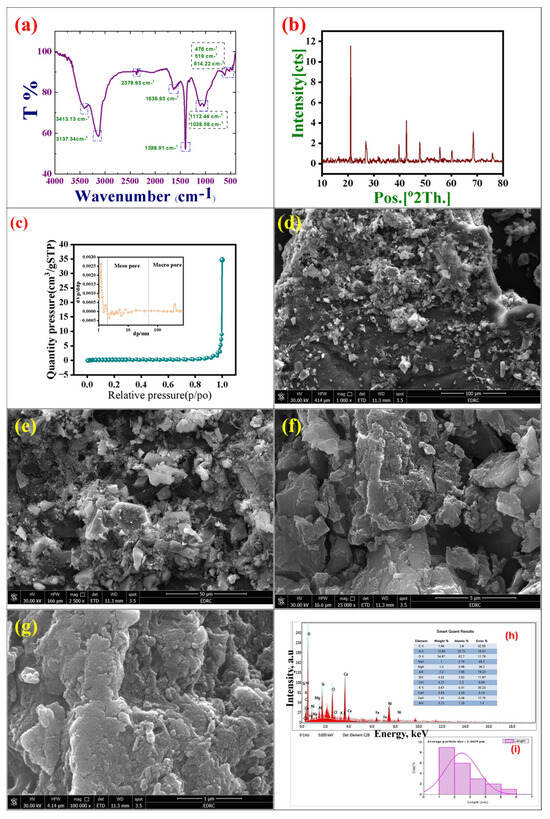
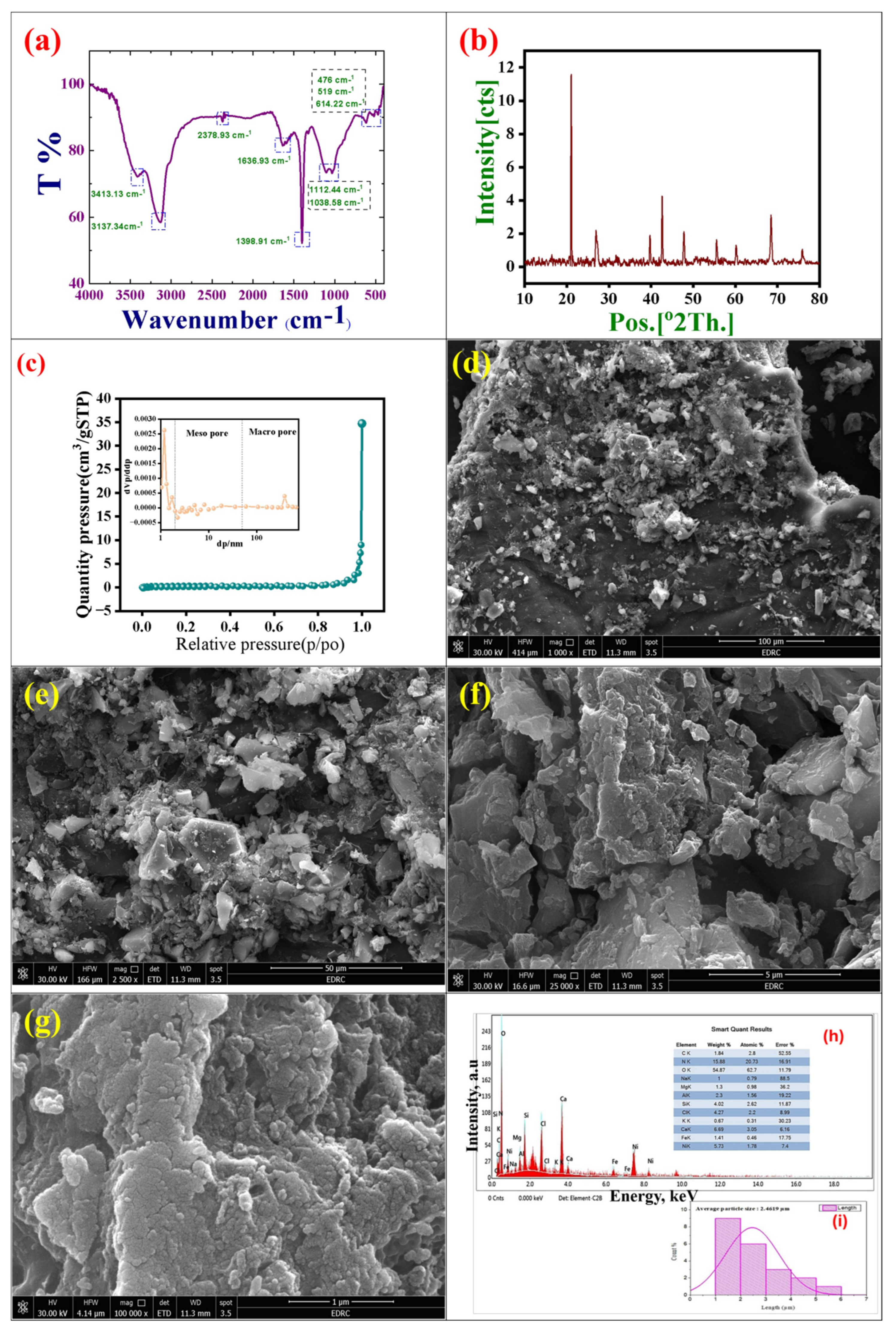
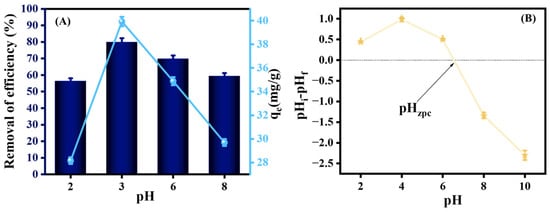
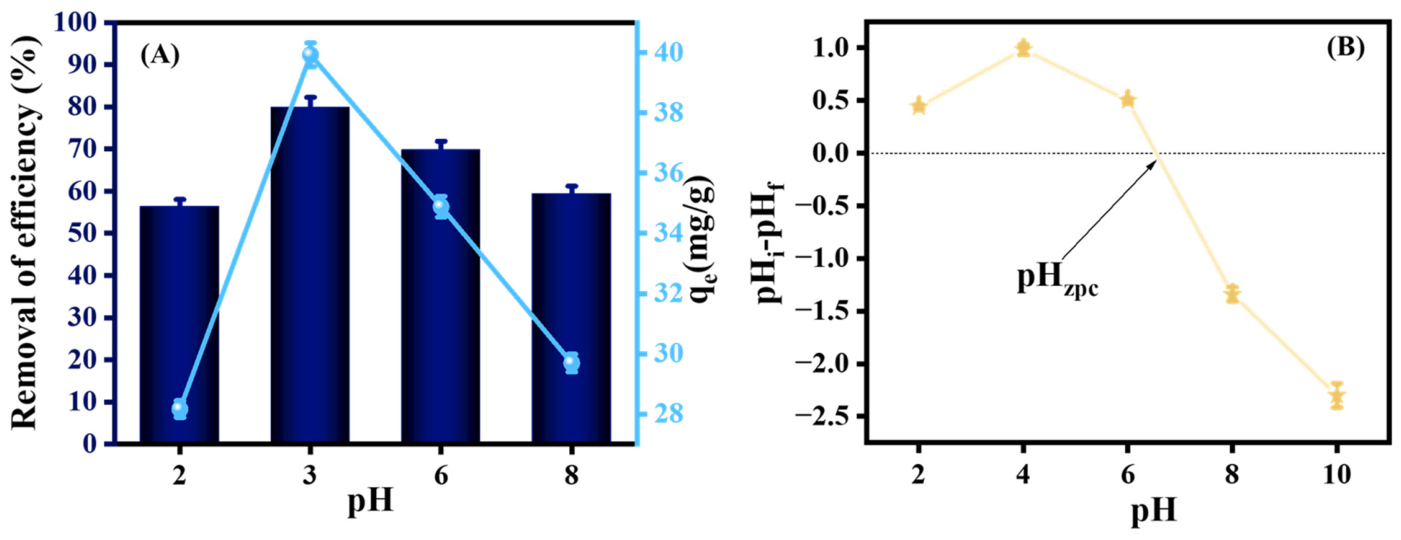
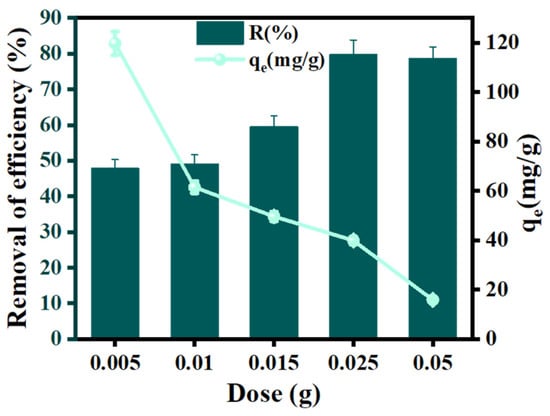
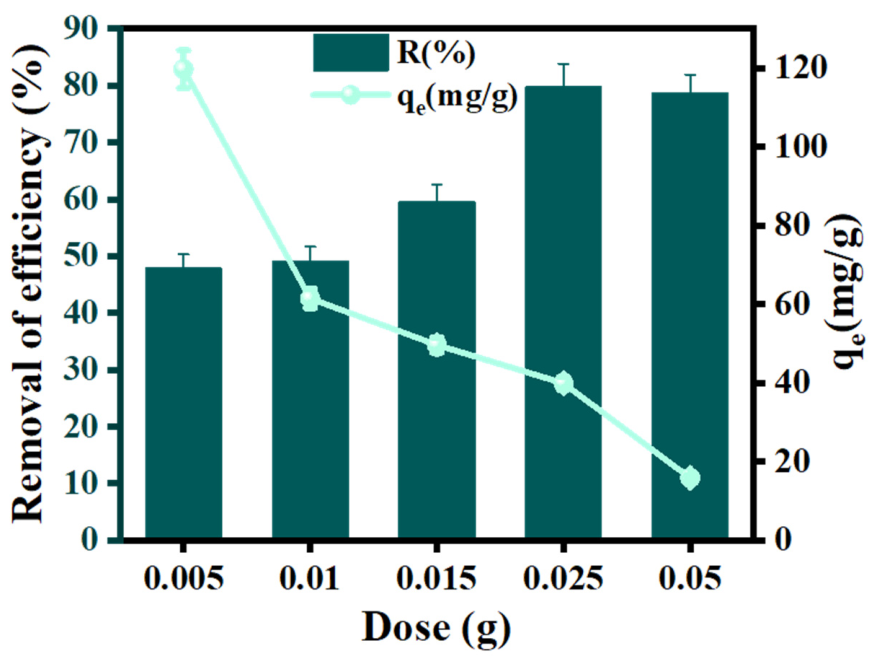
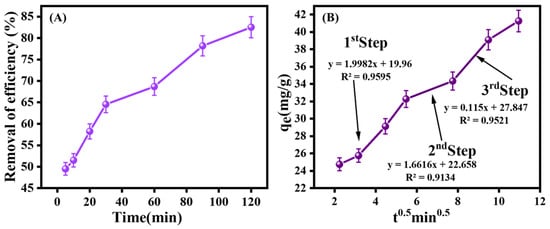
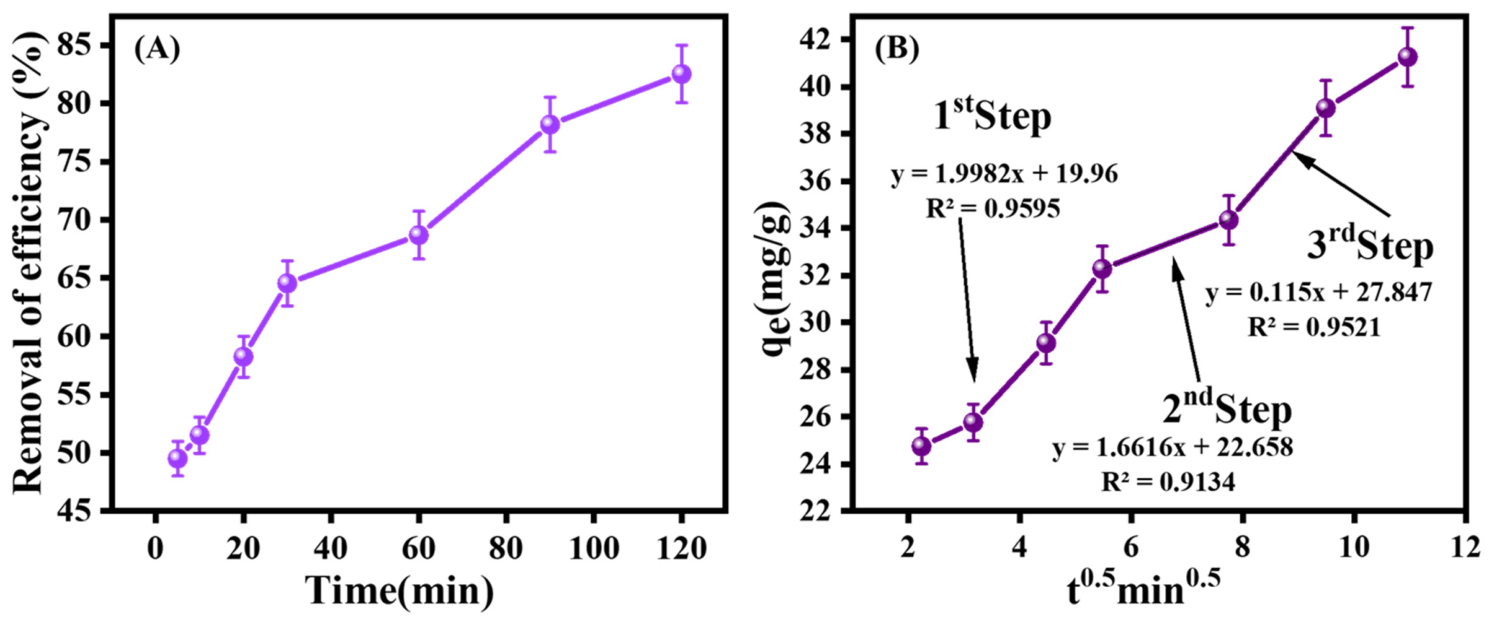
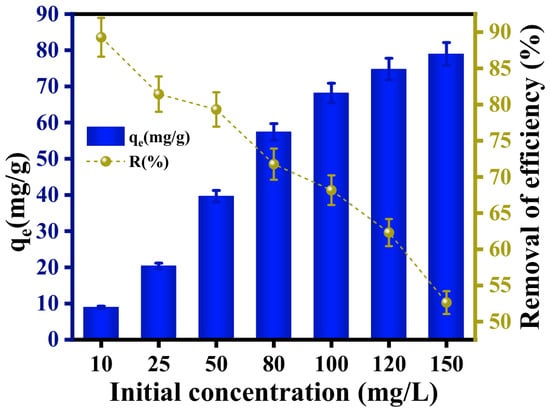
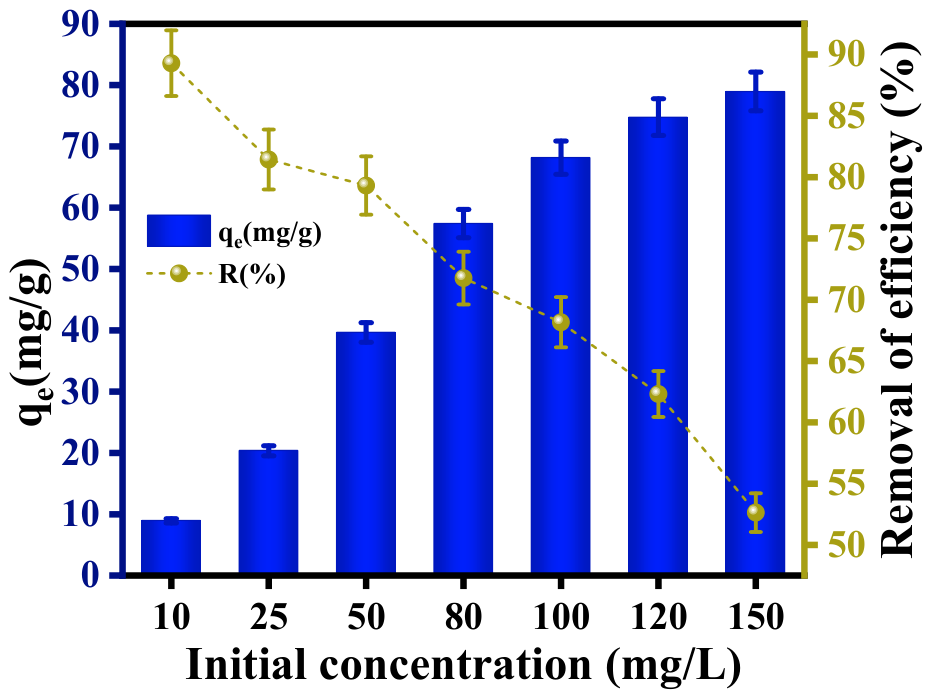
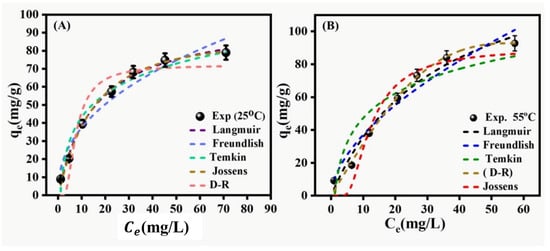
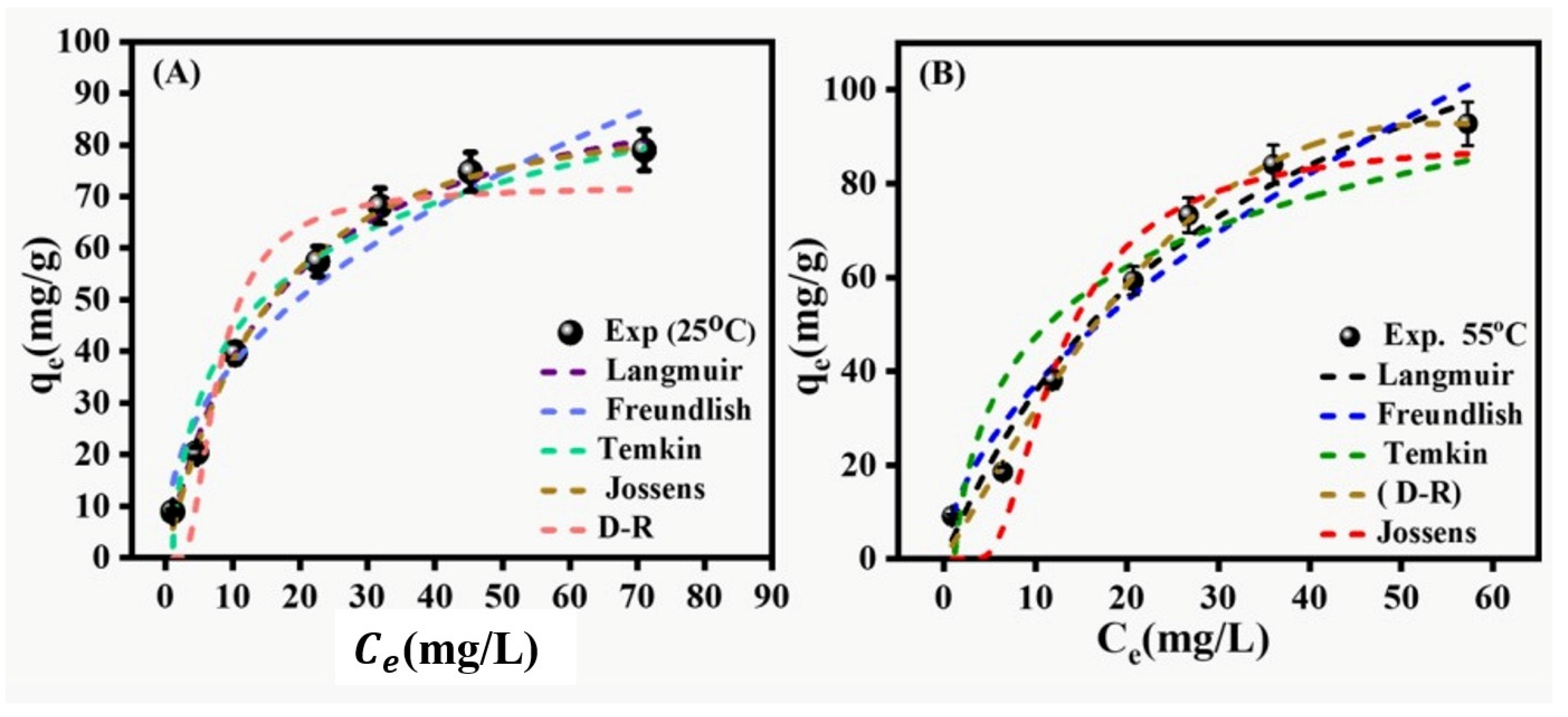
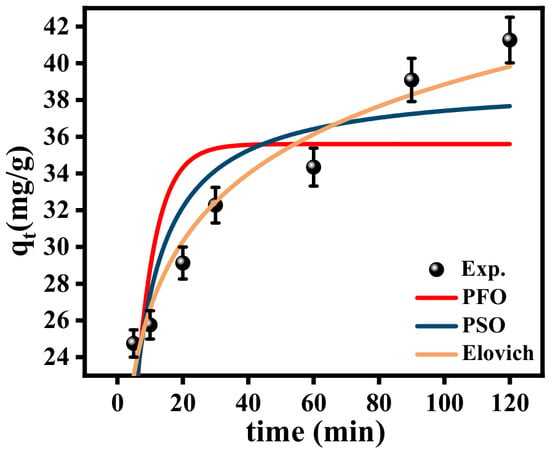
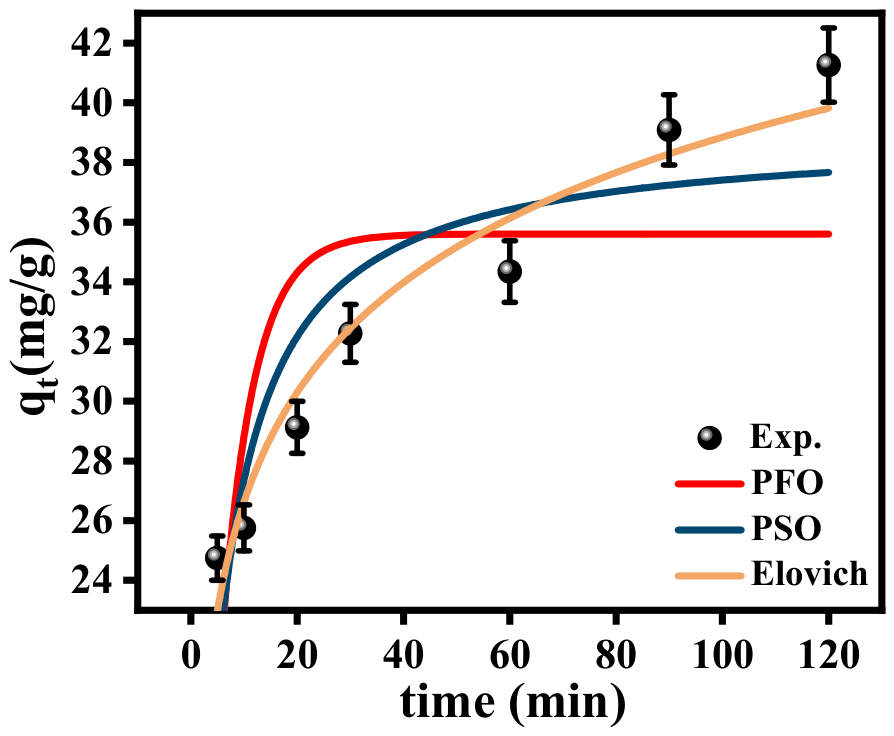
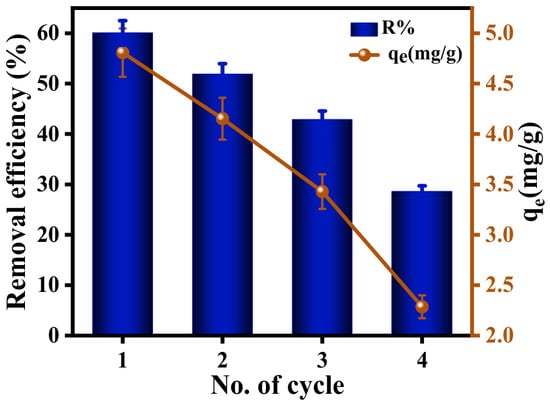
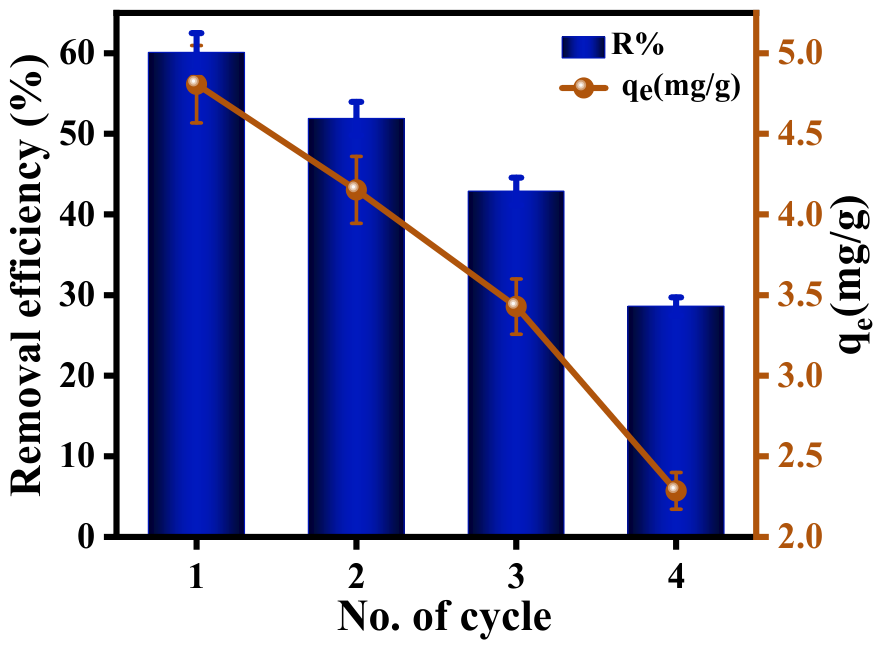
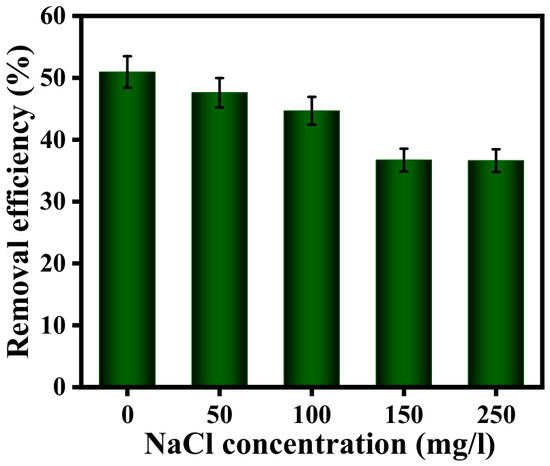
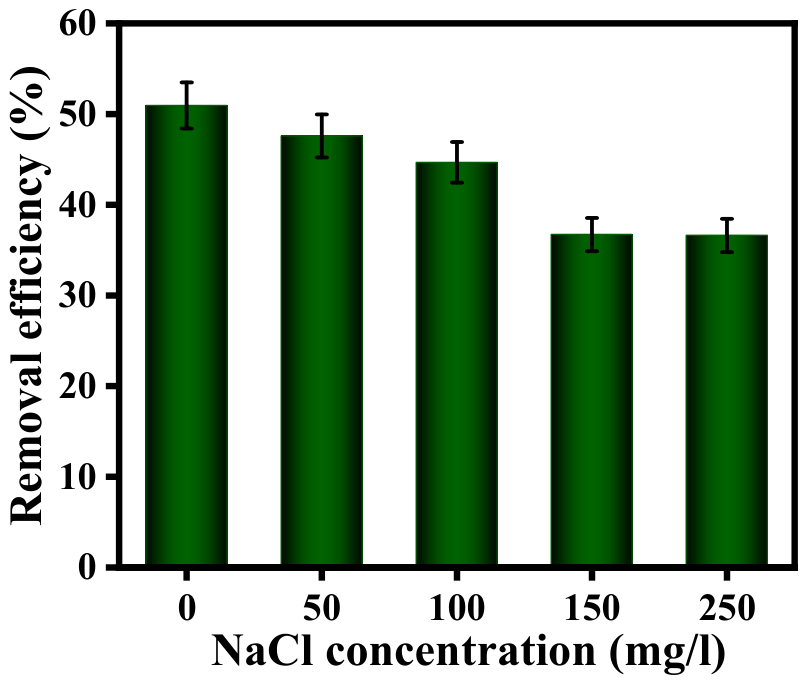
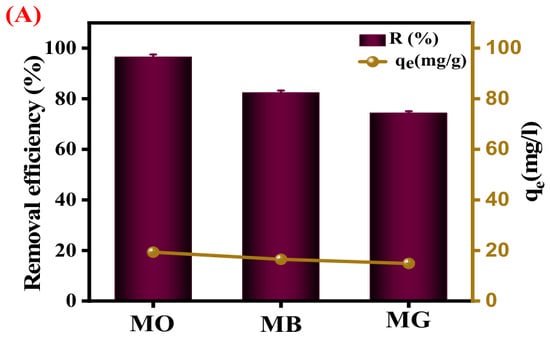
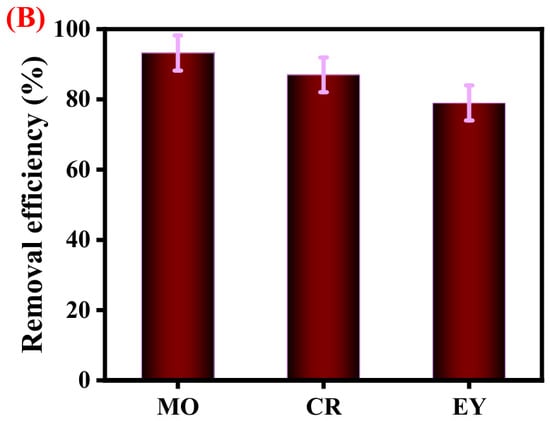
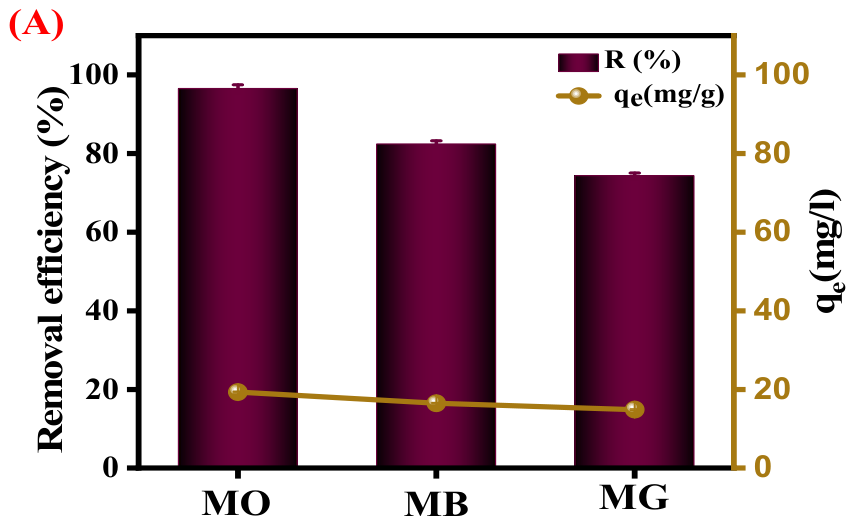
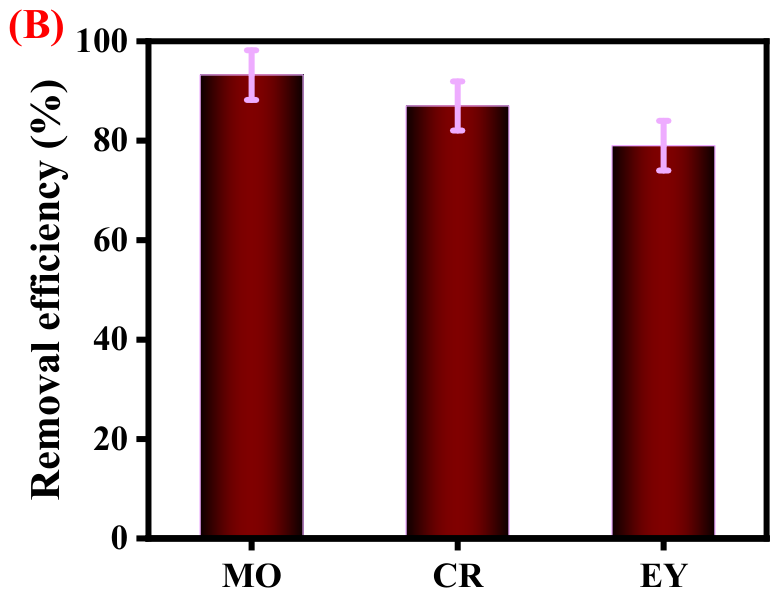
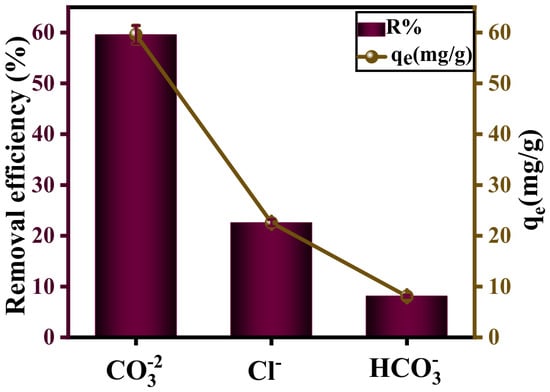
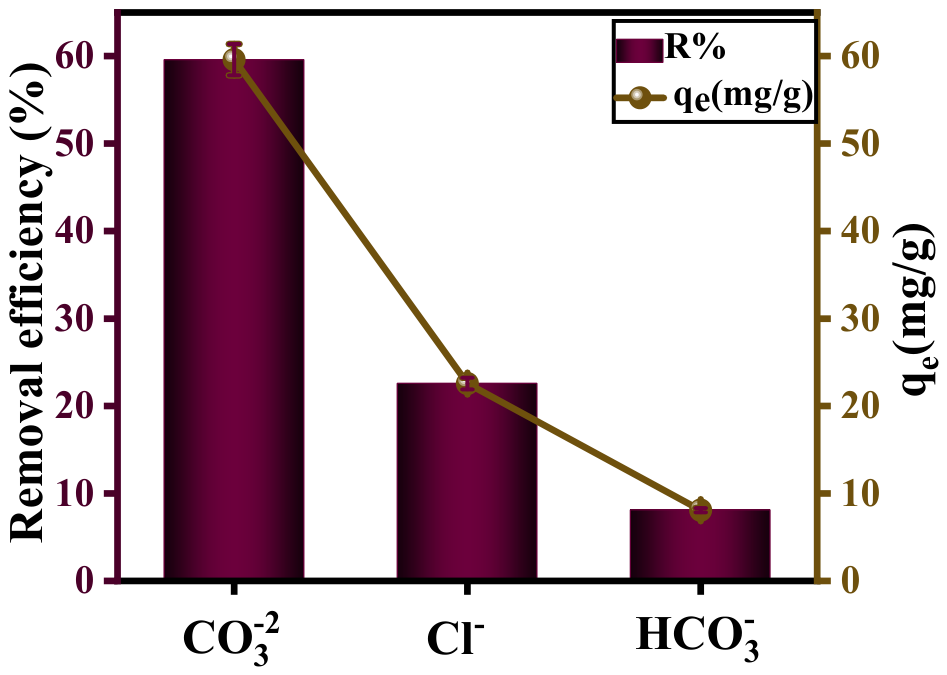
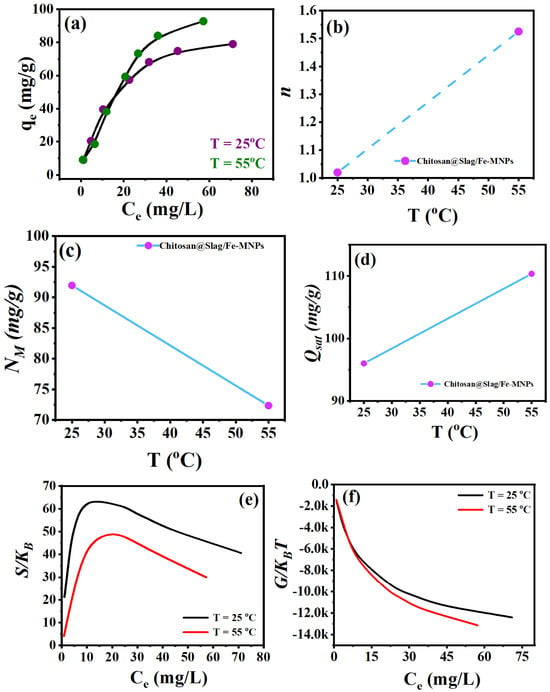
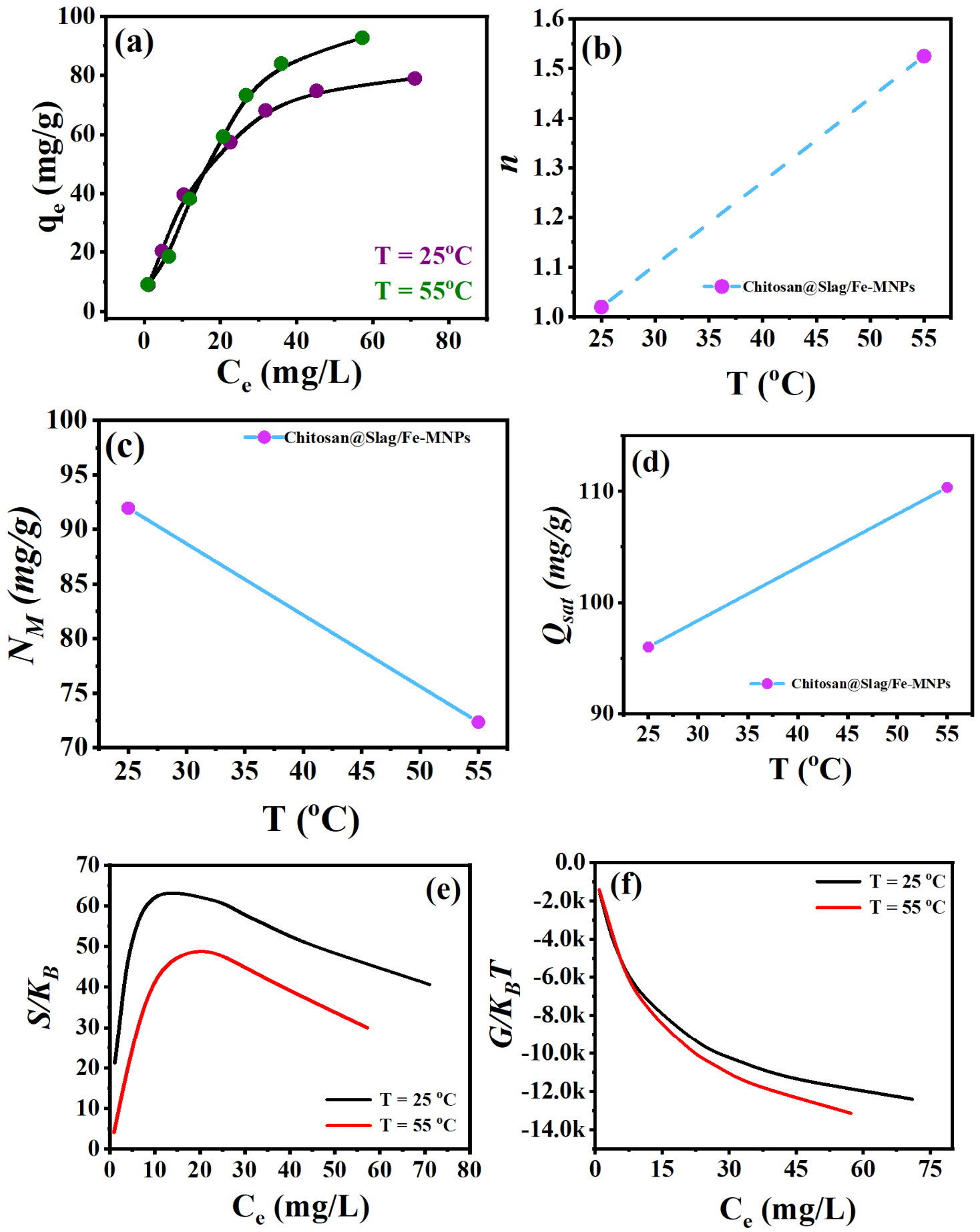
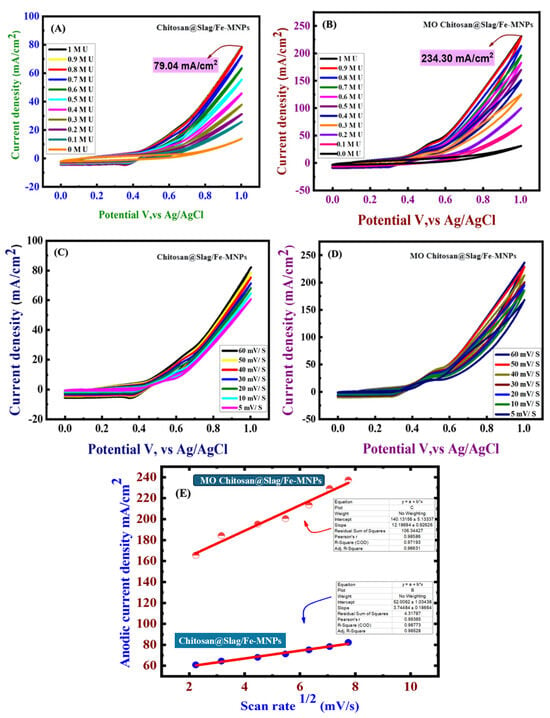
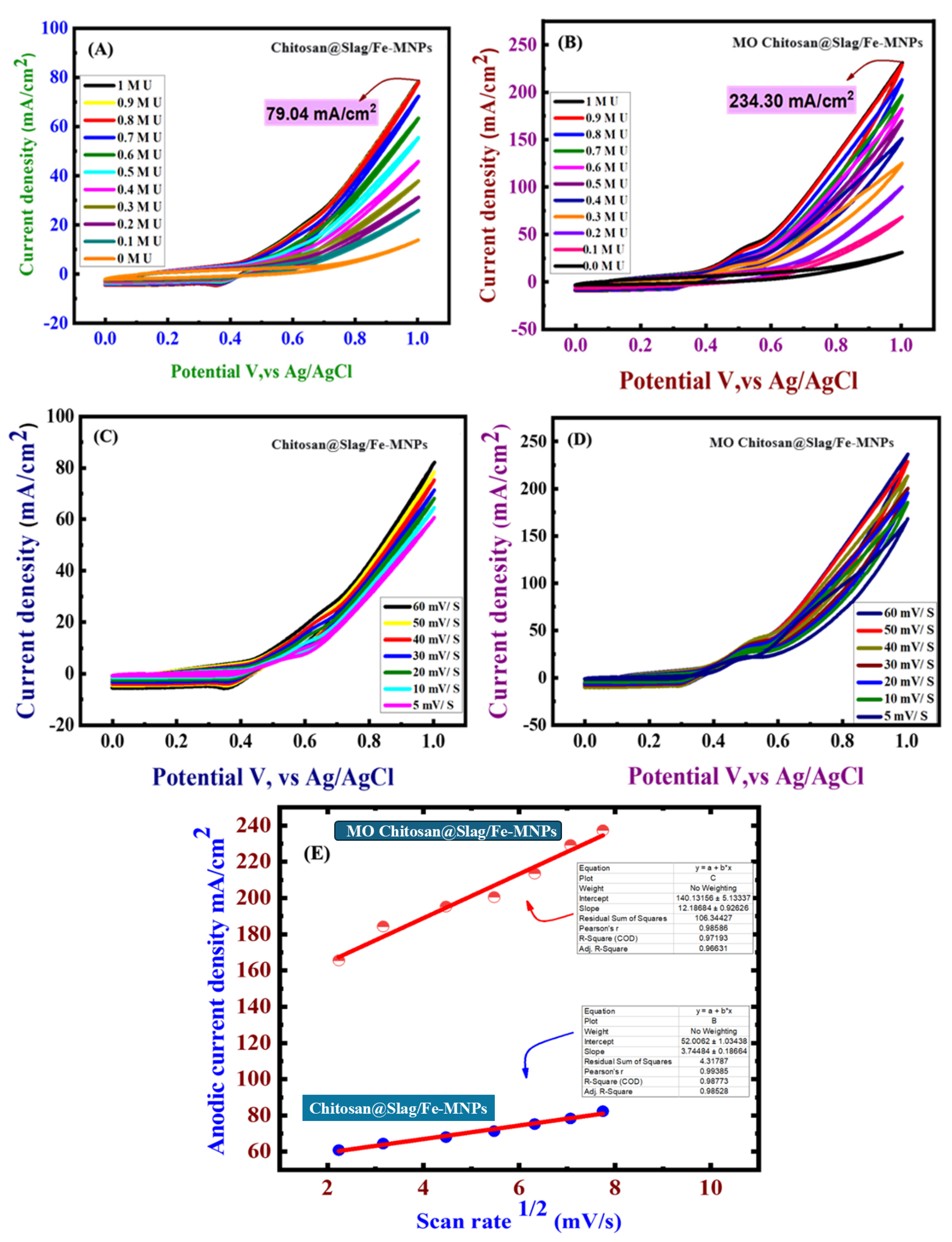
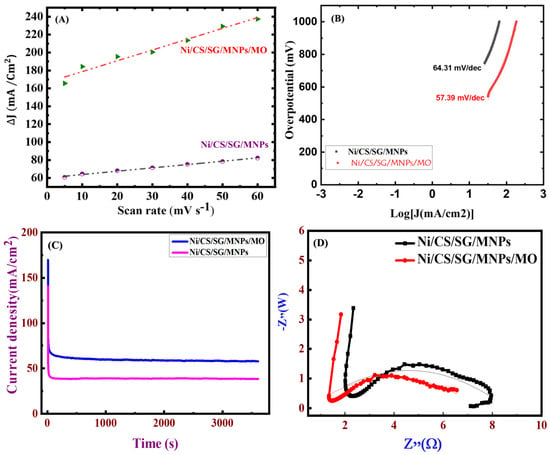
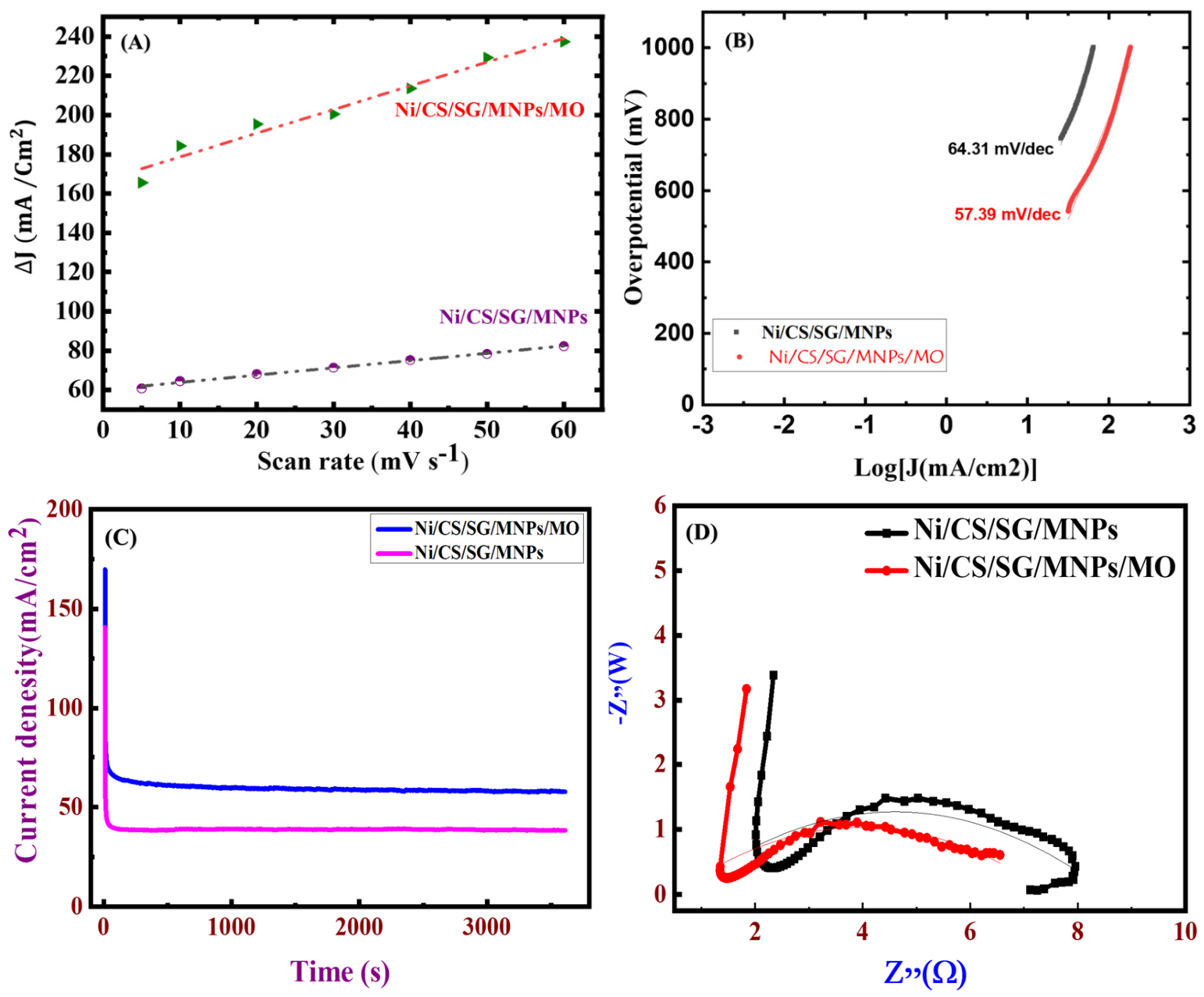
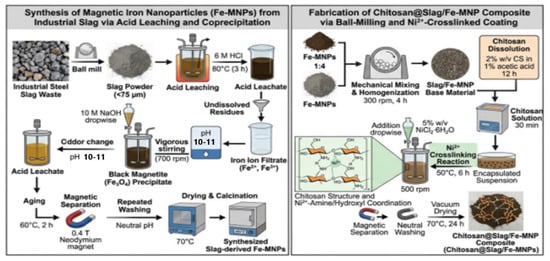
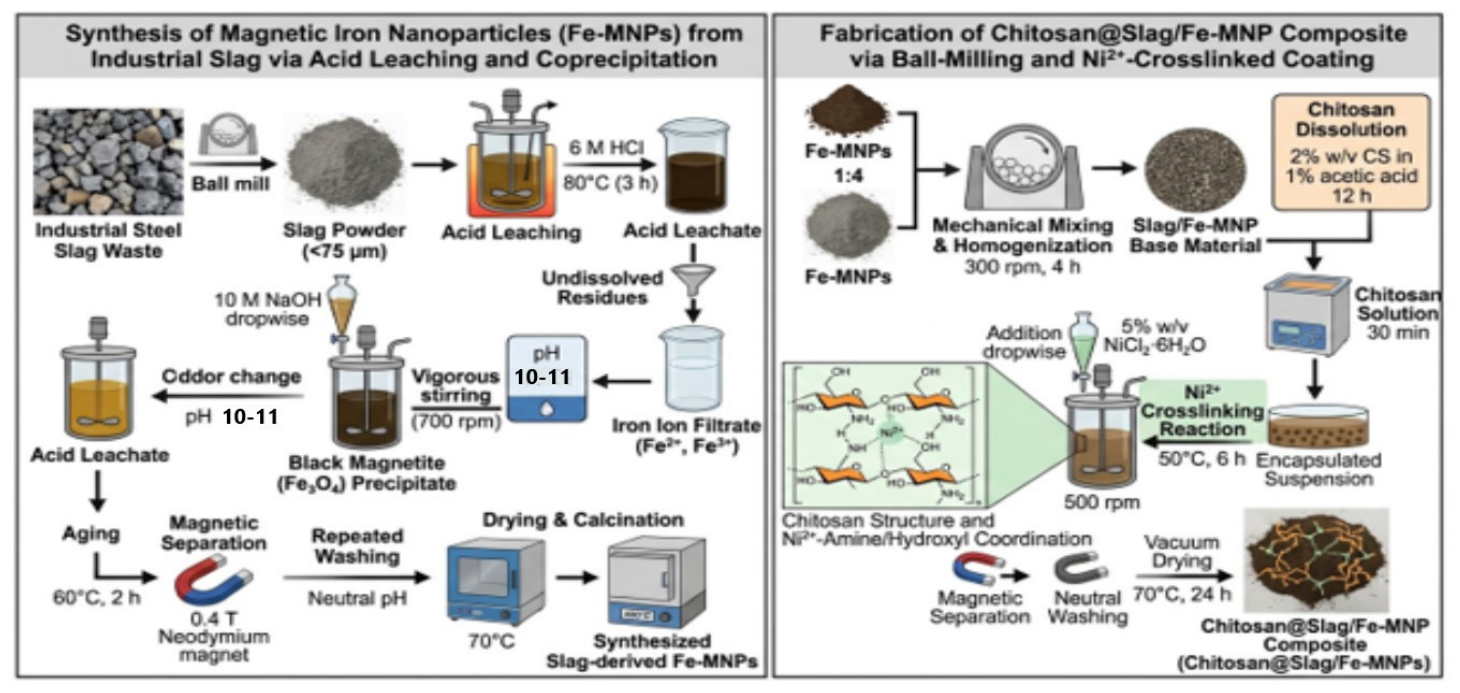

Disclaimer/Publisher’s Note: The statements, opinions and data contained in all publications are solely those of the individual author(s) and contributor(s) and not of MDPI and/or the editor(s). MDPI and/or the editor(s) disclaim responsibility for any injury to people or property resulting from any ideas, methods, instructions or products referred to in the content. |
© 2026 by the authors. Licensee MDPI, Basel, Switzerland. This article is an open access article distributed under the terms and conditions of the Creative Commons Attribution (CC BY) license.